Long Before The Wheel Started Spinning
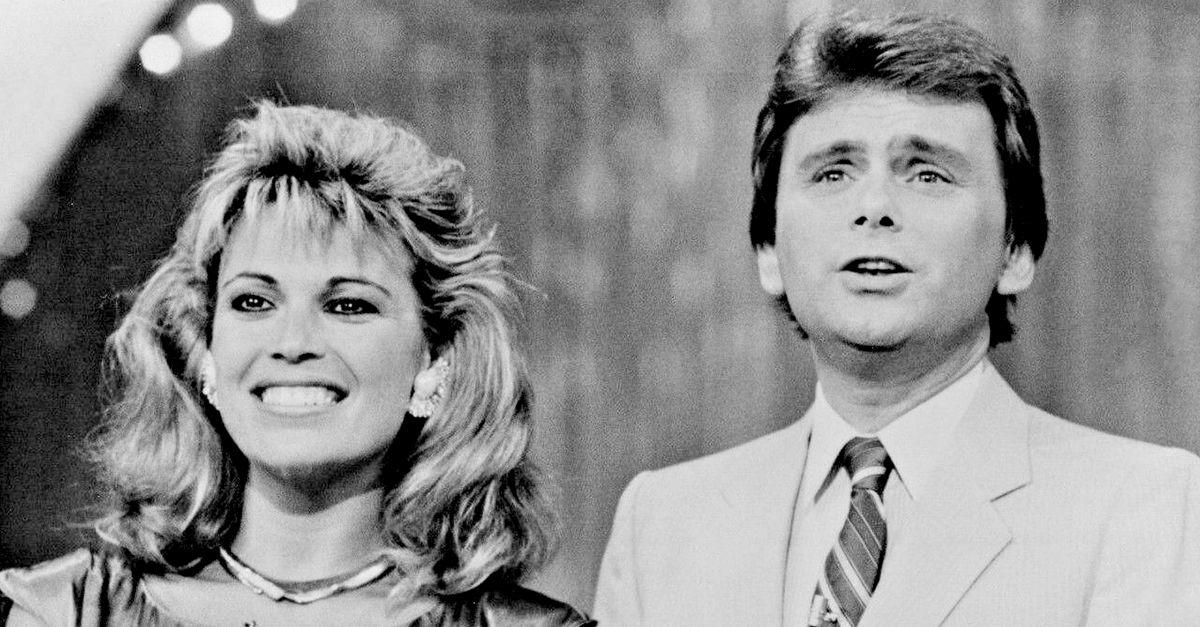
For more than four decades, Pat Sajak was one of the most familiar faces on American television. Before Wheel of Fortune, however, he spent part of his early twenties in a very different broadcasting booth—one in an active warzone. Sajak served in the U.S. Army during the Vietnam War and became a morning radio DJ for American troops in Saigon.
 Merv Griffin Enterprises, Wikimedia Commons
Broadcasting Was Already In His Blood
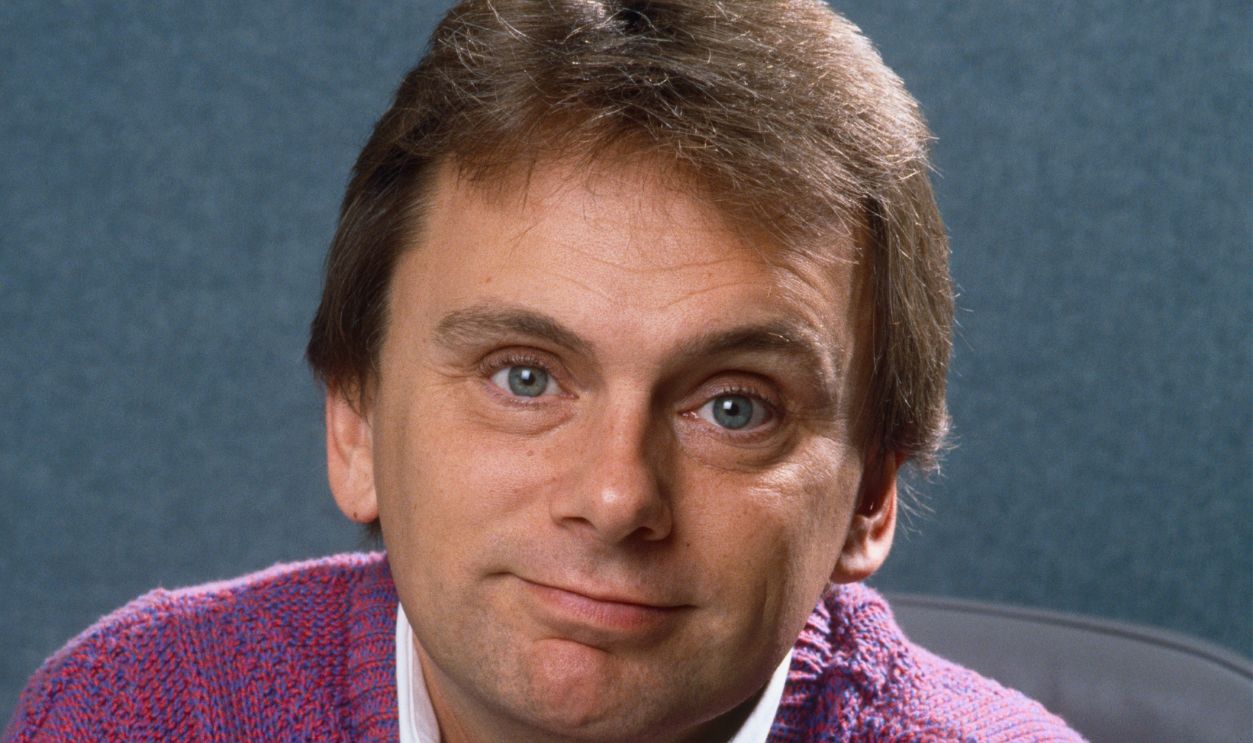
Patrick Leonard Sajdak was born in Chicago on October 26, 1946, and developed an interest in broadcasting while he was young. As a teenager, he won a contest that allowed him to appear as a guest DJ on Chicago radio personality Dick Biondi's show. The experience pointed him toward a career that would eventually stretch from radio to television.
He Started From The Bottom
Sajak attended Columbia College Chicago and found one of his earliest professional broadcasting jobs while he was still a student. A broadcasting instructor alerted him that a local radio station needed a newsman, and Sajak got the job. His shift ran from midnight until 6 a.m., giving the future television star plenty of practice working strange hours.

Then The Army Changed Everything
In 1968, Sajak joined the U.S. Army as the Vietnam War continued. The Army initially trained him as a clerk typist rather than an entertainer or broadcaster. He was then sent to Vietnam to work as a finance clerk, seemingly putting his radio ambitions on hold.

Radio Found Him Again
Sajak did not remain behind a finance desk for his entire Vietnam assignment. He repeatedly pursued a transfer to the American Forces Vietnam Network in Saigon, where his civilian radio experience could actually be useful. Eventually, he got the opportunity and returned to the microphone.
His New Audience Was Thousands Of Miles From Home
Sajak became a disc jockey with the American Forces Vietnam Network, commonly known as AFVN. The network provided programming for American military personnel stationed in Vietnam, and Sajak took over an early-morning broadcasting role in Saigon. Instead of commuters heading to work, his audience was now GIs fighting a brutal war.

Every Morning Began The Same Way
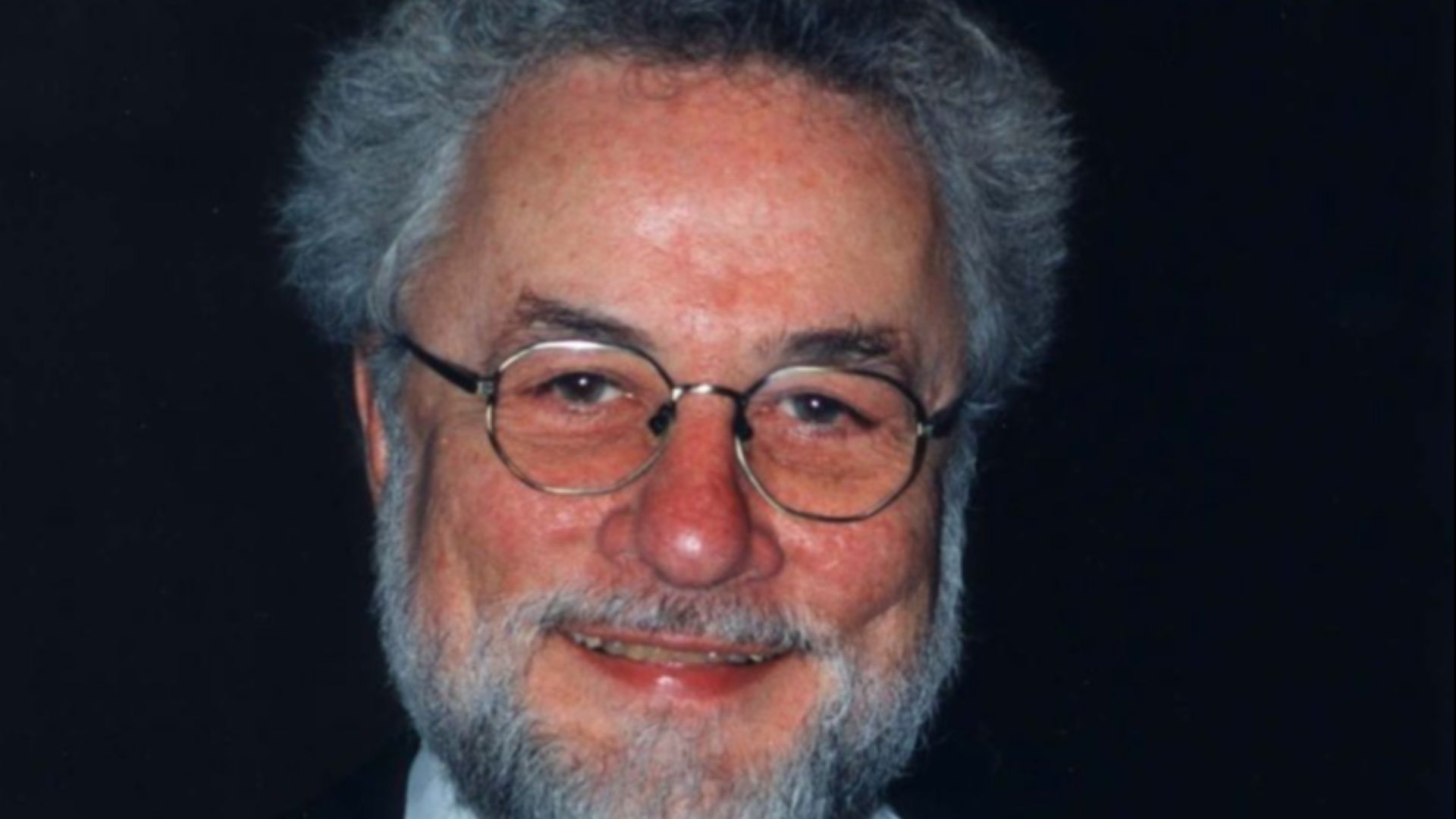
Sajak later recalled that he opened his weekday broadcasts at 6 a.m. with an enthusiastic "Good morning, Vietnam!" He said he used the greeting from October 1968 through December 1969. The famous sign-on had already been used by AFVN broadcaster Adrian Cronauer before Sajak arrived.
 Kingkongphoto & www.celebrity-photos.com from Laurel Maryland, USA, Wikimedia Commons
He Wasn't The Man Who Invented The Phrase
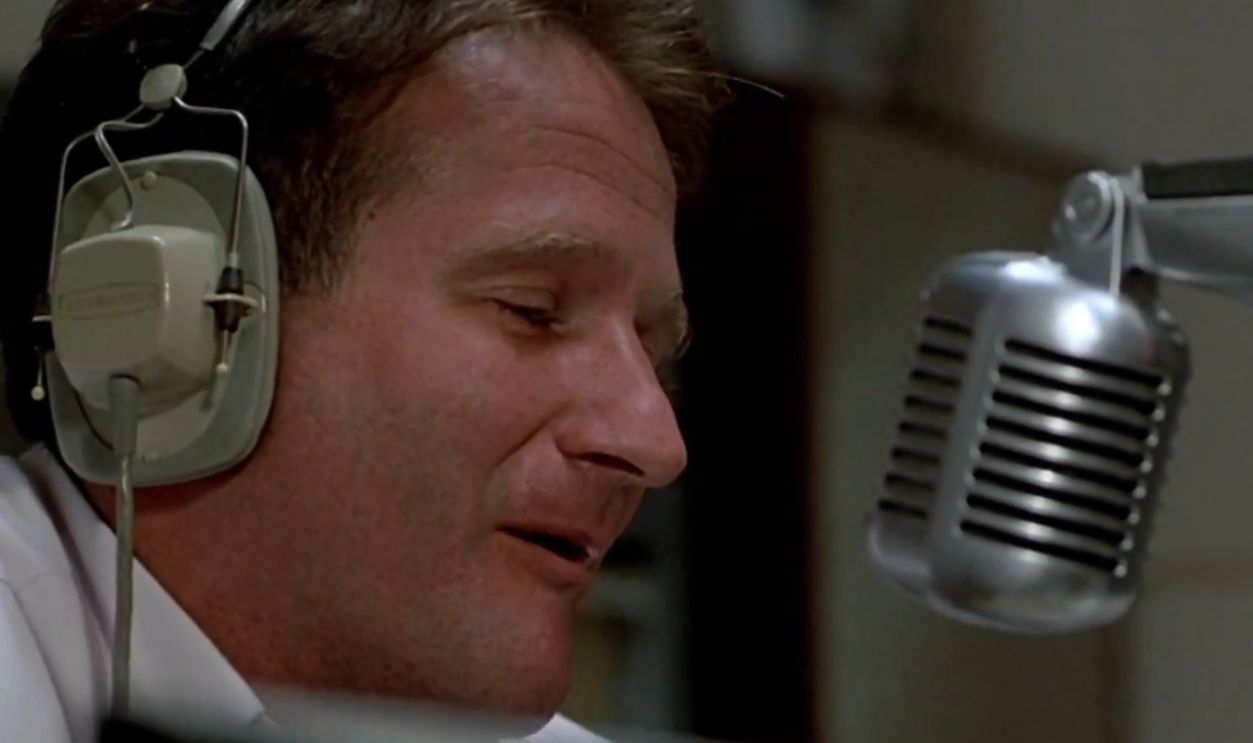
Years later, Robin Williams made "Good morning, Vietnam!" famous with his portrayal of Adrian Cronauer in the 1987 film of the same name. Sajak has been careful to explain that Cronauer used the greeting before him. By Sajak's time at AFVN, it had become part of the early-morning DJ tradition at the station.
 Screenshot from Good Morning, Vietnam, Touchstone Pictures (1987)
The Future Game Show Host Had A Morning Show
Sajak's job involved spinning records, talking between songs, and keeping the broadcast moving for listeners across Vietnam. His later career would depend heavily on timing, improvisation, and sounding relaxed while working live. Decades afterward, the Television Academy specifically highlighted his Armed Forces Radio experience while discussing how he developed his style as a host.

It Was A Very Different Kind Of Military Duty
Sajak knew his assignment was considerably safer than the work performed by soldiers in the field. He later wrote that he sometimes felt guilty about what he described as relatively "soft" duty, noting that he lived in a hotel and had access to restaurants in Saigon. That discomfort changed somewhat when combat troops visiting the city told him what the broadcasts meant to them.

Soldiers Thanked Him For The Music
According to Sajak, troops coming into Saigon from the field would sometimes thank the AFVN staff for giving them a small connection to home. He found their gratitude humbling because he knew the dangers many of those soldiers faced every day. The encounters changed how he thought about entertainment's place within military life.
He Never Forgot Those Encounters
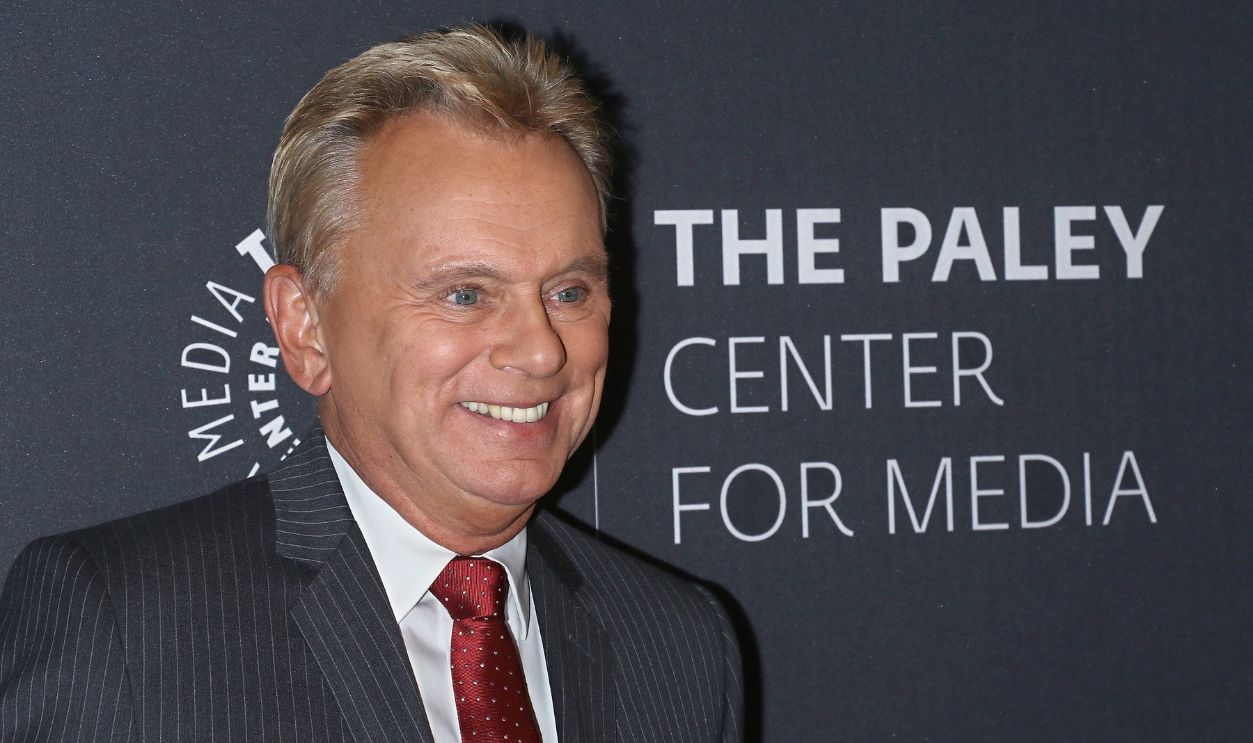
Sajak has continued to speak proudly about his military service long after becoming famous. In a public message for the American Veterans Center, he identified himself as a Vietnam veteran and recalled waking fellow soldiers through Armed Forces Radio. He has also argued publicly that Vietnam veterans deserve respect for their service.
 Allen Berezovsky, Getty Images
Then Came One Spectacular Radio Mistake
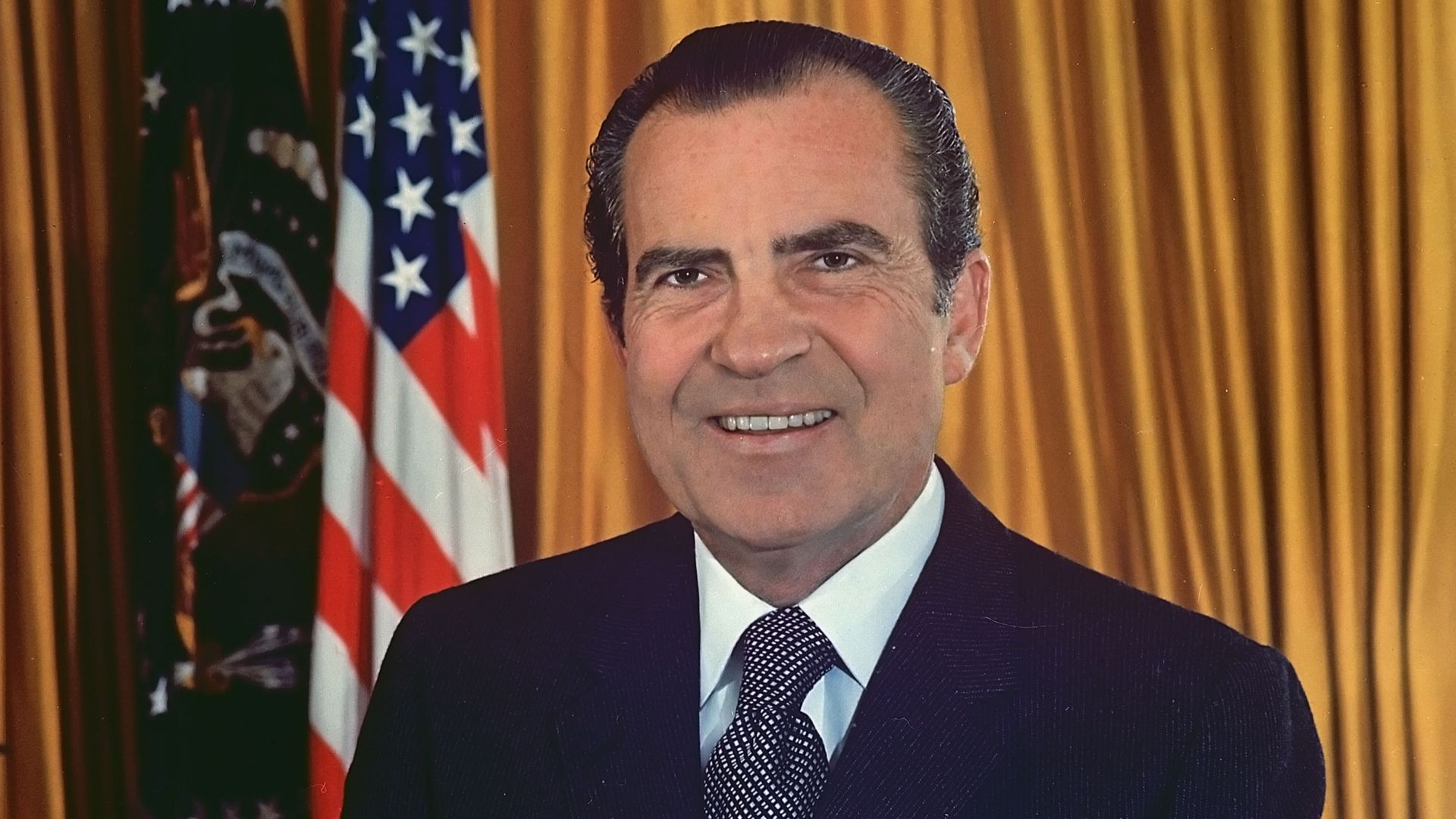
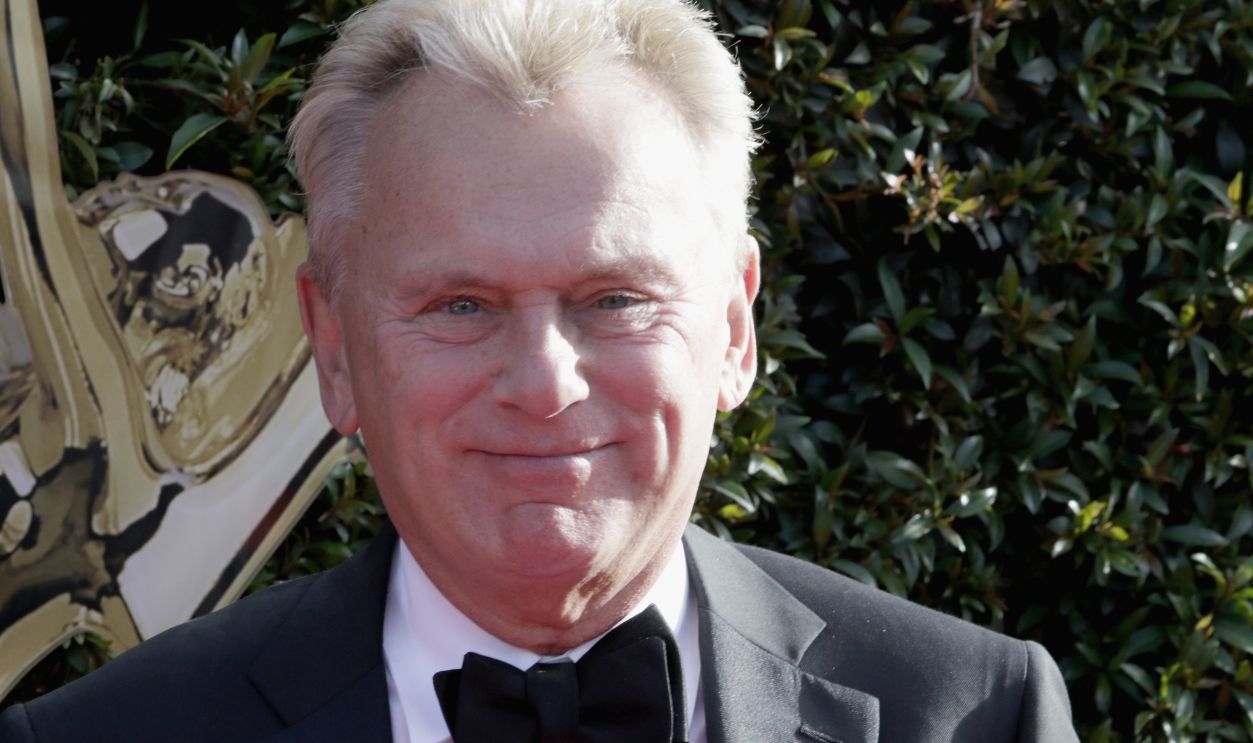
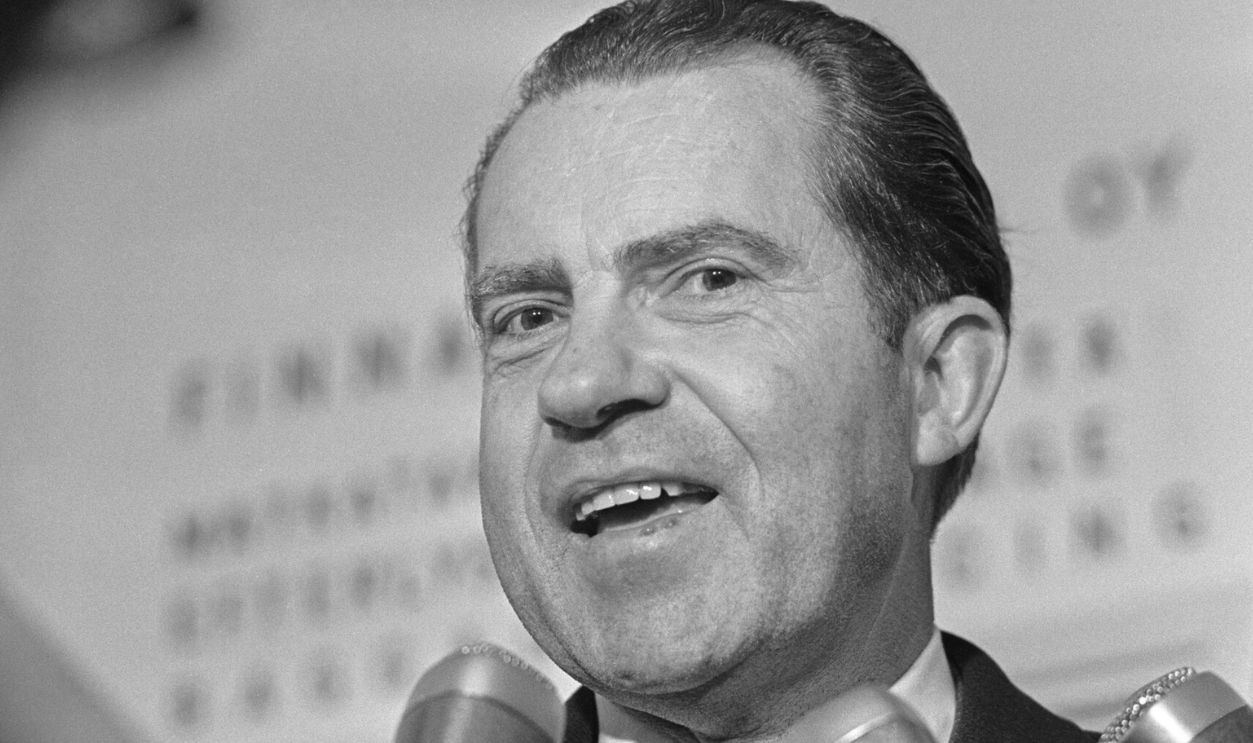
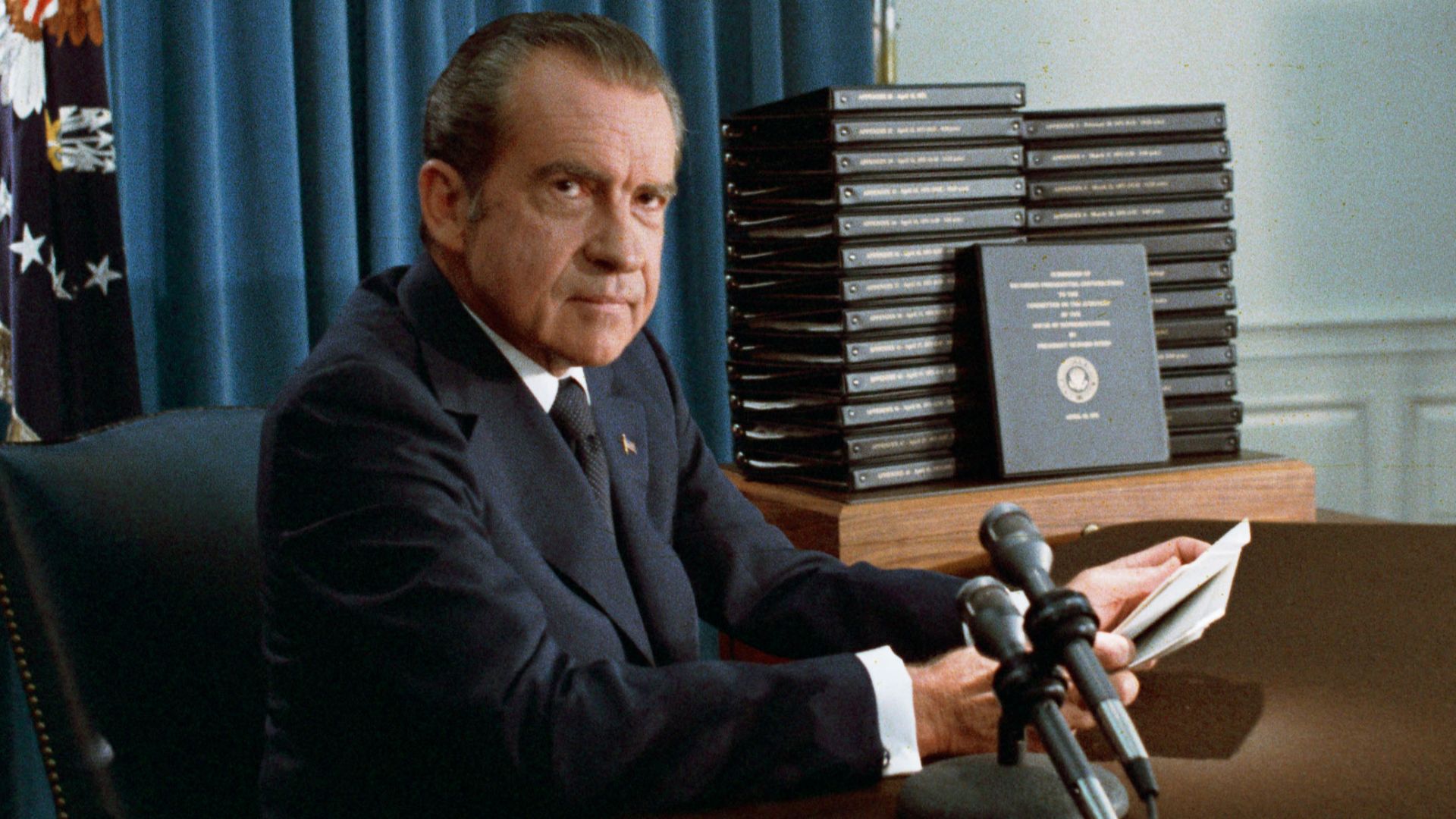
Sajak's time behind the AFVN microphone also produced a broadcasting mishap that he remembered decades later. It happened around Christmas 1969, when President Richard Nixon was delivering his first holiday address as president. Because the speech coincided with Sajak's morning program in Vietnam, Sajak was responsible for bringing the broadcast to AFVN listeners.
 White House Photo Office., Wikimedia Commons
He Had The President In His Headphones
While running his regular show, Sajak monitored a CBS News feed through headphones. When the president's address began, he interrupted his music and switched AFVN over to Nixon's speech. For a time, everything worked exactly as planned.
Then Nixon Seemed To Finish
Near what Sajak believed was the end of the address, Nixon paused and shuffled his papers. Sajak interpreted the moment as the conclusion of the speech and switched the network back to regular programming. He announced that listeners had just heard the president and started playing music again.
 Finnish Heritage Agency, Wikimedia Commons
There Was Just One Problem
Once the next record was playing, Sajak returned to the CBS feed in his headphones to hear the post-speech commentary. Instead, he discovered that Nixon was still talking. The president's pause had not been the end of the address at all.
 National Archives & Records Administration, Wikimedia Commons
And Nixon Was Talking To The Troops
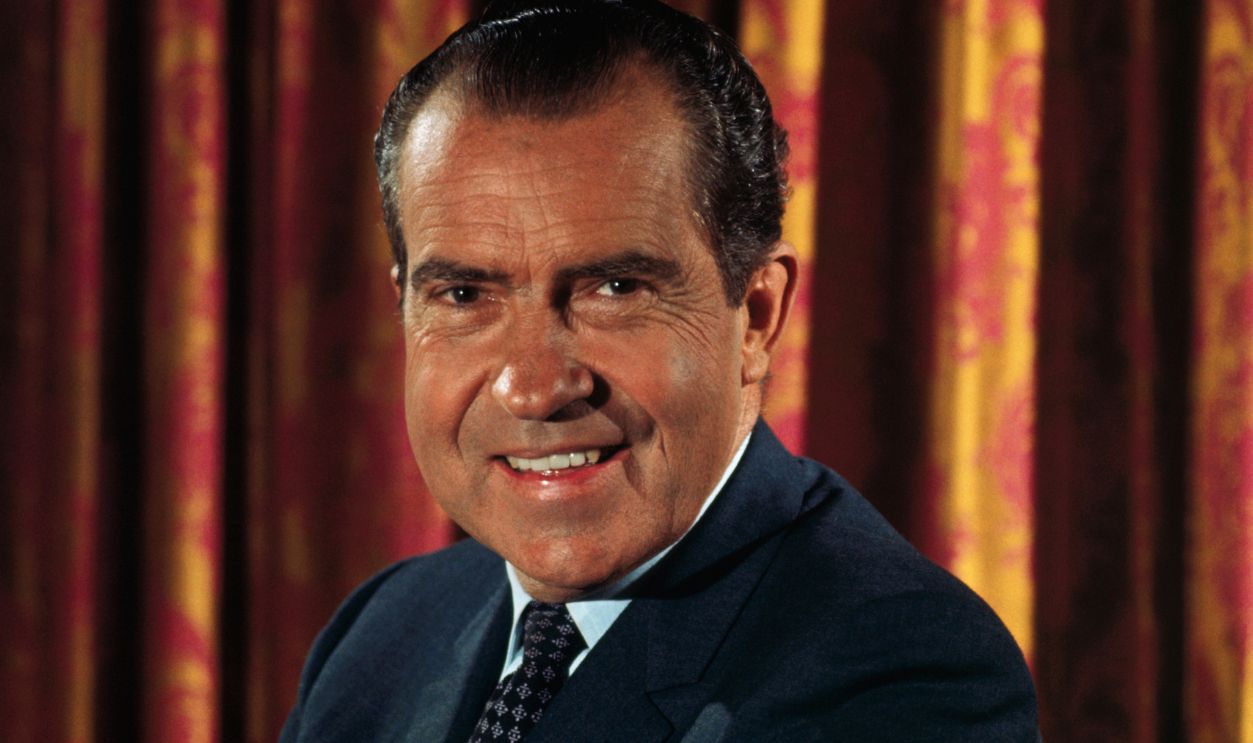
The timing made Sajak's mistake even more awkward. When he checked the feed, Nixon was beginning remarks directed specifically toward American military personnel in Vietnam. Whoops.
Sajak Had Seconds To Make A Choice
He could reconnect the presidential address and reveal that he had mistakenly cut it off, or he could keep the music playing. Sajak chose the second option. As he later joked in his account for the USO, virtually nobody listening knew what had happened because he alone had been monitoring the CBS feed.
The Troops Got Pop Music Instead
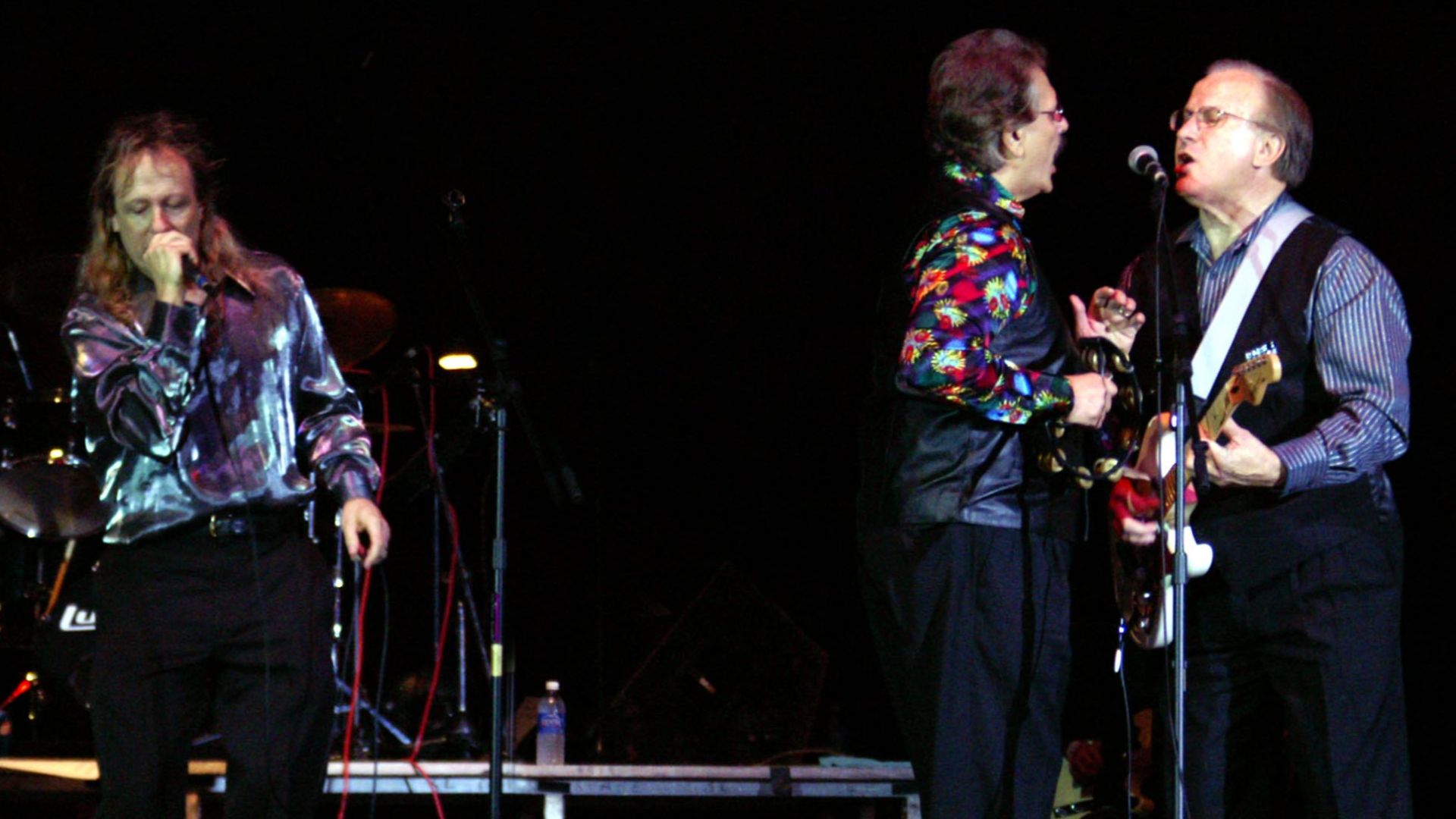
While Nixon continued his address, AFVN listeners heard the station's regularly scheduled music. Sajak later revealed that the song playing was "1, 2, 3, Red Light" by the 1910 Fruitgum Company. He carried the embarrassing broadcasting story with him for decades before recounting it publicly.
 HaarFager at English Wikipedia, Wikimedia Commons
His Vietnam Chapter Eventually Ended
Sajak's regular AFVN morning broadcasts ran through December 1969, according to his own account. His military broadcasting experience became an important early chapter in a career that would remain centered on microphones, cameras, and live audiences. Once he returned to civilian life, he kept pursuing broadcasting professionally.
 Ron Galella, Ltd., Getty Images
Nashville Became The Next Stop
Sajak eventually worked in Nashville, where he continued his career in radio and television. He became a DJ at WSM and also worked for the station's television operation. Those jobs brought him gradually out from behind the radio microphone and in front of television cameras.

Weather Put His Face On Television
By the 1970s, Sajak was doing television work that included weather reporting. In 1977, KNBC-TV in Los Angeles brought him to California as a full-time weatherman after seeing his work in Nashville. The move placed him in one of America's largest television markets and closer to the entertainment industry.
 MediaNews Group/Boulder Daily Camera via Getty Images, Getty Images
Merv Griffin Noticed Him
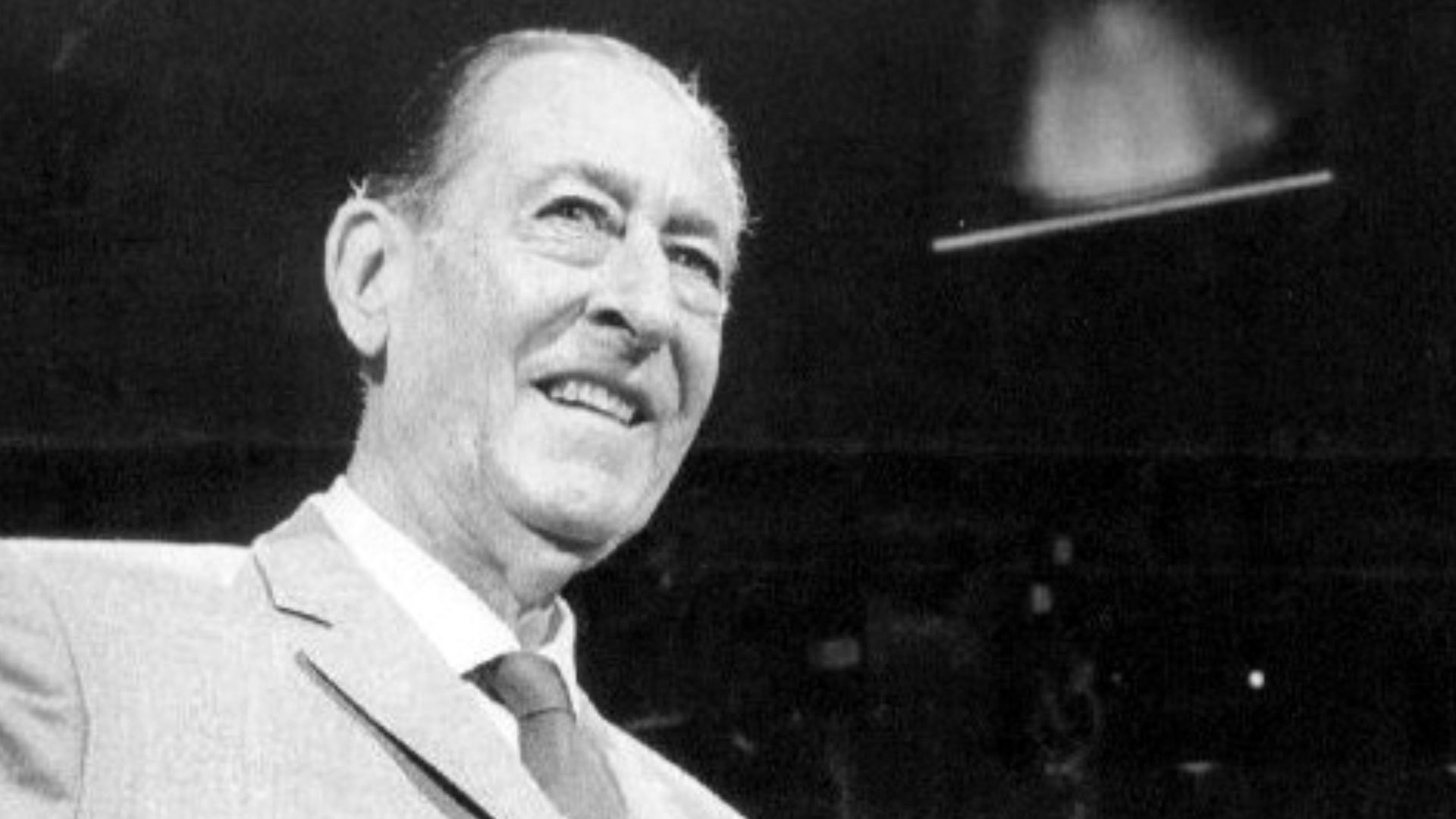
Game show producer Merv Griffin eventually saw Sajak's television work in Los Angeles. Griffin, who had created Wheel of Fortune, was preparing to replace original host Chuck Woolery. In 1981, he approached Sajak about taking over the program.
 CBS Television, Wikimedia Commons
Getting The Job Wasn't Automatic
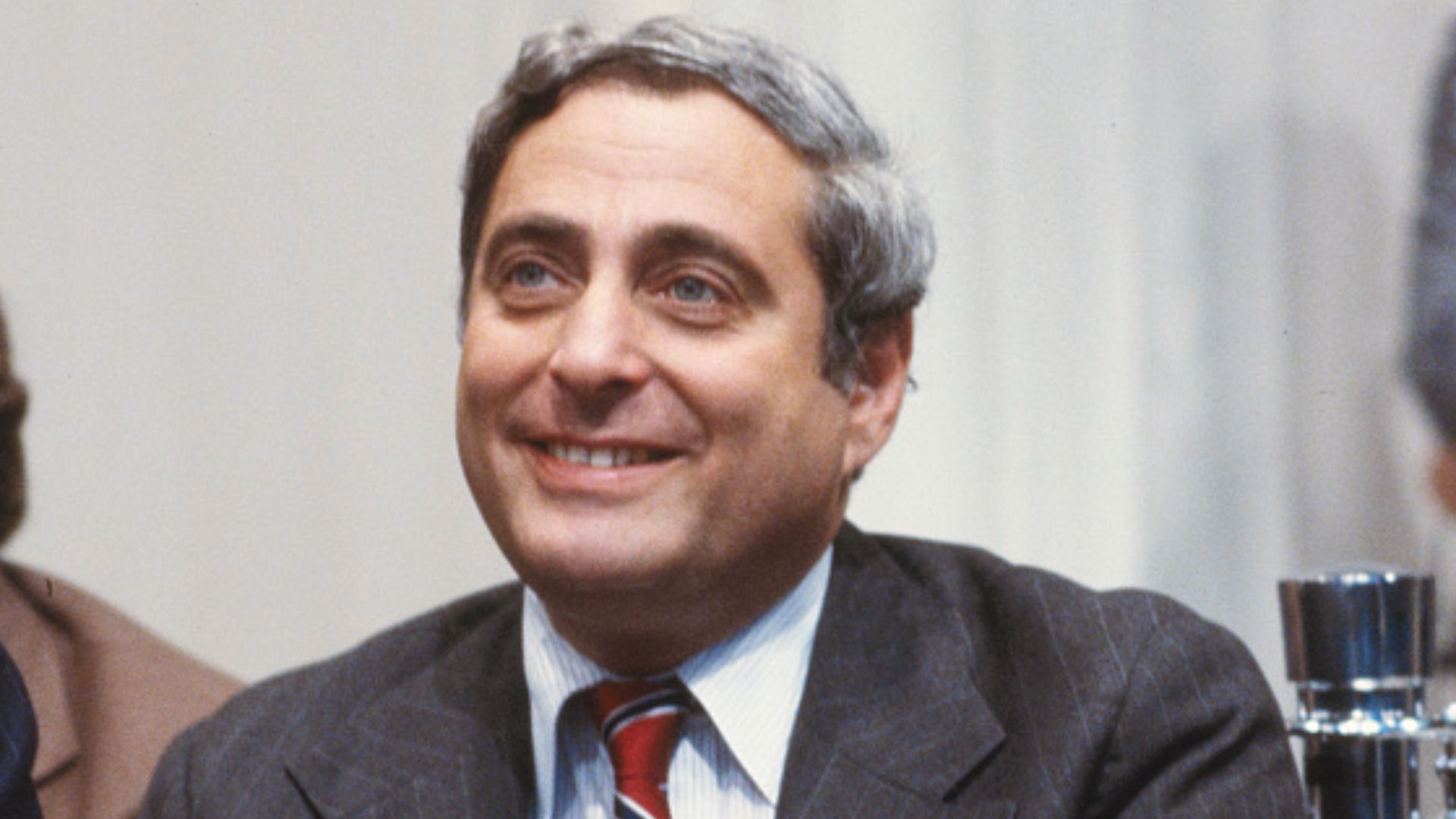
NBC executive Fred Silverman initially rejected Griffin's choice of Sajak, according to accounts of the hiring. Griffin continued pushing for the Los Angeles weatherman to get the position. Sajak ultimately became the new host of Wheel of Fortune in 1981.
 Gotfryd, Bernard, photographer, Wikimedia Commons
The Wheel Changed His Life
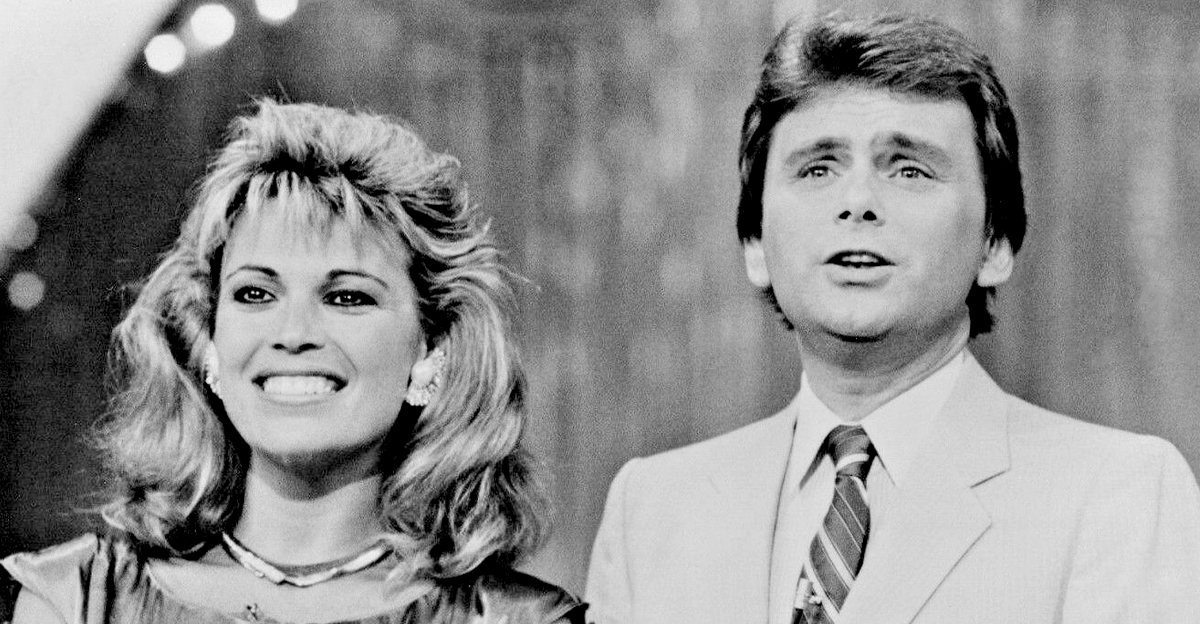
A syndicated nighttime edition of Wheel of Fortune arrived in 1983, helping turn Sajak into a nationally recognized television personality. Vanna White had joined the program in 1982, and their partnership became one of television's most enduring. What had started with overnight radio and military broadcasts had now reached millions of American homes.
 Screenshot from Wheel of Fortune, NBC (1975–)
His Radio Instincts Never Really Disappeared
The basic skills Sajak practiced behind microphones long before Wheel remained useful on television. The Television Academy's extensive interview with him connects his military broadcasting experience with the development of his hosting style and later career. Sajak himself has described game show hosting as a job where the game and contestants should remain the stars.
 Screenshot from Wheel of Fortune, NBC (1975–)
Four Decades Later He Said Goodbye
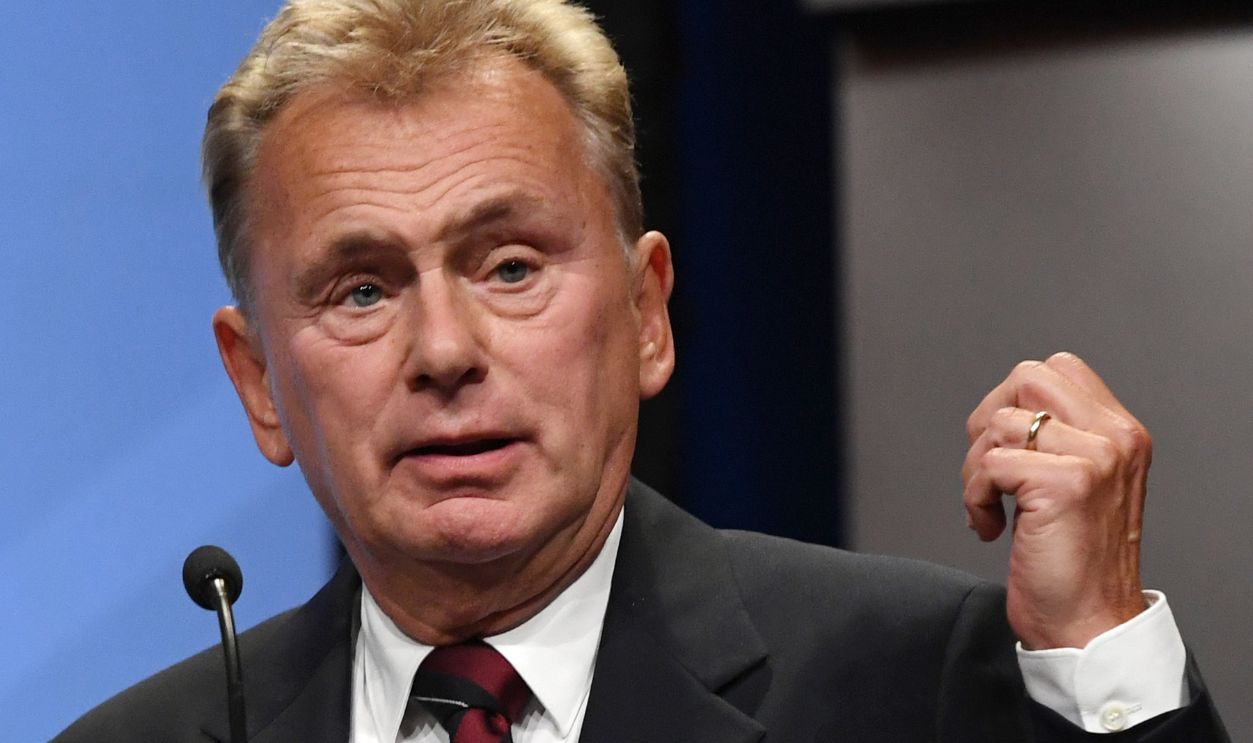
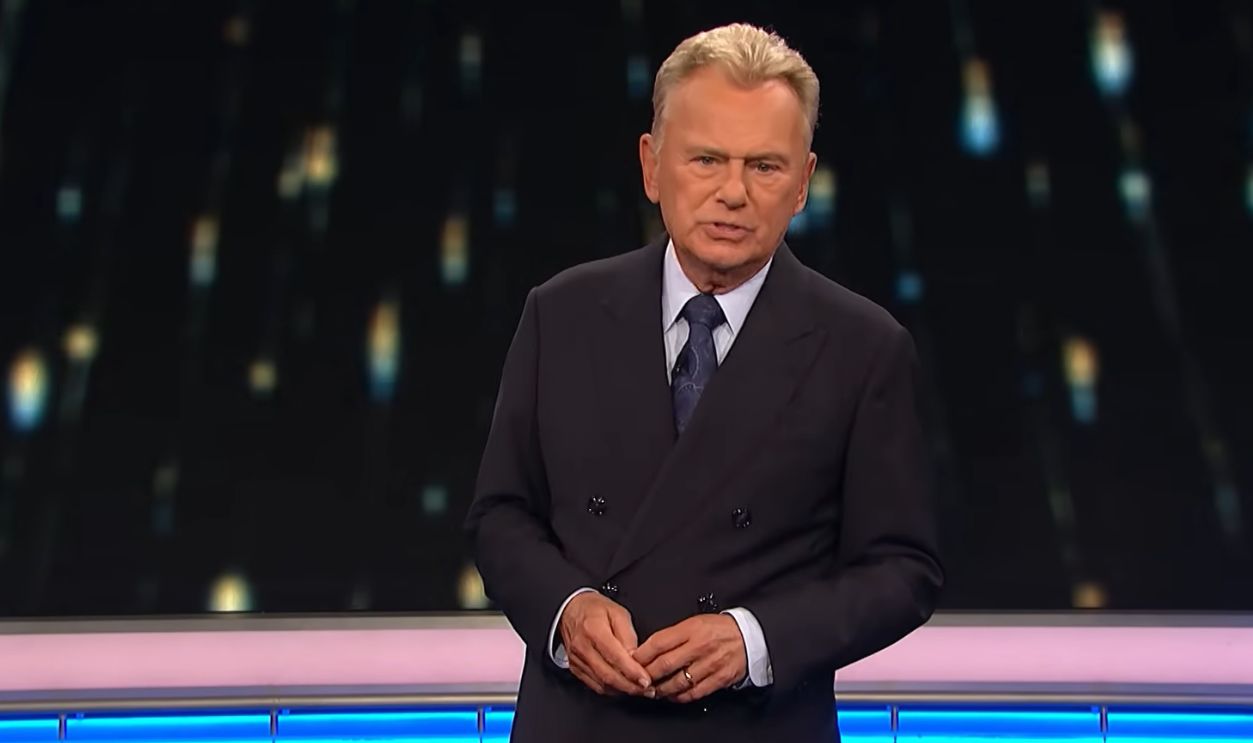
Sajak hosted his final regular episode of Wheel of Fortune in June 2024 after 41 years and more than 8,000 episodes. In his farewell, he described being welcomed into viewers' homes for decades as an extraordinary privilege. It was an astonishing destination for someone whose early audience had once consisted of American service members listening to morning radio in Vietnam.
 Screenshot from Wheel of Fortune, NBC (1975–)
He Never Treated Vietnam As A Footnote
Even after becoming a television institution, Sajak continued discussing his military background publicly. He has written that his service, especially his time in Vietnam, remains among the experiences of which he is most proud. He has also used his public profile to express appreciation for fellow veterans whose assignments were far more dangerous than his own.

Before The Fortune Came The Radio Booth
Pat Sajak's television fame can make his earlier life seem almost impossible to picture. Yet years before contestants spun a giant wheel beside him, he was a young Army broadcaster waking American troops from a radio studio in Saigon. The setting changed dramatically, but the job he chose in Vietnam already contained something familiar: a microphone, an audience, and Sajak trying to keep the show moving.
 Unknown authorUnknown author, Wikimedia Commons