Growing Up On-Screen
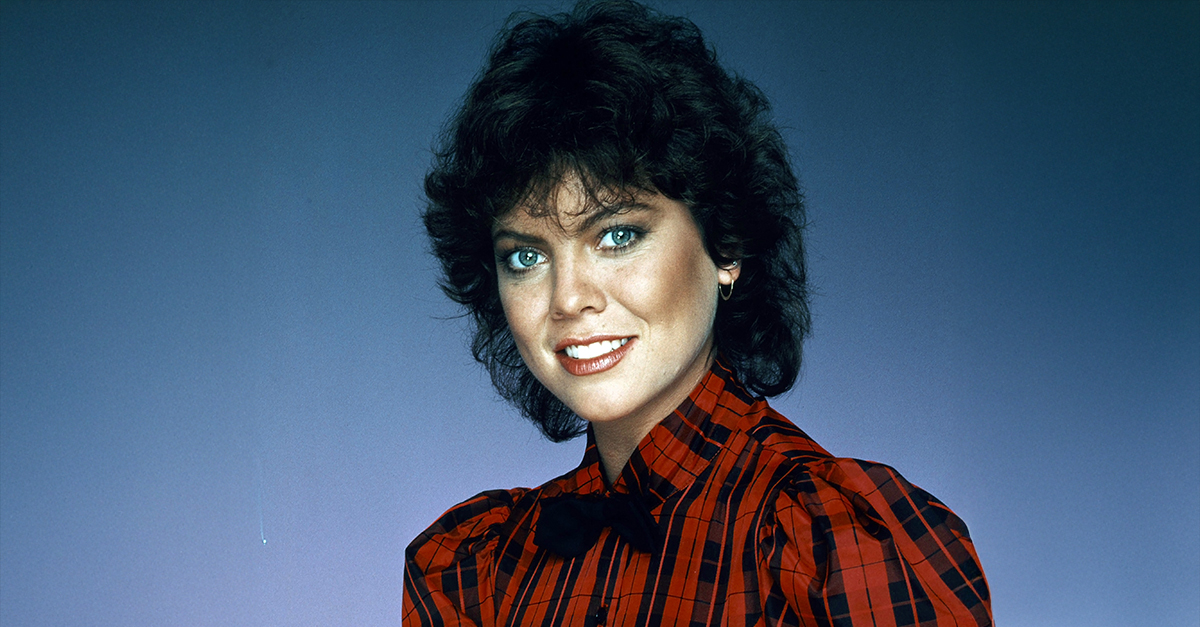
Erin Moran seemed destined for an acting career from her earliest childhood. Best known as Joanie Cunningham on the hit TV show Happy Days, Moran grew up in front of millions of viewers while also carrying the pressures of fame behind the scenes. Her journey from cheerful sitcom sister to struggling former star would become one of Hollywood’s most heartbreaking stories.
A Burbank Beginning
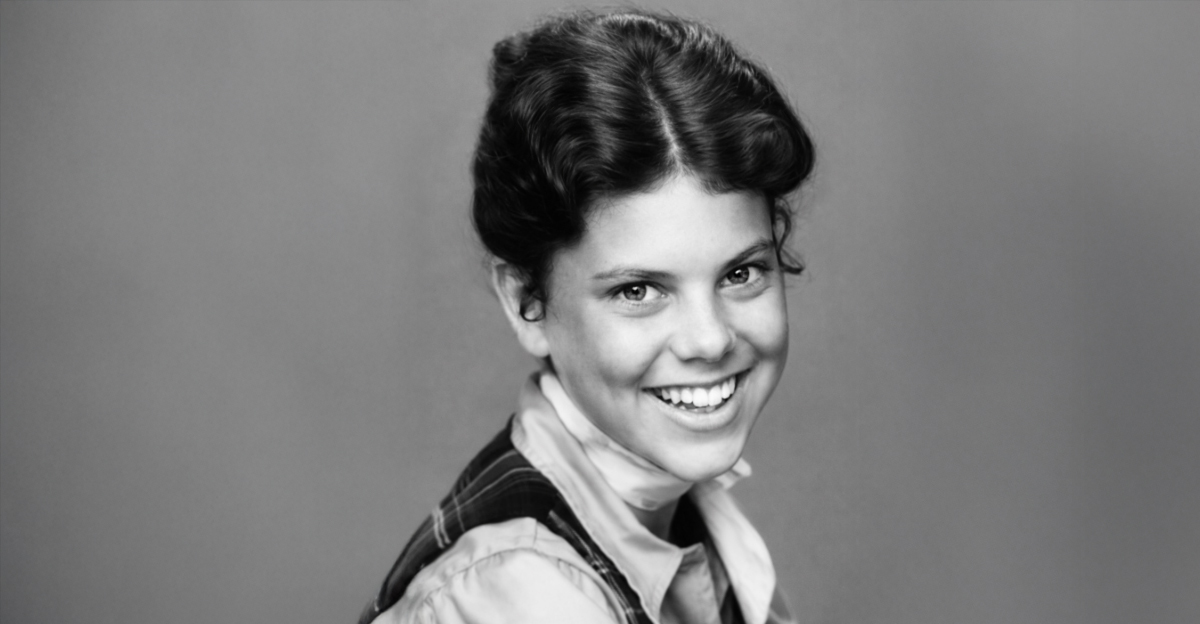
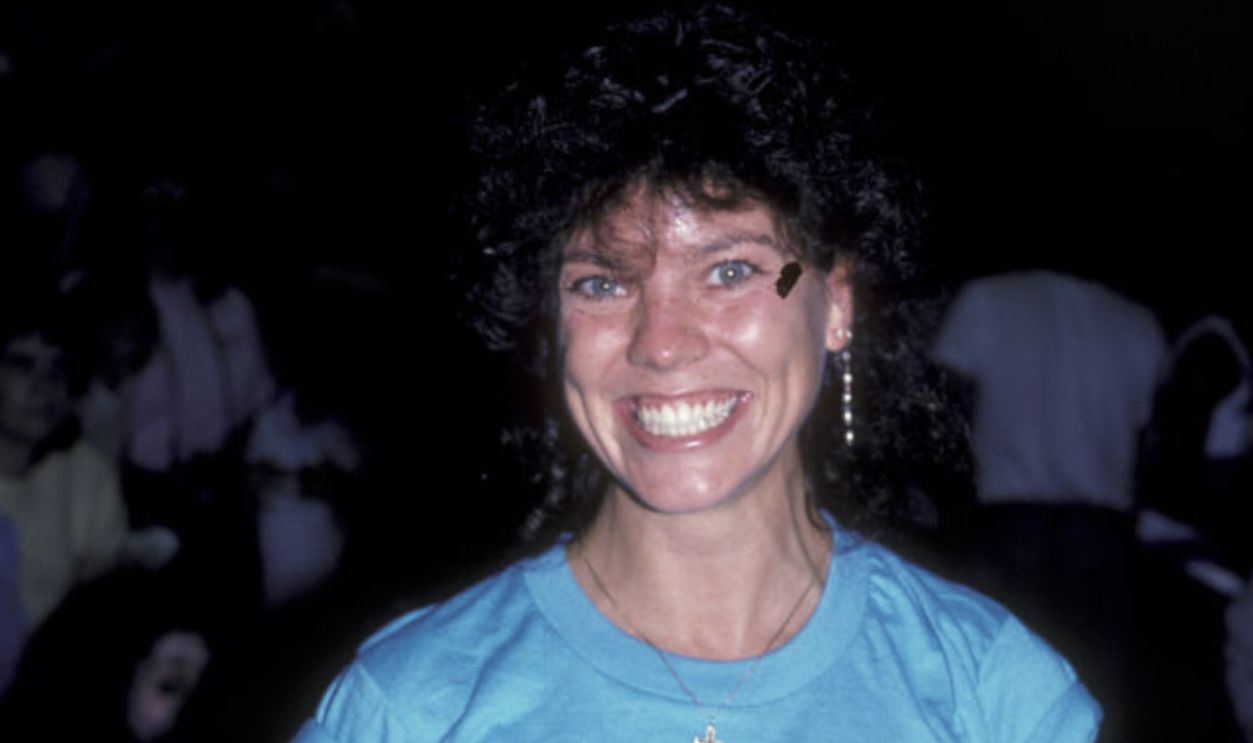
Erin Moran was born in 1960 in Burbank, California, the fifth of six children in a bustling household just miles from Hollywood studios. Show business wasn’t some distant dream, but it was practically part of the neighborhood air. From an early age, her lively personality stood out, and it didn’t take long before her parents saw opportunity in that spark.
 Ron Galella, Ltd., Getty Images
Parents With Big Plans
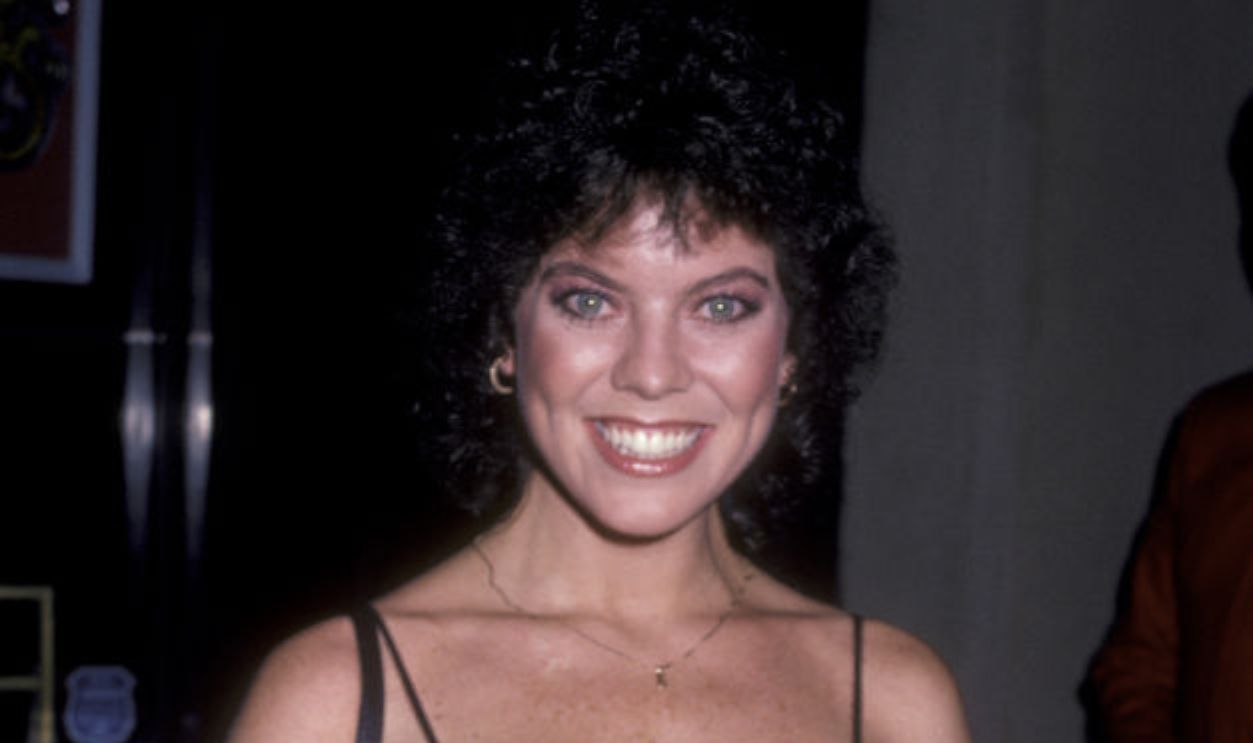
Moran’s mother became the architect of her daughter’s career, driving her to auditions and aggressively seeking representation. Her father, a finance company manager, offered steady support but soon found the family increasingly dependent on Erin’s bookings. Acting quickly shifted from extracurricular activity to primary income source. The stakes were high, and that pressure began shaping her childhood almost immediately.
 Ron Galella, Ltd., Getty Images
A Family Effort
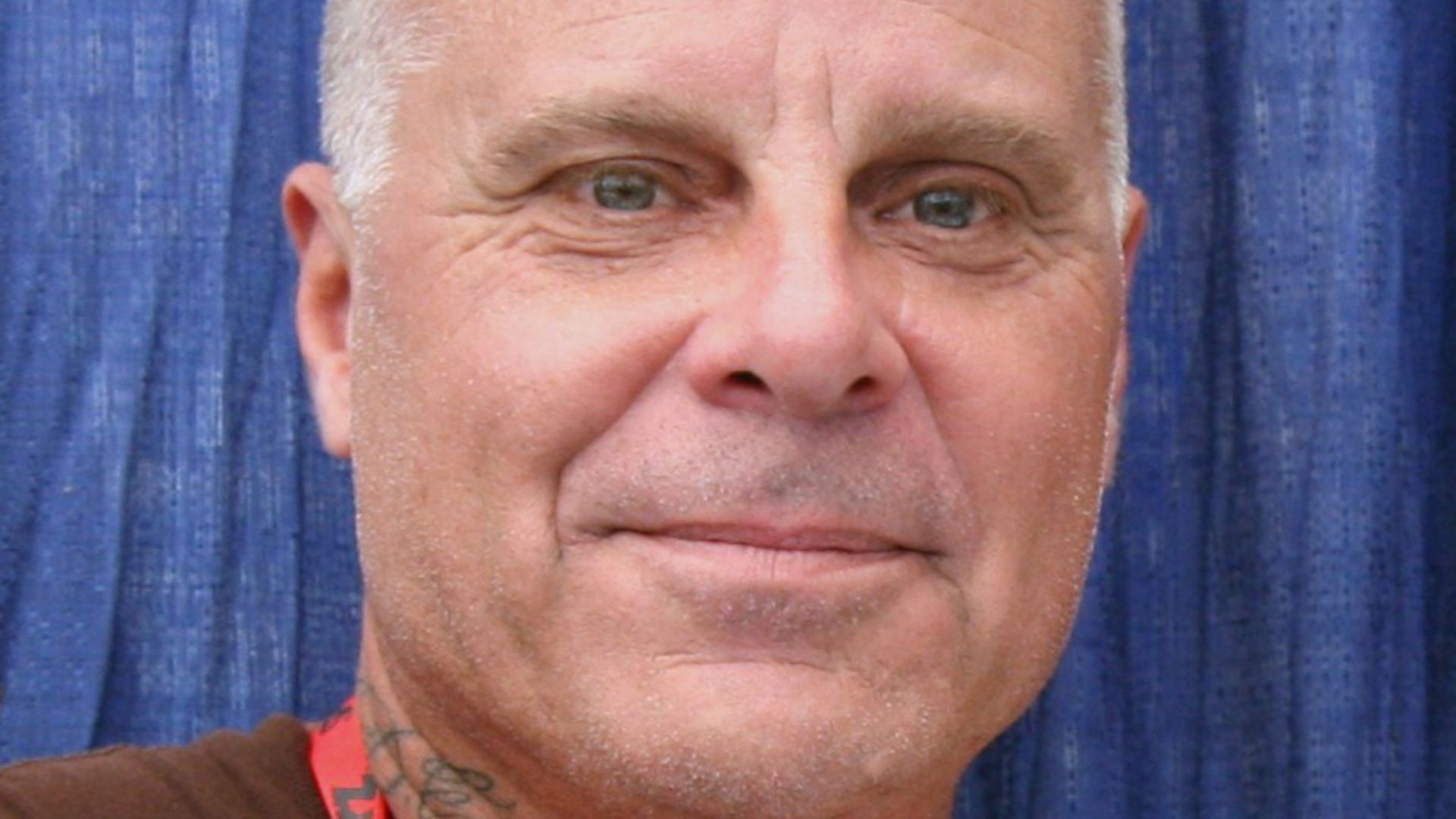
Erin Moran wasn’t the only member of her family who chased a life in acting. Her older brothers John and Tony tested the waters in Hollywood. Tony later landed a brief role in John Carpenter’s Halloween (1978) appearing unmasked in the final moments as Michael Myers, giving audiences their first clear look at the face behind the terror.
 Kari Haley at https://www.flickr.com/photos/karihaley/, Wikimedia Commons
A Commercial That Opened Doors
At just five years old, Moran appeared in a television commercial for First Federal Bank, marking her official entry into the entertainment world. The shoot was small by Hollywood standards, but for Erin it was transformative. She absorbed direction effortlessly and looked natural on camera, convincing casting agents she had genuine potential. That modest commercial paved the way for steady television work.
 Michael Ochs Archives/Getty Images
Learning The Ropes On Daktari
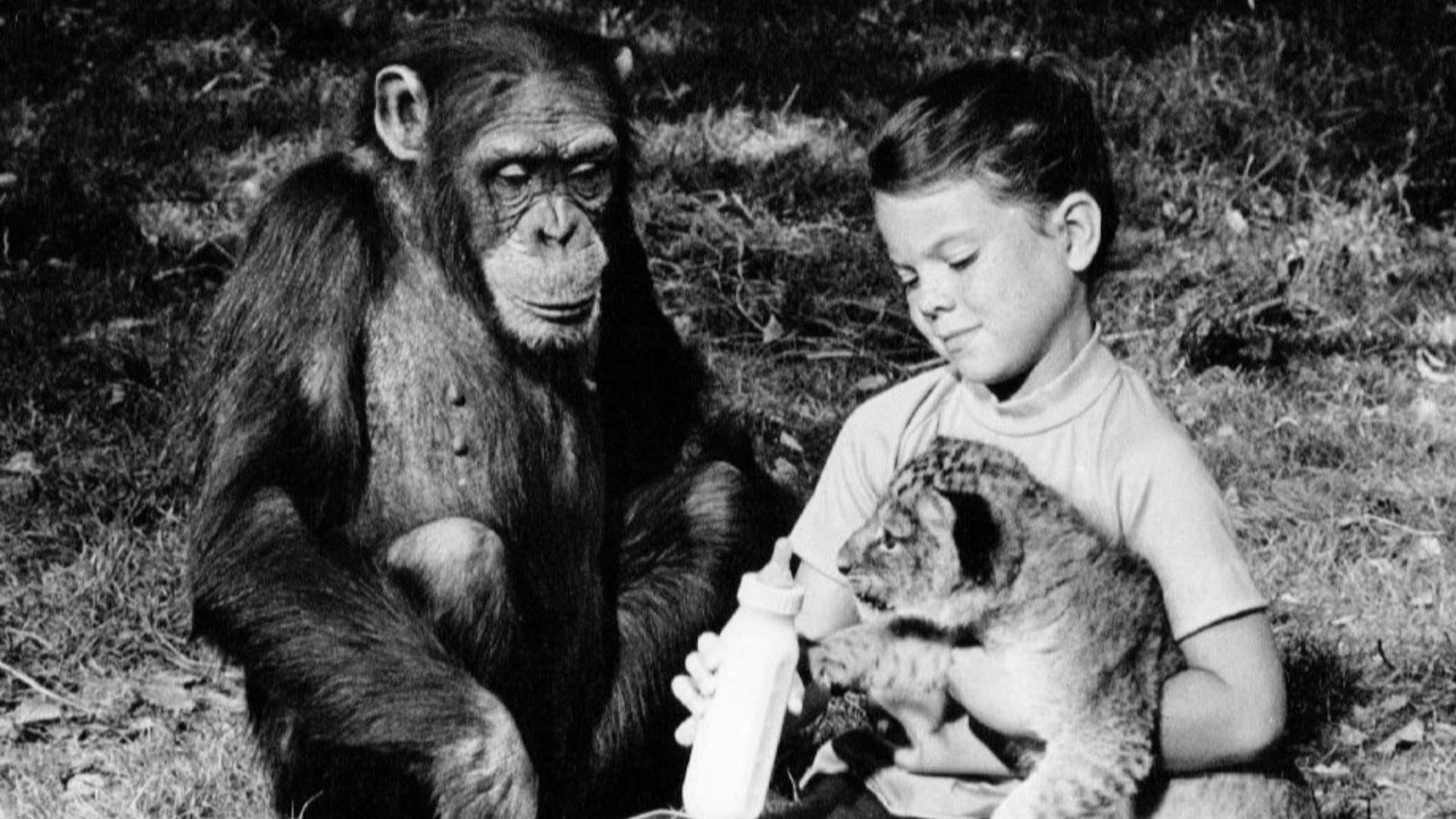
Moran secured a recurring role on the late-60s TV adventure series Daktari, gaining practical experience in a professional production environment. Long shooting days and strict schedules quickly taught her discipline. Unlike so many child actors who struggled with structure, Moran adapted with ease. The role earned her a reputation as reliable, increasing her visibility in casting circles and positioned her for something much bigger.
 CBS Television, Wikimedia Commons
Building A Young Career
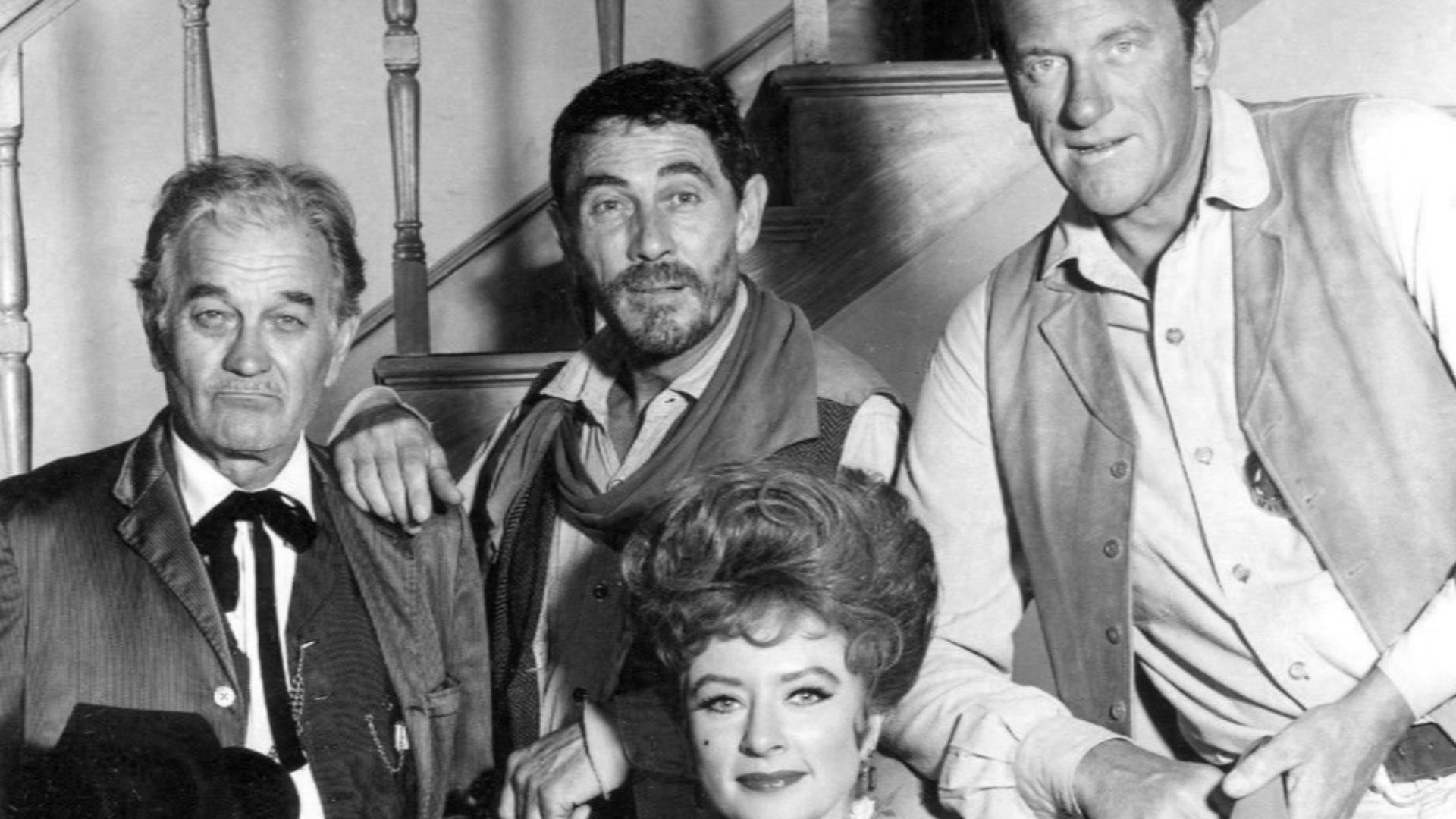
Throughout the early 1970s, Moran guest-starred on prominent shows such as Gunsmoke and My Three Sons. Each appearance reinforced her reputation as an experienced young performer who could handle dialogue and emotional nuance. She wasn’t just a cute kid but a working actress. That growing credibility soon brought her to a life-changing audition.
 CBS Television, Wikimedia Commons
Joining Happy Days
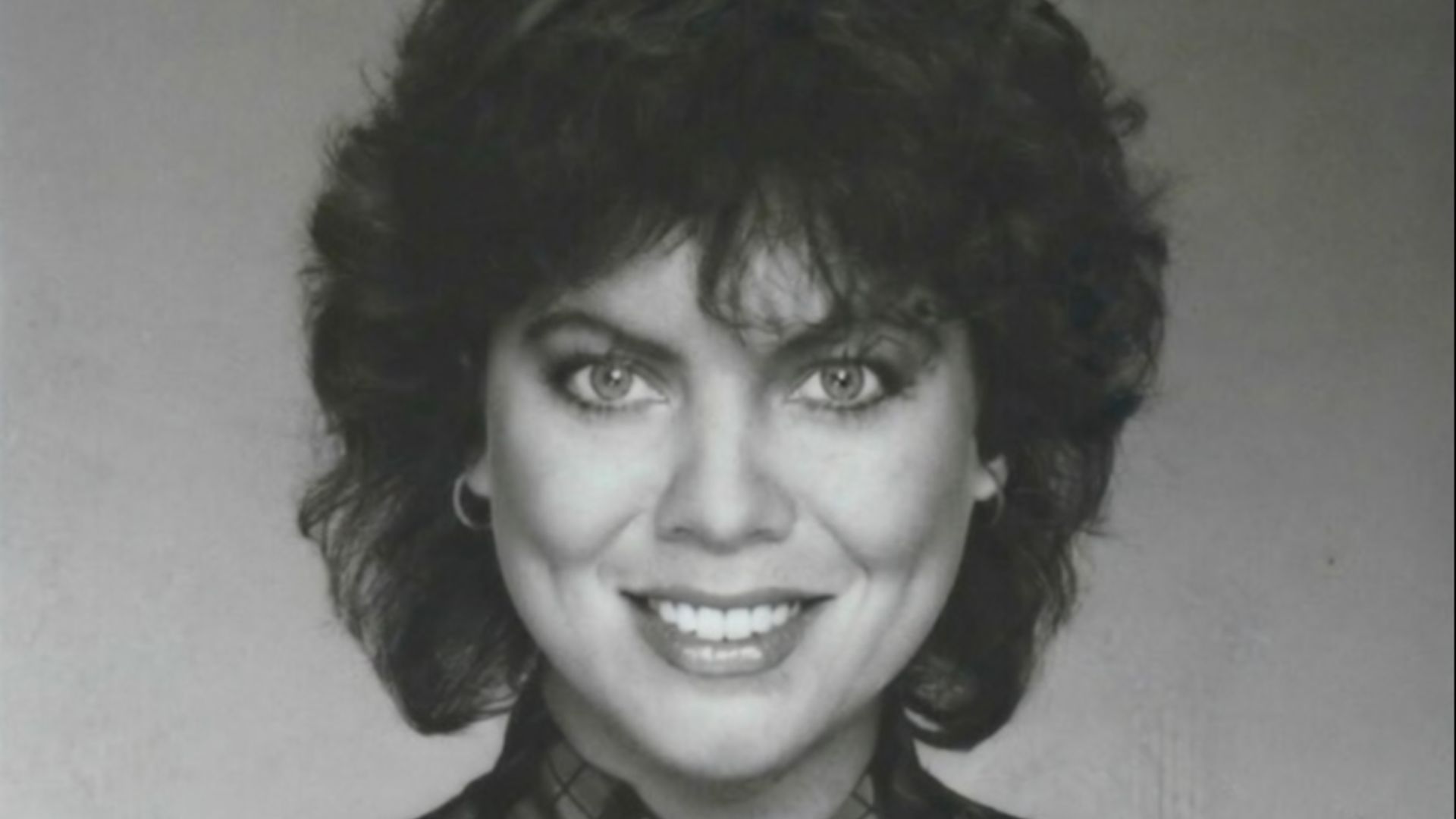
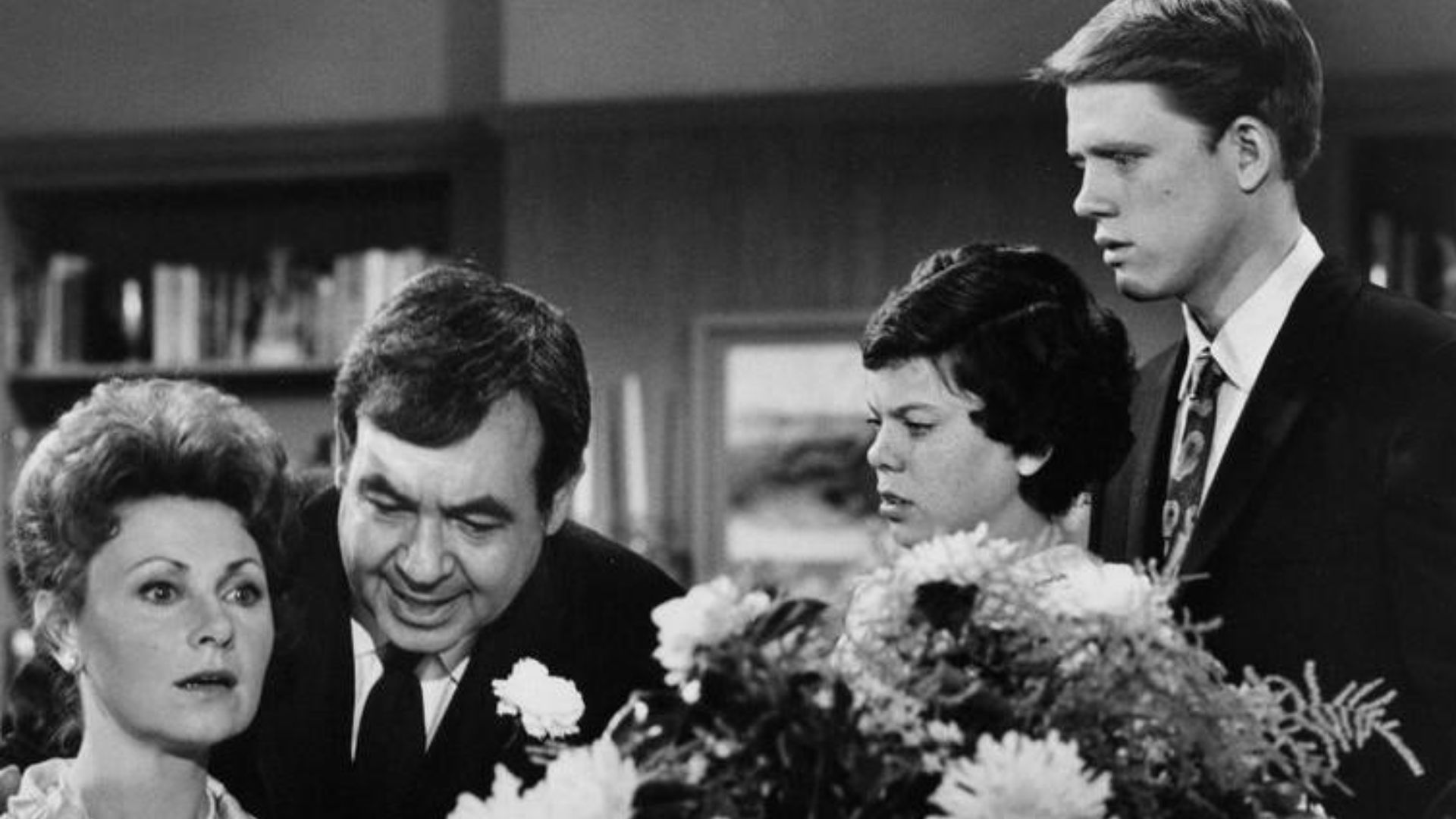
Happy Days debuted in 1974, and Moran landed the role of Joanie Cunningham, the sweet younger sister of Richie. At first, she hovered in the background as a charming secondary character. Yet producers noticed her timing and warmth. As ratings climbed, so did Moran’s screen time, setting the stage for her transition from supporting character to household name.
 ABC Television, Wikimedia Commons
Growing Up On Camera
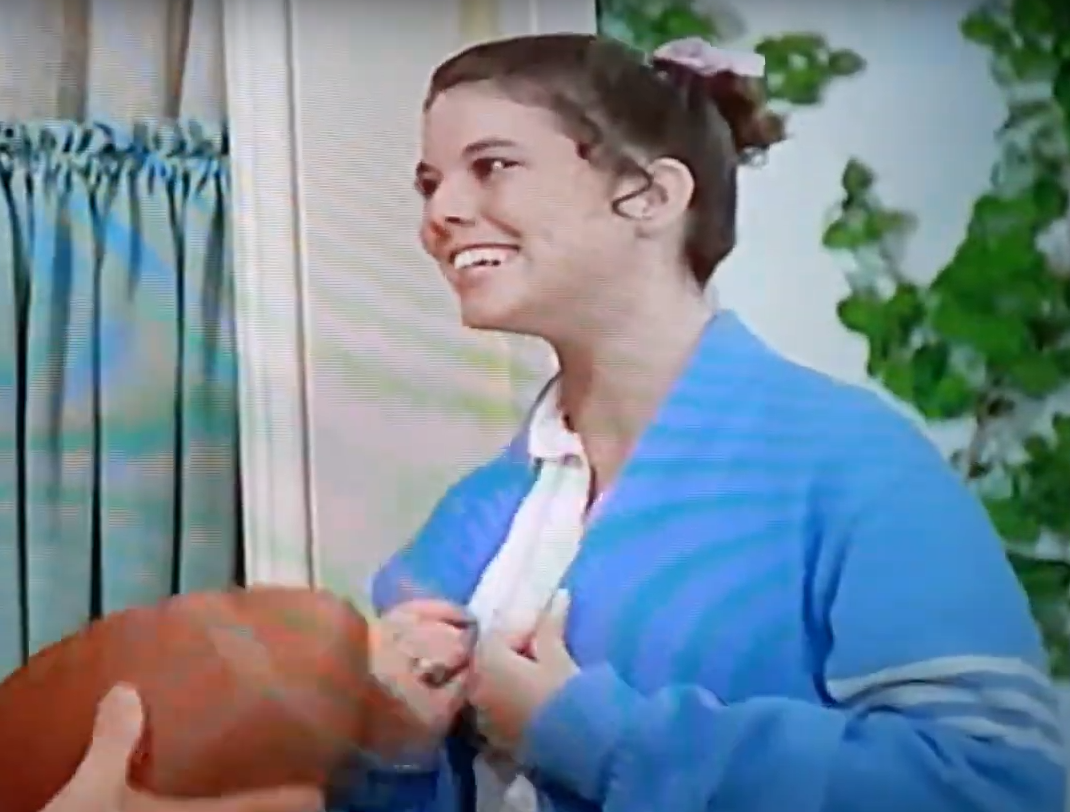
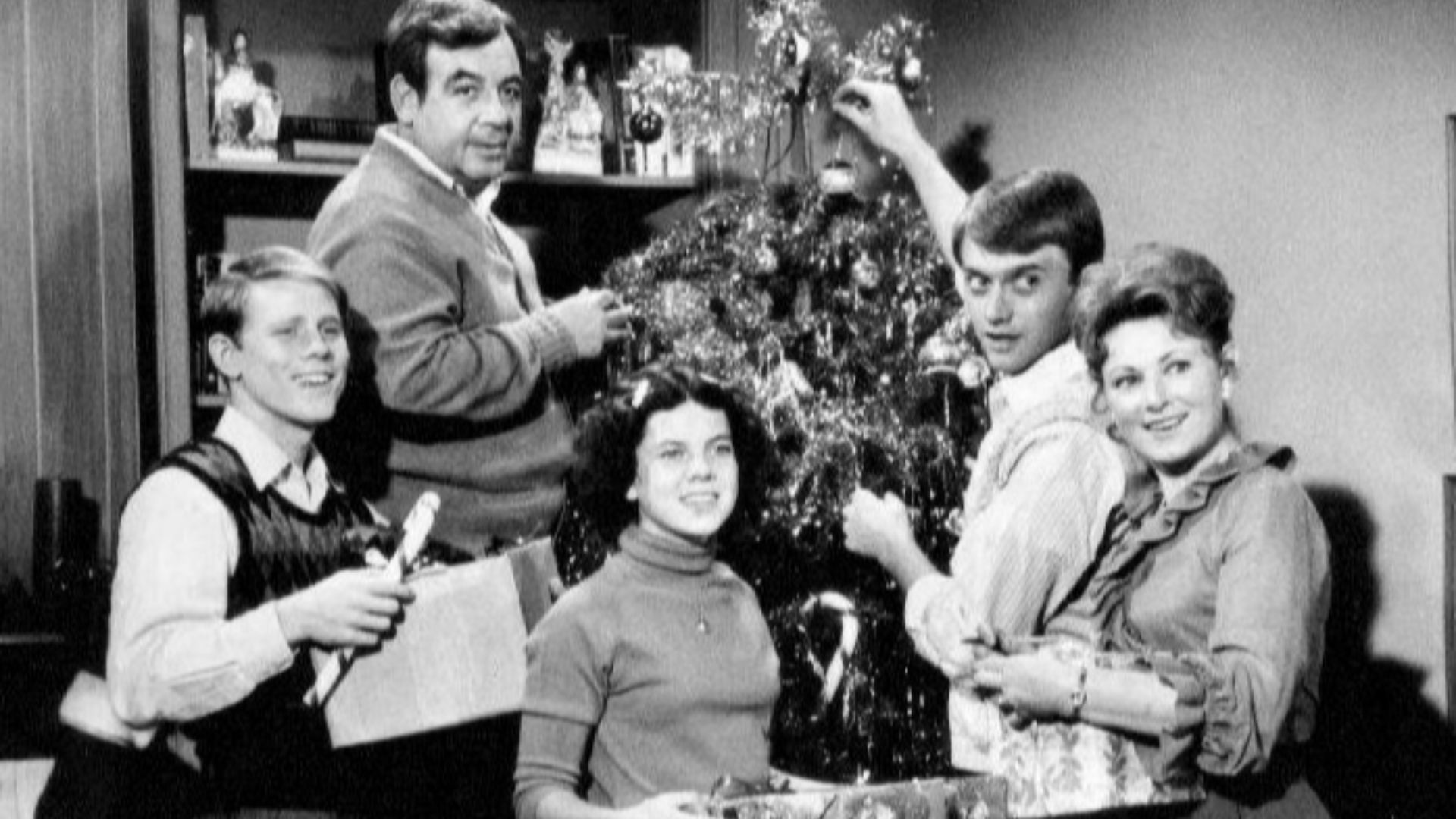
As Happy Days gained momentum through the 70s, audiences saw Moran mature from pigtails to teenage independence. Writers began crafting deeper storylines for Joanie, allowing Moran to develop the character and her acting with more confidence. America saw a carefree half-hour of TV adolescence unfold each week. Behind the scenes, however, Moran was dealing with more than sitcom innocence.
 Paramount, Happy Days (1974–1984)
Breadwinner At Fourteen
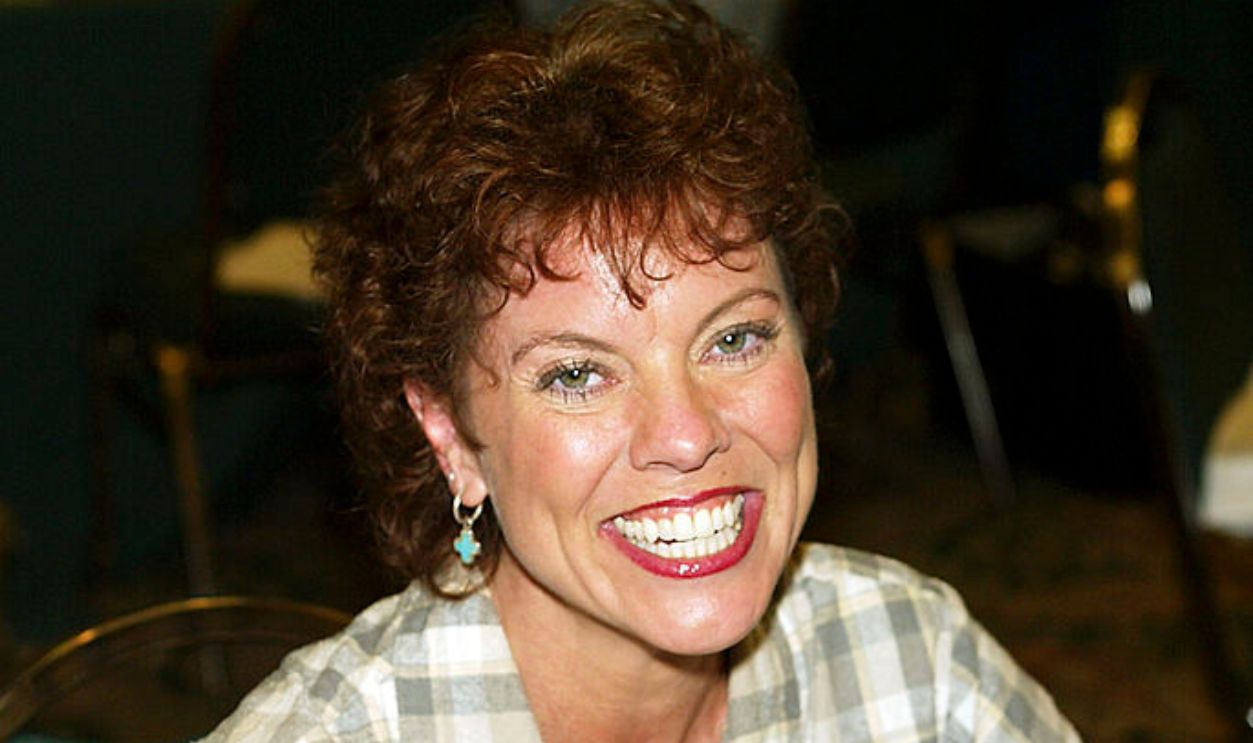
By her early teens, Moran’s income providing a lot of support for her family, transforming her into a teenage breadwinner. While her classmates worried about homework and dances, Moran was negotiating contracts and filming schedules. The pressure to bring in more money also brought layers of stress that didn’t show up in her smiling television persona. The breadwinner status shaped her for years.
Manufactured Perfection
As Moran grew up, the producers of Happy Days encouraged her to slim down in order to fit evolving beauty standards. For a teenager still figuring herself out, those demands amplified insecurities at a vulnerable age. But just as those expectations intensified, a new character arrived who would alter her on-screen trajectory.
Enter Scott Baio
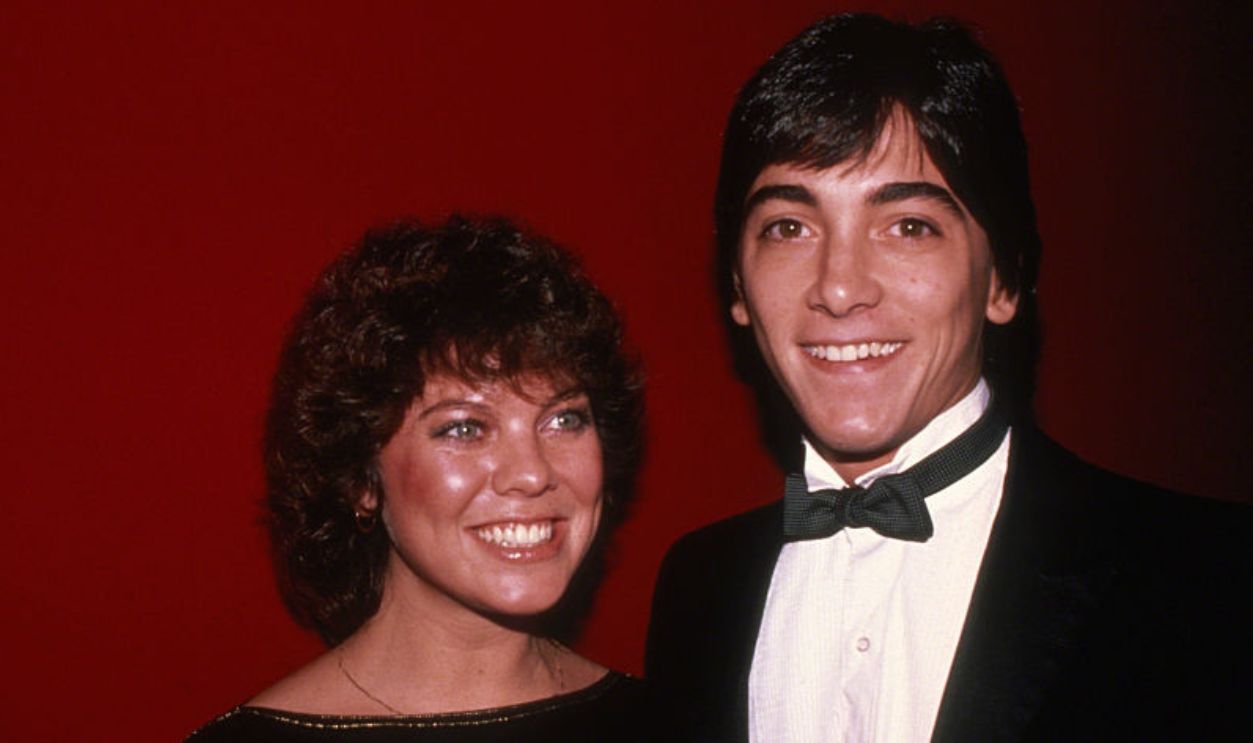
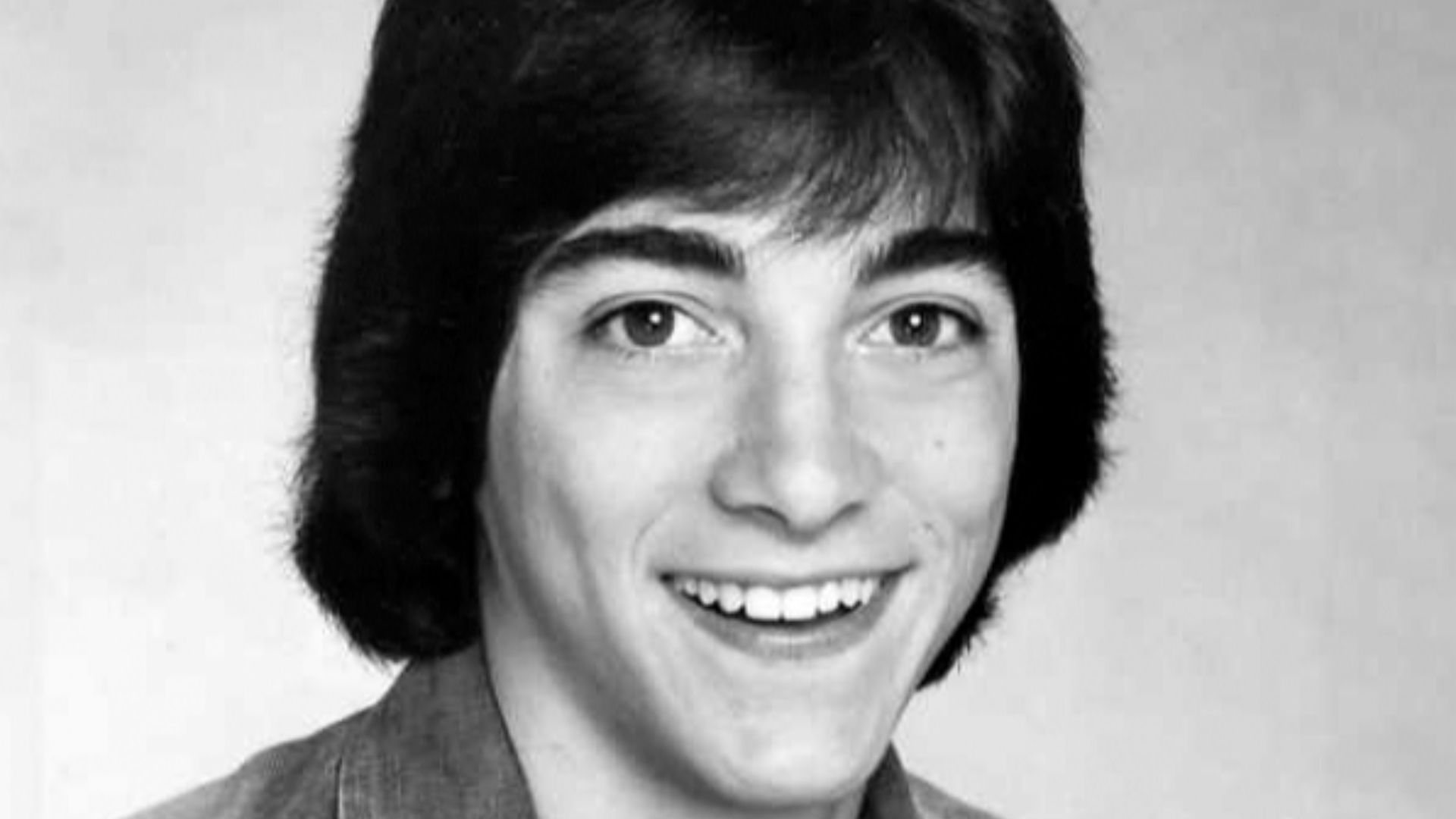
Scott Baio joined Happy Days in 1977 as Chachi Arcola, injecting some fresh energy and teen appeal into the show. Producers quickly noticed the chemistry between Baio and Moran, and spotlighted their interactions. Joanie’s character grew through this dynamic, going from kid sister to romantic lead.
 American Broadcasting Company, Wikimedia Commons
Romance On And Off Screen
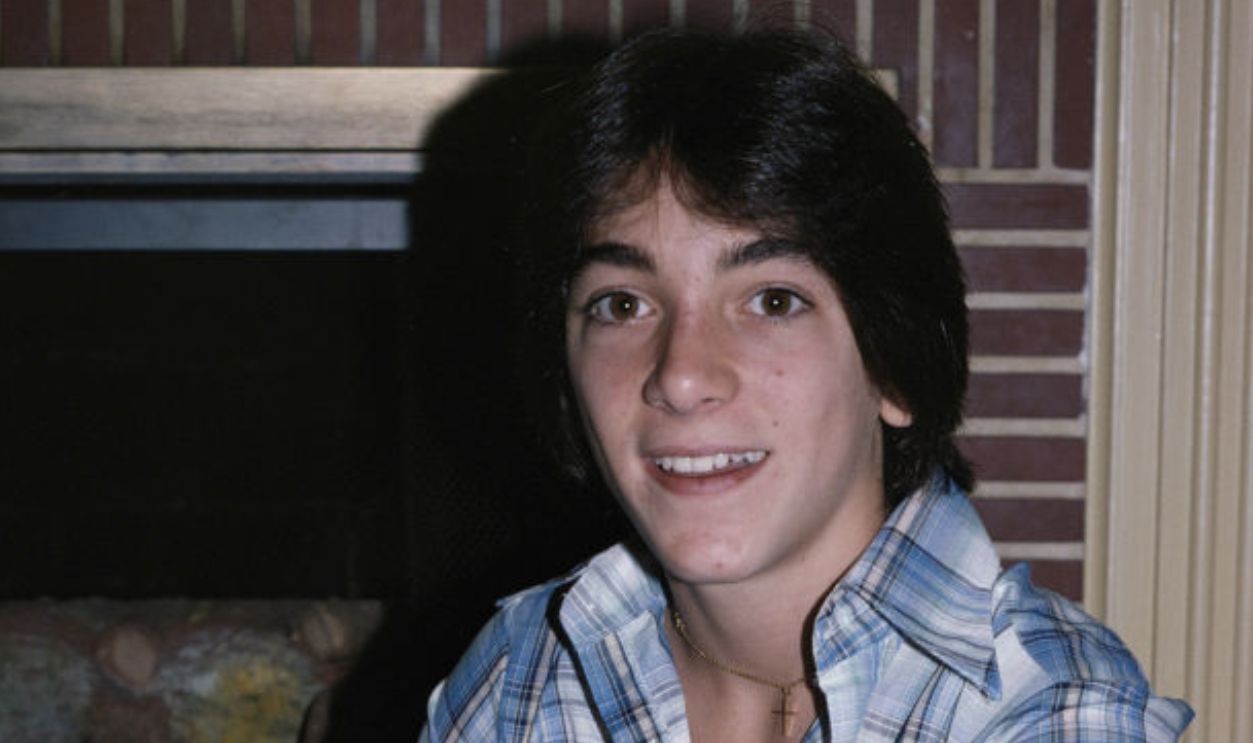
The Joanie-Chachi romance really pulled viewers in and over time became one of the show’s main storylines. Off screen, Moran and Baio shared youthful affection, and their relationship generated publicity and fan enthusiasm, intensifying network interest even more. That popularity finally prompted executives to develop a spin-off centered entirely around them.
Joanie Loves Chachi
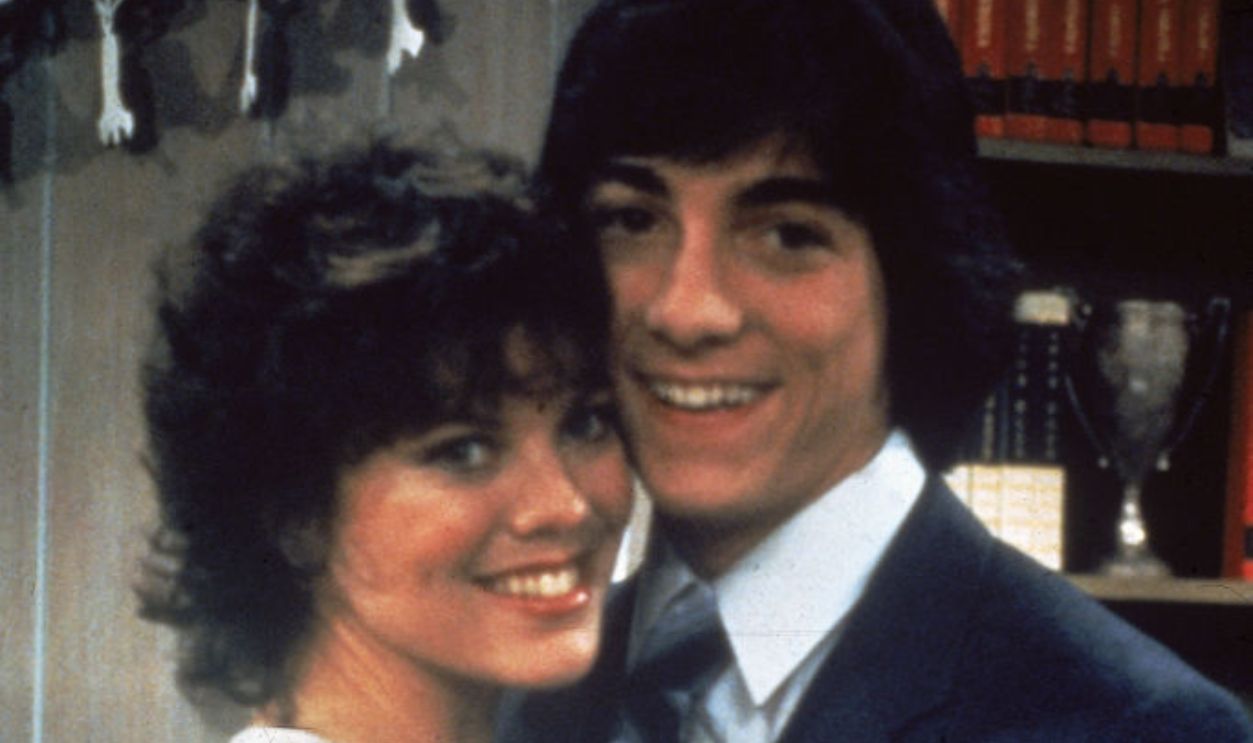
Joanie Loves Chachi premiered in 1982, relocating the pair to Chicago for a music-driven storyline. For Moran, it was a peak moment of recognition as a leading actress. But something didn’t quite click. Despite heavy promotion, ratings faltered. After two brief seasons, the series came to a close, forcing Moran to face the uncertainty of TV stardom.
 Fotos International, Getty Image
Returning To A Familiar Set
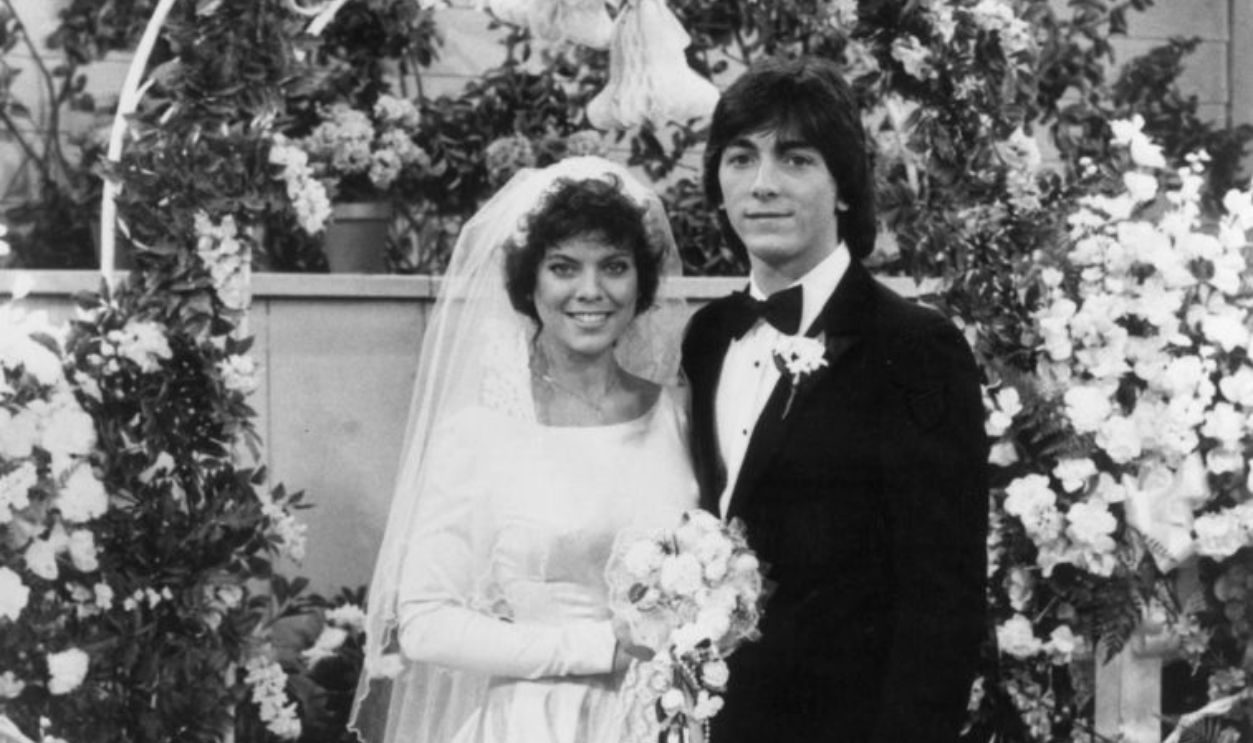
After the cancellation, Moran went back to Happy Days for its final season. The reunion gave some stability but it was obvious that the show’s golden era had passed. When the sitcom concluded in 1984, Moran was 24, no longer a child star but not fully accepted as an adult actress.
Searching For Adult Roles
The mid-80s presented a harsh reality. By now, casting directors basically associated Moran with Joanie Cunningham, greatly limiting her range of opportunities. She showed up in some smaller TV projects, but major roles turned out to be elusive. Typecasting was a high barrier, complicating her once-promising career path.
Weight Of Fame’s Aftermath
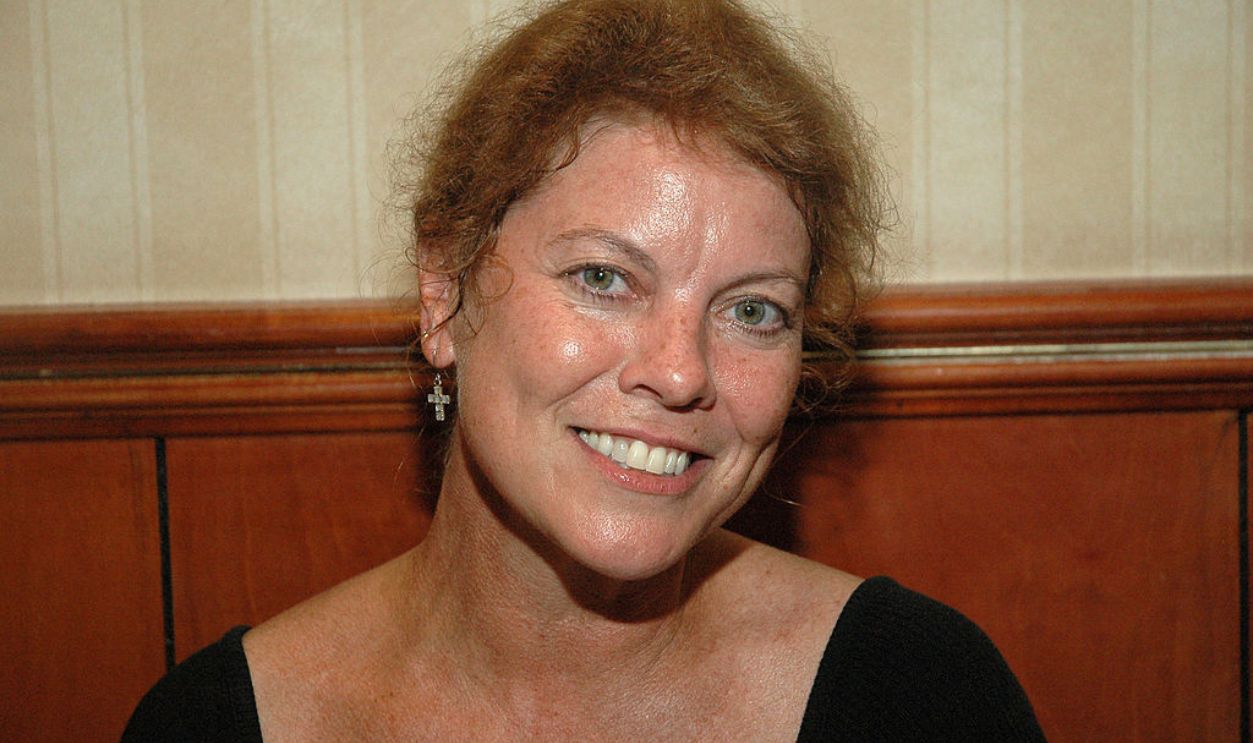
As work declined, financial strain set in. Reports later indicated that much of Moran’s earnings hadn’t been managed as well as they could have. The contrast between her former prime-time prominence and the new instability grew more pronounced. The glow of early fame faded, replaced a growing personal and professional uncertainty.
Marriage
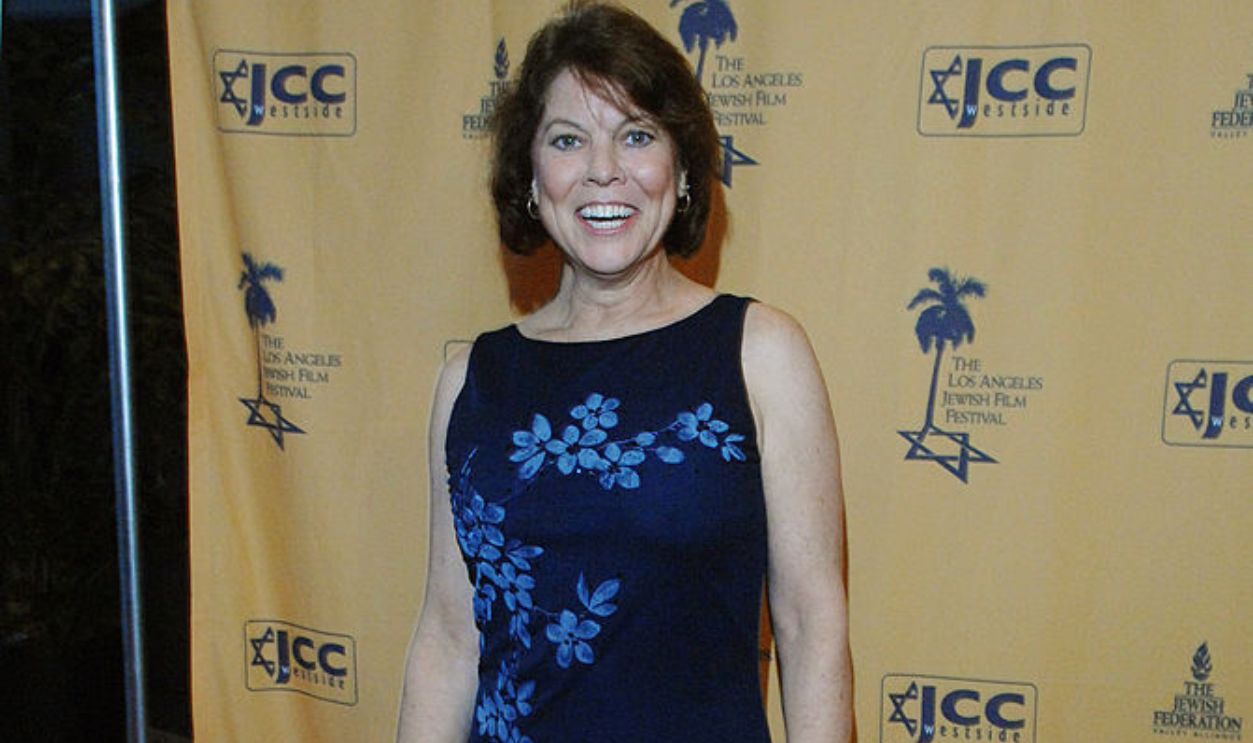
Moran married Rocky Ferguson in the late 80s, hoping to find grounding outside Hollywood. Though the marriage initially brought joy and optimism, Moran’s career was still stuck in a holding pattern. The relationship eventually ended, with the couple divorcing in 1993.
Second Marriage
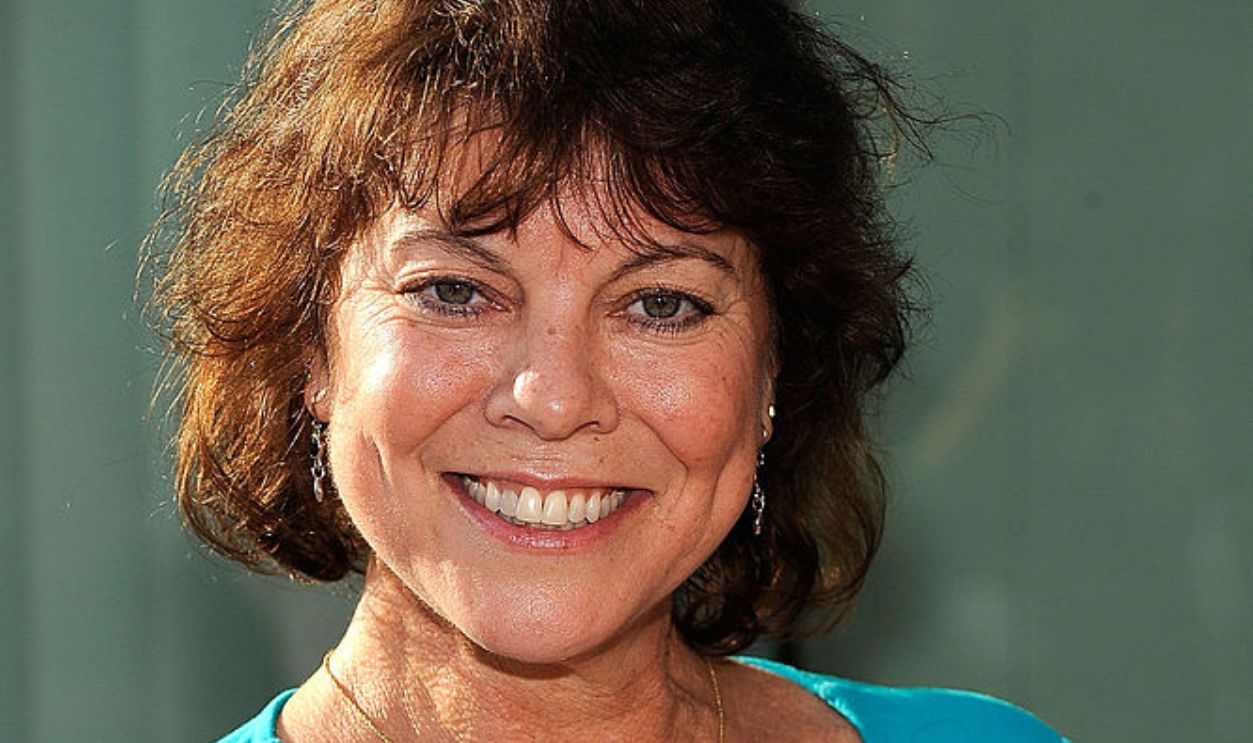
Moran didn’t stay single for long, marrying Steven Fleischmann in 1993. Though Fleischmann had nothing to do with Hollywood, the couple’s relationship drew tabloid attention over the years. Despite all this, Fleischmann remained a steady presence for Moran through thick and thin.
Public Appearances And Reality TV
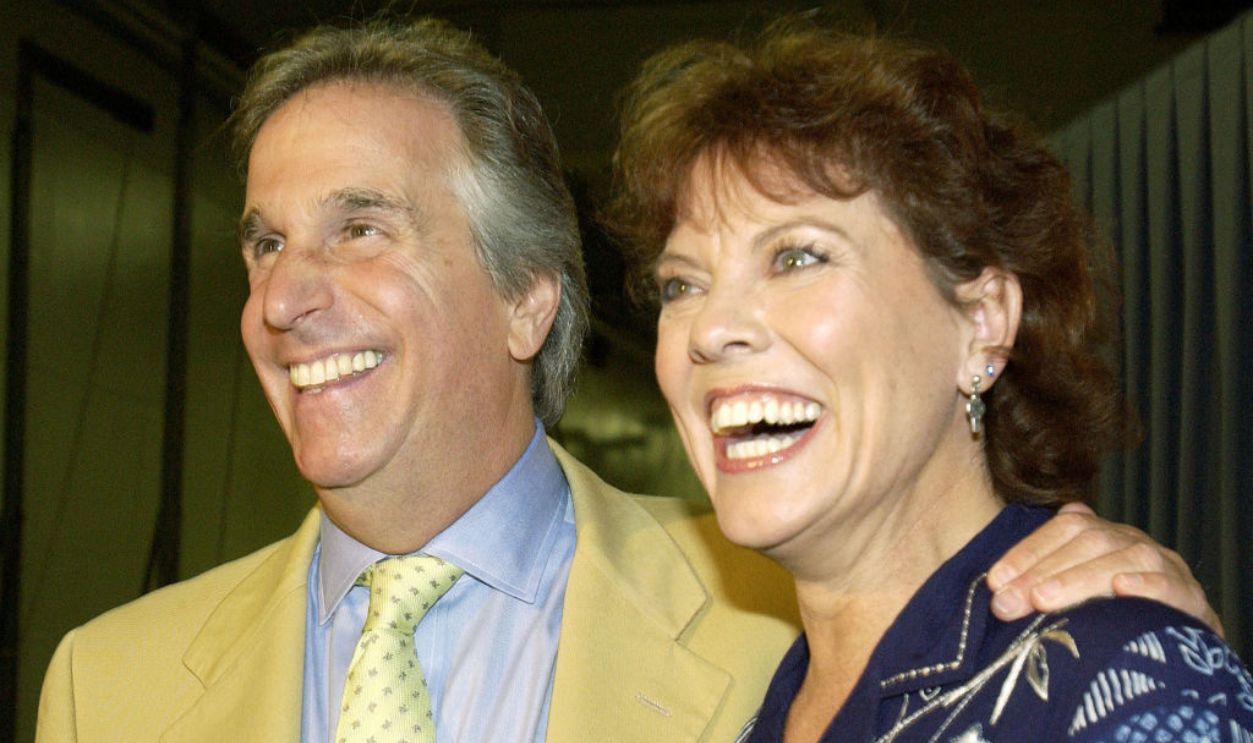
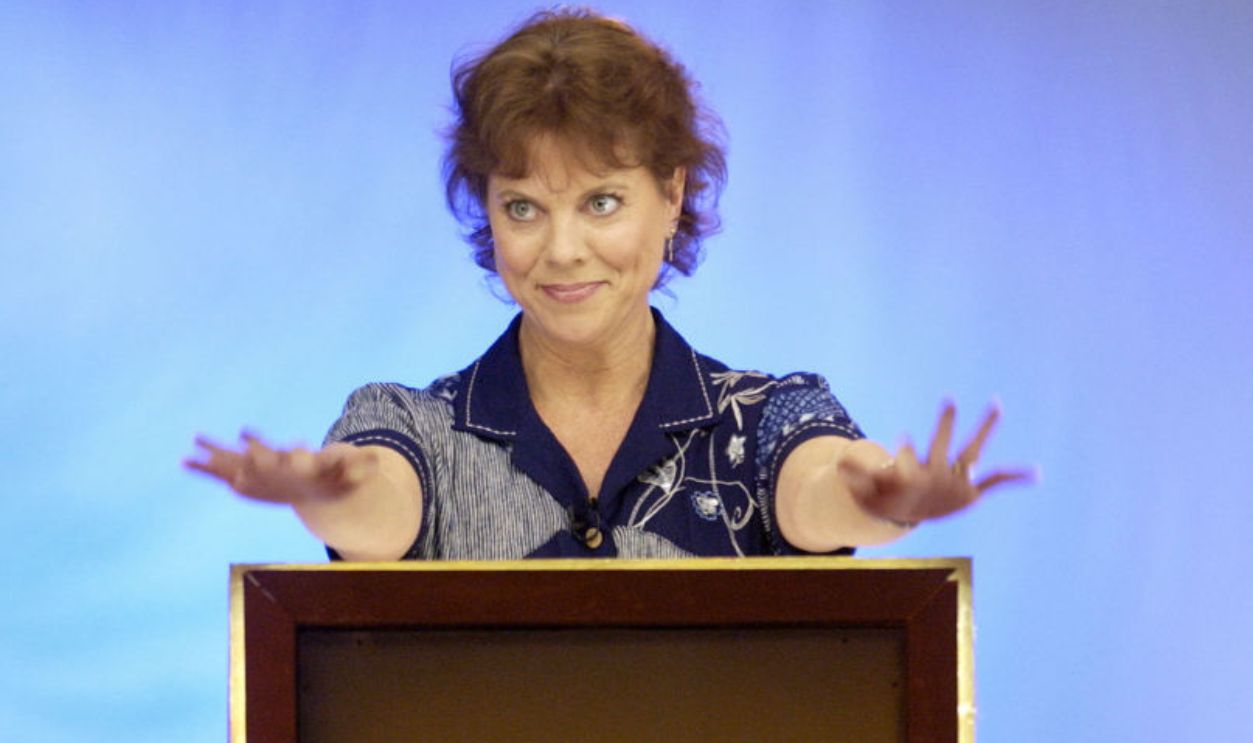
In the early 2000s, Moran appeared in reunion specials and reality TV programs that capitalized on the sense of nostalgia she brought. Fans warmly welcomed her presence, eager to reconnect with the still-beloved sitcom star. But the visibility of these appearances proved frustratingly temporary, and did not lead to sustained employment.
 ABC Television, Wikimedia Commons
Sliding Toward Poverty
By the mid-2010s, Moran reportedly faced severe financial hardship and relocated to her mother-in-law’s RV park in rural Indiana after her California home was foreclosed. The headlines about her struggles shocked fans who remembered her prime-time success. The gap between sitcom nostalgia and economic reality had never seemed wider.
Lawsuit Against CBS
In 2011 Moran joined former Happy Days cast members in a lawsuit for unpaid merchandising revenues against CBS, who had made a mint from all the product merchandising of the show. While Moran and her fellow plaintiffs (Anson Williams, Don Most, and Marion Ross) hoped for a reward in the millions, they ended up having to settle for $65,000 each. This sum offered some financial relief but couldn’t reverse the decline.
 ABC Television, Wikimedia Commons
Health Problems Emerge
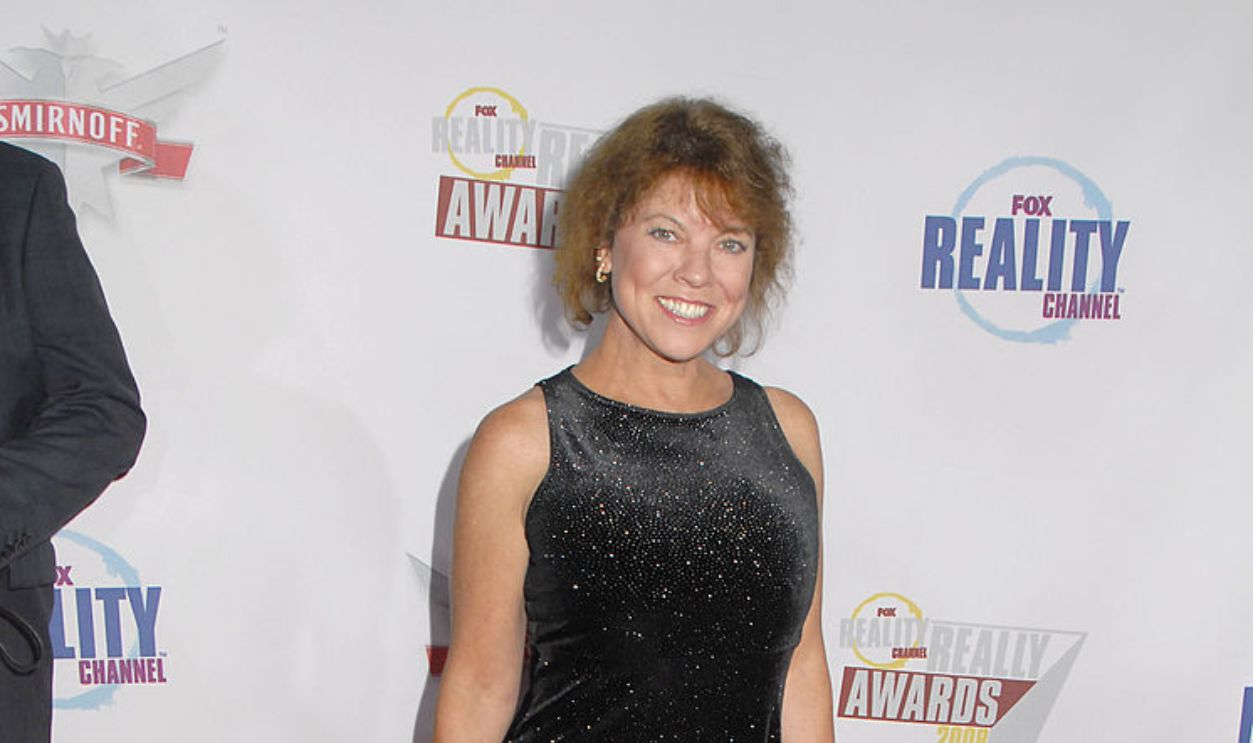
In 2016, Moran began to complain of persistent throat pain and difficulty speaking. What initially looked minor soon escalated into something a lot more serious. Medical tests revealed sobering findings, setting in motion a heartbreaking chain of events.
A Devastating Diagnosis
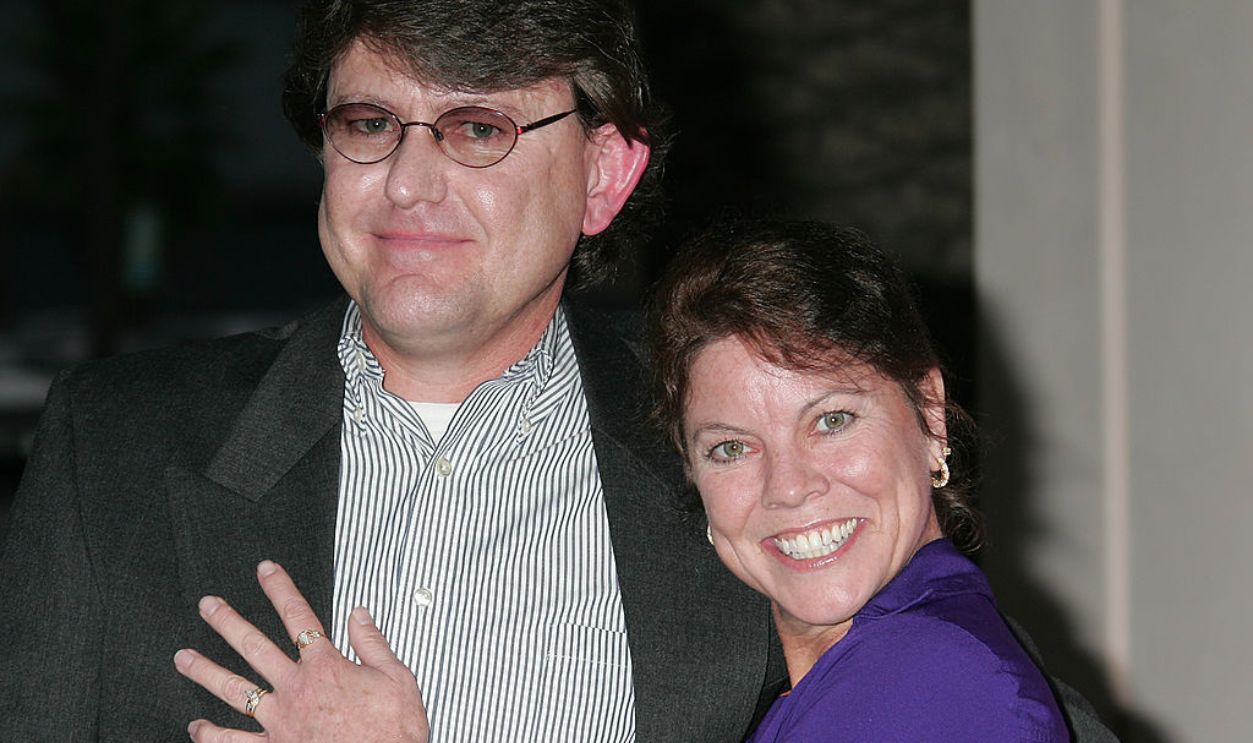
Doctors diagnosed Moran with advanced squamous cell carcinoma of the throat. The cancer did its deadly work rapidly, and treatment options were few and far between. Within a few months, her health went downhill dramatically. The once-vibrant actress was locked in a life-and-death struggle with the unexpectedly aggressive illness.
 David Livingston, Getty Images
A Sudden Passing
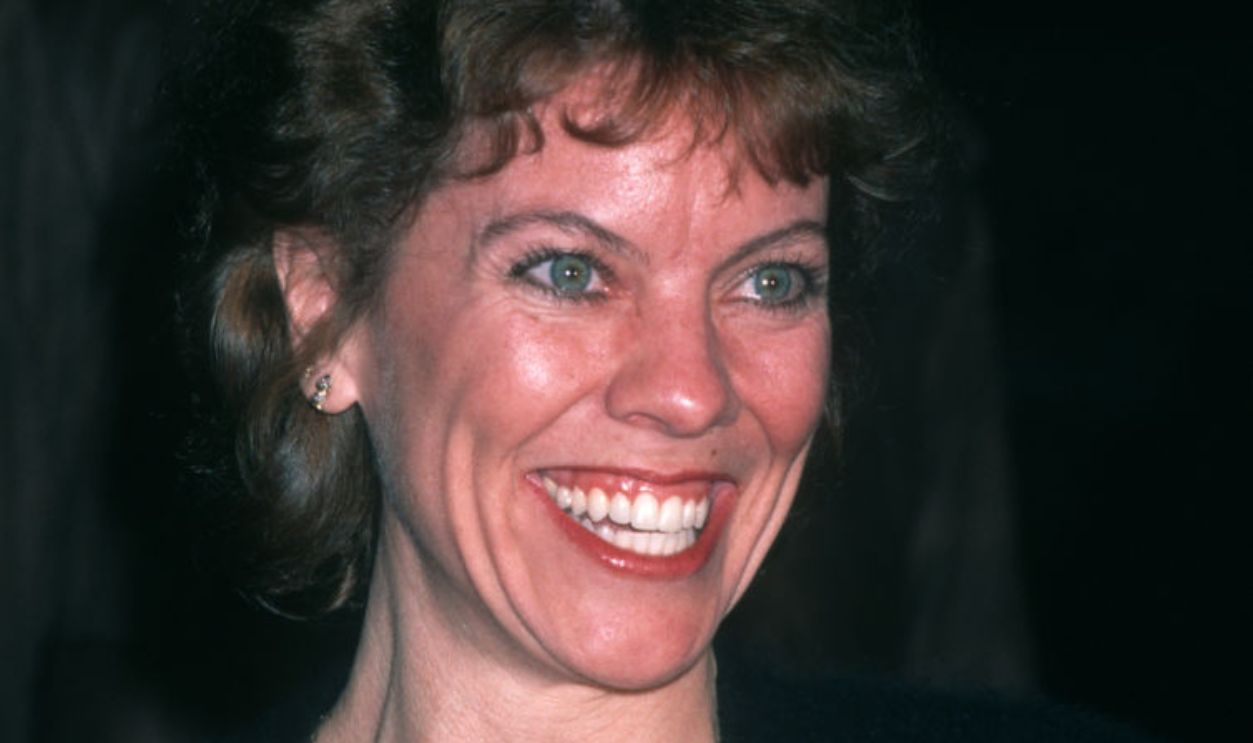
Erin Moran passed away on April 22, 2017, at the age of 56. Tributes poured in from co-stars and fans who’d grown up watching her. The shock was made far worse by the speed of her decline, a thing of sadness that left fans grappling with the realization that the once-youthful Moran was gone.
 Ron Galella, Ltd., Getty Images
Rush To Judgment
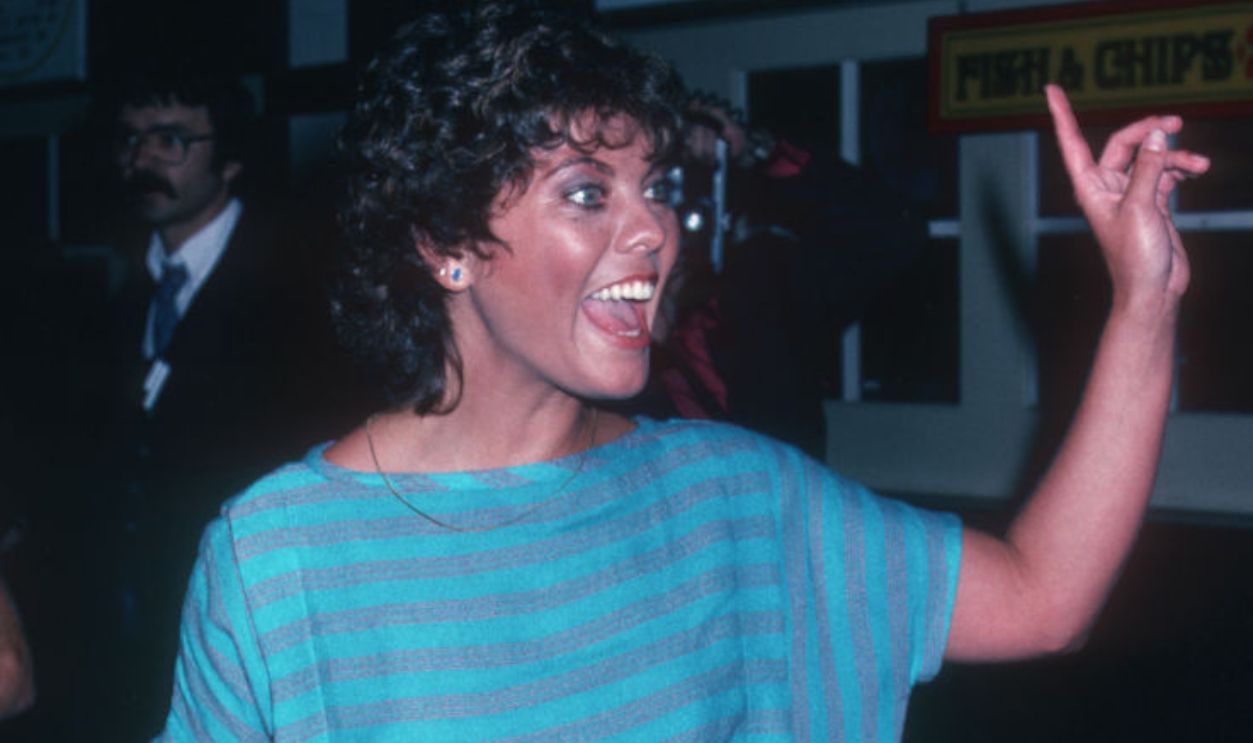
In the hours after Erin Moran’s death in 2017, confusion swirled about the cause of her passing. Early speculation in media outlets suggested that Moran’s death was related to substance abuse. But authorities confirmed that she had died from complications of stage 4 throat cancer.
He Regretted What He Said
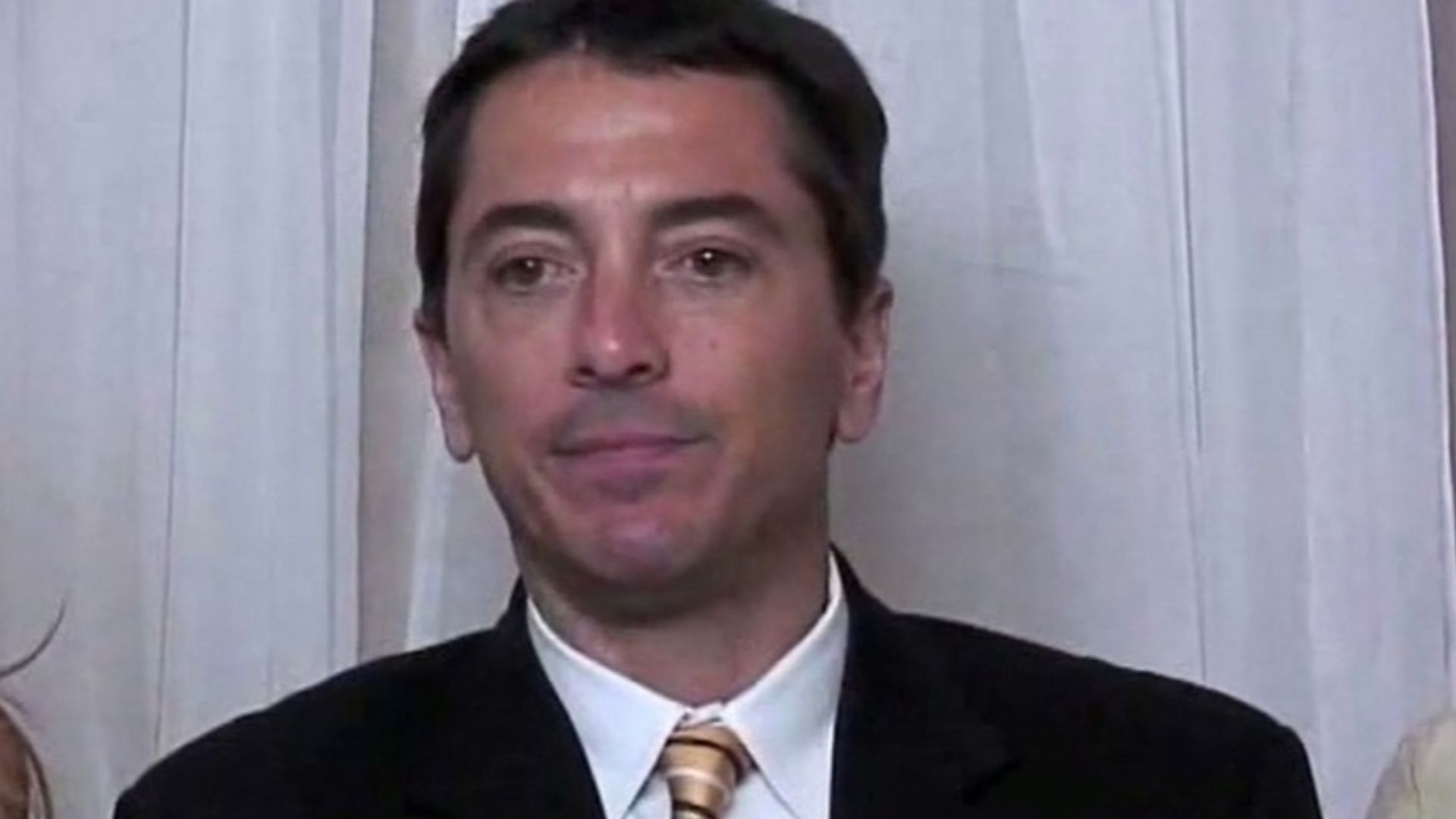
The narrative of Erin Moran succumbing to substance abuse was echoed by Scott Baio in public comments before any official findings were released. His premature speculation sparked criticism, and showed how quickly misinformation can spread following a celebrity’s sudden death. The genuinely grieving Baio admitted to regretting his remarks, but not without some bitterness toward the press who had spread the initial story.
 RealTVfilms, Wikimedia Commons
Family Reflections
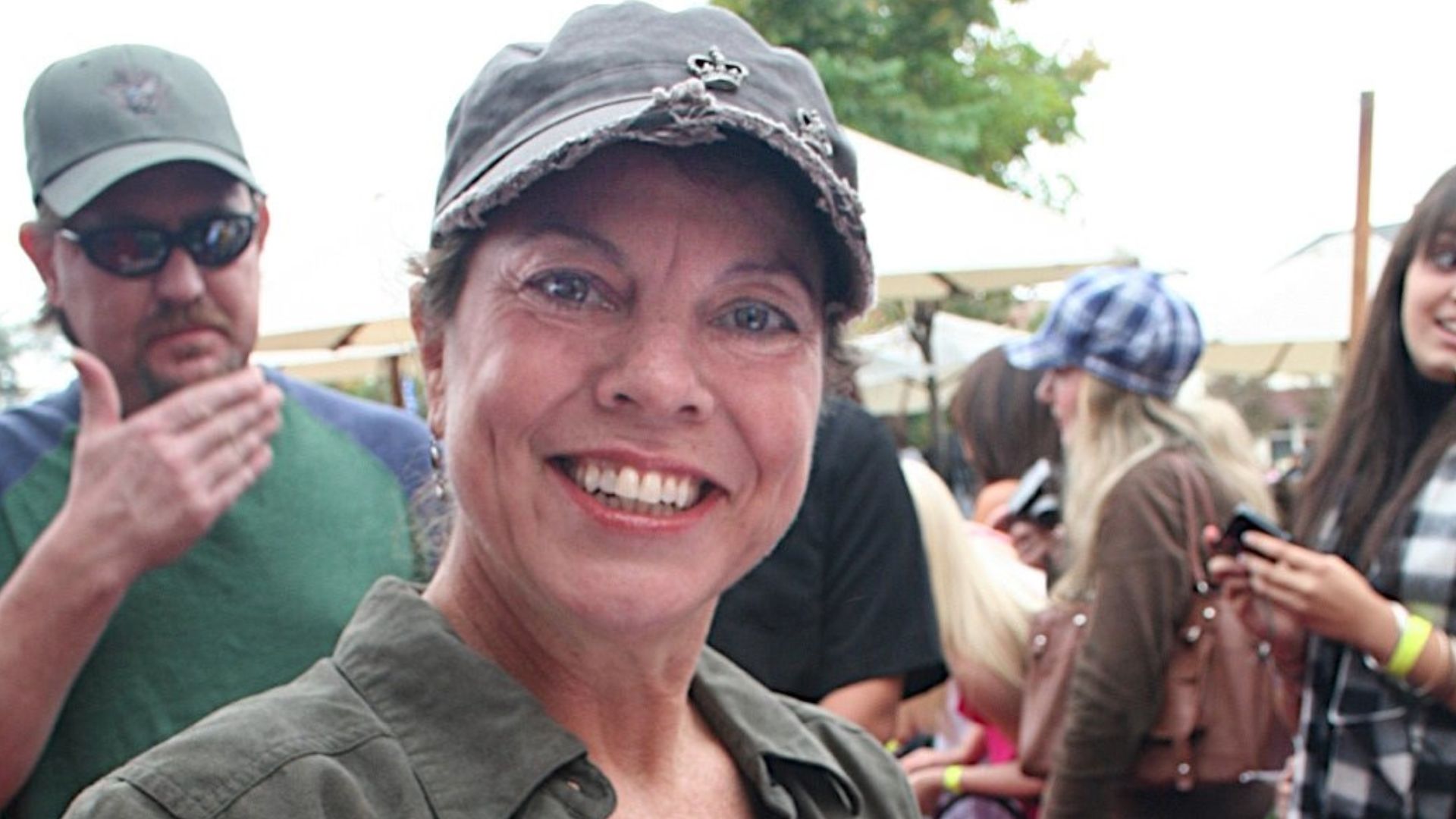
Following her death, Moran’s family emphasized her humor and love of acting, urging fans to remember her beyond whatever tabloid narratives they’d seen in supermarket checkout lines. They acknowledged her hardships but refused to indulge simplistic media portrayals of her loss. It was a family perspective that helped recover the narrative from the rumor mill.
 Popular Press Media Group, Wikimedia Commons
Shadow Of Child Stardom
Moran’s life path reflects the fickle nature of child fame. Early visibility is no guarantee of lasting security, especially if financial safeguards falter. Her story has joined many others as part of broader industry conversations about protection and sustainability for young performers.
 English Wikipedia editor Wryspy, Wikimedia Commons
Remembering Joanie
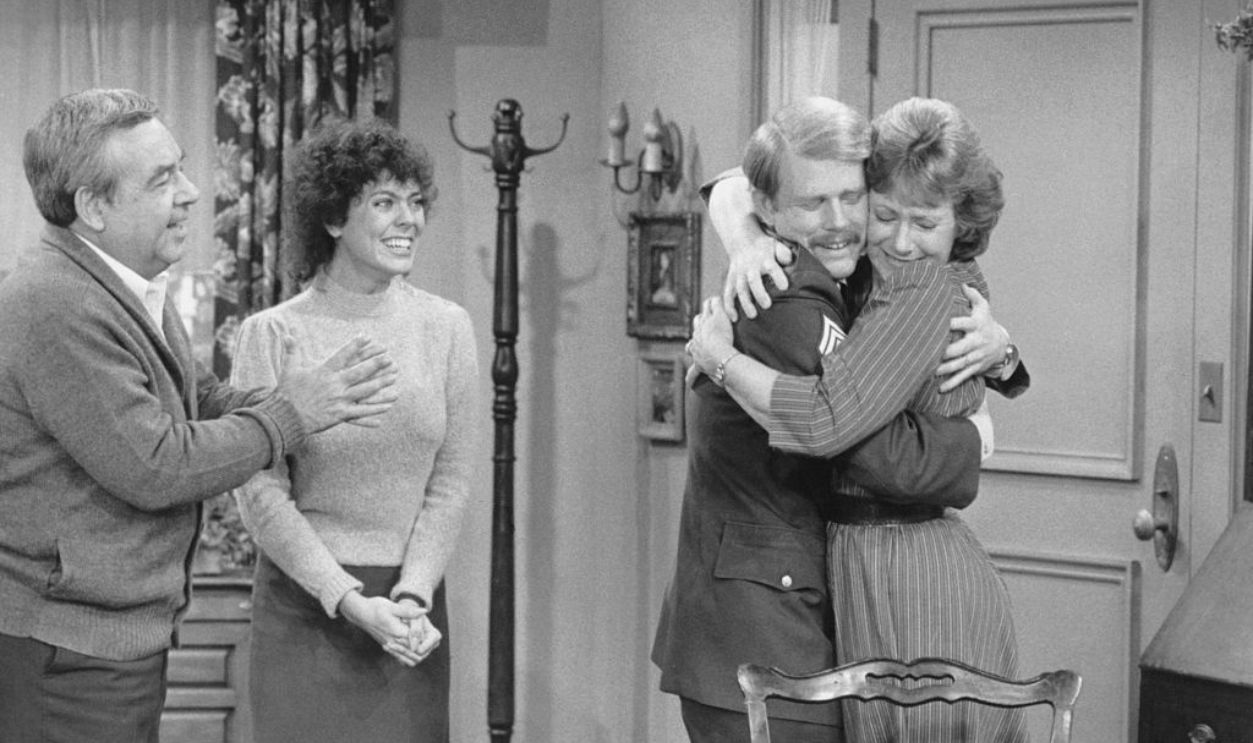
For millions, Moran will always be Joanie Cunningham, the warm, wide-eyed, and earnest young woman whose performance captured teenage yearning in a way that felt authentic. Even decades later, reruns continue to introduce her and the show to new audiences.
You May Also Like:
Exciting Facts About Susan Hayward, Hollywood's Drama Queen