Behind The Family Portrait
Hollywood loved selling dynasties as glamorous, close-knit clans. Away from the premieres and television specials, some of the decade's most famous families were dealing with ruptures, rivalries, and private crises that only became fully understood years later.
 Silver Screen Collection / Getty Images
The Fondas Were Hollywood Royalty
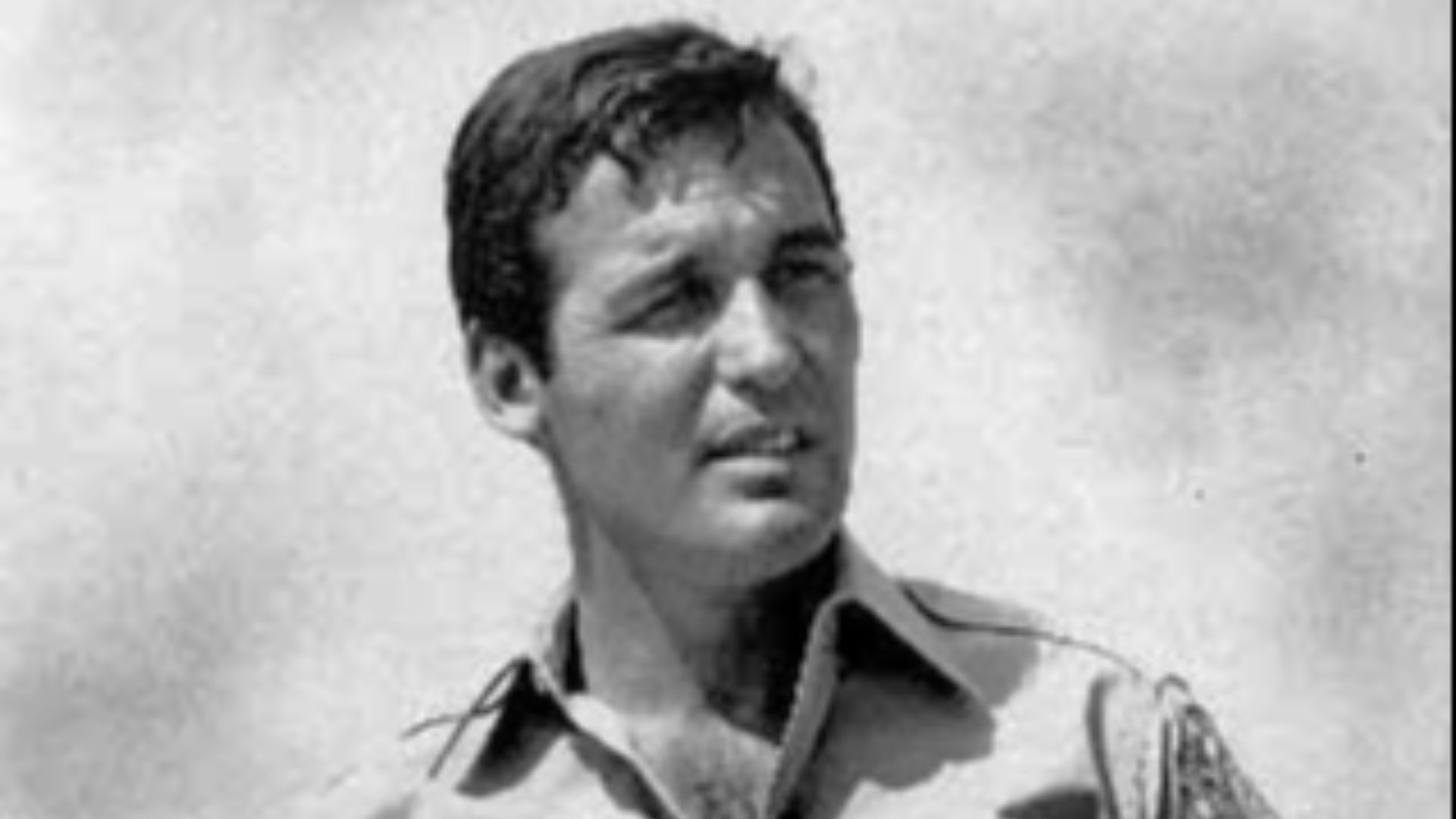
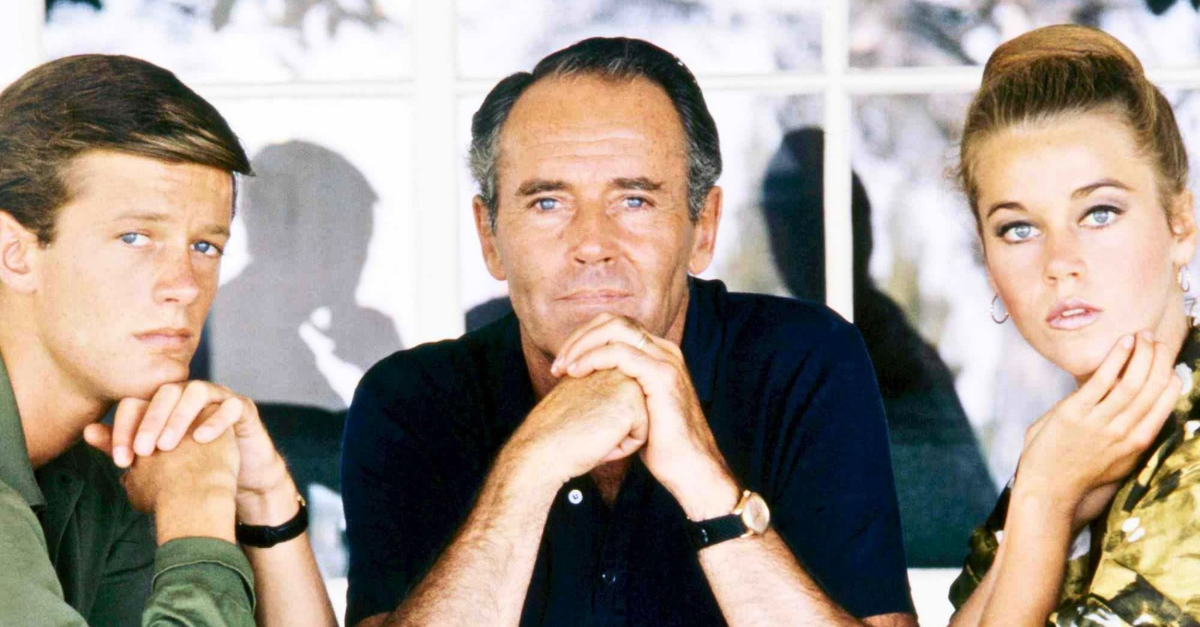
Henry Fonda entered the 1970s as one of America's most respected screen actors, while Jane and Peter had become major stars in their own right. Jane won an Oscar for Klute, while Peter entered the decade as the face of the counterculture after Easy Rider. Few Hollywood names carried more generational weight.
The Fonda Home Wasn't Nearly As Serene
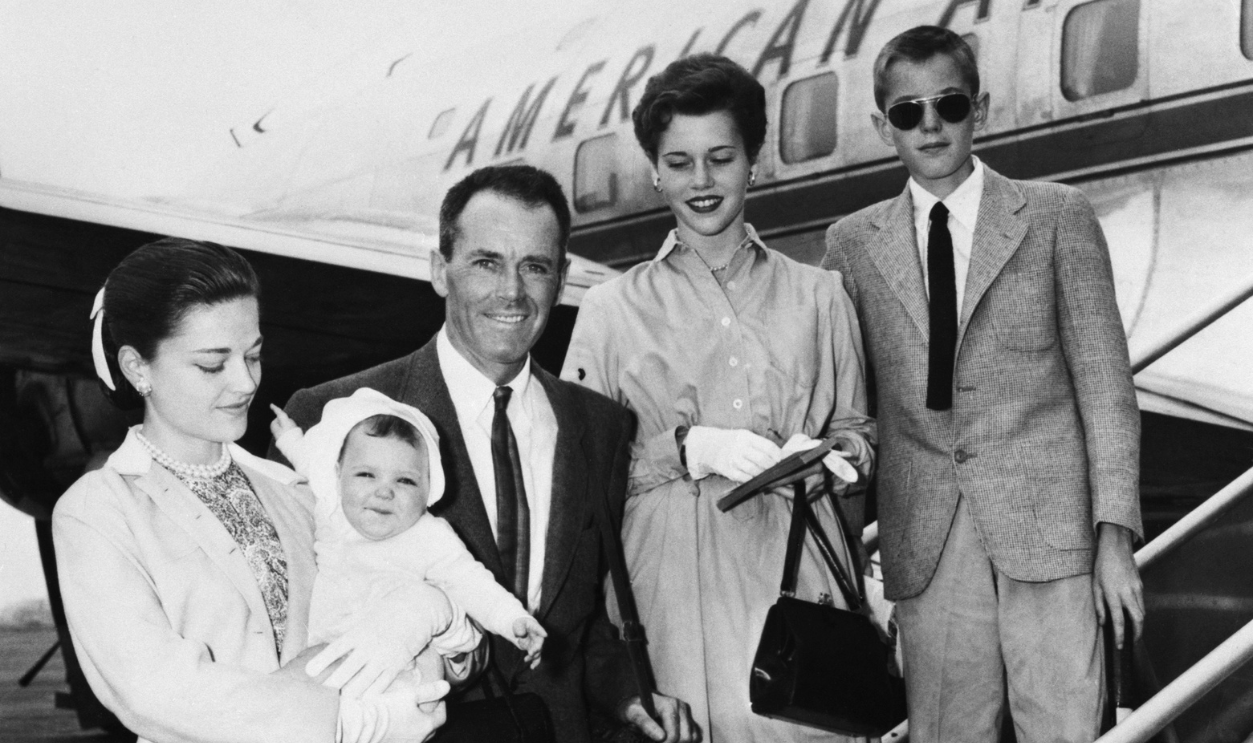
Jane and Peter's mother, Frances Seymour Fonda, died by suicide when the children were young, leaving a wound both discussed publicly much later. Peter later described Henry as an emotionally distant father and said the children felt abandoned after their mother's death. Jane's own memoir similarly portrayed a childhood where strong emotions were often discouraged.
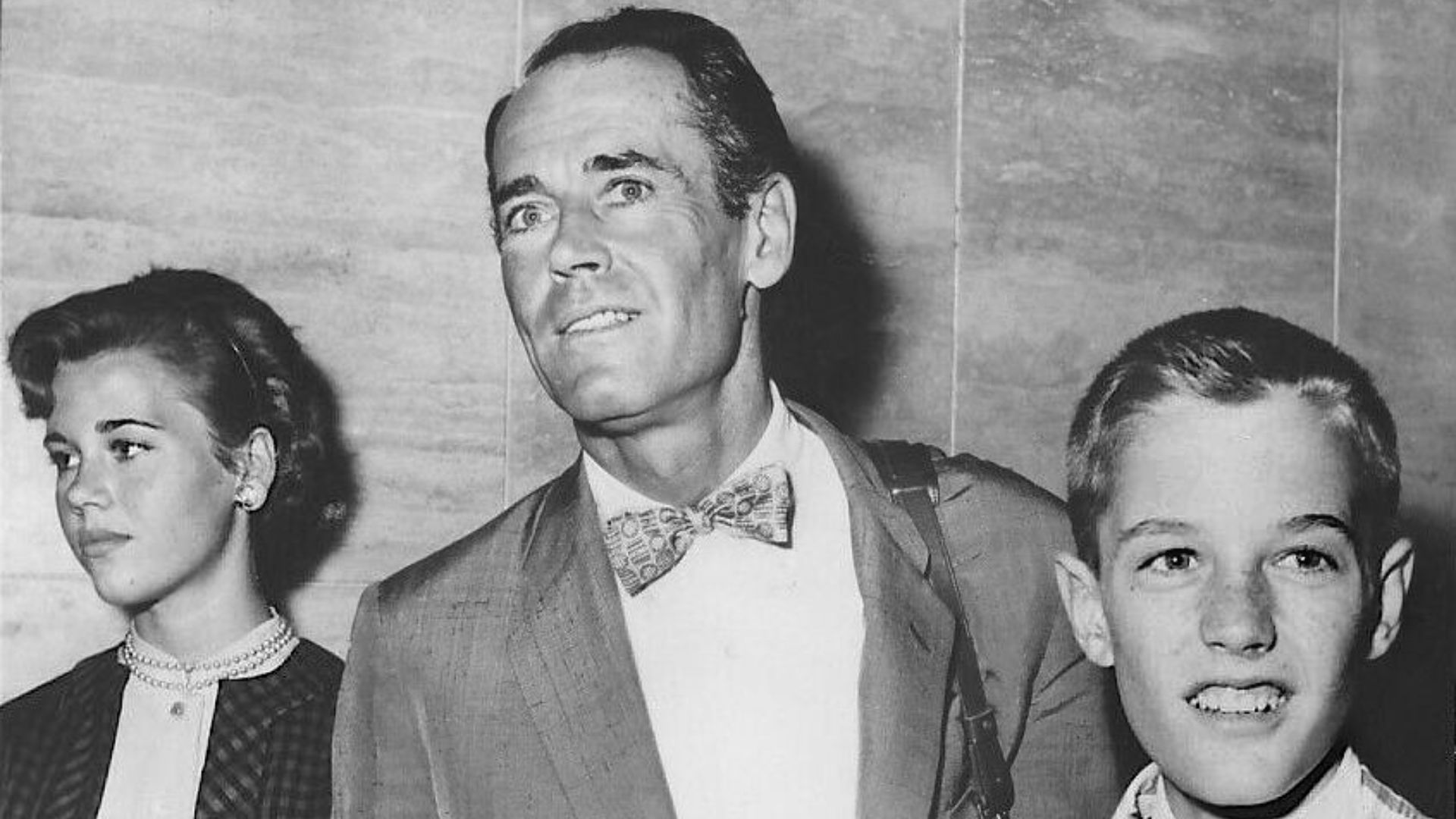 United Press Association. Please credit United Press Photo, Wikimedia Commons
Fame Couldn't Fix The Fonda Distance
Jane and Peter took radically different routes through the 1970s, while Henry remained more reserved and traditional. Peter spent years trying to establish an identity beyond being Henry Fonda's son and Jane Fonda's brother. The glamorous dynasty audiences saw on movie marquees was never a particularly conventional family behind closed doors.
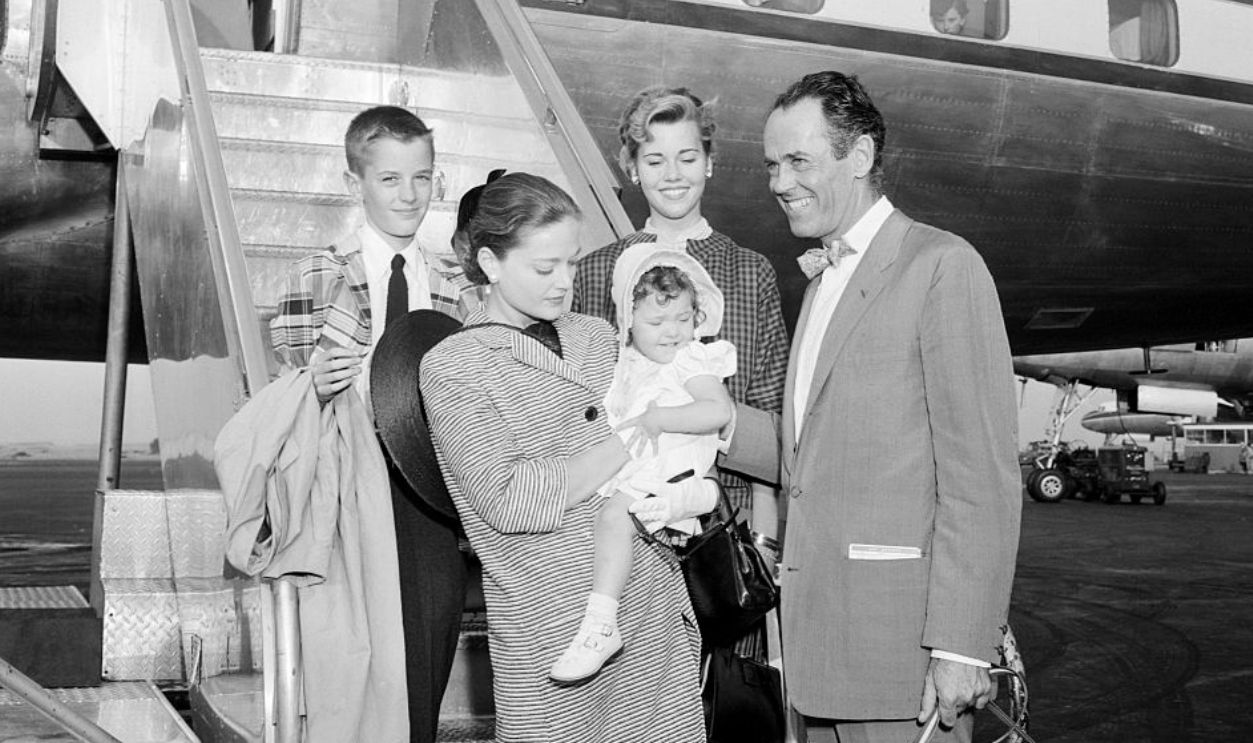
Michael Douglas Stepped Into A Giant Shadow
Kirk Douglas was already one of old Hollywood's towering stars when his son Michael became famous through The Streets of San Francisco in 1972. Michael quickly proved that the family had another serious Hollywood player on its hands. Yet he later admitted that he had spent years trying to establish an identity separate from his father's.
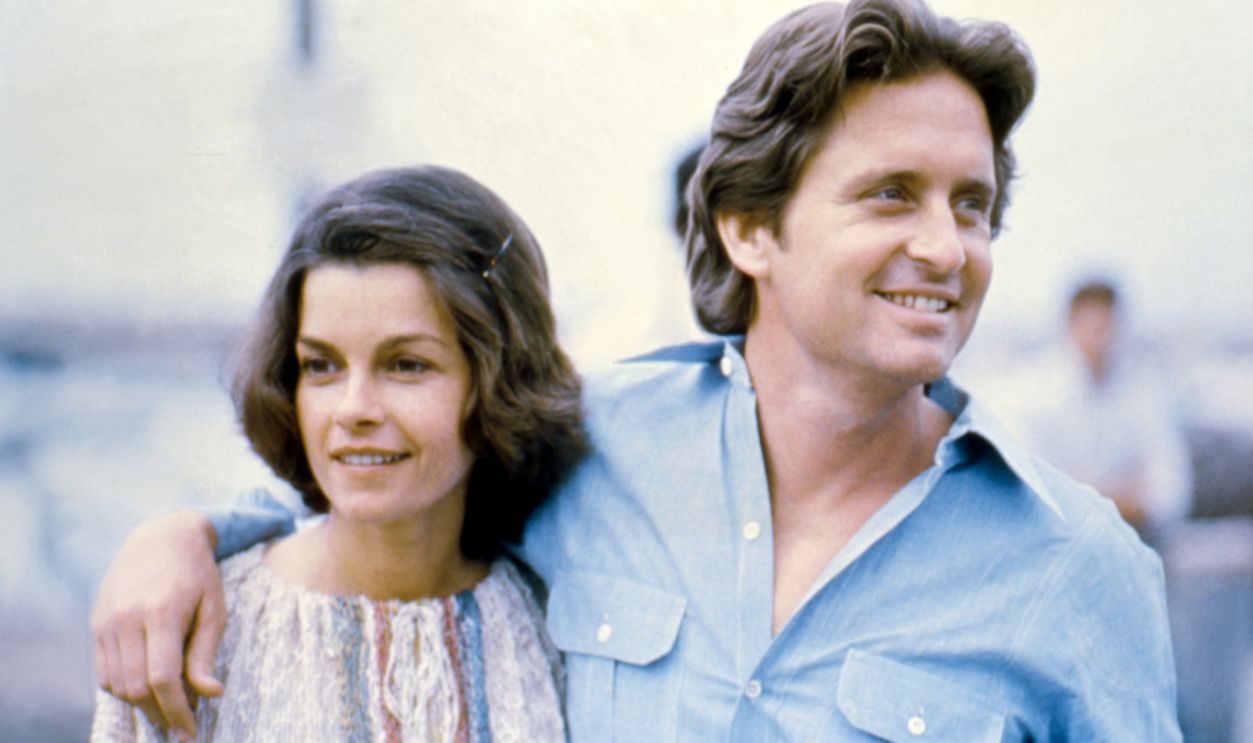 Sunset Boulevard, Getty Images
Kirk Was A Star Before He Was A Dad
Michael later described Kirk as a movie star first and a father second. His parents divorced when he was seven, and Michael said his stepfather Bill Darrid became the most important male influence during his teenage years. Kirk himself eventually acknowledged that his relationship with Michael improved once his son became an actor.
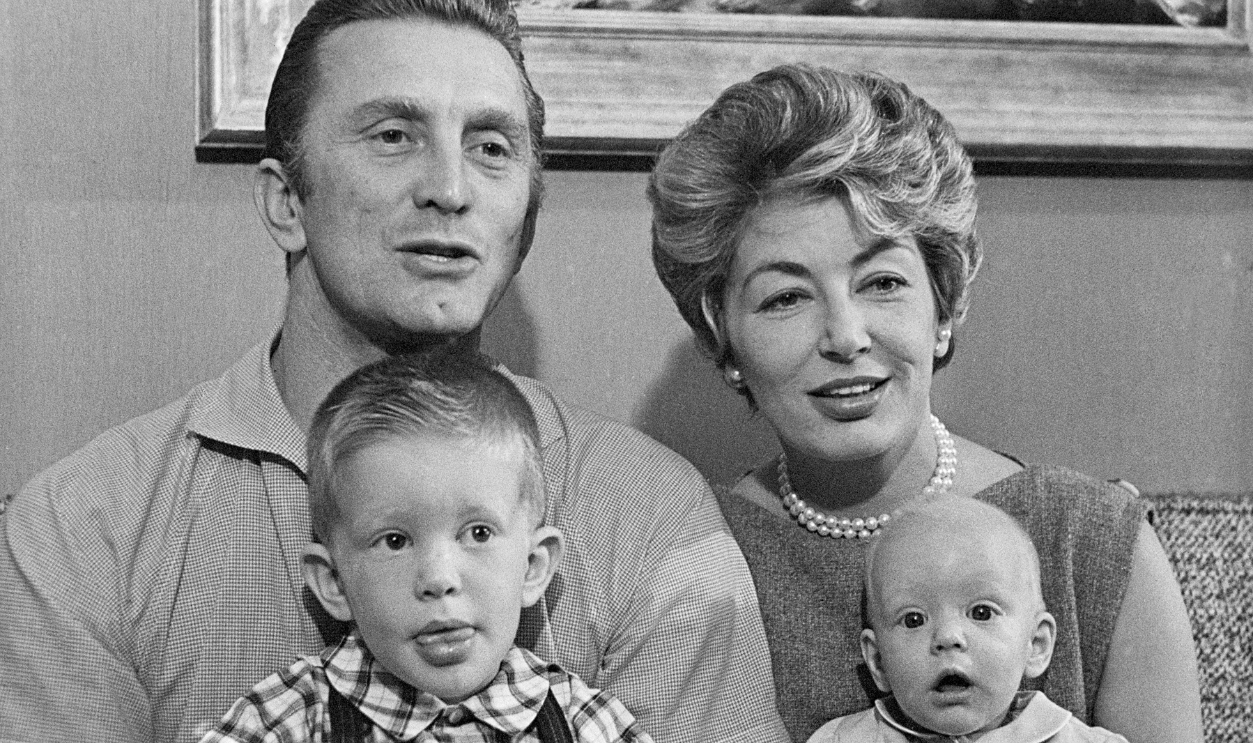
Cuckoo's Nest Turned Into A Family Test
Kirk had spent years trying to make One Flew Over the Cuckoo's Nest into a film after starring in the stage adaptation. Michael finally produced the 1975 movie but cast Jack Nicholson in the role Kirk had wanted for himself, creating genuine father-son tension. The result won the Academy Award for Best Picture and simultaneously proved that Michael could build a Hollywood triumph without simply following Kirk's path.
 Unknown photographer, Wikimedia Commons
The Cassidys Seemed Almost Designed For Television
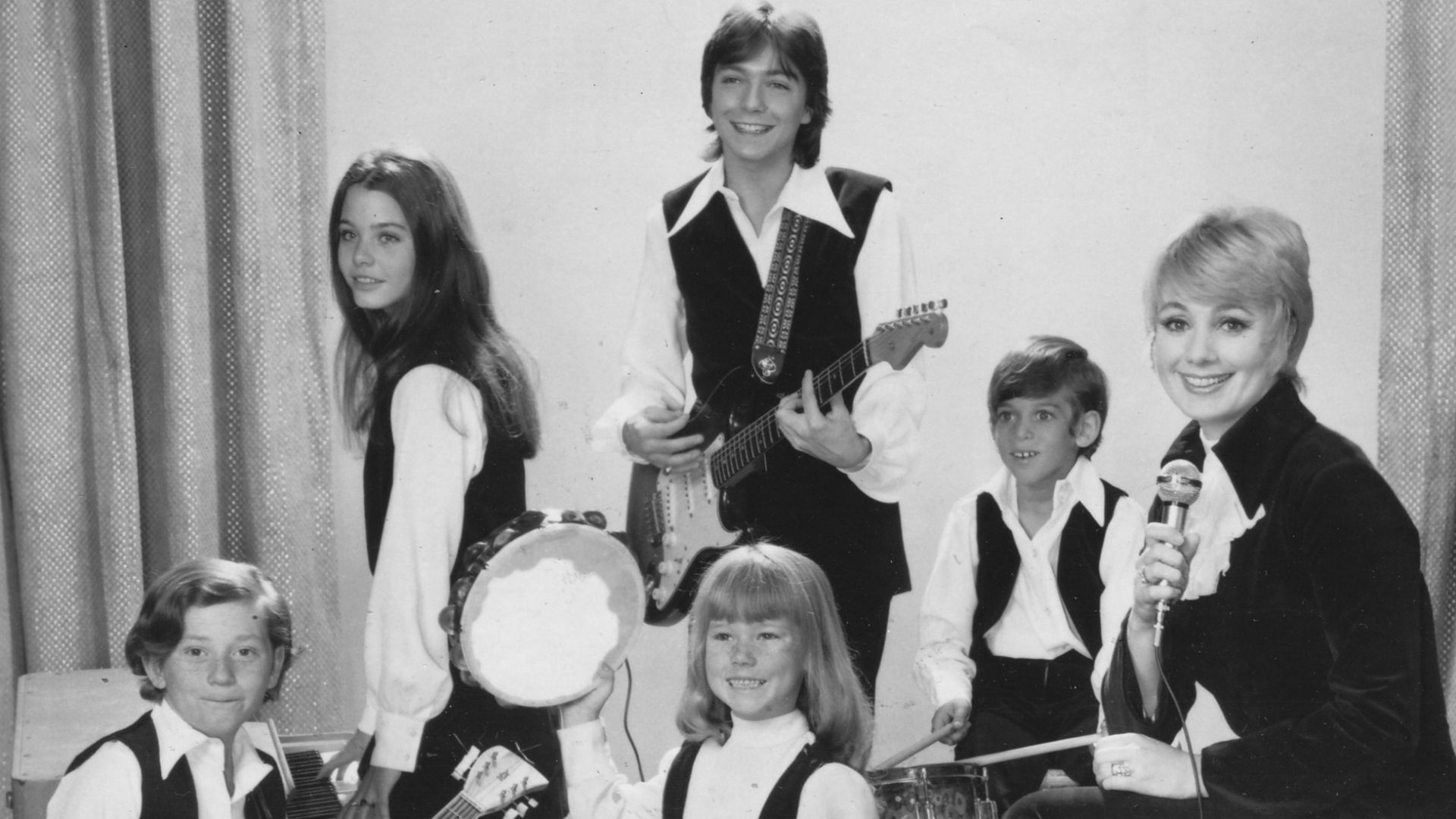
The Cassidy-Jones clan looked like show-business perfection during the 1970s. Shirley Jones starred alongside her stepson David Cassidy on The Partridge Family, while David became one of the world's biggest teen idols. By the decade's second half, Shirley's son Shaun Cassidy had become a television and recording heartthrob too.
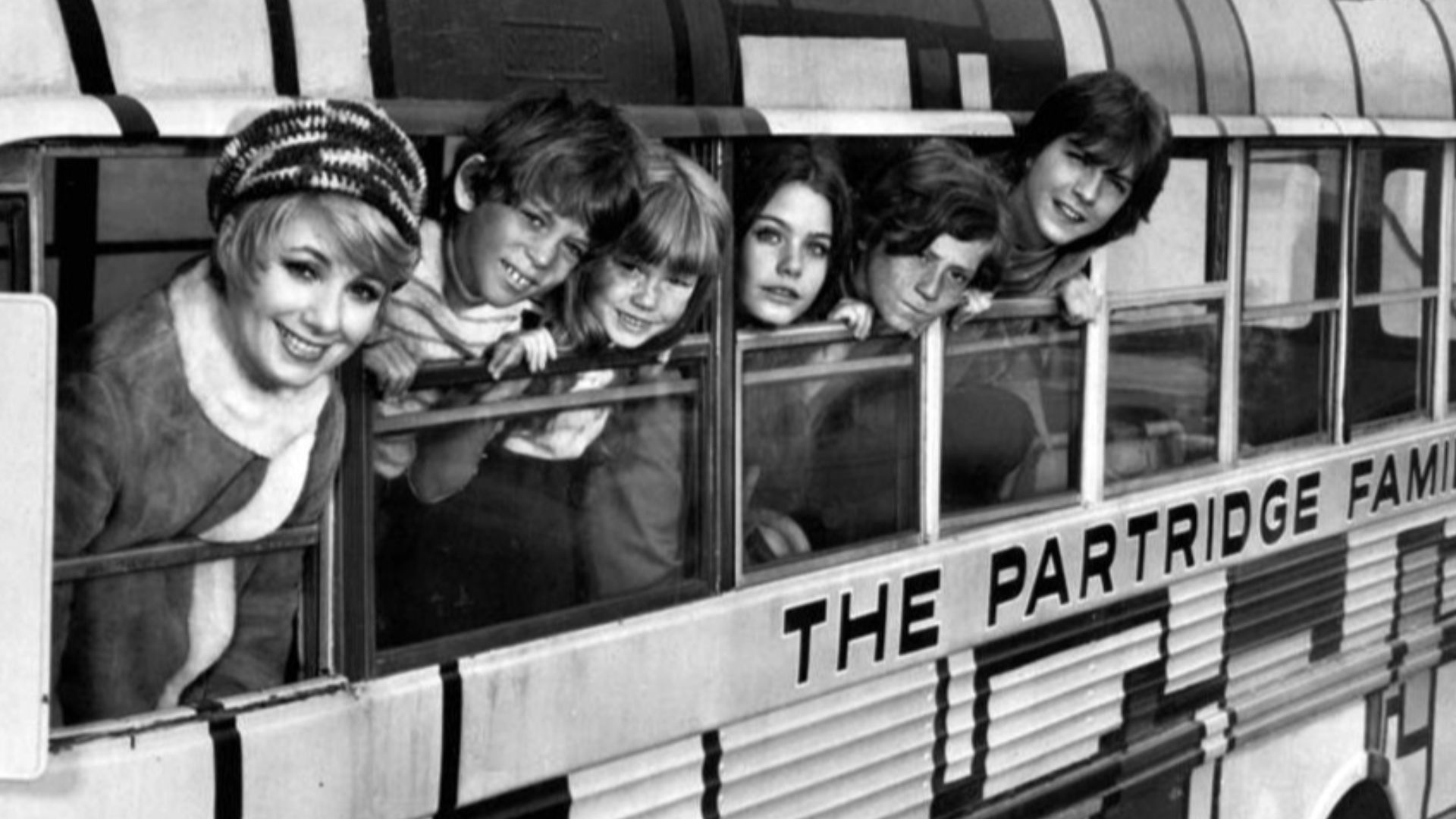 ABC Television, Wikimedia Commons
David's Famous Family Was More Complicated
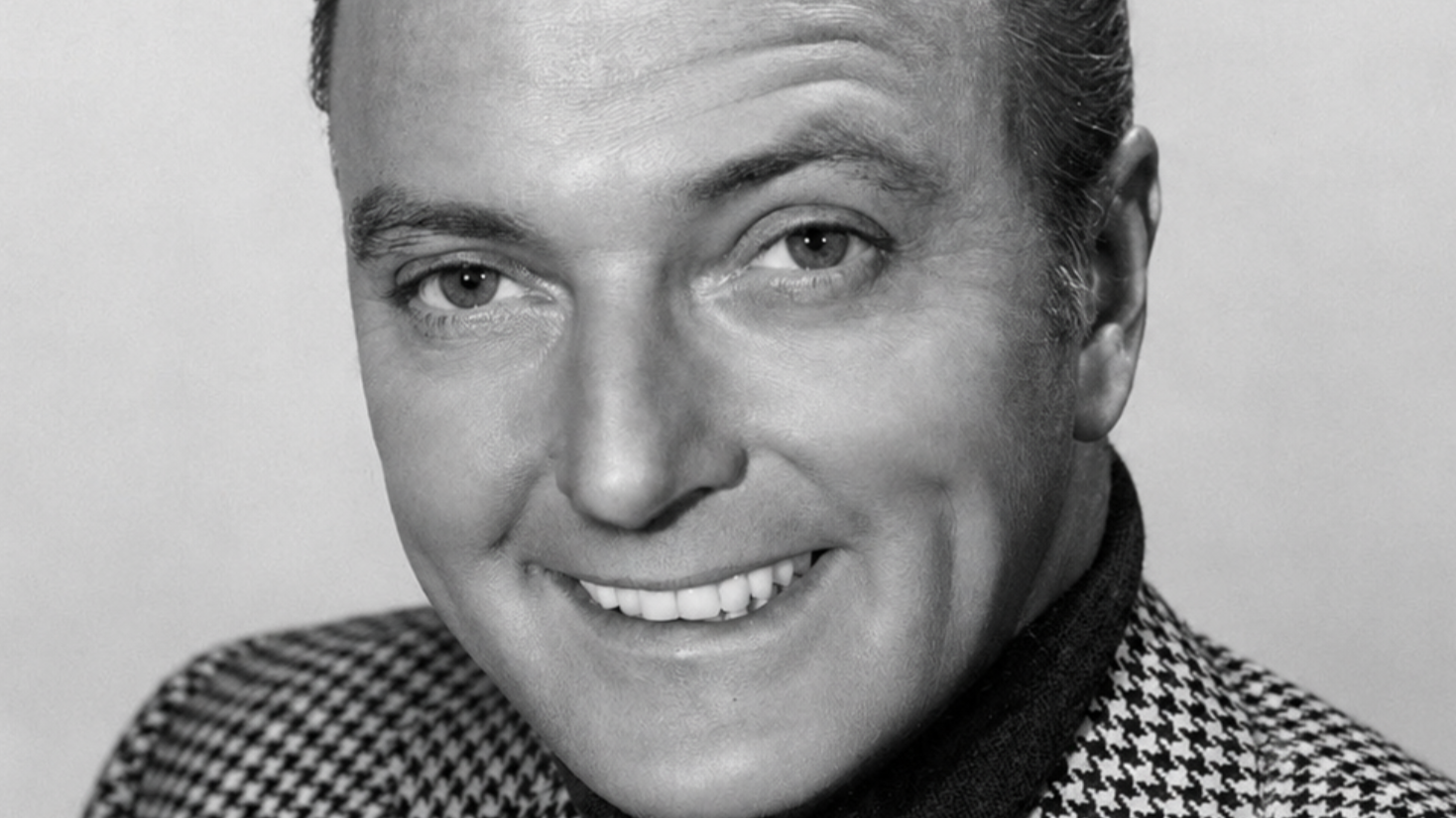
David was Jack Cassidy's son from his first marriage to actress Evelyn Ward, while Shaun, Patrick, and Ryan were Jack's children with Shirley Jones. David later recalled growing up differently from the younger Cassidy boys and seeing his famous father build another household. That complicated family structure sat behind one of television's most aggressively cheerful family images.
 ABC Television Network., Wikimedia Commons
Jack Cassidy's Final Years Were Troubled
Jack and Shirley's marriage ended during the 1970s, and later family accounts described increasingly erratic behavior by Jack during his final years. David wrote that his father struggled with mental-health problems and substance misuse before Jack died in a 1976 apartment fire. The dynasty kept producing stars, but the family's most painful chapter was unfolding while David and Shaun were appearing on magazine covers.
 CBS Television, Wikimedia Commons
The Jacksons Looked Unstoppable
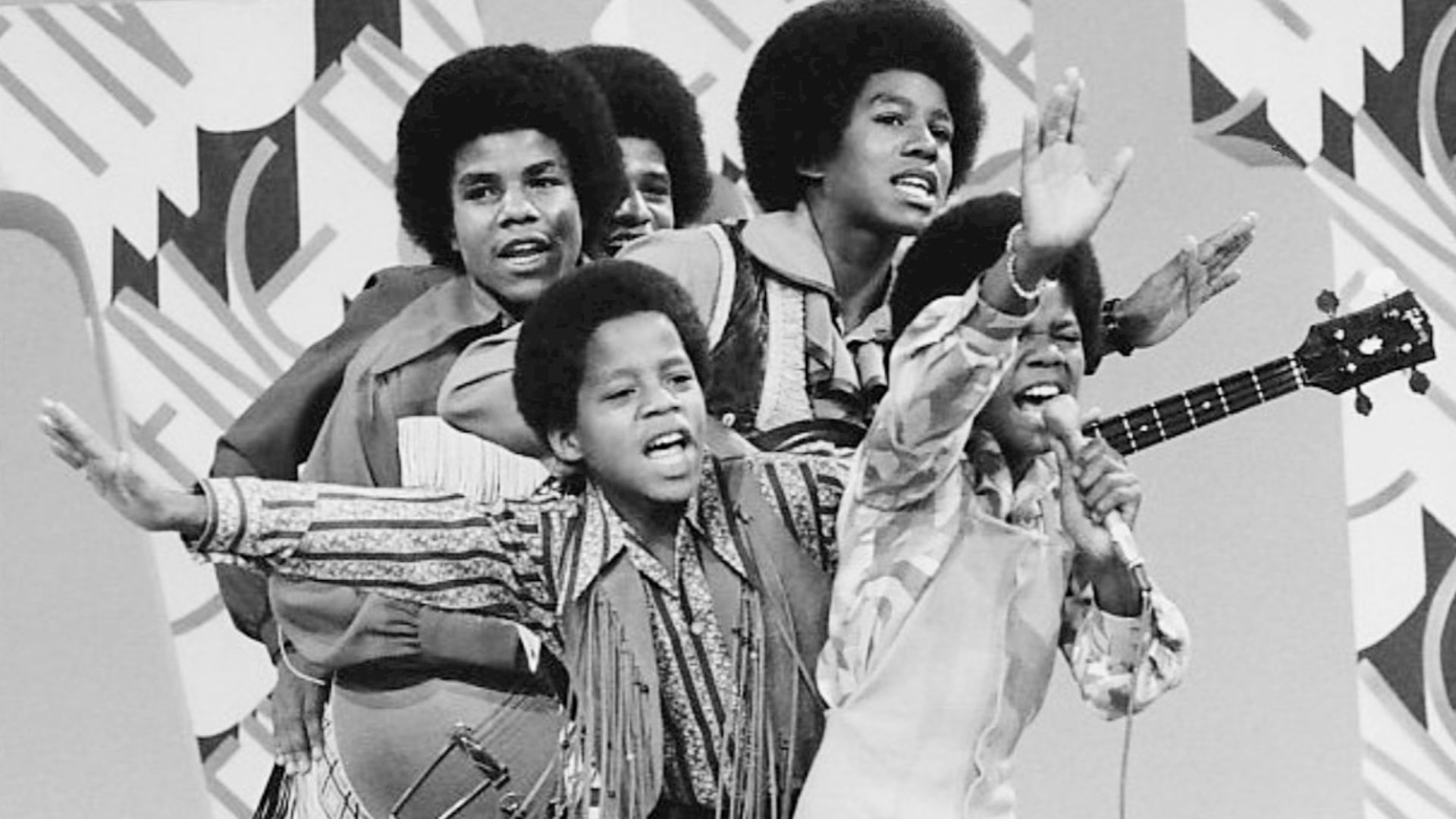
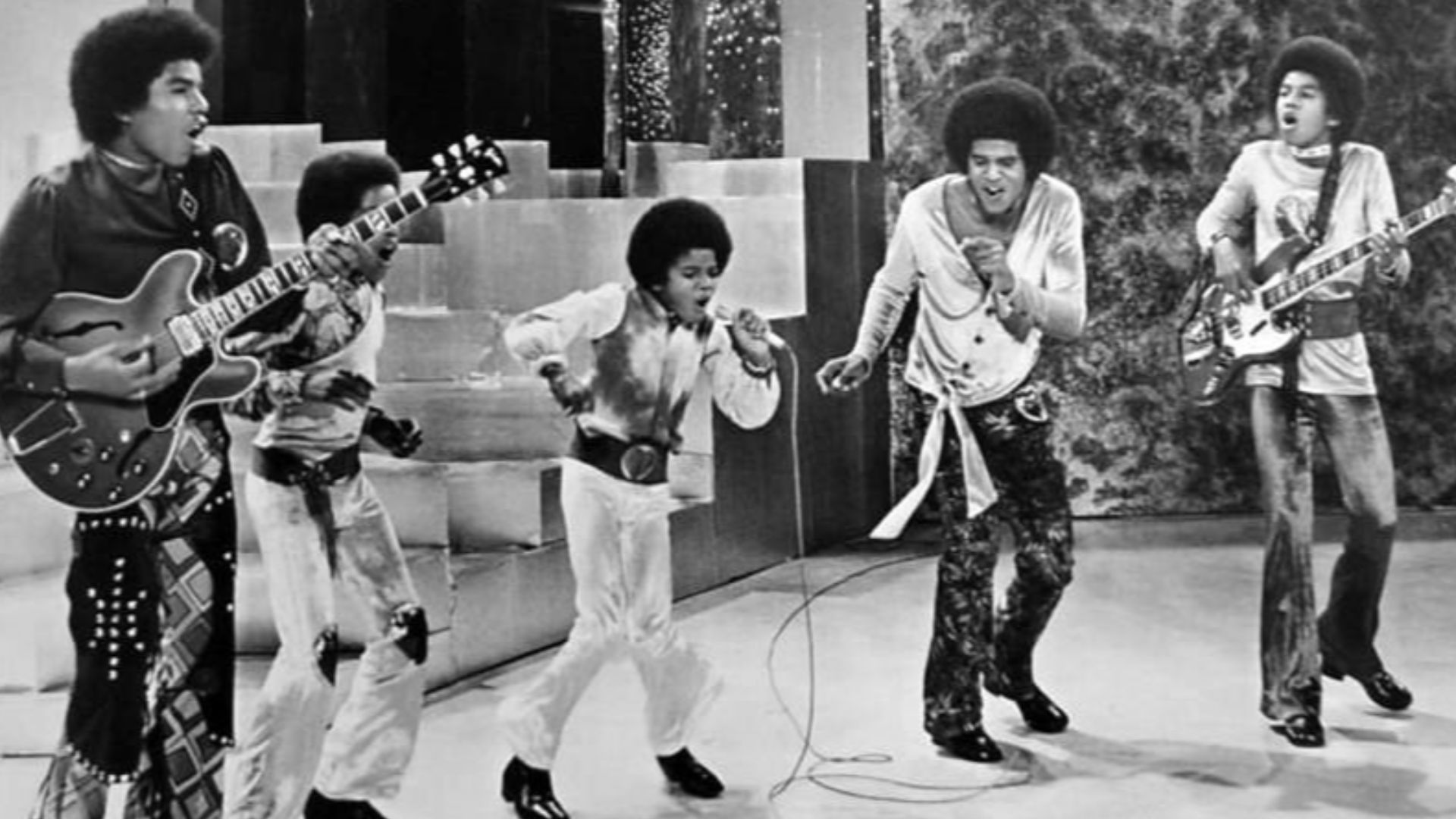
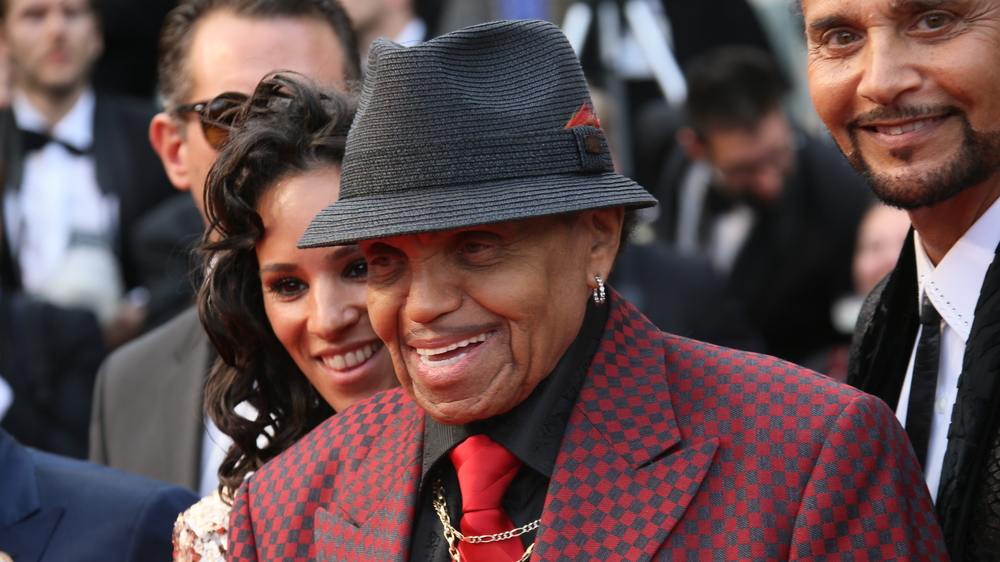
The Jackson 5 entered the 1970s as a Motown sensation, with Jackie, Tito, Jermaine, Marlon, and Michael becoming one of music's most famous sibling acts. Their father Joe Jackson had been the driving managerial force behind the group before Motown signed them. The combination of coordinated performances and family branding made the Jacksons look like an entertainment machine.
 CBS Television, Wikimedia Commons
Joe's Discipline Became A Darker Story
Years later, Michael and other family members publicly described harsh treatment from their father during childhood. Joe disputed the characterization that he had beaten Michael, while acknowledging strict physical punishment. The conflict between the family's dazzling professional discipline and the children's later accounts permanently changed how many people understood that success.
 ABC Television, Wikimedia Commons
There Was Another Jackson Child Outside The Spotlight
Joe also had a daughter, Joh'Vonnie Jackson, during a long relationship with Cheryle Ann Terrell while he remained married to Katherine Jackson. Joh'Vonnie later described watching her famous half-siblings from outside the family unit and feeling isolated from their public world. Her story added another layer to the carefully packaged image of America's most famous musical family.
The Osmonds Sold An Almost Impossibly Clean Image
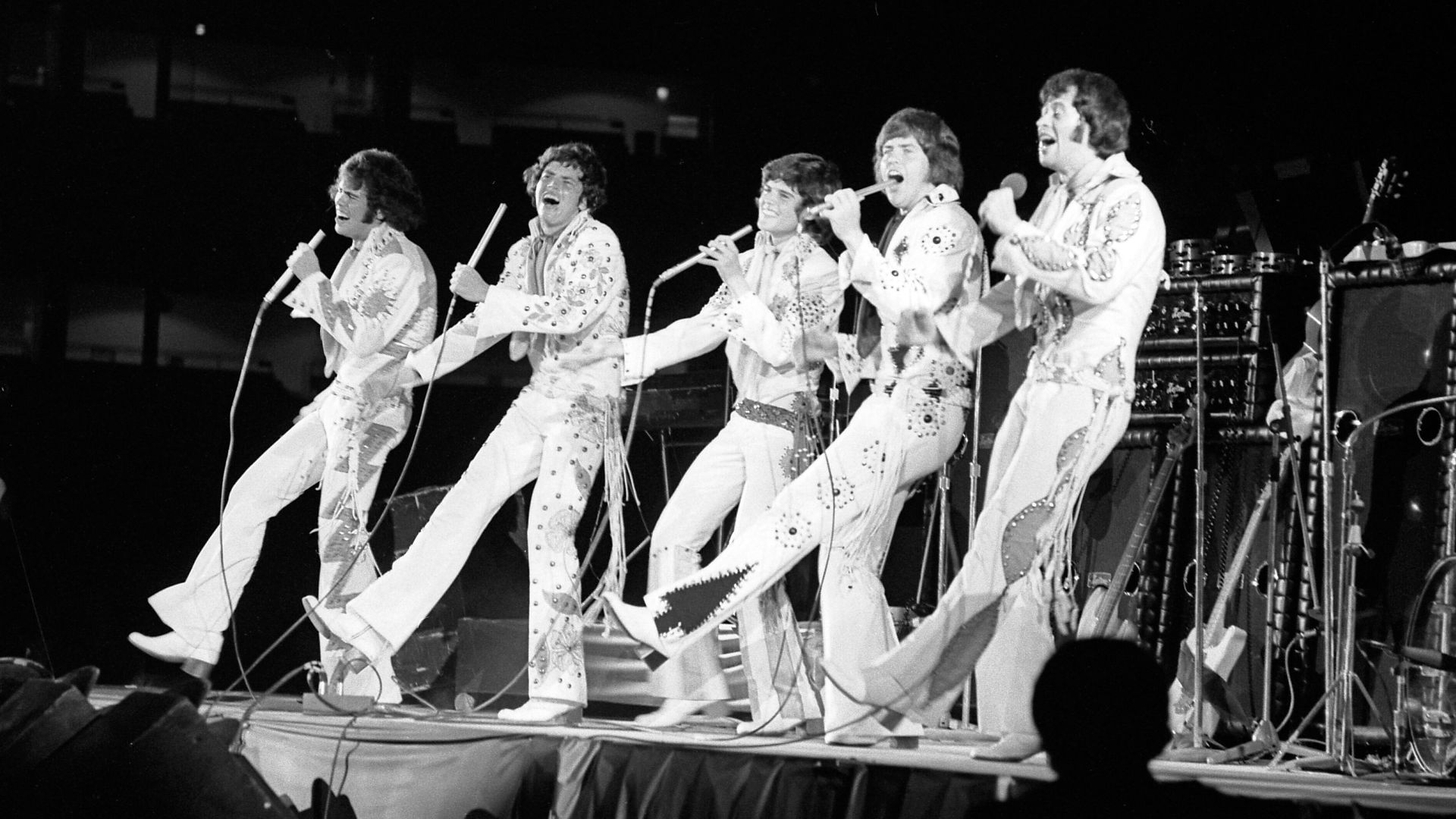
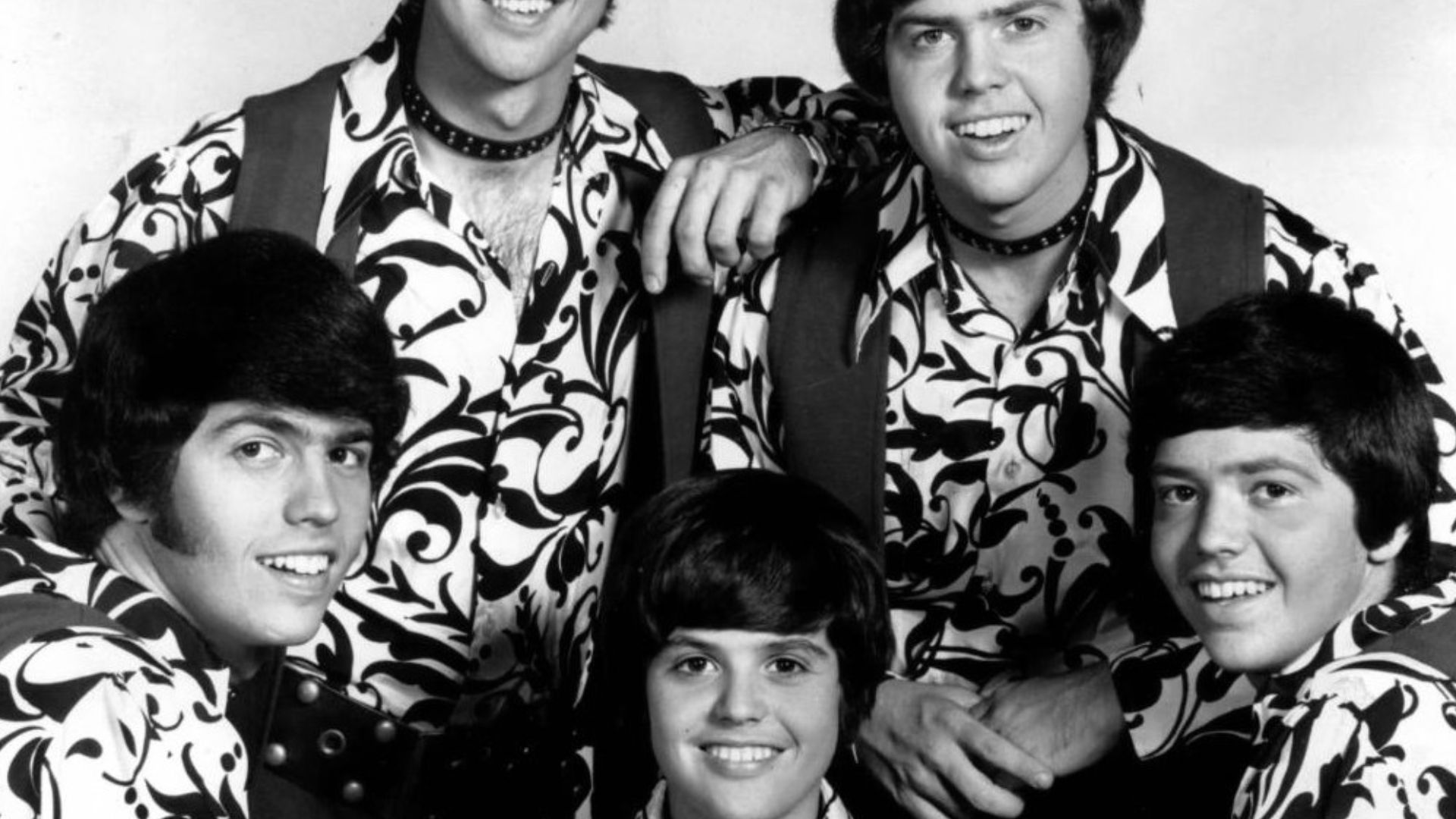
Few 1970s families looked more wholesome than the Osmonds. Donny became a teen idol, Marie broke through as a country singer, and Donny & Marie turned the siblings into prime-time television fixtures beginning in 1976. Their parents' religious faith and family-first philosophy were central to the brand.
 CBS Television-part of the logo remains for ID, Wikimedia Commons
The Workload Was Anything But Childlike
Donny later remembered growing up extremely quickly because rehearsals, touring, television appearances, and tutoring dominated childhood. His father George was a former Army sergeant who ran the household with strict discipline, and Donny recalled his father worrying that marriage would damage his career. The happy family performances were being powered by an extraordinarily demanding professional schedule.
 Larry Bessel, Los Angeles Times, Wikimedia Commons
Their Family Empire Nearly Collapsed Financially
The Osmonds spent millions building a television and recording facility in Utah when Donny & Marie was at its peak. After the program ended in 1979, the studio failed to become the long-term business they expected and the family faced bankruptcy. George Osmond refused simply to abandon the debts, and the family spent years working its way back.
 MGM Records, Wikimedia Commons
Elvis, Priscilla, And Lisa Marie Looked Like Royalty
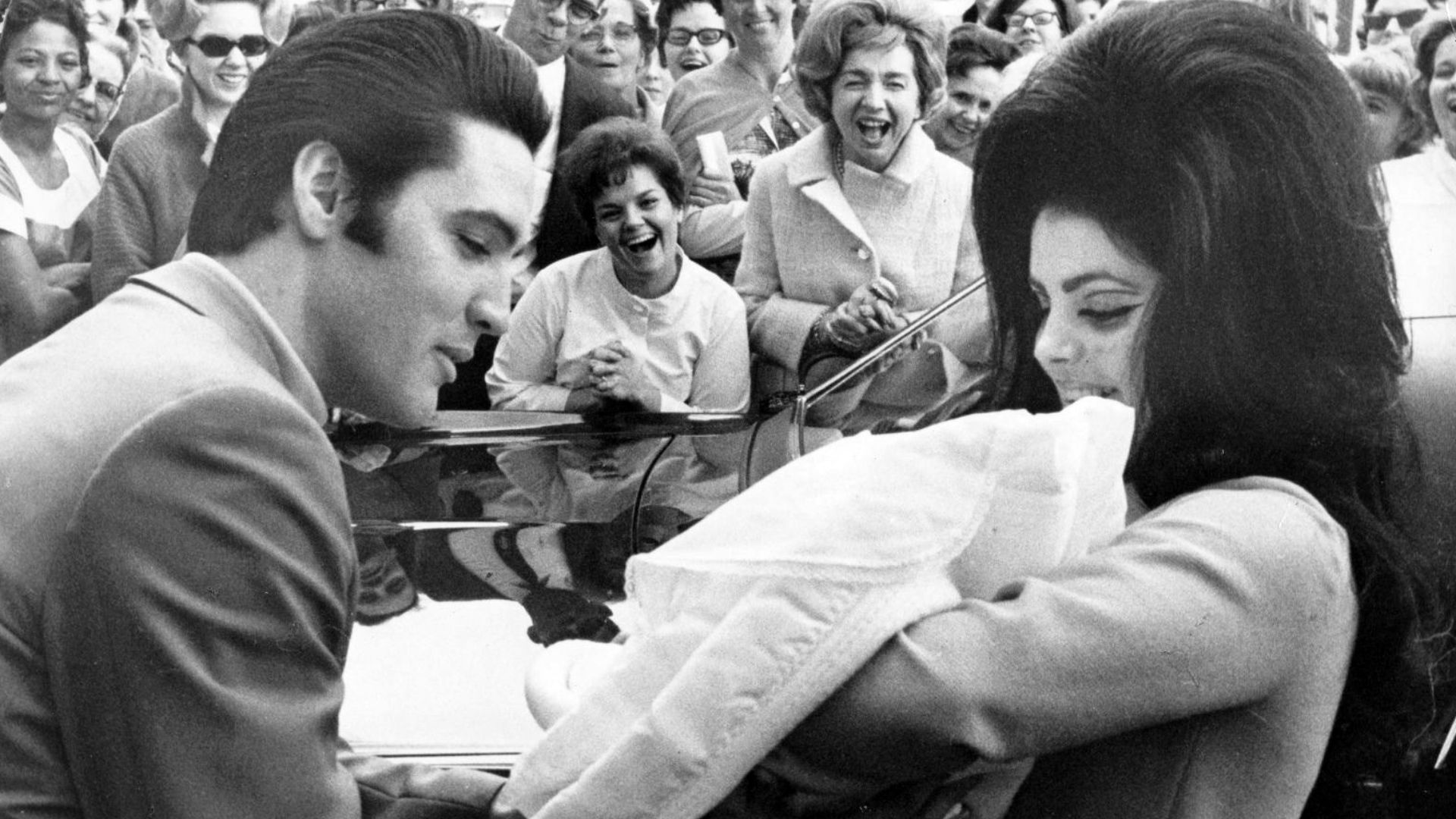
Elvis Presley entered the 1970s not only as a superstar but as the center of one of entertainment's most photographed families. He and Priscilla had married in 1967, and their daughter Lisa Marie arrived the following year. Pictures from Graceland helped create the impression of a glamorous private kingdom surrounding one of the world's most famous performers.
 Unknown authorUnknown author, Wikimedia Commons
The Presley Marriage Was Already Fracturing
Priscilla later described growing increasingly independent as the marriage struggled under distance and Elvis's demanding career. The couple separated in the early 1970s and divorced while remaining committed to co-parenting Lisa Marie. Their friendly public appearances afterward could obscure how dramatically the family structure had changed.
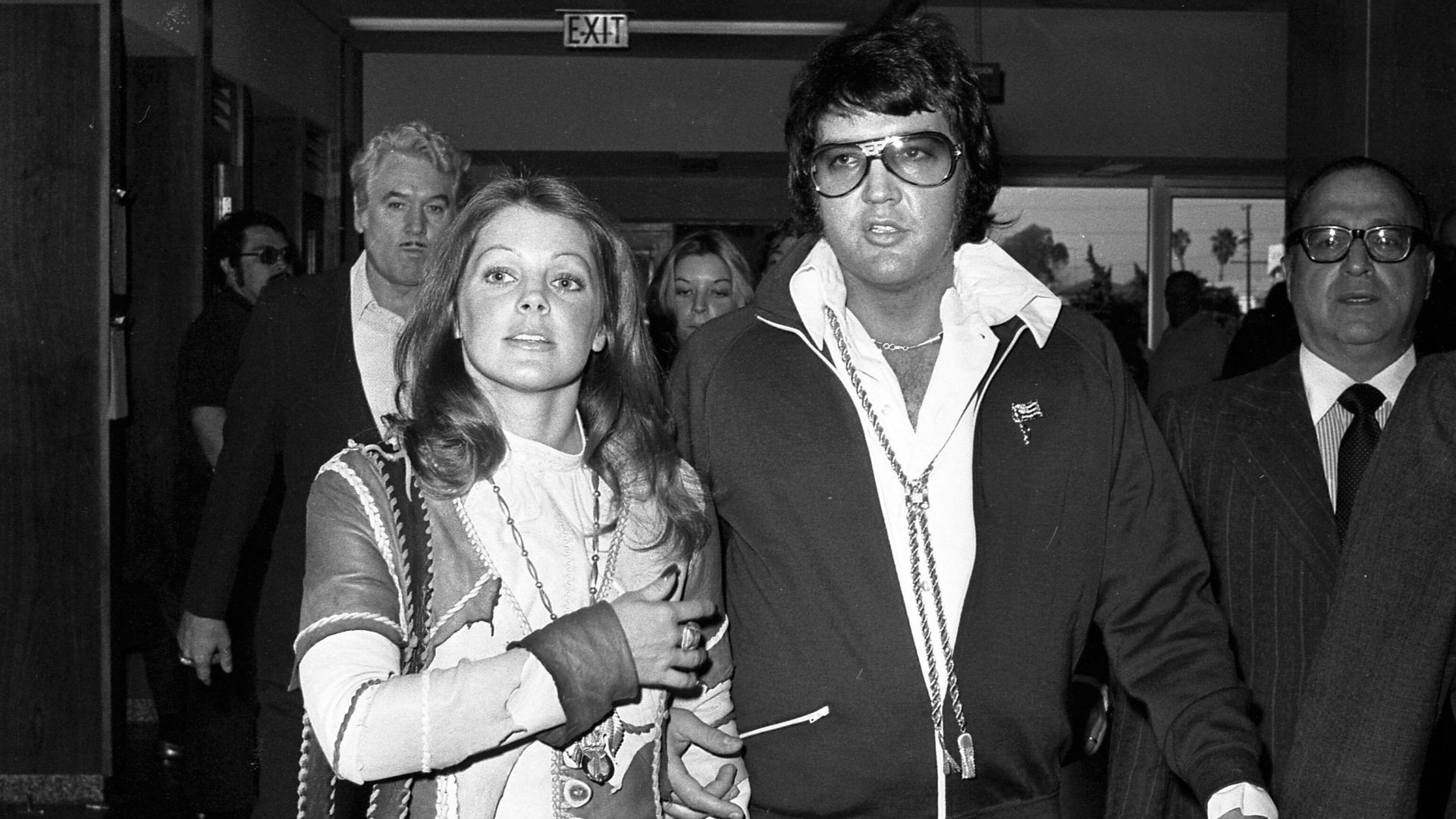 George R. Fry, Los Angeles Times, Wikimedia Commons
Then The Presley Story Changed Forever
Elvis died in 1977 at only 42, leaving Lisa Marie as the only child of a global icon. Priscilla subsequently became one of the key guardians of the Presley legacy and helped transform Graceland into a lasting public institution. What began the decade as an image of domestic celebrity ended as a family managing one of entertainment history's largest legacies.

The Carradines Had Actors Everywhere
John Carradine had built an enormous acting career before several of his sons followed him into the business. David became a household name through Kung Fu, Keith earned acclaim in films such as Nashville, and Robert began acting professionally as a teenager. A 1974 family photograph could practically double as a Hollywood casting directory.
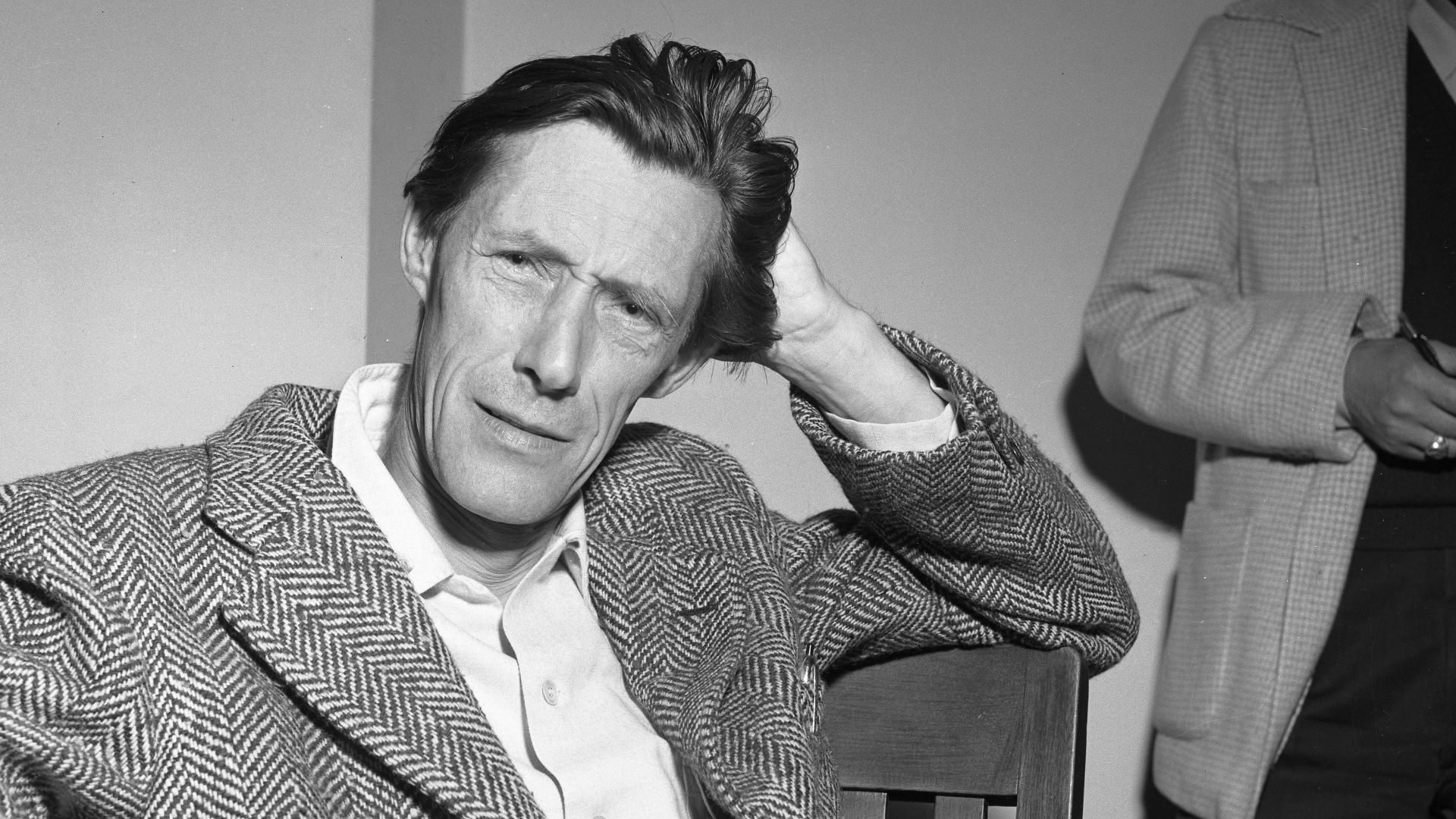 Los Angeles Daily News, Wikimedia Commons
The Carradine Household Had Been Split Apart Early
John's marriage to actress Sonia Sorel ended while their sons were still young, and John received custody of Keith, Christopher, and Robert. Robert later spent periods living with older half-brother David and actress Barbara Hershey after another family loss. The dynasty's closeness on screen concealed a childhood shaped by divorces, shifting households, and complicated sibling arrangements.
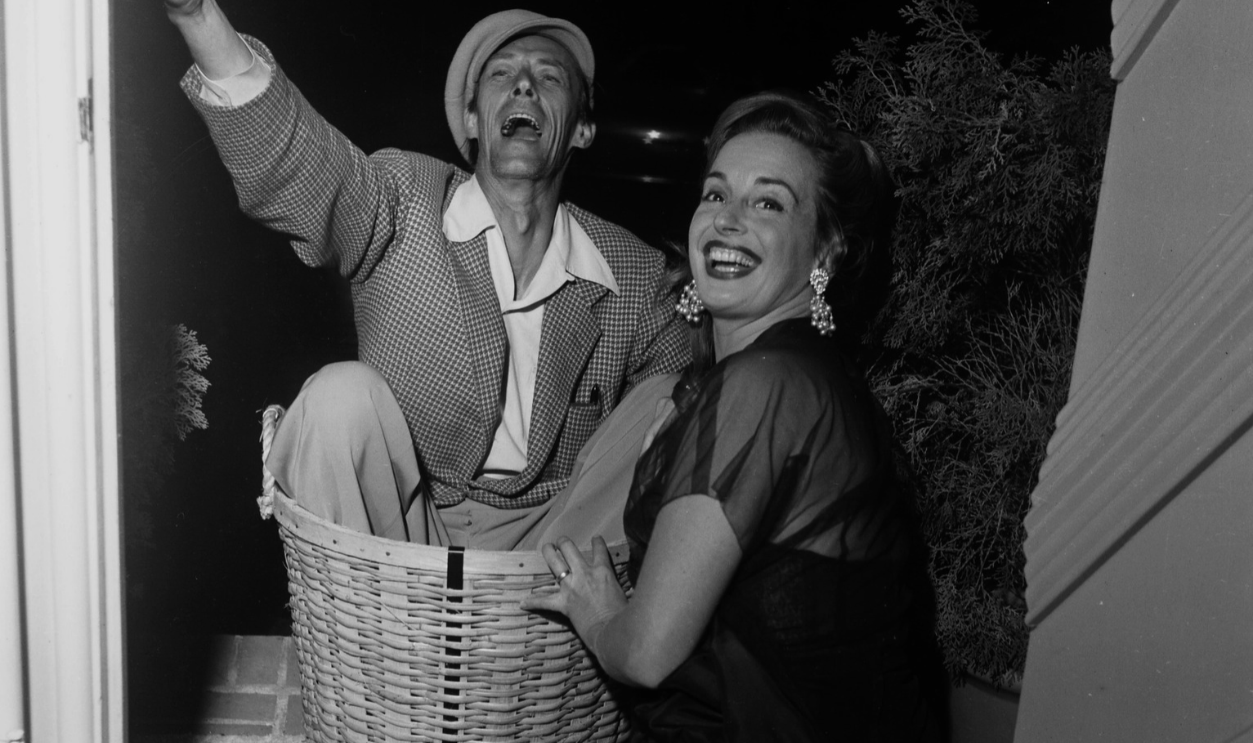 Michael Ochs Archives, Getty Images
David's Fame Came With Turbulence
David became the family's biggest television star during the 1970s, then earned acclaim for playing Woody Guthrie in Bound for Glory. He later spoke openly about earlier periods of substance misuse and a personal life that included several marriages. The serenity associated with his Kung Fu character was never a straightforward reflection of the actor playing him.
 ABC Television, Wikimedia Commons
Bing Crosby's Family Image Was American Comfort Food
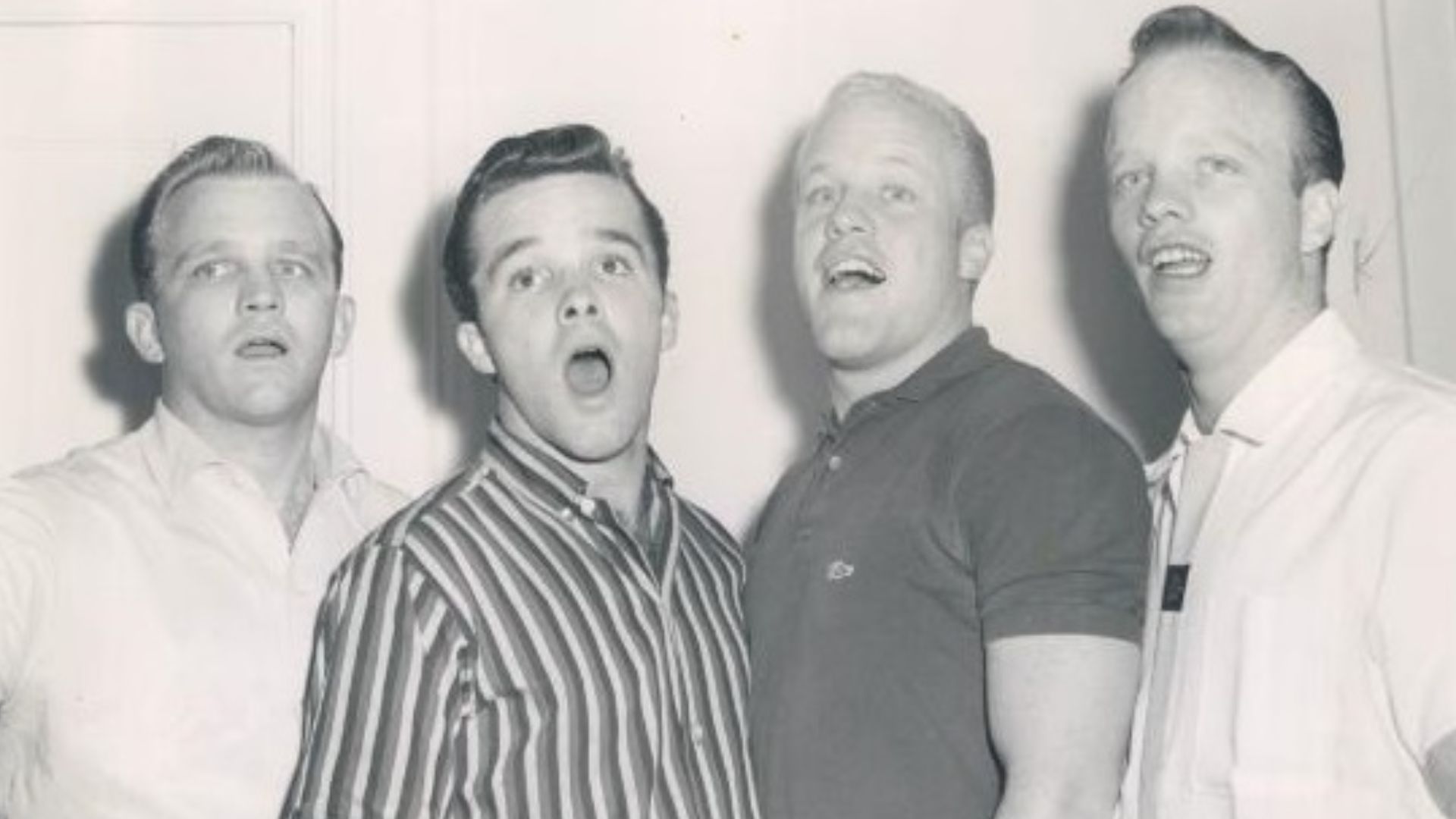
Bing Crosby's family regularly appeared with him in television specials, extending the warm, easygoing image that had made him one of America's most beloved entertainers. His younger children with Kathryn Crosby participated in that public family world, while his four older sons had also performed with him earlier. Crosby died in 1977 with the image of the relaxed family patriarch largely intact.
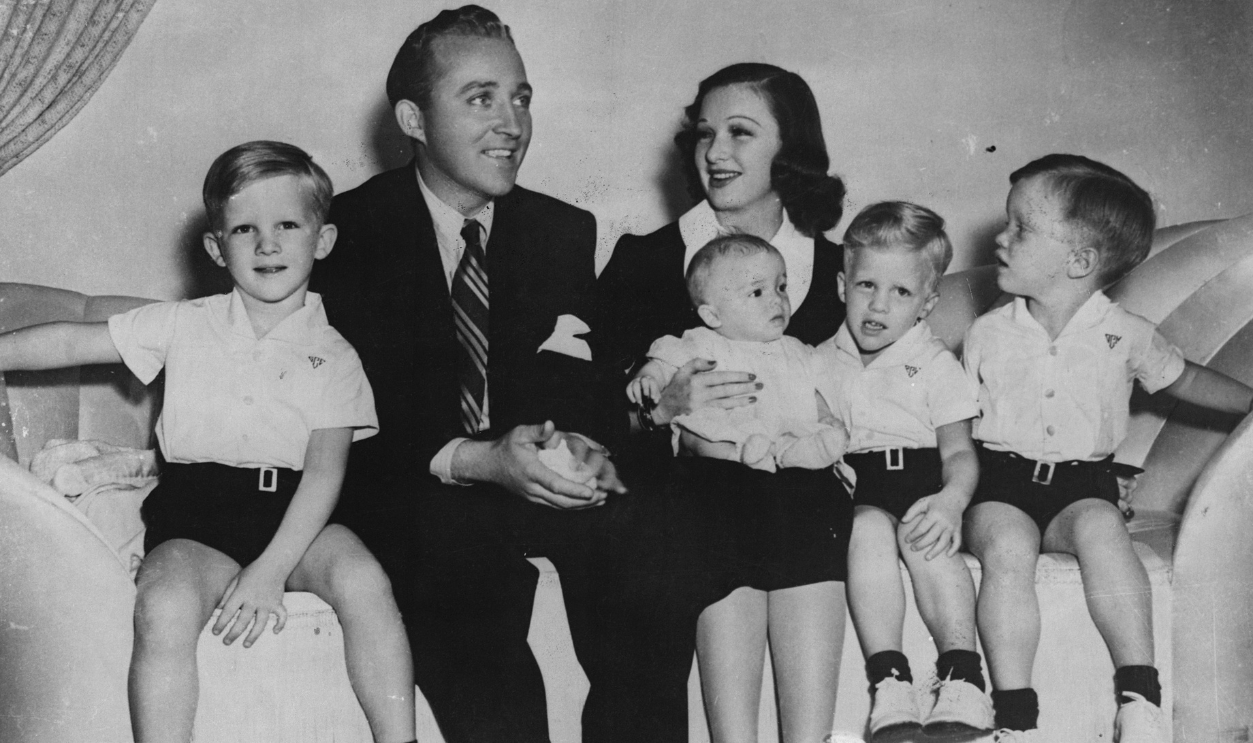
His Sons Later Told A Very Different Story
That image was challenged dramatically after Gary Crosby published his 1983 memoir. Gary alleged that Bing had been a harsh and abusive father, while his brothers disagreed about how accurately the book portrayed their childhood. Philip disputed many of Gary's claims, while Lindsay publicly supported his brother's account.

The Crosby Brothers Carried Heavy Burdens
The older Crosby sons experienced serious personal difficulties in adulthood, including problems involving alcohol and fractured relationships. Lindsay died by suicide in 1989, and his twin brother Dennis died by suicide in 1991. Later documentaries tried to present a more nuanced portrait of Bing, but the perfect family image could never look quite the same afterward.
 Unknown authorUnknown author, Wikimedia Commons
Paul Newman And Joanne Woodward Looked Rock-Solid
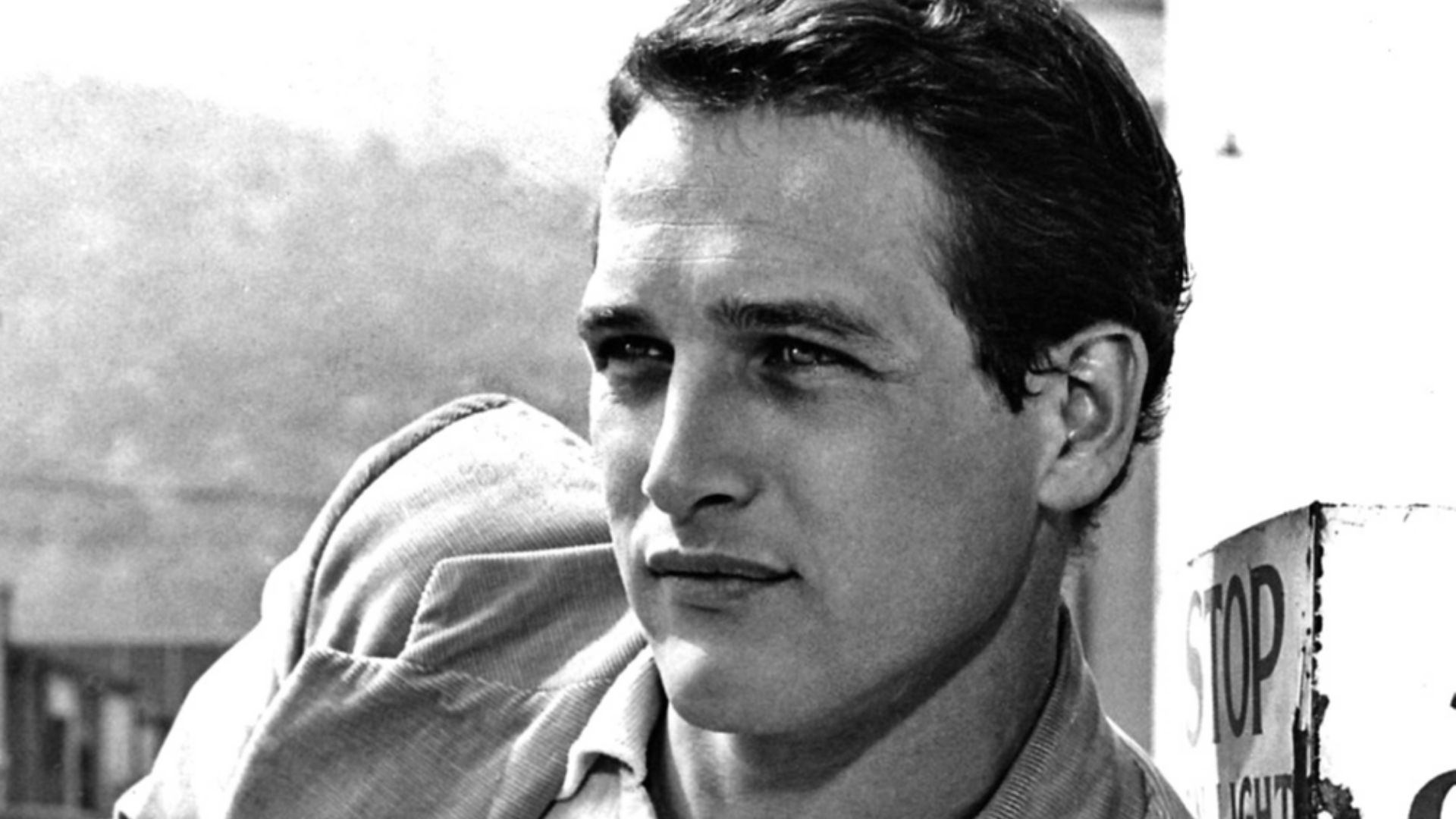
Paul Newman and Joanne Woodward stood apart from many Hollywood couples simply by remaining together. Both were acclaimed actors, and their blended household eventually included six children from Newman's two marriages. Through the 1970s, they were widely viewed as one of the industry's most durable partnerships.
 20th Century Fox, Wikimedia Commons
Their Family Suffered A Devastating Loss
Newman's son Scott struggled to establish his own identity while living beneath his father's enormous fame. In 1978, Scott died at age 28 following substance misuse, a loss that deeply affected Newman and the rest of the family. Later accounts of Newman's life described the tragedy as one of the defining private events behind the famous actor's public composure.

Newman Turned Grief Into A Mission
Paul Newman subsequently helped establish the Scott Newman Center, which worked to educate young people and the entertainment industry about substance misuse. His daughter Susan became heavily involved in that advocacy. The family's response turned a private catastrophe into a public effort to prevent other families from experiencing the same kind of loss.
Liza Minnelli Inherited Two Hollywood Dynasties
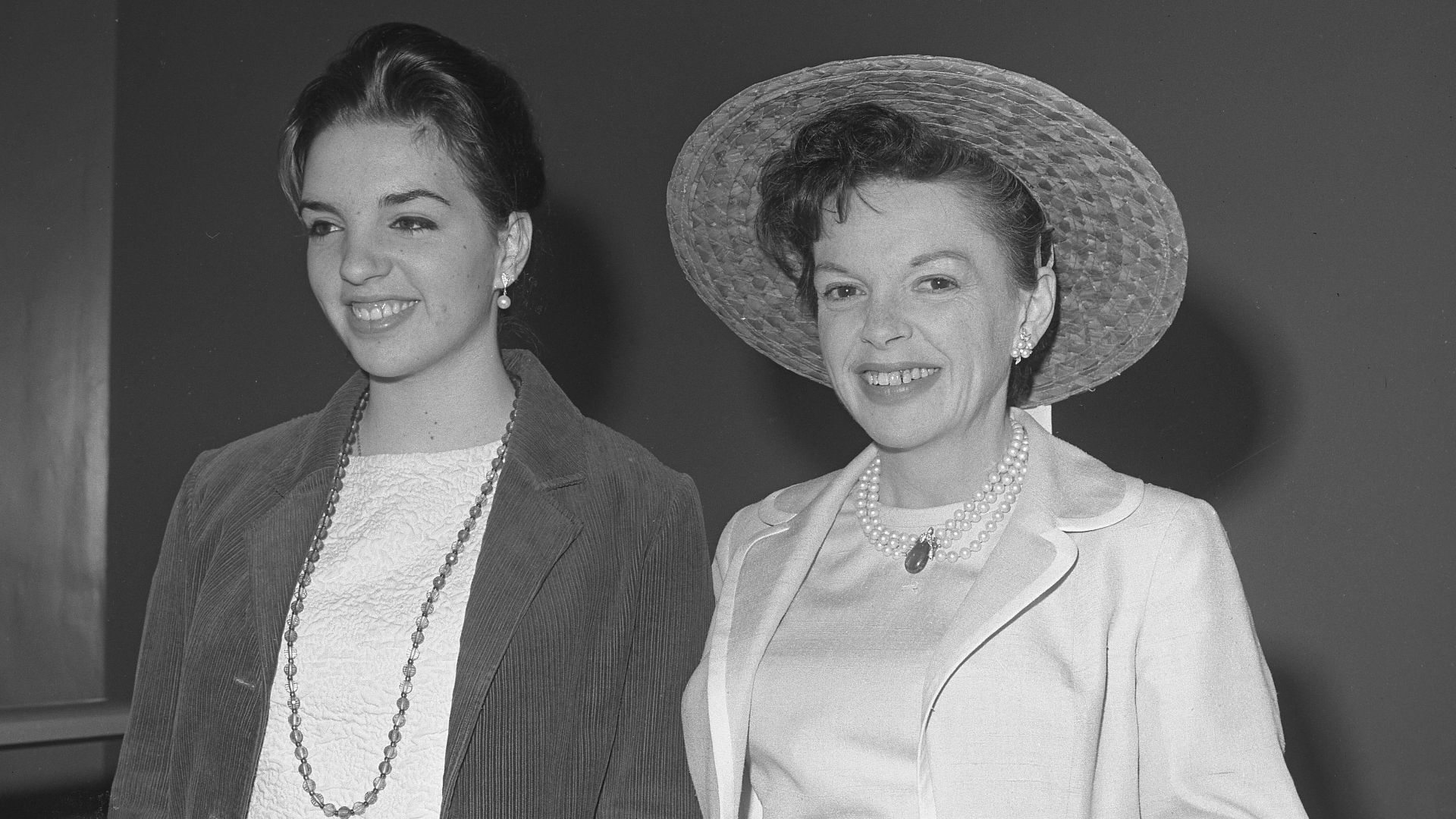
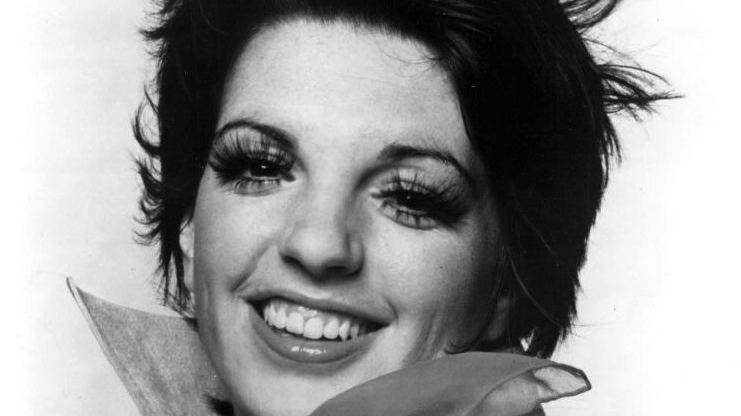
Liza Minnelli was the daughter of superstar Judy Garland and celebrated director Vincente Minnelli, giving her a Hollywood pedigree almost impossible to match. During the 1970s, she won the Academy Award for Cabaret, starred in Liza with a Z, and later appeared in New York, New York. Rather than disappear inside her parents' shadows, she became one of the decade's defining performers.
 Unknown author, Wikimedia Commons
Growing Up As Judy Garland's Daughter Was Complicated
Minnelli later described loving her mother deeply while also being forced to grow up quickly. She sometimes found herself caring for Garland during difficult periods and has acknowledged that the relationship could include competition as Liza's own talent became impossible to ignore. Garland's substance misuse and financial difficulties created responsibilities that few celebrity children would have been equipped to handle.
 Creative Management Associates (CMA), Wikimedia Commons
The Family Legend Came With A Price
Garland died in 1969, just before Liza's greatest period of movie stardom began. Minnelli later experienced her own battles with substance misuse while navigating marriages, relentless publicity, and comparisons with a mother whose legend grew after death. The Minnelli-Garland name delivered extraordinary opportunities, but it also ensured that almost every private struggle became part of show-business mythology.
 Los Angeles Times, Wikimedia Commons
You May Also Like:
Actors’ Most Memorable Breakout Roles
Movie Stars Who Thought Fame Would Last Forever—Now No One Born After 2000 Has Even Heard Of Them
Movie Stars Who Started With Television
Sources: 1, 2, 3, 4, 5, 6, 7, 8, 9, 10, 11, 12, 13, 14, 15, 16, 17, 18, 19, 20, 21, 22, 23, 24, 25, 26, 27, 28, 29, 30, 31, 32, 33, 34