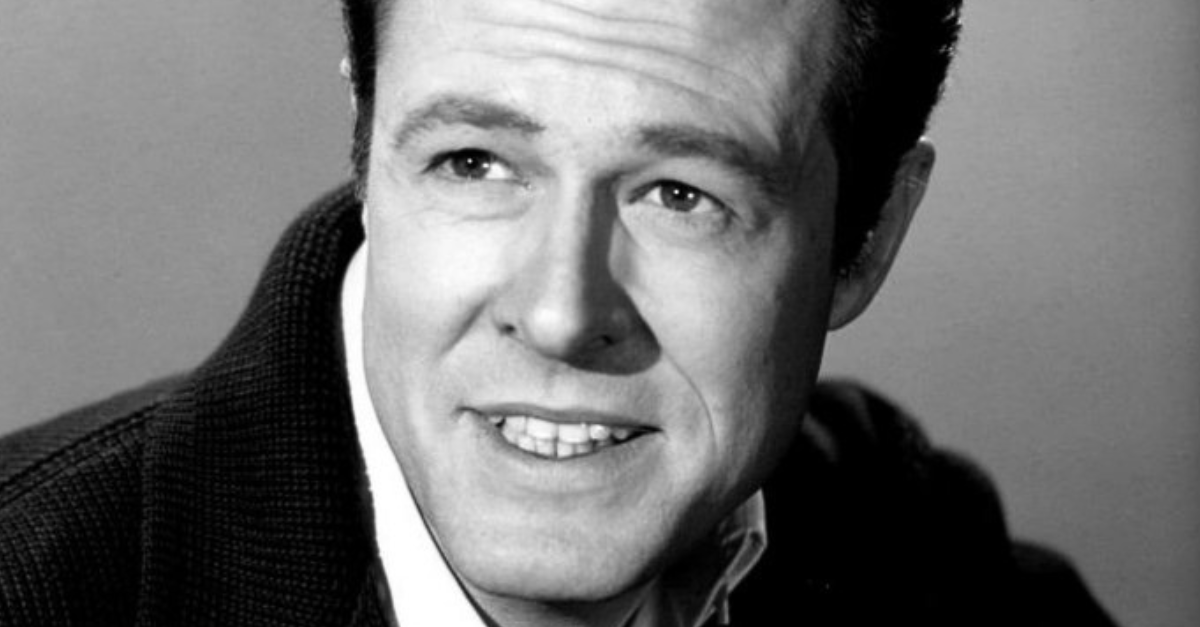
He Refused To Play It Safe.
Robert Culp transformed the television spy from an invincible fantasy figure into a witty, vulnerable professional who could question his mission and depend completely on his partner. Yet the restless actor, writer, and director repeatedly moved away from the easy career Hollywood seemed ready to give him.
Acting Was Not His Original Dream
Culp grew up imagining that he might become a cartoonist and work for Walt Disney. His direction changed after he discovered theater and became fascinated by the connection between actors and a live audience. He studied drama at several colleges before leaving the University of Washington shortly before completing his degree. New York theater, not Hollywood glamour, became his first serious professional goal.
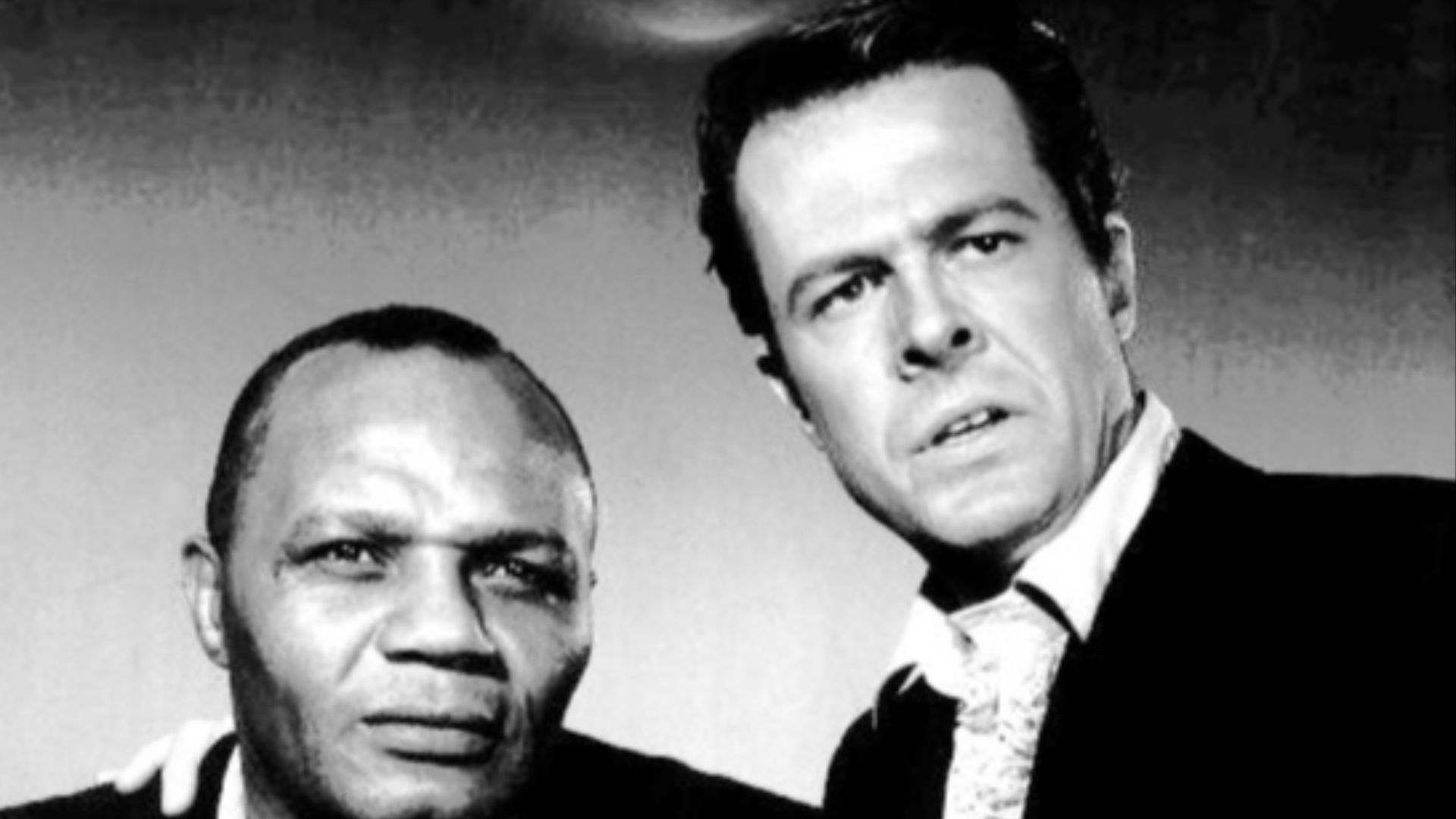 NBC Television, Wikimedia Commons
The Stage Gave Him His First Break
Culp moved to New York at 21 and found work in off-Broadway productions. His performance in He Who Gets Slapped earned strong reviews and an Obie Award, helping attract attention from television producers. That early success established him as an actor interested in demanding material rather than a personality waiting to be photographed. It also gave him the confidence to question scripts and develop ideas of his own.
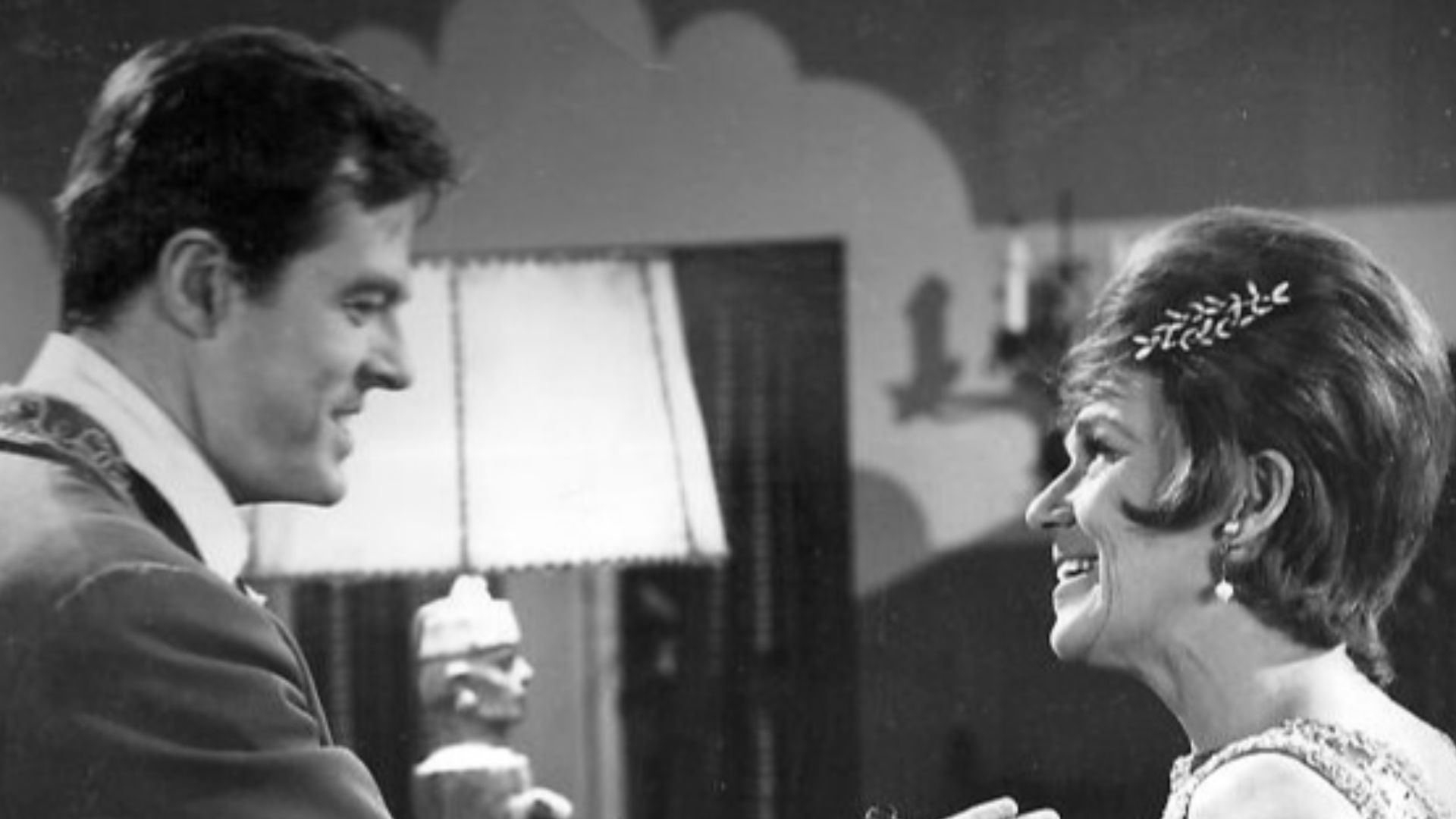 NBC Television, Wikimedia Commons
Television Needed Versatile New Faces
The Hollywood blacklist indirectly created opportunities for younger performers without established political associations. Culp later explained that his newcomer status helped him gain television work during that uneasy period. He appeared across live drama, anthology programs, mysteries, and Westerns while learning how camera acting differed from the stage. That adaptability soon earned him a series of his own.
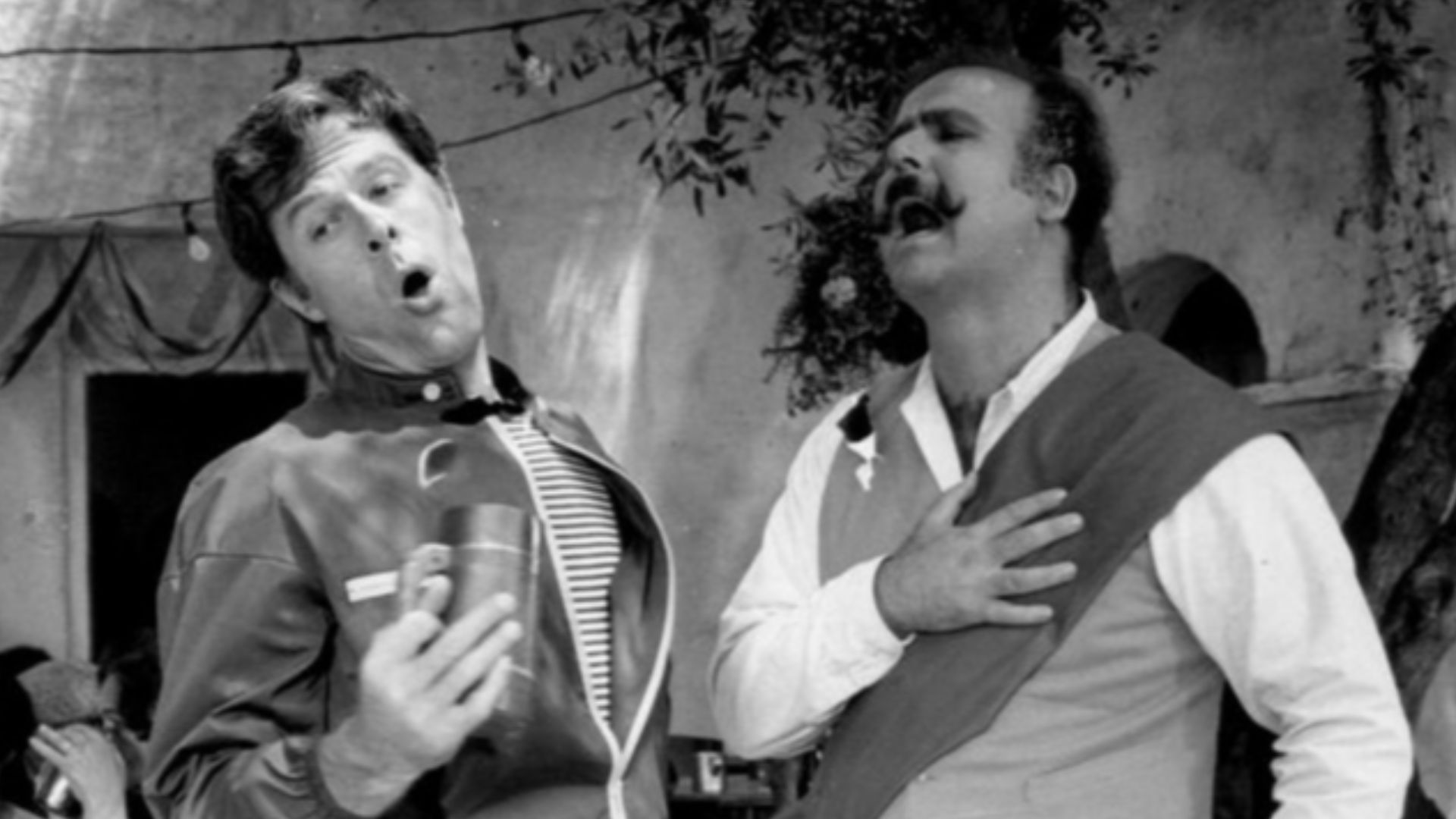 NBC Television, Wikimedia Commons
Trackdown Made Him A Western Hero
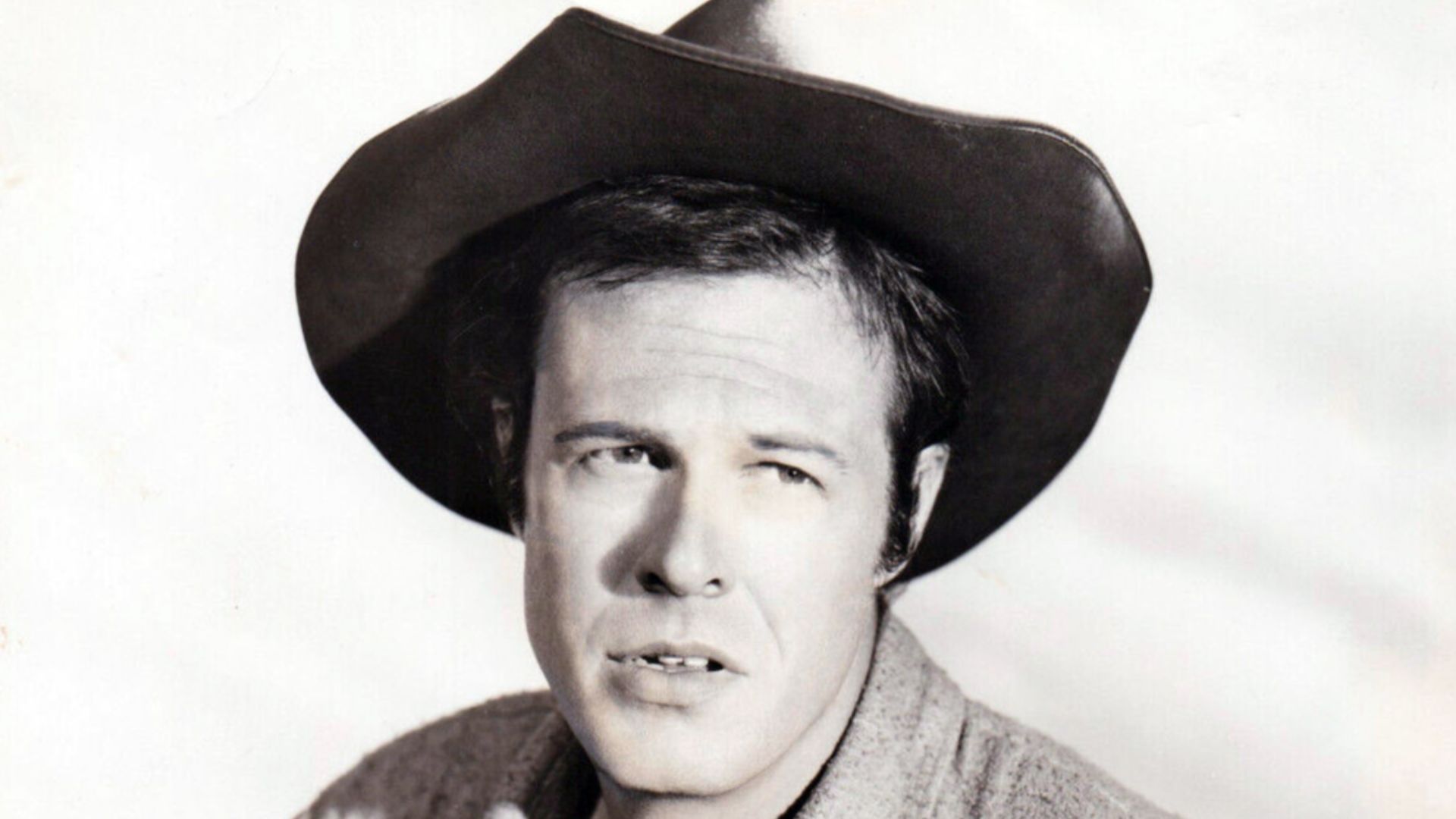
Culp received his first television starring role as Texas Ranger Hoby Gilman on Trackdown. The CBS Western ran from 1957 to 1959 and followed Gilman as he pursued criminals across Texas. Culp described the program as a Western version of Dragnet, reflecting its interest in cases and procedure rather than frontier mythology alone. The experience taught him how to anchor a weekly series without making every scene about conventional heroics.
 CBS Television, Wikimedia Commons
Hoby Gilman Was Already Different
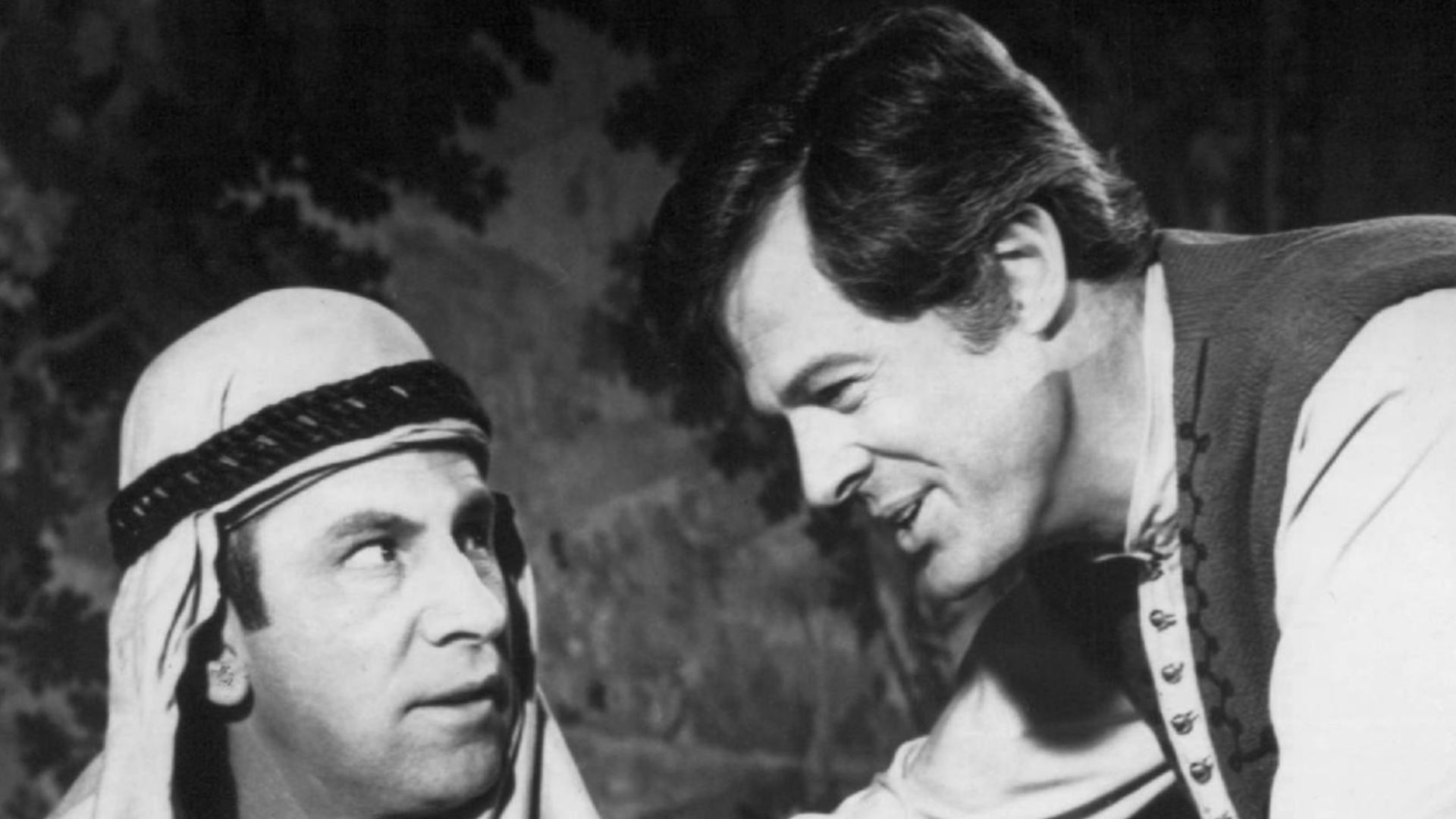
Gilman was capable with a gun, but Culp approached him as an observant lawman rather than a swaggering cowboy. The actor preferred characters who thought about what they were doing and understood that violence carried consequences. That instinct separated him from the uncomplicated action heroes common in television Westerns. It would become even more important when he exchanged a cowboy hat for tennis clothes and spy assignments.
 NBC Television, Wikimedia Commons
Guest Roles Kept Him Restless
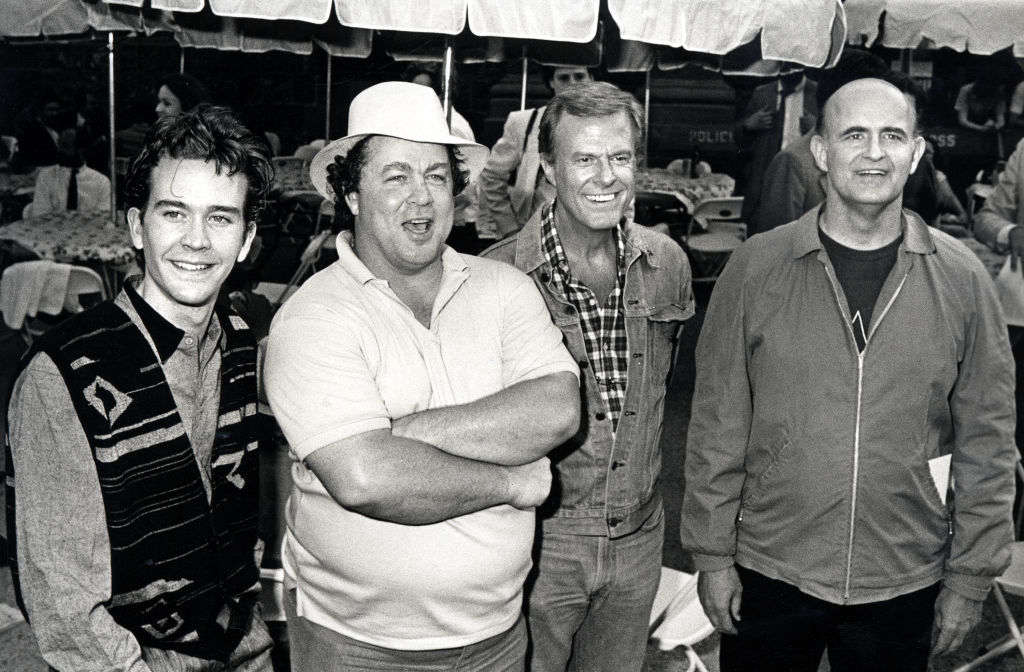
After Trackdown, Culp moved through nearly every popular television genre. He appeared in Westerns, medical dramas, detective programs, anthology series, and science-fiction stories. Rather than settling into one dependable screen type, he repeatedly chose characters with different moral and psychological complications. His varied résumé made him useful to producers but difficult to package as one predictable kind of star.
The Outer Limits Revealed His Intensity
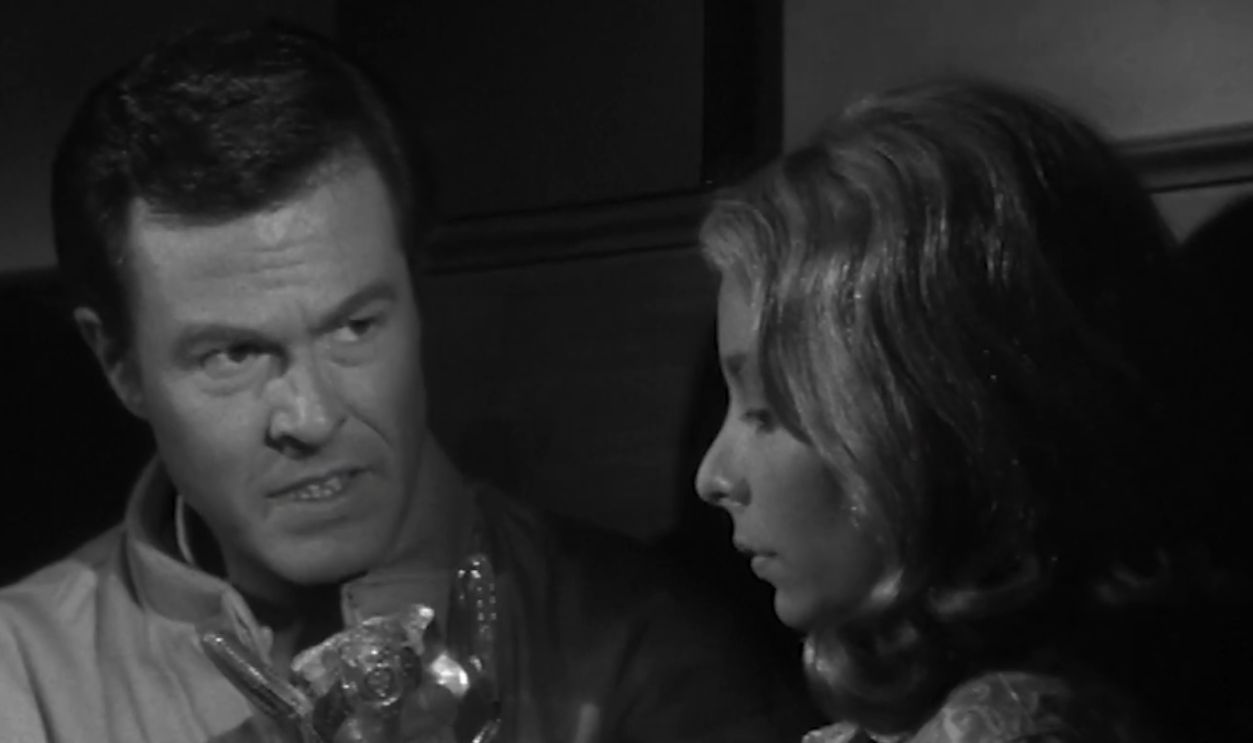
Culp became especially memorable through multiple appearances on The Outer Limits. The science-fiction anthology gave him opportunities to portray men confronting altered identities, alien threats, and disturbing questions about humanity. Those roles drew upon his seriousness and ability to make extraordinary situations feel emotionally immediate. They also proved that he could carry cerebral television without sacrificing suspense.
 Screenshot from The Outer Limits, ABC (1963–1965)
I Spy Arrived At The Perfect Moment
Producer Sheldon Leonard developed I Spy as a globe-trotting adventure about American agents operating behind elaborate covers. Culp was cast as Kelly Robinson, a champion tennis player whose international tournament schedule concealed intelligence work. Alexander Scott traveled as his trainer while serving as his equally capable partner. The premise gave Culp action, humor, international locations, and a character far less rigid than the standard television operative.
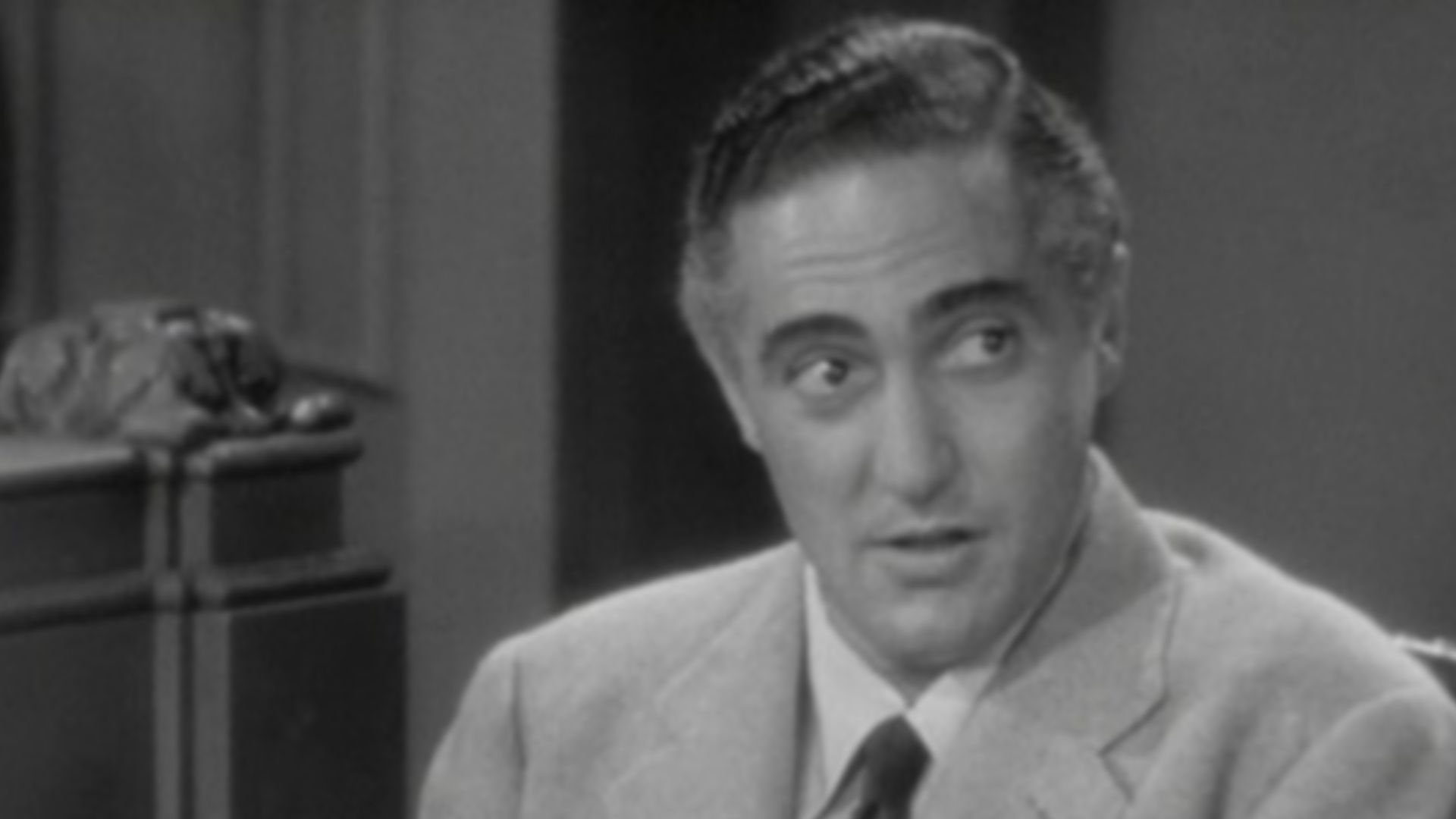
Kelly Robinson Was Not James Bond
Kelly enjoyed women, jokes, and expensive surroundings, but he was never presented as an untouchable fantasy. He became tired, frightened, injured, frustrated, and morally uncertain about the work he performed. The Television Academy’s history of the series notes that Kelly and Scott experienced headaches, doubts, and ordinary human concerns rarely given to television spies. Culp helped make vulnerability compatible with competence.
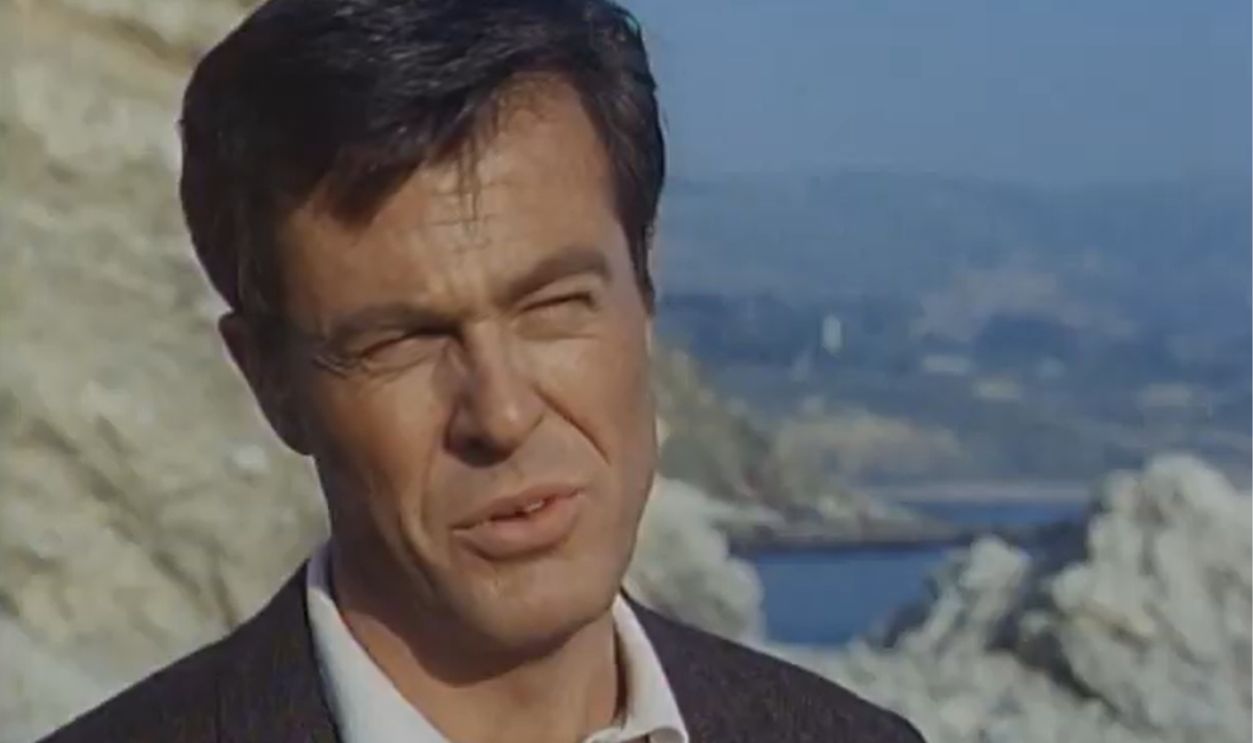 Screenshot from I Spy, NBC (1965–1968)
The Tennis Cover Fit Him Naturally
Culp was a skilled tennis player off screen and competed in celebrity tournaments. That experience allowed Kelly’s athletic cover to look convincing rather than like a costume created for the pilot. Tennis also distinguished him from spies who posed as businessmen or relied exclusively on tuxedos and gadgets. Kelly could move among international elites while still looking like an active professional athlete.
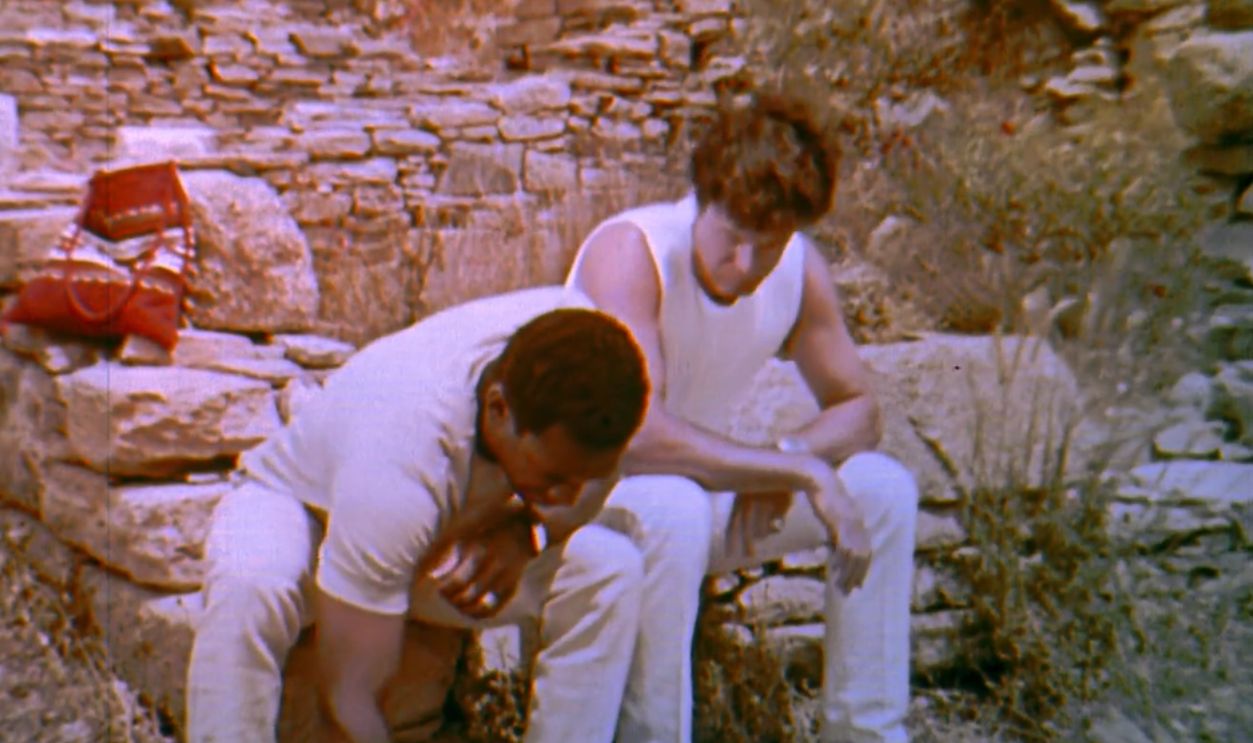 Screenshot from I Spy, NBC (1965–1968)
Bill Cosby Changed The Entire Equation
Stand-up comedian Bill Cosby was cast as Alexander Scott despite concerns from NBC and some affiliates about placing a Black performer in a dramatic starring role. Scott was initially conceived more as Kelly’s assistant or bodyguard, but the partnership developed into one between equals. Cosby became the first Black actor to hold a leading role in an American network dramatic series. Culp understood that the show would succeed only if the equality visible in the scripts also existed in the performances.
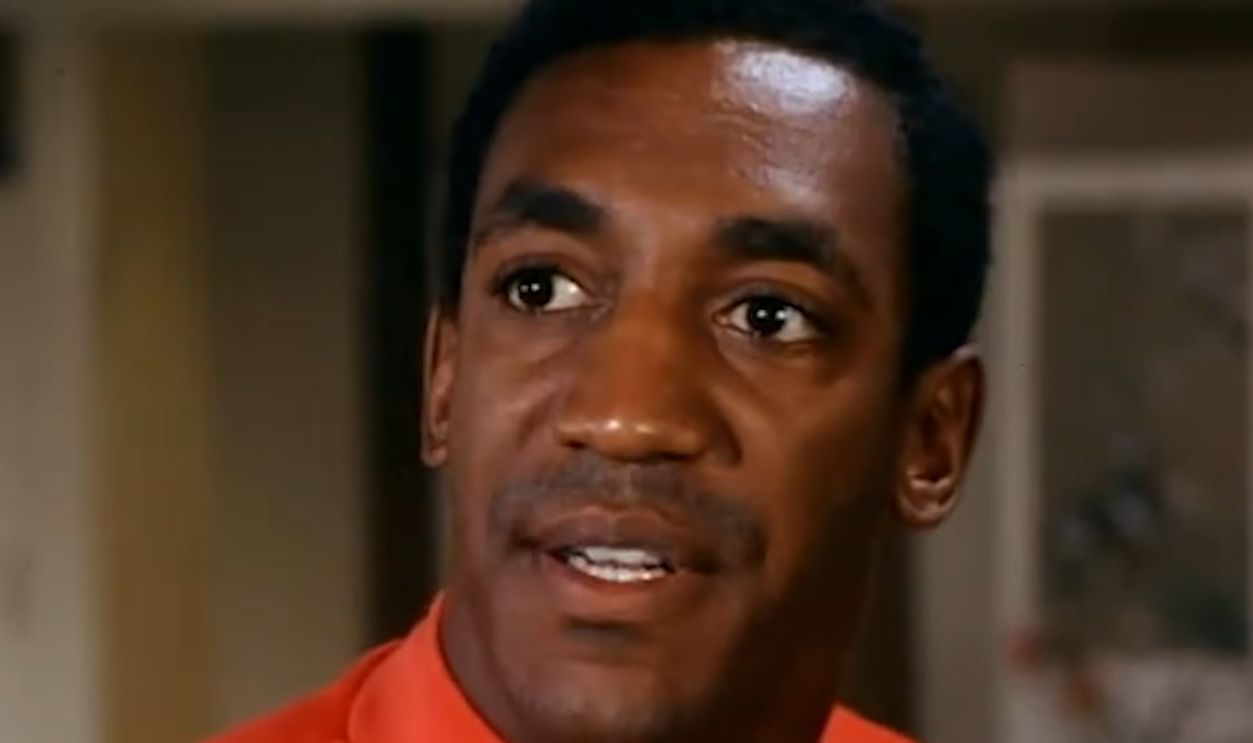 Screenshot from I Spy, NBC (1965–1968)
Culp Refused To Protect His Own Spotlight
Culp had more dramatic acting experience than Cosby when production began, yet he did not try to keep the newcomer in a subordinate position. He supported the decision to make Scott an equal agent and helped Cosby adjust to scripted drama. Cosby later described Culp as the protective older brother he had always wanted. Their relationship transformed what could have been a conventional hero-and-sidekick format into a genuine two-man partnership.
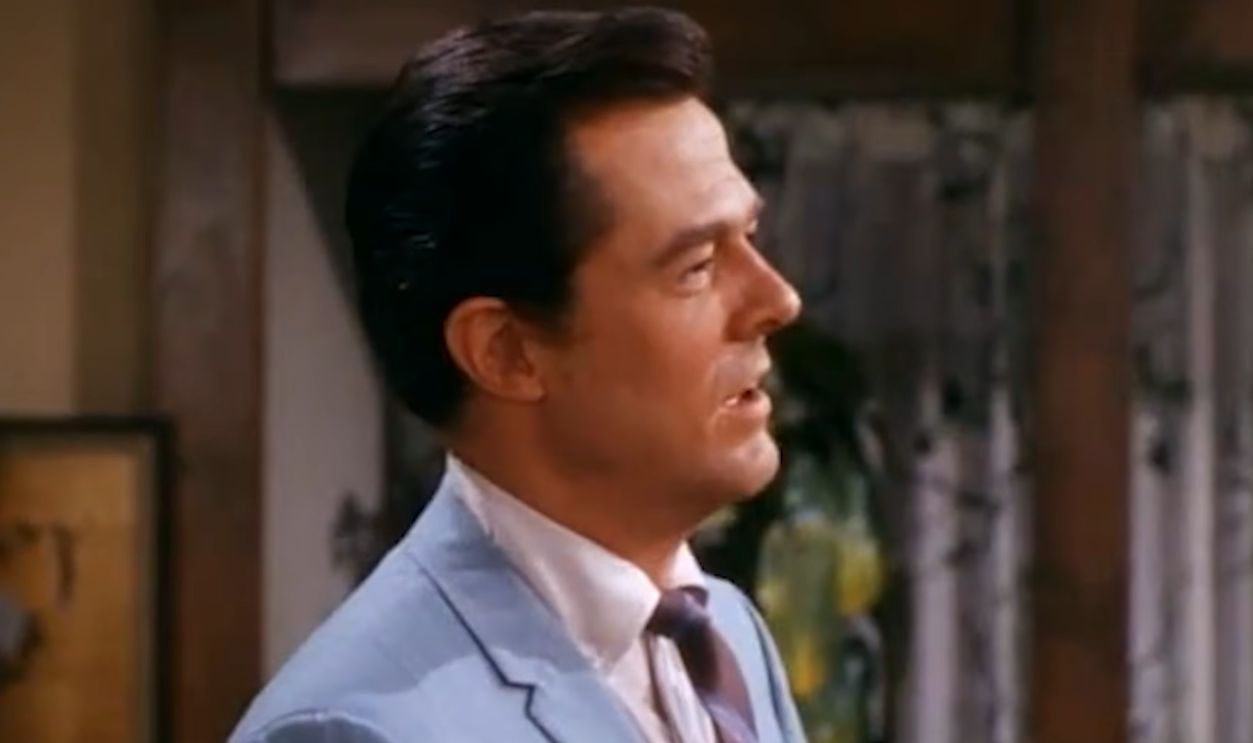 Screenshot from I Spy, NBC (1965–1968)
Their Friendship Became The Real Attraction
Kelly and Scott teased each other, disagreed, improvised, and communicated through rhythms that felt more personal than typical spy dialogue. Their banter prevented the missions from becoming mechanically serious. More importantly, the humor never undermined their loyalty when one man was injured or endangered. The emotional center of I Spy was not espionage but the friendship between two men who trusted each other completely.
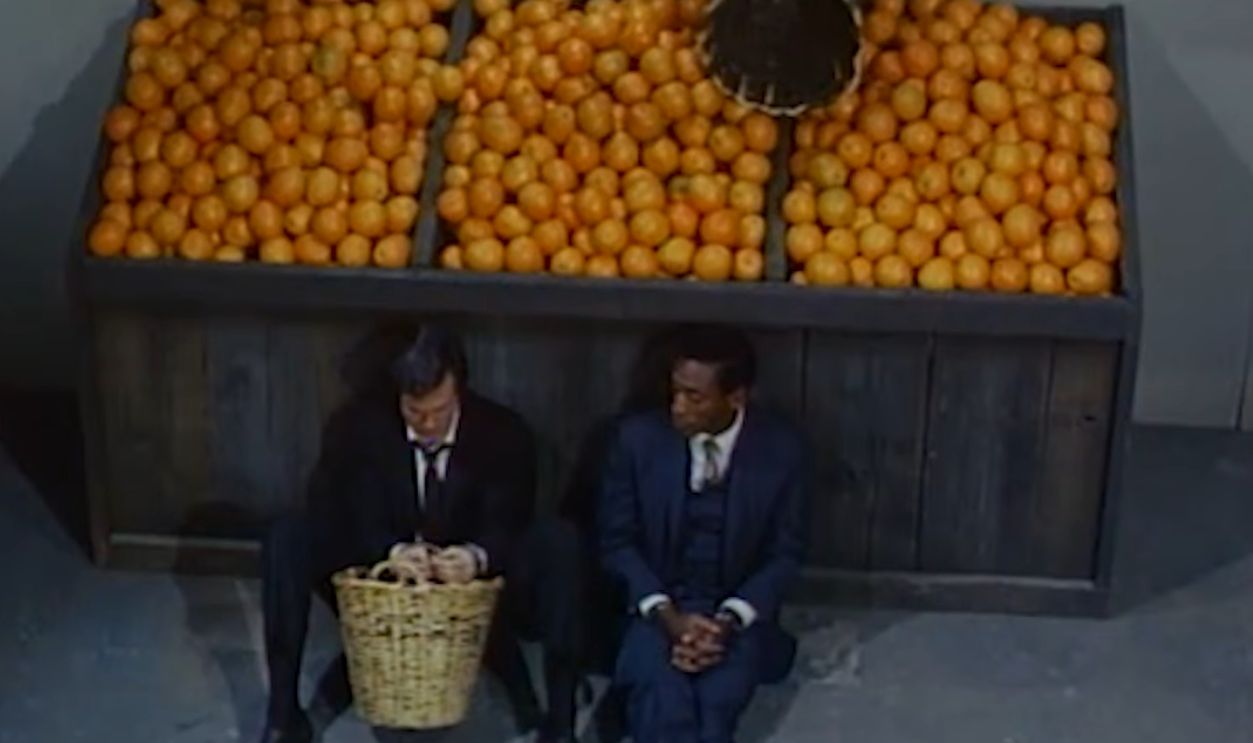 Screenshot from I Spy, NBC (1965–1968)
Race Was Present Without Controlling Every Story
The series made television history through Cosby’s casting, but most episodes did not reduce Scott to a weekly lesson about racism. Black guest performers could appear as allies, enemies, officials, or ordinary people rather than symbols placed outside the adventure. The show’s relative neutrality was not a complete examination of American inequality, but it allowed Scott to exist as a witty and accomplished hero. Culp’s treatment of him as an unquestioned equal strengthened that approach.
 Screenshot from I Spy, NBC (1965–1968)
Southern Affiliates Made The Risk Real
NBC feared that some Southern stations would object to Cosby’s prominent position beside a white leading man. The network’s concerns reflected the resistance that integrated television could still provoke during the mid-1960s. Sheldon Leonard and the production moved forward despite those doubts. Culp’s full commitment made it impossible for the series to retreat into treating Scott as an expendable supporting figure.
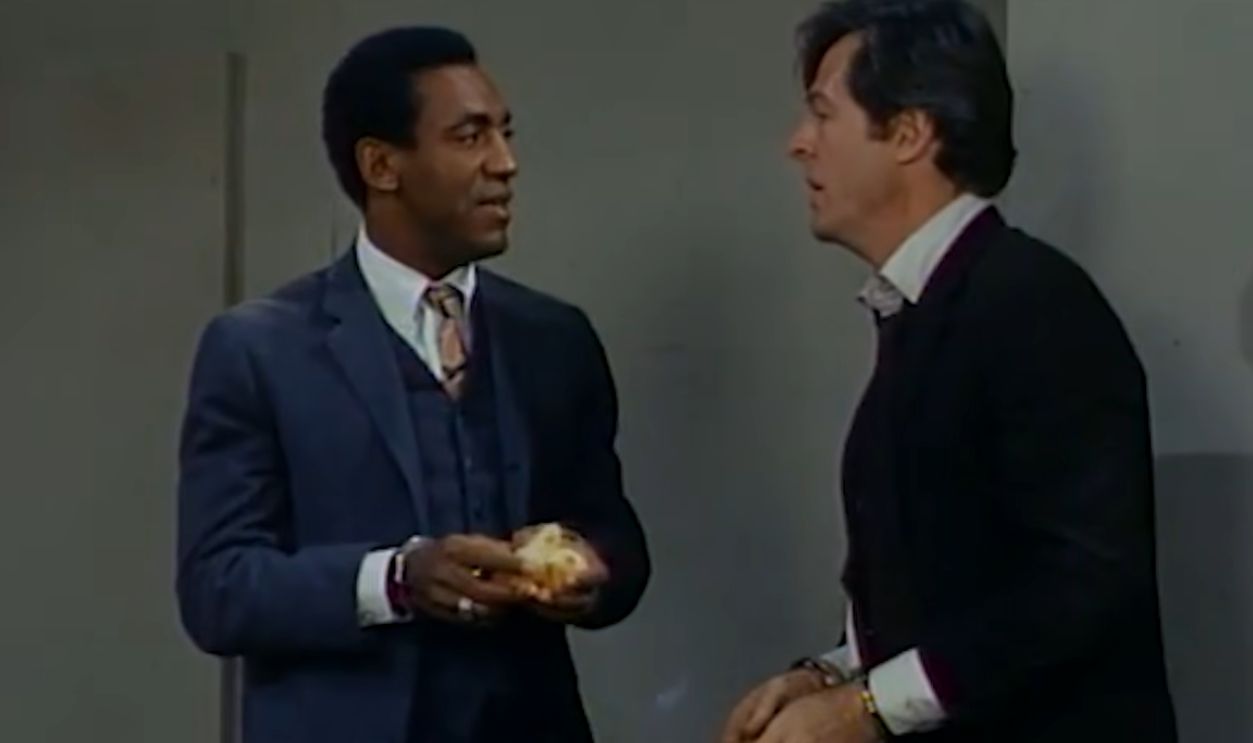 Screenshot from I Spy, NBC (1965–1968)
The World Became Their Backlot
I Spy filmed extensively on location rather than attempting to recreate every foreign setting inside a Hollywood studio. Episodes took the actors and crew to locations in Asia, Europe, Mexico, and other parts of the world. The travel gave the series a visual authenticity that separated it from many contemporary adventures. It also subjected Culp and Cosby to an exhausting production process involving unfamiliar cities, shifting schedules, and substantial logistical costs.
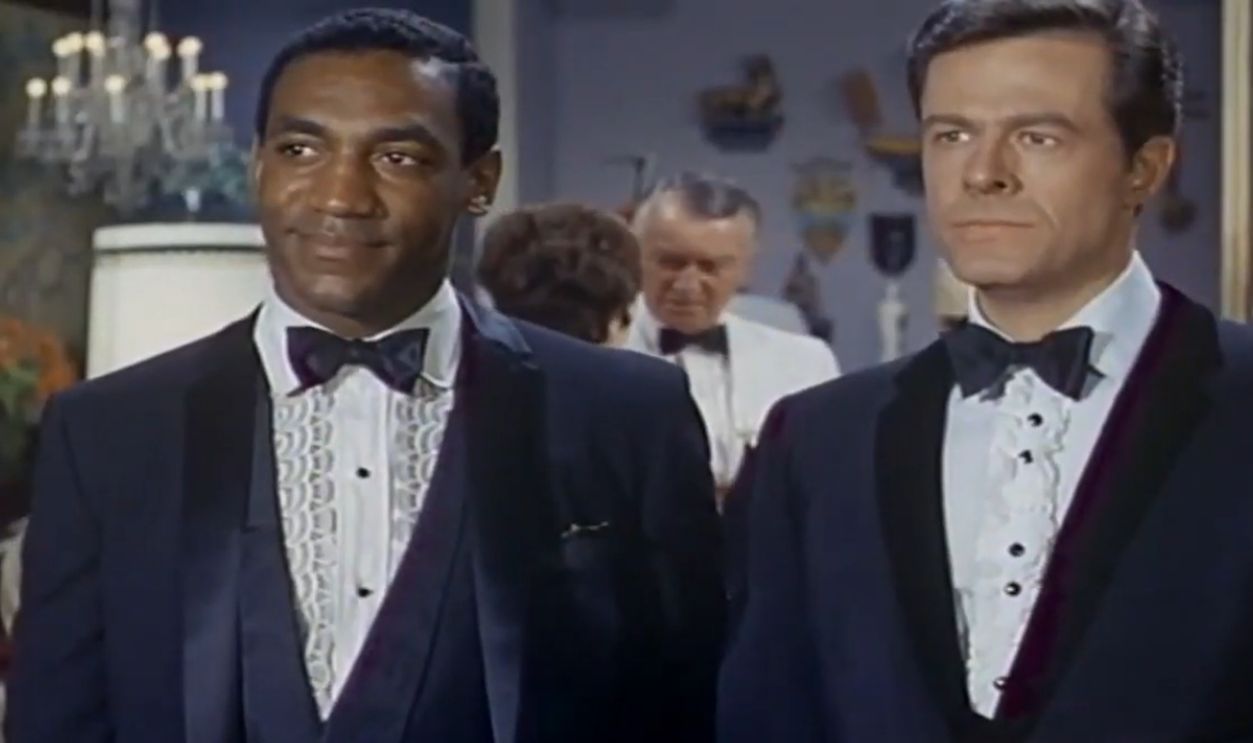 Screenshot from I Spy, NBC (1965–1968)
Real Locations Changed The Acting
Shooting on actual streets, beaches, hotels, and landmarks encouraged a looser performance style than carefully controlled studio work. Culp could interact with environments that already carried texture and movement. Kelly therefore seemed to belong in an international world rather than merely posing in front of travel imagery. The realism of the locations reinforced the humanity Culp wanted in the character.
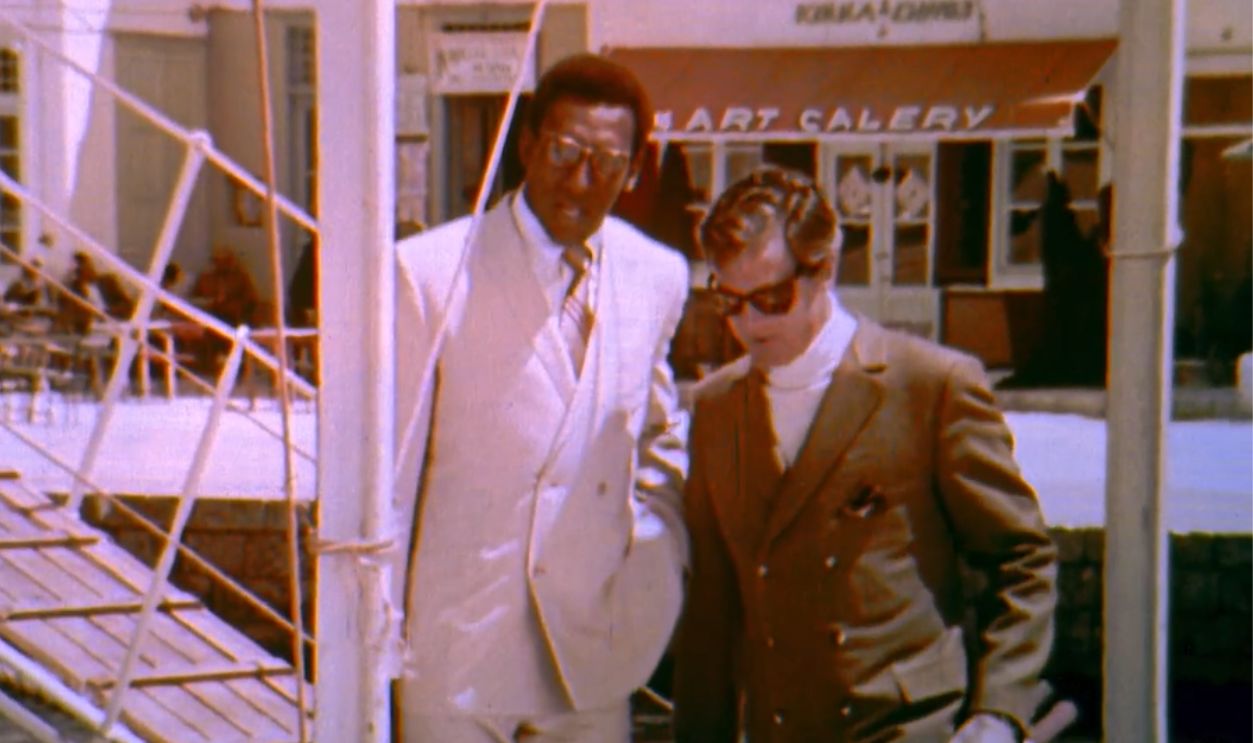 Screenshot from I Spy, NBC (1965–1968)
Comedy Never Erased The Danger
Culp and Cosby often sounded like two friends amusing each other during a difficult trip. Yet the jokes could stop immediately when a mission became violent or one partner faced death. Culp understood that humor works best when the audience believes the danger surrounding it. That balance helped I Spy avoid becoming either a grim procedural or a weightless spy spoof.
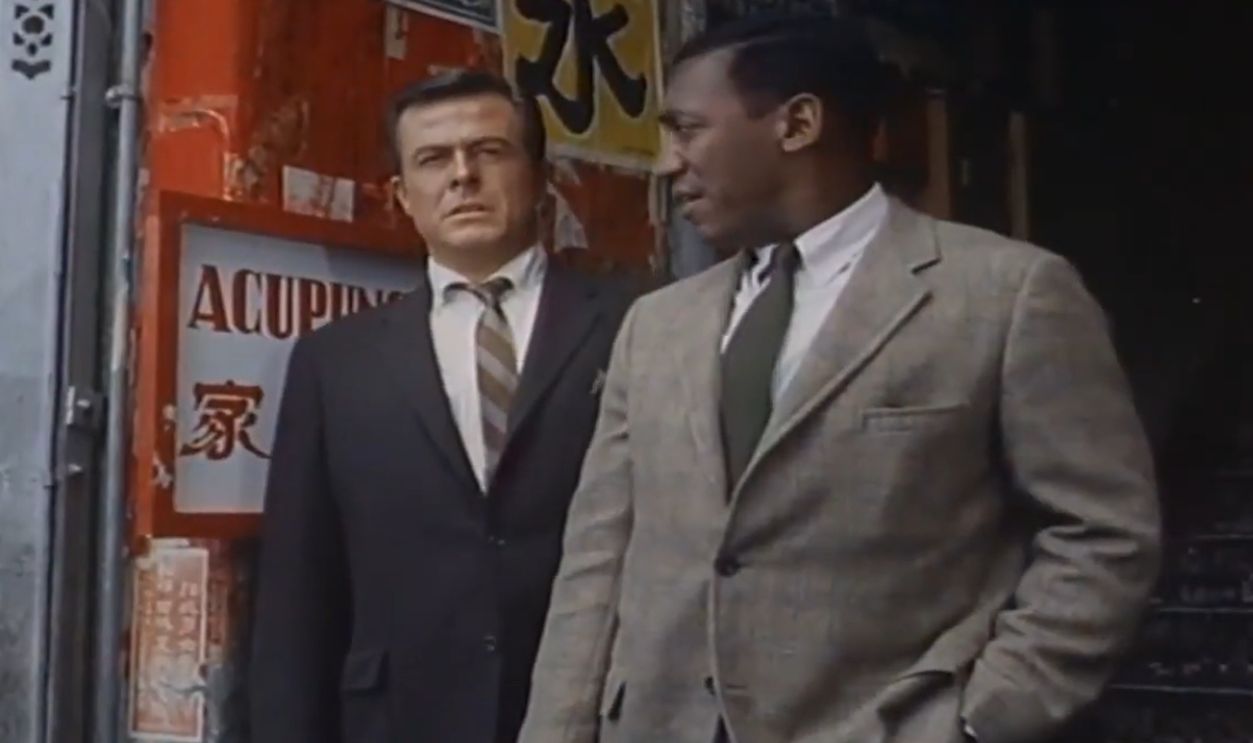 Screenshot from I Spy, NBC (1965–1968)
Culp Wanted Control Of The Writing
Culp was not satisfied with delivering dialogue created entirely by other people. He wrote four episodes of I Spy and became deeply involved in shaping Kelly, Scott, and their relationship. His scripts allowed him to explore darker emotions and more complicated moral choices than the adventure format might have required. Writing gave him a level of creative influence unusual for a network star of the period.
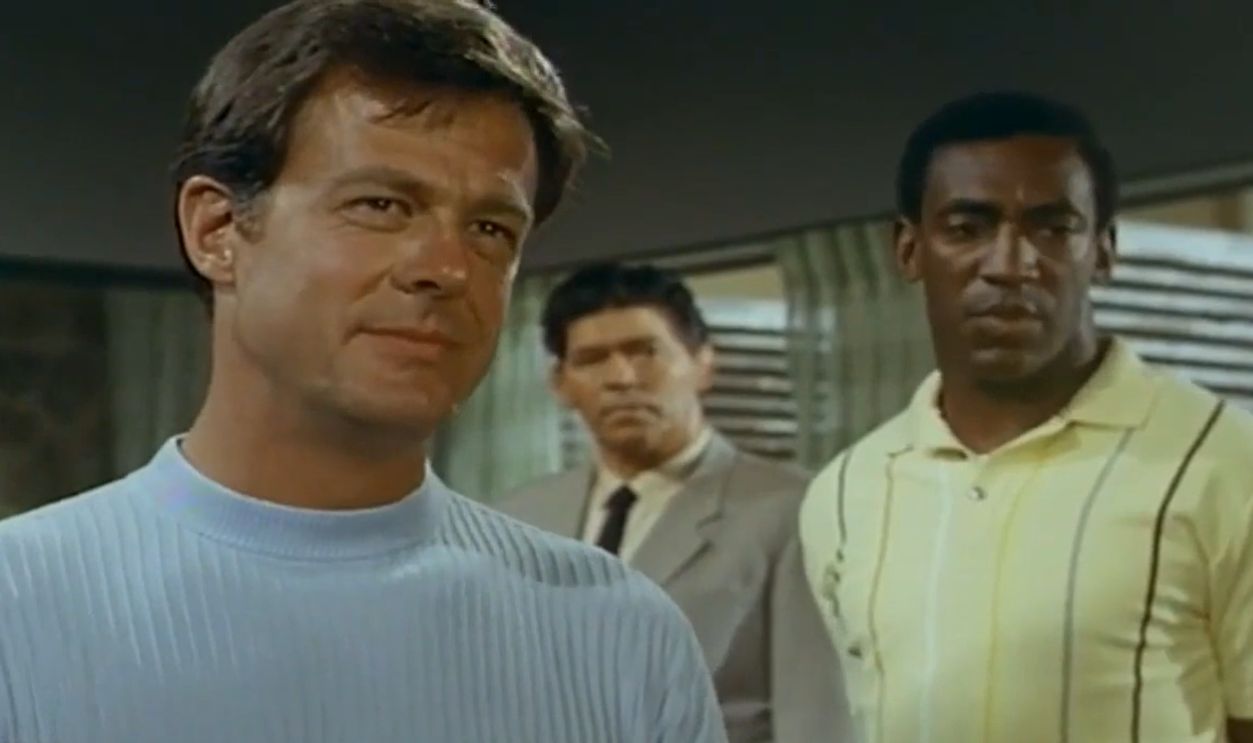 Screenshot from I Spy, NBC (1965–1968)
His Writing Earned An Emmy Nomination
Culp received a 1967 Emmy nomination for dramatic writing in addition to three consecutive acting nominations for I Spy. The combination showed that industry voters recognized him as more than the handsome half of a successful partnership. He was helping construct the stories as well as performing them. That dual ambition would later complicate a career in which Hollywood often wanted him to remain simply an actor for hire.
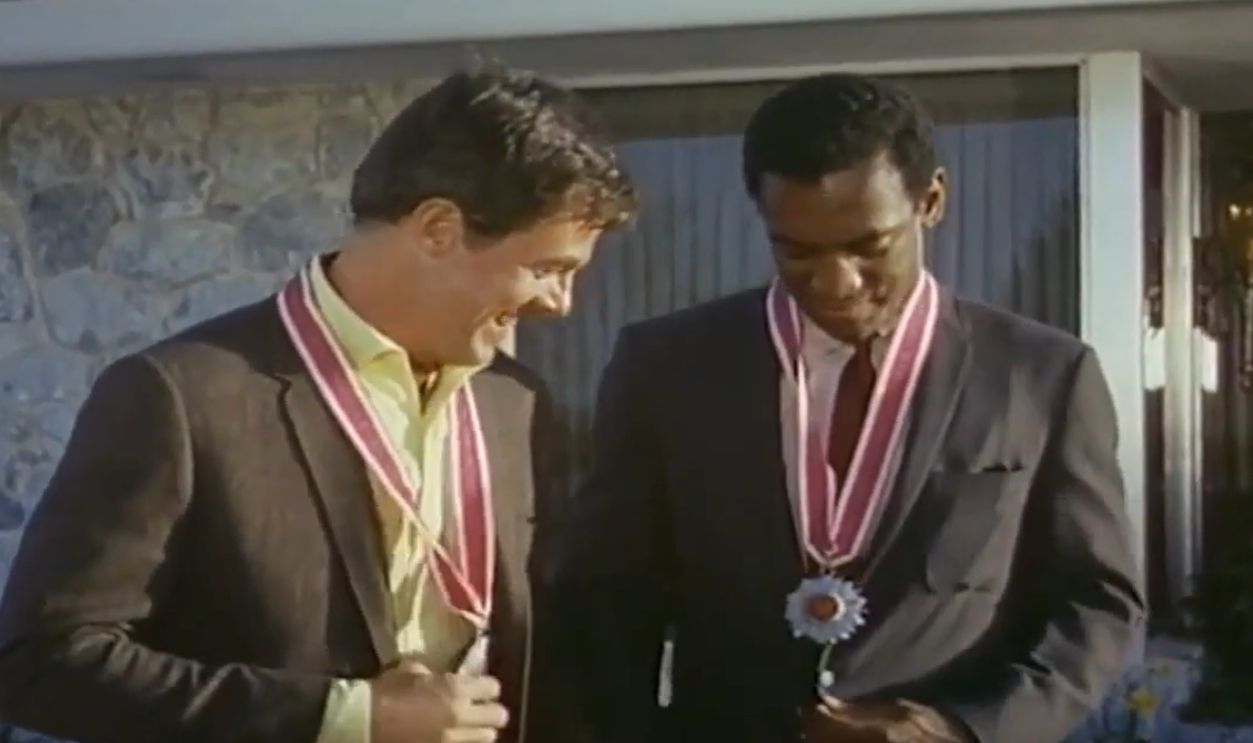 Screenshot from I Spy, NBC (1965–1968)
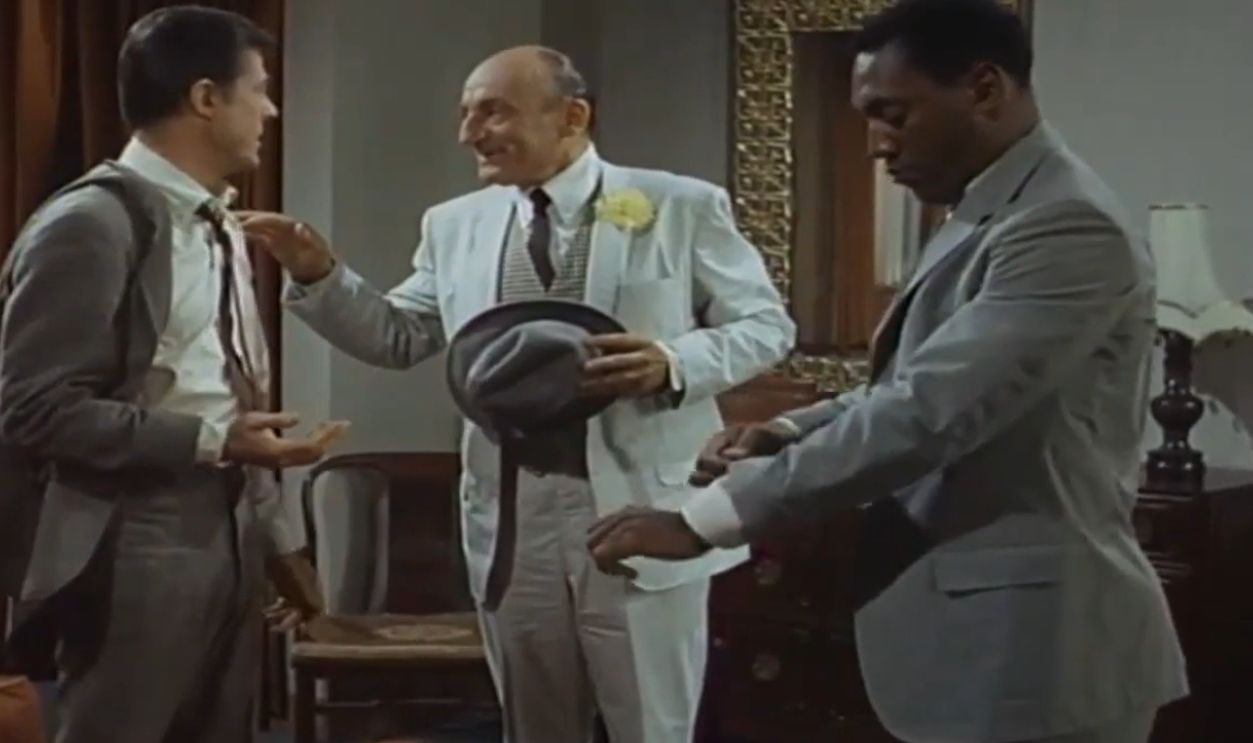
Cosby Won While Culp Celebrated
Culp and Cosby were nominated against each other for lead actor during each of the show’s three seasons. Cosby won every time, becoming the first Black performer to win a lead-acting Emmy. Accounts of their partnership emphasize that Culp openly supported his colleague’s victories rather than treating them as a personal humiliation. His response reinforced the equality that made Kelly and Scott so persuasive on screen.
 Screenshot from I Spy, NBC (1965–1968)
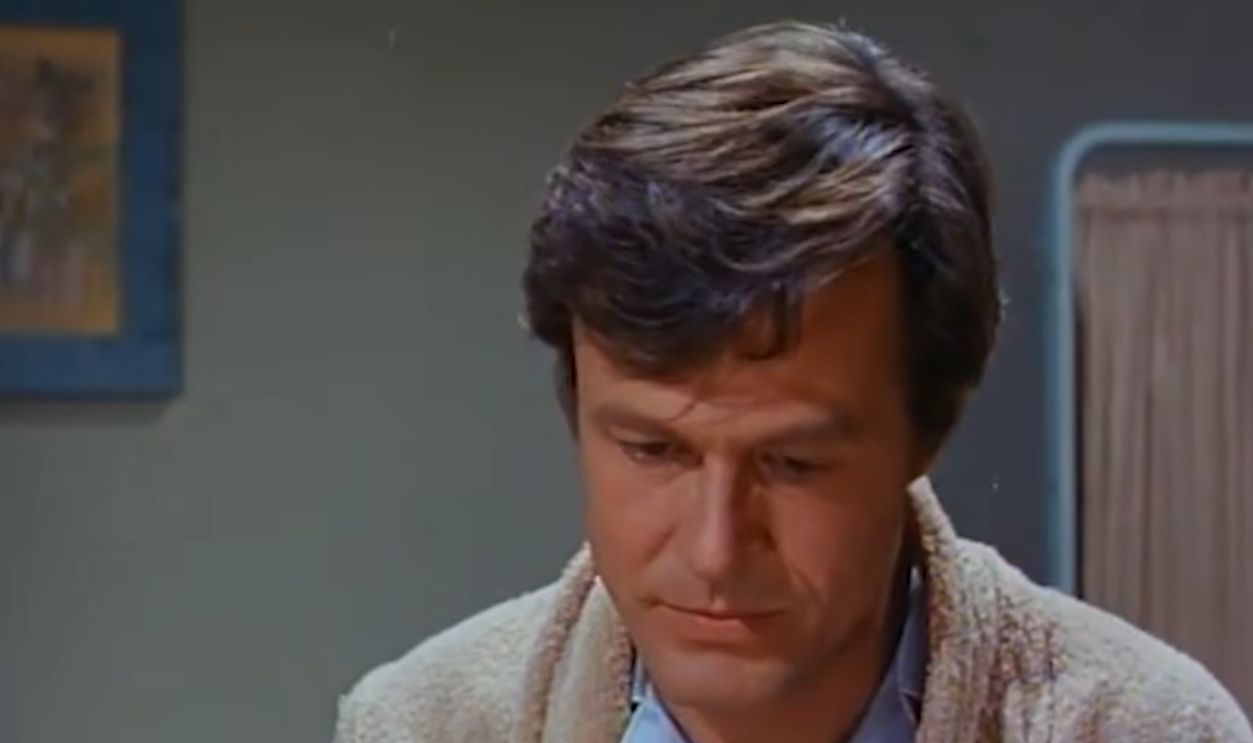
Three Seasons Were Enough To Change Television
I Spy aired on NBC from 1965 through 1968 and produced 82 episodes. It never became a top-20 ratings phenomenon, but its combination of international production, emotional realism, humor, and integrated casting gave it lasting influence. The show demonstrated that a spy series could be built around character rather than gadgets alone. Culp’s Kelly Robinson emerged as a hero whose greatest strength was his ability to function as half of a team.
 Screenshot from I Spy, NBC (1965–1968)
Hollywood Expected Another Smooth Hero
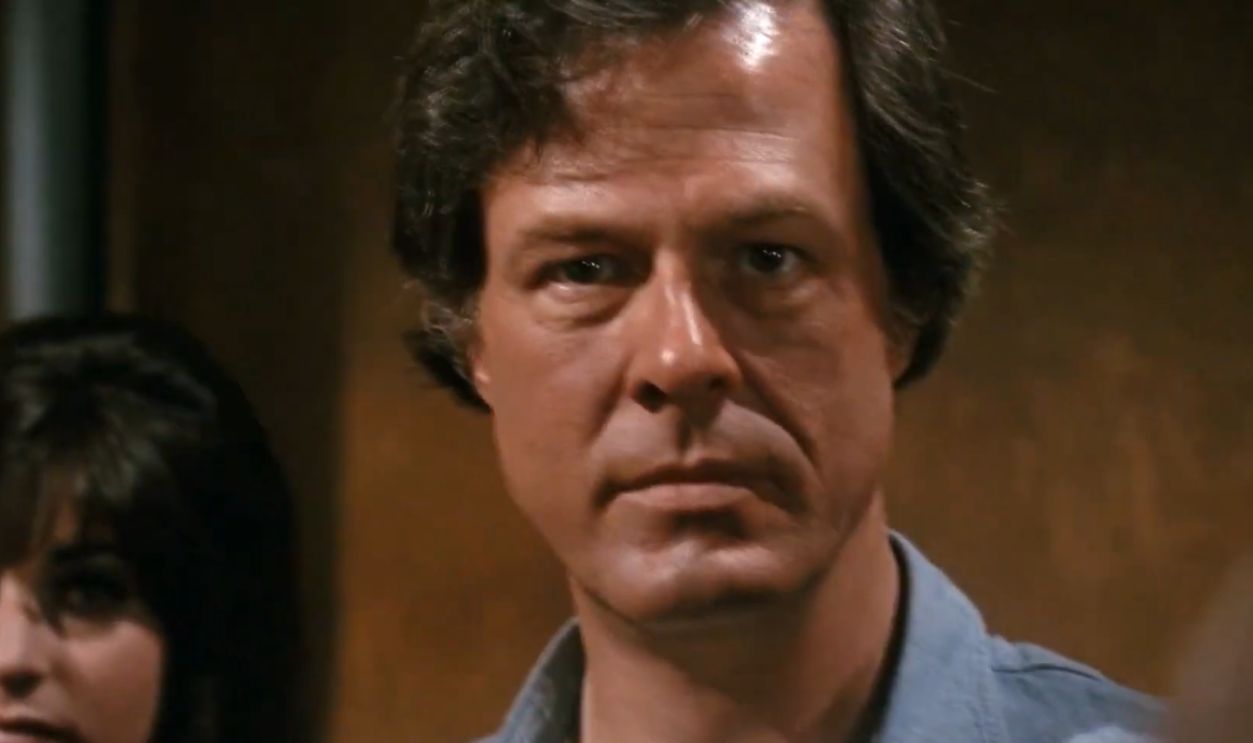
After I Spy, Culp could easily have pursued endless variations on Kelly Robinson. Instead, his most prominent film role came in Paul Mazursky’s Bob & Carol & Ted & Alice, a satirical comedy about marriage and the sexual revolution. The film placed him inside the changing social landscape of the late 1960s rather than another comfortable action franchise. Culp appeared more interested in contemporary discomfort than in protecting a fixed heroic image.
 Screenshot from Bob & Carol & Ted & Alice, Columbia Pictures (1969)
Hickey And Boggs Reunited The Partners Differently
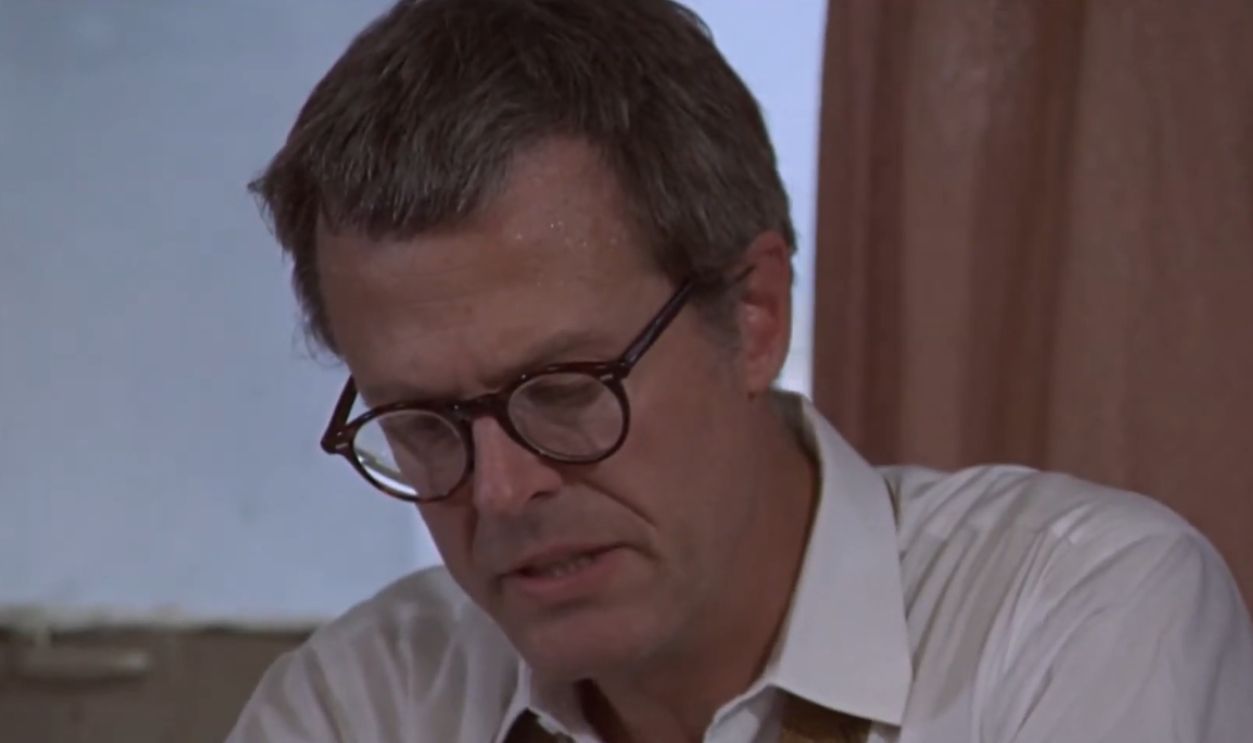
Culp directed Hickey & Boggs, a 1972 crime film that reunited him with Cosby. Their characters were weary private detectives operating far from the glamorous world of international espionage. The film allowed Culp to pursue a darker and more pessimistic vision while taking responsibility behind the camera. Its commercial limitations also illustrated the difficulty of turning personal ambition into the kind of dependable success Hollywood expected from him.
 Screenshot from Hickey & Boggs, Warner Bros. Pictures (1972)
Columbo Used His Arrogance Brilliantly
Culp became one of Columbo’s most memorable recurring guest villains. In “Death Lends a Hand,” he played private investigator Carl Brimmer, whose confidence and professional polish conceal a fatal act. His sharp intensity made an ideal target for Peter Falk’s deceptively disorganized detective. These appearances revealed that the likable spy hero could be equally compelling as a privileged man convinced he could outthink everyone.
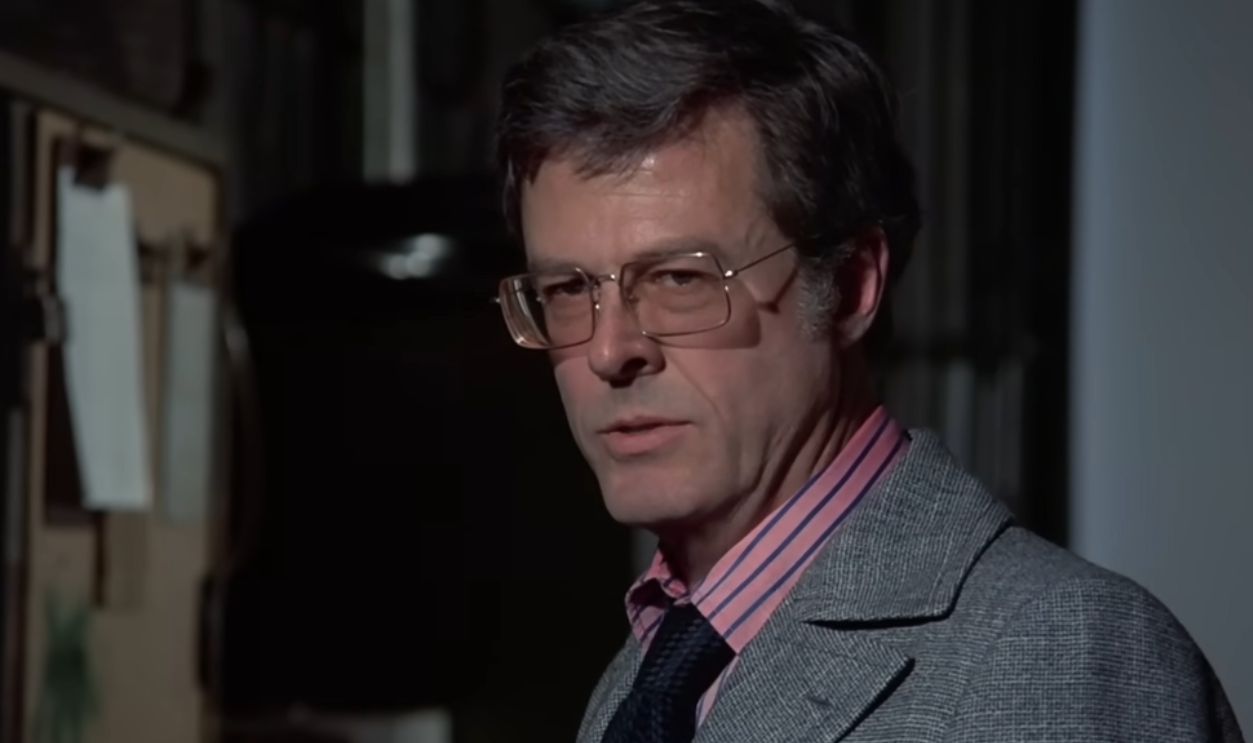 Screenshot from Columbo, ABC (1989–2003)
The Greatest American Hero Made Him Funny Again
In the 1980s, Culp returned to regular television as FBI agent Bill Maxwell on The Greatest American Hero. Maxwell wanted to turn an alien superhero suit into a disciplined government weapon, but teacher Ralph Hinkley repeatedly frustrated that plan. Culp played the agent’s suspicion, impatience, and patriotic certainty with explosive comic energy. The role parodied the authority figures he might once have been expected to play completely straight.
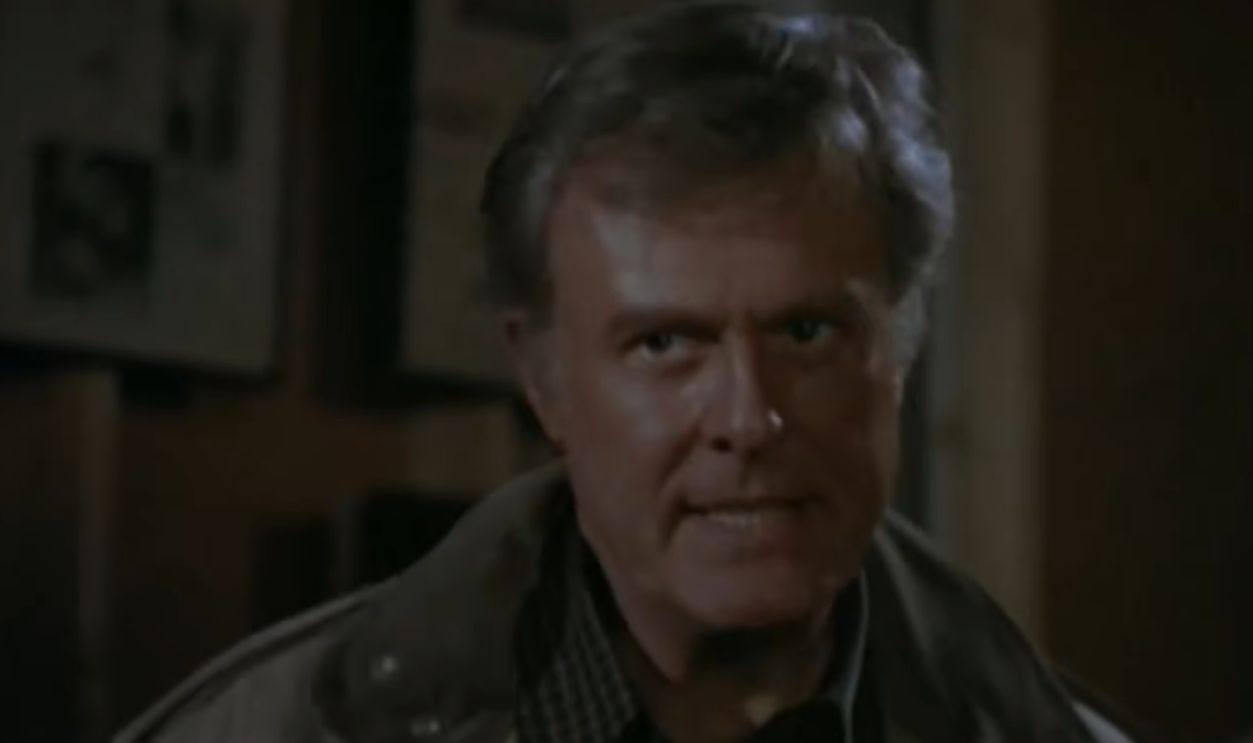 Screenshot from The Greatest American Hero, ABC (1981–1983)
Later Roles Proved He Could Age Into Comedy
Culp continued working in films and television rather than disappearing with the spy era. He played the president in The Pelican Brief and became especially familiar to sitcom viewers as Debra Barone’s father on Everybody Loves Raymond. That recurring comedy role allowed him to use charm and self-importance in a domestic setting far removed from international intrigue. His adaptability kept him visible across more than five decades.
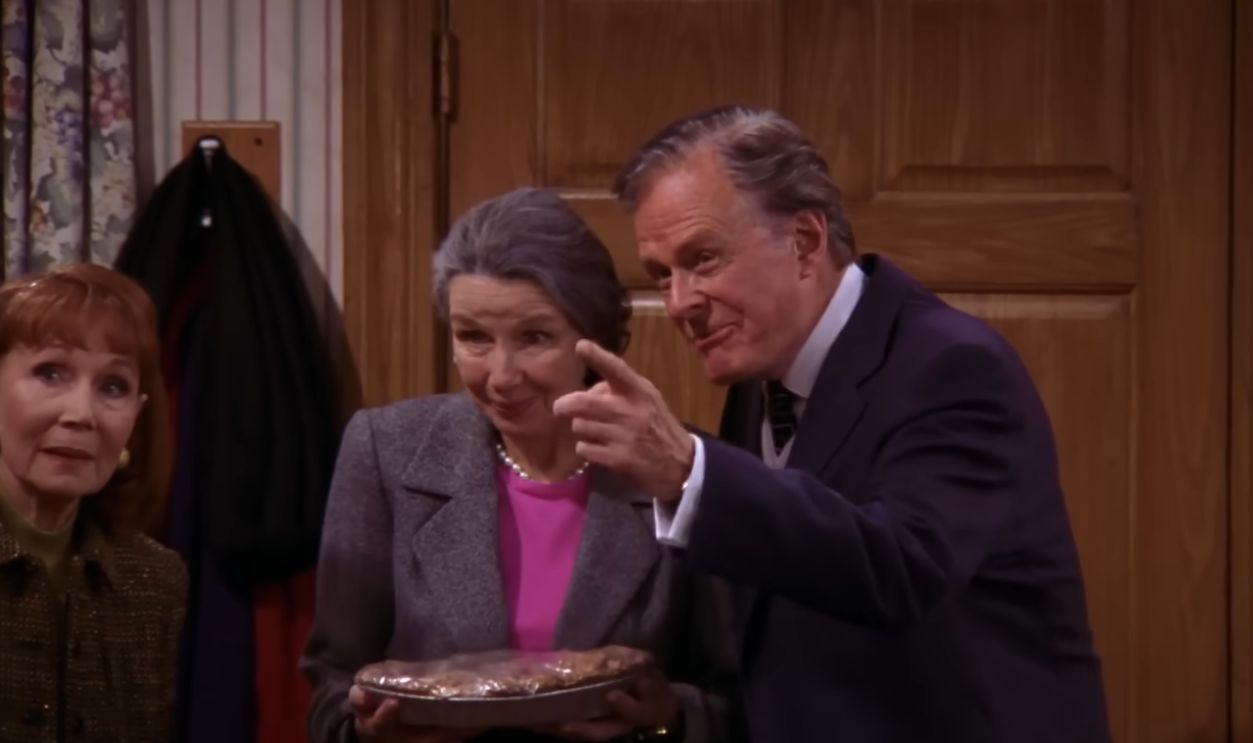 Screenshot from Everybody Loves Raymond, CBS (1996–2005)
He Never Became Only One Thing
Hollywood could identify Culp as a Western hero, television spy, sophisticated movie lead, writer, director, villain, federal agent, or comic father-in-law. None of those labels contained him for very long. His desire to write and direct sometimes pulled him away from the simplest route to sustained stardom, but it also produced a career filled with striking detours. He remained recognizable precisely because he resisted becoming completely predictable.
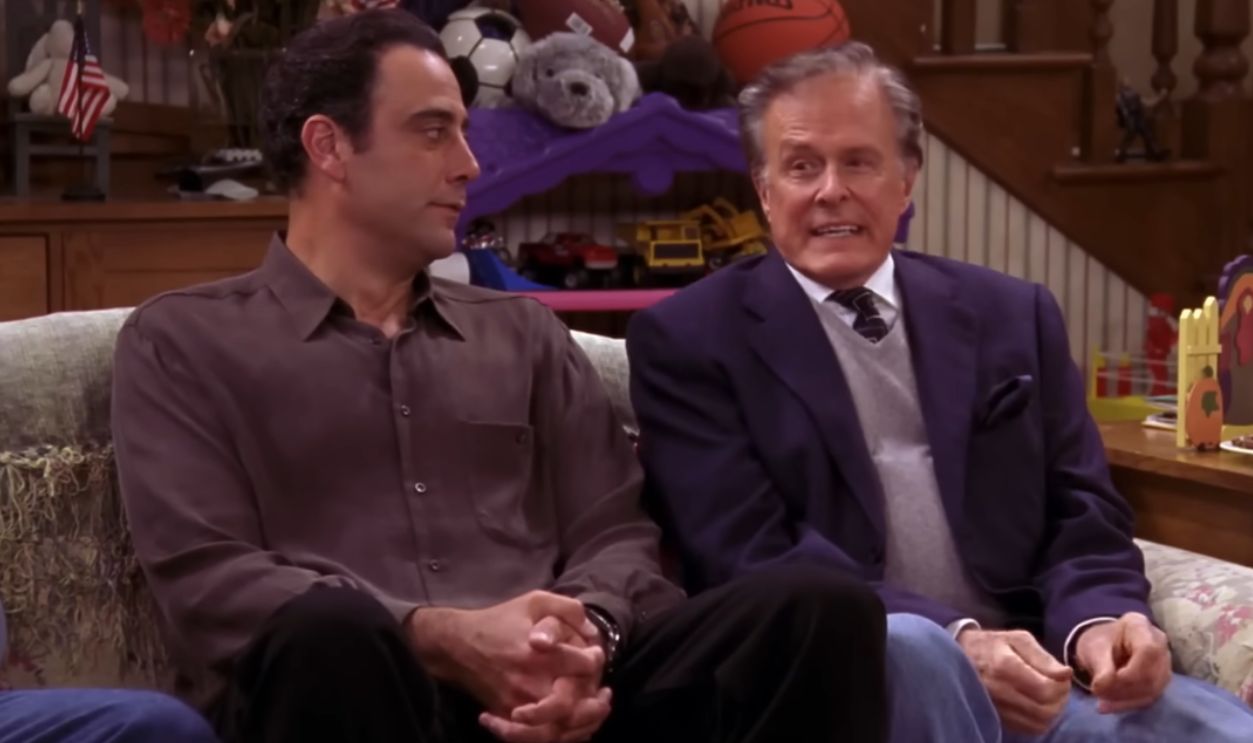 Screenshot from Everybody Loves Raymond, CBS (1996–2005)
Kelly Robinson Remains His Defining Reinvention
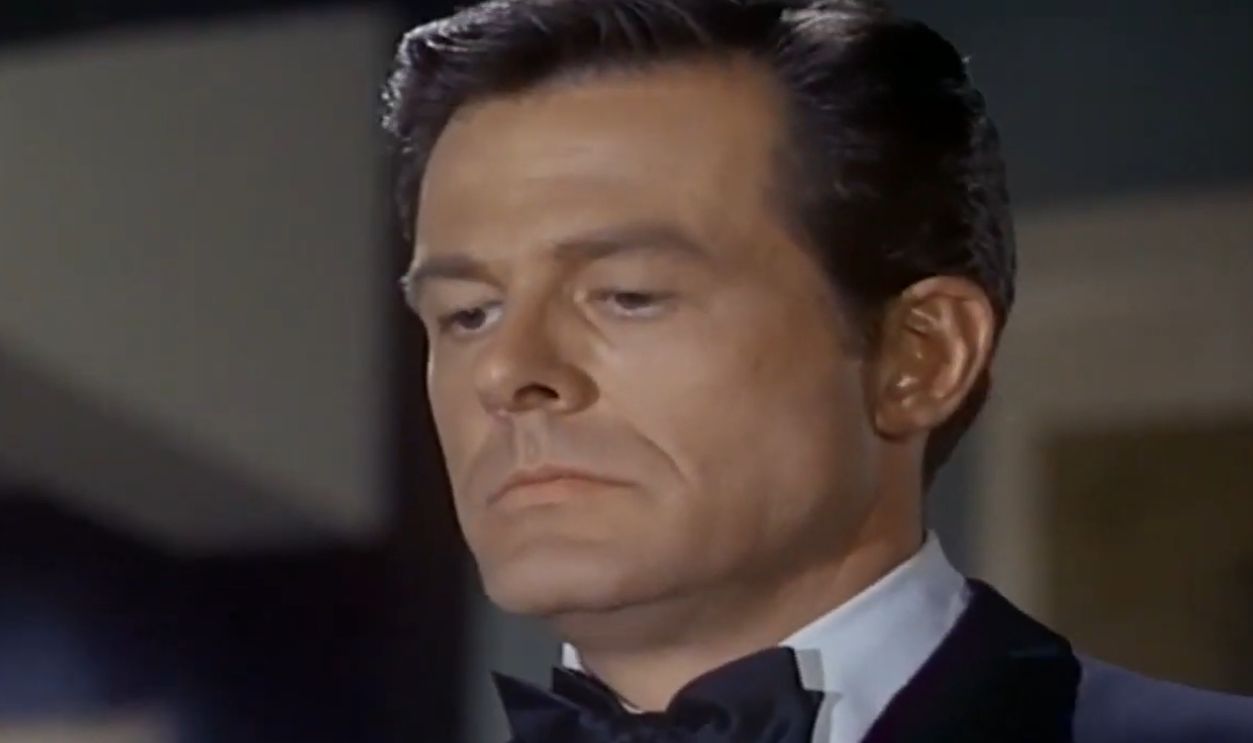
Culp’s television career began before I Spy and continued for decades after it ended. Yet Kelly Robinson captured his most important qualities at once: intelligence, athletic confidence, skepticism, humor, vulnerability, and loyalty to a partner. Culp redefined the spy hero by making him feel like a complicated person rather than a flawless machine. He never fit Hollywood’s expectations because he was more interested in exploring what a leading man could be than in repeating what one was supposed to look like.
 Screenshot from I Spy, NBC (1965–1968)
You May Also Like:
TV Shows That Completely Changed Genres Between Seasons
The Most Watched Shows The Year You Graduated High School
Forgotten Detective Shows From The 1980s That Briefly Dominated Television