Television Got A Little Wilder.
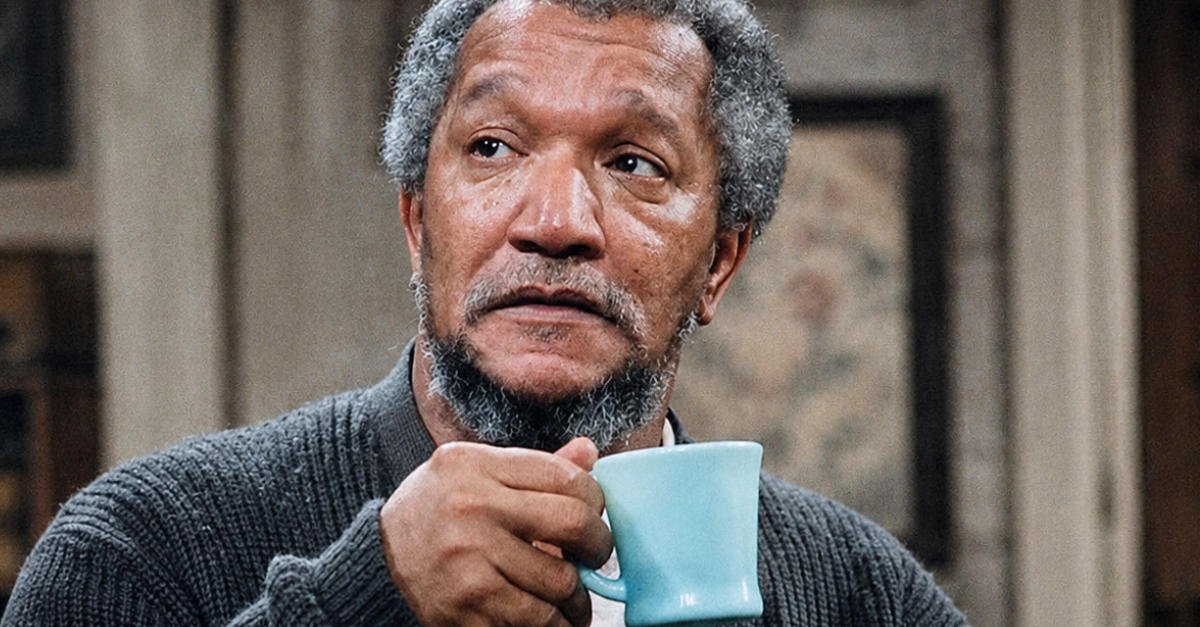
After decades of sharpening fearless, adult comedy in clubs and on party records, Redd Foxx carried that rhythm into millions of living rooms as Fred Sanford. The result was a hit sitcom that sounded looser, felt more dangerous, and opened doors for generations of Black comedians and television families.
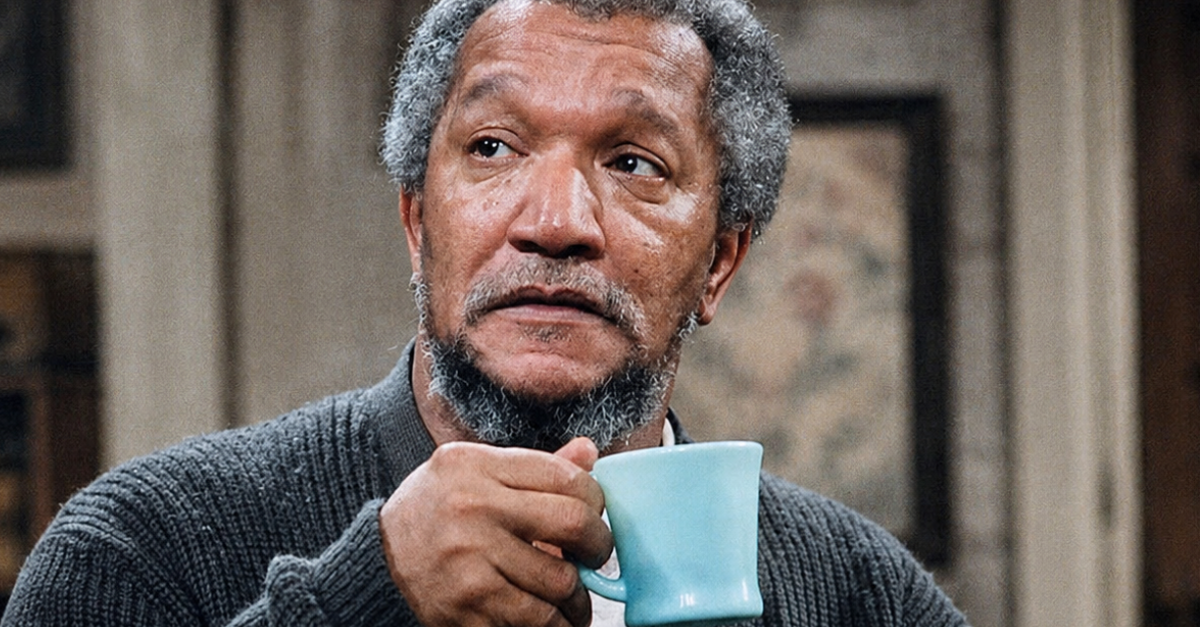
He Was Famous Long Before Television Called
Redd Foxx had spent decades performing before Sanford and Son premiered in 1972. His nightclub routines were already influential among Black comedians, even though mainstream television had largely kept his adult material at a distance. He arrived in primetime as a fully formed comic voice rather than an unknown actor learning how to be funny.
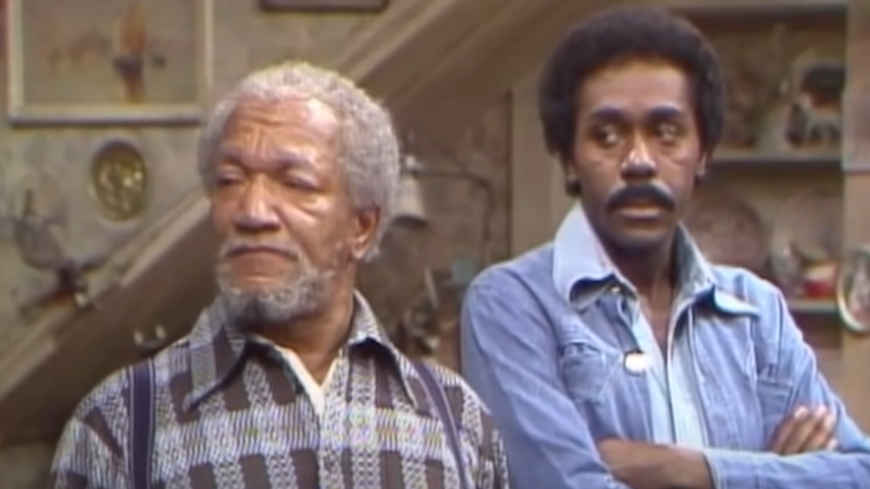 Screenshot from Sanford and Son, NBC (1972–1977)
Party Records Carried Him Into Homes
Foxx became closely associated with comedy albums recorded for adult audiences and played at private gatherings. The Smithsonian’s collection includes Laff of the Party, Vol. 1, one of the records that helped preserve his nightclub material outside the clubs. These albums let listeners hear comedy that radio and television broadcasters considered too daring for ordinary schedules.
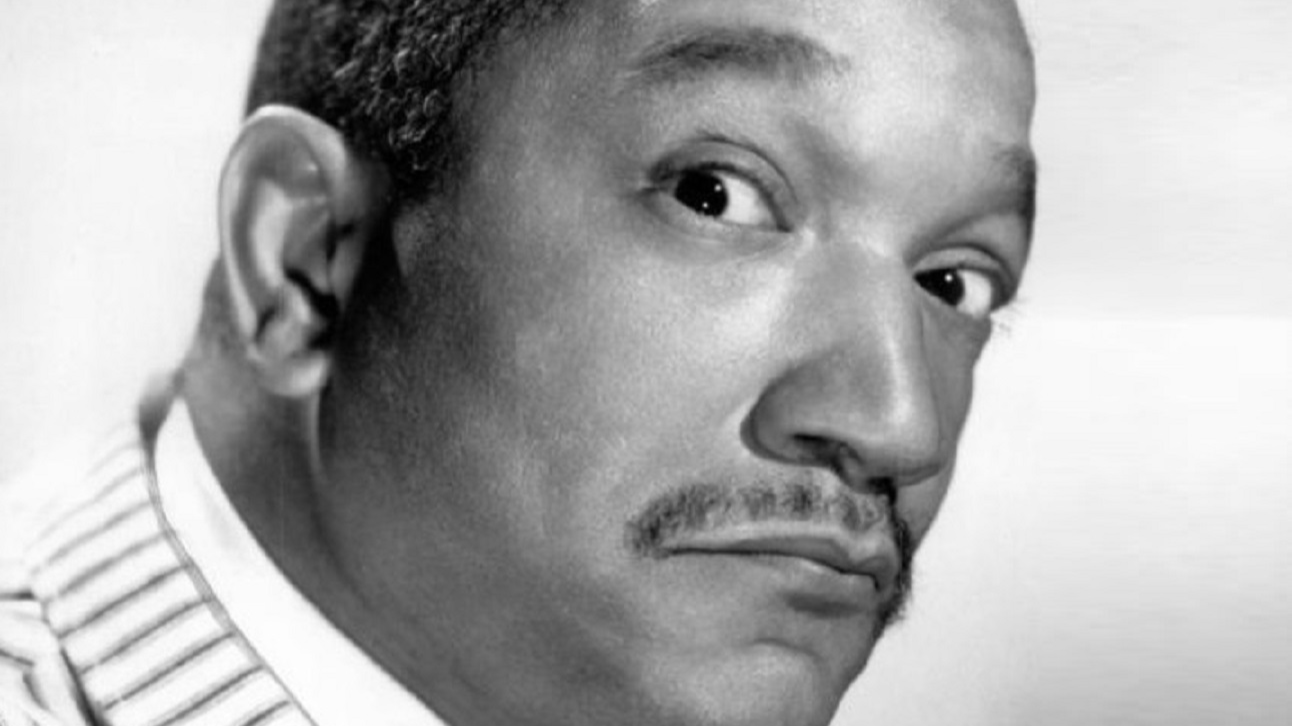 John E. Reed, Wikimedia Commons
His Comedy Was Never Polite
Foxx joked about gender, race, money, relationships, aging, and everyday frustration with an honesty that mainstream entertainers often avoided. The material could be crude, but its power came from how directly he spoke about recognizable human behavior. He had learned to hold adult nightclub crowds without relying on elaborate sets or carefully protected television language.
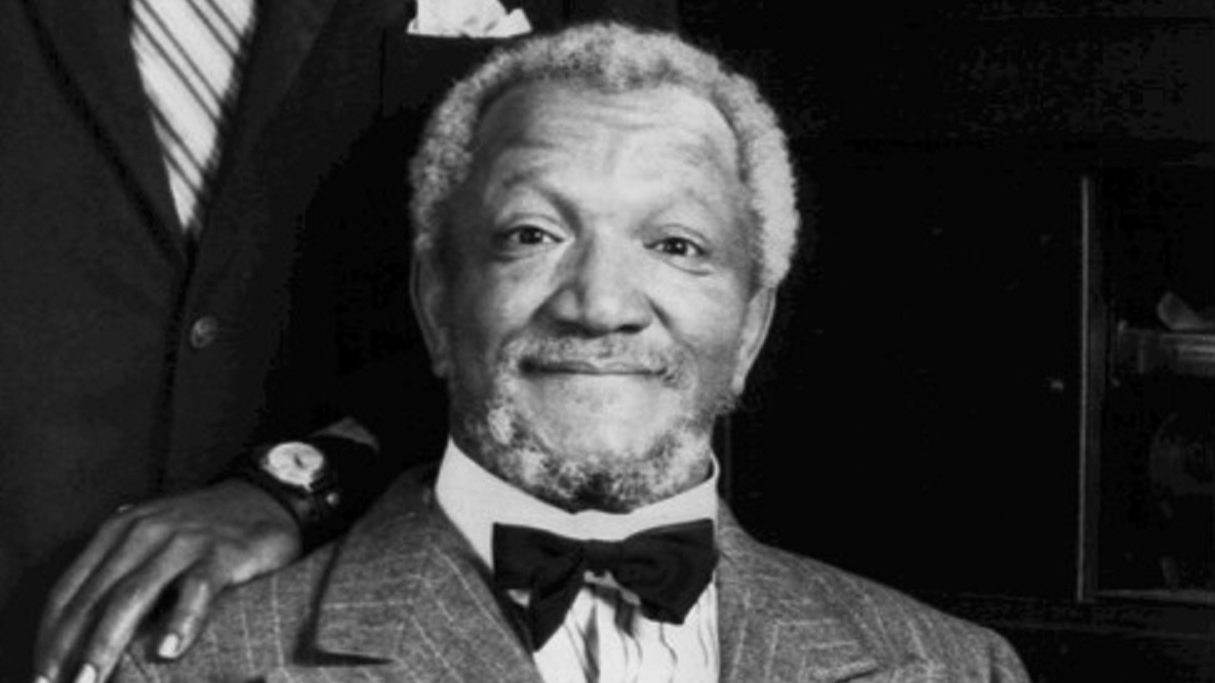 Robert Garner Attractions, Wikimedia Commons
Norman Lear Saw The Television Possibility
Norman Lear and Bud Yorkin adapted the British comedy Steptoe and Son into an American series about a Black father and son running a junk business in Los Angeles. Foxx became Fred G. Sanford, while Demond Wilson played his more responsible son, Lamont. The basic premise came from Britain, but Foxx’s voice quickly made the American version its own creation.
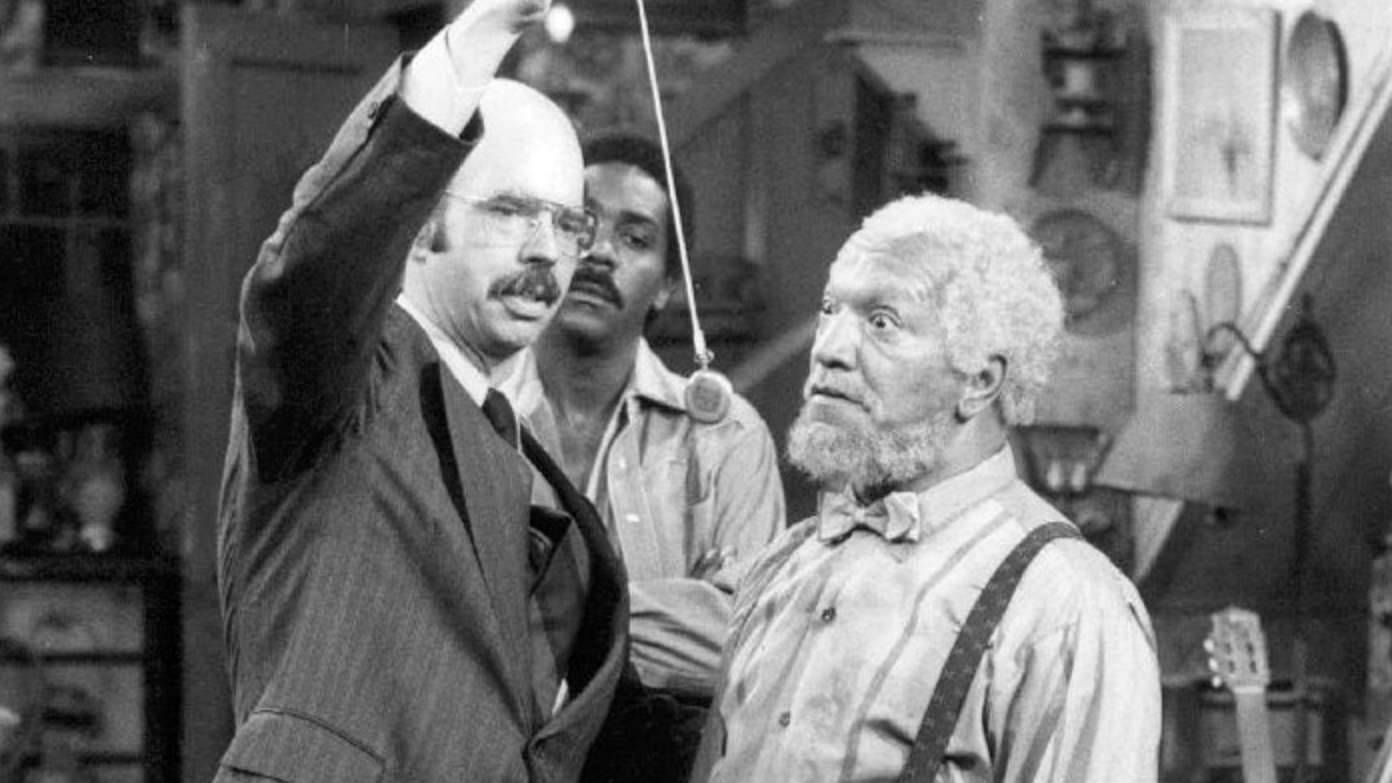 NBC Television, Wikimedia Commons
The Casting Was A Genuine Gamble
Foxx was respected in clubs, but he was not a conventional network sitcom lead. His best-known comedy was racier than anything NBC could broadcast, and his screen-acting experience was limited compared with established television stars. Producers nevertheless trusted that the personality filling nightclubs could carry a weekly series.
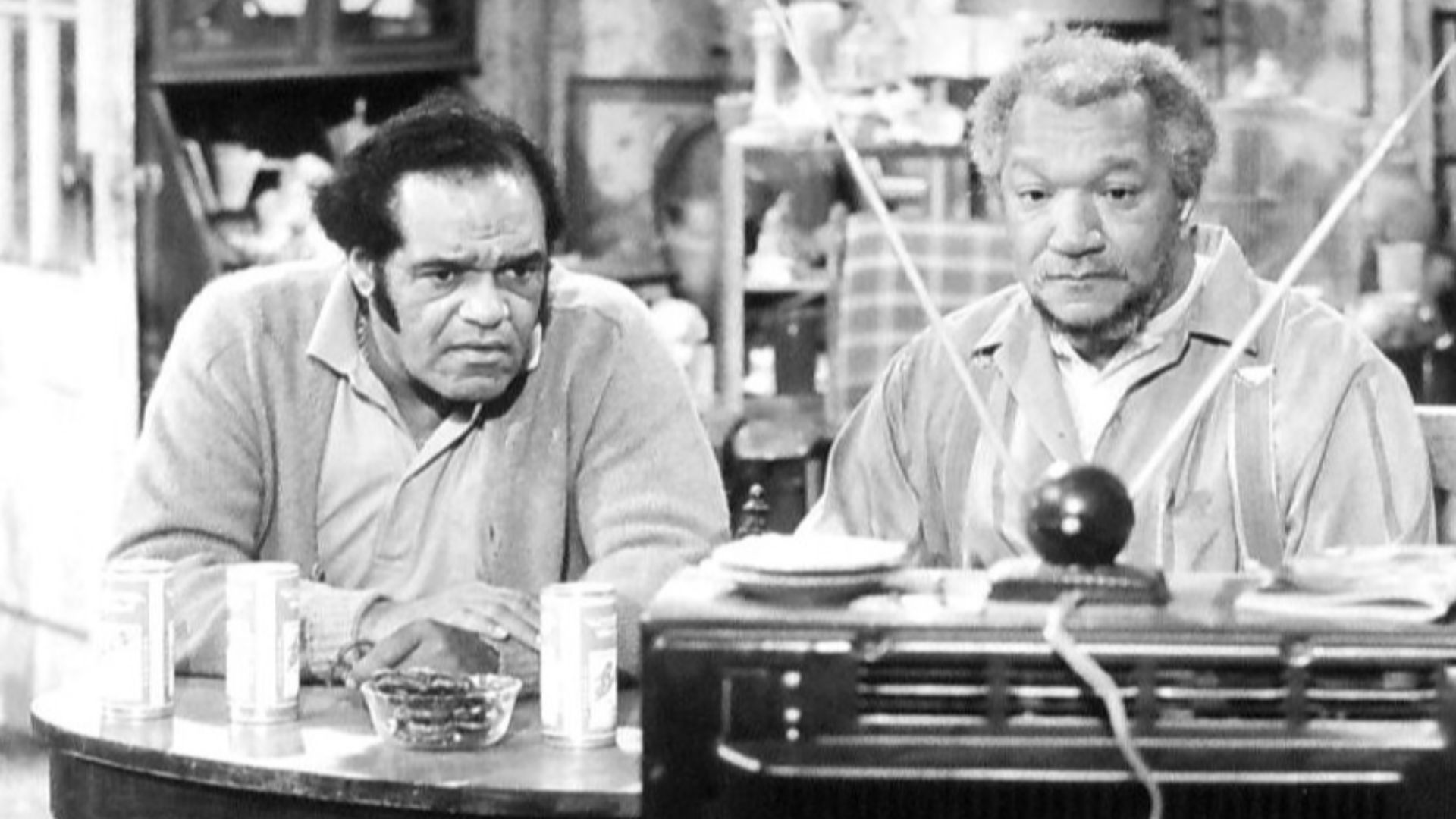 NBC Television, Wikimedia Commons
Fred Sanford Was Built From Foxx Himself
Foxx’s birth name was John Elroy Sanford, and the sitcom character carried that family name. Fred’s age, voice, timing, insults, and mischievous attitude all drew strength from the performer’s established persona. The boundary between Redd Foxx and Fred Sanford often felt delightfully thin, which gave the role unusual authenticity.
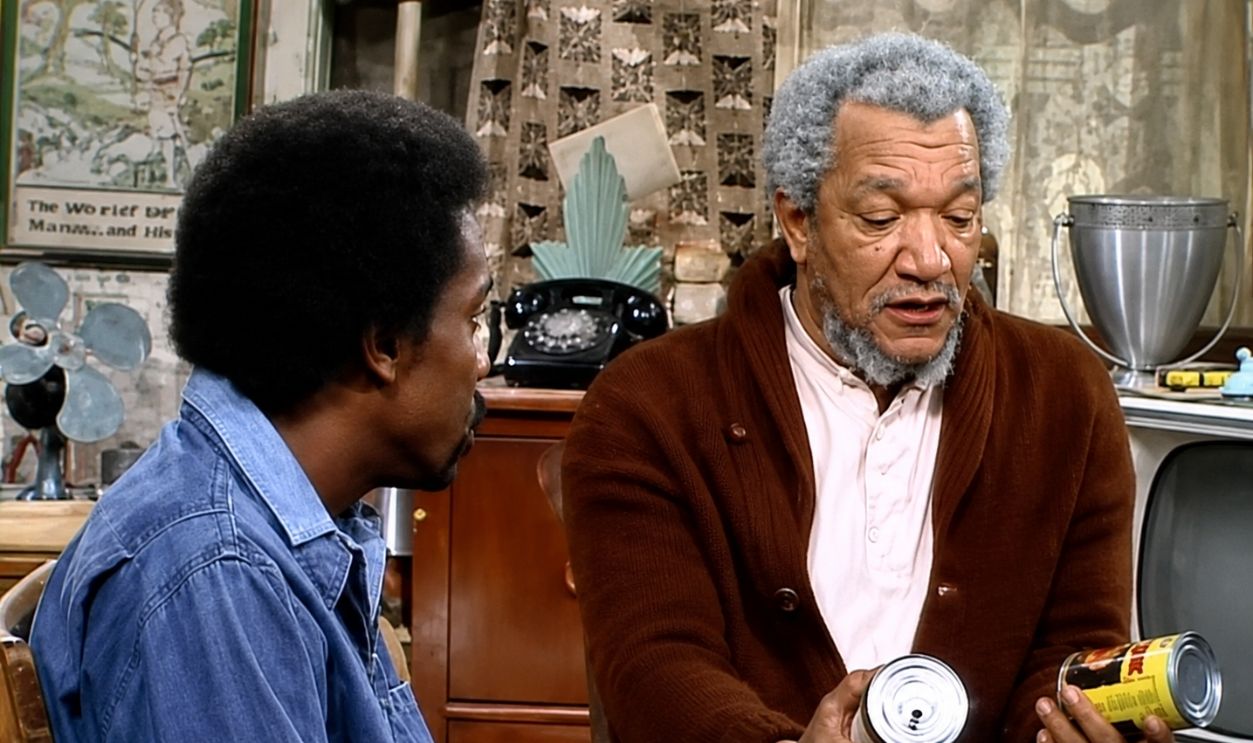 Screenshot from Sanford And Son, NBC (1972-1977)
The Junkyard Changed Sitcom Scenery
Fred and Lamont lived and worked in a South Central Los Angeles junk business rather than a polished suburban home. Their surroundings were crowded with discarded objects, unpaid bills, and the constant possibility of another questionable scheme. The setting gave network comedy a working-class texture that fit Foxx’s rough-edged humor perfectly.
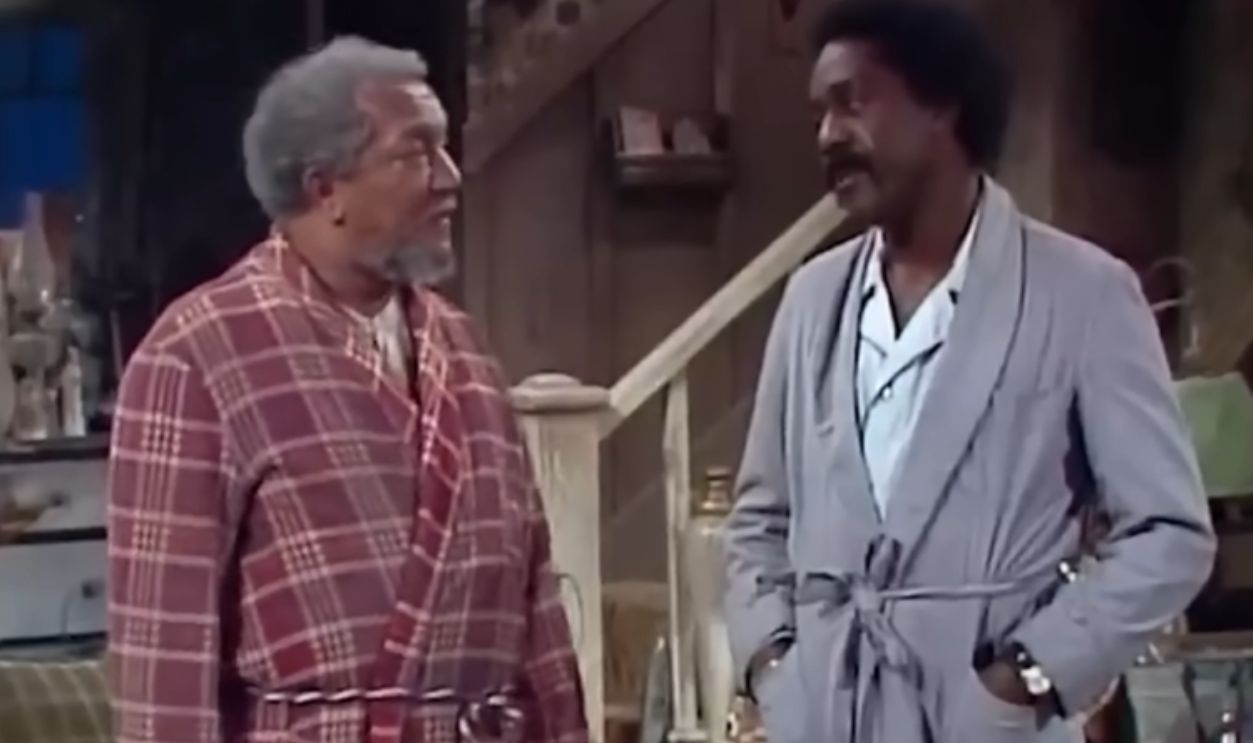 Screenshot from Sanford and Son, NBC (1972–1977)
Foxx Made Primetime Sound Improvised
His delivery carried the timing of a comedian responding to a live room. He stretched words, paused before insults, changed his expression, and seemed capable of abandoning the script whenever a better reaction appeared. Even carefully written scenes could feel as unpredictable as a nightclub set.
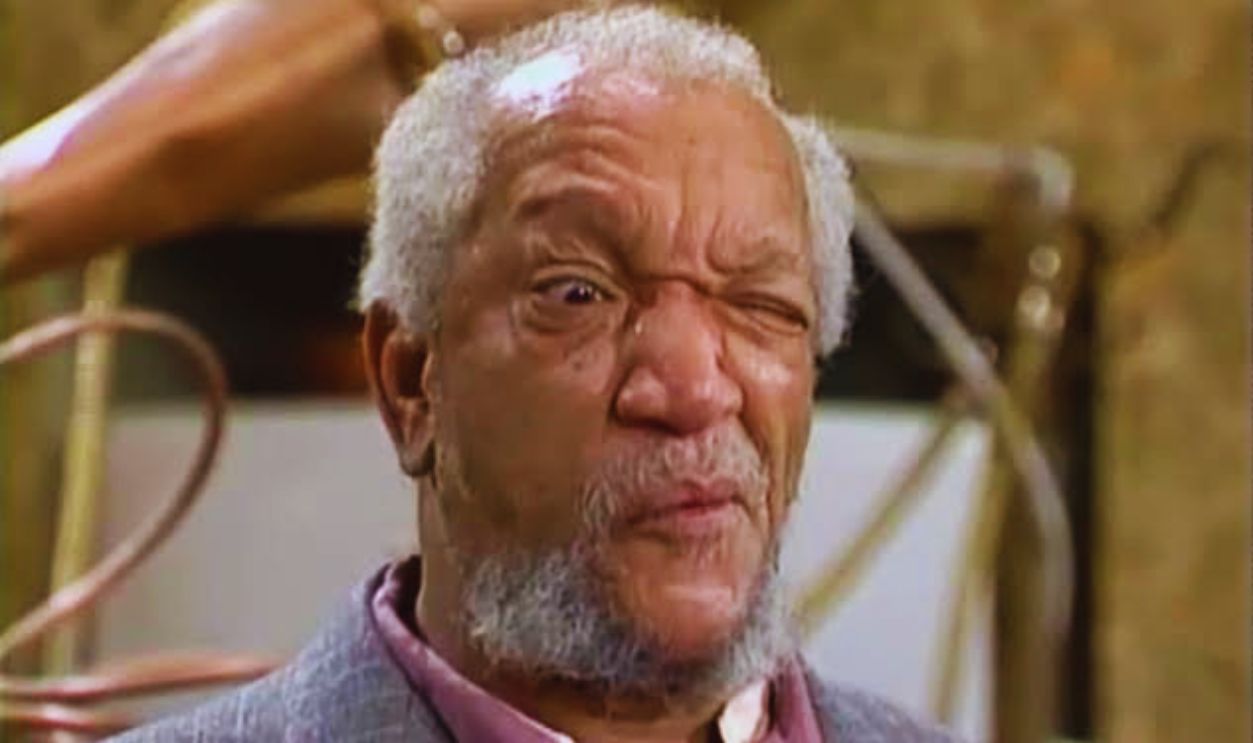 Screenshot from Sanford and Son, Sony Pictures Television (1972–1977)
A Live Audience Fueled Him
Foxx preferred performing before a live audience and reportedly tested comic material during rehearsals. That immediate response gave him the energy and feedback he had relied upon in clubs. Instead of sanding away his stage instincts, the production let those instincts become part of the show’s identity.
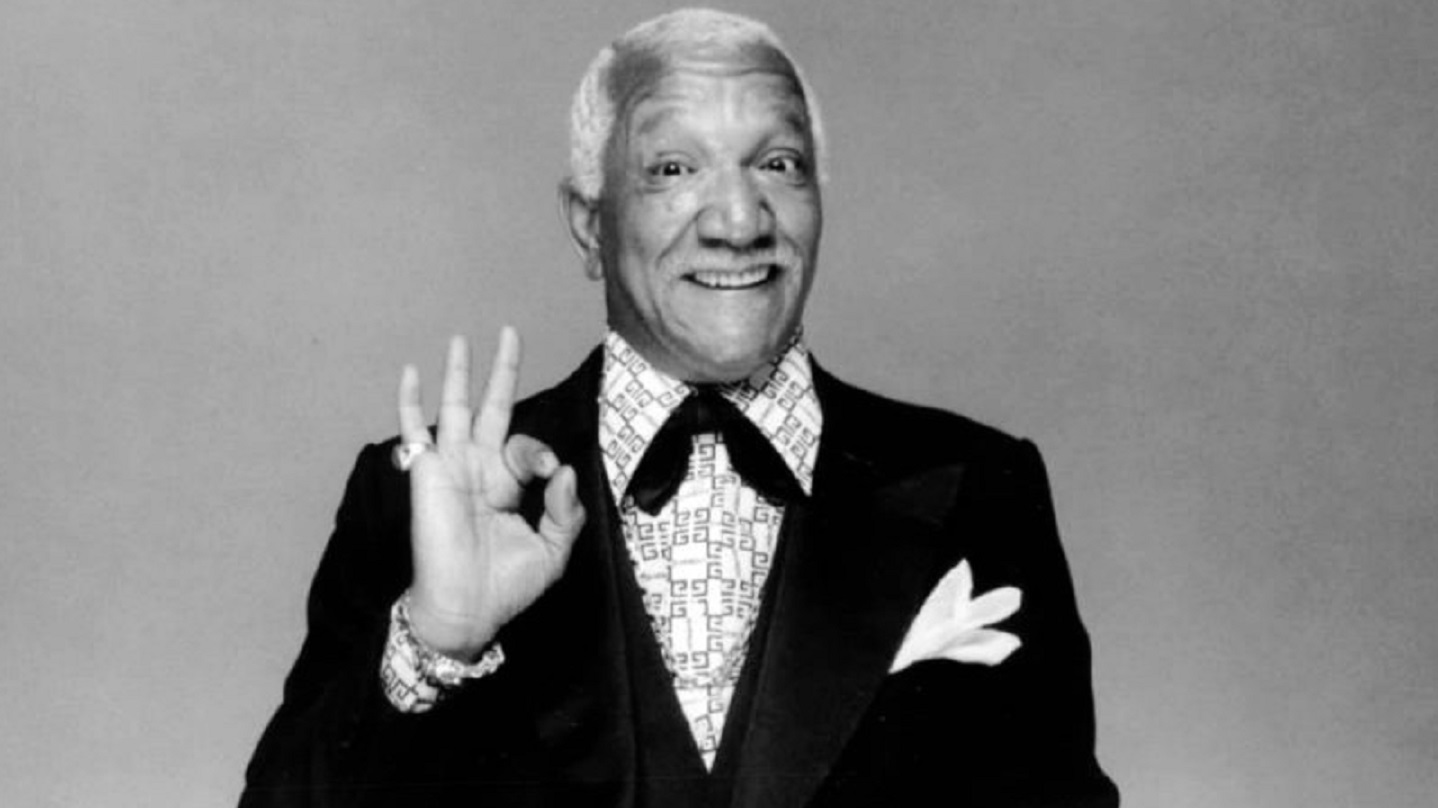 ABC Television, Wikimedia Commons
Demond Wilson Gave Him The Perfect Target
Lamont was more practical, ambitious, and embarrassed by Fred’s behavior. That made him the ideal straight man for Foxx’s insults, excuses, and get-rich-quick ideas. Their arguments had the speed of a comedy routine but retained the affection of a father and son who depended on each other.
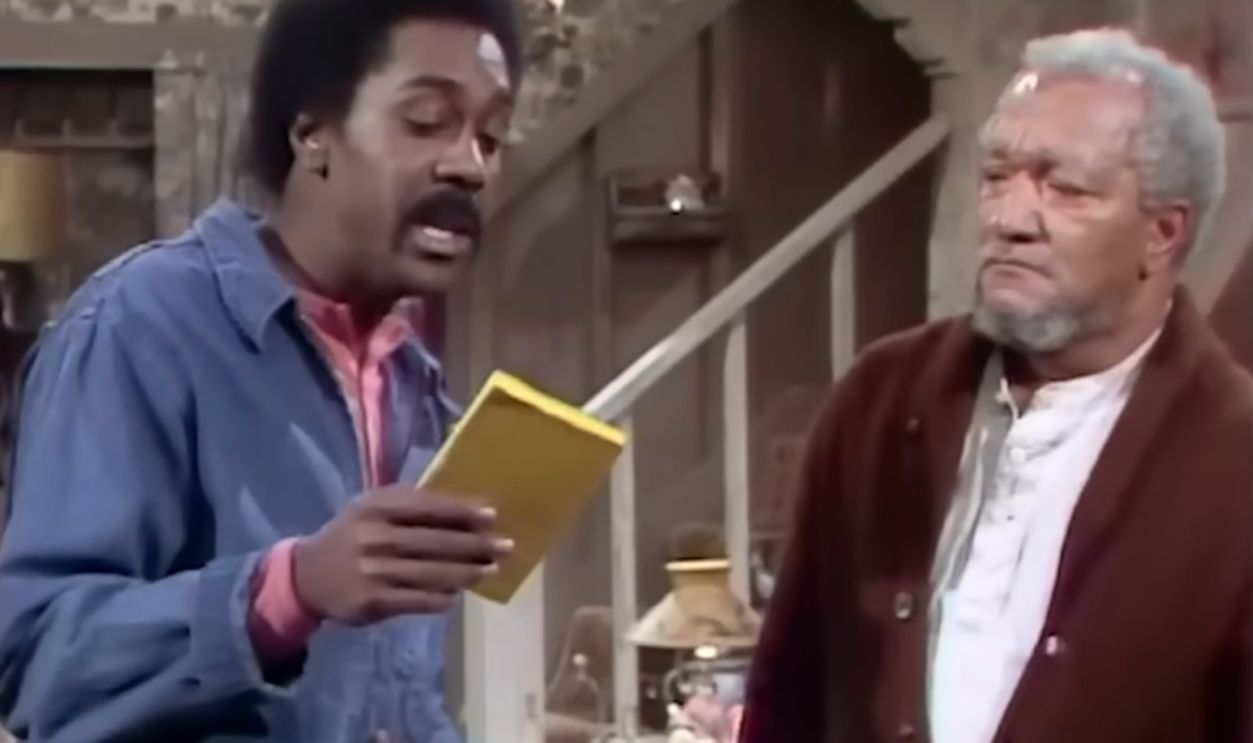 Screenshot from Sanford and Son, NBC (1972–1977)
The Insults Still Carried Affection
Fred regularly called Lamont a “big dummy,” but the insult became a strange form of intimacy rather than simple cruelty. Foxx could attack his son’s intelligence one moment and reveal fierce loyalty the next. That emotional flexibility kept the verbal combat from becoming exhausting.
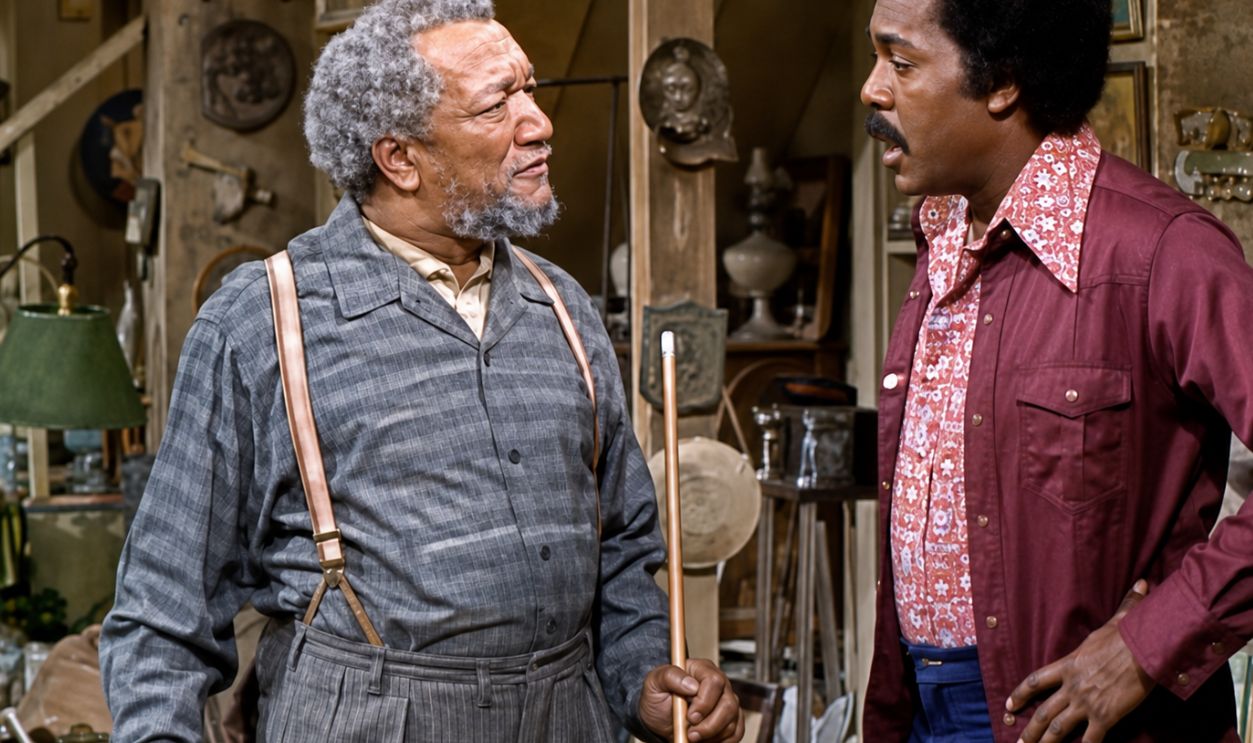 Screenshot from Sanford and Son, NBC (1972–1977), Modified
The Fake Heart Attacks Became Legendary
Whenever Fred felt cornered, he clutched his chest and called out to his late wife, Elizabeth. The routine combined physical comedy, manipulation, grief, and shameless theatricality in a few seconds. It became one of the most recognizable running gags in 1970s television.
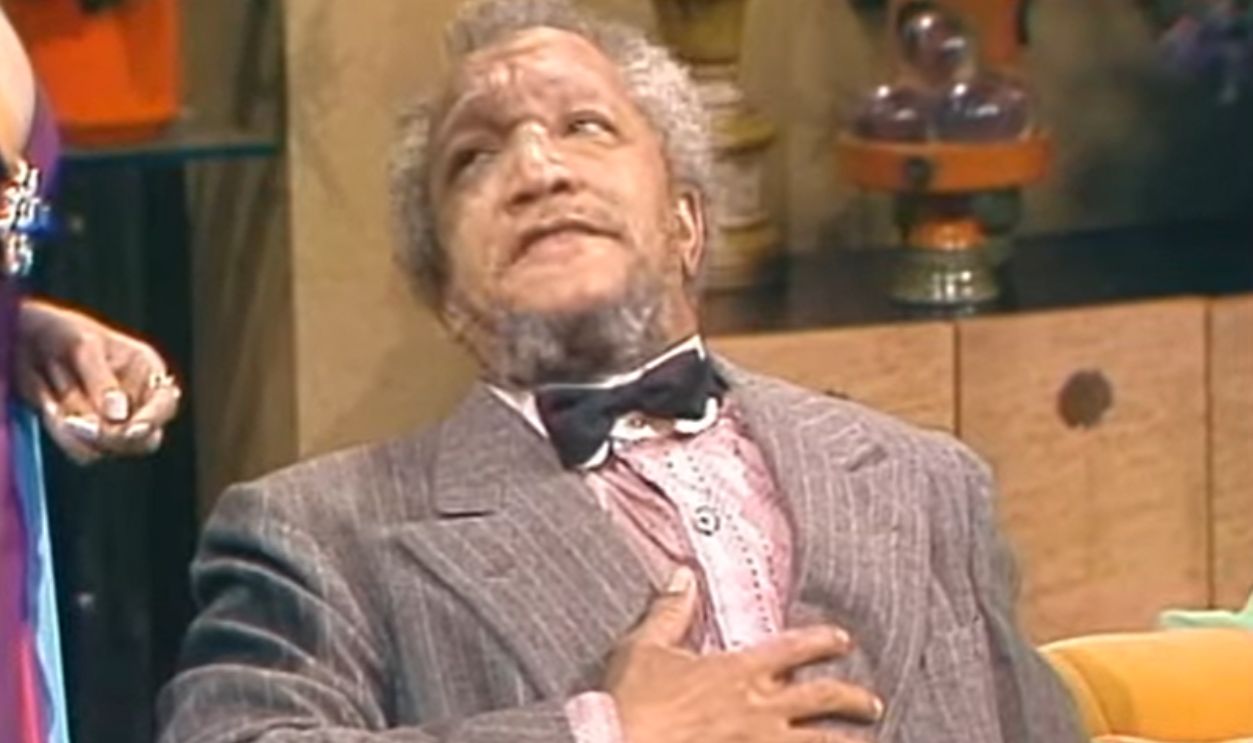 Screenshot from Sanford and Son, NBC (1972–1977)
Fred Could Say What Others Would Not
Fred was prejudiced, selfish, flirtatious, stubborn, and often wildly inappropriate. The show did not present every opinion he expressed as correct. Instead, his flaws created arguments that allowed the sitcom to approach race, class, age, and generational conflict through comedy.
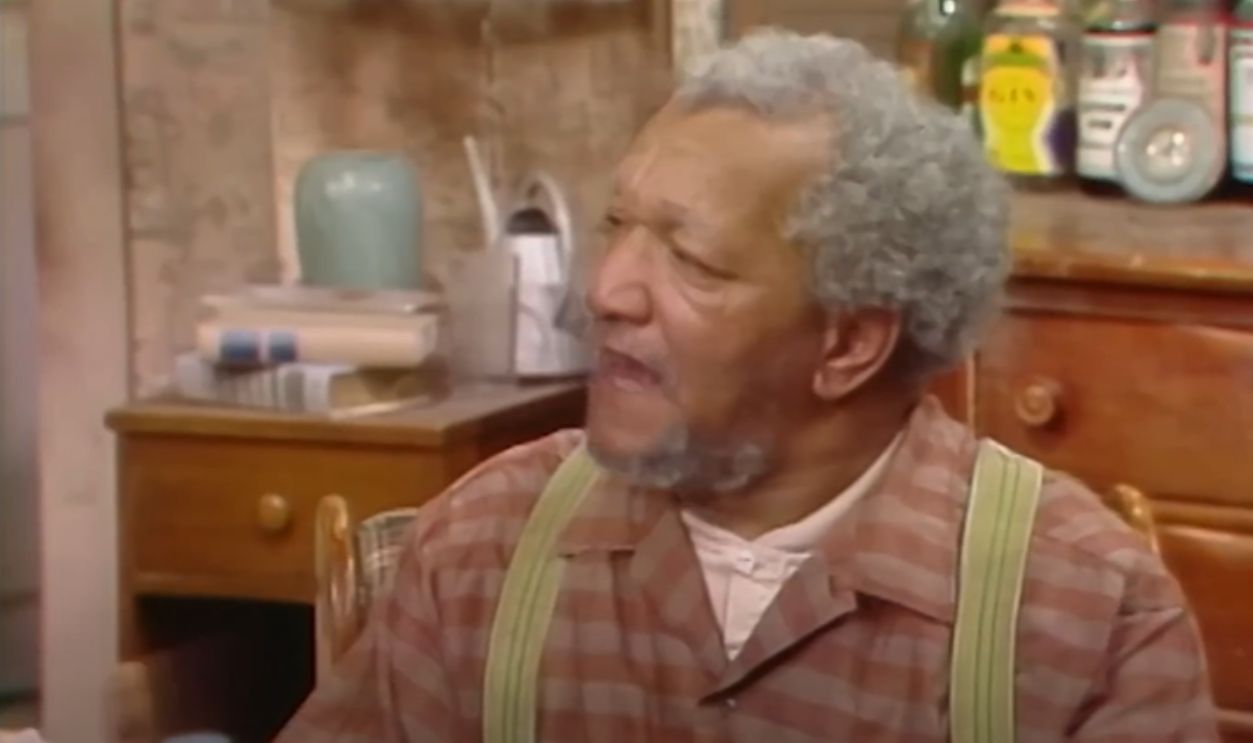 Screenshot from Sanford and Son, NBC (1972–1977)
He Became A Black Archie Bunker With His Own Voice
Critics and historians have often compared Fred Sanford with Archie Bunker because both were grumpy working-class patriarchs confronting cultural change. Yet Fred was not simply a copy of Archie. Foxx drew on Black comic traditions and his own nightclub persona, creating a trickster whose schemes and contradictions felt culturally specific.
 Screenshot from Sanford and Son, NBC (1972–1977), Modified
The Series Put A Black Family At The Center
Sanford and Son arrived after years in which network television offered very few Black-led comedies. The Television Academy places it alongside Good Times and The Jeffersons as part of a major return of predominantly Black casts to American television. Fred and Lamont were allowed to be messy, funny, loving, argumentative, and fully central to their own story.
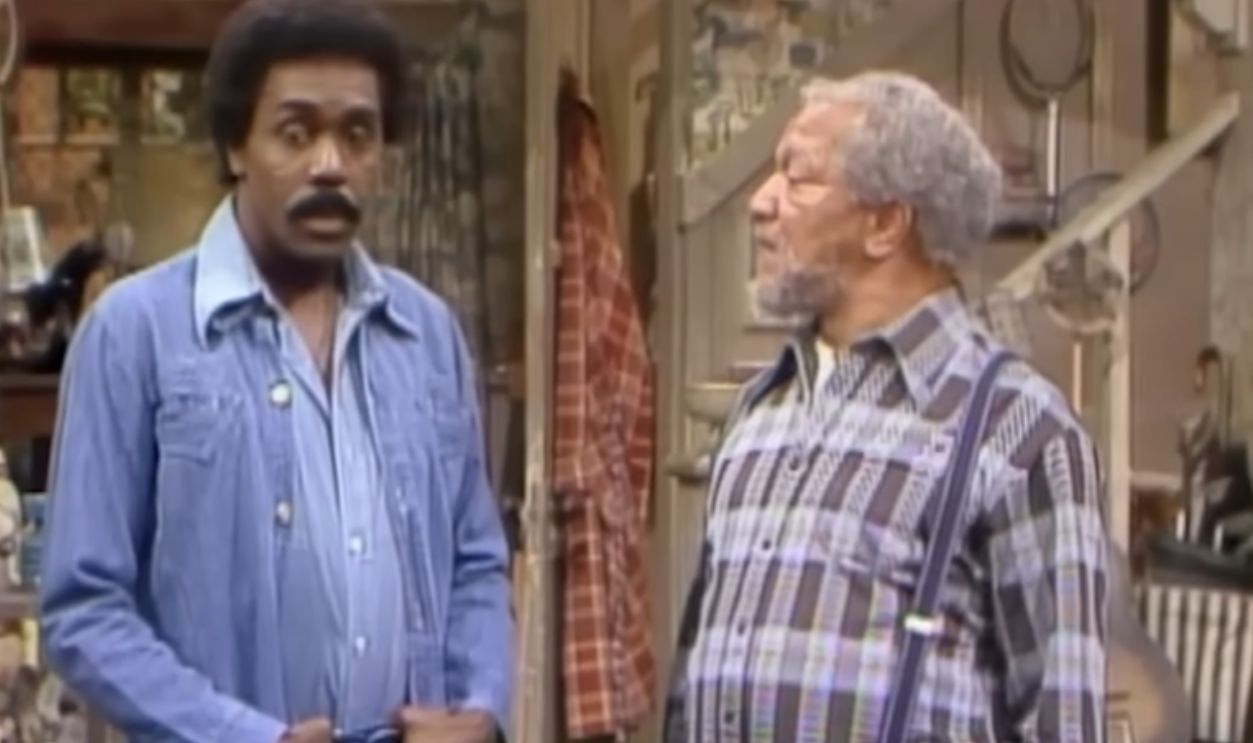 Screenshot from Sanford and Son, NBC (1972–1977)
The Show Refused Respectability Politics
Fred was not designed to reassure viewers that every Black television character would be dignified, perfectly behaved, and morally exemplary. He lied, manipulated people, chased money, and insulted almost everyone entering his home. That freedom was important because genuine representation also required room for flawed and outrageous characters.
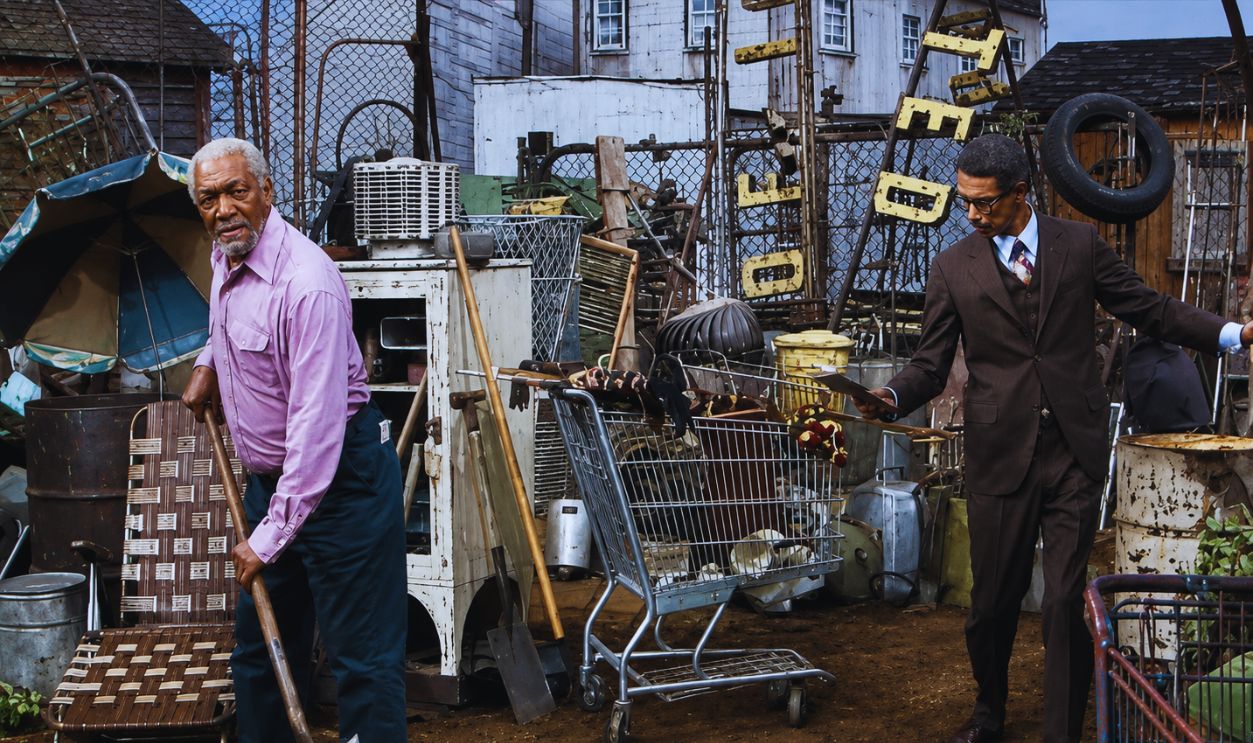 Screenshot from Sanford and Son, Sony Pictures Television (1972–1977)
Aunt Esther Met Him Blow For Blow
LaWanda Page’s Aunt Esther became one of the few characters capable of overpowering Fred verbally. Their confrontations sounded less like ordinary sitcom dialogue and more like two veteran comics fighting for control of a club audience. Foxx’s willingness to be challenged made the surrounding ensemble funnier and stronger.
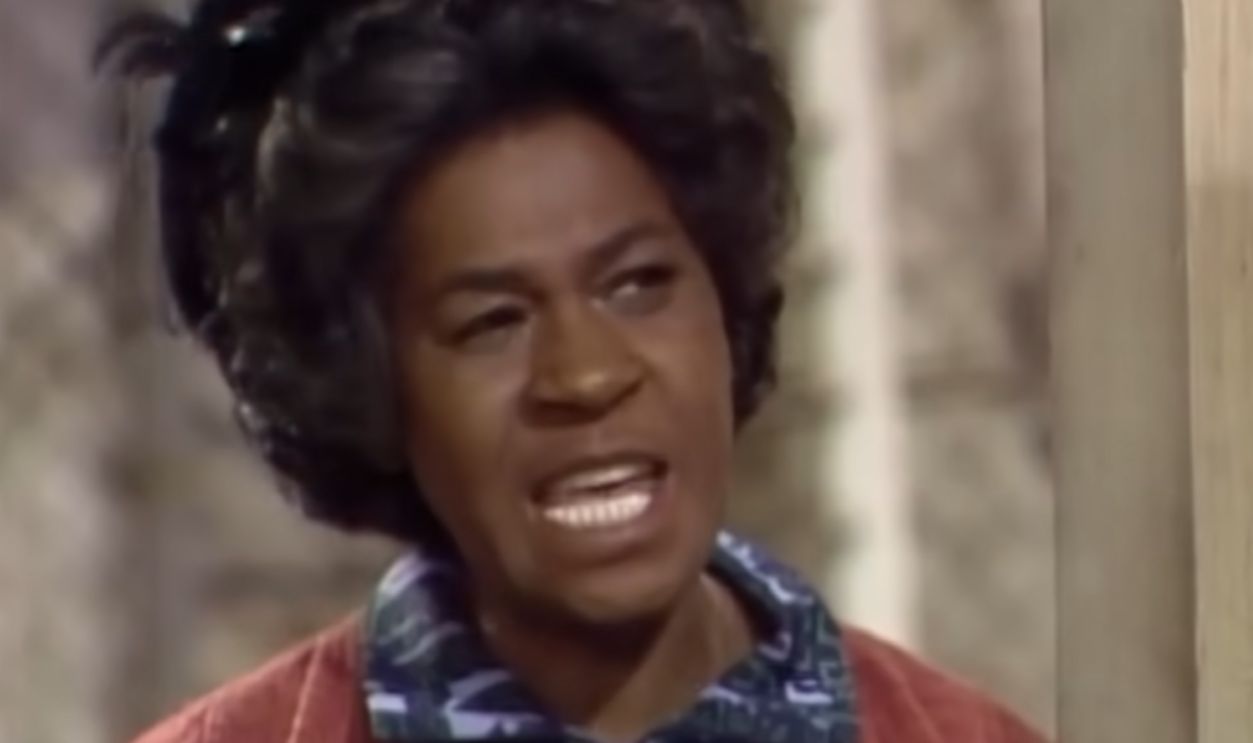 Screenshot from Sanford and Son, NBC (1972–1977)
His Old Comedy Circle Entered Primetime
The series featured performers connected to Black nightclub and variety entertainment, including Page, Slappy White, Don Bexley, and other seasoned comics. Their experience gave the show a rhythm that differed from sitcoms built entirely around conventionally trained television actors. Foxx brought not only his own style into network comedy but also part of the world that had shaped him.
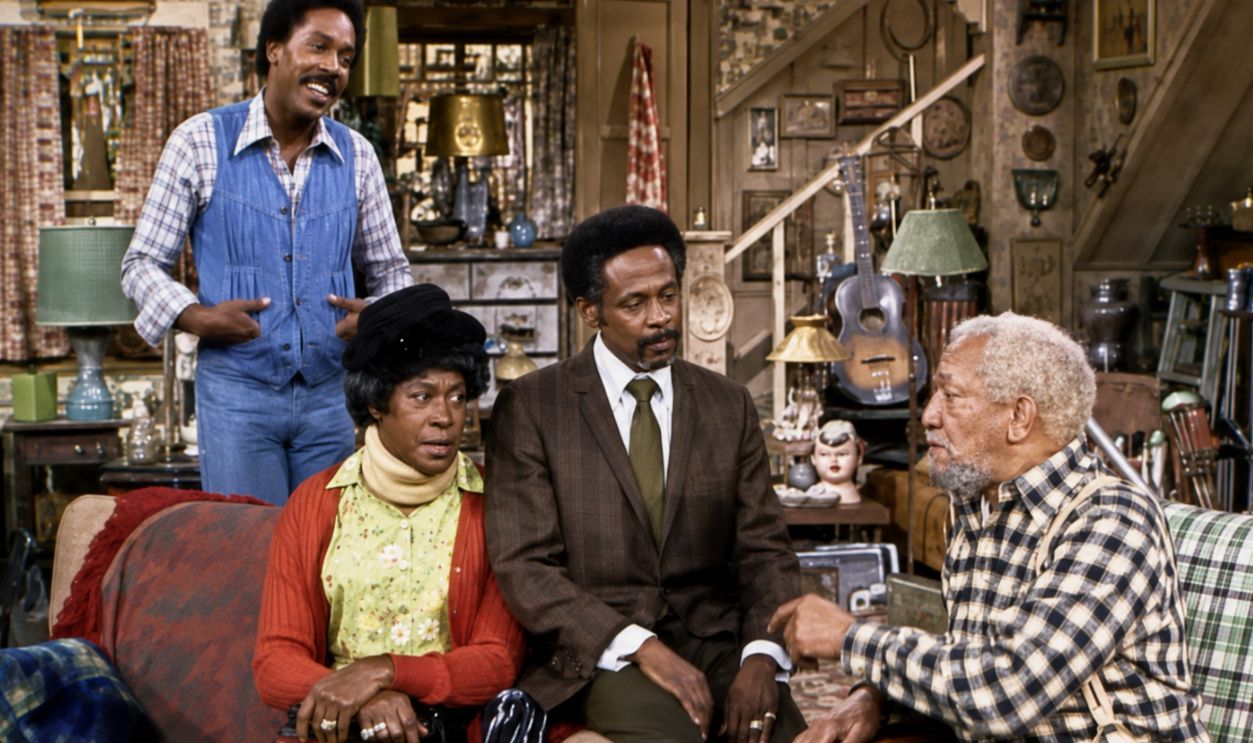 Screenshot from Sanford and Son, NBC (1972–1977), Modified
Guest Stars Entered Fred’s World
The show welcomed prominent guests, including Lena Horne and Della Reese, without surrendering its central comic identity. In the Lena Horne episode, Fred’s long-running admiration for the singer became the story’s engine. Foxx could treat a celebrity appearance like both a major event and another opportunity for shameless behavior.
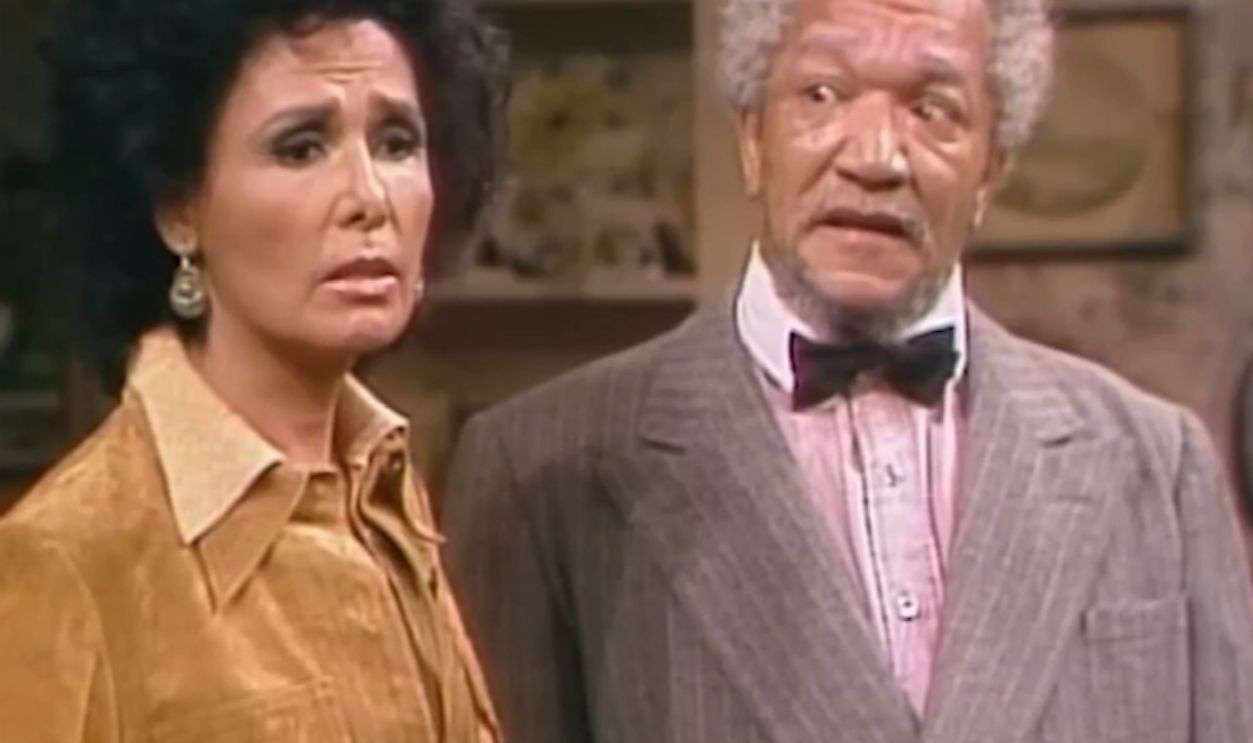 Screenshot from Sanford and Son, NBC (1972–1977)
Quincy Jones Gave The Show Its Sound
Quincy Jones composed the memorable opening theme, commonly known as “The Streetbeater.” Its loose bass line, percussion, and bluesy energy immediately matched the junkyard setting and Foxx’s swagger. The music announced that this would not sound like a tidy suburban family comedy.
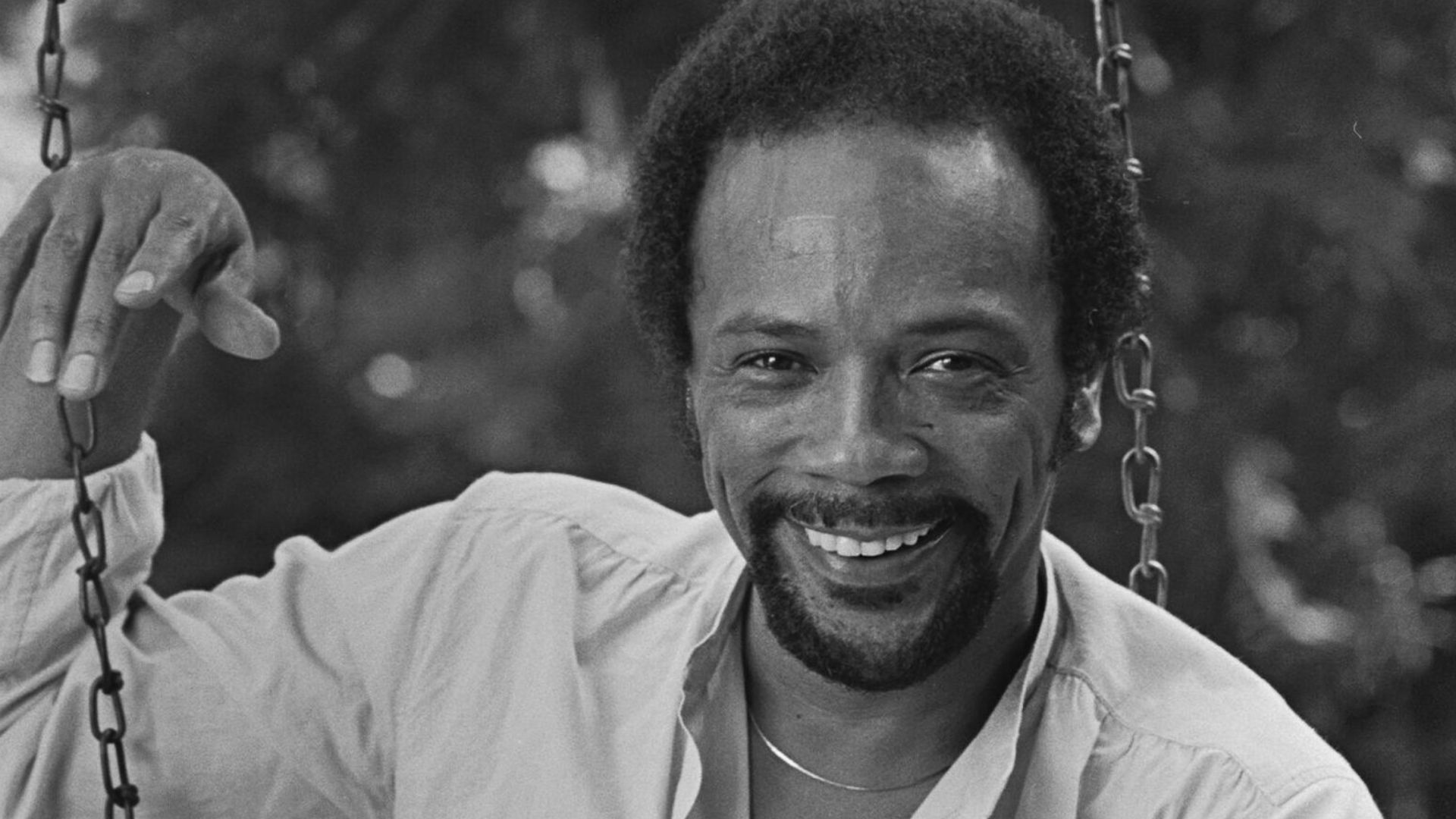 Los Angeles Times, Wikimedia Commons
Friday Night Became A Ratings Powerhouse
The program premiered in a Friday evening slot that had often been considered difficult for television success. It nevertheless became a major hit and climbed as high as second place in the national ratings. Its popularity demonstrated that Foxx’s comedy could connect far beyond the nightclub audiences that first embraced him.
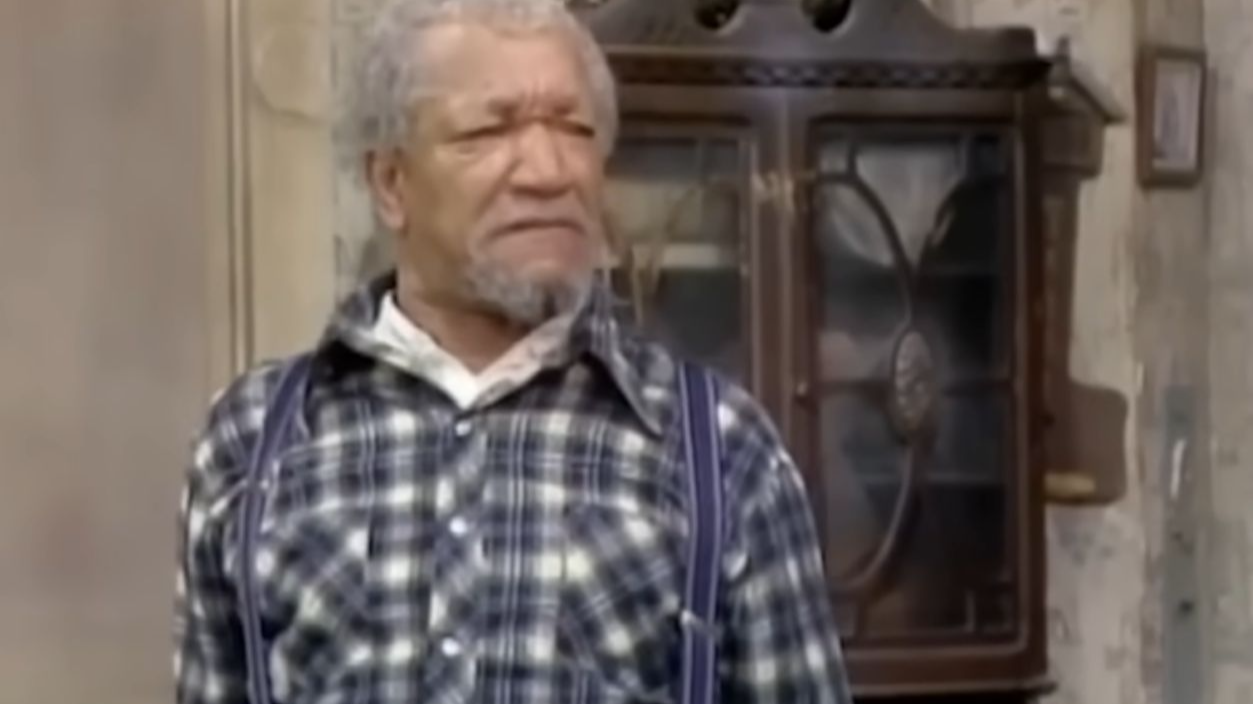 Screenshot from Sanford and Son, NBC (1972–1977)
NBC Suddenly Had A Defining Comedy
At its height, Sanford and Son became one of NBC’s most important programs and helped strengthen the network’s Friday lineup. The official series channel describes it as NBC’s highest-rated half-hour series at the time. A performer once considered too adult and unconventional for television had become one of the network’s most valuable stars.
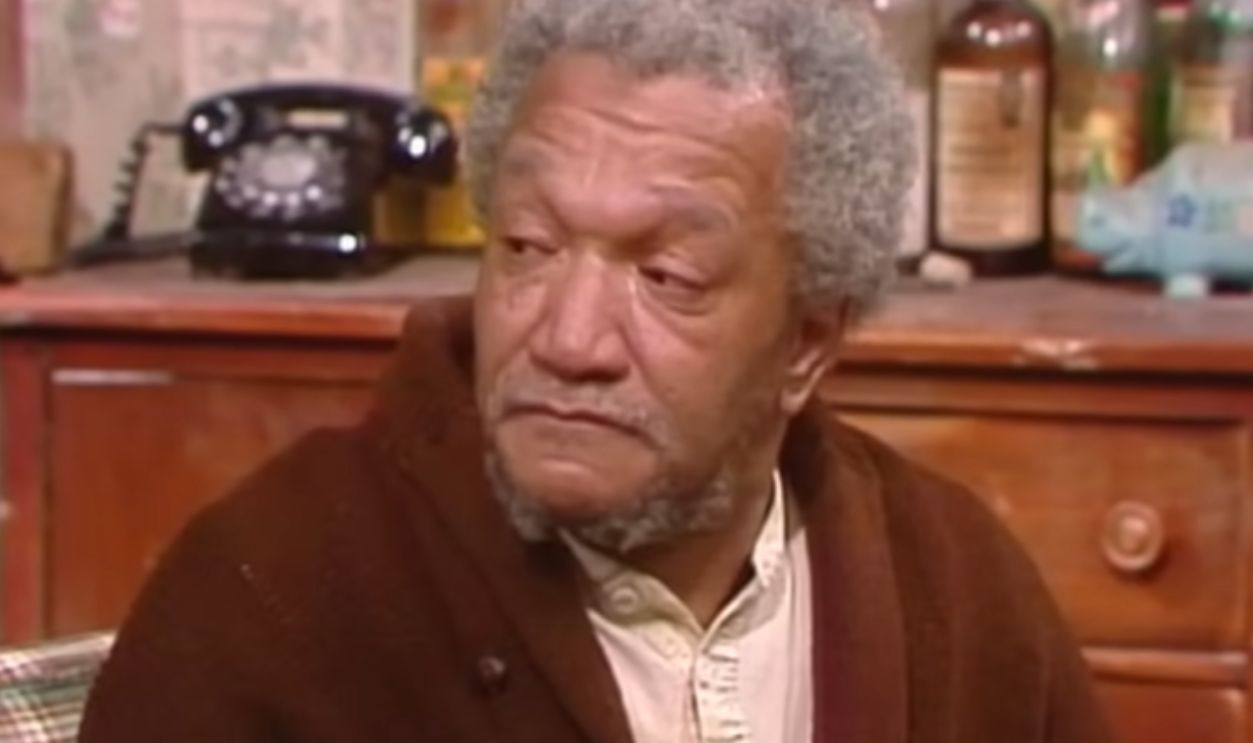 Screenshot from Sanford and Son, NBC (1972–1977)
Awards Made His Success Official
Foxx won the 1973 Golden Globe for Best Actor in a Television Series, Musical or Comedy. He received additional Golden Globe nominations and three Emmy nominations for playing Fred. The recognition confirmed that his performance involved more than simply repeating a stand-up routine in costume.
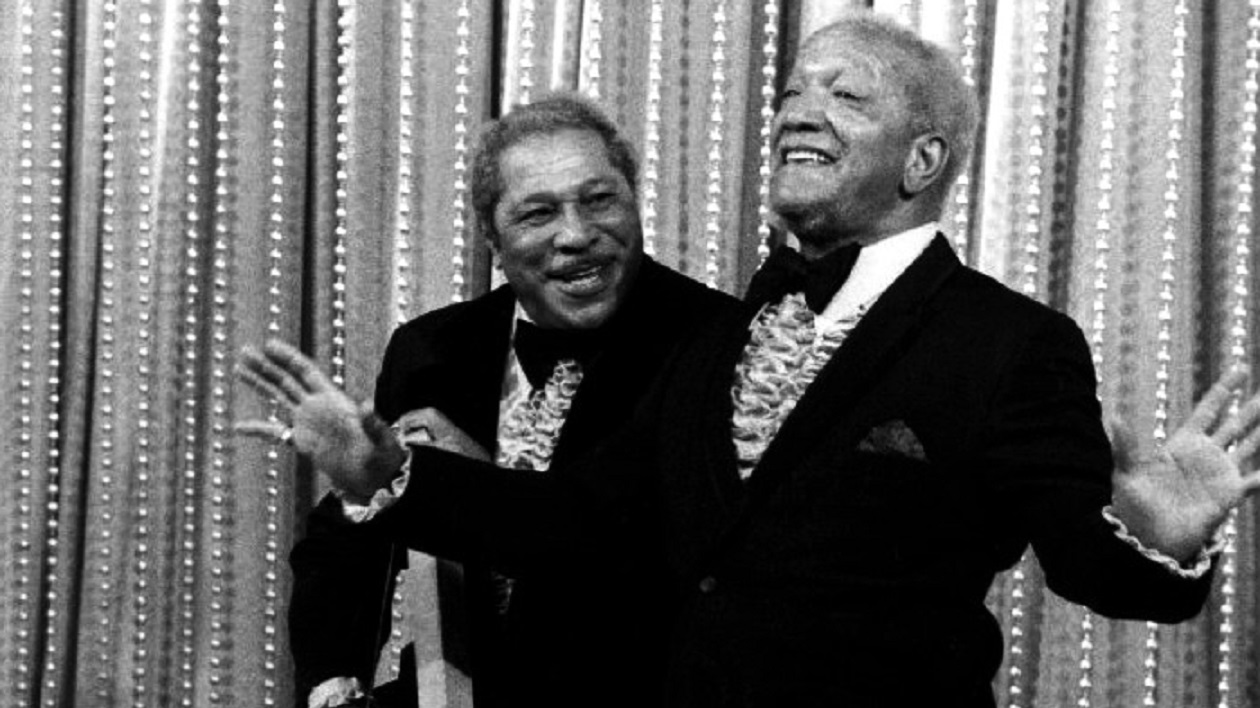 NBC Television, Wikimedia Commons
Foxx Fought For His Value
The enormous success of the series eventually led to disputes over salary and ownership. Foxx temporarily left production during a contract conflict, forcing the show to explain Fred’s absence and rely more heavily on supporting character Grady. The disruption demonstrated how completely the sitcom depended on its star’s presence.
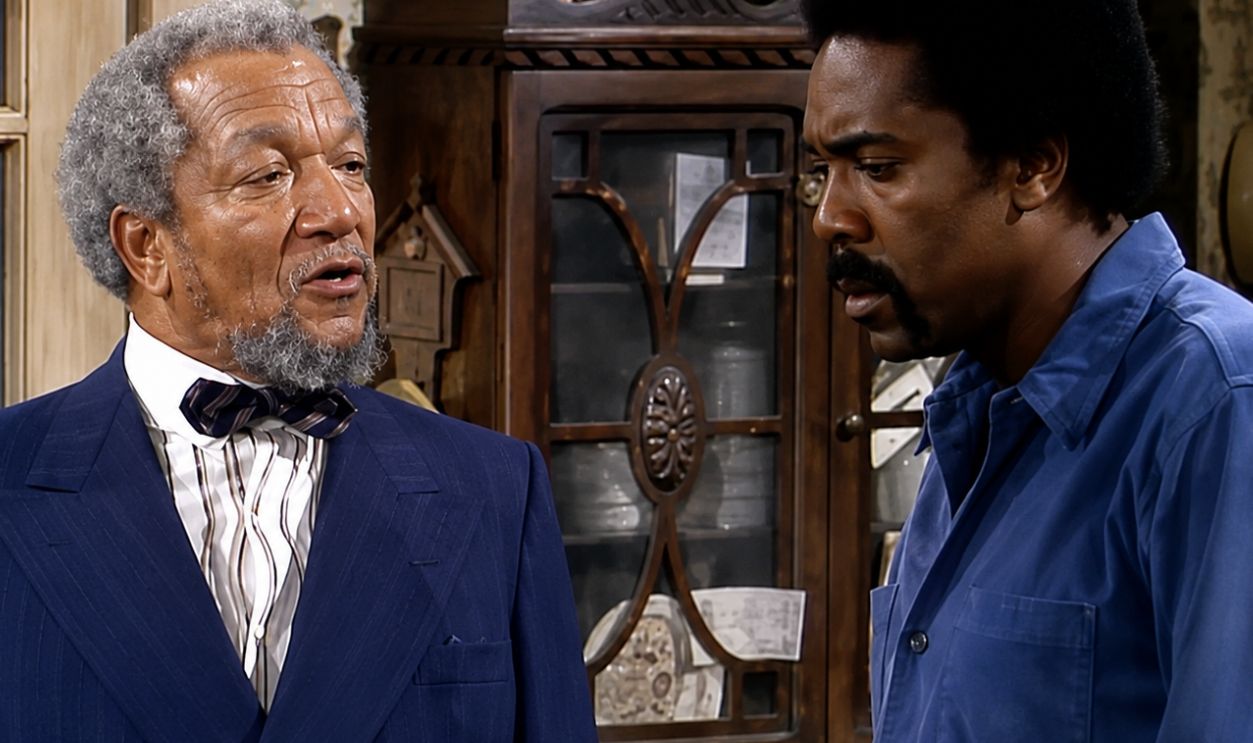 Screenshot from Sanford and Son, NBC (1972–1977), Modified
The Show Could Not Replace His Energy
Whitman Mayo and the ensemble kept episodes moving during Foxx’s absence, but Fred remained the program’s engine. Producers interviewed by the Television Academy repeatedly credited Foxx and his chemistry with Wilson for the show’s success. The format was strong, yet it came alive because Foxx made every line sound personal.
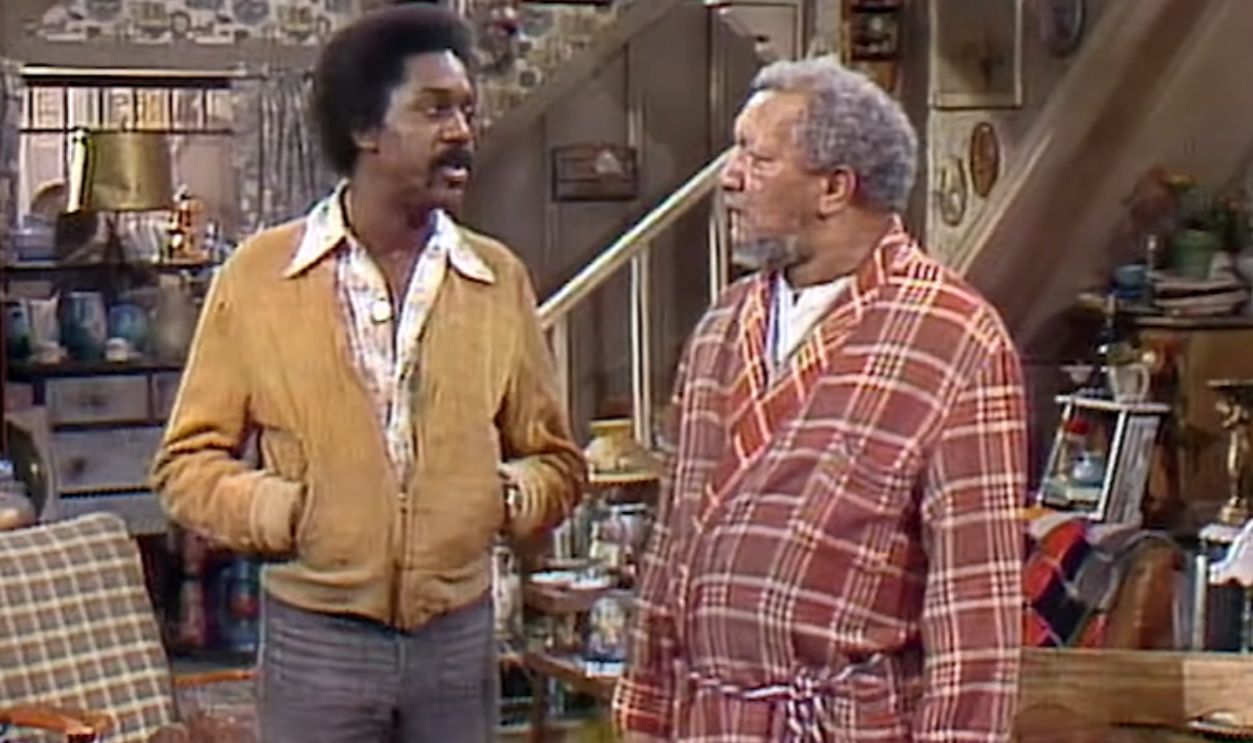 Screenshot from Sanford and Son, NBC (1972–1977)
His Influence Reached The Next Comedy Generation
Foxx’s fearless approach helped shape the environment in which Richard Pryor, Eddie Murphy, Chris Rock, and other Black comedians later flourished. Pryor’s work drew from older storytellers including Foxx, while Murphy regarded Foxx as a major comic idol and eventually worked with him in Harlem Nights. The road from adult comedy records to mainstream superstardom became easier to see because Foxx had traveled it first.
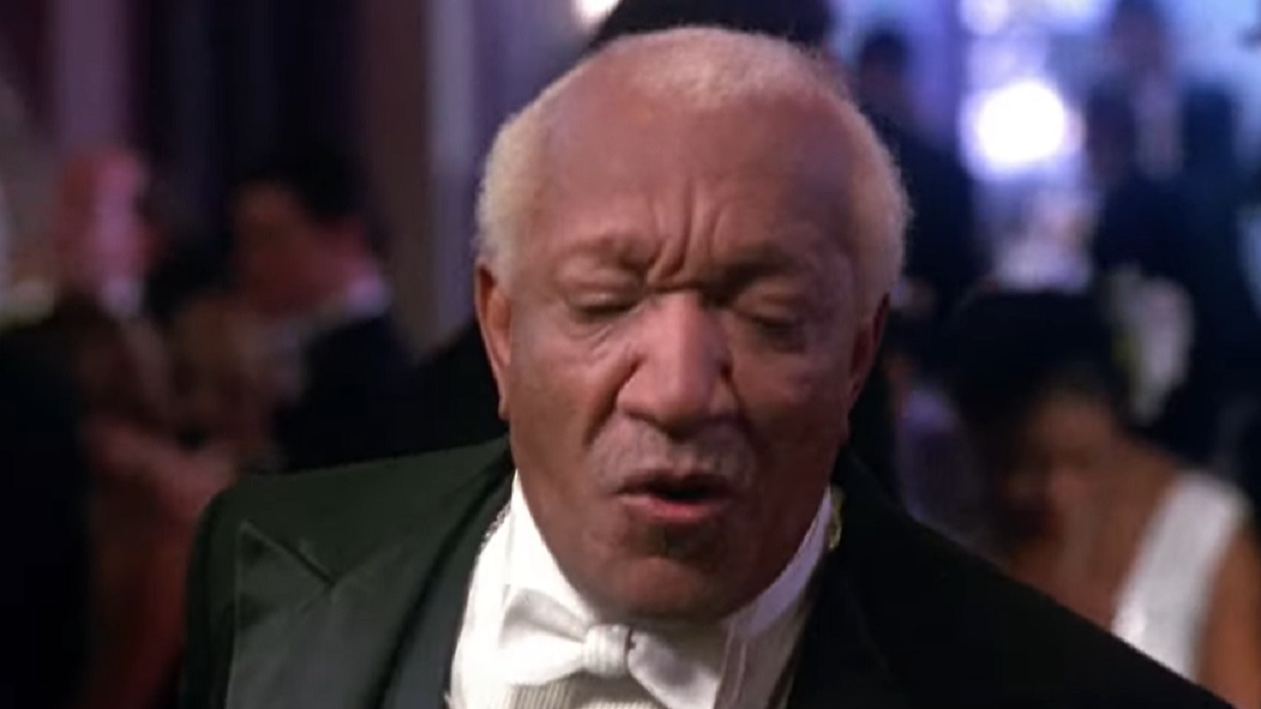 Screenshot from Harlem Nights, Paramount Pictures (1989)
Sitcoms Never Fully Returned To Safety
After Sanford and Son, a network comedy could center an older Black man who was poor, rude, sexually suggestive, politically incorrect, and still deeply lovable. Foxx proved that television audiences would accept comedy carrying the timing, danger, and cultural specificity of a nightclub act. Primetime became louder, looser, and more honest because Redd Foxx had finally been allowed through the door.
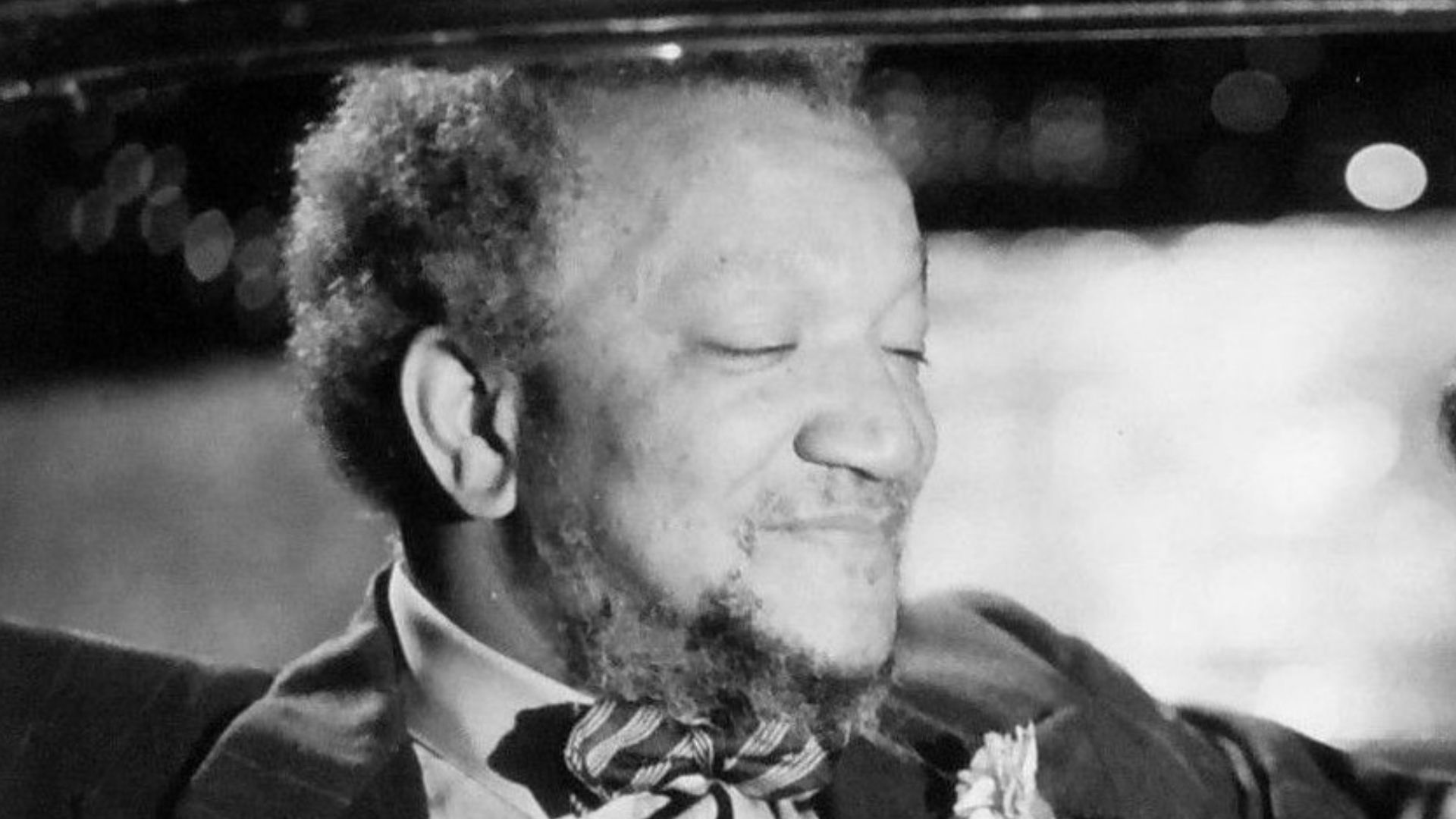 NBC Television, Wikimedia Commons
You May Also Like:
Brilliant Sketch Comedy Shows That Still Make Us Laugh Till We Cry
The Best Workplace Comedies Of All Time
Sources: 1, 2, 3, 4, 5, 6, 7, 8, 9, 10, 11, 12, 13, 14, 15, 16, 17, 18, 19, 20, 21, 22