
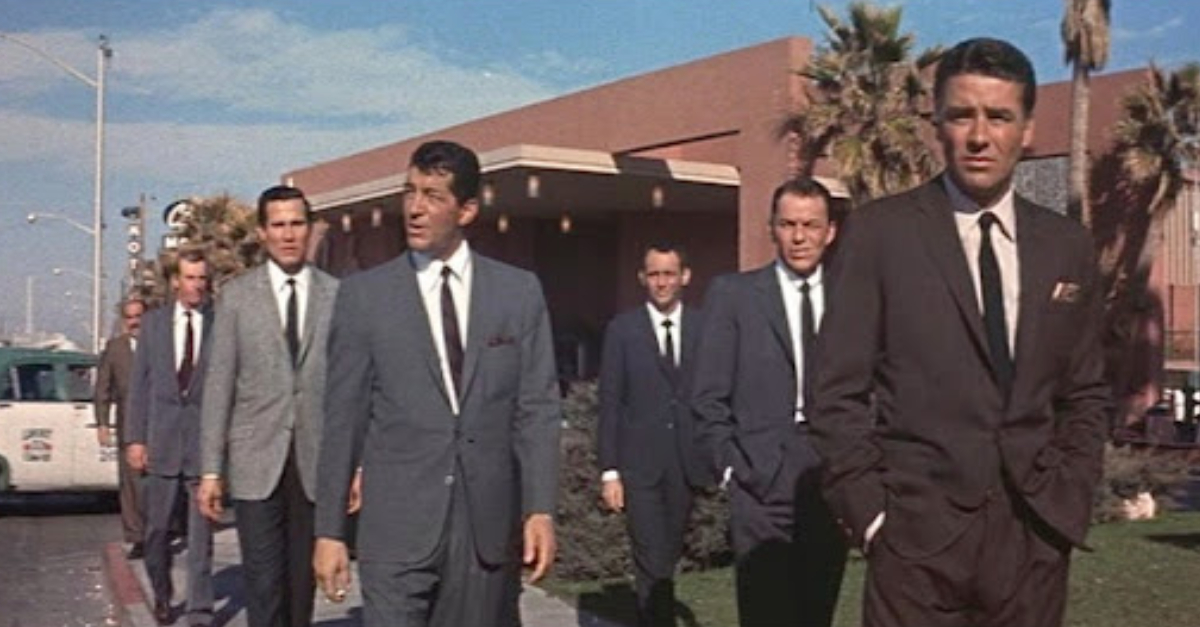
They Were Never Members—They Were Collateral
The Rat Pack operated as a closed circle built around Frank Sinatra’s influence. Sinatra was widely known for holding grudges and withdrawing professional and social support when relationships ended badly. Something women who orbited the group often found out the hard way—particularly in Las Vegas and studio systems where Sinatra’s approval carried weight.
Juliet Prowse: The Engagement Was Brief
Juliet Prowse met Frank Sinatra while working on Can-Can and became engaged to him in 1962. The engagement lasted only weeks and unfolded publicly. Even neutral accounts describe the relationship as intense, controlling, and abruptly terminated, with Sinatra shaping the press narrative around its end.
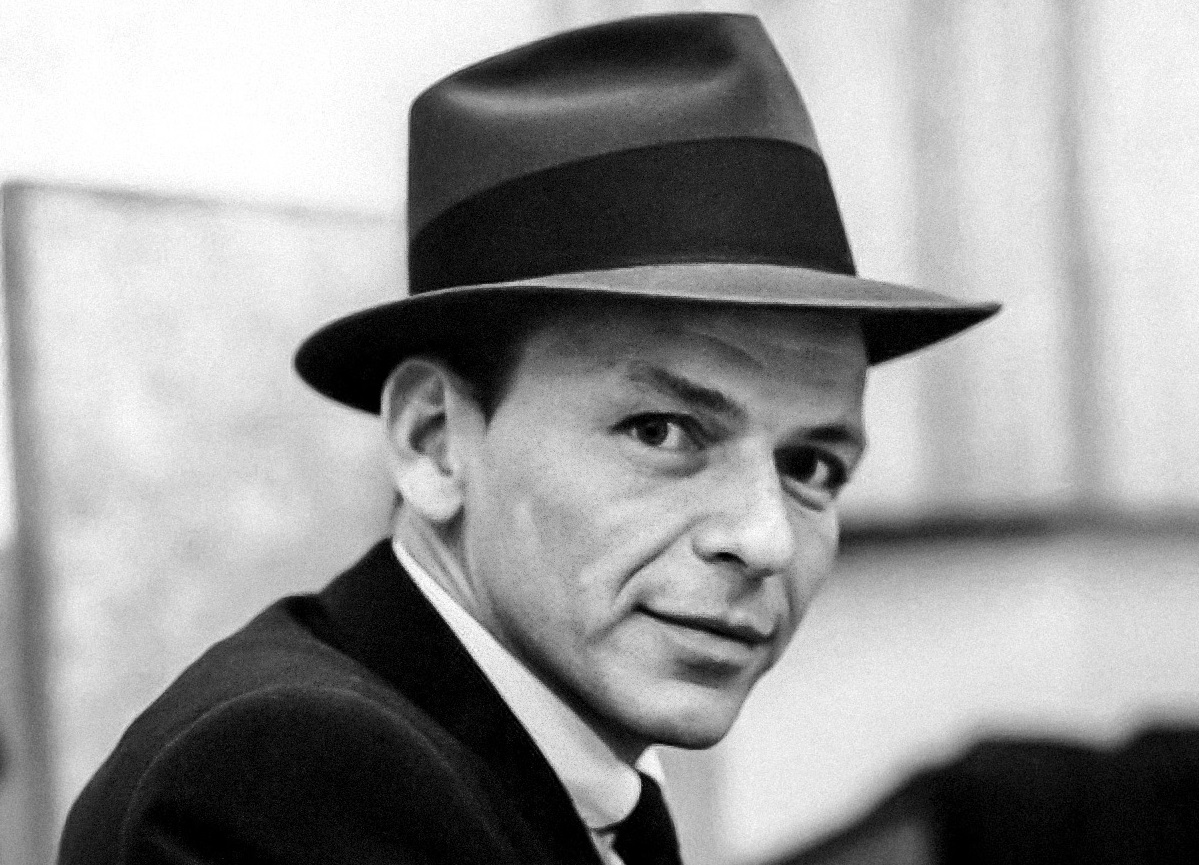 Capitol Records, Wikimedia Commons
Juliet Prowse: Career Momentum Stalled
After the engagement ended, Prowse’s film career slowed noticeably. Major studio roles disappeared, and her work shifted toward television, stage, and nightclub performances. Las Vegas bookings—critical income for dancers—also slowed. No formal blacklist existed, but the professional decline was immediate and measurable
 unknown (20th Century Fox), Wikimedia Commons
Ava Gardner: She Entered as the Bigger Star
When Ava Gardner married Sinatra in 1951, she was already a major MGM star. She led high-profile films throughout the late 1940s and early 1950s and received an Academy Award nomination for Mogambo in 1953. Sinatra, at the time, was recovering from a career downturn.
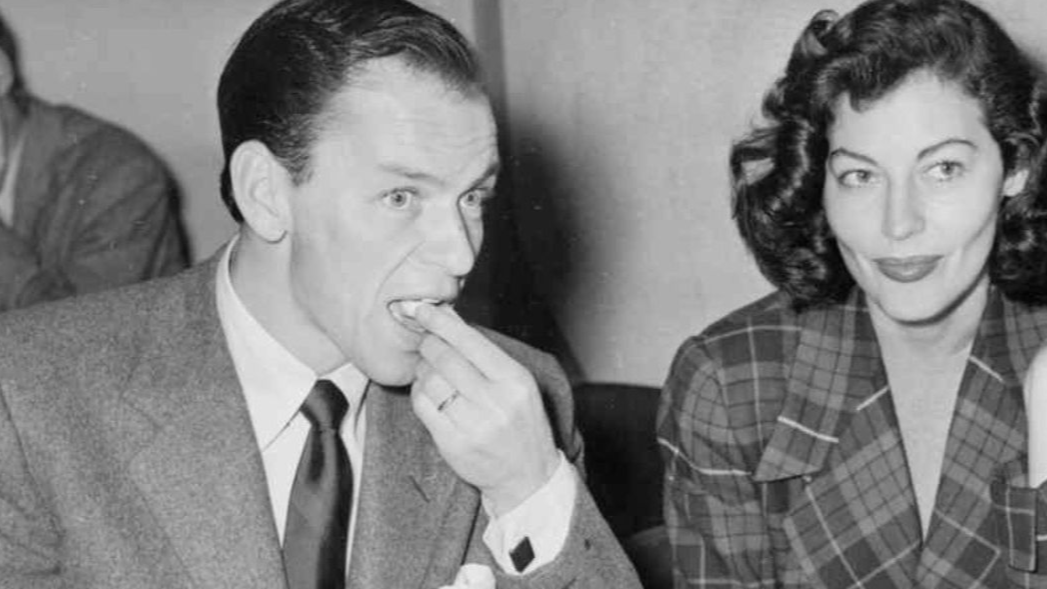 IISG, CC BY-SA 2.0, Wikimedia Commons
Ava Gardner: The Relationship Became Volatile
Biographies consistently describe the marriage as unstable, marked by alcohol, jealousy, and frequent conflict. Gardner maintained independence, which became a source of tension rather than stability. The relationship damaged both reputations, but it did not affect them equally.
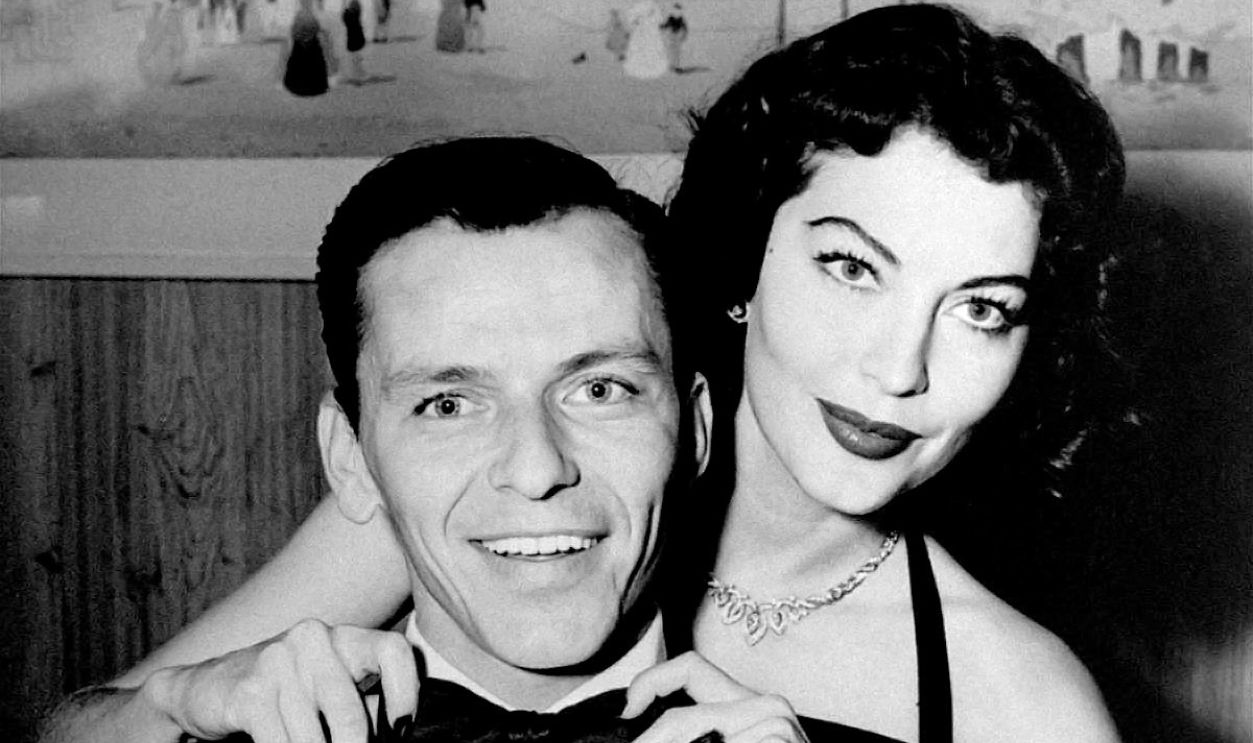 Wide World Photos, Wikimedia Commons
Ava Gardner: Unequal Recovery
After their divorce in 1957, Sinatra’s career surged. Gardner continued working, but her Hollywood leading roles diminished. She increasingly appeared in European productions with less prestige and distribution. Sinatra did not sabotage her career directly, but the disparity in recovery was lasting. Gardner later said, “We loved each other madly—and it destroyed us both.”
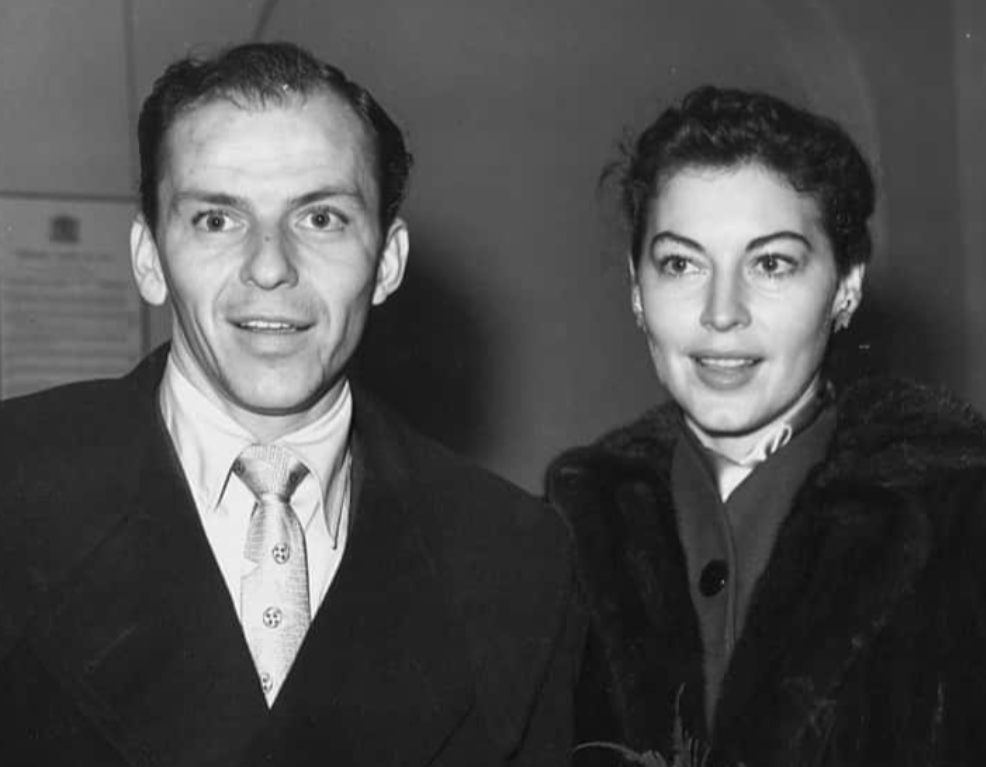
Judy Garland: Inside the Circle
Judy Garland was part of the early social circle associated with the Rat Pack’s origins. She was emotionally close to Sinatra and present in the group’s inner social life. Her inclusion, however, did not come with the informal protection extended to male peers.
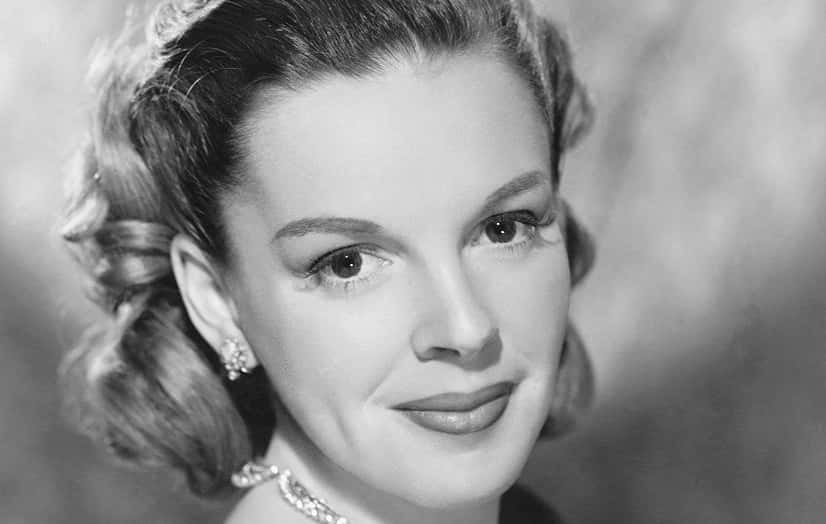
Judy Garland: Familiarity Without Power
Garland was jokingly referred to as the group’s “First Vice-President,” a nickname that acknowledged closeness while reinforcing hierarchy. Throughout the 1960s, she worked under unstable contracts and short-term engagements. Sinatra provided personal support but did not publicly intervene to secure institutional stability.

Judy Garland: The End Came Without Safeguards
By the end of the decade, Garland was financially strained and physically exhausted from touring. She died in 1969 at age 47. Her fame remained enormous, but her professional safety net did not exist. Social proximity did not translate into protection.
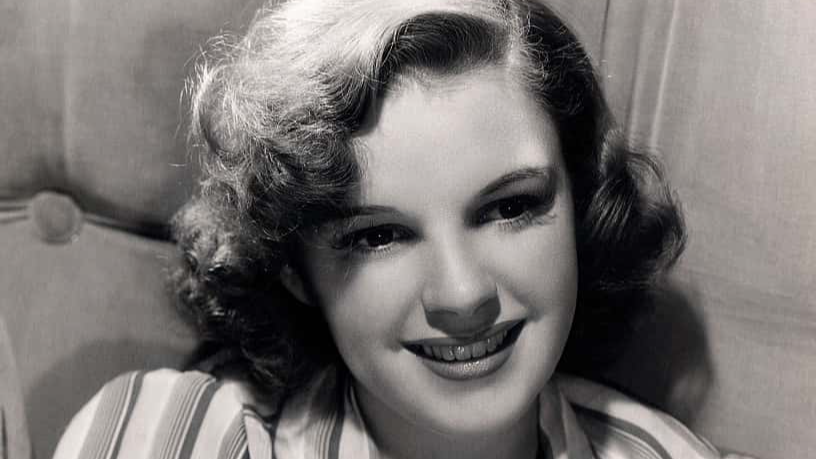
Mia Farrow: Marriage With an Imbalance
Mia Farrow married Sinatra in 1966 when she was 21 and he was 50. Sinatra pressured her to abandon Rosemary’s Baby in favor of appearing in his film The Detective. When Farrow refused, the marriage deteriorated rapidly. Sinatra served divorce papers on the set of Rosemary’s Baby.
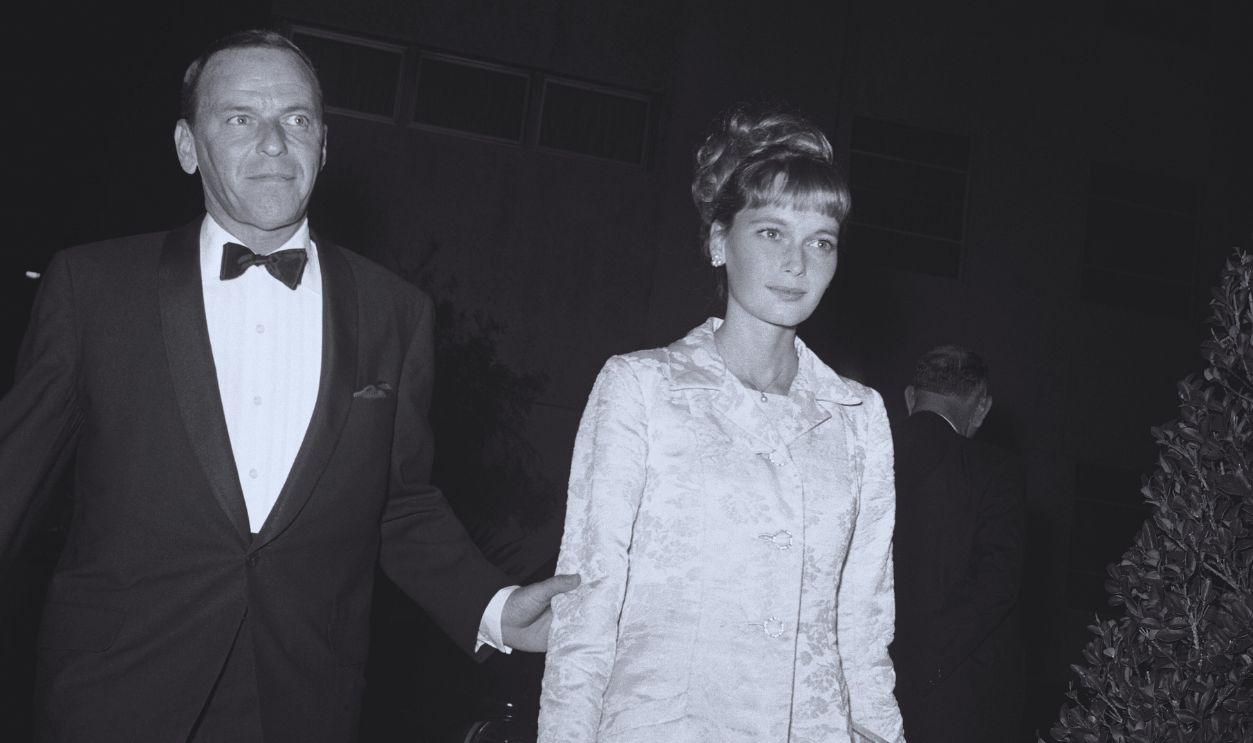
Mia Farrow: Survival Was Accidental
Farrow’s career survived only because Rosemary’s Baby became a landmark success. Sinatra did not use his influence to support her afterward. Farrow later said Sinatra expected a wife who would prioritize him over work. The conflict centered on control, expectation, and consequence.
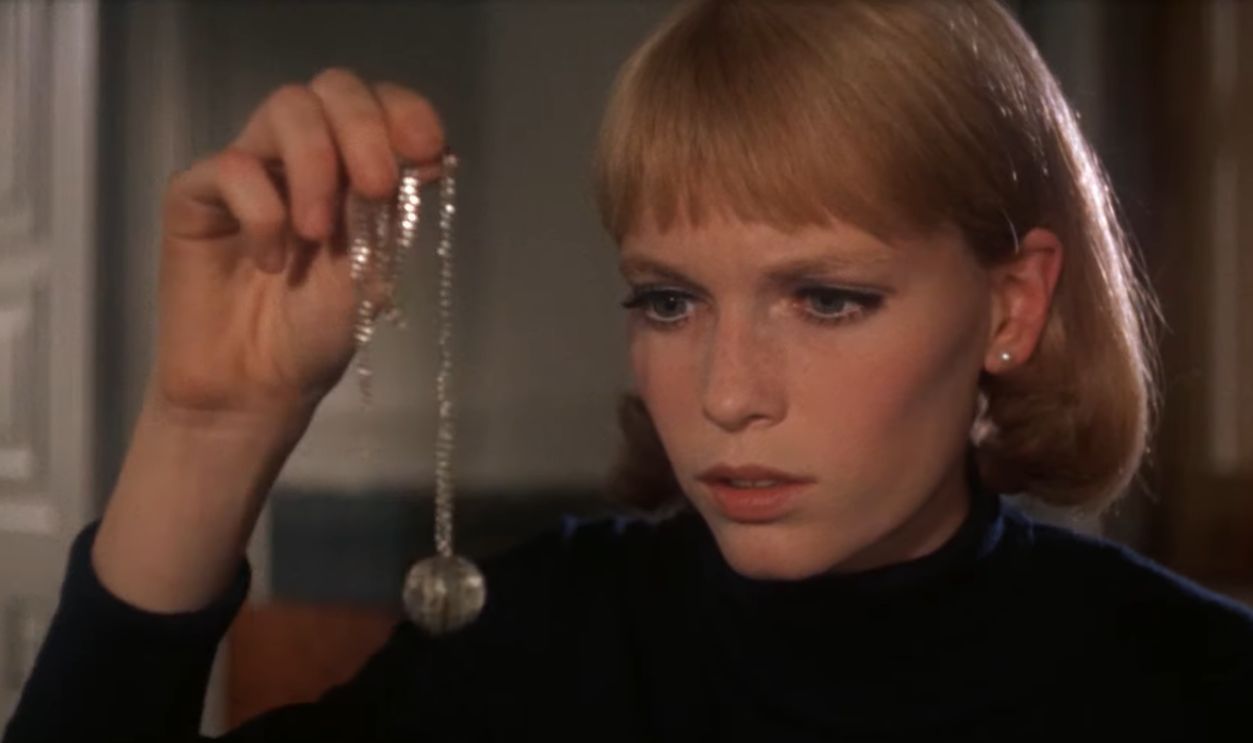 Screenshot from Rosemary’s Baby, Paramount Pictures (1968)
Marilyn Monroe: Visibility Without Authority
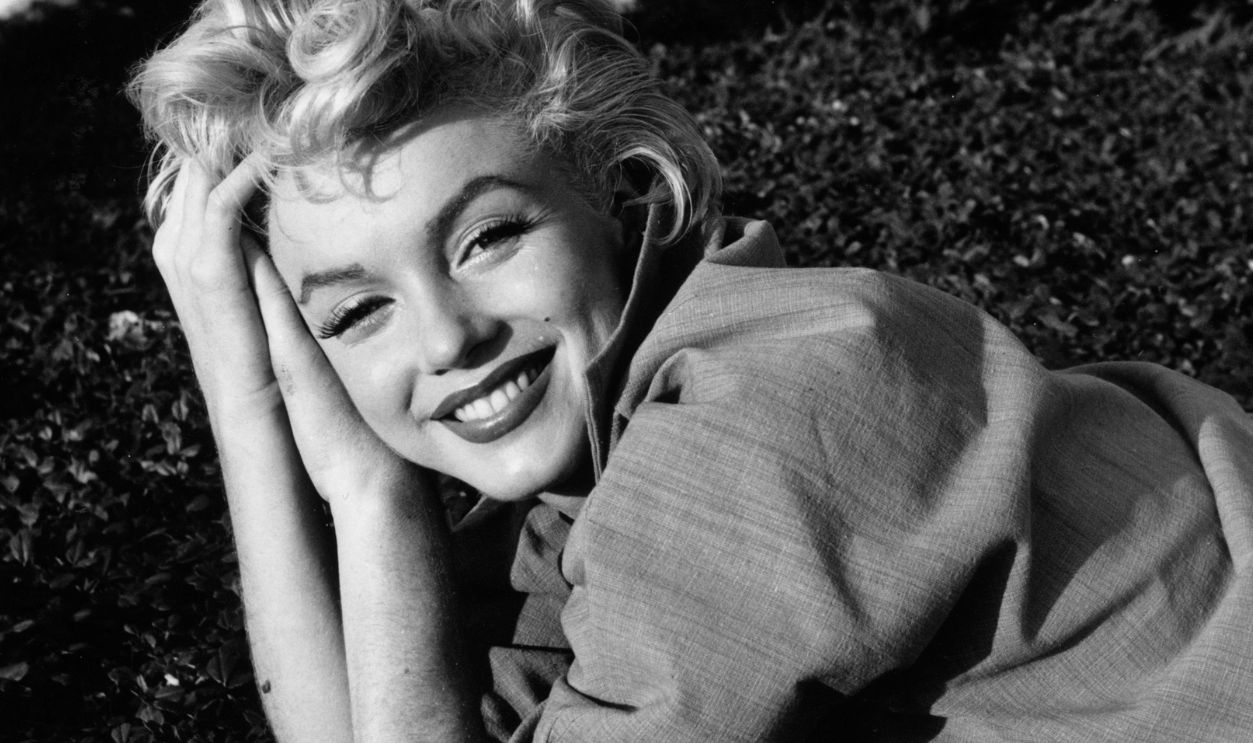
Marilyn Monroe performed with Sinatra in Las Vegas and socialized within the Rat Pack’s broader circle. Despite global fame, she was treated as spectacle rather than collaborator. Biographers consistently note she was excluded from serious creative or professional decision-making.
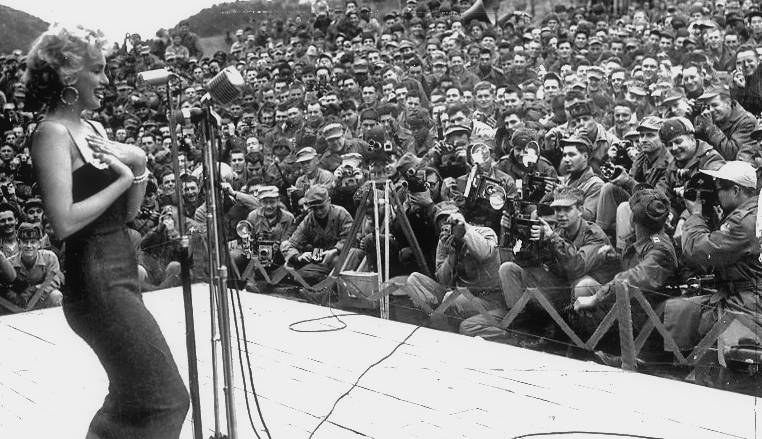
Marilyn Monroe: Proximity Offered No Protection
Monroe’s emotional vulnerability was reportedly mocked in private settings. Sinatra did not directly damage her career, but proximity to the group did not provide stability, advocacy, or protection. Her presence enhanced the Rat Pack’s image without reducing her personal or professional risk.
Kim Novak: Pressure Increased
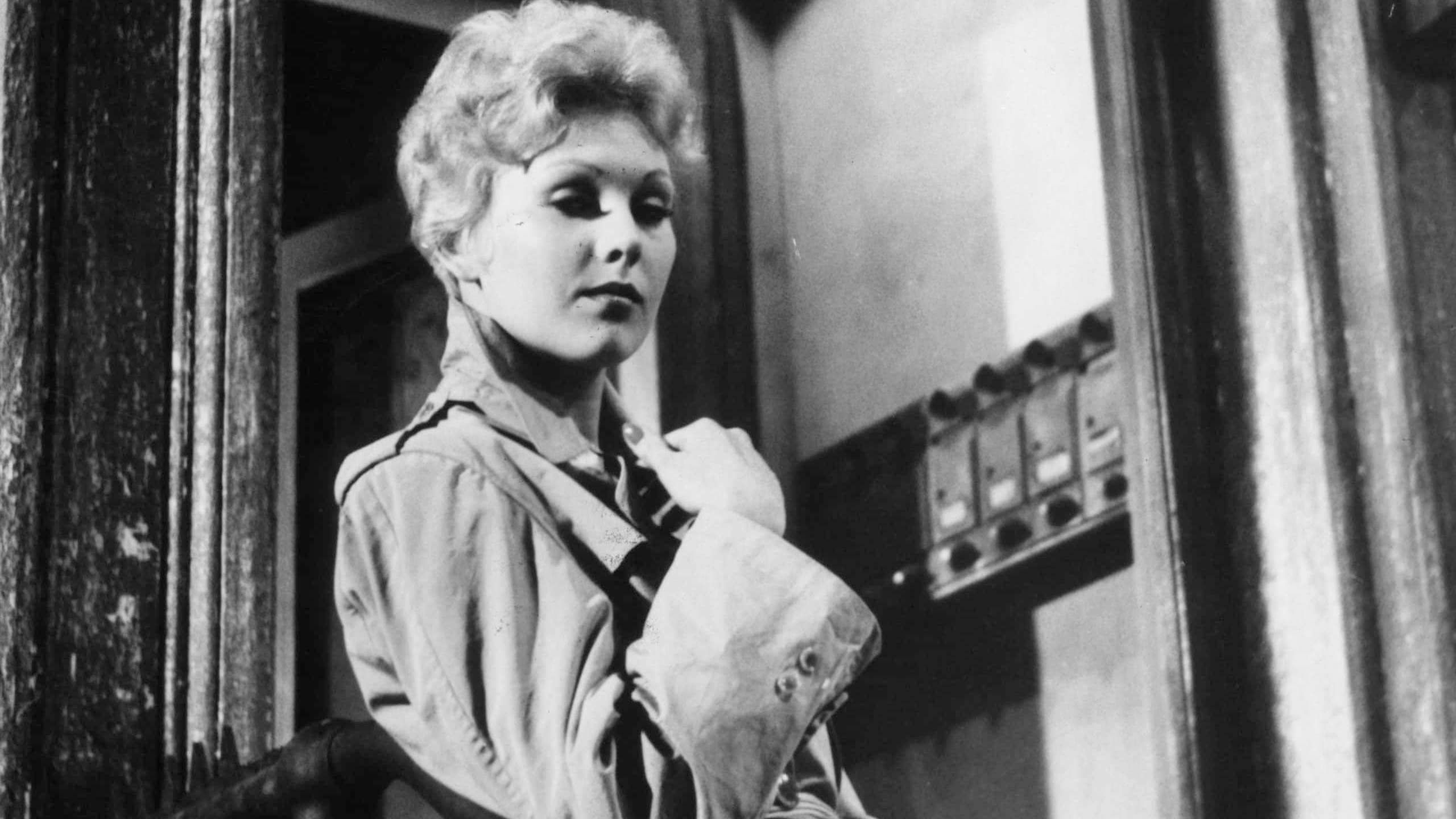
Kim Novak’s relationship with Sinatra coincided with heightened studio control and hostile publicity. Novak later stated she was punished for asserting independence and resisting conformity. During this period, she lost roles and faced sustained negative press.
Kim Novak: Influence Without Orders
Studios executed the retaliation, but Sinatra’s influence did not moderate the response. It intensified it. Novak’s career stalled well before her withdrawal from Hollywood, illustrating how power could operate without direct instructions.
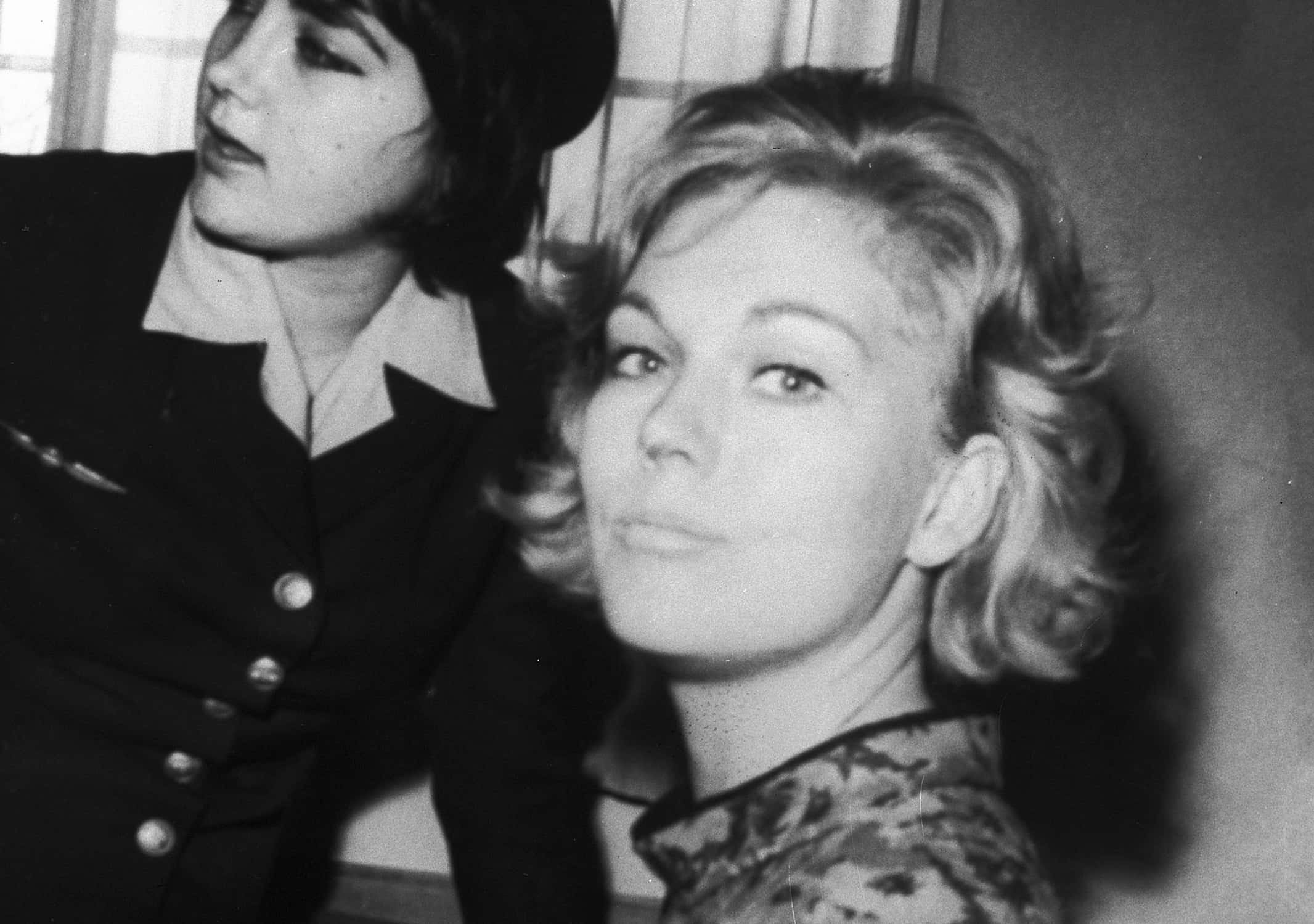
Lauren Bacall: A Role, Not a Seat
Lauren Bacall was referred to as the Rat Pack’s “Den Mother,” a title she later confirmed in her memoir. The role involved hosting gatherings and mediating disputes. It provided access but no authority, leverage, or permanence.
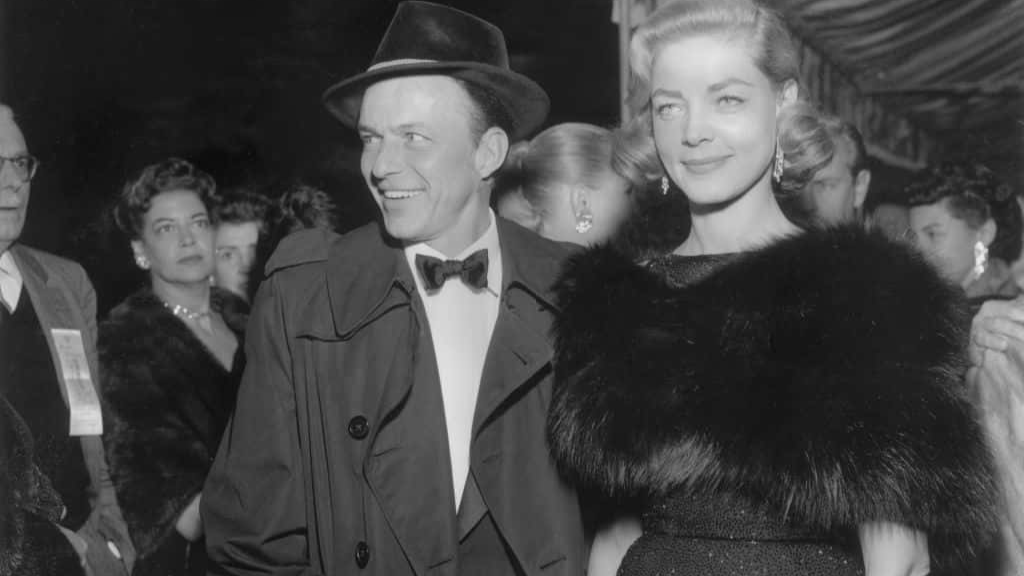 American Stock Archive, Getty Images
Lauren Bacall: Access Was Conditional
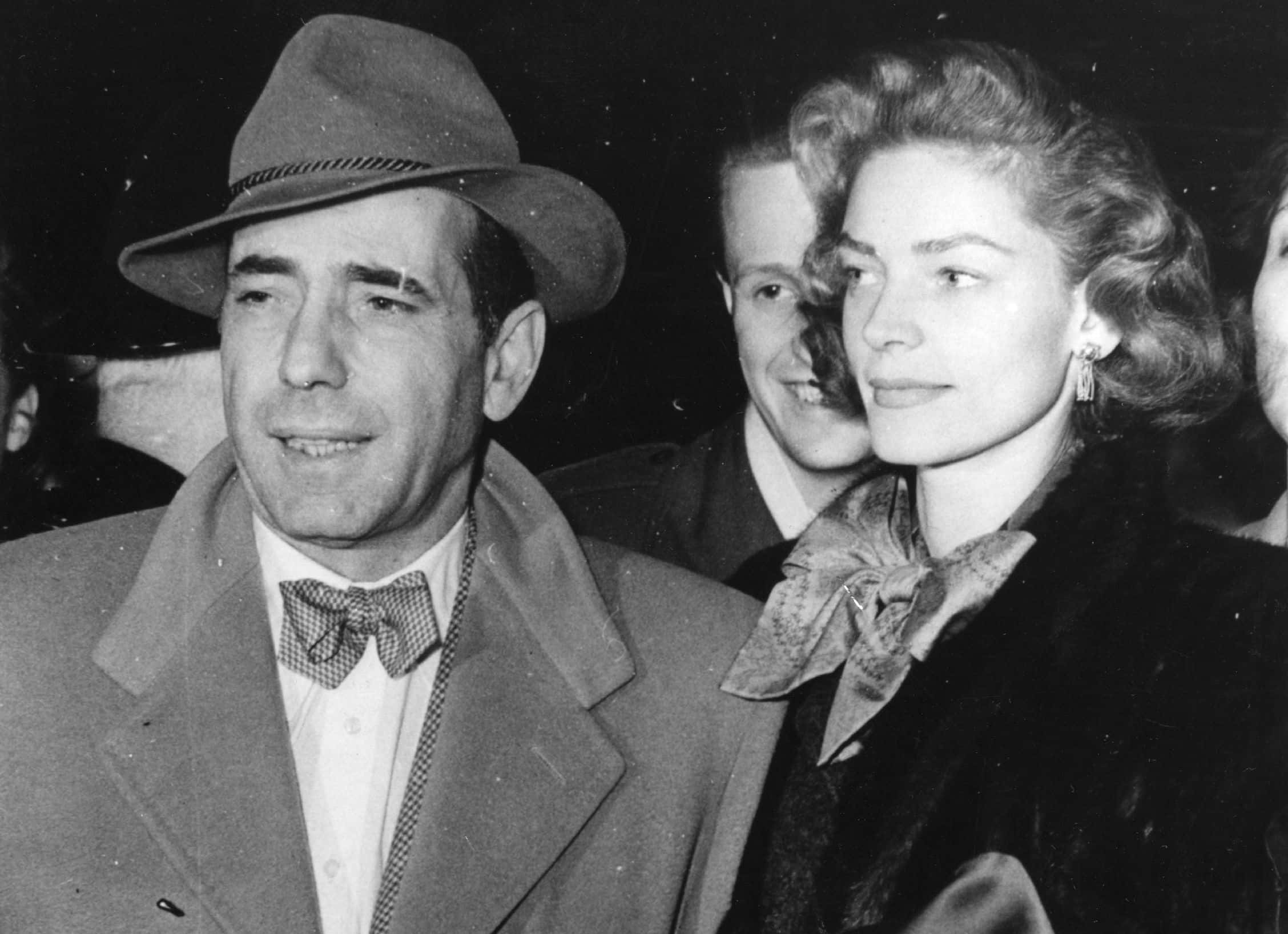
Bacall’s proximity to the group was closely tied to her marriage to Humphrey Bogart. After Bogart’s death in 1957, her presence around the Rat Pack diminished. The role existed only while it benefited the men involved.
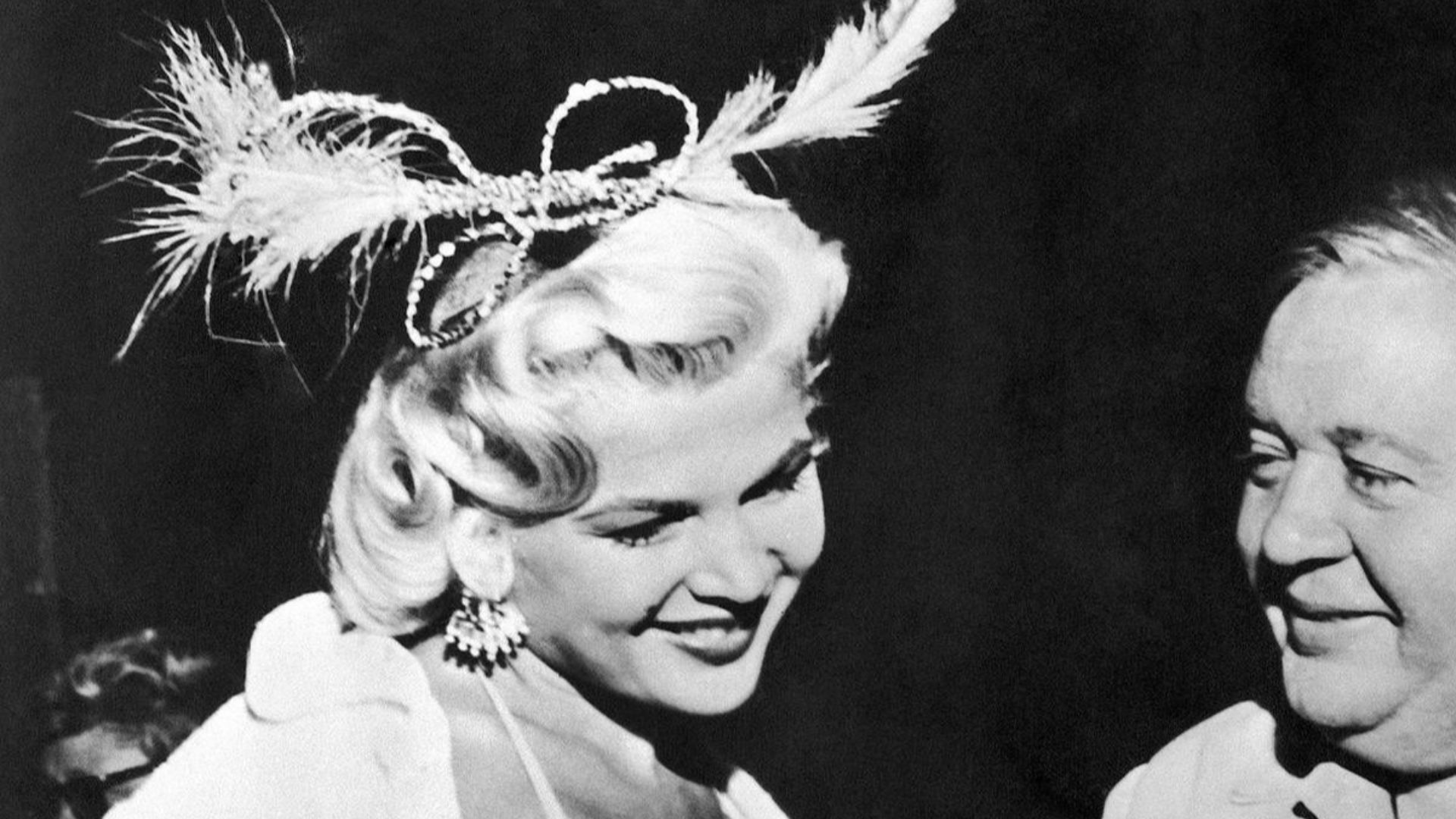
Gloria Pall: Being Erased
Gloria Pall, a dancer and actress, dated Sinatra in the early 1950s. After the relationship ended badly, her career disappeared almost entirely. Pall later said opportunities dried up and she was warned against speaking publicly. Her case reflects how disfavor could end momentum quietly.
 Associated Press, Wikimedia Commons
Peggy Lee: Respect Had Limits
Peggy Lee maintained a long professional and personal relationship with Sinatra. She later described him as generous when pleased and punitive when crossed. Lee was not destroyed—but she acknowledged the instability created by Sinatra’s temper and grudges.
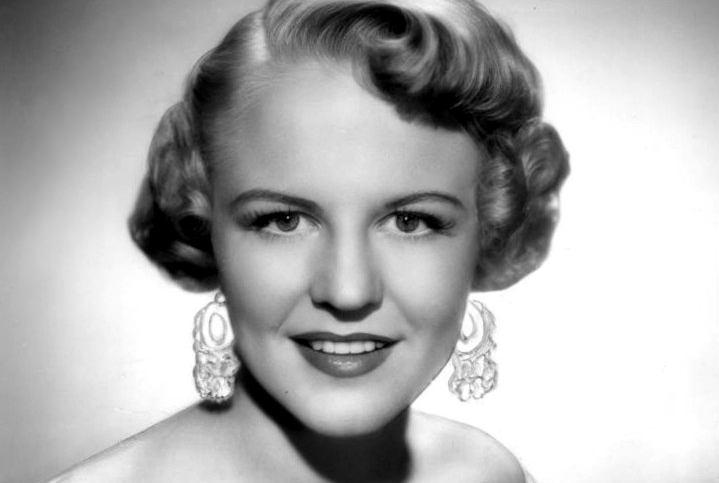 General Artists Corporation, Wikimedia Commons
Angie Dickinson: Leaving Early
Angie Dickinson dated Sinatra briefly and later described the environment as volatile and unpredictable. Women were expected to tolerate infidelity and instability. Dickinson exited before professional damage occurred.
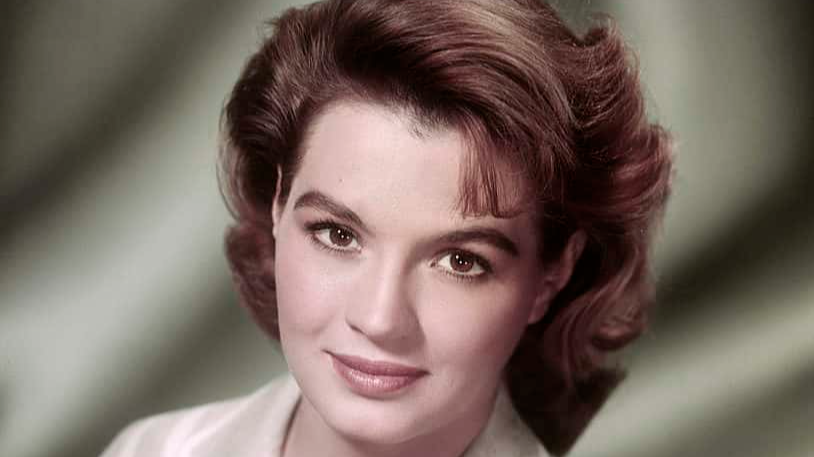
Nancy Sinatra: Control Came First
Nancy Sinatra released multiple unsuccessful singles between 1961 and 1965. Frank Sinatra controlled her image, producers, and recording direction. Her breakthrough came only after Lee Hazlewood was given creative control and Frank stepped back. Nancy later acknowledged that early control delayed her success.

You Might Also Like:
The Surprising Writing And Acting Career Of Chazz Palminteri



.jpg)


