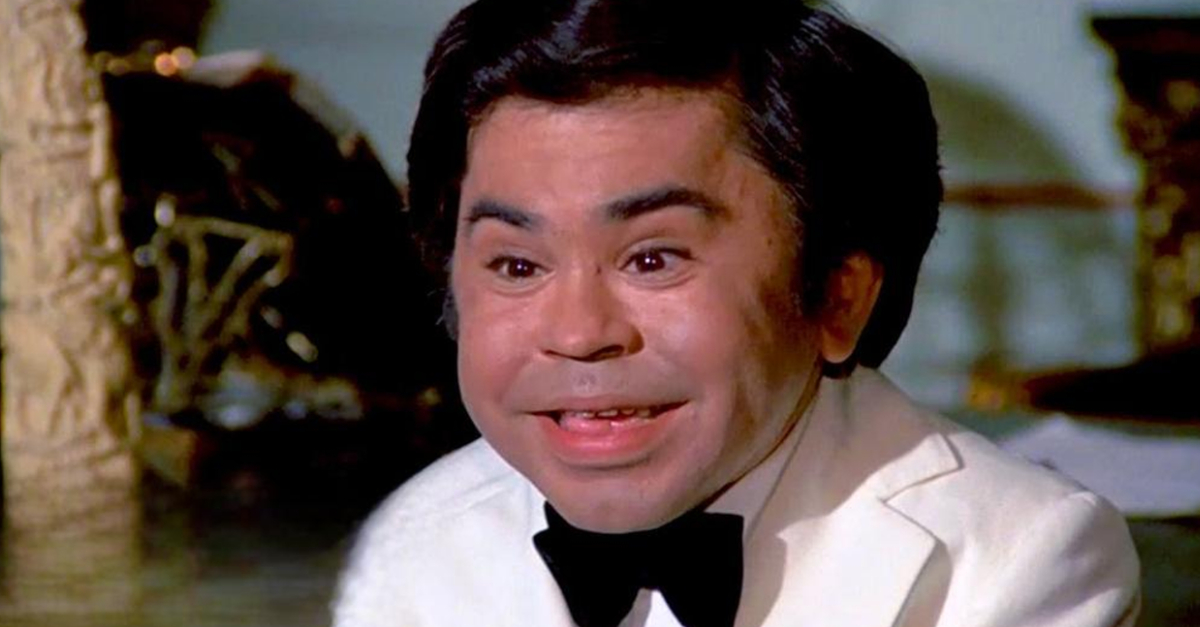
The Story Everyone Thinks They Know
For years, the popular story was simple: Hervé Villechaize wanted to be paid the same as Ricardo Montalbán, the star of Fantasy Island, and the studio showed him the door. It’s a neat, dramatic explanation—but it skips over a much uglier reality that people were uncomfortable talking about at the time.
Why the Pay Dispute Explanation Felt Right
The myth stuck because it sounded believable. Tattoo was everywhere—promos, parodies, merchandise, and catchphrases. Villechaize felt the character was essential to the show’s success, and audiences clearly agreed. Equal pay sounded like confidence, pride, and a star finally standing up for himself.
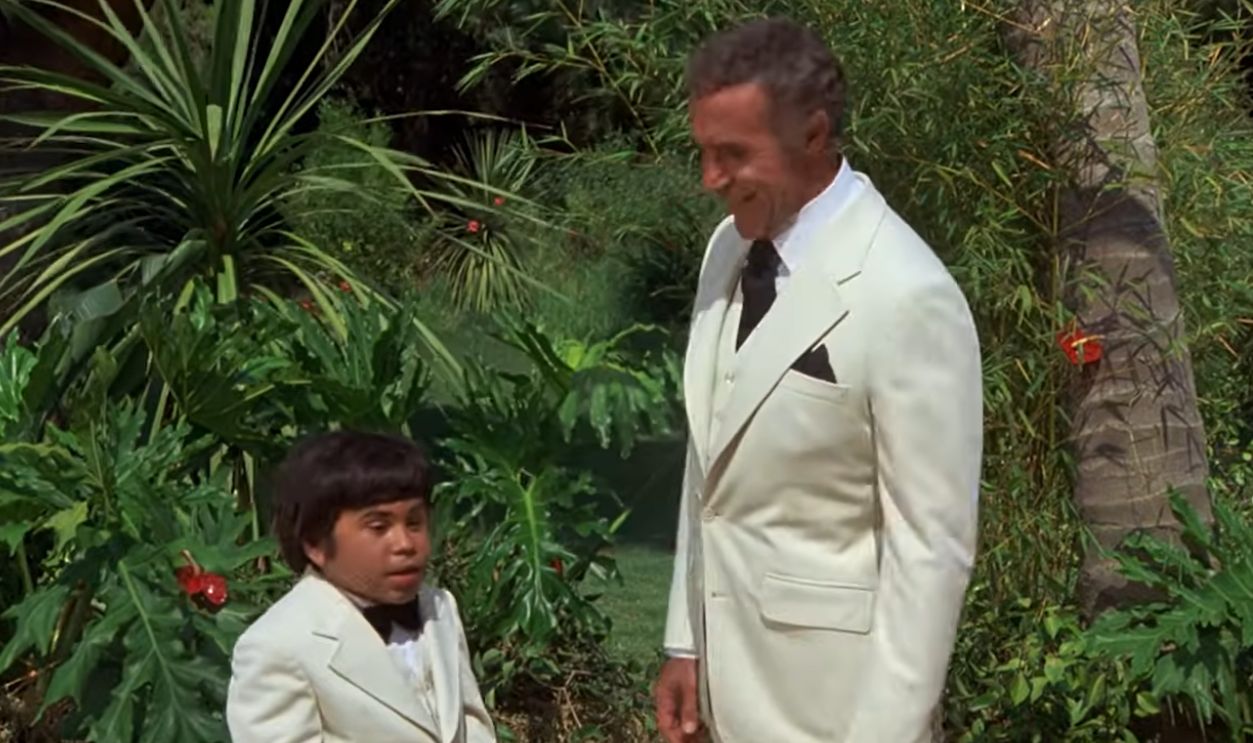 Screenshot from Fantasy Island, ABC (1977–1984)
Yes, There Was a Salary Argument
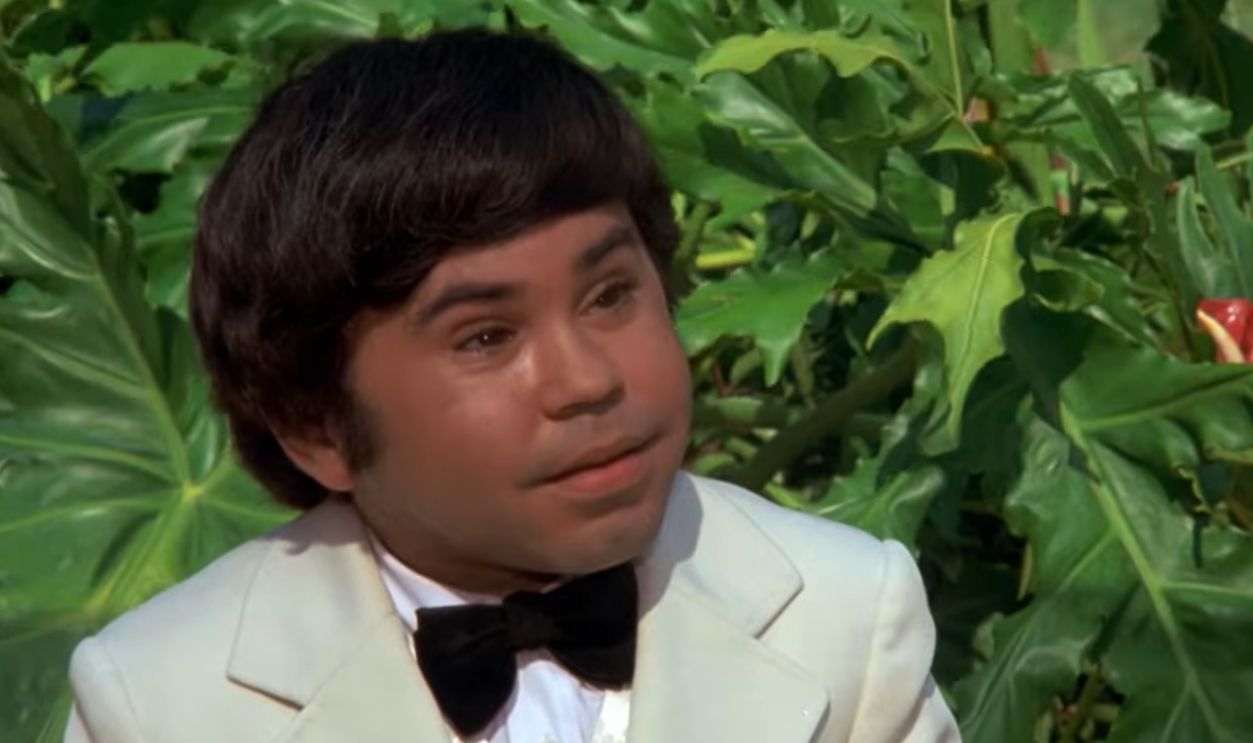
Villechaize did push for better compensation and billing during contract talks. In interviews, he argued Tattoo was more recognizable than Mr. Roarke. “People come to see Tattoo,” he once said. “They remember Tattoo.” That confidence wasn’t entirely wrong—but it wasn’t what ultimately ended his run.
 Screenshot from Fantasy Island, ABC (1977–1984)
Behind the Scenes, Tensions Were Already Building
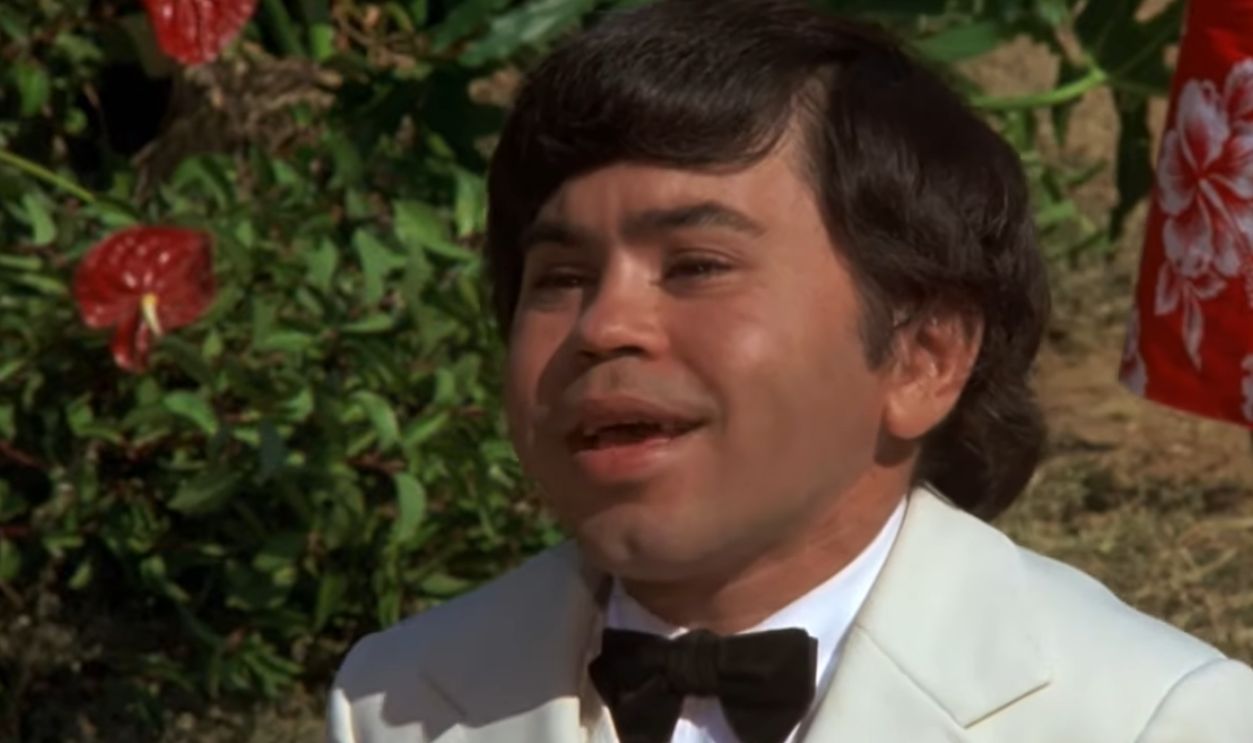
Long before negotiations stalled, friction had become routine on set. Crew members later described frequent arguments, emotional blowups, and confrontations over seemingly minor issues. What once felt like intensity slowly became something that disrupted production and strained working relationships.
 Screenshot from Fantasy Island, ABC (1977–1984)
An Increasingly Unpredictable Environment
As seasons passed, no one knew what kind of day they were walking into. Some shoots went smoothly and efficiently. Others were tense, delayed, and exhausting. On a tightly scheduled network show, unpredictability stopped being manageable and became a serious liability.
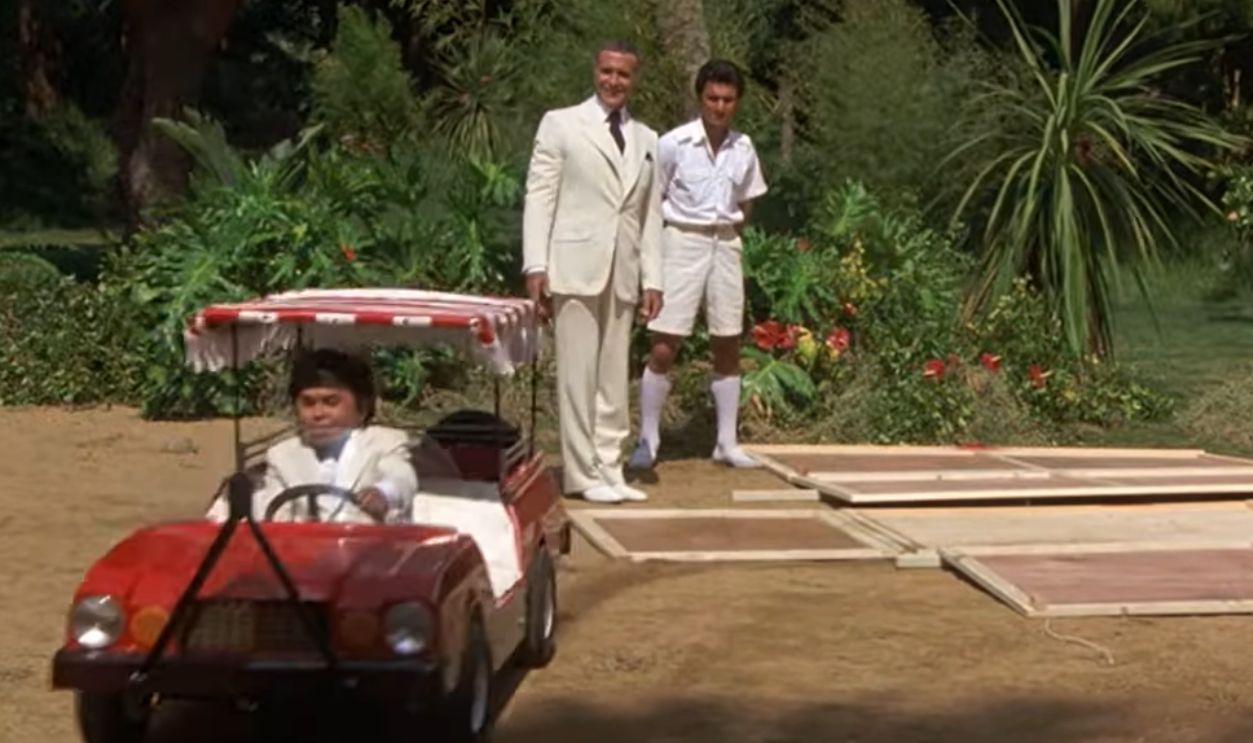 Screenshot from Fantasy Island, ABC (1977–1984)
Complaints That Never Reached the Public
Problems weren’t aired in the press, but they were discussed internally. Producers began documenting concerns and quietly weighing risk. In that era, networks prioritized discretion, especially when a show was still popular and profitable.
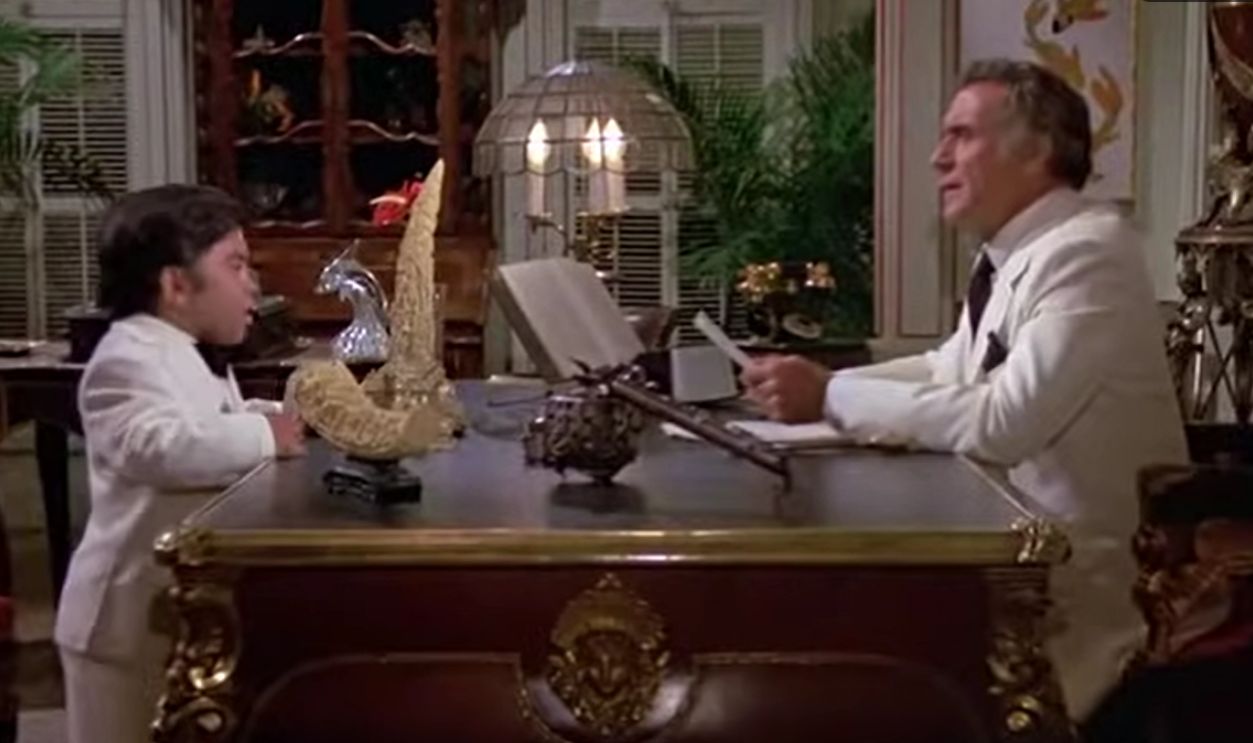 Screenshot from Fantasy Island, ABC (1977–1984)
Complaints From Women on Set Became Impossible to Ignore
According to later reporting and crew recollections, multiple women on the Fantasy Island set raised concerns about Villechaize’s behavior. These included unwanted attention, inappropriate comments, and physical interactions that crossed professional boundaries. Complaints were made internally, not publicly, but they accumulated steadily.
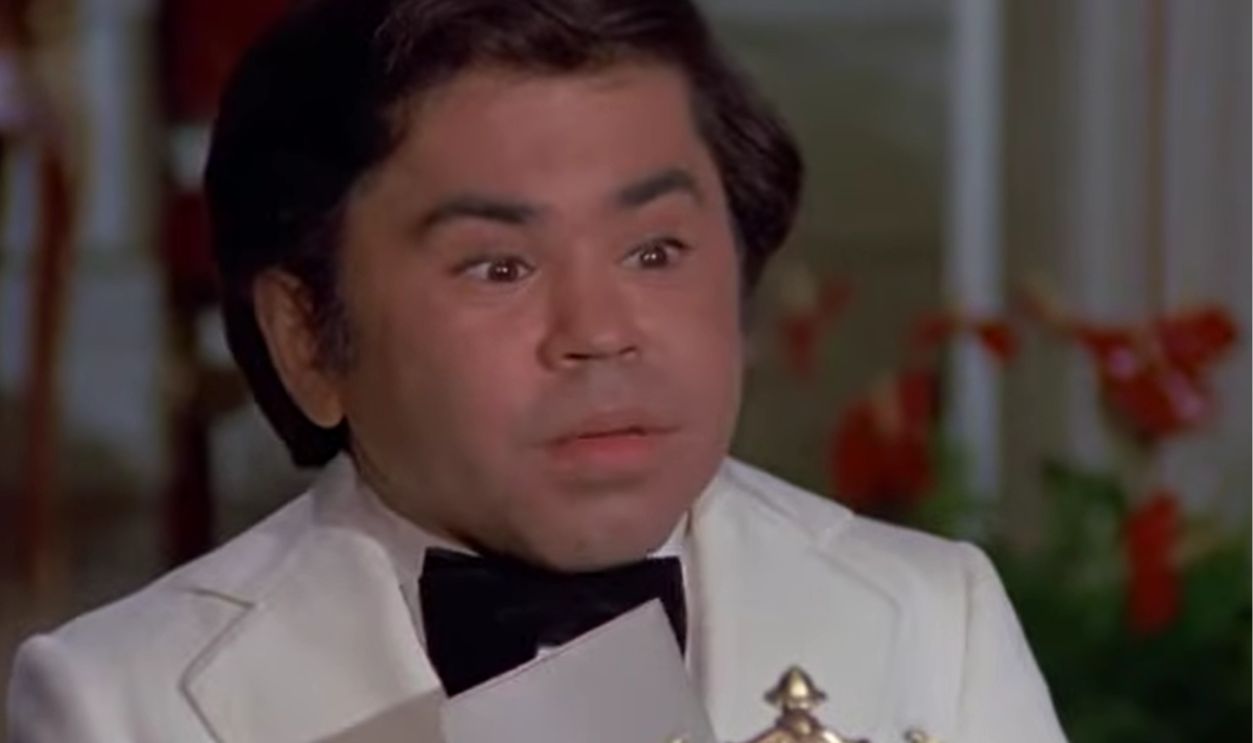 Screenshot from Fantasy Island, ABC (1977–1984)
Why These Allegations Changed Everything
For producers, this shifted the situation from difficult to dangerous. A family-friendly network series could not risk legal exposure or reputational damage. Once it became clear the behavior wasn’t stopping or improving, removing Villechaize became unavoidable—regardless of ratings or audience affection.
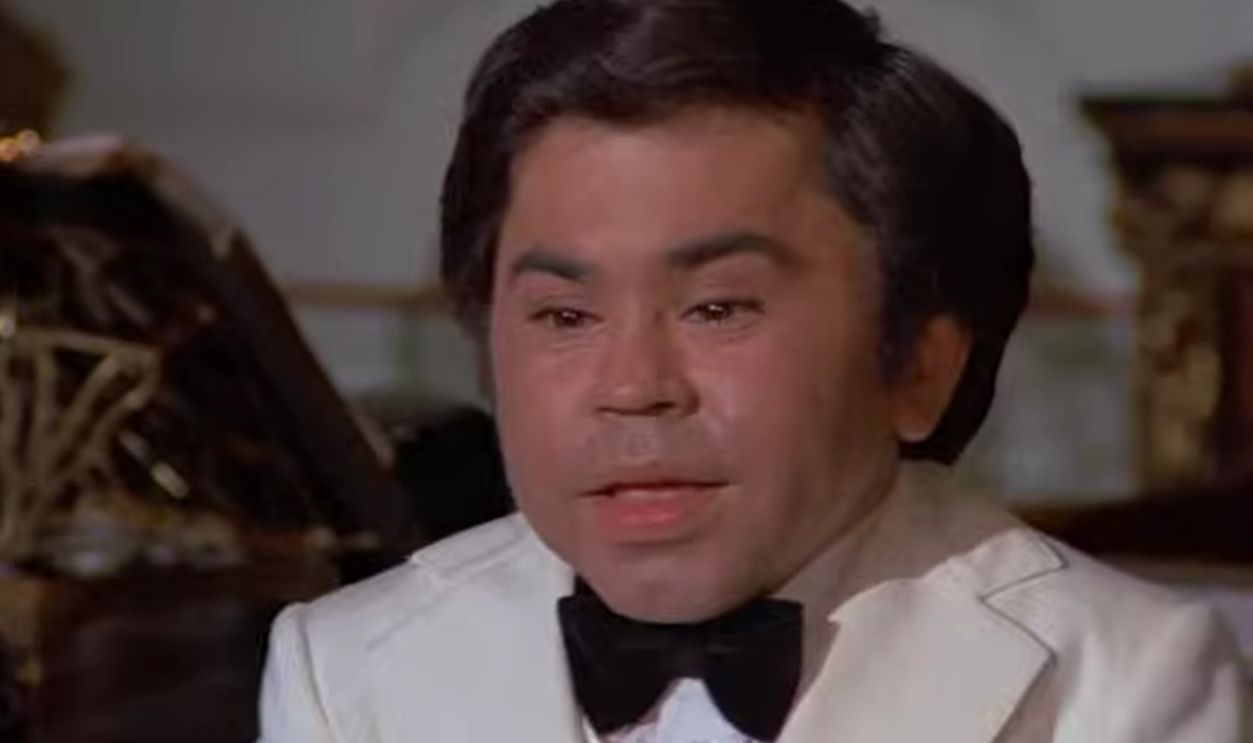 Screenshot from Fantasy Island, ABC (1977–1984)
Why ABC Chose a Cleaner Public Explanation
A contract dispute was easy to explain and safe to print. The deeper concerns were not. Framing the exit as a salary disagreement protected the show, the network, and the remaining cast while avoiding uncomfortable questions about how long issues had been tolerated.
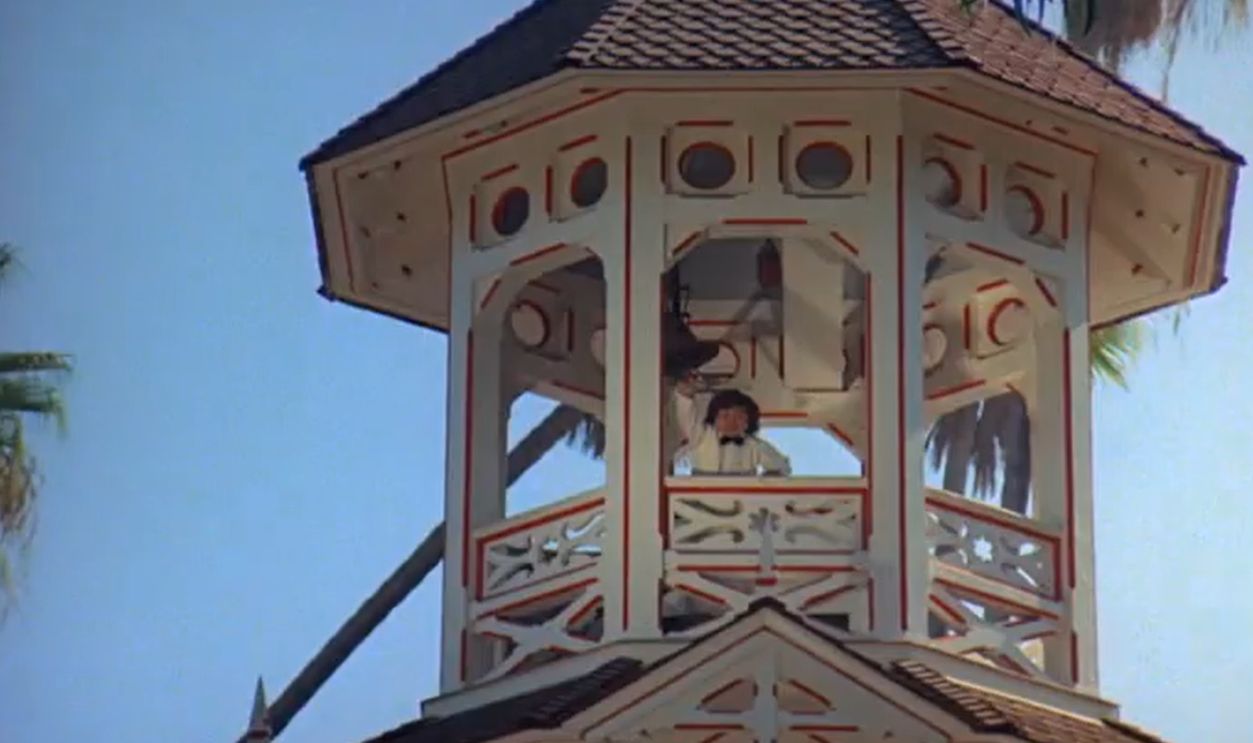 Screenshot from Fantasy Island, ABC (1977–1984)
Tattoo’s Disappearance Was Deliberate
Villechaize’s character didn’t receive a farewell episode or emotional sendoff. Tattoo simply vanished between seasons. For such an iconic presence, the silence felt intentional—because it was. The production wanted distance, not nostalgia or renewed attention.
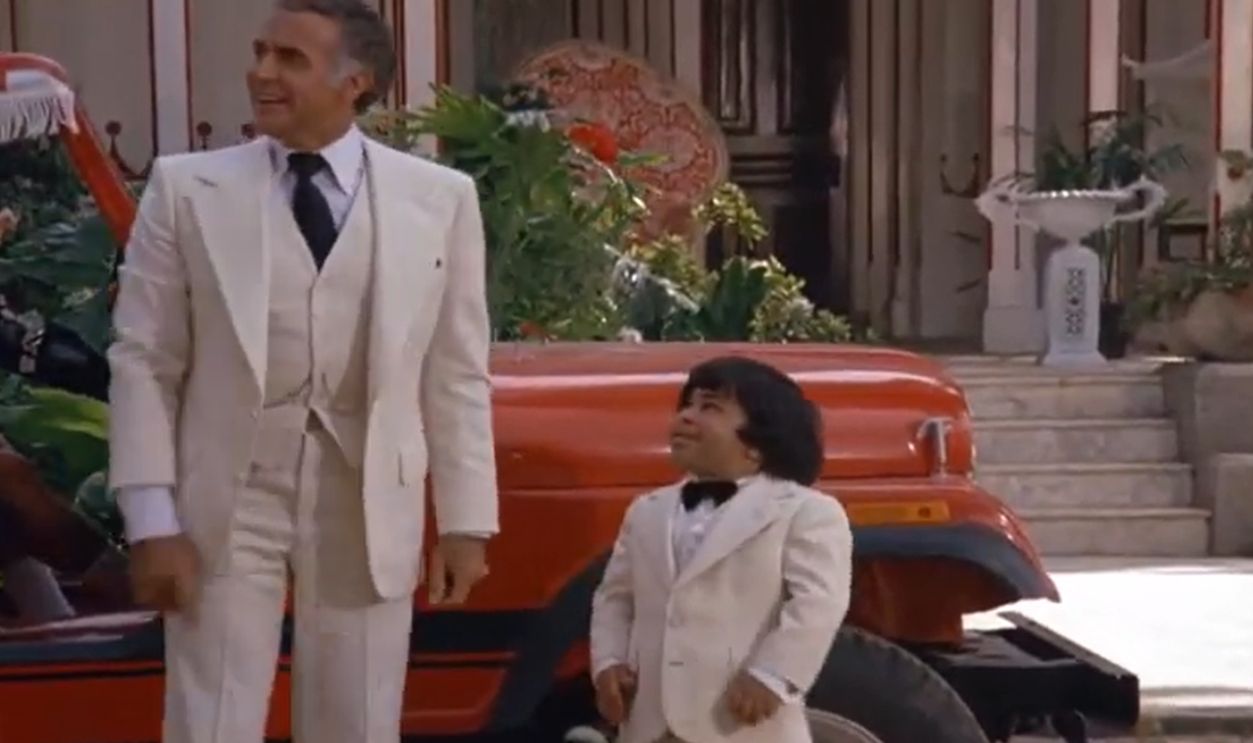 Screenshot from Fantasy Island, ABC (1977–1984)
Ricardo Montalbán’s Careful Distance
Montalbán rarely spoke publicly about Villechaize’s departure. When asked, he stayed diplomatic. “We were very different people,” he once said, choosing restraint over detail. His careful wording reflected how sensitive and unresolved the situation remained.
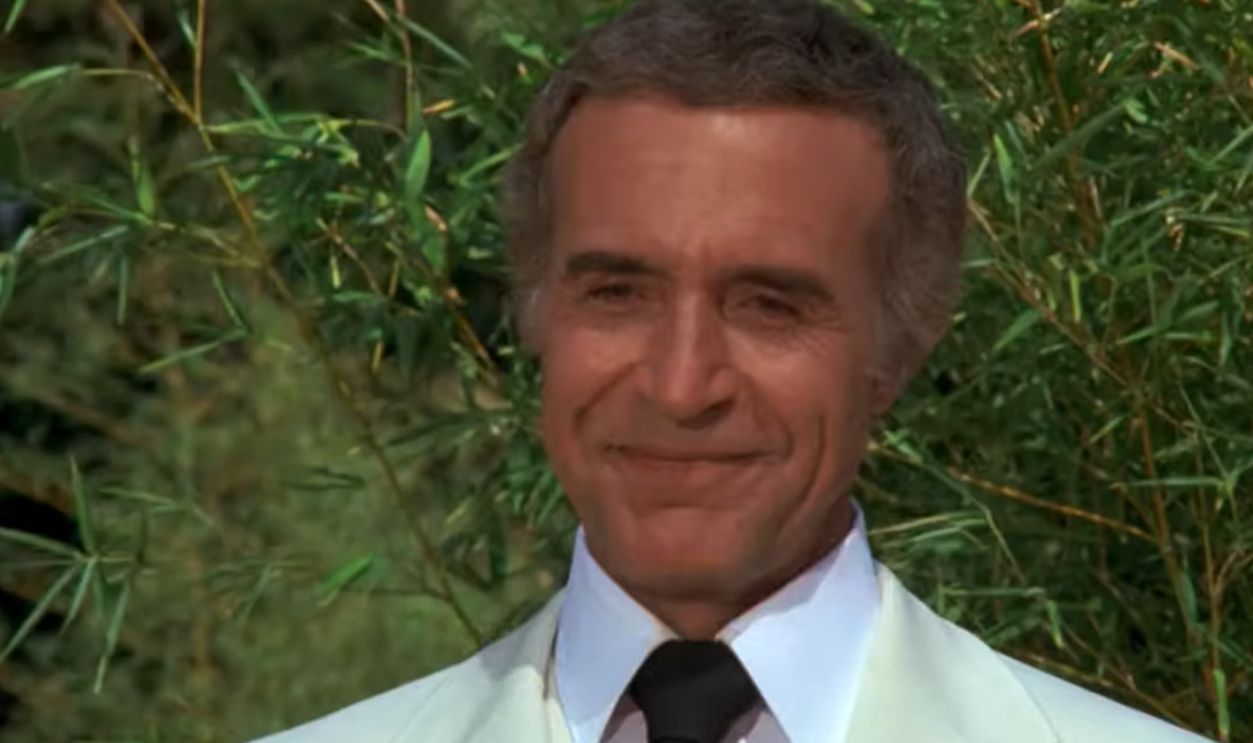 Screenshot from Fantasy Island, ABC (1977–1984)
The Career Fallout Was Immediate
Once removed from Fantasy Island, offers slowed dramatically. Casting directors viewed him as difficult and risky. The same industry that once celebrated him quietly moved on, leaving Villechaize with far fewer opportunities than his fame suggested he should have had.
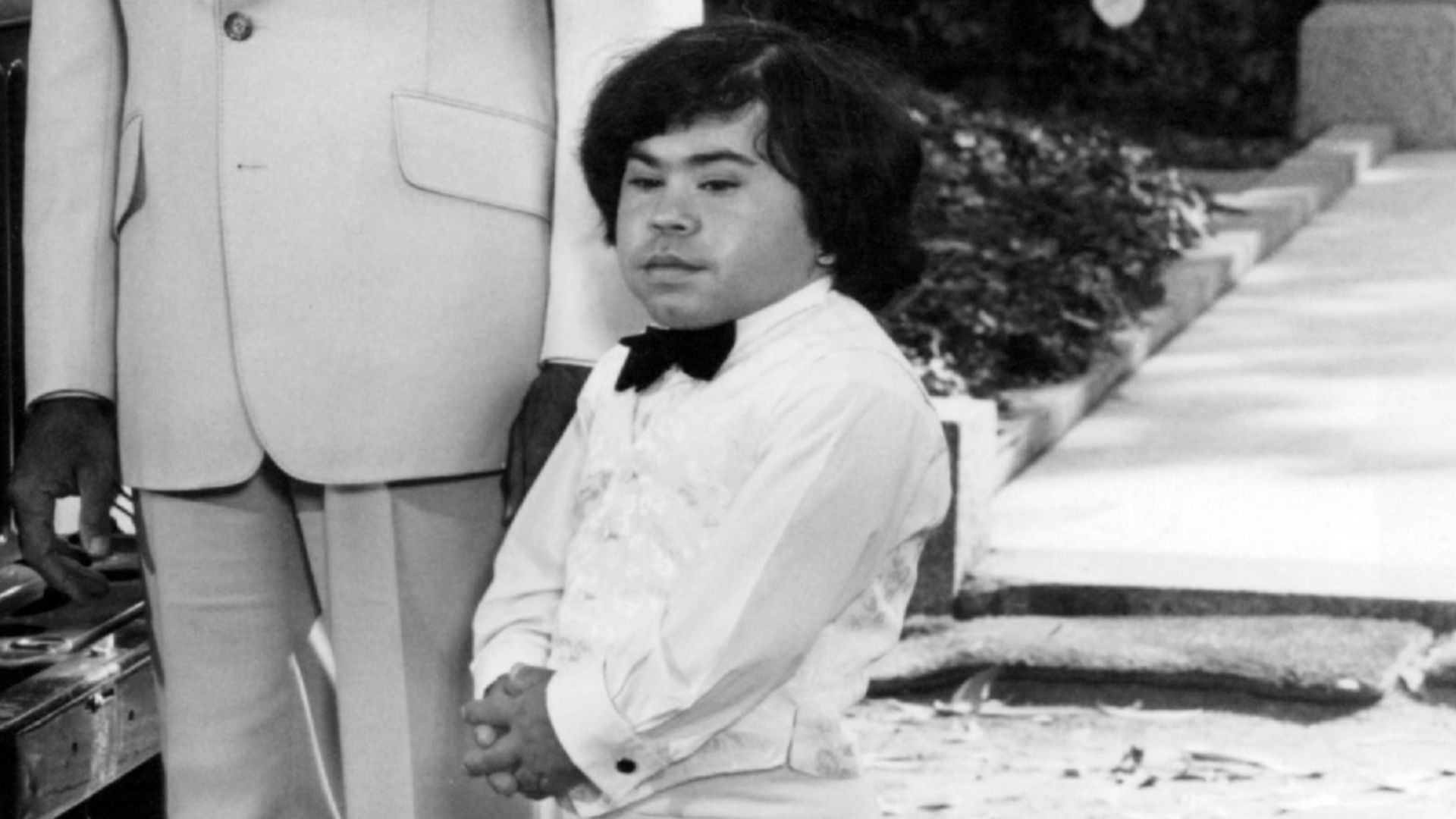 ABC Television, Wikimedia Commons
A Lifetime of Physical Pain
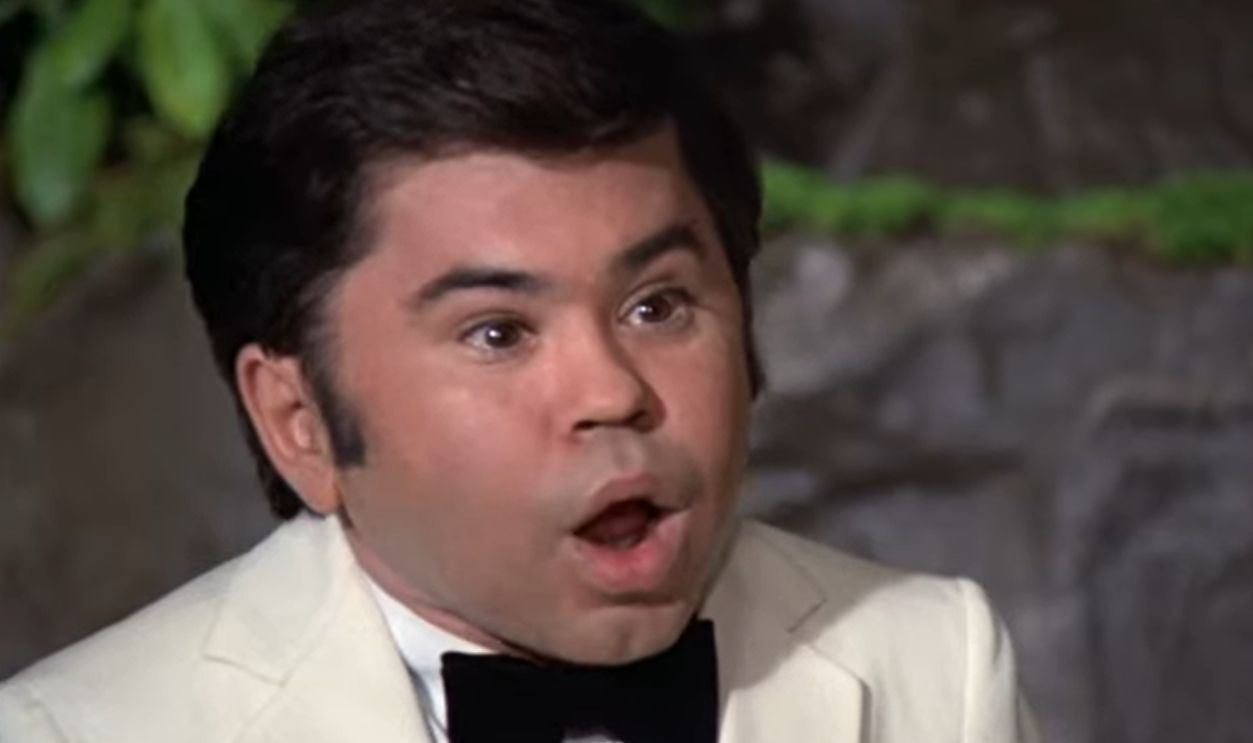
Villechaize lived with constant physical discomfort caused by a rare condition. He underwent numerous medical procedures throughout his life. Success never erased that burden—it only masked it temporarily while work and attention filled his days.
 Screenshot from Fantasy Island, ABC (1977–1984)
Fame as Validation, Not Just Success
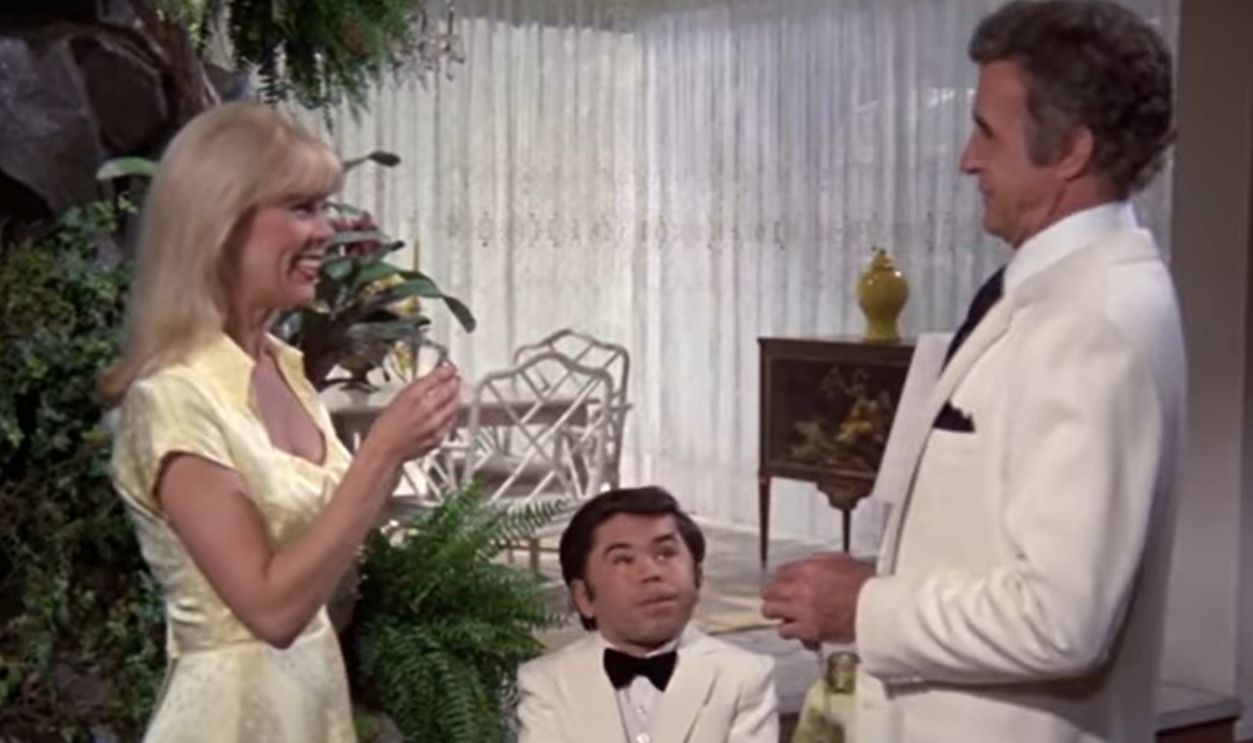
Acting wasn’t only a career for Villechaize—it was validation. Being seen mattered deeply. Losing a highly visible role meant losing structure, purpose, and identity all at once, leaving very little to replace what had disappeared.
 Screenshot from Fantasy Island, ABC (1977–1984)
A Quote That Revealed the Hurt
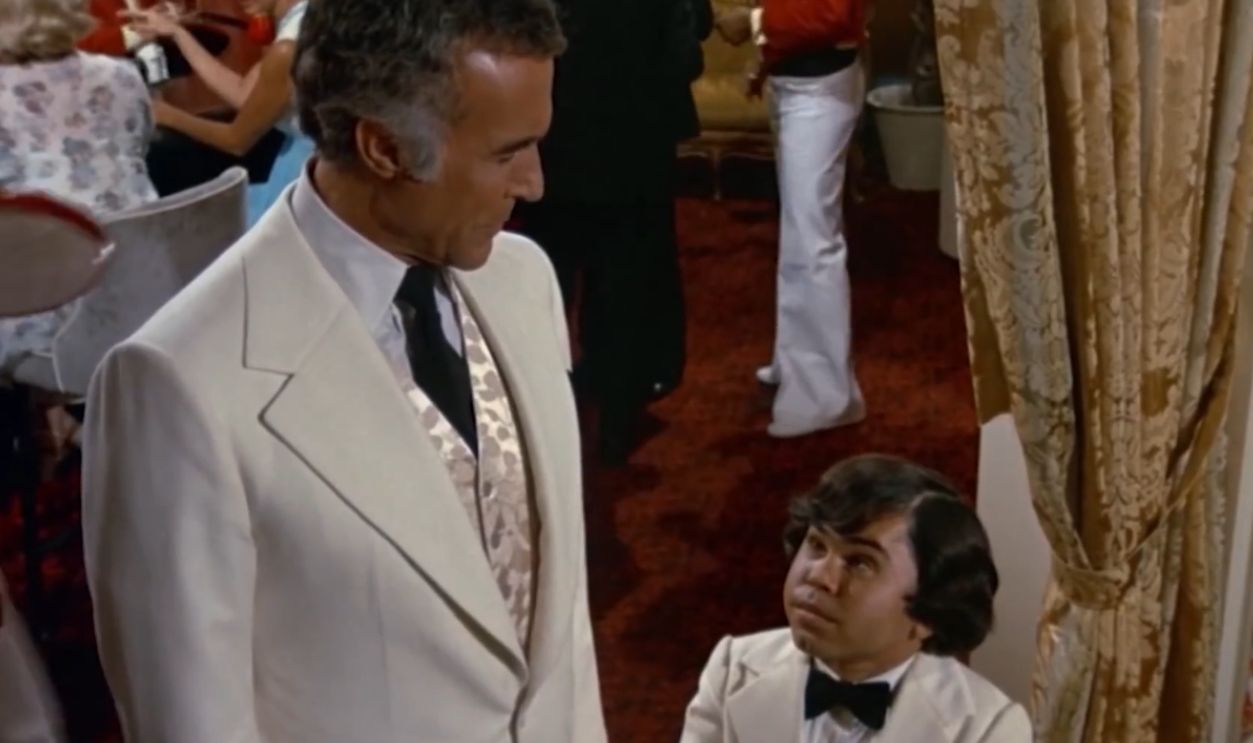
In a later interview, Villechaize admitted, “When people stop seeing you, you stop existing.” It wasn’t theatrical or exaggerated. It was a blunt expression of how closely his self-worth was tied to visibility and relevance.
 Screenshot from Fantasy Island, ABC (1977–1984)
Tattoo Became Both Legacy and Limitation
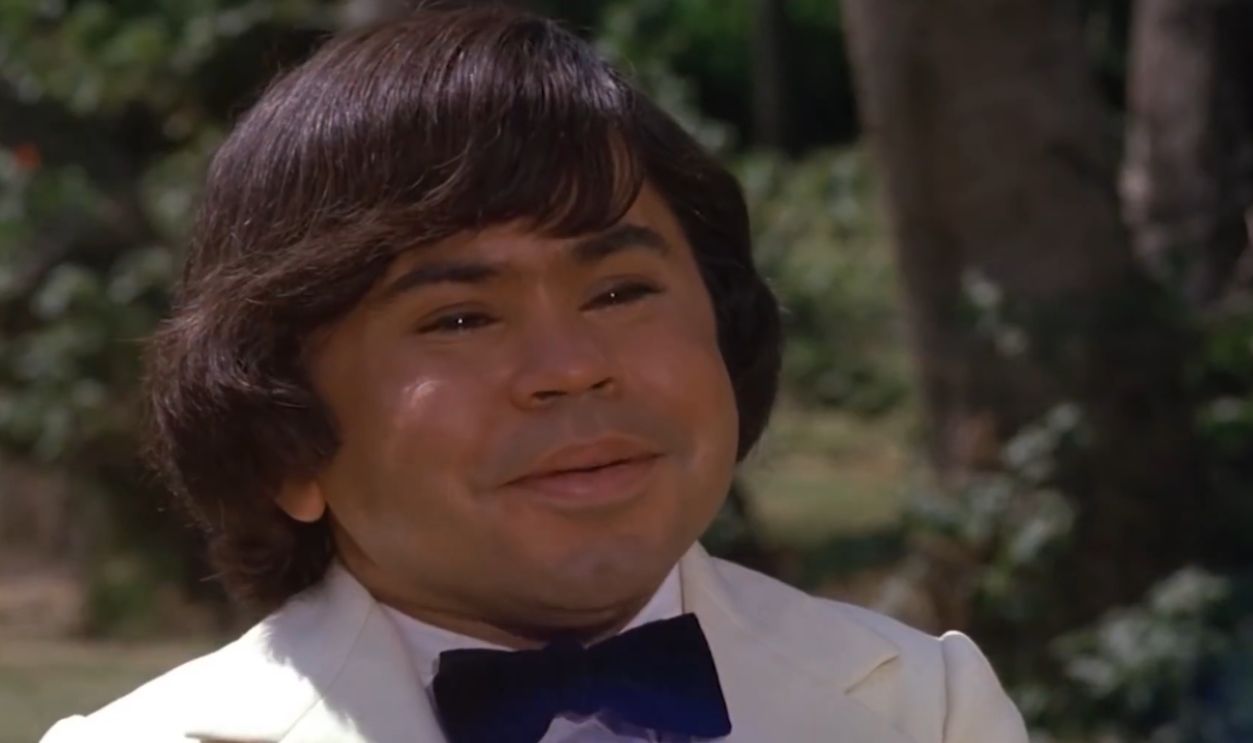
The role that made him famous also confined him. When work did appear, it was narrow and repetitive. He wasn’t being offered growth or reinvention—only reminders of a past moment that could not be recreated.
 Screenshot from Fantasy Island, ABC (1977–1984)
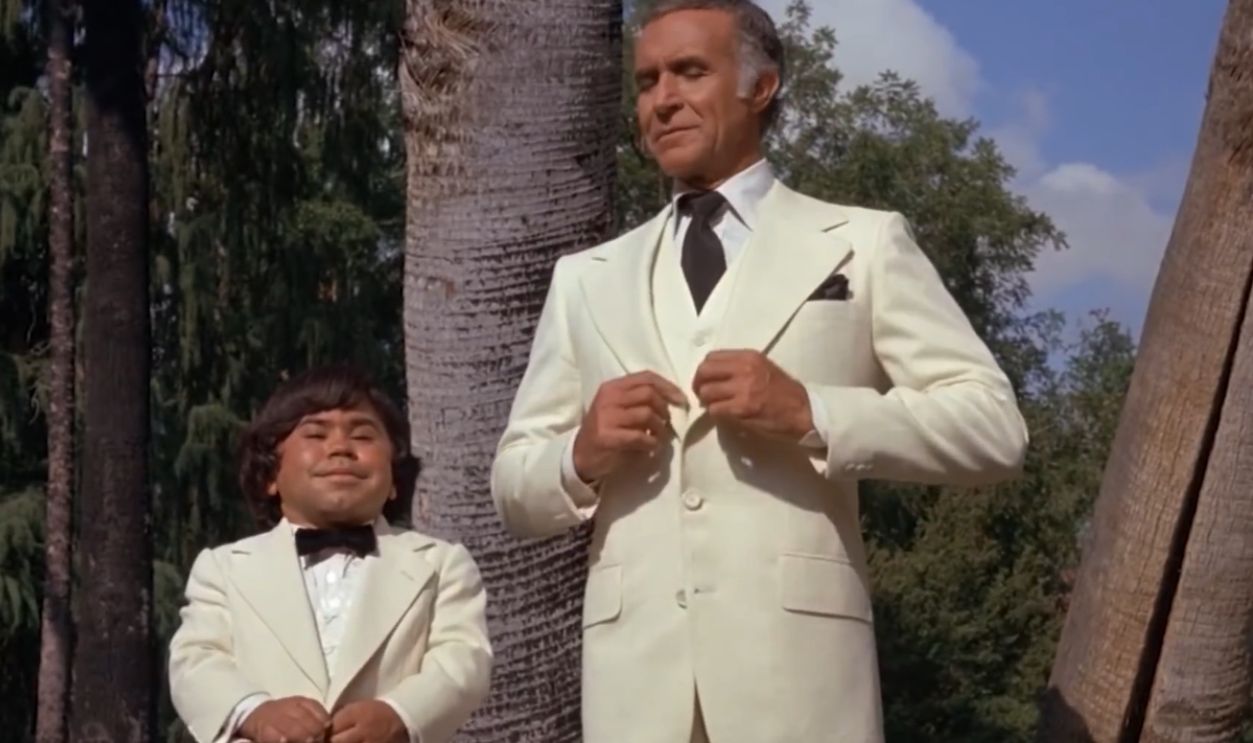
Isolation Slowly Took Hold
Friends described him as increasingly withdrawn over time. The bravado faded. What remained was exhaustion, frustration, and a growing belief that his moment had passed permanently, leaving him disconnected from both the industry and the world.
 Screenshot from Fantasy Island, ABC (1977–1984)
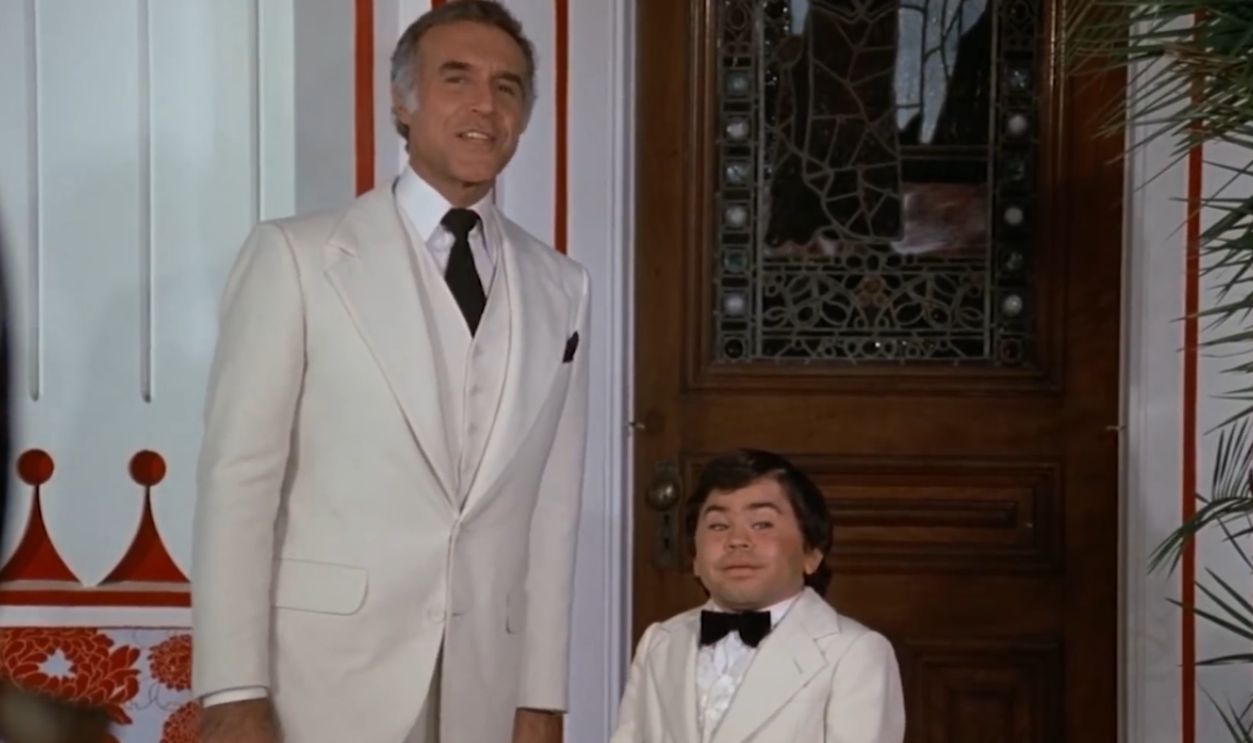
The Fantasy Was Long Gone
By the early 1990s, the world that once gave Villechaize structure and purpose felt completely out of reach. The island, the audience reaction, the sense of belonging—all of it existed only in reruns. What once felt permanent now felt like a life that belonged to someone else.
 Screenshot from Fantasy Island, ABC (1977–1984)
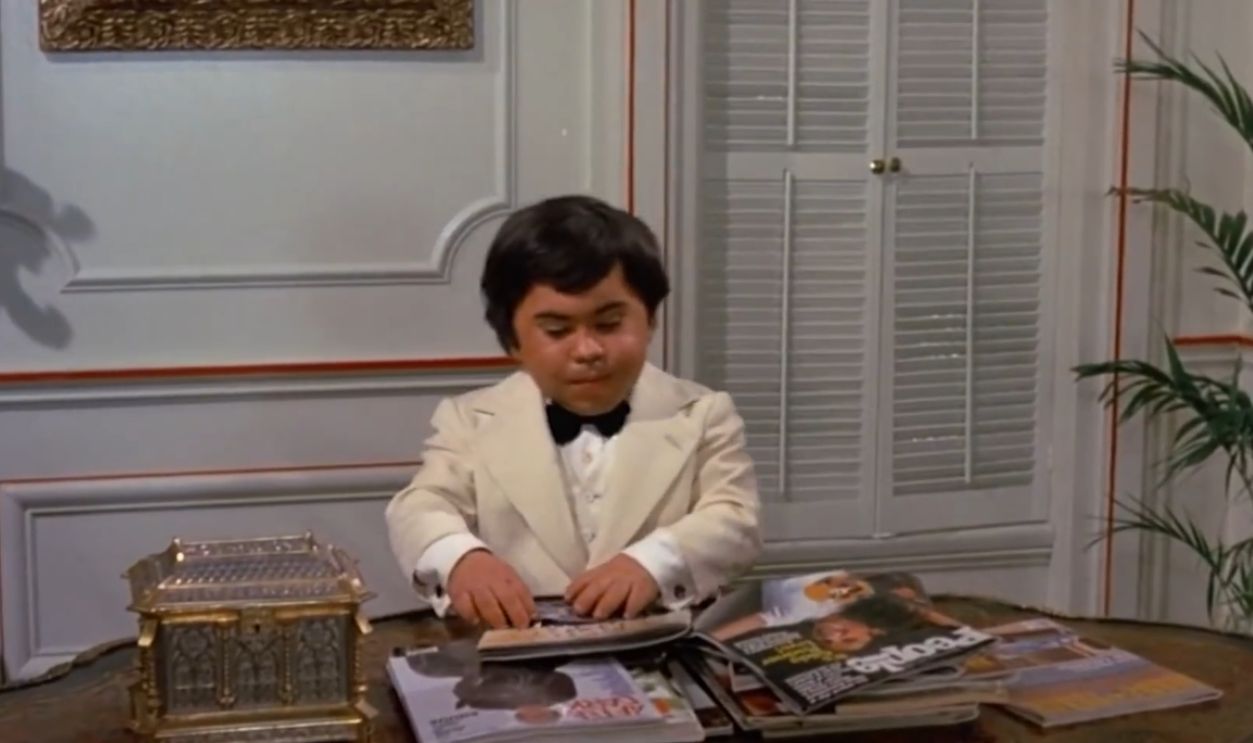
His Final Years Were Quiet and Heavy
There were no public comebacks or late-career revivals. Villechaize lived far from the spotlight, disconnected from the industry that once depended on him. Without steady work or validation, time passed slowly, reinforcing the feeling that his story had already ended.
 Screenshot from Fantasy Island, ABC (1977–1984)
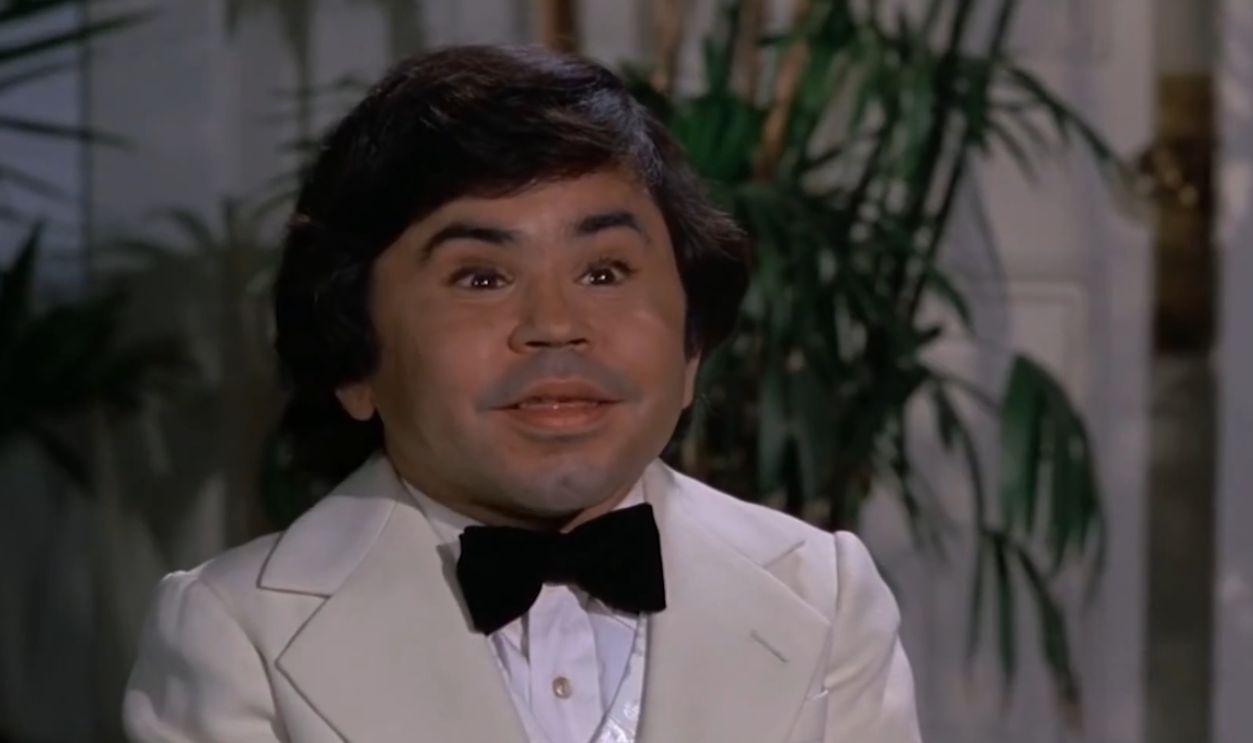
A Death That Shocked Viewers, Not Insiders
In 1993, at age 50, Hervé Villechaize took his own life. The news stunned fans who still associated him with lighthearted television escapism. Those who knew him personally were less shocked. They had watched years of isolation, physical pain, and professional rejection steadily wear him down.
 Screenshot from Fantasy Island, ABC (1977–1984)
Why the Myth Still Persists
The equal-pay story remains popular because it feels clean and righteous. It frames Villechaize as a rebel punished for speaking up. The real explanation—about unresolved behavior, pain, and isolation—is far more uncomfortable and harder to reduce to a single dramatic headline.
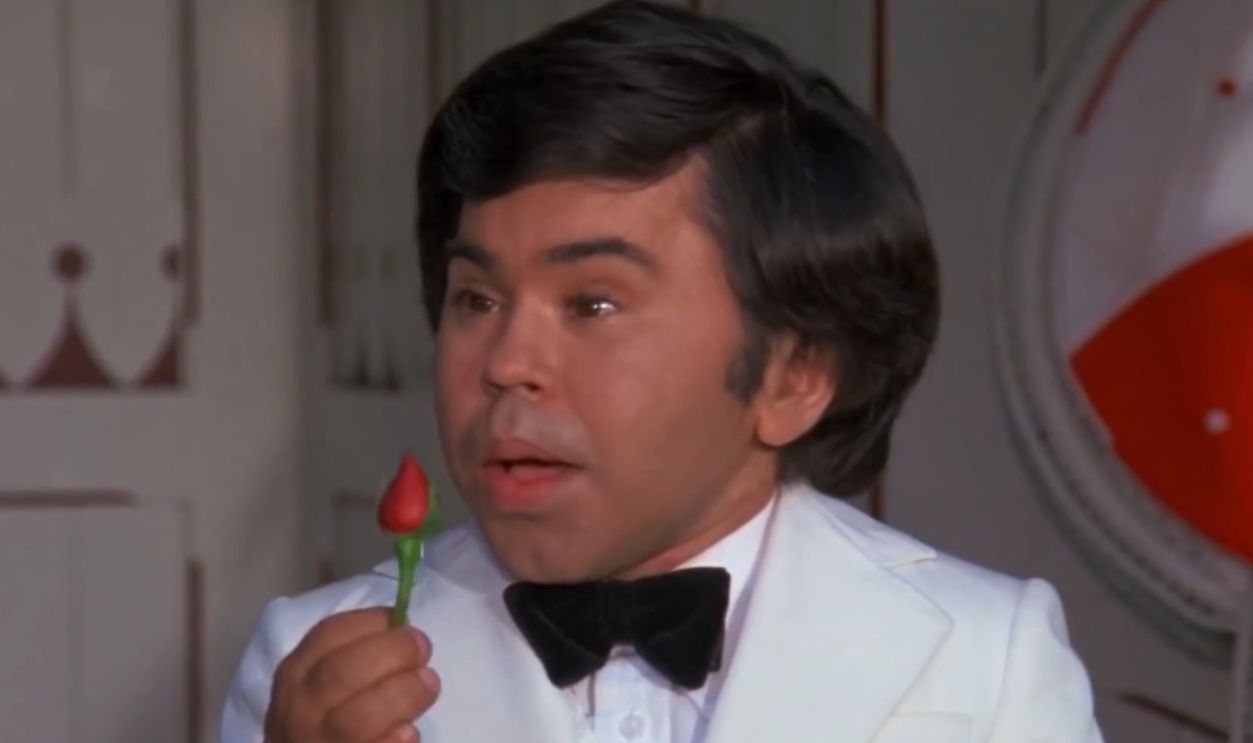 Screenshot from Fantasy Island, ABC (1977–1984)
A Legacy That Deserves Honesty
Hervé Villechaize wasn’t just Tattoo. He was talented, complicated, wounded, and deeply human. His story isn’t about ego or money—it’s about what happens when fame disappears and nothing meaningful replaces it.
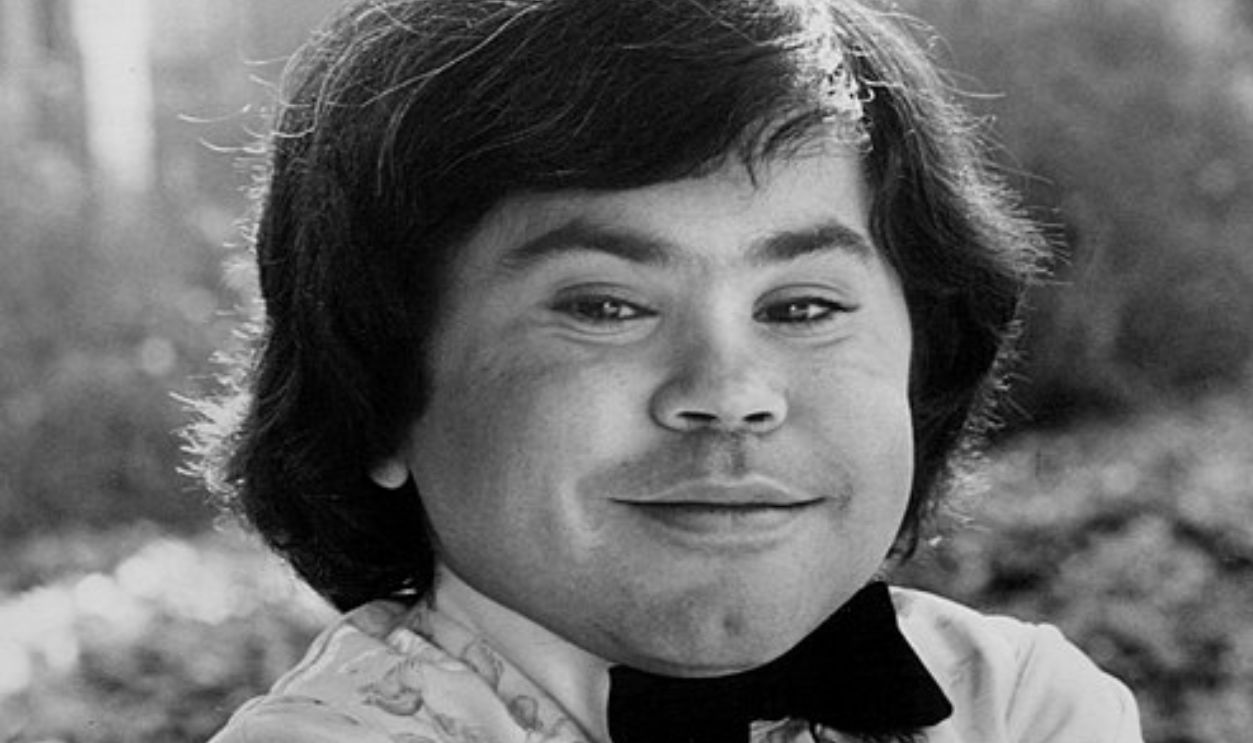 ABC Television, Wikimedia Commons
You Might Also Like:
Lonely Facts About Omar Sharif, The Smouldering Egyptian Bad Boy