Something Happened In That Apartment
By the early 80s, Peter Ivers was building something real. A growing audience, strong connections, and a show that felt ahead of its time. Then one night in 1983, everything stopped.
He Started As A Musician With Serious Credentials
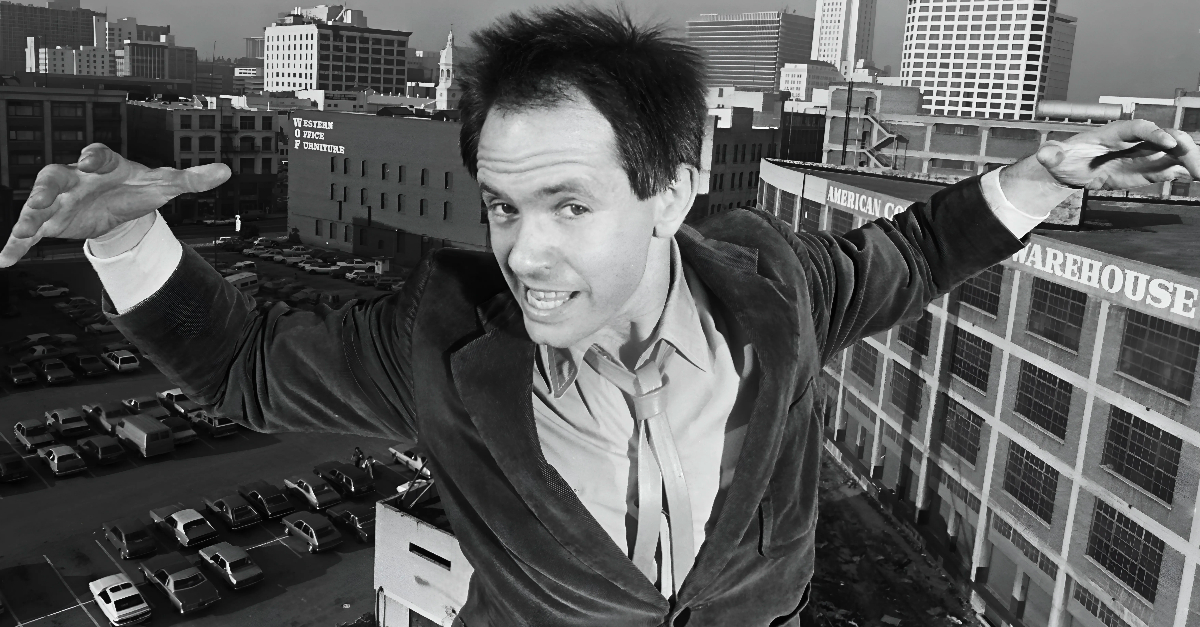
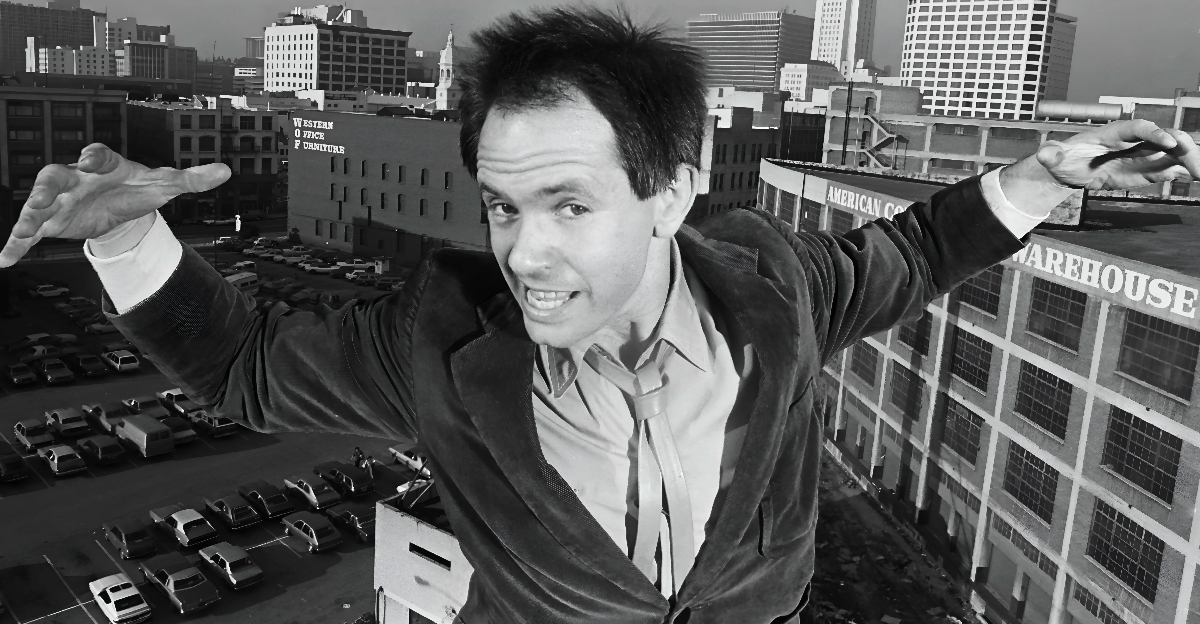
Peter Ivers wasn’t a typical TV figure. He graduated from Harvard, where he studied classical music, before moving into the Los Angeles scene. In the 70s, he released albums like Knight of the Blue Communion (1971) and Terminal Love (1974), earning attention for his experimental, hard-to-classify sound.
He Was Tied To One Of The Strangest Cult Films Ever Made
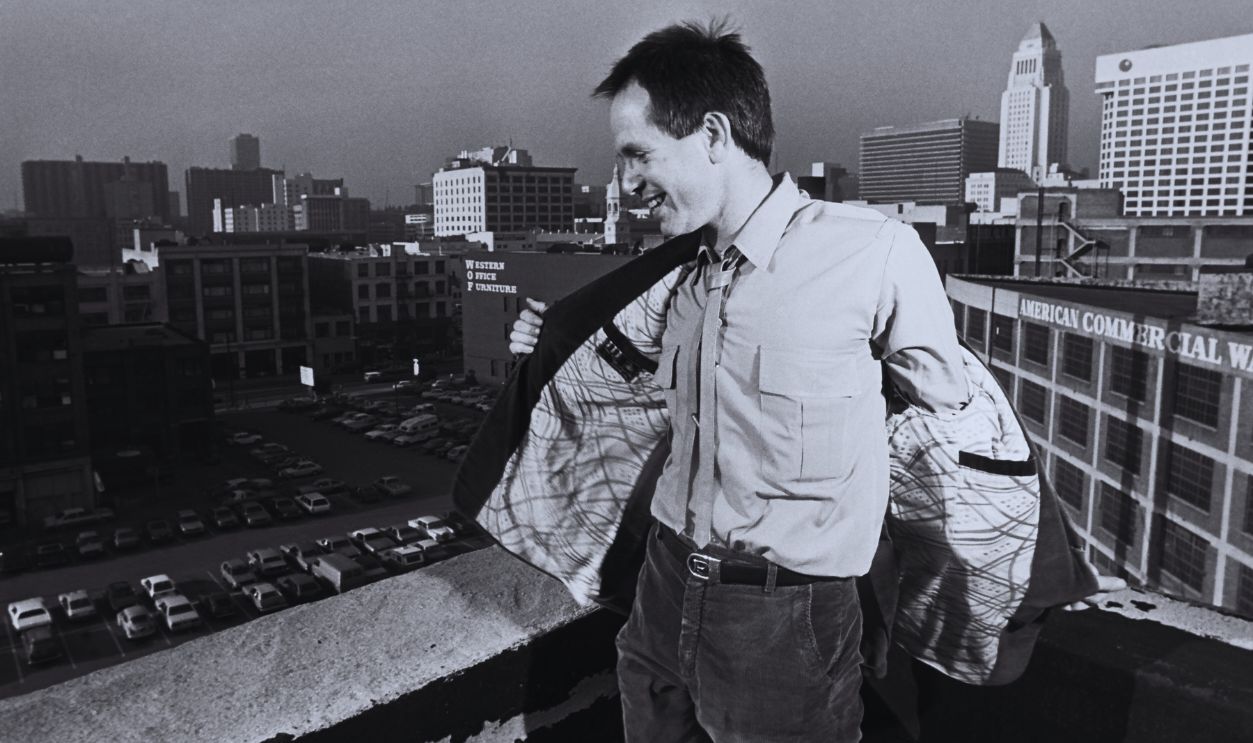
Ivers had a direct connection to David Lynch’s Eraserhead. His song In Heaven (Lady in the Radiator Song) became one of the film’s most memorable moments, placing him inside a creative circle that would go on to influence underground film and music.
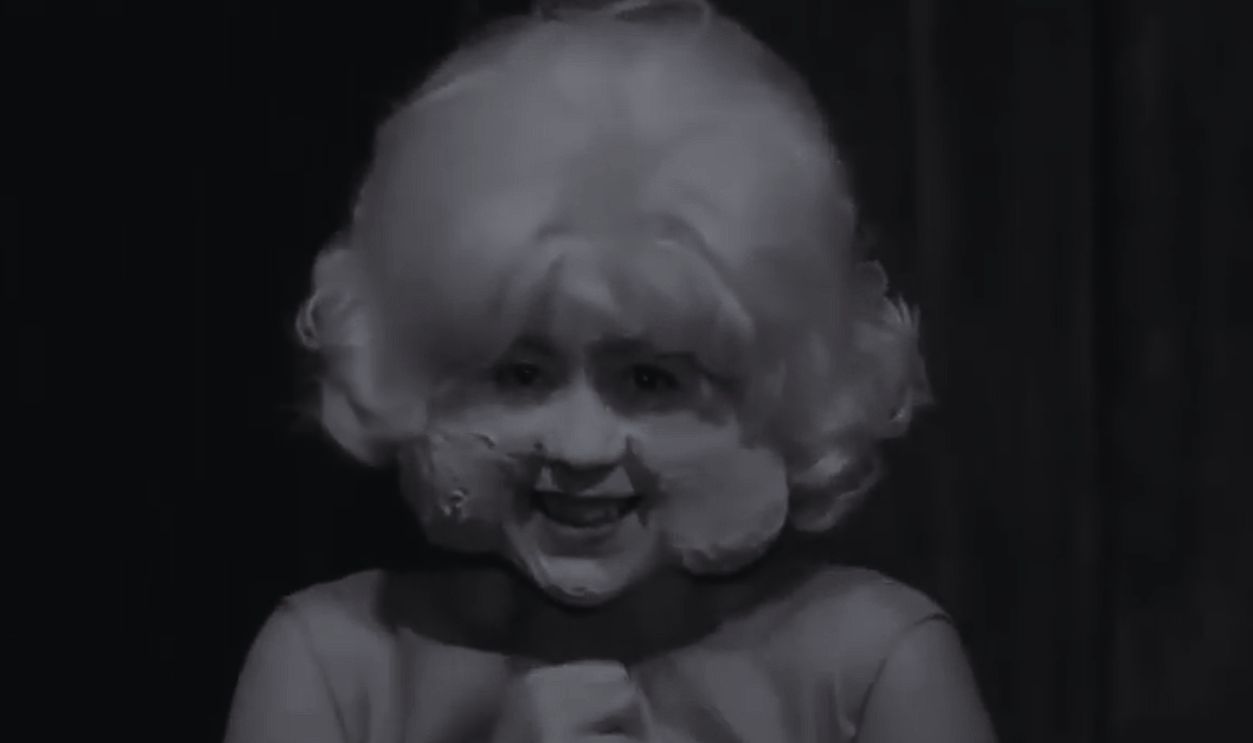 Screenshot from Eraserhead, Libra Films International (1977)
He Moved In Influential Creative Circles
Even without mainstream fame, Ivers was respected. He was part of a Los Angeles network of experimental musicians, filmmakers, and artists shaping early alternative culture. These weren’t casual connections—this was a scene that would later influence punk, indie film, and television.
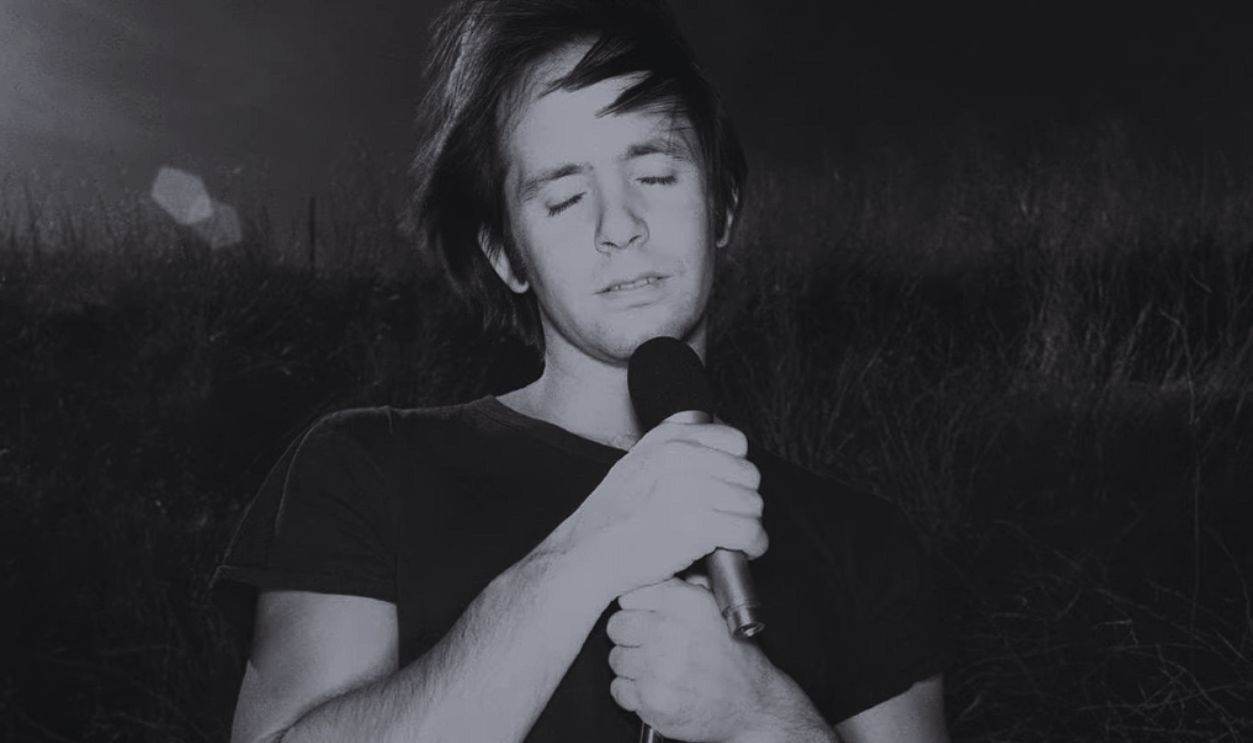 Screenshot from Becoming Peter Ivers, RVNG Intl. (2024)
His Break Came With New Wave Theatre
In 1981, Ivers became the host of New Wave Theatre, a Los Angeles show that gave punk and new wave bands rare television exposure. At a time when most networks ignored the scene, the show became one of the only places this music could be seen unfiltered.
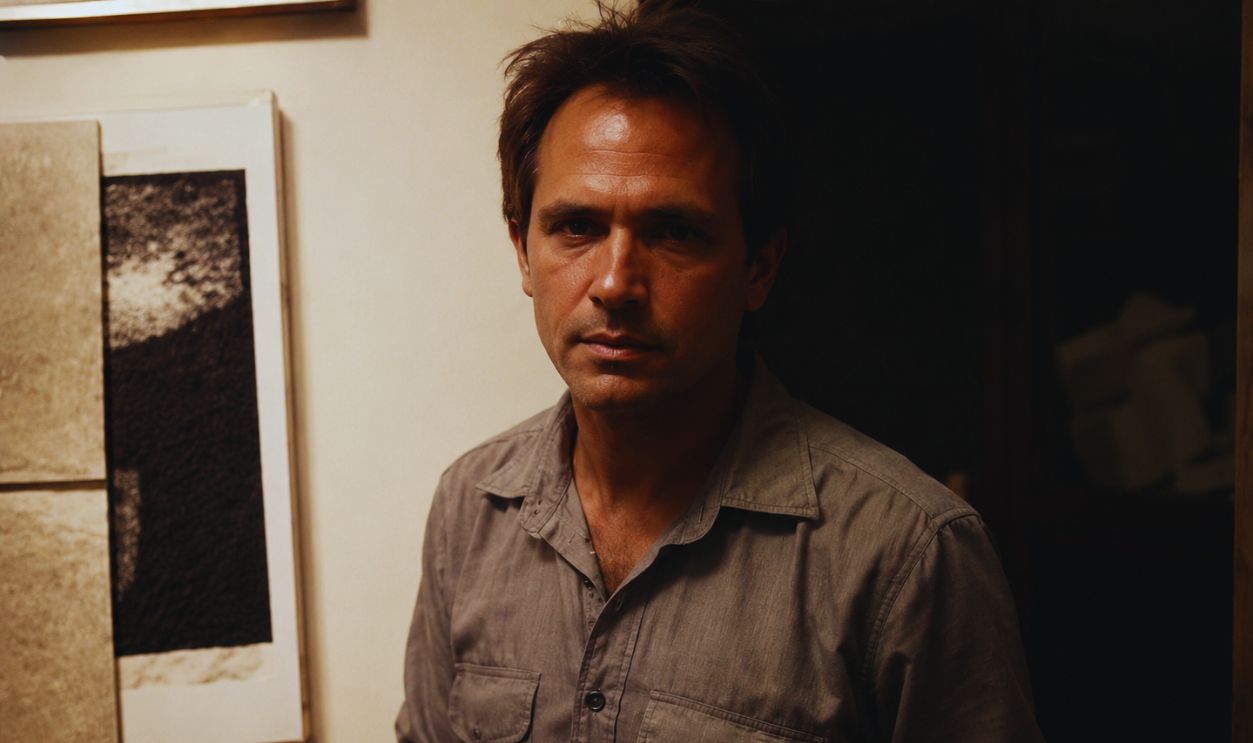 Screenshot from Becoming Peter Ivers, RVNG Intl. (2024) (Modified)
The Show Felt Completely Different From Everything Else
It was low-budget, unpredictable, and often chaotic. Performances weren’t polished, and Ivers didn’t try to control the energy. His awkward, offbeat style made the show feel unscripted—like viewers were watching something real instead of something produced.
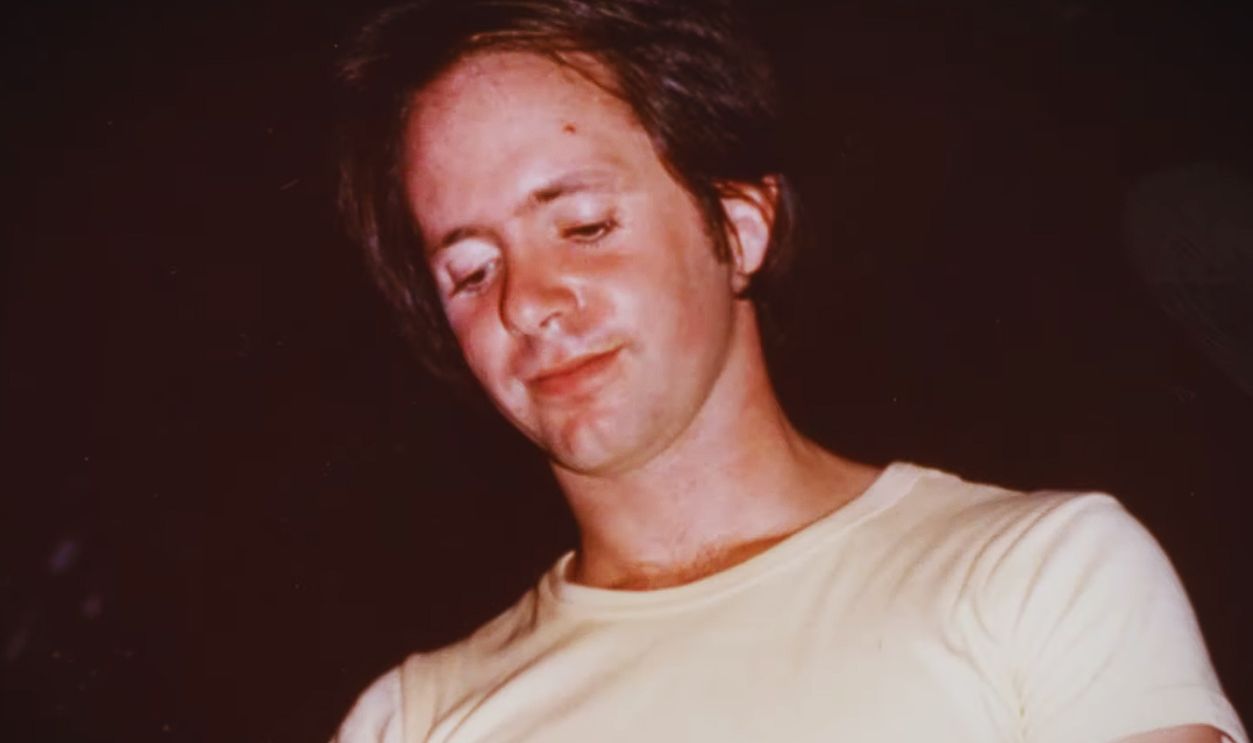 Screenshot from Becoming Peter Ivers, RVNG Intl. (2024)
He Helped Introduce Future Icons
Bands like Black Flag, The Germs, Oingo Boingo, and X appeared on the show. For many of them, this was one of their only television appearances, giving them exposure at a time when mainstream platforms refused to feature that kind of music.
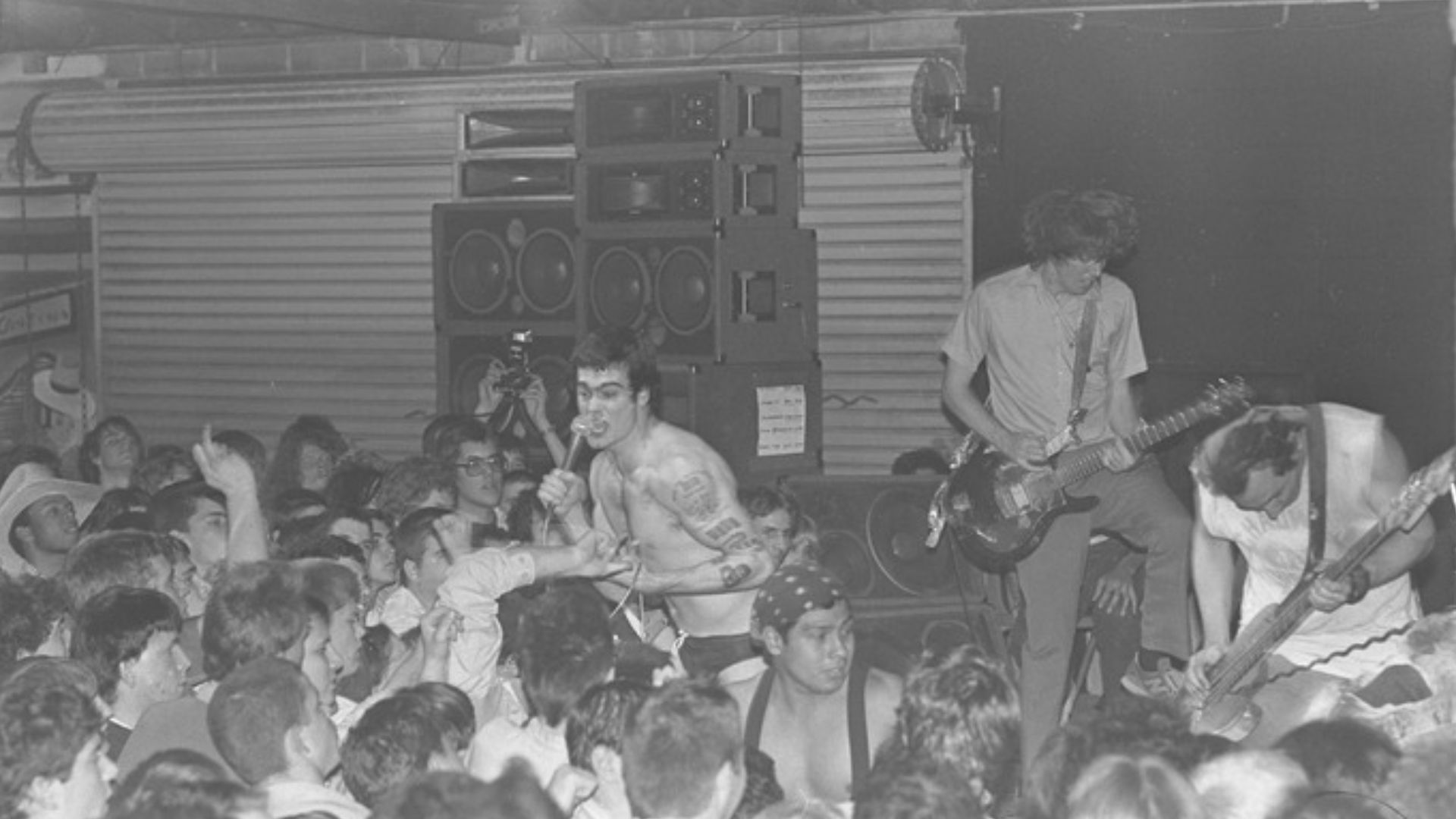 UCLA Library Special Collections, Wikimedia Commons
The Audience Was Small—But Deeply Invested
New Wave Theatre wasn’t a ratings success, but it built a loyal following. Viewers felt like they were discovering something early, before it became widely recognized. That connection made Ivers more influential than his visibility might suggest.
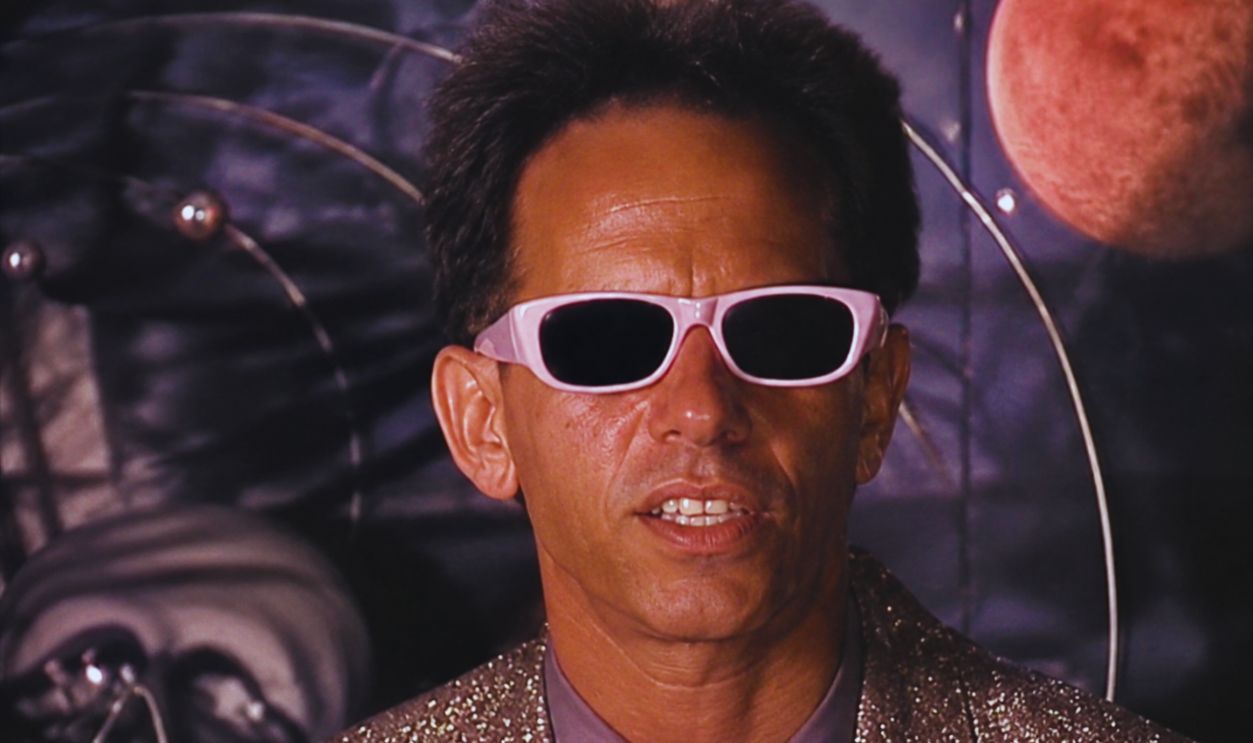 Screenshot from New Wave Theatre, David Jove Productions / Night Flight (1982) (Modified)
He Was Building Toward Something Bigger
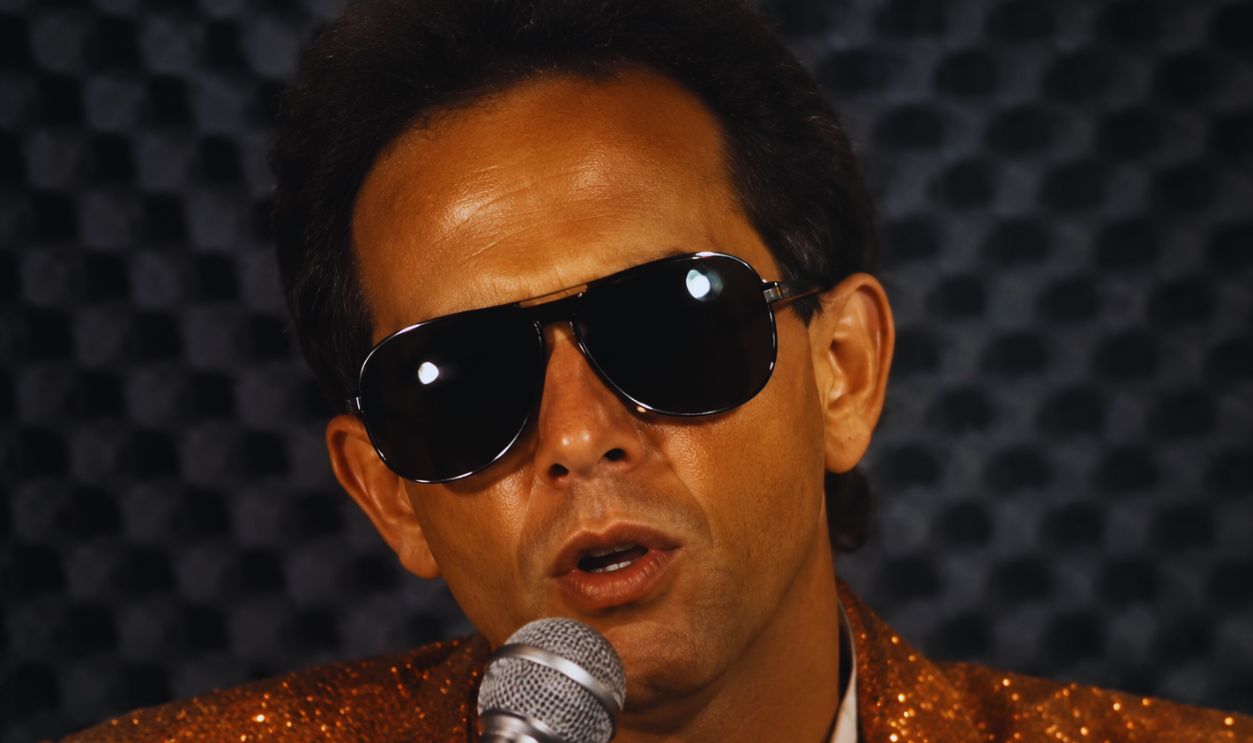
By 1983, Ivers had music credits, a television platform, and strong creative connections. He wasn’t at his peak yet—he was still building. Everything pointed toward more opportunities, whether in music, television, or behind-the-scenes creative work.
 Screenshot from New Wave Theatre, David Jove Productions / Night Flight (1982) (Modified)
Then Everything Changed In March 1983
That momentum came to a sudden stop when something happened inside his Los Angeles apartment. What had been a steady rise turned into a situation investigators struggled to fully explain from the beginning.
 Screenshot from Becoming Peter Ivers, RVNG Intl. (2024) (Modified)
He Was Found The Next Day Under Unusual Circumstances
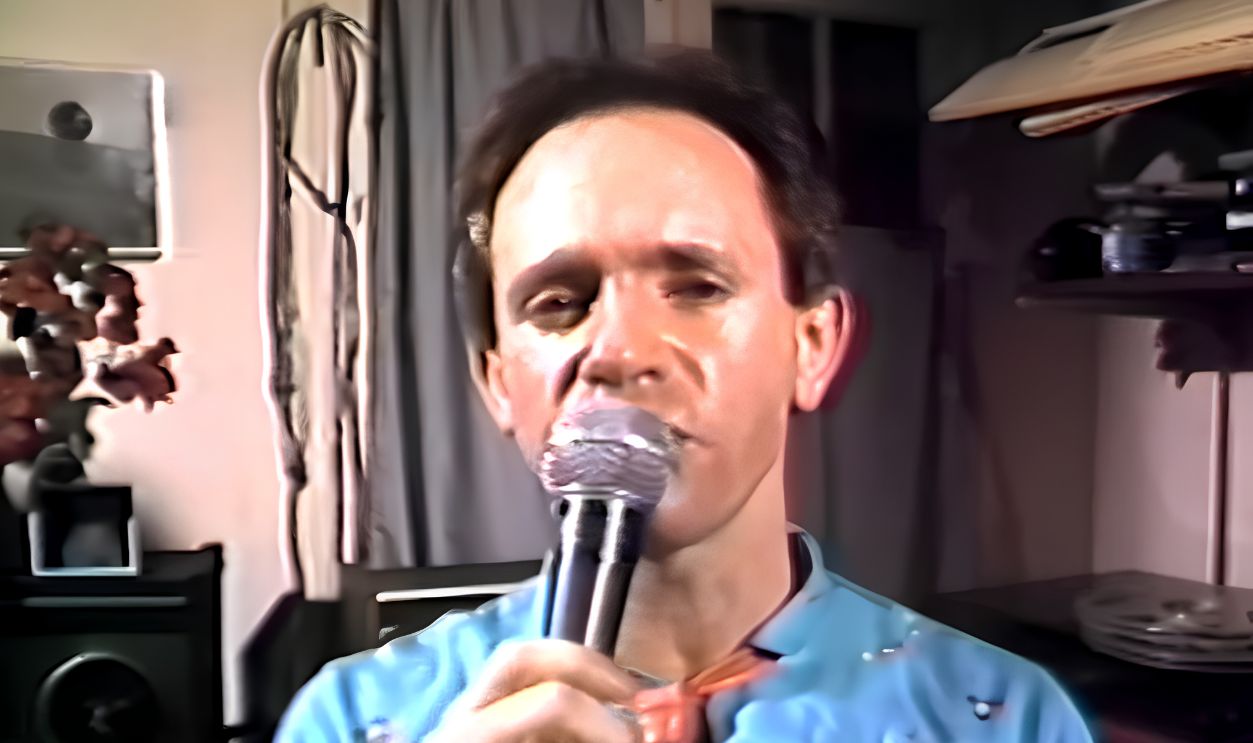
On March 3, 1983, Ivers was discovered by a friend inside his apartment. He was lying on the floor, and the condition of the room immediately suggested that something serious had taken place.
 Screenshot from Becoming Peter Ivers, RVNG Intl. (2024)
The Physical Evidence Raised Immediate Questions
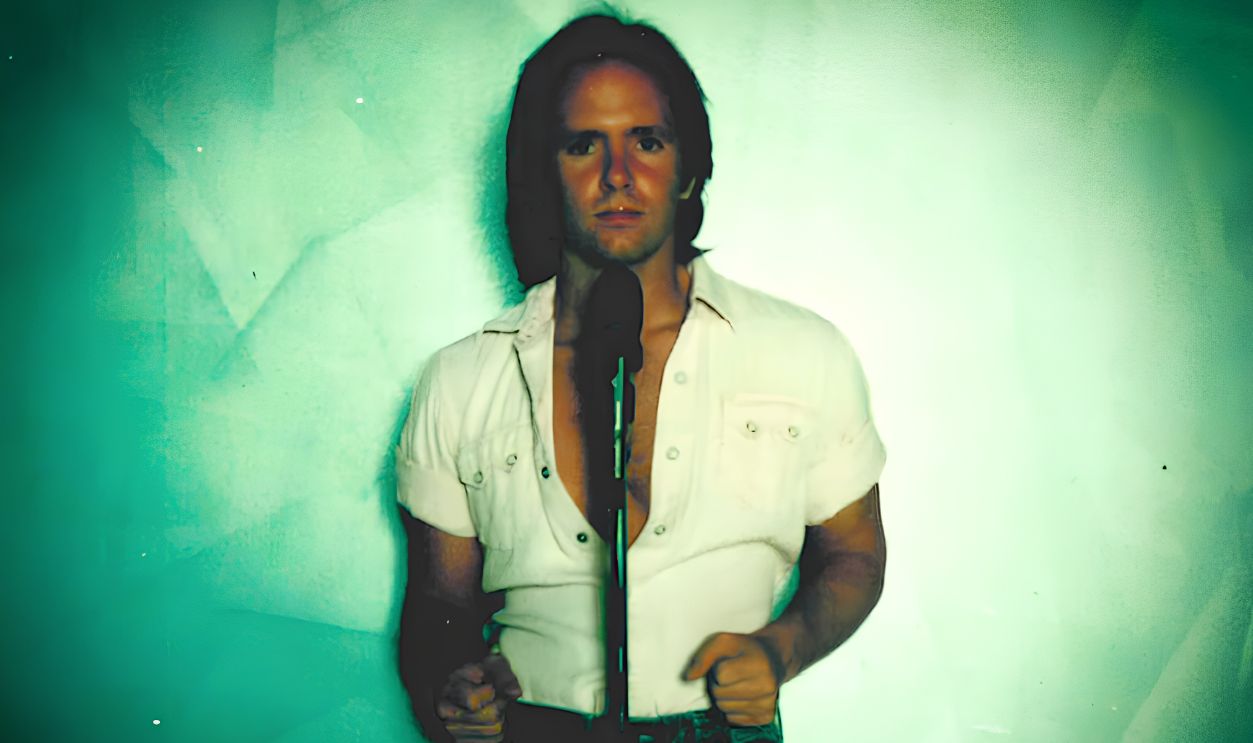
Investigators noted severe head injuries and blood at the scene. A hammer was found nearby and was believed to be involved based on the injuries. From the start, the situation did not point to something easily explained.
 Screenshot from Becoming Peter Ivers, RVNG Intl. (2024)
There Were No Signs Of A Break-In
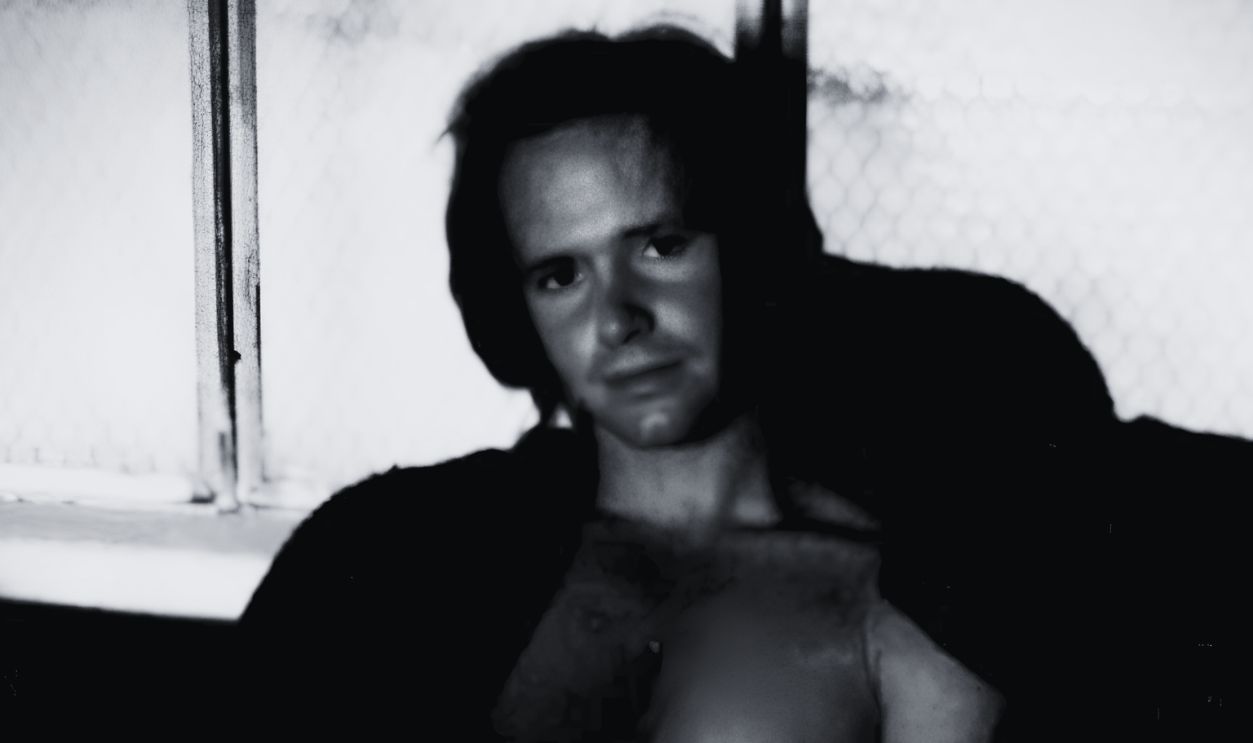
One of the most puzzling details was the lack of forced entry. The door was reportedly unlocked, which led investigators to consider that Ivers may have known whoever had been there and that the situation didn’t begin randomly.
 Screenshot from Becoming Peter Ivers, RVNG Intl. (2024) (Modified)
The Scene Suggested Something Quick And Focused
The damage appeared relatively contained rather than spread throughout the apartment. This led to the belief that whatever happened may not have been a prolonged struggle, but something more sudden and targeted.
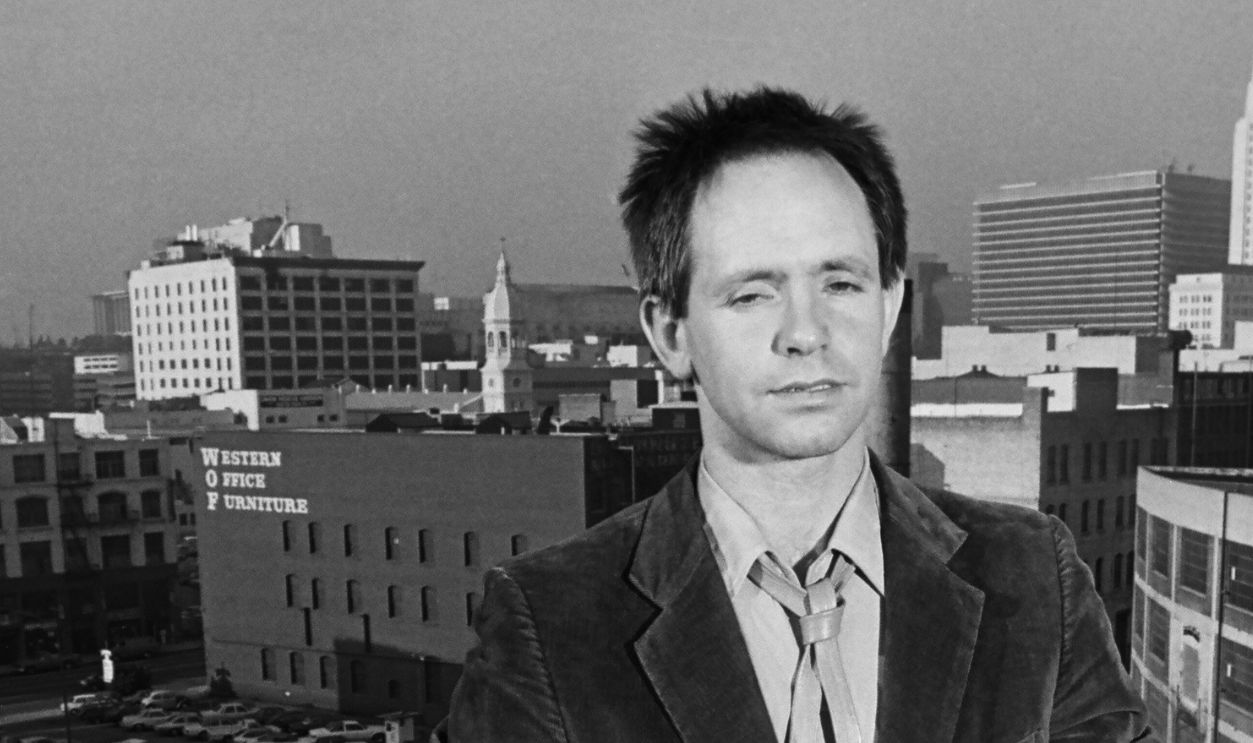
Nothing Appeared To Be Taken
His wallet, car, and personal belongings were still there. Nothing seemed to be missing, which made a random or financially motivated explanation far less likely and pushed attention toward people he may have known.
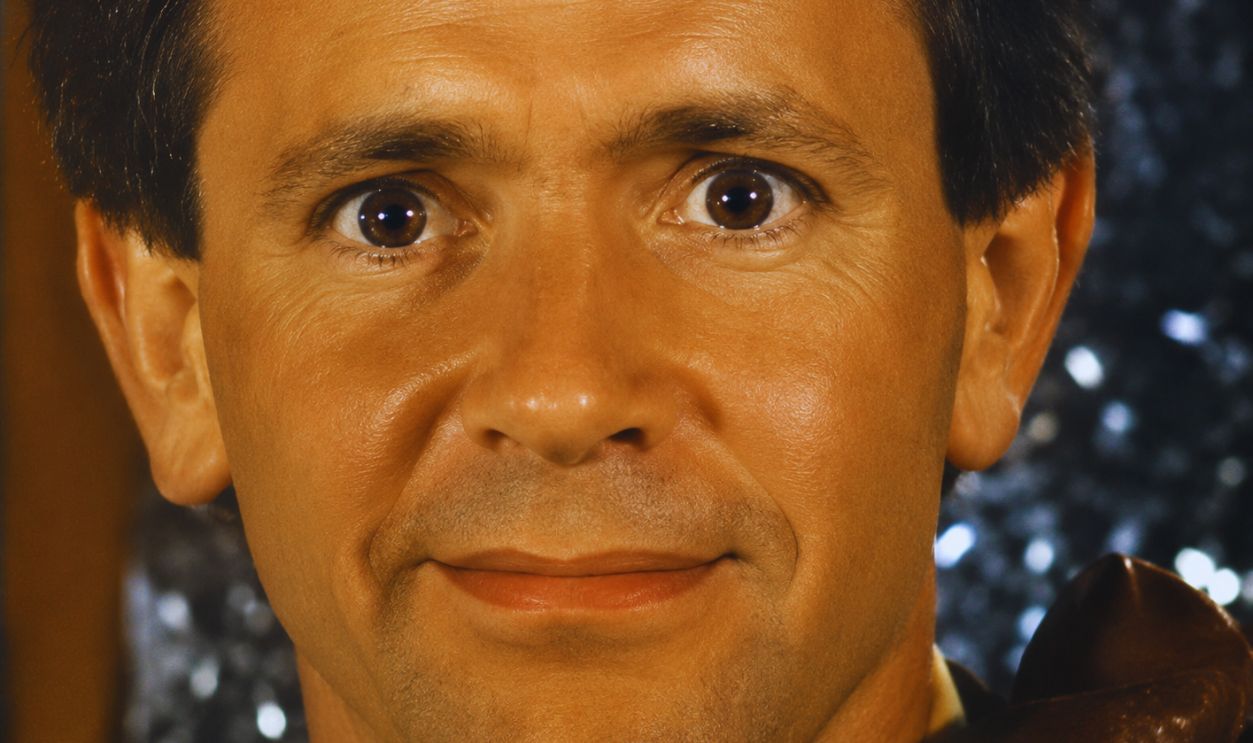 Screenshot from New Wave Theatre, David Jove Productions / Night Flight (1982) (Modified)
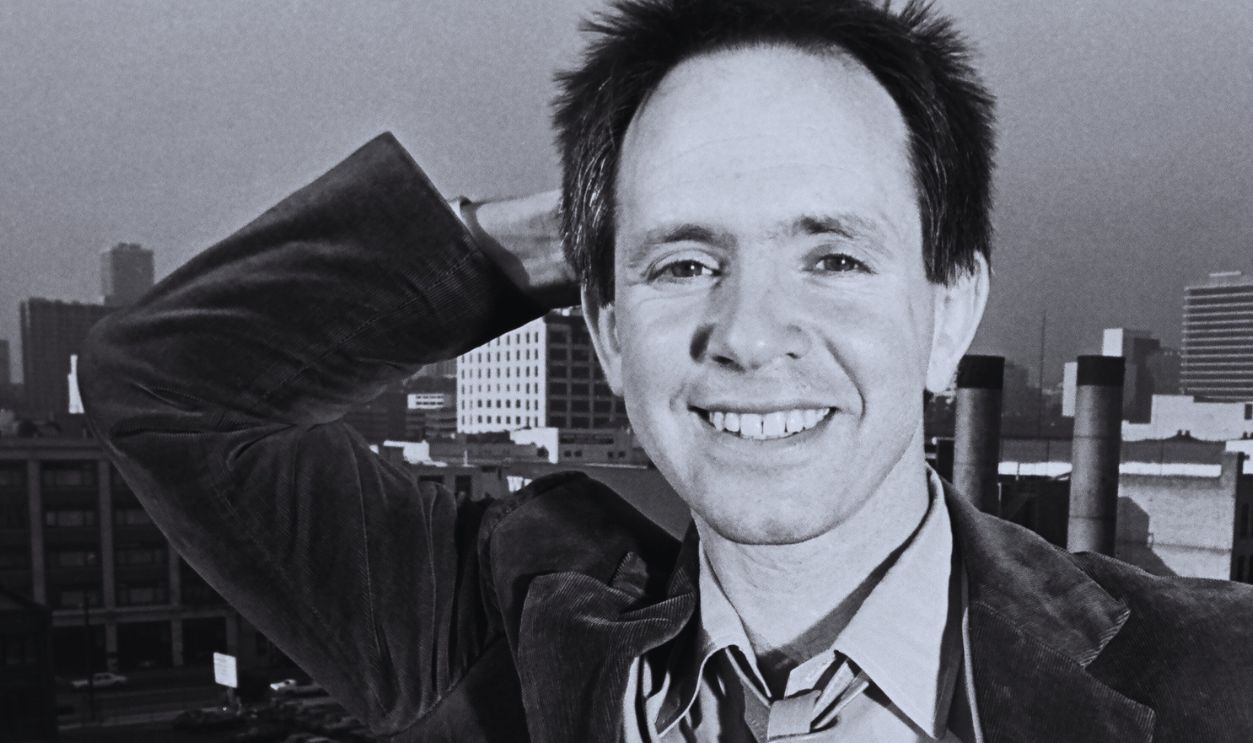
There Were Reports Of Tension Before His Death
Accounts from people around him suggested he had disagreements with individuals in his circle shortly before his death. The details were never fully clarified, but it added weight to the idea that the situation may have been personal.
Investigators Focused On People In His Orbit
Authorities examined individuals connected to Ivers’ personal and professional life. Because he was involved in multiple creative scenes, there was no shortage of connections—but none led to a definitive explanation.
 Screenshot from New Wave Theatre, David Jove Productions / Night Flight (1982)
One Name That Continued To Surface
David Jove, a lighting technician who knew Ivers, was questioned and remained associated with the case for years. He was never charged, and no conclusive link was established, but his name continued to come up in discussions.
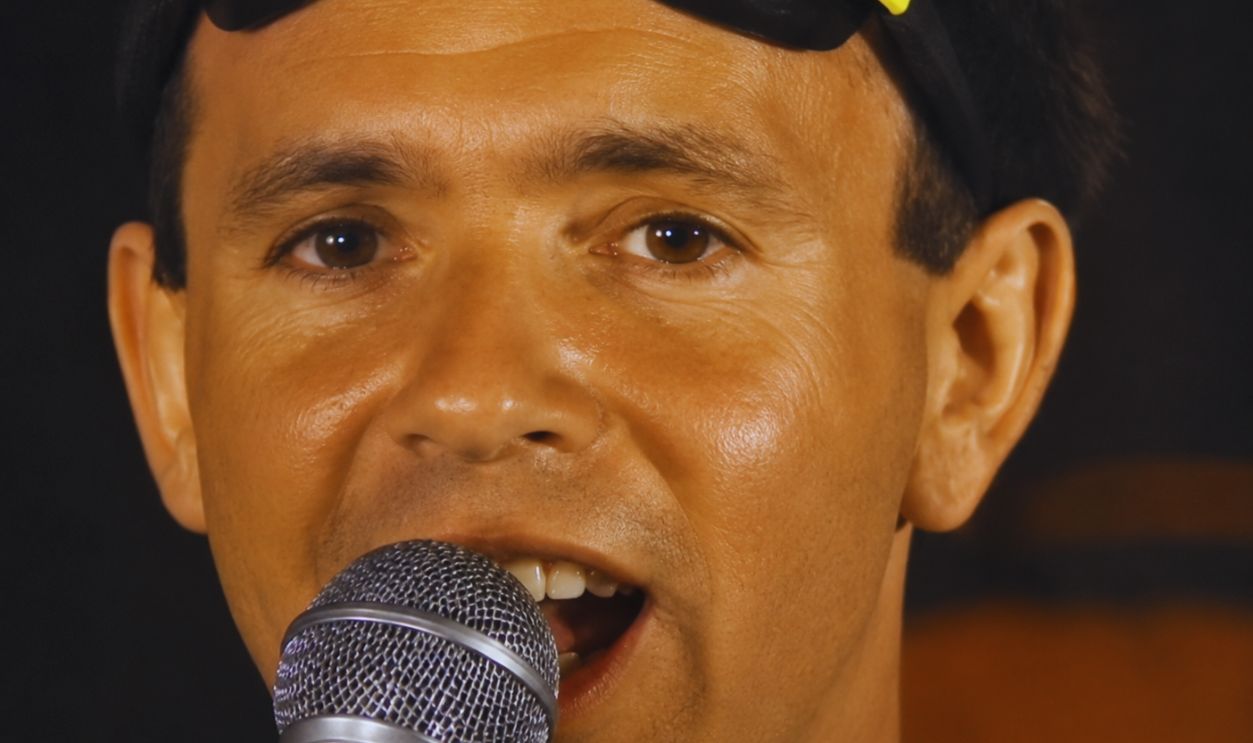 Screenshot from New Wave Theatre, David Jove Productions / Night Flight (1982) (Modified)
His Behavior Became Part Of The Speculation
Over time, reports suggested inconsistencies in Jove’s accounts, and he was said to have declined certain investigative steps. None of this resulted in formal action, but it kept questions surrounding his involvement alive.
The Case Drew Serious Attention—But No Resolution
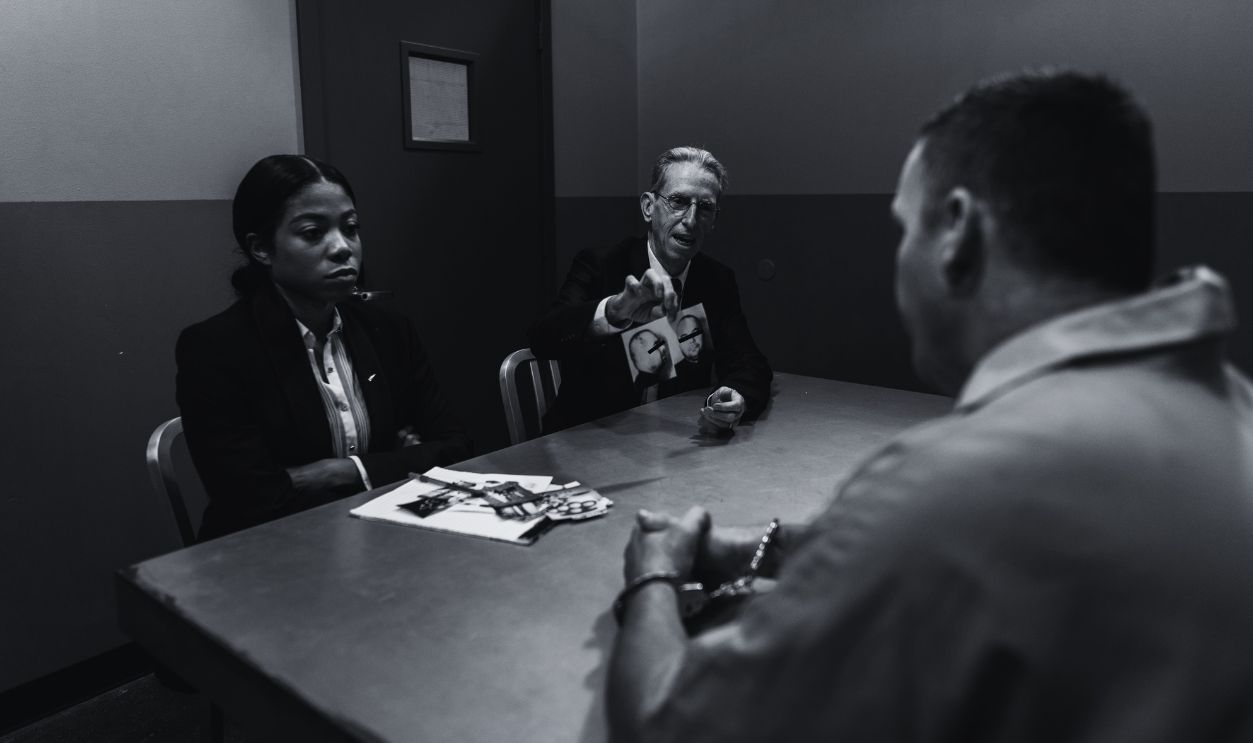
The investigation was handled as a major case, showing how seriously authorities viewed it from the beginning. Despite that, it never produced a clear explanation, and progress slowed as leads failed to turn into anything conclusive.

The Case Was Reopened—But Didn’t Break Open
In the late 2000s, investigators revisited the case and re-interviewed people connected to Ivers, including David Jove. But no new physical evidence emerged, and despite renewed scrutiny, the case once again stalled without a clear conclusion.

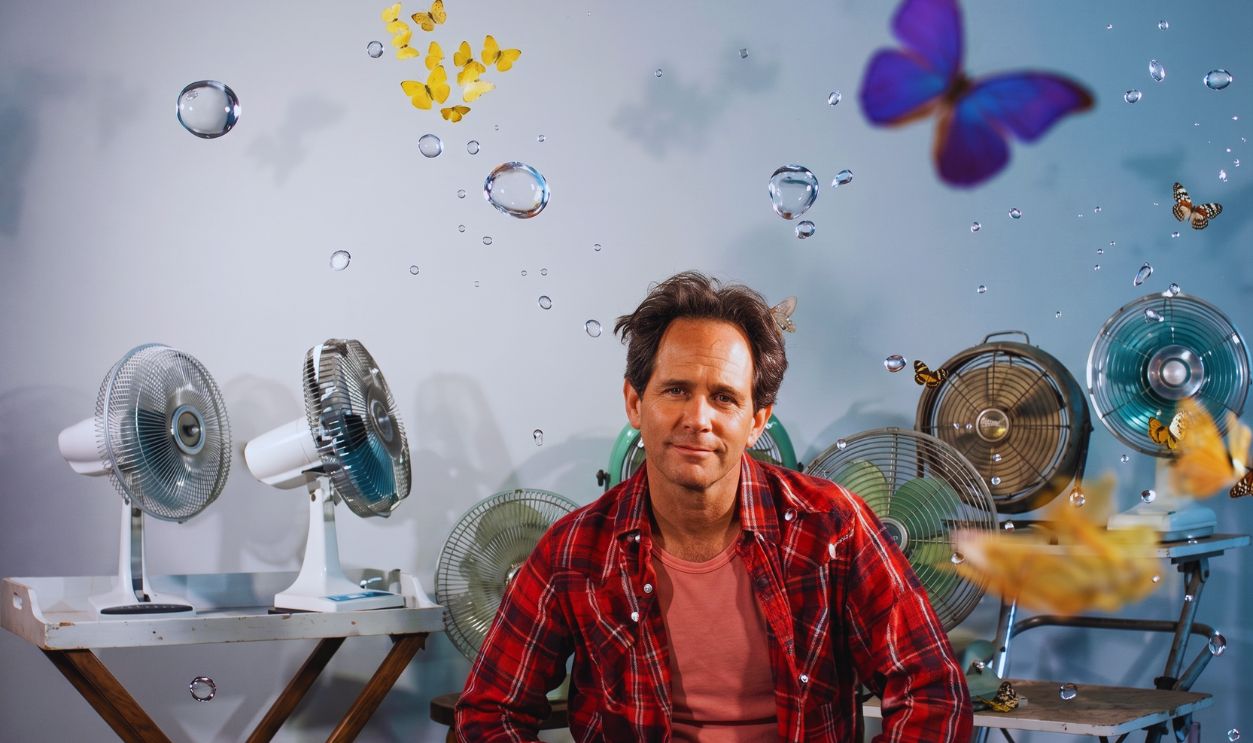
His Life Didn’t Show Signs Of Sudden Withdrawal
At the time, Ivers had ongoing projects and commitments. There was no indication he was stepping away from his career, which made the timing of what happened feel even more abrupt and difficult to explain.
 Screenshot from Becoming Peter Ivers, RVNG Intl. (2024) (Modified)
His Legacy Became Tied To The Mystery
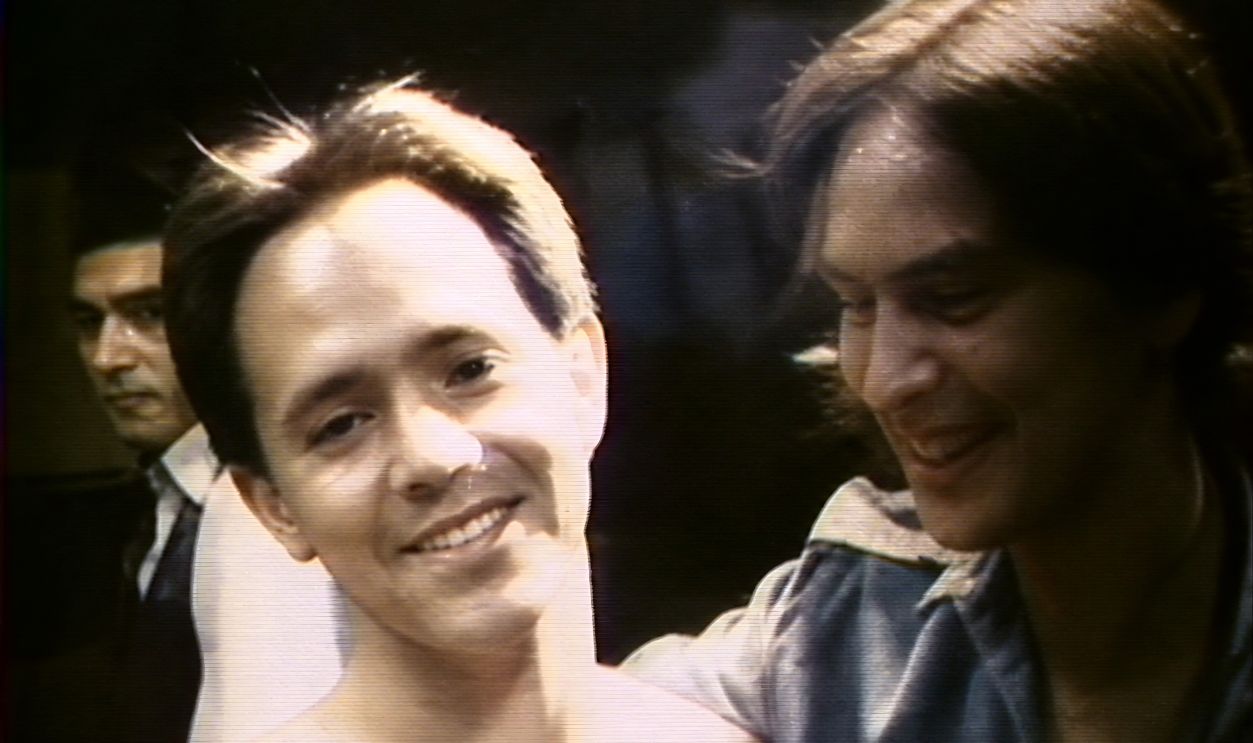
While New Wave Theatre remains an important part of music history, Ivers’ name is often remembered just as much for the unanswered questions surrounding his death as for the work he left behind.
 Screenshot from Becoming Peter Ivers, RVNG Intl. (2024) (Modified)
And That’s What Still Makes It Unsettling
He was building something real—with momentum, connections, and a growing following—but what really happened in that apartment (and why)....we might never know.
You Might Also Know:
Behind Closed Doors, Elizabeth Taylor Was In Terrible Pain
The smartest things celebrities have ever done—according to the celebrities themselves