When fame behaved badly
Old Hollywood sold glamour loudly while mess stayed carefully hidden. Courtrooms, contracts, and columnists often shaped careers more than talent did. Let's revisit scandals that studios tried to smooth over—often successfully. They can thank their lucky stars the internet didn't exist back then.
 Los Angeles Times, Wikimedia Commons
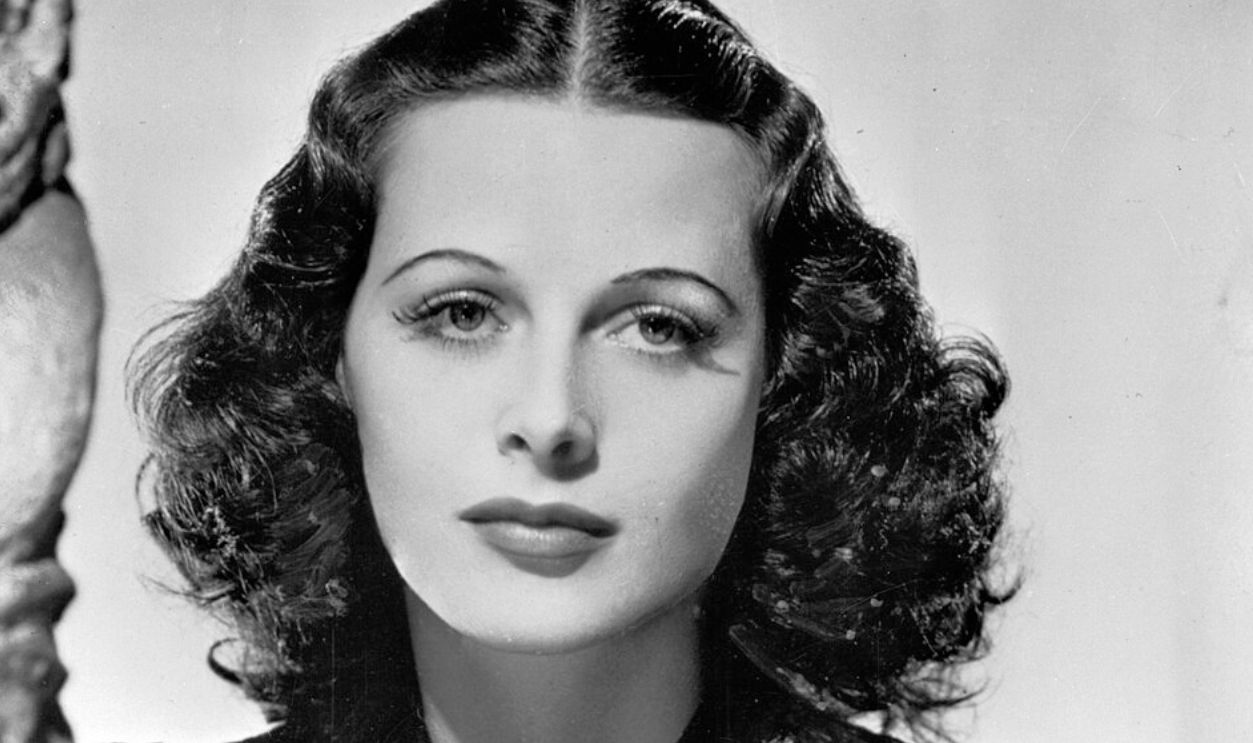
Roscoe Arbuckle
A 1921 hotel party spiraled into disaster after actress Virginia Rappe died days later. Roscoe Arbuckle became the public villain overnight. Trials dragged on, headlines grew vicious, and theaters pulled his films. Acquittal never repaired the damage already done.
 Miscellaneous Items in High Demand, PPOC, Library of Congress, Wikimedia Commons
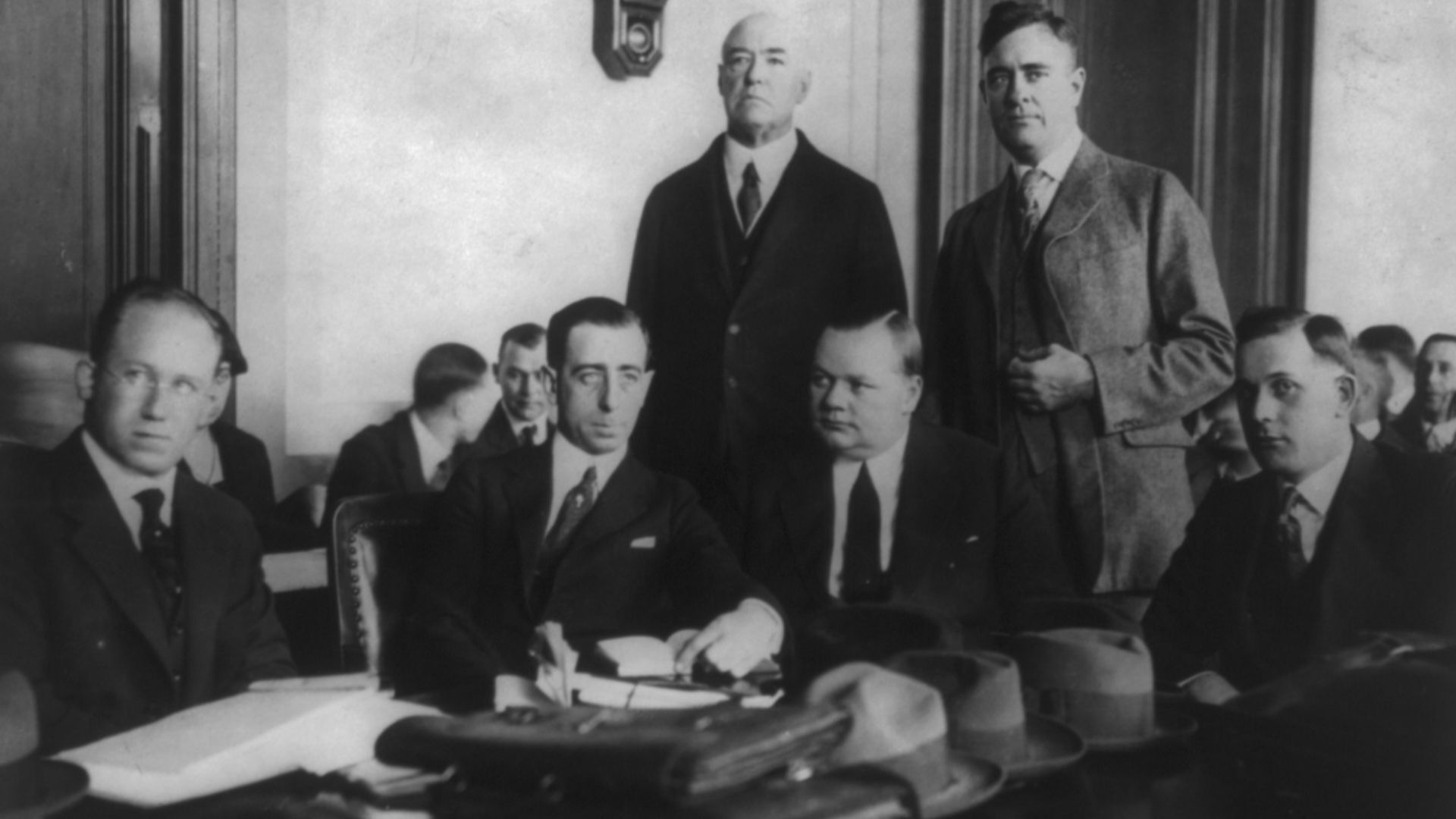
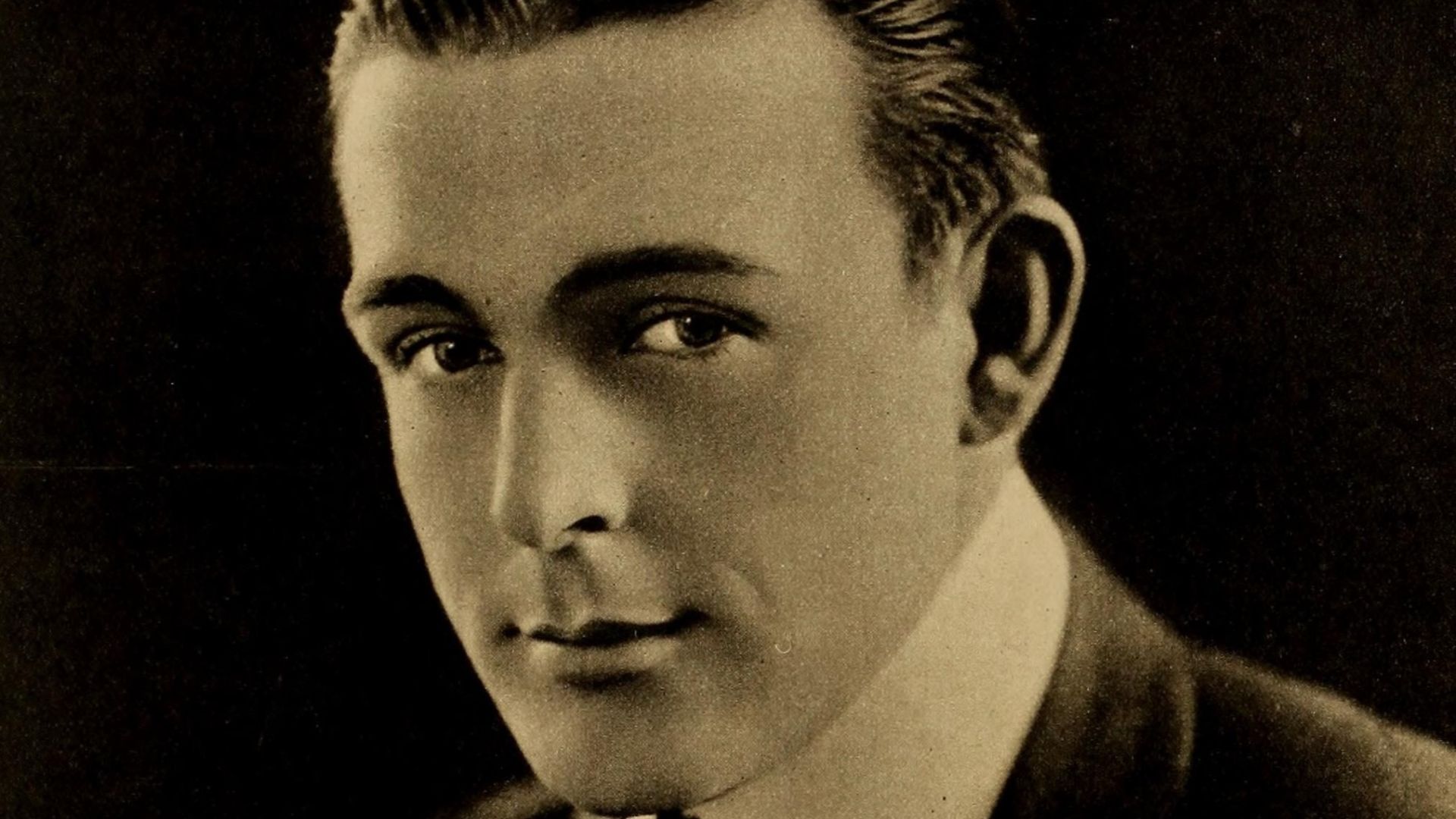
Wallace Reid
During a demanding film shoot, Wallace Reid suffered injuries treated with morphine provided by studio doctors. However, dependence developed quietly. When his condition surfaced publicly, outrage followed. Newspapers blamed personal weakness, exposing how studios normalized dangerous medical practices behind glamorous façades.
 Nelson Evans, Wikimedia Commons
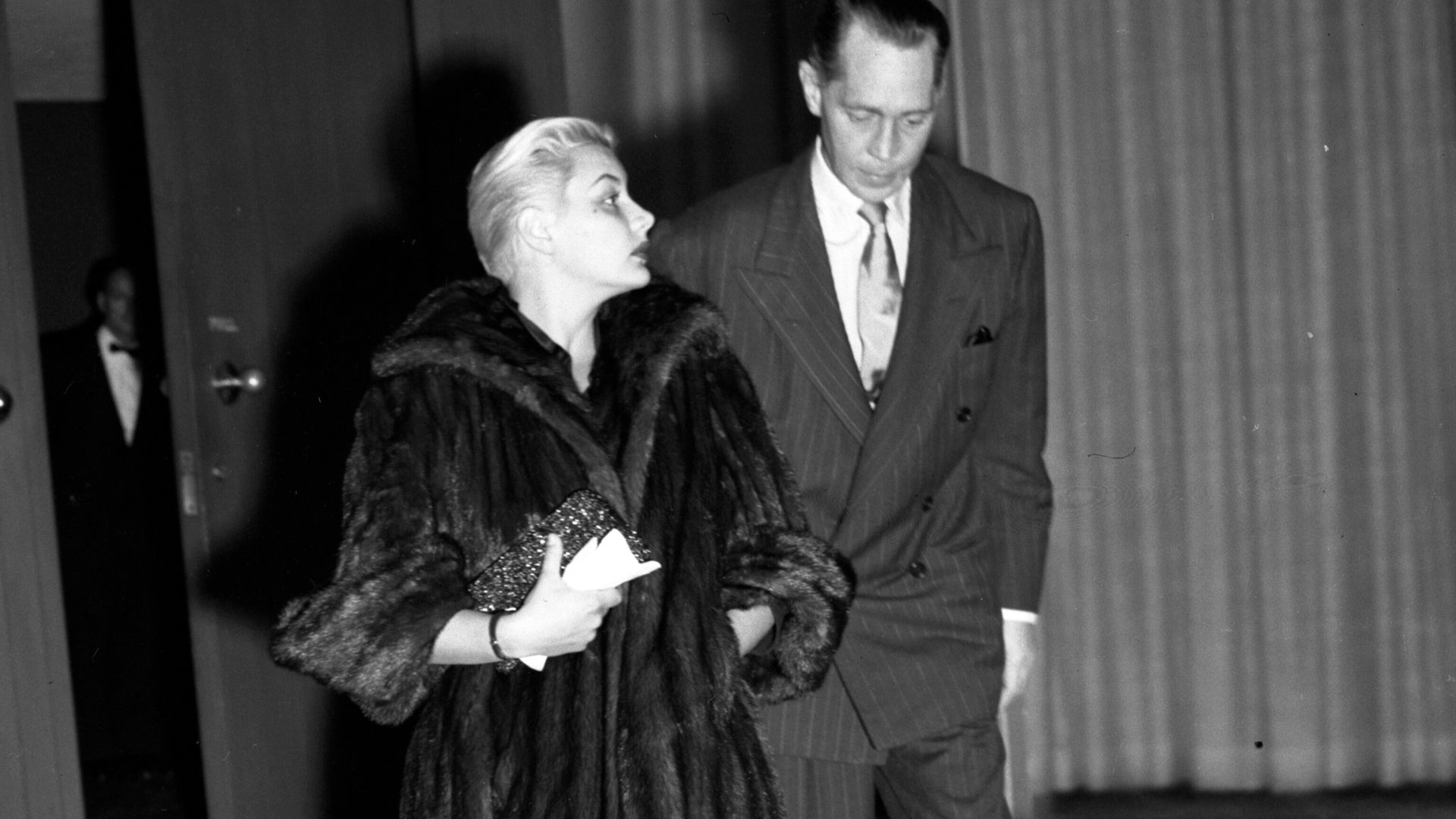
Barbara Payton
A volatile love triangle pushed Barbara Payton into scandal when actor Franchot Tone was hospitalized after a violent confrontation involving Tom Neal. Photographs flooded tabloids, and studios withdrew support. Her talent vanished behind headlines that framed personal chaos as public entertainment.
 S. A. Hixon, Los Angeles Times, Wikimedia Commons
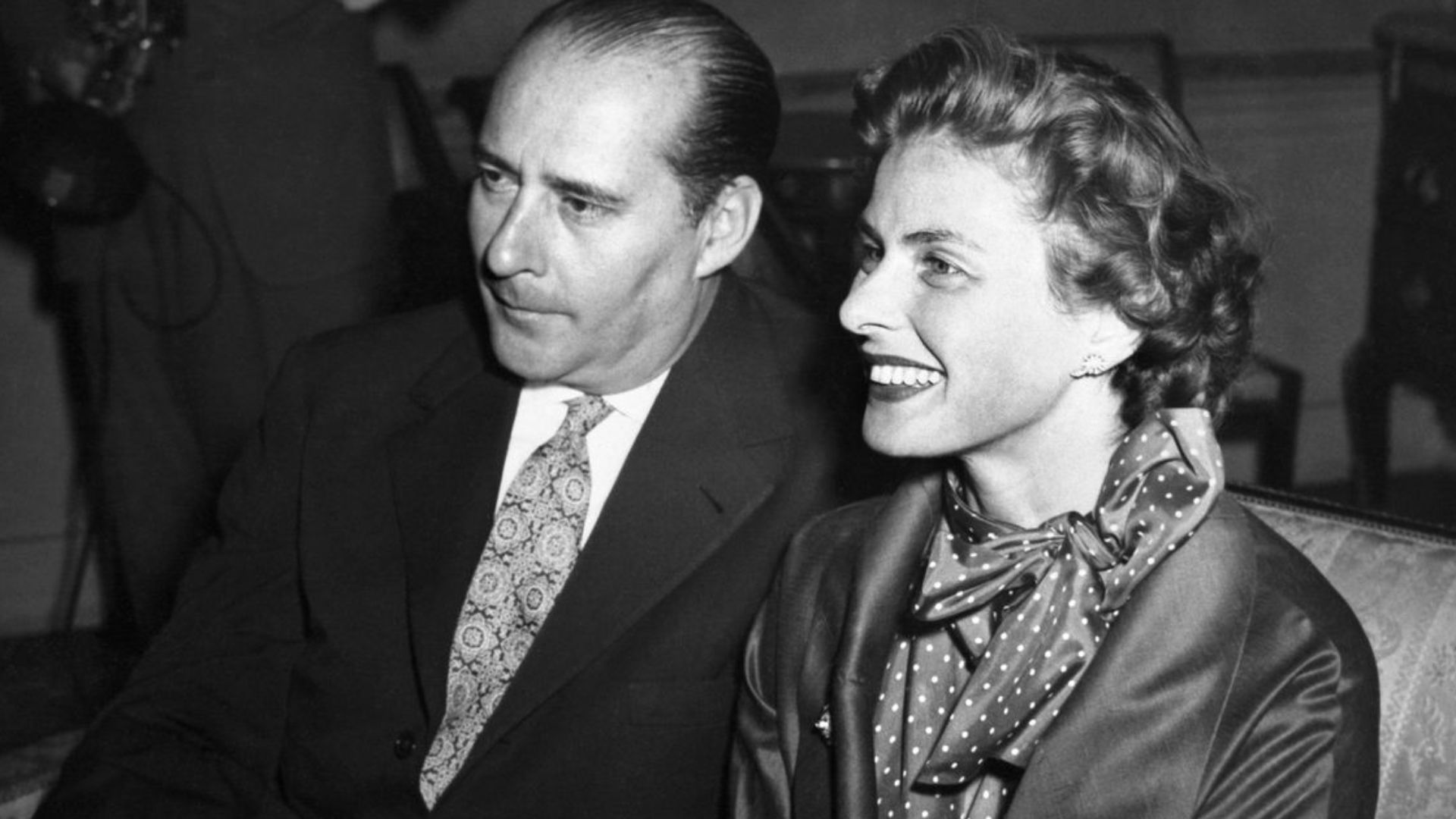
Ingrid Bergman
America watched Ingrid Bergman abandon her carefully crafted image after leaving her marriage and becoming pregnant with director Roberto Rossellini. The backlash reached Washington. Even a US senator publicly condemned her, turning her private life into a national morality spectacle.
 newspaper press photo, Rome, Italy, Wikimedia Commons
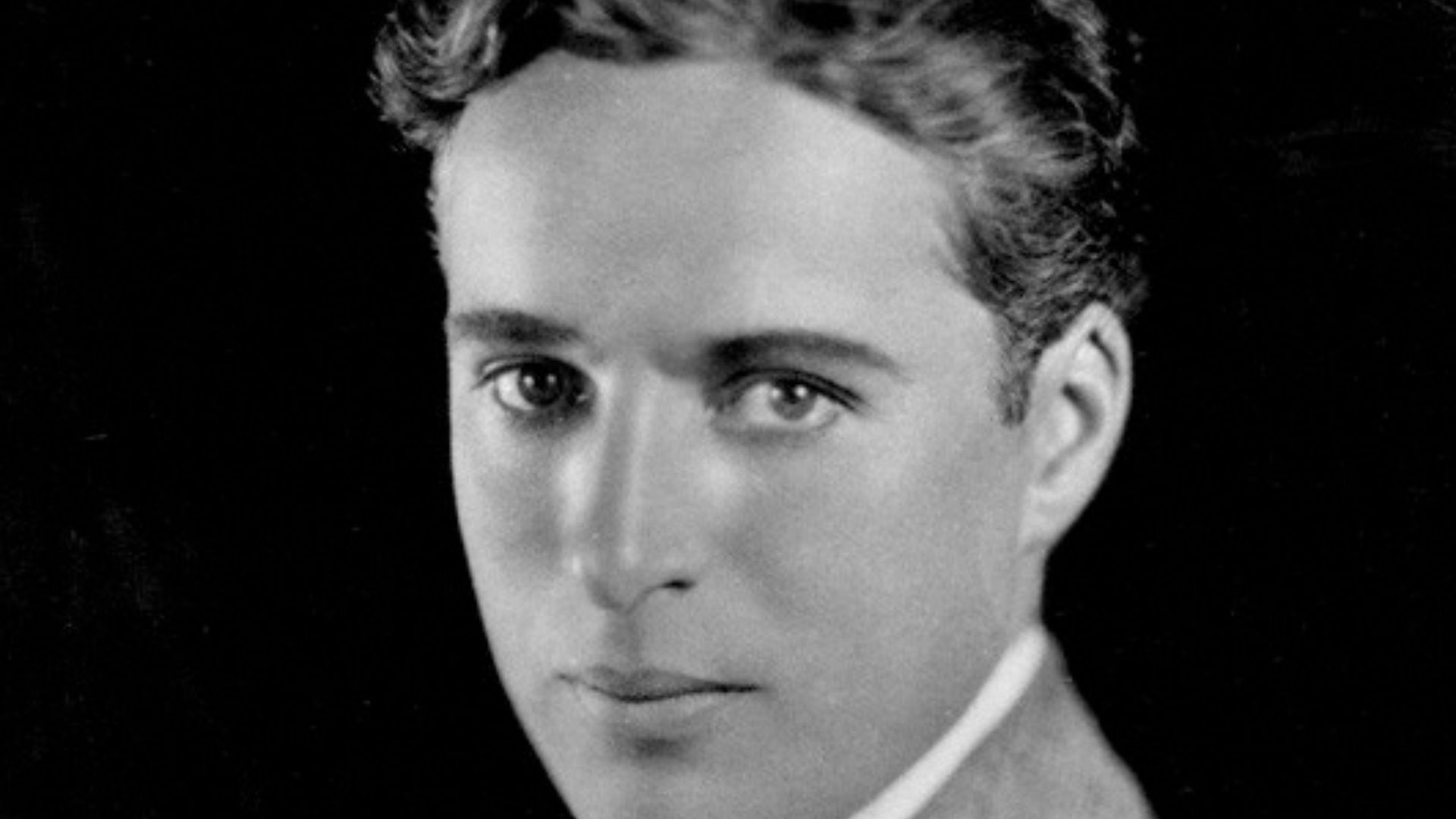
Charlie Chaplin
A highly publicized paternity case involving former companion Joan Barry pushed Charlie Chaplin into scandal territory. Though evidence cleared him, headlines lingered. Political suspicion followed. Eventually, public pressure grew strong enough to force Hollywood’s biggest star into self-imposed exile.
 Strauss-Peyton Studio, Wikimedia Commons
Lupe Vélez
In 1944, Lupe Vélez died suddenly, and tabloids rushed to print lurid, inaccurate details about her final hours, including debunked myths like drowning in a toilet after an overdose. Editors even ignored family pleas for restraint. Sensational stories spread worldwide, turning grief into spectacle and exposing how studios lost control once scandal-fueled sales took over.
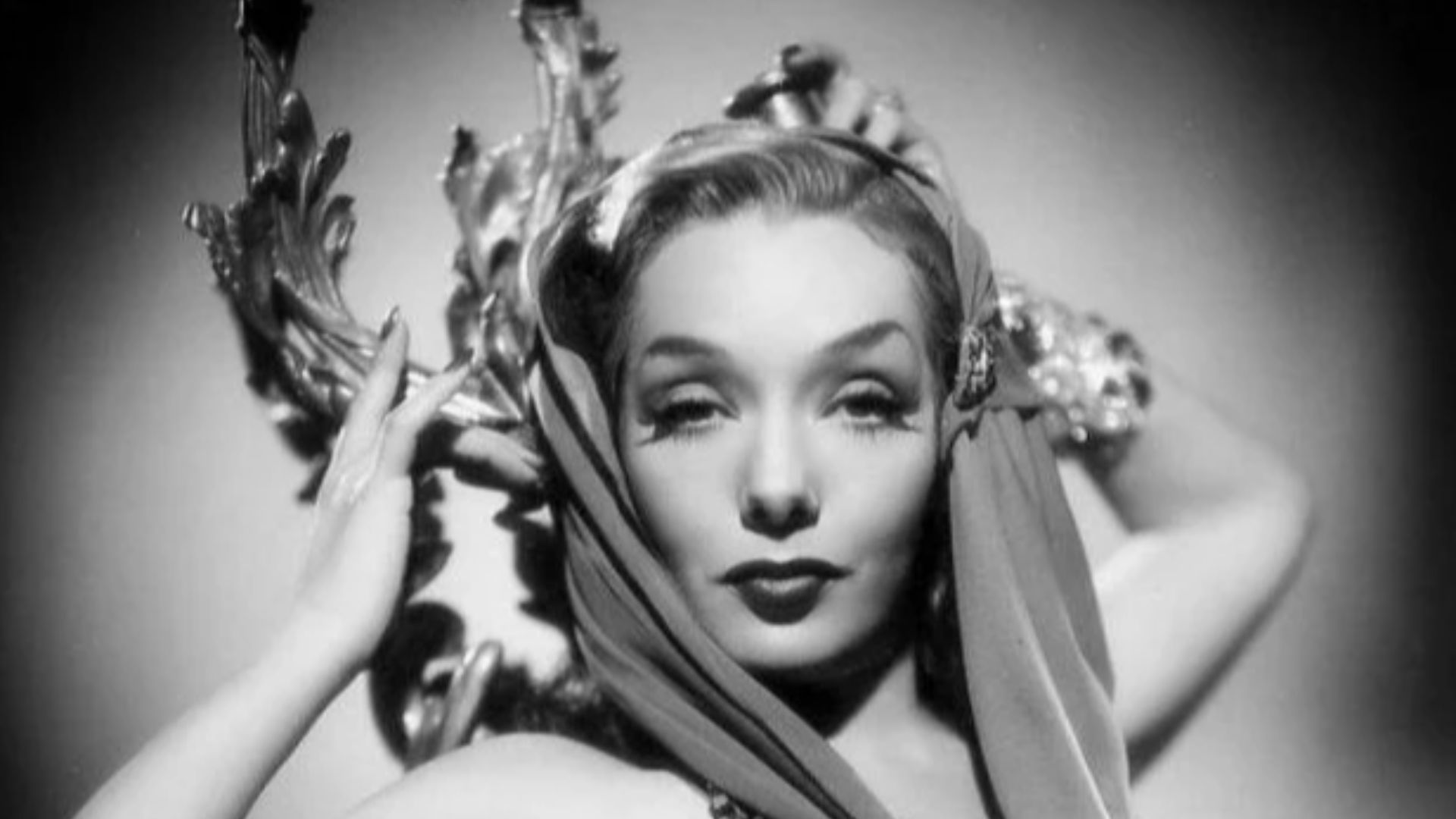 Whitey Schafer, Wikimedia Commons
Jean Harlow
Jean Harlow collapsed repeatedly during filming as studios dismissed symptoms to stay on schedule. Her sudden death shocked the public. Journalists later uncovered ignored medical warnings. The scandal forced Hollywood to confront how image protection often outweighed basic care for its stars.
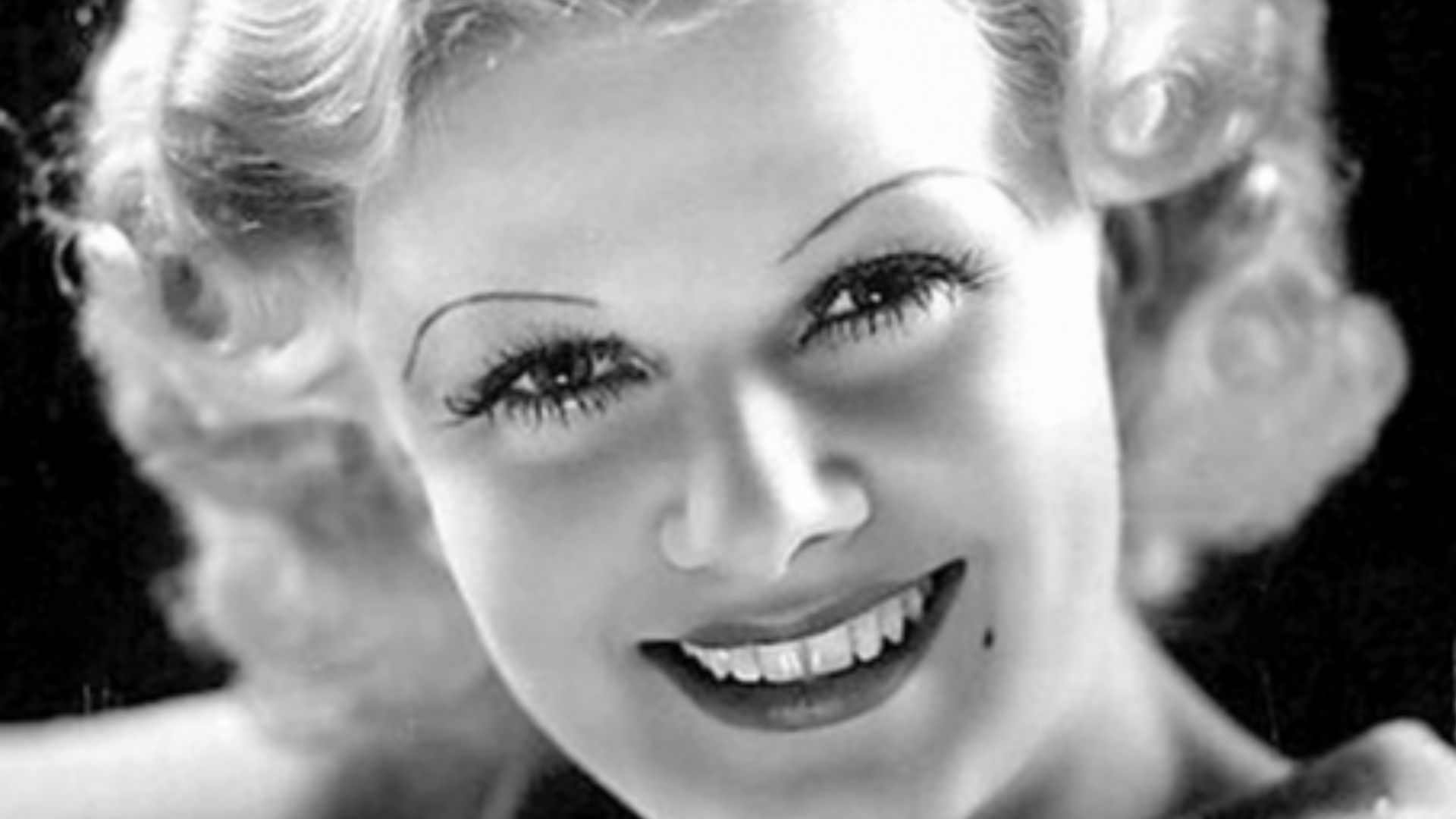
Errol Flynn
In the early 1940s, Errol Flynn’s offscreen relationships triggered a highly publicized trial involving minors. Newspapers treated proceedings like entertainment. Although cleared, the episode reshaped his image, showing how star power redirected outrage while studios protected profitable reputations.
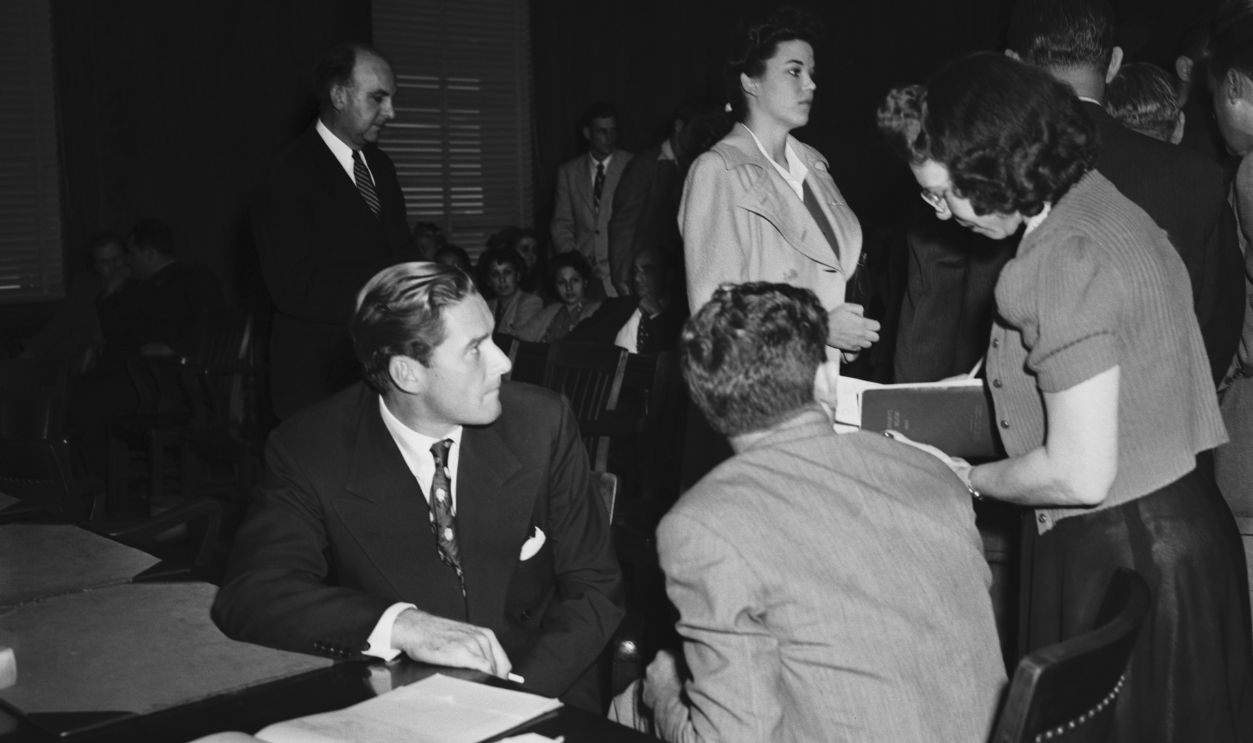
Tallulah Bankhead
Tallulah Bankhead refused discretion, speaking openly about relationships that studios preferred to keep hidden. Interviews sparked outrage and fascination. Rather than silence her, Hollywood tolerated the chaos because fame shielded profitability. The scandal also revealed how rules were bent easily for stars who refused to behave quietly.
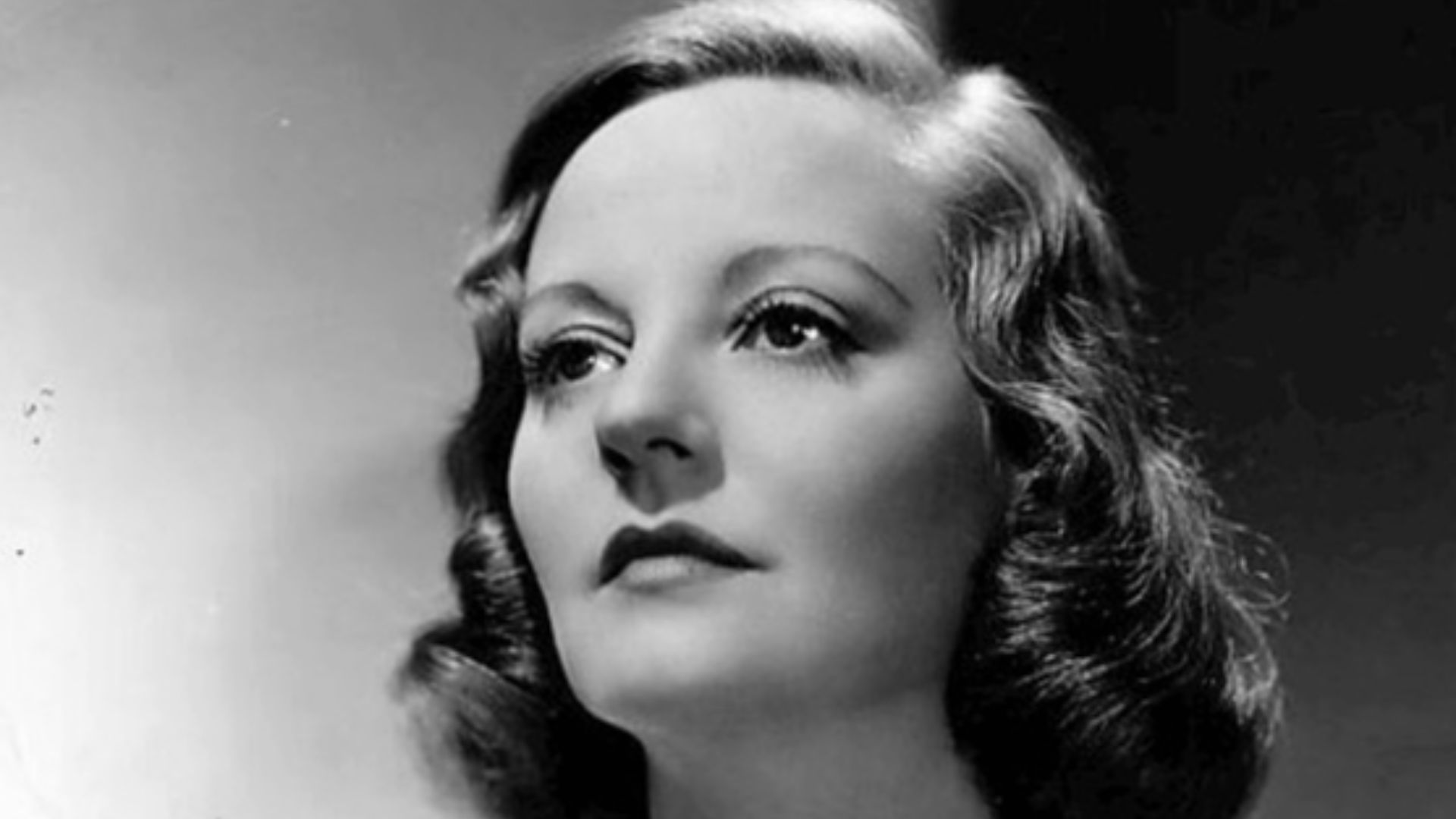 Photo by Vandamm, New York, Wikimedia Commons
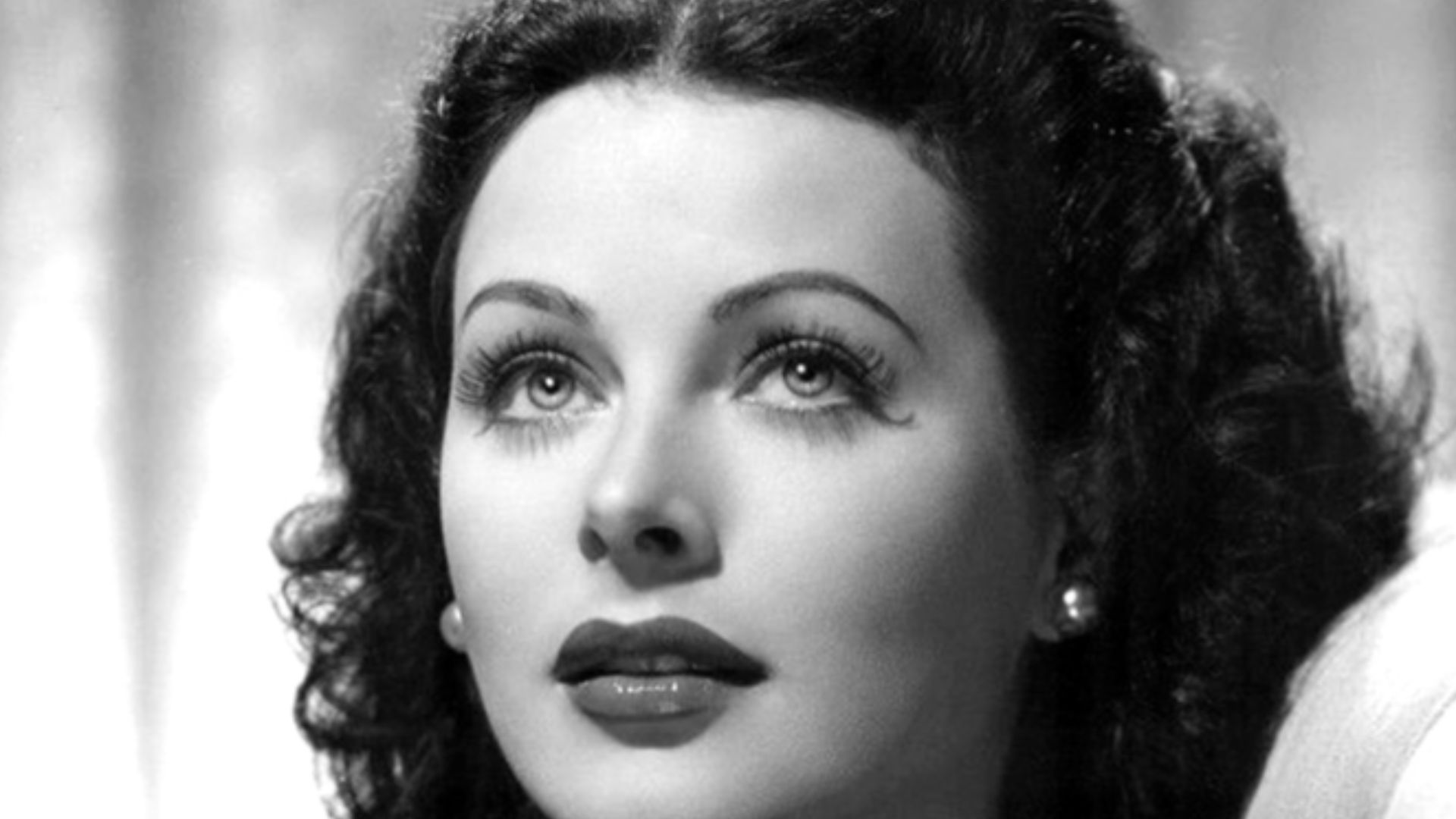
Hedy Lamarr
Hedy Lamarr arrived in Hollywood already infamous after appearing without proper clothing in a European film. Studios rebranded her image instantly. The scandal followed anyway. Public fixation on sexuality overshadowed her intelligence, which buried groundbreaking ideas beneath headlines hungry for shock.
 Unknown authorUnknown author, Wikimedia Commons
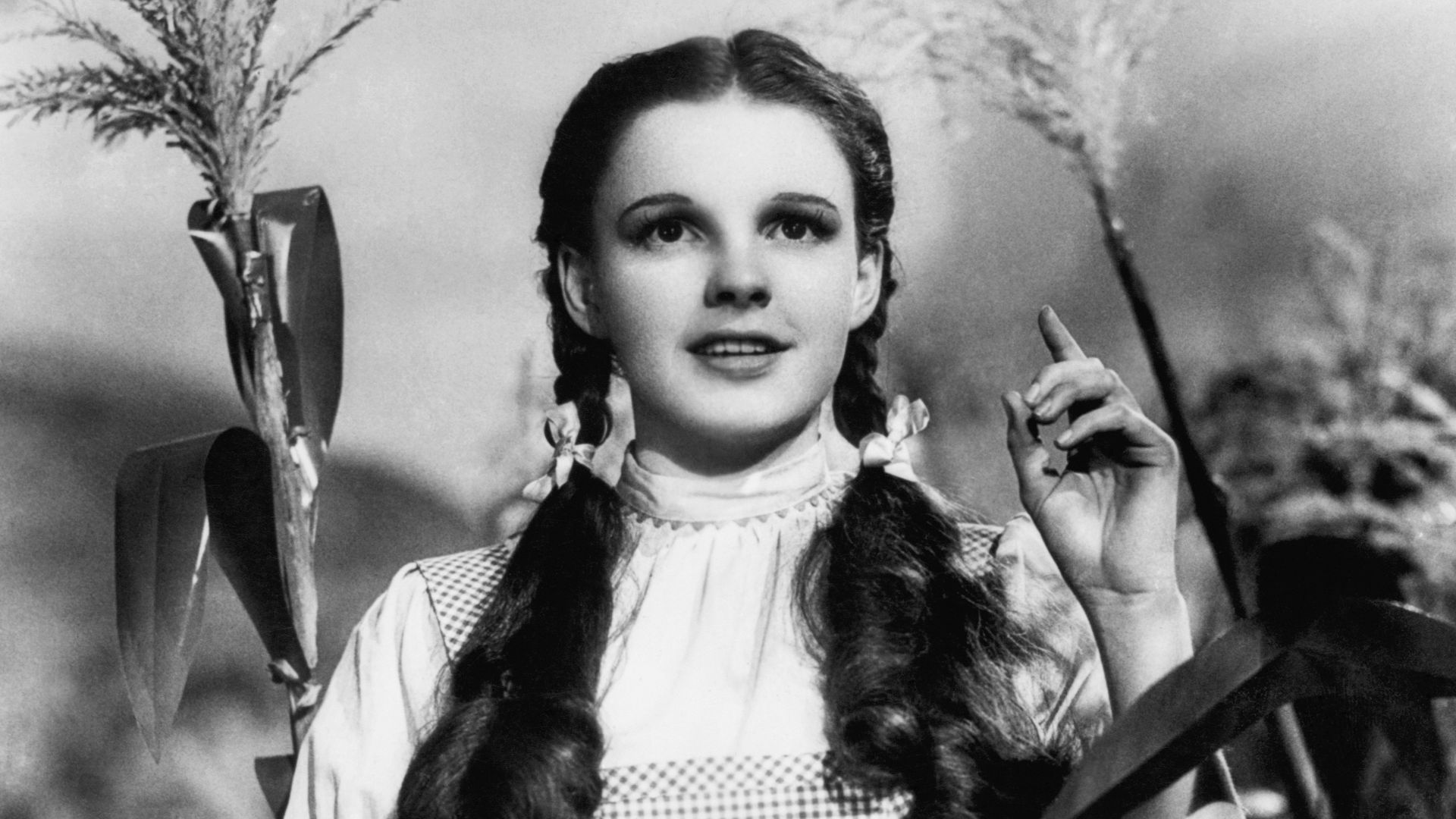
Judy Garland
Teenage Judy Garland collapsed repeatedly under studio schedules that demanded weight control and endless filming. MGM doctors also supplied pills to keep her working. When exhaustion became public, audiences recoiled. Plus, the scandal exposed how Hollywood protected profits by disguising chemical dependence as discipline.
 CBS Television Network., Wikimedia Commons
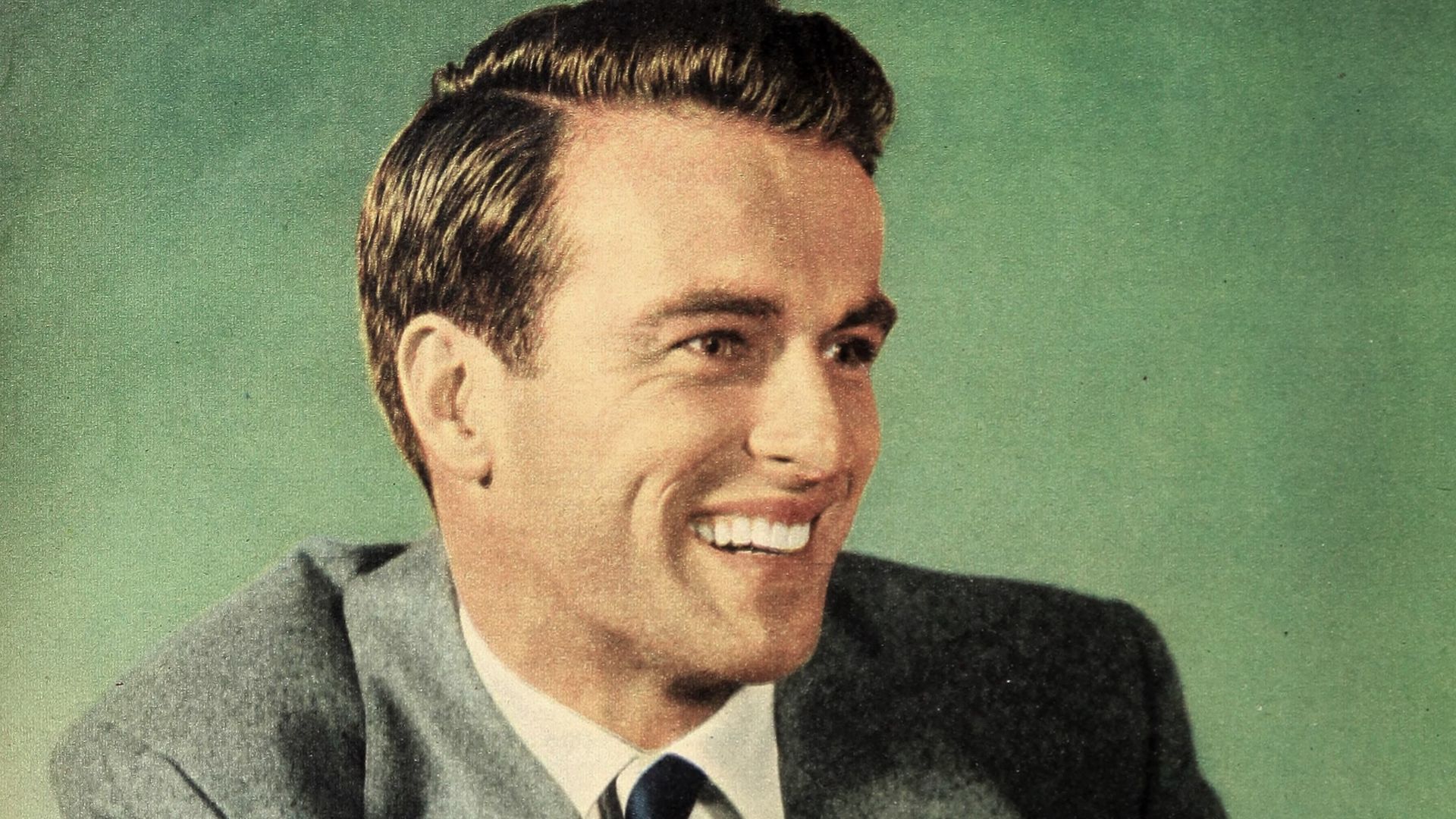
Montgomery Clift
The aftermath of Montgomery Clift’s 1956 crash exposed Hollywood’s limits of compassion. Rather than pause his career, studios concealed injuries and encouraged medication to maintain continuity. But audience awareness grew. The resulting scandal showed how image preservation often outweighed the actor's well-being.
 Max Coplan of Paramount [1], Wikimedia Commons
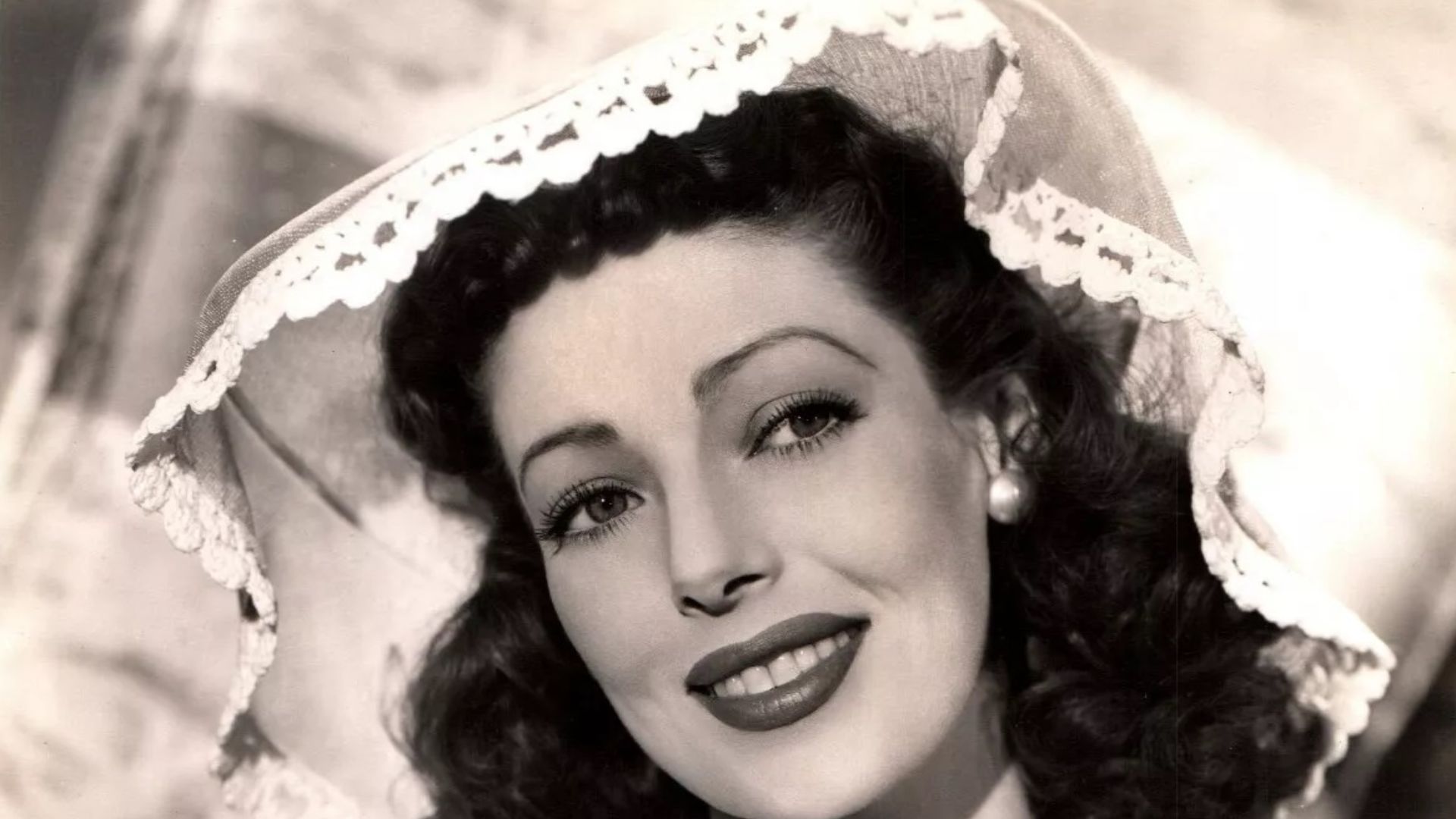
Loretta Young
Loretta Young vanished suddenly in 1935, only to return months later with a story about illness. In reality, she had secretly given birth after an affair with Clark Gable. Studios staged an adoption. Decades passed before the truth surfaced, reframing silence itself as scandal.
 Whitey Schafer, Wikimedia Commons
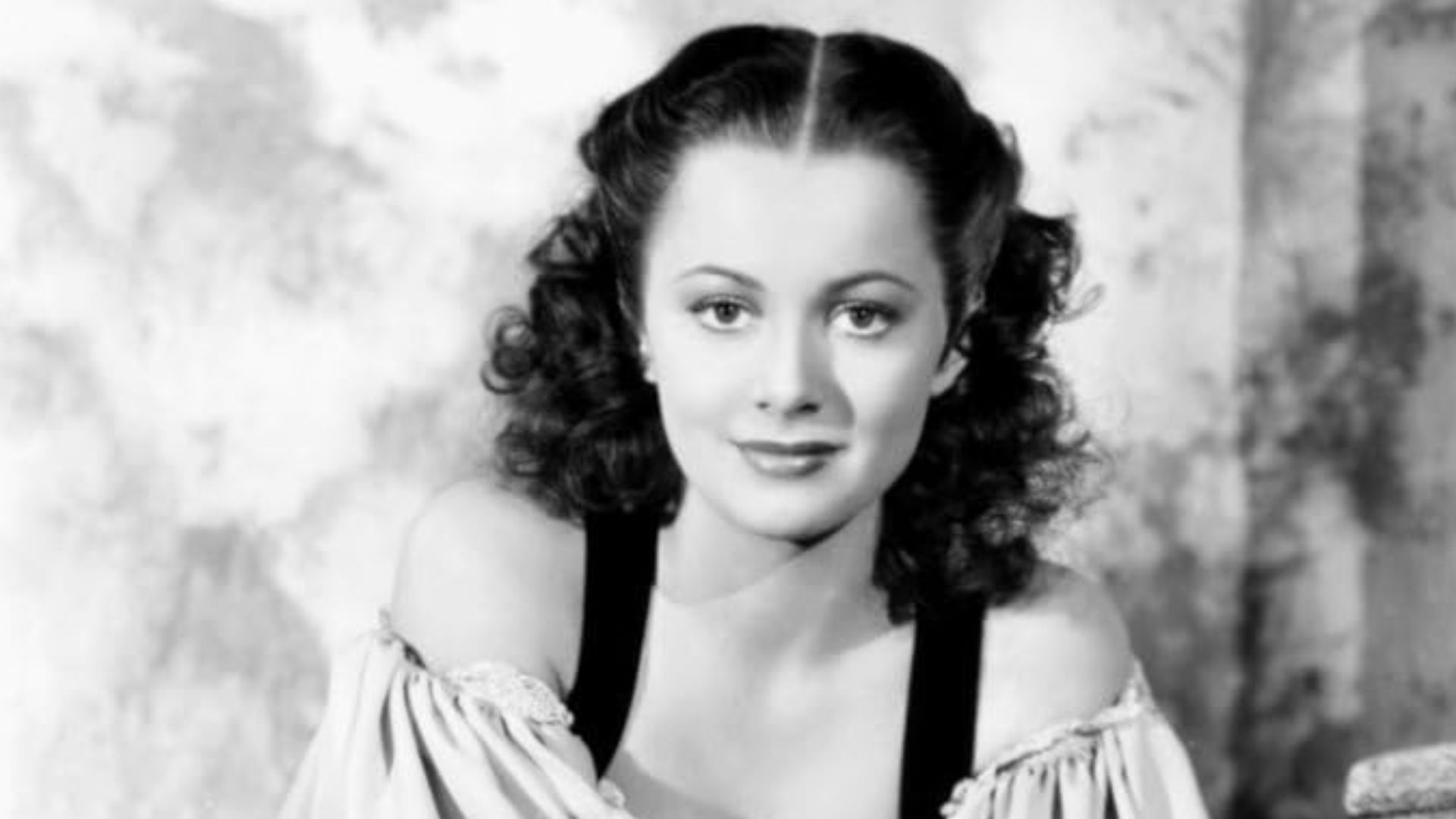
Olivia de Havilland
Years after Bette Davis failed, Olivia de Havilland tried again. She sued Warner Bros over extended contracts and won in 1944. This is when studios panicked. The ruling rewrote labor rules, which turned a legal fight into a scandal that permanently weakened Hollywood’s grip on talent.
 Chalmers Publishing, New York, Wikimedia Commons
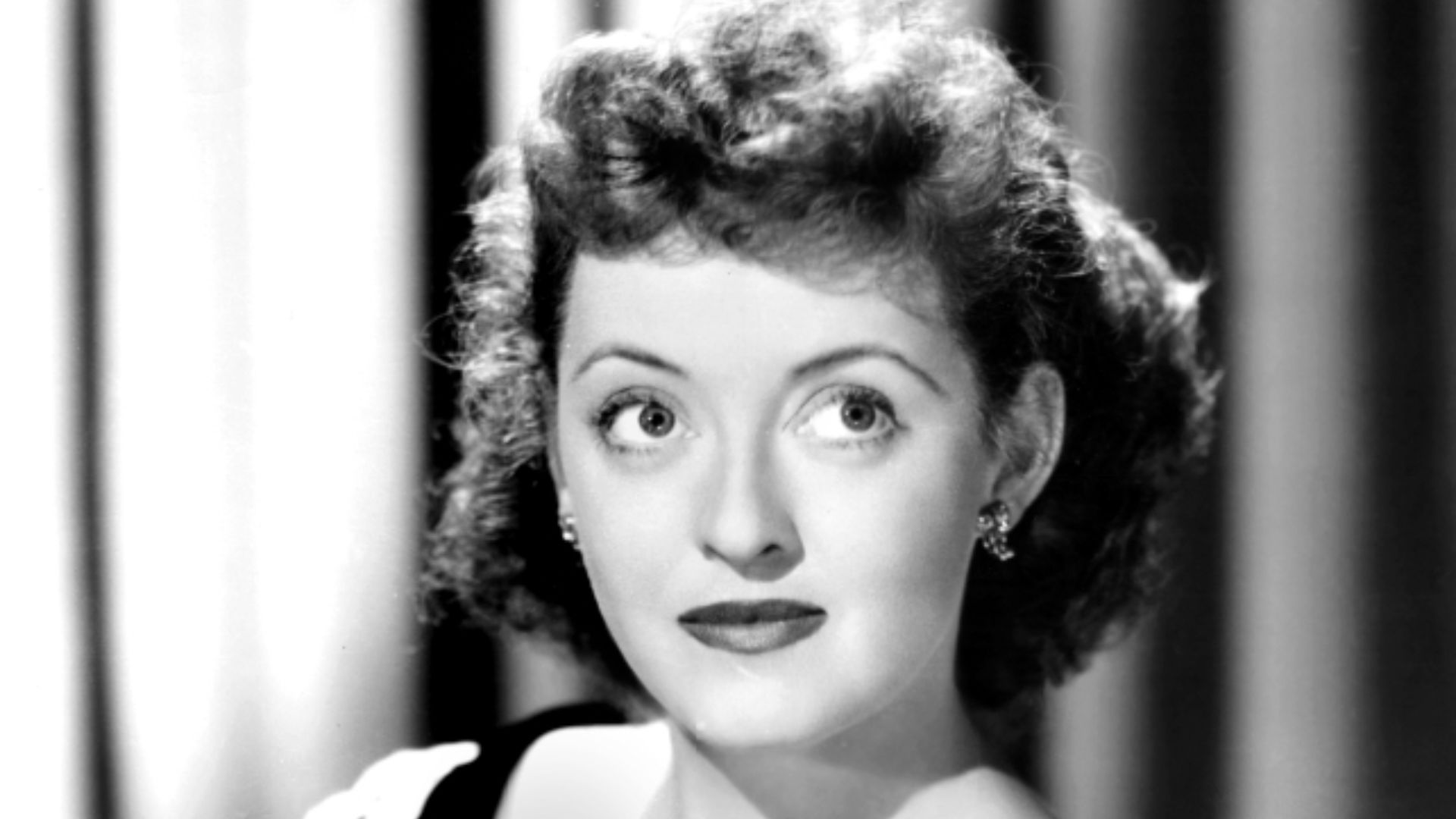
Bette Davis
Bette Davis shocked Hollywood by suing Warner Bros in 1936 to escape restrictive contracts. Courts ruled against her, and then the headlines followed. Though she lost legally, the scandal cracked studio authority, encouraging actors to challenge long-term control that had quietly defined the industry.
 Studio Publicity, Wikimedia Commons
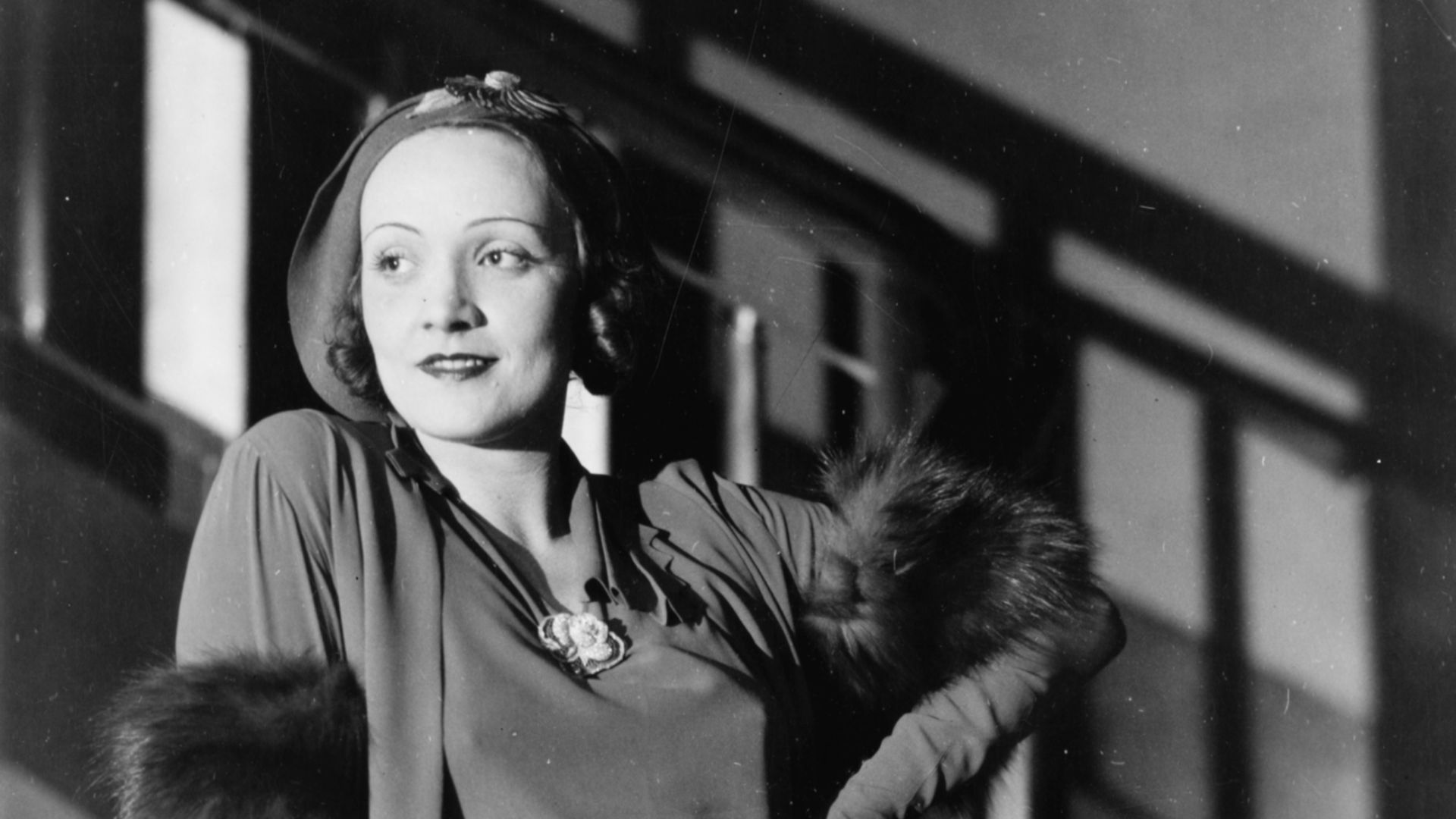
Marlene Dietrich
In 1933, Paris police warned Marlene Dietrich she could face consequences for appearing publicly in men’s trousers, which violated an outdated decency law. She ignored the warning, facing no arrest. Newspapers erupted. Hollywood watched closely, discovering that deliberate defiance could spark a scandal without ending a career.
 George Grantham Bain Collection (Library of Congress), Wikimedia Commons
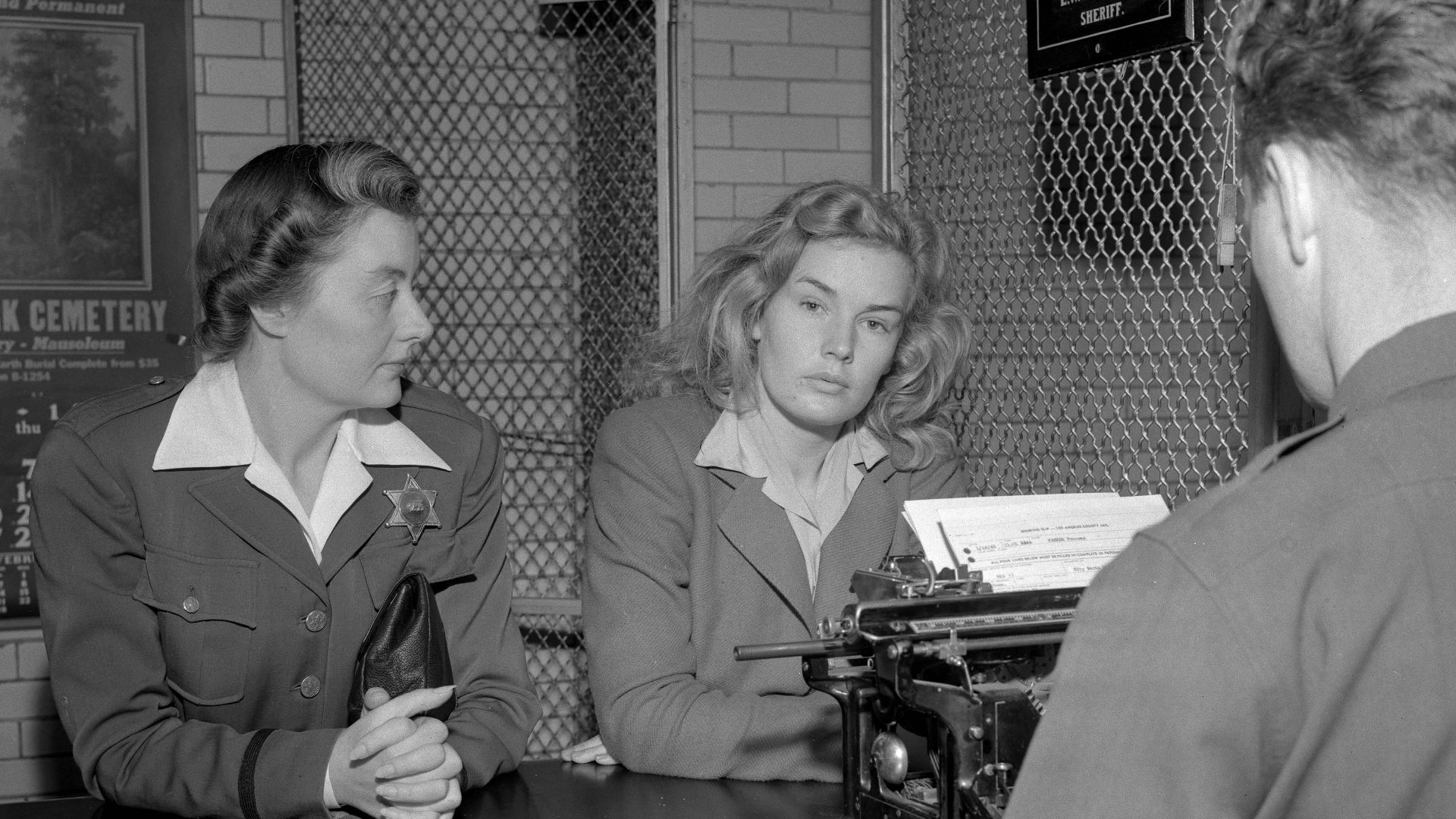
Frances Farmer
Frances Farmer openly challenged studio authority during the 1940s by criticizing contracts and refusing publicity control. Arrests followed amid heavy press attention. Courts intervened. Newspapers exaggerated her behavior, debunking later myths like lobotomy. As sympathy faded, institutionalization became the story, which exposed how resistance was rebranded as instability.
 Los Angeles Times, Wikimedia Commons
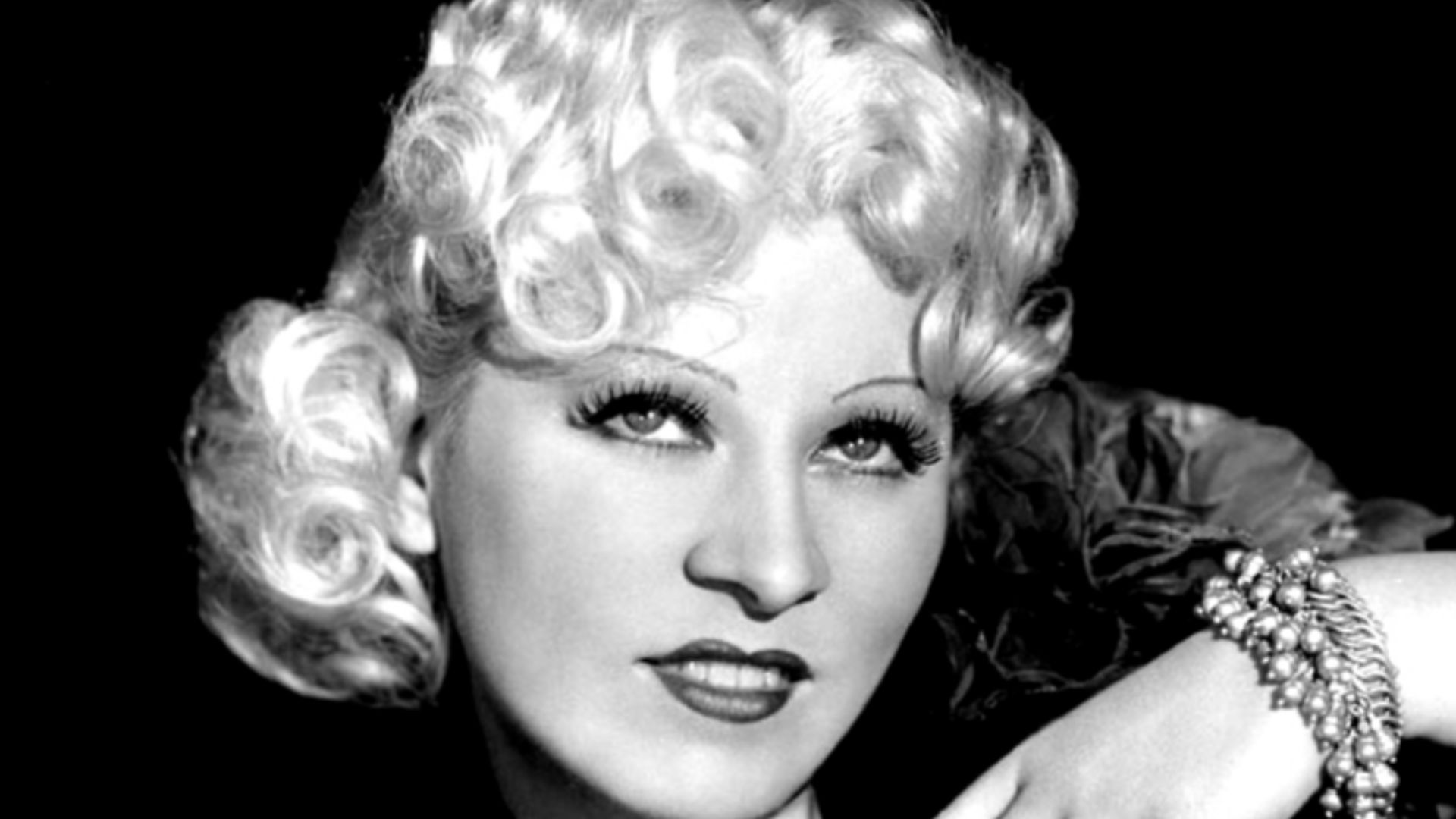
Mae West
Suggestive dialogue and unapologetic confidence triggered repeated arrests and bans during early-stage performances. Religious groups mobilized. Studios hesitated, then complied with demands for restraint. The uproar also accelerated censorship rules, making one woman’s popularity a catalyst for industry-wide control.
 Paramount Pictures, Wikimedia Commons
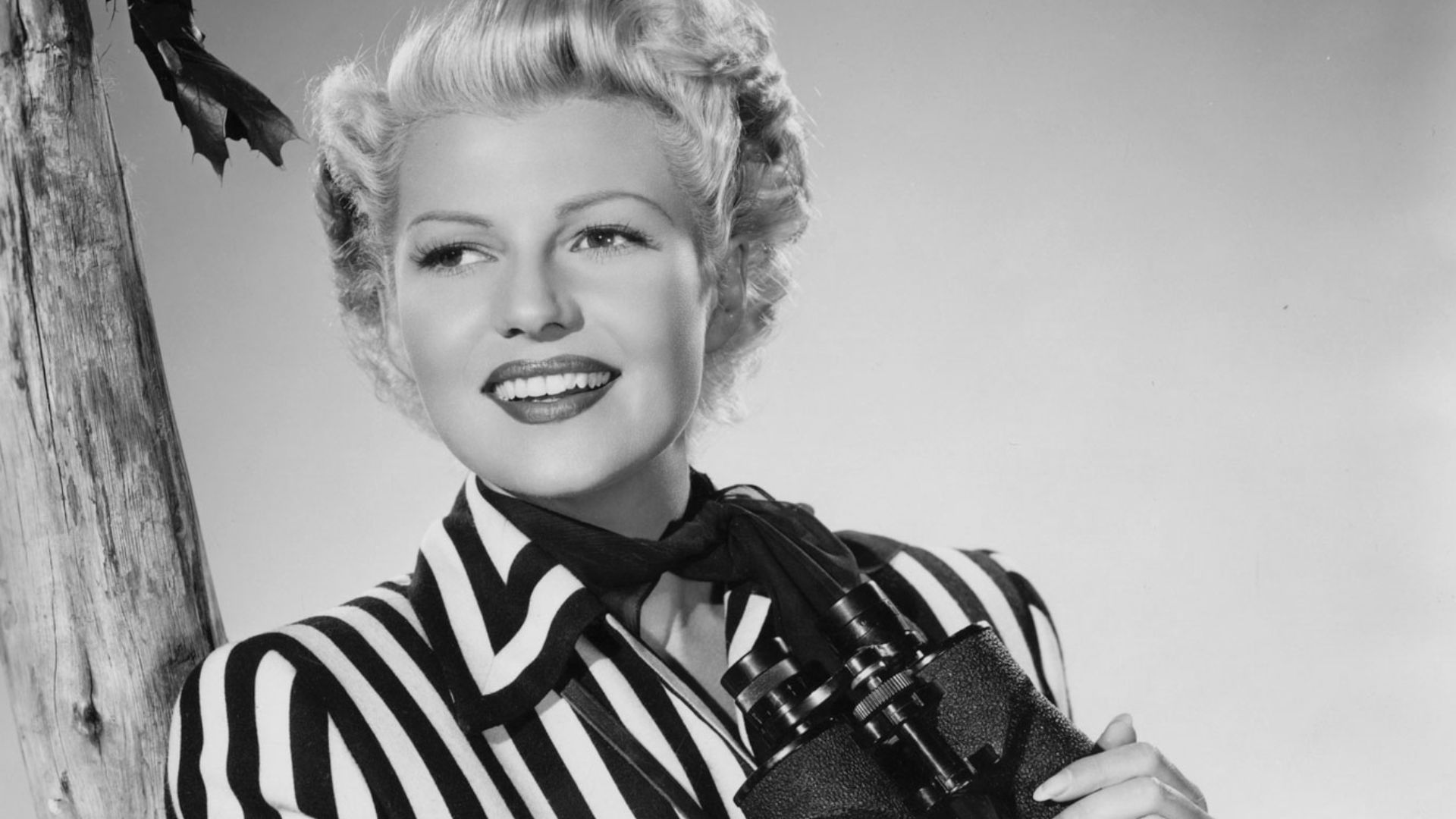
Rita Hayworth
Studio executives transformed Margarita Cansino into Rita Hayworth through cosmetic procedures and strict image discipline designed for mass appeal. However, when public marriages collapsed, tabloids blamed temperament while ignoring how enforced reinvention fueled the personal strain behind the scandal.
 Robert Coburn, Wikimedia Commons
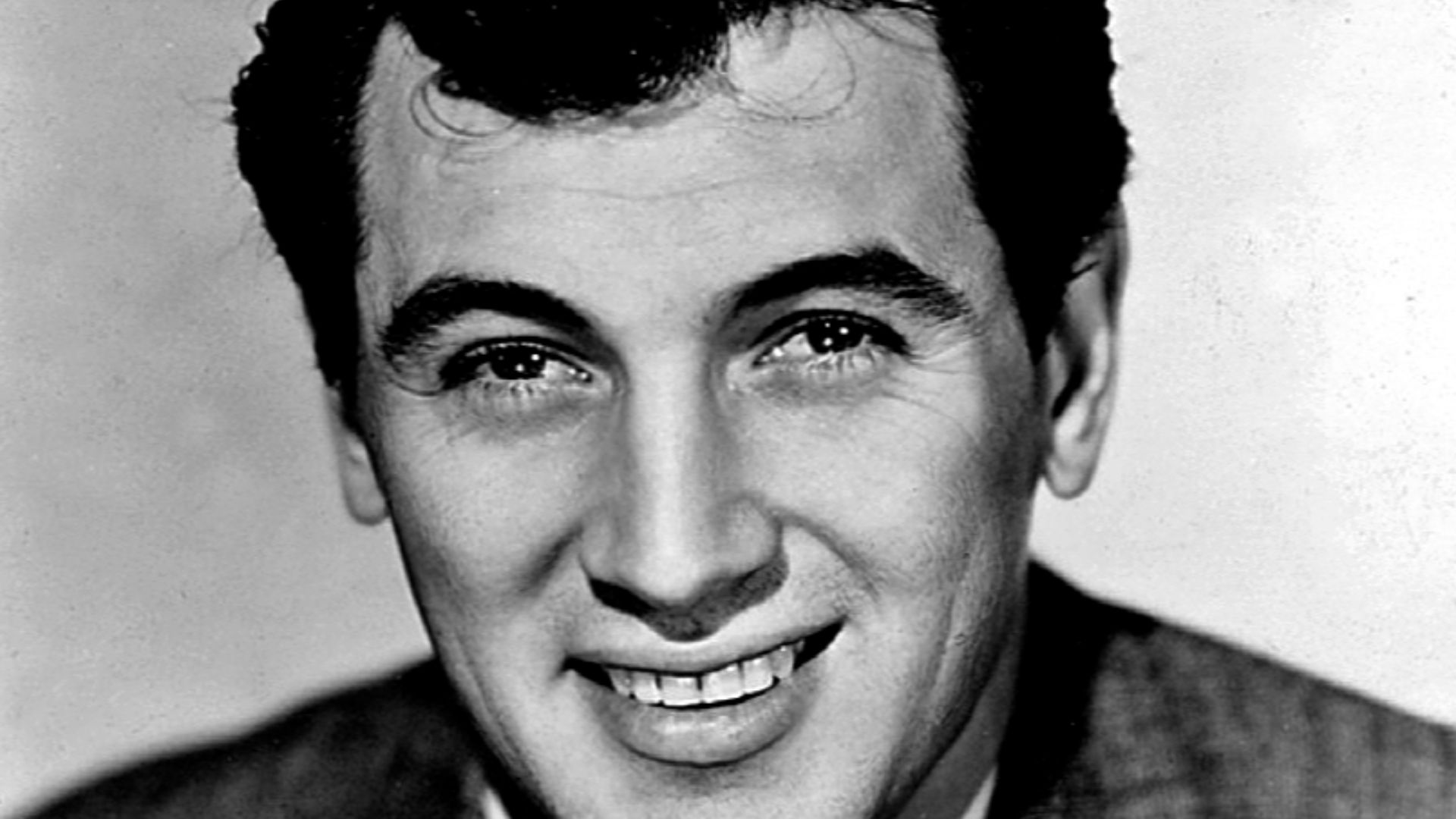
Rock Hudson
For years, Rock Hudson appeared in carefully staged romances designed by studio publicists rather than personal choice. Hollywood insiders knew the truth but kept quiet. When the story finally surfaced publicly, the gap between image and reality shocked audiences and reframed secrecy as a calculated scandal.
 Universal Pictures, Wikimedia Commons
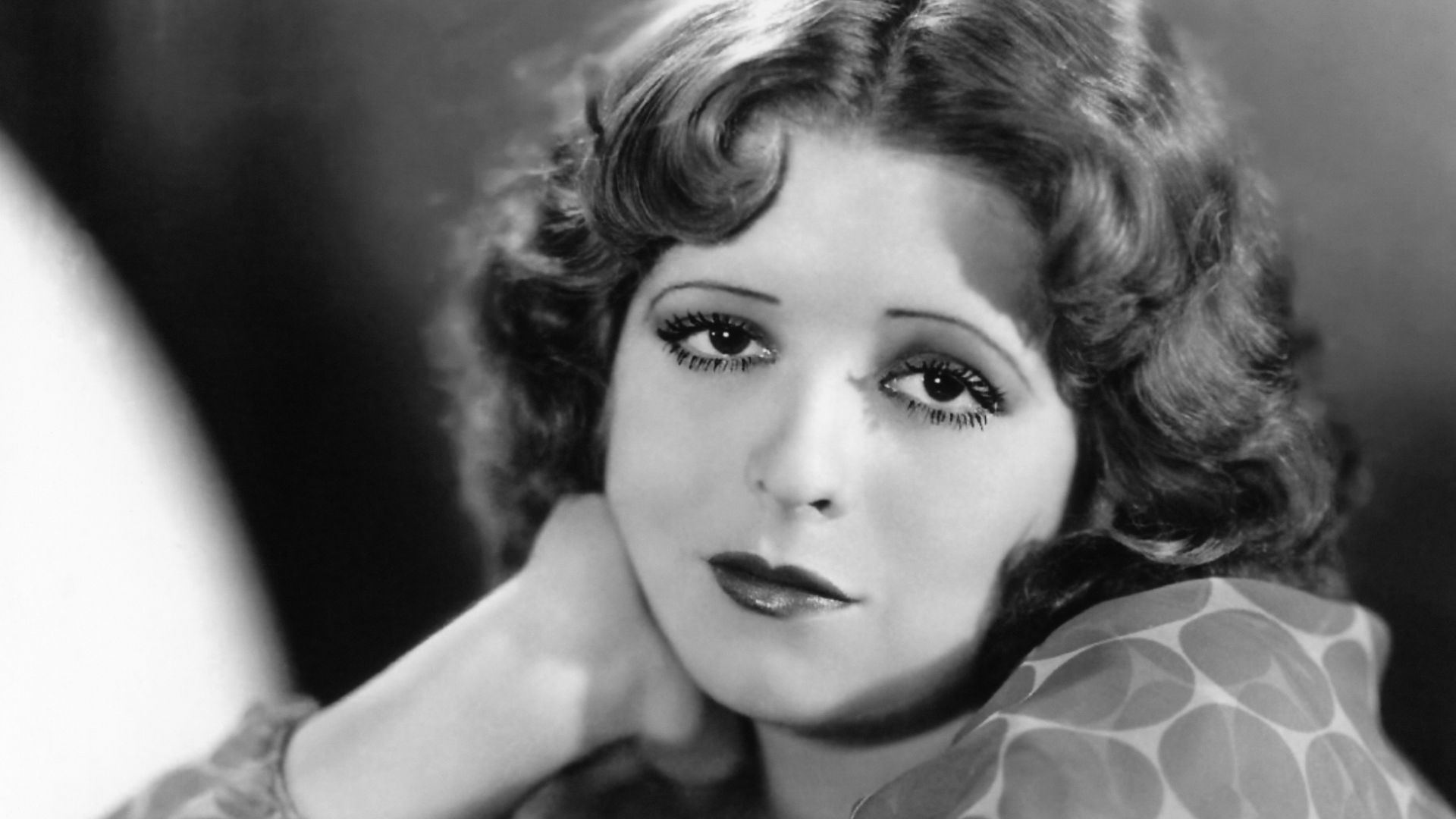
Clara Bow
Hollywood turned on Clara Bow after anonymous accusations painted her as immoral and unstable during the late 1920s. Studio investigations followed, rumors filled newspapers, and the pressure damaged her mental health, turning manufactured gossip into a scandal that ended one of silent film’s brightest careers.
 Harold Dean Carsey (1886-1947), Wikimedia Commons
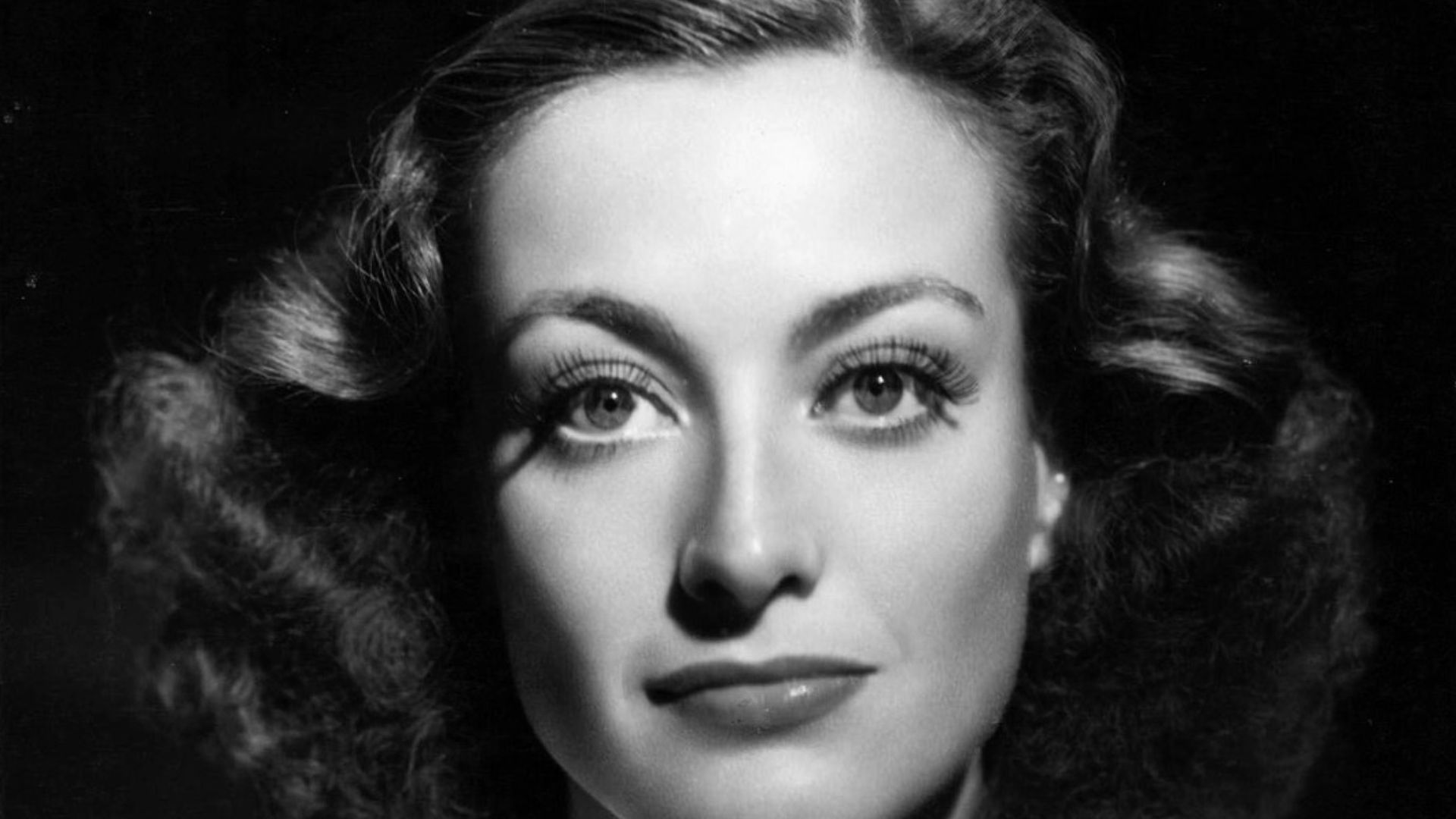
Joan Crawford
Joan Crawford’s reputation fractured after her death when her adopted daughter published disputed allegations of abuse in a bestselling memoir. Hollywood debated its credibility fiercely, with other children and friends denying the claims. The scandal forced audiences to confront how the studio-controlled images could hide family realities for decades without challenge.
 George Hurrell, Wikimedia Commons
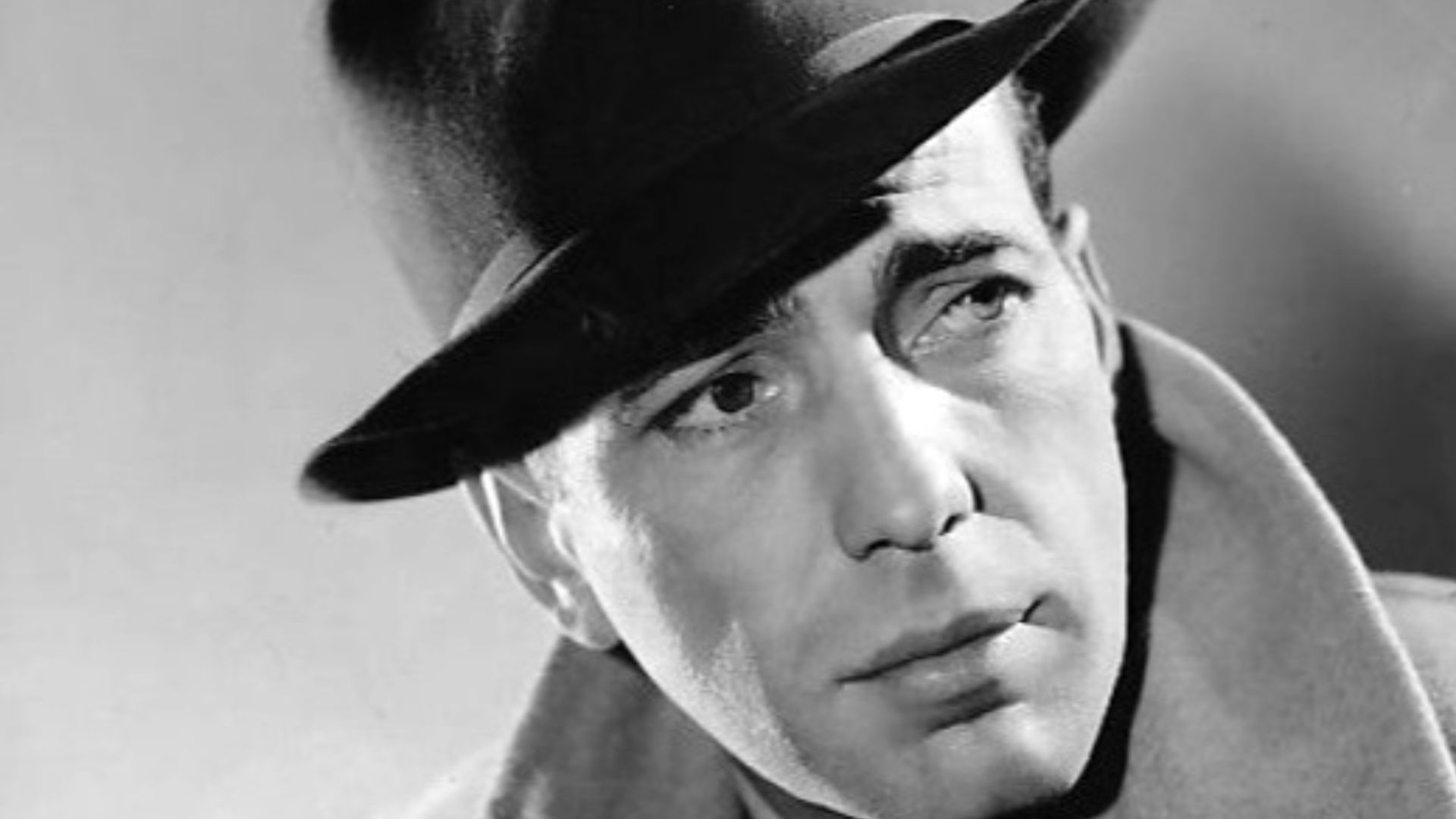
Humphrey Bogart
Studio executives pressured Humphrey Bogart to abandon typecast roles and accept long-term contracts he openly resented. Feuds and suspensions followed, and headlines grew tense. Although his career survived, the conflict exposed how rebellion itself became a scandal inside tightly controlled Hollywood systems.
 Published by The Minneapolis Tribune-photo from Warner Bros., Wikimedia Commons
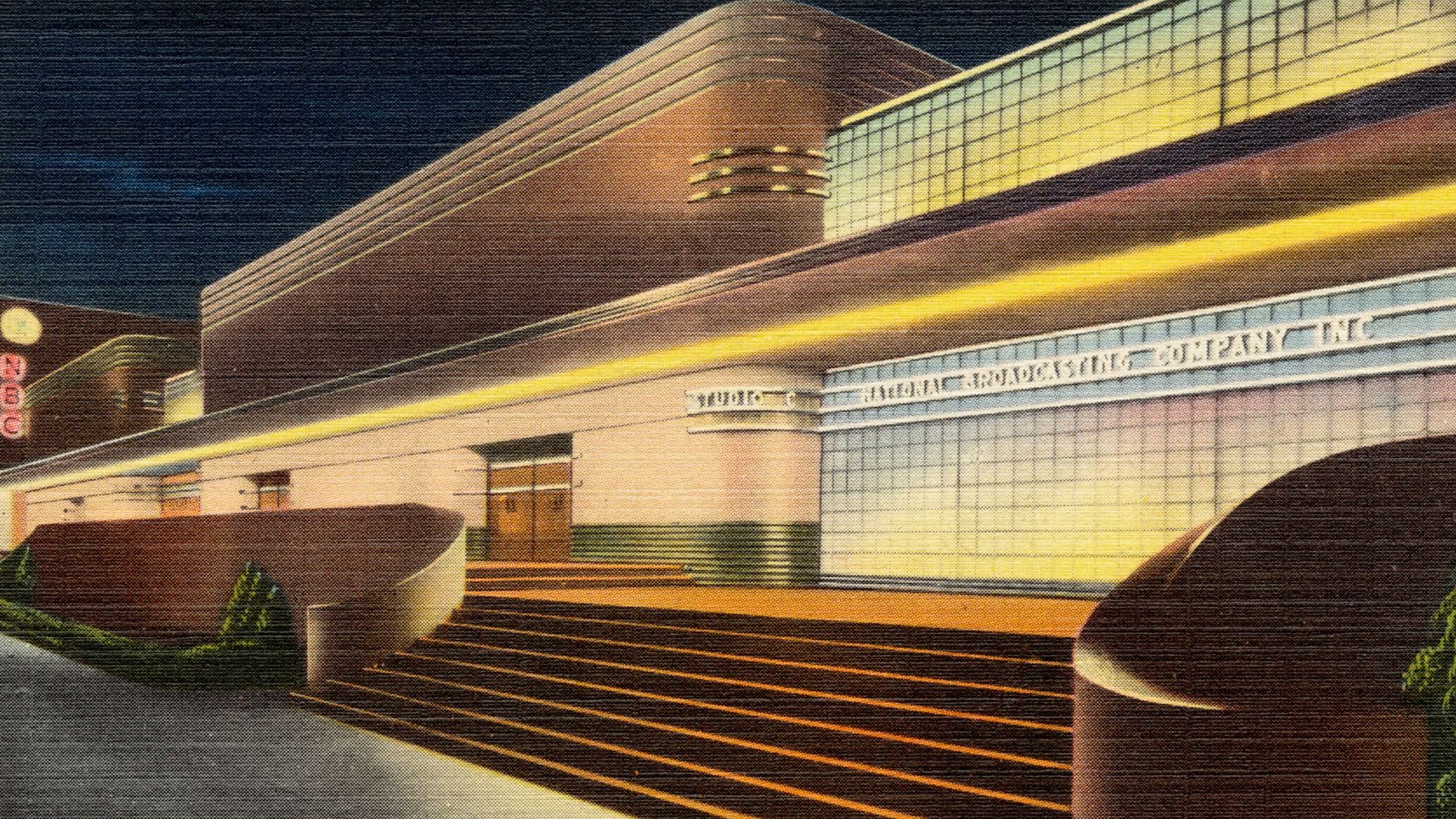
Hollywood Studio System
Long-term contracts allowed studios to control personal behavior, relationships, and publicity through legal force rather than consent. Scandals erupted whenever stars resisted. Public outrage stayed selective, revealing how the system normalized coercion while marketing obedience as professionalism.
 Tichnor Brothers, Publisher, Wikimedia Commons
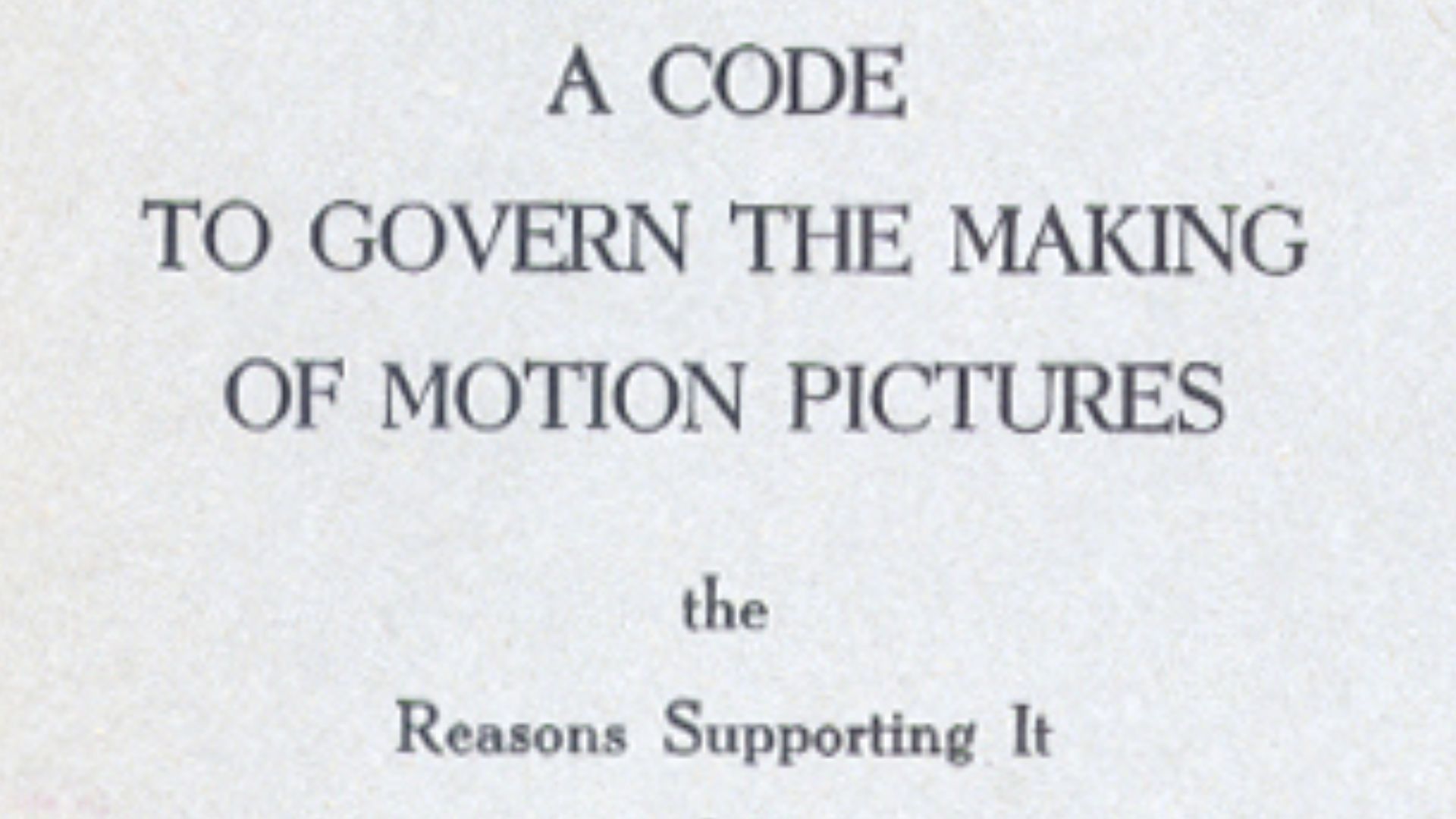
Production Code Administration
Public scandals involving crime and scandalous celebrity behavior pushed studios to adopt formal censorship rules during the 1930s. The Production Code promised moral order. In reality, it functioned as damage control, protecting profits by restricting stories rather than fixing exploitation behind the scenes.
 Unknown authorUnknown author, Wikimedia Commons