The Heart Behind The Bar
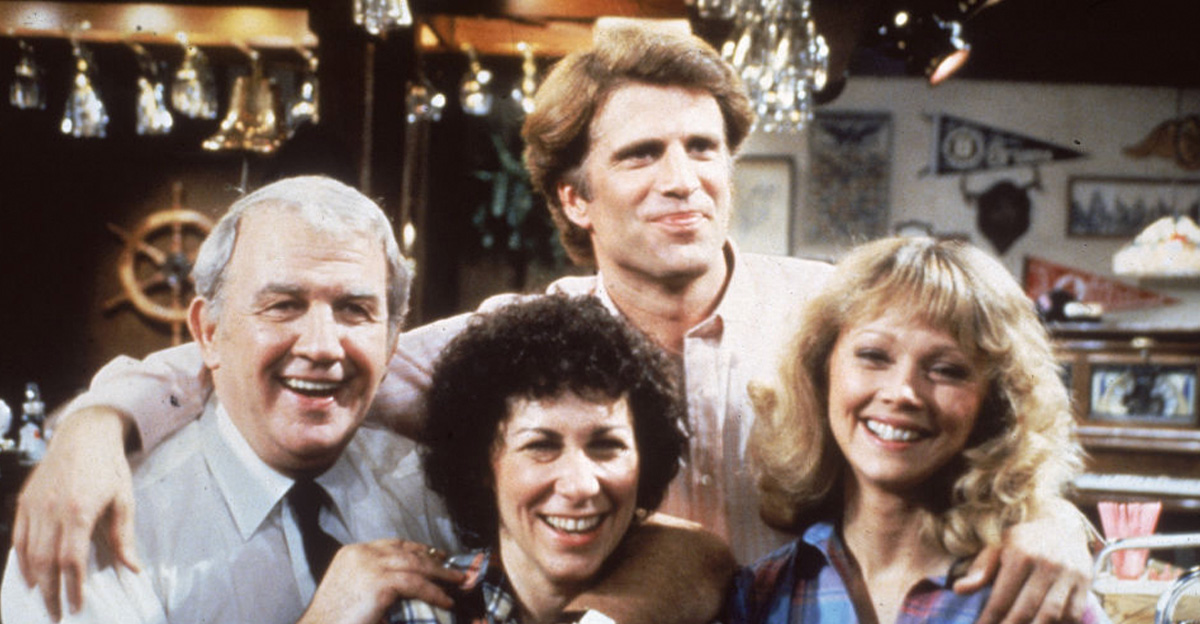
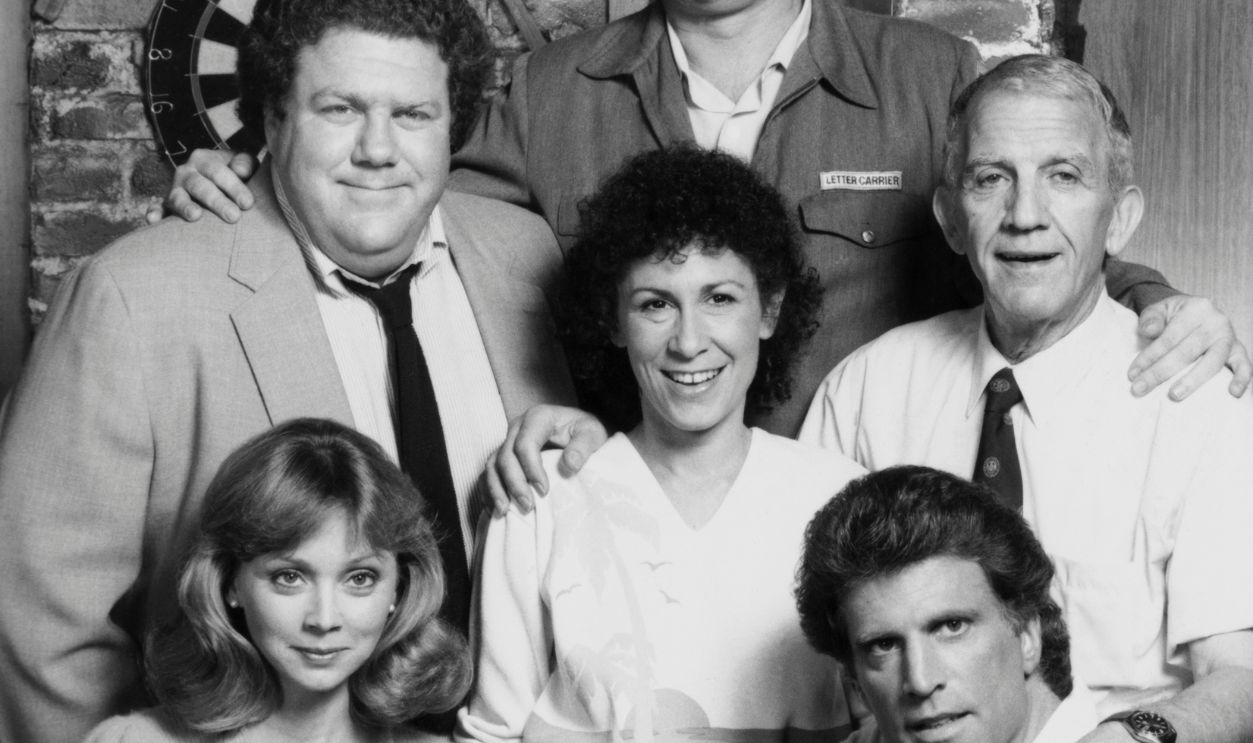
Cheers had sharper characters, louder characters, and characters with much more complicated love lives. But Nicholas Colasanto’s Coach Ernie Pantusso gave the bar something equally important: a heart. For the show’s first three seasons, Coach made that Boston watering hole feel less like a sitcom set and more like home.
 Fotos International, Getty Images
He Was Already A Television Veteran
Colasanto was hardly a newcomer when Cheers premiered in 1982. He had spent decades acting and directing, with directing credits on shows including Bonanza, Columbo, and Hawaii Five-O. He had also appeared in films such as Raging Bull and Alfred Hitchcock’s Family Plot.
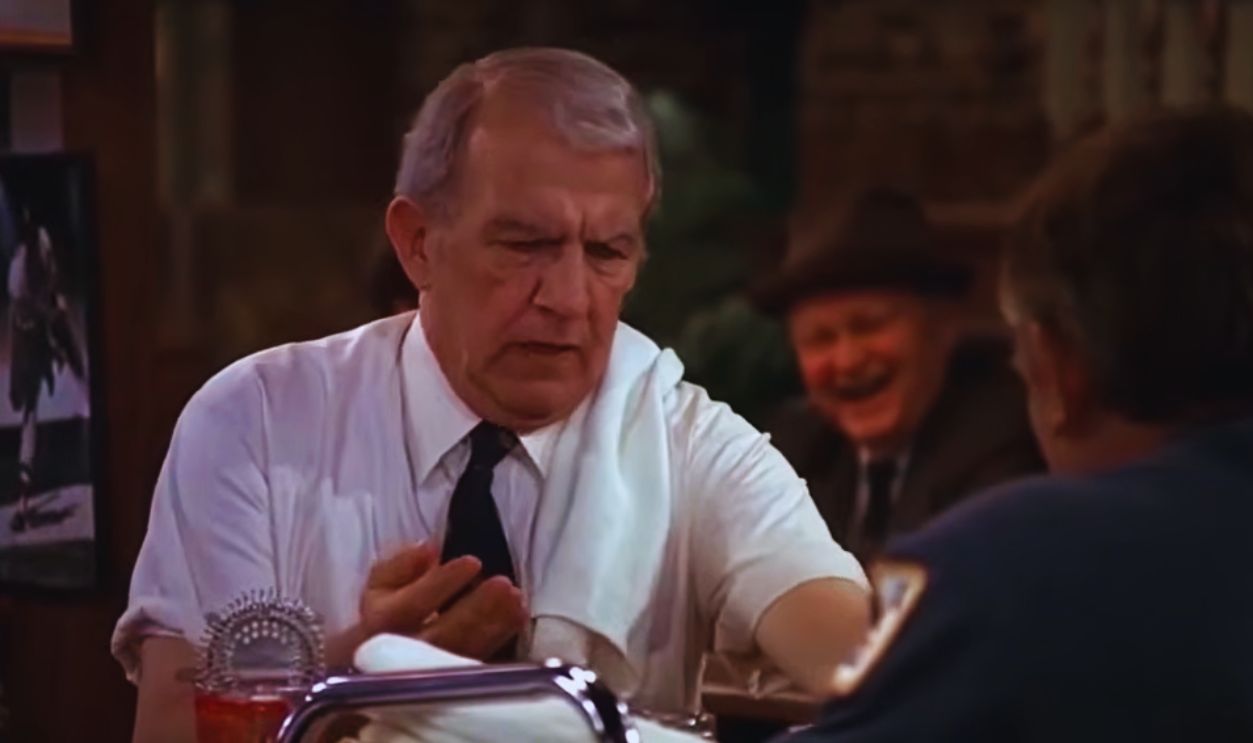 Screenshot from Cheers, Paramount Television (1982–1993)
Coach Came Along At The Right Time
By the early 1980s, Colasanto was considering retirement when Coach Ernie Pantusso came along. The role wound up becoming the part audiences remembered him for most. Sometimes Hollywood really does save the perfect job until surprisingly late in someone’s career.
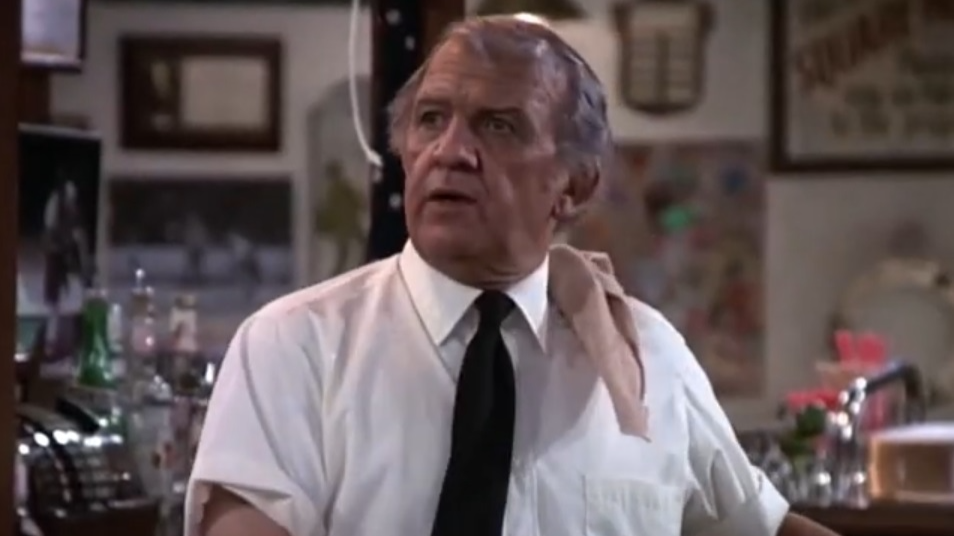 Screeshot from Cheers, NBC (1982-1993)
He Was More Than The "Dumb Guy"
On paper, Coach could have been a pretty simple sitcom character. He was forgetful, easily confused, and frequently several steps behind everyone else. Colasanto made those qualities lovable rather than irritating. Coach wasn’t stupid in a mean-spirited way. His brain simply seemed to take the scenic route.
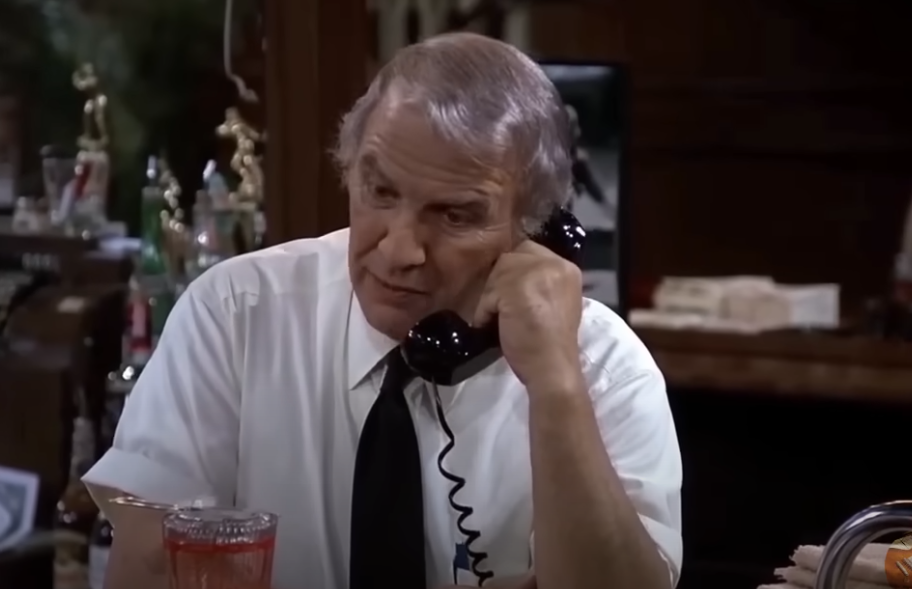 Screeshot from Cheers, Paramount (1982–1993)
A Ballplayer Who Never Left The Game
Ernie Pantusso was a former baseball coach who had once worked with Sam Malone, the ex-Red Sox pitcher who owned Cheers. That history immediately gave their relationship some weight. Coach wasn’t just Sam’s employee. He belonged to a part of Sam’s life that existed before the bar.
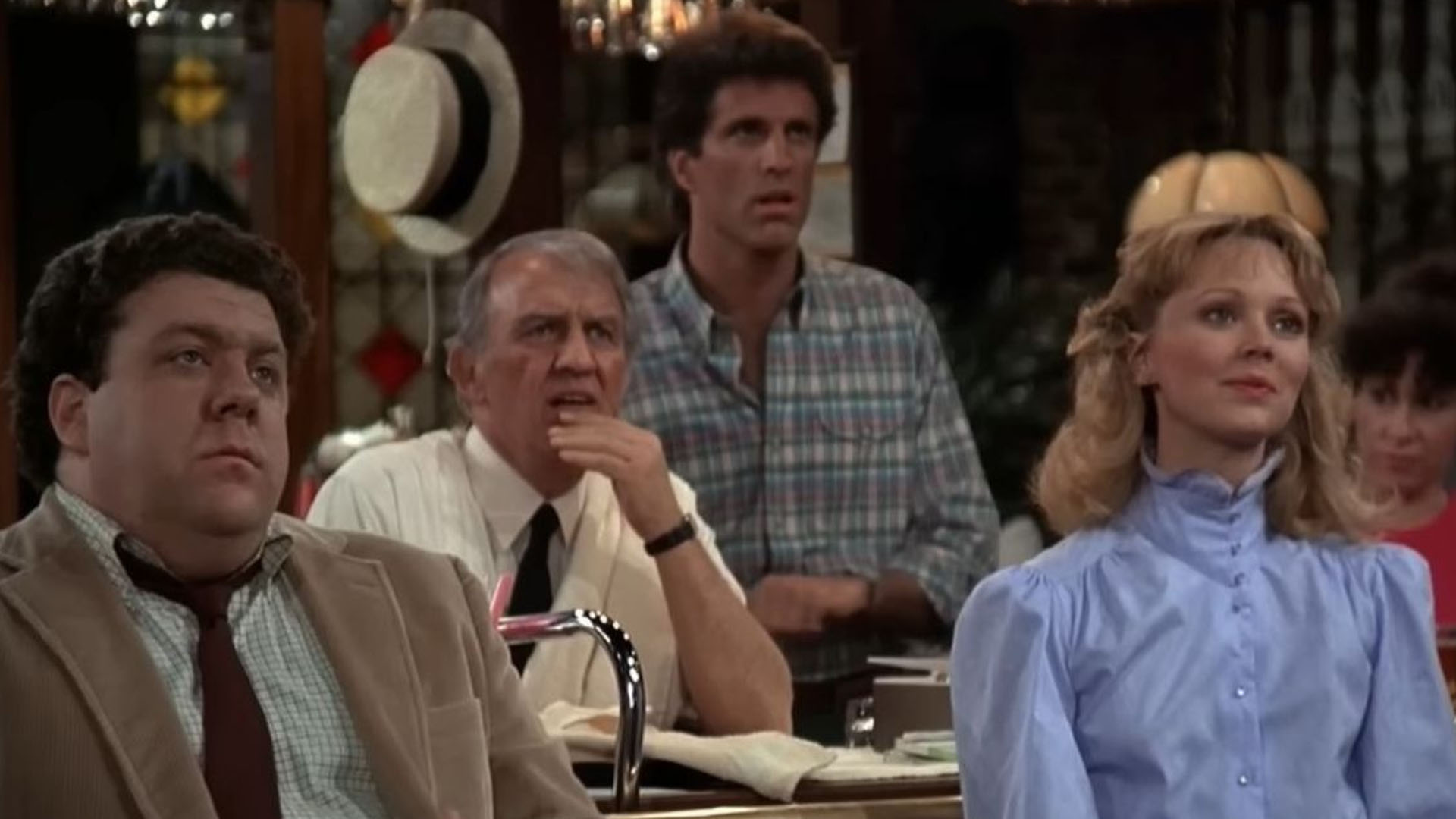 Screenshot from Cheers, Paramount Global (1982-1993)
Sam Treated Him Like Family
Ted Danson and Colasanto created one of Cheers’ sweetest relationships. Sam might tease Coach, but there was always affection underneath it. After Colasanto’s death, Danson described how much he missed him both personally and as the character who had become something of a father figure to Sam.
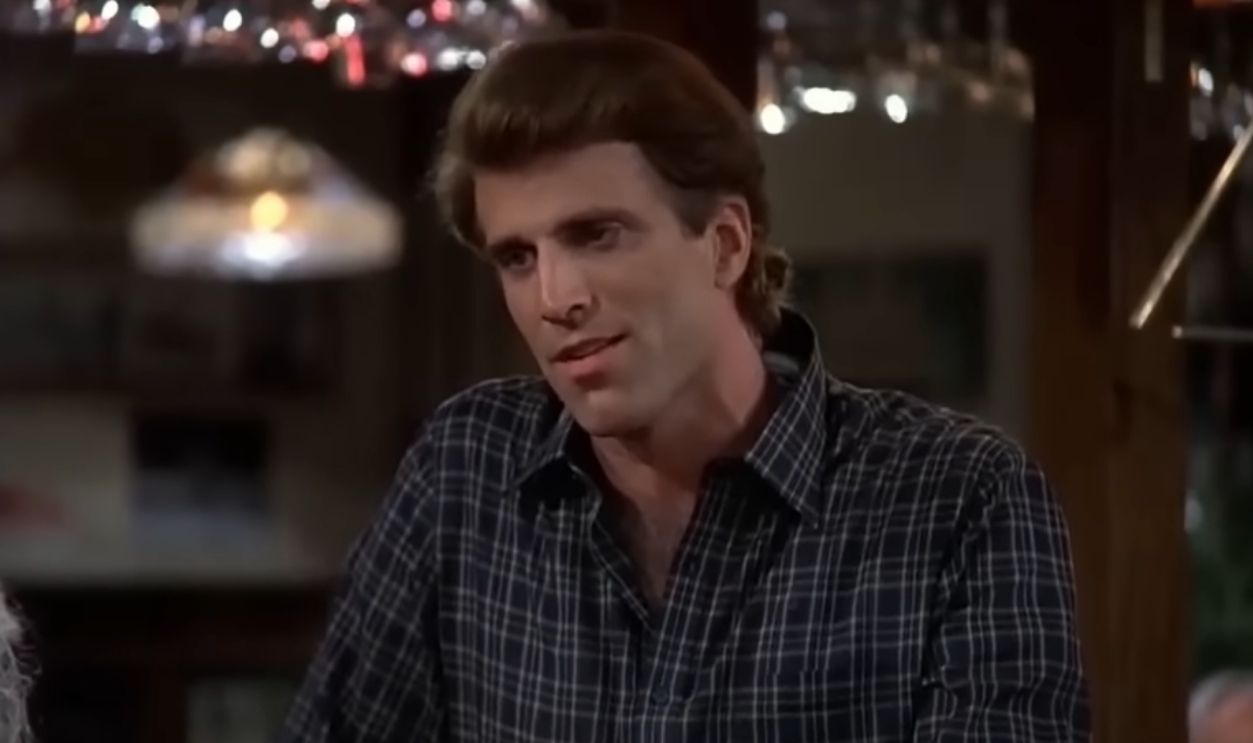 Screenshot from Cheers, NBC (1982–1993)
Coach Could Disarm Anybody
Carla could insult practically anybody who walked through the door. Diane could turn a simple question into a lecture. Sam could charm his way around almost anything. Coach somehow floated through all of it. His innocence made him nearly impossible to fight with, which was practically a superpower at Cheers.
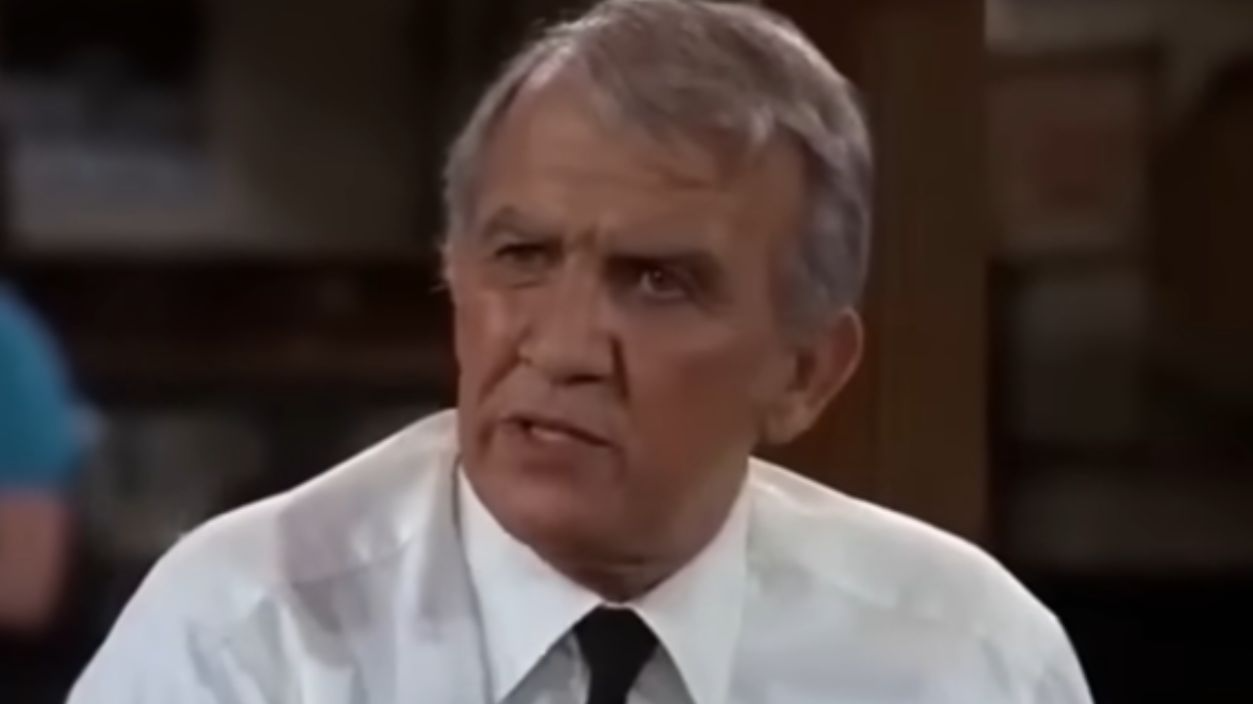 Screenshot from Cheers, Paramount Global (1982-1993)
His Confusion Had Perfect Timing
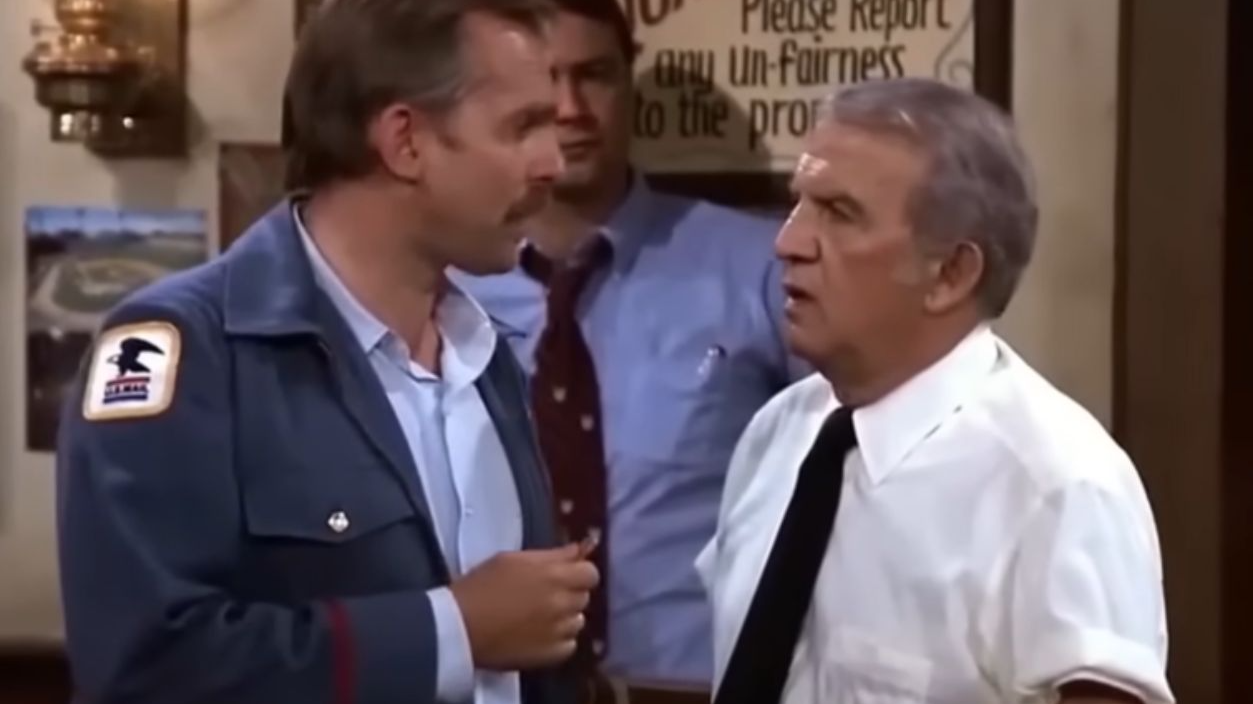
A great Coach joke usually began with someone explaining something very clearly. Coach would listen carefully, pause, and respond with something that proved he had understood absolutely nothing. Colasanto knew exactly how long to hold that pause. The confusion was funny because he played it with total sincerity.
 Screenshot from Cheers, Paramount Global (1982-1993)
He Never Seemed To Be Chasing Laughs
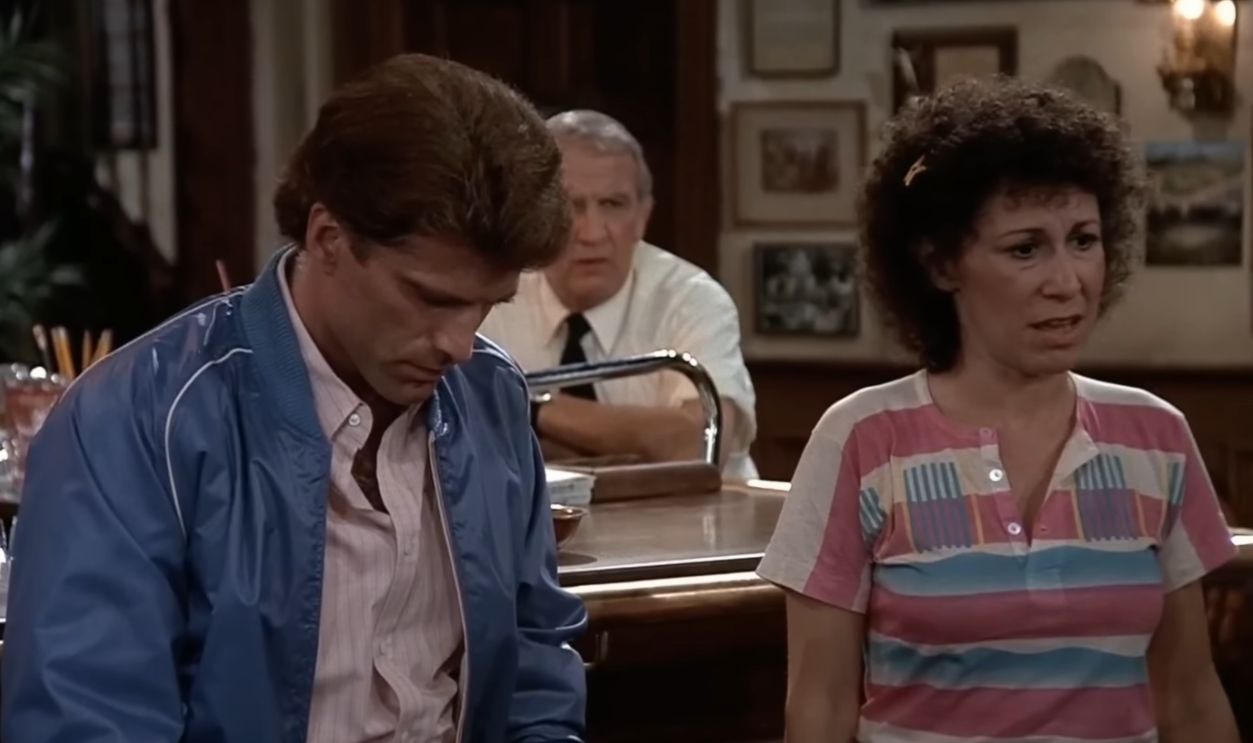
One reason Coach worked so well was that Colasanto rarely looked like he was performing a joke. Coach genuinely believed whatever strange conclusion he had just reached. That made the audience laugh harder. Colasanto understood an old comedy rule: trying desperately to be funny is often less funny.
 Screenshot from Cheers, NBC (1982–1993)
Coach Had A Romantic Side
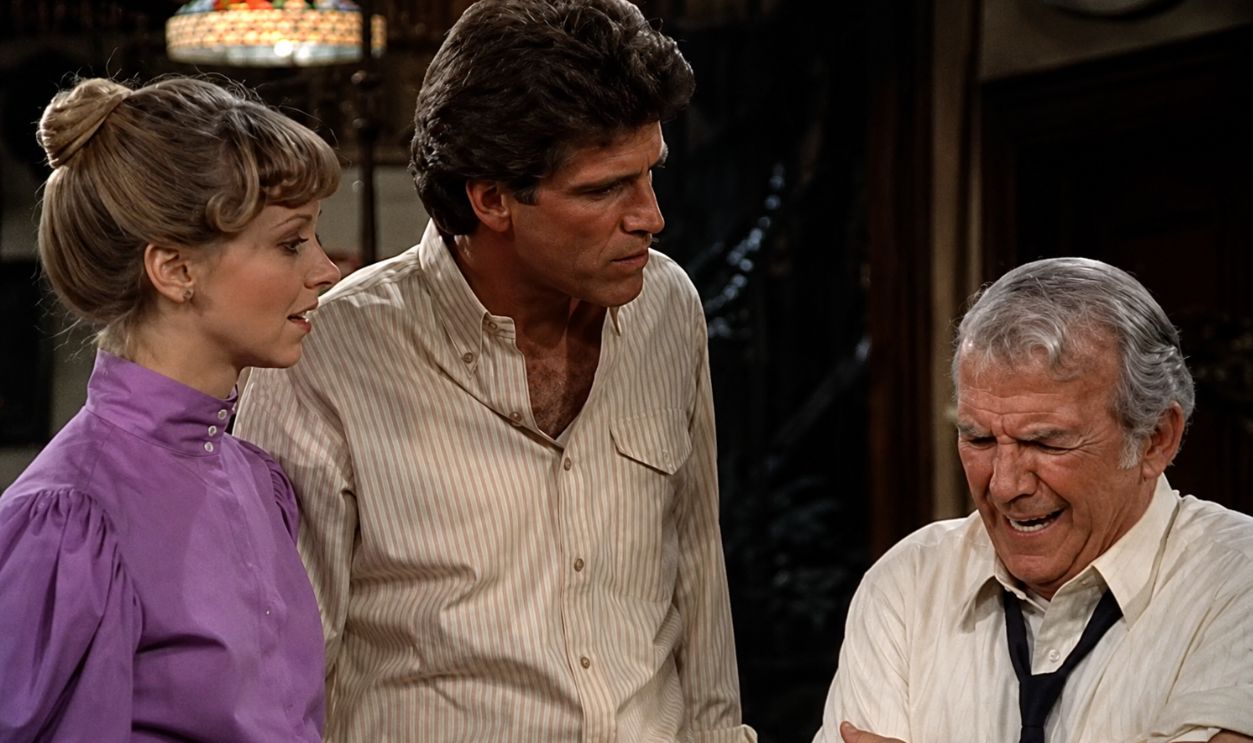
The first-season episode “Coach Returns to Action” gave Colasanto more room to explore Coach beyond the bar. Coach becomes interested in a younger woman and has to confront his own insecurity about aging. Suddenly the lovable bartender had loneliness, nerves, and romantic hopes just like everybody else.
 Screenshot from Cheers, Paramount Global (1982-1993), enhanced
His Sweetness Never Felt Forced
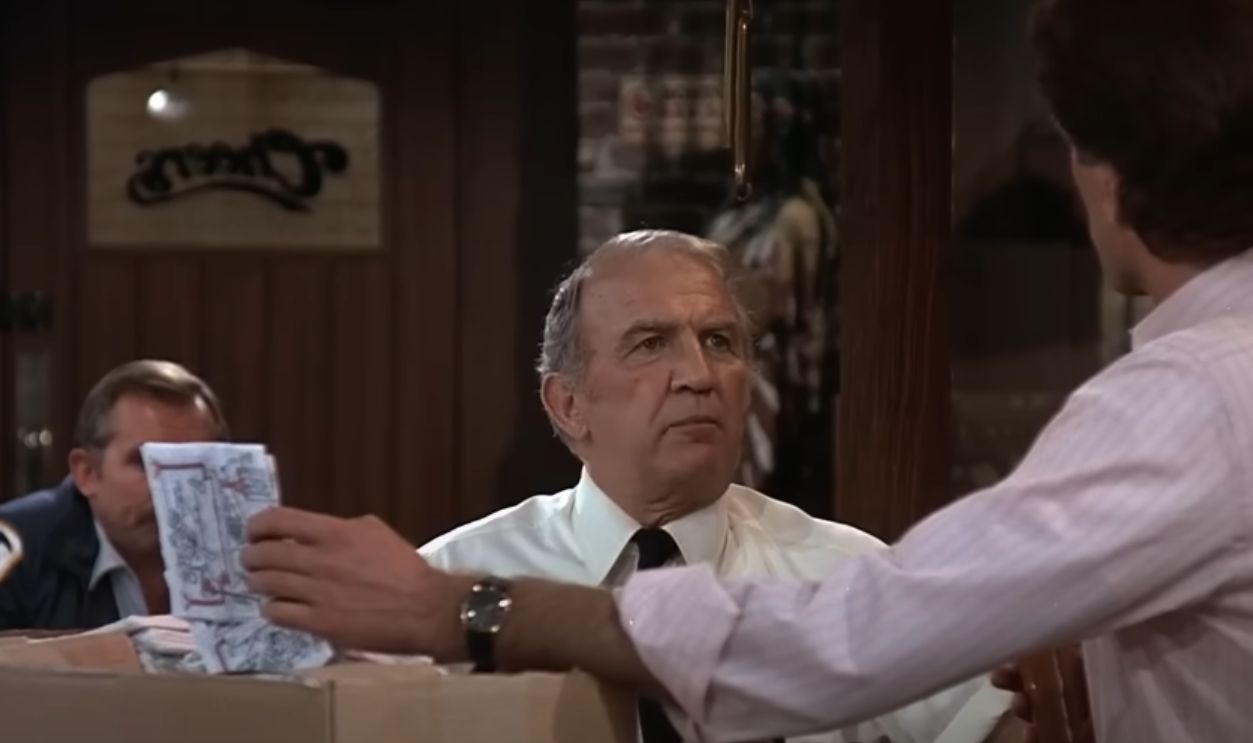
Sitcoms sometimes announce that a character is lovable so loudly that audiences start getting suspicious. Cheers never needed to do that with Coach. Colasanto communicated kindness in tiny reactions—his smile, his concern for his friends, and the delighted expression he wore whenever he finally caught up with a conversation.
 Screeshot from Cheers, Paramount (1982–1993)
Diane Brought Out Another Side Of Him
Diane Chambers could be exhausting, which was largely the point. Yet Coach usually treated her with patience and genuine affection. Their scenes helped demonstrate something important about him: Coach might not understand Diane’s references, vocabulary, or reasoning, but he understood when somebody needed a friend.
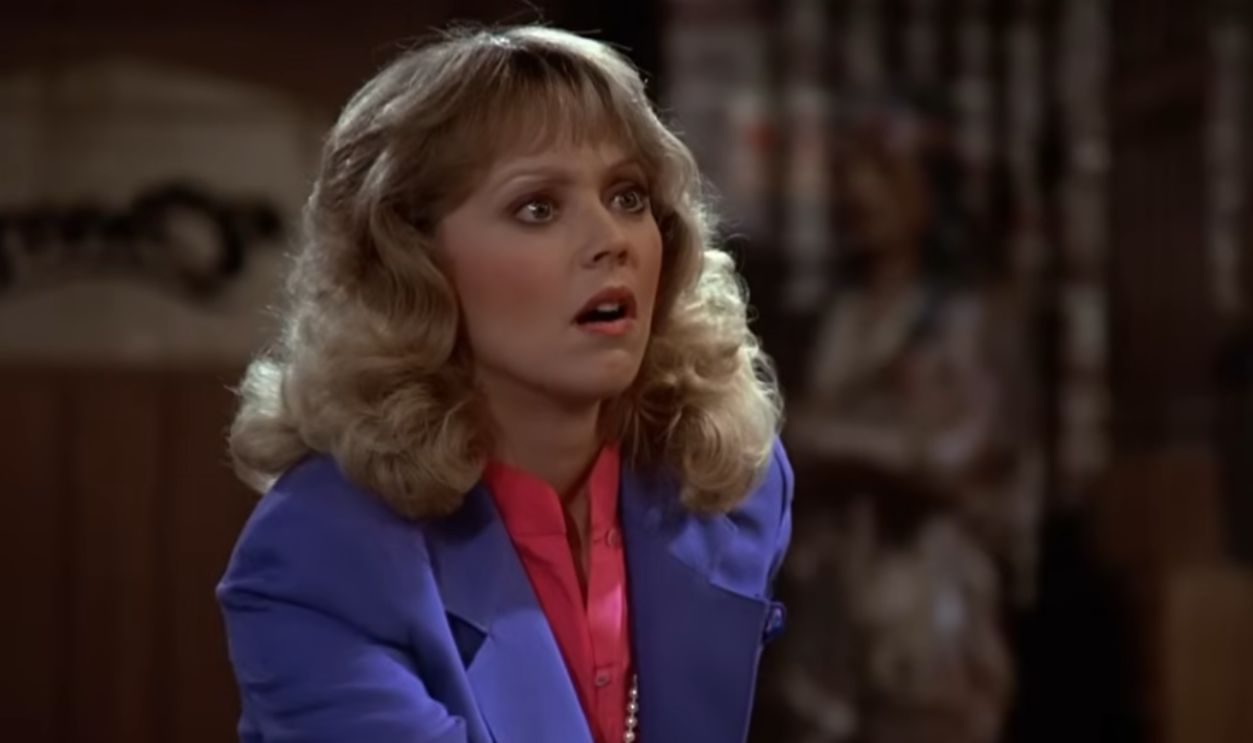 Screenshot from Cheers, NBC (1982–1993)
Carla Couldn't Completely Rattle Him
Carla Tortelli was essentially a walking verbal flamethrower, but Coach existed outside her normal combat zone. Their relationship had a surprisingly tender quality. Even Carla seemed to recognize that attacking Coach too hard would be like yelling at somebody’s grandfather because he forgot where he put his glasses.
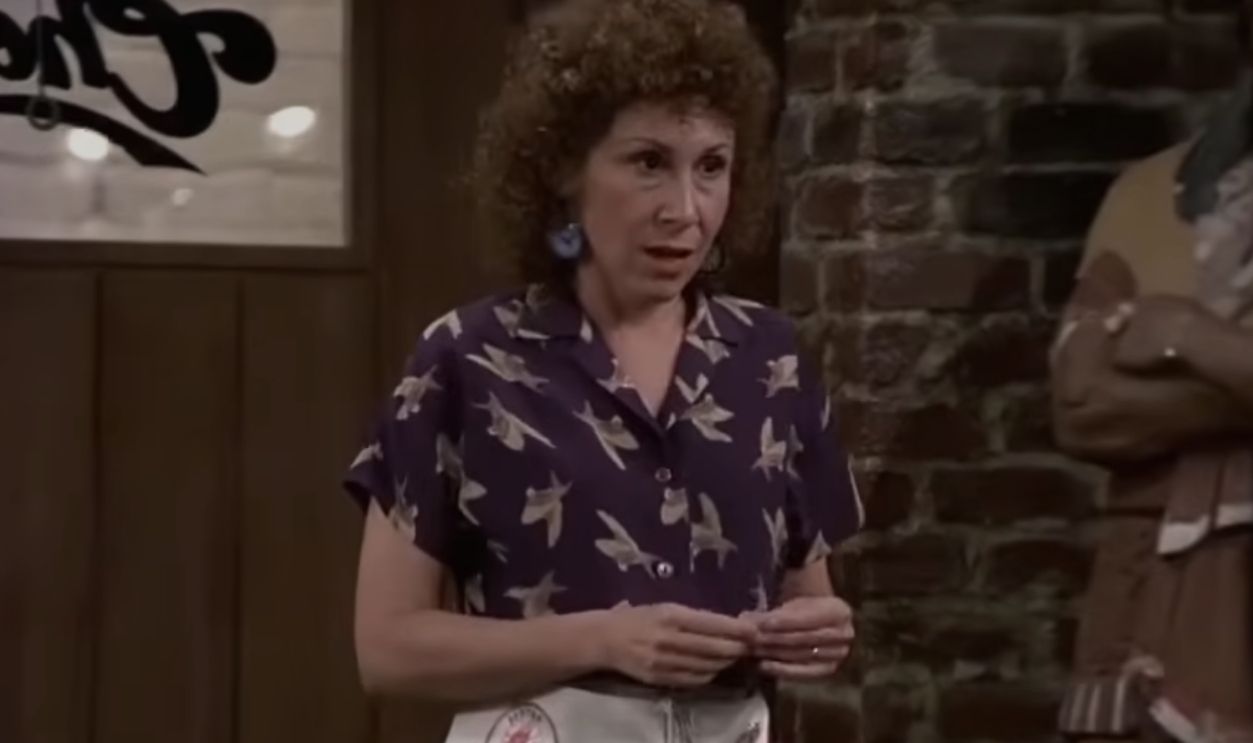 Screenshot from Cheers, NBC (1982–1993)
Norm And Cliff Needed Him Too
Norm Peterson and Cliff Clavin supplied plenty of the bar’s funniest conversations, but Coach helped keep those conversations unpredictable. His misunderstanding could derail Cliff’s latest lecture or make Norm’s perfectly good joke even stranger. He was the human curveball hiding behind the bar.
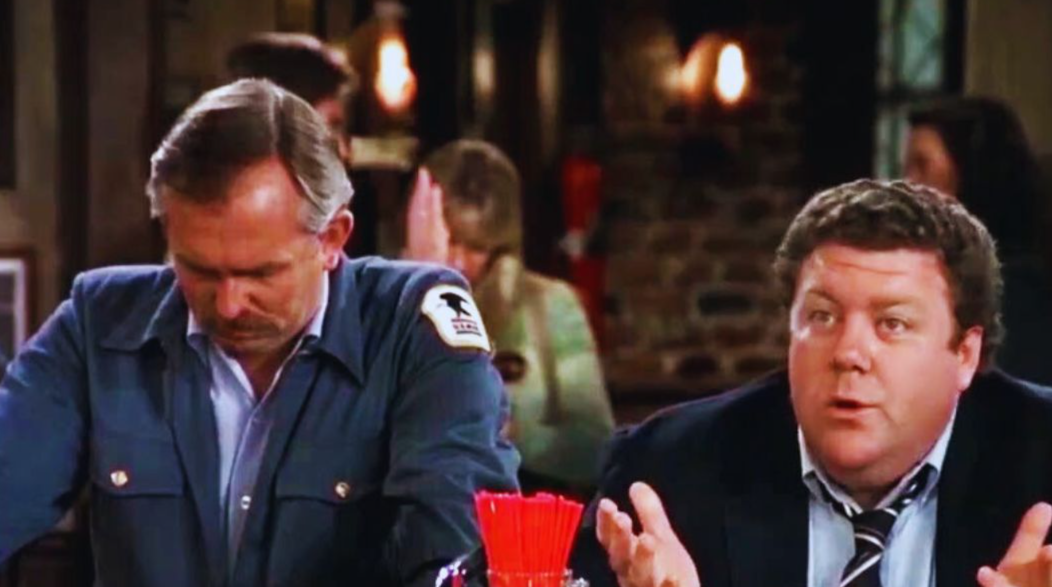 Screenshot from Cheers, NBC (1982–1993)
Colasanto Balanced The Ensemble
Cheers worked because its characters occupied very different comic lanes. Sam was confident. Diane was intellectual. Carla was cutting. Cliff was pompous. Norm was dry. Coach was innocent. Remove that innocence, and the show suddenly becomes a little harder and more cynical.
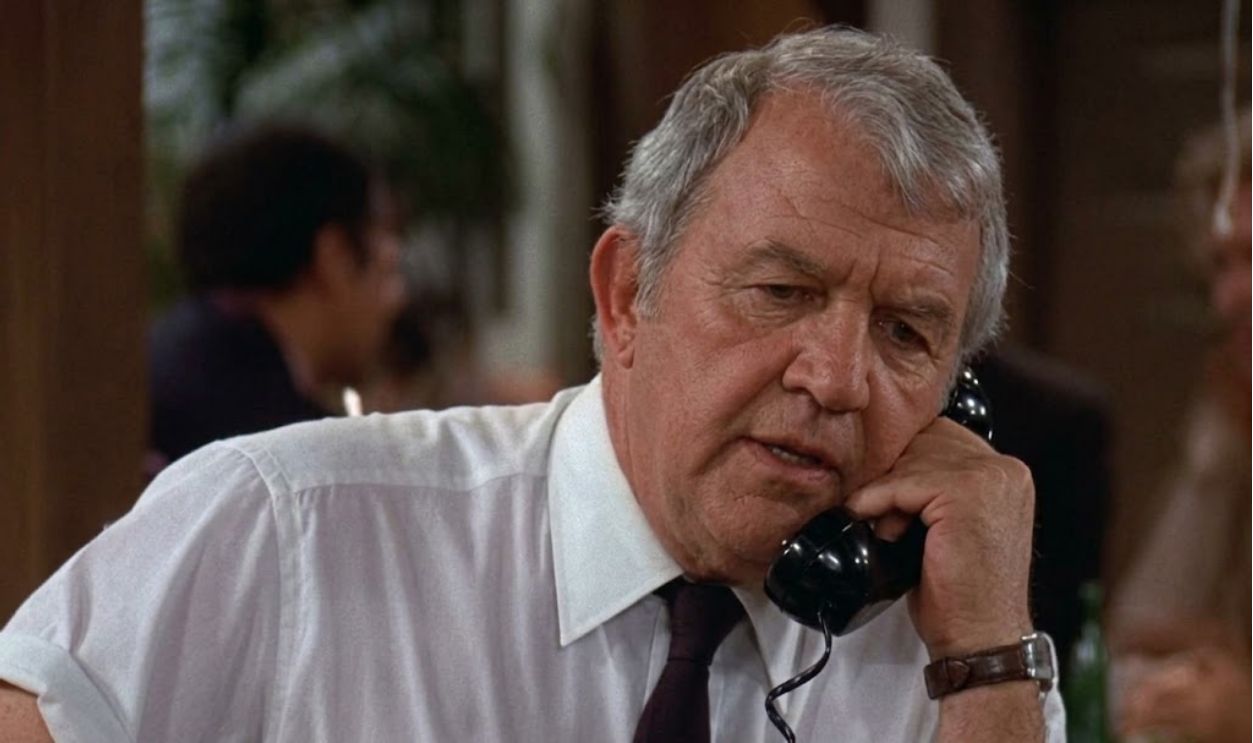 Screeshot from Cheers, Paramount (1982–1993), Modified
The Industry Noticed His Work
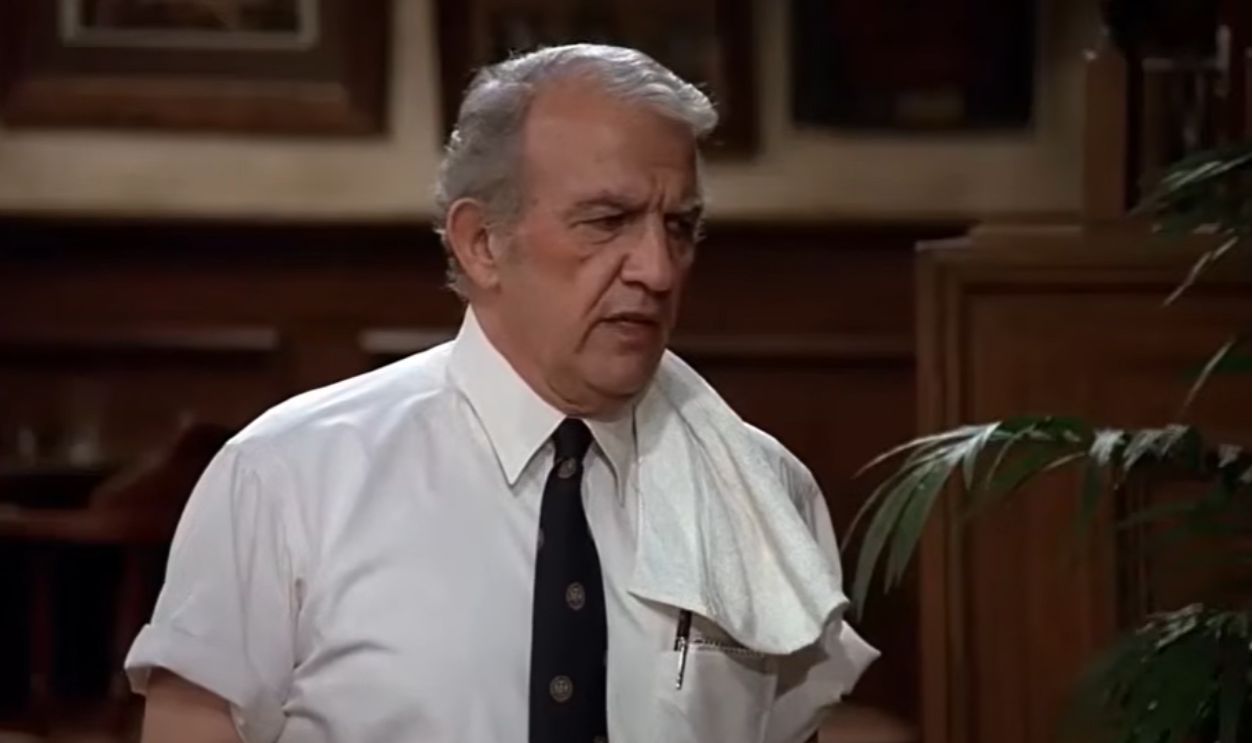
Colasanto’s seemingly effortless performance earned him three consecutive Emmy nominations for supporting actor, covering each of his seasons on Cheers. That recognition says plenty about how difficult Coach actually was to play. Making something look easy is often the hardest acting trick of all.
 Screeshot from Cheers, Paramount (1982–1993)
He Gave Cheers Its Father Figure
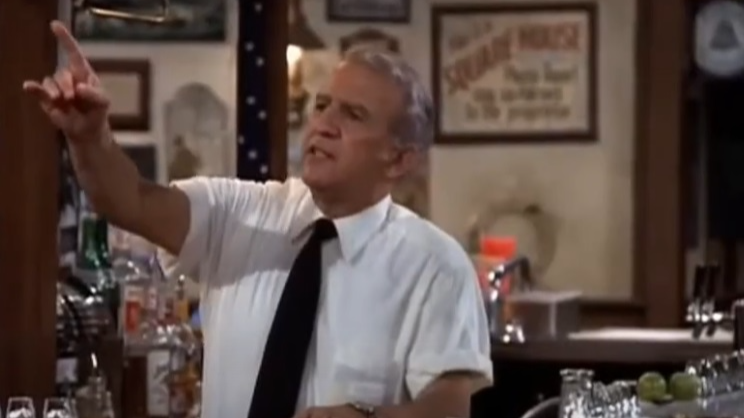
Coach was old enough to provide perspective without constantly behaving like the wise old man of the group. Half the time, he was more confused than everybody else. Yet when the show needed warmth rather than cleverness, Colasanto could quietly become its emotional center.
 Screeshot from Cheers, NBC (1982–1993)
There Was Sadness Under The Comedy
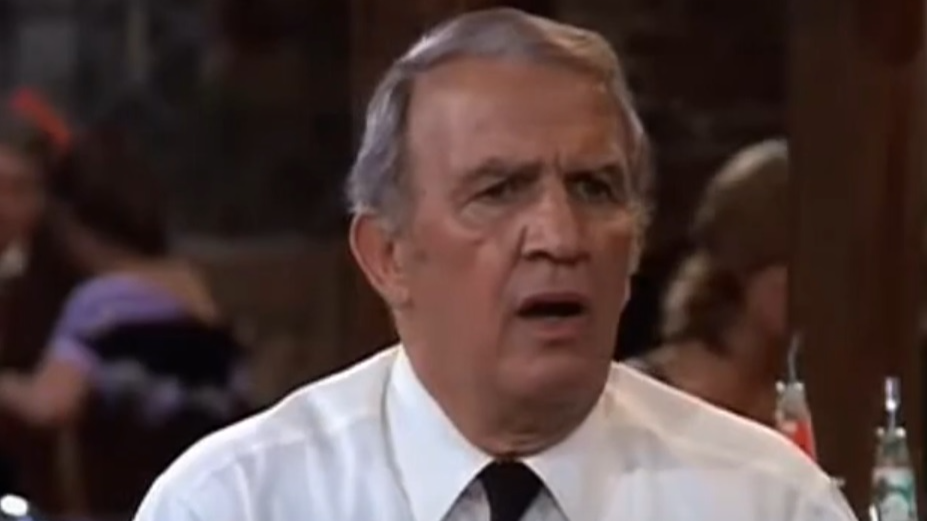
That warmth allowed Coach’s more serious scenes to land beautifully. He could be lonely, worried, embarrassed, or disappointed without suddenly turning Cheers into another program. Colasanto let little pieces of sadness slip through the comedy, which made Coach feel surprisingly real.
 Screeshot from Cheers, NBC (1982–1993)
He Helped The Bar Feel Lived-In
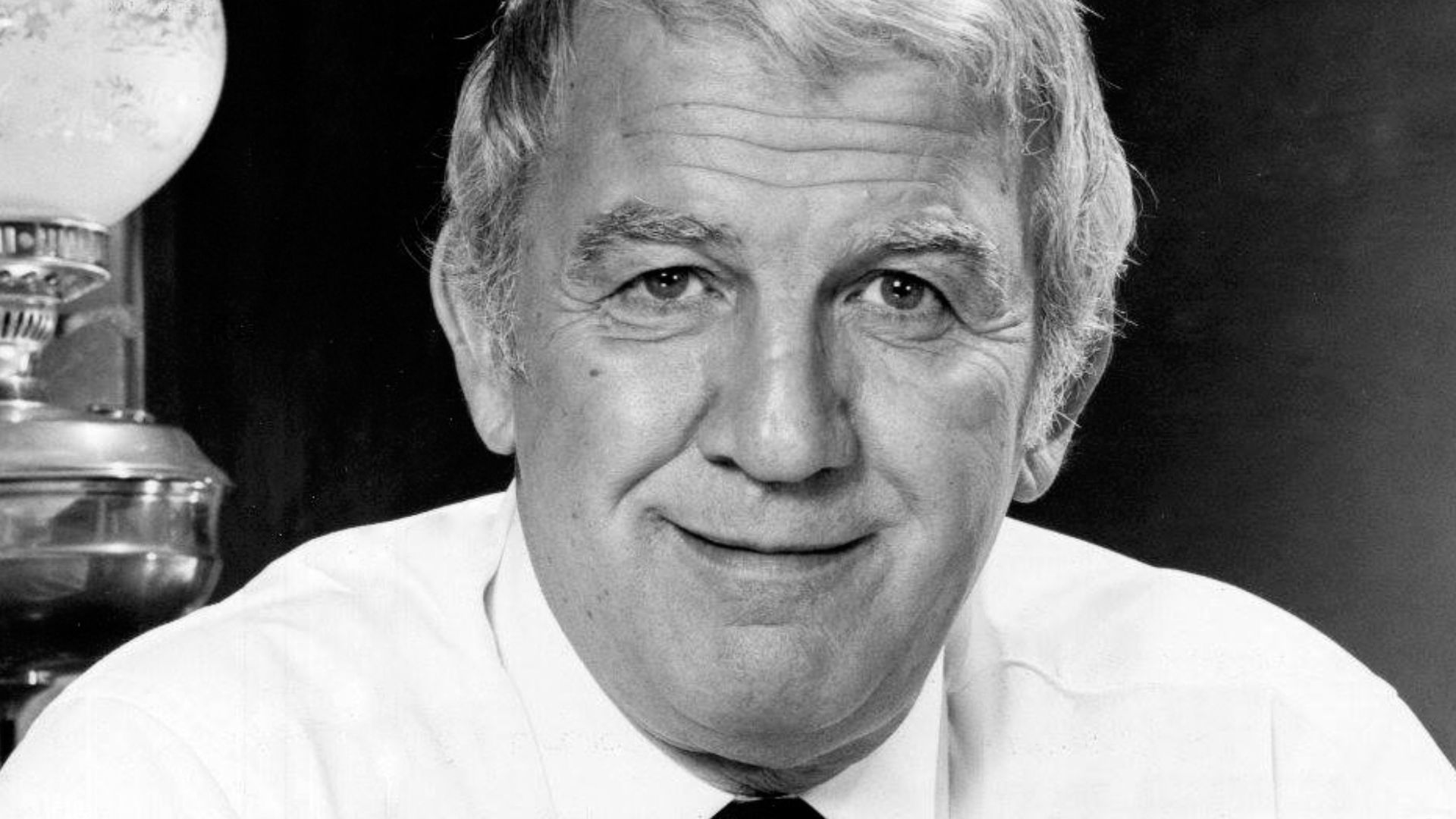
The earliest seasons of Cheers had an intimate quality. The characters weren’t merely coworkers standing around waiting for jokes. They seemed to have years of history with one another. Coach was crucial to that feeling because he represented the bar’s past as well as its present.
 NBC Television, Wikimedia Commons
Season Three Became Difficult
During the third season, Colasanto’s health deteriorated. He had a longstanding heart condition, and his illness eventually caused him to miss episodes. The change was especially noticeable because Coach had been such a dependable presence behind the bar from the beginning.
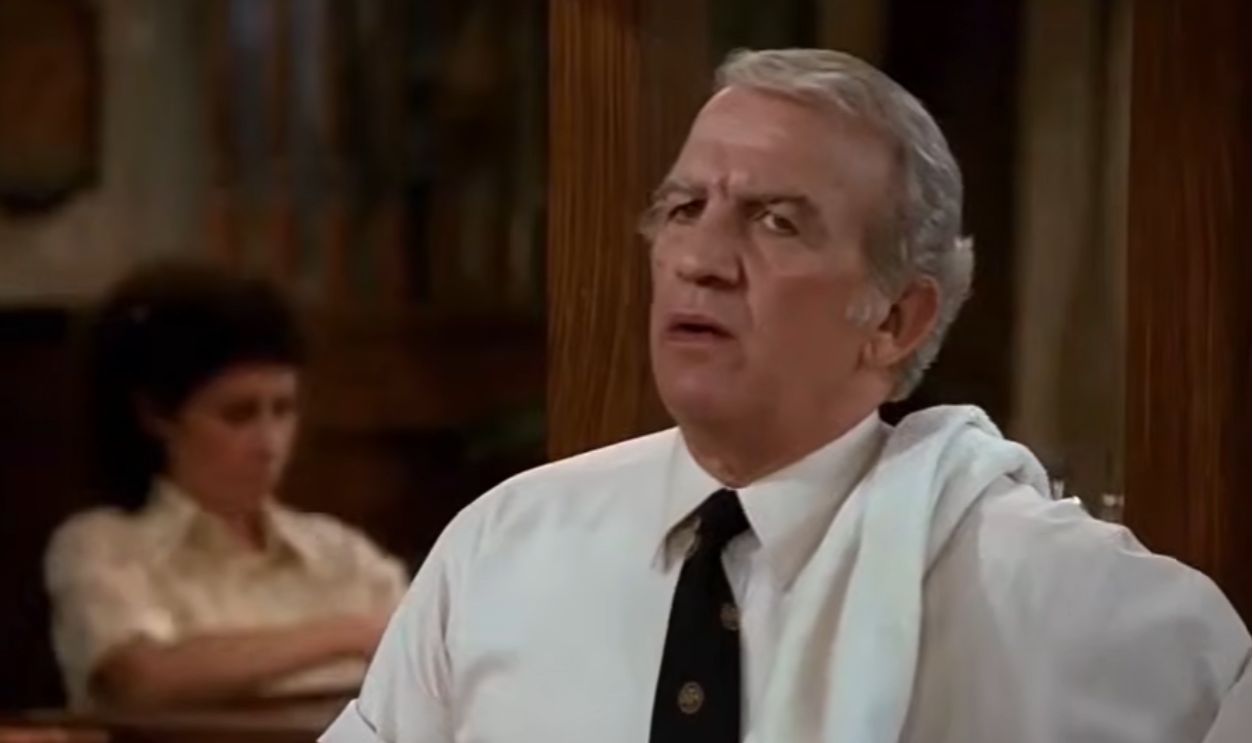 Screeshot from Cheers, Paramount (1982–1993)
He Wanted To Come Back
Colasanto was hospitalized during the season, but he remained connected to the show. According to contemporary reporting, he even visited a taping shortly before his death and hoped to return for the season’s final production. His absence had never been intended as a goodbye.
“Cheerio, Cheers” Became Bittersweet
“Cheerio, Cheers,” filmed in late 1984, became Colasanto’s final full episode as Coach. Nobody making it could have known viewers would later watch it as part of a farewell. That knowledge gives otherwise ordinary Coach moments an emotional weight they were never designed to carry.
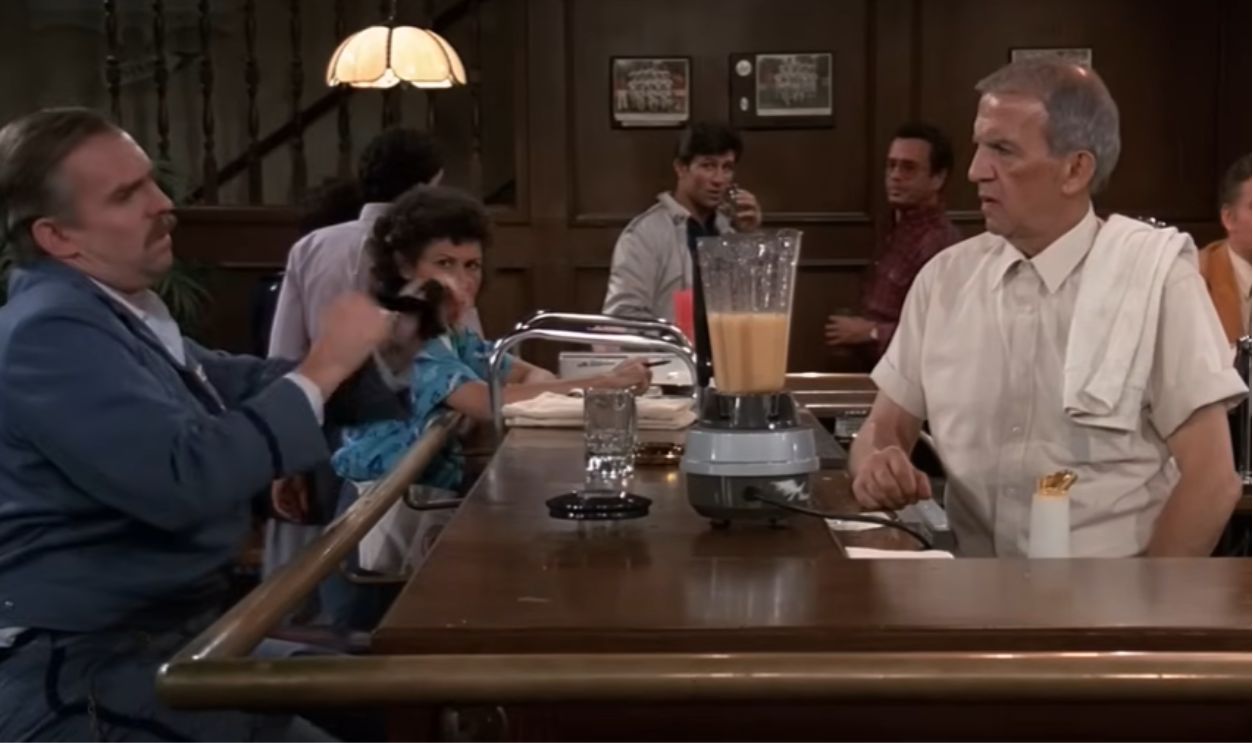 Screeshot from Cheers, Paramount (1982–1993)
Viewers Saw Coach Once More
Technically, Coach’s final televised appearance came in the cold opening of the third-season finale, “Rescue Me,” broadcast in May 1985. The material had been filmed earlier. By the time viewers saw it, Colasanto was already gone.
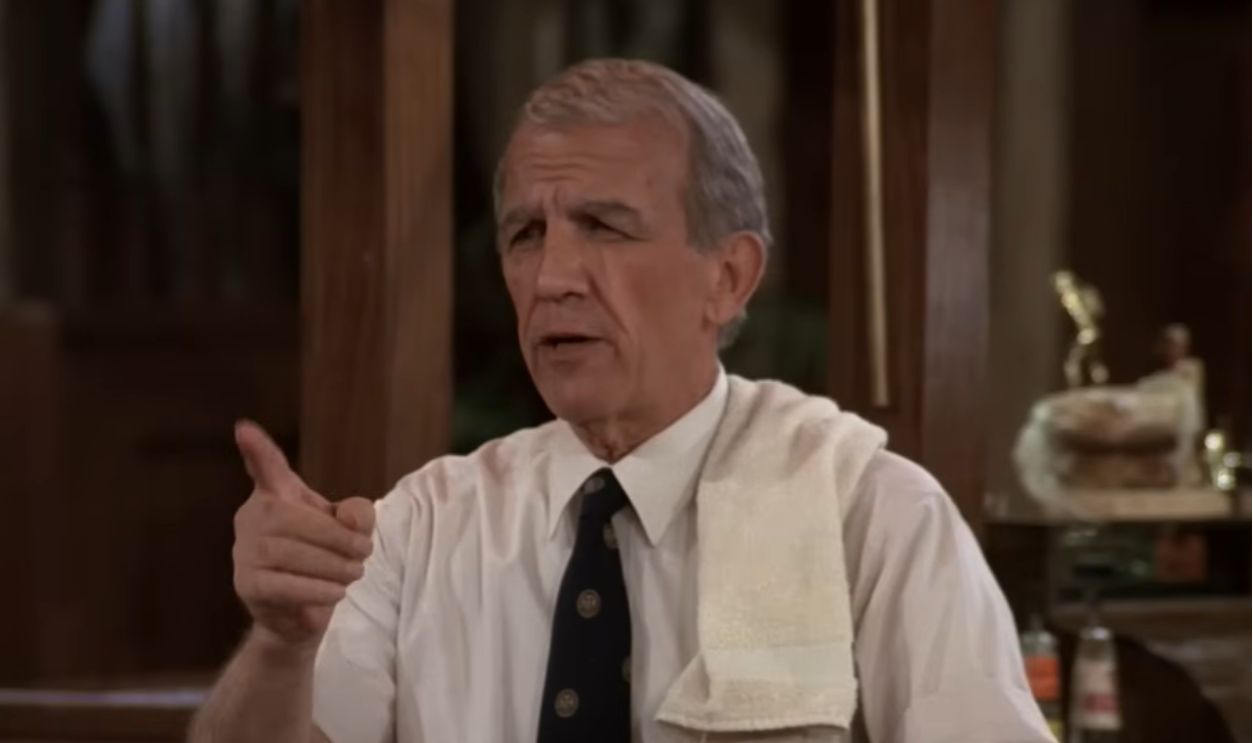 Screeshot from Cheers, Paramount (1982–1993)
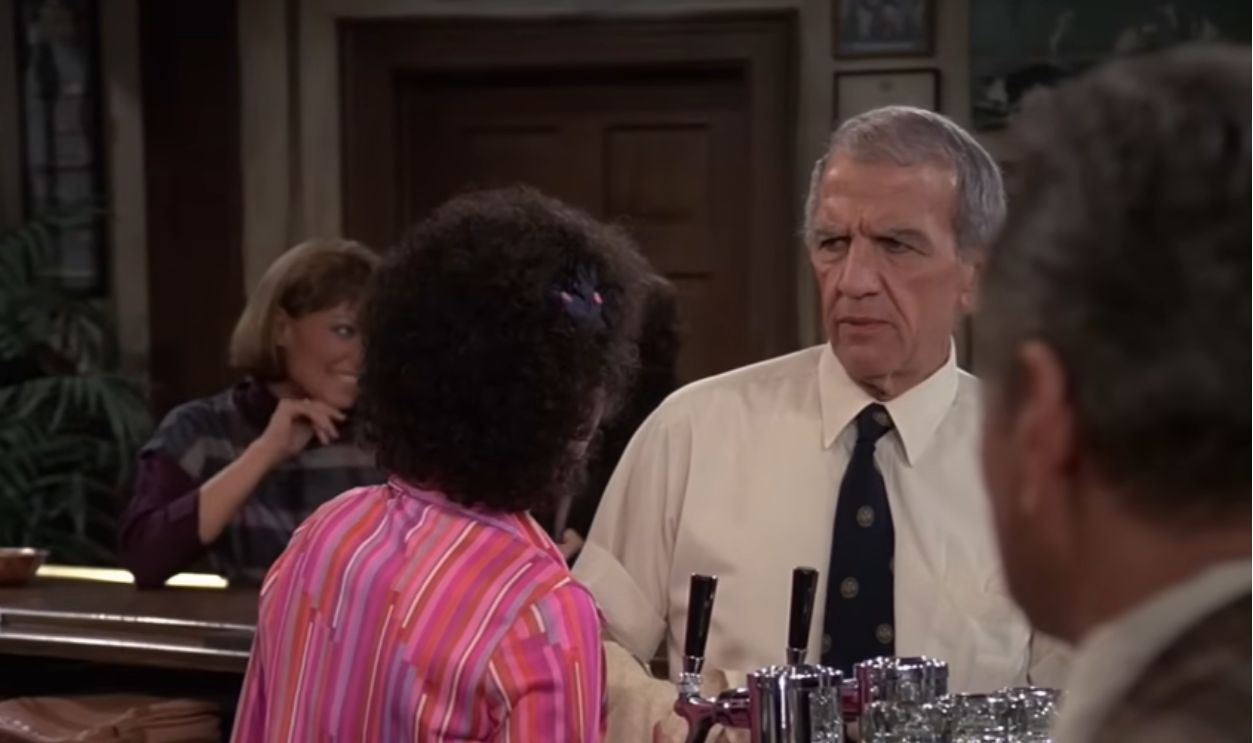
Nicholas Colasanto Died In 1985
Colasanto died of a heart attack at his home on February 12, 1985. He was 61. Production was canceled that night after the cast learned the news, and executive producer Les Charles described the company as heartbroken. The loss went far beyond replacing an actor in a sitcom.
 Screeshot from Cheers, Paramount (1982–1993)
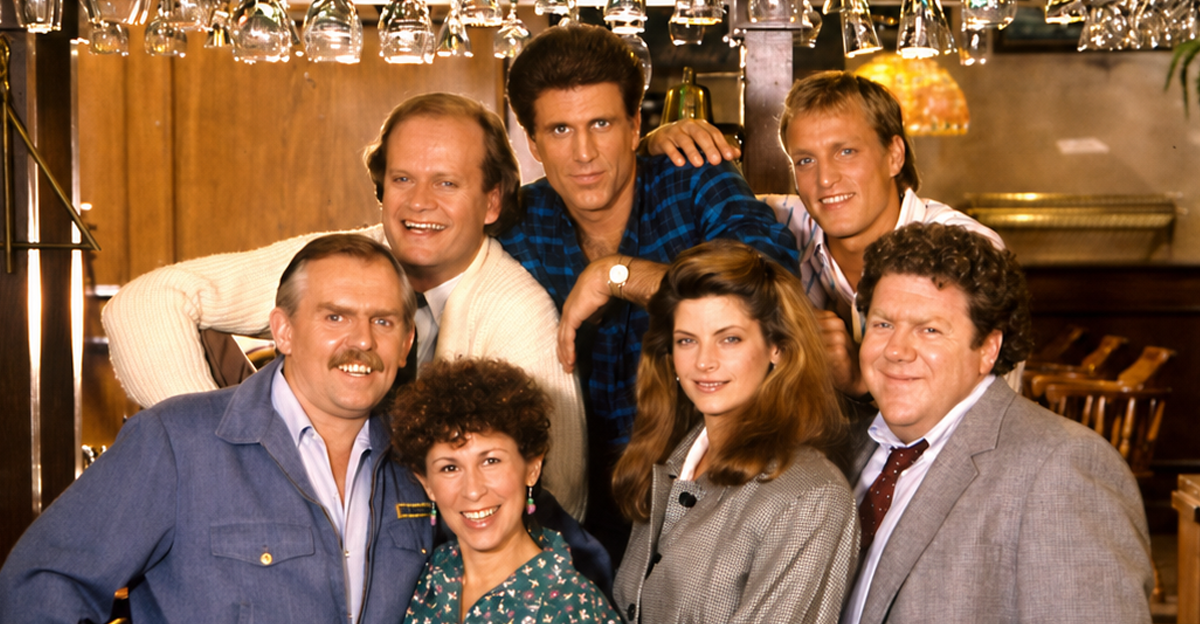
Coach Wasn't Recast
The producers quickly recognized that simply hiring another actor to play Coach would never work. Colasanto had become inseparable from the character. When Cheers returned for season four, viewers learned that Coach had died as well, allowing the series to acknowledge the loss rather than pretend nothing had happened.
 Aaron Rapoport/Corbis, Getty Images
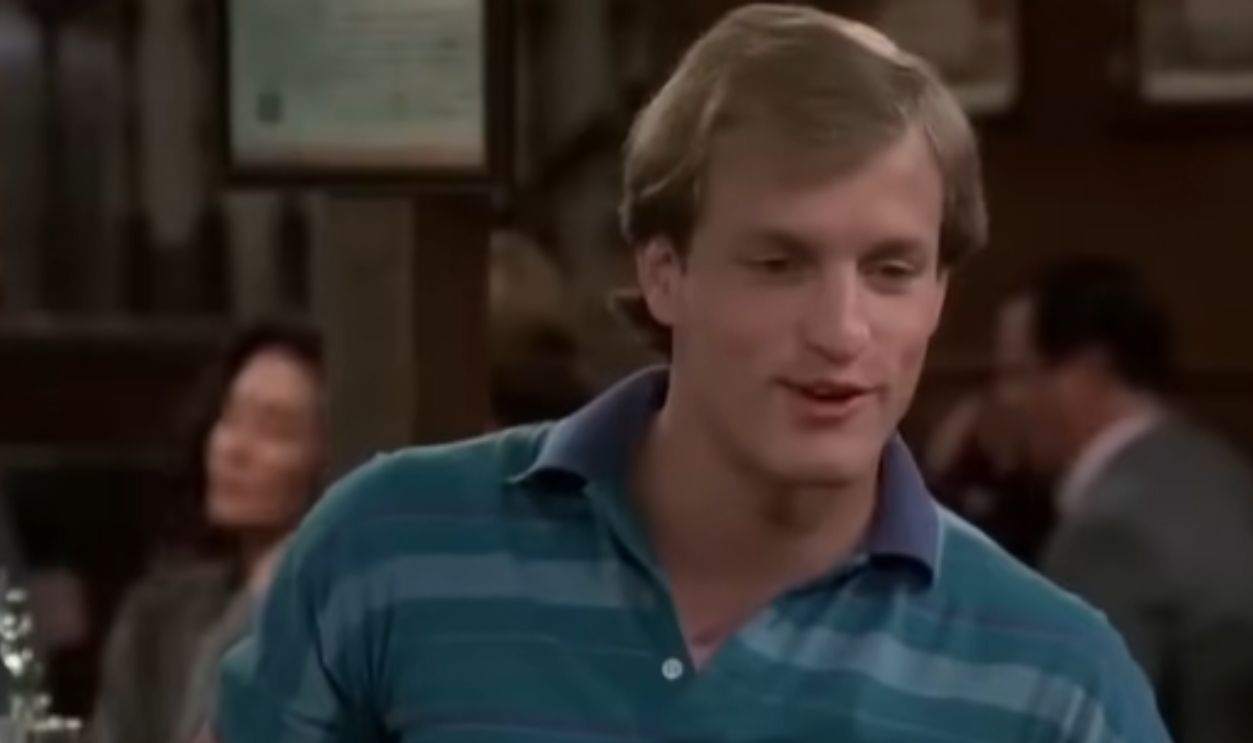
Woody Was Different On Purpose
Woody Harrelson arrived as Woody Boyd, Coach’s young pen pal from Indiana. Crucially, Woody wasn't designed as Coach 2.0. James Burrows later explained that the team intentionally went in another direction because nobody could replace the paternal quality Colasanto had brought to the series.
 Screenshot from Cheers, CBS Television Distribution (1982-1993)
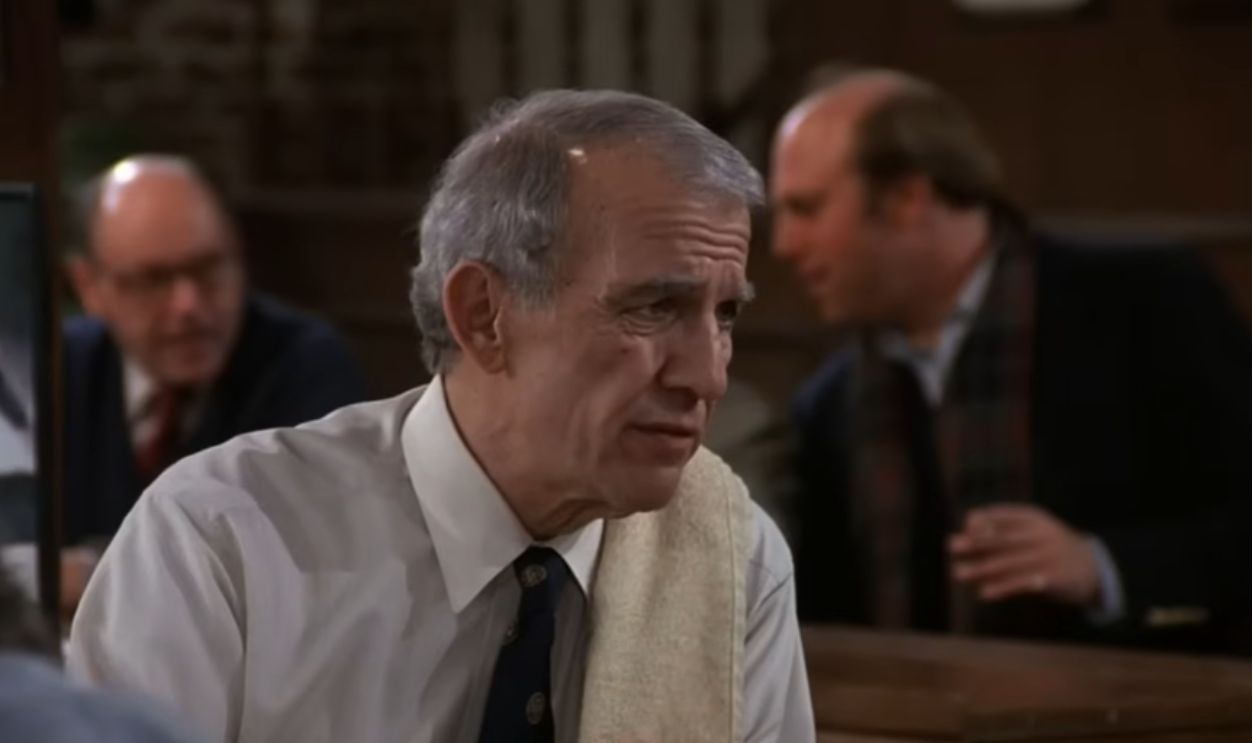
The Heart Never Really Left
Colasanto appeared in only the first three seasons of a show that ultimately ran for 11, yet Coach remained part of Cheers’ identity. A picture of Geronimo associated with Colasanto eventually hung on the bar set as a quiet memorial. Coach was gone, but the warmth he brought to Cheers never really disappeared.
 Screeshot from Cheers, Paramount (1982–1993)
You May Also Like:
Charlene Tilton Became Dallas’s Young Scene-Stealer, Then Lived With Fame Before She Was Ready
Tom Selleck Shot To Fame On Magnum, P.I., But Stardom Changed His Life In Ways He Never Expected