She Was Never Conventional.
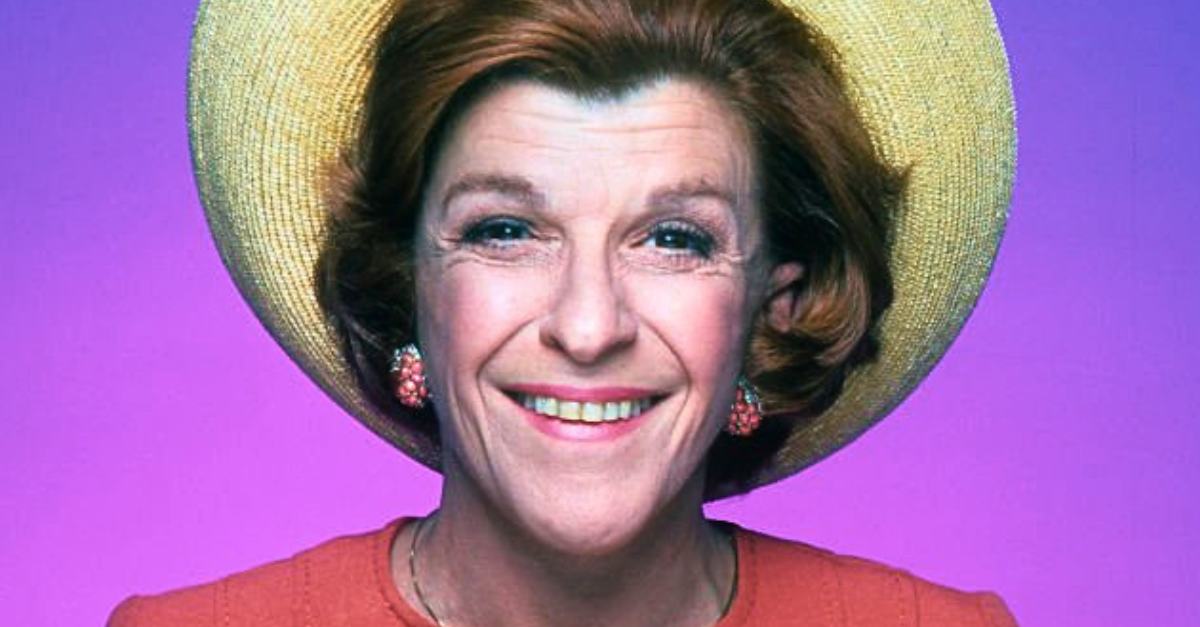
Nancy Walker was short, raspy-voiced, fiercely expressive, and almost perfectly unsuited to Hollywood’s traditional idea of a glamorous leading lady. Those qualities became her advantage, allowing her to steal scenes on Broadway, McMillan & Wife, Rhoda, The Golden Girls, and even paper-towel commercials for half a century.
 Michael Ochs Archives / Getty Images
Show Business Was Practically In Her Blood
Walker was born Anna Myrtle Swoyer in Philadelphia in 1922 to performers Myrtle Lawler and Dewey Barto. Her father worked in vaudeville, while her mother was a dancer. Accounts of Walker’s childhood describe her appearing onstage while still an infant, so performing never seemed like a distant profession.
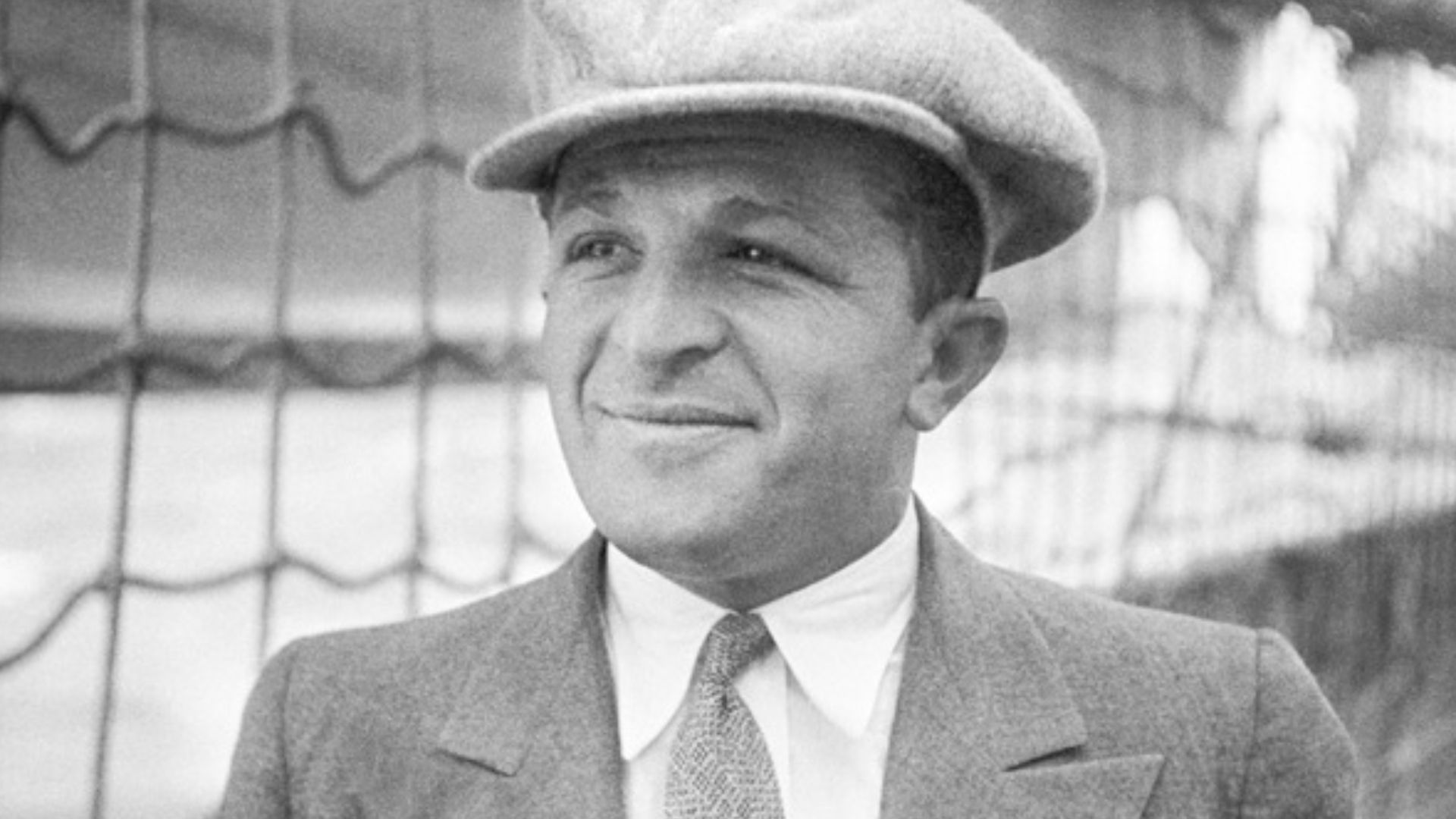 George Mann, Wikimedia Commons
She Learned Early That She Looked Different
Walker grew into a diminutive performer with features that did not fit the polished ingénue image Hollywood commonly favored. Biographical accounts repeatedly describe her as small, unconventional-looking, and naturally suited to comedy. Rather than trying to disguise those qualities, she gradually built an entire performing identity around them.
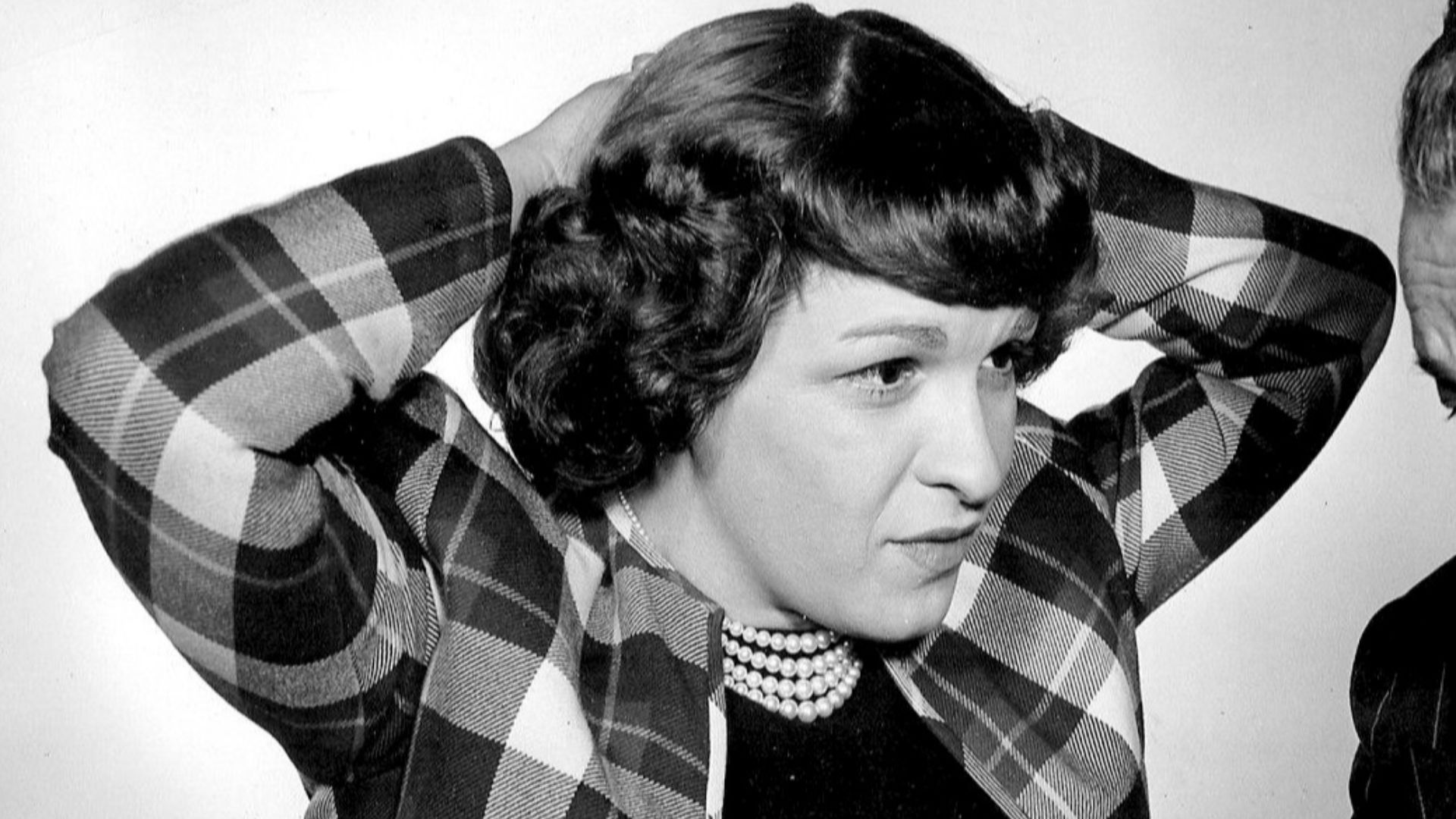 Photo by Alexander Bender, NYC, Wikimedia Commons
Broadway Discovered The Joke Before Hollywood Did
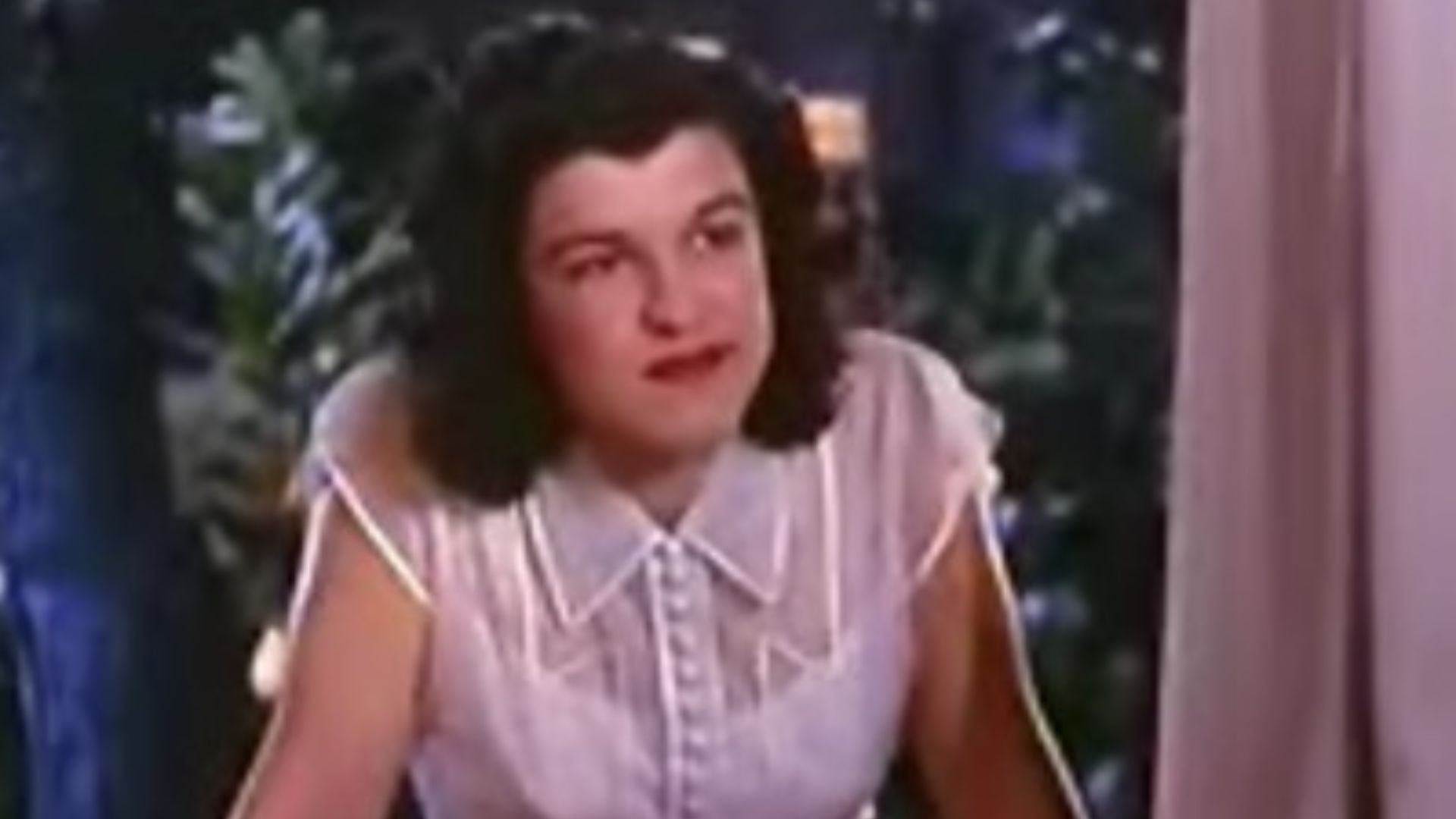
Walker made her Broadway breakthrough in the 1941 musical Best Foot Forward. She played a wisecracking blind date and quickly attracted attention for her aggressive comic energy. The production demonstrated that audiences did not need Walker to resemble a traditional musical-comedy heroine when she could make them laugh instead.
Even Her Professional Name Came From A Mix-Up
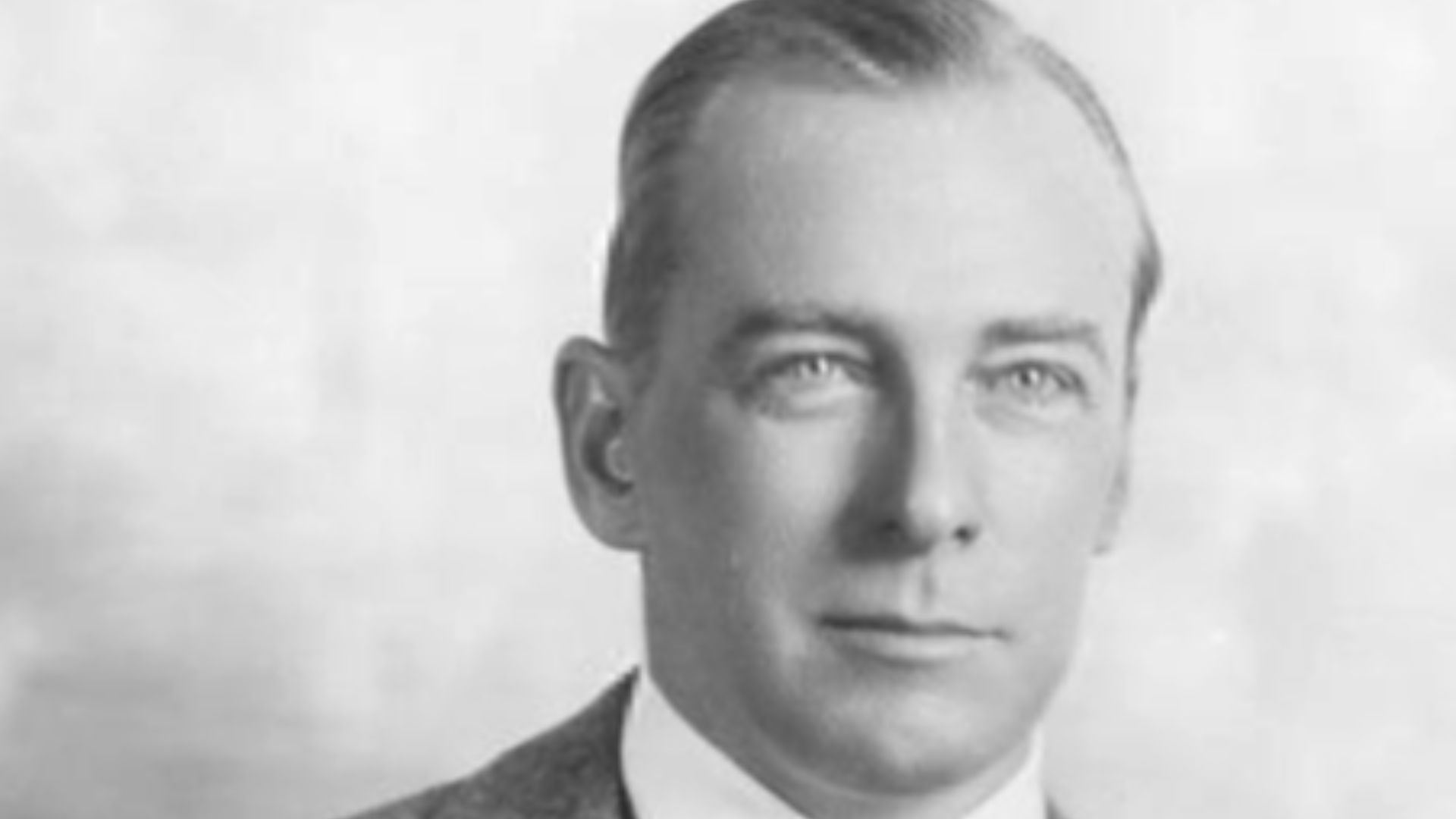
One account of Walker’s Best Foot Forward audition says producer George Abbott mistakenly believed she was an actress named Helen Walker. The surname stuck, and Anna Swoyer eventually became Nancy Walker professionally. It was an appropriately accidental beginning for a career that repeatedly succeeded by ignoring conventional expectations.
 Theatre Magazine Company; Wide World, photographer, Wikimedia Commons
MGM Tried Putting Her On The Big Screen
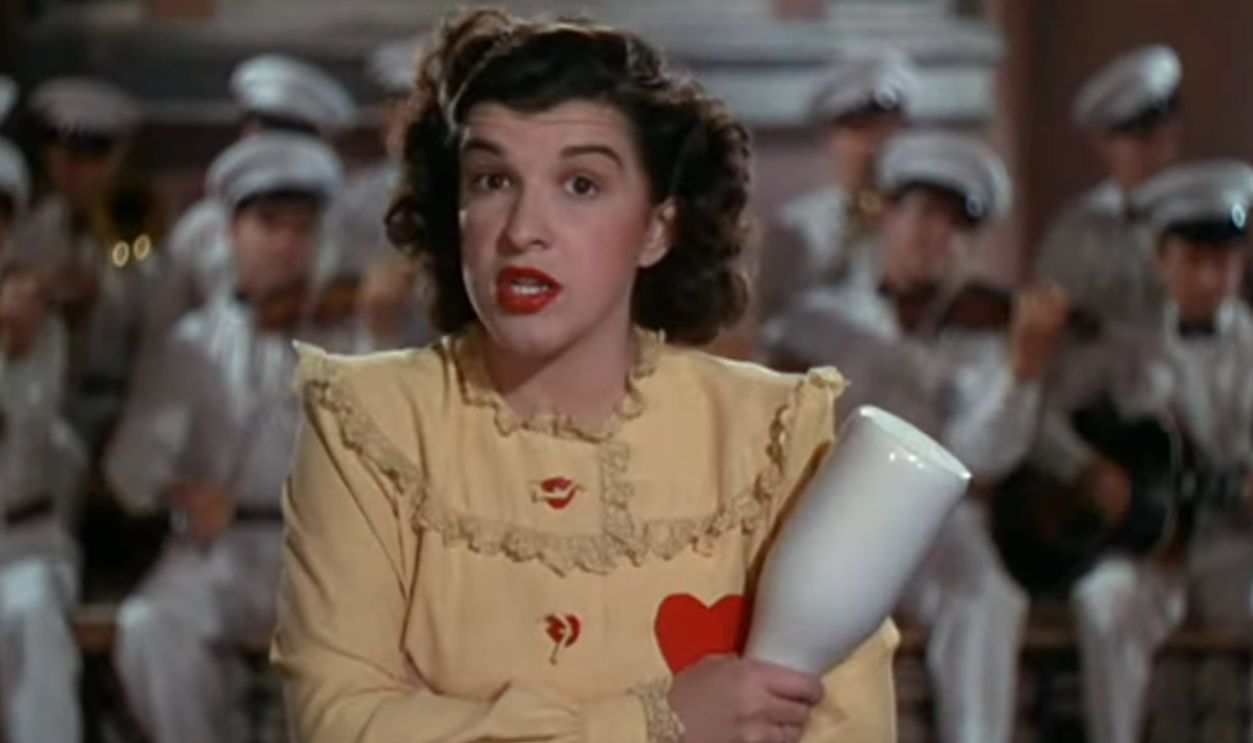
Walker followed Best Foot Forward to Hollywood when MGM produced the 1943 film adaptation. She also appeared in Girl Crazy with Judy Garland and Mickey Rooney and in Broadway Rhythm. TCM later noted how readily Walker stole attention in Best Foot Forward, even though she was surrounded by performers more closely associated with movie-star glamour.
 Screenshot from Broadway Rhythm, Loew's Inc. (1944)
Hollywood Never Quite Knew What To Do With Her
Movie studios had an easier time categorizing conventionally glamorous actresses than a compact comic performer with Walker’s unusual energy. Broadway reference sources note that her looks were not conventional and that stage comedy remained a more natural home. That limitation eventually helped her because television would prove far more welcoming to distinctive personalities.
On The Town Gave Her A Signature Broadway Role
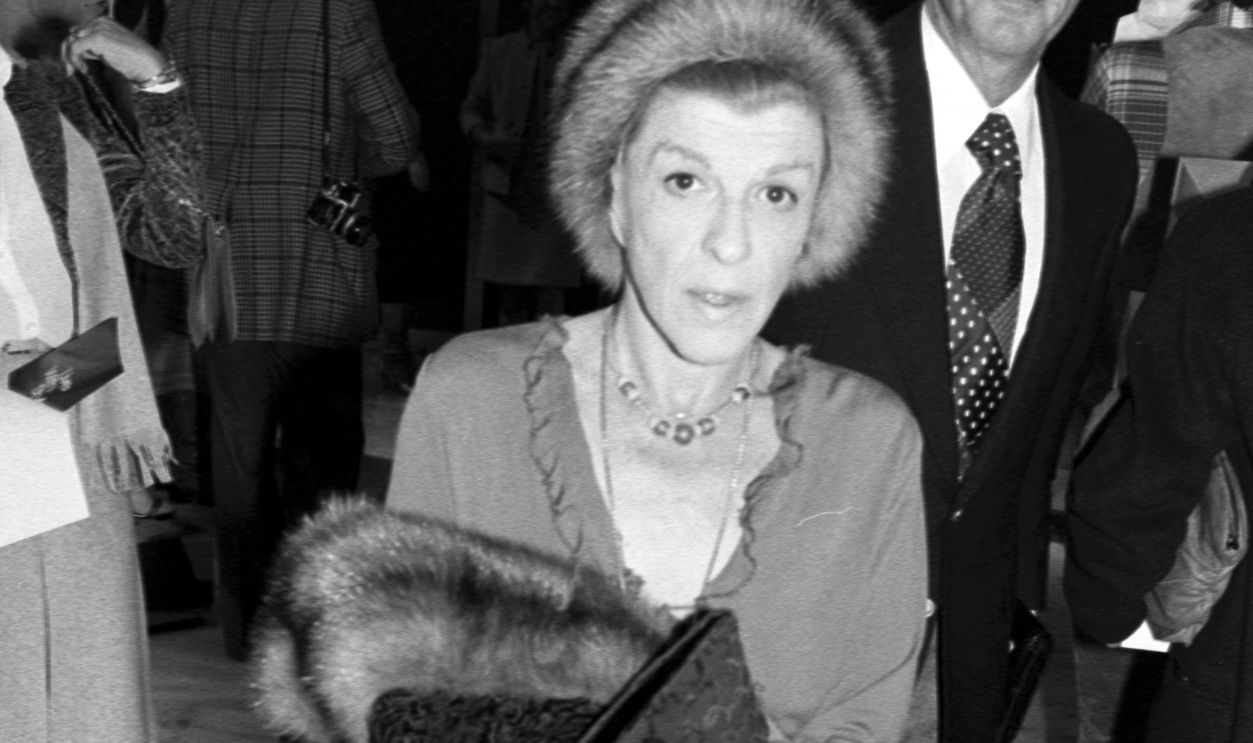
Walker originated Hildy Esterhazy in the 1944 Broadway production of Leonard Bernstein, Betty Comden, and Adolph Green’s On the Town. Hildy was the aggressively romantic taxi driver who pursues sailor Chip during his New York shore leave. The role played directly to Walker’s gift for making a forceful personality seem hilarious rather than intimidating.
Broadway Kept Rewarding Her Peculiar Strengths
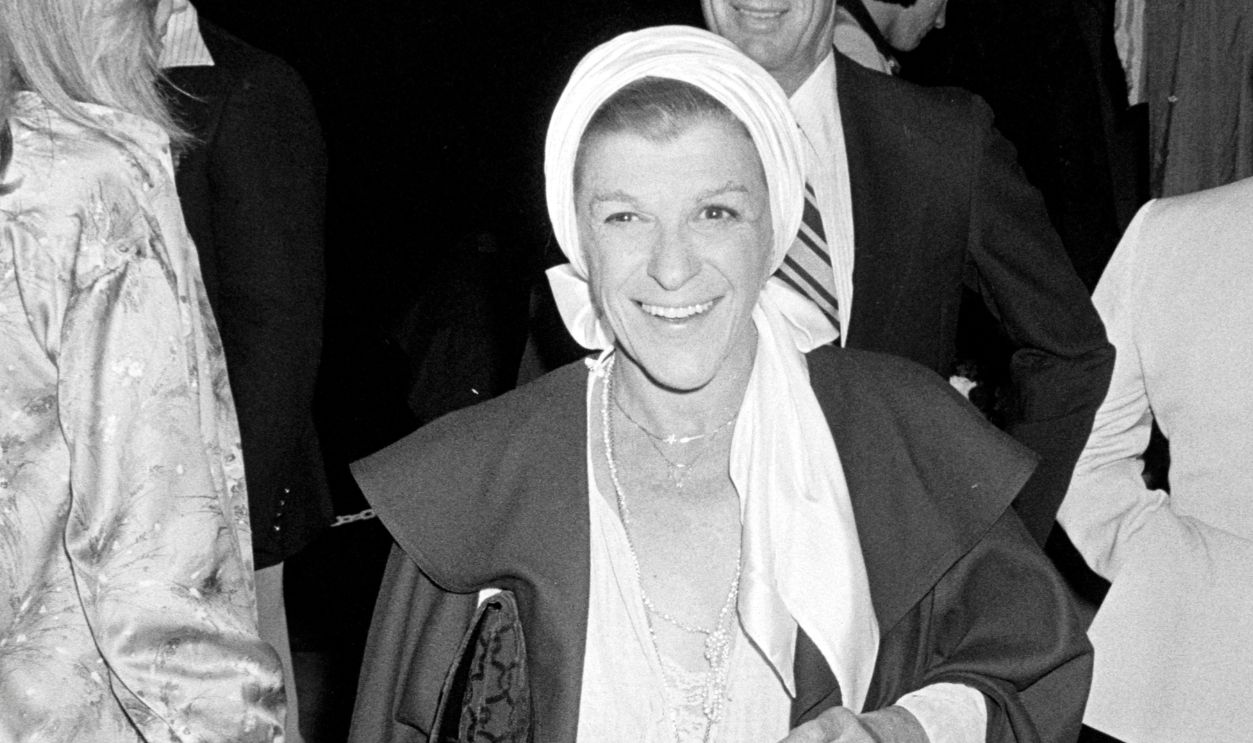
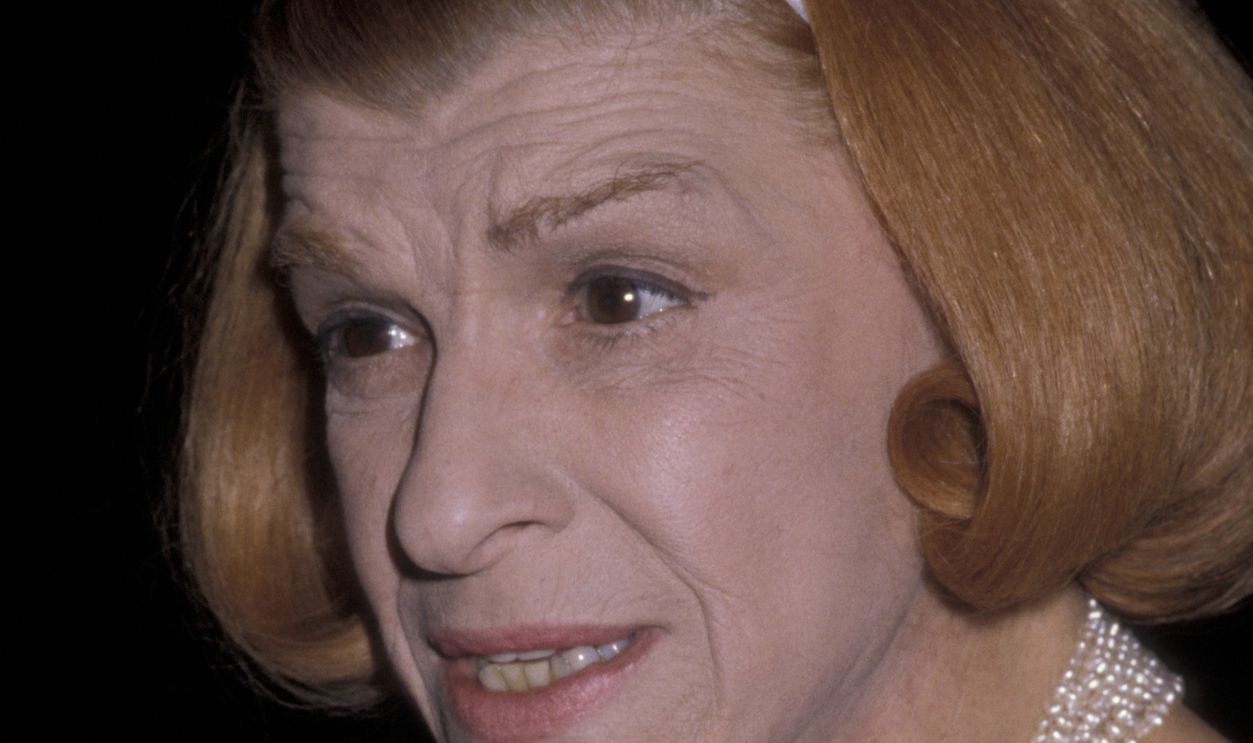
Walker remained busy in musicals and comedies through the 1940s, 1950s, and early 1960s. Her credits included Look, Ma, I’m Dancin’!, Pal Joey, Phoenix ’55, and Do Re Mi. She earned Tony nominations for Phoenix ’55 and Do Re Mi, proving that being unconventional had not prevented her from becoming an important Broadway performer.
Phil Silvers Was An Ideal Comic Partner
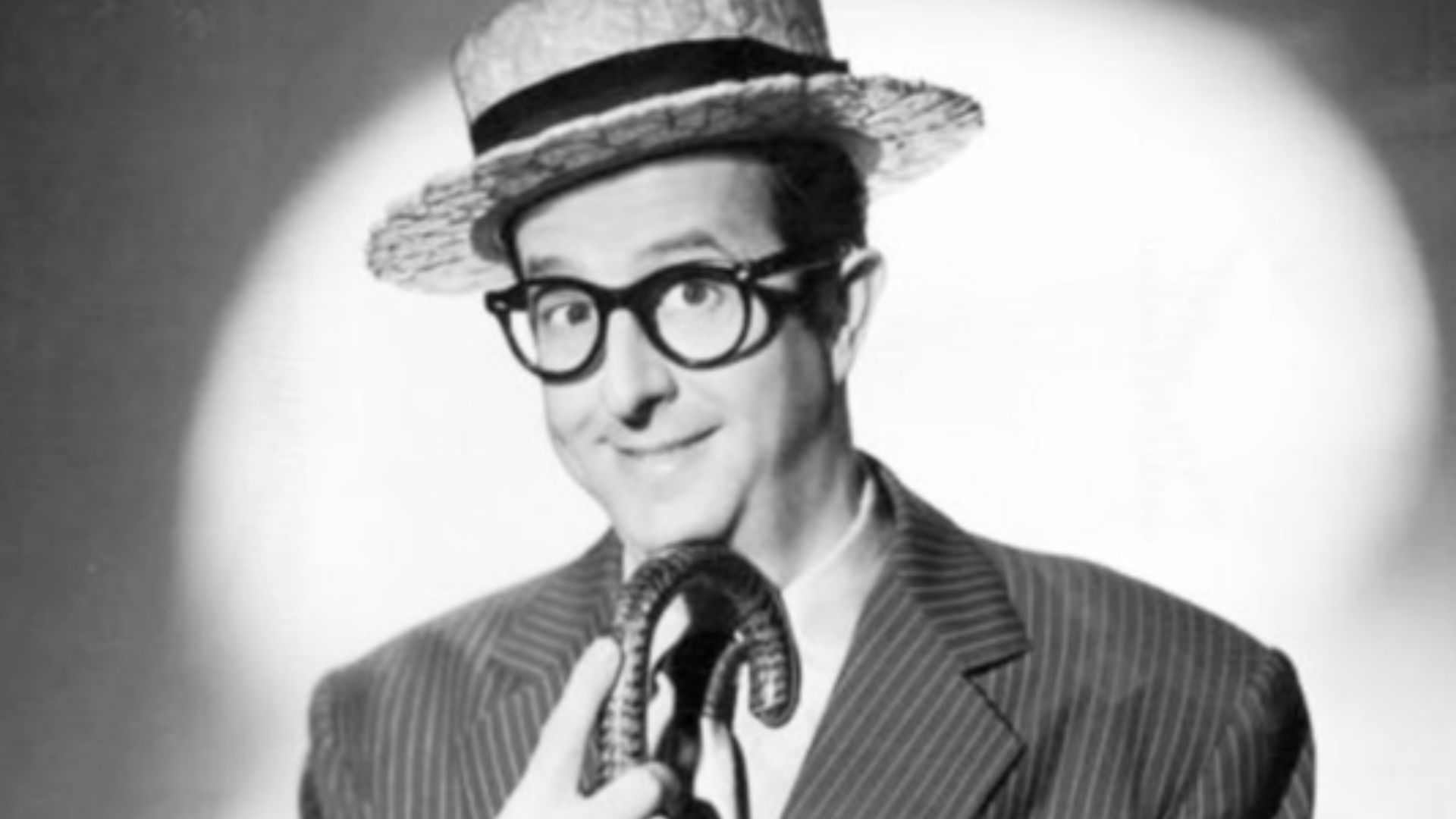
Walker starred opposite Phil Silvers in Do Re Mi, the 1960 musical about the jukebox business. Both performers specialized in characters whose ambition and nervous energy could overwhelm everyone around them. Walker’s performance earned another Tony nomination and became one of the high points of her stage career.
 Photographer: Garbo, Chicago., Wikimedia Commons
Television Finally Loved The Face Movies Misunderstood
As television expanded, character actors who looked and sounded distinctive became increasingly valuable. Walker’s compact frame, expressive face, and instantly recognizable voice made her perfect for a medium that rewarded familiarity. By the late 1960s and early 1970s, she was finding the kind of steady screen employment film studios had never quite given her.
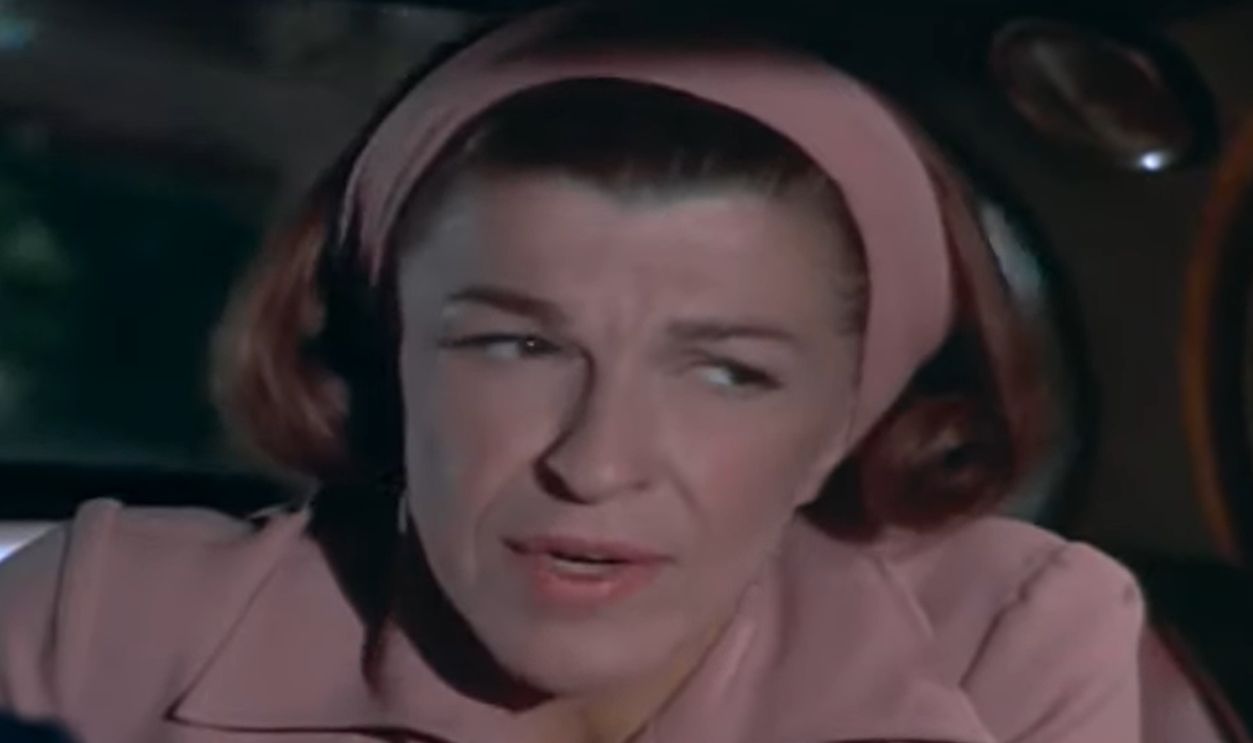 Screenshot from McMillan & Wife, NBC (1971–1977)
Rosie Made Her Famous During Commercial Breaks
Walker became Rosie, the wisecracking diner waitress in a long-running campaign for Bounty paper towels. Rosie repeatedly cleaned up customers’ spills while promoting the product associated with the “quicker picker-upper” slogan. The Television Academy later described Walker as almost as familiar for those commercials as for her major sitcom roles.
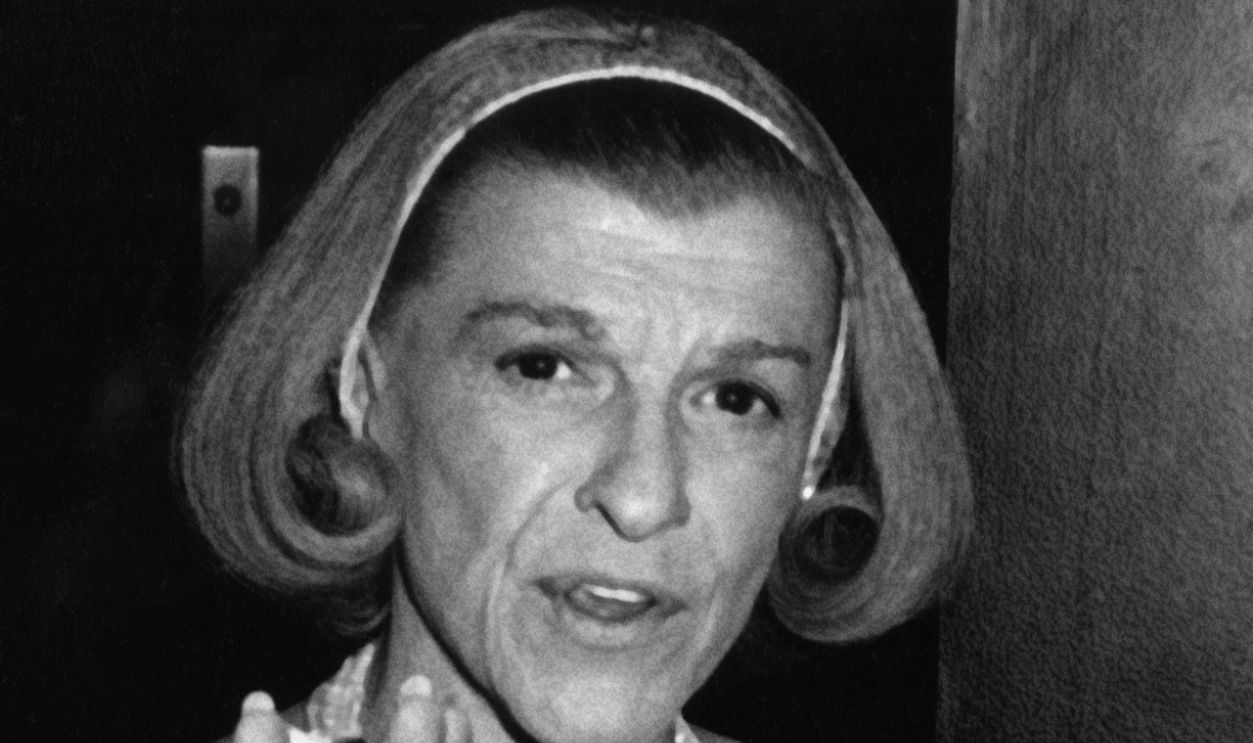
A Paper-Towel Waitress Became A Household Face
Commercial acting can disappear quickly, but Rosie endured because Walker turned a product demonstration into a character. Her impatience, dry delivery, and recognizable diner persona made the advertisements feel like tiny sitcom scenes. By the time dramatic and comedy producers came calling, millions of viewers already knew exactly who Nancy Walker was.
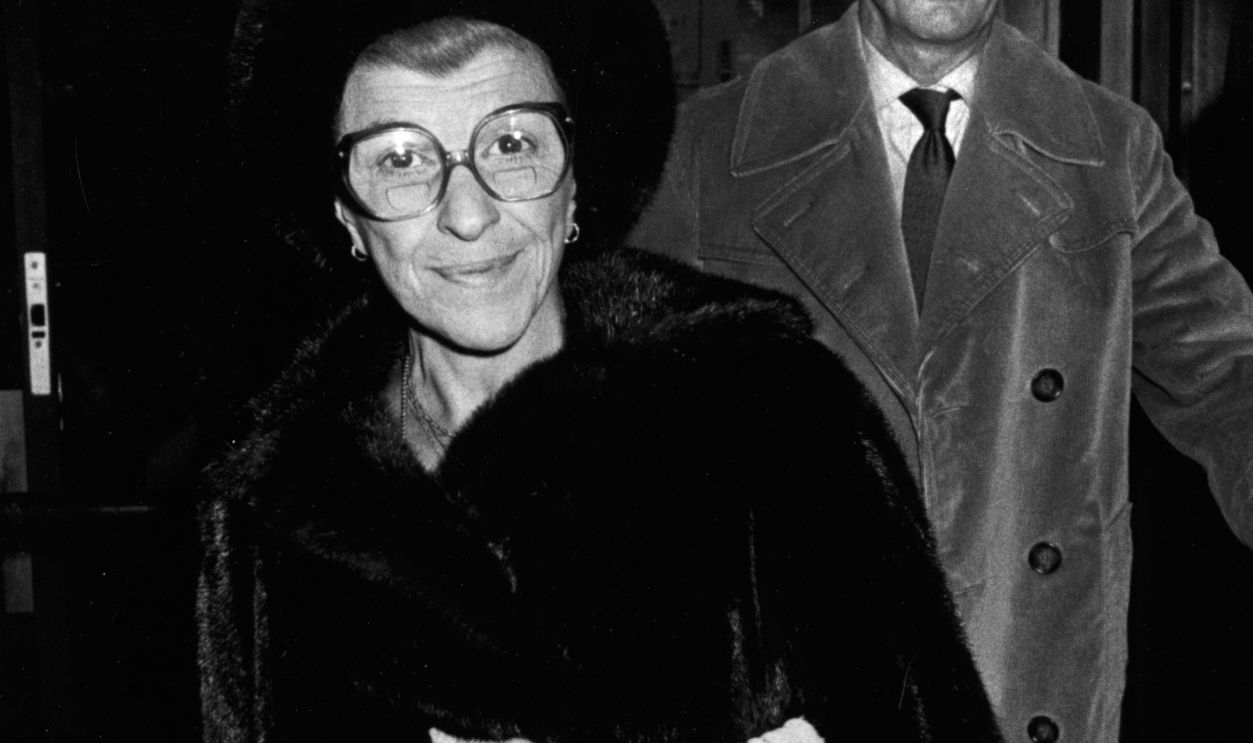
Mildred Let Her Steal Scenes From Rock Hudson
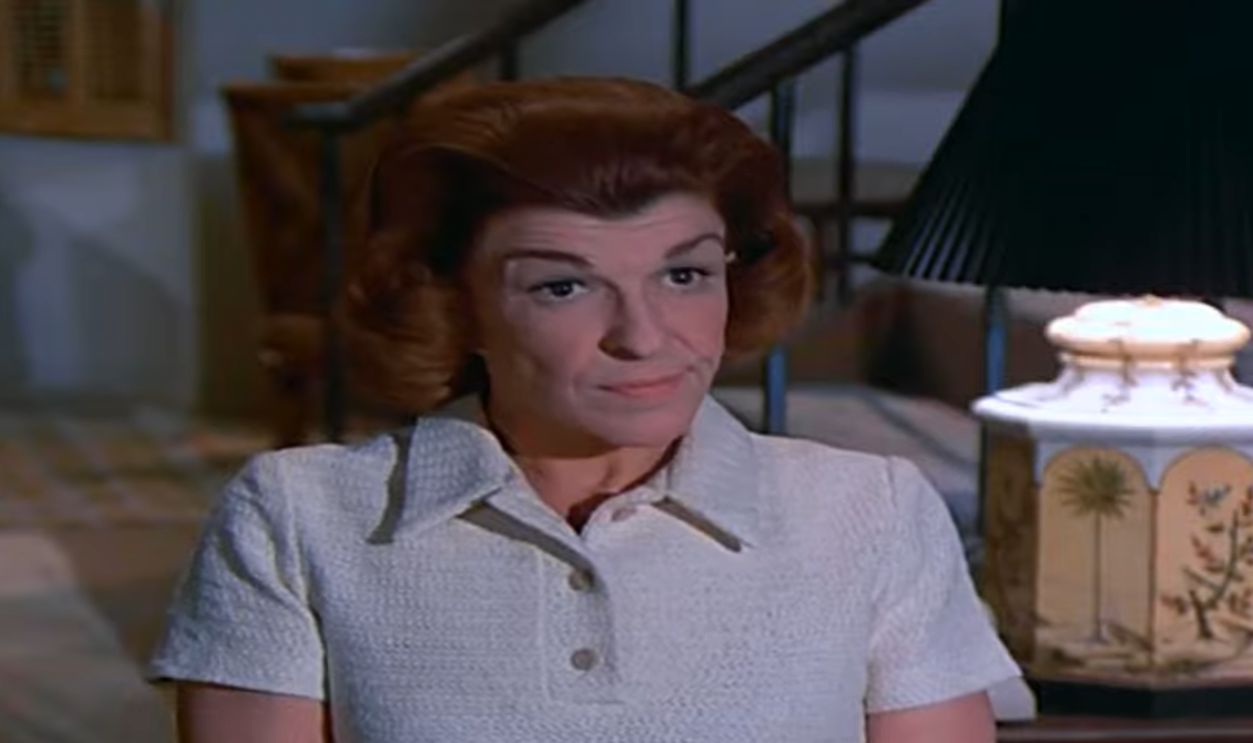
Walker joined NBC’s McMillan & Wife as Mildred, the McMillans’ sarcastic housekeeper. Rock Hudson and Susan Saint James played the glamorous central couple, but Mildred’s blunt observations frequently gave Walker the sharpest comedy in the room. The contrast was perfect because Walker looked and sounded like the least glamorous person in the household while routinely becoming its most memorable one.
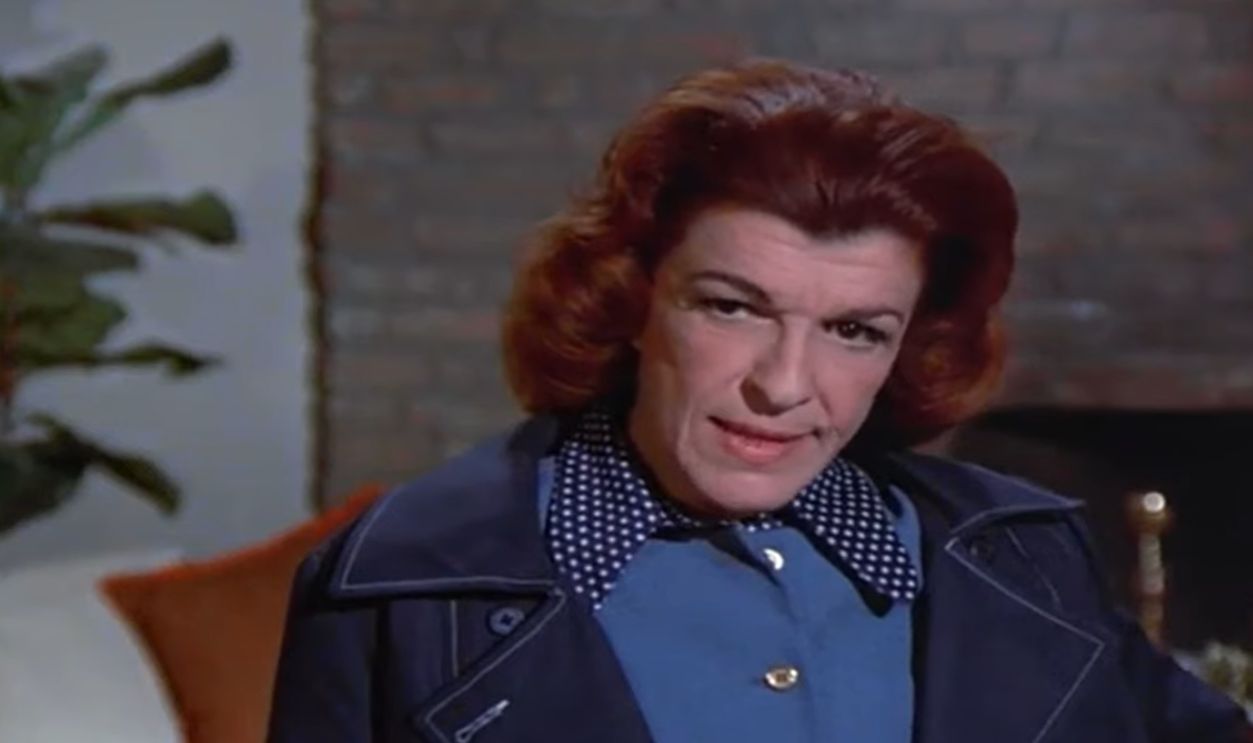 Screenshot from McMillan & Wife, NBC (1971–1977)
The Sunday Mystery Movie Made Her A Weekly Fixture
McMillan & Wife was part of NBC’s rotating Sunday Mystery Movie format alongside programs including Columbo and McCloud. Walker appeared as Mildred from 1971 through 1976. The assignment put her inside one of network television’s most prominent franchises and introduced her comic style to viewers who had never seen her Broadway work.
 Screenshot from McMillan & Wife, NBC (1971–1977)
Emmy Voters Started Paying Attention
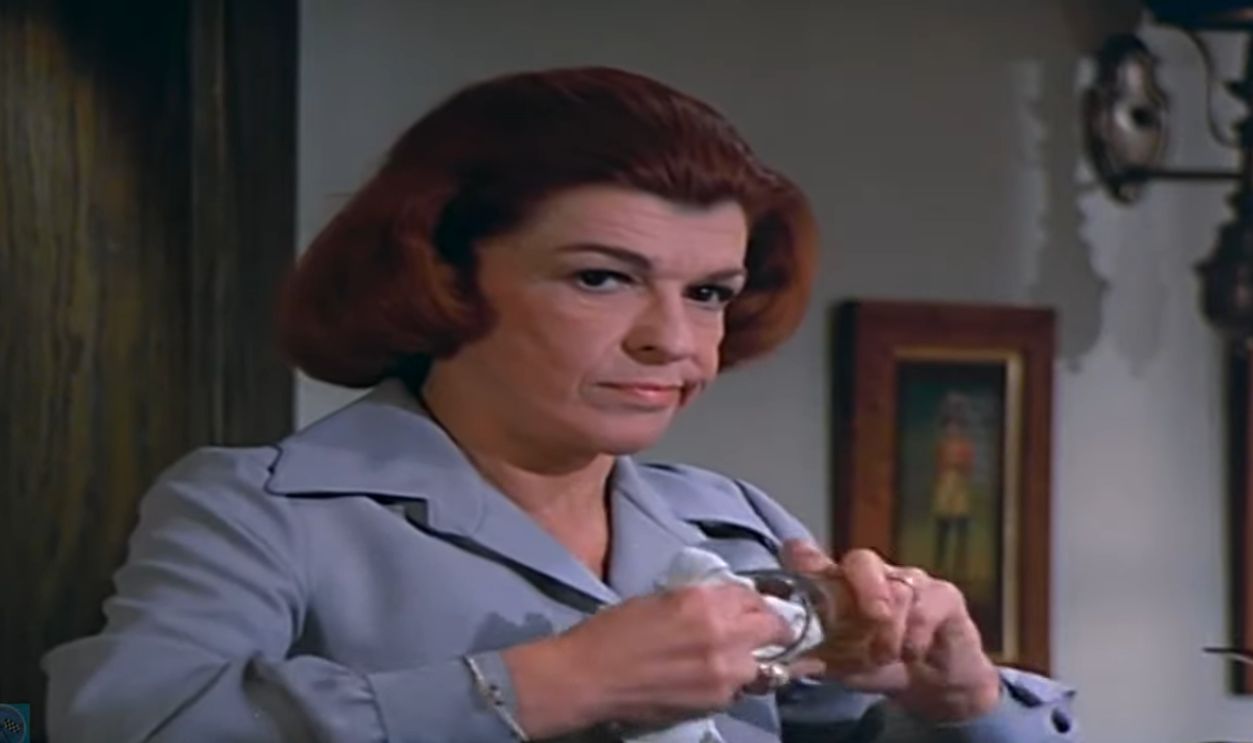
Walker received three Emmy nominations for McMillan & Wife, beginning in 1973. The nominations recognized a supporting performance that could easily have been treated as little more than comic housekeeping. Instead, Walker made Mildred important enough to compete alongside dramatic supporting actresses.
 Screenshot from McMillan & Wife, NBC (1971–1977)
Ida Morgenstern Was Her Perfect Television Weapon
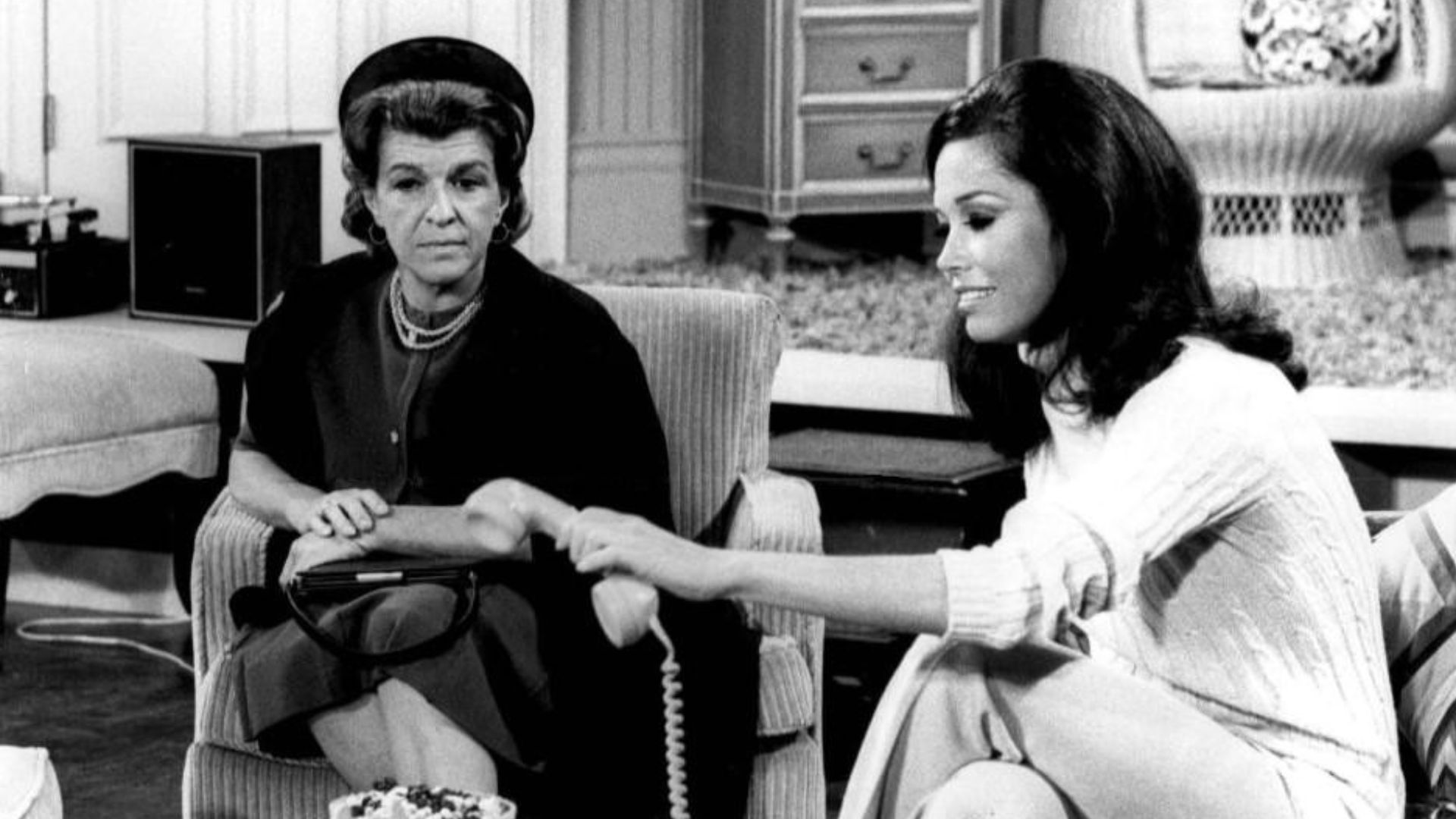
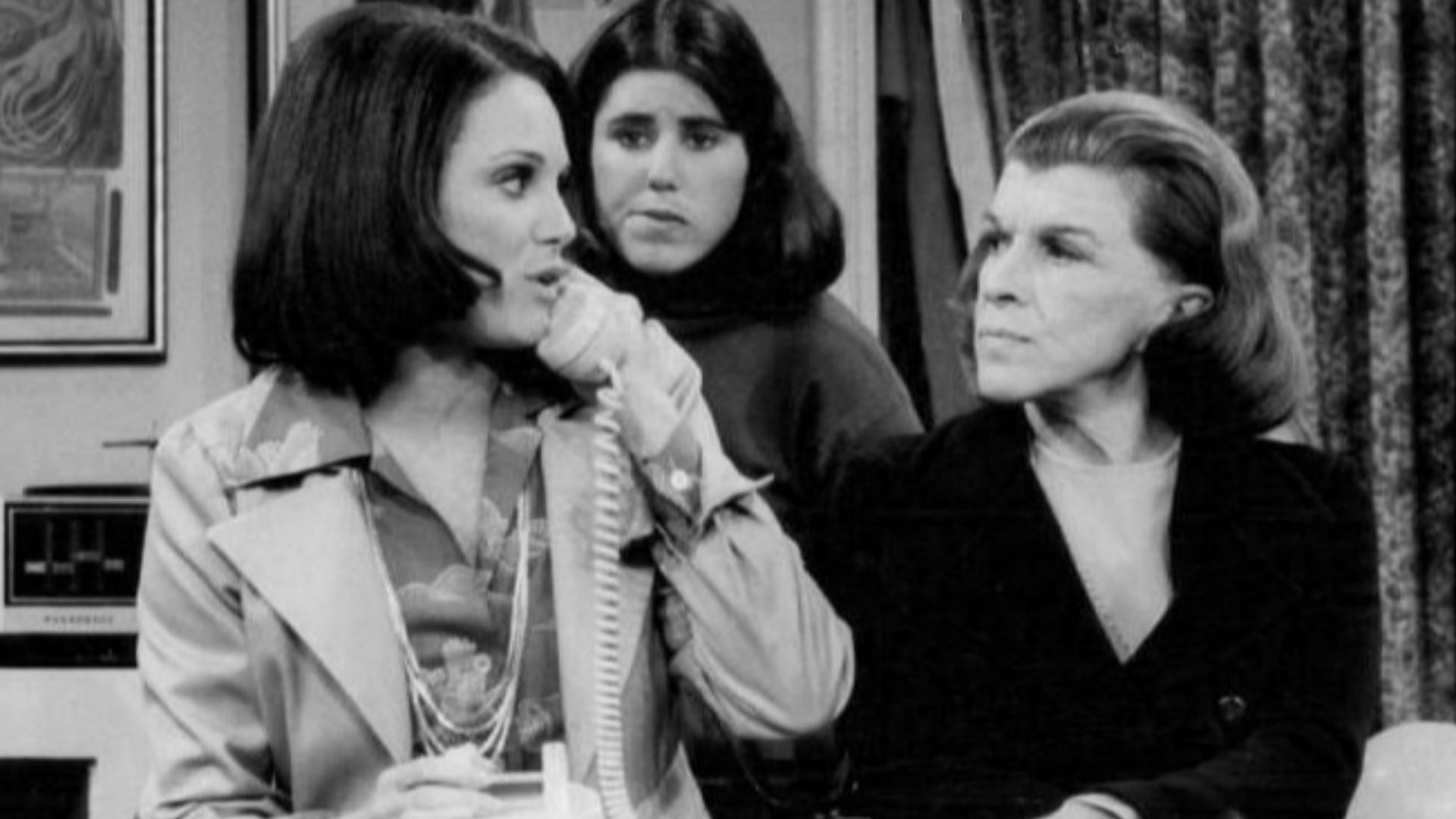
Walker then appeared on The Mary Tyler Moore Show as Ida Morgenstern, the mother of Valerie Harper’s Rhoda. Ida was intrusive, emotional, critical, and convinced that her opinions were an essential public service. Walker made the character overwhelming without making her impossible to love.
 CBS Television, Wikimedia Commons
Rhoda Could Not Escape Her Mother
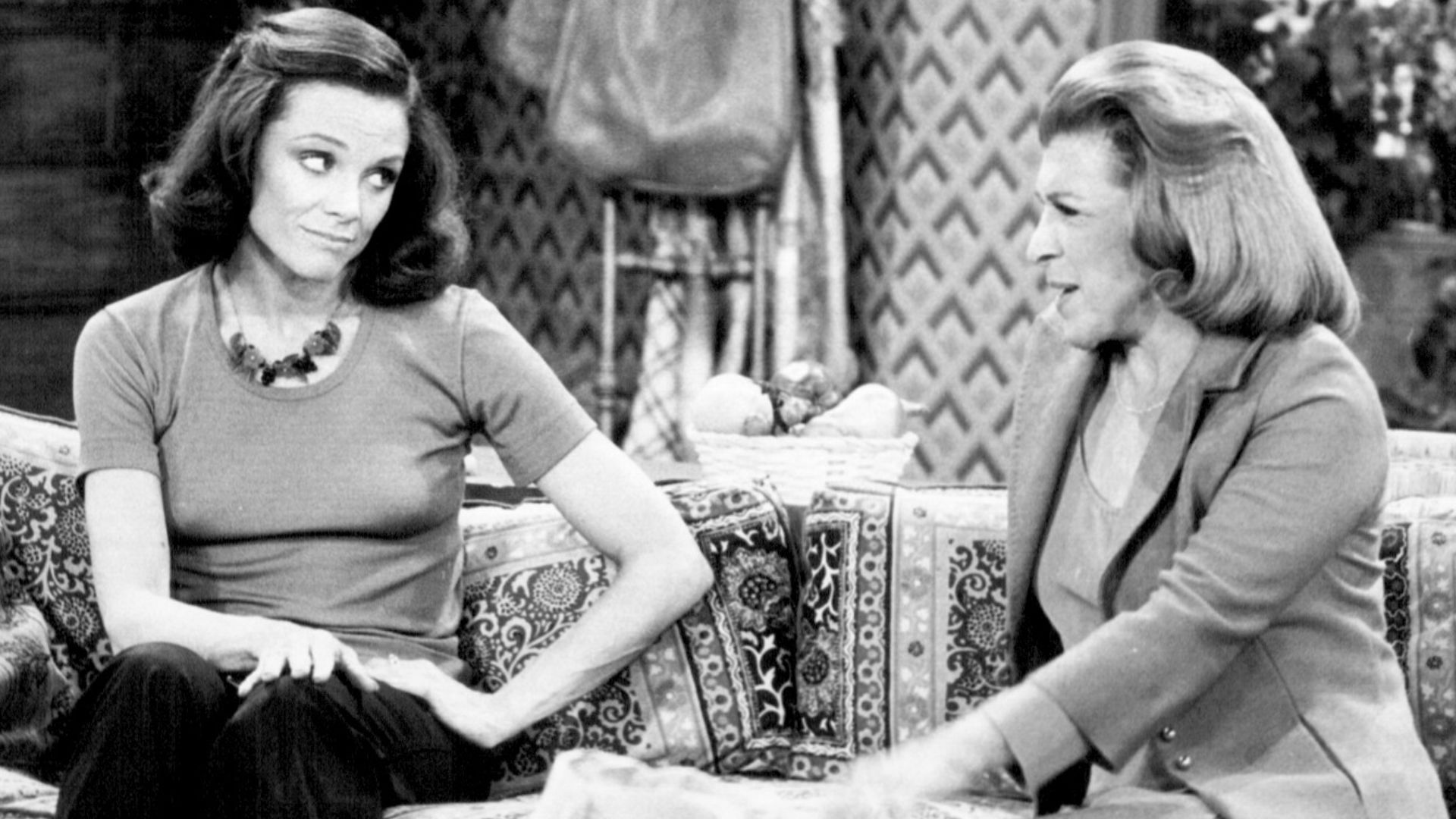
When Rhoda moved into her own CBS spinoff in 1974, Ida followed. The relationship worked because Valerie Harper’s Rhoda was independent enough to fight back while still being vulnerable to her mother’s guilt, advice, and disappointment. Walker turned every visit into the possibility of both an argument and a confession.
 CBS Television, Wikimedia Commons
Ida Was More Than A Jewish-Mother Stereotype
Contemporary coverage frequently described Ida as television’s archetypal Jewish mother, but Walker found more than one joke inside the characterization. Ida wanted closeness with her daughters, feared becoming unnecessary, and often expressed affection through criticism because direct tenderness made her uncomfortable. Those contradictions gave Walker emotional material beneath the wisecracks.
 CBS Television, Wikimedia Commons
Her Face Could Finish A Joke Before The Dialogue Did
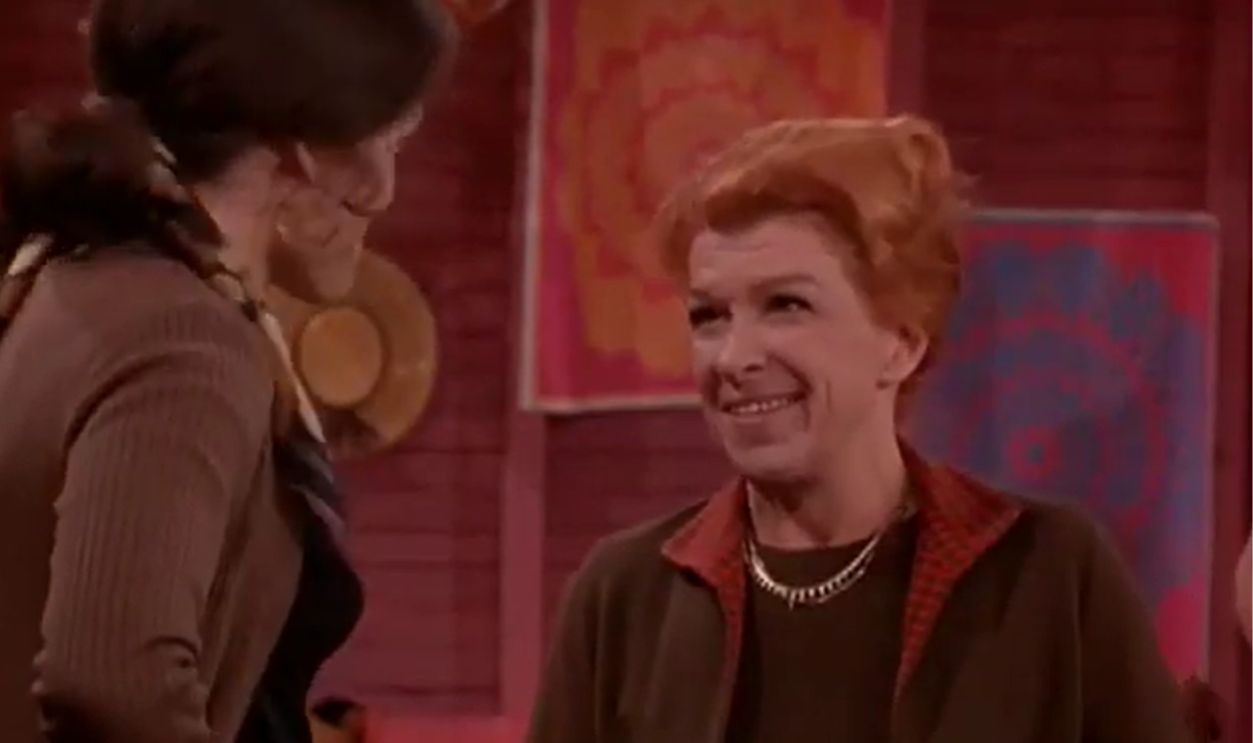
Walker had a remarkable ability to react as though she had just heard the most foolish sentence ever spoken. A narrowed look or disgusted pause could redirect an entire scene before she answered. That visual economy explains why her lack of conventional glamour became useful because viewers immediately read personality in every feature.
 Screenshot from The Mary Tyler Moore Show, CBS (1970–1977)
Her Voice Was Just As Recognizable
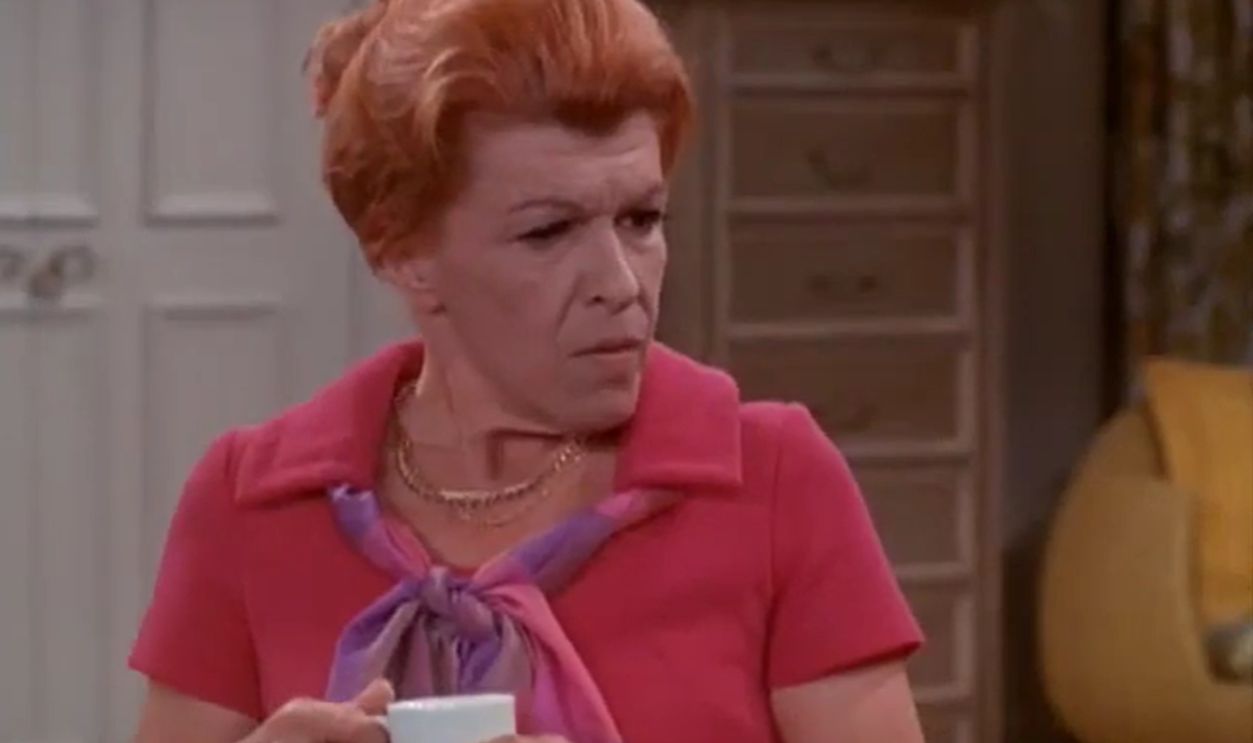
The Los Angeles Times remembered Walker as a raspy-voiced comedienne, an accurate description of one of her most useful tools. She could make affection sound annoyed and irritation sound strangely affectionate. That ambiguity was especially effective with Ida, who often seemed to criticize people precisely because she cared so much about them.
 Screenshot from The Mary Tyler Moore Show, CBS (1970–1977)
Television Tried Making Her The Entire Show
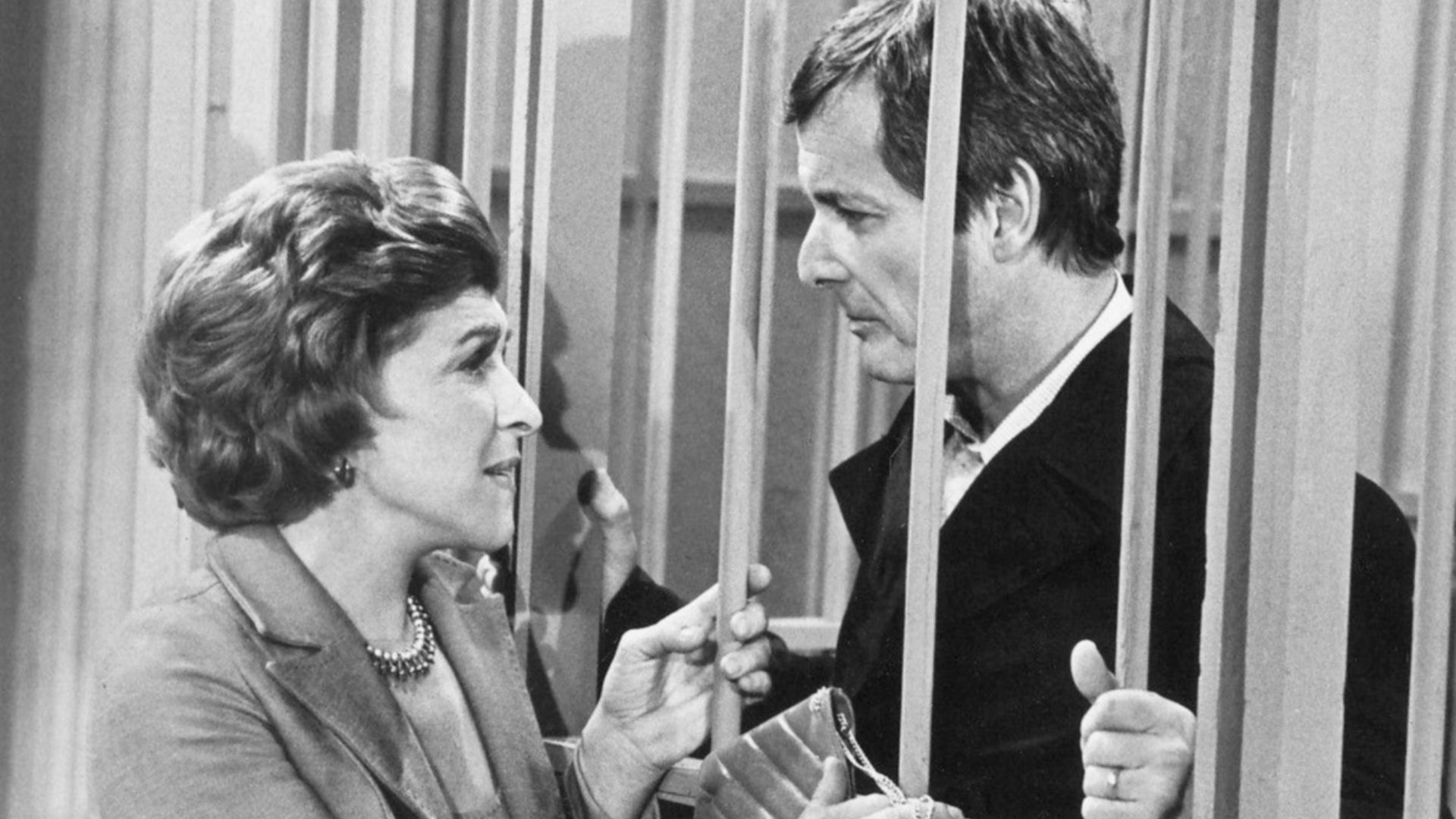
Walker’s popularity eventually produced The Nancy Walker Show in 1976. Norman Lear was involved with the sitcom, which cast Walker as a talent agent balancing work and family. The series lasted only a short time, demonstrating that an extraordinary supporting performer does not automatically need to become a conventional sitcom lead.
Blansky’s Beauties Gave Her Another Quick Shot
Walker soon starred in Blansky’s Beauties, playing Nancy Blansky, a woman overseeing a group of Las Vegas showgirls. That series also proved short-lived. The two cancellations did little damage to Walker’s reputation because audiences already loved her most when she entered somebody else’s show and disrupted it.
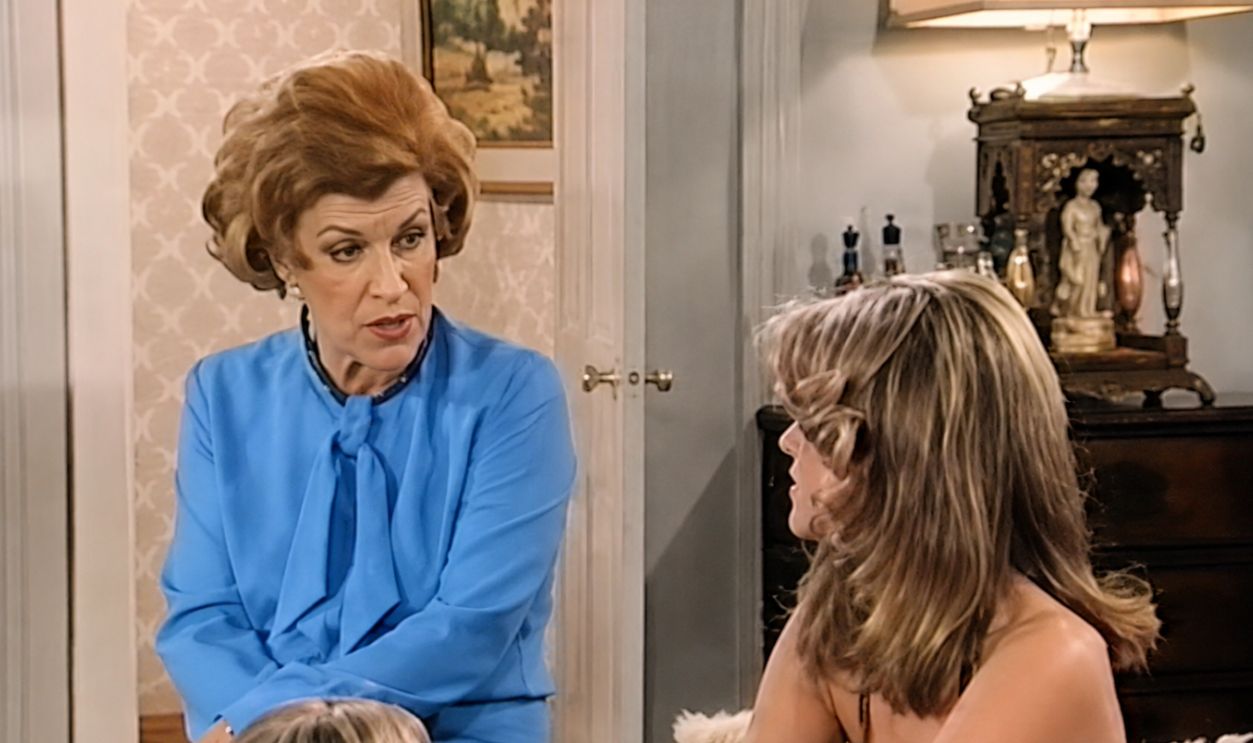 Screenshot from Blansky's Beauties, Paramount Television (1977), Modified
Returning To Rhoda Put Ida Back Where She Belonged
After experimenting with her own starring vehicles, Walker returned to Rhoda. Ida’s reappearance restored the family relationship that had made Walker such a major television presence in the first place. The return reinforced a recurring truth of her career: she did not need a series named after her to dominate one.
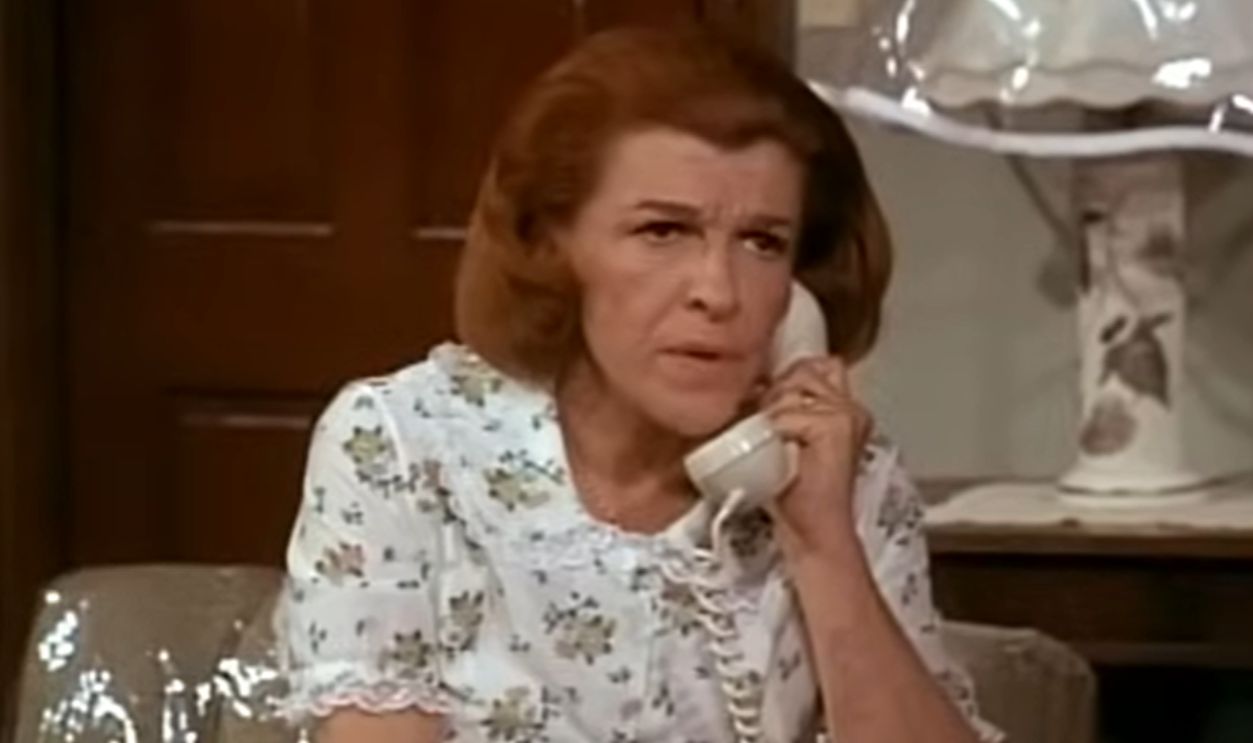 Screenshot from Rhoda, Viacom Enterprises (1974–1978)
Eight Emmy Nominations Never Produced A Win
Walker accumulated eight Primetime Emmy nominations during her television career. They came from McMillan & Wife, Rhoda, and eventually The Golden Girls. Remarkably, she never won, making her one of those performers whose influence and recognizability ultimately exceeded her trophy total.
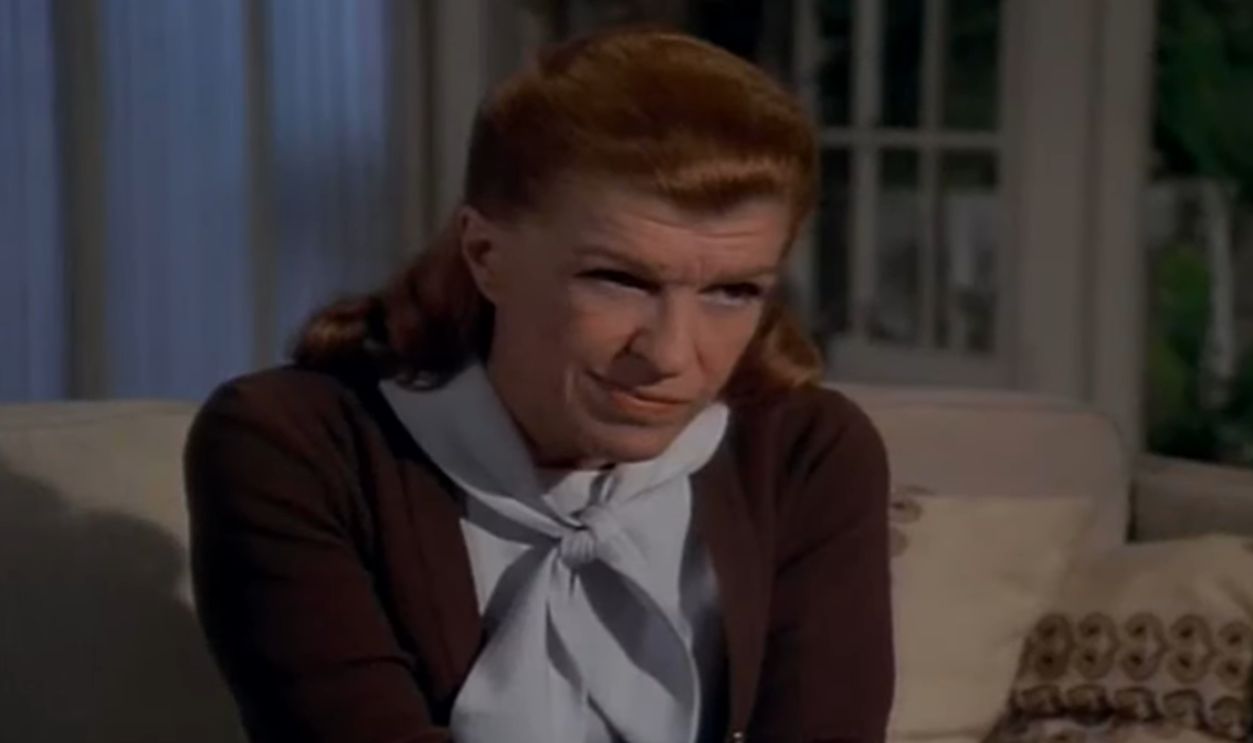 Screenshot from McMillan & Wife, NBC (1971–1977)
She Was Quietly Directing Other Sitcom Stars Too
Walker did not limit herself to acting. She directed television episodes, including work on The Mary Tyler Moore Show, Rhoda, and Alice. Her experience gave her authority on both sides of the camera during a period when relatively few women were being handed network sitcom directing assignments.
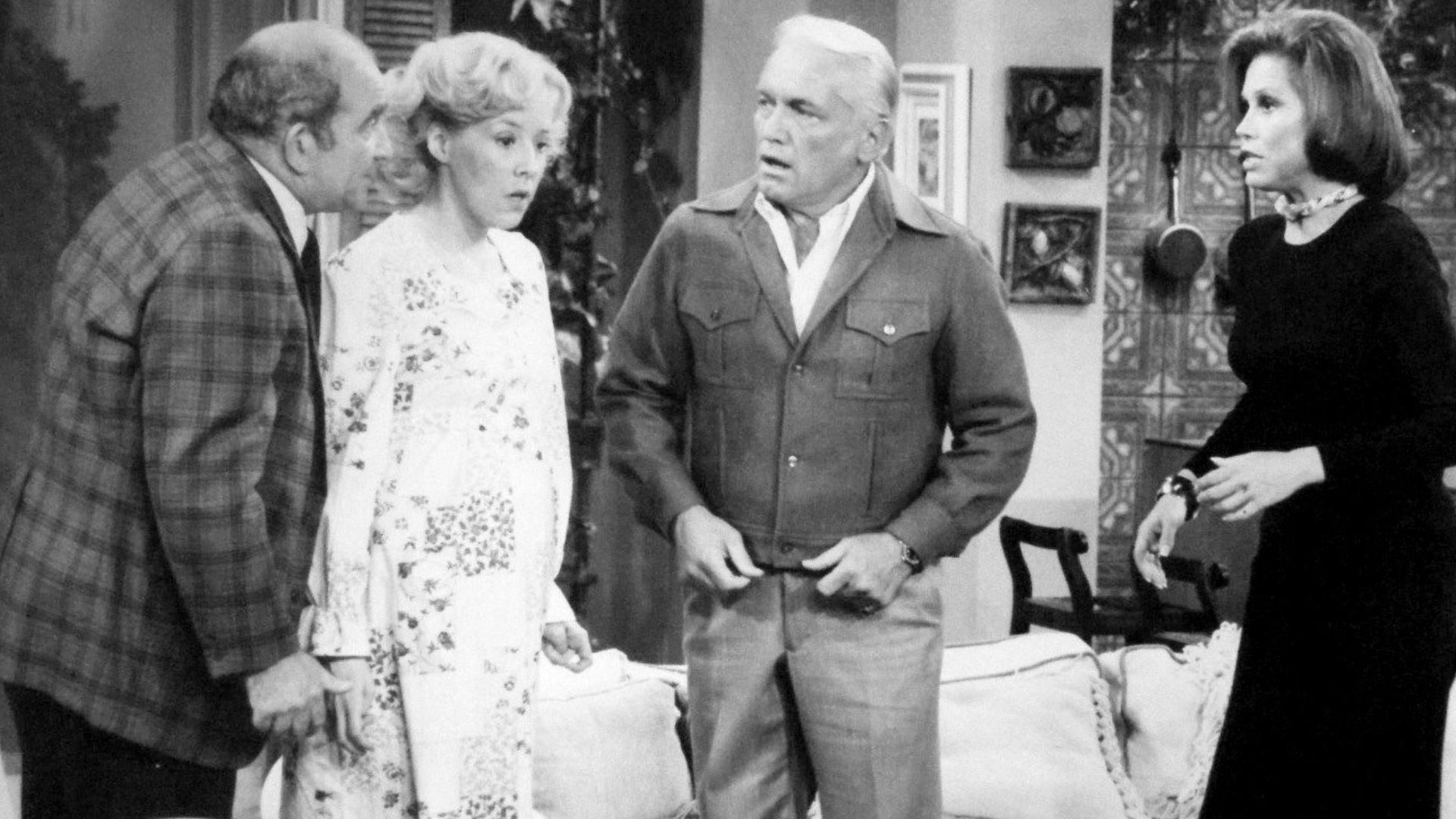 CBS Television, Wikimedia Commons
Can’t Stop The Music Was A Very Strange Detour
Walker made her feature-film directing debut with the 1980 Village People musical Can’t Stop the Music. The movie became notorious rather than successful, and it remained her only feature as director. The odd assignment is a reminder of just how unpredictable Walker’s career could be, even after decades in entertainment.
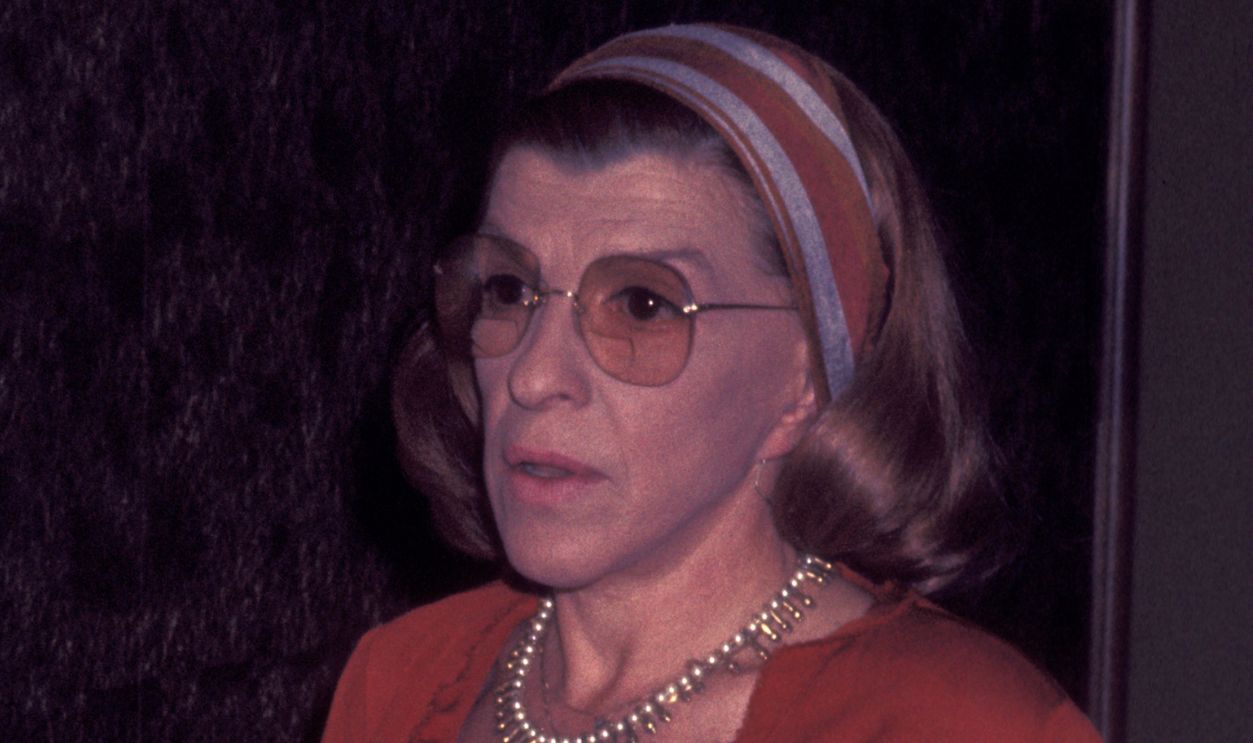
The Golden Girls Knew Exactly How To Use Her
Walker later guest-starred on The Golden Girls as Angela, Sophia Petrillo’s sister. Pairing Walker with Estelle Getty gave the series two compact, sharp-tongued performers who could turn old family resentments into rapid-fire comedy. Walker received another Emmy nomination in 1987 for the guest appearance.
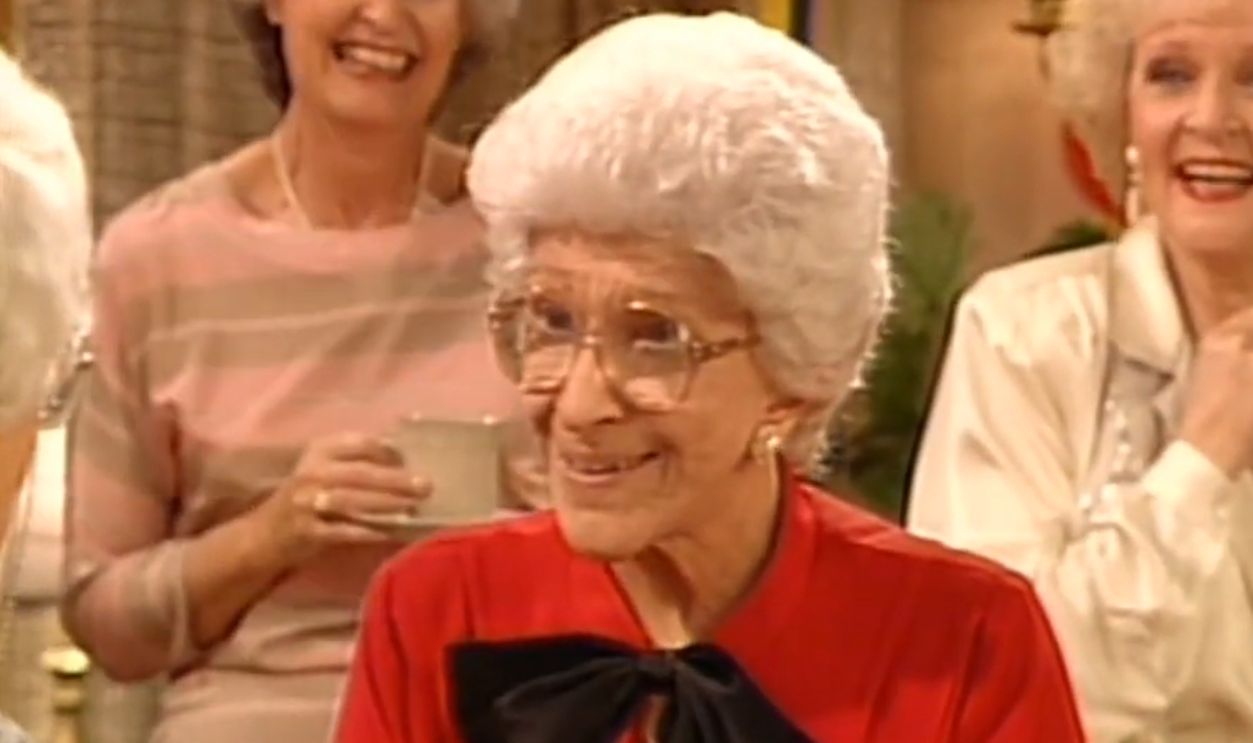 Screenshot from The Golden Girls, Buena Vista Television (1985–1992)
True Colors Put Her Back Inside A Family
Near the end of her career, Walker joined the Fox sitcom True Colors. She played Sara Bower, whose daughter was in an interracial marriage, giving Walker another outspoken mother character to explore. She continued on the series while dealing with serious illness.
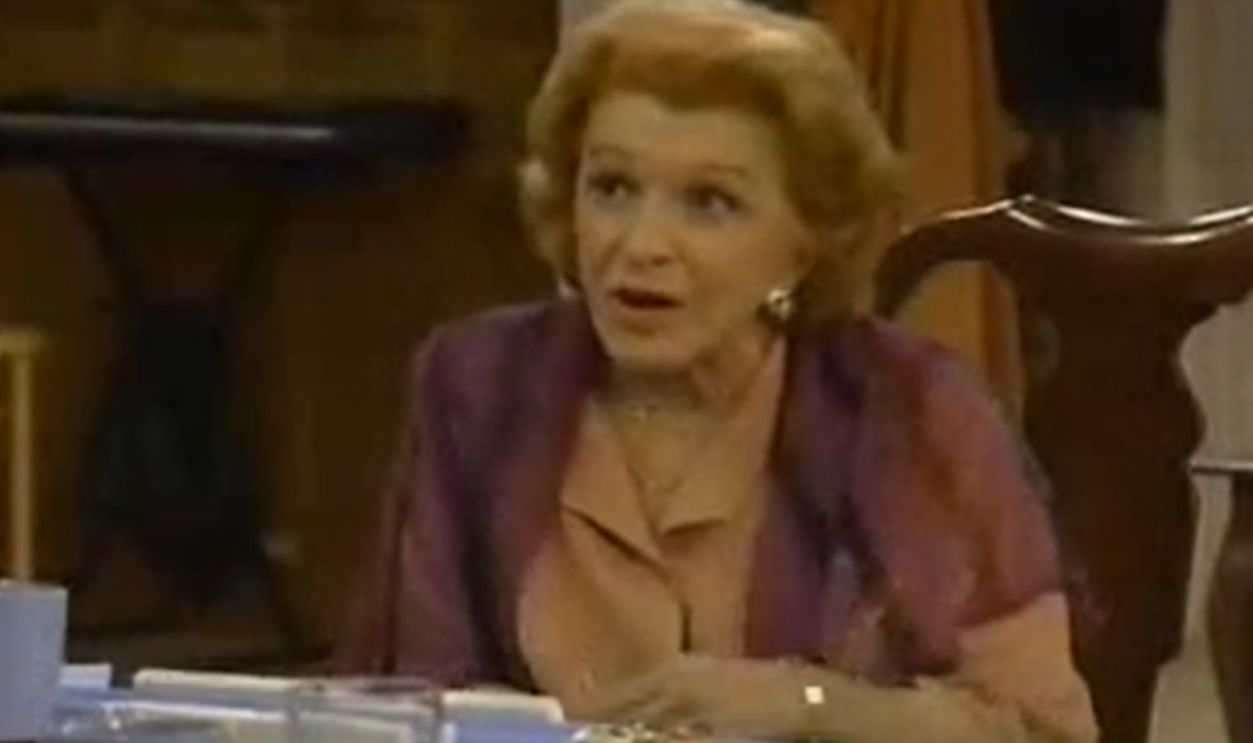 Screenshot from True Colors, Twentieth Television (1990–1992)
She Worked Until Nearly The End
Walker had battled lung cancer before her death at her Studio City home on March 25, 1992. She was 69. Reports published immediately afterward emphasized how actively she had continued working despite her illness.
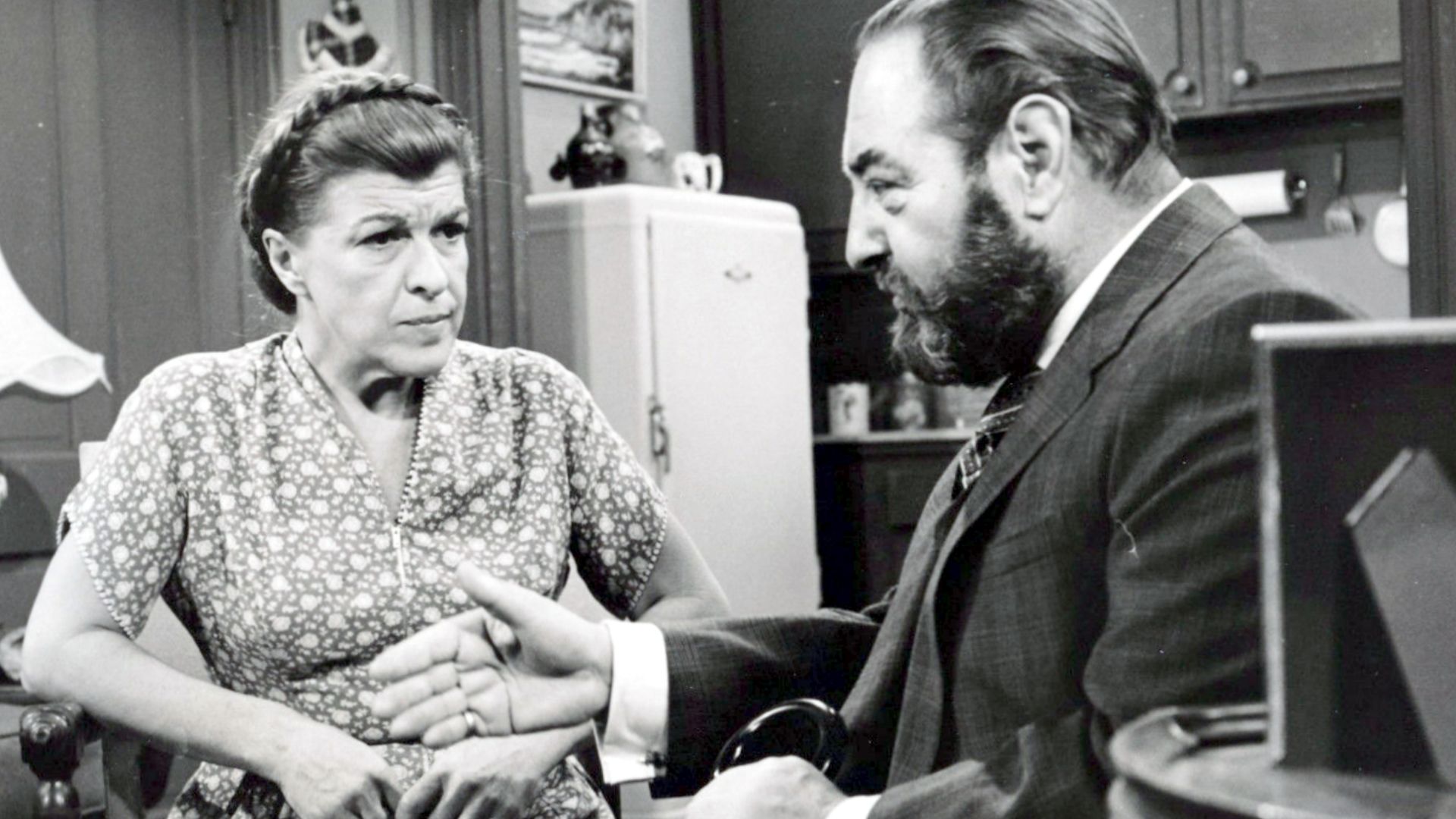 CBS Television Network, Wikimedia Commons
Her Career Turned Every Supposed Limitation Into An Asset
Walker never became the tall, polished, romantic leading lady that Hollywood traditionally placed at the center of a frame. Instead, she became something arguably more durable: the performer viewers waited to see enter the room because they knew the scene was about to improve. The small stature, raspy voice, sharp face, and combative timing that might once have looked like disadvantages ultimately made Nancy Walker unmistakable.
You May Also Like:
Facts About Classic TV Shows That Will Make You Nostalgic
The First TV Shows To Break Major Barriers
Does Anyone Remember These Television Shows? Anyone?
Sources: 1, 2, 3, 4, 5, 6, 7, 8, 9, 10, 11, 12, 13, 14, 15, 16, 17, 18, 19