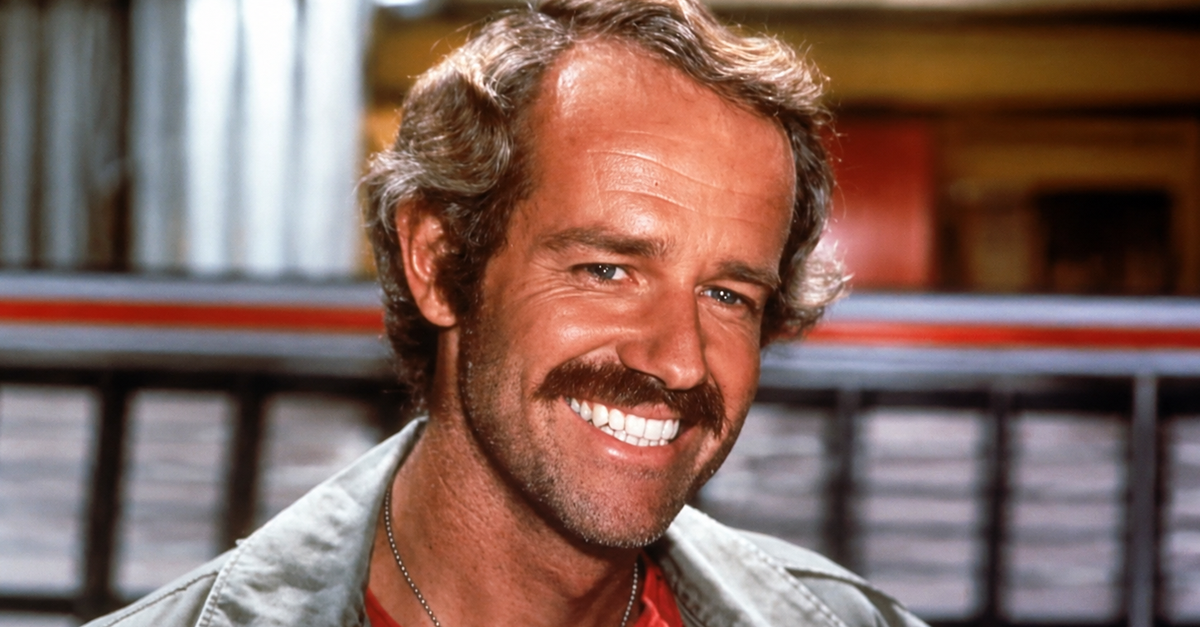
He Had Everything To Prove
Mike Farrell joined M*A*S*H with an almost impossible assignment: replace Wayne Rogers while the hit series was already losing another major star. He feared viewers would blame him if the show collapsed. Instead, Farrell made B.J. Hunnicutt a thoughtful, principled, and deeply human favorite all his own.
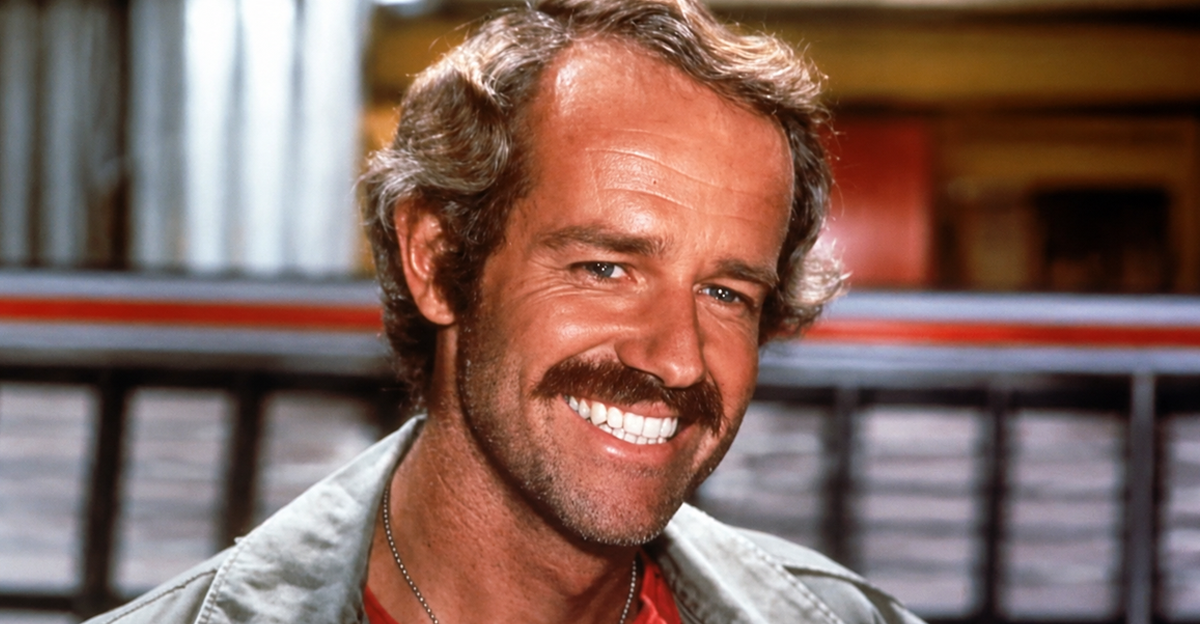 Screenshot from M*A*S*H, 20th Century Fox Television (1972–1983)
Hollywood Was Practically Next Door
Michael Joseph Farrell Jr. was born in St. Paul, Minnesota, on February 6, 1939. His family moved to Hollywood when he was two years old, and his father found work as a studio carpenter. Seeing the world behind the studio gates sparked an early fascination with movies.
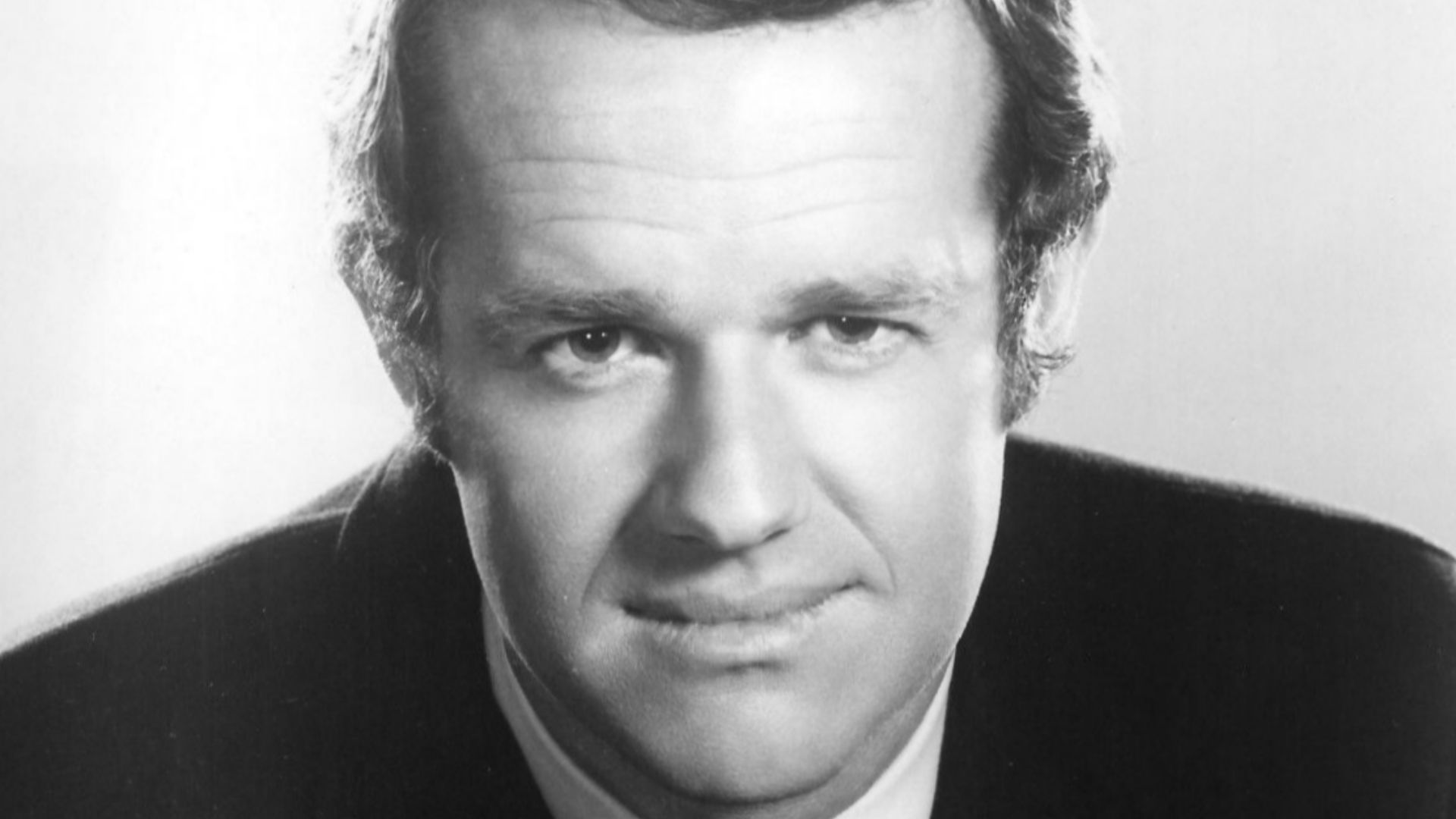 CBS Television, Wikimedia Commons
His Childhood Was Not Carefree
Farrell grew up in a strict Catholic household during the 1940s and 1950s. He later described himself as a frightened child who carefully followed rules and tried to avoid trouble. His father worked hard but could also be rough and intimidating, creating a home where affection was not always openly expressed.
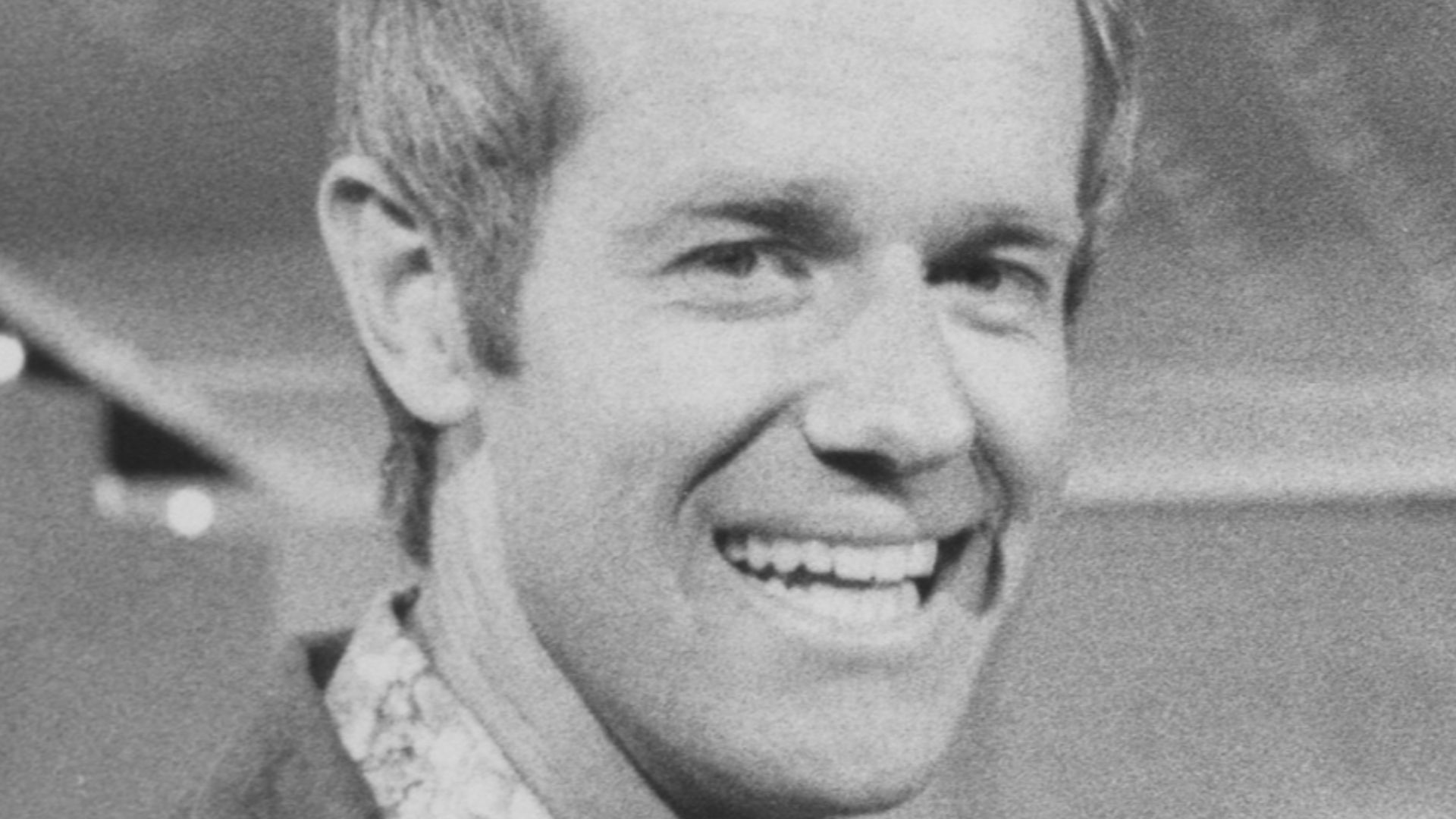 Crakkerjakk, Wikimedia Commons
The Marines Came First
After graduating from Hollywood High School, Farrell enlisted in the Marine Corps in 1957 with a close friend. He trained as an infantryman and graduated as the honor man of his platoon. He was sent to Okinawa, where he served as a company clerk, before returning to California and leaving the Corps.
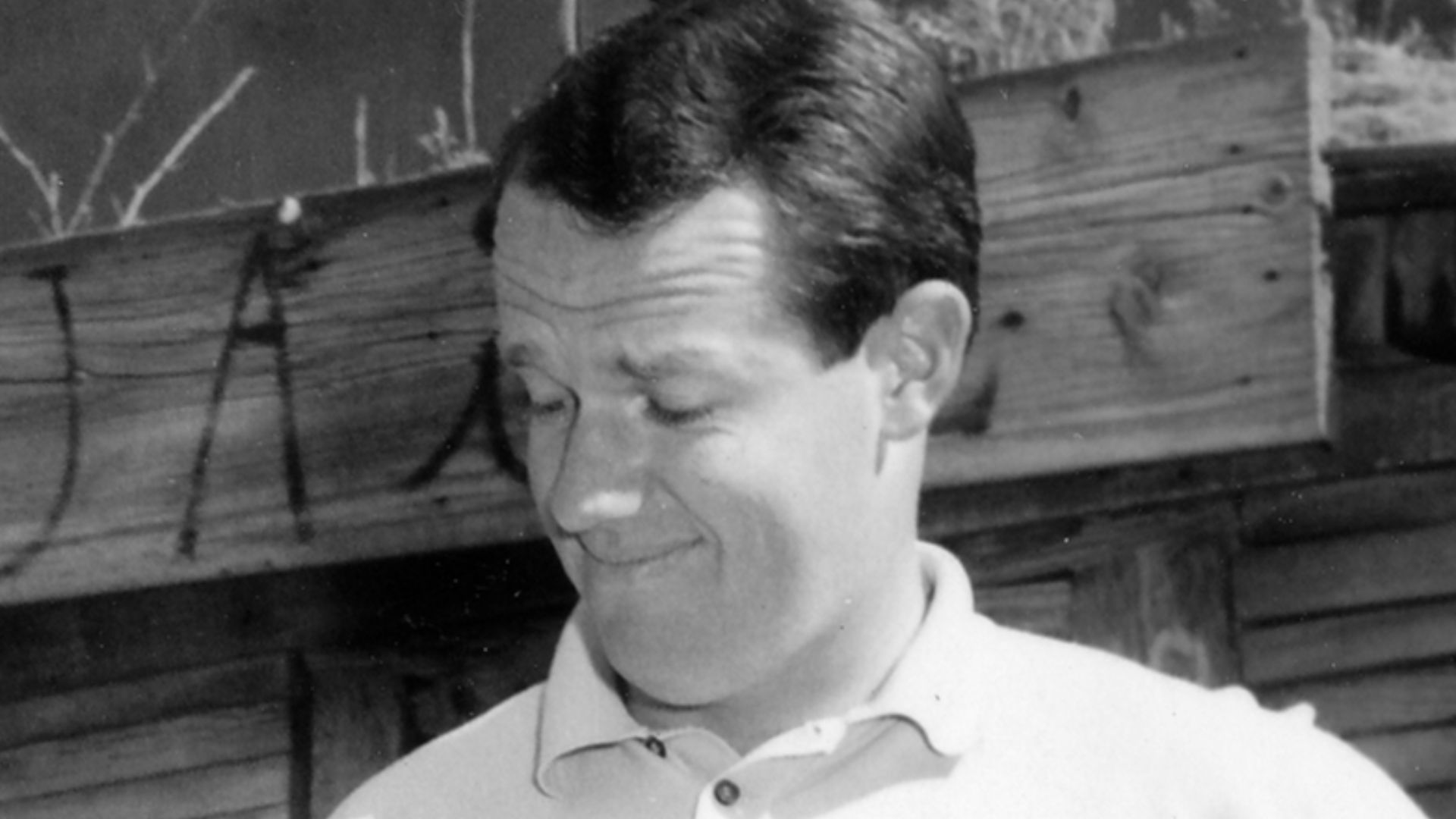 Author unknown; Photo courtesy Orange County Archives, Wikimedia Commons
Service Broadened His World
Military life gave Farrell discipline, confidence, and friendships that stayed with him. It also exposed him to racial prejudice, including disapproval of his friendship with a Black Marine in Japan. Those experiences helped shape the concern for equality and human rights that later became central to his life.
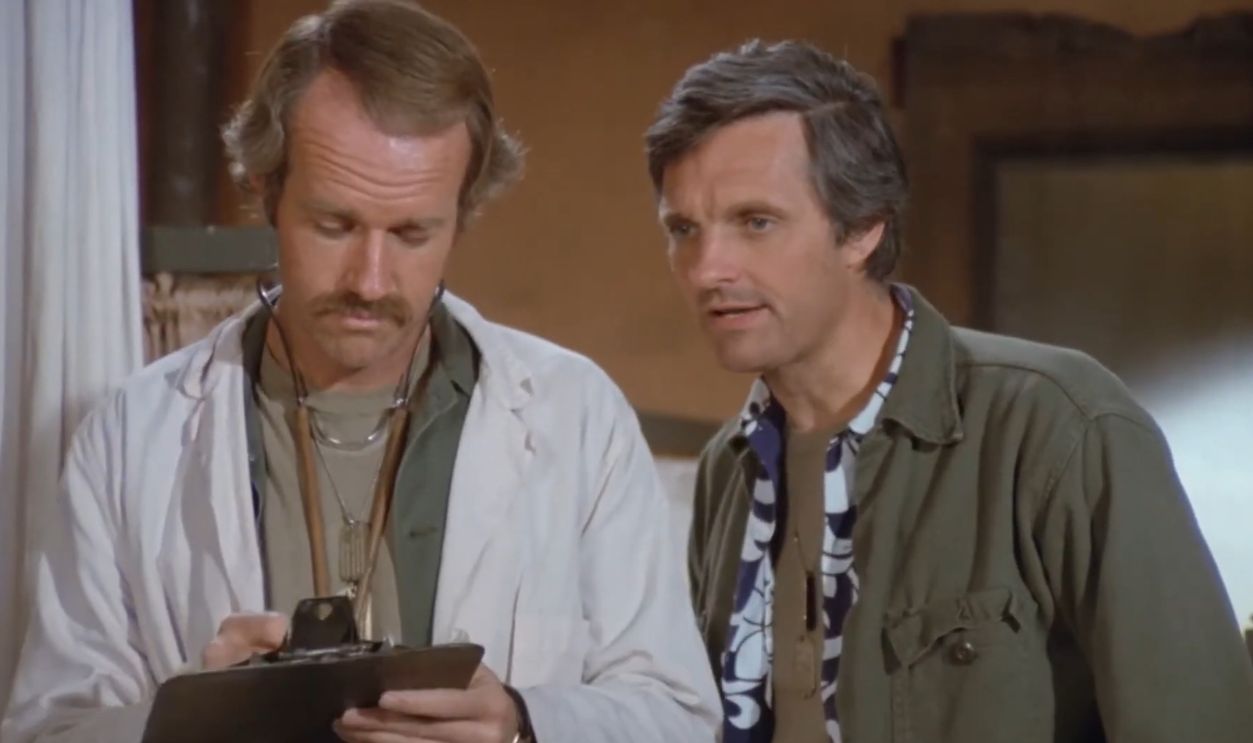 Screenshot from M*A*S*H, 20th Century Fox Television (1972–1983)
Acting Did Not Happen Overnight
After leaving the Marines, Farrell worked numerous jobs while trying to become an actor. He delivered packages, tended bar, and even spent time working as a private investigator. Small appearances in films such as The Americanization of Emily and The Graduate slowly brought him onto Hollywood sets.
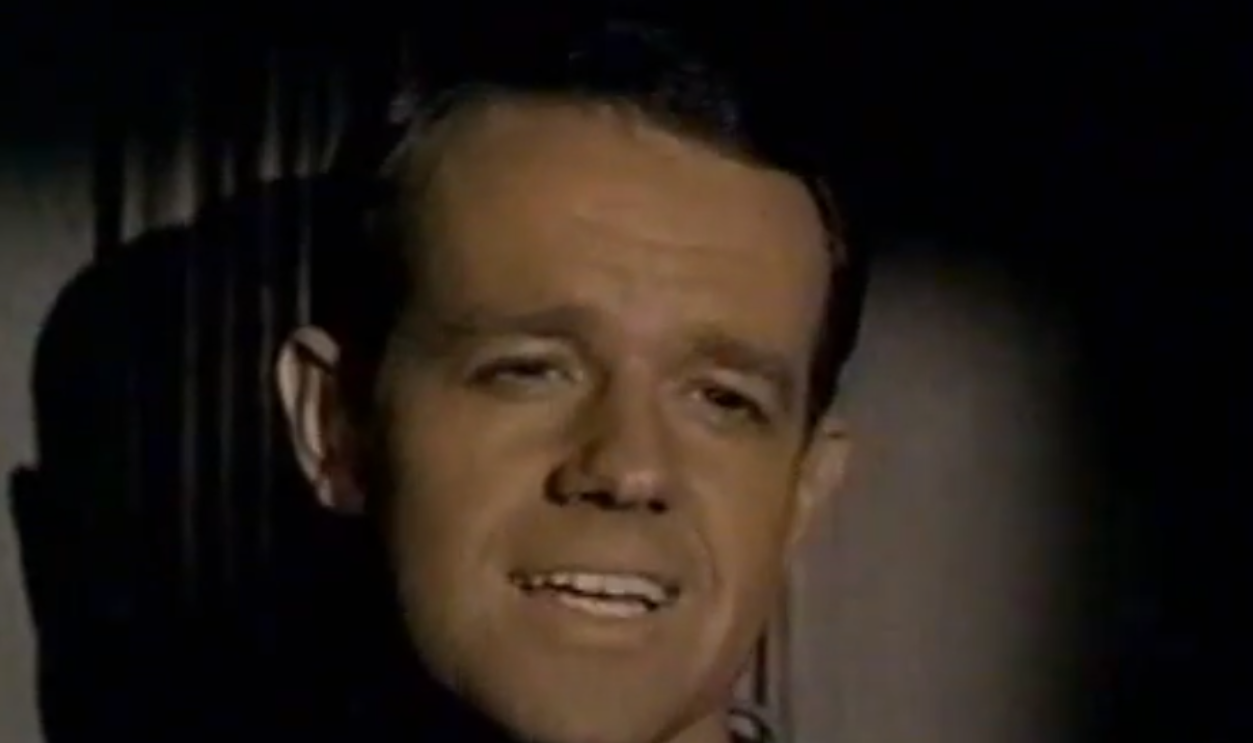 Screenshot from Combat!, ABC (1962–1967)
Television Finally Opened A Door
Farrell gained steady work through guest appearances on shows including Lassie, The Monkees, Combat!, and Bonanza. He then played Scott Banning on the daytime drama Days of Our Lives for two years. The role gave him more experience, but lasting stardom remained out of reach.
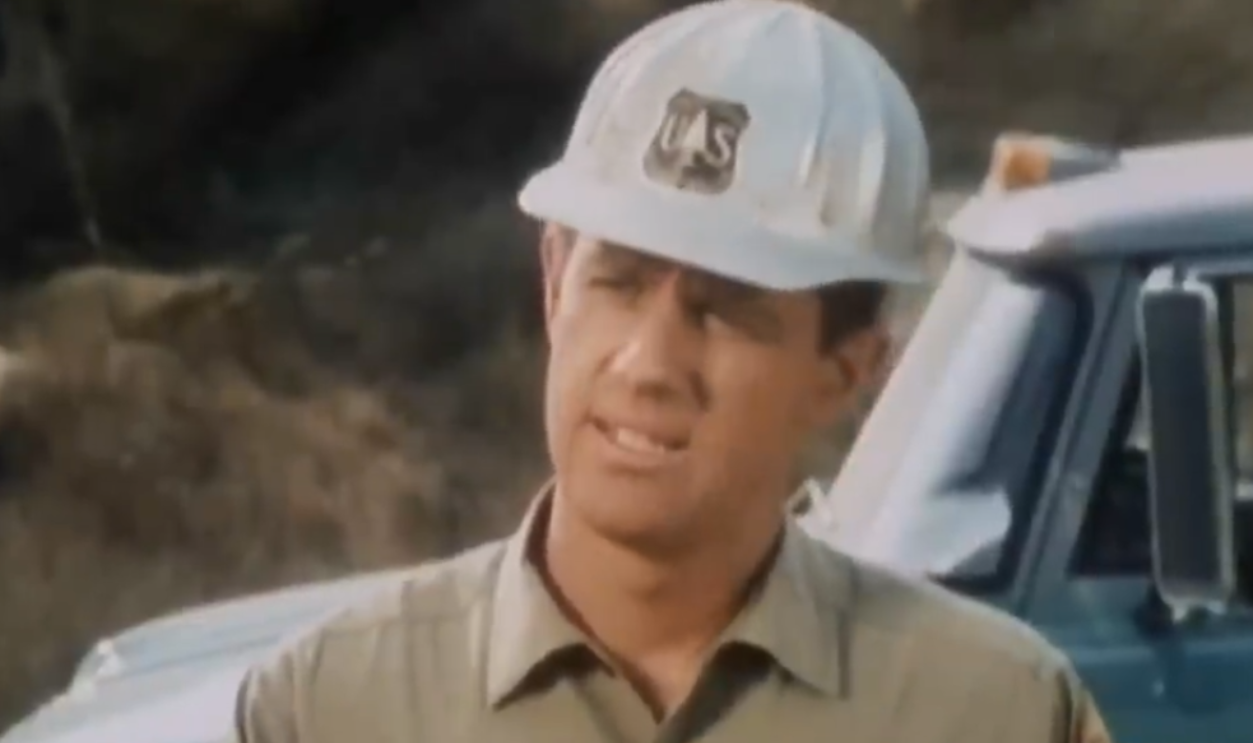 Screenshot from Lassie, CBS (1954–1973)
Bigger Roles Brought Bigger Expectations
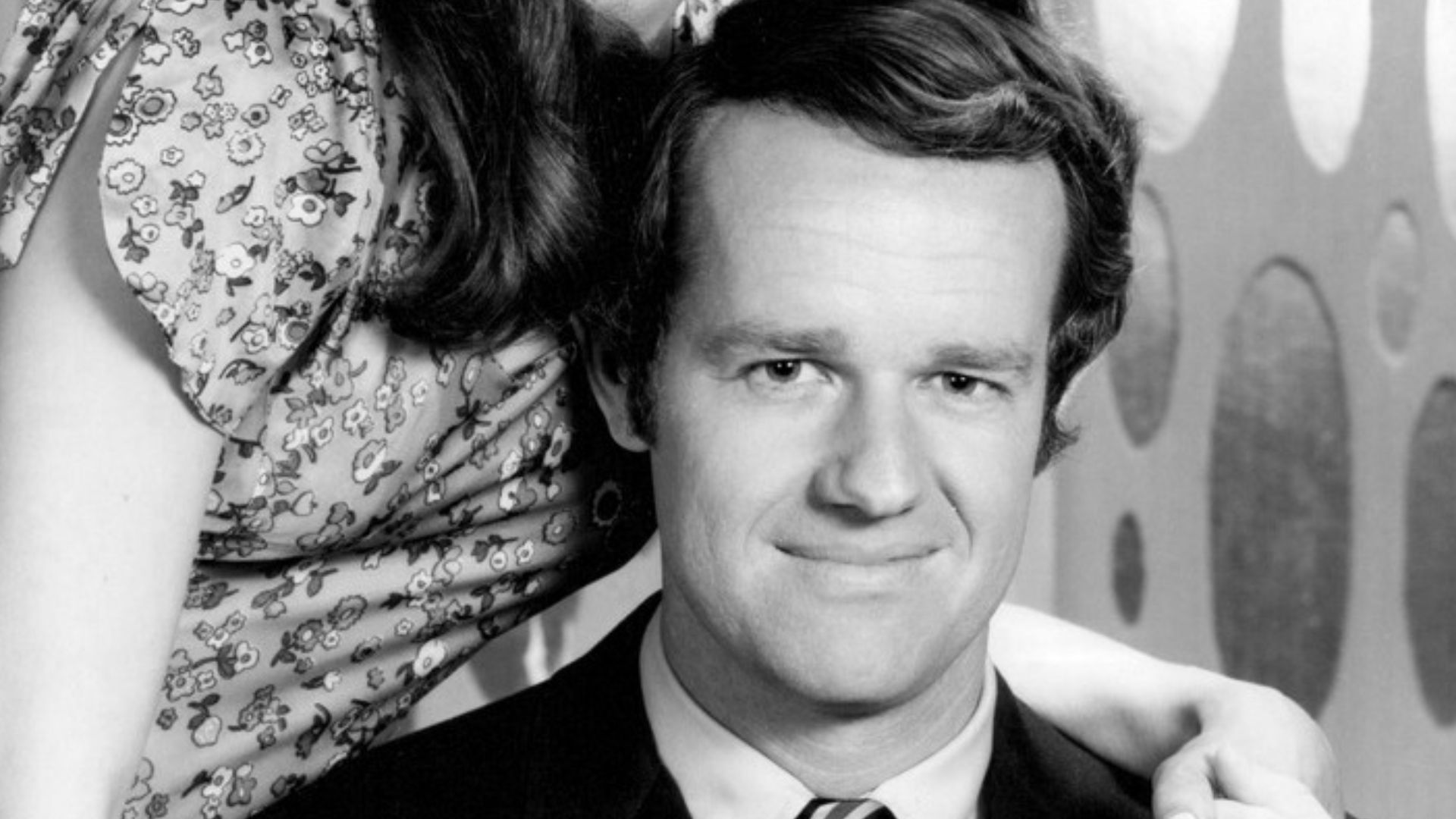
Farrell landed a leading role in the medical drama The Interns, opposite Oscar-winning actor Broderick Crawford. He followed it with The Man and the City, starring Anthony Quinn. That series placed Farrell under a long-term Universal Pictures contract, seemingly moving him closer to a major breakthrough.
 CBS Television, Wikimedia Commons
His Career Still Felt Stuck
Neither The Interns nor The Man and the City became a long-running hit. Universal continued looking for another television vehicle for Farrell, but the material offered to him often felt shallow. He wanted to work on something that had more to say than a conventional sitcom.
 Screenshot from The Interns, Columbia Pictures (1962)
One Episode Changed His Ambitions
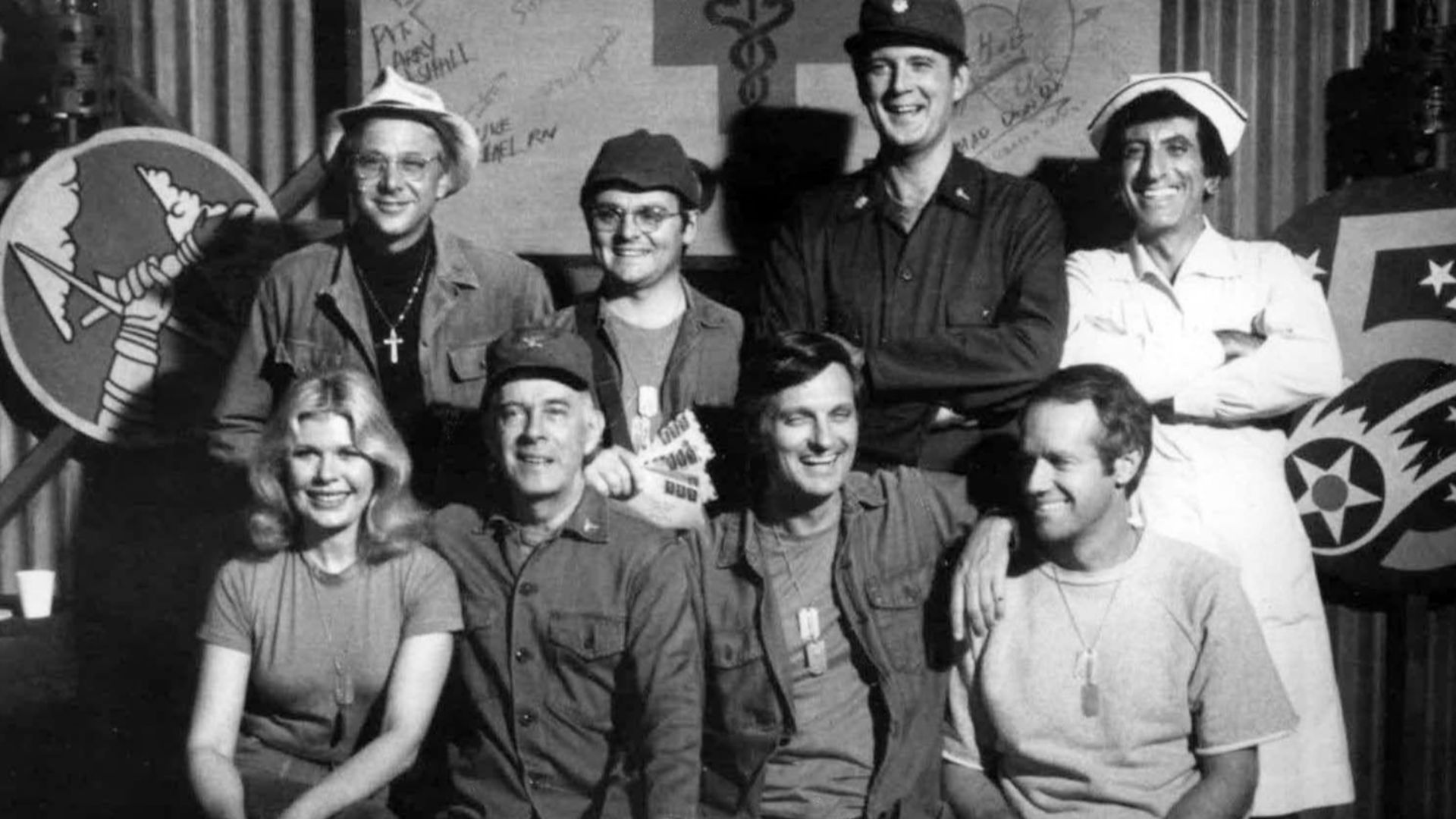
Farrell had barely watched M*A*S*H until a friend persuaded him to sit down and see it. He was struck by a scene involving Radar trying to understand the violence surrounding him. The show’s mixture of comedy, compassion, and wartime horror showed Farrell what television could accomplish.
 CBS Television, Wikimedia Commons
He Rejected A Safer Opportunity
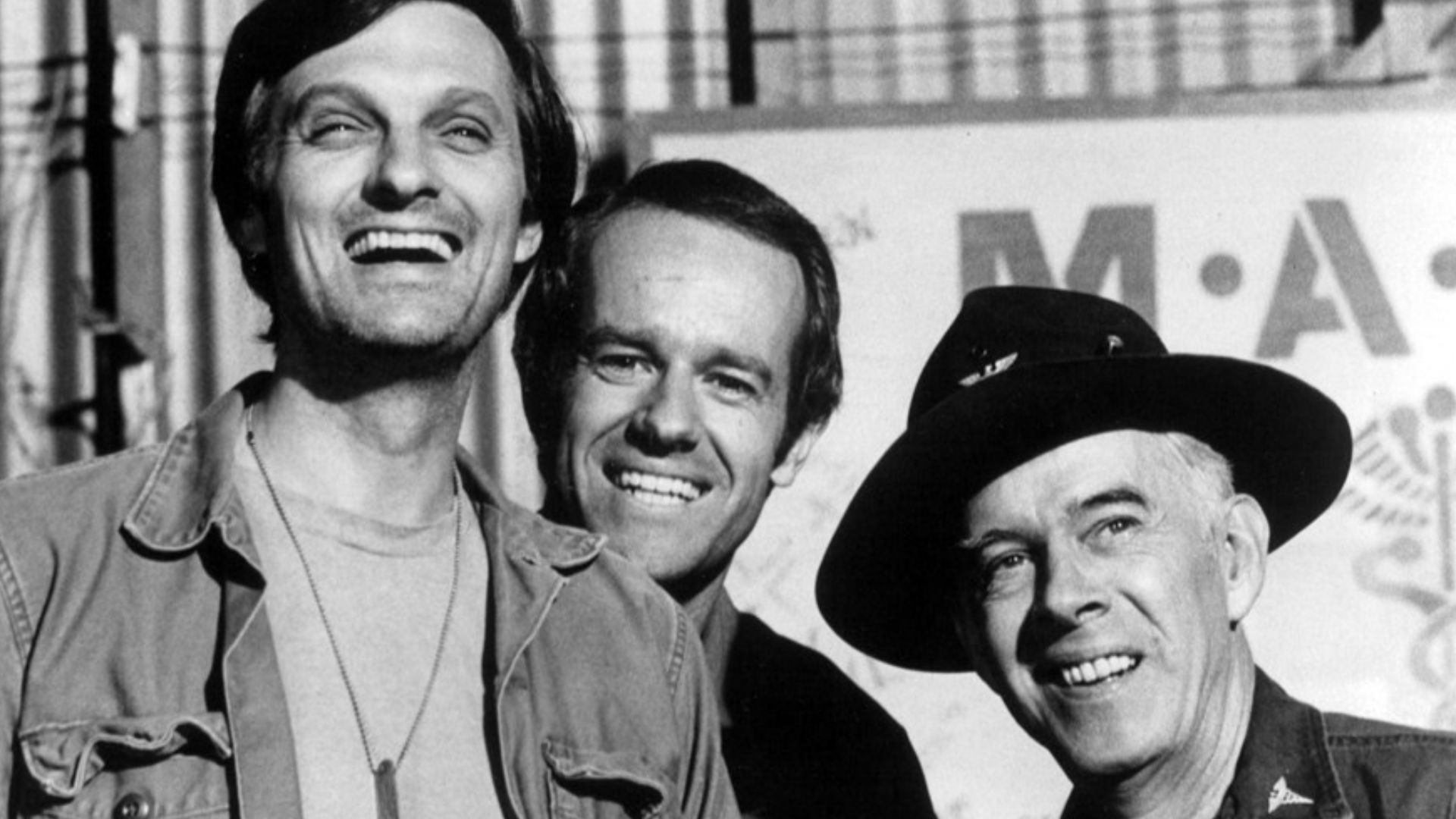
Soon afterward, Farrell was offered the lead in a more traditional sitcom. The script relied on a familiar rhythm of setups and jokes, and he turned it down despite the security it promised. He told his representatives that he wanted to do something meaningful, specifically pointing to M*A*S*H as an example.
 CBS Television, Wikimedia Commons
Wayne Rogers Suddenly Walked Away
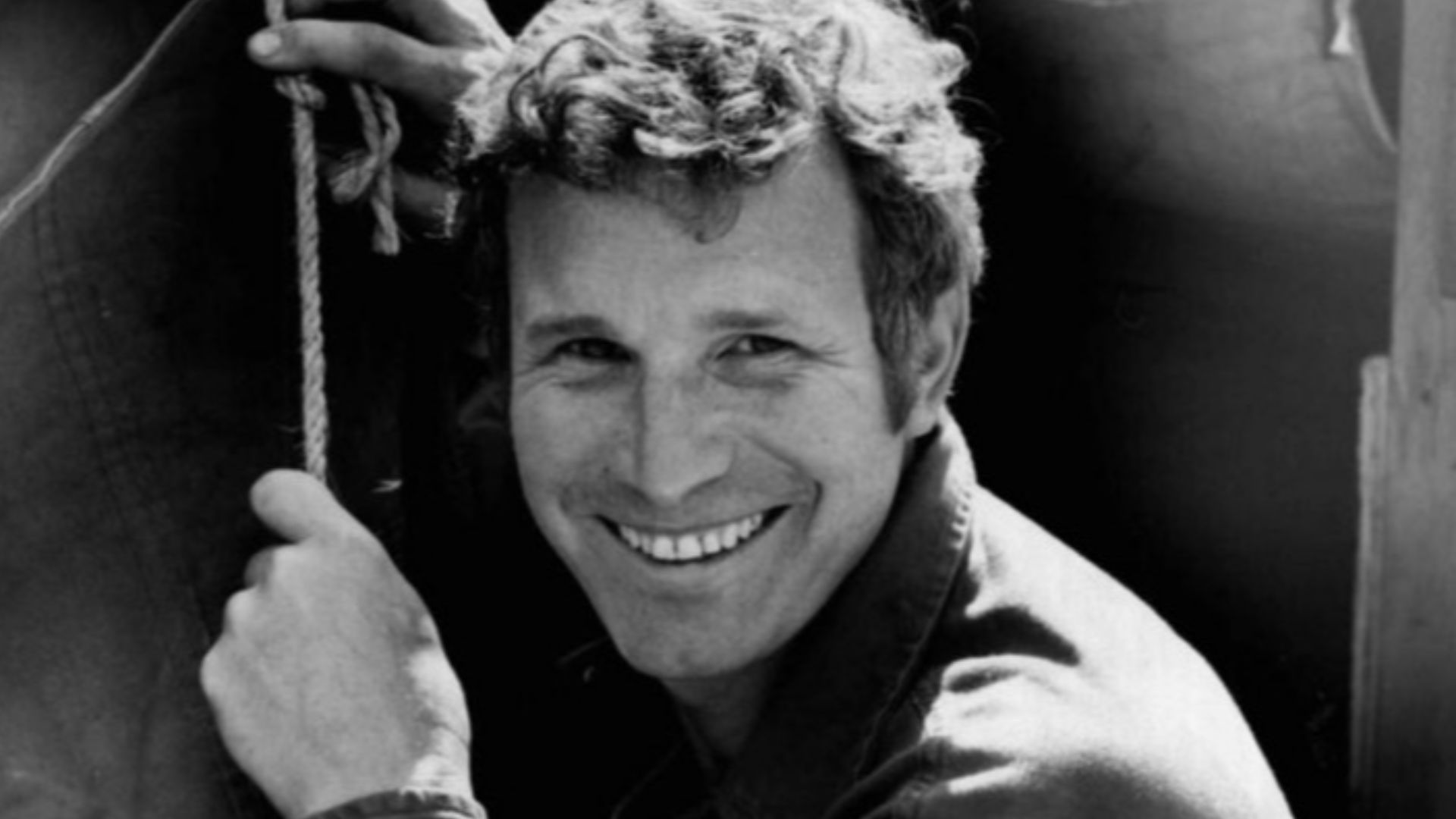
Wayne Rogers had played Trapper John McIntyre during the first three seasons of M*A*S*H. His chemistry with Alan Alda helped establish the show’s irreverent tone and made Trapper a fan favorite. Rogers chose not to return for the fourth season, leaving producers with a major hole in the cast.
 CBS Television, Wikimedia Commons
The Show Was Already Reeling
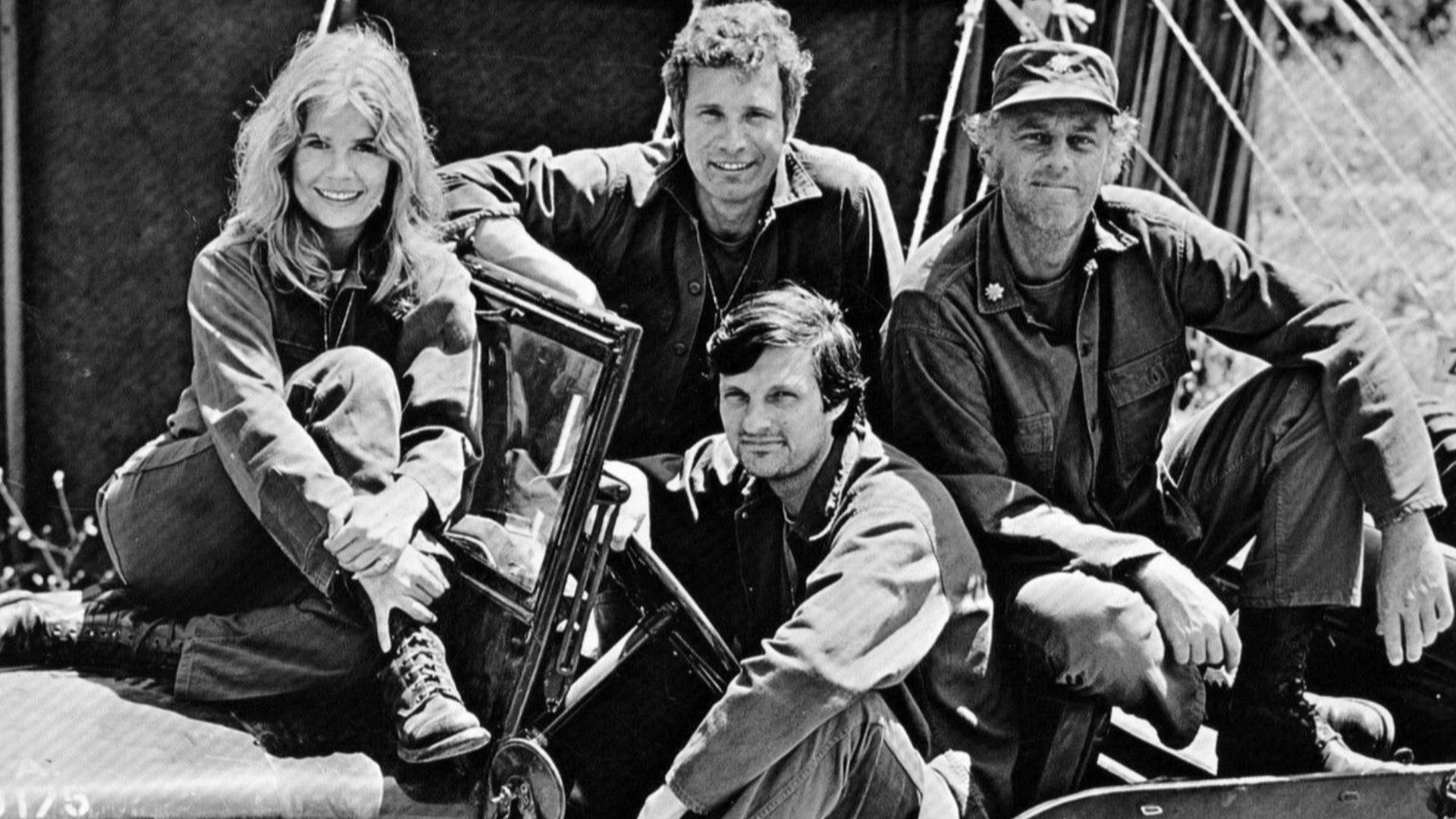
Rogers was not the only original star to depart. McLean Stevenson had also left, and his character, Colonel Henry Blake, was written out in a devastating third-season finale. M*A*S*H now needed to replace both Hawkeye’s closest friend and the commanding officer of the 4077th.
 CBS Television, Wikimedia Commons
Farrell Wanted The Role Desperately
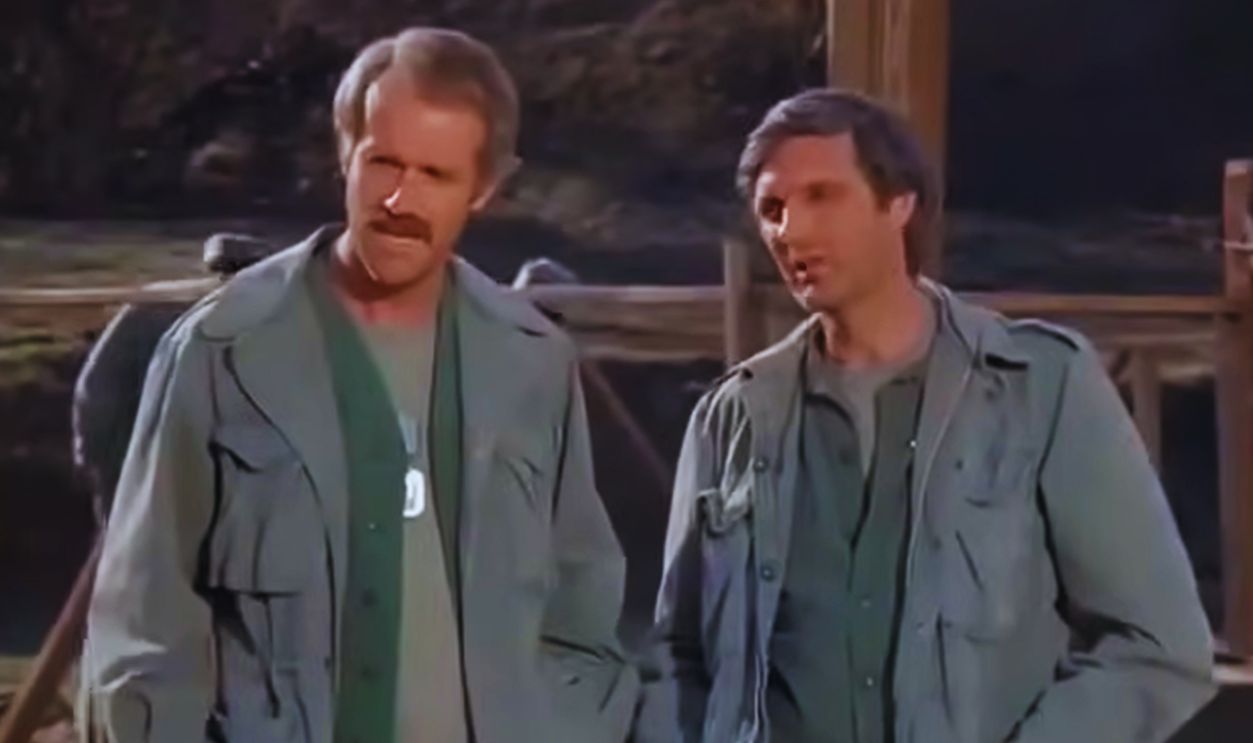
Farrell’s agent arranged a meeting with producers after Rogers left. Farrell admired the series so much that he arrived extremely nervous and openly acknowledged how badly he wanted the opportunity. The producers responded warmly, but he still had to prove that he belonged beside an established star like Alan Alda.
 Screenshot from M*A*S*H, 20th Century Fox Television (1972–1983)
The Screen Test Raised The Stakes
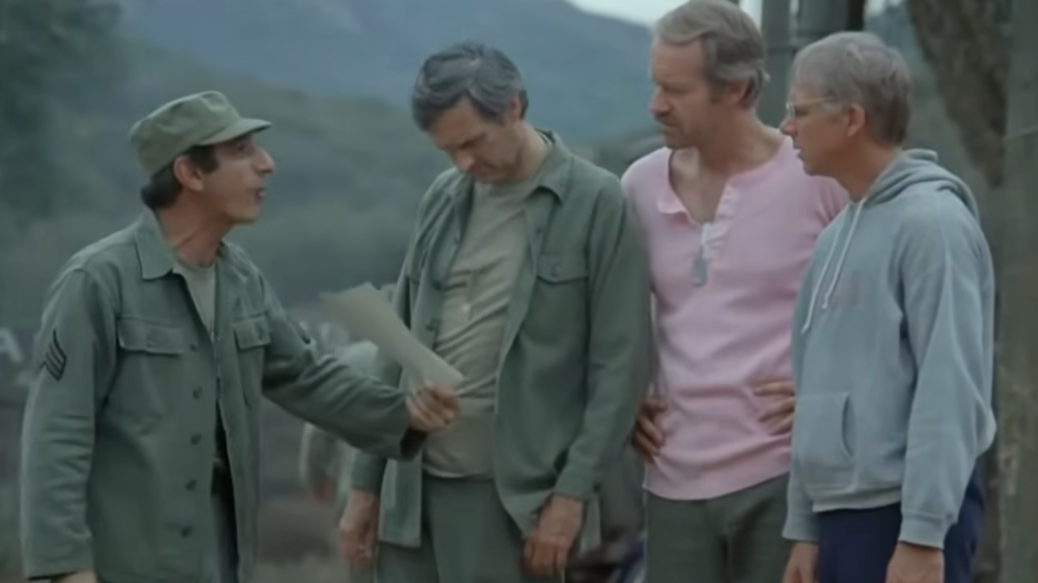
Farrell tested with Alda to determine whether the two actors could create a believable new partnership. He understood that viewers had spent three seasons watching Hawkeye and Trapper trade jokes and cause trouble together. Farrell could not simply reproduce that chemistry, yet the show still needed its new tentmates to connect immediately.
 Screenshot from M*A*S*H, 20th Century Fox Television (1972–1983)
Good News Sent Him Running
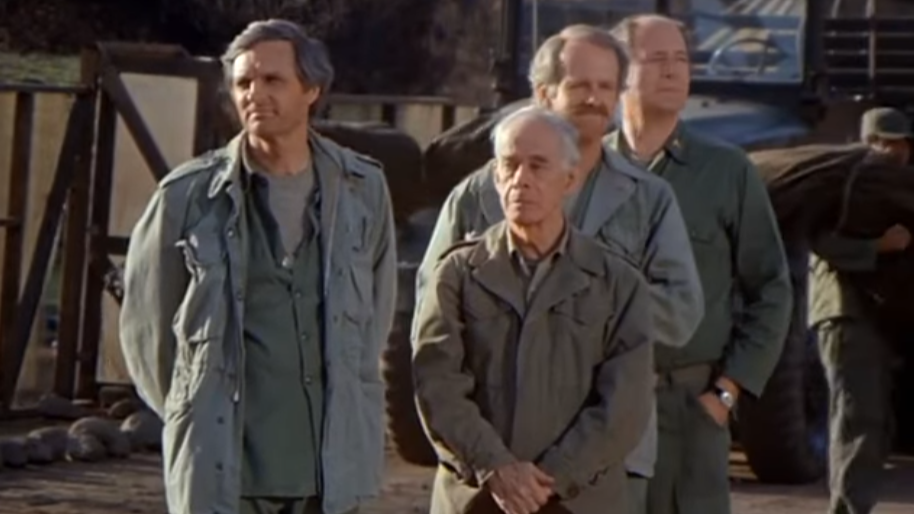
Farrell’s agent called later that day to tell him he had won the role of Captain B.J. Hunnicutt. The news gave him the opportunity he had been hoping for: meaningful work on a series he deeply admired. After years of supporting parts and short-lived shows, Farrell finally had his career-changing role.
 Screenshot from M*A*S*H, 20th Century Fox Television (1972–1983)
Hawkeye Took Him To Dinner
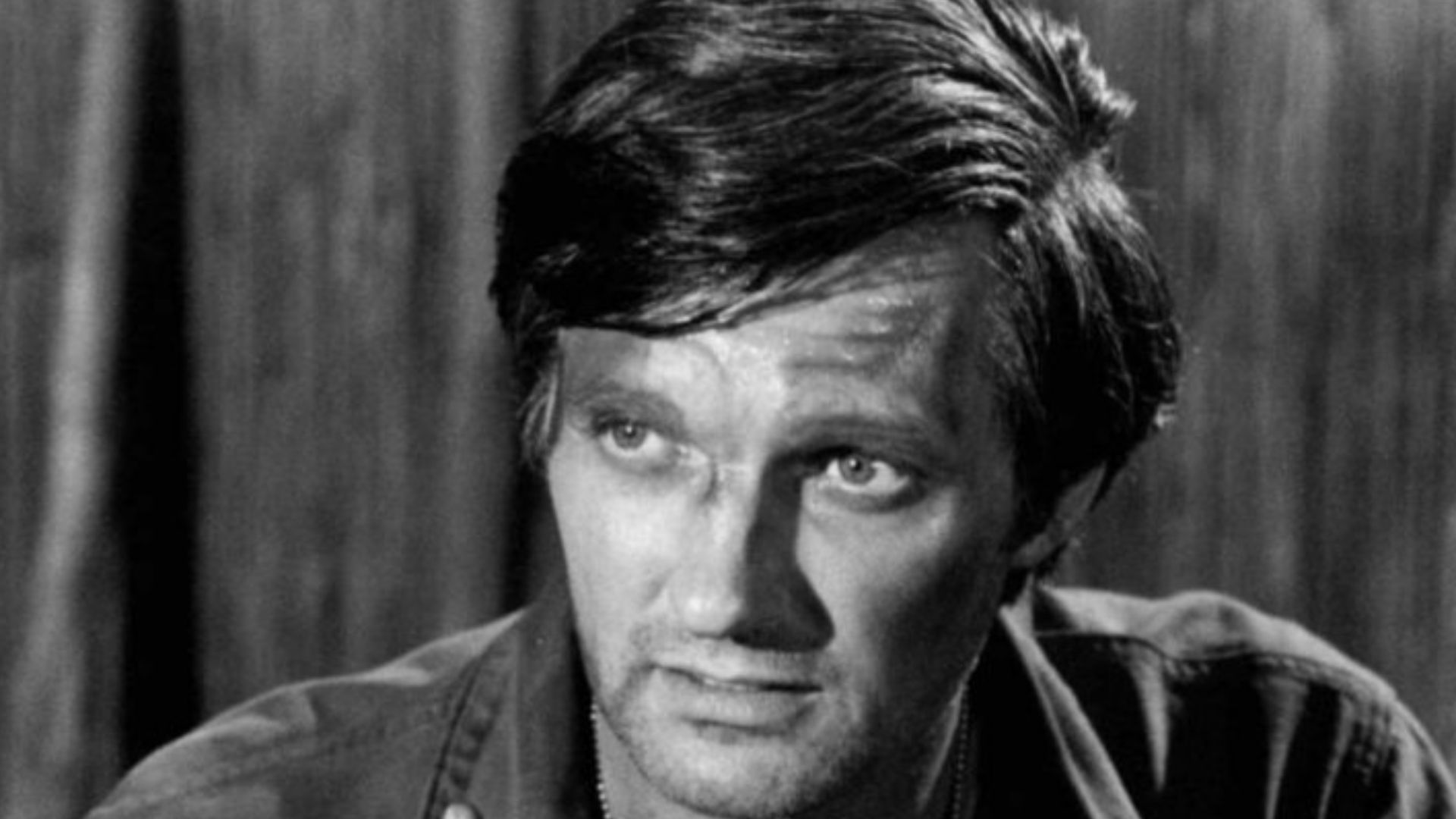
Alda invited Farrell to dinner on the night he was cast. He discussed his hopes for the series and explained how the new character could help it grow beyond what audiences had already seen. Farrell came away convinced that he had found the meaningful work he had been seeking.
 CBS Television, Wikimedia Commons
He Feared Becoming The Stepchild
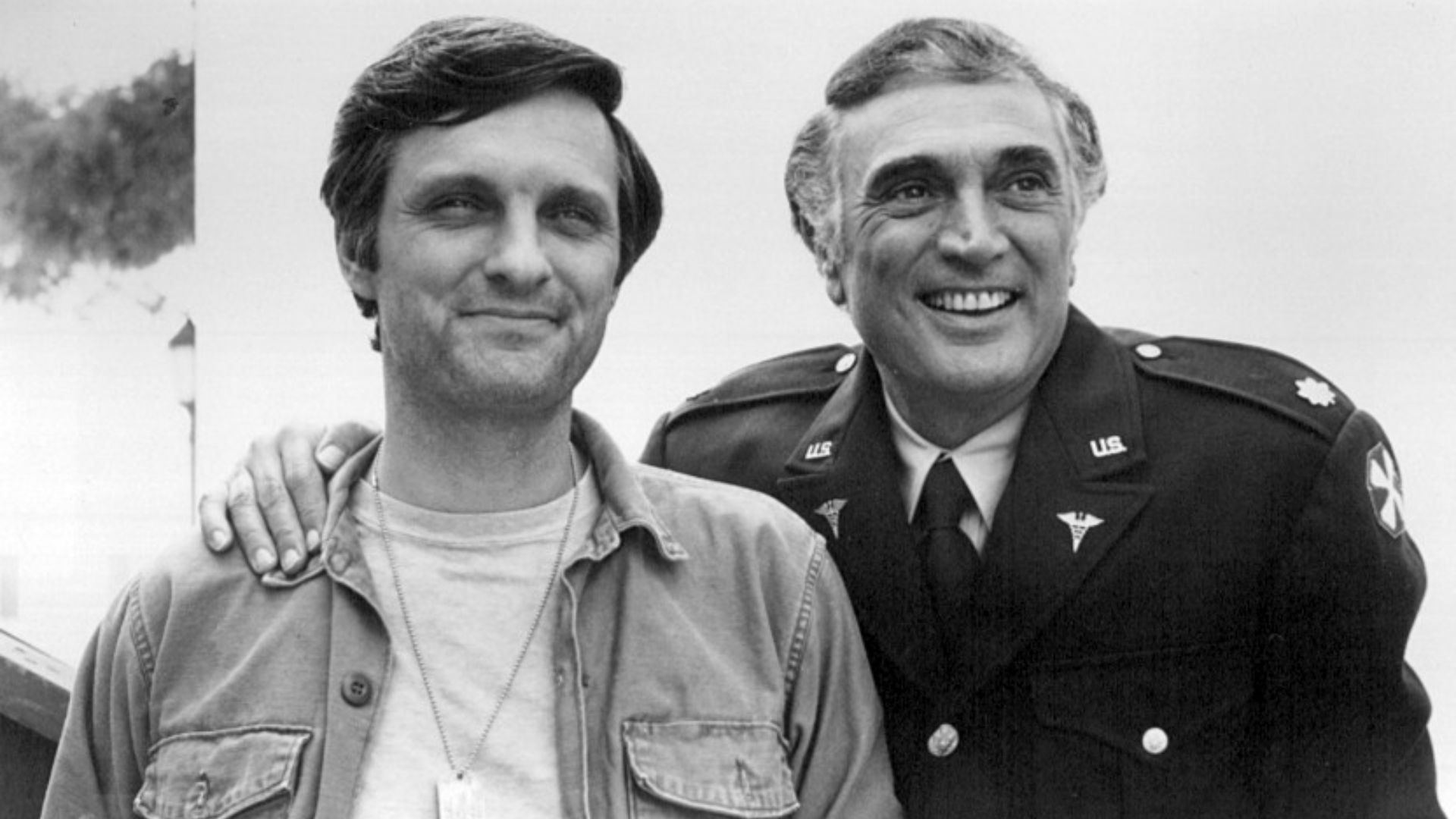
Excitement did not erase Farrell’s anxiety about replacing Rogers. He worried that the close-knit cast might view him as the outsider who had taken a departed colleague’s place. He also feared that if season four failed, he could become the convenient target for viewers and industry executives.
 CBS Television, Wikimedia Commons
The Cast Quickly Welcomed Him
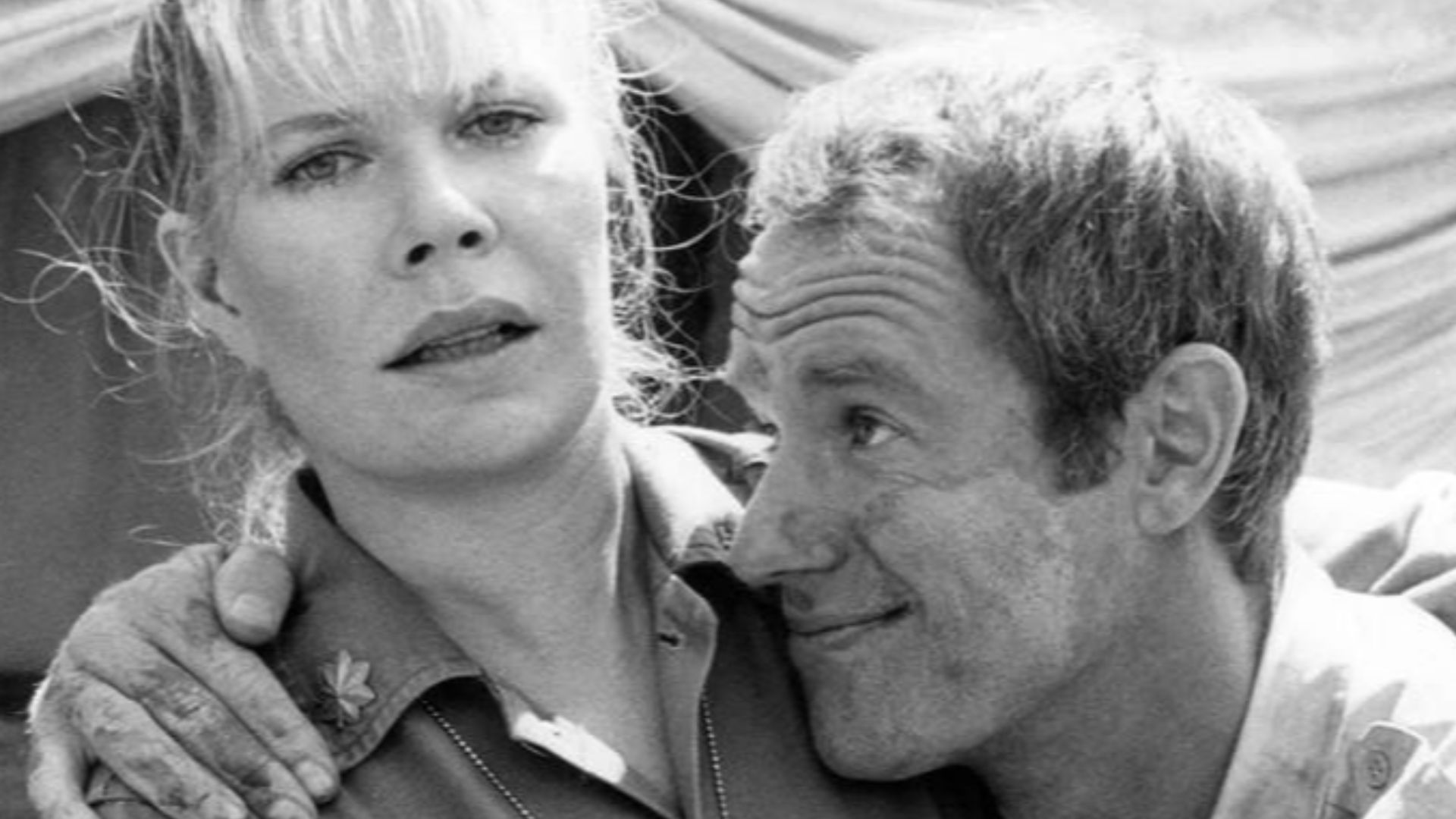
Those concerns began disappearing when Farrell arrived for work. Gary Burghoff was the first cast member to greet him and offer a warm welcome, followed by Loretta Swit and Jamie Farr. Farrell later said he never detected resentment from his new colleagues, even though Trapper had left an indelible mark on the show.
 CBS Television, Wikimedia Commons
B.J. Endured A Brutal Introduction
“Welcome to Korea,” the fourth-season premiere, introduced B.J. as a clean-cut surgeon fresh from his residency. Before reaching the 4077th, he encountered snipers, wounded soldiers, a dangerous battlefield, and the horrifying effects of war on Korean civilians. By the time he arrived at camp, his uniform was muddy, his hat was gone, and his innocence had already taken a beating.
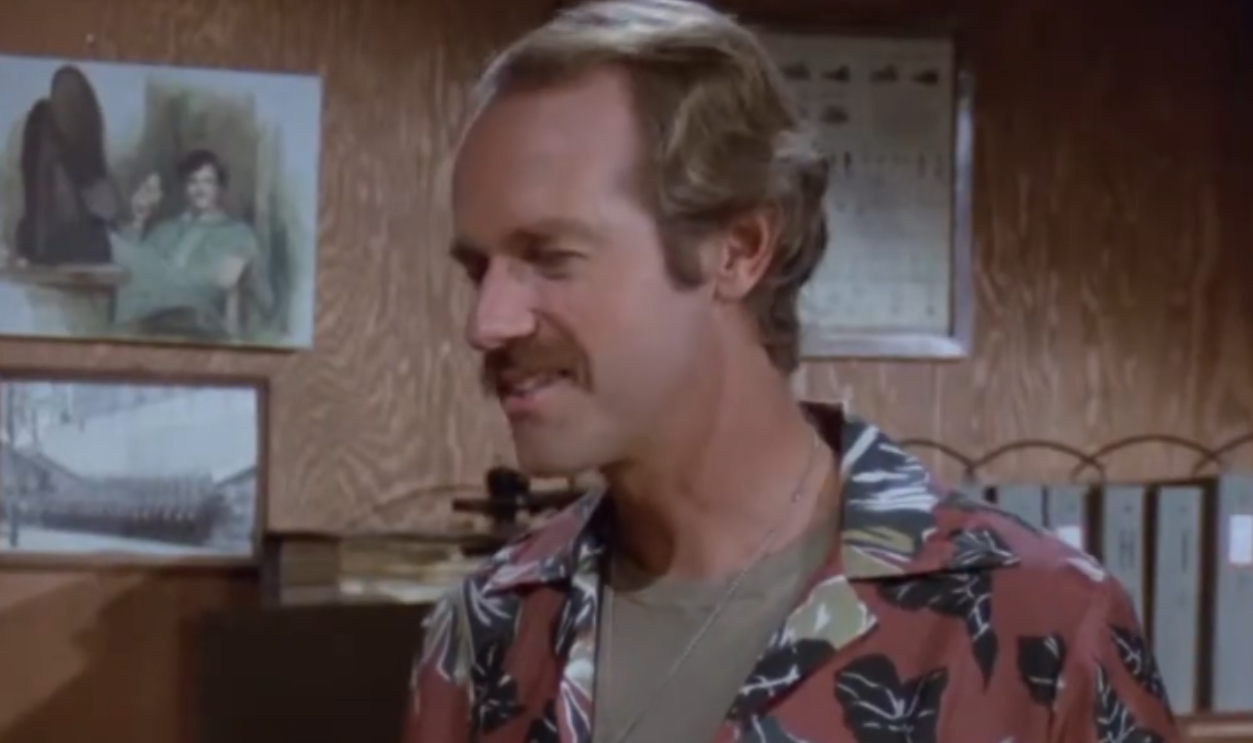 Screenshot from M*A*S*H, 20th Century Fox Television (1972–1983)
He Was Never Trapper John 2.0
The writers wisely avoided turning B.J. into a copy of Trapper. He could trade jokes with Hawkeye, but he was more reserved, openly devoted to his family, and frequently guided by a firm moral code. Farrell gave him an easy warmth that allowed the partnership to feel familiar without becoming repetitive.
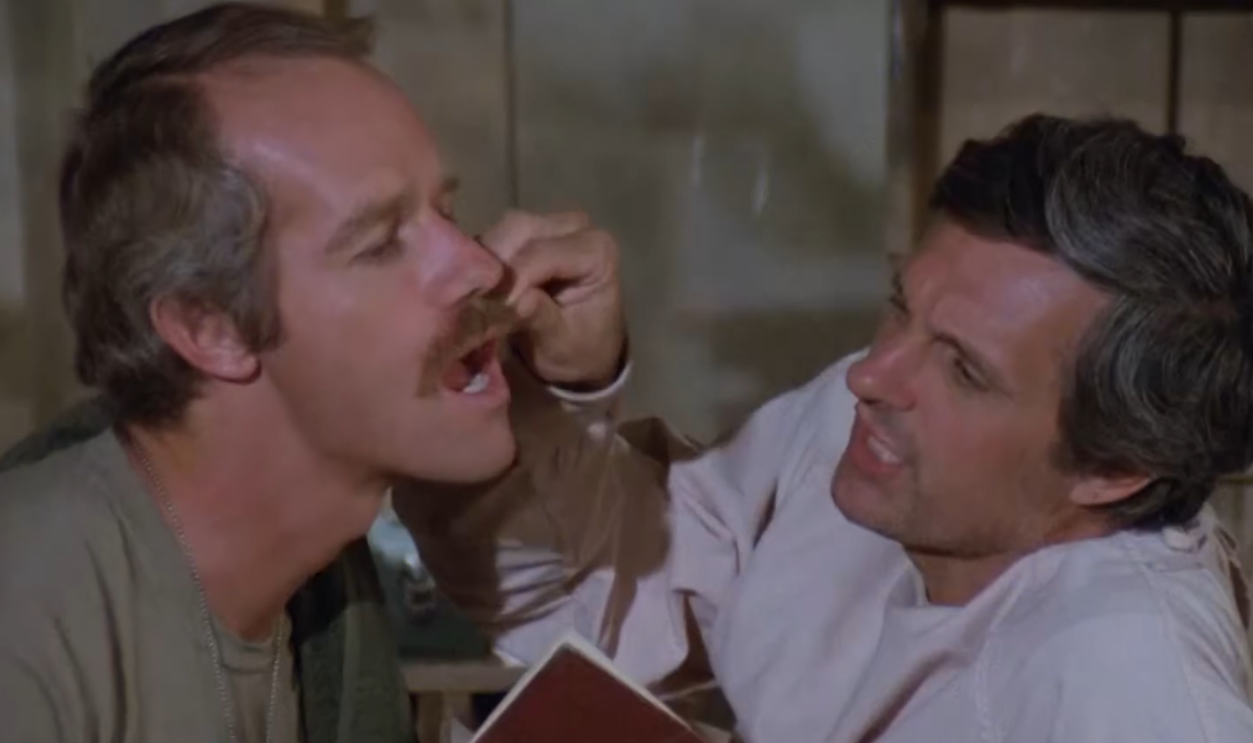 Screenshot from M*A*S*H, 20th Century Fox Television (1972–1983)
His Family Was Always Present
B.J.’s wife, Peg, and daughter, Erin, remained in California while he served in Korea. Their letters and photographs kept his homesickness visible, even during the show’s funniest episodes. This longing gave Farrell emotional material that distinguished B.J. from Hawkeye and Trapper.
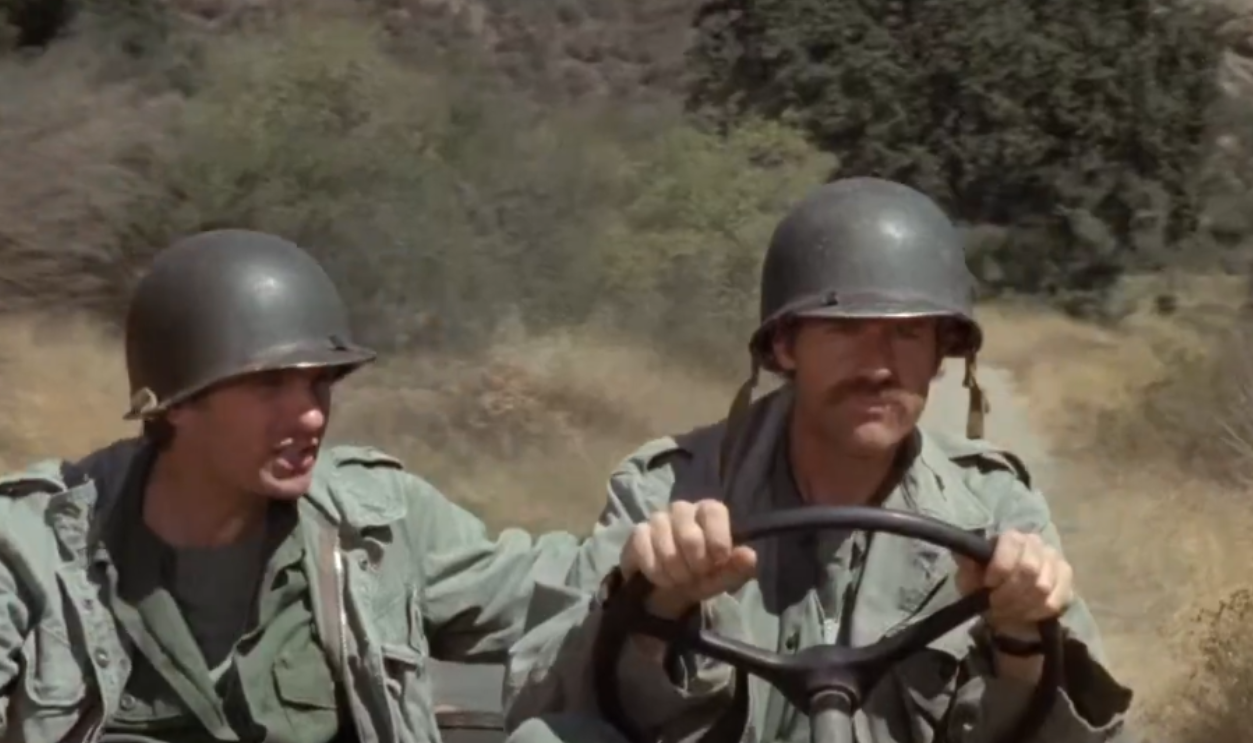 Screenshot from M*A*S*H, 20th Century Fox Television (1972–1983)
Hawkeye Found A Different Partner
Hawkeye and B.J. became close friends, but their relationship was not based on identical personalities. B.J. could join Hawkeye’s pranks one moment and challenge his judgment the next. Farrell’s steadiness gave Alda a different kind of scene partner while preserving the friendship at the heart of the series.
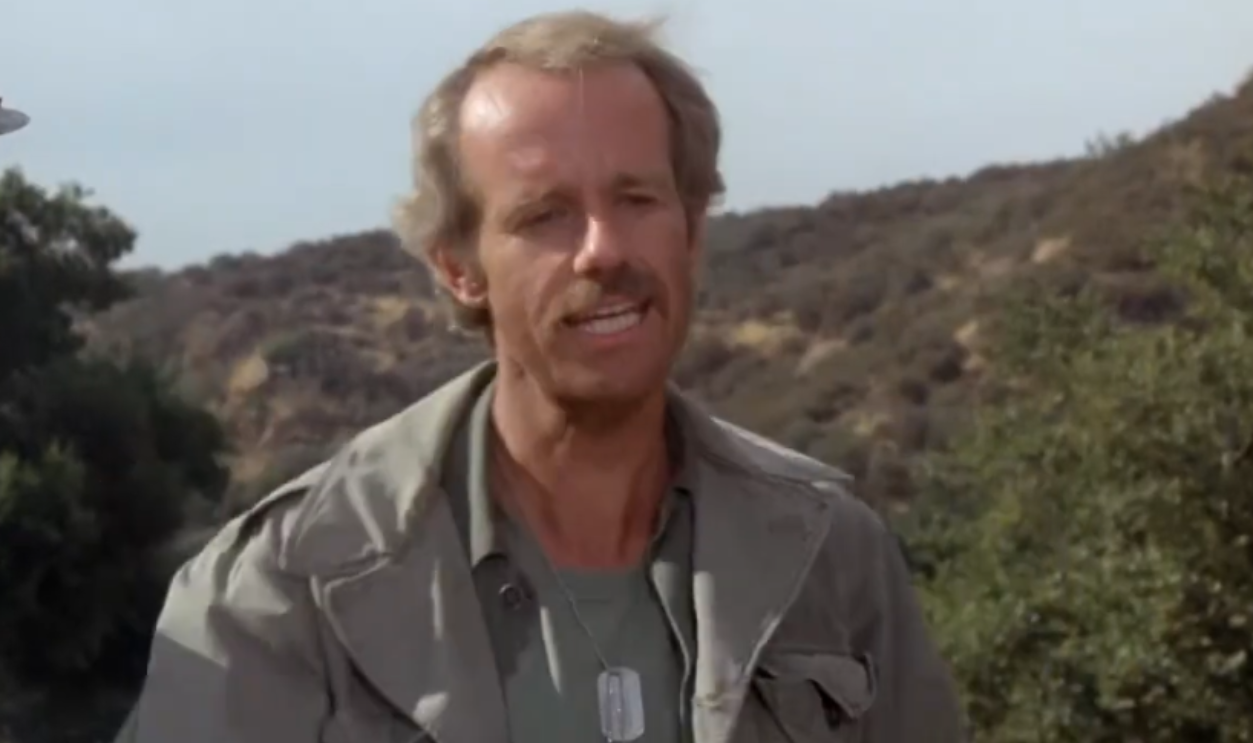 Screenshot from M*A*S*H, 20th Century Fox Television (1972–1983)
The Gamble Paid Off
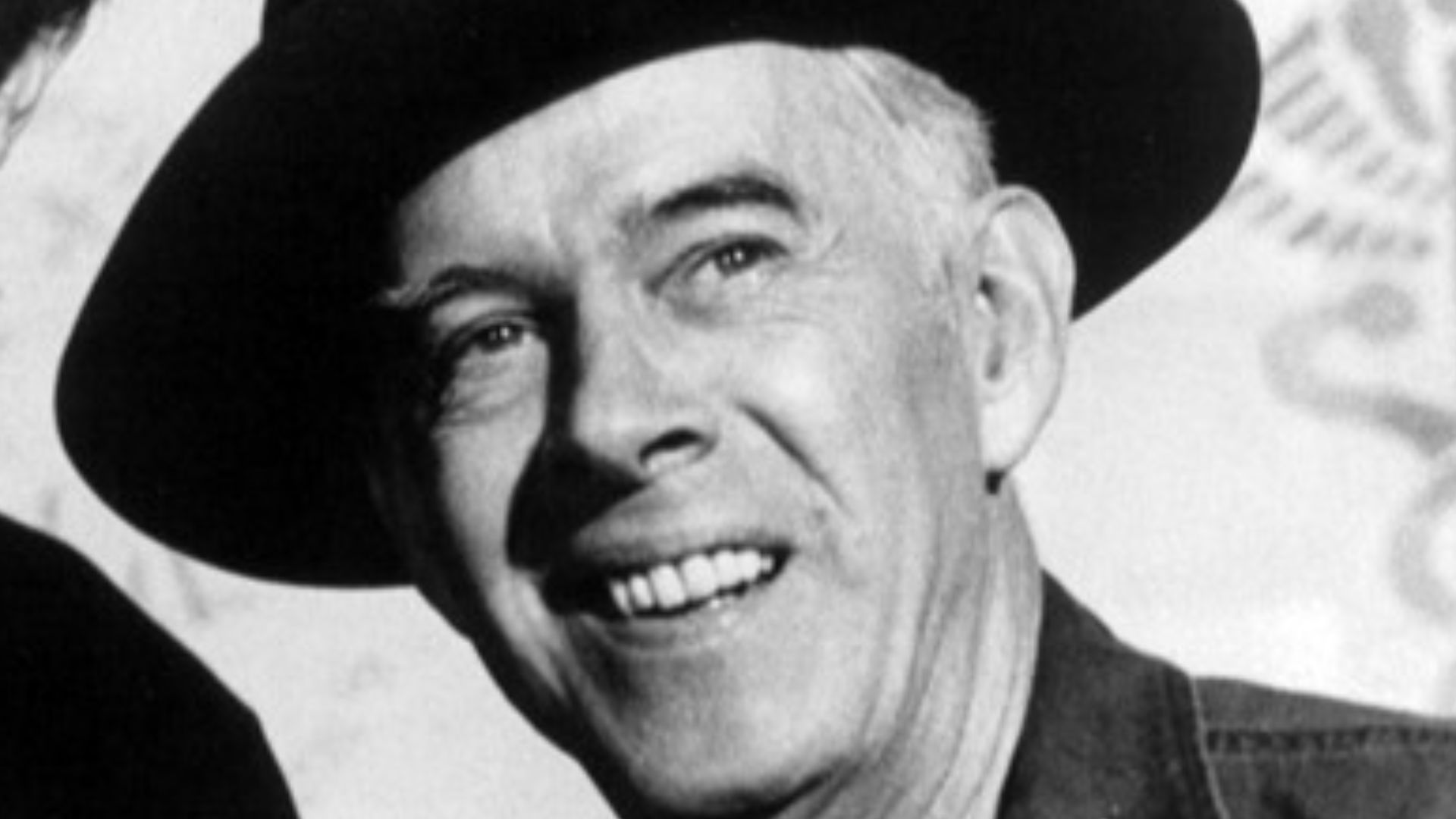
Farrell worried that the fourth-season ratings might collapse and leave him branded as the reason. Instead, audiences continued watching, and the show successfully entered a new era with B.J. and Harry Morgan’s Colonel Potter. Farrell remembered feeling enormous relief when he learned that the ratings remained strong.
 CBS Television, Wikimedia Commons
The Set Became A Creative Community
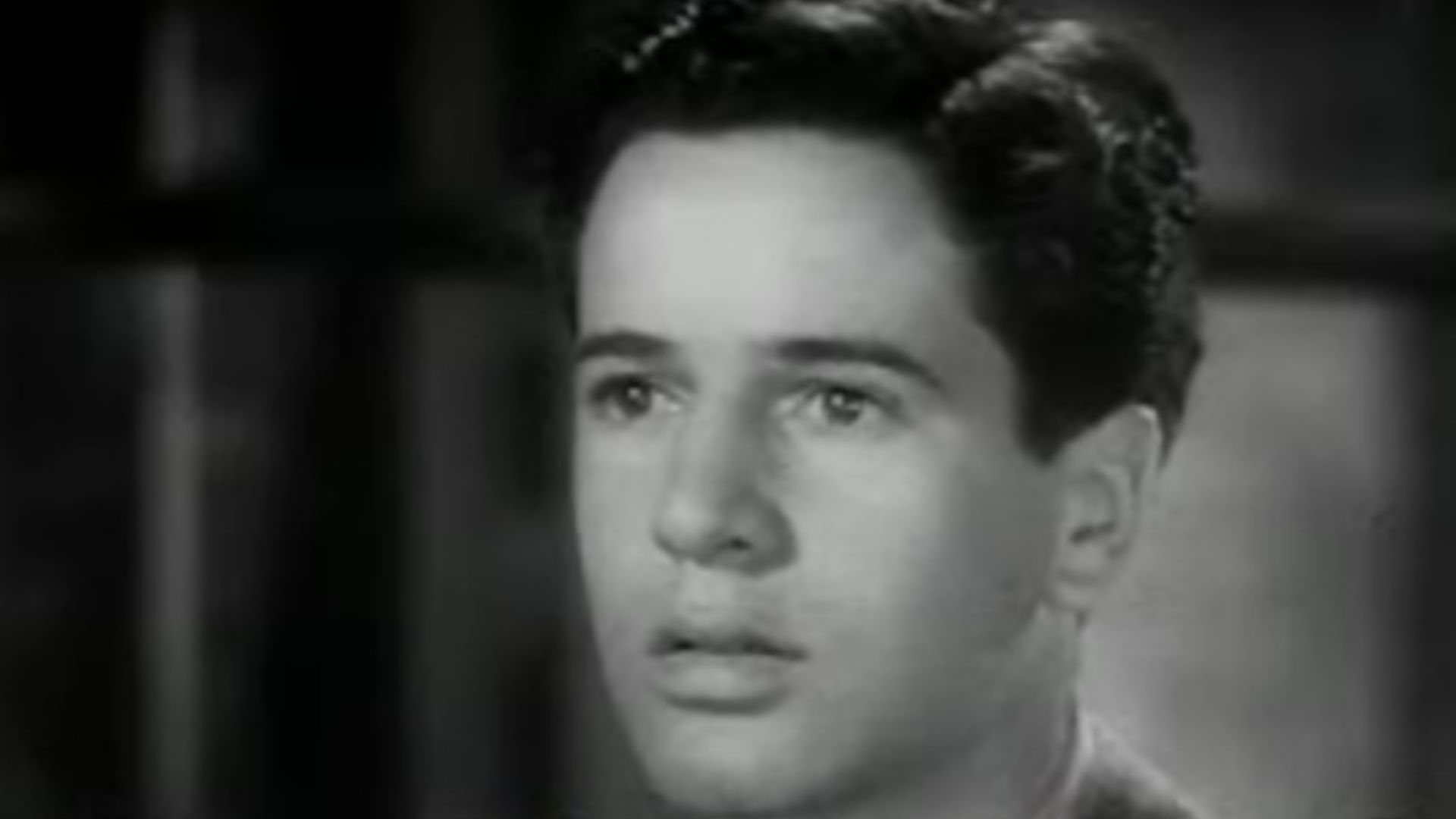
At his first table read, Farrell discovered that the producers invited actors to discuss the script page by page. Gene Reynolds encouraged them to question dialogue, suggest changes, and protect the characters they were developing. Farrell eventually moved beyond acting to write and direct episodes, earning recognition from the Emmys and the Directors Guild of America.
 Trailer screenshot, Wikimedia Commons
He Would Fight For B.J.
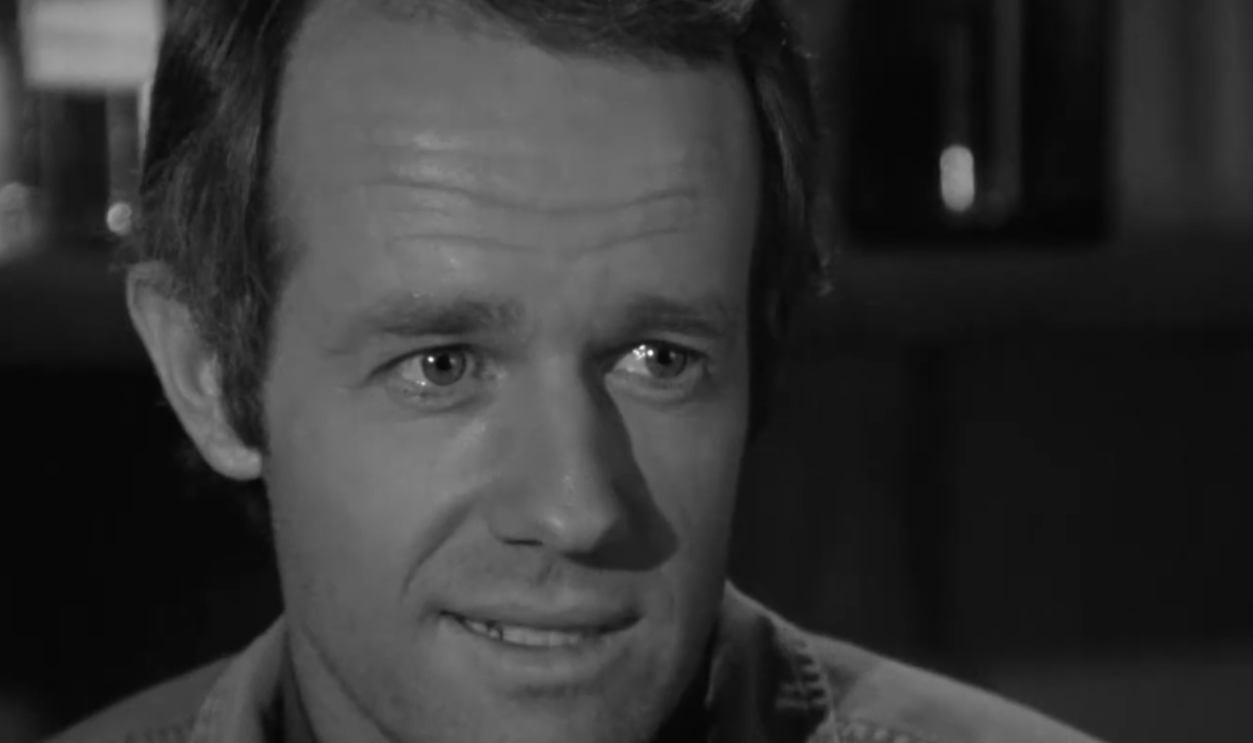
Farrell objected when an early version of “Preventative Medicine” had B.J. help Hawkeye remove a healthy appendix from a reckless colonel. He argued that deliberately operating on a healthy patient violated everything B.J. believed as a doctor. The ensuing discussion produced a stronger episode in which B.J. refuses to participate and forces Hawkeye to confront the limits of his protest.
 Screenshot from M*A*S*H, 20th Century Fox Television (1972–1983)
B.J. Was Allowed To Fail
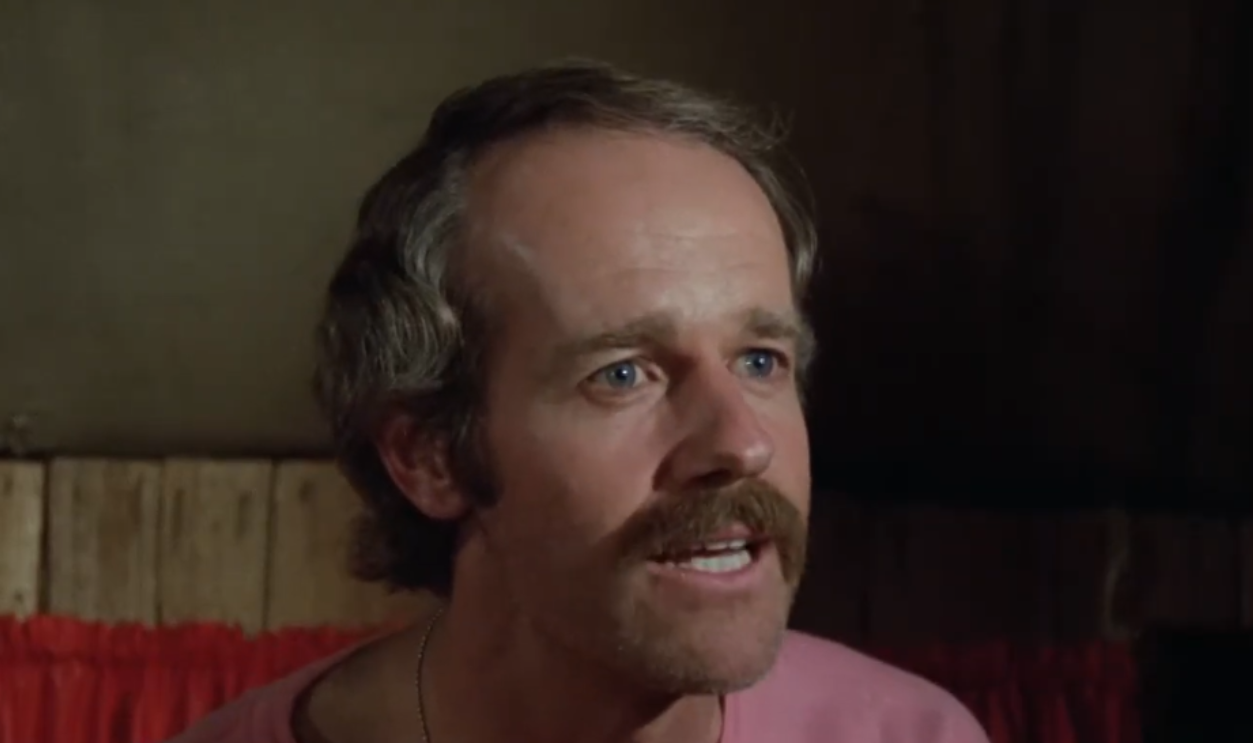
Farrell did not want B.J.’s principles to make him unrealistically perfect. He encouraged the writers to explore the temptation created by his long separation from Peg, leading to a storyline in which B.J. kisses a nurse and is overwhelmed by guilt. The mistake complicated the devoted husband without destroying the qualities that made audiences care about him.
 Screenshot from M*A*S*H, 20th Century Fox Television (1972–1983)
The Experience Changed His Career
Farrell remained with M*A*S*H until “Goodbye, Farewell and Amen” ended the series in 1983 before more than 100 million viewers. He later formed a production company, produced films including Dominick and Eugene and Patch Adams, and returned to series television on Providence. His eight seasons as B.J. had transformed him from a dependable working actor into a television star with opportunities behind the camera.
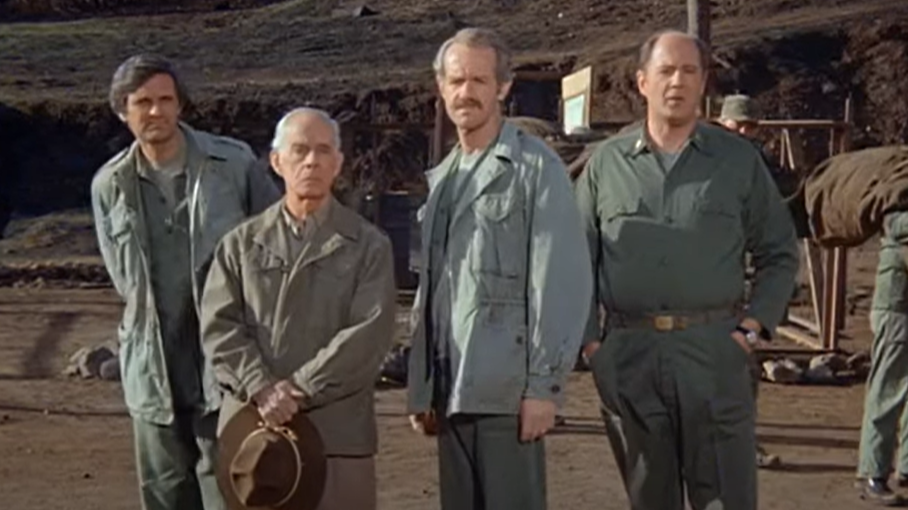 Screenshot from M*A*S*H, 20th Century Fox Television (1972–1983)
He Used Fame For Something Larger
Farrell devoted much of his public life to refugee assistance, prison reform, human rights, and opposition to capital punishment. He participated in international aid missions and served in leadership roles with organizations including Death Penalty Focus and Human Rights Watch’s California committee. Replacing Trapper John may have opened the door, but Farrell’s compassion, conviction, and thoughtful performance made B.J. Hunnicutt entirely his own.
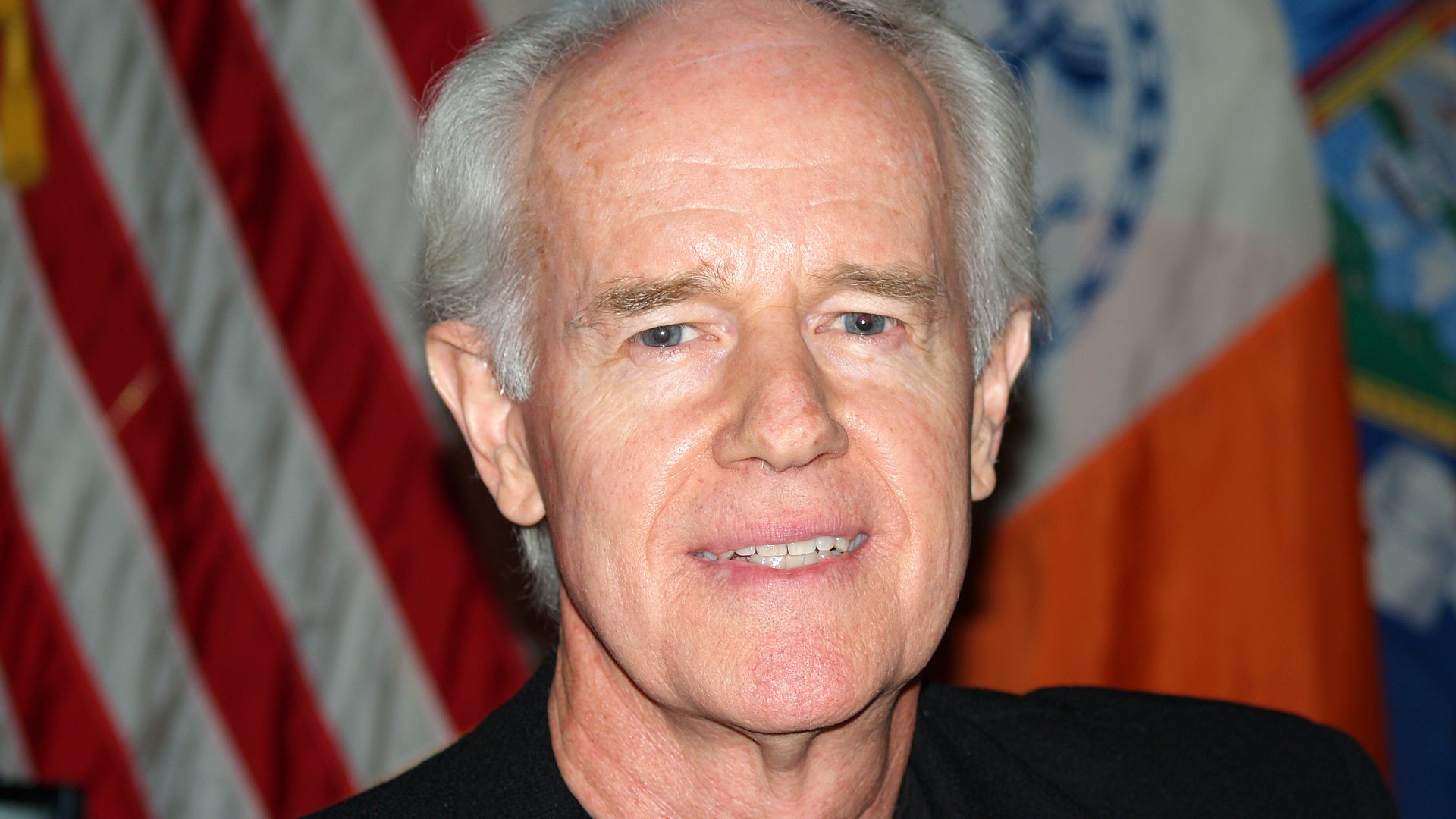 David Shankbone, Wikimedia Commons
You May Also Like:
What Happened To The Cast Of M*A*S*H After The Series Ended?
Gary Burghoff Walked Away From M*A*S*H At The Height Of Its Success—His Reason Was Bigger Than Fame