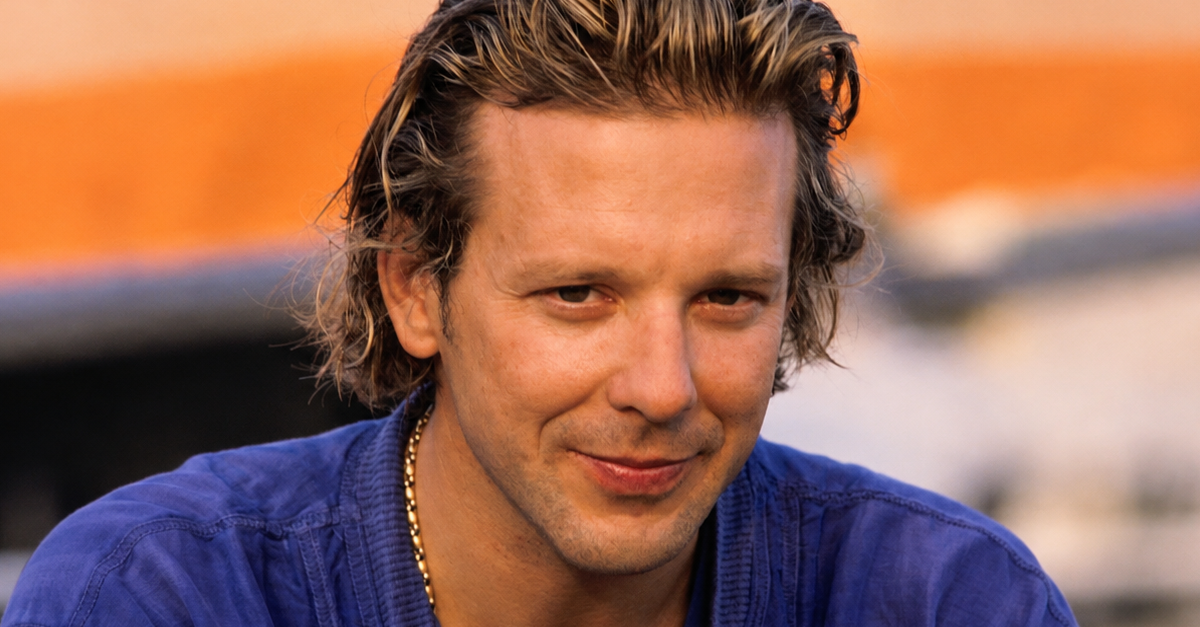
Mickey Rourke Had Everything Hollywood Wanted
By the late 1980s, Mickey Rourke had become one of Hollywood’s hottest leading men. He had the looks, the talent, and a string of movies that made him an international heartthrob. Then, just as he seemed to have everything, Rourke made a stunning choice. He walked away from Hollywood and stepped into a professional boxing ring.
He Was A Boxer First
Long before audiences knew his name, Rourke was already serious about boxing. As a teenager in Miami, he spent much of his time training at the famous 5th Street Gym. The sport gave him an outlet and quickly became a huge part of his life.
Concussions Changed His Plans
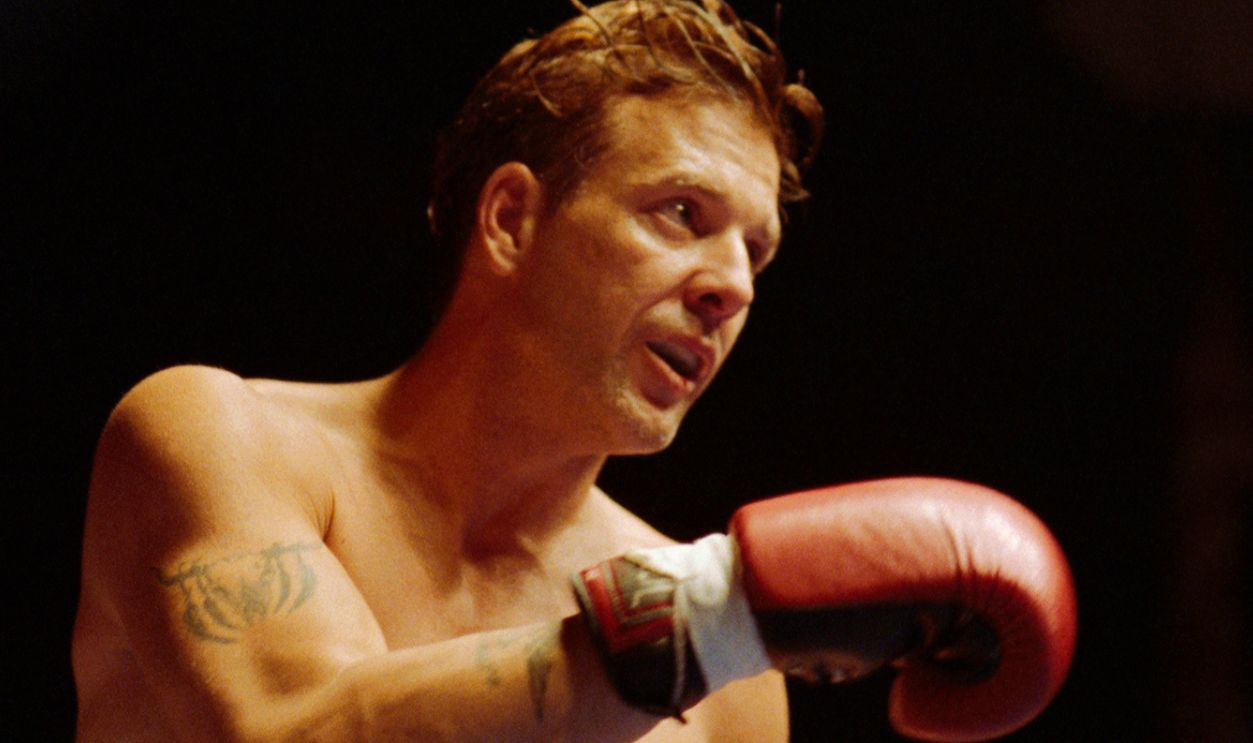
Rourke initially hoped that boxing might become his profession. According to Rourke, two severe concussions eventually forced him to give up those plans while he was still young. With his first dream suddenly closed off, he began moving in an entirely different direction.
A Play Sent Him Down A New Path
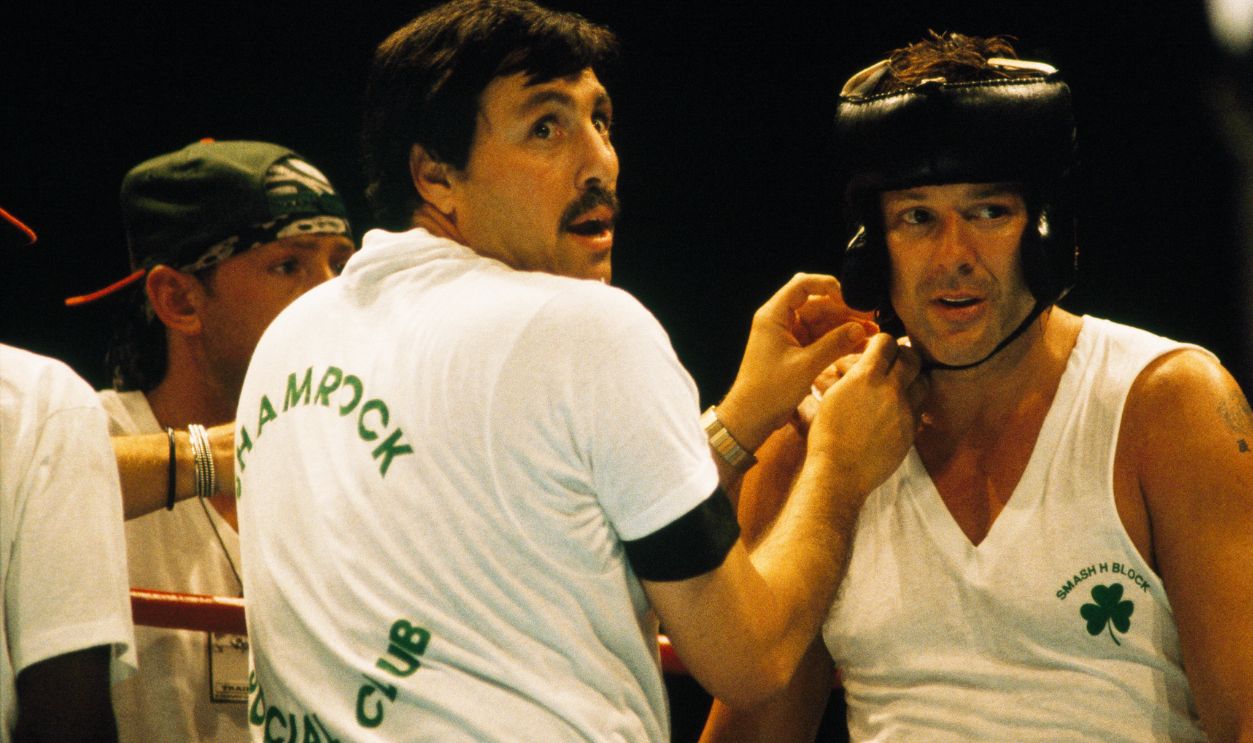
A friend at the University of Miami needed someone to fill a role in a production of Jean Genet’s Deathwatch. Rourke agreed to do it and found himself unexpectedly drawn to acting. He soon borrowed money from his sister and headed to New York to pursue it seriously.
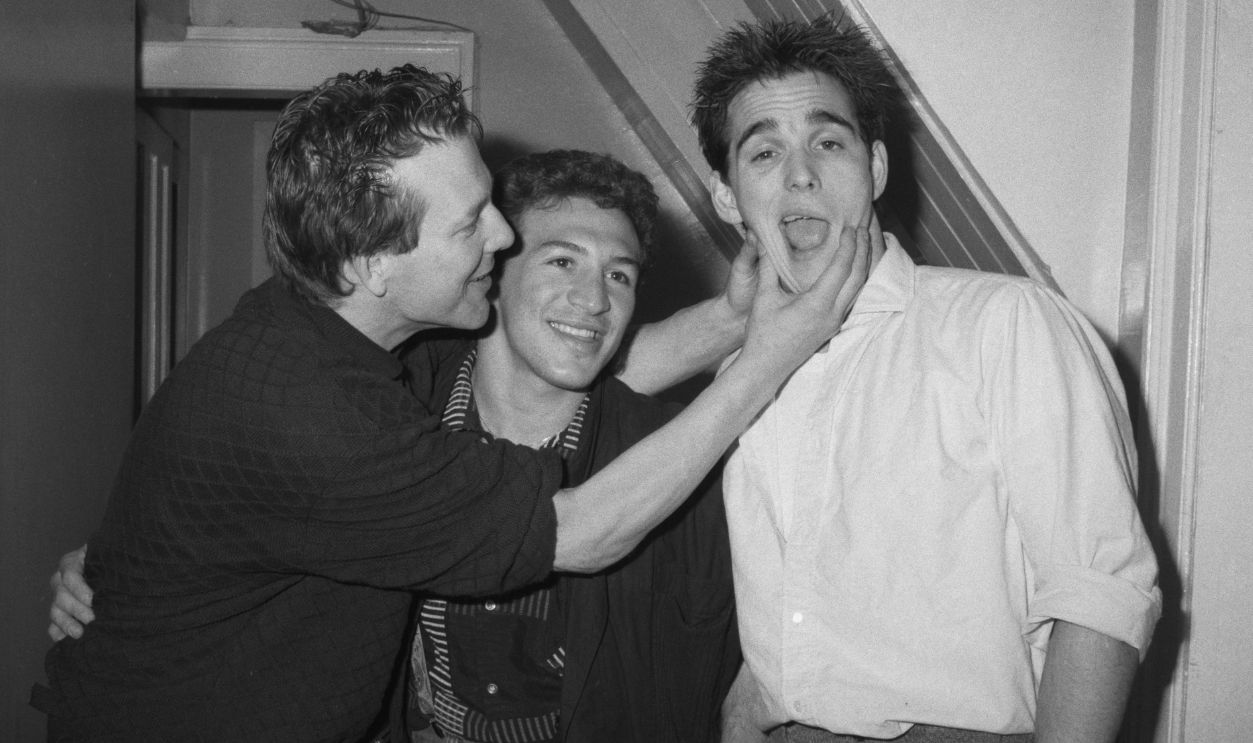
He Started Over In New York
Rourke spent years learning his craft while supporting himself with ordinary jobs. He took private lessons with a teacher connected to the Actors Studio and was eventually admitted to the prestigious organization himself. Hollywood was still a long way off, but boxing was no longer his only obsession.
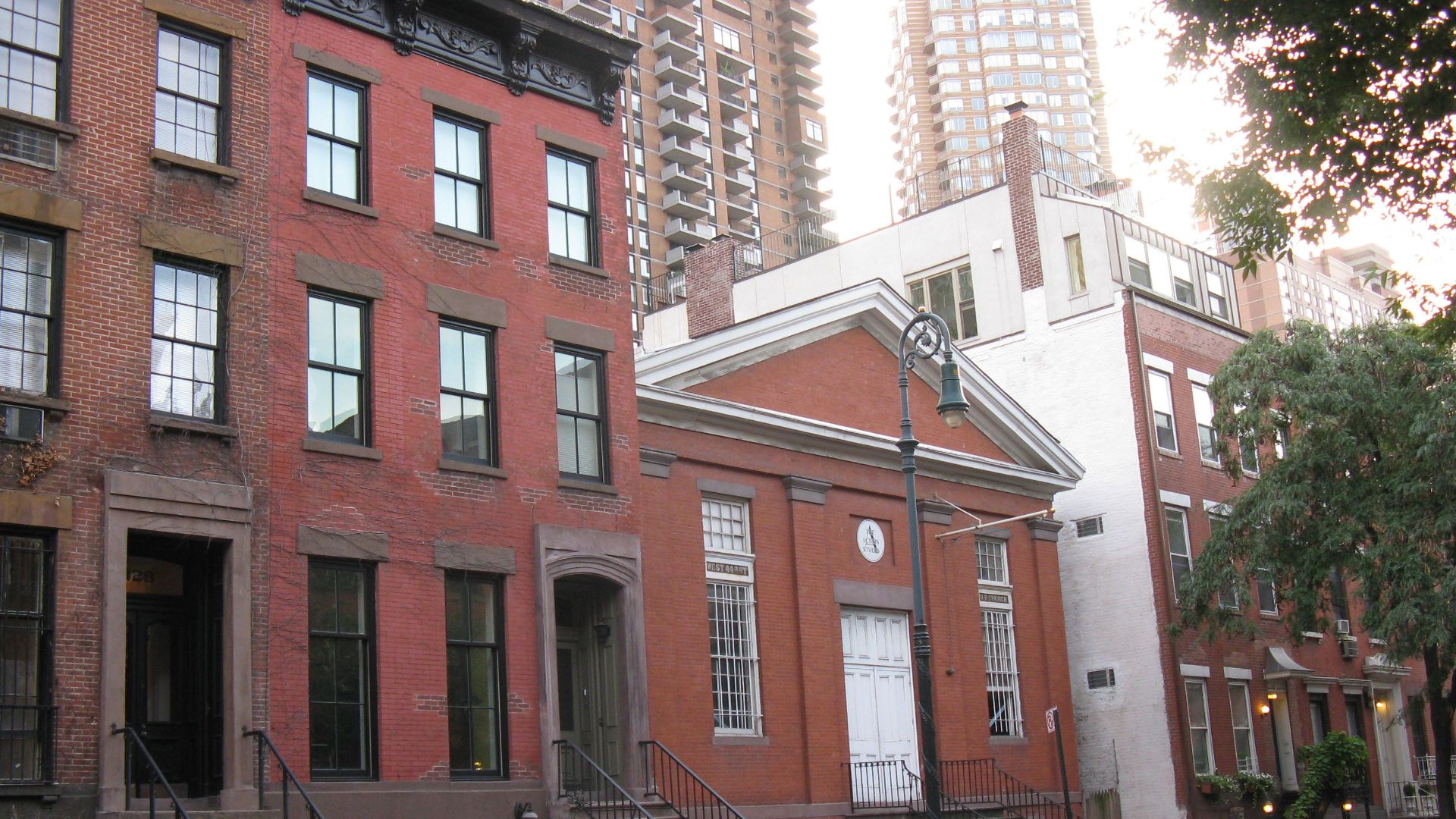
Body Heat Got People Talking
After several small screen appearances, Rourke landed a supporting role in Lawrence Kasdan’s Body Heat in 1981. He only appeared briefly, but the performance helped raise his profile. Bigger parts followed almost immediately.
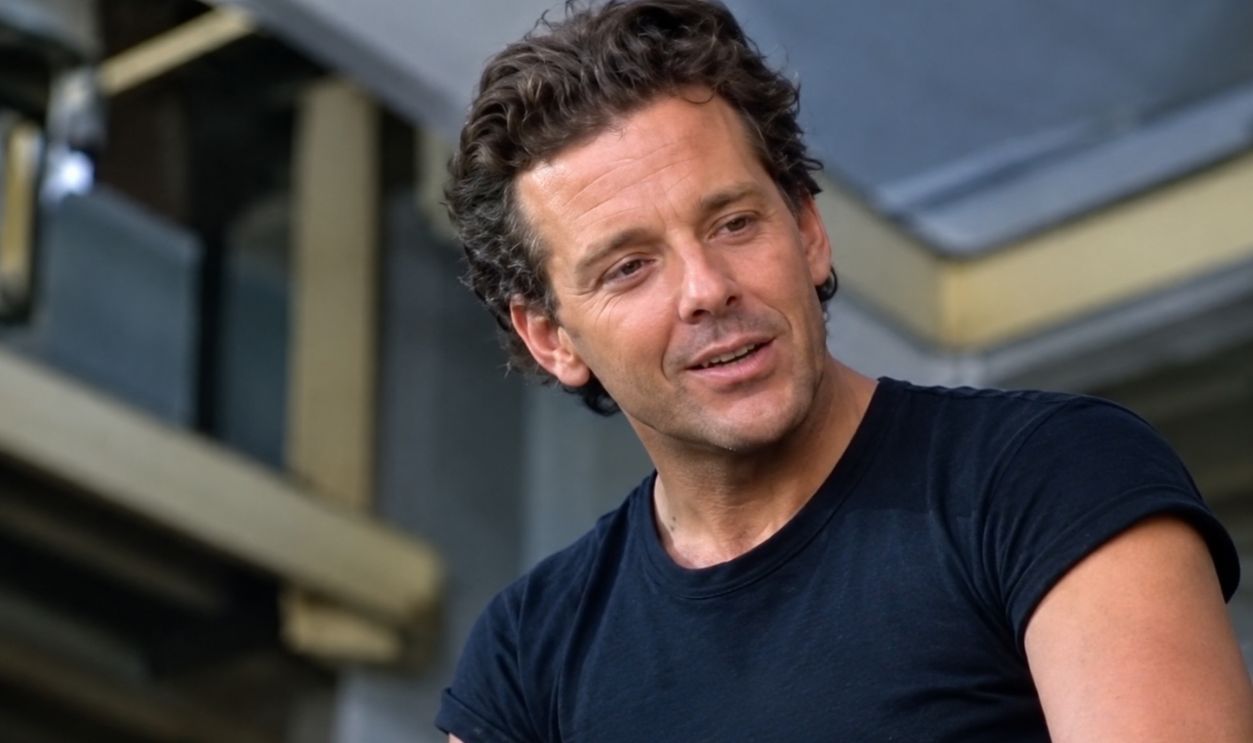 Screenshot from Body Heat, Warner Bros.(1981), Enhanced
Diner Was His Breakthrough
Barry Levinson cast Rourke as the smooth-talking Boogie in 1982’s Diner. The ensemble comedy-drama became an important early showcase for several young actors, including Kevin Bacon and Daniel Stern. For Rourke, it was the role that made Hollywood pay serious attention.
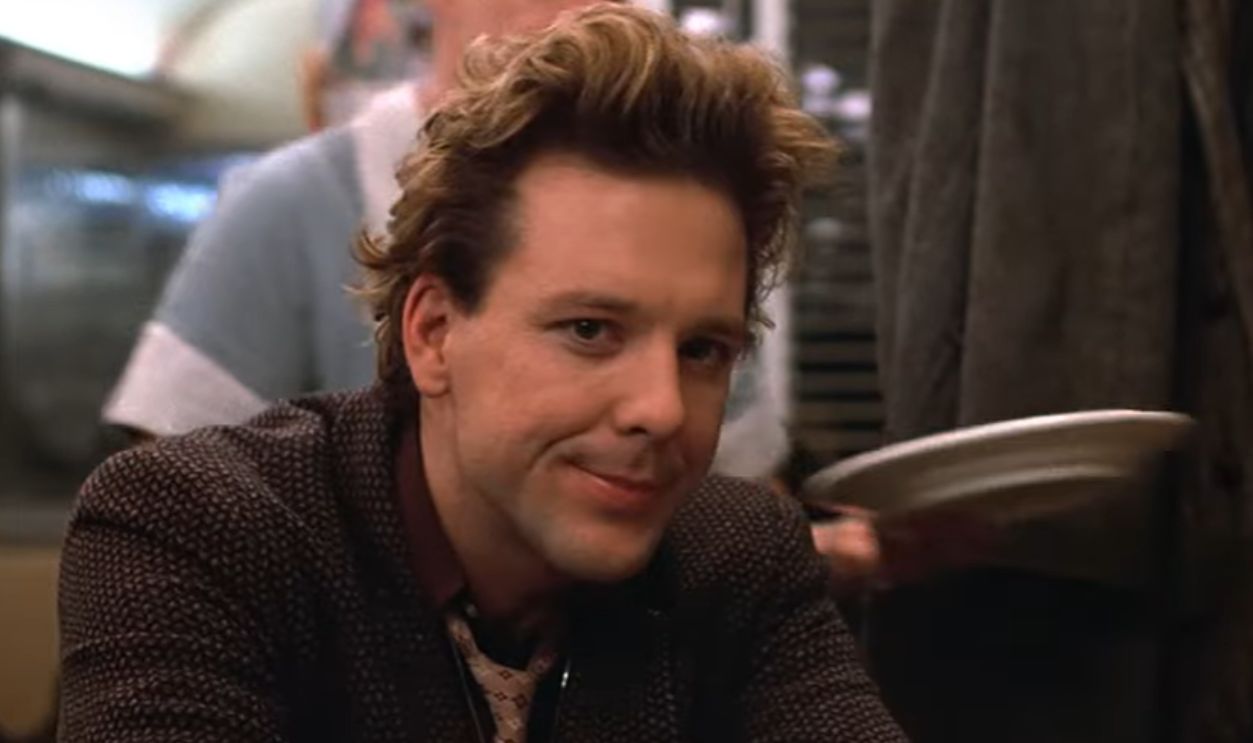 Screenshot from Diner, MGM (1982)
Rumble Fish Kept The Momentum Going
Francis Ford Coppola cast Rourke as the Motorcycle Boy in Rumble Fish the following year. The brooding role suited the unconventional screen persona Rourke was developing. He was quickly becoming known as an actor who did not feel like a typical Hollywood leading man.
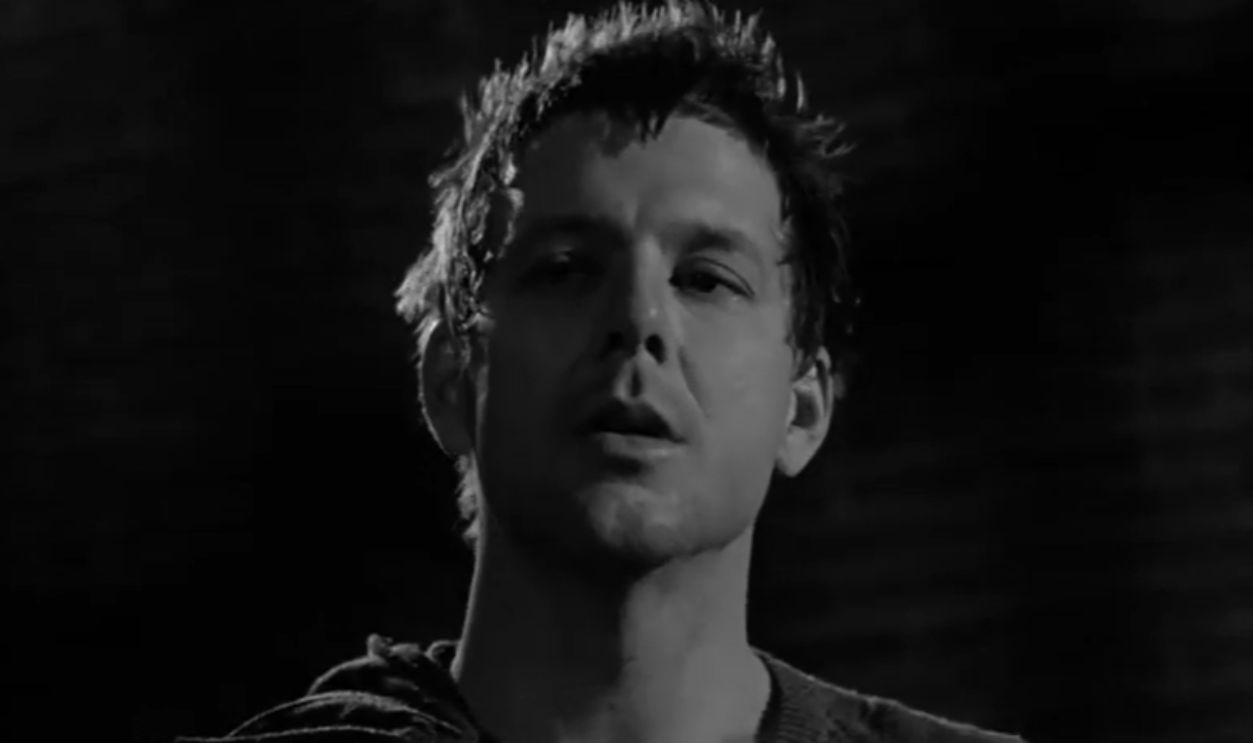 Screenshot from Rumble Fish, Universal Pictures (1983)
The Pope Of Greenwich Village Made Him A Leading Man
Rourke starred opposite Eric Roberts in 1984’s The Pope of Greenwich Village. The crime drama placed him firmly at the center of the story and added to his growing reputation. By the middle of the decade, Rourke had become one of Hollywood’s most closely watched actors.
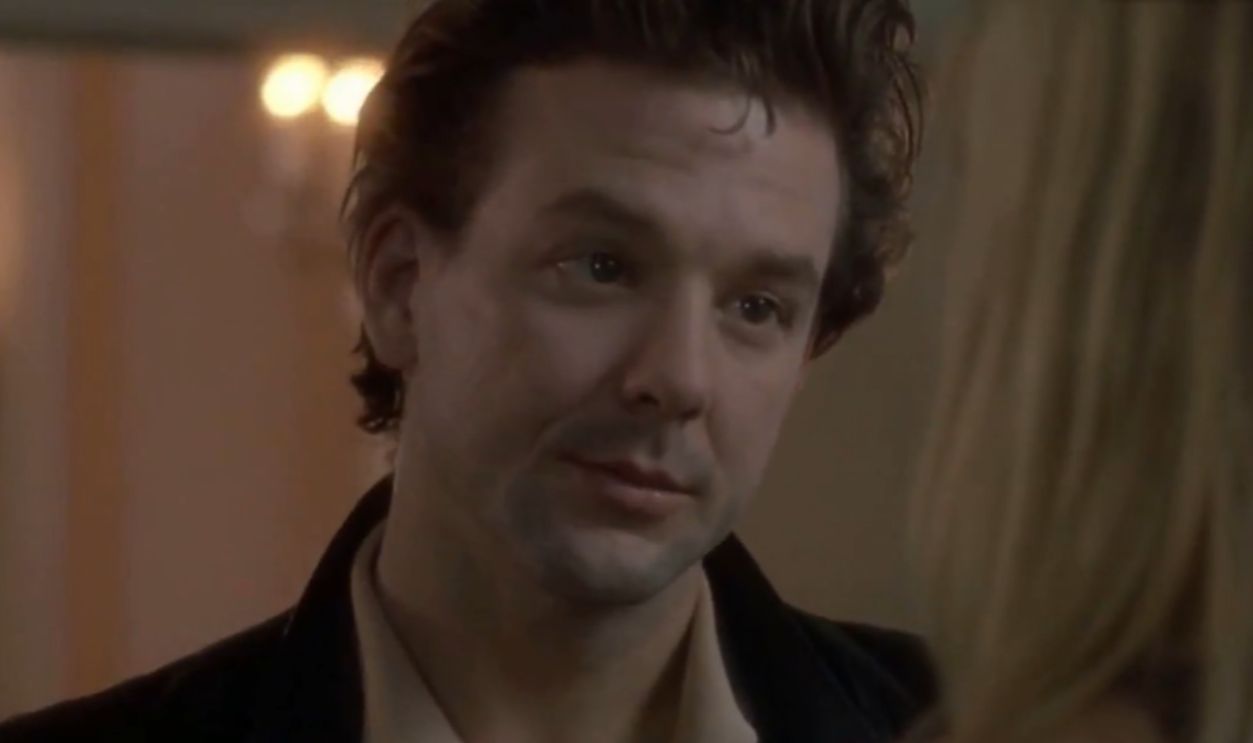 Screenshot from The Pope of Greenwich Village, MGM (1984)
Year Of The Dragon Took Him Even Further
In 1985, Rourke starred as police captain Stanley White in Michael Cimino’s Year of the Dragon. The demanding crime drama gave him another major leading role. His run of intense performances was making him increasingly difficult to ignore.
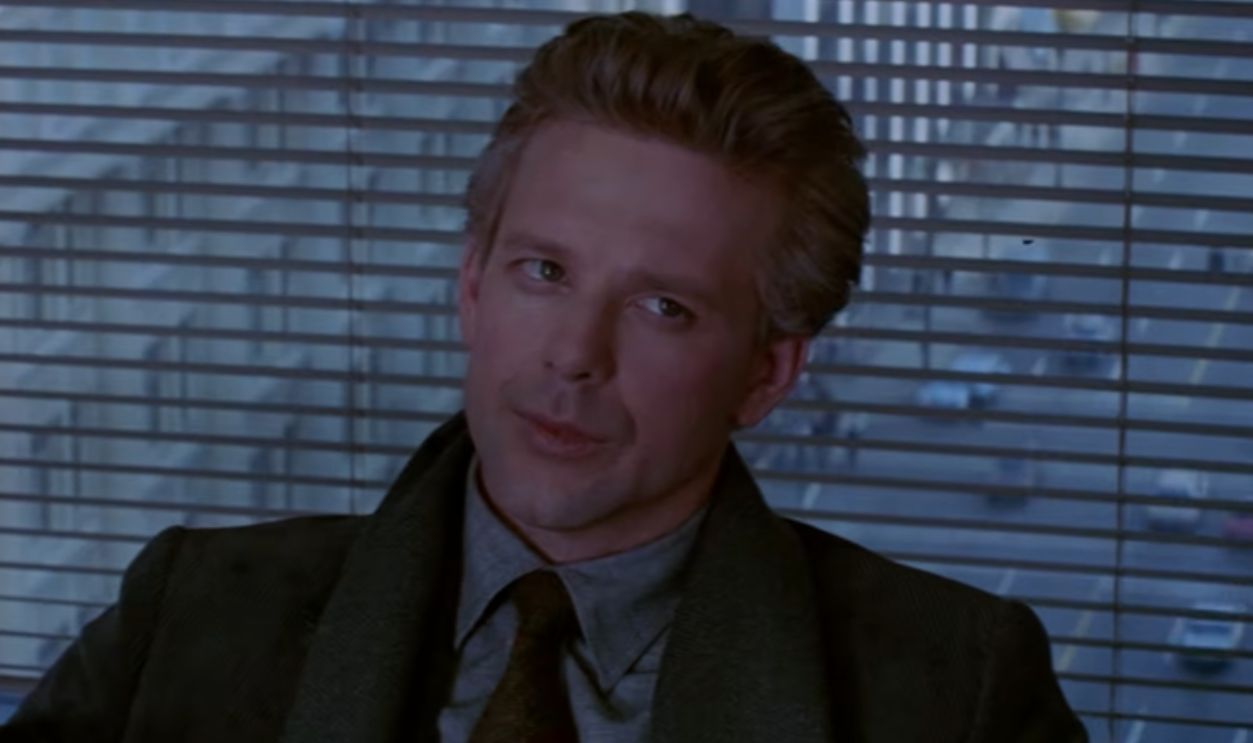 Screenshot from Year of the Dragon, MGM (1985)
Then Came 9½ Weeks
Everything changed again with Adrian Lyne’s 9½ Weeks, opposite Kim Basinger. The provocative romantic drama became especially successful internationally and dramatically expanded Rourke’s fame. Suddenly, he was not just a respected actor. He was one of the decade’s biggest screen heartthrobs.
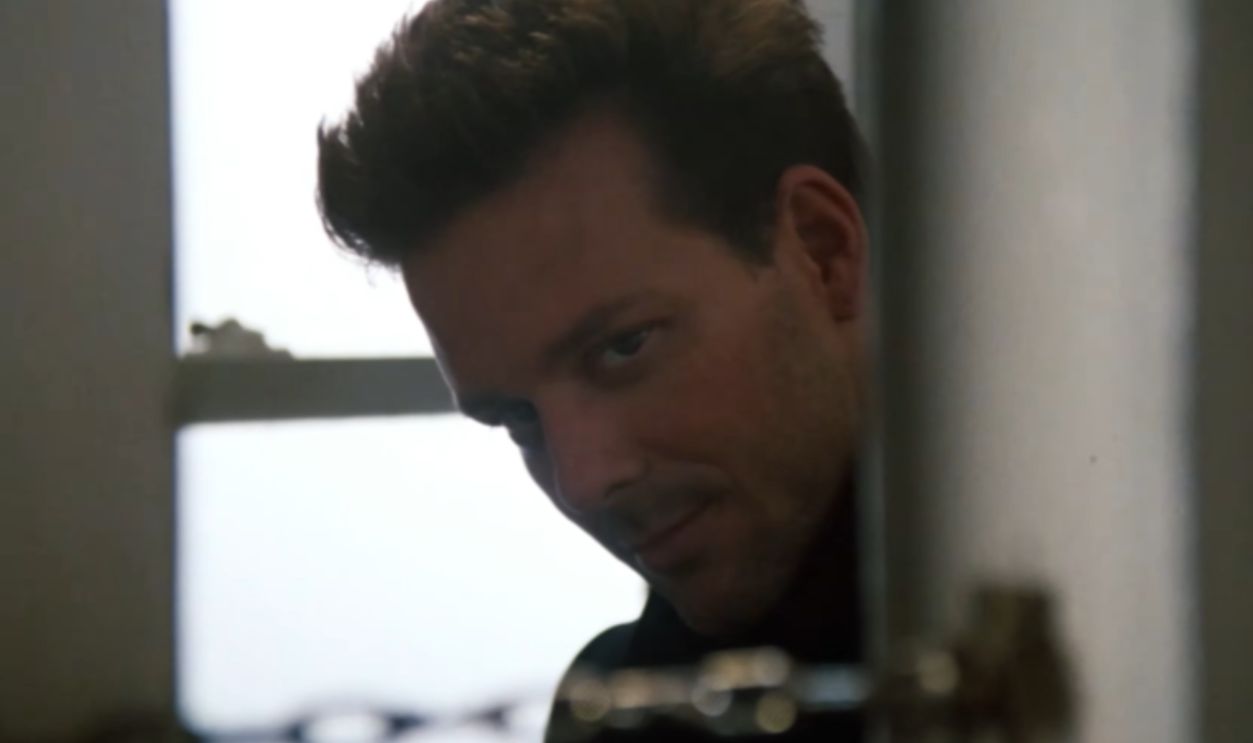 Screenshot from 9½ Weeks, MGM (1986)
He Never Felt Like A Heartthrob
Rourke was far less comfortable with that image than audiences might have assumed. He later said that he never considered himself particularly handsome and disliked being treated as a pin-up. Rather than chase similar roles, he increasingly gravitated toward darker and less glamorous material.
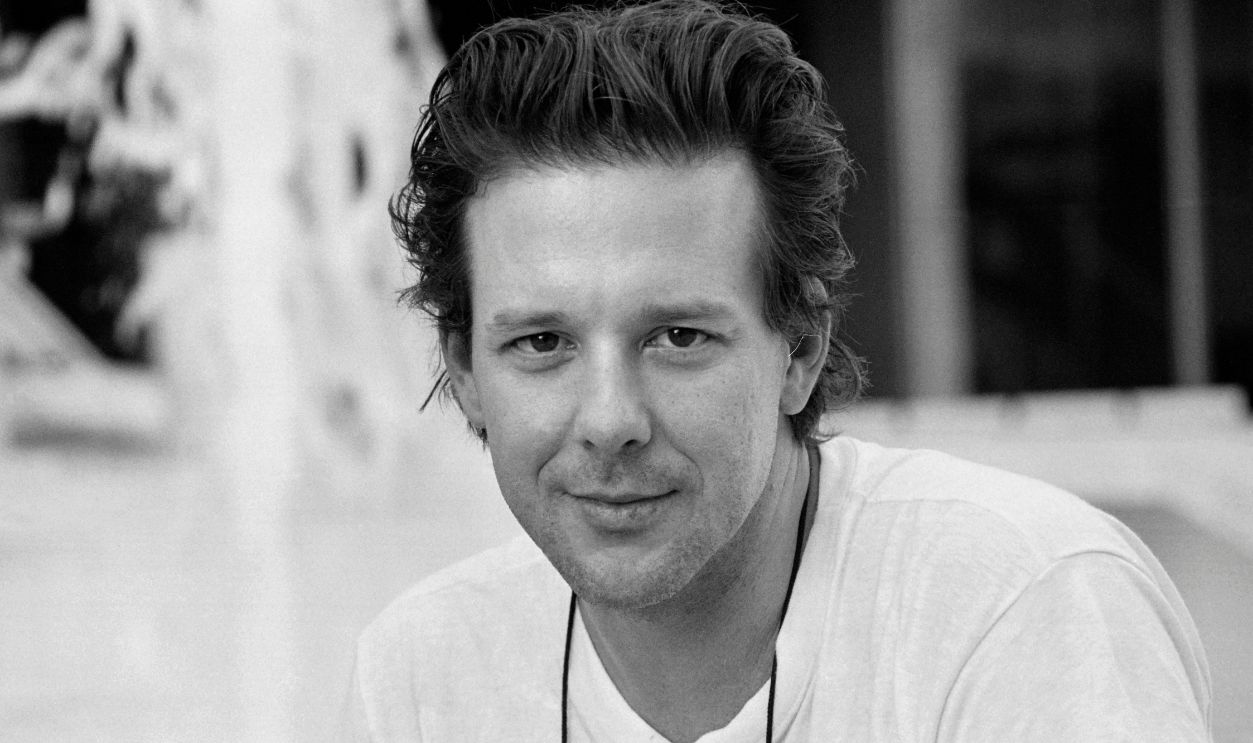
Angel Heart Went Much Darker
In 1987, Rourke starred opposite Robert De Niro in Alan Parker’s Angel Heart. He played private investigator Harry Angel in the disturbing supernatural mystery. It was another sign that Rourke had little interest in simply repeating the romantic image that had made him famous.
 Screenshot from Angel Heart, TriStar Pictures (1987)
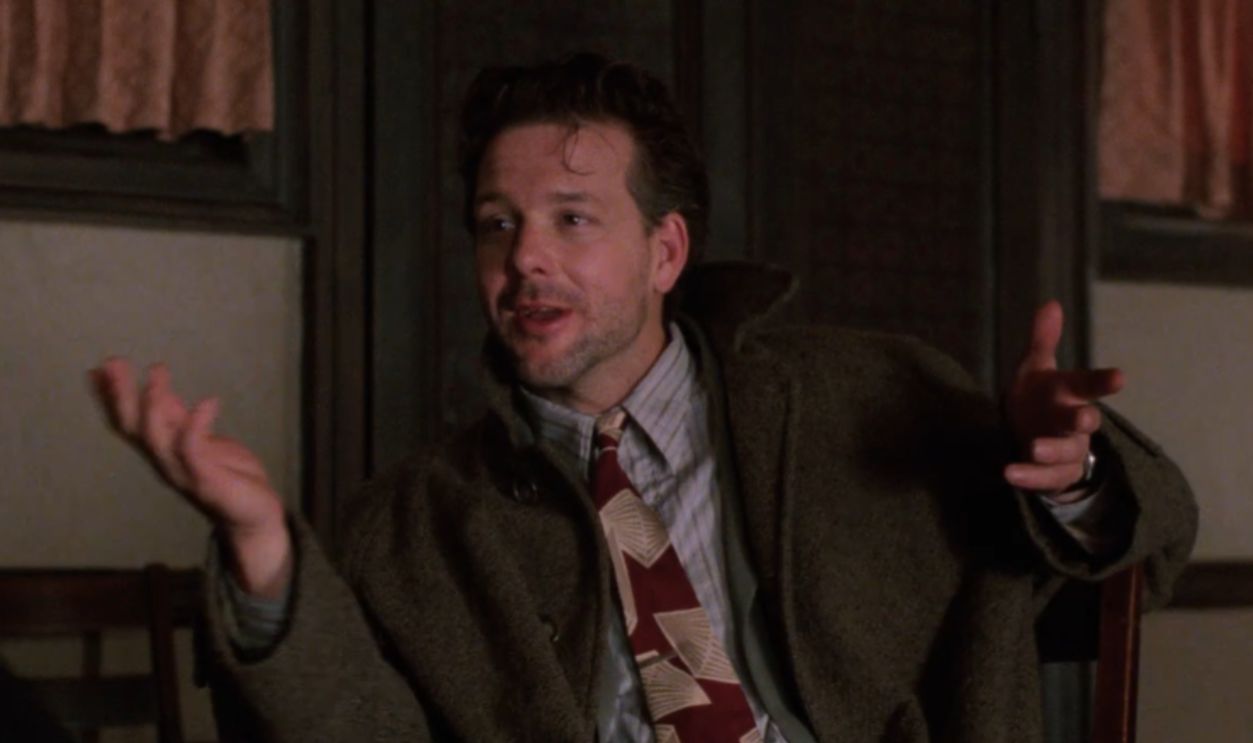
Barfly Took Him Even Further Away
That same year, Rourke starred in Barfly, playing writer Henry Chinaski in a story based on the work of Charles Bukowski. The role was deliberately scruffy and unglamorous. By then, Rourke was actively building a career very different from the one his heartthrob reputation might have suggested.
 Screenshot from Barfly, The Cannon Group (1987)
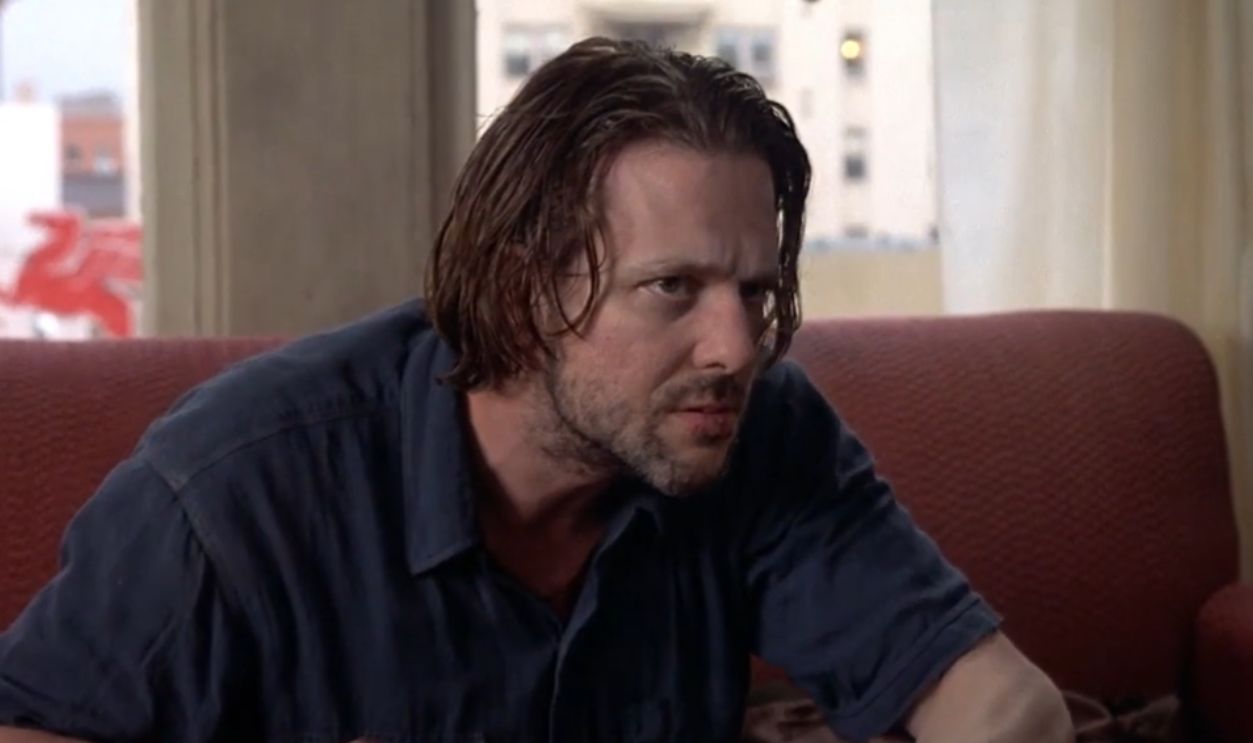
His Career Started To Go Off Course
By the end of the 1980s, Rourke’s career was becoming increasingly uneven. He appeared in films including Johnny Handsome, Wild Orchid, and Desperate Hours, while his relationship with the Hollywood system became more strained. Rourke later acknowledged that he made poor career decisions and had lost much of his enthusiasm for acting.
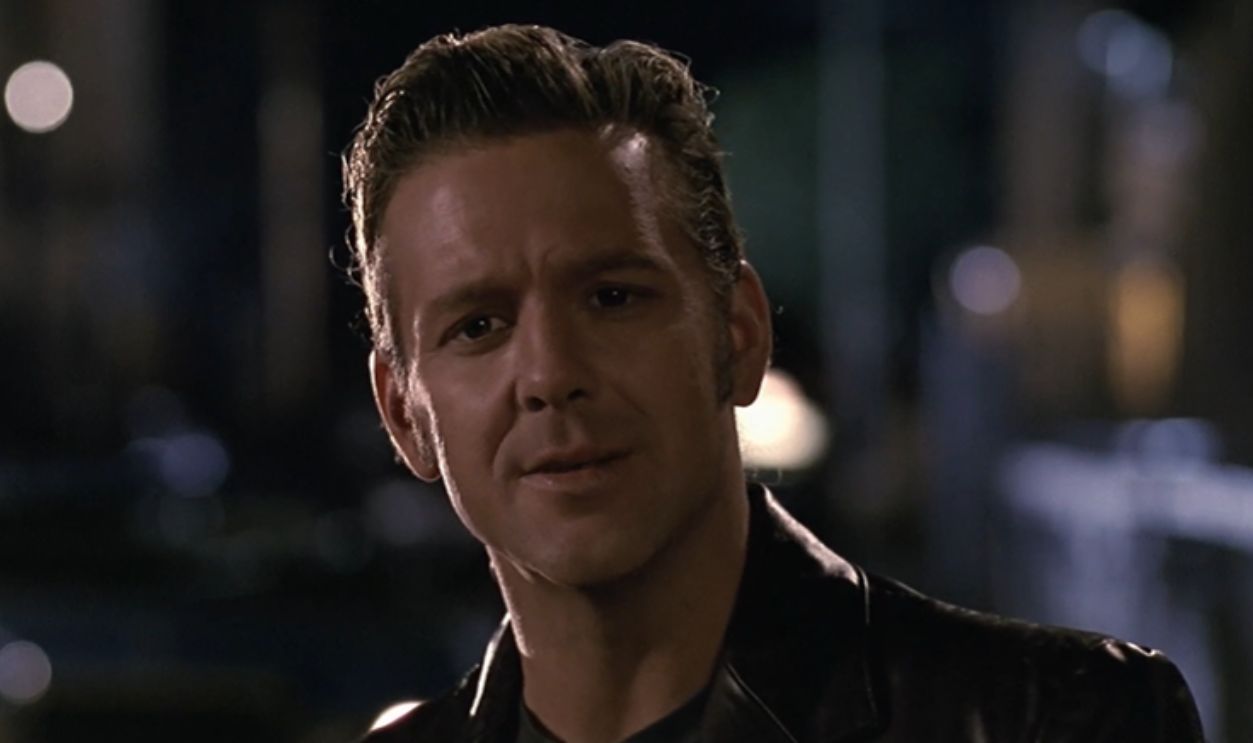 Screenshot from Johnny Handsome, TriStar Pictures (1989)
He Was Burned Out On Hollywood
Rourke has described becoming frustrated with the business surrounding filmmaking and losing respect for the work he was doing. Years later, he said he had lost his passion for acting and, in the process, much of his respect for himself. Boxing began to look increasingly attractive again.
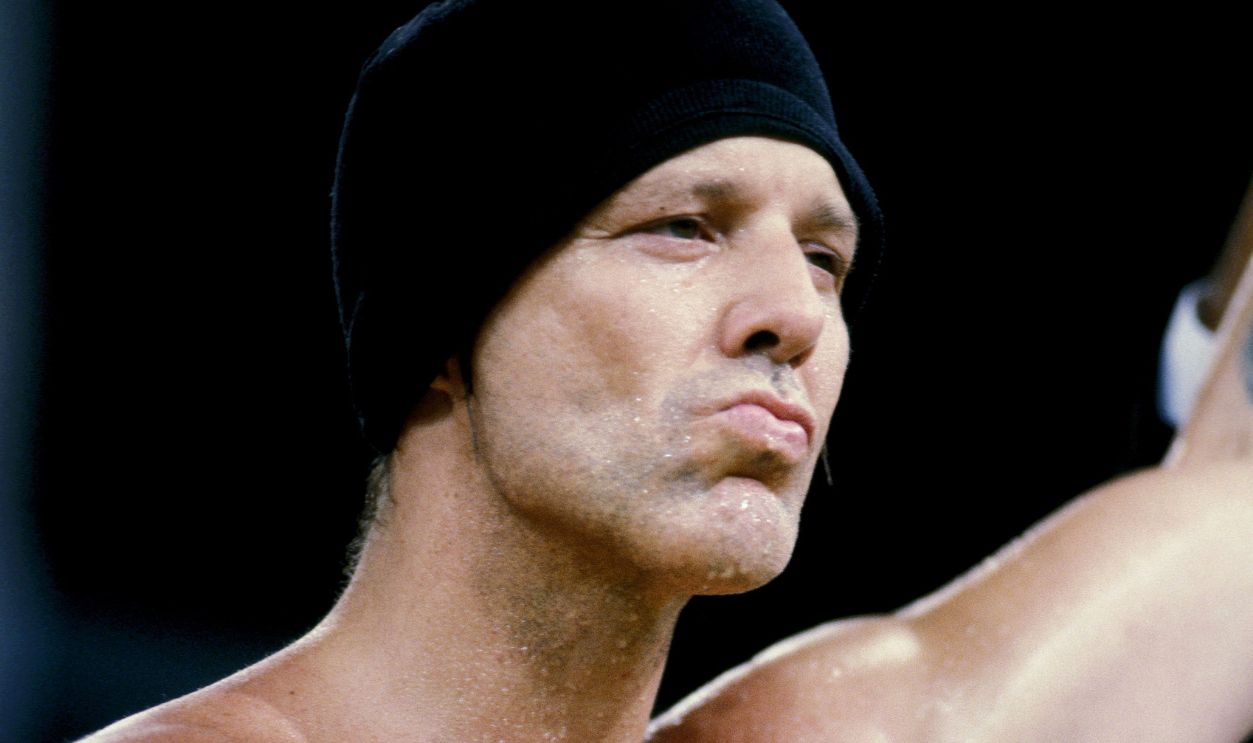
The Ring Offered Something Hollywood Couldn’t
For Rourke, boxing felt simpler than the movie business. There was training, an opponent, and a clear result at the end of the fight. He later described returning to the sport as therapeutic and said its discipline helped him rebuild something he felt he had lost.
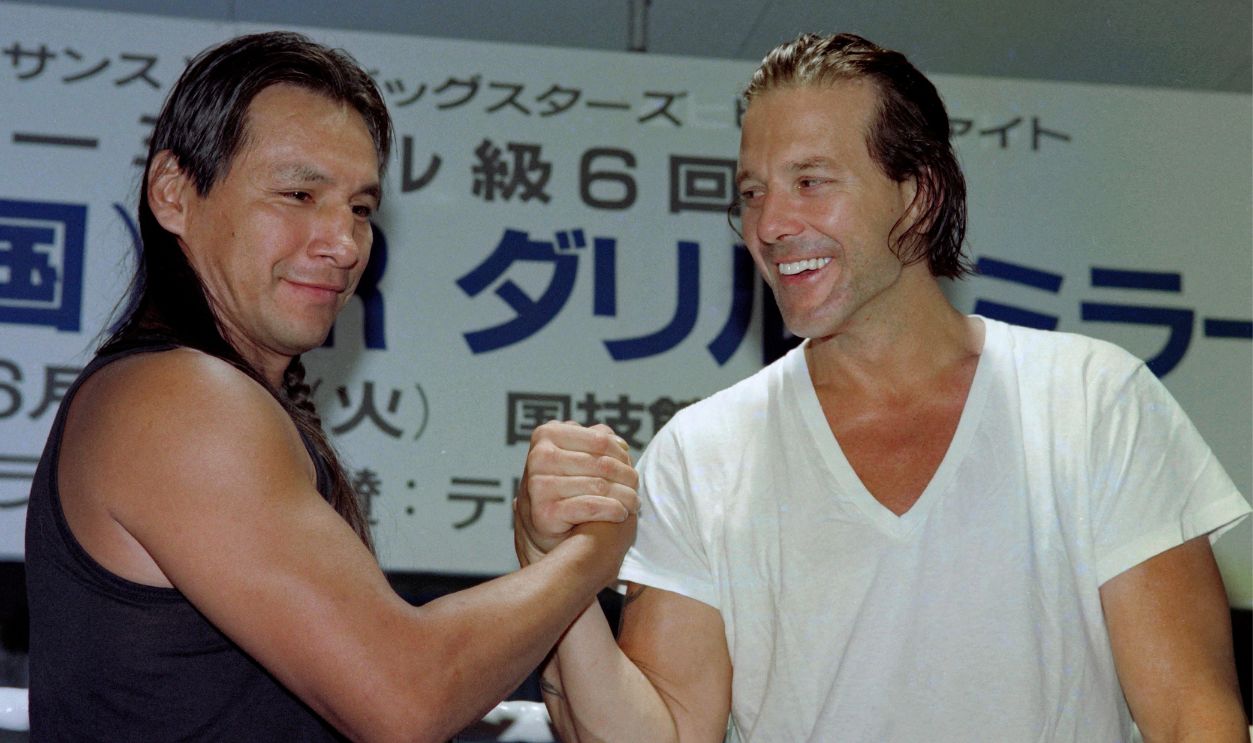
He Decided To Fight Professionally
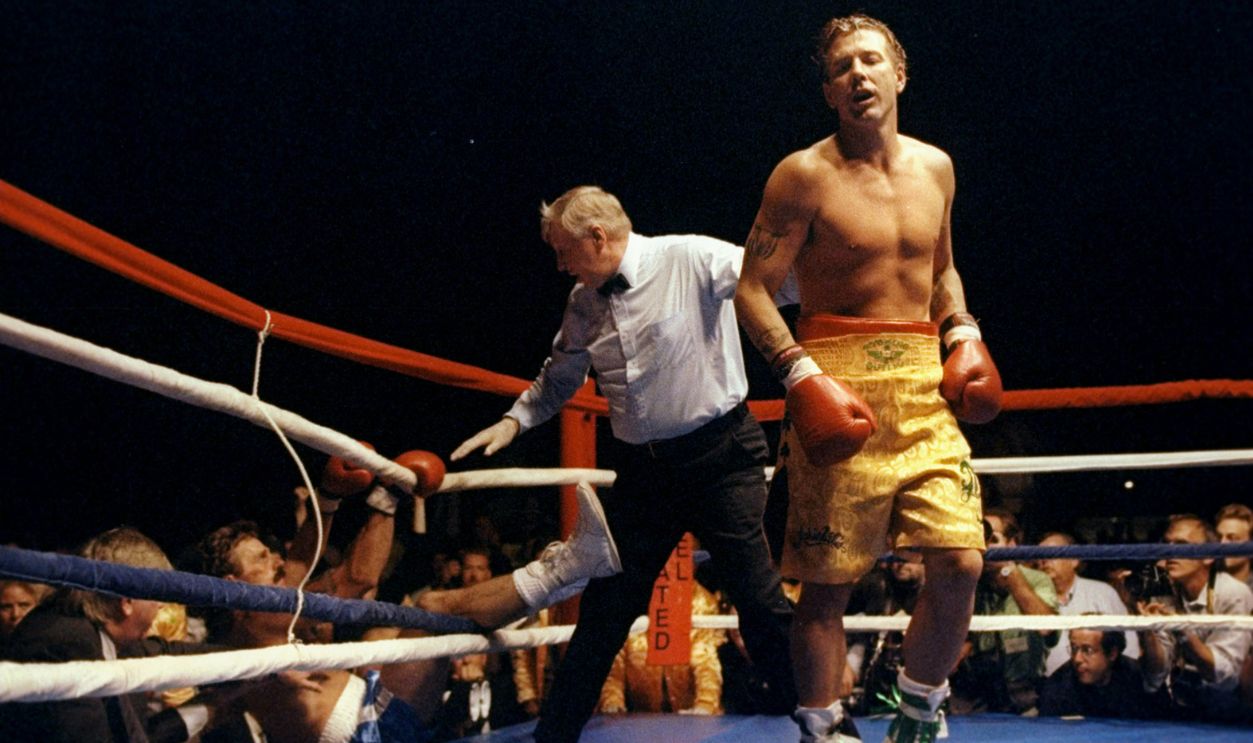
In 1991, Rourke finally returned to the dream he had abandoned as a teenager. At 38, he made his professional boxing debut against Steve Powell in Fort Lauderdale, Florida. Rourke won the four-round bout by unanimous decision.
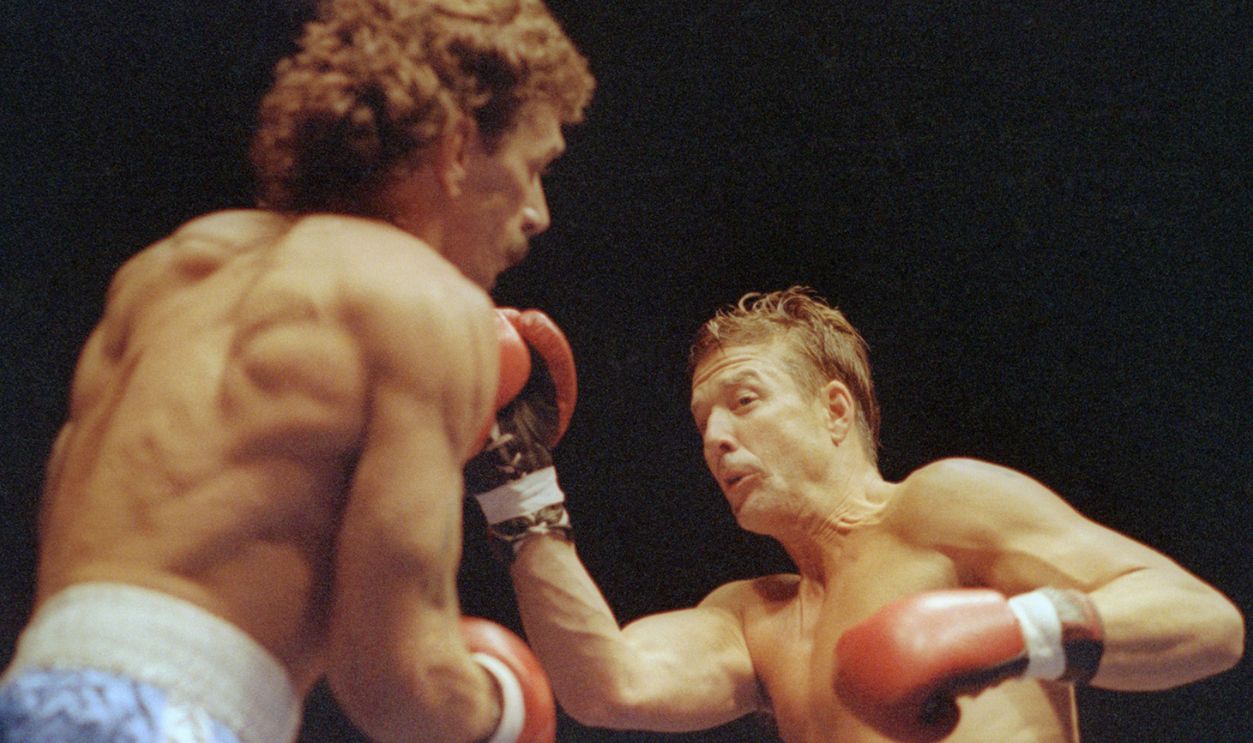
This Wasn’t A Hollywood Publicity Stunt
Rourke continued fighting rather than treating the debut as a one-off celebrity event. He competed in sanctioned bouts in the United States and overseas and trained under respected boxing coach Freddie Roach. Whatever his limitations as a fighter, Rourke was taking the sport seriously.
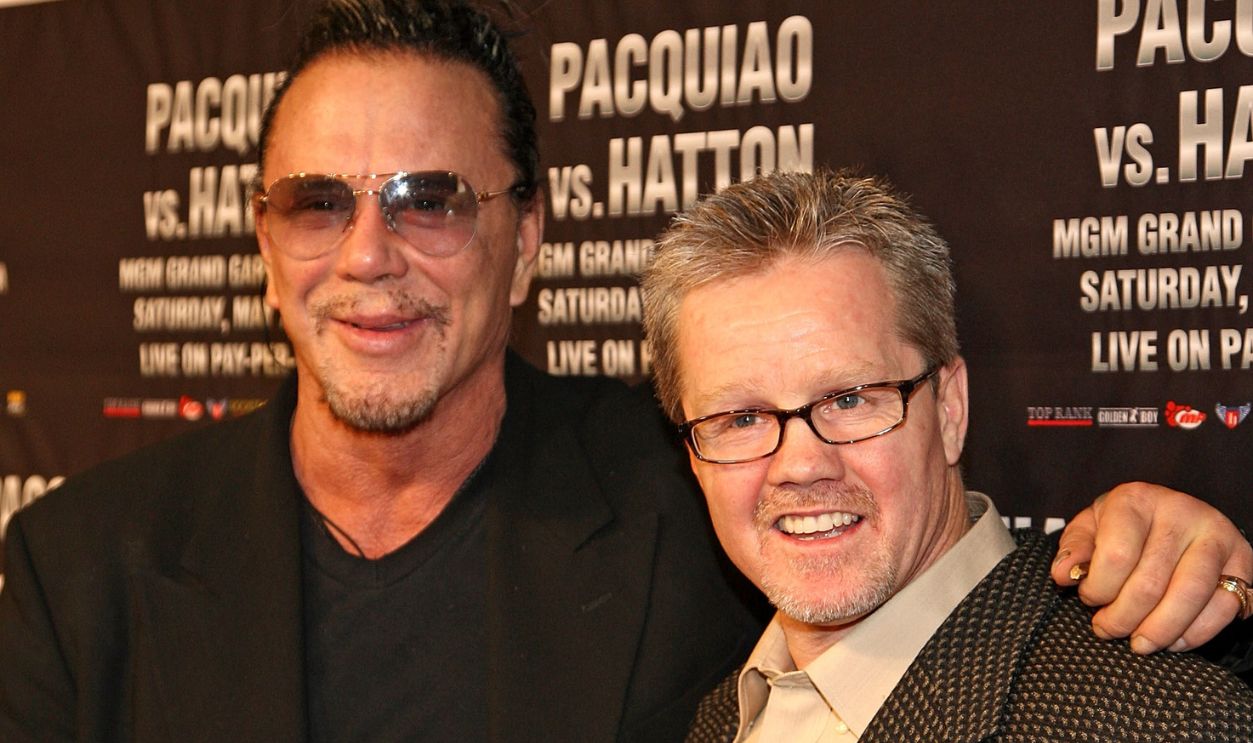 Alberto E. Rodriguez, Getty Images
He Finished Without An Official Loss
Rourke fought eight professional bouts between 1991 and 1994. His official record was six victories, no defeats, and two draws. It was a remarkable detour for an actor who had been starring in major Hollywood movies only a few years earlier.
The Training Was Brutal
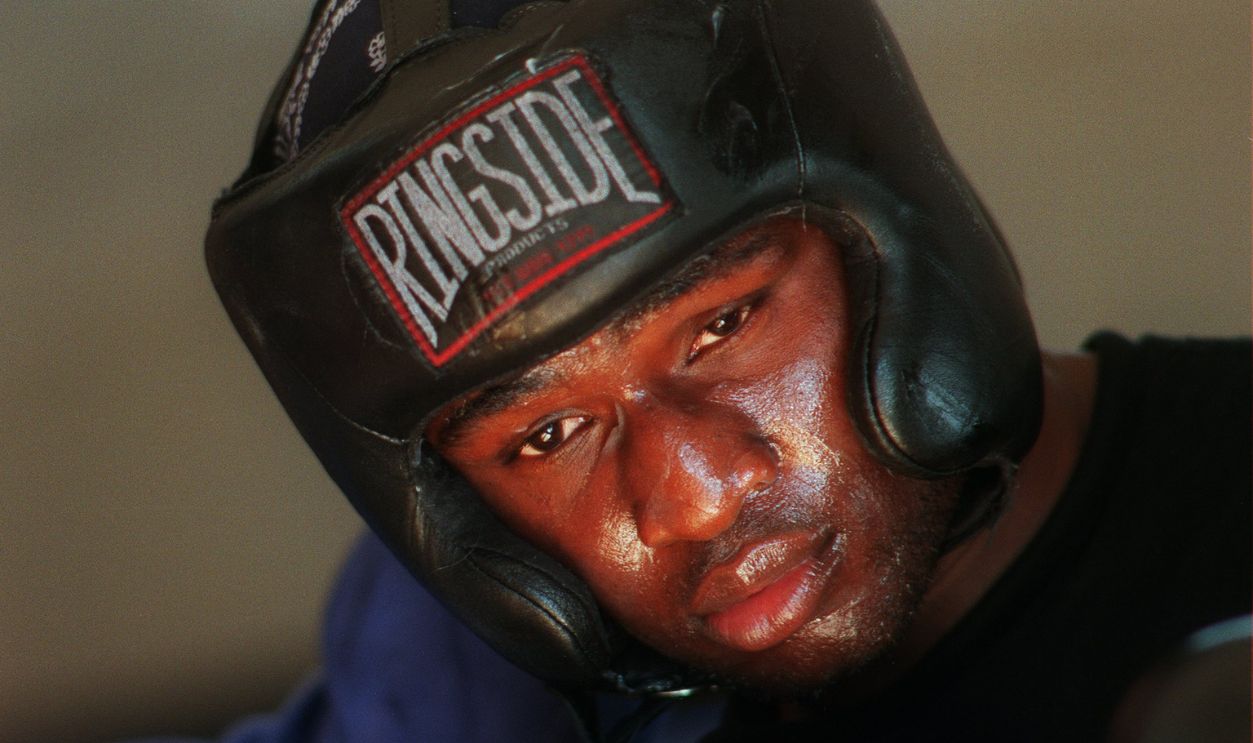
The official fights told only part of the story. Rourke also spent long hours sparring with highly accomplished fighters, including future world champion James Toney. He later admitted that remaining undefeated on paper did not mean he escaped punishment in the gym.
Boxing Took A Serious Toll
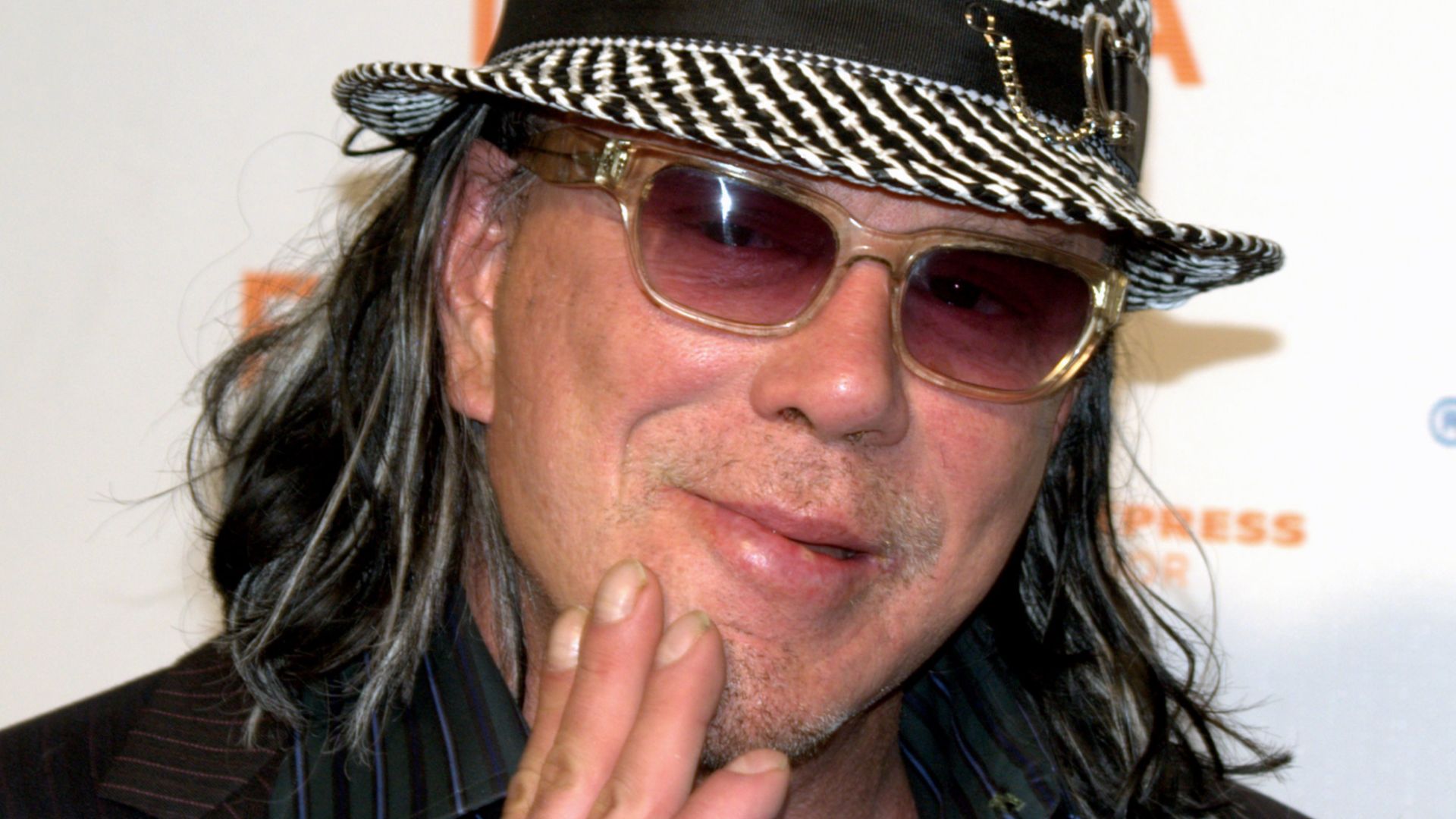
Rourke suffered significant injuries during his years in the sport. He later described damage to his nose, a broken cheekbone, hand injuries, and additional concussions. He underwent multiple operations after his boxing career, and the reconstructive surgery significantly changed his appearance.
 David Shankbone, Wikimedia Commons
Eventually He Had To Walk Away
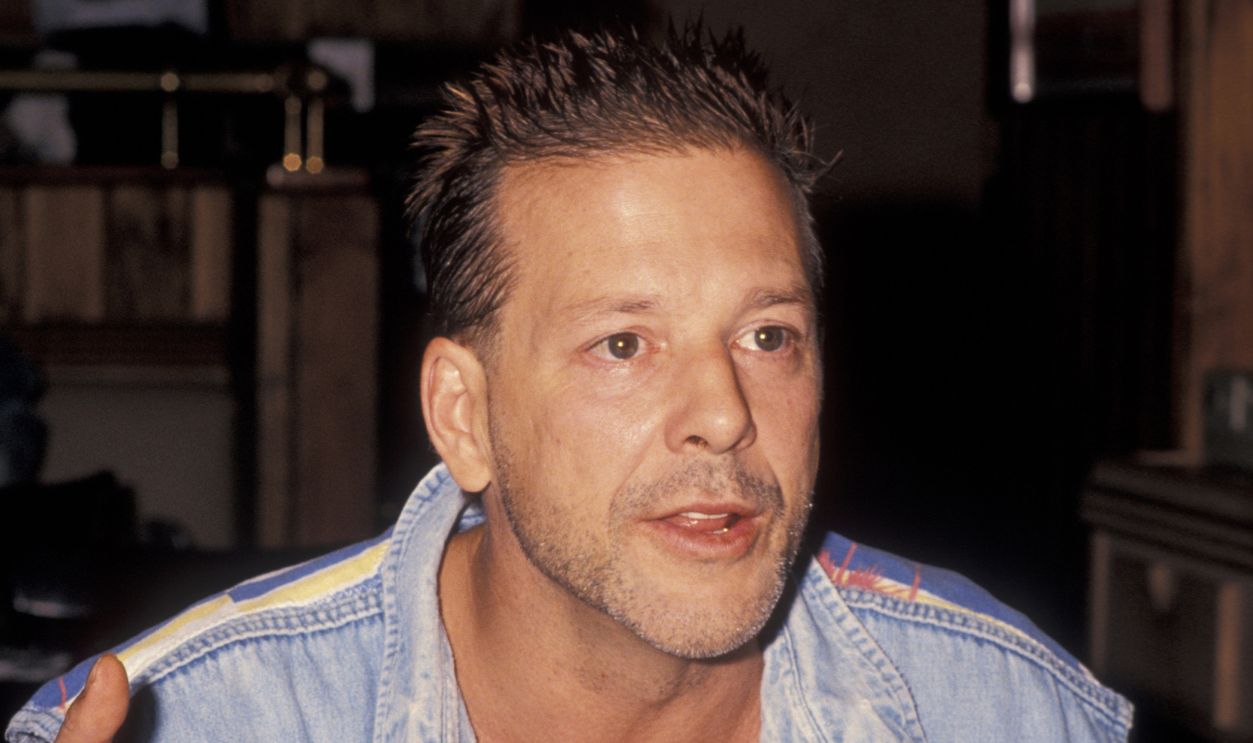
By 1994, Rourke’s professional boxing run was over. He had achieved something few Hollywood stars would ever attempt, but his body had taken considerable punishment. Now he faced another problem. He wanted to return to acting, but Hollywood was no longer waiting for him.
 Ron Galella, Ltd., Getty Images
Coming Back Was Much Harder Than He Expected
Rourke later admitted that he assumed he could return to movies relatively easily once he stopped boxing. Instead, the major opportunities he once received were gone. Years of career decisions, industry conflicts, and his long absence had left him fighting for smaller roles.
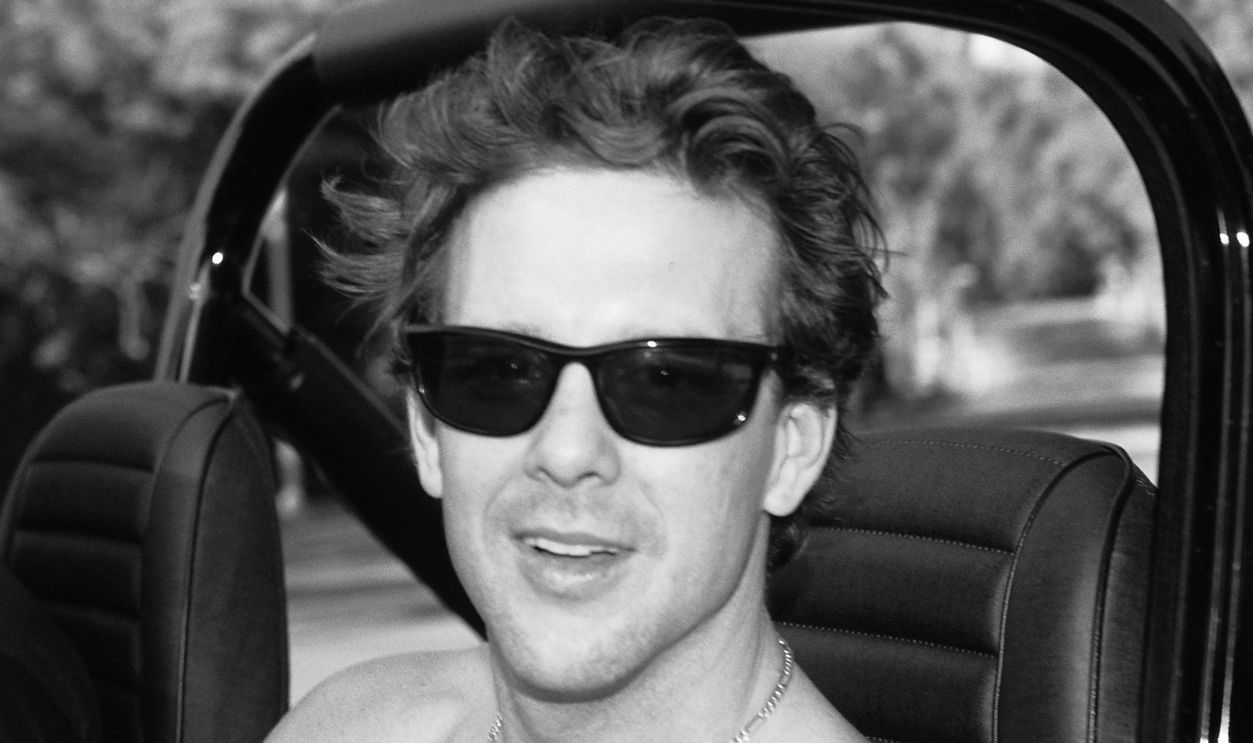
Francis Ford Coppola Helped Open A Door
One notable opportunity came from Francis Ford Coppola, who had directed Rourke years earlier in Rumble Fish. Coppola cast him in a supporting role in The Rainmaker in 1997. It was not an instant comeback, but Rourke was beginning the slow process of rebuilding his acting career.
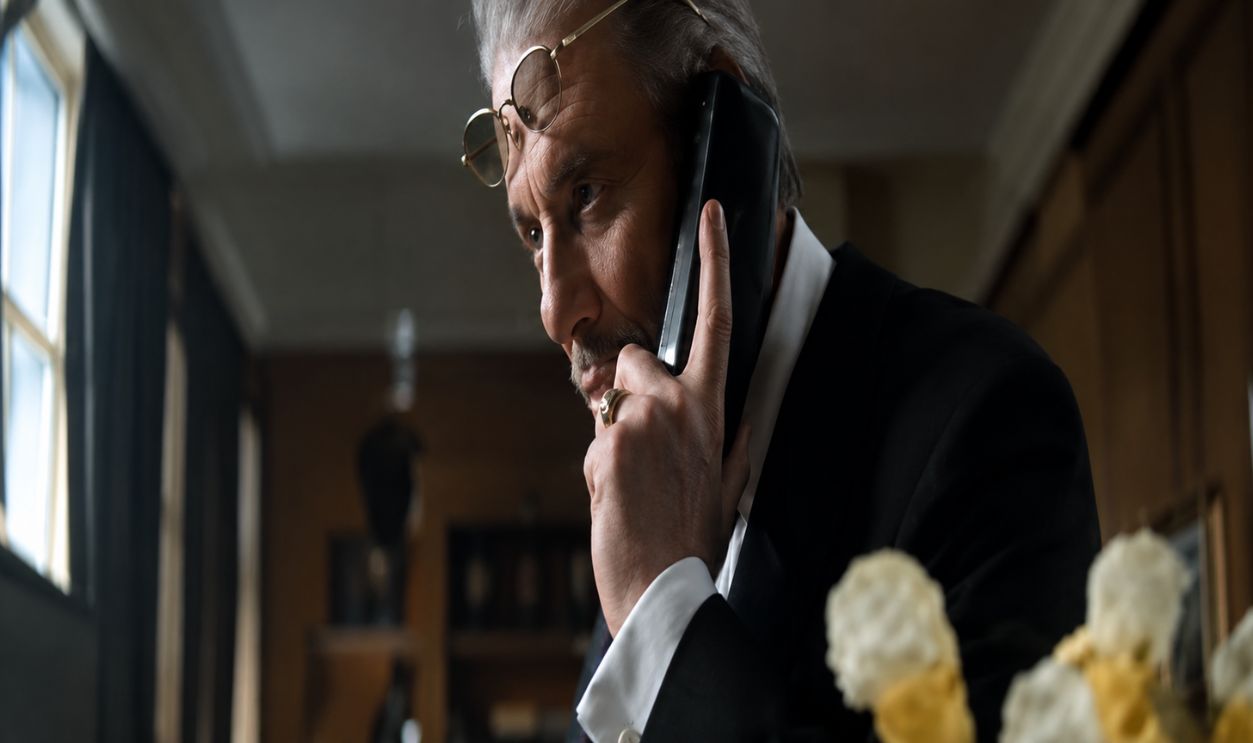 Screenshot from The Rainmaker, Paramount Pictures (1997), Enhanced
Sin City Put Him Back On The Map
A major turning point came with Robert Rodriguez and Frank Miller’s Sin City in 2005. Rourke played Marv, a hulking and heavily scarred criminal who became one of the film’s standout characters. After years in the wilderness, audiences were paying attention to Mickey Rourke again.
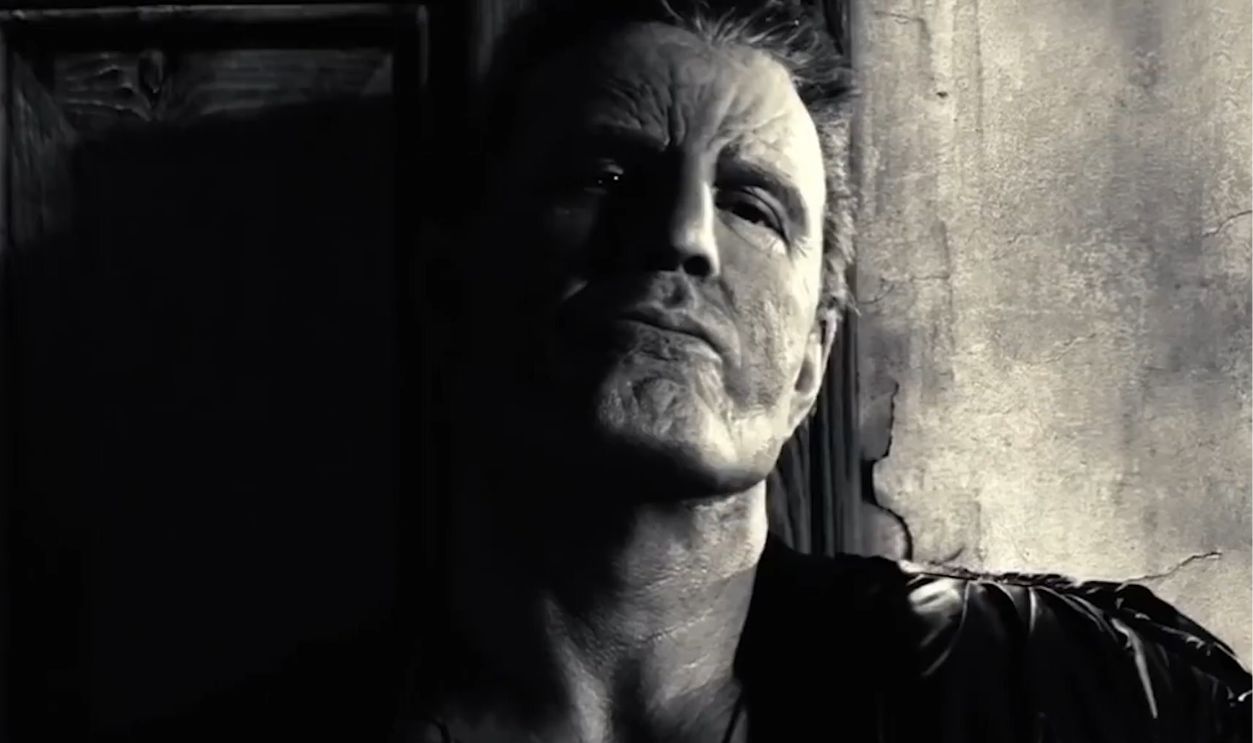 Screenshot from Sin City, Miramax Films (2005)
The Wrestler Felt Uncomfortably Familiar
Then Darren Aronofsky offered Rourke the role that changed everything. In The Wrestler, he played Randy “The Ram” Robinson, a once-famous performer struggling with an aging body and a life far removed from his glory years. Rourke openly recognized uncomfortable parallels between Randy’s story and his own.
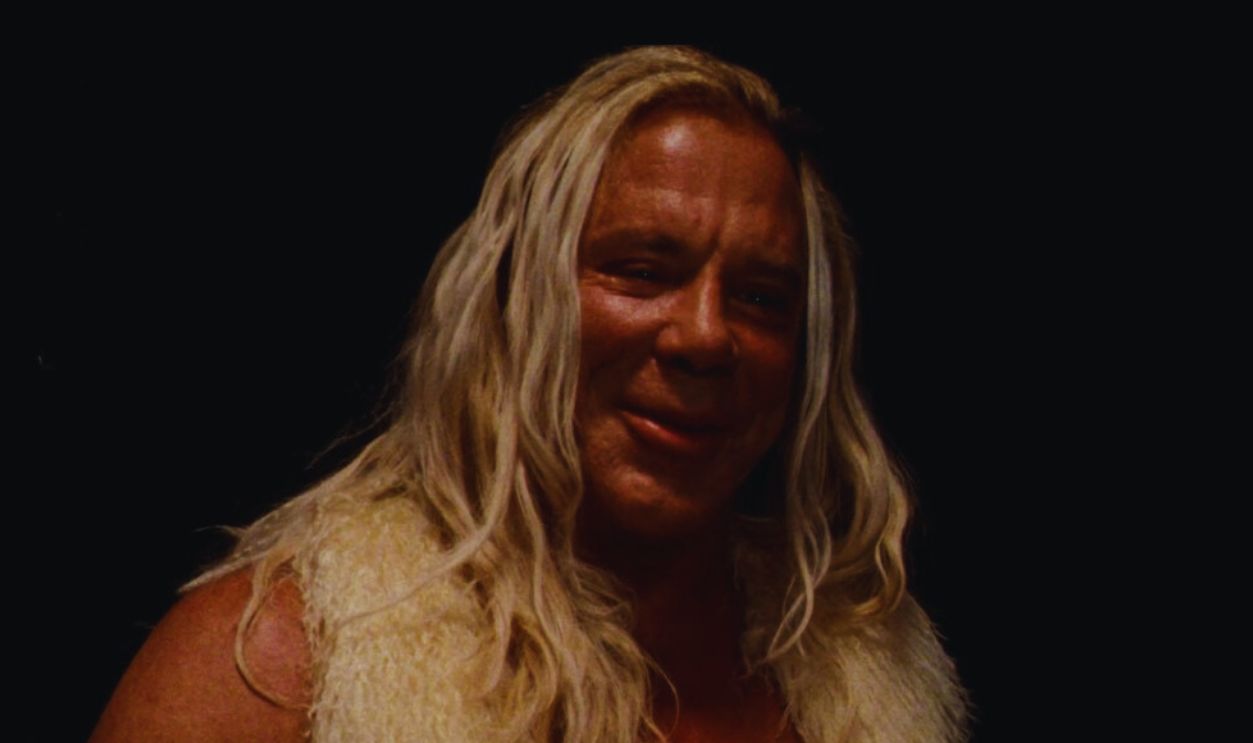 Screenshot from The Wrestler, Searchlight Pictures (2008)
Hollywood Finally Welcomed Him Back
Rourke’s performance in The Wrestler earned him the Golden Globe and BAFTA awards for leading actor, along with an Academy Award nomination for Best Actor. It was an extraordinary turnaround for someone who had spent years struggling to rebuild his career. The former 1980s heartthrob had walked away to become a boxer, taken plenty of hits along the way, and somehow fought his way back to Hollywood.
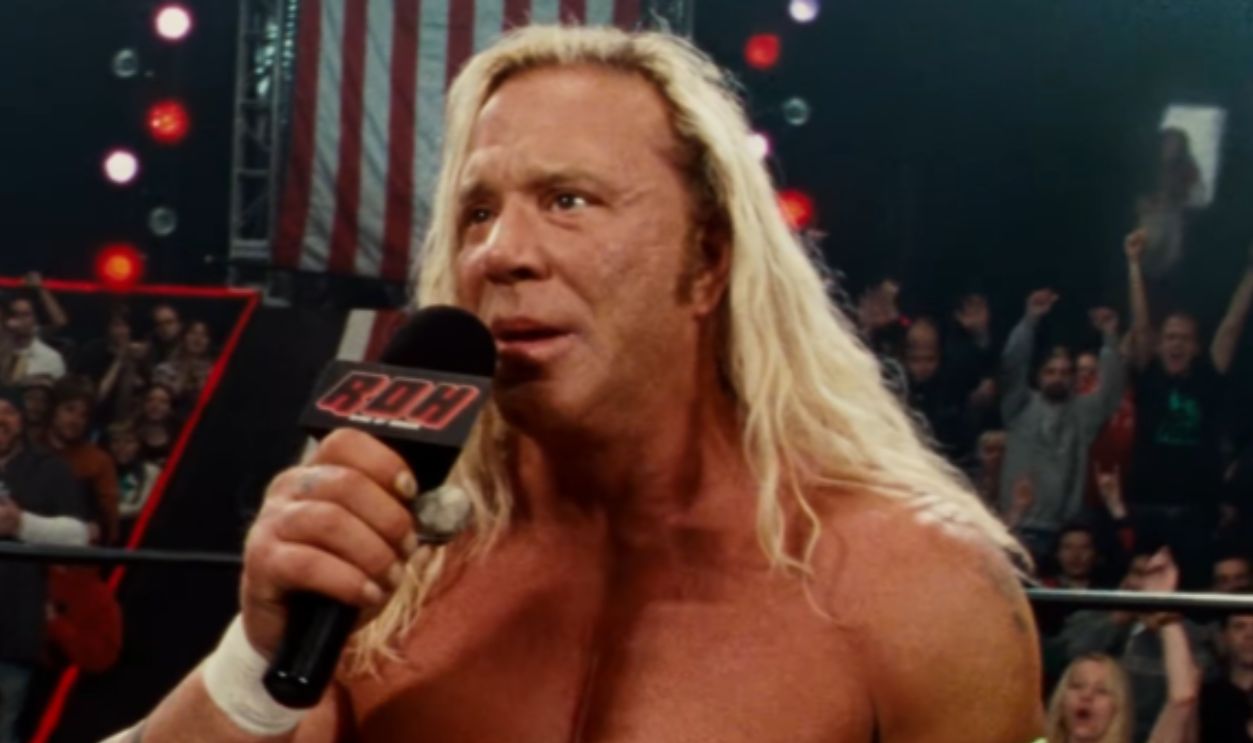 Screenshot from The Wrestler, Searchlight Pictures (2008)
You May Also Like:
Movie Heartthrobs From The 1980s That Teen Magazines Couldn’t Stop Printing