When The Magazine Cover Was Everything
Before Instagram feeds and celebrity TikToks, teenage crushes arrived at the newsstand. A new issue of 16 Magazine could mean glossy photos, breathless interviews, and a face destined to be carefully torn out and taped to a bedroom wall. In the 1980s, Hollywood produced an absurd number of those faces, sometimes packing several future heartthrobs into the very same movie. Looking back at who actually dominated those magazine covers reveals just how quickly teenage tastes could change.
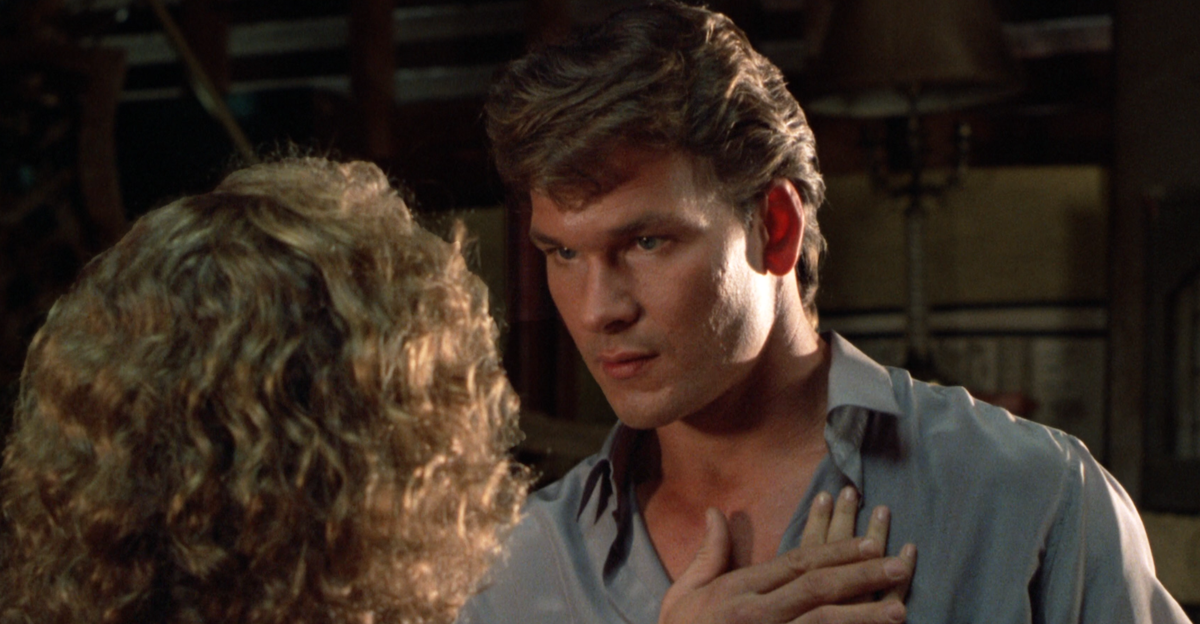
 Vestron PicturesScreenshot from Dirty Dancing, starring Patrick Swayze as Johnny Castle.
Matt Dillon Had The Look Immediately
Matt Dillon entered the decade already looking like Hollywood had built him specifically for the teen-idol business. After appearing in Over the Edge, he landed major young roles in Little Darlings and My Bodyguard in 1980, quickly raising his profile with teenage audiences. Sure enough, Dillon was already appearing on 16 Magazine covers that same year.
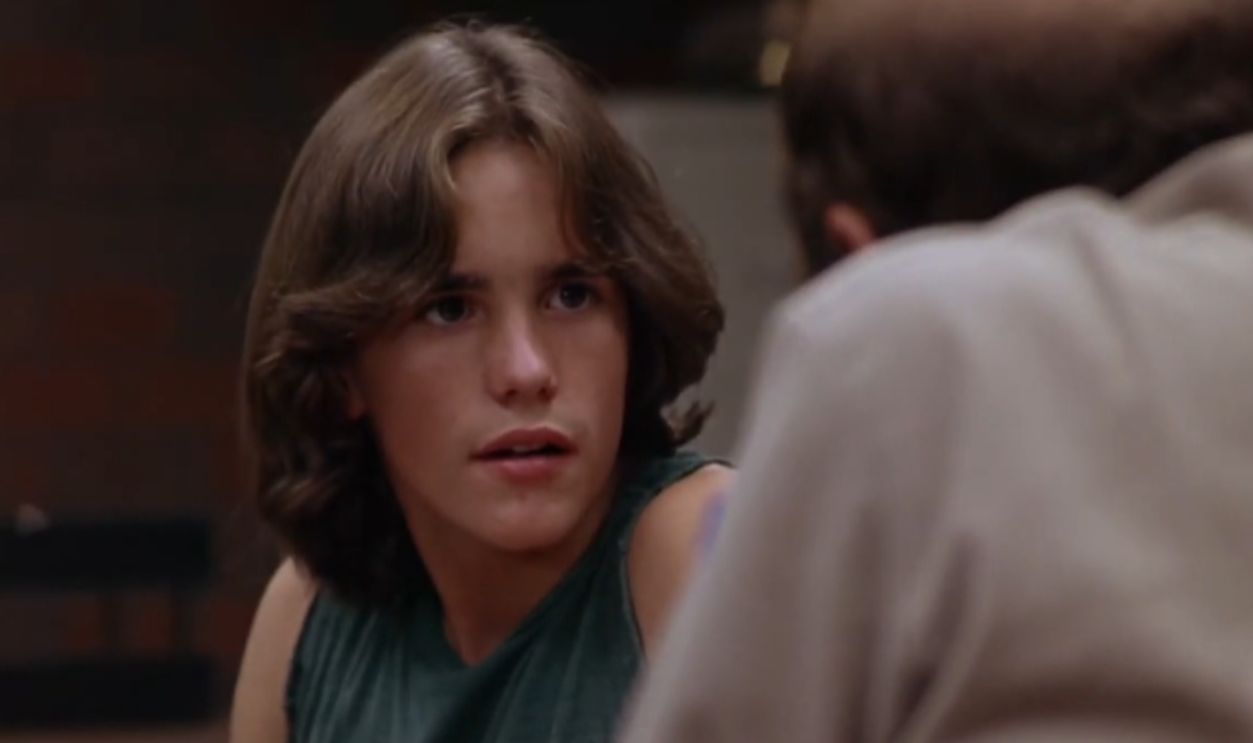 Screenshot from Over the Edge, Warner Bros. (1979)
Then He Became The Ultimate Bad Boy
Dillon's brooding image only became stronger when he starred as Dallas Winston in The Outsiders and Rusty James in Rumble Fish, both released in 1983. His early career became closely associated with rebellious characters, earning him comparisons to earlier screen rebels such as James Dean. Plenty of heartthrobs played nice guys, but Dillon proved that looking like trouble could sell just as many magazines.
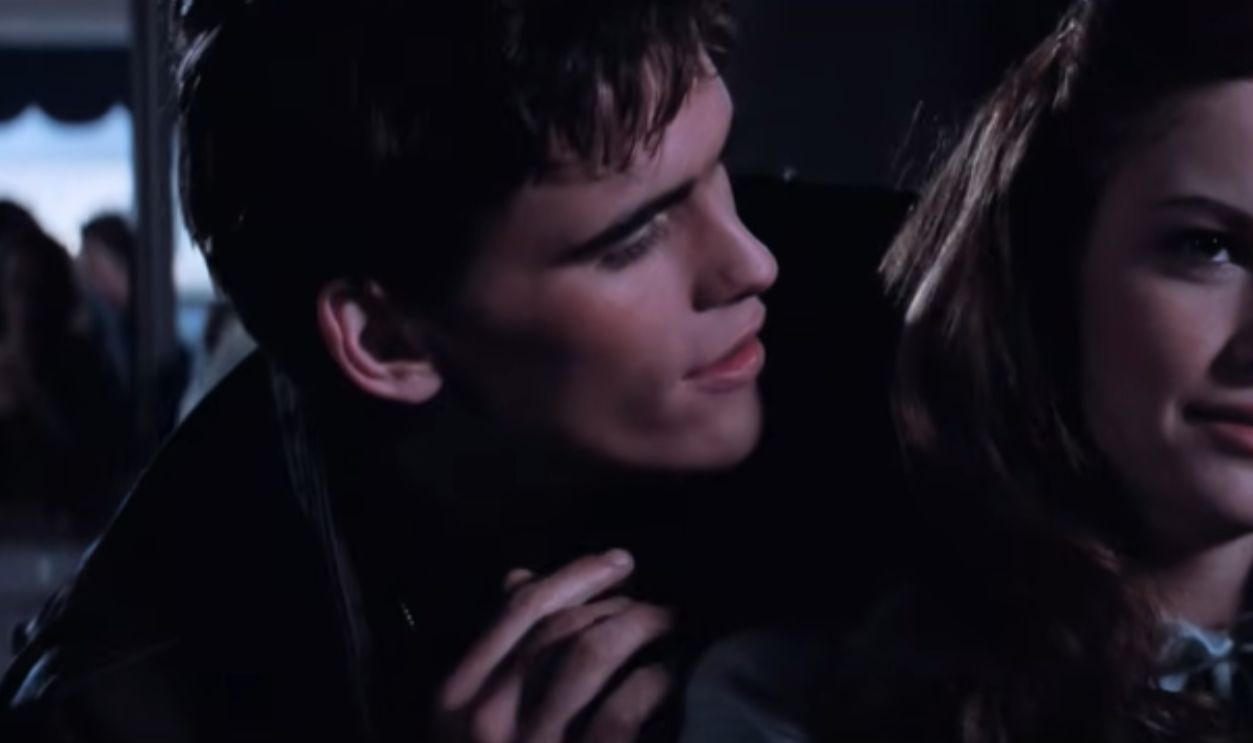 Screenshot from The Outsiders, Warner Bros. (1983)
Ralph Macchio Looked Like The Boy Next Door
Ralph Macchio had already attracted teenage attention through television before Francis Ford Coppola cast him as Johnny Cade in The Outsiders. Then came The Karate Kid in 1984, with Macchio playing newcomer Daniel LaRusso opposite Pat Morita and William Zabka. Suddenly the soft-spoken kid from Long Island had one of the most recognizable faces in teen movies.
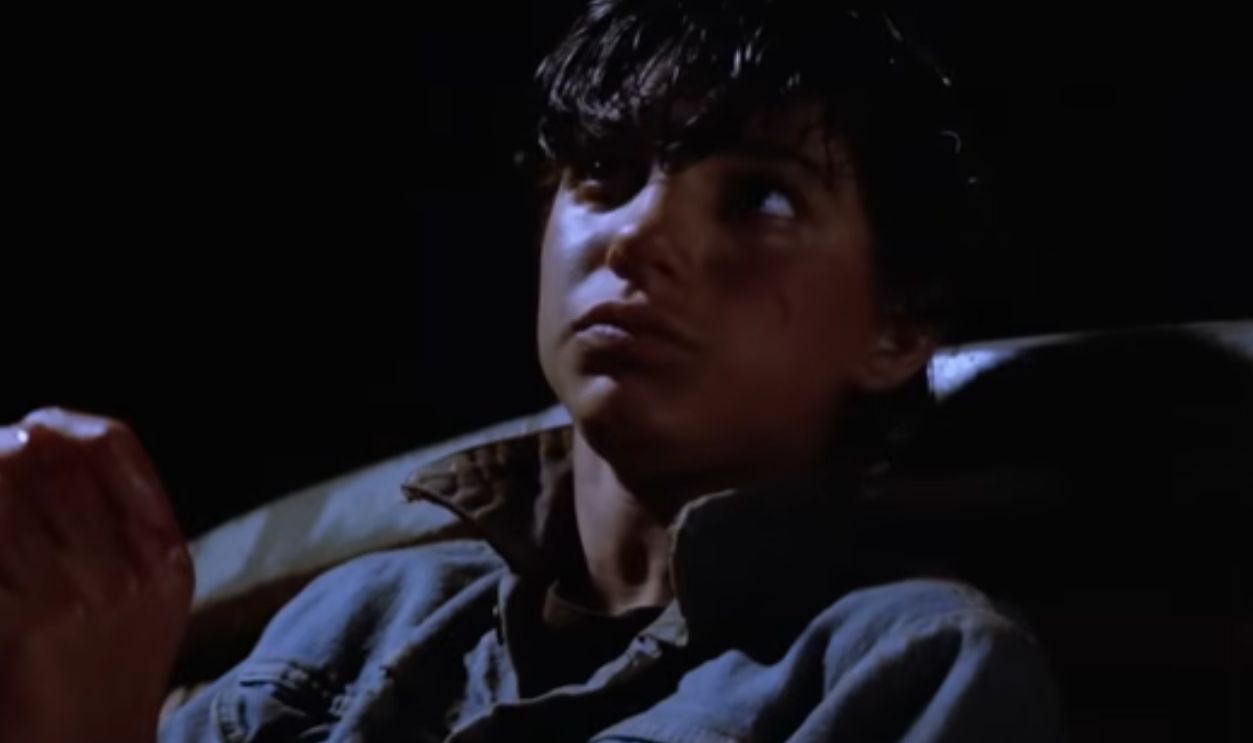 Screenshot from The Outsiders, Warner Bros. (1983)
Daniel LaRusso Took Over The Magazine Rack
Macchio's popularity was exactly the sort of thing teen magazines knew how to exploit. His name appeared on 16 Magazine covers during the height of Karate Kid mania, and the magazine was still covering his personal life years later. His appeal was completely different from Dillon's dangerous cool, which showed just how many different kinds of heartthrob the decade could support.
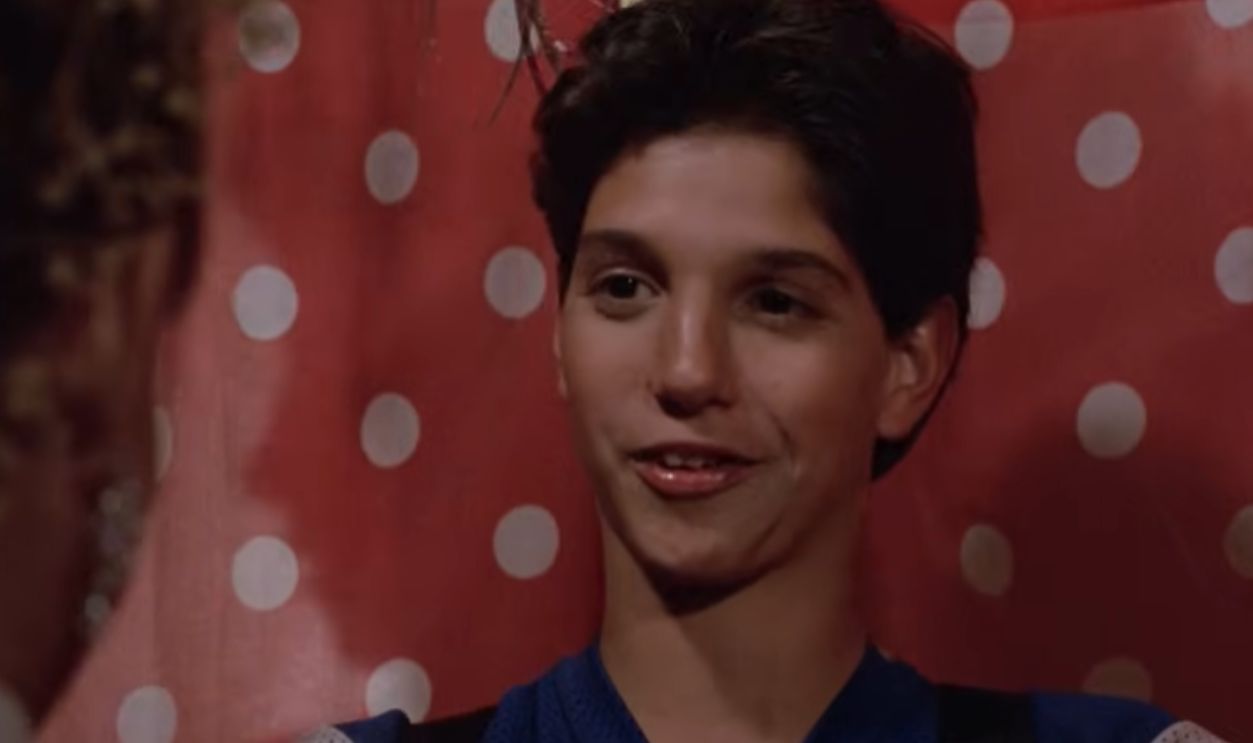 Screenshot from The Karate Kid, Columbia Pictures (1984)
Rob Lowe Practically Defined Pretty-Boy Stardom
Few actors looked more perfectly engineered for a glossy 1980s cover than Rob Lowe. The Outsiders helped introduce him to movie audiences, followed by St. Elmo's Fire and About Last Night..., films that pushed him firmly into heartthrob territory. Contemporary coverage eventually made him almost inseparable from the young Hollywood crowd known as the Brat Pack.
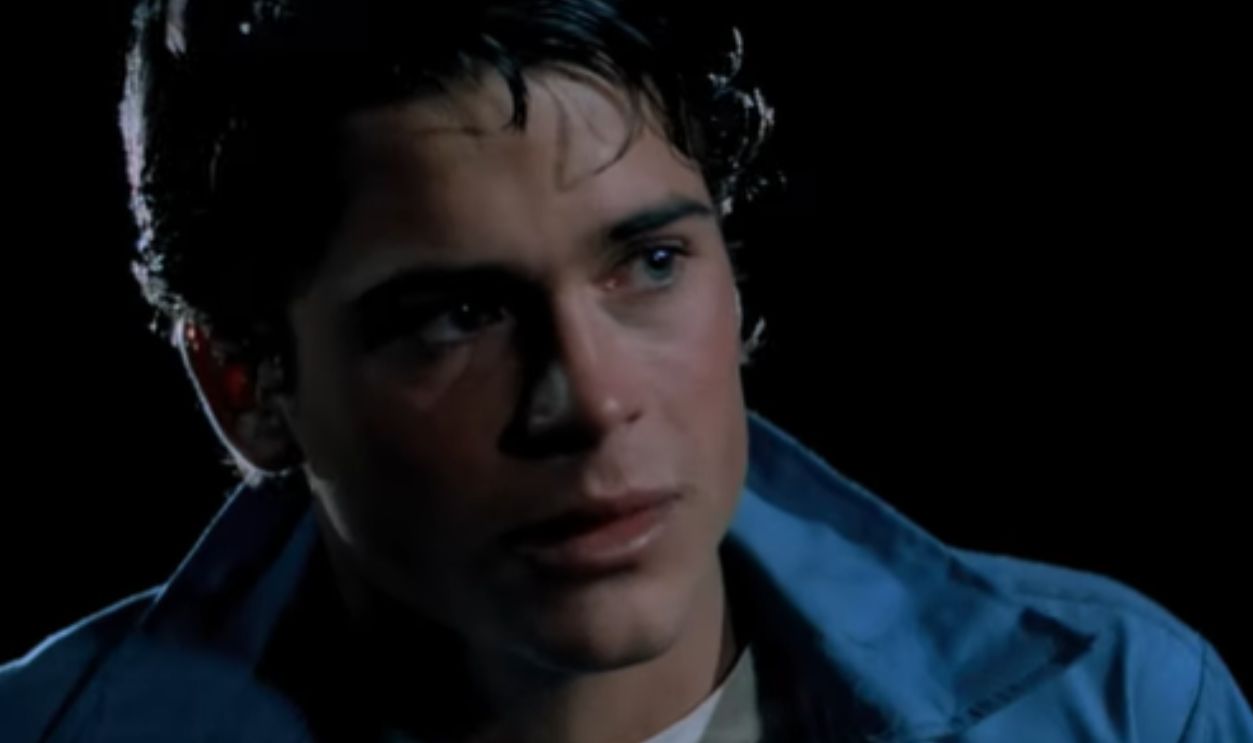 Screenshot from The Outsiders, Warner Bros. (1983)
The Magazines Definitely Noticed
Lowe did not merely become famous. He became exactly the kind of young star teen magazines could build an issue around. His name appeared on a January 1985 16 Magazine cover and returned again in 1987 alongside other young Hollywood favorites. By then, the movies were only part of the attraction, because fans wanted the interviews, photos, gossip, and anything else that made Lowe seem slightly less unreachable.
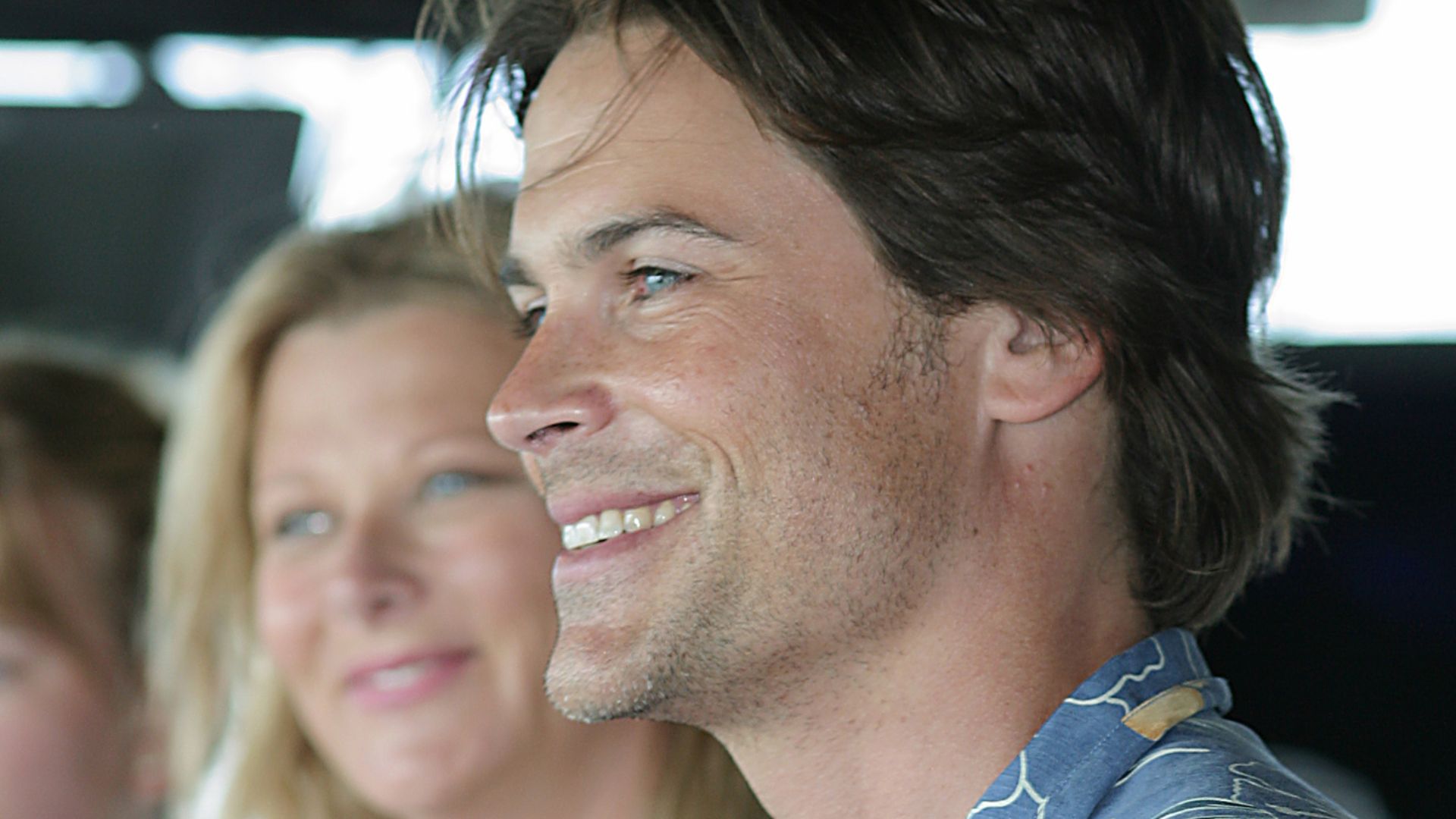 United States Navy, Wikimedia Commons
Michael J. Fox Had A Different Kind Of Appeal
Michael J. Fox did not have to play the mysterious bad boy because audiences already loved his fast-talking charm. He was starring on Family Ties when he took on Marty McFly in Back to the Future, famously juggling production of the television series and movie at the same time. When the film arrived in 1985, his already considerable fame shot even higher.
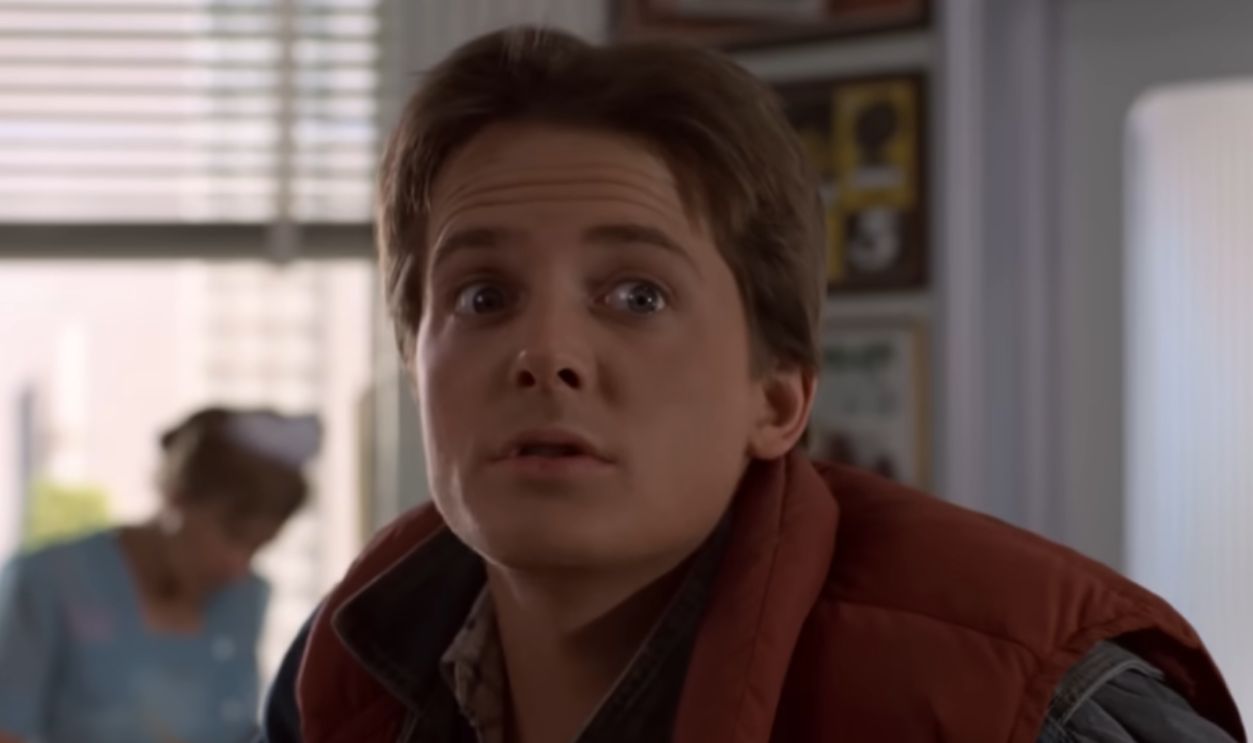 Screenshot from Back to the Future, Universal Pictures (1985)
Marty McFly Became Magazine Gold
Fox had something many of the decade's heartthrobs did not: parents liked him too. Marty McFly was funny, vulnerable, and heroic without ever seeming impossibly cool, while Family Ties had already put Fox in American living rooms every week. By 1986, his name was prominently splashed across 16 Magazine alongside musicians and fellow movie idols. The decade's biggest crush did not always have to look dangerous.
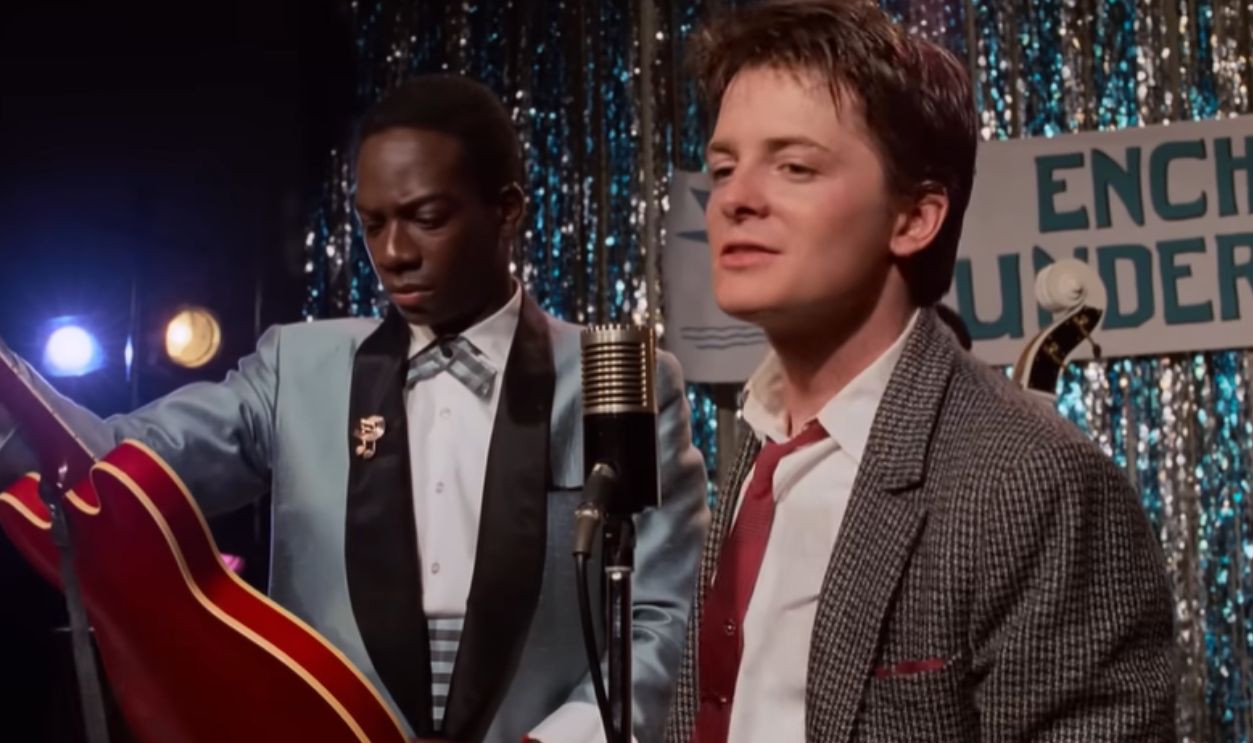 Screenshot from Back to the Future, Universal Pictures (1985)
Andrew McCarthy Made Awkwardness Attractive
Andrew McCarthy arrived in films with Class before becoming one of the most familiar young actors of the decade. He went on to appear in St. Elmo's Fire, Pretty in Pink, Mannequin, and Weekend at Bernie's. Instead of projecting Lowe-style swagger, McCarthy specialized in a more nervous and approachable romantic charm.
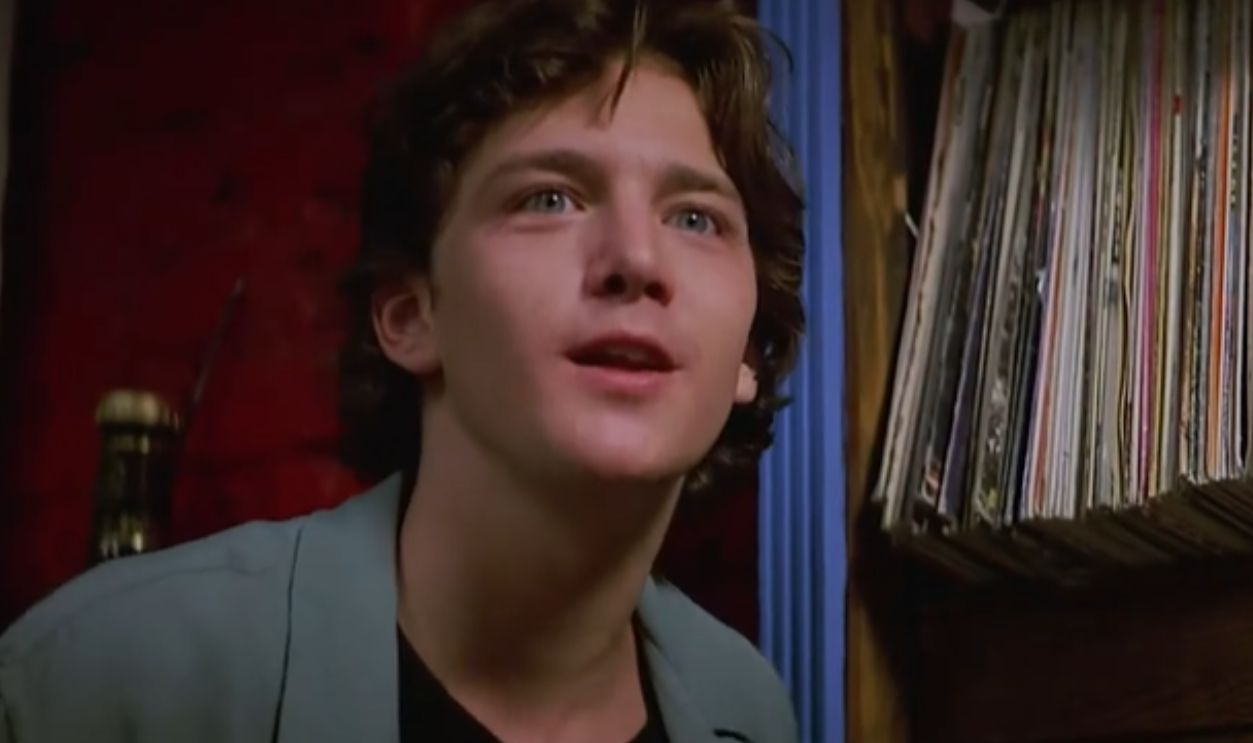 Screenshot from St. Elmo's Fire, Columbia Pictures (1985)
Pretty In Pink Sealed The Deal
McCarthy's Blane in Pretty in Pink placed him directly inside one of the decade's defining teenage romances. His rise coincided perfectly with the Brat Pack era, and 16 Magazine featured him on its April 1986 cover. Teen magazines now had another flavor of heartthrob to sell: the sensitive guy who looked almost as uncomfortable with all the attention as his fans might have been meeting him.
 Screenshot from Pretty in Pink, Paramount Pictures (1986)
Kevin Bacon Danced His Way Into Teen Bedrooms
Kevin Bacon had been working for years before Footloose changed his image overnight. The 1984 movie cast him as Ren McCormack, the rebellious outsider who challenges a small town's ban on dancing. It turned Bacon into a pop-culture fixture and gave the decade one of its most famous young movie heroes.
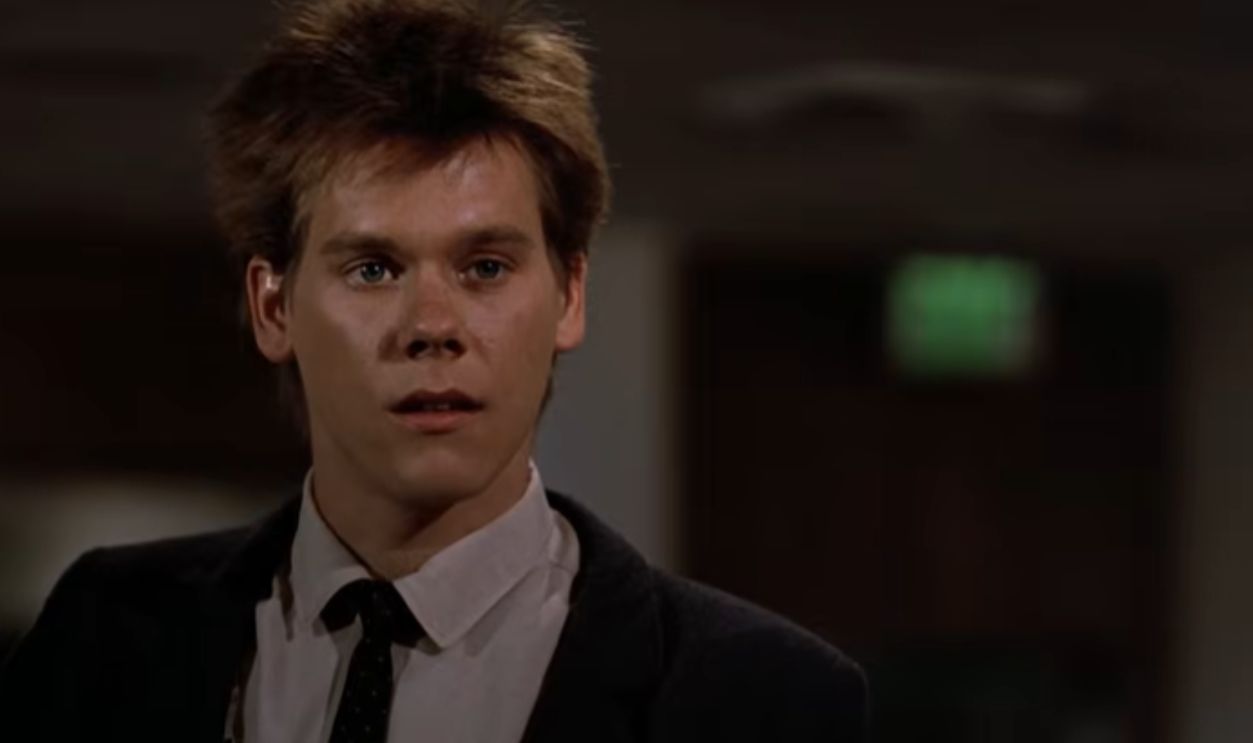 Screenshot from Footloose, Paramount Pictures (1984)
Suddenly Bacon Was Cover Material Too
One movie had completely changed Bacon's place in Hollywood. By August 1984, his name was appearing on 16 Magazine alongside Tommy Howell, Menudo, and other youth-market favorites. A few years earlier, Bacon had been another working young actor. Now teenagers were watching him angrily dance through an abandoned warehouse, and the magazines knew exactly what they had on their hands.
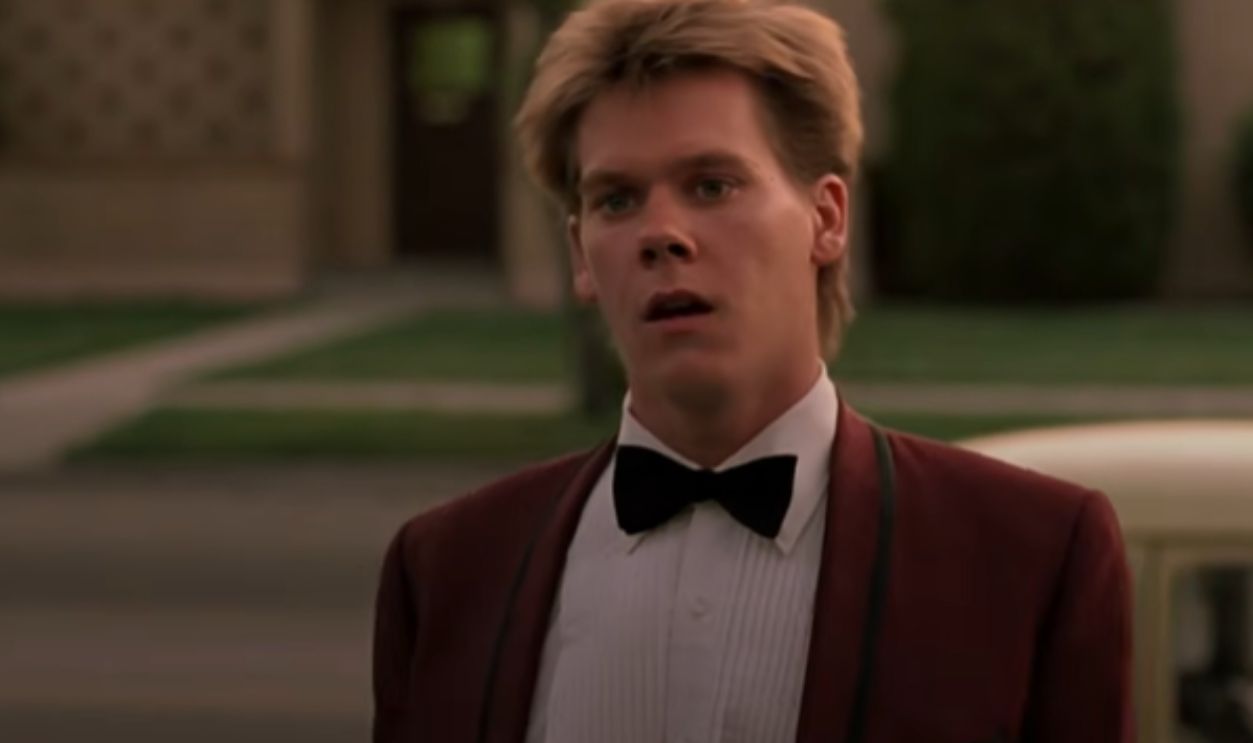 Screenshot from Footloose, Paramount Pictures (1984)
C. Thomas Howell Became Famous In A Hurry
C. Thomas Howell was still a teenager when The Outsiders put him at the center of one of the decade's most stacked young casts. A 1983 UPI profile noted that Howell had already become a teen idol in fan publications while still only 16. That is remarkably fast work considering he had barely begun establishing himself as a movie actor.
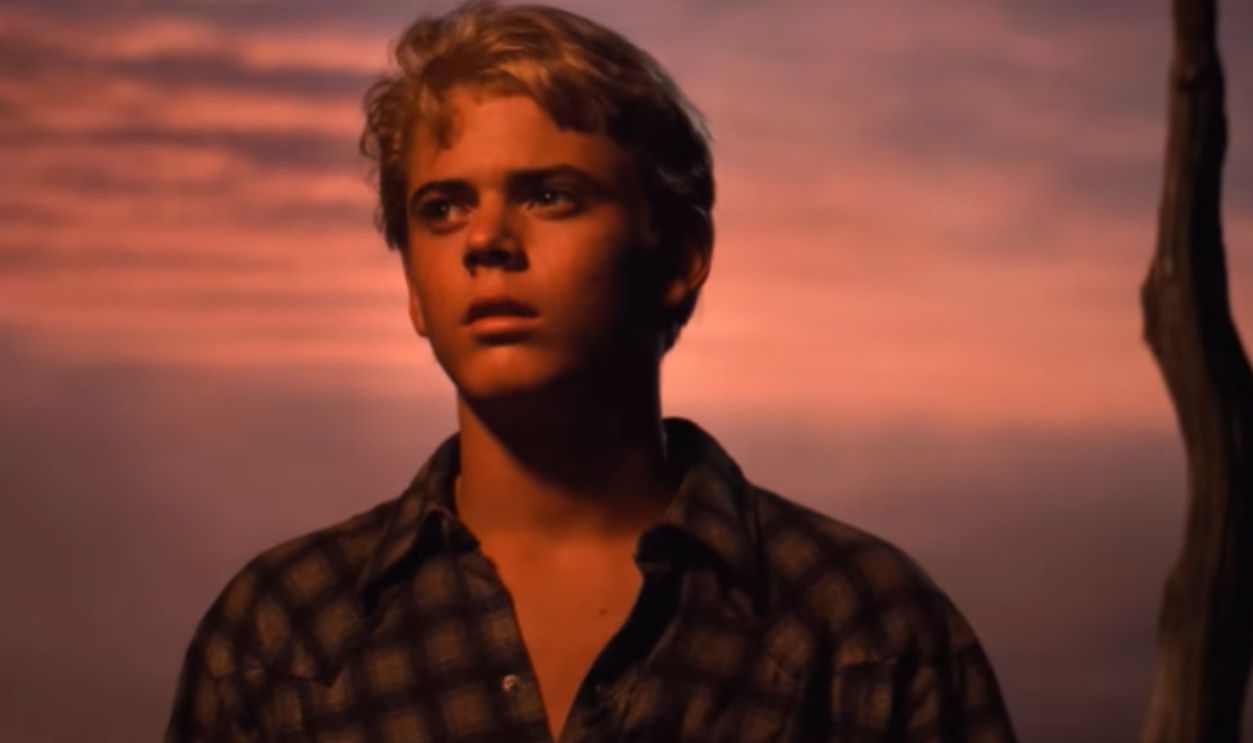 Screenshot from The Outsiders, Warner Bros. (1983)
Tommy Howell Was Already A Fan-Mag Regular
Teen magazines often called him simply “Tommy,” which was practically perfect branding for a teenage crush. His name kept appearing on 16 Magazine covers through the middle and later years of the decade, proving The Outsiders had given him more than one hot summer. Howell was hardly the last young actor to discover just how quickly the fan-mag machine could turn a movie role into full-blown teen-idol status.
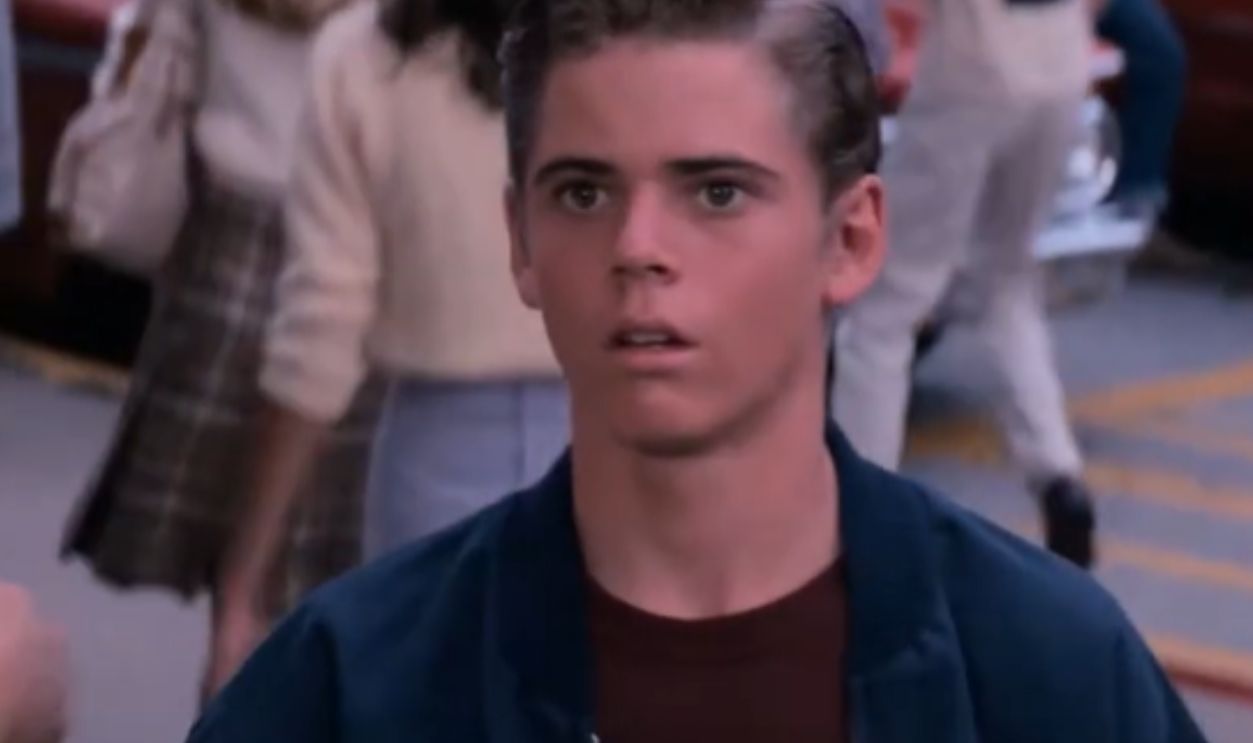 Screenshot from The Outsiders, Warner Bros. (1983)
Corey Haim Arrived Near The Decade's Peak
Corey Haim's rise came a little later, but once it started, it moved quickly. He earned attention with Lucas in 1986 before appearing in the vampire hit The Lost Boys the following year. That film helped push Haim into full teen-heartthrob territory alongside his friend and frequent co-star Corey Feldman.
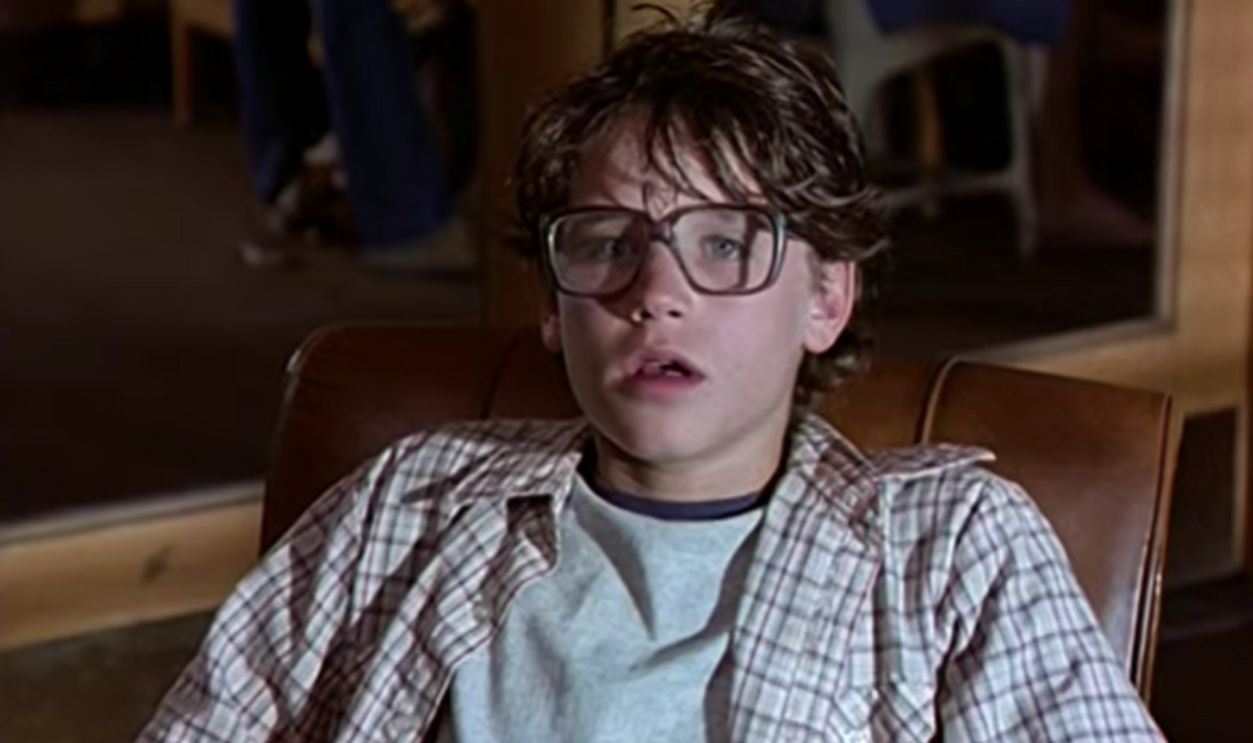 Screenshot from Lucas, 20th Century Fox (1986)
The Two Coreys Became Their Own Brand
Haim and Feldman followed The Lost Boys with movies including License to Drive and Dream a Little Dream. Teen magazines eagerly followed the pair, with Haim appearing on a 1987 16 Magazine cover and Feldman joining the magazine's lineup soon afterward. For a stretch in the late 1980s, saying “the Two Coreys” required almost no further explanation.
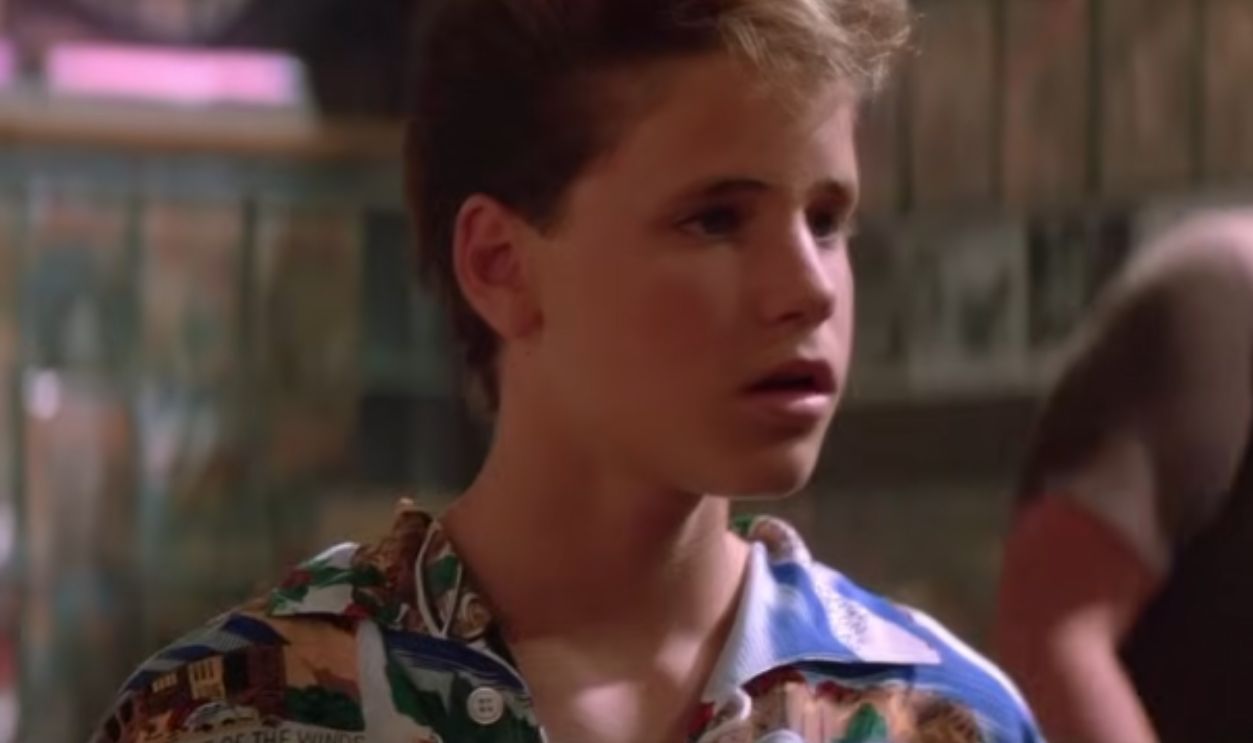 Screenshot from The Lost Boys, Warner Bros. (1987)
River Phoenix Was The Serious Heartthrob
River Phoenix did not fit the standard teen-idol mold quite as neatly. His breakthrough in Stand by Me showed an unusually sensitive young actor, and he followed it with increasingly serious work in The Mosquito Coast and Running on Empty. The latter earned Phoenix an Academy Award nomination while he was still a teenager.
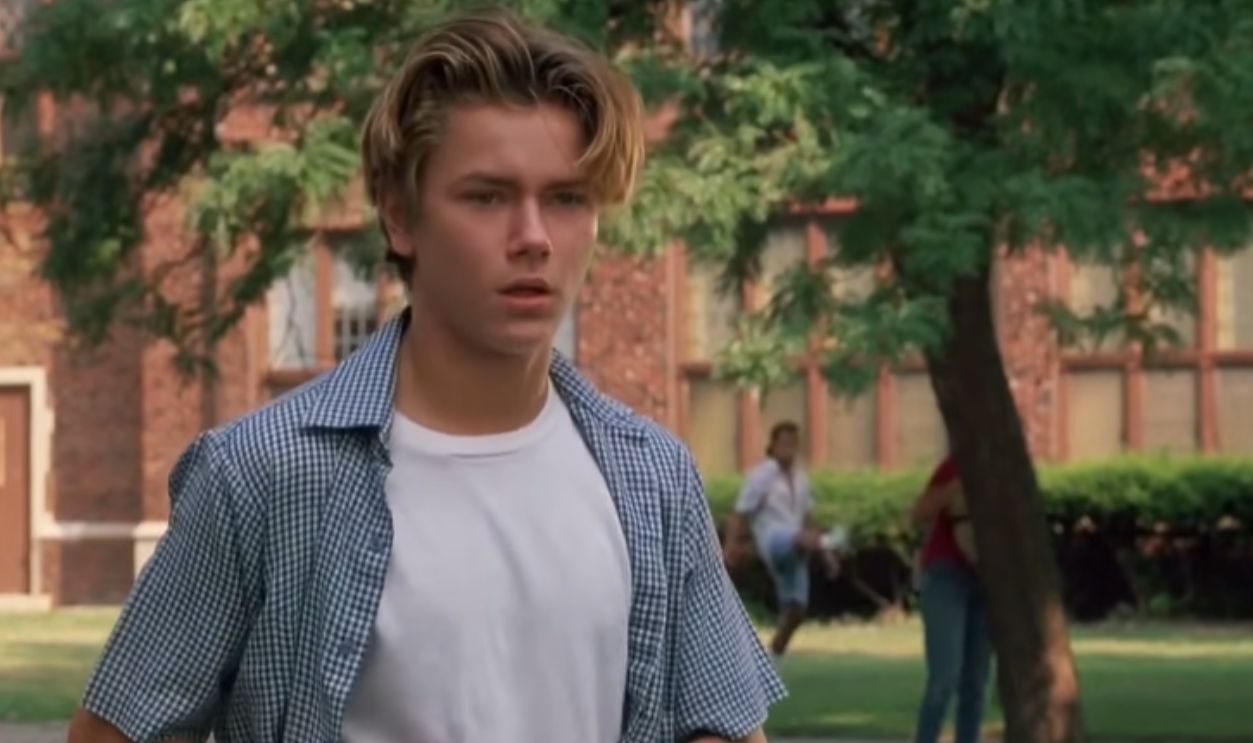 Screenshot from Running on Empty, Warner Bros. (1988)
But The Magazines Still Wanted River
Phoenix may have been chasing serious roles, but teenage fans had other plans. 16 Magazine featured him repeatedly in 1987 and 1988, while his pictures migrated from newsstands onto bedroom walls. He had somehow become both an Oscar-nominated young actor and a full-fledged teen idol. The next heartthrob on the list would become even more uncomfortable with that contradiction.
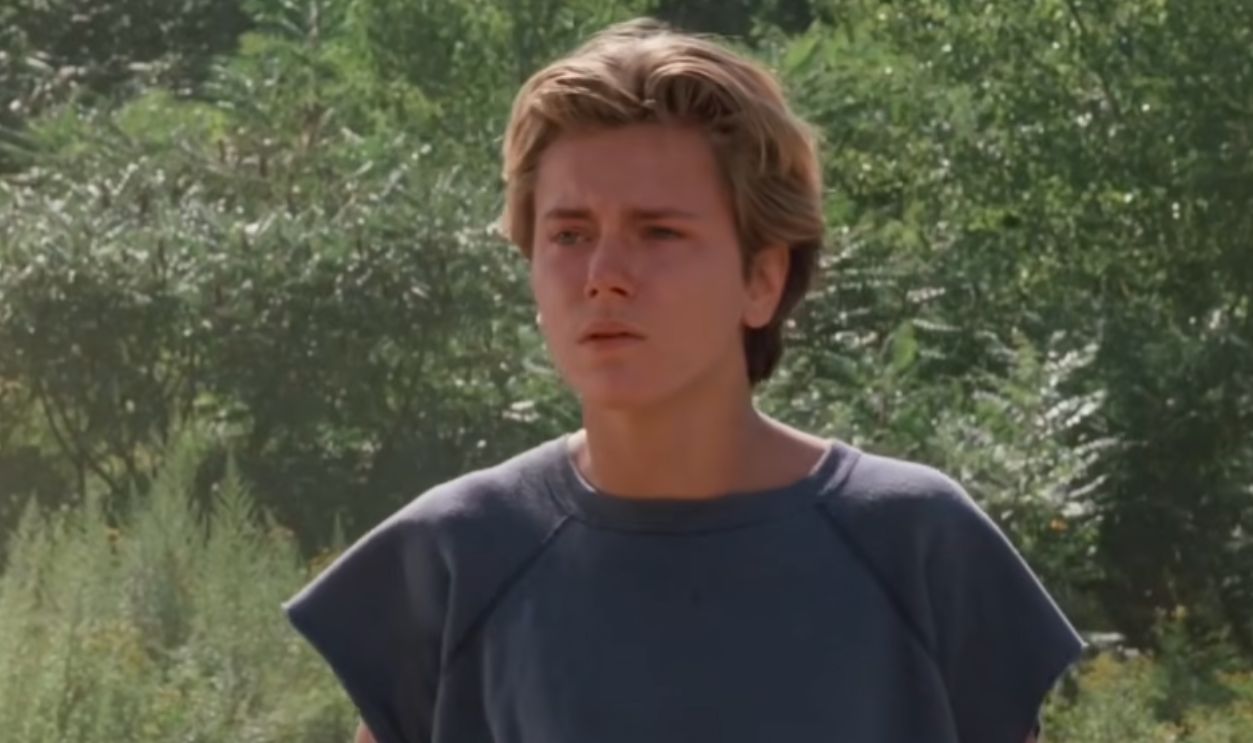 Screenshot from Running on Empty, Warner Bros. (1988)
Johnny Depp Became A Reluctant Pinup
Johnny Depp's road to heartthrob status began almost accidentally. He landed his first significant movie role in A Nightmare on Elm Street in 1984, later appearing in Platoon before 21 Jump Street turned him into an enormous teen idol. Depp famously disliked the poster-boy image that came with that success.
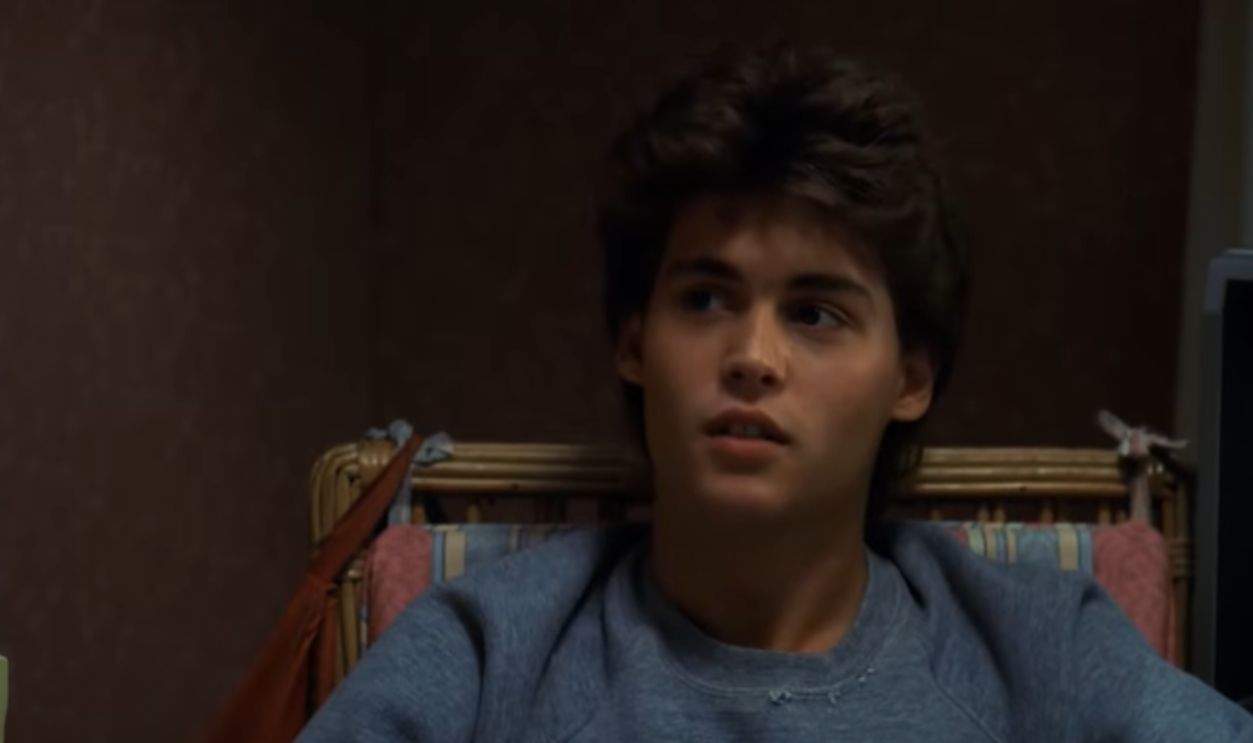 Screenshot from A Nightmare on Elm Street, New Line Cinema (1984)
He Could Avoid Interviews, But Not The Covers
Depp later said he had never done interviews with teen magazines, which makes what happened next even funnier. His face and name were still valuable enough that 16 Magazine was promoting him on its November 1987 cover. He could refuse to play the teen-magazine game, but that did not stop the magazines from recognizing exactly how badly their readers wanted him.
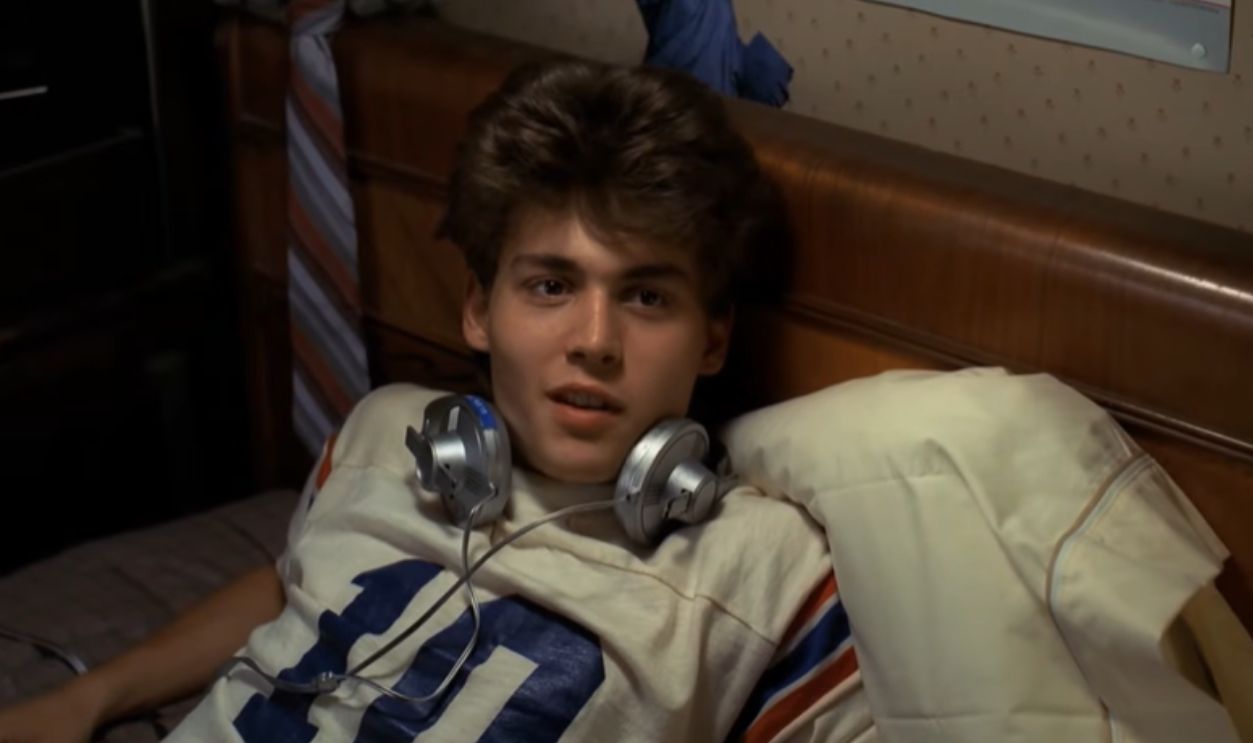 Screenshot from A Nightmare on Elm Street, New Line Cinema (1984)
Patrick Swayze Changed The Temperature
Patrick Swayze had already appeared in The Outsiders and Red Dawn, but Dirty Dancing transformed his career in 1987. Playing dance instructor Johnny Castle turned Swayze into Hollywood's newest heartthrob. Unlike many of the younger stars dominating fan magazines, Swayze's appeal felt unmistakably adult.
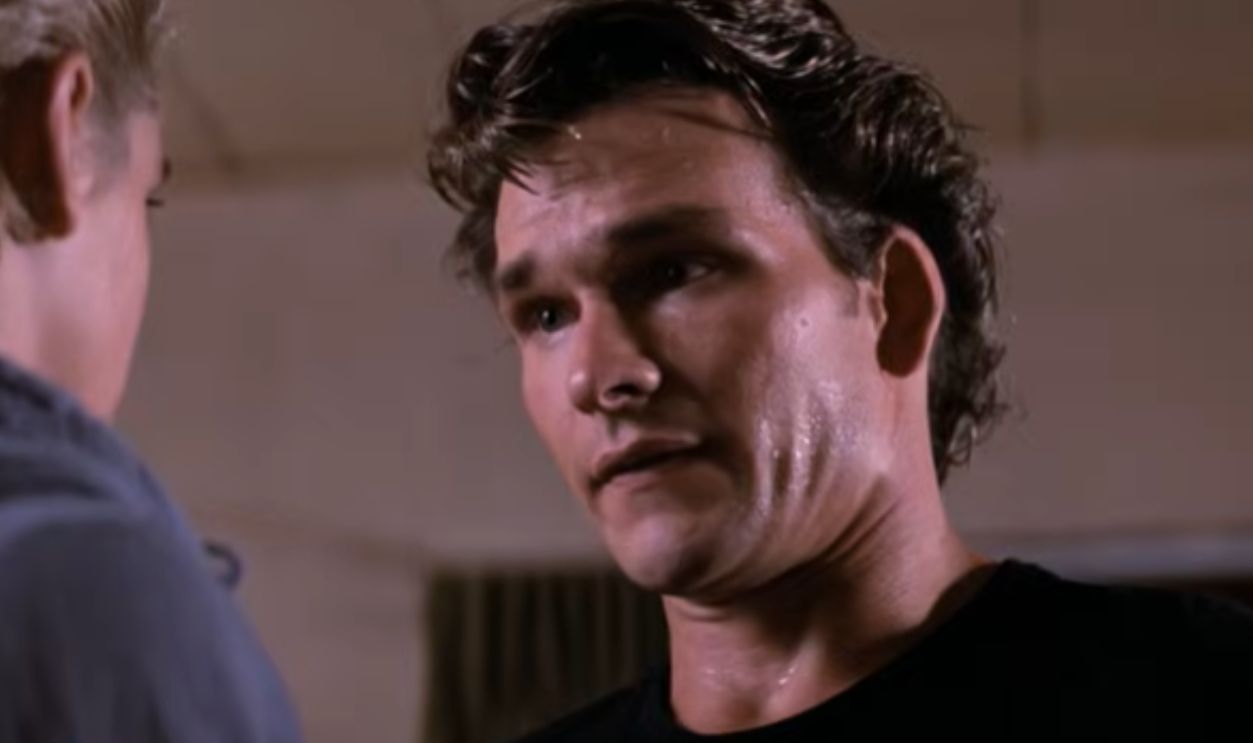 Screenshot from The Outsiders, Warner Bros. (1983)
Johnny Castle Was Almost Unfair
The character gave audiences rebellious confidence, romance, dancing, and Swayze's background as a trained performer all at once. Dirty Dancing became the movie that permanently tied him to that image, even as he moved into very different roles afterward. By the late 1980s, the heartthrob category had expanded considerably, and Swayze sat comfortably at its grown-up end.
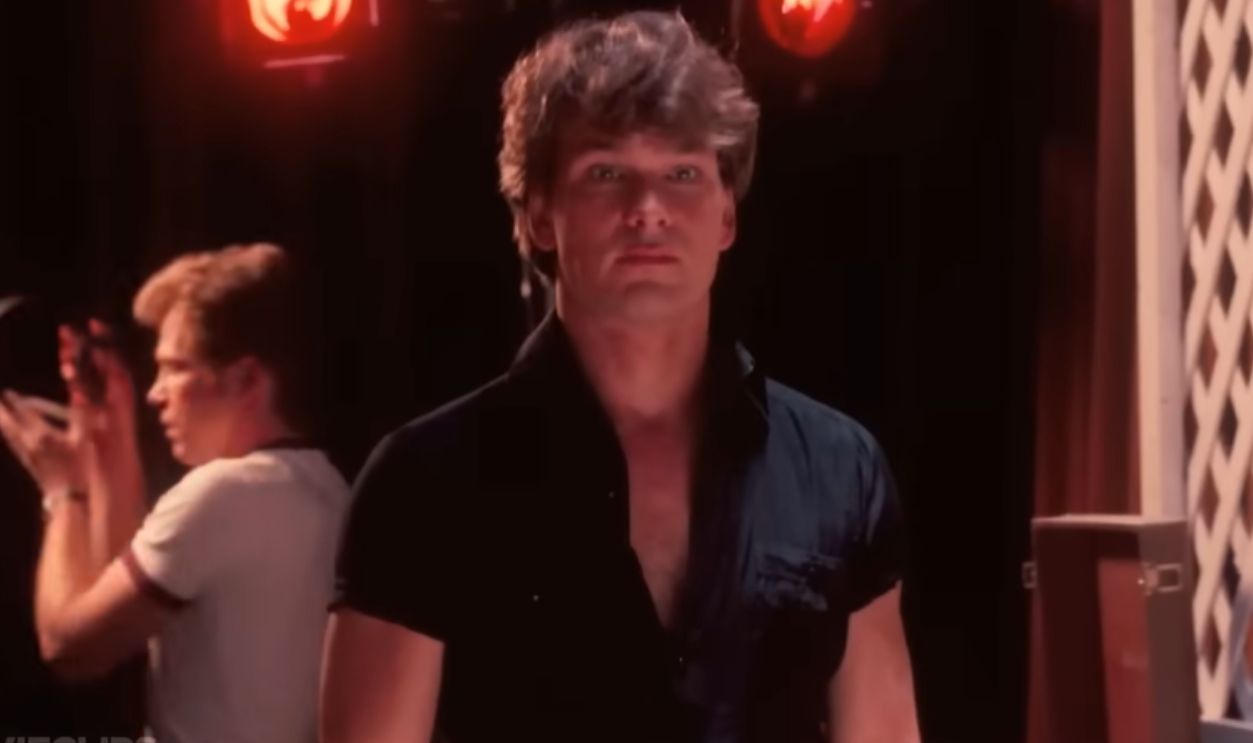 Screenshot from Dirty Dancing, Vestron Pictures (1987)
Tom Cruise Went From Cute To Superstar
Tom Cruise's leap happened so quickly that it can be easy to forget how young his image once was. Risky Business in 1983 made him widely recognizable, thanks in no small part to the movie's famous dance sequence. Three years later, Top Gun turned Cruise from rising actor into a genuine A-list movie star.
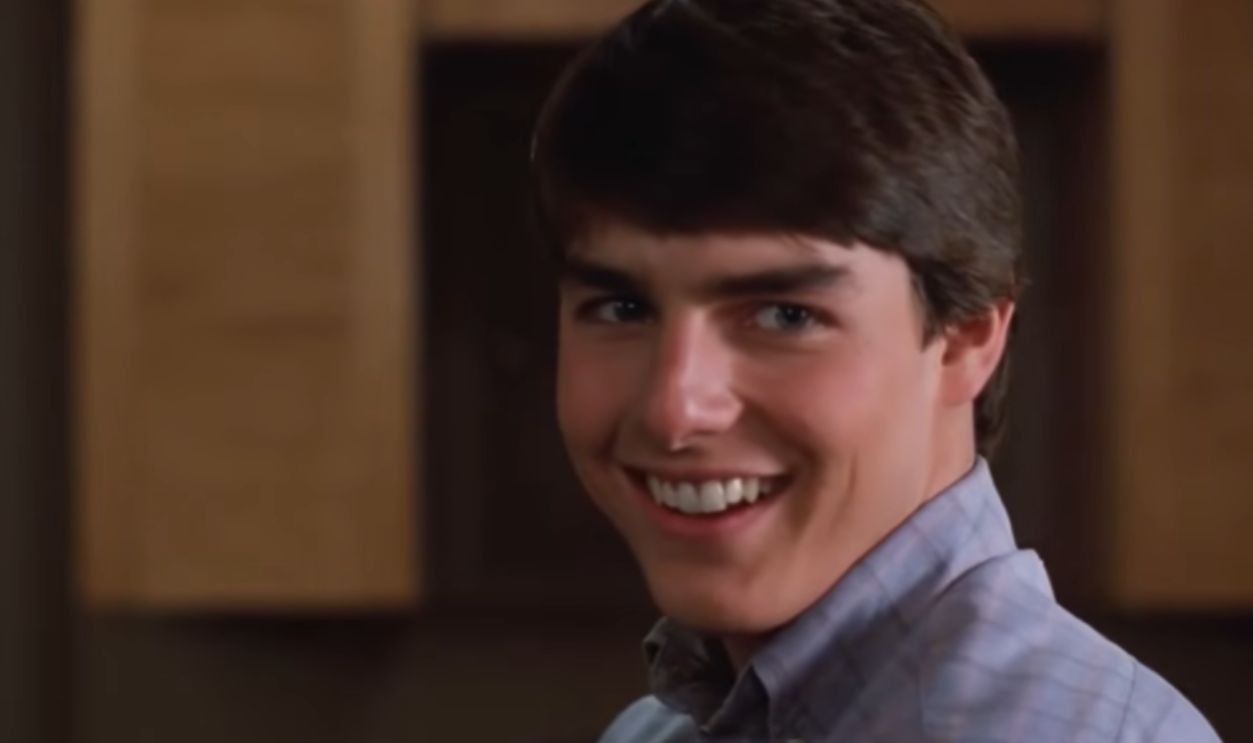 Screenshot from Risky Business, Warner Bros. (1983)
Maverick Was Bigger Than Teen Idol Status
By Top Gun, Cruise was moving beyond the normal boundaries of teen-magazine fame. He was no longer simply one attractive young actor among many, but the lead of the highest-grossing movie of 1986 in the United States and Canada. The aviators, motorcycle, flight jacket, and grin created a movie-star image Hollywood would spend decades trying to reproduce.
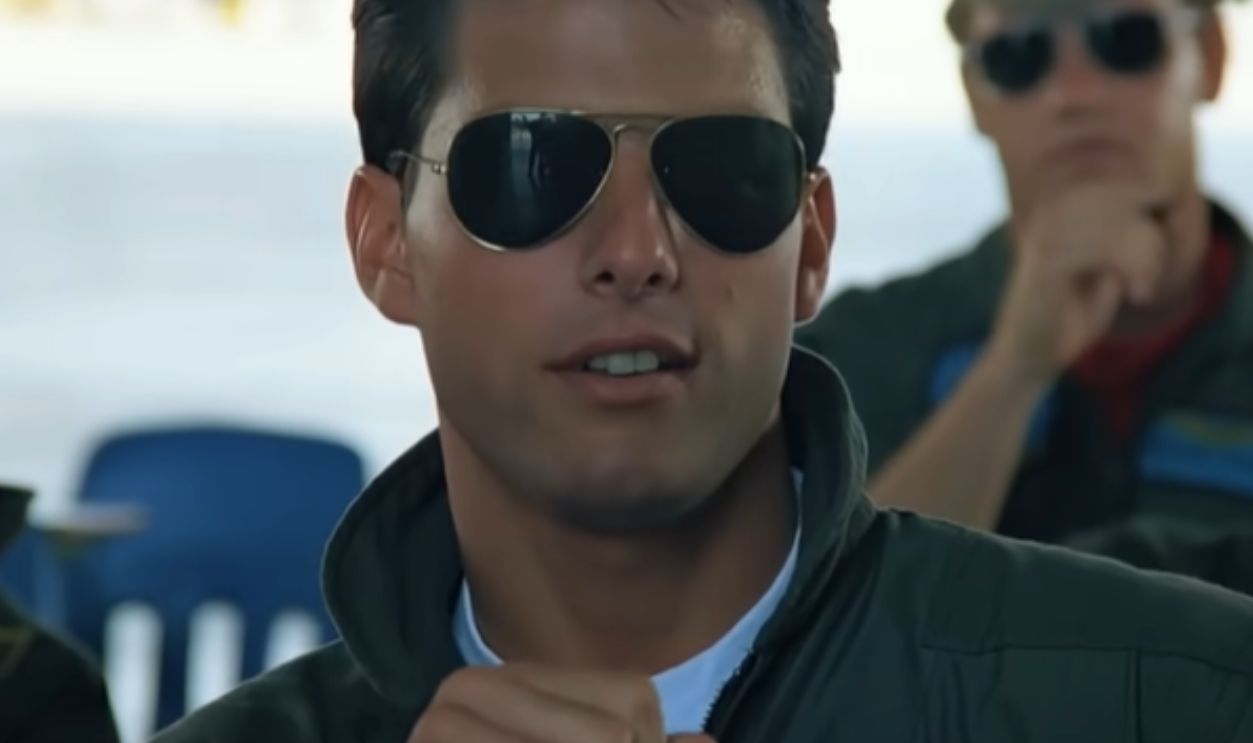 Screenshot from Top Gun, Paramount Pictures (1986)
John Cusack Became The Thinking Teenager's Heartthrob
John Cusack's 1980s career followed a quieter path through movies such as Sixteen Candles, The Sure Thing, and Better Off Dead. Then Cameron Crowe cast him as Lloyd Dobler in 1989's Say Anything.... The role turned Cusack into what the Los Angeles Times later called the “thinking teenager's heartthrob.”
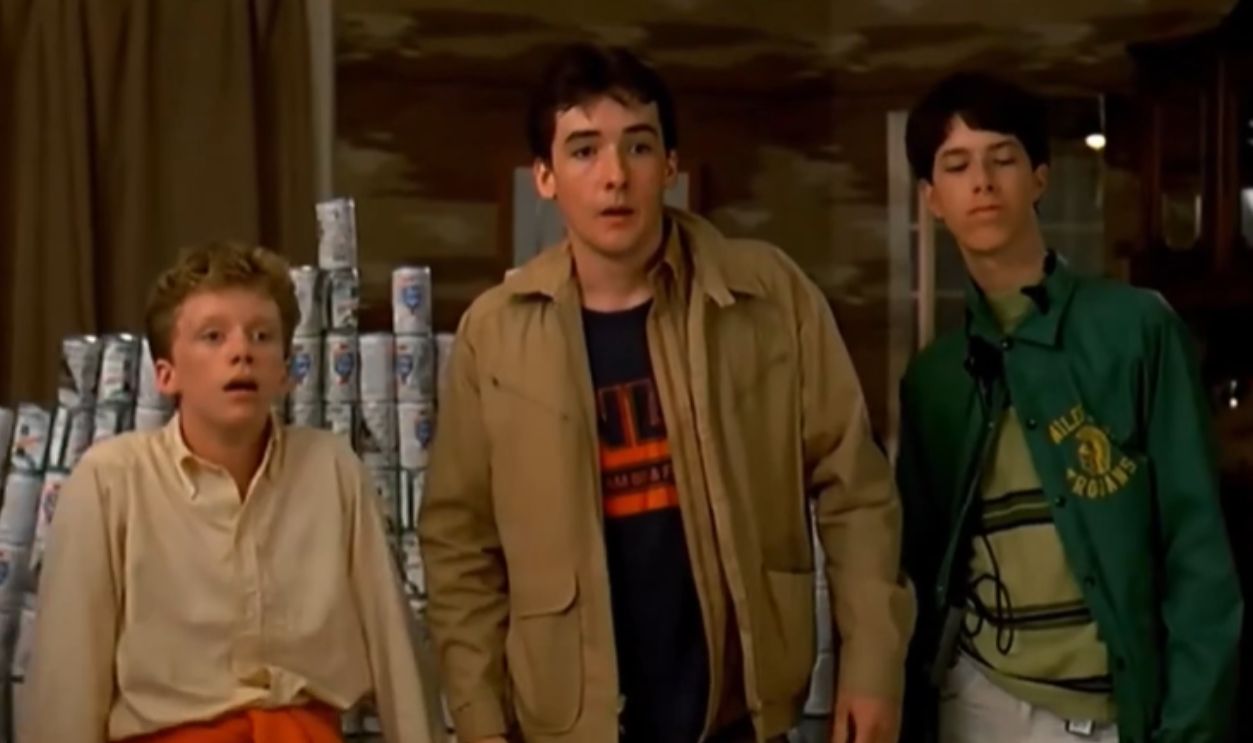 Screenshot from Sixteen Candles, Universal Pictures (1984)
One Boombox Changed Everything
Lloyd was earnest, funny, uncertain, and completely different from the polished hunks often associated with the decade. The image of him holding a boombox outside Diane Court's home became inseparable from Say Anything... and from Cusack's youthful career. Just as the 1980s were ending, the decade found one last way to reinvent what a movie heartthrob could look like.
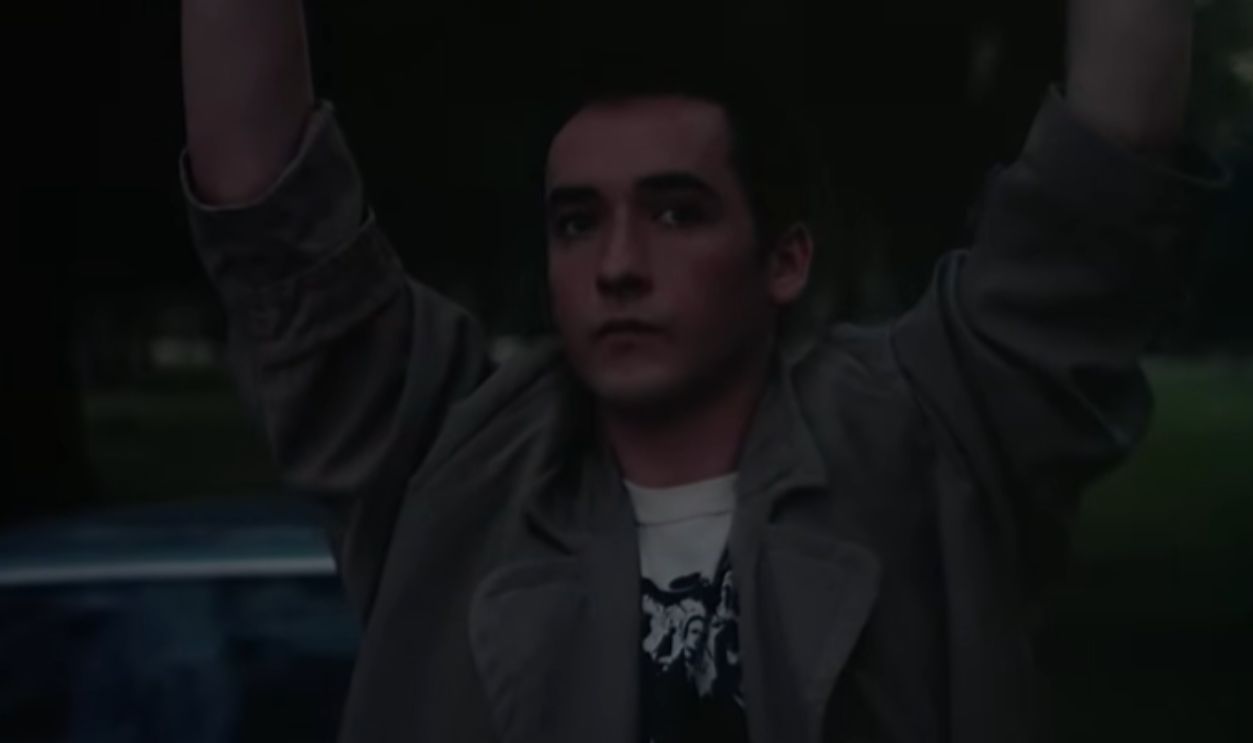 Screenshot from Say Anything, 20th Century Fox (1989)
The Outsiders Was Basically A Heartthrob Factory
Looking back, one film deserves special recognition for how many future magazine favorites it placed in a single cast. The Outsiders included Matt Dillon, Ralph Macchio, Rob Lowe, Patrick Swayze, Emilio Estevez, and Tom Cruise, several of whom went on to become major stars. Audiences watching it today are basically seeing an entire decade of Hollywood crushes squeezed into one movie.
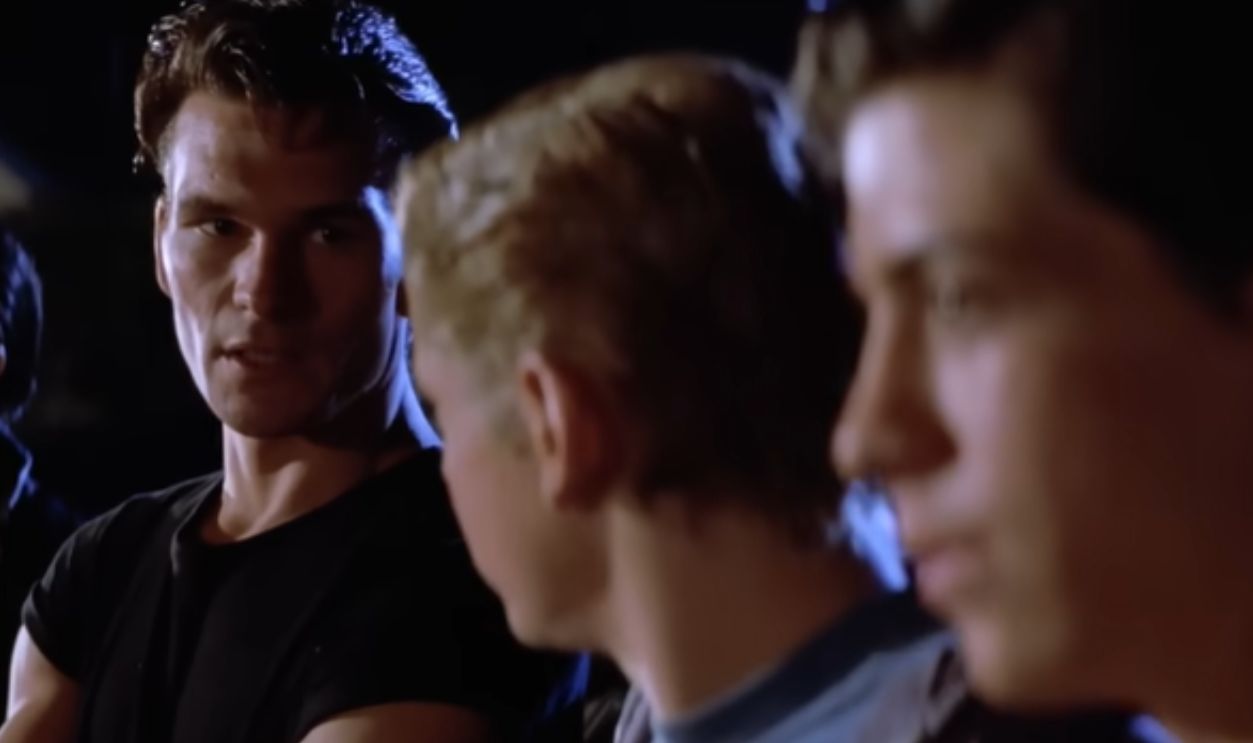 Screenshot from The Outsiders, Warner Bros. (1983)
Then Came The Brat Pack
The middle of the decade brought another ready-made group for entertainment magazines to obsess over. Films such as The Breakfast Club and St. Elmo's Fire helped connect names like Emilio Estevez, Rob Lowe, Judd Nelson, and Andrew McCarthy under the famous Brat Pack label. The actors did not necessarily enjoy being grouped together, but for magazines trying to sell youthful Hollywood glamour, the label was irresistible.
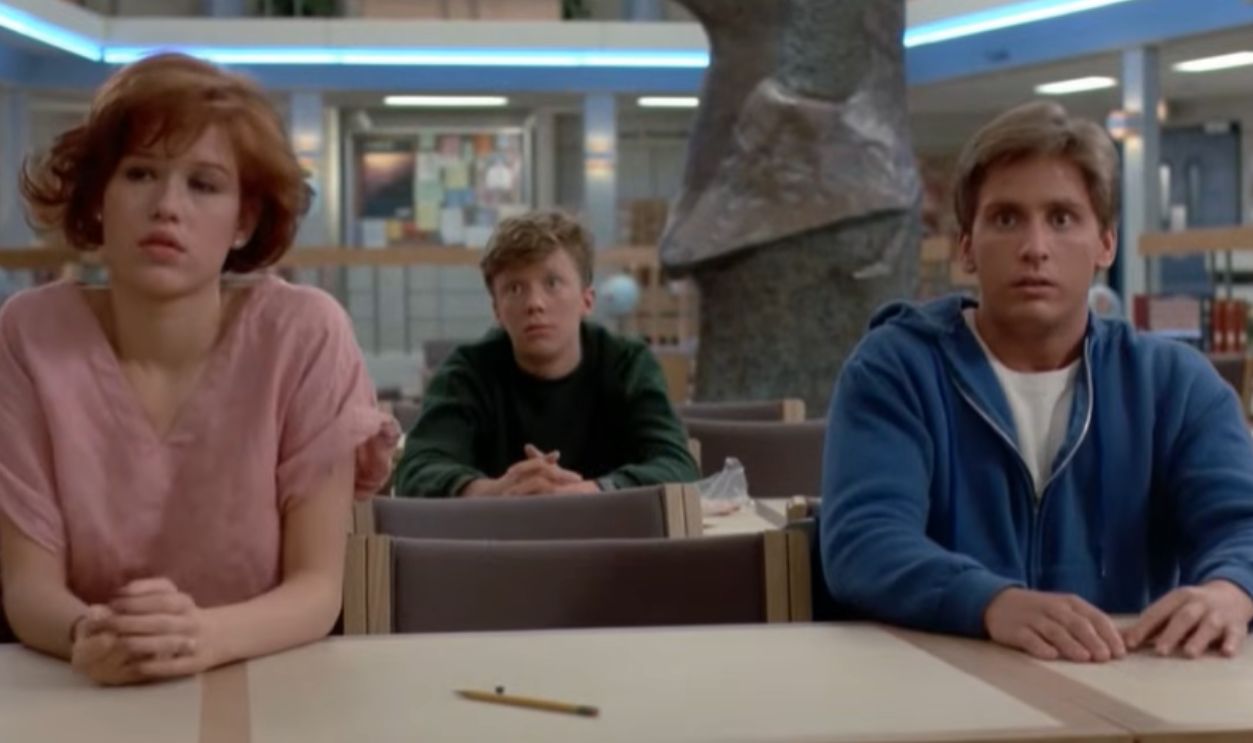 Screenshot from The Breakfast Club, Universal Pictures (1985)
Some Of Them Hated The Heartthrob Label
Being adored did not necessarily mean enjoying the machinery surrounding it. Johnny Depp openly resisted becoming a packaged teen idol, while Matt Dillon later recalled being uncomfortable with the heartthrob image attached to him. The photos looked effortless, but the actors inside them were often trying to prove they could do something more serious. Ironically, many would eventually get exactly that chance.
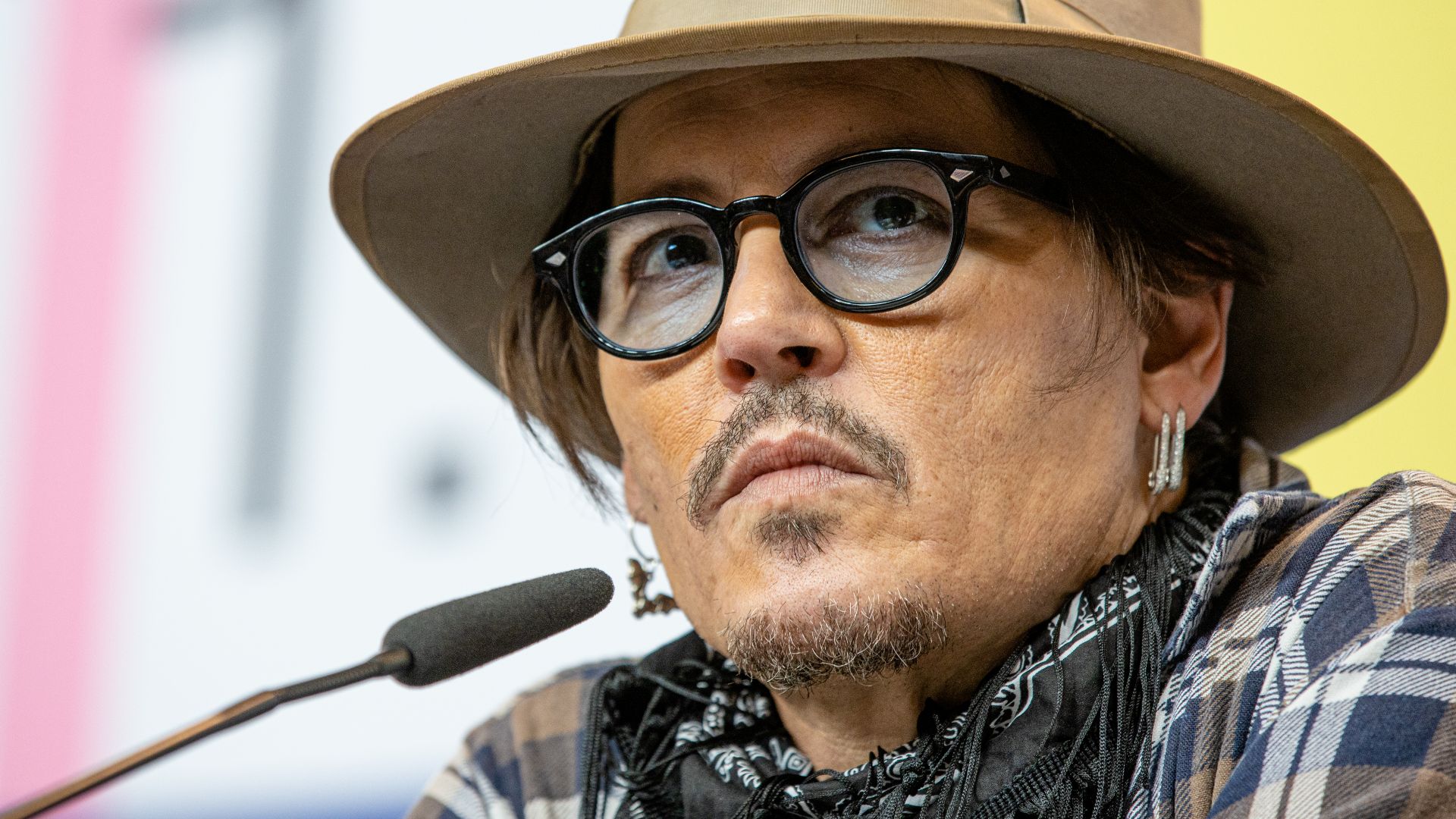 Harald Krichel, Wikimedia Commons
The 1980s Never Really Let Them Go
The strangest part is how many supposedly disposable teenage crushes became lasting stars. Cruise, Bacon, Lowe, Dillon, Macchio, Cusack, and others built careers extending decades beyond the movies that first put them on teenage walls, while films such as Back to the Future, The Karate Kid, Dirty Dancing, Footloose, and Say Anything... never really disappeared. Decades later, one picture of Maverick, Johnny Castle, Daniel LaRusso, Lloyd Dobler, or the boys from The Outsiders can still instantly summon the era. That is a pretty impressive afterlife for photographs that were once taped to bedroom walls.
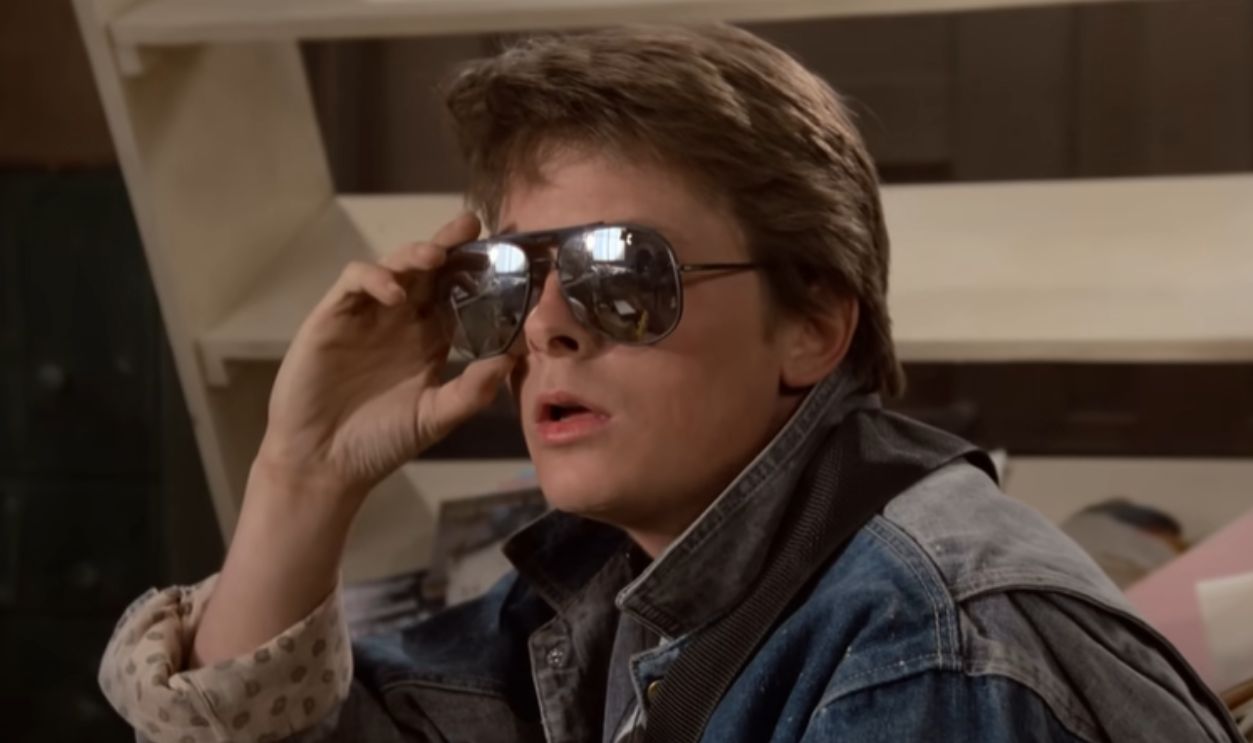 Screenshot from Back to the Future, Universal Pictures (1985)
You May Also Like:
80s Teen Movies That We Will Never Stop Watching
Teen Shows From The 1990s Every Millennial Watched—But Are Now Almost Forgotten
Sources: 1, 2, 3, 4, 5, 6, 7, 8, 9, 10, 11, 12, 13, 14, 15, 16, 17, 18, 19, 20, 21, 22, 23, 24, 25