Somebody Had To Be The Adult.
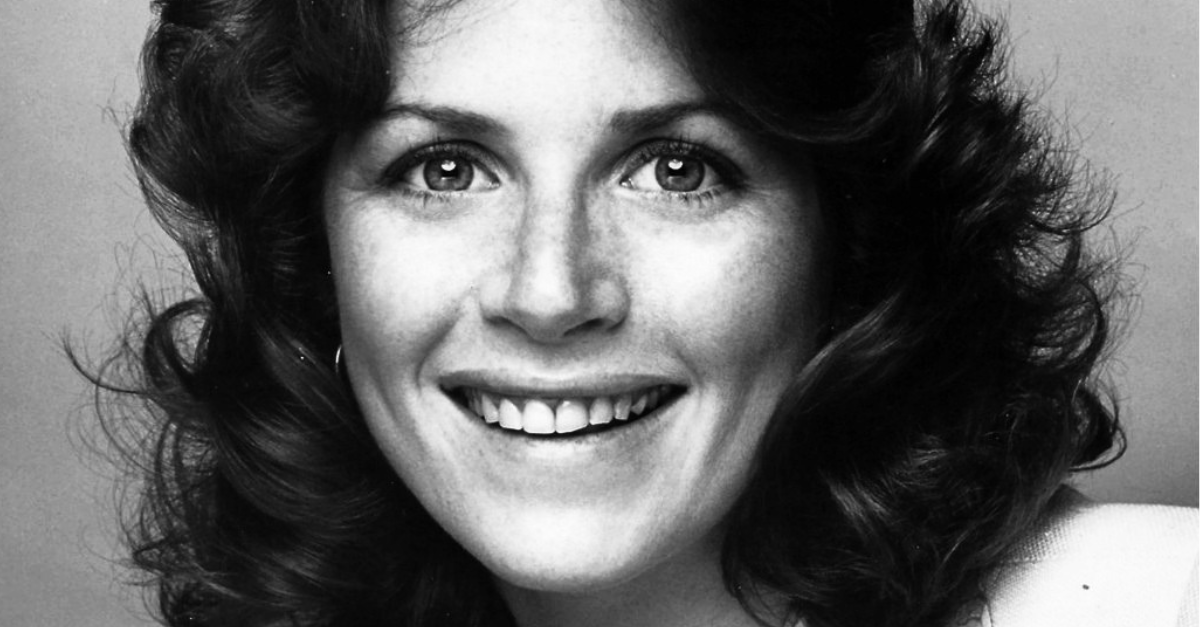
Welcome Back, Kotter became famous for Vinnie Barbarino, Horshack, Freddie Washington, and the rest of the Sweathogs, but Marcia Strassman gave the show something equally necessary as Gabe Kotter’s wife, Julie. While the classroom grew louder and John Travolta became a phenomenon, Strassman kept reminding viewers that Gabe had a marriage, a home, and a life outside Buchanan High.
 ABC Television / Wikimedia Commons
New Jersey Came Before Brooklyn
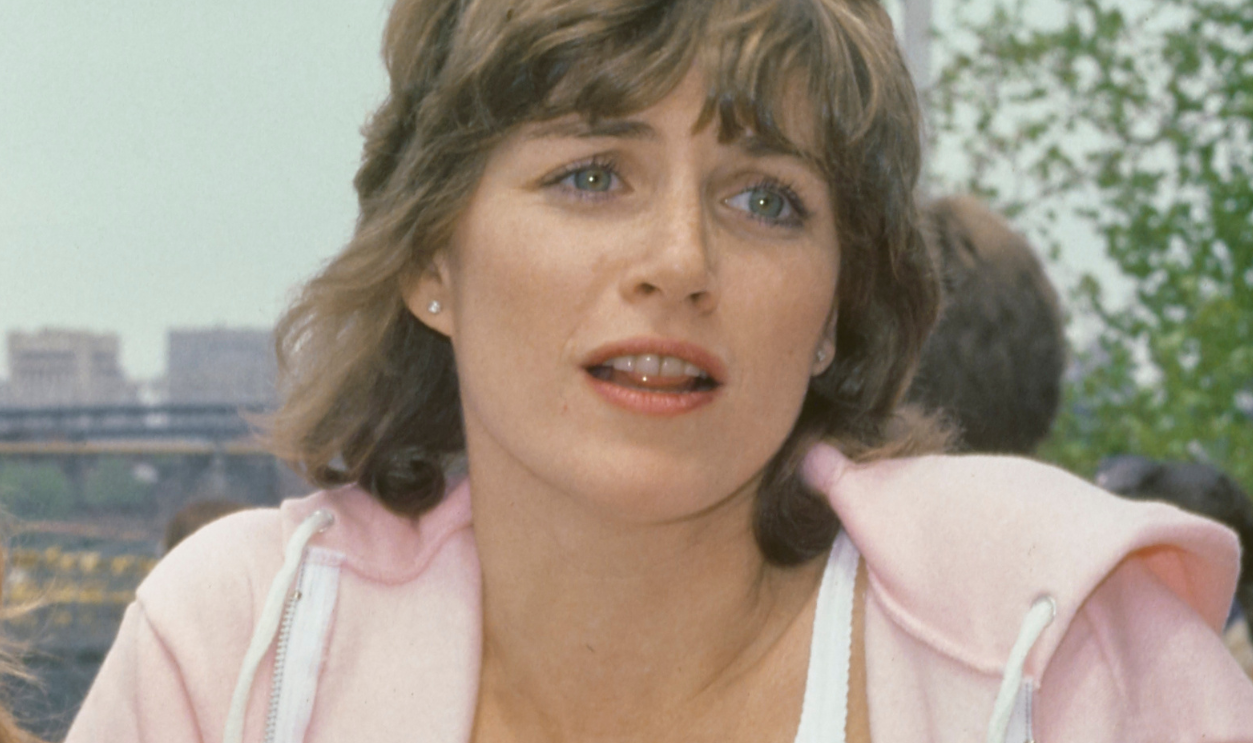
Strassman was born in New York City in 1948 and grew up in Passaic, New Jersey. She began modeling young and was performing in theater by her teens, years before network television made her recognizable. That East Coast upbringing gave her an easy naturalism that later helped Julie Kotter feel at home beside a sitcom built around Brooklyn personalities.
She Started Onstage Remarkably Young
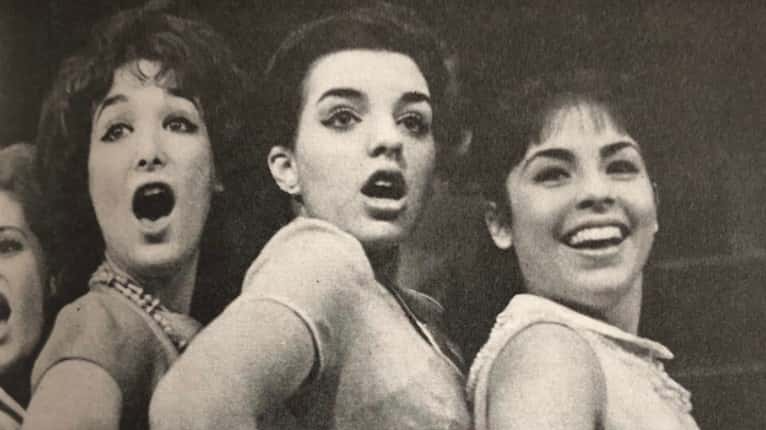
As a teenager, Strassman replaced Liza Minnelli in the Off-Broadway revival of Best Foot Forward. The opportunity placed her in professional theater before she had finished growing up herself. It was an unusually serious beginning for an actress who would eventually spend years being asked to react calmly while the Sweathogs exploded around her.
 John Vachon, Wikimedia Commons
Hollywood Began With Small Television Parts
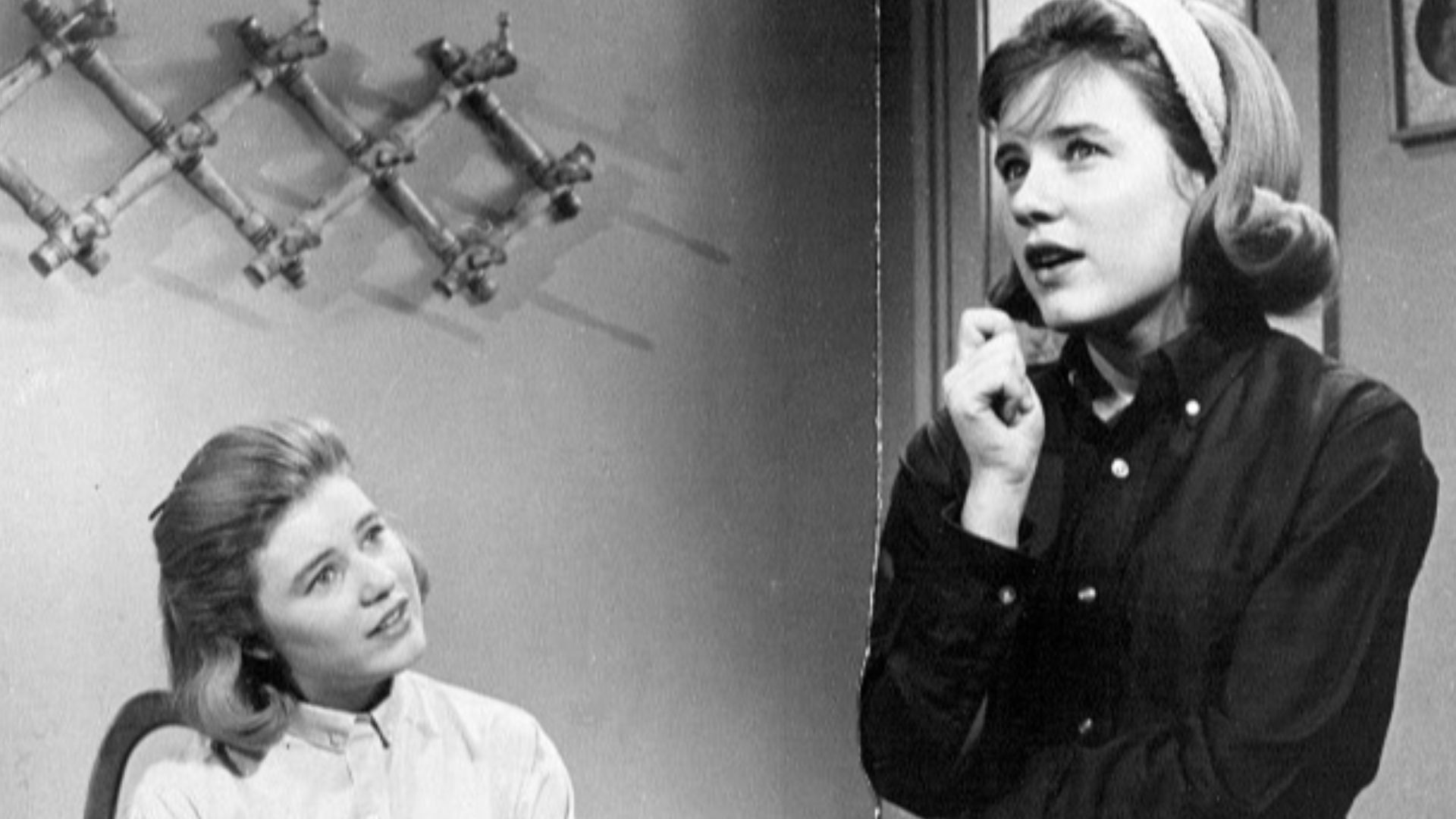
Strassman moved to Los Angeles at 18 and gradually accumulated screen work. Her early television credits included The Patty Duke Show and Ironside, giving her experience in both comedy and drama. She was becoming a dependable young character actress rather than an overnight star.
 ABC Television, Wikimedia Commons
MASH Put Her Inside Another Famous Ensemble
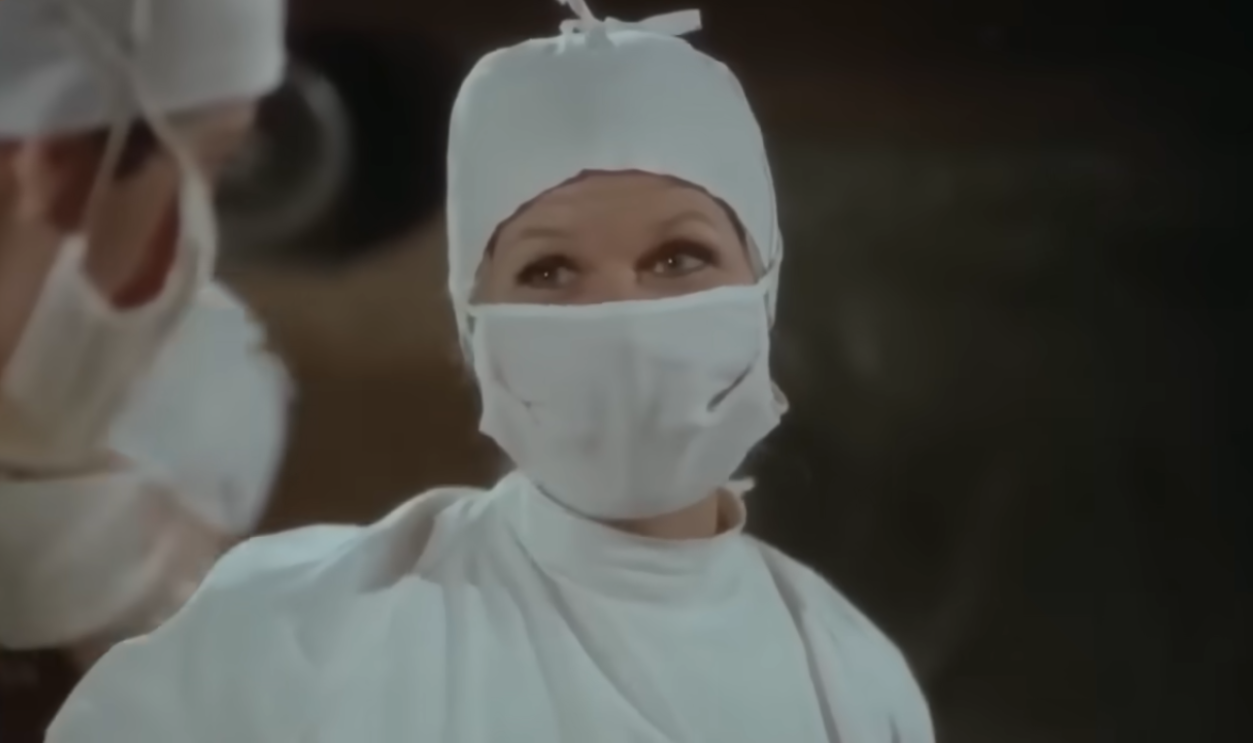
During the first season of MASH*, Strassman played Nurse Margie Cutler in several episodes. The part placed her opposite performers such as Alan Alda and helped make her familiar to television casting directors. Long before Julie Kotter, she was already learning how to create a distinct presence inside a crowded ensemble.
 Screenshot from M*A*S*H, 20th Century Fox Television (1972–1983)
Welcome Back Kotter Was Built Around Gabe
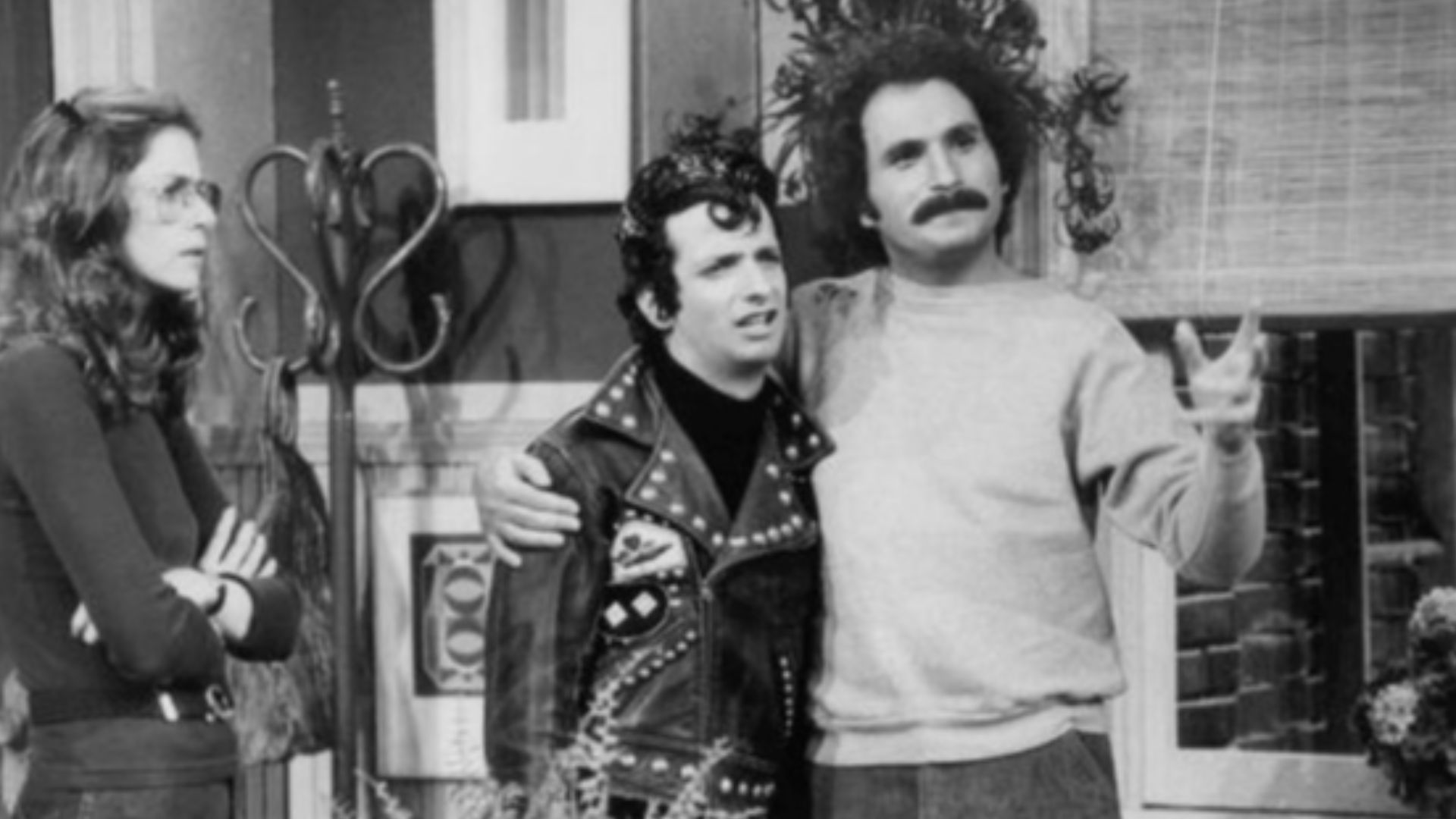
The ABC sitcom premiered in 1975 and grew from Gabe Kaplan’s autobiographical comedy about his own school years. Gabe Kotter returns to the fictional James Buchanan High School in Brooklyn to teach the remedial students known as the Sweathogs. Julie entered the premise from another direction because she represented the adult life Gabe had built after escaping the same world his students still inhabited.
 ABC Television, Wikimedia Commons
Strassman Won A Role That Needed Restraint
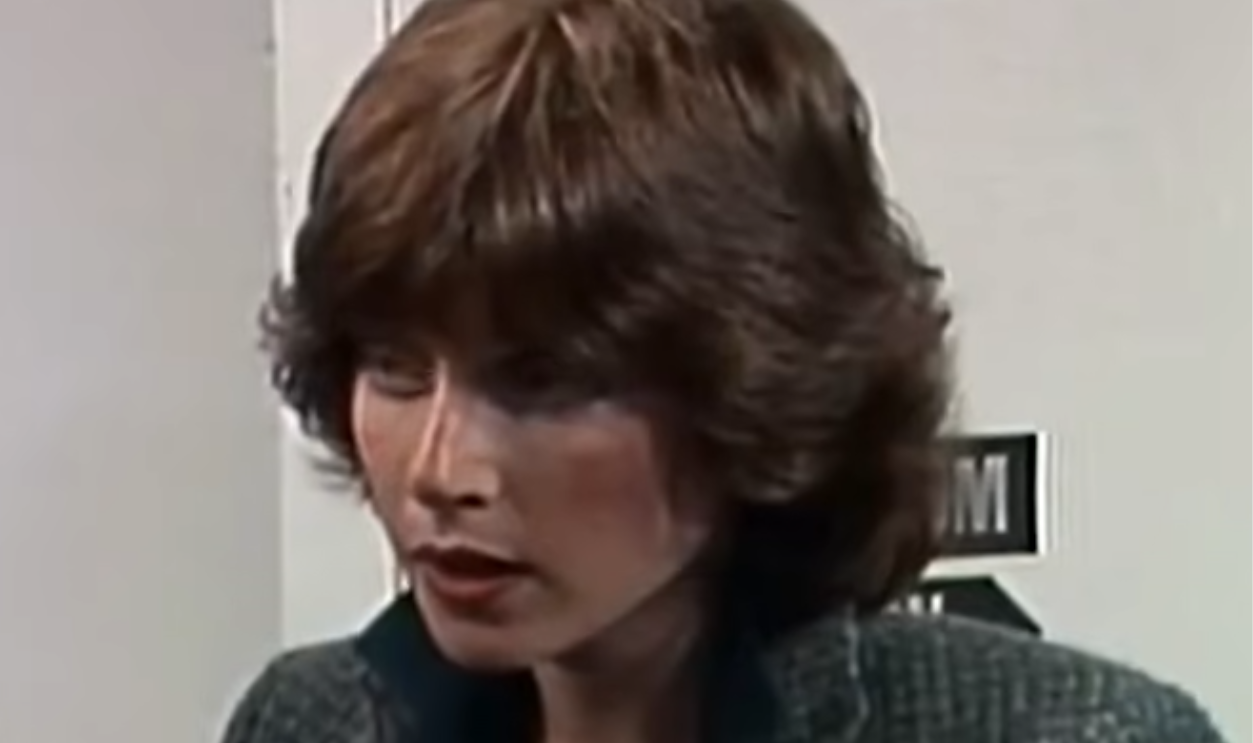
Julie could not behave like another Sweathog if the series was going to maintain any balance. Kaplan later remembered that Strassman convincingly played a Midwestern woman transplanted into New York, even though the actress herself came from New Jersey. Her ability to seem slightly outside Gabe’s Brooklyn universe immediately gave their marriage a useful contrast.
 Screenshot from Welcome Back, Kotter, ABC (1975–1979)
Julie Was The Outsider In Gabe’s Old Neighborhood
Gabe understood the Sweathogs because he had once been one of them. Julie had no such nostalgic connection to Buchanan High, which allowed her to see the students and their constant invasions more objectively. Strassman used that distance to keep the home scenes from becoming extensions of the classroom.
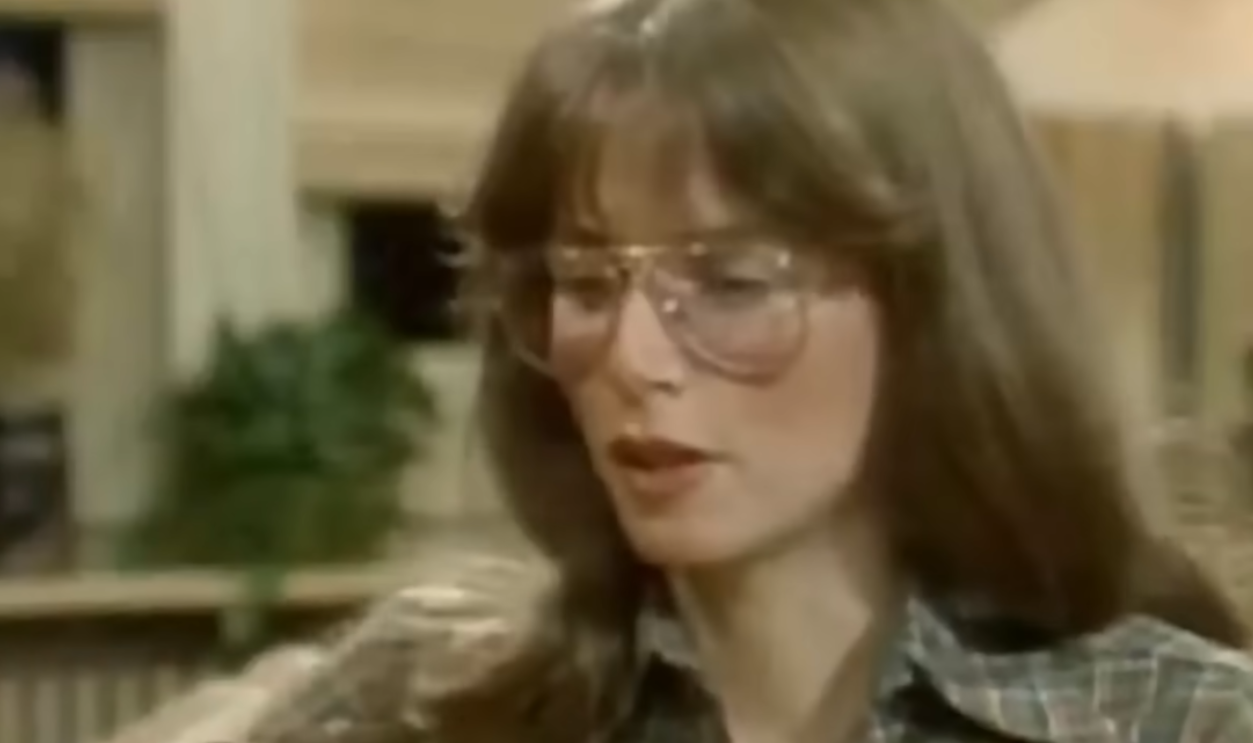 Screenshot from Welcome Back, Kotter, ABC (1975–1979)
The Apartment Became The Show’s Quiet Zone
The Kotters’ apartment frequently opened or closed episodes away from the noise of school. Gabe could tell Julie what had happened that day, often turning his classroom experiences into another story or joke. Those scenes gave viewers a chance to see the teacher as a husband rather than only as the clever adult trying to control Vinnie and Horshack.
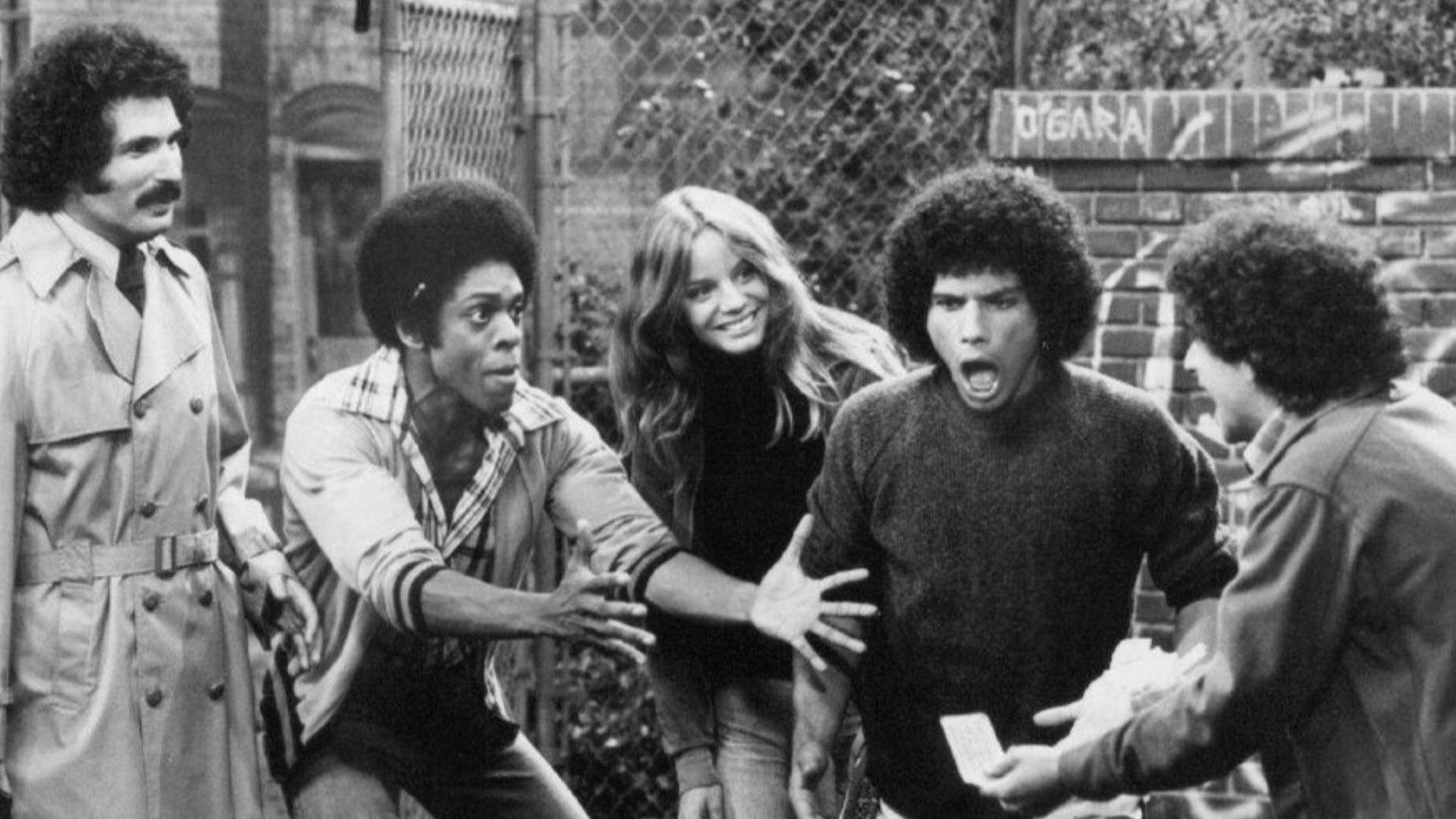 ABC Television, Wikimedia Commons
Julie Gave Gabe Someone Who Was Not Impressed
At Buchanan, Gabe had a special status because he could outthink the Sweathogs while still speaking their language. At home, Julie did not need to treat him like the heroic teacher who had solved another impossible problem. Strassman’s calm reactions could puncture Gabe’s self-satisfaction without creating a marriage built on hostility.
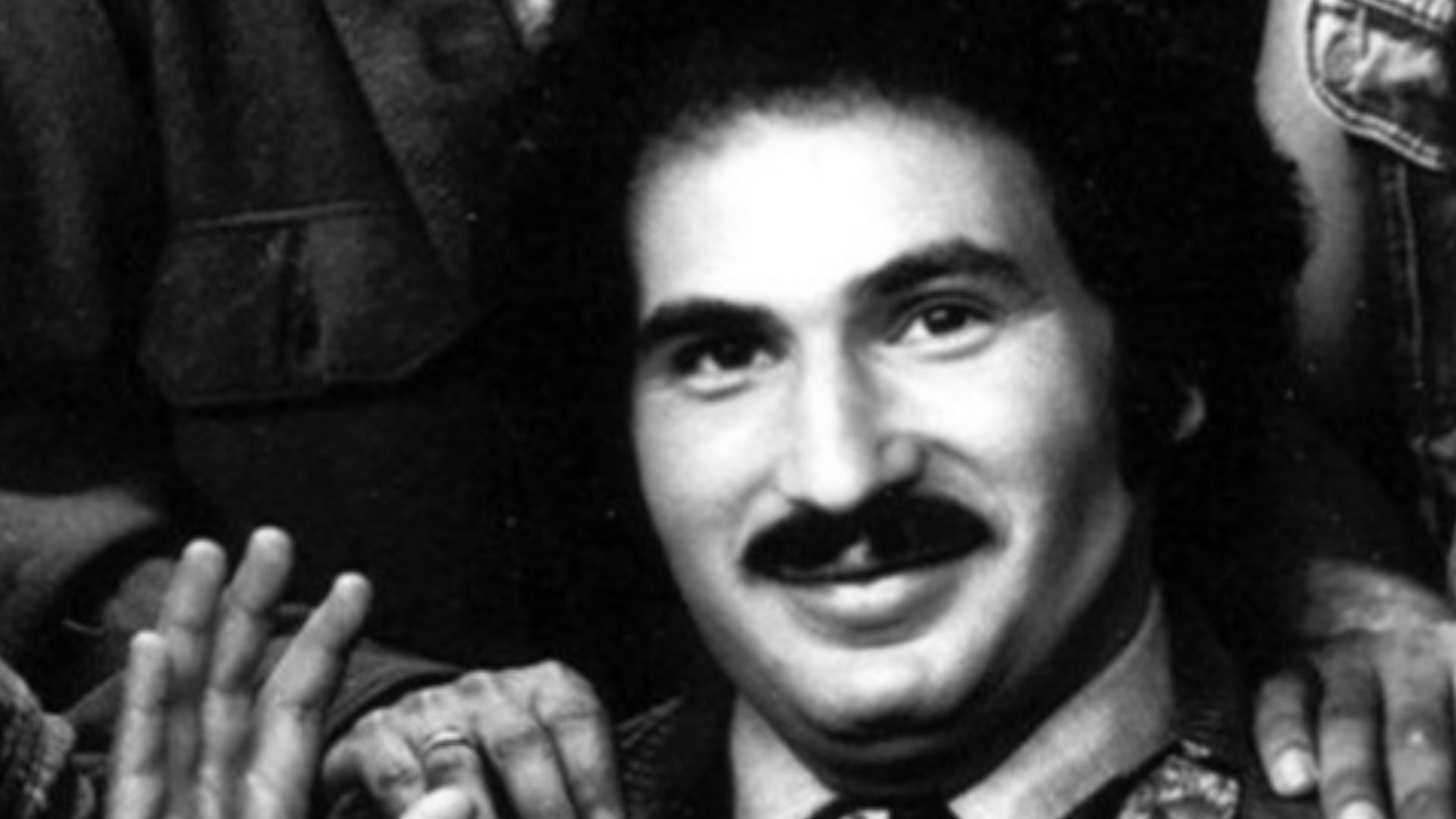 ABC Television, Wikimedia Commons
Her Straight-Woman Skill Was Crucial
The series contained an extraordinary number of performers competing through accents, catchphrases, physical comedy, and outsized personalities. Strassman often did the opposite, listening and reacting while someone else delivered the obvious laugh line. Gabe Kaplan later acknowledged that she became frustrated by being used mainly as the straight woman, but that very skill helped keep the comedy from becoming exhausting.
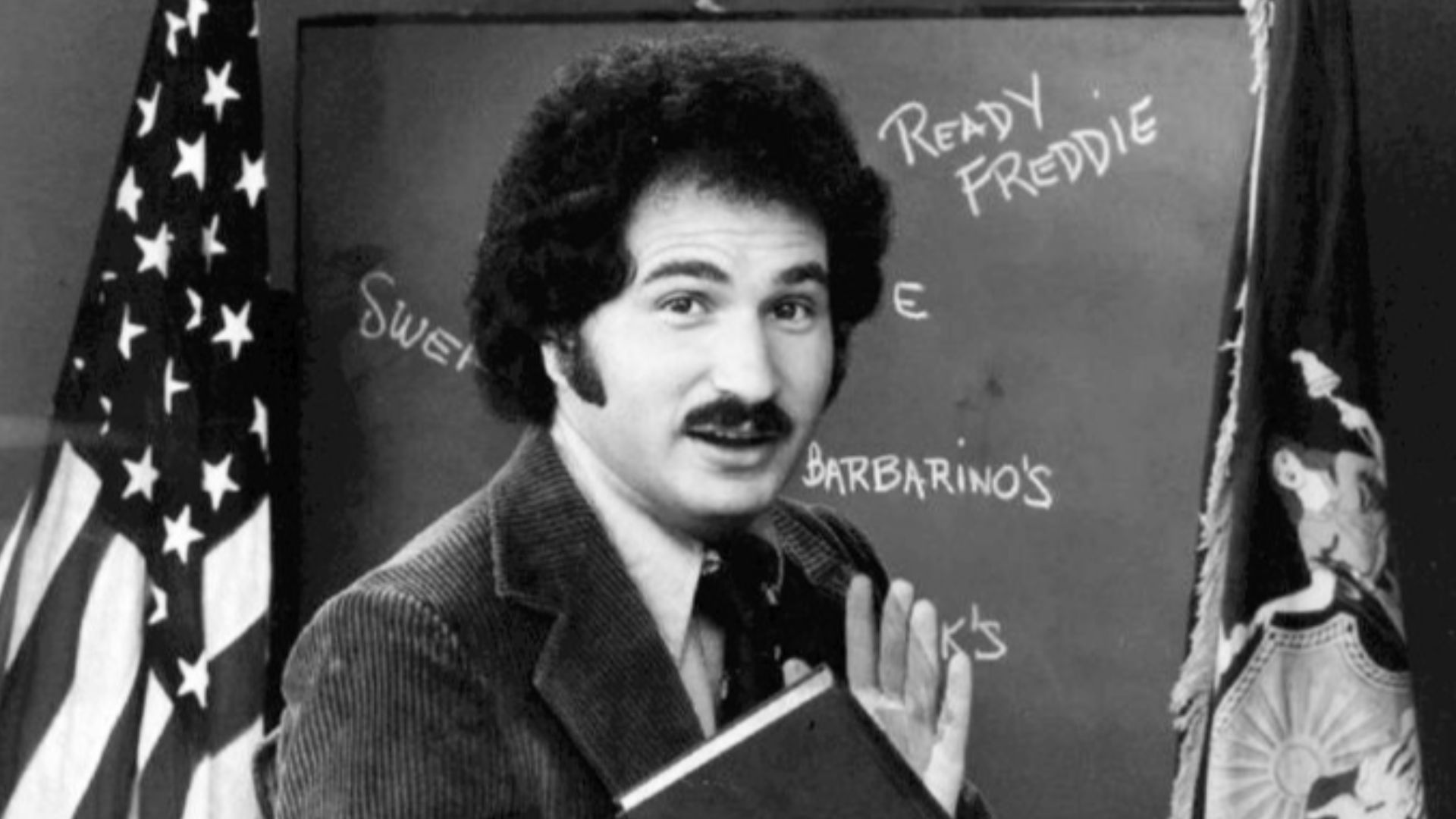 ABC Television, Wikimedia Commons
The Sweathogs Never Respected Boundaries
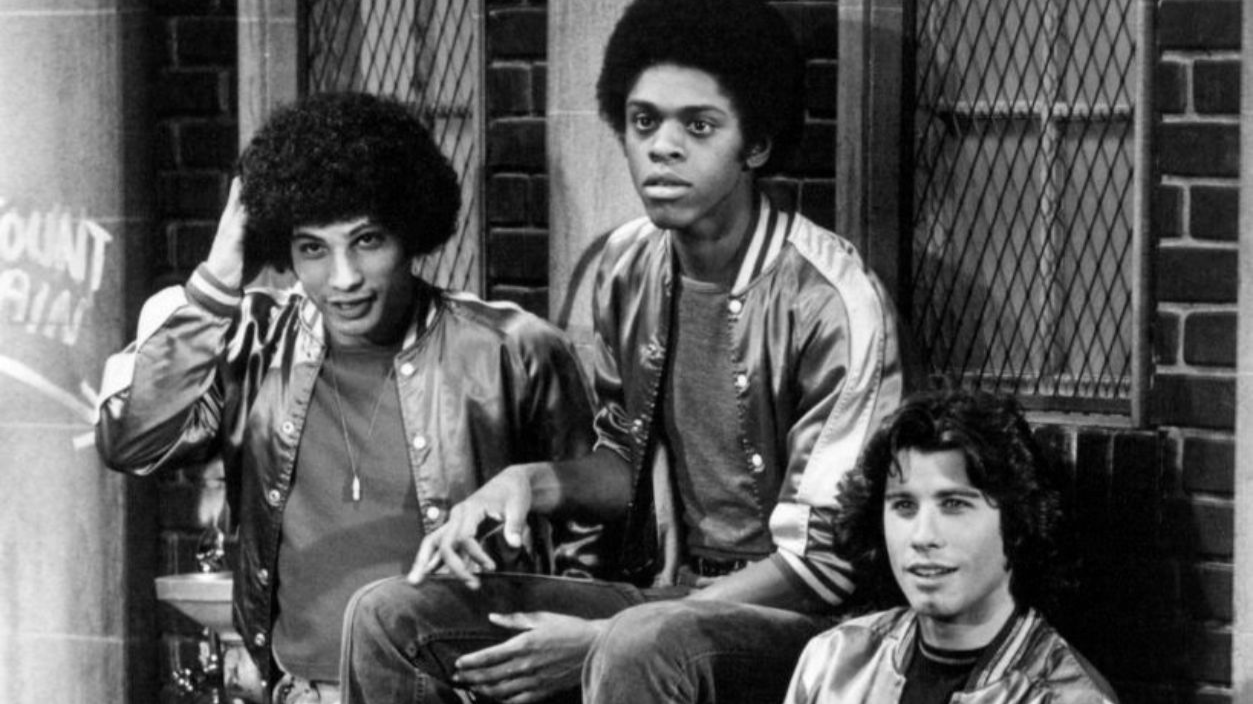
Gabe’s students did not remain politely confined to school. The Television Academy’s history of the series notes that they regularly visited the Kotter apartment, sometimes to Julie’s annoyance. That running intrusion made her the audience surrogate for anyone wondering why a teacher’s students appeared to have unlimited access to his living room.
 Silver Screen Collection, Getty Images
John Travolta Changed The Show’s Center Of Gravity
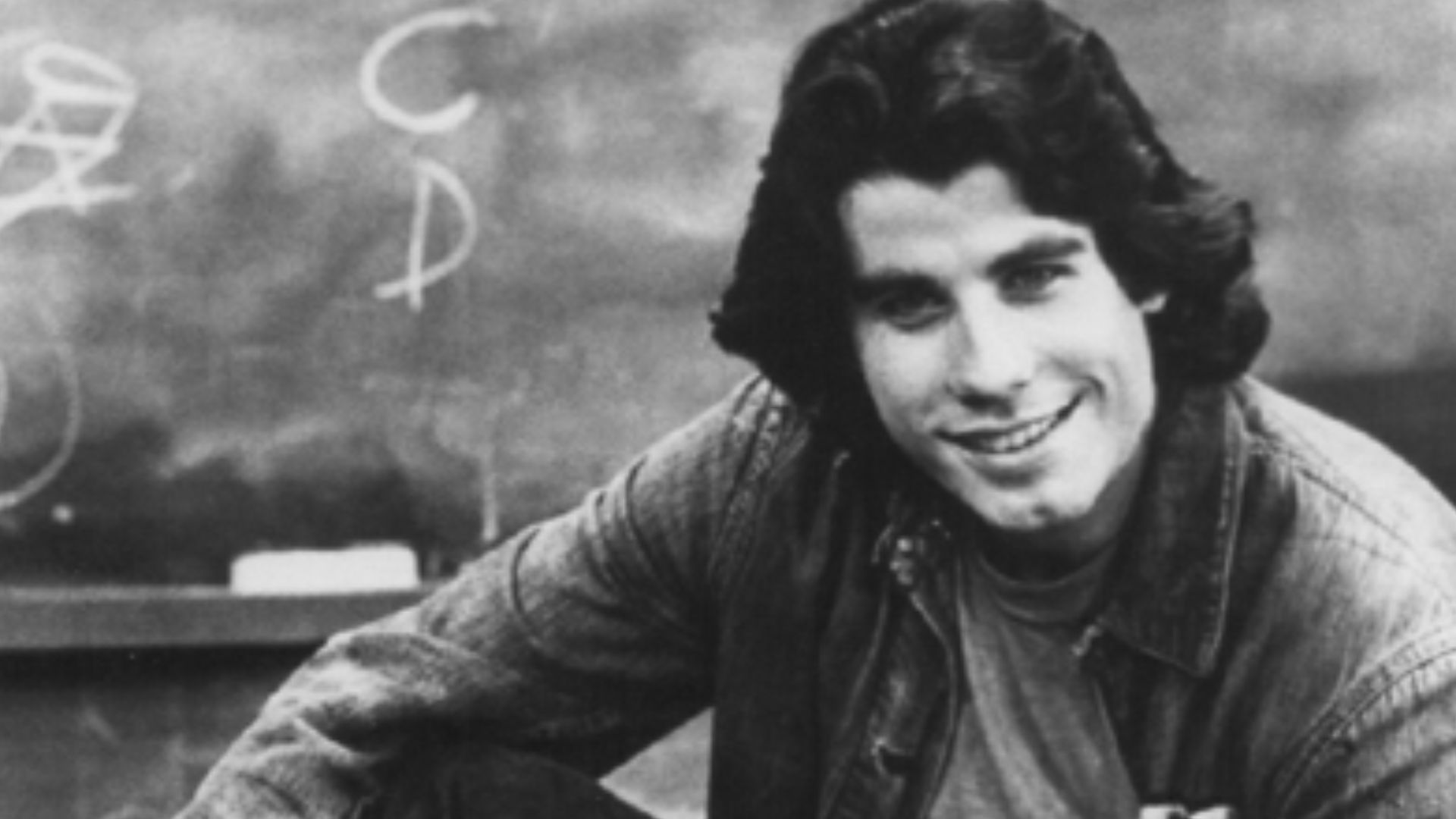
John Travolta was largely unknown when Welcome Back, Kotter began, but Vinnie Barbarino rapidly became the program’s breakout character. The Television Academy describes the young cast as becoming hot commodities and singles out Travolta as the show’s breakout star. Once Vinnie became a phenomenon, a sitcom ostensibly built around Gabe Kotter increasingly had to accommodate the popularity of its students.
 ABC Television Network., Wikimedia Commons
Vinnie Became Bigger Than Buchanan High
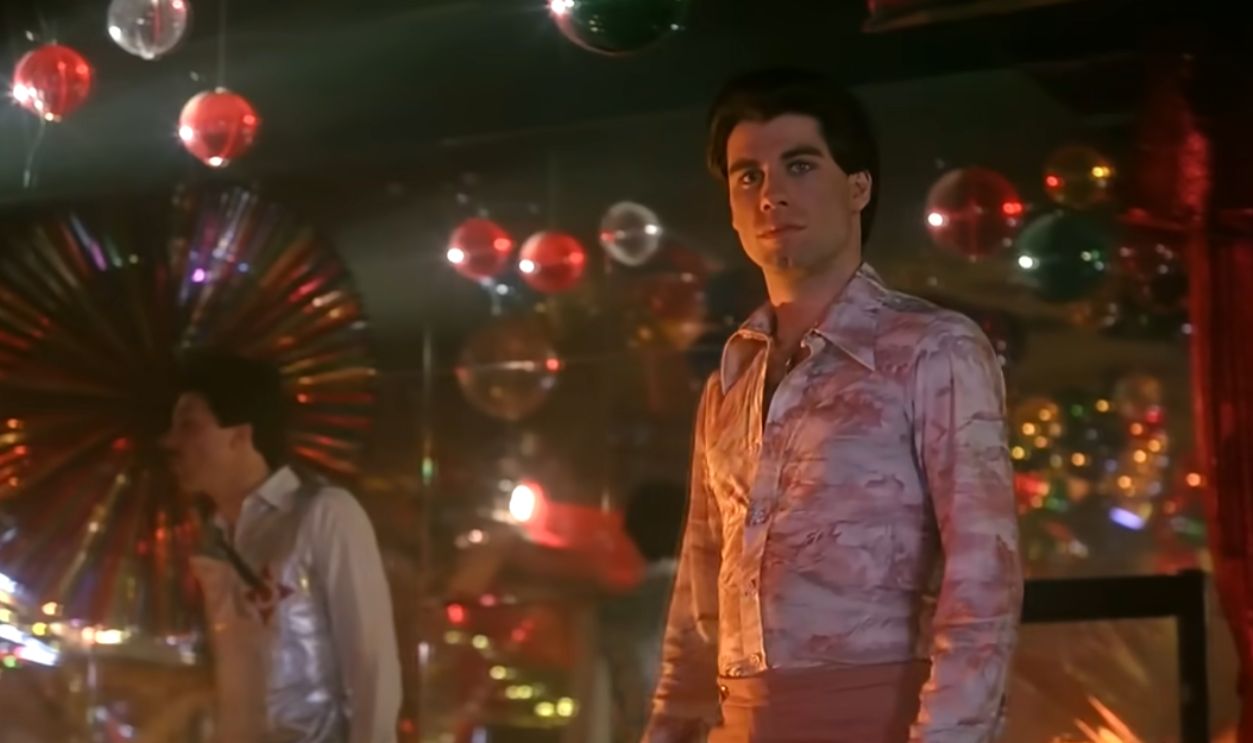
Barbarino’s confidence, hair, dancing, and catchphrases made him a major teenage attraction. Travolta soon moved into movies and became a film star through projects including Saturday Night Fever and Grease. That transformation inevitably changed the balance of a series in which Julie had already been positioned away from most of the teenage action.
 Screenshot from Saturday Night Fever, Paramount Pictures (1977)
Horshack And Washington Added More Noise
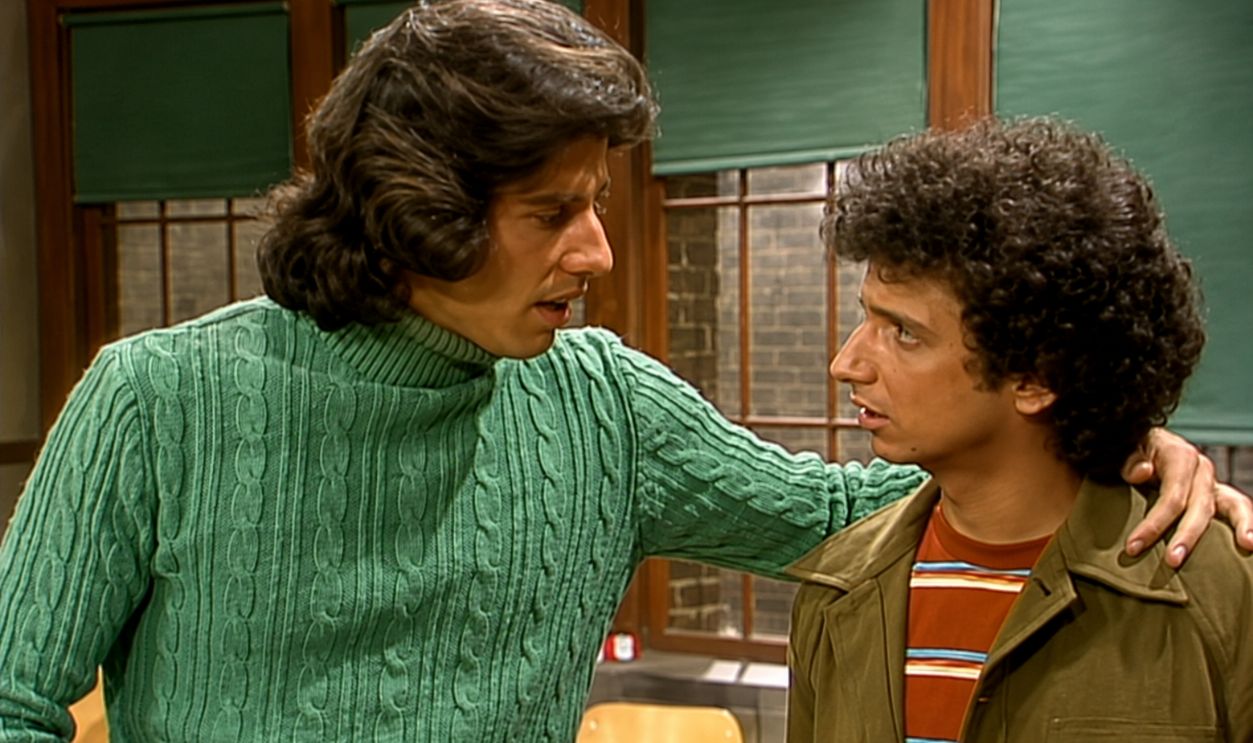
Ron Palillo’s Arnold Horshack and Lawrence Hilton-Jacobs’s Freddie Washington developed recognizable vocal and comic signatures of their own. The Television Academy specifically remembers Horshack’s distinctive laugh and Washington’s deep-voiced greeting among the show’s trademarks. Julie’s understated manner became even more valuable as the classroom personalities grew more elaborate.
 Screenshot from Welcome Back, Kotter, ABC (1975–1979)
Julie Kept The Series Attached To Adulthood
Without the home scenes, Welcome Back, Kotter could easily have drifted into a show entirely about the Sweathogs. Julie reminded viewers that Gabe had chosen a path his students were still struggling to imagine. Her marriage to him gave his return to Buchanan a larger meaning because he had escaped the old neighborhood emotionally even while returning to it professionally.
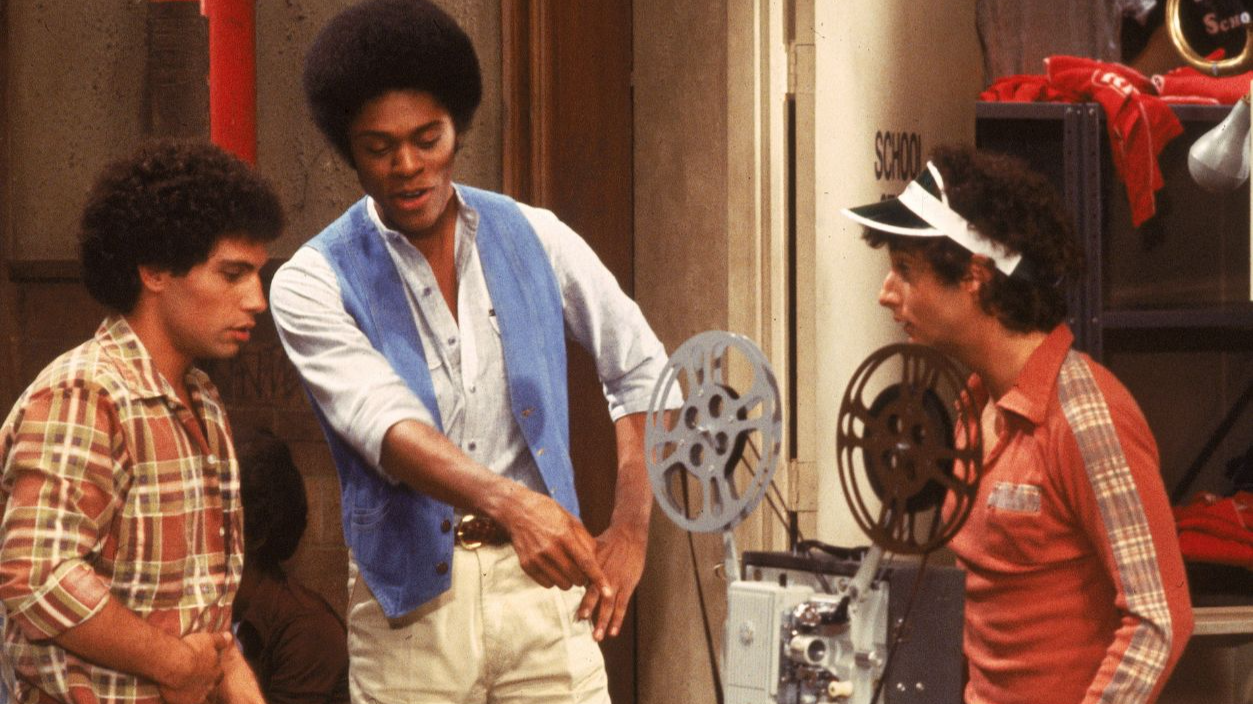
She Also Made Gabe More Vulnerable
Teachers on sitcoms can become little more than authority figures who exist to deliver lessons. Julie gave Gabe someone with whom he could admit confusion, frustration, and uncertainty away from his students. Strassman therefore helped separate the confident classroom performer from the ordinary man who came home after work.
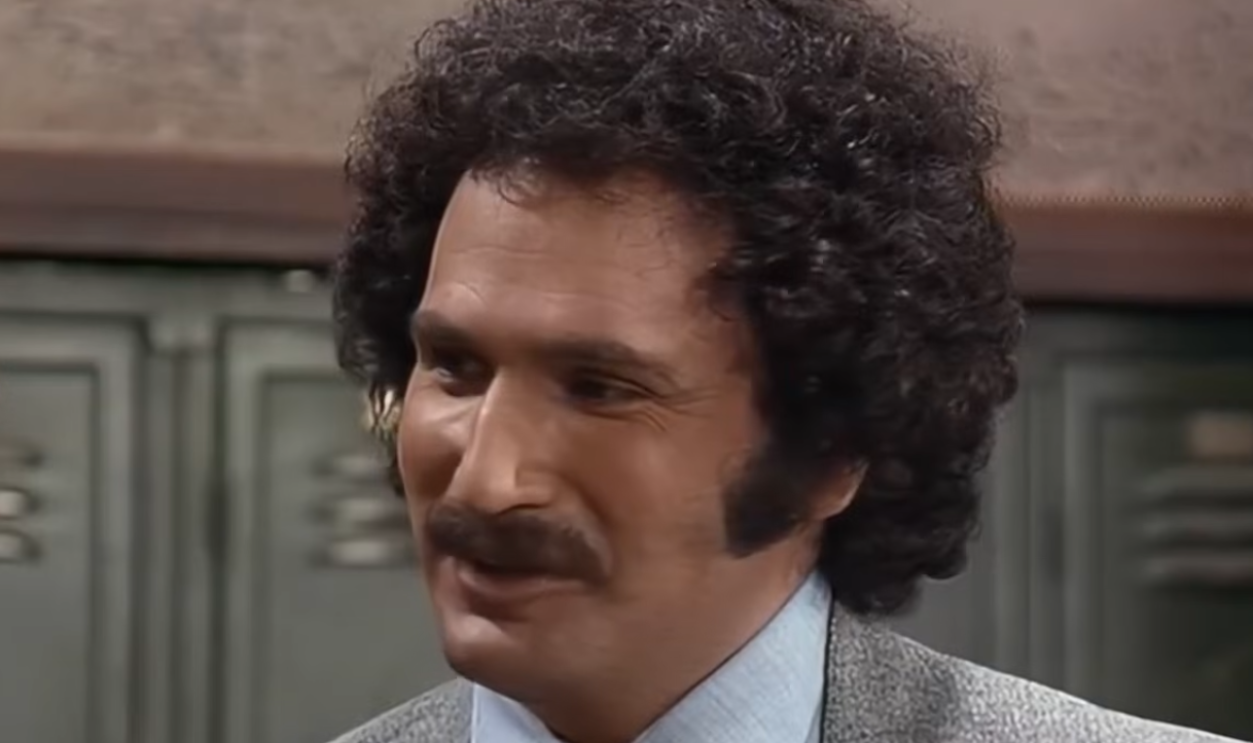 Screenshot from Welcome Back, Kotter, ABC (1975–1979)
Success Left Strassman Wanting More
The problem was that grounding the show did not necessarily give Strassman satisfying material. Kaplan later wrote that by the middle of the run she was tired of serving primarily as the straight woman and wanted more challenging acting opportunities. From her perspective, helping everyone else’s comedy land could feel less rewarding than it looked from the audience’s side.
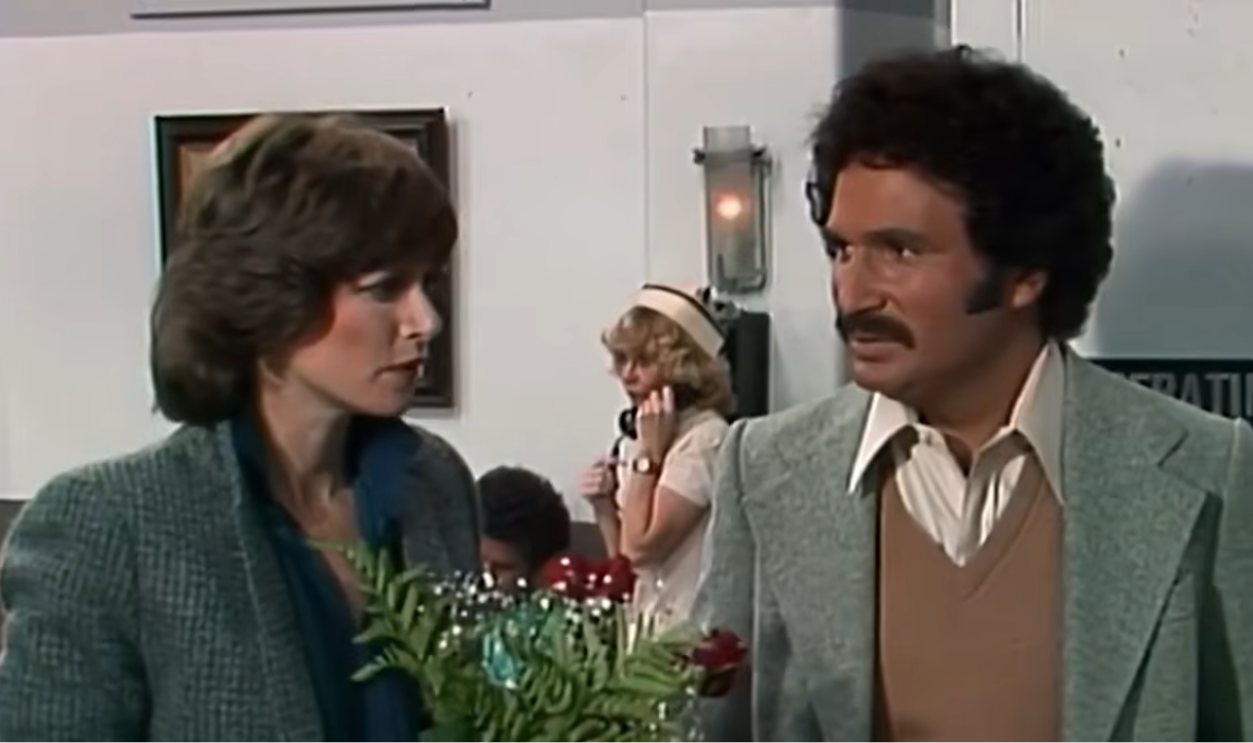 Screenshot from Welcome Back, Kotter, ABC (1975–1979)
She Publicly Admitted Her Frustration
In 1978, Strassman spoke unusually candidly about her unhappiness with the series and her working relationship with Kaplan. Contemporary comments later resurfaced in accounts of the show’s history, showing that she felt creatively restricted and dissatisfied with Julie’s limited function. It was a startling admission from an actress appearing on a still-famous network sitcom.
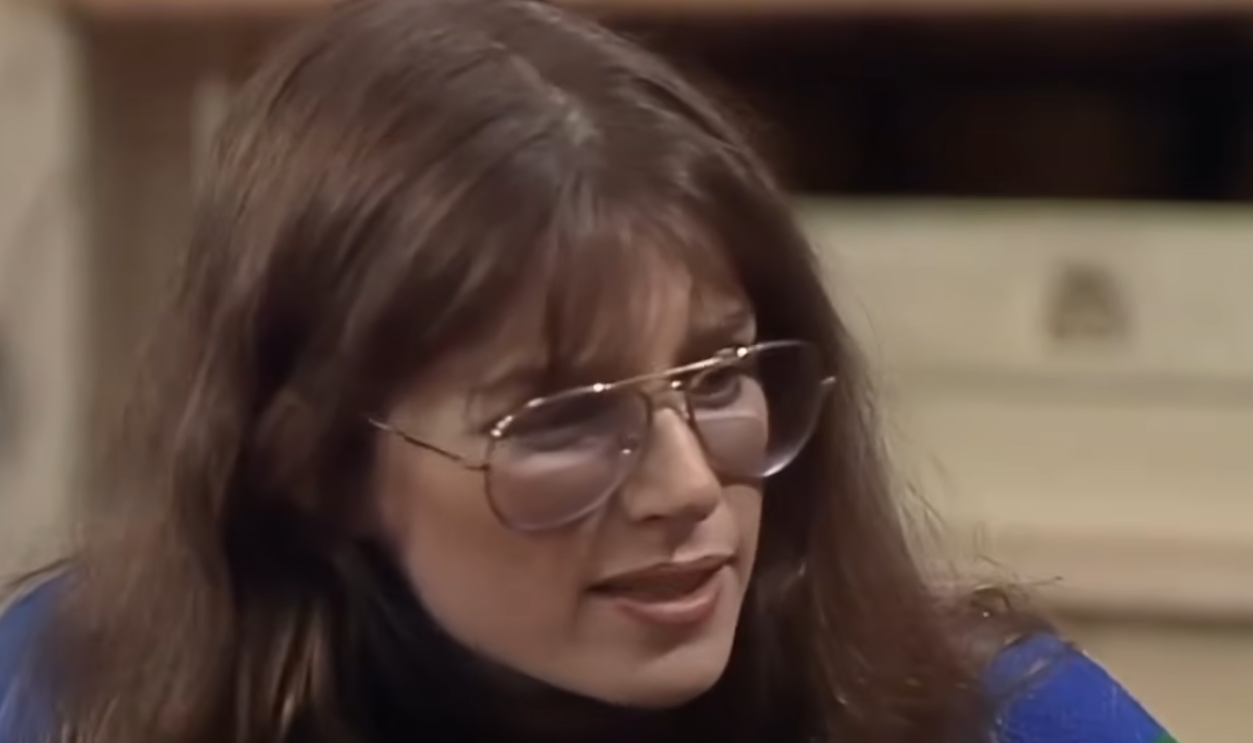 Screenshot from Welcome Back, Kotter, ABC (1975–1979)
Julie Had Become Too Good At Reacting
Strassman complained that too much of her role consisted of prompting Gabe so he could tell another story. It was an occupational hazard of being an effective sitcom straight woman because the better she made the setup work, the easier it became for writers to keep using her that way. Her frustration reveals the difference between being essential to a show’s rhythm and receiving enough material to demonstrate your full range.
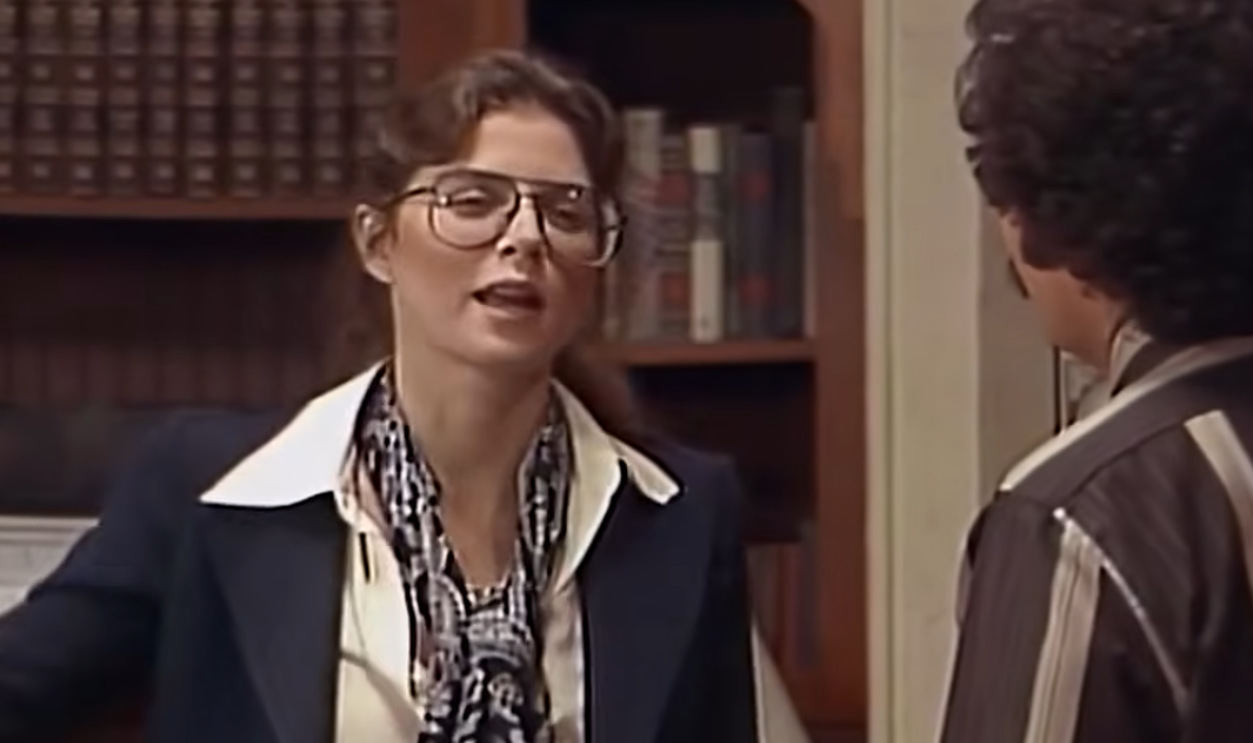 Screenshot from Welcome Back, Kotter, ABC (1975–1979)
Her Relationship With Kaplan Was Complicated
The tension between Strassman and Kaplan became public during the series, but their relationship did not remain permanently hostile. Kaplan later wrote that he was surprised by the depth of her dissatisfaction at the time. Years afterward, their children attended the same school, bringing the former costars back into one another’s lives.
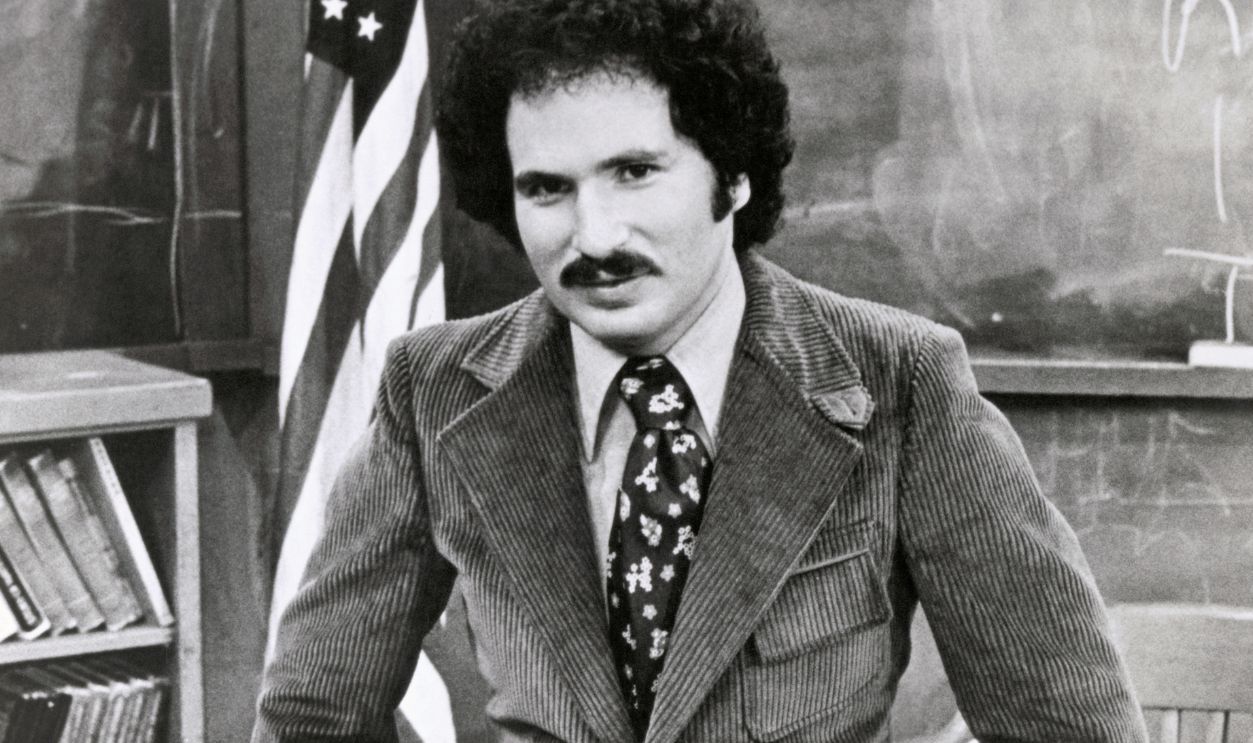
Time Softened The Old Conflict
Kaplan said that he and Strassman began seeing each other again after reconnecting through their children. In his remembrance after her death, he emphasized her talent and his belief that she never received the dramatic showcase she deserved. Their later friendship makes the troubled Kotter years harder to reduce to a simple story about two actors who disliked each other.
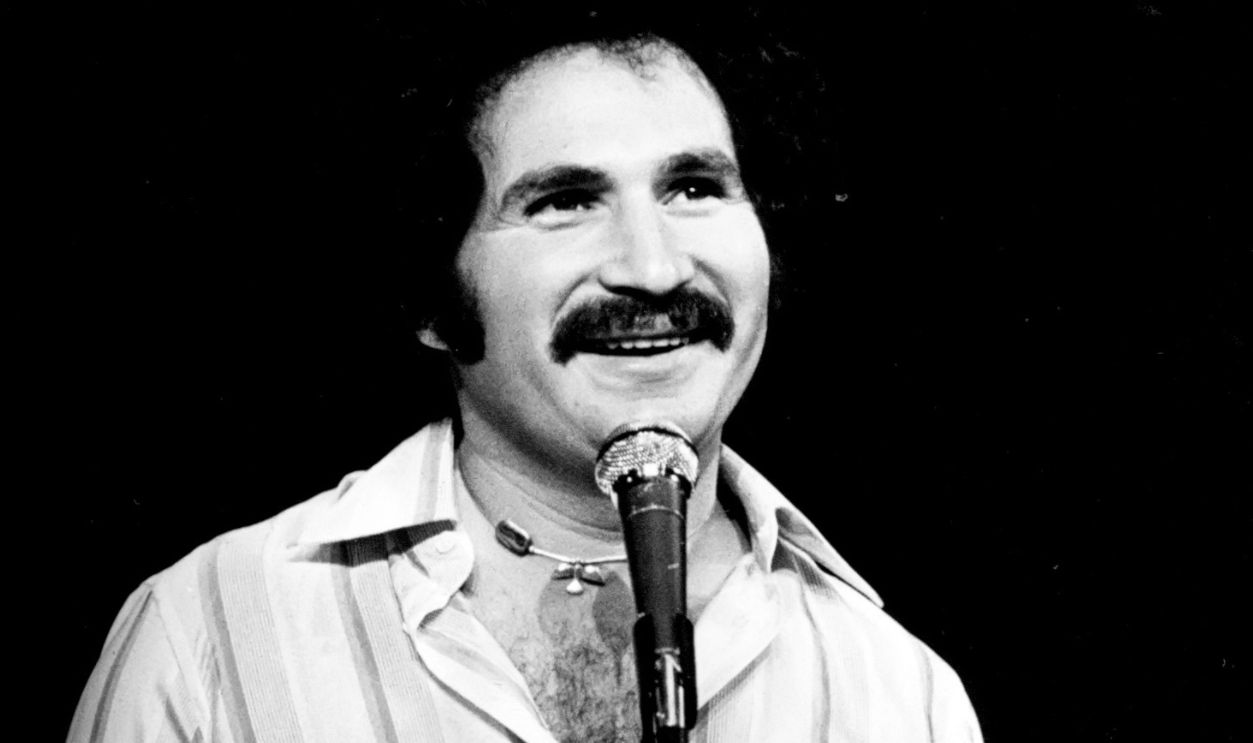
The Fourth Season Could Not Restore The Original Balance
By the later stages of Welcome Back, Kotter, Travolta’s film career was soaring and his availability for the sitcom was reduced. The program made other changes as it tried to continue, but the chemistry of its earliest seasons had already shifted. Julie remained part of a series whose most marketable energy increasingly belonged to performers who had begun as Gabe’s students.
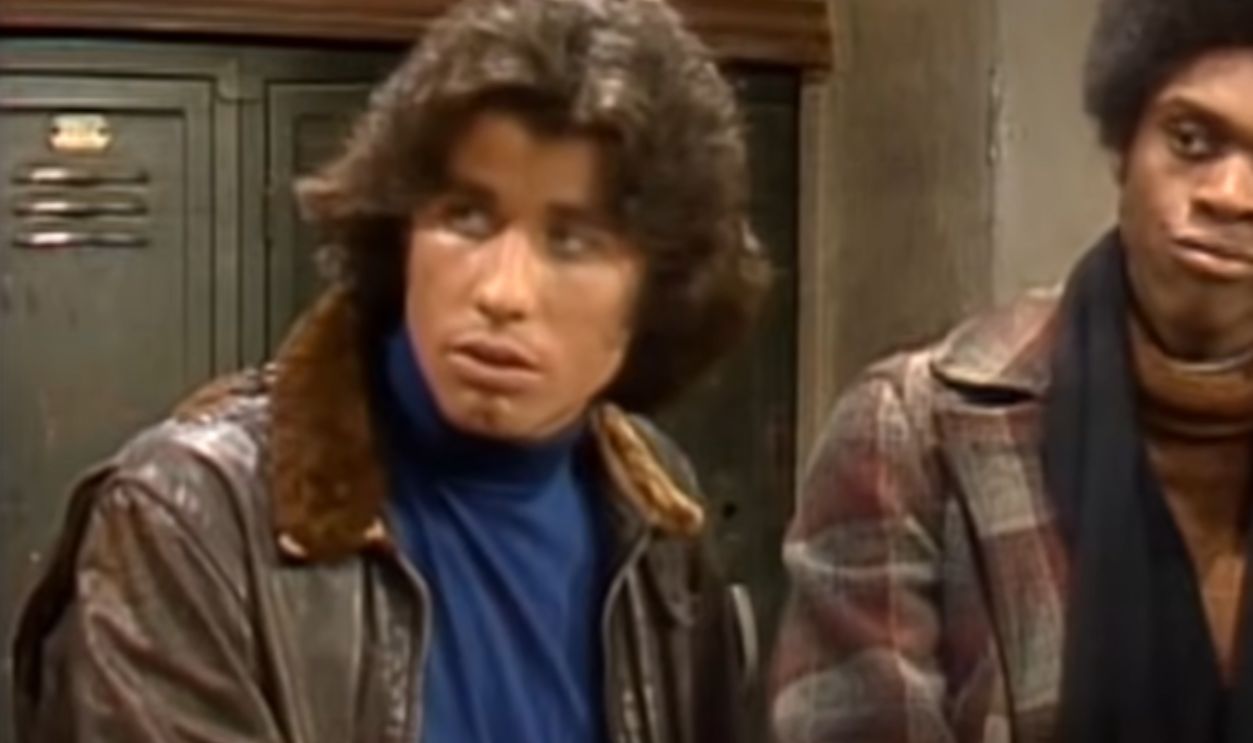 Screenshot from Welcome Back, Kotter, ABC (1975–1979)
Four Seasons Were Enough To Make Her Famous
Welcome Back, Kotter ran on ABC from September 1975 until June 1979, producing 95 episodes over four seasons. Strassman remained identified with Julie even though she wanted opportunities that would show more of what she could do. The show gave her national recognition while simultaneously creating the typecasting she was eager to escape.
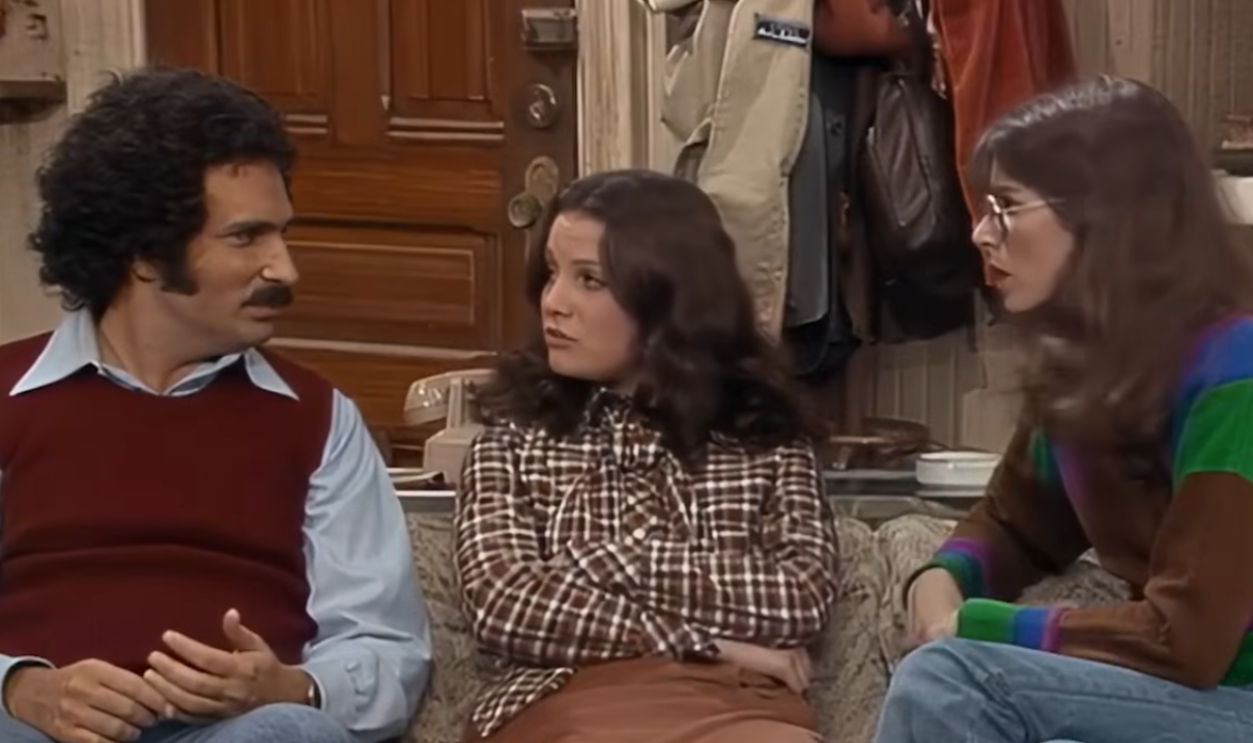 Screenshot from Welcome Back, Kotter, ABC (1975–1979)
She Kept Looking For More Dramatic Material
After Kotter, Strassman continued working steadily in television. Her later credits included The Rockford Files, The Love Boat, Magnum, P.I., E/R, TV 101, Booker, Third Watch, and Providence. The range confirms Kaplan’s later assessment that her abilities extended far beyond being the woman listening patiently to Gabe’s jokes.
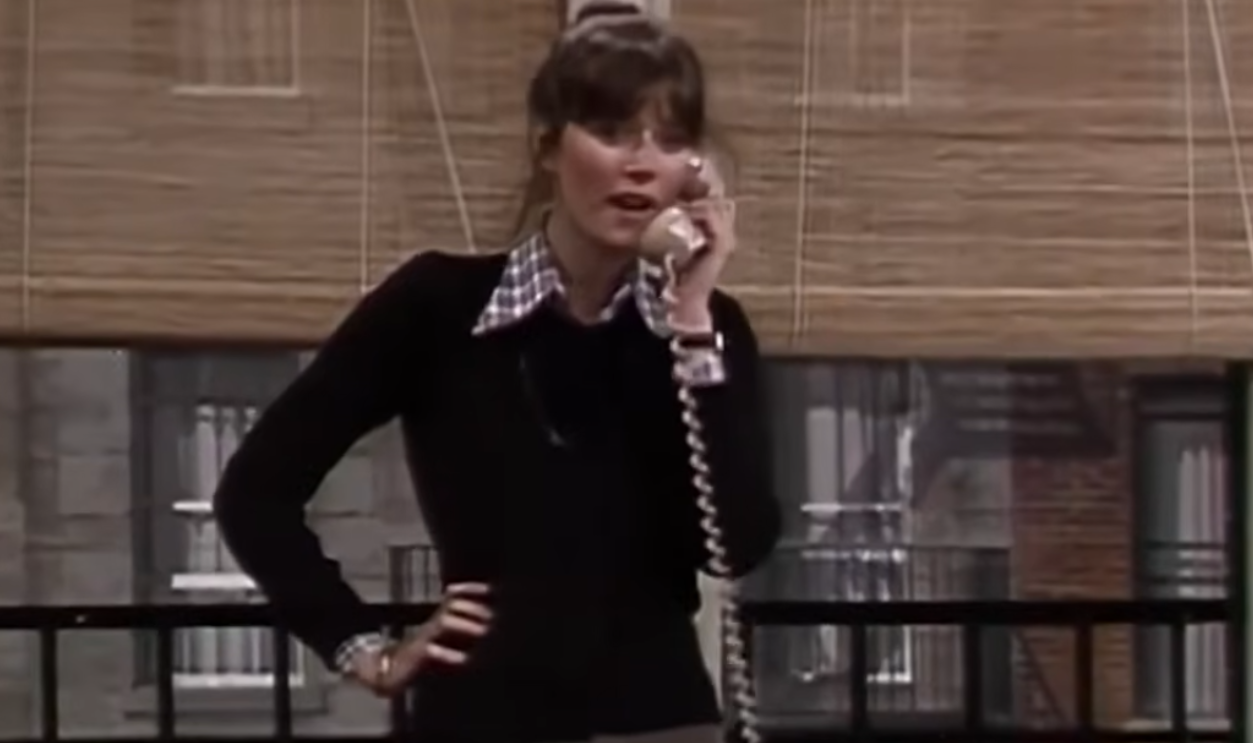 Screenshot from Welcome Back, Kotter, ABC (1975–1979)
Brave New World Gave Her A Very Different Setting
Strassman appeared as Lenina Crowne in a 1980 television adaptation of Aldous Huxley’s Brave New World. The dystopian material was far removed from the warmth and rhythms of the Kotter apartment. Roles like that allowed her to keep testing herself after four seasons of being strongly associated with one sitcom marriage.
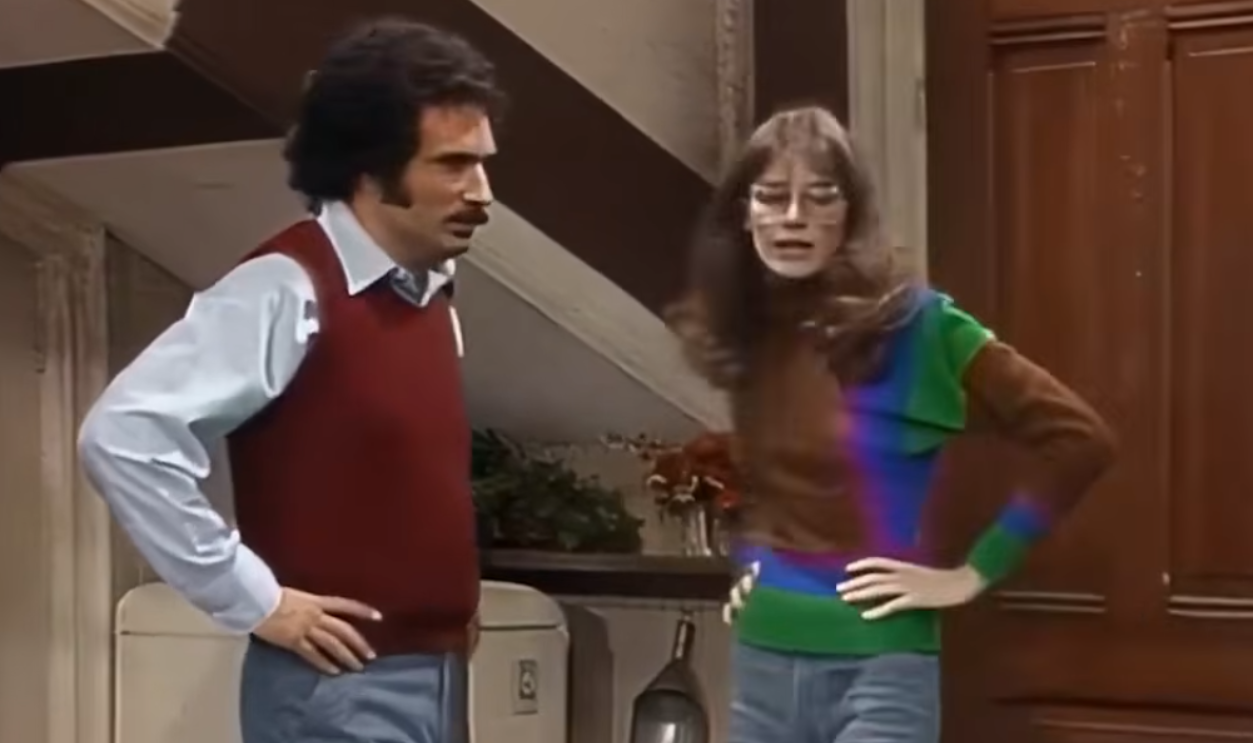 Screenshot from Welcome Back, Kotter, ABC (1975–1979)
Disney Finally Gave Her A Huge Movie Audience
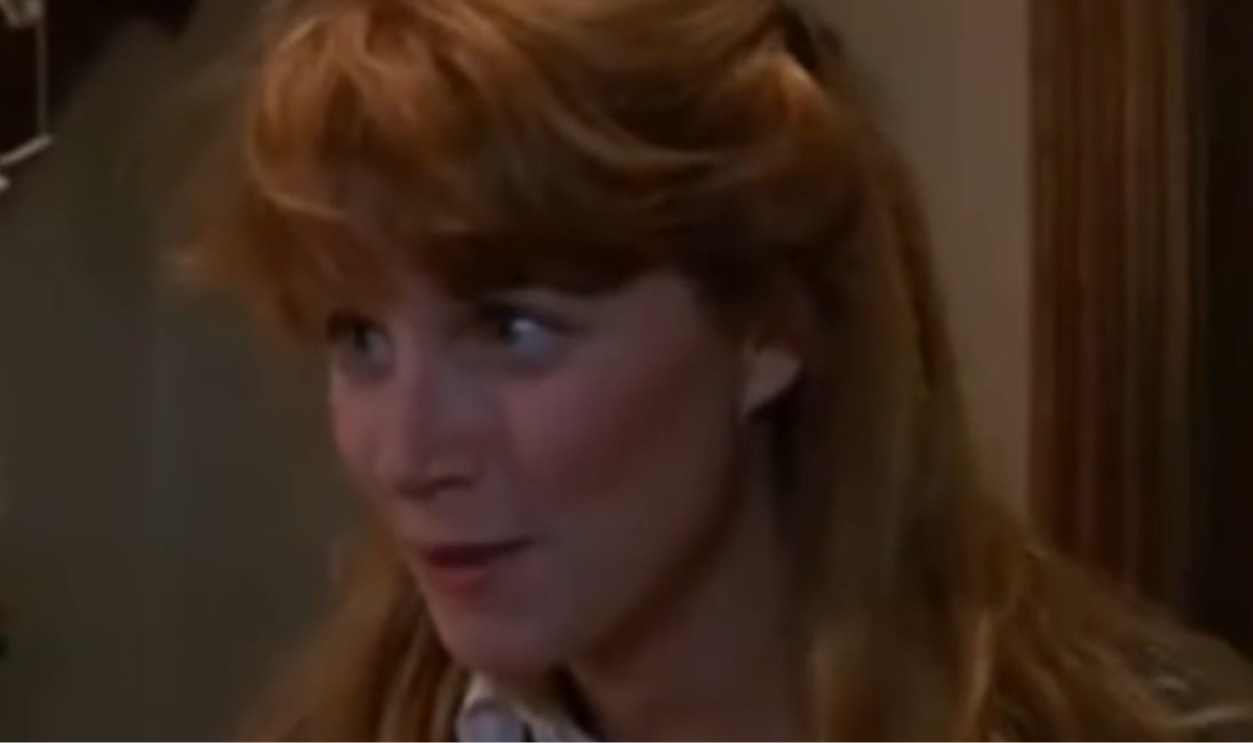
In 1989, Strassman played Diane Szalinski opposite Rick Moranis in Disney’s Honey, I Shrunk the Kids. The movie followed inventor Wayne Szalinski after his machine accidentally reduced his children and their neighbors to a quarter-inch tall. Disney describes the film as a runaway hit, giving Strassman one of the most widely seen roles of her career long after Kotter ended.
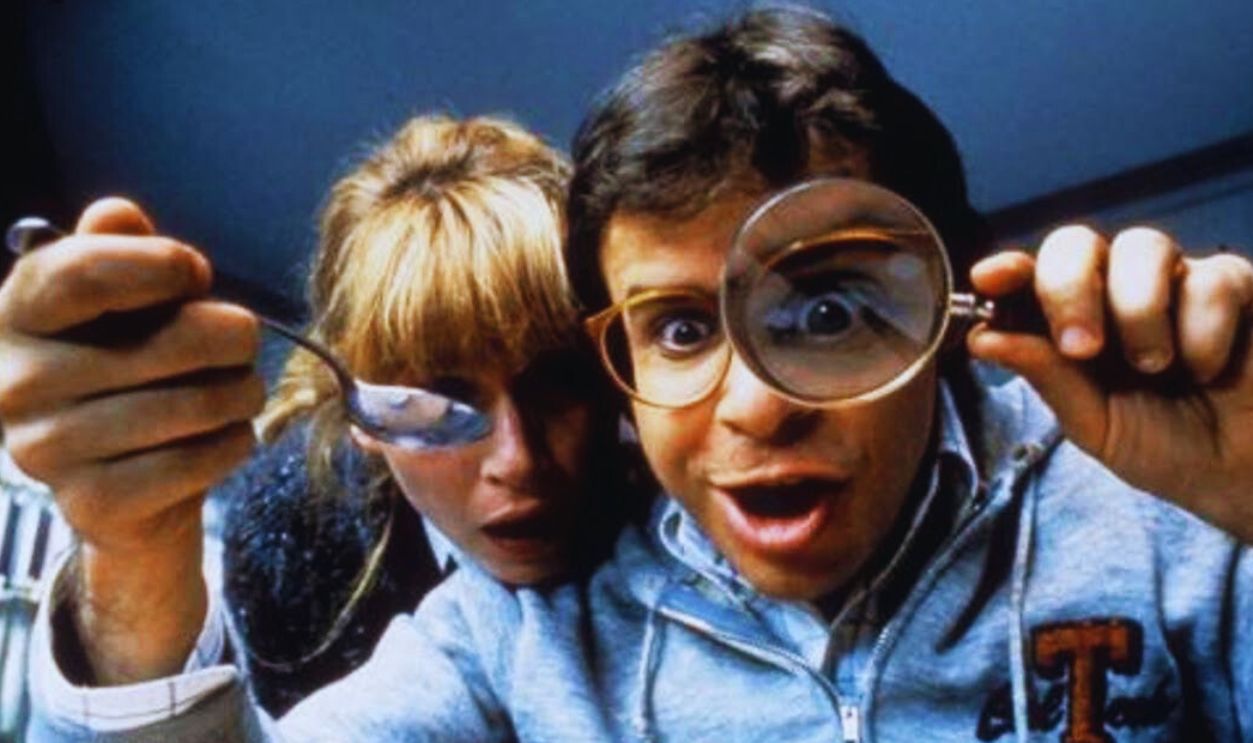 Screenshot from Honey, I Shrunk the Kids, Walt Disney Pictures (1989)
Diane Szalinski Used Her Grounding Skills Again
The Honey, I Shrunk the Kids premise depended on absurd inventions and enormous visual effects, but Diane helped keep the family story emotionally recognizable. Strassman once again played a practical spouse living with a man whose work routinely created chaos around the home. The difference was that a giant backyard and microscopic children gave her a much bigger playground than the Kotters’ apartment.
 Screenshot from Honey, I Shrunk the Kids, Walt Disney Pictures (1989)
She Returned When The Kid Became Enormous
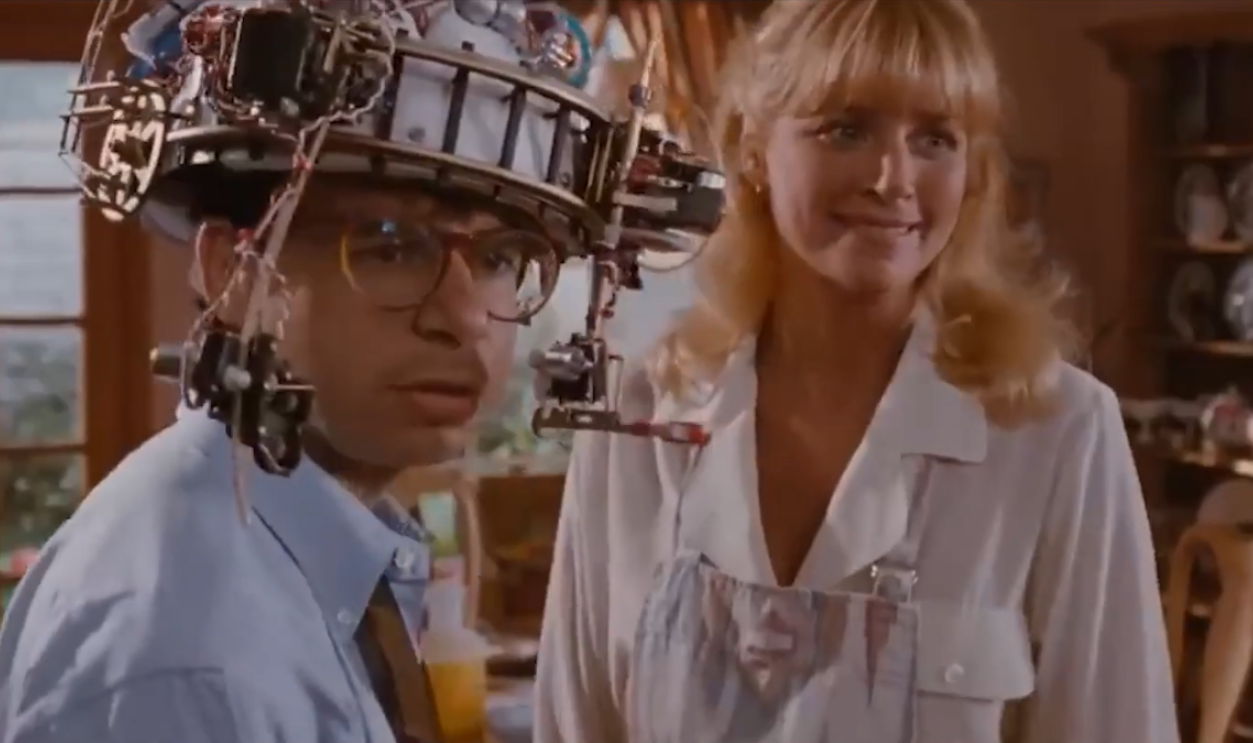
Strassman reprised Diane in the 1992 sequel Honey, I Blew Up the Kid. This time Wayne’s invention caused their young son Adam to grow to enormous proportions and head toward Las Vegas. The sequel extended Strassman’s connection with another popular screen family and proved that Julie Kotter had not been her final memorable mother.
 Screenshot from Honey, I Blew Up the Kid, Walt Disney Pictures (1992)
Her Work Extended Beyond Acting
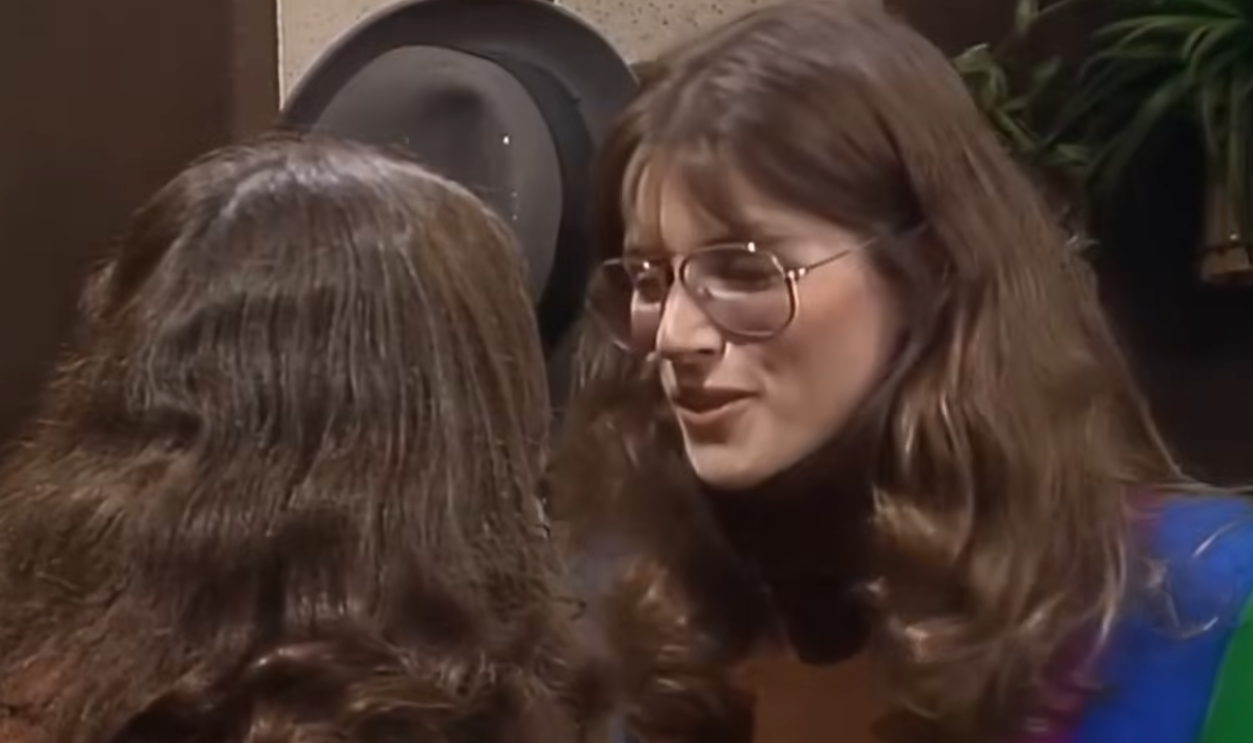
Strassman served on the national board of the Screen Actors Guild and became involved in charitable work. The Television Academy and Associated Press both noted her activity as a volunteer and advocate in addition to her decades of screen credits. She had built a public life that went considerably beyond the supporting-wife roles for which casual viewers knew her best.
 Screenshot from Welcome Back, Kotter, ABC (1975–1979)
She Faced Cancer With Remarkable Endurance
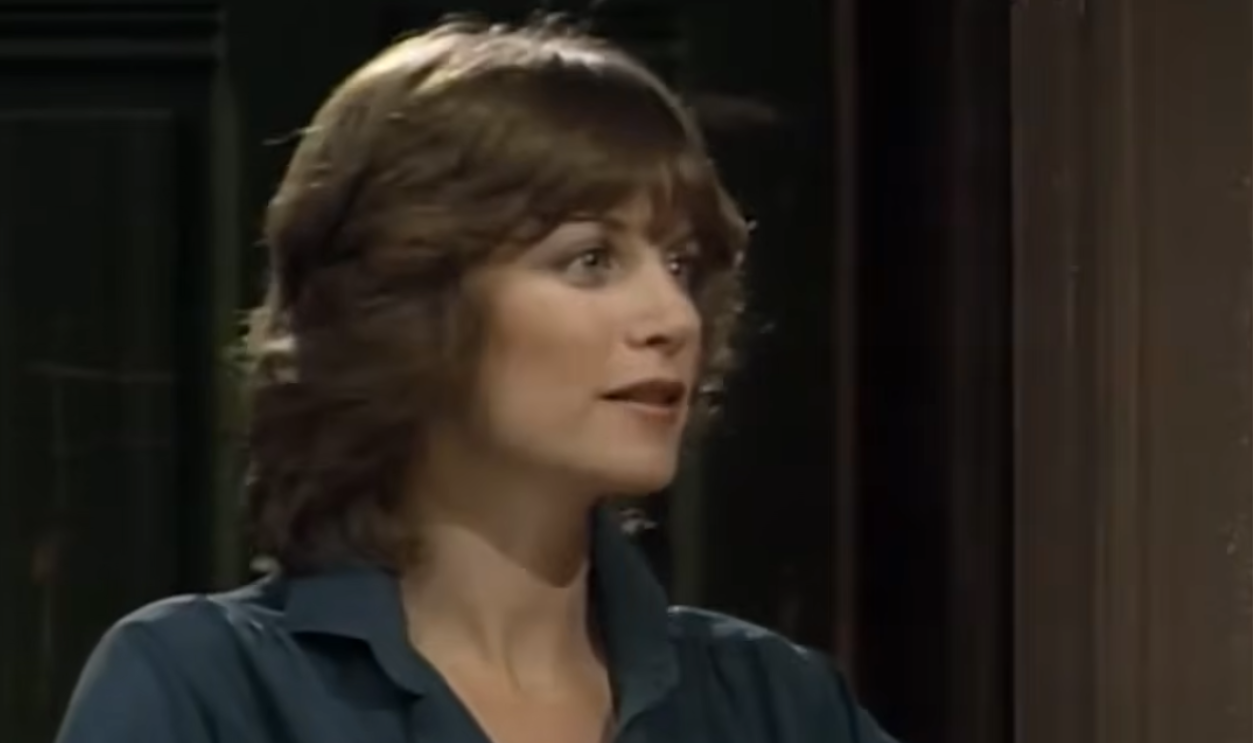
Strassman was diagnosed with breast cancer and lived with the disease for seven years. Her sister told the Associated Press that doctors had initially given her a much shorter prognosis, but Strassman survived well beyond it. She died at her Sherman Oaks home in October 2014 at age 66.
 Screenshot from Welcome Back, Kotter, ABC (1975–1979)
Julie Kotter Was More Important Than The Punch Lines Suggested
Strassman never received the volume of comedy that Travolta, Kaplan, Palillo, Hegyes, and Hilton-Jacobs enjoyed, and she was candid about resenting those limitations. Yet Welcome Back, Kotter needed someone who made life outside the Sweathogs believable, and Julie provided exactly that anchor. Strassman kept the show connected to marriage, adulthood, and ordinary reality while everyone around her was busy becoming a catchphrase.
You May Also Like:
Facts About Classic TV Shows That Will Make You Nostalgic
The First TV Shows To Break Major Barriers