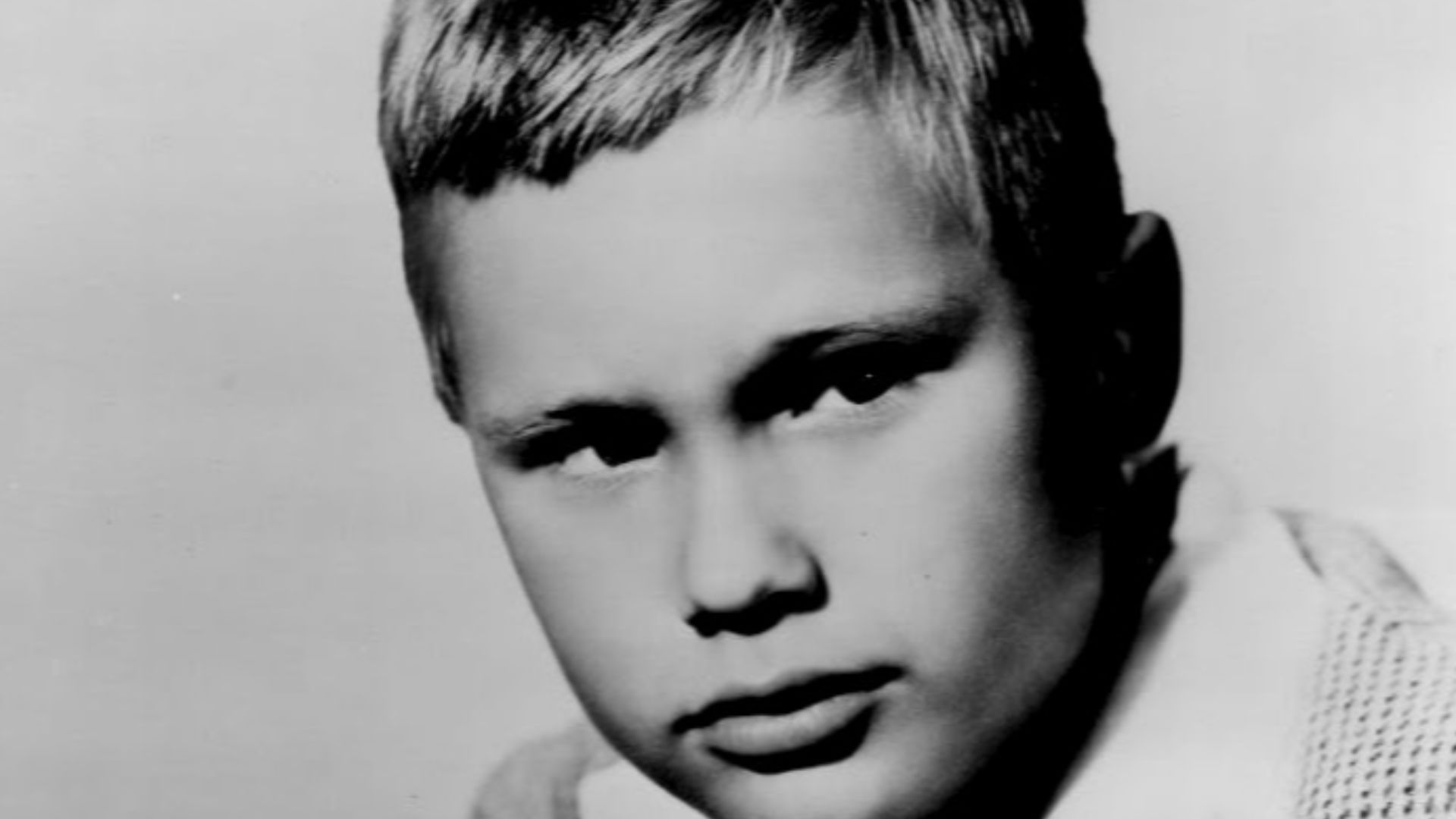
He Beat The Odds
Brandon deWilde accomplished something remarkably difficult: he became one of America's most celebrated child actors and successfully kept working as he grew up. From Shane (1953) to Hud (1963), he proved he was more than a precocious kid. Then, at only 30, his story ended abruptly.
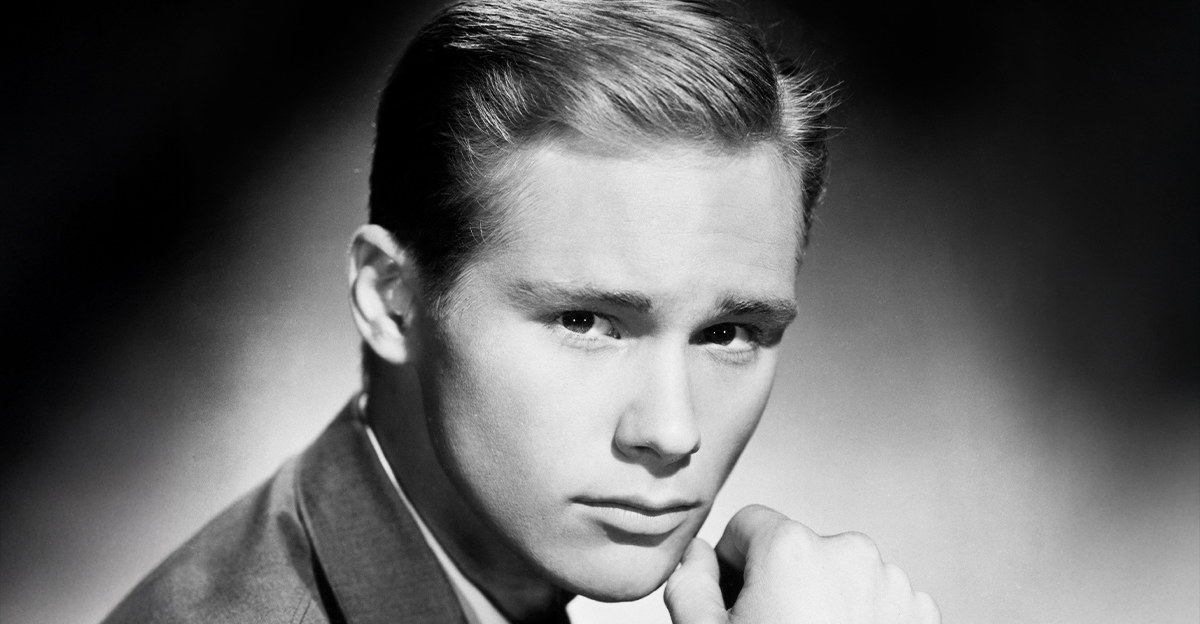 Universal History Archive/Universal Images Group via Getty Images
Show Business Was Home
Andre Brandon deWilde was born April 9, 1942, in Brooklyn, New York. His father, Frederic "Fritz" deWilde, was an actor and Broadway production stage manager, while his mother, Eugenia, worked part-time as a stage actress. The family subsequently settled in Baldwin on Long Island.
 ABC Television, Wikimedia Commons
Acting Found Him
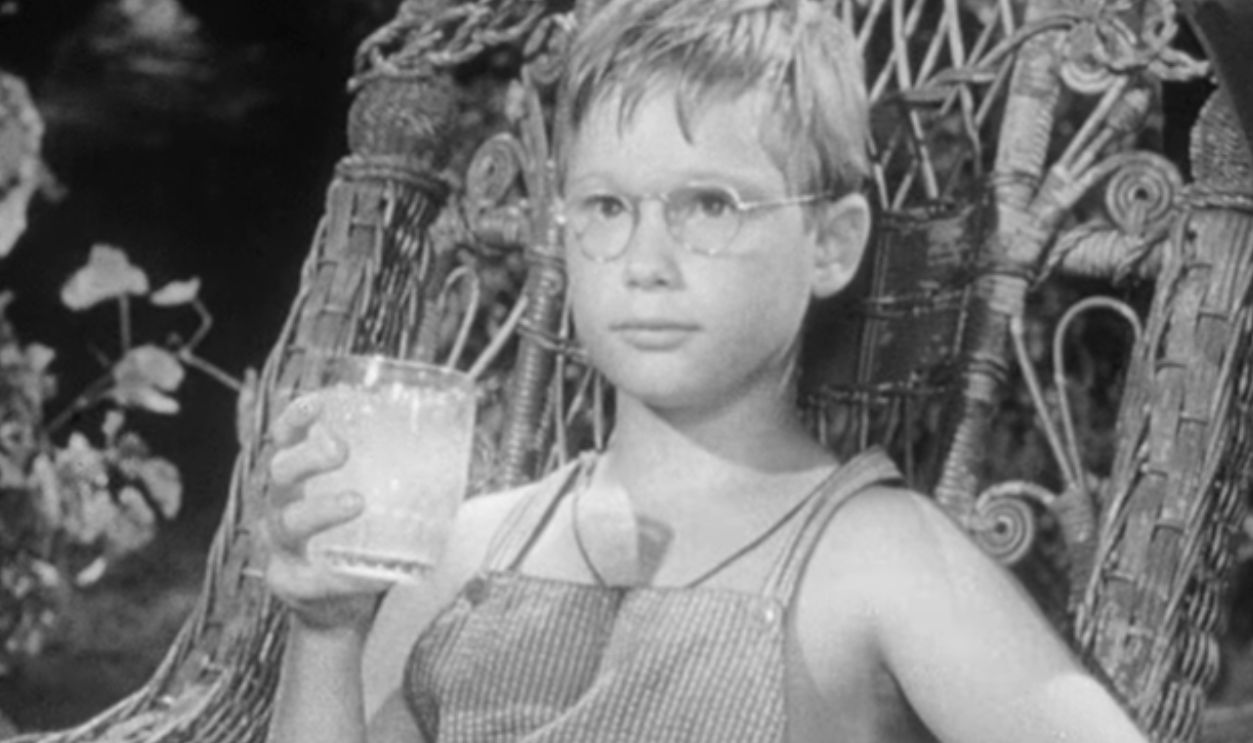
Remarkably, deWilde apparently showed little interest in becoming an actor himself. That changed when a friend of his father was casting a stage adaptation of Carson McCullers's novel The Member of the Wedding. Seven-year-old Brandon was selected to play John Henry West despite having no previous acting experience.
 Screenshot from The Member of the Wedding, Columbia Pictures (1952)
Broadway Had A Prodigy
DeWilde appeared alongside Julie Harris and Ethel Waters in The Member of the Wedding, ultimately performing the play hundreds of times. His naturalism astonished experienced theater professionals. He became the first child actor to win a Donaldson Award, receiving the honor for his remarkable Broadway debut.
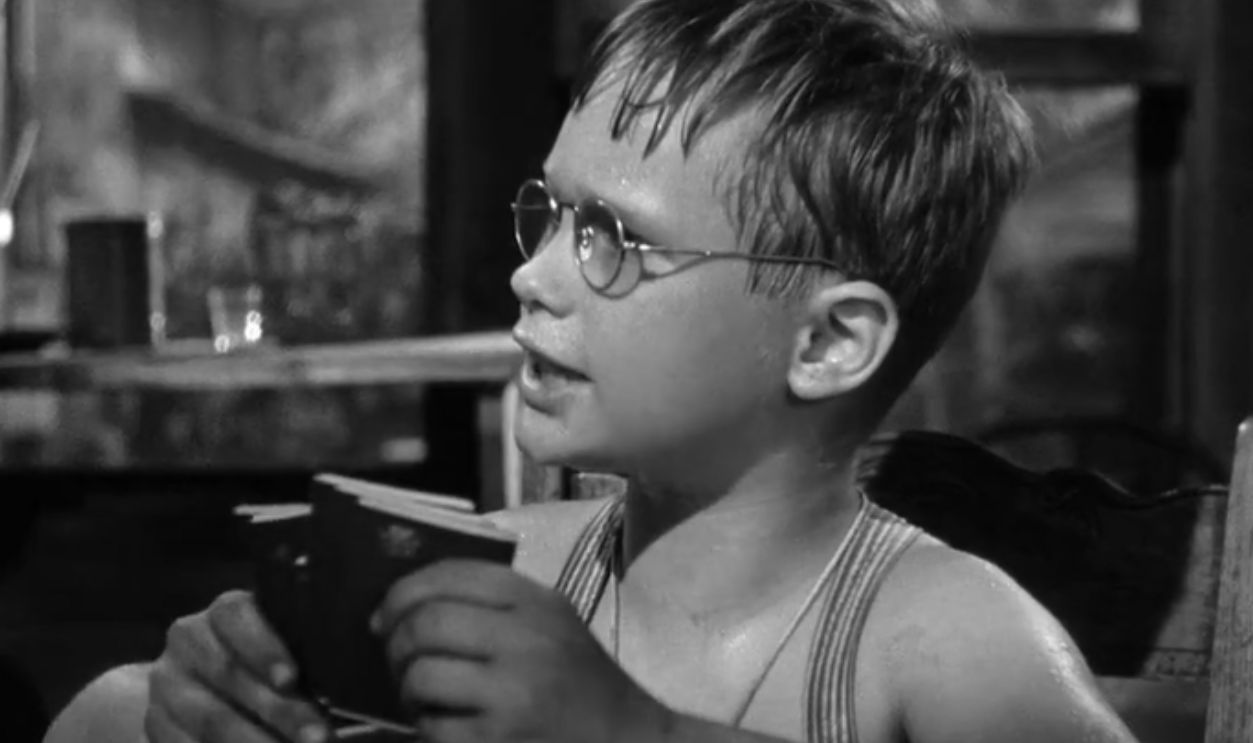 Screenshot from The Member of the Wedding, Columbia Pictures (1952)
Even Gielgud Noticed
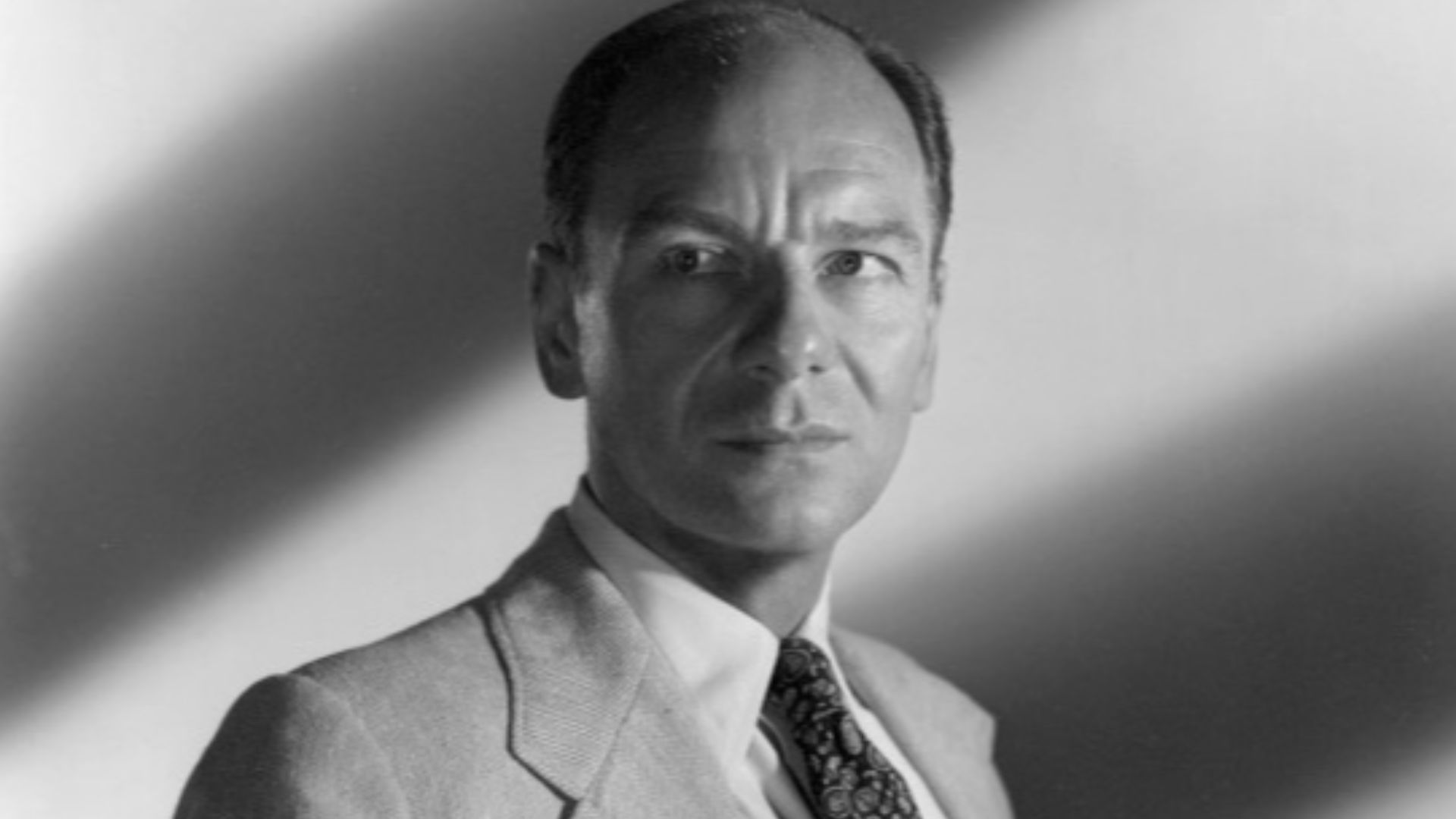
DeWilde's performance attracted admiration from one of the world's most respected actors. John Gielgud saw The Member of the Wedding and praised the youngster's subtle performance. DeWilde was already demonstrating the quality that would distinguish his film acting: he rarely seemed like a child conspicuously trying to act.
Hollywood Came Calling
Director Fred Zinnemann brought deWilde, Julie Harris, and Ethel Waters to the screen in the film version of The Member of the Wedding (1952). Producer Stanley Kramer backed the adaptation. DeWilde's performance as John Henry earned him a special Golden Globe for juvenile acting and established him as a genuine movie talent.
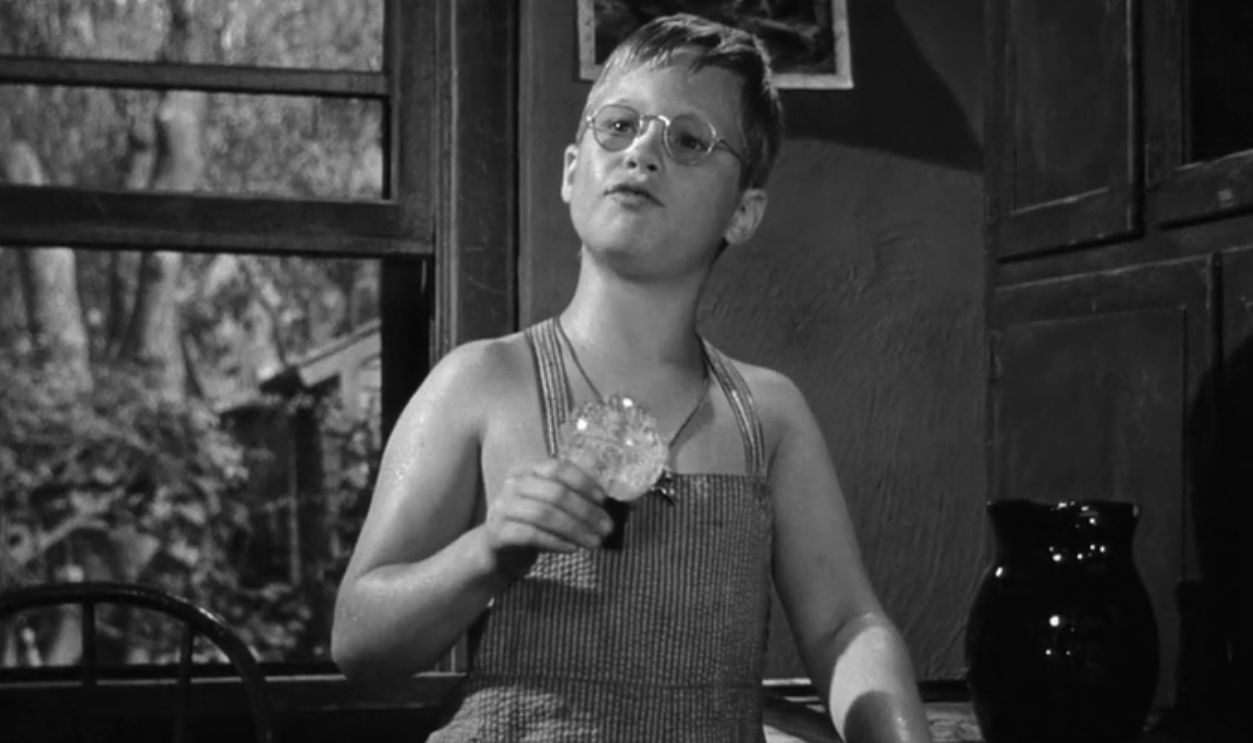 Screenshot from The Member of the Wedding, Columbia Pictures (1952)
Life Put Him On The Cover
DeWilde's fame was already spreading beyond a single role. His second Broadway production, Mary Chase's Mrs. McThing, placed him alongside Helen Hayes. In March 1952, at only nine years old, he appeared on the cover of Life magazine. He was becoming a nationally recognizable child performer.
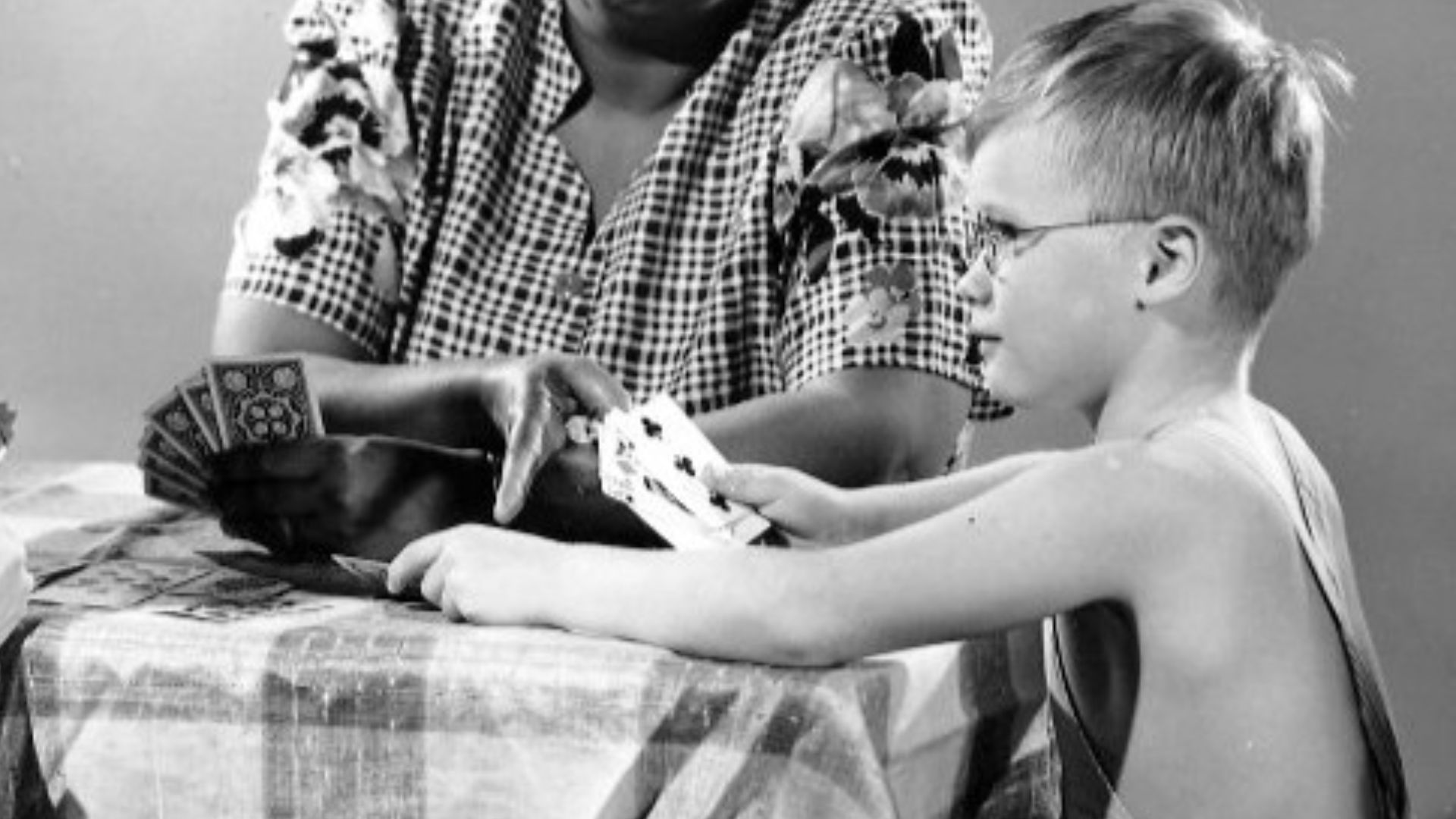 Alfredo Valente-photo., Wikimedia Commons
Then Came Shane
Director George Stevens cast deWilde as Joey Starrett in Shane (1953), opposite Alan Ladd, Jean Arthur, Van Heflin, and Jack Palance. Joey's fascination with Ladd's mysterious gunfighter gave the Western much of its emotional perspective, and deWilde's unaffected performance became central to the film's enduring appeal.
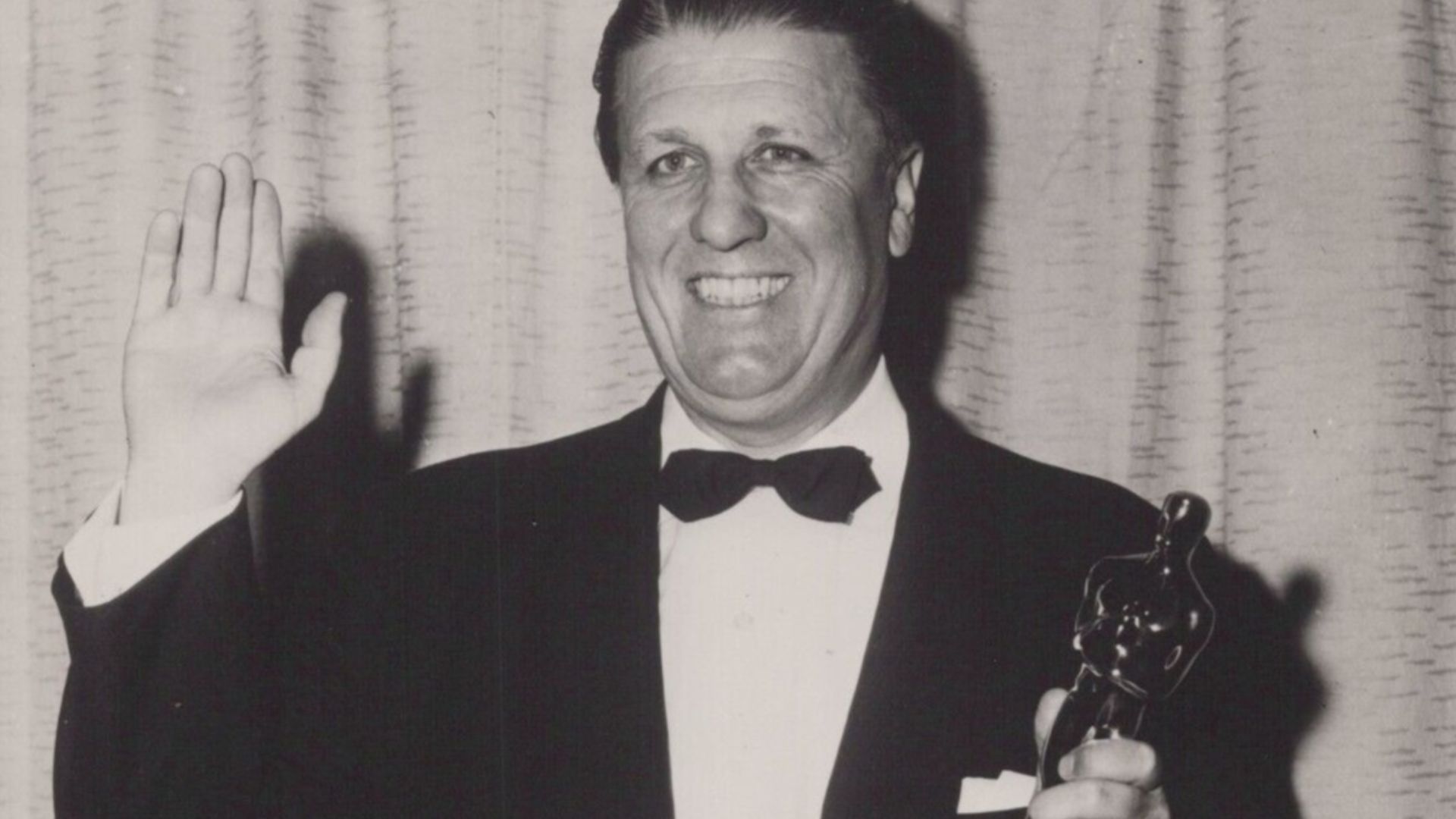 Unknown authorUnknown author, Wikimedia Commons
Shane Come Back
The image of Joey desperately calling after the departing gunfighter became one of classic Hollywood's defining endings. DeWilde's cry of "Shane! Come back!" became inseparable from the movie itself. For millions of viewers, the blond-haired youngster standing against that vast Western landscape would remain deWilde's defining image.
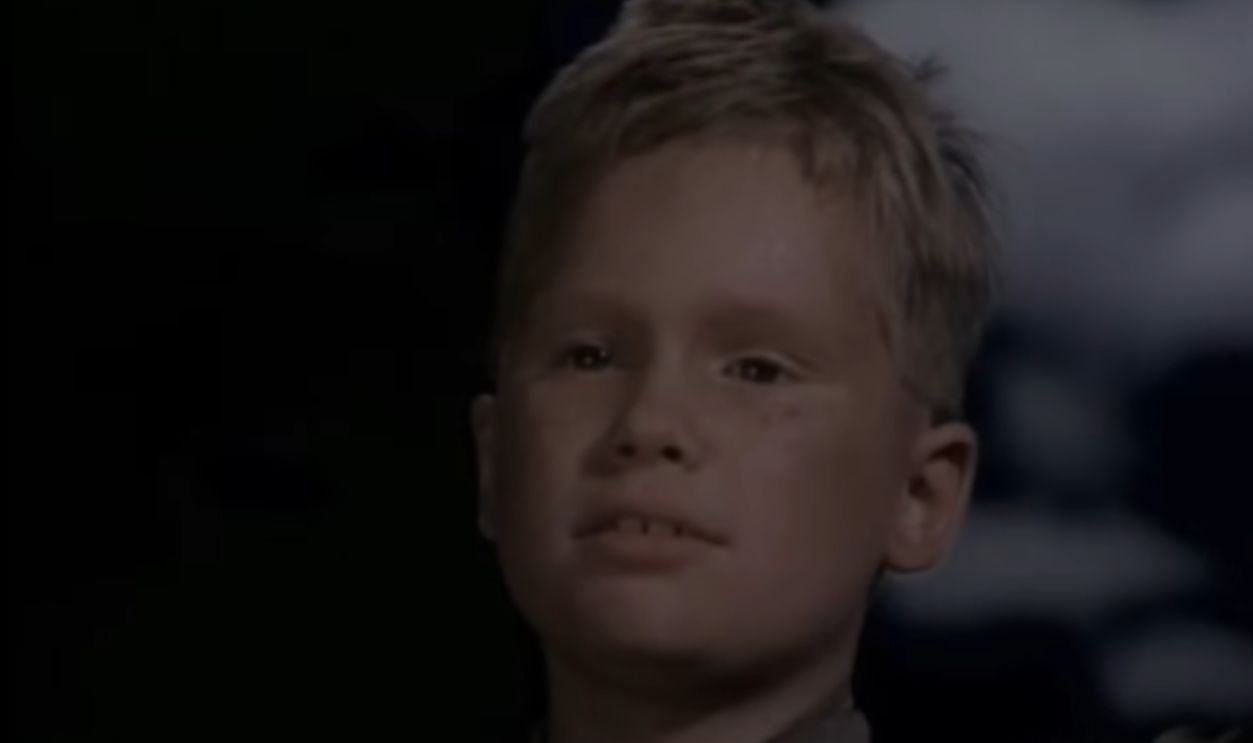 Screenshot from Shane, Paramount Pictures (1953)
An Oscar Nomination At Eleven
DeWilde's performance in Shane (1953) earned an Academy Award nomination for Best Supporting Actor. At the time, he was the youngest performer ever nominated in a competitive Oscar category. He lost to Frank Sinatra for From Here to Eternity (1953), but his place in Hollywood history was secure.
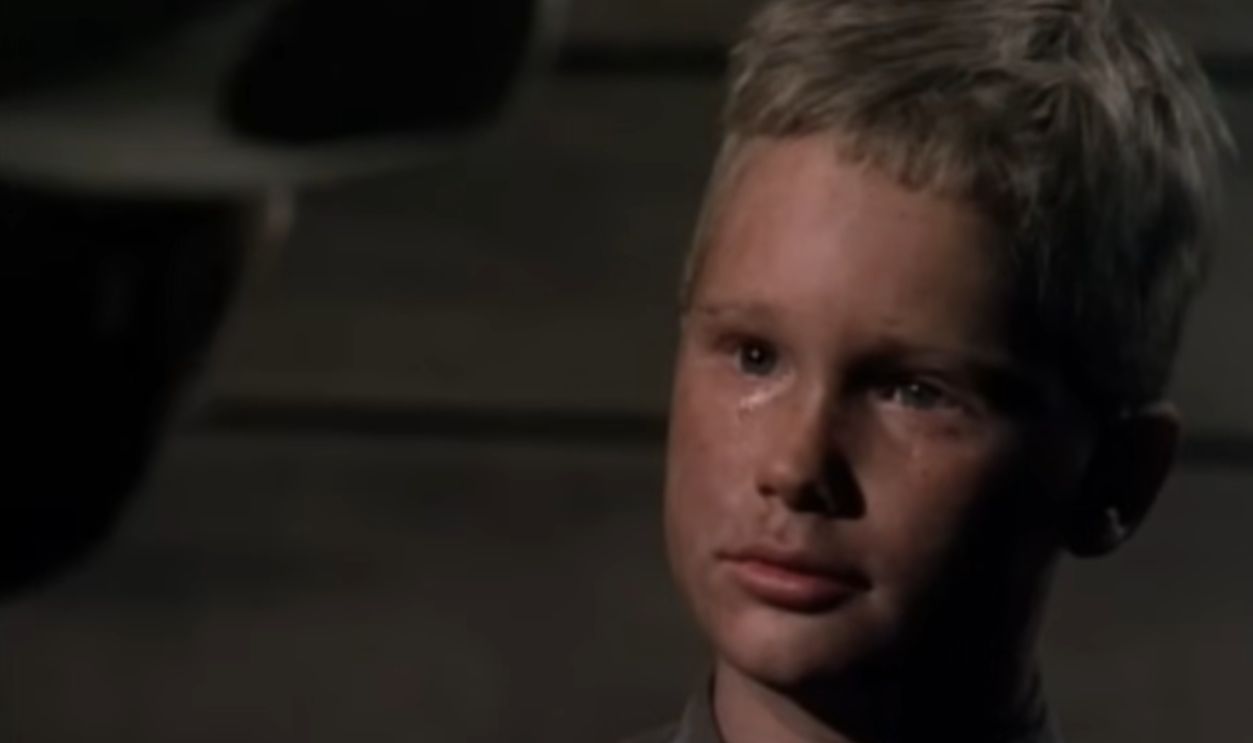 Screenshot from Shane, Paramount Pictures (1953)
Television Made Him Bigger
Hollywood quickly built more projects around its young star. DeWilde headlined the ABC sitcom Jamie, playing an orphan living with his aunt. The series ran during 1952 and 1953 and was reportedly popular, but a contractual dispute brought it to an unexpectedly early end.
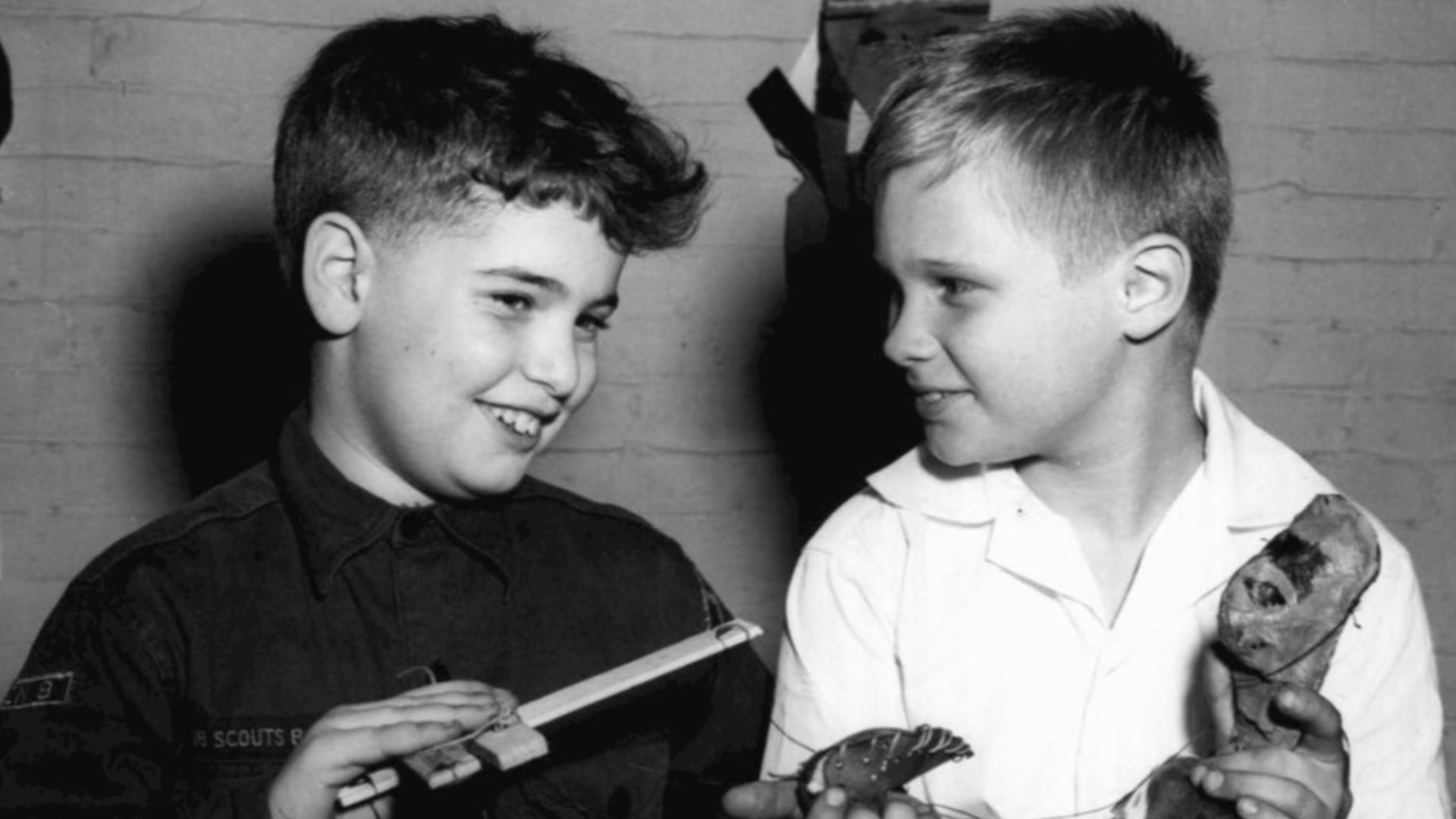 photographer-Lenscraft Photos, Boston, Wikimedia Commons
Growing Up Onscreen
The great challenge facing any child star eventually arrived: adolescence. DeWilde nevertheless kept getting substantial parts. In William A. Wellman's Good-bye, My Lady (1956), he starred with Walter Brennan and Sidney Poitier as a Southern boy who discovers and bonds with an unusual stray dog.
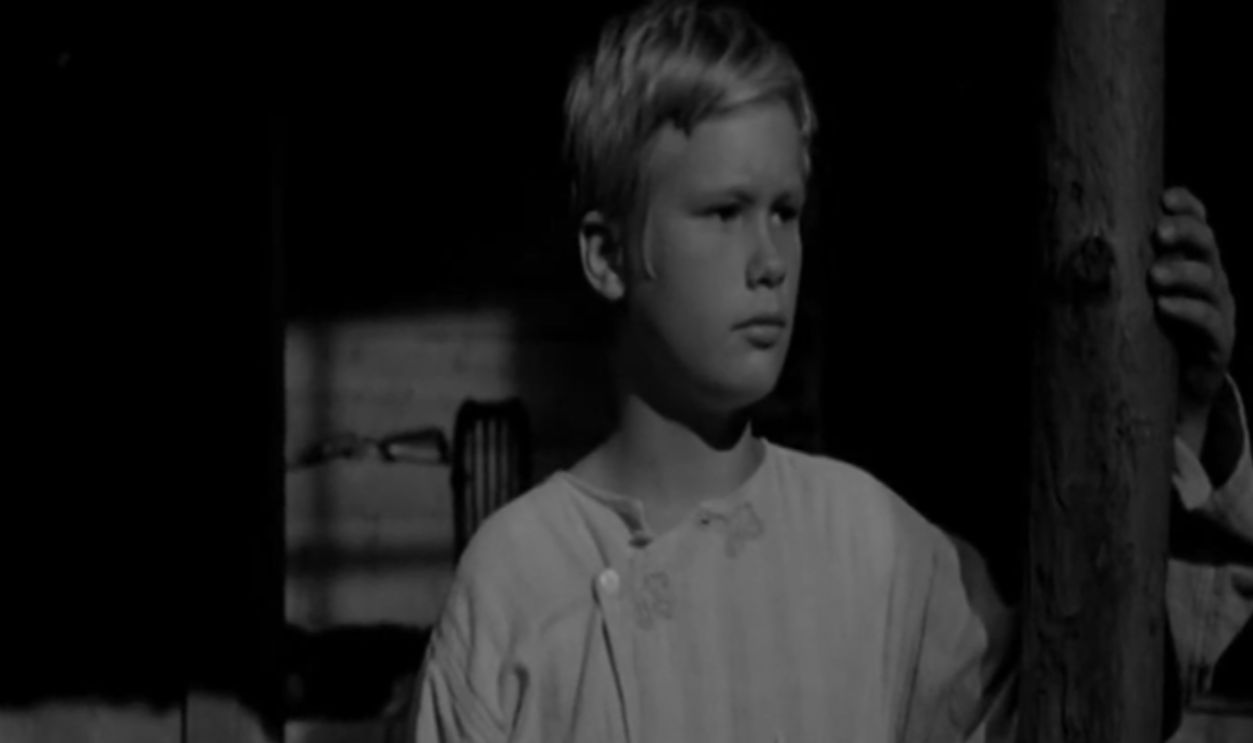 Screenshot from Good-bye, My Lady, Warner Bros. (1956)
He Worked With Legends
James Neilson's Western Night Passage (1957) placed deWilde alongside James Stewart and Audie Murphy. The following year, he shared prominent billing with Lee Marvin in Jerry Hopper's The Missouri Traveler (1958), another coming-of-age story that demonstrated Hollywood still considered the teenage deWilde capable of carrying significant dramatic material.
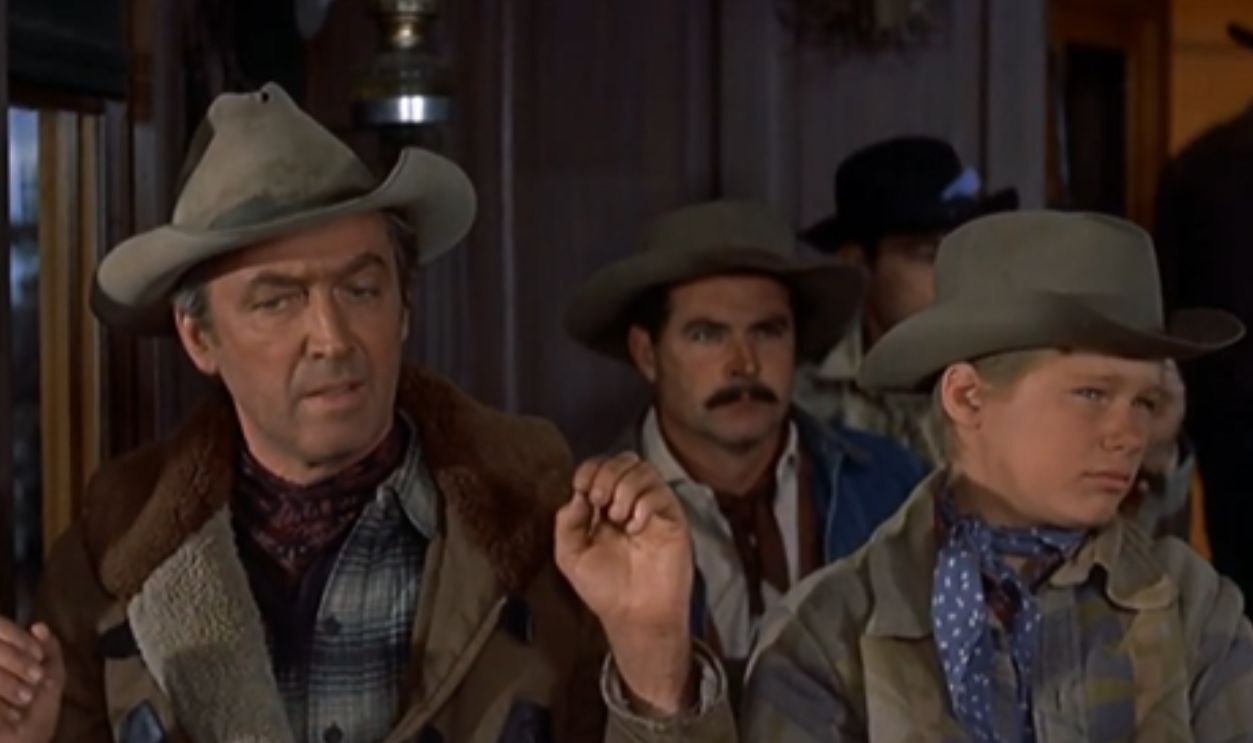 Screenshot from Night Passage, Universal Pictures (1957)
His Roles Grew Up
At 17, deWilde confronted decidedly adult subject matter in director Philip Dunne's Blue Denim (1959). He and Carol Lynley played teenagers dealing with an unintended pregnancy, while Macdonald Carey and Marsha Hunt portrayed his parents. The controversial drama helped move deWilde beyond innocent childhood roles.
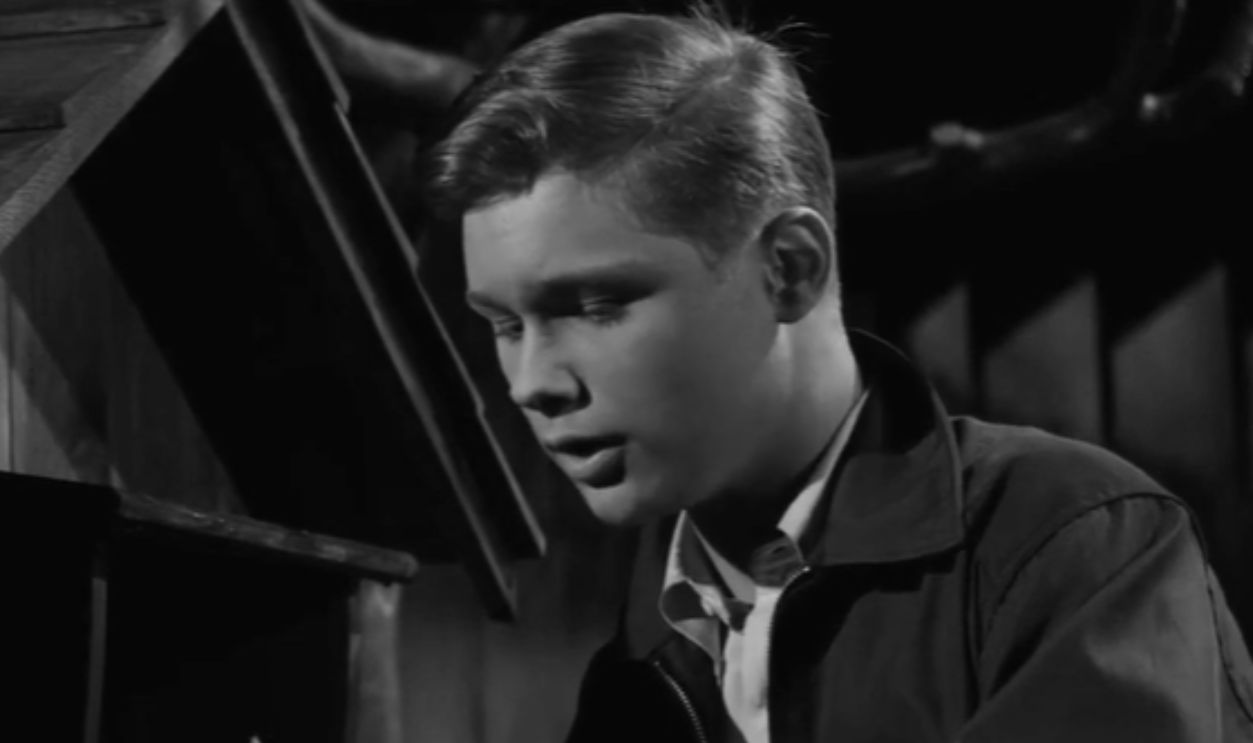 Screenshot from Blue Denim, 20th Century Fox (1959)
Television Turned Dark
DeWilde's television work could be surprisingly unsettling. He starred in "Pigeons from Hell," an episode of Thriller later praised by Stephen King, and appeared as Hugo in Alfred Hitchcock Presents. The latter episode's gruesome conclusion was considered so disturbing that NBC declined to broadcast it.
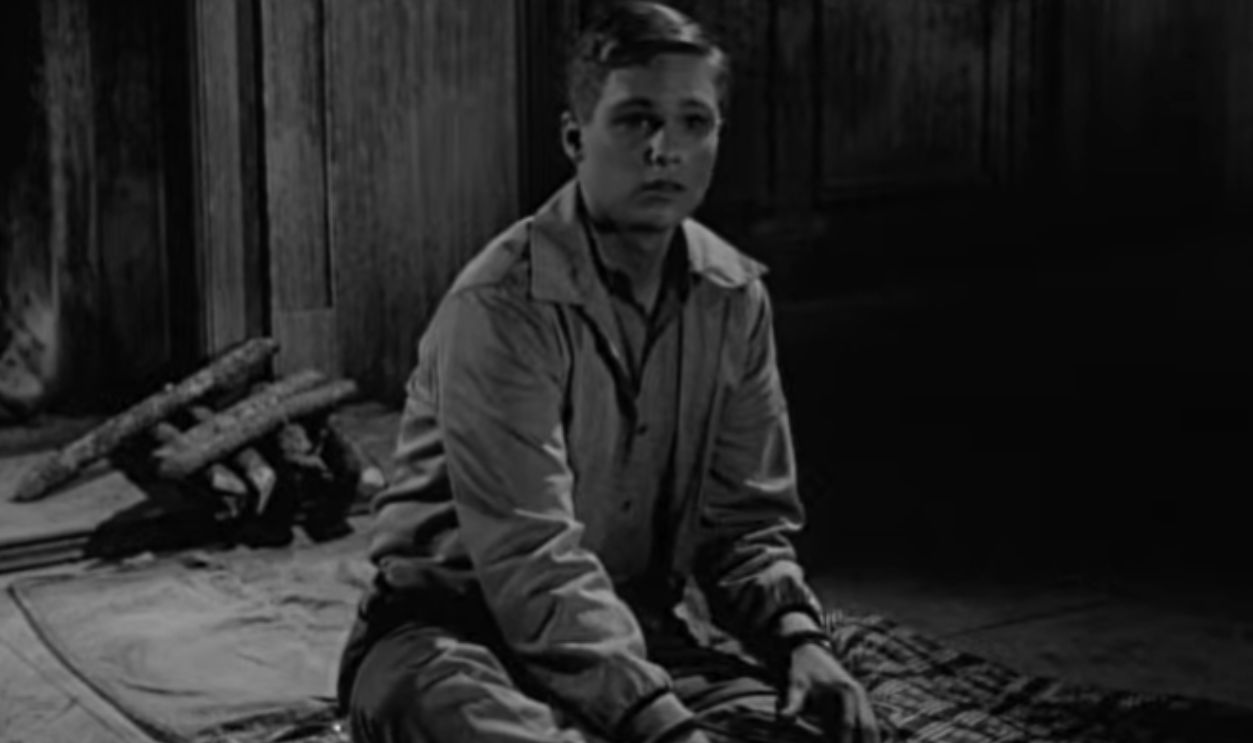 Screenshot from Thriller, NBC (1960-1962)
Frankenheimer Saw His Potential
DeWilde entered his twenties with an important role in John Frankenheimer's All Fall Down (1962). He played Clinton Willart opposite Warren Beatty, Eva Marie Saint, Karl Malden, and Angela Lansbury. The film gave the former child star complicated adult material and another prestigious director with whom to work.
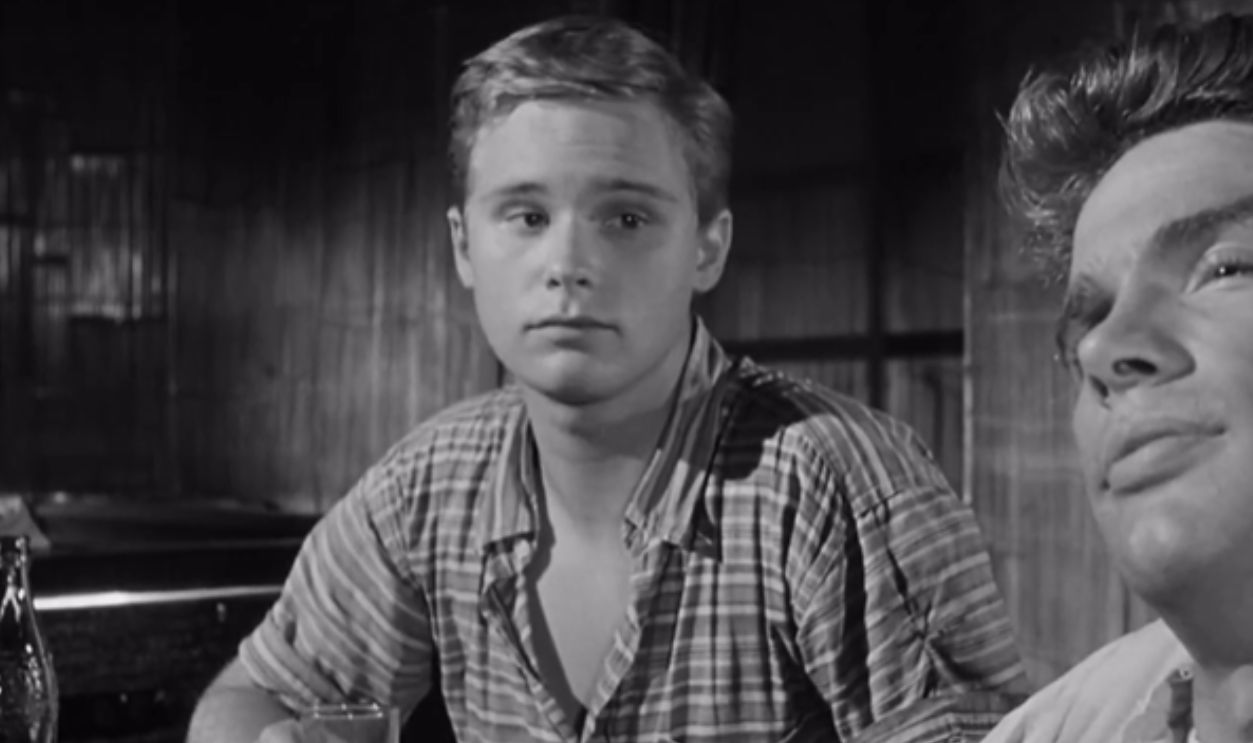 Screenshot from All Fall Down, Metro-Goldwyn-Mayer (1962)
Hud Proved The Point
Martin Ritt's Hud (1963) provided perhaps the strongest proof that deWilde had survived child stardom. As Lonnie Bannon, he appeared opposite Paul Newman, Patricia Neal, and Melvyn Douglas. His impressionable character initially admires Newman's charismatic Hud before gradually recognizing the man's selfishness and cruelty.
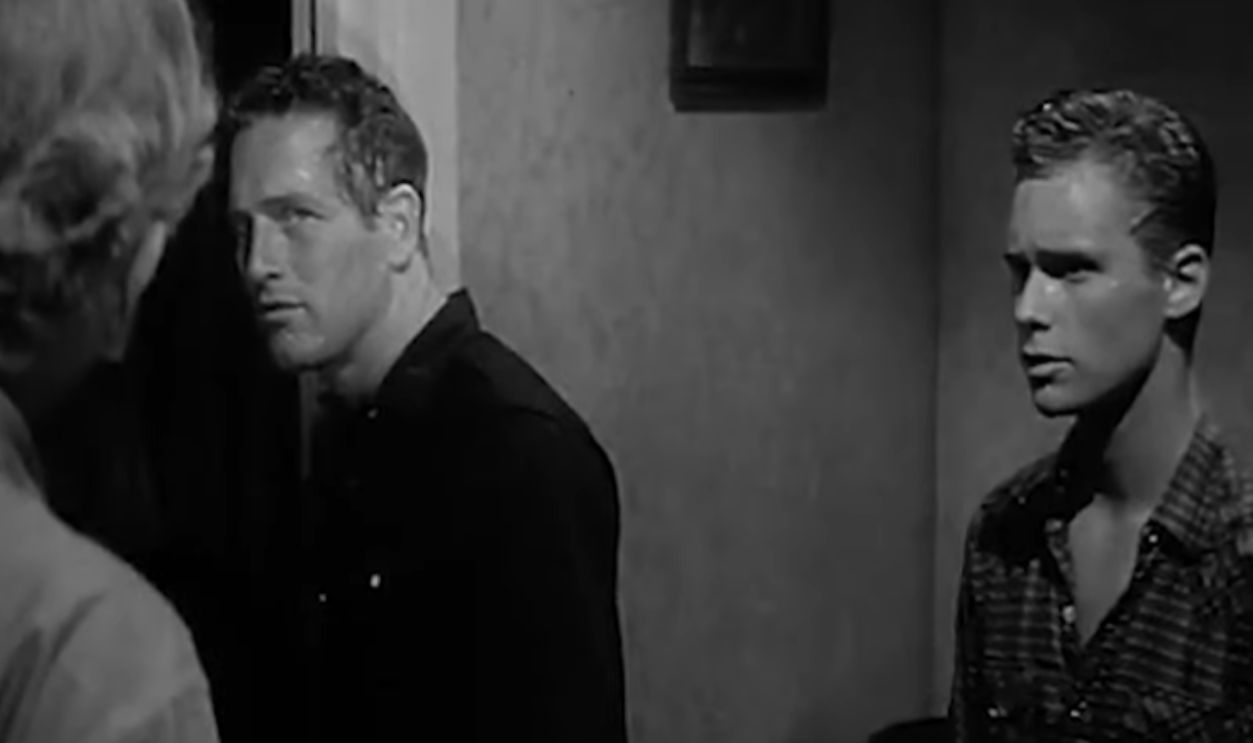 Screenshot from Hud, Paramount Pictures (1963)
Everyone Else Got Nominated
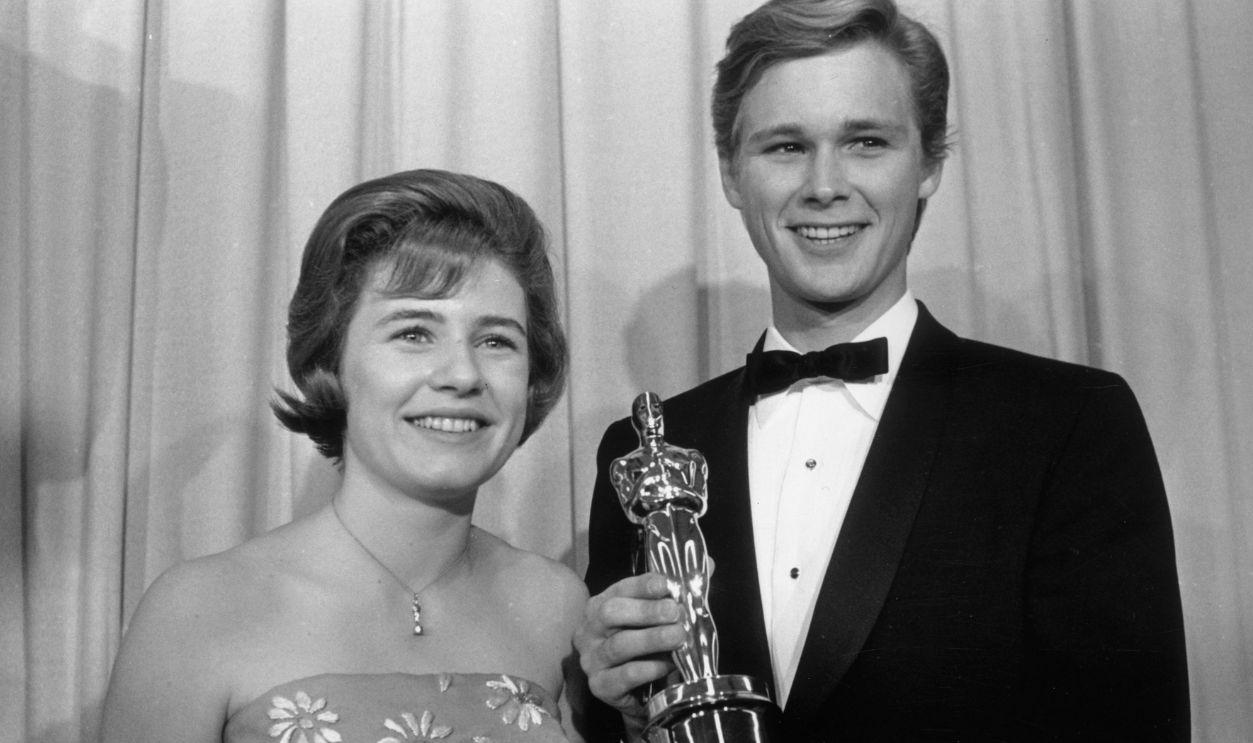
Hud (1963) became an awards triumph, although deWilde was the principal performer overlooked by the Academy. Newman, Neal, and Douglas all received Oscar nominations, with Neal and Douglas winning. DeWilde nevertheless participated in the ceremony, accepting Douglas's supporting-actor Oscar on his absent co-star's behalf.
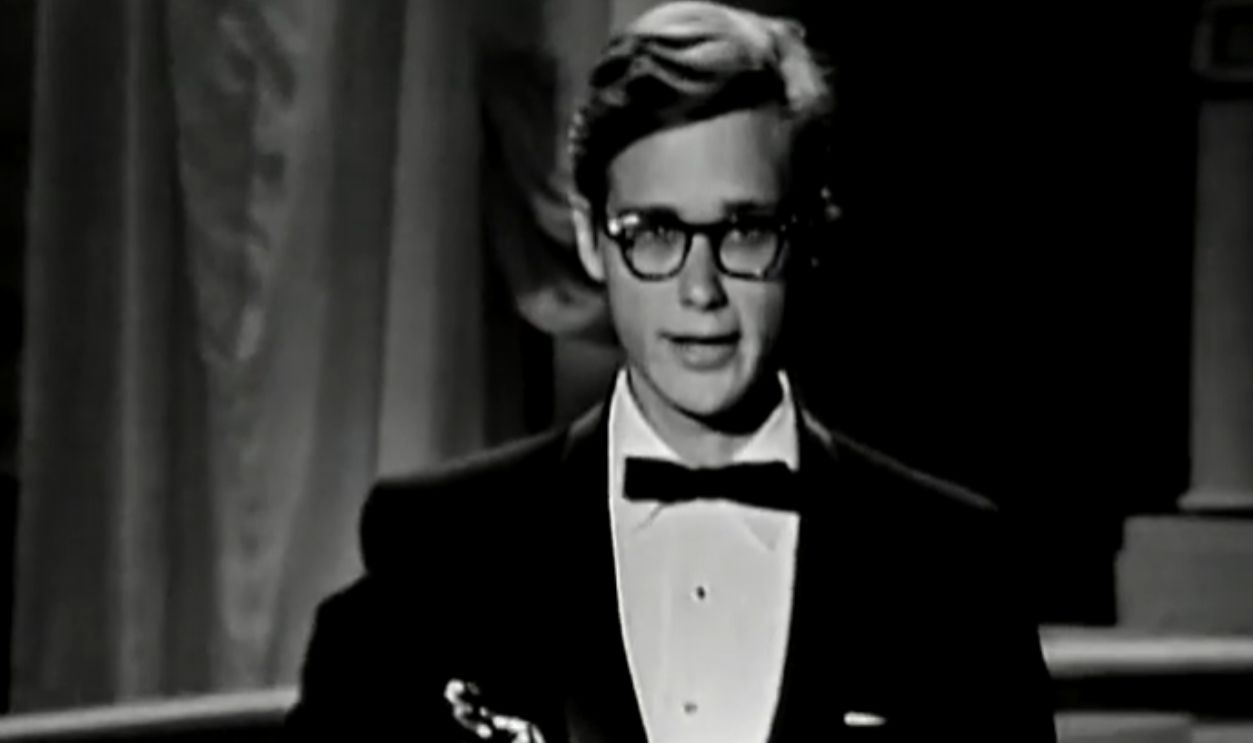 Screenshot from The Oscars, American Broadcasting Company (1929-)
Marriage And Fatherhood
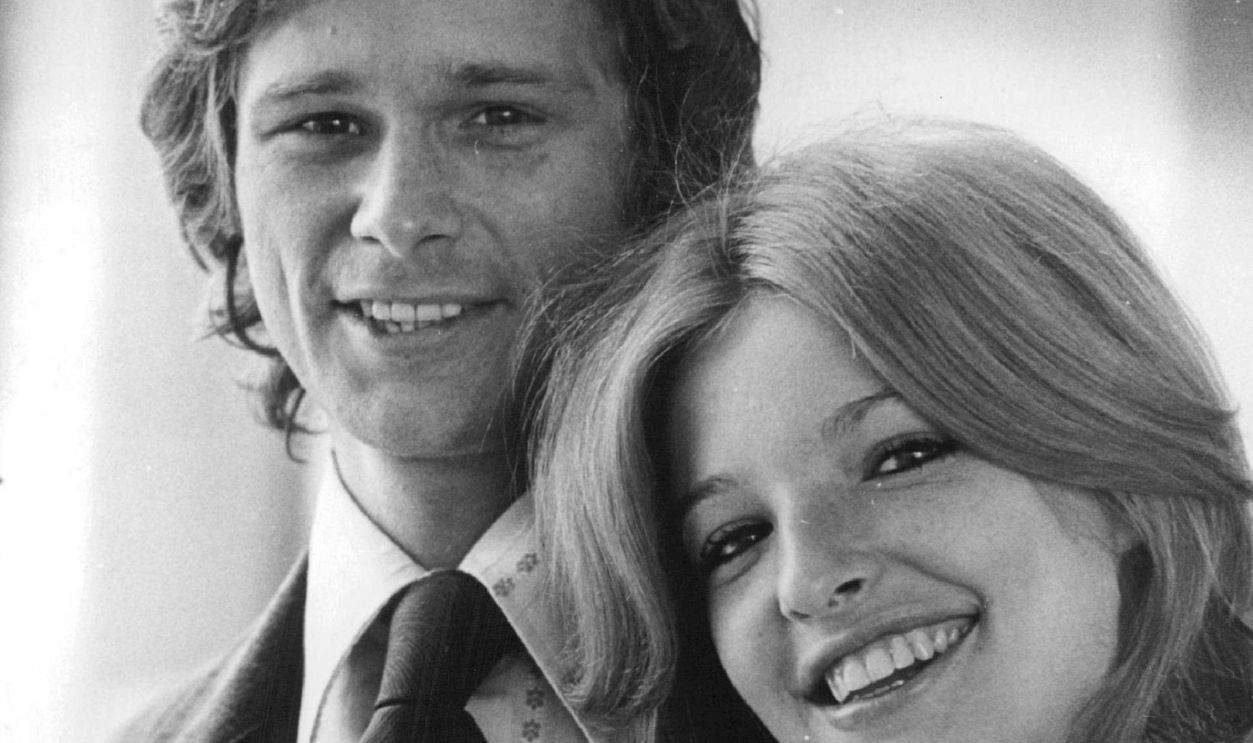
DeWilde's personal life was changing alongside his career. In December 1963, he married writer Susan M. Maw. The couple subsequently had a son, Jesse. The marriage eventually deteriorated, however, and deWilde and Maw divorced near the end of the decade. He married Janice Gero in April 1972.
Disney Came Next
In 1964, deWilde signed a two-picture agreement with Disney. He appeared with Brian Keith in the television Western comedy The Tenderfoot, then reunited with Keith and his former Good-bye, My Lady (1956) co-star Walter Brennan for director Norman Tokar's family drama Those Calloways (1965).
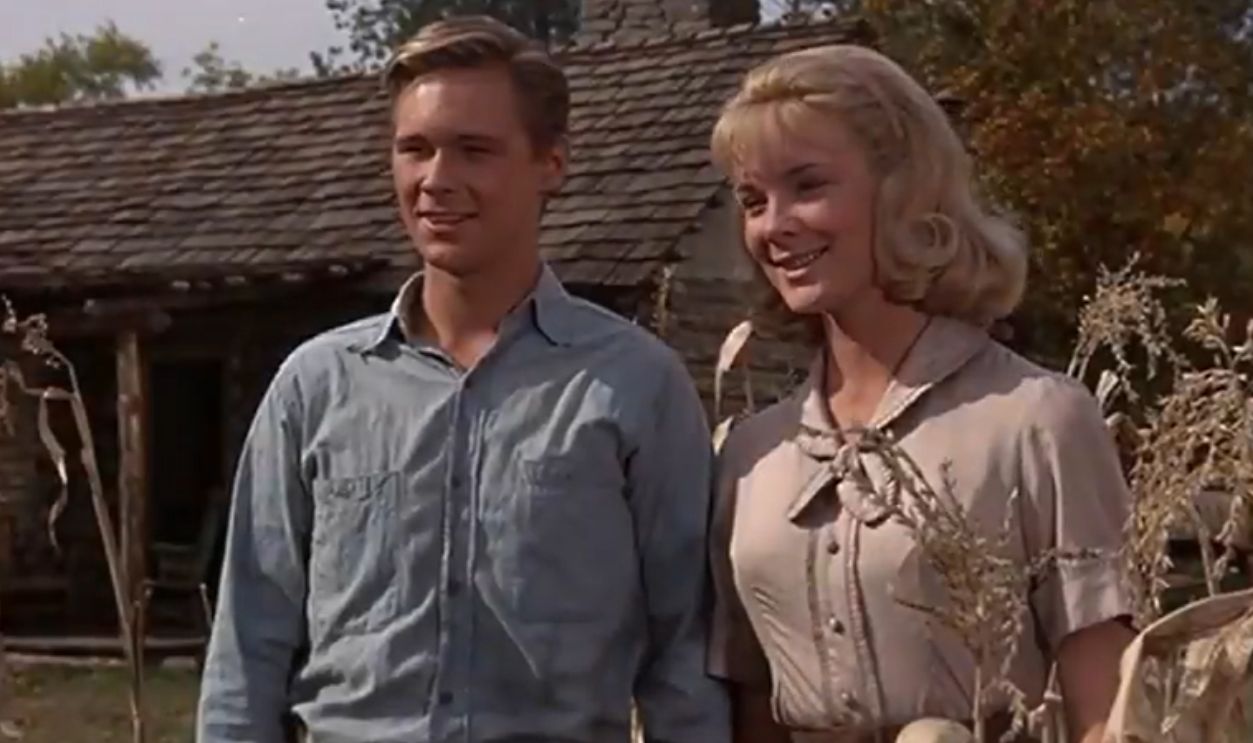 Screenshot from Those Calloways, Buena Vista Distribution Company (1965)
He Joined John Wayne
DeWilde entered another enormous production with Otto Preminger's World War II epic In Harm's Way (1965). John Wayne played Admiral Rockwell Torrey, while deWilde portrayed his estranged son, naval officer Jere Torrey. The sprawling cast also included Kirk Douglas, Patricia Neal, Henry Fonda, and Burgess Meredith.
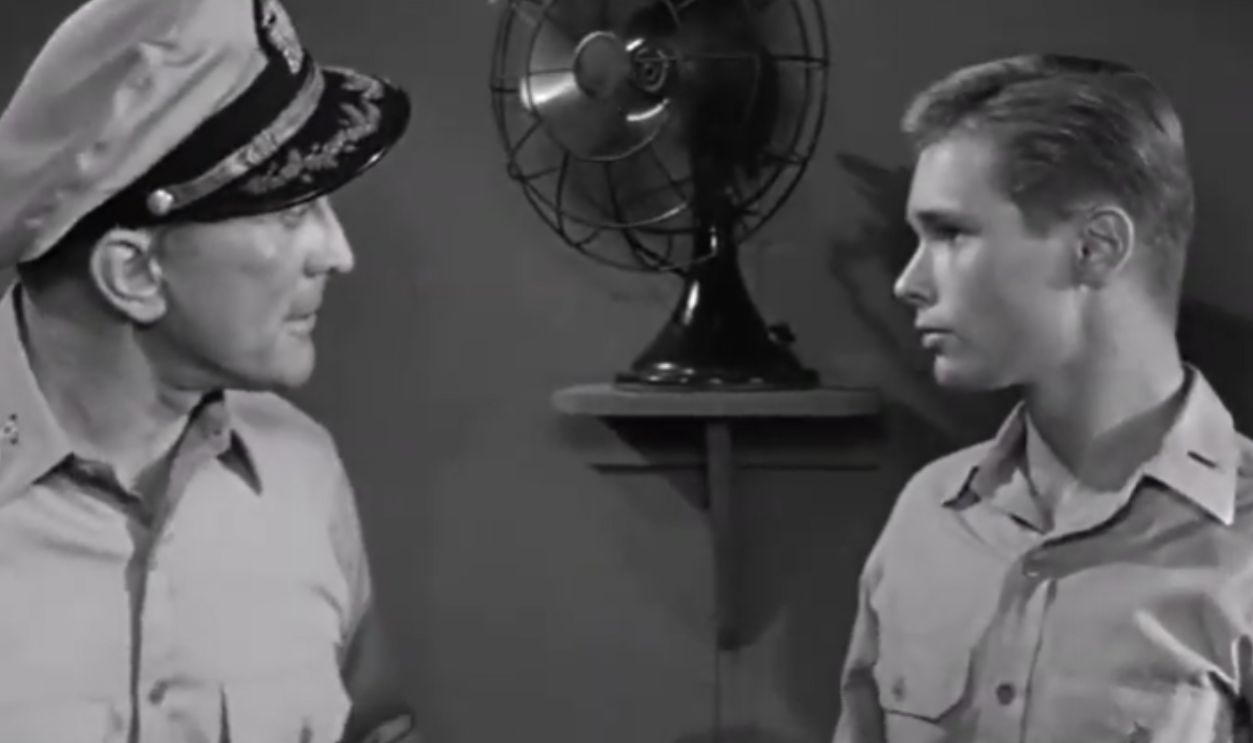 Screenshot from In Harm's Way, Paramount Pictures (1965)
Adulthood Created Problems
DeWilde had escaped the usual child-star disappearance, but adulthood presented a subtler problem. His small stature and youthful looks reportedly began working against him. According to an acquaintance who later wrote about meeting him, deWilde considered leaving movies until he could return years later as a character actor.
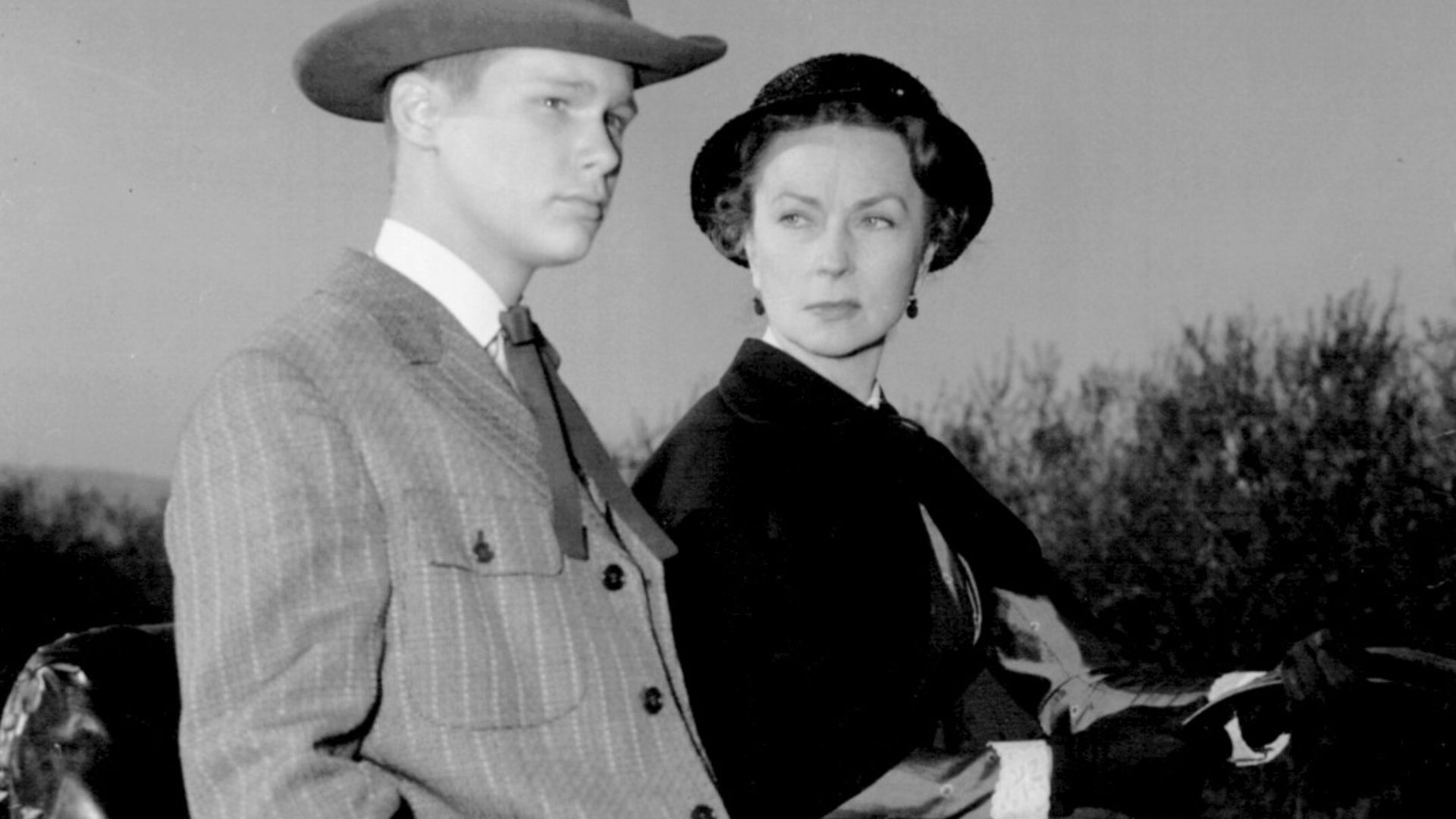 Arthur Cantor, press representative for the program, Wikimedia Commons
He Had A Musical Side
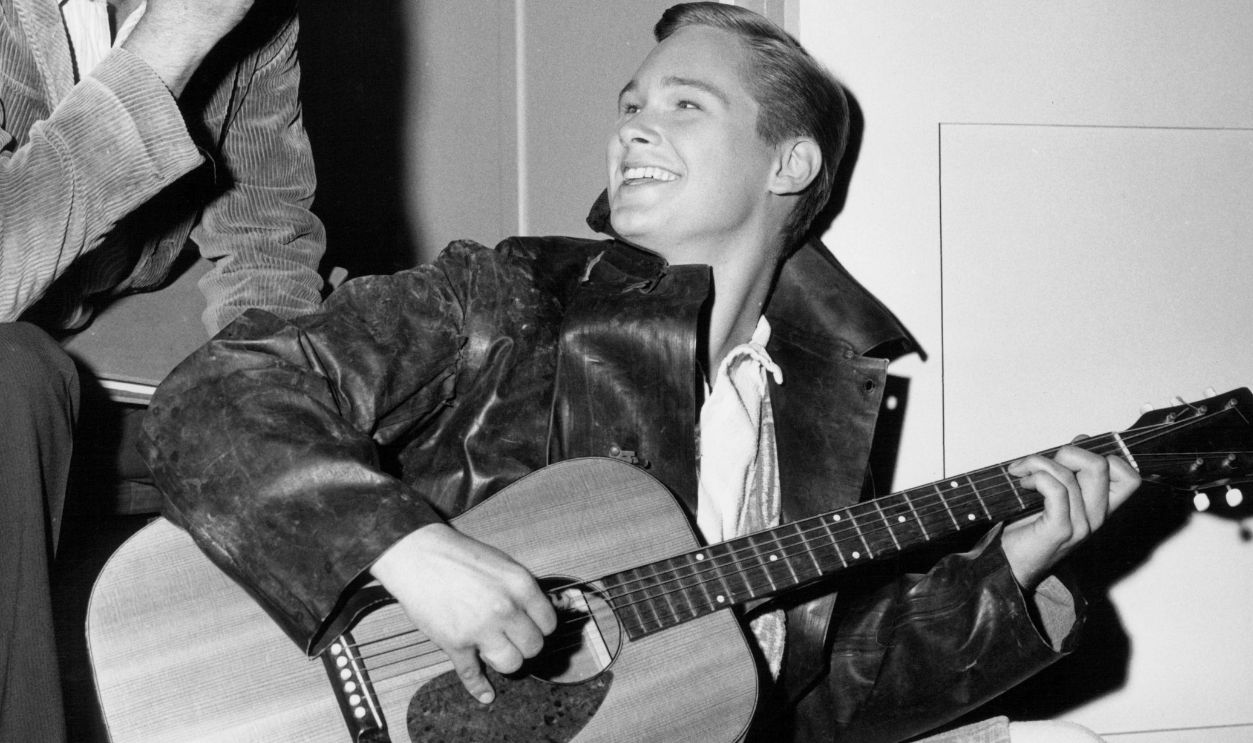
Acting wasn't deWilde's only connection to popular culture. He was interested in music and moved among musicians during the 1960s. He knew Gram Parsons and reportedly spent time around figures including The Beatles and Jim Morrison, placing the former child star surprisingly close to the decade's emerging counterculture.
Work Never Completely Stopped
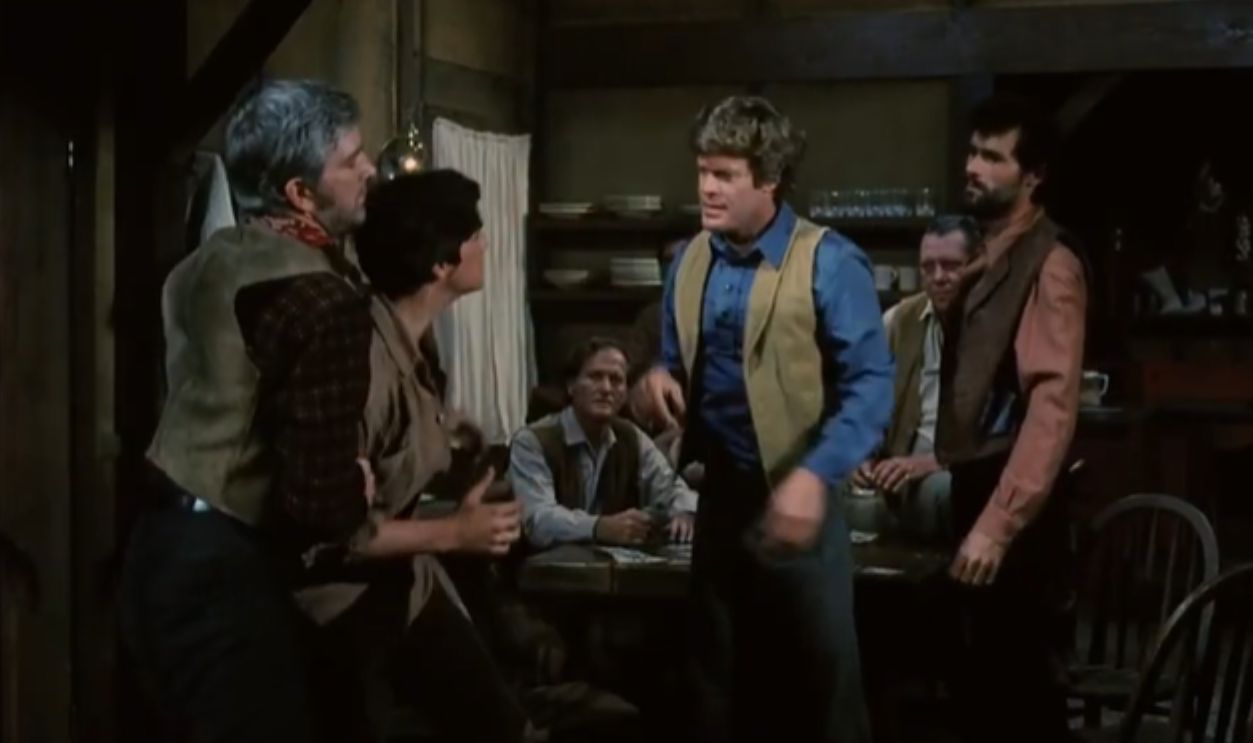
Although major movie roles became less frequent, deWilde remained a working actor. Television supplied numerous guest appearances, including The Virginian, Hawaii Five-O, Love, American Style, and Night Gallery. He also continued performing onstage rather than relying solely on the fame he had acquired as a boy.
 Screenshot from The Virginian, NBC (1962-1971)
One Last Western
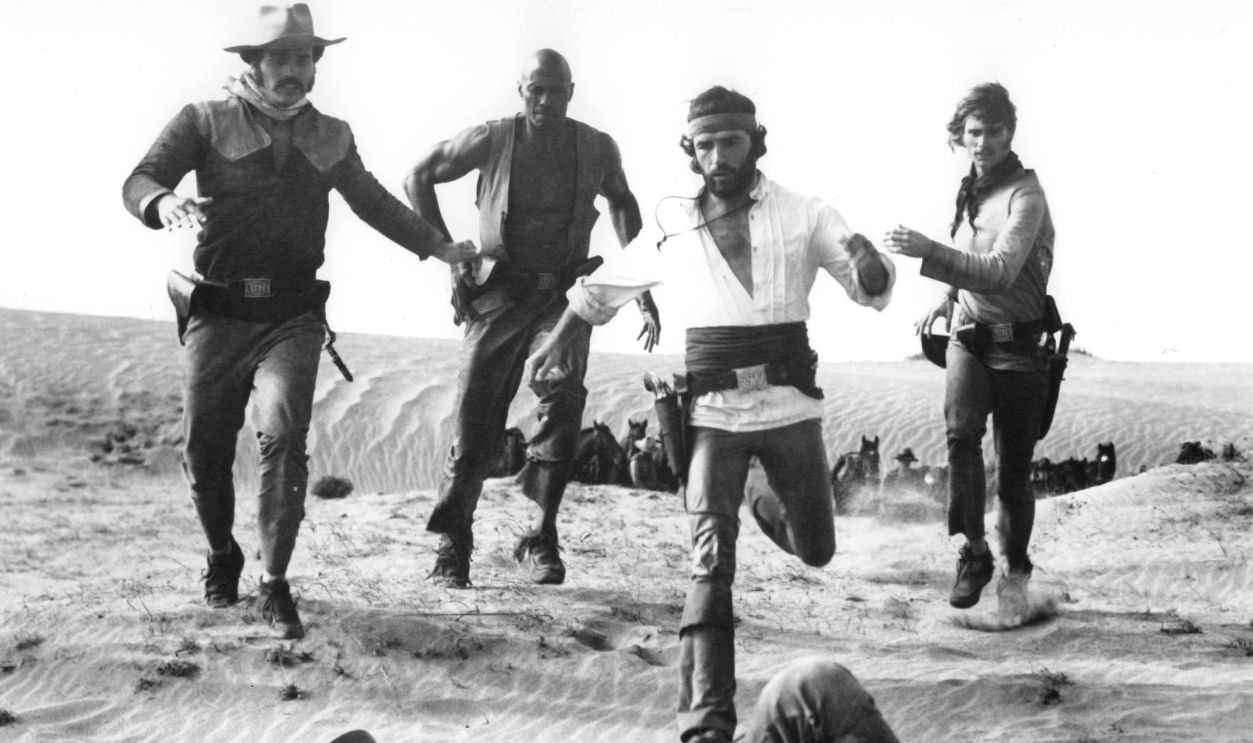
DeWilde returned to the genre that had made him immortal in Burt Kennedy's The Deserter (1971), a European-produced Western starring Bekim Fehmiu with Richard Crenna, Chuck Connors, Woody Strode, and Ricardo Montalbán. Nearly two decades after Shane (1953), deWilde was still finding his place onscreen.
 Michael Ochs Archives, Getty Images
His Final Year
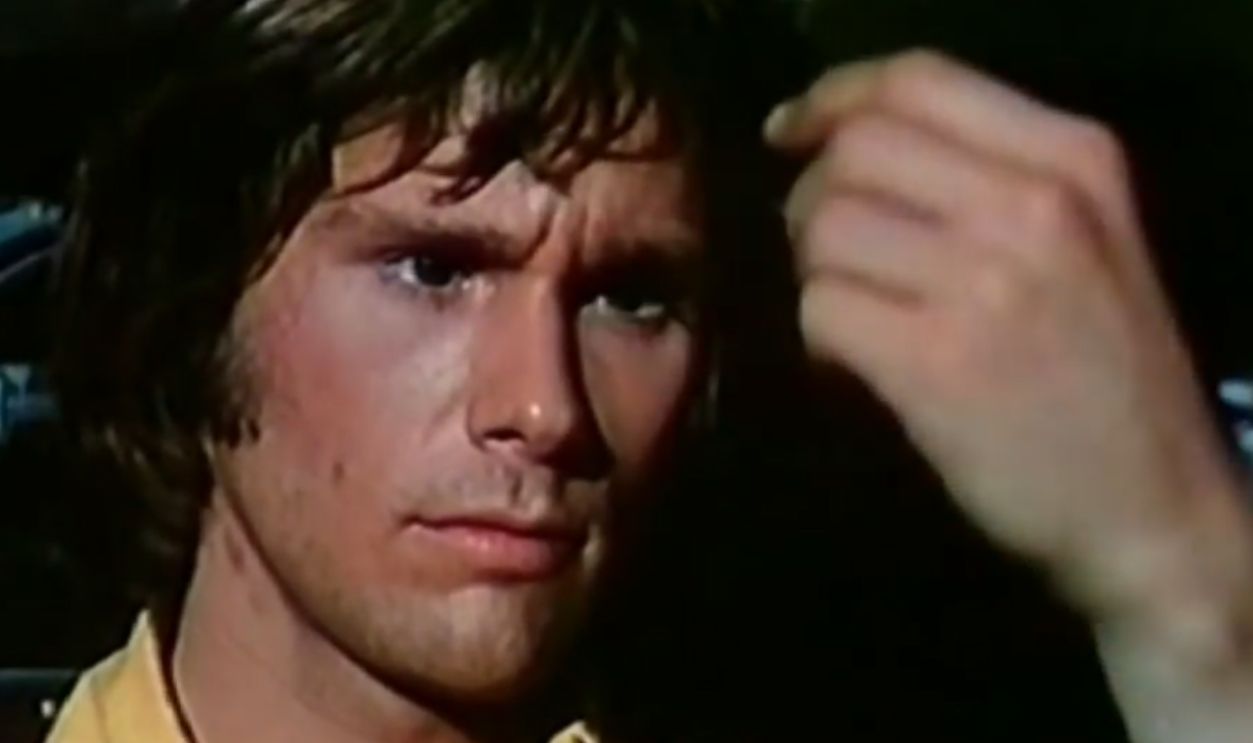
In 1972, deWilde appeared in the counterculture comedy Wild in the Sky (1972), directed by William T. Naud and co-starring Keenan Wynn. He also returned to the theater, traveling to Colorado for a production of Leonard Gershe's Butterflies Are Free. His life seemed to be entering another transitional period.
 Screenshot from Wild in the Sky, American International Pictures (1972)
Tragedy Struck At 30
On July 6, 1972, deWilde was driving a camper van in the Denver suburb of Lakewood when it left the roadway, struck a guardrail and a parked truck, and rolled onto its side. He was pinned in the wreckage and later died at St. Anthony Hospital from multiple injuries. He was only 30.
A Career And Life Cut Short
Brandon deWilde had already accomplished what relatively few child stars manage: he grew up without disappearing from the screen. From Shane to Hud, he proved himself alongside some of Hollywood's greatest actors and directors. His death at only 30 leaves the haunting question of what his career and life might have become.
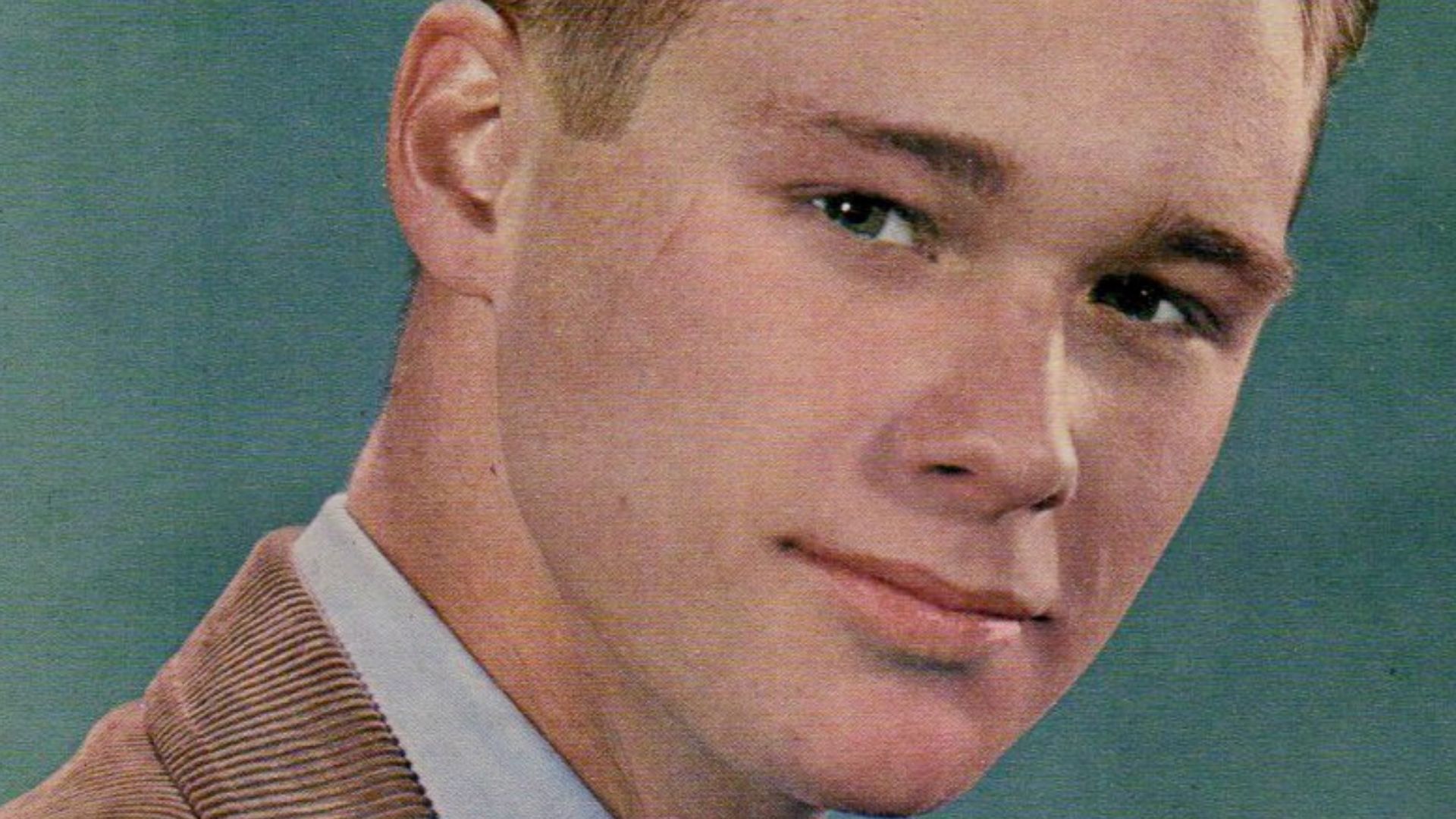 New York Sunday News, Wikimedia Commons
You May Also Like:
Child Stars From Classic Westerns. Where Did They Go?
Famous Child Stars From The 1960s—Where Do You Remember Them From?
These Actors Appeared In Nearly Every TV Western Of The 1950s And 60s—How Many Do You Remember?