The Waitress Who Nearly Missed the Boat
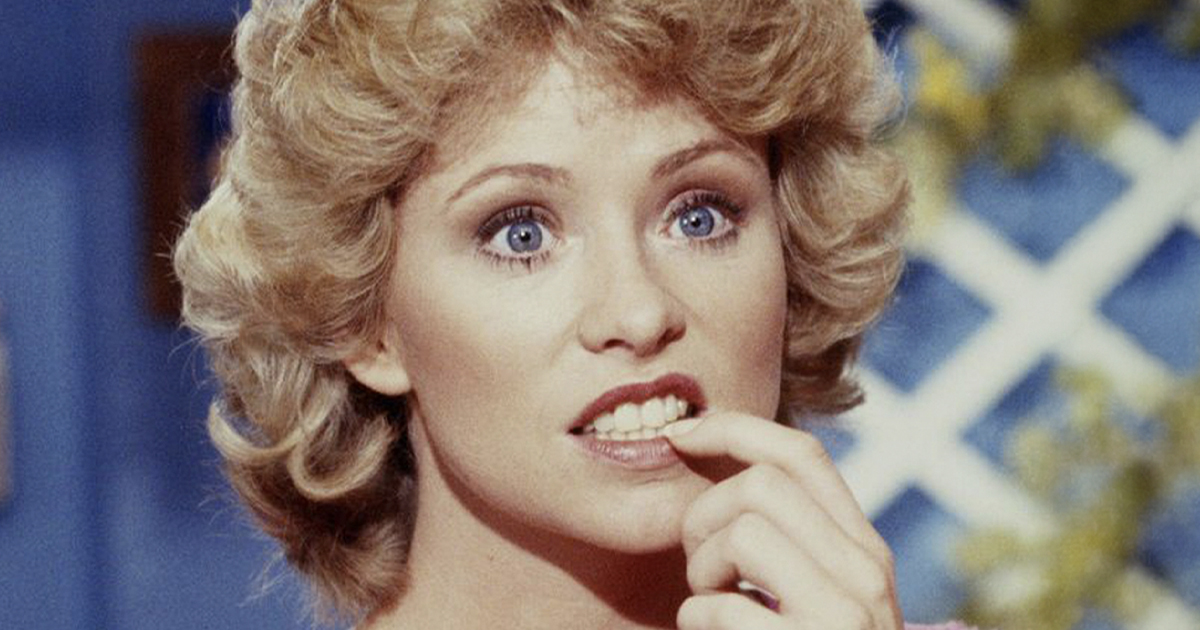
Lauren Tewes was still waiting tables when she unexpectedly landed the role of Julie McCoy on The Love Boat. Within months, her welcoming smile was recognized across America—but her journey from an aging Volkswagen to one of television’s biggest shows was anything but smooth sailing.
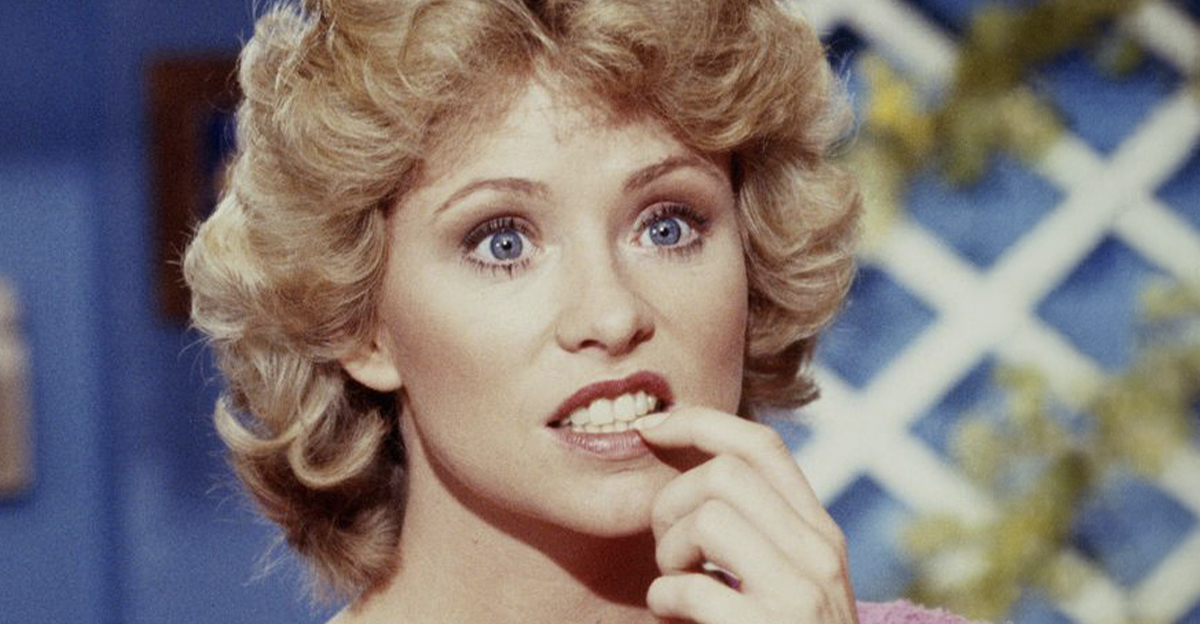 ABC Network, The Love Boat (1977-1986)
Her Story Began Far From Hollywood
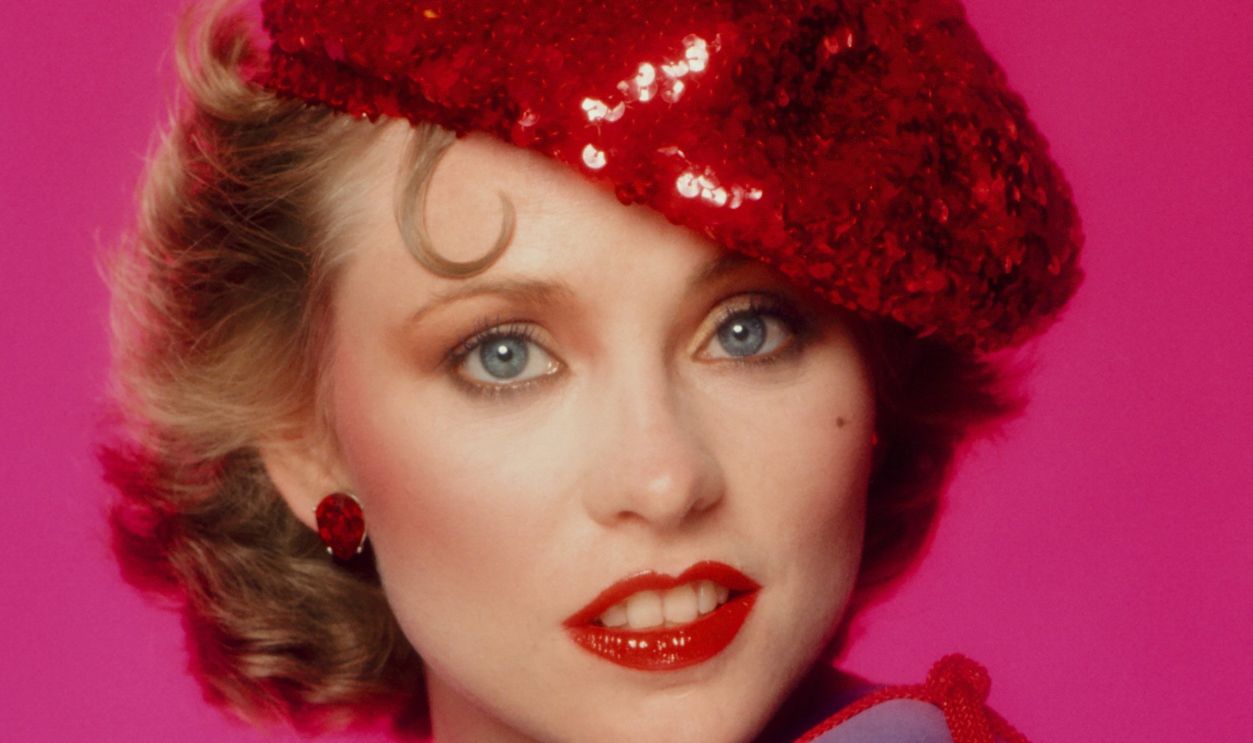
Cynthia Lauren Tewes was born on October 26, 1953, in Trafford, Pennsylvania. She was one of four children born to Joanne and Joseph Tewes, a wood-pattern maker, and she was eight when the family relocated across the country to Whittier, California.
The Stage Found Her Early
At Pioneer High School, Tewes immersed herself in drama and reportedly won the school’s Best Actress honor for three consecutive years. Acting gave her a place to channel her outgoing personality, but Hollywood still seemed like another world entirely.
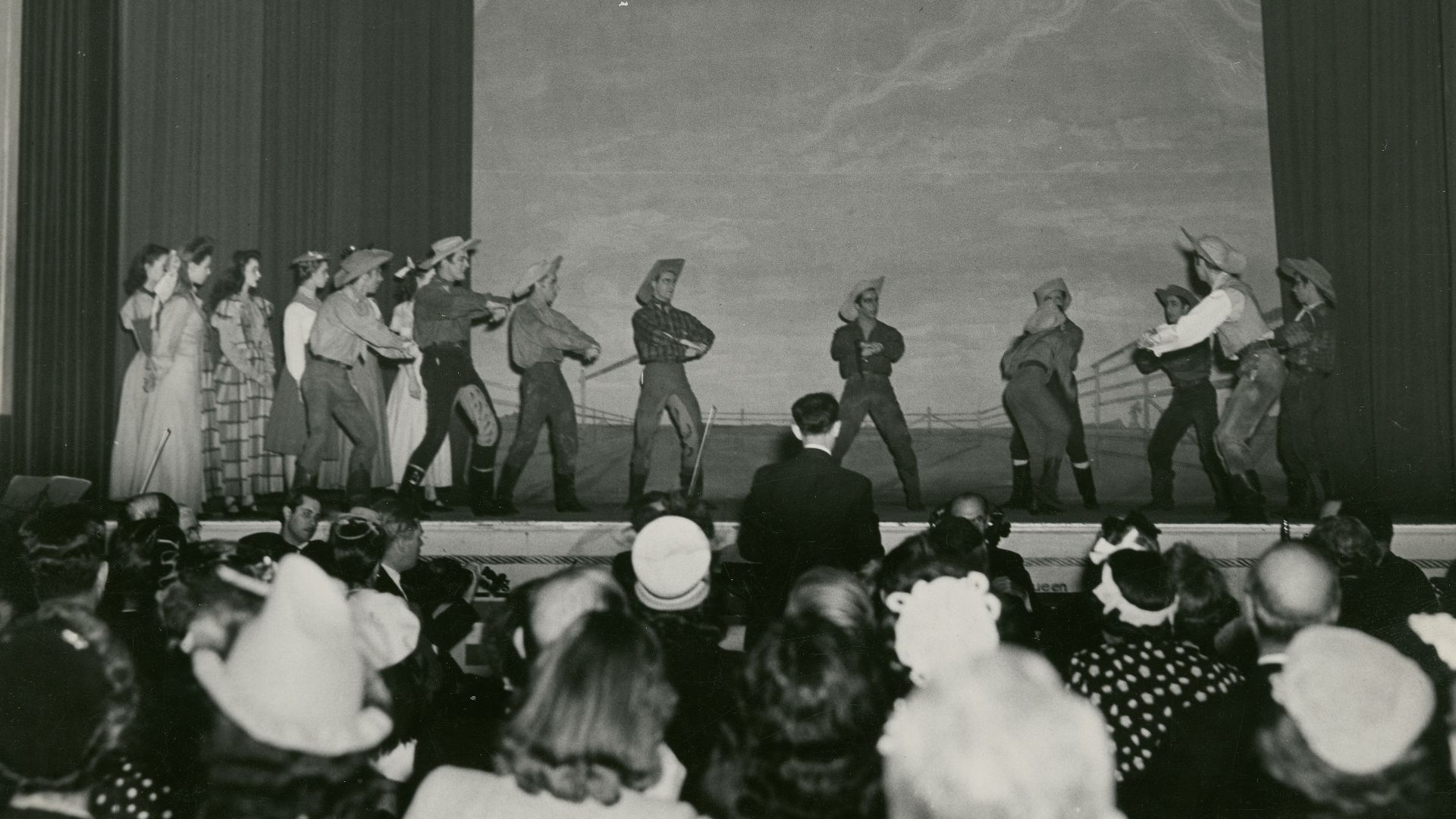 The New York Public Library, Unsplash
A Scholarship Opened the First Door
Tewes studied theater arts at Rio Hondo College, where she received a Chancellor’s Award for Excellence in Theatre. The accompanying scholarship allowed her to transfer to the University of California, Riverside, but the funding lasted only one year.
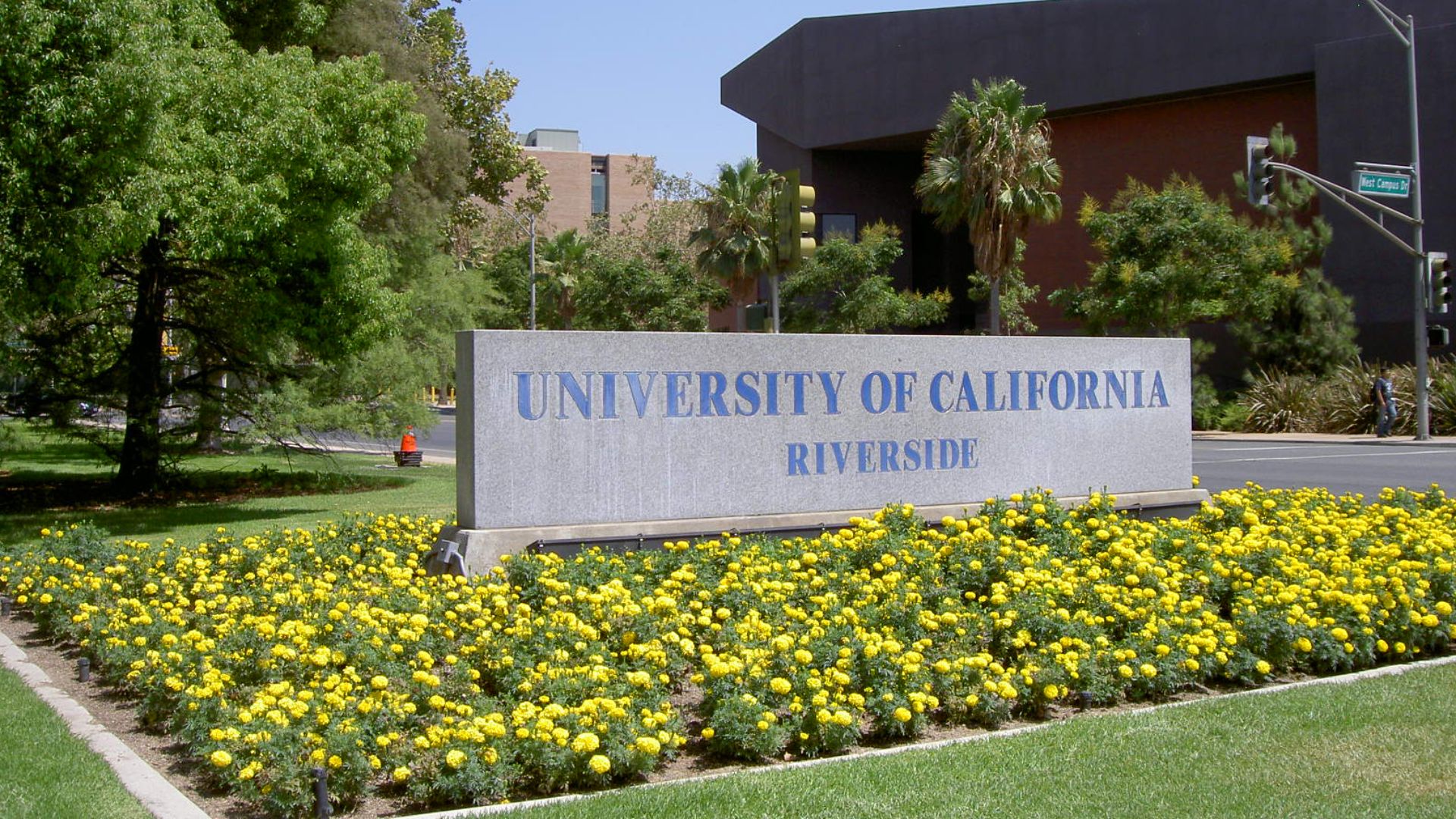 Original uploader was Amerique at en.wikipedia, Wikimedia Commons
She Chose Experience Over a Degree
When the scholarship ended in 1973, Tewes left the university and joined the Pacific Conservatory Theatre in Santa Maria as an apprentice. She performed in productions including Arsenic and Old Lace and The Most Happy Fella, learning her craft far from television cameras.
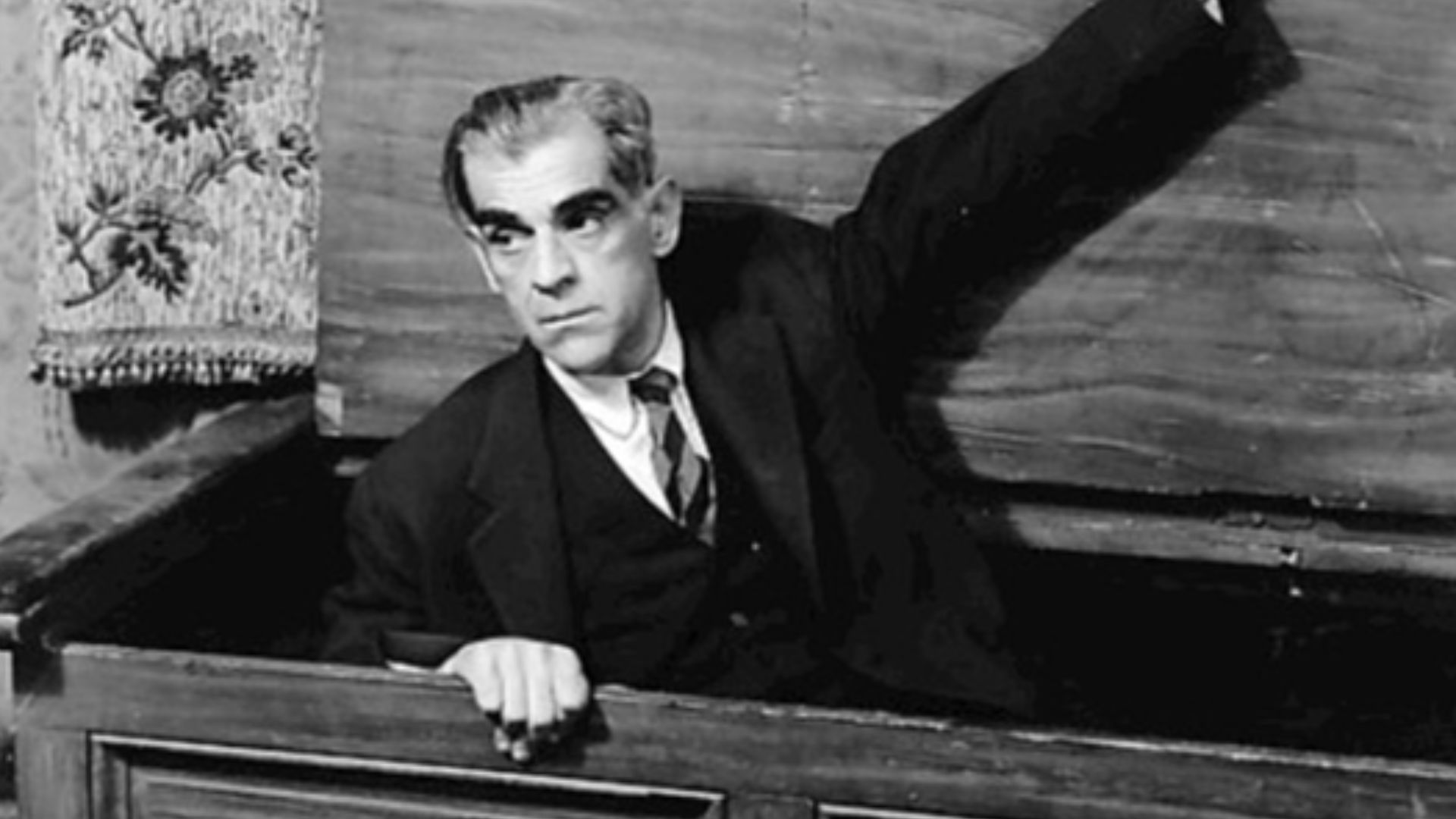 Photo by Vandamm, New York, Wikimedia Commons
Knott’s Berry Farm Became Her Next Stage
Tewes later worked with the Birdcage Theatre Company at Knott’s Berry Farm near Los Angeles. Performing regularly for amusement-park crowds may not have looked glamorous, but it taught her timing, discipline, and how to hold an audience’s attention.
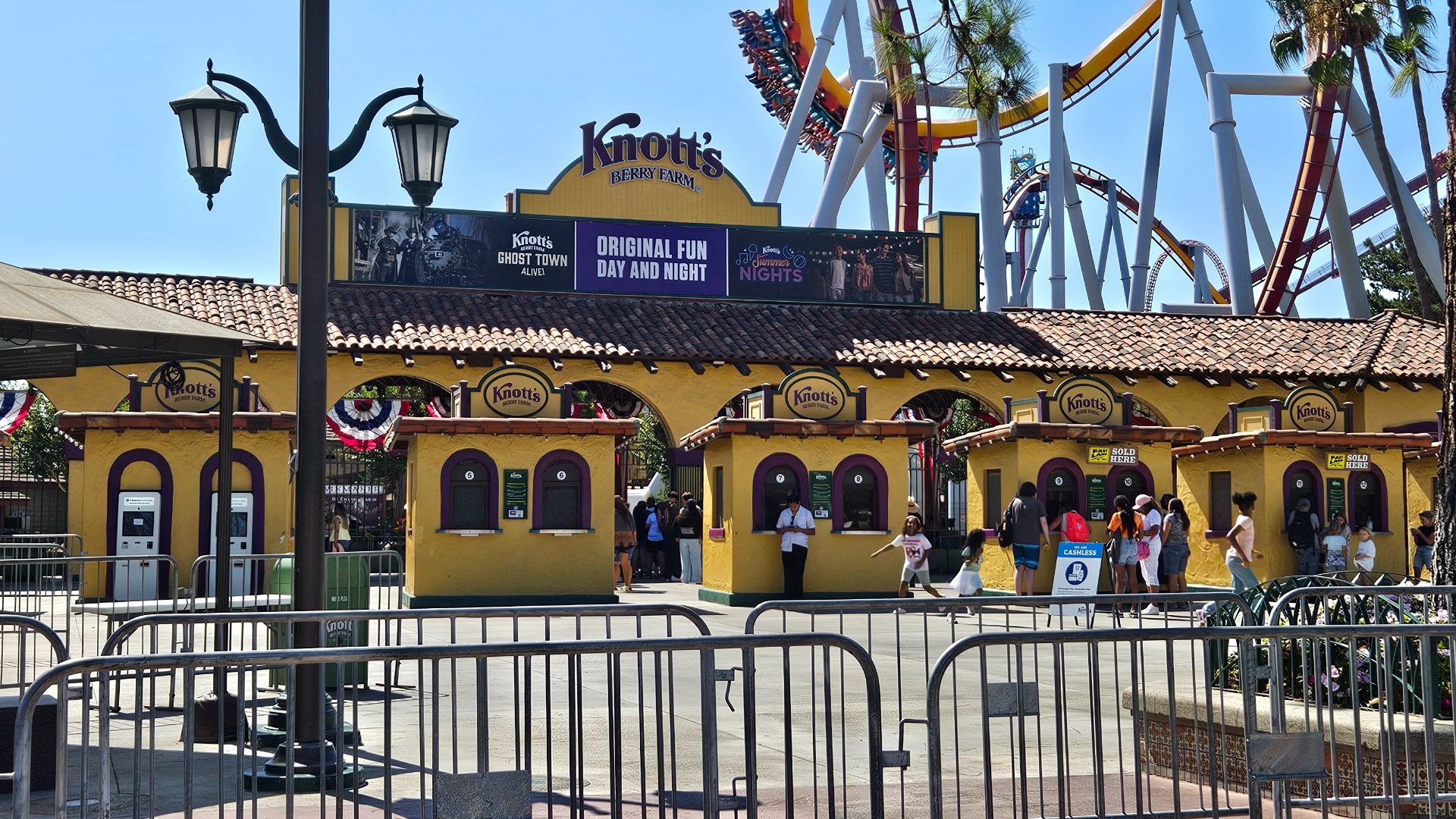 OliviaRigby, Wikimedia Commons
One Commercial Changed Everything
Her first important screen break arrived in 1974 when she appeared in a Lipton iced-tea commercial. The job allowed her to join the Screen Actors Guild, secure professional representation, and begin auditioning for television roles that had previously been out of reach.
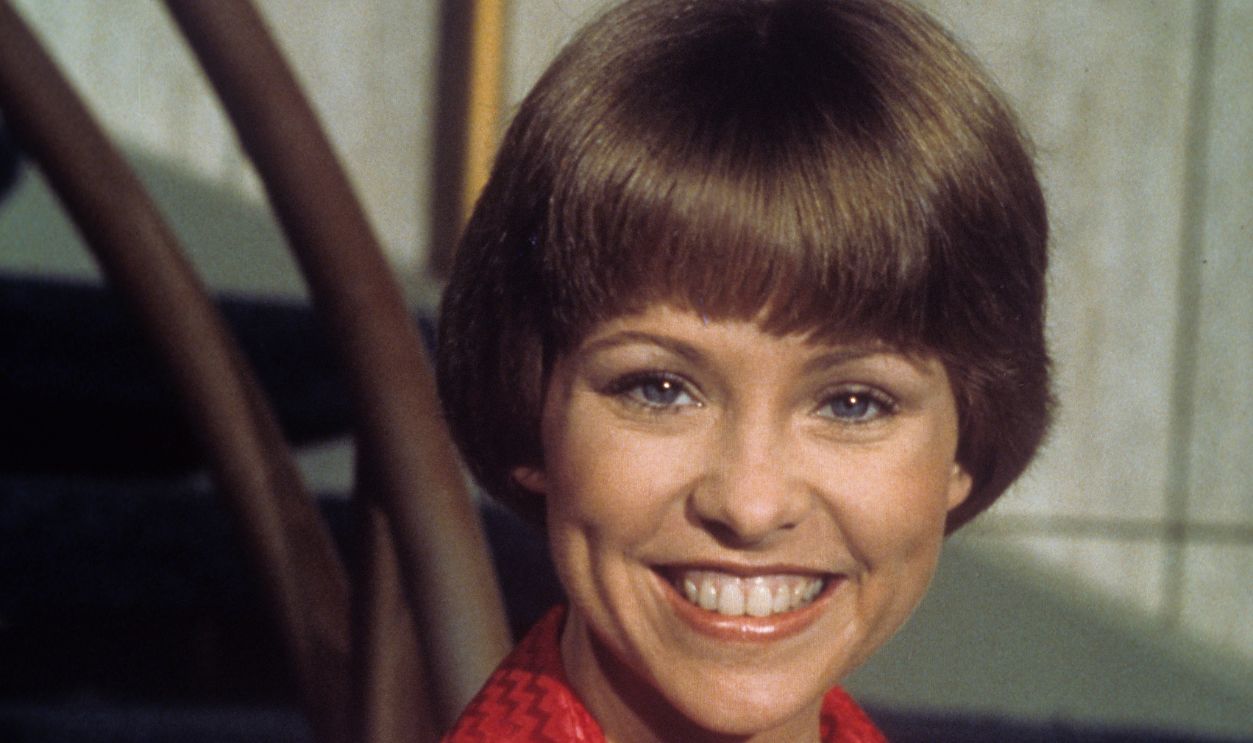 Michael Ochs Archives, Getty Images
Hollywood Did Not Happen Overnight
Tewes supported herself by waiting tables while chasing auditions. The work was hardly luxurious, but it kept her close to the studios. She slowly collected television appearances while learning how quickly an audition could disappear—and how suddenly one could change everything.
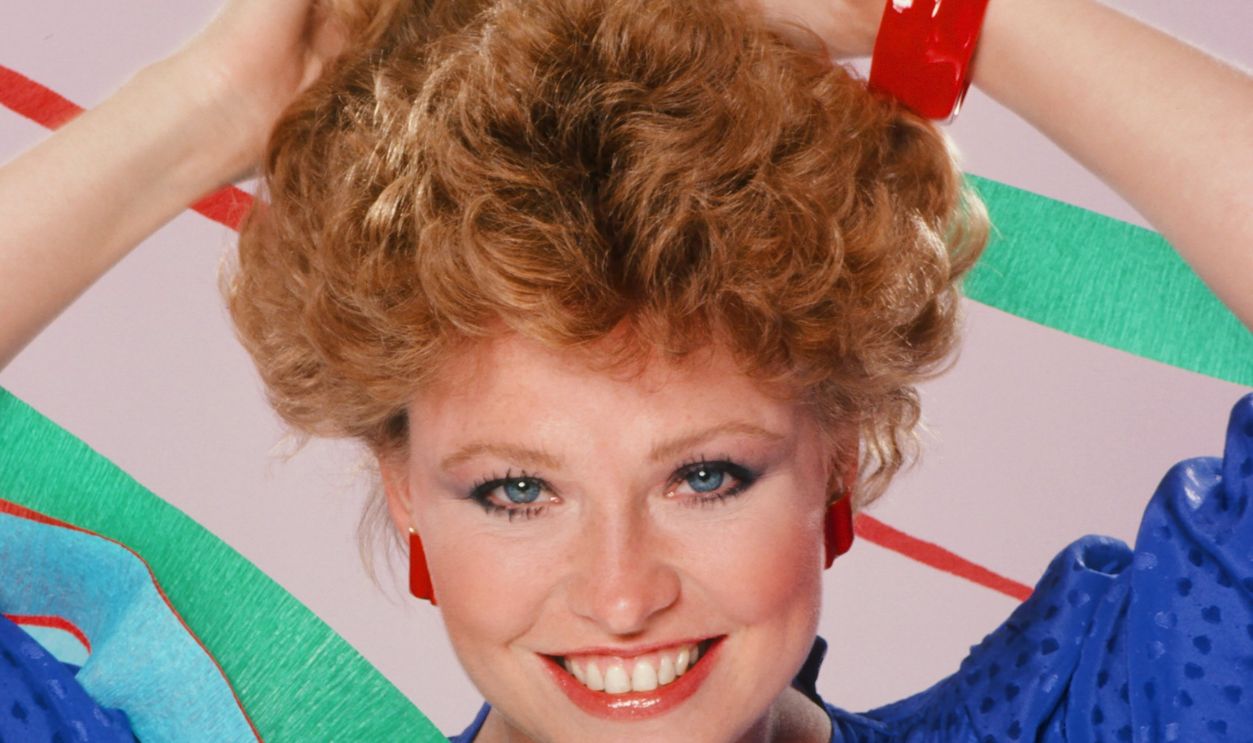
Small Roles Put Her on the Map
She appeared on programs including Police Story, Family, and Charlie’s Angels. A 1977 appearance on Starsky & Hutch, in which she played assistant district attorney Sharon Freemont, helped bring her to the attention of producer Aaron Spelling.
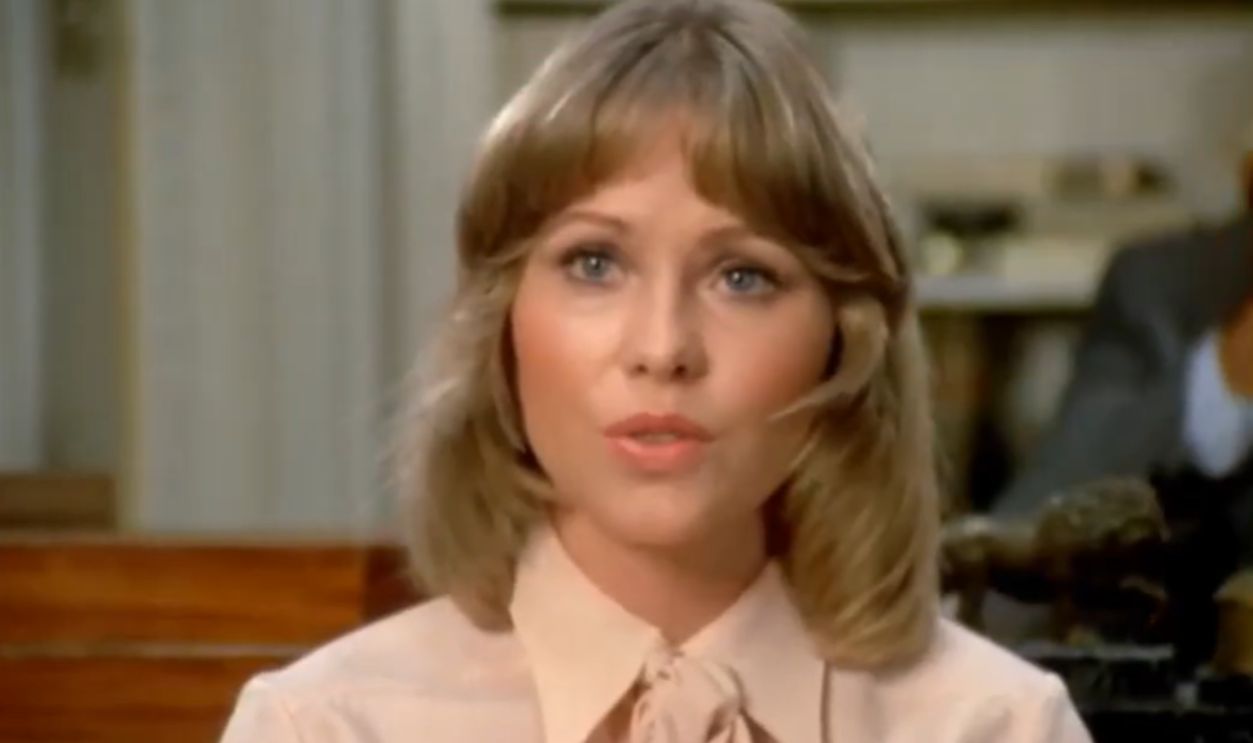 Screenshot from Charlie's Angels, Spelling-Goldberg Productions (1976–1981)
Two Boats Had Already Sailed
Before the weekly series existed, ABC aired two Love Boat television movies featuring different performers and character arrangements. Neither produced the permanent formula the network wanted, but Spelling persuaded ABC to approve an unusual third attempt. That decision created Tewes’s opening.
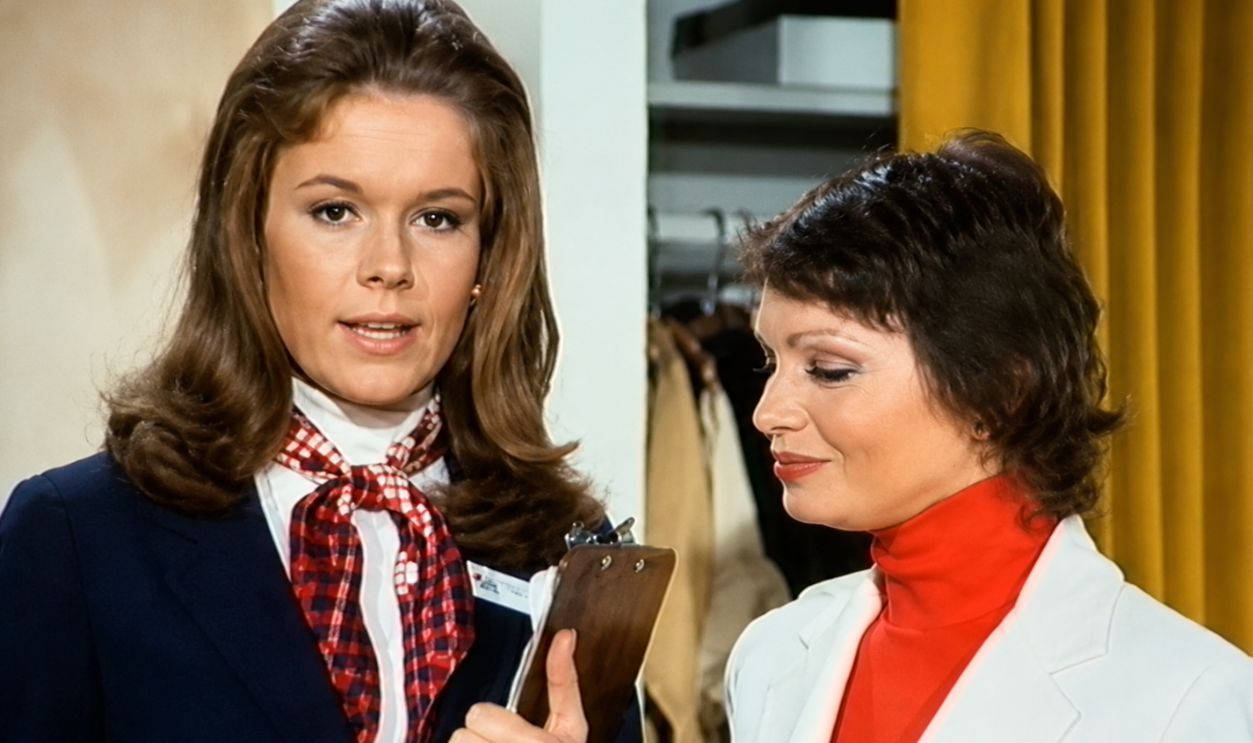 Screenshot from The Love Boat, Aaron Spelling Productions (1976), Modified
More Than 100 Women Wanted Julie
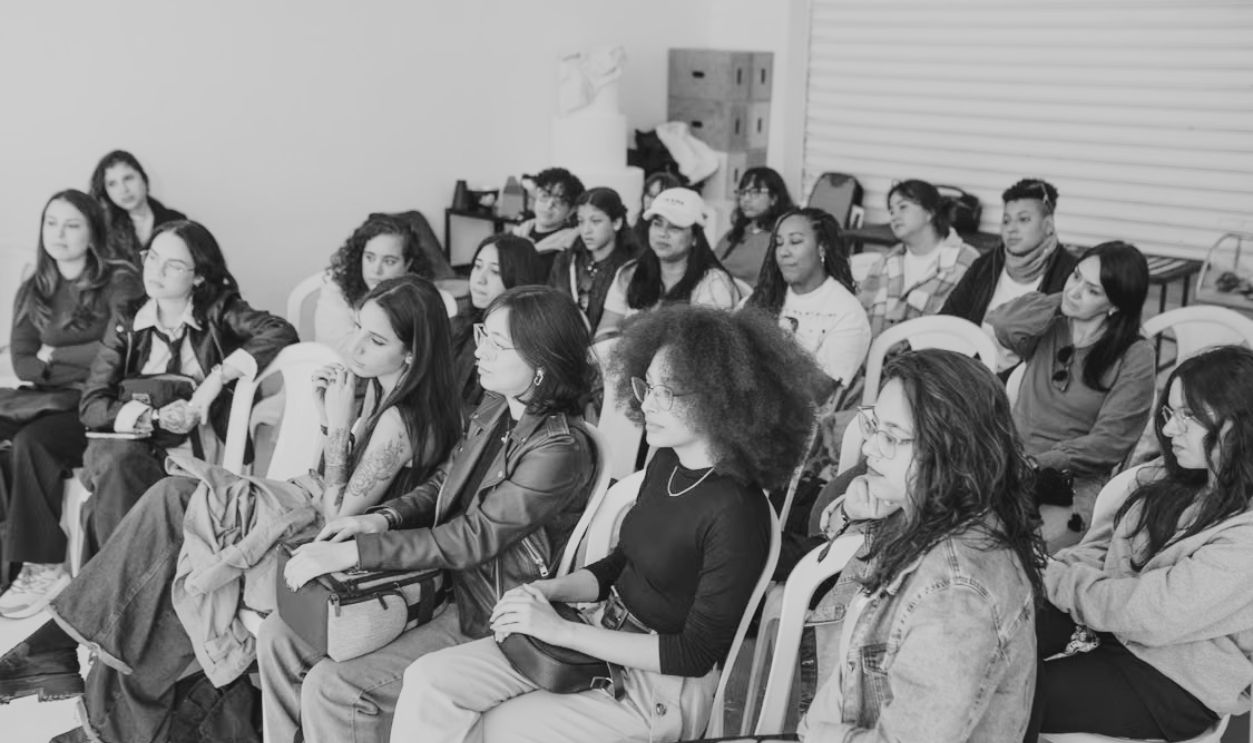
More than 100 actresses were reportedly considered for Julie McCoy, the Pacific Princess’s upbeat cruise director. Julie needed to welcome passengers, manage shipboard chaos, and connect separate storylines while appearing genuinely delighted that another romantic disaster had just boarded.
 Matheus Bertelli, Pexels, Modified
The Call Came Almost Too Late
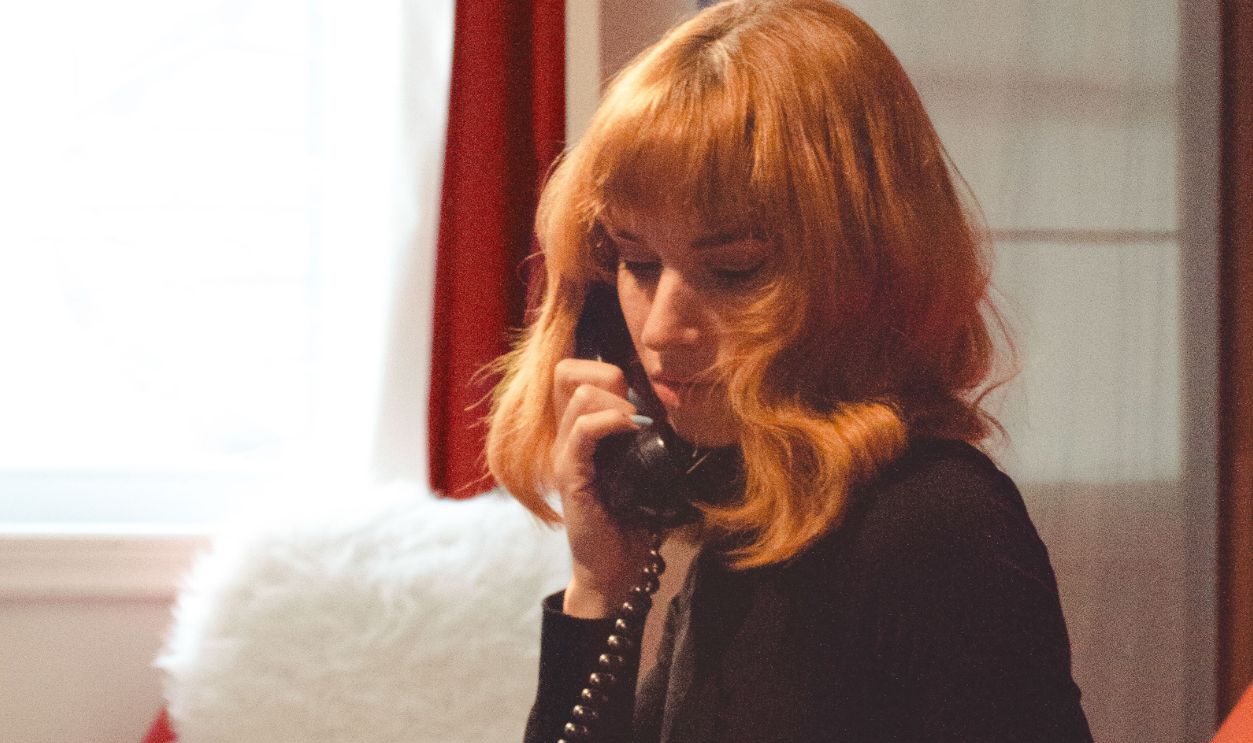
Tewes was hired at 23, just one day before filming began. The restaurant worker suddenly expected to report to a major television production reportedly told a producer she faced one complication: “I have to open the restaurant.”
Even Her Car Needed Rescuing
The newly hired actress owned a 1962 Volkswagen Beetle that needed a tire before it could reliably reach the production. Tewes had to borrow money for the repair—a wonderfully unglamorous beginning for someone about to become associated with luxury cruises and exotic ports.
 Jeremy from Sydney, Australia, Wikimedia Commons
Welcome Aboard, If She Could Say It
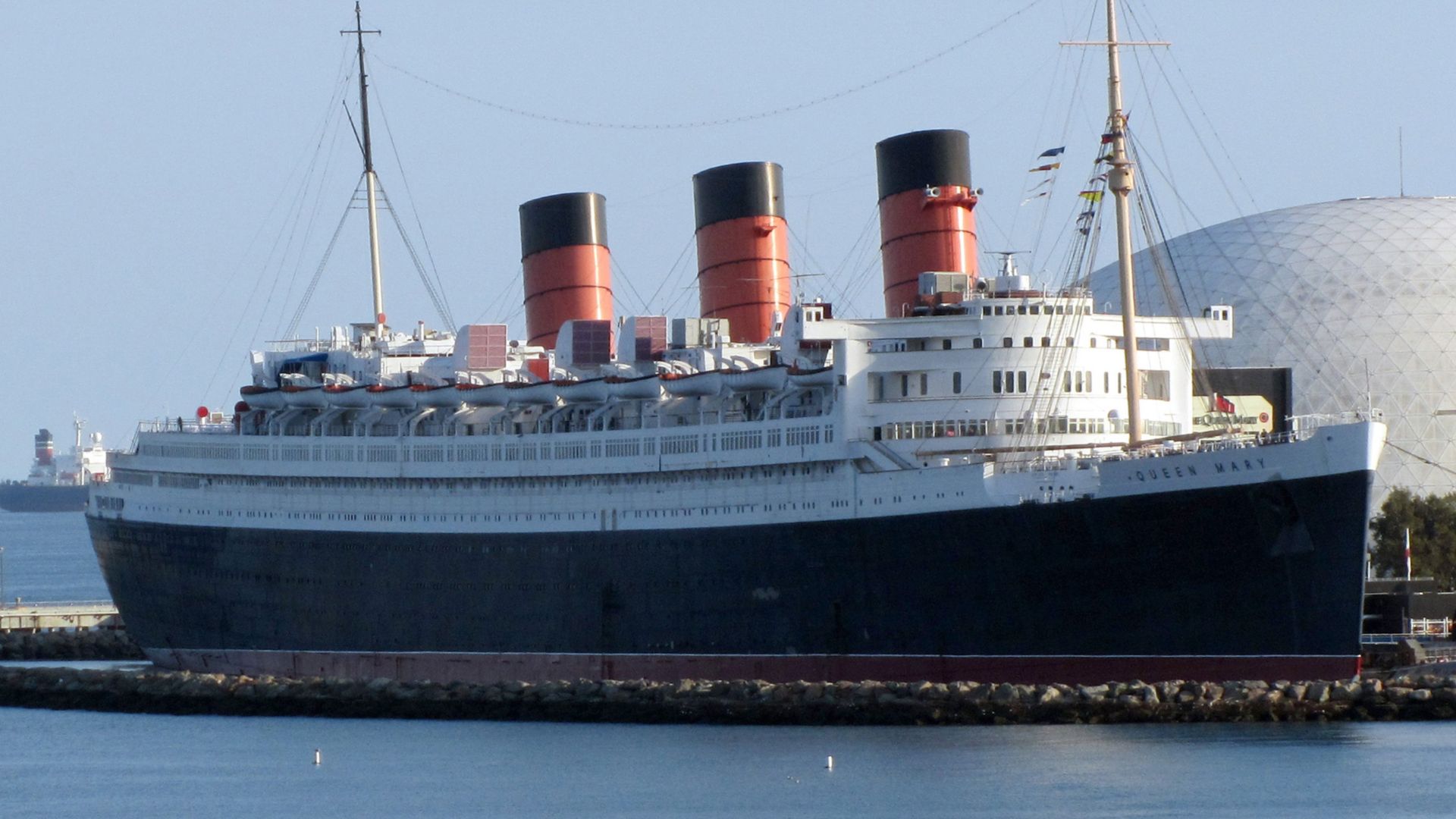
Filming began aboard the RMS Queen Mary in Long Beach. Tewes was so excited to work opposite Gavin MacLeod that she repeatedly mixed Julie McCoy’s surname with his, turning her introductory line into “Julie MacLeod.” Somehow, the nervous newcomer still charmed everyone who mattered.
The Third Attempt Finally Worked
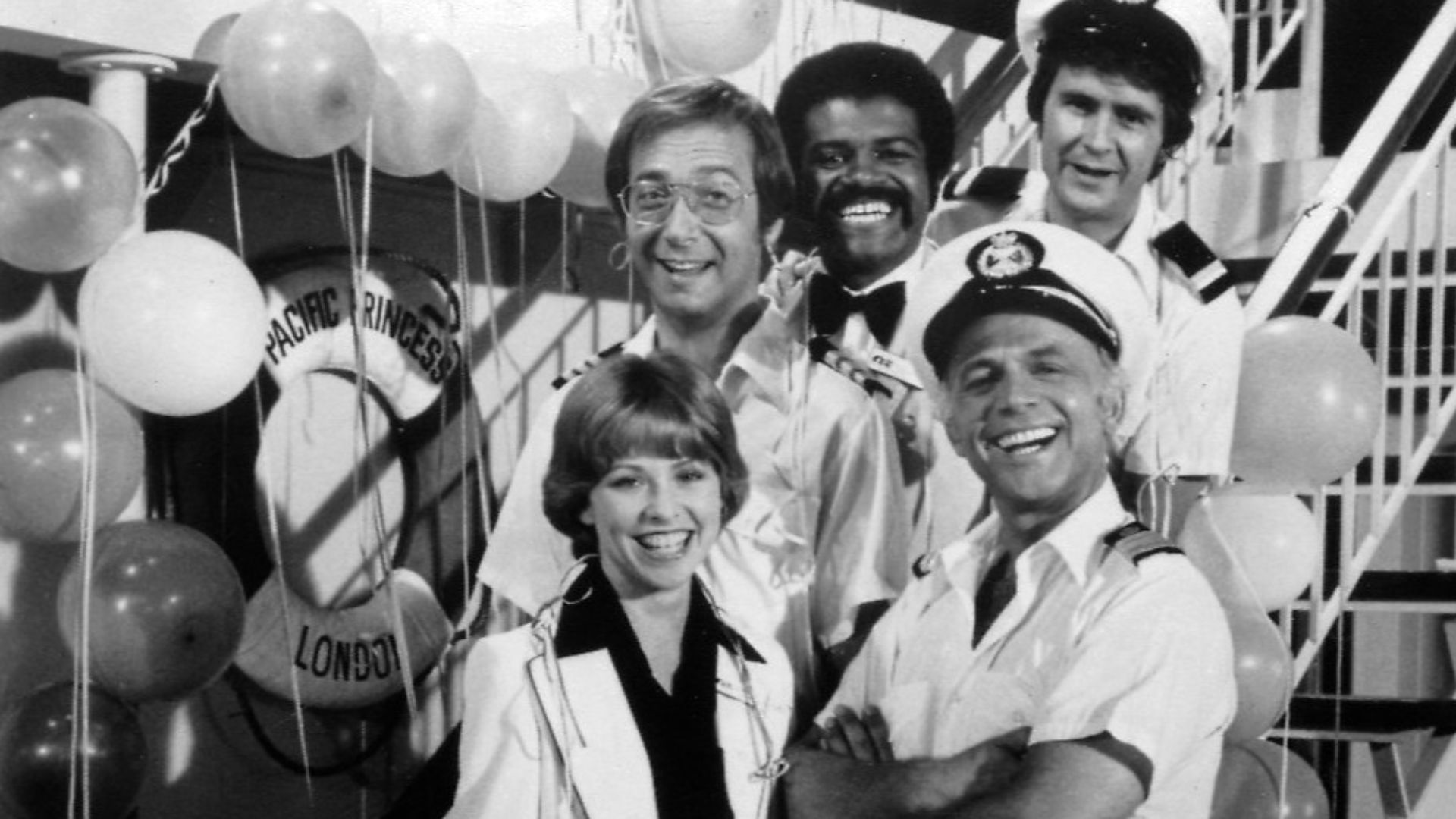
ABC ordered The Love Boat as a weekly series, and it premiered on September 24, 1977. Tewes joined MacLeod as Captain Merrill Stubing, Bernie Kopell as Dr. Adam Bricker, Fred Grandy as Gopher Smith, and Ted Lange as bartender Isaac Washington.
 ABC Television
Uploaded by We hope at en.wikipedia, Wikimedia Commons
ABC Television
Uploaded by We hope at en.wikipedia, Wikimedia Commons
Julie Was the Human Welcome Sign
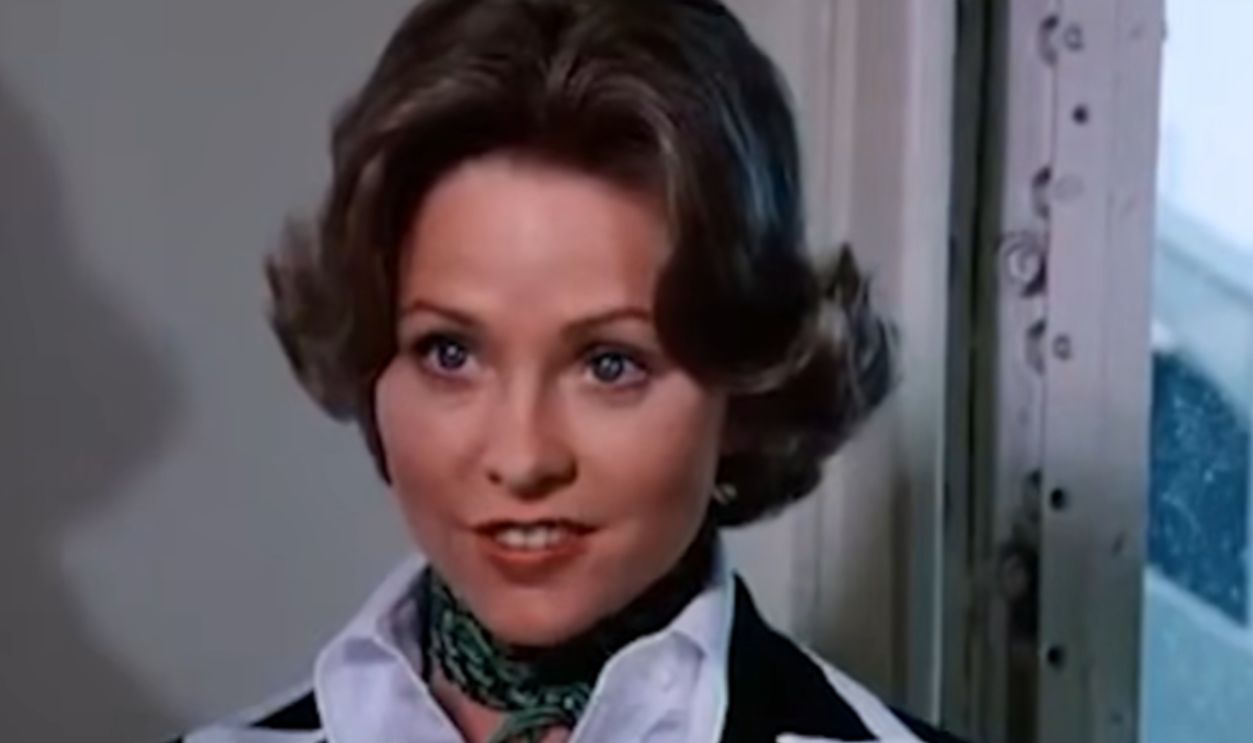
Wearing a crisp uniform and carrying her clipboard, Julie greeted passengers as they boarded the Pacific Princess. She was cheerful without seeming foolish, efficient without becoming stern, and romantic enough to belong in a series where love could arrive before the first commercial break.
 Screenshot from The Love Boat, Aaron Spelling Productions (1977–1986)
Saturday Nights Belonged to the Ship
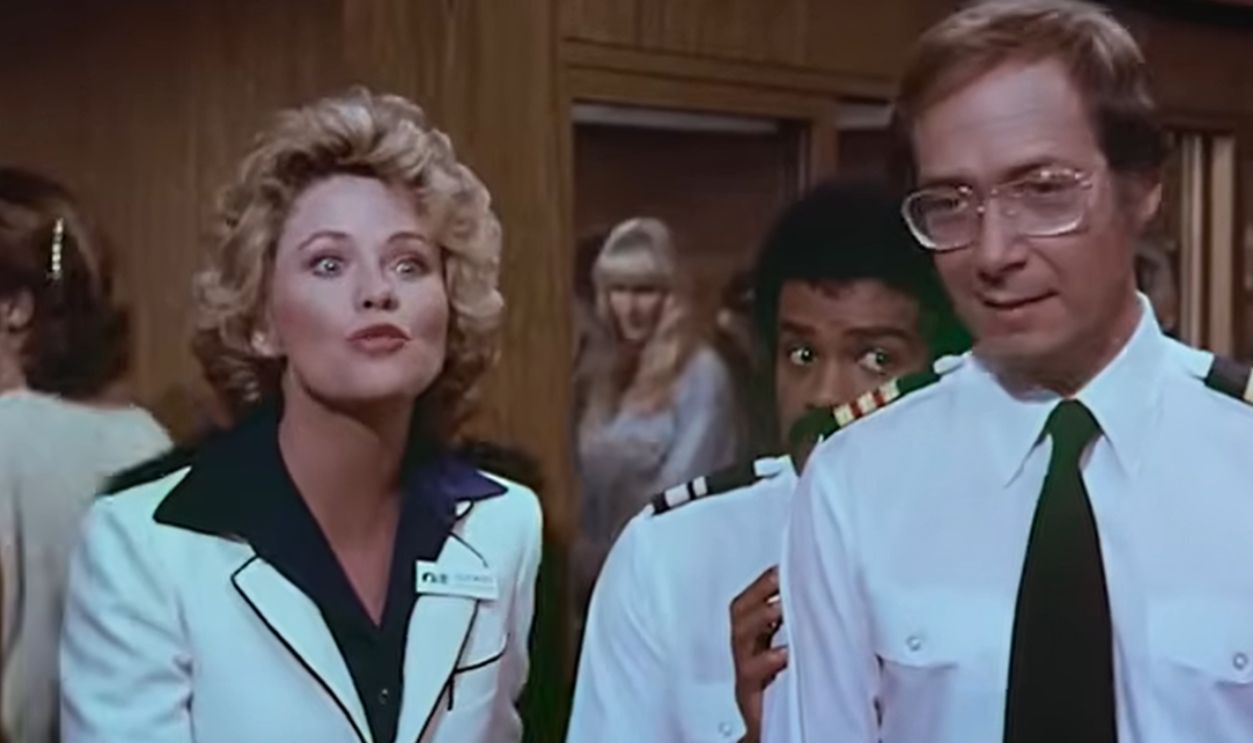
The show became a fixture of ABC’s Saturday-night schedule, eventually paired with Fantasy Island. Every week brought new guest stars and overlapping stories involving romance, comedy, and occasional heartbreak. Through it all, Julie remained one of the show’s most familiar anchors.
 Screenshot from The Love Boat, Aaron Spelling Productions (1977–1986)
Her Face Traveled Around the World
Production eventually moved beyond studio sets and California harbors. The cast filmed during voyages to locations including Mexico, Alaska, Europe, Australia, and China, exposing Tewes to places she had never imagined visiting during her restaurant days.
The Guest List Was Astonishing
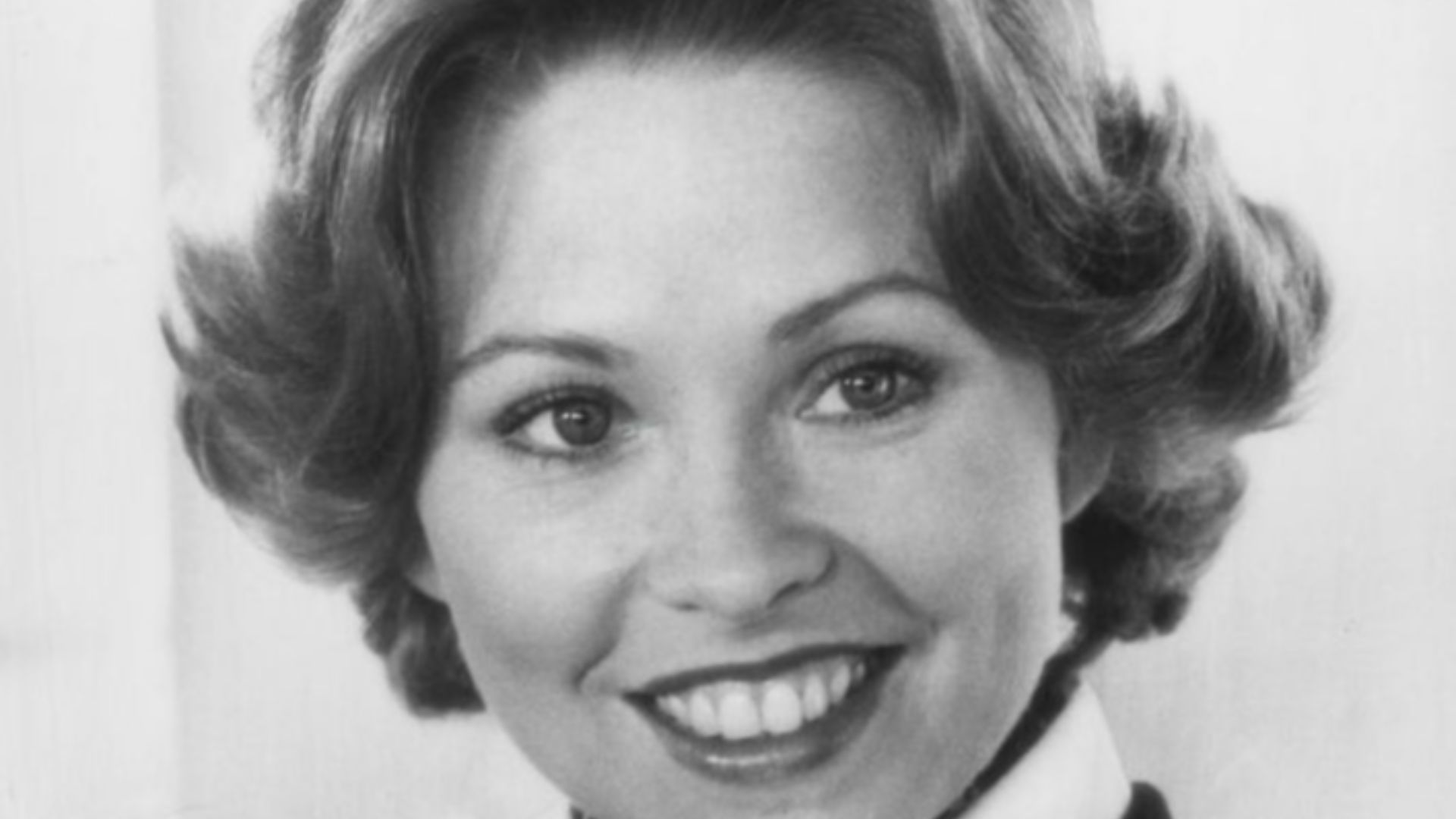
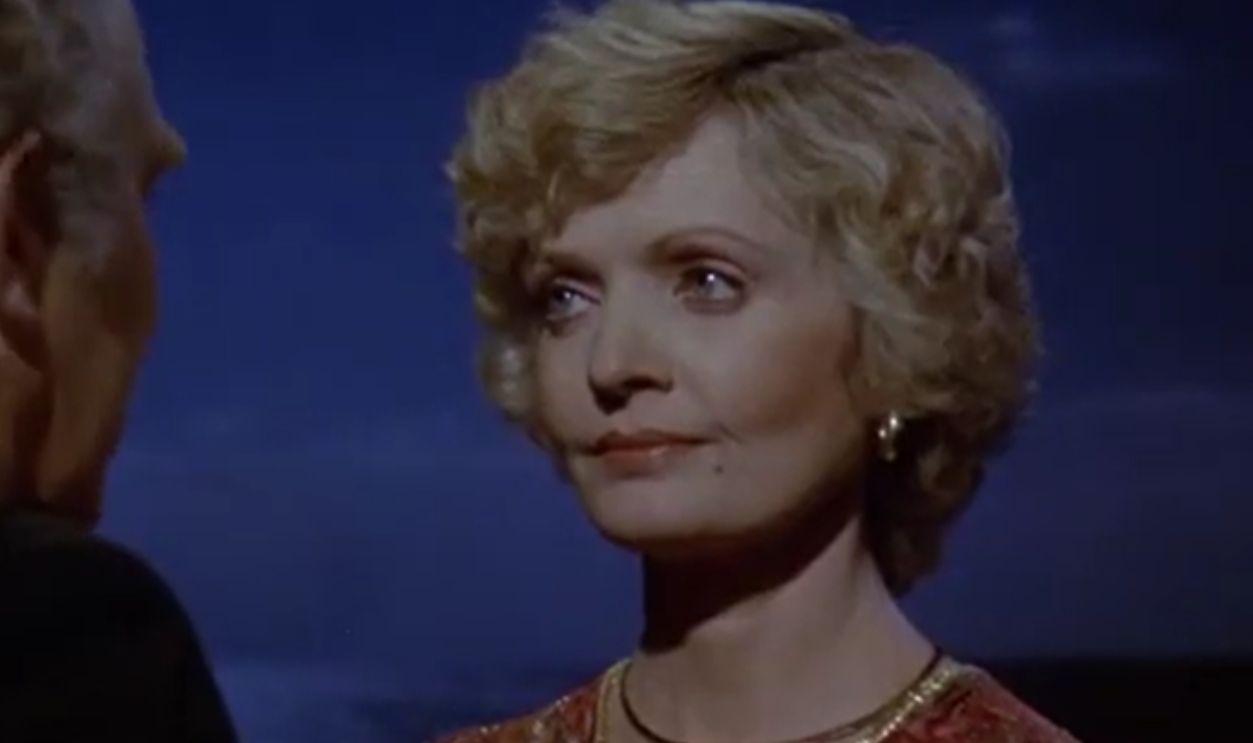
Tewes worked alongside established performers such as Sid Caesar, Vincent Price, Florence Henderson, Carol Channing, and countless other familiar stars. Looking back, she remembered “the travel and meeting all those people” as one of the remarkable privileges of the job.
 Screenshot from The Love Boat, Aaron Spelling Productions (1977–1986)
Julie Became Bigger Than Lauren
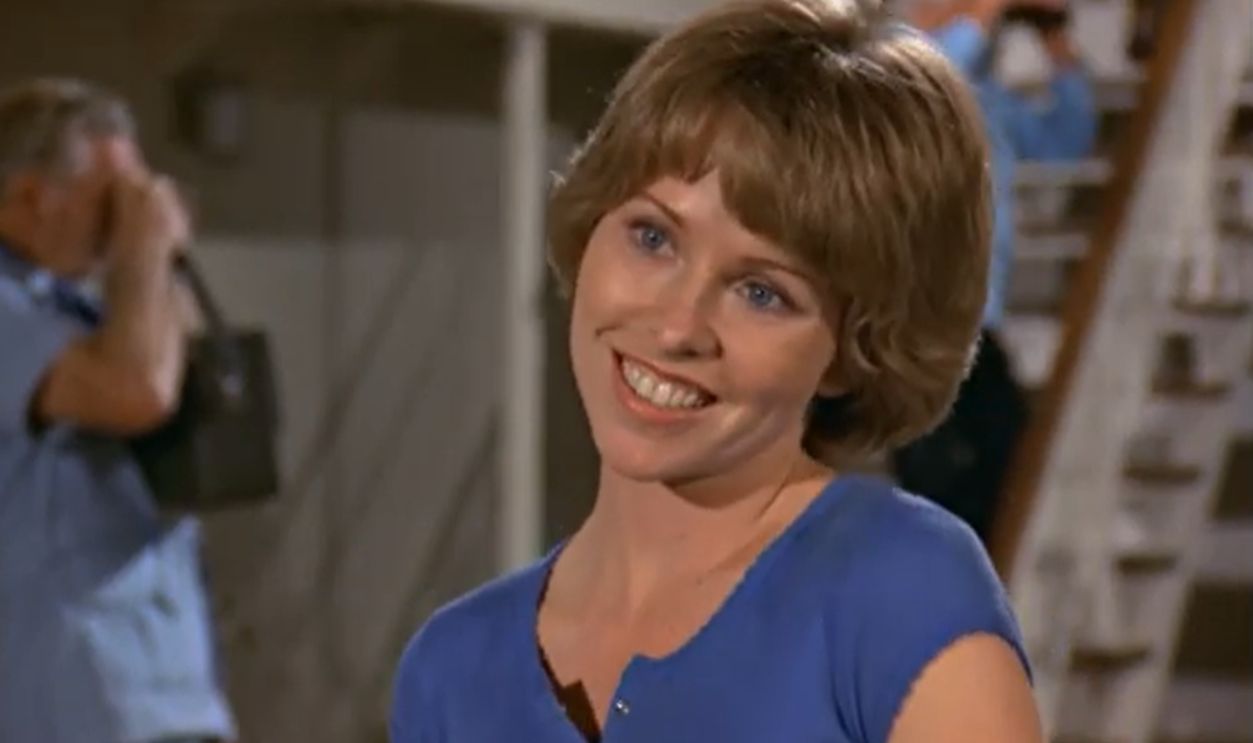
Viewers did not merely recognize Tewes; many believed they knew her. Julie’s warm, optimistic personality became so closely associated with the actress that strangers expected the same endless cheerfulness away from the camera. Fame had arrived, but it came wearing somebody else’s name tag.
 Screenshot from The Love Boat, Aaron Spelling Productions (1977–1986)
She Wanted to Be Taken Seriously
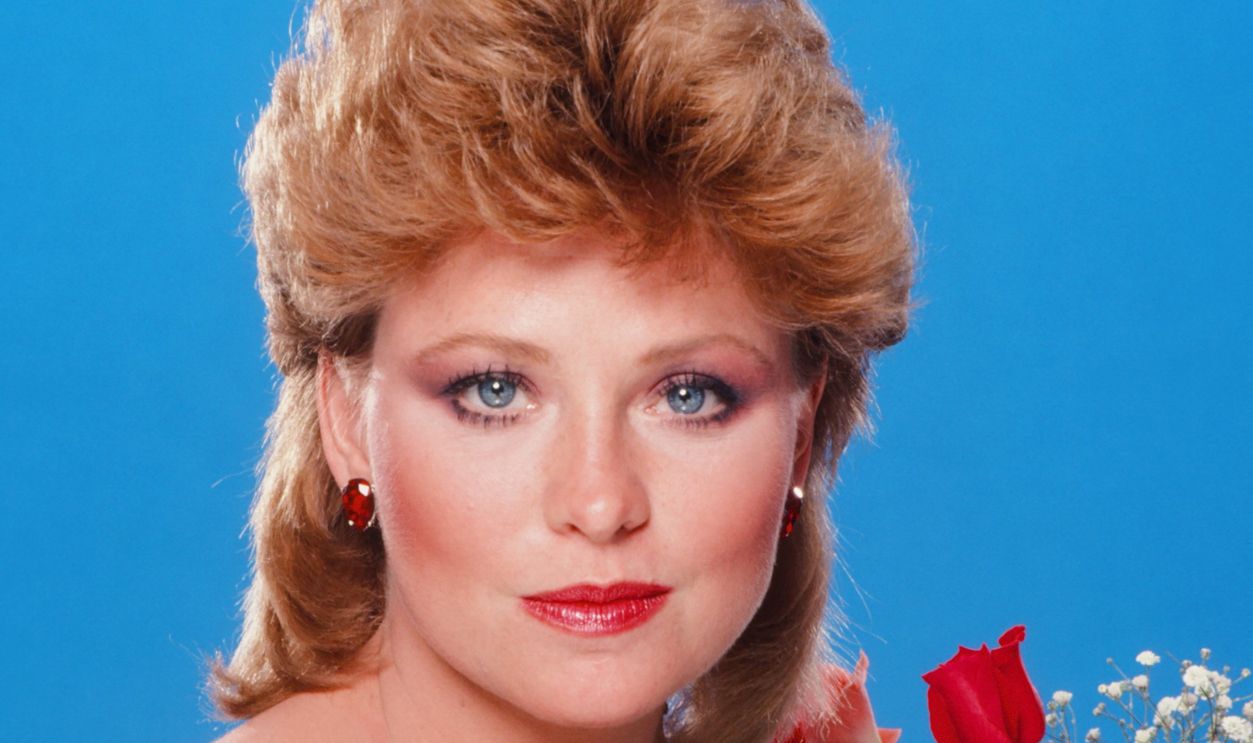
Tewes insisted that acting, rather than glamour, remained her priority. While The Love Boat emphasized her sunny charm, she continued pursuing different material, hoping audiences and casting directors would recognize that Julie represented only one corner of her abilities.
Other Roles Tested Her Range
In 1979, Tewes appeared with Jane Seymour in the television film Dallas Cowboys Cheerleaders. She made her theatrical-film debut in the 1981 thriller Eyes of a Stranger, playing a television reporter opposite a young Jennifer Jason Leigh.
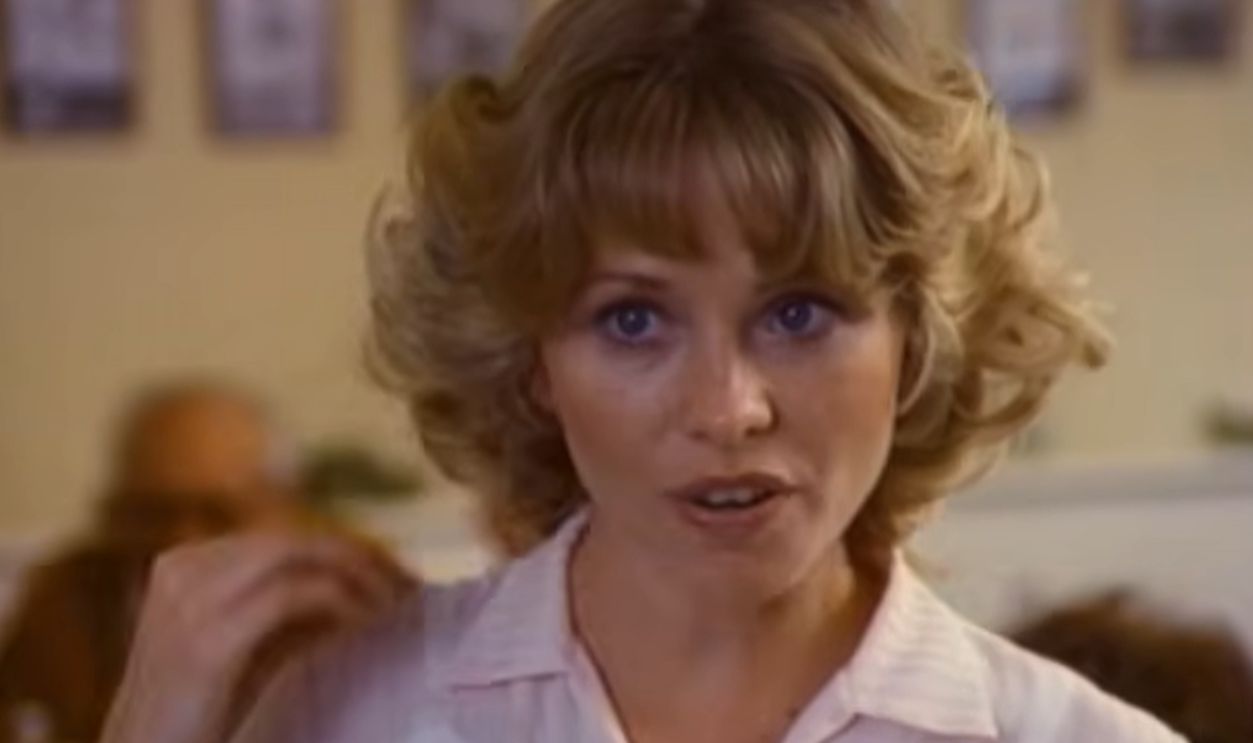 Screenshot from Dallas Cowboys Cheerleaders, ABC (1979)
Recognition Finally Became Respect
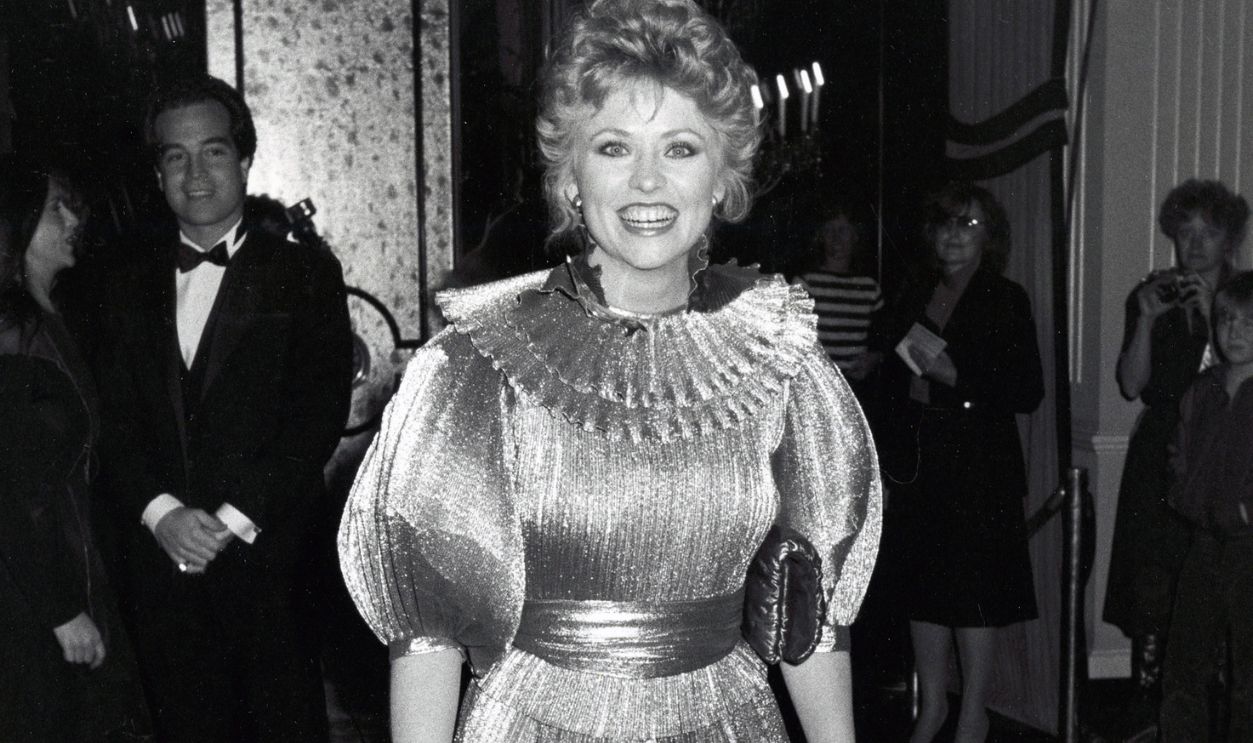
In January 1982, Tewes received a Golden Globe nomination for Best Supporting Actress in a television series, limited series, or television movie. The nomination acknowledged something viewers already understood: Julie McCoy was not merely decoration aboard the Pacific Princess.
The Smile Hid Growing Trouble
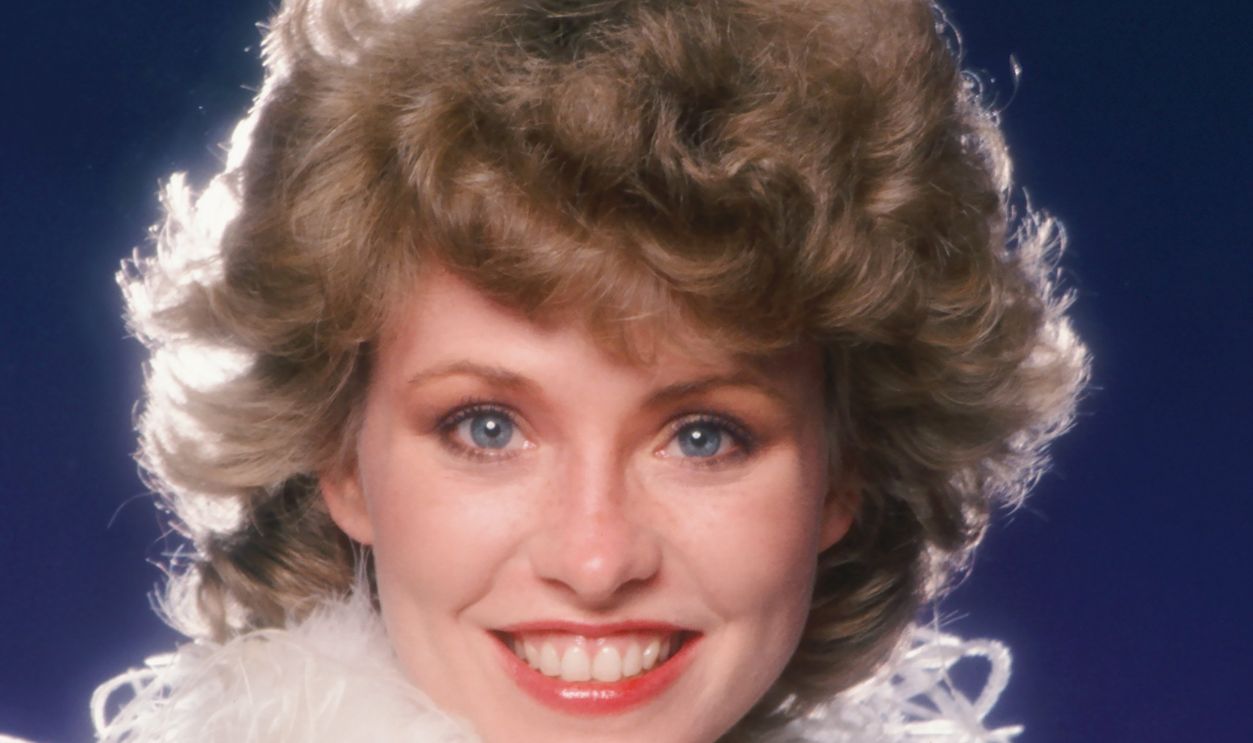
Behind the program’s carefree atmosphere, Tewes developed a serious problem with a particular white powder. The problem affected her work, finances, and relationships with producers. The woman famous for organizing everyone else’s perfect vacation was quietly losing control of her own career.
The Cruise Ended Without Warning
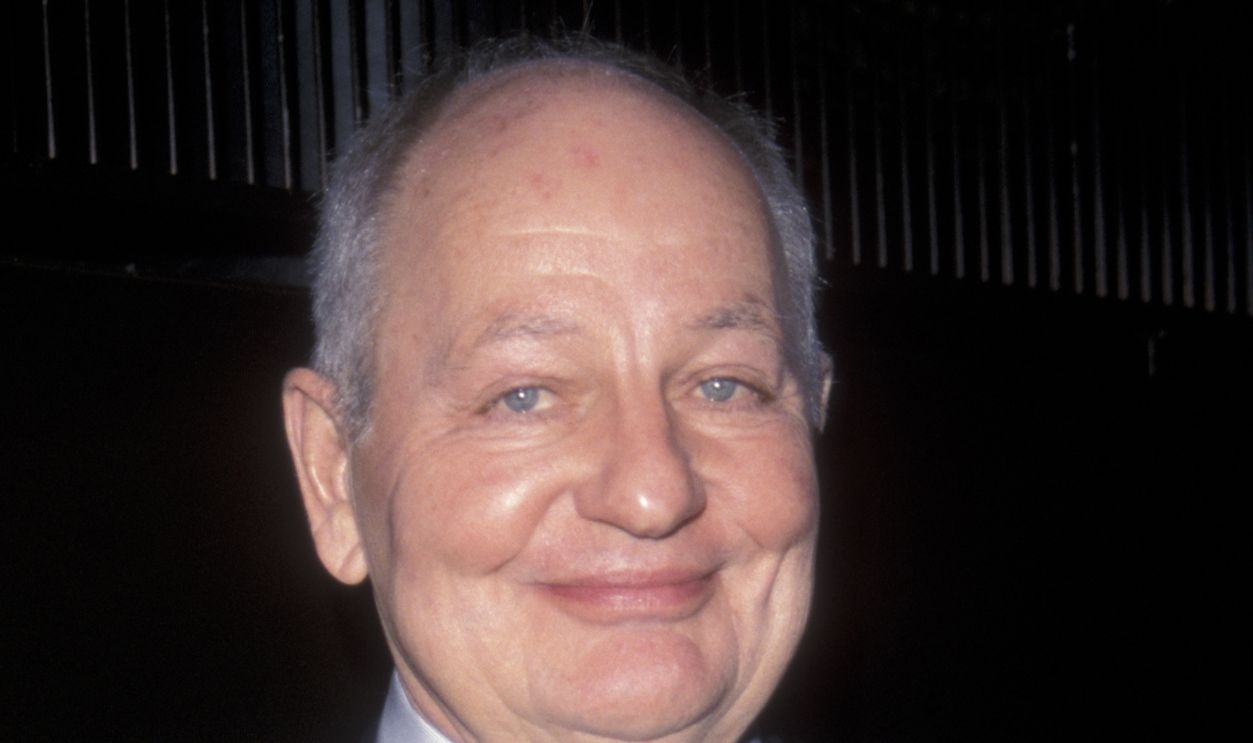
After the seventh season finished production, executive producer Douglas Cramer dismissed Tewes in 1984. Julie disappeared between seasons and was replaced by her fictional sister, Judy McCoy, played by Pat Klous. The show explained that Julie had left to marry, but viewers never saw the wedding.
Hollywood Made Her Struggle Public
Tewes’s addiction became inseparable from stories about her departure. In 2025, she reflected that addiction was treated differently during that period, particularly for women: “It was a different time. I was a woman, so I was blacklisted for that.”
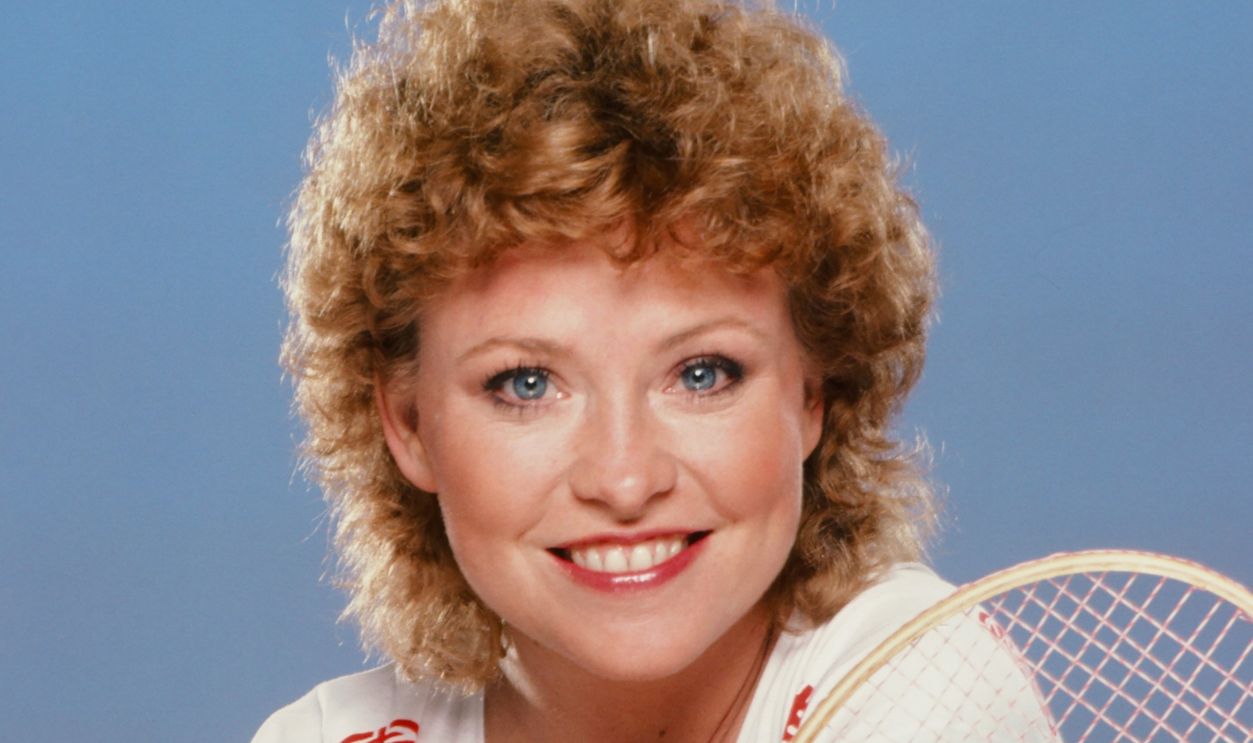
A Costar Later Expressed Regret
Fred Grandy eventually acknowledged that he wished he had defended and supported Tewes when she was dismissed. He described the era as one in which people struggling with addiction were punished rather than helped—a response that made recovery and professional survival even harder.
 US Government Printing Office, Wikimedia Commons
Julie Was Not Gone Forever
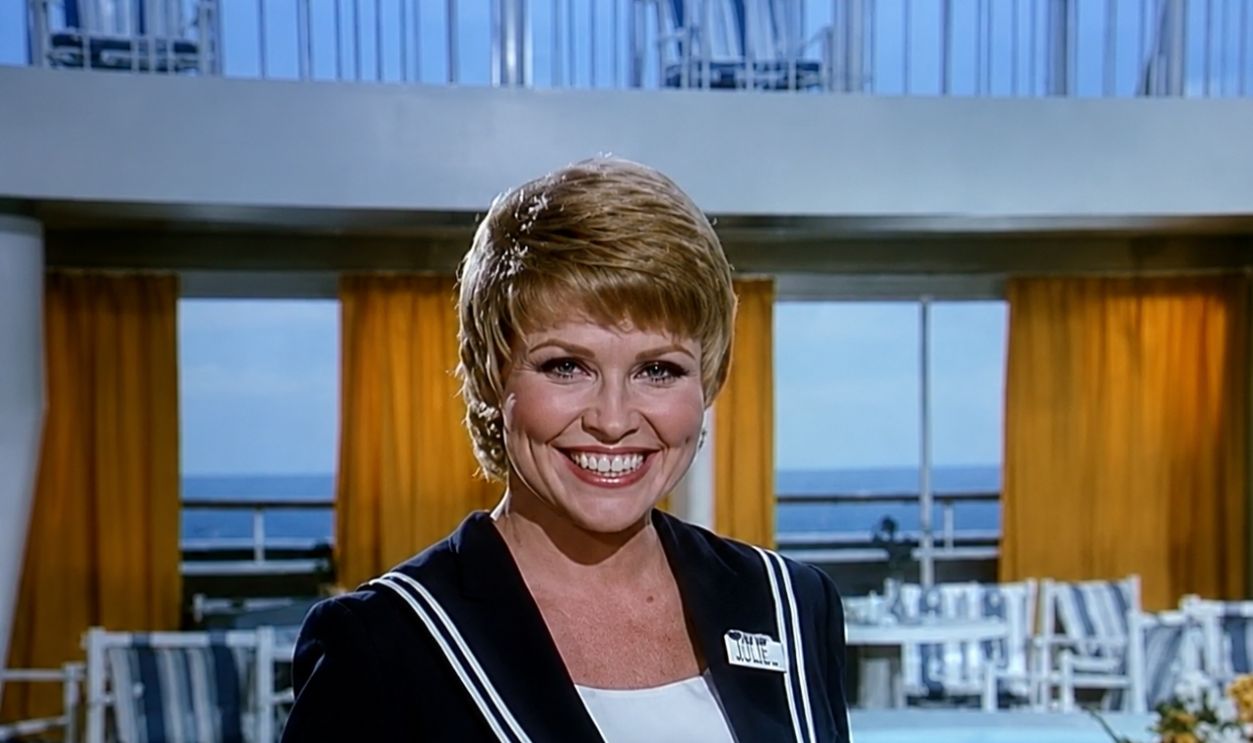
After focusing on recovery, Tewes returned as Julie for a guest appearance in 1985 and later participated in Love Boat television specials. Her return quietly contradicted the idea that one painful period had erased everything she contributed to the series.
 Screenshot from The Love Boat, Aaron Spelling Productions (1977–1986), Modified
The Rebuilding Happened Role by Role
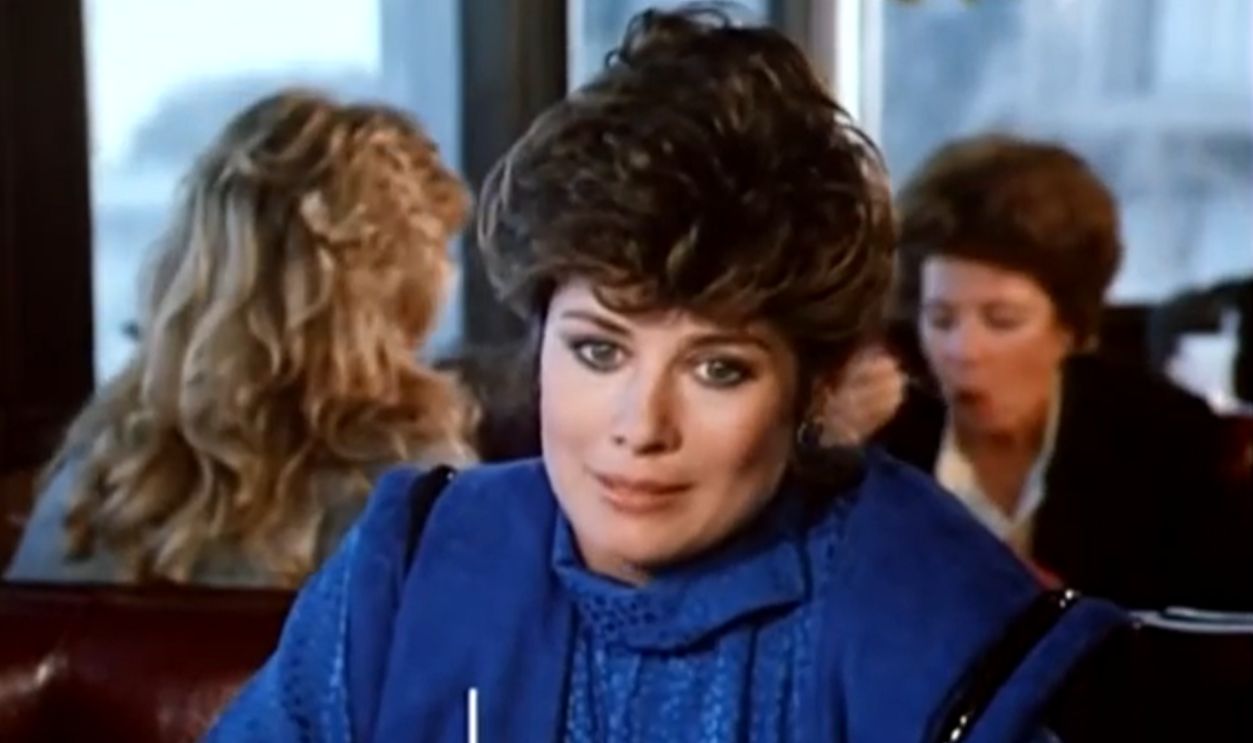
Tewes continued working on programs including Murder, She Wrote, TJ Hooker, Hunter, Hotel, My Two Dads, and Who’s the Boss? The roles were smaller than Julie, but each one represented another refusal to let Hollywood decide that her career was finished.
 Screenshot from Hotel, Warner Bros. Television Distribution (1983–1988)
The Stage Offered a Second Beginning
In 1994, Tewes moved to Seattle and concentrated on regional theater as both an actress and director. She worked with organizations including Tacoma Actors Guild, Seattle Repertory Theatre, and A Contemporary Theatre, finally playing characters far removed from Julie’s clipboard and bright uniform.
She Found Strength in Bigger Characters
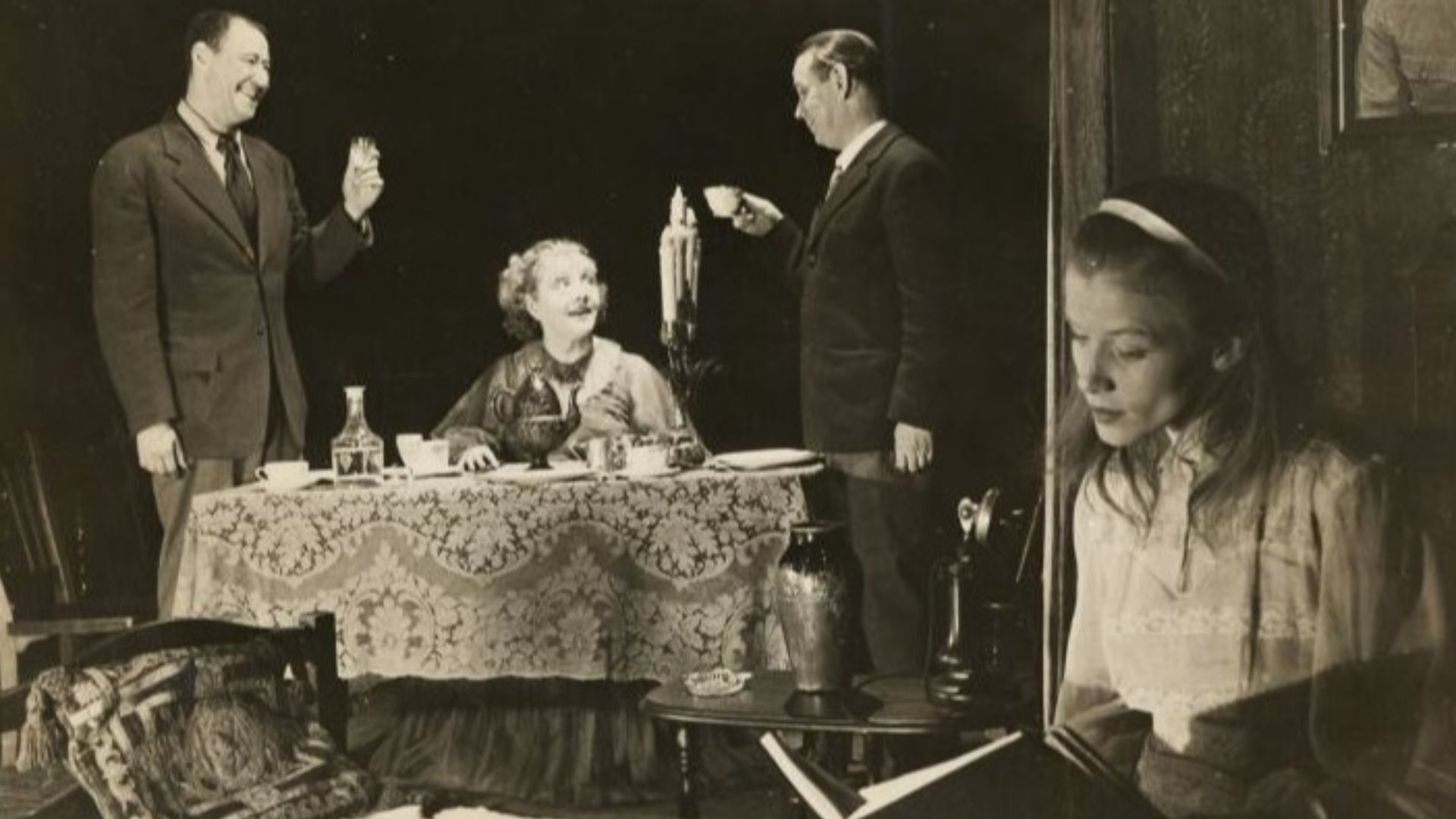
Her stage roles included Calamity Jane in Morning Glories, Amanda Wingfield in The Glass Menagerie, and Kate in The Taming of the Shrew. The parts allowed her to be forceful, complicated, funny, and difficult—qualities network television had rarely asked Julie McCoy to reveal.
 unknown (Billy Rose Theatre Collection), Wikimedia Commons
She Stepped Aboard Again
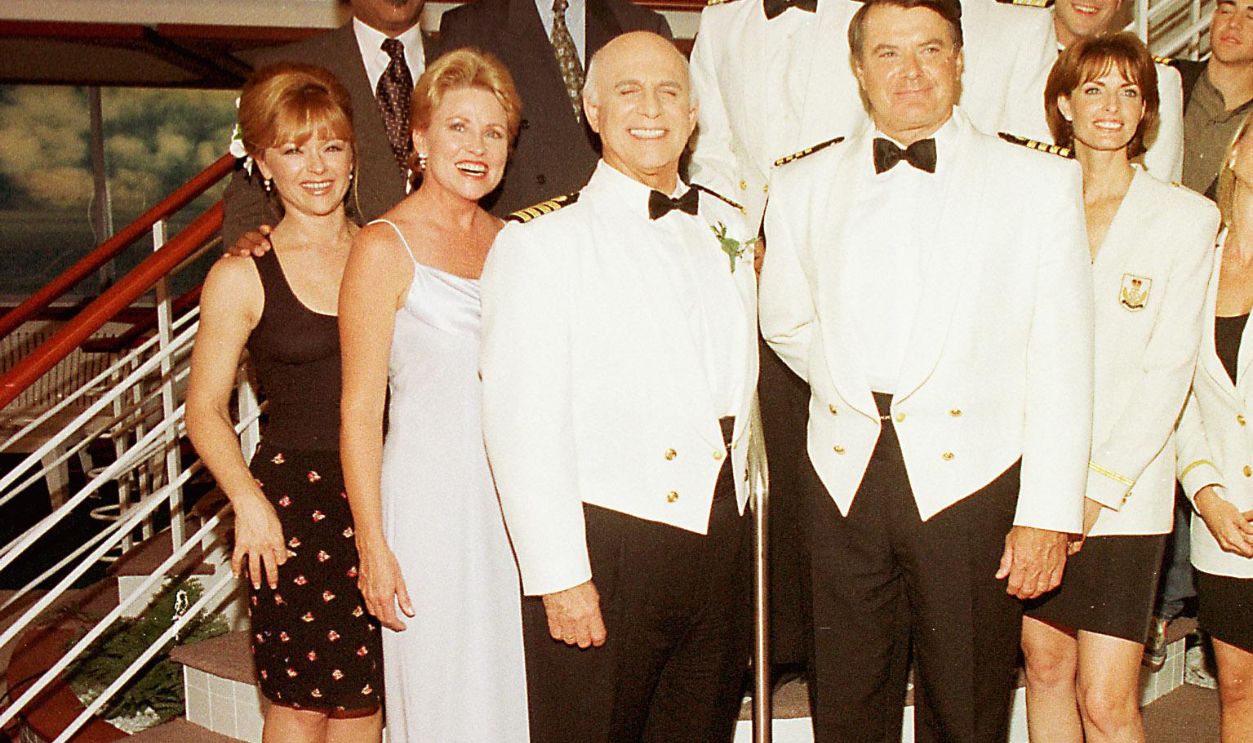
In 1998, Tewes joined MacLeod, Kopell, Grandy, Lange, and Jill Whelan for a reunion episode of Love Boat: The Next Wave. Two decades after her sudden casting, Julie’s return proved how deeply the original crew remained connected in viewers’ memories.
Television Still Had Room for Her
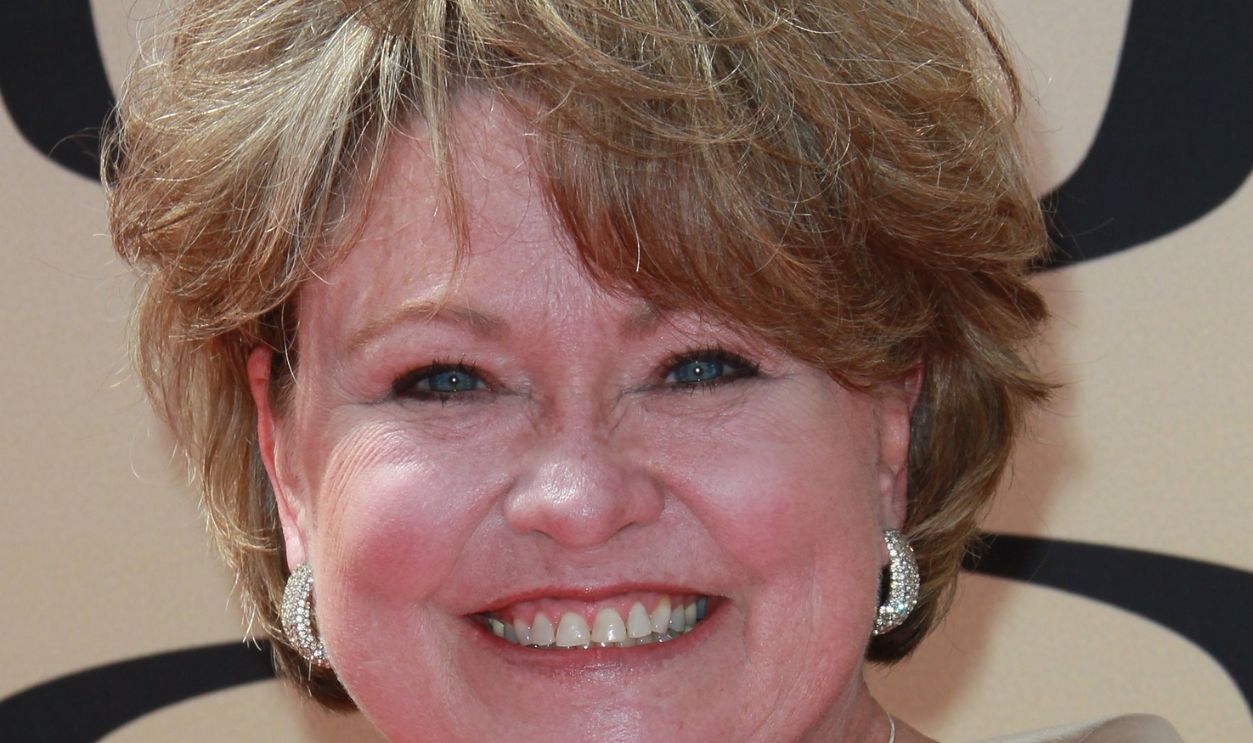
Tewes later played recurring police detective Linda Westershulte on the 2000–2001 revival of The Fugitive. She also appeared in Twin Peaks in 2017 and in filmmaker Wes Hurley’s 2021 comedy-drama Potato Dreams of America.
 David Livingston, Getty Images
She Created a Career Beyond the Camera
Away from television, Tewes studied culinary arts and worked as a sous-chef and cheese specialist for a Seattle catering company. It was an unexpected second profession, but it reflected the same curiosity that had carried her from Pennsylvania to California and eventually around the world.
Radio Gave Her Another Leading Role
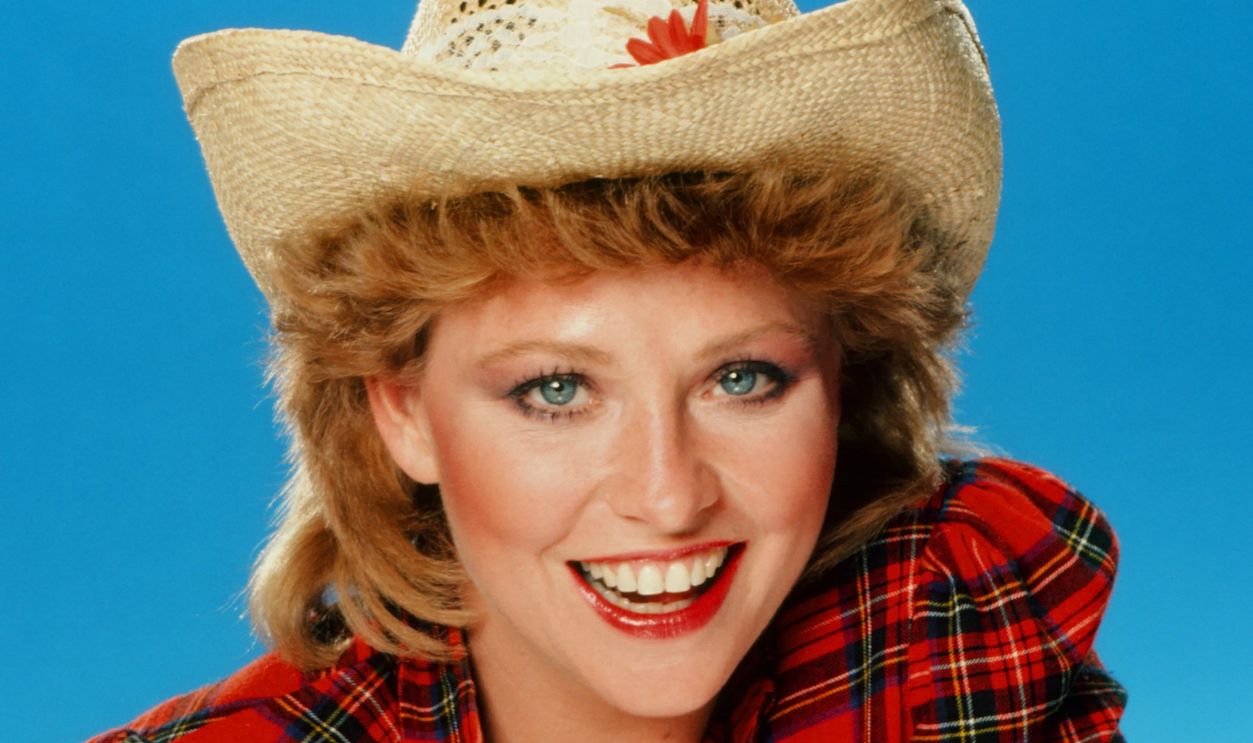
Beginning in 2020, Tewes voiced private detective Maxine Murdoch in the comedy-mystery series Murder and the Murdochs for Imagination Theatre. The role allowed listeners to hear the experienced actress she had become without seeing the famous face television had preserved in the 1970s.
Julie Never Completely Left the Ship
For millions of viewers, Lauren Tewes will always be the young woman welcoming passengers aboard the Pacific Princess. Yet her real achievement was not simply becoming recognizable—it was continuing to act, rebuild, and reinvent herself long after Hollywood tried to freeze her inside one sunny television role.
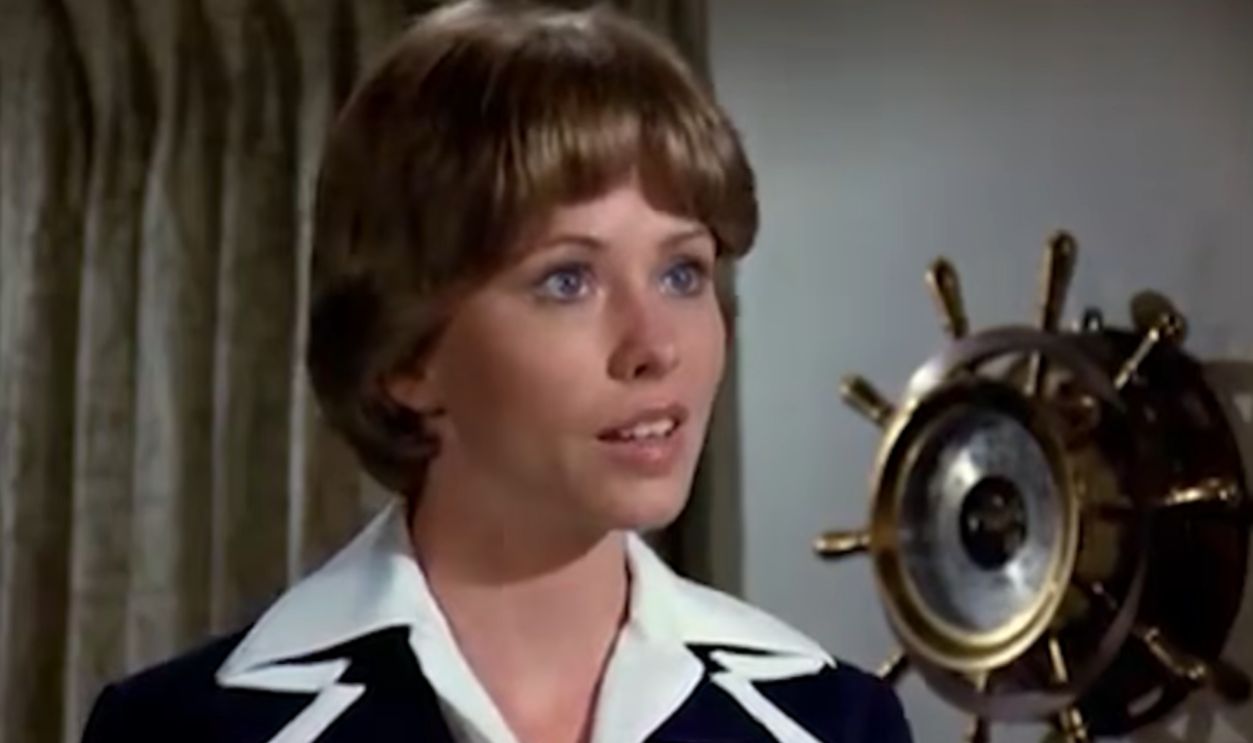 Screenshot from The Love Boat, Aaron Spelling Productions (1977–1986)
You May Also Like:
Natalie Wood’s death was one of Hollywood’s most enduring mysteries—until the captain of her yacht changed his story.