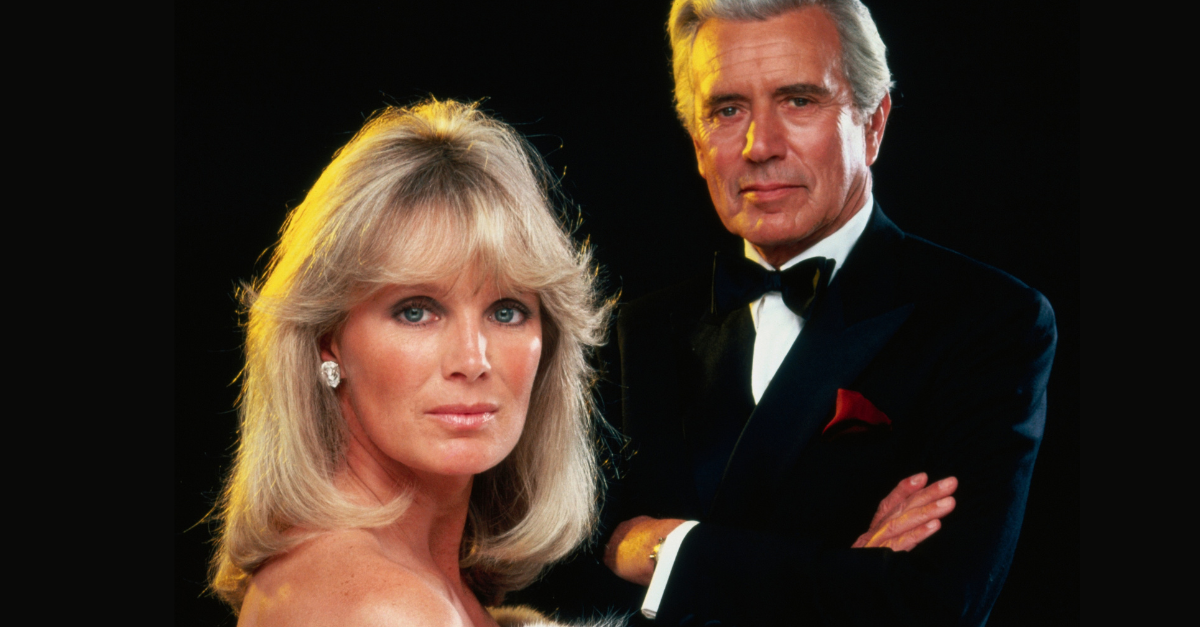
She Was Famous Before The Carrington Mansion.
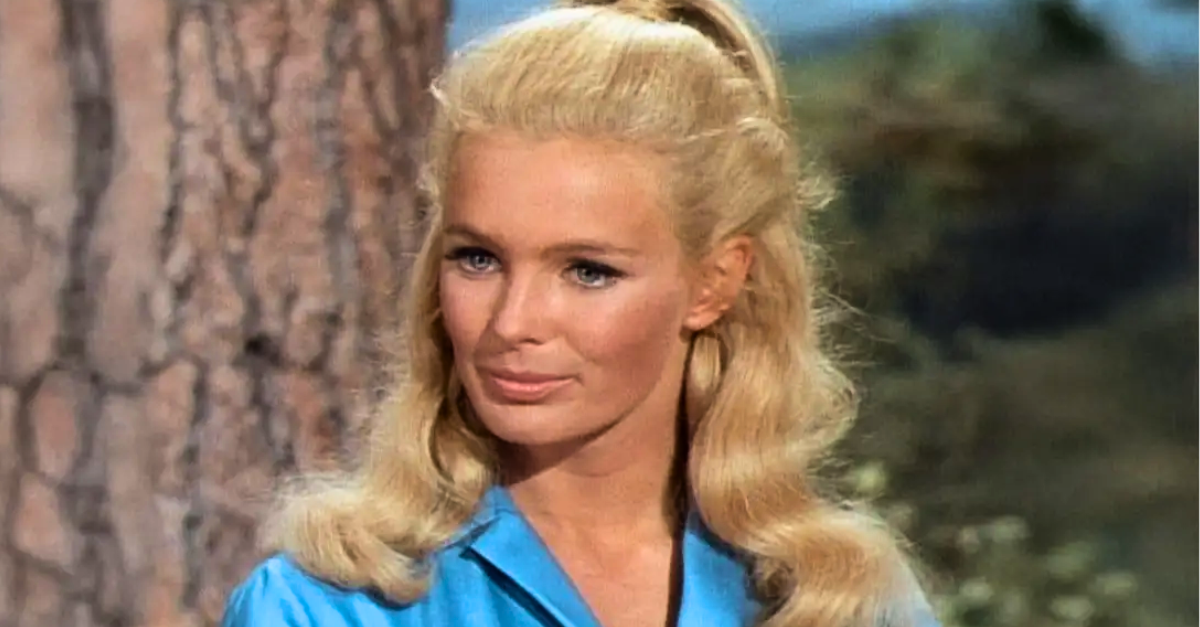
Linda Evans became one of the defining faces of 1980s television as Krystle Carrington on Dynasty, but she had already spent two decades learning how television worked. From teenage commercials to The Big Valley, Western stunts, detective shows, and years when Hollywood seemed less interested in her, Evans had built the durability she needed long before Nolan Miller started designing those enormous shoulders.
Shyness Accidentally Sent Her Toward Acting
Evans was born Linda Evenstad in Hartford, Connecticut, in 1942 and moved with her family to California as an infant. As a teenager, she was so shy that she was encouraged to take drama classes to become more comfortable speaking in front of people. Acting began as a way to gain confidence rather than as a master plan for television stardom.
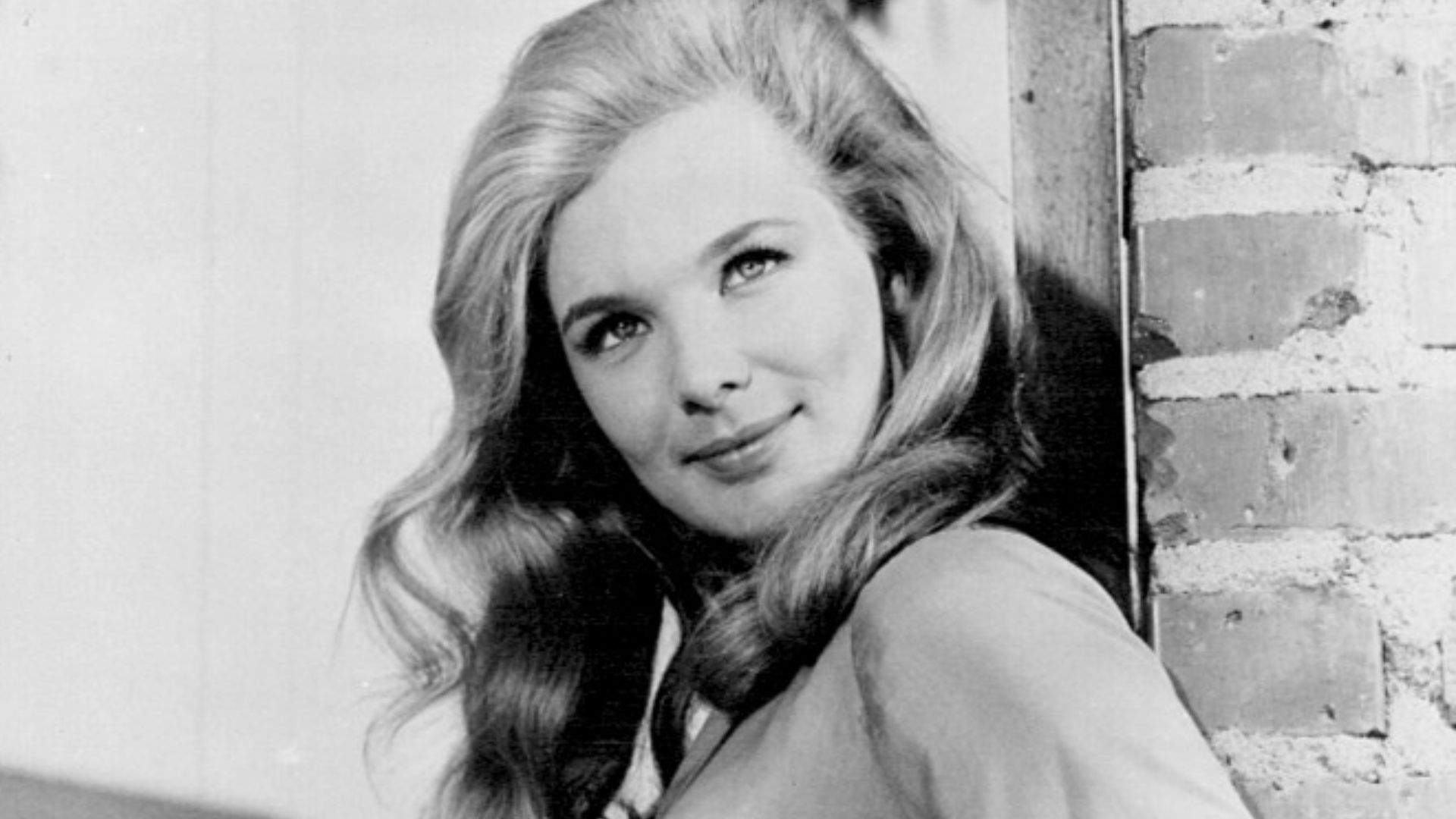 McFadden, Strauss, Eddy & Irwin for Armstrong, the program's sponsor., Wikimedia Commons
A Friend’s Commercial Audition Changed Everything
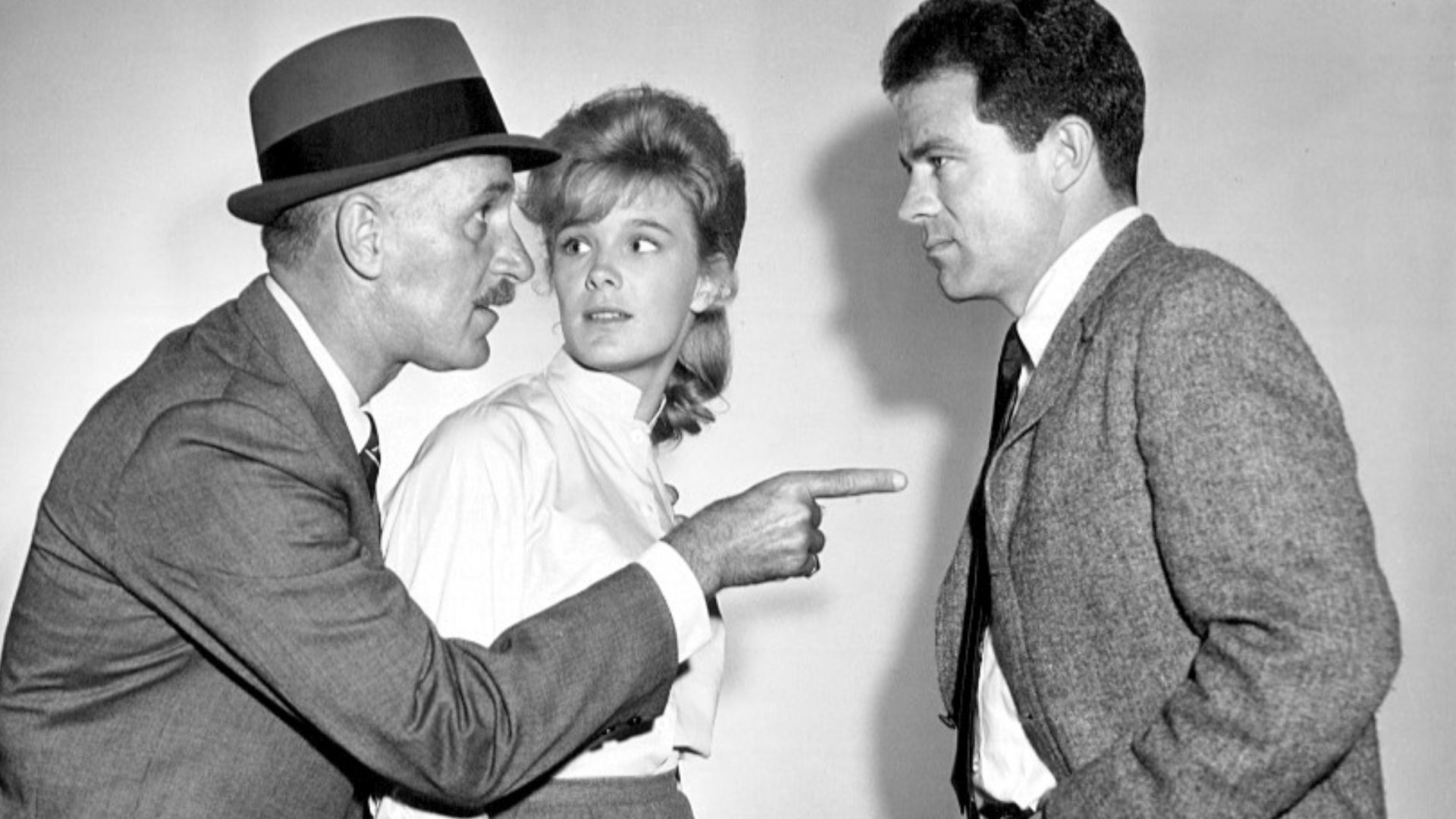
Evans accompanied a friend to a television-commercial audition while still a teenager. The producers noticed Evans and asked her to read, and she ended up getting the job herself. More commercials followed, giving an extremely shy teenager her first professional experience in front of a camera.
 NBC Television, Wikimedia Commons
John Forsythe Entered Her Career Twenty Years Early
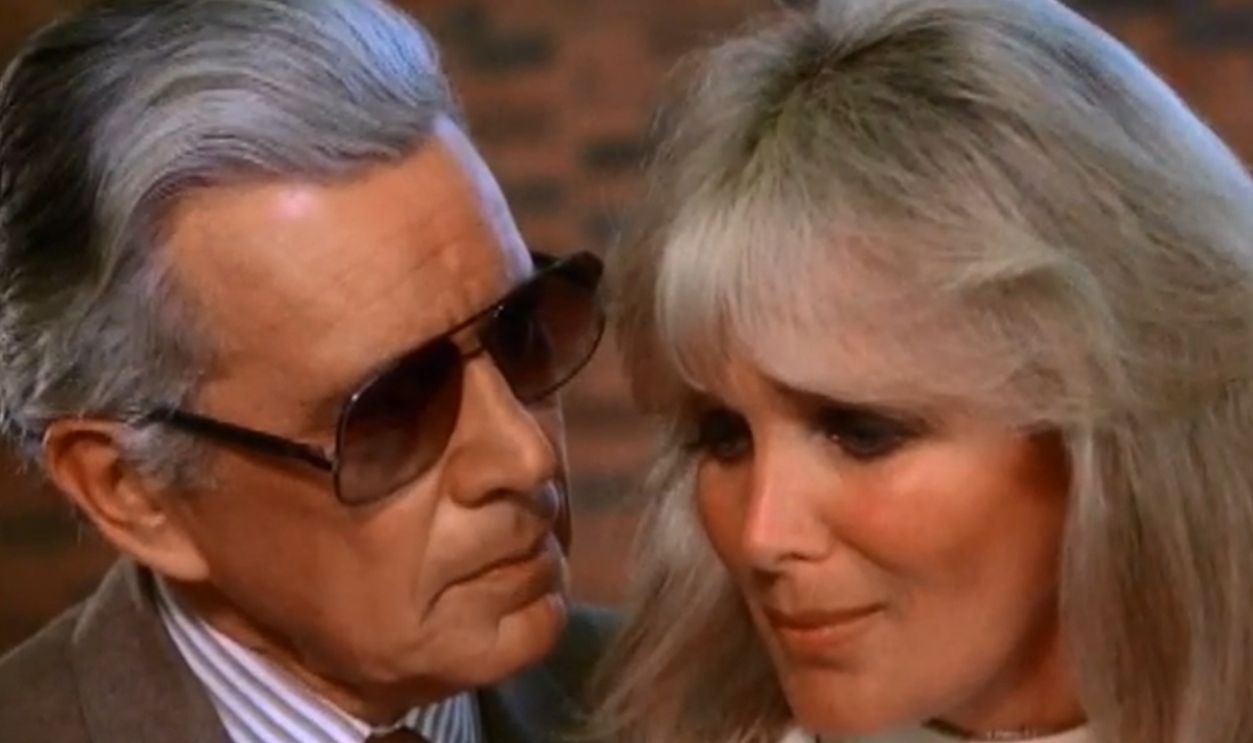
One of Evans’s first television guest roles came on Bachelor Father in 1960. The star was John Forsythe, who would eventually play her husband Blake Carrington on Dynasty. Neither actor could have known that a small early television appearance was quietly linking two careers that would become inseparable decades later.
 Screenshot from Dynasty, Paramount Global (1981-1989)
Early Television Taught Her To Keep Working
Evans followed Bachelor Father with appearances on programs including The Adventures of Ozzie and Harriet, The Untouchables, Wagon Train, and My Favorite Martian. She also made her feature-film debut in the 1963 drama Twilight of Honor. The work was steady rather than spectacular, but it gave her a practical education in episodic television.
 Screenshot from The Big Valley, The Walt Disney Company (1965-1969)
Beach Blanket Bingo Showed A Completely Different Side
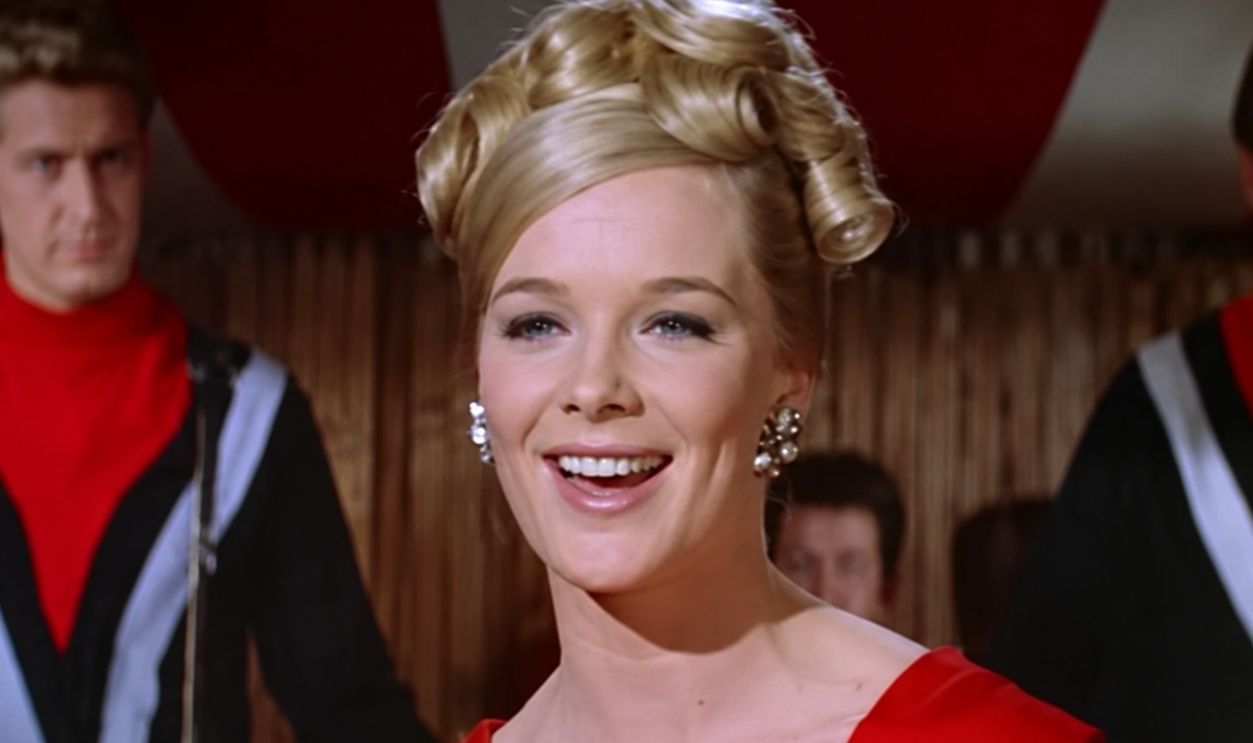
In 1965, Evans appeared in the brightly colored teen musical Beach Blanket Bingo. She played singer Sugar Kane, a part far removed from the Western role that was about to define the next phase of her career. The contrast showed that Hollywood was still experimenting with how to use her on screen.
 Screenshot from Beach Blanket Bingo, Amazon MGM Studios (1965), enhanced
The Big Valley Became Her First Real Breakthrough
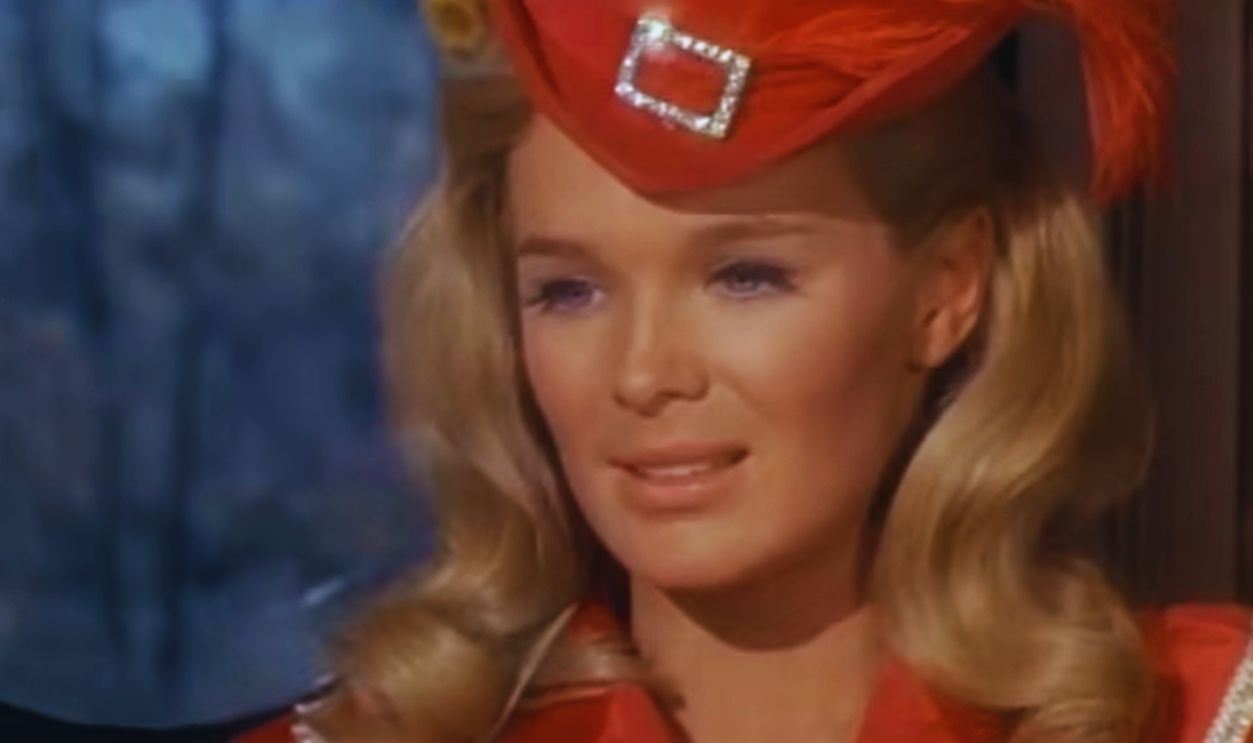
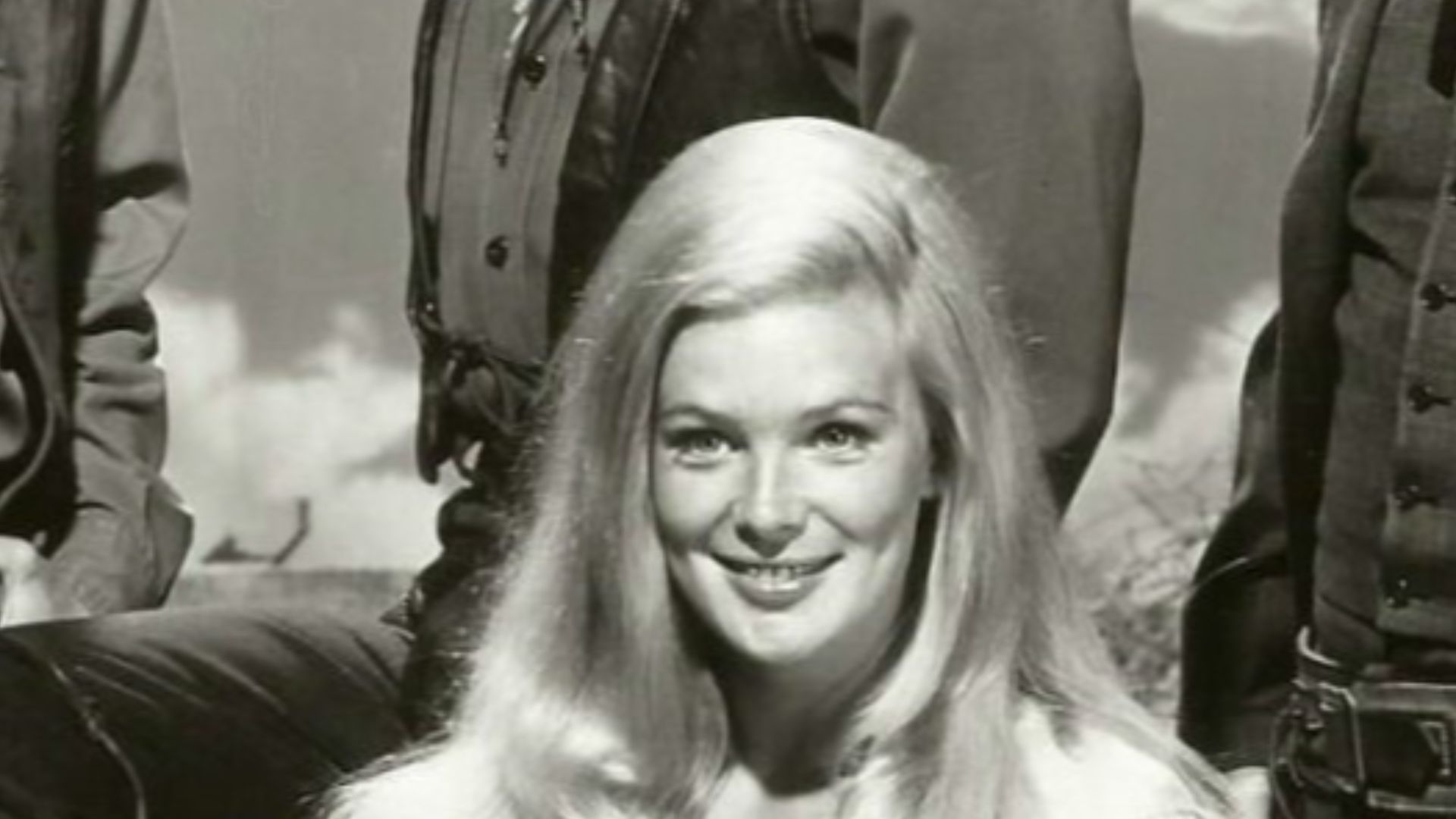
That same year, Evans joined ABC’s The Big Valley as Audra Barkley. The series centered on the wealthy Barkley family and placed Barbara Stanwyck at its head as formidable matriarch Victoria. Evans was only 23 when she began playing Victoria’s daughter, giving her a nationally visible role on a major Western.
 ABC Television, Wikimedia Commons
Barbara Stanwyck Showed Her What A Star Could Be
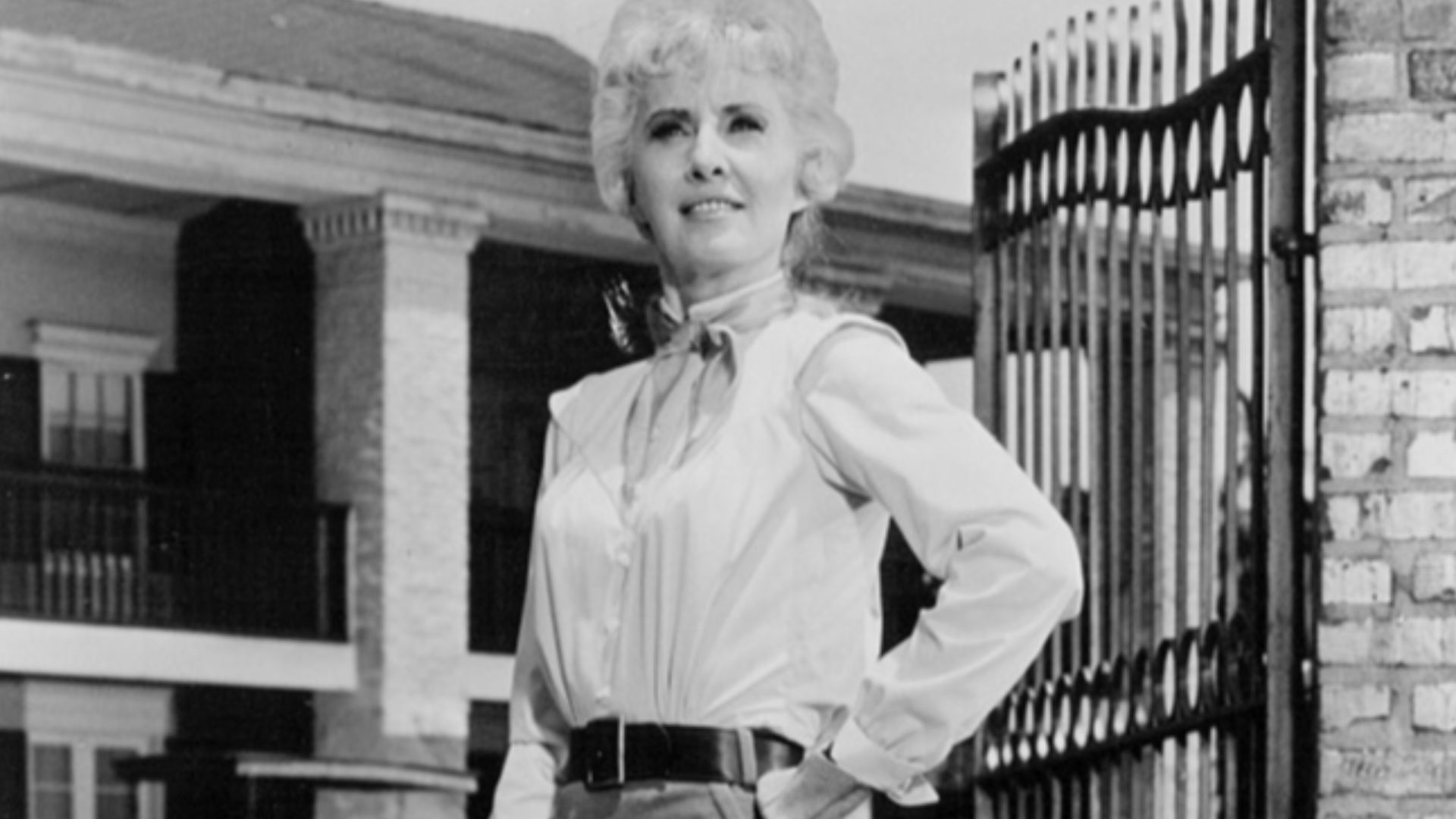
Evans later spoke warmly about working with Stanwyck, whom she affectionately called “Missy.” She remembered Stanwyck as unusually willing to participate in physical action rather than leaving everything to stunt performers. Watching an established movie legend work that hard gave Evans an example of professionalism that stayed with her.
 McFadden, Strauss, Eddy & Irwin-public relations, Wikimedia Commons
Audra Was Not A Delicate Western Daughter
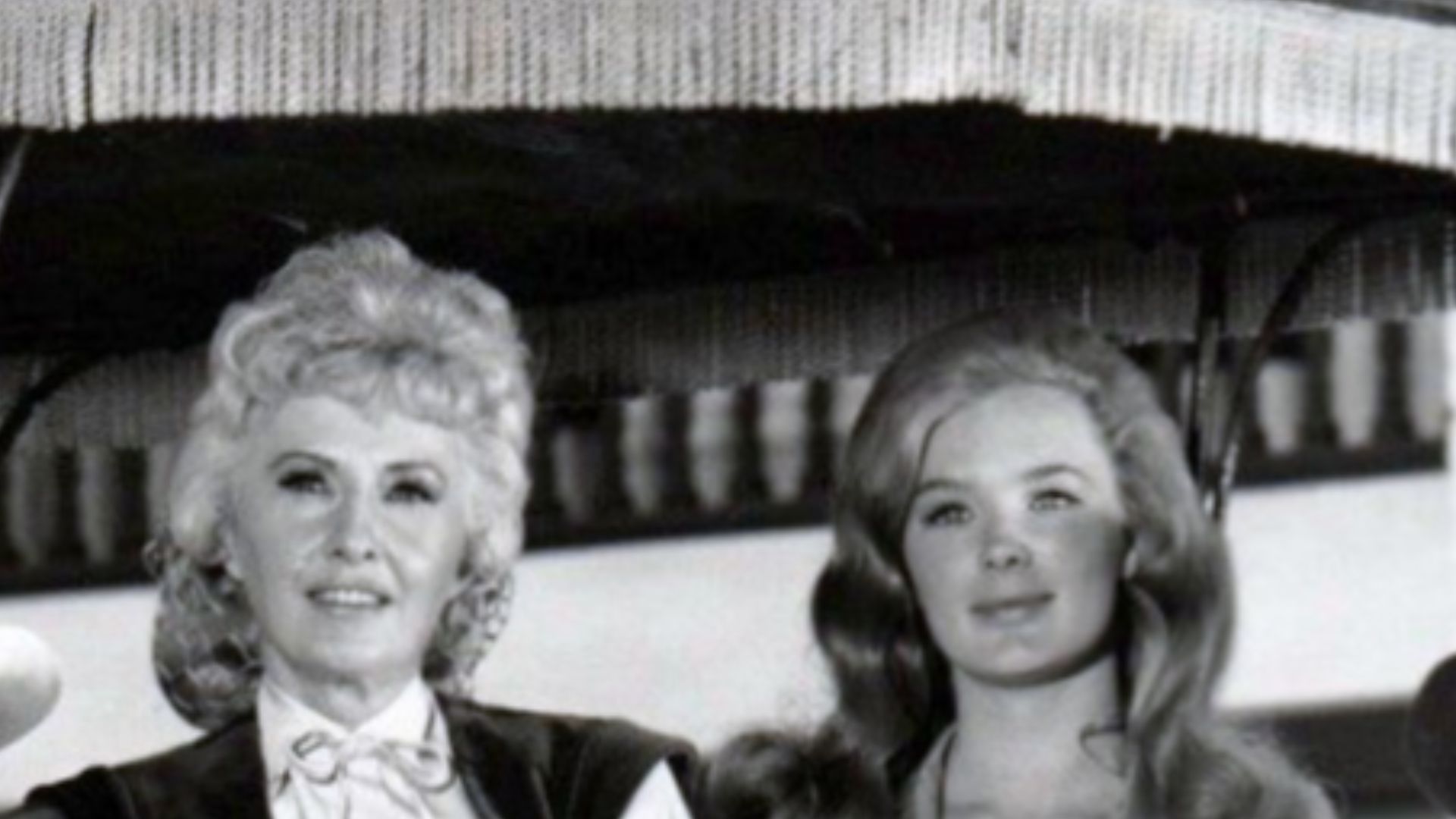
Evans and Stanwyck played women who were far more active than many female characters in television Westerns of the period. Evans later emphasized that Victoria and Audra were independent and powerful within a genre dominated by male heroes. Audra could ride, argue, and become involved in danger rather than remaining safely inside the Barkley mansion.
 ABC Television, Wikimedia Commons
She Had A Stunt Double For A Reason
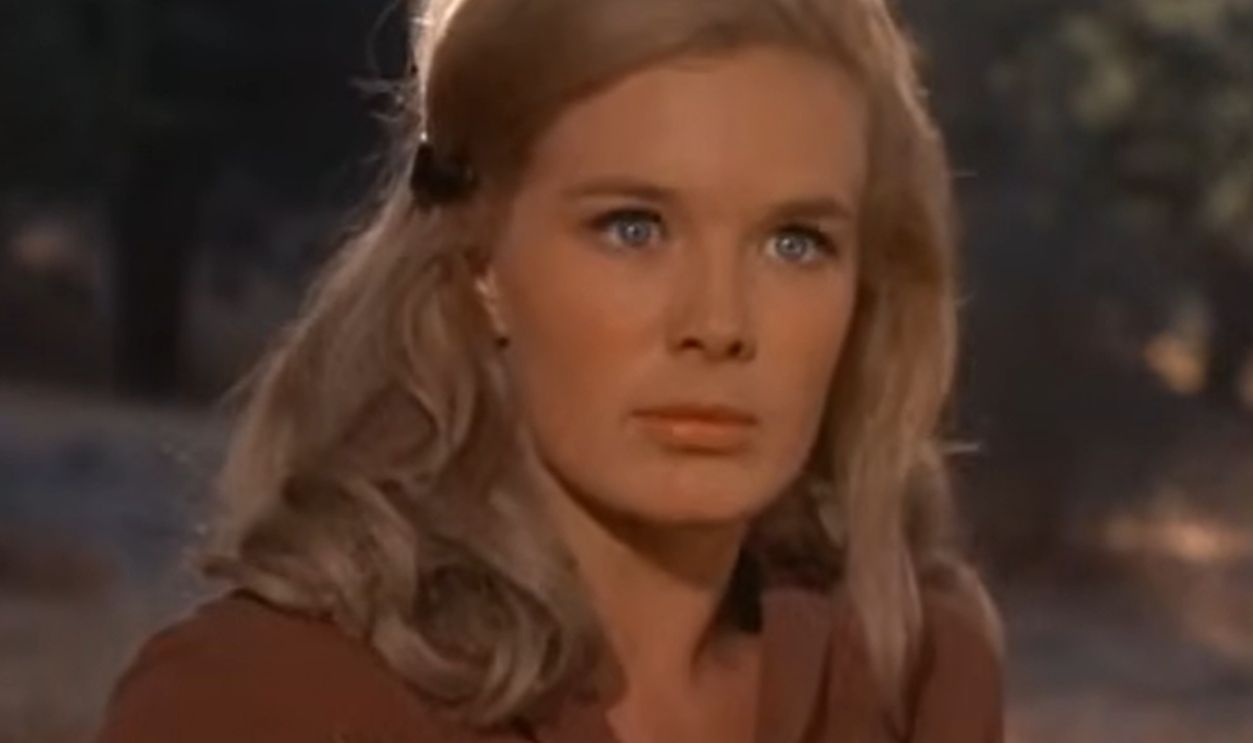
Veteran stunt performer Jeannie Epper doubled Evans on The Big Valley. Epper later described doing action work for both Evans and Stanwyck, while Evans recalled that the actresses sometimes still needed to participate so the camera could clearly show their faces. The glamorous television daughter was therefore working much closer to horses, falls, and physical action than the later Krystle image suggests.
 Screenshot from The Big Valley, The Walt Disney Company (1965-1969)
Four Seasons Made Her A Familiar Western Face
The Big Valley ran from 1965 through 1969. Evans remained associated with Audra throughout the series and became nationally recognizable years before prime-time soaps existed. When the Western ended, she had already completed the kind of long network run many actors spend an entire career trying to secure.
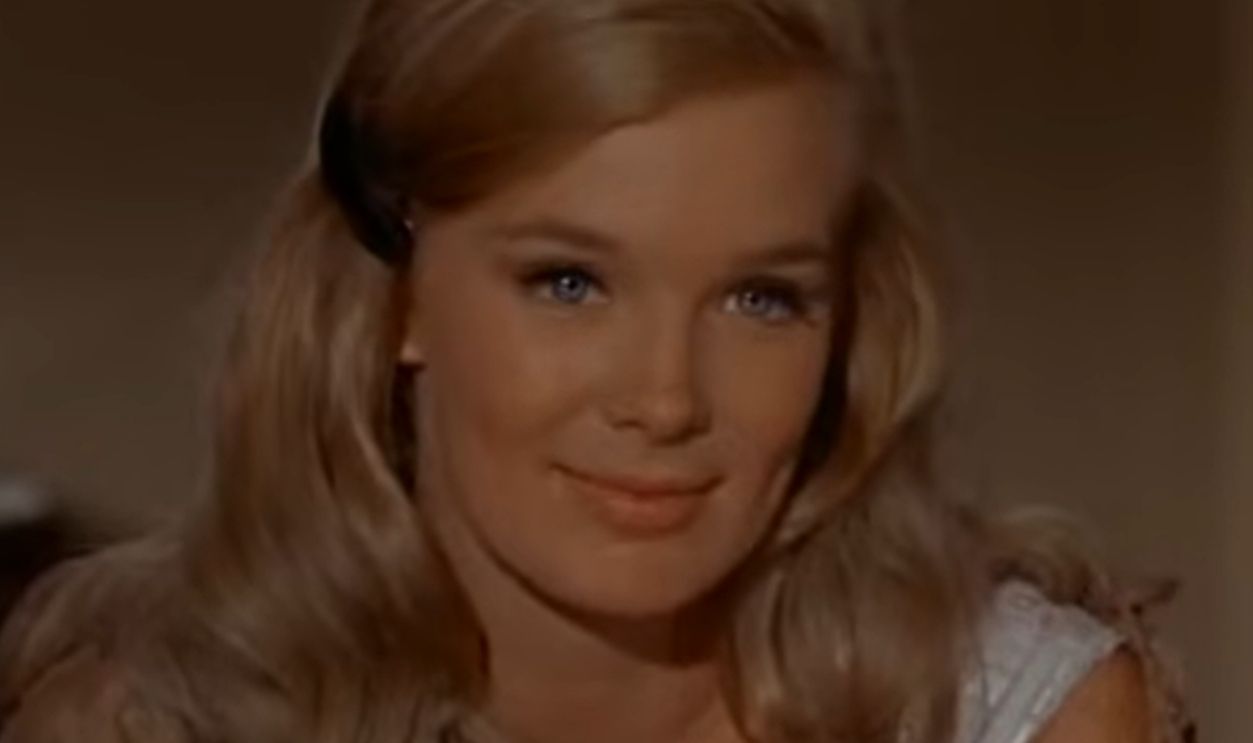 Screenshot from The Big Valley, The Walt Disney Company (1965-1969)
Then Her Career Became Less Predictable
After The Big Valley, Evans no longer had a weekly hit keeping her constantly visible. She continued working, but much of the next decade consisted of guest appearances, television movies, and occasional films rather than another defining series. Those years would later make the scale of her Dynasty comeback look even more dramatic.
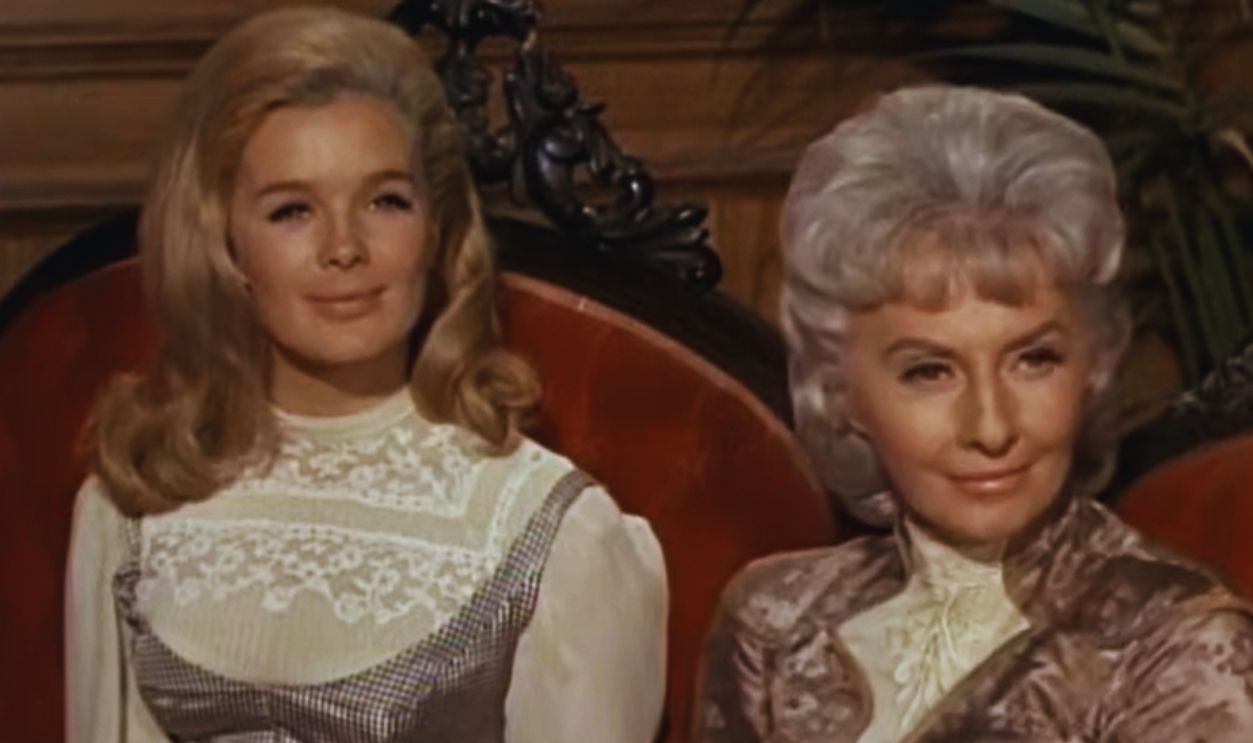 Screenshot from The Big Valley, The Walt Disney Company (1965-1969)
Marriage Changed Her Relationship With Hollywood
Evans married actor and director John Derek in 1968. Contemporary profiles later described a period in which her acting activity decreased substantially during the marriage. By the time that chapter of her life ended, Evans was no longer the young Western ingénue who had first broken through on The Big Valley.
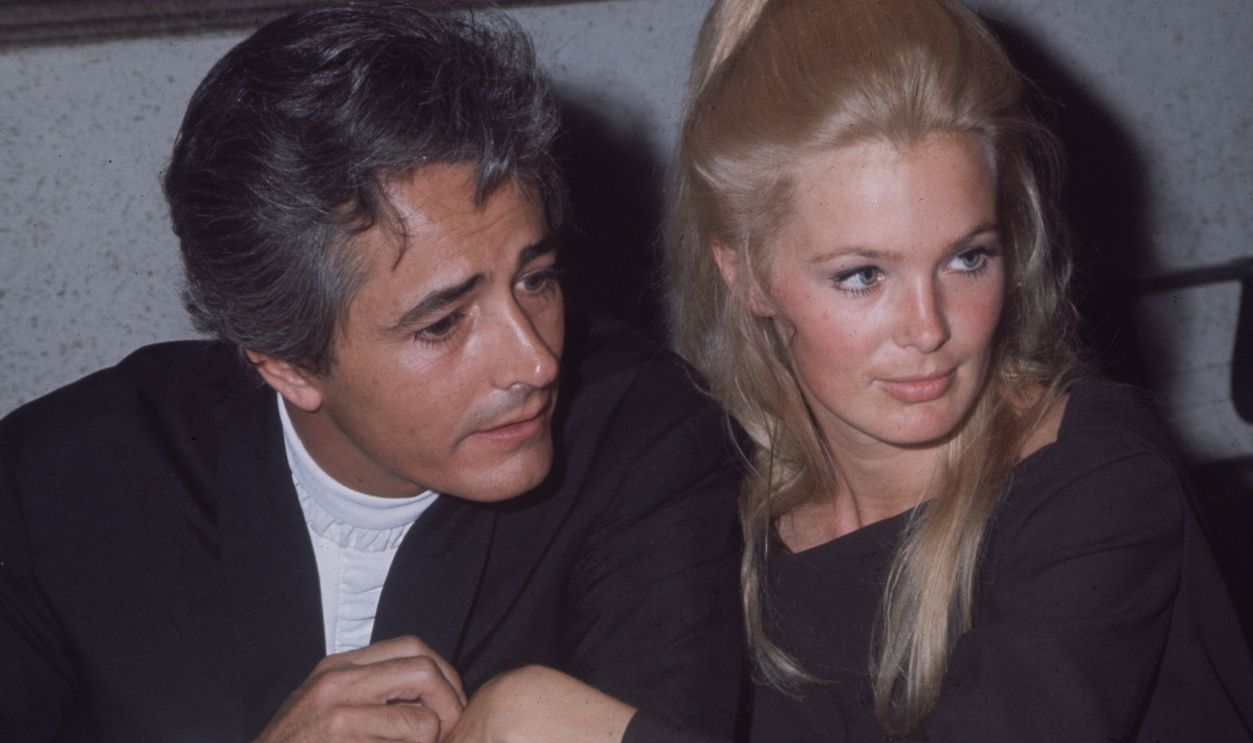
The Seventies Turned Her Into A Professional Guest Star
Evans nevertheless remained active on television during the 1970s. Her credits included appearances on McCloud, Mannix, Banacek, Harry O, McMillan & Wife, and The Rockford Files. The assignments kept her working across the crime and mystery shows that dominated network schedules during the decade.
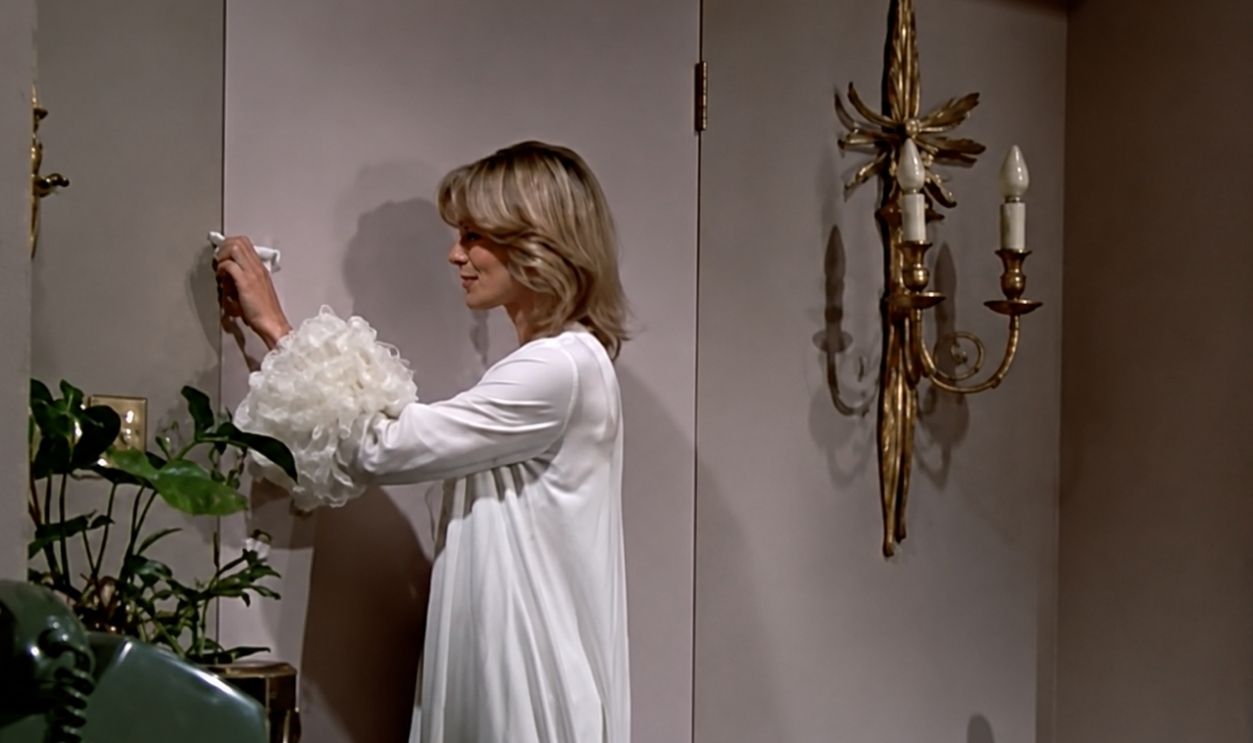 Screenshot from McCloud, NBCUniversal (1970-1977), enhanced
Mitchell Proved She Could Play Against Her Image
In the 1975 crime film Mitchell, Evans played Greta opposite Joe Don Baker. The part was considerably harder-edged than Audra Barkley and demonstrated that Evans was not limited to wholesome daughters or conventional romantic interests. Even so, the film did not suddenly return her to the level of stardom she had enjoyed in the 1960s.
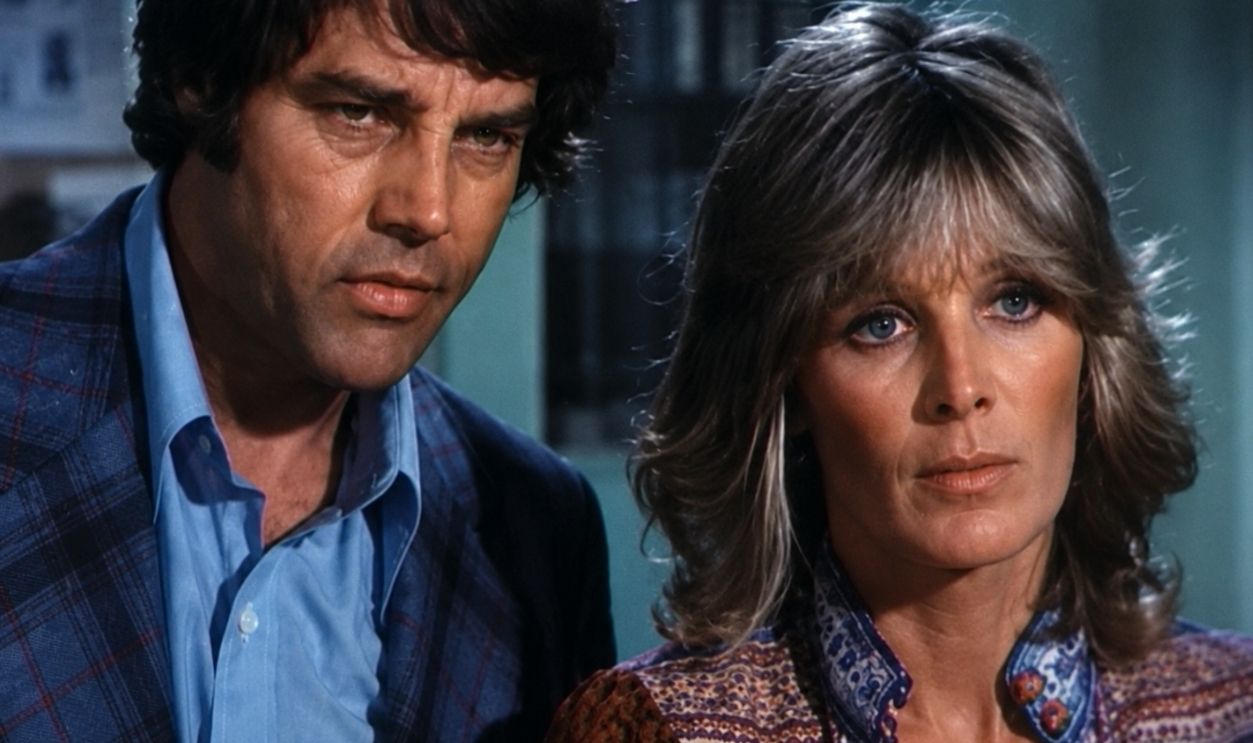 Screenshot from Mitchell, Warner Bros. Discovery (1975), enhanced
Hollywood Started Treating Her Age Like A Problem
By the end of the 1970s, Evans was encountering a familiar obstacle for actresses. The Los Angeles Times reported that she had been passed over for roles because some industry figures considered her too old. She had not yet turned 40, but television was already making the absurd calculation that her leading-lady years might be finished.
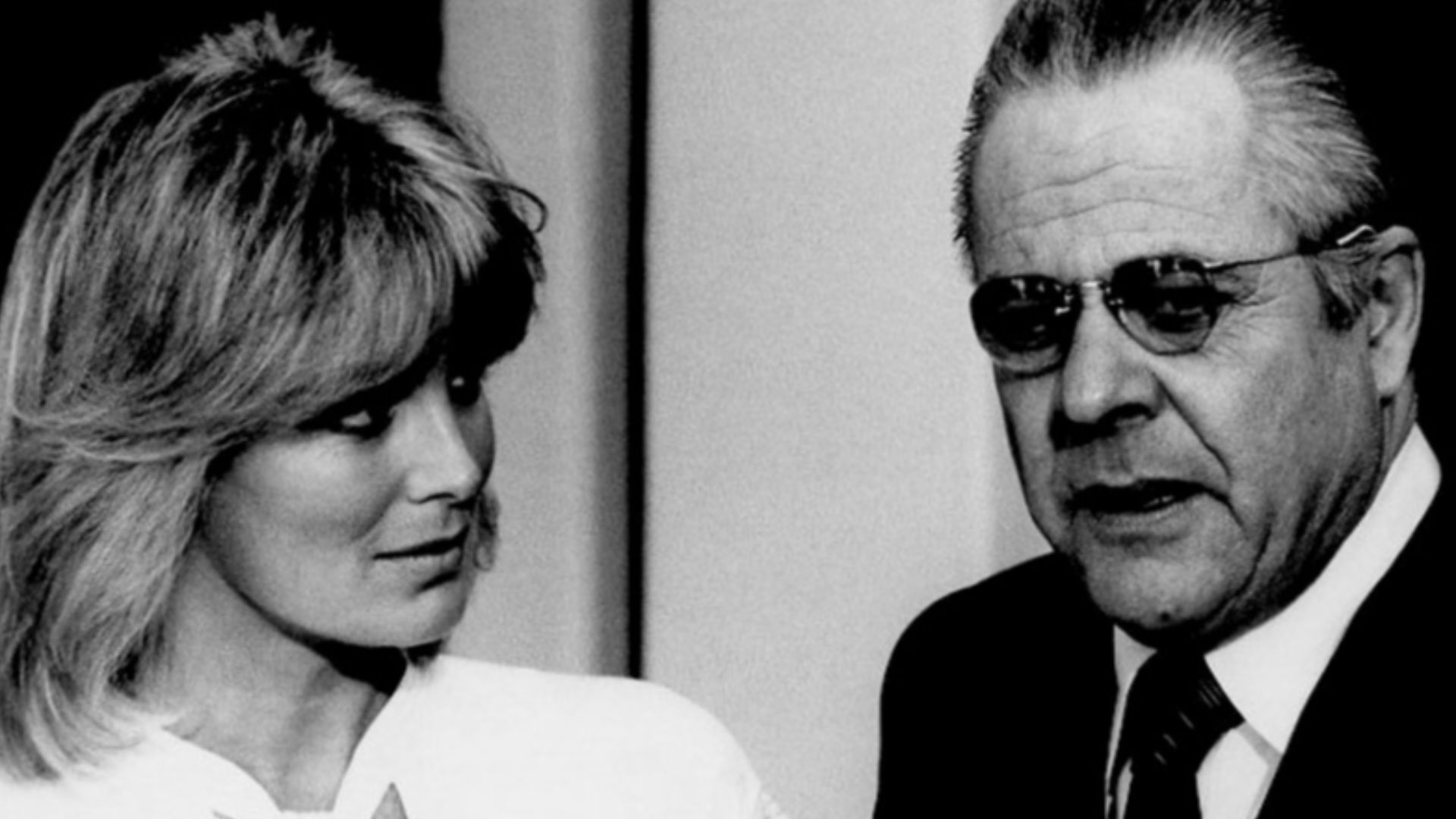 CBS Television, Wikimedia Commons
Then Dynasty Arrived At Exactly The Right Moment
Dynasty premiered on ABC in January 1981, created by Richard and Esther Shapiro and produced by Aaron Spelling’s company. The drama centered on Denver oil magnate Blake Carrington and the wealthy family surrounding him. Evans was cast as Krystle Carrington, Blake’s new wife and the emotional entry point into his world of extraordinary money and conflict.
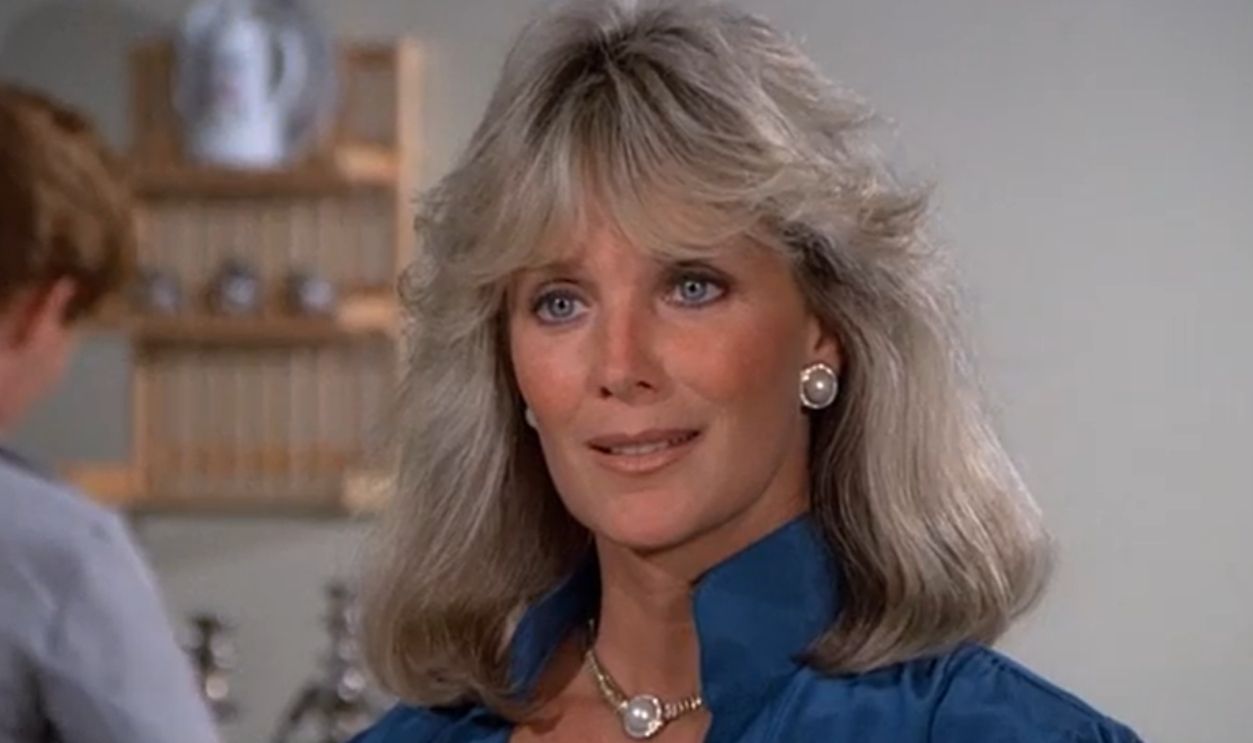 Screenshot from Dynasty, Paramount Global (1981-1989)
Krystle Was Designed As The Human Center
The Shapiros later discussed Krystle as a crucial element of the series. She came from outside the Carrington family’s entrenched wealth and carried a different moral sensibility into Blake’s mansion. Evans’s warmth made Krystle a useful audience surrogate as increasingly extravagant storylines developed around her.
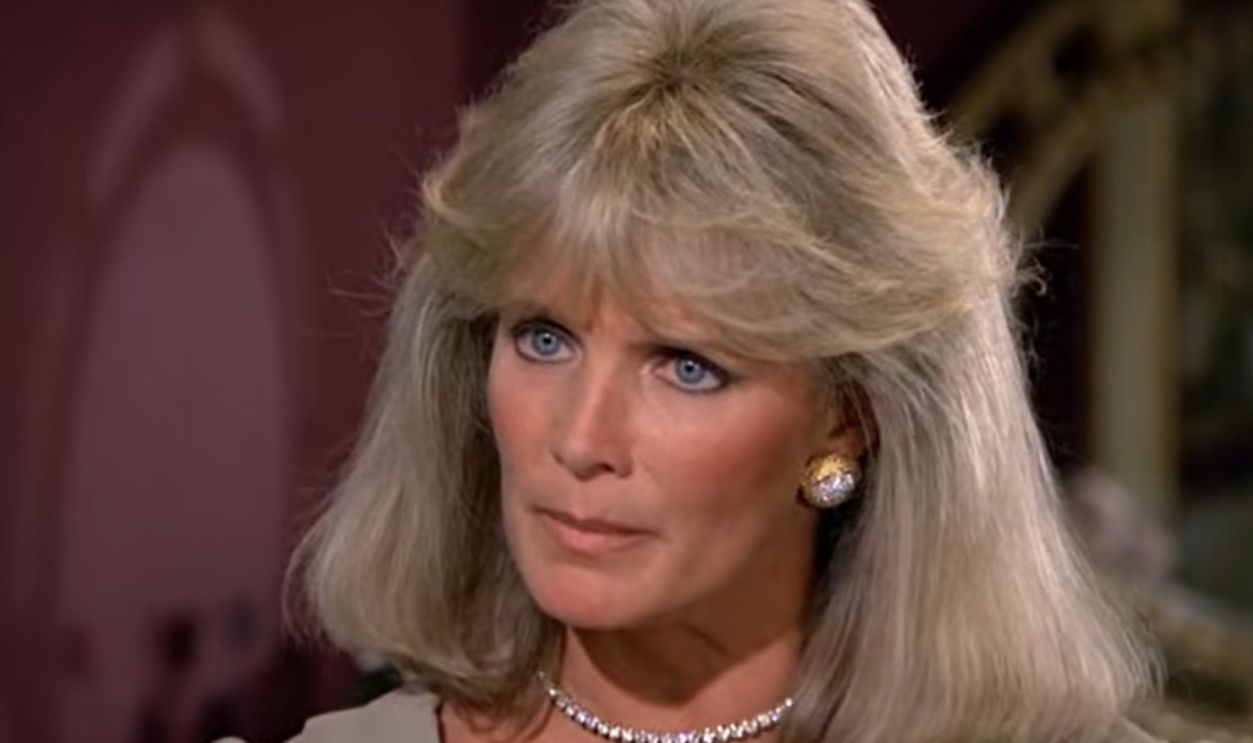 Screenshot from Dynasty, Paramount Global (1981-1989)
Being Nearly Forty Became Part Of The Triumph
Evans later remembered being 39 when Dynasty came into her life. She also noted how unusual it was at the time for television to hand a major leading role to a woman of that age. The series did not merely revive her career because it transformed a performer Hollywood had begun treating as too mature into one of the most glamorous women on television.
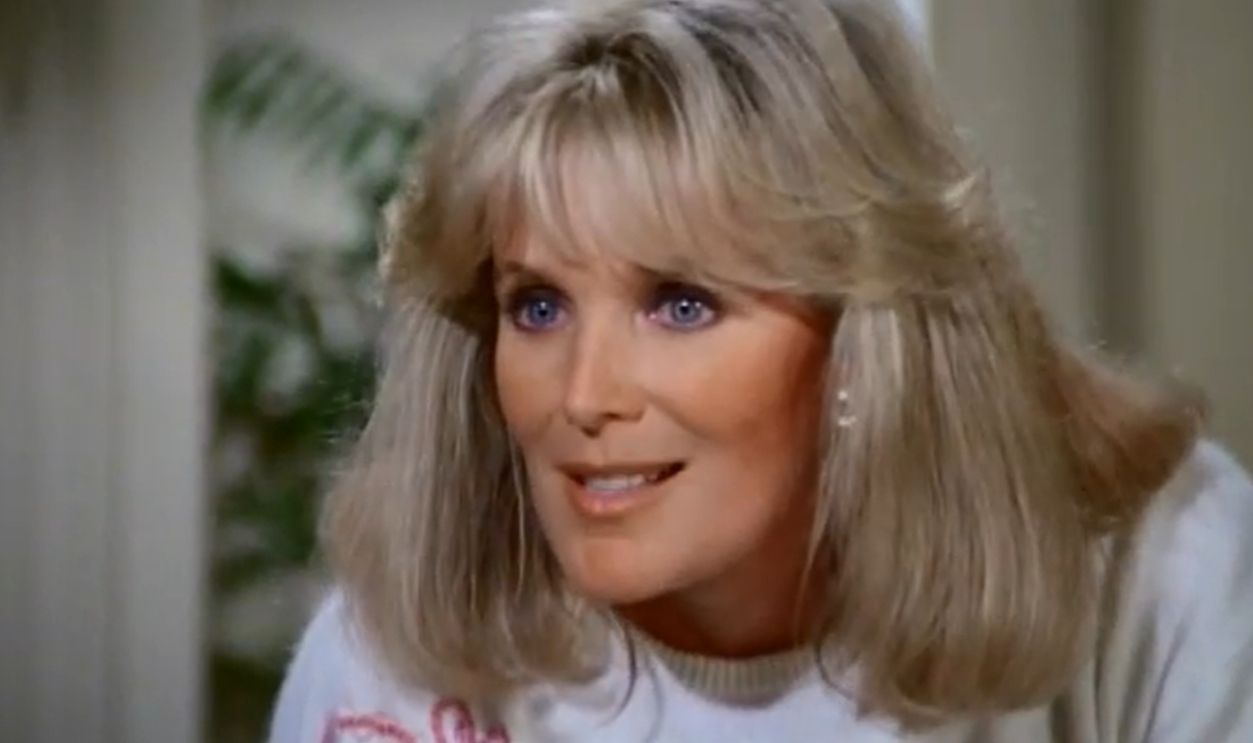 Screenshot from Dynasty, Paramount Global (1981-1989)
John Forsythe Suddenly Became Her Husband
Two decades after her Bachelor Father appearance, Evans found herself opposite Forsythe again. This time they were the central married couple in one of television’s most expensive-looking dramas. Their earlier professional connection gave the pairing an amusing symmetry, but Dynasty turned them into an entirely new kind of television institution.
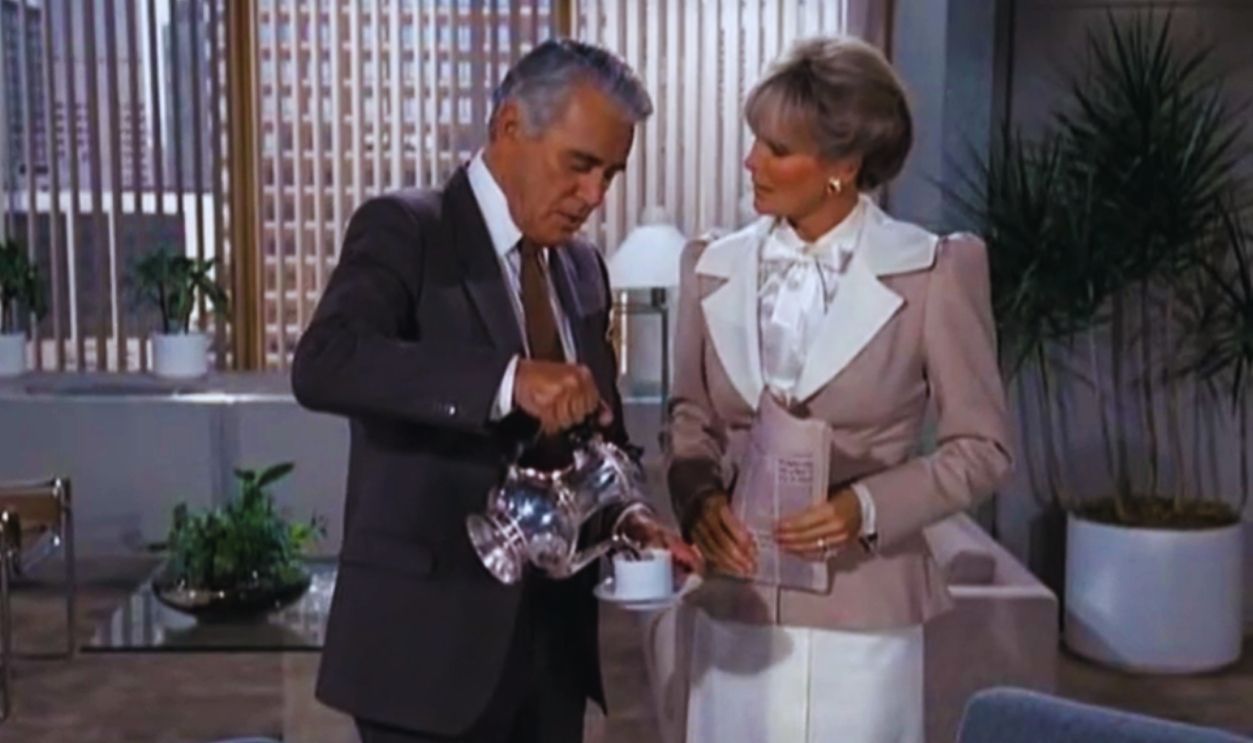 Screenshot from Dynasty, Paramount Global (1981-1989)
Joan Collins Changed The Chemistry Overnight
Joan Collins joined the series as Blake’s ex-wife Alexis, giving Dynasty the adversarial force it needed. Alexis and Krystle represented dramatically different forms of female power, with Collins playing aggression and calculation against Evans’s softer but increasingly resilient presence. The rivalry became one of the show’s defining engines.
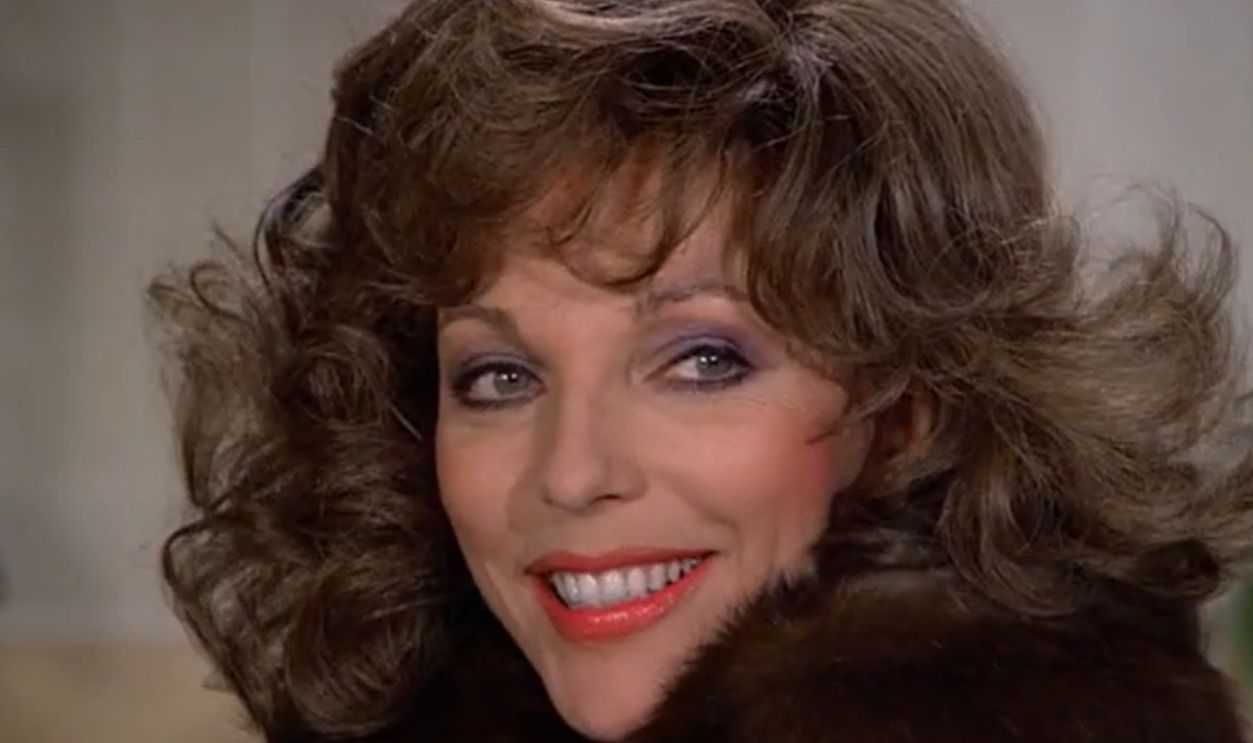 Screenshot from Dynasty, Paramount Global (1981-1989)
Krystle Eventually Learned To Fight Back
The show’s famous physical confrontations between Krystle and Alexis pushed Evans far beyond the calm outsider she had played early in the series. Stunt performer Jeannie Epper doubled Evans during one of the celebrated catfight sequences. Nolan Miller even discussed designing clothing specifically for scenes in which the two women would physically attack one another.
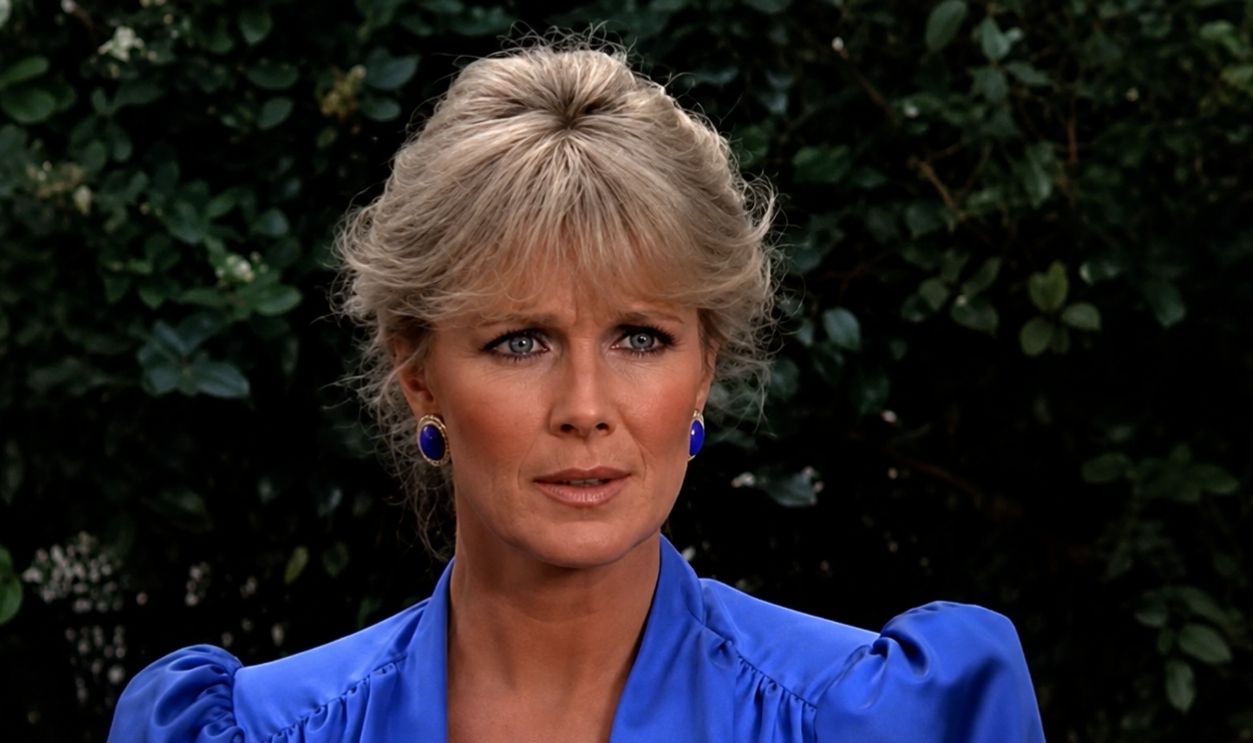 Screenshot from Dynasty, Paramount Global (1981-1989), enhanced
Nolan Miller Turned Her Into A Fashion Symbol
Costume designer Nolan Miller created the extravagant visual language now associated with Dynasty. The Television Academy notes that his designs for Evans, Collins, and the other women used glamour, luxurious fabrics, dramatic shapes, and increasingly prominent shoulder pads. Krystle’s wardrobe became almost as recognizable as the storylines themselves.
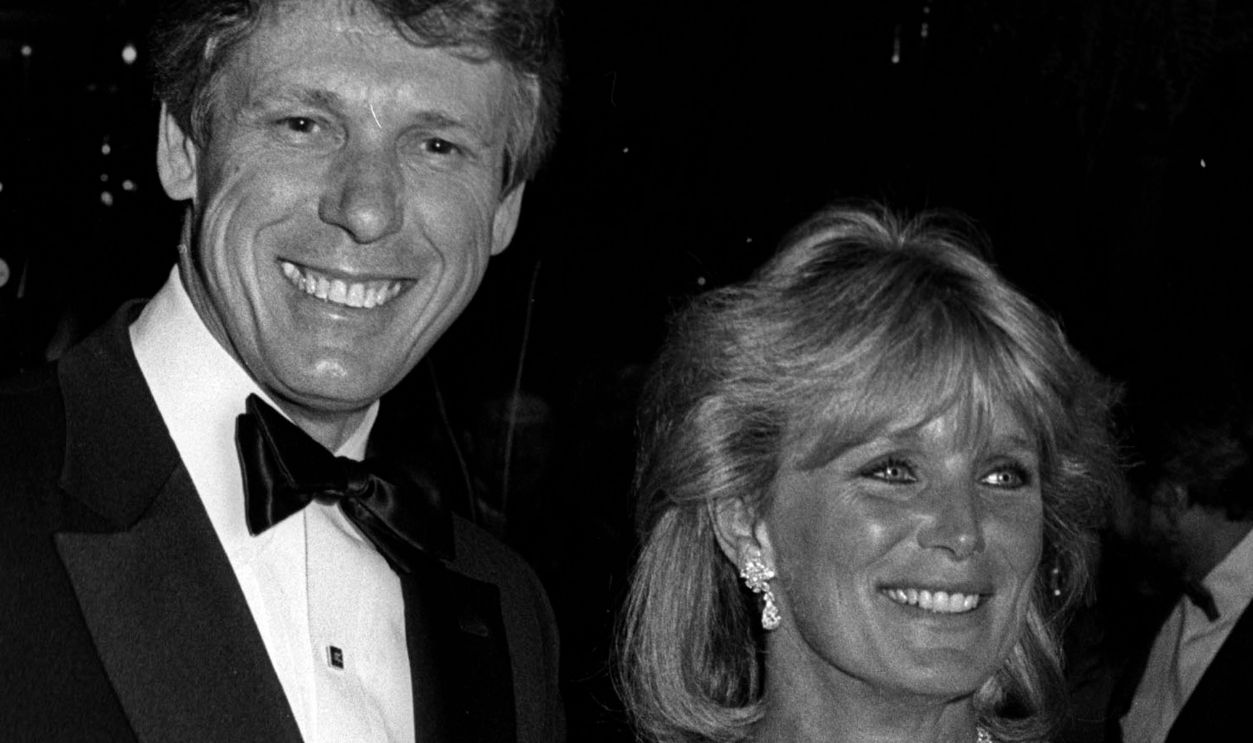
Those Shoulder Pads Really Were Enormous
Evans later joked that her shoulder pads and Collins’s could become so large that the actresses had difficulty passing each other through a doorway. Miller’s designs helped turn exaggerated shoulders into one of the visual signatures of 1980s power dressing. The joke is that Evans had already spent roughly 20 years building a television career before the fashion detail most associated with her even appeared.
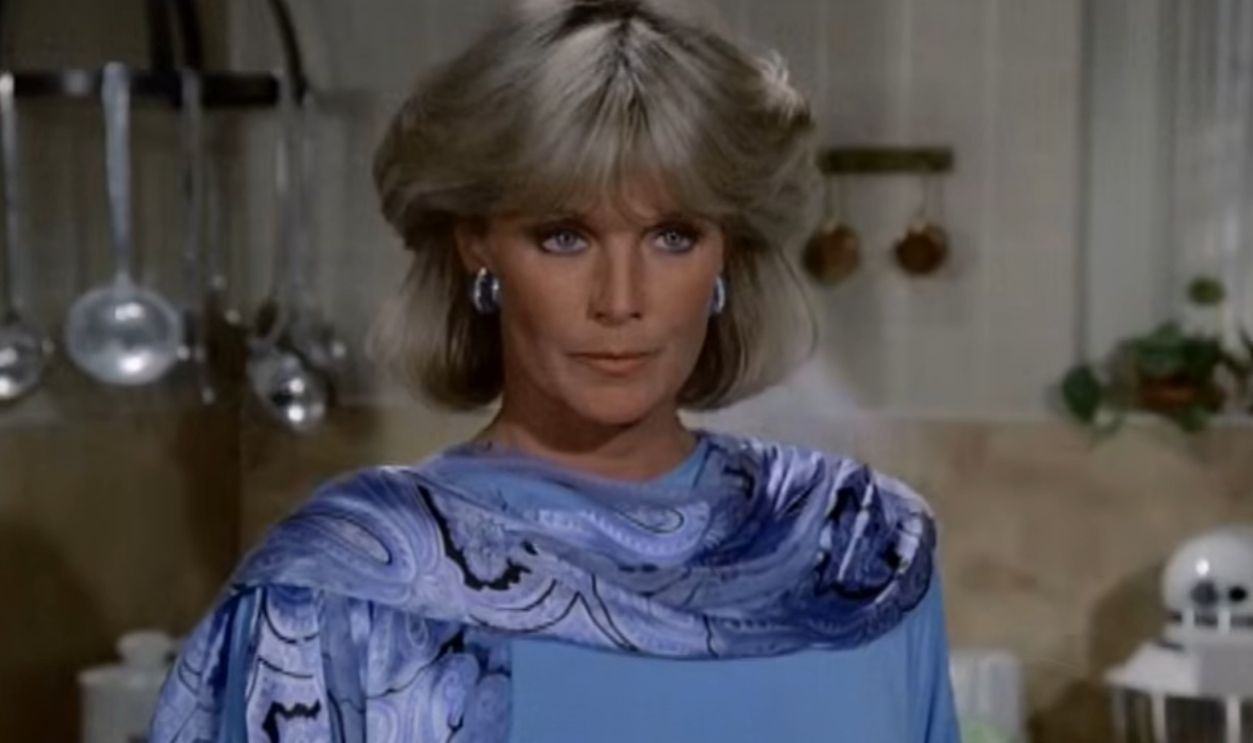 Screenshot from Dynasty, Paramount Global (1981-1989)
Dynasty Became The Biggest Show In America
The series climbed rapidly in the ratings after its early seasons. Television Academy historical material records Dynasty finishing fifth in 1982–83, third in 1983–84, and first in the United States for the 1984–85 season. Evans had gone from being considered too old for some parts to starring in the country’s highest-rated television series.
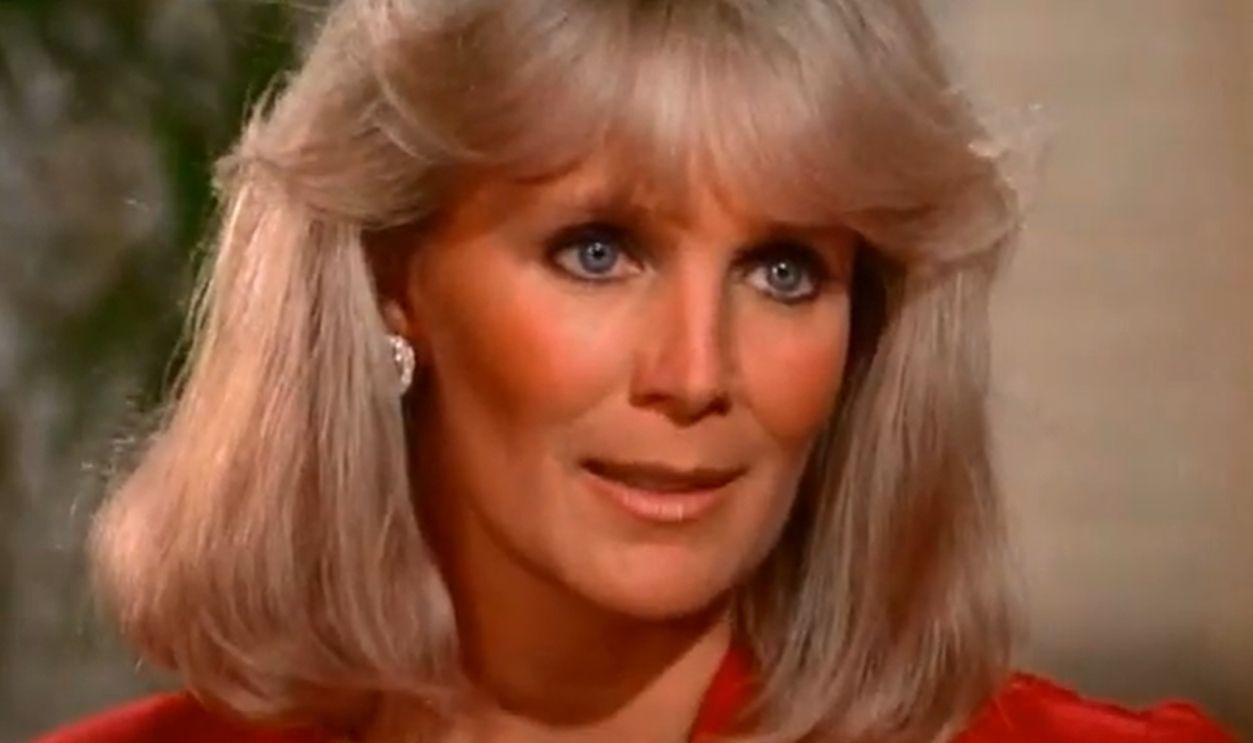 Screenshot from Dynasty, Paramount Global (1981-1989)
A Golden Globe Made Her Comeback Official
Evans won the 1982 Golden Globe for best actress in a television drama for Dynasty. She received additional nominations in each of the next four years. The award confirmed that Krystle was not merely a fashion phenomenon because Evans’s performance had become one of the industry’s most visible dramatic successes.
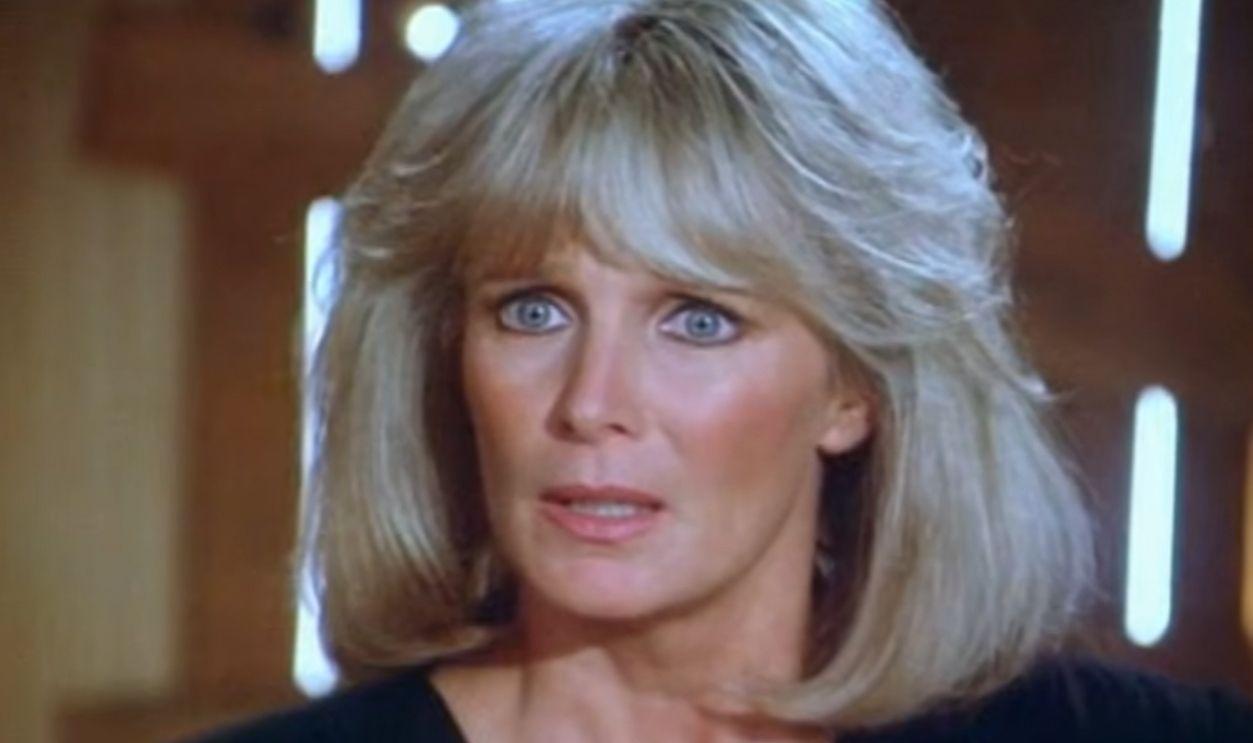 Screenshot from Dynasty, Paramount Global (1981-1989)
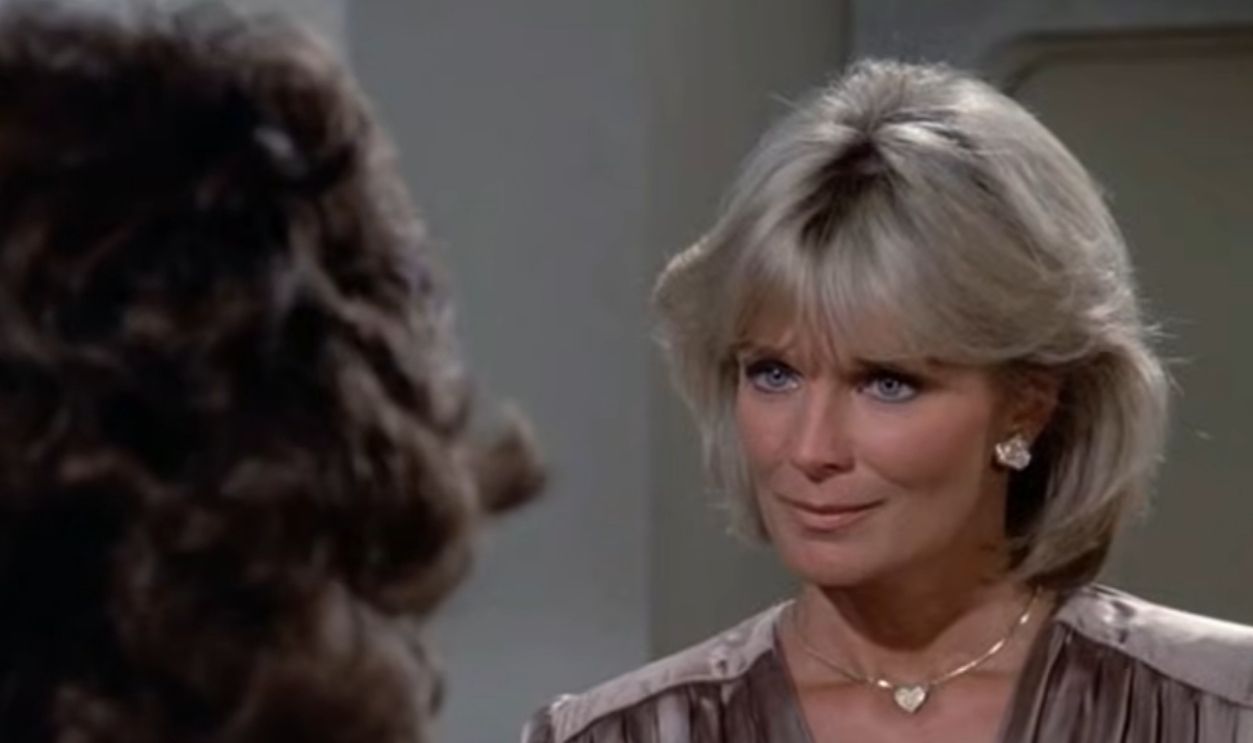
The Emmys Recognized Her Too
In 1983, Evans received a Primetime Emmy nomination for Outstanding Lead Actress in a Drama Series. Her competition included performers from Cagney & Lacey, Fame, and Hill Street Blues. For an actress who had spent the previous decade moving among guest roles and television movies, the nomination marked a remarkable return to the center of the business.
 Screenshot from Dynasty, Paramount Global (1981-1989)
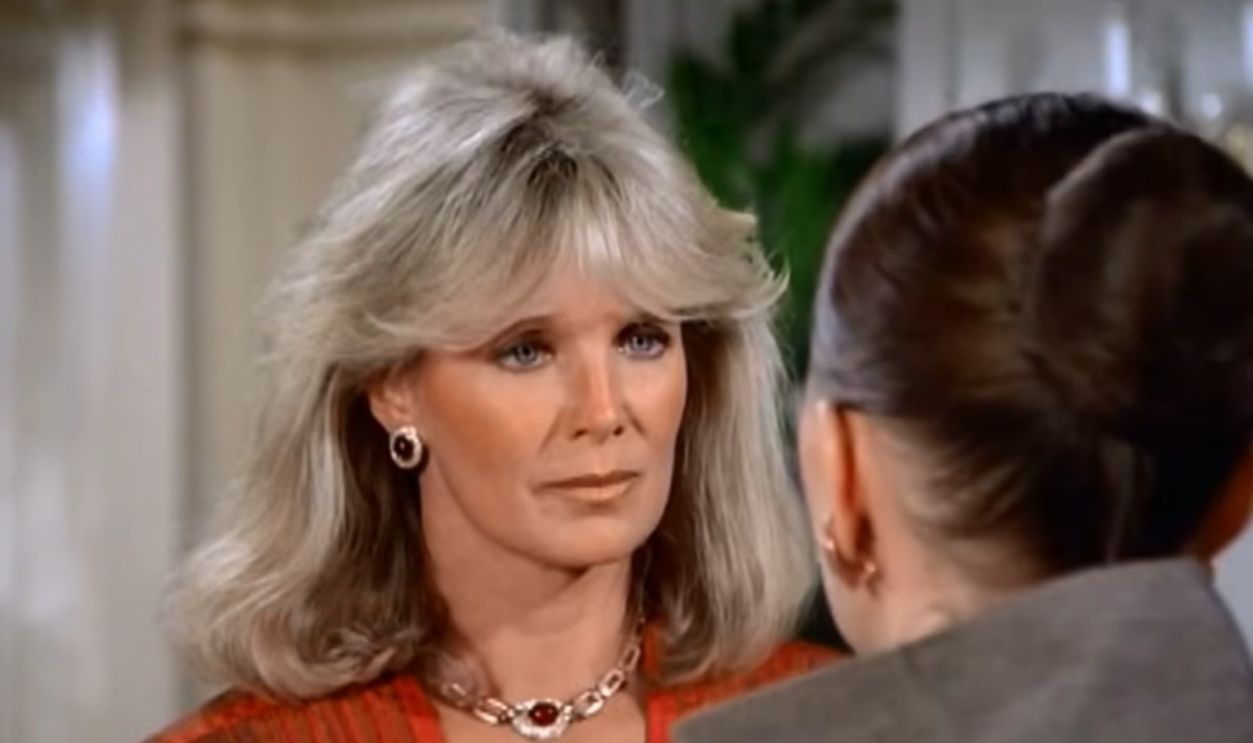
Krystle Became Bigger Than Linda Evans
Evans later observed that some viewers and admirers were responding to Krystle rather than to the woman playing her. A 1985 profile described the extraordinary attention she received at the height of the show’s success. Evans understood that the mansion, gowns, hair, and Carrington wealth had created a fantasy identity with a life of its own.
 Screenshot from Dynasty, Paramount Global (1981-1989)
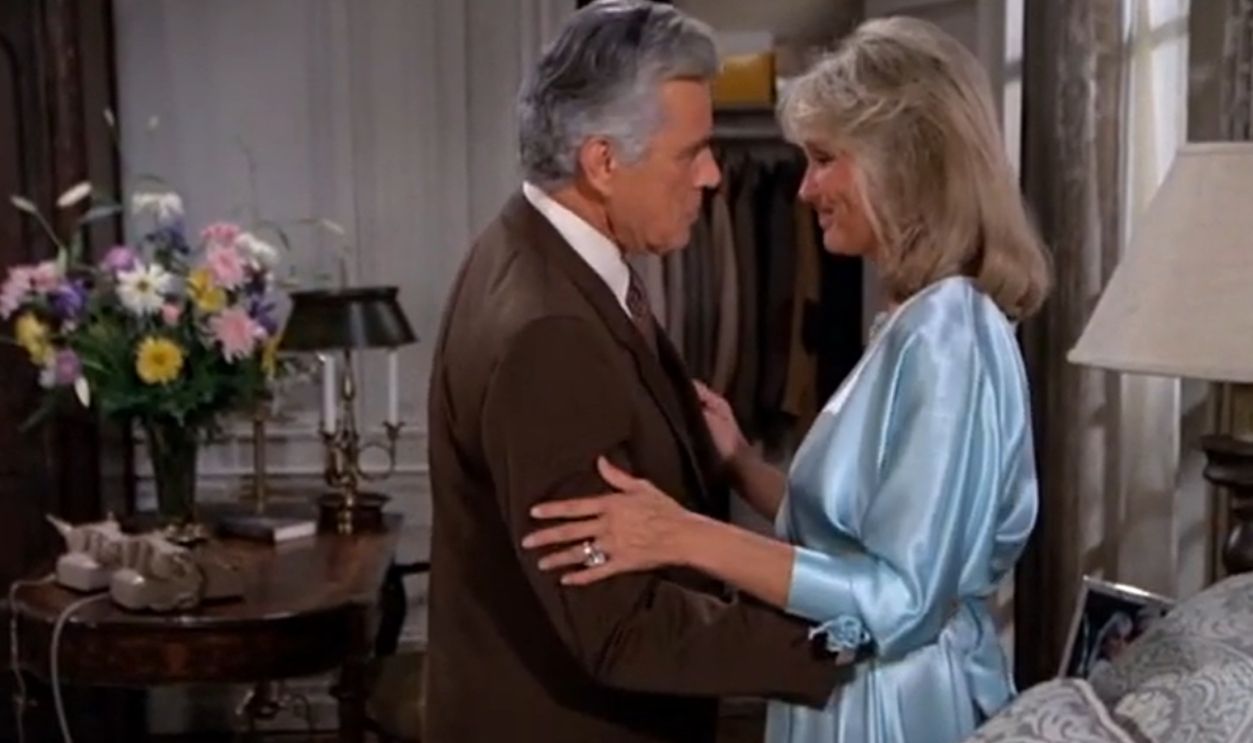
The Show Made Luxury Look Both Wonderful And Miserable
Evans has said that part of Dynasty’s appeal came from showing audiences an almost unimaginable level of wealth while also demonstrating that money did not eliminate misery. The Carringtons possessed homes, clothes, cars, and social status that viewers could fantasize about, yet their lives remained filled with betrayal and conflict. Krystle helped sell both sides of that fantasy because she could enjoy the glamour while remaining emotionally accessible.
 Screenshot from Dynasty, Paramount Global (1981-1989)
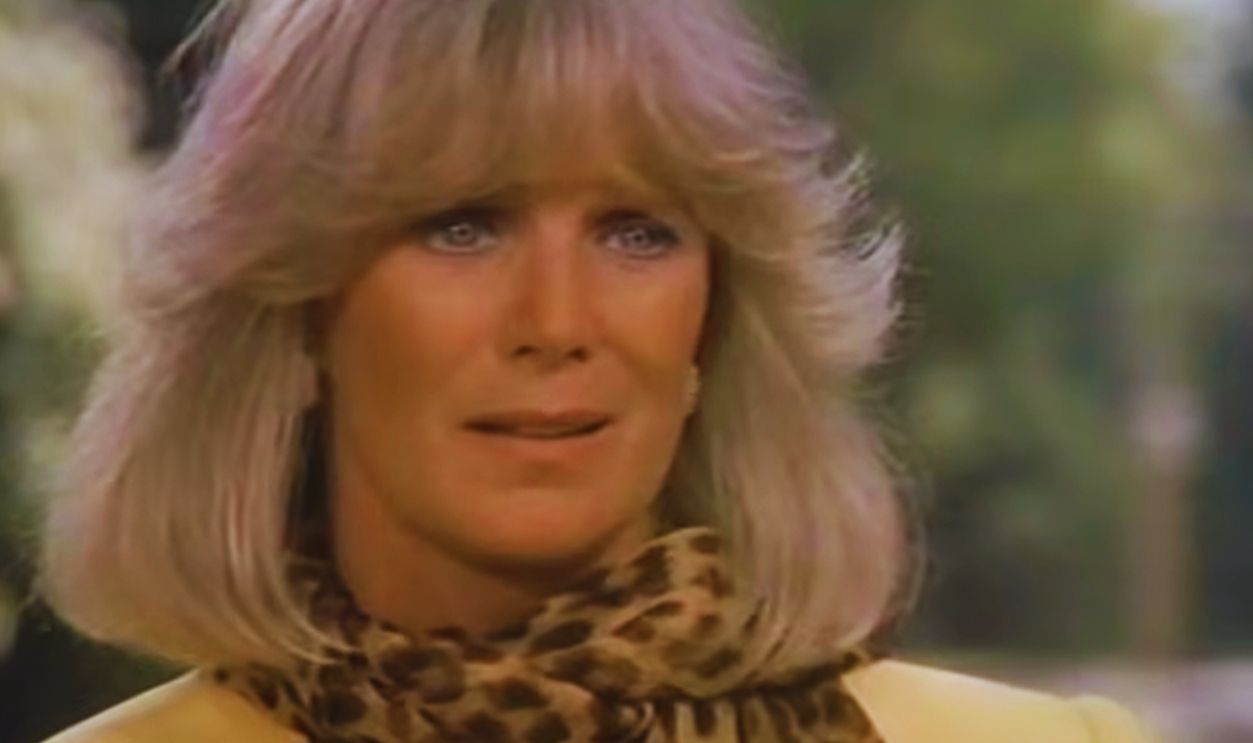
She Left Before The Original Series Ended
Evans eventually departed Dynasty before its 1989 finale, while the show itself had fallen sharply from its ratings peak. The series concluded that year and later returned for Dynasty: The Reunion in 1991 to resolve stories left hanging by the cancellation. Evans’s departure reflected a larger transition as the cultural phenomenon of the mid-1980s began winding down.
 Screenshot from Dynasty: The Reunion, Paramount Global (1991)
She Chose A Quieter Life After Television Royalty
After Dynasty, Evans gradually stepped away from the constant pressure of Hollywood and moved to Washington state. She later described enjoying ordinary life without the makeup, wardrobe, and scrutiny attached to Krystle Carrington. The woman once dressed in some of television’s most elaborate gowns discovered that privacy could feel like its own form of luxury.
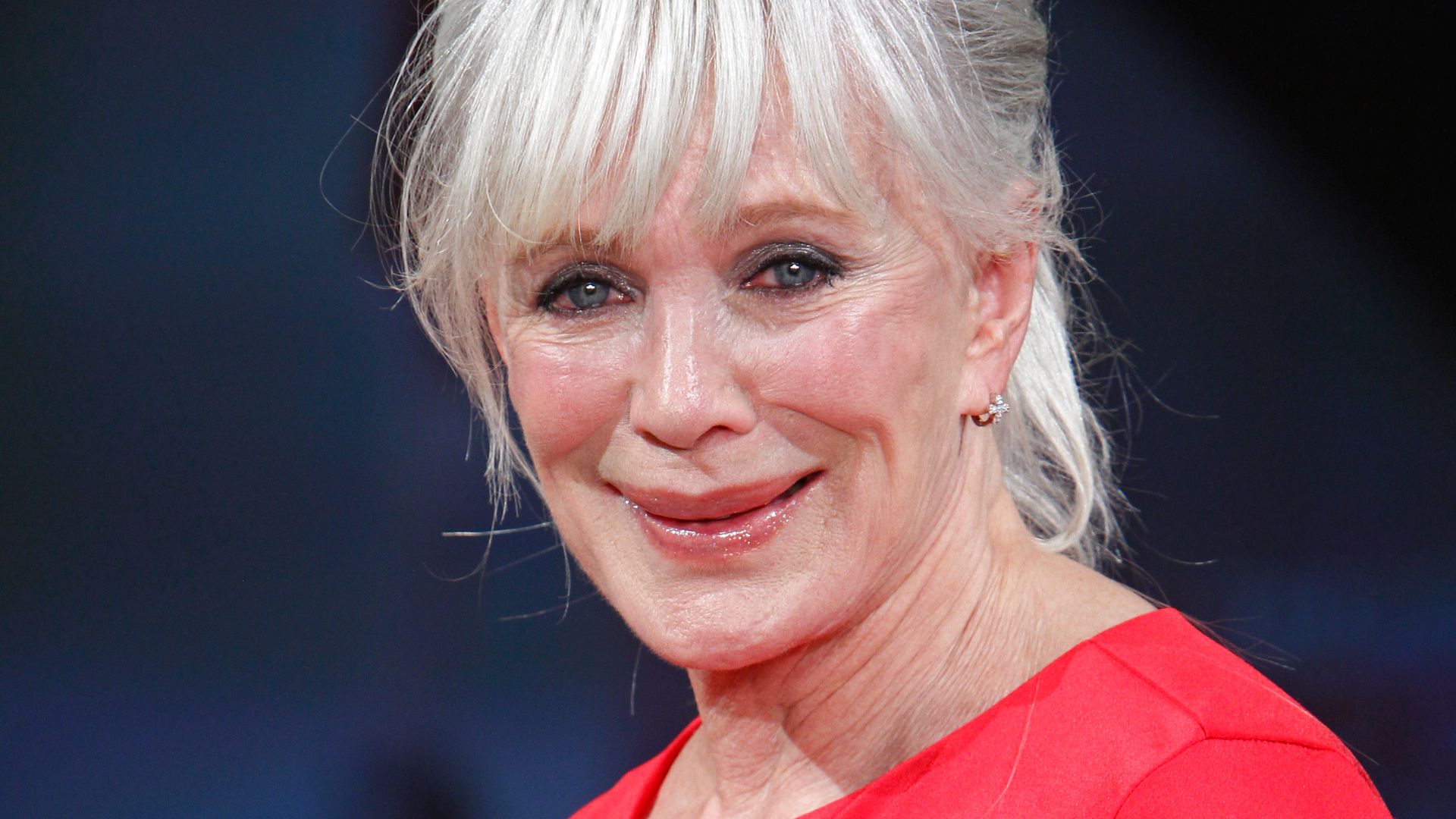 The Heart Truth, Wikimedia Commons
She Eventually Returned On Her Own Terms
Evans did not disappear completely. She later performed onstage in Legends!, appeared in television projects, and returned to film in Swan Song in 2021. Those later appearances felt less like attempts to reclaim old fame than choices made by someone who had already experienced two very different periods of television stardom.
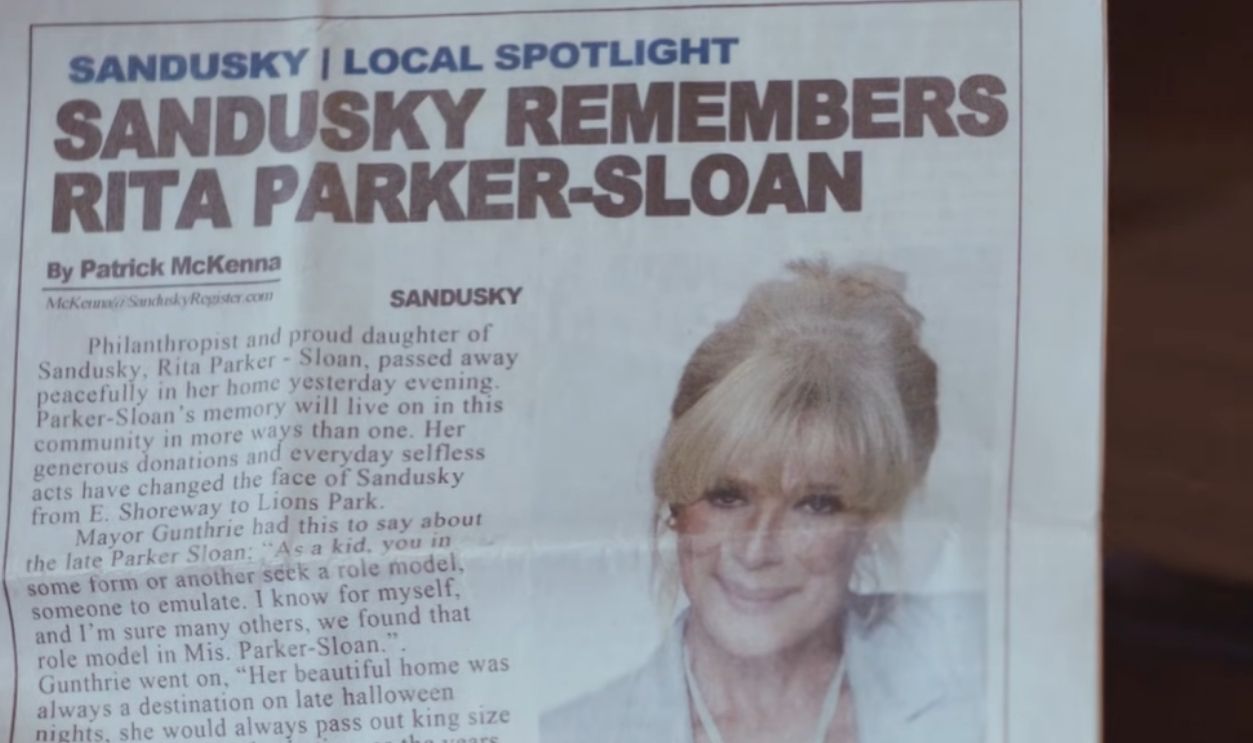 Screenshot from Swan Song, Magnolia Pictures (2021)
Dynasty Was The Crown, Not The Beginning
Linda Evans became an 1980s icon because Dynasty arrived at the perfect moment, but Krystle Carrington was built on years of television experience that audiences could not see beneath the gowns. Evans had already been a shy commercial actress, John Forsythe’s teenage guest star, Barbara Stanwyck’s television daughter, a Western action heroine, and a veteran of dozens of episodic roles. The shoulder pads made her instantly recognizable, but the two decades before them made her ready.
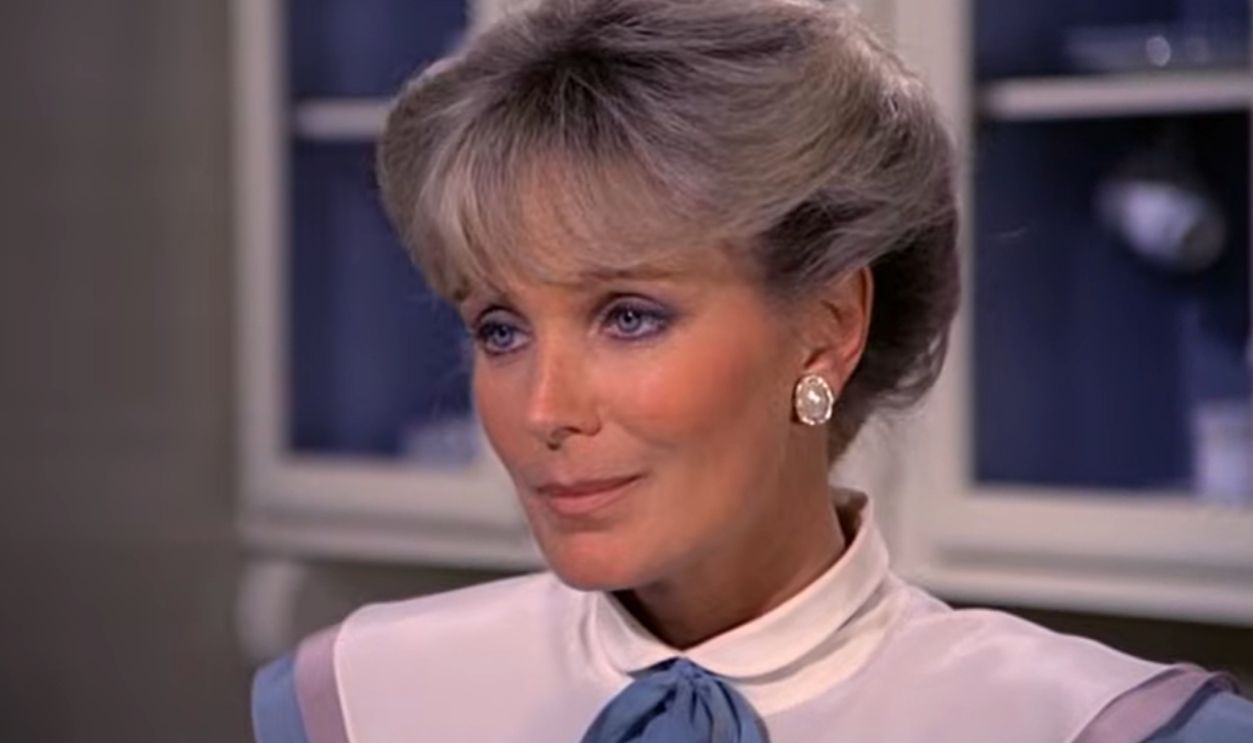 Screenshot from Dynasty, Paramount Global (1981-1989)
You May Also Like:
TV Moms From The 1960s & 1970s Who Raised Half Of America
Faded 1960s Celebrities Every Baby Boomer Will Remember, But No One Else Would
Great 60s TV Shows That Were Canceled Way Too Soon—How Many Do You Remember?
Sources: 1, 2, 3, 4, 5, 6, 7, 8, 9, 10, 11, 12, 13, 14, 15, 16, 17, 18, 19, 20, 21, 22, 23, 24, 25, 26, 27, 28, 29