Looks Aren’t Everything—Except When They Are
Hollywood loves a glow-up story. But long before awards speeches and standing ovations, many of today’s most respected actors heard something far less inspiring—about their looks. That fame simply wasn’t in the cards. They were very, very wrong.
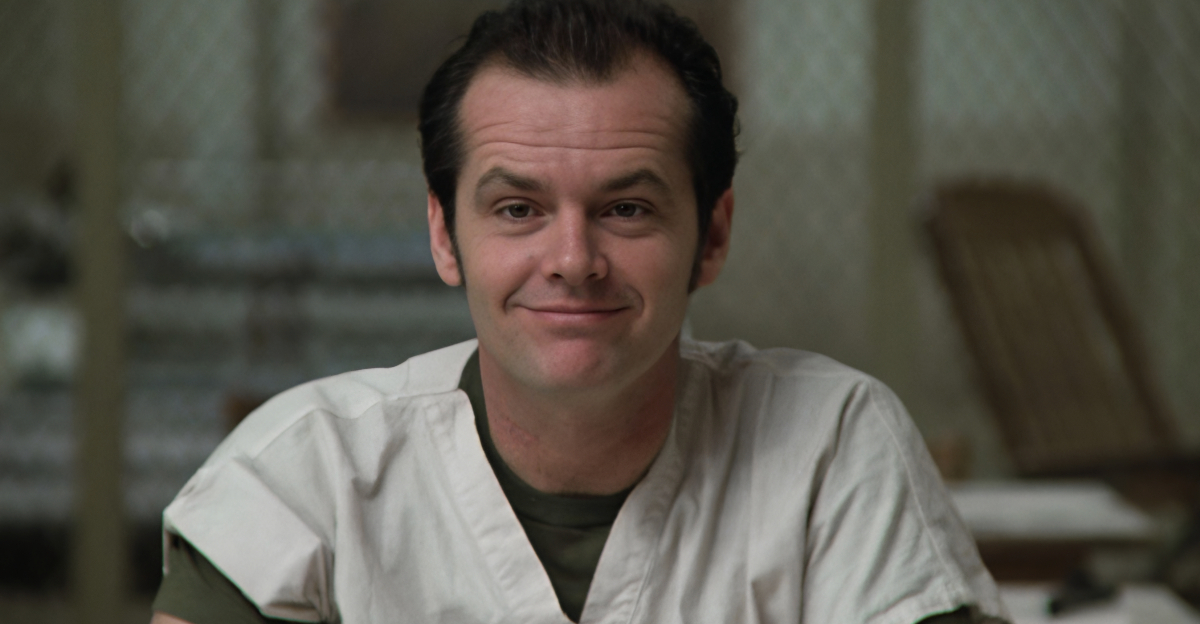
Meryl Streep
Early in her career, Streep auditioned for producer Dino De Laurentiis, who dismissed her appearance as unsuitable for film—speaking in Italian, assuming she wouldn’t understand. She did. Streep later recalled being told she was “not beautiful enough to play the role,” a moment that stayed with her long after she proved everyone wrong.
 Kevin Payravi, Wikimedia Commons
Kathy Bates
Bates has said she was repeatedly told she wasn’t attractive enough to be a star and should focus on theater instead of film. As she later put it, she knew she was “never going to be the girl who gets the guy.” Hollywood didn’t see leading-lady potential. She went on to win an Oscar anyway.
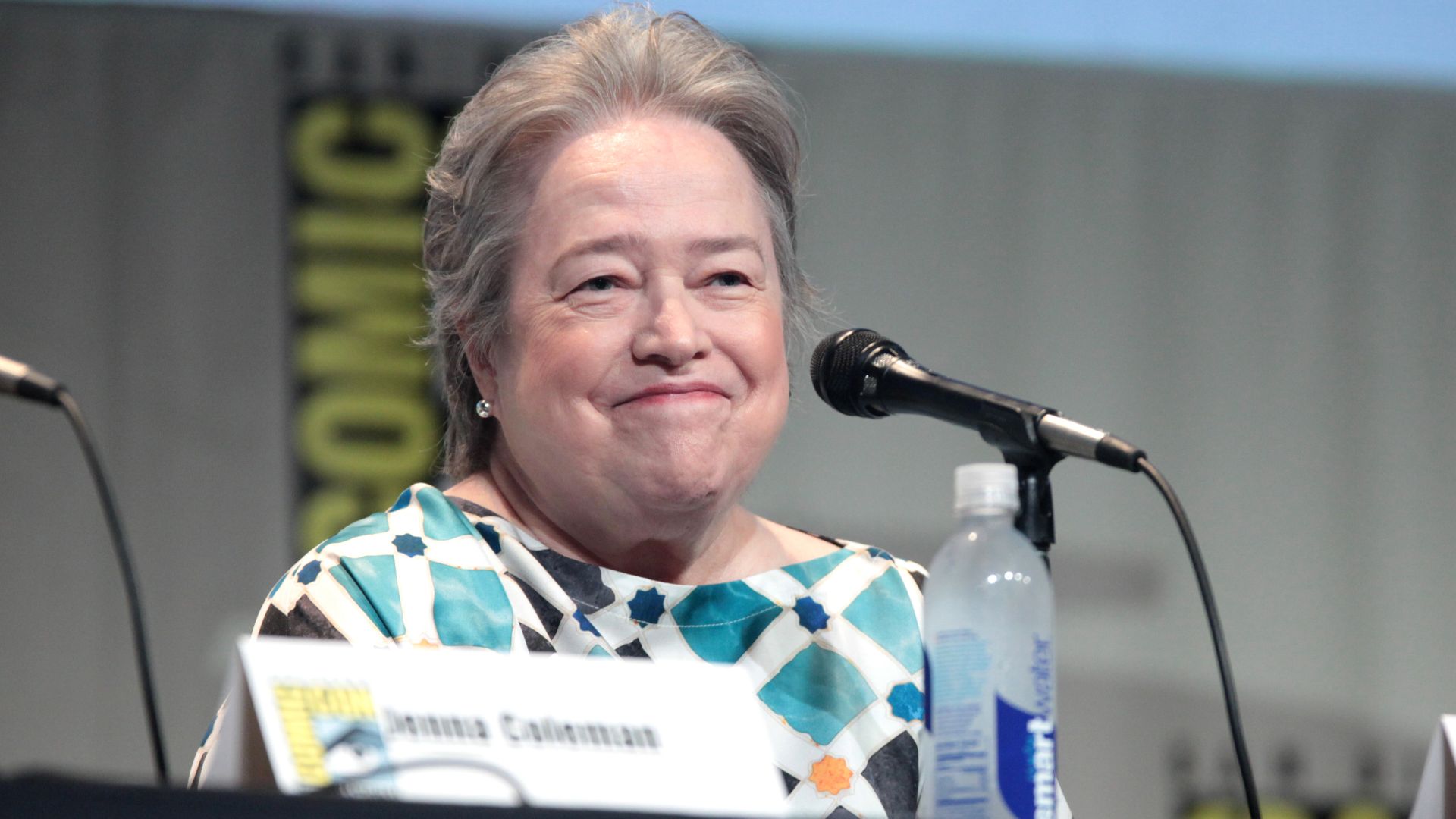 Gage Skidmore from Peoria, AZ, United States of America, Wikimedia Commons
Viola Davis
Davis has spoken openly about being told she wasn’t “classically beautiful” enough for leading roles. “I was considered a good actress, but not beautiful enough to be a leading woman,” she said. Early casting limited her to maids and background characters—until her talent made those limits impossible to ignore.
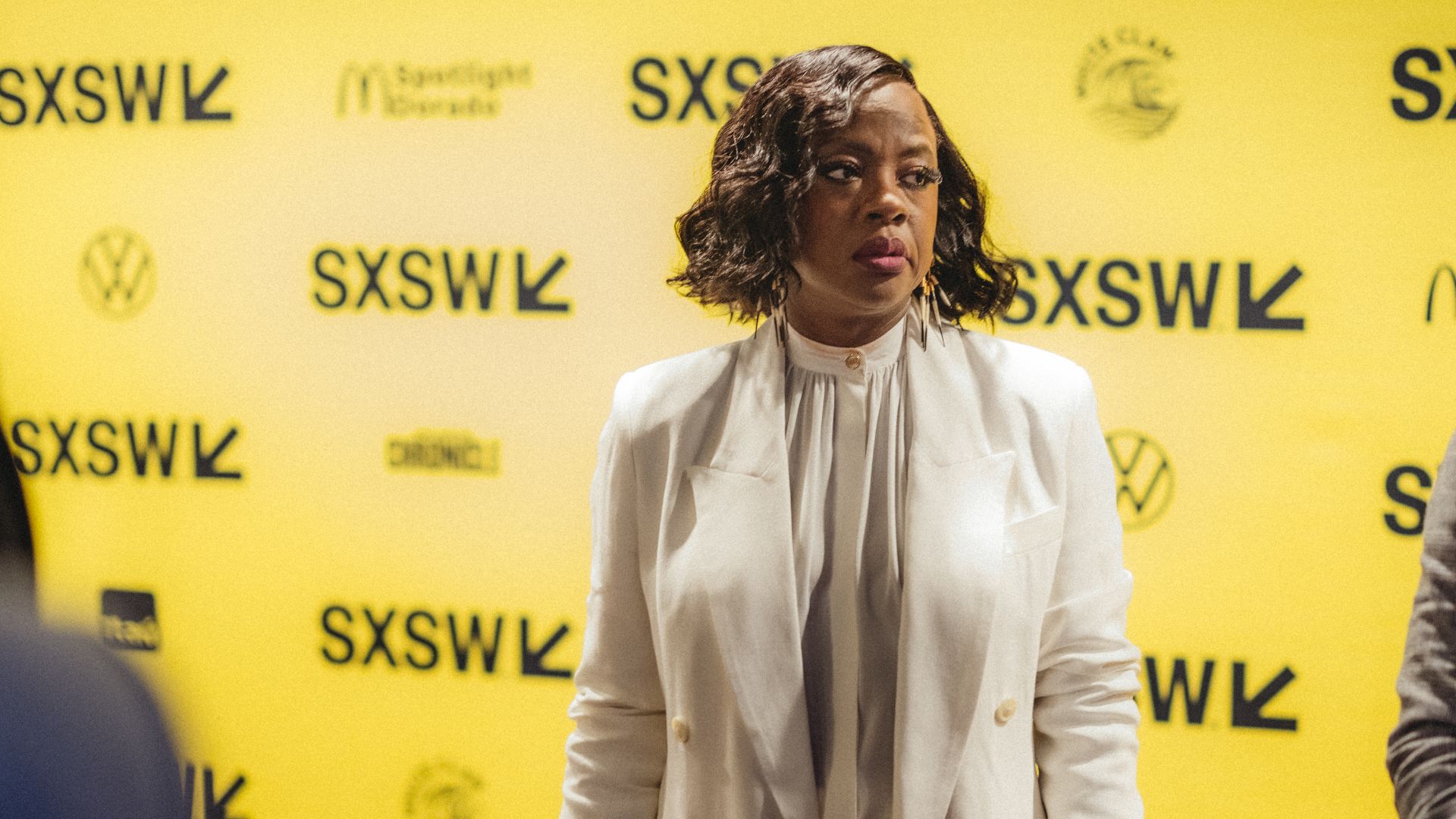 Nomoretitanic, Wikimedia Commons
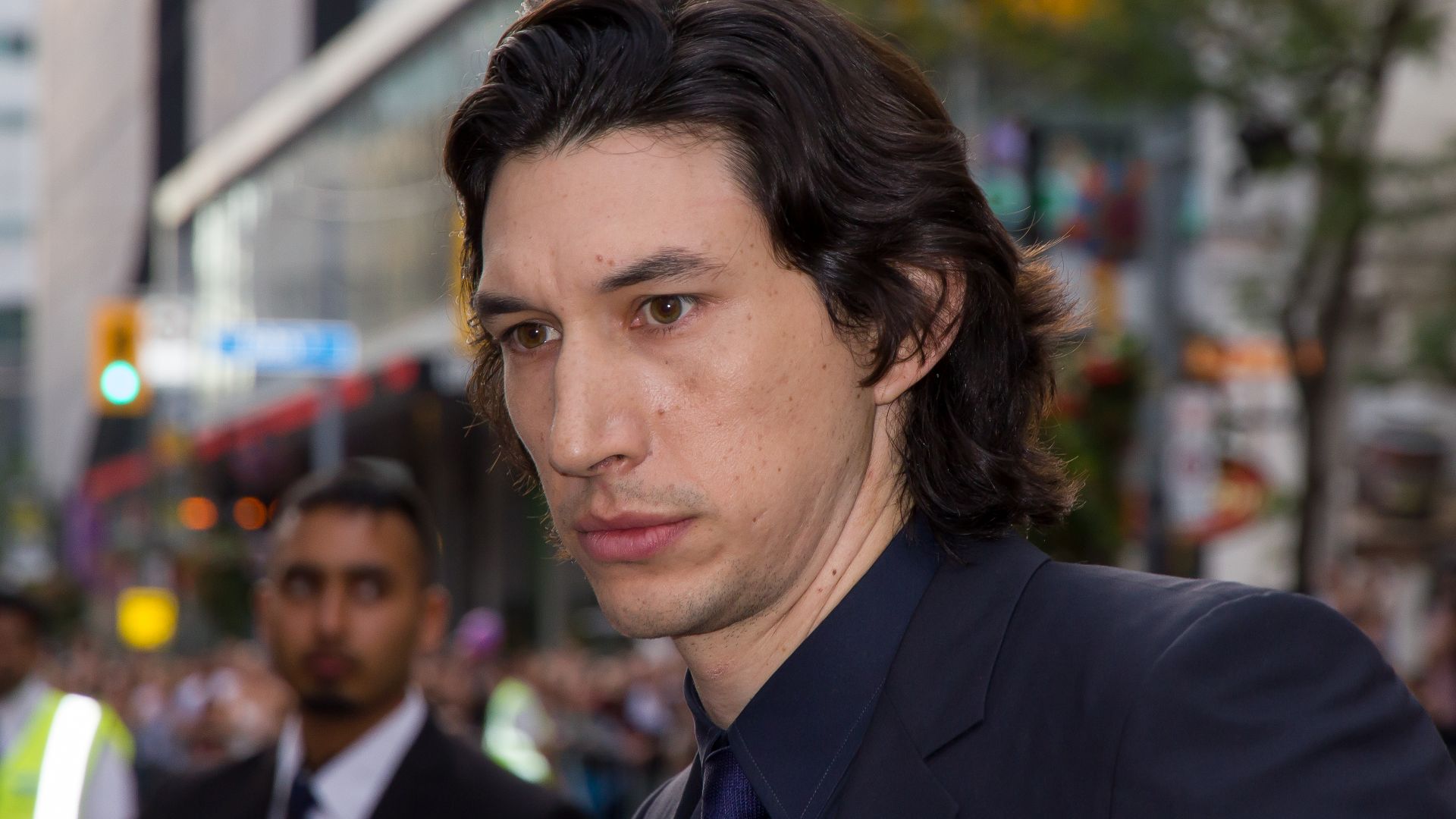
Adam Driver
While training as an actor, Driver was told his looks would limit him and that he wasn’t leading-man material. He later summed it up bluntly: “I was told I wasn’t handsome enough to be a movie star.” Years later, he became one of his generation’s most in-demand dramatic actors.
Danny Trejo
Trejo was initially told his face made him suitable only for criminals—not serious acting careers. He was cast for intimidation, not talent. Over time, his authenticity and presence turned that rejection into one of the most distinctive careers in Hollywood.
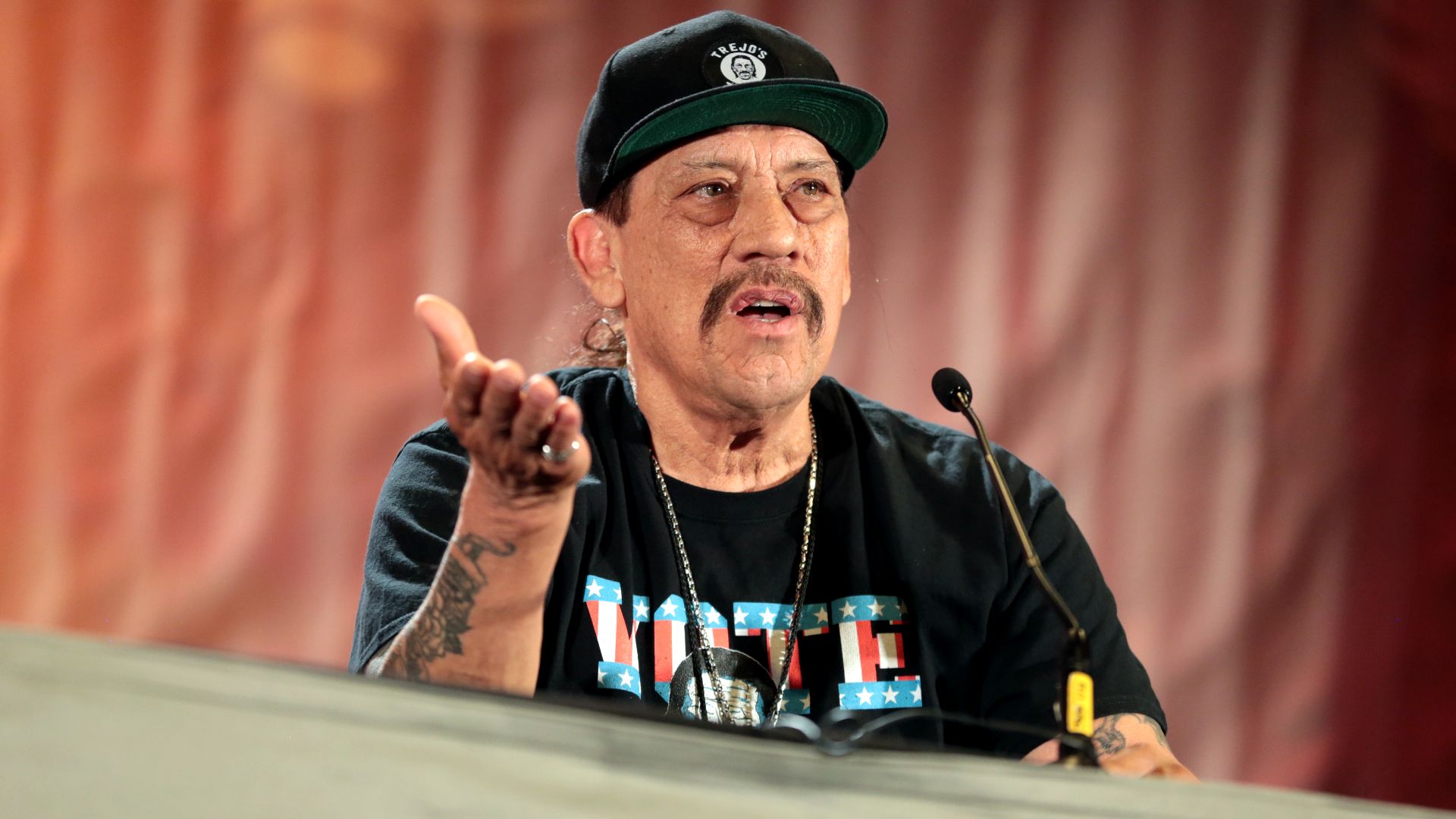 Gage Skidmore from Peoria, AZ, United States of America, Wikimedia Commons
Adrien Brody
Brody has said he was often told he was “too weird-looking” to be a leading man, with particular focus on his nose. Romantic leads were supposedly off-limits. An Oscar win later, the same face became synonymous with intensity and depth.
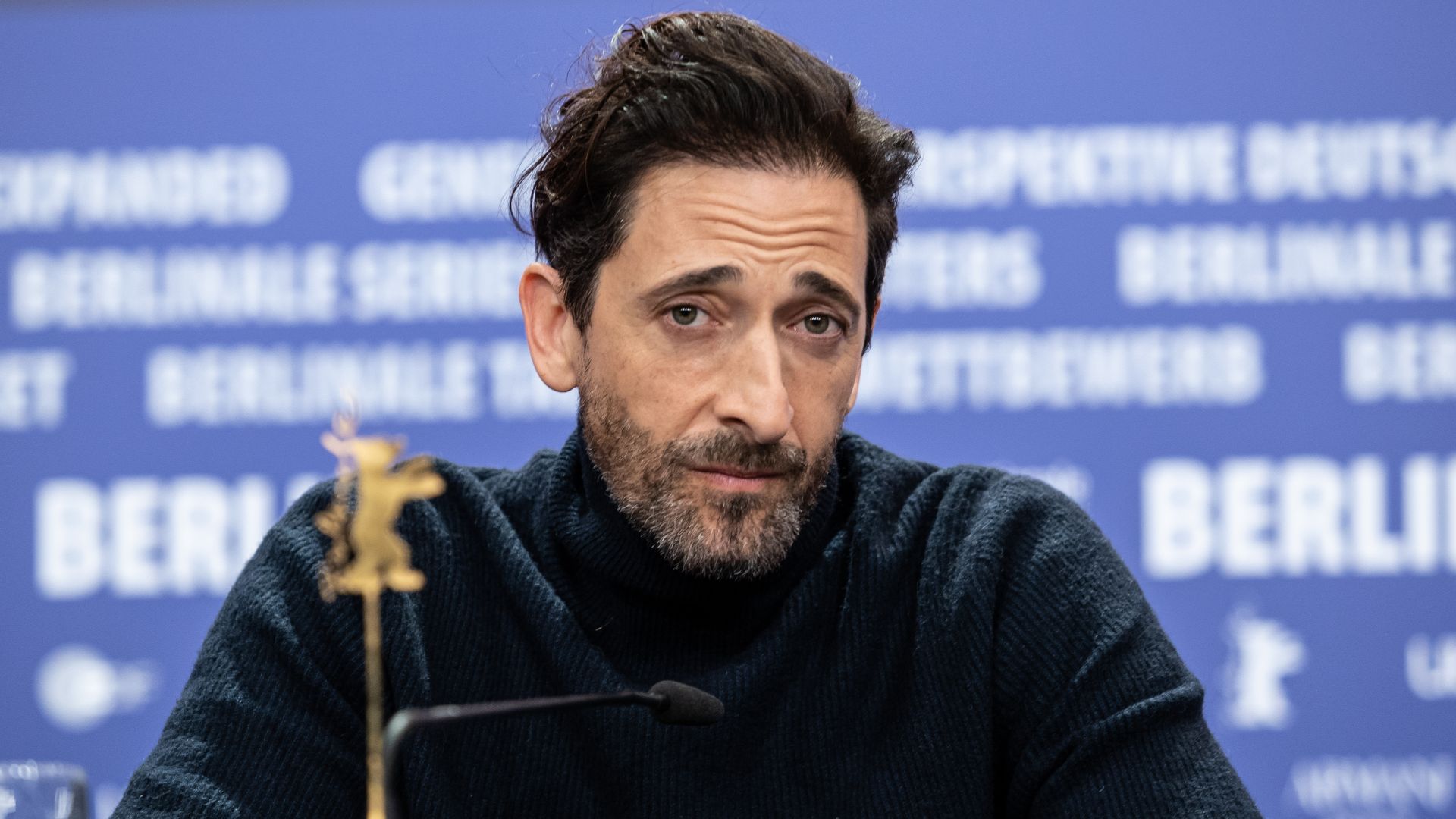 Harald Krichel, Wikimedia Commons
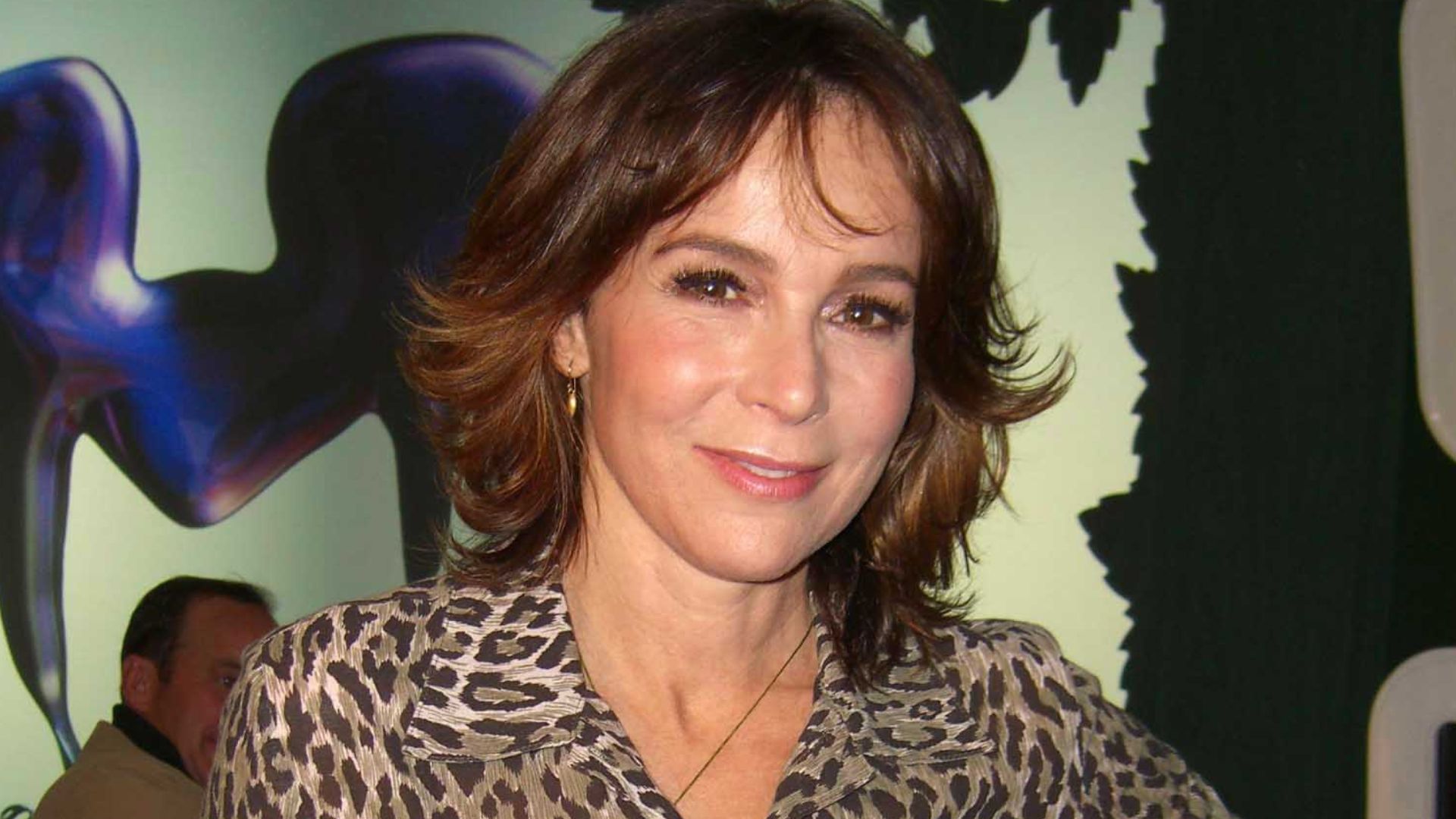
Jennifer Grey
After Dirty Dancing, Grey was told her face—specifically her nose—was holding her career back. Executives warned her bluntly: “I was told my career was over unless I fixed my nose.” The decision she made next changed her career trajectory and became a lasting cautionary tale.
Sarah Jessica Parker
Parker has spoken about being told she wasn’t attractive enough to headline major projects—even while starring on one of HBO's biggest hit shows of all time. Criticism of her looks followed her throughout her success, revealing how deeply ingrained those standards remained.
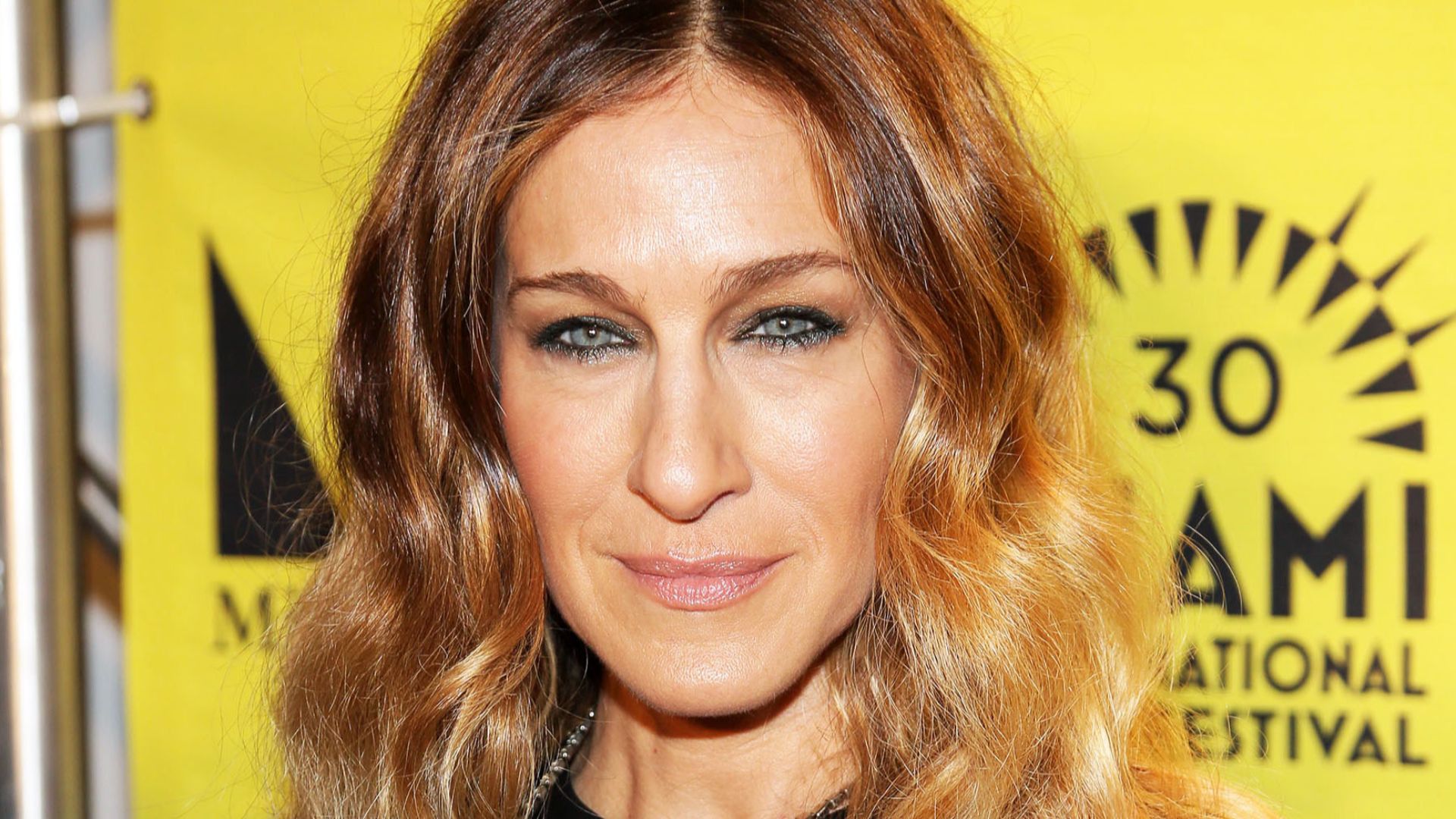 MiamiFilmFestival, Wikimedia Commons
Willem Dafoe
Dafoe has said casting directors found his face too aggressive or strange to be relatable. He was warned he’d never be a mainstream lead. Instead, he built a career defined by fearless performances and critical respect.
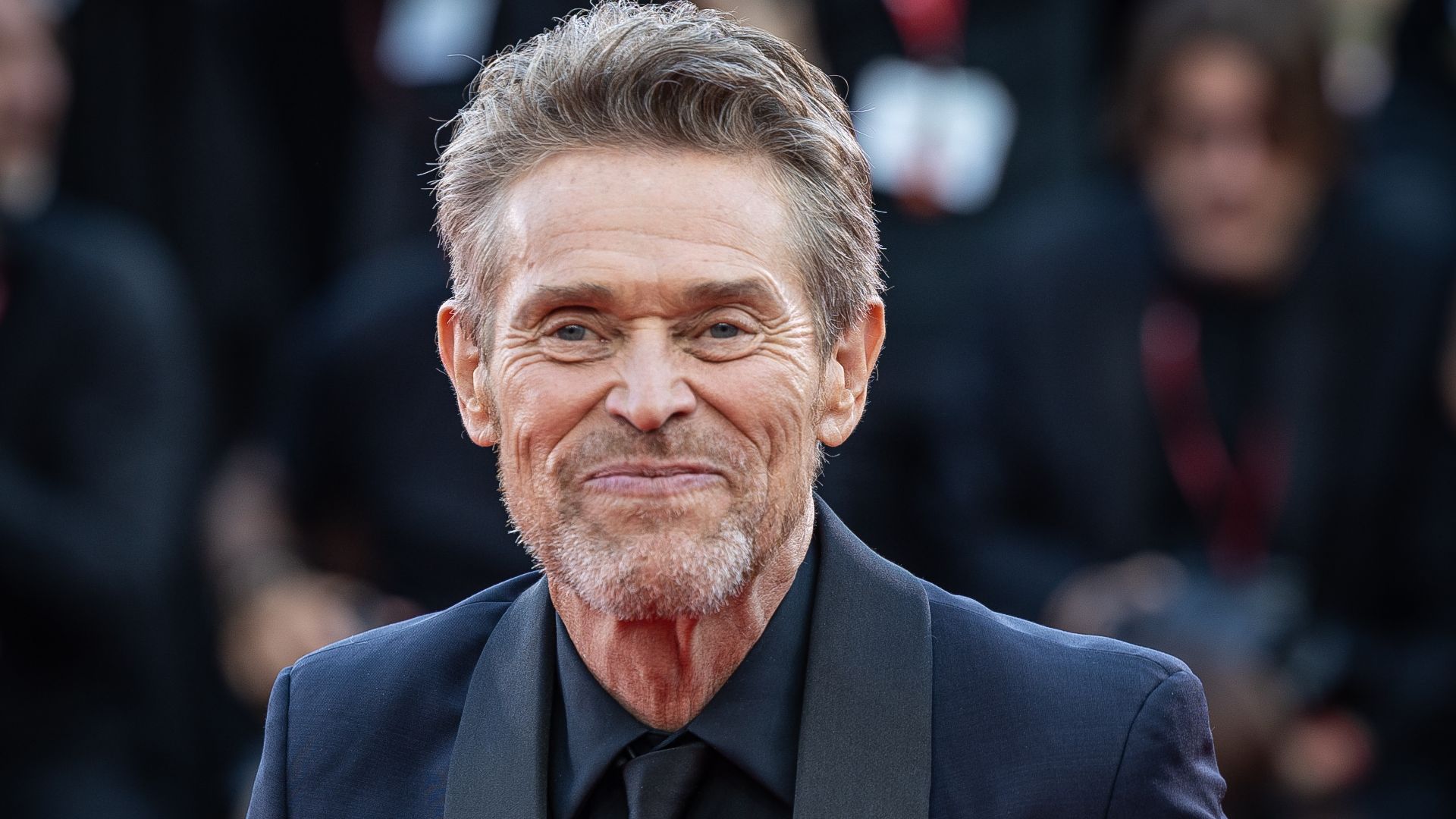 Harald Krichel, Wikimedia Commons
Steve Buscemi
Buscemi has joked—and acknowledged—that he was never considered conventionally attractive for Hollywood. Early roles reinforced that perception. What he lacked in traditional looks, he made up for with presence, becoming one of cinema’s most recognizable faces.
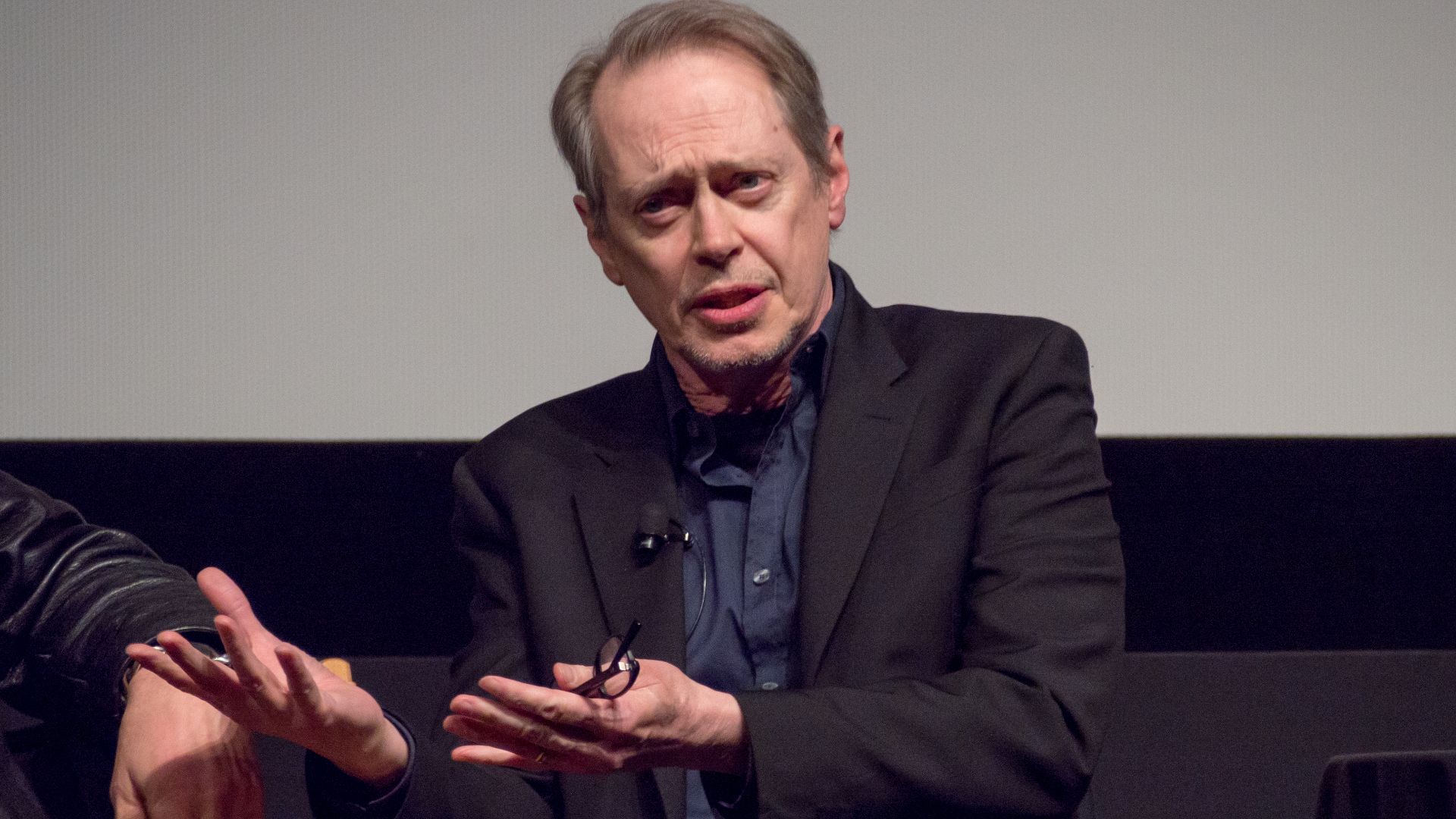 Rhododendrites, Wikimedia Commons
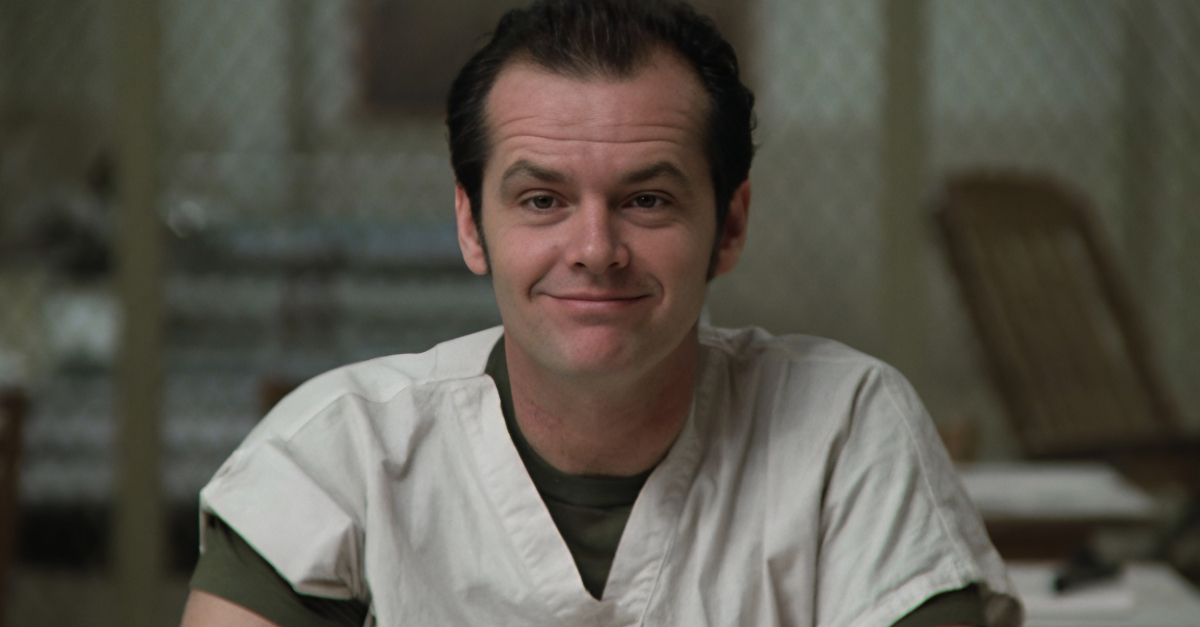
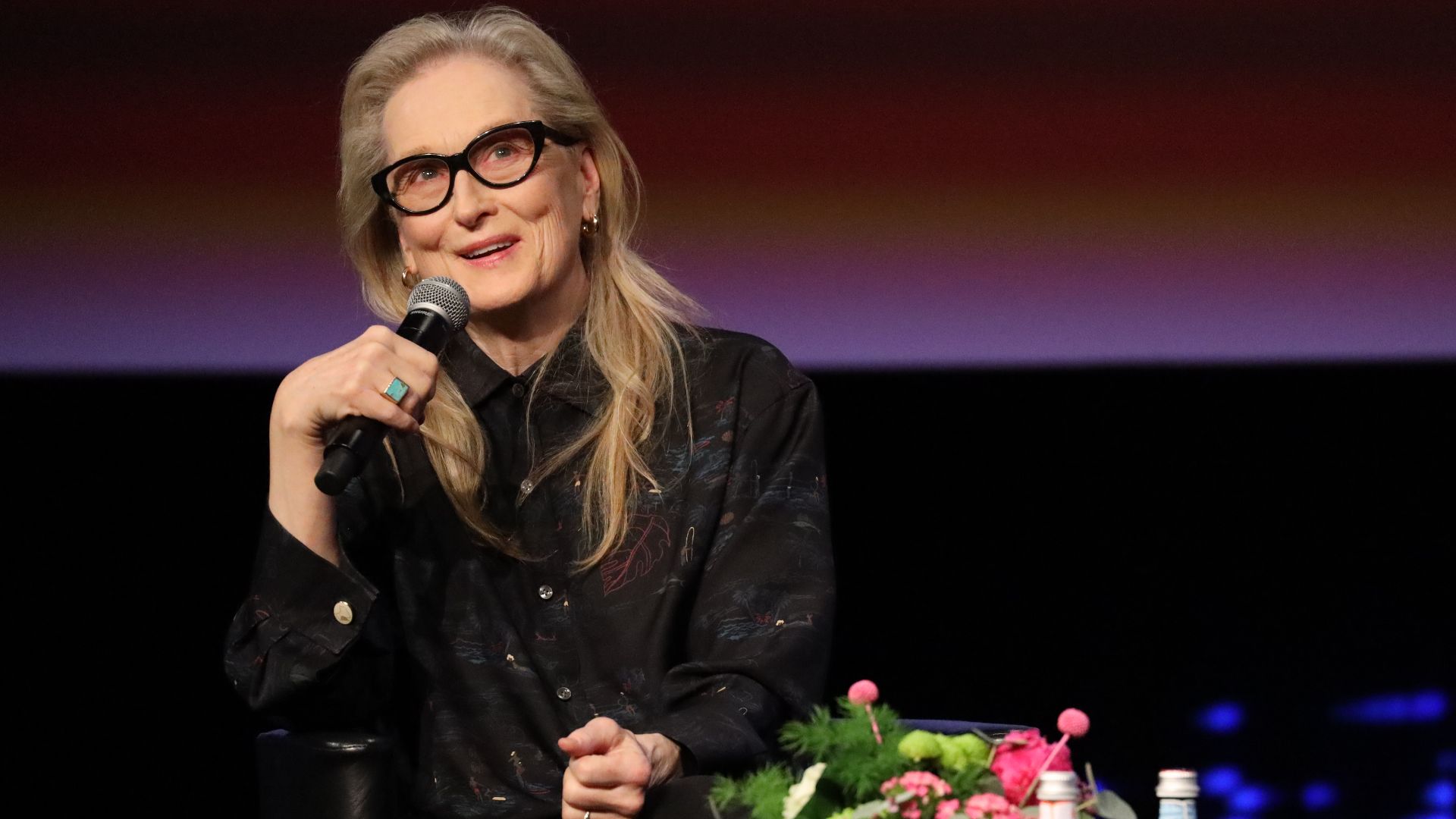
Jack Nicholson
Early in his career, Nicholson was dismissed as odd-looking and unromantic, not suited for movie stardom. He nearly quit acting altogether. One breakout role later, his unconventional face became his greatest asset.
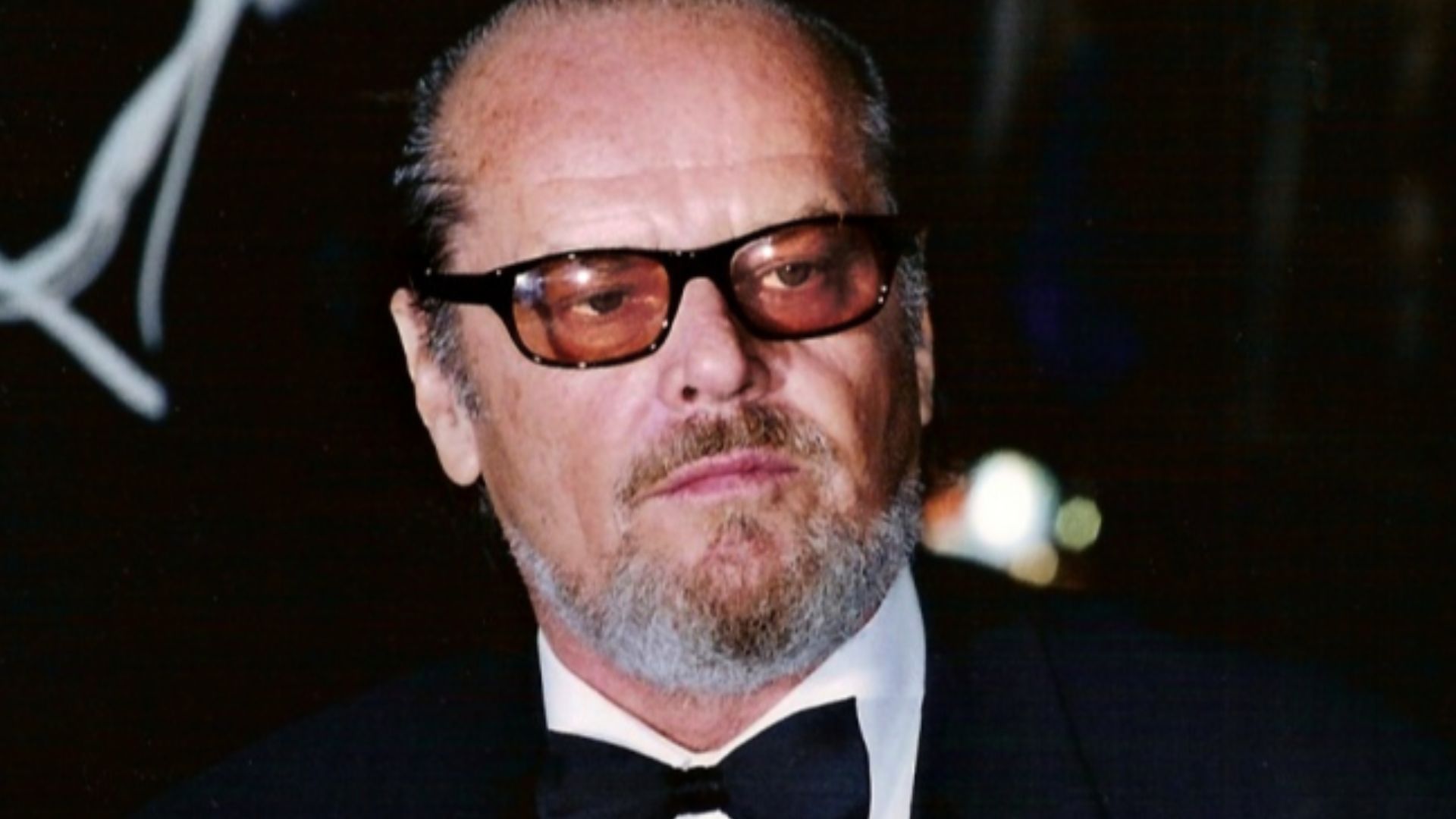 Georges Biard, Wikimedia Commons
Dustin Hoffman
Hoffman has said he was told outright he’d never be a movie star because he didn’t look like one. Studios wanted tall, handsome leads. He rewrote the rules—and helped usher in a new era of realism on screen.
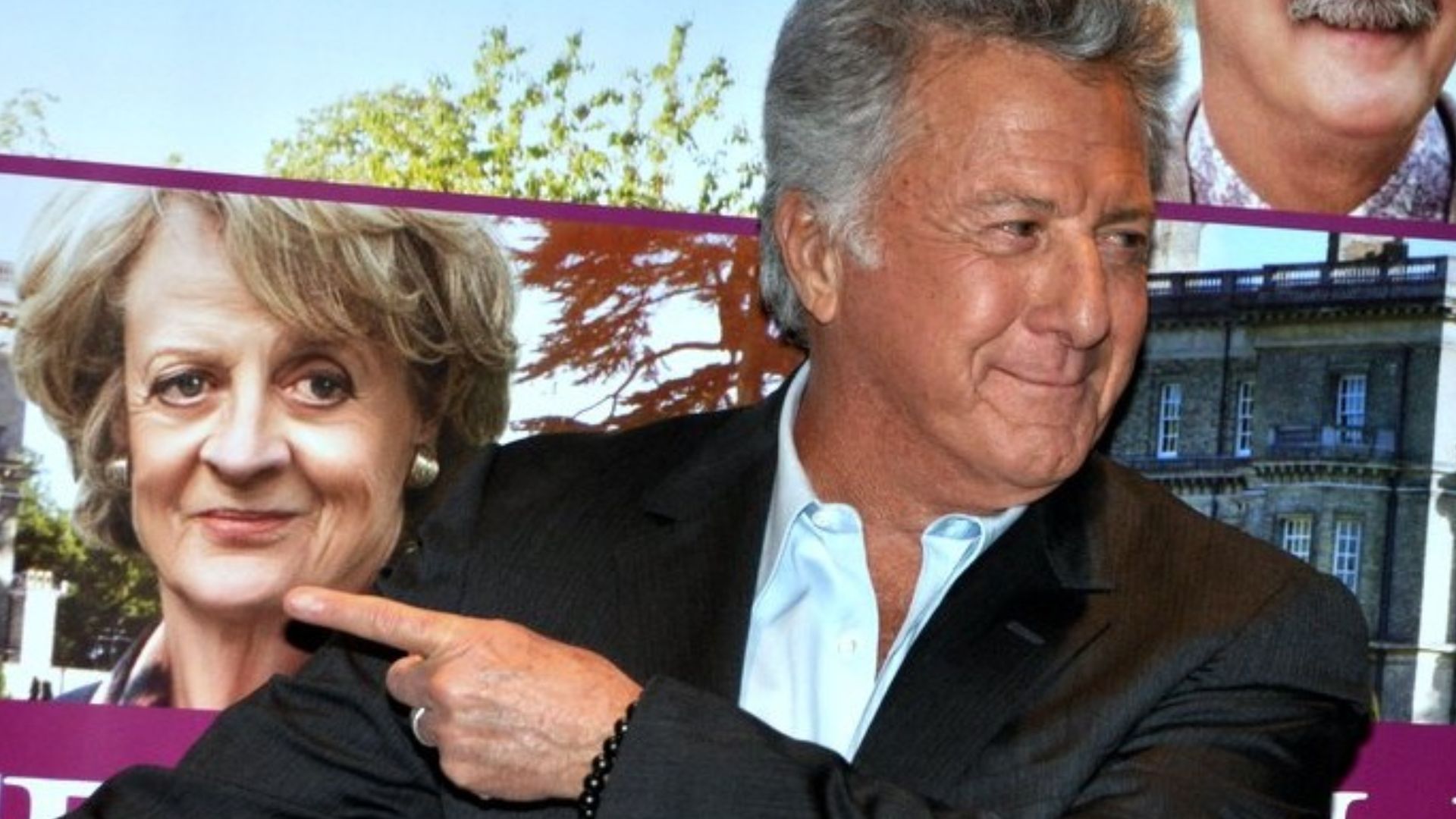 Georges Biard, Wikimedia Commons
Frances McDormand
McDormand has openly discussed being told she wasn’t conventionally attractive enough for leading roles. She never chased approval. Instead, she built a career defined by choice, integrity, and multiple Academy Awards.
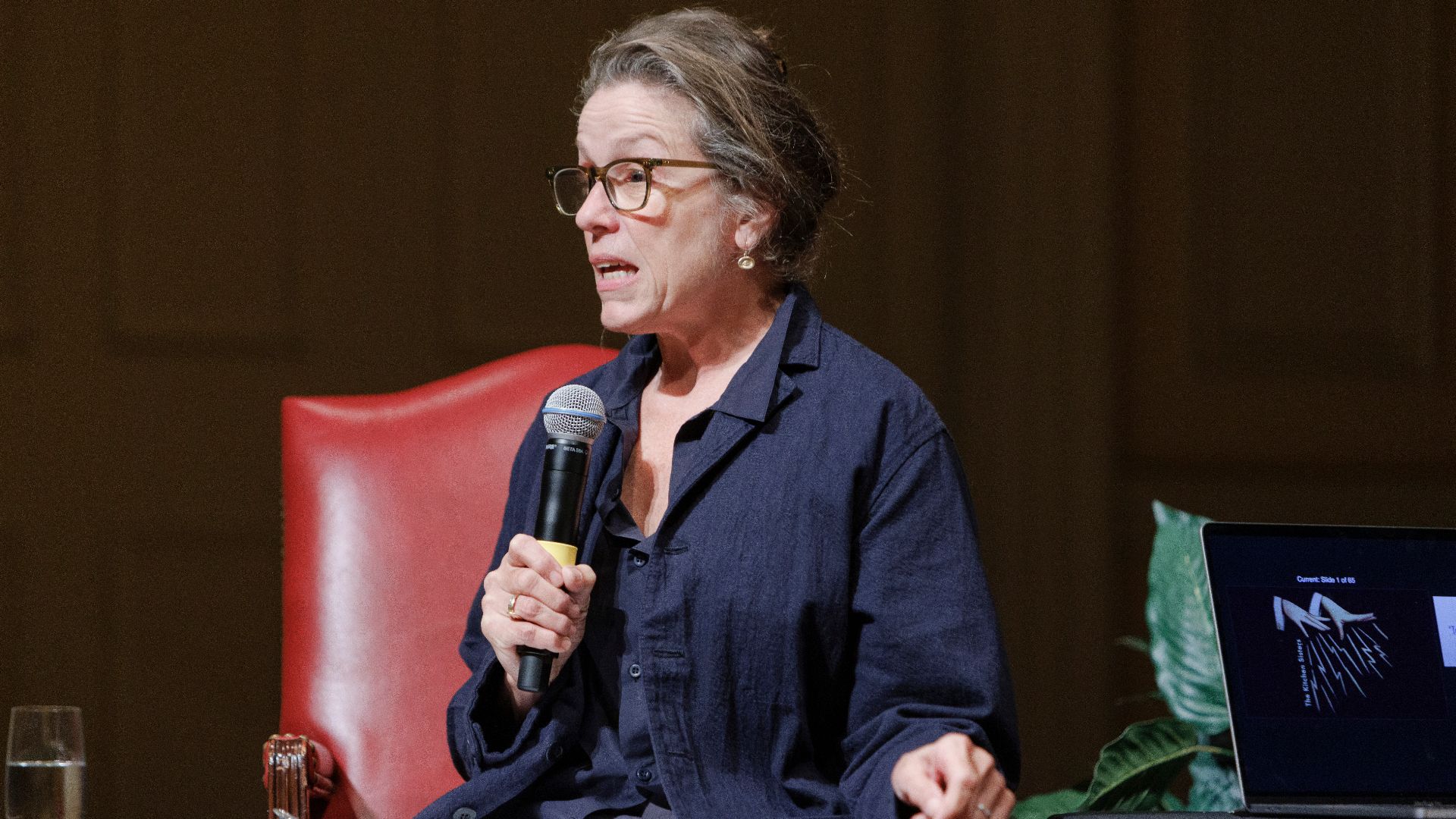 Library of Congress Life, Wikimedia Commons
Barbra Streisand
Streisand faced intense pressure early on to “fix” her nose to be taken seriously. The implication was clear: change your face or forget fame. She refused—and became one of the most successful entertainers of all time.
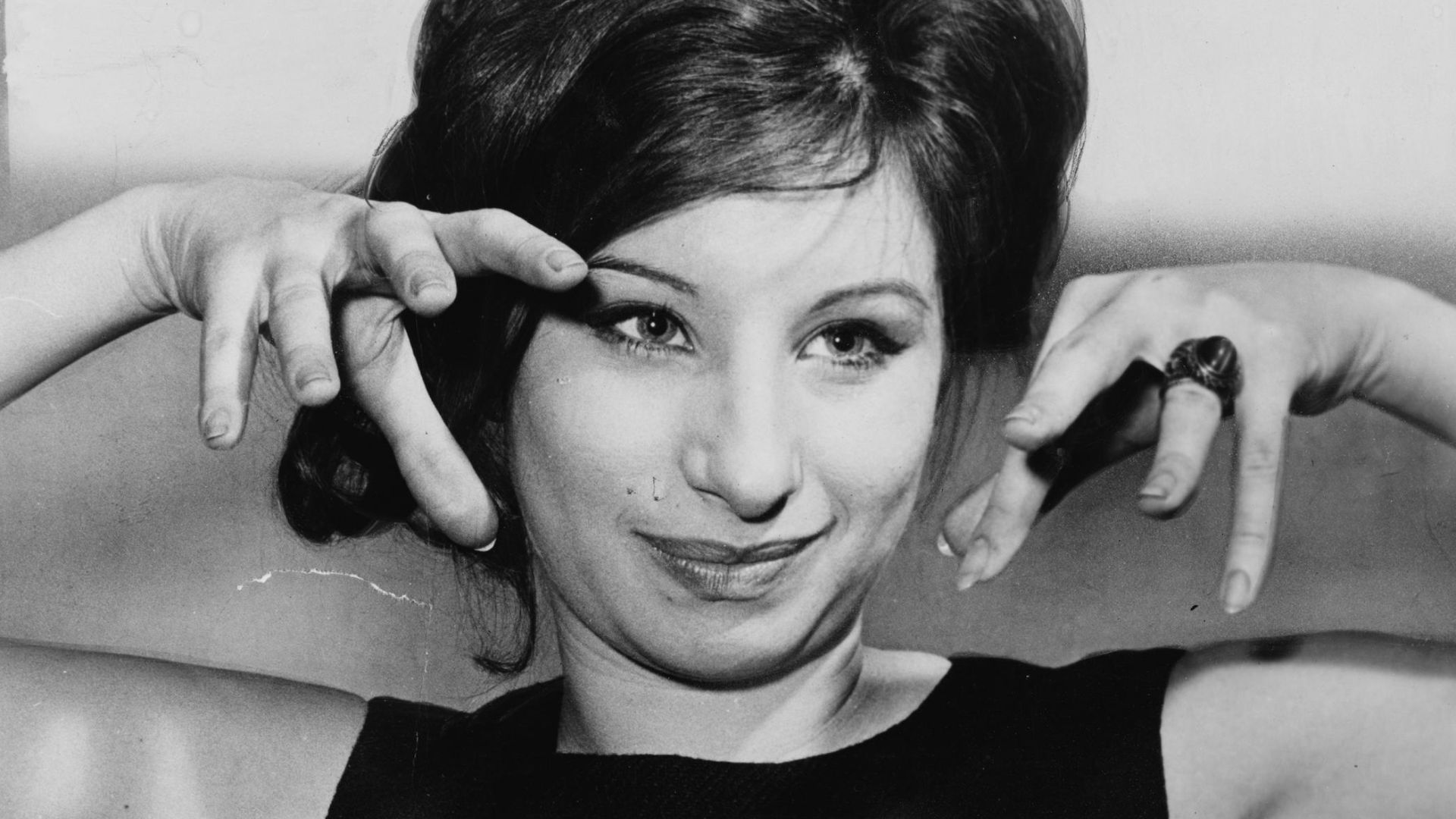 Al Ravenna, World Telegram staff photographer, Wikimedia Commons
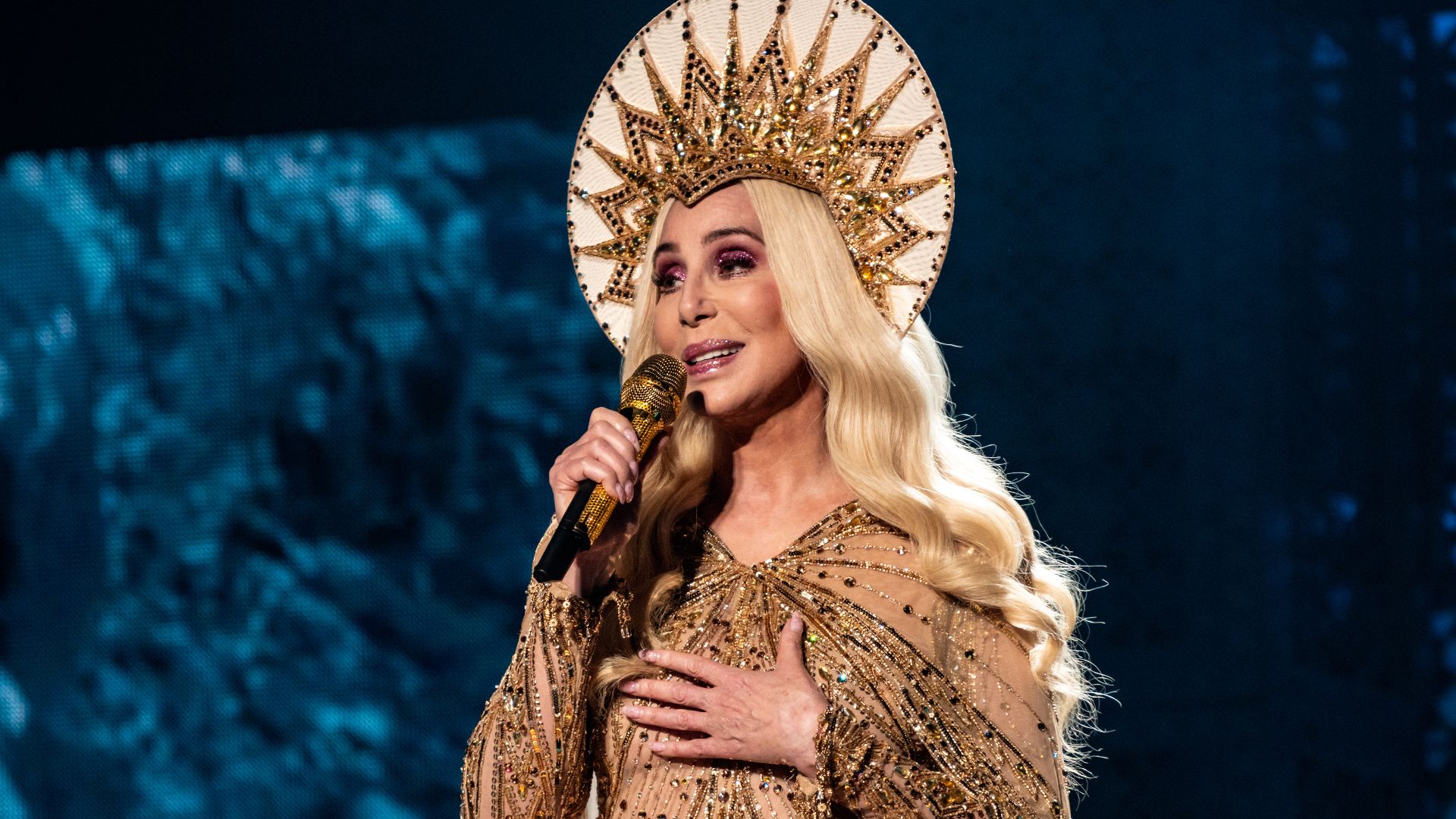
Cher
Before film success, Cher was told she wasn’t beautiful enough to act and should stick to music. Hollywood didn’t know where to place her look. She eventually won an Oscar by leaning into exactly what made her different.
Whoopi Goldberg
Goldberg has said casting feedback often treated her appearance as unmarketable. “I was never the pretty girl. I was never going to be that,” she later explained. She didn’t fit Hollywood’s expectations for a leading woman—and succeeded anyway.
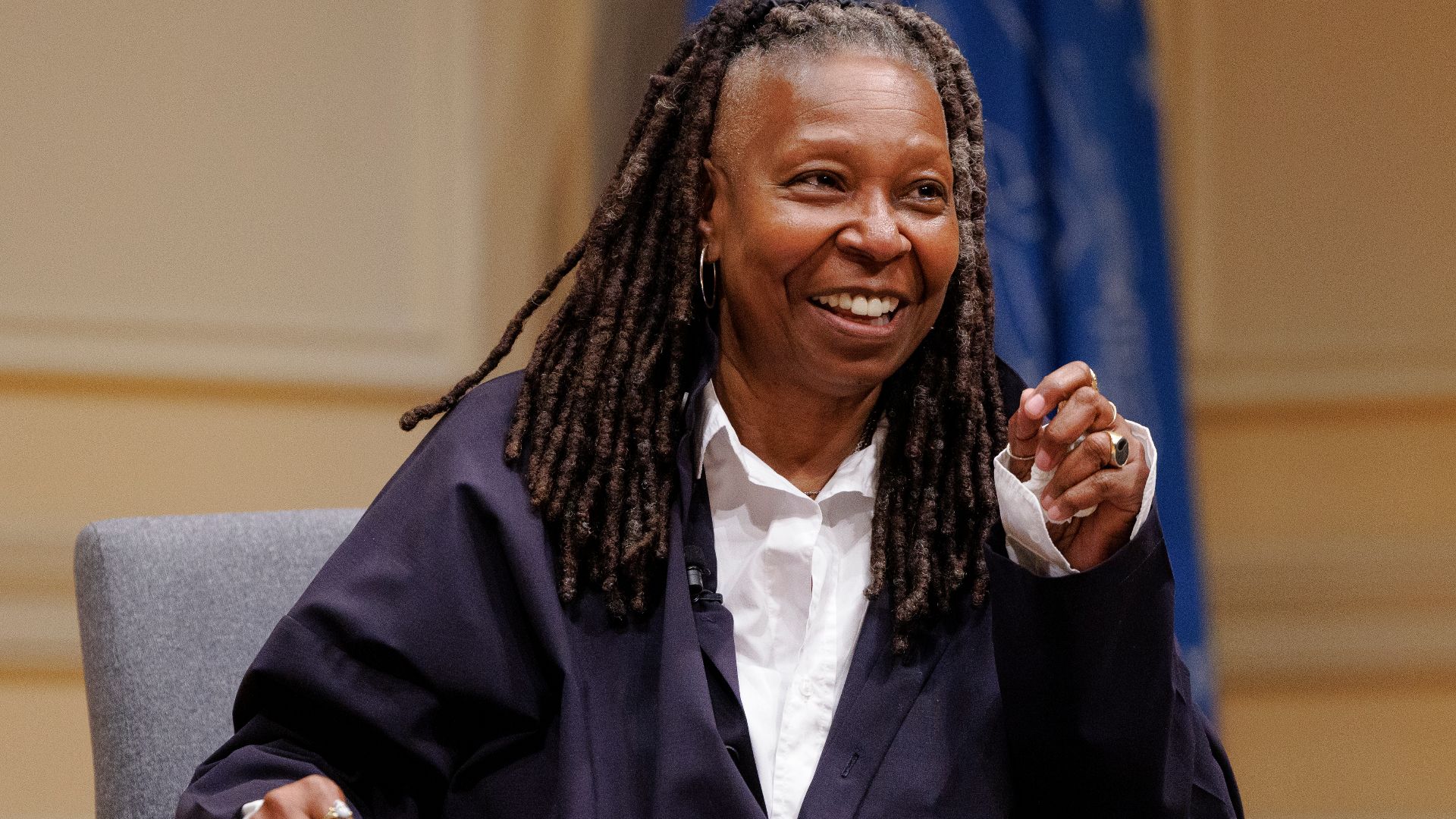 Library of Congress Life, Wikimedia Commons
Jesse Eisenberg
Eisenberg has acknowledged being told he lacked the look of a leading man. Early roles reinforced that idea. His career took off once Hollywood realized audiences were ready for something smarter—and more specific.
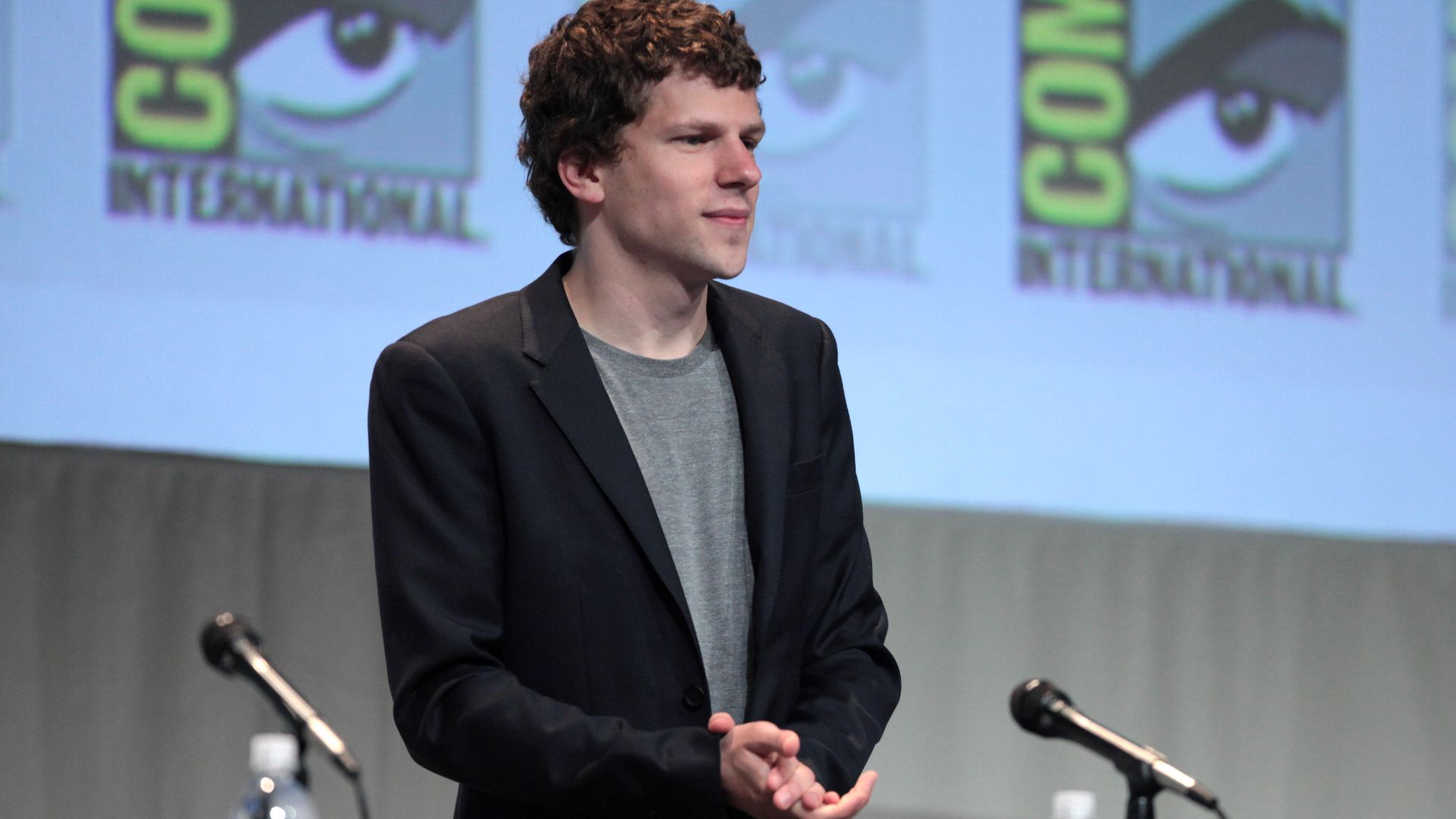 Gage Skidmore from Peoria, AZ, United States of America, Wikimedia Commons
John C. Reilly
Reilly was told early on that he didn’t have the face for stardom and would remain a character actor. He embraced it. That “limitation” turned into one of the most versatile careers in modern film.
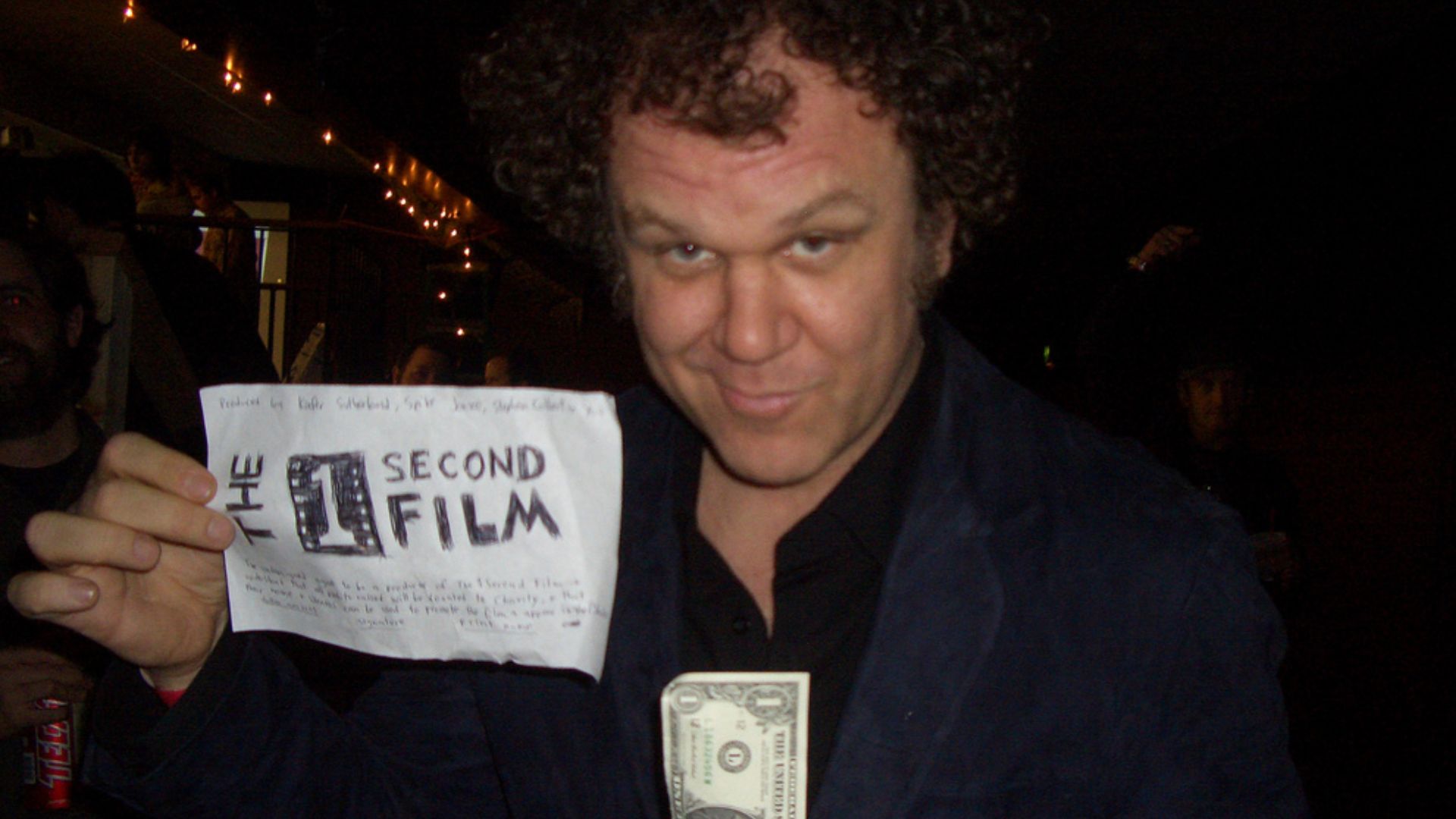 the1secondfilm.com at https://www.flickr.com/photos/the1secondfilm/, Wikimedia Commons
Tilda Swinton
Swinton has spoken about being told her look was too androgynous or strange for mainstream success. Hollywood didn’t know how to categorize her. That refusal to fit neatly became the foundation of her career.
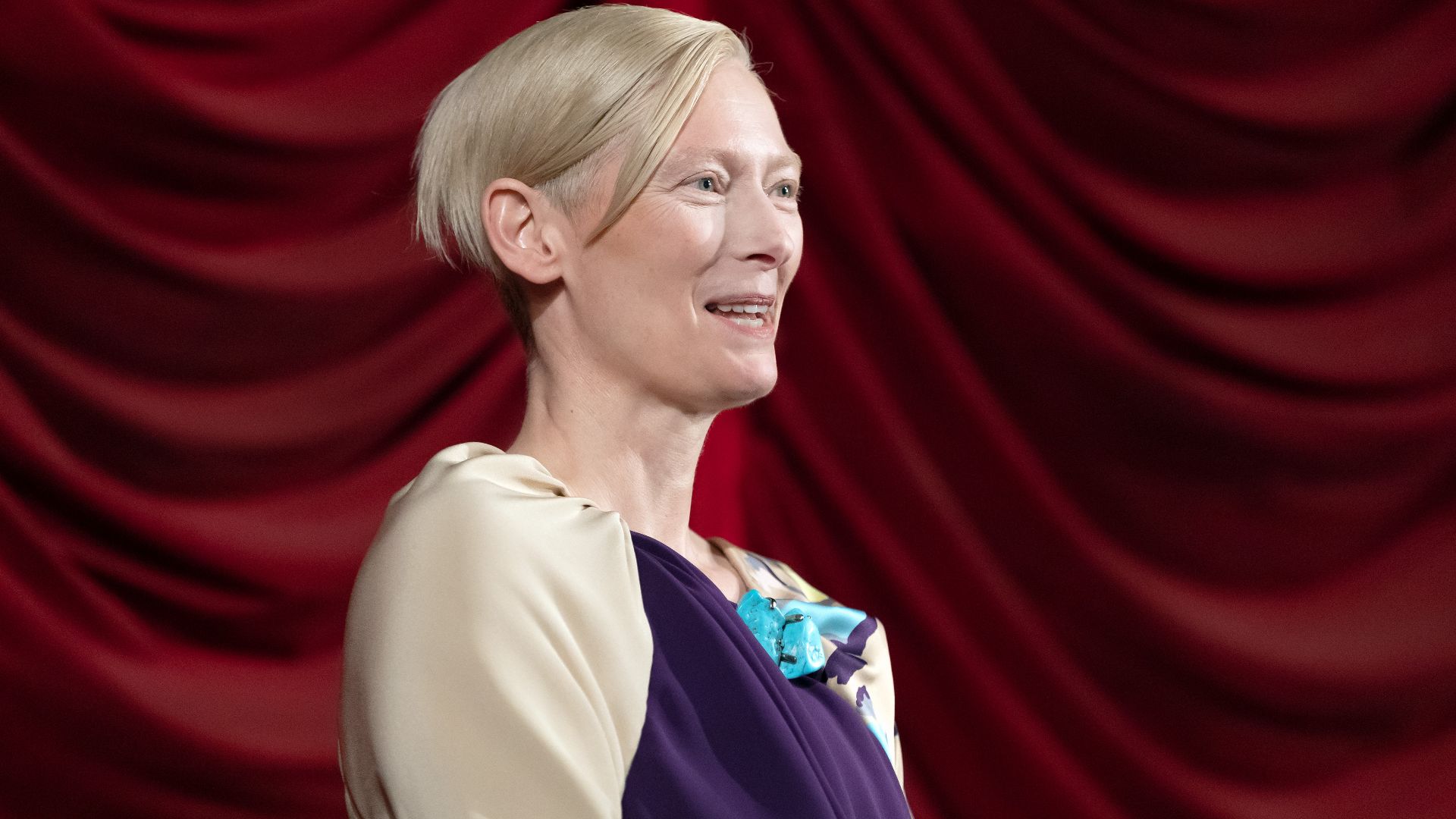 Manfred Werner - Tsui, Wikimedia Commons
Danny DeVito
DeVito was bluntly told his height and appearance ruled out leading roles. Hollywood had no roadmap for someone like him. He built one anyway—and became a cultural icon.
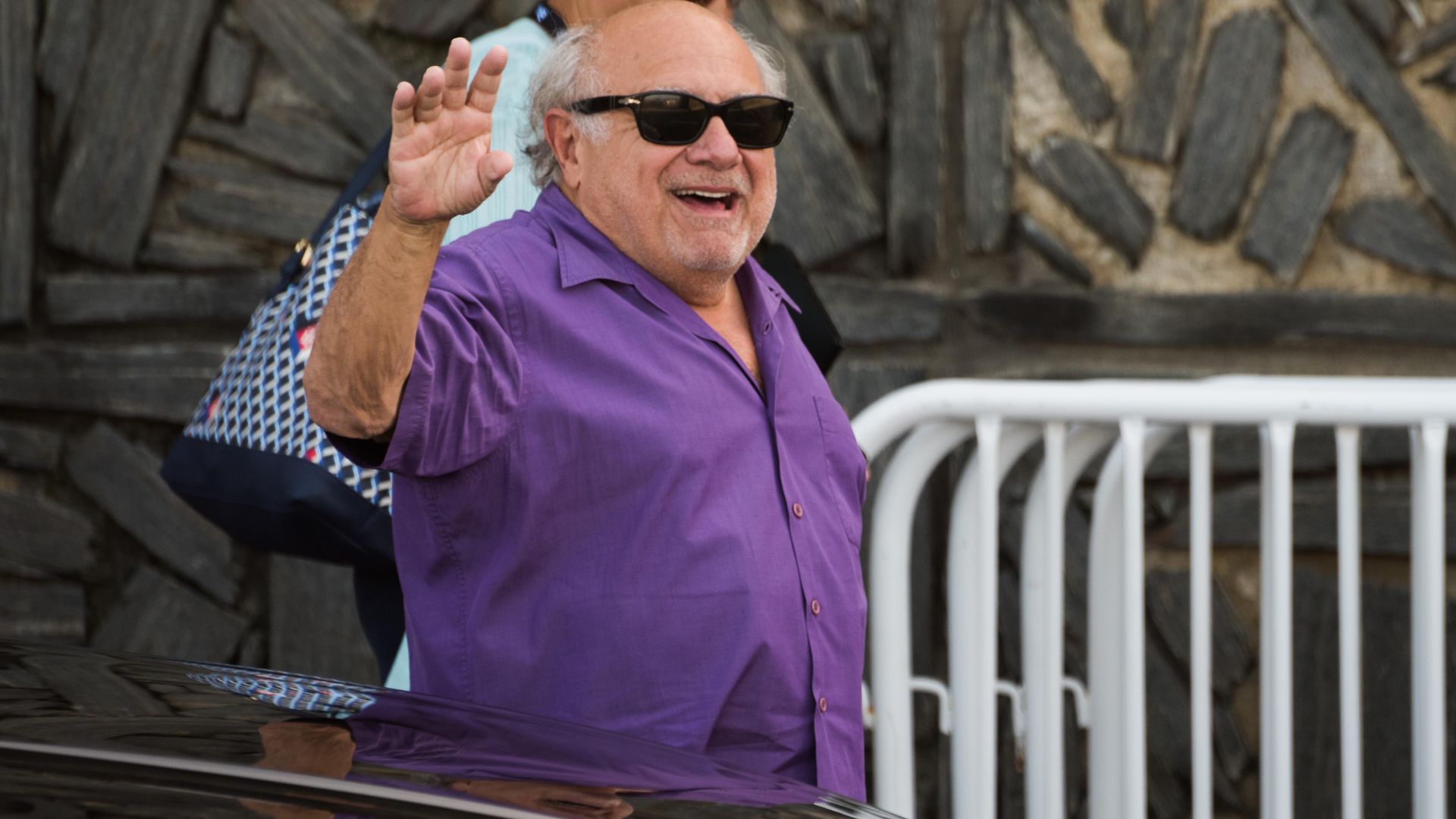 Mario A. P., Wikimedia Commons
Al Pacino
Pacino was dismissed early as too short and not attractive enough for movie stardom. His intensity outweighed those doubts. Once audiences saw him perform, the industry’s definition of a leading man shifted permanently.
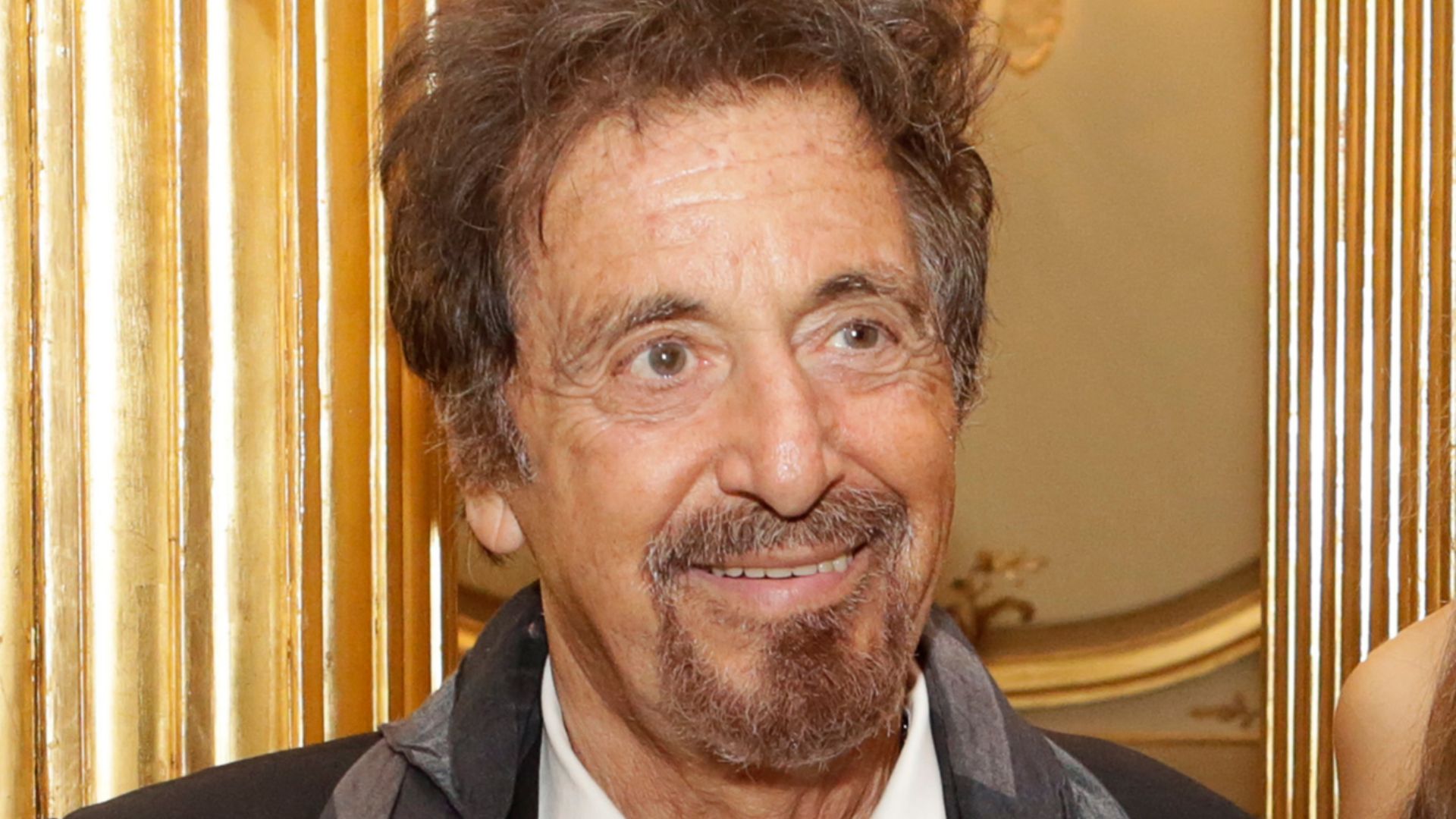 Embajada de EEUU en la Argentina, Wikimedia Commons
Gene Hackman
Hackman was reportedly ranked near the bottom of his acting class, with instructors citing his looks as a limitation. He didn’t break out until later in life—then became one of Hollywood’s most respected actors.
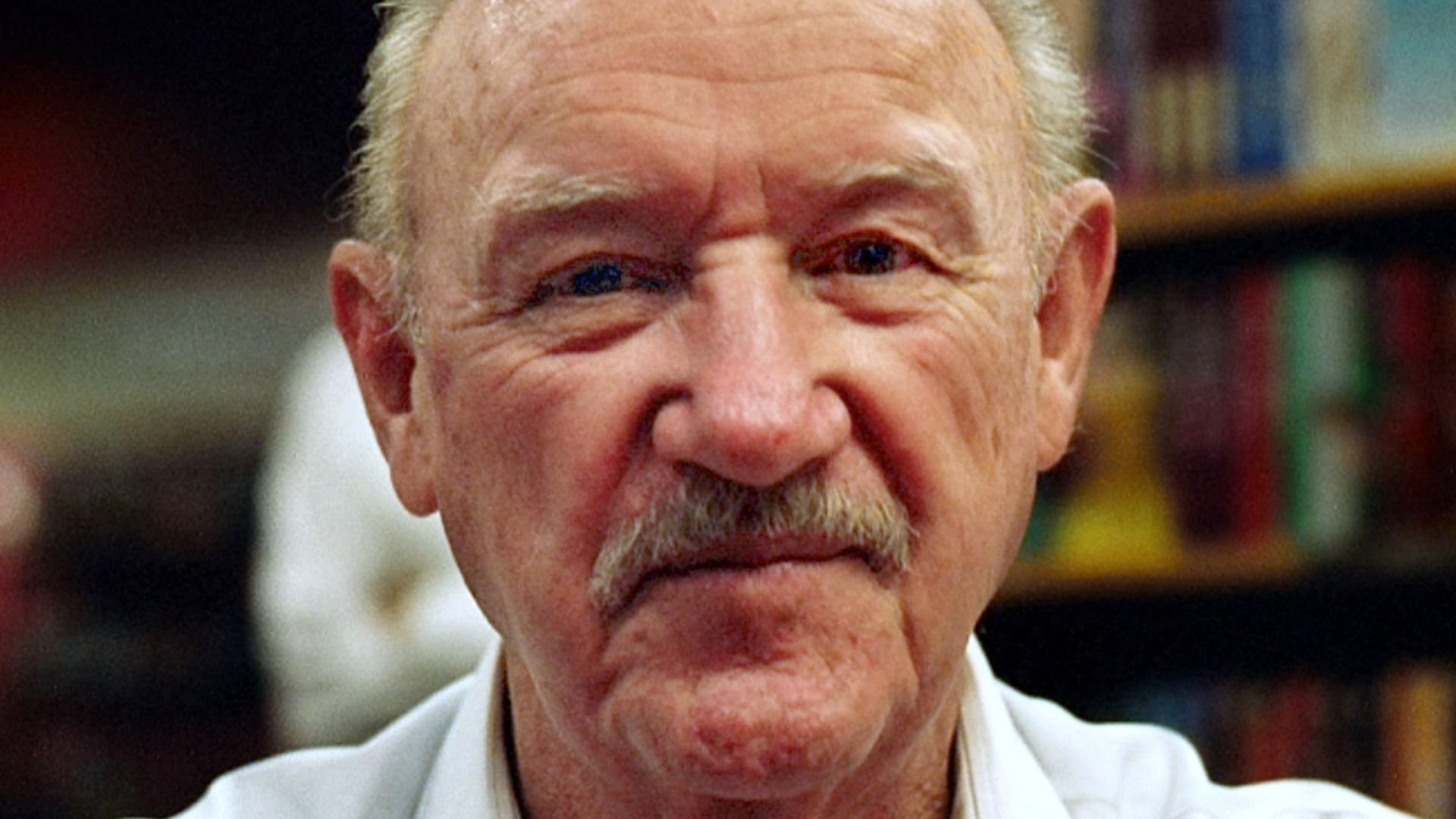 Christopher Michael Little at http://thisischrislittle.com, Wikimedia Commons
Melissa McCarthy
McCarthy has said she was told she wasn’t attractive enough to be cast seriously or lead projects. Comedy became her entry point. Her success exposed how much talent Hollywood had been overlooking.
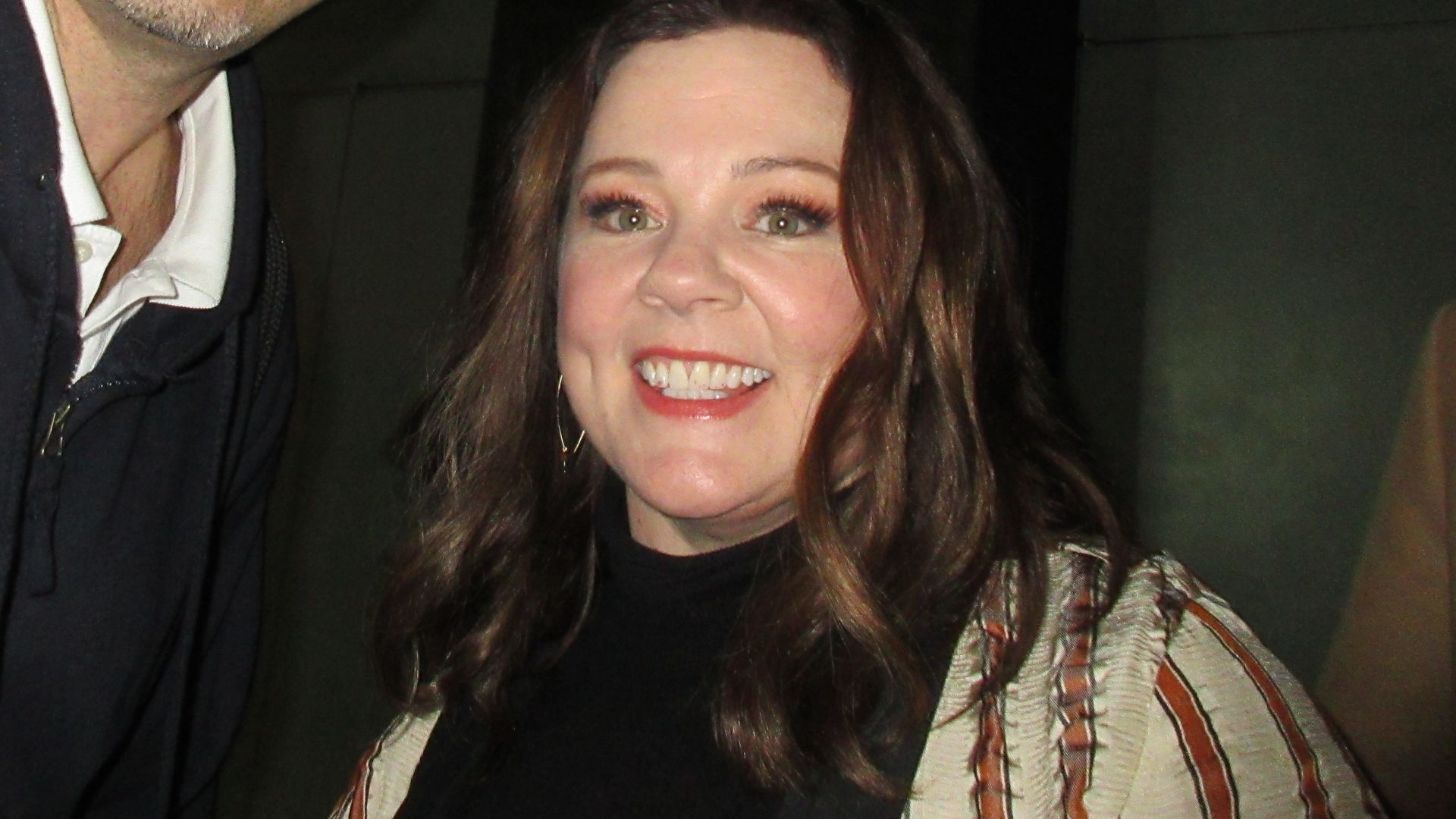 https://www.flickr.com/photos/greg2600, Wikimedia Commons
Octavia Spencer
Spencer spent years relegated to background roles, with little opportunity beyond stereotypes. She’s spoken about how appearance shaped casting assumptions. Her breakout proved those assumptions were the real limitation.
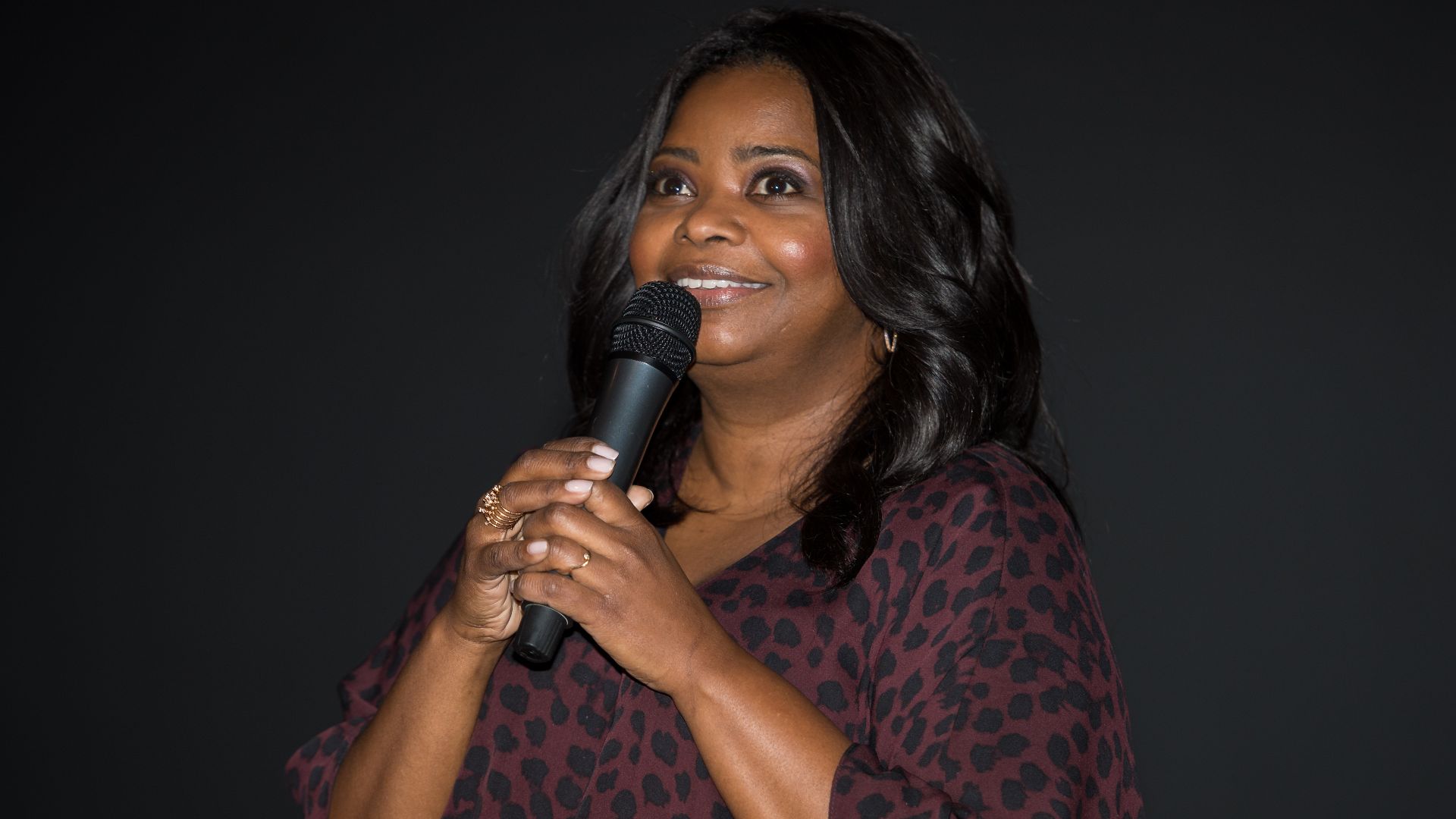 Aubrey Gemignani, Wikimedia Commons
Peter Dinklage
Dinklage has said he was offered novelty roles that treated his appearance as a joke. He refused them, even when work was scarce. That decision led to a career built on dignity—and unforgettable performances.
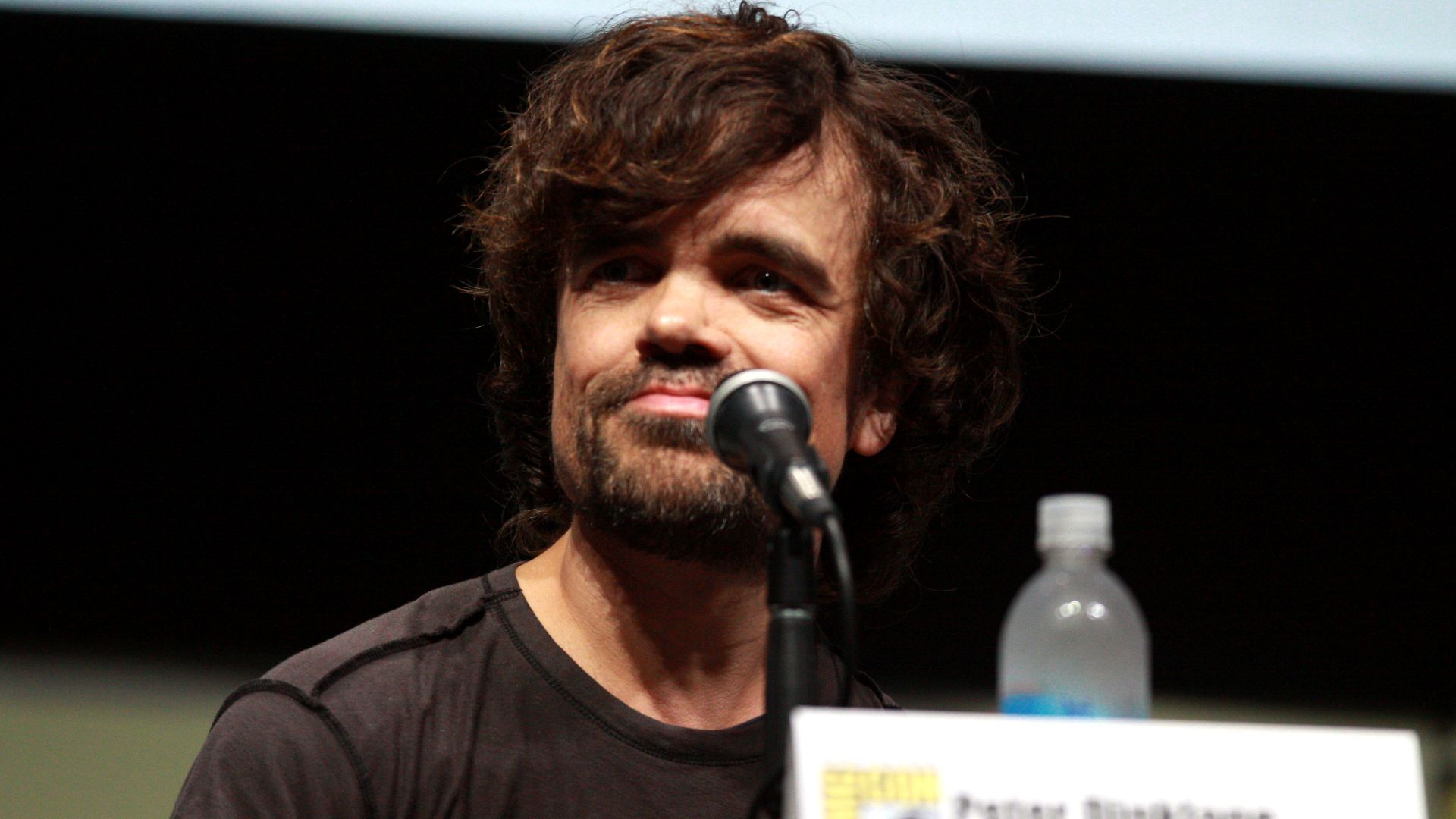 Gage Skidmore from Peoria, AZ, United States of America, Wikimedia Commons
You Might Also Like: