What Hides In Frames
Movies don’t always announce their smartest ideas. Sometimes they sit silently in the background and influence how a scene feels. Such hidden choices reward careful eyes and reveal how much storytelling happens without a single word spoken.
Fight Club (1999)
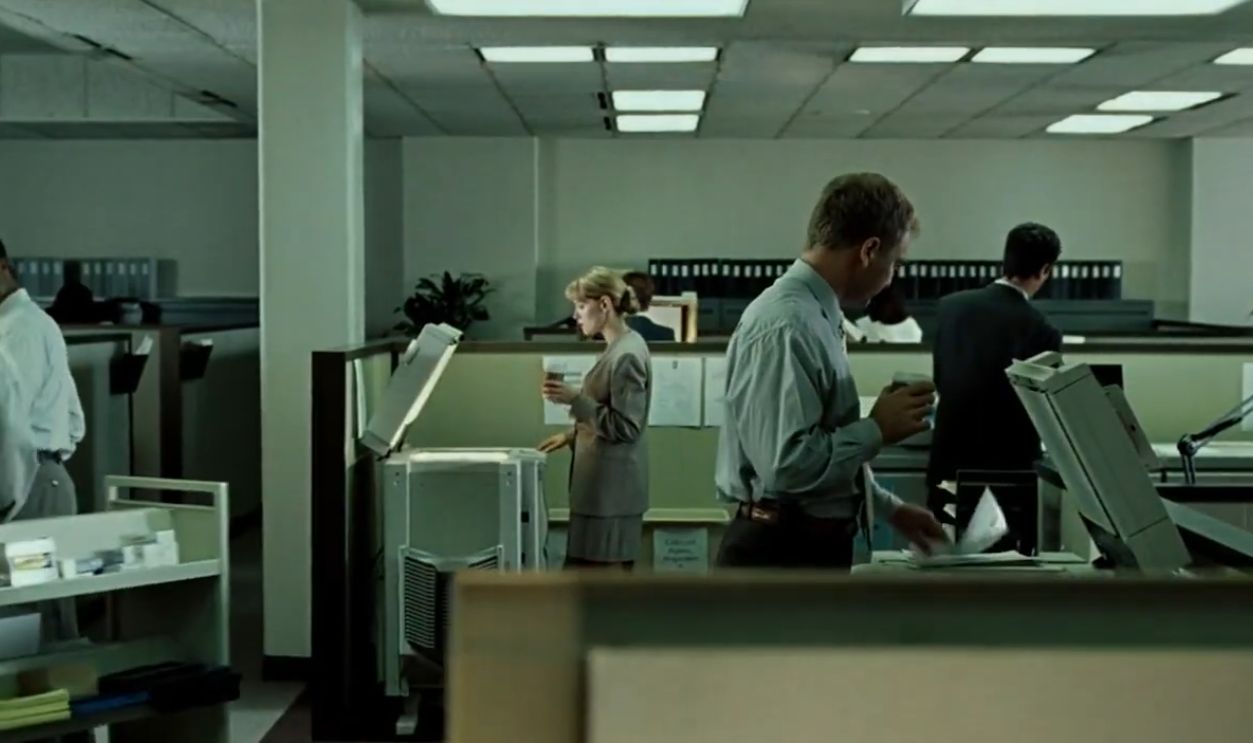
At first glance, it feels accidental. Then you notice it repeatedly. Starbucks cups quietly sit in offices and bedrooms. David Fincher planted them deliberately, which lets the brand fade into the background to reflect how consumer culture seeps into life unnoticed.
 Screenshot from Fight Club, 20th Century Studios (1999)
The Godfather (1972)
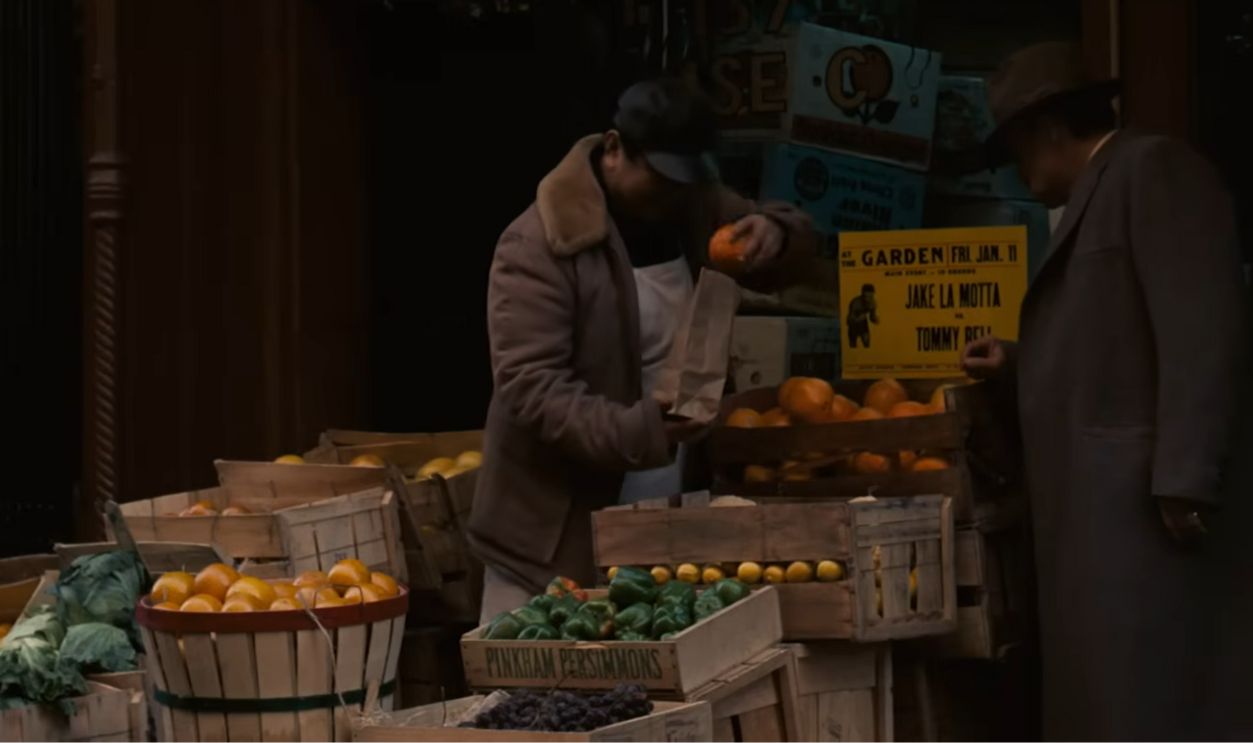
Once you see the oranges, you can’t unsee them. They roll into scenes just before violence strikes to glow against dark suits and shadows. What started as a coincidence became an intention. It turns a simple fruit into a silent warning sign that danger is already on the way.
 Screenshot from The Godfather, Paramount Pictures (1972)
Toy Story (1995)
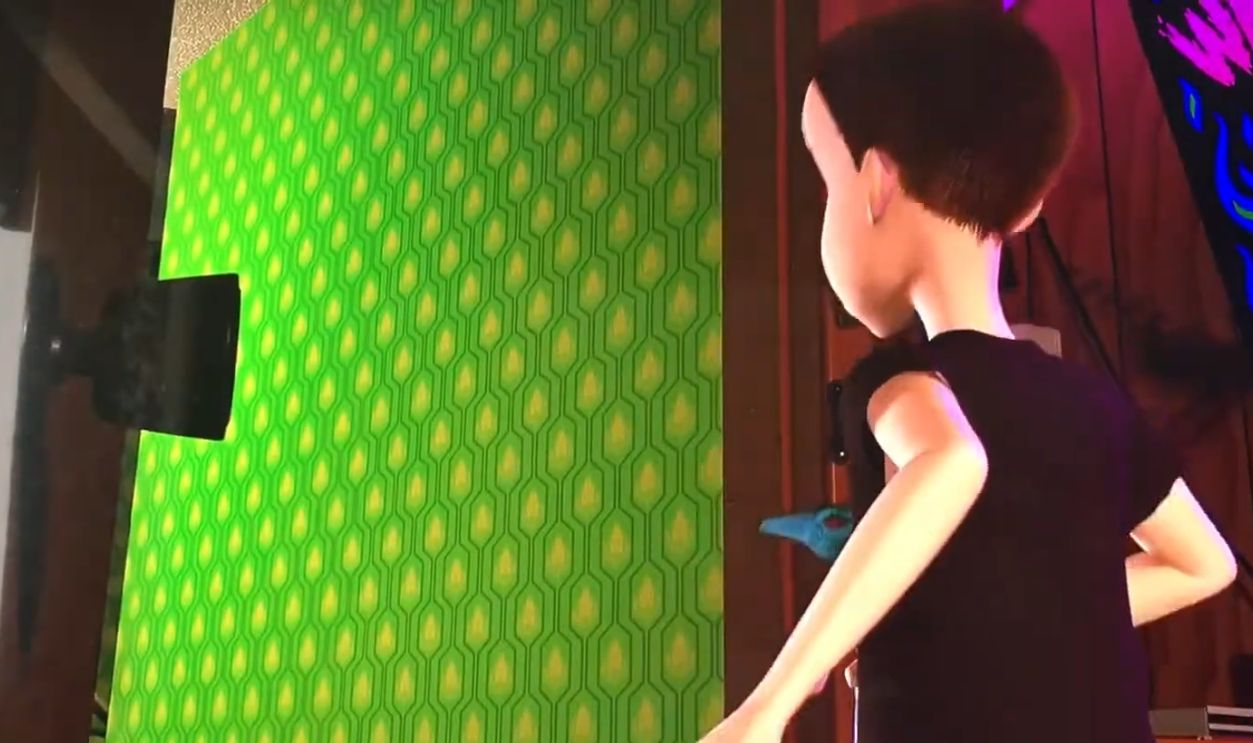
Sid’s house broadcasts danger without saying a word. Look closely at the carpet, and it clicks—it’s the same pattern from The Shining. Pixar hid a horror classic under the characters’s feet, which lets adults catch the reference while kids absorb the dread instinctively.
 Screenshot from Toy Story, Walt Disney Studio (1995)
Tron (1982)
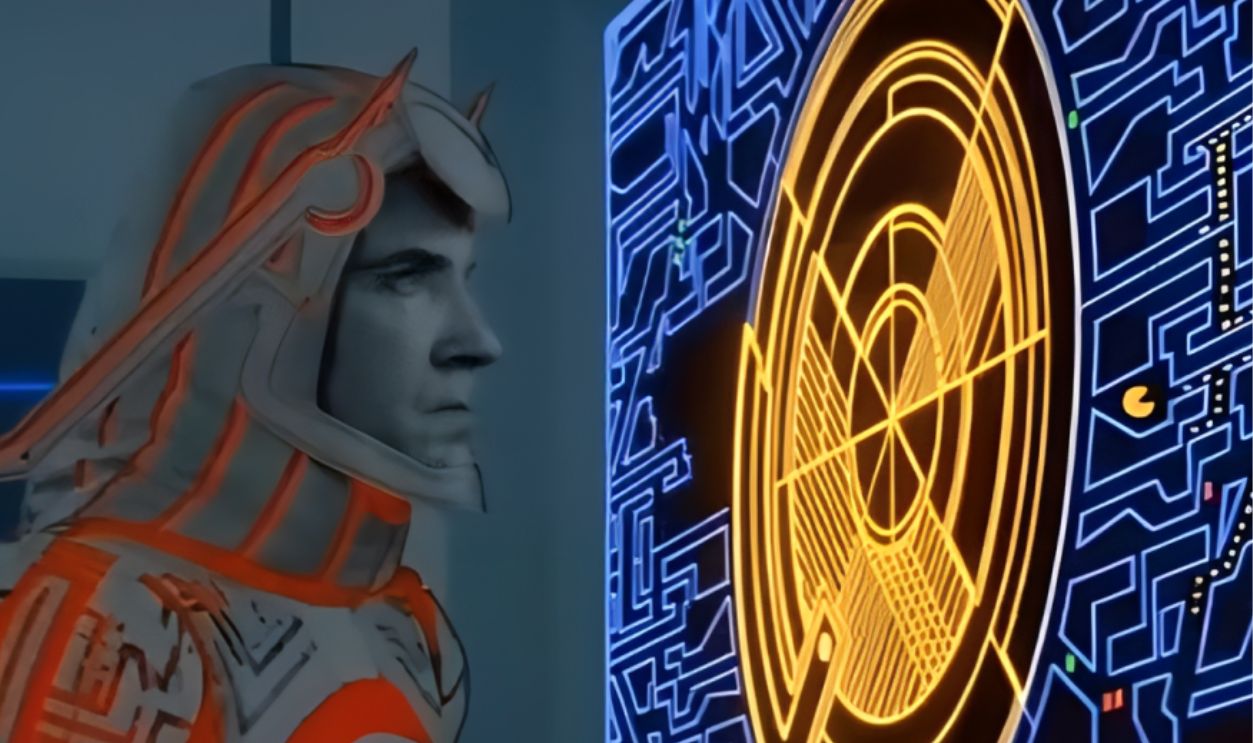
If you blink during Tron’s action scenes, you’ll miss a pop-culture milestone. Pac-Man flashes briefly on a schematic, complete with its signature shape. The cameo hides so well inside the digital chaos that it feels like part of the environment rather than an Easter egg.
 Screenshot from Tron, Walt Disney Studio (1982)
I Am Legend (2007)
The apocalypse wipes out humanity, but pop culture lingers. A Batman v Superman billboard towers silently over Times Square, barely noticeable amid the devastation. This reference never calls attention to itself, quietly bridging two cinematic worlds without breaking immersion.
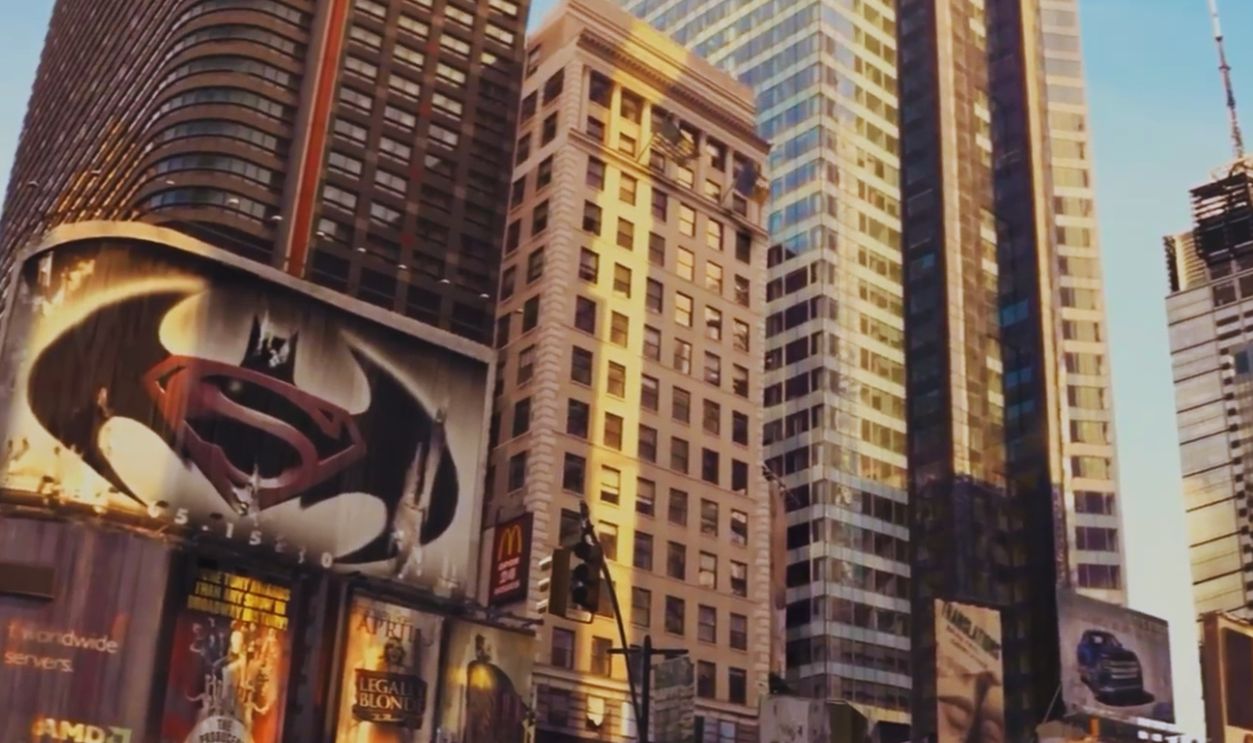 Screenshot from I am Legend, Warner Bros. Pictures (2007)
Hercules (1997)
At first, it’s just a classic mythological trophy. Then the scars give it away. Hercules is wearing Scar’s skin, a quiet nod to The Lion King. The moment passes quickly, but it sneaks dark humor and studio continuity into a family-friendly scene.
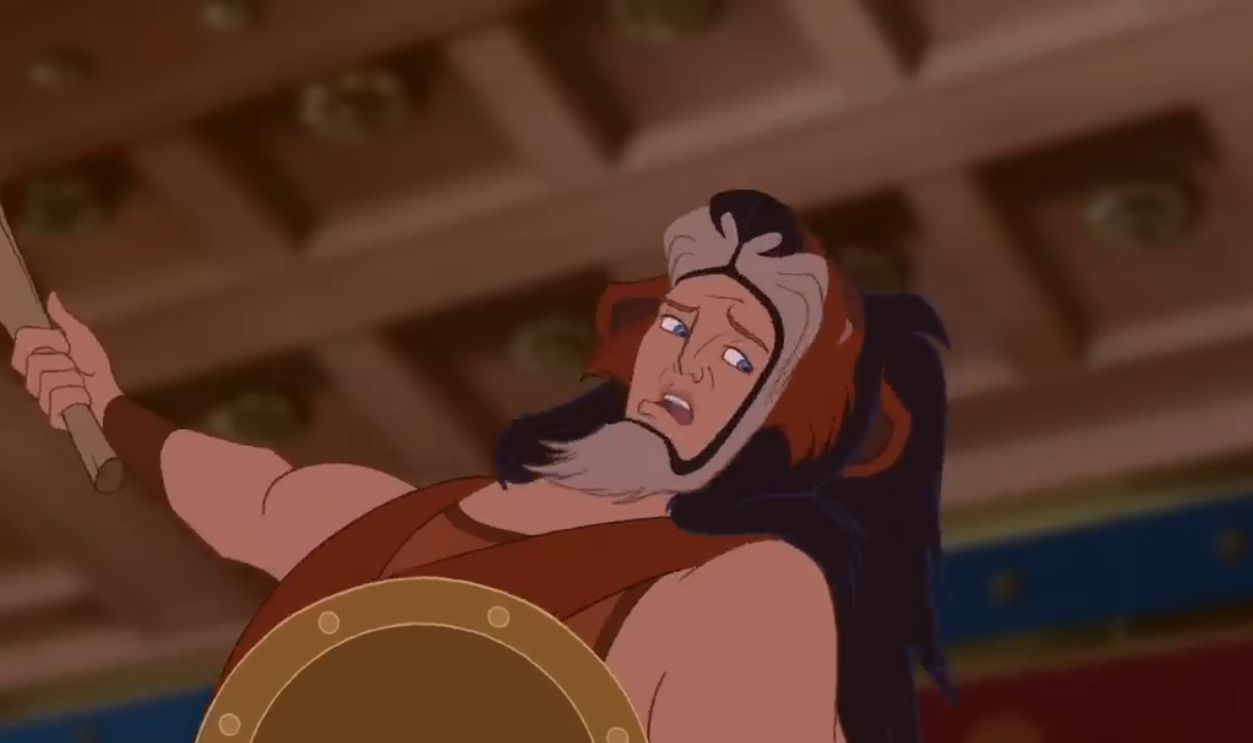 Screenshot from Hercules, Walt Disney Studio (1997)
Raiders Of The Lost Ark (1981)
Indiana Jones is surrounded by millennia-old symbols, yet two are strangely familiar. R2-D2 and C-3PO appear etched into the walls, disguised as hieroglyphs. It’s a blink-and-miss-it crossover that rewards sharp eyes without ever breaking the illusion.
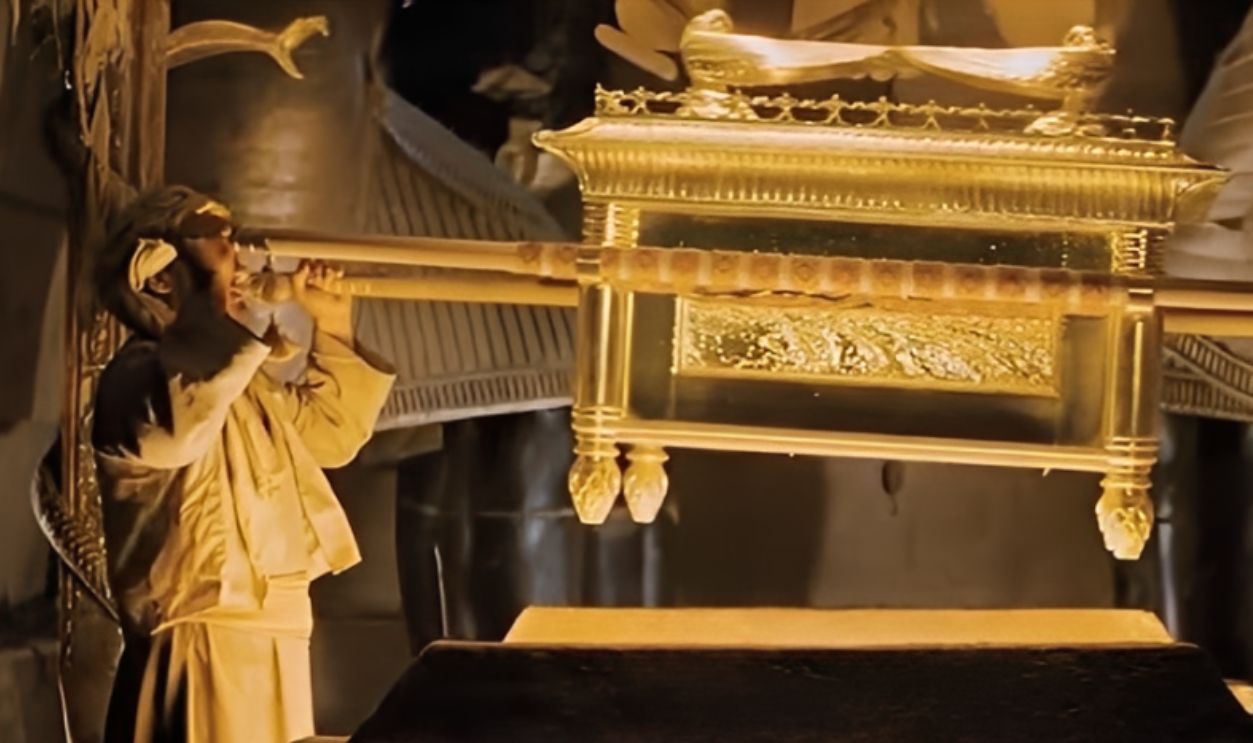 Screenshot from Raiders Of The Lost Ark, Paramount Pictures (1981)
Star Trek Into Darkness (2013)
Star Trek’s universe feels sealed and serious—until a familiar droid sneaks through. R2-D2 floats past during combat, disguised as debris. The joke lands only if you catch it, which proves Abrams prefers Easter eggs that don’t interrupt the moment.
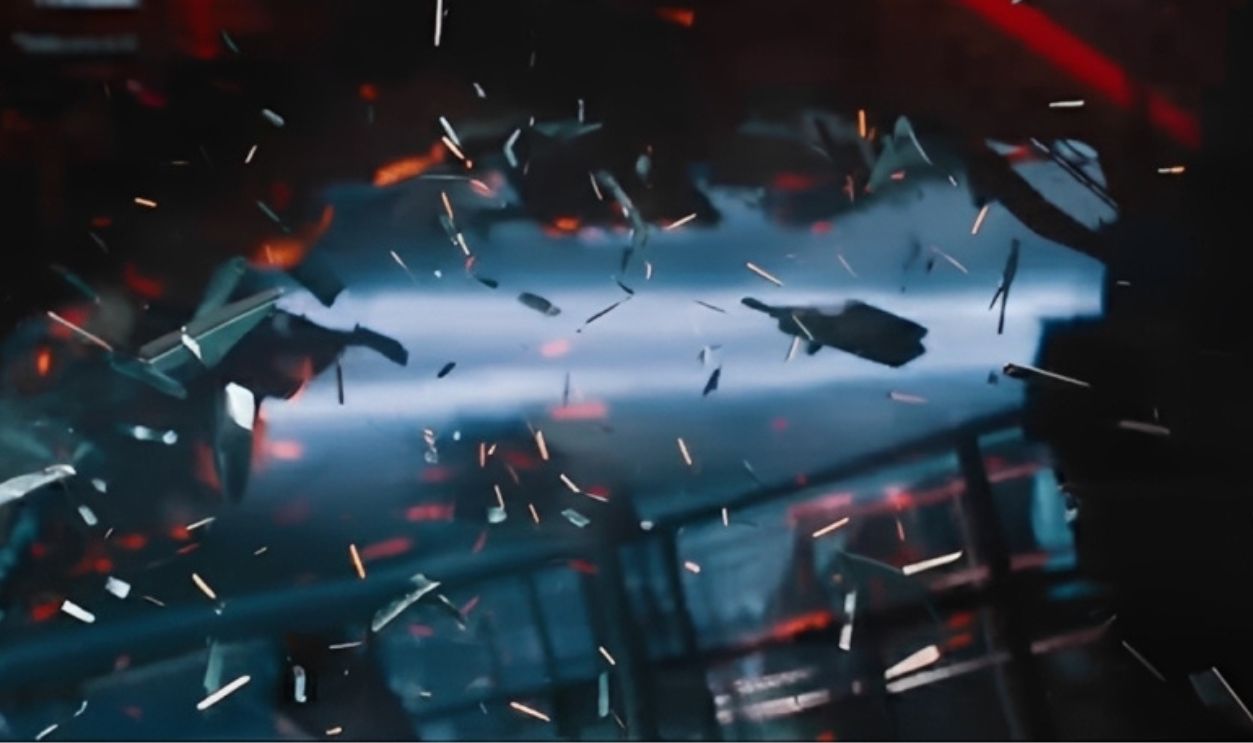 Screenshot from Star Trek Into Darkness, Paramount Pictures (2013)
Up (2009)
Dug feels like pure comic relief at first. Then you notice something different. He’s the only dog who can actually track anyone. That’s because Golden Retrievers are built for scent work, a real-world detail Pixar quietly uses to justify Dug’s heroic moments.
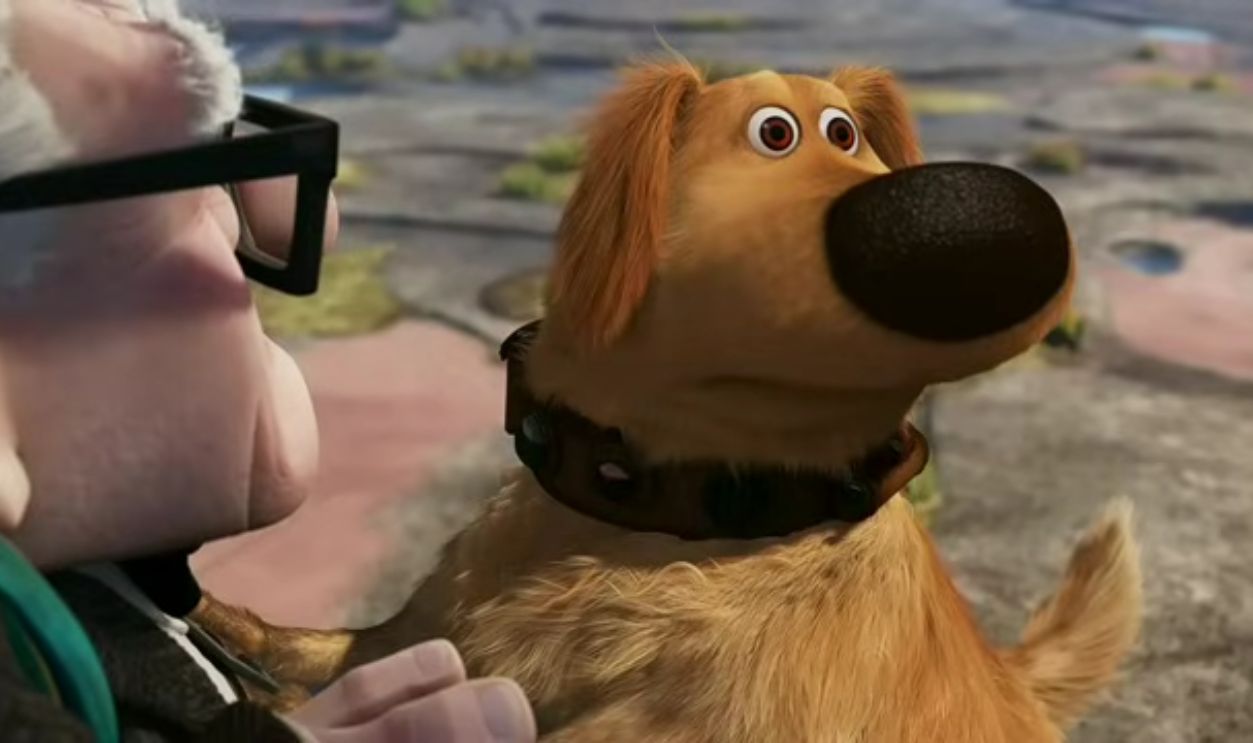 Screenshot from Up, Walt Disney Studios (2009)
Titanic (1997)
Not every tragedy on the Titanic is loud. In a brief, tender shot, an older couple chooses comfort over survival. The scene honors Isidor and Ida Straus, who refused to separate. It’s easy to miss, yet it carries one of the film’s most powerful truths.
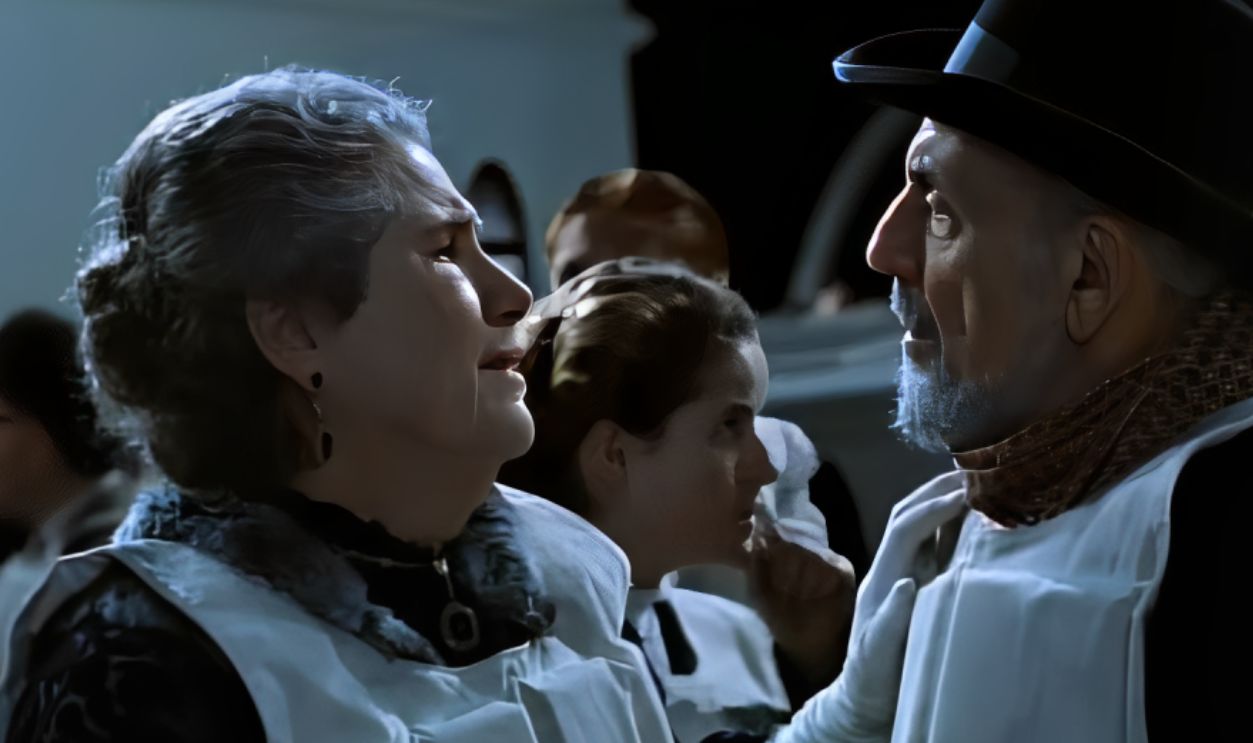 Screenshot from Titanic, Paramount Pictures (1997)
Coraline (2009)
Even the cake is lying. The word “Home” features a double-looped “O,” a subtle sign of deception in handwriting psychology. It’s icing-level detail, easy to miss, yet it quietly signals that warmth here is manufactured—and that danger is hiding behind sweetness.
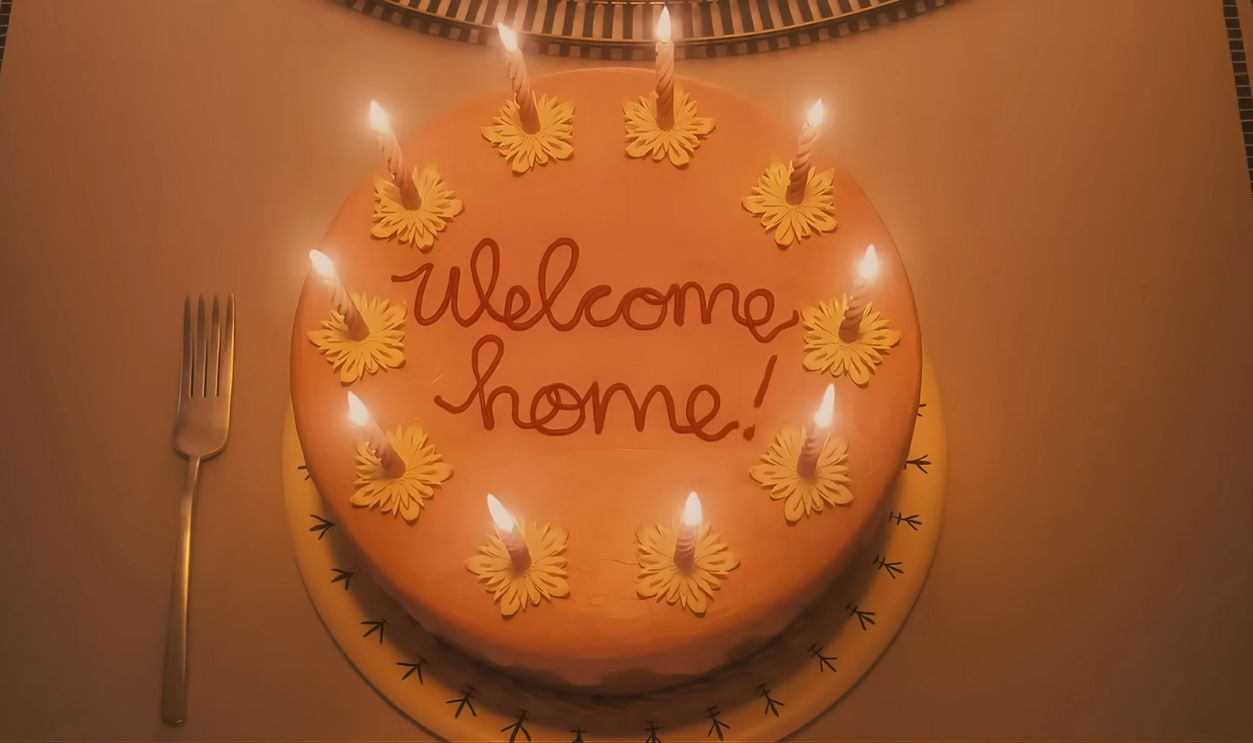 Screenshot from Coraline, Focus Features (2009)
Finding Nemo (2003)
What looks like stubborn determination is actually realism. Moorish Idols don’t thrive in captivity, and Pixar lets that biological truth define Gill’s actions. No speeches, no lessons—just nature quietly steering a character’s choices in plain sight.
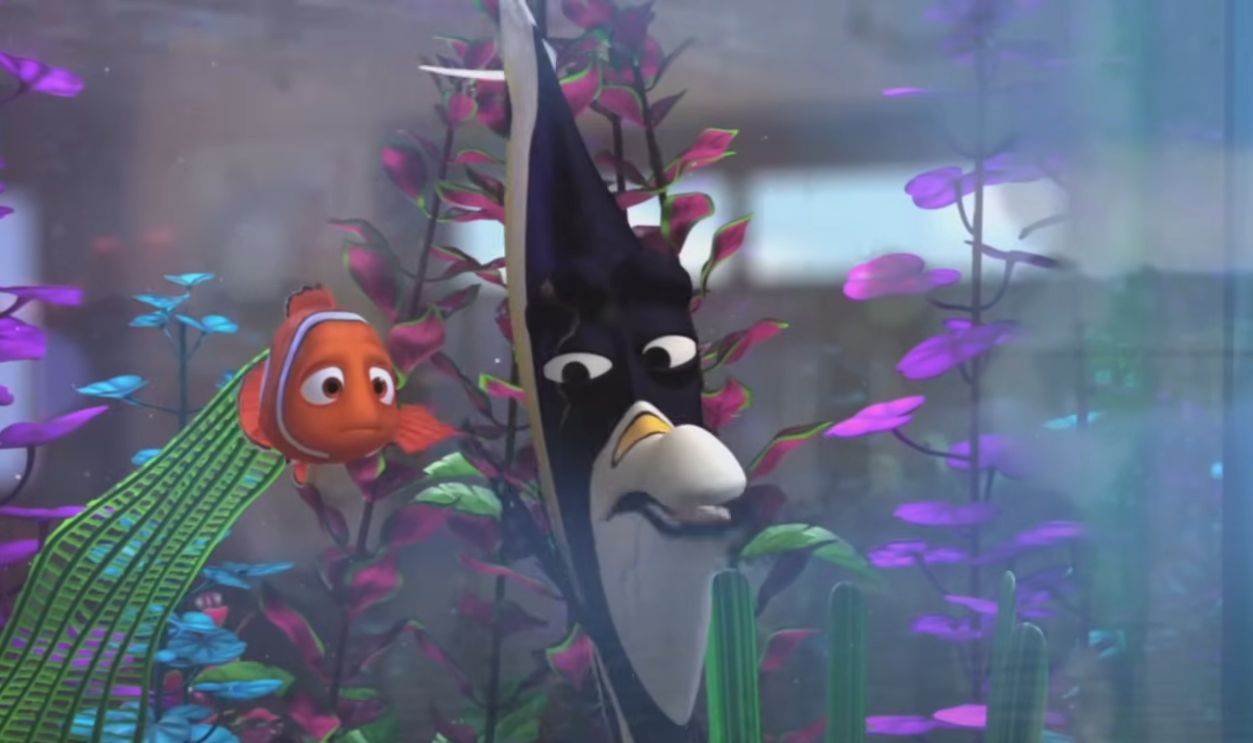 Screenshot from Finding Nemo, Walt Disney Studios (2003)
Harry Potter And The Prisoner Of Azkaban (2004)
Lupin sleeping on the train feels harmless at first. Then the calendar clicks. A recent full moon explains his exhaustion, quietly exposing his secret long before the reveal. The film trusts timing and detail to whisper what dialogue hasn’t dared say yet.
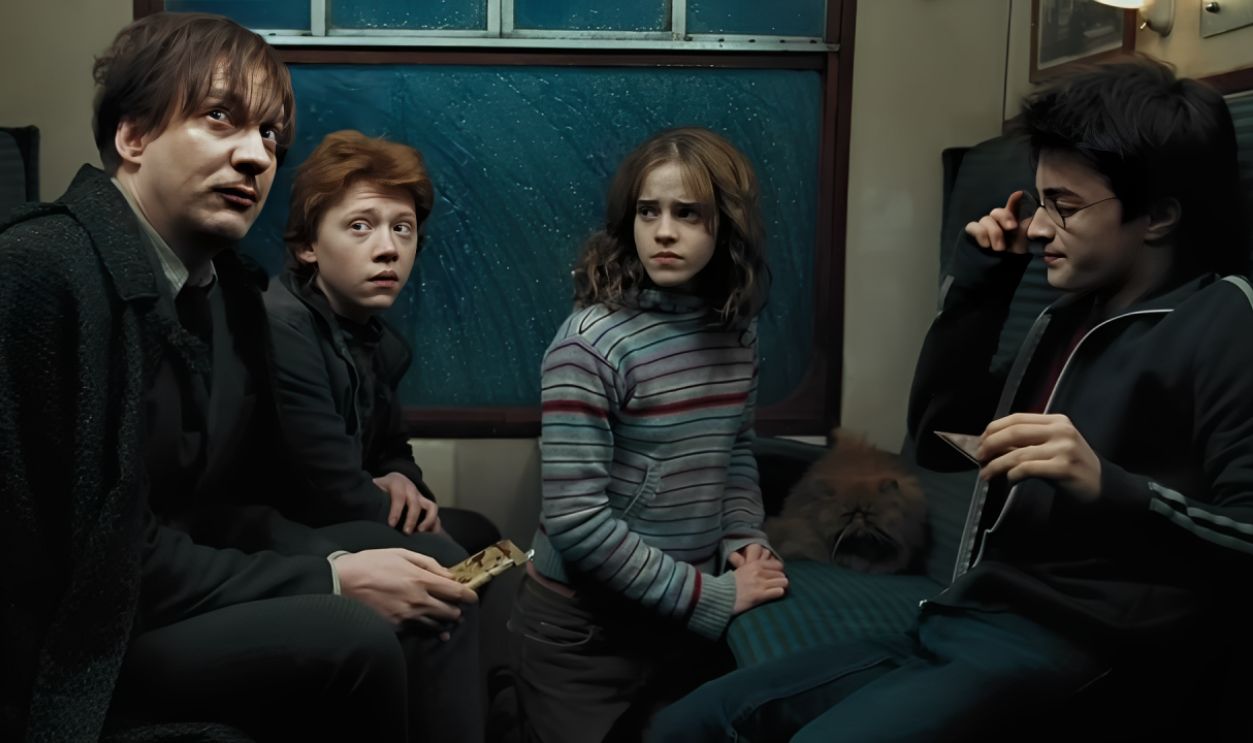 Screenshot from Harry Potter and The Prisoner Of Azkaban, Warner Bros. Pictures (2004)
The Truman Show (1998)
Truman takes vitamin D every morning. It seems routine, almost boring. But in a world powered by artificial sunlight, it’s a quiet red flag. One small habit subtly exposes the cracks in his reality, which hides a massive truth inside an everyday gesture.
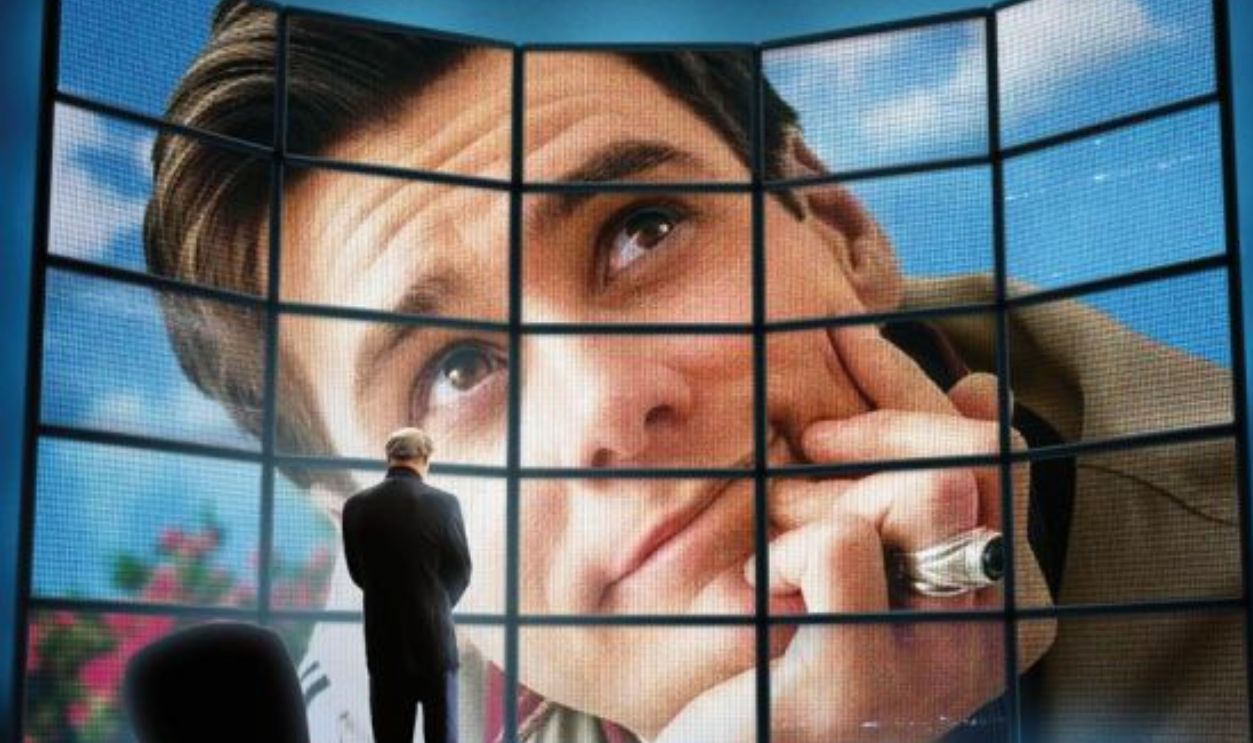 Screenshot from The Truman Show, Paramount Pictures (1998)
It (2017)
Blink, and you’ll miss him. Pennywise slips into the background of scenes, camouflaged as part of Derry itself. The effect is subtle but effective, which lets unease creep in slowly as you realize the monster has been there all along.
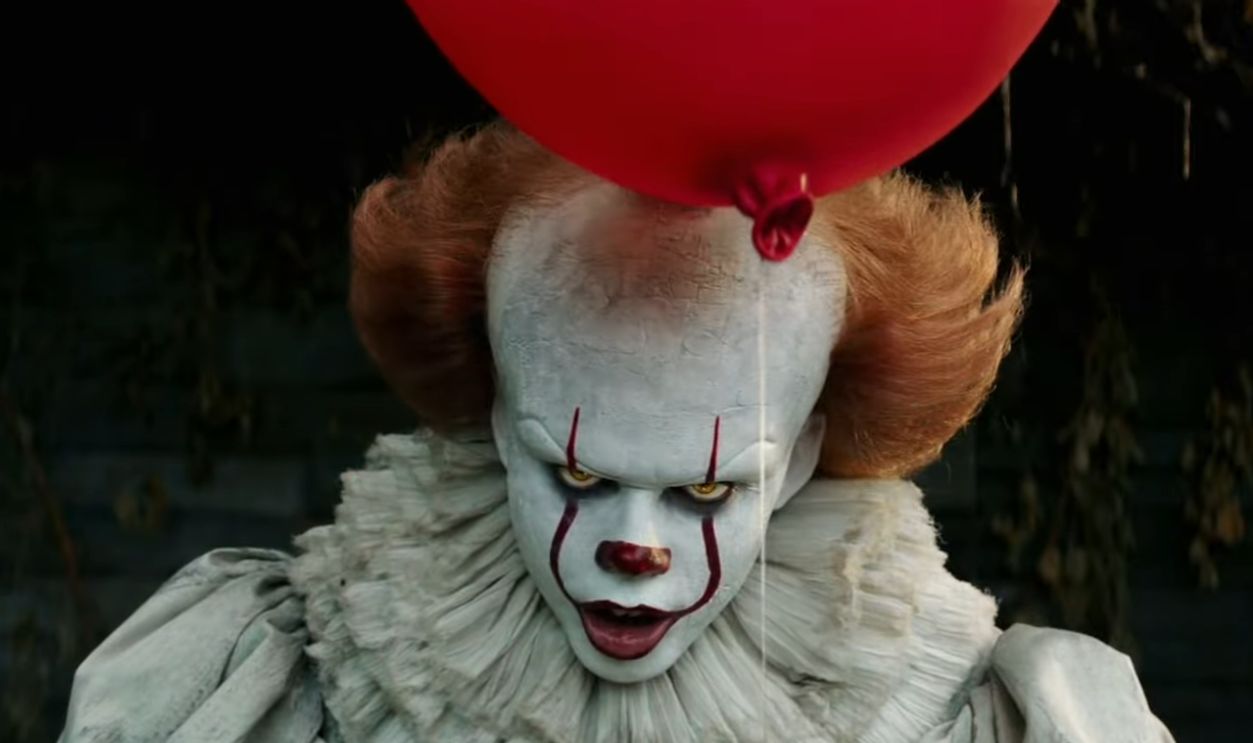 Screenshot from It, Warner Bros. Pictures (2017)
Avatar (2009)
It’s easy to focus on the technology and miss the message here. Viewed from above, the command center’s lights mirror the American flag. Cameron turns architecture into subtext. It lets visual design quietly echo the film’s themes of domination and control.
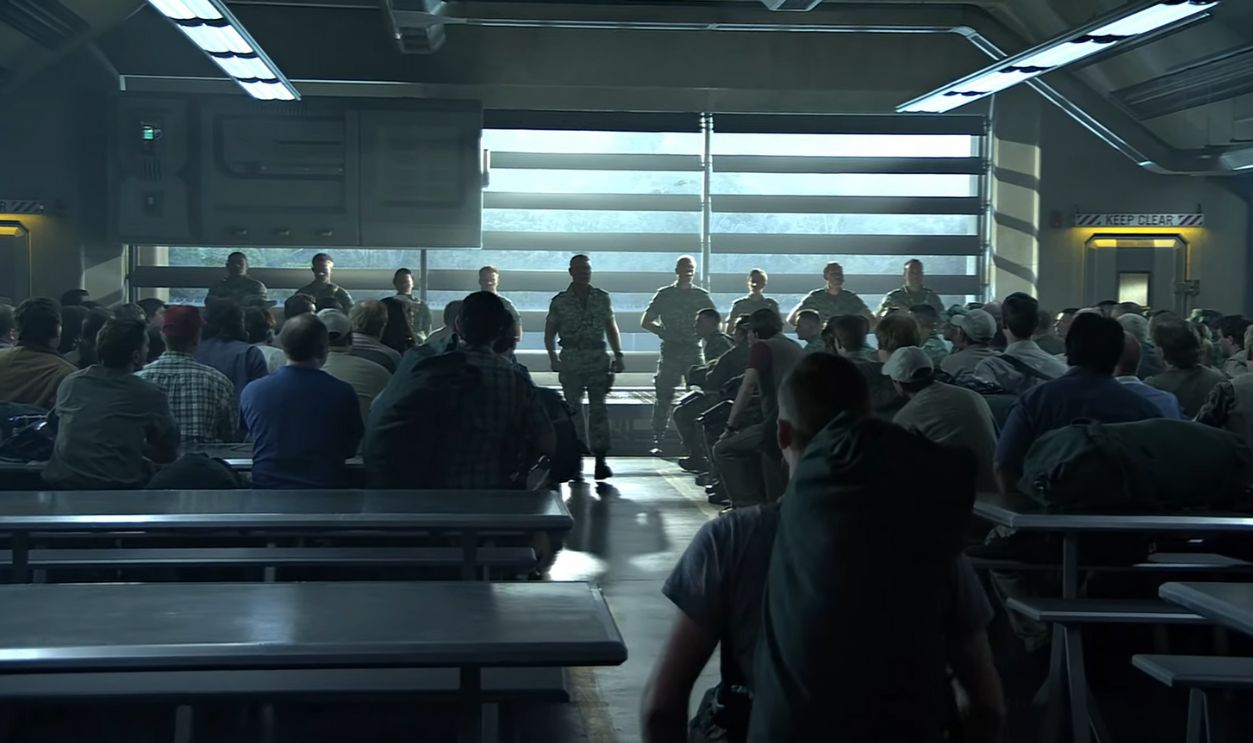 Screenshot from Avatar, 20th Century Studios (2009)
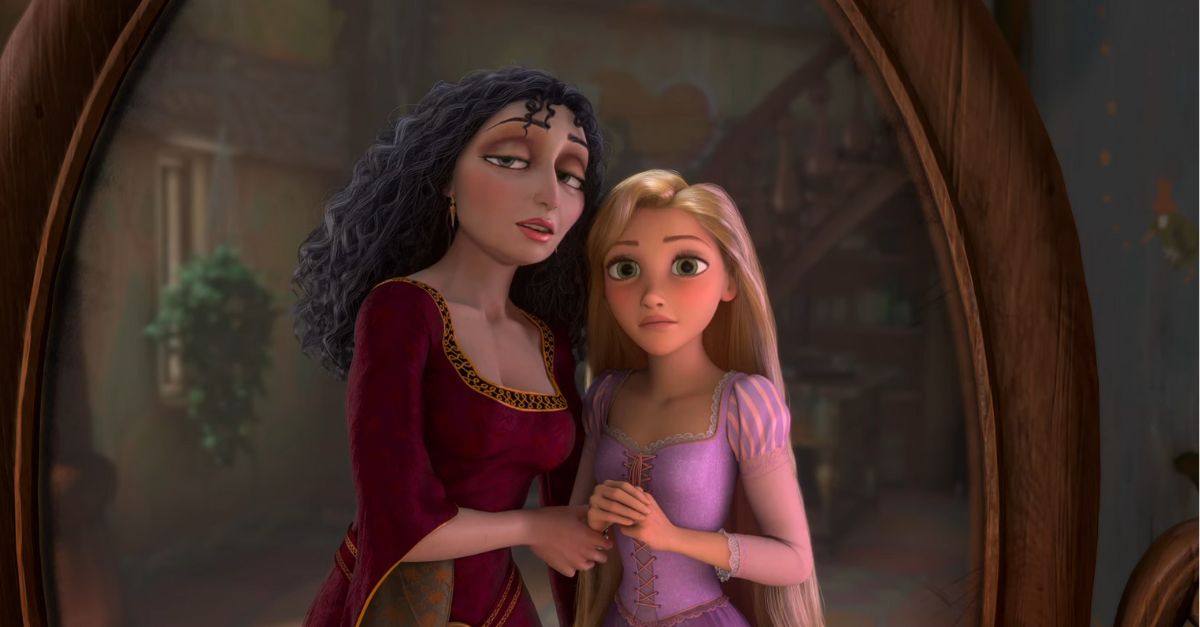
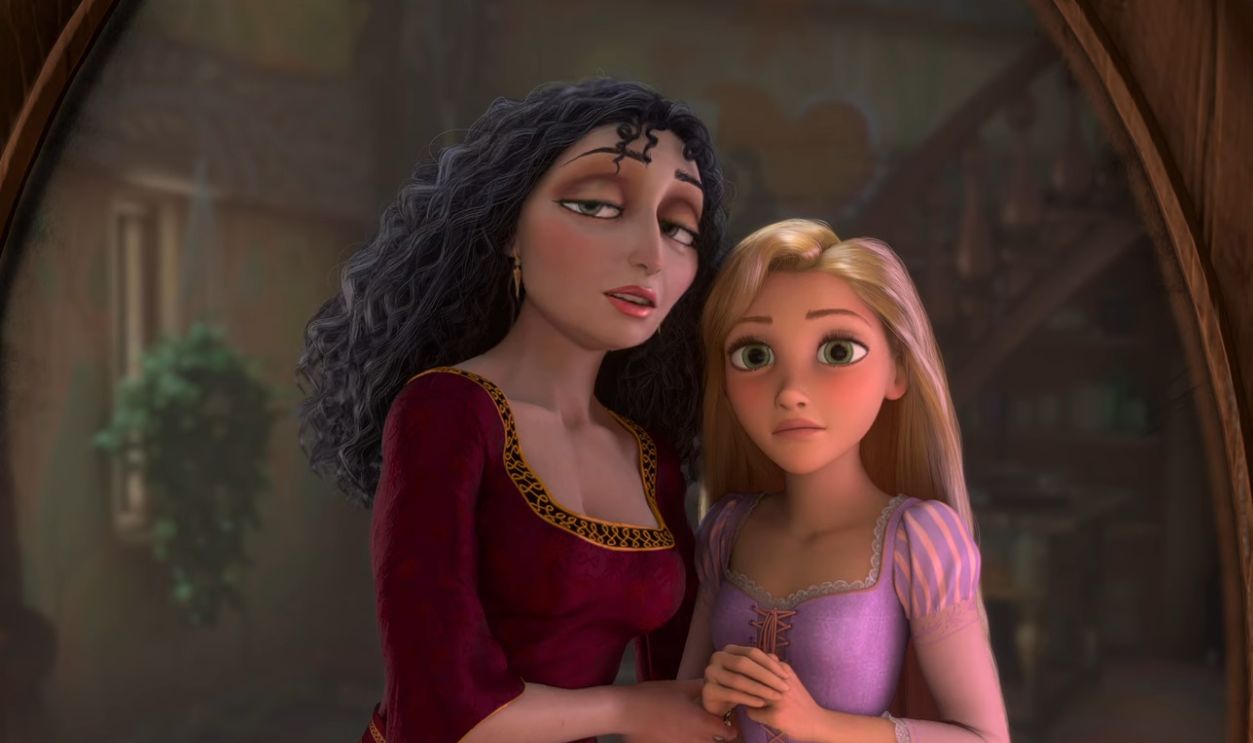
Tangled (2010)
It’s an intimate moment that feels slightly off. When Gothel says “I love you,” her lips go straight to Rapunzel’s hair. The move is subtle, but it exposes her true attachment, which hides emotional control inside what looks like maternal affection.
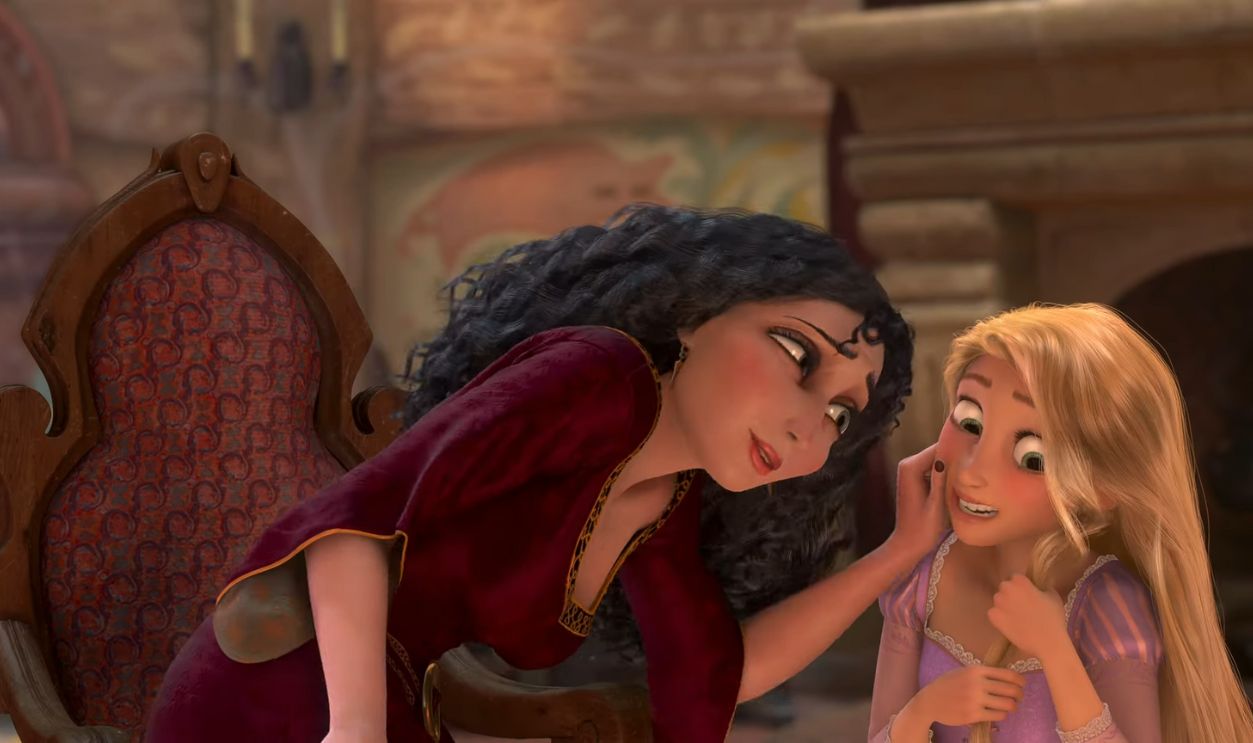 Screenshot from Fight Club, 20th Century Studios (1999)
Joker (2019)
Something about time feels stuck in Arthur’s world. Clocks keep landing on 11:11, no matter where he is. The repetition slips by quietly. It suggests a fractured sense of reality where moments don’t move forward, only loop inside his unraveling mind.
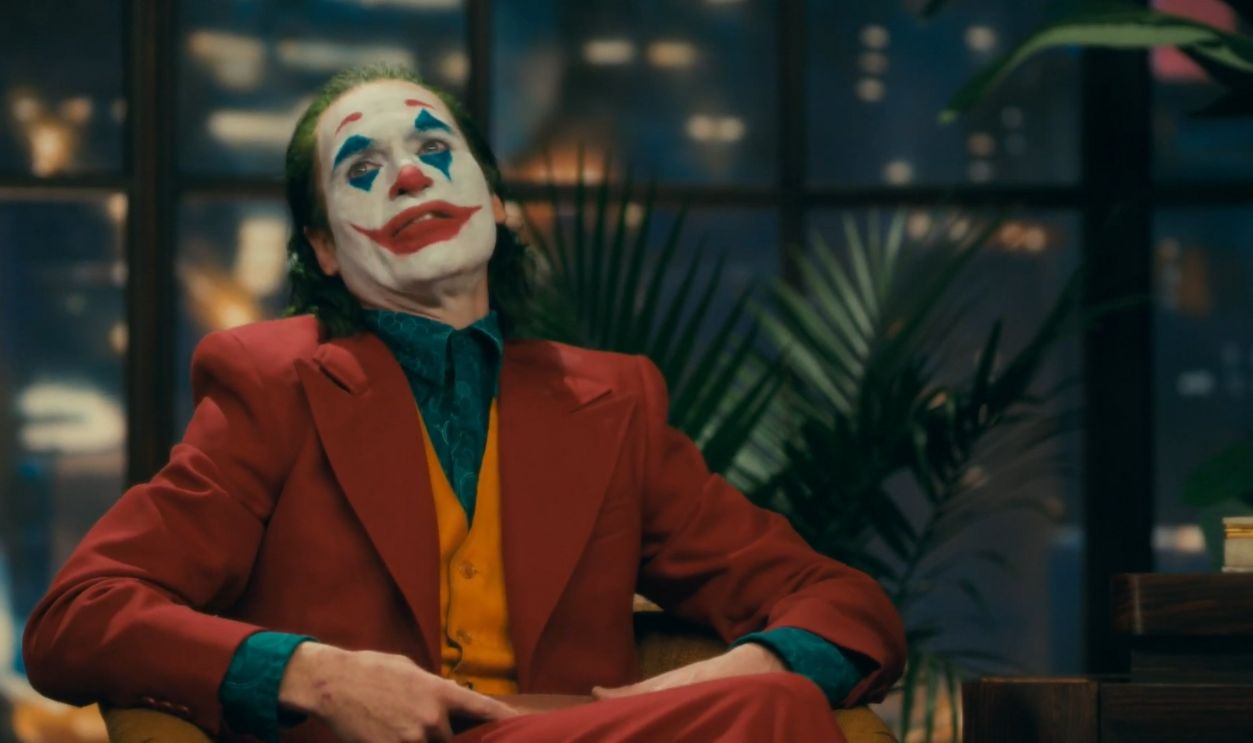 Screenshot from Joker, Warner Bros. Pictures (2019)
Interstellar (2014)
The clock never appears on screen, yet it exists in the music. On the water planet, each tick signals time slipping away on Earth. In this movie, Zimmer turns relativity into rhythm and lets sound carry the weight of sacrifice.
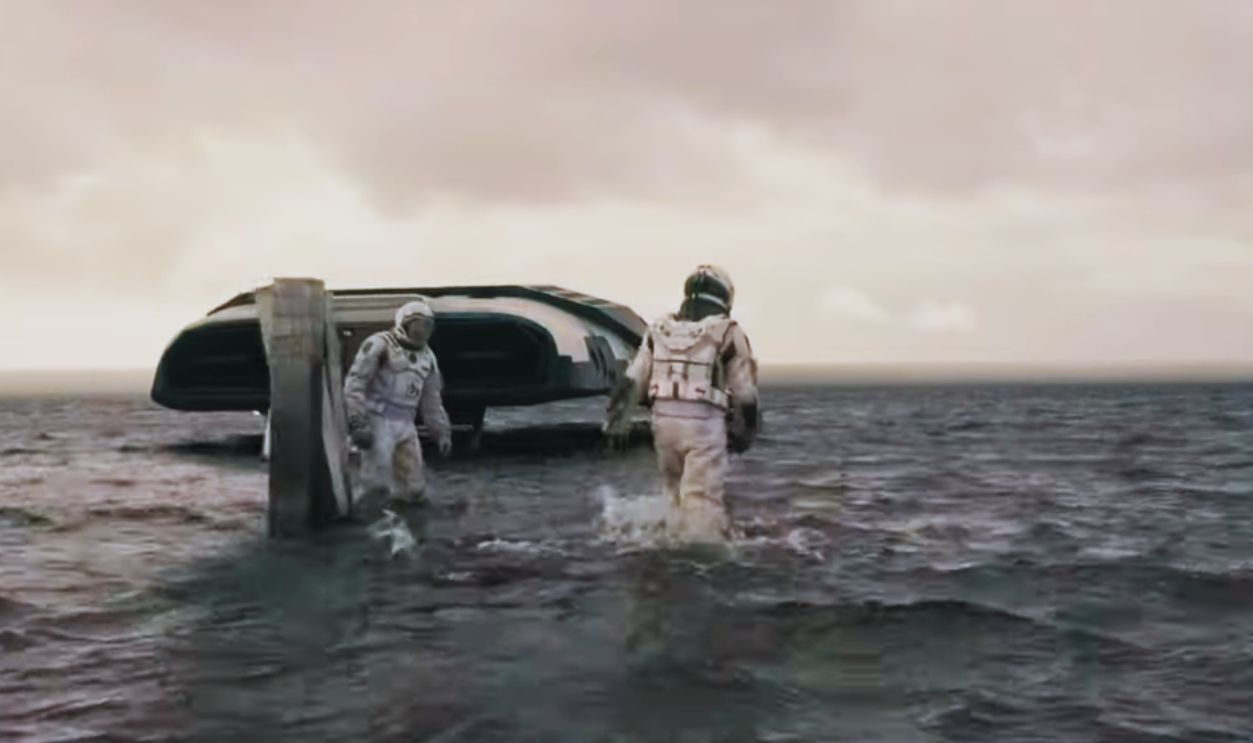 Screenshot from Interstellar, Paramount Pictures (2014)
The Fellowship Of The Ring (2001)
After Boromir’s death, Aragorn wears his bracers throughout the journey. The quiet costume choice honors their bond, reflects shared battles, and carries brotherhood forward. This allows respect and loyalty to remain visible across scenes through visual storytelling alone for attentive viewers.
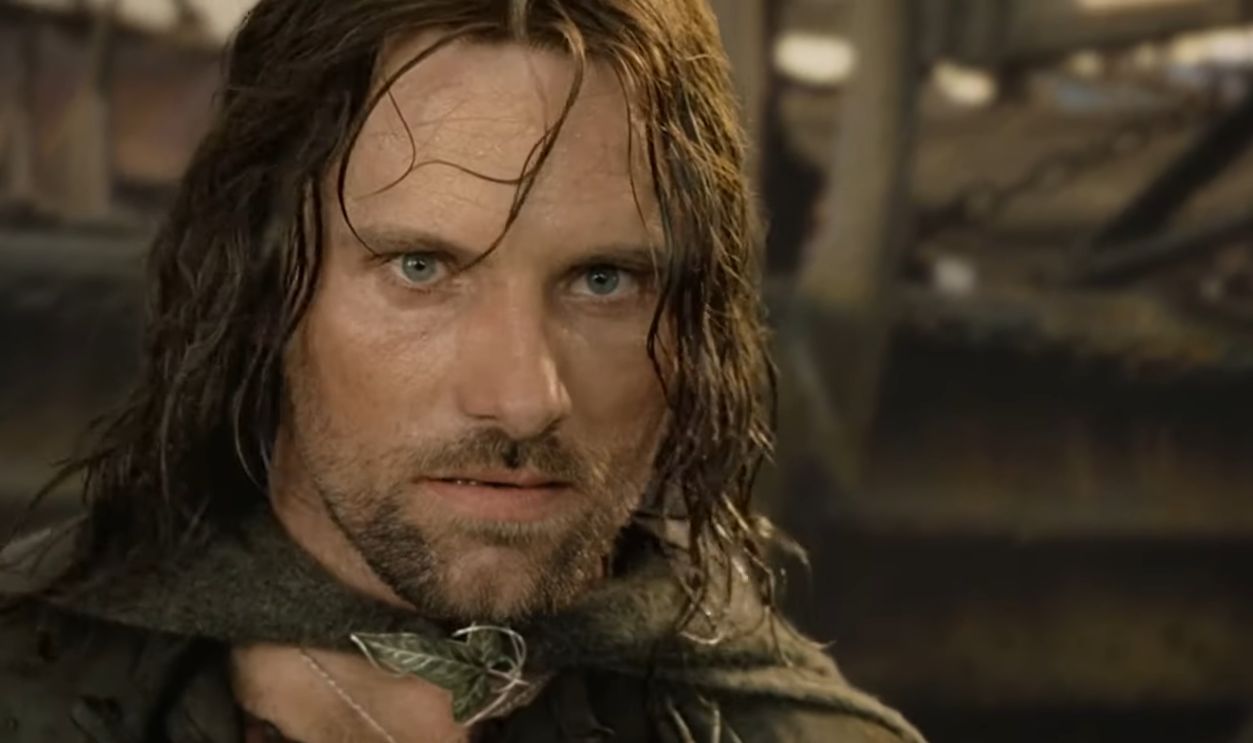 Screenshot from The Fellowship Of The Ring, New Line Cinema (2001)
Home Alone (1990)
Kevin’s disappearance feels impossible—until you count carefully. A neighbor kid gets included, the groups split evenly, and the math works out. The chaos looks sloppy, but the logic hides in plain sight, quietly holding the entire premise together.
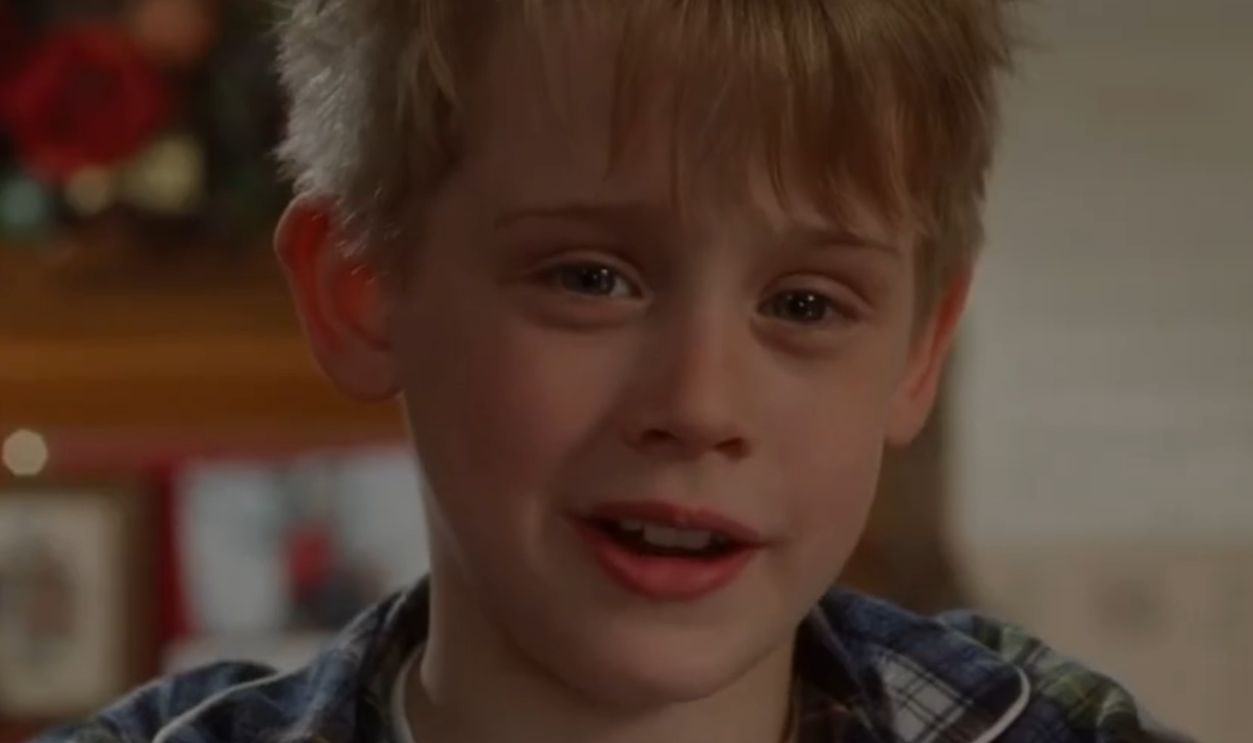 Screenshot from Home Alone, 20th Century Studios (1990)
Zootopia (2016)
In the middle of a serious investigation board sits a familiar image: “Sad Keanu,” reimagined as a wolf. It merges right in, never stopping the scene. Blink, and you miss it, but the joke lives comfortably in the background.
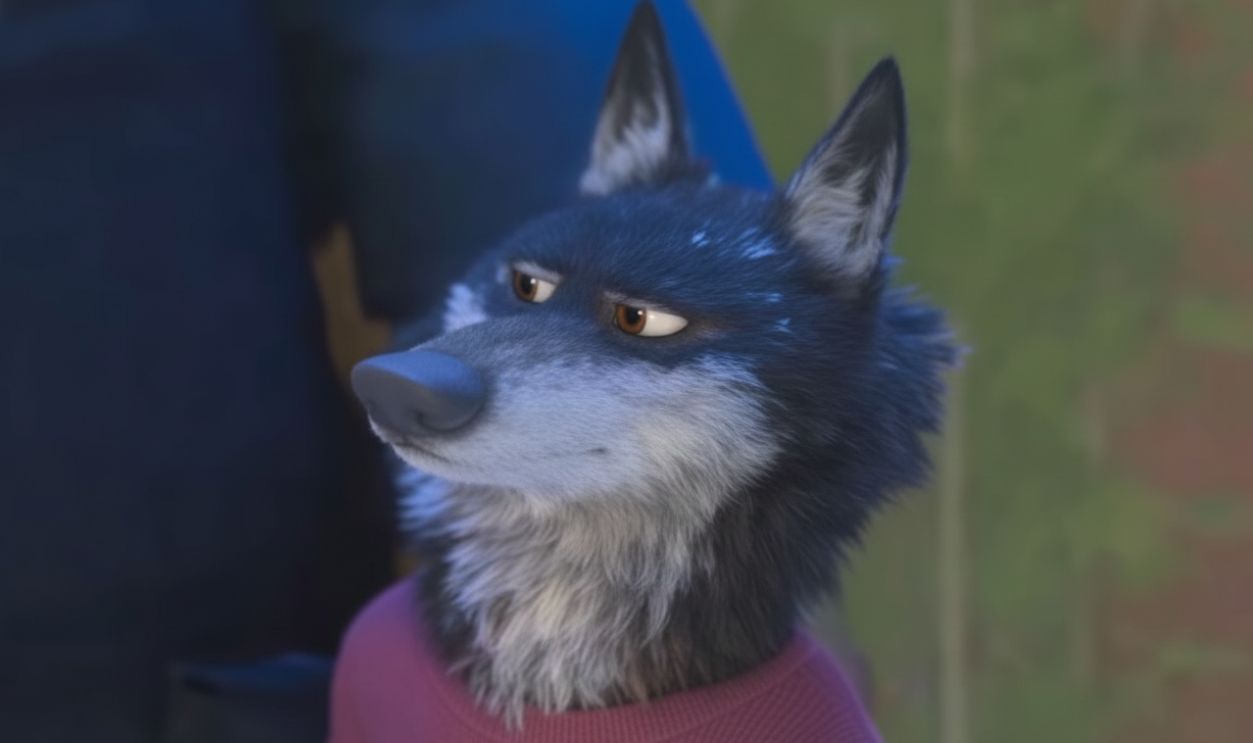 Screenshot from Zootopia, Walt Disney Studios Motion Pictures (2016)
The LEGO Movie (2014)
The helmet crack feels intentional because it is. It copies the natural wear of well-loved LEGO toys. Animators used that tiny detail to inject memory and realism, which makes Benny feel less like a character and more like a toy pulled from a childhood bin.
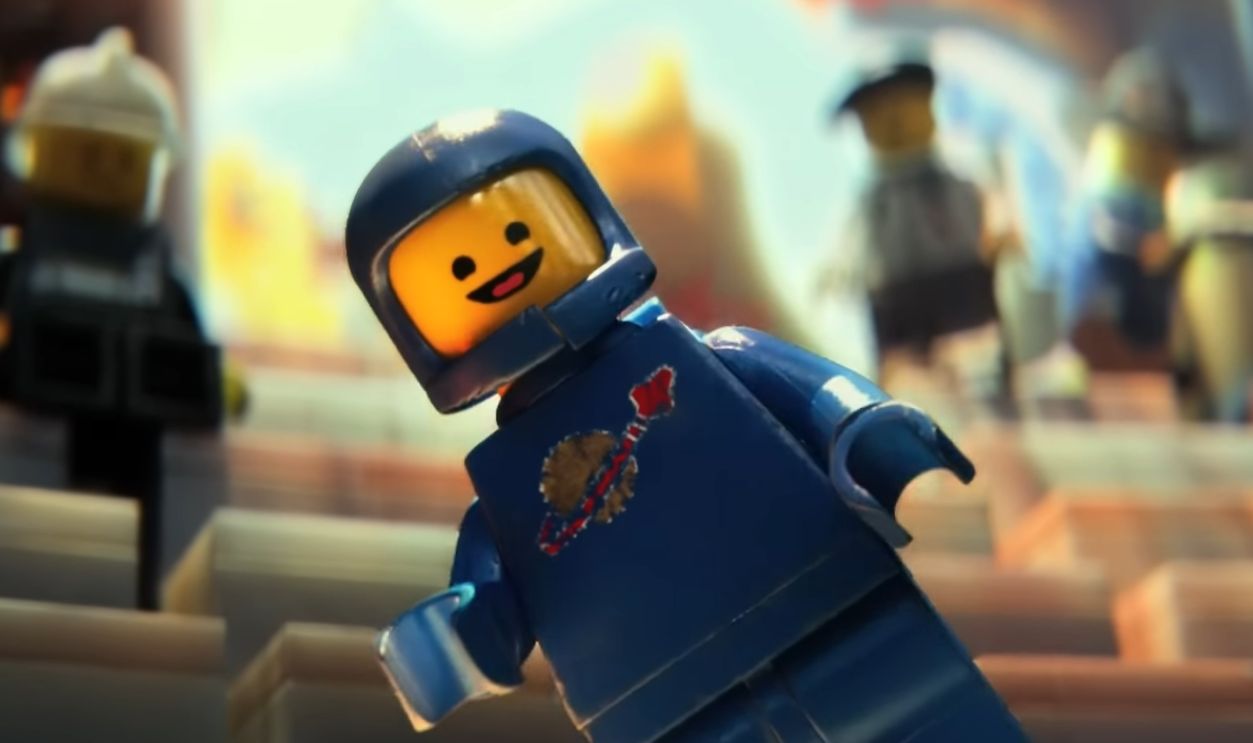 Screenshot from The LEGO Movie,Warner Bros. Pictures, (2014)
Forrest Gump (1994)
Watch closely during ping-pong matches. Forrest never blinks. Tom Hanks made the advice literal—keep your eye on the ball. The detail slips by unnoticed, yet perfectly captures why Forrest succeeds by taking the world exactly at face value.
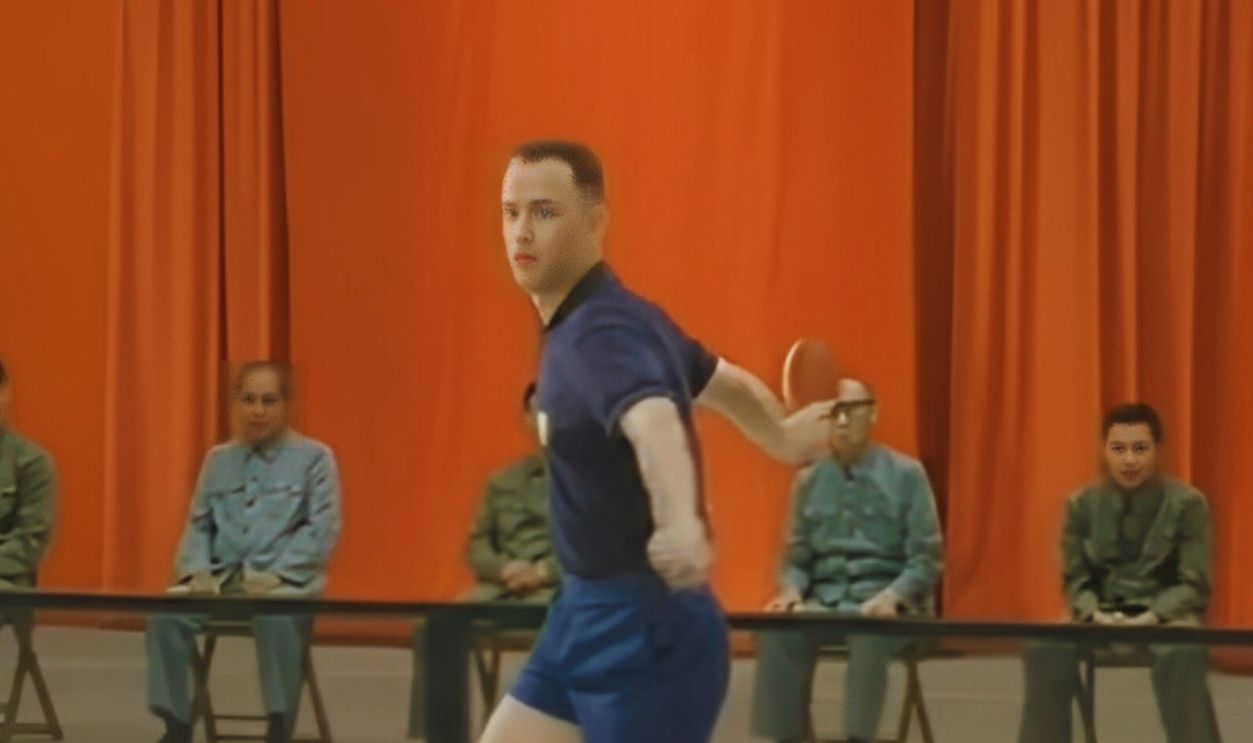 Screenshot from Forrest Gump, Paramount Pictures (1994)
Spider-Man: Into The Spider-Verse (2018)
When Miles gets shocked, his nervous system flashes, not a cartoon skeleton. It’s on-screen for seconds, but intentional. The film sneaks real anatomy into comic-book chaos, proving even wild animation can hide precision where you least expect it.
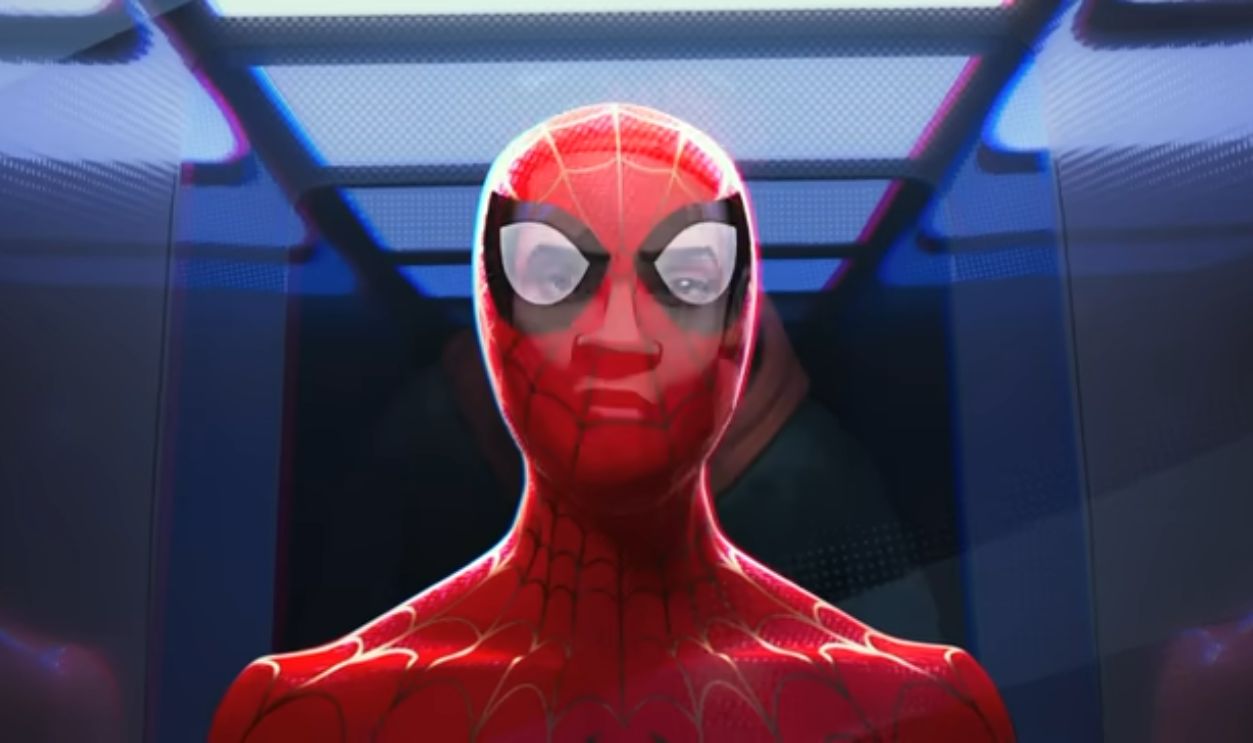 Screenshot from The Spider-Verse, Sony Pictures Releasing (2018)