The Quiet Center Of Taxi
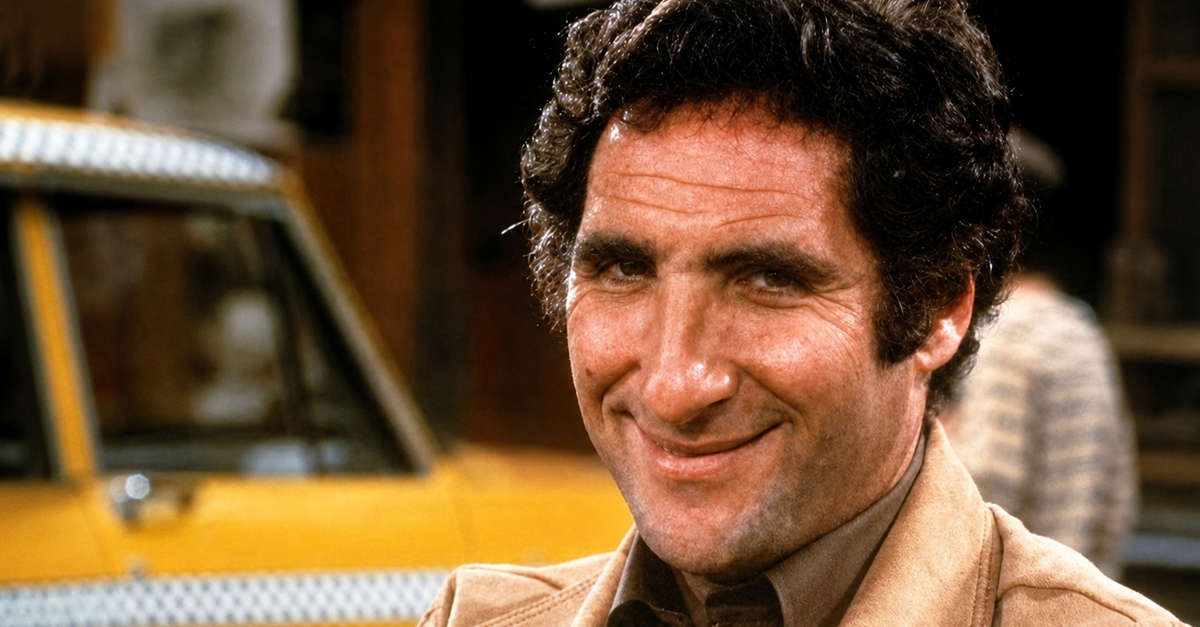
Taxi was packed with scene-stealers, but Judd Hirsch gave the show its heart. As Alex Rieger, he grounded the Sunshine Cab Company’s chaos in real friendships, disappointments, and stubborn dreams. That honesty carried Hirsch from sitcom fame to an extraordinary career across television, film, and Broadway.
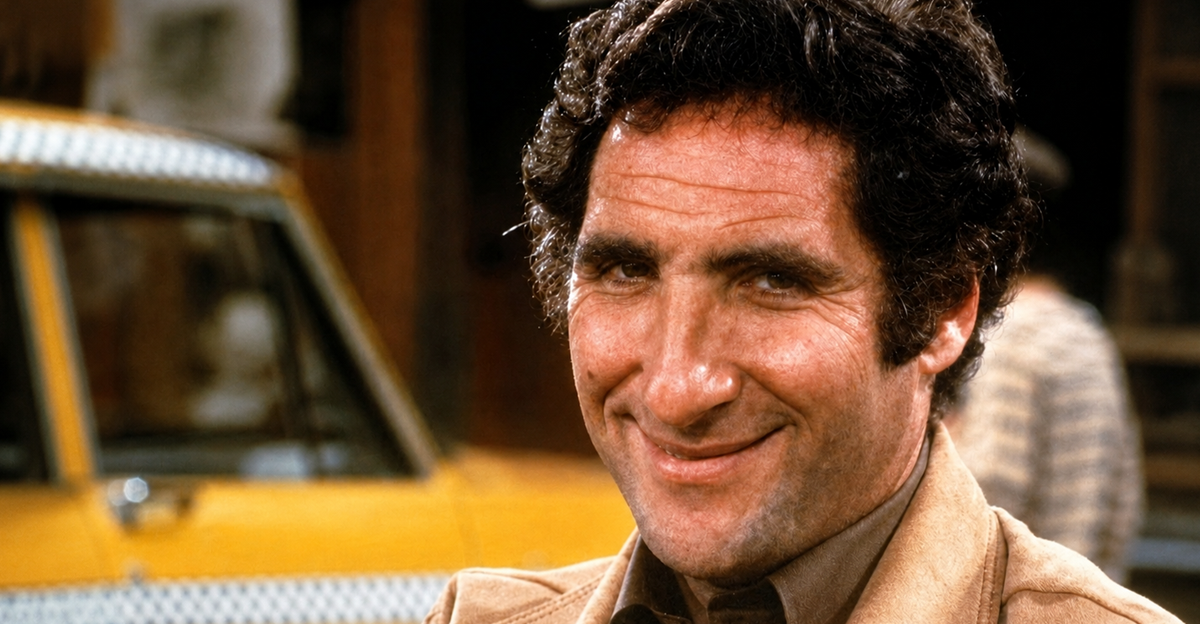 Screenshot from Taxi, Paramount Television (1978–1983)
A Bronx Childhood Shaped Him
Hirsch was born in the Bronx on March 15, 1935, and spent much of his childhood in working-class New York neighborhoods. His father was an electrician, and young Judd helped with superintendent duties at one apartment building. The streets could feel dangerous, but games of stoopball, movie theaters, and neighborhood personalities gave him a vivid education in human behavior.

A Speech Class Changed The Plan
Acting did not begin as Hirsch’s obvious destination. At City College, a speech instructor showed him that the meaning of a sentence could change through emphasis, rhythm, and delivery. Hirsch later remembered being thrilled by the realization that language could communicate far more than the words alone.

Science Came Before Show Business
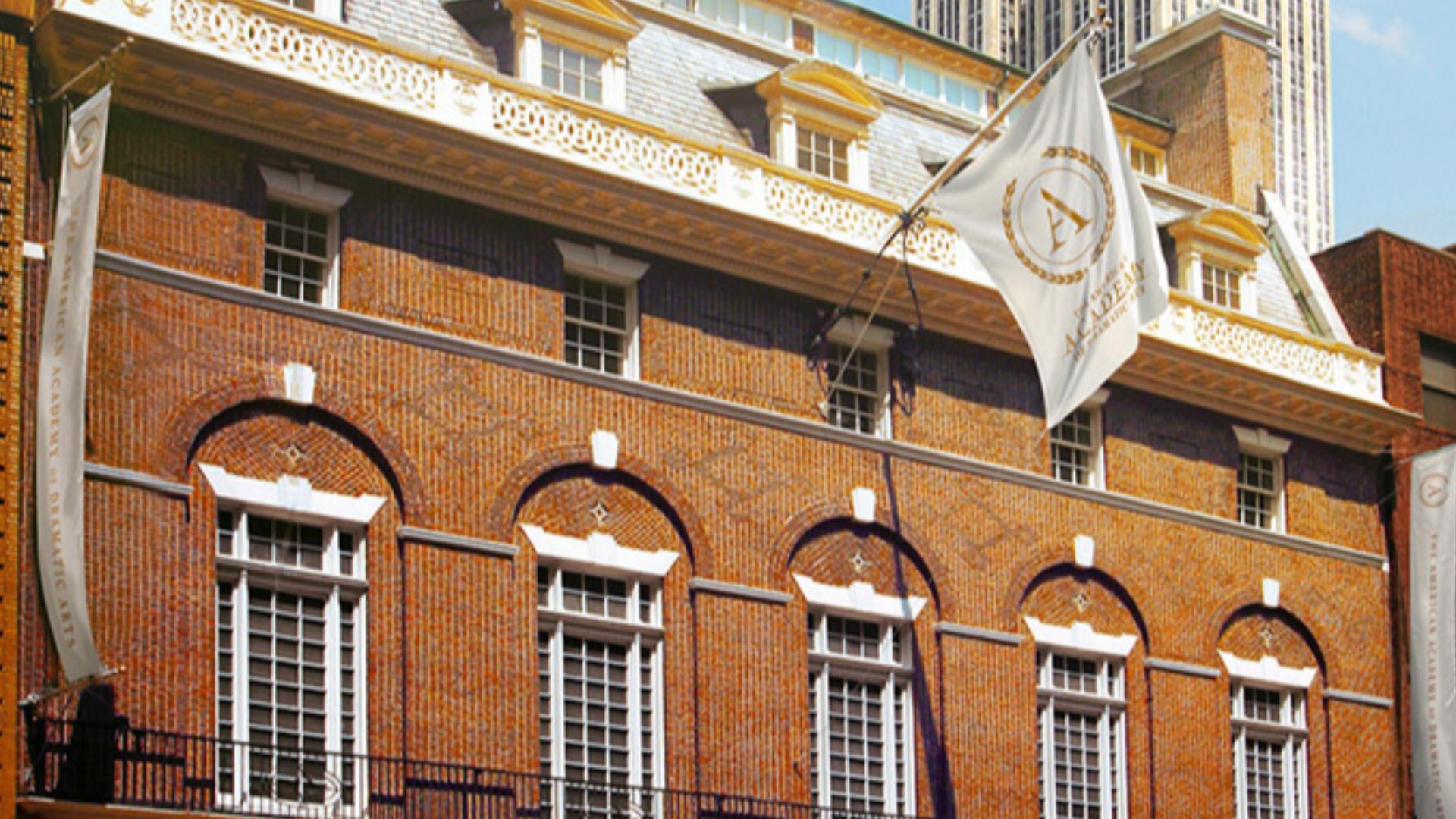
Hirsch majored in engineering and physics at City College before serving in the United States Army. He later worked as a junior engineer at Westinghouse while pursuing acting in New York. His technical career did not last, but he graduated from the American Academy of Dramatic Arts in 1962 and committed himself to performing.
The Stage Built His Foundation
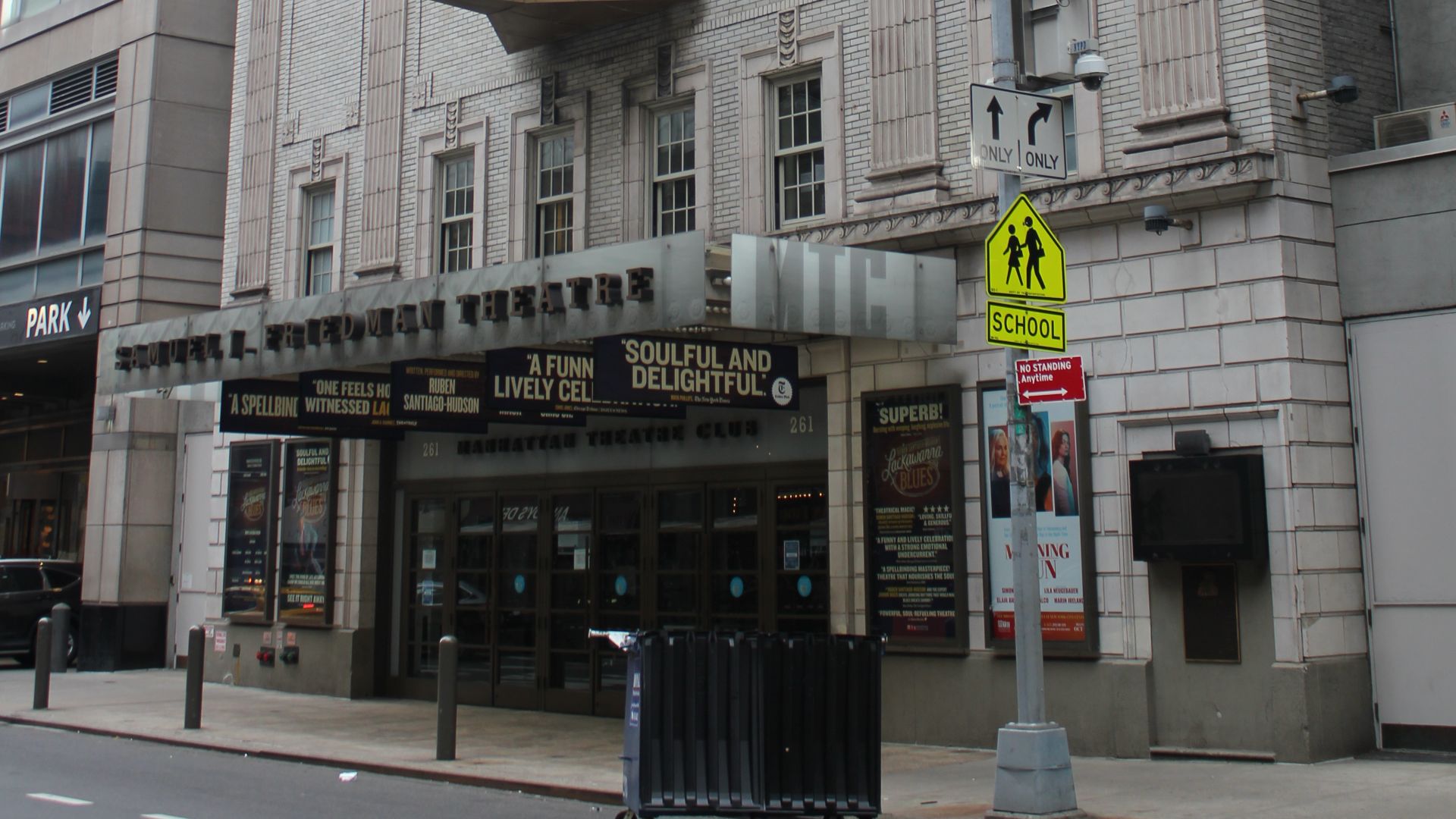
Hirsch spent years developing his craft in New York theater before television audiences knew his name. He made his Broadway debut as a replacement performer in Neil Simon’s Barefoot In The Park and later appeared in productions including The Hot L Baltimore and Knock Knock. By 1977, he was starring in Simon’s Chapter Two and earning serious attention as a leading stage actor.
Television Finally Found Him
One of Hirsch’s first substantial screen roles came in the 1974 television movie The Law, which introduced him as attorney Murray Stone. He followed it with the crime drama Delvecchio, playing a Los Angeles police sergeant during the show’s single season. A guest appearance on Rhoda then earned him his first acting nomination from the Television Academy.
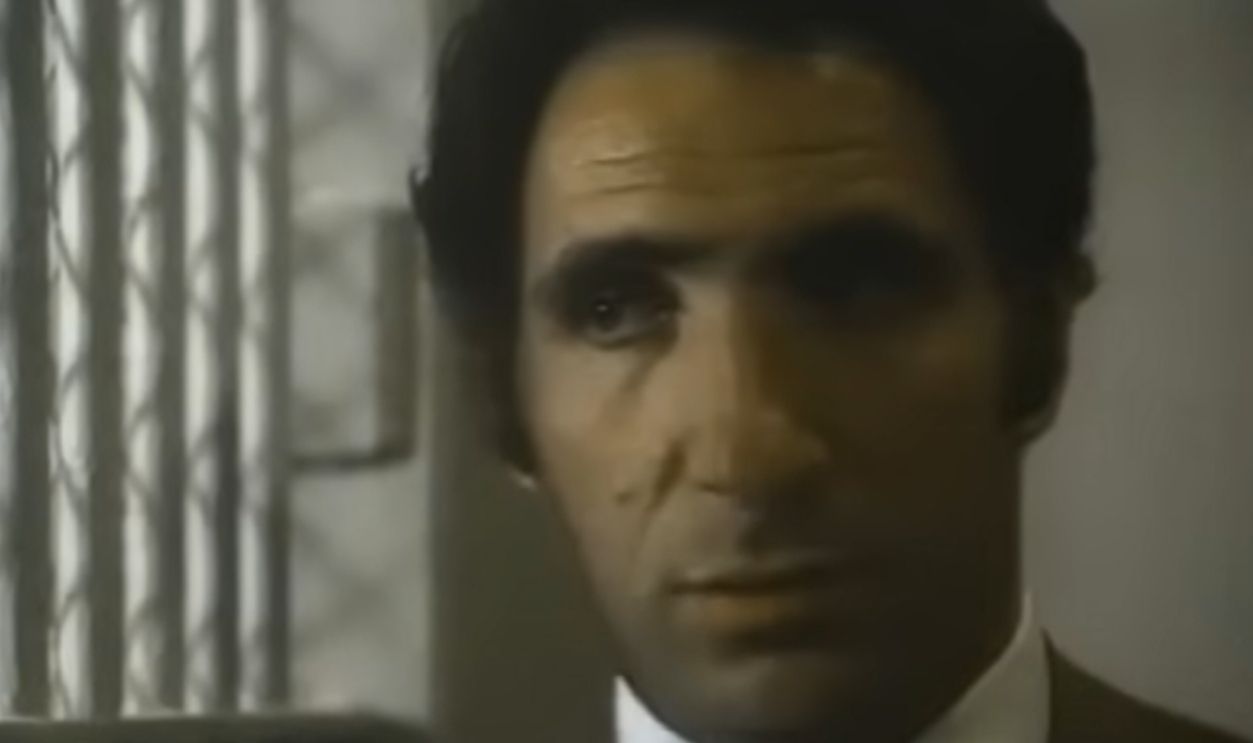 Screenshot from The Law, NBC (1974)
Taxi Did Not Sound Promising
When Hirsch’s agent first described a sitcom about taxi drivers, the actor thought the idea sounded painfully dull. He told the agent to demand an offer the producers would never accept, but they accepted it anyway. Hirsch was even uncomfortable when he discovered that his name would appear prominently above the title, yet Taxi soon made him a television star.
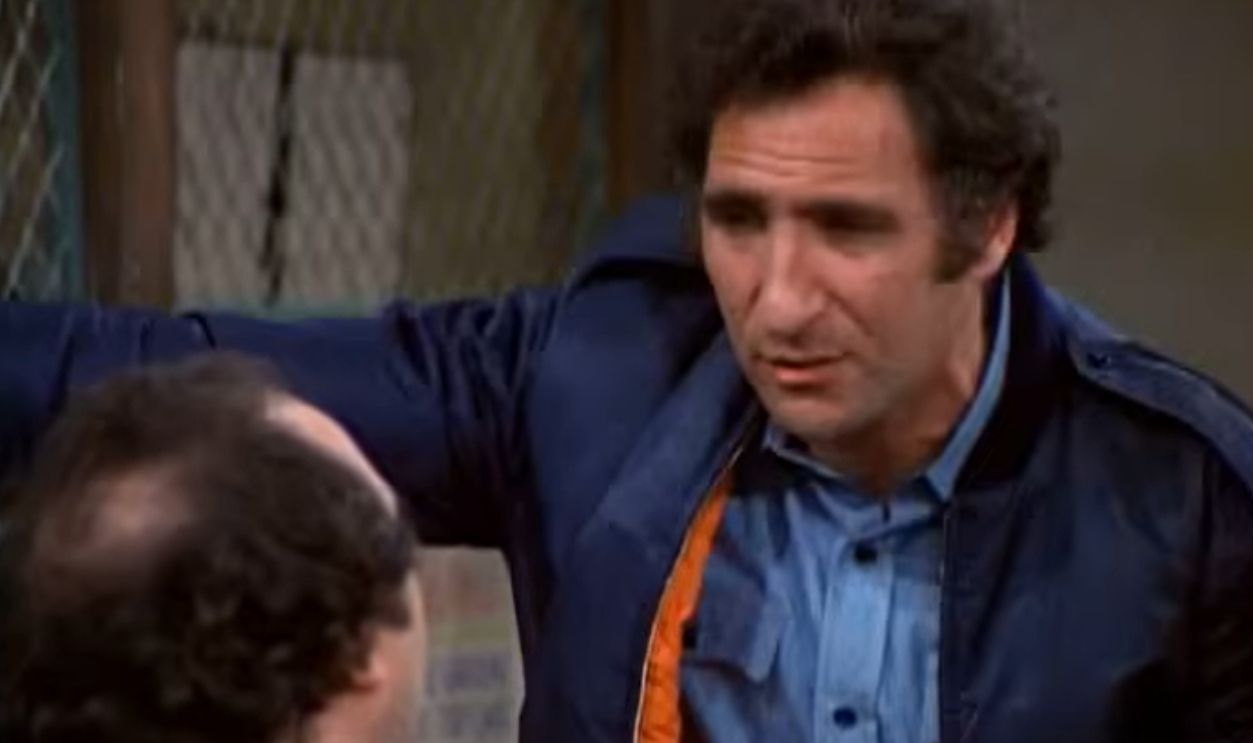 Screenshot from Taxi, Paramount Television (1978-1983)
Alex Rieger Came From Real Life
The writers originally gave Hirsch’s character the name Alex Taylor. Hirsch disliked the surname and suggested Rieger, borrowing it from Stanley Rieger, a junior-high friend with whom he had delivered funny school announcements. That small change gave the character a private connection to Hirsch’s Bronx childhood before filming had even begun.
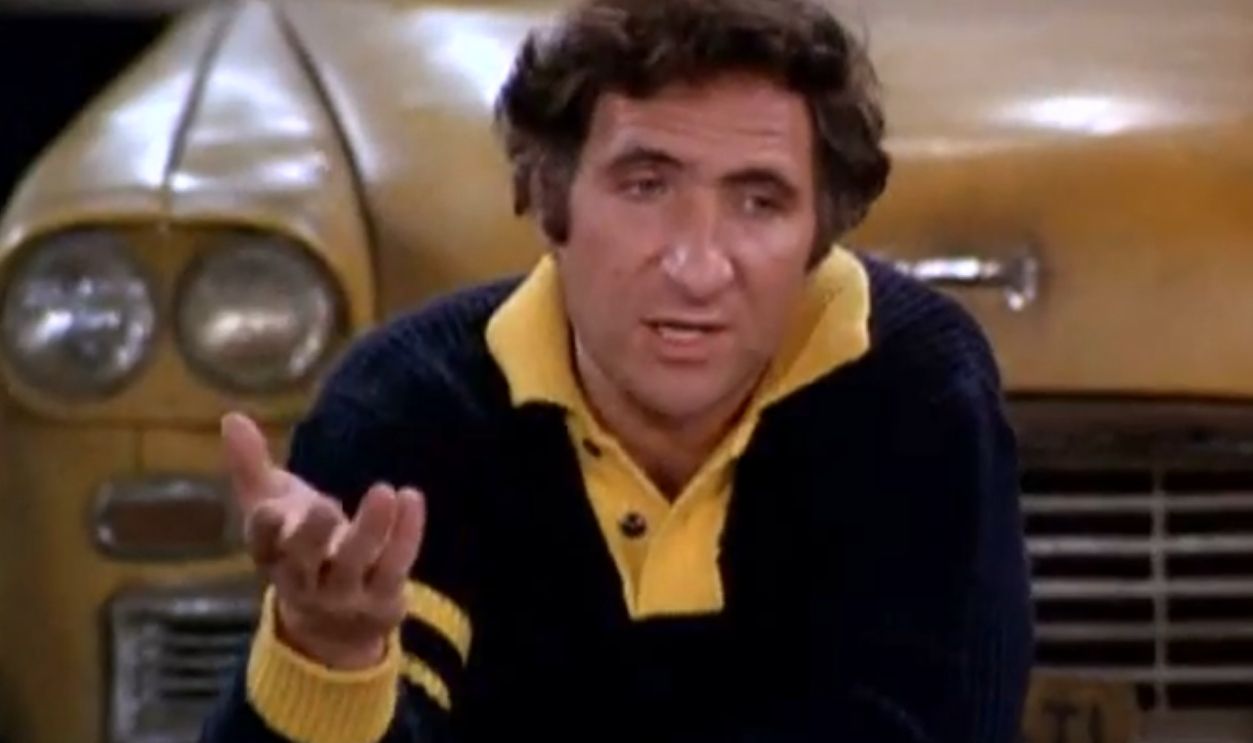 Screenshot from Taxi, Paramount Television (1978-1983)
The Garage Felt Lived In
Taxi centered on workers at New York’s fictional Sunshine Cab Company, many of whom viewed driving as a temporary job while chasing other ambitions. Bobby wanted to act, Tony boxed, Elaine worked at an art gallery, and Louie tormented nearly everyone from his dispatch cage. Alex stood apart because he had largely accepted driving as his profession, giving the workplace a practical adult among the dreamers.
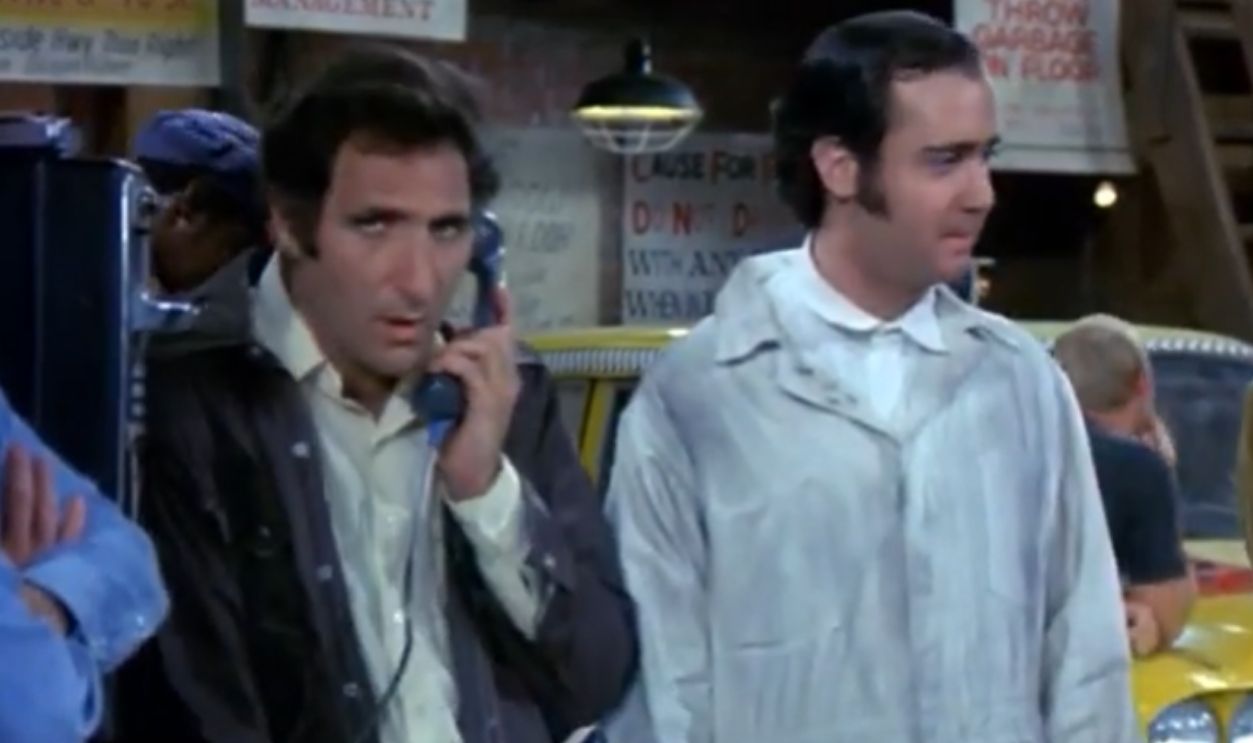 Screenshot from Taxi, Paramount Television (1978-1983)
Alex Held The Chaos Together
Hirsch described Alex as the man who solved problems, while Danny DeVito’s Louie De Palma created them. Writer Ken Estin believed the show could have become a collection of disconnected jokes without Hirsch providing emotional weight. Alex could be sarcastic and impatient, but his concern for the others made him the group’s trusted center.
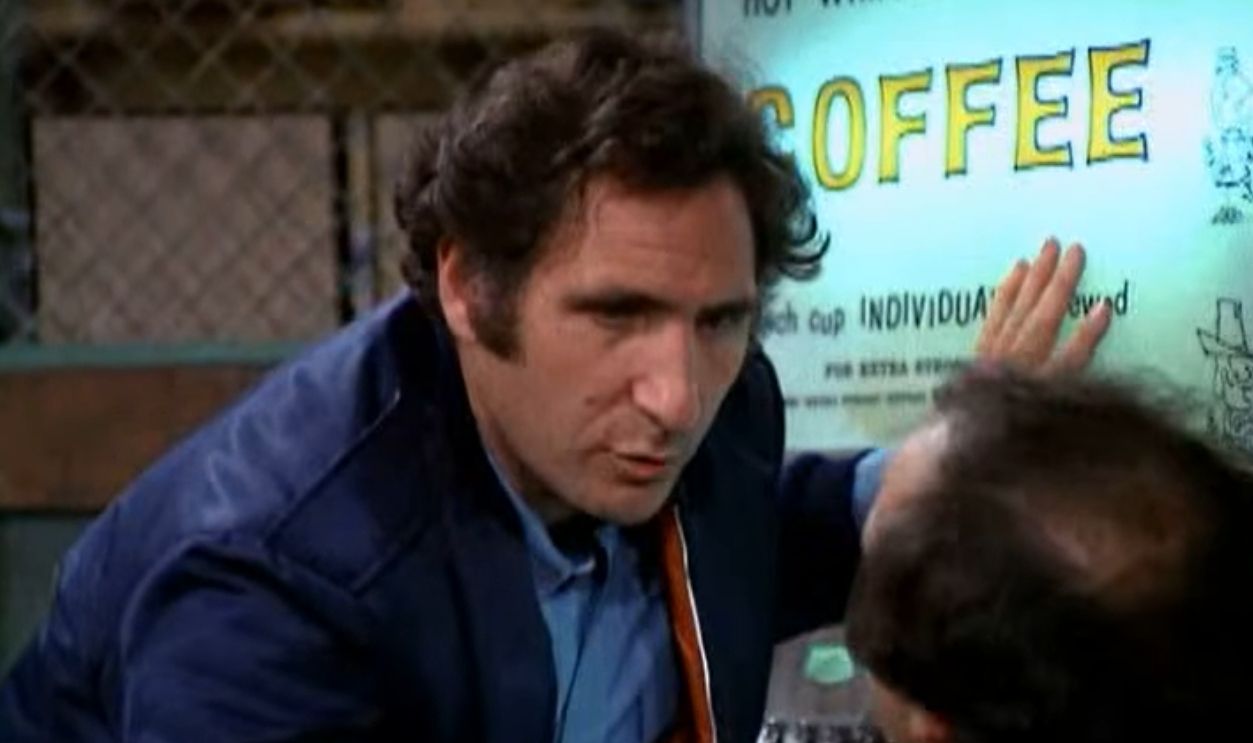 Screenshot from Taxi, Paramount Television (1978-1983)
Hirsch Played Emotion, Not Punchlines
Hirsch learned an important lesson from acting teacher William Hickey, who emphasized creating the atmosphere in which honest behavior could happen. Hirsch carried that approach into comedy by searching for what he called the real scene beneath the jokes. Director James Burrows later observed that Hirsch worked from emotion instead of simply delivering punchlines.
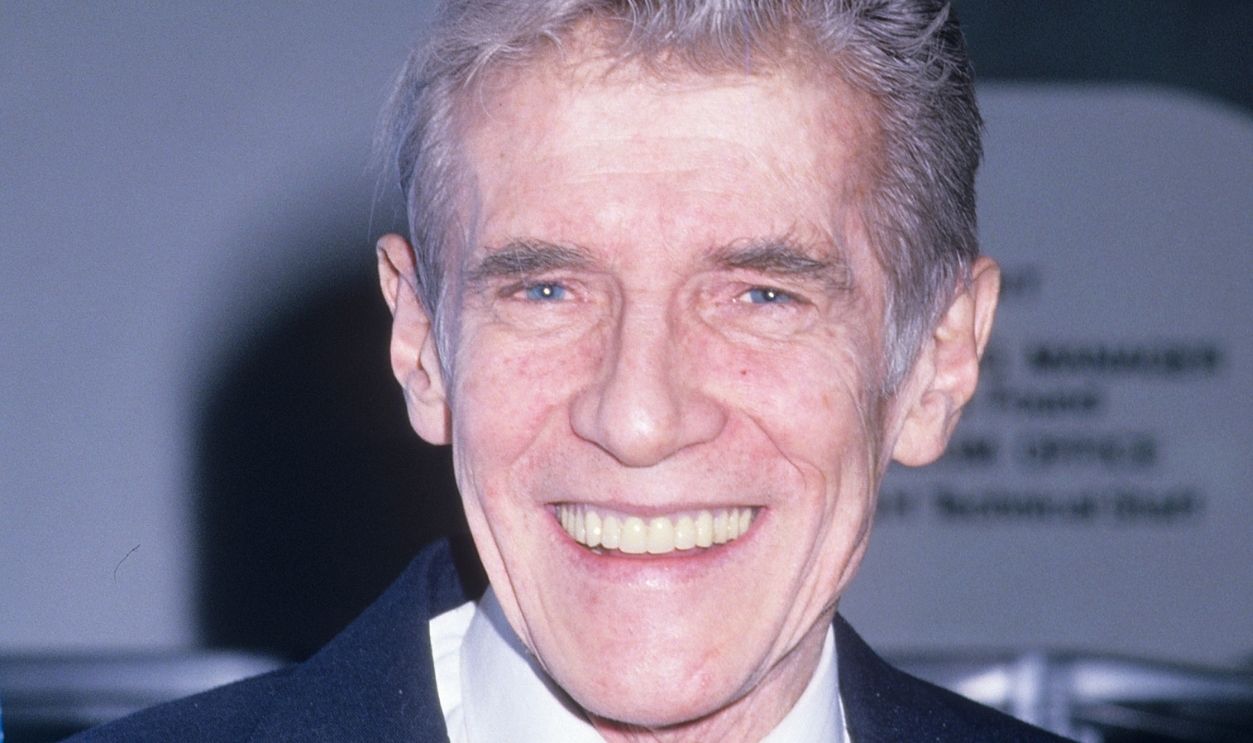
His Reactions Became Essential
Hirsch’s value extended beyond the dialogue written for Alex. One Taxi director was advised to keep a camera on him because editors frequently relied on his reactions to shape scenes. Hirsch remained so attentive to the other performers that a glance or irritated pause could connect two moments and make the entire exchange feel spontaneous.
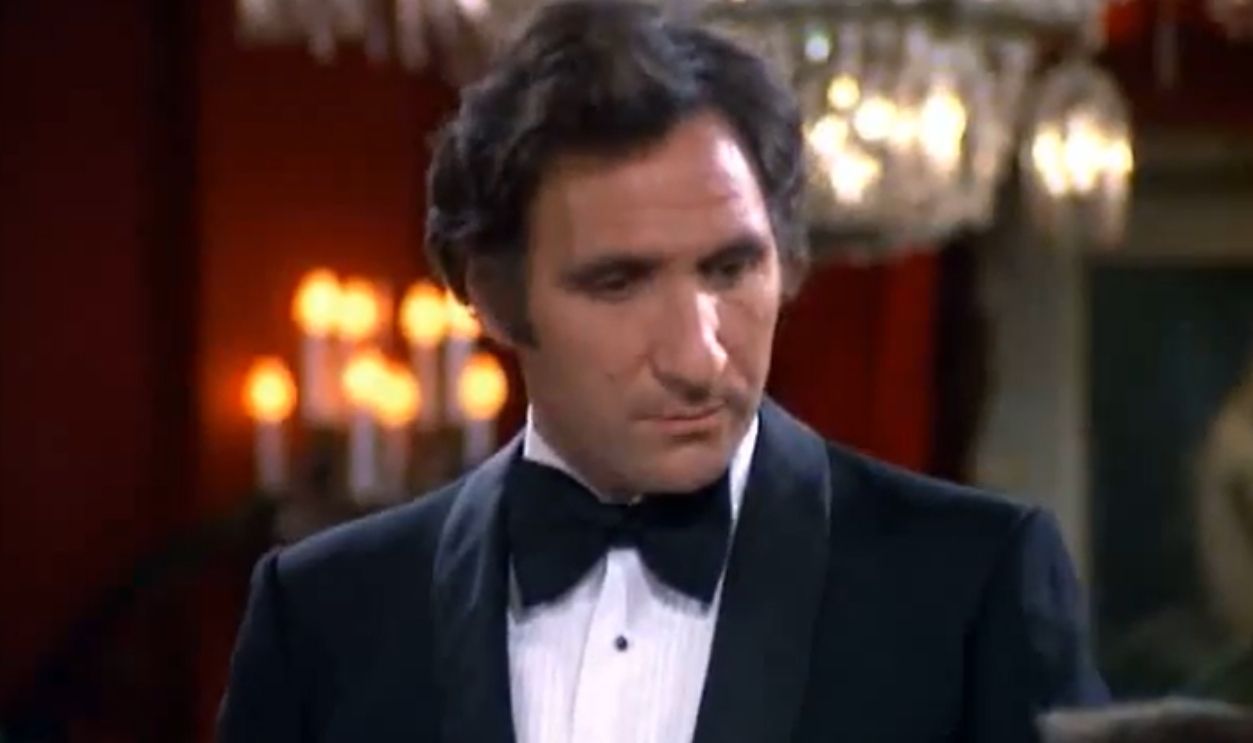 Screenshot from Taxi, Paramount Television (1978-1983)
The Ensemble Learned To Trust One Another
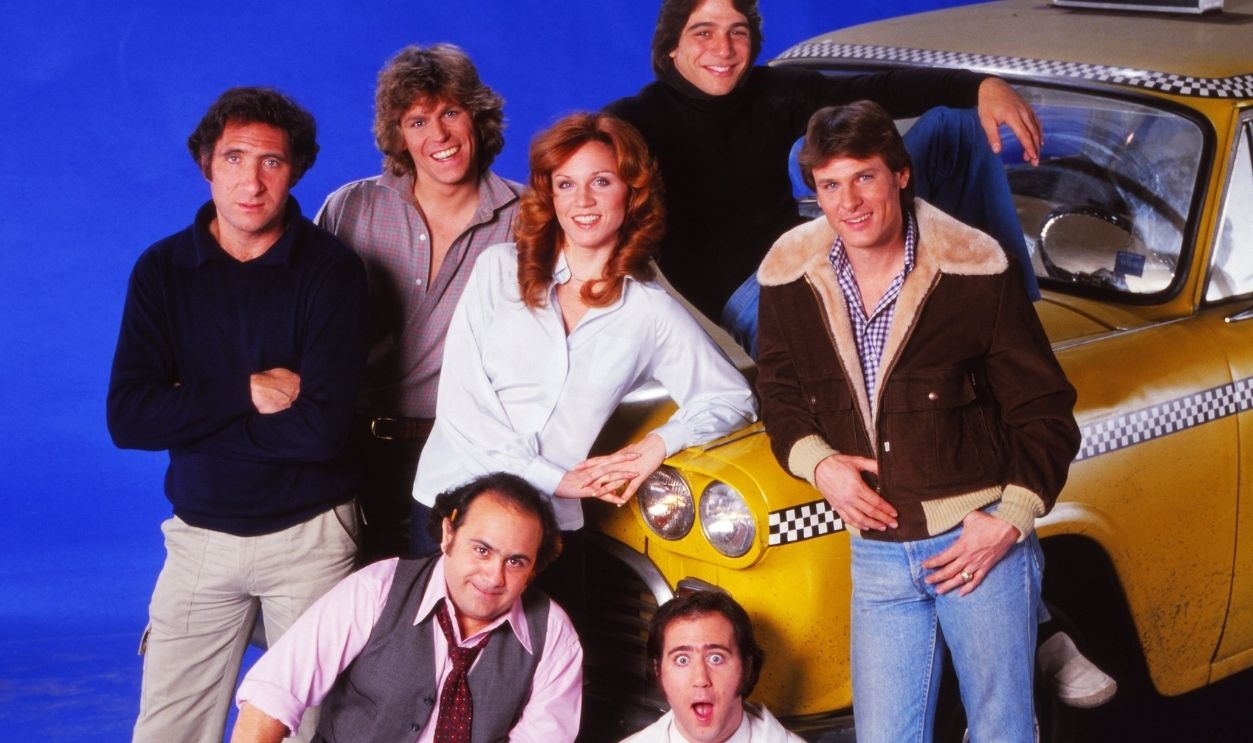
The cast placed Hirsch beside radically different performers, including DeVito, Andy Kaufman, Marilu Henner, Tony Danza, Christopher Lloyd, and Jeff Conaway. Burrows remembered that building unity was difficult because the characters initially seemed so disconnected from one another. As the ensemble developed trust, Alex became the believable link between its wildest personalities.
The Comedy Allowed Real Sadness
Taxi did not insist that every problem disappear before the closing credits. Carol Kane remembered that the writers could let Alex lose his dog without immediately giving him an adorable replacement. The show’s willingness to leave characters disappointed or uncertain gave Hirsch opportunities to move naturally between dry comedy and genuine sadness.
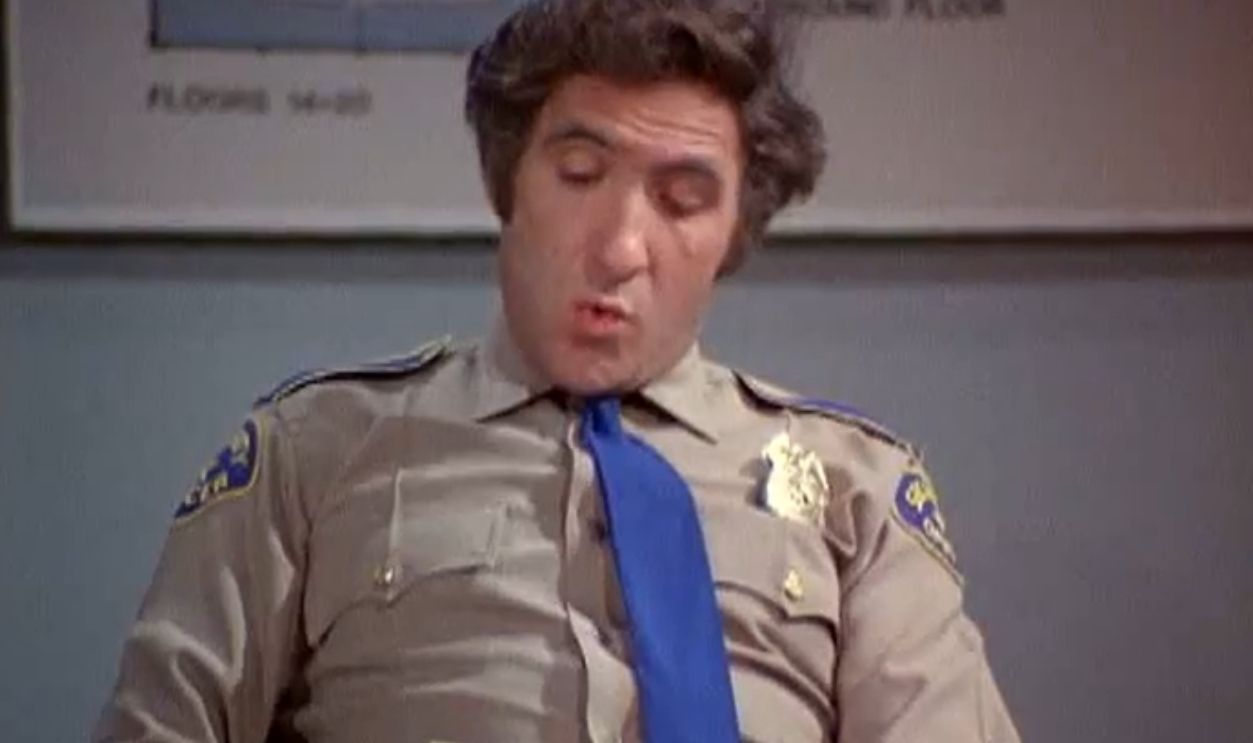 Screenshot from Taxi, Paramount Television (1978-1983)
Awards Confirmed The Impact
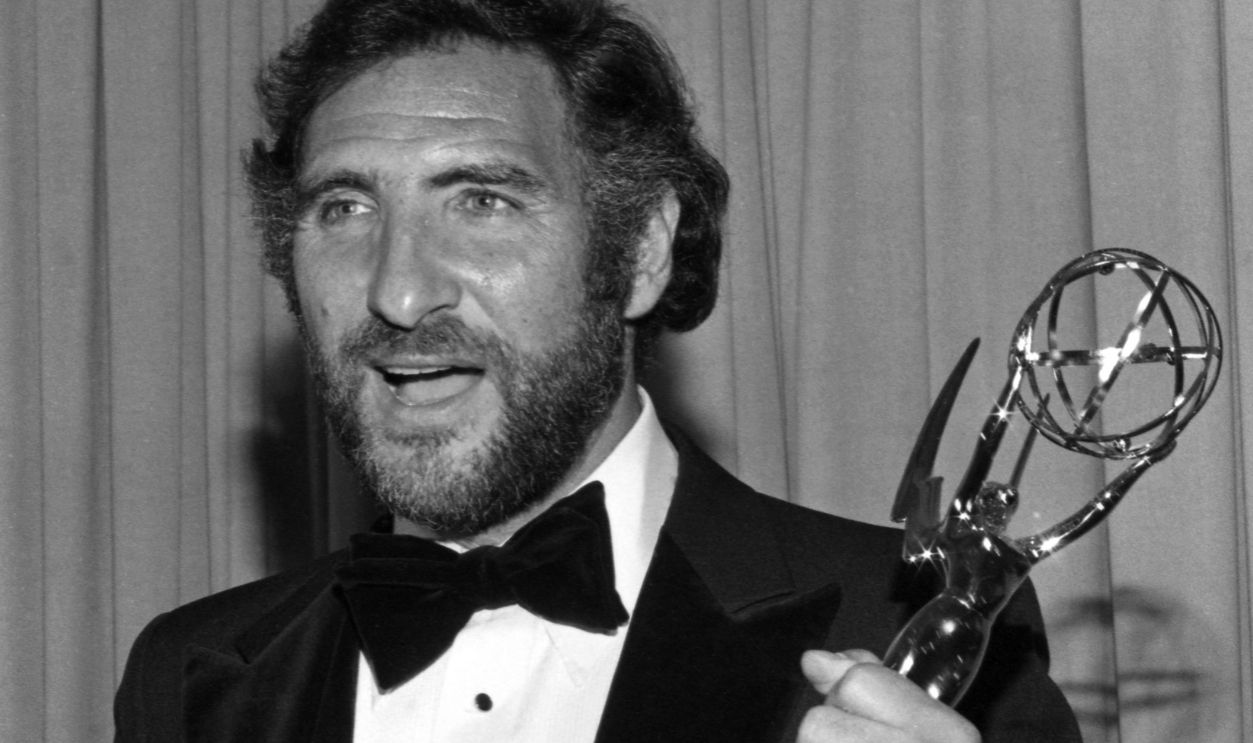
Across five seasons, Taxi received 34 Emmy nominations and won 18, including three awards for Outstanding Comedy Series. Hirsch was nominated for his portrayal of Alex every year of the show’s run. He won Outstanding Lead Actor in a Comedy Series in 1981 and again in 1983, confirming how essential his restrained performance had become.
Ordinary People Changed The Conversation
While Taxi was still airing, Hirsch played psychiatrist Tyrone Berger in Robert Redford’s 1980 drama Ordinary People. His direct, unconventional therapist gradually reaches a teenager struggling with grief and guilt after a family tragedy. The film won Best Picture, while Hirsch received his first Academy Award nomination for Best Supporting Actor.
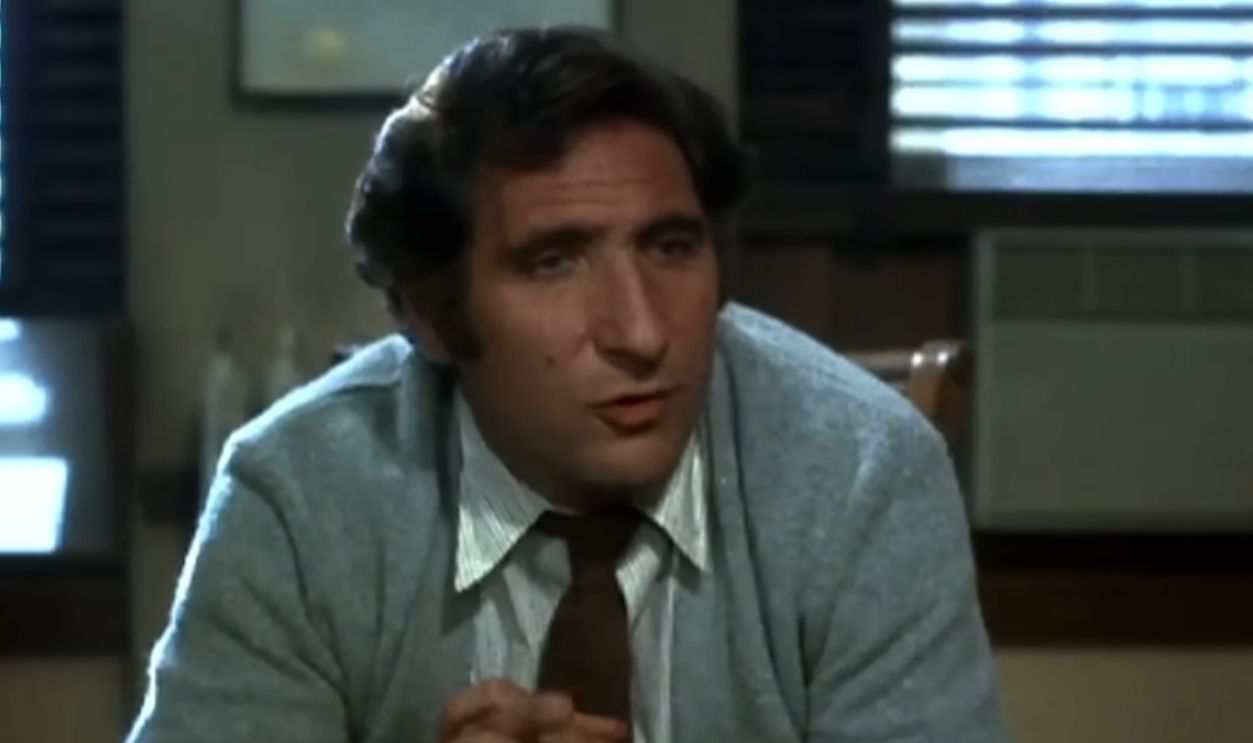 Screenshot from Ordinary People, Paramount Pictures (1980)
Taxi Survived One Cancellation
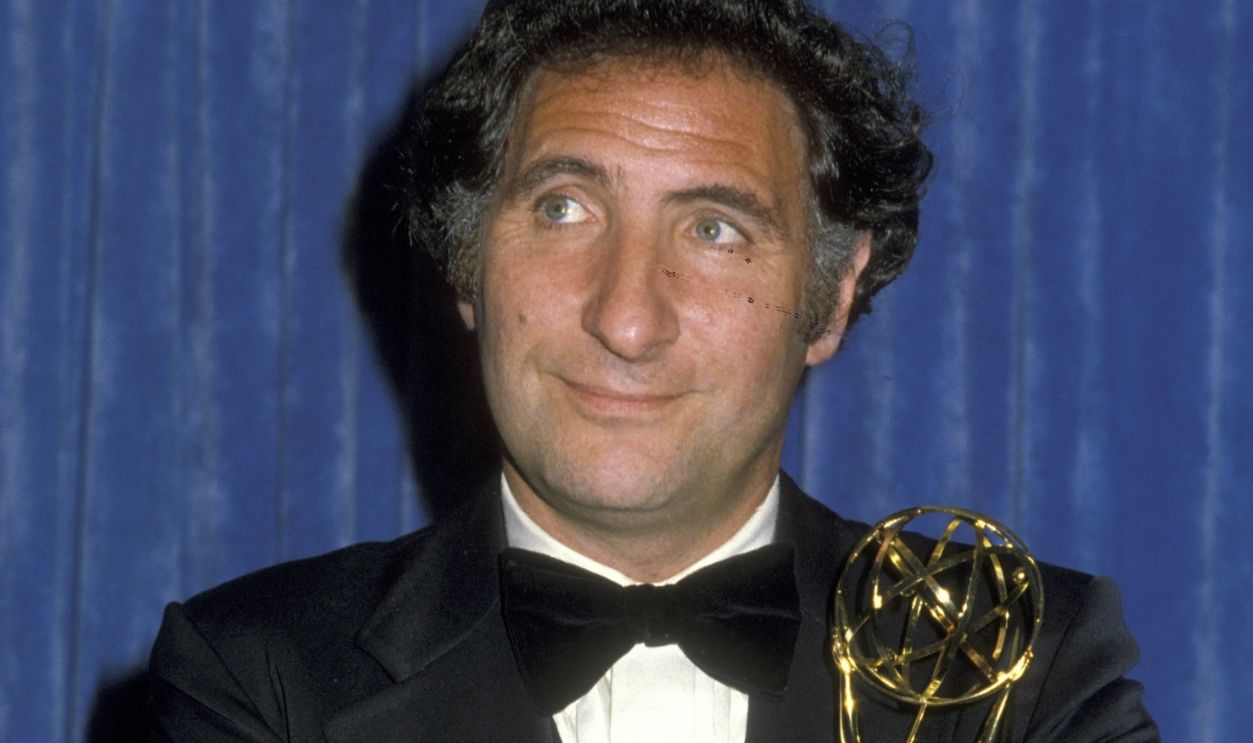
Strong reviews and Emmy wins could not protect Taxi when its ratings declined after ABC changed its time slot. ABC canceled the sitcom after four seasons, but NBC rescued it and ordered another full year. The reprieve became the final season, and Hirsch collected his second Emmy after the show had moved to its new network.
 Ron Galella, Ltd, Getty Images
The Final Fare Did Not End The Bond
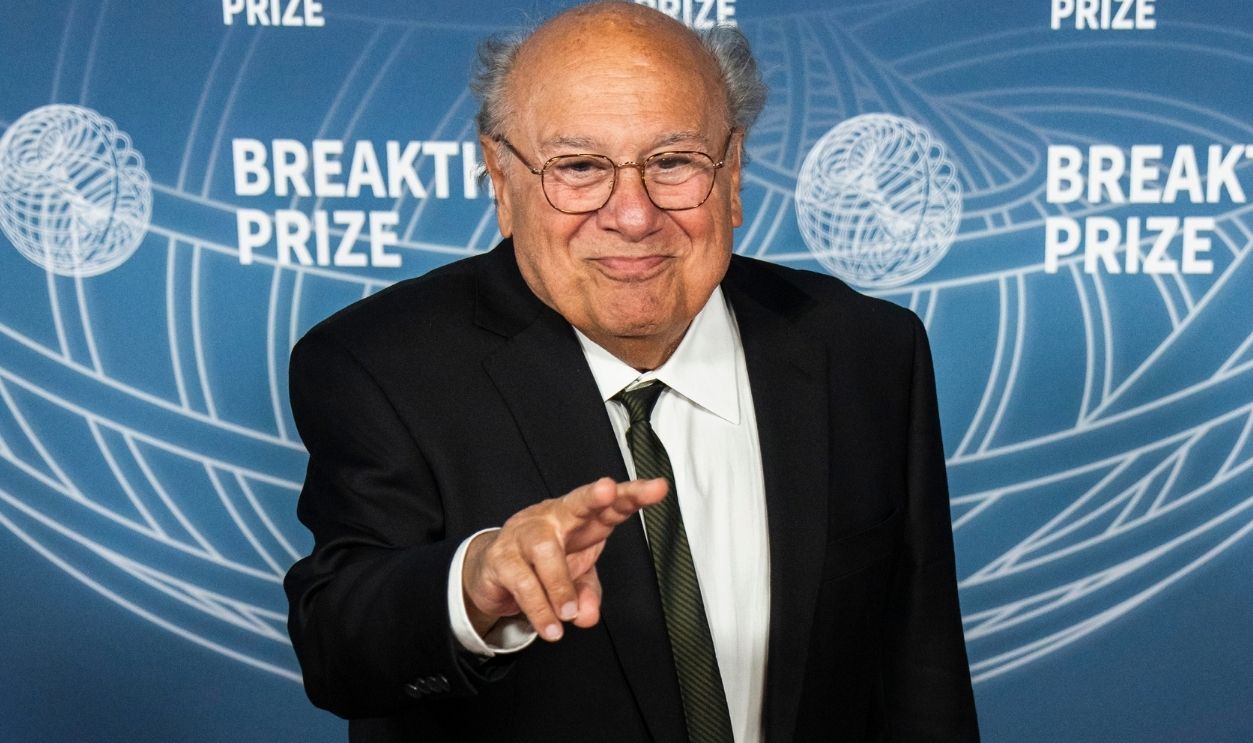
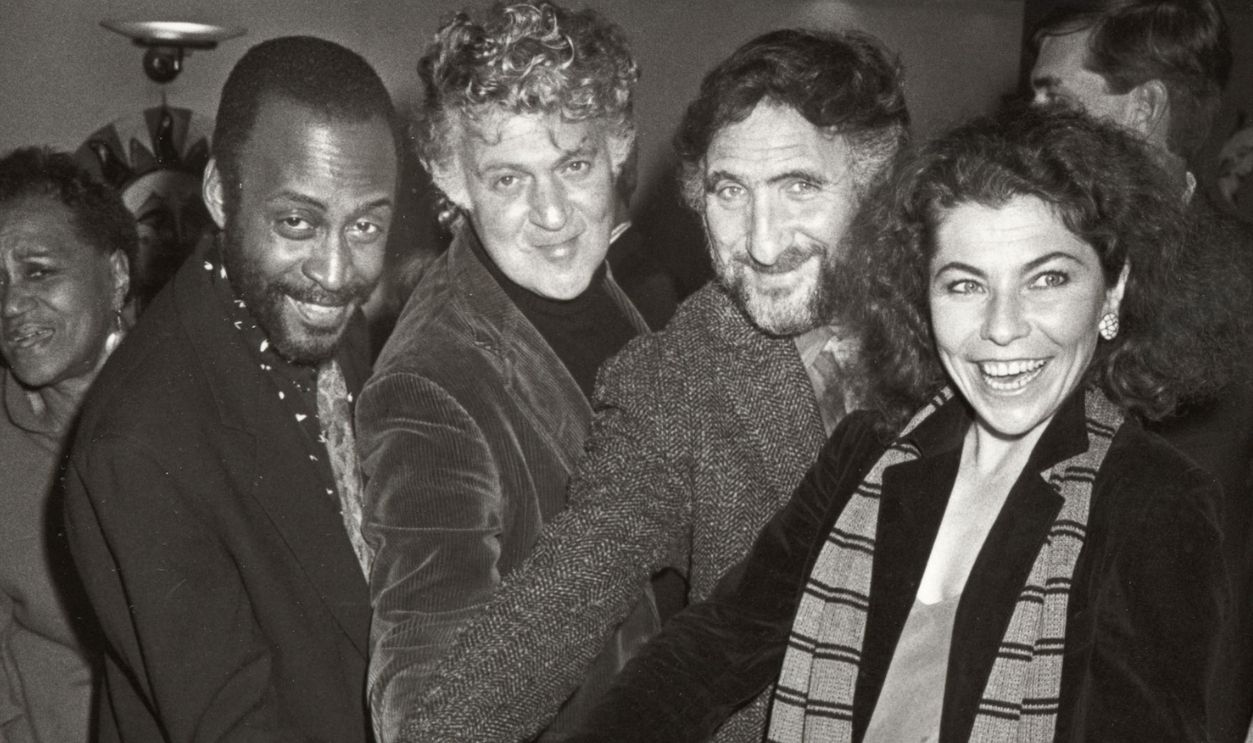
Although Taxi ended in 1983, its cast developed friendships that lasted far longer than the series. Hirsch, Henner, Danza, Lloyd, Kane, DeVito, and creator James L. Brooks reunited publicly in 2025 when DeVito received a theater award. Their continued closeness reflected the camaraderie viewers had sensed inside the Sunshine garage.
 Craig T Fruchtman, Getty Images
Broadway Gave Him Another Peak
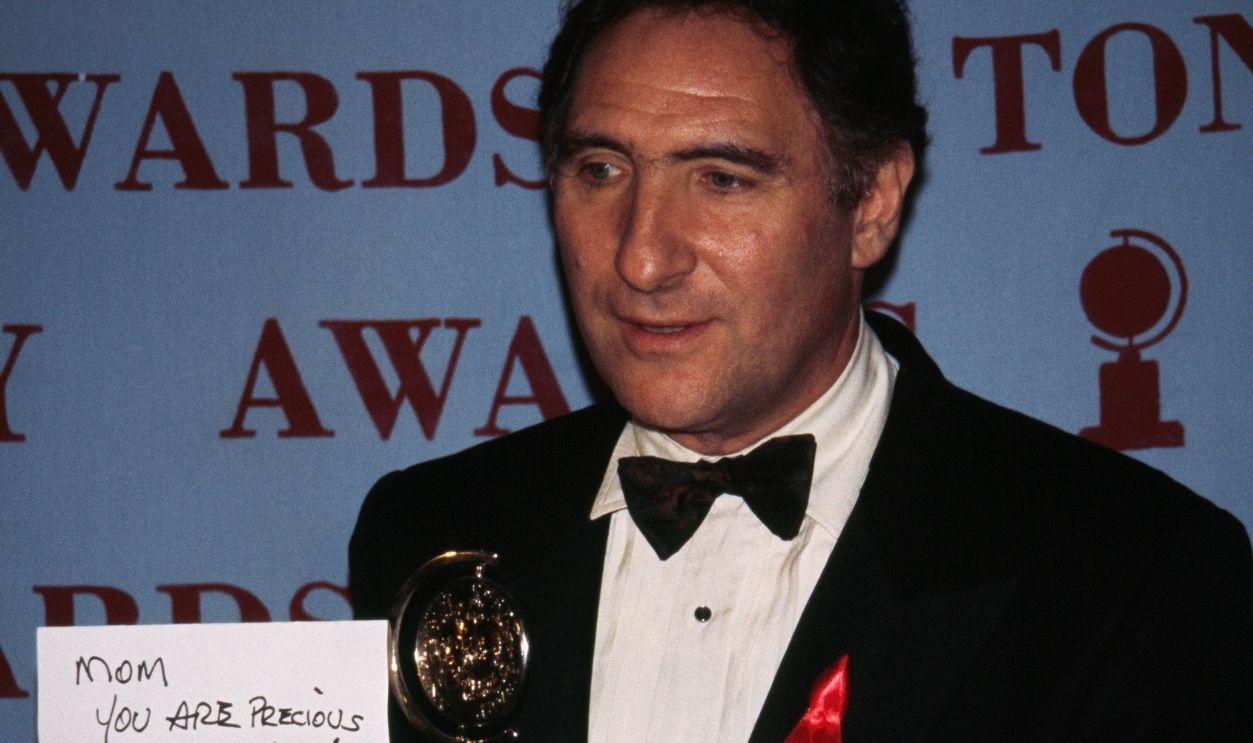
Hirsch returned to Broadway in Herb Gardner’s I’m Not Rappaport, playing the elderly and fiercely argumentative Nat opposite Cleavon Little. The original production opened in 1985 and ran for more than two years. Hirsch won the 1986 Tony Award for Best Actor in a Play, proving that television success had not weakened his stage instincts.
Dear John Proved Taxi Was No Fluke
Hirsch returned to weekly comedy in 1988 as John Lacey, a teacher whose wife leaves him for his best friend. Dear John followed its newly single hero into a support group filled with its own collection of unusual personalities. The series lasted four seasons, and Hirsch won the 1989 Golden Globe for Best Actor in a Television Comedy or Musical.
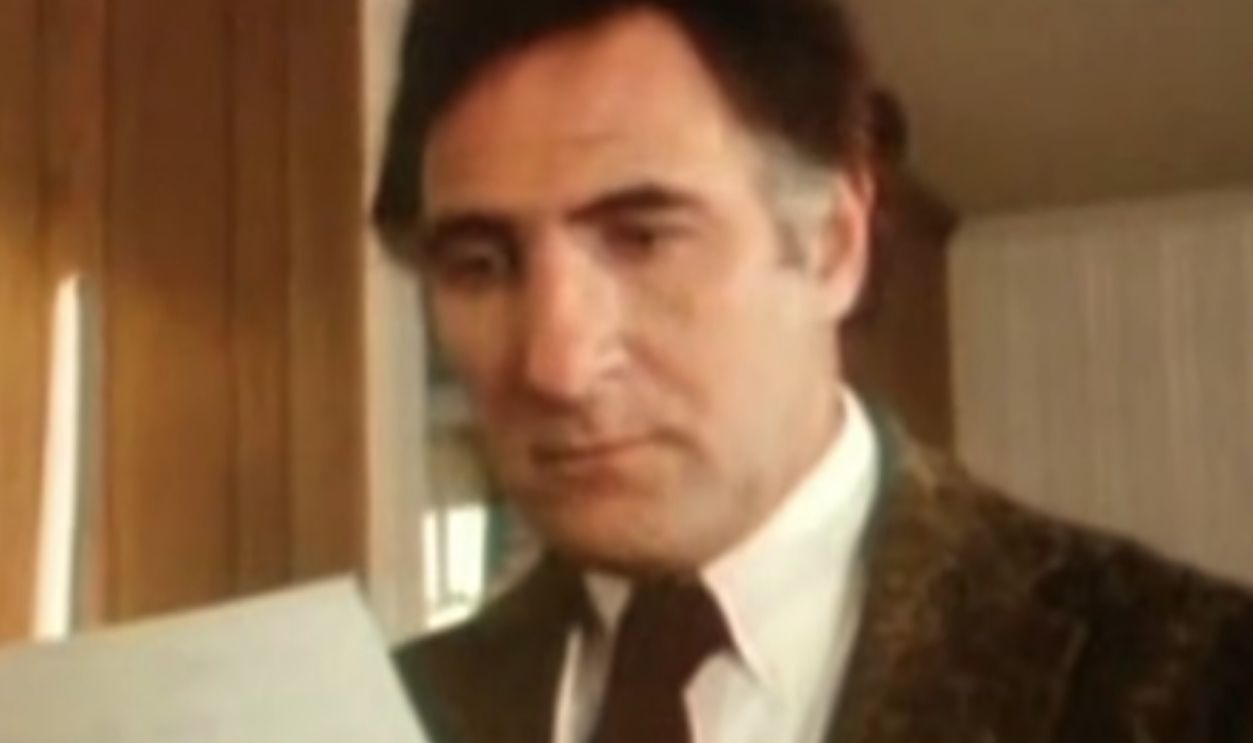 Screenshot from Dear John, Paramount Television (1988-1992)
Conversations Brought A Second Tony
In 1992, Hirsch starred as the difficult immigrant father Eddie in Gardner’s Conversations With My Father. The emotionally demanding family drama paired him with 13-year-old newcomer David Krumholtz, who played one of his sons. Hirsch won his second Tony, while Krumholtz later credited his experienced co-star with teaching him how to behave like a professional actor.
Films Kept Calling
Hirsch continued building memorable supporting characters between his television and theater commitments. He played the father of a family living underground in Sidney Lumet’s Running On Empty and brought comic warmth to the blockbuster Independence Day. He later appeared as a Princeton professor in the Best Picture winner A Beautiful Mind.
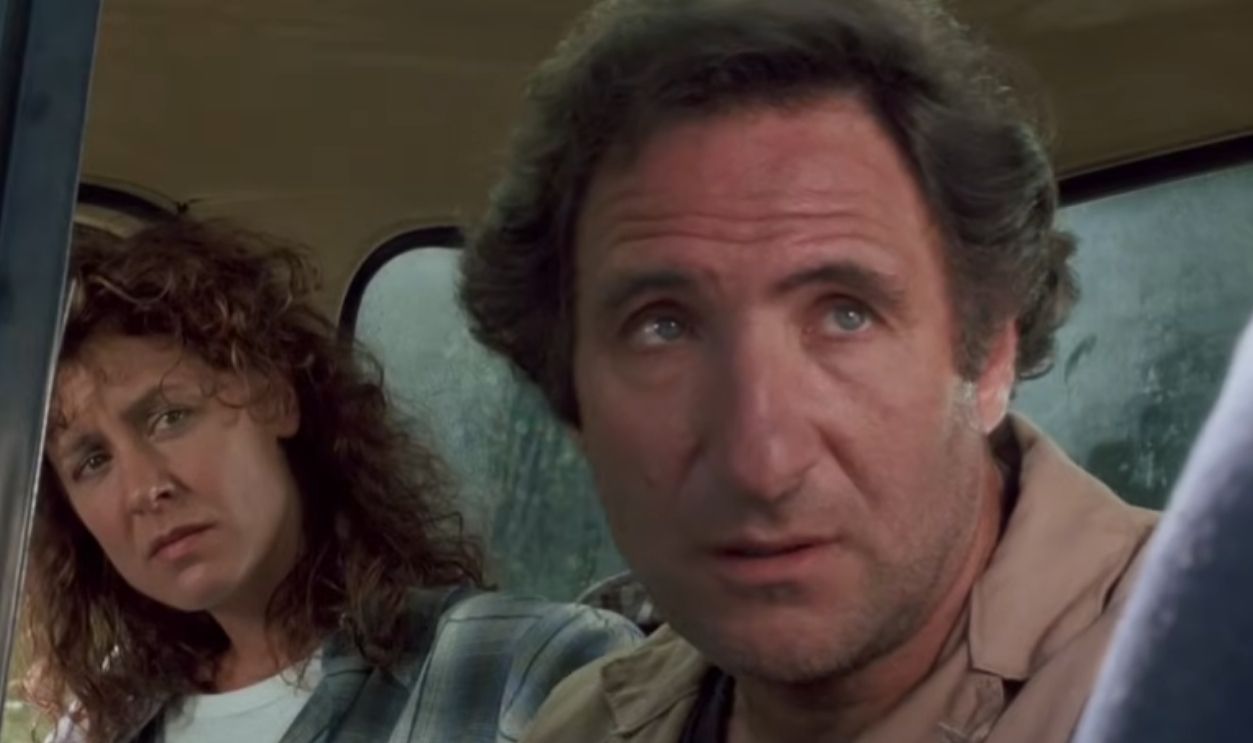 Screenshot from Running on Empty, Warner Bros. (1988)
Numb3rs Found The Perfect Father
In 2005, Hirsch joined the CBS crime drama Numb3rs as Alan Eppes, the widowed father of FBI agent Don and mathematics professor Charlie. The cases relied on Charlie’s ability to apply advanced math to criminal investigations, but the Eppes family remained the show’s emotional foundation. Hirsch stayed for all six seasons and 114 episodes.
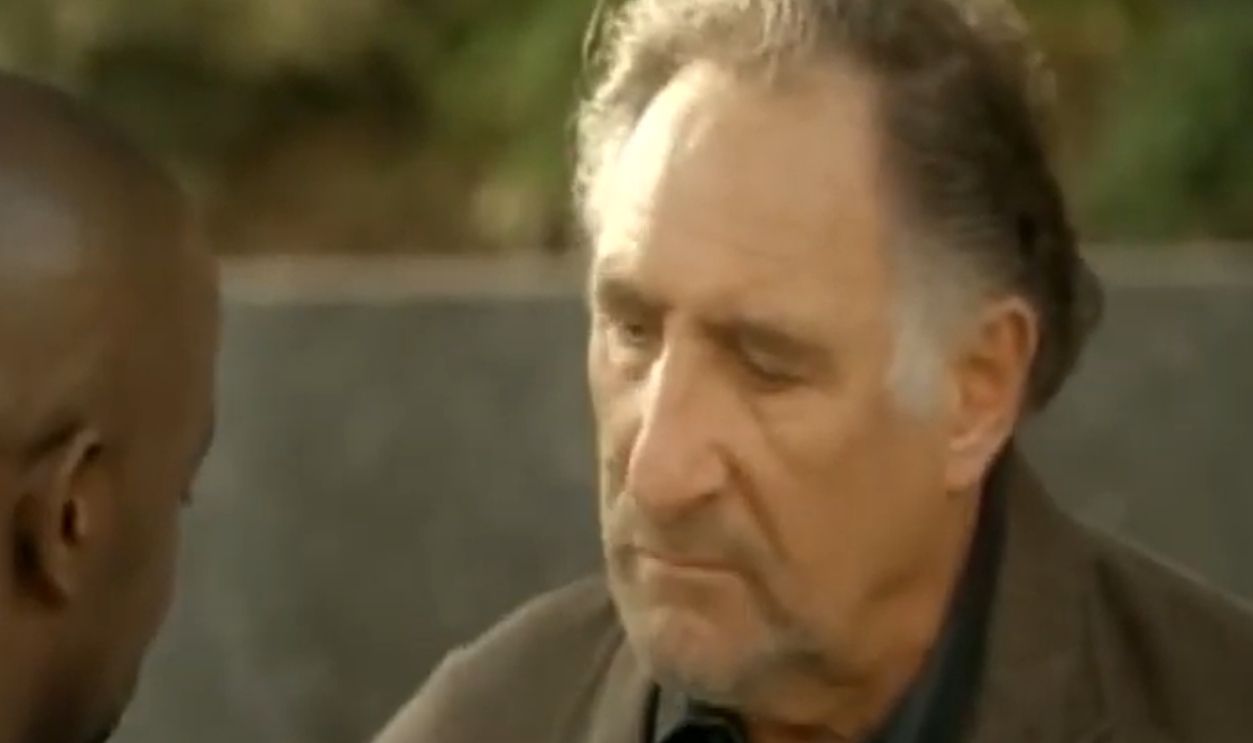 Screenshot from Numb3rs, CBS (2005-2010)
An Old Stage Bond Returned
The casting of David Krumholtz as Charlie reunited Hirsch with the young performer he had mentored in Conversations With My Father. More than a decade had passed, but their earlier connection added history to Alan and Charlie’s relationship. The drama also explored Alan’s more strained bond with Don, making the series as interested in fathers and sons as it was in equations.
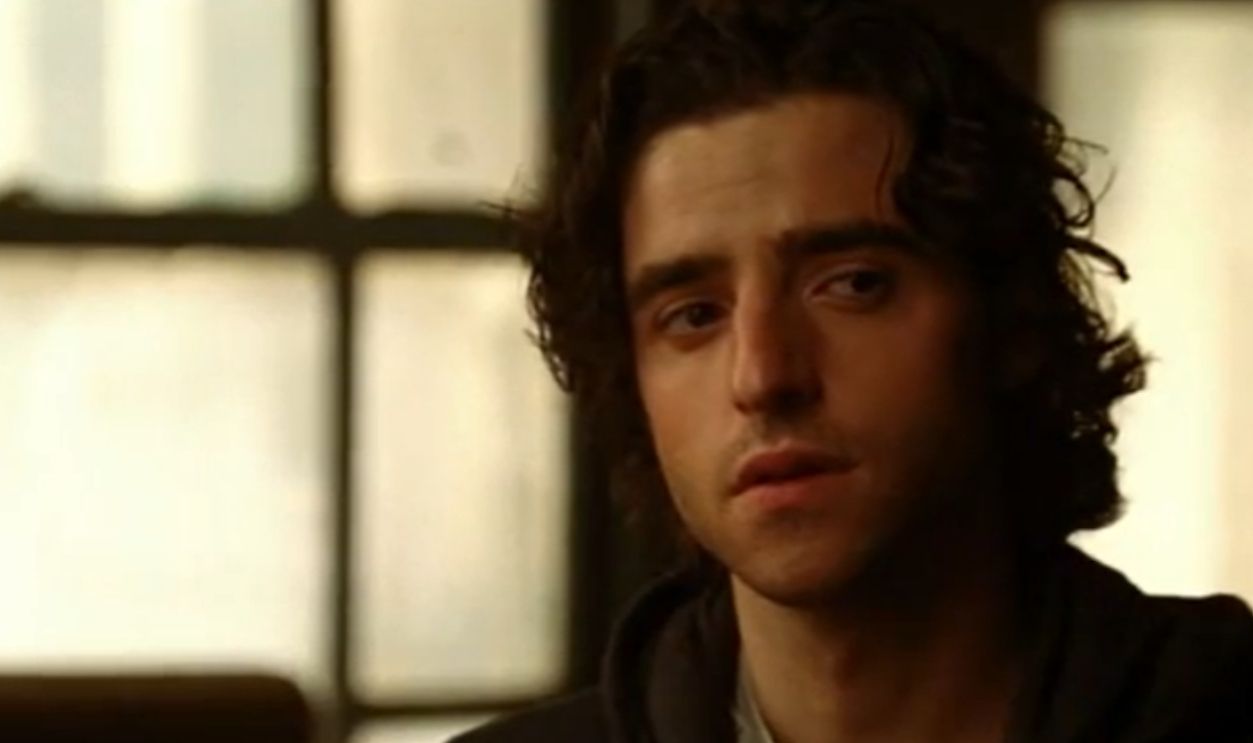 Screenshot from Numb3rs, CBS (2005-2010)
His Science Background Finally Paid Off
Hirsch said the intelligence of Numb3rs immediately appealed to him. After studying engineering and physics, he viewed a series built around mathematics as an invitation to revisit a world he understood. Although Alan was not the mathematical genius of the family, Hirsch helped make the abstract cases feel connected to ordinary fears, rivalries, and parental concerns.
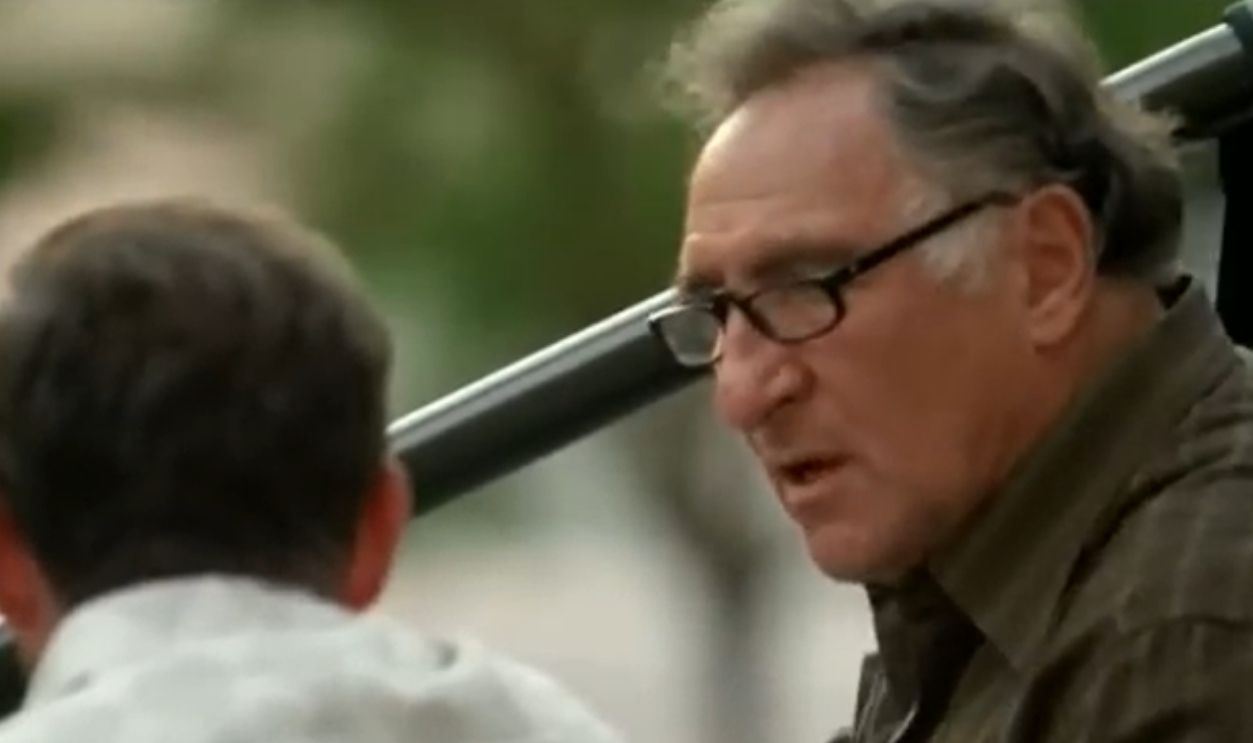 Screenshot from Numb3rs, CBS (2005-2010)
Television Kept Recasting His Strengths
The mystery drama Forever cast Hirsch as Abe Morgan, the trusted confidant of an immortal medical examiner hiding his secret. He later played Leonard Hofstadter’s father on The Big Bang Theory after Johnny Galecki explained that Alex Rieger had influenced Leonard’s role within his own ensemble. Hirsch then reunited with James Burrows for Superior Donuts, once again grounding a workplace comedy as its stubborn but compassionate elder.
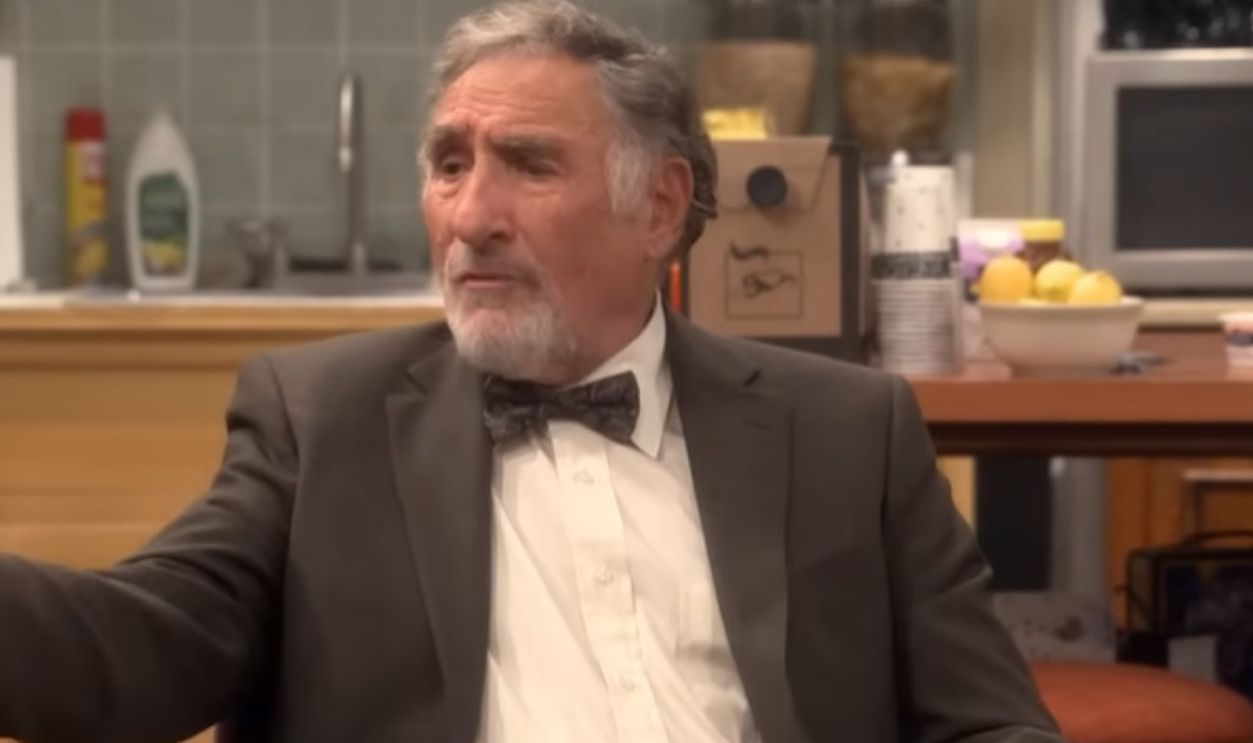 Screenshot from The Big Bang Theory, Warner Bros. Television (2007-2019)
Great Filmmakers Rediscovered Him
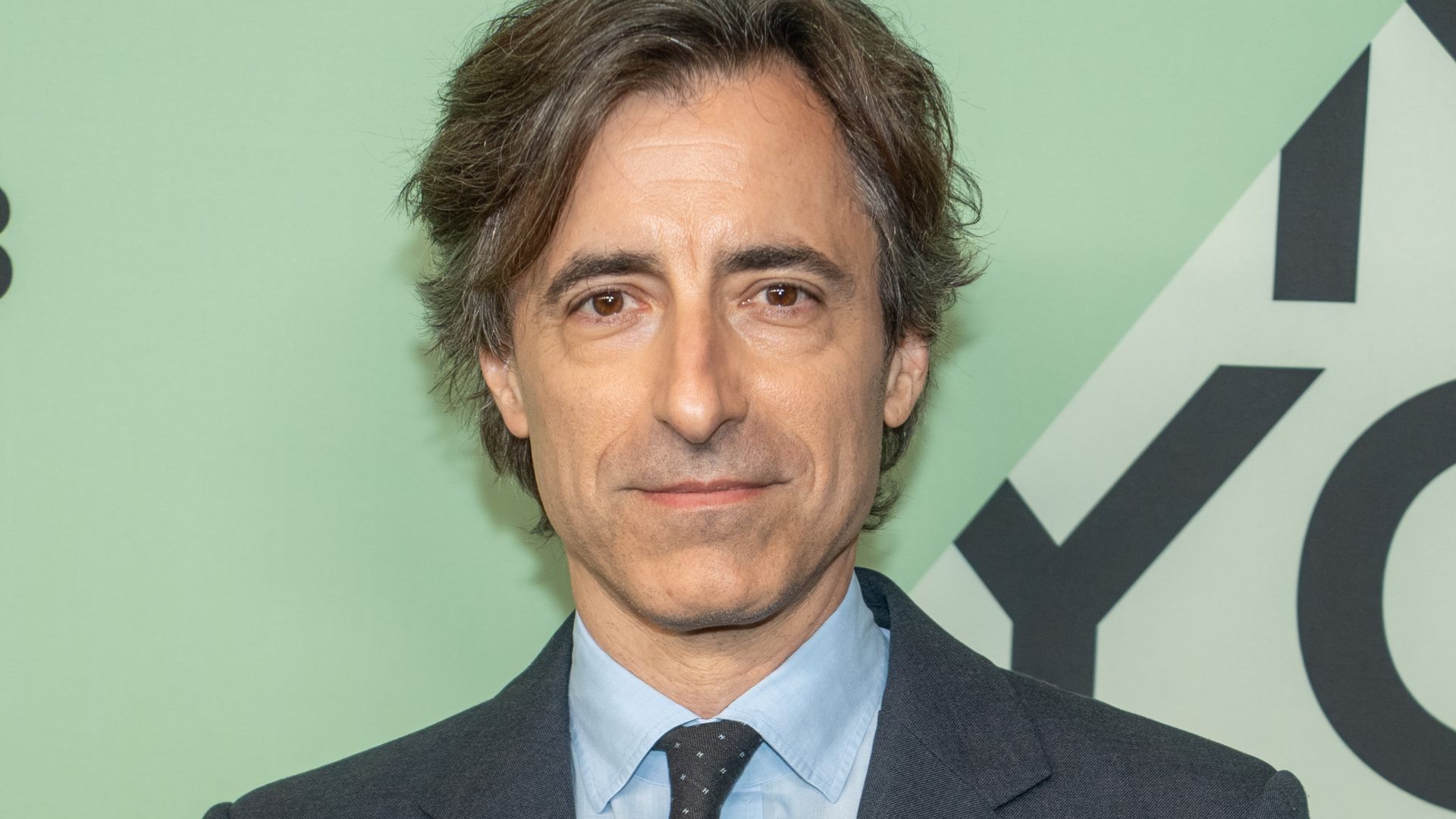
A new generation of filmmakers began using Hirsch’s combination of volatility, humor, and emotional precision. Noah Baumbach cast him in The Meyerowitz Stories, and the Safdie brothers brought him into the tense world of Uncut Gems. Steven Spielberg then gave him less than 10 minutes in The Fabelmans, but Hirsch’s forceful performance as great-uncle Boris became one of the film’s most discussed scenes.
 Bryan Berlin, Wikimedia Commons
The Long Career Is Still Moving
Hirsch received a second supporting-actor Oscar nomination for The Fabelmans, 41 years and 341 days after his first, which was a record gap at the time. At 87, he also became the second-oldest acting nominee in Academy Awards history. He was still tackling dramatic television at 91, guest-starring as Holocaust survivor Herman Zweig in the 2026 season finale of Doc. Decades after Alex Rieger first steadied the Sunshine Cab Company, television could still rely on Hirsch to make a character feel fully alive.
 Screenshot from The Fabelmans, Universal Pictures (2022)
You May Also Like:
How Taxi Helped Launch Some Of Hollywood's Biggest Stars
Billy Crystal Was Already Brilliant On Soap—Hollywood Just Took Years To Notice
The Original SNL Cast: 7 Comedy Legends Who Changed Television Forever