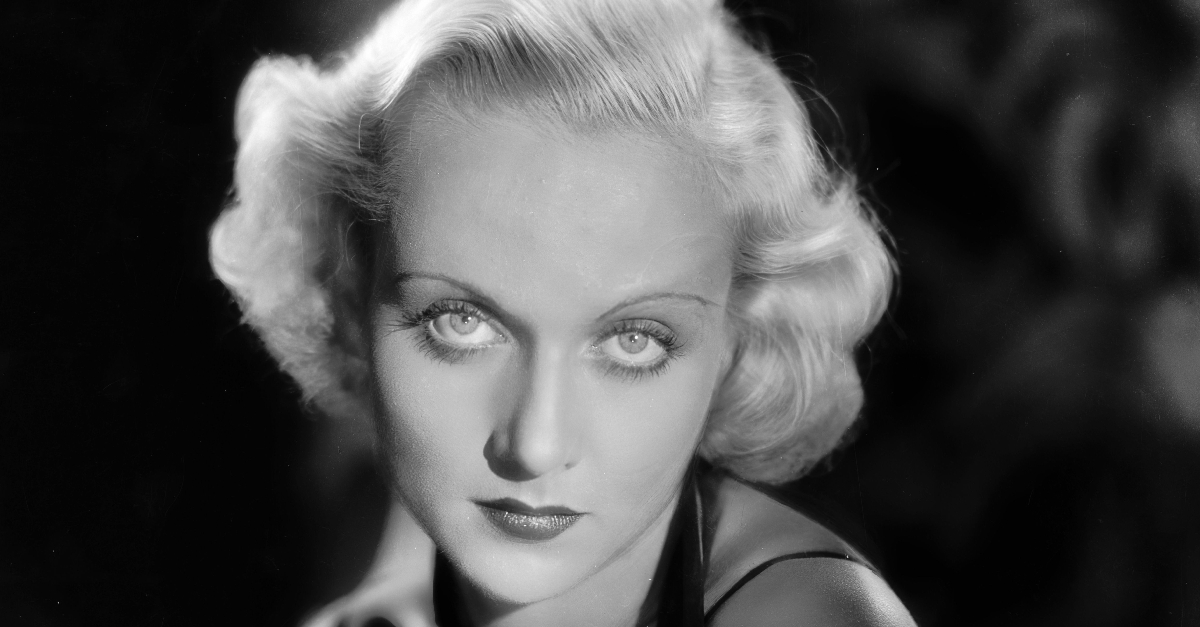
Seven Performers Took A Giant Risk
Before “Live from New York!” became a television institution, seven fearless performers helped turn a risky late-night experiment into a cultural phenomenon. They arrived with theatrical experience, strong comic instincts, and little idea what awaited them. Together, they gave television a thrilling new kind of comedy.
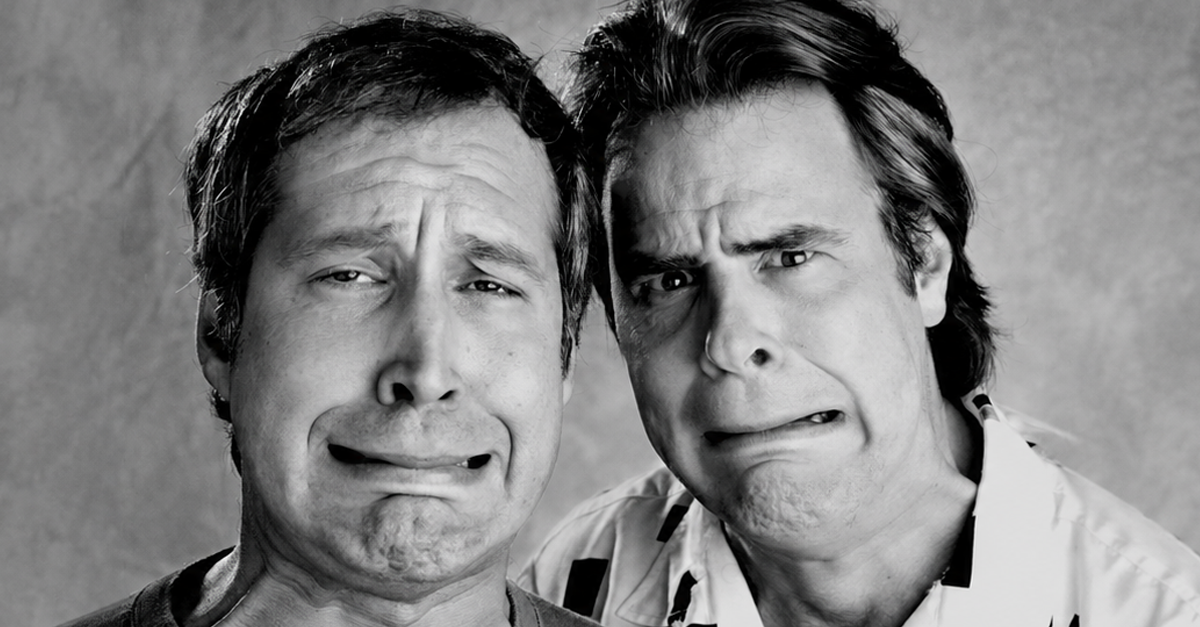
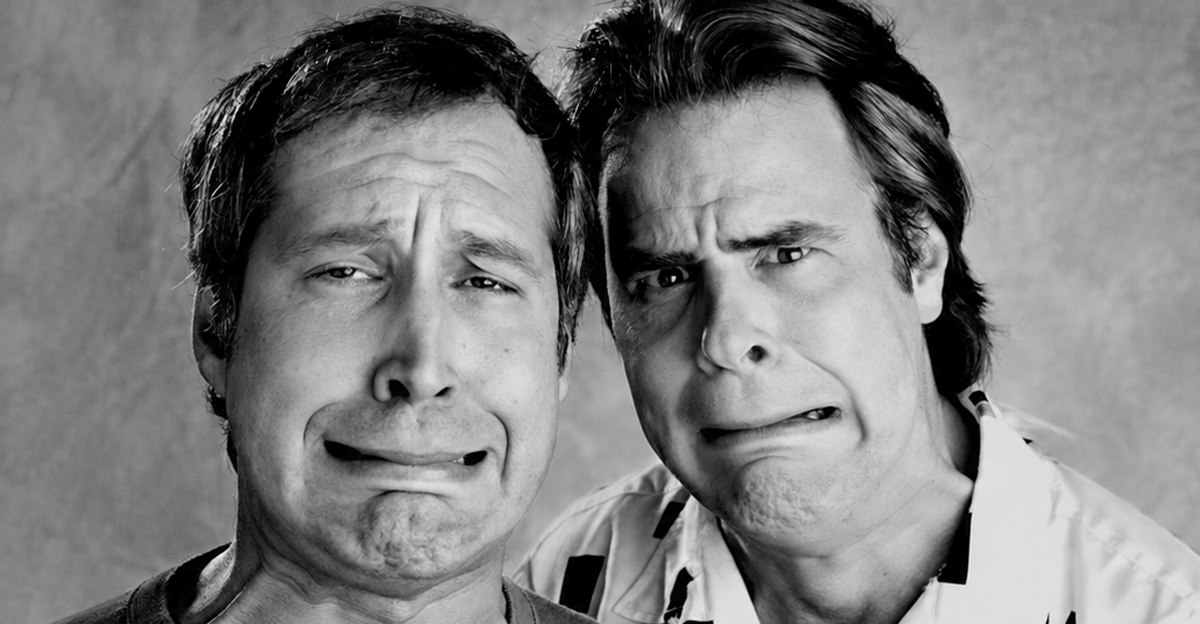 Bonnie Schiffman Photography, Getty Images
Saturday Night Television Changed Overnight
When Saturday Night Live premiered on October 11, 1975, nobody knew it would still be shaping comedy decades later. Producer Lorne Michaels built NBC’s Saturday Night around topical satire, live sketches, musical performances, and largely unknown comedians. Writer Herb Sargent dubbed the cast the “Not Ready for Prime Time Players.” Audiences soon learned their names, and comedy would never be the same.
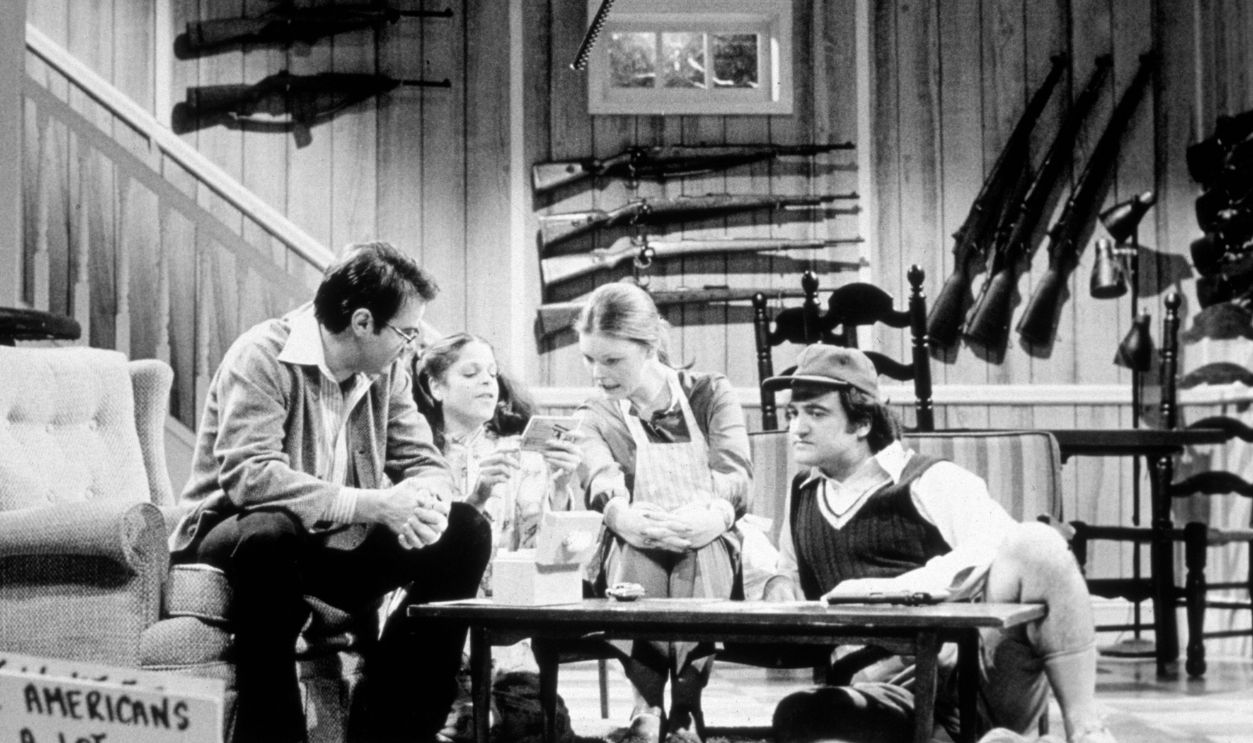 Screenshot from Saturday Night Live, NBC (1975–present)
Their Differences Became Their Strength
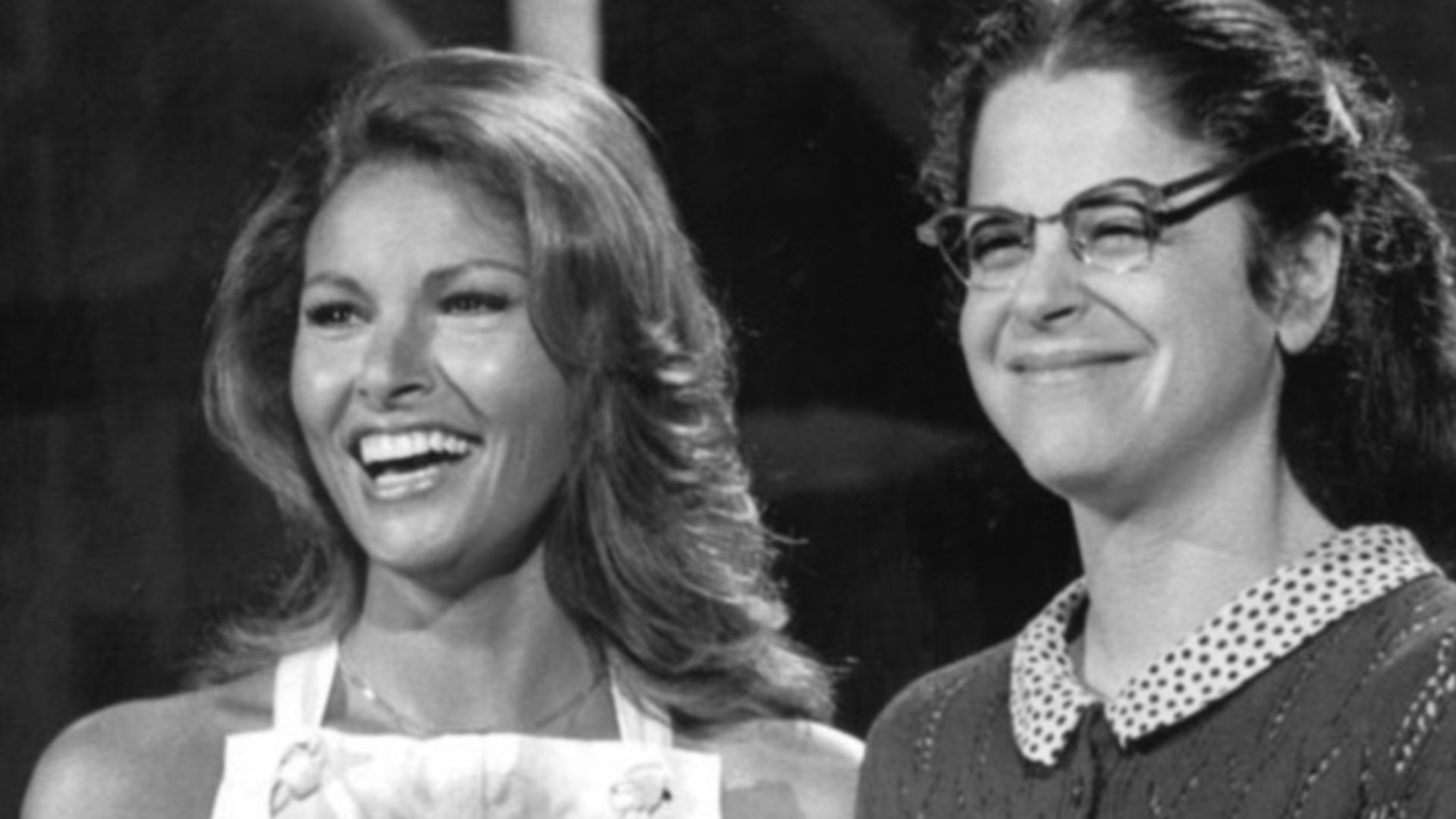
Dan Aykroyd, John Belushi, Chevy Chase, Jane Curtin, Garrett Morris, Laraine Newman, and Gilda Radner came from different corners of the comedy and theater world. According to Paul Shaffer, none of them had television experience when the series began. Their contrasting styles created an ensemble capable of handling satire, slapstick, impressions, and character comedy.
 NBC Television Uploaded by We hope at en.wikipedia, Wikimedia Commons
Chevy Chase Became The First Breakout Star
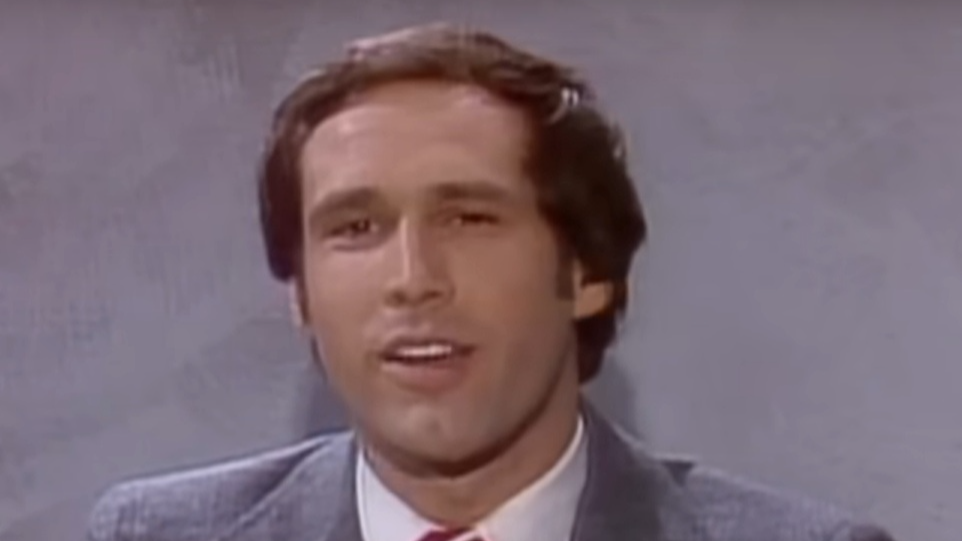
Chase’s cool confidence and spectacular pratfalls quickly made him one of the show’s most recognizable faces. He delivered the famous opening line during the premiere and regularly introduced subsequent episodes after another physical mishap. Television had found a star who could look completely in control while crashing through the scenery.
 Screenshot from Saturday Night Live, NBC (1975–present)
He Gave Fake News A New Meaning
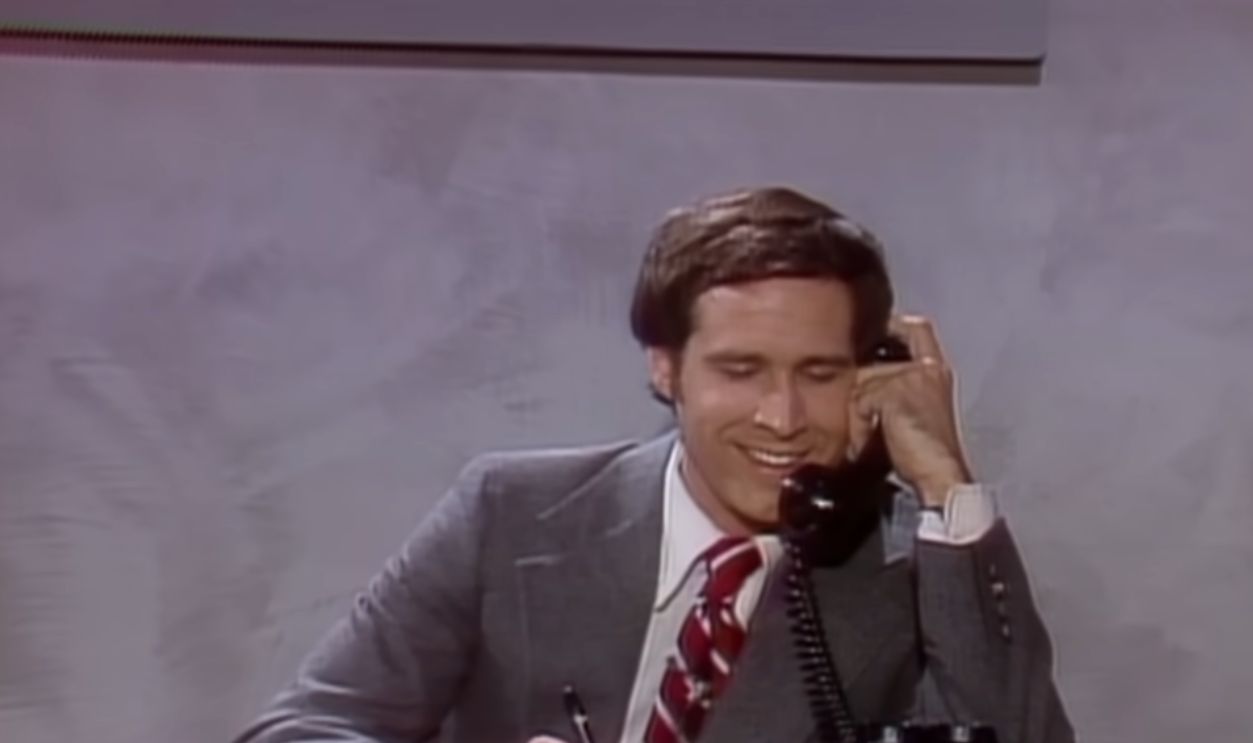
As the original anchor of “Weekend Update,” Chase delivered absurd headlines with the composure of a real broadcaster. His smug introduction, “I’m Chevy Chase, and you’re not,” became one of the show’s first major catchphrases. The segment established a durable formula that SNL continues to use.
 Screenshot from Saturday Night Live, NBC (1975–present)
Gerald Ford Became His Favorite Target
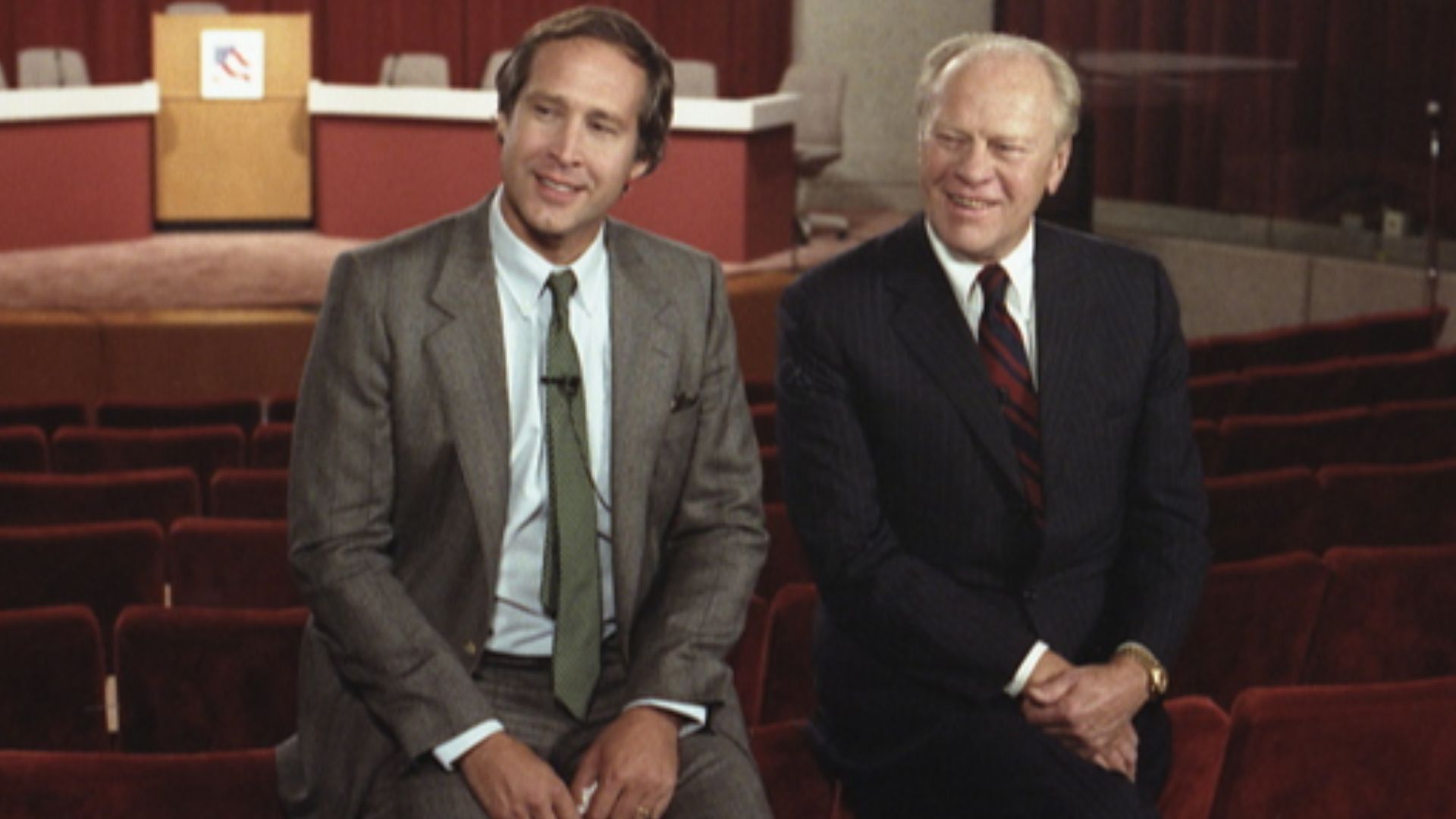
Chase portrayed President Gerald Ford as hopelessly clumsy, despite making little attempt to copy Ford’s appearance or voice. The joke depended on physical comedy rather than a technically accurate impression. It also helped establish SNL as a powerful source of political satire that could shape the public image of national figures.
 University of Michigan, Wikimedia Commons
Gilda Radner Created Lovable Chaos
Radner brought warmth and vulnerability to characters who could have been merely loud or ridiculous. Her performances often mixed childish enthusiasm with startling emotional precision. She could dominate a sketch without losing the affection of the audience.
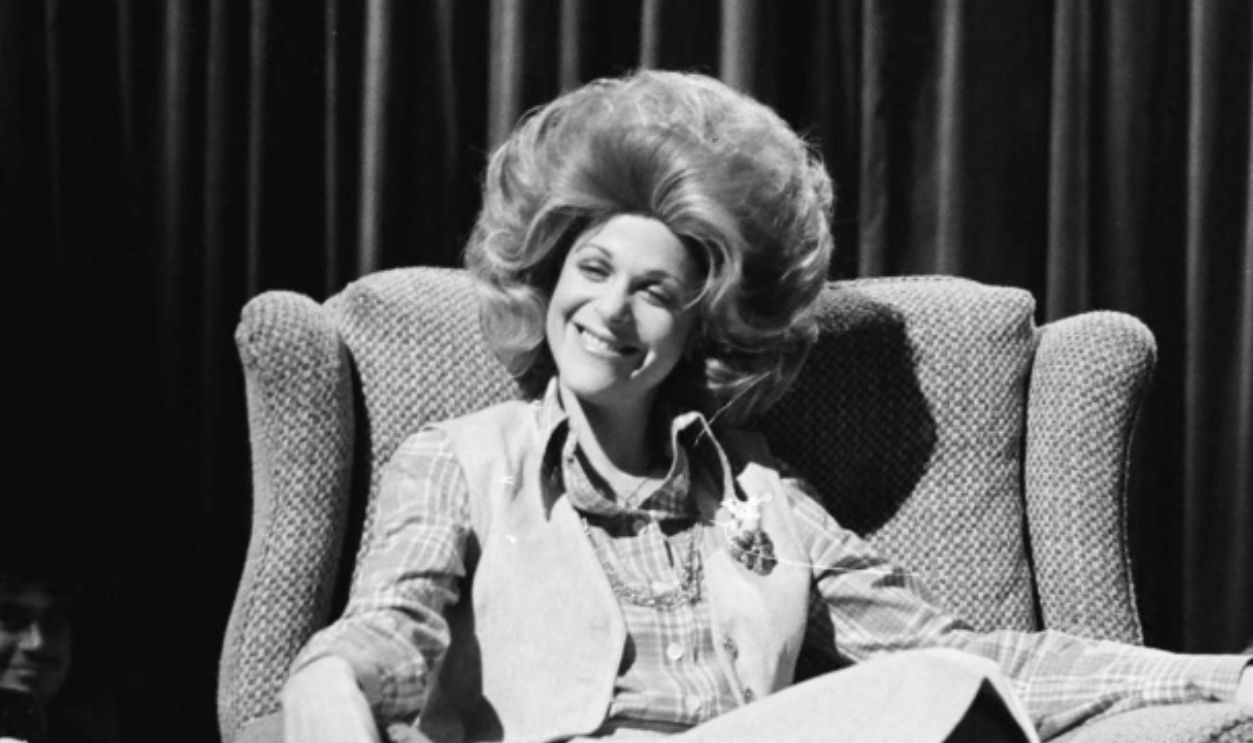
Her Characters Entered Comedy History
Emily Litella delivered passionate editorials after completely misunderstanding their subjects. Roseanne Roseannadanna turned simple advice into increasingly unpleasant personal stories, while Baba Wawa spoofed Barbara Walters’ distinctive speech. Radner also played awkward teenager Lisa Loopner, proving that embarrassment could be both painful and hilarious.
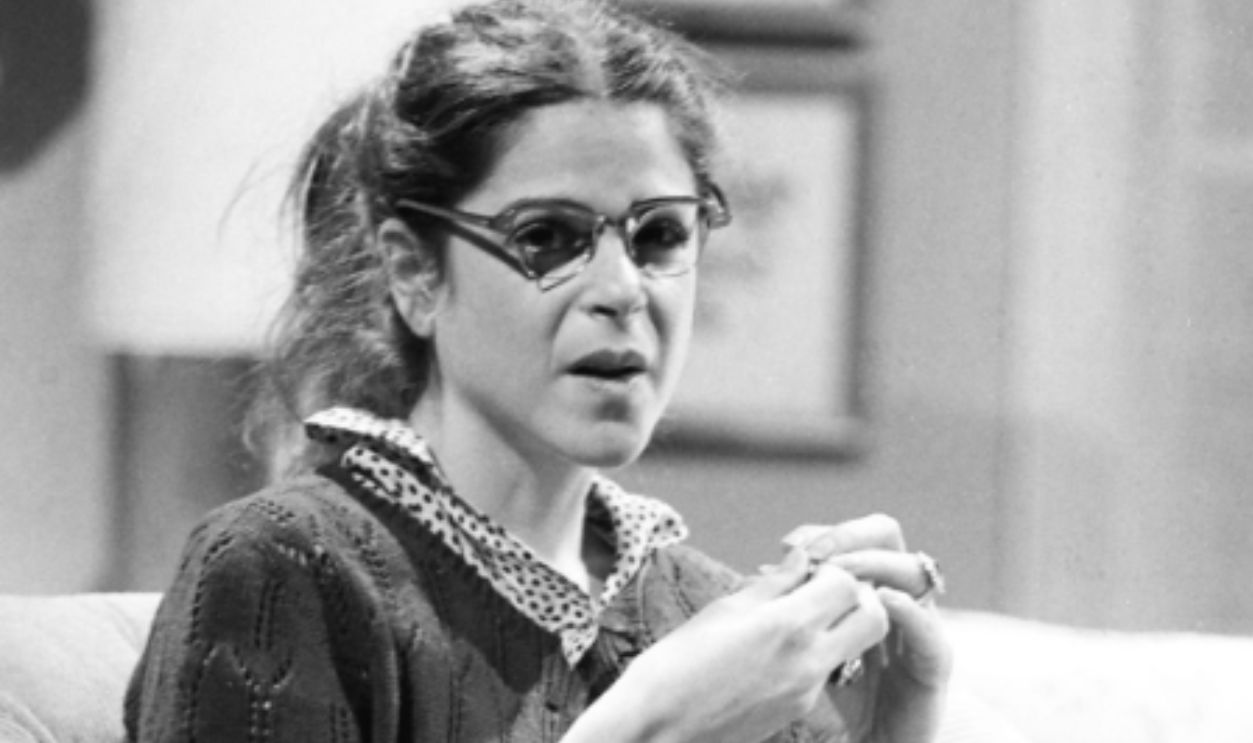
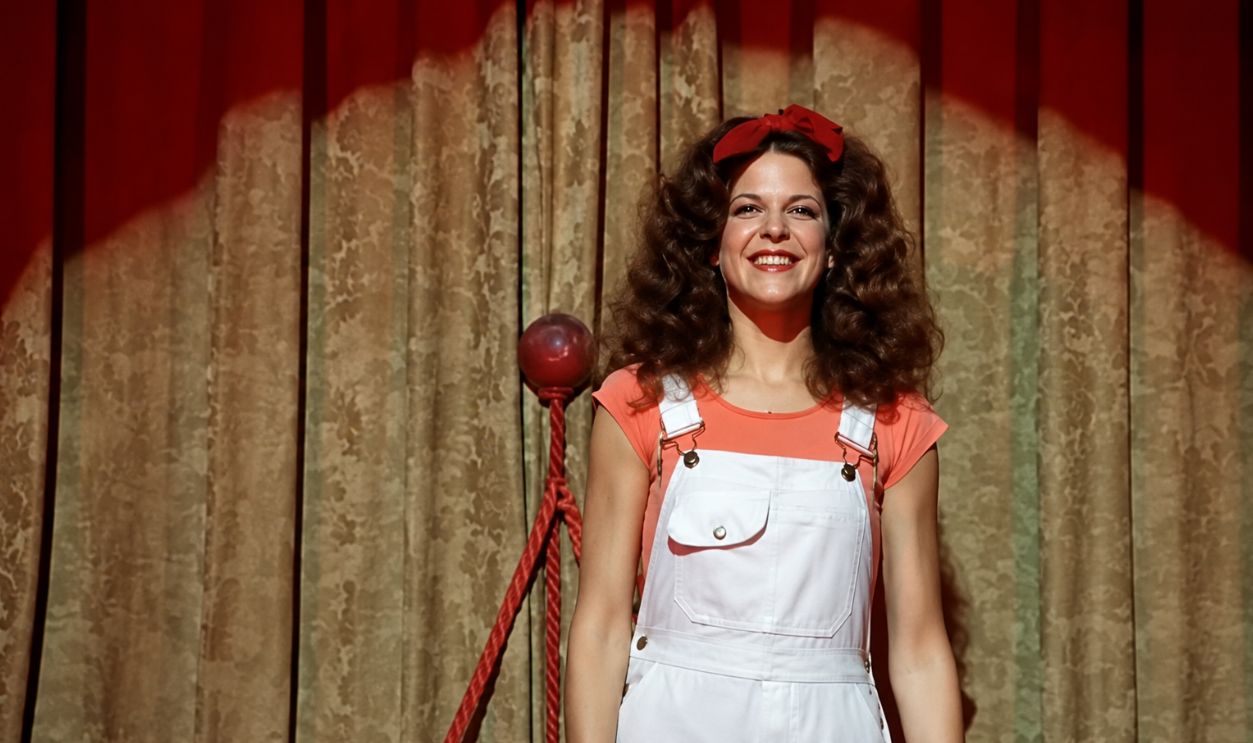
Gilda Took Her Characters To Broadway
Radner won an Emmy for her SNL performances in 1978. The following year, she brought several of her best-known creations to Broadway in the one-woman production Gilda Live. Her combination of detailed character work and personal honesty influenced generations of women who followed her into sketch comedy.
 Screenshot from Saturday Night Live, NBC (1975–present), Modified
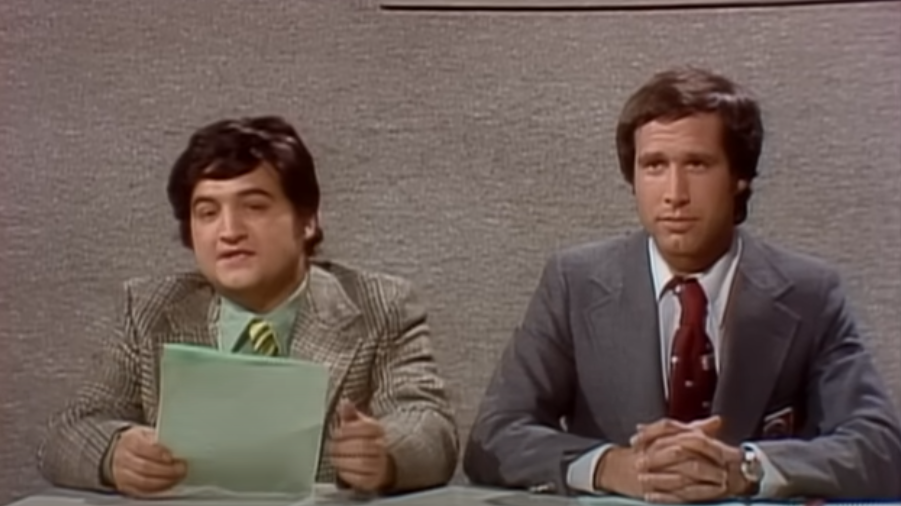
John Belushi Could Transform Completely
Belushi attacked every performance with astonishing physical commitment. Paul Shaffer remembered how he seemed to change his entire body whenever he entered a character. That intensity made him unpredictable, magnetic, and almost impossible to ignore.
 Screenshot from Saturday Night Live, NBC (1975–present)
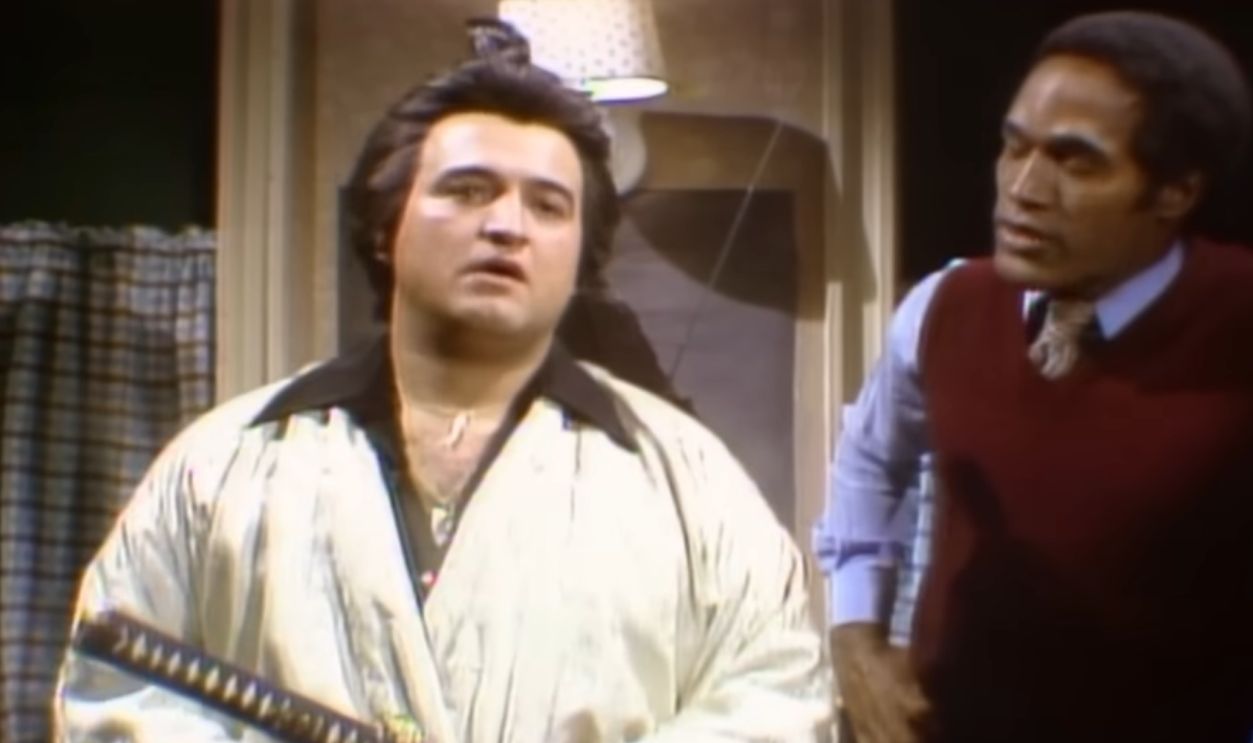
The Samurai Needed Few Words
Belushi’s recurring Samurai character charged through different occupations while speaking largely unintelligible mock Japanese. He also played historical figures, celebrities, and furious “Weekend Update” commentators who built from calm observations to explosive conclusions. His body, voice, and facial expressions carried jokes that required very little explanation.
 Screenshot from Saturday Night Live, NBC (1975–present)
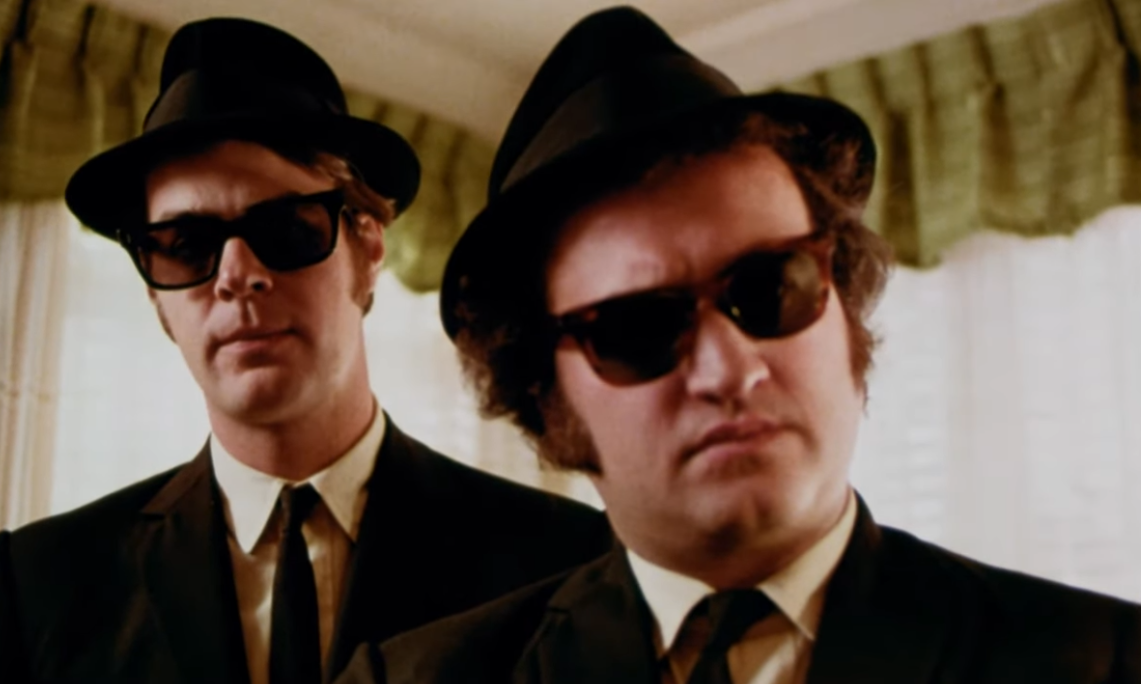
The Blues Brothers Escaped The Sketch
Belushi and Aykroyd introduced the fully developed Blues Brothers act on SNL in April 1978. Their musical partnership grew into a hit album, live performances, and the 1980 film The Blues Brothers. Belushi also became a movie star through National Lampoon’s Animal House while still appearing on the show. His death from an overdose in 1982, at age 33, ended one of comedy’s most extraordinary careers
 Screenshot from The Blues Brothers, Universal Pictures (1980)
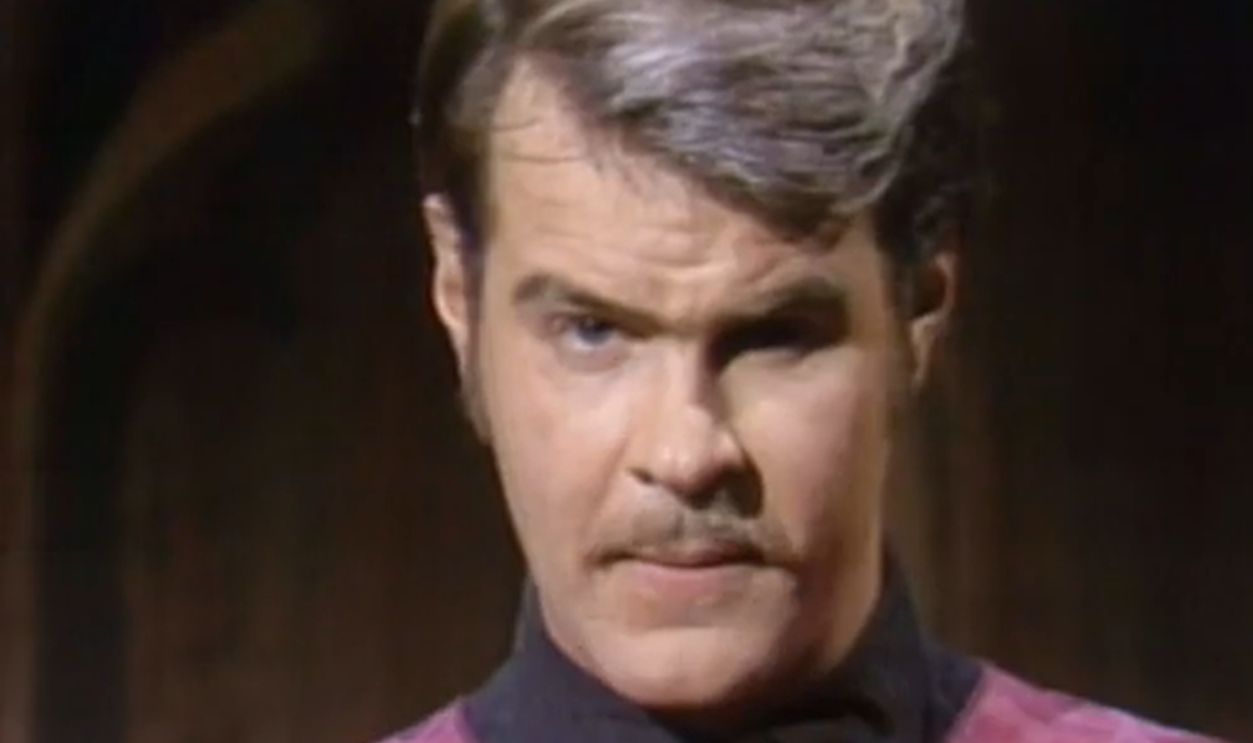
Dan Aykroyd Turned Knowledge Into Comedy
Aykroyd brought rapid-fire delivery, technical detail, and an exceptional ear for voices to the ensemble. His interests ranged from politics and science to law enforcement and the paranormal. That knowledge allowed him to make even the strangest characters sound completely authoritative.
 Screenshot from Saturday Night Live, NBC (1975–present)
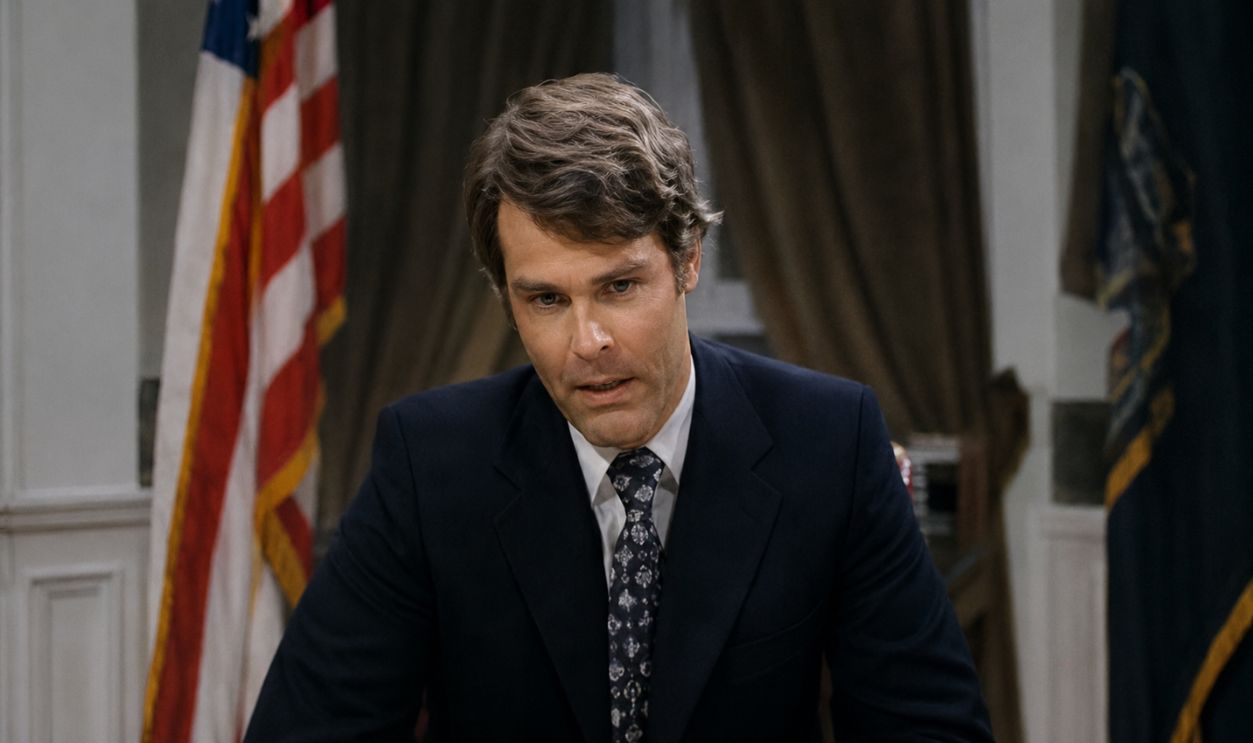
His Range Seemed Almost Limitless
Aykroyd impersonated figures including Jimmy Carter, Richard Nixon, Tom Snyder, and Julia Child. He became Beldar Conehead and joined Steve Martin as one of the overly confident Festrunk brothers. Whether playing a salesman, a bureaucrat, or an alien, he committed fully to the character’s strange internal logic.
 Screenshot from Saturday Night Live, NBC (1975–present), Modified
His Ideas Reached Far Beyond Television
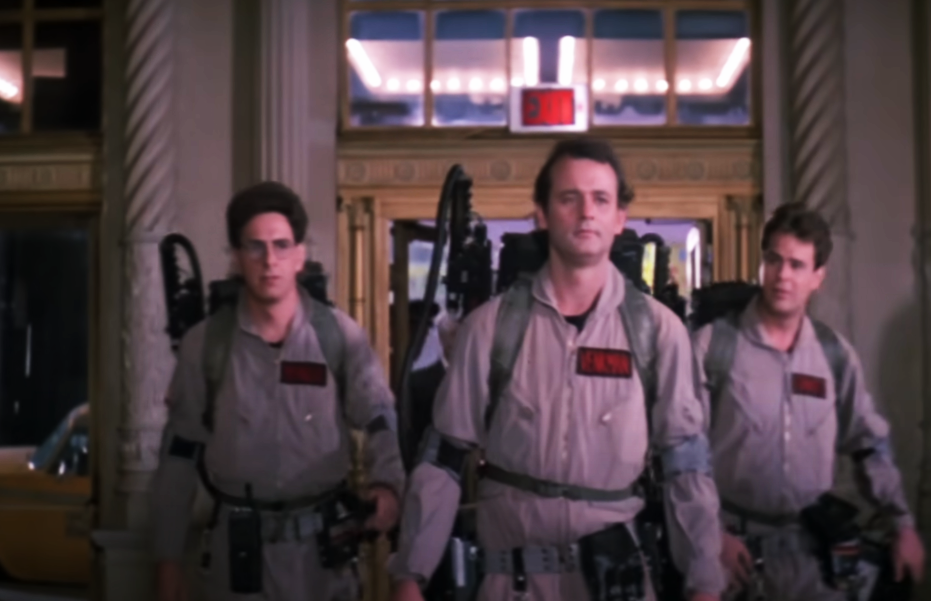
Aykroyd shared a 1977 Emmy for the show’s writing and remained with SNL through 1979. He and Belushi carried the Blues Brothers into movies, but Aykroyd’s biggest original concept was still ahead. His fascination with the paranormal helped inspire Ghostbusters, turning another eccentric comic idea into an enduring franchise.
 Screenshot from Ghostbusters, Columbia Pictures (1984)
Jane Curtin Held Everything Together
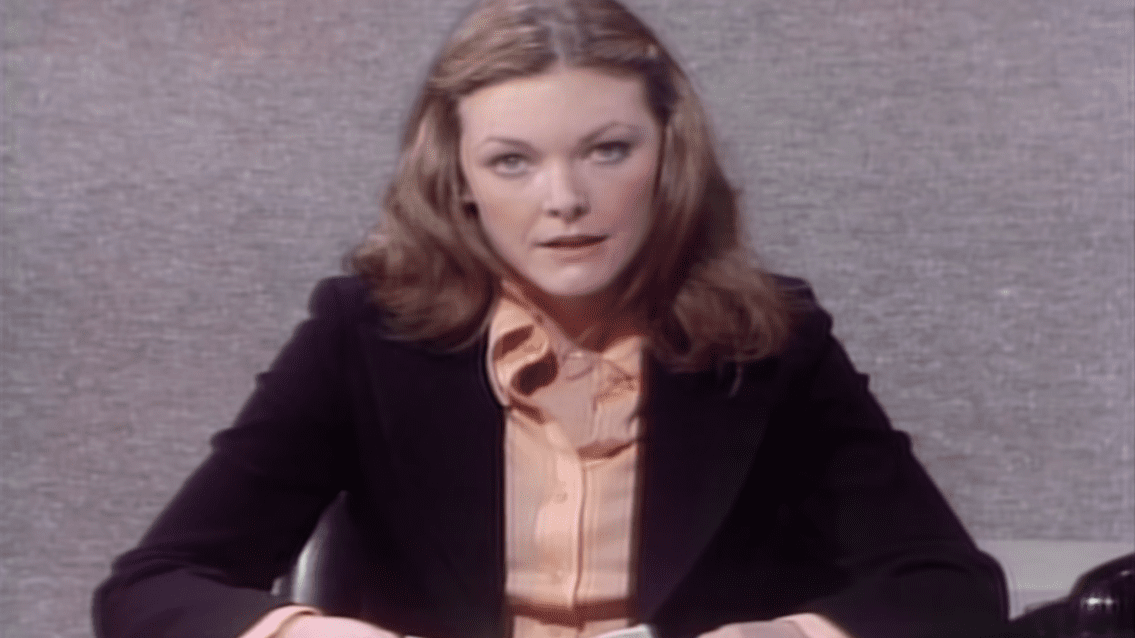
Curtin became the ensemble’s dependable straight woman, grounding sketches while bigger personalities exploded around her. Her restraint was not a lack of comic energy. It was a precise skill that made everyone else’s foolishness even funnier.
 Screenshot from Saturday Night Live, NBC (1975–present)
She Commanded The News Desk
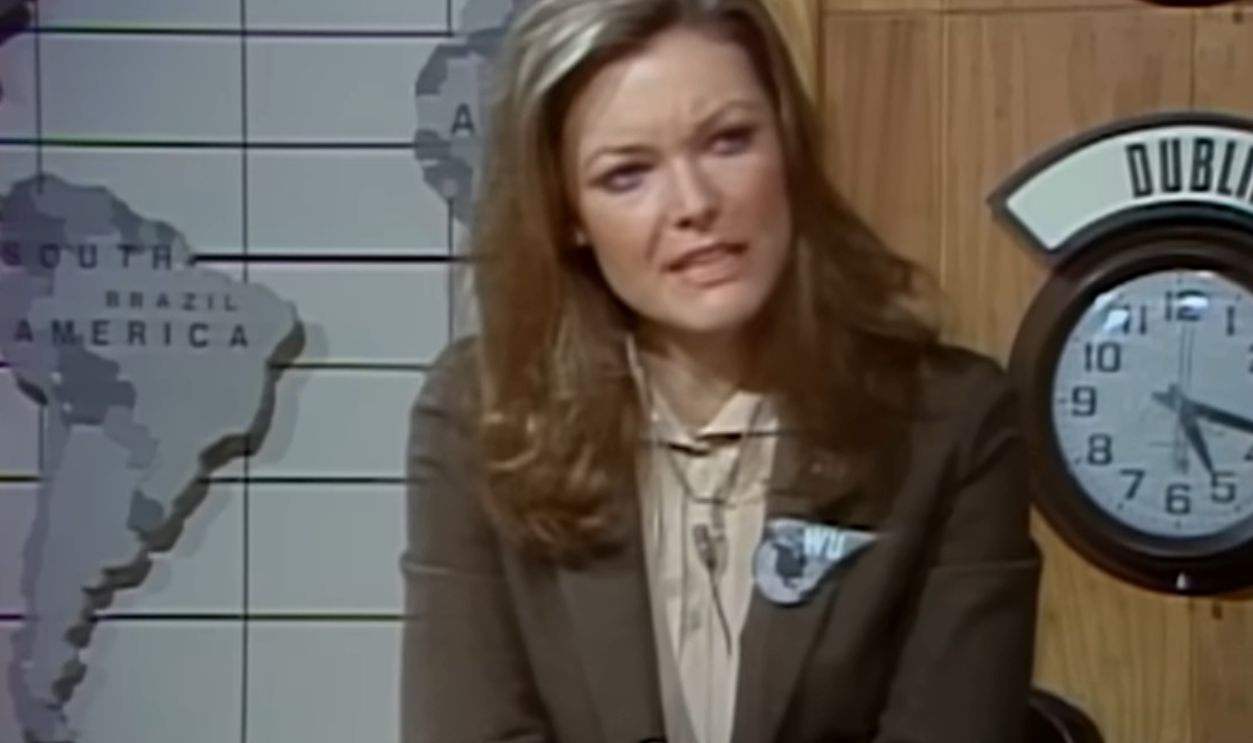
Curtin became the first woman to anchor “Weekend Update” when she succeeded Chase in 1976. She later shared the desk with Aykroyd, including the combative “Point/Counterpoint” debates that parodied televised political commentary. Her deadpan authority allowed her to trade insults without surrendering control of the scene.
 Screenshot from Saturday Night Live, NBC (1975–present)
Television Remained Her Natural Home
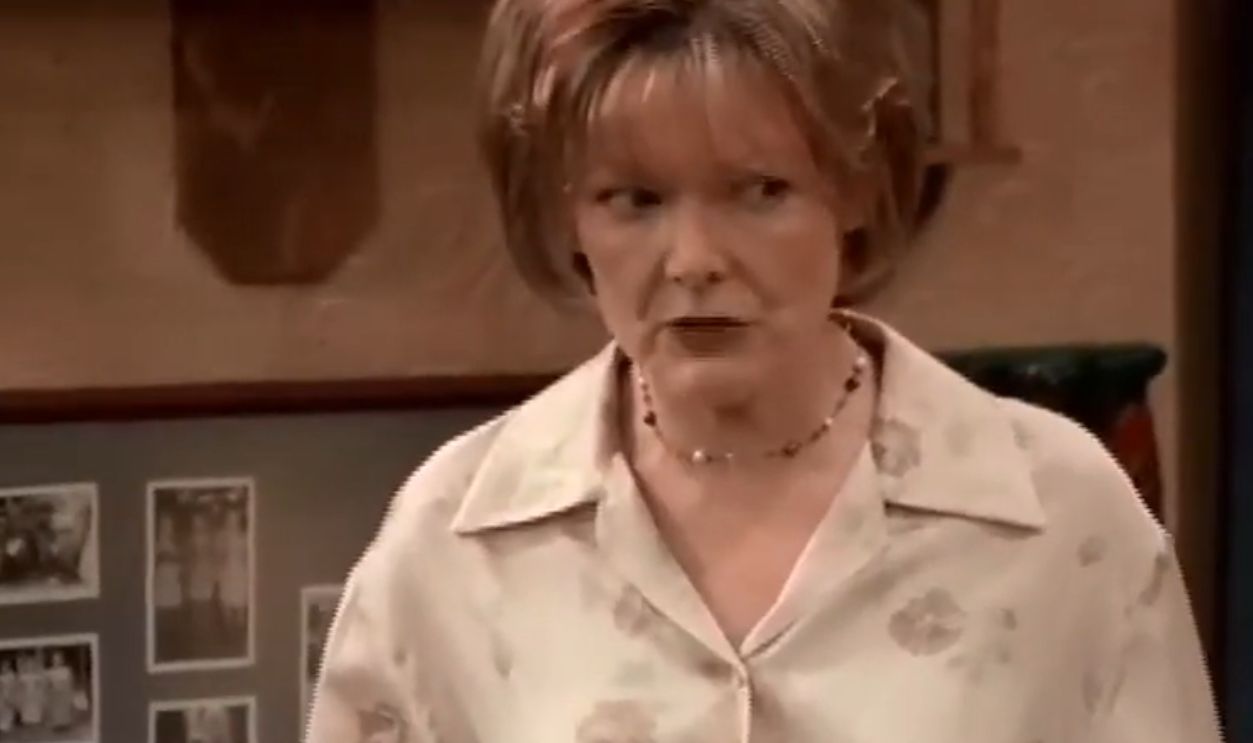
Curtin stayed through the end of the original cast era in 1980. She later won two lead actress Emmys for Kate & Allie, confirming that her disciplined comic style worked beyond sketch television. A new generation discovered her as Dr. Mary Albright on 3rd Rock from the Sun.
 Screenshot from 3rd Rock from the Sun, NBC (1996–2001)
Garrett Morris Broke An Important Barrier
Morris became the first Black performer in the regular SNL cast. He was initially hired as a writer, but his acting work in Cooley High helped convince Michaels to audition him for the ensemble. Morris arrived with experience in music, theater, education, and civil rights activism.
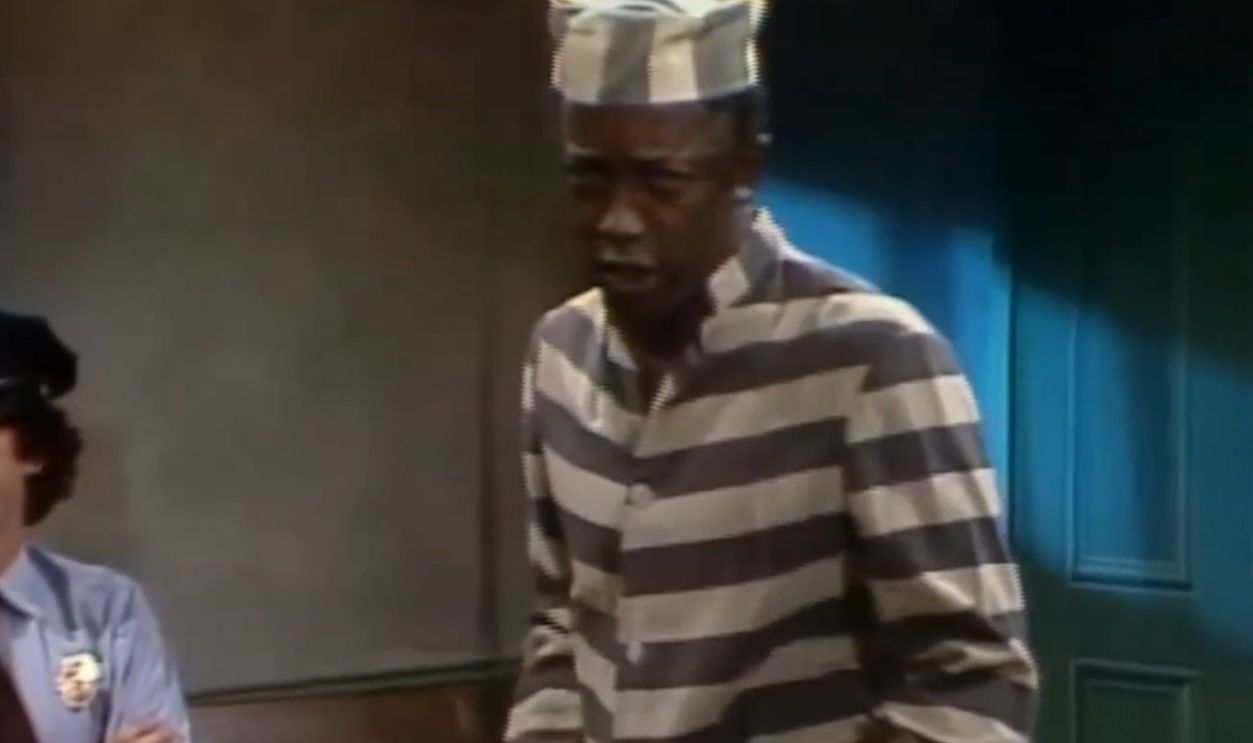 Screenshot from Saturday Night Live, NBC (1975–present)
He Found Comedy In Unexpected Places
Morris played fictional baseball player Chico Escuela and the shouting interpreter for the fictional New York School for the Hard of Hearing. His musical training also allowed the show to use his powerful singing voice. These performances gave him opportunities to display talents that extended far beyond conventional sketch comedy.
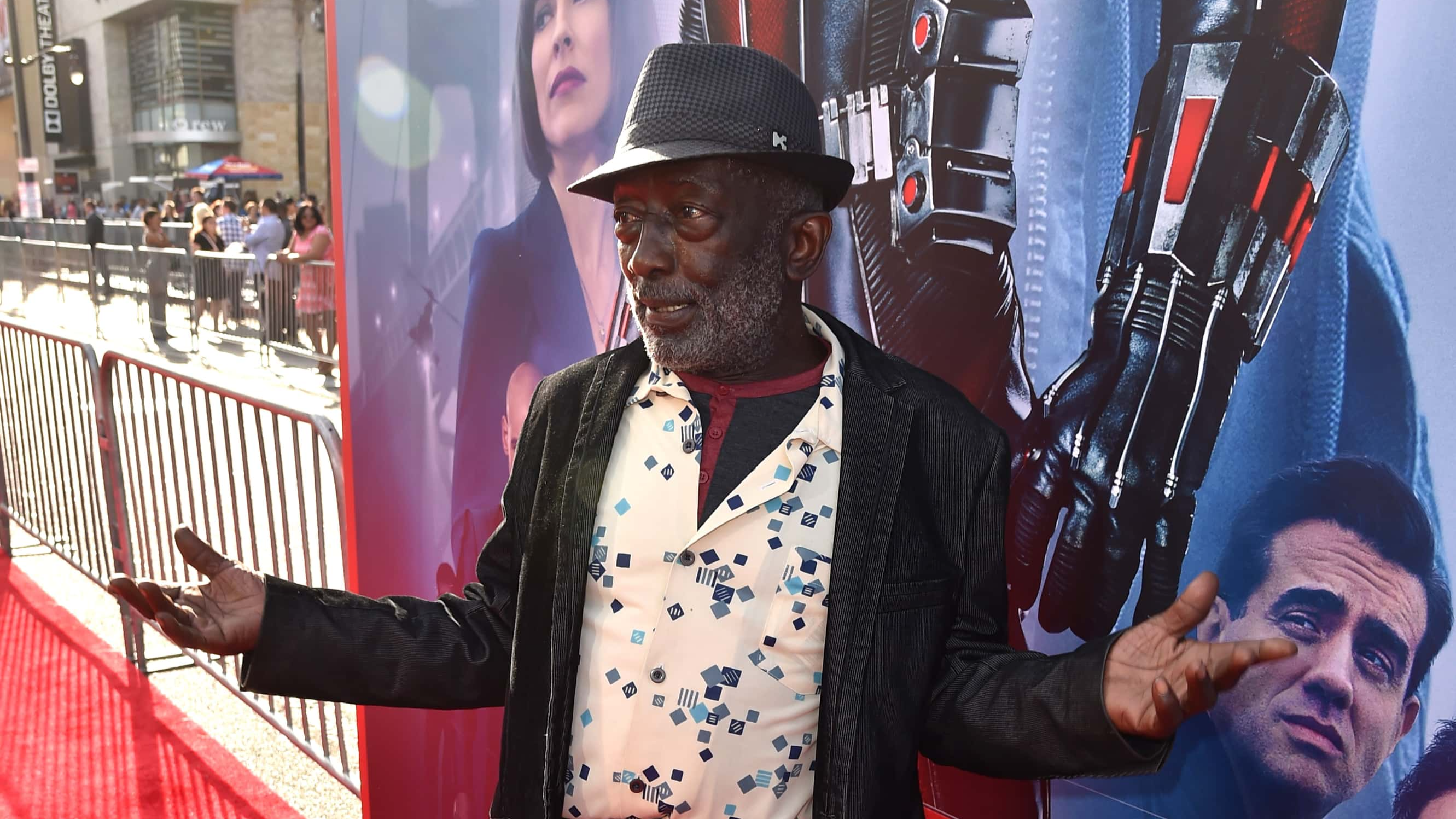
Success Came With Frustration
Morris has spoken openly about fighting racial stereotypes and struggling to receive substantial material during his five seasons. He nevertheless created memorable characters while carrying the pressure of being the program’s only Black cast member. His later roles on Martin, The Jamie Foxx Show, and 2 Broke Girls made him a television fixture for decades.
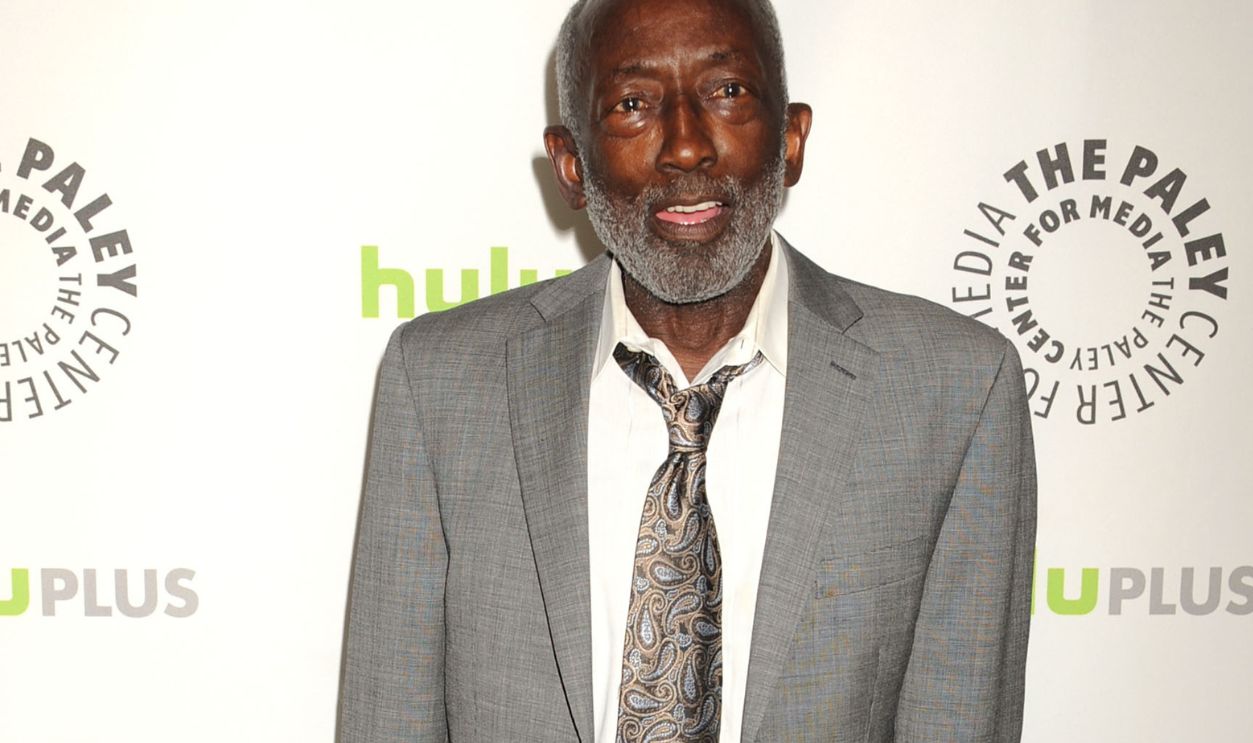 Jennifer Graylock, Getty Images
Laraine Newman Brought California To New York
Newman helped found the Groundlings before SNL, giving her an unusually experimental approach to character creation. Lorne Michaels discovered her through work connected to a Lily Tomlin television special. Newman initially believed the new late-night series might last only 13 weeks.
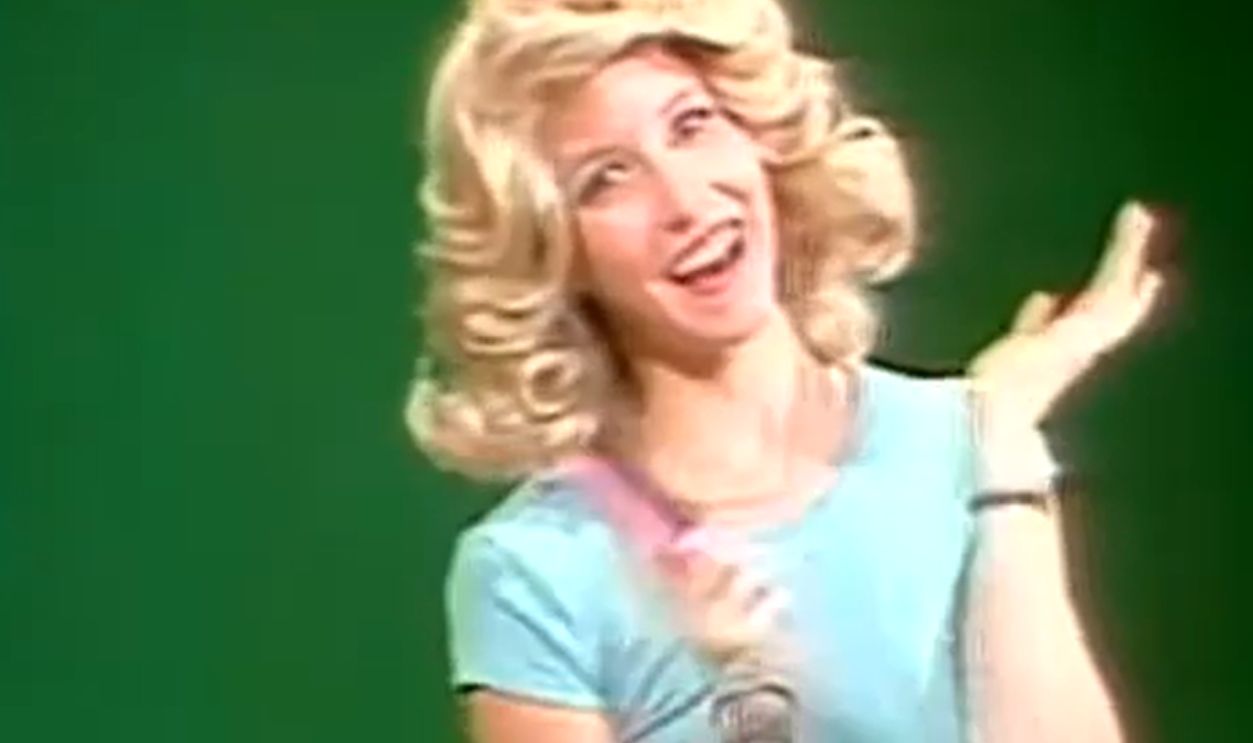 Screenshot from Saturday Night Live, NBC (1975–present)
Voices Became Her Secret Weapon
Newman’s fascination with dialects helped produce characters such as Valley Girl Sherry and alien teenager Connie Conehead. She could disappear into flight attendants, reporters, groupies, and eccentric public-access personalities. Her willingness to make unconventional choices expanded the young show’s comic vocabulary.
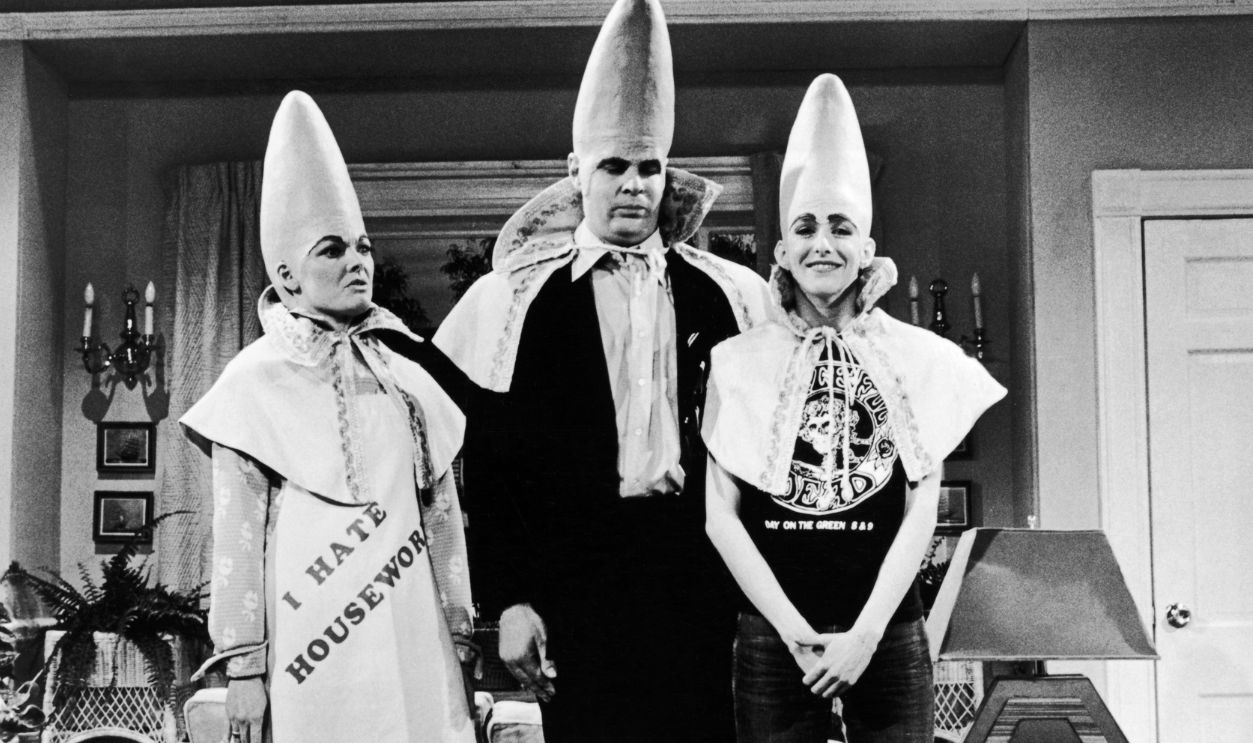
She Built A Second Career Behind The Microphone
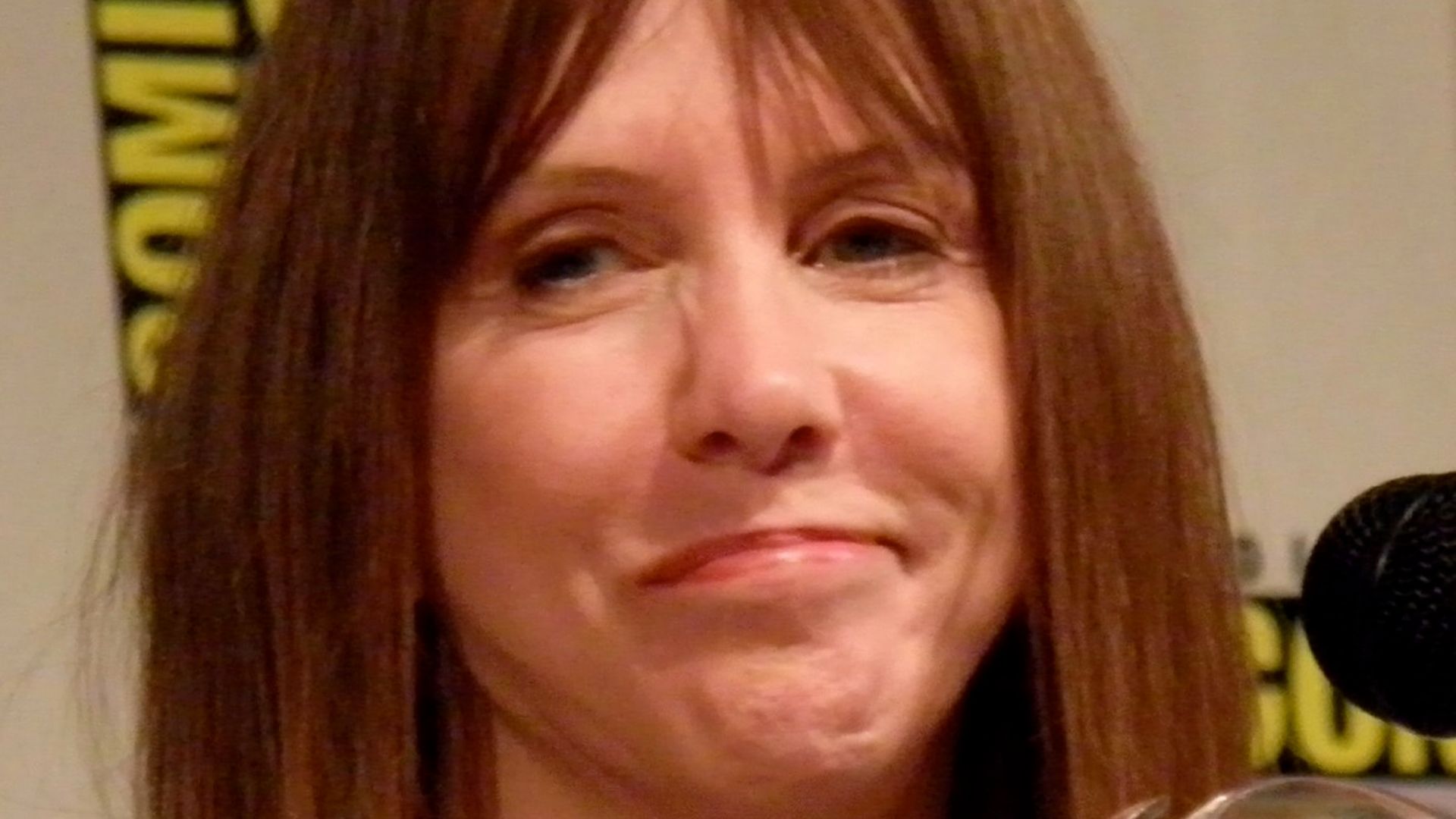
Newman remained with SNL until 1980 and later developed a prolific voice-acting career. Her credits eventually included animated television series and films from several major studios. The Groundlings also became an important training ground for later SNL performers, extending her influence beyond her own time on the show.
The Format Became A Blueprint
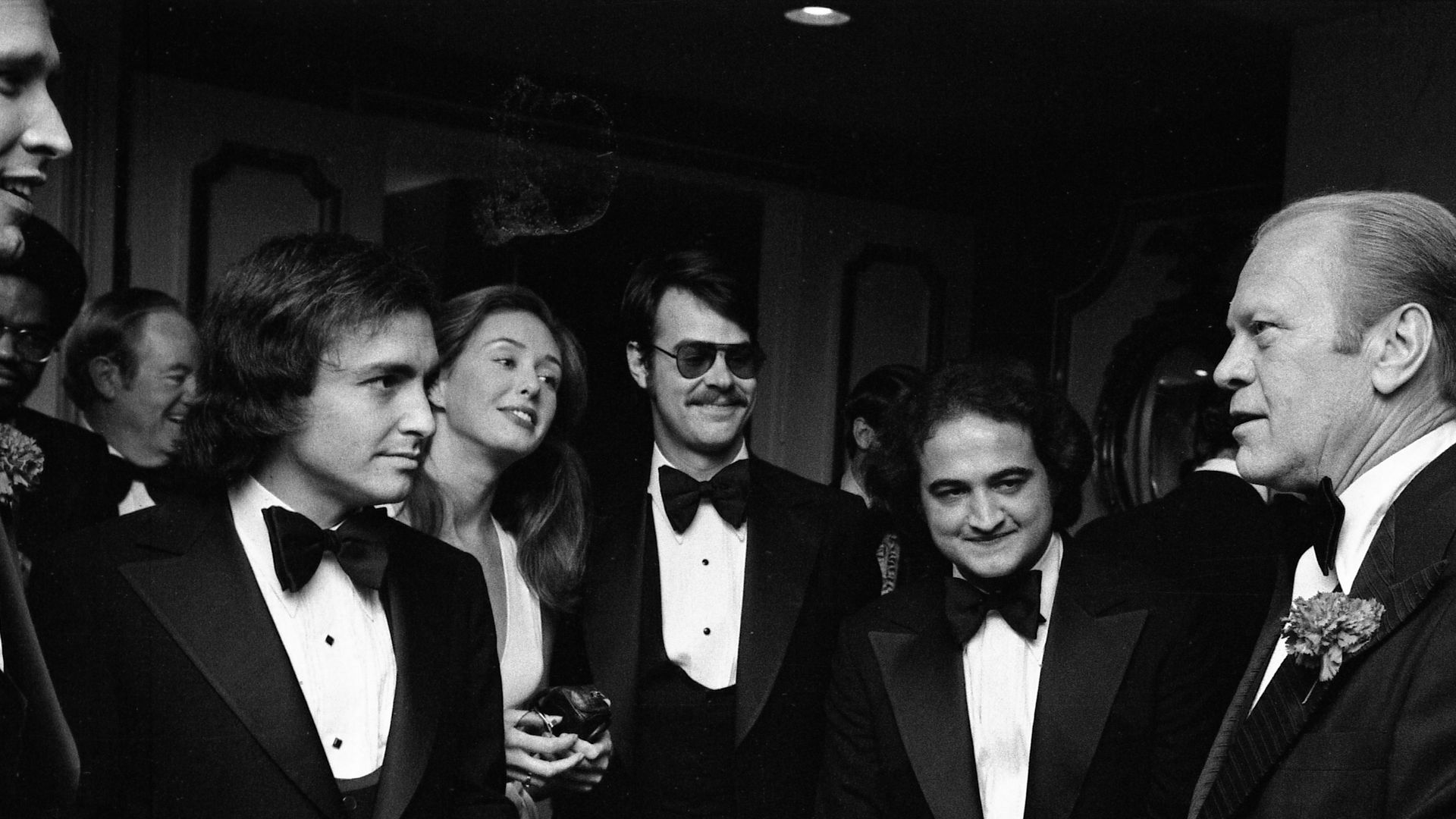
The original series combined a weekly guest host, live music, filmed pieces, topical jokes, and sketches performed under intense time pressure. Its unpredictability made mistakes part of the excitement. By 1976, NBC’s Saturday Night had already won the Emmy for outstanding comedy-variety or music series.
 Unknown authorUnknown author or not provided, Wikimedia Commons
Political Comedy Found A National Stage
The cast proved that late-night entertainment could respond quickly to politicians, advertising, news coverage, and popular culture. “Weekend Update,” political cold opens, and commercial parodies turned familiar television language against itself. Later casts changed the targets and tone, but the original framework remained remarkably durable.
Television Eventually Made Them Official Legends
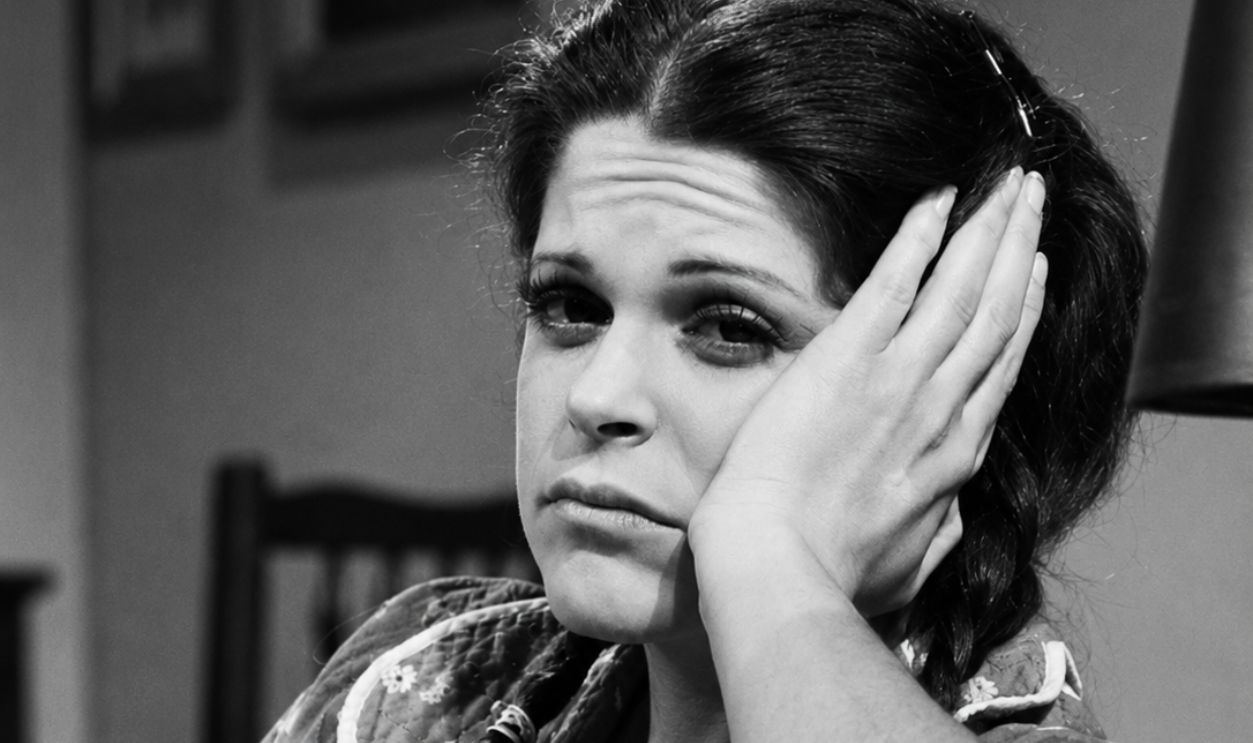
The Television Academy inducted all seven performers into its Hall of Fame in 2017. In 2024, Saturday Night Live received a Peabody Institutional Award recognizing its extraordinary cultural influence. Those honors confirmed what viewers had understood for years: the original ensemble did more than launch a successful show.
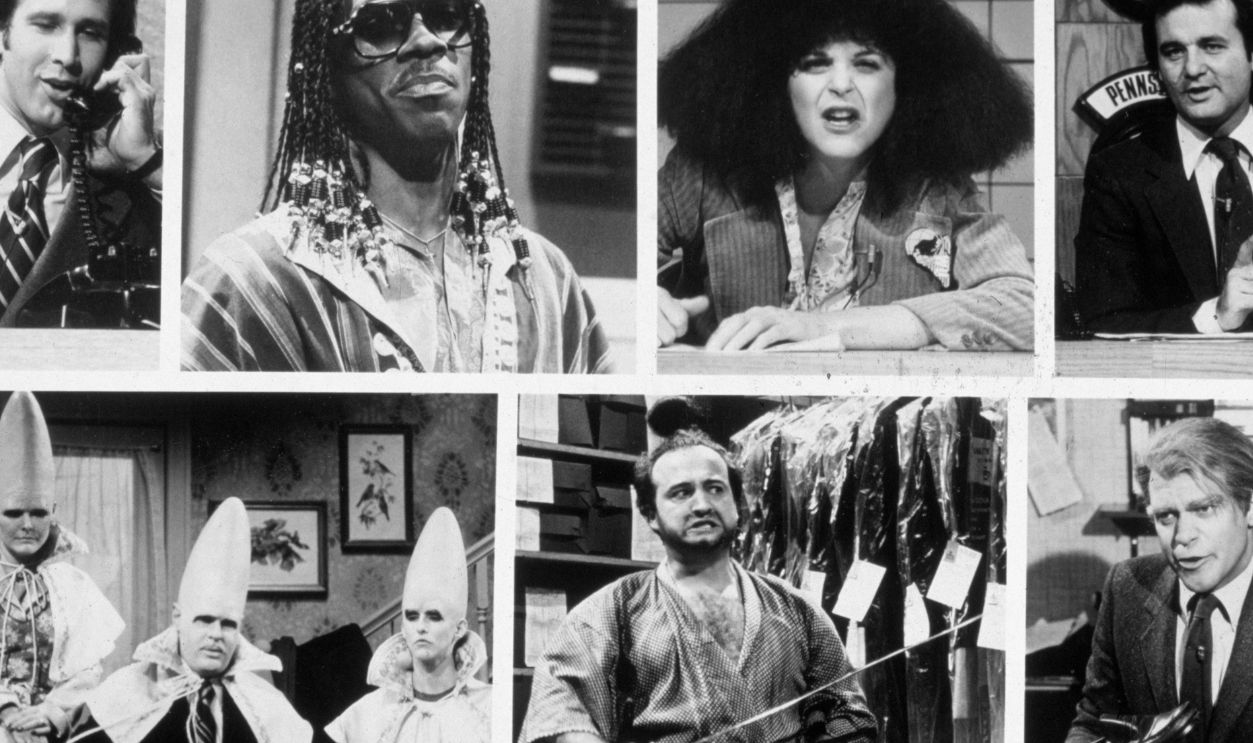
They Made Live Television Feel Dangerous Again
The first SNL cast did not share one personality or one definition of comedy. Their competing energies made the program feel spontaneous, imperfect, and alive. Every cast that followed inherited the stage they built, but the Not Ready for Prime Time Players were the ones brave enough to step onto it first.
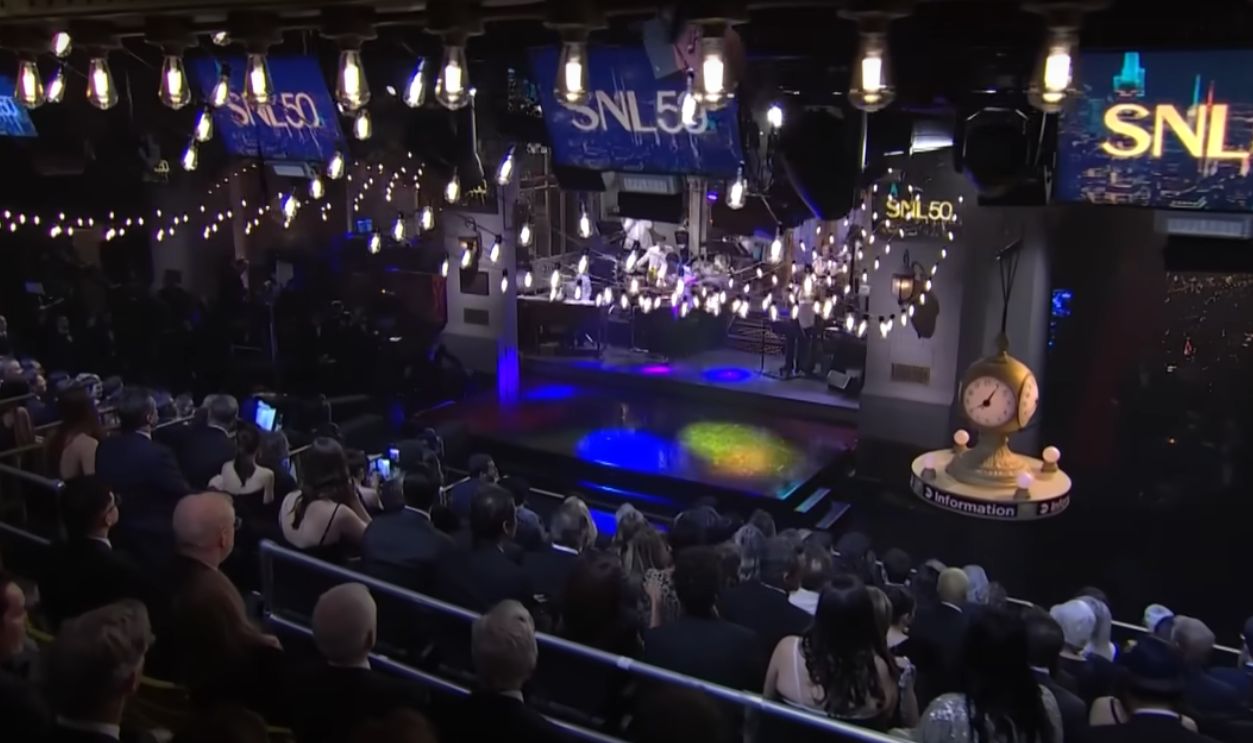 Screenshot from Saturday Night Live, NBC (1975–present)
You May Also Like:
Every Host And Musical Guest From SNL’s First Season—Do You Remember Them All?
Fired From New York, It's All Of Saturday Night Live's One Season Wonders
Sources: 1, 2, 3, 4, 5, 6, 7, 8, 9, 10, 11, 12, 13, 14, 15, 16, 17, 18, 19, 20