She Went From Bond Girl To Rock Bottom
At 22, Jane Seymour became an international star as a Bond girl in Live and Let Die. She spent the next two decades building an enviable career in movies, television, and theater. Then everything unraveled. Despite all that success, Seymour suddenly found herself nearly penniless, facing lawsuits, and in danger of losing her home.

Ballet Was Her First Dream
Born Joyce Penelope Wilhelmina Frankenberg in England in 1951, Seymour originally hoped to become a professional ballerina. She trained seriously for years, but an injury in her late teens ended that dream. Rather than leave performing behind, she turned to acting, setting her on a completely different path.

Richard Attenborough Gave Her An Opening
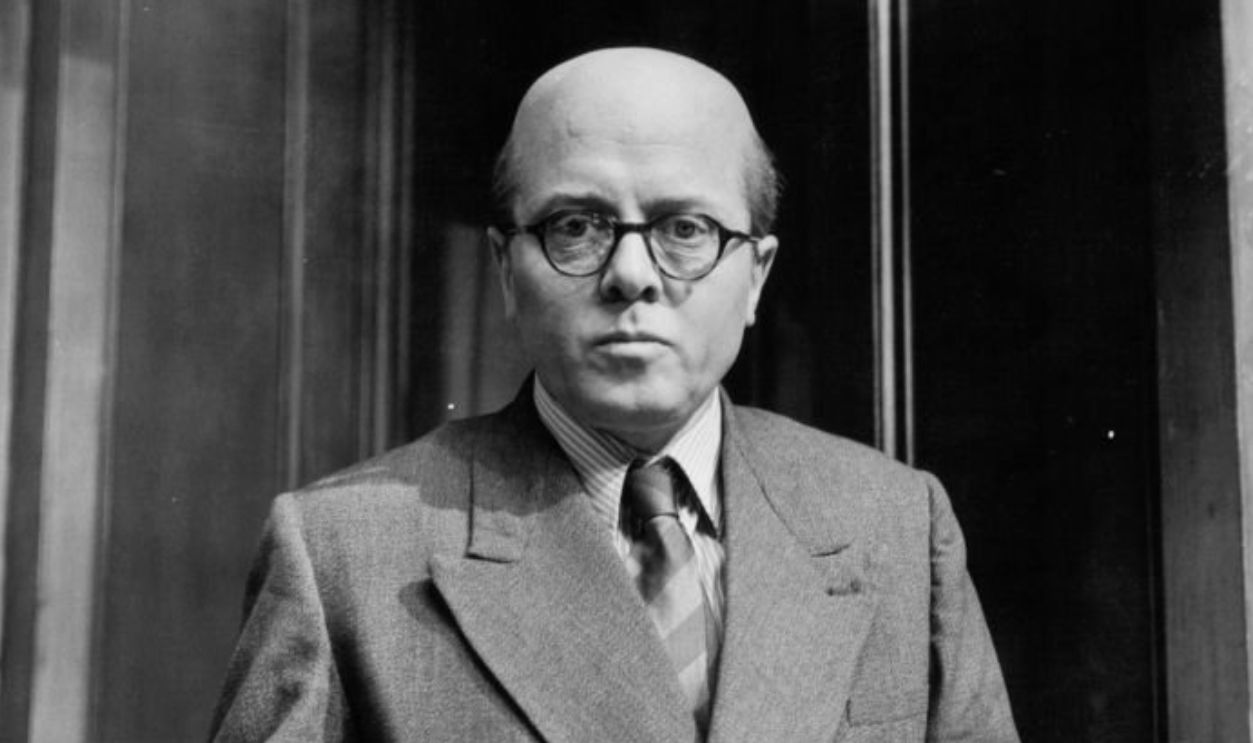
Seymour appeared as a chorus girl in Richard Attenborough's 1969 film Oh! What a Lovely War. She was still a teenager and received only a tiny part, but the experience helped her enter the film business. An agent noticed her, and larger opportunities began to follow.
Television Put Her On The Map
One of Seymour's first major breakthroughs came with the British television drama The Onedin Line. Playing Emma Callon gave her considerably more exposure than her earlier small parts. Before long, Hollywood producers were paying attention.
James Bond Came Calling
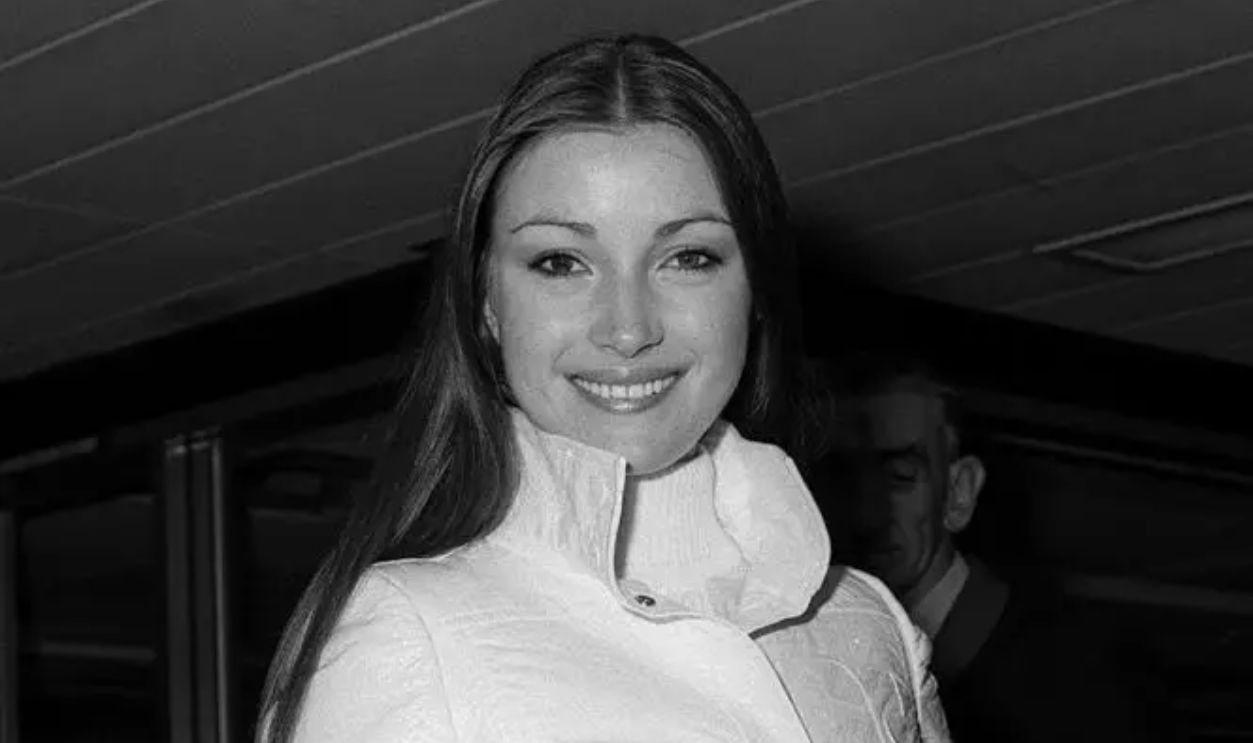
Seymour's work helped bring her to the attention of the producers behind Live and Let Die. She later recalled meeting Bond producers Harry Saltzman and Albert R. Broccoli as she was considered for Solitaire. The role would instantly push her career onto an international stage.
Solitaire Changed Her Life
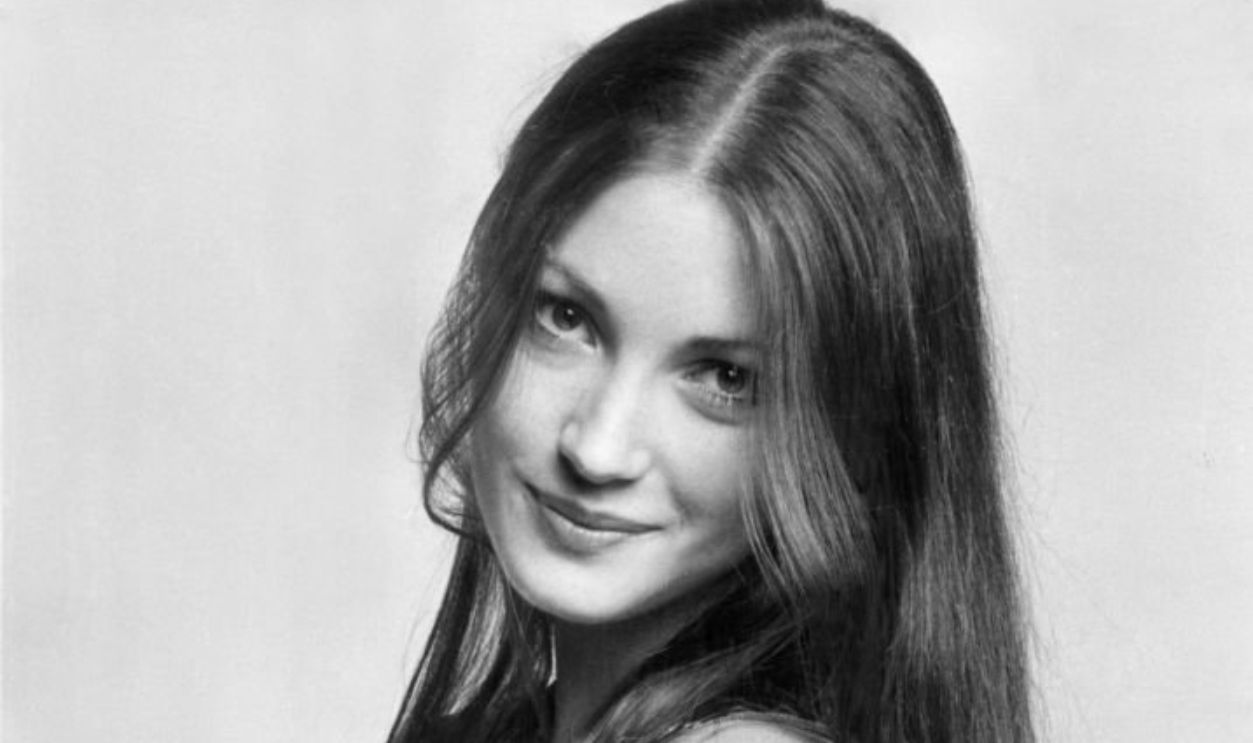
Released in 1973, Live and Let Die introduced Roger Moore as James Bond and Seymour as Solitaire, a mysterious tarot reader. Seymour was 22 when the movie reached theaters. Almost overnight, the role put her in front of a worldwide audience.
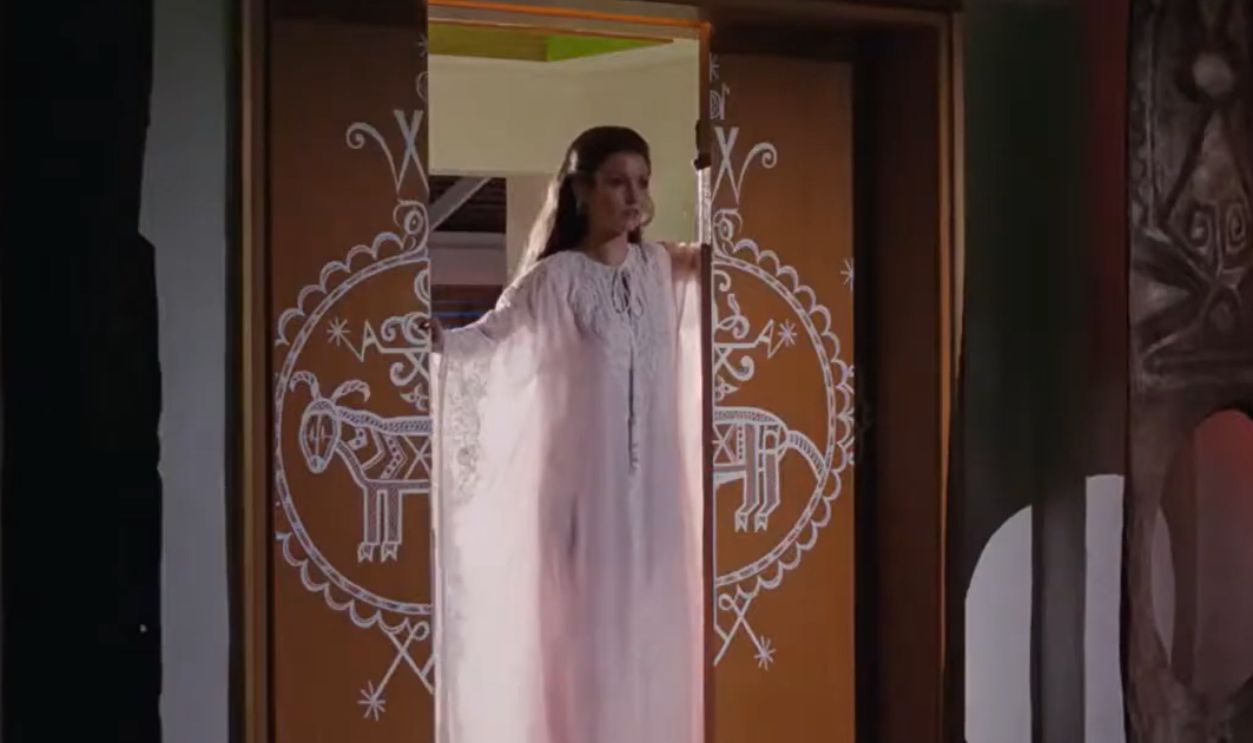 Screenshot from Live And Let Die, United Artists (1973)
The Bond Machine Was Overwhelming
The glamorous image surrounding the movie did not always resemble Seymour's real life. She has recalled being uncomfortable with publicity material that invented provocative details about her personality and private life. Seymour later admitted that suddenly becoming part of the Bond machine was frightening and left her feeling out of her depth.
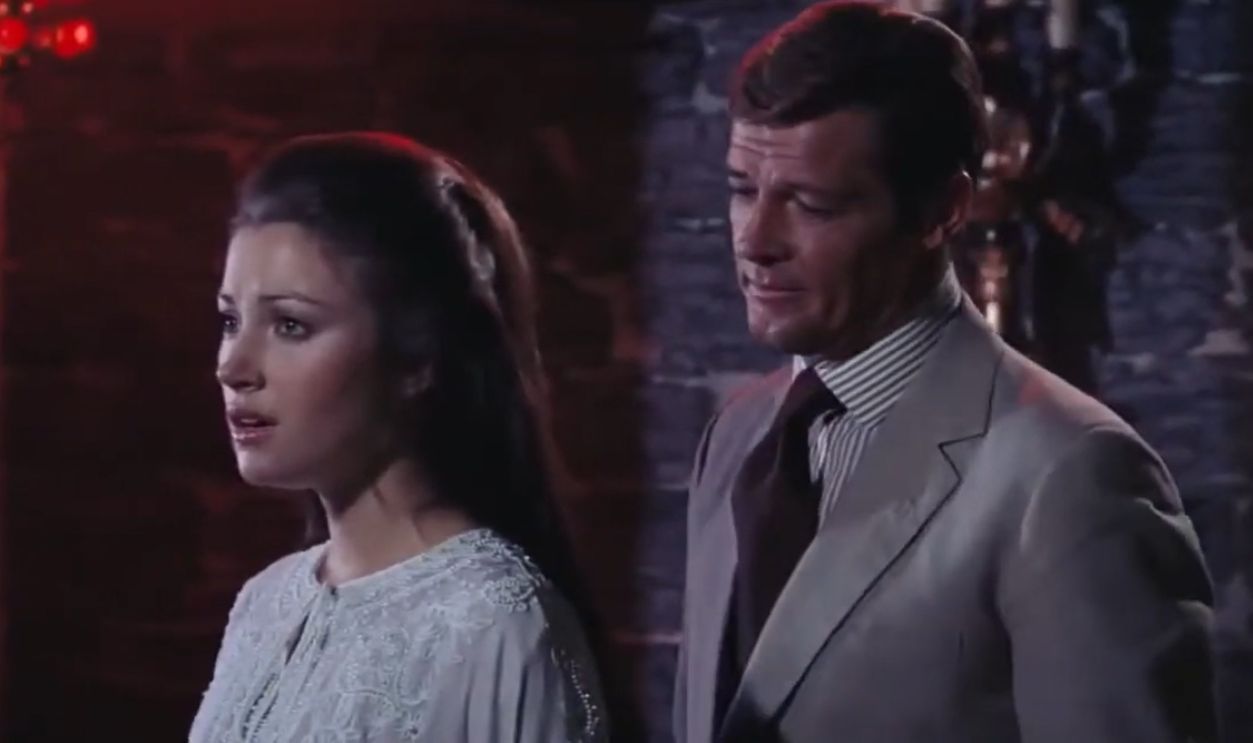 Screenshot from Live And Let Die, United Artists (1973)
Roger Moore Looked Out For Her
Seymour was married at the time to Michael Attenborough, the son of director Richard Attenborough. She has recalled that Richard wrote Roger Moore asking him to look after his daughter-in-law during production. Seymour later remembered Moore and his wife being kind to her while she was still finding her footing in the Bond world.
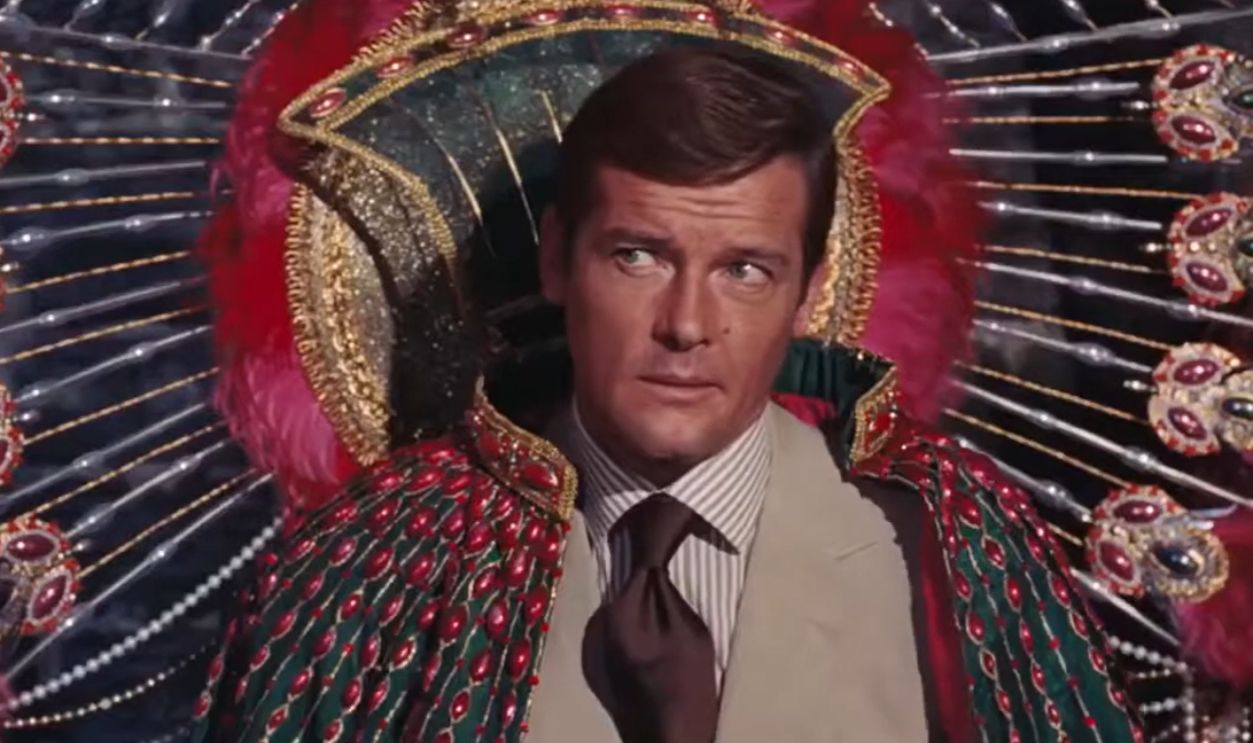 Screenshot from Live And Let Die, United Artists (1973)
Being A Bond Girl Had A Downside
The role opened doors, but Seymour has said it also caused some people to dismiss her as simply a "Bond girl." She recalled director John Schlesinger becoming interested in casting her before learning about the Bond connection. According to Seymour, she never heard from the project again.
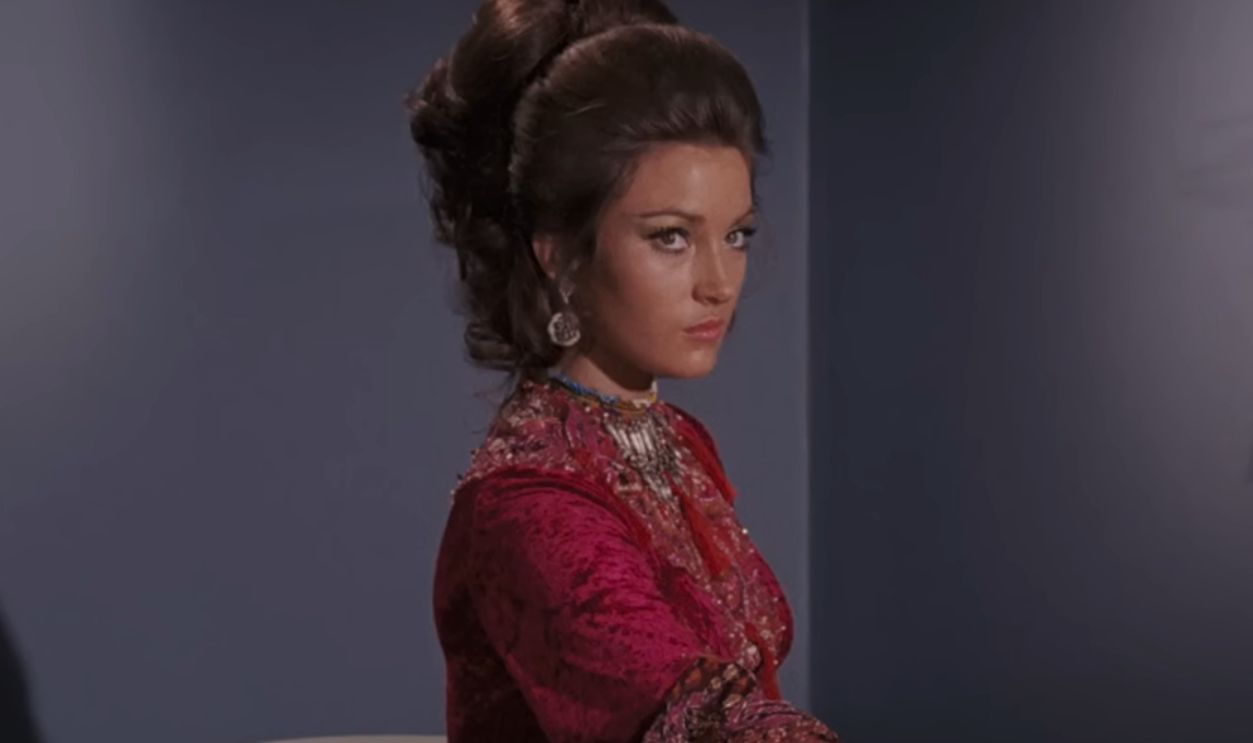 Screenshot from Live And Let Die, United Artists (1973)
She Refused To Get Stuck
Seymour kept working across film and television instead of waiting for another blockbuster. By the mid-1970s, she was taking roles that had little connection to Solitaire's glamorous image. Moving between Britain and the United States helped her build a much broader career.
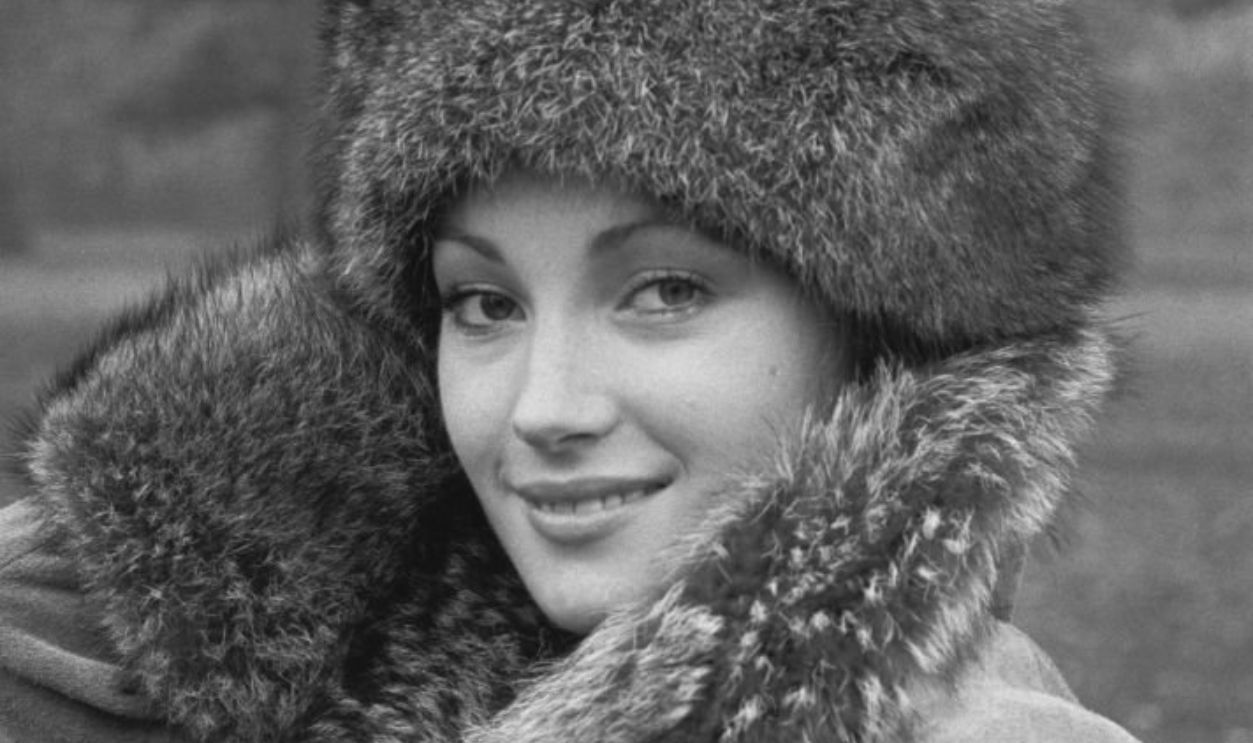 Evening Standard, Getty Images
American Television Embraced Her
Seymour became a familiar face to U.S. audiences through projects including Captains and the Kings. Her performance earned her a Primetime Emmy nomination in 1977. It was evidence that she could handle substantial dramatic material well beyond Bond.
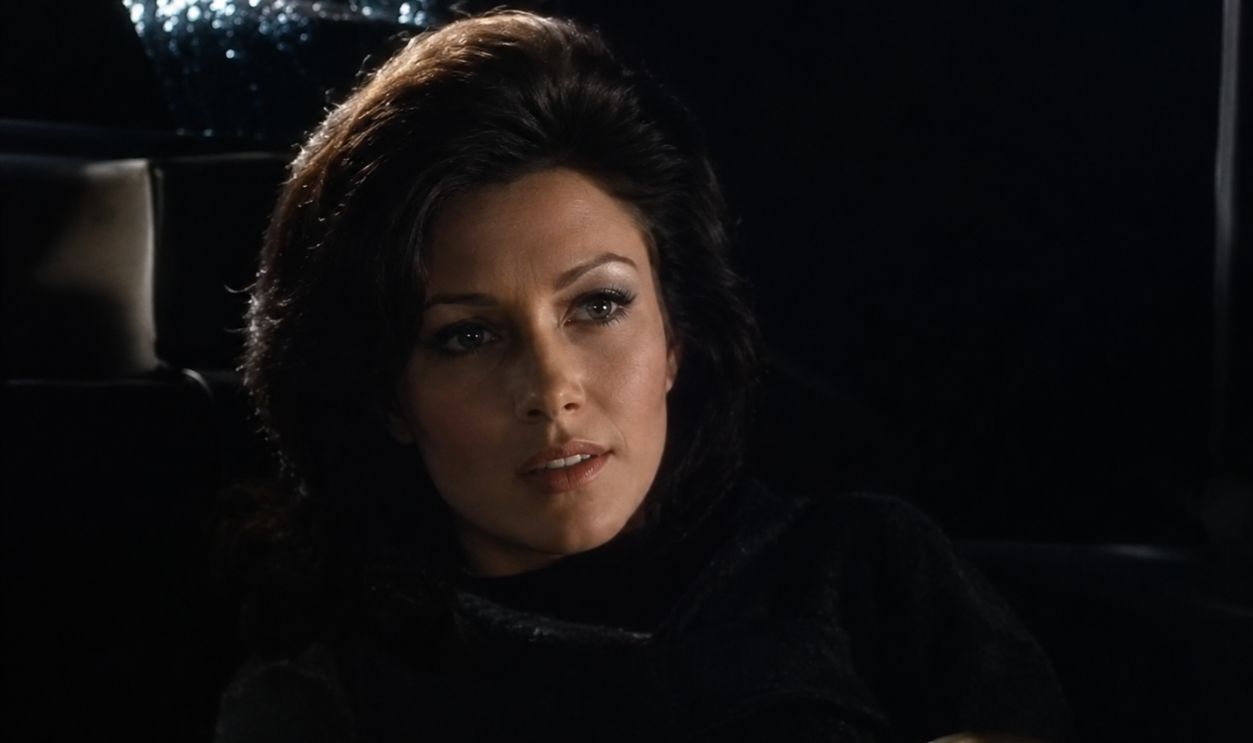 Screenshot from Captains and the Kings, NBC (1976)
She Entered The Sci-Fi World
In 1978, Seymour joined the original Battlestar Galactica as Serina. The role brought her into another major pop-culture franchise just a few years after Bond. By then, her résumé was becoming unusually varied.
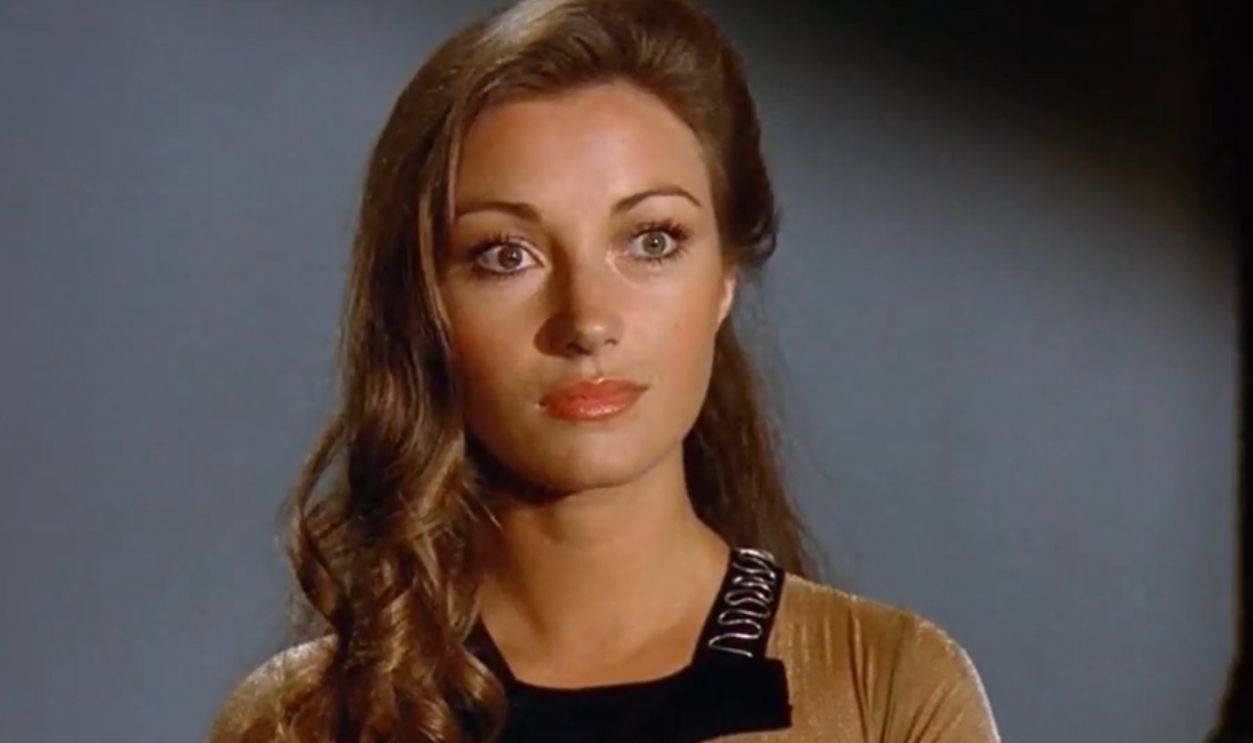 Screenshot from Battlestar Galactica, Universal Television (1978-1979)
Somewhere In Time Became A Favorite
Seymour starred opposite Christopher Reeve in the 1980 romantic fantasy Somewhere in Time. The movie was not an immediate blockbuster, but it gradually developed an intensely loyal following. Seymour and Reeve also formed a close friendship that lasted until his death in 2004.
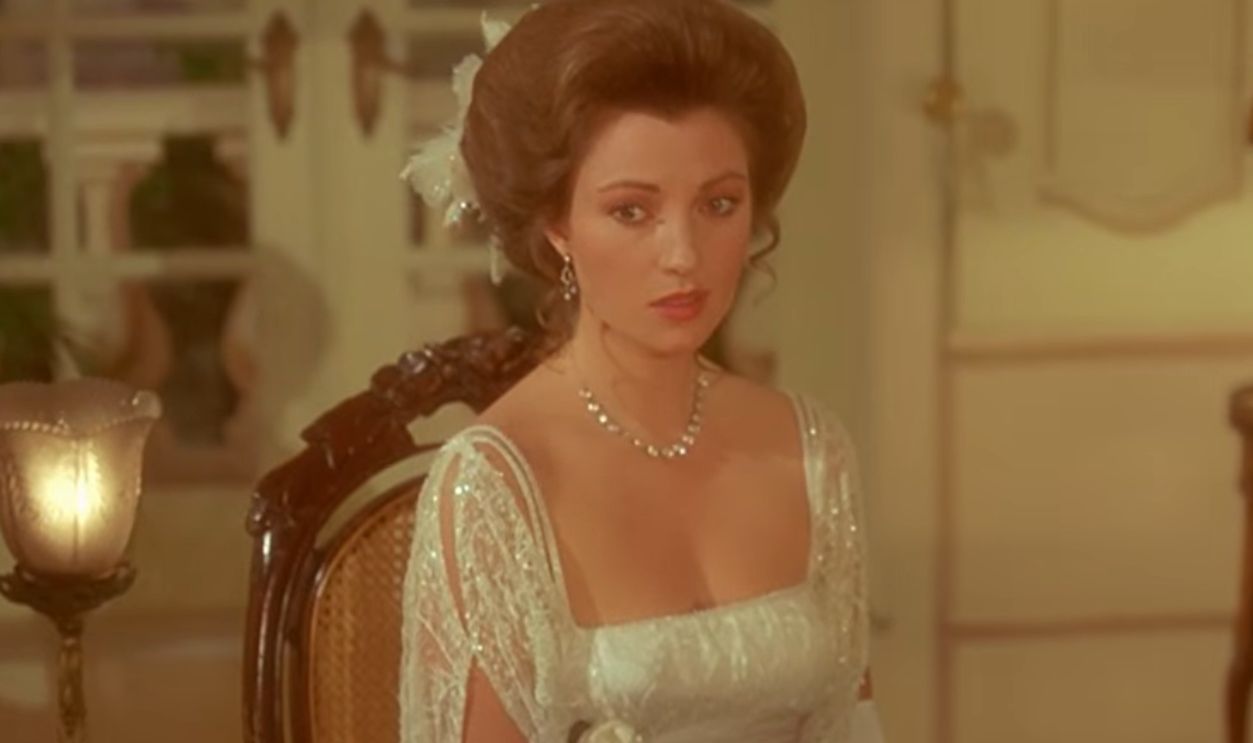 Screenshot from Somewhere In Time, Universal Pictures (1980)
East Of Eden Brought Major Recognition
Her television work reached another level with the 1981 miniseries East of Eden. Seymour played Cathy Ames, one of the darkest and most complicated roles of her career up to that point. The performance earned her a Golden Globe in 1982.
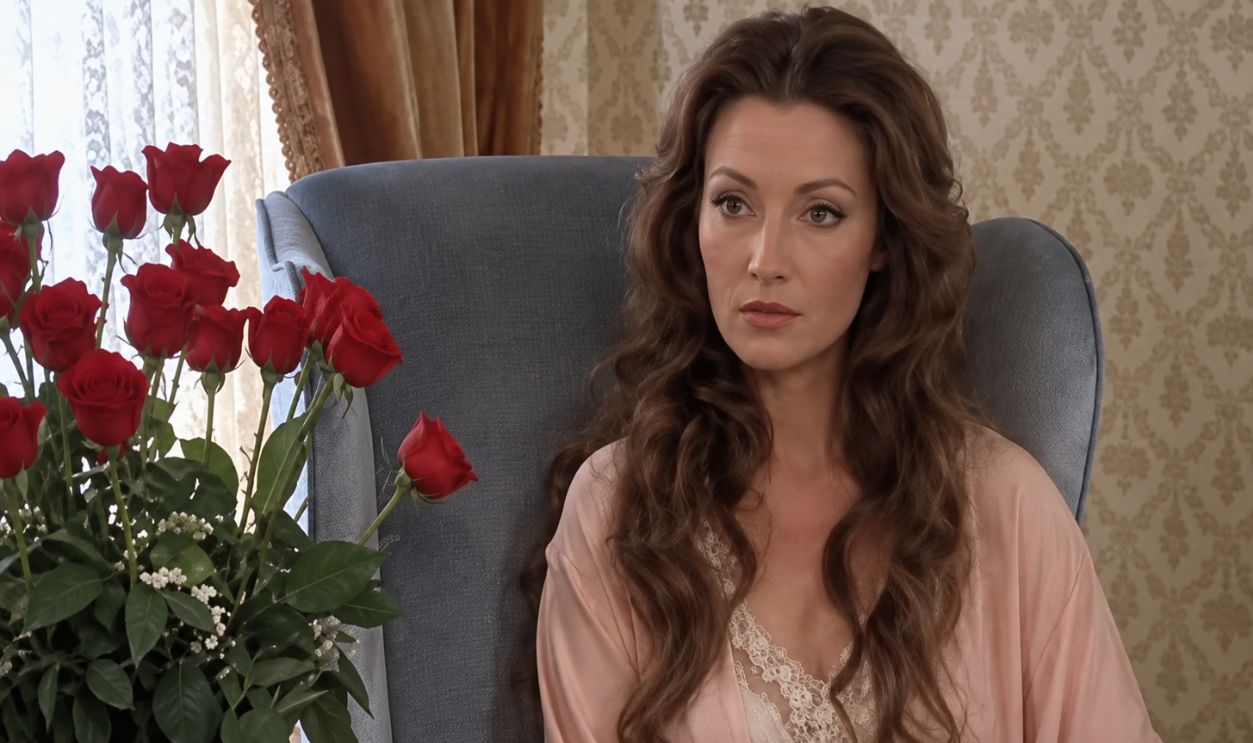 Screenshot from East of Eden, ABC (1981)
She Was Everywhere In The 1980s
Seymour moved easily between television movies, miniseries, feature films, and the stage. At one point, she was appearing on Broadway in Amadeus while Somewhere in Time was reaching theaters and East of Eden was heading to television. She later described that ability to move between mediums as unusual for the era.

The Miniseries Became Her Specialty
Long-form television proved especially valuable to Seymour. She became so closely associated with ambitious television productions that she was sometimes described as a queen of the miniseries. The format gave her a steady stream of demanding lead roles.
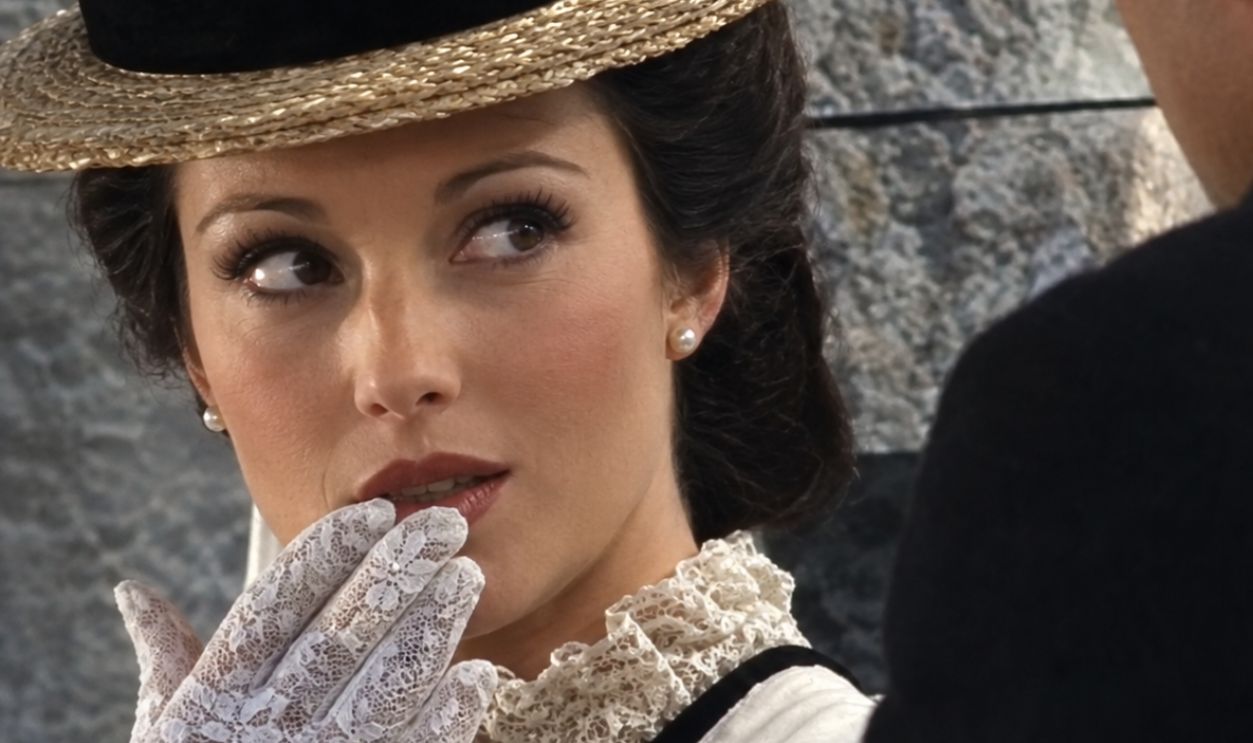 Screenshot from East of Eden, ABC (1981)
She Won An Emmy As Maria Callas
Seymour portrayed opera legend Maria Callas in the 1988 television production Onassis: The Richest Man in the World. The performance earned her the Primetime Emmy for Outstanding Supporting Actress in a Miniseries or Special. It was one of the biggest awards of her career.
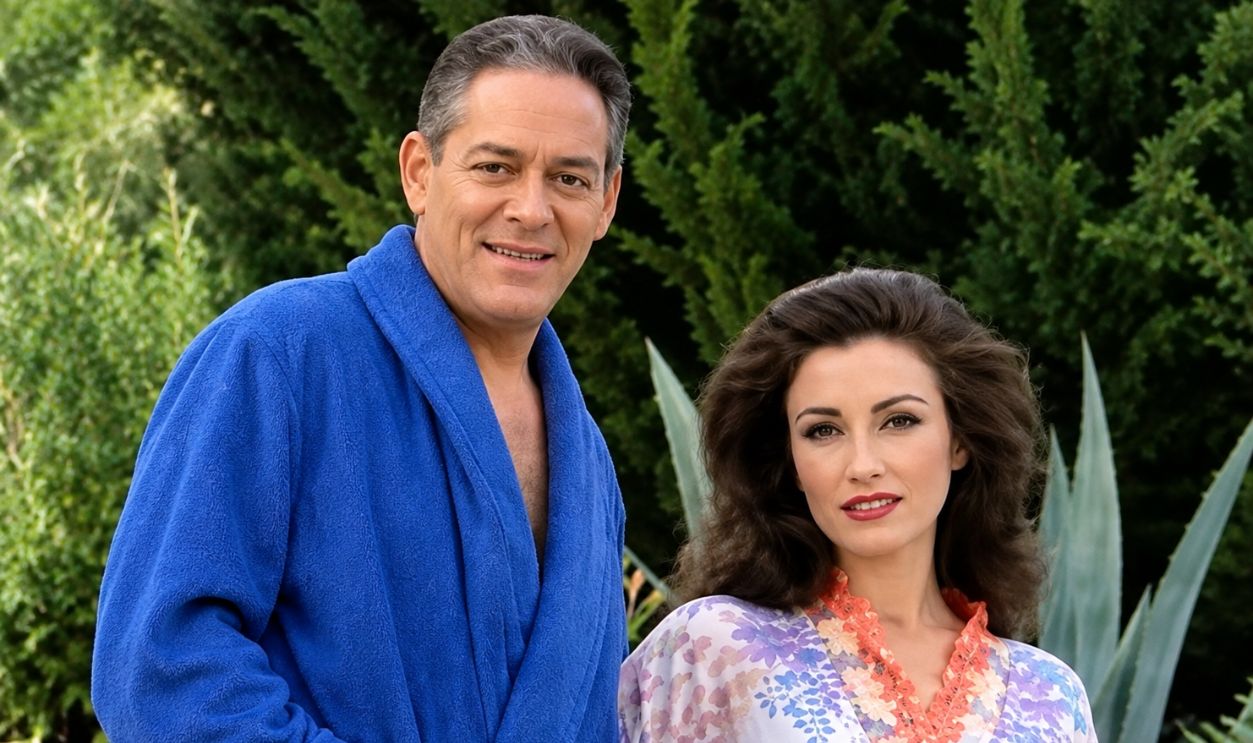 Screenshot from Onassis: The Richest Man in the World, ABC (1988)
War And Remembrance Added Another Epic
Seymour also appeared as Natalie Henry in the sprawling television miniseries War and Remembrance. Her performance earned another Primetime Emmy nomination. By the end of the 1980s, she had become one of television's most established dramatic stars.
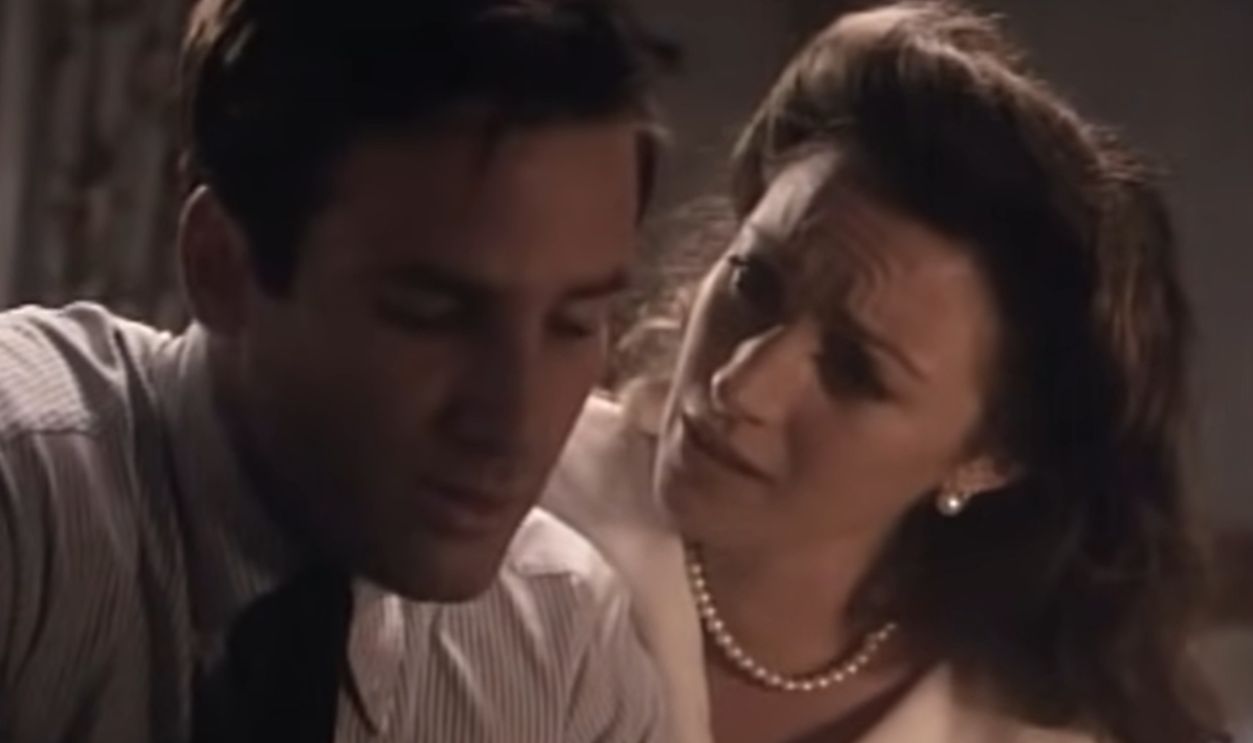 Screenshot from War and Remembrance, ABC (1988)
Her Private Life Was Unraveling
Behind the successful career, Seymour's third marriage was falling apart. She had married businessman and manager David Flynn in 1981, and the couple had two children together. Seymour has said she trusted him to handle much of the family's financial business.
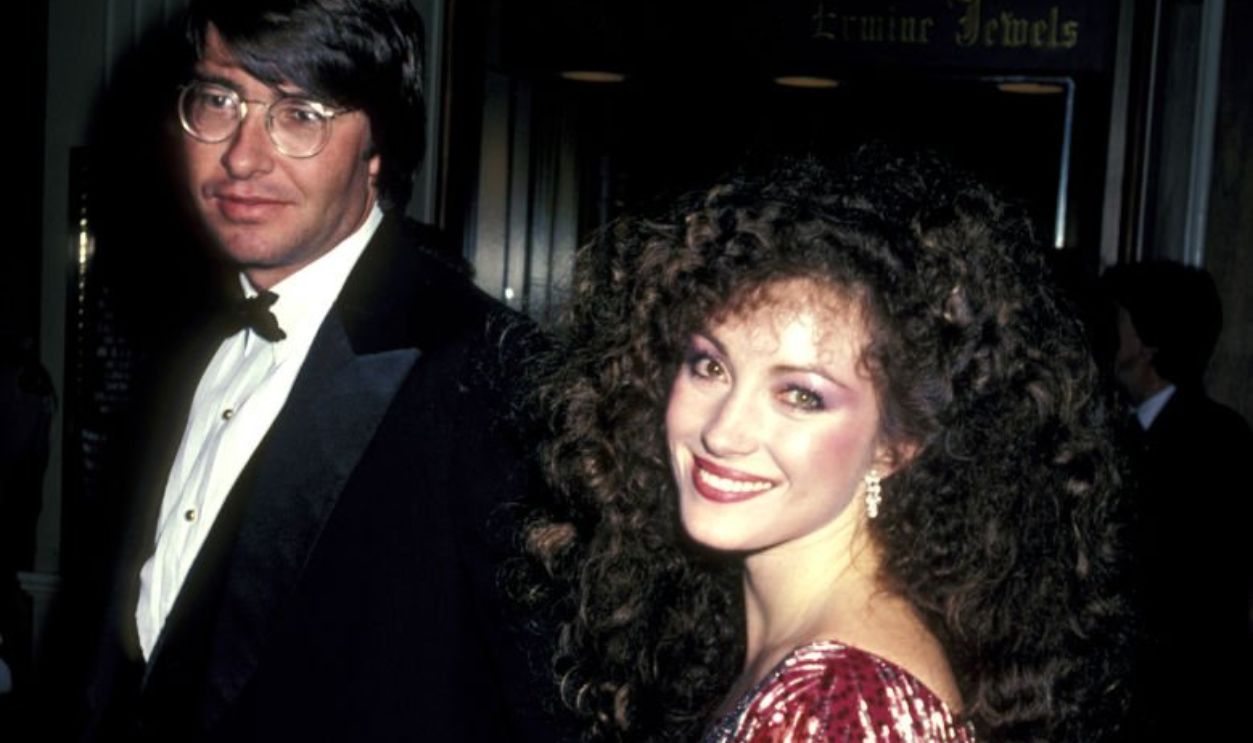
Then She Discovered The Financial Disaster
According to Seymour, she eventually learned that financial deals connected to her marriage had left her in devastating trouble. She has repeatedly described finding herself roughly $9 million in the red and facing lawsuits from major banks. The revelation came as her marriage to Flynn was ending.
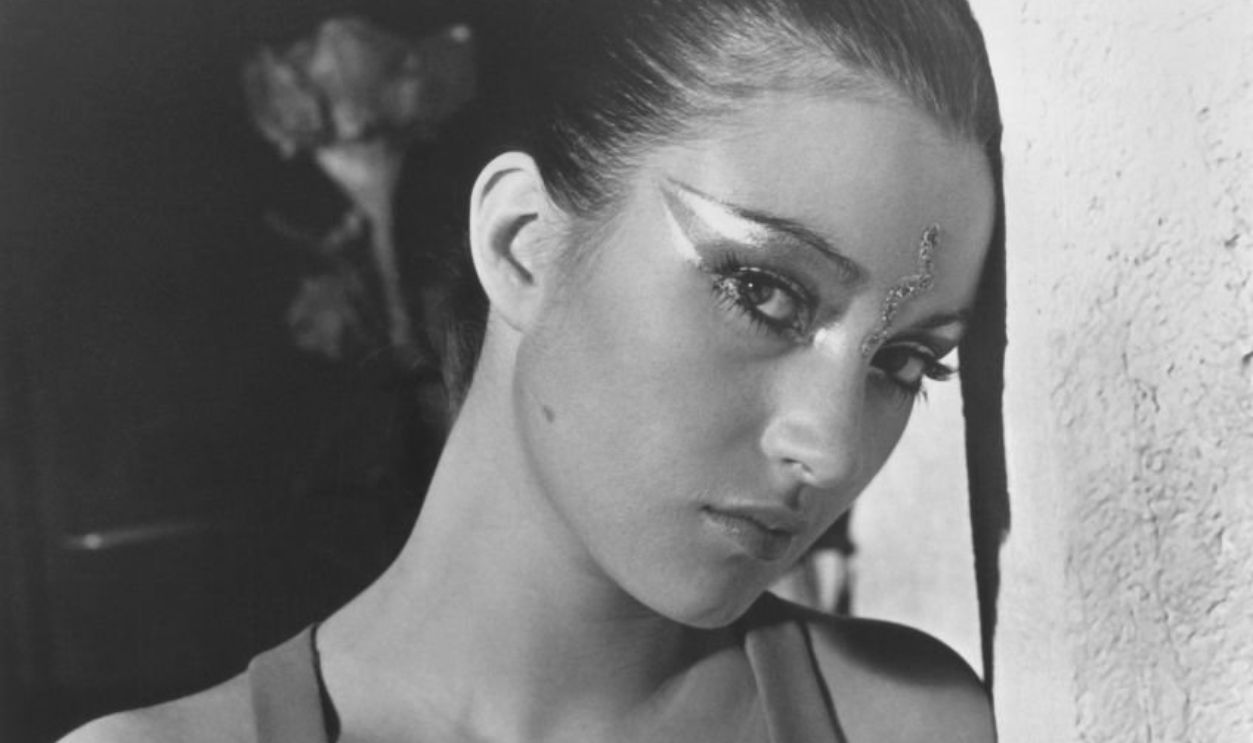
She Said She Had Nothing Left
Seymour's descriptions of this period are striking considering how successful her career looked from the outside. She has said she was penniless, facing major debts, and at risk of losing her house while raising two young children. Years of prominent acting work had not protected her from a sudden financial collapse.
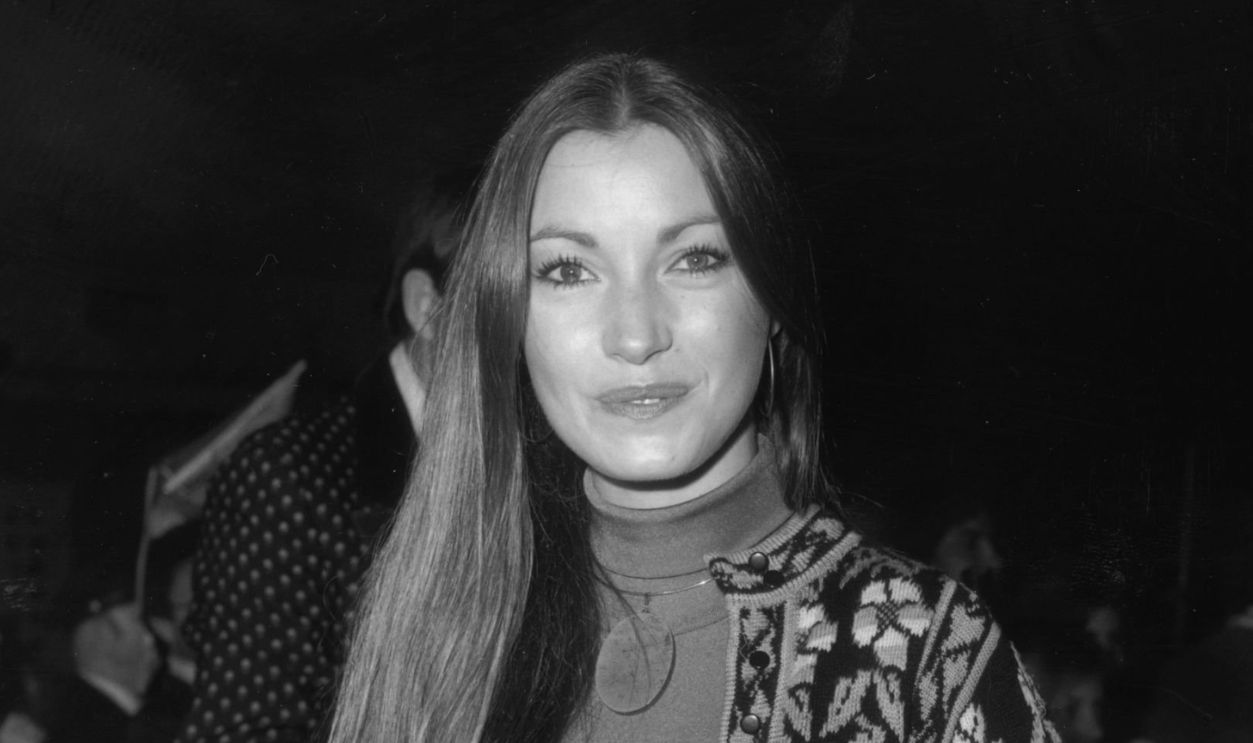
She Told Her Agent She Would Do Anything
With immediate income becoming essential, Seymour called her agent. She has recalled telling him that she needed to work immediately and was willing to take practically anything available. The request soon produced one of the most important phone calls of her career.

Dr. Quinn Appeared Almost Overnight
CBS had a television movie called Dr. Quinn, Medicine Woman that needed a star quickly. Seymour has said she received the script late at night, had to make her decision the following morning, and then report for wardrobe almost immediately. Filming began shortly afterward.
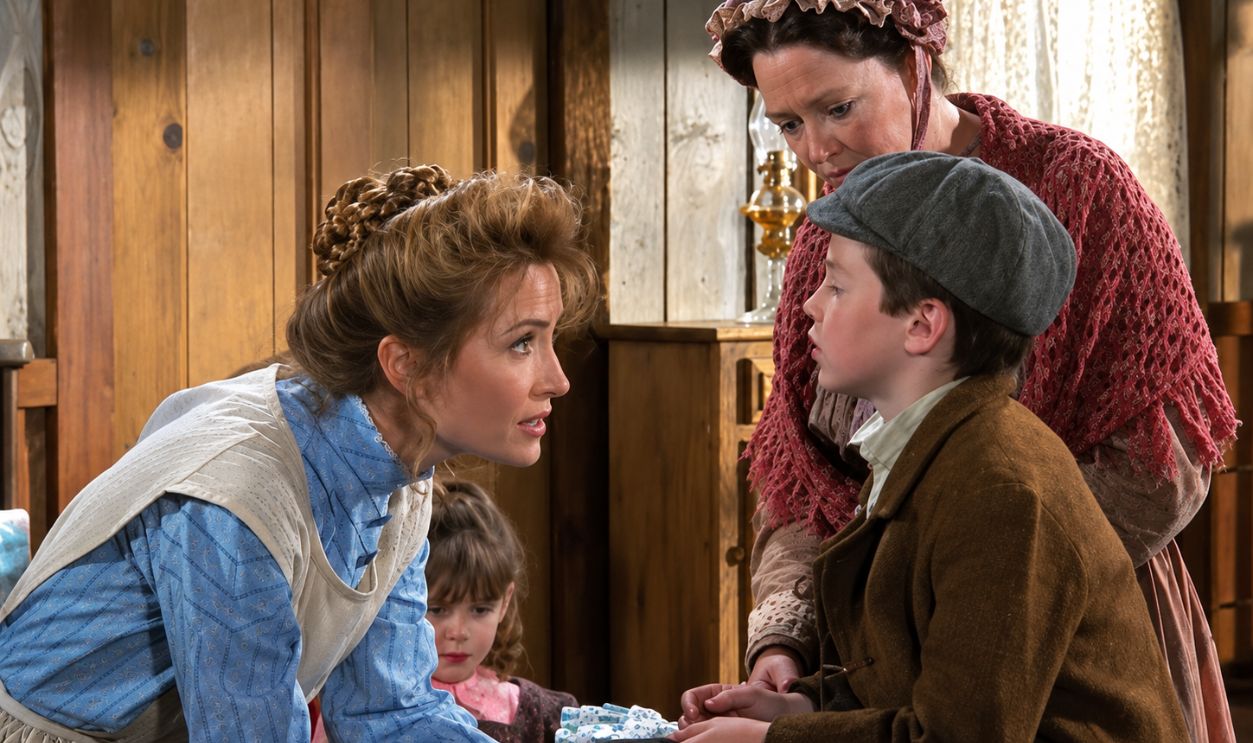 Screenshot from Dr. Quinn, Medicine Woman, Paramount Global (1993-1998)
She Had To Gamble On Five Years
There was another catch. Seymour had to sign a multiyear commitment in case the television movie became a continuing series. She had previously resisted committing to a weekly hour-long drama, but her financial circumstances had changed everything.
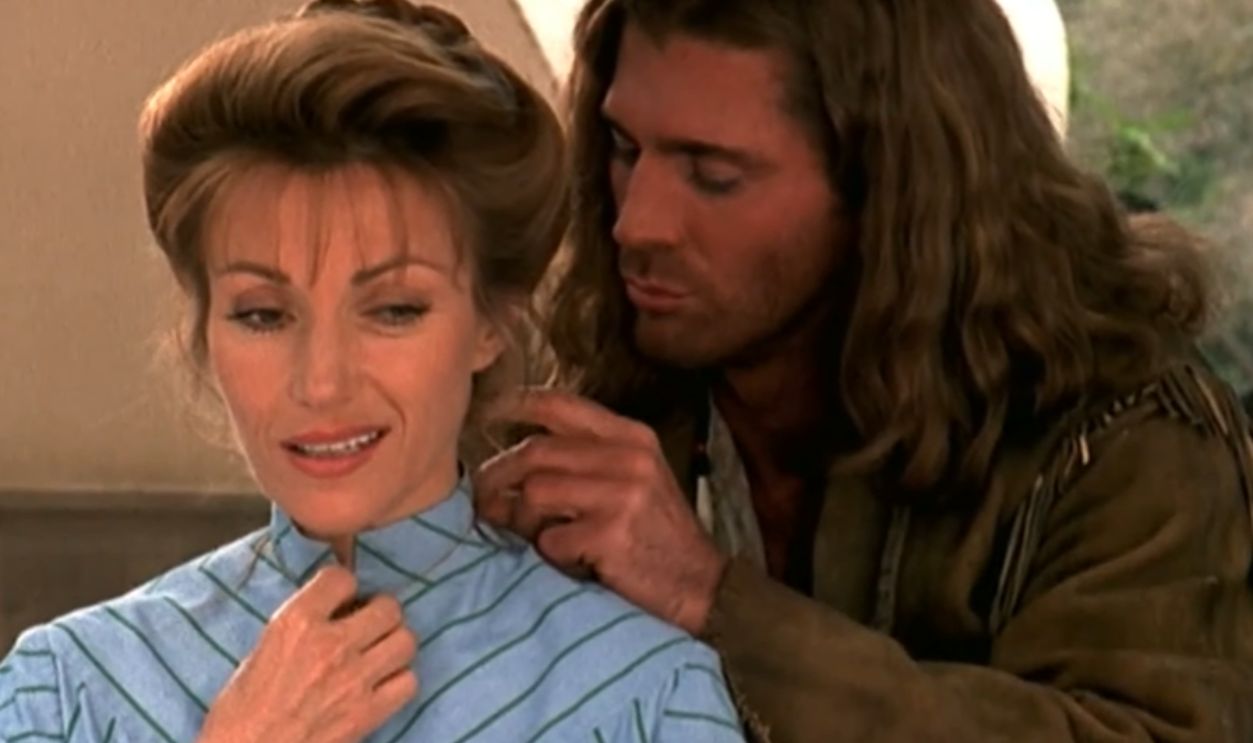 Screenshot from Dr. Quinn, Medicine Woman, Paramount Global (1993-1998)
Almost Nobody Expected A Hit
Seymour has recalled being told that the combination of a female lead, medicine, children, animals, morality, and a dusty period setting made the show's prospects seem uncertain. Instead, Dr. Quinn, Medicine Woman connected with a huge audience. The CBS drama ultimately ran for six seasons from 1993 to 1998.
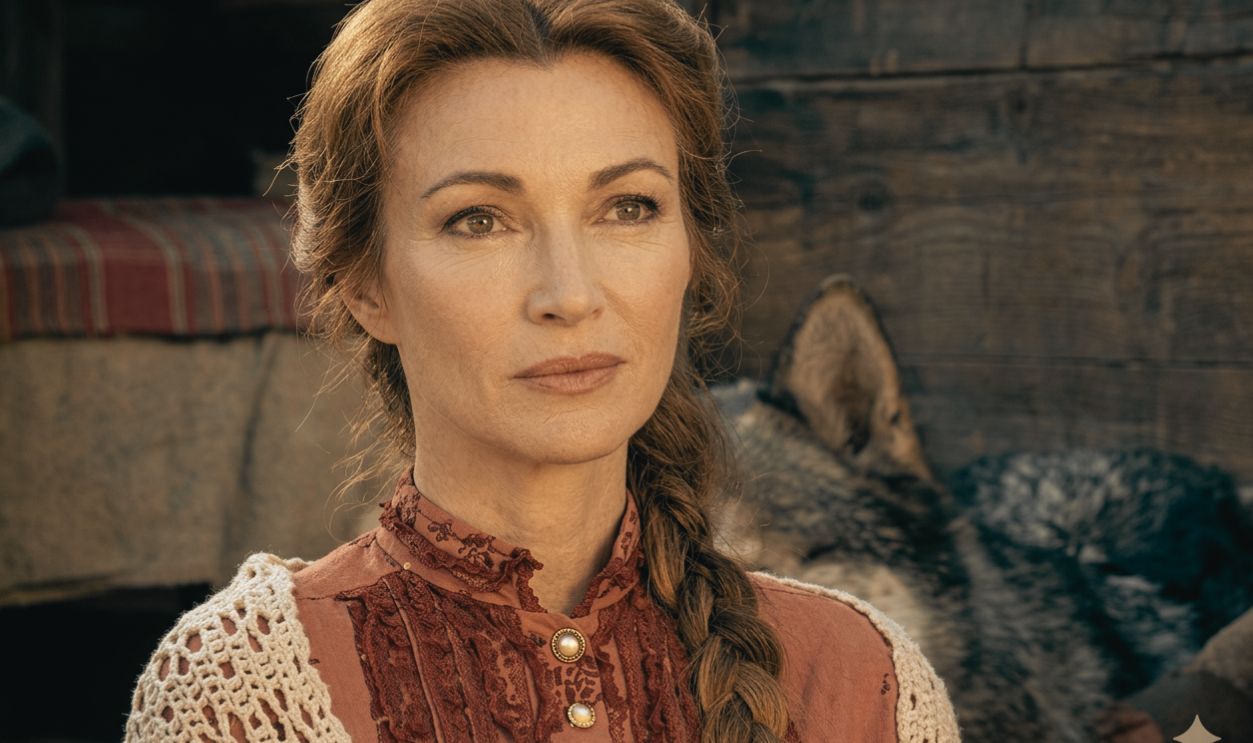 Screenshot from Dr. Quinn, Medicine Woman, Paramount Global (1993-1998), Modified
Dr. Quinn Rebuilt More Than Her Career
Playing Dr. Michaela Quinn gave Seymour the steady work she urgently needed and became one of her defining roles. She later said the show helped put a roof over her head and allowed her to rebuild financially. Her performance also brought Emmy nominations and a Golden Globe win.
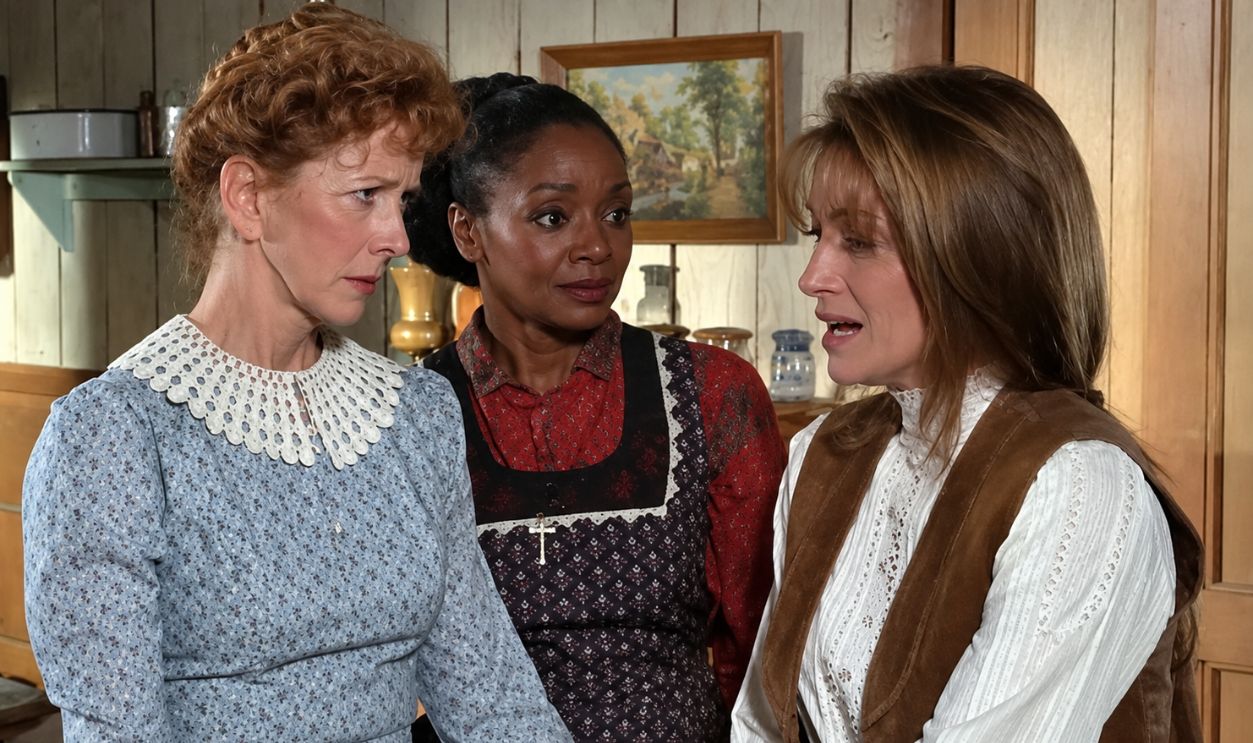 Screenshot from Dr. Quinn, Medicine Woman, Paramount Global (1993-1998)
She Kept Reinventing Herself
Seymour refused to become permanently tied to the wholesome Dr. Quinn image. Her bold comic performance in 2005's Wedding Crashers introduced her to another generation and led to more comedy opportunities. Decades after Bond first made her famous, she was still finding ways to surprise audiences.
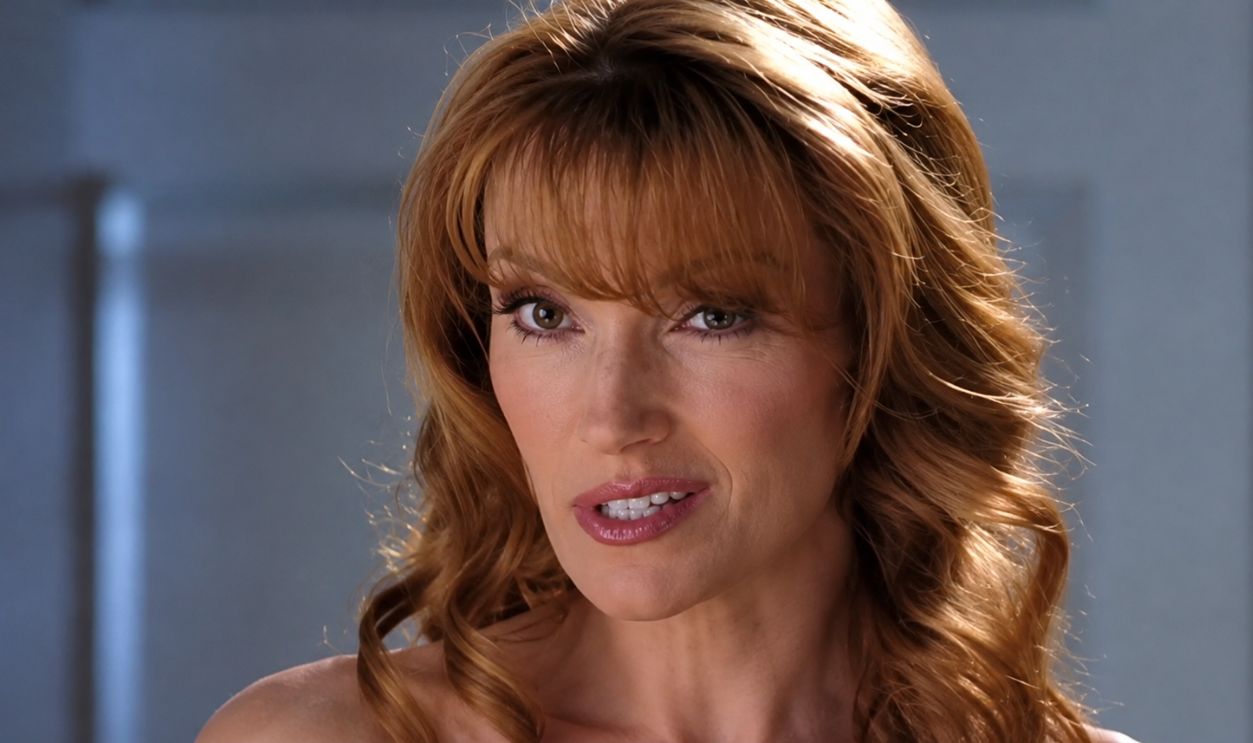 Screenshot from Wedding Crashers, New Line Cinema (2005)
She Is Still Leading Shows
Seymour eventually moved into yet another leading television role with the mystery series Harry Wild. Now in her 70s, she continues to work rather than treating her earlier successes as a farewell tour. Her career has stretched from Bond and romantic dramas to westerns, comedy, and crime television.
 Screenshot from Harry Wild, Dynamic Television (2022-)
The Collapse Became A Turning Point
Seymour's career could easily be remembered for Solitaire, Somewhere in Time, or the awards that followed. Instead, one of its most remarkable chapters began when she believed she had lost almost everything and simply needed a job. The role she accepted out of financial desperation became Dr. Quinn, the series that defined the next stage of her career.
You May Also Like:
Barbara Bach Became One Of The 1970s’ Most Iconic Bond Girls—But Her Toughest Battle Began Offscreen
Victoria Principal Became A Dallas Star, Then Built A Second Career Far From Southfork
Pepsi Dropped Madonna Over Like A Prayer—Then Lost A Lot Of Money When The Song Shot To No. 1