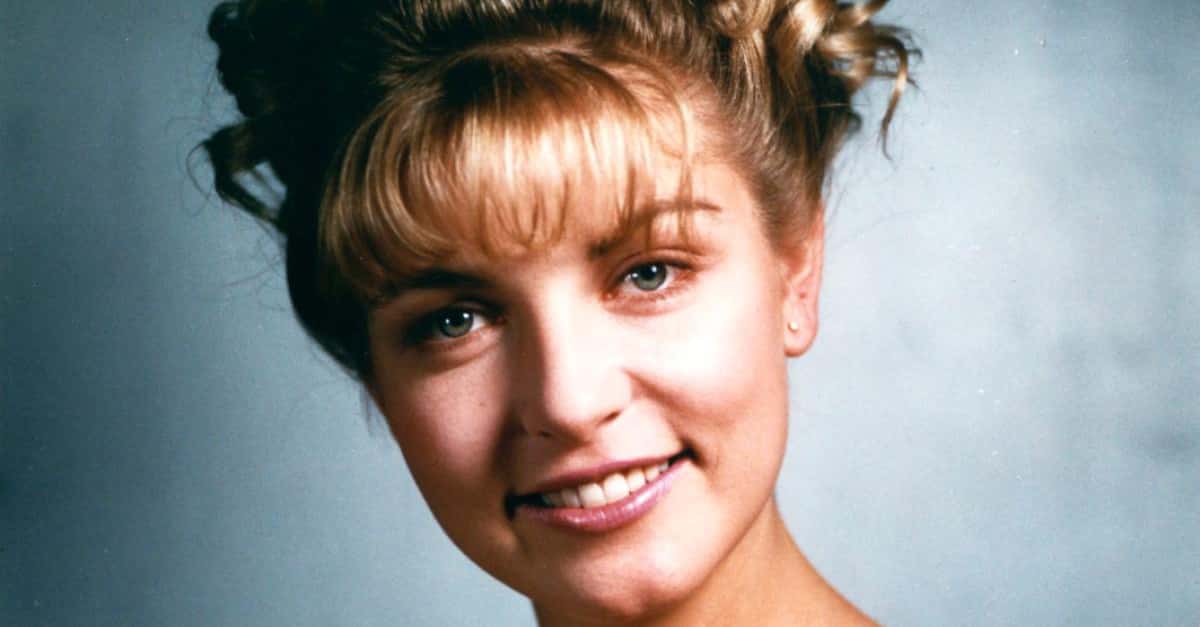
She Built A Life Well Beyond Southfork
Victoria Principal became a huge TV star when Dallas turned Pamela Barnes Ewing into a prime-time favorite. But even at the height of the show’s success, acting was never her only plan. By the time she left Southfork after nine seasons, Principal was already building a very different life in business, writing, production, and philanthropy.

Her First Big Movie Put Her Beside Paul Newman
Principal made her feature-film debut in the 1972 western The Life and Times of Judge Roy Bean, starring Paul Newman. Her performance as Maria Elena earned her a Golden Globe nomination for New Star of the Year. It was an unusually visible start for an actress still trying to establish herself in Hollywood.
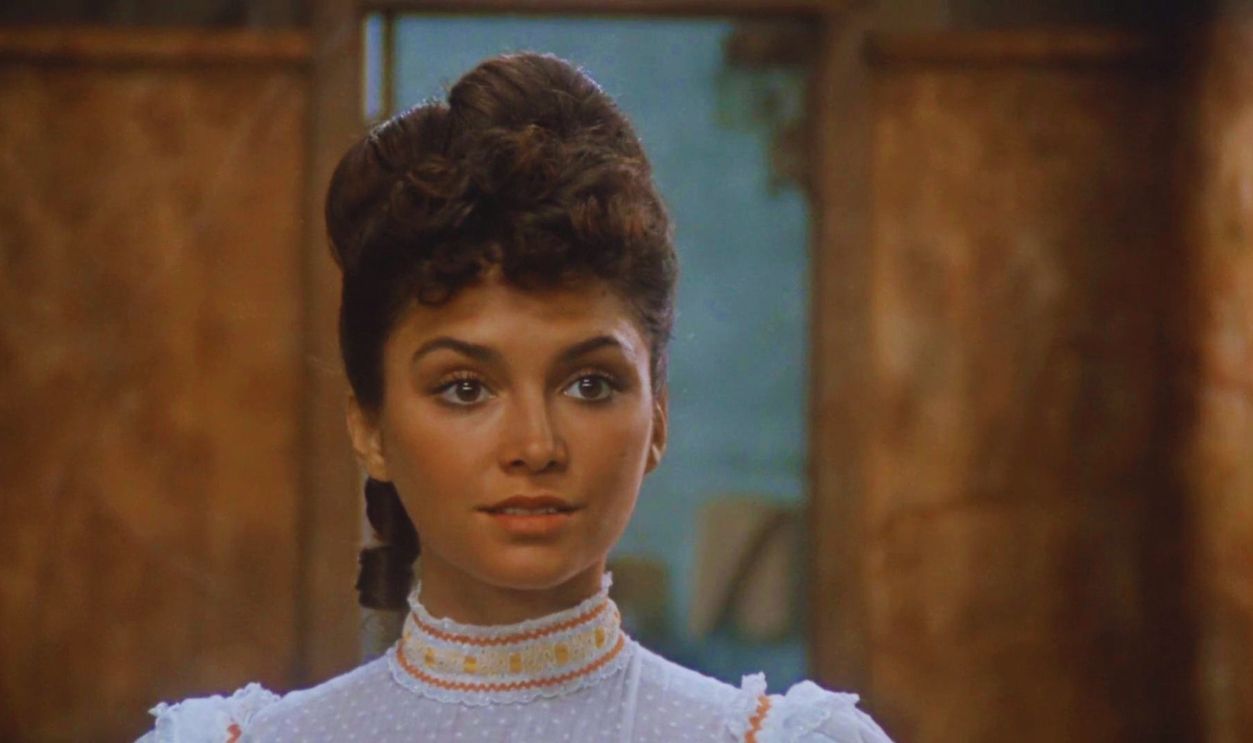 Screenshot from The Life and Times of Judge Roy Bean, National General Pictures (1972)
Early Success Did Not Make Hollywood Easy
More film work followed, including The Naked Ape, the disaster blockbuster Earthquake, Vigilante Force, and I Will... I Will... for Now. Principal later recalled that her career lost momentum despite her promising beginning. Instead of waiting indefinitely for Hollywood to come around, she made a surprisingly practical move.
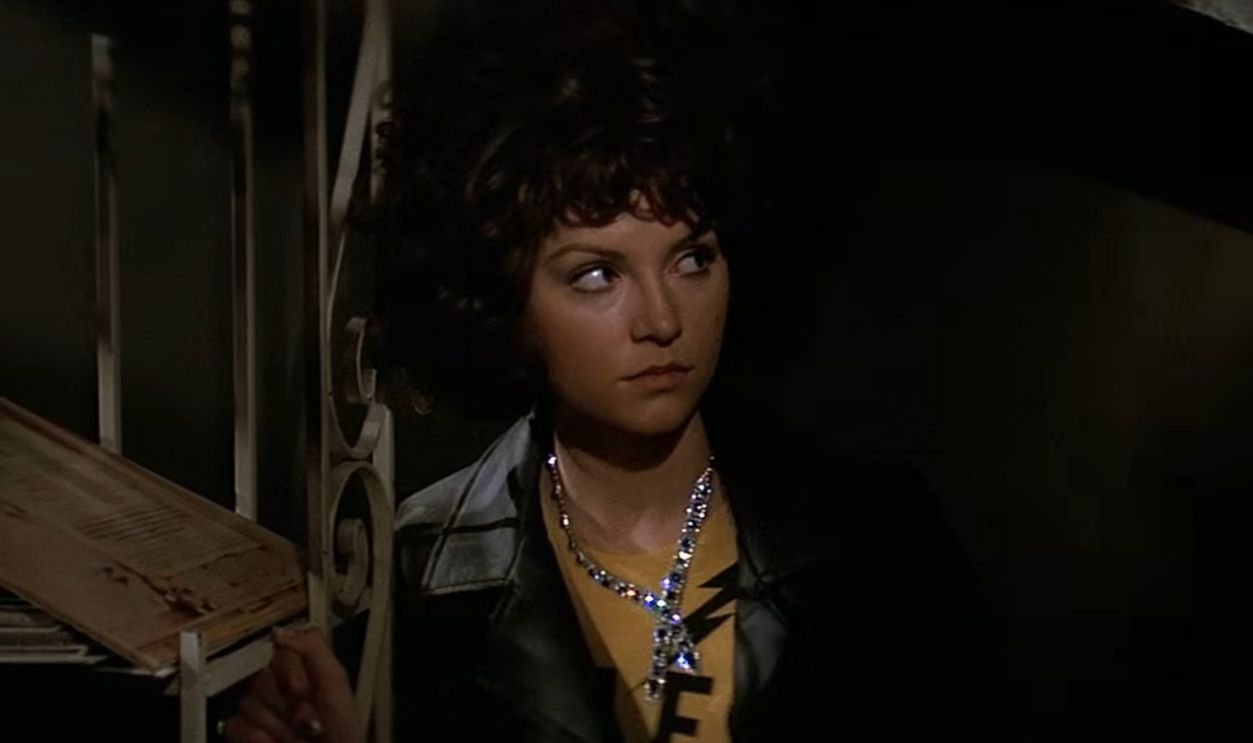 Screenshot from Earthquake, Universal Pictures (1974)
She Walked Away From Acting Before Dallas
By 1975, Principal had stepped away from acting and become a Hollywood talent and booking agent. She worked around actors, writers, directors, and producers, discovering that she genuinely enjoyed the business side of entertainment. She was even preparing for law school when a television script suddenly pulled her back toward acting.
 Ron Galella, Ltd., Getty Images
A Friend Handed Her The Right Script
Principal later told TV Guide that a friend dropped off the script for a new series called Dallas. She became so convinced that Pamela Barnes was right for her that she contacted casting as though she were an agent sending over a client. The client who arrived for the audition was Principal herself.
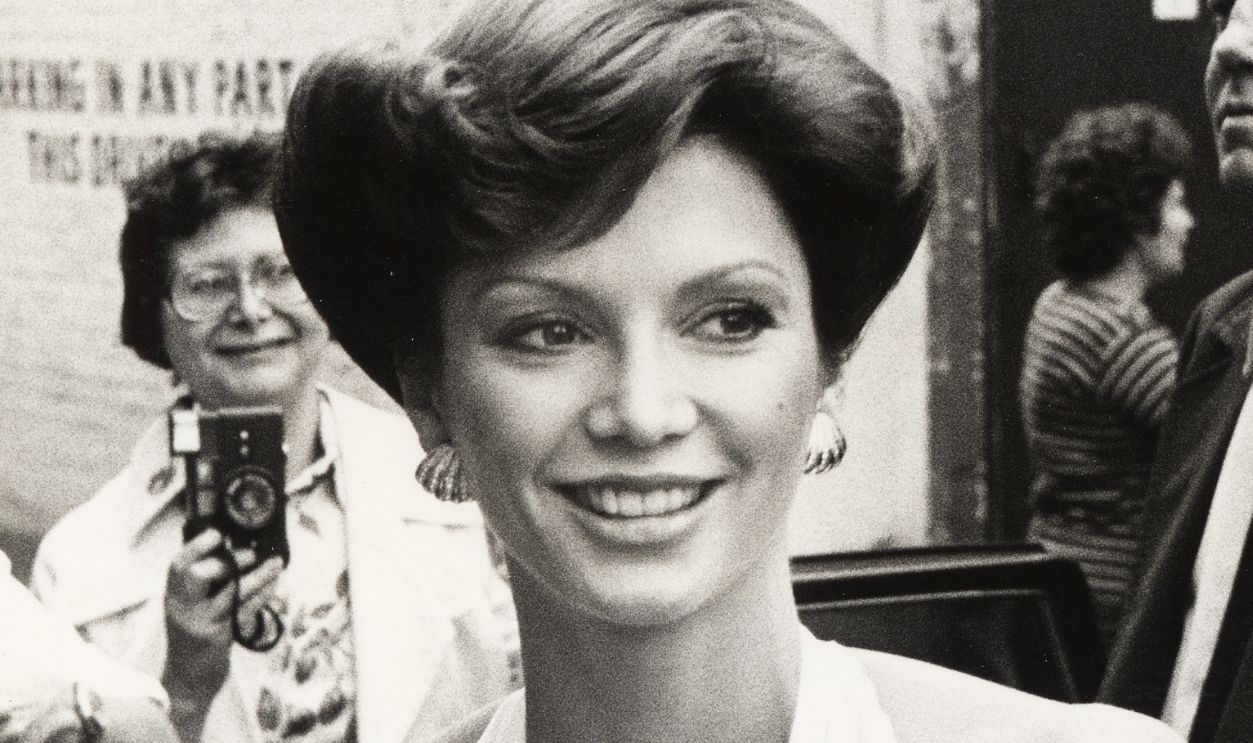
She Had Already Figured Out Pamela
Principal did more than memorize the lines before walking into that audition. She had thought carefully about who Pamela was, including how the character would present herself. Principal later said the producers liked her audition outfit enough that they asked her to wear it when filming the first episode.
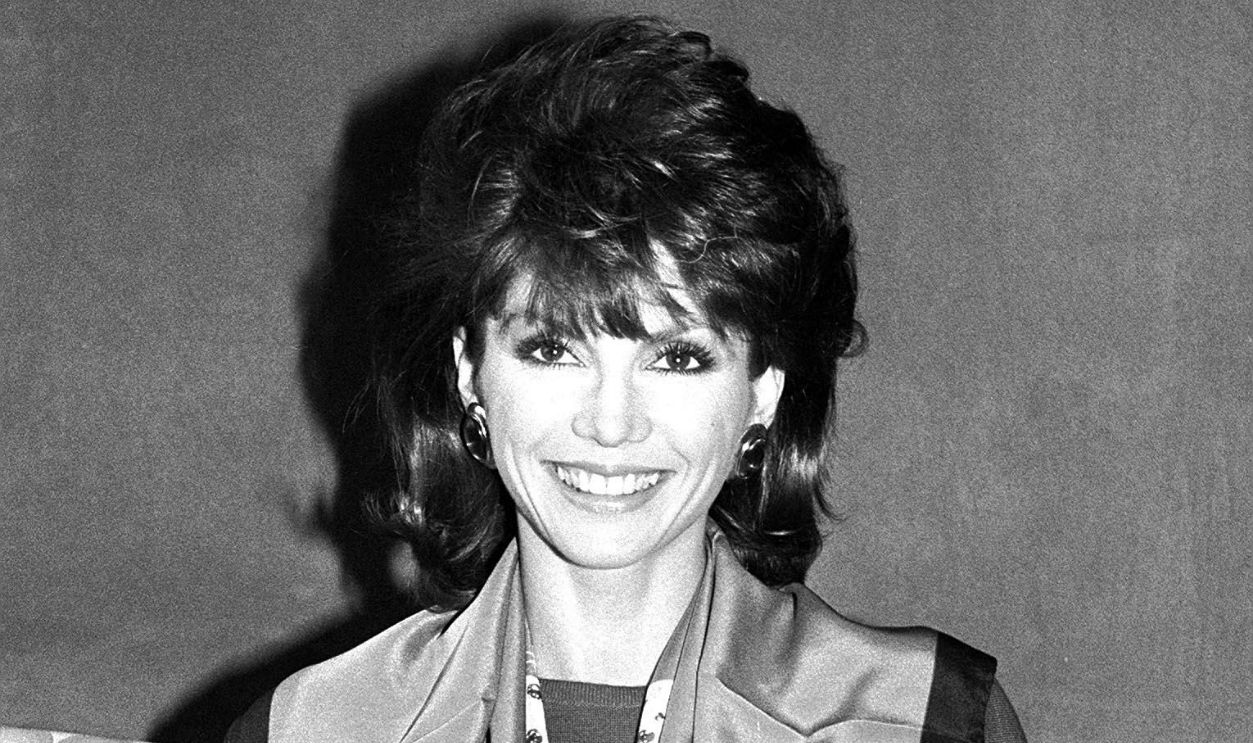
Dallas Started As A Five-Episode Gamble
CBS introduced Dallas in April 1978 with a five-episode run rather than launching it immediately as a full traditional season. At its center was the marriage of Bobby Ewing and Pamela Barnes, whose wealthy Texas families had spent years feuding over oil and old resentments. The setup gave Principal a role planted directly in the middle of the show’s central conflict.
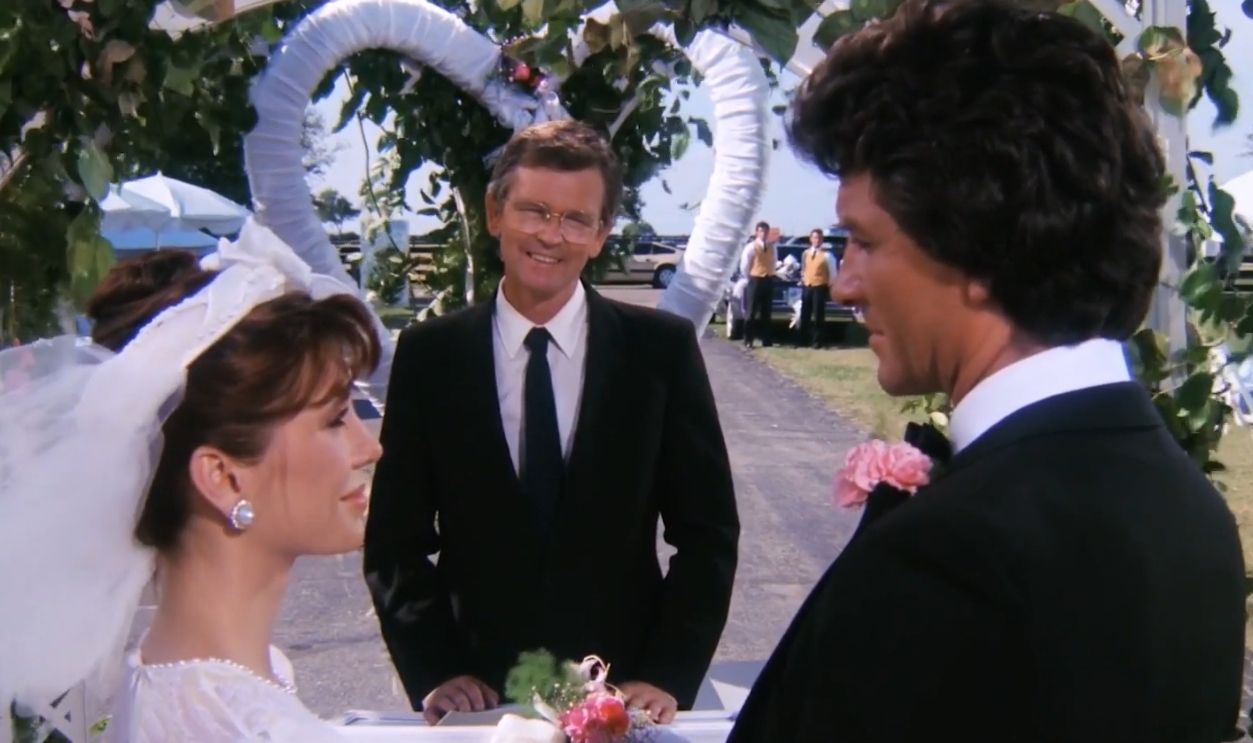 Screenshot from Dallas, CBS (1978–1991)
Pamela Entered Southfork As An Outsider
Pamela was a Barnes marrying into the Ewing family, which meant her arrival at Southfork came loaded with tension. Her relationship with Bobby gave the series a romantic core while connecting nearly every major branch of its family rivalry. Principal therefore had much more to play than simply being another glamorous member of the ensemble.
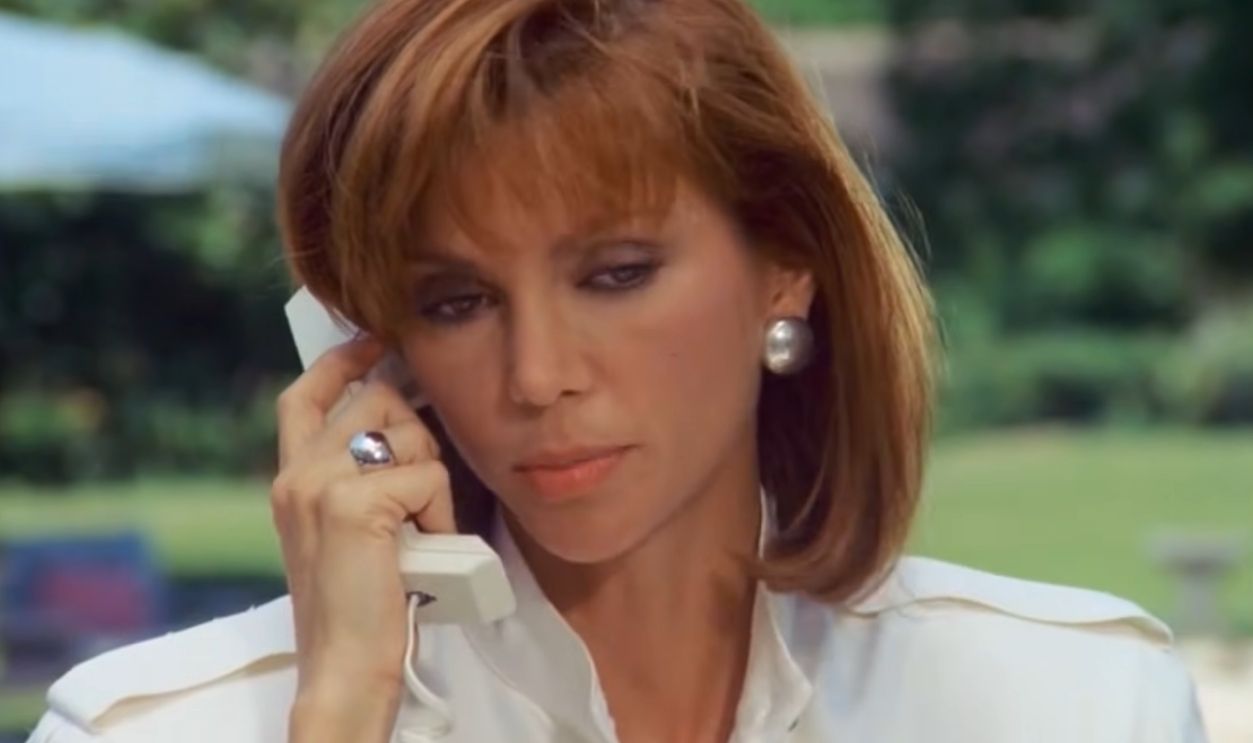 Screenshot from Dallas, CBS (1978–1991)
The First Day Felt Right To Her
Decades later, Principal still remembered shooting one of her first scenes with Patrick Duffy in Bobby’s red Mercedes. The weather turned unexpectedly cold while the pair filmed with the convertible top down. Uncomfortable as the shoot was, Principal recalled feeling certain she had landed exactly where she belonged.
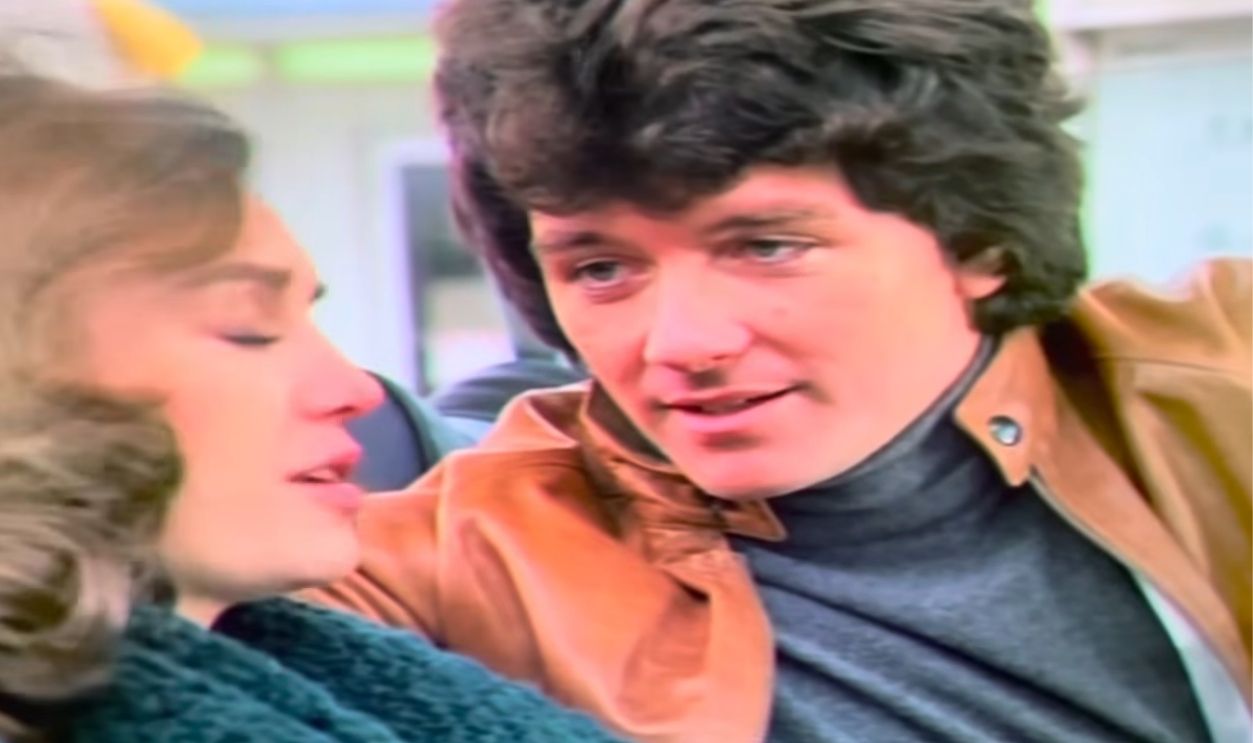 Screenshot from Dallas, CBS (1978–1991)
Bobby And Pam Became A Key Love Story
The marriage between Bobby and Pamela remained one of Dallas’s most important relationships through much of Principal’s run. Their loyalties repeatedly collided with the bitter history between the Ewings and the Barneses. That ongoing conflict allowed the show to mix romance, family drama, business battles, and betrayals without pulling Pam away from its main story.
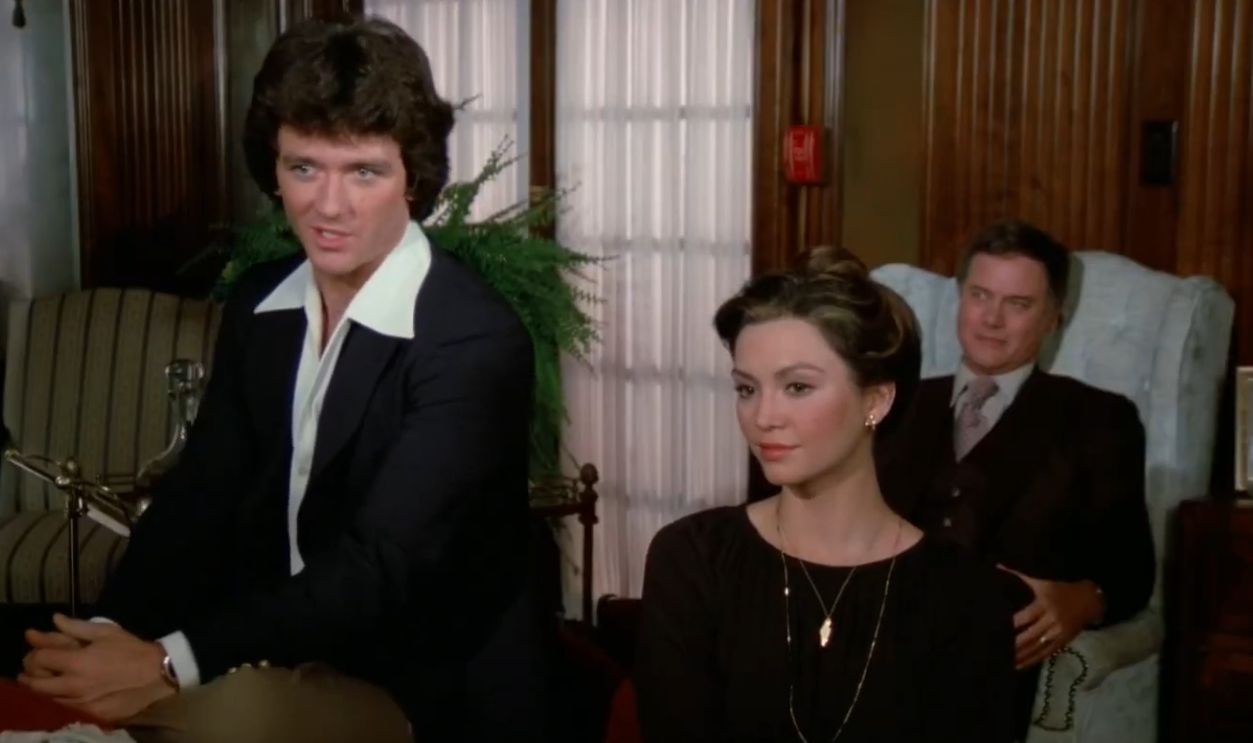 Screenshot from Dallas, CBS (1978–1991)
Stardom Came With Grueling Hours
Life at Southfork looked glamorous onscreen, but Principal’s schedule was anything but relaxed. A 1979 D Magazine profile described her getting up around 5 a.m. and working days that could stretch to roughly 15 hours during production. Even with that pace, she was already thinking seriously about fitness, beauty, and life beyond acting.
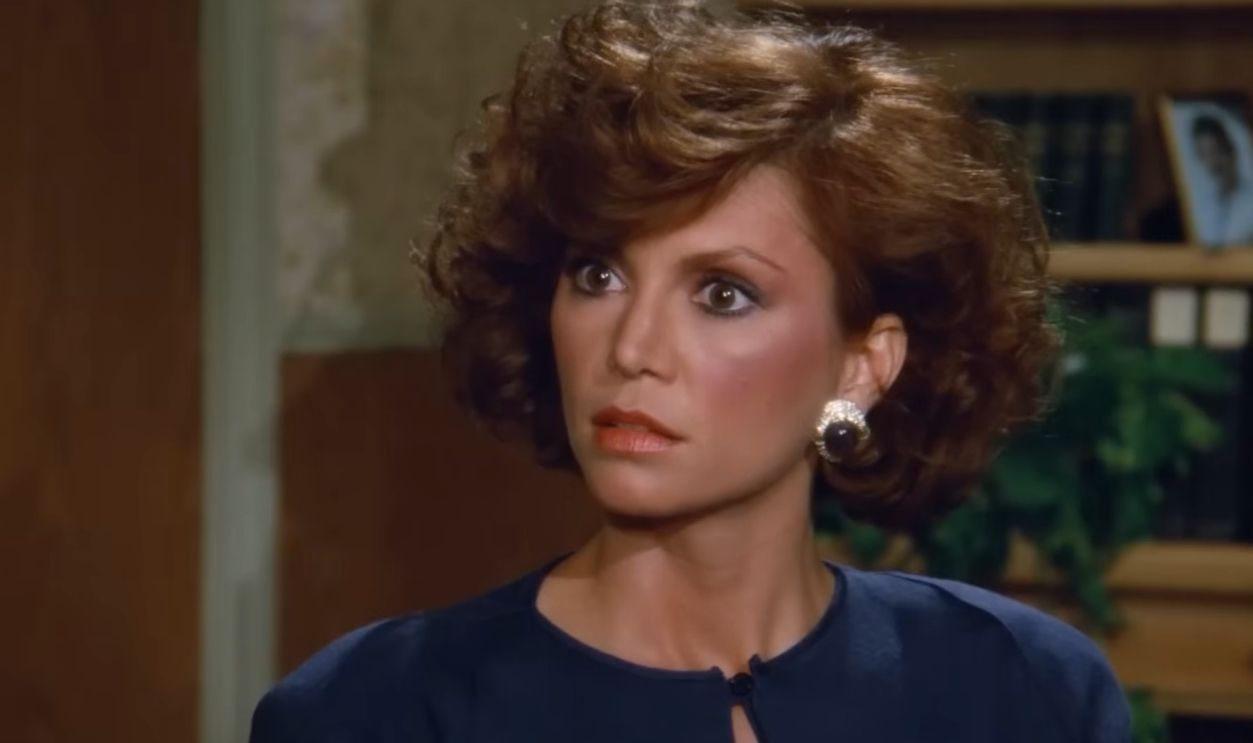 Screenshot from Dallas, CBS (1978–1991)
Then Dallas Became A Television Phenomenon
What began as a short CBS gamble soon became appointment television, especially as Larry Hagman’s J.R. Ewing emerged as one of TV’s great villains. The “Who Shot J.R.?” mystery became a pop culture obsession, and the episode revealing the culprit drew 76 percent of all televisions in use that night. Principal suddenly found herself starring in a series whose storylines were being discussed far beyond ordinary television audiences.
 Screenshot from Dallas, CBS (1978–1991)
Larry Hagman Made Their Battles Better
Pam and J.R. were often adversaries, but Principal remembered working with Larry Hagman very differently from the hostility viewers saw onscreen. She described him as a generous scene partner who liked discussing how they could strengthen their material before filming. She also came to appreciate Hagman’s work when he began directing episodes of the series.
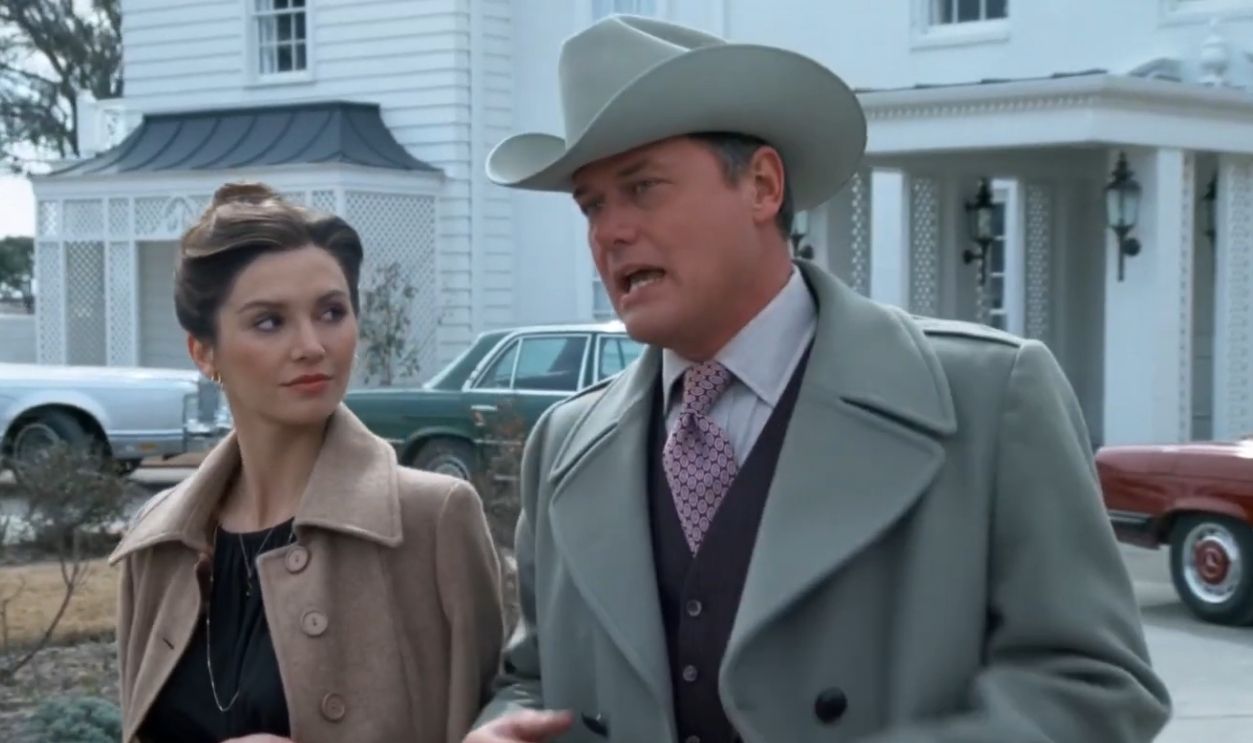 Screenshot from Dallas, CBS (1978–1991)
Principal Never Thought The Show Was Trashy
Prime-time soaps could be dismissed as glossy escapism, but Principal took Dallas seriously. She later argued that the series repeatedly dealt with difficult subjects and that its filmed production gave it ambitions beyond simple melodrama. One storyline she remained especially proud of was Miss Ellie’s experience with breast cancer and a mastectomy.
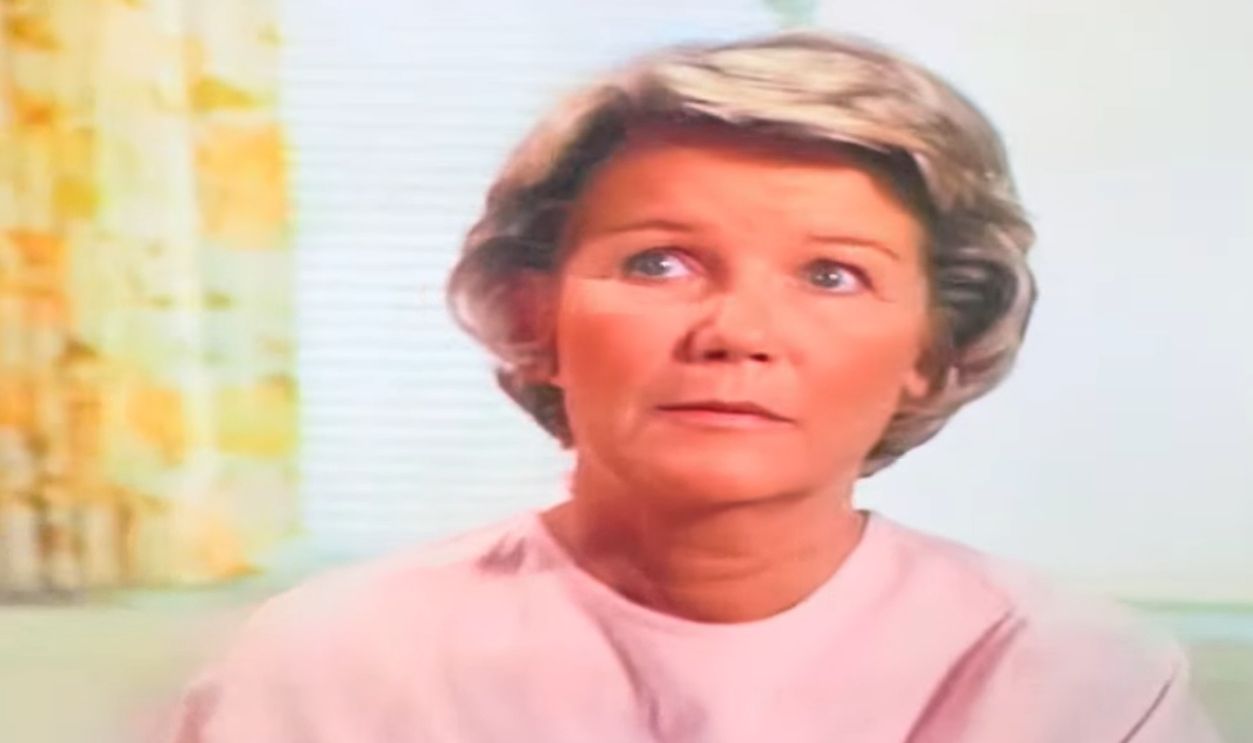 Screenshot from Dallas, CBS (1978–1991)
Dallas Brought Another Golden Globe Nomination
Principal’s early Golden Globe recognition had come with her first major movie, but television brought her back to the awards conversation. She received a 1983 Golden Globe nomination for Best Actress in a Television Series, Drama, for Dallas. It was her second Golden Globe nomination and confirmation that Pamela Barnes Ewing had become the role most closely associated with her career.
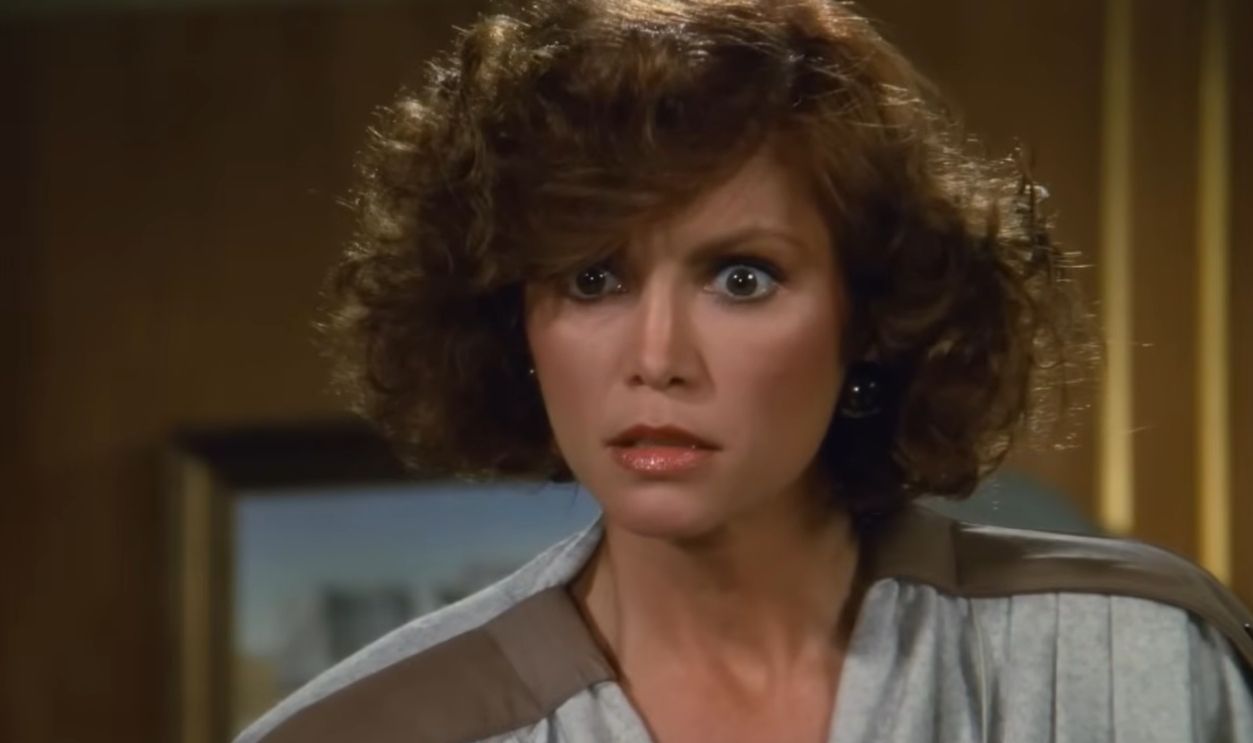 Screenshot from Dallas, CBS (1978–1991)
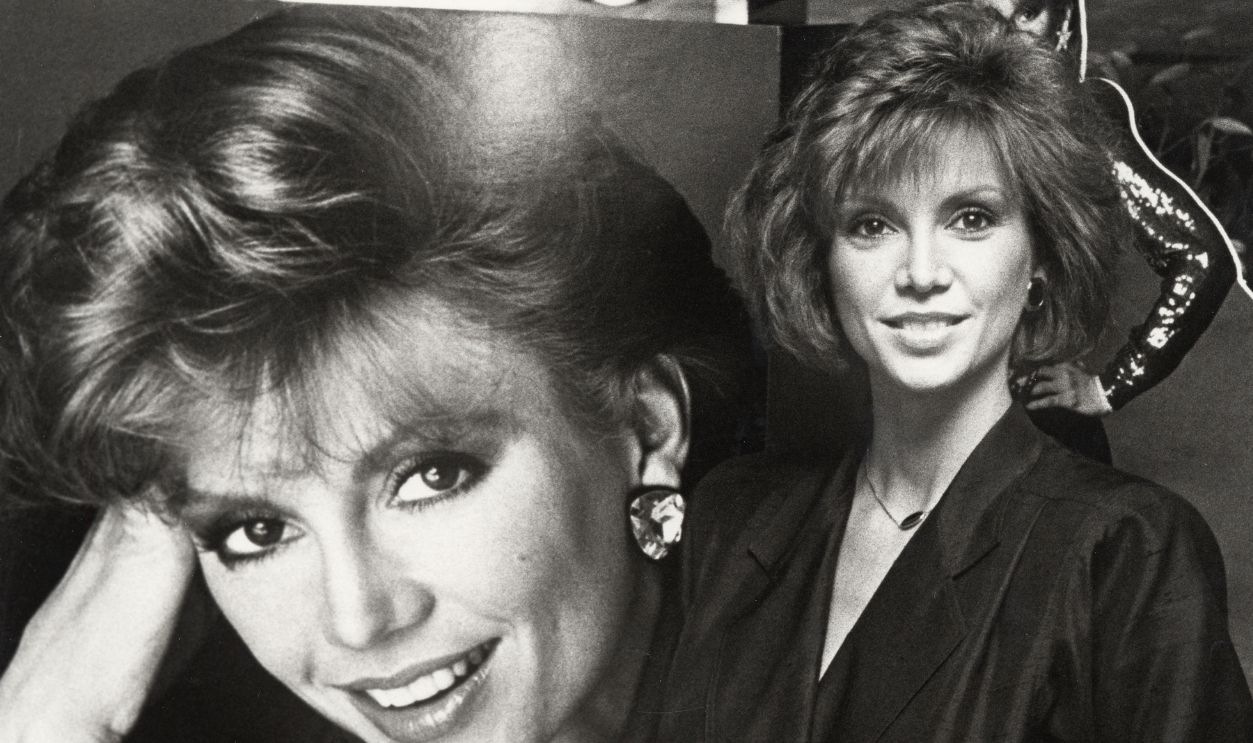
Her Interests Were Expanding Beyond Dallas
At the same time her Dallas fame was peaking, Principal was beginning to establish herself in another arena. She published books on fitness, beauty, and diet throughout the 1980s, eventually releasing three before leaving the series. Her career was starting to broaden, but Dallas still had one of its most memorable twists ahead.
Then Dallas Pulled Its Famous Dream Twist
One of the show’s strangest turns arrived after Bobby Ewing had apparently died. Patrick Duffy returned in 1986, and the entire previous season was explained away as a dream Pamela had experienced. Principal’s character suddenly became the mechanism for one of the most famous continuity resets in television history.
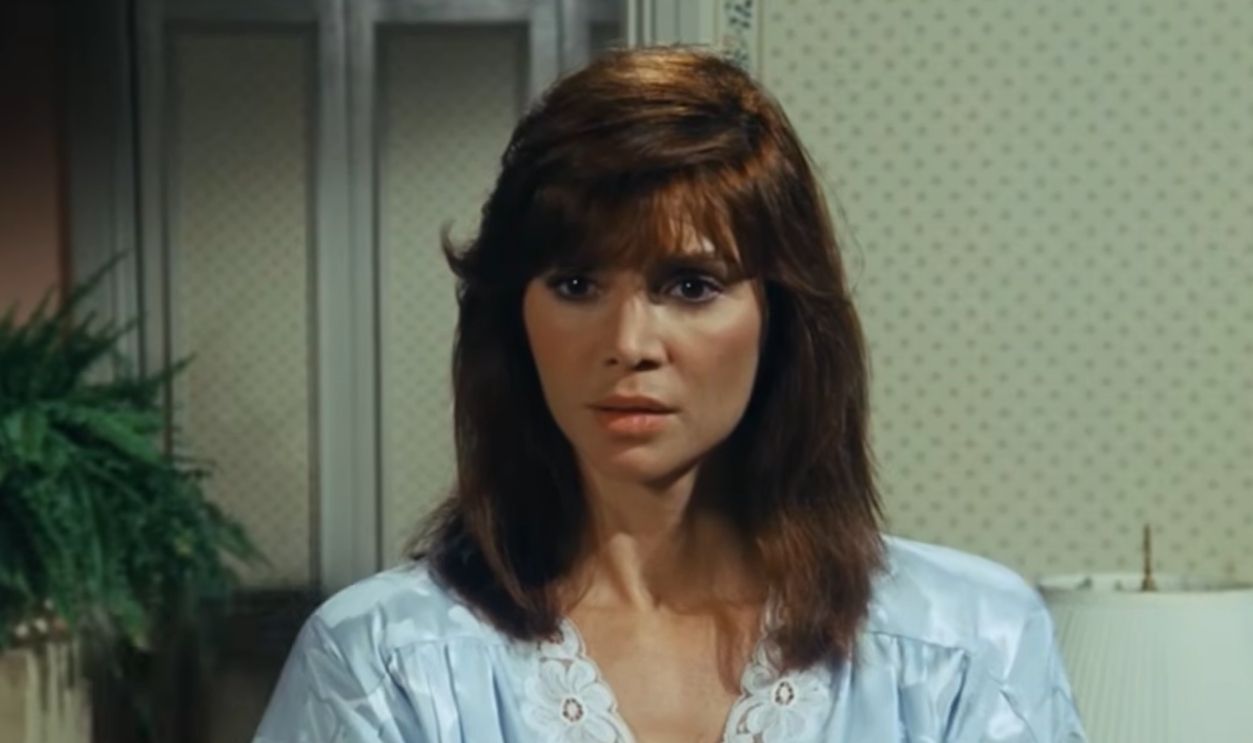 Screenshot from Dallas, CBS (1978–1991)
Principal Felt The Show Was Losing Something
Years later, Principal said she regarded the first five years of Dallas especially highly but believed the series declined as key creative people departed. She said she raised concerns with producers during contract negotiations around her seventh year. Her eventual exit therefore was not a sudden decision made after one disappointing storyline.
 Screenshot from Dallas, CBS (1978–1991)
Contract Talks Finally Reached An End
By January 1987, Principal’s departure had become public. A contemporary Los Angeles Times report said her contract was expiring and that discussions with the production company had failed to produce a new agreement. After playing Pamela since 1978, Principal was preparing to leave the role that had made her internationally famous.
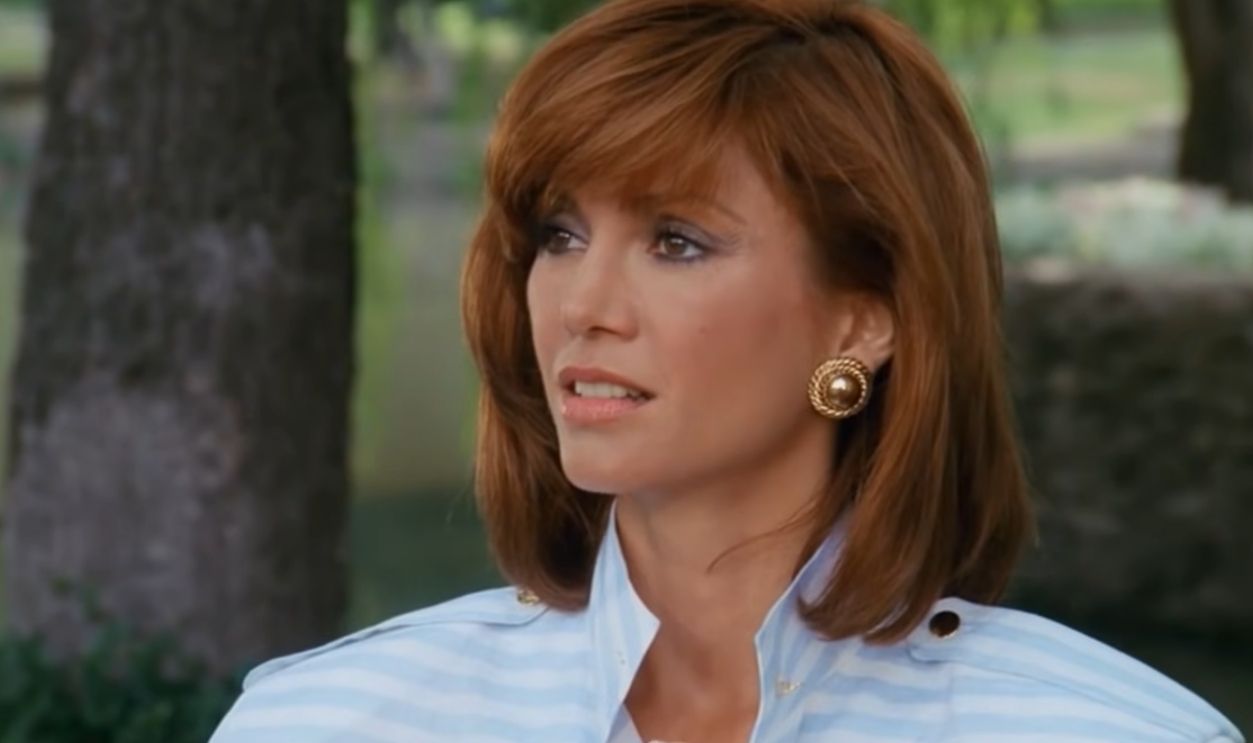 Screenshot from Dallas, CBS (1978–1991)
Pamela Got A Dramatic Exit
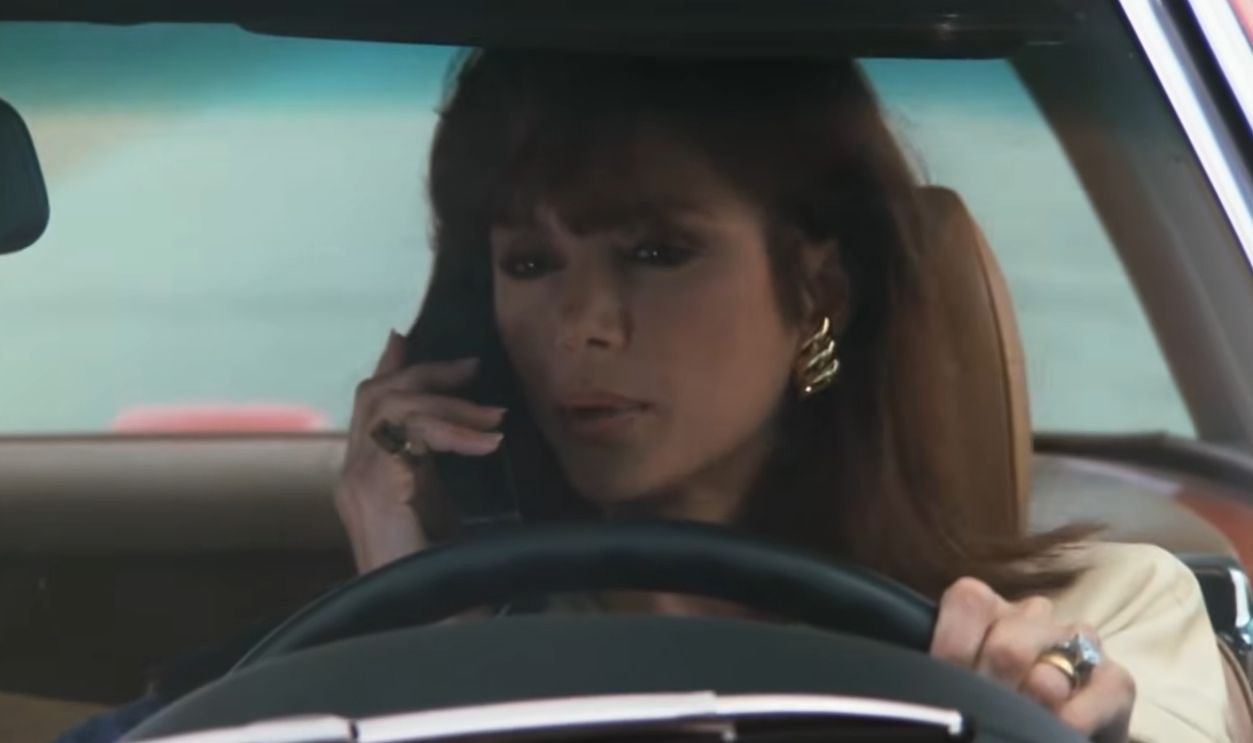
Principal made her final regular appearance as Pamela during the 1987 season. Pam was badly injured after her car crashed into an oil tanker, creating a storyline that removed Principal while leaving uncertainty around her character’s future. It was a suitably dramatic departure from a series that had rarely done anything quietly.
 Screenshot from Dallas, CBS (1978–1991)
Escaping Pamela Became Her Next Challenge
Leaving a hit show did not immediately erase the role audiences associated with her. Principal moved quickly into the television movie Mistress, but she later recalled that its producers needed convincing that she could play something different from Pamela Ewing. Taking the part helped her begin separating her post-Dallas identity from Southfork.
 Screenshot from Mistress, CBS (1987)
She Put Herself Behind The Camera Too
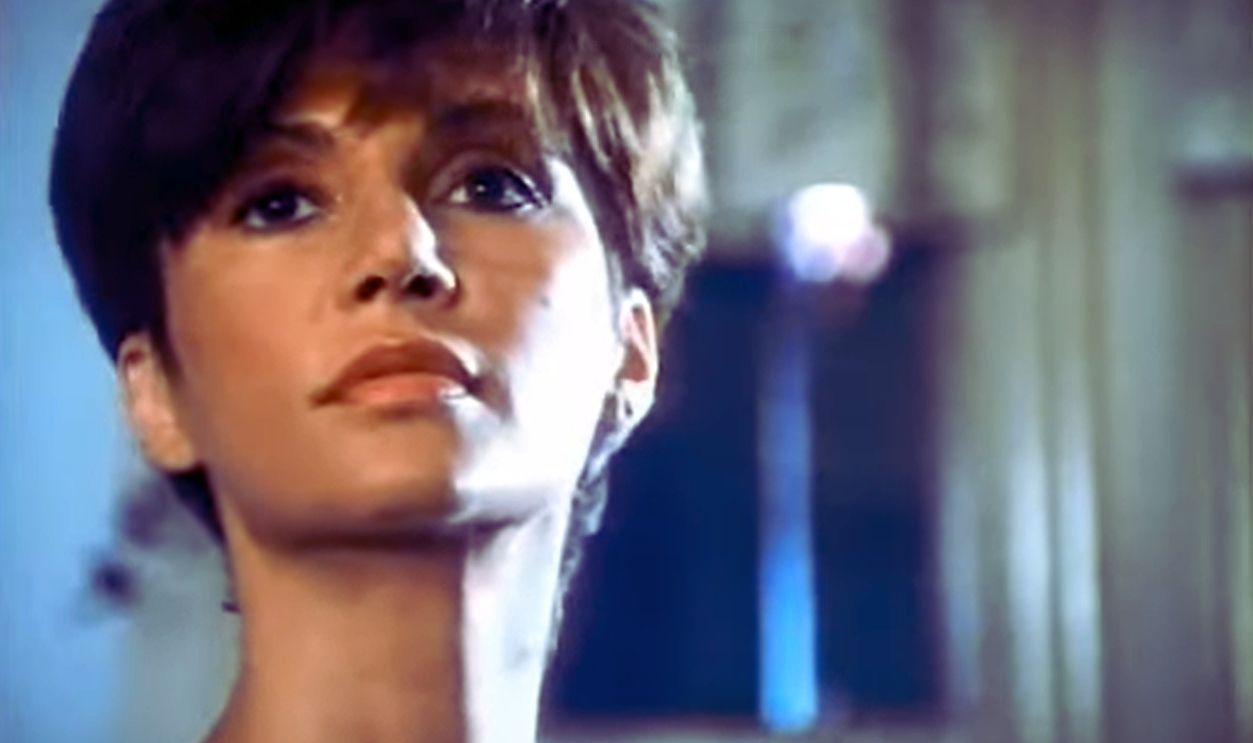
Principal also established Victoria Principal Productions and became increasingly involved in creating projects rather than simply appearing in them. Her post-Dallas television work included movies such as Naked Lie, Blind Witness, and Don’t Touch My Daughter. The production company gave her another route into the business instincts she had discovered years earlier while working as an agent trainee.
 Screenshot from Blind Witness, ABC (1989)
Then Came Principal Secret
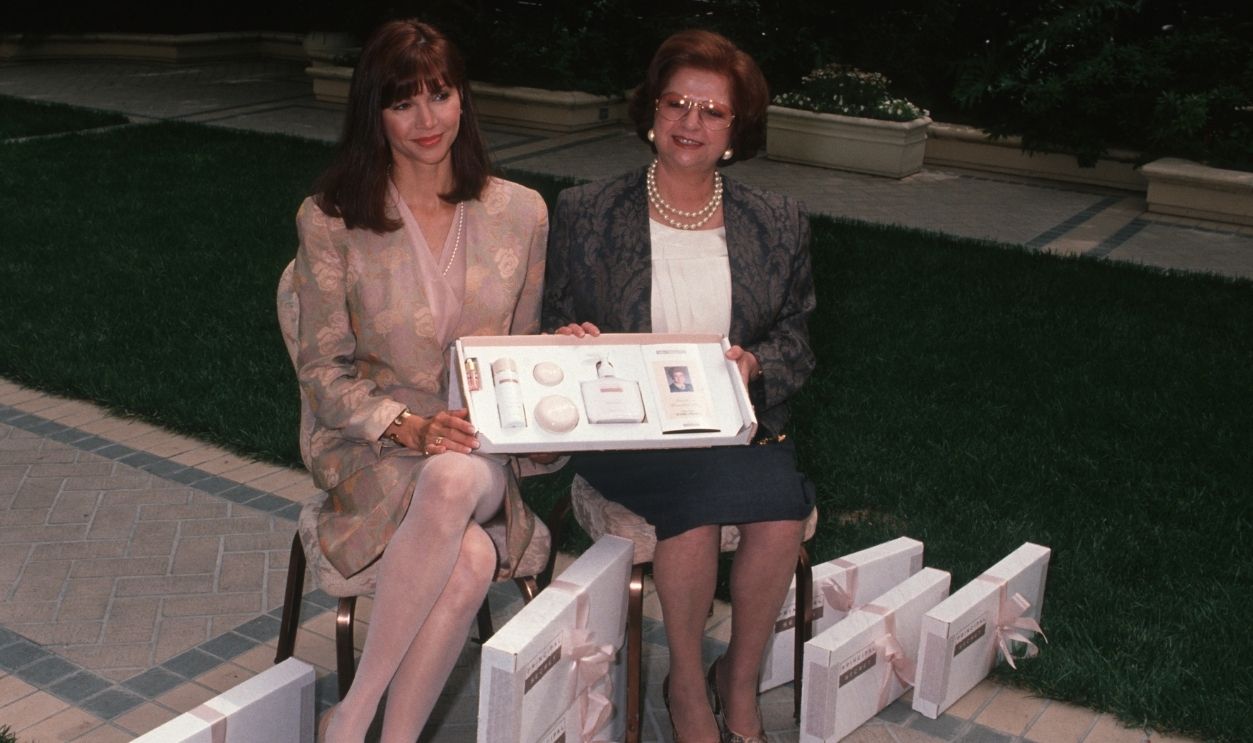
In 1989, Principal took the next step by launching her skincare line, Principal Secret. She had spent years interested in skincare, in part because of her own experience with adult acne. What began as a personal interest was now becoming a serious second career.
 Ron Galella, Ltd., Getty Images
Acting Gradually Became The Side Career
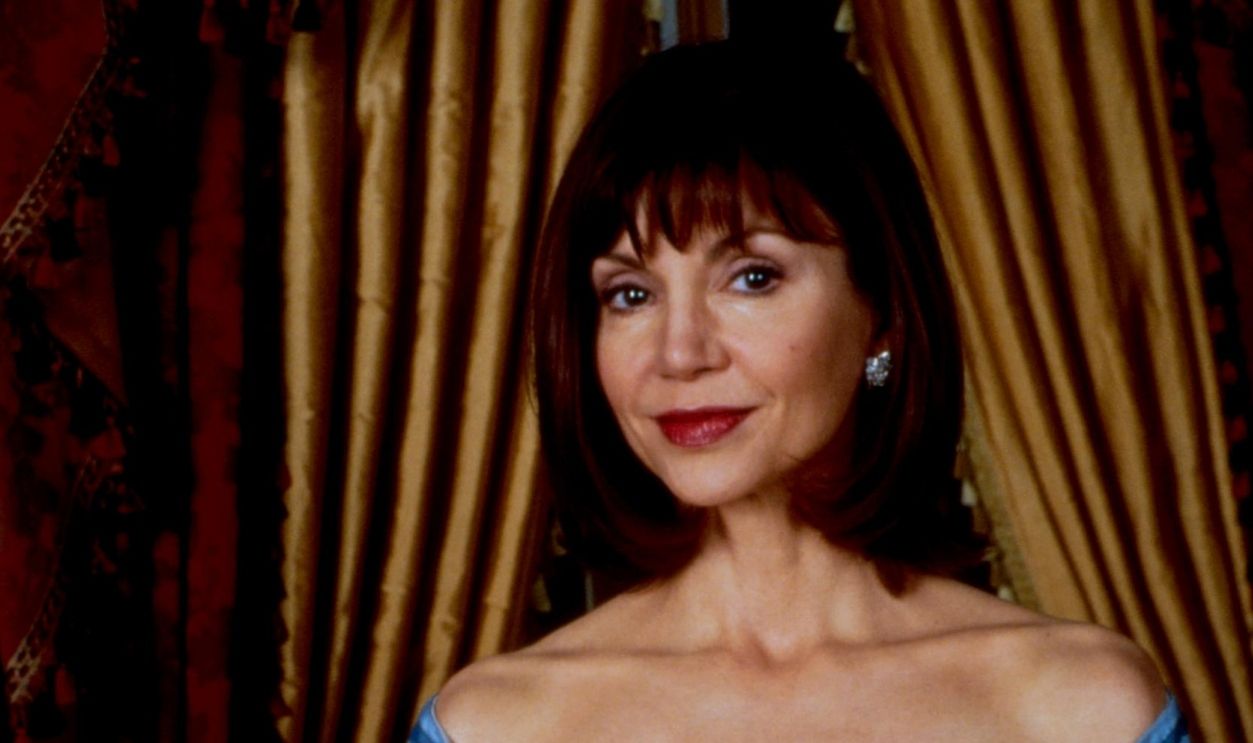
Principal did occasionally return to television, including a role on Aaron Spelling’s NBC drama Titans in 2000. Over time, however, those appearances became far less central to her life than running Principal Secret. She later explained that she had stopped acting deliberately because operating the skincare company demanded her full attention.
Her Publishing Career Kept Growing Too
Principal continued writing long after her first three wellness books appeared during the Dallas era. In 2001, she published Living Principal, following The Body Principal, The Beauty Principal, and The Diet Principal. Her books reinforced the unusual transition from prime-time actress to a public figure increasingly associated with beauty, health, and lifestyle.
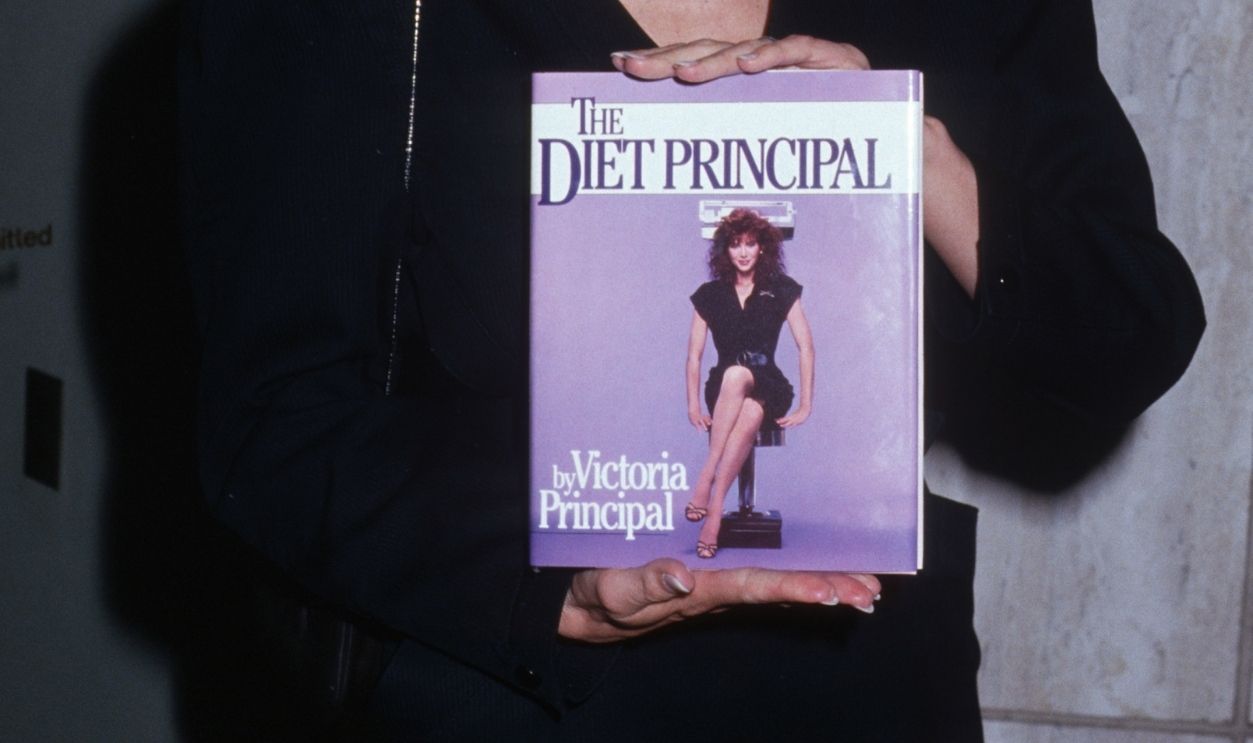 Ron Galella, Ltd., Getty Images
Skincare Eventually Became The Main Job
Principal Secret grew into the longest-running business chapter of her career. By 2018, Principal described herself as approaching 27 years in the skincare business and said running the company had become a full-time responsibility. She told Soap Opera Digest that she remained closely involved with product formulas and wanted resources concentrated on what went into the products rather than elaborate packaging.

Animals And Environmental Causes Took Over
Principal eventually created another life far removed from television sets, caring for rescued animals on her California ranch and supporting environmental causes. In 2010, she made six-figure donations to both Oceana and the Natural Resources Defense Council to support work responding to the Gulf oil disaster. Eight years later, she pledged to match individual donations to Oceana up to $50,000 during its campaign against expanded offshore drilling.

Southfork Was Only Her First Big Act
In 2019, Principal announced that she was stepping down after 28 years as president and founder of Principal Secret so she could concentrate on philanthropy and animal rescue. Guthy-Renker continued the skincare business while Principal shifted her attention toward the causes she had been supporting for years. Dallas gave her the fame to start dreaming bigger, but what she did with that opportunity became a second career almost as enduring as Pamela Ewing herself.
 Jean Baptiste Lacroix, Getty Images
You May Also Like:
Patrick Duffy Became A Dallas Favorite, But One Shocking Exit Changed TV History
Loni Anderson Became A 1970s TV Bombshell, But She Was Always Sharper Than Her Image Suggested