Before Bionics, There Was The Saddle
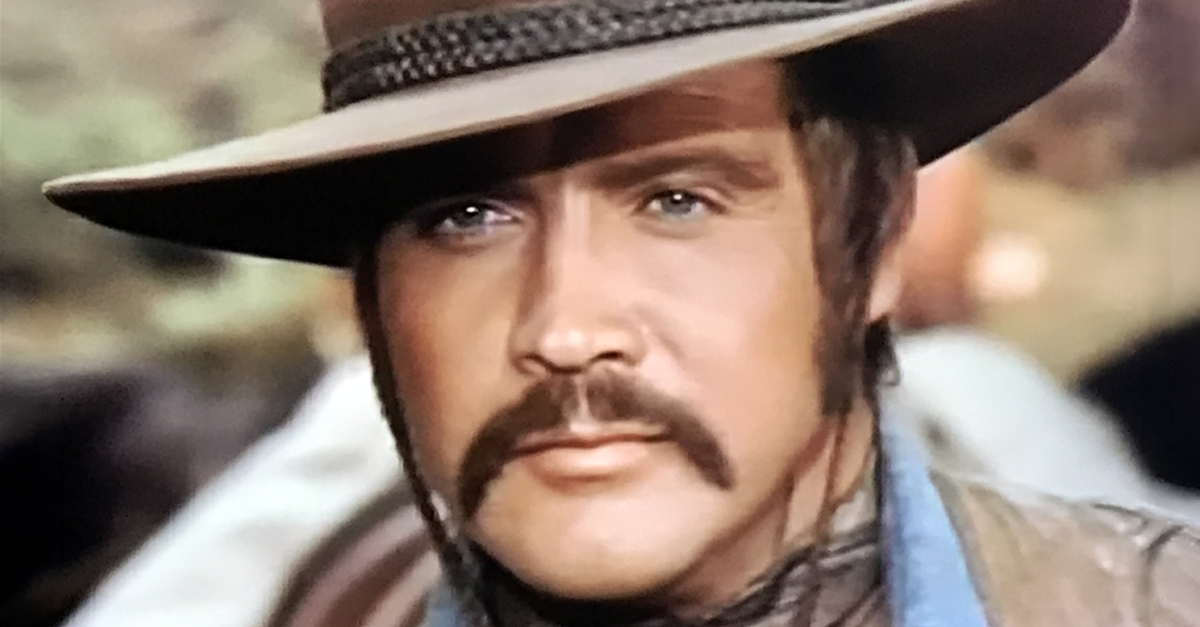
Before Lee Majors became Steve Austin, he was already building a strong television résumé in Westerns. The Virginian gave him another major network showcase at a key moment in his career. It helped keep him visible after The Big Valley and before his 1970s action-star breakthrough.
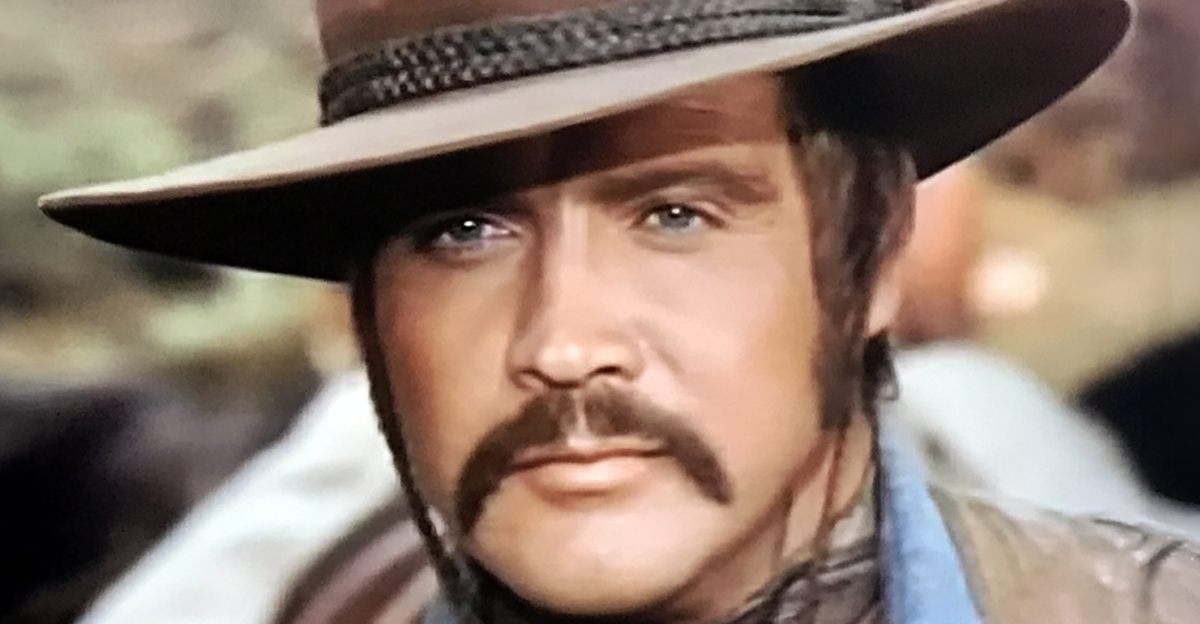 Screenshot from The Men From Shiloh, NBC (1970-1971)
He Was Not An Overnight Star
Lee Majors was born Harvey Lee Yeary in Wyandotte, Michigan, in 1939. Before Hollywood, he grew up in Kentucky and pursued athletics. A serious football injury changed his path and pushed him toward acting.
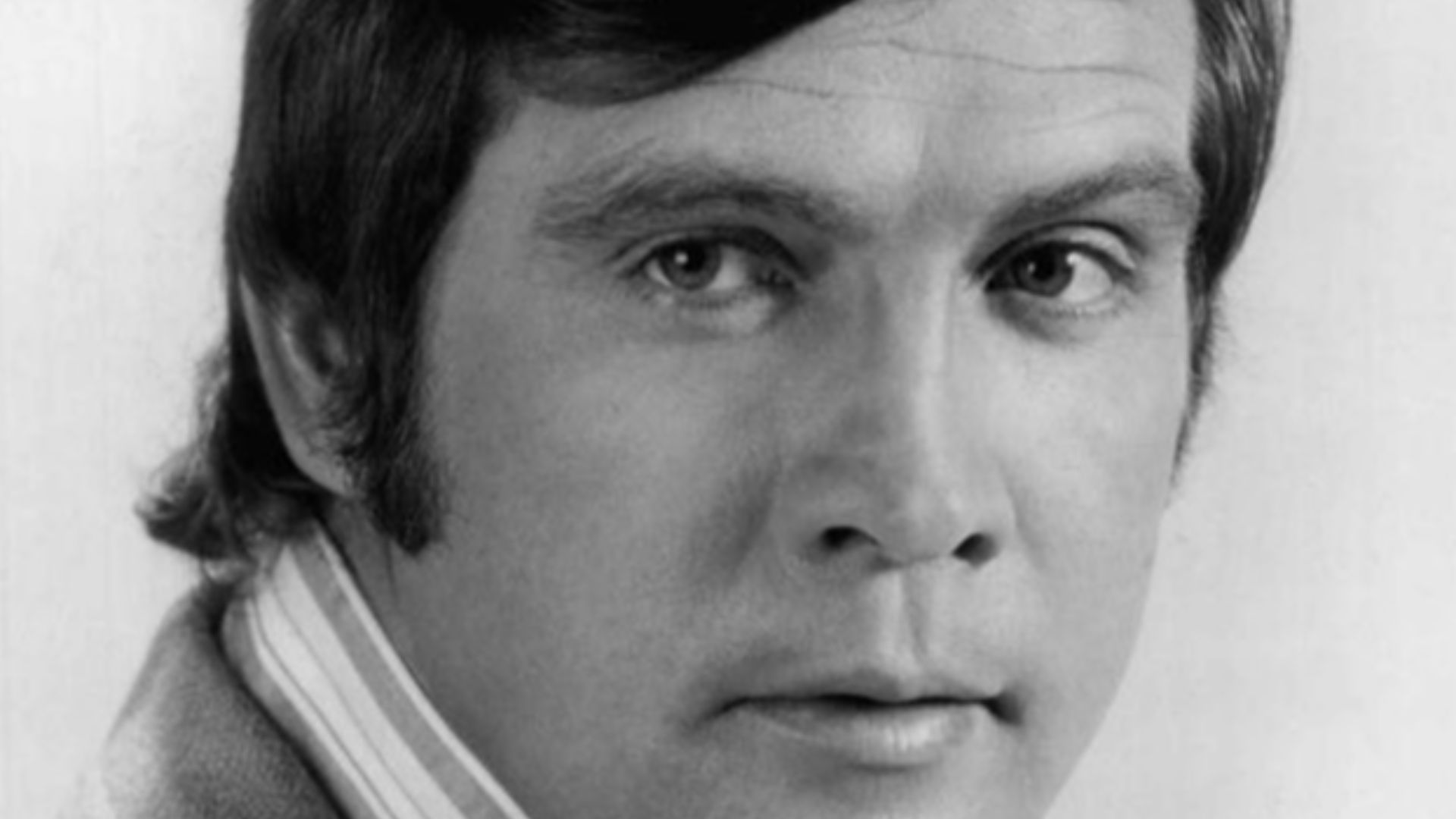 ABC Television, Wikimedia Commons
Hollywood Found A New Western Face
Majors arrived in Los Angeles during a period when television Westerns still dominated prime time. His athletic build, calm screen presence, and rugged look made him a natural fit. Producers were always looking for young actors who could ride, fight, and carry emotion without overplaying it.
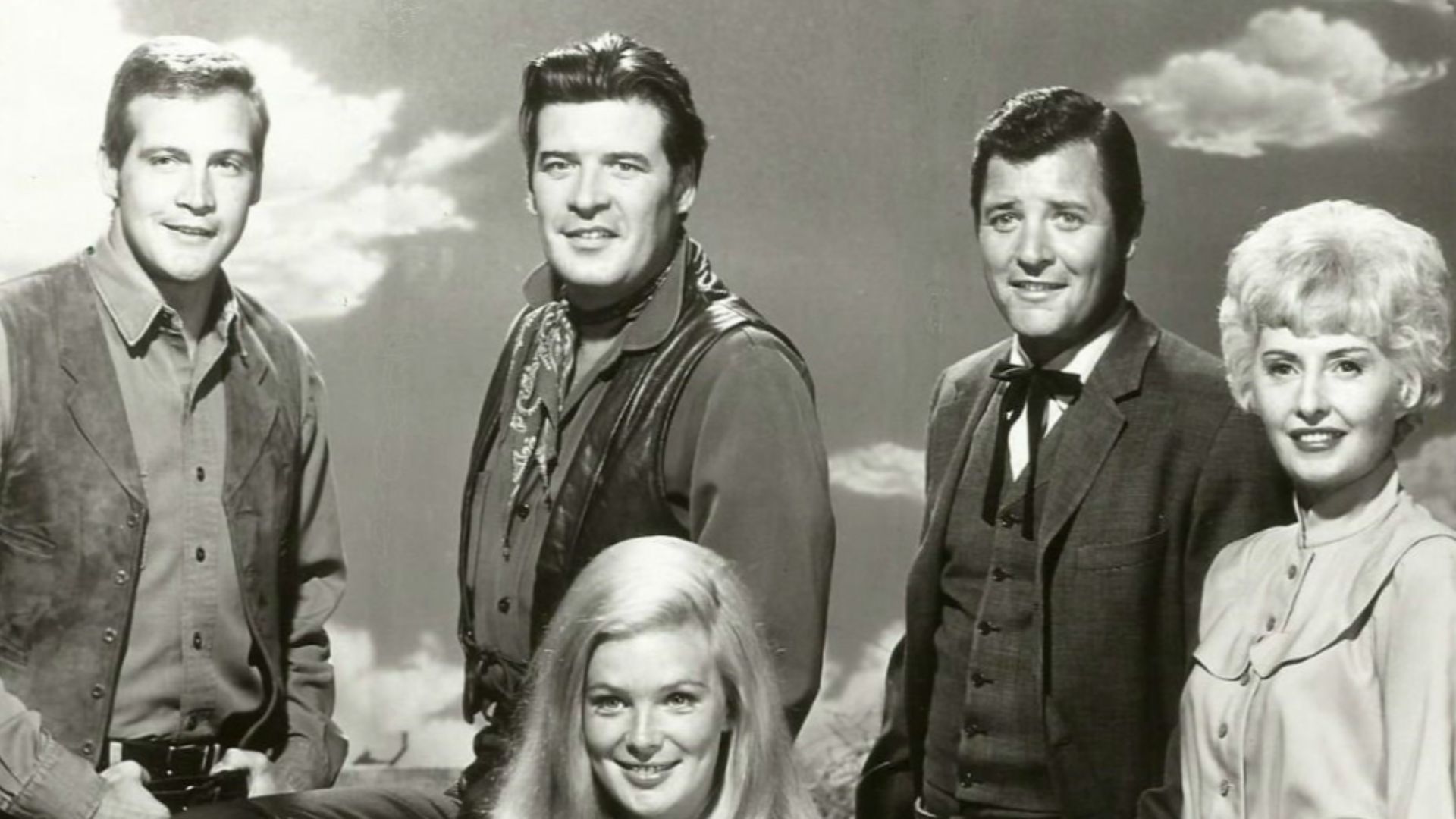 ABC Television, Wikimedia Commons
The Big Valley Came First
Majors’ first major break came with The Big Valley, which premiered on ABC in 1965. He played Heath Barkley, the outsider son trying to earn a place in the Barkley family. The role made him familiar to Western fans long before bionics entered the picture.
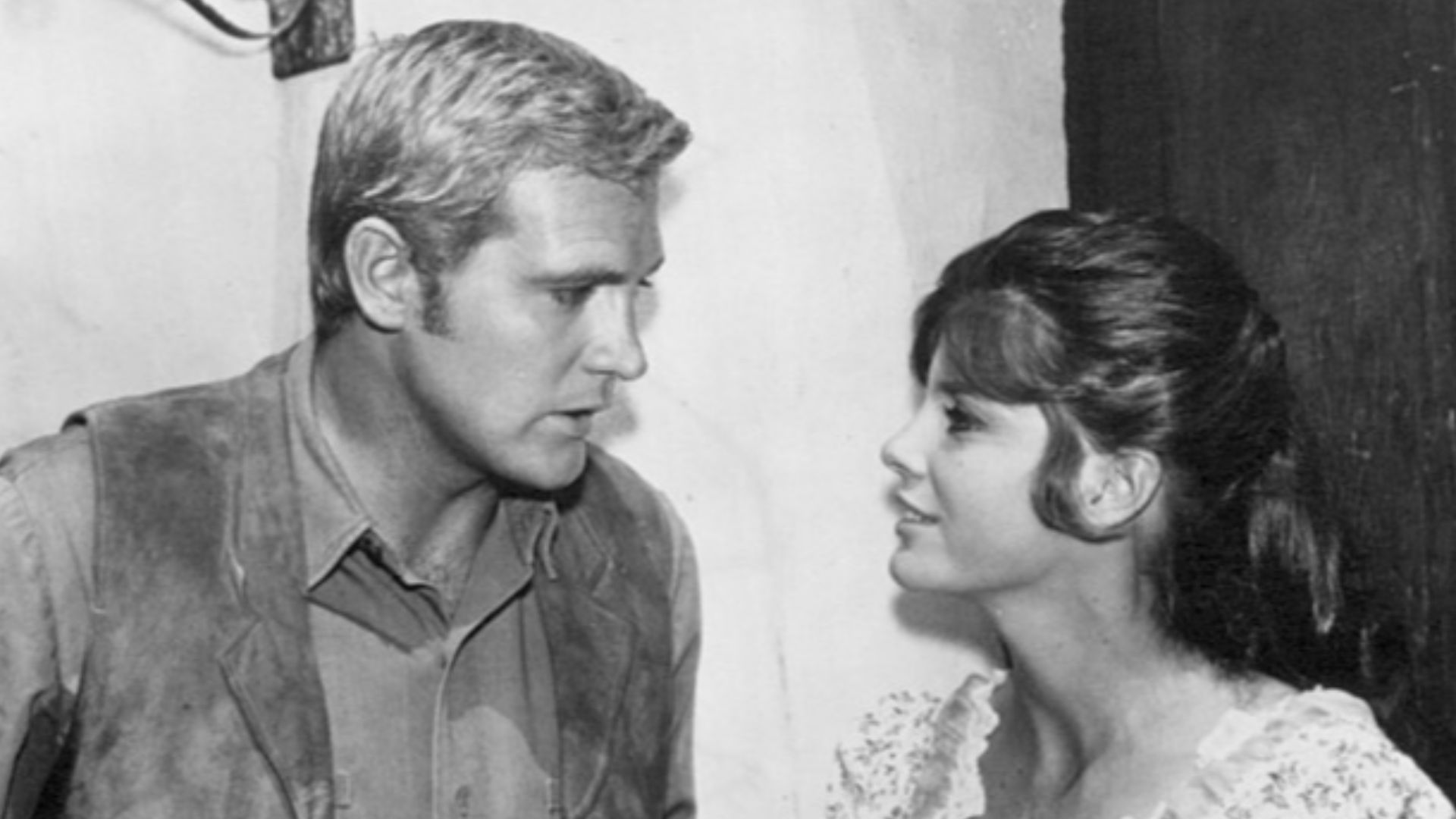 ABC Television, Wikimedia Commons
He Learned From Barbara Stanwyck
The Big Valley placed Majors alongside Barbara Stanwyck, one of Hollywood’s great screen veterans. That experience gave him a crash course in television discipline and star power. It also showed networks that he could hold his own in a prestige ensemble.
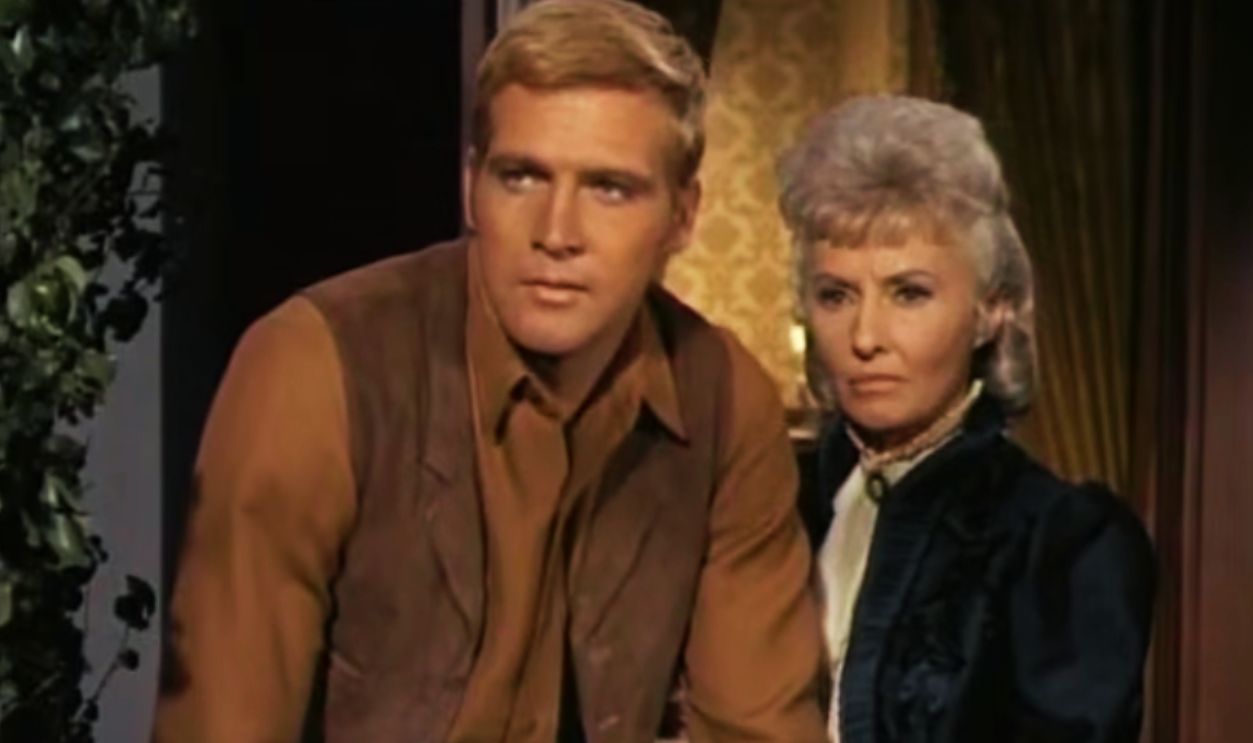 Screenshot from The Big Valley, The Walt Disney Company (1965-1969)
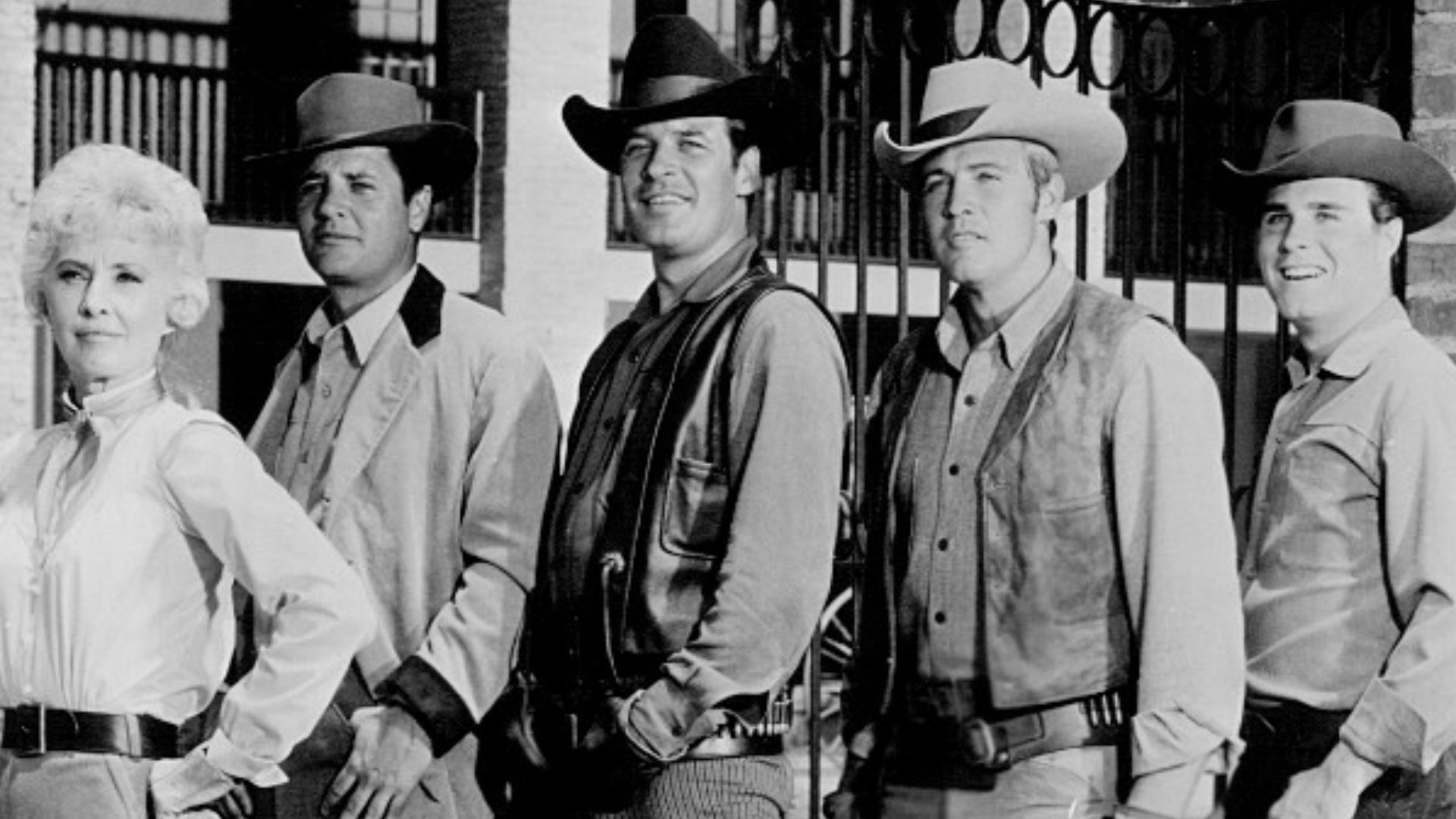
Then The Big Valley Ended
The Big Valley ended in 1969 after four seasons. For a young actor, that could have been a dangerous pause. Instead, Majors moved quickly into more television work and stayed on the radar.
 McFadden, Strauss, Eddy & Irwin-public relations, Wikimedia Commons
The Virginian Was Already A TV Giant
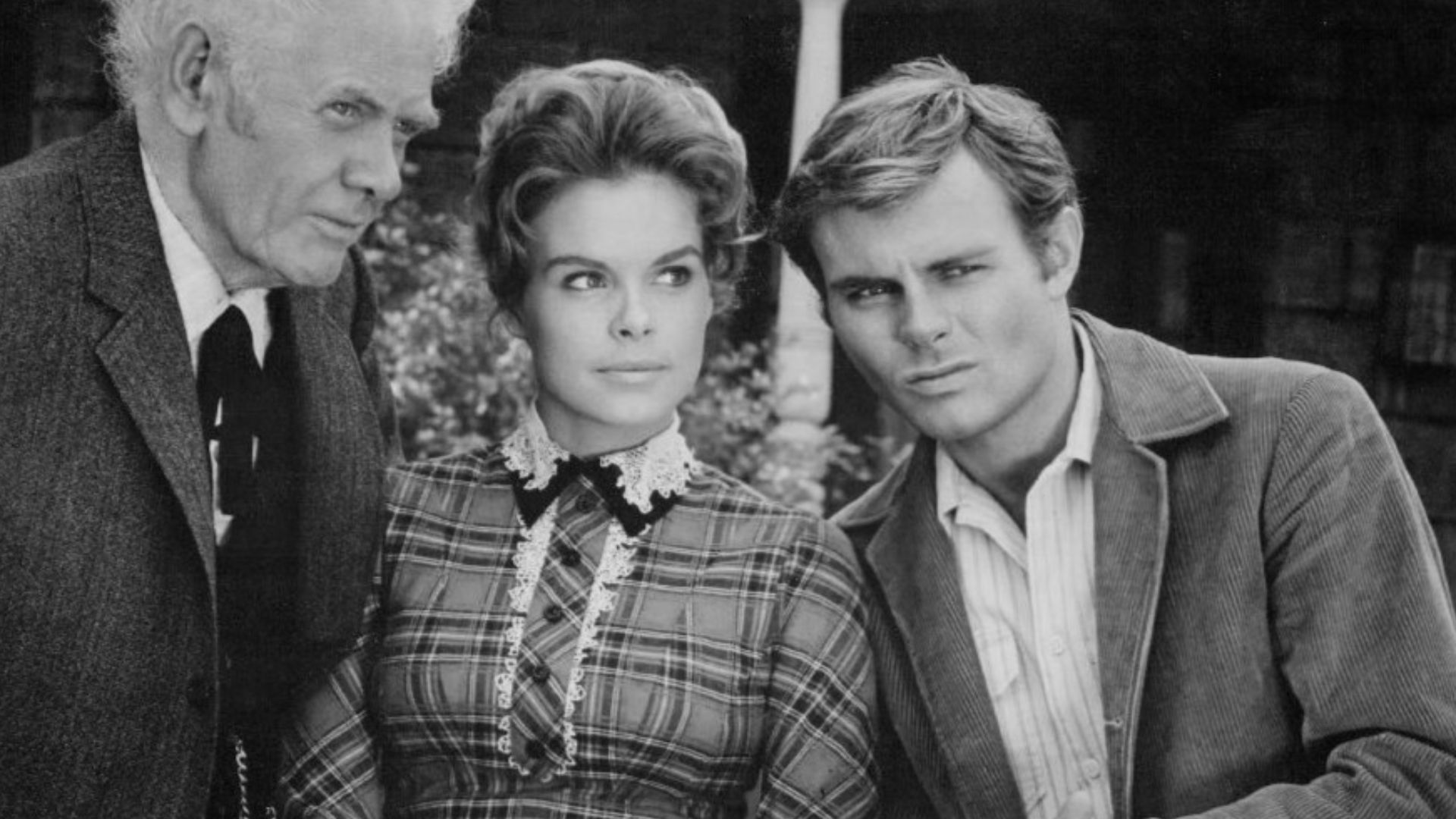
The Virginian had premiered on NBC in 1962 and became one of television’s signature Westerns. It was known for its 90-minute format, which gave stories more room than a typical hour-long drama. By the time Majors arrived, the show already had years of audience loyalty behind it.
 Universal Television, Wikimedia Commons
The Show Was Entering A New Era
In its final season, The Virginian was revamped as The Men From Shiloh. The series received a new look, a new tone, and new cast energy. That makeover opened the door for Lee Majors to join the action.
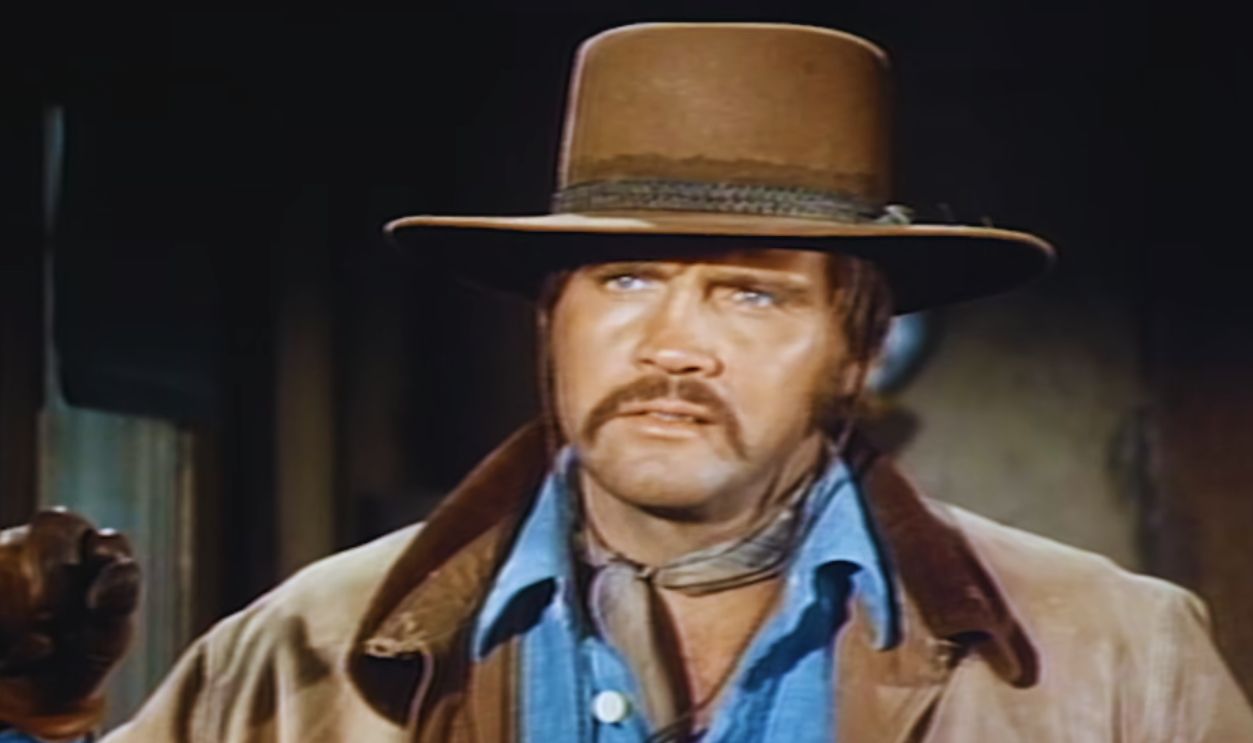 Screenshot from The Men From Shiloh, NBCUniversal (1970-1971)
Roy Tate Rode Into Shiloh
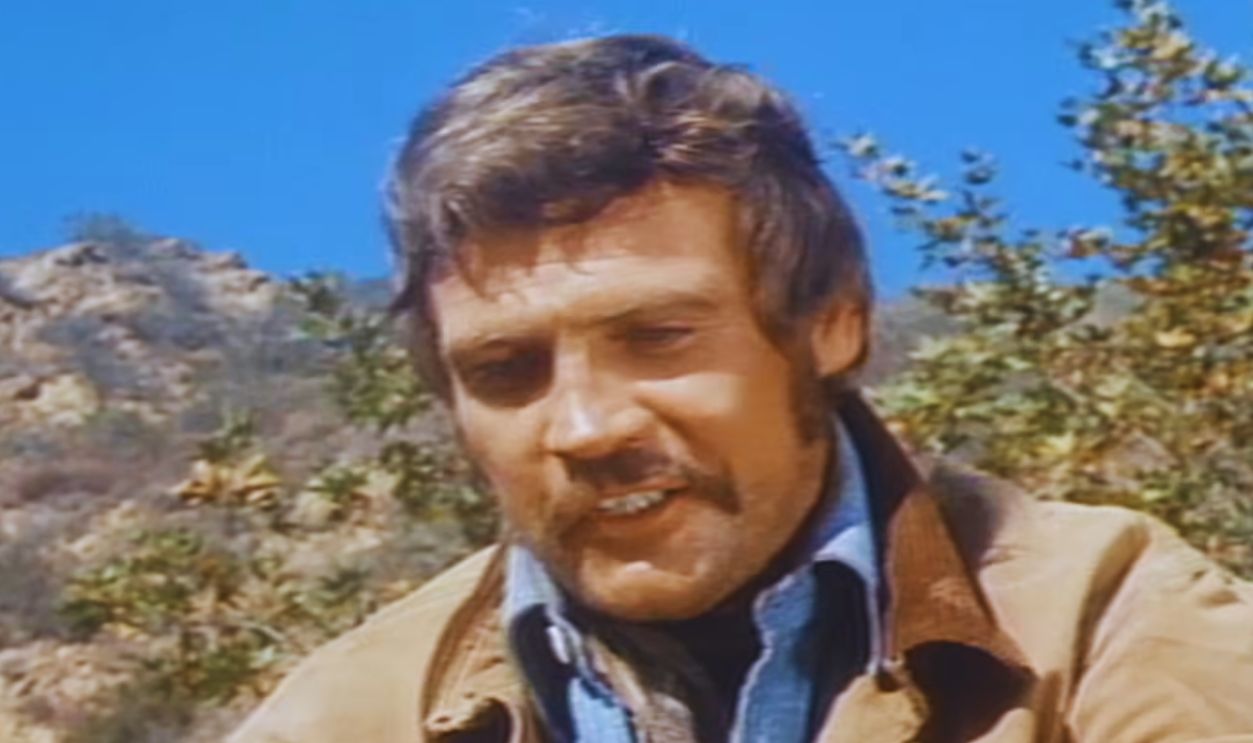
Majors played Roy Tate, a new ranch hand connected to the changing world of Shiloh Ranch. Tate was not simply a background cowboy. He gave Majors another chance to play the kind of tough, watchful, morally tested character that television loved.
 Screenshot from The Men From Shiloh, NBCUniversal (1970-1971)
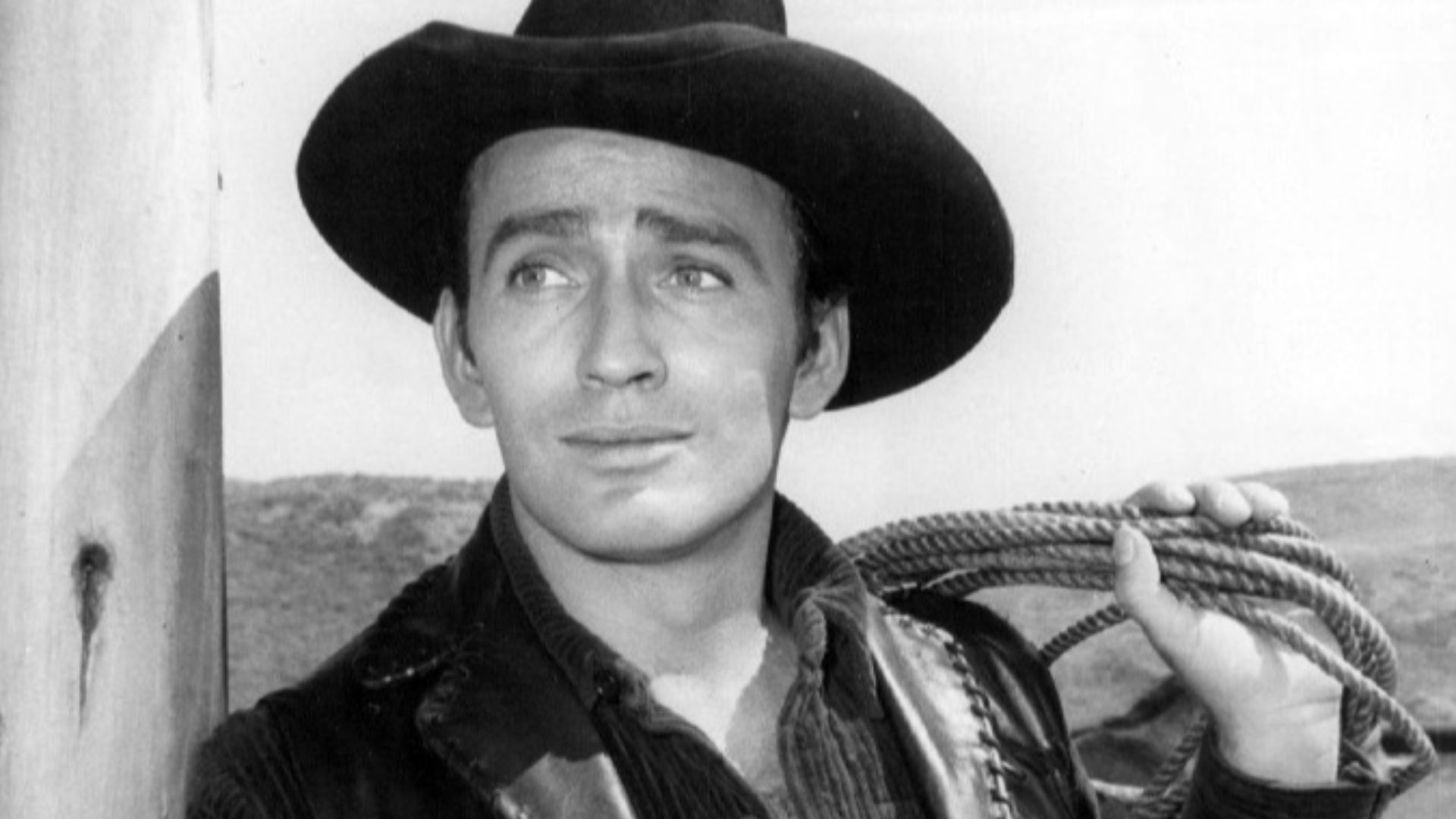
He Joined Familiar Western Company
The final-season cast included James Drury, Doug McClure, and Stewart Granger. That put Majors among experienced performers who already knew how to carry a long-running Western. It also placed him in a respected franchise at a time when he needed a strong follow-up.
 NBC Television, Wikimedia Commons
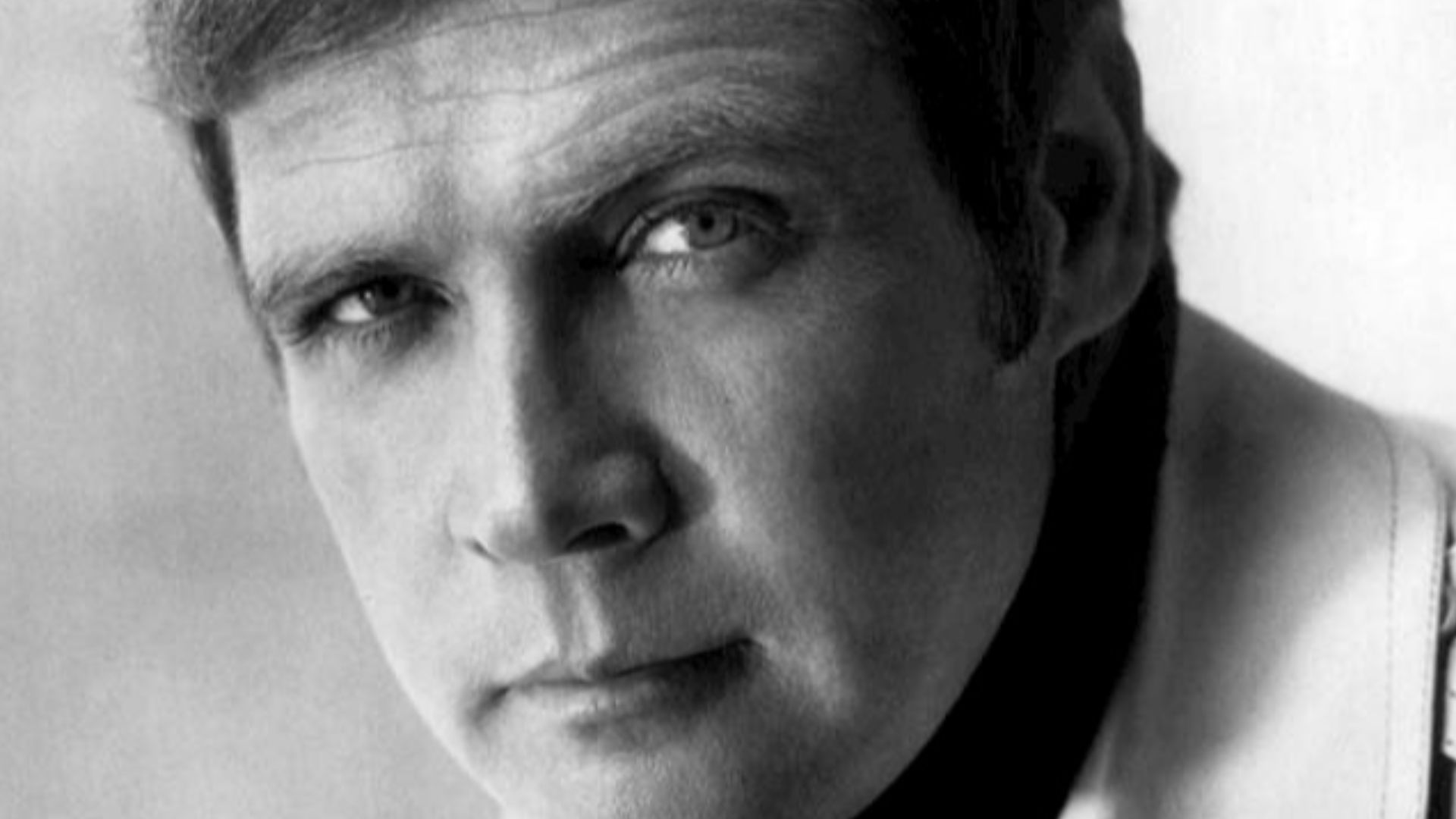
The Timing Mattered
Majors joined The Virginian shortly after The Big Valley ended. That timing helped him avoid disappearing between roles. In television, staying visible can matter almost as much as landing one famous part.
 ABC Television, Wikimedia Commons
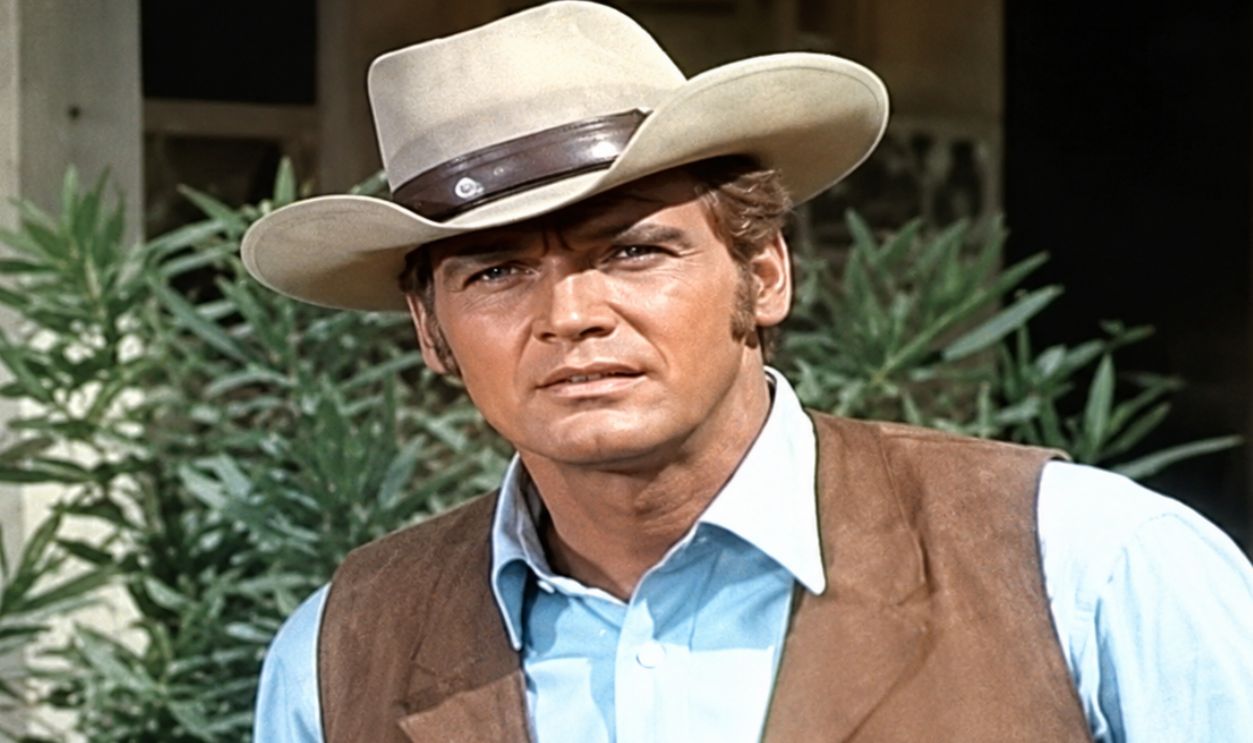
The Role Kept Him In Prime Time
The Virginian aired on NBC in a major evening slot. Even though the show was near the end of its run, it still gave Majors network exposure. Viewers who knew him as Heath Barkley could now see him in a slightly different Western mode.
 Screenshot from The Big Valley, The Walt Disney Company (1965-1969), enhanced
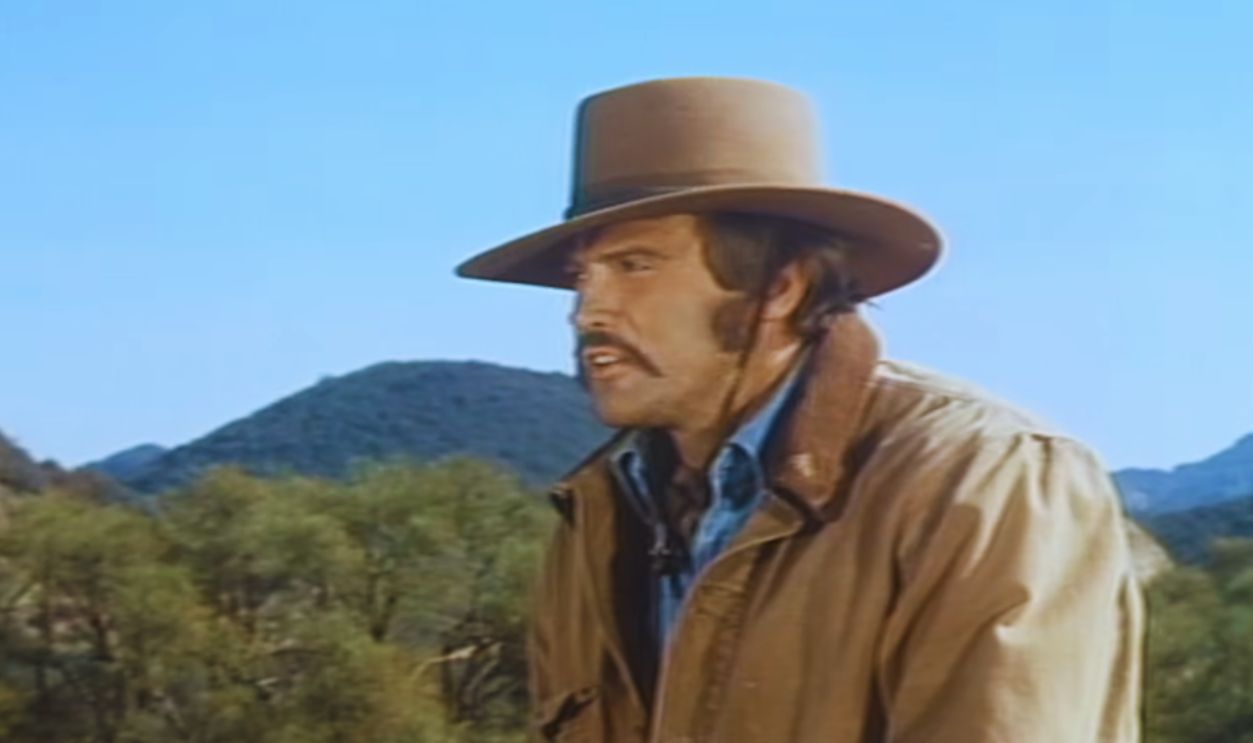
Roy Tate Had A Hard Edge
Tate fit the late-period Western mood of the early 1970s. He was less polished than the clean-cut heroes of earlier TV Westerns. That edge helped Majors move beyond simply being the handsome young cowboy.
 Screenshot from The Men From Shiloh, NBCUniversal (1970-1971)
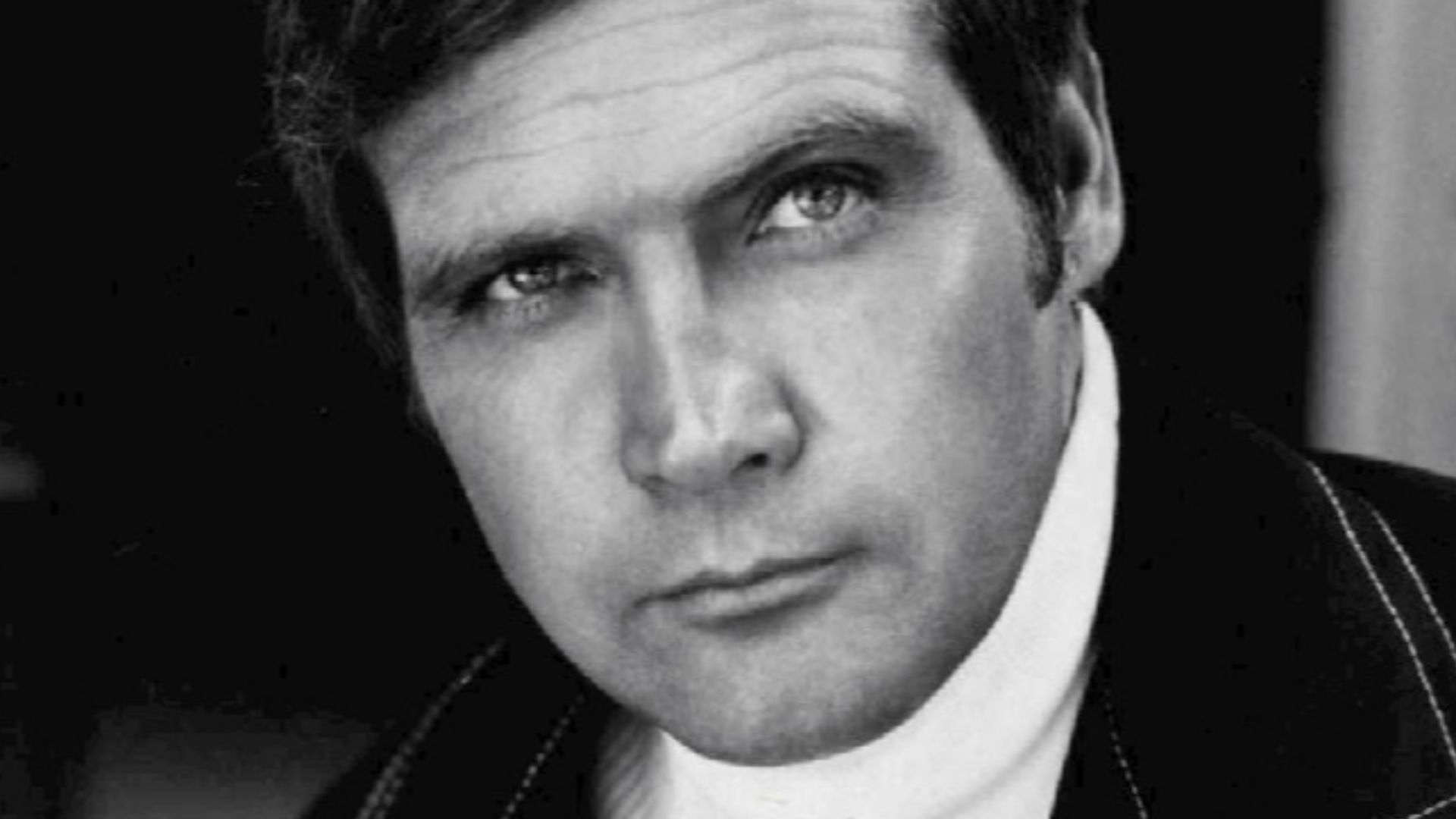
The Show Let Him Carry Stories
Majors was featured prominently in episodes such as "The Mysterious Mr. Tate", "The Animal", and "Tate: Ramrod". These episodes gave Tate moral choices, physical danger, and personal conflict. That kind of material helped Majors prove he could do more than support bigger names.
 ABC Television, Wikimedia Commons
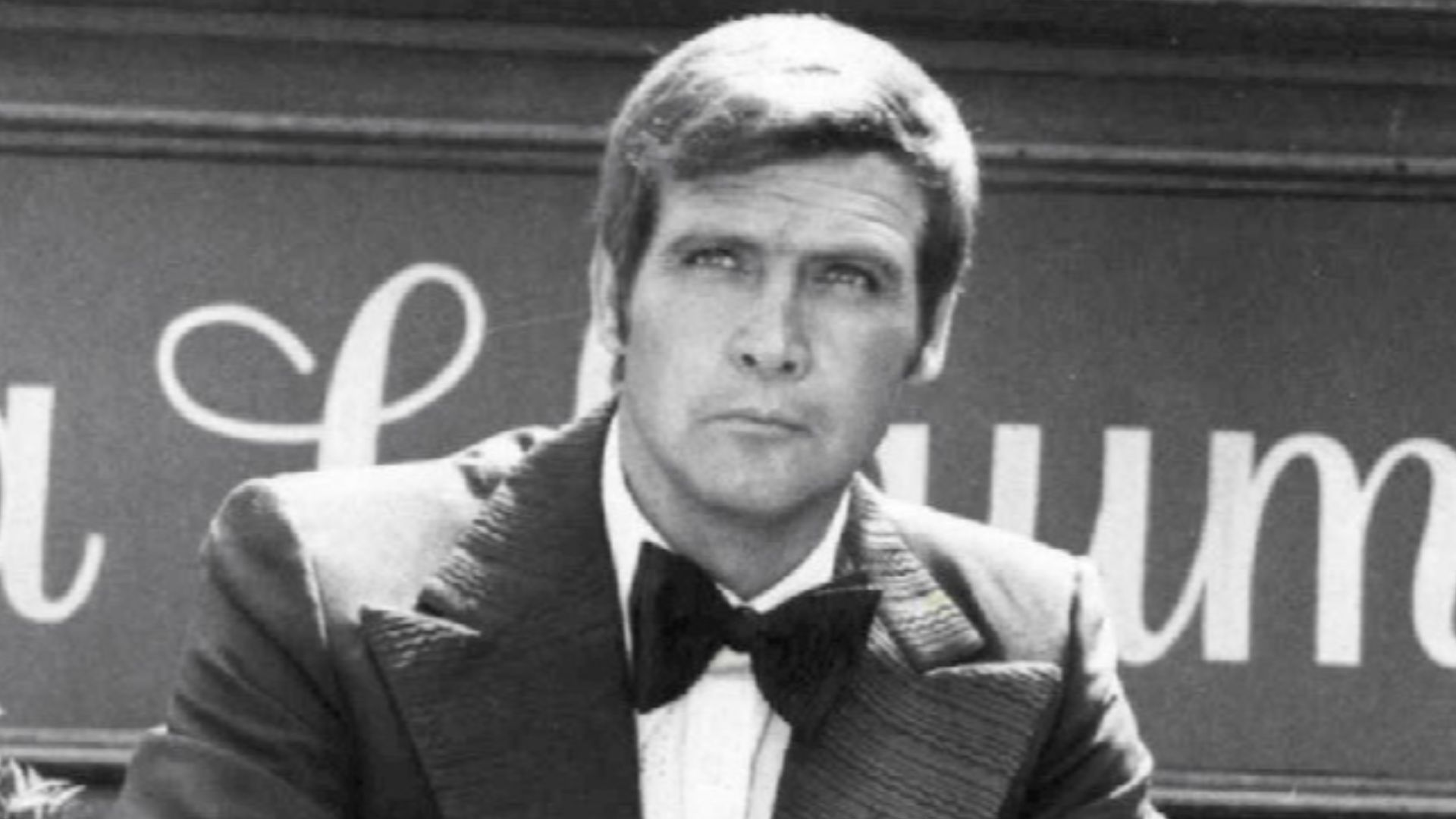
He Was Becoming An Action Lead
The Virginian helped reinforce the qualities that later defined Majors’ career. He could look believable in a fight, stay calm under pressure, and project toughness without shouting. Those traits became essential when he later played Steve Austin.
 ABC Television, Wikimedia Commons
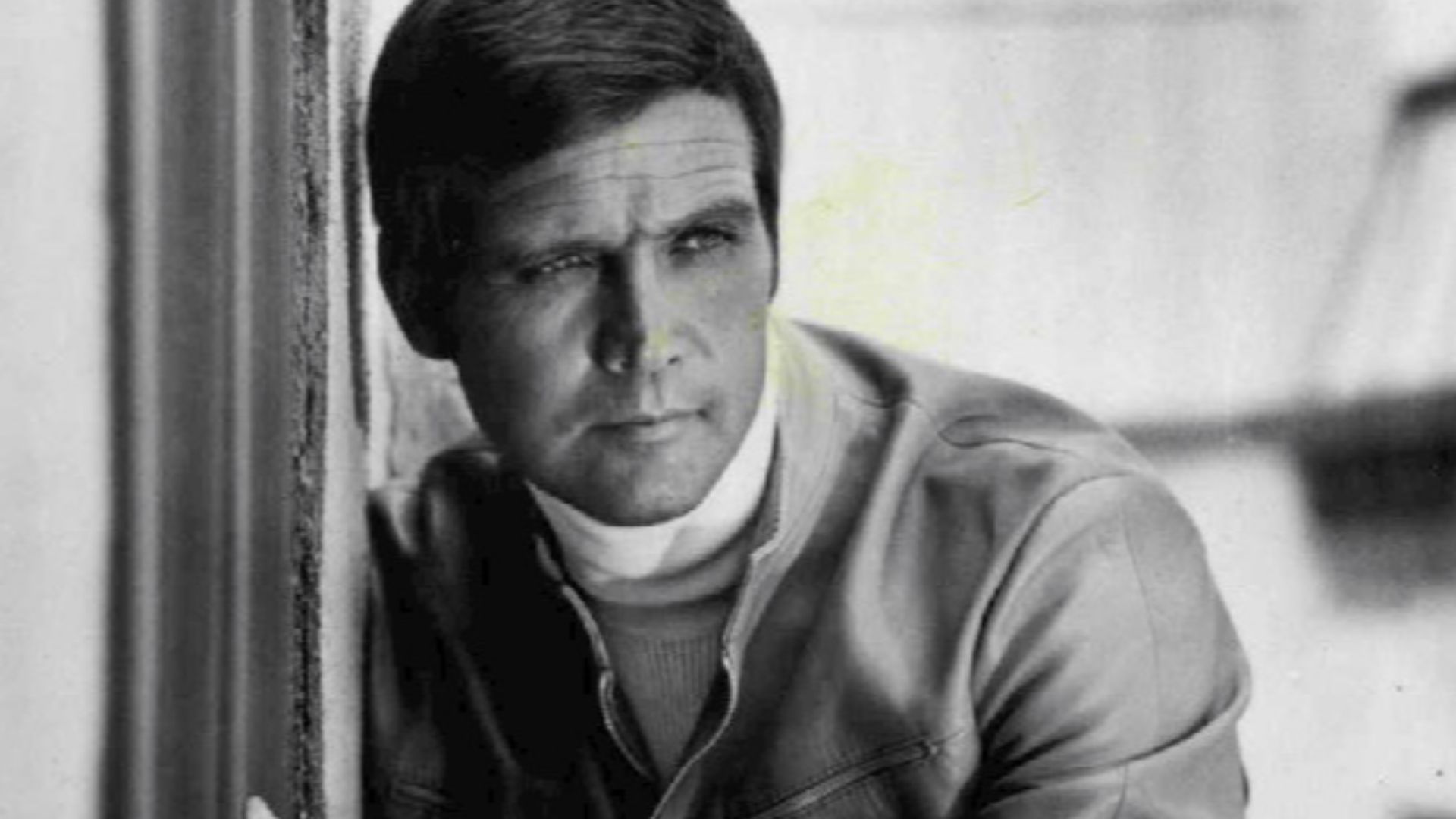
Westerns Were Changing Fast
By 1970, the classic TV Western was losing some of its dominance. Audiences were shifting toward legal dramas, police shows, science fiction, and more modern action stories. Majors’ time on The Virginian placed him right at the edge of that transition.
 ABC Television, Wikimedia Commons
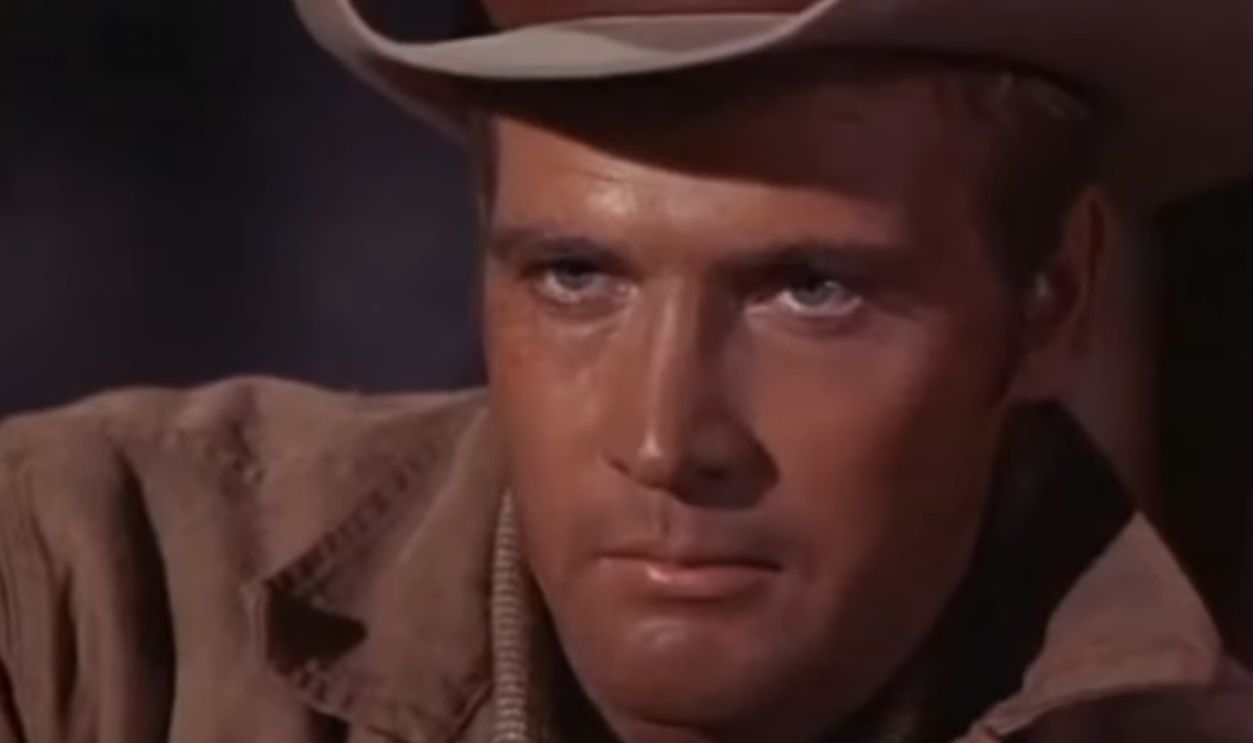
The Final Season Was A Bridge
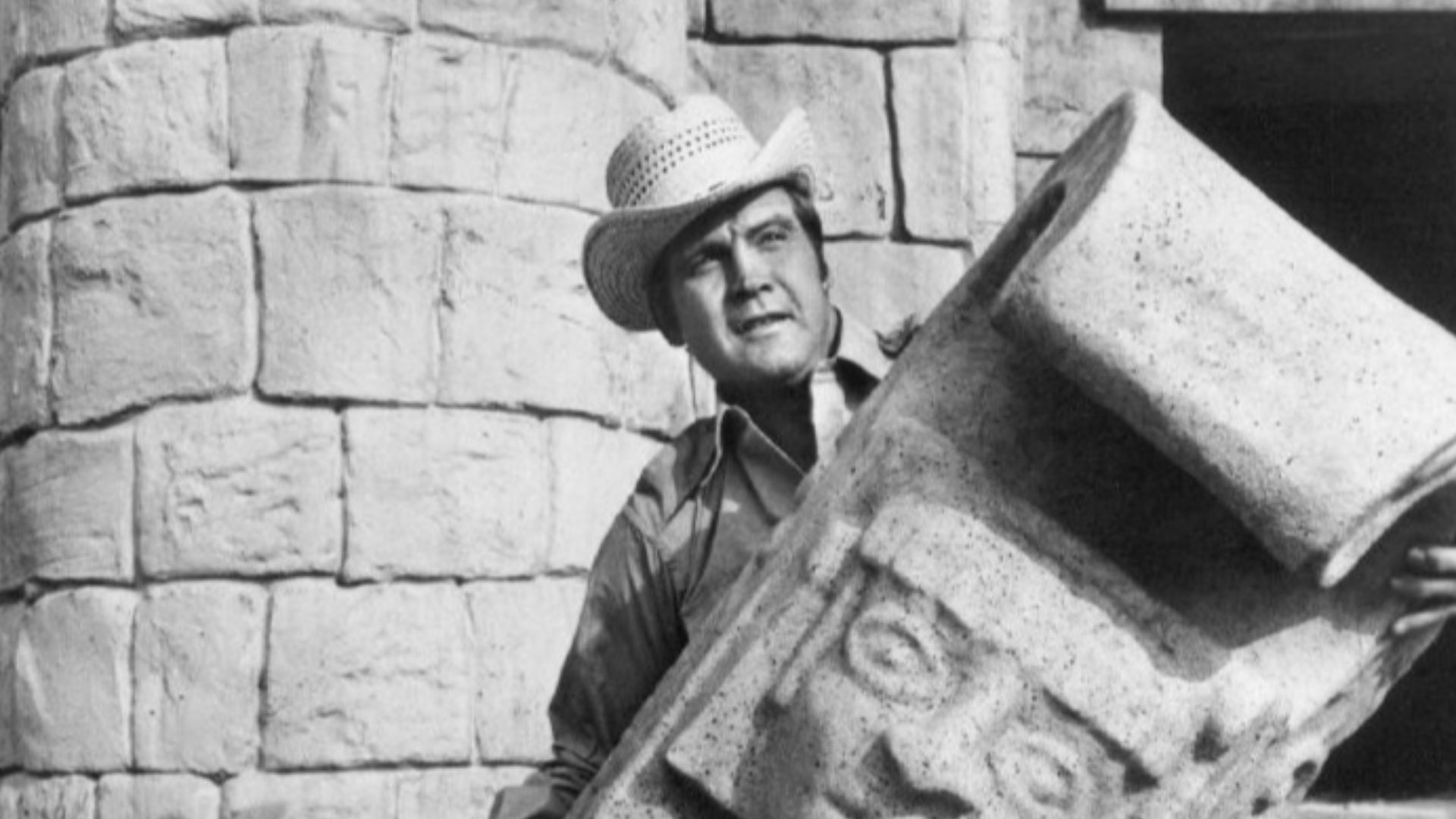
The Men From Shiloh was not just another cowboy assignment for Majors. It acted like a bridge between his 1960s Western image and his 1970s television future. He was still riding horses, but his screen persona was becoming more modern.
 Screenshot from The Big Valley, The Walt Disney Company (1965-1969)
Universal Noticed His Value
Majors’ work during this period helped keep him tied to the television machinery that mattered. Universal Television produced The Virginian in its later years and later became central to The Six Million Dollar Man. That continuity helped place Majors in the right professional orbit.
 ABC Television, Wikimedia Commons
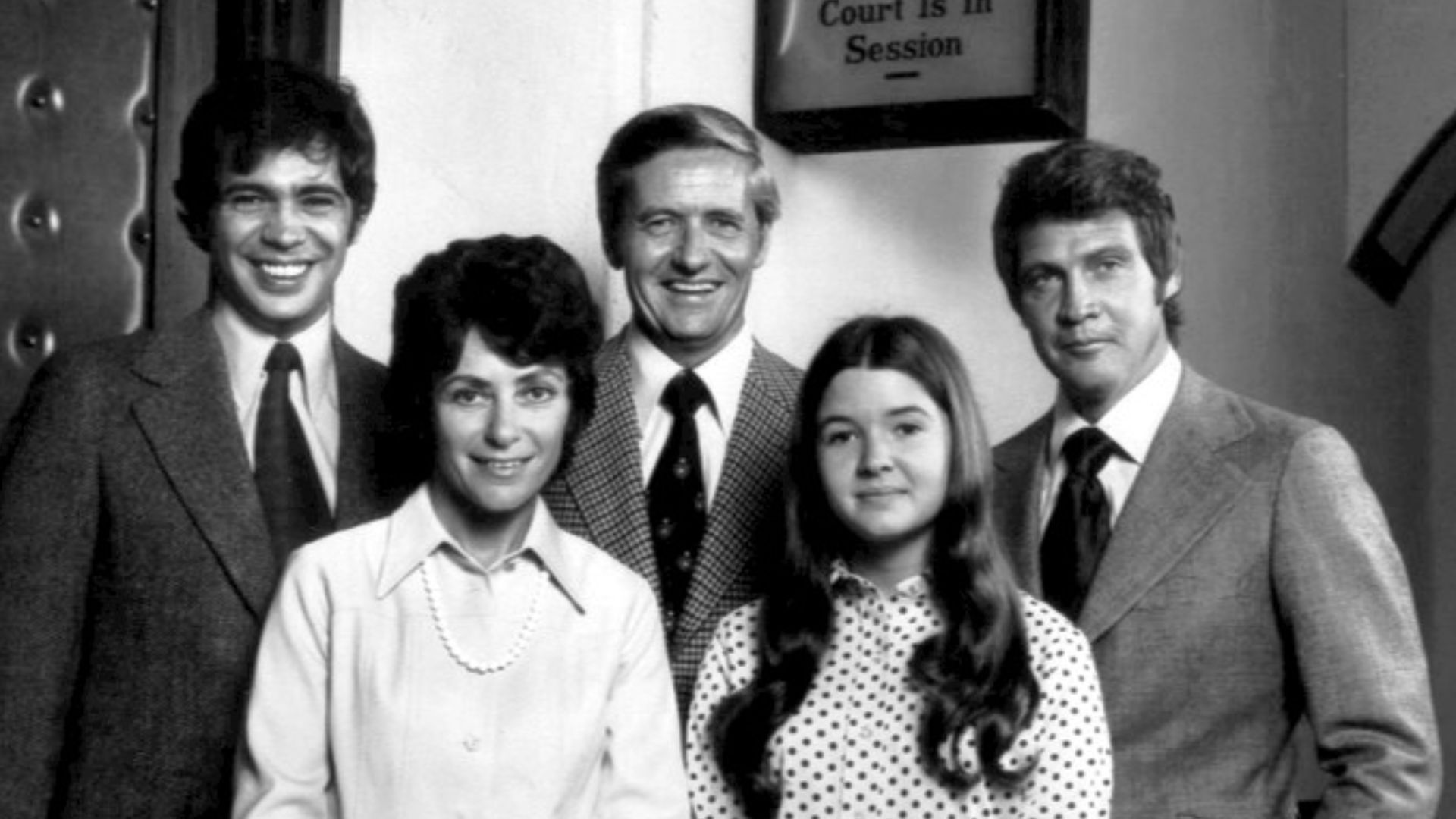
He Soon Shifted To Legal Drama
After The Virginian, Majors moved into Owen Marshall, Counselor At Law. He played Jess Brandon, a younger lawyer working with Arthur Hill’s title character. It was a smart pivot because it showed he could handle contemporary drama, not just Western action.
 ABC Television, Wikimedia Commons
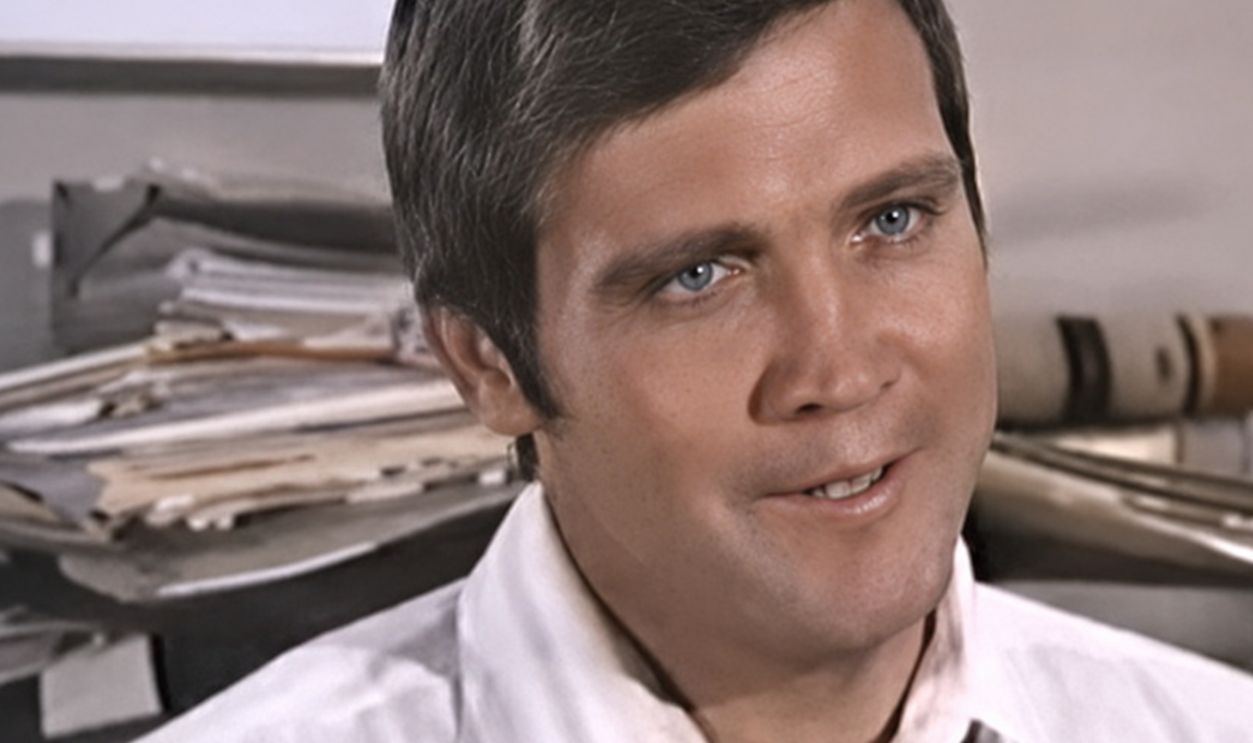
That Pivot Changed Everything
Owen Marshall helped move Majors out of the saddle and into modern television. He still had the same steady presence, but the setting was different. That step made it easier for audiences and producers to imagine him beyond the frontier.
 Screenshot from Owen Marshall, Counselor at Law, NBCUniversal (1971-1974), enhanced
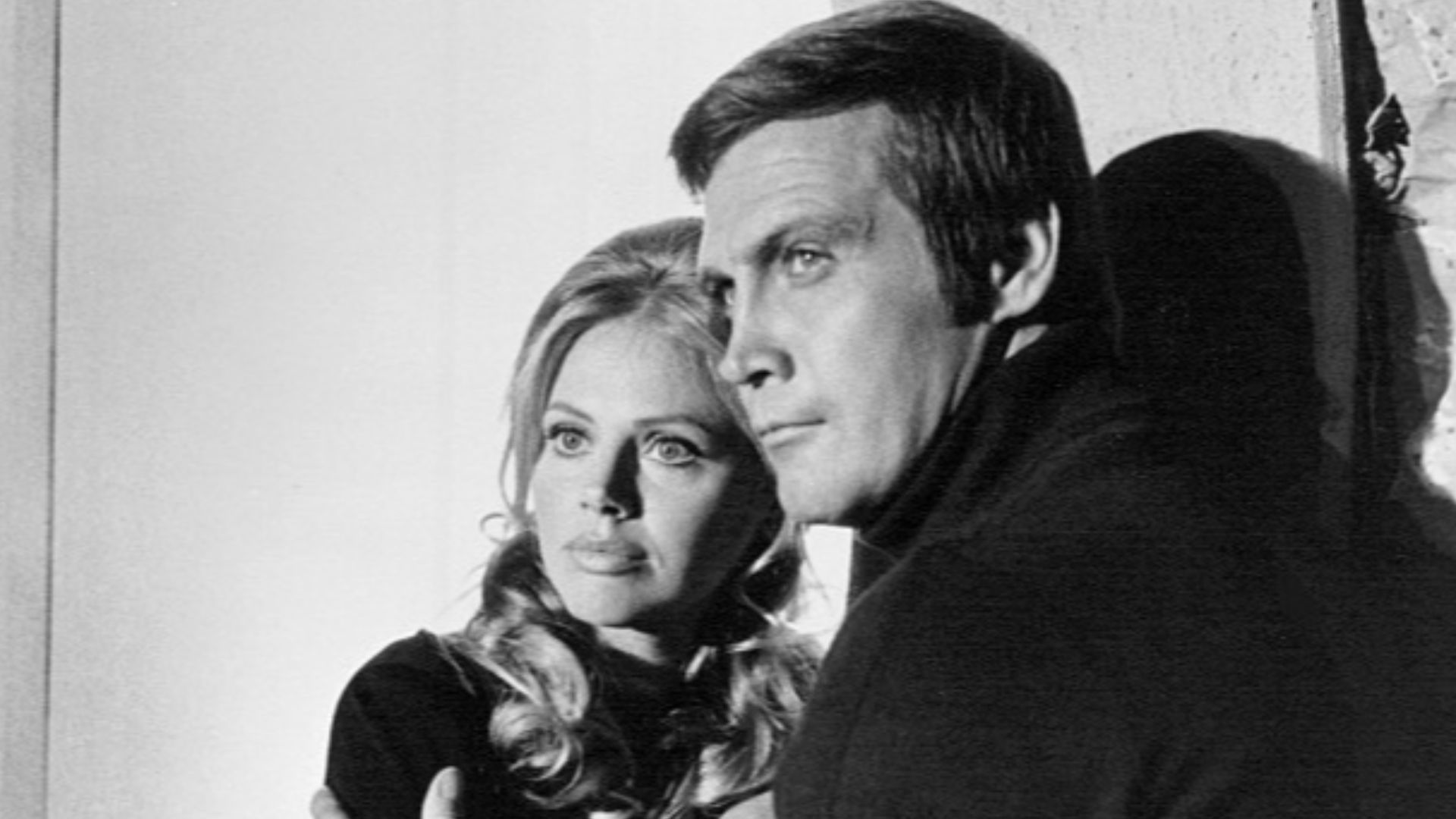
Then Steve Austin Arrived
In 1973, Majors starred in the television movie The Six Million Dollar Man. The project introduced him as Steve Austin, a badly injured astronaut rebuilt with bionic technology. The role quickly became the one that defined him for a generation.
 ABC Television, Wikimedia Commons
The Series Made Him A Pop Icon
The Six Million Dollar Man became a weekly ABC series in 1974. Majors’ Steve Austin was calm, heroic, wounded, and futuristic all at once. The show turned him from a familiar TV actor into a full pop culture figure.
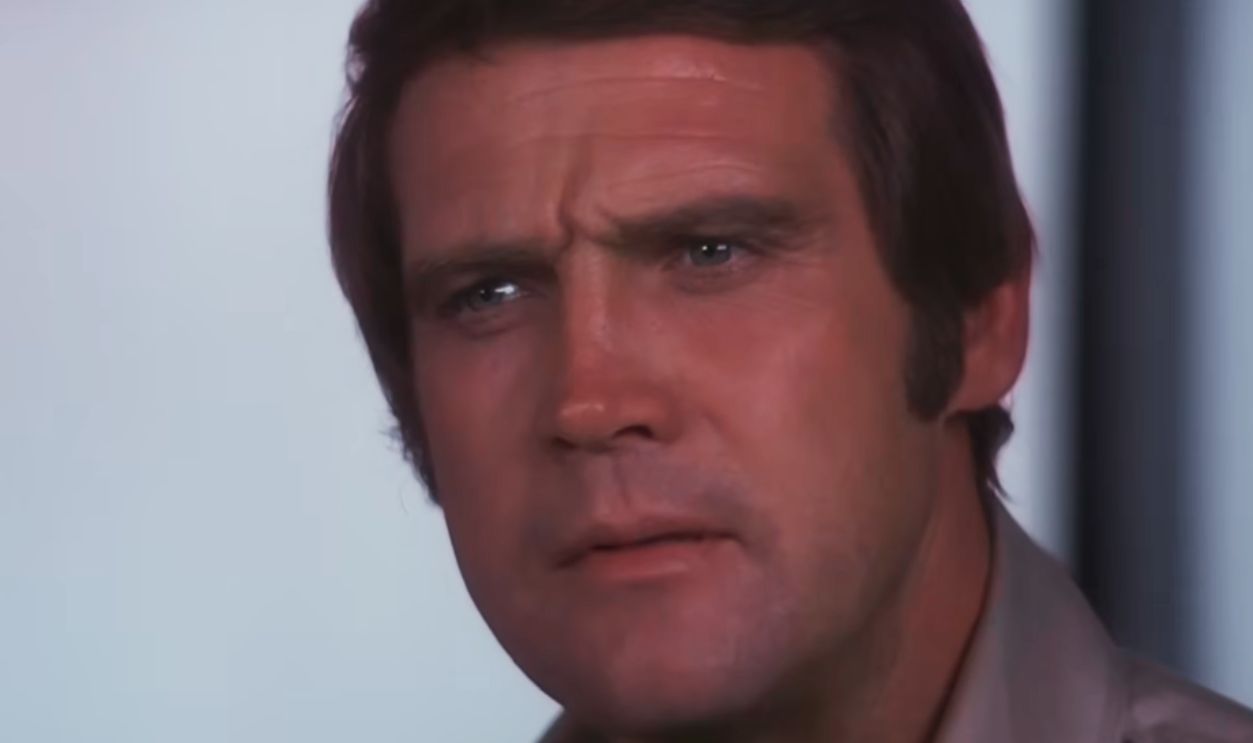 Screenshot from The Six Million Dollar Man, NBCUniversal (1974-1978)
The Virginian Helped Shape The Path
The Virginian did not make Majors famous by itself. The Big Valley had already given him his first major breakthrough. Still, The Virginian helped keep his momentum alive during the crucial years before The Six Million Dollar Man.
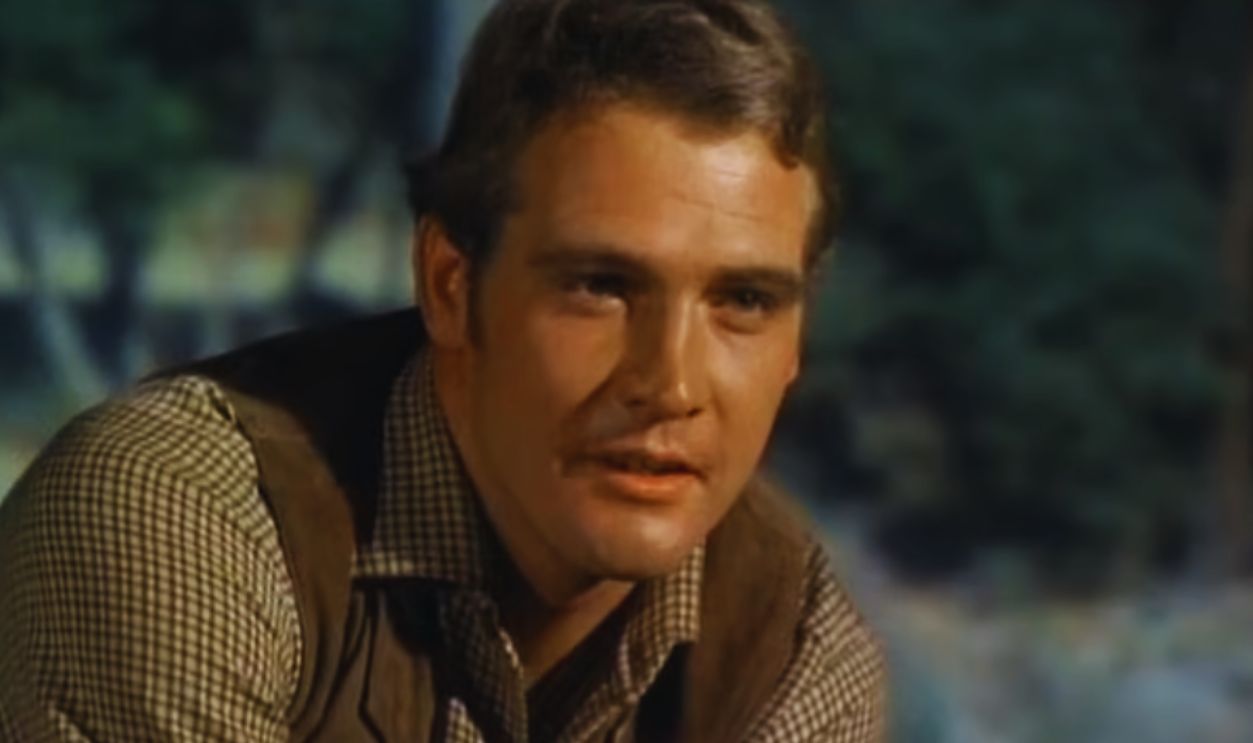 Screenshot from The Big Valley, The Walt Disney Company (1965-1969)
Roy Tate Was Part Of The Blueprint
Roy Tate shared some qualities with Steve Austin. Both characters were controlled, physical, and slightly mysterious. Both needed Majors to communicate strength without losing vulnerability.
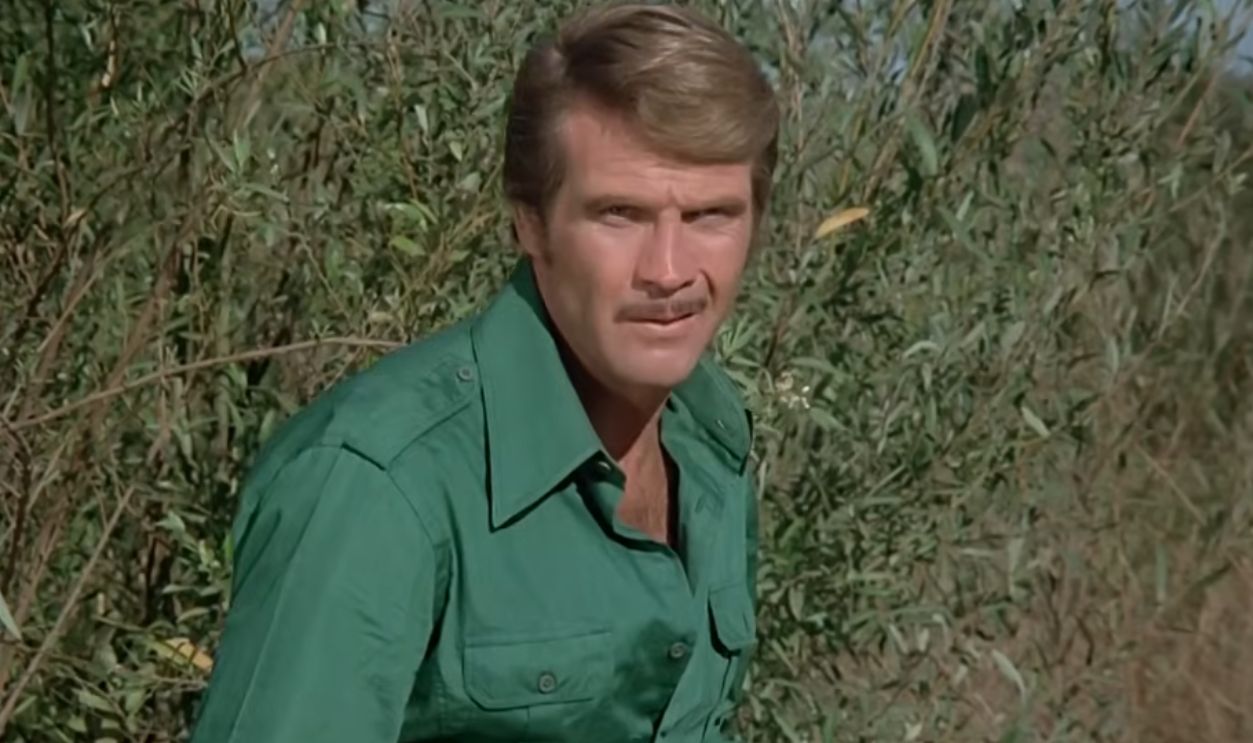 Screenshot from The Six Million Dollar Man, NBCUniversal (1974-1978)
He Became A Different Kind Of TV Hero
Majors’ career shows how television heroes evolved from cowboys to bionic agents. He carried some of the Western hero’s code into a sci-fi action format. That made Steve Austin feel futuristic but still grounded in old-fashioned heroism.
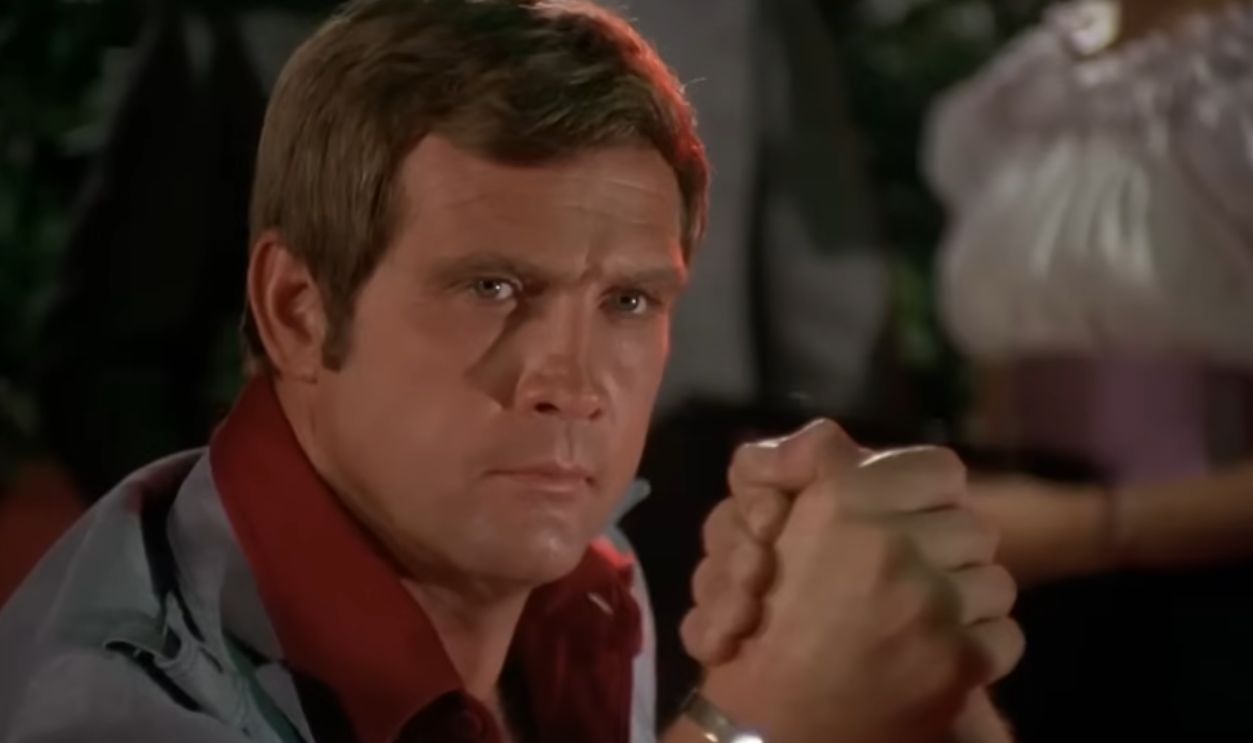 Screenshot from The Six Million Dollar Man, NBCUniversal (1974-1978)
The Western Training Paid Off
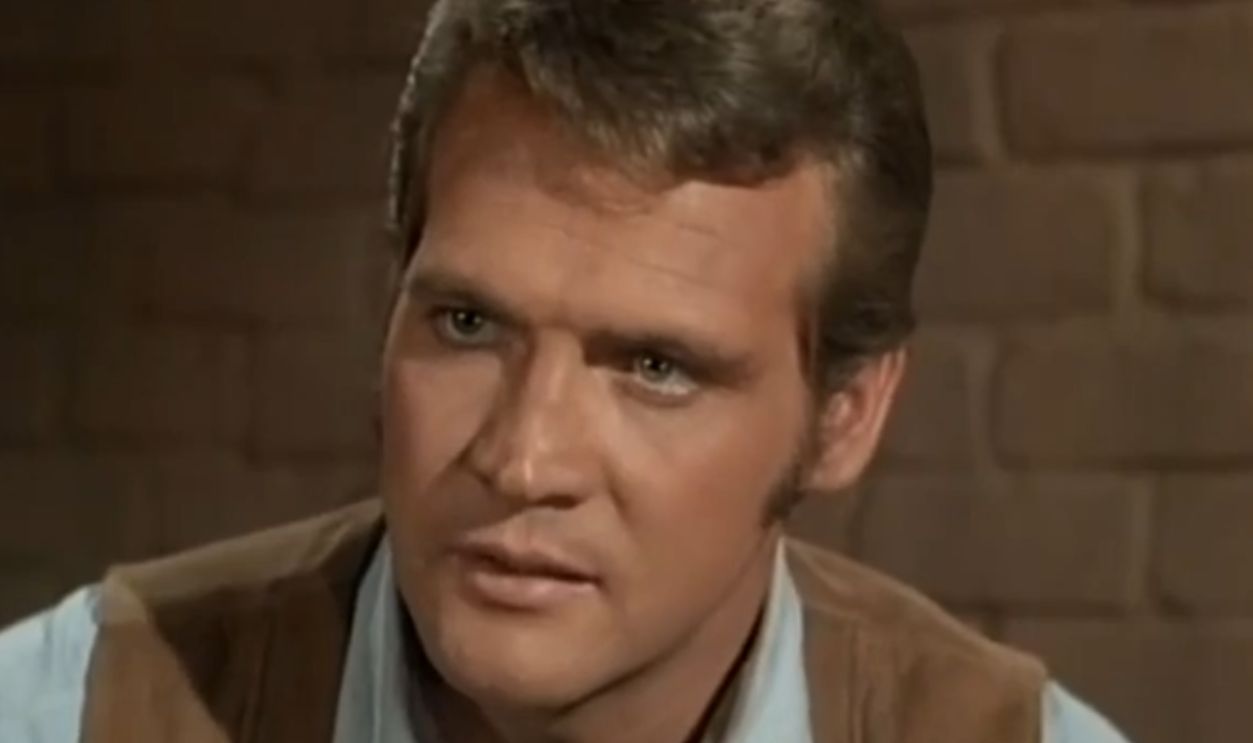
Years of Western work taught Majors how to handle action, silence, and physical storytelling. Those skills translated perfectly to The Six Million Dollar Man. Slow-motion running may have been new, but the stoic hero underneath had deep Western roots.
 Screenshot from The Big Valley, The Walt Disney Company (1965-1969)
The Virginian Was One Step In A Bigger Climb
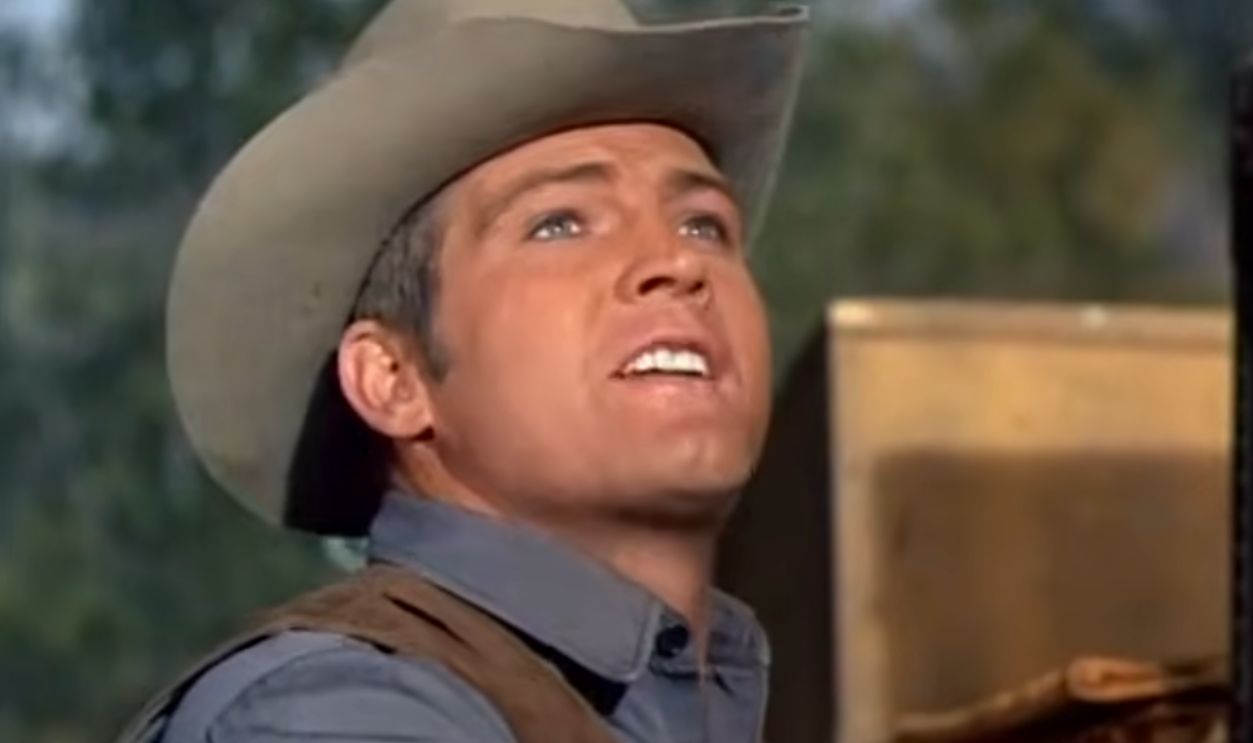
Looking back, The Virginian sits in an important middle chapter of Majors’ rise. It came after his first breakout and before his biggest fame. That makes it a fascinating stop on the road to one of television’s most recognizable 1970s heroes.
 Screenshot from The Big Valley, The Walt Disney Company (1965-1969)
Before He Was Better, Stronger, Faster
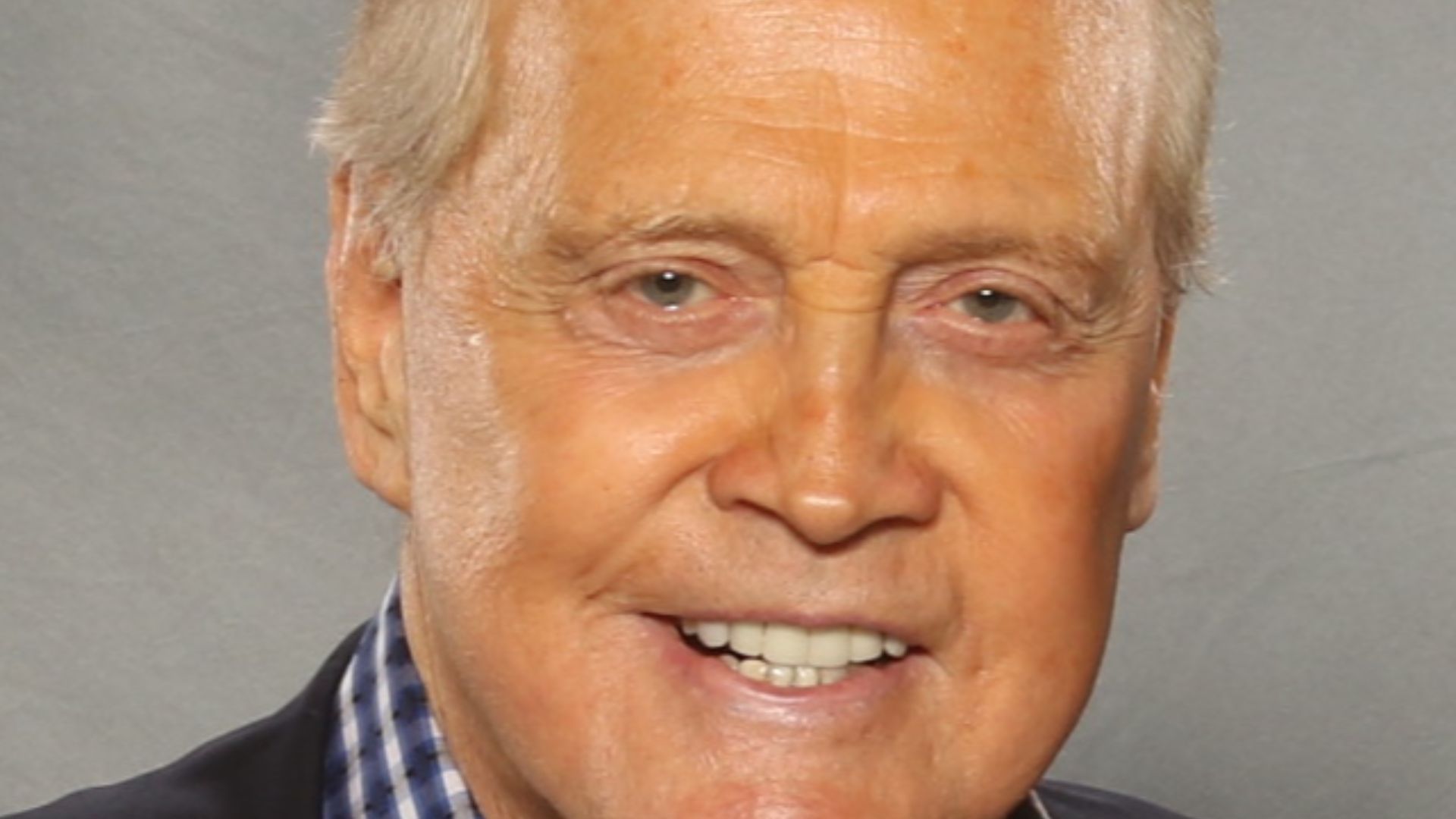
Lee Majors did not become a TV legend in one leap. He built that reputation across Westerns, legal drama, and finally science-fiction action. The Virginian helped carry him through that journey, years before Steve Austin made him better, stronger, and faster.
 Florida Supercon, Wikimedia Commons
You May Also Like:
The Surprising Way The Rockford Files Revived James Garner's Career
How Peter Graves Built A Television Career That Lasted More Than 50 Years
Amanda Blake's Greatest Legacy Had Nothing To Do With Gunsmoke