The Giant Who Said So Little
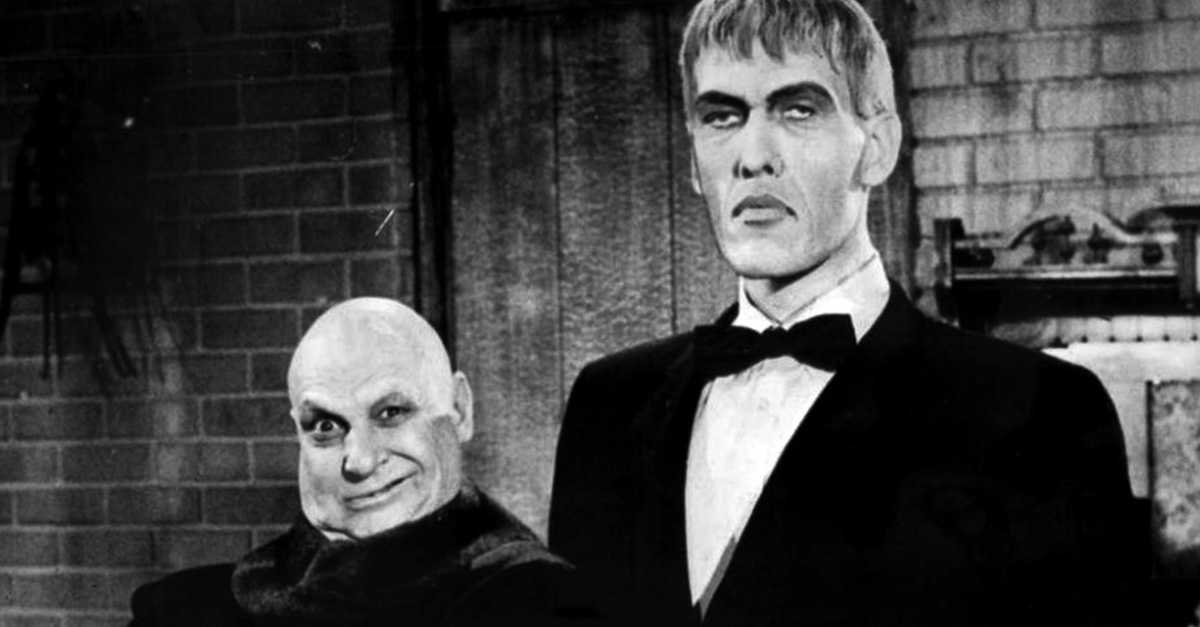
Ted Cassidy could enter a room, raise one eyebrow, and steal the entire scene. As Lurch on The Addams Family, he became unforgettable with a stiff walk, a mournful expression, and two rumbling words. Yet behind television’s most famous butler was a skilled performer with a surprisingly varied career.
 Pleasure Island Uploaded by We hope at en.wikipedia, Wikimedia Commons
He Grew Up In West Virginia
Theodore Crawford Cassidy was born in Pittsburgh in 1932 but grew up in Philippi, West Virginia. He was unusually tall from childhood, making it impossible for him to disappear into a crowd. Long before Hollywood noticed him, Cassidy was already learning how to handle constant attention.
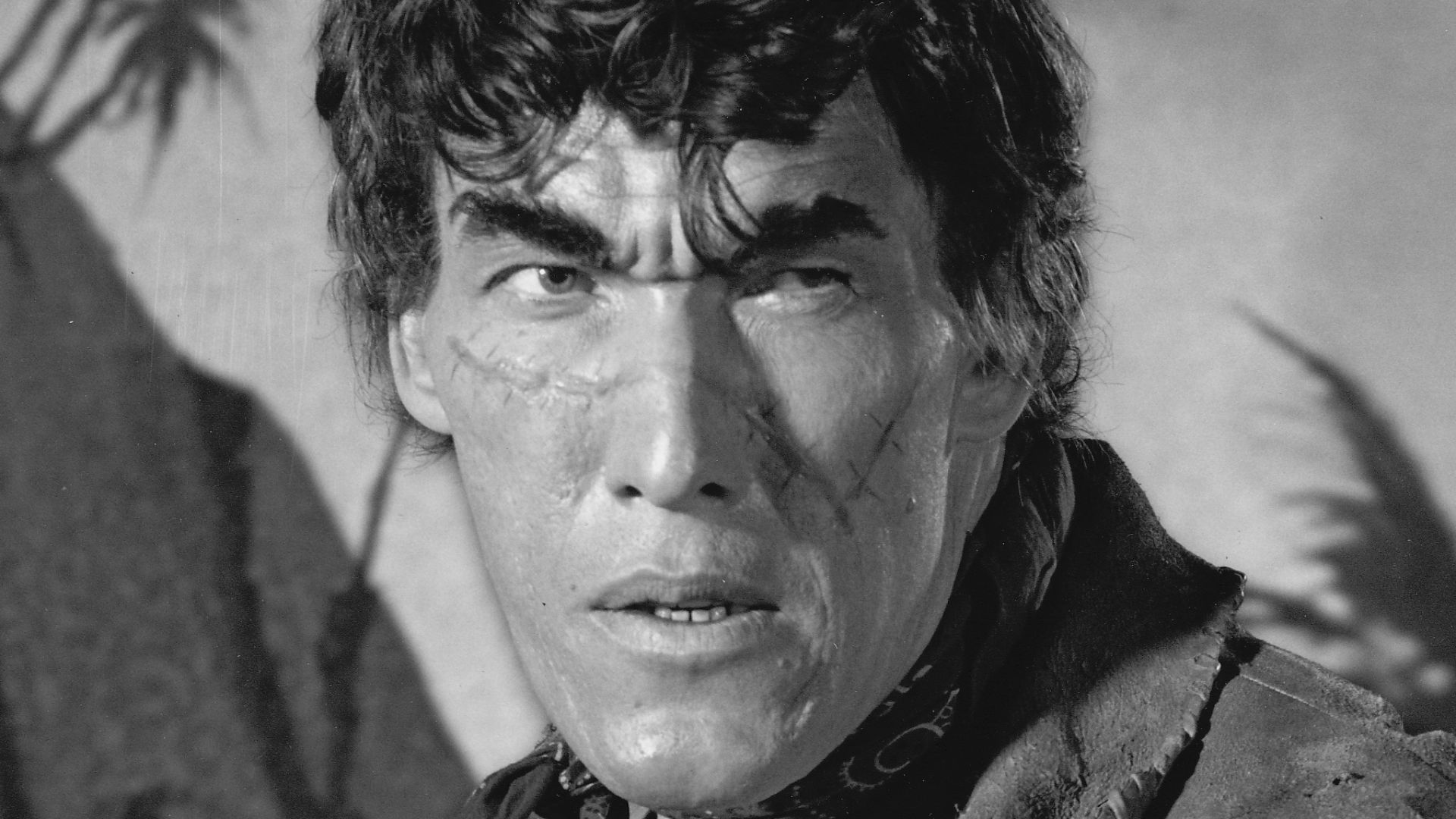
His Height Shaped His Early Life
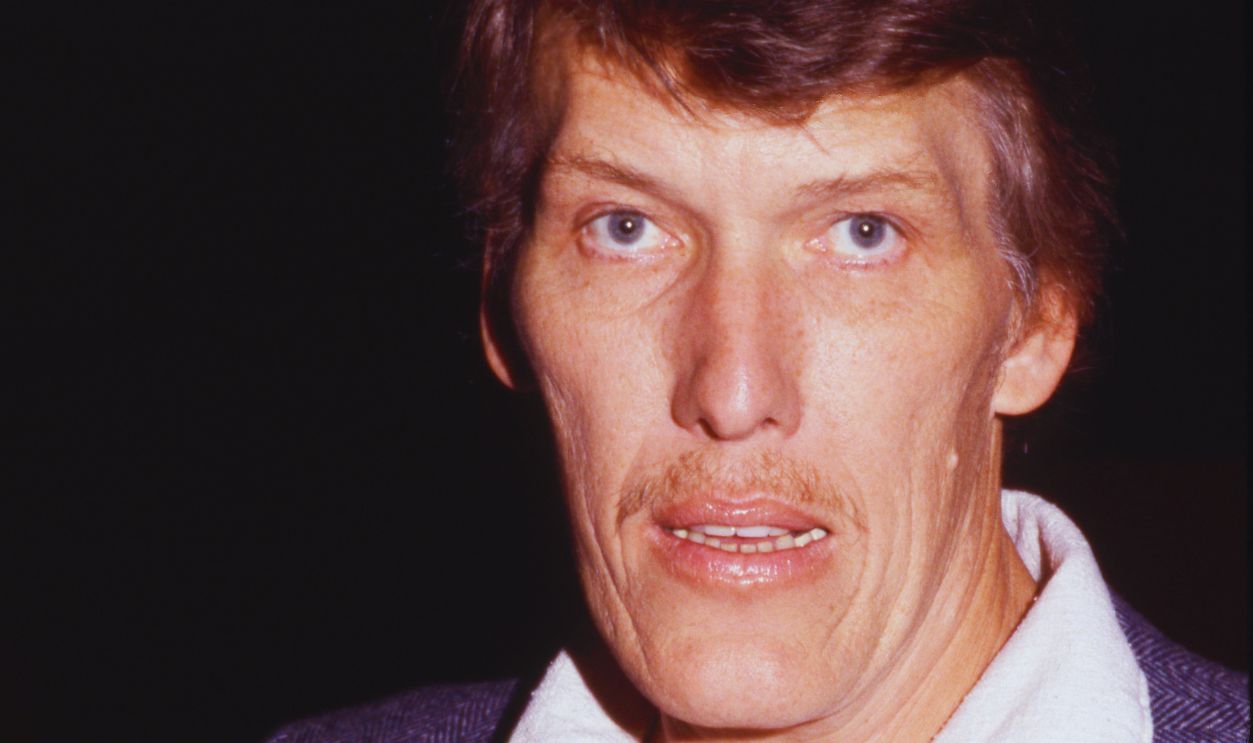
Cassidy eventually reached roughly six feet nine inches tall. That height made him an obvious choice for basketball, but it also meant strangers frequently stared. Rather than shrink from that attention, Cassidy developed a calm confidence that would later become one of his greatest strengths on camera.
 NBC television, Wikimedia Commons
College Offered More Than Basketball
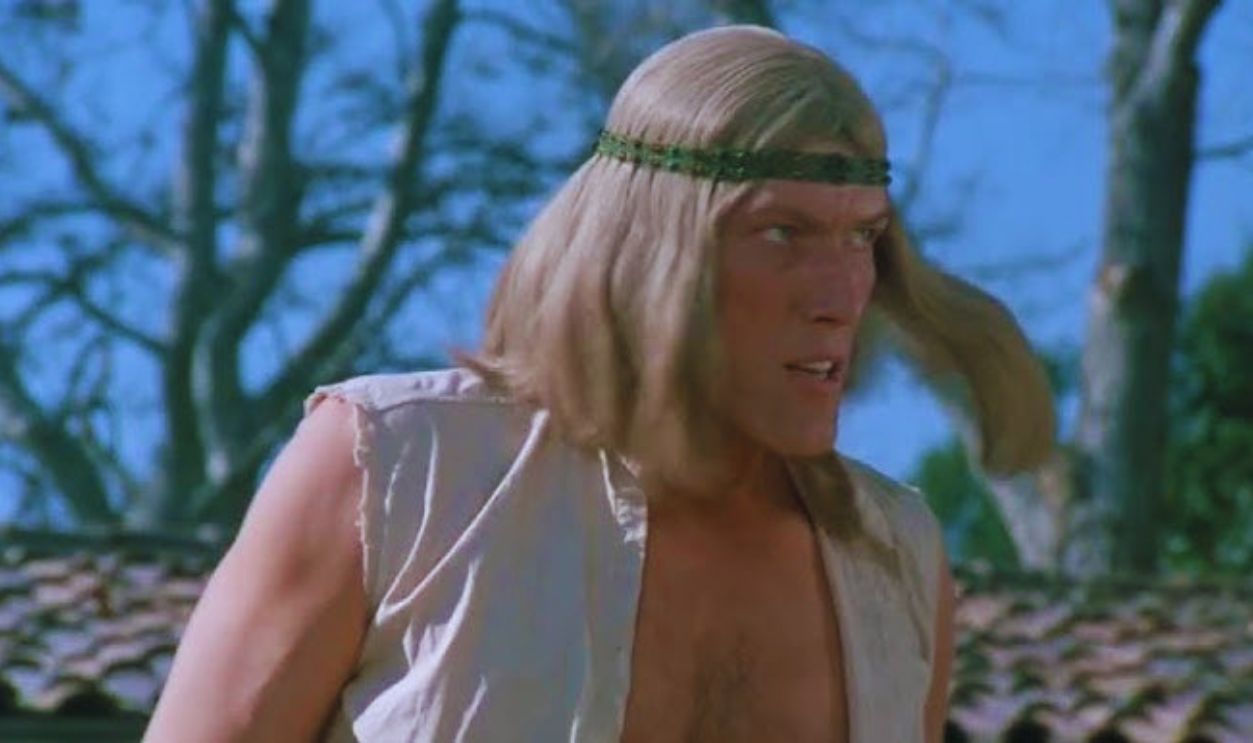
Cassidy attended Stetson University in Florida, where he played basketball and studied speech and drama. The combination suited him perfectly. Athletics taught him how to use his body, while theatre helped him understand timing, movement, and the power of holding an audience’s attention without speaking.
 Screenshot from Planet of the Apes, 20th Century Fox Television (1974)
That Voice Belonged On The Radio
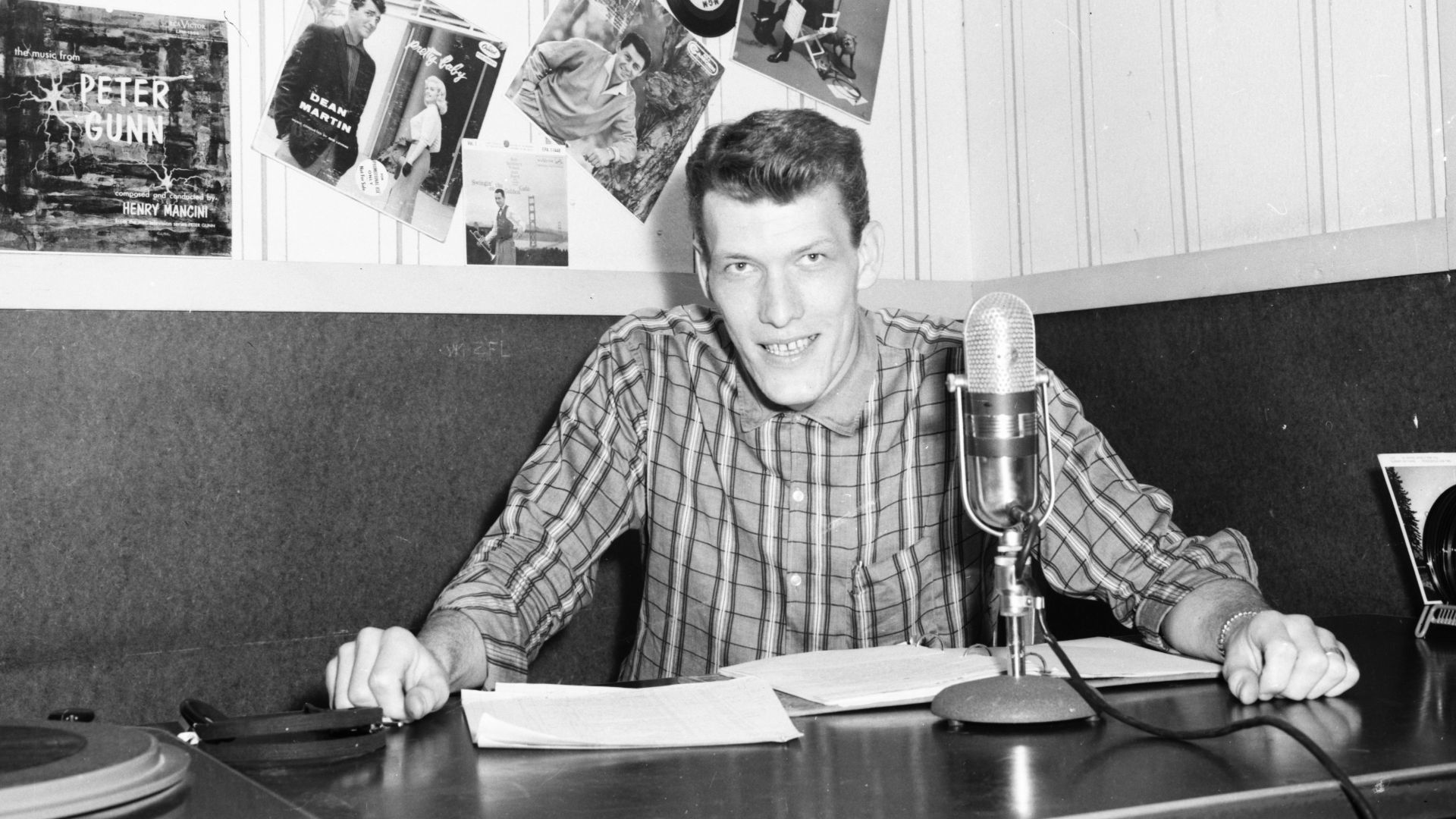
Before television made his face famous, Cassidy worked in radio. His remarkably deep voice was perfect for announcing, news reporting, and disc jockey work. At WFAA in Dallas, listeners knew him as a broadcaster rather than the towering, gloomy servant he would soon play on television.
 NathanWoodruff, Wikimedia Commons
He Reported During A National Tragedy
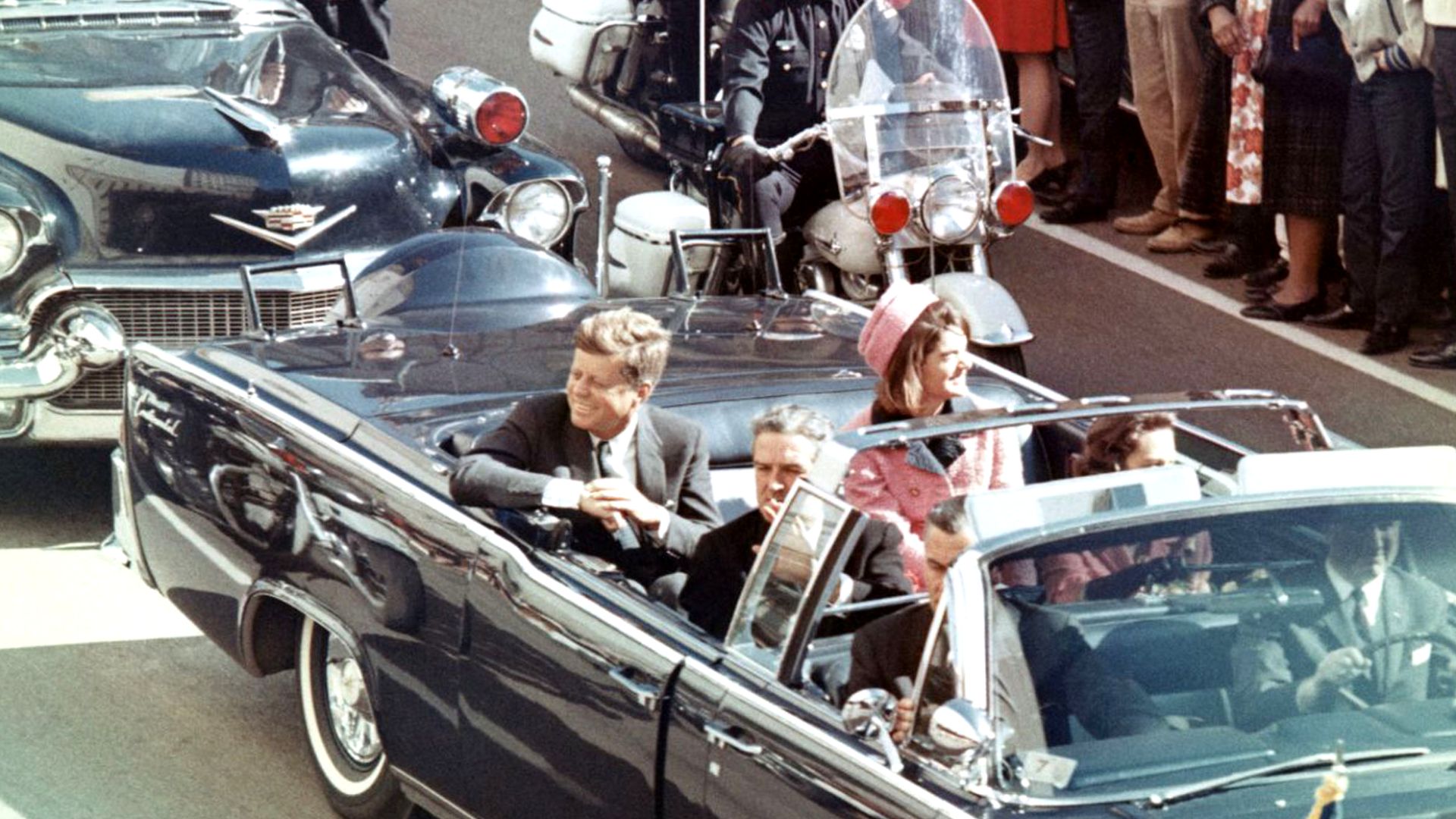
Cassidy was working in Dallas when President John F. Kennedy was assassinated in November 1963. He participated in WFAA’s coverage and interviewed witnesses during the chaotic aftermath. It was serious, demanding work that showed how composed he could remain when events around him were anything but calm.
 Walt Cisco, Dallas Morning News, Wikimedia Commons
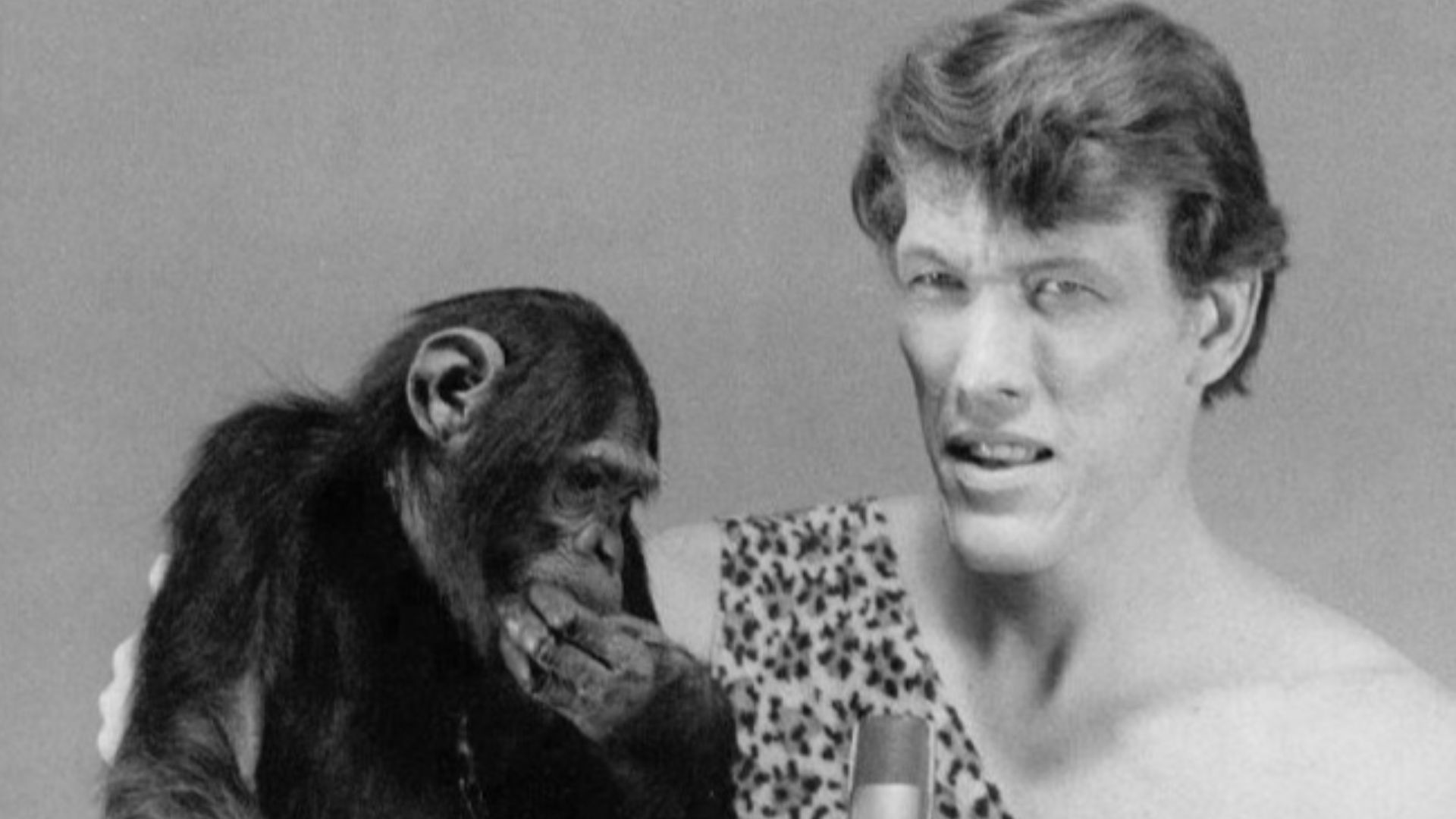
Hollywood Saw The Obvious Possibilities
When Cassidy entered acting, casting directors immediately noticed his towering frame and deep voice. Those qualities made him a natural candidate for intimidating servants, villains, robots, monsters, and mysterious strangers. The challenge would be proving that he could bring more to those parts than his appearance.
 NBC Television, Wikimedia Commons
Then Came Lurch
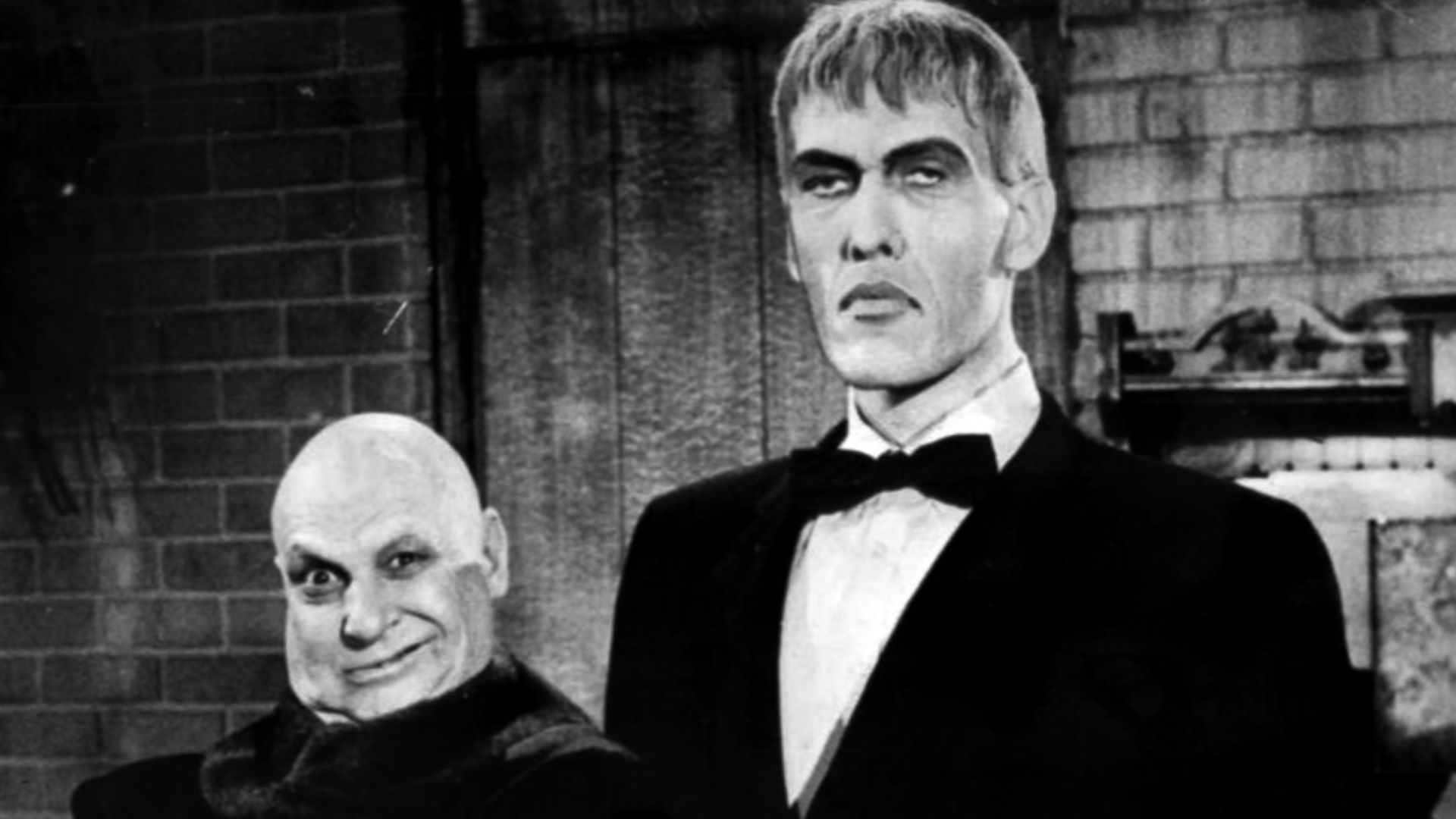
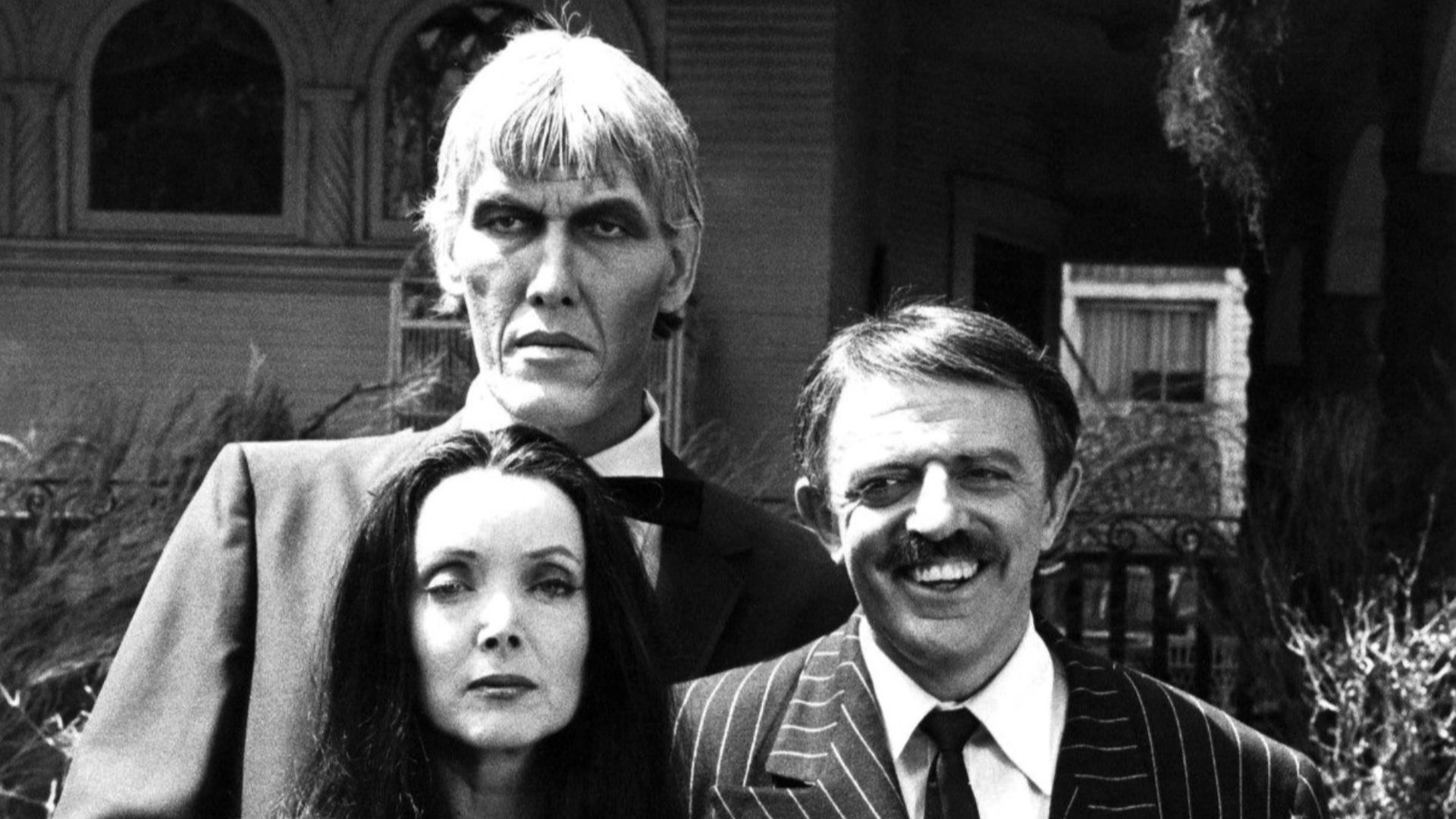
In 1964, Cassidy was cast as Lurch, the Addams family’s enormous butler. Dressed in a dark suit and bow tie, he moved through the strange mansion with the solemn patience of a man who had already seen everything—and was not particularly impressed by any of it.
 NBC Television, Wikimedia Commons
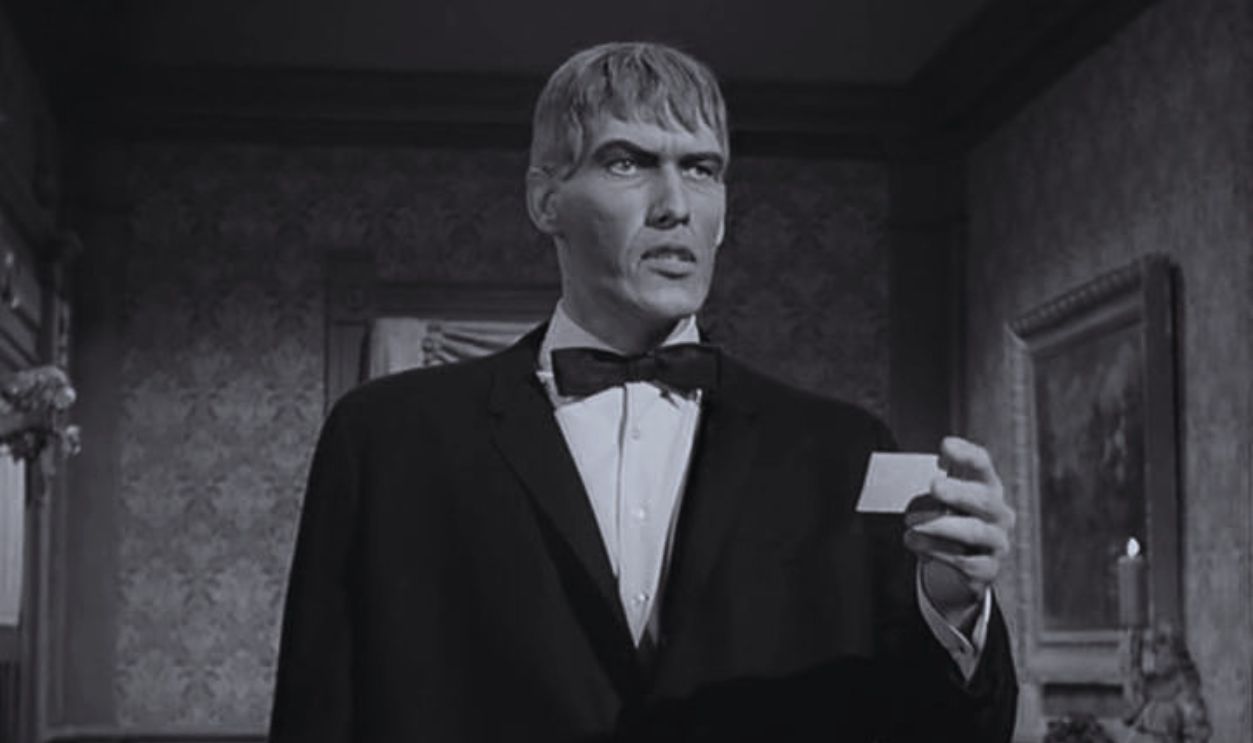
Lurch Was Supposed To Be Silent
The character was reportedly intended to have little or no dialogue. Cassidy could have simply stood in the background looking spooky. Instead, he found small ways to make Lurch funny, using slow reactions, heavy footsteps, precise posture, and expressions that suggested surprisingly complicated thoughts.
 Screenshot from The Addams Family, Metro-Goldwyn-Mayer (1964–1966)
Two Words Changed The Character
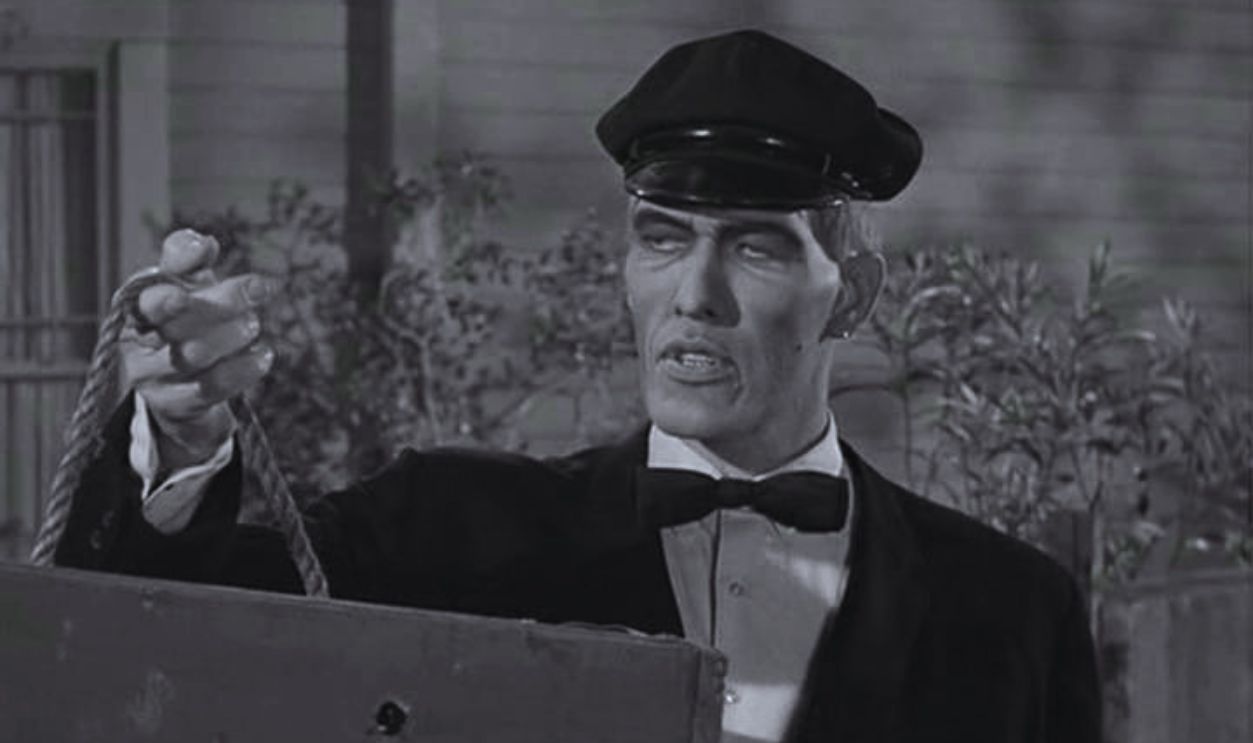
During the production process, Cassidy delivered the line “You rang?” in his booming voice. The joke worked immediately. Lurch was no longer merely creepy furniture in the Addams mansion. He had a catchphrase, a personality, and one of the most easily imitated voices in television history.
 Screenshot from The Addams Family, Metro-Goldwyn-Mayer (1964–1966)
His Timing Did The Real Work
The line itself was simple. Cassidy’s delivery made it special. He stretched the words into a gloomy announcement, as though answering a bell required the strength of ten men. His pause, expression, and deep tone turned an ordinary servant’s response into a dependable punchline.
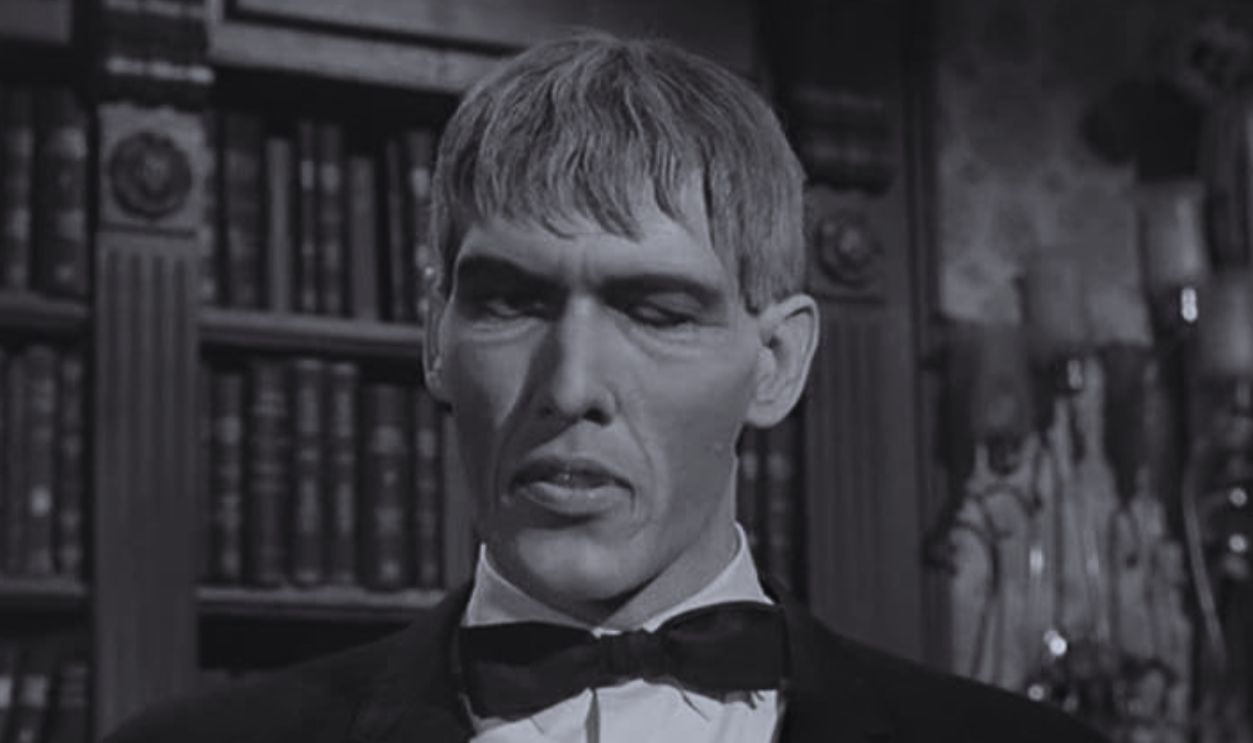 Screenshot from The Addams Family, Metro-Goldwyn-Mayer (1964–1966)
He Understood Stillness
Most television comedy depends on rapid dialogue and energetic reactions. Cassidy often did the opposite. He stood perfectly still while madness erupted around him. That contrast made Lurch hilarious. The Addams family behaved as though everything was normal, and their enormous butler treated every bizarre request as routine.
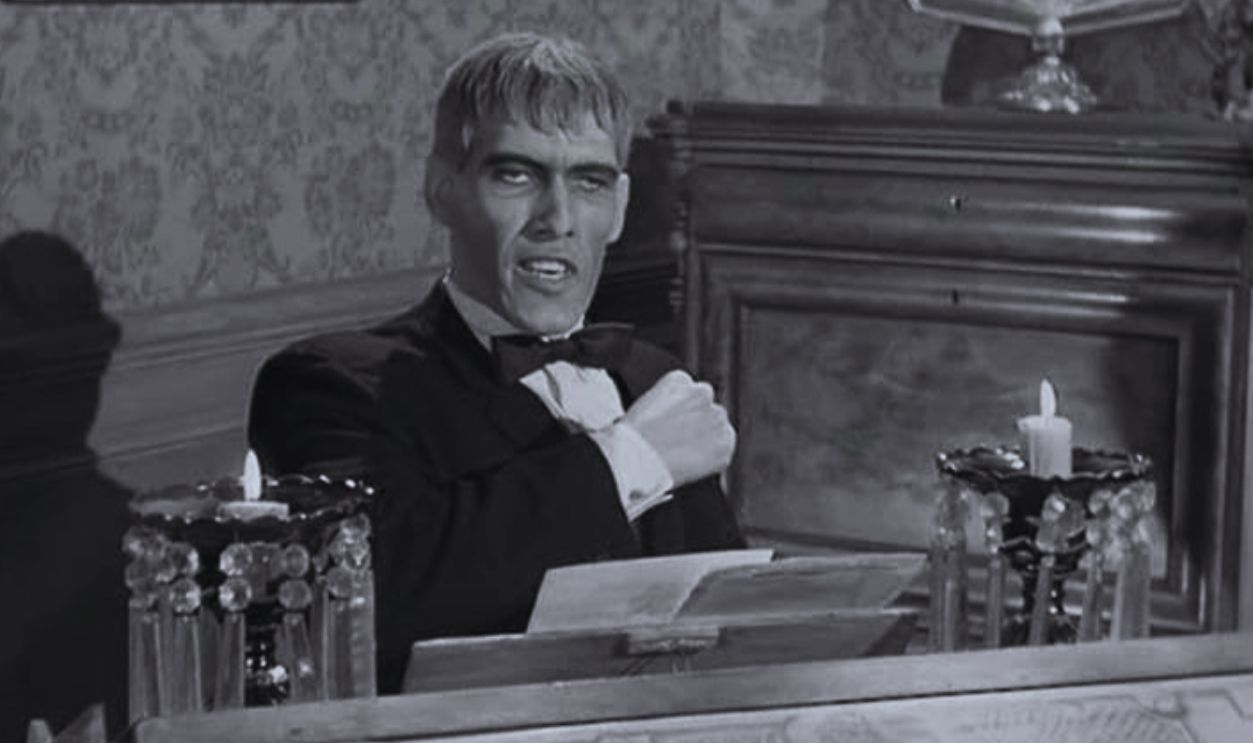 Screenshot from The Addams Family, Metro-Goldwyn-Mayer (1964–1966)
Lurch Became Part Of The Family
Although officially the household servant, Lurch never felt like a disposable employee. He patiently helped Gomez, Morticia, Wednesday, Pugsley, and Uncle Fester with their unusual plans. The family trusted him completely, and Cassidy gave the character a quiet warmth beneath the grave expression.
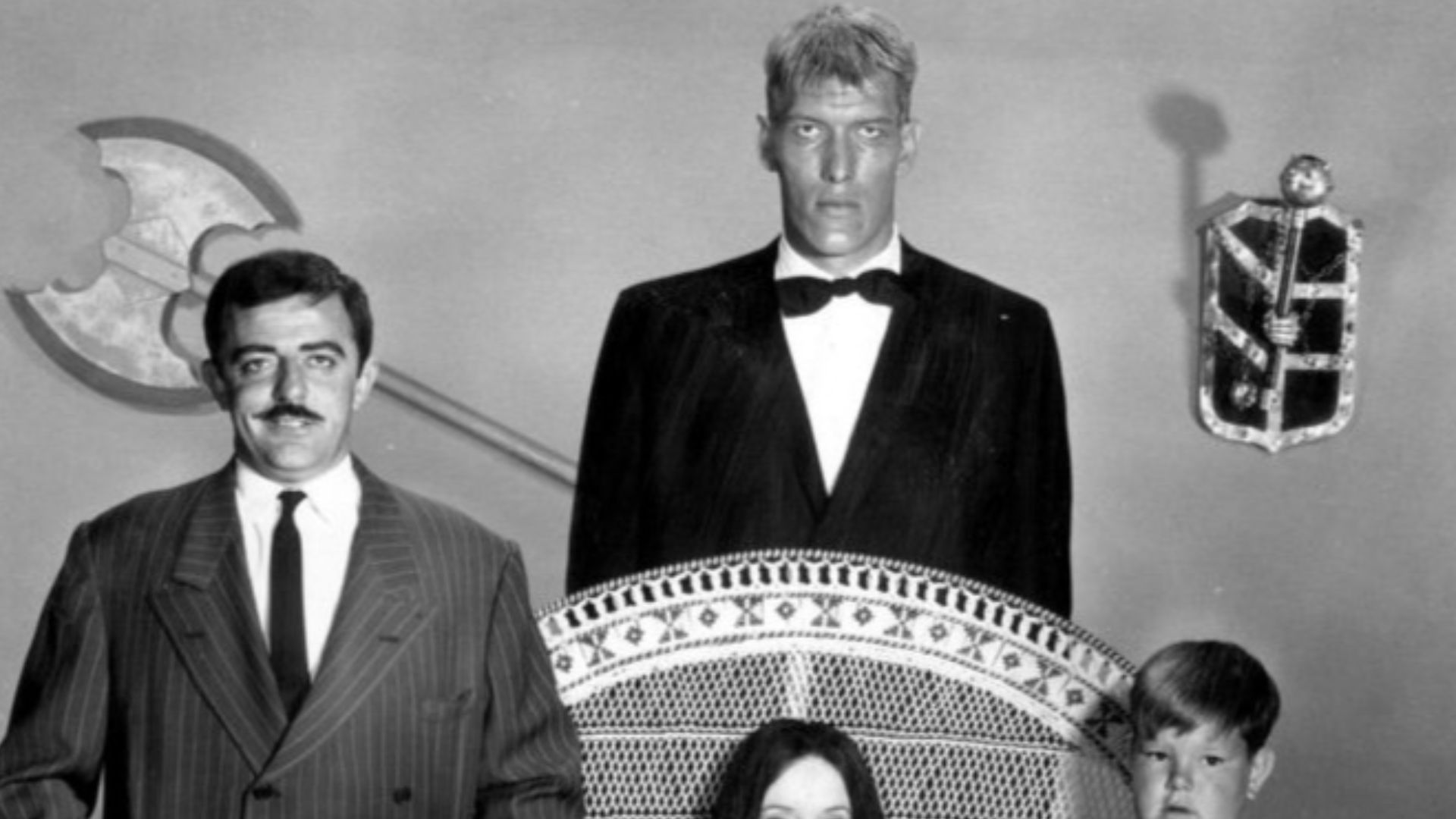 ABC Television, Wikimedia Commons
The Harpsichord Became His Stage
Some of Lurch’s most memorable moments involved him sitting at the family’s harpsichord. Cassidy was genuinely musical and had previously played the organ, although the show’s music was supplied separately. Lurch’s dramatic performances made the massive butler seem like the Addams family’s resident rock star.
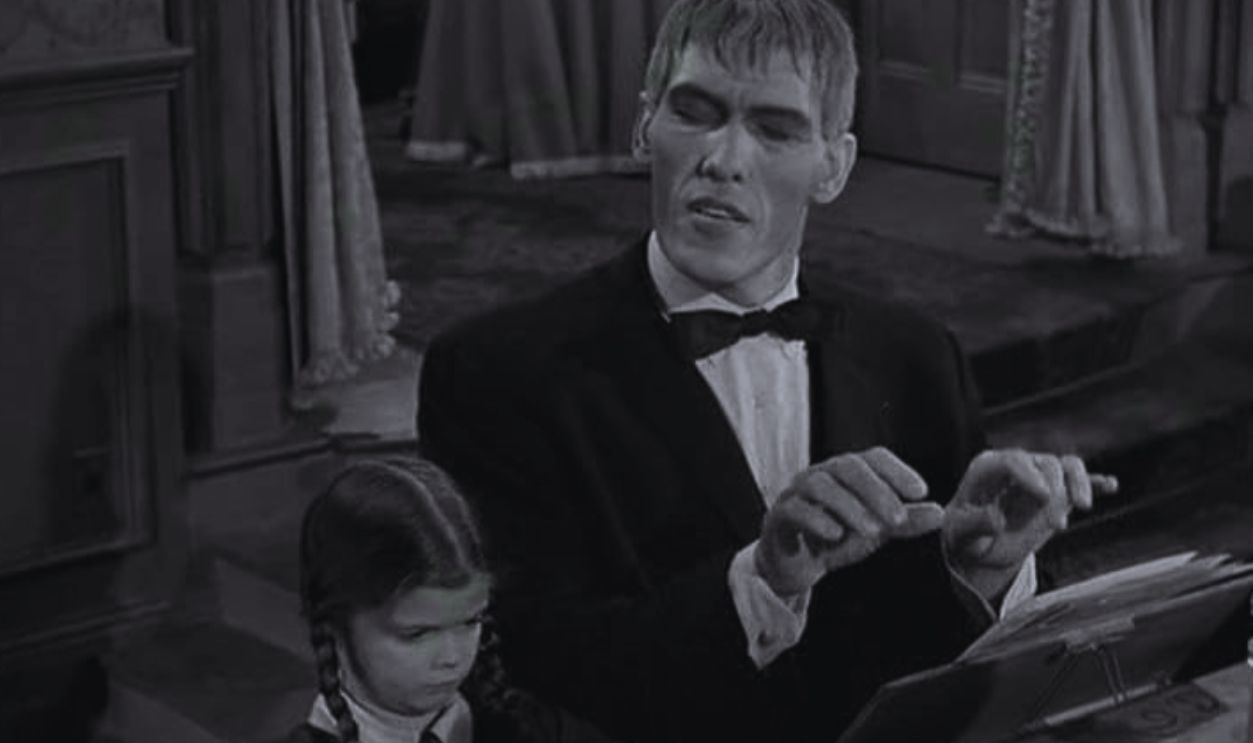 Screenshot from The Addams Family, Metro-Goldwyn-Mayer (1964–1966)
Cassidy Also Lent A Hand
Many viewers never realized that Cassidy sometimes played Thing, the disembodied hand that emerged from boxes around the house. When Lurch and Thing appeared together, another performer had to take over the hand. Cassidy therefore played two of the series’ strangest and most recognizable figures.
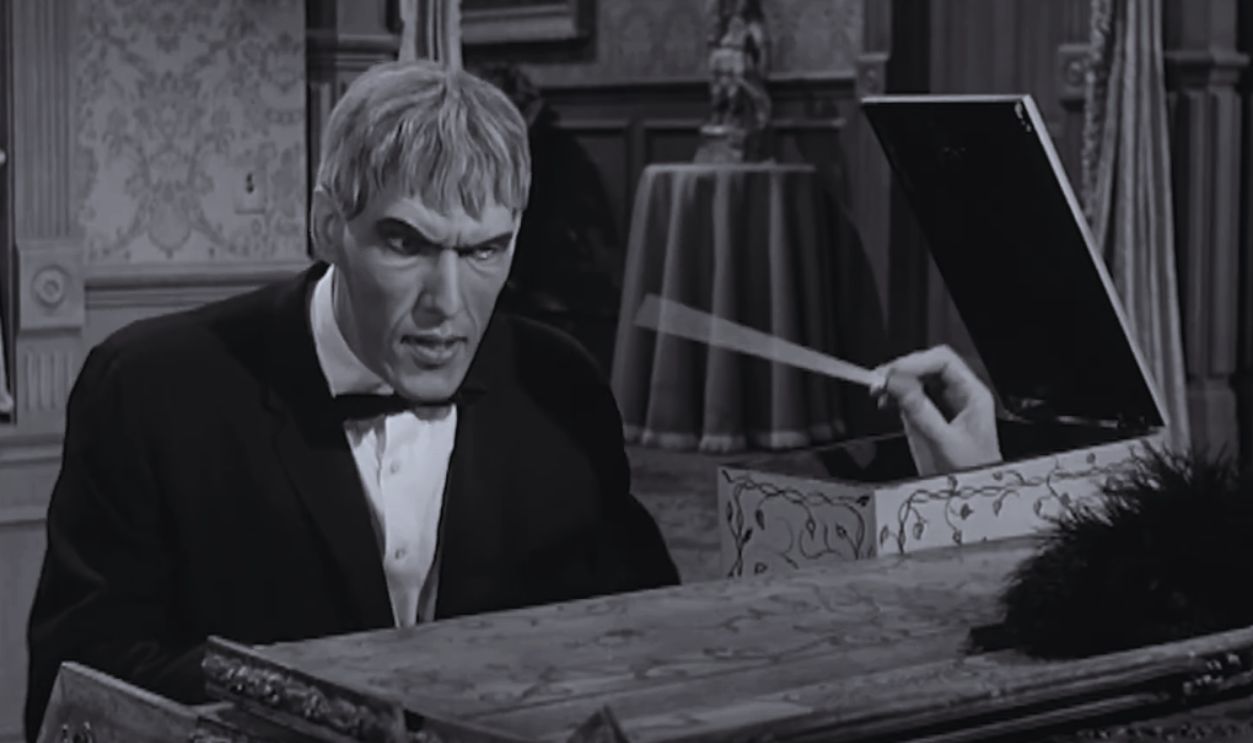 Screenshot from The Addams Family, Metro-Goldwyn-Mayer (1964–1966)
Lurch Became A Teenage Idol
One episode jokingly transformed Lurch into a popular recording star. The story worked because Cassidy had already made the character strangely lovable. Beneath the frightening appearance was a gentle, loyal figure who seemed less dangerous than nearly everyone who visited the Addams home.
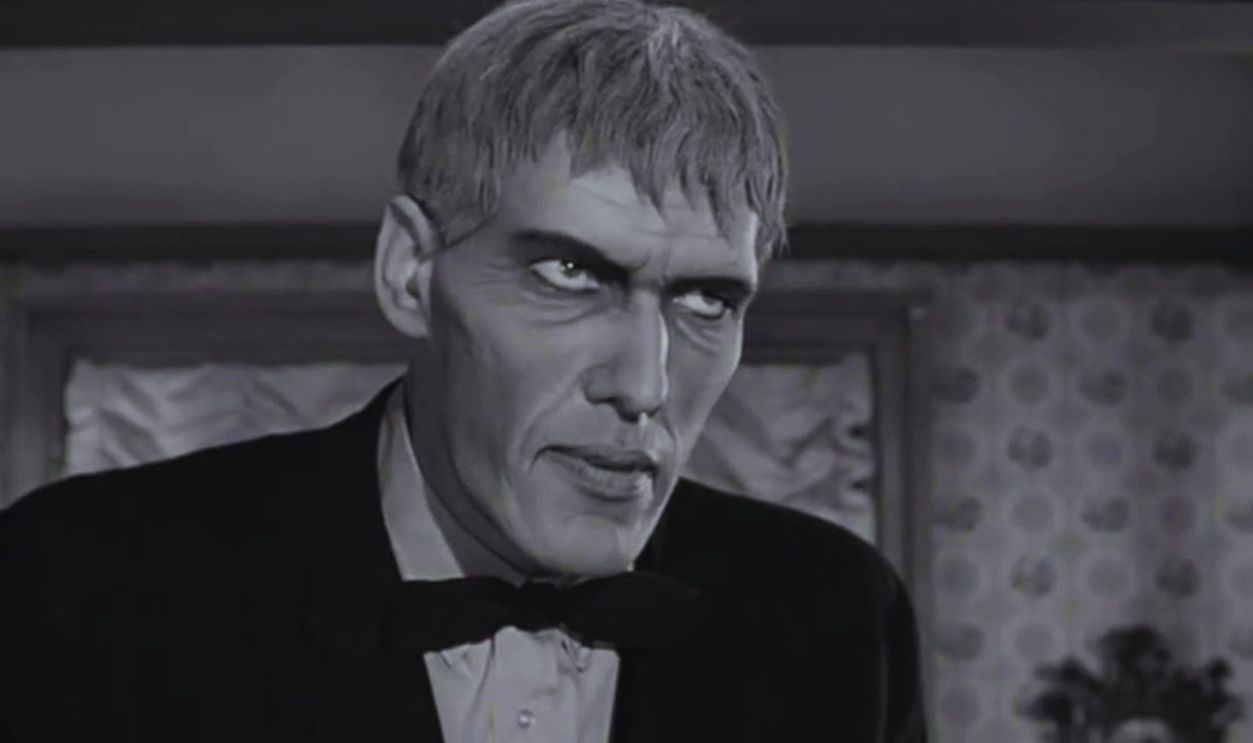 Screenshot from The Addams Family, Metro-Goldwyn-Mayer (1964–1966)
The Show Ended Surprisingly Quickly
The Addams Family aired for only two seasons, from 1964 to 1966. Its later popularity through reruns made the original run seem longer. Cassidy’s Lurch remained one of its defining images, standing alongside Gomez, Morticia, Wednesday, Uncle Fester, and the snapping theme song.
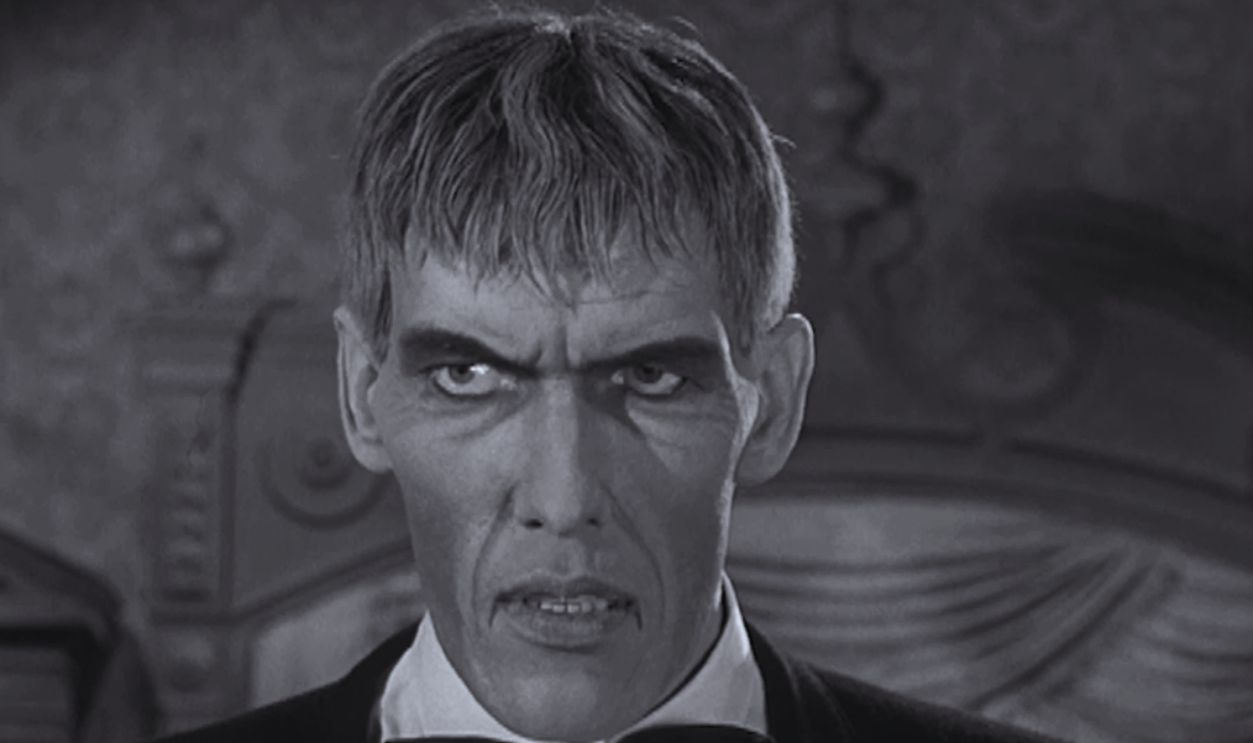 Screenshot from The Addams Family, Metro-Goldwyn-Mayer (1964–1966)
Escaping Lurch Was Not Easy
Hollywood now knew Cassidy, but it often wanted variations of the same character: silent giants, threatening servants, monsters, or heavy-handed villains. Cassidy accepted many such parts, yet he kept finding different ways to use his voice, physical presence, and unexpectedly dry sense of humor.
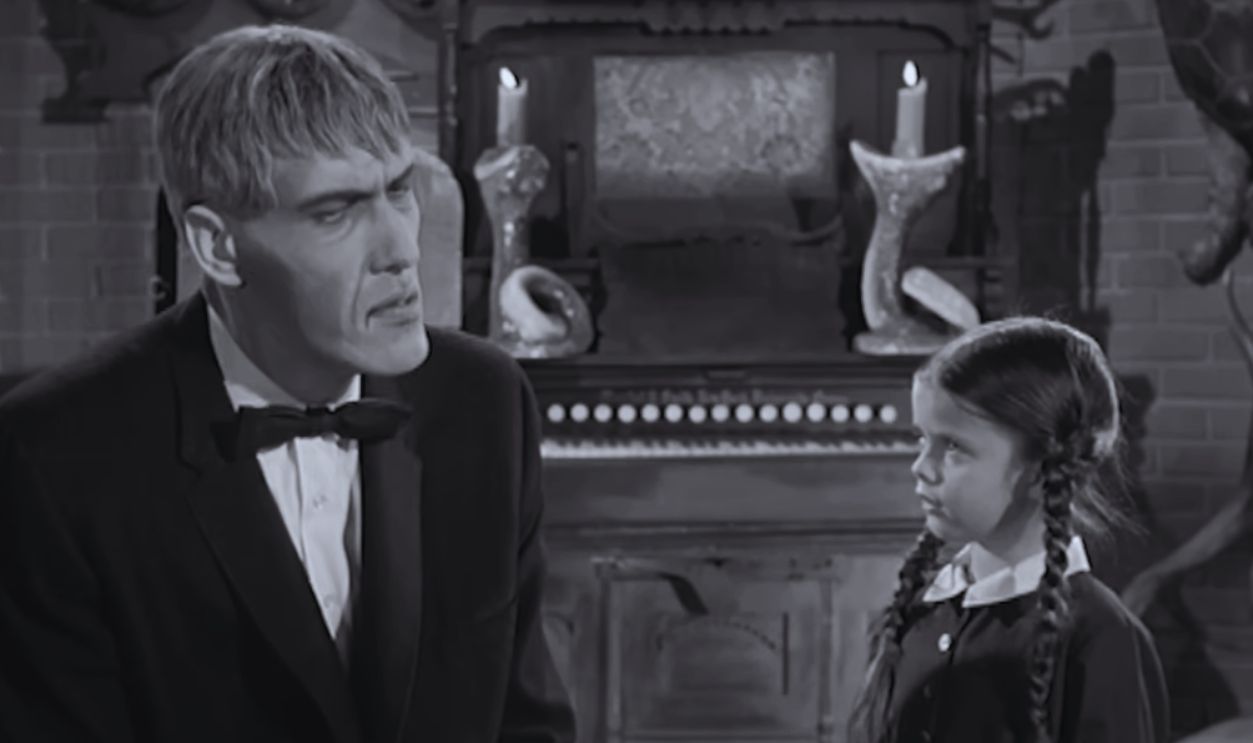 Screenshot from The Addams Family, Metro-Goldwyn-Mayer (1964–1966)
Star Trek Used Him Three Ways
Cassidy appeared as the towering android Ruk in the original Star Trek. He also supplied voices for the frightening Balok puppet and the Gorn captain. One actor had therefore helped create three very different pieces of the show’s strange and rapidly expanding universe.
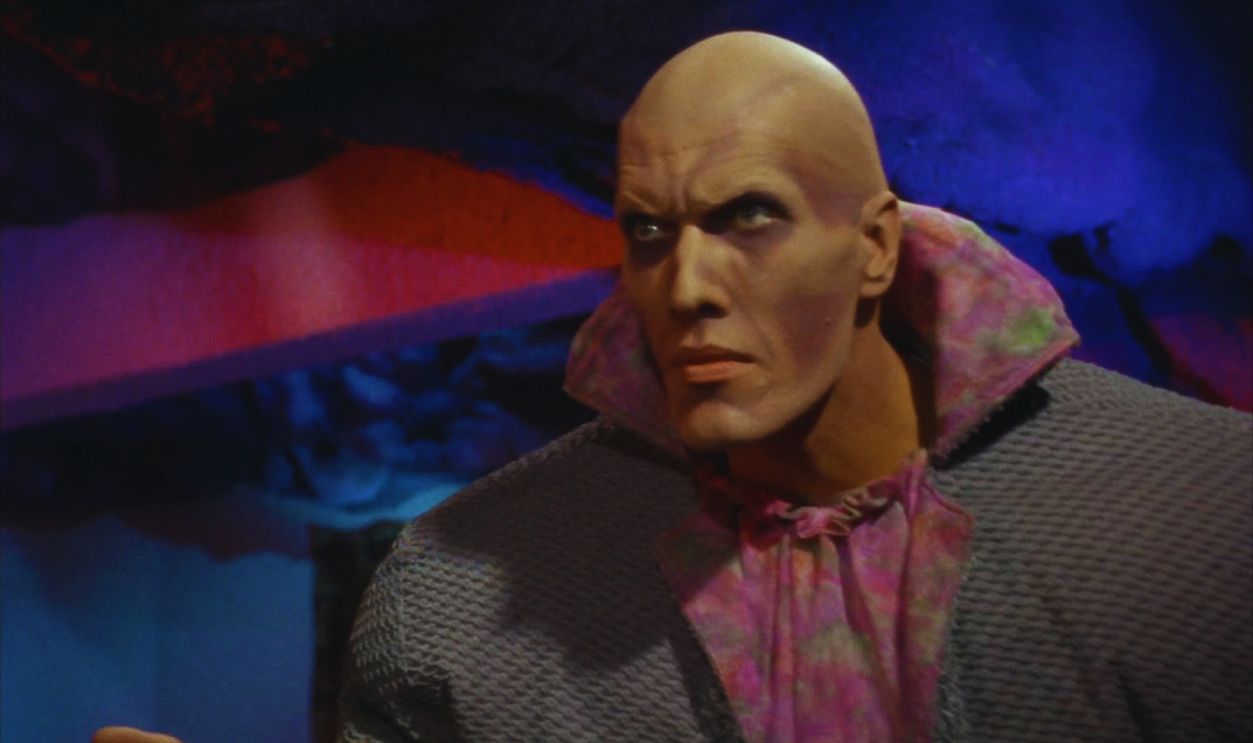 Screenshot from Star Trek, Desilu Productions (1966)
He Chased Huckleberry Finn
Cassidy received a major role in The New Adventures of Huckleberry Finn, an unusual series mixing live actors with animated settings. He played the relentless Injun Joe, pursuing Huck, Tom Sawyer, and Becky Thatcher through a collection of fantasy worlds and historical adventures.
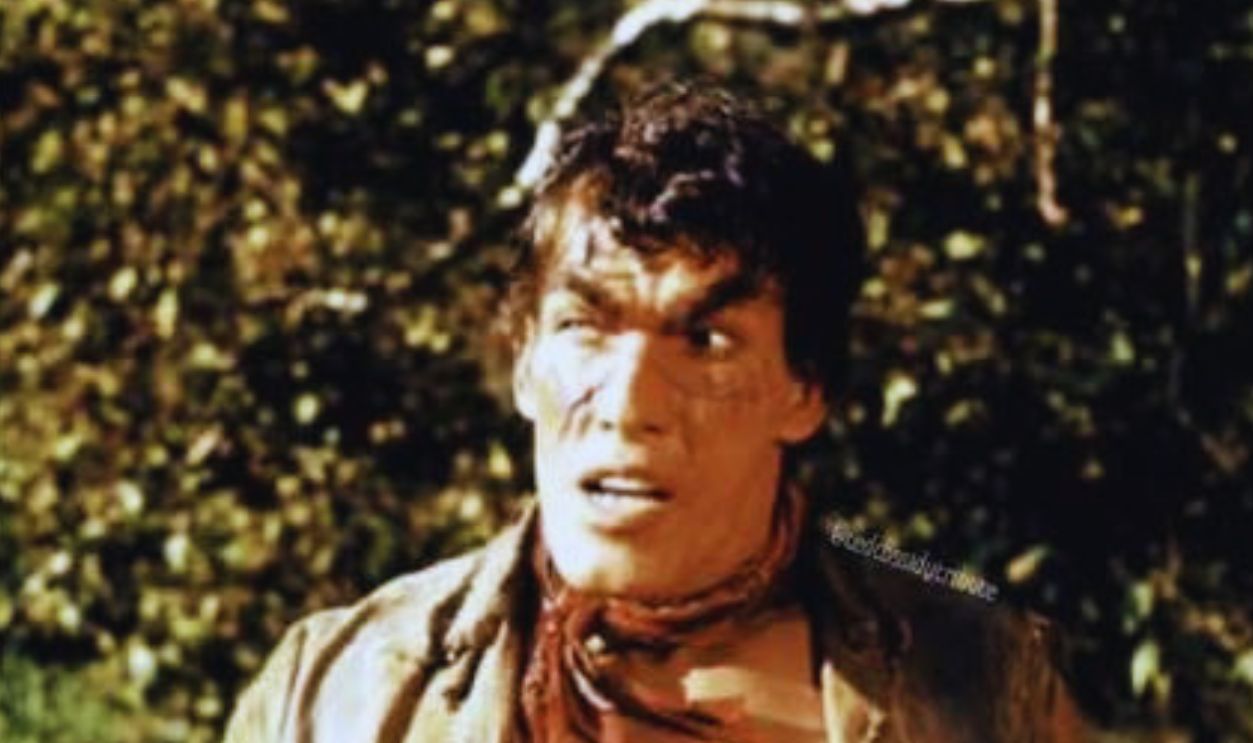 Screenshot from The New Adventures of Huckleberry Finn, Hanna-Barbera Productions (1968)
Westerns Put His Size To Work
Cassidy was a natural fit for television Westerns and adventure shows. He appeared in productions including Daniel Boone, Bonanza, and The Man from U.N.C.L.E. Directors knew he could create danger simply by entering the frame, saving the script from having to explain why everyone looked nervous.
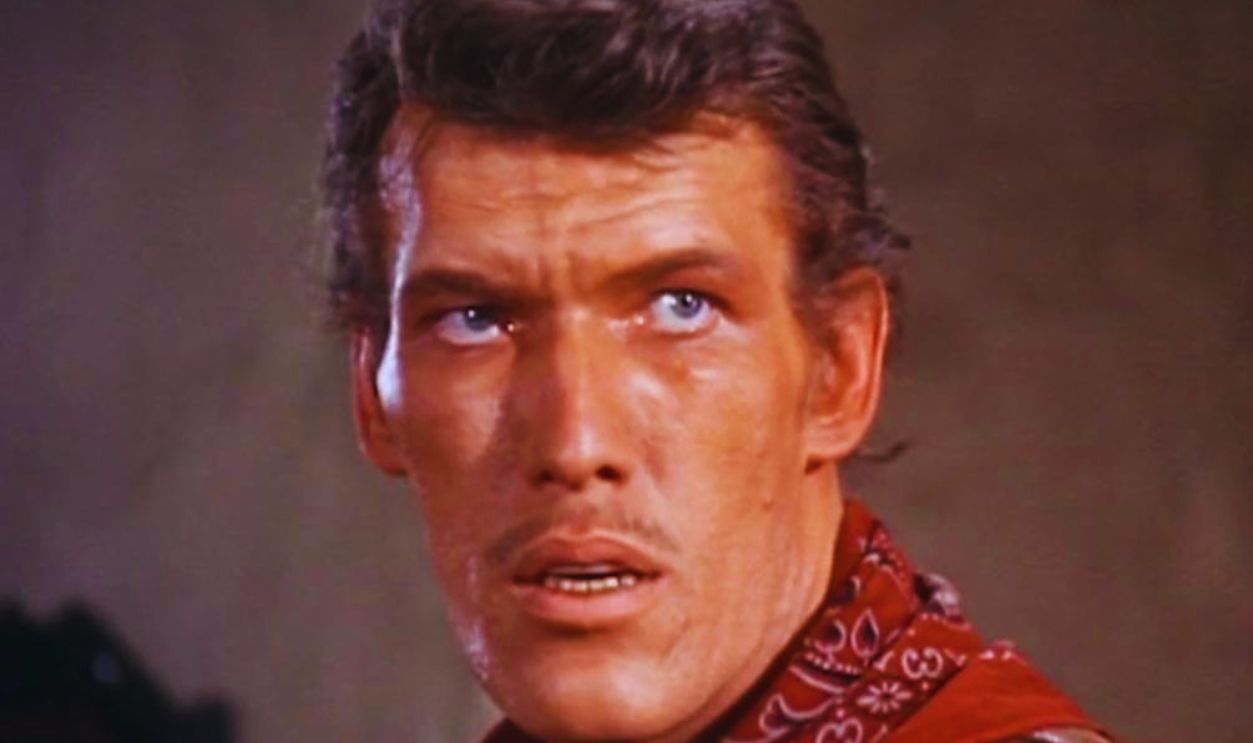 Screenshot from Bonanza, NBC Television Network (1959–1973)
He Faced Butch Cassidy
In Butch Cassidy and the Sundance Kid, Cassidy played outlaw Harvey Logan. His character challenges Paul Newman’s Butch Cassidy for leadership of the gang, only to discover that Butch is much better at changing the rules than fighting fairly. It was a small but memorable film role.
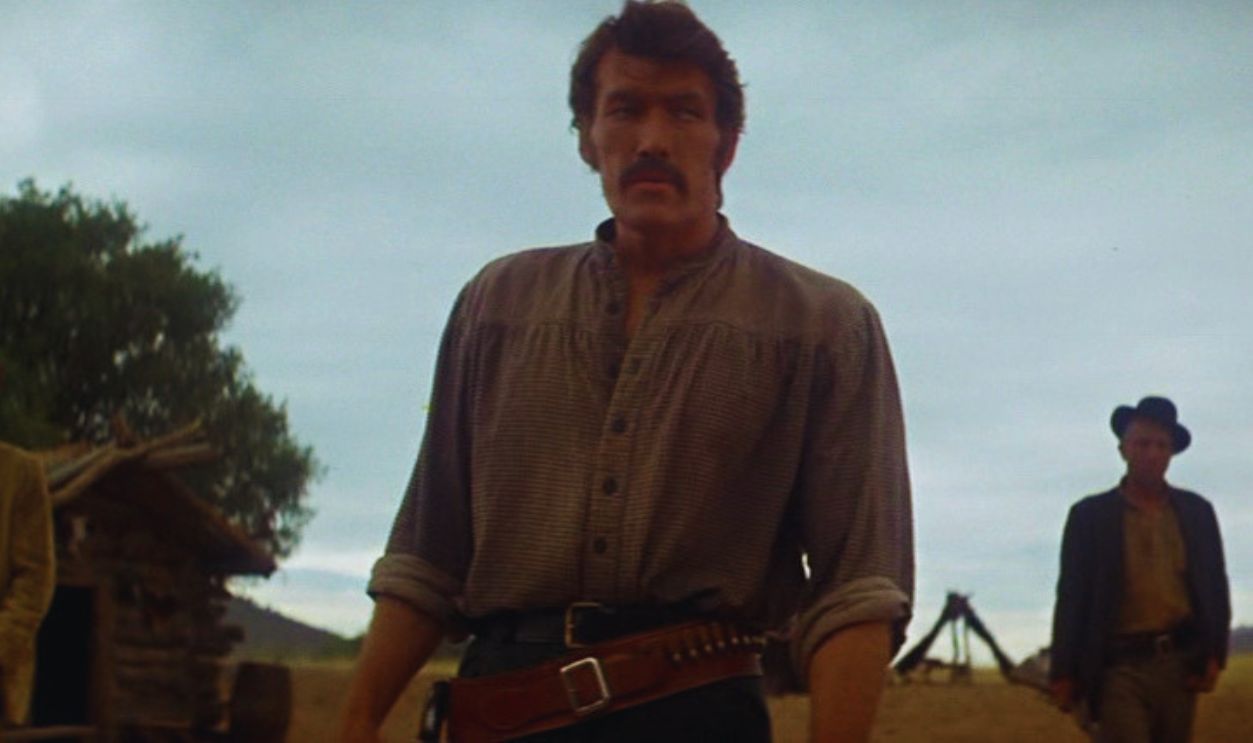 Screenshot from Butch Cassidy and the Sundance Kid, 20th Century Fox (1969)
He Wanted To Create Stories Too
Cassidy’s ambitions extended beyond acting. He wrote the screenplay for the 1973 film The Harrad Experiment and also appeared briefly in it. Although he was best known for characters who barely spoke, he clearly had plenty of ideas and wanted opportunities behind the camera as well.
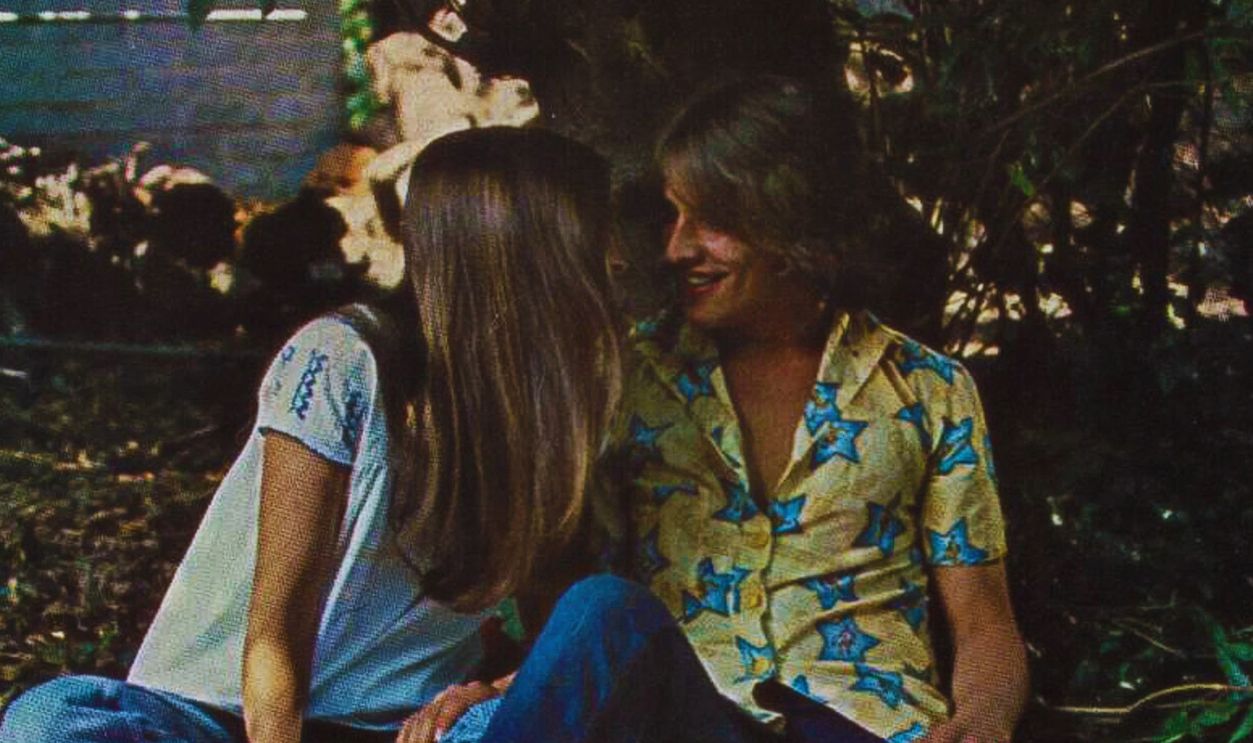 Screenshot from The Harrad Experiment, Cinerama Releasing Corporation (1973)
Bigfoot Was An Obvious Assignment
During the 1970s, Cassidy played Bigfoot on The Six Million Dollar Man. The casting was almost inevitable, but Cassidy brought more than height to the role. His movements gave the creature weight and personality, continuing his talent for making unusual characters memorable without ordinary dialogue.
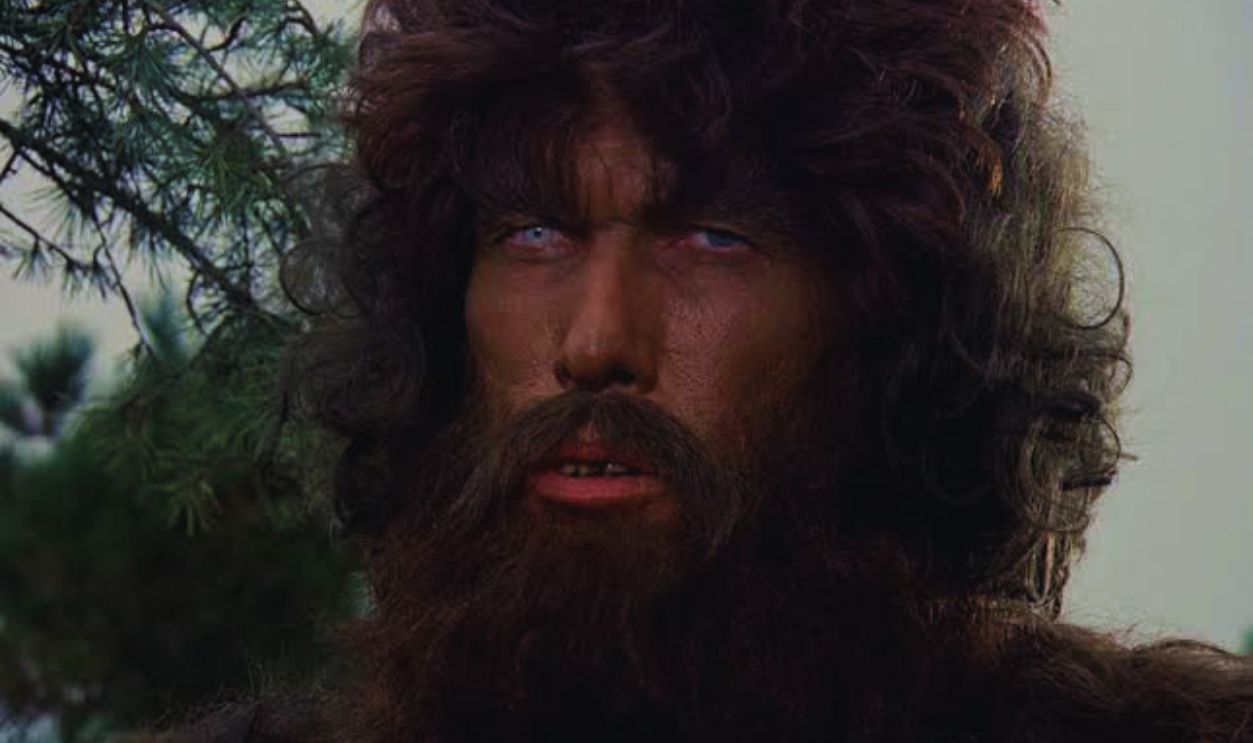 Screenshot from The Six Million Dollar Man, Universal Television (1975)
His Voice Created Entire Characters
Animation offered Cassidy greater freedom. He supplied voices for productions including Frankenstein Jr., Space Ghost, Tarzan, Lord of the Jungle, Super Friends, and Godzilla. Without his familiar face on screen, that deep voice could become a robot, monster, hero, or villain.
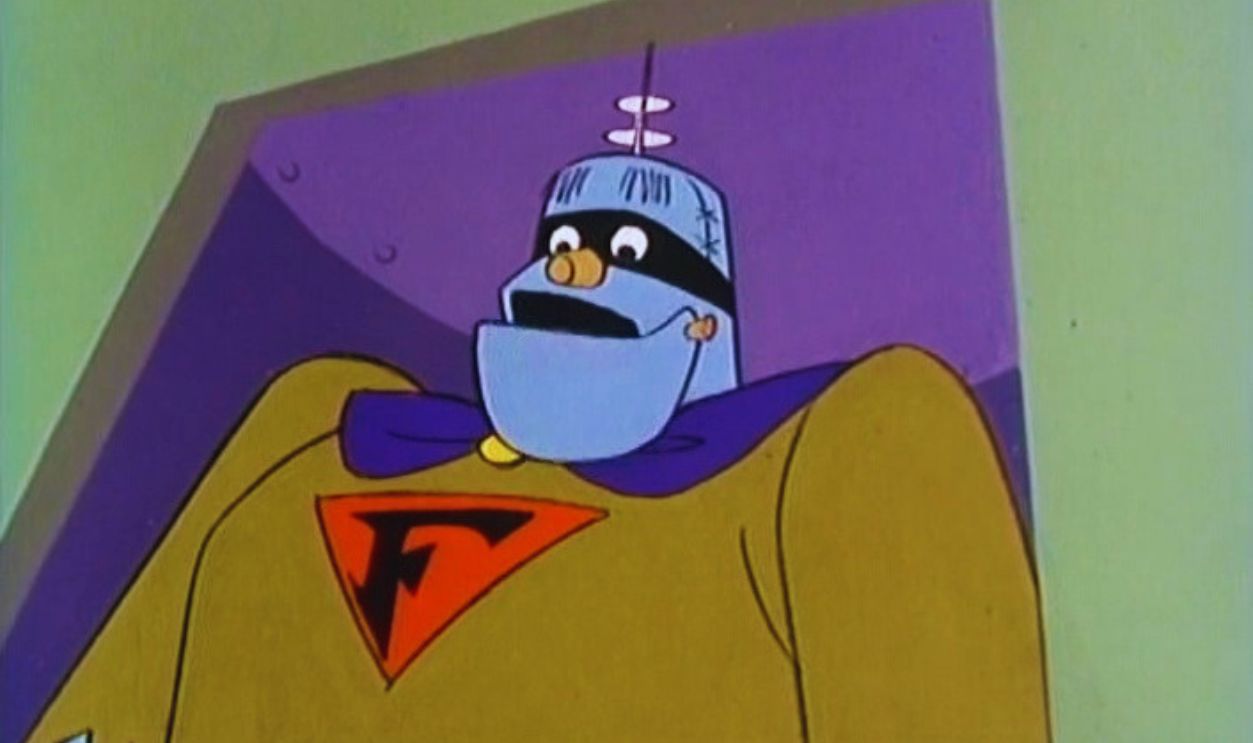 Screenshot from Frankenstein Jr. and The Impossibles, Hanna-Barbera Productions (1966)
The Hulk Had Cassidy’s Roar
Cassidy narrated the opening of The Incredible Hulk and provided the Hulk’s growls and roars during the show’s early run. Viewers might not have recognized him, but they certainly heard him. Once again, Cassidy made a character powerful through sound rather than lengthy speeches.
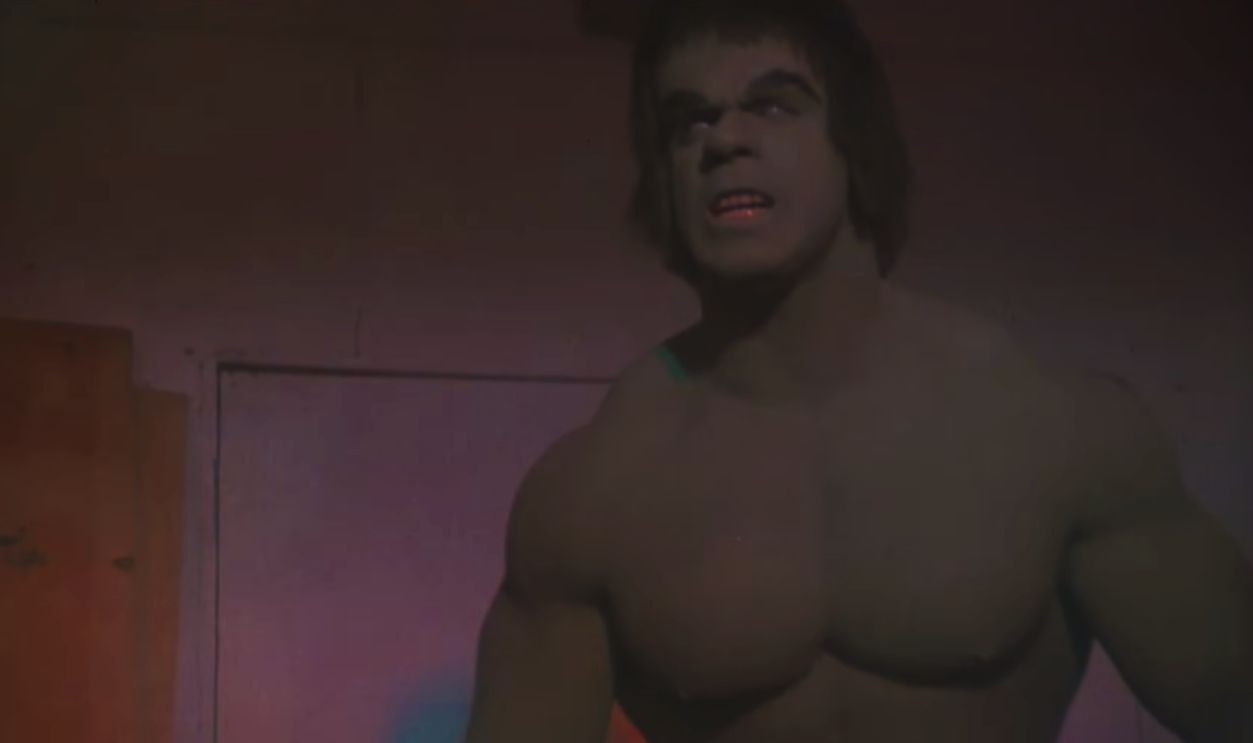 Screenshot from The Incredible Hulk, Universal Television (1978–1982)
He Returned To The Addams Mansion
Cassidy never completely left Lurch behind. He voiced the character in animated appearances and returned in the 1977 television movie Halloween with the New Addams Family. More than a decade after the original sitcom ended, he could still summon the character with one posture and one enormous voice.
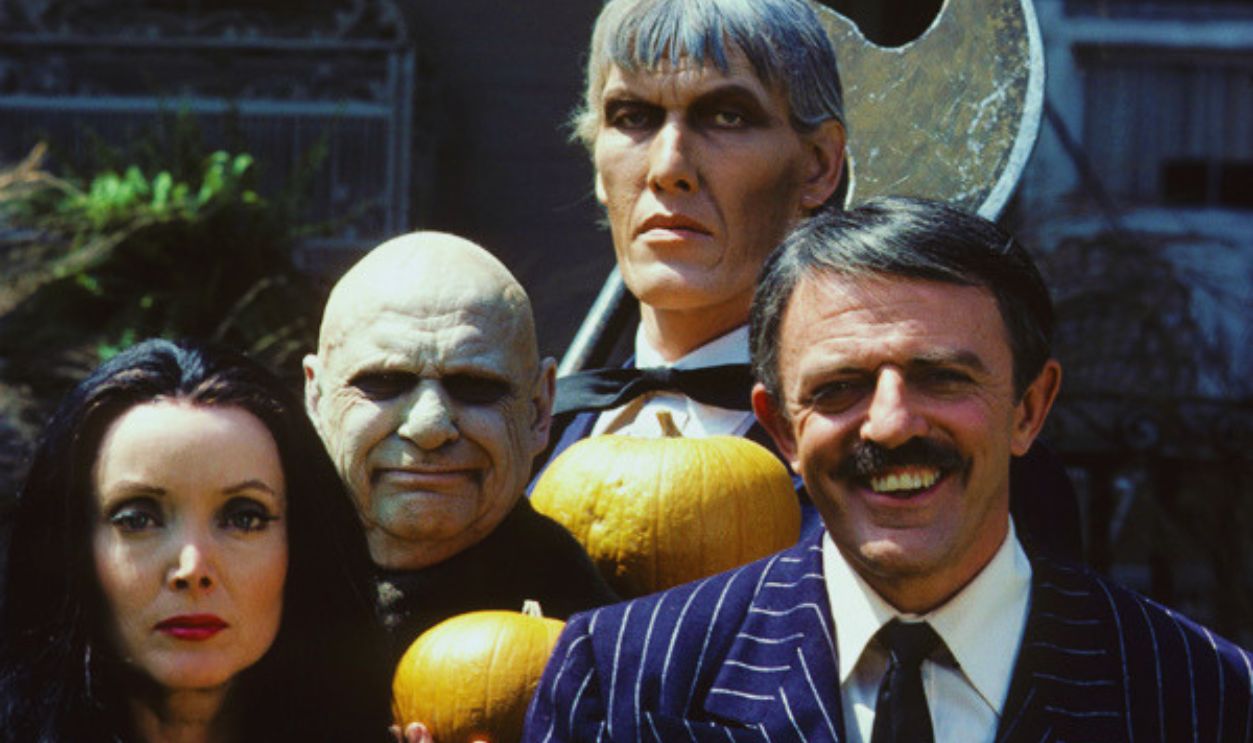 Screenshot from Halloween with the New Addams Family, Charles Fries Productions / NBC (1977)
A Career That Still Towers Over Television
Ted Cassidy died in 1979 at only 46 after complications connected to heart surgery. His career was far broader than Lurch, but that quiet butler remains his masterpiece. Cassidy proved that an actor does not need long speeches to become unforgettable. Sometimes two words—and perfect timing—are enough.
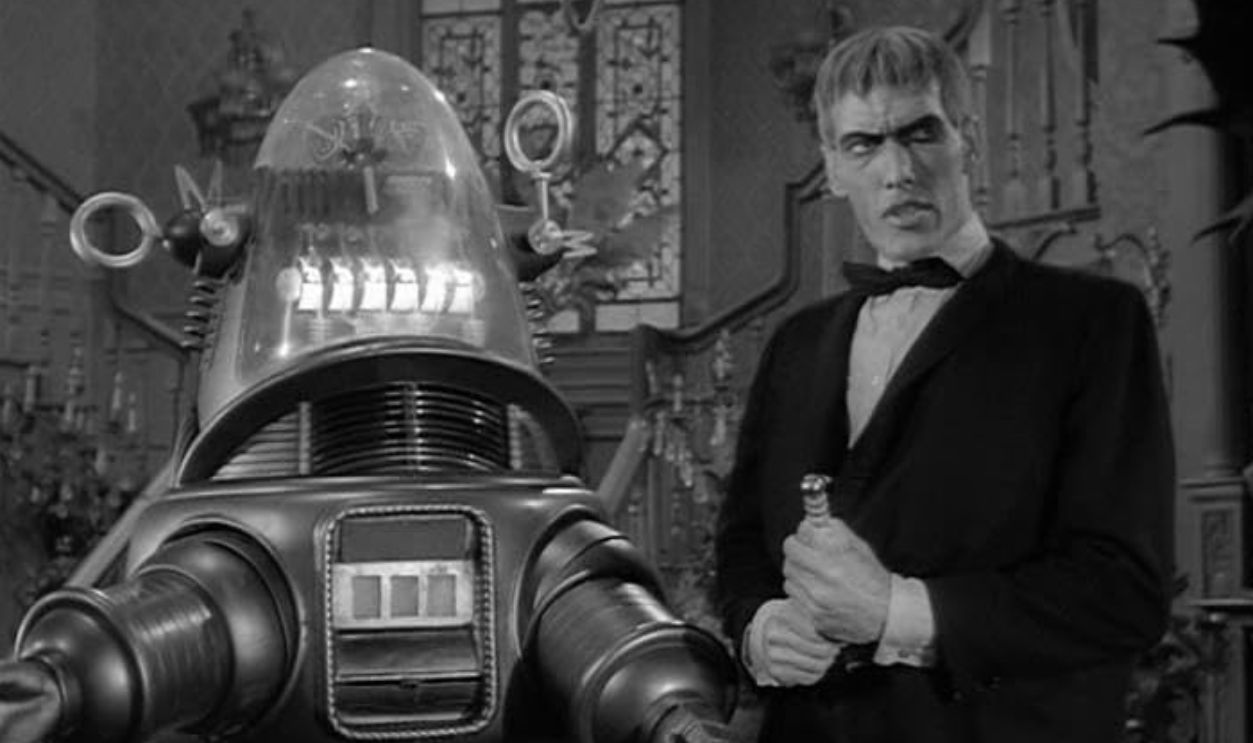 Screenshot from The Addams Family, Metro-Goldwyn-Mayer (1964–1966)
You May Also Like:
How The Streets Of San Francisco Finally Gave Michael Douglas The Launchpad He Needed
Things Hollywood Is Allowed To Show That Are Banned In Other Countries