Hollywood Pushes Boundaries That Many Countries Refuse to Cross
Hollywood pretty much treats reality like a suggestion. What feels normal on American screens can get edited, restricted, or completely blocked elsewhere. Different countries, different rules—and sometimes wildly different limits.
Here’s an entire list of things that simply won’t fly abroad—and which country has the strictest rules.

Detailed Firearm Action Scenes
Hollywood doesn’t just show action—it zooms in and makes sure you feel it. In places like the UK and Germany, that level of detail can lead to edits or stricter ratings before audiences are allowed anywhere near it.
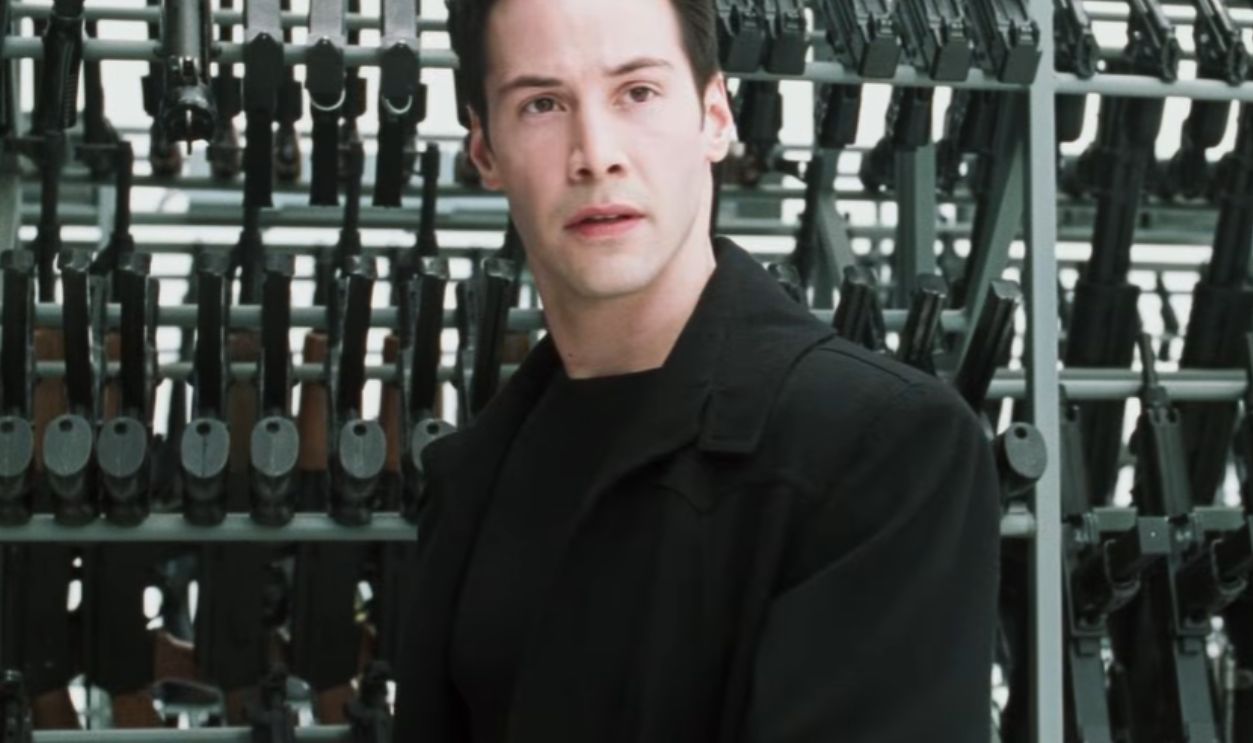 Screenshot from The Matrix, Warner Bros. Discovery (1999)
Everyday Characters Carrying a “Piece”
In American movies, regular people suddenly having a firearm is treated like it’s no big deal. In countries like Japan, that kind of casual portrayal is rare and often restricted, making those scenes feel extra unrealistic abroad.

Massive Destruction With No Fallout
Entire city blocks get wiped out in Hollywood, and somehow everyone just shrugs it off by the next scene. In countries like Australia, that kind of consequence-free destruction can trigger edits or stricter viewing classifications pretty quickly.
 Screenshot from Man of Steel, Warner Bros. Discovery (2013)
Teen Party Scenes With No Limits
Hollywood teen parties look like full-blown music festivals with zero adults and zero consequences. In countries like Sweden and Norway, these scenes are often toned down, because apparently teenagers aren’t supposed to act like unsupervised action stars.
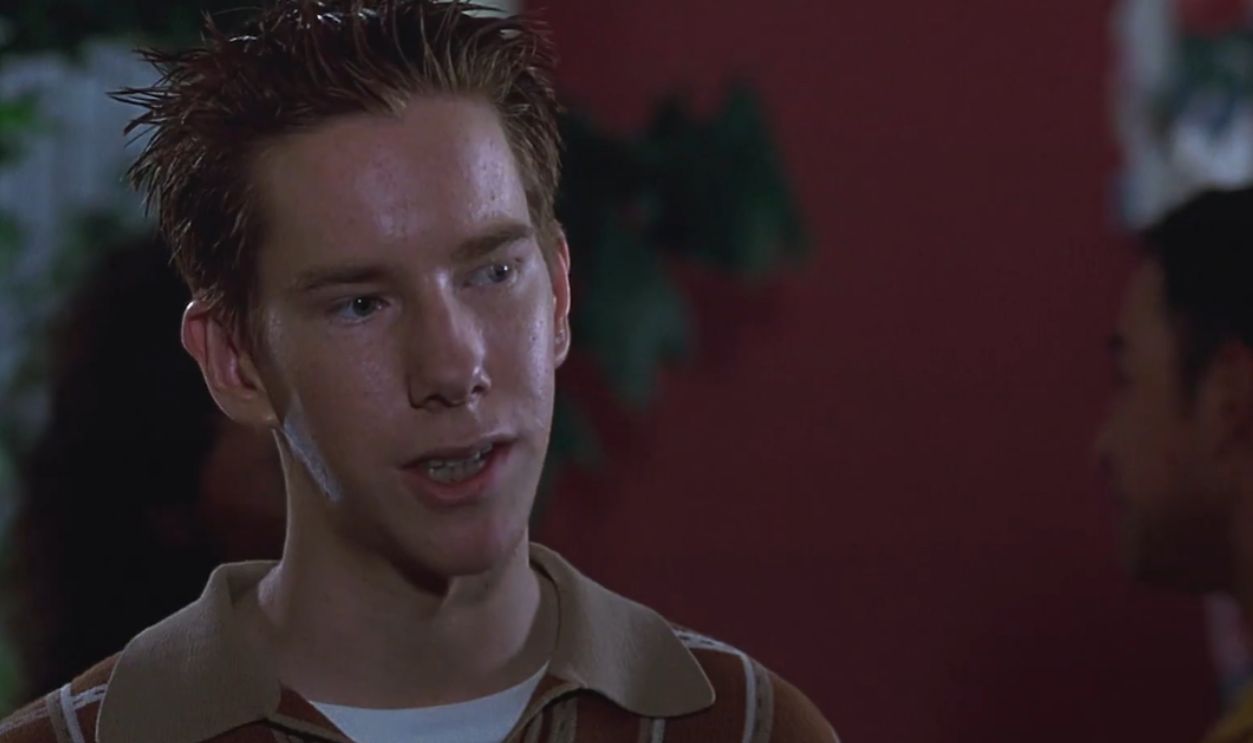 Screenshot from American Pie, NBCUniversal (1999)
Strong Language Used Casually
In Hollywood, characters drop strong language like it’s part of their daily vocabulary. In places like Singapore and the UAE, that kind of dialogue often gets muted, dubbed over, or awkwardly cleaned up before anyone hears it.
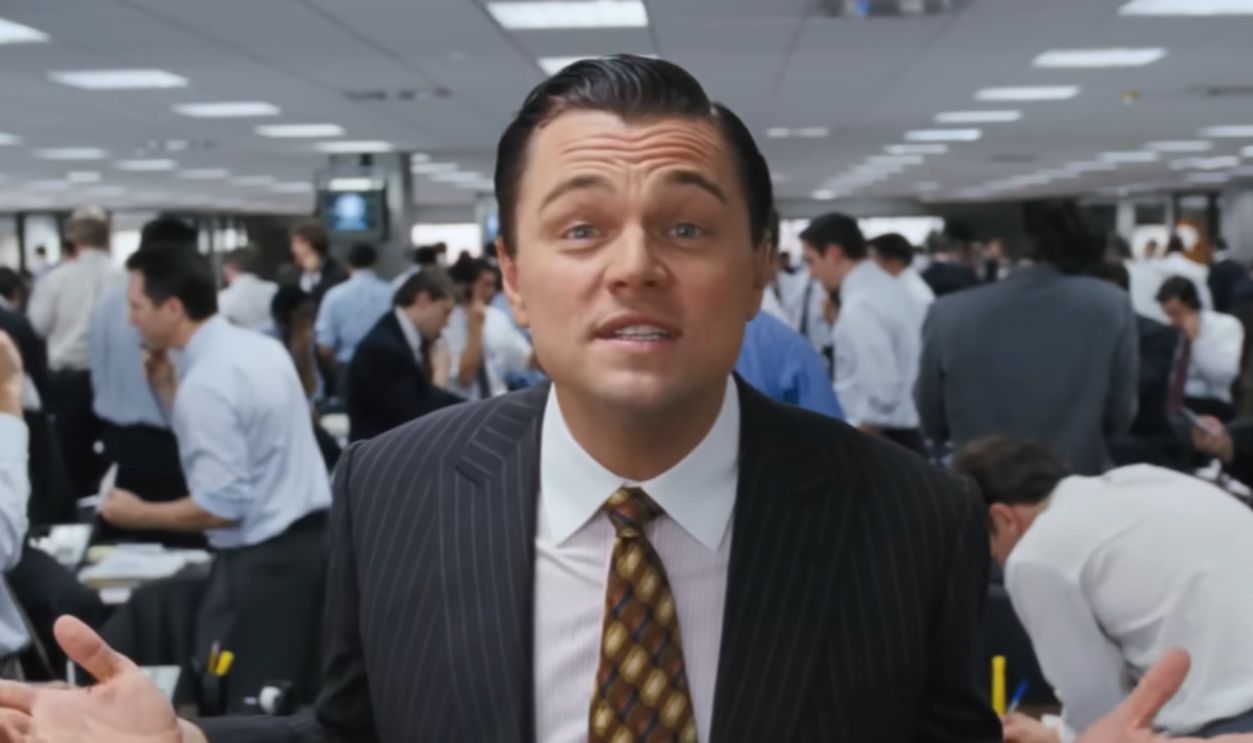 Screenshot from The Wolf of Wall Street, Paramount Global (2013)
Intimate Scenes in Mainstream Films
Hollywood includes romantic and intimate moments in movies that still get wide releases. In countries like India and Malaysia, those same scenes are often shortened or removed, leaving viewers wondering why the moment suddenly cuts away mid-sentence.
 Screenshot from Fifty Shades Darker, NBCUniversal (2017)
Body Exposure Outside “Artistic” Contexts
American films don’t always treat body exposure as a big deal, even in comedies or action scenes. In many countries, those same moments are only allowed in very specific contexts—or they’re edited out entirely before release.
Open Criticism of Government on Screen
Hollywood doesn’t exactly hold back when it comes to criticizing leadership or institutions. In countries like China, that kind of storyline usually doesn’t make it past review, meaning audiences never even get the chance to see it.
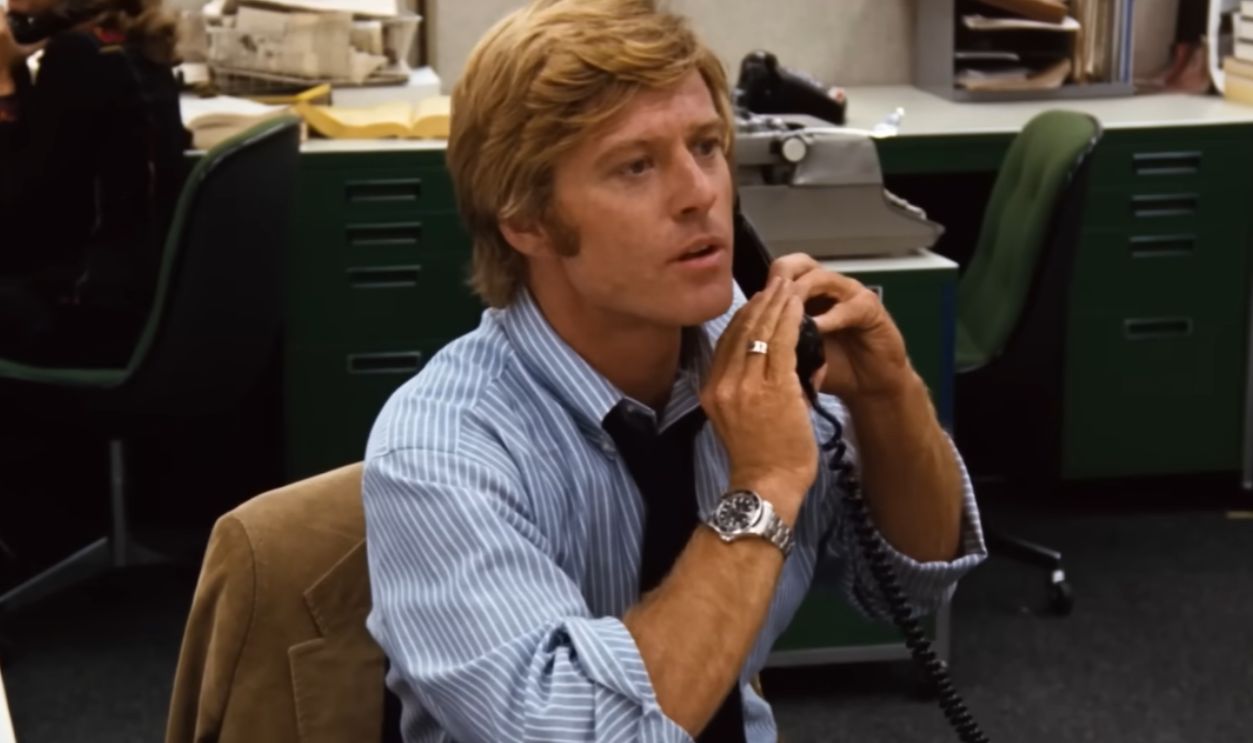 Screenshot from All the President's Men, Warner Bros. Discovery (1976)
Religion Being Used for Humor
American films sometimes turn religion into a punchline, depending on the tone. In countries with strict religious guidelines, like Saudi Arabia, those scenes are often removed entirely, leaving a much more serious version of the film behind.
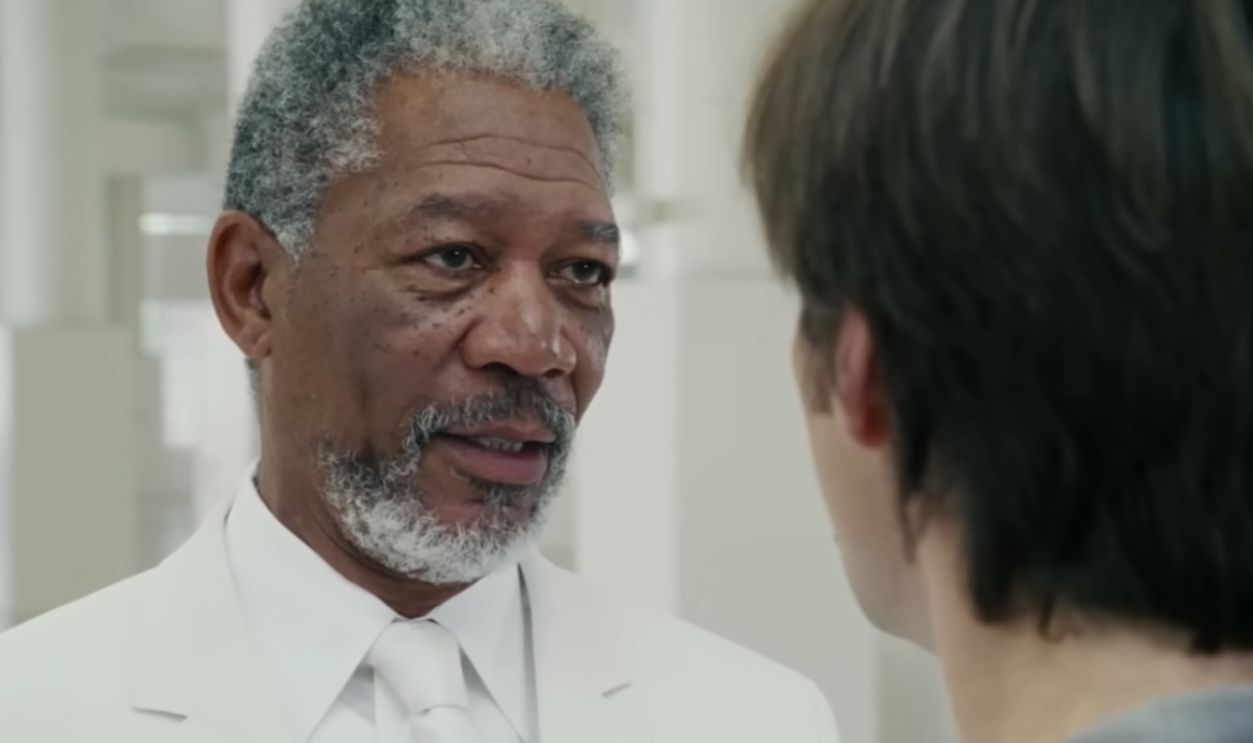 Screenshot from Bruce Almighty, NBCUniversal (2003)
Criminals Walking Away Without Consequences
Hollywood occasionally lets the bad guy win, or at least escape without much trouble. In countries like China, films are often required to show clear consequences, so those endings don’t always survive the editing process.
 Screenshot from No Country for Old Men, Paramount Global (2007)
Extreme Horror That Pushes the Limits
Hollywood horror loves to go all-in with intense visuals and shock value. In countries like Germany and Australia, scenes that go too far are often trimmed down—or removed completely—before audiences ever get to react.
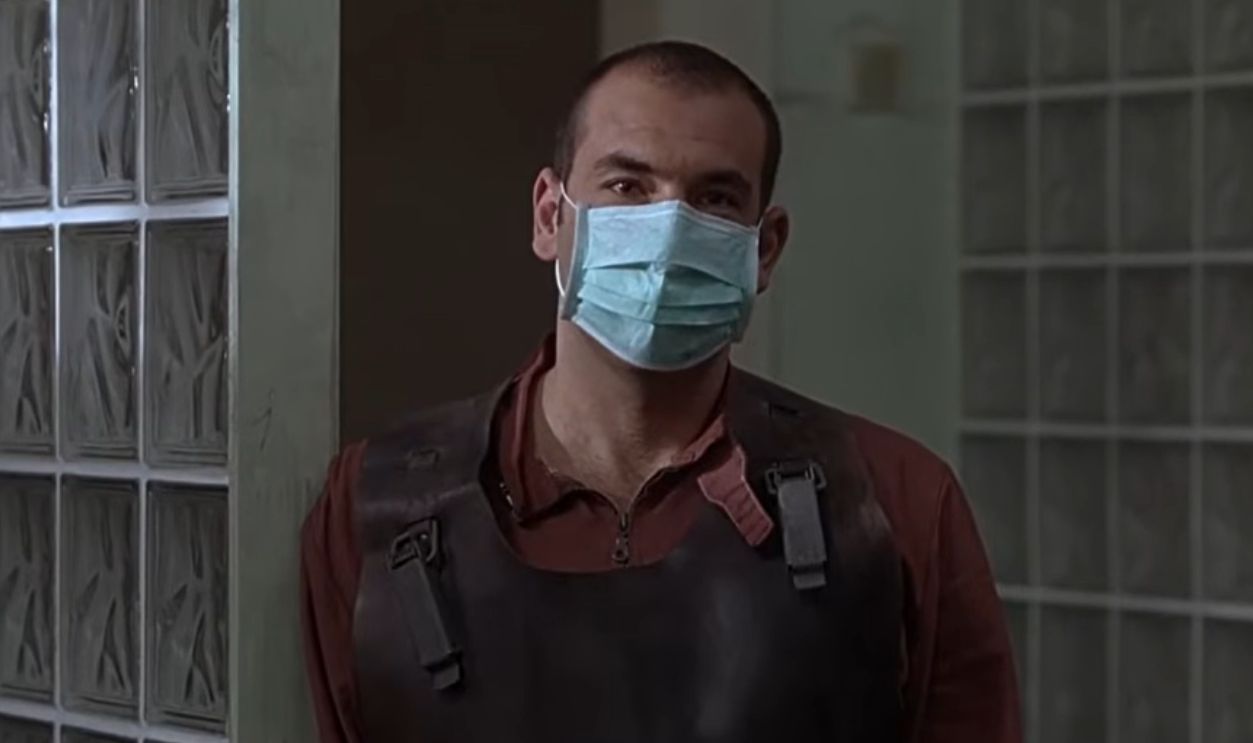 Screenshot from Hostel, Sony Pictures Entertainment (2005)
Vigilante Justice Being Celebrated
Taking matters into your own hands is often framed as heroic in American films. In some countries, that idea doesn’t land the same way, and those scenes may be restricted for promoting behavior that’s not exactly legal.
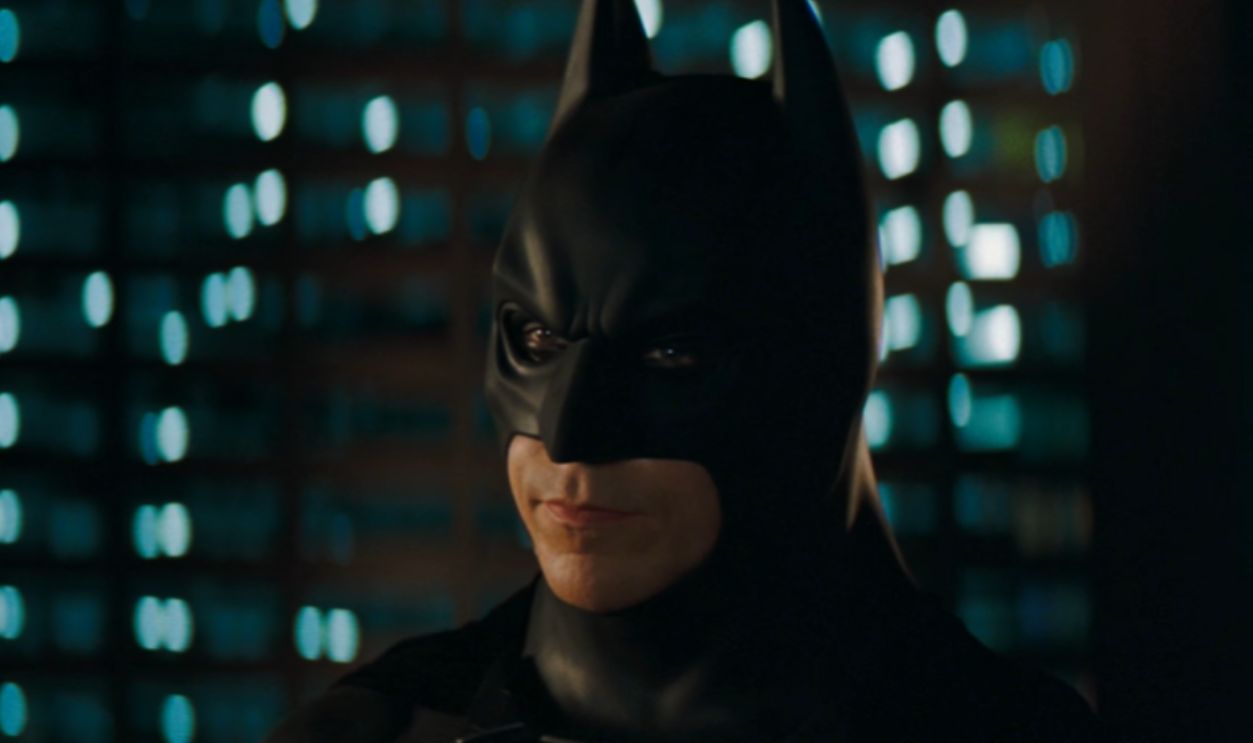 Screenshot from Batman Begins, Warner Bros. Discovery (2005)
Chaotic Workplace Behavior Played for Laughs
Hollywood turns workplace chaos into comedy gold, complete with wild behavior and questionable decisions. In other countries, those scenes are more carefully reviewed, especially if the humor starts looking a little too realistic.
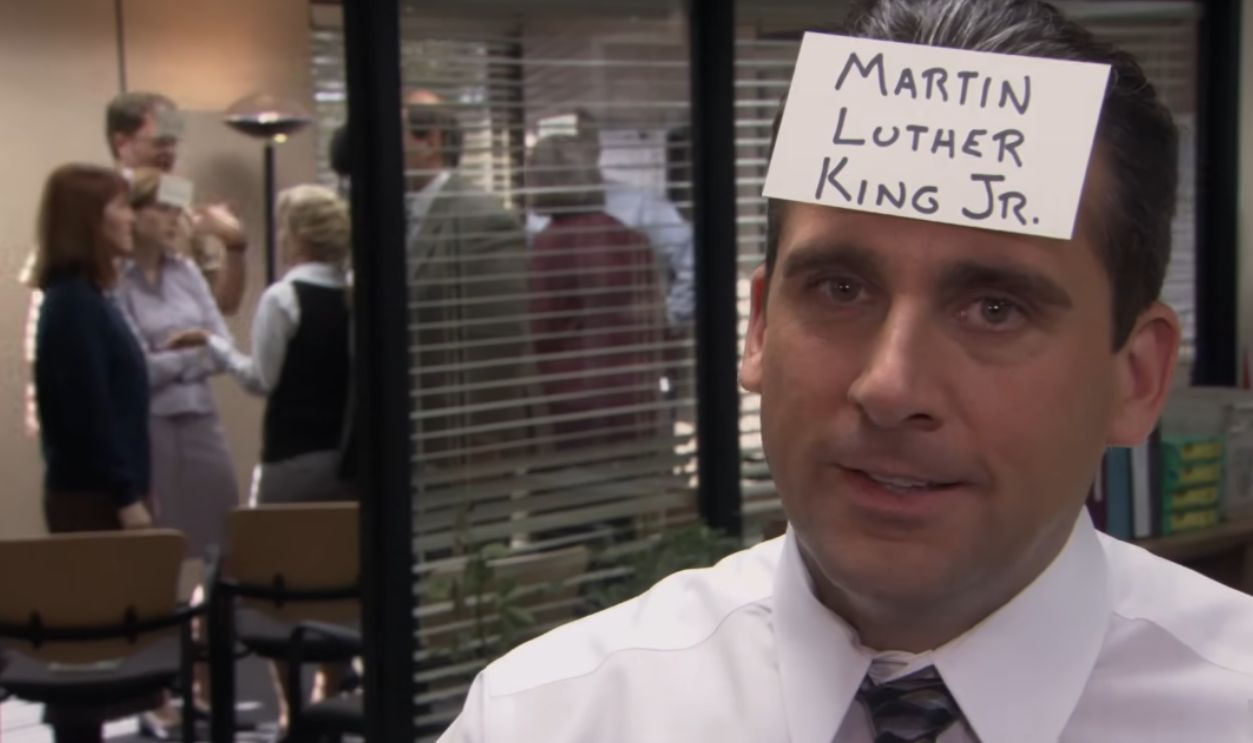 Screenshot from The Office, NBCUniversal (2005-2013)
Unrealistically Luxurious Lifestyles
Characters with normal jobs somehow live like millionaires, and nobody questions it. While not banned, this kind of exaggerated lifestyle can raise eyebrows internationally, especially where media rules discourage unrealistic portrayals.
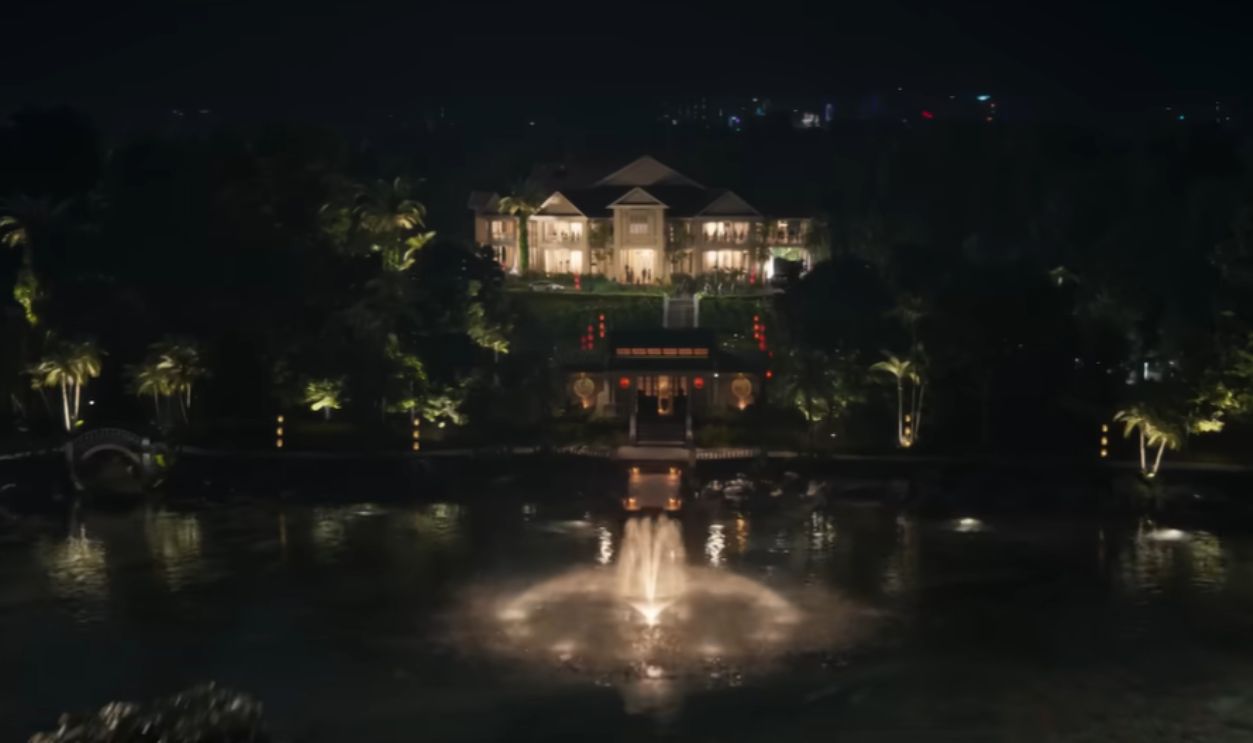 Screenshot from Crazy Rich Asians, Warner Bros. Discovery (2018)
Political Satire With No Filter
Hollywood loves poking fun at politics with zero hesitation. In countries with stricter media laws, those jokes don’t always make the cut, leaving a version of the film that suddenly feels a lot more serious.
 Screenshot from Don't Look Up, Netflix (2021)
Reckless Driving Made to Look Cool
Flying through traffic at insane speeds is basically a requirement in Hollywood action scenes. In countries like the UK and Australia, glorifying that kind of driving can lead to edits, stricter ratings, or both.
 Screenshot from Baby Driver, Sony Pictures Entertainment (2017)
Interrogation Scenes That Go Too Far
Hollywood interrogation scenes often turn into intense, no-holds-barred moments. In countries like Germany, scenes that cross certain lines are restricted or require added context so they don’t come across as admirable.
 Screenshot from Zero Dark Thirty, Sony Pictures Entertainment (2012)
Perfect Endings No Matter What Happened
No matter how messy things get, Hollywood almost always wraps everything up neatly. In countries like China, films are often required to show a clear moral outcome, not just a feel-good ending that ignores earlier actions.
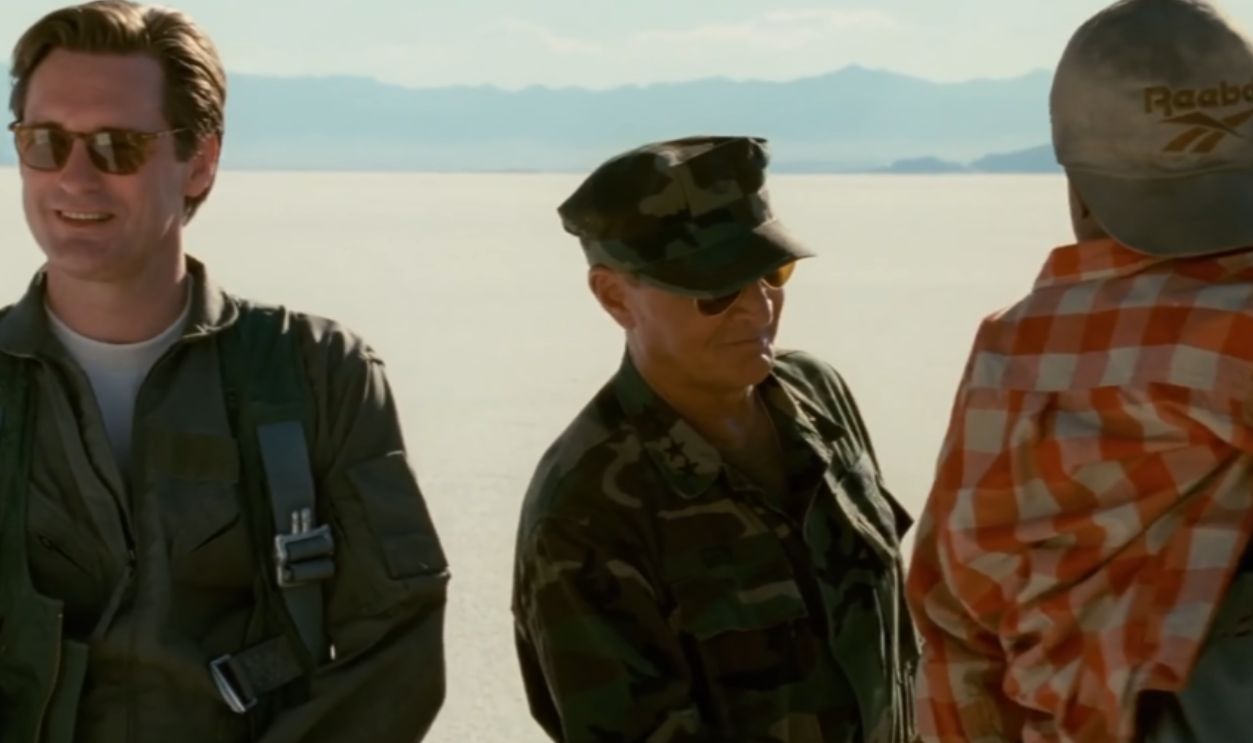 Screenshot from Independence Day, The Walt Disney Company (1996)
Why This Feels So Different
Hollywood runs on a rating system, which means most things can be shown with a warning label attached. In many other countries, films go through stricter approval processes, where scenes can be edited or removed before anyone ever sees them.
 Screenshot from The Hangover Part III, Warner Bros. Discovery (2013)
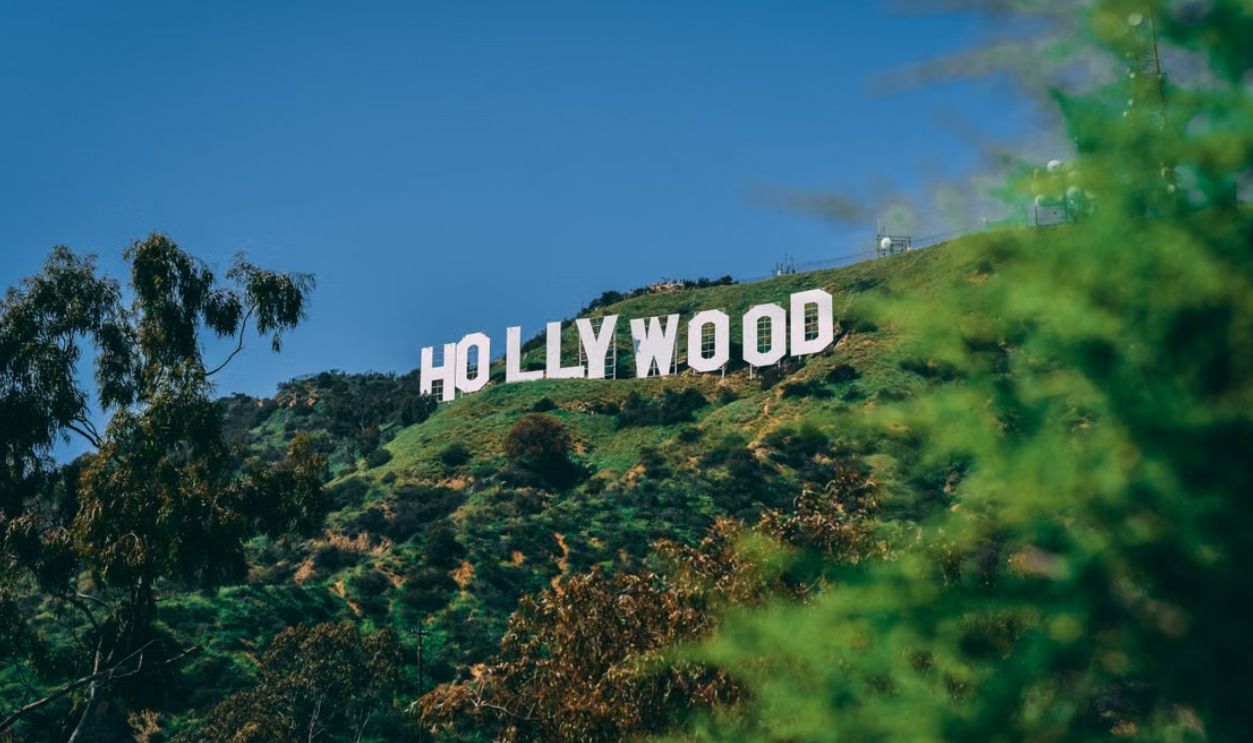
The Most Relaxed Country for Film Content
The United States is surprisingly flexible when it comes to what movies can show. As long as there’s a rating slapped on it, filmmakers can push boundaries, pile on chaos, and still get their movie into theaters without much trouble.
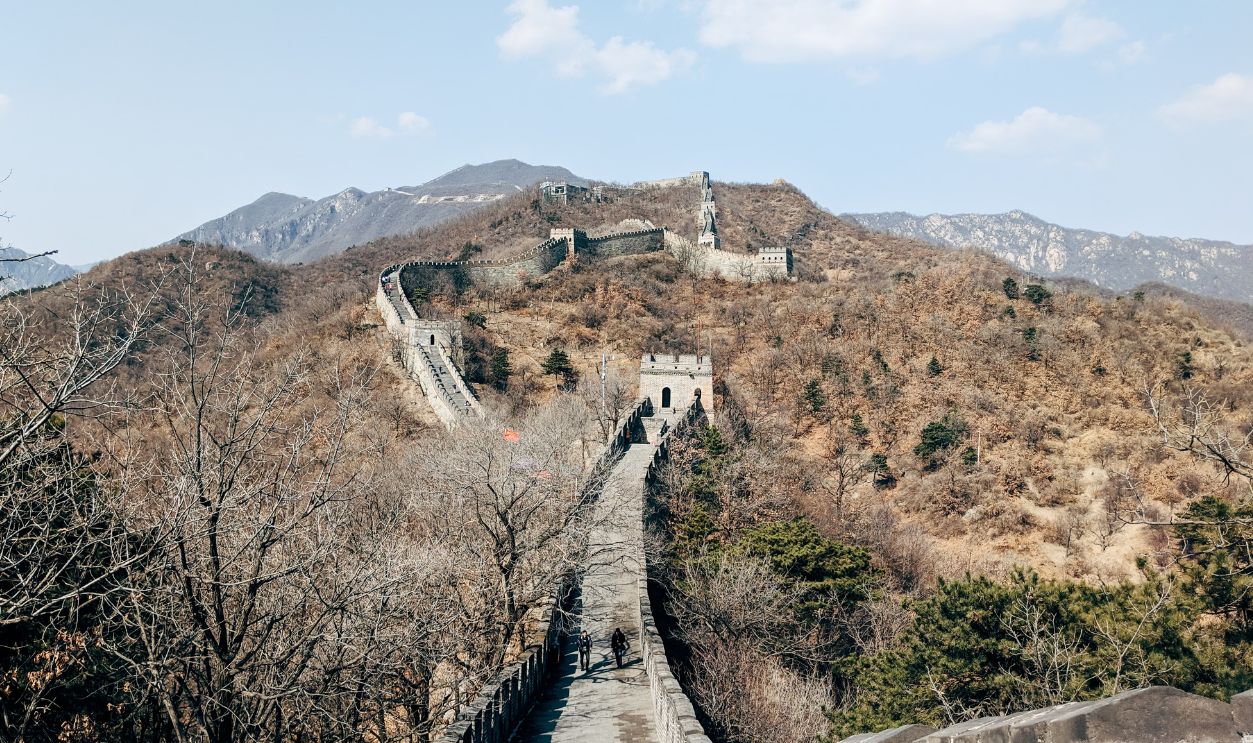
The Most Strict Country for Film Content
China is known for having some of the tightest film regulations in the world. Movies are reviewed carefully, and anything politically sensitive, overly intense, or morally questionable can get cut—or just quietly never make it to screens.
You May Also Like:
TV Shows That Were Huge Abroad—But Never Took Off In The U.S.
20 Years Ago, These Controversial Movies Were Hits—Today They’d Spark Outrage
30 of the Longest-Running TV Shows