Television’s Most Unassuming Scene-Stealer
Nancy Kulp never needed the biggest joke or the loudest entrance to command attention. As Miss Jane Hathaway on The Beverly Hillbillies, she turned stiff posture, careful diction, and perfectly timed reactions into reliable comedy. She became one of the sharpest supporting performers on 1960s television.
She Took An Unusual Road To Hollywood
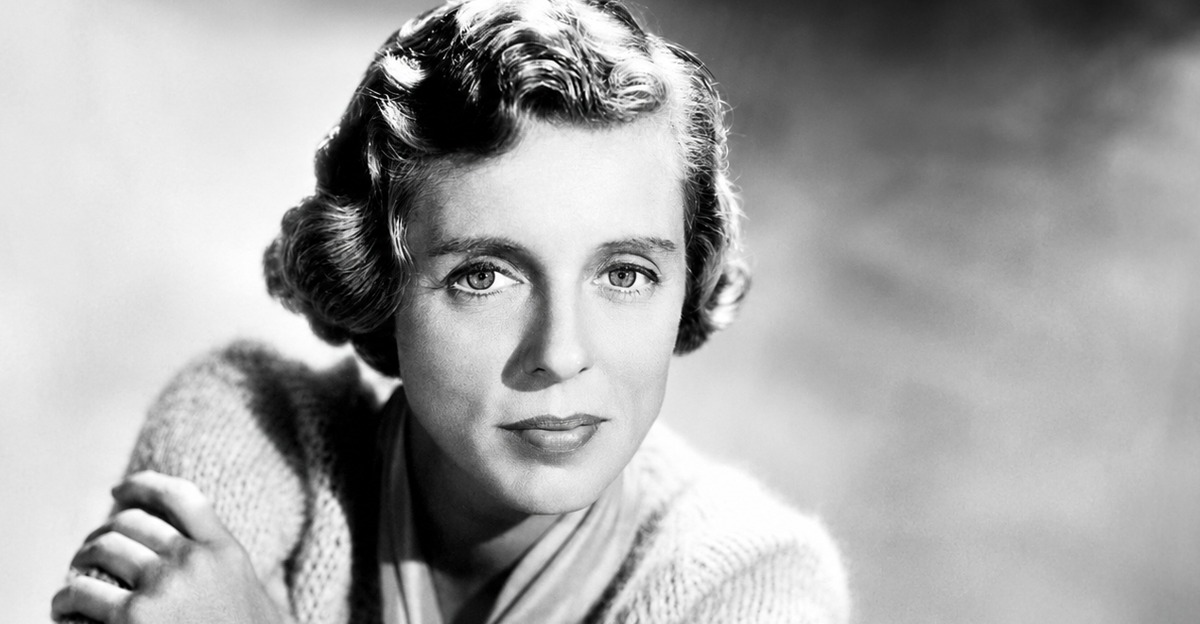
Kulp was born in Harrisburg, Pennsylvania, in 1921 and spent part of her childhood in nearby Mifflintown. Her family later moved to Florida, where she pursued an education rather than an acting career. Hollywood was not yet part of the plan.
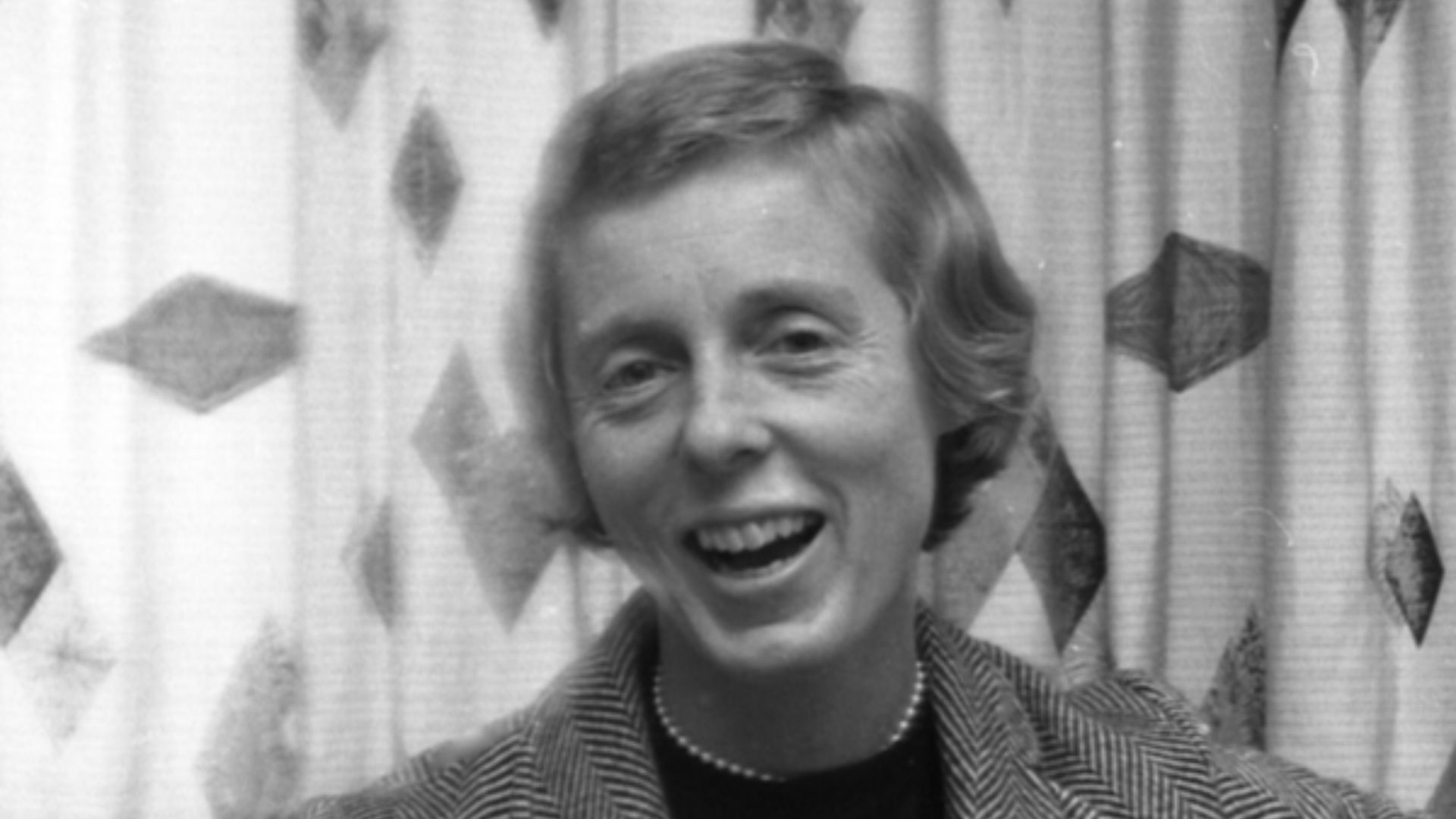 State Library and Archives of Florida, Wikimedia Commons
Journalism Came Before Acting
Kulp studied journalism at Florida State College for Women, which later became Florida State University. She also pursued graduate studies at the University of Miami and worked as a feature writer. Her early career encouraged the close observation of people that would later strengthen her character work.
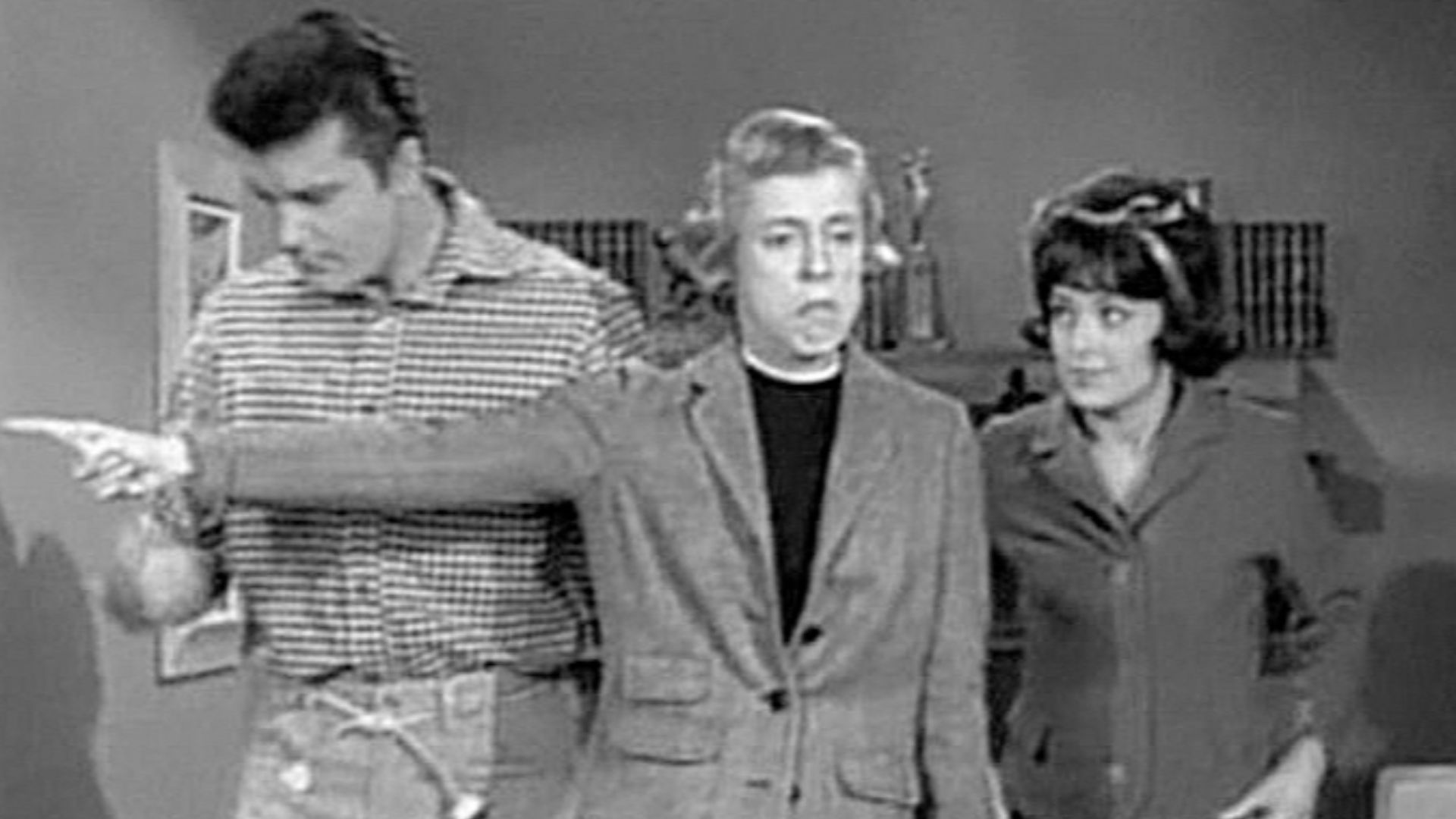
She Served During World War II
In 1944, Kulp left civilian life to join the United States Naval Reserve during World War II. She served with the WAVES and rose to the rank of lieutenant, junior grade. Her military service revealed a disciplined side that audiences would later recognize in many of her television characters.
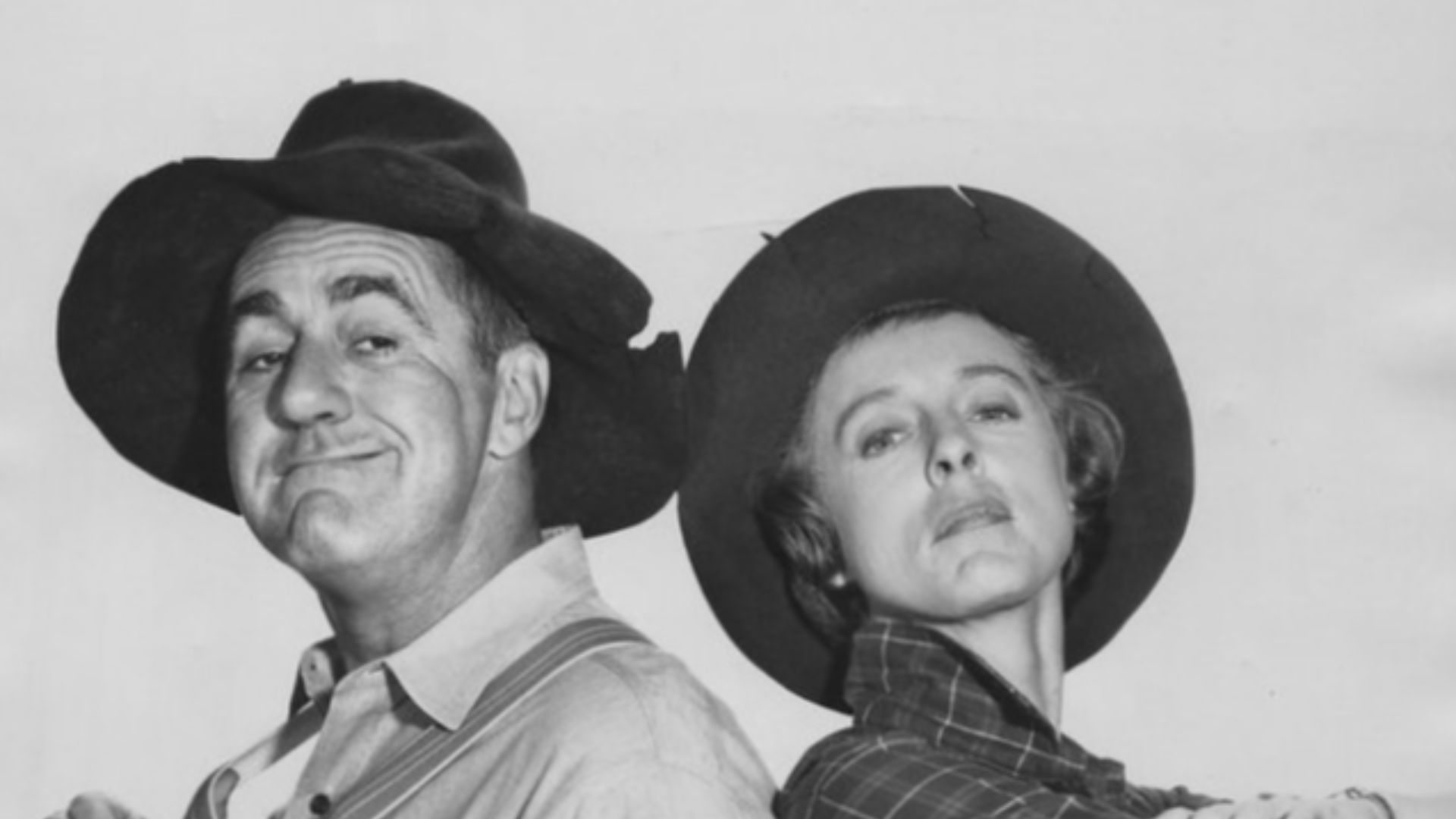 CBS Television, Wikimedia Commons
Hollywood Hired Her Behind The Scenes
Kulp moved to California during the early 1950s and joined MGM’s publicity department. She initially worked around performers rather than appearing beside them. That changed after director George Cukor encouraged her to try acting.
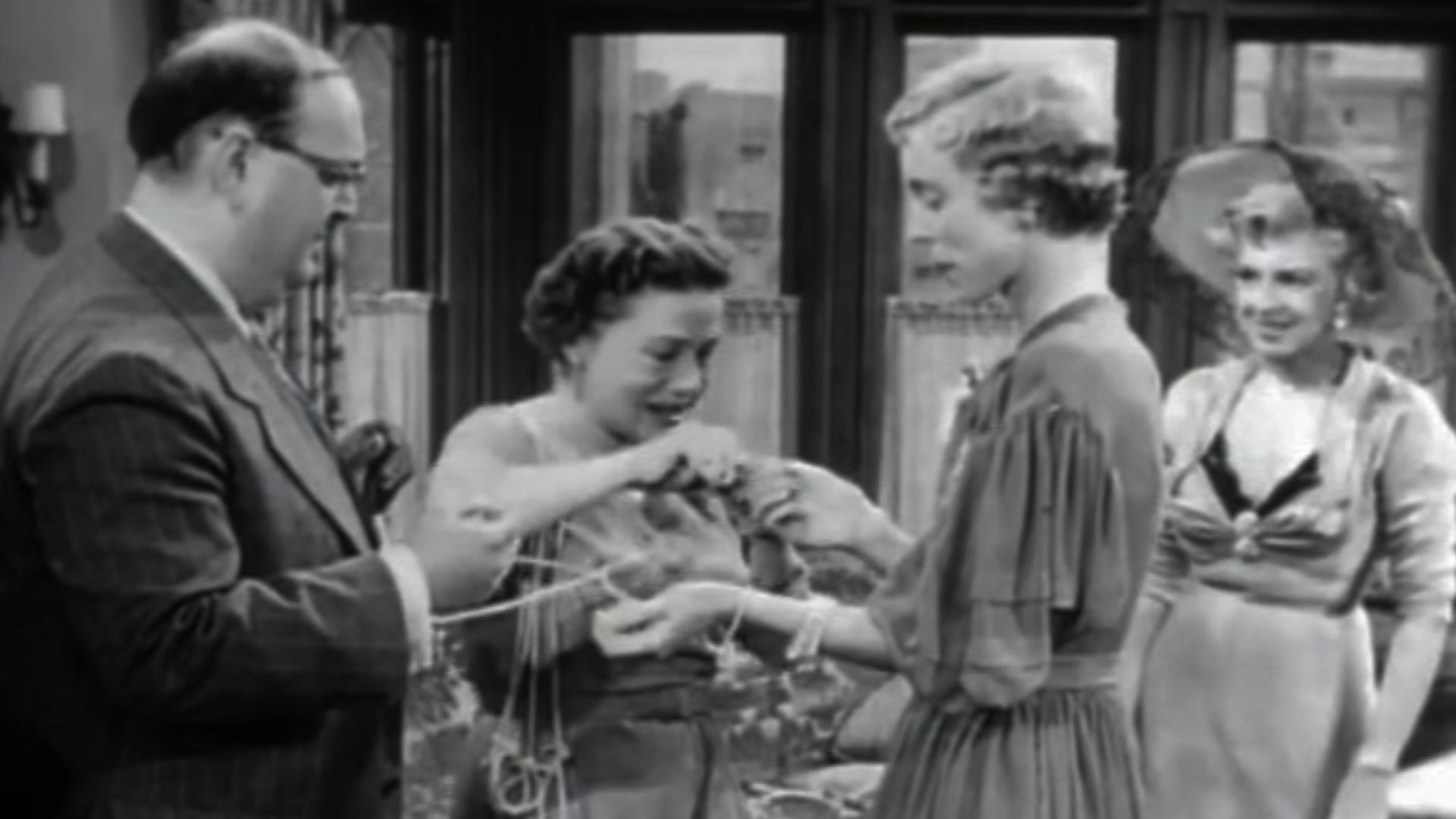 film trailer screenshot (20th Century Fox), Wikimedia Commons
George Cukor Saw Something Different
Kulp did not resemble the glamorous leading women Hollywood usually promoted during the period. Cukor recognized that her distinctive voice, intelligent manner, and angular appearance could make her a valuable character actor. His encouragement helped redirect her career toward the screen.
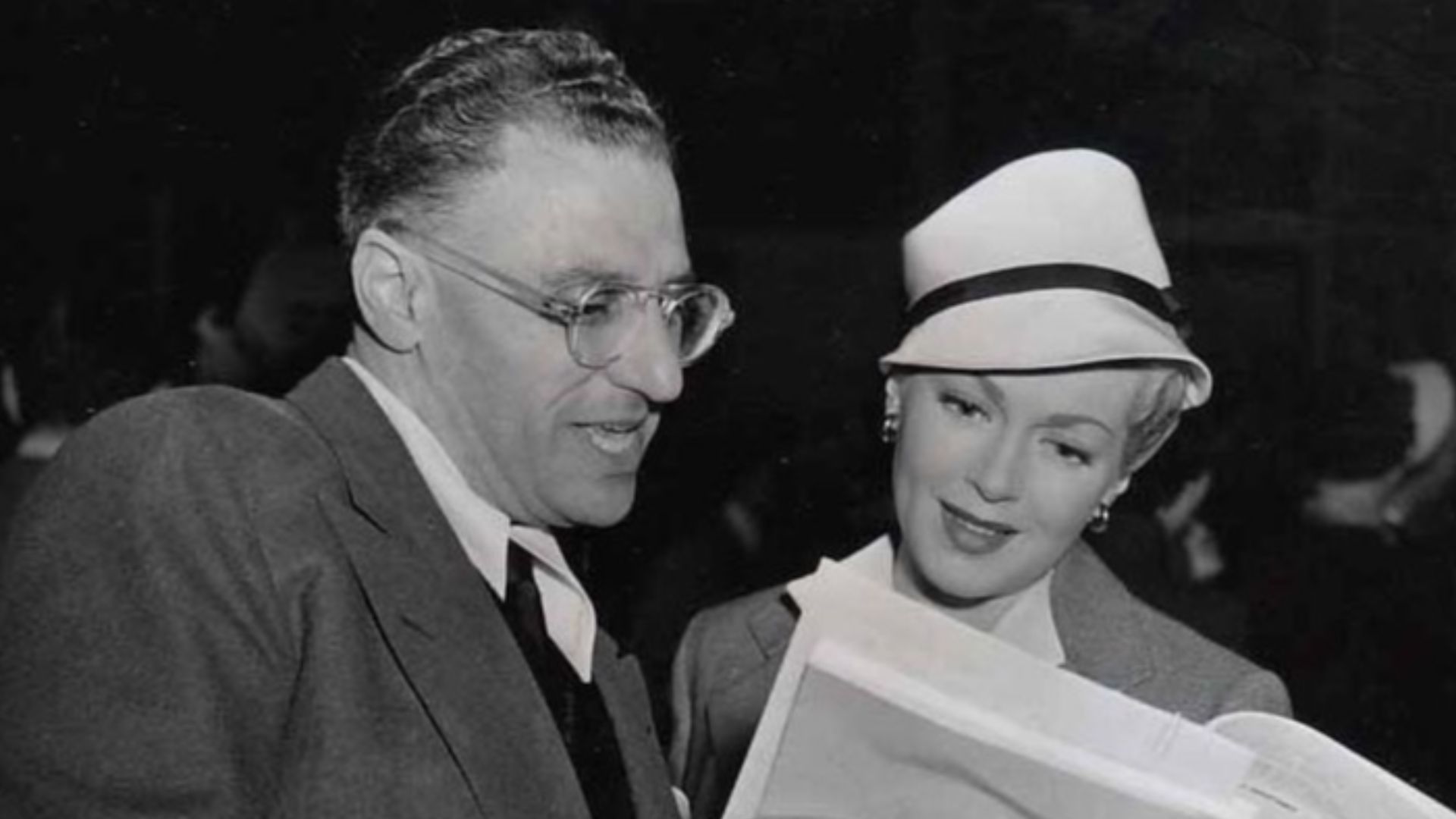
Small Roles Became Her Specialty
Kulp made an early film appearance in Cukor’s The Model and the Marriage Broker in 1951. More small parts followed, often as secretaries, clerks, nurses, and other practical working women. She learned to establish a character quickly, even when she had only a few lines.
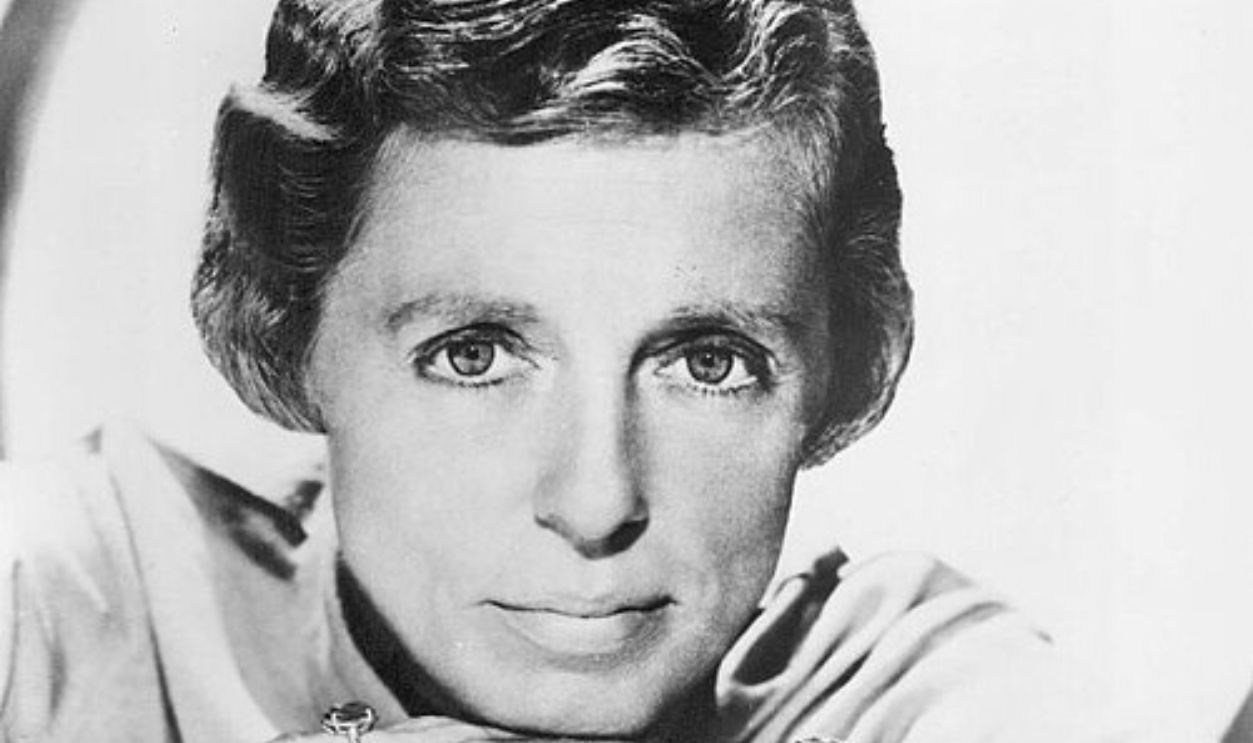
Major Movies Put Her To Work
During the 1950s, Kulp appeared in films including Shane, Sabrina, A Star Is Born, and The Three Faces of Eve. She was rarely central to the plot, but she brought specificity to roles that could easily have disappeared into the background. Her brief appearances helped establish her as a dependable Hollywood character performer.
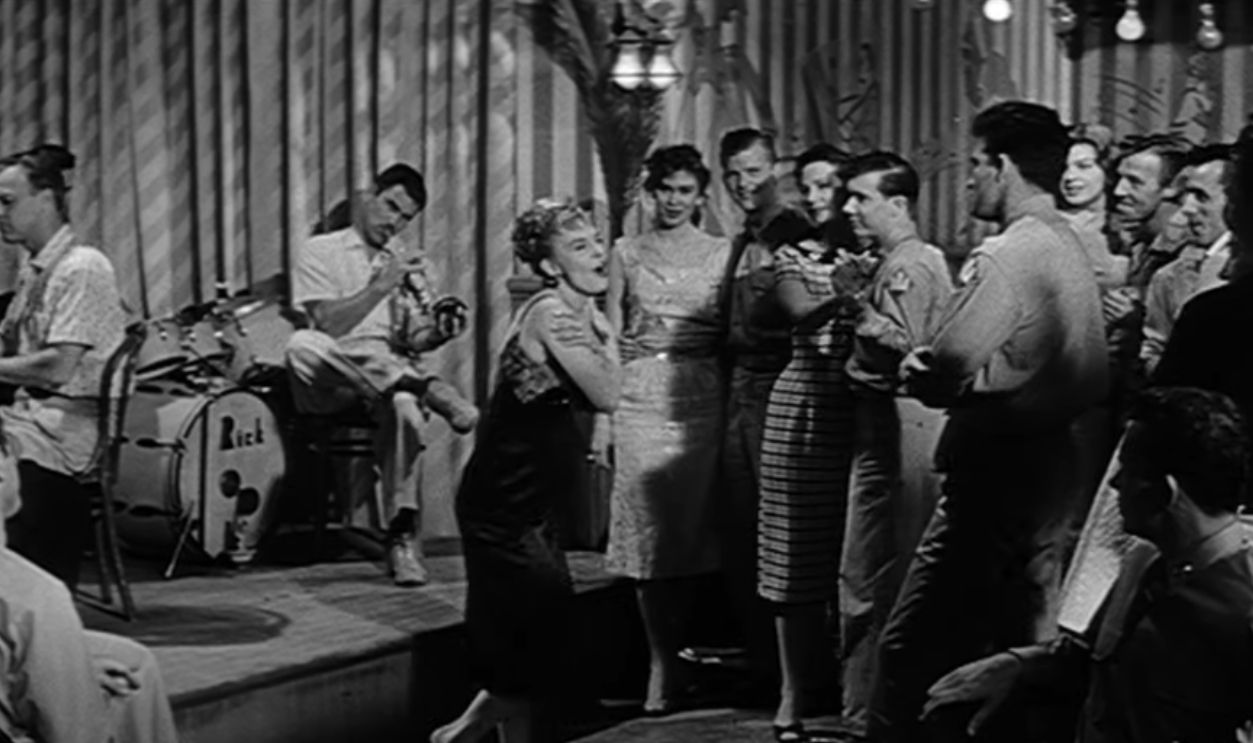 Screenshot from The Three Faces of Eve, 20th Century Fox (1957)
She Could Make Ordinary People Memorable
Kulp approached even minor characters as complete individuals. Her precise delivery and watchful expressions suggested that these women had opinions about everything happening around them. She often seemed like the only sensible person trapped inside someone else’s chaos.
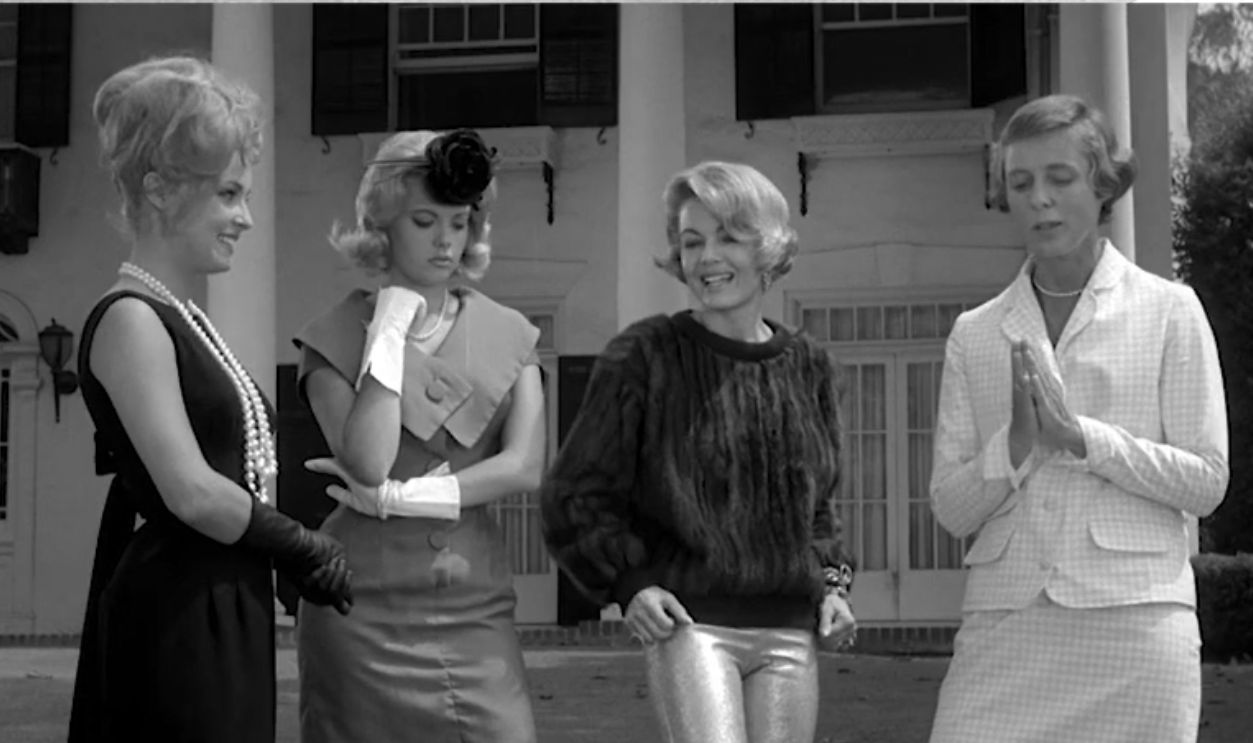 Screenshot from The Beverly Hillbillies, CBS (1962–1971)
Television Became Her Best Showcase
The rapid growth of television created more opportunities for versatile supporting actors. Kulp appeared on programs including I Love Lucy, Perry Mason, The Real McCoys, Maverick, and My Three Sons. Viewers began recognizing her face long before they necessarily knew her name.
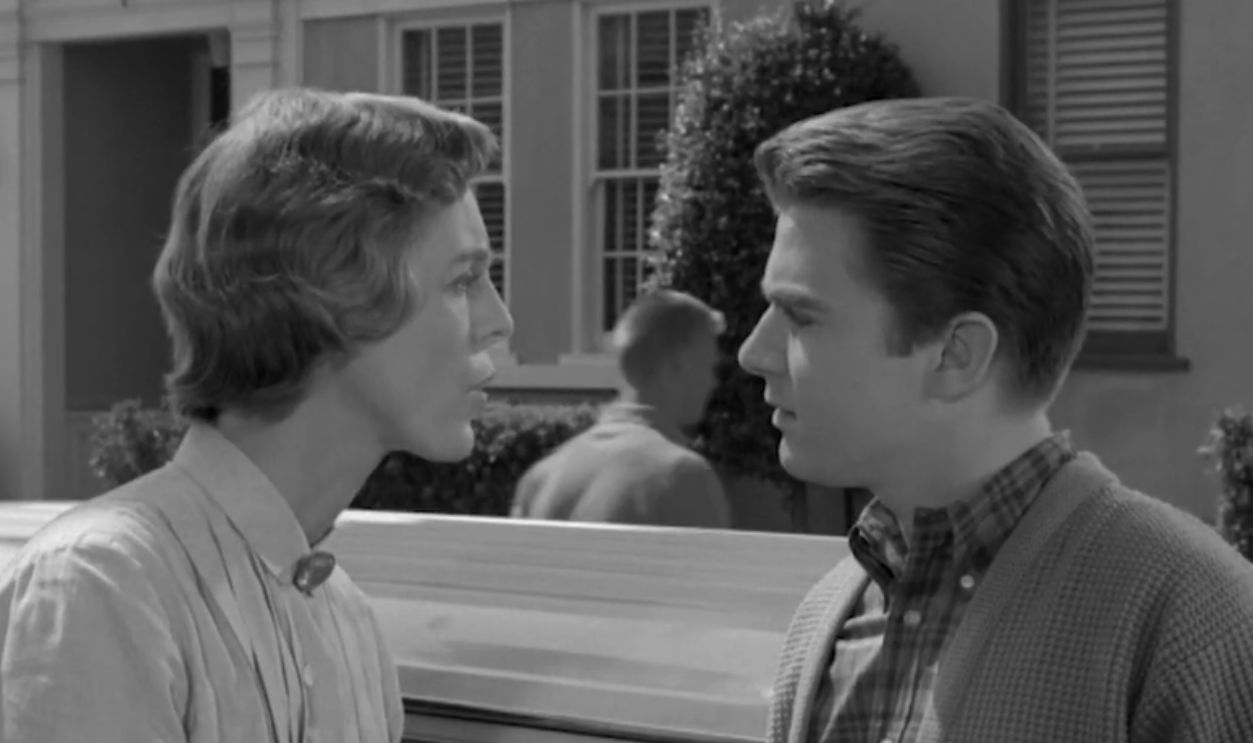 Screenshot from My Three Sons, ABC (1960–1965); CBS (1965–1972)
She Was Never Limited To One Style
Kulp frequently played serious or tightly controlled women, but she could perform much broader comedy. On Maverick, she appeared as a lively waitress whose behavior was far removed from Miss Jane Hathaway’s professional restraint. Such appearances showed that her familiar reserve was a creative choice, not a limitation.
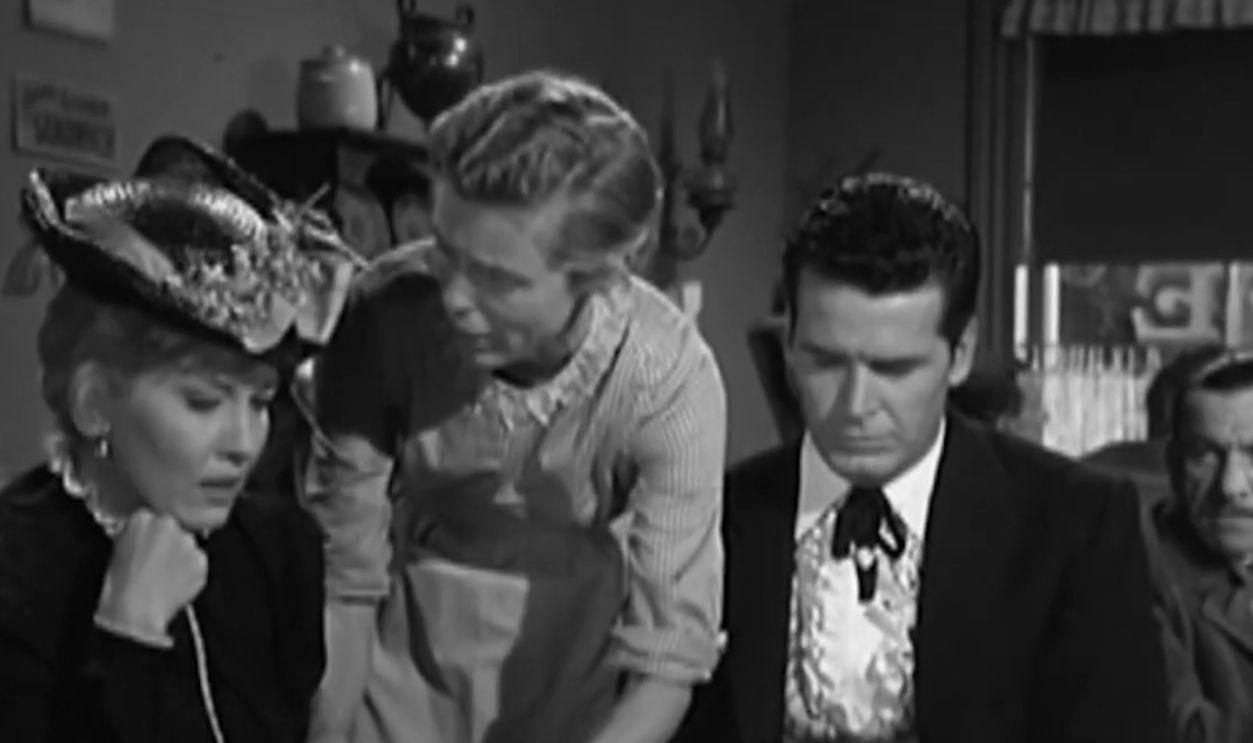 Screenshot from Maverick, ABC (1957–1962)
The Twilight Zone Used Her Authority
In 1962, Kulp appeared in “The Fugitive,” an episode of The Twilight Zone. She played Mrs. Gann, the strict landlady responsible for a young girl who befriends a mysterious elderly man. Kulp brought suspicion and everyday authority to a story that gradually moved into science fiction.
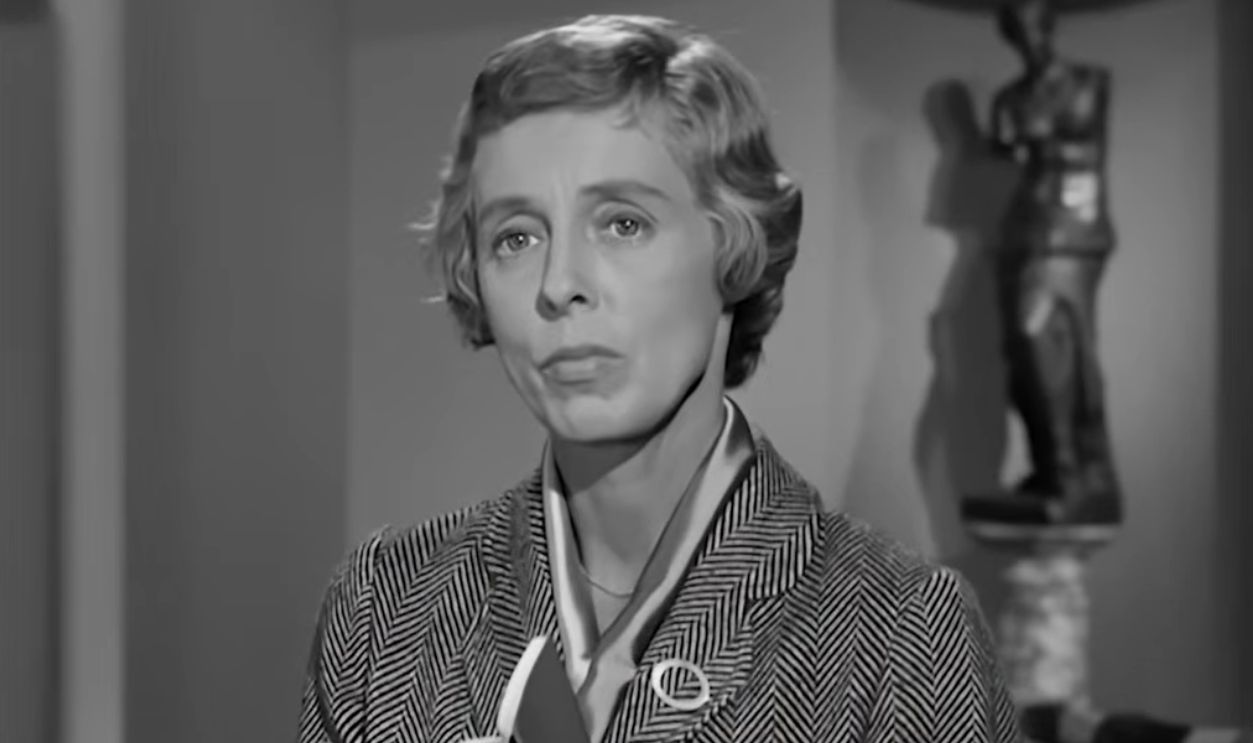 Screenshot from The Beverly Hillbillies, CBS (1962–1971)
She Was Ready For A Breakthrough
By 1962, Kulp had accumulated more than a decade of film and television experience. She understood how to support stars, land a reaction, and create a character without disrupting an ensemble. Those skills made her an ideal choice for a new CBS sitcom called The Beverly Hillbillies.
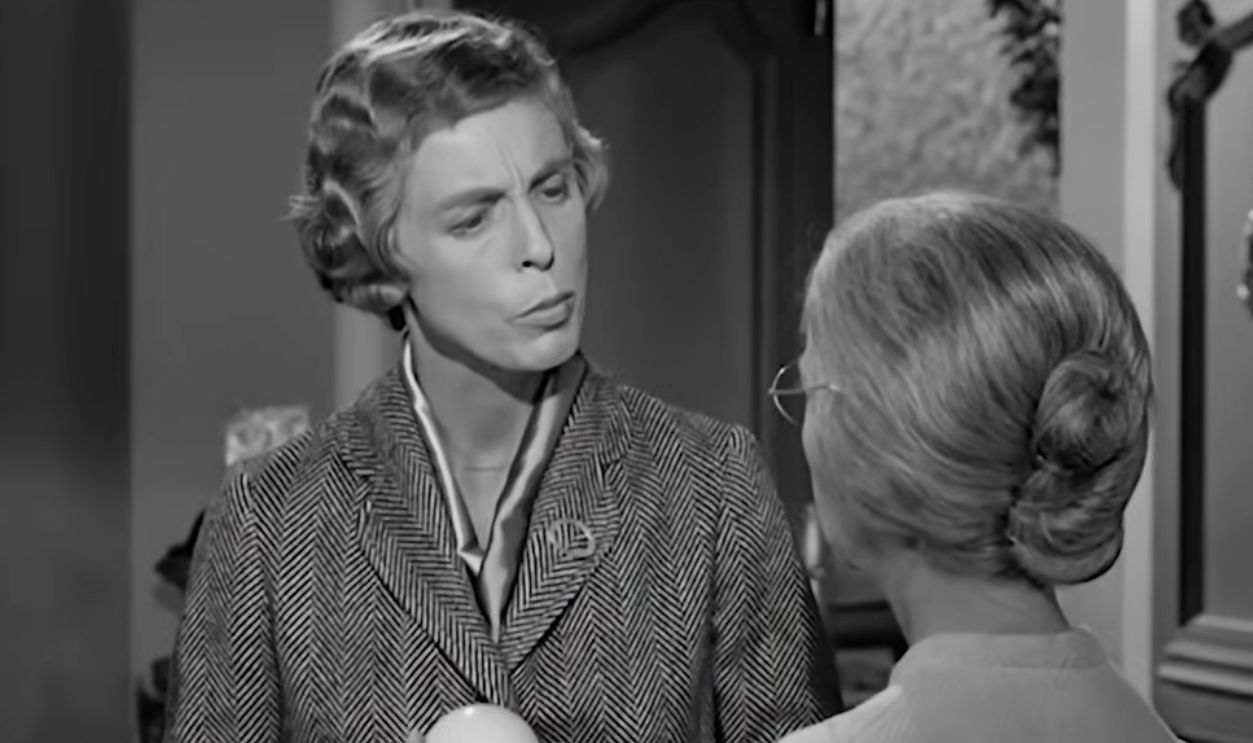 Screenshot from The Beverly Hillbillies, CBS (1962–1971)
Miss Jane Hathaway Changed Everything
Kulp was cast as Jane Hathaway, the loyal secretary of banker Milburn Drysdale. Drysdale managed the Clampett family’s enormous fortune and constantly feared losing their business. Miss Jane was usually responsible for carrying out his increasingly frantic plans.
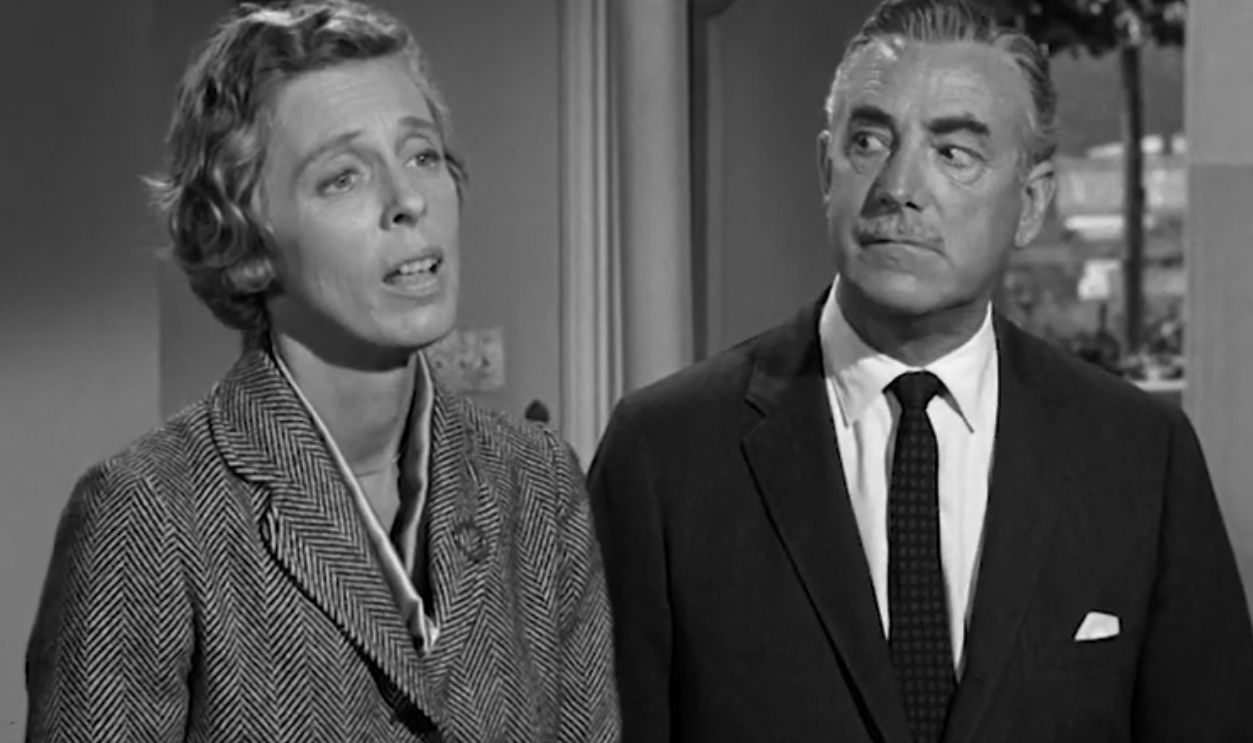 Screenshot from The Beverly Hillbillies, CBS (1962–1971)
She Looked Funny Before Speaking
Miss Jane’s tailored suits, sensible hats, glasses, and rigid posture immediately established her personality. She appeared prepared for a formal business meeting even when surrounded by complete absurdity. Kulp could create a laugh simply by entering a room and assessing the situation.
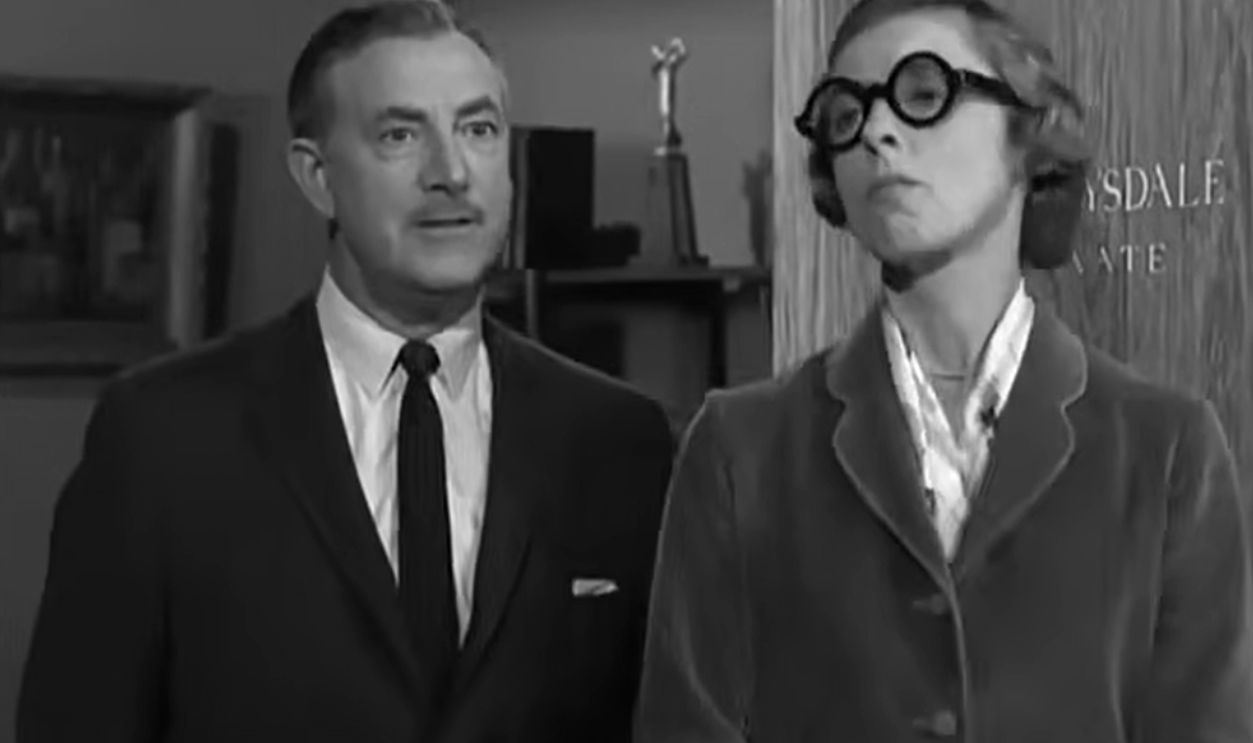 Screenshot from The Beverly Hillbillies, CBS (1962–1971)
Her Voice Became A Comic Instrument
Kulp gave Miss Jane a clipped and carefully controlled speaking style. She could express irritation, loyalty, embarrassment, and alarm without noticeably raising her voice. Her restrained delivery became especially funny when everyone around her was behaving irrationally.
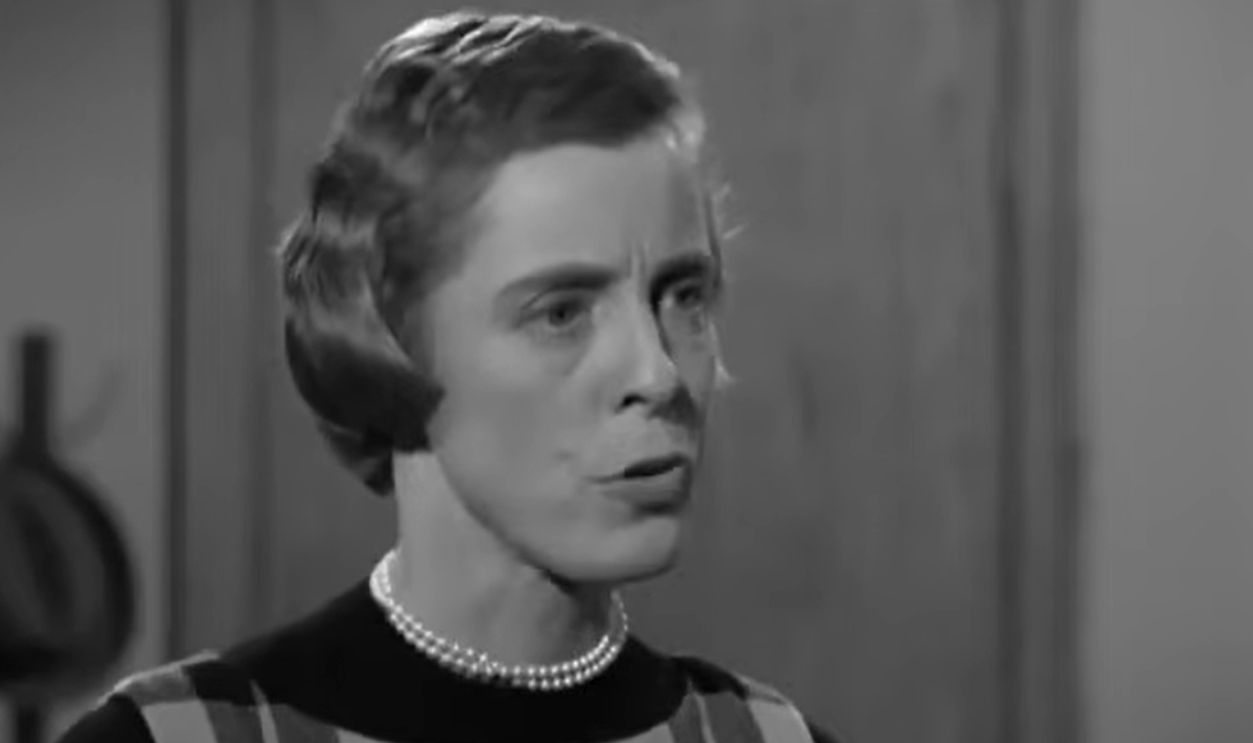 Screenshot from The Beverly Hillbillies, CBS (1962–1971)
Jane Was Usually The Smartest Person There
Miss Jane was highly educated, capable, and remarkably patient. She understood the Clampetts more clearly than her boss did and often recognized flaws in Drysdale’s plans immediately. Kulp made intelligence central to the character rather than treating it as something audiences should ridicule.
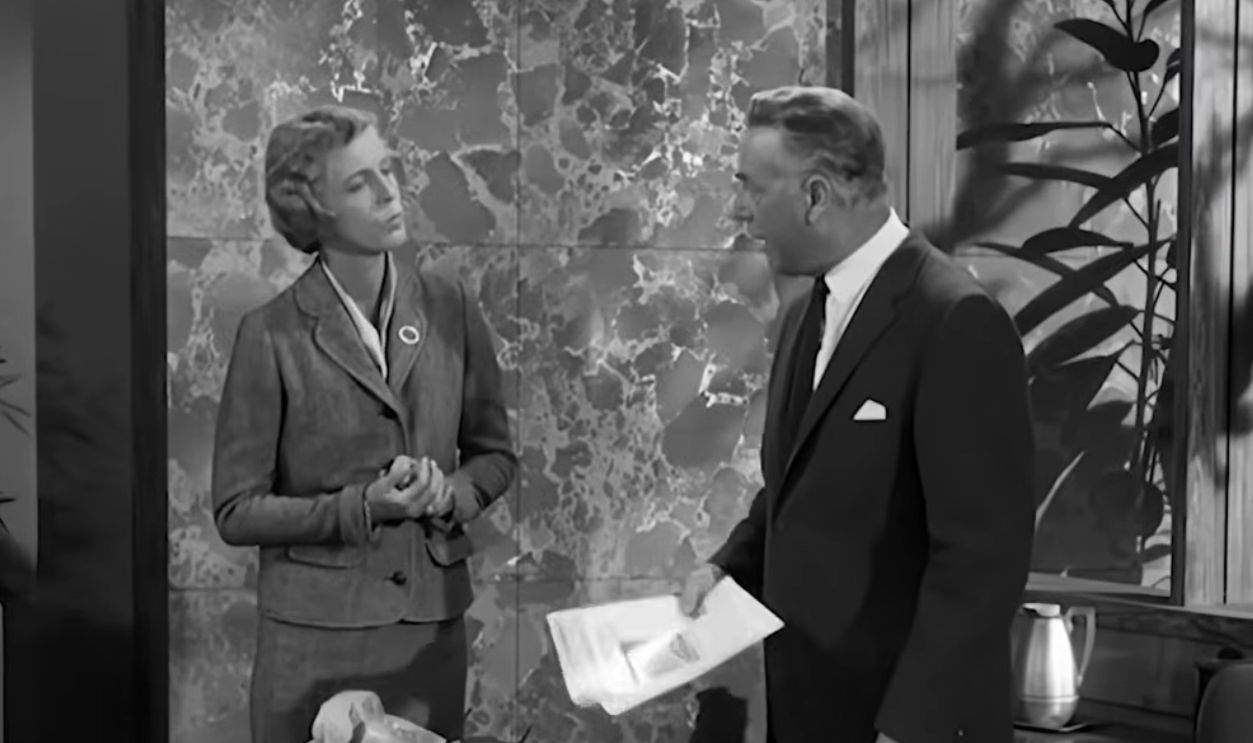 Screenshot from The Beverly Hillbillies, CBS (1962–1971)
Raymond Bailey Became Her Perfect Partner
Raymond Bailey played Milburn Drysdale as an excitable banker who would do almost anything to protect the Clampett account. Kulp balanced his panic with visible restraint and increasingly strained patience. Their contrasting styles created one of the show’s strongest comic partnerships.
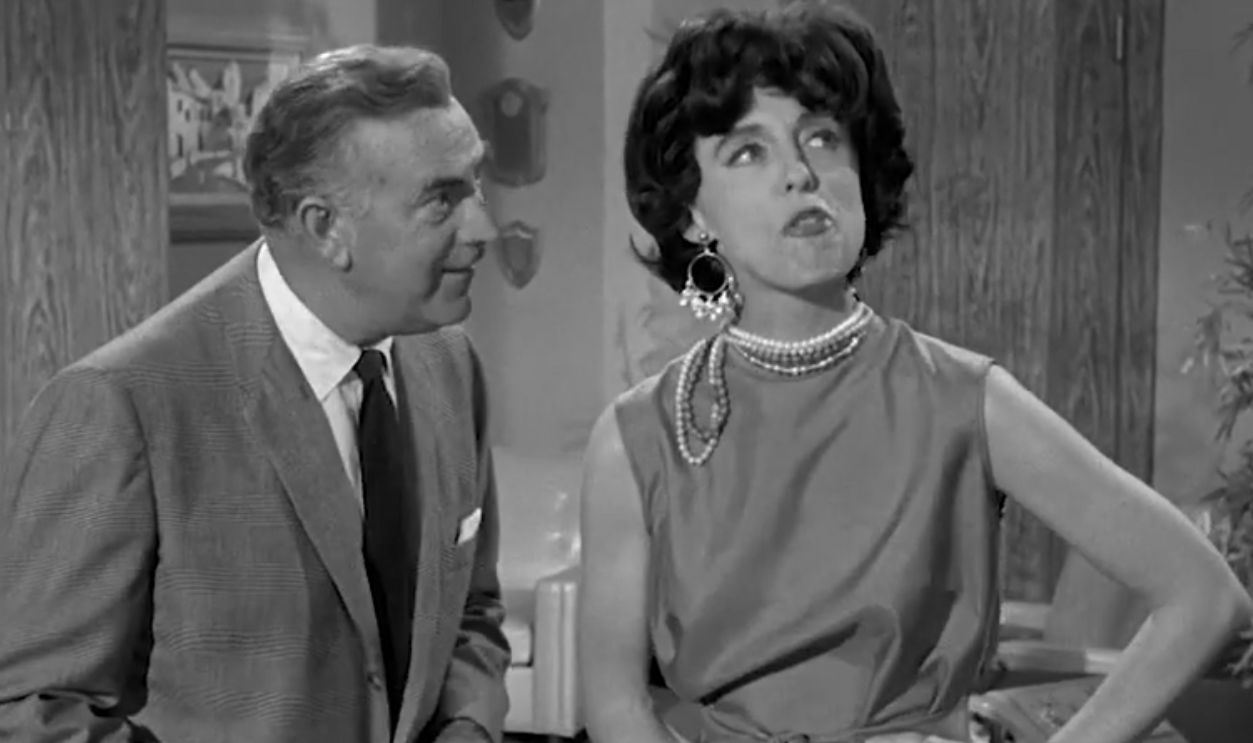 Screenshot from The Beverly Hillbillies, CBS (1962–1971)
Her Reactions Could Steal Entire Scenes
Kulp understood that the person listening could be funnier than the person speaking. A pause, narrowed stare, or hesitant smile often revealed exactly what Miss Jane thought of Drysdale’s latest demand. She regularly captured attention without pulling focus away from the story.
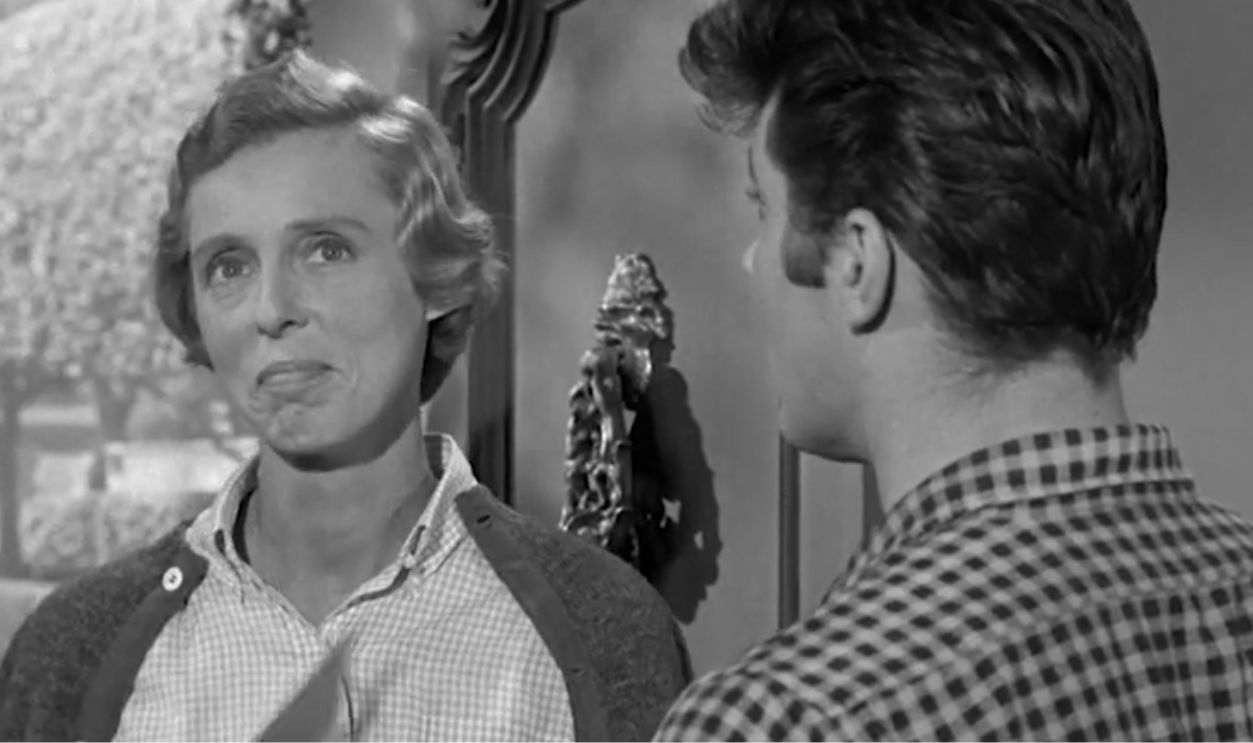 Screenshot from The Beverly Hillbillies, CBS (1962–1971)
The Clampetts Revealed Jane’s Warmth
Although Miss Jane was frequently confused by the Clampetts’ customs, she genuinely respected the family. Jed treated her kindly, while Granny challenged her patience and Elly May often shared her love of animals. Kulp gave Jane enough affection to keep her from becoming merely a sarcastic observer.
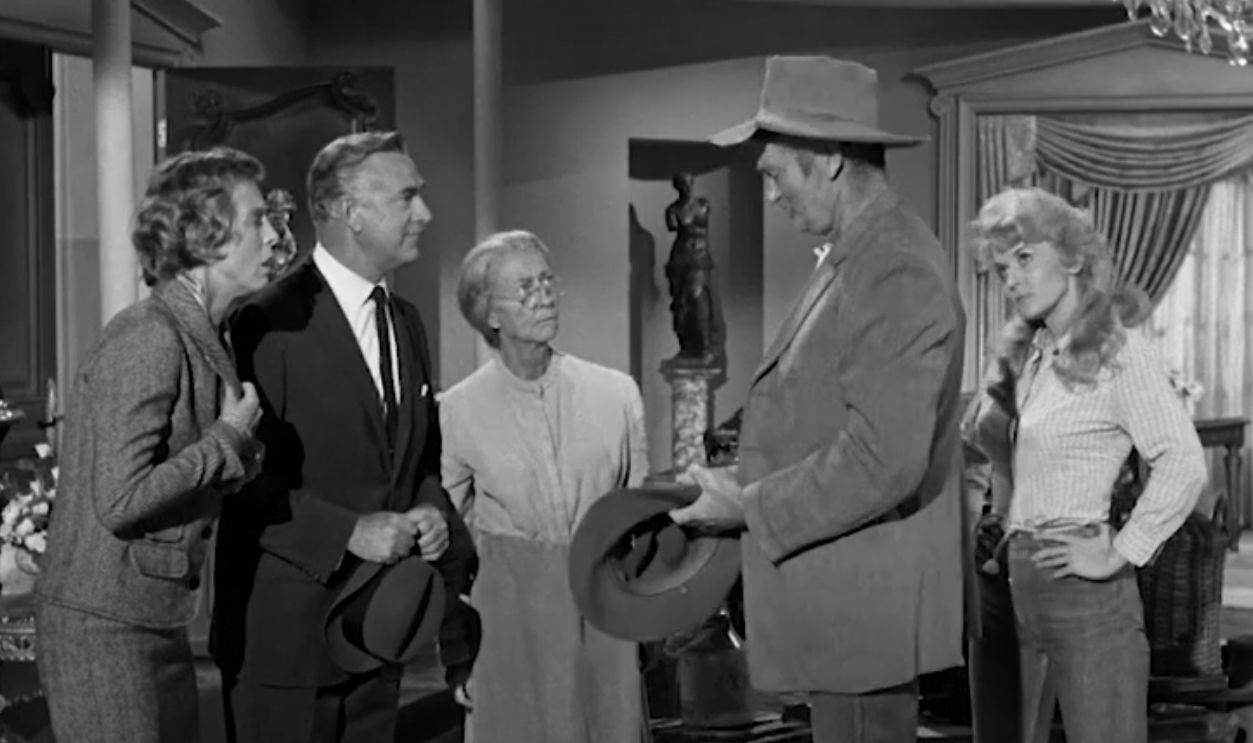 Screenshot from The Beverly Hillbillies, CBS (1962–1971)
Jethro Destroyed Her Professional Composure
Miss Jane’s attraction to Jethro Bodine produced some of Kulp’s broadest comedy. Jethro rarely understood her romantic interest, no matter how obvious it became. Kulp made the running joke work by allowing Jane’s usual intelligence and dignity to vanish whenever Jethro appeared.
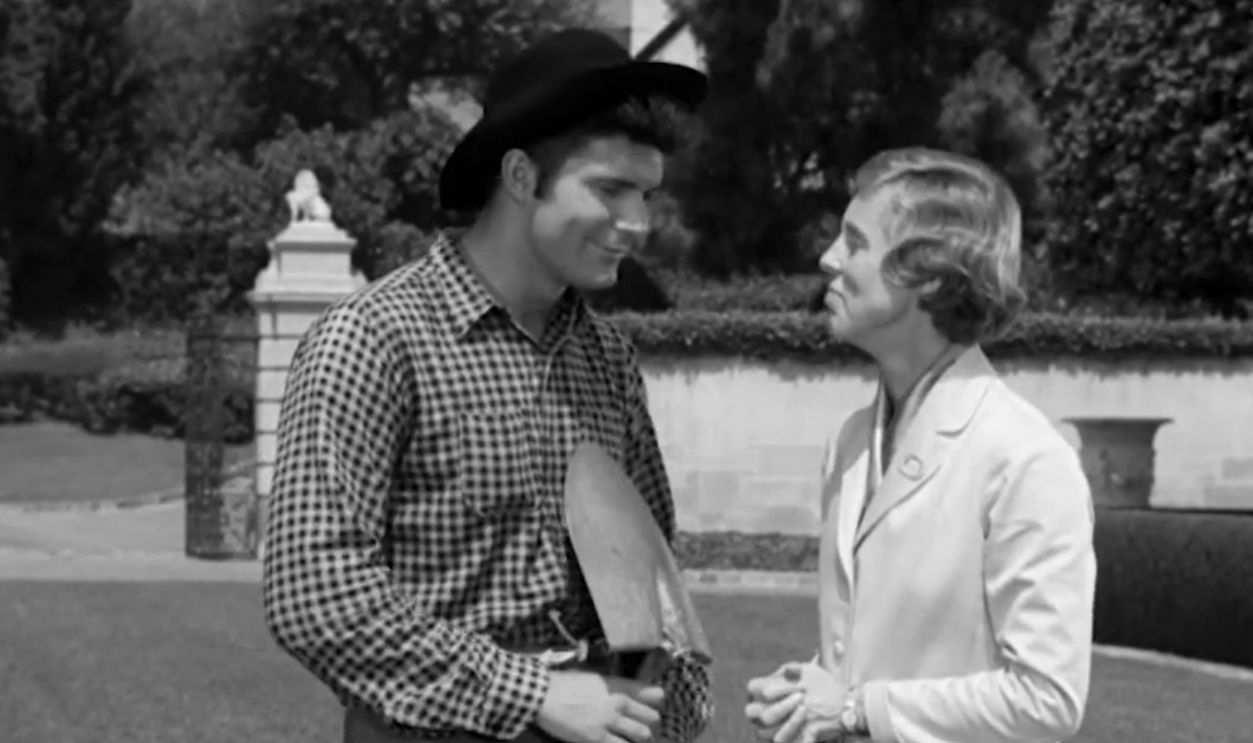 Screenshot from The Beverly Hillbillies, CBS (1962–1971)
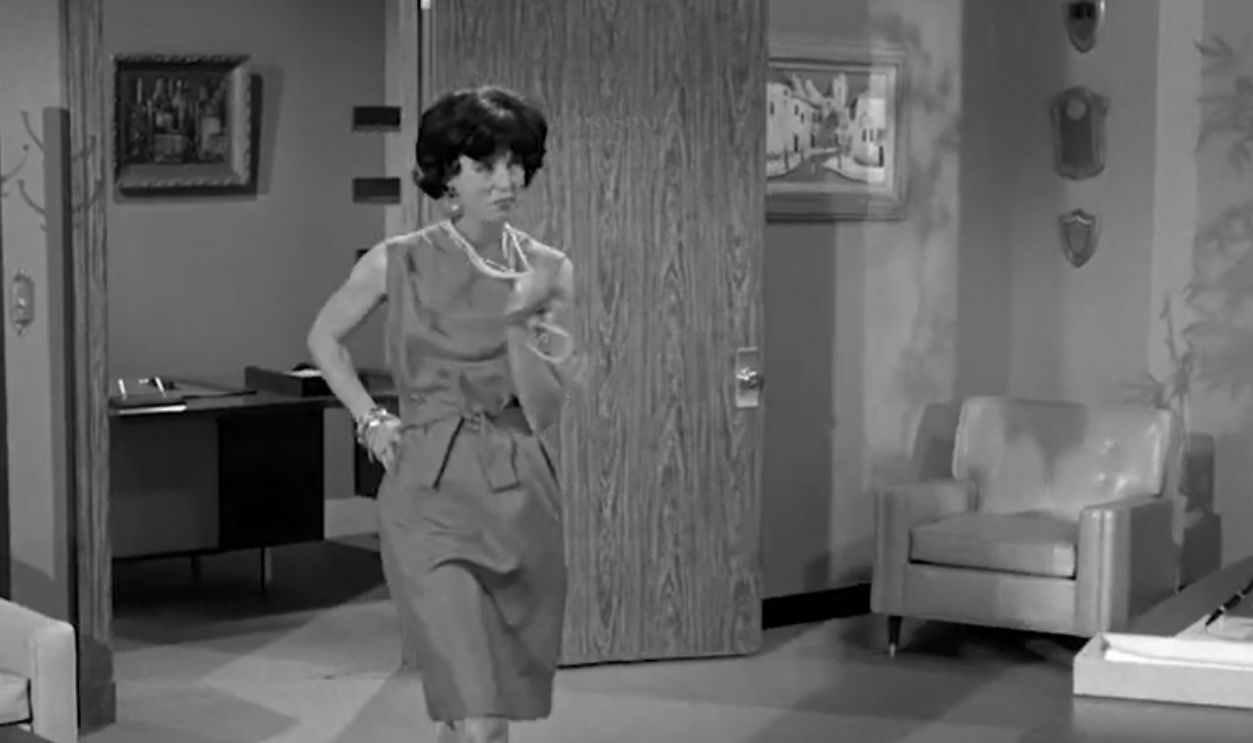
She Made Embarrassment Look Effortless
Kulp was particularly skilled at showing the moment when Jane realized she had gone too far. Her expression could shift from confidence to panic without exaggerated mugging. That control allowed viewers to anticipate Jane’s humiliation before she tried to recover.
 Screenshot from The Beverly Hillbillies, CBS (1962–1971)
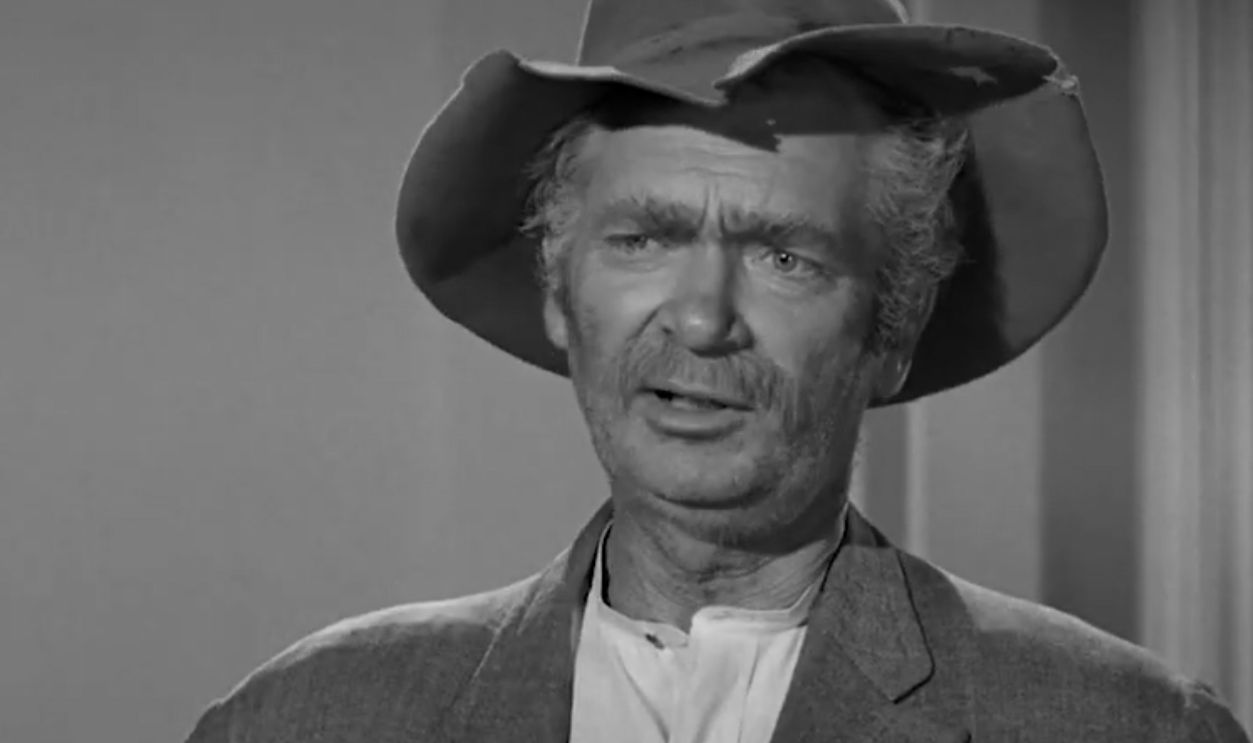
She Stood Out In A Powerful Ensemble
The Beverly Hillbillies featured performers with sharply different comic styles. Buddy Ebsen brought calm authority, Irene Ryan delivered explosive energy, Donna Douglas played cheerful innocence, and Max Baer Jr. embraced Jethro’s confusion. Kulp carved out her own space through precision, restraint, and impeccable timing.
 Screenshot from The Beverly Hillbillies, CBS (1962–1971)
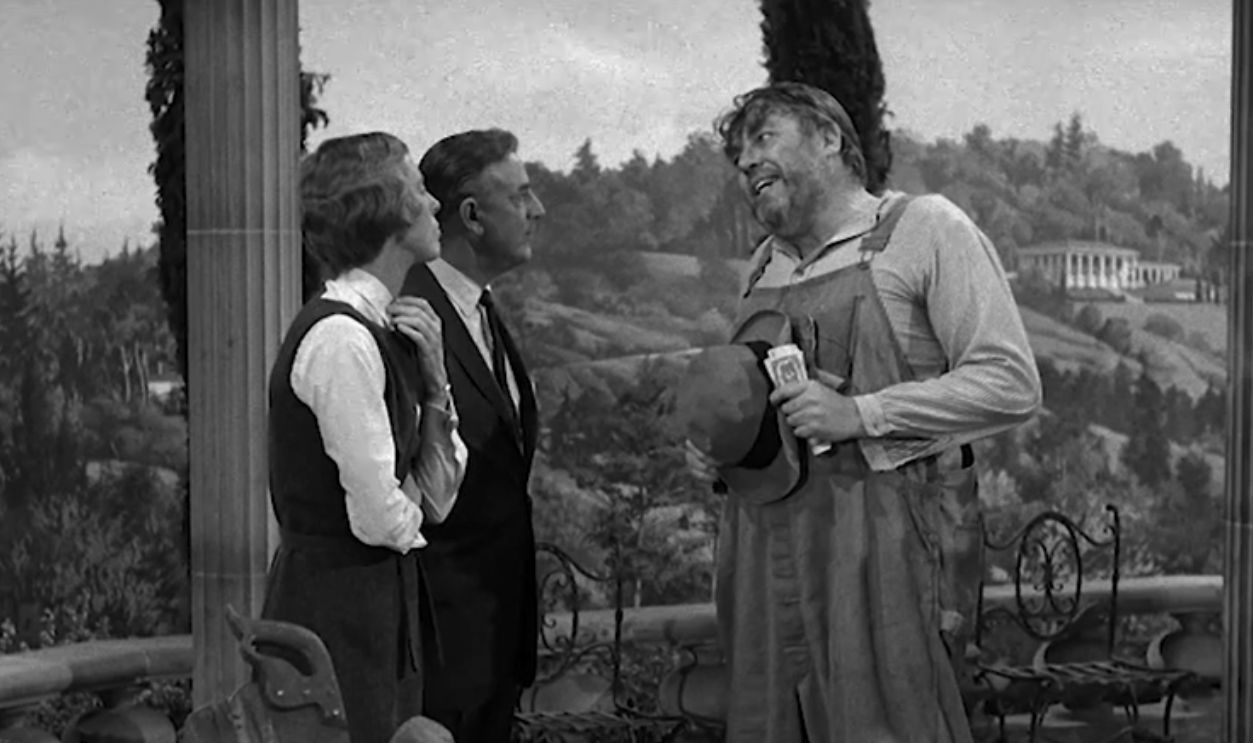
The Show Became A Television Phenomenon
The Beverly Hillbillies premiered on CBS in September 1962 and quickly became one of television’s biggest hits. It finished as America’s highest-rated program during its first two seasons. Kulp was suddenly delivering her carefully measured performances to an enormous national audience.
 Screenshot from The Beverly Hillbillies, CBS (1962–1971)
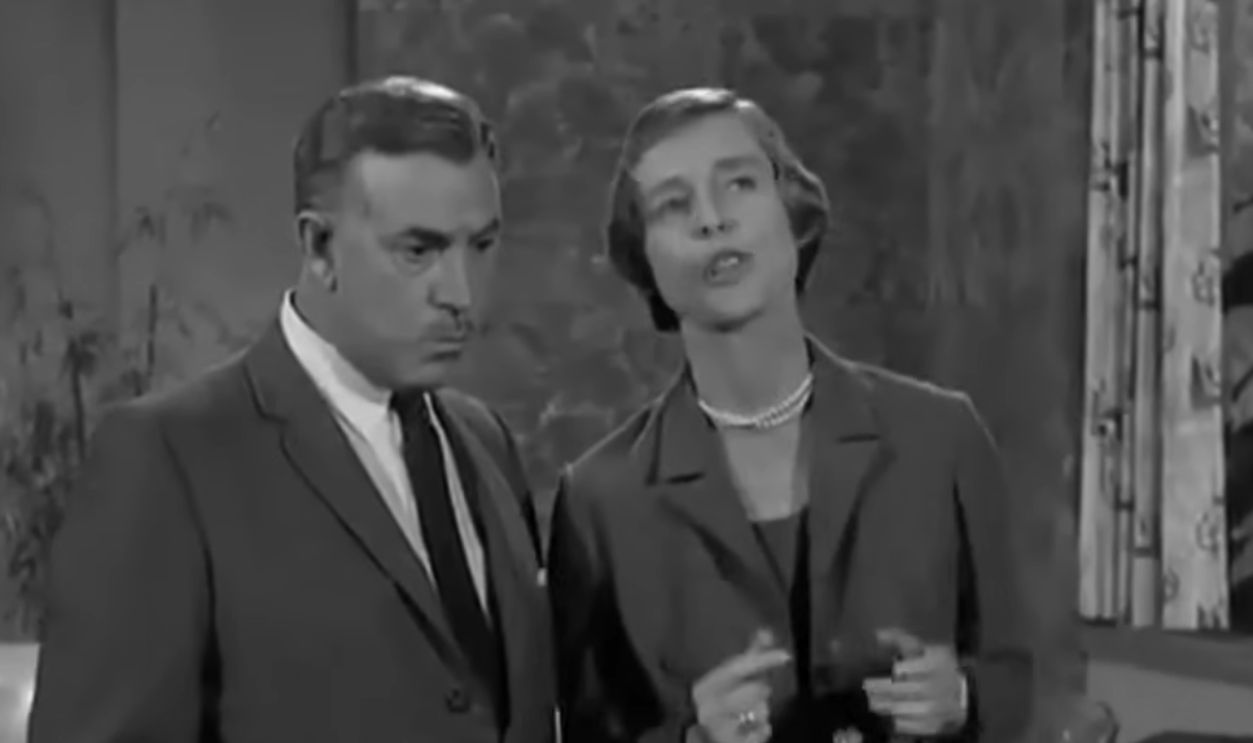
Her Work Earned Emmy Recognition
Kulp received a Primetime Emmy nomination in 1967 for her supporting performance as Miss Jane. The recognition confirmed how important she had become to a series centered on the Clampett family. She had transformed a banker’s secretary into one of the show’s defining characters.
 Screenshot from The Beverly Hillbillies, CBS (1962–1971)
She Proved Character Actors Could Become Stars
Although The Beverly Hillbillies remained the defining chapter of her career, Kulp never stopped working. She appeared in later television series, returned to the stage, ran for Congress in 1984, and later taught acting at Juniata College. Her varied career showed that she was far more than the secretary audiences loved.
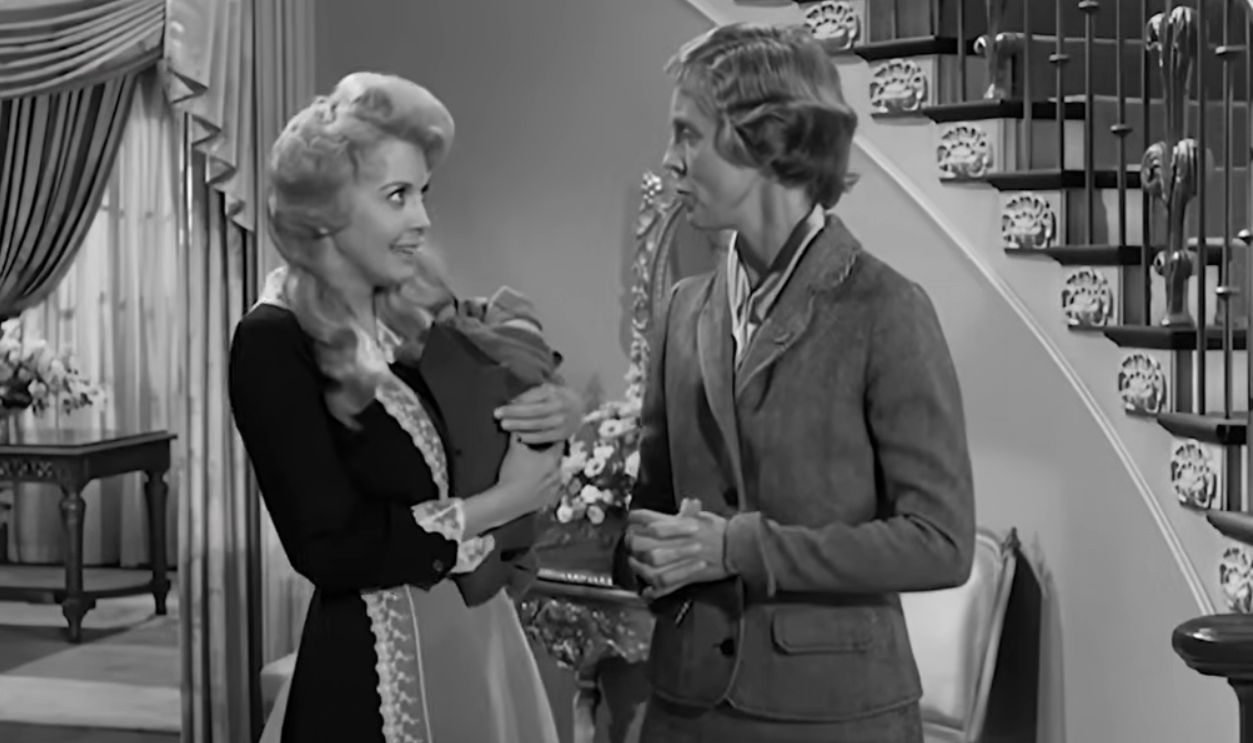 Screenshot from The Beverly Hillbillies, CBS (1962–1971)
Her Influence Reached Beyond One Sitcom
Nancy Kulp demonstrated that supporting actors could become just as memorable as a show's leading stars. Her intelligence, impeccable timing, and understated performances influenced generations of character actors who followed. Miss Jane Hathaway remains one of television's greatest supporting characters because Kulp made every scene feel richer simply by being in it.
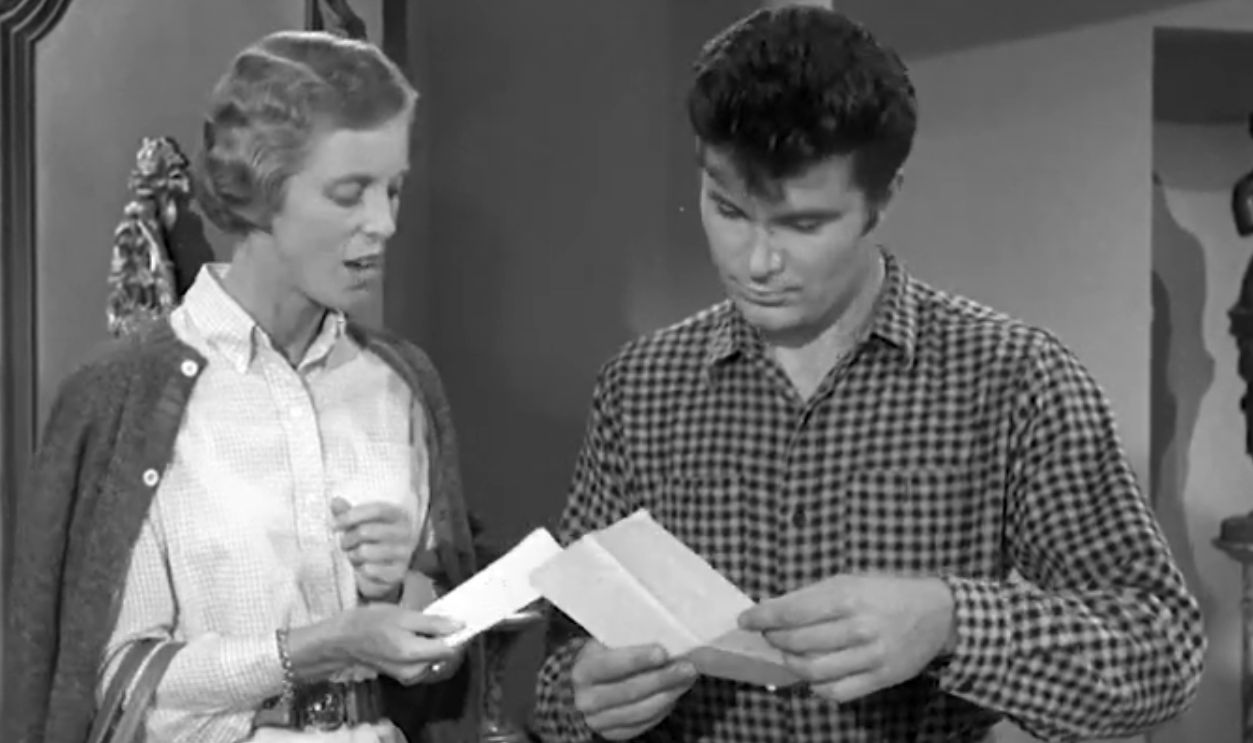 Screenshot from The Beverly Hillbillies, CBS (1962–1971)
Nancy Kulp Made Supporting Work Look Like Stardom
Nancy Kulp died in 1991, but her performances continue to delight new generations discovering classic television. She never relied on flashy punchlines or oversized performances to get laughs. Instead, she proved that subtlety, precision, and complete commitment to a character could make a supporting actor unforgettable.
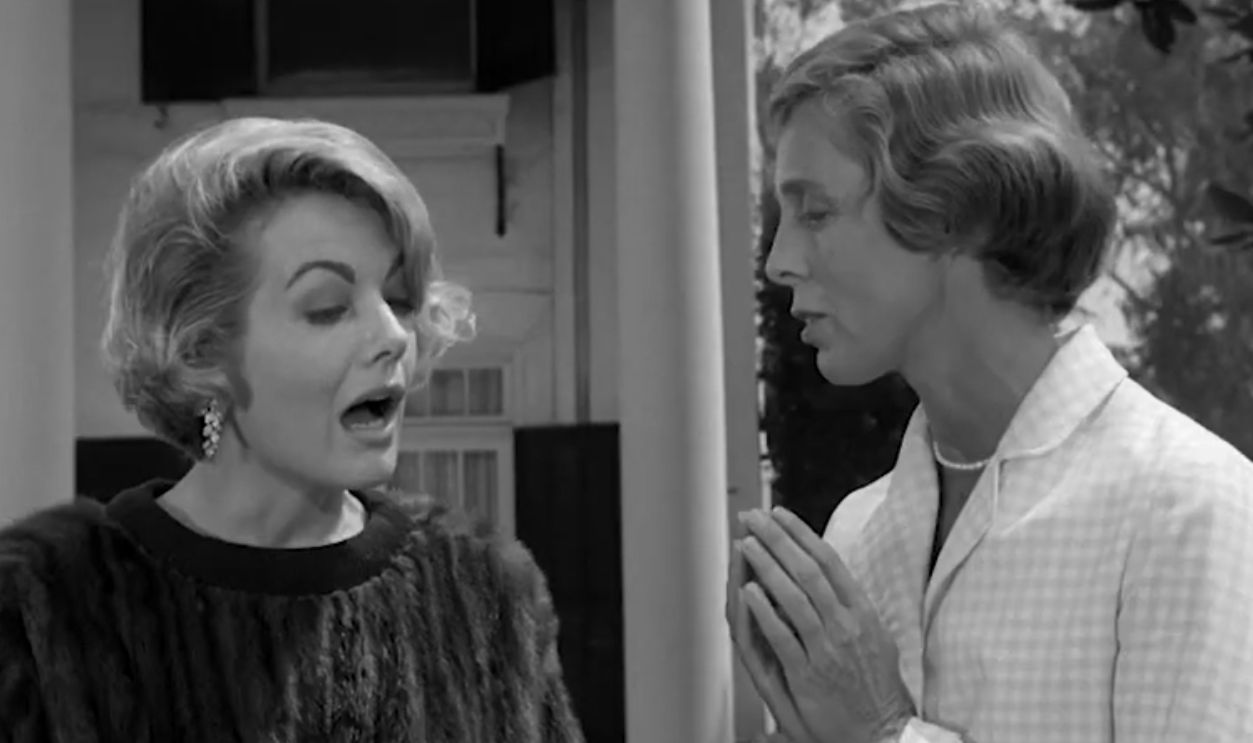 Screenshot from The Beverly Hillbillies, CBS (1962–1971)
You May Also Like:
Classic Comedy Duos America Couldn't Get Enough Of—Who Do You Think Are Their Modern Equivalents?
What happened to Dawn Wells after playing Mary Ann on Gilligan's Island?
Family Sitcoms From The 1960s That Would Feel Completely Different If They Tried To Make Them Today