A Television Hero For A Changing America
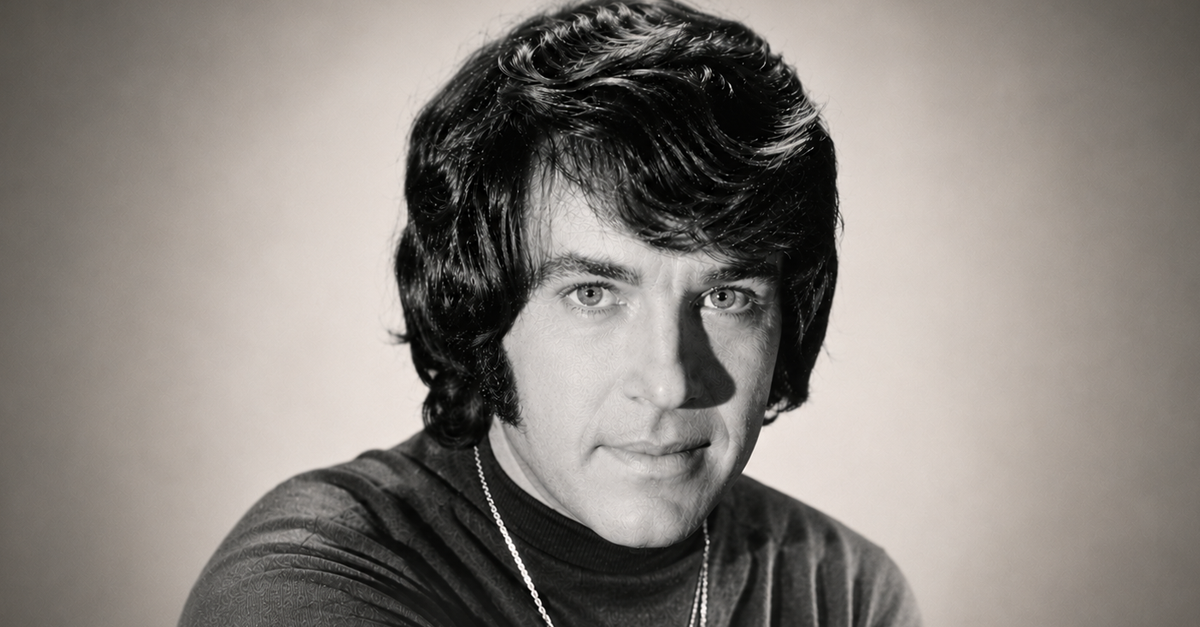
The late 1960s transformed American culture in ways that television could no longer ignore. Young people were challenging authority, protesting the Vietnam War, and embracing new fashions and ideas. At the center of one of television's boldest responses was Michael Cole, whose role on The Mod Squad turned him into an unexpected symbol of an entire generation.
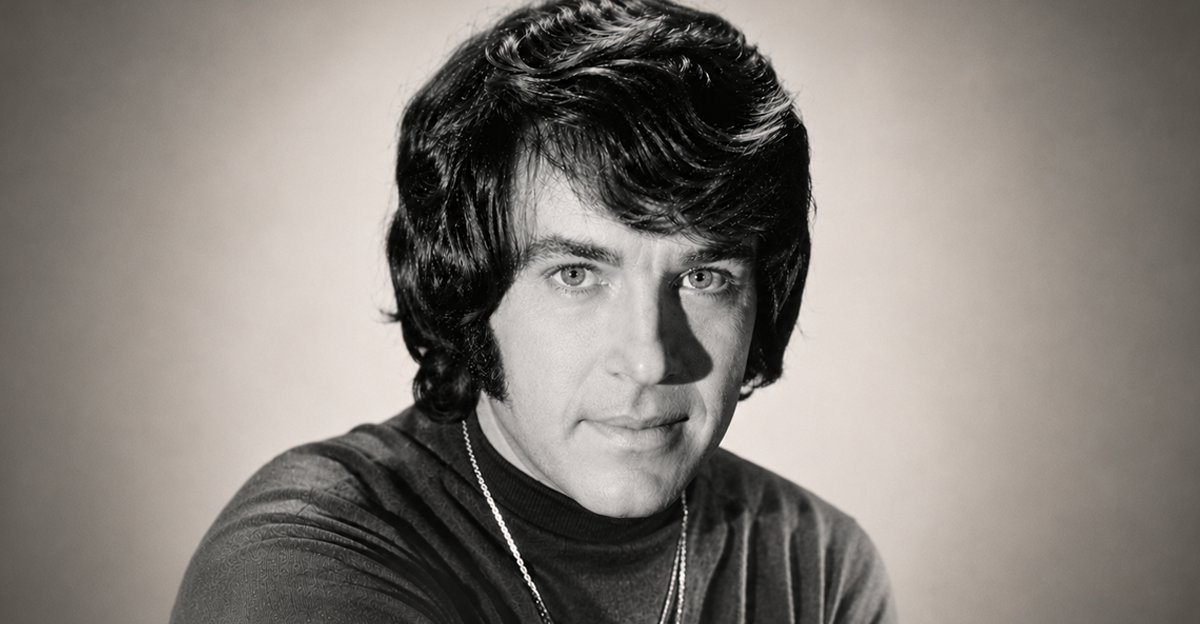 ABC Television, Wikimedia Commons
A Show Unlike Anything On Television
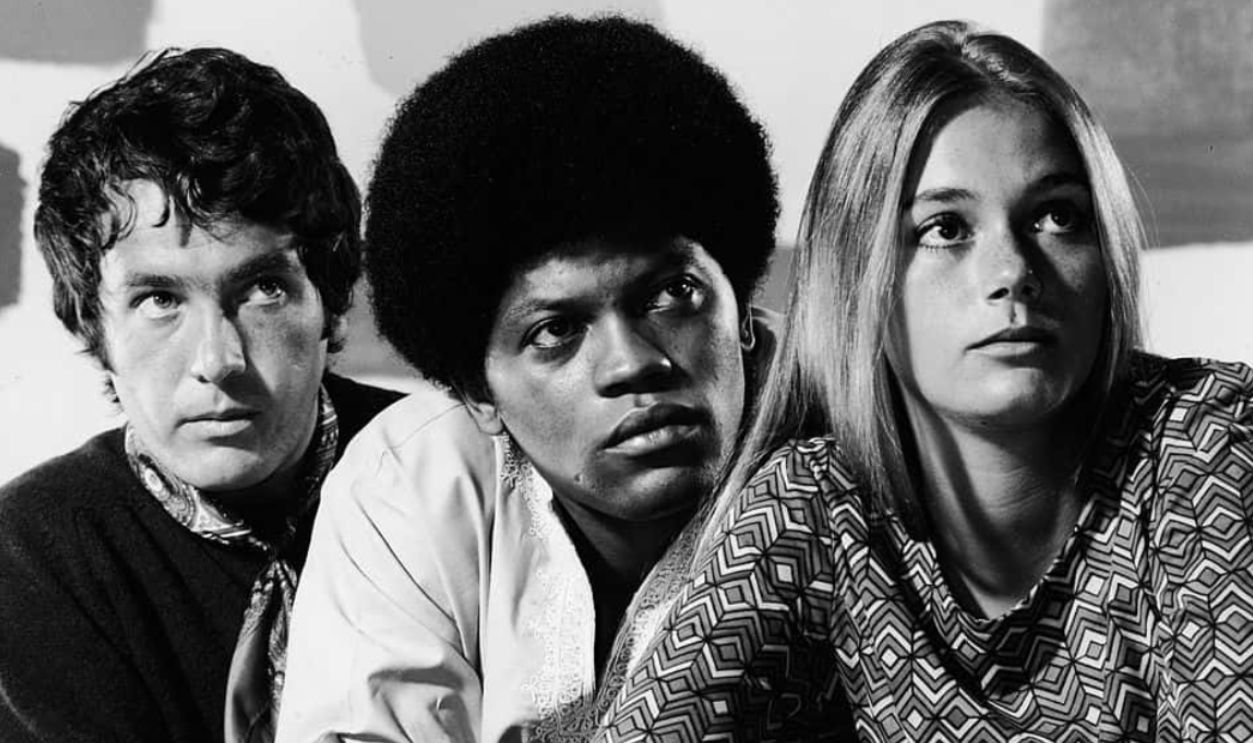
When The Mod Squad premiered on ABC in 1968, it immediately stood apart from traditional police dramas. Instead of experienced detectives, the series followed three troubled young adults working undercover for the police. The unusual concept allowed the show to explore youth culture from the inside rather than looking at it with suspicion.
Michael Cole Was Not An Overnight Star
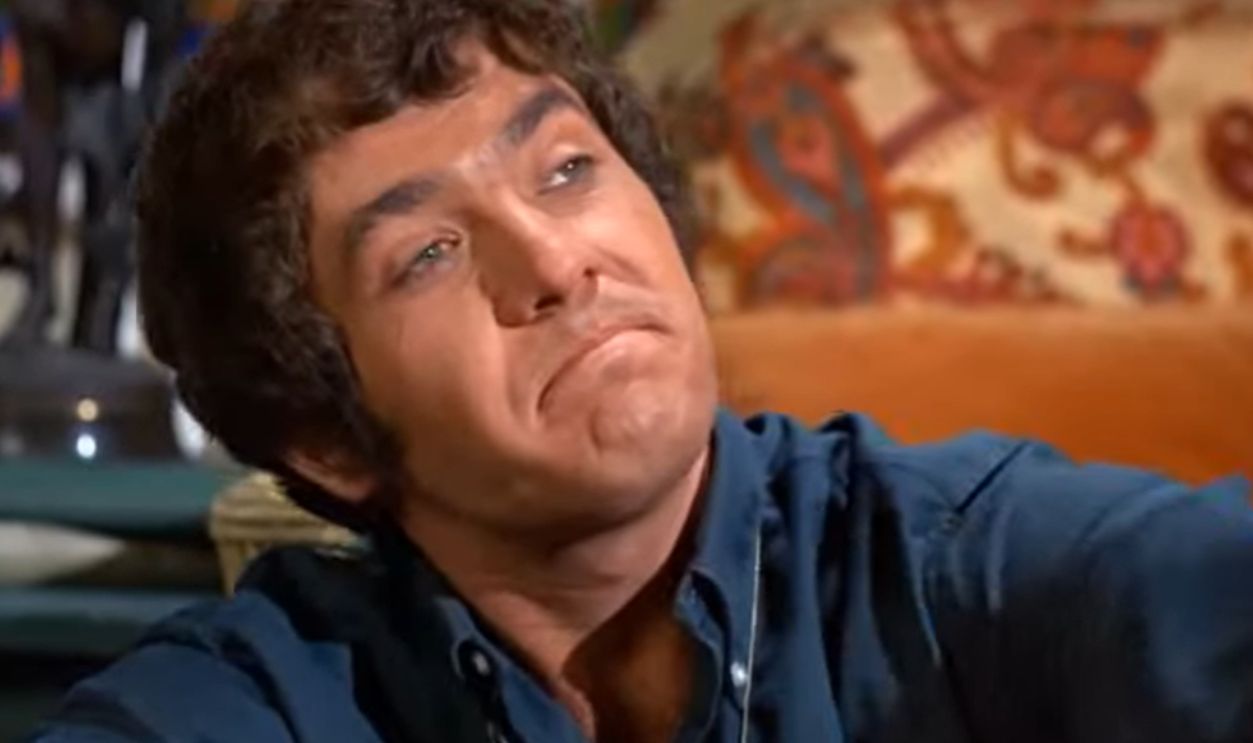
Before finding fame, Michael Cole spent years trying to establish himself in Hollywood. He appeared in guest roles on several television series and worked steadily without becoming widely recognized. Like many actors of his generation, he waited for the right role to change everything.
 Screenshot from The Mod Squad, Paramount Global (1968-1973)
Aaron Spelling Gave Him His Big Break
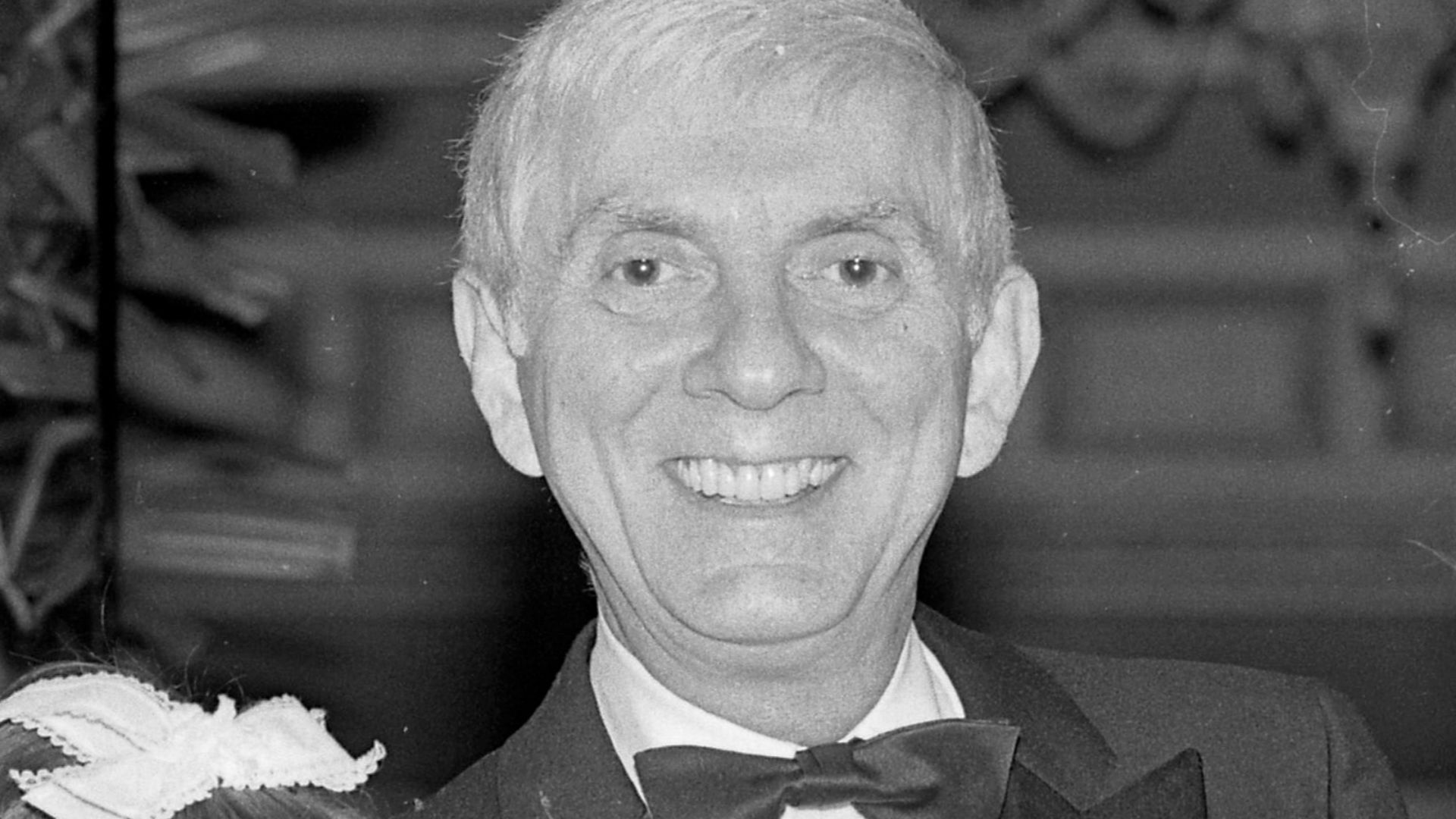
That breakthrough arrived when producer Aaron Spelling cast Cole in The Mod Squad. The new ABC series needed young actors who looked believable as members of the generation it hoped to portray. Landing the role gave Cole his first starring television part and the opportunity that would define his career.
 Monica Almeida, Los Angeles Times, Wikimedia Commons
Pete Cochran Was An Unusual Television Hero
Cole played Pete Cochran, a wealthy young man who had rebelled against his privileged upbringing. After being arrested for stealing a car, Pete accepted an offer to work undercover instead of serving jail time. His background made him very different from the police officers audiences usually saw on television.
 ABC Television, Wikimedia Commons
The Cast Reflected A New America
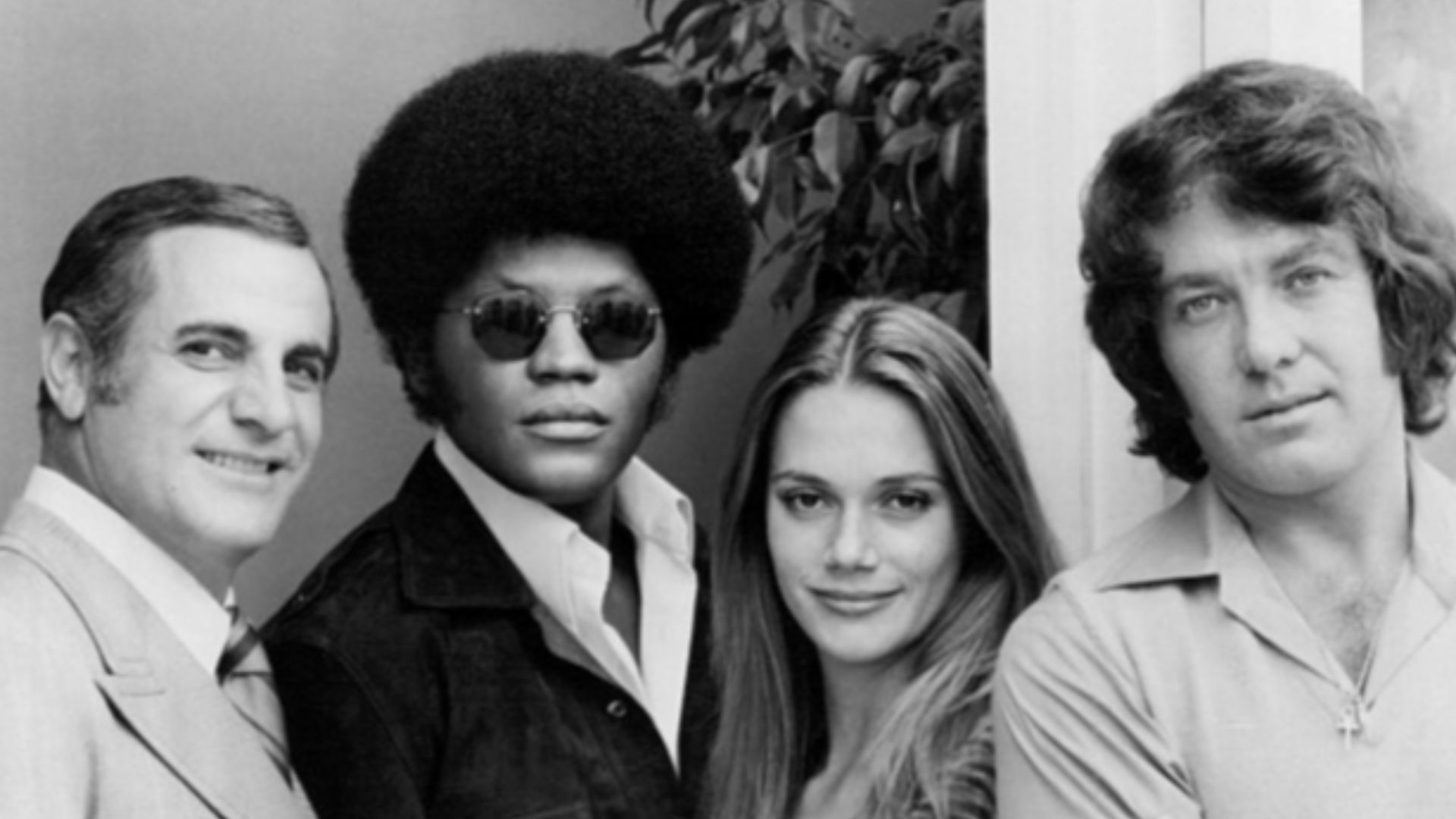
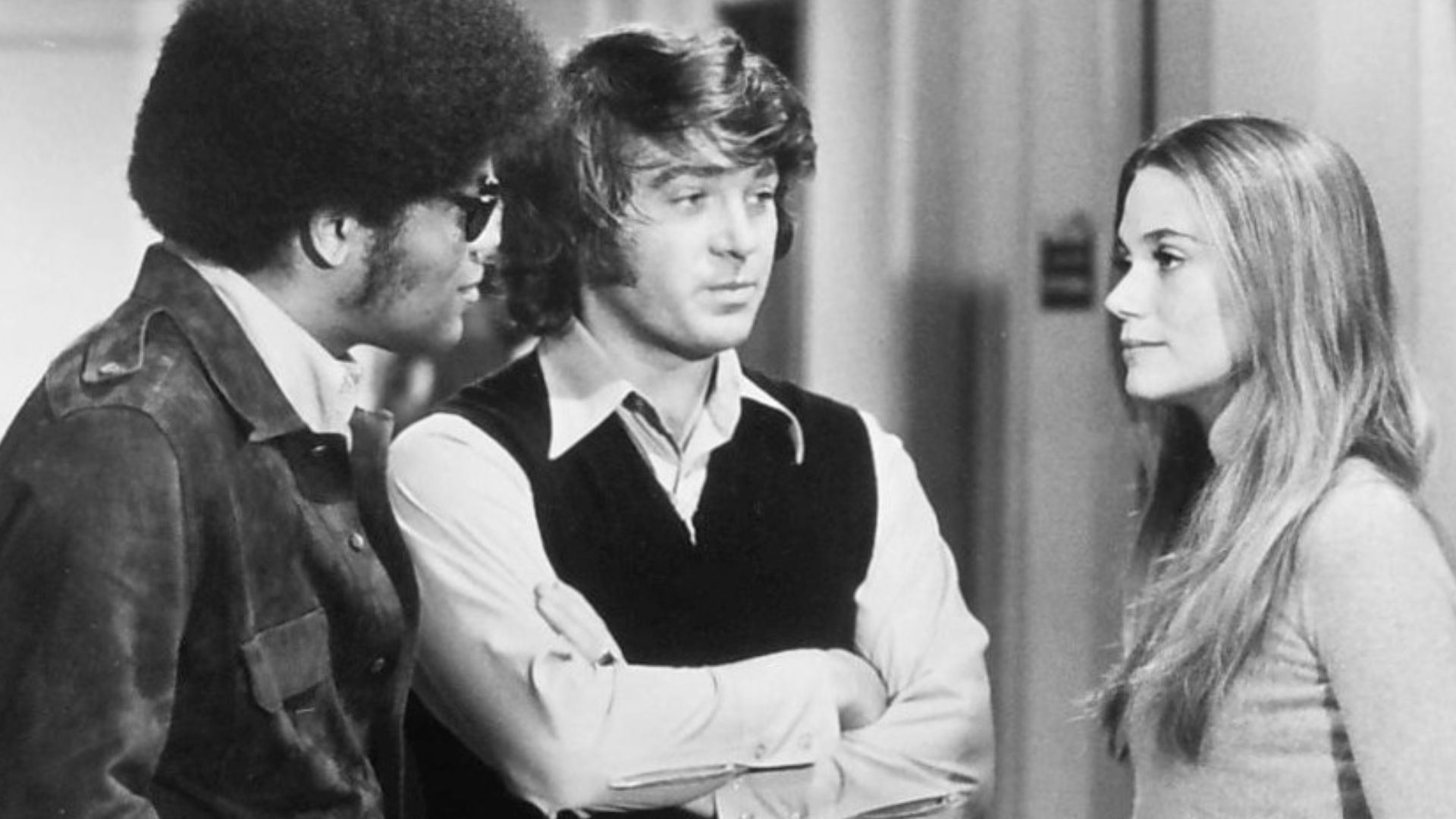
Pete worked alongside Lincoln Hayes, played by Clarence Williams III, and Julie Barnes, played by Peggy Lipton. The three young investigators came from completely different backgrounds but relied on one another as partners. Their friendship became the emotional center of the series.
 ABC Television, Wikimedia Commons
Youth Culture Became Prime Time Entertainment
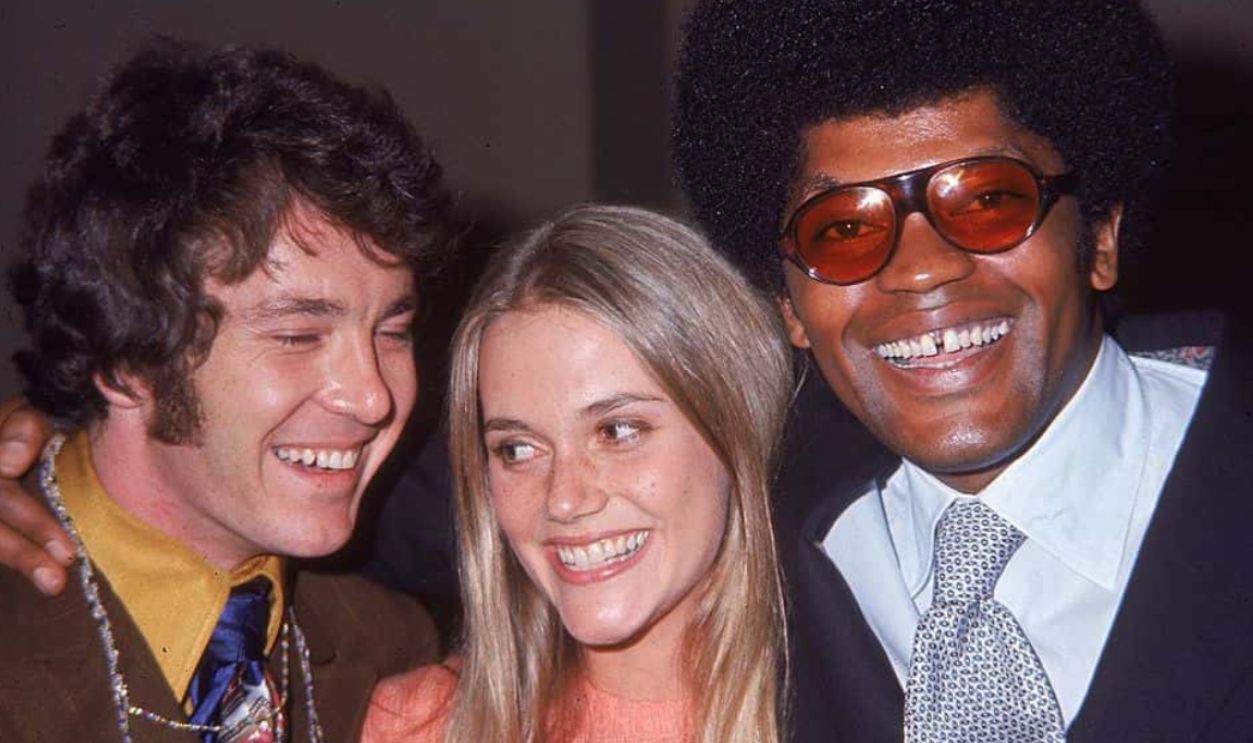
Most television dramas of the era focused on older authority figures. The Mod Squad instead embraced long hair, contemporary music, modern fashion, and youthful attitudes. The series presented these elements as part of everyday American life rather than treating them as passing trends.
 Fotos International, Getty Images
Cole Nearly Passed On The Role
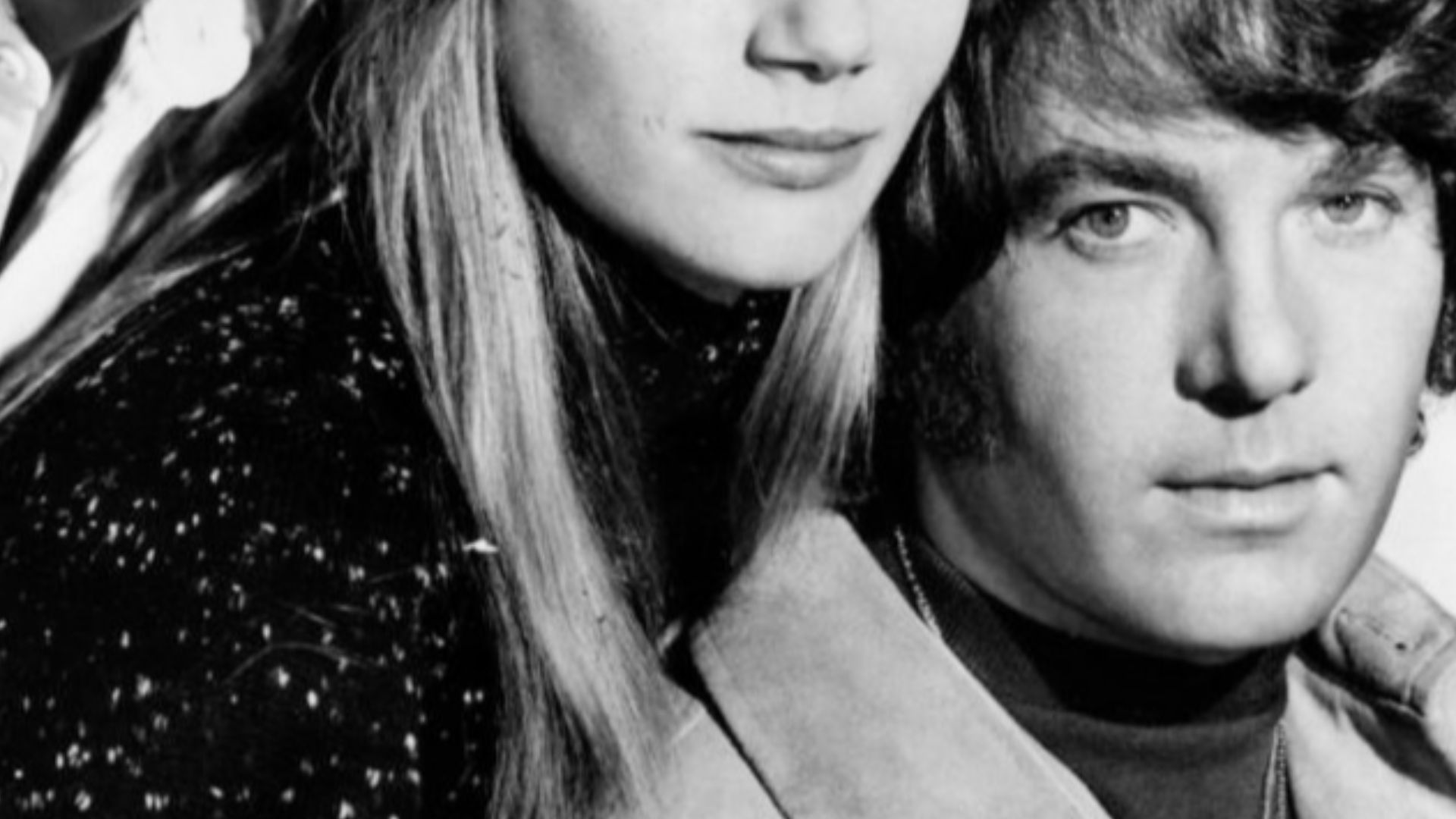
Michael Cole later admitted he initially hesitated to accept the part. He worried Pete would simply become someone who informed on other young people. Producer Aaron Spelling convinced him that the characters would instead protect vulnerable people from criminals who exploited them.
 ABC Television, Wikimedia Commons
Pete Lived Between Two Worlds
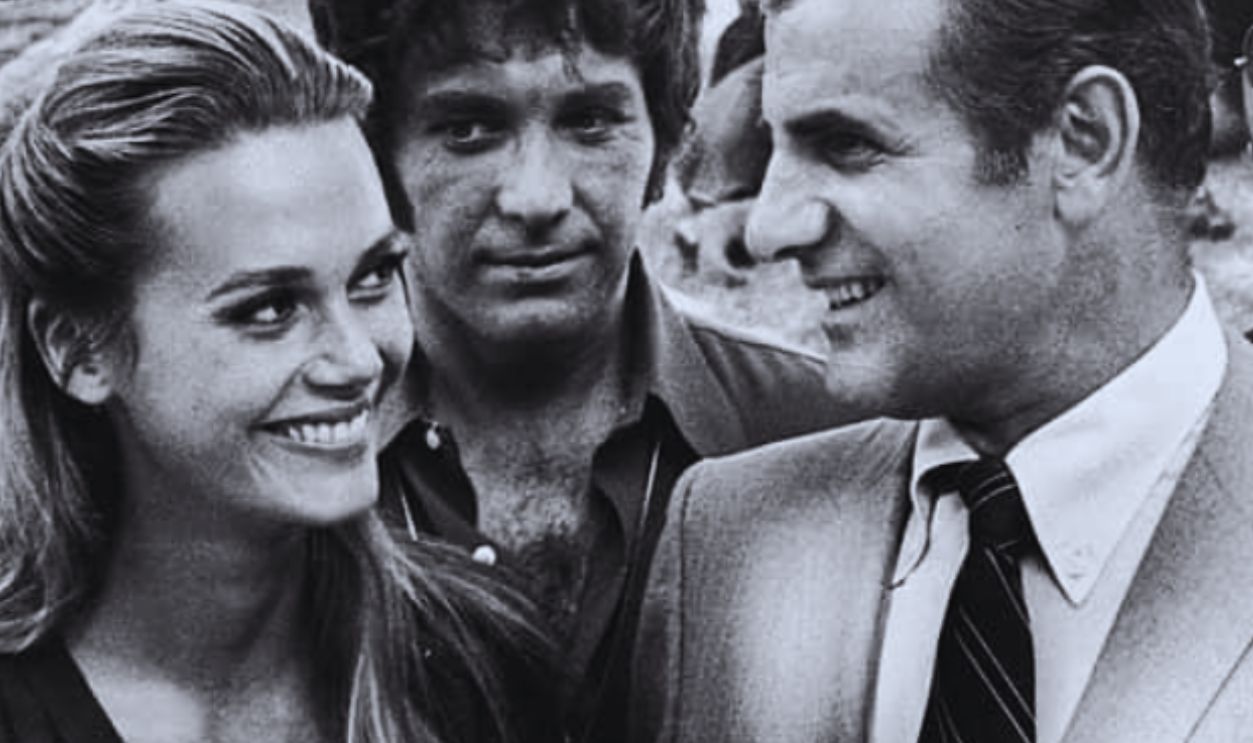
Pete understood both wealthy society and the growing counterculture. That unique perspective allowed him to move convincingly between very different worlds during undercover assignments. Cole's performance emphasized that inner conflict throughout the series.
His Appearance Changed Television Expectations
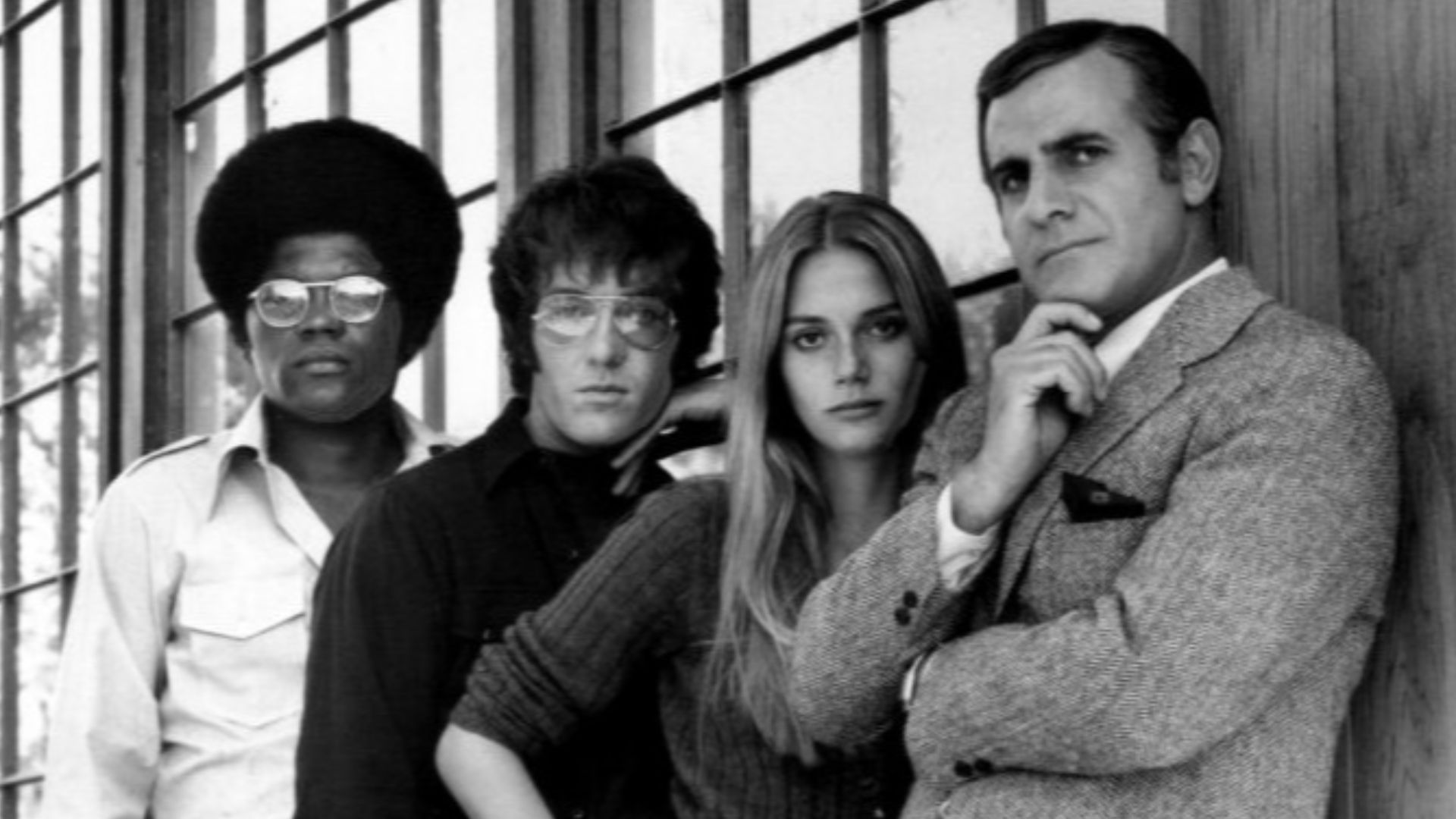
Cole's long hair, casual clothes, and relaxed style looked dramatically different from earlier television detectives. Audiences immediately recognized Pete as someone who belonged to a younger generation. His appearance helped redefine what a television hero could look like.
 ABC Television, Wikimedia Commons
The Stories Reflected Real Headlines
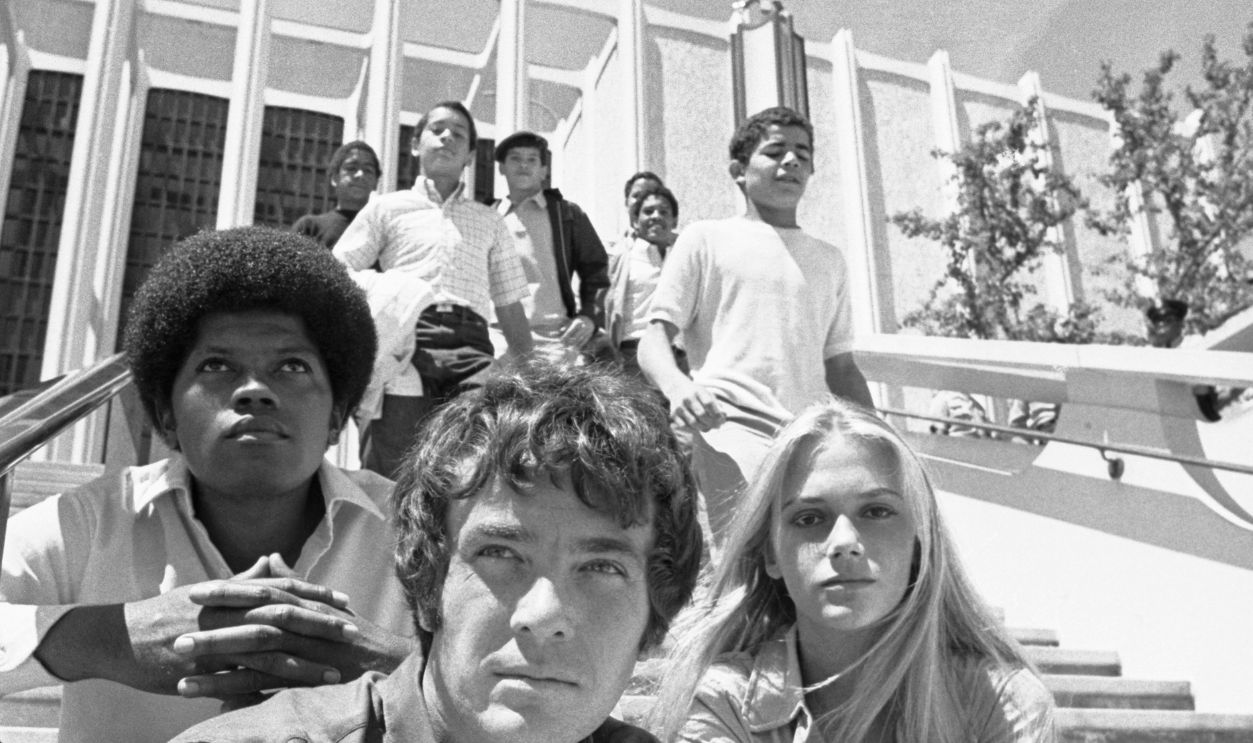
Many episodes addressed issues that dominated American news. The series explored racism, substance abuse, student protests, organized crime, and returning Vietnam veterans. While still a network drama, it attempted to engage with subjects many shows avoided.
Clarence Williams III Brought Quiet Strength
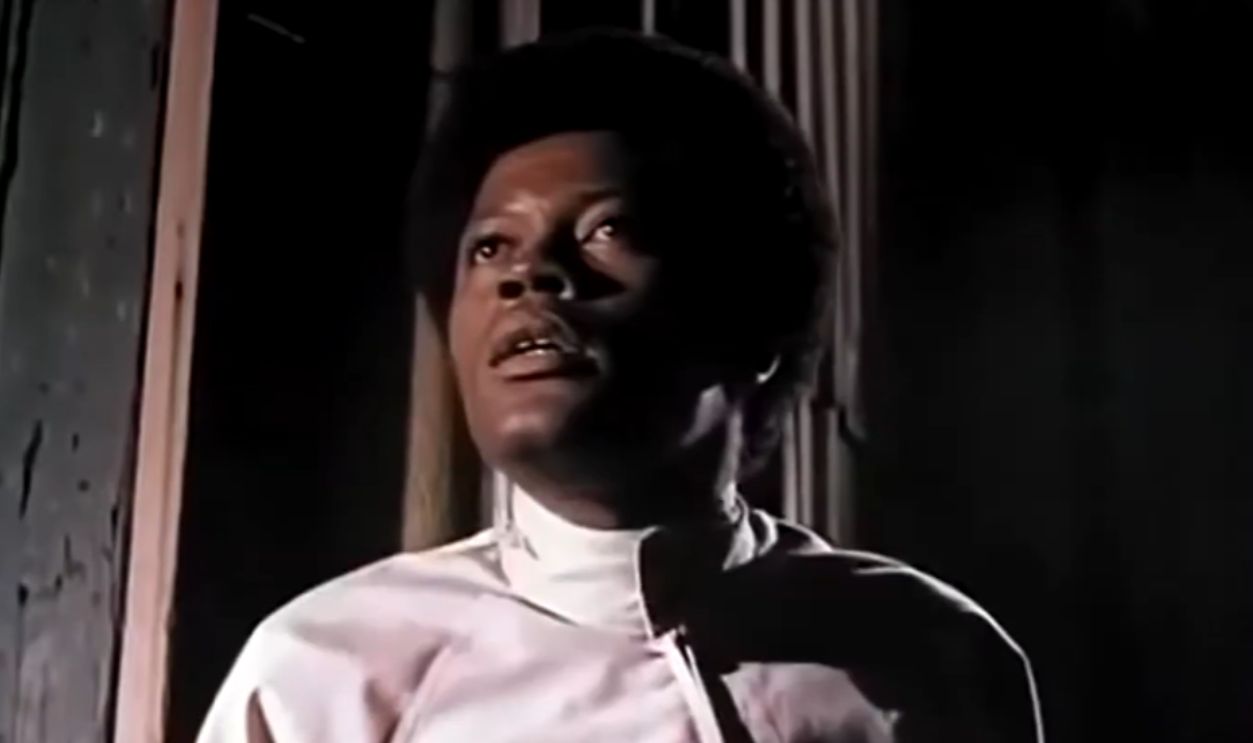
Williams portrayed Lincoln Hayes with intelligence, confidence, and calm authority. His performance balanced Pete's emotional intensity. Together, the two actors created one of television's most memorable partnerships.
 Screenshot from The Mod Squad, Paramount Global (1968-1973)
Peggy Lipton Added Heart
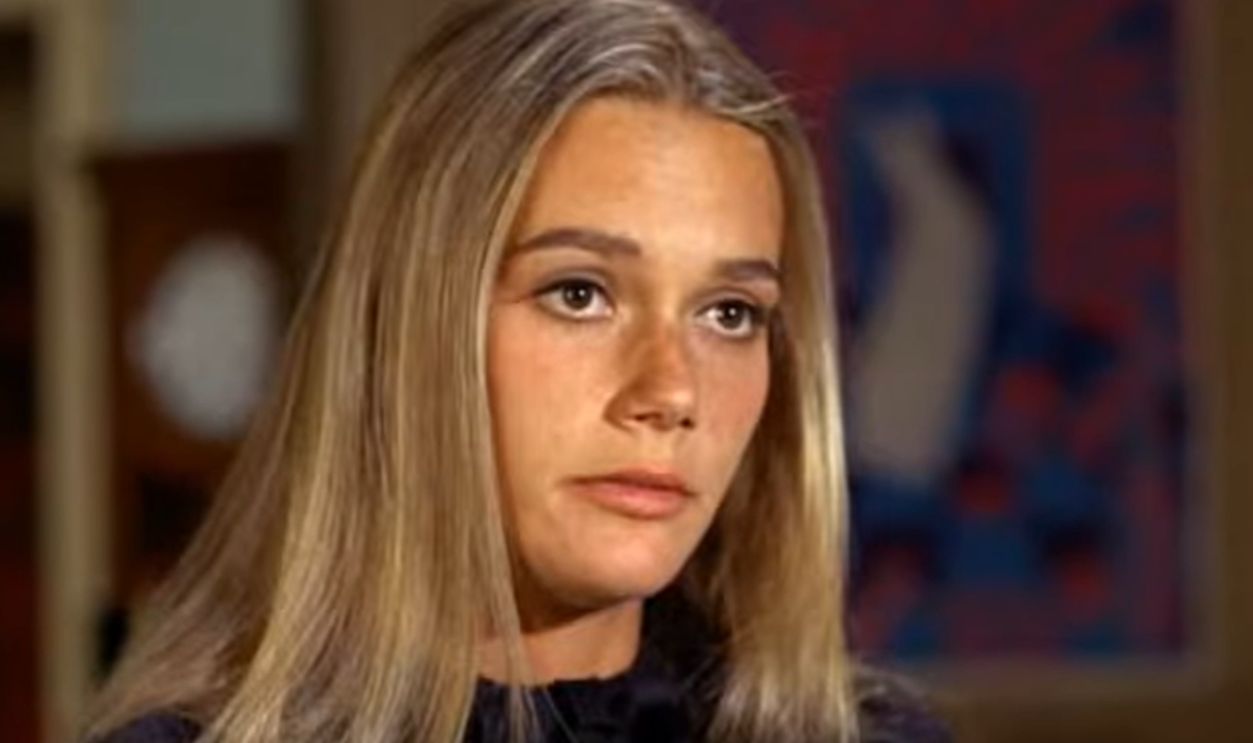
Julie Barnes provided empathy and emotional intelligence to the team. Peggy Lipton played the character with warmth that complemented her partners' tougher personalities. The trio felt balanced because each brought something different to every investigation.
 Screenshot from The Mod Squad, Paramount Global (1968-1973)
Aaron Spelling Took A Creative Risk
Producer Aaron Spelling recognized that younger audiences wanted stories reflecting their own experiences. Rather than copying older detective shows, he created a police series built around generational conflict. The gamble became one of ABC's biggest successes.
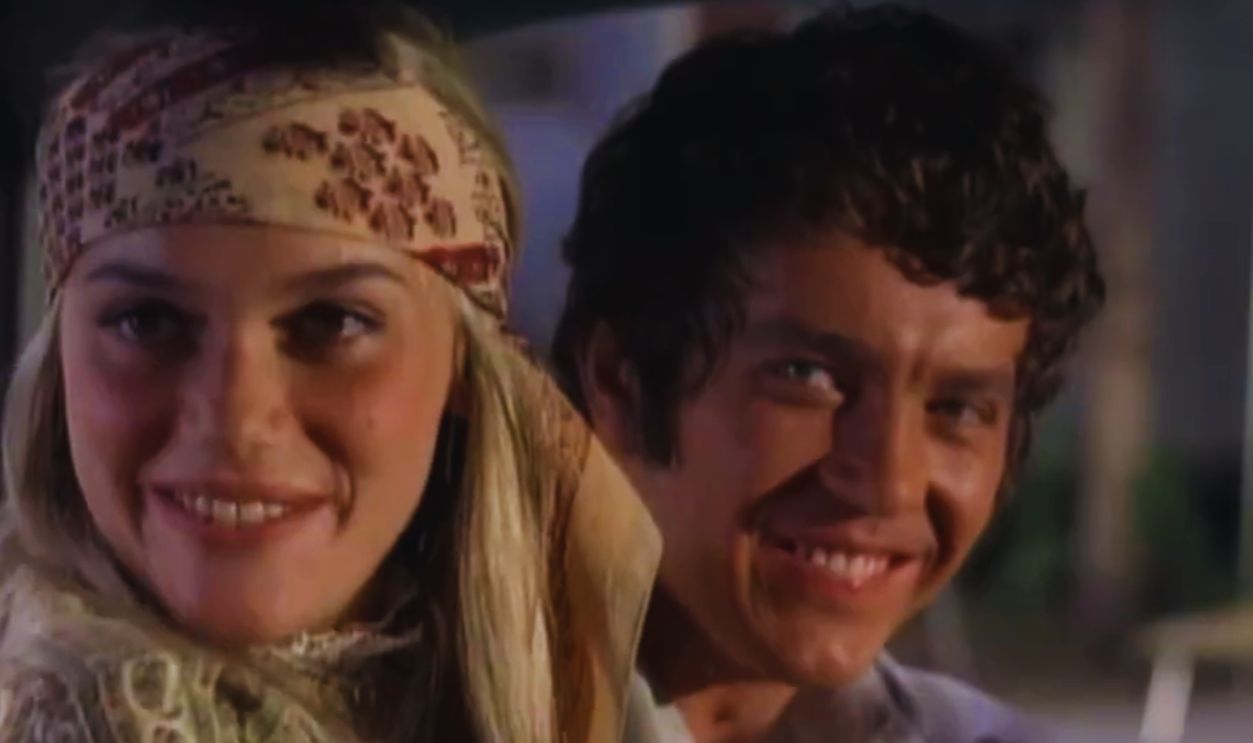 Screenshot from The Mod Squad, Paramount Global (1968-1973)
Pete Was A Rebel With A Badge
Unlike traditional police officers, Pete often questioned authority and challenged expectations. He worked with the police while maintaining the attitude of someone who had once distrusted the system. That contradiction made him an especially interesting character.
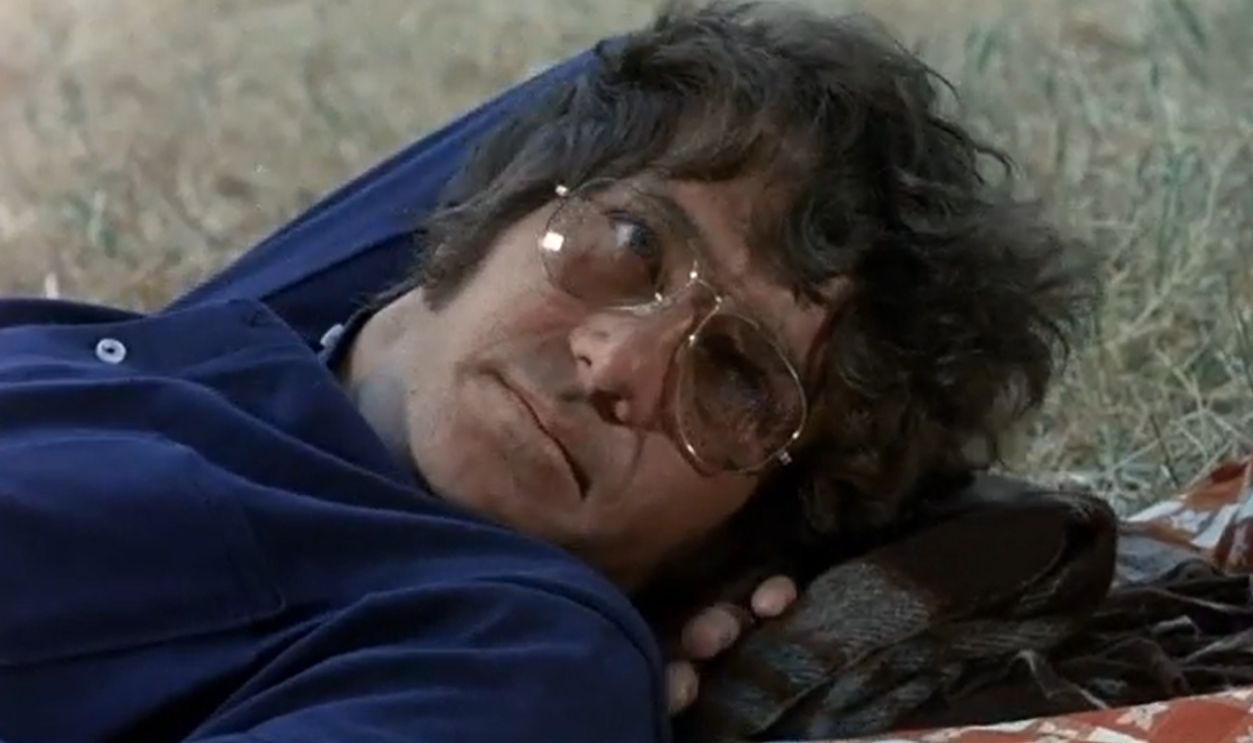 Screenshot from The Mod Squad, Paramount Global (1968-1973)
The Show Balanced Entertainment And Social Issues
Although The Mod Squad tackled serious subjects, it remained an accessible weekly drama. Suspense, action, and character relationships kept audiences engaged. The social commentary rarely overwhelmed the storytelling.
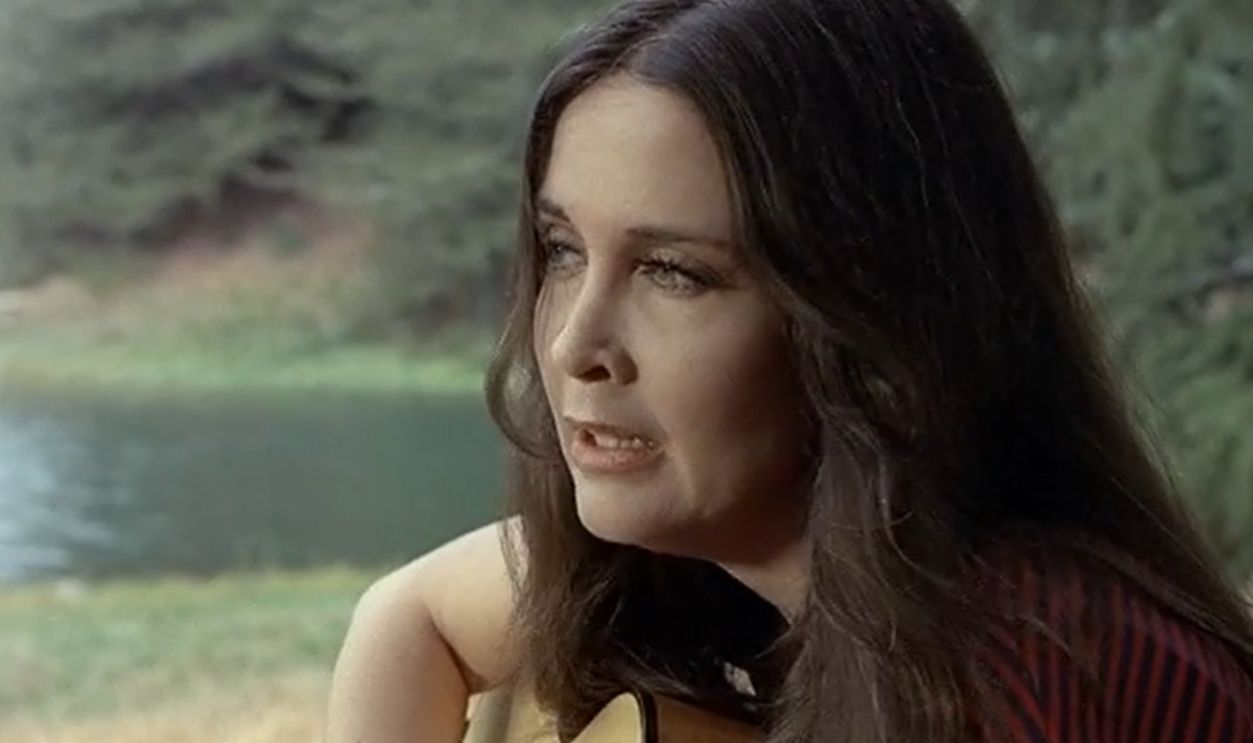 Screenshot from The Mod Squad, Paramount Global (1968-1973)
Fashion Became Part Of The Message
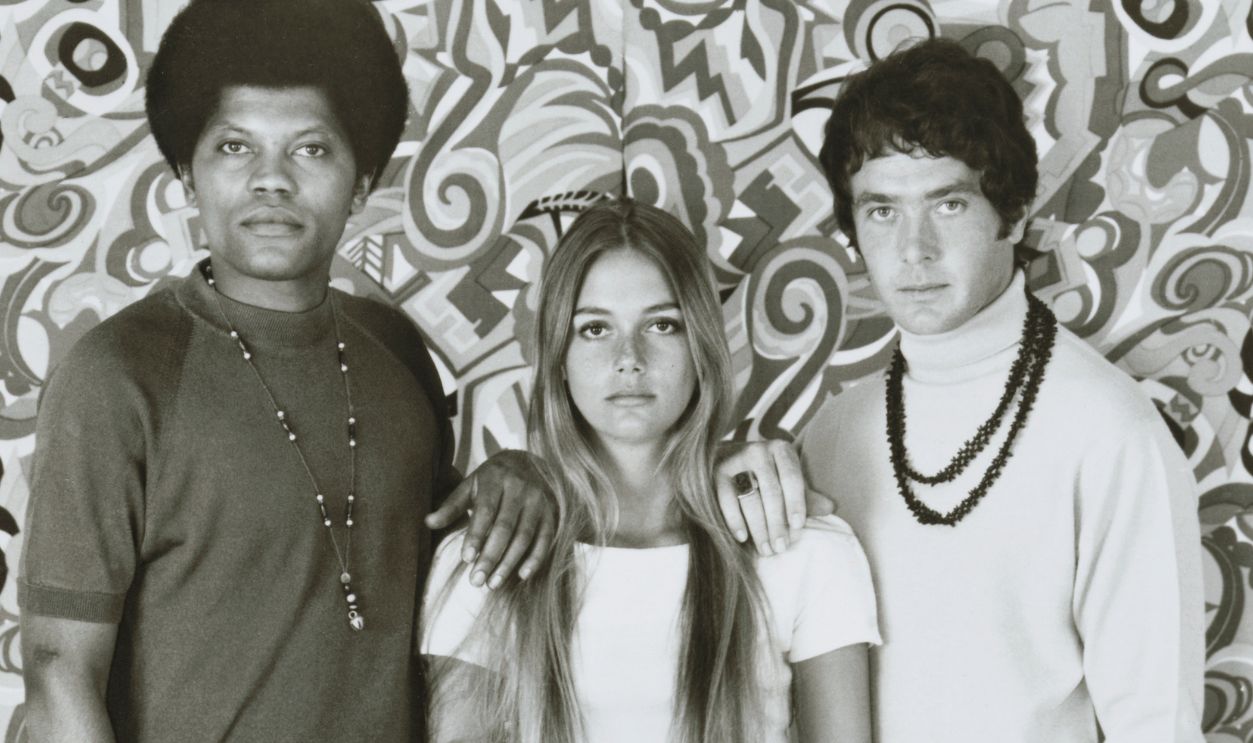
The clothing worn by the cast reflected the era's changing styles. Leather jackets, boots, colorful shirts, and longer hairstyles made the characters feel contemporary. Their appearance became almost as recognizable as the show's stories.
Young Viewers Saw Someone They Recognized
Pete was not presented as a perfect hero. He struggled with anger, uncertainty, and family conflict while trying to make better choices. Those qualities made him relatable to many younger viewers.
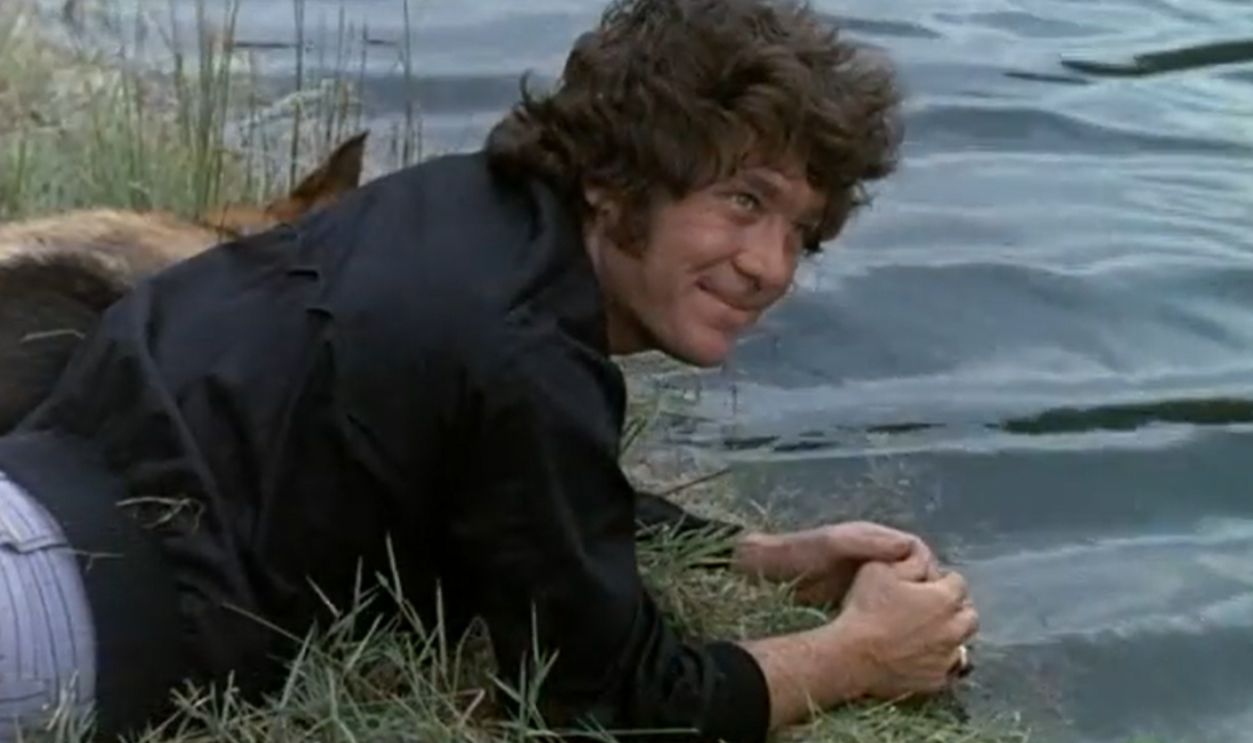 Screenshot from The Mod Squad, Paramount Global (1968-1973)
Older Audiences Found Him Easy To Support
Although Pete challenged authority, he also believed in helping others. His work with Captain Adam Greer showed that generations could cooperate despite their differences. That balance helped the show appeal to a wide audience.
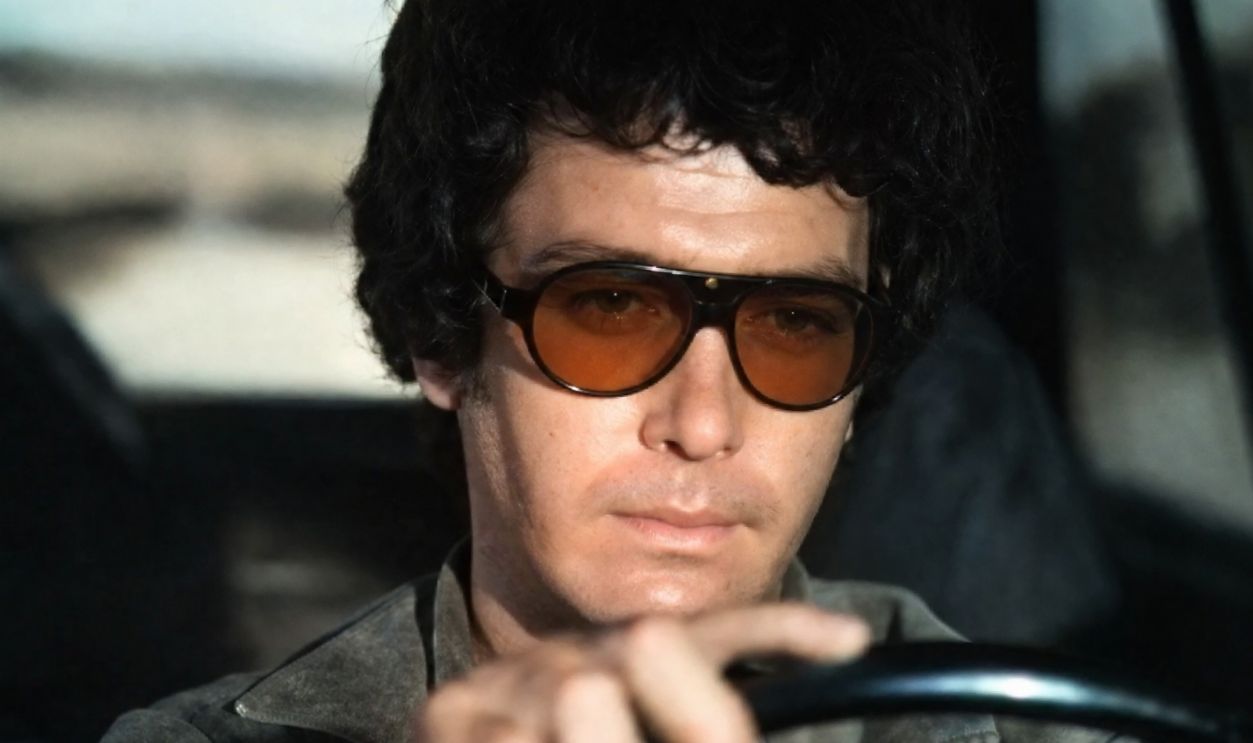 Screenshot from The Mod Squad, Paramount Global (1968-1973), enhanced
Michael Cole Became A Television Celebrity
The popularity of The Mod Squad quickly made Cole one of television's best-known young actors. His photographs appeared regularly in magazines and promotional campaigns. For many viewers, he became closely identified with the changing culture of the late 1960s.
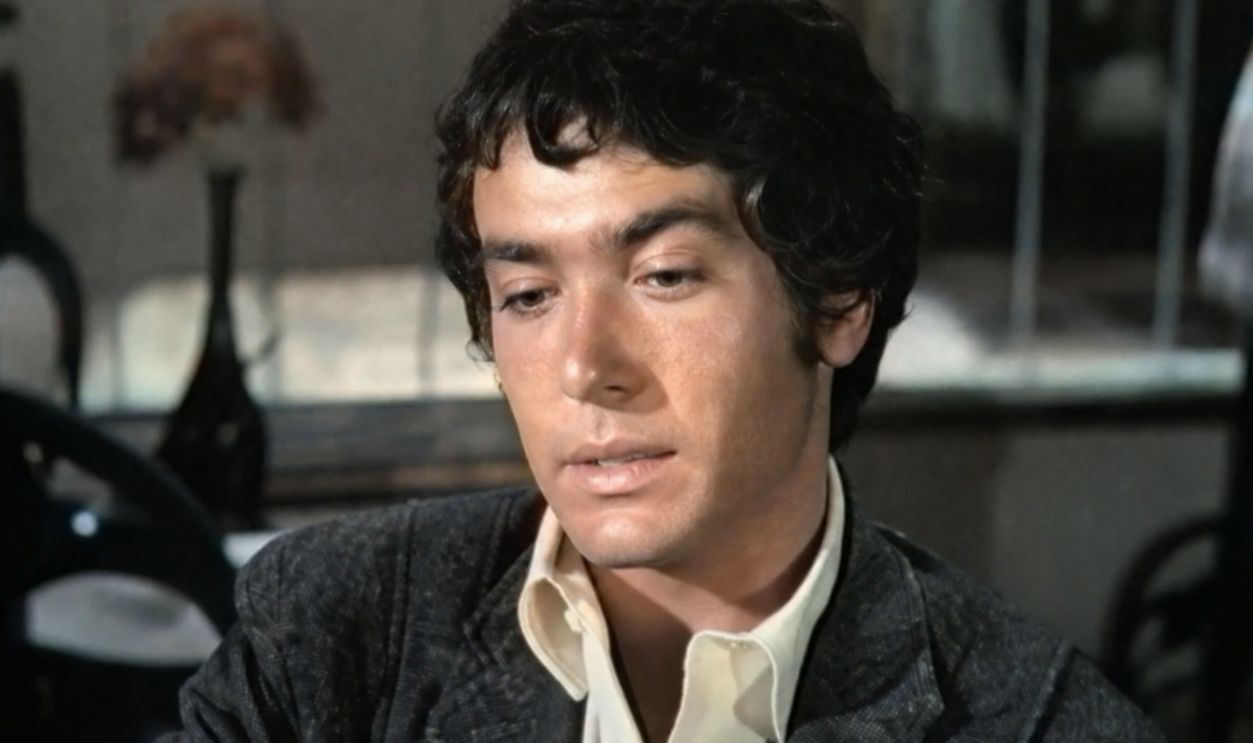 Screenshot from The Mod Squad, Paramount Global (1968-1973), enhanced
Success Lasted Five Seasons
The Mod Squad remained on ABC until 1973. Its strong ratings proved audiences were ready for a different type of police drama. The series also influenced later shows that featured younger and less conventional investigators.
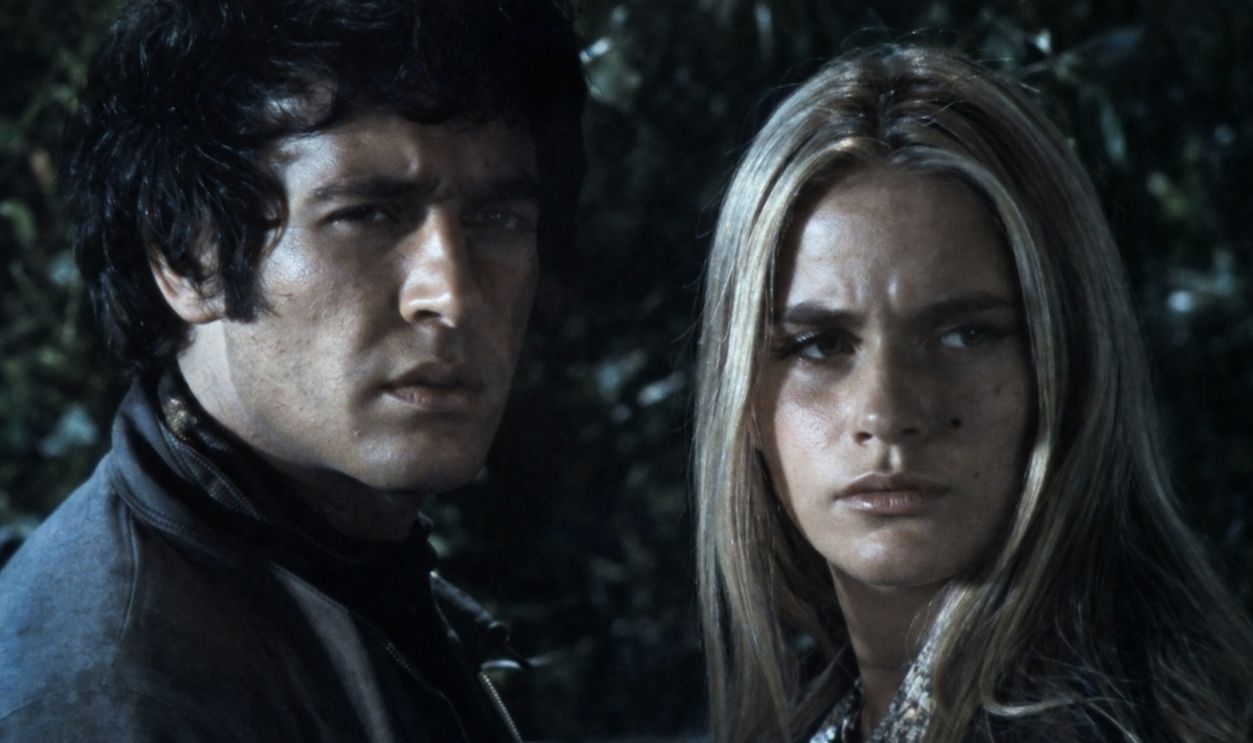 Screenshot from The Mod Squad, Paramount Global (1968-1973), enhanced
The Famous Slogan Became Part Of Television History
ABC promoted the series with the phrase, "One black, one white, one blonde." The slogan reflected the network's effort to emphasize the diversity of its three stars. Cole later referenced that marketing in the title of his memoir, I Played The White Guy.
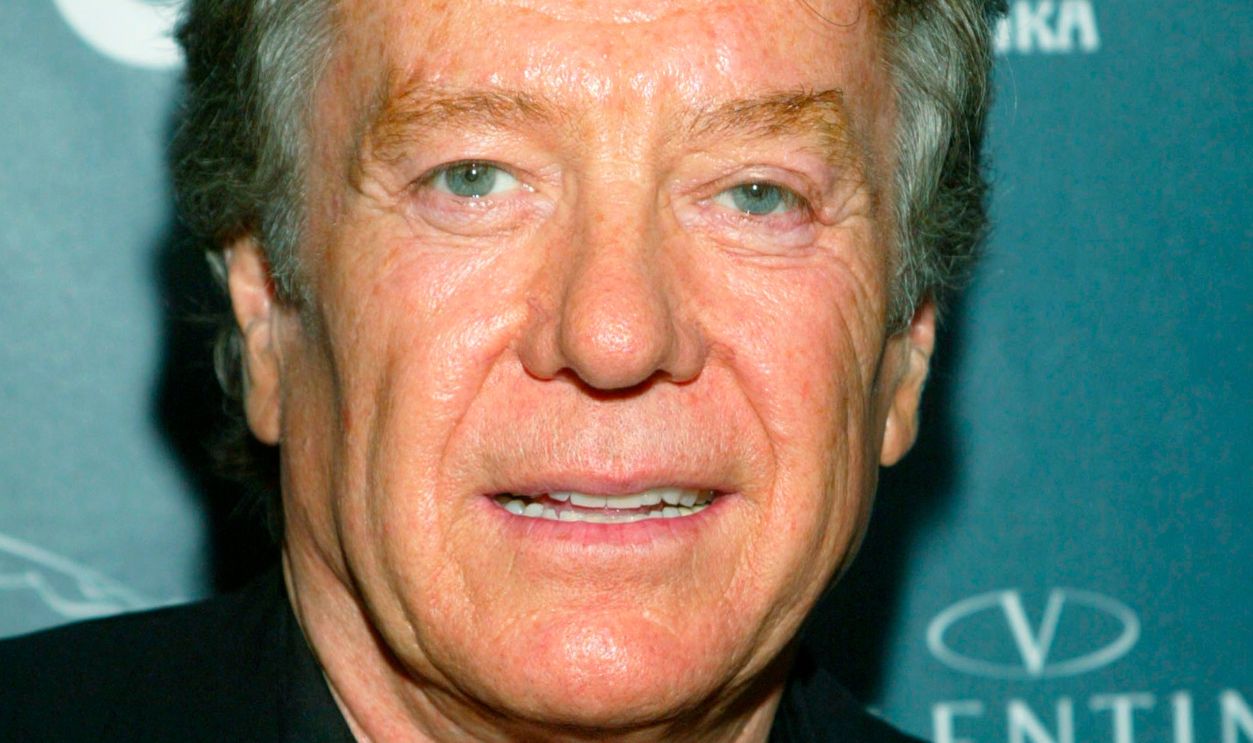
Life After The Mod Squad
Following the series, Cole continued working steadily in television. He appeared on shows including Wonder Woman, Fantasy Island, The Love Boat, Murder, She Wrote, and General Hospital. While he never matched the fame of Pete Cochran again, he remained a familiar face for decades.
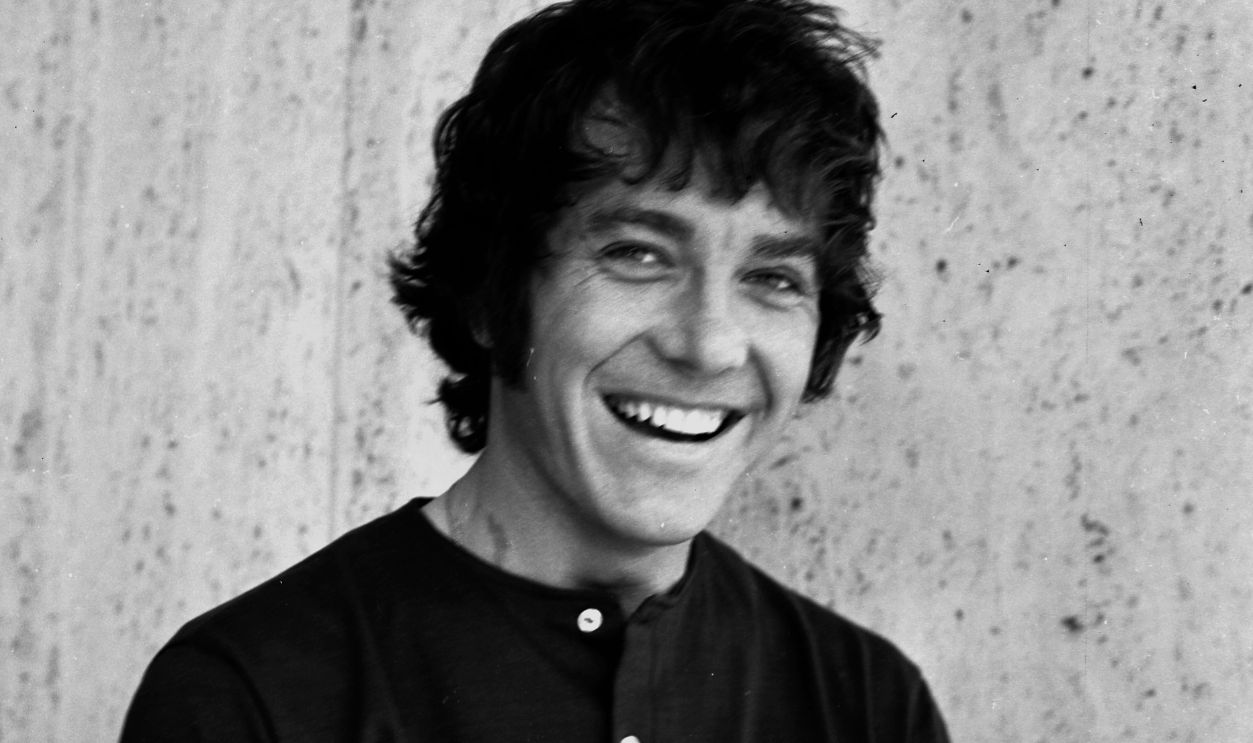 Michael Ochs Archives, Getty Images
The Cast Reunited Years Later
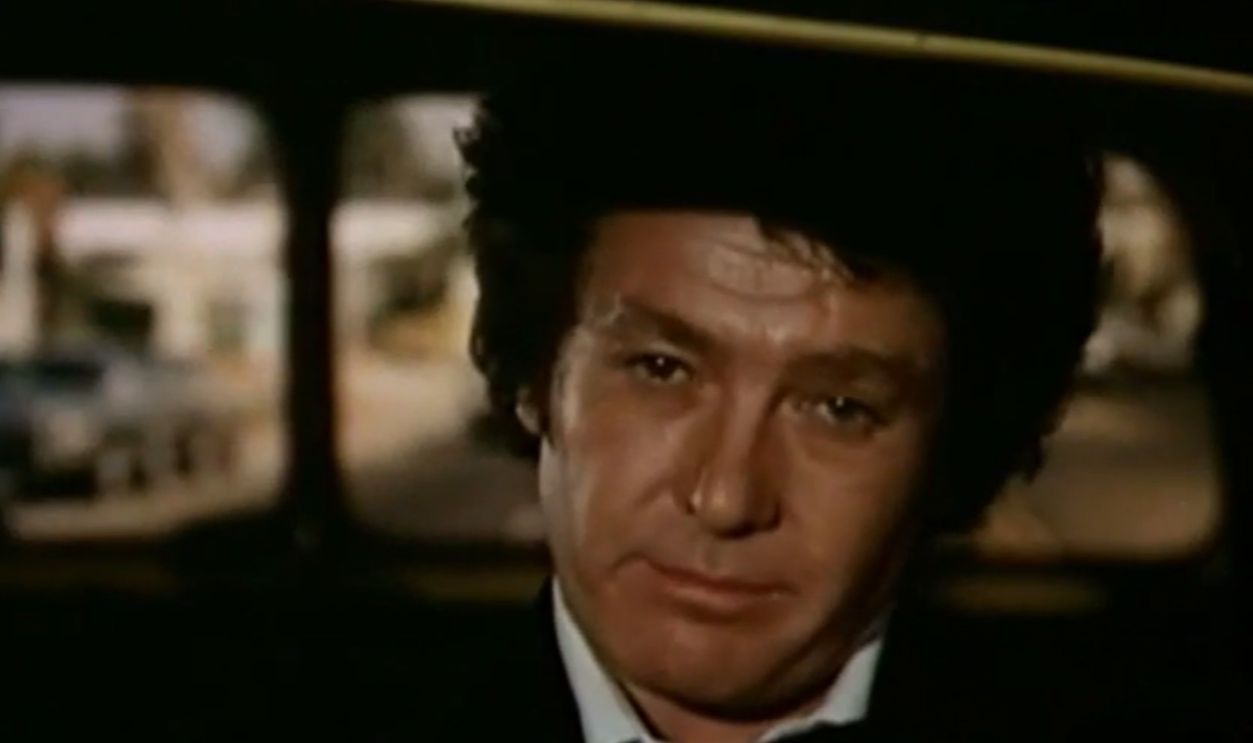
The original stars returned for the 1979 television movie The Return Of The Mod Squad. The reunion reminded audiences how closely the actors remained connected with their famous roles. It also highlighted the affection viewers still had for the original series.
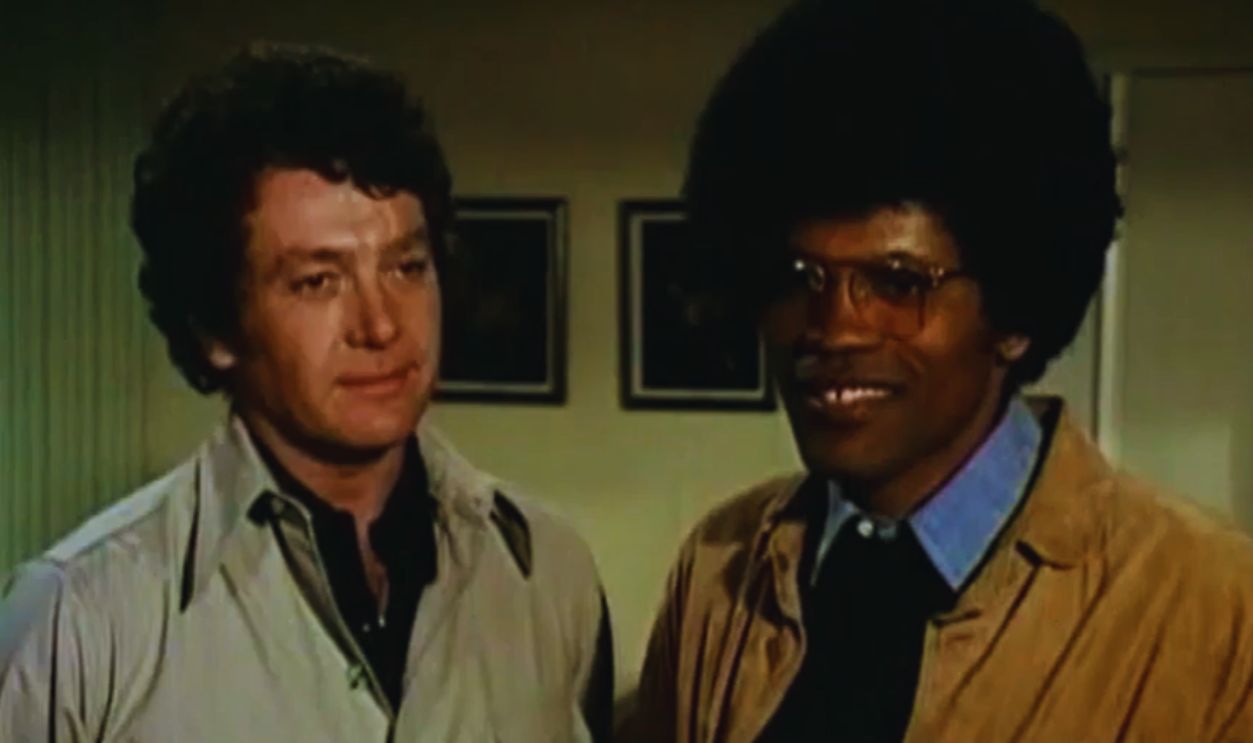 Screenshot from The Return of Mod Squad, Paramount Global (1979)
Cole Eventually Appreciated His Legacy
As the years passed, Cole became increasingly proud of The Mod Squad. He recognized that the series had helped television address social issues in new ways. What once seemed like another acting job became the defining role of his career.
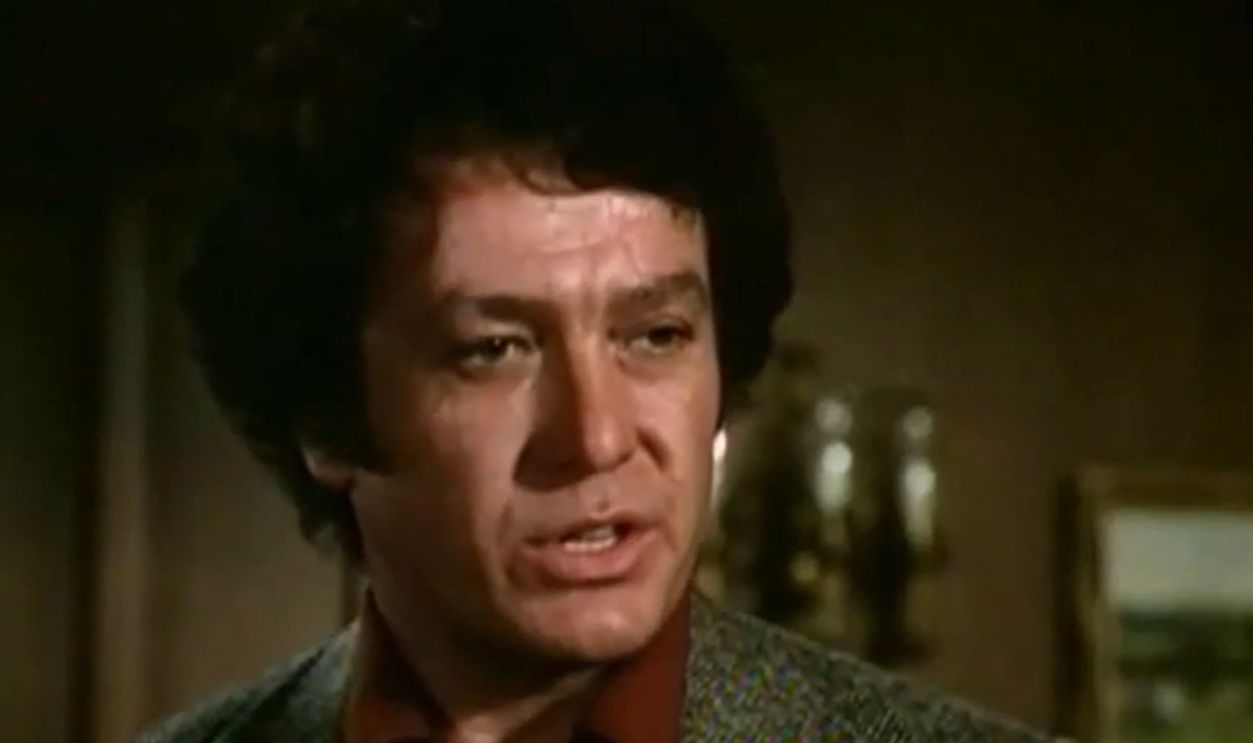 Screenshot from The Return of Mod Squad, Paramount Global (1979)
His Influence Reached Beyond One Series
Modern television dramas featuring young investigators, diverse casts, and contemporary social themes owe something to The Mod Squad. The show demonstrated that audiences would embrace characters who reflected current events. Cole's performance played a major role in that success.
 Screenshot from The Return of Mod Squad, Paramount Global (1979)
An Unlikely Symbol Of A Generation
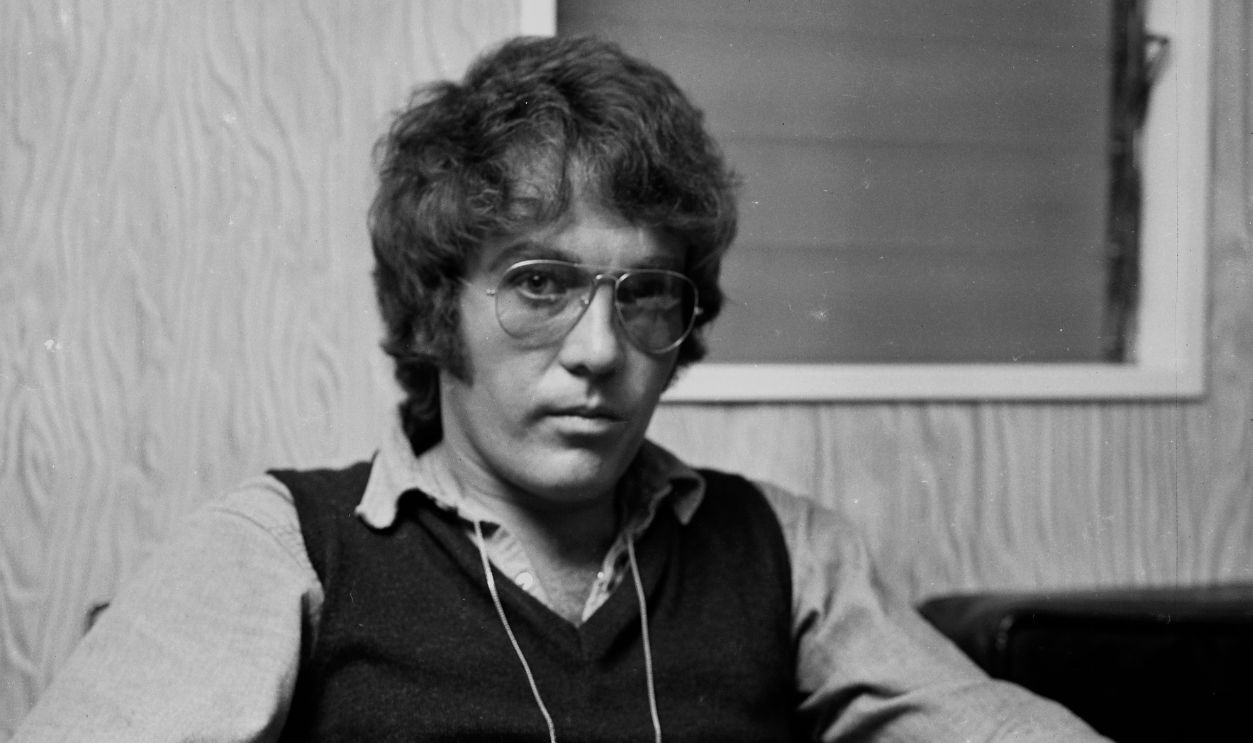
Michael Cole never set out to become the face of 1960s youth culture. Yet through Pete Cochran, he gave millions of viewers a hero who looked, dressed, and thought differently from television's traditional leading men. That unlikely combination helped make both the actor and The Mod Squad lasting parts of television history.
 Michael Ochs Archives, Getty Images
You May Also Like:
The Most Memorable Guest Stars In 1960s TV
How Peter Graves Built A Television Career That Lasted More Than 50 Years
Why Charlie’s Angels Star Kate Jackson Turned Her Back On Hollywood