A New Face For A New Era
When The Mod Squad premiered in 1968, television was beginning to reflect the enormous cultural shifts happening across America. At the center of that change stood Peggy Lipton, whose portrayal of Julie Barnes captured the optimism, uncertainty, and independence of an emerging generation. Her performance quickly turned her into one of the defining television stars of the late 1960s.
 ABC Television, Wikimedia Commons
From Long Island To Hollywood
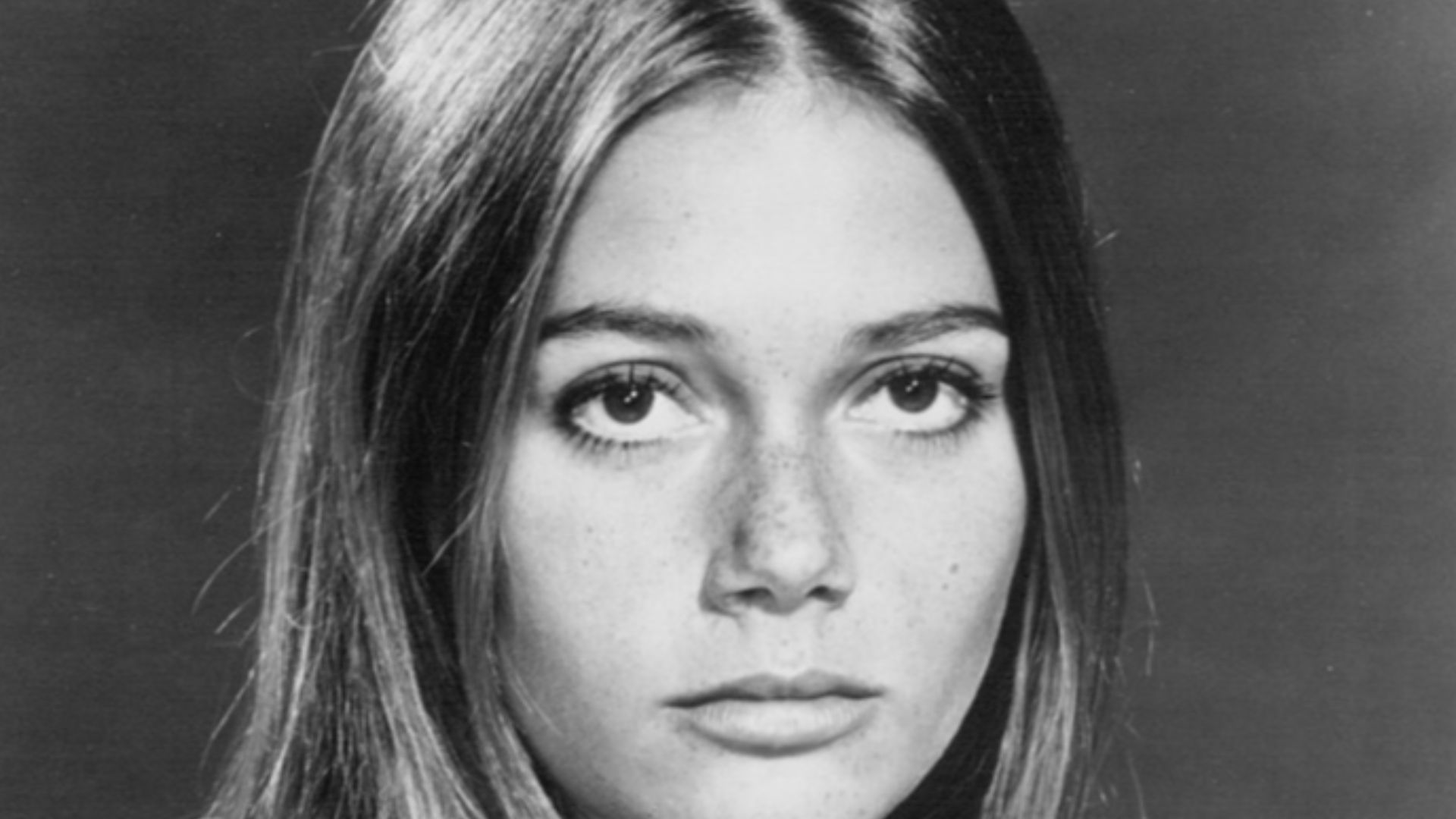
Born Margaret Ann Lipton in New York City in 1946, Lipton grew up on Long Island before beginning a modeling career as a teenager. After her family relocated to Los Angeles, she started landing guest appearances on popular television shows. Those early roles helped prepare her for the career-defining opportunity that soon followed.
Landing The Role Of Julie Barnes
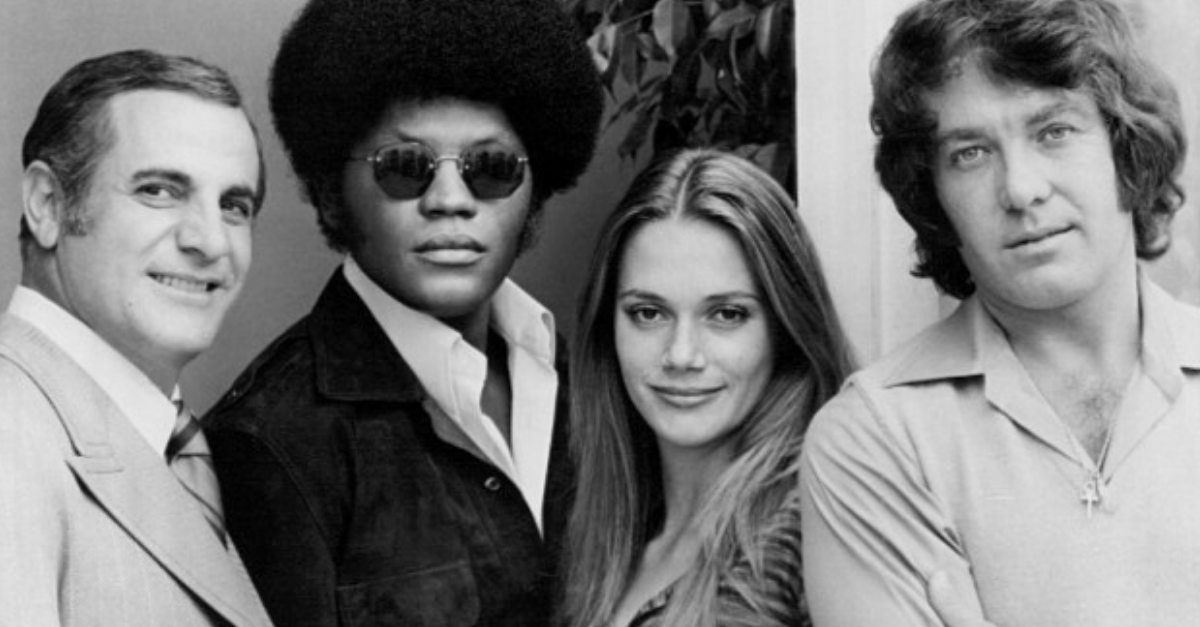
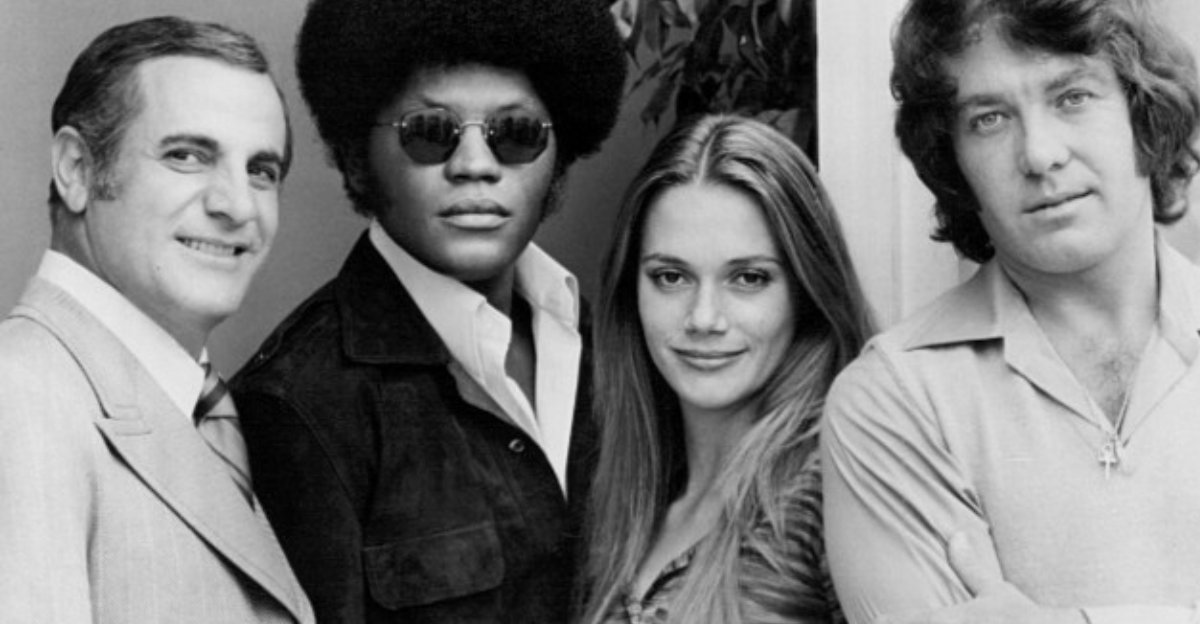
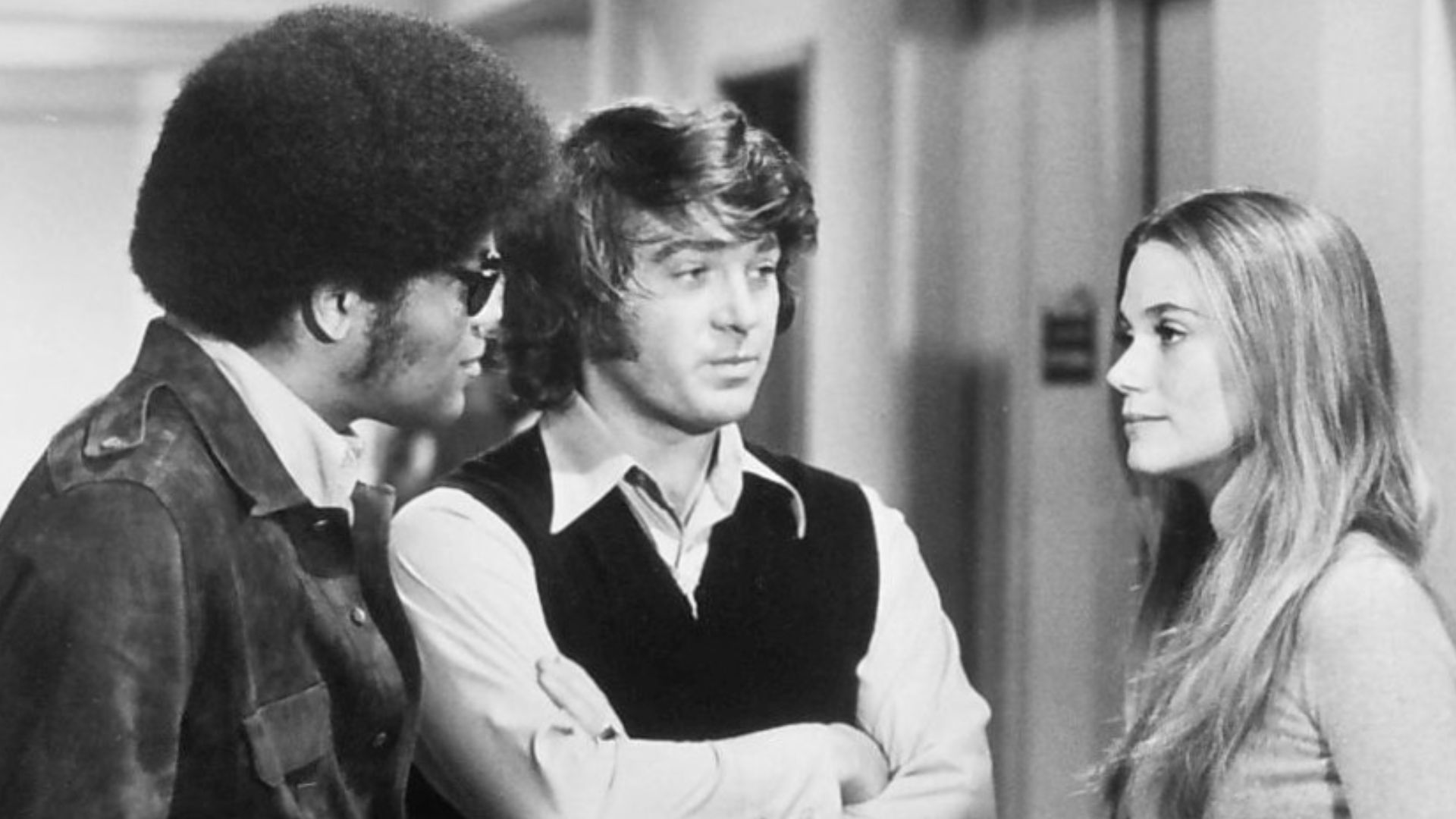
ABC cast Lipton as Julie Barnes, one of three troubled young adults recruited to work undercover. Alongside Michael Cole and Clarence Williams III, she formed a trio unlike anything audiences had previously seen on network television. The show's youthful perspective immediately distinguished it from traditional dramas.
 ABC Television, Wikimedia Commons
A Different Kind Of Series
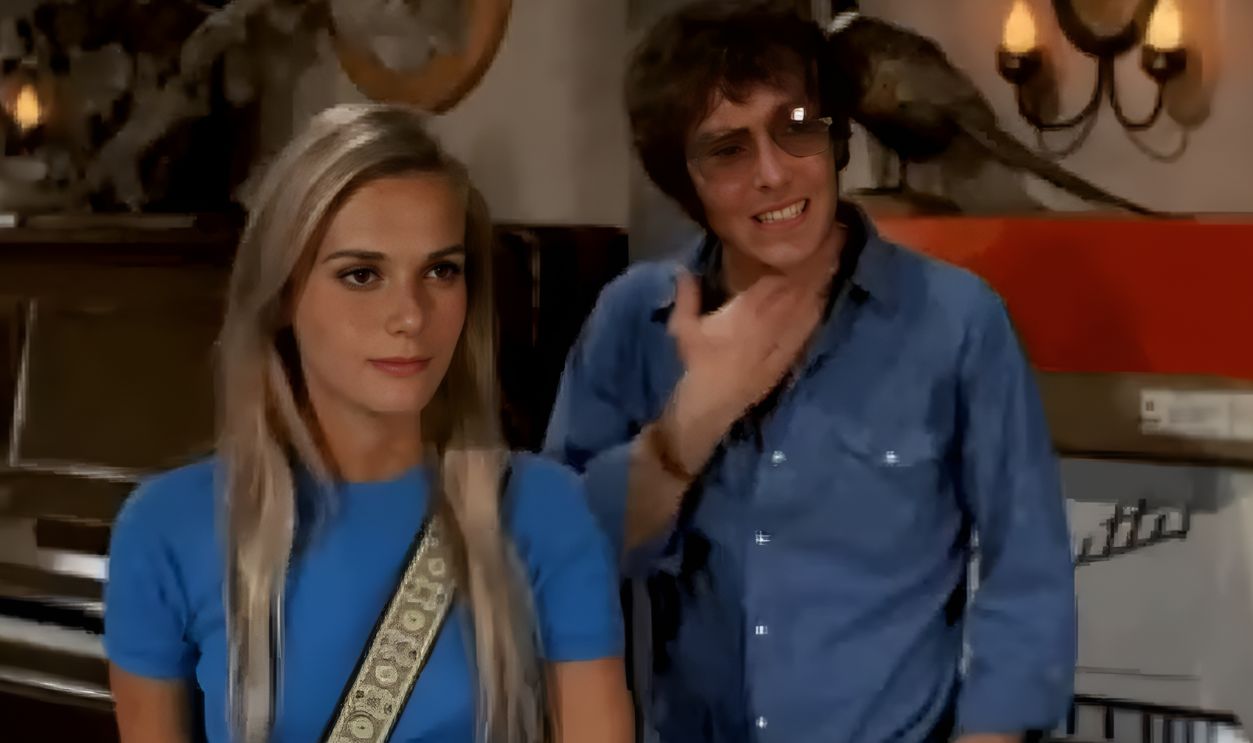
Rather than focusing only on detectives and criminals, The Mod Squad explored the generation gap, social unrest, prejudice, poverty, and youth culture. The series frequently tackled contemporary issues while maintaining its action format. That balance helped it appeal to both younger and older viewers.
 Screenshot from The Mod Squad, ABC (1968–1973), Modified
Julie Barnes Wasn't A Typical TV Heroine
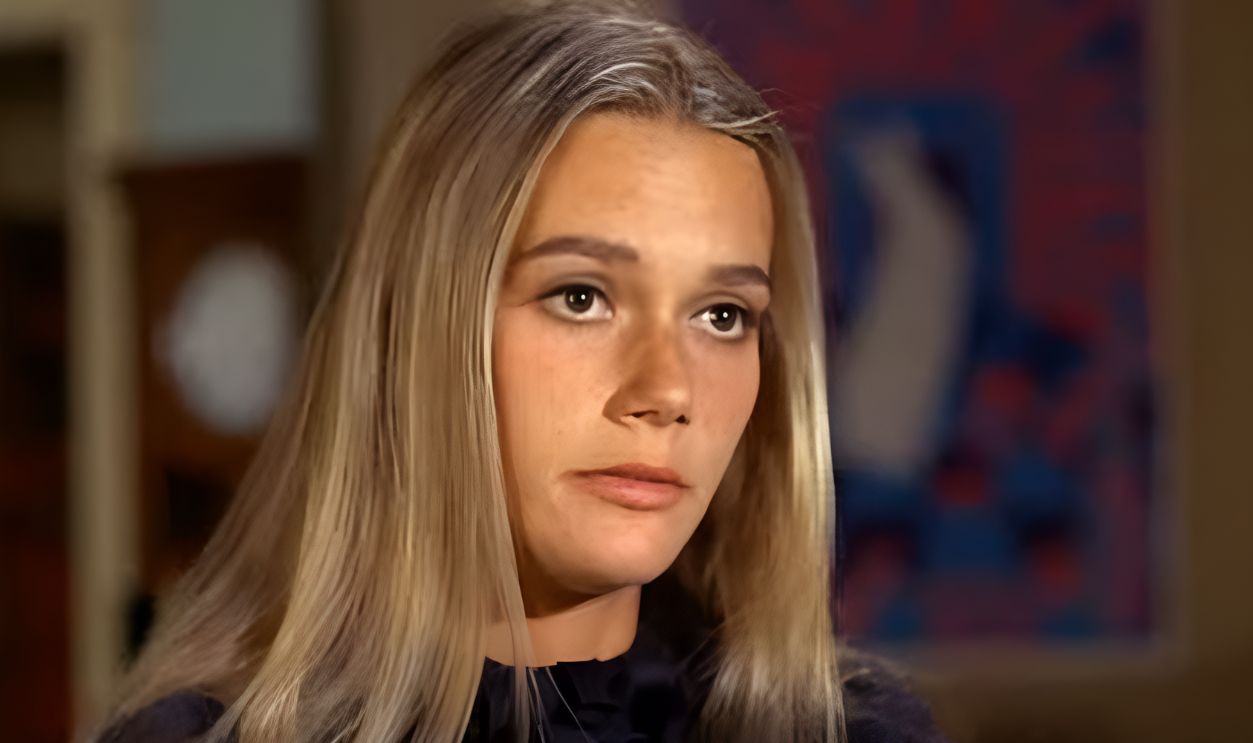
Julie Barnes wasn't written as a damsel in distress or simply a supporting character. She regularly participated in dangerous investigations, made difficult decisions, and stood alongside her male partners as an equal. For many viewers, she represented a more modern vision of women on television.
 Screenshot from The Mod Squad, ABC (1968–1973), Modified
Fashion Helped Build The Character
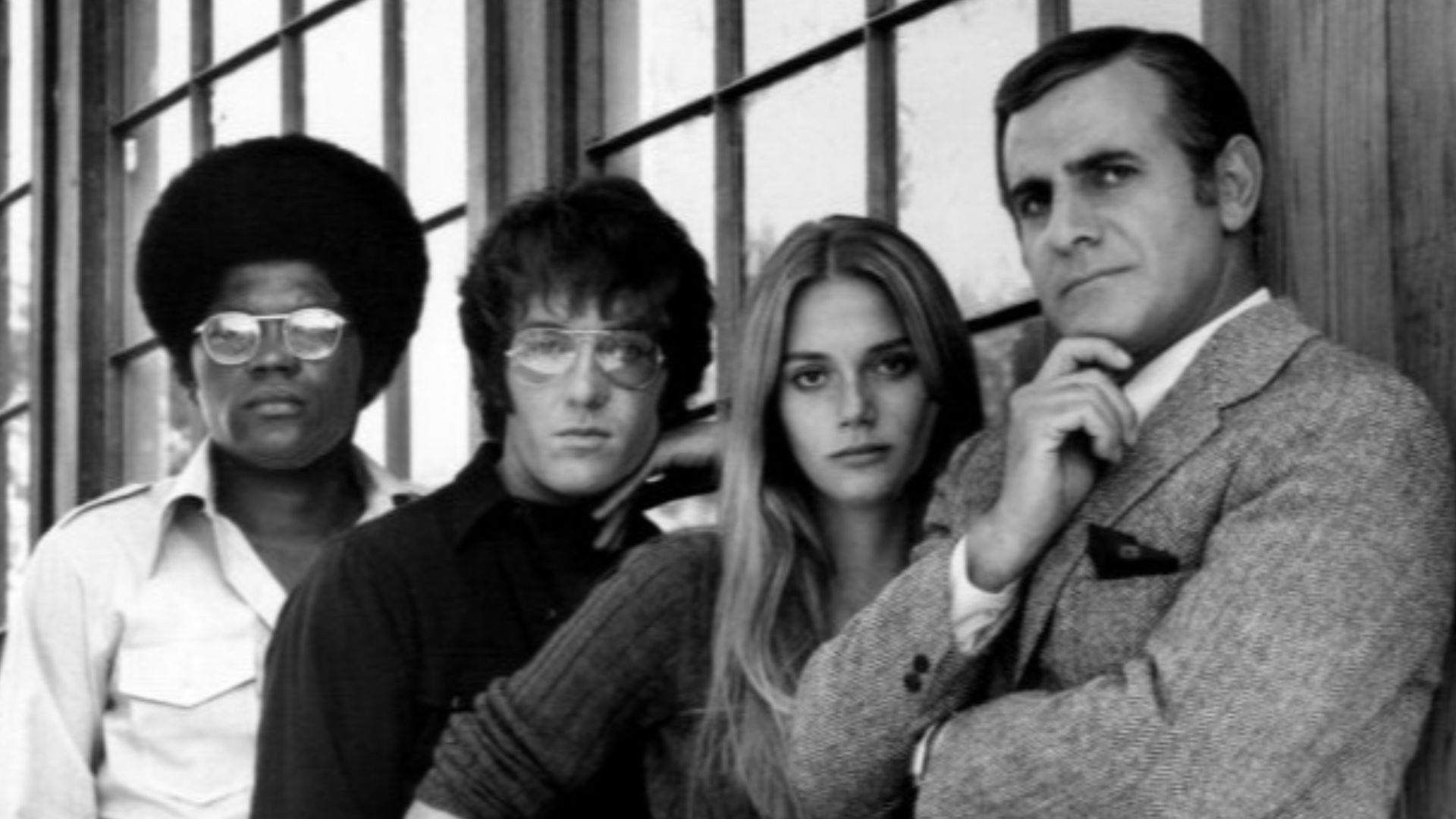
Lipton's long blonde hair, bell-bottoms, boots, flowing dresses, and bohemian style became almost as recognizable as the character herself. Viewers copied Julie Barnes' wardrobe, helping establish Lipton as a genuine fashion trendsetter. Her appearance perfectly matched the era's growing counterculture movement.
 ABC Television, Wikimedia Commons
An Unexpected Television Icon
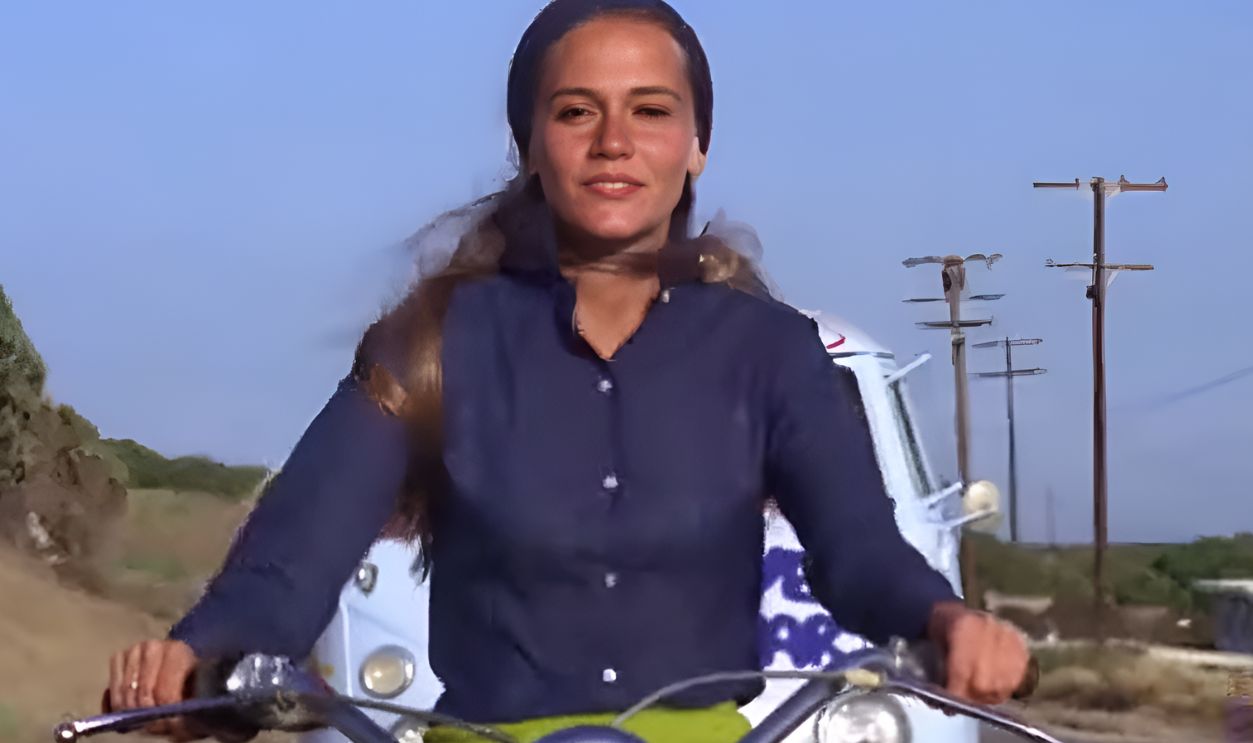
Lipton never played Julie as rebellious simply for the sake of rebellion. Instead, she gave the character warmth, empathy, and vulnerability that made audiences connect with her. Those qualities helped transform Julie Barnes into one of television's most memorable young women.
 Screenshot from The Mod Squad, ABC (1968–1973), Modified
Recognition Quickly Followed
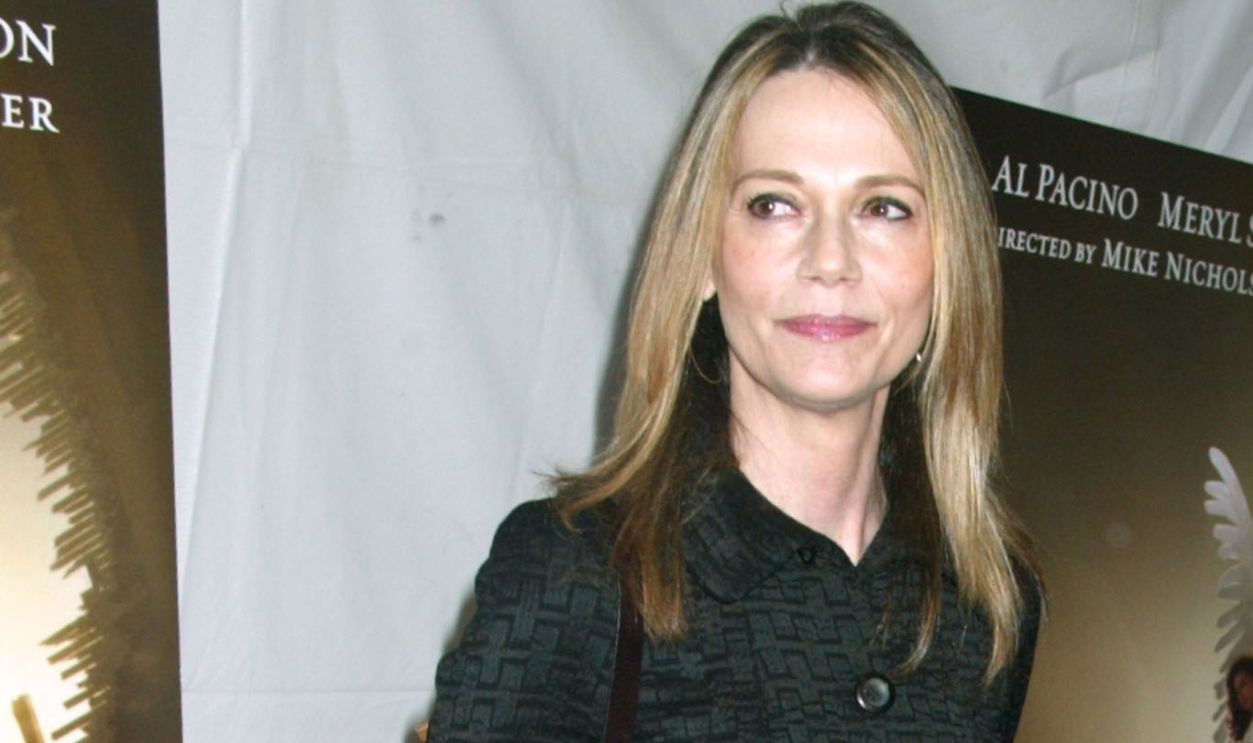
Critics responded enthusiastically to Lipton's work throughout the show's run. She received four consecutive Emmy nominations for Outstanding Continued Performance by an Actress in a Leading Role in a Dramatic Series and earned four consecutive Golden Globe nominations. She won the Golden Globe for Best Actress in a Television Drama in 1971.
One Of Television's First Interracial Leads
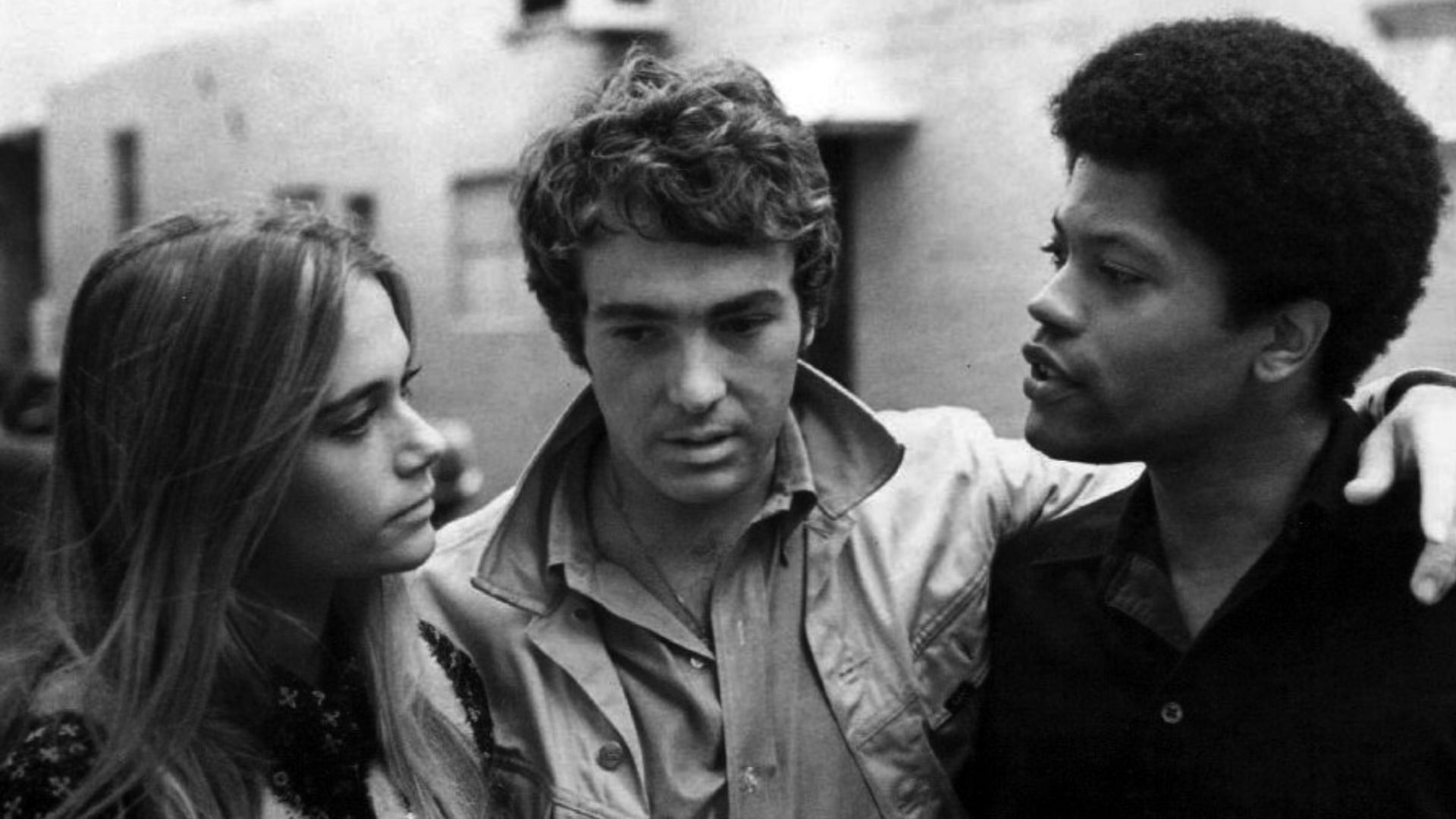
The partnership between Lipton, Clarence Williams III, and Michael Cole was groundbreaking for network television. At a time when interracial casts remained relatively uncommon, The Mod Squad presented three equal leads working together. The series became an important step toward broader representation on American television.
 ABC Television, Wikimedia Commons
Aaron Spelling's Early Success
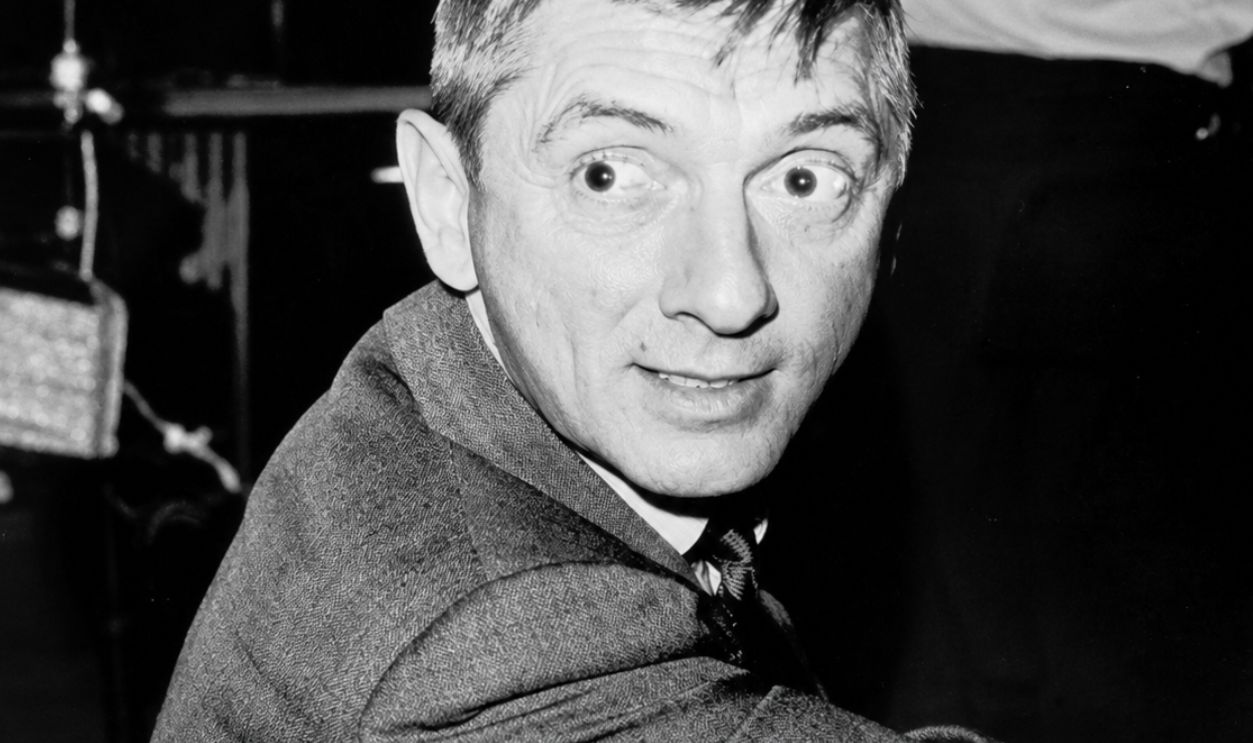
Before becoming one of television's biggest producers, Aaron Spelling helped executive produce The Mod Squad. The show's popularity demonstrated his ability to create programs that blended entertainment with contemporary issues. It also launched one of the most successful producing careers in television history.
 Trans World Airlines, Wikimedia Commons, Modified
Music Added To Her Popularity
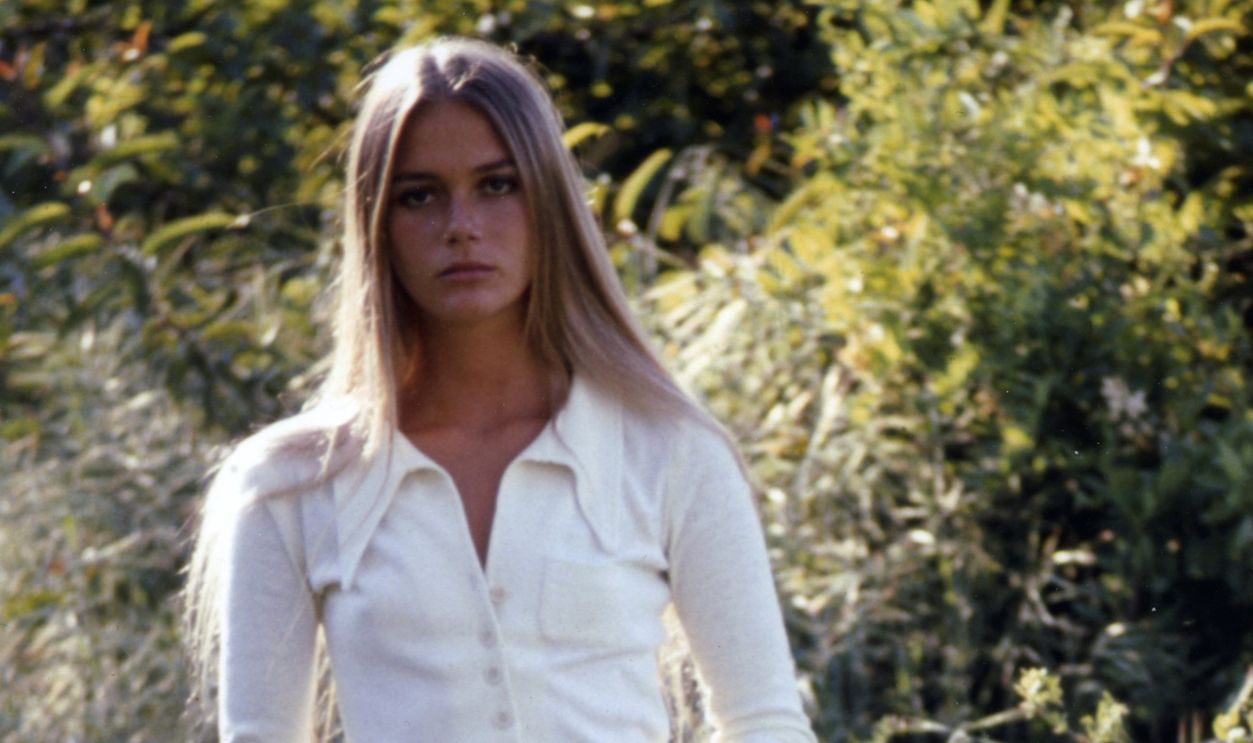
While starring on the series, Lipton also pursued a recording career. She released a self-titled album in 1968, and several singles, including "Stoney End" and "Lu," reached the Billboard charts. Her music reinforced the youthful image audiences already associated with Julie Barnes.
 Donaldson Collection, Getty Images
Fame Came With Pressure
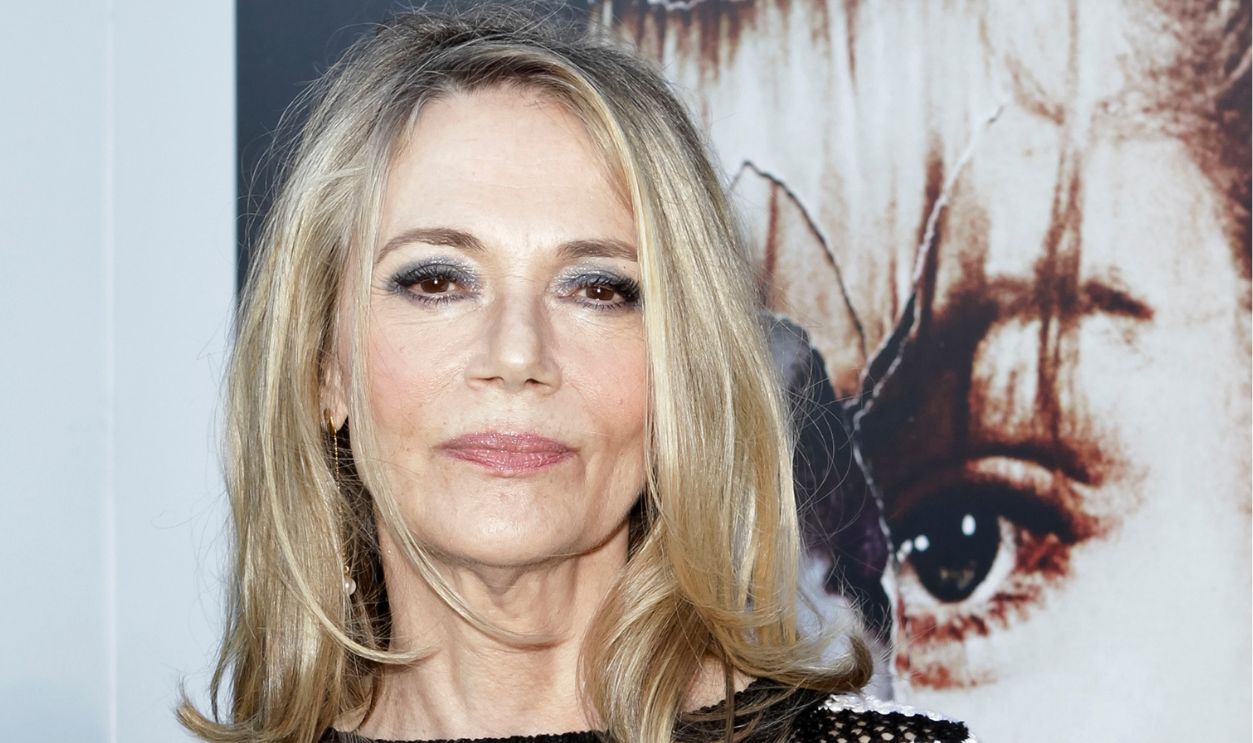
Lipton later acknowledged that sudden fame wasn't always easy to manage. In interviews and her memoir, she discussed struggles with anxiety, insecurity, and the intense public attention that accompanied becoming one of television's biggest stars. Her honesty added another layer to her public image.
More Than Just A Pretty Face
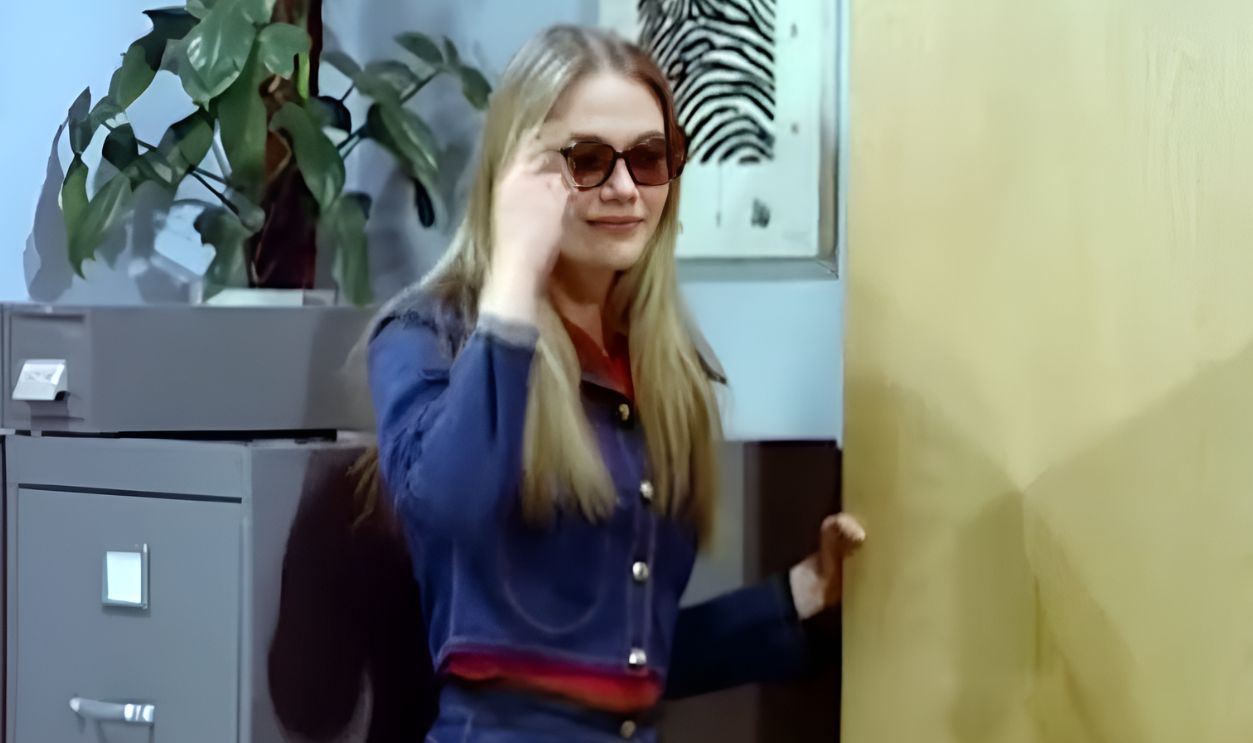
Although magazines frequently celebrated Lipton's appearance, critics also recognized the subtle emotional depth she brought to Julie Barnes. She balanced compassion, intelligence, and quiet confidence without relying on dramatic performances. That understated style became one of her trademarks.
 Screenshot from The Mod Squad, ABC (1968–1973), Modified
Five Seasons Of Success
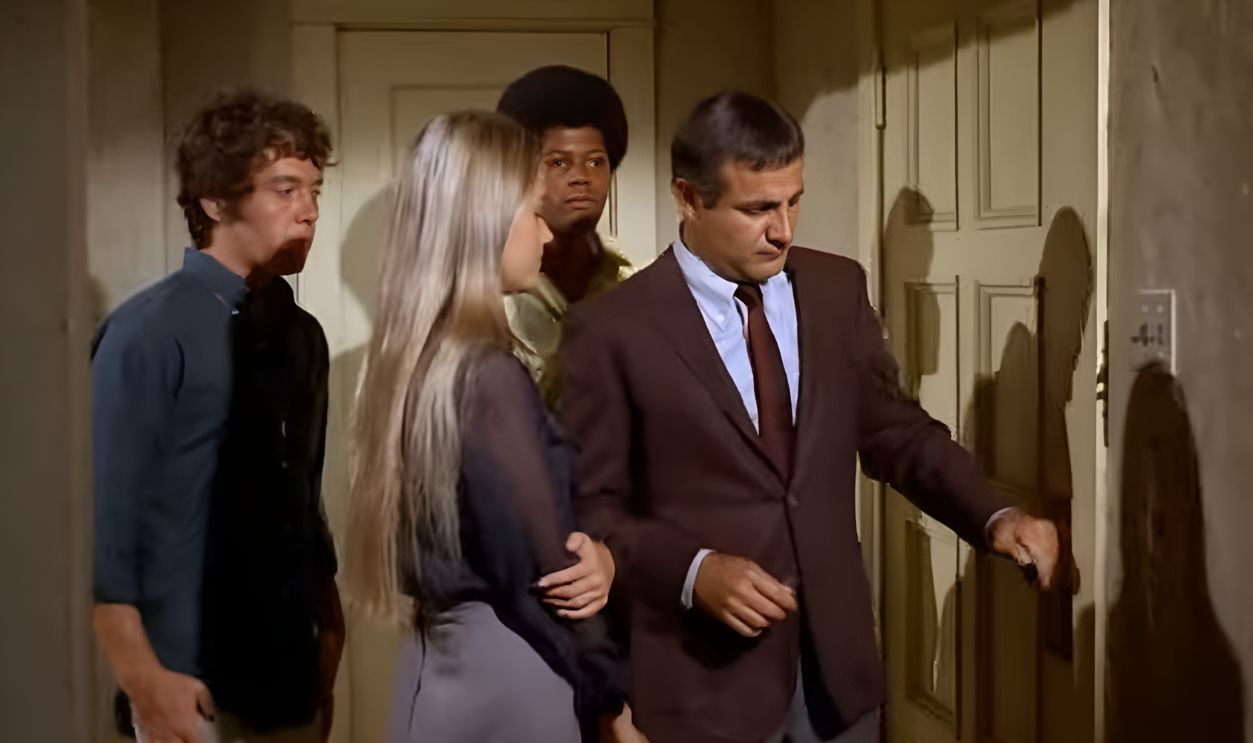
The Mod Squad remained on ABC from 1968 until 1973, producing 124 episodes across five seasons. Throughout its run, Julie Barnes remained one of the show's emotional anchors. Lipton's consistent performance helped maintain the series' popularity even as television continued evolving.
 Screenshot from The Mod Squad, ABC (1968–1973), Modified
Stepping Away At Her Peak
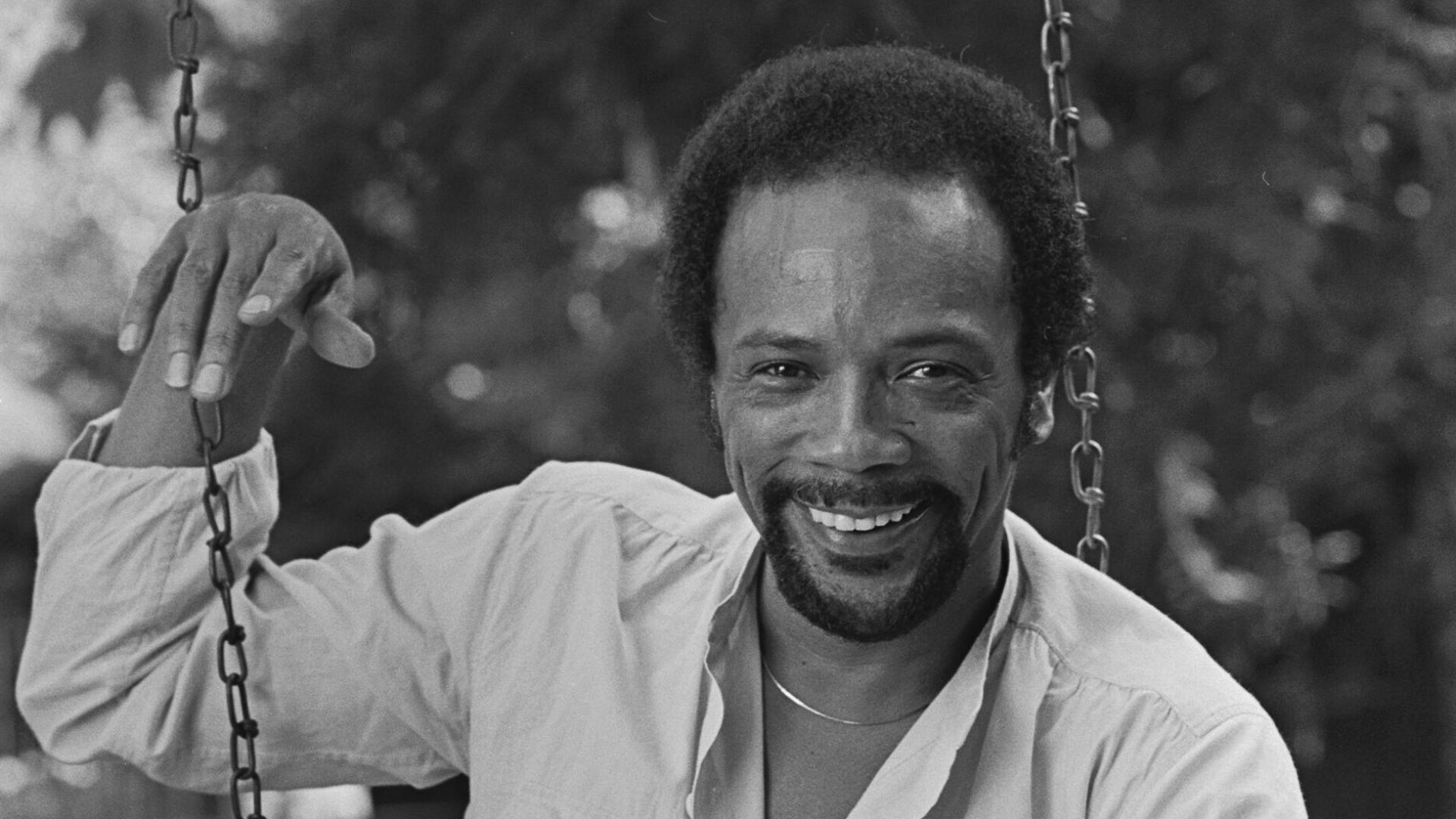
After The Mod Squad concluded, Lipton gradually stepped away from full-time acting. Following her 1974 marriage to music producer Quincy Jones, she devoted much of her attention to raising their daughters, Kidada and Rashida Jones. Her decision reflected a personal priority rather than a lack of professional opportunities.
 Los Angeles Times, Wikimedia Commons
Returning With Twin Peaks
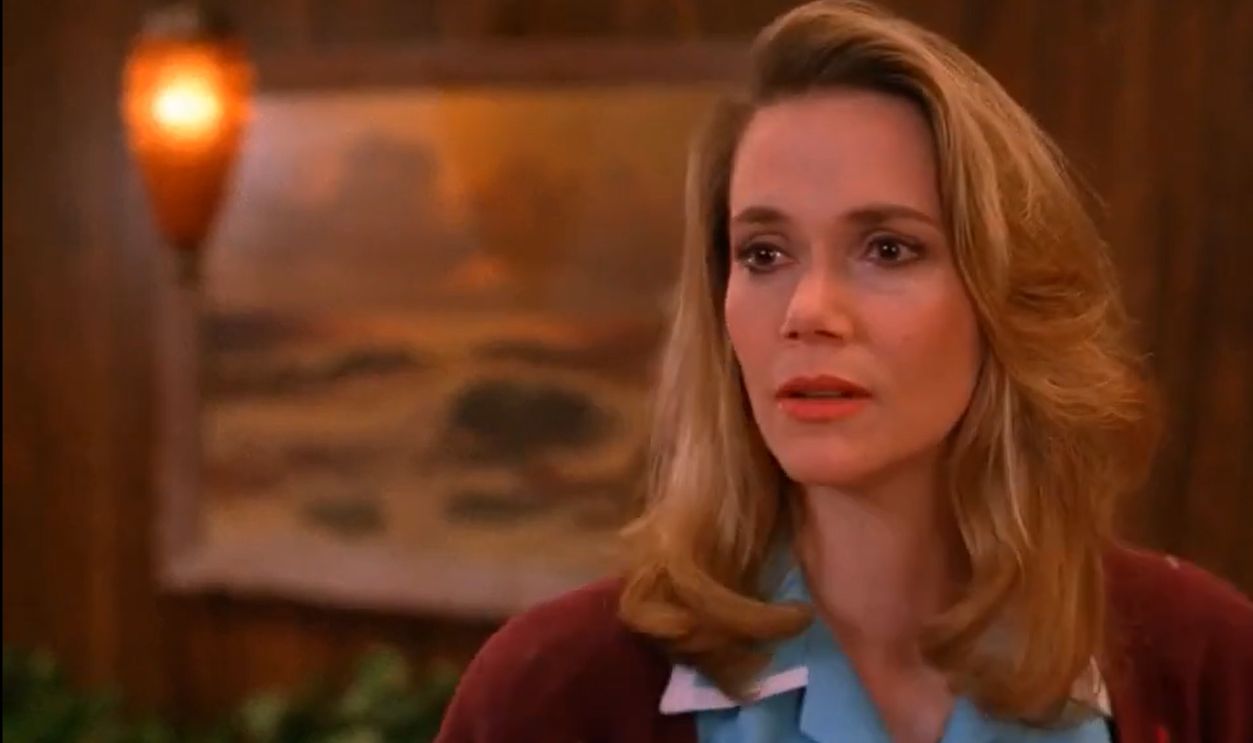
After many years away from regular acting, Lipton returned to prominence as Norma Jennings on David Lynch's Twin Peaks in 1990. The role introduced her to an entirely new generation of viewers. She later reprised Norma in the acclaimed 2017 revival.
 Screenshot from Twin Peaks, ABC (1990–2017)
Speaking Honestly About Her Life
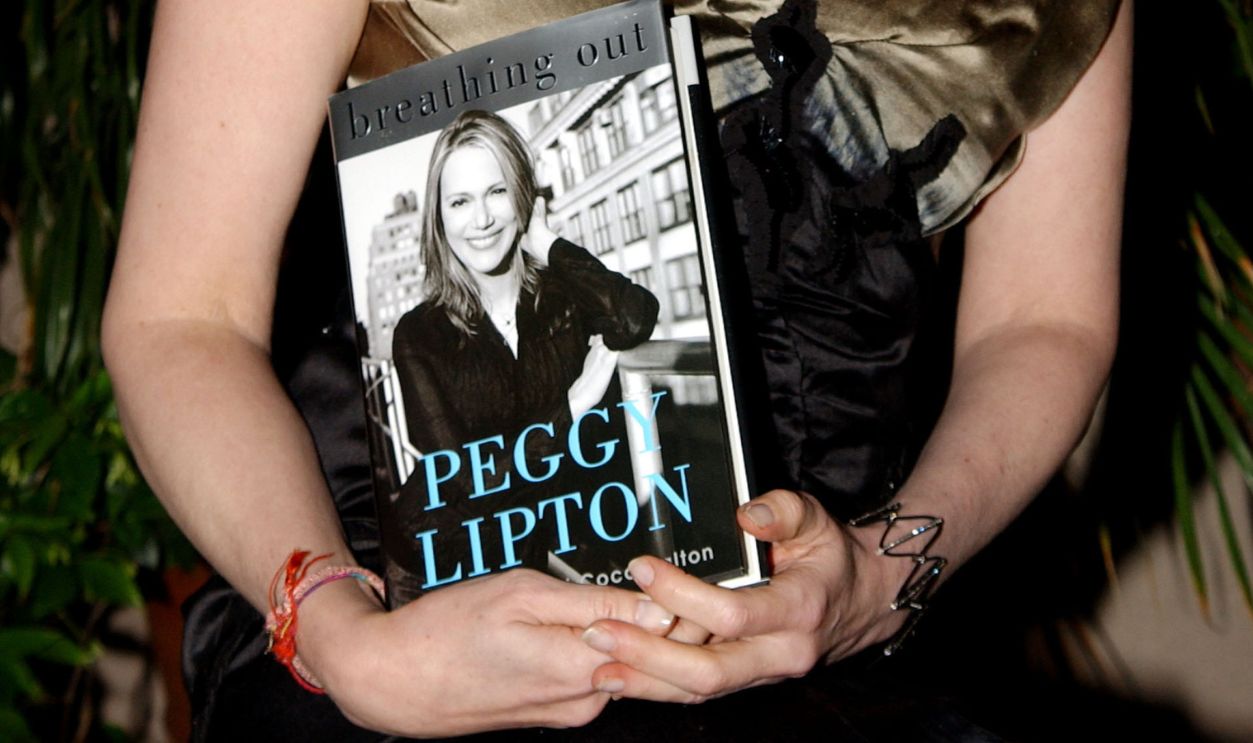
In her memoir Breathing Out, published in 2005, Lipton wrote candidly about her childhood, career, relationships, and personal challenges. The book offered fans a more complete understanding of the woman behind the famous television character. Critics praised its openness and emotional honesty.
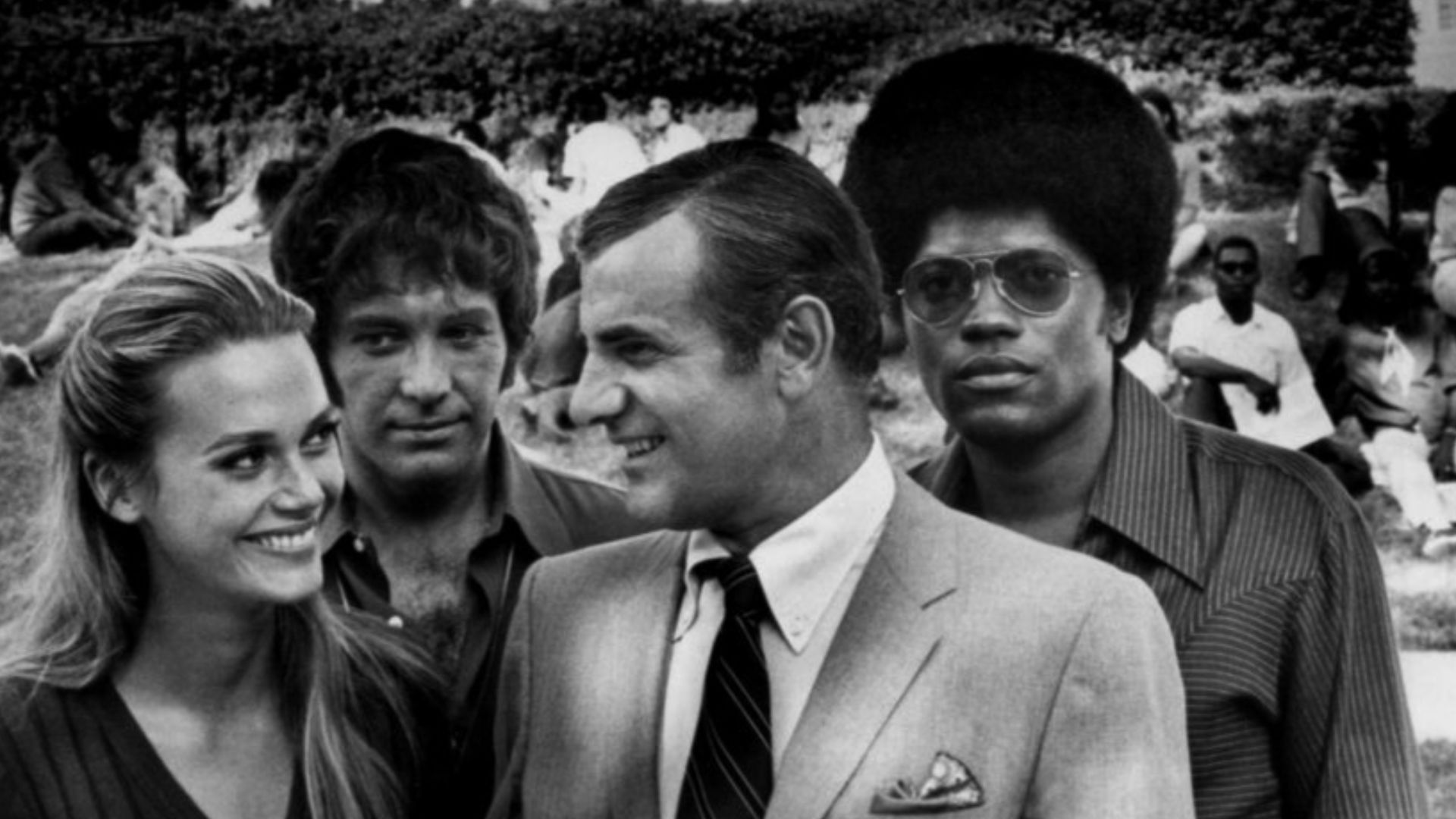
A Lasting Influence On Television Women
Many television heroines who followed combined vulnerability with independence in ways that echoed Julie Barnes. While television has changed dramatically since 1968, Lipton helped demonstrate that female leads could be fashionable, compassionate, and capable without fitting older stereotypes.
 ABC Television, Wikimedia Commons
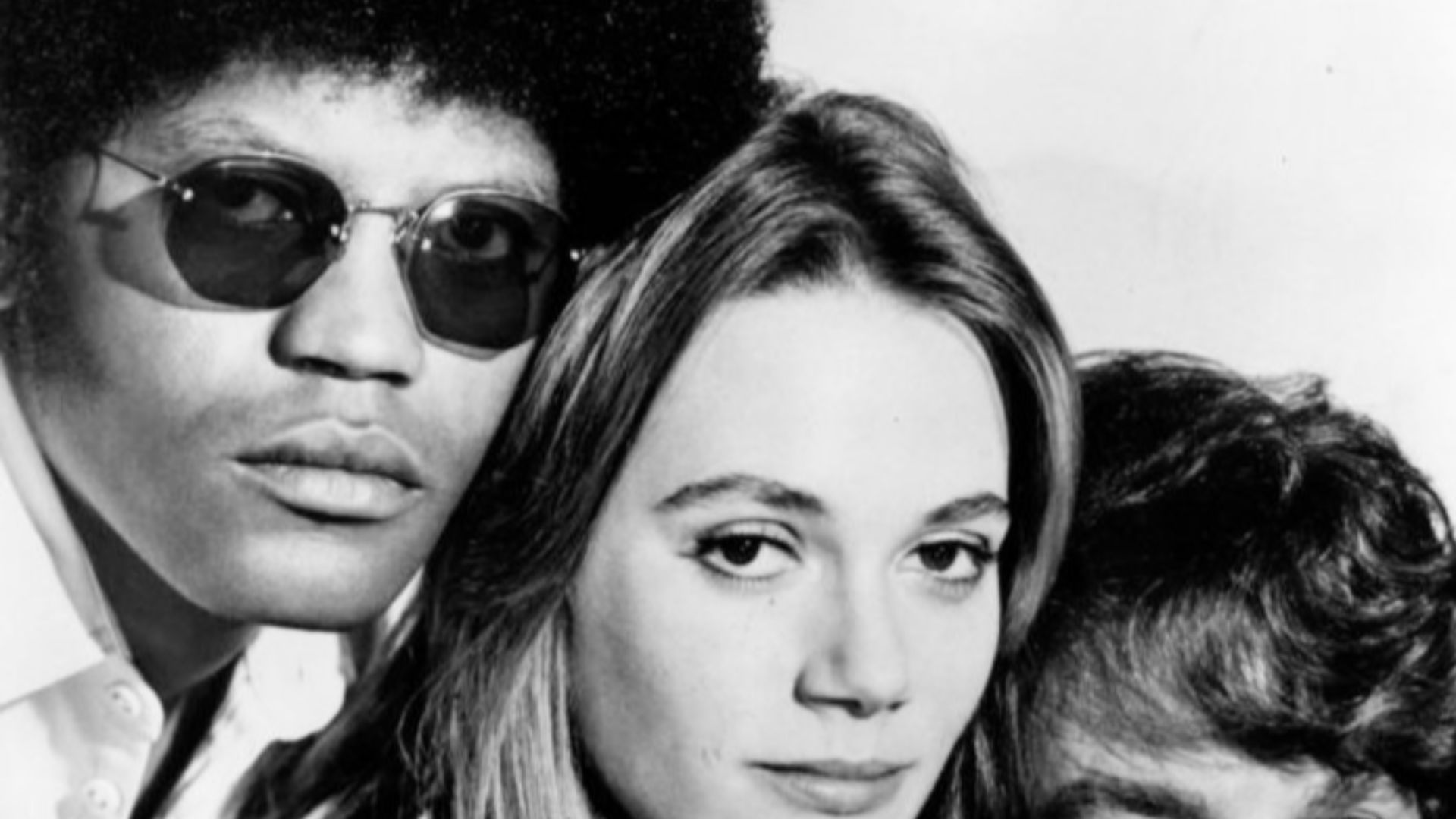
Fans Never Forgot Julie Barnes
Even decades after The Mod Squad ended, Julie Barnes remained the role most closely associated with Lipton. Television retrospectives regularly included the character among the defining women of late-1960s television. Her influence continued long after the show's original broadcast.
 ABC Television, Wikimedia Commons
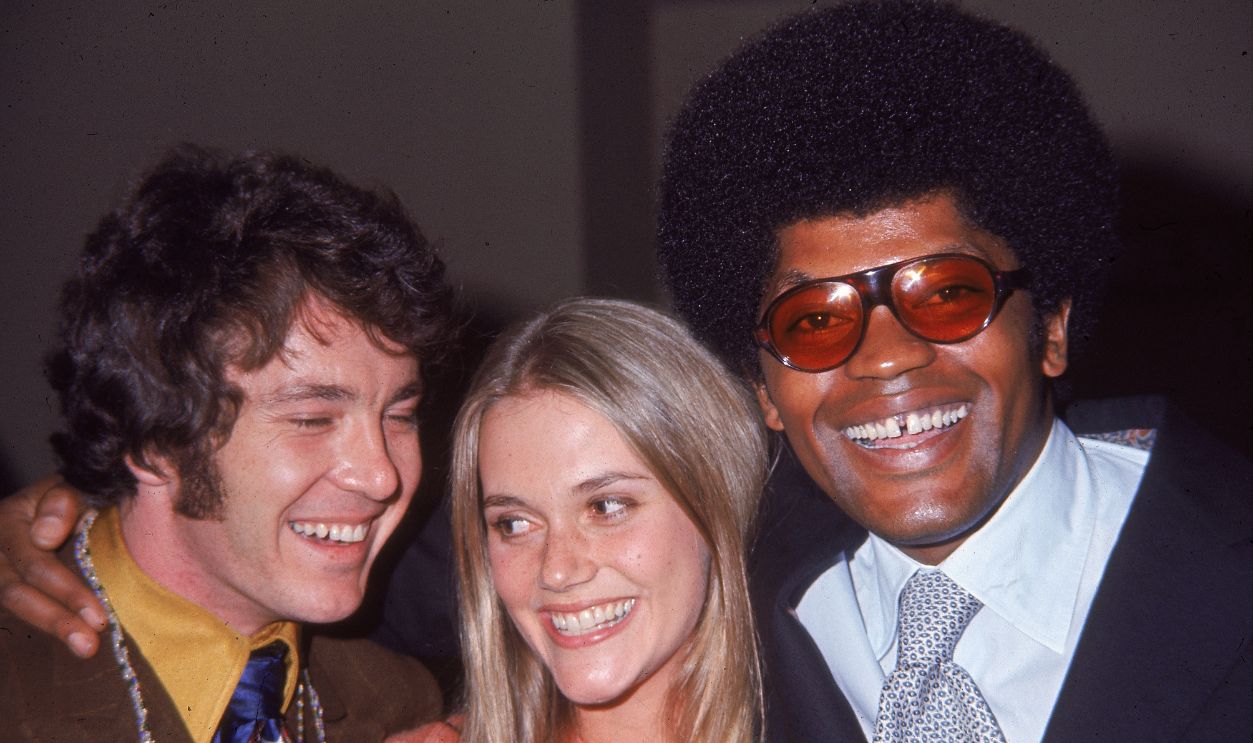
Remembered By Friends And Colleagues
Following Lipton's passing in 2019, fellow actors, producers, and former co-stars praised both her kindness and professionalism. Tributes consistently described her as gracious, thoughtful, and deeply respected throughout the entertainment industry. The admiration reflected a career built on more than celebrity alone.
 Fotos International, Getty Images
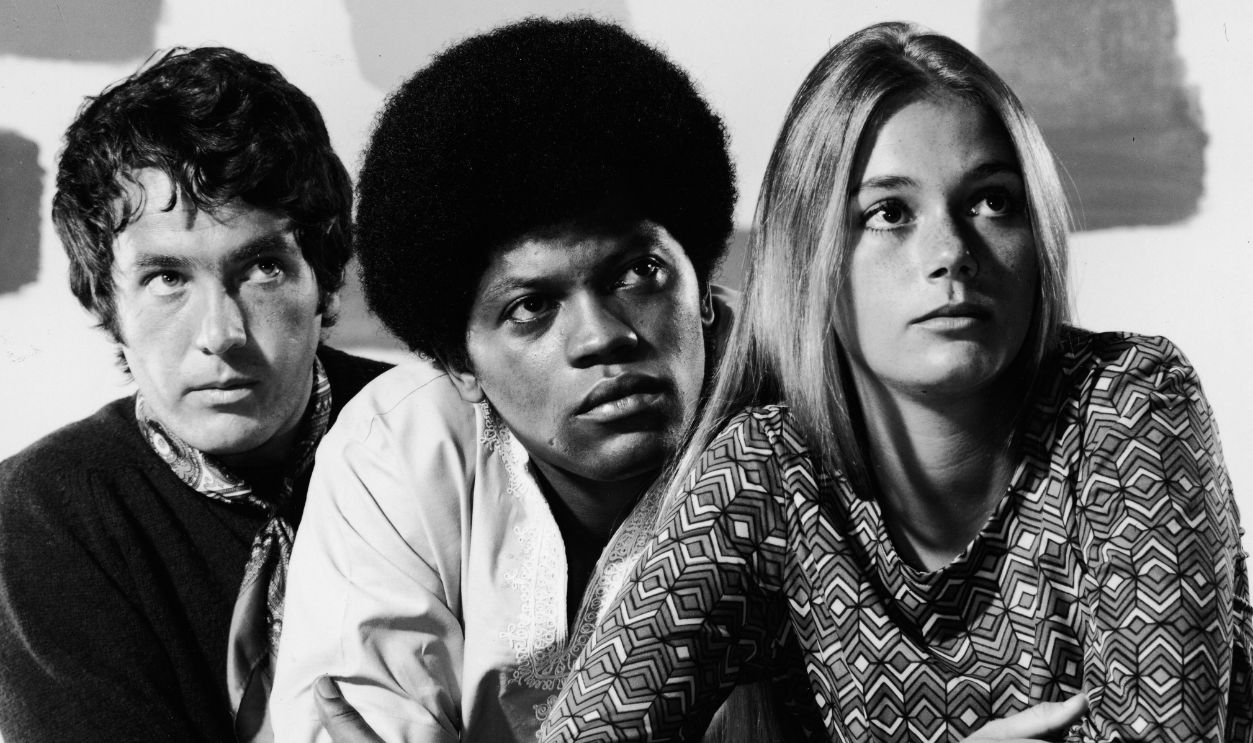
Why The Mod Squad Still Matters
Although many police dramas have come and gone, The Mod Squad remains significant because it addressed real social issues through young protagonists. The series demonstrated that mainstream television could engage with changing cultural attitudes while remaining accessible to broad audiences. Its influence can still be seen in later ensemble dramas.
Peggy Lipton's Enduring Legacy
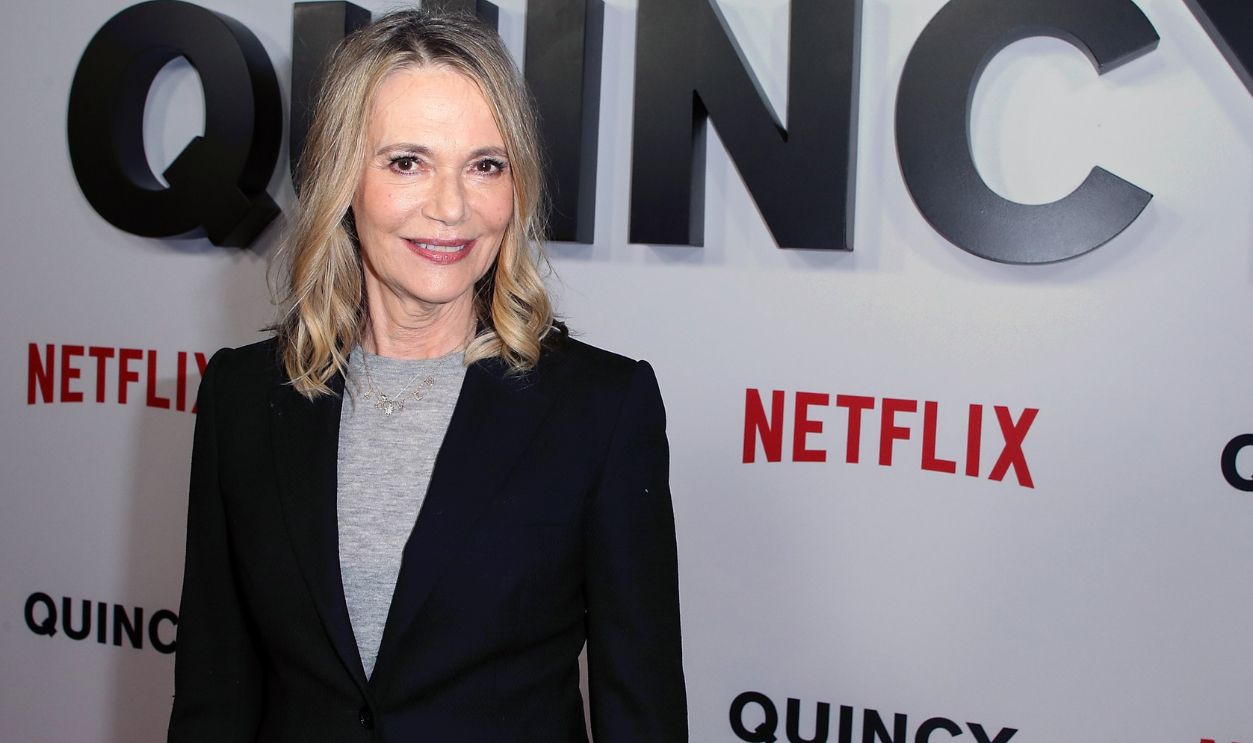
Peggy Lipton became much more than the star of a successful television series. Through Julie Barnes, she embodied the hopes, style, and changing values of an entire generation while helping redefine what young women could represent on network television. More than half a century later, The Mod Squad remains inseparable from the quiet charisma and lasting impact that made Lipton an enduring cultural icon.
 David Livingston, Getty Images
You May Also Like:
Great Actors Who Played The Most Unlikable Movie Characters
George Brent, The Old Hollywood Playboy