In A Class Of Their Own
Movie history is full of memorable villains, but some antagonists occupy a special category of bad. These are supporting characters who left audiences furious, unsettled, or even downright disgusted. The actors who played these villains deserve special credit for making their characters so unlikable that they make people cringe decades later.
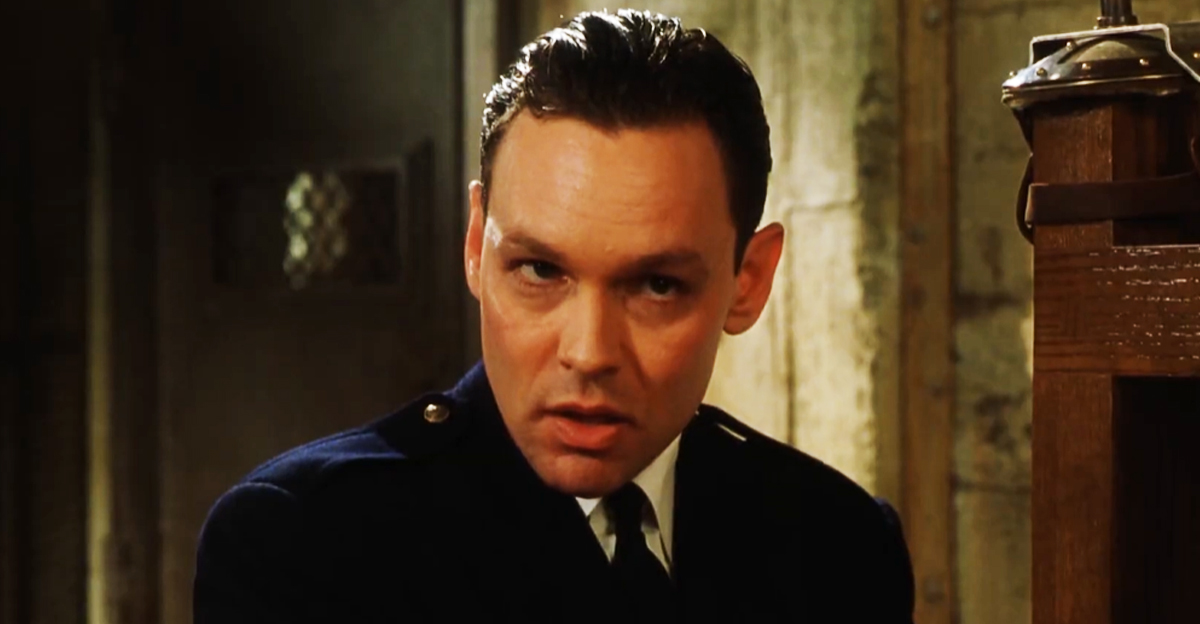 Screenshot from The Green Mile, Warner Bros. Pictures (1999)
Kevin Gage — Heat (1995)
As Waingro in Heat (1995), Kevin Gage accomplished something remarkable: he became the one man hated by both cops and criminals. Waingro's reckless violence and complete lack of loyalty trigger much of the film's tragedy. Despite limited screen time alongside stars like Al Pacino and Robert De Niro, Gage created one of crime cinema's most despised villains.
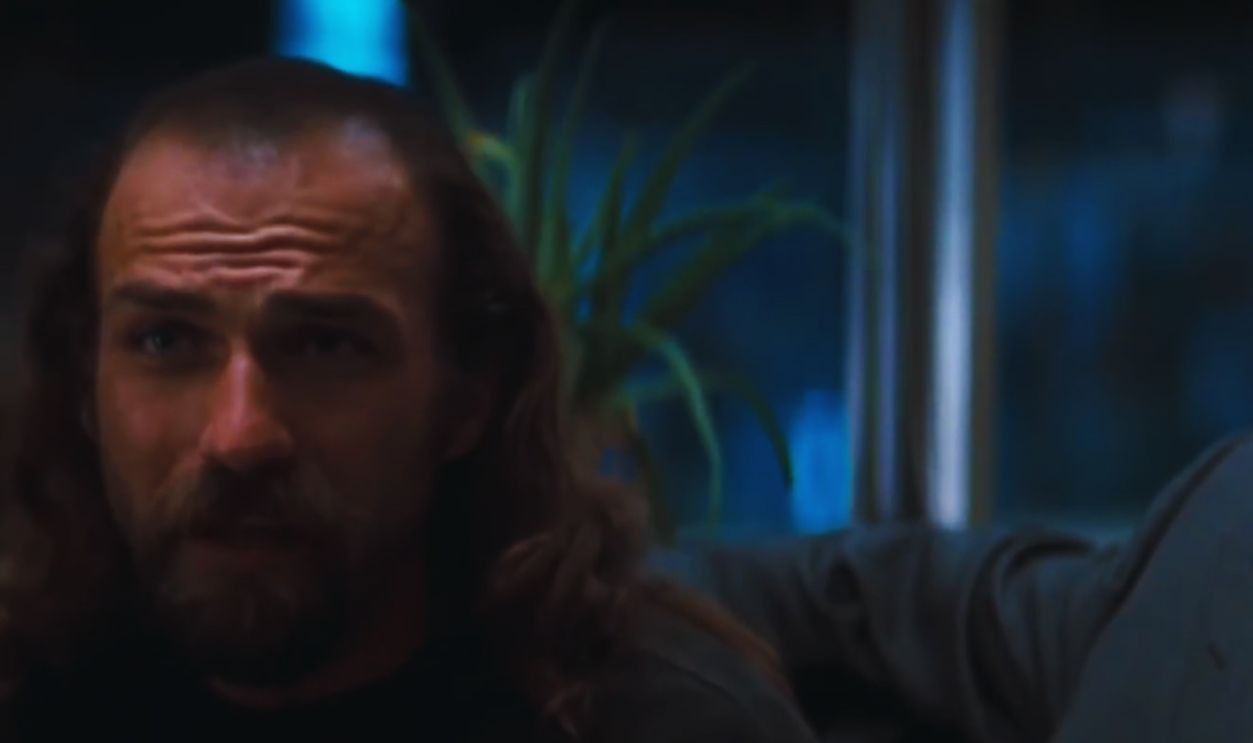 Screenshot from Heat, Warner Bros. Pictures (1995)
Billy Drago — The Untouchables (1987)
Billy Drago's Frank Nitti in The Untouchables (1987) was as unlikable as he was intimidating. As the ruthless enforcer for Al Capone, Drago delivered a performance filled with cold eyes, quiet menace, and sudden brutality. He appears relatively briefly, yet many viewers remember Nitti as vividly as Capone himself.
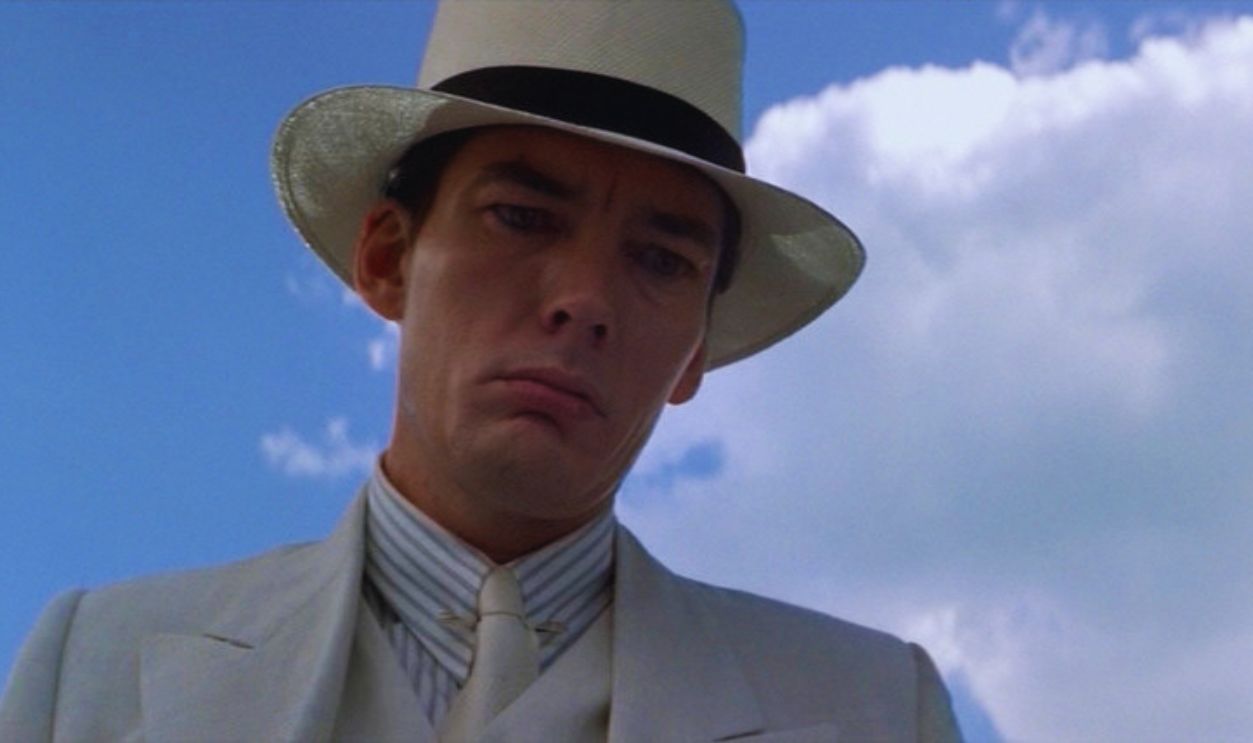 Screenshot from The Untouchables, Paramount Pictures (1987)
Audrie Neenan — Sudden Impact (1983)
Audrie Neenan played one of the most disturbing villains of the Dirty Harry series as Ray Parkins in Sudden Impact (1983). As one of the criminals whose horrific actions drive the film's revenge plot, Neenan helped create a character audiences were meant to loathe. Her performance is still unsettling decades later because she seems frighteningly realistic.
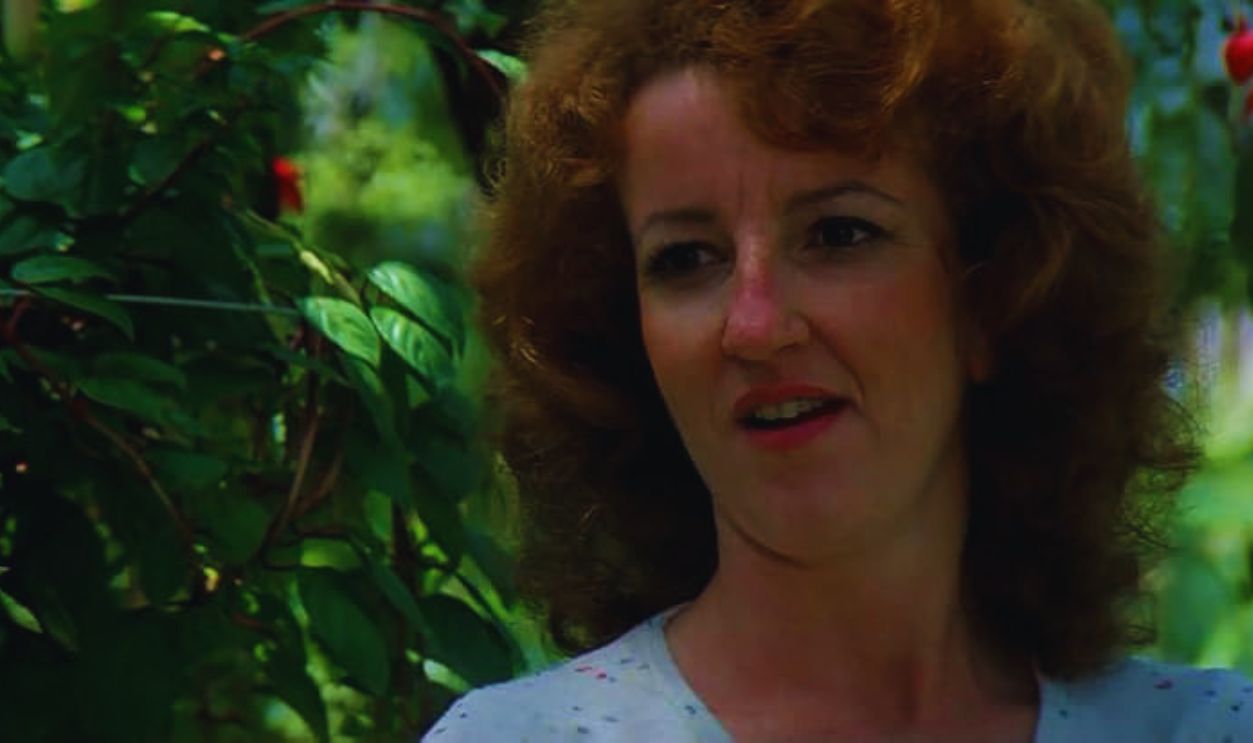 Screenshot from Sudden Impact, Warner Bros. (1983)
Joe Pantoliano — The Matrix (1999)
Joe Pantoliano's Cypher in The Matrix (1999) was not physically imposing, but his betrayal made him one of the film's most hated characters. Pantoliano portrayed a man willing to sacrifice friends and humanity itself for personal comfort. His cynical selfishness gave the film one of its most memorable villains.
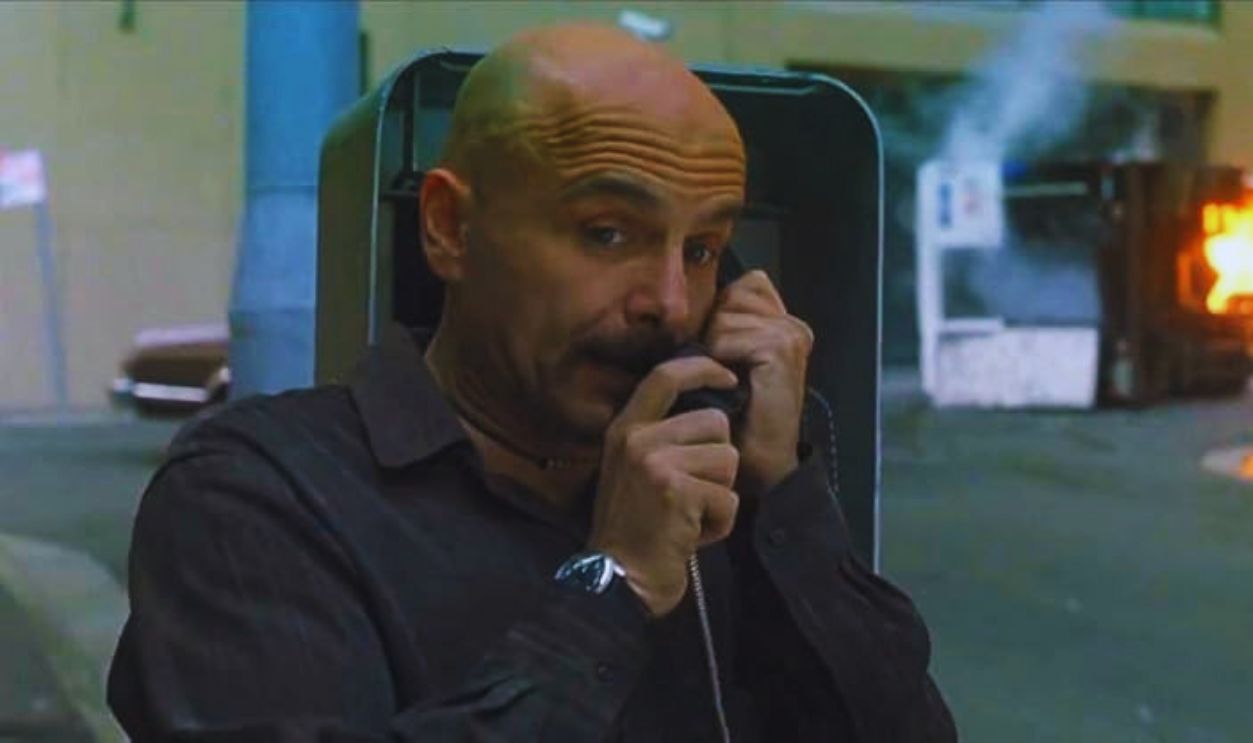 Screenshot from The Matrix, Warner Bros. (1999)
Doug Hutchison — The Green Mile (1999)
Few supporting villains have inspired as much audience hatred as Percy Wetmore in The Green Mile (1999). Doug Hutchison portrayed the sadistic prison guard with such conviction that many viewers found him more disturbing than the film's murderers. Percy was cruel, cowardly, and vindictive, earning a place on countless lists of cinema's most hated characters.
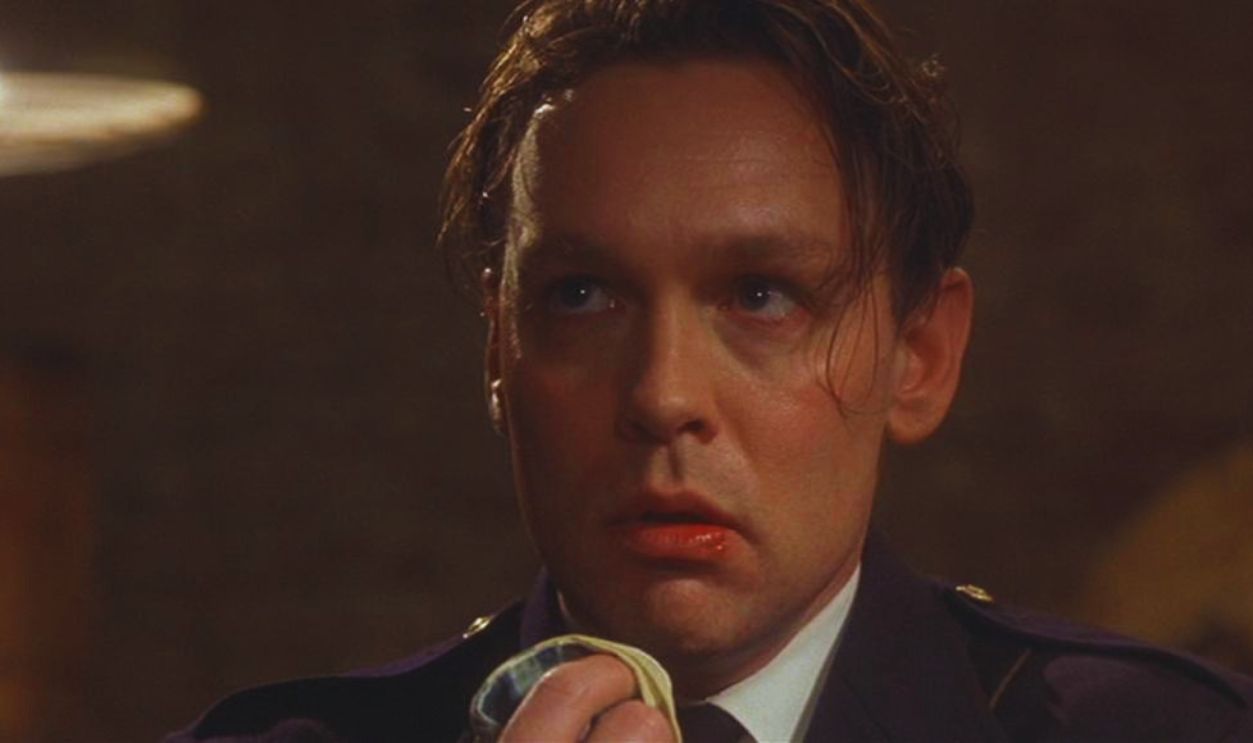 Screenshot from The Green Mile, Warner Bros. (1999)
Bob Gunton — The Shawshank Redemption (1994)
Bob Gunton brought terrifying hypocrisy to Warden Norton in The Shawshank Redemption (1994). Presenting himself as a devout Christian authority figure, Norton concealed corruption, exploitation, and violence beneath a respectable exterior. His abuse of power made him one of the most memorable antagonists in modern cinema.
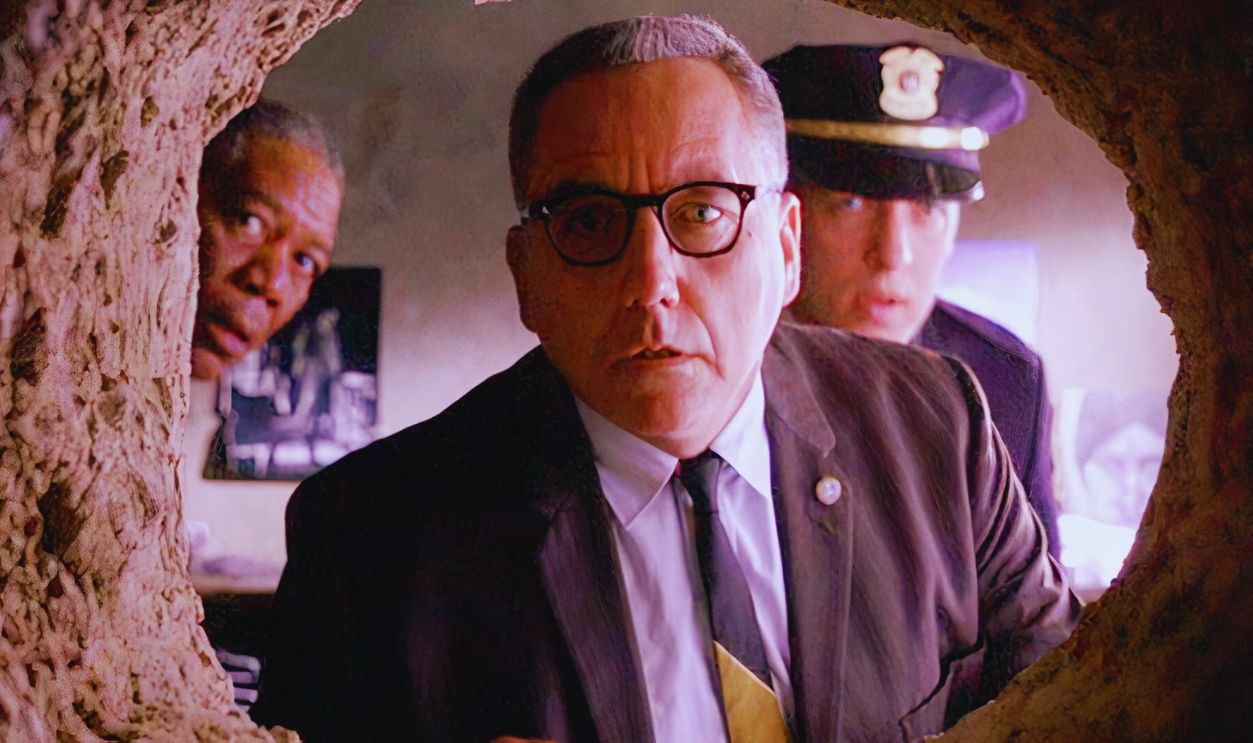 Screenshot from The Shawshank Redemption, Warner Bros. (1994)
Ronny Cox — RoboCop (1987)
Ronny Cox specialized in corporate villains, and Dick Jones in RoboCop (1987) may be his finest achievement. Jones is polished, intelligent, and completely ruthless. Cox's calm delivery makes the character even more chilling as we see that he lacks any moral compass whatsoever.
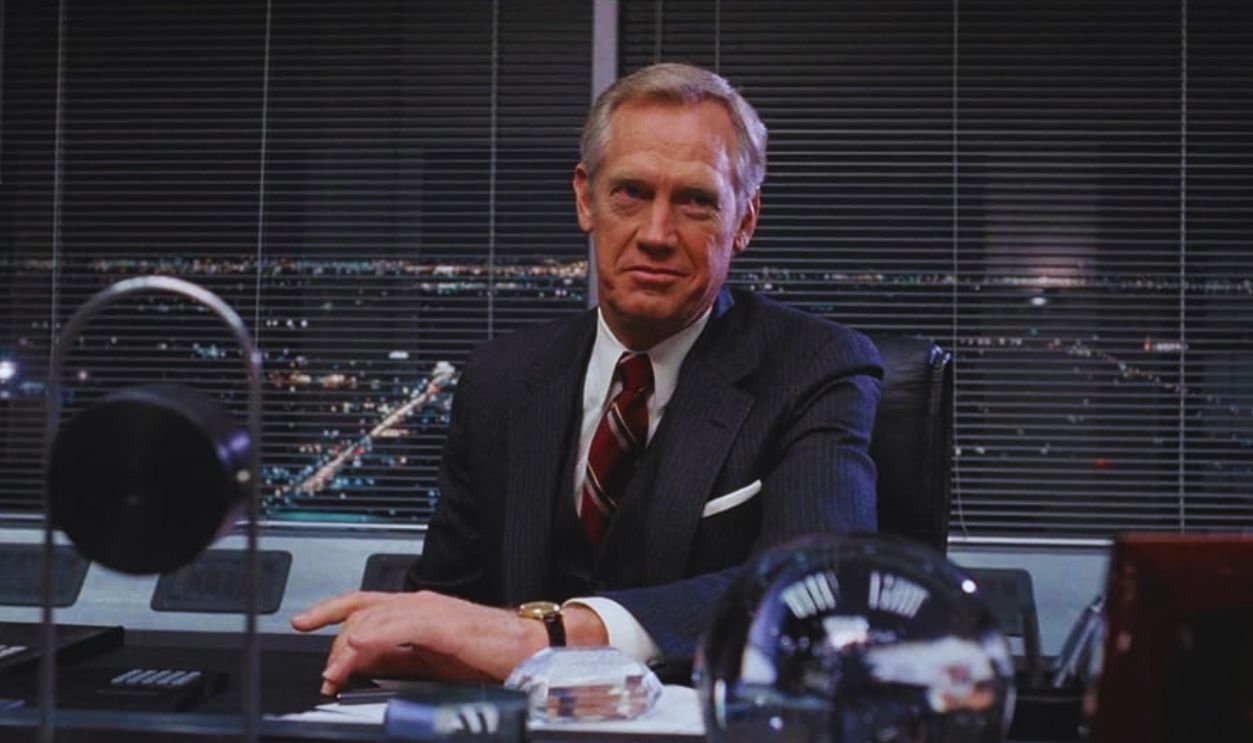 Screenshot from RoboCop, Orion Pictures (1987)
Stephen Lang — Tombstone (1993)
As Ike Clanton in Tombstone (1993), Stephen Lang delivered a masterclass in cowardice and opportunism. Surrounded by larger-than-life gunslingers played by stars such as Kurt Russell and Val Kilmer, Lang made Ike unforgettable through bluster, panic, and self-preservation.
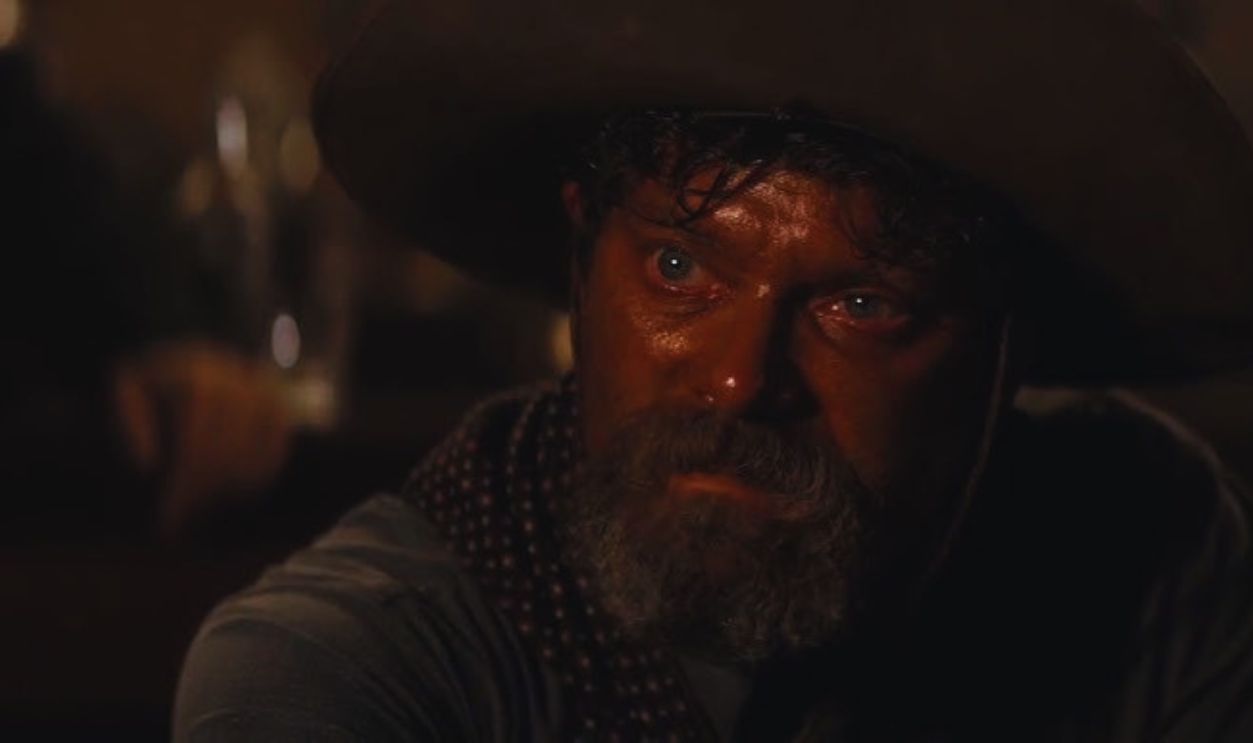 Screenshot from Tombstone, Hollywood Pictures (1993)
James Anderson — To Kill A Mockingbird (1962)
James Anderson's Bob Ewell in To Kill A Mockingbird (1962) remains one of the most despised characters ever put on film. Ewell's lies and cruelty drive the story's central injustice, while his attack on children reveals the depths of his malice. Many viewers still consider him among cinema's most hateful villains.
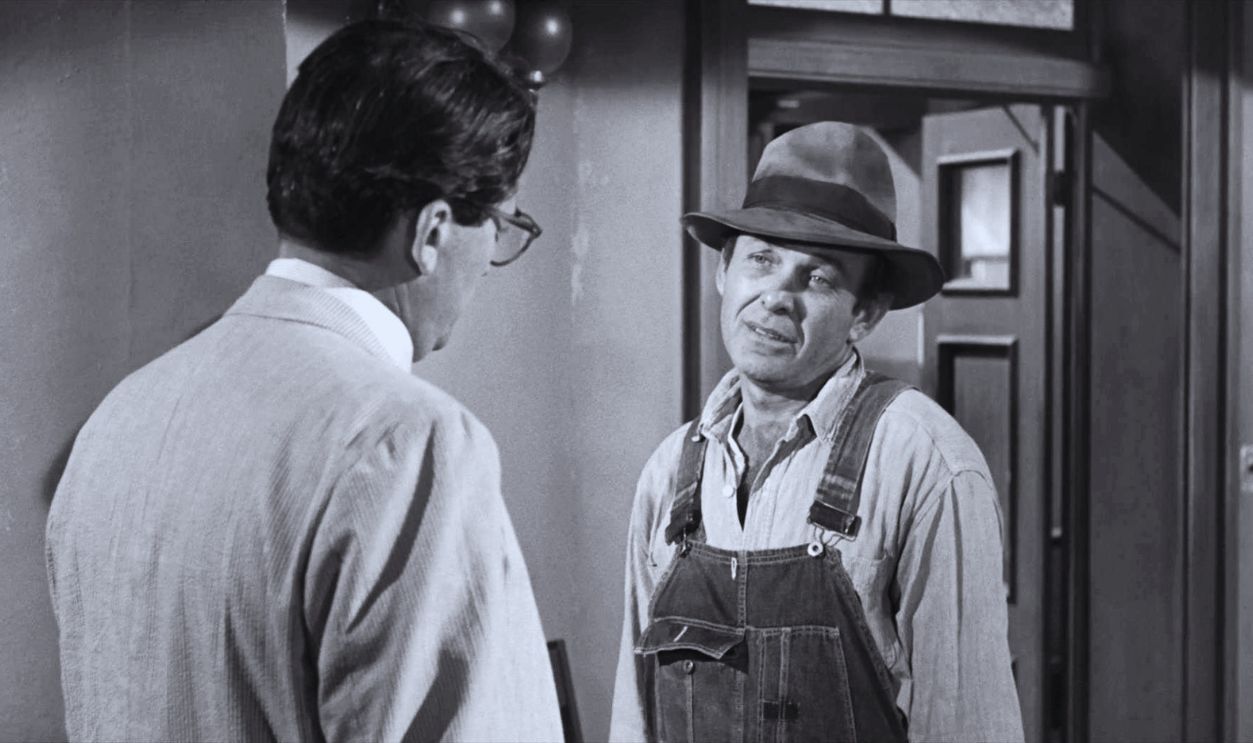 Screenshot from To Kill a Mockingbird, Universal Pictures (1962)
Imelda Staunton — Harry Potter And The Order Of The Phoenix (2007)
Dolores Umbridge became so hated that many fans considered her worse than Voldemort himself. In Harry Potter And The Order Of The Phoenix (2007), Imelda Staunton created a villain whose cheerful smile masked authoritarian cruelty. The performance became one of the most effective portrayals of bureaucratic evil ever filmed.
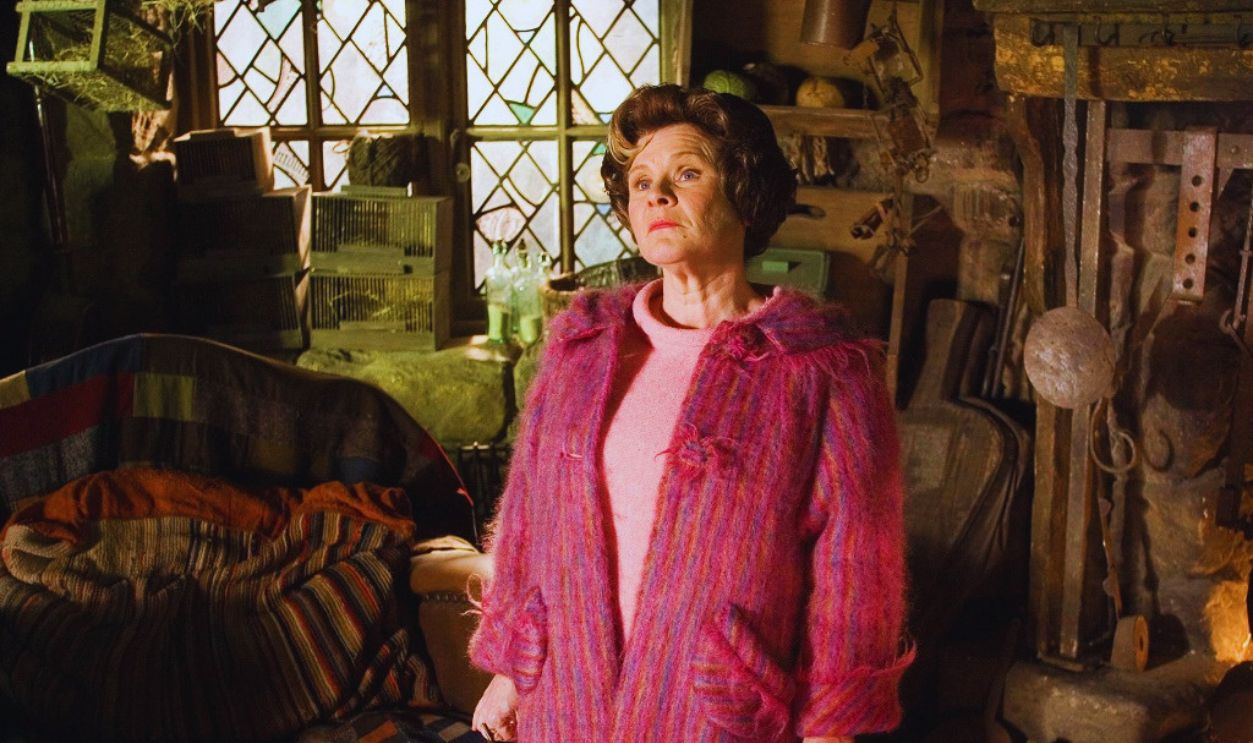 Screenshot from Harry Potter and the Order of the Phoenix, Warner Bros. (2007)
Billy Zane — Titanic (1997)
Billy Zane's Cal Hockley in Titanic (1997) could easily have become a one-dimensional rich villain. Instead, Zane gave him arrogance, insecurity, and possessiveness that made him feel disturbingly real. His treatment of Rose and his behavior during the sinking cemented his place among cinema's most disliked antagonists.
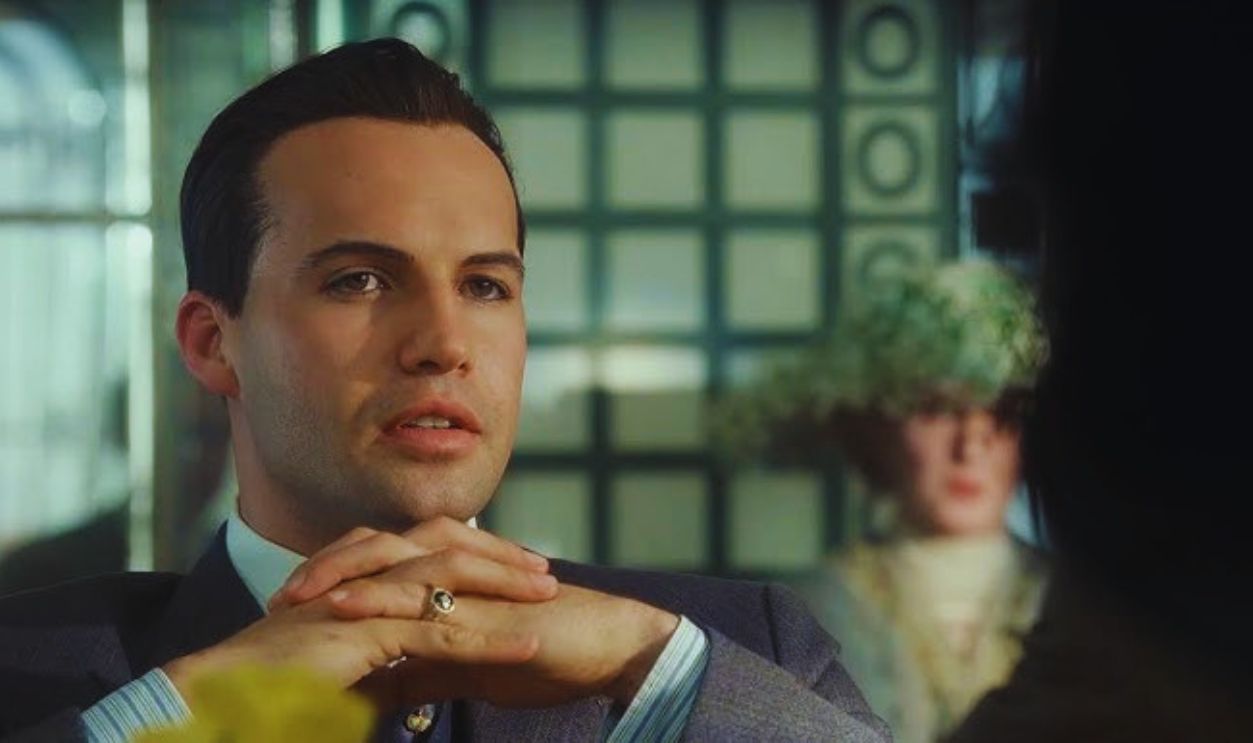 Screenshot from Titanic, Paramount Pictures (1997)
Eric Roberts — Star 80 (1983)
Eric Roberts delivered one of the most unsettling performances of his career as Paul Snider in Star 80 (1983). Portraying a real person, Roberts brought an unnerving mix of insecurity, charm, jealousy, and volatility to the role, creating a villain who feels frighteningly real. The performance was widely praised, but many viewers found it so convincing that they left the film with a lasting sense of discomfort and disgust toward the character and his actions.
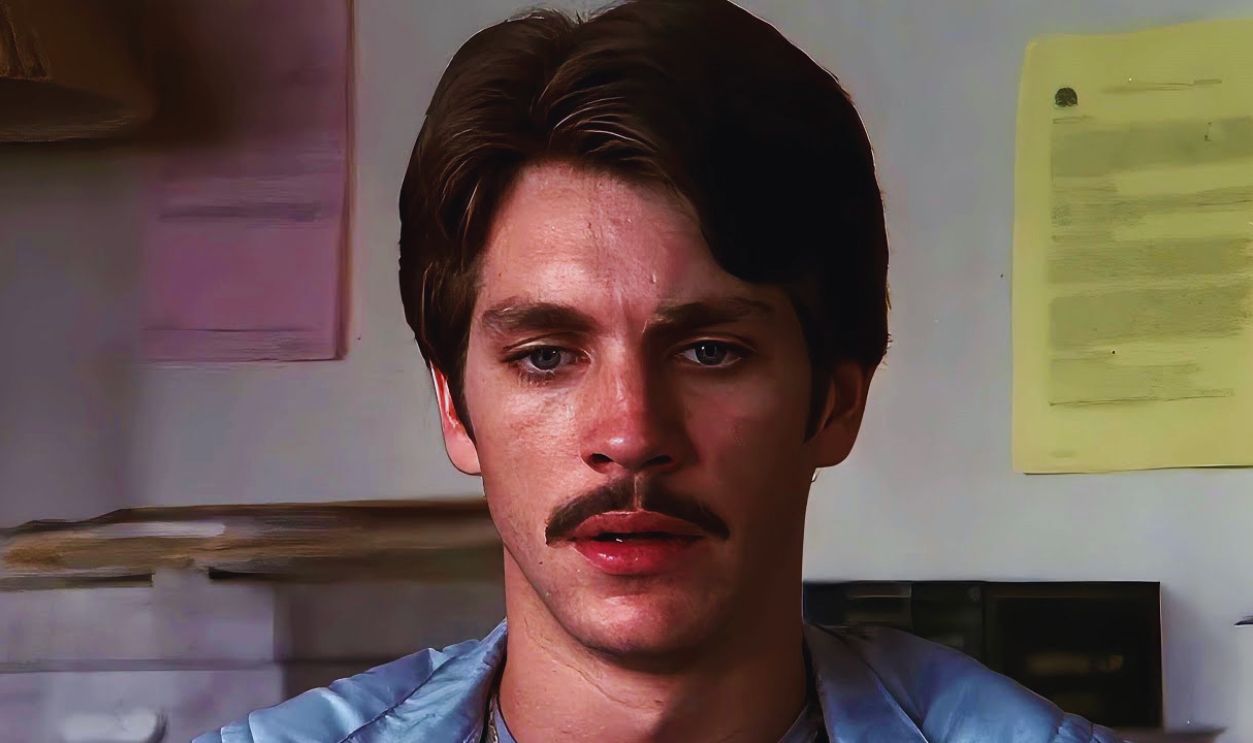 Screenshot from Star 80, Warner Bros. (1983)
Tony Goldwyn — Ghost (1990)
Tony Goldwyn shocked audiences in Ghost (1990) by transforming from trusted friend to murderous betrayer. His character Carl Bruner hides greed and ambition beneath a charming exterior. Goldwyn's ability to make the betrayal feel personal helped elevate the film's emotional impact.
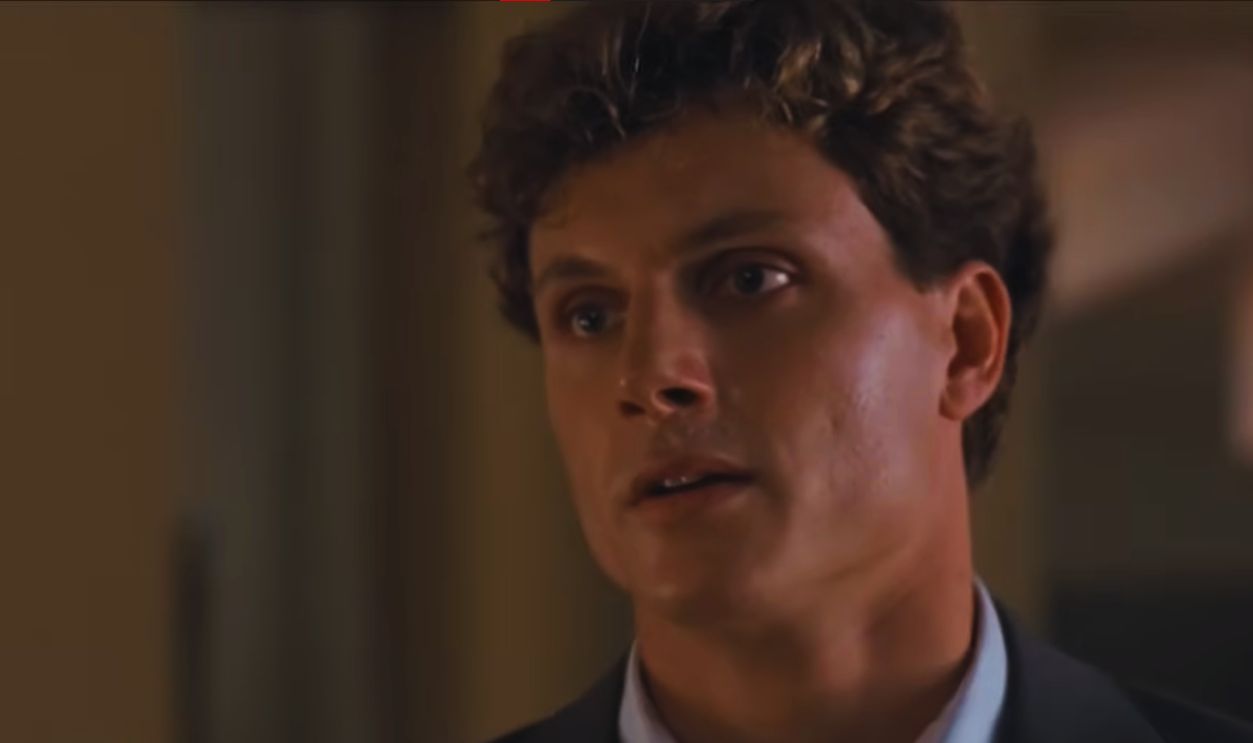 Screenshot from Ghost, Paramount Pictures (1990)
Louise Fletcher — One Flew Over The Cuckoo's Nest (1975)
Louise Fletcher's Nurse Ratched is often cited as one of the greatest villains in film history. What makes her terrifying is her restraint. In One Flew Over The Cuckoo's Nest (1975), Fletcher rarely raises her voice, yet every action demonstrates a desire for control and domination.
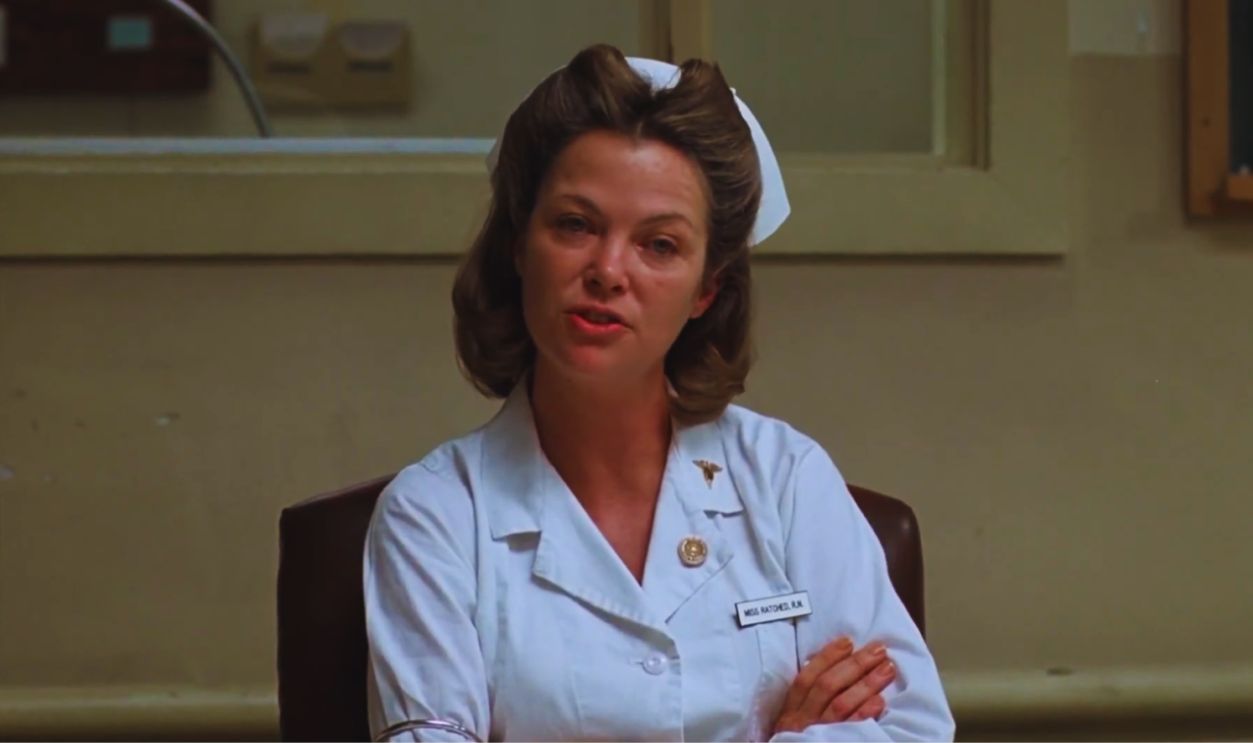 Screenshot from One Flew Over the Cuckoo's Nest, United Artists (1975)
J.T. Walsh — Breakdown (1997)
Character actor J.T. Walsh excelled at playing authority figures with sinister agendas. In Breakdown (1997), his portrayal of Red Barr is unsettling because he initially seems trustworthy. Walsh gradually reveals the character's true nature, creating one of the most effective supporting villains of the 1990s.
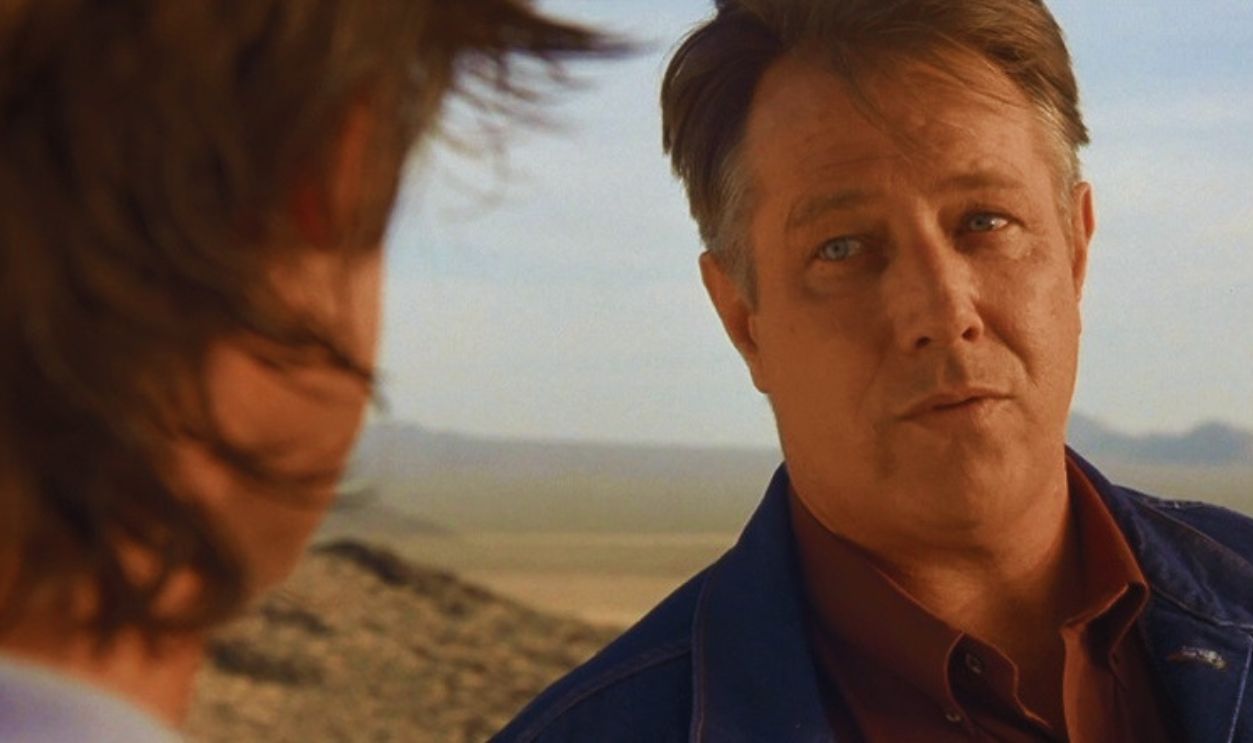 Screenshot from Breakdown, Paramount Pictures (1997)
M. Emmet Walsh — Blood Simple (1984)
M. Emmet Walsh delivered an unforgettable performance as private investigator Loren Visser in Blood Simple (1984). Greedy, manipulative, and utterly without conscience, Visser drives the film's escalating chaos. Walsh's sly grin and casual amorality helped make the character a noir classic.
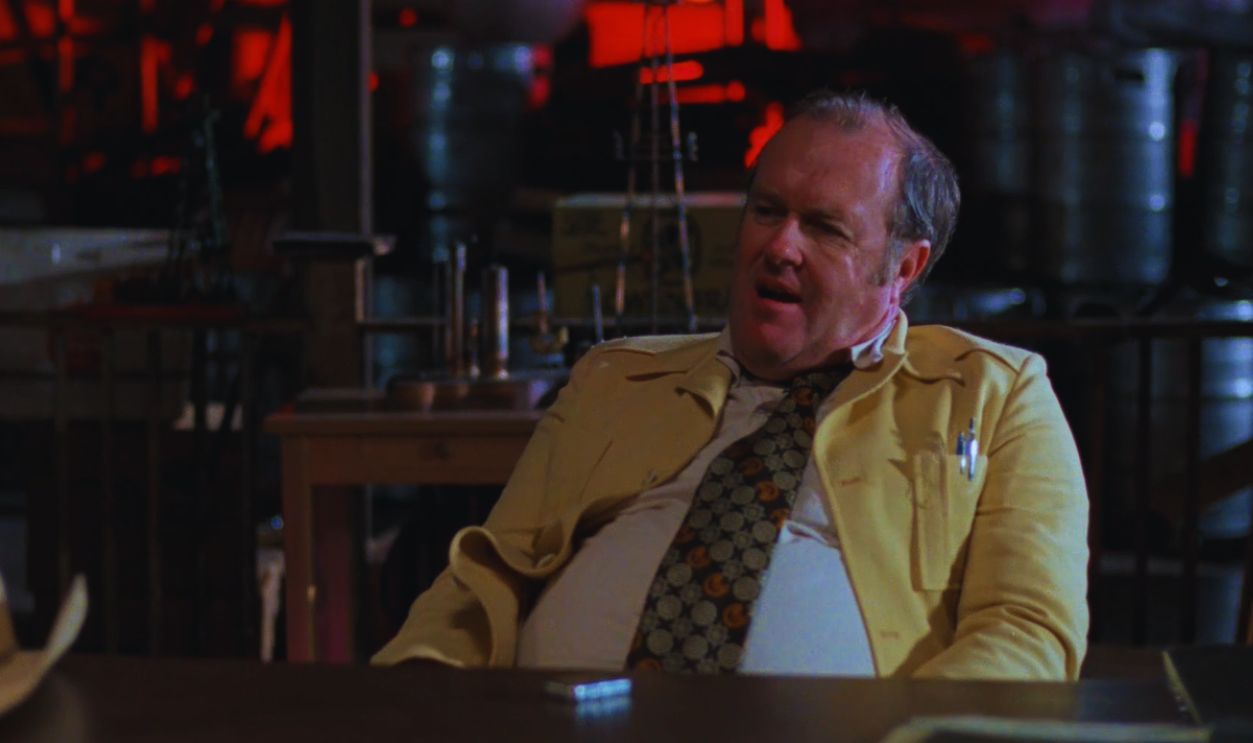 Screenshot from Blood Simple, Circle Films (1984)
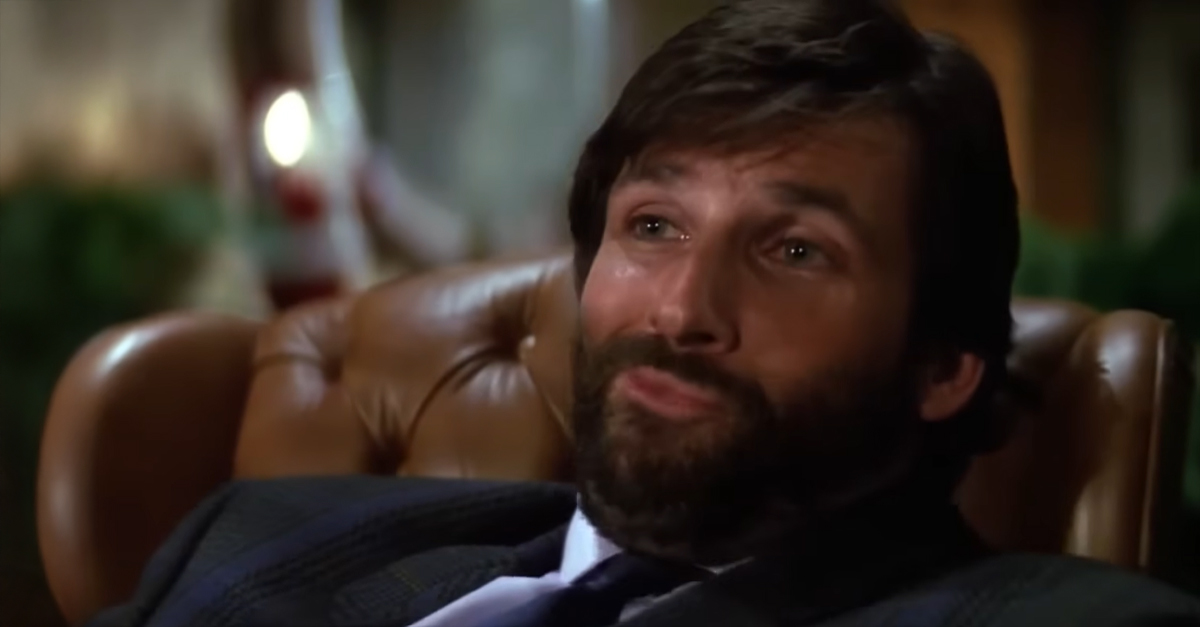
Hart Bochner — Die Hard (1988)
One of the most memorably unlikable characters in Die Hard (1988) is Harry Ellis, the slick, self-important executive played by Hart Bochner. Ellis quickly becomes a symbol of 1980s excess and smarmy arrogance. Bochner's performance is so effective that Ellis is still one of the film's most disliked characters, yet his overconfidence and eventual fate also make him one of its most memorable four decades later.
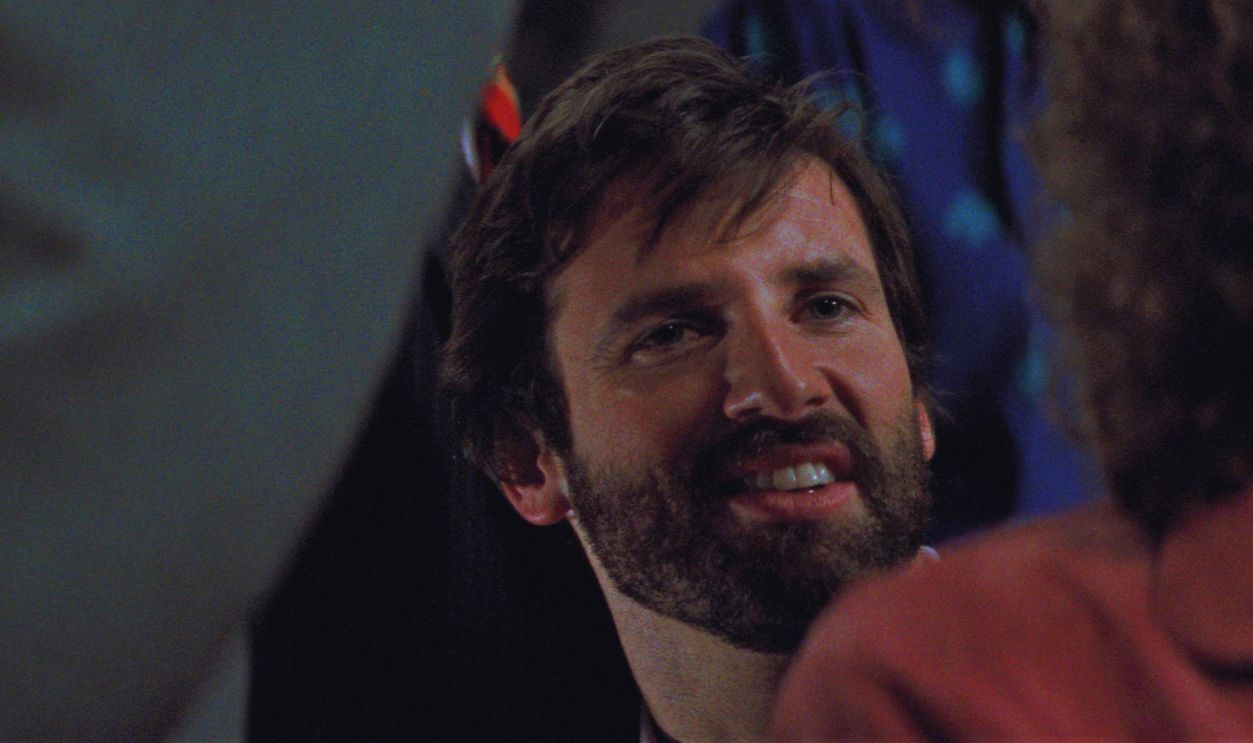 Screenshot from Die Hard, 20th Century Studios (1988)
Ned Beatty — Network (1976)
Ned Beatty appears for only a few minutes in Network (1976), yet his Arthur Jensen remains legendary. Beatty's monologue about power and corporate control transforms the character into a symbol of institutional greed. It is one of the most impactful supporting performances ever captured on film.
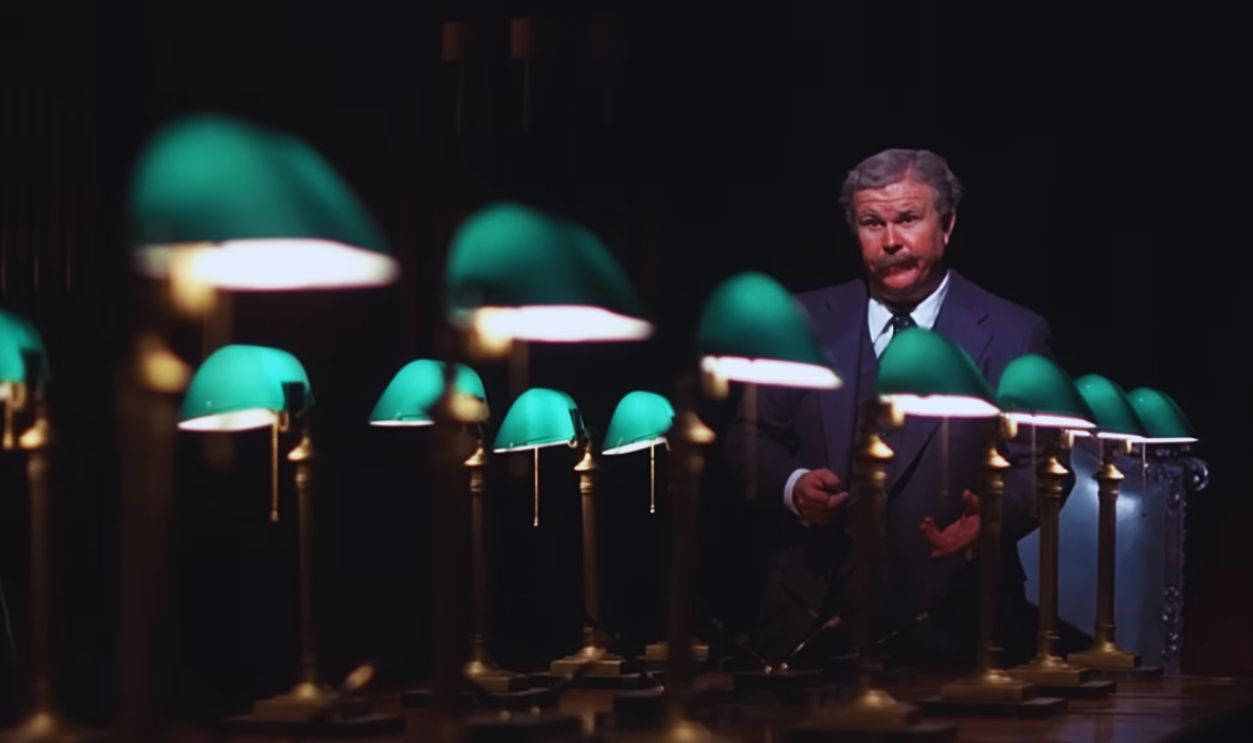 Screenshot from Network, Metro-Goldwyn-Mayer / United Artists (1976)
Dennis Hopper — Blue Velvet (1986)
Dennis Hopper's Frank Booth in Blue Velvet (1986) is unpredictable, terrifying, and completely unforgettable. Hopper infused the character with explosive volatility, ensuring audiences never knew what would happen next. The performance became a benchmark for cinematic psychopathy.
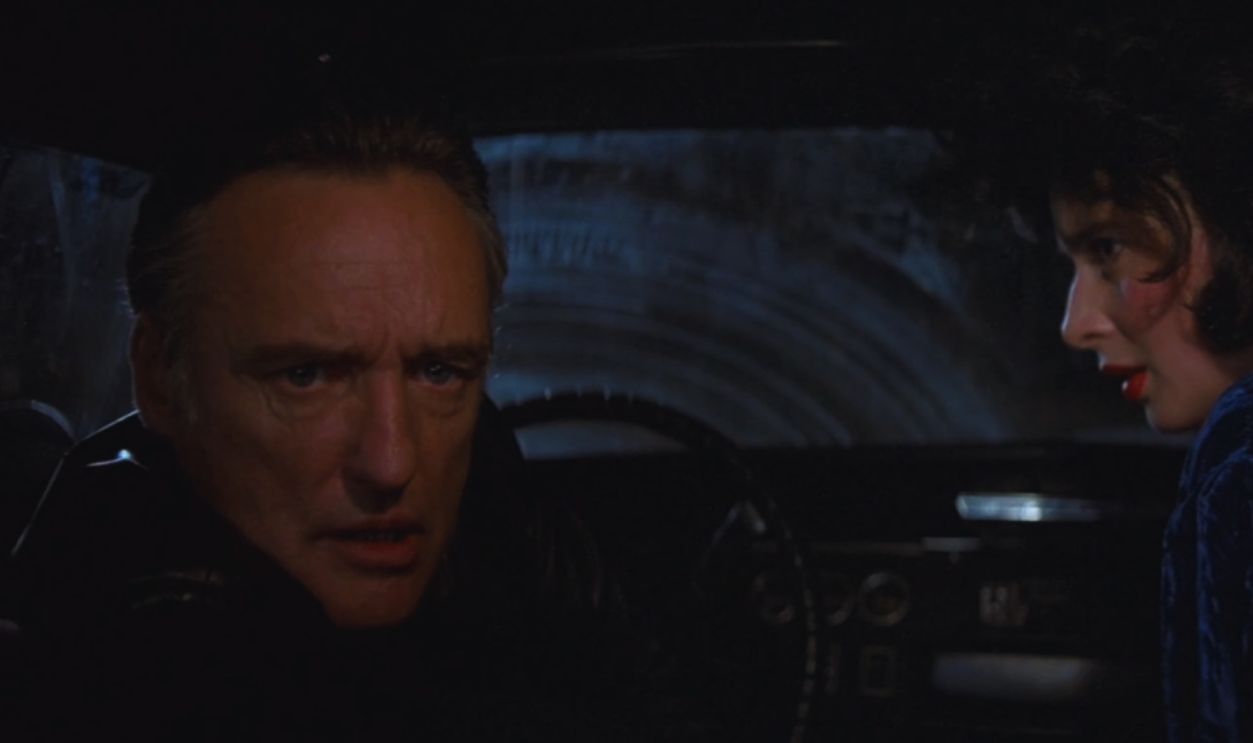 Screenshot from Blue Velvet, De Laurentiis Entertainment Group (1986)
David Patrick Kelly — The Warriors (1979)
David Patrick Kelly had only a handful of scenes as Luther in The Warriors (1979), but he made every second count. His taunting delivery and gleeful cruelty turned Luther into one of the most memorable gang leaders in movie history.
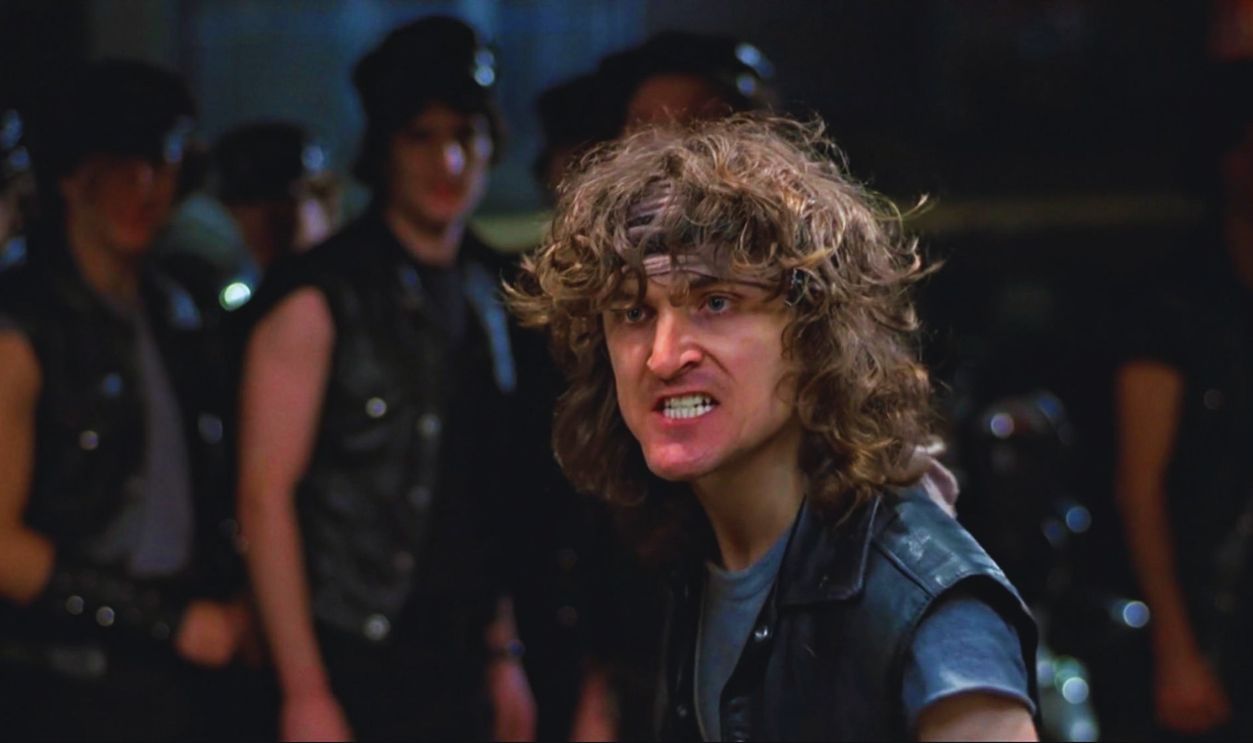 Screenshot from The Warriors, Paramount Pictures (1979)
Paul Reiser — Aliens (1986)
Paul Reiser's Carter Burke in Aliens (1986) proved that corporate greed can be just as frightening as extraterrestrial monsters. Burke's willingness to sacrifice innocent lives for profit made him one of science fiction's most hated characters and permanently altered how audiences viewed Reiser.
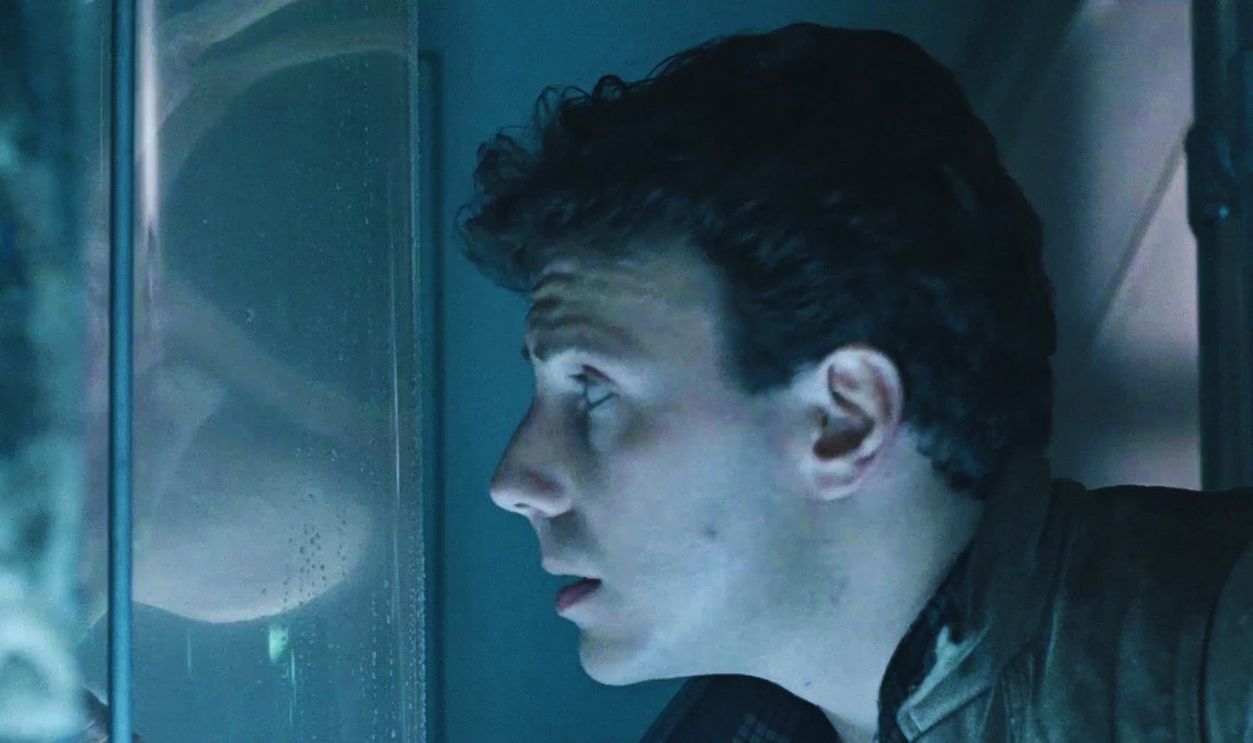 Screenshot from Aliens, 20th Century Studios (1986)
William Atherton — Ghostbusters (1984)
William Atherton turned Walter Peck in Ghostbusters (1984) into the ultimate bureaucratic nuisance. Peck is not a murderer or criminal mastermind, but Atherton played him with such smug self-righteousness that audiences instantly rooted against him whenever he appeared.
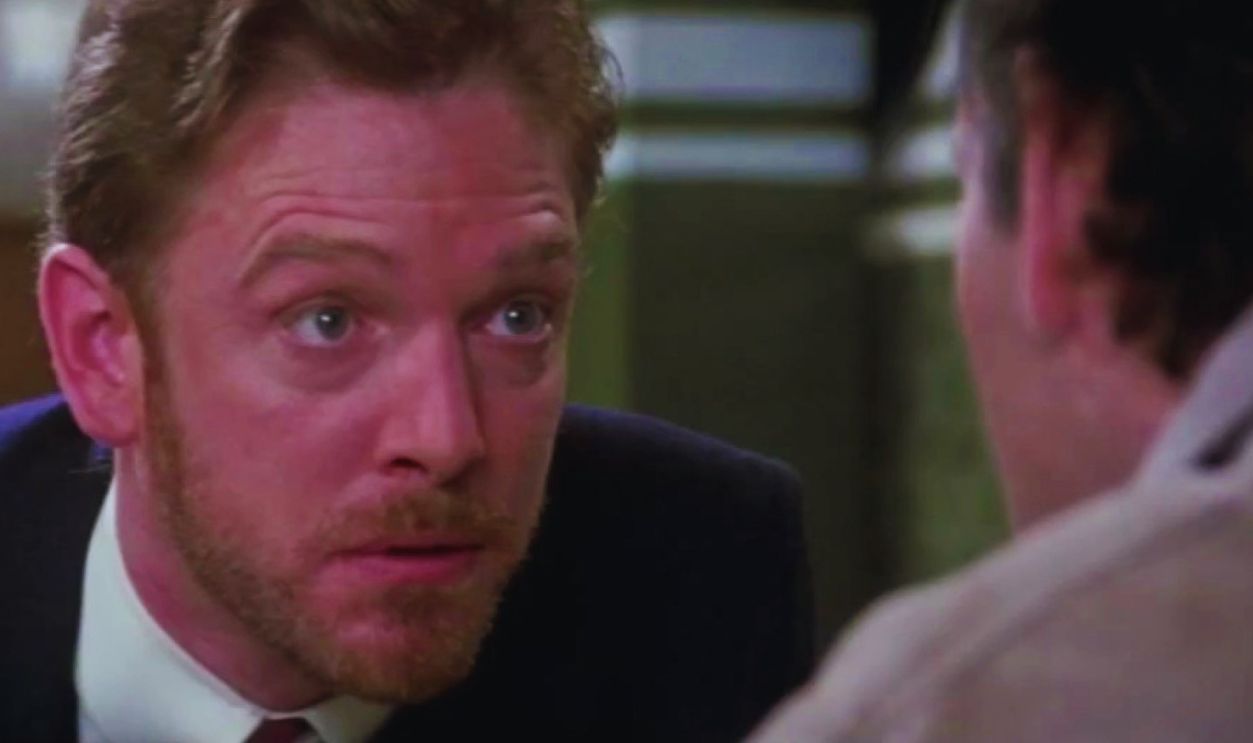 Screenshot from Ghostbusters, Columbia Pictures (1984)
Kevin Spacey — Se7en (1995)
As John Doe in Se7en (1995), Kevin Spacey created one of the most chilling serial killers in cinema. Appearing primarily in the film's final act, Doe dominates the story through intelligence, calm confidence, and horrifying convictions. His impact far exceeds his actual screen time, but his overall demeanor makes one’s skin crawl just thinking of him.
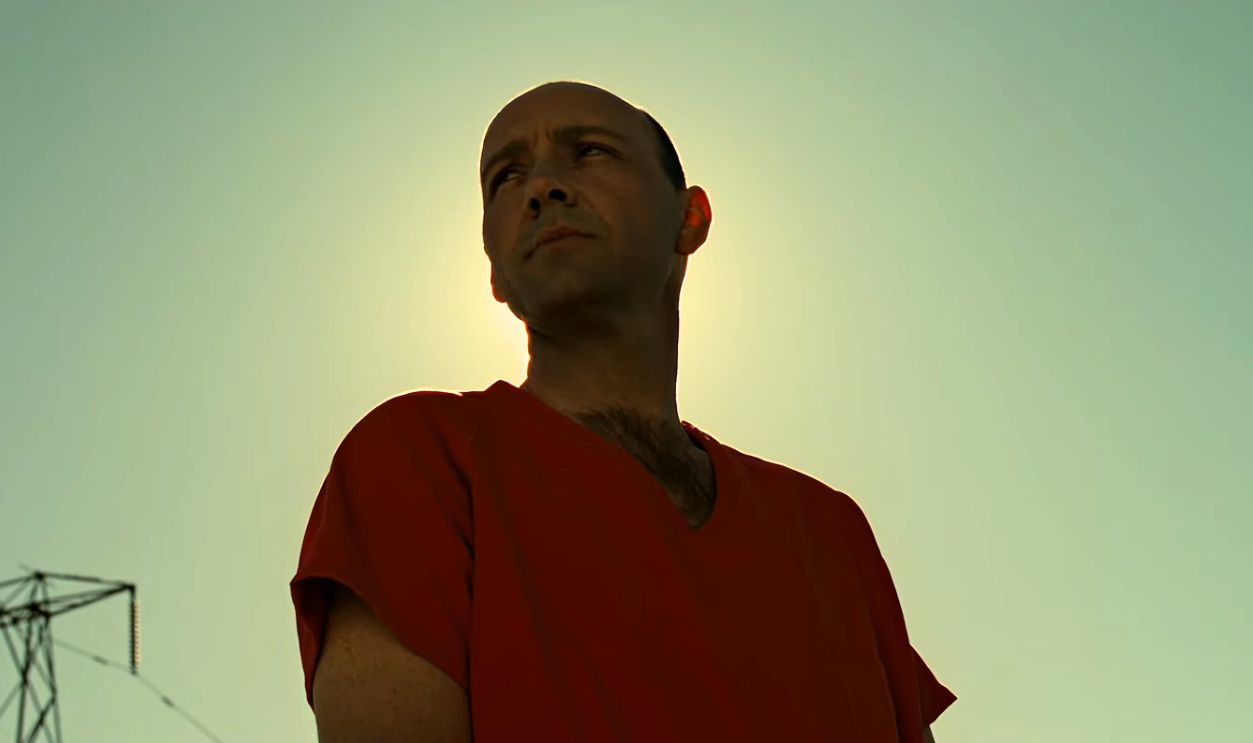 Screenshot from Se7en, New Line Cinema (1995)
Why Character Actors Excel At Villainy
Character actors often make the best villains because they arrive without the baggage of leading-man expectations. Audiences accept them immediately as dangerous, suspicious, or morally compromised. Whether appearing for five minutes or an entire film, these performers understand how to create unforgettable antagonists with maximum efficiency.
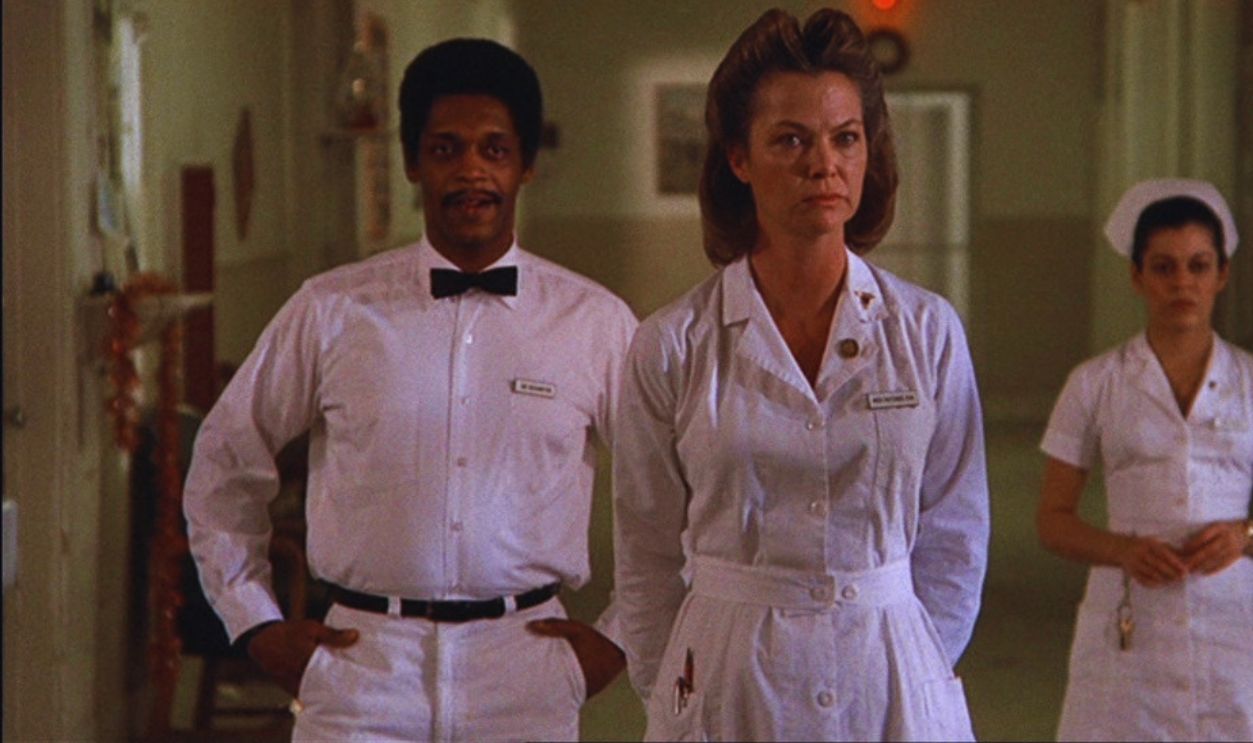 Screenshot from One Flew Over the Cuckoo's Nest, United Artists (1975)
You May Also Like:
Actors Who Admitted They Never Fully Understood Their Most Famous Roles