The Anchorman Who Refused To Give Up
Ted Knight seemed born to play Ted Baxter, the spectacularly confident and hilariously incompetent anchorman on The Mary Tyler Moore Show. Yet his success was anything but instant. Before television audiences knew his booming voice and perfectly timed grin, Knight spent nearly two decades chasing small roles, hearing “no,” and wondering whether his big opportunity would ever arrive.
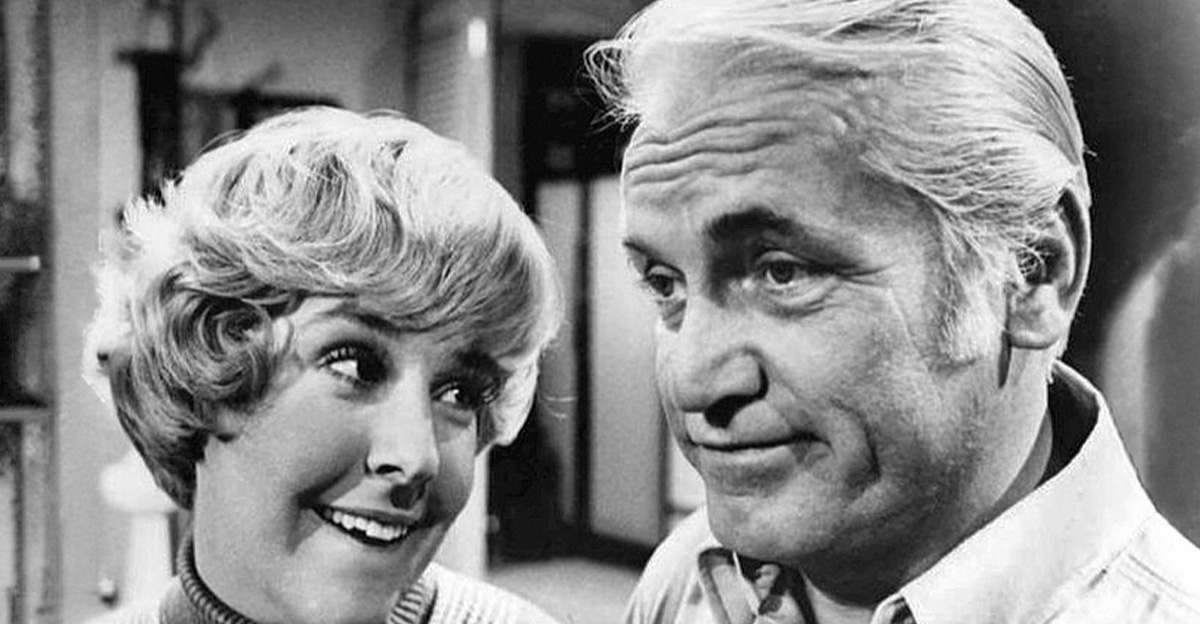 CBS TelevisionUploaded by We hope at en.wikipedia, Public domain, via Wikimedia Commons
Humble Beginnings In Connecticut
Knight was born Tadeusz Wladyslaw Konopka in Terryville, Connecticut, in 1923. The son of Polish-American parents, he grew up far from Hollywood’s glittering studios. Nothing about his childhood suggested that he would someday become one of television’s most recognizable comic actors. His journey began with determination rather than connections.
Serving During World War II
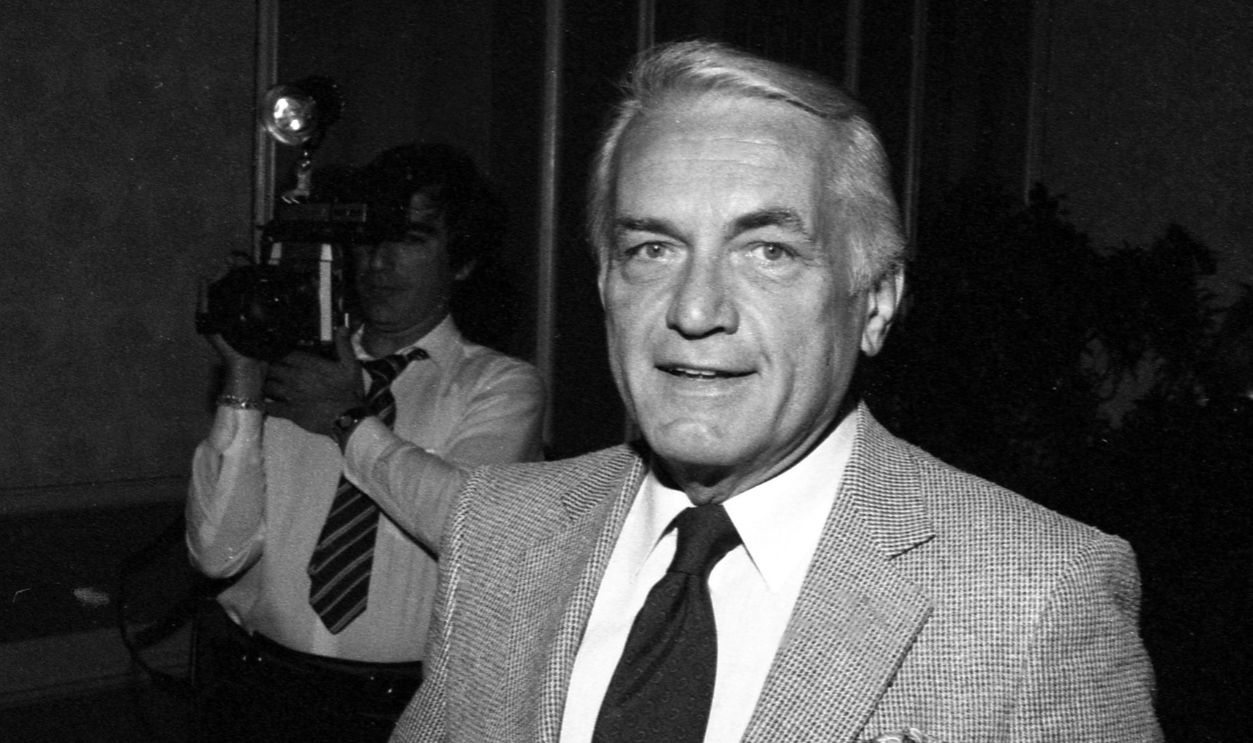
Before entering show business, Knight served in the United States Army during World War II. Military life gave him discipline and confidence, qualities he would need during the difficult years ahead. After returning home, he studied acting in Hartford and began searching for opportunities wherever he could find them.
Learning Every Trick He Could
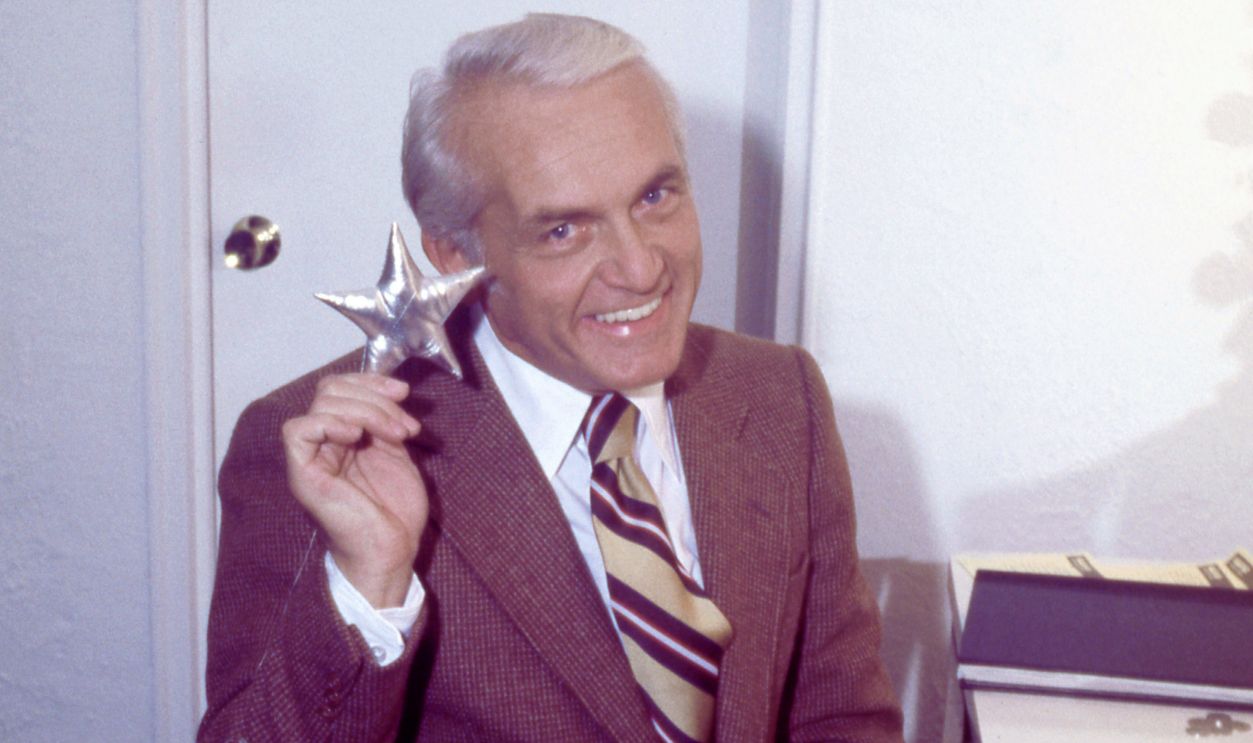
Knight did not simply study dramatic acting. He learned puppetry, ventriloquism, announcing, mimicry, and character voices. Those skills might have seemed unrelated, but they taught him how to control his voice and physical movements. Years later, that training helped him turn Ted Baxter into a wonderfully exaggerated comic creation.
 CBS Television, Wikimedia Commons
Becoming A Children’s Television Host
During the early 1950s, Knight found steady employment at WJAR-TV in Providence, Rhode Island. He hosted children’s programming and developed colorful television personalities. It was hardly glamorous work, but it taught him how to perform live, react quickly, and keep an audience entertained without the luxury of multiple takes.
Moving Through Local Television
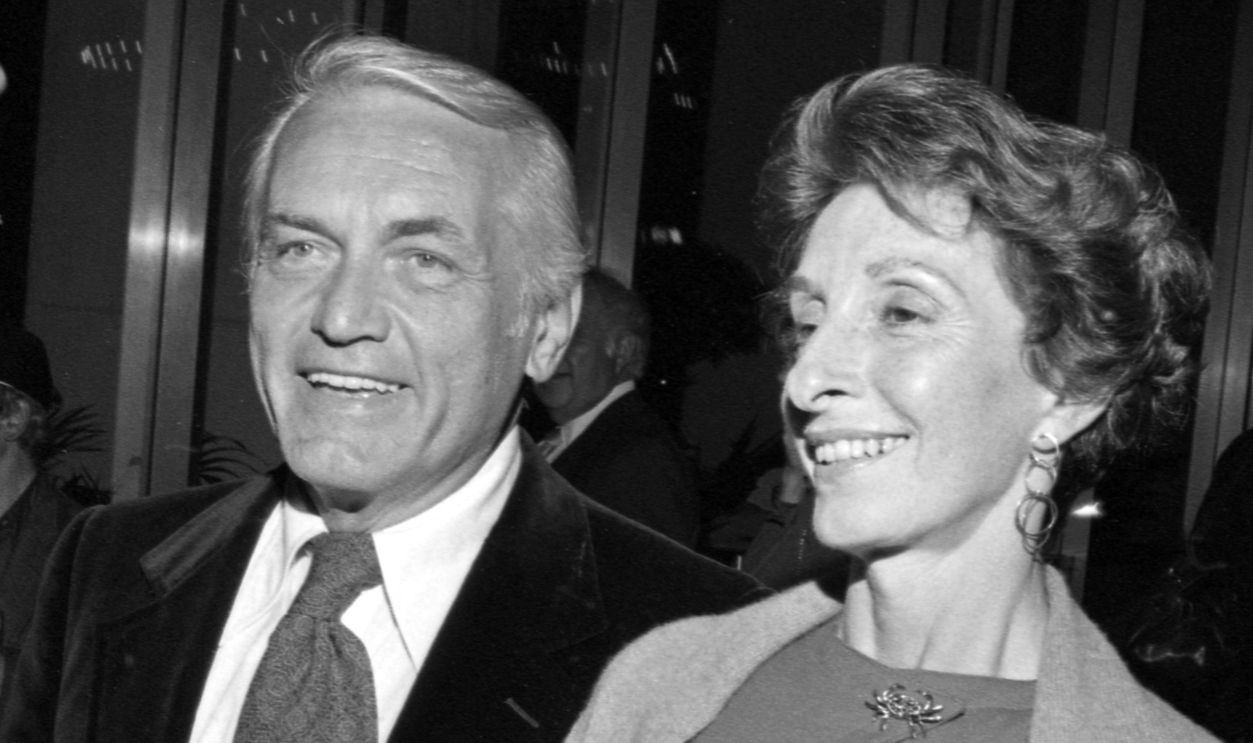
Knight later moved to Albany, New York, where he hosted movie presentations and another children’s program. He also worked as a radio announcer. His deep, polished voice made him a natural broadcaster, although his ambitions extended beyond introducing old movies. He wanted to become a serious professional actor.
Hollywood Started Calling
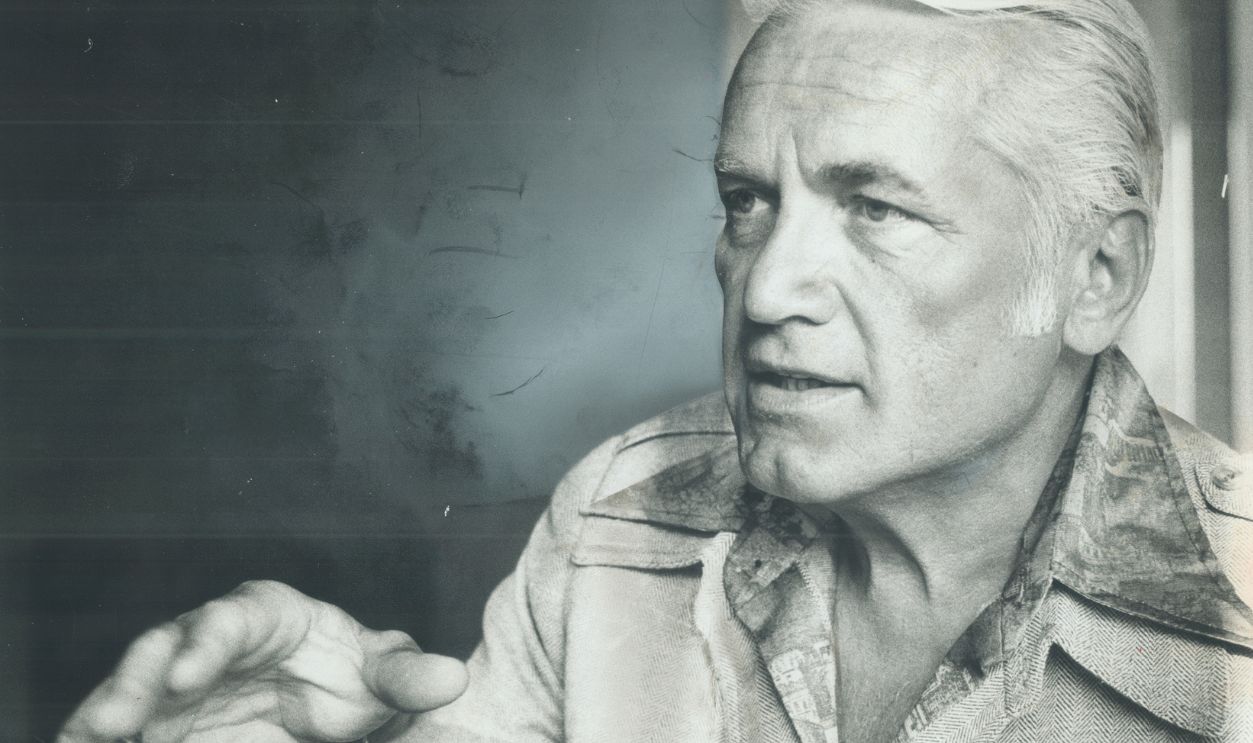
After being denied a raise at the Albany station, Knight reportedly received some life-changing advice from his manager: take his talent to Hollywood. It was the kind of bold suggestion that sounds wonderful in hindsight. At the time, it meant abandoning steady employment for an industry famous for crushing dreams.
The Dream Met Reality
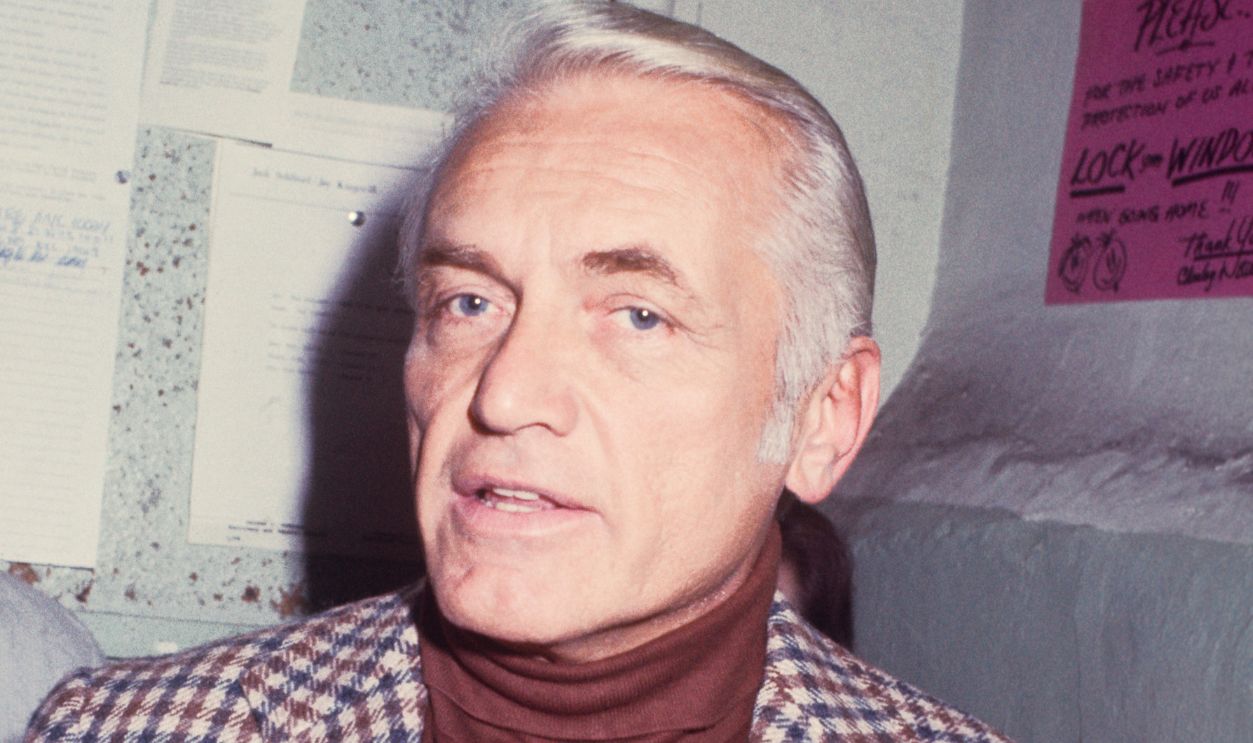
Hollywood did not welcome Knight with open arms. He attended auditions, searched for agents, and competed against thousands of other performers. His impressive voice helped him find commercial and voice-over work, but the substantial acting parts he wanted remained frustratingly elusive. Success always seemed to be waiting in another room.
Years Of Small Television Roles
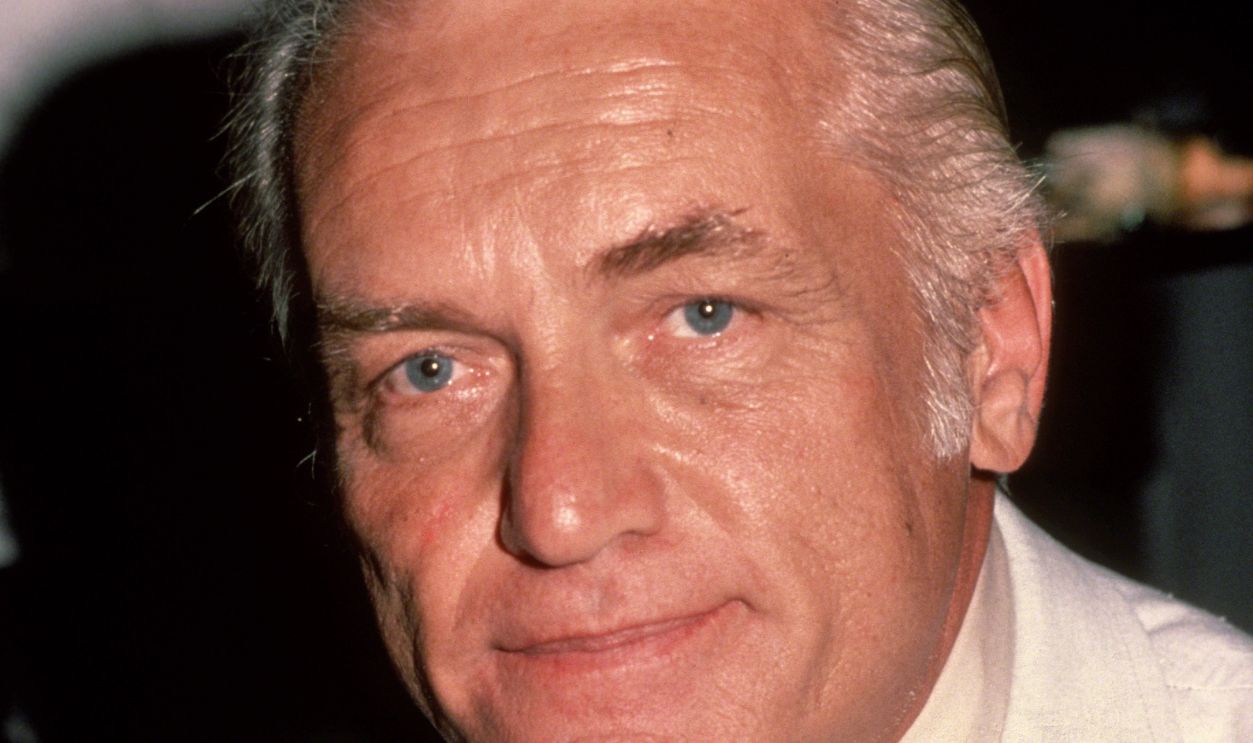
Throughout the late 1950s and 1960s, Knight appeared in numerous television programs, usually in small supporting parts. He could be seen in westerns, crime dramas, adventure series, and soap operas. The work kept him visible, but few roles lasted long enough for audiences to remember his name.
Playing The Heavy
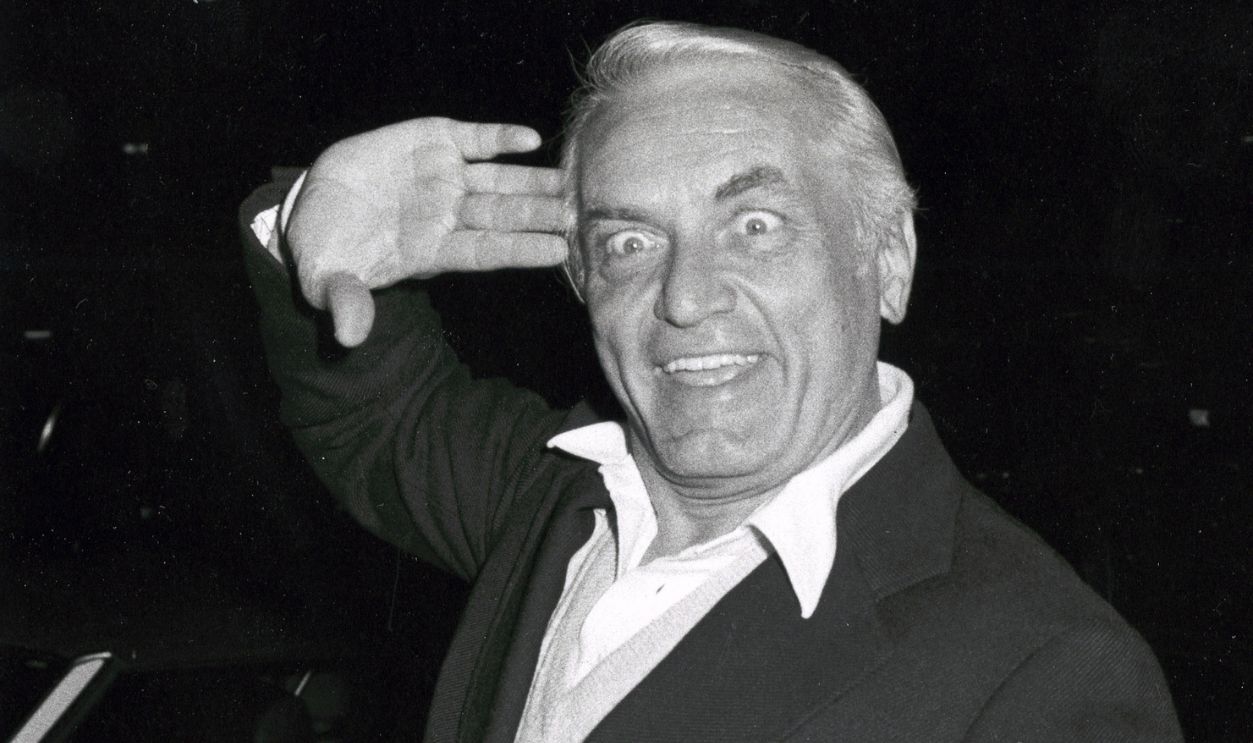
Knight’s stern appearance and powerful voice often led casting directors to place him in serious roles. He played policemen, authority figures, businessmen, military officers, and villains. He was dependable and professional, but these brief appearances gave him little room to reveal the playful comic instincts that would eventually transform his career.
A Tiny Place In Psycho
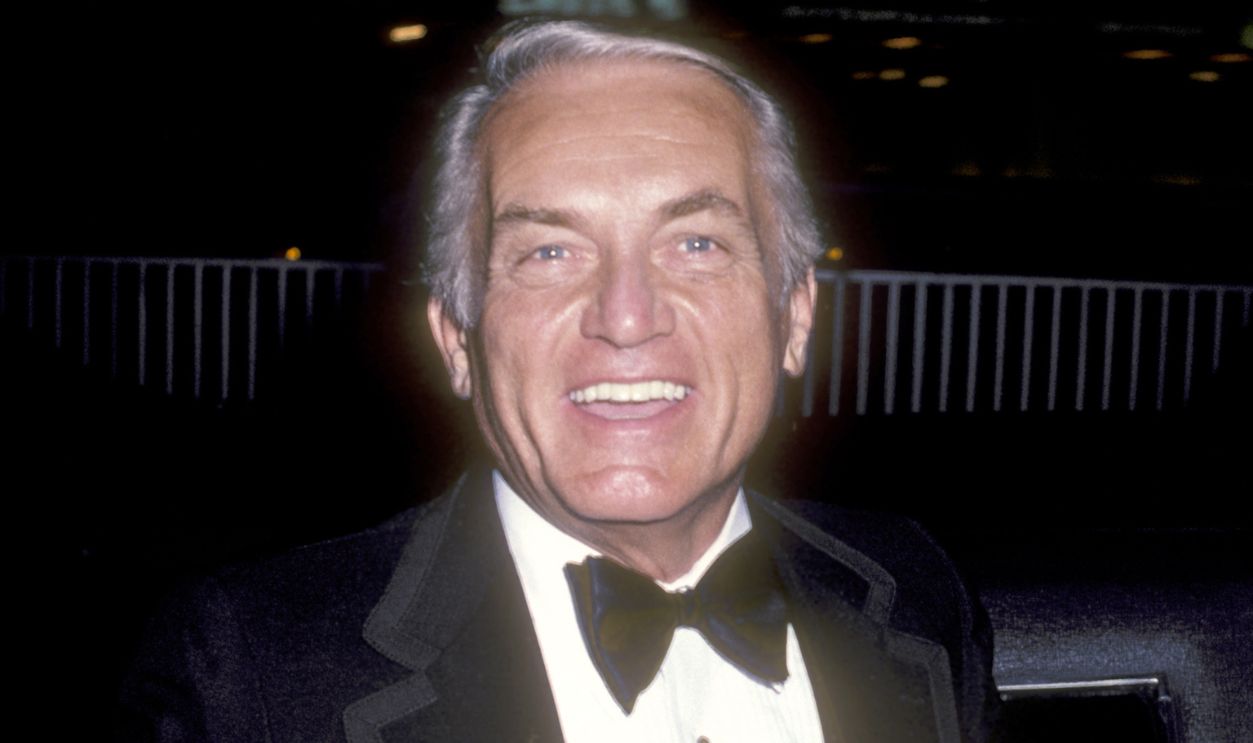
One of Knight’s early movie appearances came in Alfred Hitchcock’s Psycho. He played a police officer guarding Norman Bates near the end of the film. It was hardly a starring role, and many viewers never noticed him. Still, appearing in a future classic became an amusing footnote in his long climb toward fame.
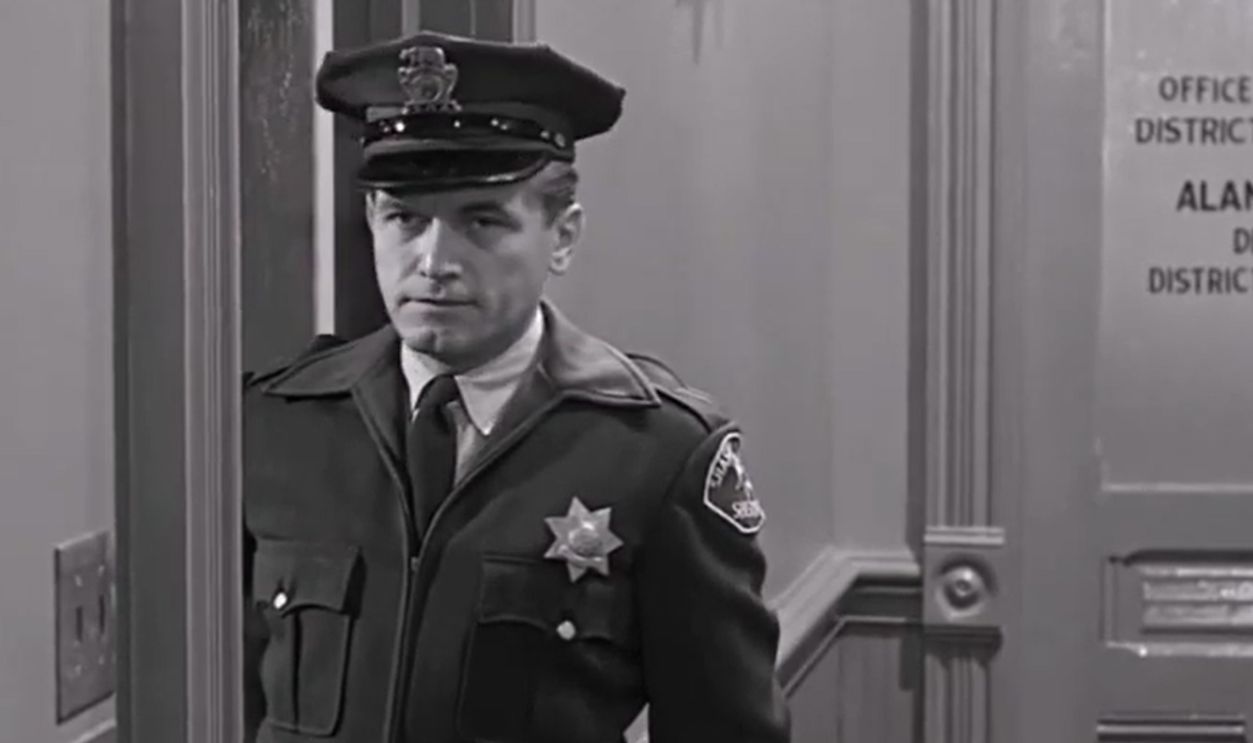 Screenshot from Psycho, Paramount Pictures (1960)
Rejection Became The Routine
For Knight, rejection was not one dramatic setback. It was a regular part of life. He would audition, wait for a telephone call, and frequently discover that another actor had been chosen. He was talented, experienced, and reliable, yet Hollywood continued treating him like someone who was useful without being especially valuable.
Watching Younger Actors Pass Him
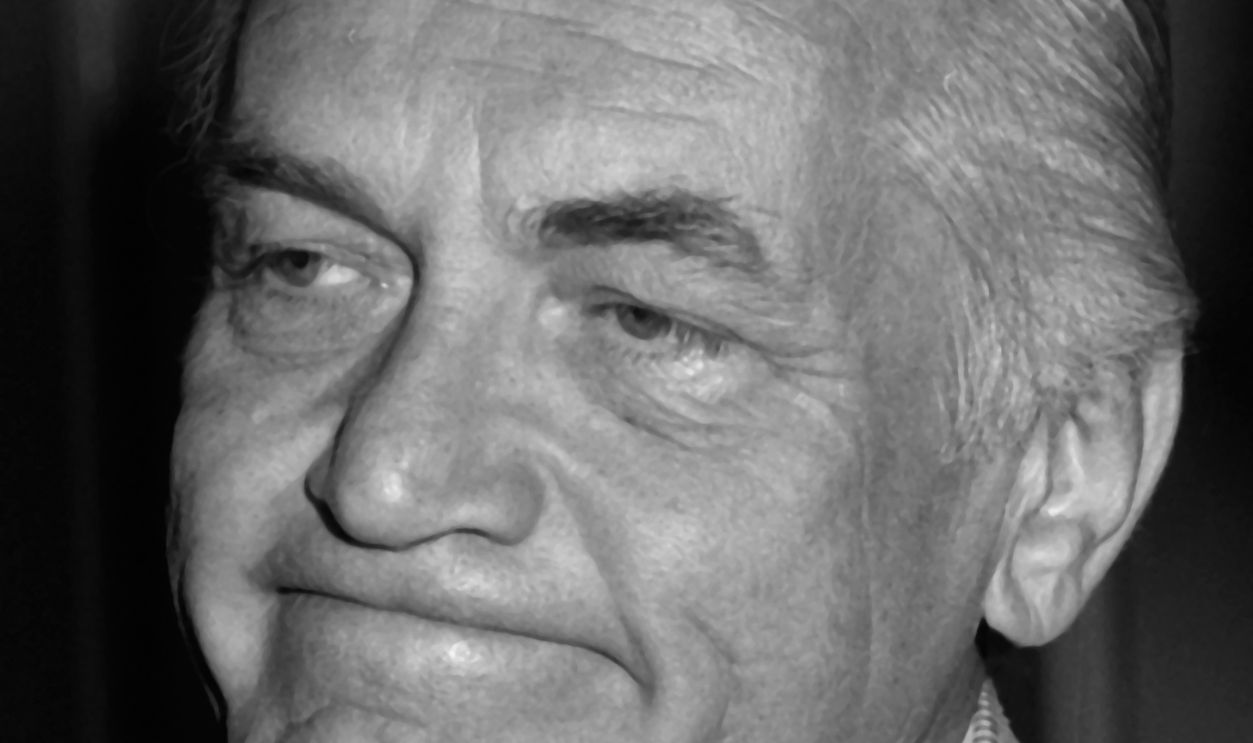
The years kept moving, and Knight was no longer a fresh-faced newcomer. Younger performers arrived in Hollywood and landed major opportunities while he continued collecting guest appearances. Many actors would have changed careers. Knight kept working, polishing his craft and hoping that one unusual role might finally allow everything to click.
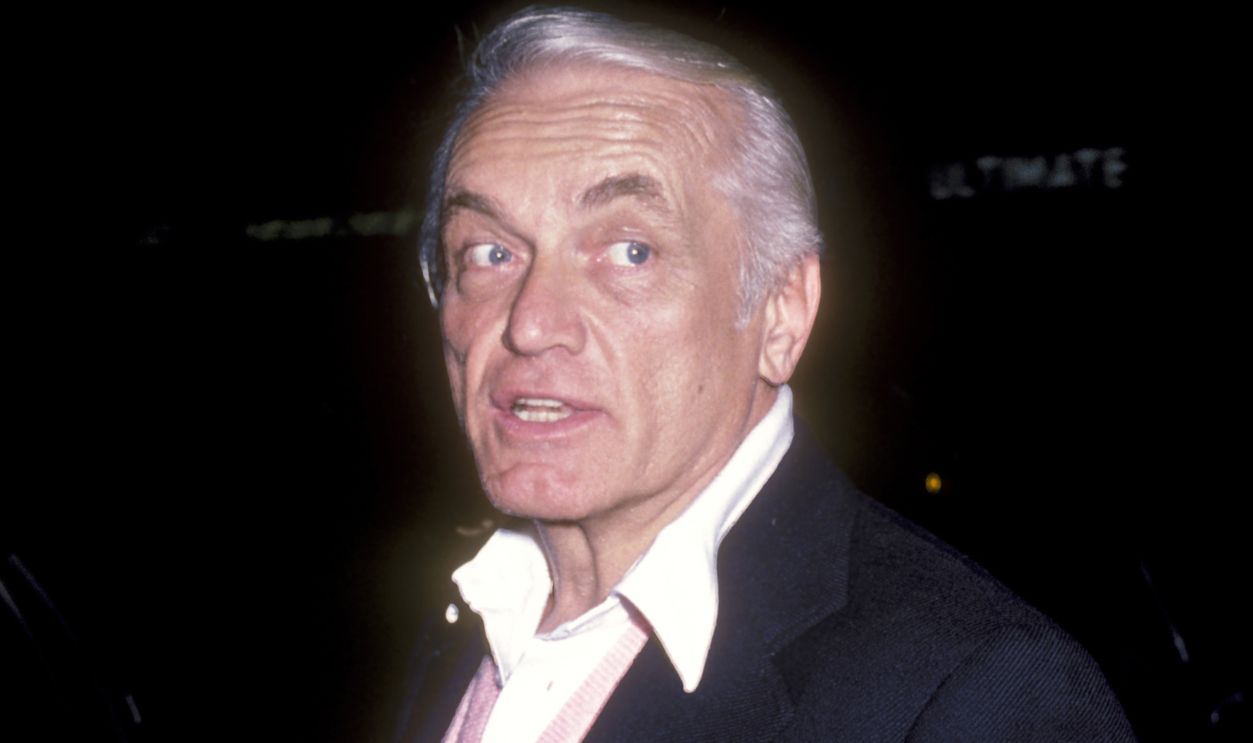
The Audition That Changed Everything
That role arrived when Knight auditioned for a new CBS comedy starring Mary Tyler Moore. The producers needed an actor to play Ted Baxter, the pompous anchorman at Minneapolis television station WJM. Baxter possessed a magnificent broadcasting voice, enormous confidence, limited intelligence, and almost no understanding of his own shortcomings.
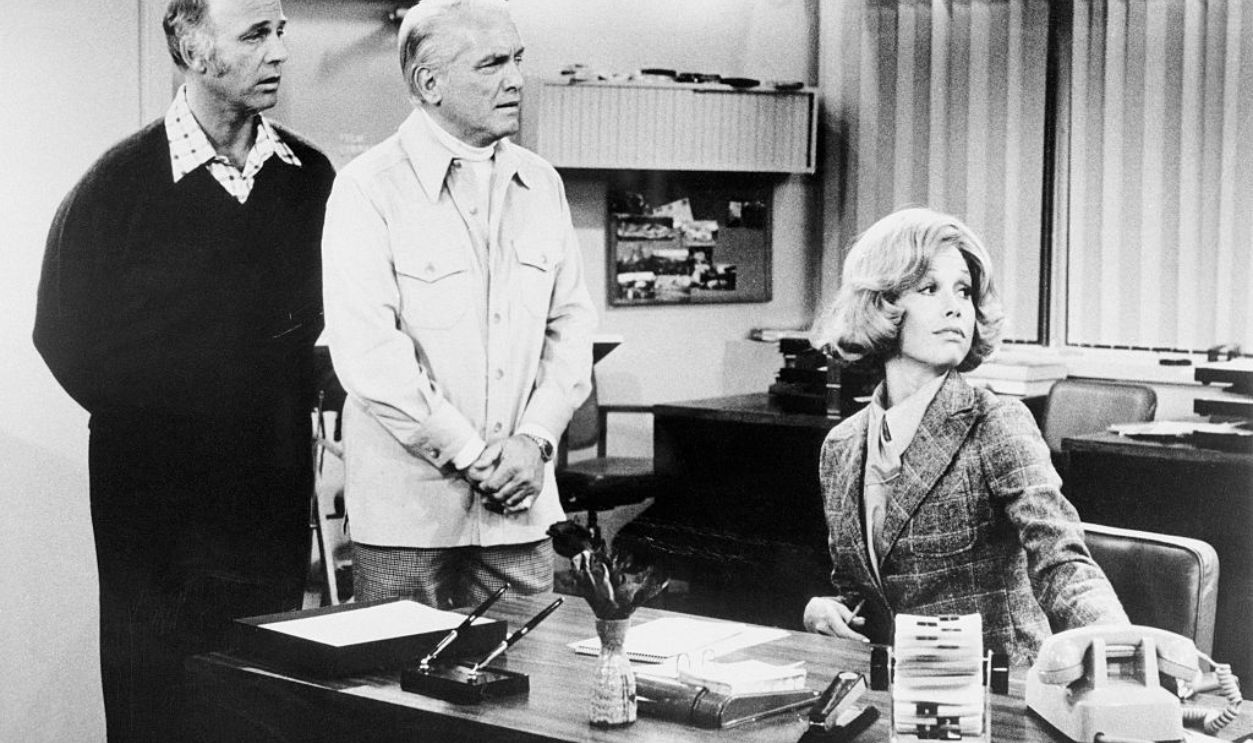
Ted Baxter Was A Risk
Knight had spent years attempting to be taken seriously, so playing an outrageous fool could have felt dangerous. Baxter was vain, insecure, childish, and frequently ridiculous. In less capable hands, he might have become unbearable. Knight recognized something important, however: Ted Baxter never realized that he was the joke.
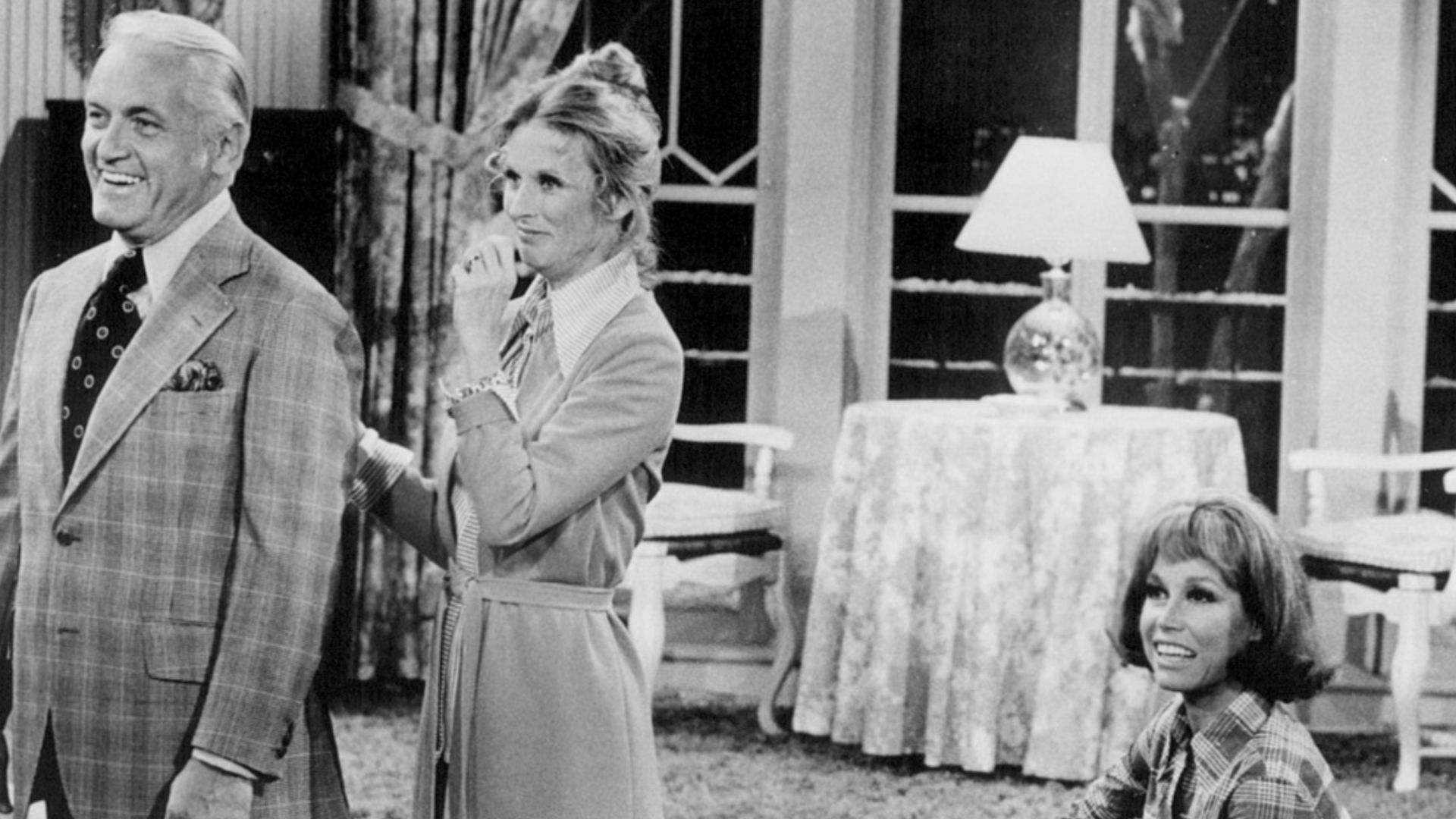 CBS Television Uploaded by We hope at en.wikipedia, Wikimedia Commons
A Voice Made For Comedy
Knight used the grand broadcasting voice that had helped sustain him through years of commercials and announcing work. As Baxter, every ordinary sentence sounded like an official proclamation to the nation. His booming delivery made the character’s foolish statements even funnier because Ted spoke with the confidence of a man delivering historic news.
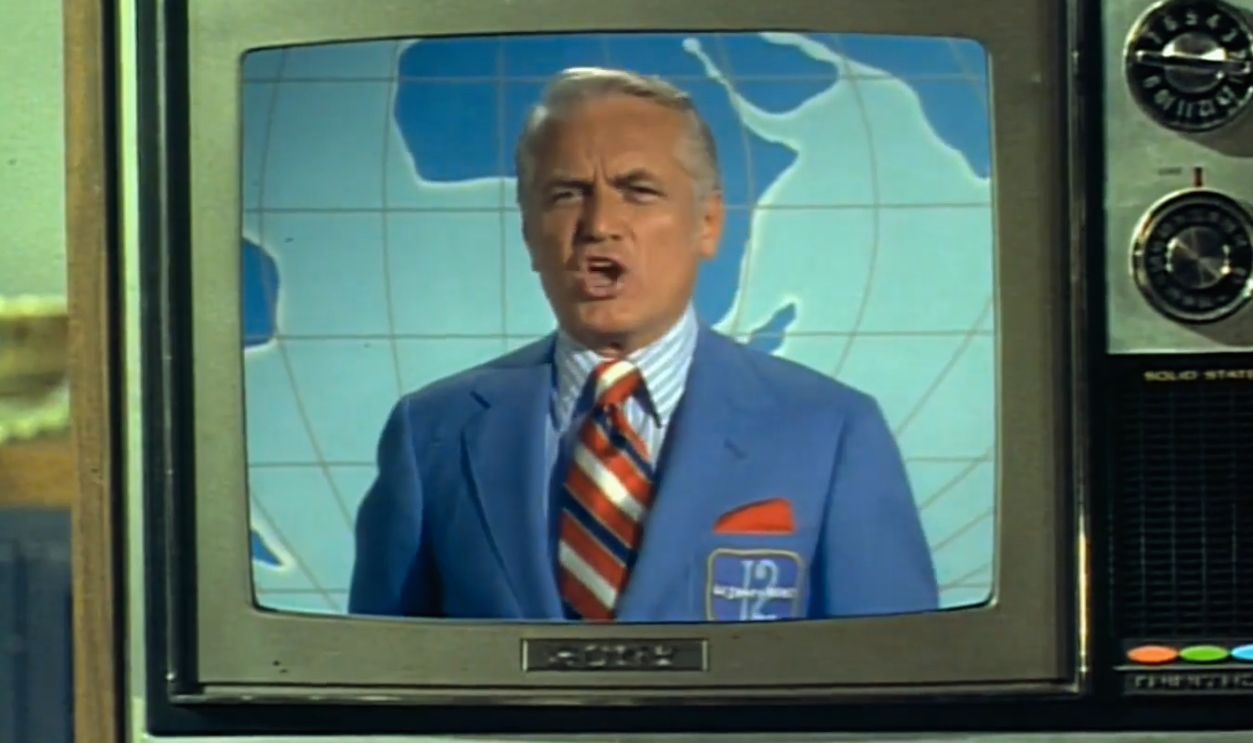 Screenshot from The Mary Tyler Moore Show, CBS (1970–1977)
Joining A Remarkable Ensemble
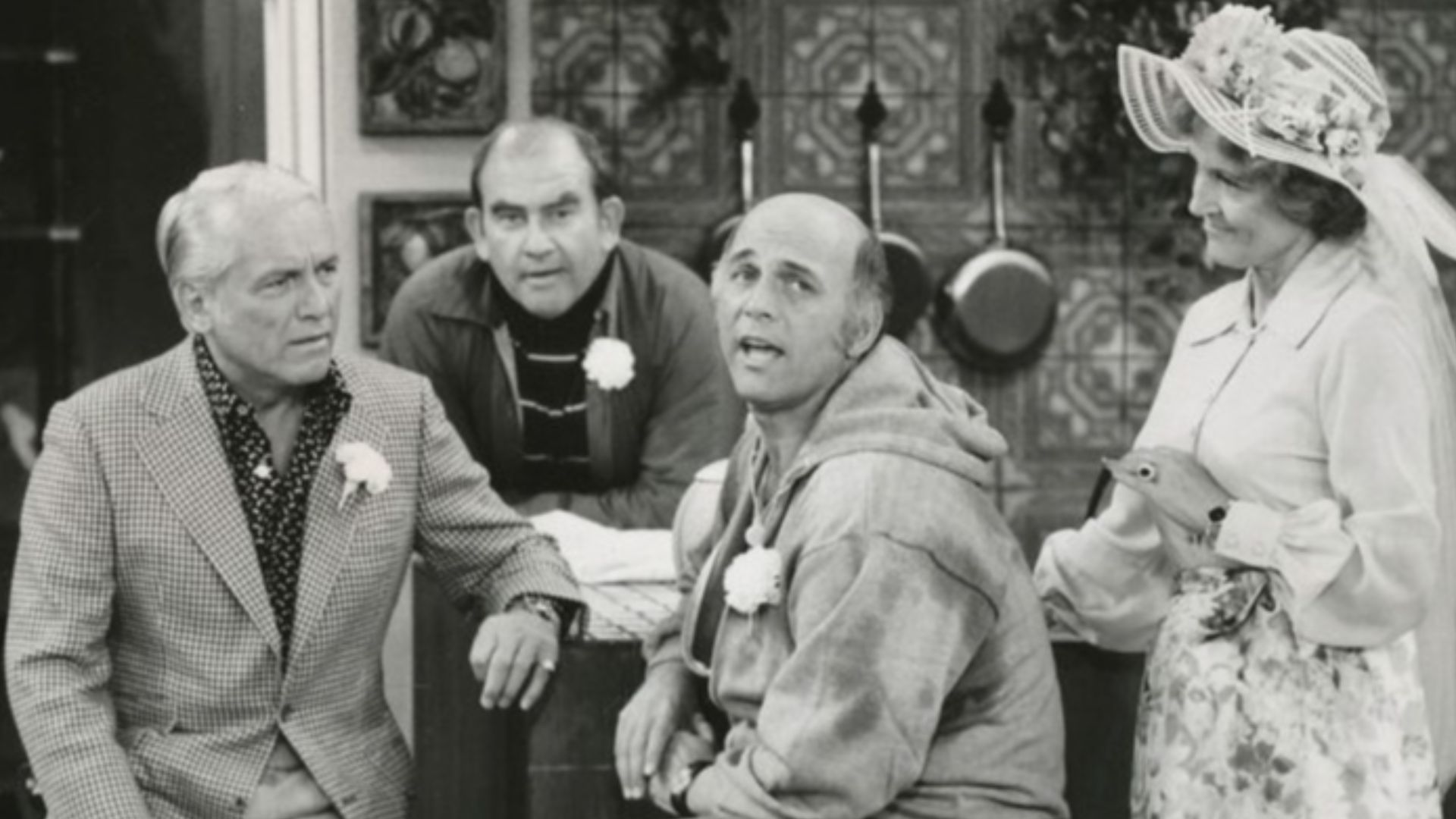
The Mary Tyler Moore Show premiered in 1970 with one of television’s strongest casts. Mary Tyler Moore, Ed Asner, Valerie Harper, Cloris Leachman, Gavin MacLeod, and Knight created characters who felt like colleagues, friends, and occasionally an extremely dysfunctional family. Knight stood out without disrupting the ensemble around him.
 CBS Television Uploaded by We hope at en.wikipedia, Wikimedia Commons
Finding Ted’s Hidden Heart
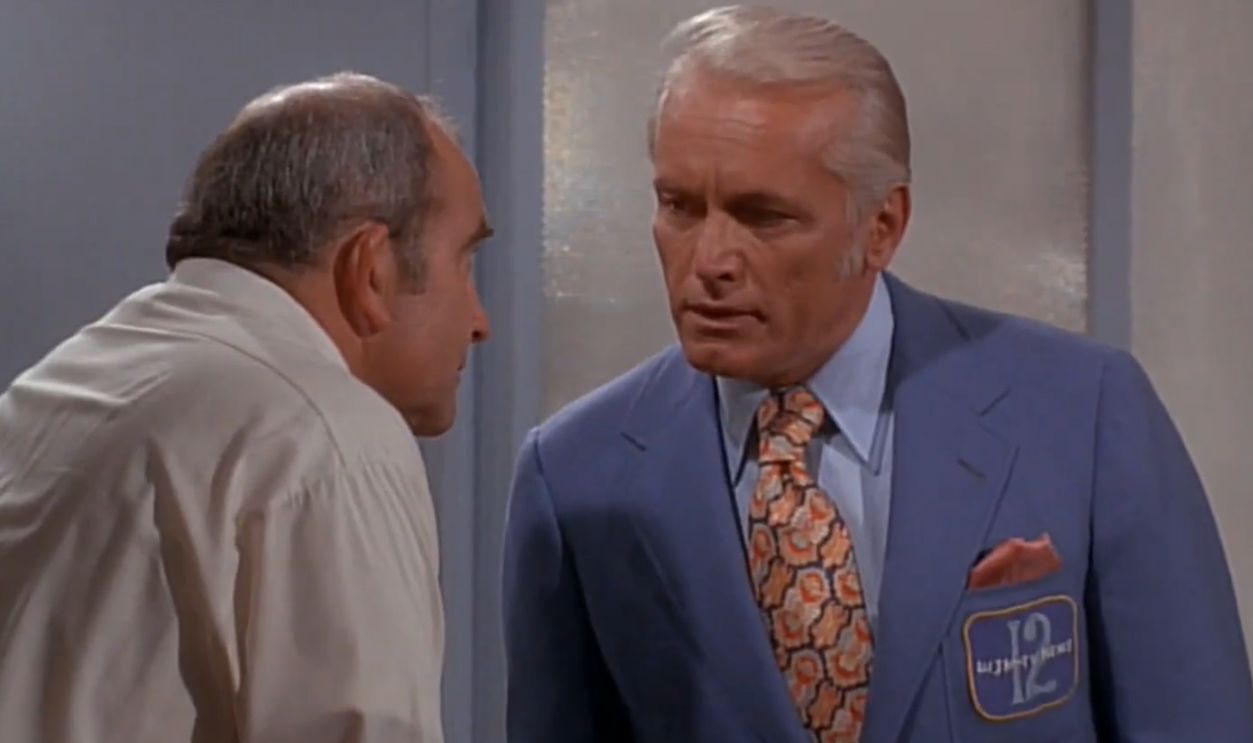
The writers could have kept Ted Baxter as a shallow workplace buffoon. Instead, Knight gradually revealed the character’s loneliness and desperate need for approval. Ted bragged because he was insecure. He demanded respect because he feared nobody respected him. Viewers laughed at him but also occasionally found themselves rooting for him.
 Screenshot from The Mary Tyler Moore Show, CBS (1970–1977)
Turning Vanity Into An Art Form
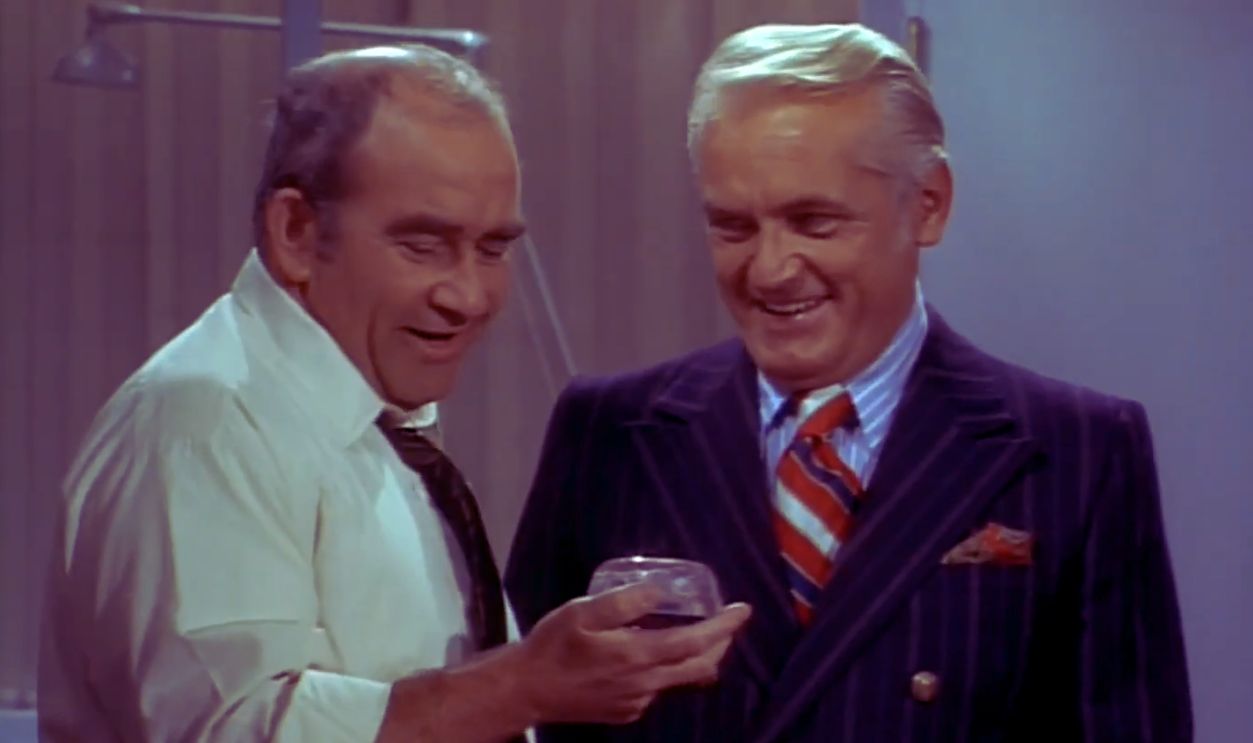
Knight understood exactly how far to push Ted’s ego. A raised eyebrow, a proud pause, or a painfully smug smile could produce a laugh before he even spoke. He was especially funny when Ted expected applause and received silence. Knight’s physical reactions made every embarrassment feel like a small comic masterpiece.
 Screenshot from The Mary Tyler Moore Show, CBS (1970–1977)
Finally Winning Television’s Respect
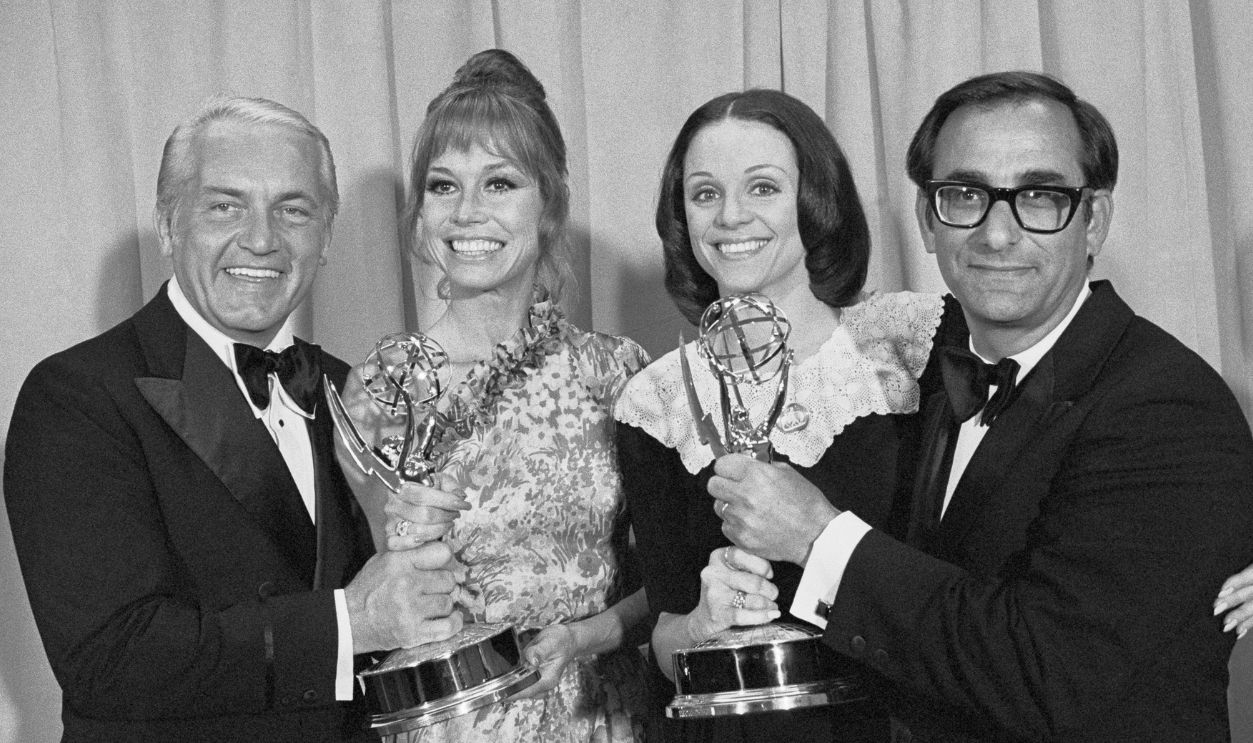
After years of barely noticed work, Knight became one of the most celebrated performers on television. He received six Emmy nominations for playing Ted Baxter and won twice, in 1973 and 1976. The actor who had struggled to attract attention was now receiving awards for portraying a man hopelessly addicted to it.
More Than A One-Note Buffoon
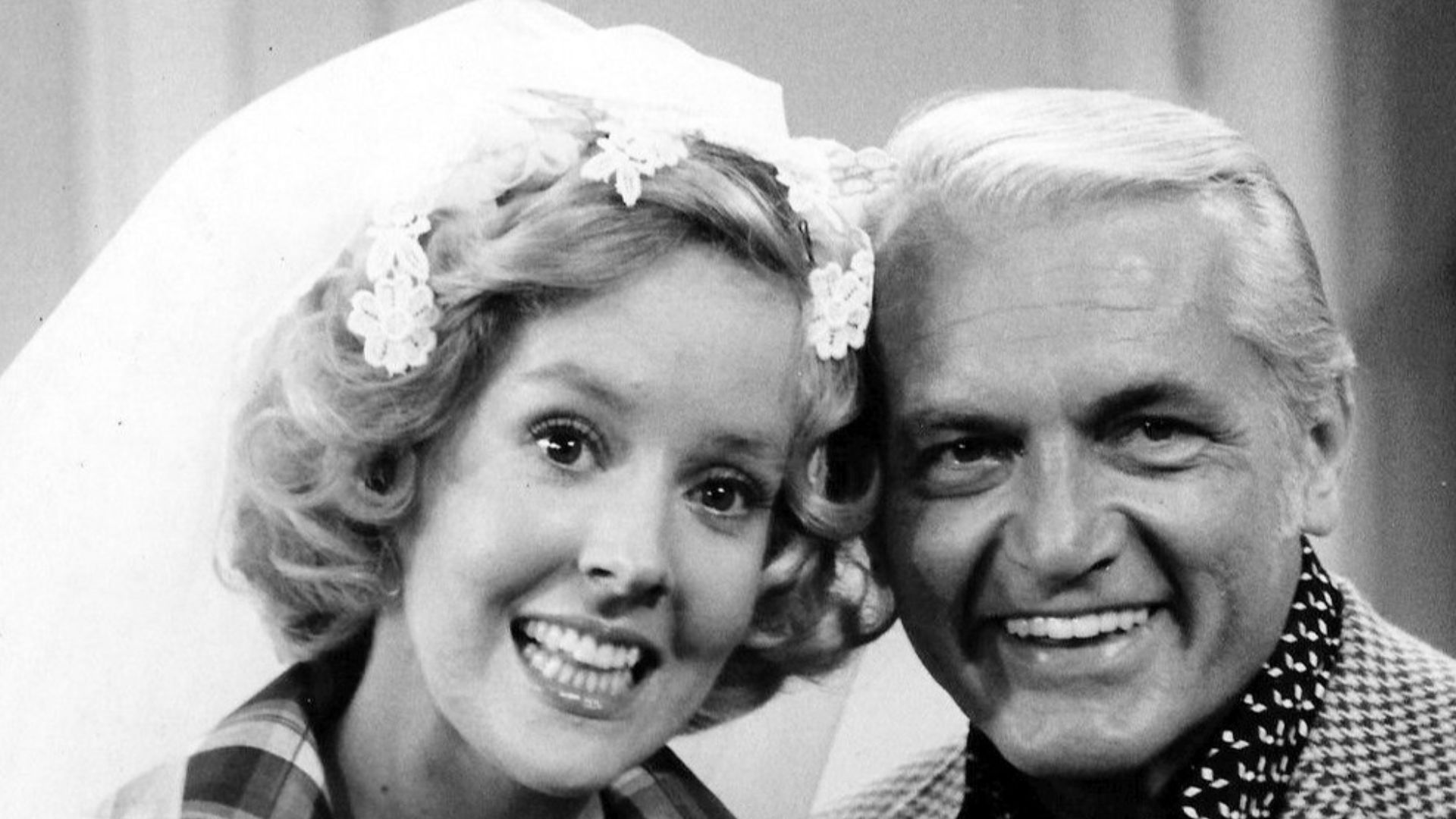
As the series continued, Ted matured without suddenly becoming brilliant. He fell in love with Georgette, married her, and became a father. These developments allowed Knight to show genuine tenderness. The character remained comically self-important, but viewers could see that there was a decent and surprisingly lovable man beneath the perfect hair.
 CBS Television, Wikimedia Commons
Life After WJM
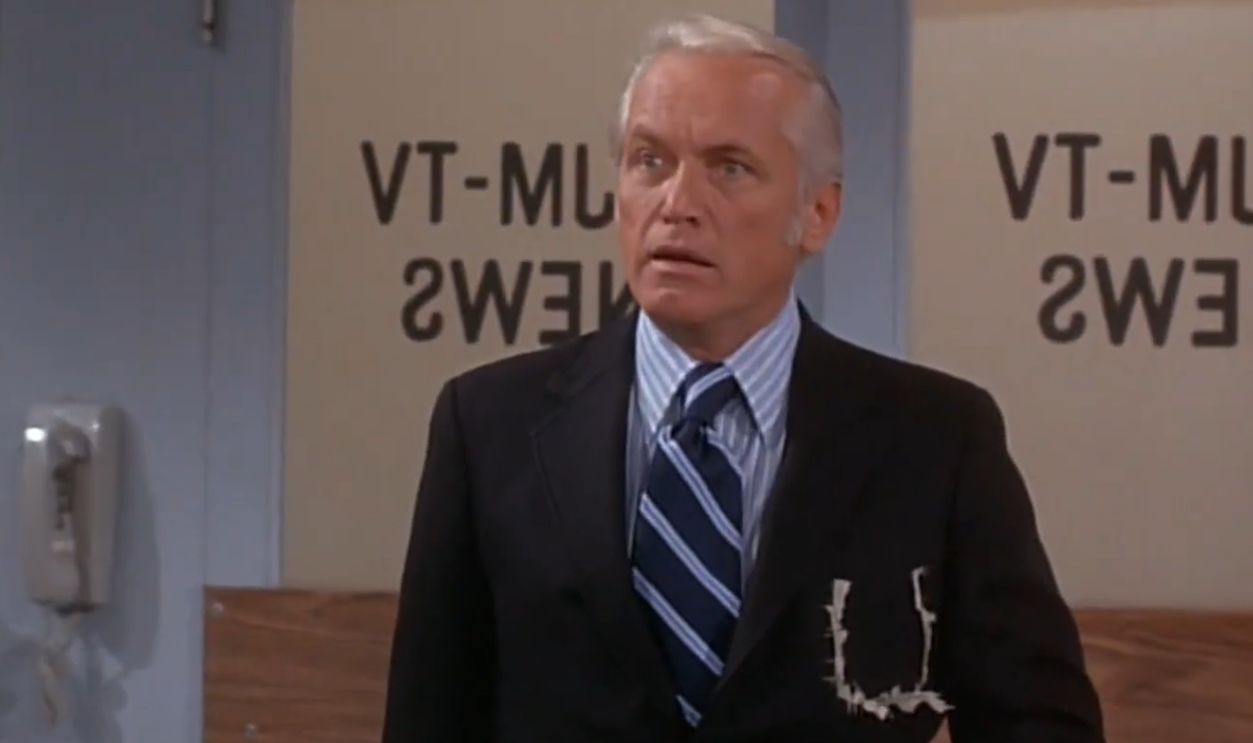
When The Mary Tyler Moore Show ended in 1977, Knight faced a challenge familiar to actors associated with iconic characters. Audiences saw Ted Baxter whenever they looked at him. Escaping that shadow would not be easy, but Knight now possessed something he had lacked during his early struggles: genuine television stardom.
 Screenshot from The Mary Tyler Moore Show, CBS (1970–1977)
An Awkward First Attempt
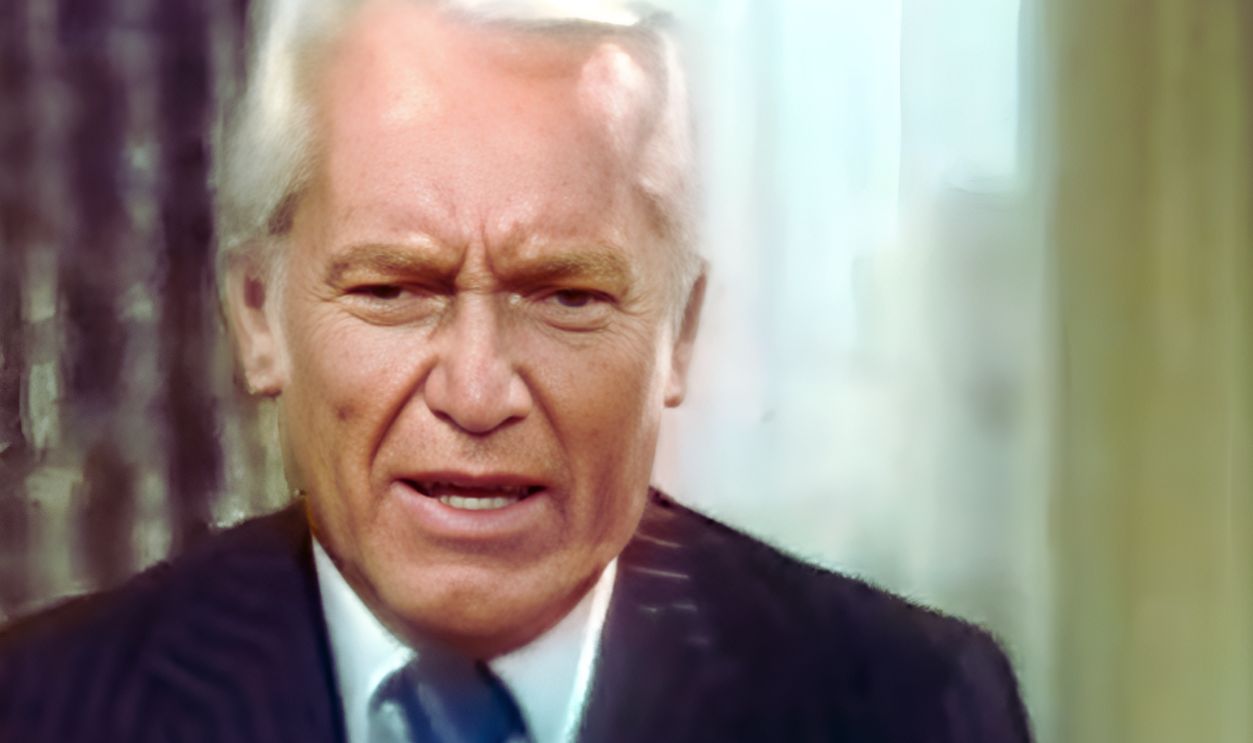
Knight’s first major post-Mary Tyler Moore starring vehicle was The Ted Knight Show, a short-lived 1978 sitcom in which he played the owner of an escort service. The series failed to connect with viewers. Once again, Knight experienced professional disappointment, but this time he did not have to wait another 20 years for redemption.
 Screenshot from The Ted Knight Show, CBS (1978), Modified
Stealing Caddyshack
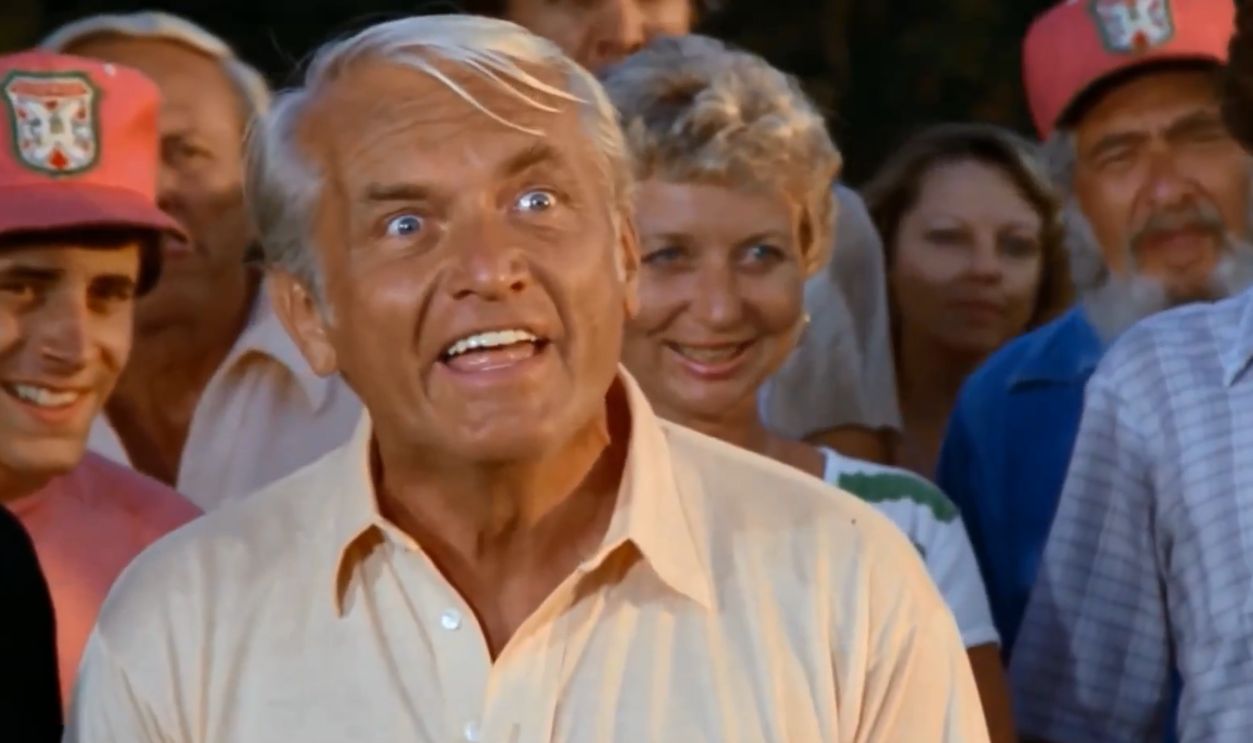
In 1980, Knight played Judge Elihu Smails in Caddyshack. Surrounded by wild improvisers including Rodney Dangerfield, Chevy Chase, and Bill Murray, Knight delivered an unforgettable performance as an uptight country-club snob. His explosive anger, wounded dignity, and booming outrage helped make Smails one of the movie’s funniest characters.
 Screenshot from Caddyshack, Warner Bros. Pictures (1980)
Finding Another Sitcom Hit
That same year, Knight began starring in Too Close for Comfort as Henry Rush, a conservative cartoonist trying to manage life with his wife and grown daughters. The role used Knight’s gift for bluster while allowing him to play a warmer family man. The program ran on ABC before continuing successfully in syndication.
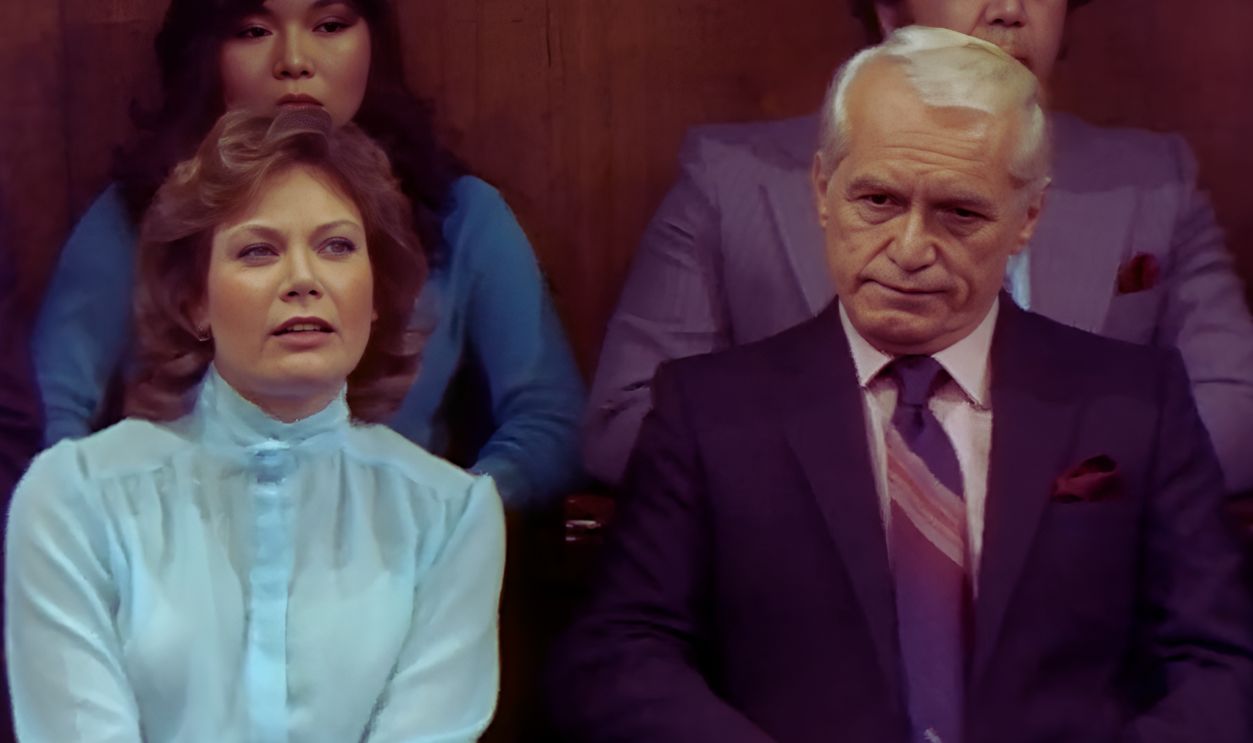 Screenshot from Too Close for Comfort, ABC (1980–1987), Modified
Becoming The Show’s Foundation
Knight was not merely another member of the Too Close for Comfort cast. His comic personality powered the series. Henry Rush could be stubborn, dramatic, protective, and hilariously overwhelmed, but Knight made him likable. The program eventually became The Ted Knight Show, confirming just how important its leading man had become.
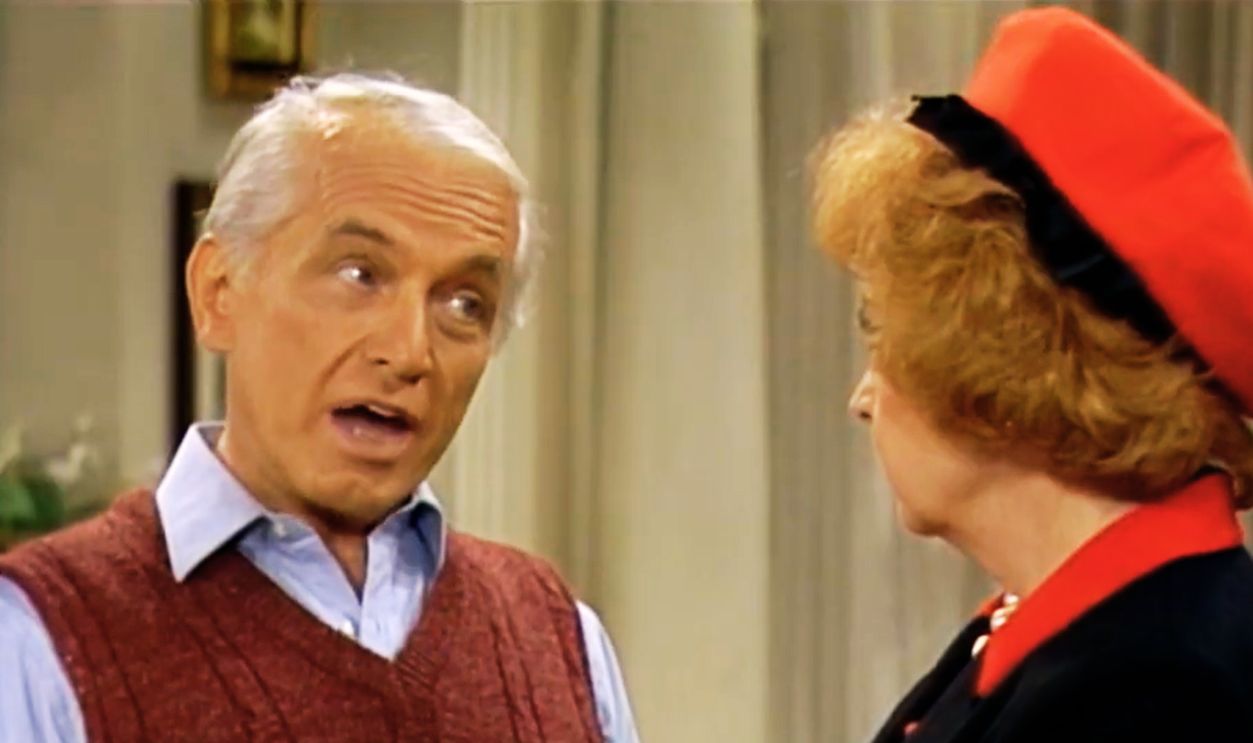 Screenshot from Too Close for Comfort, ABC (1980–1987)
A Legend Built On Persistence
Ted Knight died in 1986 at the age of 62, but his characters remained fixtures of television reruns and popular culture. His career proved that a performer could spend years being overlooked before discovering the perfect role. Hollywood rejected Knight repeatedly, yet it could not erase his talent, discipline, or wonderfully ridiculous booming voice.
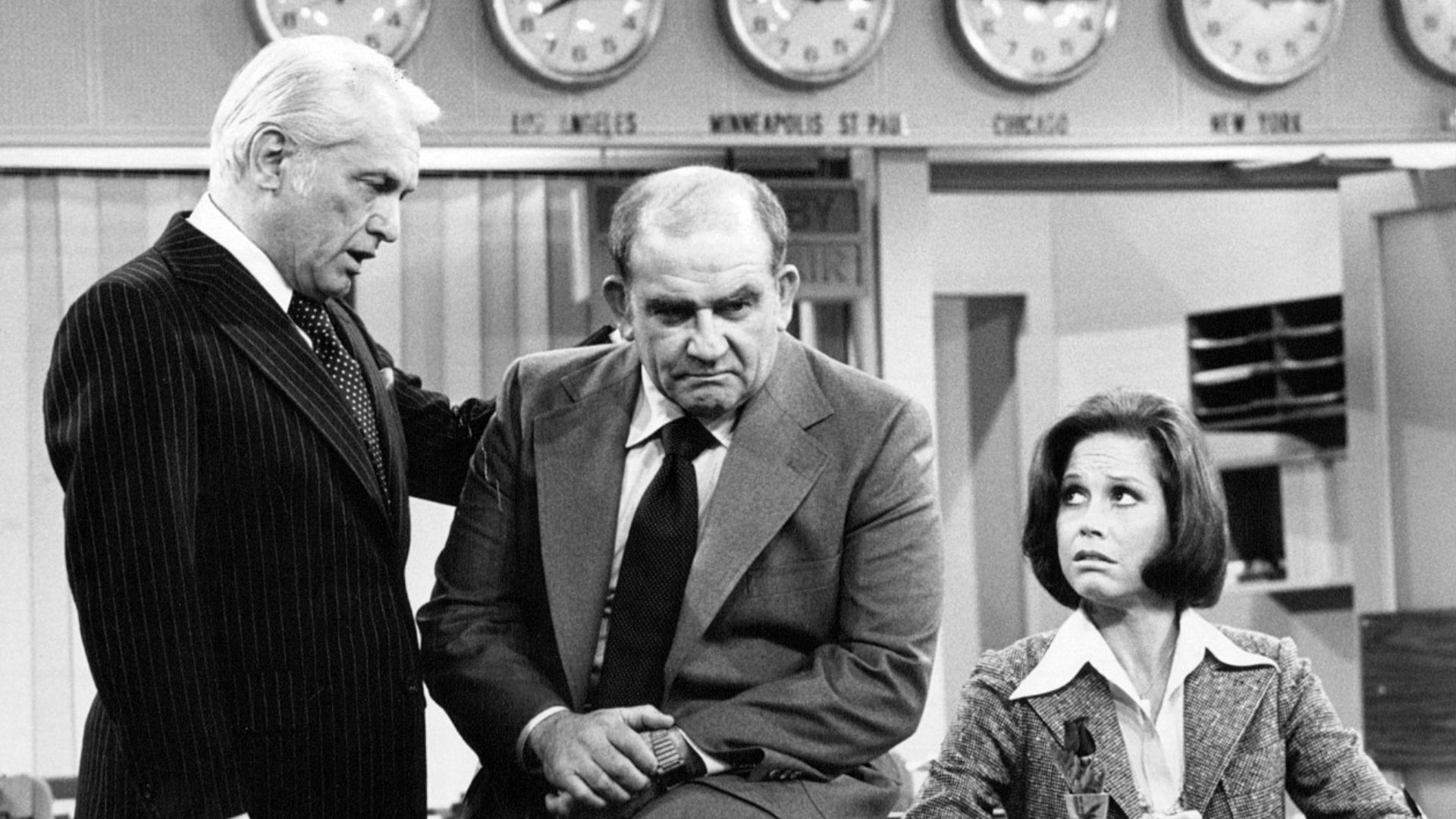 CBS Television, Wikimedia Commons
The Last Laugh Belonged To Ted
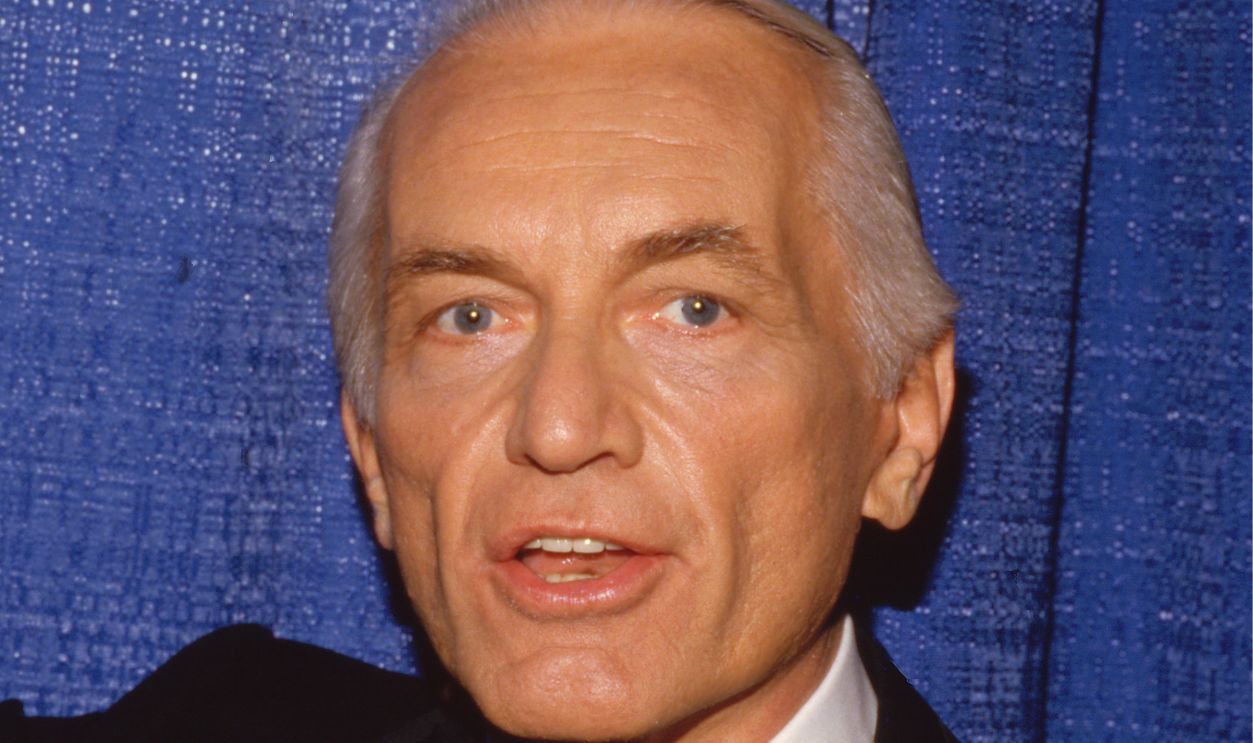
Ted Knight’s story is not simply about becoming famous. It is about surviving long enough to become unforgettable. Every tiny role, commercial, children’s program, and unsuccessful audition helped prepare him for Ted Baxter. After years of rejection, Knight finally found the spotlight—and once he stepped into it, television comedy was never quite the same.
You May Also Like:
Actors Whose Careers Changed Completely After One Casting Decision