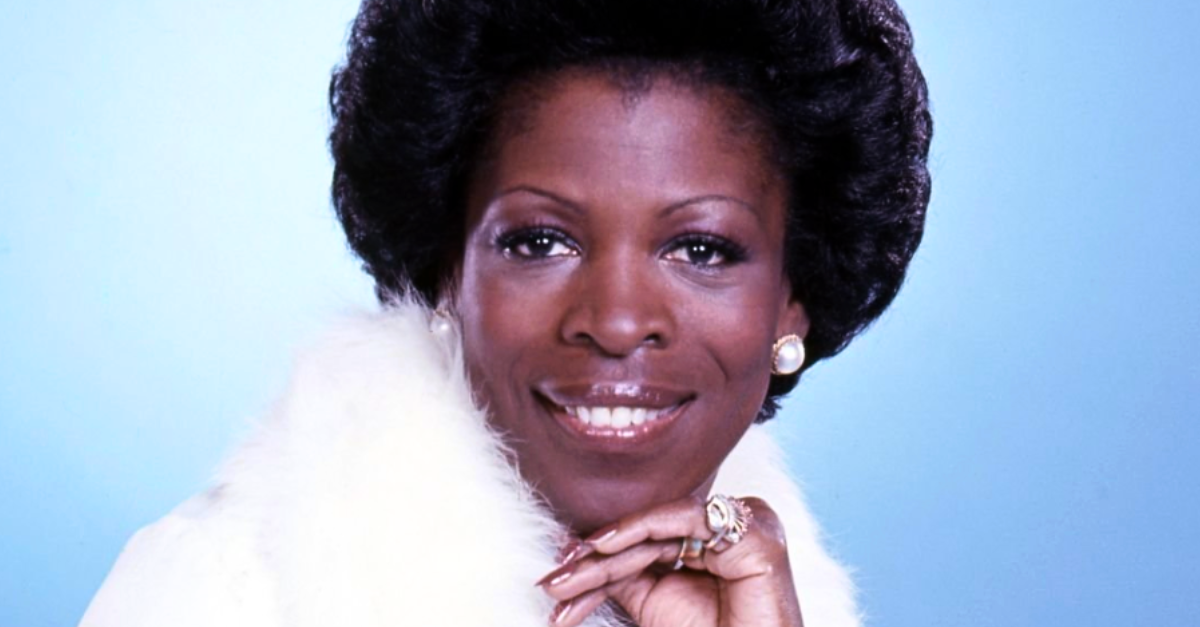
She Dressed Like Life Did Not End At Motherhood.
As Helen Willis on The Jeffersons, Roxie Roker brought flowing silhouettes, sculptural jewelry, rich colors, and worldly confidence into a television landscape that often made middle-aged mothers look safely domestic. Her wardrobe mattered because it suggested that a wife and mother could remain artistic, politically aware, sensual, and unmistakably herself.
 Michael Ochs Archives/Stringer via Getty Images
Elegance Was Already Part Of Her Story
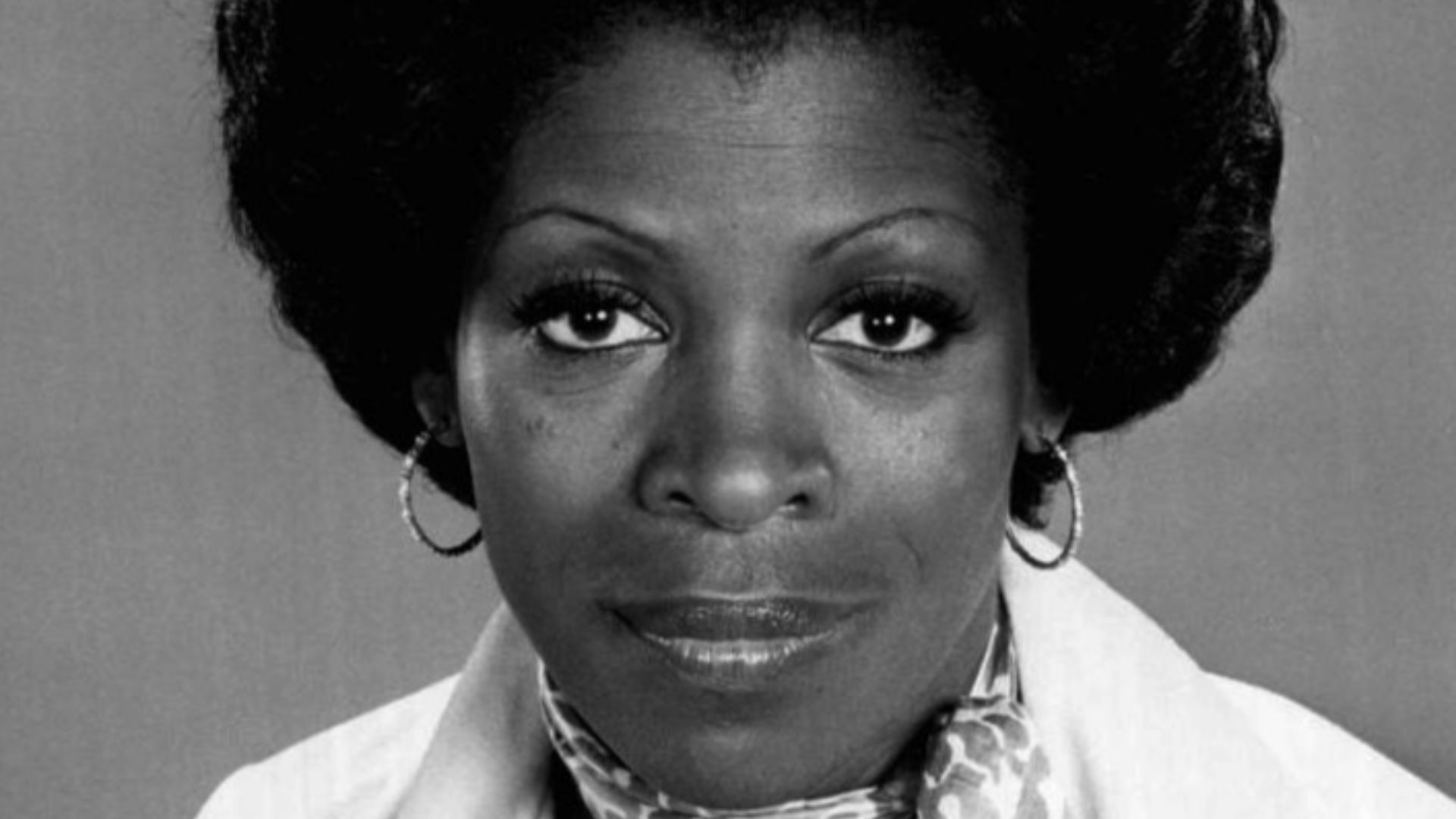
Roxie Roker was born in Miami in 1929 and raised in Brooklyn, where her Bahamian American family emphasized education and ambition. She later studied drama at Howard University and graduated in 1952. Long before television audiences met Helen Willis, Roker had developed the poised voice and commanding physical presence that made almost any outfit look intentional.
 CBS Television, Wikimedia Commons
Howard Gave Her A Cultural Foundation
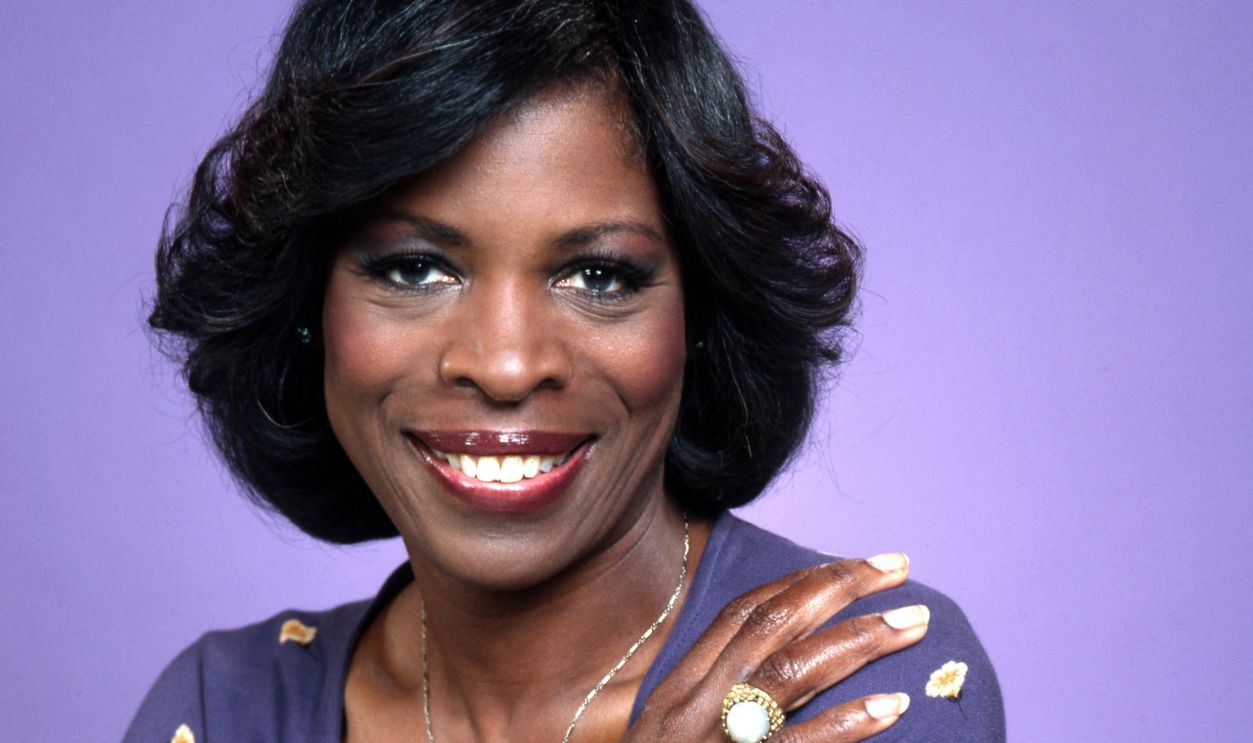
At Howard, Roker trained within a theater tradition that treated Black performance as both an artistic discipline and a form of cultural expression. She participated in the Howard Players, whose international touring history connected young performers with audiences beyond the United States. That background helped Roker project the worldly sophistication that later distinguished Helen from more conventional sitcom mothers.
 Michael Ochs Archives, Getty Images
Television Was Not Her First Professional Identity
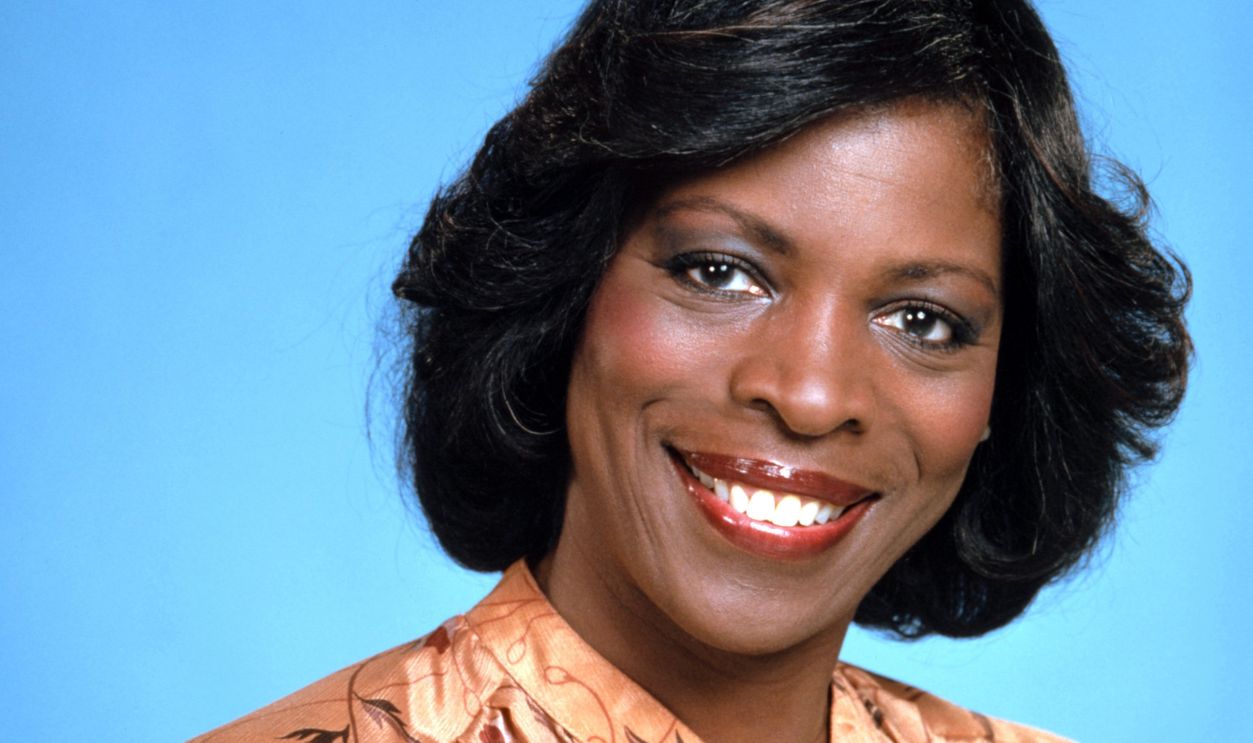
Roker worked outside acting before becoming nationally famous. She hosted Inside Bed-Stuy, a New York public-affairs program focused on Brooklyn’s Bedford-Stuyvesant community, and interviewed residents about local concerns. Her experience as a journalist and community figure gave her an adult public identity before Hollywood began deciding how she should look.
 Michael Ochs Archives, Getty Images
She Entered Acting Through Serious Theater
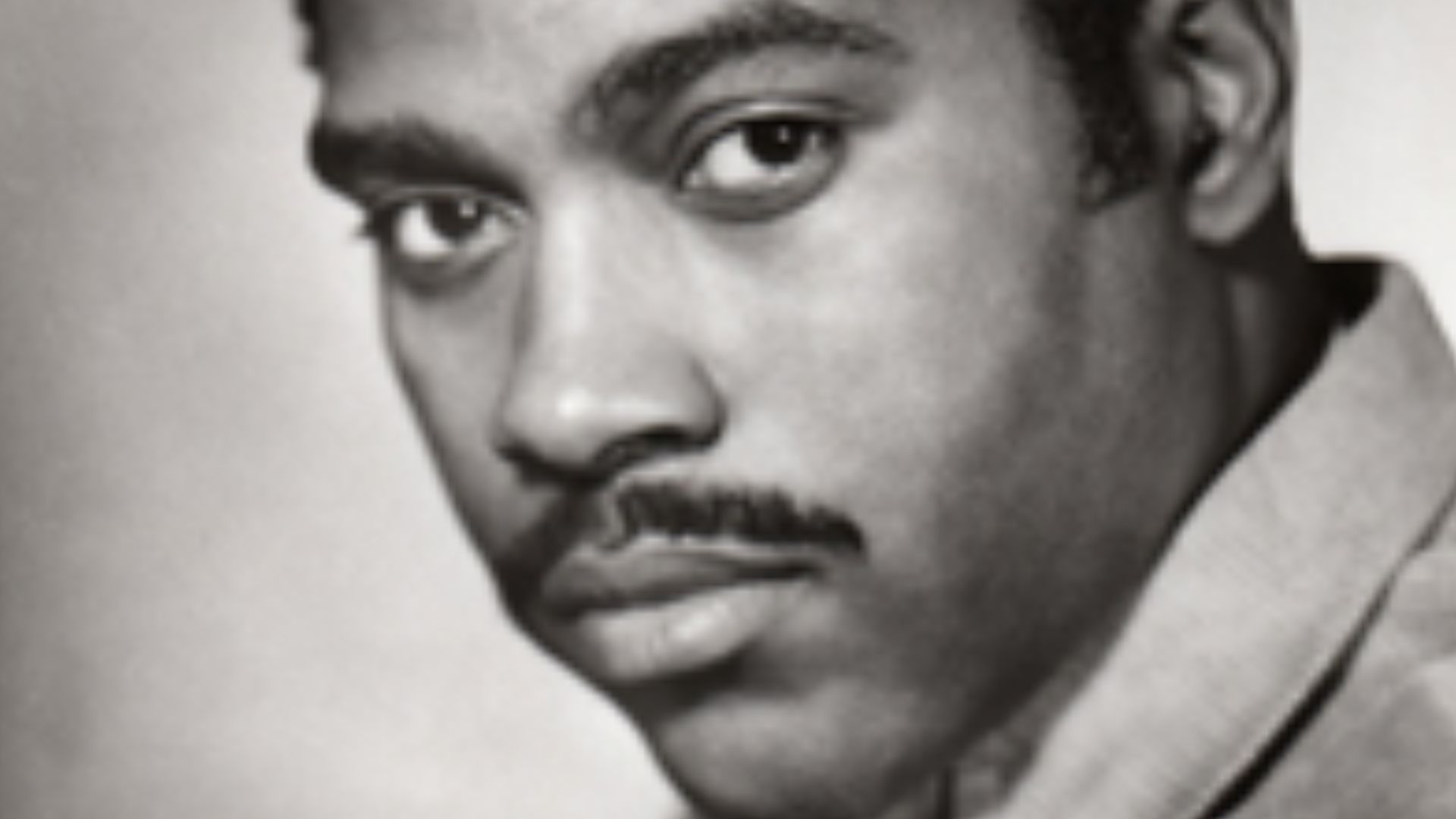
Roker joined the Negro Ensemble Company and appeared in productions that centered Black life rather than treating it as a novelty. Her work in Joseph A. Walker’s The River Niger brought her to Broadway and established her as a dramatic performer of real authority. The role earned her a 1974 Tony nomination for featured actress in a play.
 Dorothy A. Walker, Wikimedia Commons
The River Niger Proved She Had Gravitas
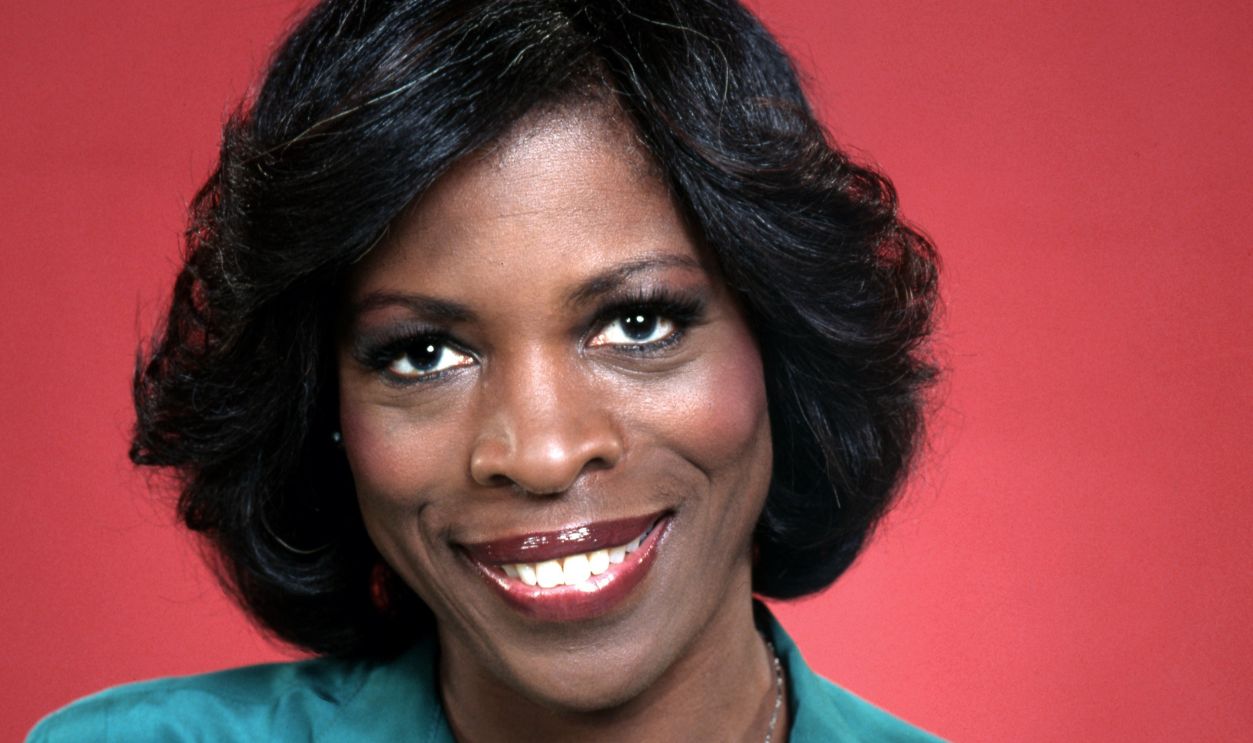
In The River Niger, Roker played Mattie Williams within a Harlem family facing financial pressure, political tension, and generational conflict. The production won the Tony Award for best play, while Roker’s individual nomination confirmed the impact of her performance. Helen Willis would be funnier and more relaxed, but Roker brought the same sense that a grown woman possessed a history beyond the scene being shown.
 Michael Ochs Archives, Getty Images
The Jeffersons Entered A Changing America
The Jeffersons premiered on CBS in January 1975 as a spinoff of All in the Family. It centered on a prosperous Black family moving into a high-rise apartment on Manhattan’s Upper East Side, challenging television’s limited portrayals of Black American life. The program eventually ran for 11 seasons, giving its characters extraordinary time to influence how viewers imagined family, class, and success.
 Michael Ochs Archives, Getty Images
Helen Willis Arrived As An Equal
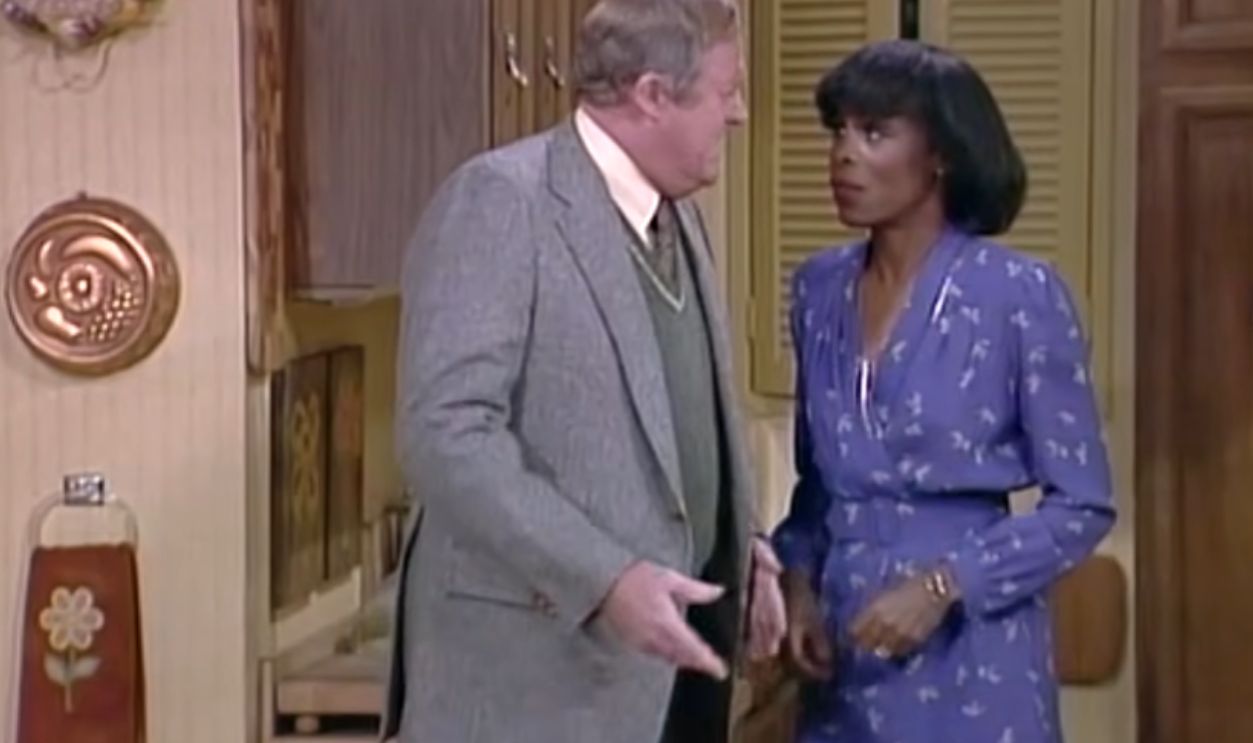
Helen was not the Jeffersons’ employee, dependent relative, or social inferior. She and her husband Tom lived in the same expensive building and belonged to the same professional, urban social world. That position allowed Roker to dress and behave like an accomplished adult woman rather than a character whose appearance existed mainly to communicate sacrifice.
 Screenshot from The Jeffersons, CBS (1975–1985)
Her Marriage Was Groundbreaking Television
Helen, a Black woman, was married to Tom Willis, a white man played by Franklin Cover. The Willises became one of American prime-time television’s earliest recurring interracial married couples. Their relationship was presented as established and durable, not as a temporary romance created only for one controversial episode.
 Screenshot from The Jeffersons, CBS (1975–1985)
Roker Brought Personal Truth To The Role
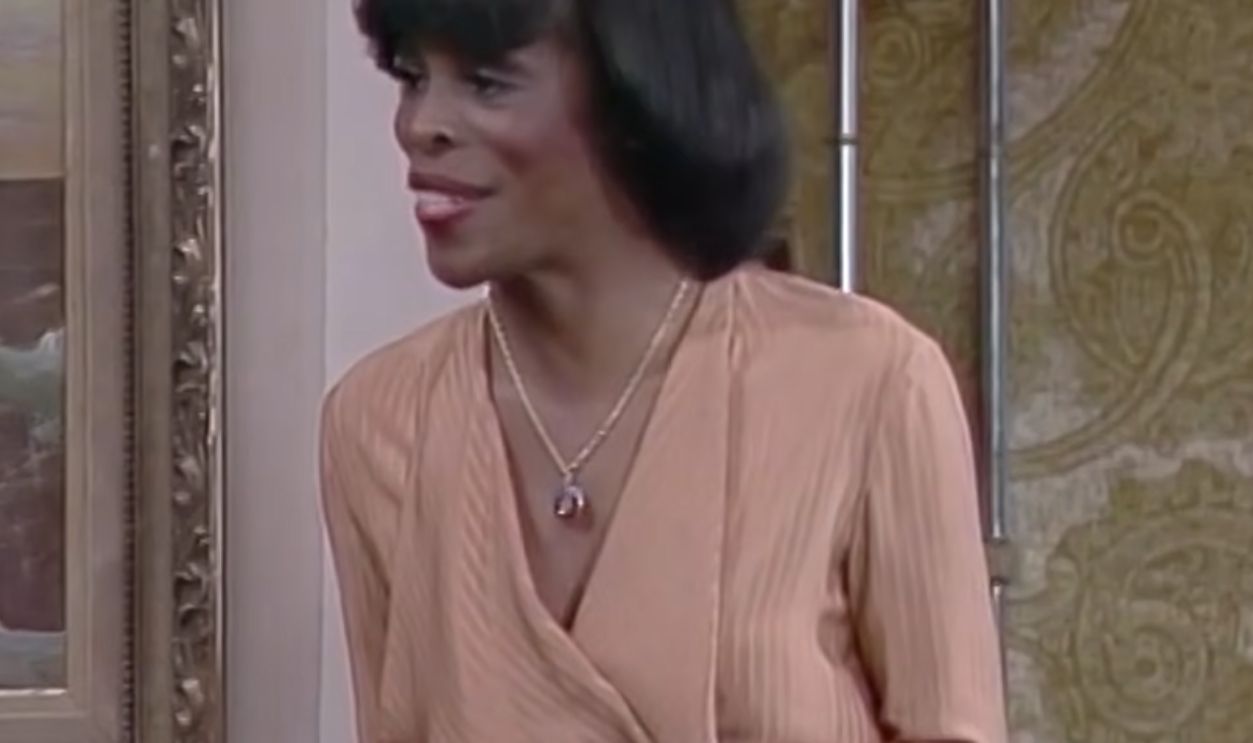
Norman Lear reportedly warned Roker that Helen’s interracial marriage would be treated as real and visible. Roker responded by showing him a photograph from her own wedding to Sy Kravitz, who was white and Jewish. Her lived experience meant she did not have to approach Helen and Tom’s marriage as an abstract social experiment.
 Screenshot from The Jeffersons, CBS (1975–1985)
Motherhood Never Erased Helen’s Identity
Helen and Tom were the parents of Jenny Willis, who married George and Louise Jefferson’s son Lionel. That made Helen both a mother and, eventually, part of a larger extended family. Yet the series did not flatten her into a figure who existed only to worry about her daughter, because she retained opinions, friendships, humor, and a strong sense of personal style.
 Screenshot from The Jeffersons, CBS (1975–1985)
She Looked Different From The Sitcom-Mom Template
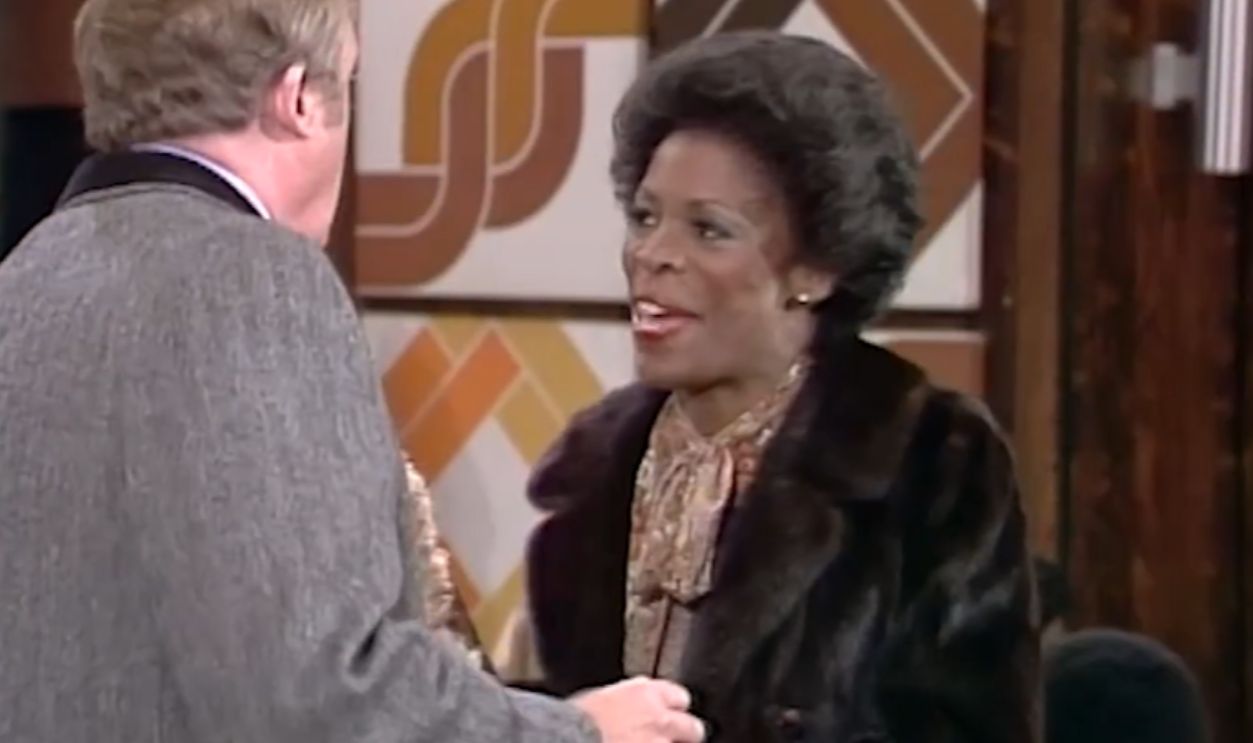
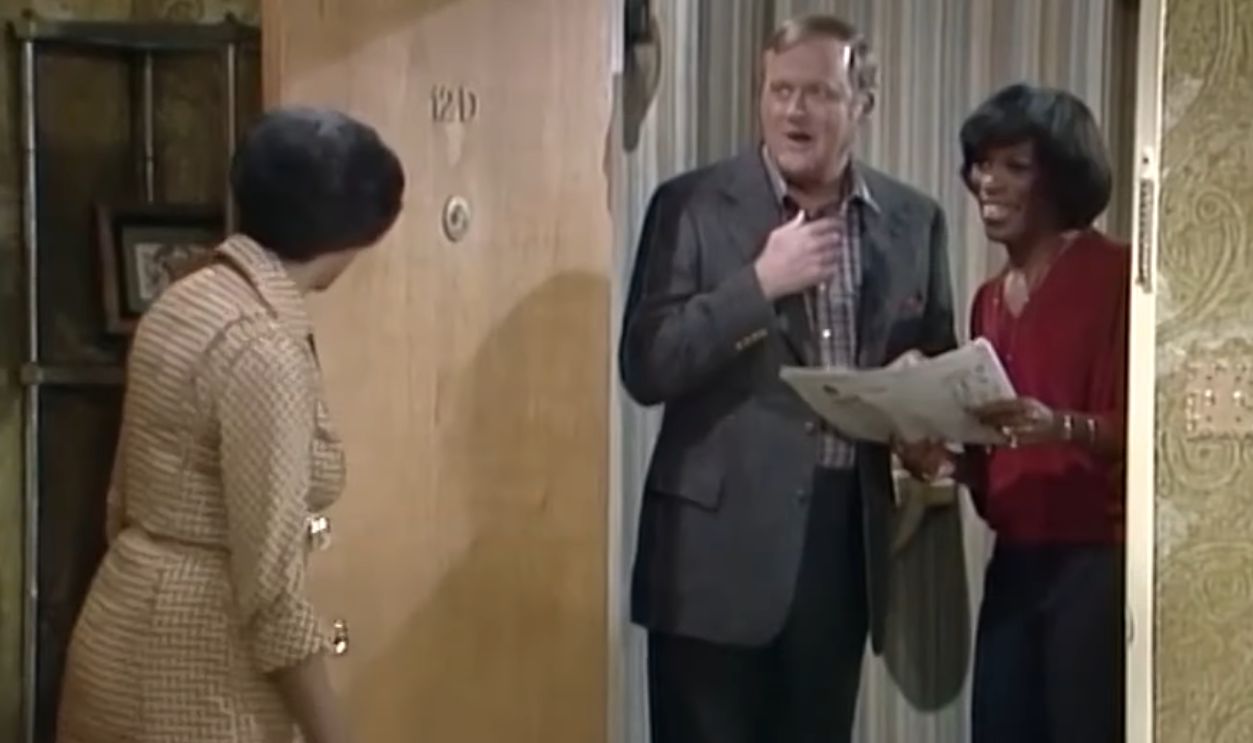
Many television mothers of the period were dressed to signal practicality, conventional respectability, or constant domestic work. Helen often appeared in flowing skirts, draped tops, capes, textured fabrics, and bold accessories. Her clothes communicated that maturity could bring greater individuality rather than a retreat into visual caution.
 Screenshot from The Jeffersons, CBS (1975–1985)
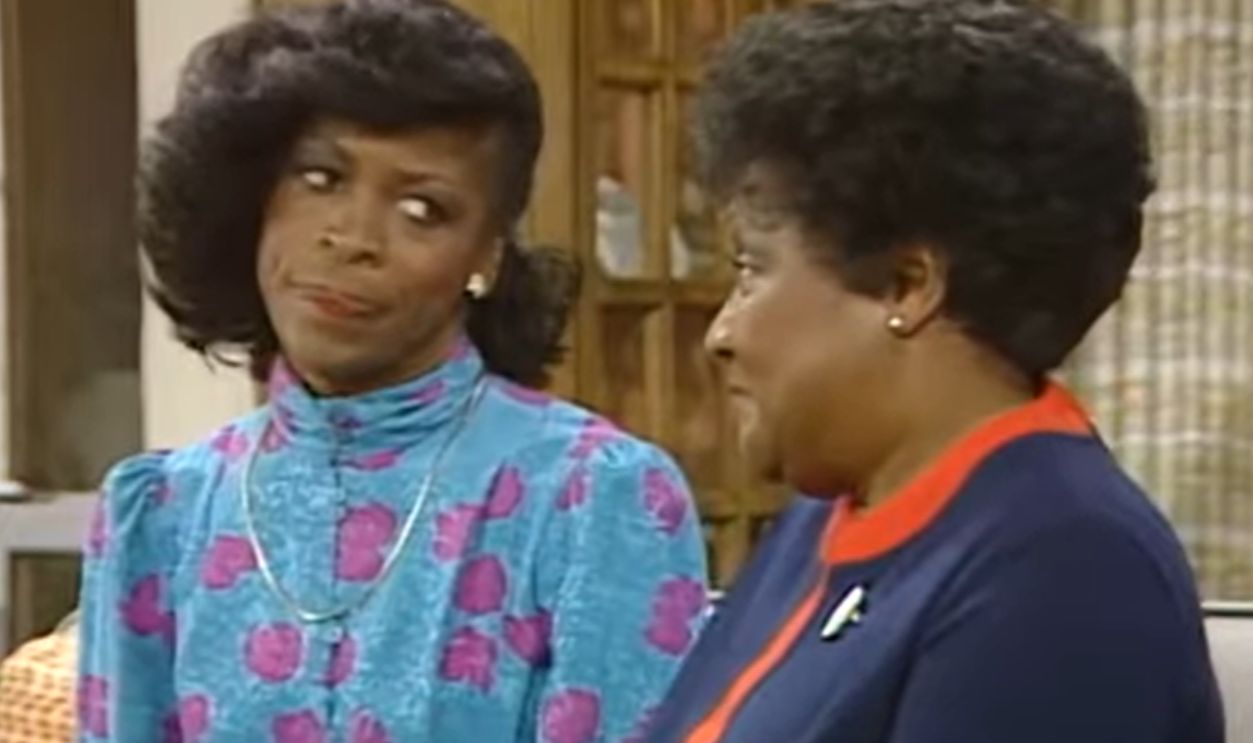
Costume Designer Rita Riggs Understood Character
Rita Riggs designed costumes across many Norman Lear productions, including All in the Family, Maude, Good Times, and The Jeffersons. Her philosophy treated wardrobe as part of storytelling rather than decoration placed on top of a performance. Riggs specifically discussed differentiating Roxie Roker’s Helen from Isabel Sanford’s Louise through clothing suited to each woman’s personality and social identity.
 Screenshot from The Jeffersons, CBS (1975–1985)
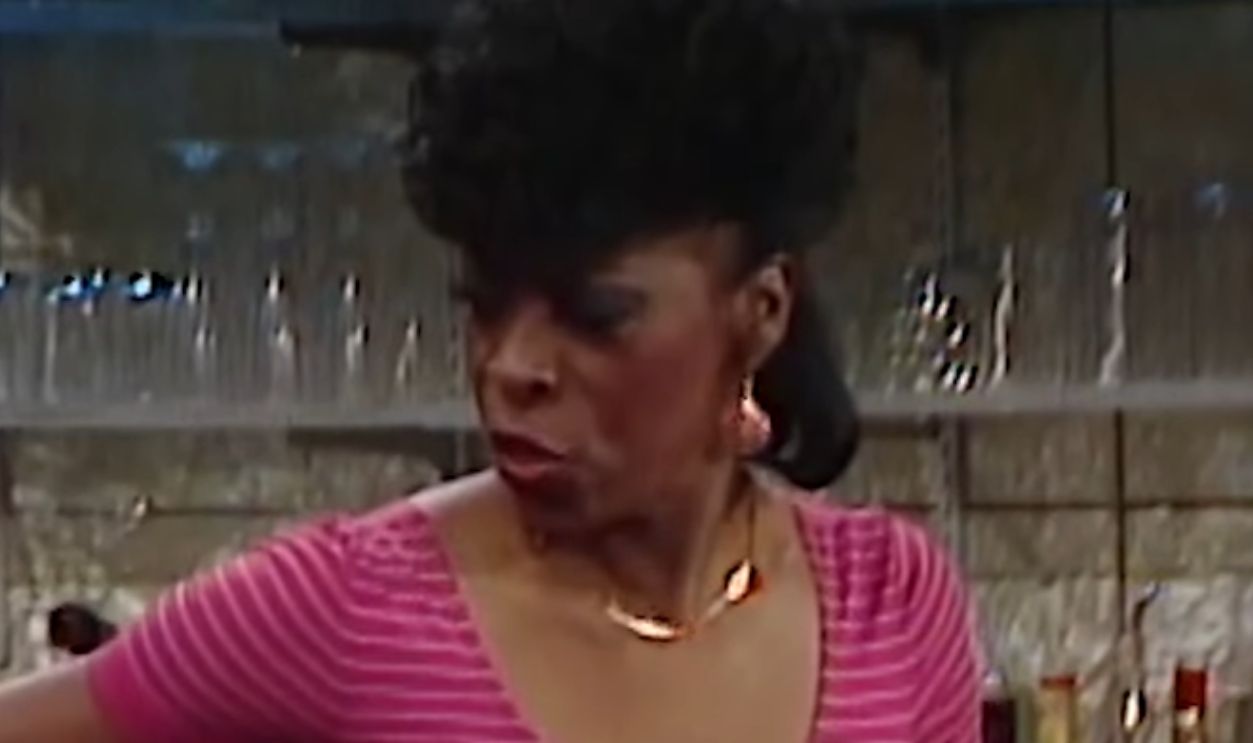
Helen’s Wardrobe Suggested A Wider World
Thelma Golden, director and chief curator of the Studio Museum in Harlem, later described Helen’s wardrobe as bohemian, worldly, European, and reminiscent of Yves Saint Laurent. She singled out capes, pleated skirts, blouses, long necklaces, and an elegant color palette. That testimony shows that Helen’s appearance did more than support a joke, because it became a genuine reference point for a later cultural leader’s personal style
 Screenshot from The Jeffersons, CBS (1975–1985)
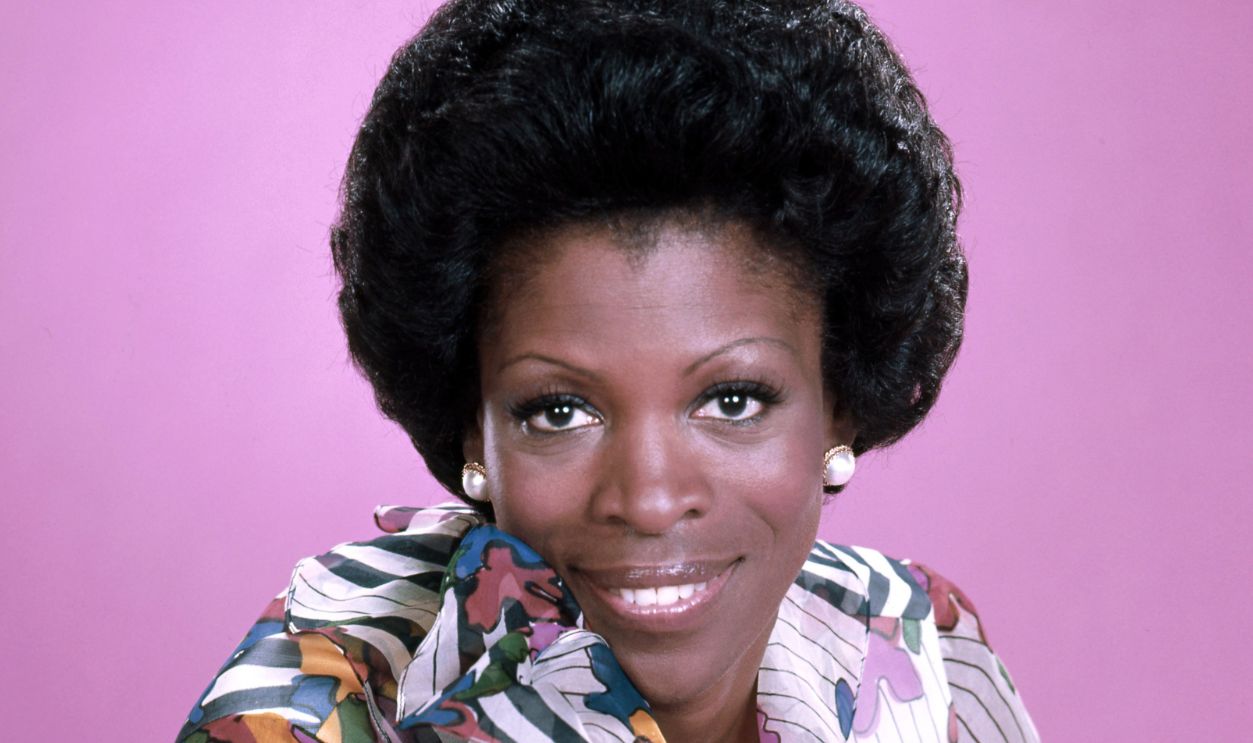
Her Jewelry Was Never An Afterthought
Helen frequently wore long chains, pendants, earrings, and other statement pieces that moved with Roker’s gestures. The accessories made her look collected rather than merely coordinated, as though each piece had been chosen during a full and interesting life. On a mother in prime-time comedy, that visual richness quietly challenged the idea that bold adornment belonged only to younger women.
 Michael Ochs Archives, Getty Images
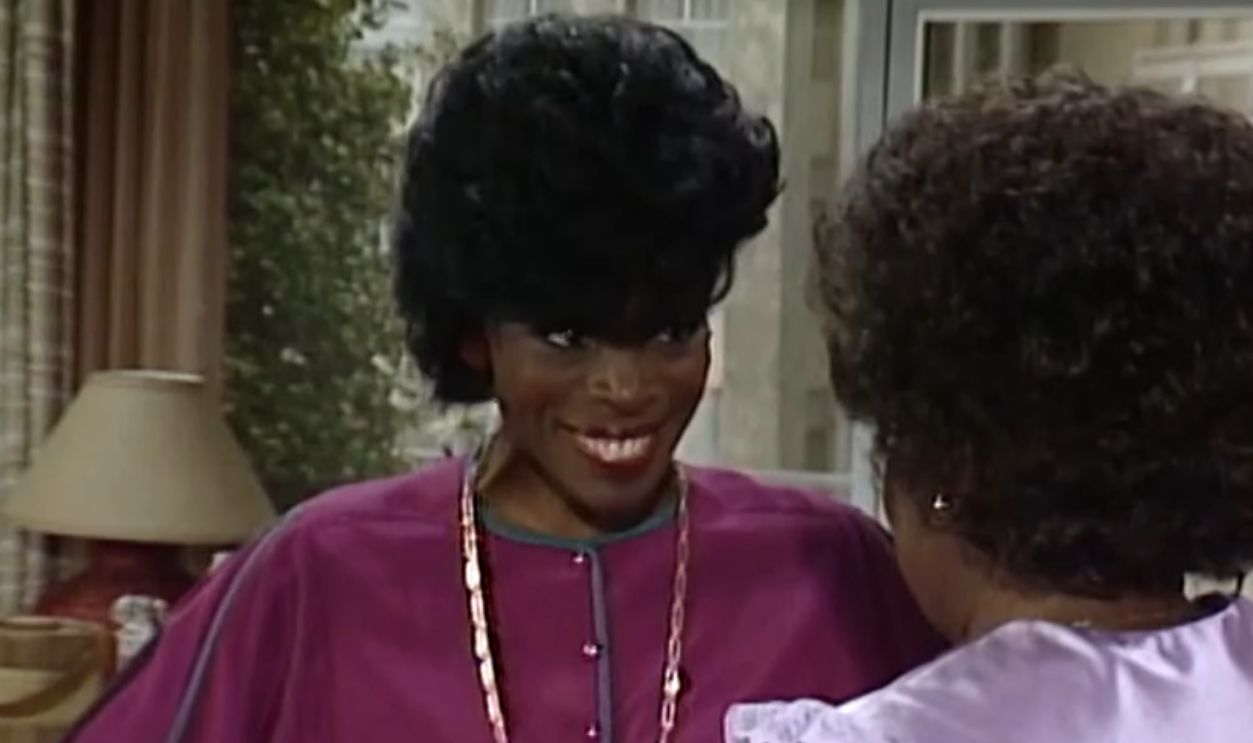
Flowing Clothes Gave Her Authority
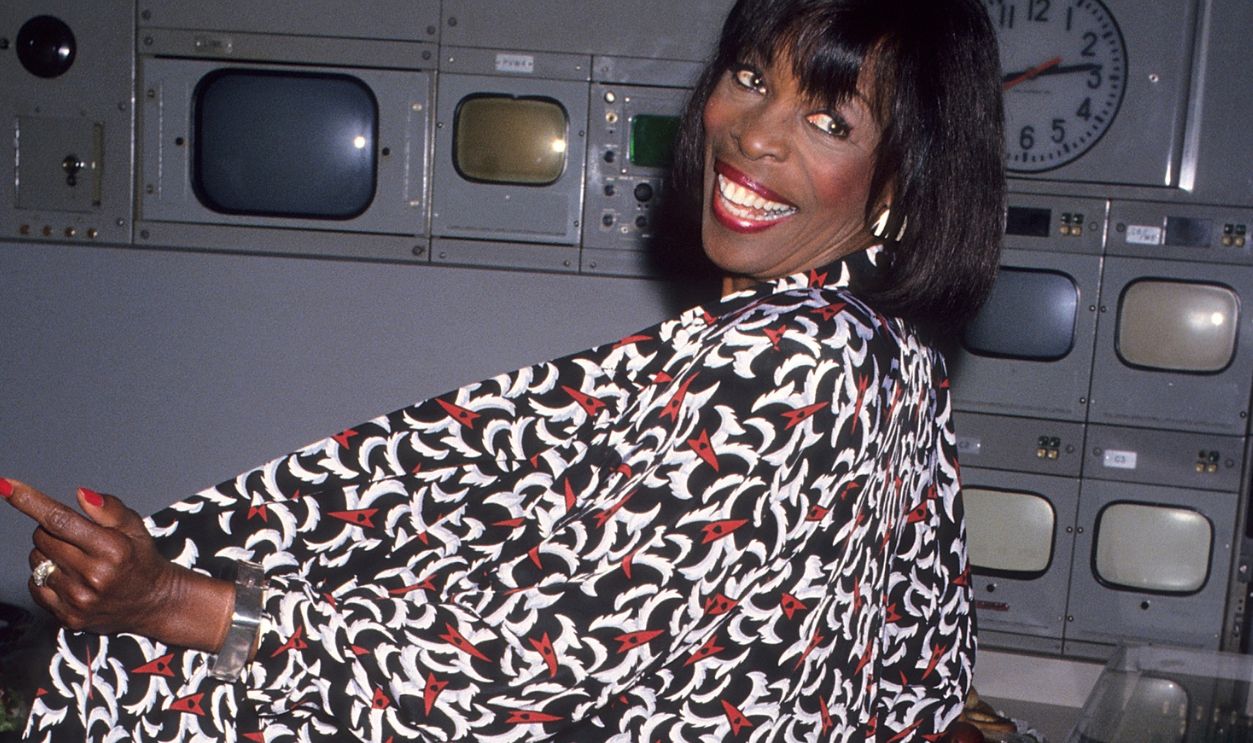
Roker’s capes, long skirts, and loose sleeves created movement whenever Helen crossed the Jeffersons’ living room. Those silhouettes did not hide her body so much as enlarge her presence in the scene. She could enter calmly and still command attention before delivering a single sharp response.
 Screenshot from The Jeffersons, CBS (1975–1985)
Color Made Her Impossible To Ignore
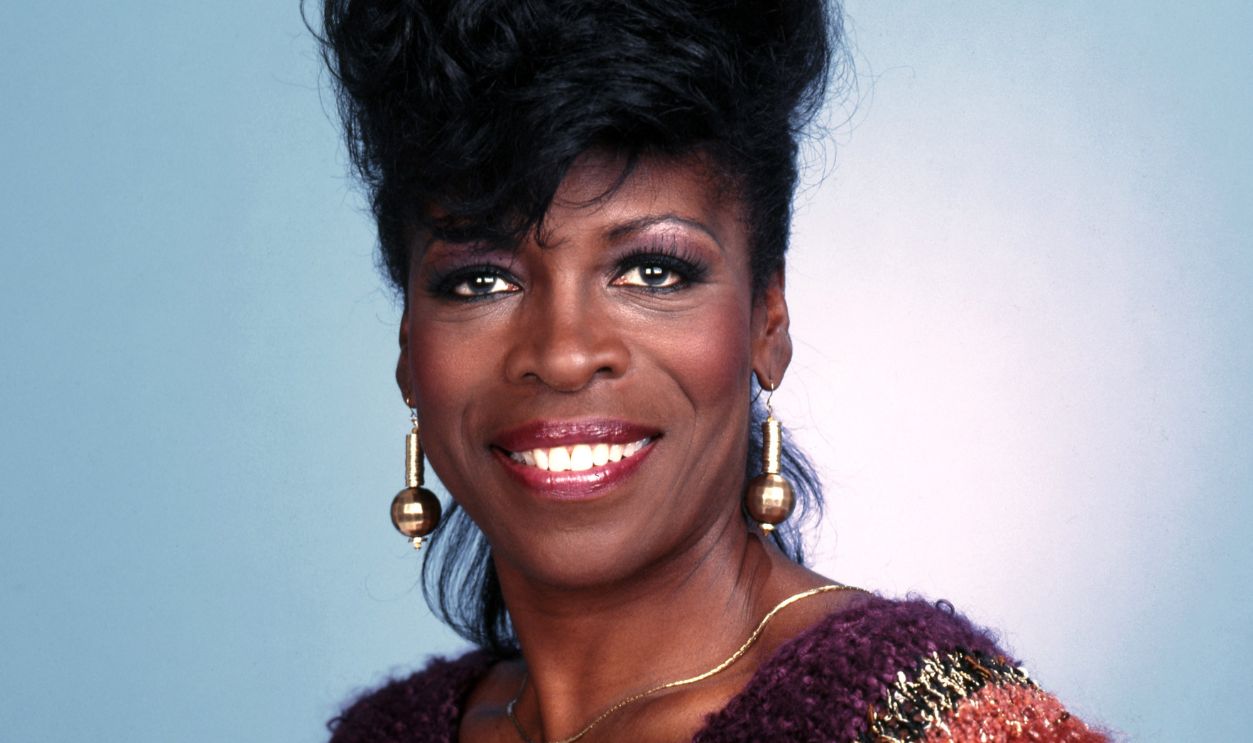
Helen’s wardrobe frequently used warm earth tones, saturated jewel colors, creams, and sophisticated combinations rather than one predictable television palette. The choices complemented Roker’s complexion while separating Helen visually from the people around her. She looked polished without appearing trapped inside a rigid uniform.
 Michael Ochs Archives, Getty Images
Her Hair Completed The Modern Image
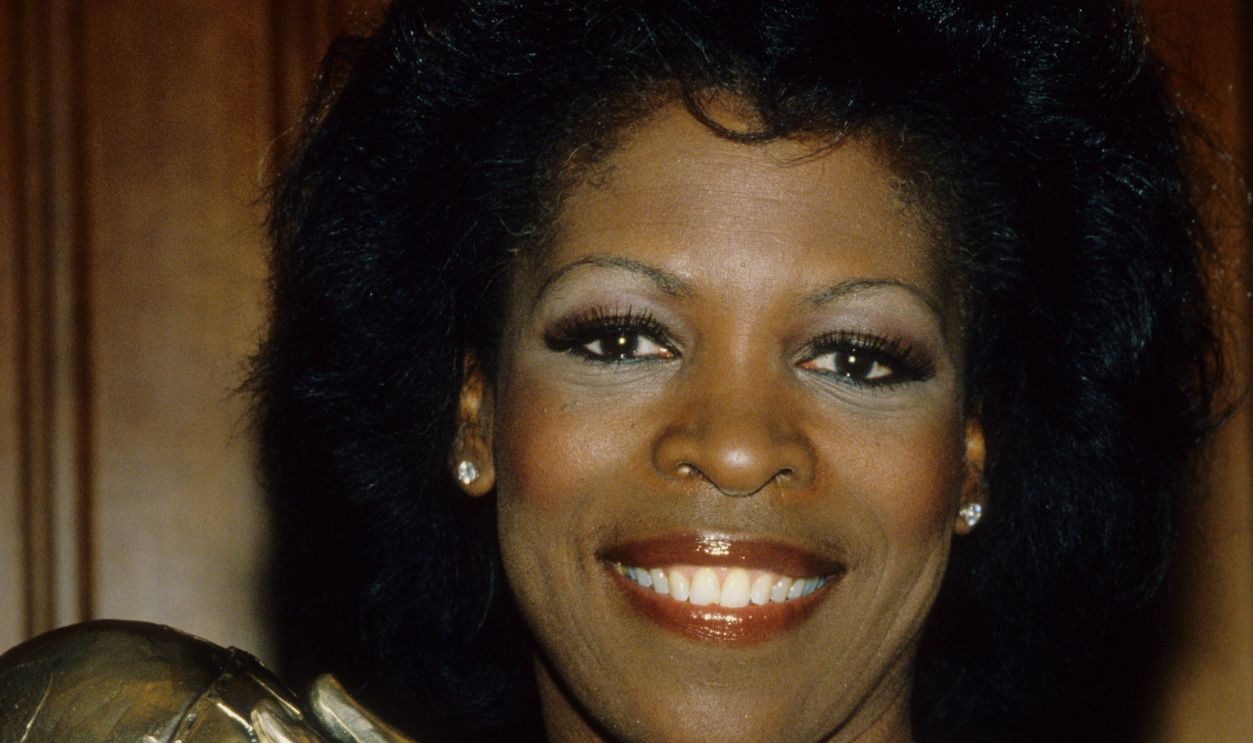
Roker often wore her natural-textured hair in rounded, sculpted styles that framed her expressive face. The look felt contemporary to the 1970s while remaining elegant enough for Helen’s affluent surroundings. It gave Black women a prime-time image in which natural texture, maturity, and refinement existed comfortably together.
 Michael Ochs Archives, Getty Images
She Never Dressed Like She Needed Permission
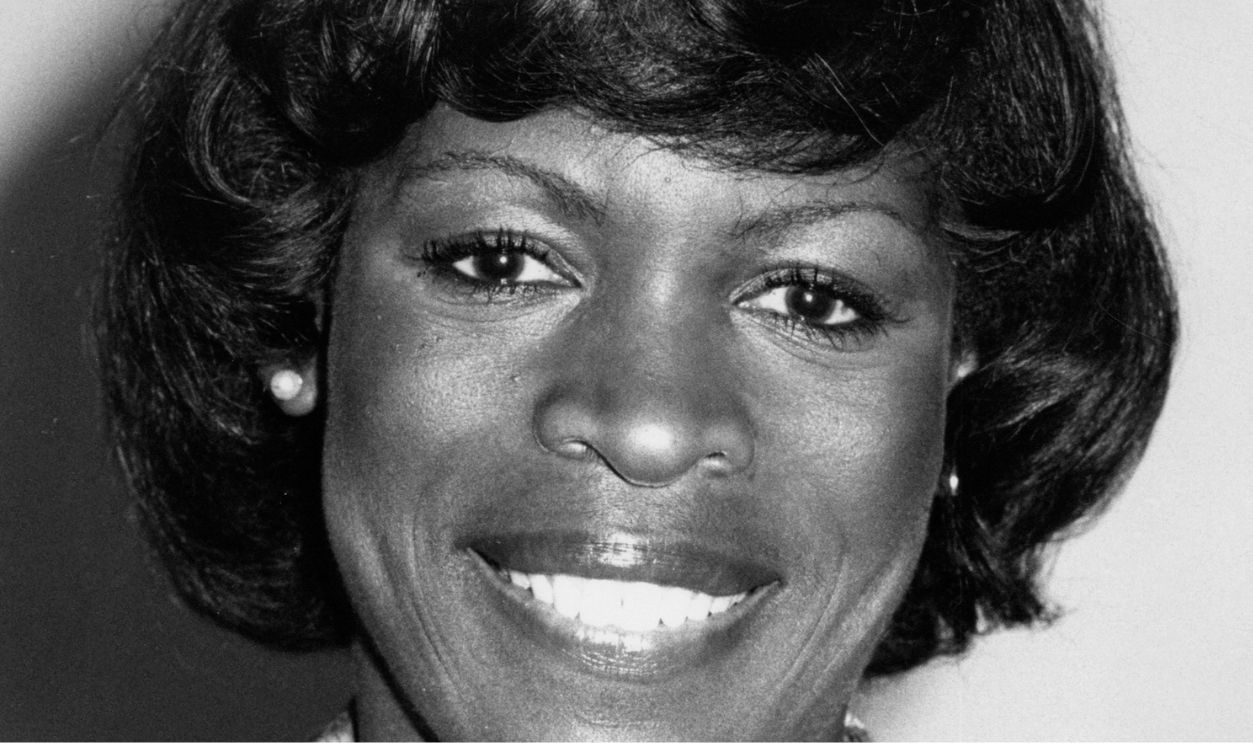
Helen’s clothes rarely suggested that she was waiting for George, Tom, or anyone else to approve of her choices. Roker carried each look with the composure of a woman who understood her own taste. That confidence was central to the character’s appeal because style seemed to come from self-knowledge rather than a desire to impress strangers.
Her Style Matched Her Sharp Intelligence
George Jefferson regularly insulted Helen and Tom’s interracial marriage, but Helen was rarely intimidated. She answered him with directness, sarcasm, and an ability to expose the insecurity behind his bluster. Her sophisticated wardrobe strengthened those exchanges by making her look every bit as composed as she sounded.
Franklin Cover Gave Her A Different Kind Of Marriage
Tom Willis was generally warmer and less combative than George, while Helen was often the sharper member of the couple. That reversal allowed Roker to play a wife who did not have to shrink her personality so her husband could appear dominant. Their affectionate partnership made Helen’s independence look compatible with a lasting marriage.
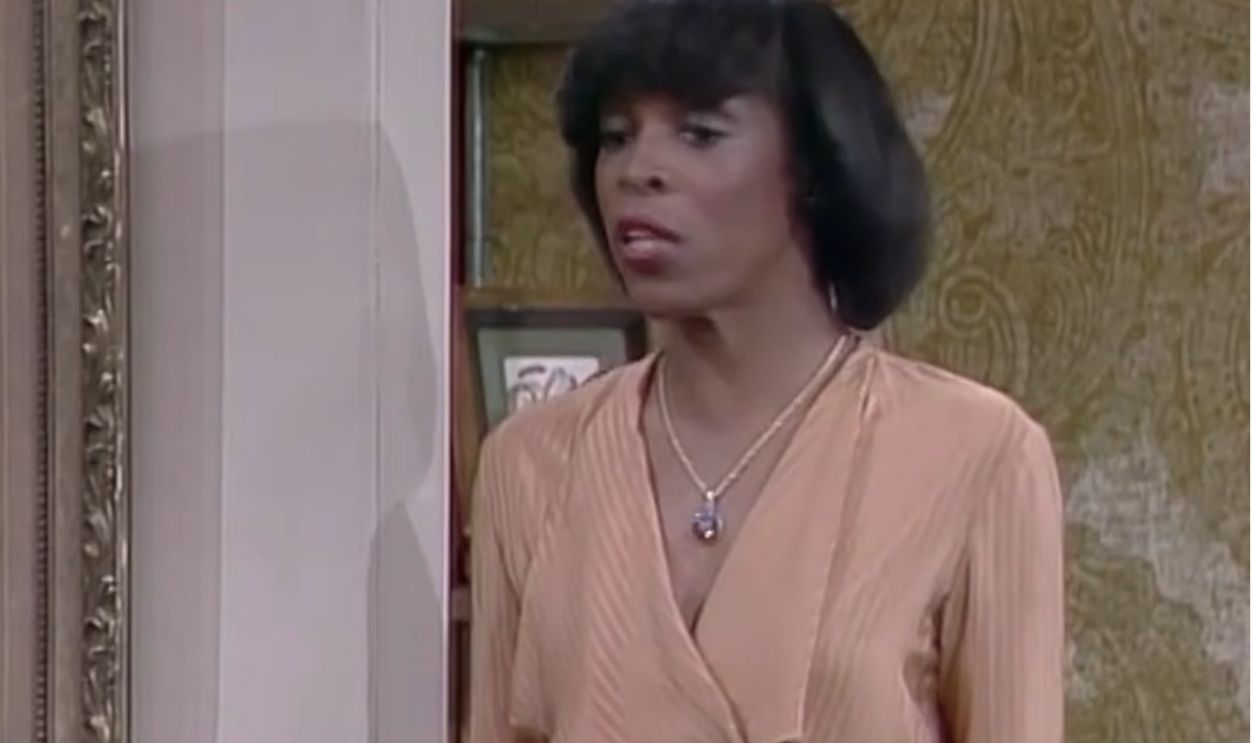 Screenshot from The Jeffersons, CBS (1975–1985)
She And Louise Offered Two Visions Of Motherhood
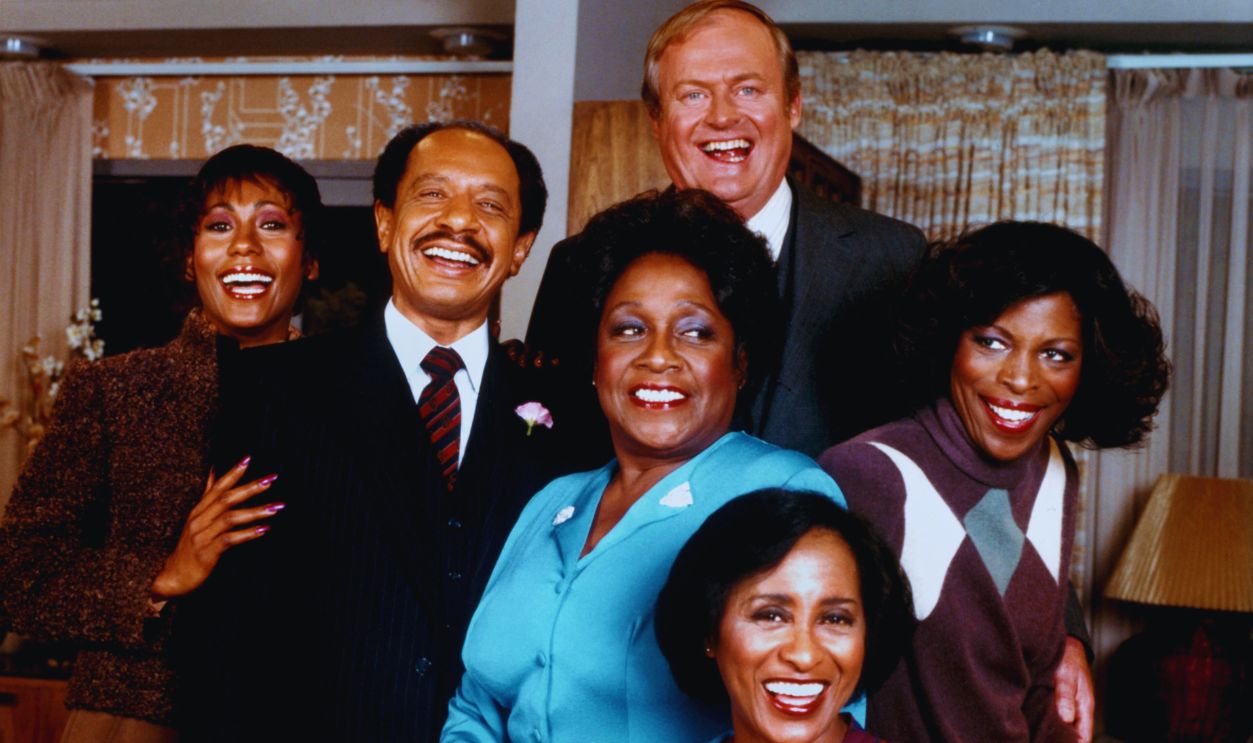
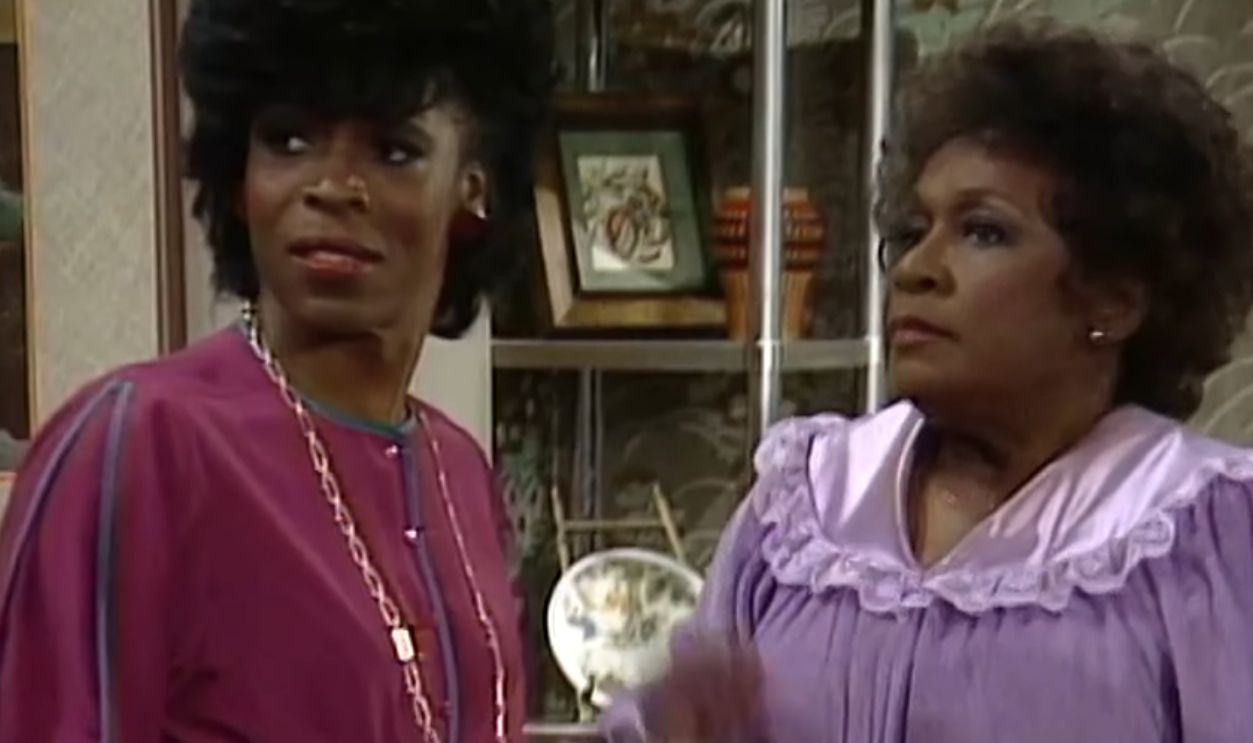
Louise Jefferson and Helen Willis were both intelligent, socially capable mothers, but they were not dressed or performed as interchangeable figures. Louise’s wardrobe reflected her own journey from Queens to a luxury apartment, while Helen’s leaned more artistic and cosmopolitan. Seeing both women together widened the visual possibilities available to middle-aged Black motherhood on television.
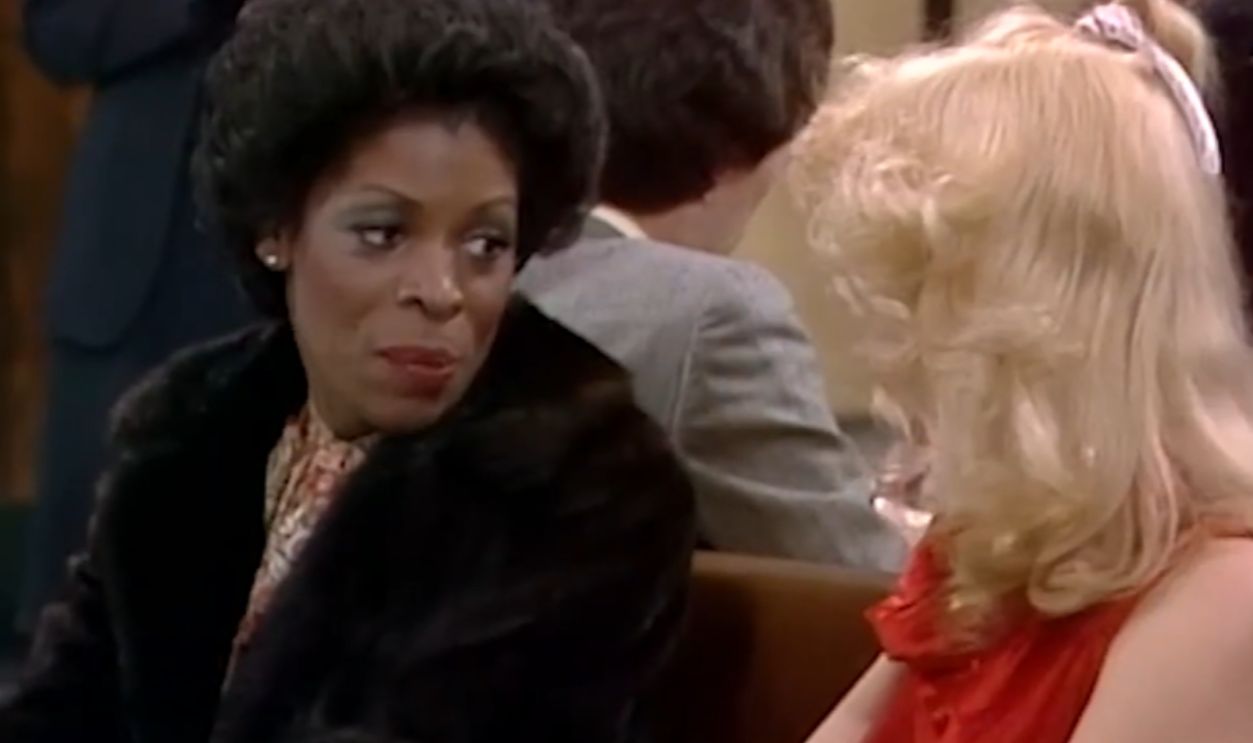 Screenshot from The Jeffersons, CBS (1975–1985)
Helen Could Be Sophisticated And Funny
Roker did not preserve Helen’s elegance by avoiding comedy. She used controlled reactions, cutting observations, and perfectly timed annoyance, particularly when George made another offensive remark. The humor made her style feel lived in because Helen could look magnificent while participating fully in the messiness of family and neighborly conflict.
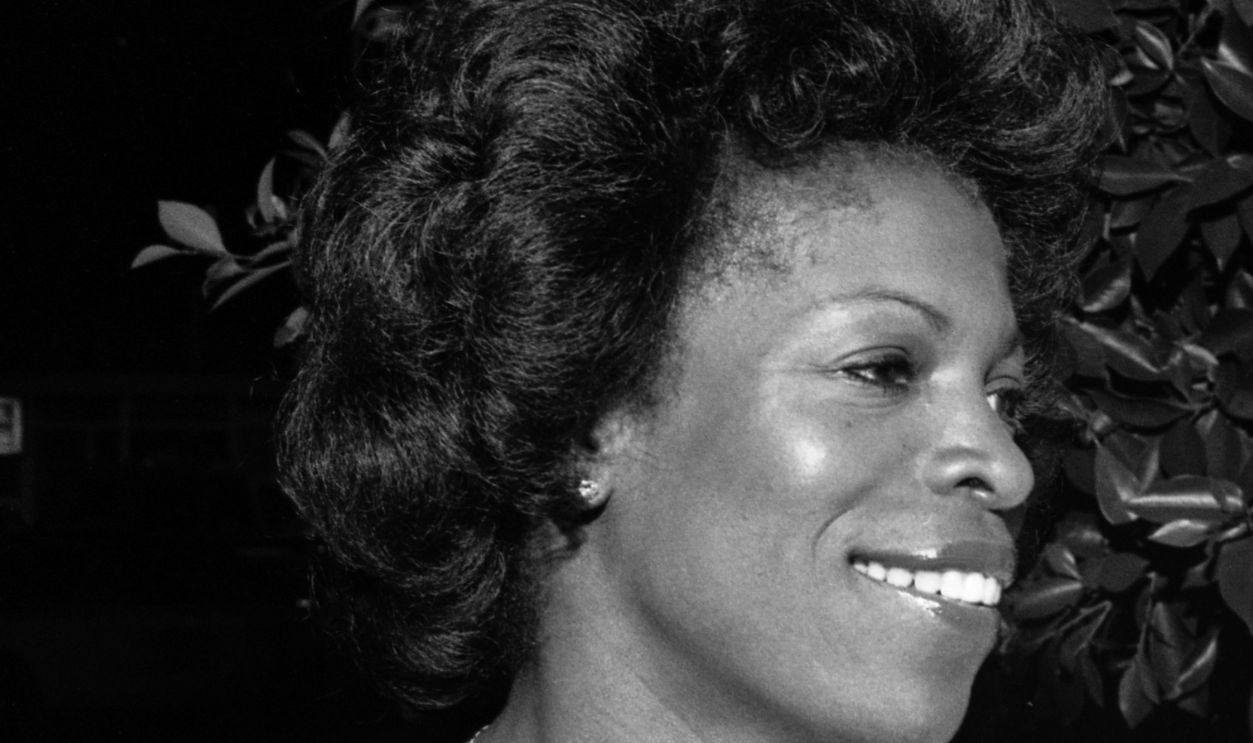
The Show Let Her Age Without Disappearing
Roker played Helen from 1975 until The Jeffersons ended in 1985. Across that decade, she remained a fashionable and active presence rather than being gradually pushed aside for younger characters. Television audiences watched a woman in middle age continue to dress boldly, argue forcefully, and occupy social space with ease.
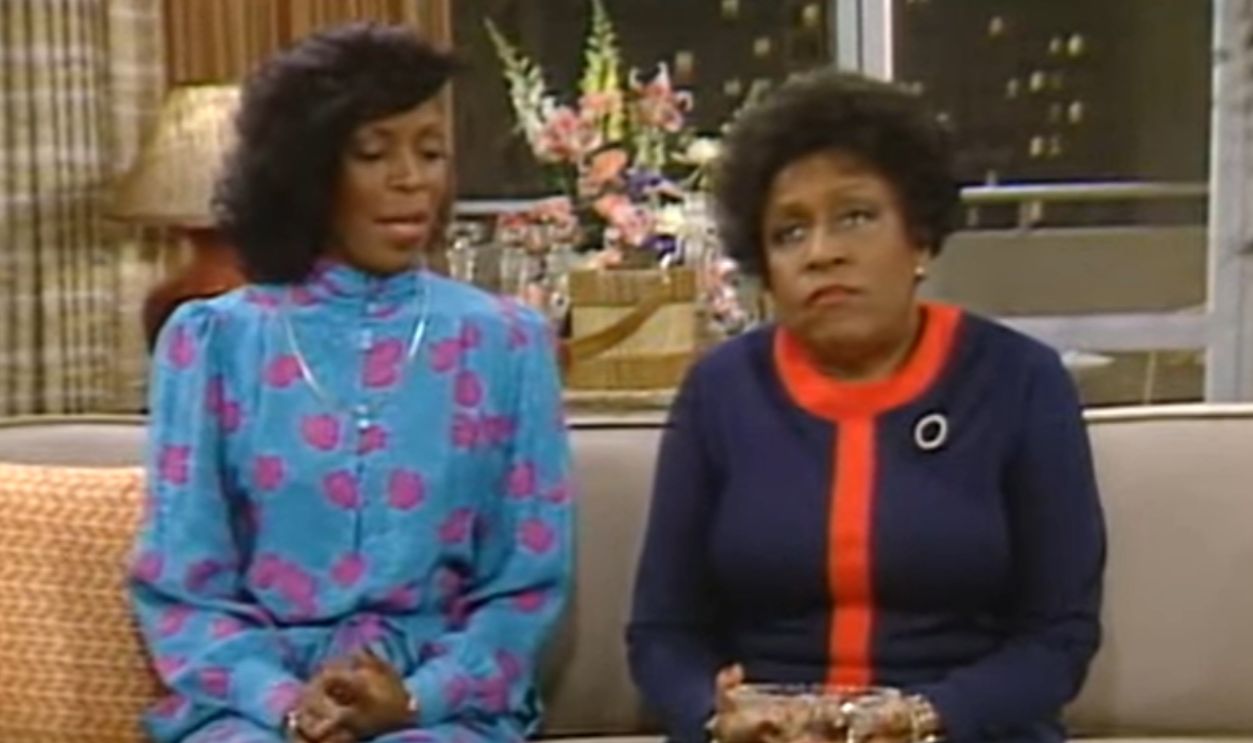 Screenshot from The Jeffersons, CBS (1975–1985)
Her Own Motherhood Added Another Layer
Roker and Sy Kravitz were the parents of musician Lenny Kravitz, born in 1964. Lenny later recalled growing up around artists and performers while his mother built her acting career. Her real life reinforced the image she presented on television of a mother whose creativity and ambitions continued beyond the home.
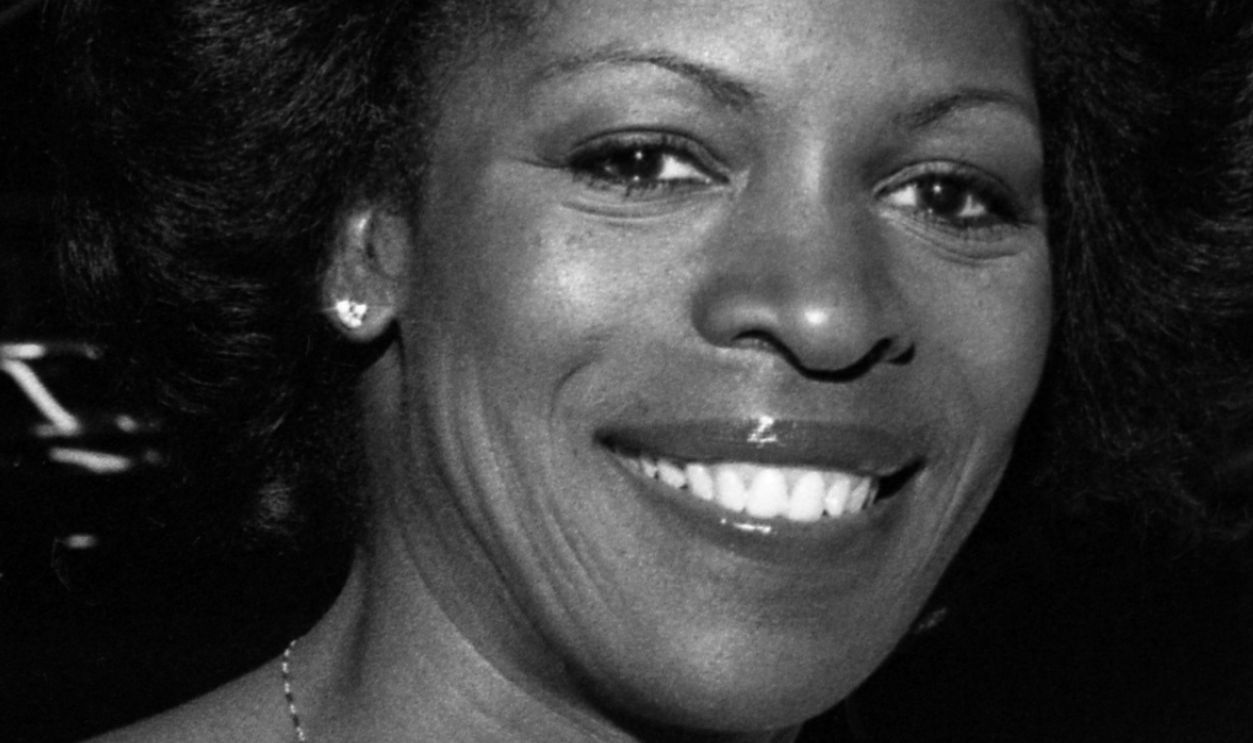
She Used Visibility Beyond Entertainment
Roker devoted time to children’s advocacy and worked with organizations addressing child abuse and neglect in Los Angeles. The city honored her for that community service. Her public image therefore joined elegance with practical civic engagement, another combination rarely offered to television mothers of the era.
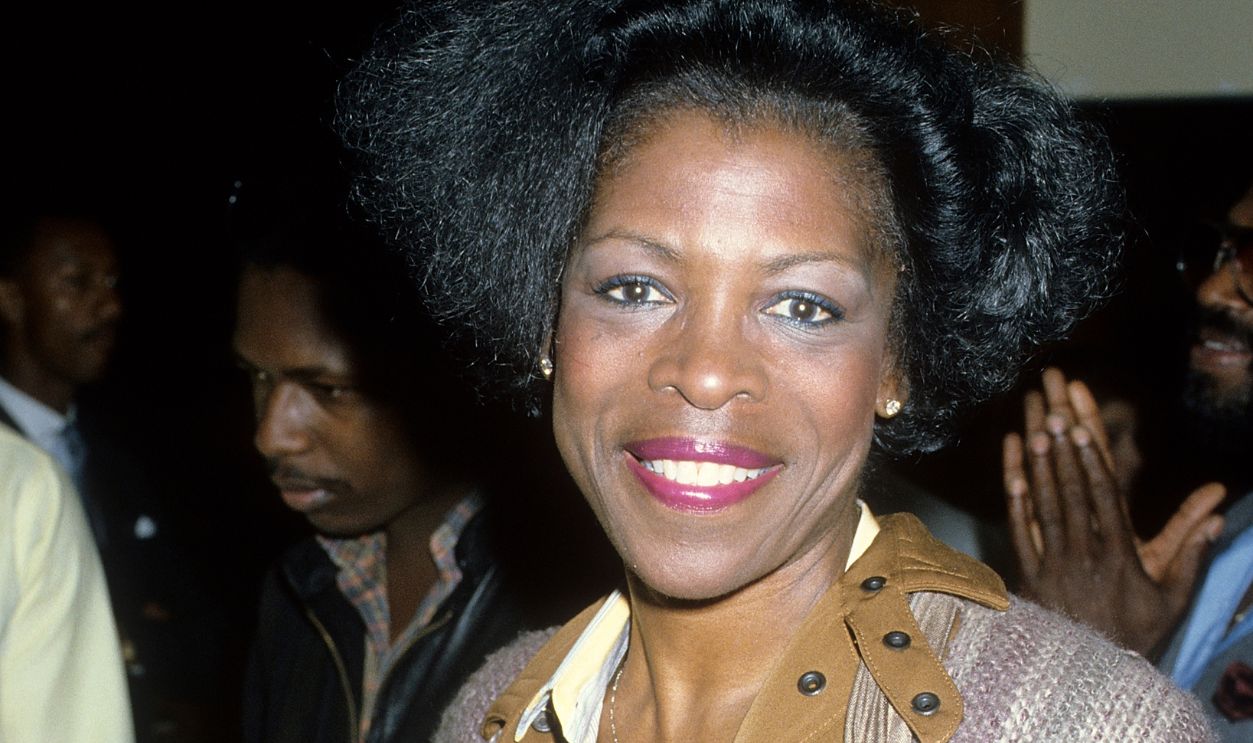
Later Generations Recognized The Blueprint
Helen Willis has remained a fashion reference even when Roker’s name is less widely discussed than those of the show’s central stars. Thelma Golden’s detailed praise is especially revealing because it identifies the character’s wardrobe as a lasting personal influence rather than simple nostalgia. Helen’s mix of bohemian freedom and metropolitan polish still looks surprisingly current.
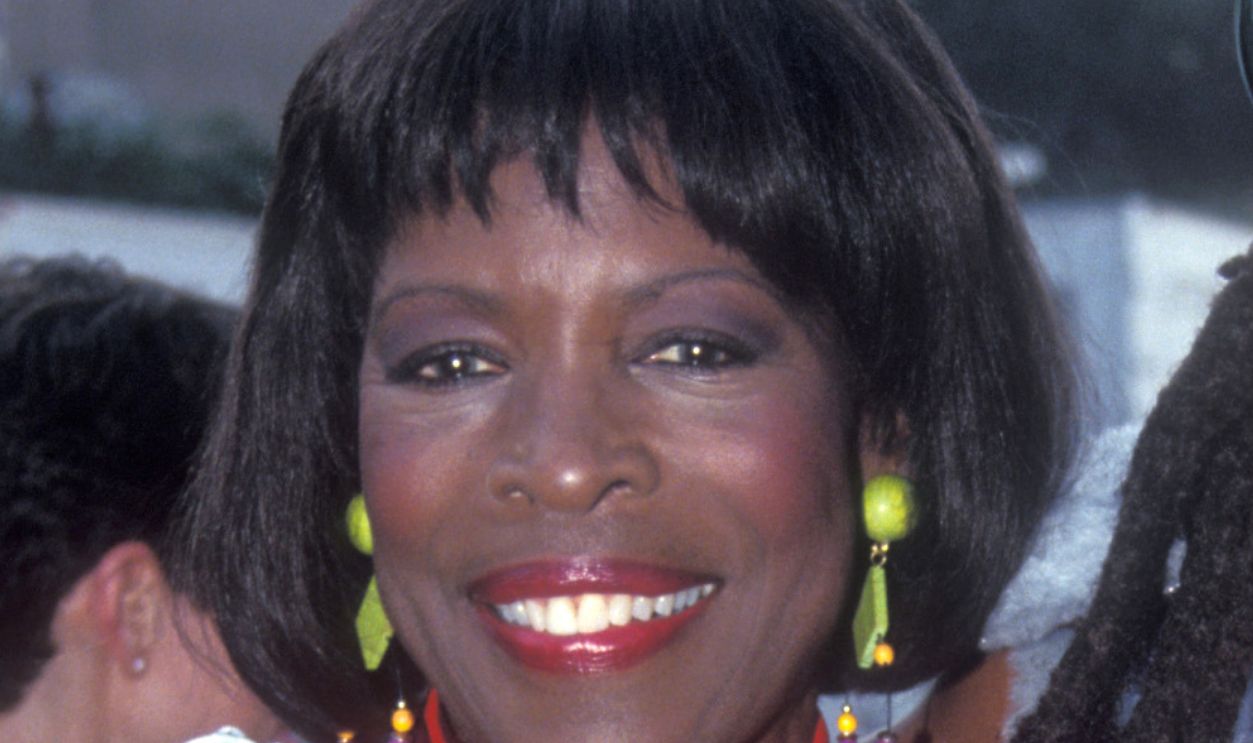
Her Elegance Never Felt Fragile
Roker could wear a flowing cape, absorb one of George’s insults, and answer without losing her composure. Her femininity did not depend on silence, submission, or perpetual sweetness. She showed that a stylish mother could also be politically aware, intellectually forceful, and willing to make a room uncomfortable.
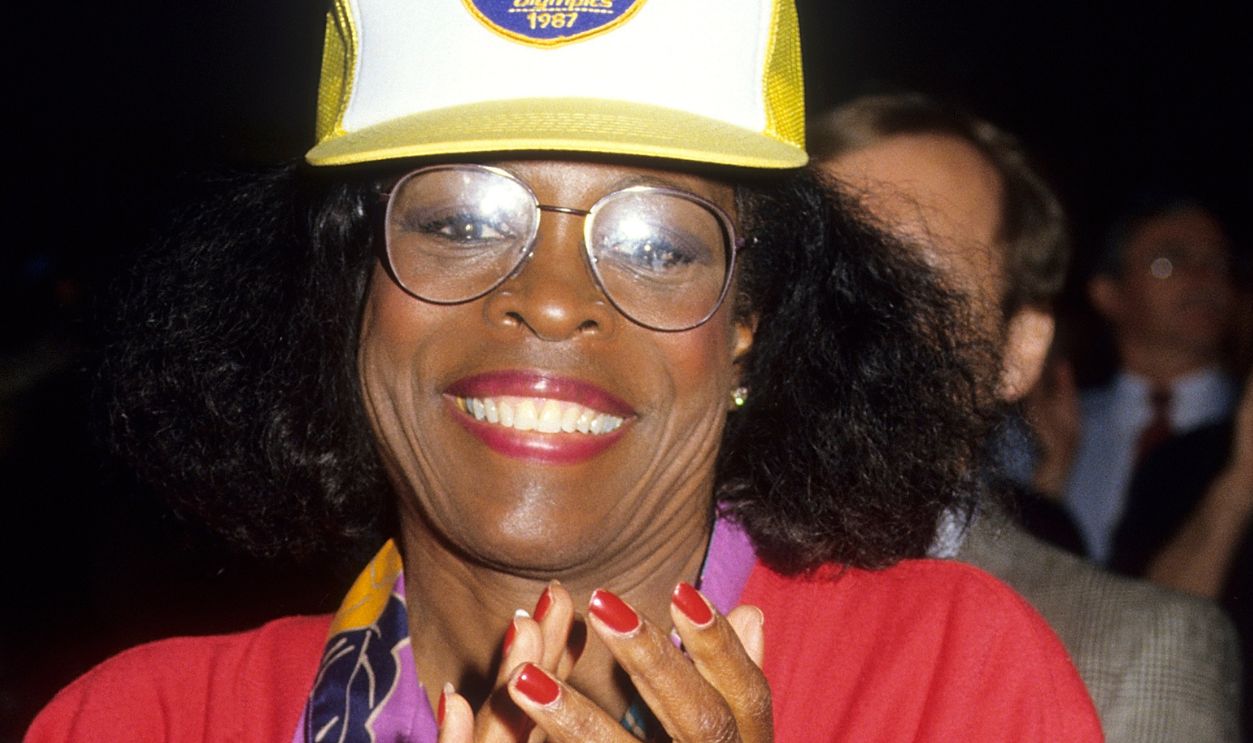
Helen Willis Expanded The Picture
Roxie Roker did not redefine motherhood through speeches about fashion. She did it by appearing week after week as a mature Black wife and mother whose wardrobe expressed culture, imagination, and confidence. Helen Willis made personal style look like something women could carry into marriage, parenthood, middle age, and every argument waiting upstairs.
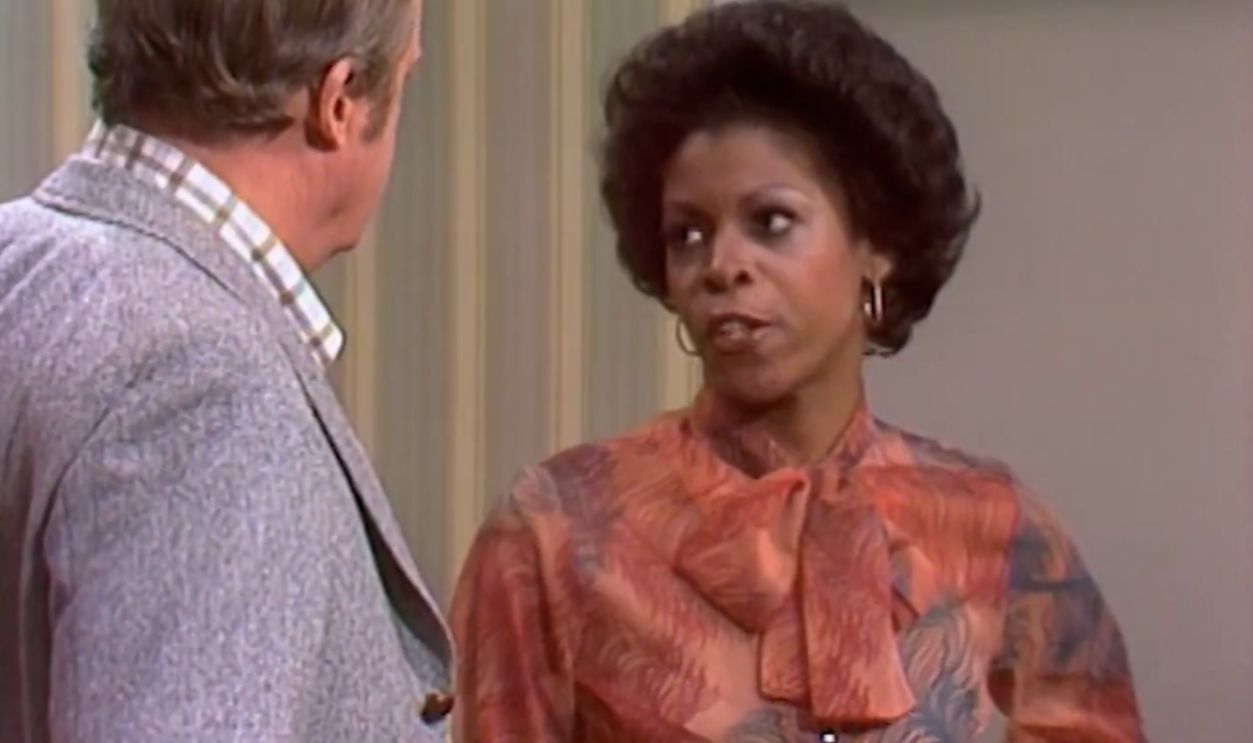 Screenshot from The Jeffersons, CBS (1975–1985)
You May Also Like:
Underrated 70s Films Everyone Should Watch
Beloved 70s TV Shows That Deserved More Seasons Than They Got
Sources: 1, 2, 3, 4, 5, 6, 7, 8, 9, 10, 11, 12, 13, 14, 15, 16, 17, 18, 19, 20, 21, 22