Before Teen TV Found Its Voice
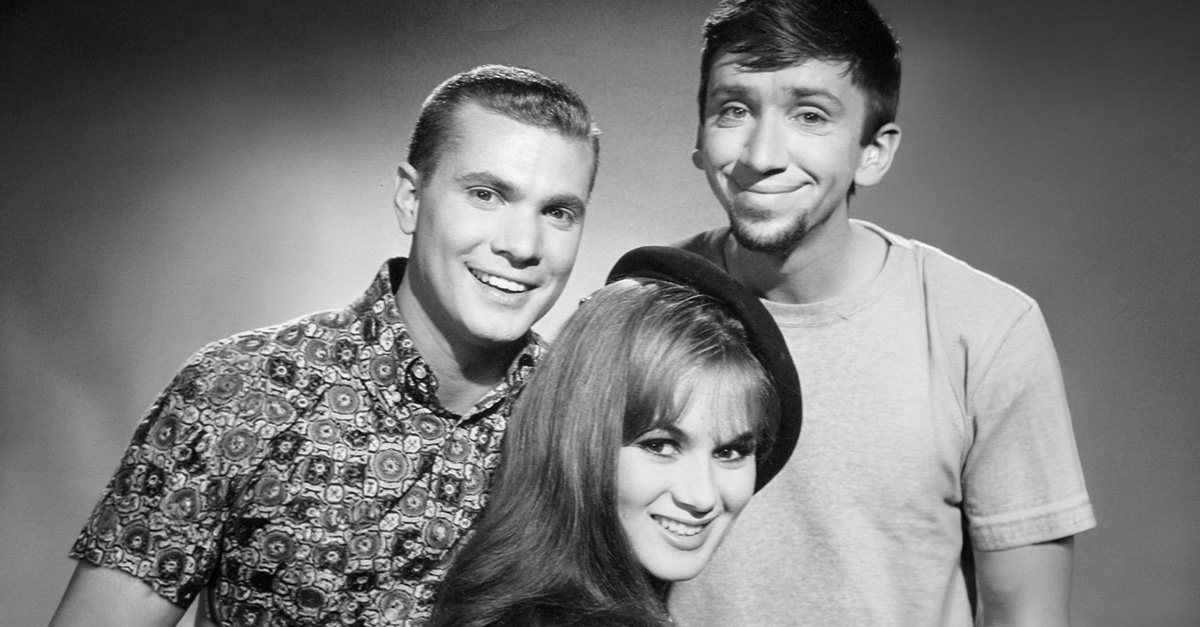
Before television truly understood teenagers, Dwayne Hickman gave them a voice. As the lovelorn Dobie Gillis, he worried about dates, money, popularity, parents, and the terrifying mystery of adulthood. Hickman made those problems funny without treating them as foolish, helping create a new kind of television hero.
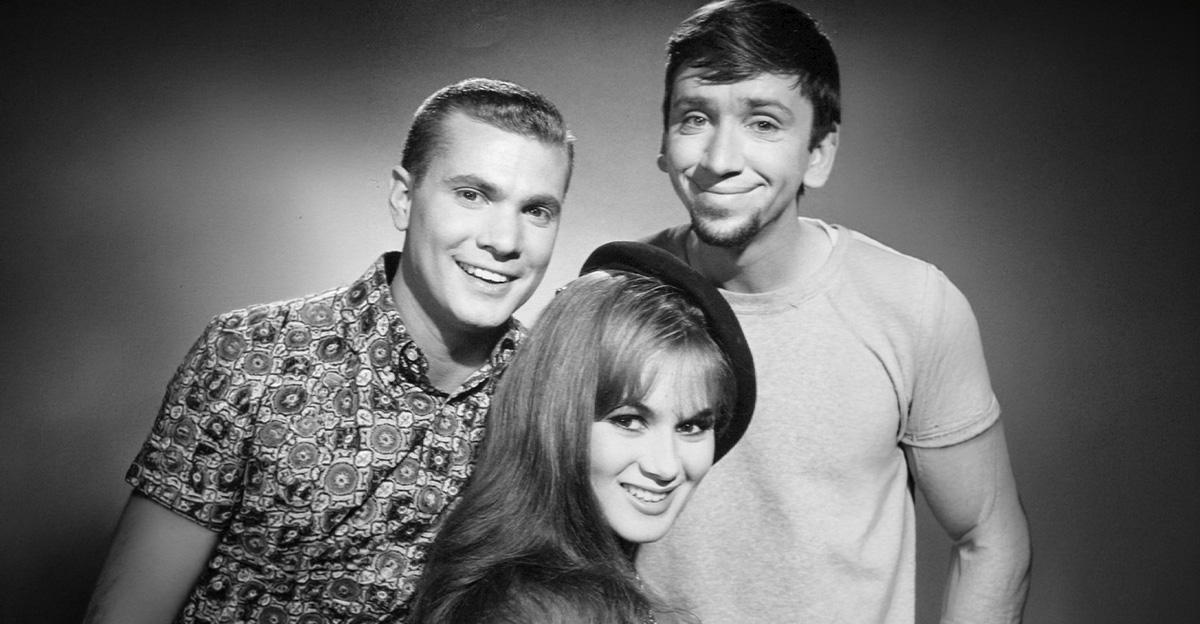 CBS Television, Public domain, via Wikimedia Commons
Hollywood Was Already Home
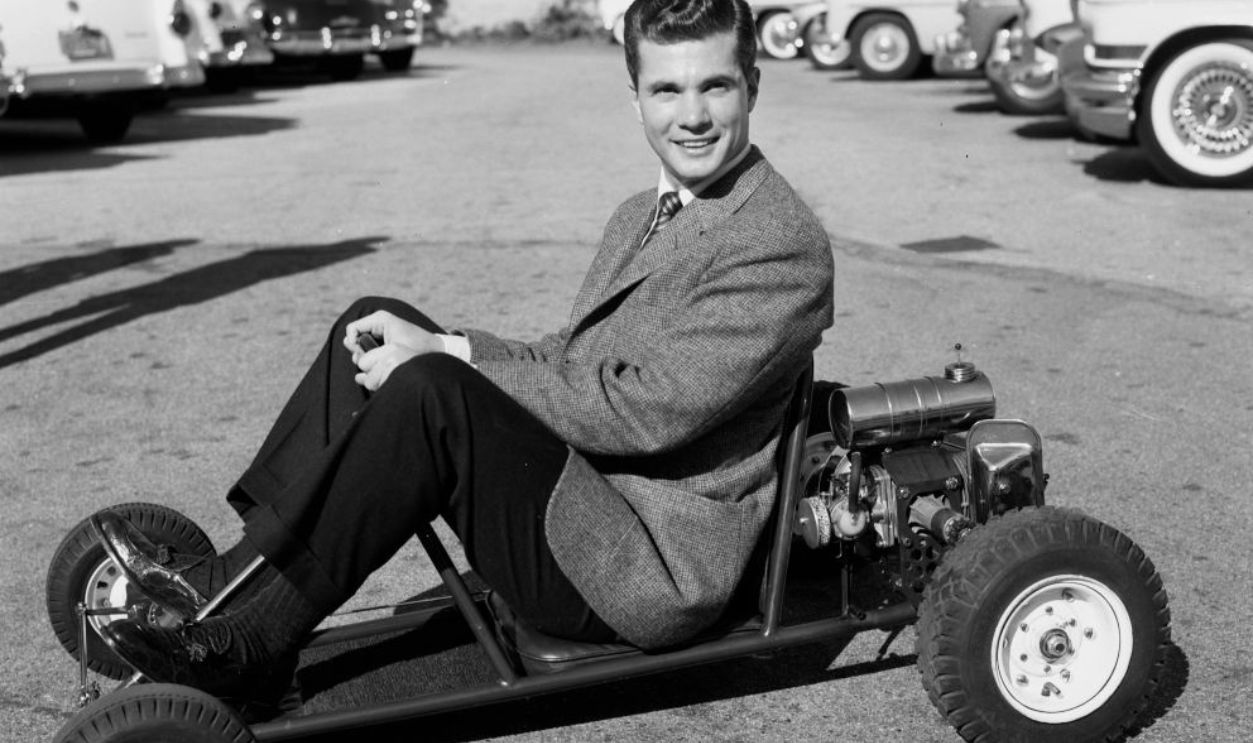
Dwayne Bernard Hickman was born in Los Angeles on May 18, 1934, so the entertainment business was never far away. Hollywood was his hometown, not some magical destination across the country. Long before he became a television star, he was already learning how cameras, studios, and performers worked.
 Michael Ochs Archives, Getty Images
Following Darryl Into Pictures
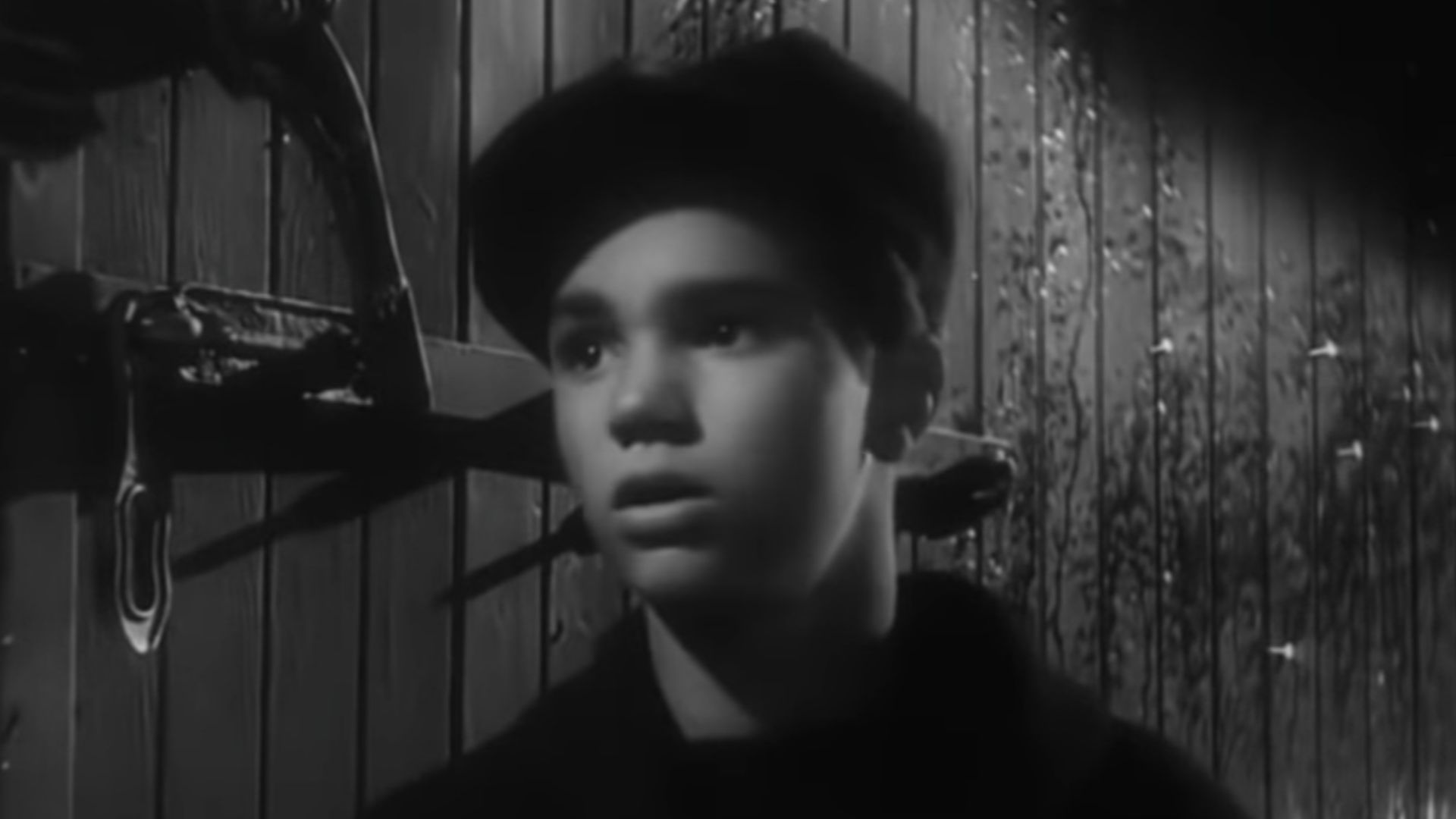
Dwayne’s older brother, Darryl Hickman, became a successful child actor first. Dwayne followed him onto movie sets, initially taking tiny roles that barely required him to speak. He appeared as an extra while still very young, gaining experience without carrying the heavy pressure that had already landed on his brother.
 Film screenshot (Paramount Pictures), Wikimedia Commons
A Childhood Spent Learning Sets
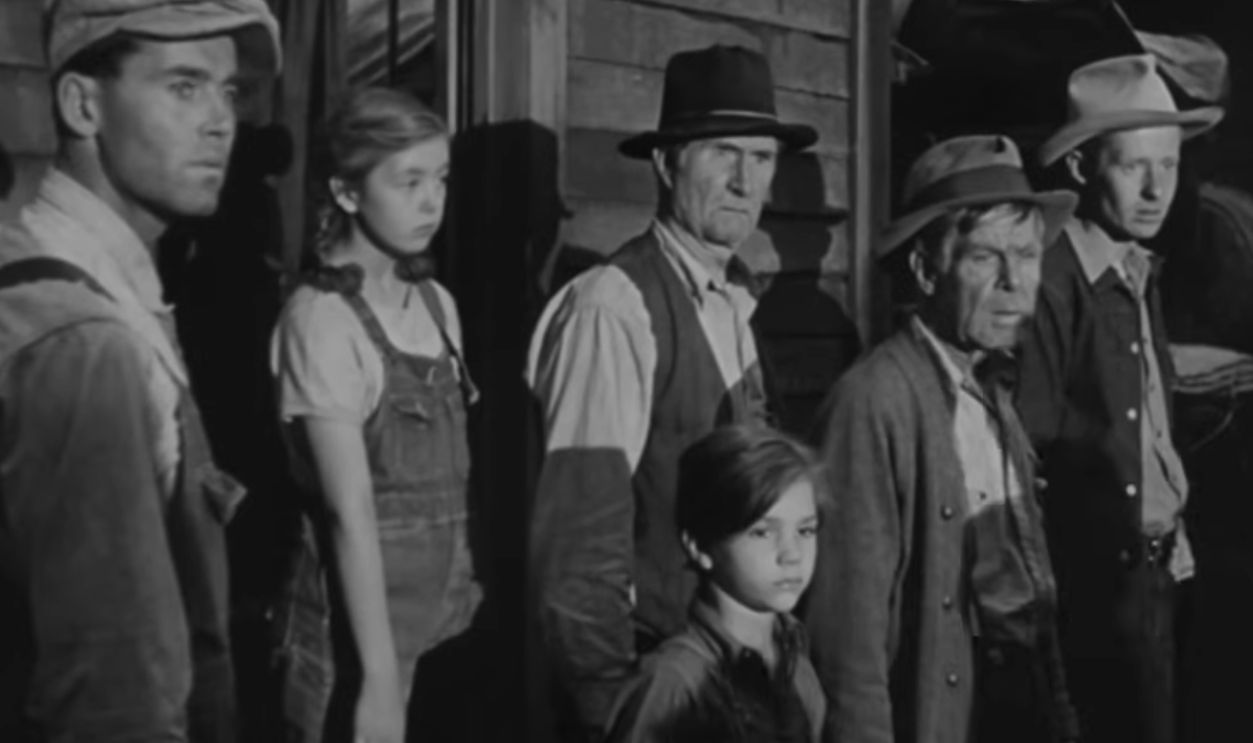
Those early appearances included films such as The Grapes of Wrath and The Boy with Green Hair. Dwayne was not yet being promoted as a major child star, but every small job taught him something. He watched experienced actors closely and became comfortable inside a business that could easily overwhelm newcomers.
 Screenshot from The Grapes of Wrath, 20th Century Fox (1940)
College Nearly Won
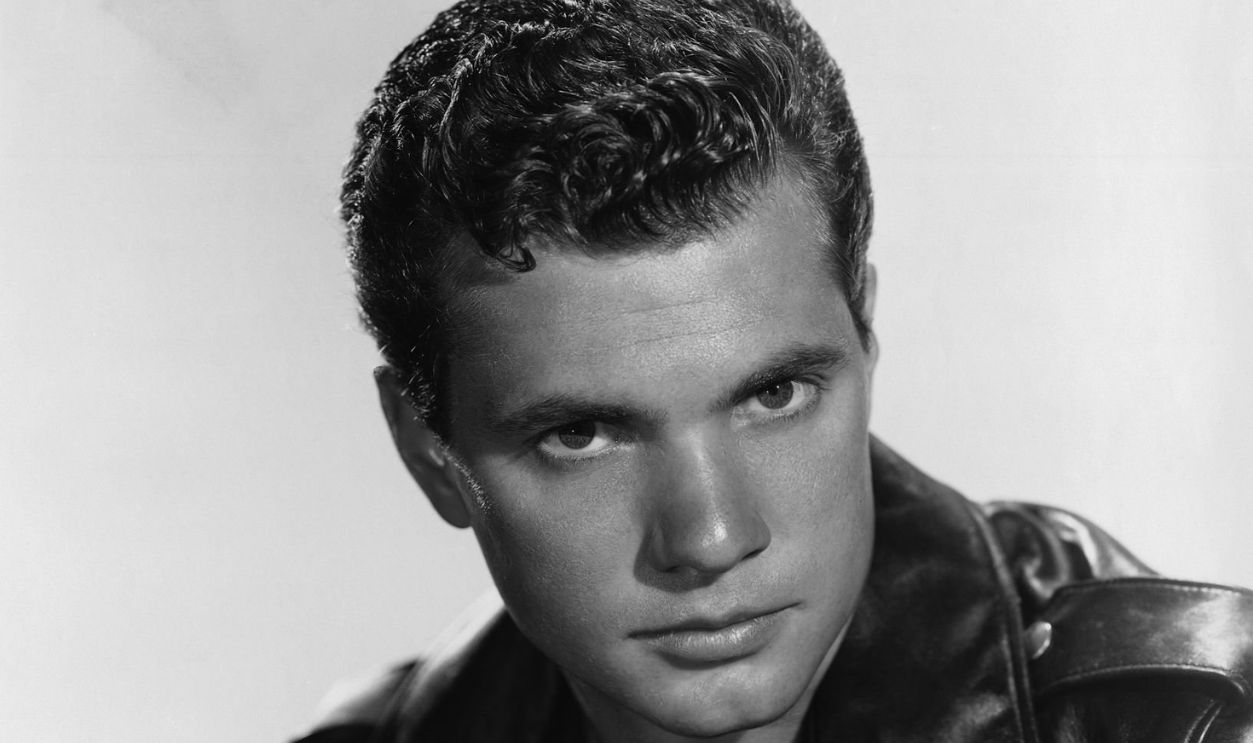
After high school, Hickman briefly explored religious life before enrolling at Loyola University, now Loyola Marymount University. He studied economics and, for a time, seemed prepared to leave acting behind. Hollywood had other plans, however, and a television opportunity soon arrived that was too good to ignore.
 John Springer Collection, Getty Images
Bob Cummings Changed Everything
Hickman’s first major television break came on The Bob Cummings Show. He played Chuck MacDonald, the girl-crazy nephew of Cummings’s smooth photographer character. Hickman was still attending college when the role began, forcing him to balance exams, rehearsals, and the growing realization that television might become his career.
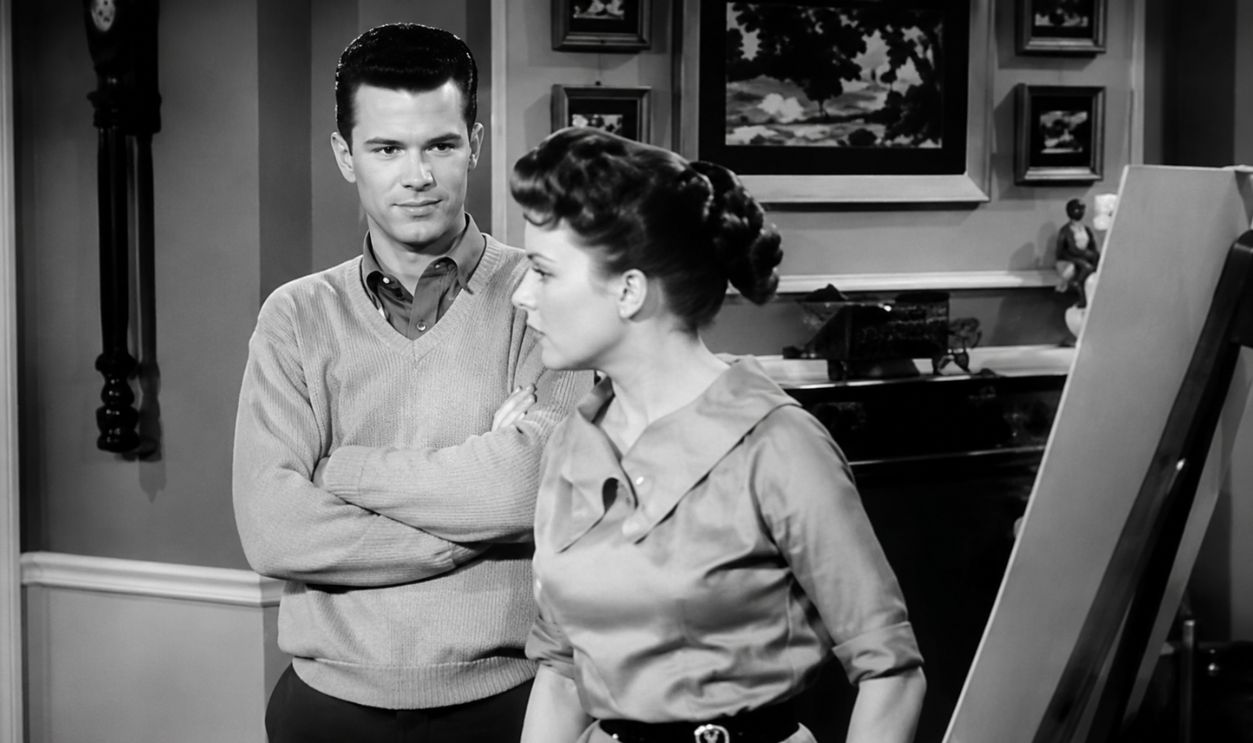 Screenshot from The Bob Cummings Show, NBC (1955-1959)
Chuck Was A Preview
Chuck was not the star, but he gave Hickman a chance to develop the comic personality audiences would later love. He was clean-cut, eager, romantic, and usually several steps behind the women he wanted to impress. In many ways, Chuck looked like an early version of Dobie Gillis.
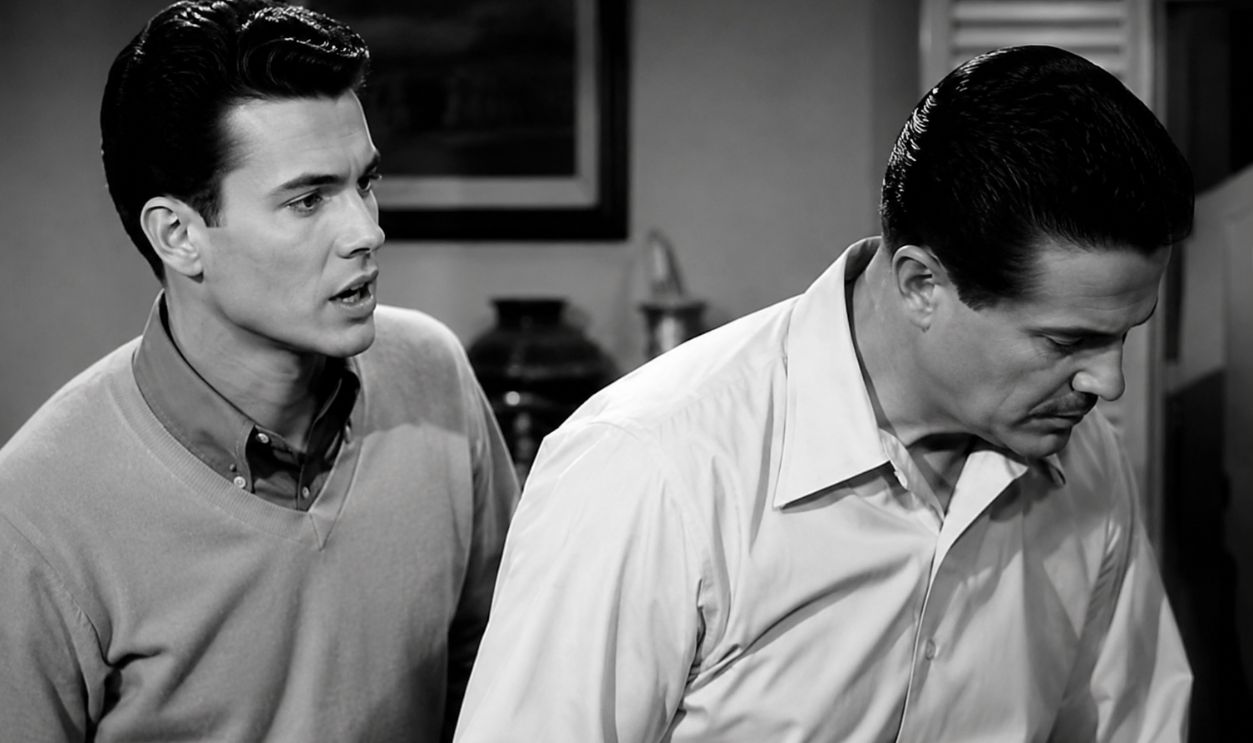 Screenshot from The Bob Cummings Show, NBC (1955-1959)
Learning From A Comedy Expert
Hickman later credited Bob Cummings with teaching him how to perform comedy for a television camera. Cummings understood timing, reactions, and the importance of appearing natural. Hickman absorbed those lessons over several seasons, becoming more confident while playing someone who was almost always confused, embarrassed, or hopelessly in love.
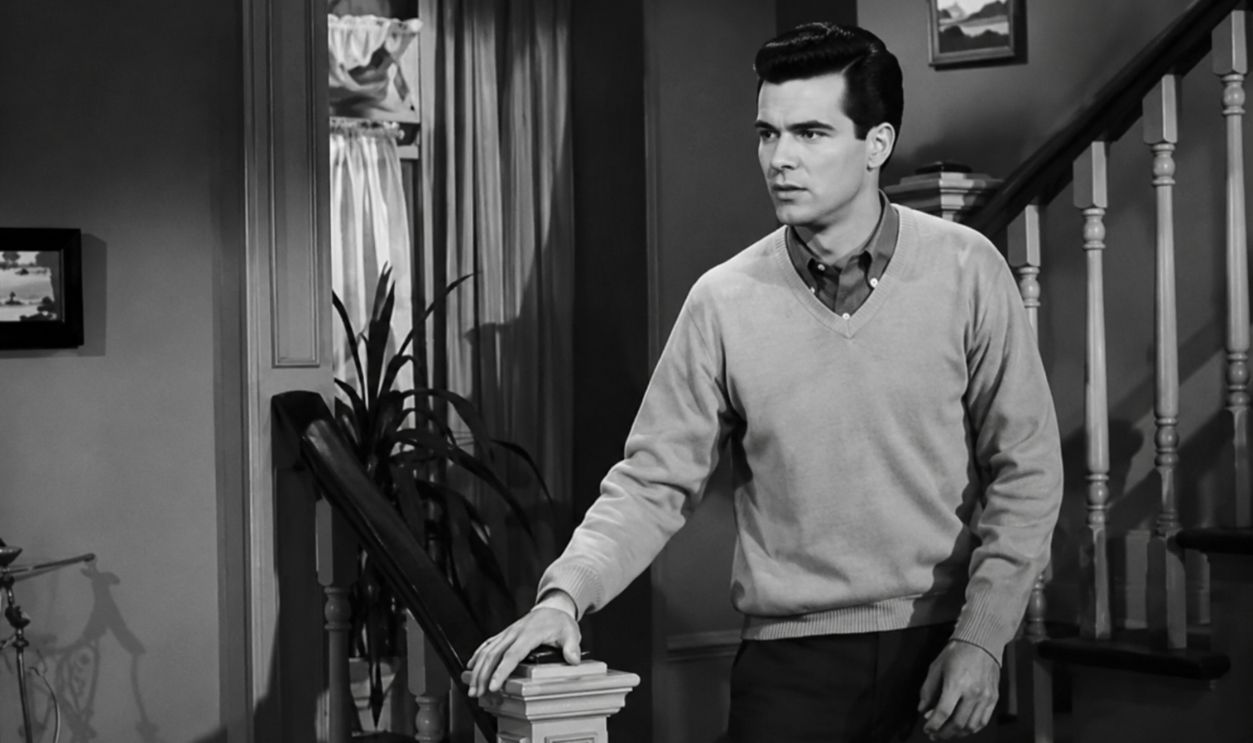 Screenshot from The Bob Cummings Show, NBC (1955-1959)
Dobie Gillis Arrives
In 1959, Hickman became the star of The Many Loves of Dobie Gillis, based on stories by humorist Max Shulman. Although Hickman was already in his mid-20s, he convincingly played a high-school student whose enormous ambitions were constantly crashing into his extremely ordinary life.
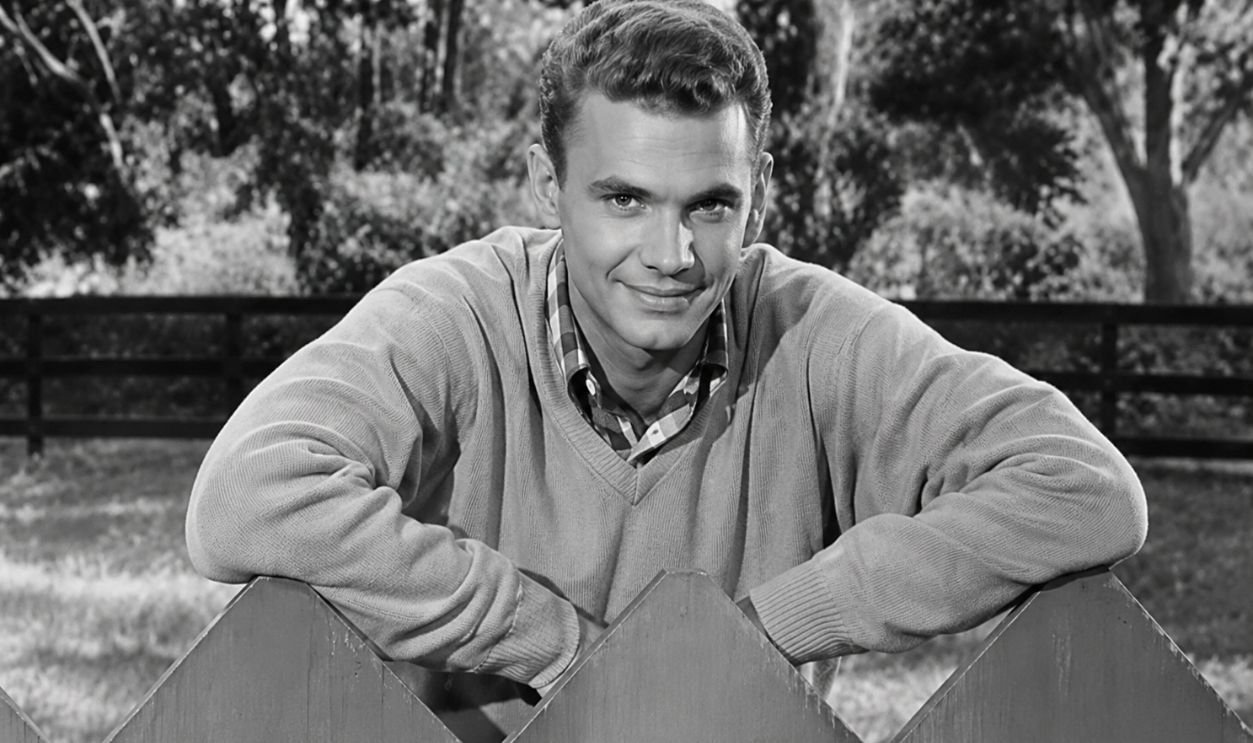 Screenshot from The Many Loves of Dobie Gillis, CBS (1959-1963)
Television Finally Picks The Teenager
Most family sitcoms of the era viewed teenagers through their parents’ eyes. Dobie Gillis reversed that arrangement. Adults still mattered, but Dobie’s hopes and frustrations drove the story. His problems were small by adult standards, yet the show understood that they felt enormous when you were young.
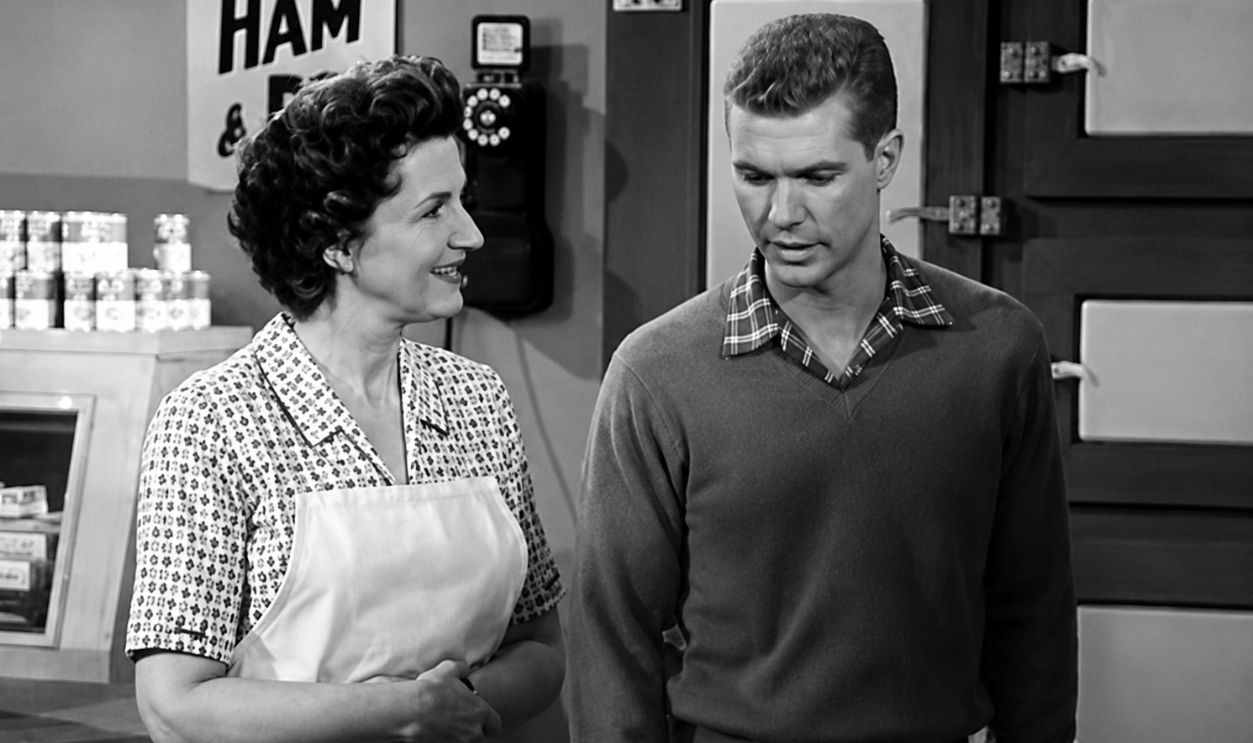 Screenshot from The Many Loves of Dobie Gillis, CBS (1959-1963)
Talking Straight To The Audience
Dobie regularly broke the fourth wall and spoke directly to viewers. He explained what he wanted, why his latest plan seemed brilliant, and how everything had gone wrong. Hickman delivered these speeches with complete sincerity, inviting teenagers to laugh because he understood them and adults to laugh because they remembered.
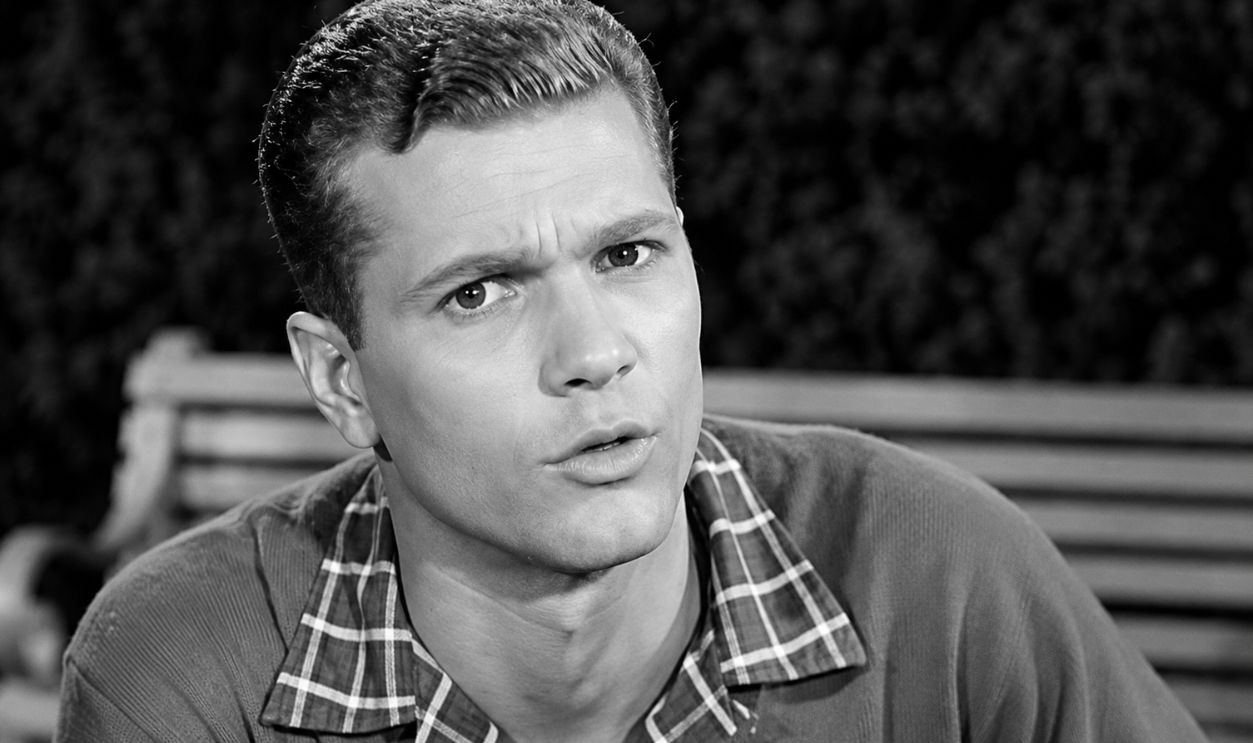 Screenshot from The Many Loves of Dobie Gillis, CBS (1959-1963)
The Thinker Became His Confessional
Many of Dobie’s monologues took place beside a reproduction of Auguste Rodin’s The Thinker. The joke was simple but effective: Dobie posed as a deep philosopher while worrying about girls, money, and social status. Hickman’s serious expression made the contrast even funnier, turning the statue into a television landmark.
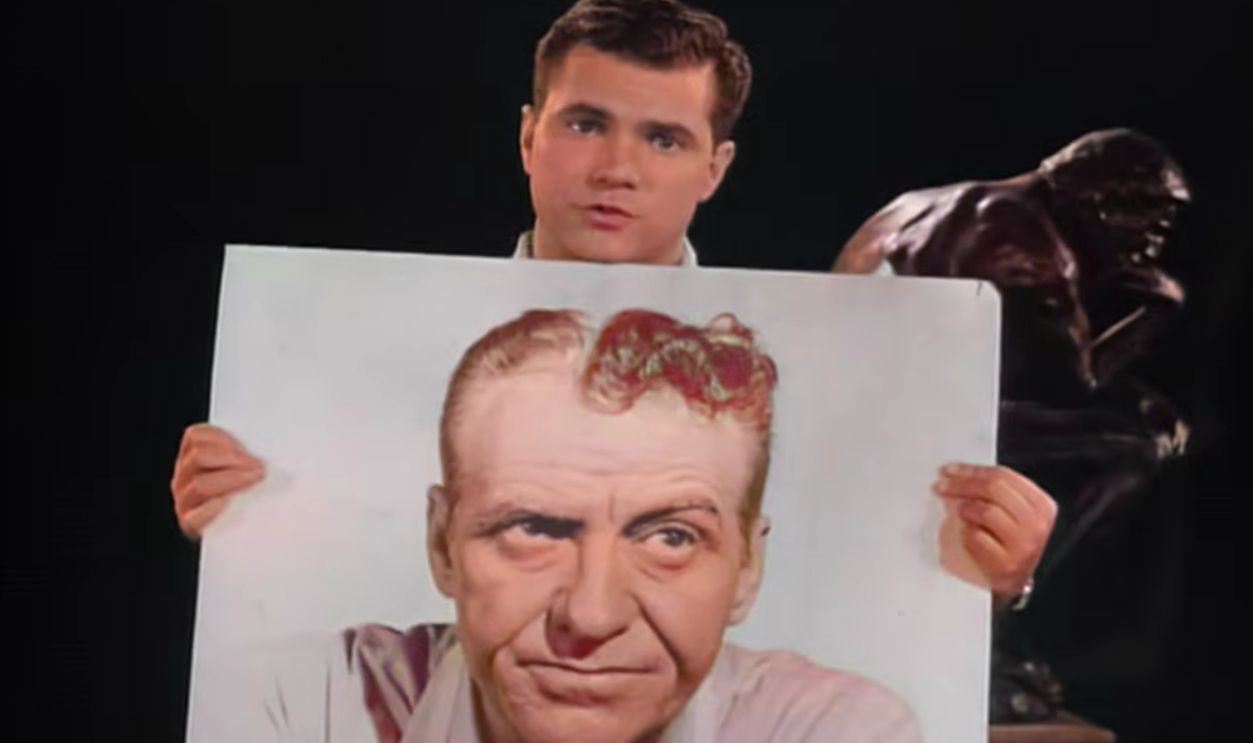 Screenshot from The Many Loves of Dobie Gillis, CBS (1959-1963)
Dobie Wanted Everything
Dobie dreamed of wealth, popularity, fancy possessions, and beautiful girlfriends. Unfortunately, he had little money, limited confidence, and a father who expected him to work in the family grocery store. He was ambitious without being especially capable, which made every new scheme feel doomed before it had properly begun.
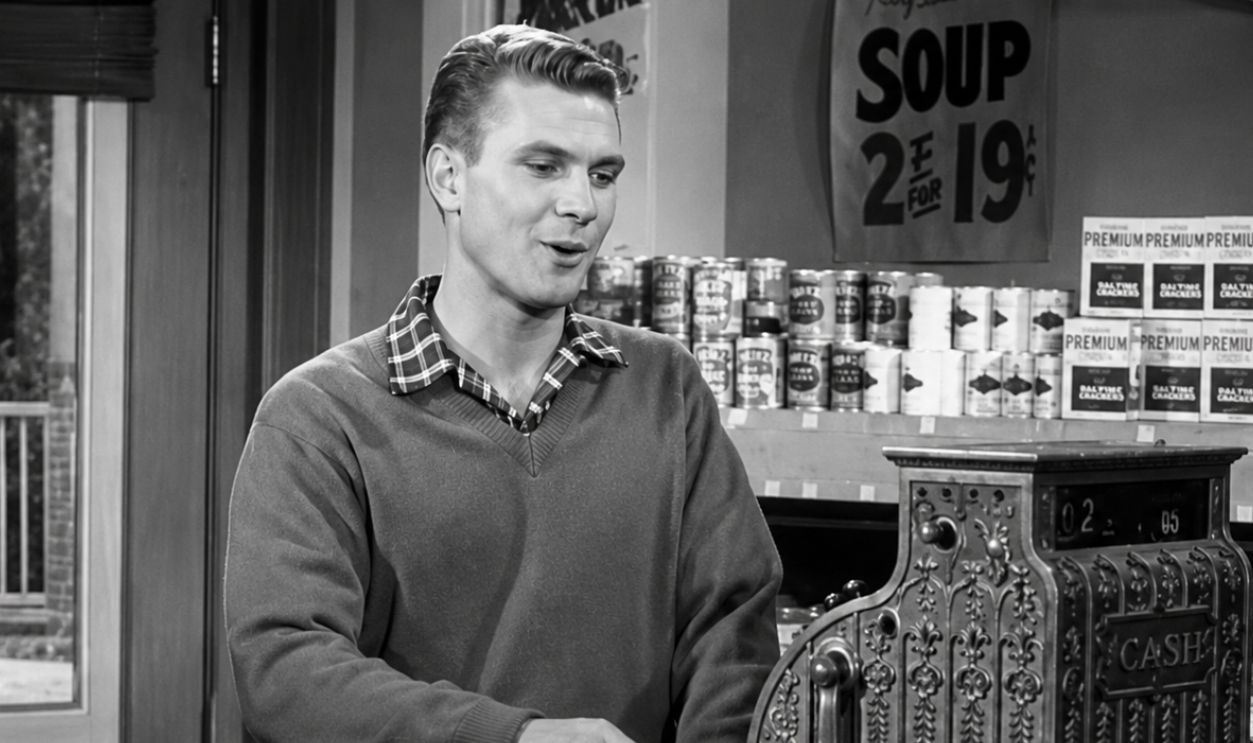 Screenshot from The Many Loves of Dobie Gillis, CBS (1959-1963)
Hickman Made Failure Charming
A less likable actor might have made Dobie seem selfish or shallow. Hickman kept him sweet. Dobie chased status, but he was not cruel. He lied occasionally, panicked frequently, and made terrible decisions, yet audiences could see the decent young man beneath all the frantic attempts to become someone impressive.
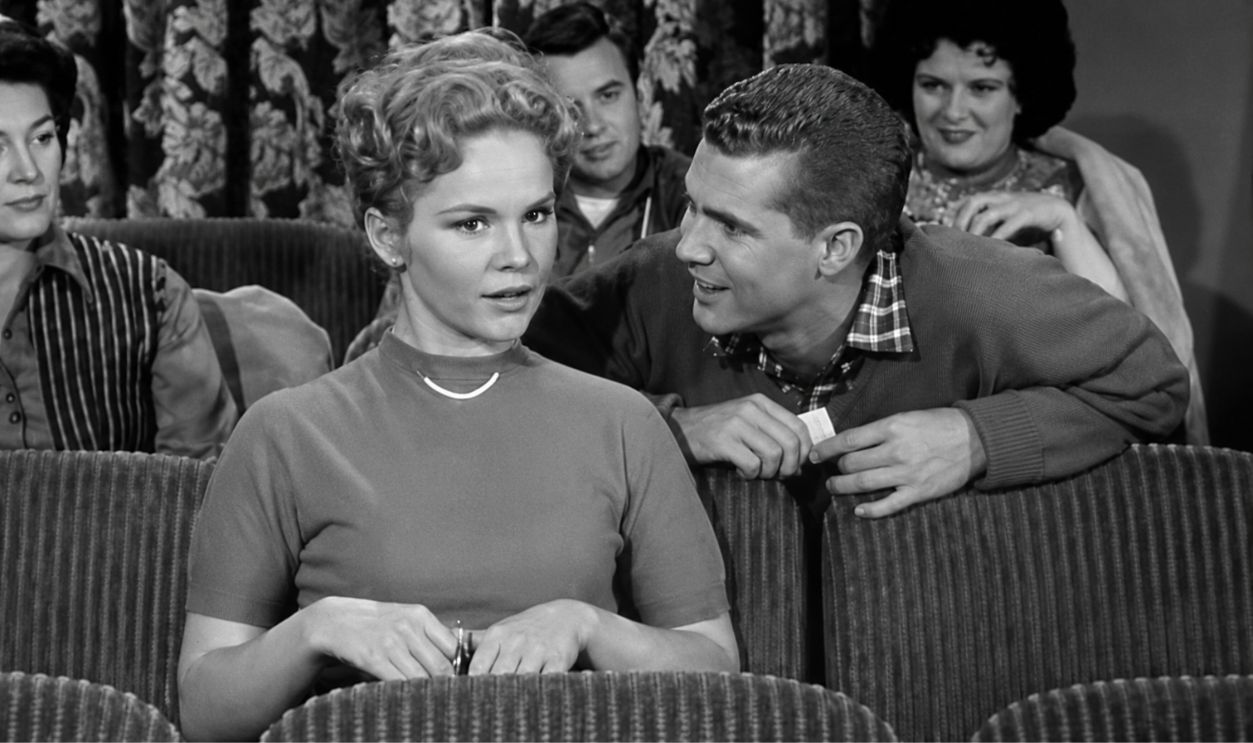 Screenshot from The Many Loves of Dobie Gillis, CBS (1959-1963)
Maynard Stole Scenes Differently
Bob Denver played Dobie’s best friend, Maynard G. Krebs, a beatnik who feared work and treated ordinary conversation like experimental jazz. Maynard became the show’s breakout character, but Hickman never fought for attention. His grounded reactions gave Denver room to be wonderfully strange while keeping each scene connected to reality.
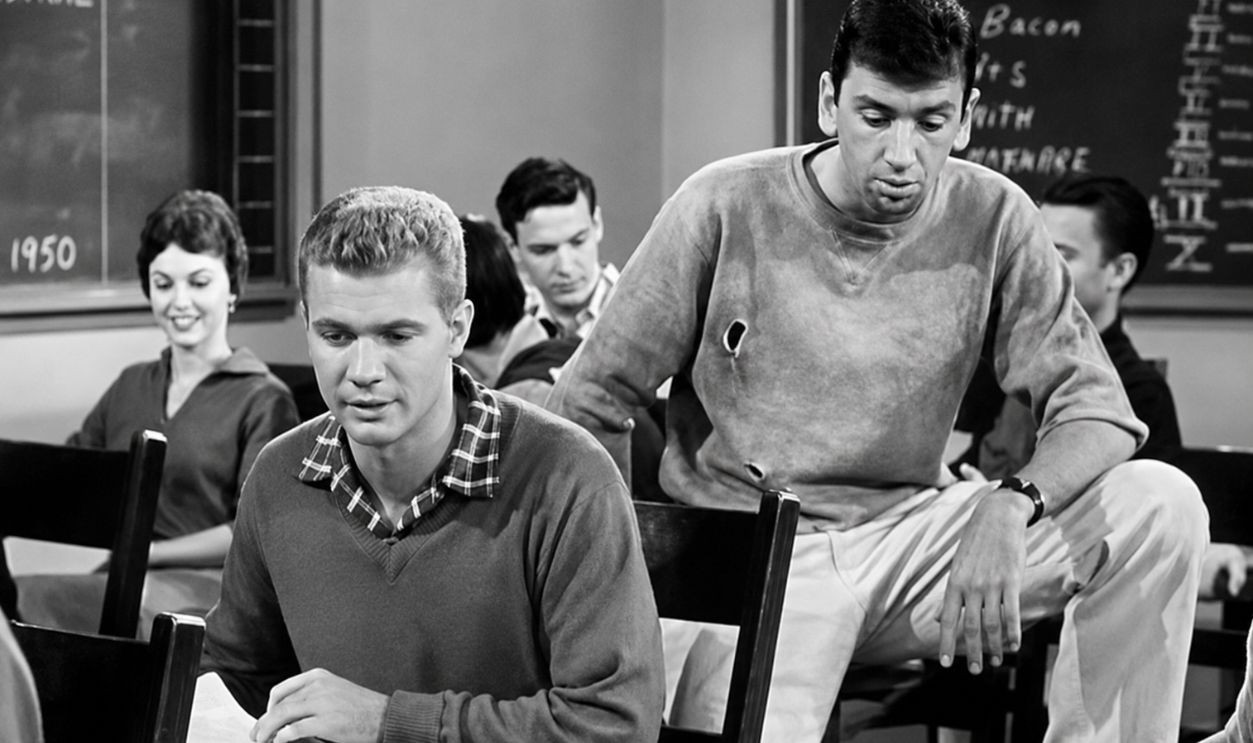 Screenshot from The Many Loves of Dobie Gillis, CBS (1959-1963)
A Perfect Odd-Couple Friendship
Dobie wanted to join respectable society. Maynard seemed delighted to avoid it. That difference made them a perfect comedy team. Hickman played Dobie as the frustrated planner, while Denver played Maynard as the unpredictable obstacle. Beneath the jokes, however, their friendship felt genuine, loyal, and surprisingly warm.
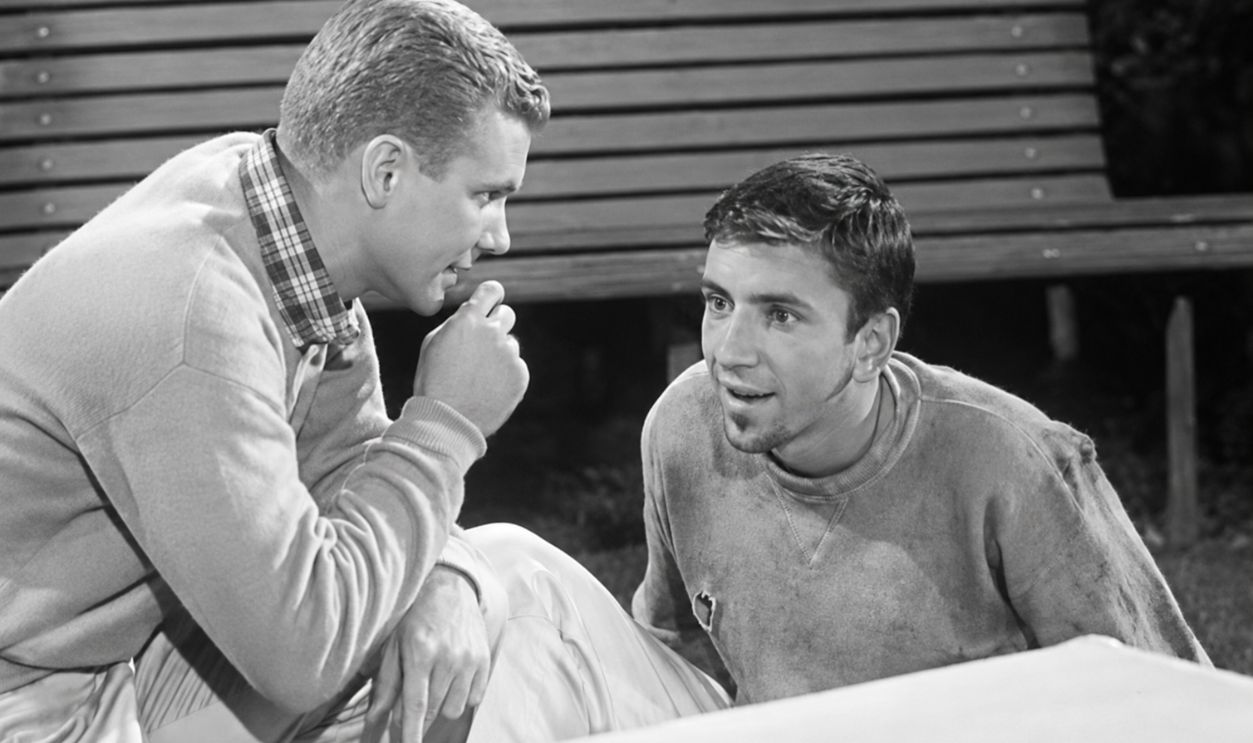 Screenshot from The Many Loves of Dobie Gillis, CBS (1959-1963)
The Girls Were Never Simple
Dobie’s romantic pursuits introduced memorable characters including the practical Zelda Gilroy and the calculating Thalia Menninger. Tuesday Weld, Sheila James, and other young performers made sure the women were more than prizes waiting to be won. Dobie often believed he was the clever one, right before discovering otherwise.
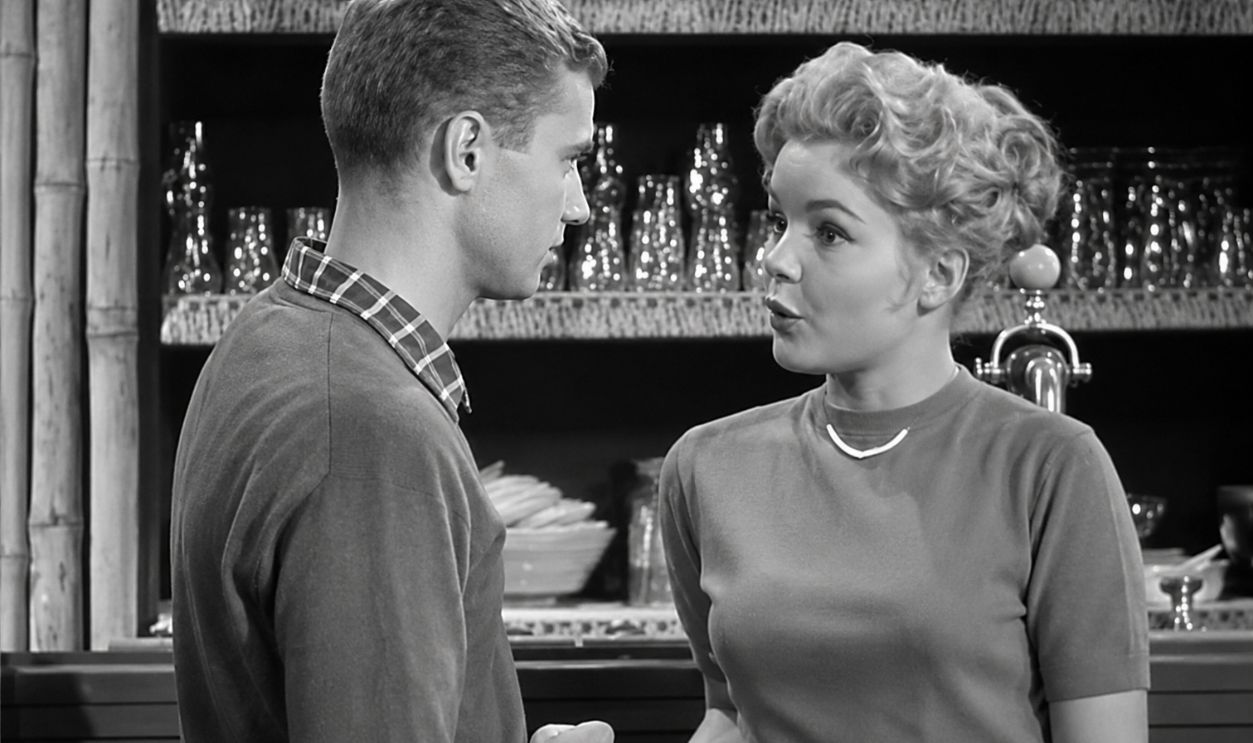 Screenshot from The Many Loves of Dobie Gillis, CBS (1959-1963)
Parents With Their Own Punchlines
Frank Faylen and Florida Friebus played Dobie’s parents, Herbert and Winnie Gillis. Herbert constantly threatened to eliminate his troublesome son, while Winnie defended Dobie against almost everything. Hickman’s nervous expressions worked beautifully between them, making the Gillis home feel loving even when everyone was loudly complaining.
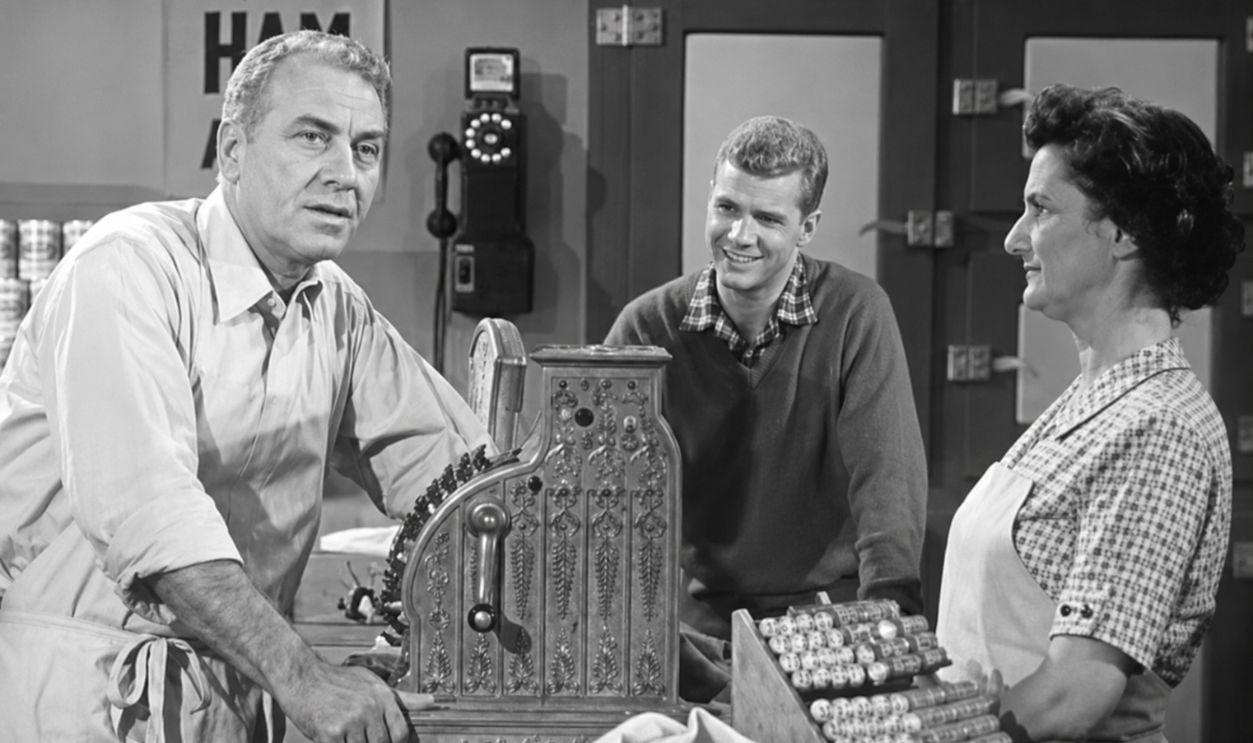 Screenshot from The Many Loves of Dobie Gillis, CBS (1959-1963)
Four Seasons Of Growing Up
The Many Loves of Dobie Gillis ran for four seasons from 1959 to 1963. During that time, Dobie moved beyond high school into military service and college. The changing setting allowed Hickman to keep playing youthful uncertainty while the character slowly moved toward an adulthood he was never quite ready to accept.
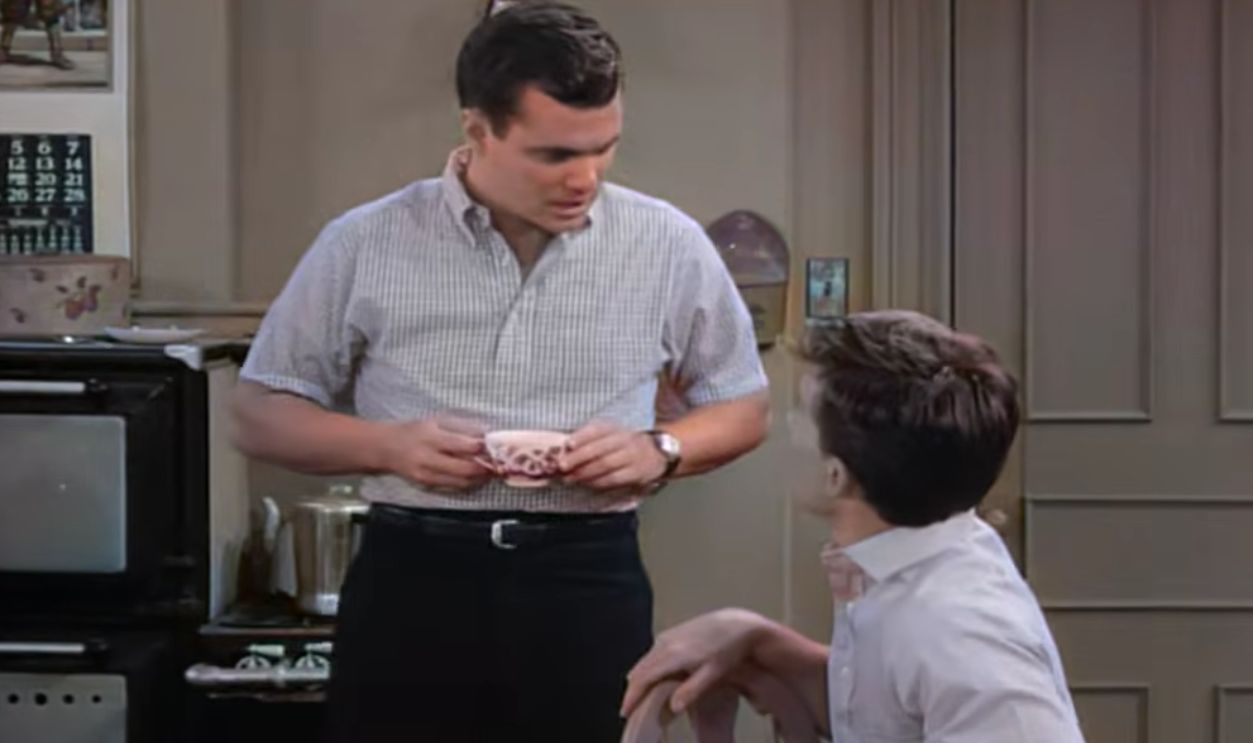 Screenshot from The Many Loves of Dobie Gillis, CBS (1959-1963)
Fame Created A Trap
Once the series ended, Hickman discovered that playing youth so successfully had created a problem. Hollywood still associated him with Dobie, even though he was entering his 30s. He was too old for many teenage roles but remained so boyish that casting directors sometimes struggled to imagine him as anyone else.
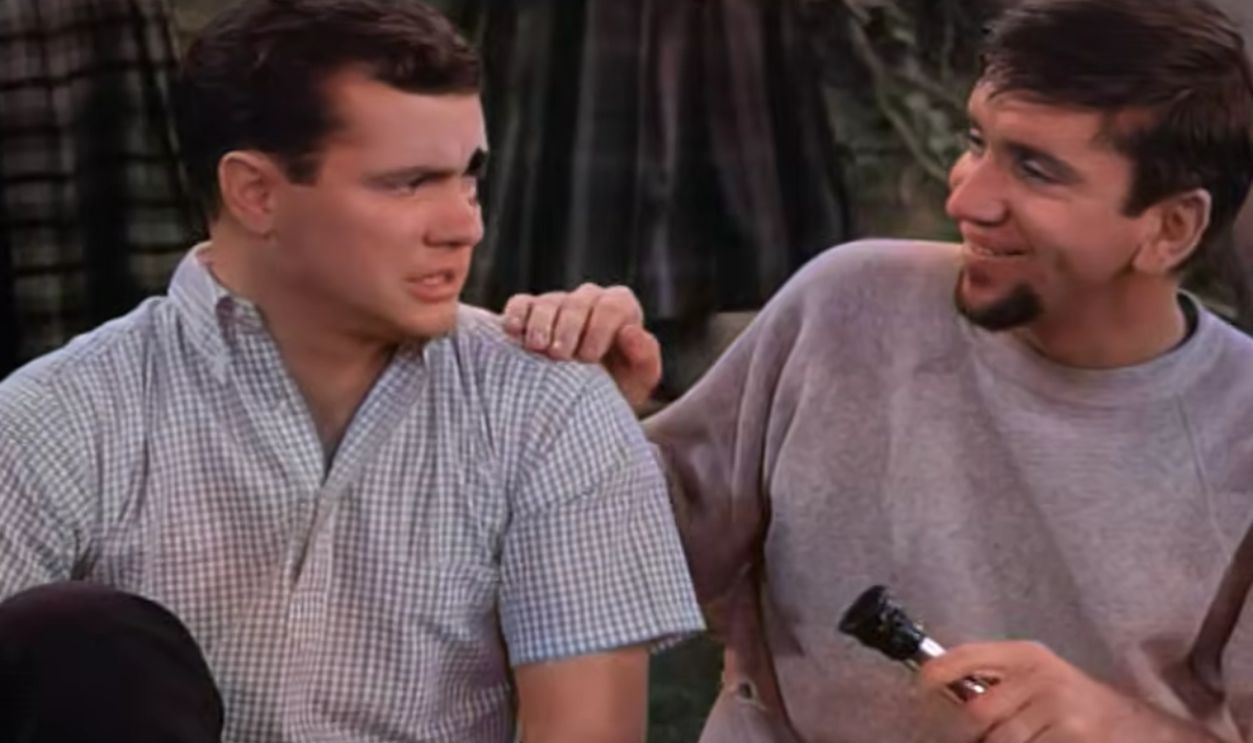 Screenshot from The Many Loves of Dobie Gillis, CBS (1959-1963)
Hollywood Sent Him To The Beach
Hickman leaned into his youthful image with several movies for American International Pictures. He appeared in colorful 1960s comedies including Ski Party, How to Stuff a Wild Bikini, and Dr. Goldfoot and the Bikini Machine. The films were silly, energetic, and built around stars audiences already recognized.
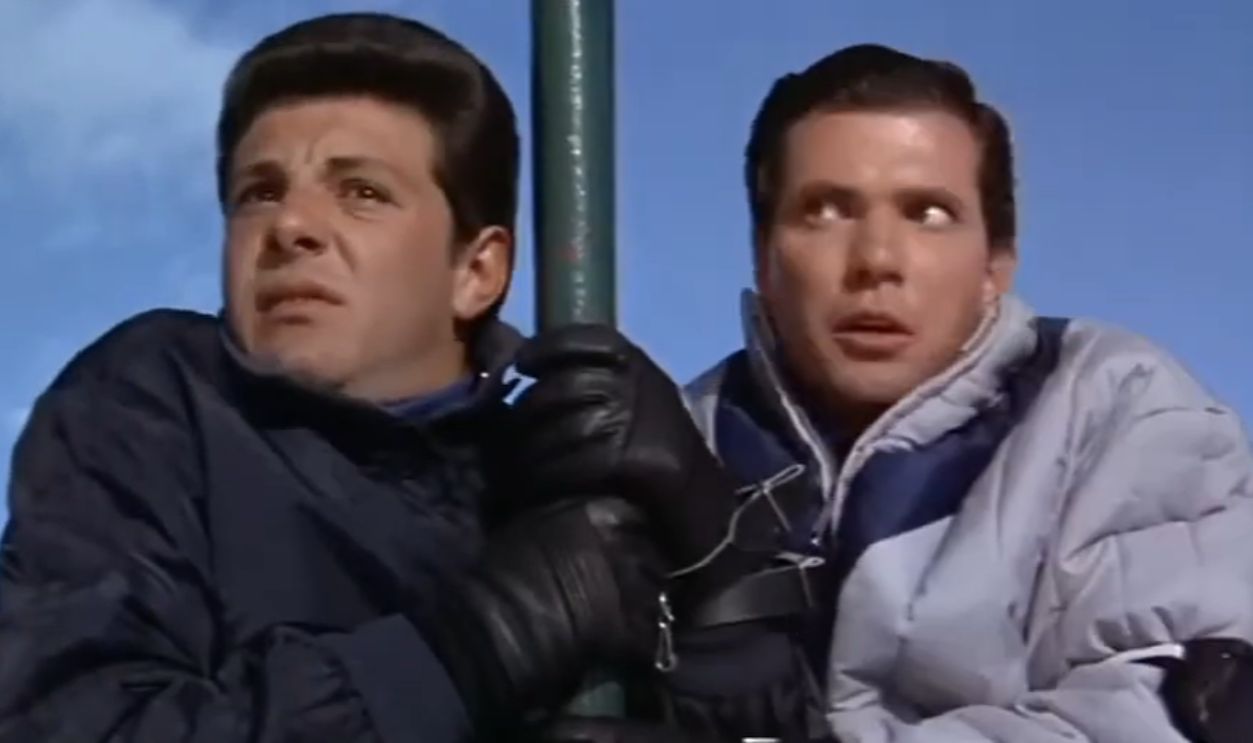 Screenshot from Ski Party, American International Pictures (1965)
Cat Ballou Showed Another Side
He also appeared in the 1965 comedy western Cat Ballou, starring Jane Fonda and Lee Marvin. The film became one of the best-known movies on Hickman’s résumé. Although he was not the main attraction, it gave him a place inside a sharper, more ambitious comedy than his beach pictures.
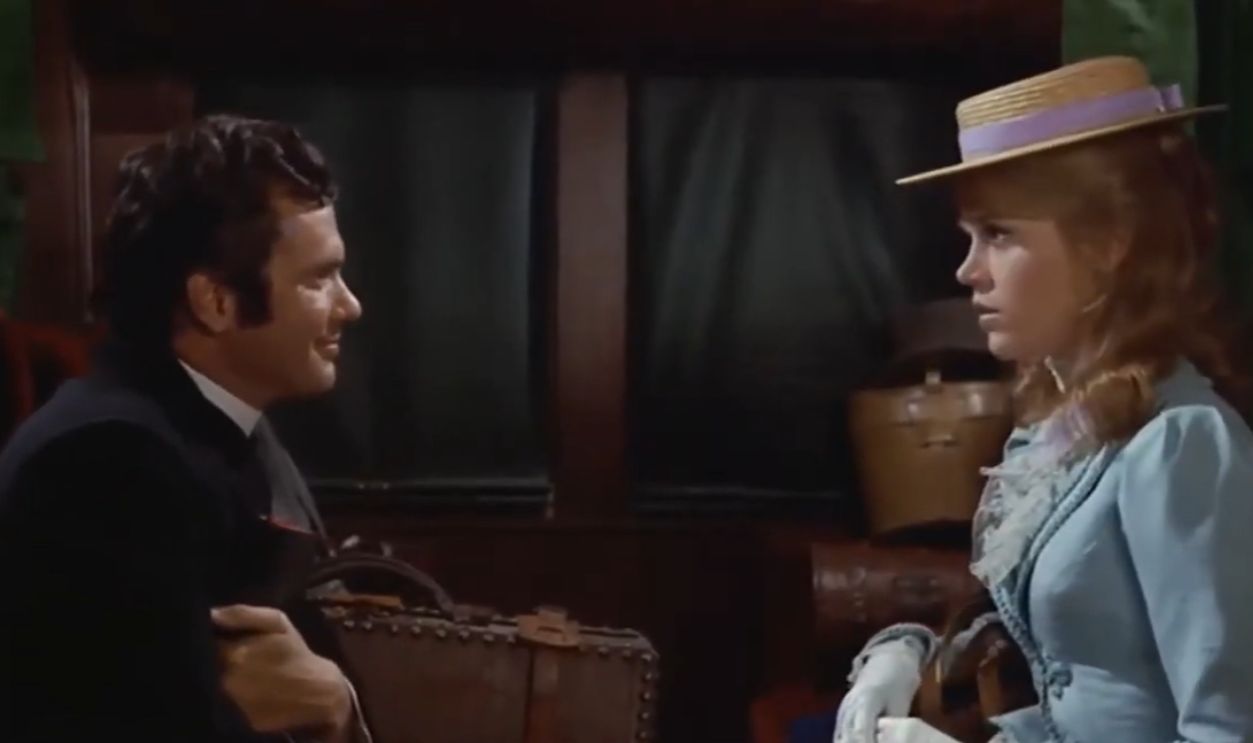 Screenshot from Cat Ballou, Columbia Pictures (1965)
Television Kept Calling
Hickman continued making guest appearances on shows ranging from light comedies to dramas. He even played a frightened soldier on Combat!, proving he could step away from his familiar romantic persona. Still, Dobie remained the image audiences remembered, following him through every new role he attempted.
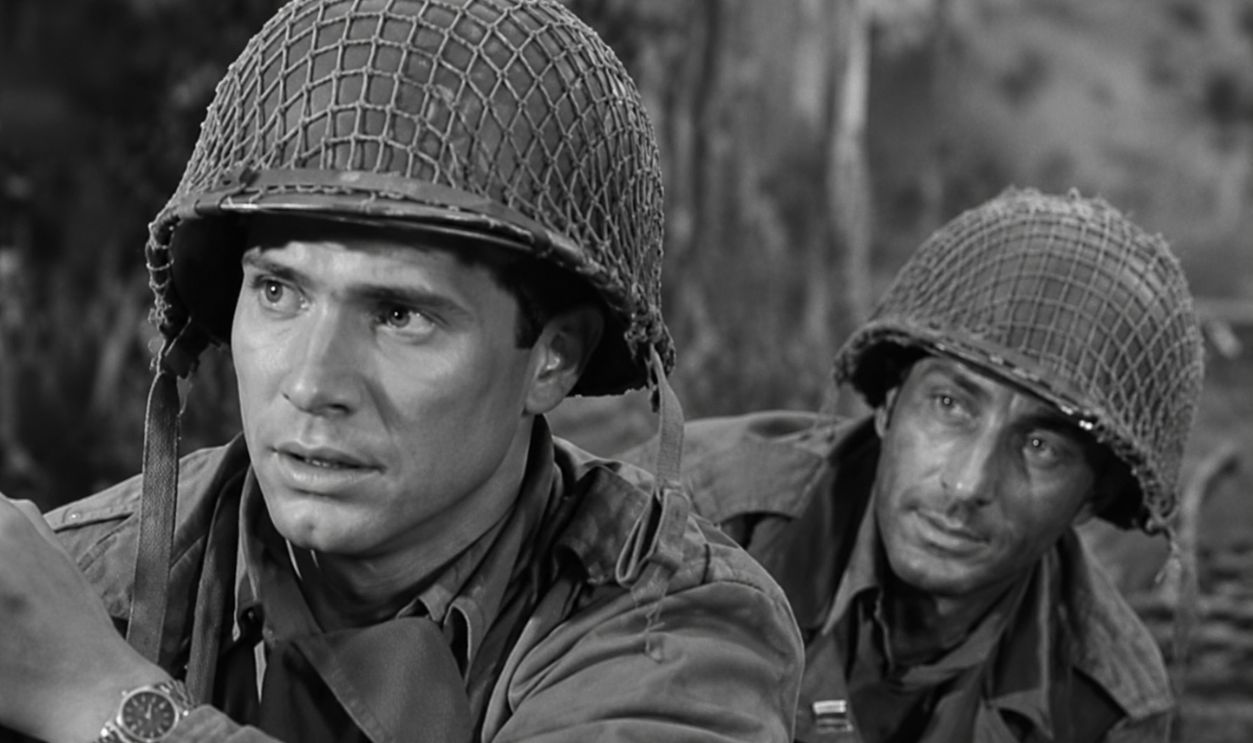 Screenshot from Combat!, ABC Films (1962-1967)
He Learned The Business From Inside
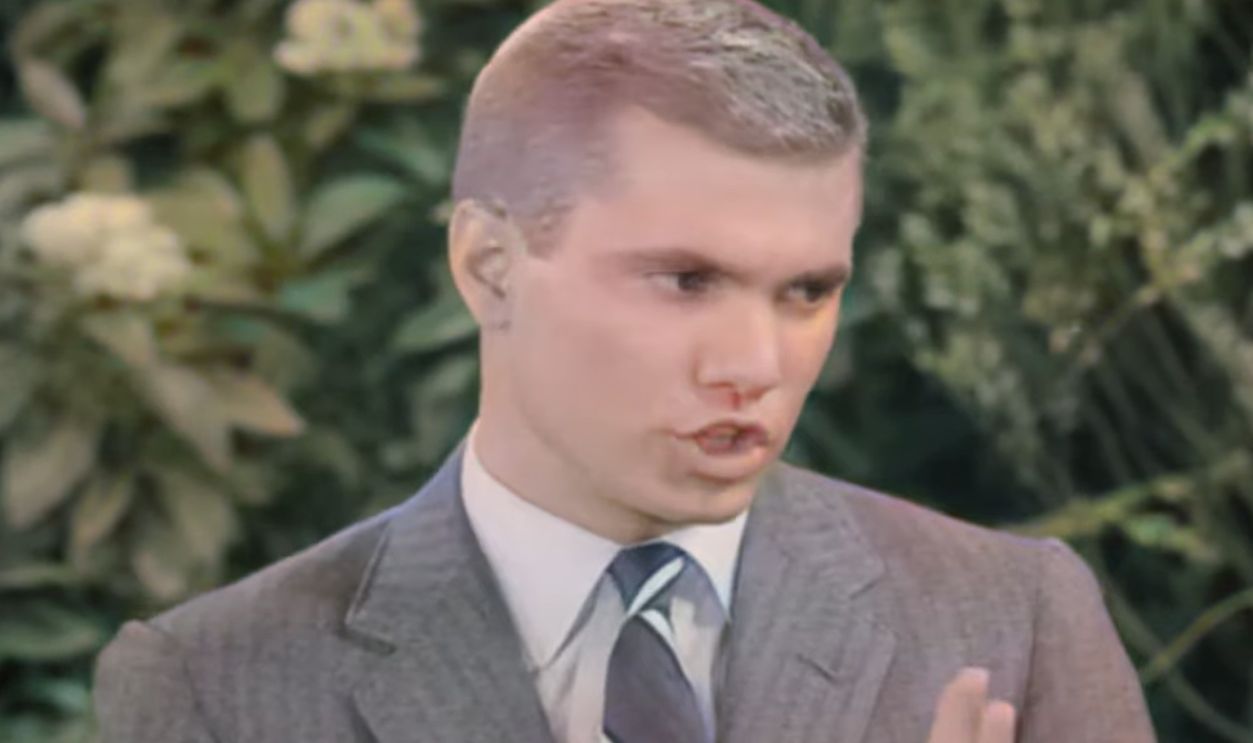
During the 1970s, Hickman shifted behind the scenes. After working in entertainment at the Landmark Hotel in Las Vegas, he became a programming executive at CBS. He spent roughly a decade helping supervise television during the eras of major shows such as MASH*, Maude, and Designing Women.
 Screenshot from The Many Loves of Dobie Gillis, CBS (1959-1963)
The Executive Becomes A Director
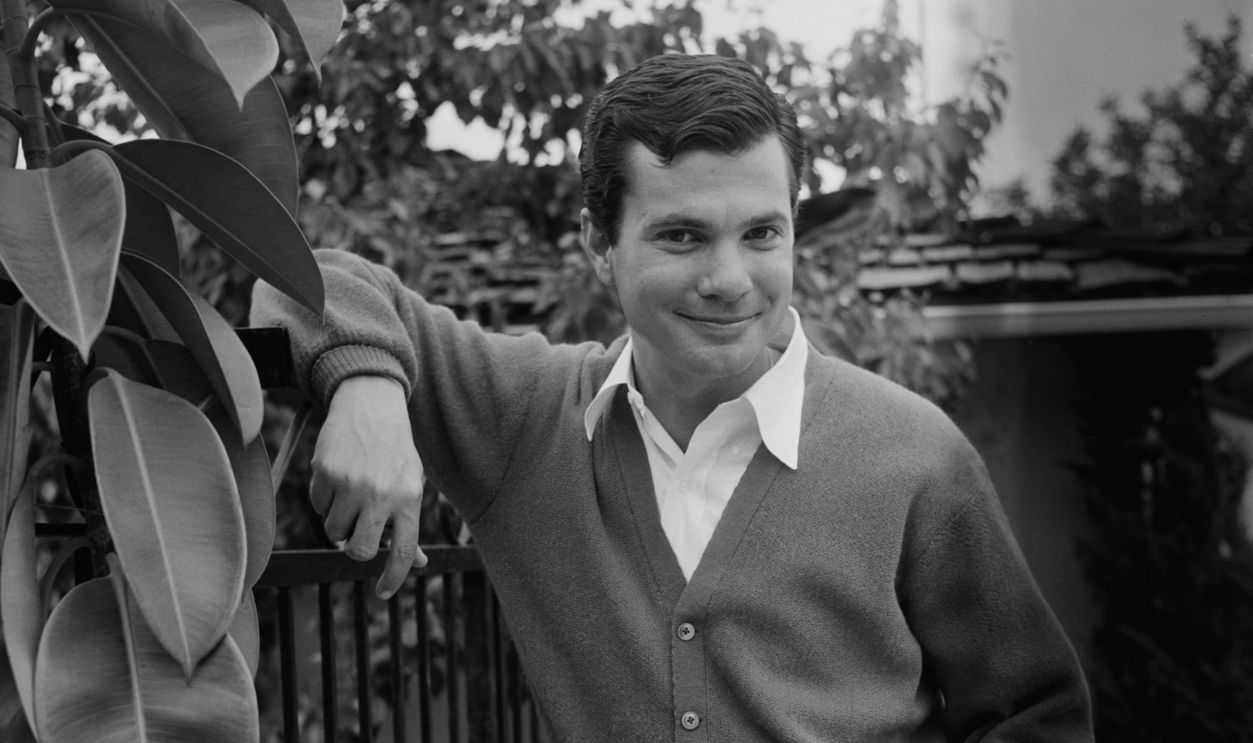
After leaving his network position, Hickman directed episodes of television comedies including Designing Women, Head of the Class, and Sister, Sister. It was a fitting second act. The actor who had learned television comedy from Bob Cummings was now helping a new generation of performers find their own timing.
Dobie Never Really Left
Hickman returned to his famous character in reunion projects, most notably the 1988 television movie Bring Me the Head of Dobie Gillis. He also appeared in Clueless and A Night at the Roxbury, co-wrote the autobiography Forever Dobie, and developed a successful later career as a painter.
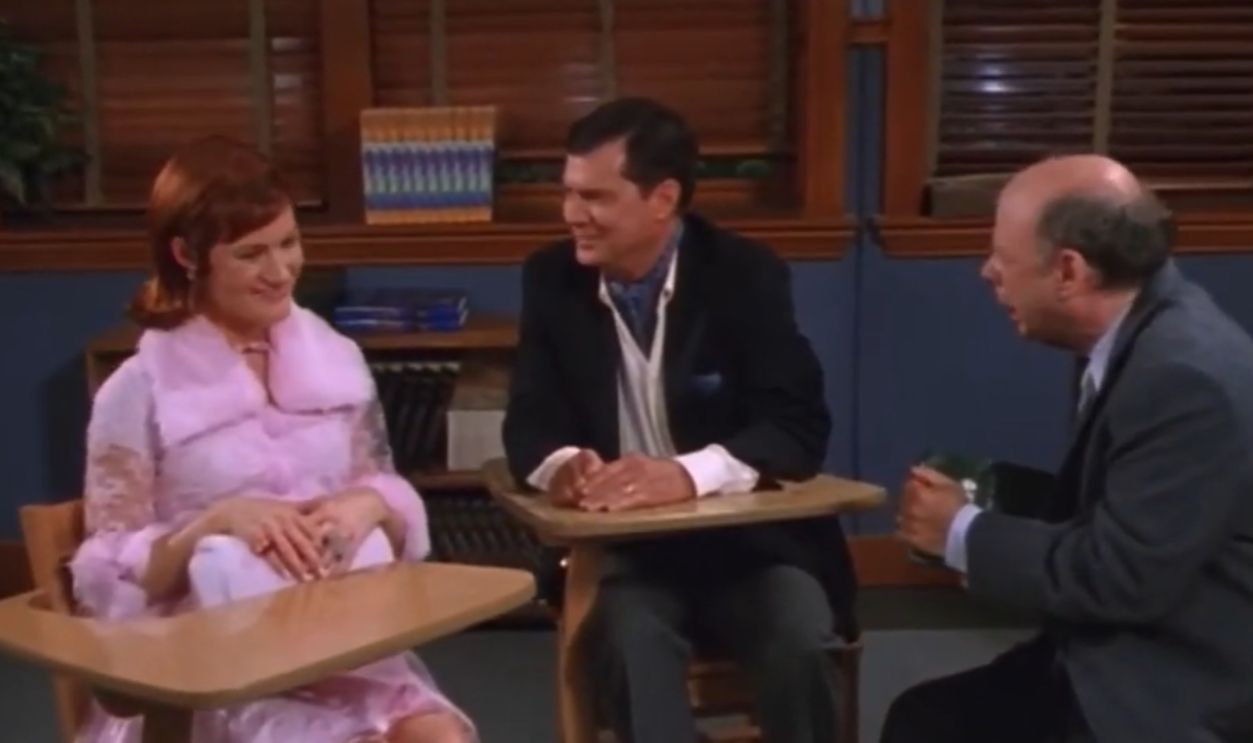 Screenshot from Clueless, Paramount Domestic Television (1996-1999)
The Face Of Early Teen Comedy
Dwayne Hickman died in 2022 at age 87, leaving behind far more than one famous role. Yet Dobie Gillis remains his greatest achievement. Hickman showed television that teenagers could carry a comedy, speak directly to viewers, and be foolish, thoughtful, selfish, lovable, and human all at once.
You May Also Like:
How The Streets Of San Francisco Finally Gave Michael Douglas The Launchpad He Needed