The Doctor Who Came From The West
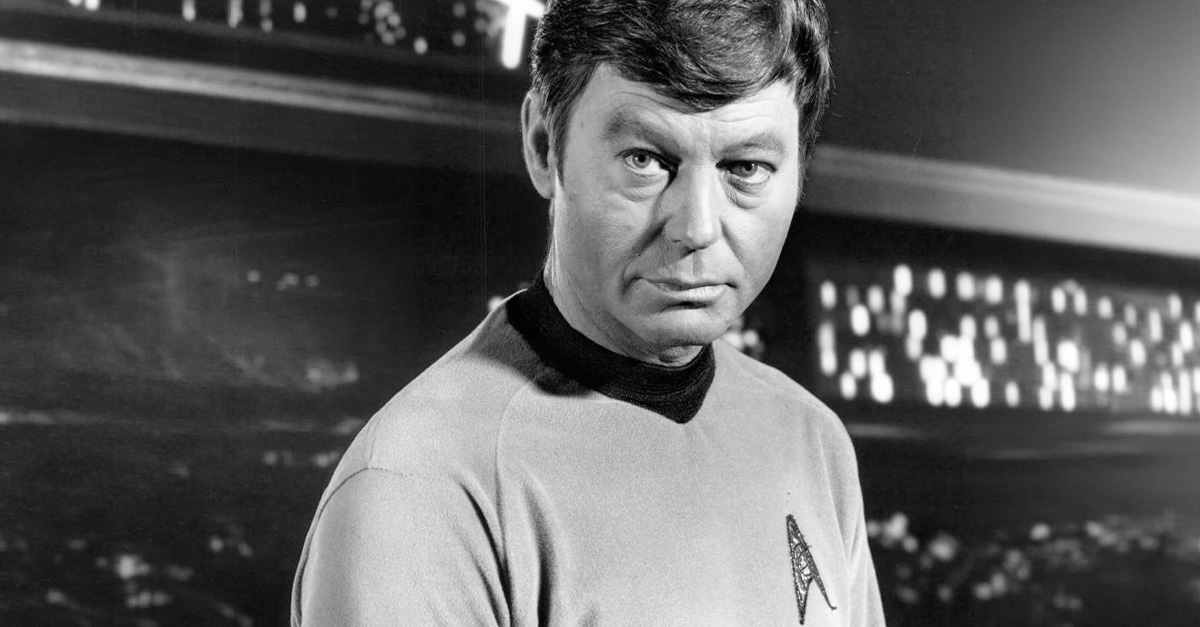
Before DeForest Kelley boarded the USS Enterprise, he spent years staring down lawmen, drawing guns, and making television audiences nervous. Hollywood knew him as a reliable Western villain. Then Star Trek handed him a medical kit, a blue uniform, and the role that would make him immortal.
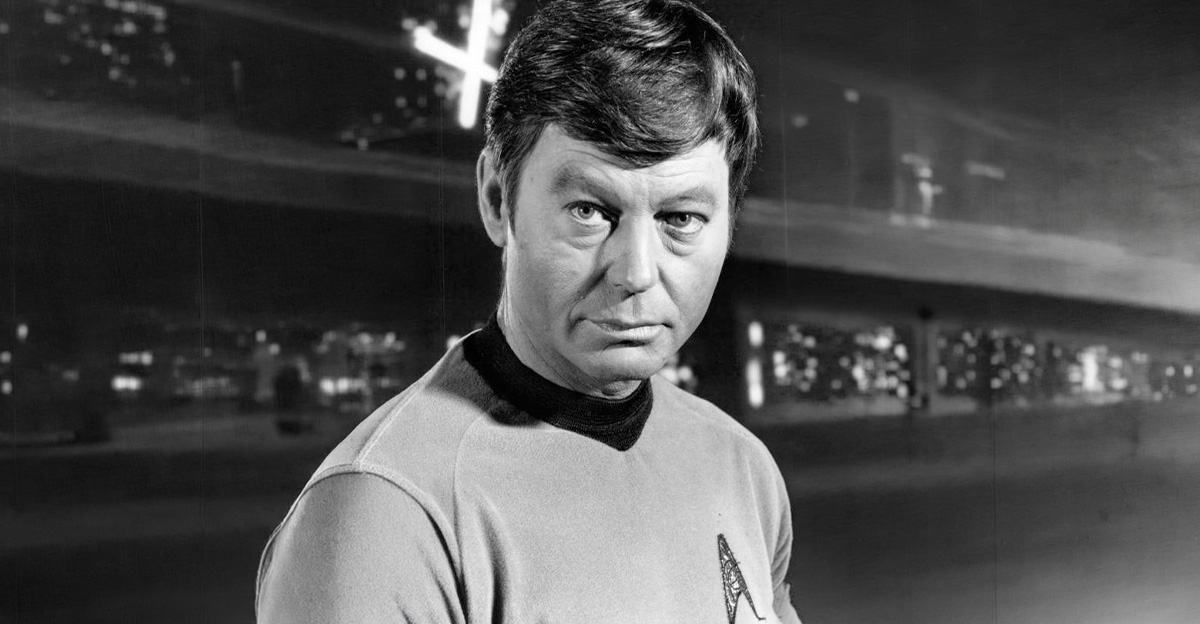 NBC Television, Public domain, via Wikimedia Commons
A Preacher’s Son In Georgia
Jackson DeForest Kelley was born on January 20, 1920, in Toccoa, Georgia. His father was a Baptist minister, so Kelley grew up surrounded by church services, hymns, and public speaking. Long before Hollywood noticed his face, local congregations were already hearing his voice.
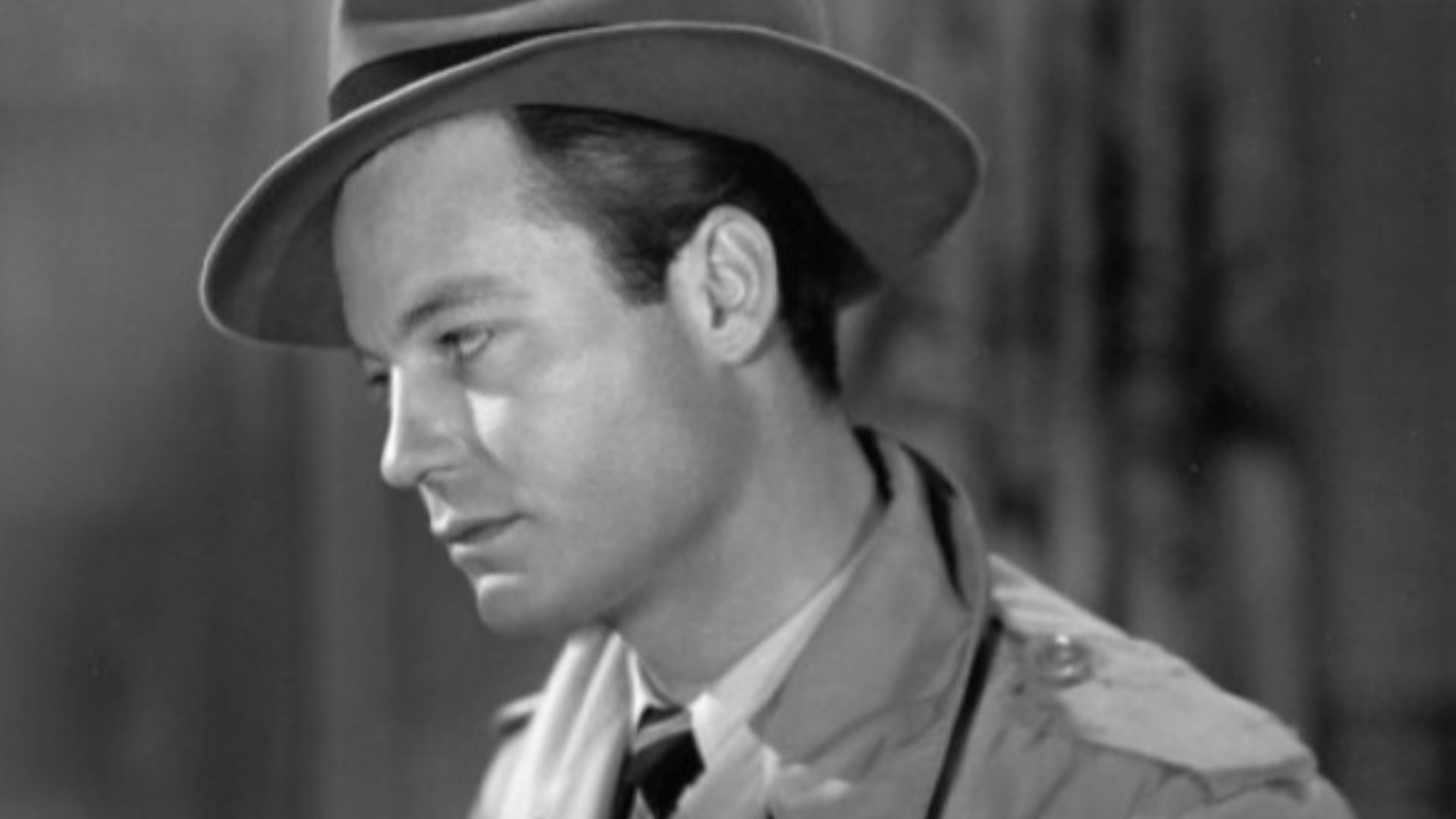 film screenshot (Paramount Pictures), Wikimedia Commons
He Wanted To Become A Doctor
Kelley originally dreamed of studying medicine, partly inspired by the physician uncle who had delivered him. His family could not afford medical school, however, and that path closed. Decades later, life played a wonderful trick by making him one of television’s most famous doctors.
His Voice Opened The First Door
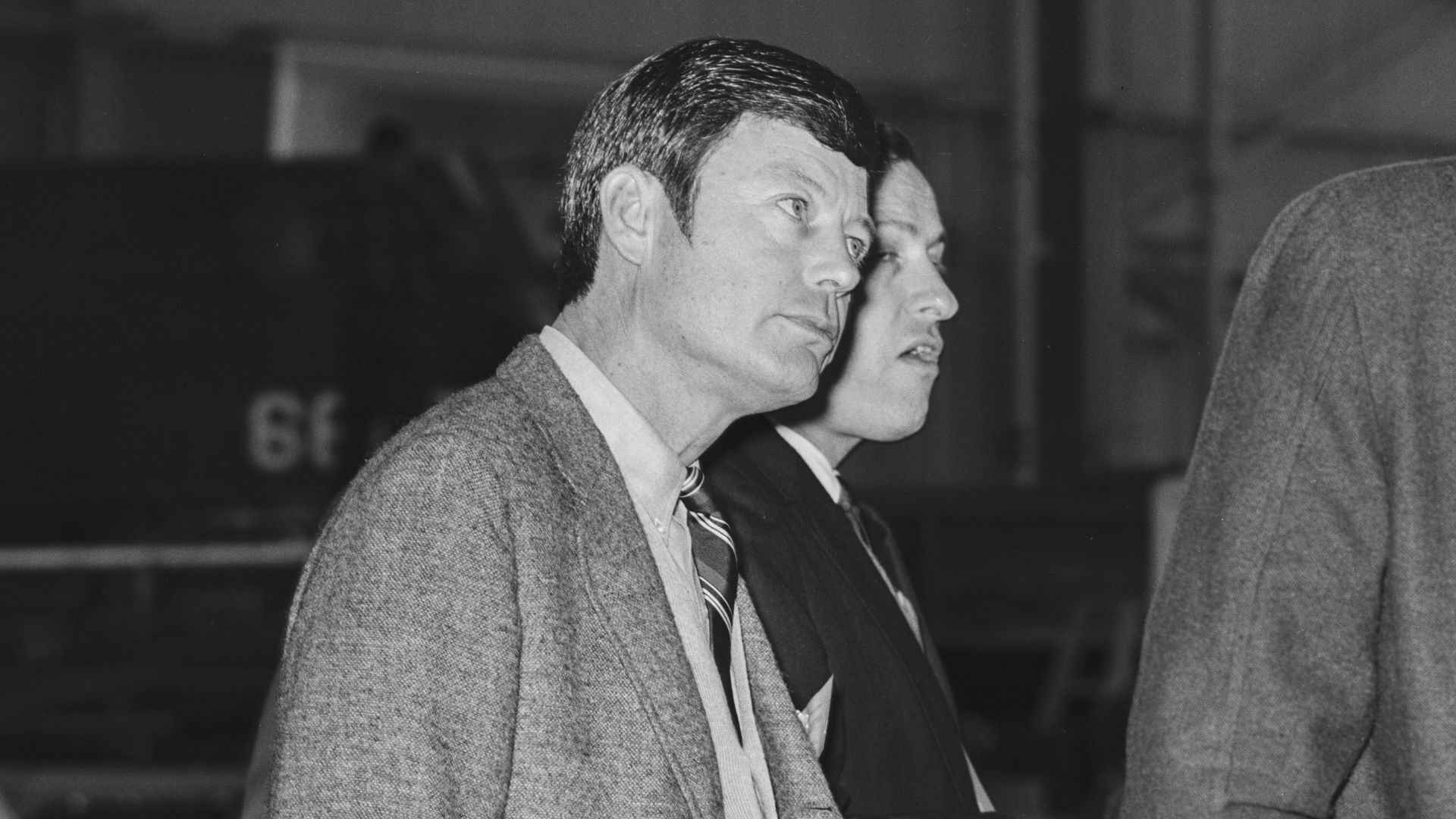
As a young man, Kelley sang at church and performed on local radio. Singing taught him timing, confidence, and how to hold an audience’s attention. Those skills would eventually help him play a character who could make irritation, fear, humor, and kindness appear in the same sentence.
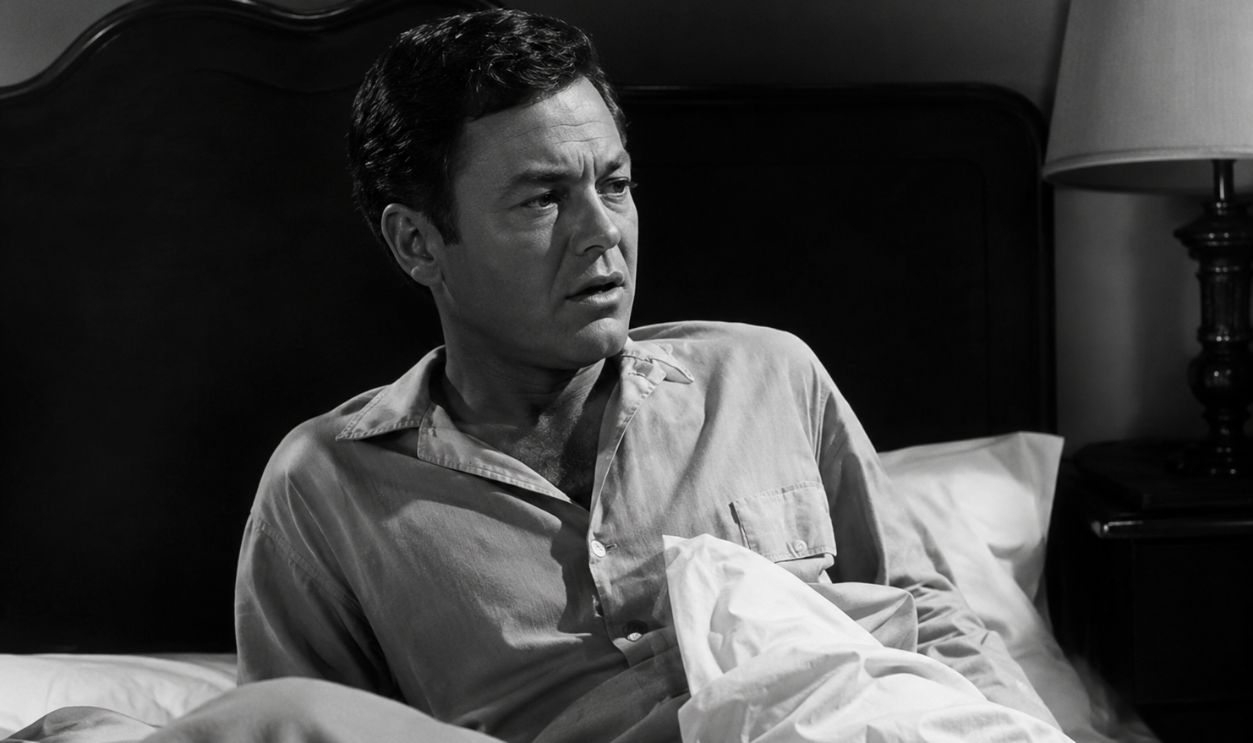 Screenshot from Fear in the Night, Paramount Pictures (1947)
California Changed Everything
A teenage visit to relatives in Long Beach introduced Kelley to California and the possibilities of show business. He later returned permanently, taking whatever work he could find while pursuing acting. Like many future stars, he entered Hollywood without guarantees, powerful connections, or a clear road forward.
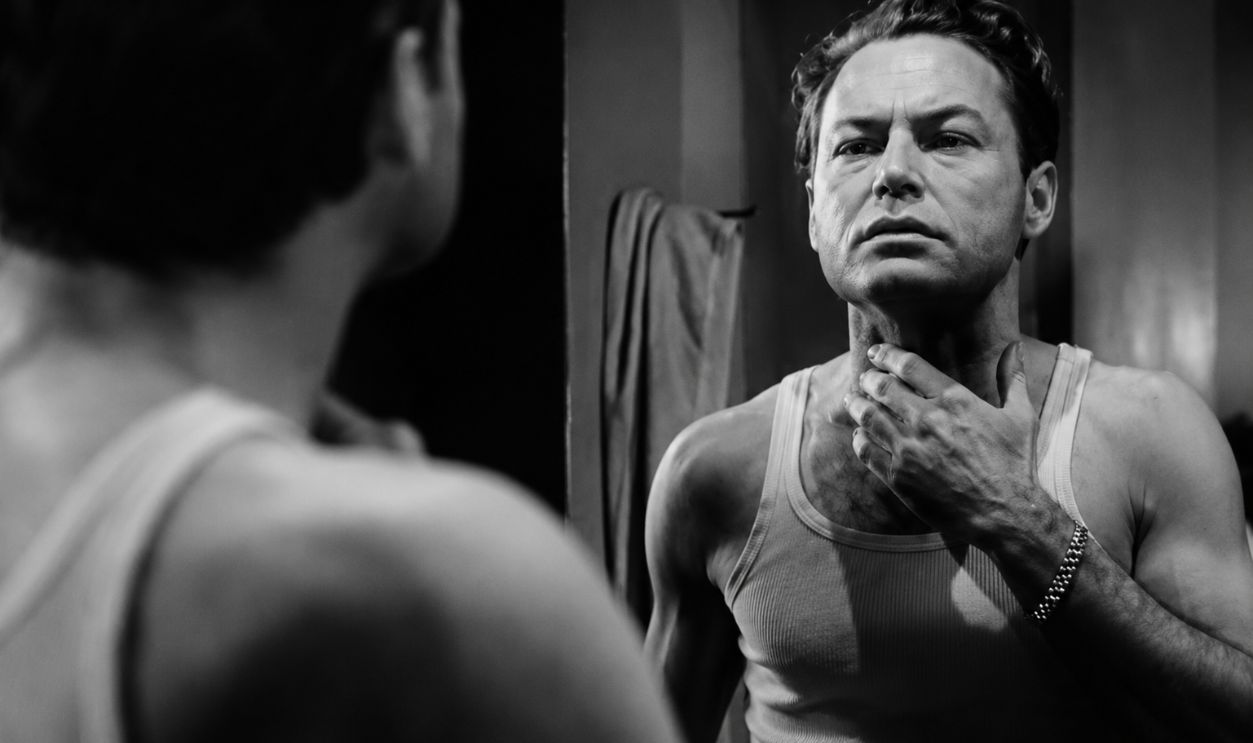 Screenshot from Fear in the Night, Paramount Pictures (1947)
The War Interrupted His Plans
During World War II, Kelley served in the United States Army Air Forces. His duties included operating a control tower at an airbase in New Mexico. The experience delayed his Hollywood ambitions, but it also exposed him to military discipline—something that later fit naturally aboard Starfleet’s flagship.
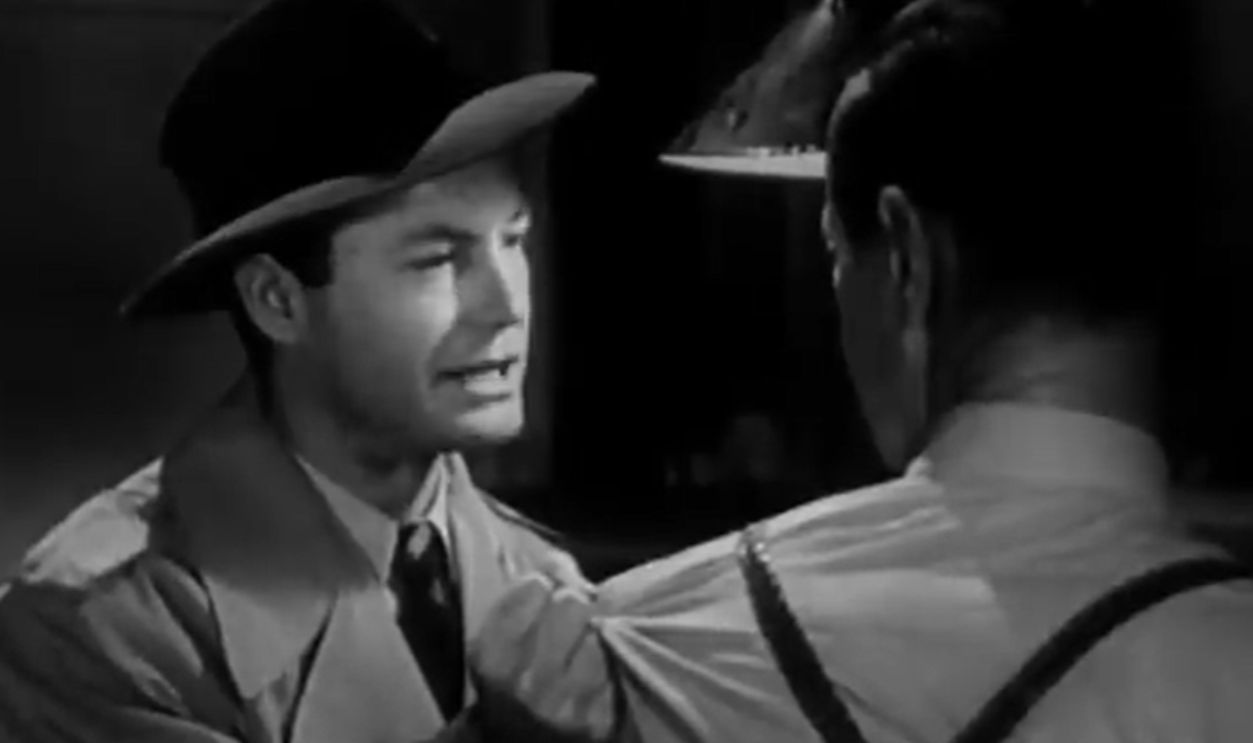 Screenshot from Fear in the Night, Paramount Pictures (1947)
Fear In The Night Brought Attention
Kelley received his first major movie opportunity in the 1947 psychological thriller Fear in the Night. He played a man haunted by a nightmare in which he may have committed murder. The inexpensive film performed well and briefly suggested that a leading-man career might be waiting.
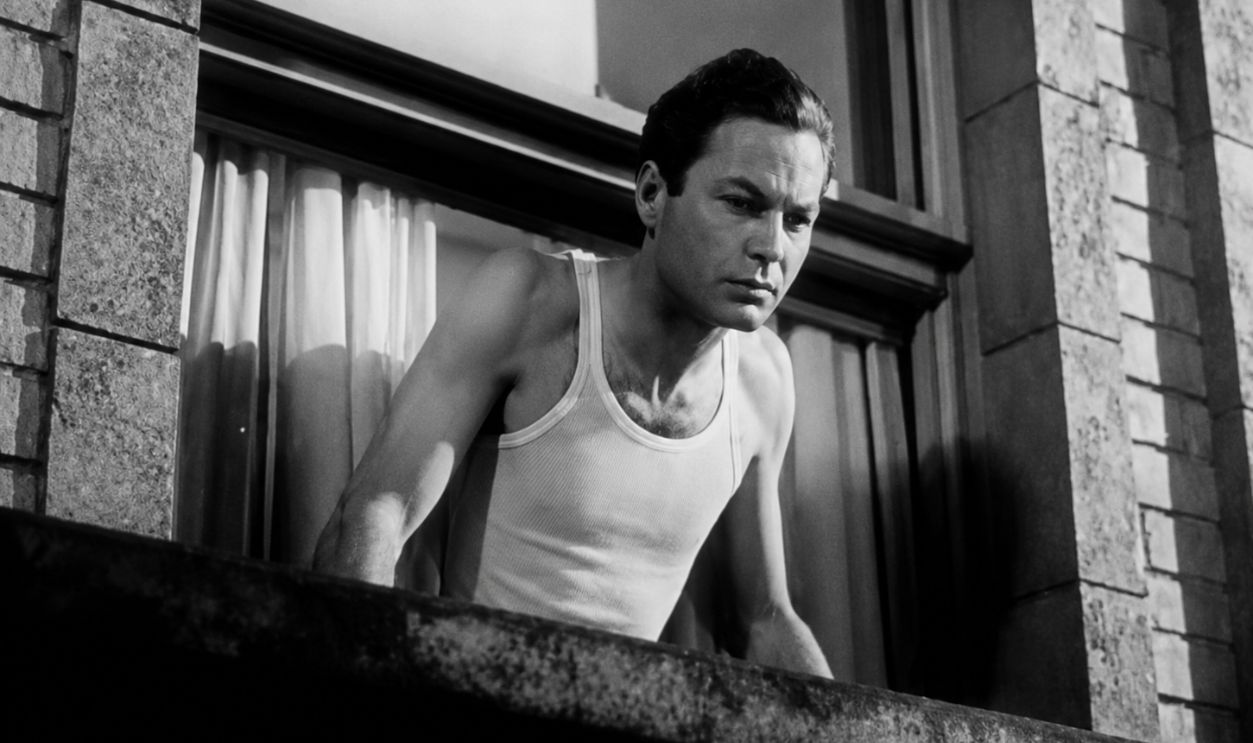 Screenshot from Fear in the Night, Paramount Pictures (1947)
Stardom Refused To Arrive
A role in Variety Girl followed, along with encouraging publicity and even a fan club. Yet Hollywood did not turn Kelley into its next romantic star. His narrow features, serious eyes, and naturally tense manner pushed him toward character parts instead—especially men audiences were not supposed to trust.
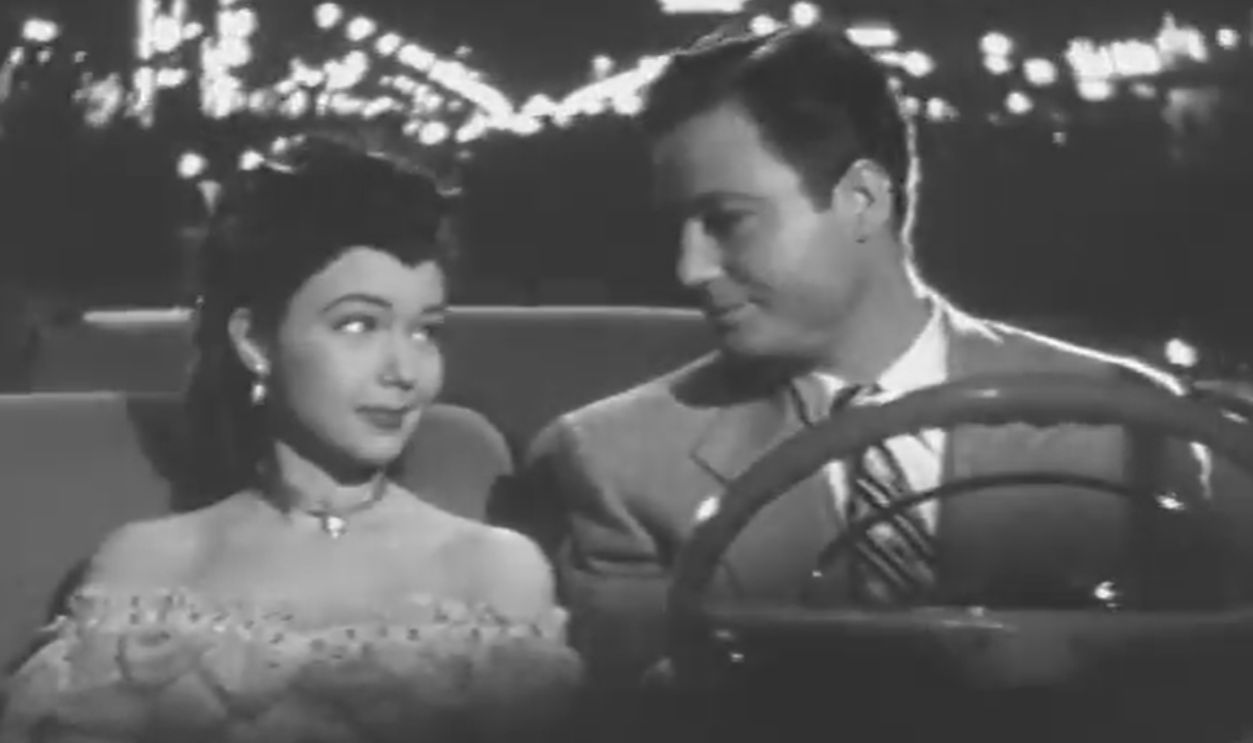 Screenshot from Variety Girl, Paramount Pictures (1947)
New York Offered Another Education
Kelley and his wife, Carolyn, moved to New York, where he worked in theatre and live television. The expected breakthrough never came, and the couple eventually returned to California. Still, the experience sharpened his acting and taught him how to perform under pressure without endless retakes.
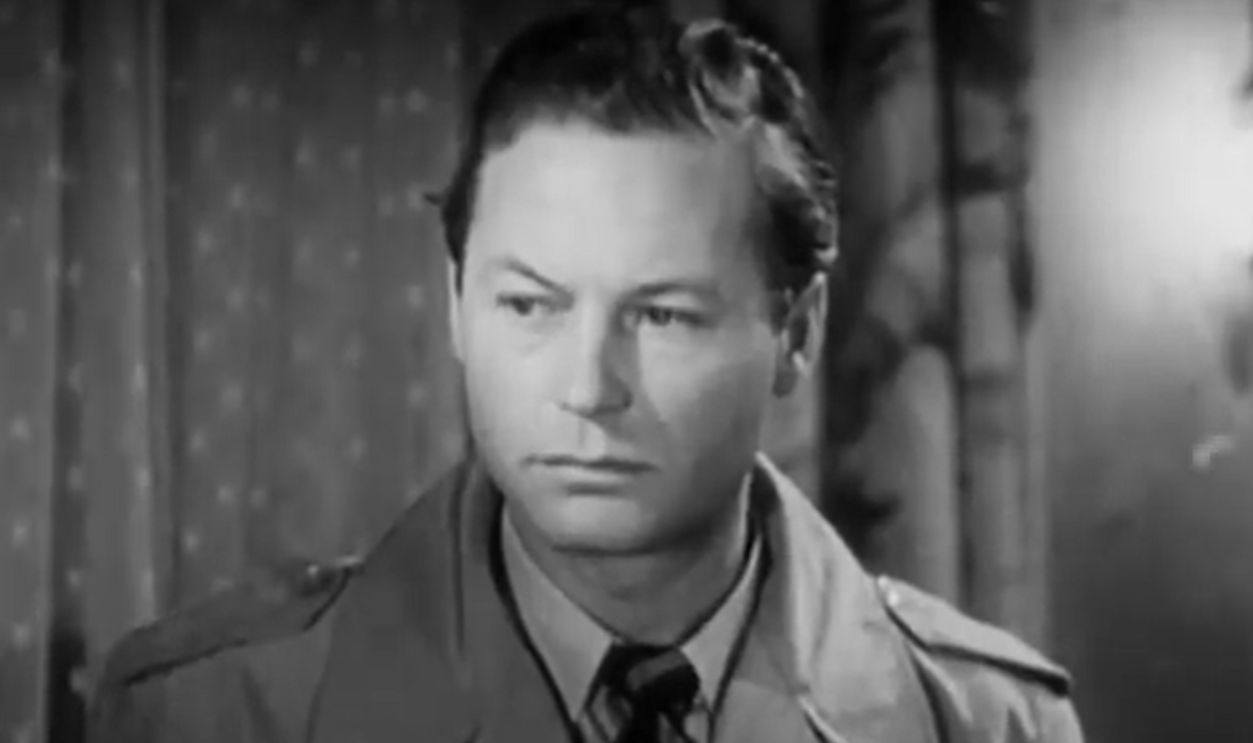 Screenshot from Fear in the Night, Paramount Pictures (1947)
Hollywood Found His Dangerous Side
Back in Hollywood, casting directors discovered that Kelley looked terrific while planning something unpleasant. His calm voice made threats sound believable, while his sharp expression suggested a hidden scheme. He did not need to shout or chew scenery. He could make viewers suspicious simply by entering a room.
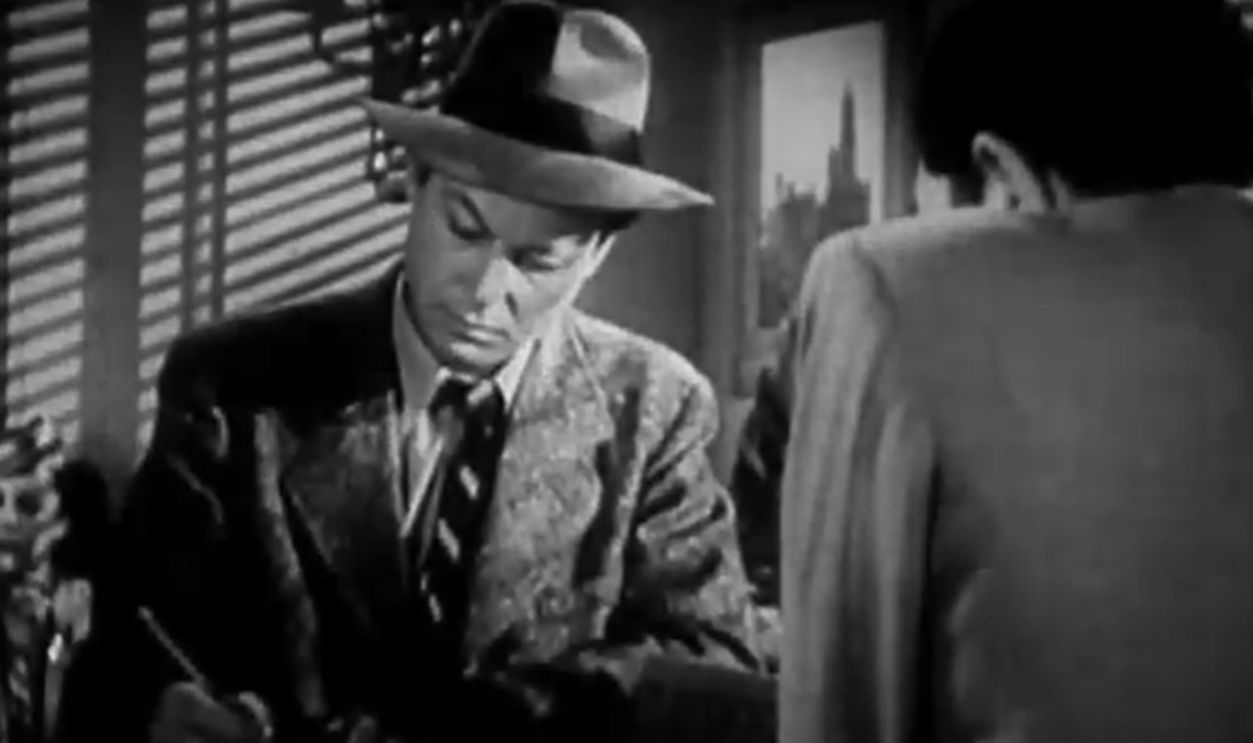 Screenshot from Fear in the Night, Paramount Pictures (1947)
Saddle Up, DeForest
The Western boom gave Kelley steady employment. Movies and television needed gamblers, gunfighters, corrupt officials, nervous killers, and suspicious strangers every week. Kelley could play them all. Before exploring alien planets, he became a familiar face in dusty towns where trouble always arrived before the final commercial.
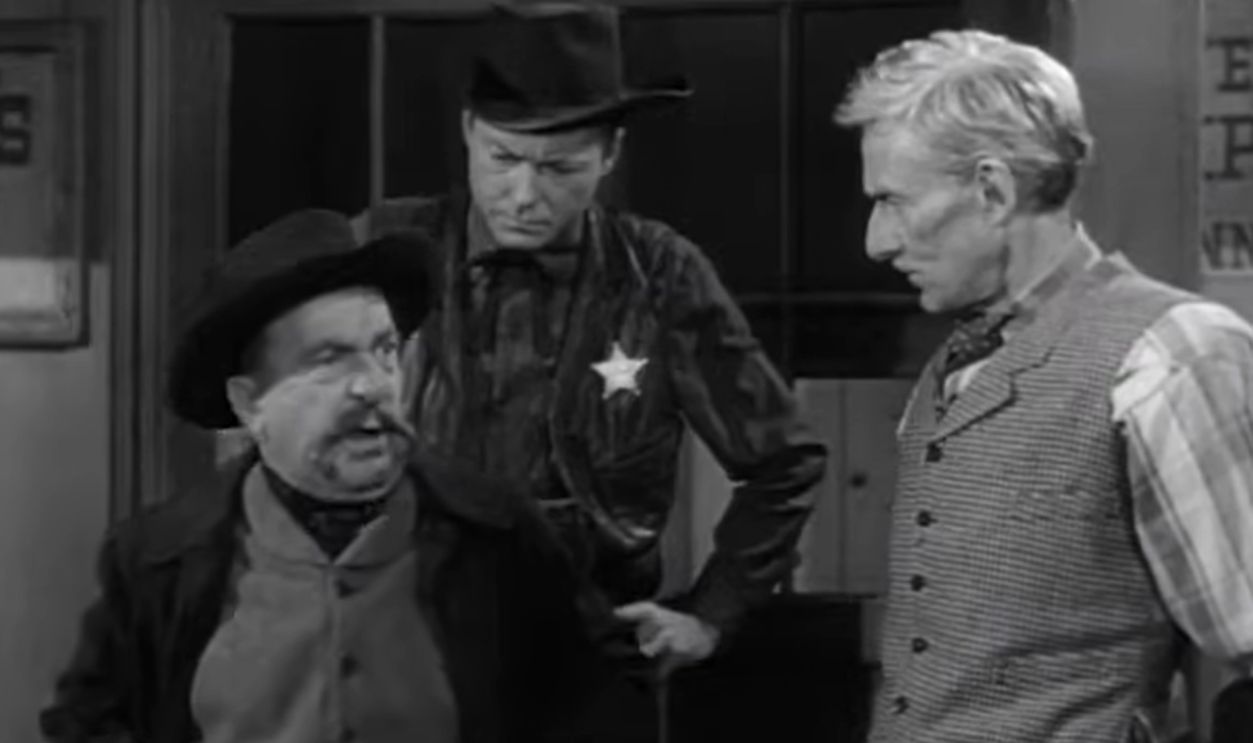 Screenshot from The Lone Ranger, ABC (1949-1957)
Television’s Dependable Heavy
Kelley appeared in Western programs including The Lone Ranger, Wanted: Dead or Alive, and Bonanza. He also moved easily into crime dramas and thrillers such as The Fugitive. Producers trusted him to establish danger quickly, even when he had only a few scenes to make an impression.
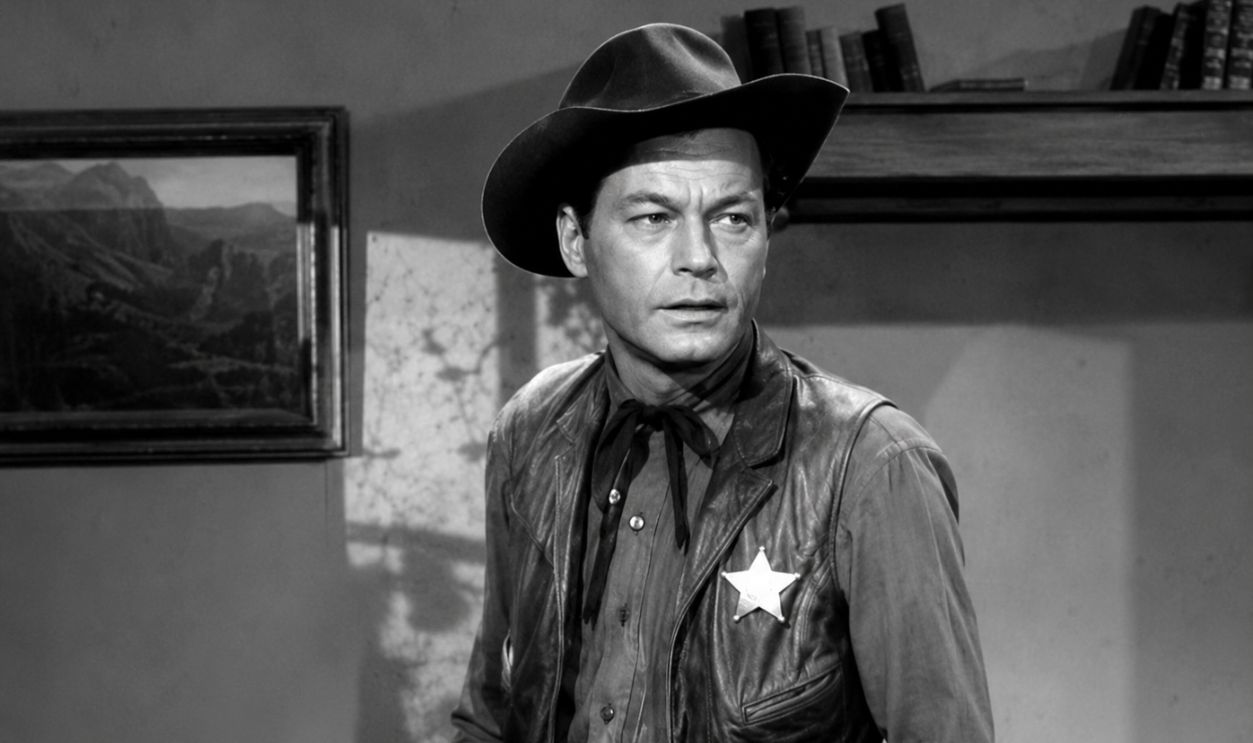 Screenshot from The Lone Ranger, ABC (1949-1957)
Riding Into The O.K. Corral
One of Kelley’s best-known Western roles came in Gunfight at the O.K. Corral in 1957. He played Morgan Earp opposite Burt Lancaster’s Wyatt Earp and Kirk Douglas’s Doc Holliday. For once, Kelley stood closer to the law, although the film still surrounded him with bullets and grim faces.
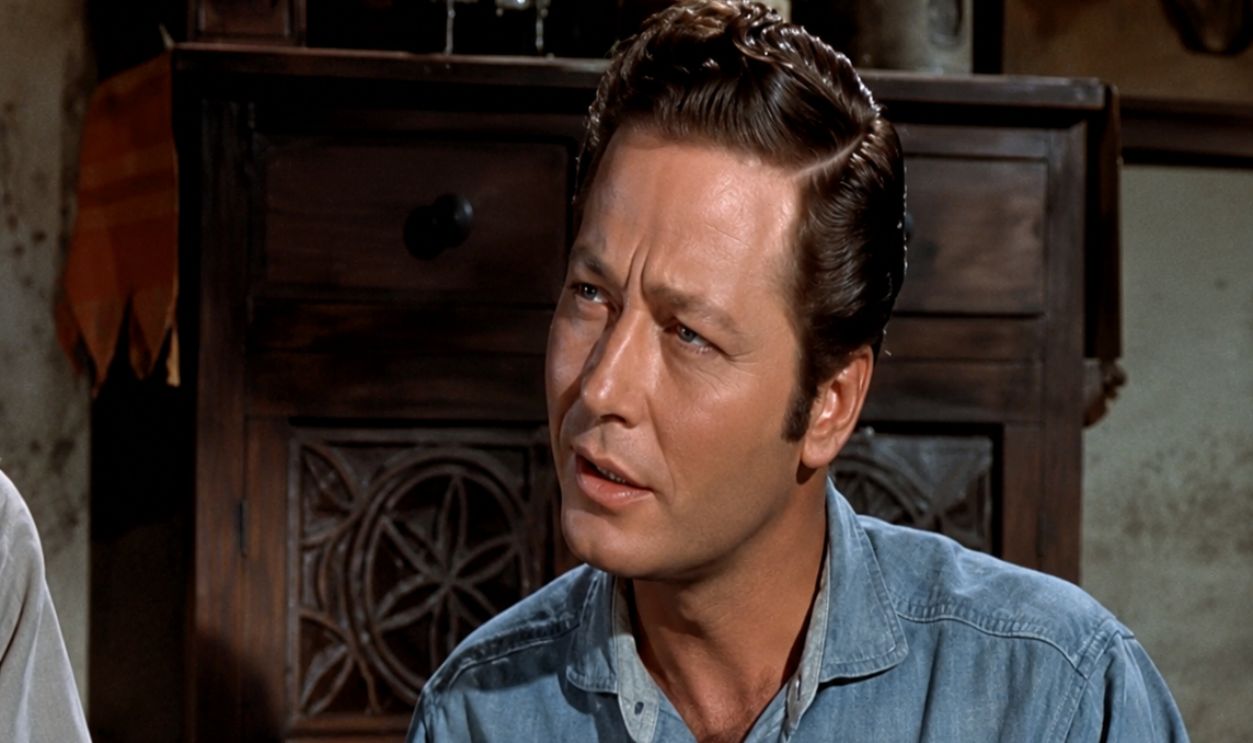 Screenshot from Gunfight at the O.K. Corral, Paramount Pictures(1957)
More Dust And More Trouble
Films including The Law and Jake Wade, Warlock, Town Tamer, and Apache Uprising kept Kelley busy. Whether he played a criminal, gunman, or morally questionable stranger, he became part of the Western landscape. Audiences recognized him, even when they did not yet know his name.
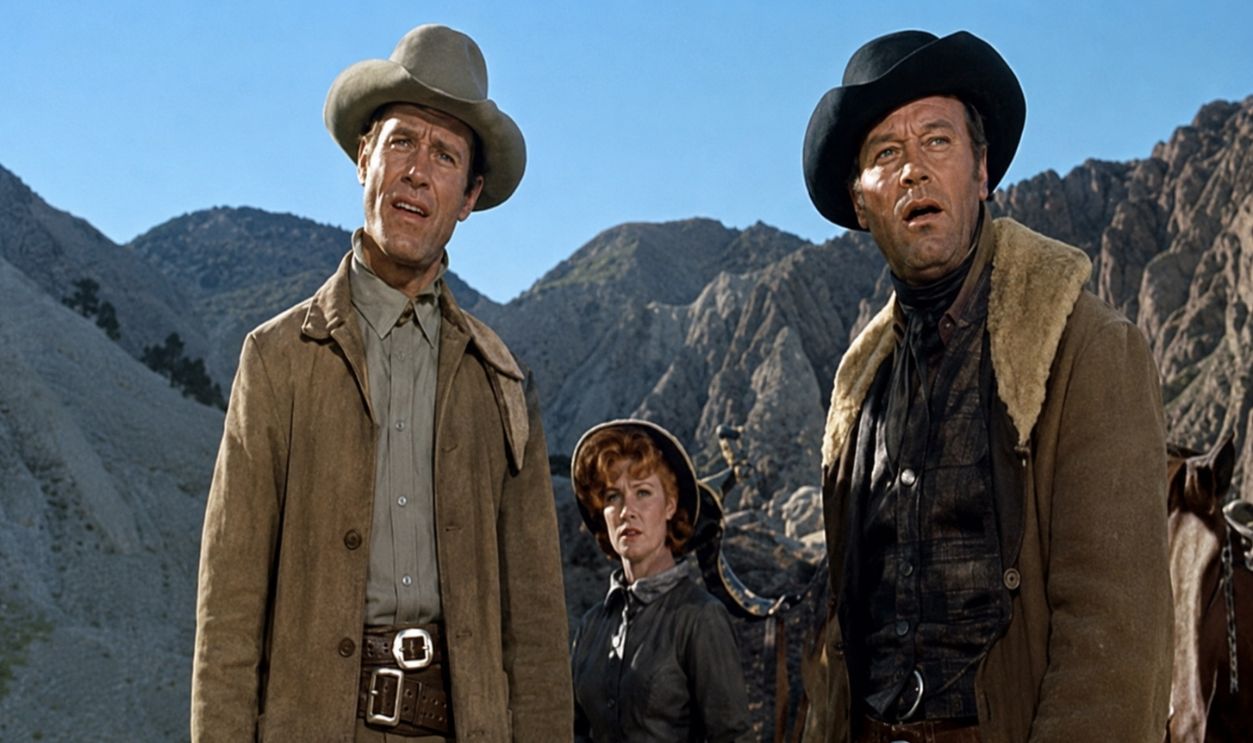 Screenshot from The Law and Jake Wade, Metro-Goldwyn-Mayer (1958)
Gene Roddenberry Took Notice
Gene Roddenberry encountered Kelley while both men were working in television. Kelley appeared in several Roddenberry-written projects, giving the future Star Trek creator an early look at his range. Roddenberry saw something beneath the villainous surface: intelligence, dry humor, and a deeply human quality.
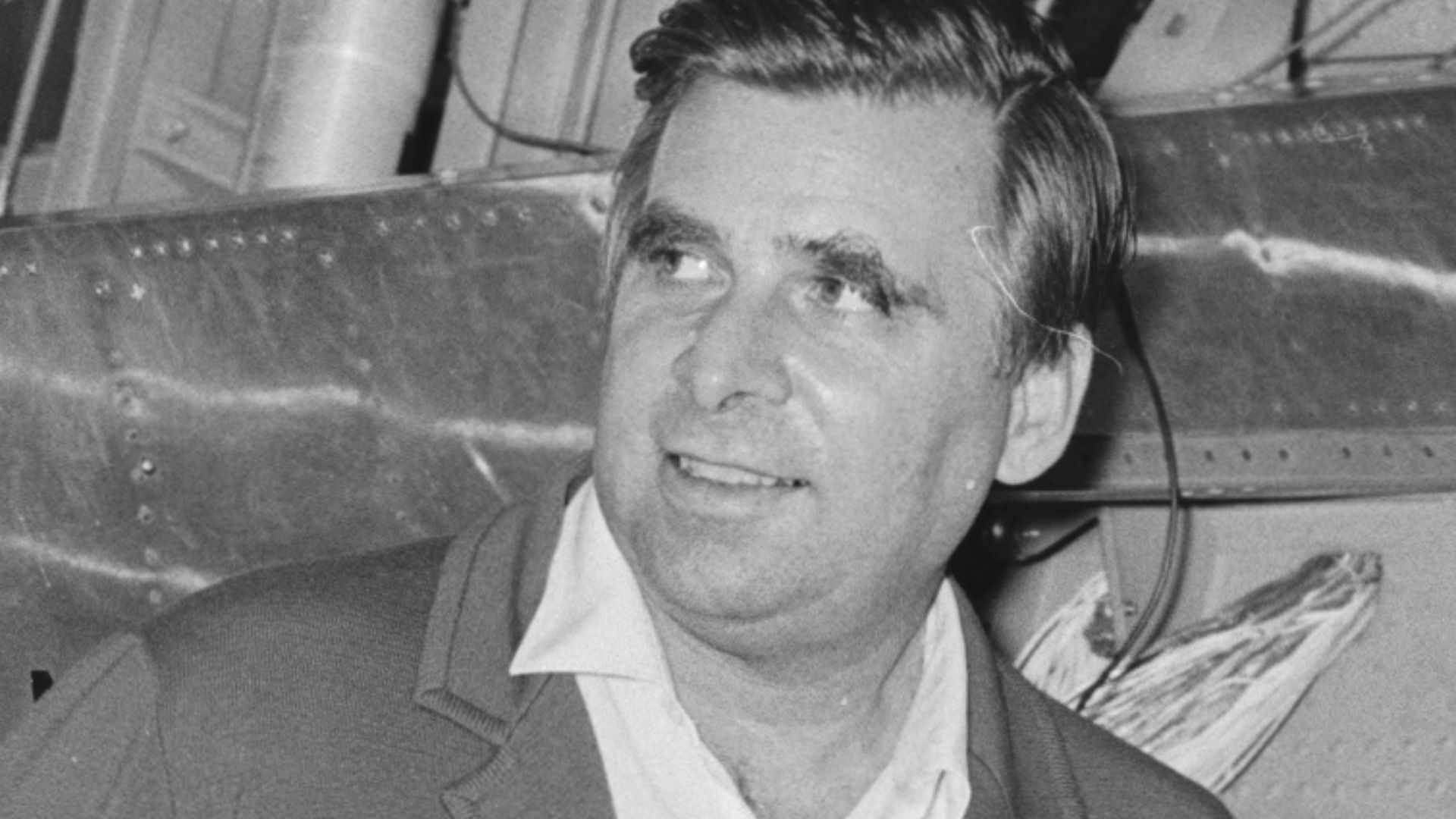
A Strange New Opportunity
Kelley was reportedly discussed as a possible Spock during Star Trek’s early development, but the alien role went to Leonard Nimoy. That was fortunate for everyone. Kelley was better suited to the emotional doctor who would challenge Spock’s logic and worry loudly about nearly every decision Captain Kirk made.
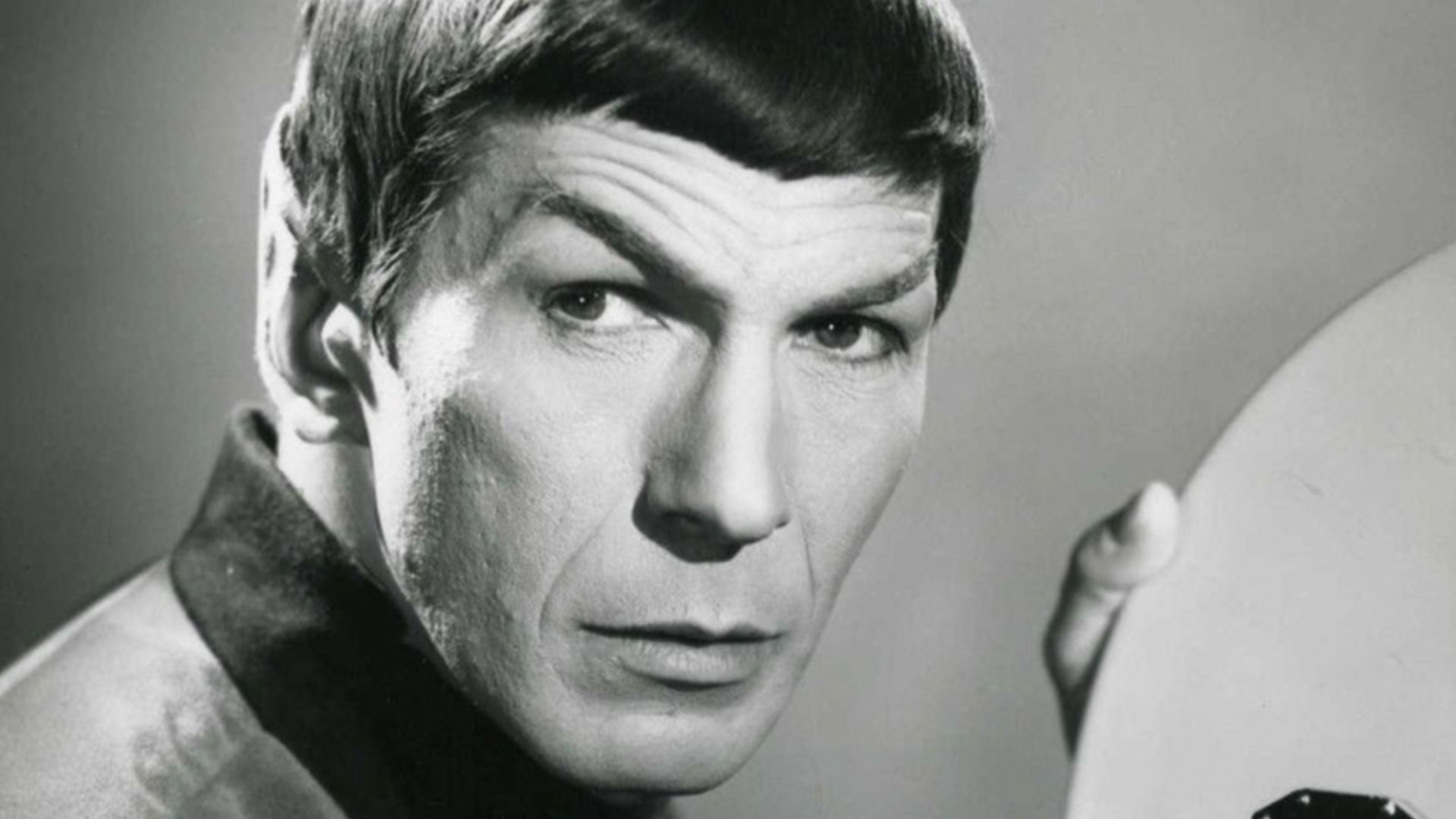 NBC Television, Wikimedia Commons
Bones Walked Aboard
When Star Trek became a weekly series in 1966, Kelley was cast as Dr. Leonard “Bones” McCoy, chief medical officer of the USS Enterprise. After years spent threatening heroes, he finally got to save them. He also received the chance to play the doctor he had once hoped to become.
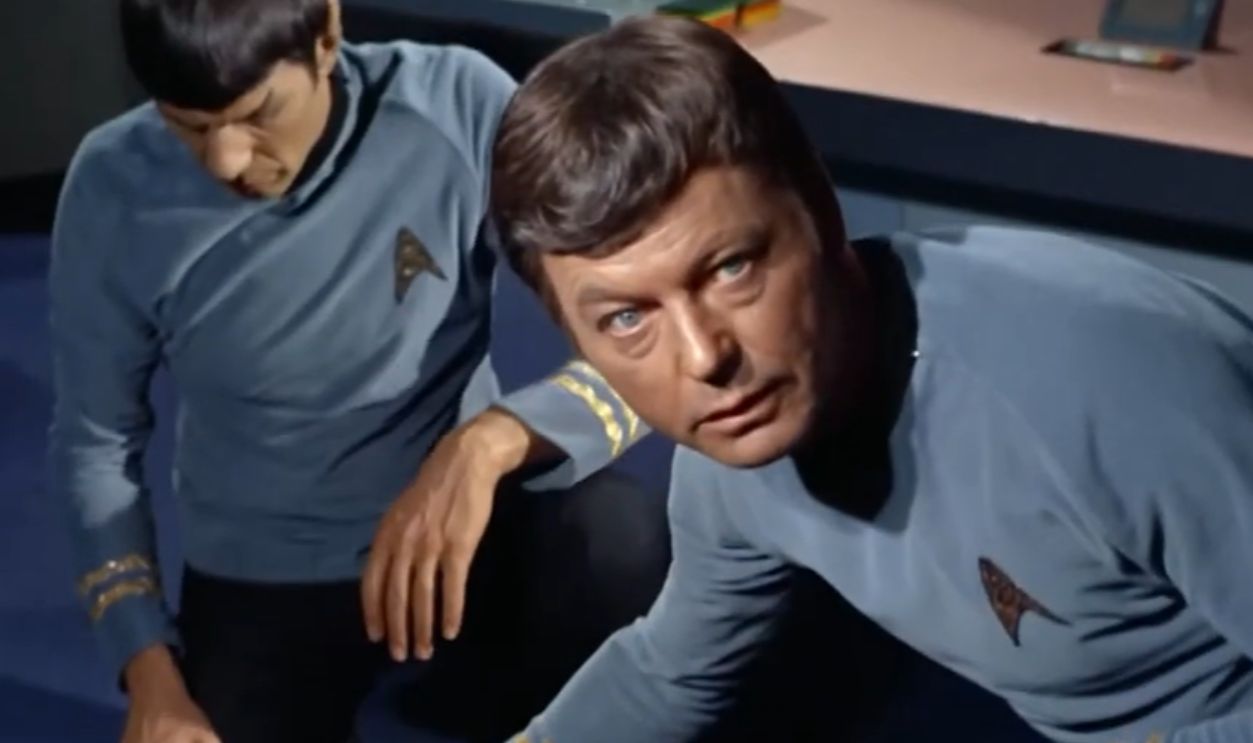 Screenshot from Star Trek: The Original Series, Paramount Global (1966-1969)
The Perfect Third Man
William Shatner’s Kirk brought instinct and leadership, while Leonard Nimoy’s Spock represented logic. Kelley’s McCoy completed the triangle by speaking for emotion, compassion, and ordinary human fear. He was not simply the ship’s doctor. He was the voice reminding everyone that people were not equations.
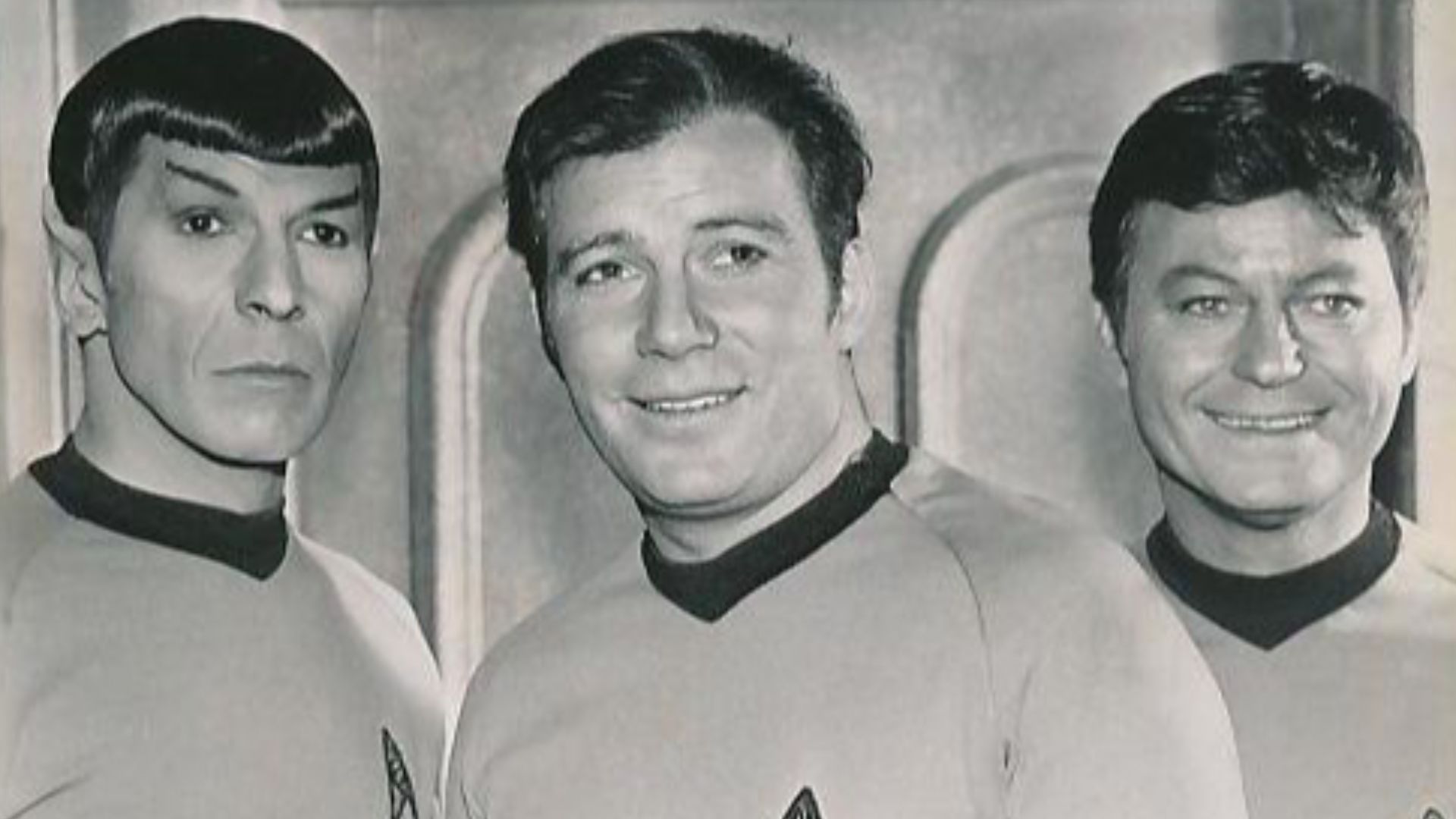 original author: Paramount Television; cropped by: Rlevente, Wikimedia Commons
Humanity Lived In Sickbay
McCoy could be grumpy, sarcastic, stubborn, and occasionally dramatic, but his frustration usually came from caring too much. He hated watching people suffer and distrusted technology when it threatened human dignity. Kelley made that compassion feel natural instead of sentimental, giving the futuristic show a warm, beating heart.
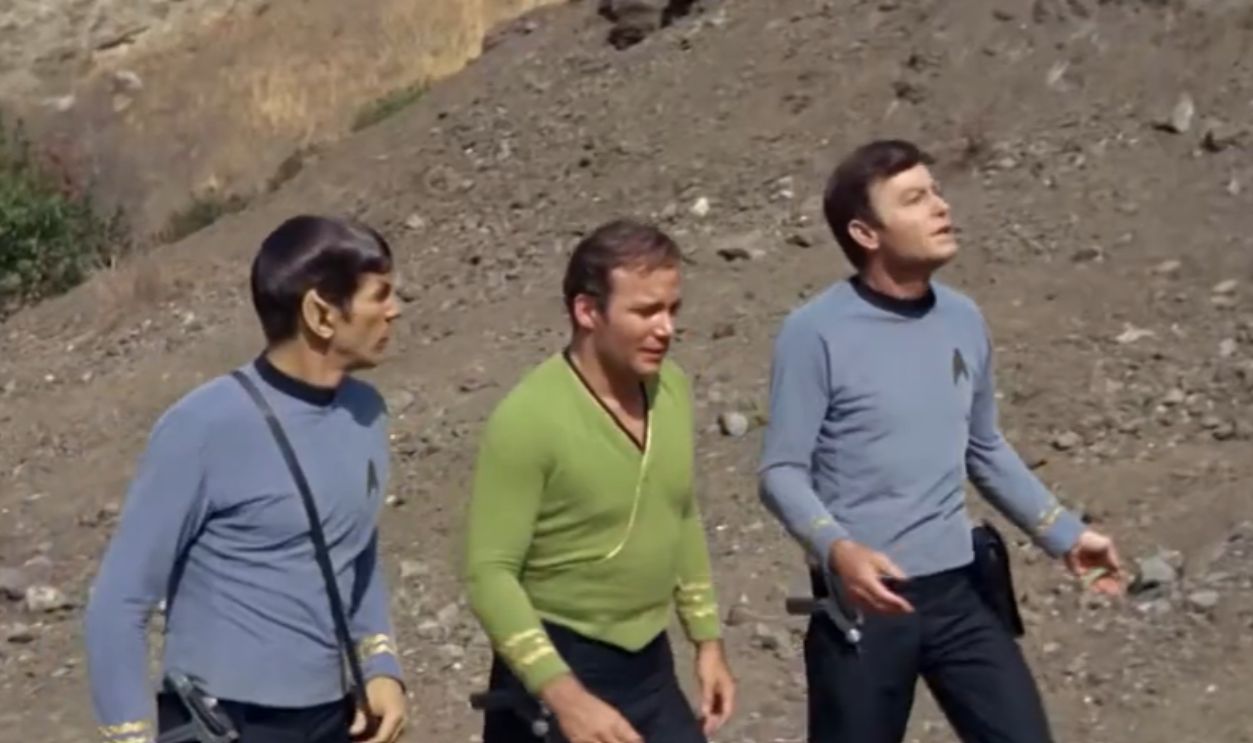 Screenshot from Star Trek: The Original Series, Paramount Global (1966-1969)
Sparring With Spock Became Magic
McCoy’s arguments with Spock became one of the show’s greatest pleasures. Bones teased the Vulcan about his green blood and pointed ears, while Spock calmly returned every insult. Beneath the bickering was real friendship, and Kelley’s delivery kept the exchanges playful rather than genuinely cruel.
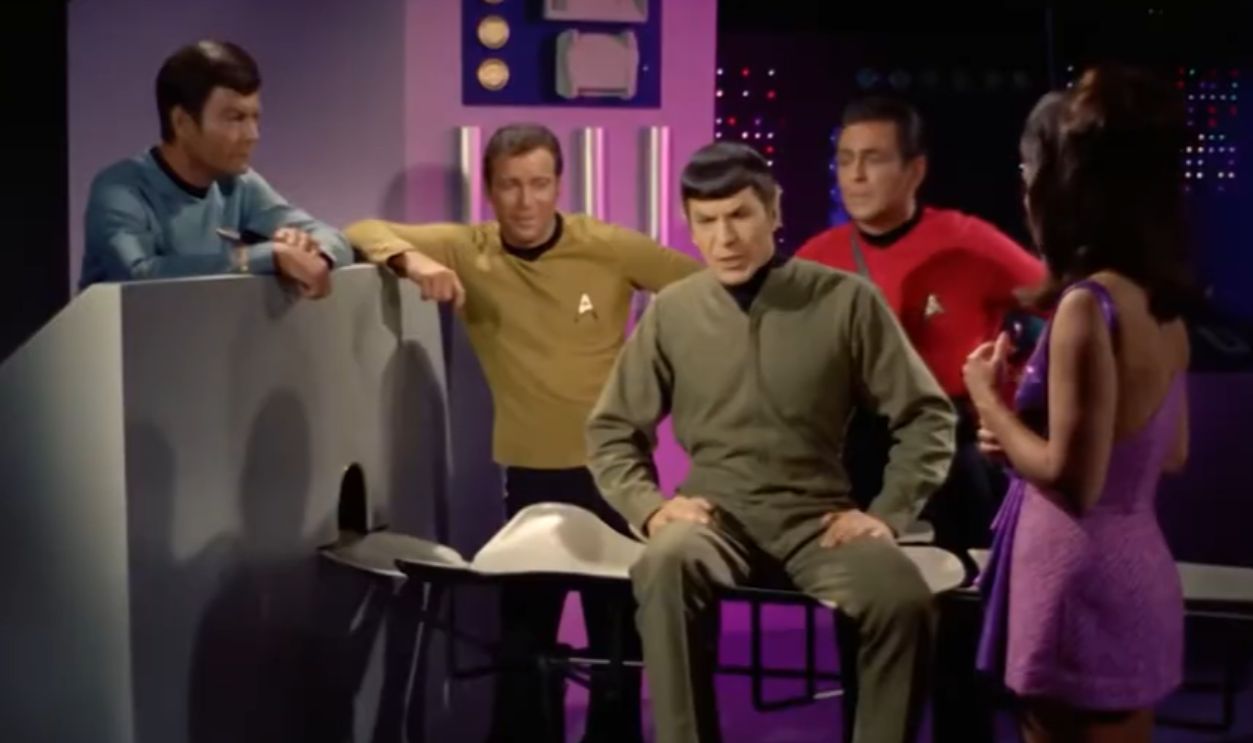 Screenshot from Star Trek: The Original Series, Paramount Global (1966-1969)
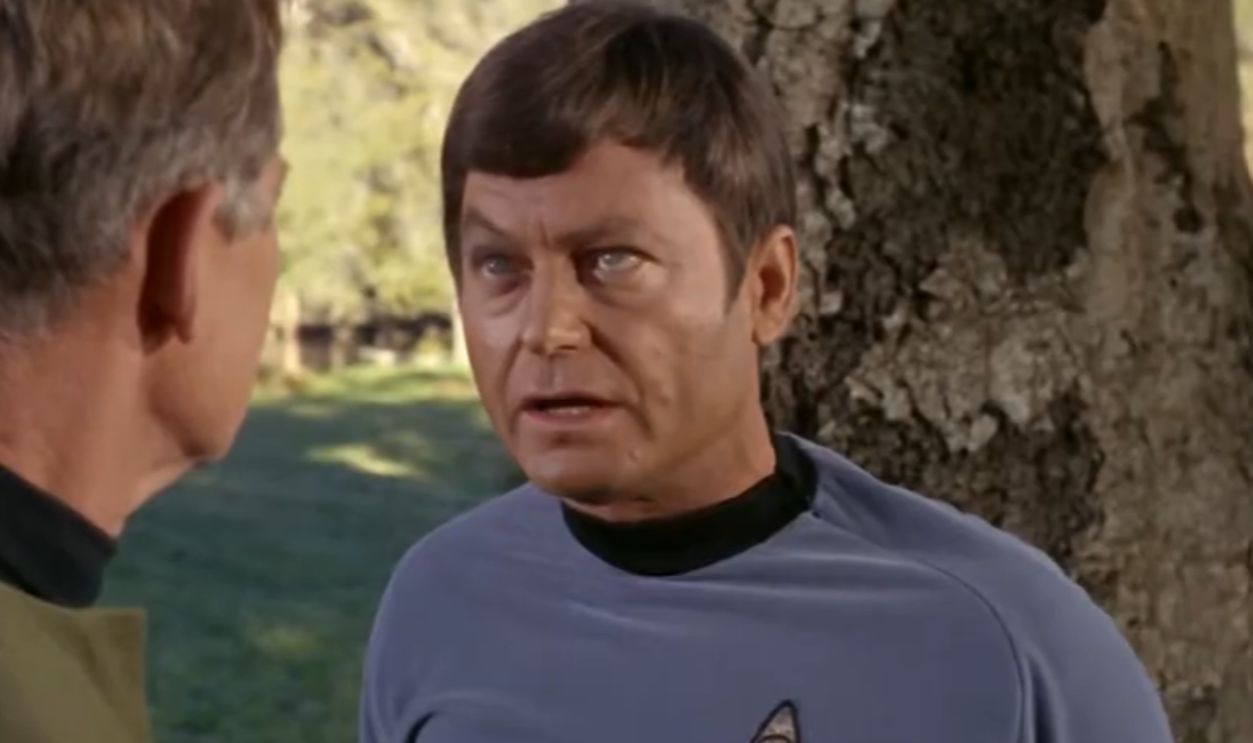
The Lines Fans Never Forgot
“He’s dead, Jim” became McCoy’s bluntest diagnosis, while variations of “I’m a doctor, not a…” turned his complaints into television history. Kelley delivered these lines with exactly the right mix of annoyance and disbelief. Even viewers who never watched a full episode learned to recognize them.
 Screenshot from Star Trek: The Original Series, Paramount Global (1966-1969)
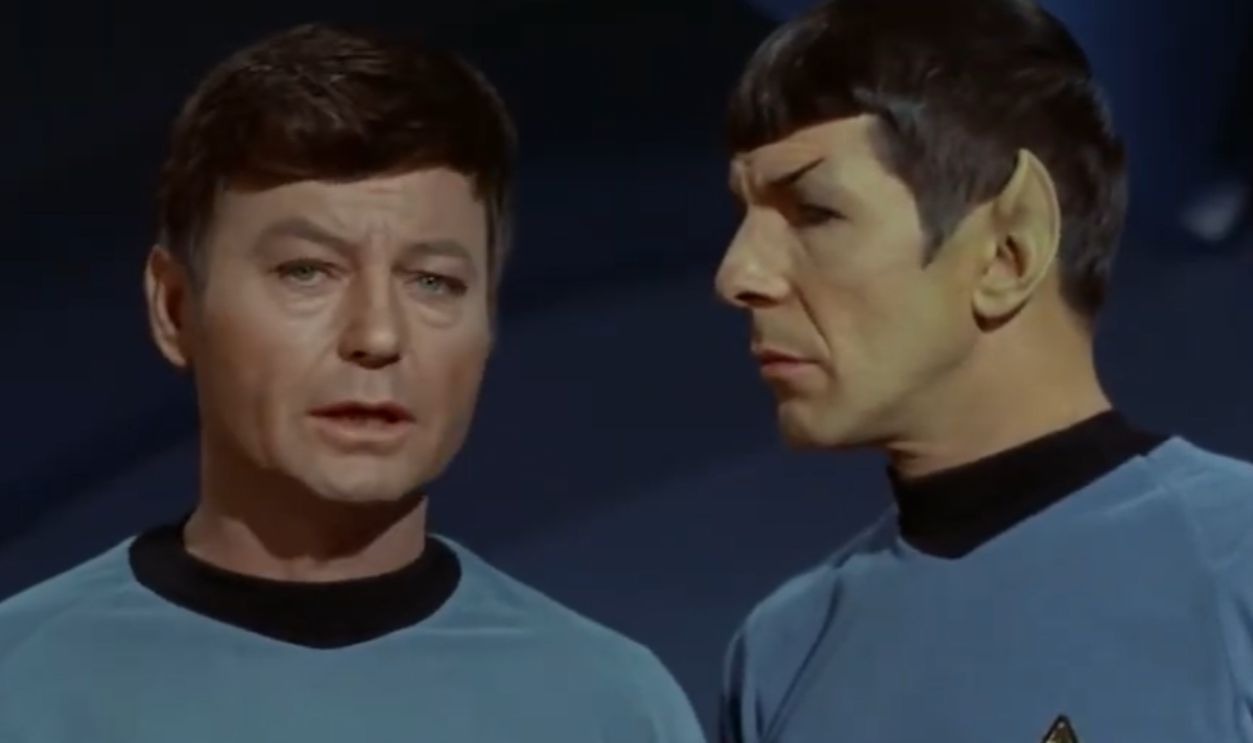
He Was More Than Comic Relief
The jokes made McCoy memorable, but Kelley gave him genuine dramatic weight. In frightening episodes, Bones could be vulnerable, frightened, or furious without losing his authority. Kelley understood that courage did not mean staying calm. Sometimes it meant complaining every step of the way and still doing the job.
 Screenshot from Star Trek: The Original Series, Paramount Global (1966-1969)
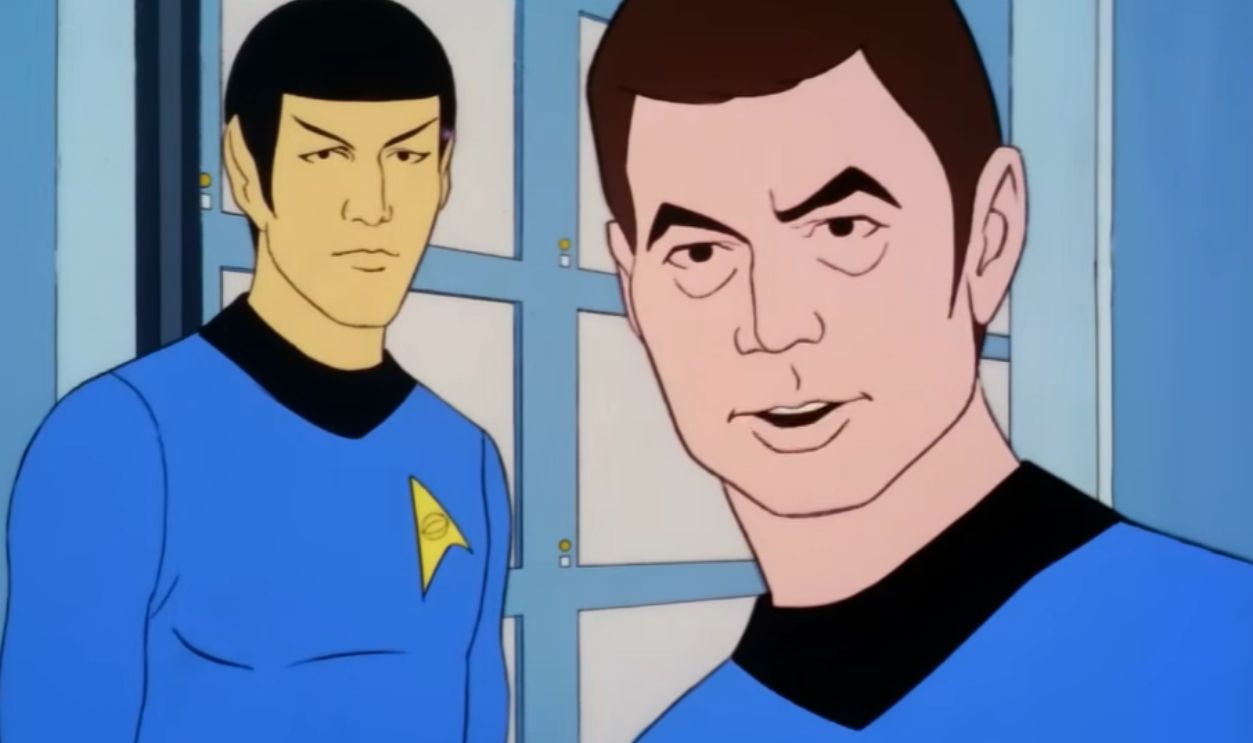
Cancellation Could Not Kill McCoy
NBC canceled Star Trek in 1969 after three seasons, but syndicated reruns introduced the show to a much larger audience. Kelley also voiced McCoy in the animated series. The Western villain who had spent years being defeated by heroes was suddenly becoming a hero to viewers around the world.
 Screenshot from Star Trek: The Animated Series, Paramount Television (1973-1974)
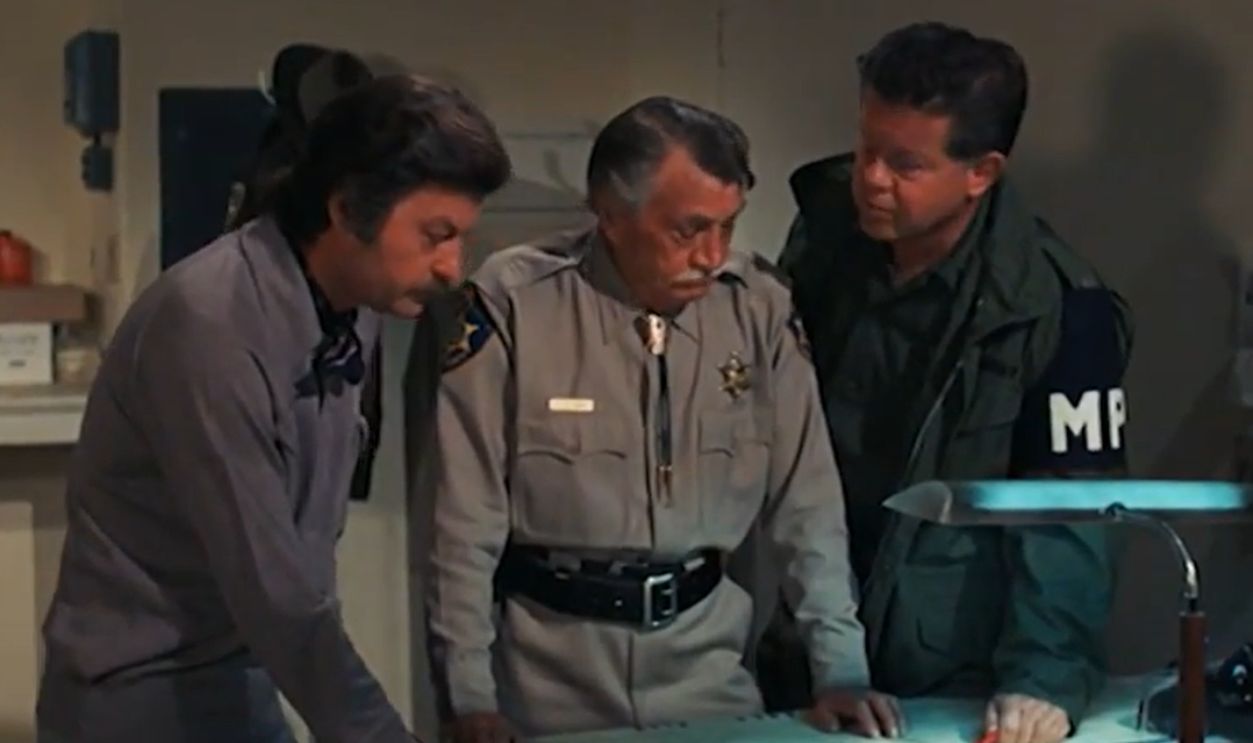
Typecasting Took Its Toll
Kelley feared being trapped by McCoy, and his concerns proved justified. Major roles became harder to find after Star Trek. He appeared in projects such as the giant-rabbit horror movie Night of the Lepus, but increasingly stepped away from acting except when Starfleet called him back.
 Screenshot from Night of the Lepus, Metro-Goldwyn-Mayer (1972)
Bones Returned To The Movies
Kelley reunited with the original crew in Star Trek: The Motion Picture in 1979. He went on to play McCoy in six feature films, ending with Star Trek VI: The Undiscovered Country in 1991. Older, crankier, and wiser, Bones remained as essential as ever.
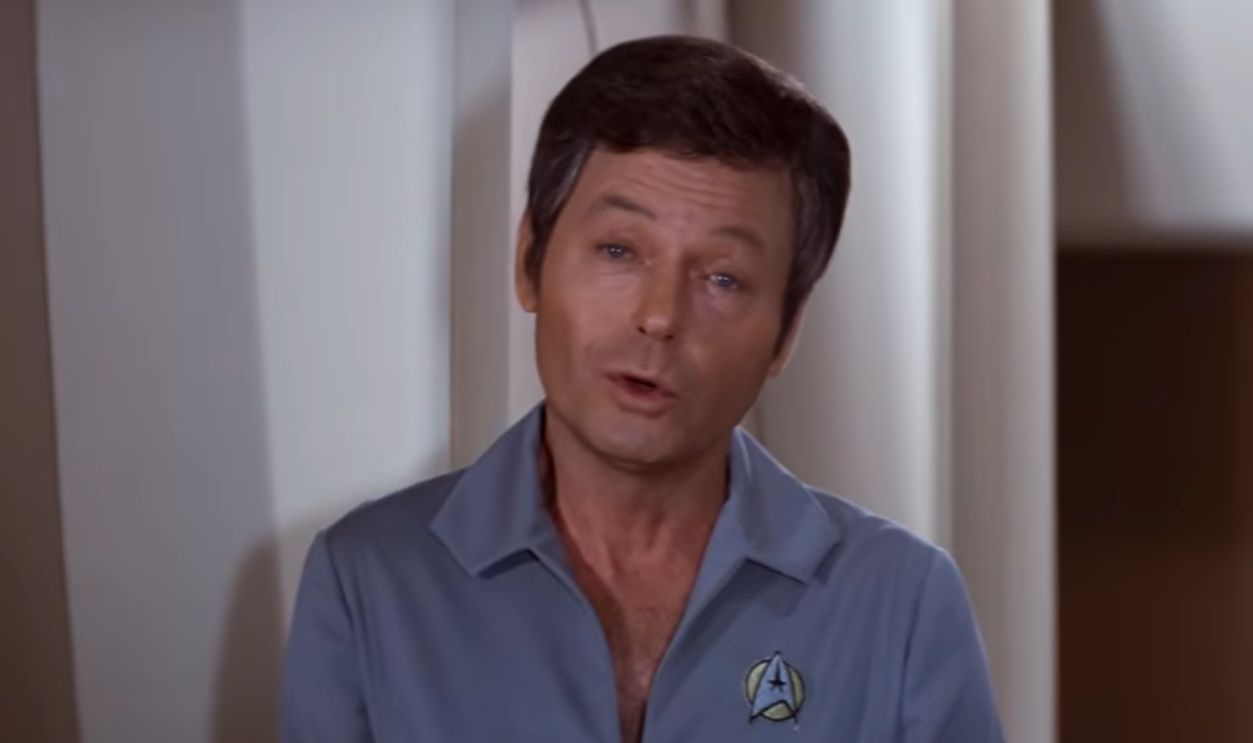 Screenshot from Star Trek: The Motion Picture, Paramount Global (1979)
One Final House Call
In 1987, Kelley appeared in the premiere of Star Trek: The Next Generation as an elderly Admiral McCoy. His brief scene served as a touching handoff between generations. Beneath the age makeup and familiar grumbling, audiences immediately recognized the same compassionate doctor who had cared for the original Enterprise crew.
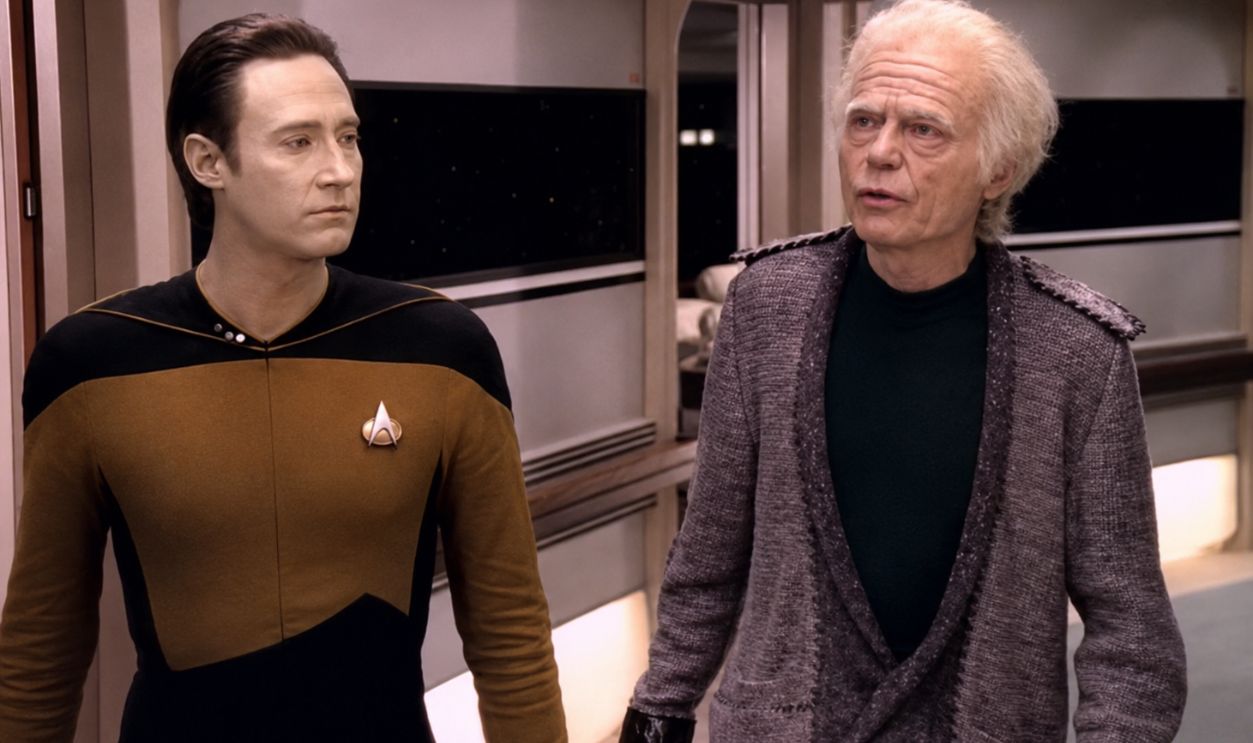 Screenshot from Star Trek: The Next Generation, Paramount (1987-1994)
Immortal As Dr. McCoy
Kelley died in 1999, but McCoy never really left popular culture. The actor received a Hollywood Walk of Fame star, earned recognition for his Western work, and inspired fans who later became doctors. Hollywood once saw him as a disposable villain. Television history remembers him as its most human space traveler.
You May Also Like:
Best Picture Winners You've Probably Never Heard Of
Things Hollywood Is Allowed To Show That Are Banned In Other Countries