When Blonde Was Practically A Job Description
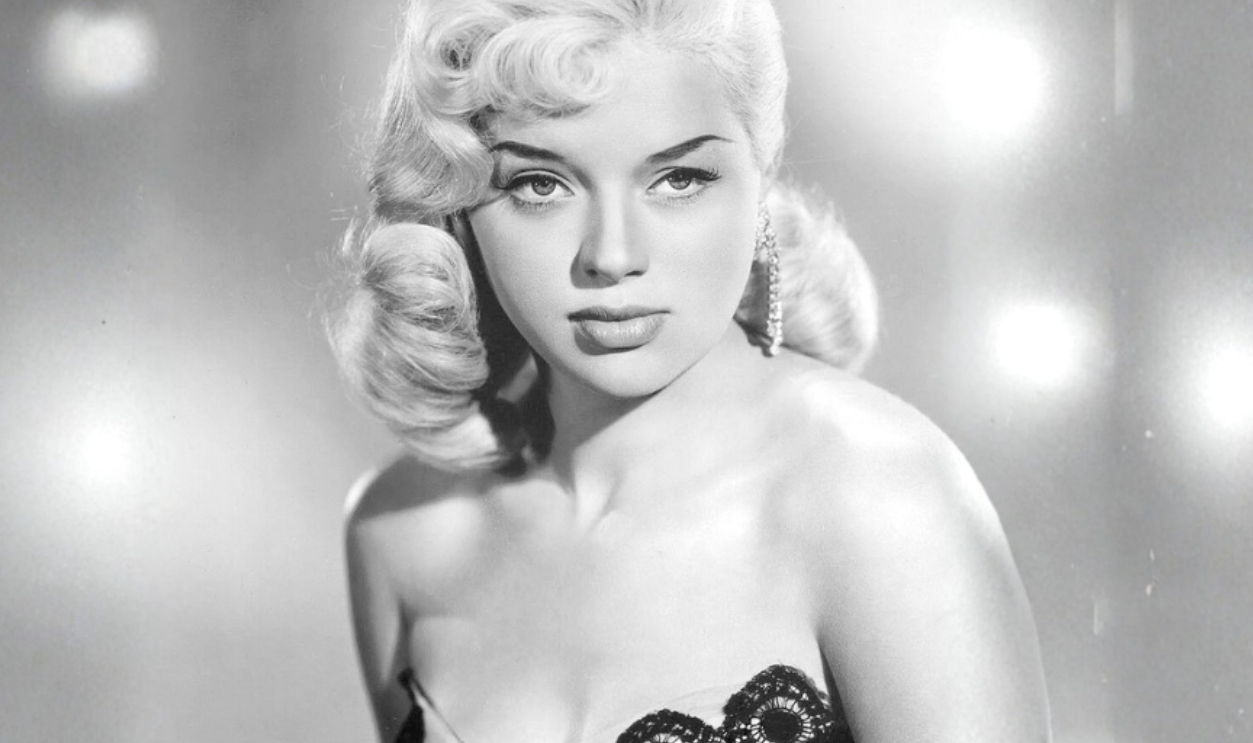
Hollywood in the 1960s loved a blonde bombshell, but the women underneath the platinum hair rarely had lives as uncomplicated as their publicity photographs suggested. Some were boxed into carefully manufactured personas, while others watched their careers collide with difficult marriages, intrusive publicity, studio pressure, or circumstances completely beyond their control. Behind all that teased hair was considerably more going on than audiences were encouraged to see.
 Silver Screen Collections, Wikimedia Commons
Jayne Mansfield Turned Publicity Into An Art Form
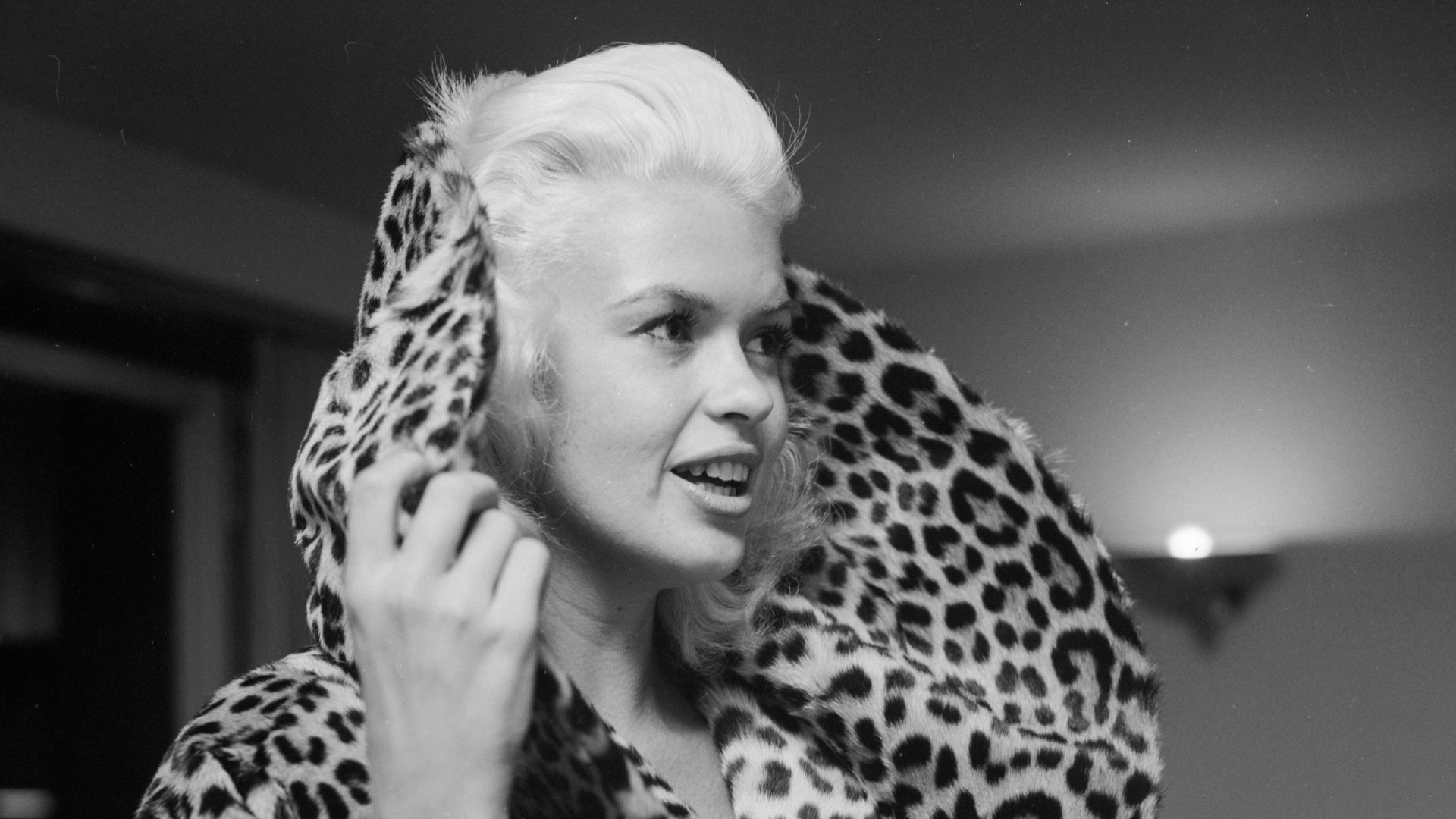
Jayne Mansfield understood attention better than almost anyone in Hollywood. She made pink her trademark, cultivated an exaggeratedly glamorous image, and became so photographed that her celebrity sometimes eclipsed her actual movies. Yet Mansfield was far removed from the airheaded characters she was often asked to play: she studied drama, took music lessons, and was described as having an aptitude for languages.
 Comet Photo AG (Zürich), Wikimedia Commons
Jayne Mansfield Watched Hollywood Move On
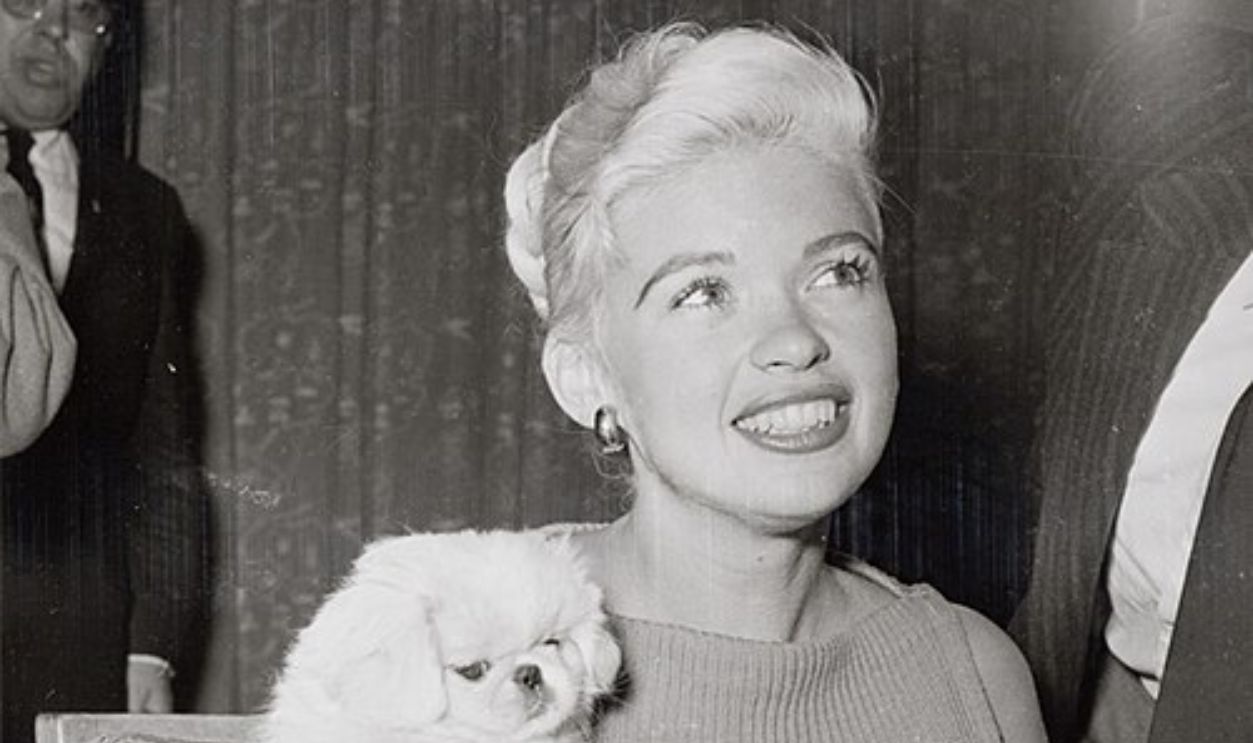
By the early 1960s, Mansfield’s movie career was already losing momentum, and 20th Century-Fox had released her from her contract. She continued working in European films, nightclubs and onstage, but the major Hollywood roles became scarce. Her turbulent personal life attracted increasing attention before her life ended in a car crash in Louisiana in June 1967, when she was only 34.
Mamie Van Doren Felt Trapped By The Label
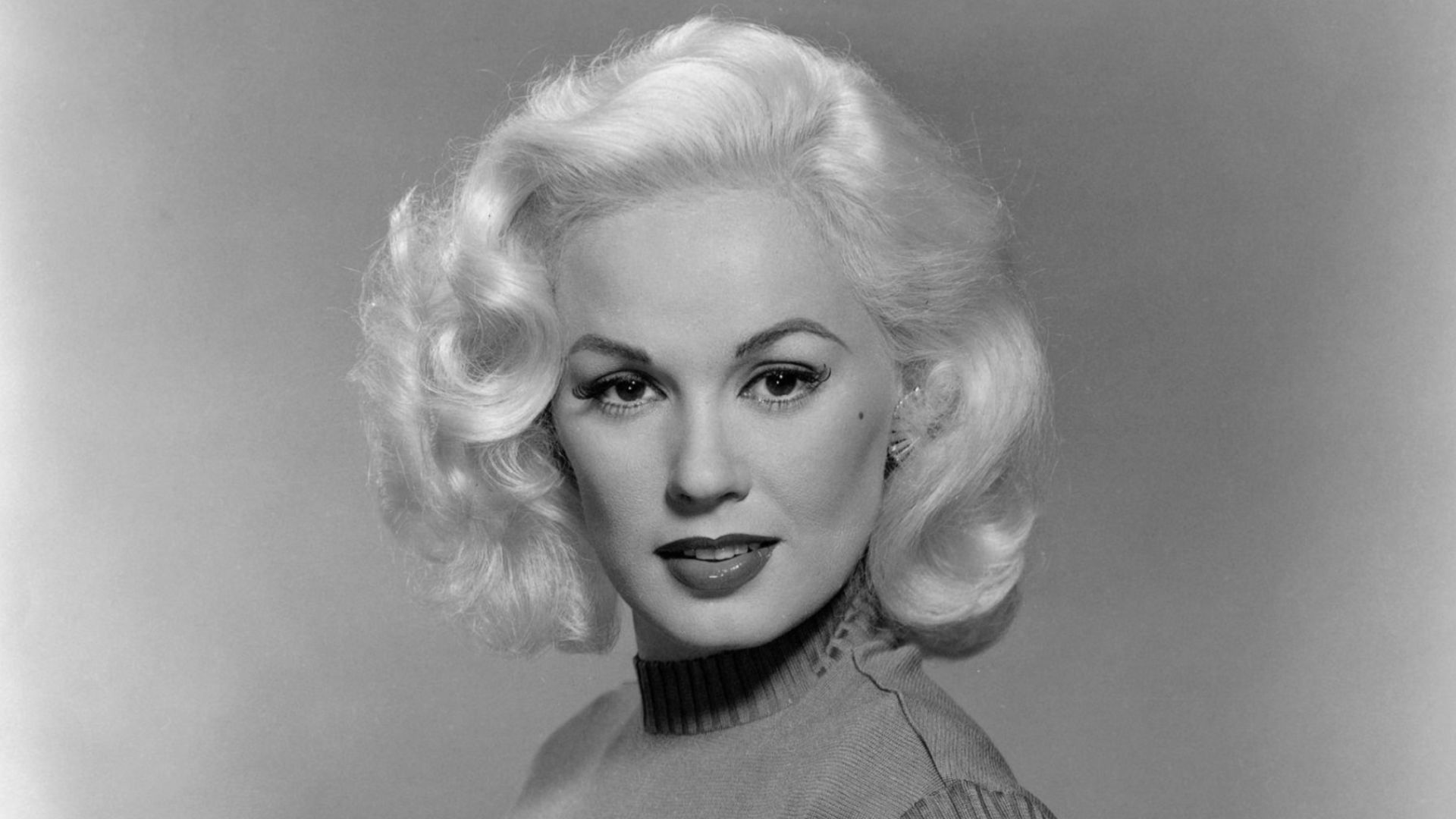
Mamie Van Doren was marketed alongside Marilyn Monroe and Jayne Mansfield as one of Hollywood’s great blonde attractions. Years later, she told the Los Angeles Times that constantly being labeled a beauty symbol had made it harder for her to be taken seriously as an actress. She believed Hollywood had placed her in a “dumb blonde” category that was extremely difficult to escape.
 Unknown authorUnknown author, Wikimedia Commons
Ursula Andress Became An Icon In A Bikini
Ursula Andress needed only one unforgettable entrance to become part of movie history. Emerging from the Caribbean in a white bikini as Honey Ryder in 1962’s Dr. No transformed the Swiss actress into an international star. Andress later credited the movie with giving her financial independence and the freedom to choose future roles, an unusually tangible benefit from an image that could easily have become limiting.
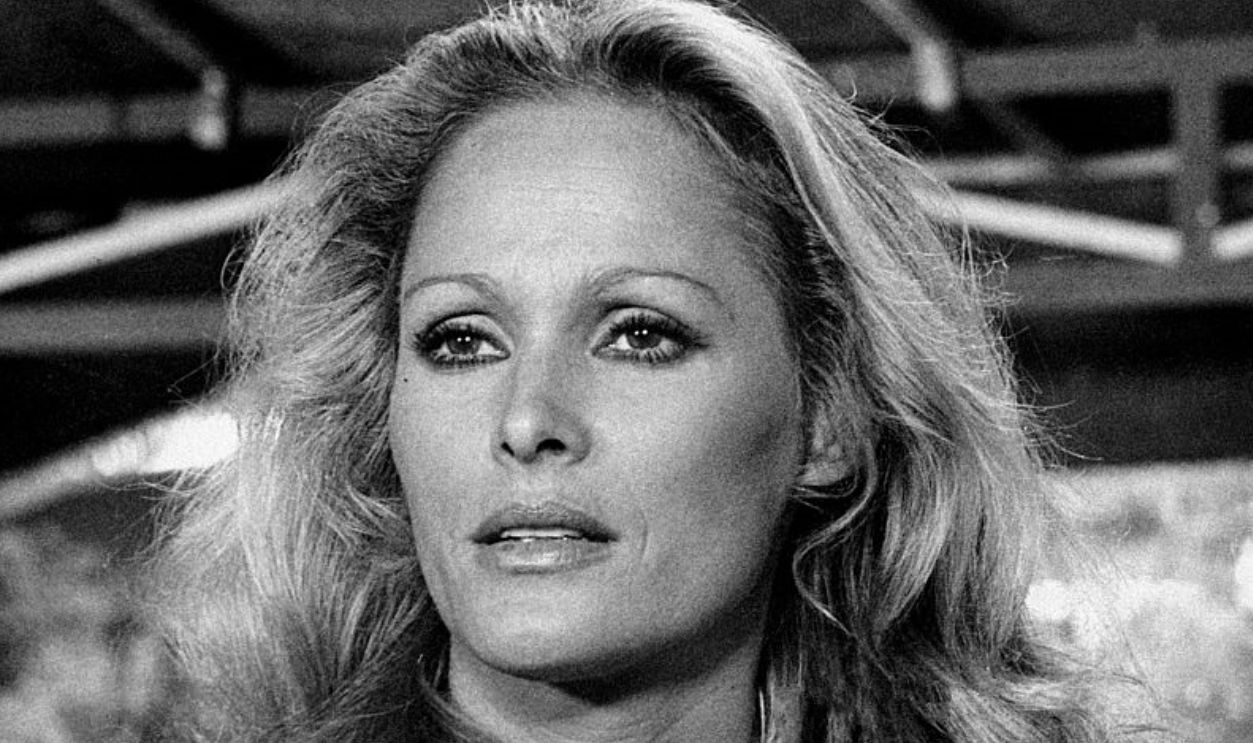 Unknown (Mondadori Publishers), Wikimedia Commons
Anita Ekberg Could Never Escape One Fountain
Anita Ekberg had already worked in Hollywood before Federico Fellini cast her in La Dolce Vita, but her nighttime walk through Rome’s Trevi Fountain made her immortal. The image became so famous that it threatened to overwhelm everything else she did. Ekberg later observed that being born beautiful could help someone enter show business, only to become a handicap afterward.
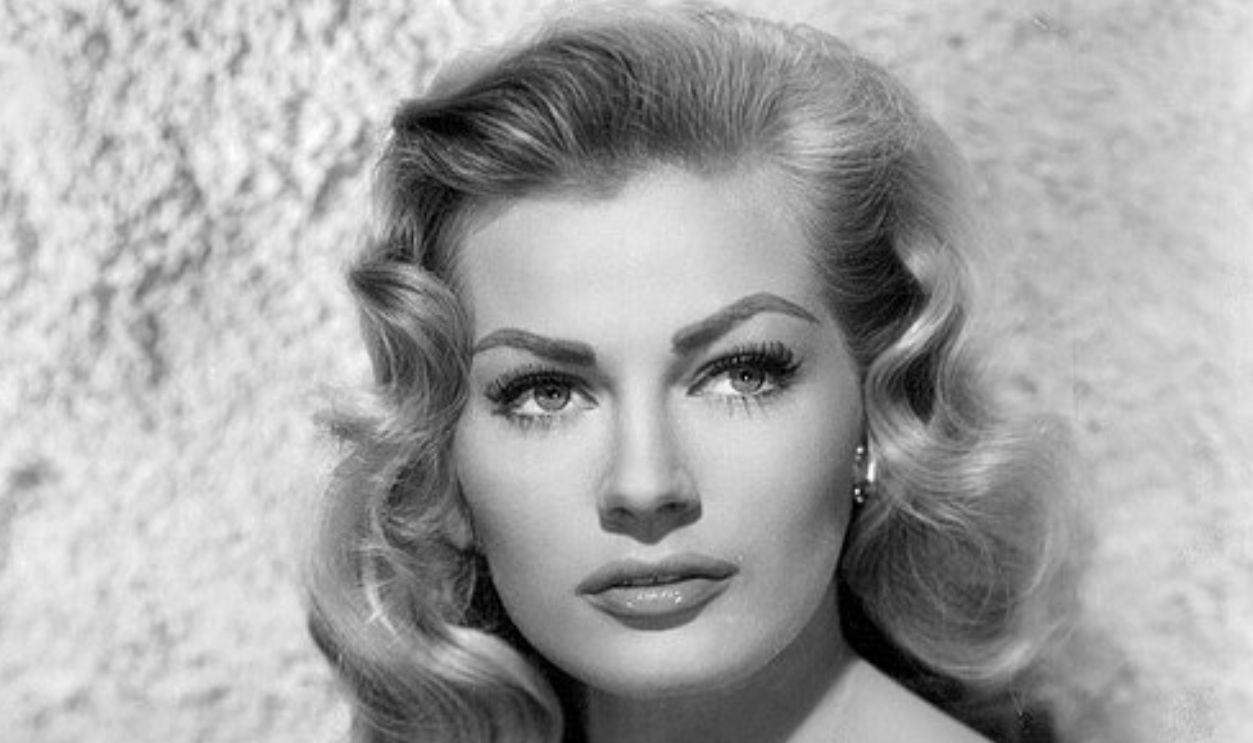 Paramount-photo by Bud Frakes., Wikimedia Commons
Brigitte Bardot Found Fame Suffocating
Brigitte Bardot became an international symbol of liberated 1960s glamour, starring in movies including The Truth, Contempt, and Viva Maria!. Yet celebrity itself became deeply uncomfortable for her. Bardot later spoke about the pressure of maintaining her public image, and she ultimately abandoned filmmaking altogether in 1973, when she was still only 39.
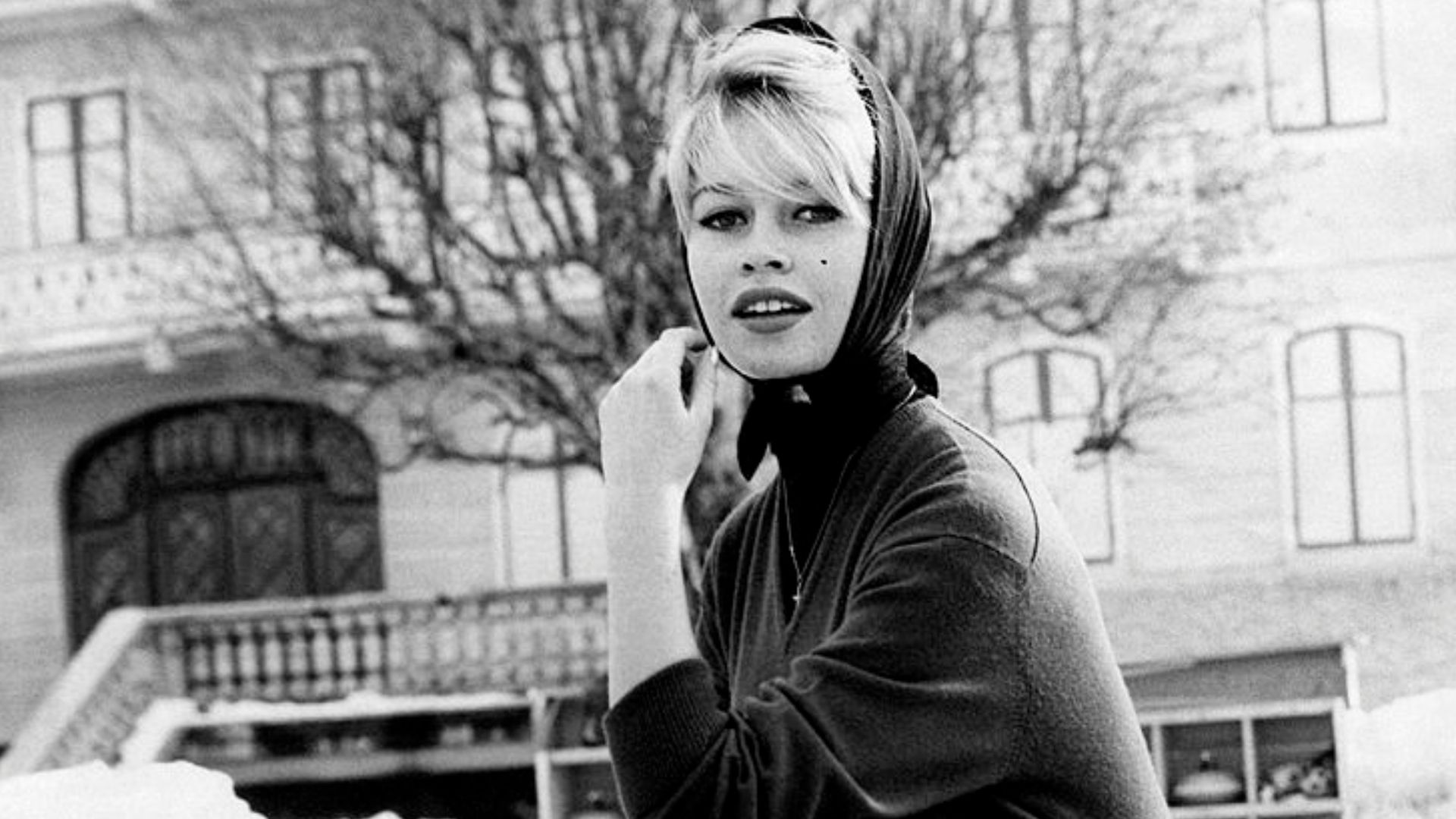 Unknown (Mondadori Publishers), Wikimedia Commons
Sandra Dee Was Selling An Ideal
Sandra Dee’s sunny screen persona made her one of Hollywood’s defining young stars around the turn of the 1960s. Movies including Gidget, Imitation of Life, and Come September helped cement an image of wholesome American youth. That polished persona, however, concealed personal difficulties that Dee would not discuss publicly until decades later.
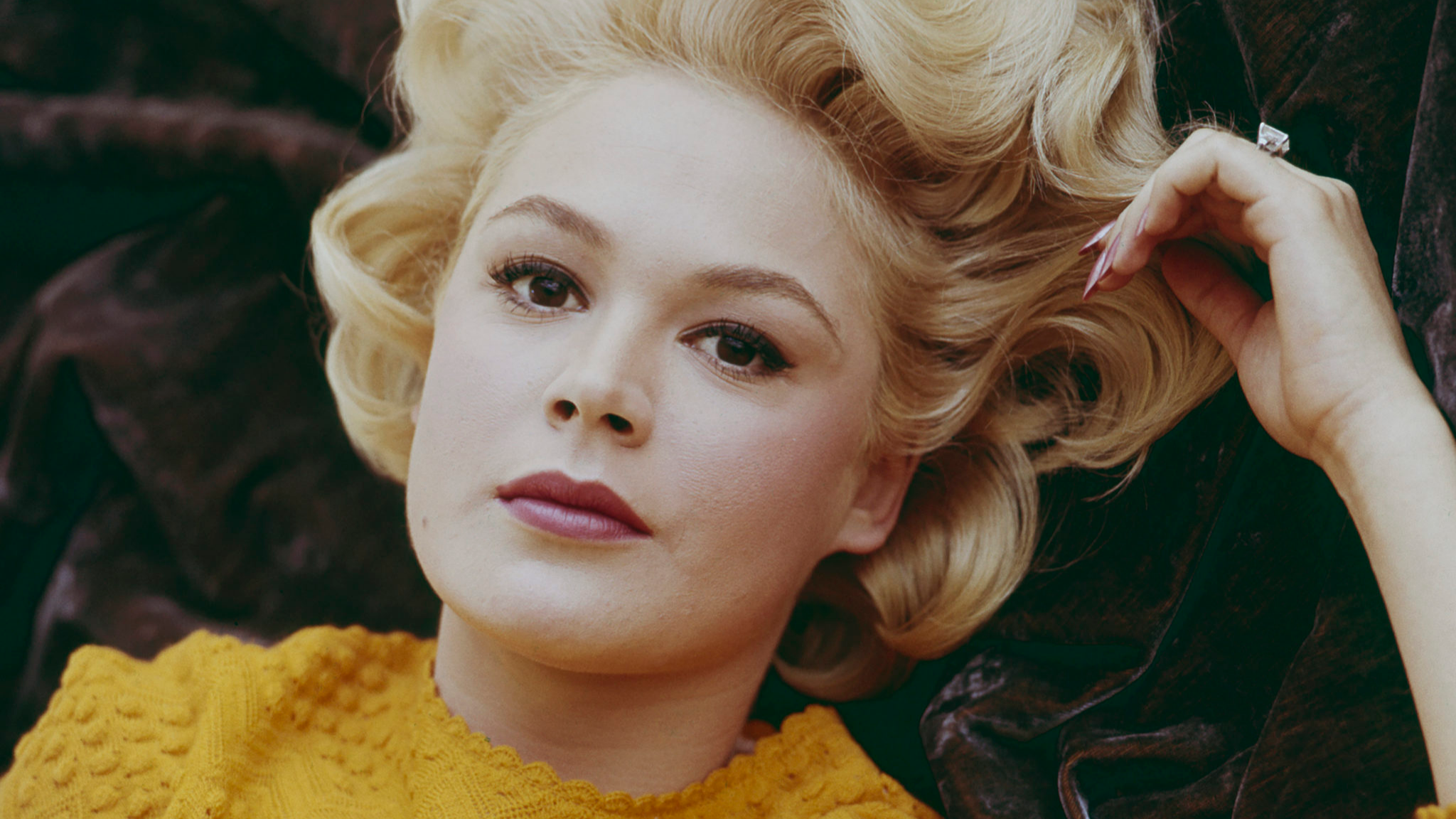 Silver Screen Collection, Getty Images
Sandra Dee’s Private Reality Was Far Darker
In later interviews, Dee disclosed that she had experienced a dangerous childhood and struggled with anorexia, depression, drinking, and other substance use. Her marriage to Bobby Darin ended in 1967, the same year her once-powerful Hollywood career was rapidly fading. The enormous contrast between Dee’s carefully maintained public image and her private experiences became central to later reassessments of her life.
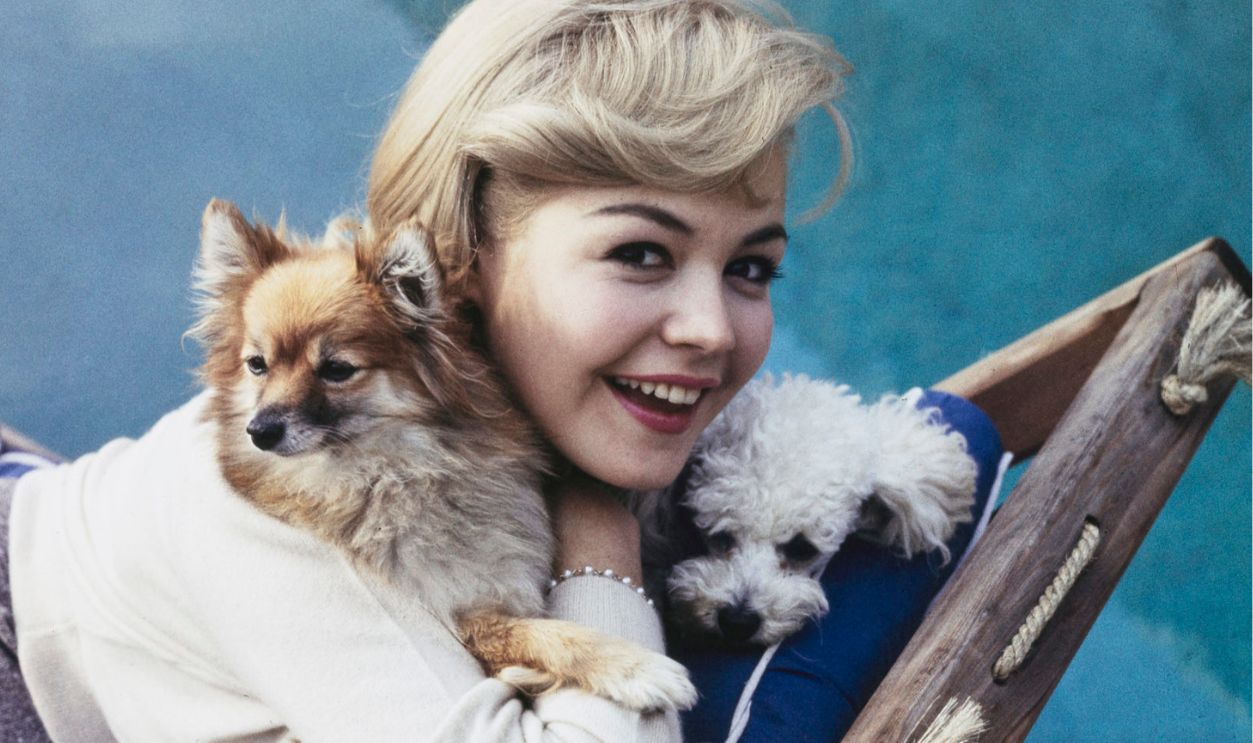
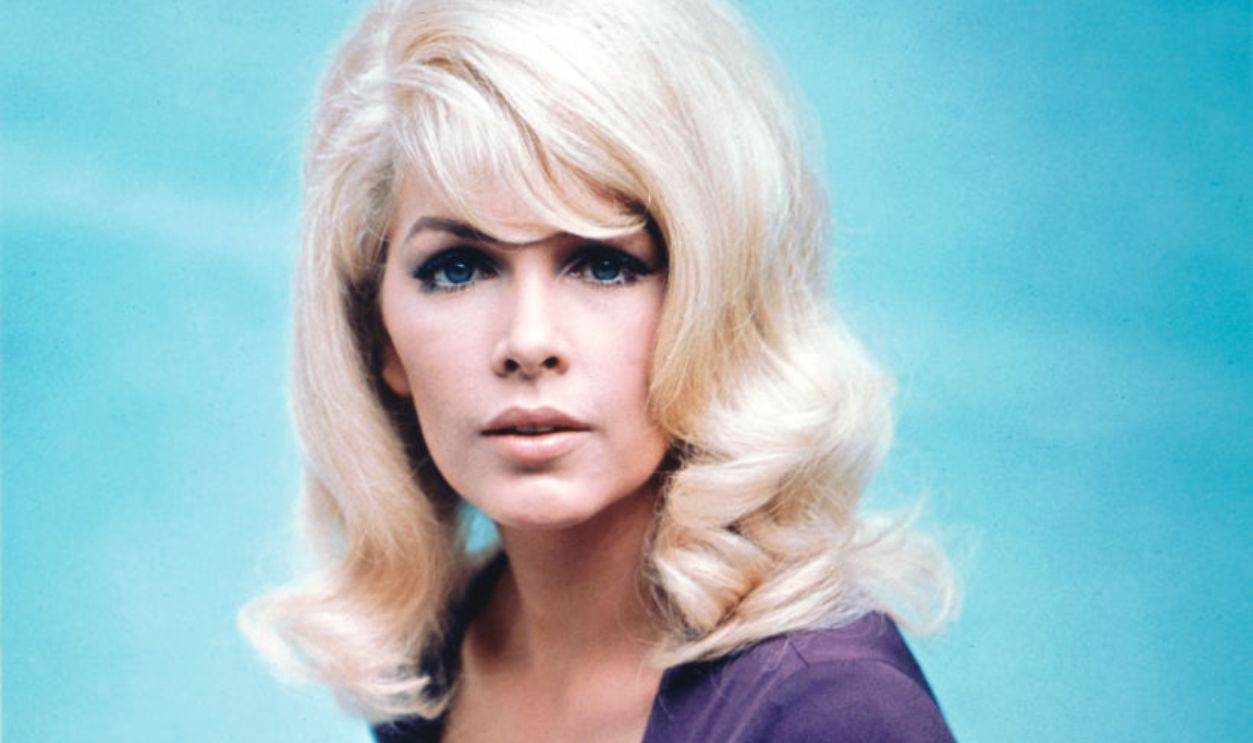
Stella Stevens Wanted More Than Glamour
Stella Stevens arrived in Hollywood as a divorced young mother and quickly found herself promoted for her blonde looks. Studios compared her with Marilyn Monroe and Jean Harlow, but Stevens proved especially adept at comedy. Her performance opposite Jerry Lewis in 1963’s The Nutty Professor became one of her signature roles, demonstrating abilities that the marketing could easily obscure.
 Silver Screen Collection, Getty Images
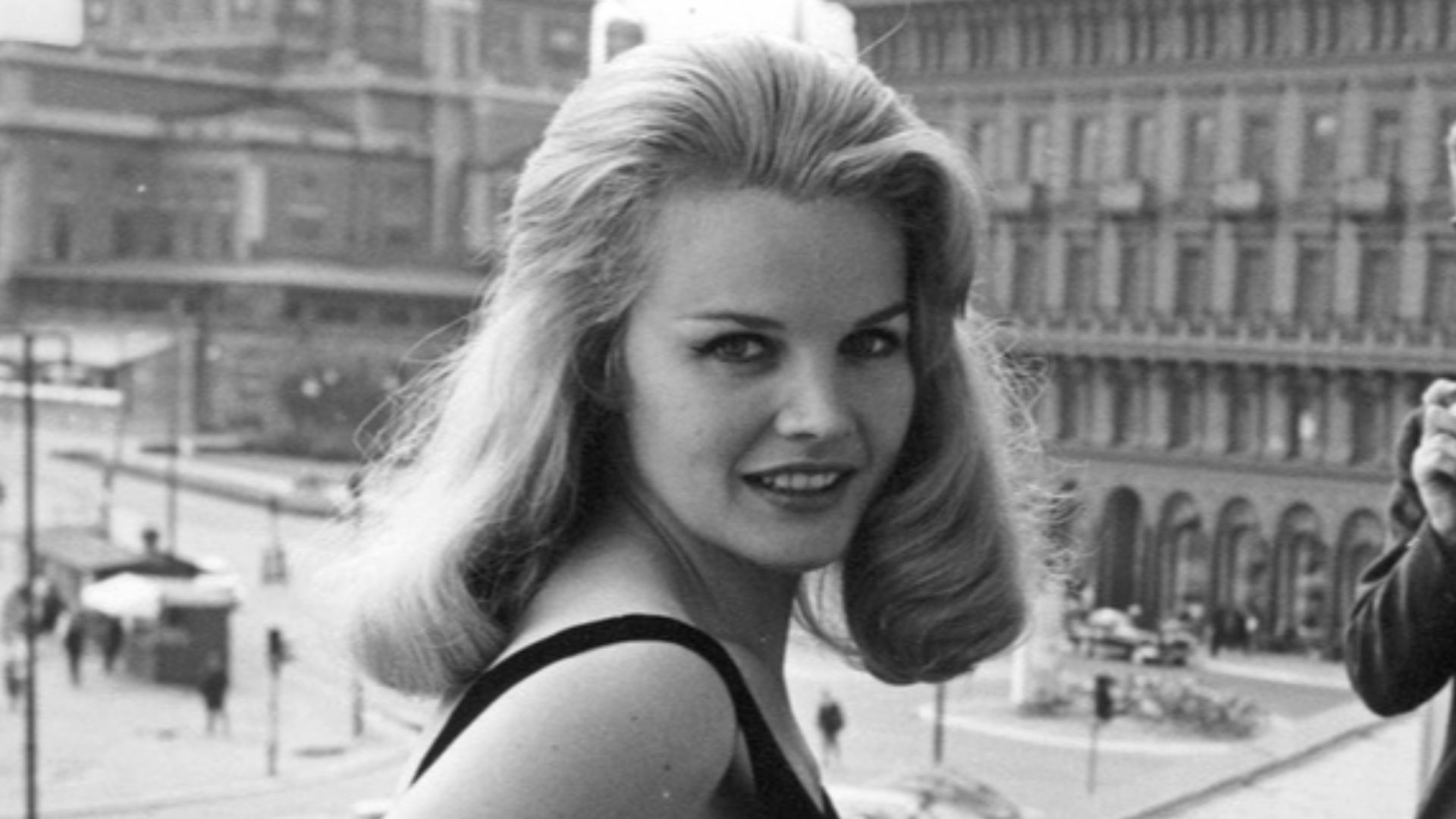
Carroll Baker Became The “Queen” Of The Decade
Carroll Baker entered the 1960s with serious acting credentials, including an Academy Award nomination for Baby Doll. Hollywood nevertheless increasingly marketed her around glamour, culminating in Harlow in 1965. Baker later described this stage of her career as increasingly frustrating, particularly as her relationship with producer Joseph E. Levine deteriorated.
 Olle Ohlsson, Wikimedia Commons
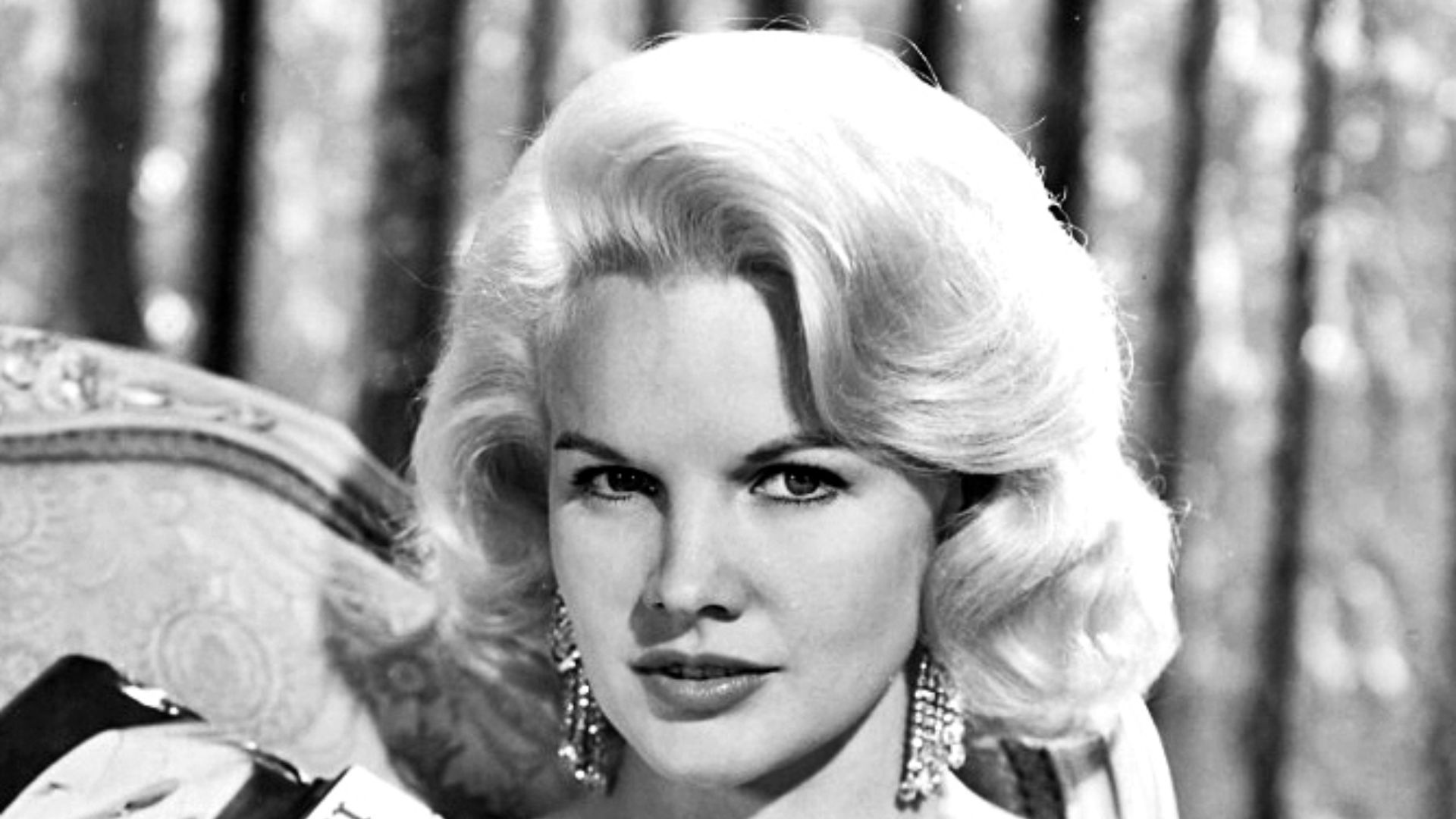
Carroll Baker Walked Away From Hollywood
Baker eventually left Hollywood and rebuilt her career in Europe. She later said Levine behaved as though he owned her, while her professional and personal circumstances had become increasingly difficult. Instead of disappearing, Baker spent years making European productions before eventually returning to American film and television, giving her career a second chapter beyond the image Hollywood had created.
 Paramount Pictures, Wikimedia Commons
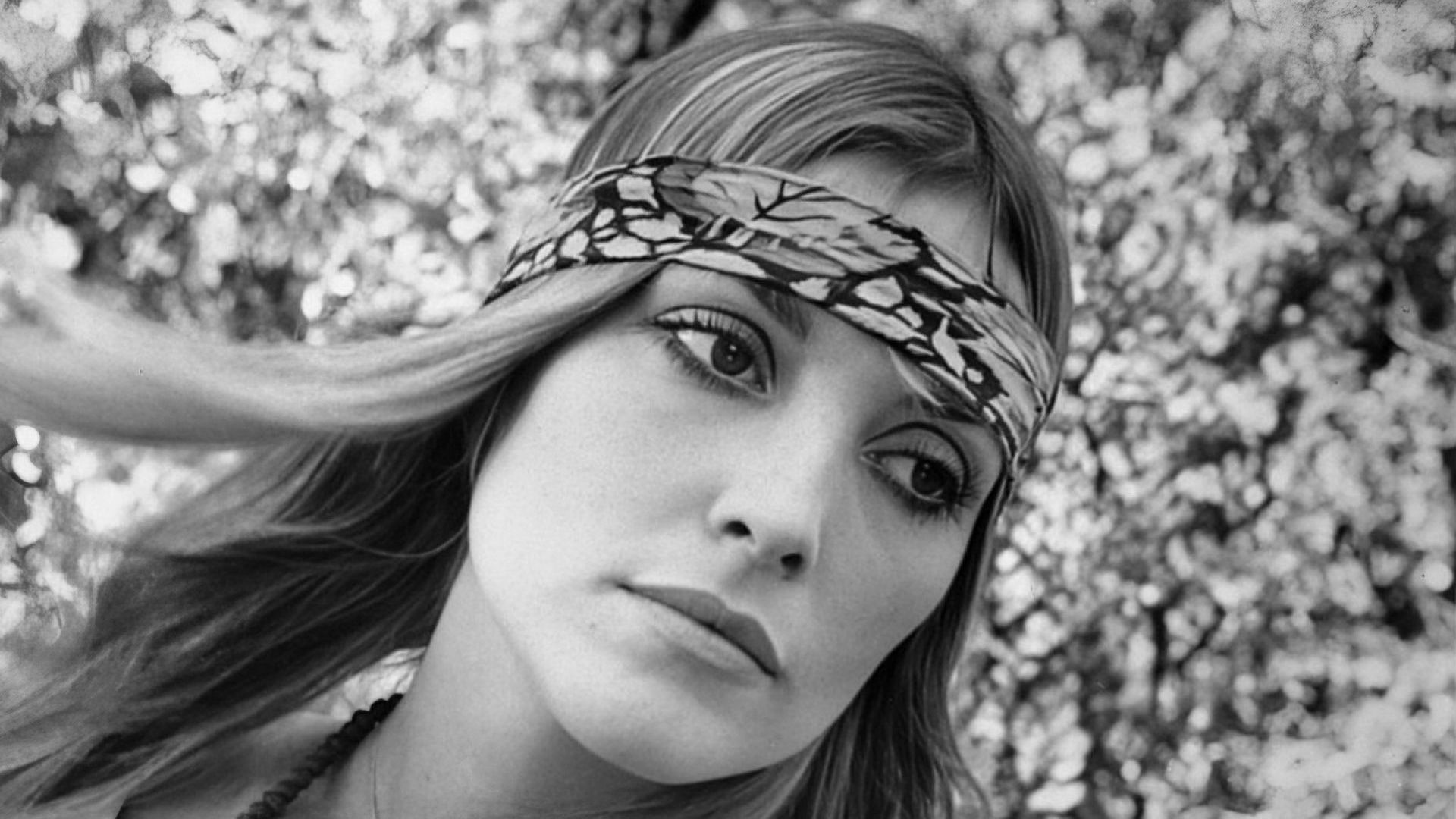
Sharon Tate Was More Than A Photogenic Newcomer
Before Sharon Tate became a movie star, producer Martin Ransohoff spent years preparing her for one. Tate trained extensively and appeared in smaller television parts before receiving substantial movie roles. Her breakthrough came with Valley of the Dolls in 1967, which brought her a Golden Globe nomination and positioned her as one of Hollywood’s most recognizable new actresses.
 United Press International (UPI), Wikimedia Commons
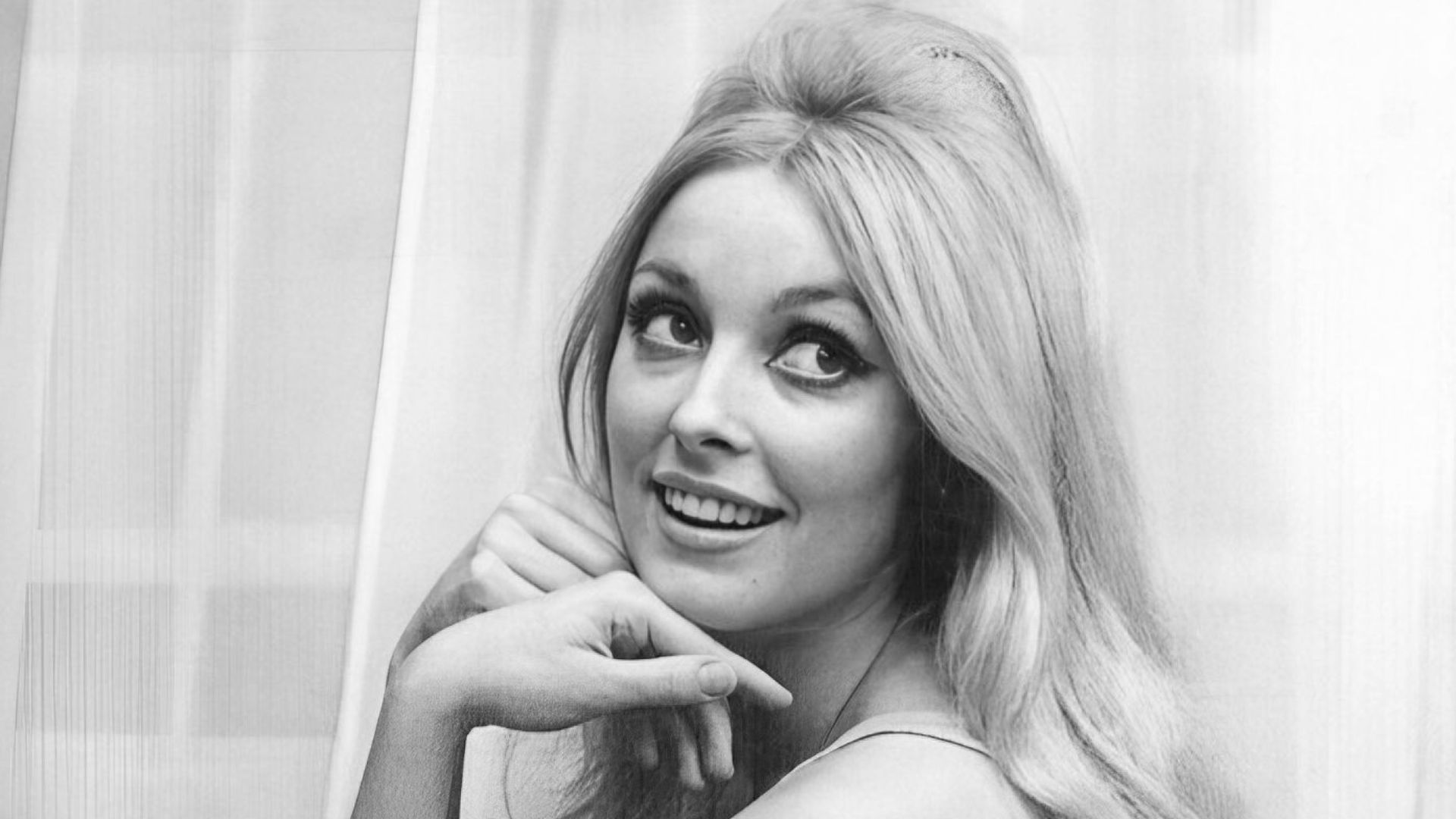
Sharon Tate’s Career Was Just Getting Started
Tate followed Valley of the Dolls with movies including The Wrecking Crew, appearing opposite Dean Martin. She was still building her career when her life ended in August 1969 at age 26. The circumstances of her passing subsequently overshadowed her acting to such an extent that later reassessments have emphasized how short her opportunity to establish herself actually was.
 United Press International (UPI), Wikimedia Commons
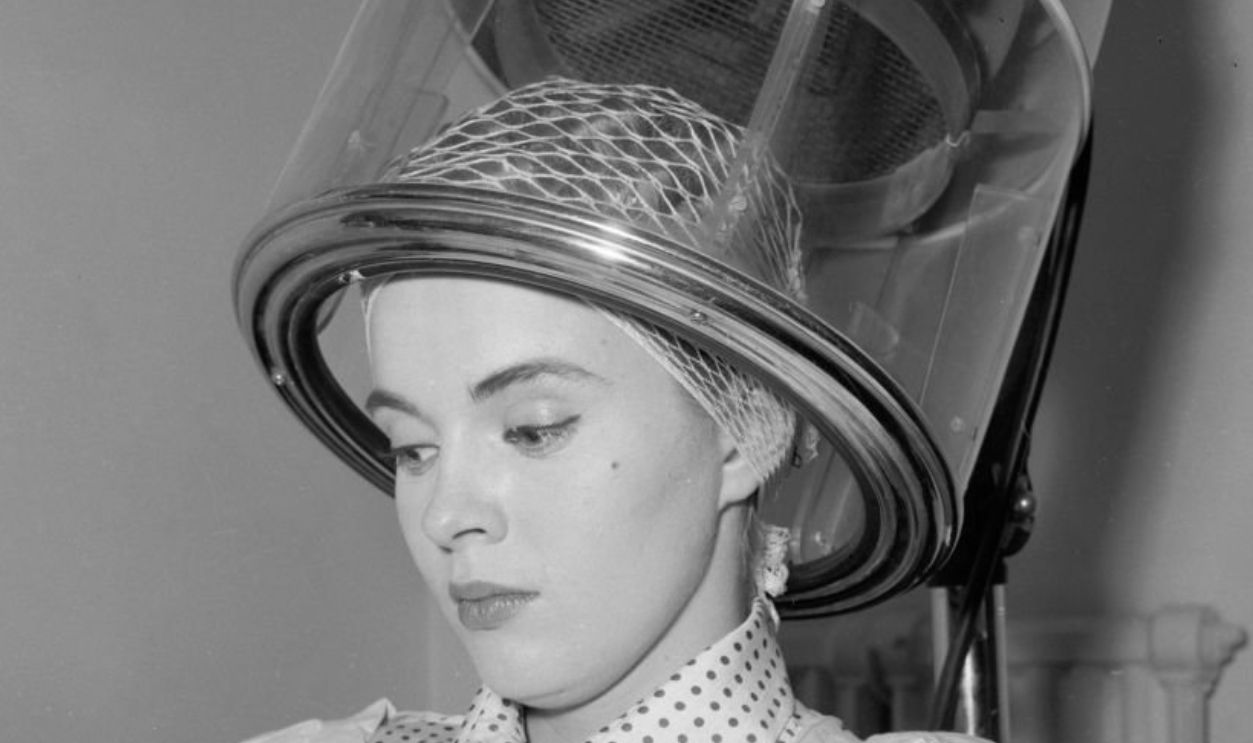
Jean Seberg’s Glamour Concealed Government Surveillance
Jean Seberg became an international star through films such as Jean-Luc Godard’s Breathless, establishing an image quite different from Hollywood’s traditional blonde starlet. Away from the screen, she supported civil-rights organizations and donated money to the Black Panther Party. That activism brought her under surveillance by the FBI beginning in the late 1960s.
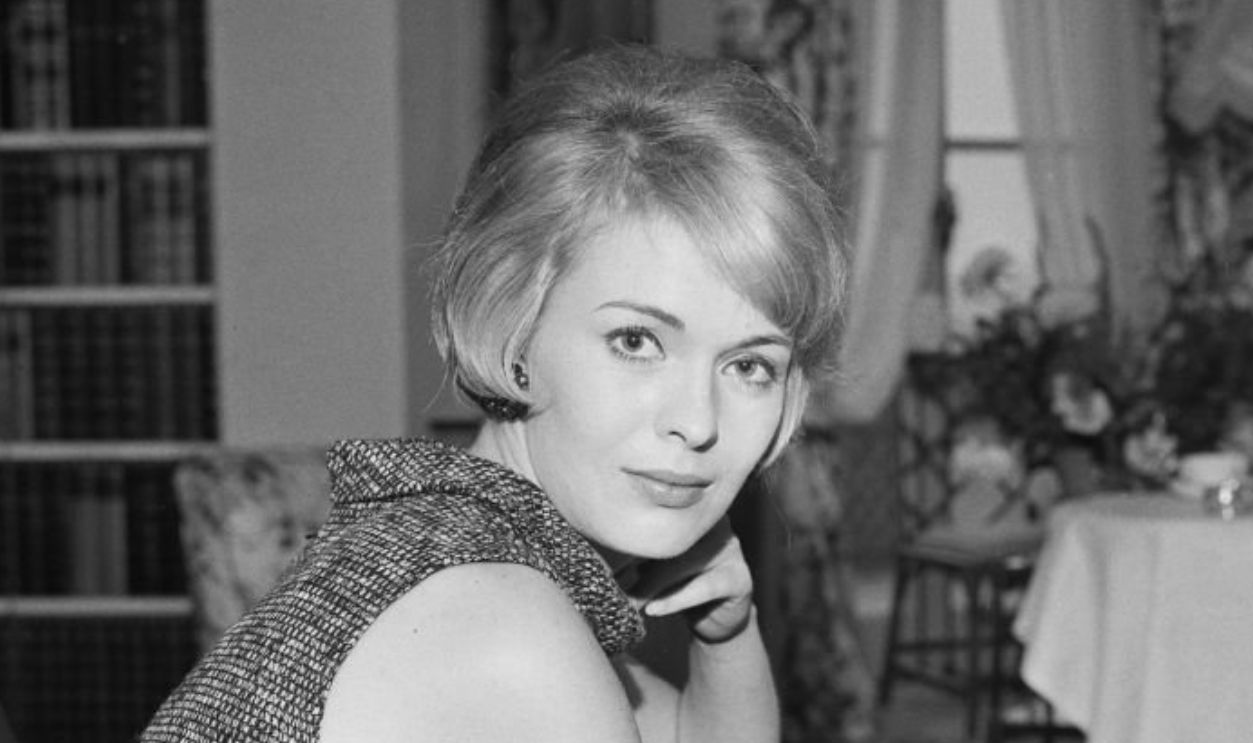
Jean Seberg Was Targeted By A Smear Campaign
Seberg’s story became considerably darker when the FBI sought to damage her reputation. Government records later revealed a campaign involving surveillance and a false rumor concerning her pregnancy that reached the press in 1970. The episode transformed Seberg’s glamorous public life into a striking example of how celebrity could make someone unusually vulnerable to institutional targeting.
 Evening Standard, Getty Images
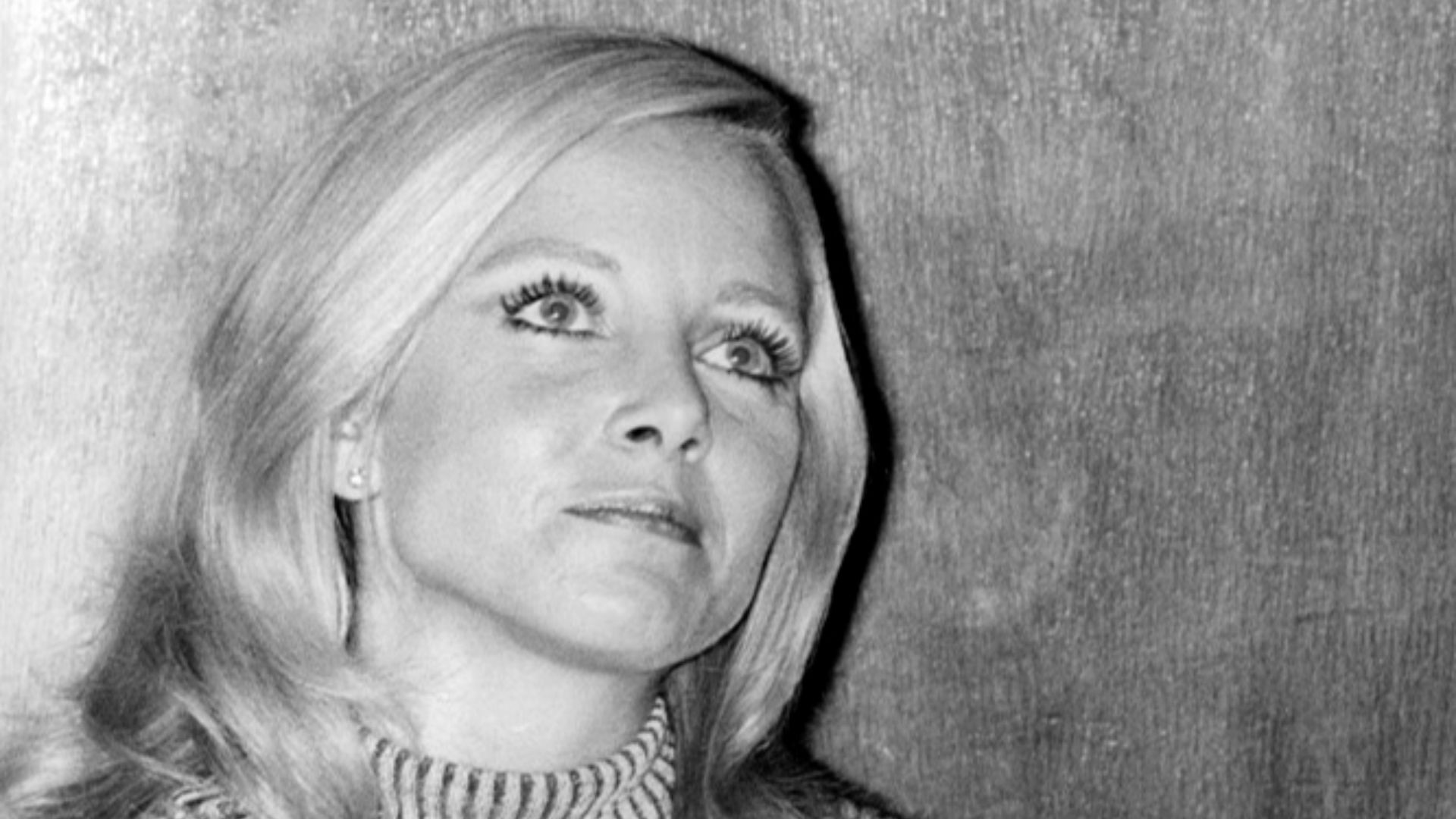
Sue Lyon Became Famous Before She Was Ready
Sue Lyon was only 14 when Stanley Kubrick selected her to play the title character in Lolita. The 1962 film immediately made her famous and earned her a Golden Globe as a promising newcomer. She followed it with prestigious projects directed by John Huston and John Ford, but the role that launched her career remained attached to her for decades.
 Unknown photographer, Wikimedia Commons
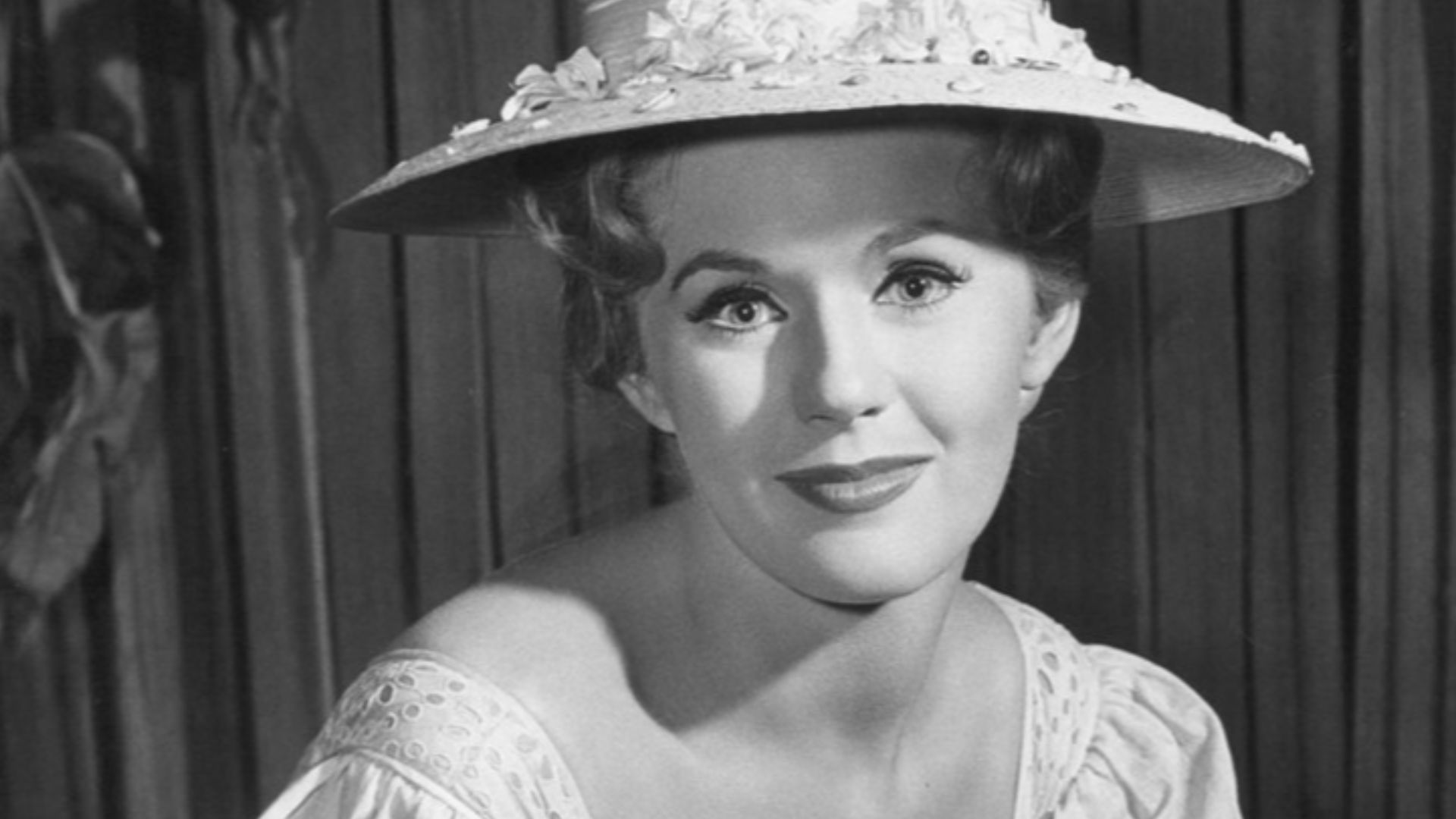
Connie Stevens Worked Hard Behind The Perky Image
Connie Stevens became a household name as Cricket Blake on Hawaiian Eye, while simultaneously building a recording career. The workload was intense: Stevens later recalled recording music late at night while maintaining her television schedule. She eventually expanded into Las Vegas performances, directing and business, building a career far broader than the bubbly blonde image that first made her famous.
 Warner Bros. Studios, Wikimedia Commons
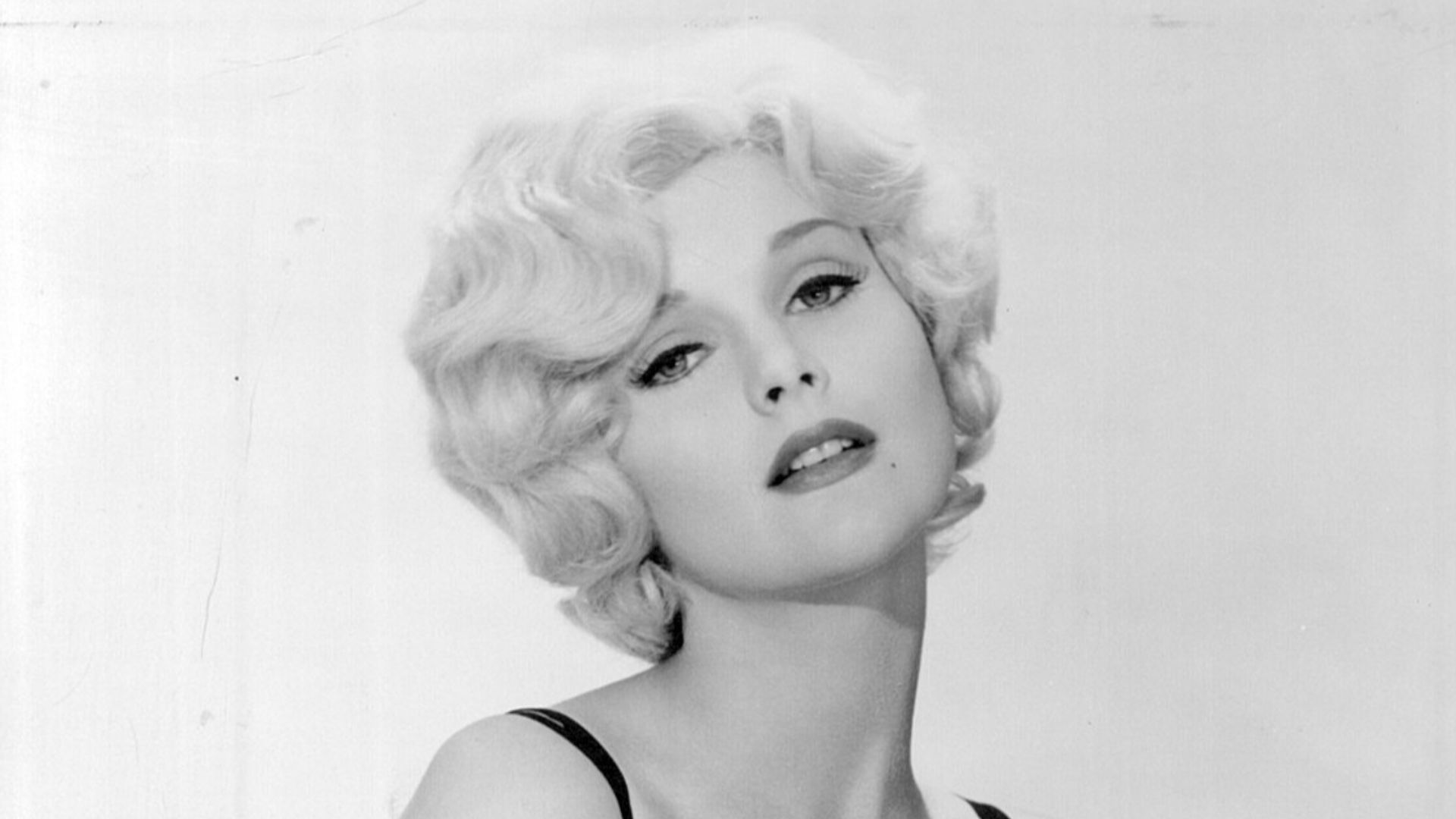
Carol Lynley Had To Grow Up Onscreen
Carol Lynley emerged as part of a generation of young blonde actresses that also included Sandra Dee, Tuesday Weld and Sue Lyon. After playing a pregnant teenager in the provocative 1959 drama Blue Denim, she moved into increasingly adult roles during the 1960s. Ironically, she was eventually cast as an earlier blonde icon herself, playing Jean Harlow in one of two competing 1965 biopics.
 Electronovision-photo by Sinclair for Electronovision, Wikimedia Commons
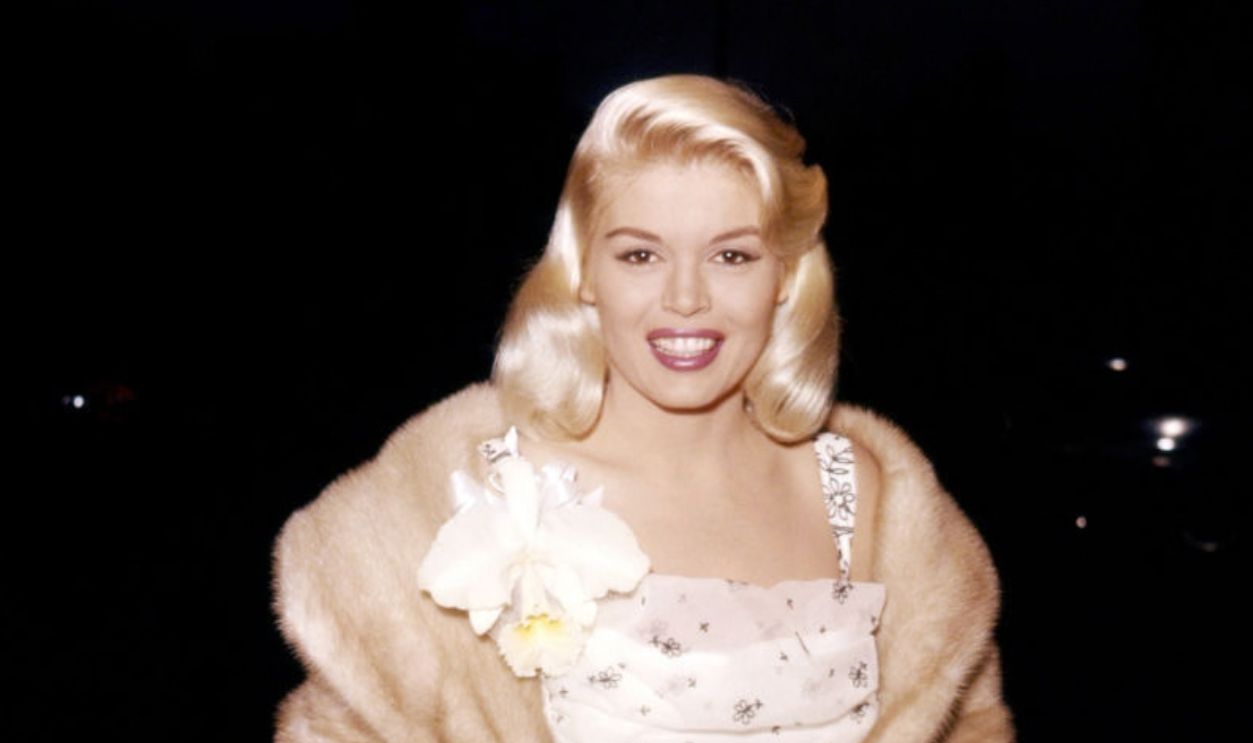
Diana Dors Outlasted The Hot Years
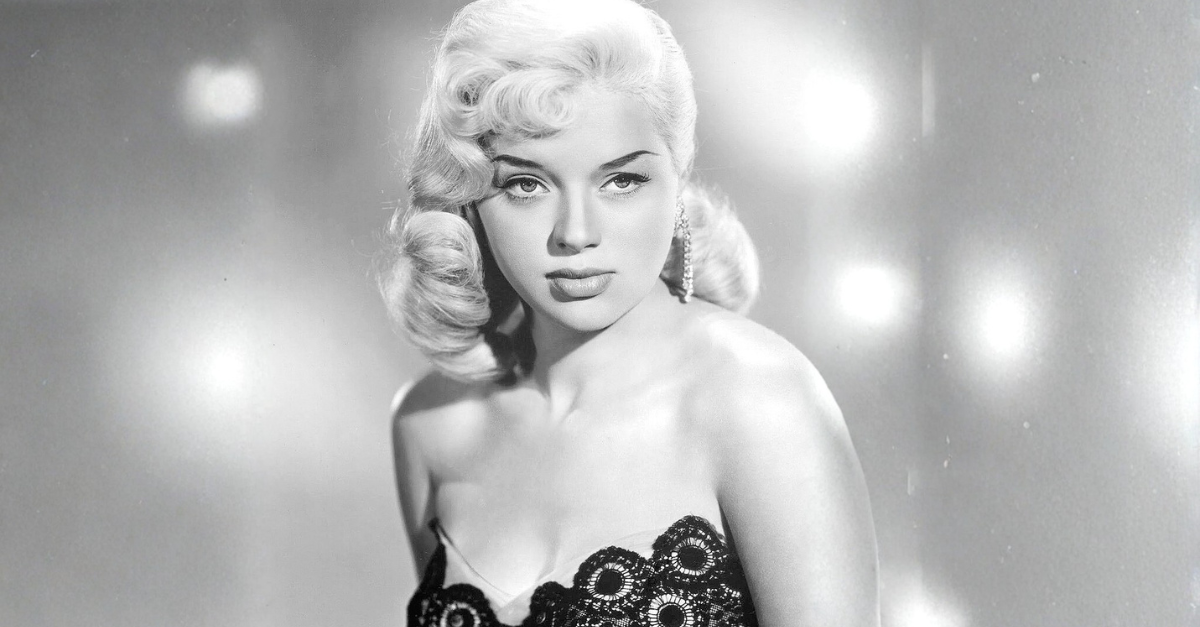
Britain’s Diana Dors had been promoted as an answer to Marilyn Monroe, but by the 1960s her original bombshell stardom was fading. Financial and marital difficulties complicated her life, while the movie industry offered fewer leading roles. Dors adapted by working in clubs, television and character parts, gradually demonstrating that she could survive long after the blonde-starlet machinery stopped treating her as its latest sensation.
 Silver Screen Collection, Getty Images
You May Also Like:
Alluring Facts About Dorothy Lamour, Hollywood’s Sarong Girl
The Tragic Fates Of The Gone With The Wind Cast
Sources: