
She Had Everything
From the outside, Olivia de Havilland’s career looked like total success. Fame, recognition, and a future that seemed untouchable. But behind the scenes, something wasn’t right.
The business of Hollywood, especially back then, didn’t just expect people to toe the line—it demanded it. And the moment she took on the system, the consequences came fast and didn’t stop.
 Chalmers Publishing, New York, Wikimedia Commons
The Problem Was Bigger Than It Looked
What was happening behind the scenes wasn’t just a bad situation or a few difficult decisions. It was part of something much larger. A system that had been in place for years, and one that very few people ever challenged. But the system had never come up against Olivia de Havilland before.
 Warner Bros., Wikimedia Commons
It Didn’t Just Employ Actors
By the late 1930s, the studio system didn’t just employ actors—it effectively controlled their careers. Contracts locked performers into multi-year agreements with limited say over roles, schedules, or even their public image. Refusing work could lead to punishment, and leaving early was nearly impossible under the terms most actors signed.
 produced by Warner Bros. and supplied to CINELANDIA magazine, Wikimedia Commons
One Of Warner Bros.’ Biggest Stars
After starring in films like The Adventures of Robin Hood (1938) and Gone With the Wind (1939), de Havilland became one of Warner Bros.’ most valuable actresses. Studio head Jack Warner was known for strictly enforcing studio contracts, and despite her success, she was often cast in similar supporting roles with little influence over her assignments.
 Selznick International Pictures; Fred Parrish, photographer, Wikimedia Commons
She Started Refusing Roles She Didn’t Believe In
De Havilland began turning down scripts she felt were repetitive or poorly written. Under her contract, this was considered a violation. Warner Bros. responded by suspending her, which meant she was removed from active work, received no salary, and was prevented from taking roles with other studios during that time.
 Unknown authorUnknown author, Wikimedia Commons
The Suspensions Were More Than Just Punishment
Each suspension came with an additional consequence. The studio added the time she was suspended onto the end of her contract. This meant the agreement did not simply pause. It was extended, effectively pushing her release date further away each time she refused a role.
 Unknown authorUnknown author, Wikimedia Commons
Her Contract Kept Expanding
What was supposed to be a seven-year agreement no longer had a clear endpoint. By the early 1940s, her contract had been extended well beyond its original term, in part due to repeated suspensions that added months of additional time to the agreement.
 Unknown authorUnknown author, Wikimedia Commons
The System Left Actors With Few Options
This approach created a situation where resisting the studio could cost years of a performer’s career. Many actors chose to accept roles rather than risk prolonged suspensions and extensions. The system relied on that pressure to maintain control.
 Warner Bros., Wikimedia Commons
She Took The Fight To Court
In 1943, de Havilland filed a lawsuit against Warner Bros. Her argument was based on California Labor Code Section 2855, which limited personal service contracts to seven calendar years. She claimed her contract had already exceeded that limit.
 Warner Bros., Wikimedia Commons
The Case Carried Real Risk
Studios had influence across casting, production, and distribution. Actors who challenged them could find themselves excluded from major opportunities. De Havilland was not only risking her current contract but her future in the industry.
 Scotty Welbourne (1907-1979), Wikimedia Commons
The Legal Question Was Clear
Warner Bros. argued that suspension time should not count toward the seven-year limit. De Havilland argued that the law referred to total elapsed time, not just active working time. The interpretation of that detail would decide the case.

The Outcome Would Affect More Than One Actress
The case had implications beyond her own situation. Many in the industry were watching closely, knowing the ruling could reshape their own contracts. A decision in favor of the studio would reinforce its control, while a ruling for de Havilland would limit it.
 George Hurrell, Wikimedia Commons
The Decision Changed Hollywood
In 1944, in De Havilland v. Warner Bros. Pictures, Inc., the California Court of Appeal ruled in her favor. The court confirmed that the seven-year limit applied to calendar time, meaning studios could not extend contracts by adding suspension periods.
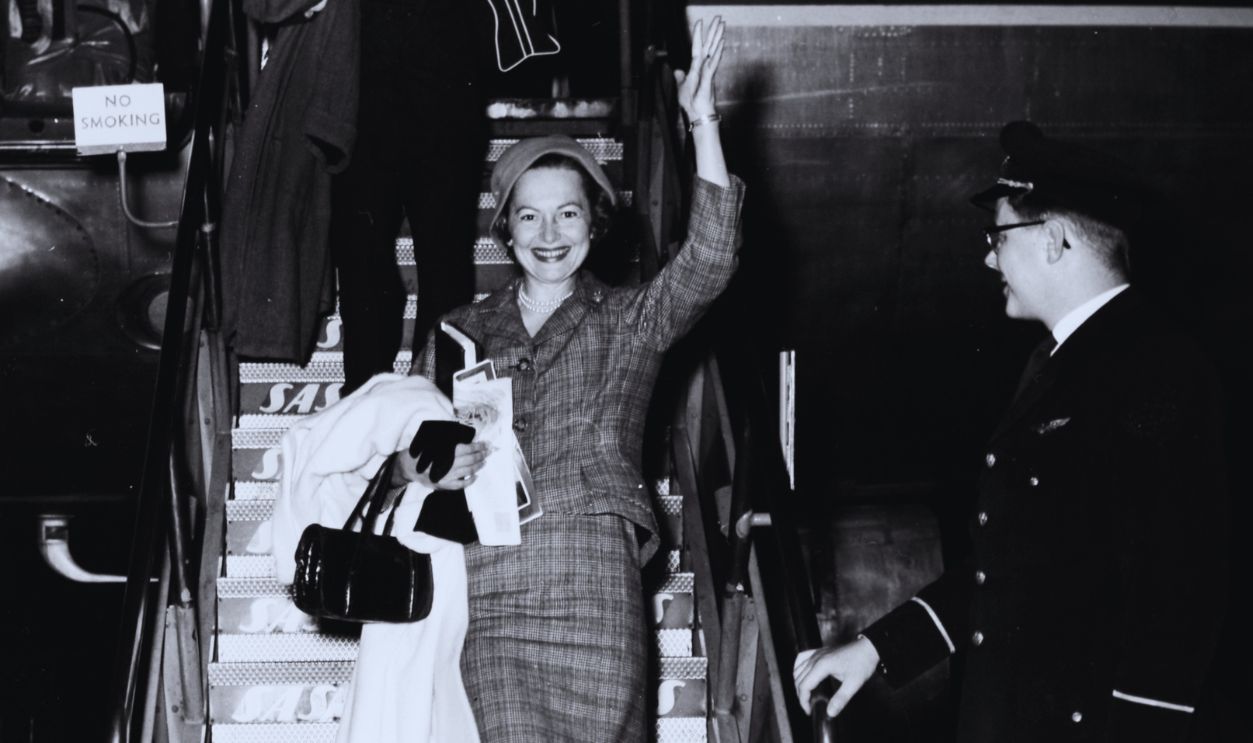 SAS Scandinavian Airlines, Wikimedia Commons
The “De Havilland Law” Was Established
The ruling became known as the De Havilland Law. It set a precedent that limited the length of personal service contracts and restricted how studios could enforce them.
 Unknown authorUnknown author, Wikimedia Commons
Studios Lost A Key Advantage
Before the ruling, studios could use suspensions as leverage to extend contracts and pressure actors into compliance. After the decision, that practice was no longer legally supported, removing one of their most effective control mechanisms.
 Warner Bros., Wikimedia Commons
Actors Gained Leverage And Flexibility
With a fixed contract limit, actors had a clearer path to independence. They could plan their careers beyond studio control and had stronger negotiating positions when contracts expired.
 Warner Bros., Wikimedia Commons
The Impact Was Immediate And Widespread
The ruling applied across the industry, not just to de Havilland. Studios were forced to adjust contract practices, and other actors quickly benefited from the new legal clarity.
 Unknown authorUnknown author, Wikimedia Commons
Her Career Reached New Heights Afterward
Following the case, de Havilland entered one of the most successful periods of her career. She won Academy Awards for To Each His Own (1946) and The Heiress (1949), taking on more complex and leading roles.
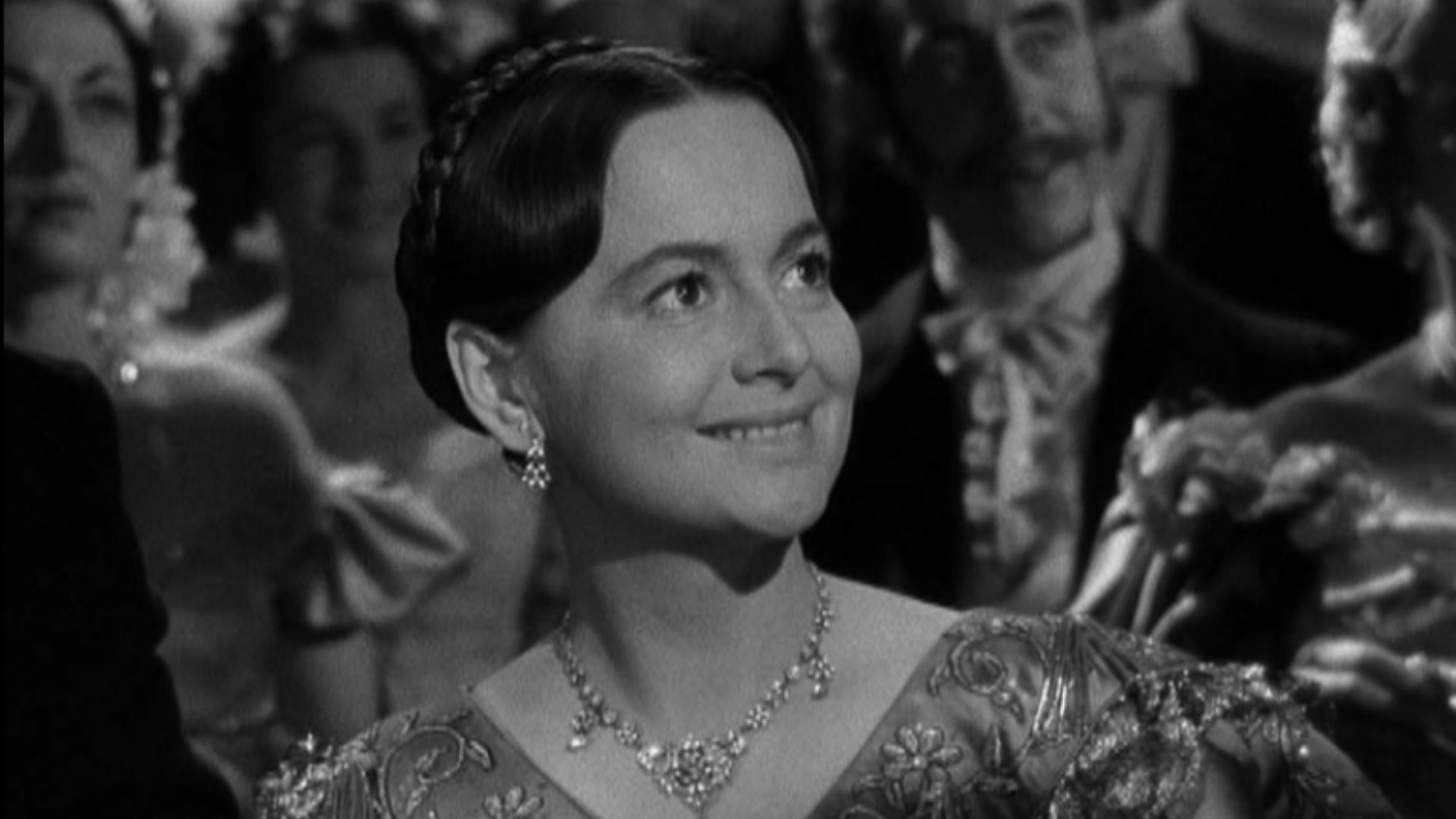 William Wyler, cinéaste., Wikimedia Commons
She Finally Had Control Over Her Work
With her contract dispute resolved, she was able to select roles based on quality and character depth rather than studio assignment. This marked a major shift from her earlier years under strict contract control.
 Unknown authorUnknown author, Wikimedia Commons
The Studio System Was Permanently Weakened
While the studio system remained in place for years, this ruling removed one of its strongest enforcement tools. It marked an early step toward the decline of long-term, restrictive studio contracts.
 David Castor (user:dcastor), Wikimedia Commons
The Law Still Matters Today
The De Havilland Law remains part of California law and is still cited in contract disputes. It continues to shape how long-term personal service agreements are interpreted in the entertainment industry.

Modern Artists Have Relied On It
The De Havilland Law has been cited in modern California contract disputes involving long-term agreements. Its reach has extended far beyond old Hollywood, showing that de Havilland’s victory still has legal force generations later.

She Changed The Industry
Olivia de Havilland’s case did more than resolve her own situation. It reshaped the legal framework of Hollywood and gave performers a level of independence that had not previously existed.
![Title: Olivia de Havilland [actress]
Creator(s): Gotfryd, Bernard, photographer
Date Created/Published: February 1985.
Medium: 1 photograph : color transparency ; 35mm (slide format)
Reproduction Number: LC-DIG-gtfy-01097 (digital file from original)
Rights Advisory: No known restrictions on publication. For information see](https://www.factinate.com/storage/app/media/theshot/2026/4/27/177729922504a64004c13189fb7e7faf33e811677725b11dbb.jpg) Gotfryd, Bernard, photographer, Wikimedia Commons
Gotfryd, Bernard, photographer, Wikimedia Commons
You Might Also Like: