Hollywood’s Forgotten Leading Men
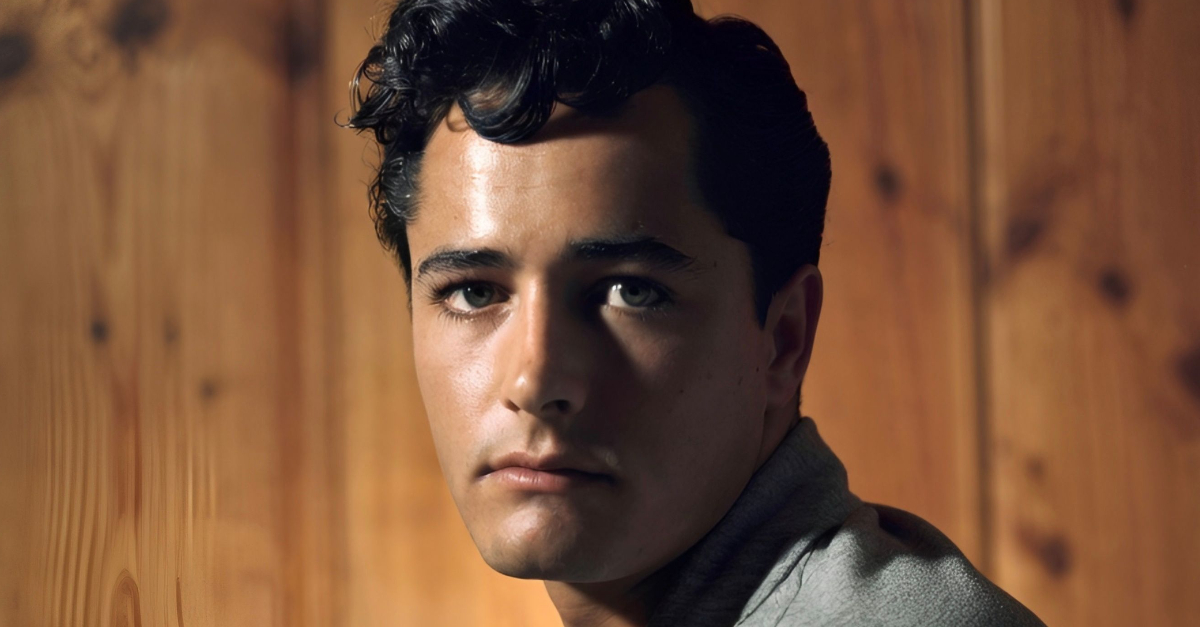
Hollywood once treated these men as if they would be famous forever. Their faces filled movie screens, fan magazines and bedroom walls. Women swooned, studios made fortunes and their names needed no introduction. Today, say those same names to someone born after 2000 and prepare for a very blank stare.
So...how many do you remember?
Troy Donahue
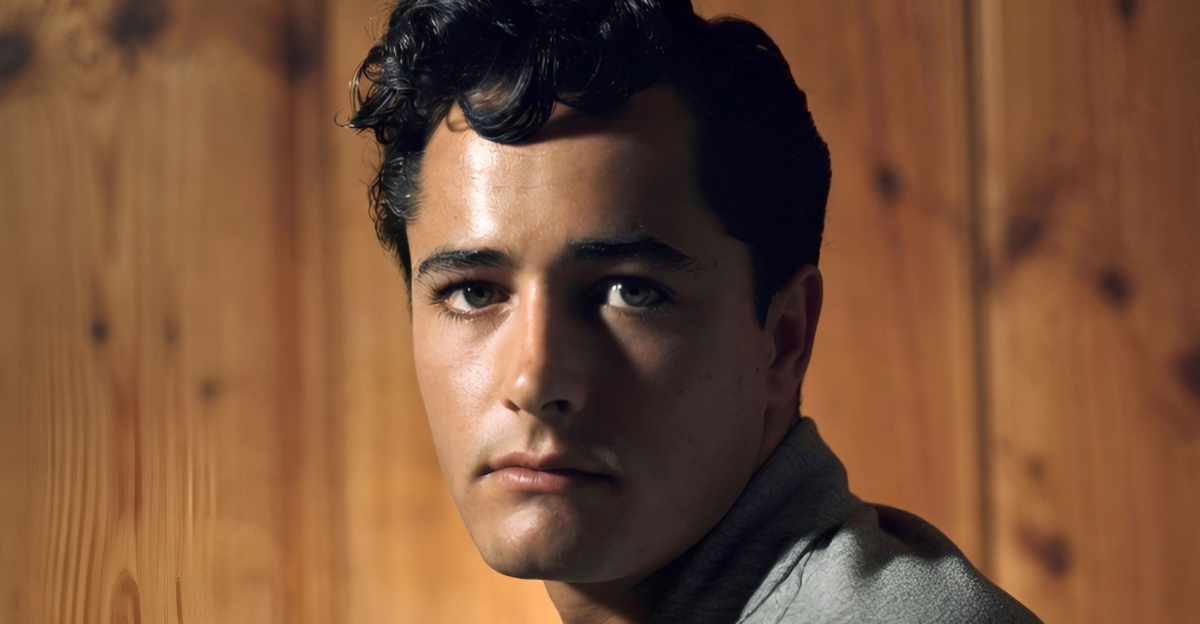
With his blond hair and blue eyes, Troy Donahue looked like Hollywood had designed him in a laboratory. A Summer Place turned him into a teen idol in 1959, and Warner Bros. kept the romantic dramas coming. His name once meant instant heartthrob. Now, it mostly produces puzzled looks.
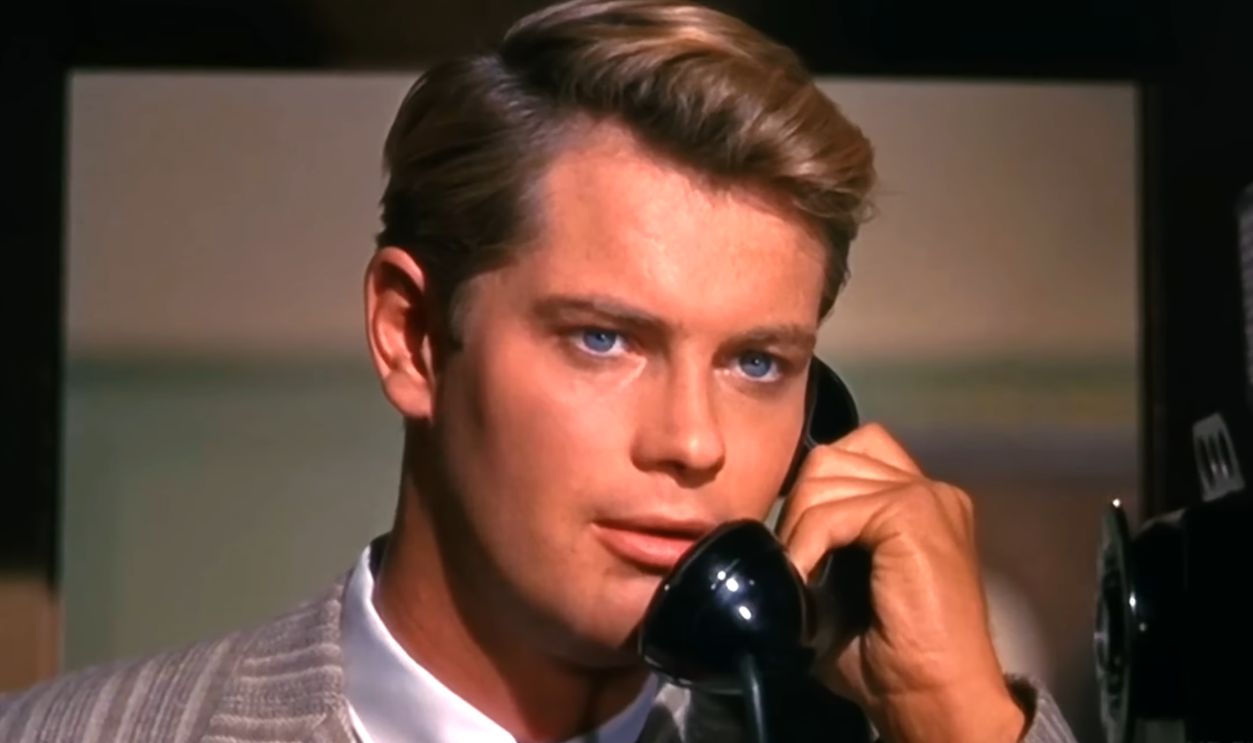 Screenshot from A Summer Place, Warner Bros. Pictures (1959)
Ramon Novarro
MGM was already promoting Ramon Novarro as a rival to Rudolph Valentino before Valentino passed away. Novarro then became the screen’s leading Latin star, headlining the enormously expensive 1925 epic Ben-Hur and ranking among the silent era’s top box-office attractions. A century later, his name barely registers.
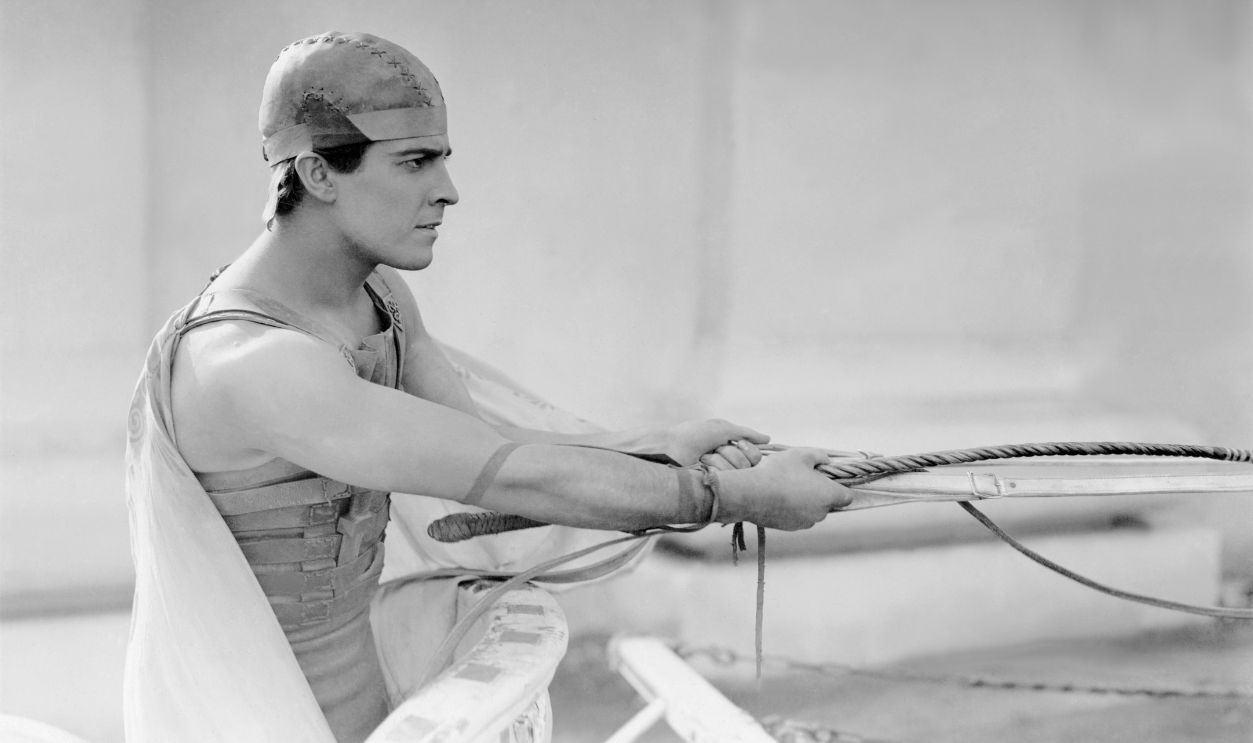 Sunset Boulevard, Getty Images
Jan-Michael Vincent
During the 70s and 80s, Jan-Michael Vincent had the blond hair, athletic build and slightly dangerous quality Hollywood loved. Films including The Mechanic and Big Wednesday established him as a leading man, while Airwolf later made him one of television’s highest-paid actors. But the fame disappeared far faster than anyone expected.
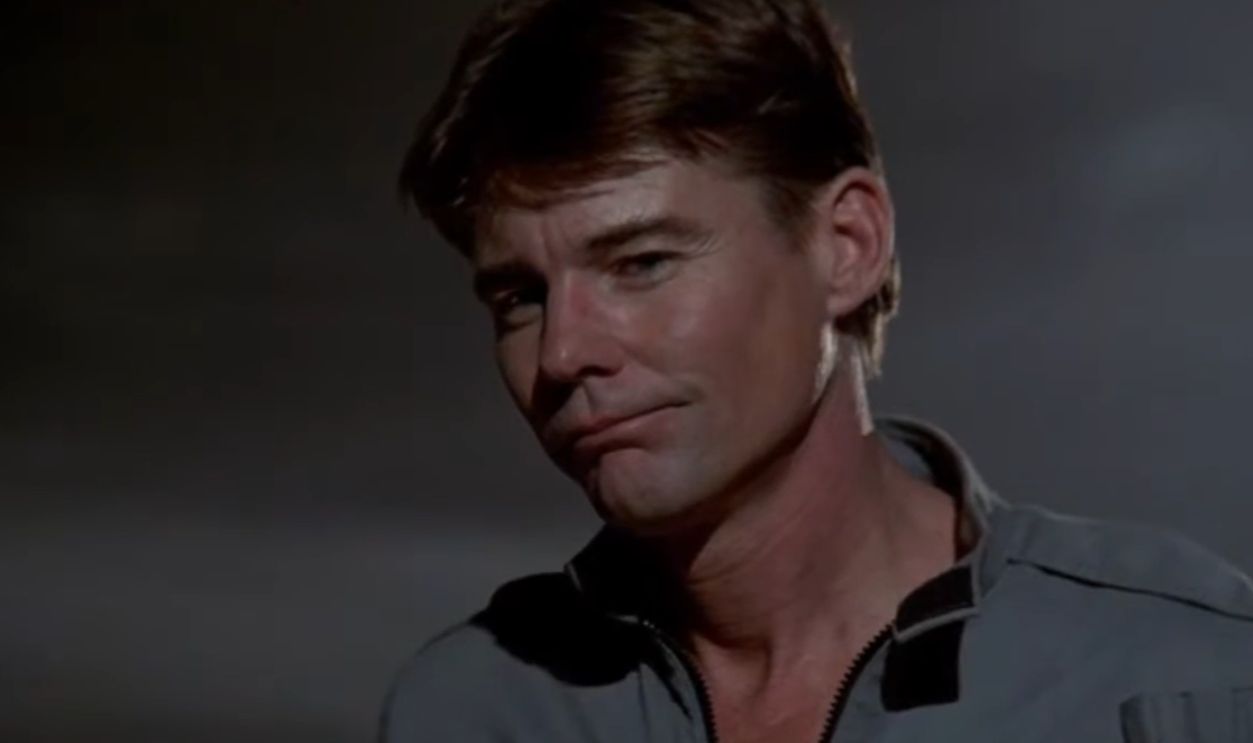 Screenshot from Airwolf, CBS (1984-1987)
John Gilbert
John Gilbert was not simply popular in the 1920s. He was one of MGM’s most bankable leading men, and his romance with Greta Garbo fascinated the public almost as much as their movies did. The familiar story that his voice ruined him is a myth. Poor projects, clashes with MGM and personal struggles helped turn one of Hollywood’s biggest stars into yesterday’s news.
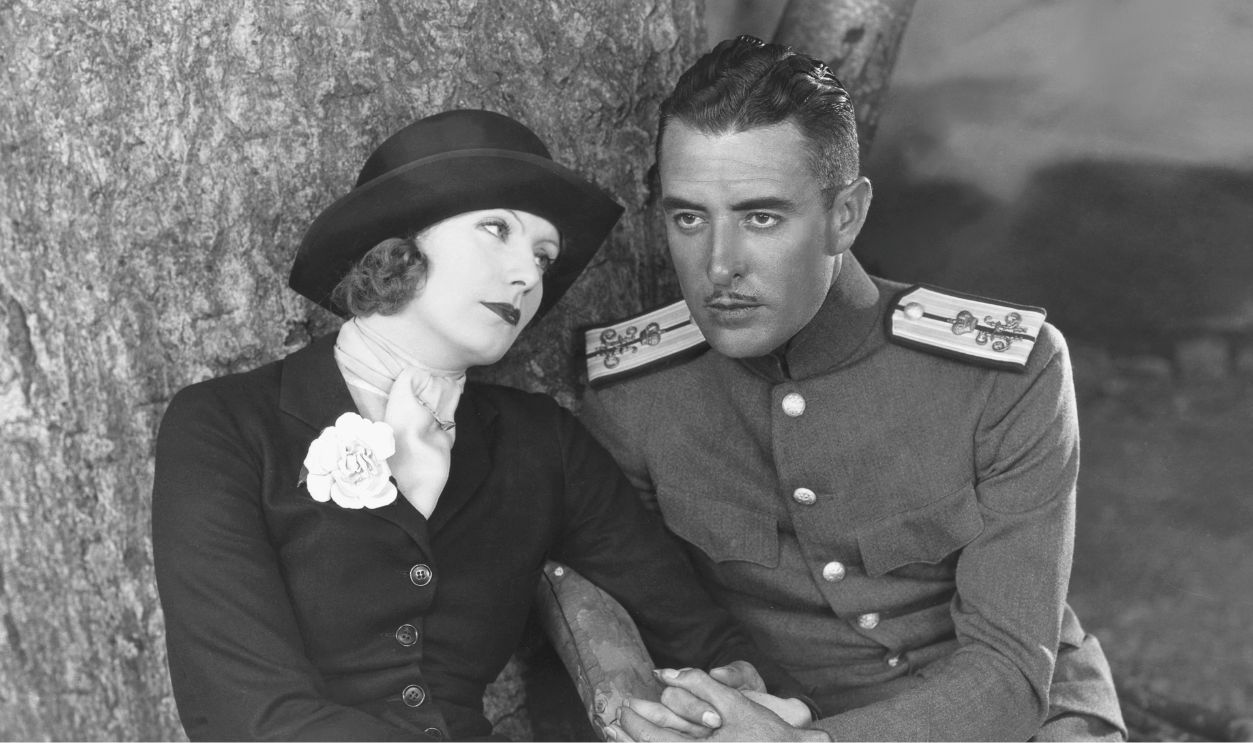 Sunset Boulevard, Getty Images
Bobby Sherman
Bobby Sherman’s face appeared on lunchboxes, cereal boxes, posters and practically every teen magazine in America. Here Come the Brides made him a television favorite, while songs such as “Little Woman” turned him into a pop star. Teenage fans once screamed at the sight of him. Their grandchildren probably need an explanation.
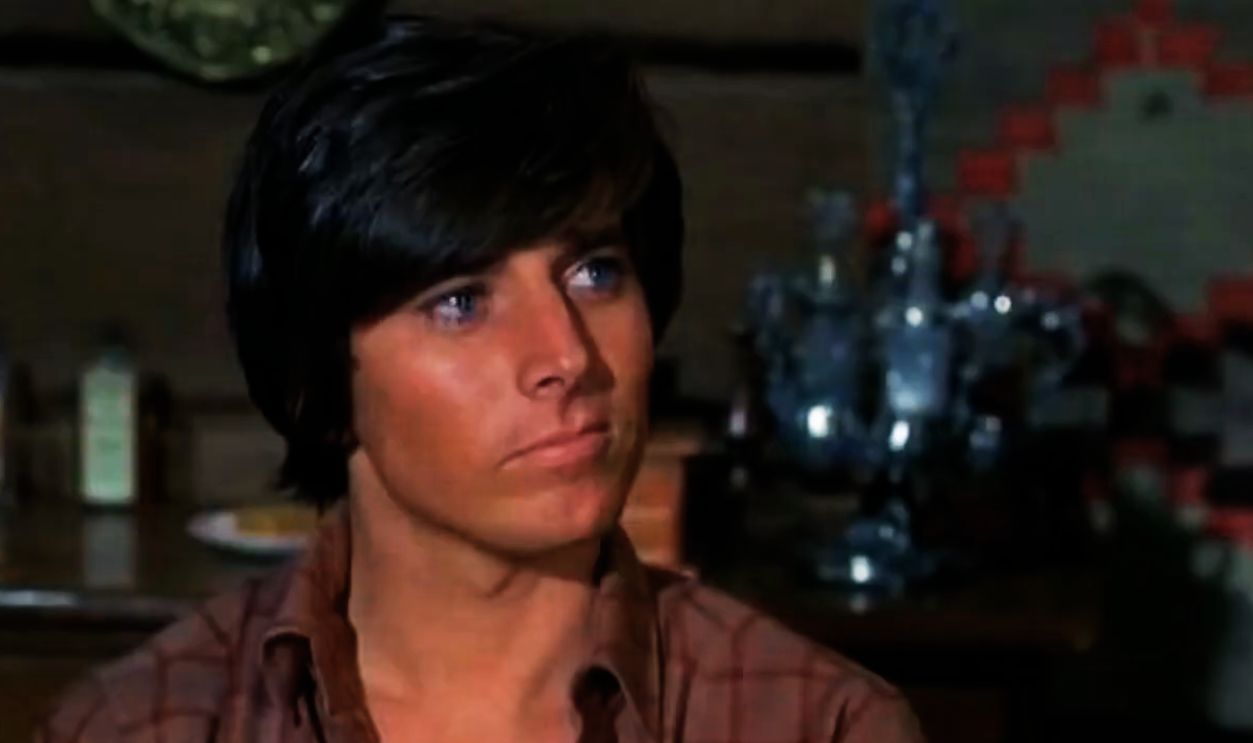 Screenshot from Here Come the Brides, ABC (1968–1970)
Jeffrey Hunter
Those piercing blue eyes helped make Jeffrey Hunter one of the most striking leading men of the 50s. He appeared in The Searchers, played Jesus in King of Kings and was the original Captain Christopher Pike in the first Star Trek pilot. Yet the handsome star behind those famous roles has largely been forgotten.
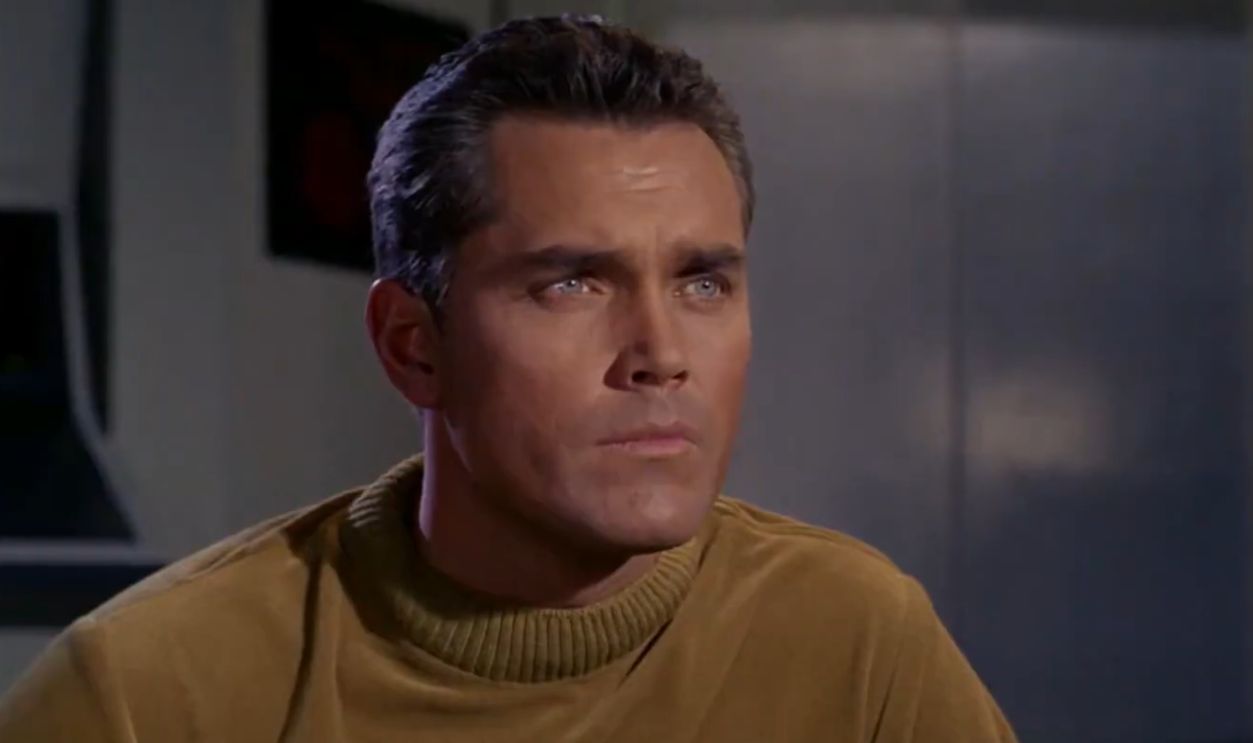 Screenshot from Star Trek, NBC (1965)
Wallace Reid
Paramount promoted Wallace Reid as “the screen’s most perfect lover,” and audiences apparently agreed. He appeared in nearly 200 films and became one of the silent era’s biggest male stars. But his life and career ended at just 31, long before his fame had any chance to survive the arrival of talking pictures.
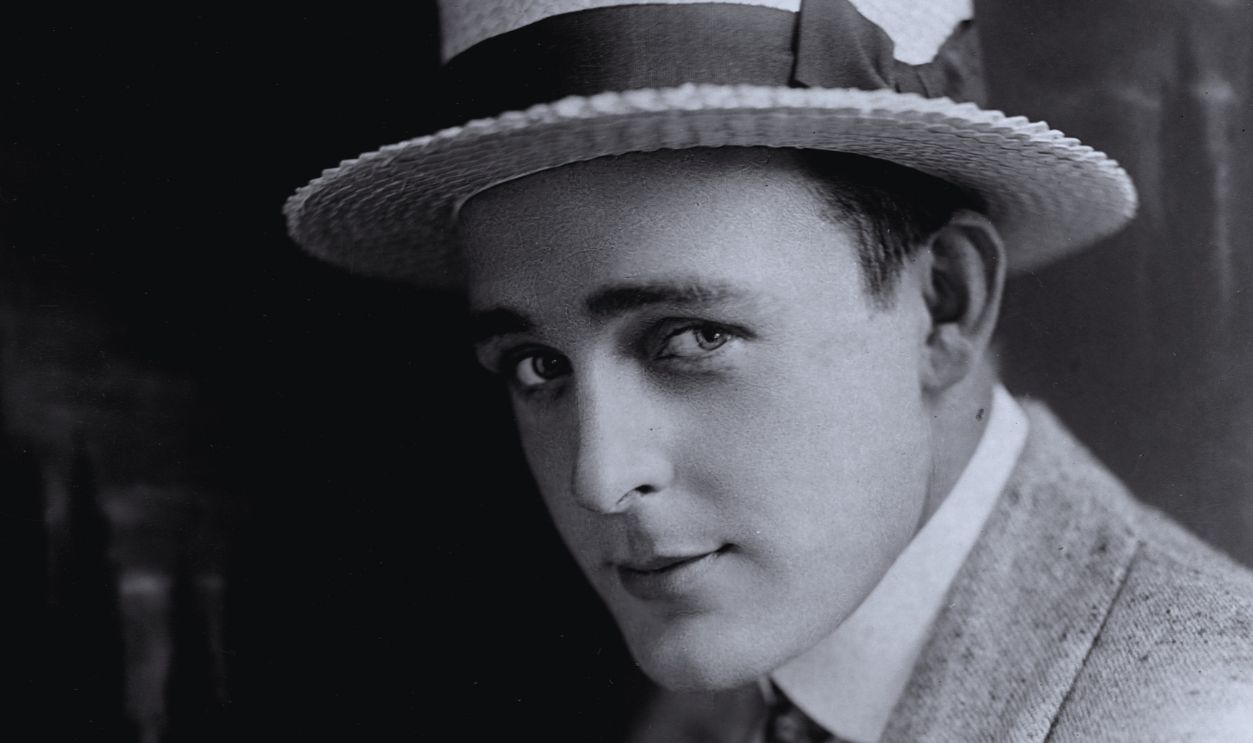 Library of Congress, Getty Images
Gardner McKay
Gardner McKay became a sensation as schooner captain Adam Troy on Adventures in Paradise. Fan mail poured in, magazines photographed him constantly and women tuned in whether they cared about tropical adventures or not. Then McKay did something Hollywood could barely understand: He walked away from acting and became a writer.
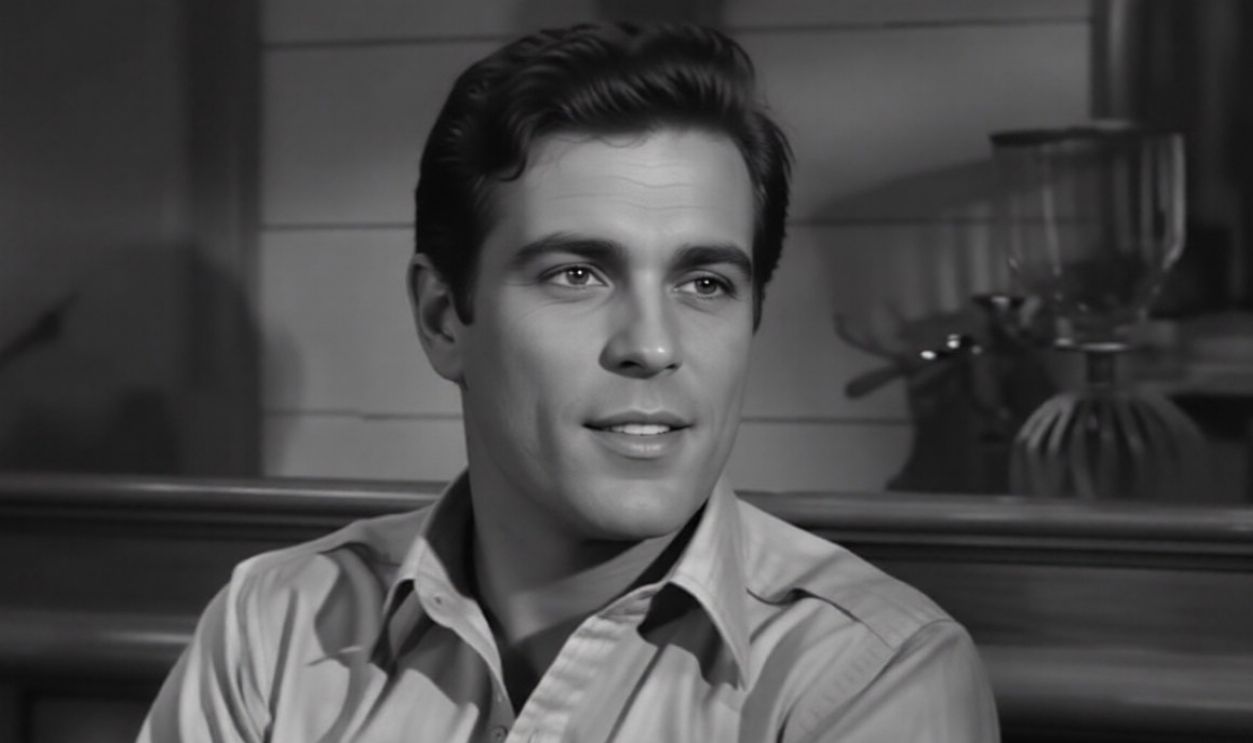 Screenshot from Adventures in Paradise, ABC (1959–1962), Enhanced
Tab Hunter
Tab Hunter was so popular in the 50s that acting was apparently not enough. He also recorded “Young Love,” which reached number one, while movies such as Battle Cry and Damn Yankees kept his face in theaters. His blond, clean-cut image once defined the American heartthrob. Today, even his name sounds like a forgotten brand.
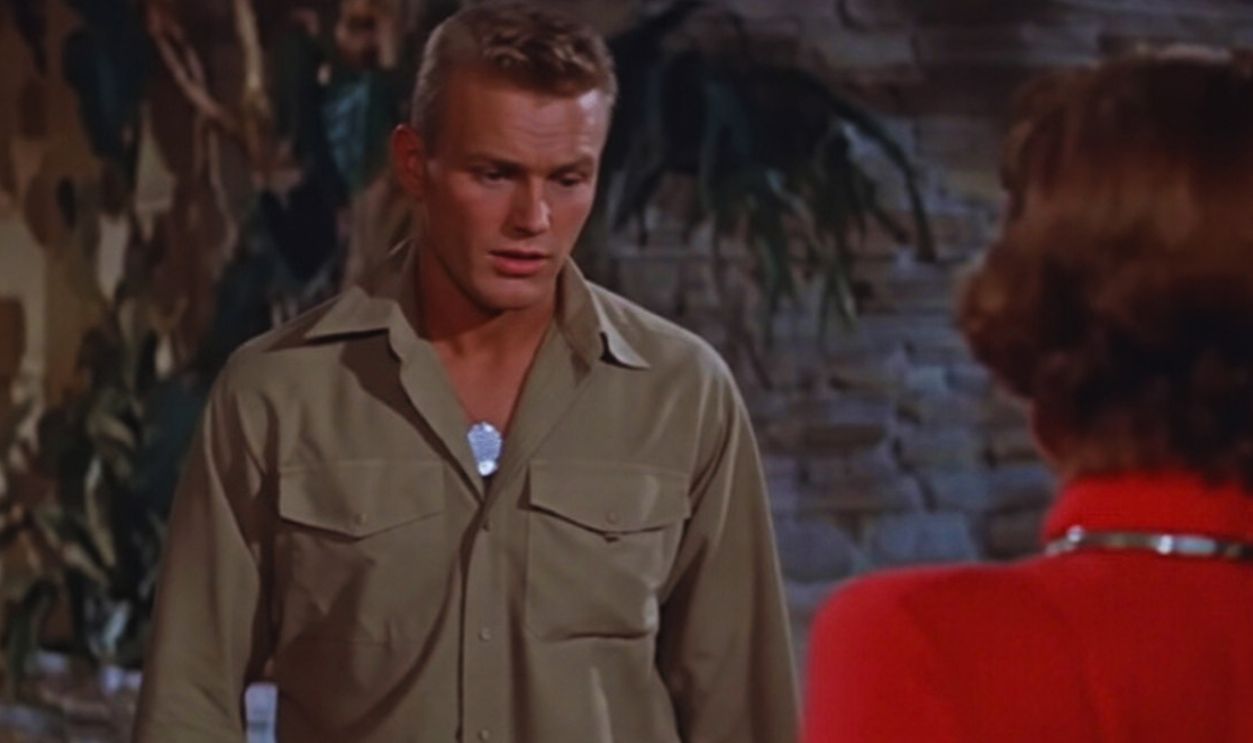 Screenshot from Battle Cry, Warner Bros. Pictures (1955)
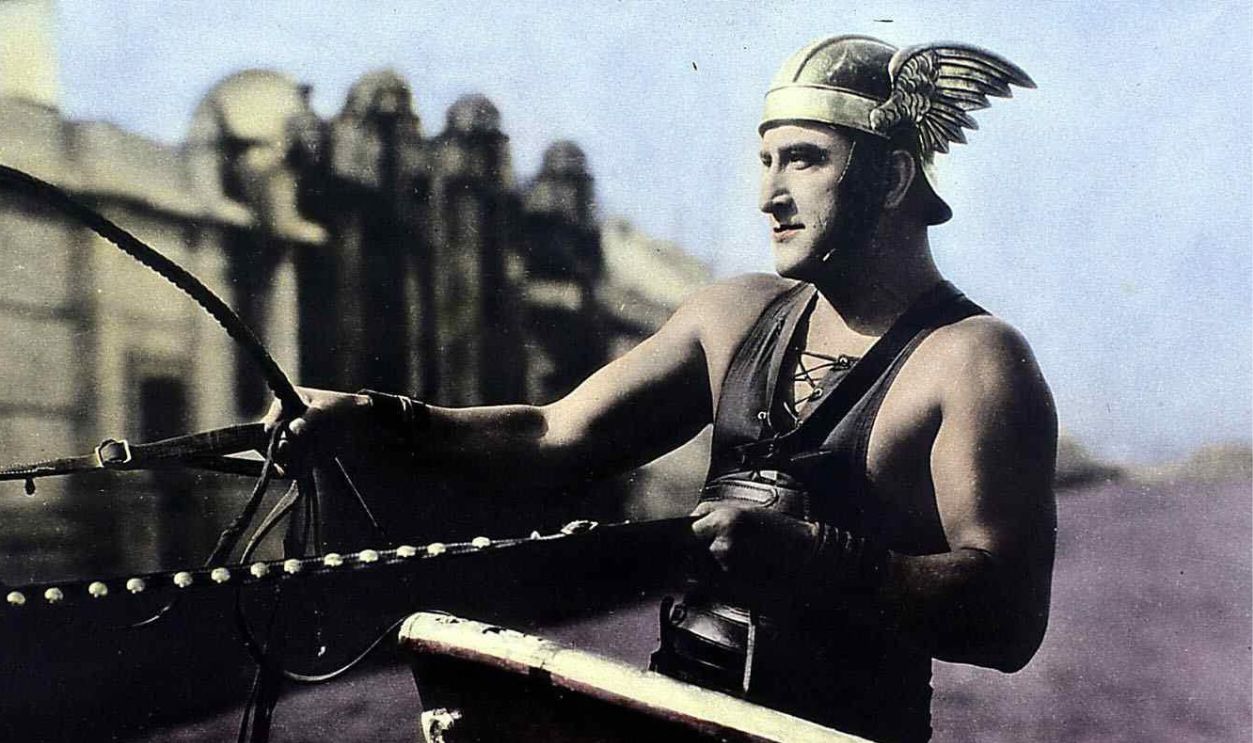
Francis X. Bushman
Long before anyone called Clark Gable the King of Hollywood, Francis X. Bushman was known as the “King of the Movies.” He received mountains of fan mail, appeared in hundreds of films and played Messala in the 1925 version of Ben-Hur. He was once among the most famous men alive. Now, few people recognize the name.
Edd Byrnes
One word made Edd Byrnes famous: “Kookie.” As the finger-combing parking attendant on 77 Sunset Strip, Byrnes became a late-50s sensation. He even reached the pop charts with Connie Stevens on “Kookie, Kookie (Lend Me Your Comb).” Decades later, younger viewers are more likely to recognize his small role in Grease—if they recognize him at all.
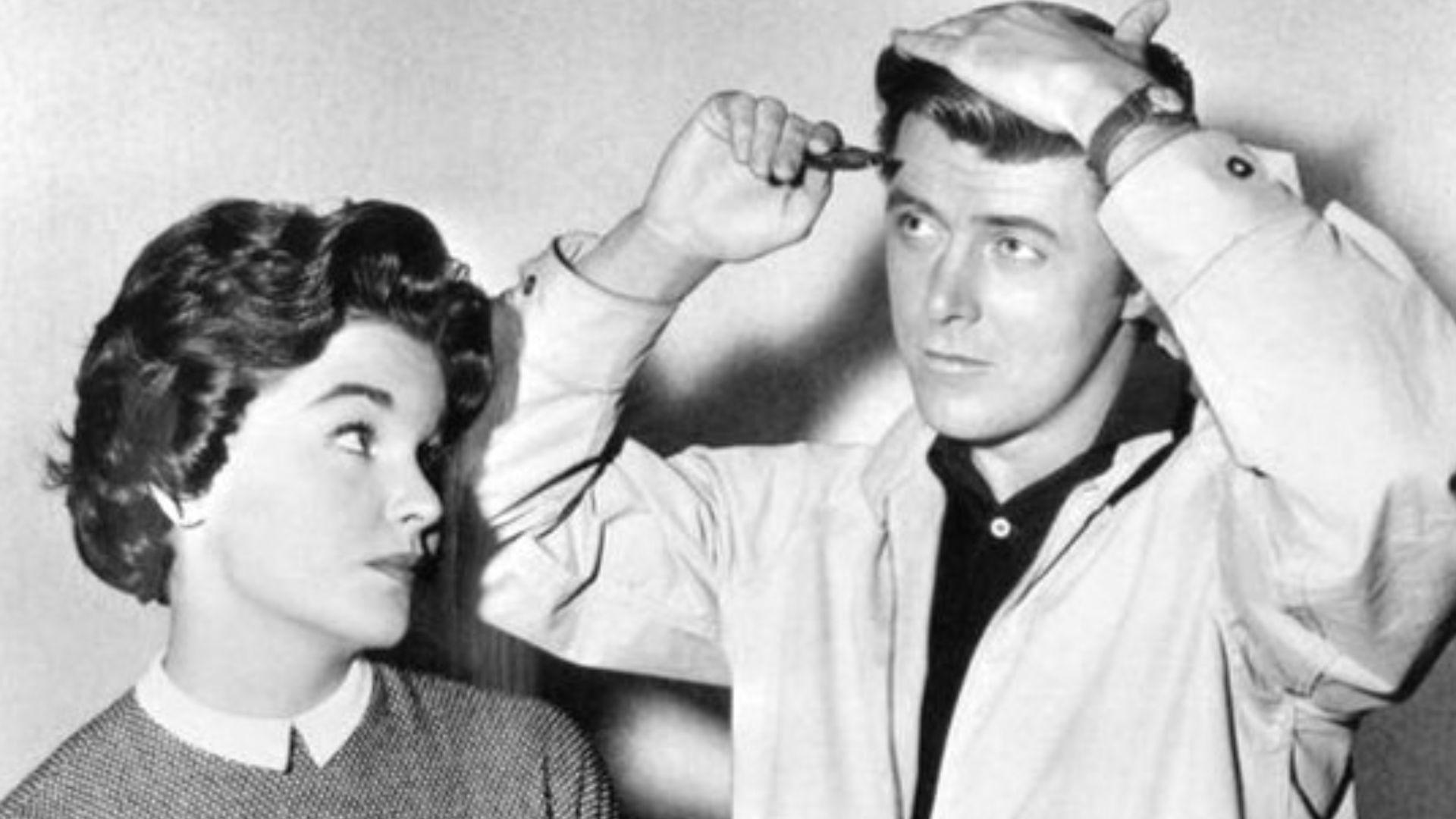 ABC Television, Wikimedia Commons
Guy Madison
Guy Madison was serving in the Coast Guard when Hollywood noticed his looks and put him in Since You Went Away. He barely had any dialogue, but audiences noticed him immediately. He later became television’s Wild Bill Hickok and spent years riding across screens. Once the Western craze faded, however, Madison largely disappeared with it.
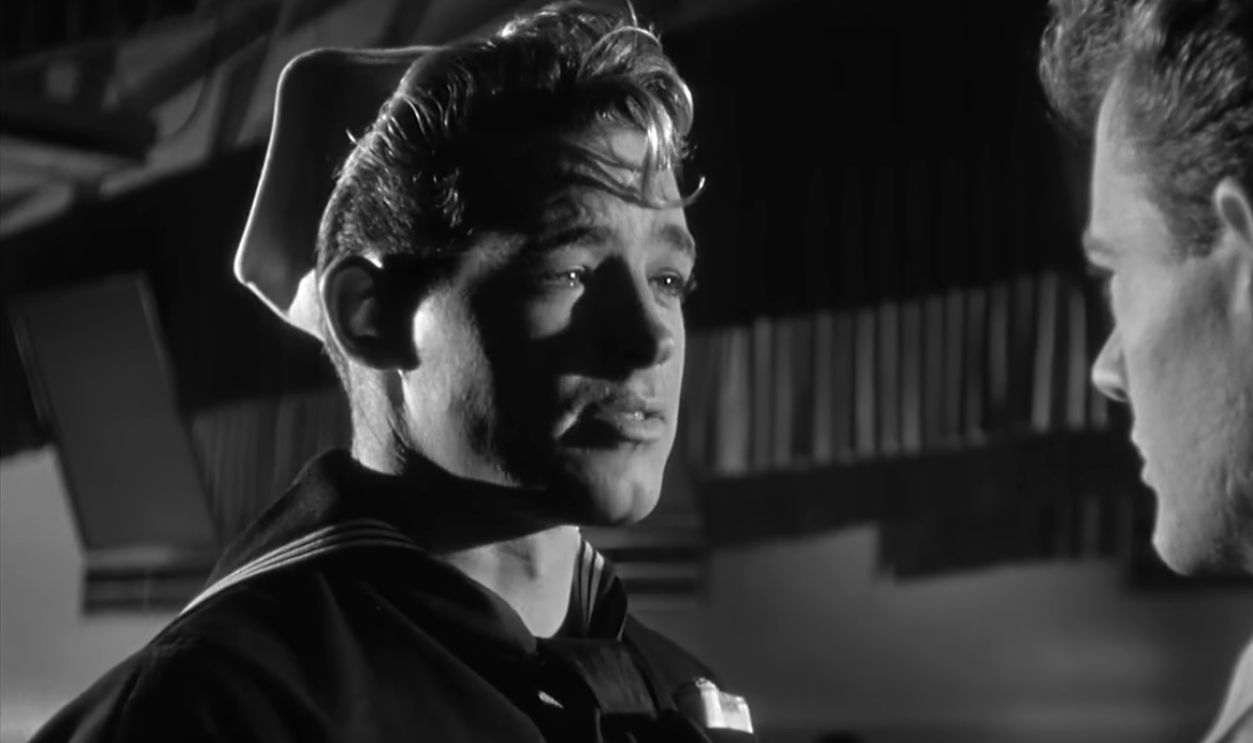 Screenshot from Since You Went Away, United Artists (1944)
Richard Barthelmess
Richard Barthelmess was one of the biggest stars of silent Hollywood. He starred in Broken Blossoms and Way Down East, helped establish the Academy of Motion Picture Arts and Sciences and received a Best Actor nomination at the very first Academy Awards. It is hard to imagine a résumé like that becoming this forgotten...but it did.
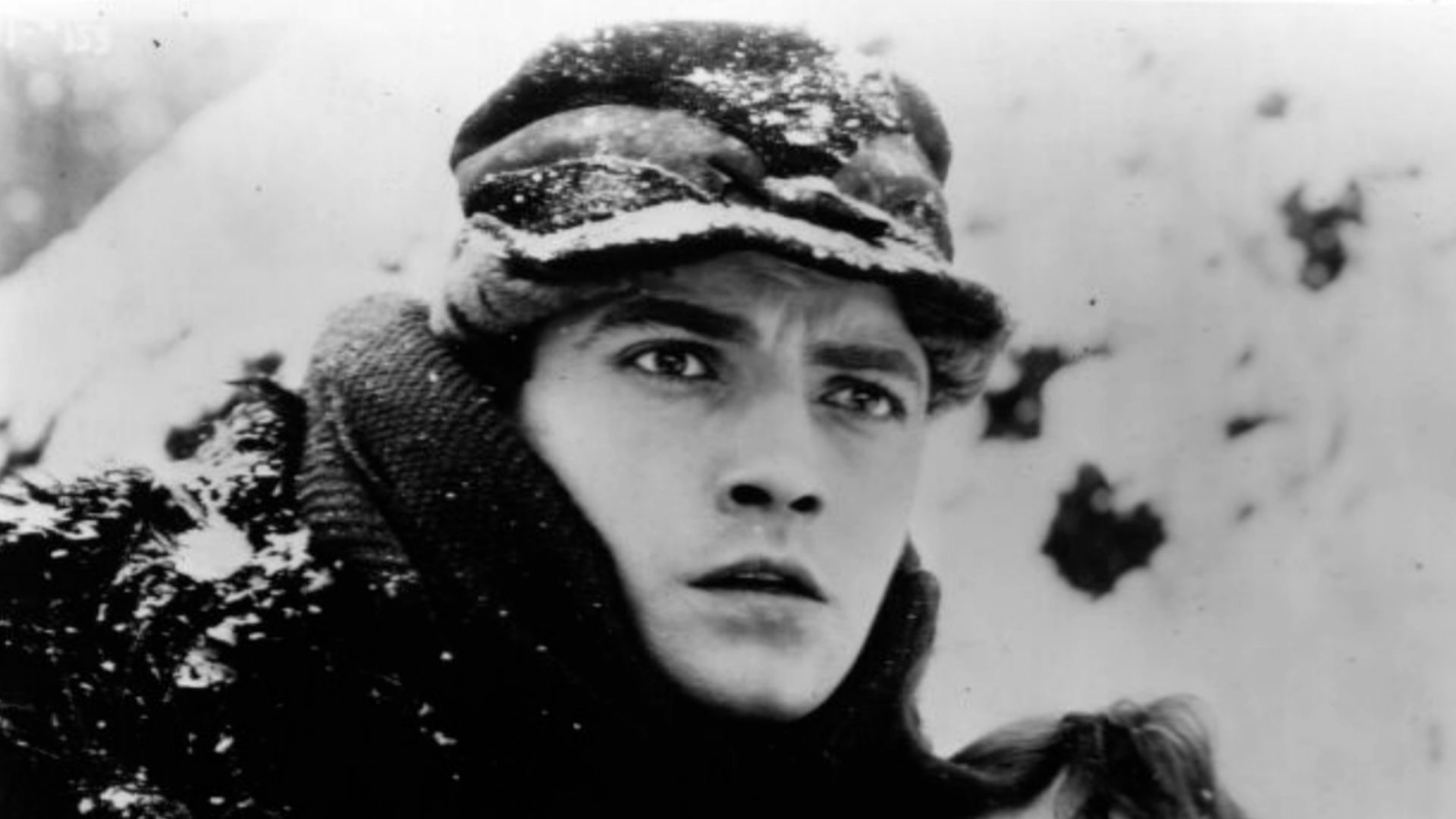 D.W. Griffith, Inc., Wikimedia Commons
George Maharis
As Buz Murdock on Route 66, George Maharis became one of television’s first great road-trip heartthrobs. His brooding looks brought magazine covers, an Emmy nomination and several albums. His 1962 recording of “Teach Me Tonight” even reached the Billboard Hot 100. But after leaving the hit series, his career never regained the same momentum.
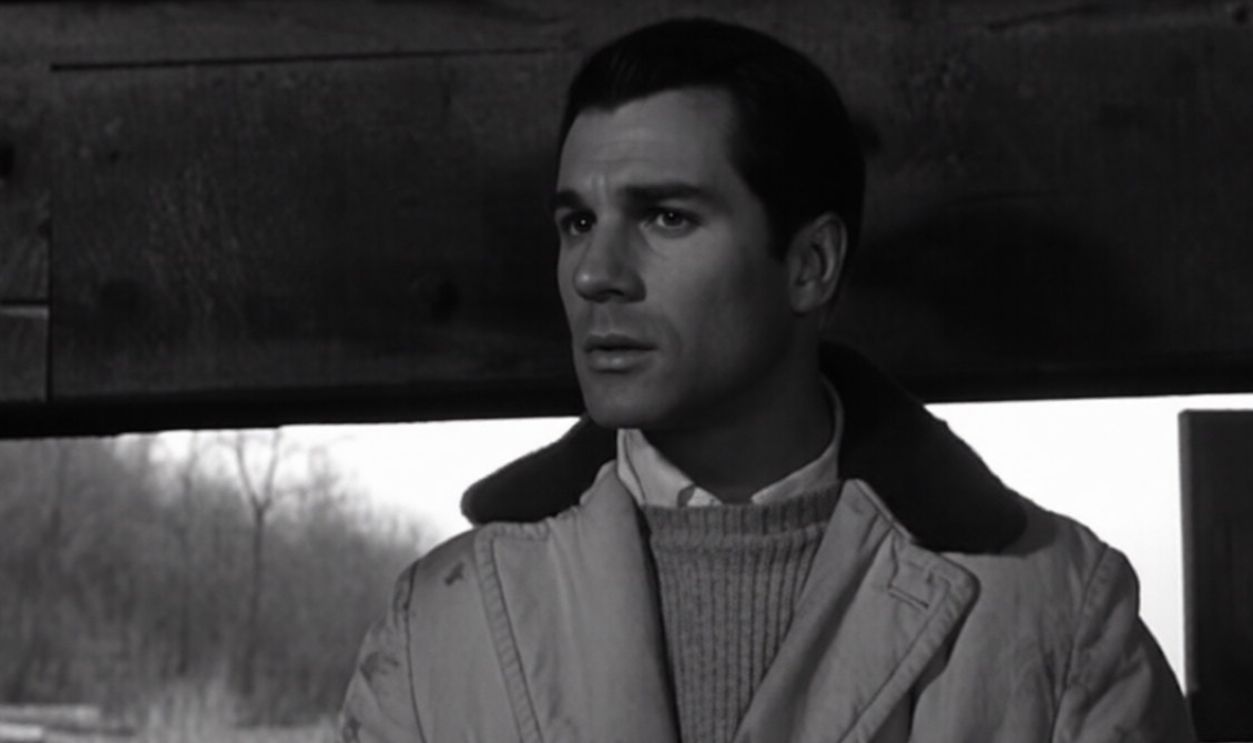 Screenshot from Route 66, CBS (1960–1964), Enhanced
John Payne
John Payne sang and danced through Fox musicals before appearing in one of the most enduring Christmas movies ever made, Miracle on 34th Street. He later reinvented himself as a tougher Western and crime star. Millions still watch his most famous movie every December, yet remarkably few could tell you the leading man’s name.
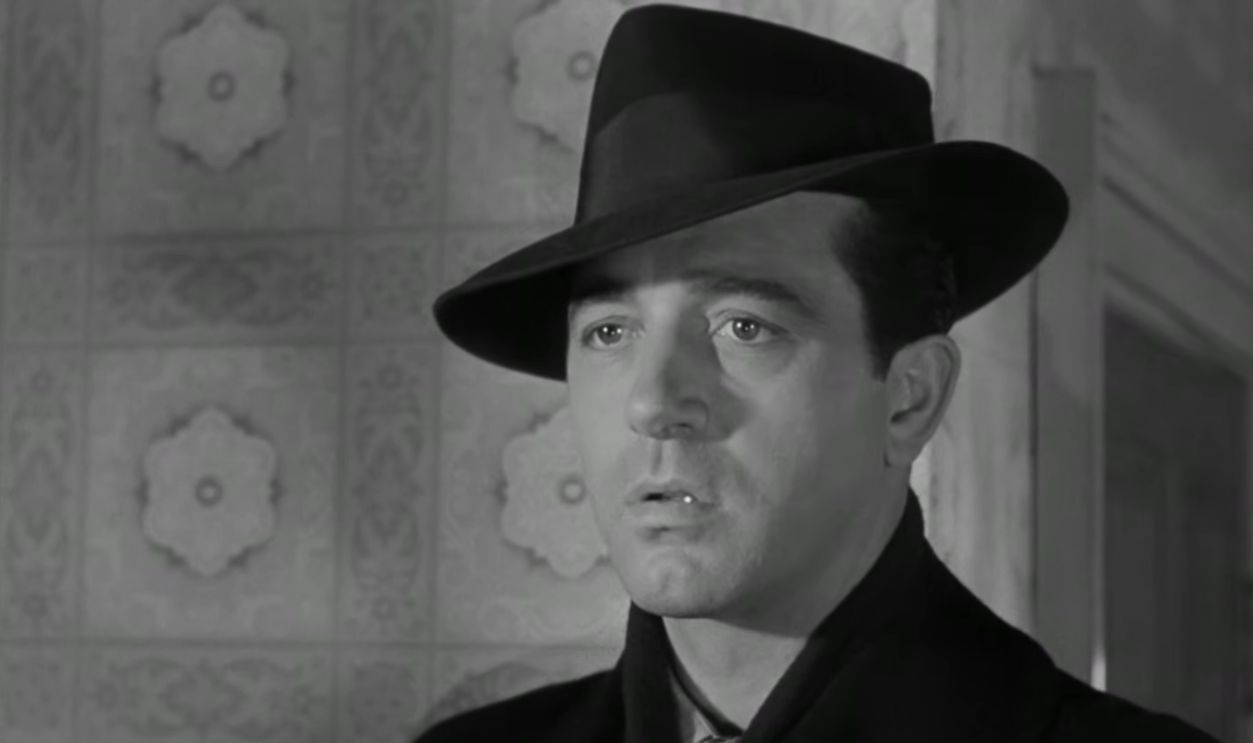 Screenshot from Miracle on 34th Street, 20th Century Fox (1947)
Ty Hardin
Warner Bros. introduced Ty Hardin as Bronco Layne on Cheyenne before giving the character his own series, Bronco. With his rugged looks and enormous frame, Hardin seemed built for the Western boom. But television eventually stopped producing quite so many handsome cowboys, and one of its most recognizable faces faded from view.
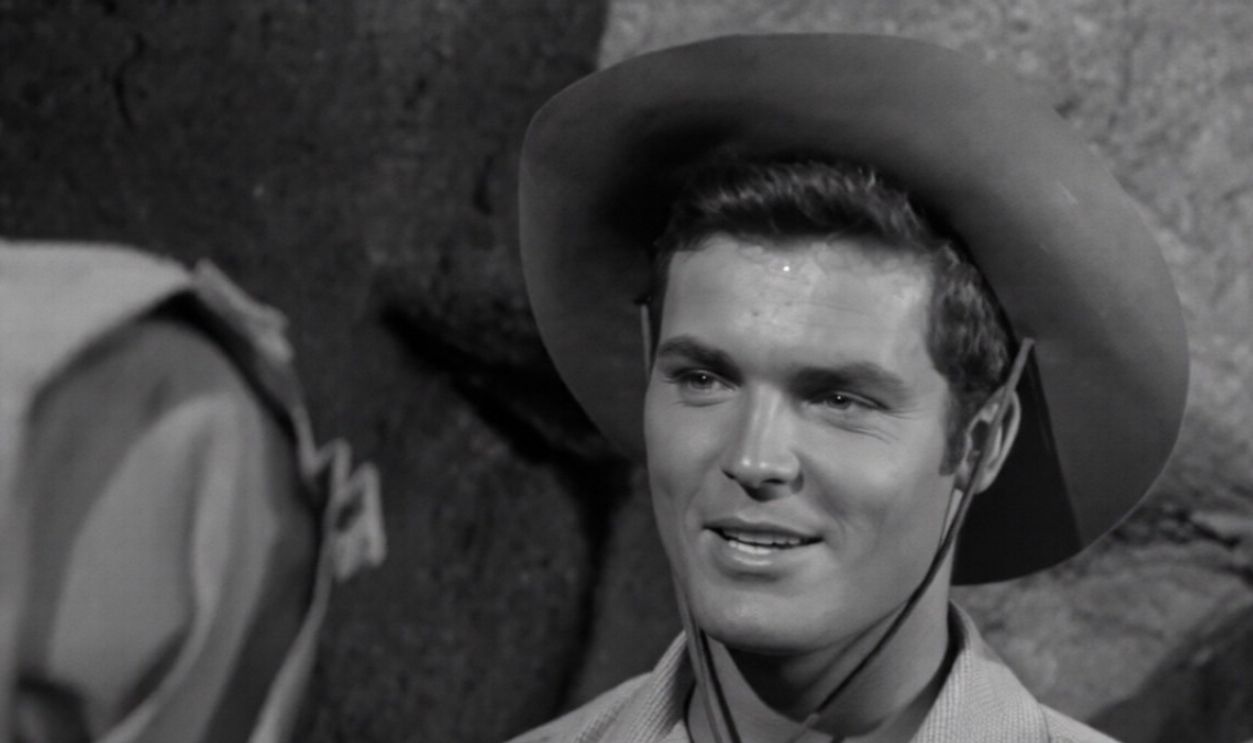 Screenshot from Bronco, ABC (1958–1962), Enhanced
Antonio Moreno
Antonio Moreno was playing romantic leads before Rudolph Valentino became Hollywood’s favorite Latin lover. During the 1910s and 20s, Moreno starred opposite some of the screen’s biggest women and later appeared with Greta Garbo in The Temptress. He successfully moved into character roles, but his years as a major heartthrob have almost completely vanished.
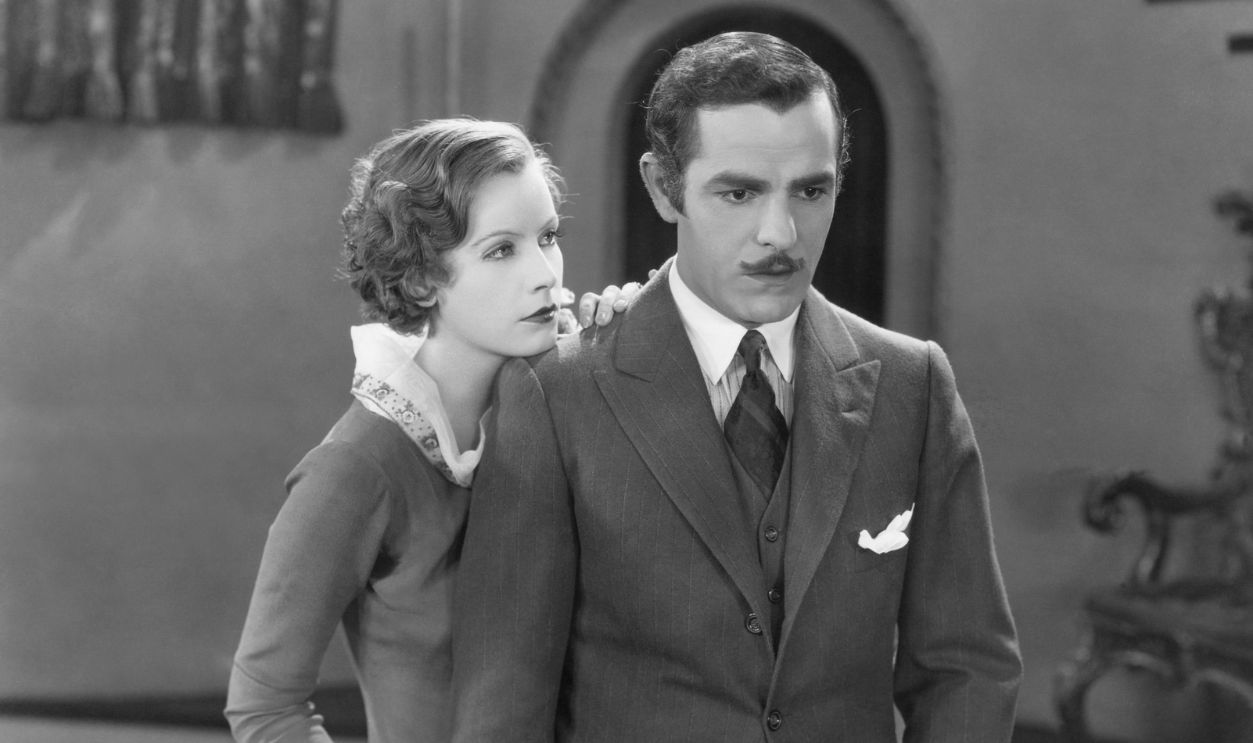 De Carvalho Collection, Getty Images
Vince Edwards
When Ben Casey premiered in 1961, Vince Edwards made brooding doctors look exciting long before television hospitals were packed with them. The medical drama became a major hit, and Edwards suddenly found himself surrounded by fans. Once the series ended, he continued acting and directing—but never again reached that extraordinary level of fame.
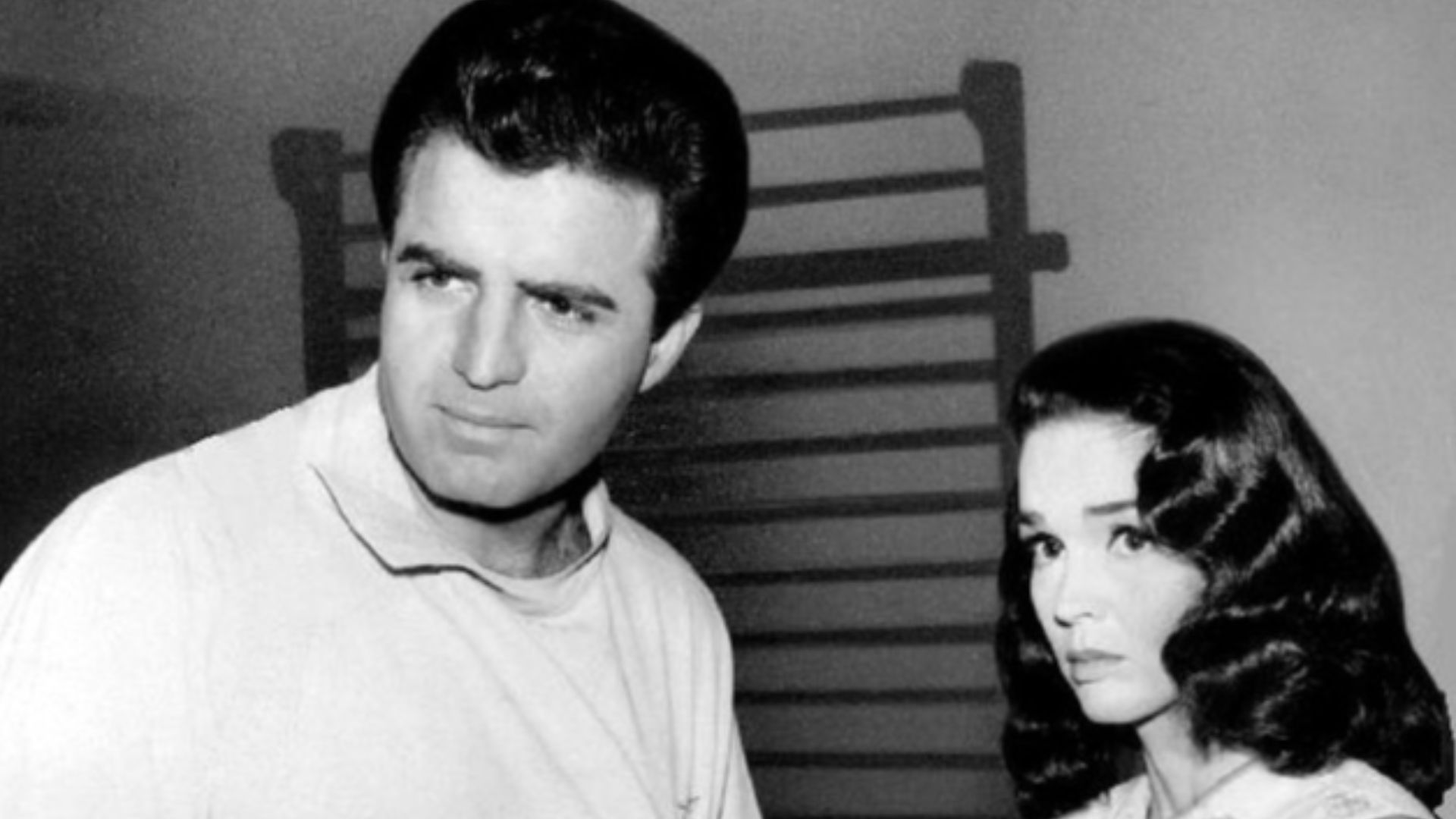 ABC Television, Wikimedia Commons
Rory Calhoun
Rory Calhoun shared the screen with Marilyn Monroe in How to Marry a Millionaire and River of No Return, then became a dependable star of Westerns. His rugged image kept him working in movies and television for decades. Today, Monroe remains one of the world’s most recognizable faces while Calhoun has become a trivia question.
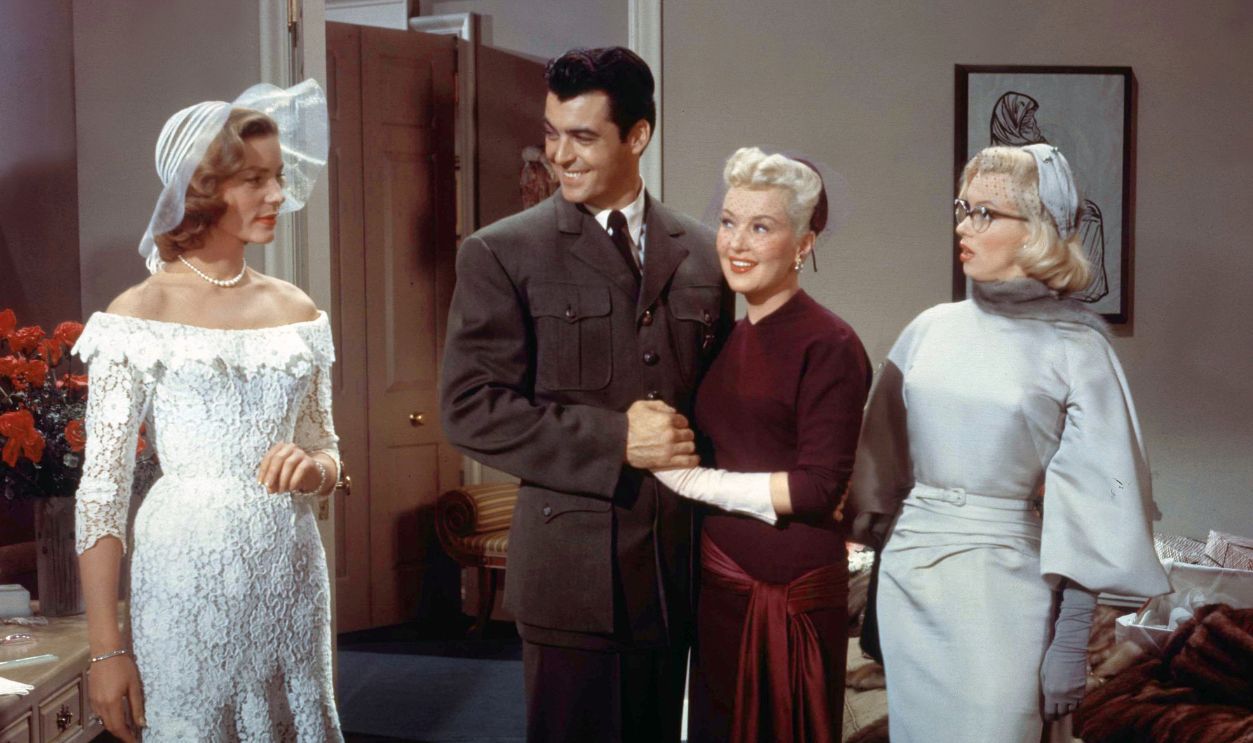 Sunset Boulevard, Getty Images
Kerwin Mathews
Kerwin Mathews fought stop-motion monsters as the dashing hero of The 7th Voyage of Sinbad. He returned for more fantasy adventures in The Three Worlds of Gulliver and Jack the Giant Killer, making him a familiar face to an entire generation of young moviegoers. Somehow, the creatures became more famous than the man battling them.
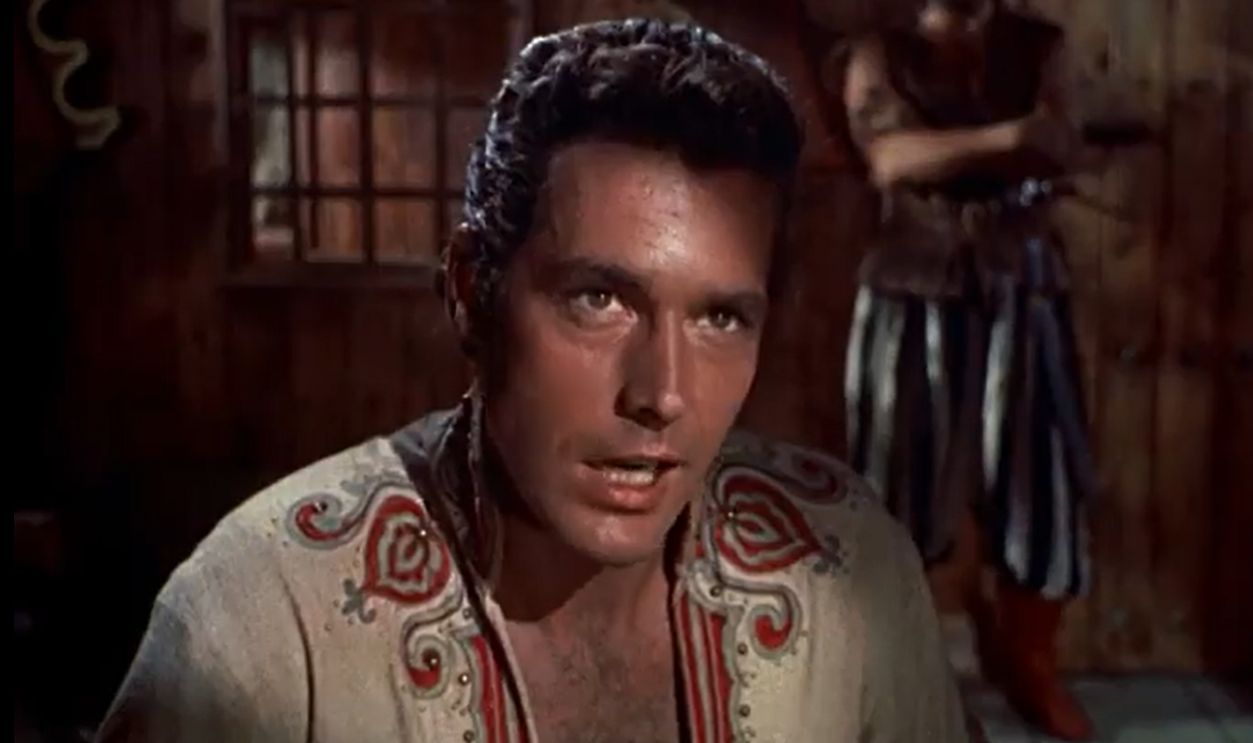 Screenshot from The 7th Voyage of Sinbad, Columbia Pictures (1958)
Doug McClure
Doug McClure spent nine seasons playing Trampas on The Virginian, becoming one of television’s most dependable Western heartthrobs. He later starred in a string of wonderfully strange adventure movies filled with dinosaurs and lost worlds. His fame faded, although The Simpsons’ Troy McClure helped keep a small piece of his name alive.
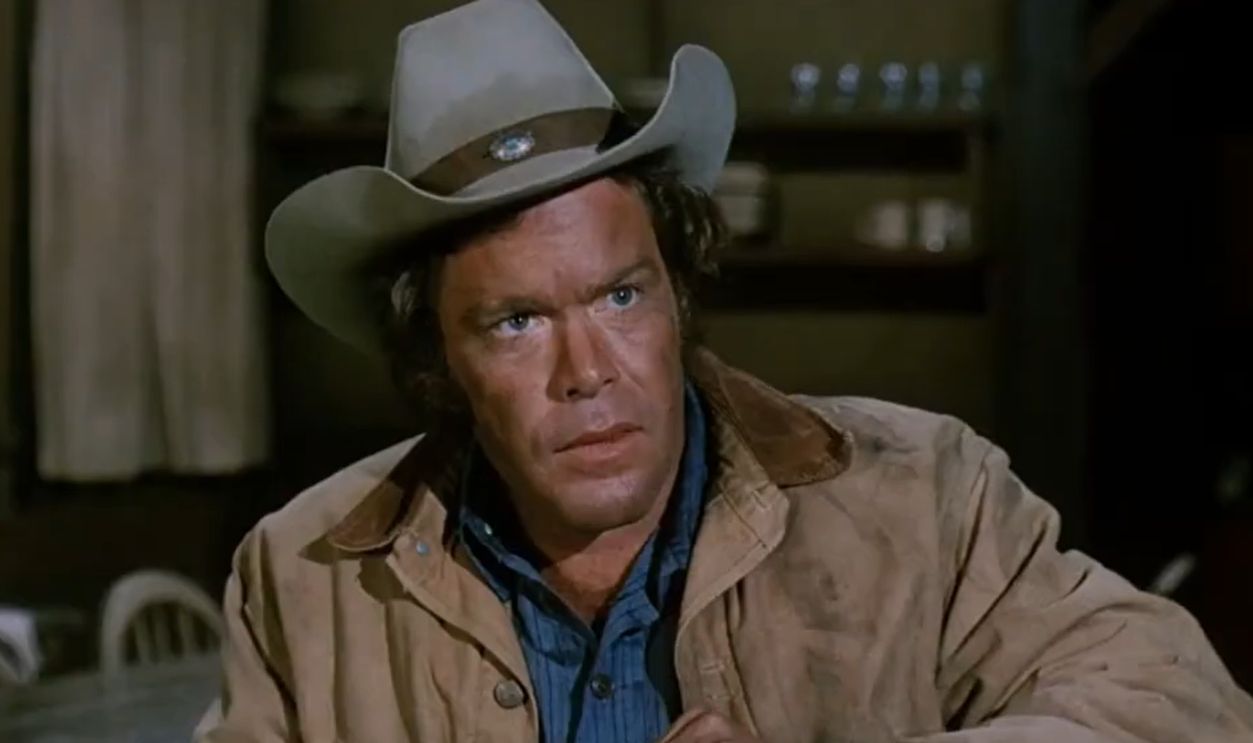 Screenshot from The Virginian, NBC (1962–1971)
Charles Farrell
Charles Farrell and Janet Gaynor were one of the silent screen’s most beloved romantic pairings. Their chemistry in 7th Heaven was so successful that they made numerous films together, and fans desperately wanted them to be a real-life couple. Farrell later found television fame on My Little Margie, but neither wave of stardom lasted.
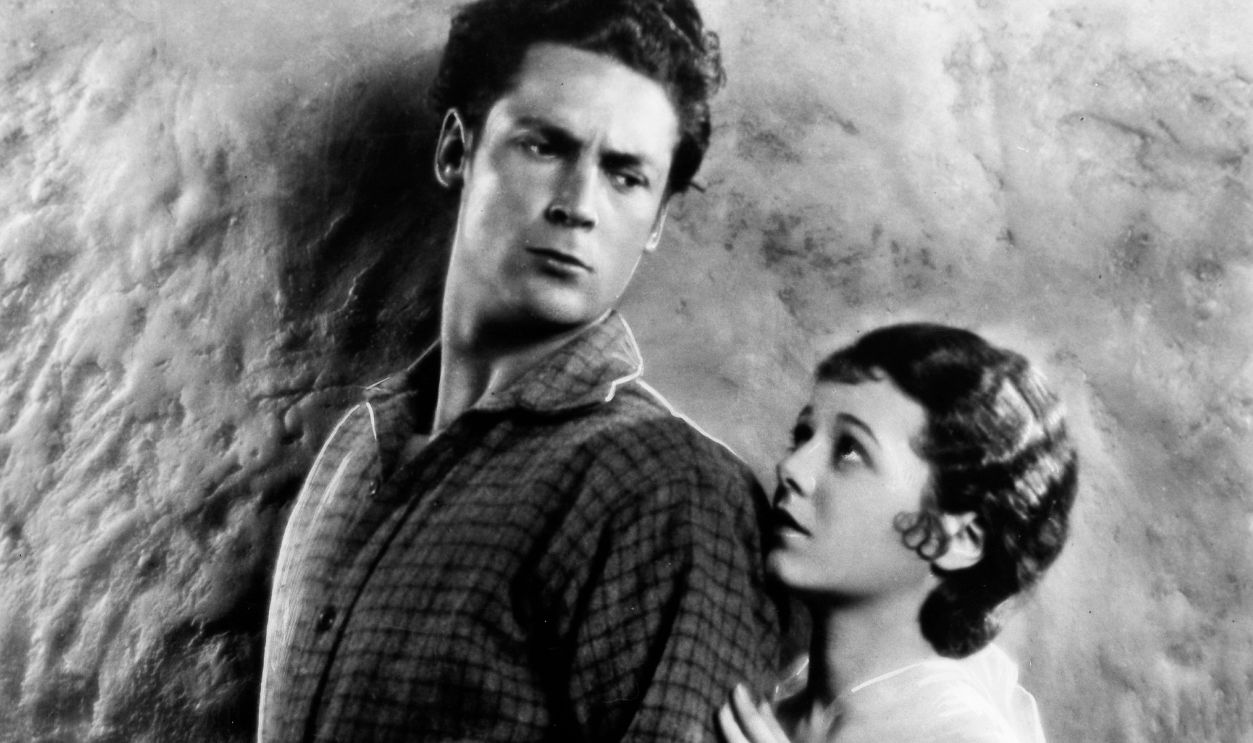 ullstein bild Dtl., Getty Images
John Derek
Before he became better known as a photographer, director and Bo Derek’s husband, John Derek was a strikingly handsome movie star. He appeared in All the King’s Men, Knock on Any Door and Rogues of Sherwood Forest. Columbia once groomed him for major stardom, but the leading-man career never became as permanent as expected.
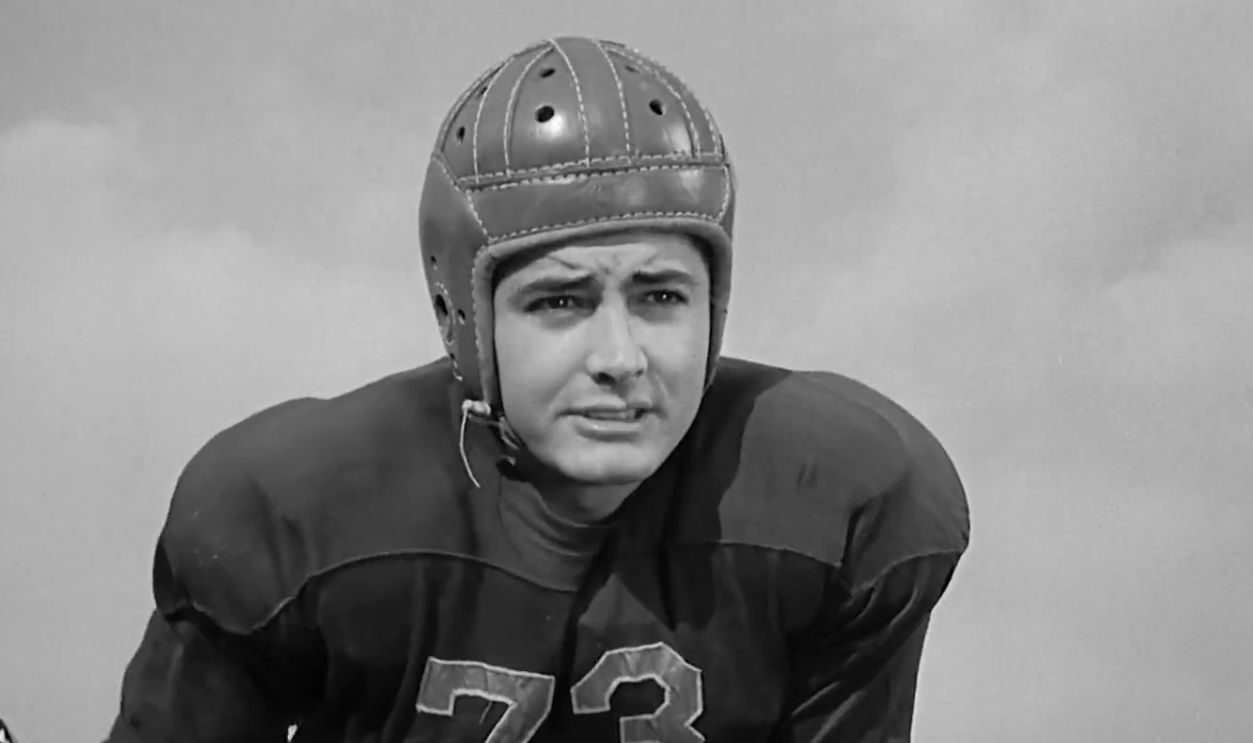 Screenshot from All the King's Men, Columbia Pictures (1949)
James Franciscus
James Franciscus had the blond hair, serious expression and polished voice that made him seem destined for lasting stardom. He played the idealistic teacher on Mr. Novak, starred in Longstreet and took over the leading-man duties in Beneath the Planet of the Apes. Yet his name has become far less familiar than his work.
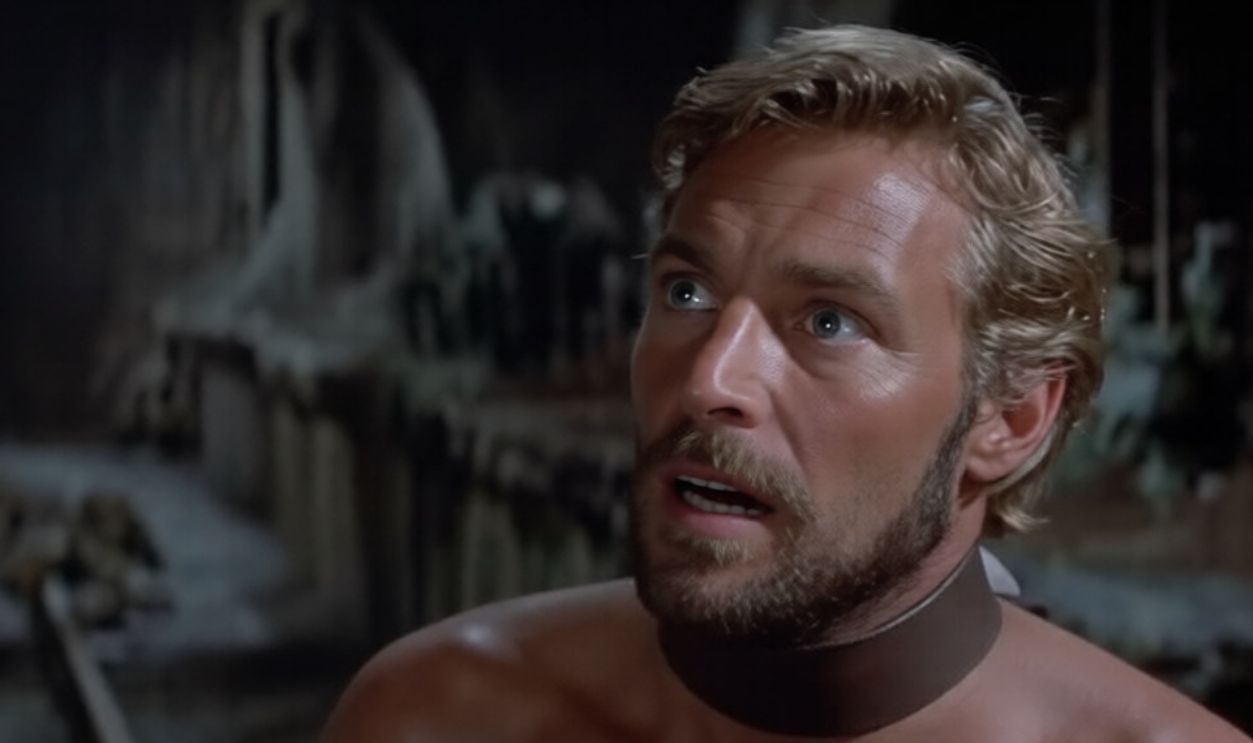 Screenshot from Beneath the Planet of the Apes, 20th Century Fox (1970), Enhanced
Lew Ayres
Lew Ayres became a major star as the young soldier in All Quiet on the Western Front, then spent years playing Dr. Kildare in a popular series of films. He also starred opposite Greta Garbo and married Ginger Rogers. It was a thoroughly impressive Hollywood life—yet Ayres has somehow slipped out of mainstream movie memory.
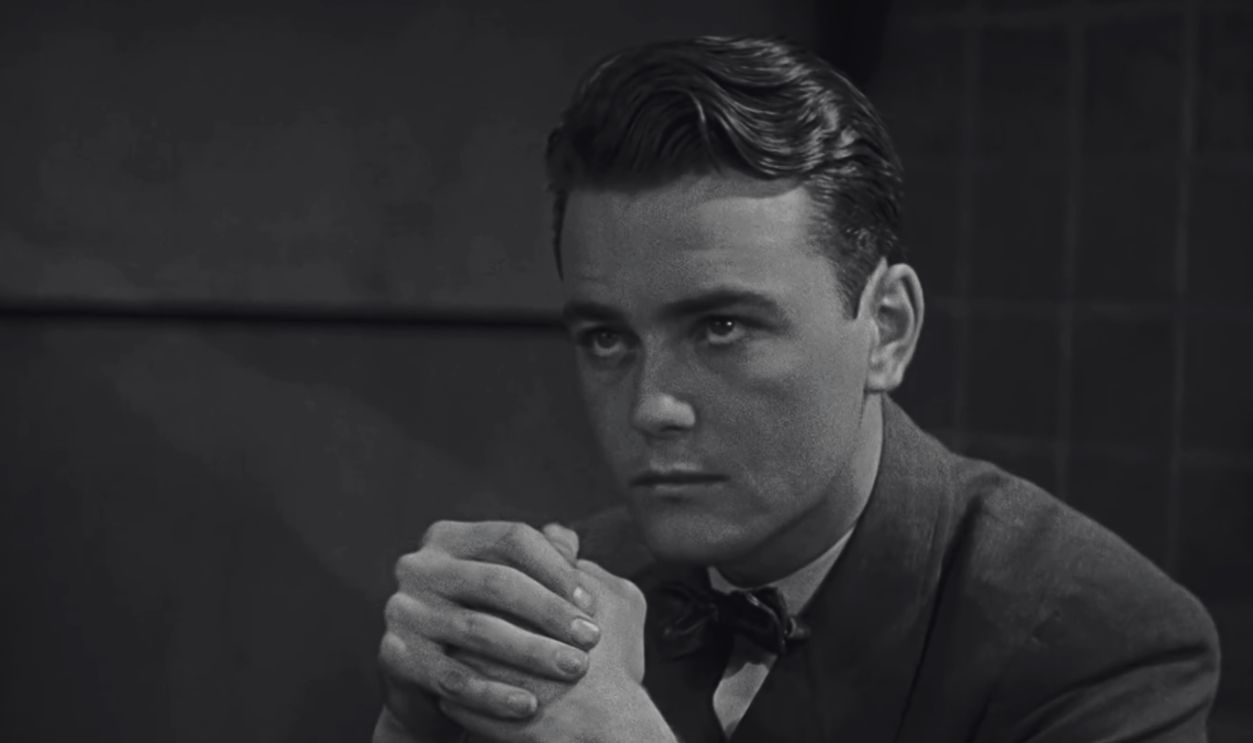 Screenshot from All Quiet on the Western Front, Universal Pictures (1930)
George Nader
George Nader won a Golden Globe as a promising newcomer and became one of Universal’s busiest leading men during the 50s. He starred in crime pictures, adventures and the wonderfully odd Robot Monster. When bigger stars received the studio’s best projects, Nader was gradually pushed toward television and European films.
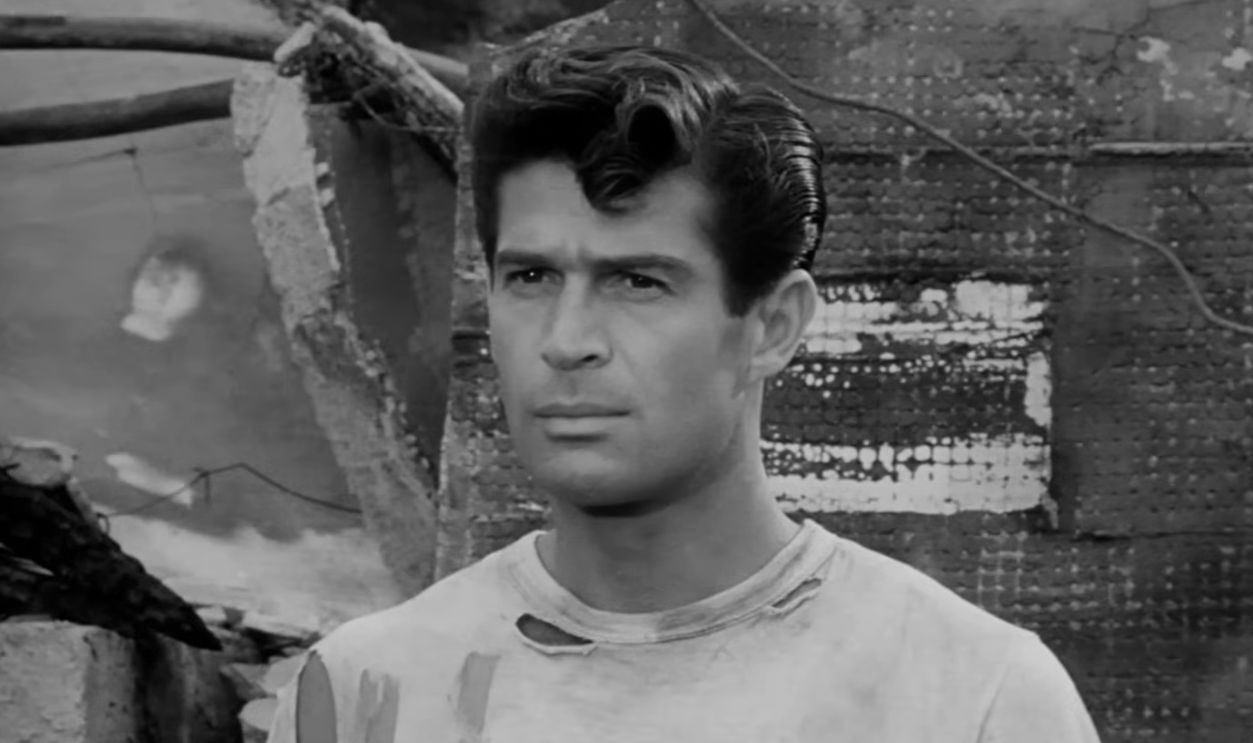 Screenshot from Robot Monster, Astor Pictures (1953)
Cornel Wilde
Cornel Wilde earned an Academy Award nomination for playing Frédéric Chopin in A Song to Remember. He followed it with major roles in Forever Amber and The Greatest Show on Earth, while magazines enthusiastically promoted his looks. Wilde later became a respected director, but neither side of his career is widely remembered today.
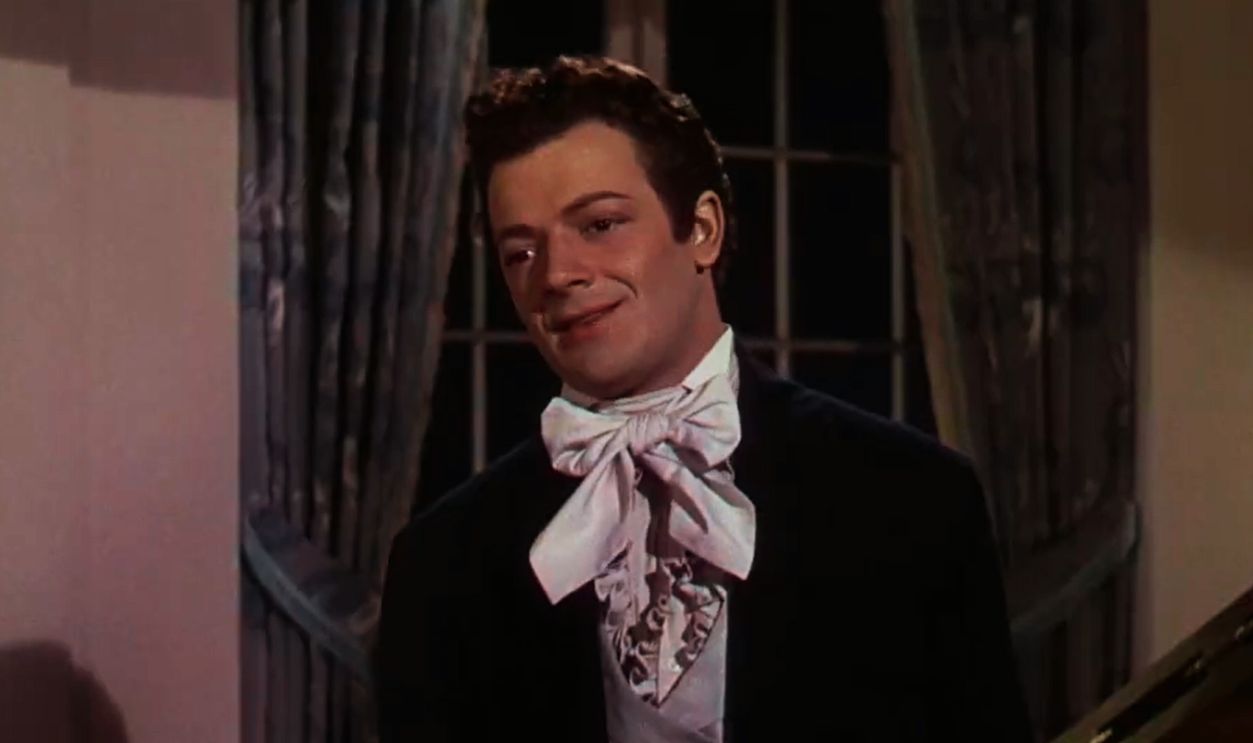 Screenshot from A Song to Remember, Columbia Pictures (1945)
George O’Brien
George O’Brien starred in F.W. Murnau’s Sunrise, now regarded as one of the greatest silent films ever made. He was also a hugely popular Western star, spending years riding horses, chasing villains and looking remarkably clean while doing it. The film survived as a classic. Its once-famous leading man became much harder to remember.
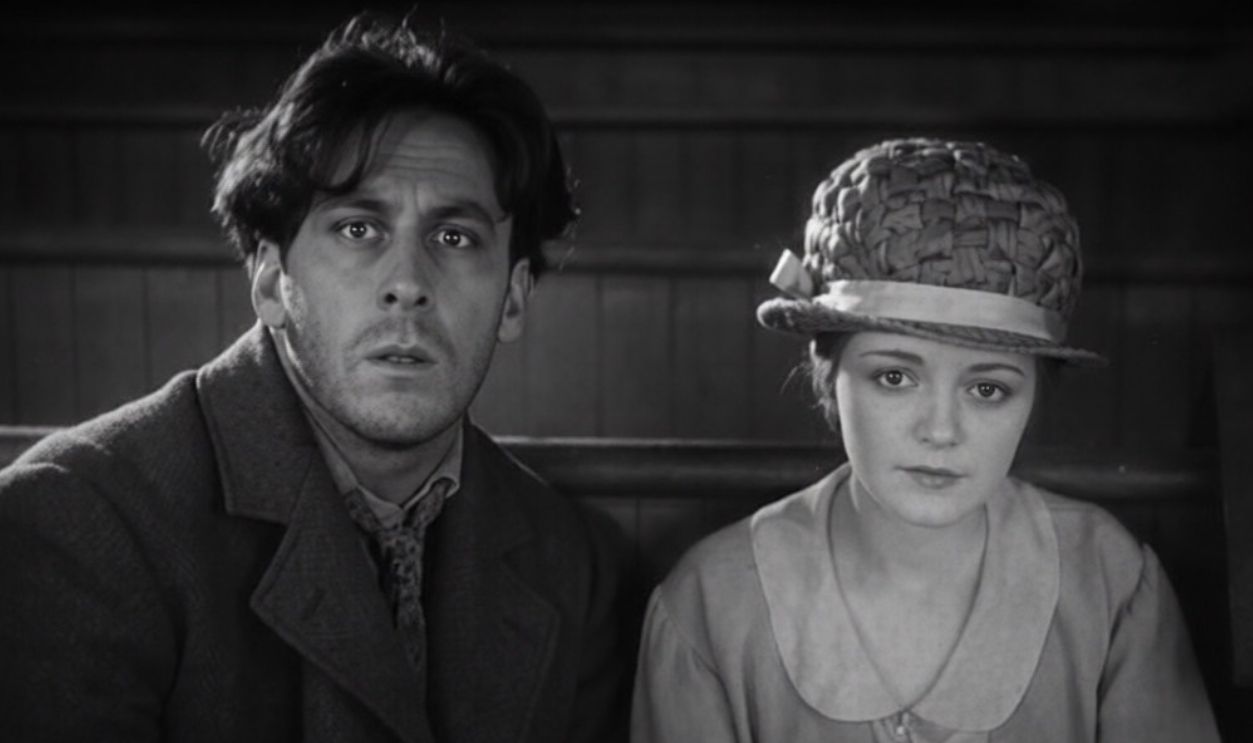 Screenshot from Sunrise: A Song of Two Humans, Fox Film Corporation (1927), Enhanced
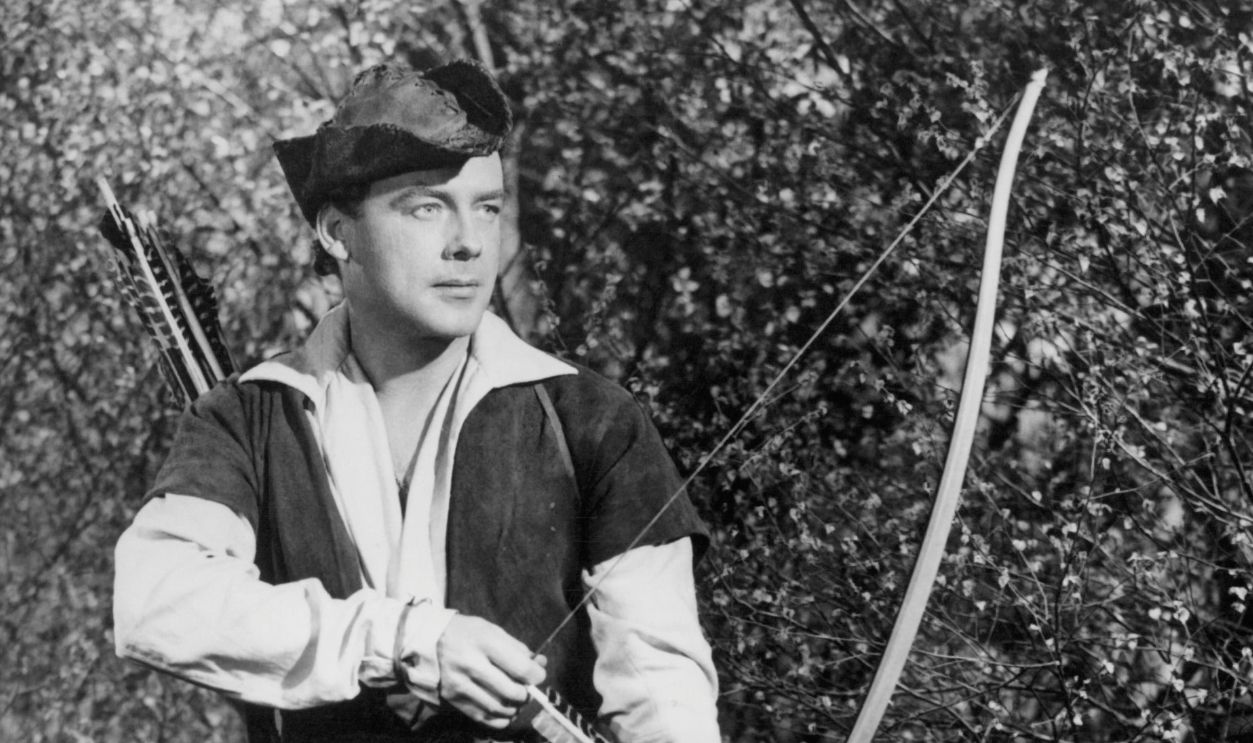
Richard Greene
At 20, Richard Greene joined 20th Century Fox as a potential rival to MGM’s Robert Taylor. His fan mail soon rivaled that of Fox star Tyrone Power. Greene later found his defining role in The Adventures of Robin Hood, appearing in 143 episodes. For years, he practically was Robin Hood.
John Boles
John Boles was a major romantic and musical star during Hollywood’s transition from silent films to sound. He appeared in Rio Rita, Back Street, Stella Dallas and the 1931 version of Frankenstein. Audiences once knew him instantly, but even people who still watch those movies may struggle to remember his name.
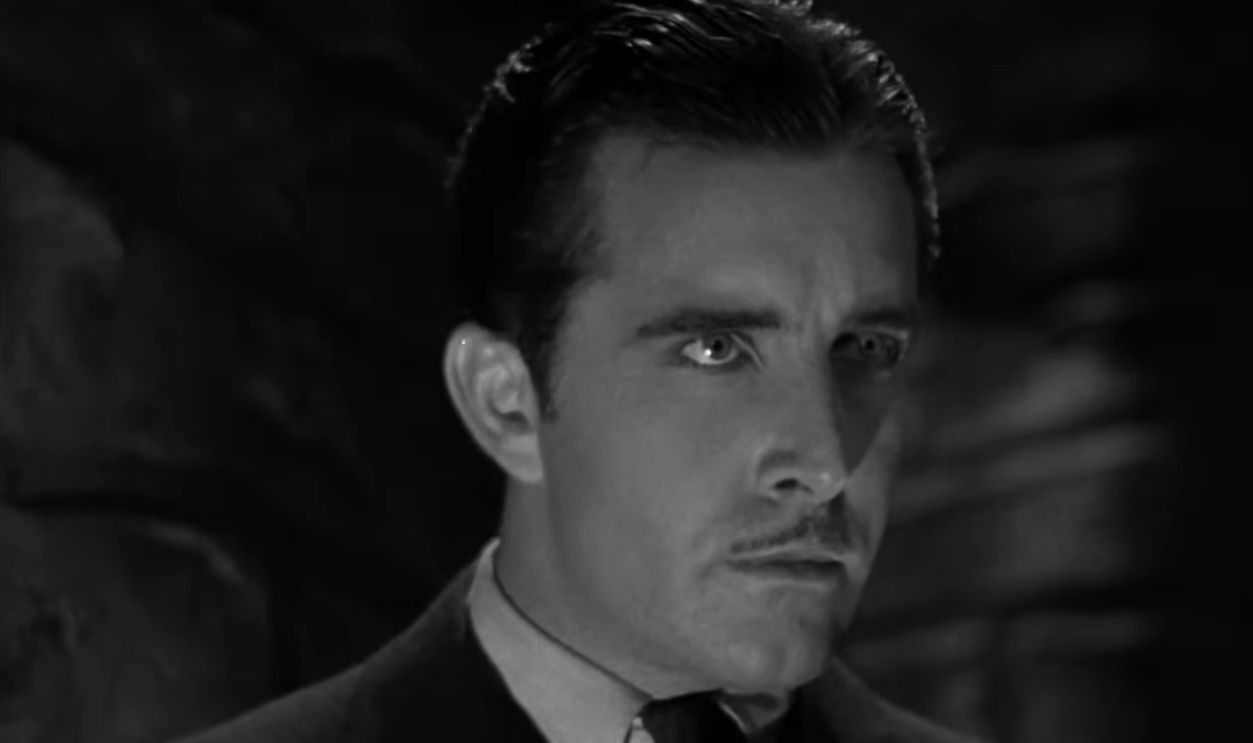 Screenshot from Frankenstein, Universal Pictures (1931)
And That’s 30...
If you remembered five, your knowledge of old Hollywood is already better than most. If you remembered 15, there is probably a Turner Classic Movies schedule somewhere near your television. And if you knew all 30, congratulations: Hollywood may have forgotten these men, but clearly, you never did.
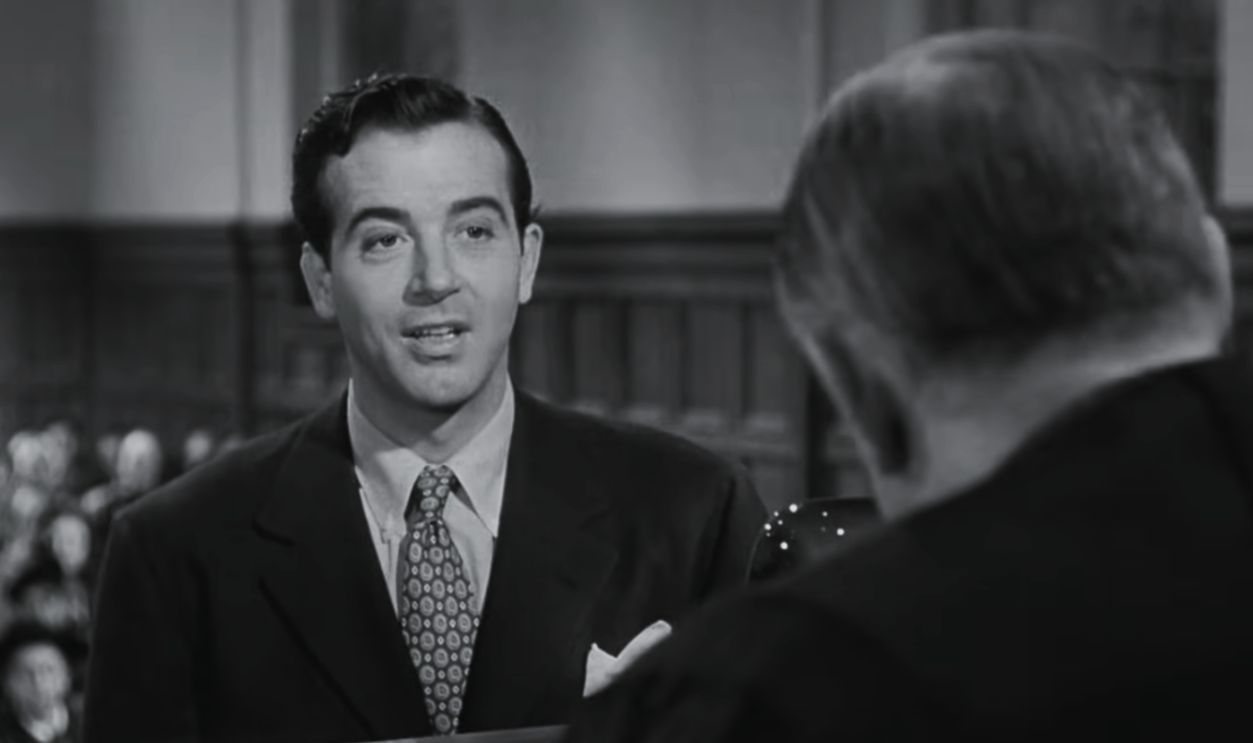 Screenshot from Miracle on 34th Street, 20th Century Fox (1947)
You Might Also Like:
America Saw Lee Majors As The Six-Million-Dollar Man. His Real Life Told a Different Story.
Dolph Lundgren Became One Of The 80s’ Biggest Action Stars—After Walking Away From A Future At MIT