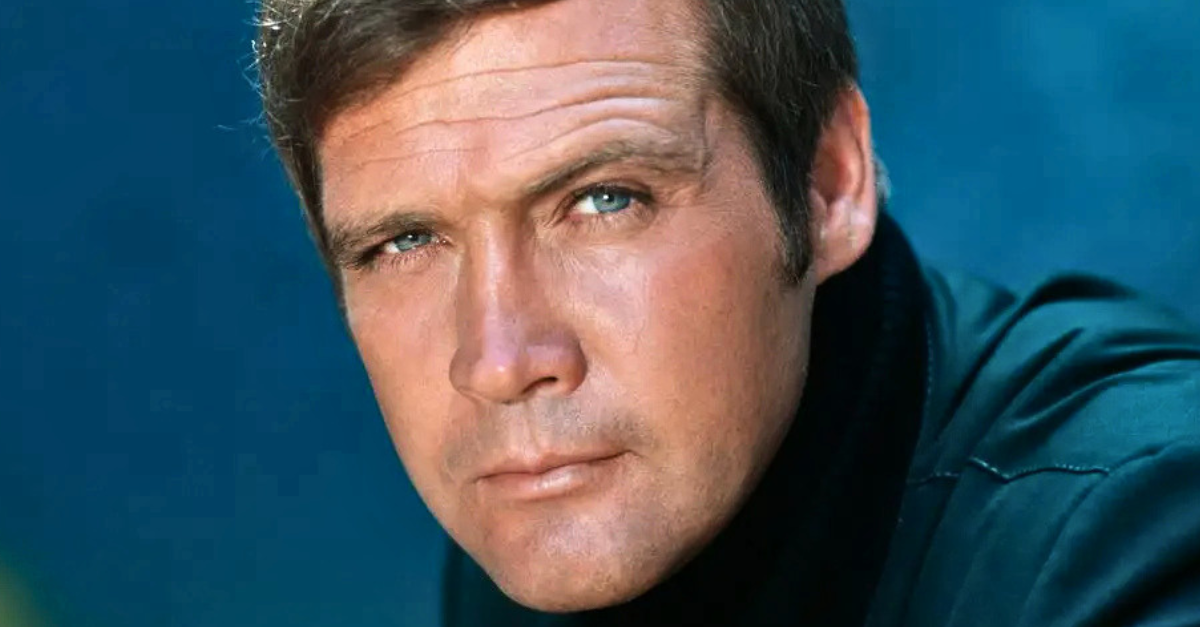
Lee Majors Looked Indestructible.
Television turned him into the ultimate action hero, but his real life included childhood tragedy, a devastating injury, broken marriages, and years spent trying to escape his most famous character. Behind Steve Austin's superhuman image was a man whose path was considerably more complicated.
 ABC Photo Archives / Getty Images
Tragedy Came Before He Could Remember It
Lee Majors was born Harvey Lee Yeary in Wyandotte, Michigan, in 1939. His father died in a workplace accident before he was born, and his mother was killed in a car accident while he was still a toddler. Long before Hollywood invented an indestructible identity for him, Majors had already begun life with enormous loss.
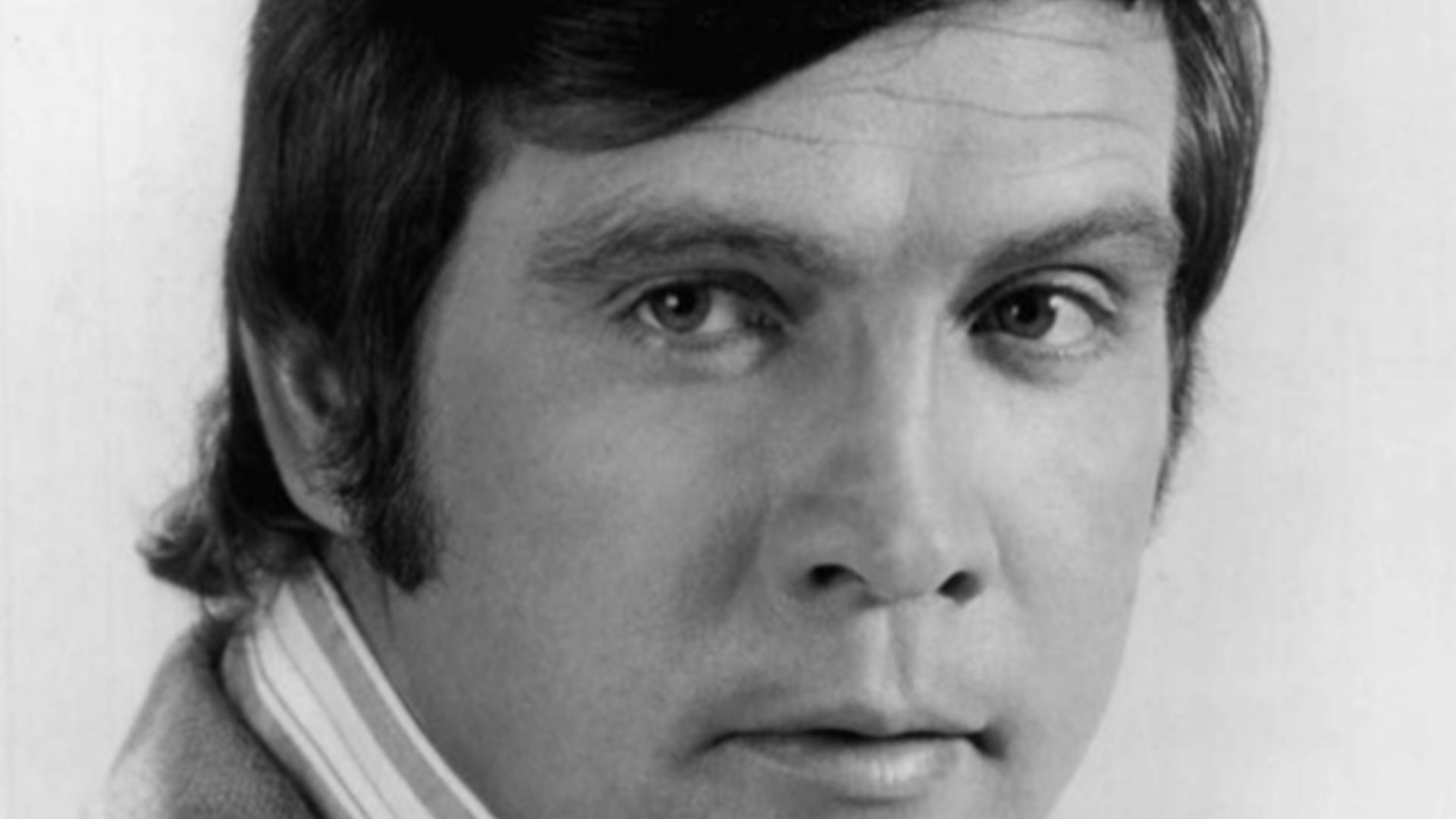 ABC Television, Wikimedia Commons
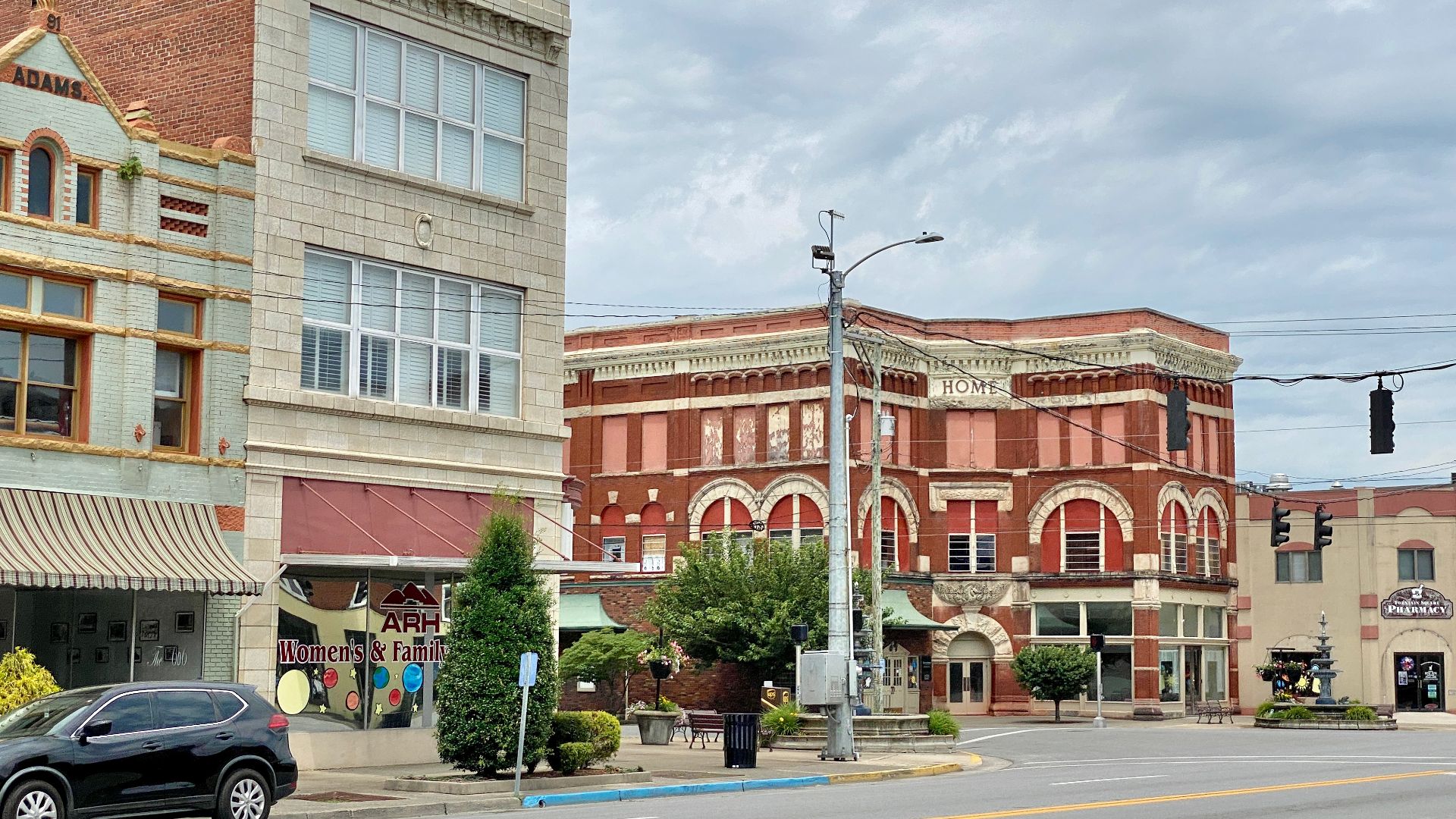
Kentucky Became His Real Home
After losing his parents, the young Majors was adopted by an aunt and uncle and moved to Middlesboro, Kentucky. He grew up there alongside their son and became deeply attached to the community. Decades later, Majors was still talking fondly about Middlesboro and maintaining connections to the area.
Sports Gave Him A Direction
Majors threw himself into athletics, competing in football and track during high school. He earned a scholarship to Indiana University before eventually transferring to Eastern Kentucky University. At that point, professional sports seemed far more plausible than becoming a television star.
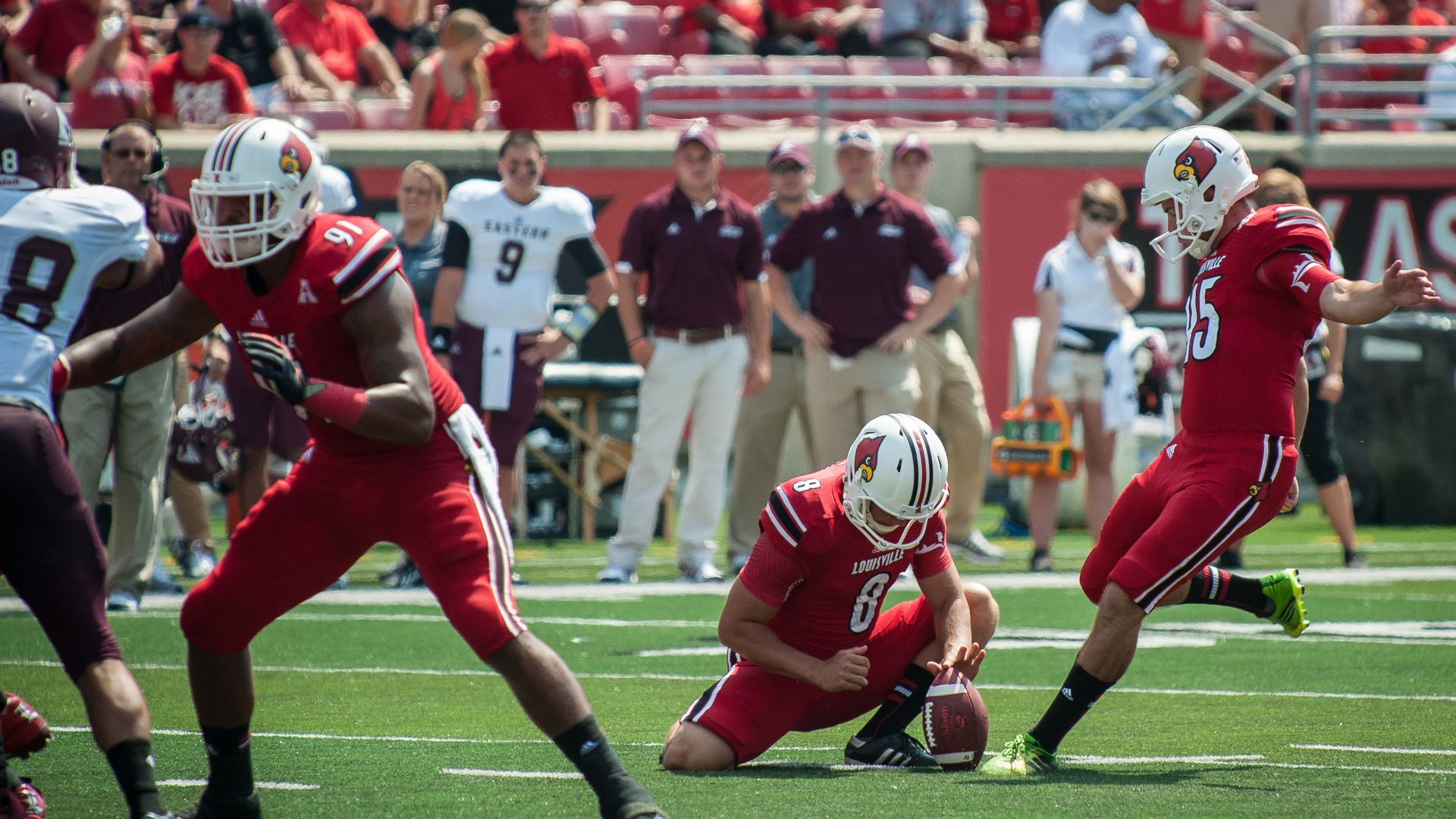 Kentuckyguard, Wikimedia Commons
One Hit Changed Everything
His athletic future was derailed by a serious back injury suffered while playing college football. Majors later explained that an underlying problem in his lower back made the collision particularly damaging, leaving him immobilized for weeks. Although he recovered, the experience forced him to reconsider what his future would look like.
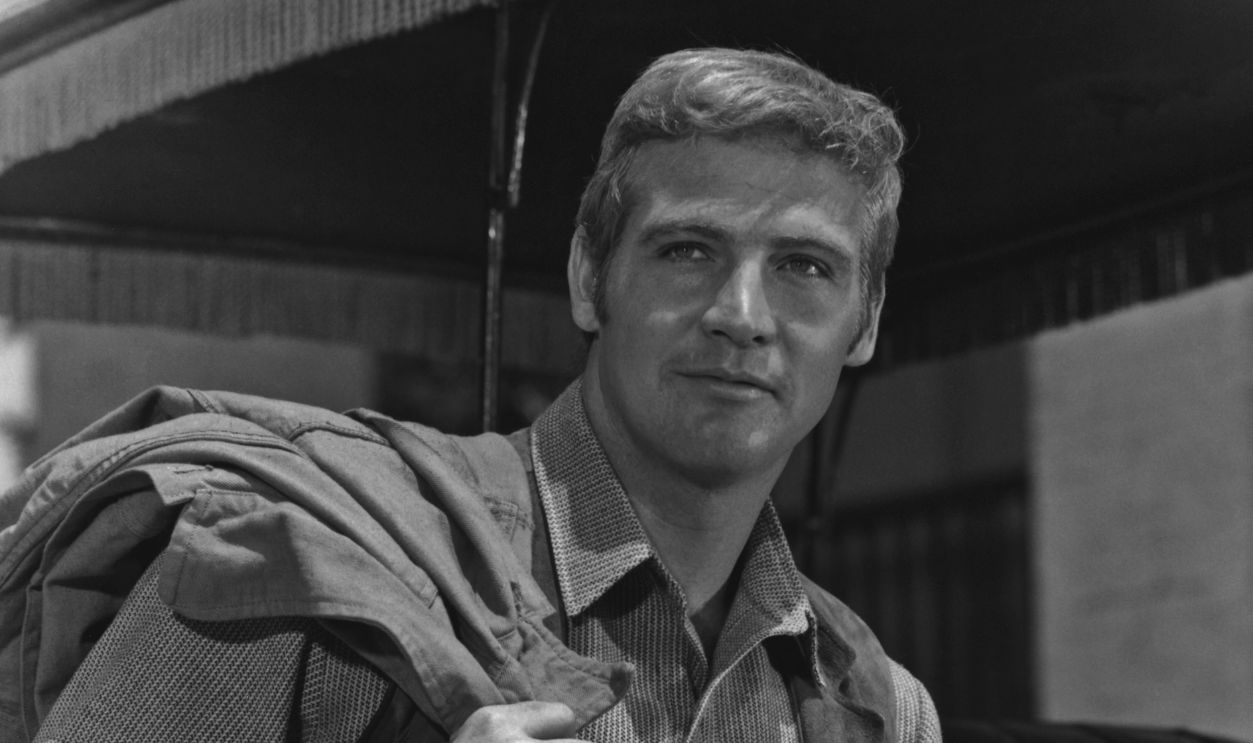
Hollywood Was Plan B
Majors graduated from Eastern Kentucky with degrees in history and physical education and initially considered coaching. Instead, he headed west and took a job with the Los Angeles Department of Recreation and Parks. It was hardly a glamorous entrance into show business, but Los Angeles placed him close enough to Hollywood to imagine another career.
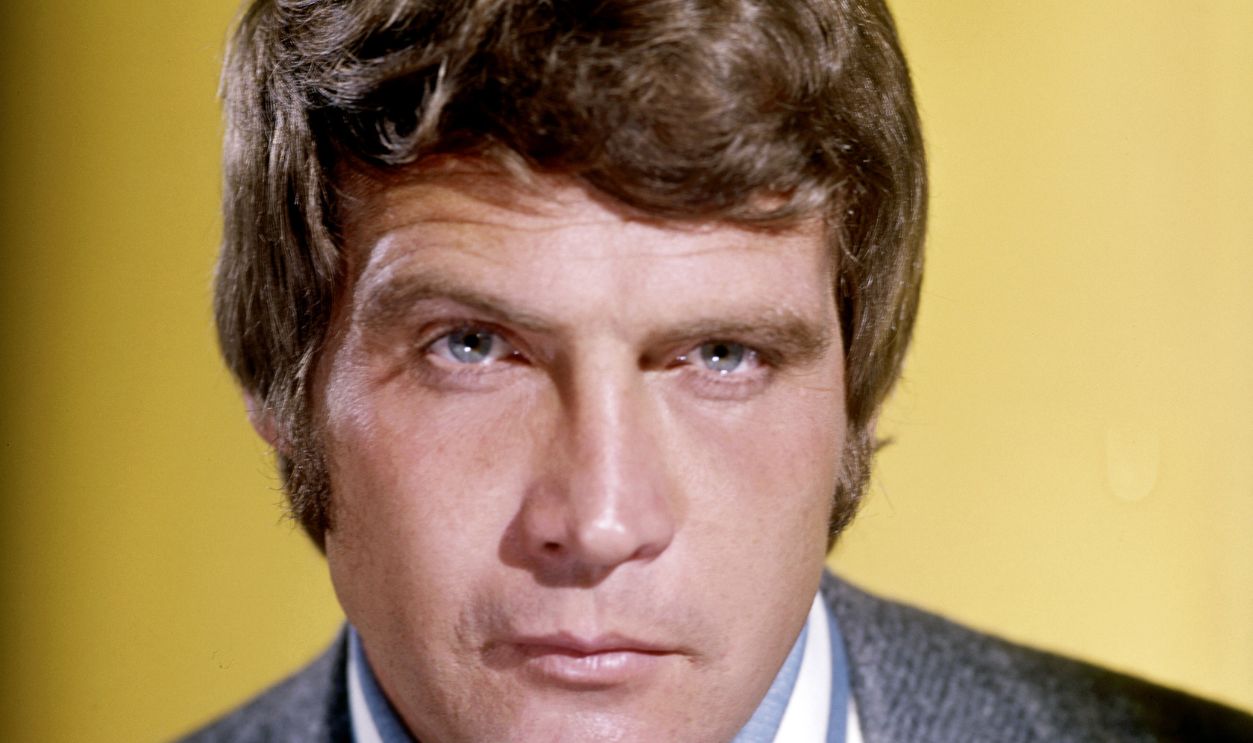 Silver Screen Collection, Getty Images
Harvey Yeary Became Lee Majors
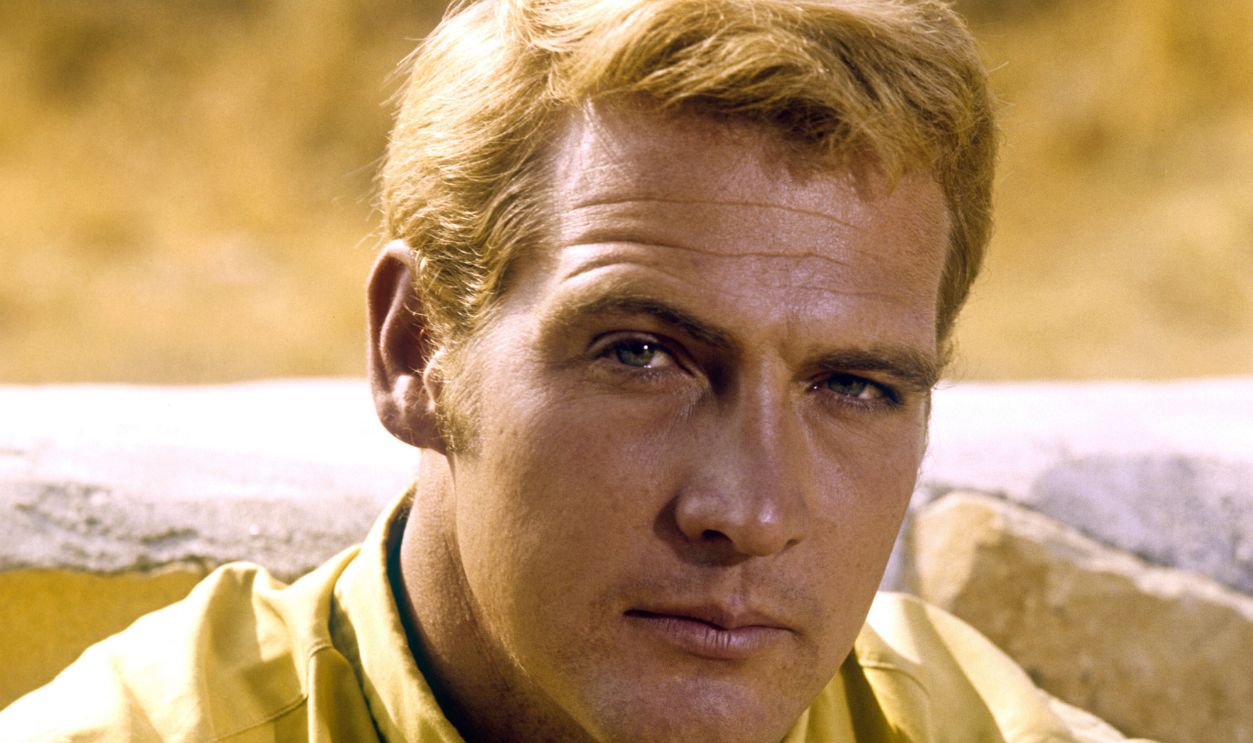
In Los Angeles, Majors studied acting and received guidance from Dick Clayton, who had previously represented James Dean. He also trained at MGM and adopted the professional name Lee Majors, inspired by football figure Johnny Majors. The former athlete was methodically rebuilding himself for an entirely different kind of competition.
 Silver Screen Collection, Getty Images
The Big Valley Opened The Door
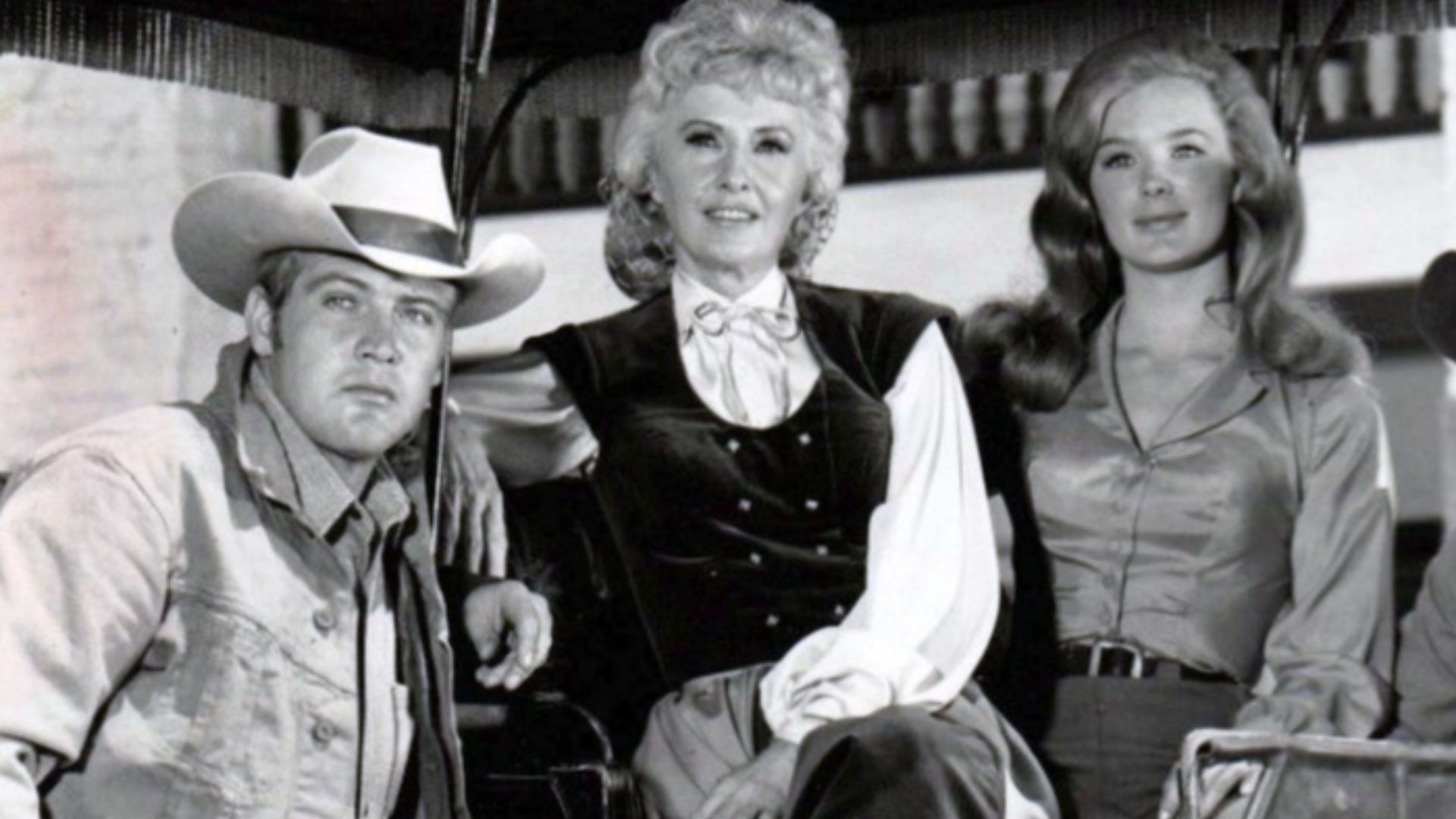
His breakthrough arrived when he was cast as Heath Barkley on ABC's The Big Valley. The Western premiered in 1965 with Barbara Stanwyck leading the Barkley family ensemble. For an actor still near the beginning of his career, suddenly sharing scenes with Stanwyck amounted to an extraordinary education.
 ABC Television, Wikimedia Commons
Barbara Stanwyck Took Him Seriously
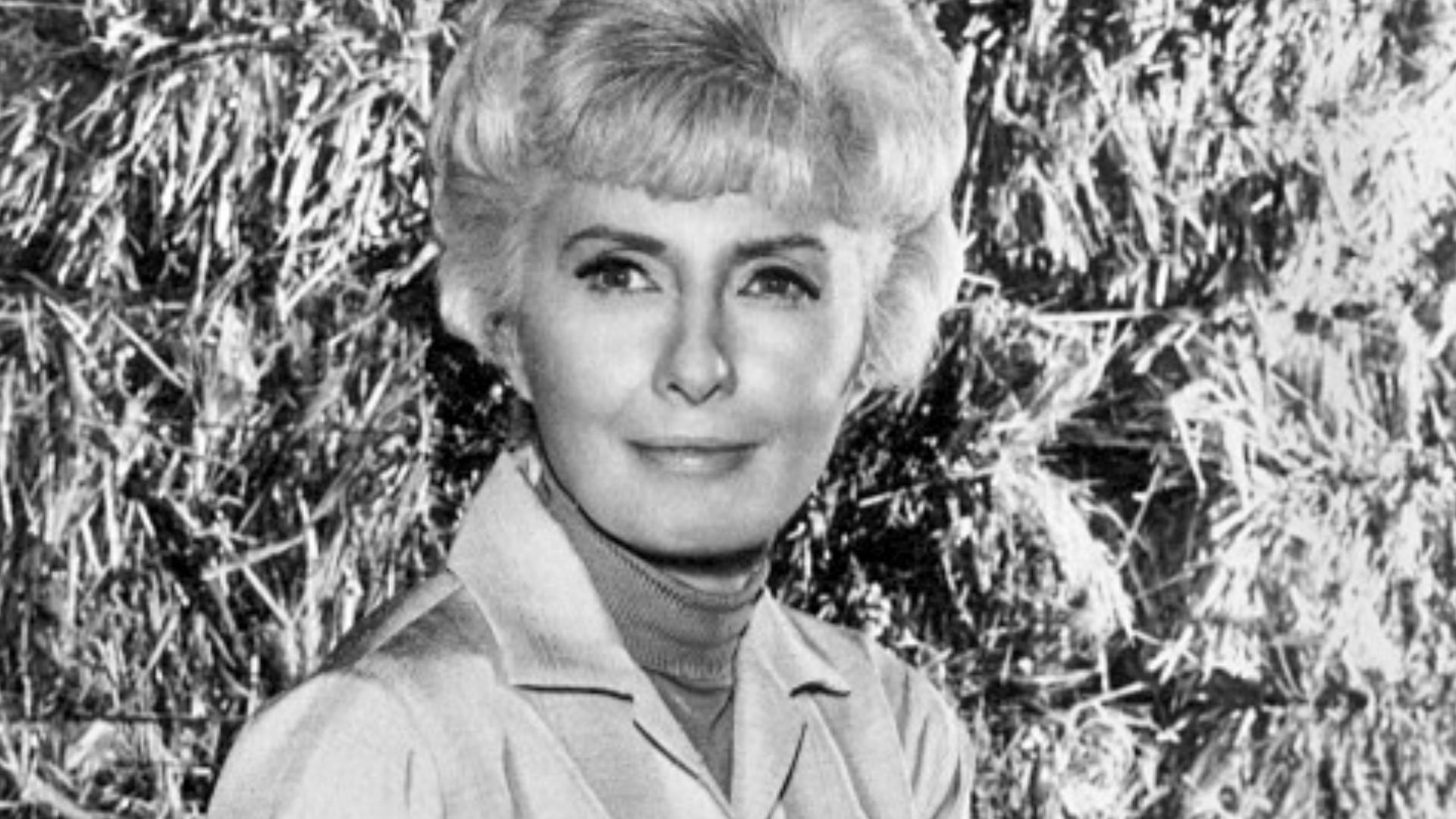
Majors has repeatedly credited Stanwyck with teaching him professional discipline. He remembered her emphasizing punctuality, preparation, and knowing exactly what was required once the cameras rolled. Stanwyck herself publicly identified Majors as a young performer with the potential to become a major star.
 ABC Television, Wikimedia Commons
Success Had Already Cost Him Something
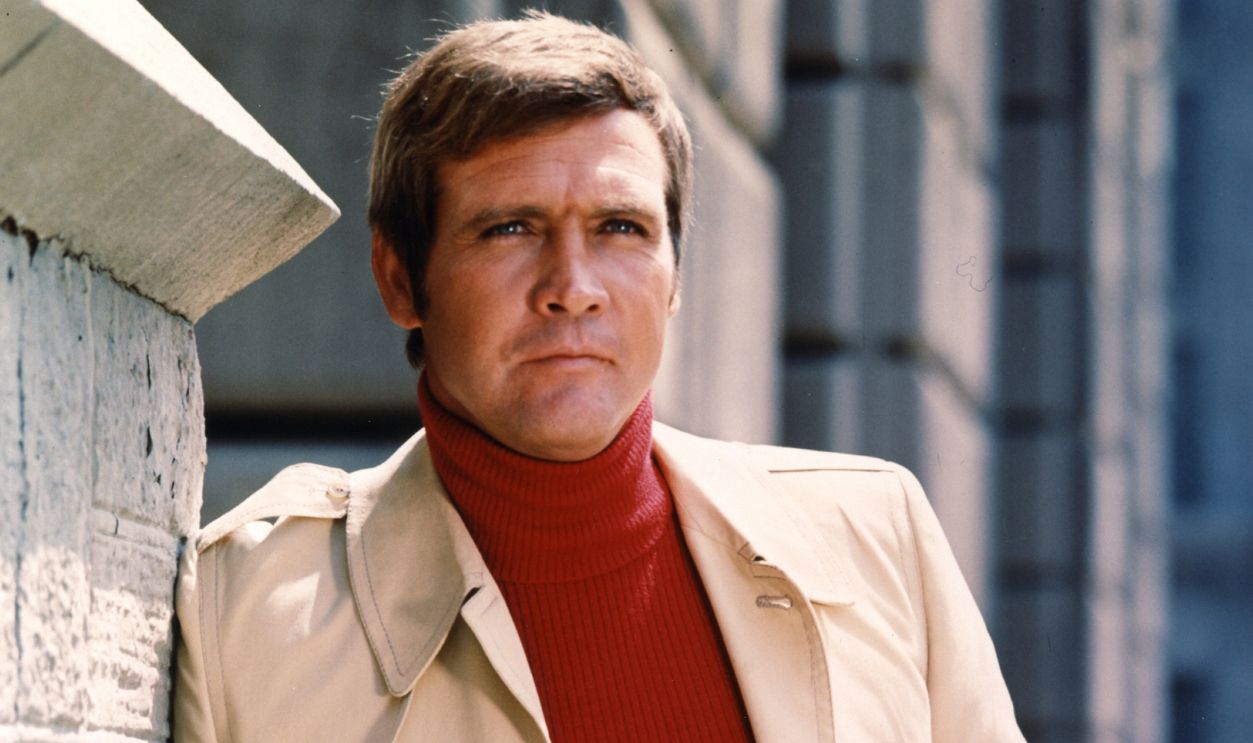
Majors had married college sweetheart Kathy Robinson in 1961, and their son Lee Majors II arrived the following year. After the family moved west, the marriage deteriorated, and Robinson returned to Kentucky with their son before the couple divorced. Hollywood was beginning to work for Majors professionally just as his first family life was coming apart.
 Silver Screen Collection, Getty Images
He Was Becoming A Television Regular
After The Big Valley, Majors appeared on The Virginian and then became a regular on the legal drama Owen Marshall: Counselor at Law. By the early 1970s, he was no longer merely the promising newcomer Stanwyck had encouraged. He had become a dependable television leading man waiting for the role that would make him unmistakable.
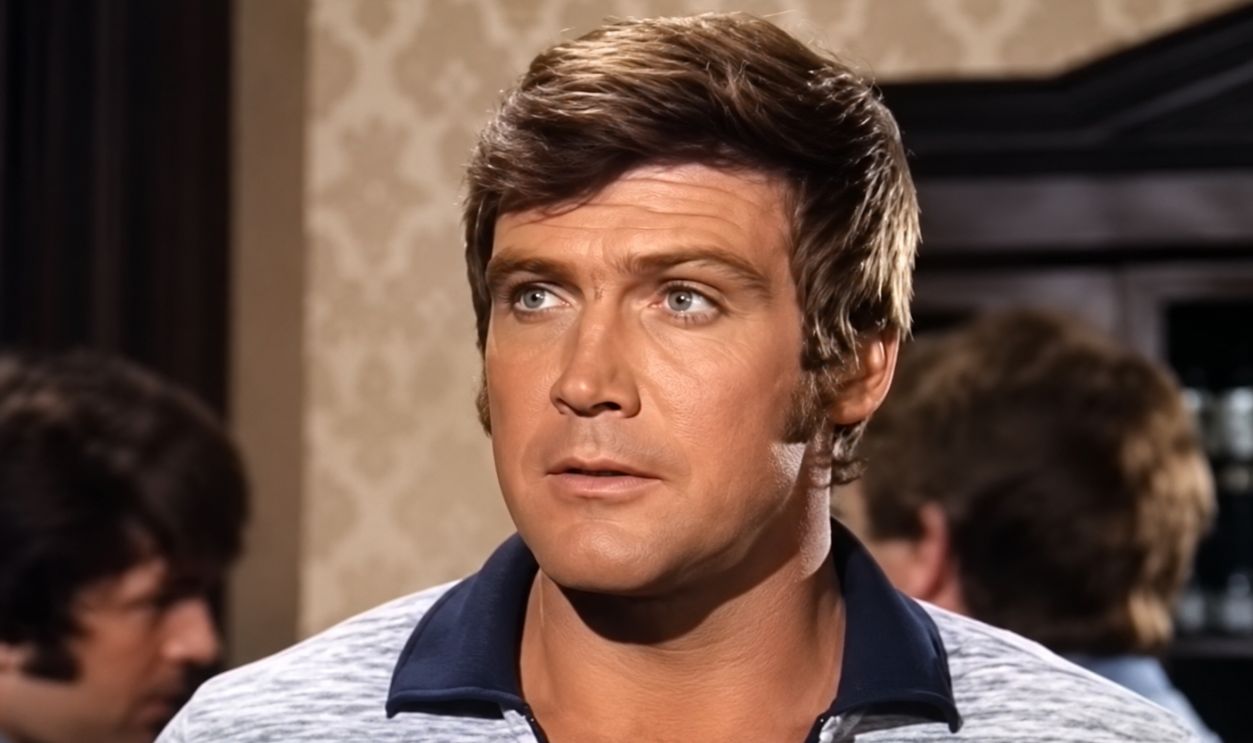 Screenshot from Owen Marshall: Counselor at Law, Universal Television (1971–1974), Modified
Steve Austin Changed His Life
In 1973, Majors starred as astronaut Steve Austin in a television adaptation of Martin Caidin's novel Cyborg. Austin survives a catastrophic aircraft accident and is rebuilt with advanced artificial replacements that give him extraordinary abilities. Three television movies preceded the regular ABC series that began in 1974.
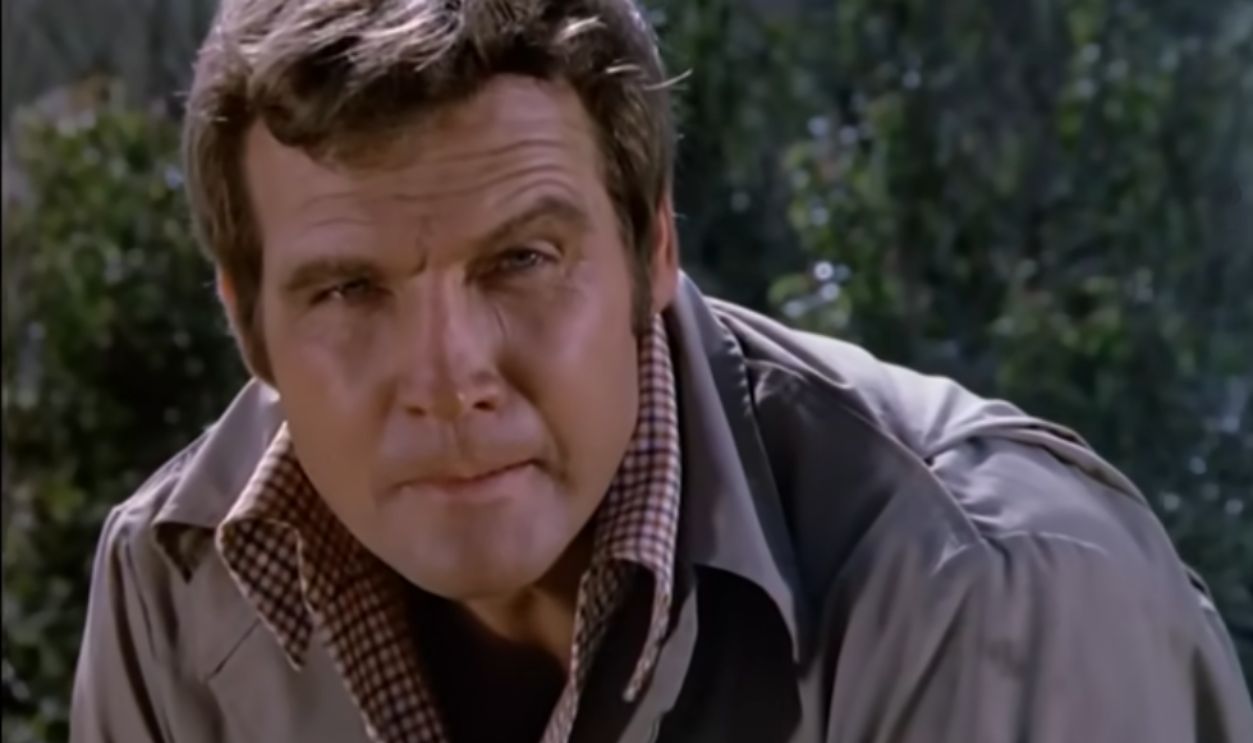 Screenshot from Cyborg, Universal Television (1973)
Suddenly He Was The Bionic Man
The Six Million Dollar Man became a major hit and turned Majors into a defining television star of the decade. By 1975, the program had secured a consistent place among television's top-rated shows. Steve Austin was no longer simply another role on Majors' résumé, but a genuine pop-culture phenomenon.
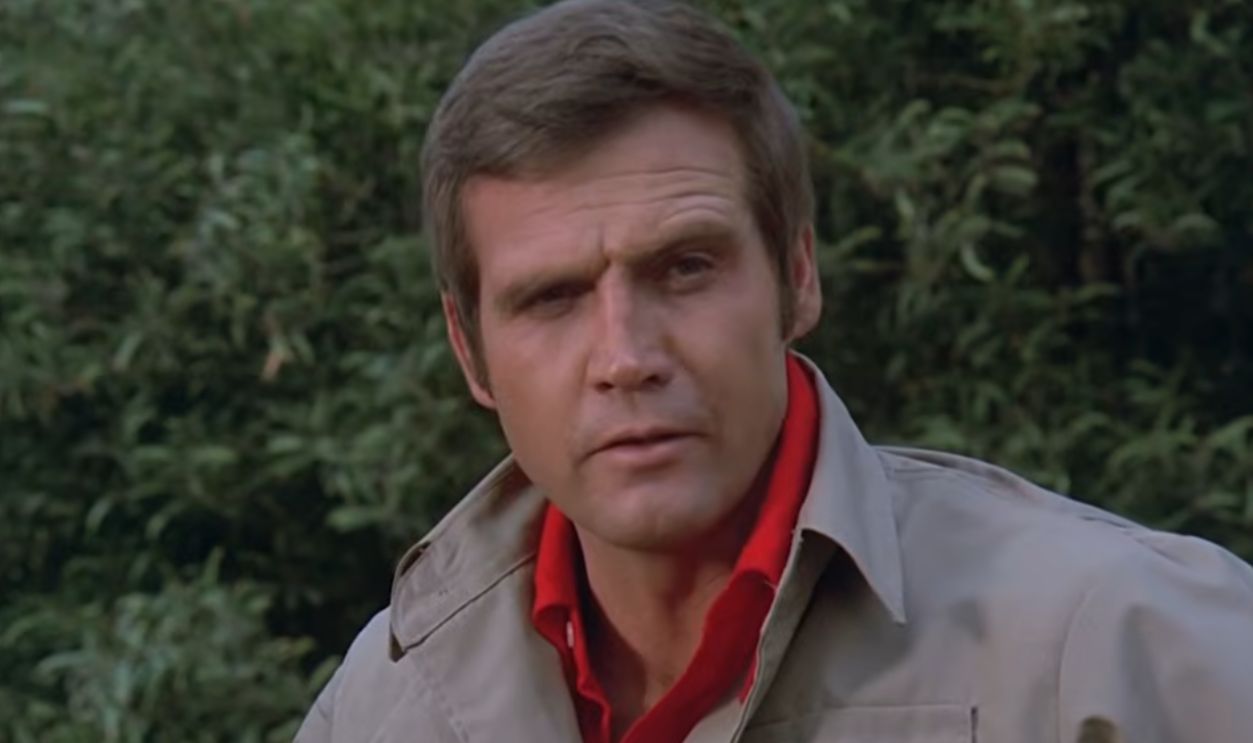 Screenshot from The Six Million Dollar Man, Universal Television (1973–1978)
Playing Superhuman Hurt A Very Human Body
Majors did much of his own physical work, estimating in later interviews that he performed roughly 80 to 85 percent of his stunts across his career. The Big Valley, The Six Million Dollar Man, and eventually The Fall Guy demanded horseback work, fights, falls, and endless running. Years later, he acknowledged that his knees and joints had paid for all that action.
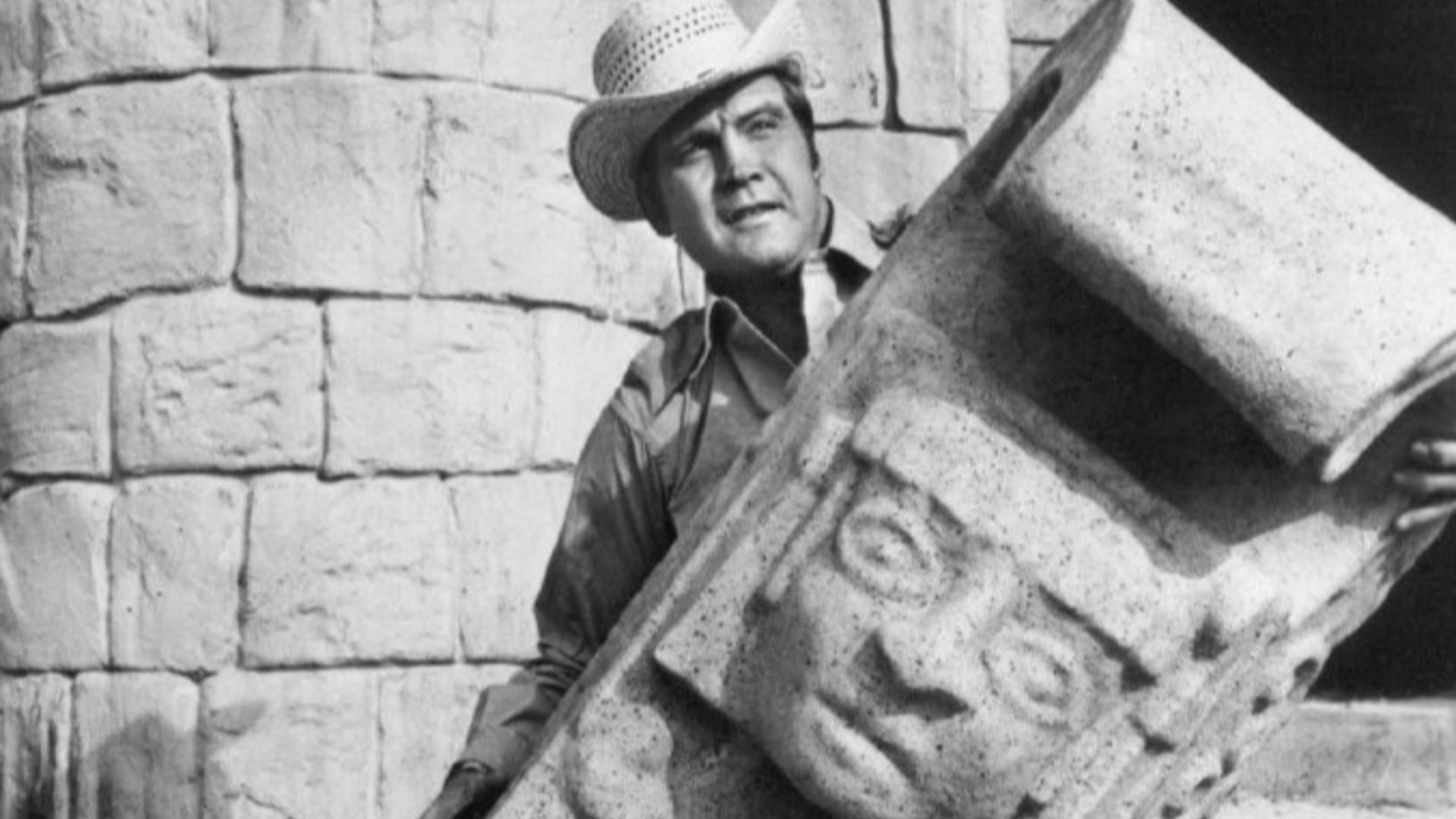 ABC Television, Wikimedia Commons
His Private Life Became Public Entertainment
Just as Steve Austin was becoming famous, Majors' relationship with Farrah Fawcett was drawing intense attention. The pair had met in 1968 and married in 1973, the same year the first Six Million Dollar Man television movie aired. Before long, they were among Hollywood's most photographed couples.
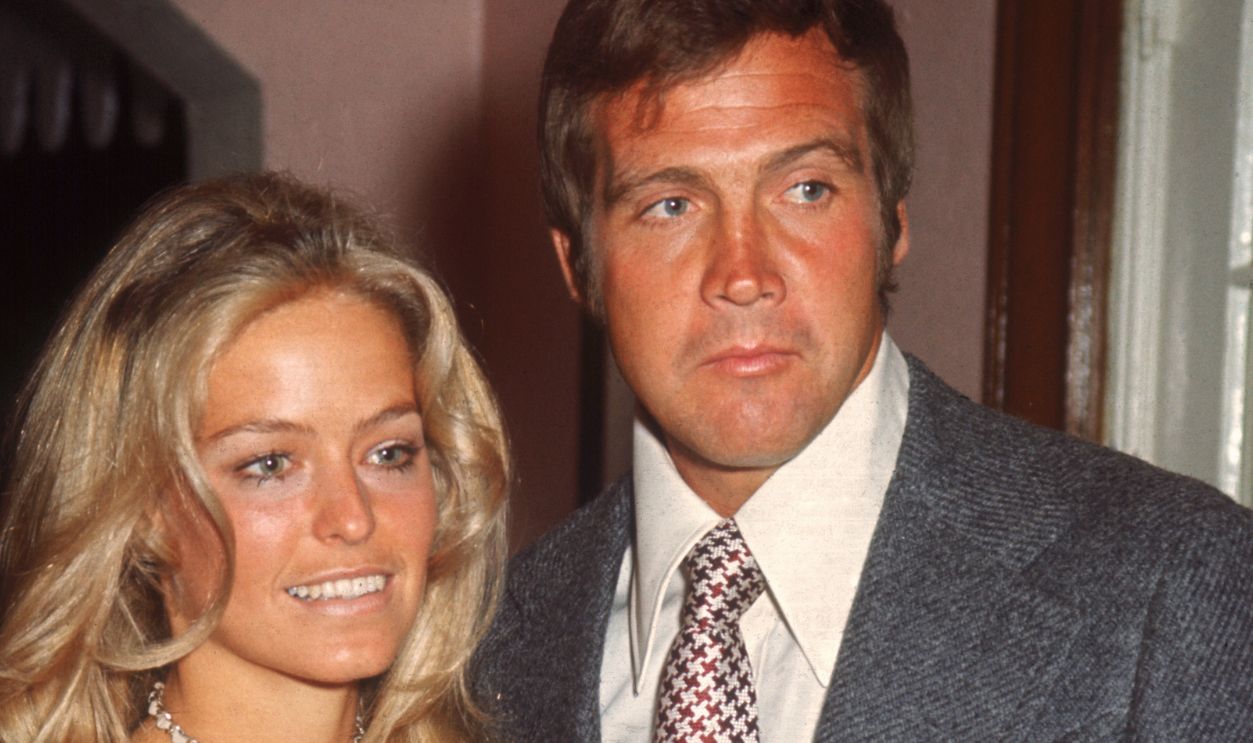 Pictorial Parade, Getty Images
Farrah's Fame Changed The Equation
Fawcett's own career exploded after Charlie's Angels premiered in 1976. Majors later recalled that navigating public life became difficult once both of them were instantly recognizable. They were no longer a famous actor and his emerging-actress wife, but two separate stars generating enormous attention.
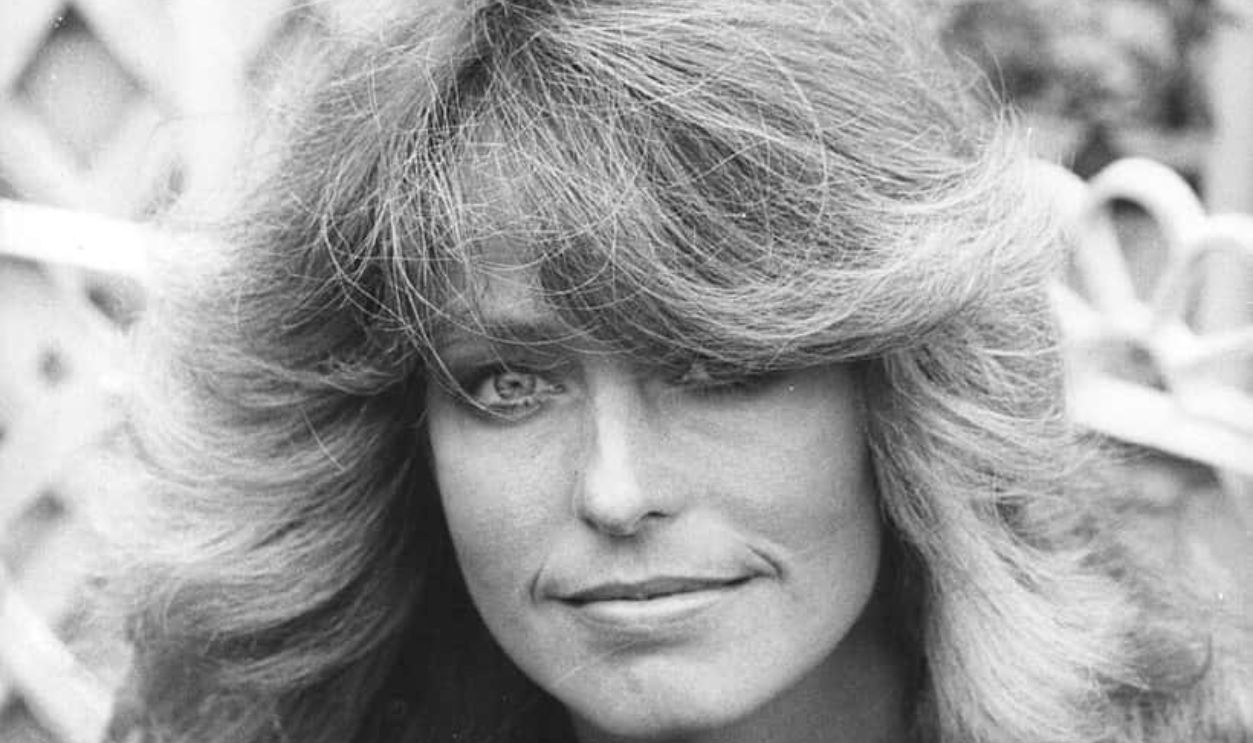
Their Marriage Became Part Of The Celebrity Machine
Majors later compared the attention surrounding the marriage to the intense scrutiny endured by later Hollywood super-couples. Photographers followed them, their careers became intertwined in the press, and even ordinary movement around Los Angeles could attract attention. The polished photographs suggested glamour, but maintaining an ordinary marriage under those conditions proved considerably harder.
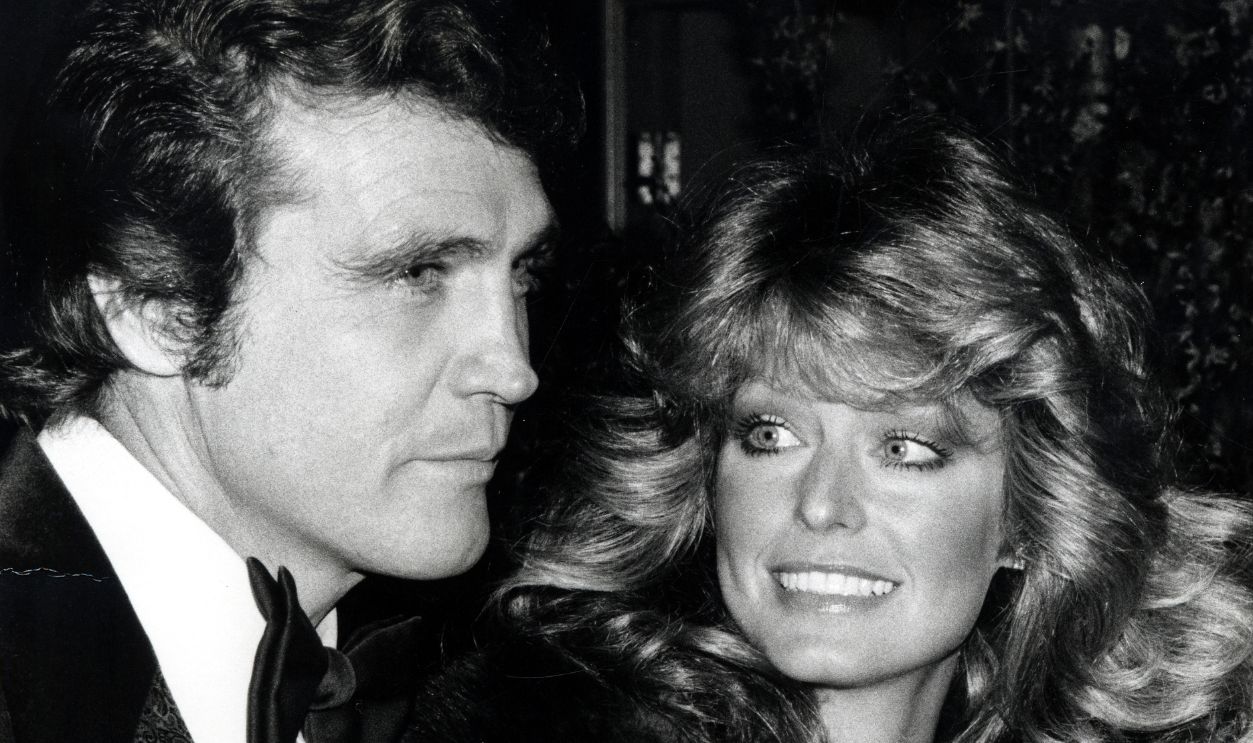
They Accidentally Inspired A Classic Song
Their household even found its way indirectly into music history. Songwriter Jim Weatherly said a conversation involving Fawcett's plans to travel to Houston inspired his original song "Midnight Plane to Houston." After further changes, it became Gladys Knight & the Pips' number-one hit "Midnight Train to Georgia."
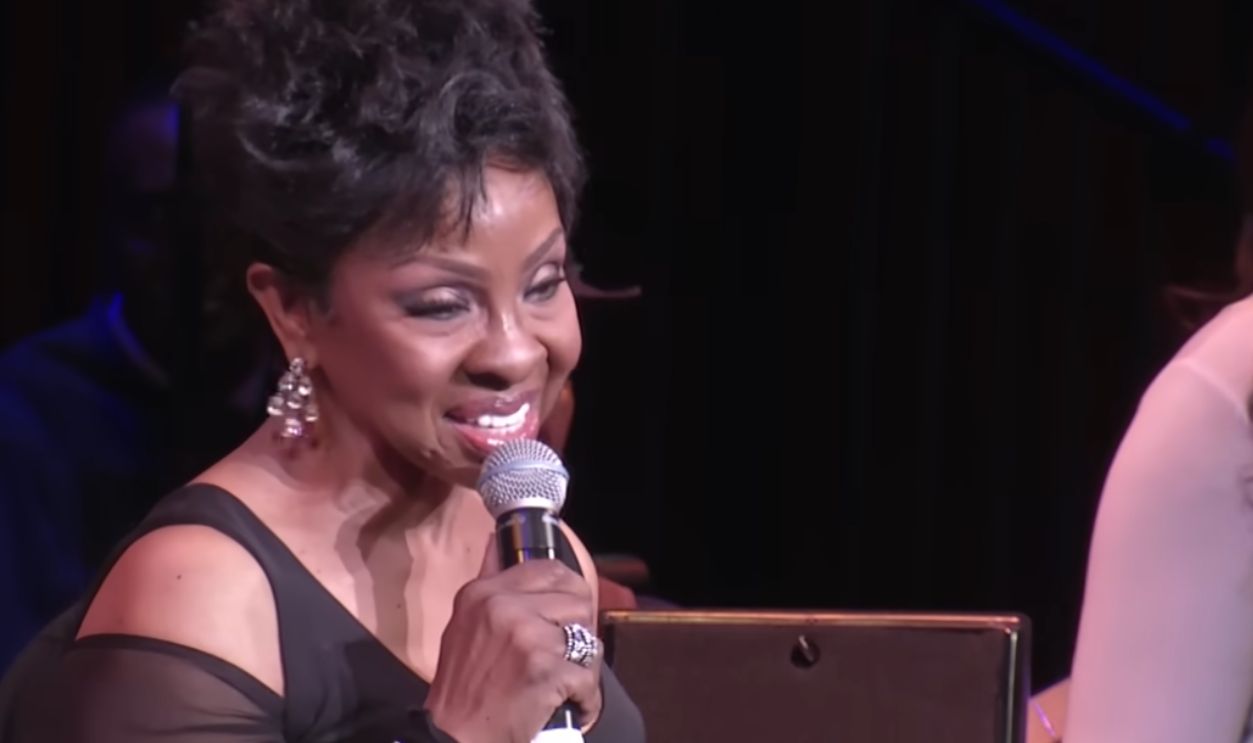 Screenshot from “Midnight Train to Georgia”, Buddah Records (1973)
The Picture-Perfect Marriage Cracked
Majors and Fawcett separated in 1979 after six years of marriage. Fawcett told People at the time that she had changed considerably from the dependent young woman she had been when they married, while making clear that she still cared about Majors. Their divorce became final in 1982.
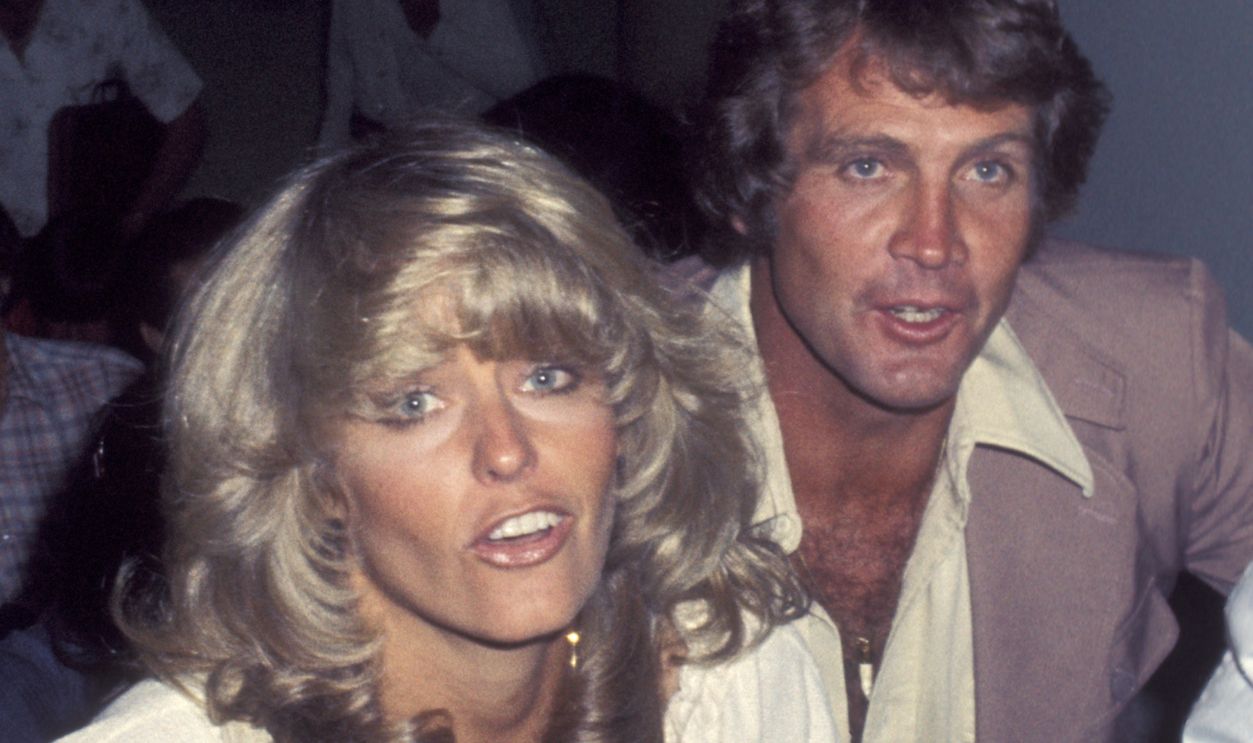
He Never Turned Their Past Into A Feud
Whatever difficulties surrounded their breakup, Majors continued to speak affectionately about Fawcett years later. After her death in 2009, he publicly praised the courage she showed during her illness and paid tribute to the person he had known. The ending of their marriage did not erase the importance she retained in his memories.
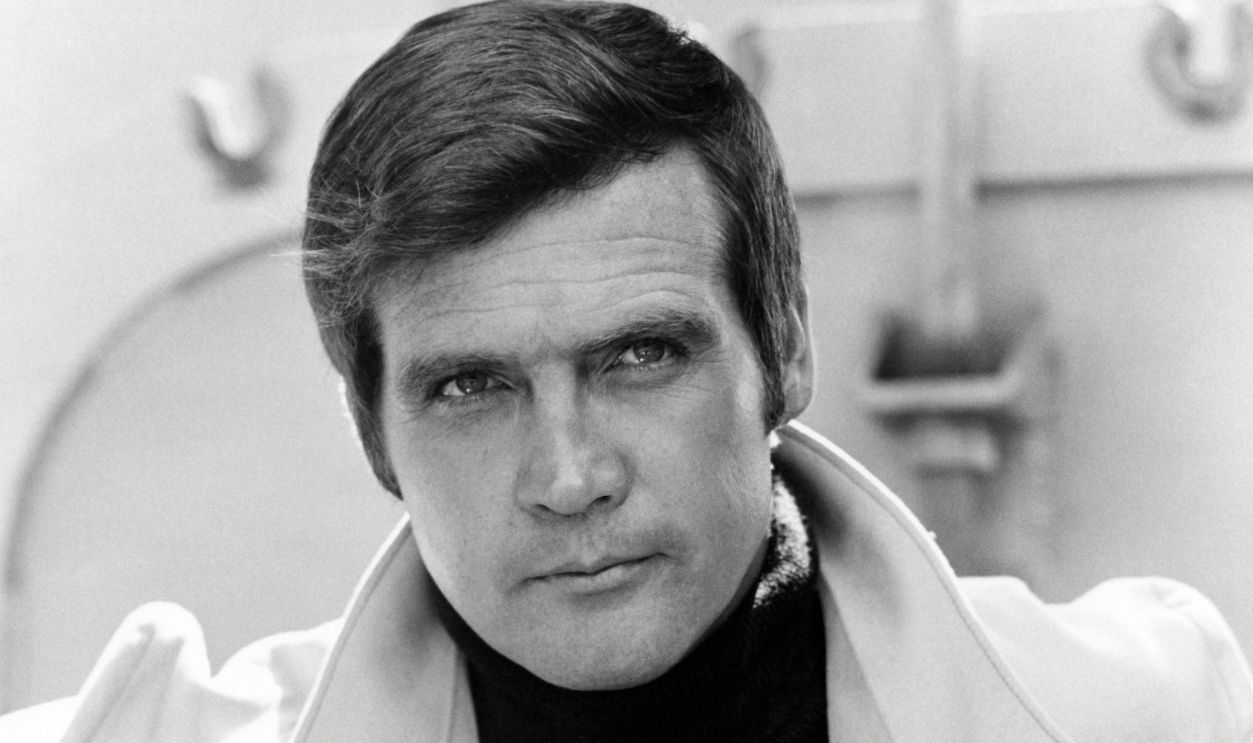 Silver Screen Collection, Getty Images
Steve Austin Was Hard To Escape
The Six Million Dollar Man ended its regular run in 1978 after five seasons, but the character remained attached to Majors. He later admitted that even another successful action series could not completely replace Steve Austin in the public imagination. Decades afterward, strangers were still talking to him about bionics, slow-motion running, and the Steve Austin action figure.
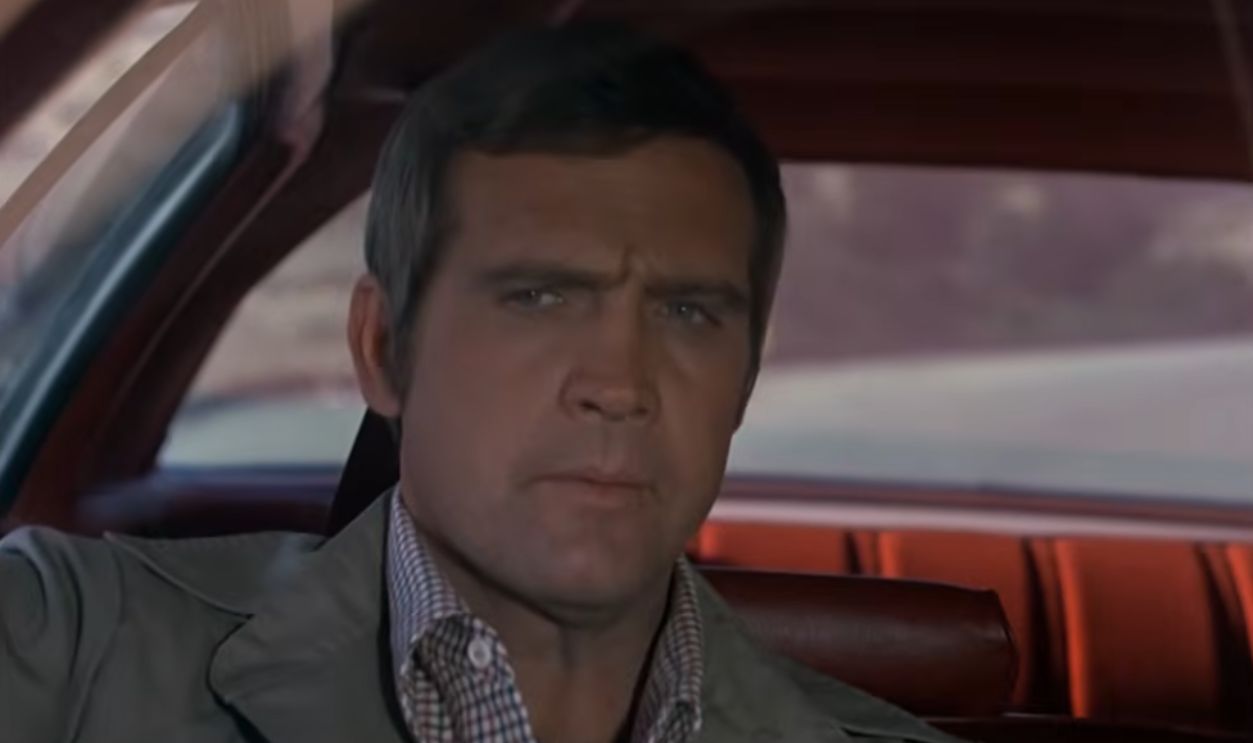 Screenshot from The Six Million Dollar Man, Universal Television (1973–1978)
The Fall Guy Offered A Reinvention
In 1981, Majors returned to ABC as Colt Seavers on The Fall Guy. Colt was a Hollywood stuntman who also worked as a bounty hunter, allowing the series to combine Majors' athletic screen persona with humor and backstage Hollywood jokes. The show ultimately ran five seasons and gave him another durable television identity.
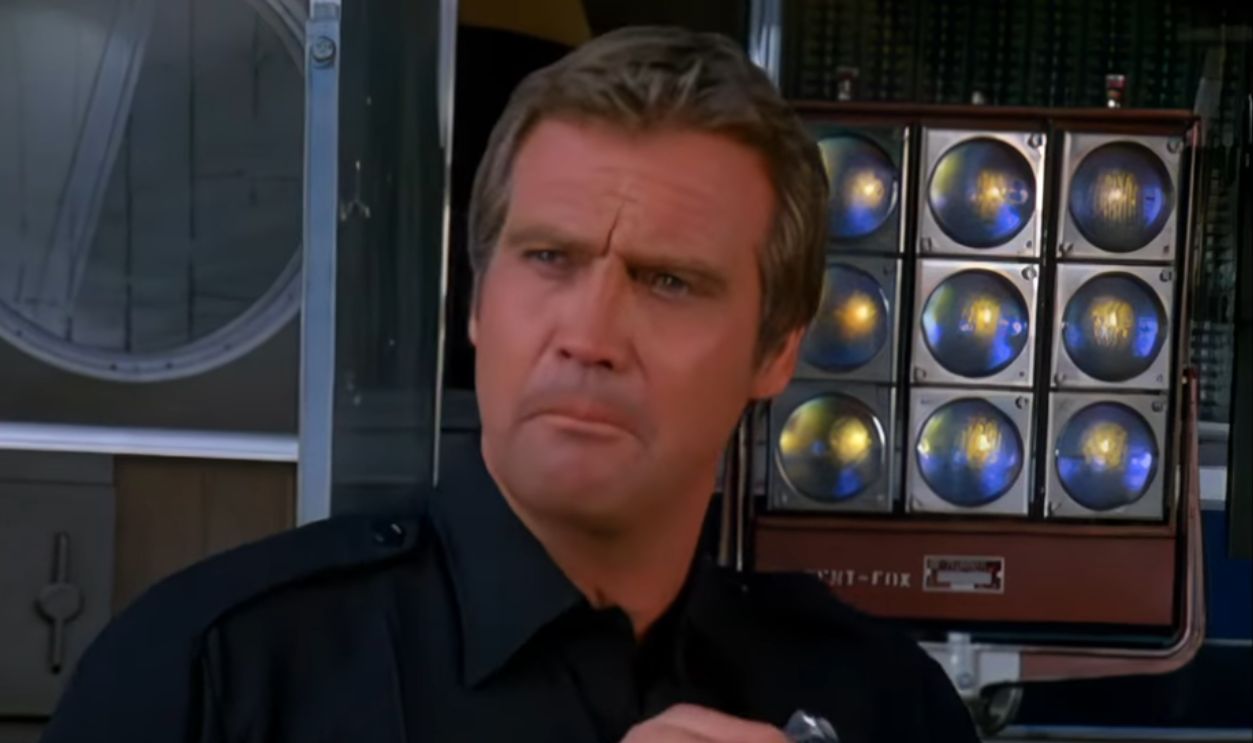 Screenshot from The Fall Guy, 20th Century Fox Television (1981–1986)
Colt Seavers Felt More Like Lee
Majors later said The Fall Guy was the series he enjoyed most. He described Colt Seavers as the character closest to his own personality, which allowed him to inject more humor into the performance. After years of being identified with a nearly superhuman hero, Majors finally had a leading man who felt more relaxed and recognizably human.
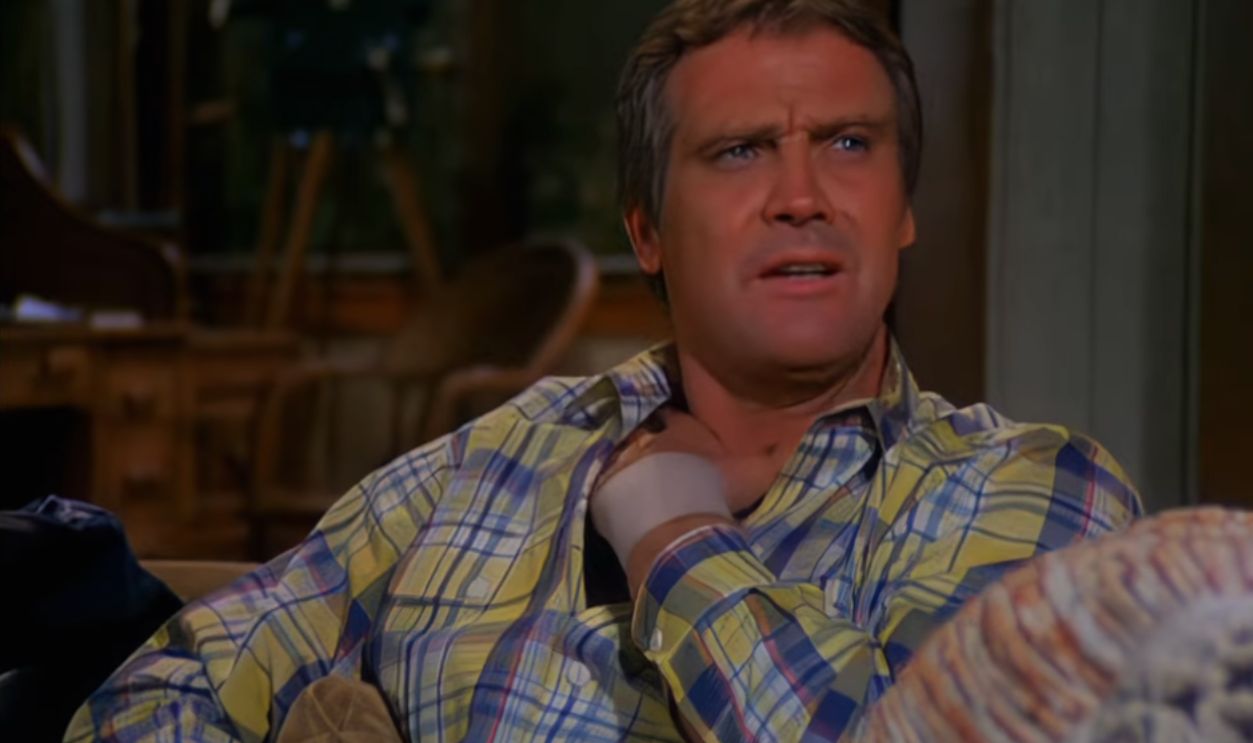 Screenshot from The Fall Guy, 20th Century Fox Television (1981–1986)
Then His Body And Mind Said Enough
The workload eventually caught up with him. Majors recalled finishing The Fall Guy feeling exhausted both physically and mentally, despite interest in continuing the program. He said he turned down an enormous payday for another season because he simply wanted a break.
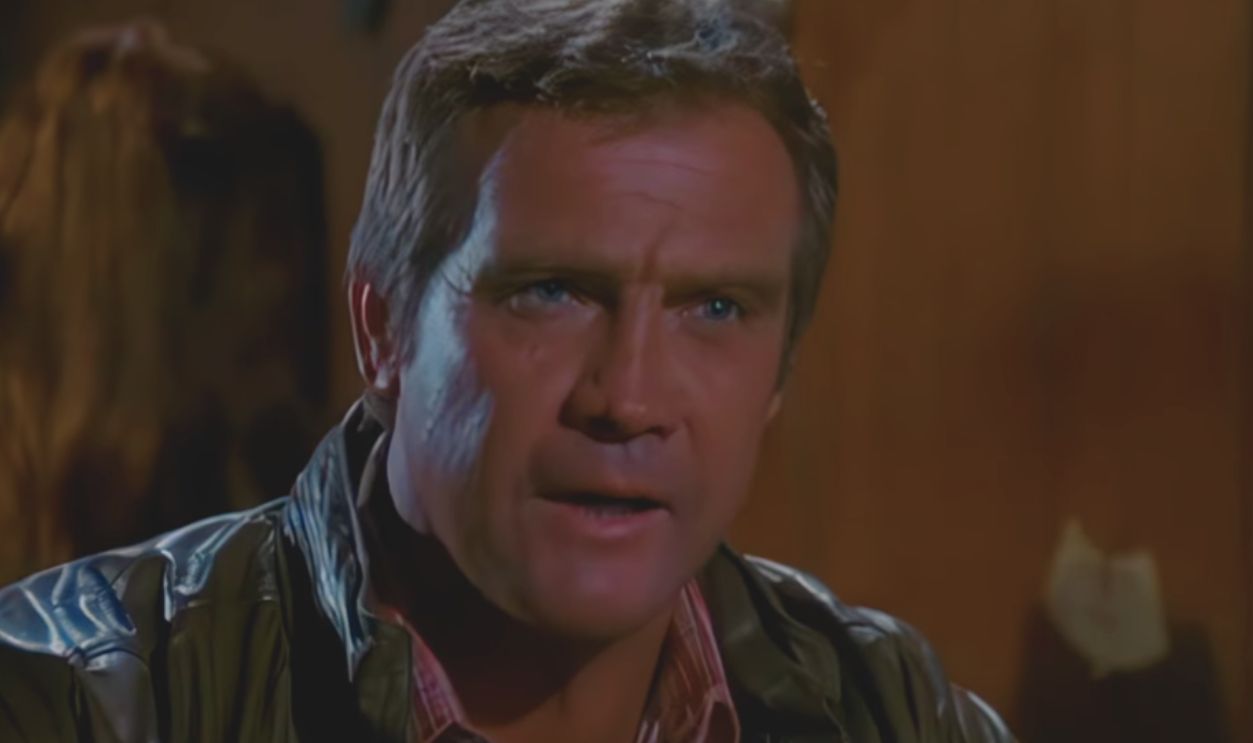 Screenshot from The Fall Guy, 20th Century Fox Television (1981–1986)
He Walked Away From The Chase
After The Fall Guy, Majors moved his family to Florida and dramatically slowed his pace. He later recalled spending years playing golf before deciding that he wanted to work regularly again. For someone who had spent decades moving from one physically punishing series to another, disappearing from weekly television was a major change.
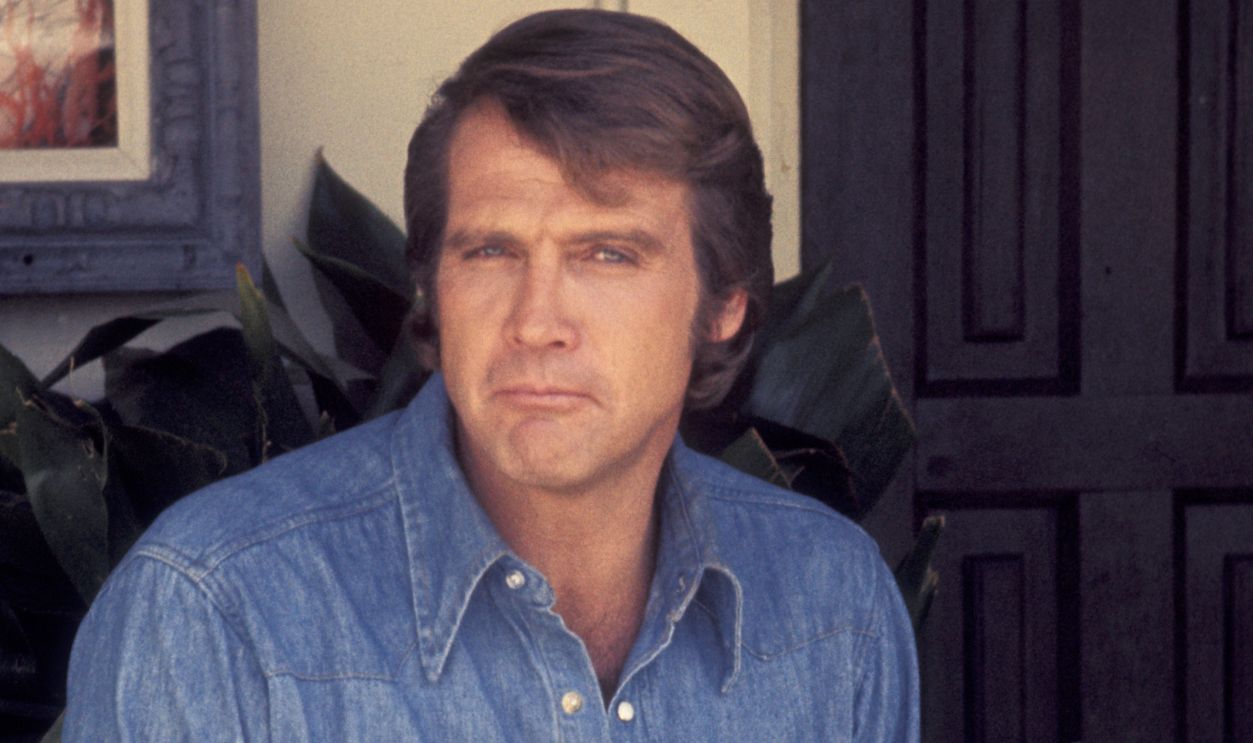
Another Marriage Built Another Family
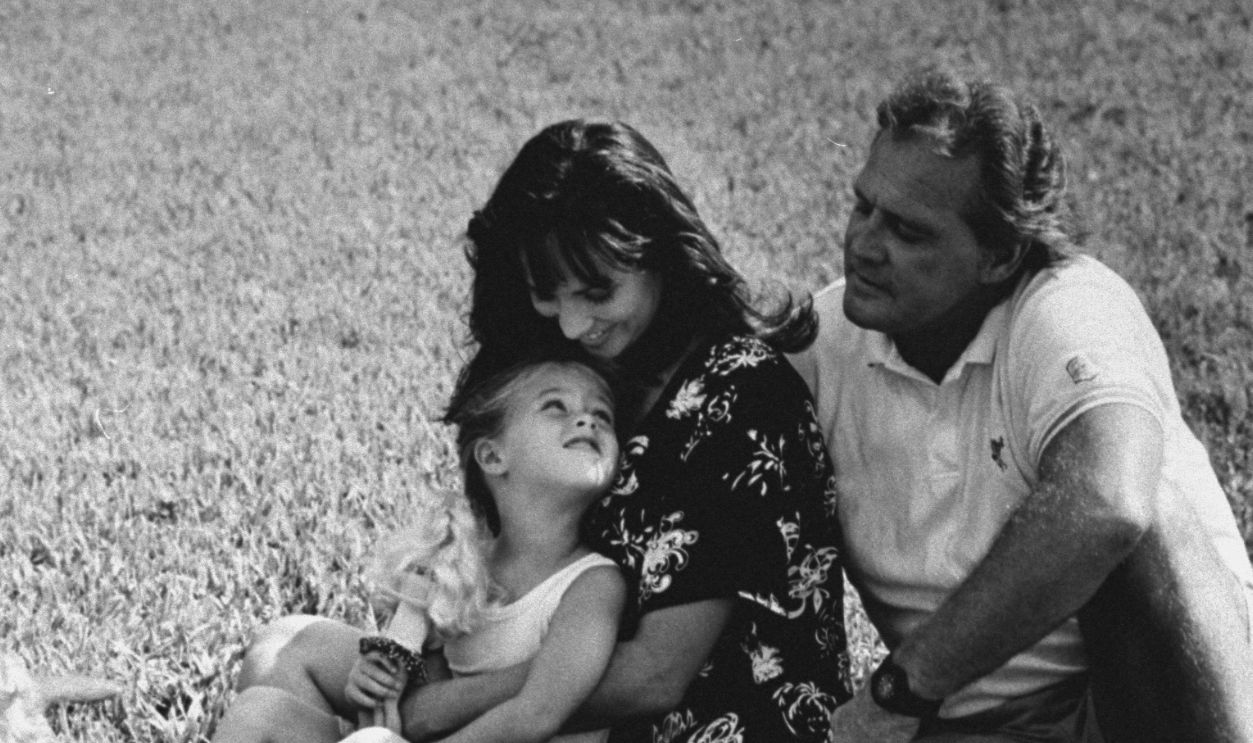
Majors married Karen Velez in 1988. They welcomed daughter Nikki and later twin sons Dane and Trey, giving Majors four children in total when combined with his older son Lee II. The marriage ended in 1994, adding another divorce to a personal life that had rarely been as seamless as his heroic television image.
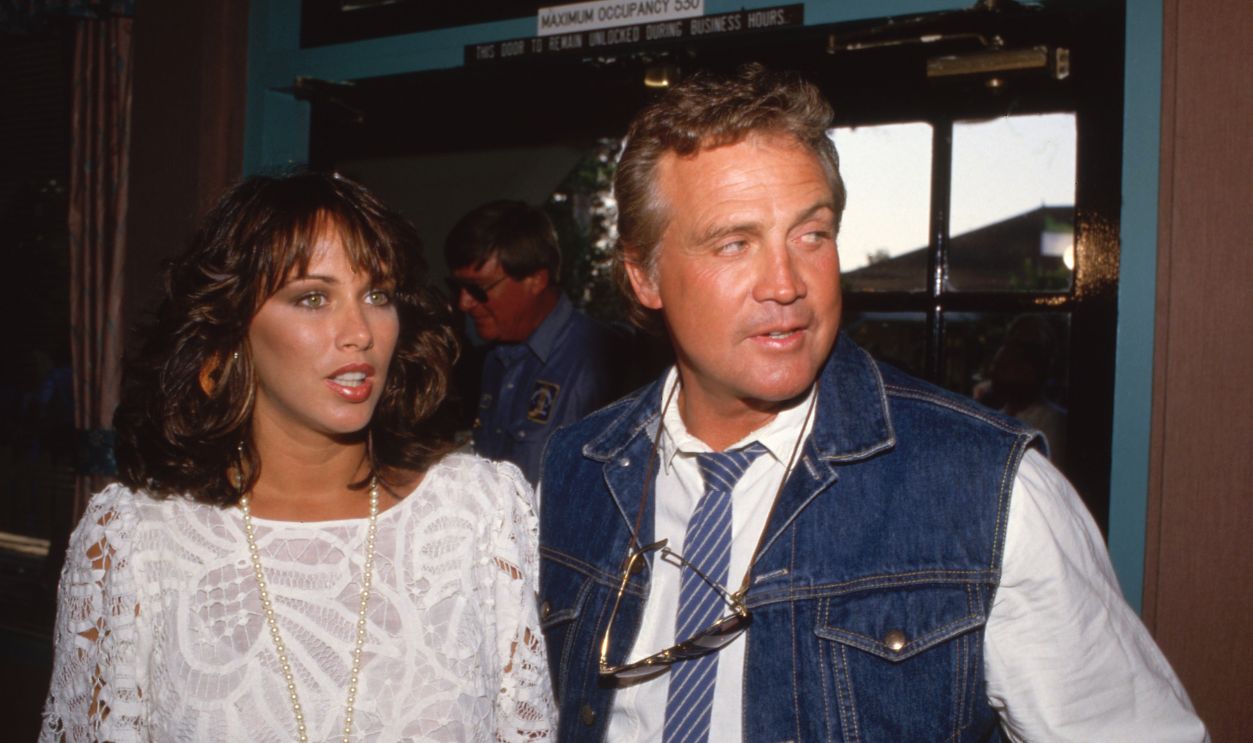
Fatherhood Became More Important
Away from weekly action television, Majors had more opportunities to participate in his children's everyday lives. In a 1997 interview cited by People, he described himself as a hands-on father and even talked about helping at his daughter's school during lunch. It was a much quieter role than anything Steve Austin had ever attempted, but Majors appeared to embrace it.
 Will & Deni McIntyre, Getty Images
Faith Brought Lasting Stability
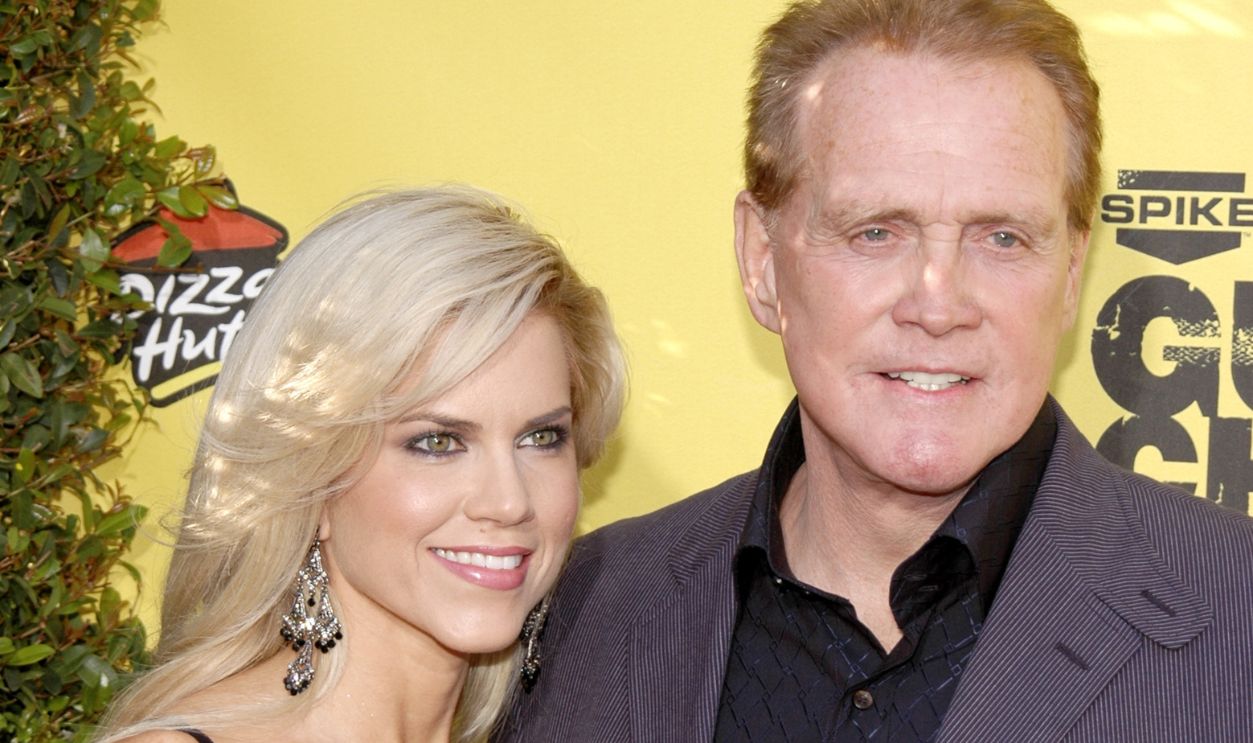
Majors met Faith Cross in the 1990s, and the couple married in 2002. Their relationship became by far his longest marriage, lasting through decades of later acting work and public appearances. Majors eventually joked to People that their longevity amounted to something of a Hollywood record.
He Refused To Become A Museum Piece
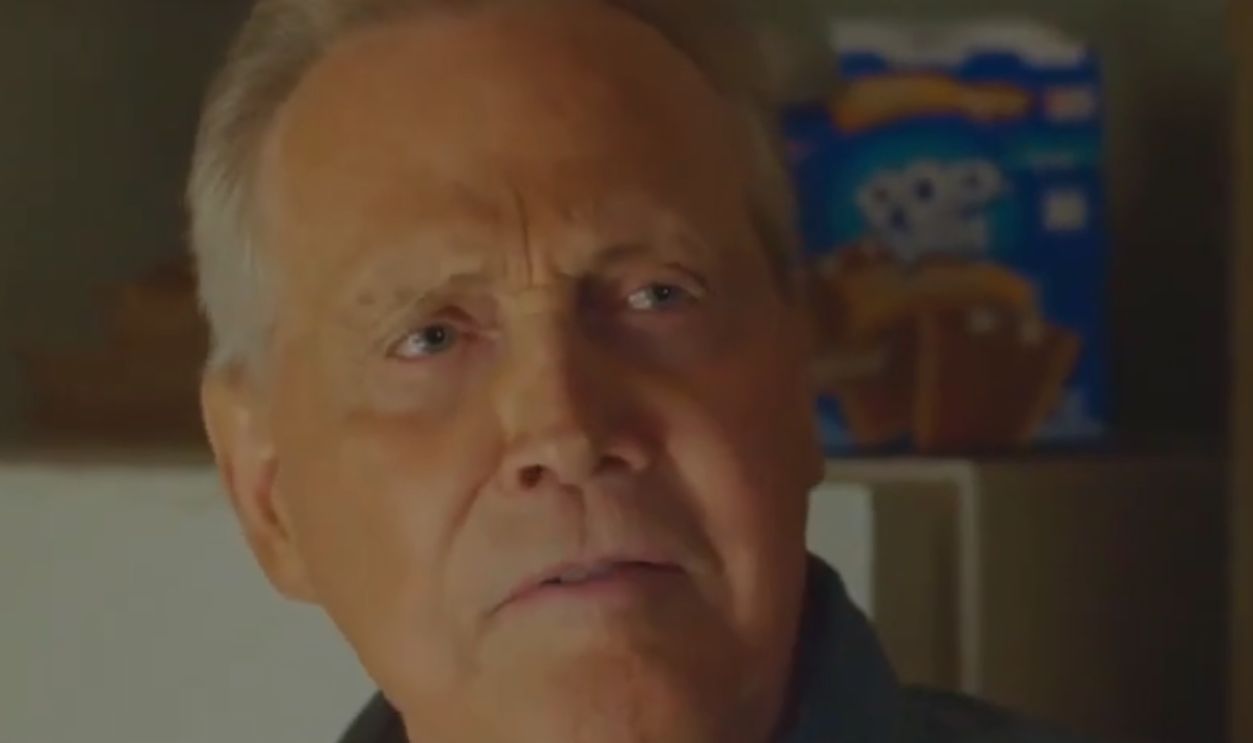
Rather than simply living on nostalgia, Majors kept accepting new roles as he aged. His later work included appearances in Dallas, Raising Hope, and Ash vs. Evil Dead, where he played the father of Bruce Campbell's character. The Television Academy noted in 2016 that Majors was still finding new ways to use the action-star image audiences knew so well.
 Screenshot from Ash vs. Evil Dead, Lionsgate Television (2015–2018)
Hollywood Eventually Came Back To Colt
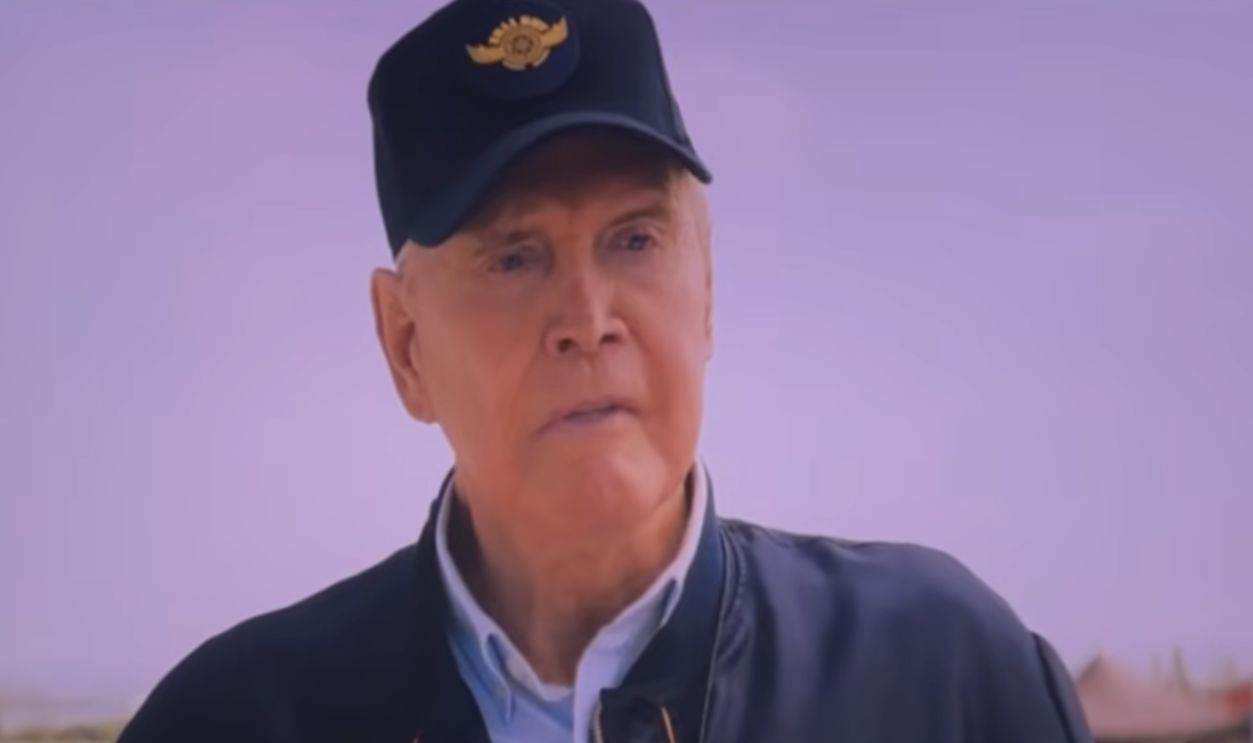
The 2024 feature-film version of The Fall Guy brought Majors back to the property alongside his former co-star Heather Thomas. Both appeared in a cameo in the Ryan Gosling-led movie, which was directed by longtime stunt performer David Leitch. Majors said he quickly bonded with Gosling and was pleased with the filmmakers' affection for the original series.
 Screenshot from The Fall Guy, Universal Pictures (2024)
His Tough-Guy Career Left Permanent Marks
By his later years, Majors freely acknowledged the physical price of his career. College football had damaged his back before Hollywood even began, and decades of running, falling, fighting, and stunt work added further wear. The irony is difficult to miss: the actor famous for playing a man rebuilt stronger than before spent much of his real life coping with the ordinary limitations of a human body.
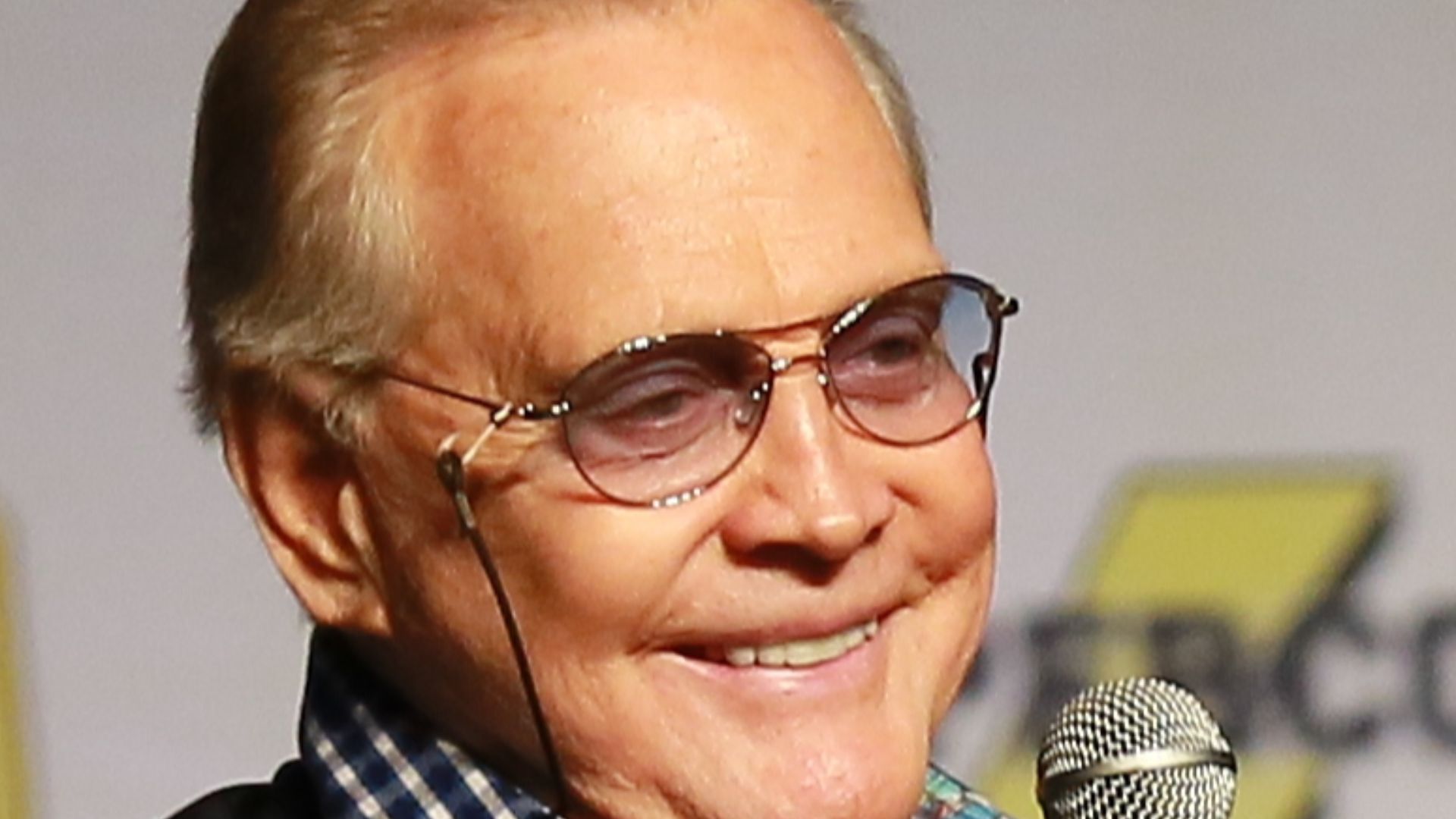 Super Festivals from Ft. Lauderdale, USA, Wikimedia Commons
The Real Lee Majors Was Never Steve Austin
Majors received a star on the Hollywood Walk of Fame in 1984 and remains inseparable from several generations of television history. Yet the life behind that achievement contained bereavement, injury, divorces, exhaustion, career detours, parenthood, and eventually a long-lasting marriage. America may remember the man television rebuilt for six million dollars, but Lee Majors' imperfect real story is ultimately much more human.
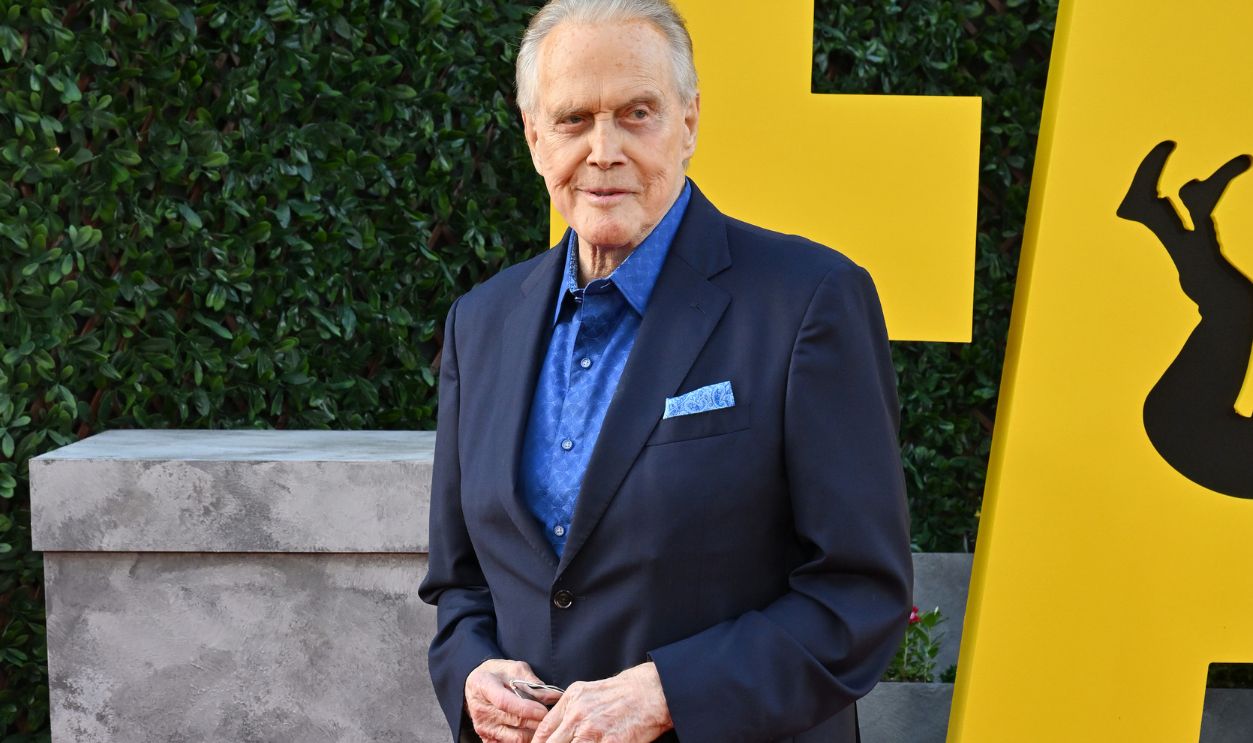 Axelle/Bauer-Griffin, Getty Images
You May Also Like:
Does Anyone Remember These Television Shows? Anyone?
Celebrities Who Are Secret Nerds
TV Shows That Were Canceled In Record Time
Sources: 1, 2, 3, 4, 5, 6, 7, 8, 9, 10, 11, 12, 13, 14, 15, 16, 17, 18, 19, 20