When The Interview Becomes The Story
Celebrity interviews are supposed to sell the movie, promote the album, and send everyone home happy. Occasionally, however, a star says something so unexpected that the promotional appearance becomes bigger than whatever they were promoting. Some of these interviews resulted in firings or canceled events, while others permanently altered a celebrity’s public image or changed how they dealt with the press afterward.
 Spc. Ethan Ford U.S. ARMY GARRISON YONGSAN, Wikimedia Commons
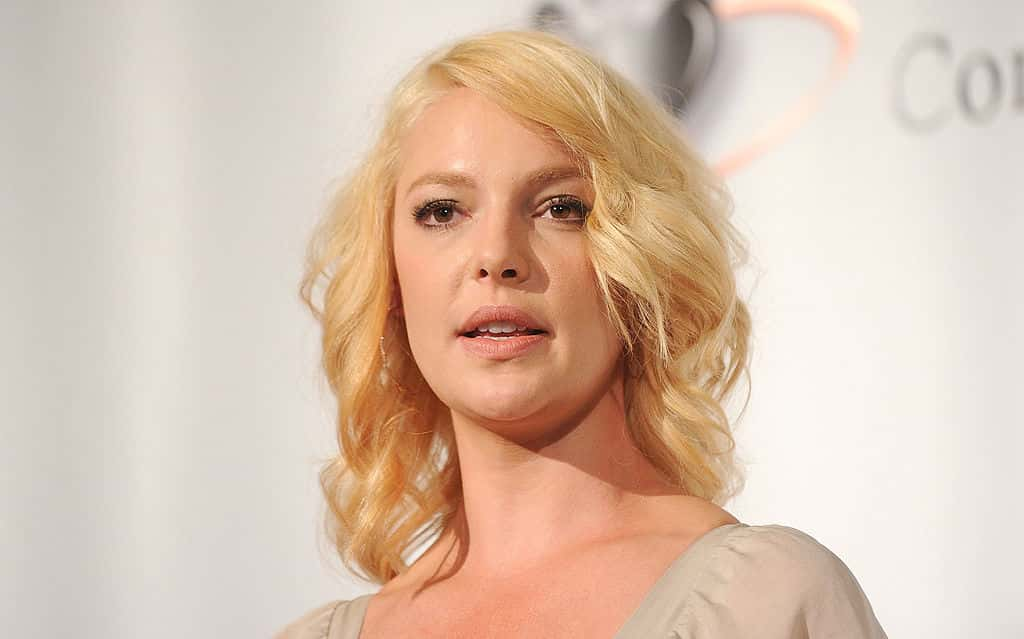
Katherine Heigl Criticized The Movie That Made Her A Star
After Knocked Up helped turn Katherine Heigl into a major movie star, she told Vanity Fair that she considered the film “a little sexist” and disliked how its women were portrayed. Combined with her later public criticism of her Grey’s Anatomy material, the interview helped fuel a reputation for being difficult. Heigl later acknowledged that the fallout profoundly affected her career and made her afraid to voice concerns on sets.
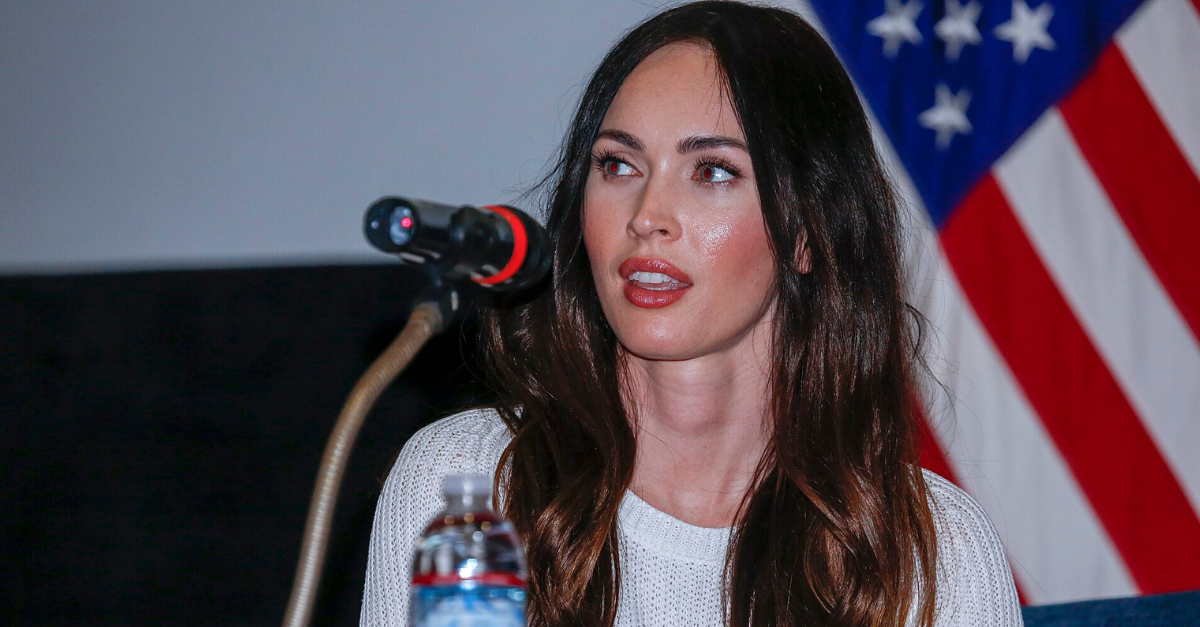
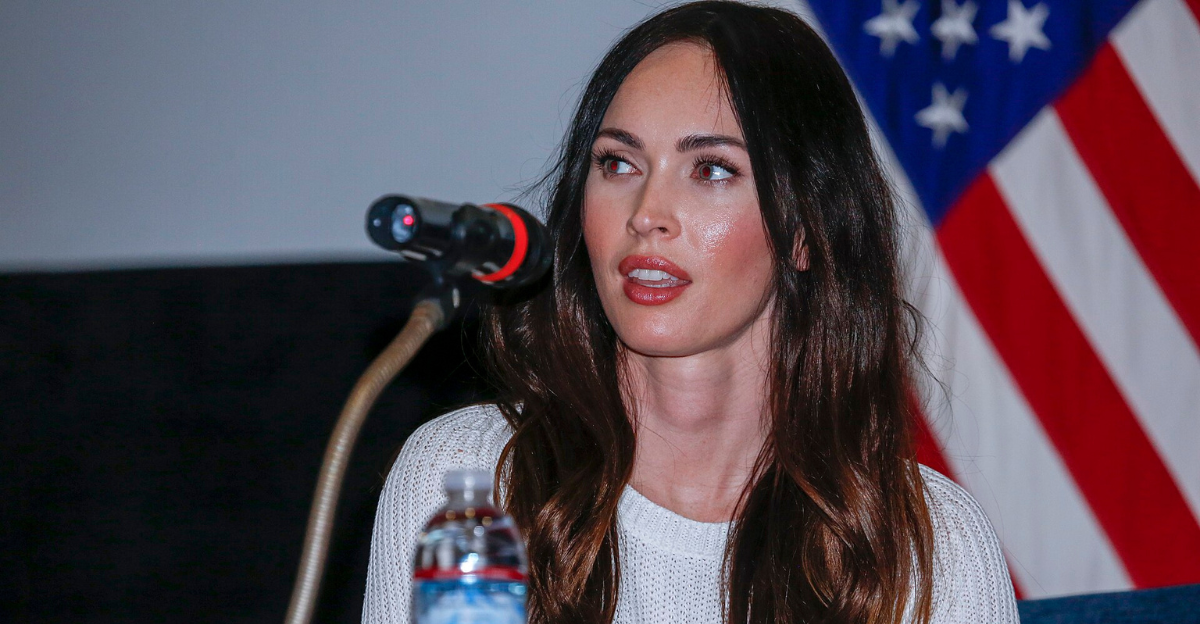
Megan Fox Compared Michael Bay To A Dictator
Megan Fox was one of Hollywood’s fastest-rising stars after the first two Transformers movies. Then, in a 2009 Wonderland interview, she compared director Michael Bay’s behavior on set to Hitler and called him a tyrant. Bay later said executive producer Steven Spielberg responded to the remarks by telling him to fire Fox, who did not return for Transformers: Dark of the Moon.
 Mortal Kombat, Wikimedia Commons
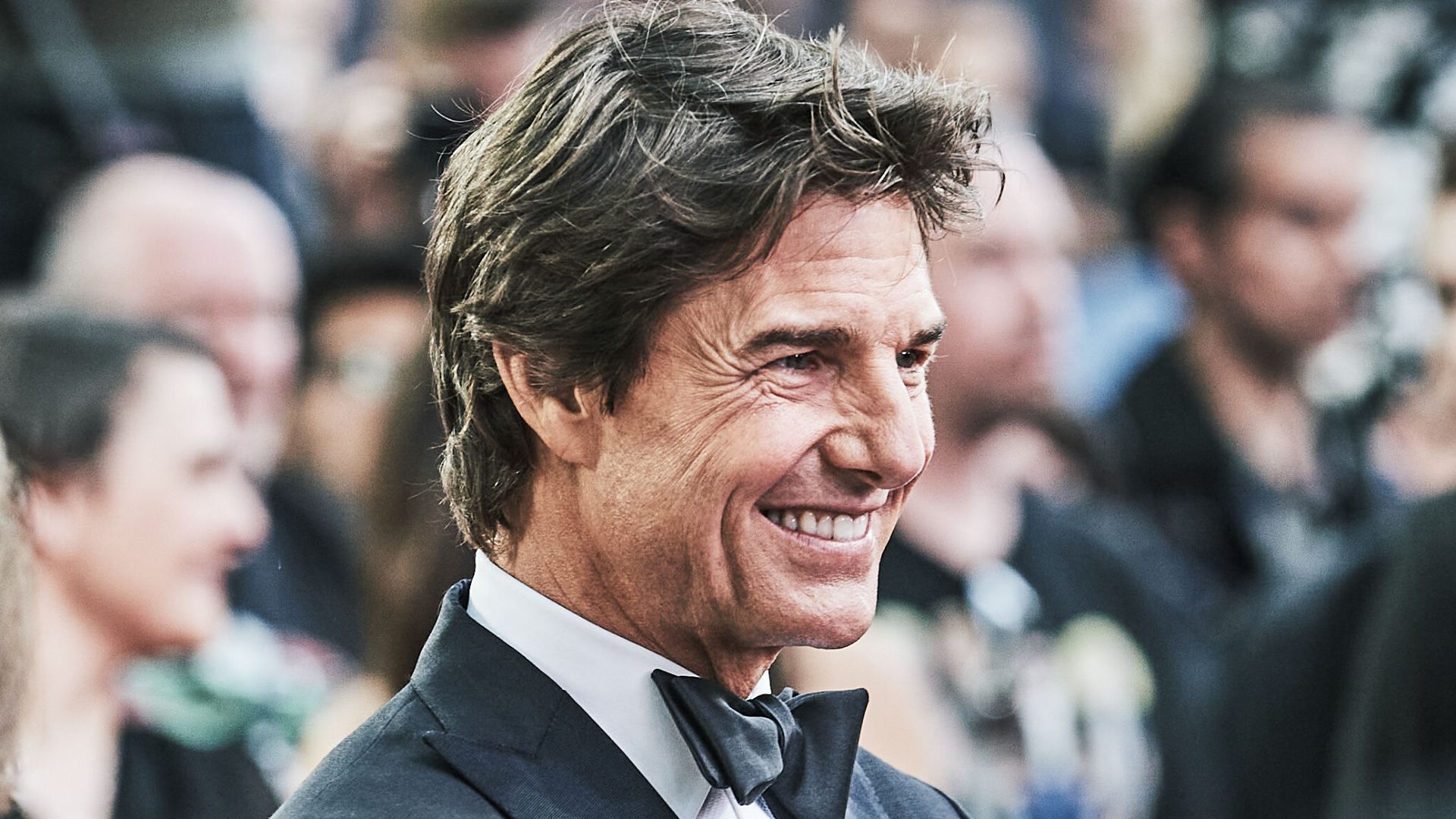
Tom Cruise’s Matt Lauer Showdown Changed His Image
Tom Cruise arrived on Today in 2005 as one of Hollywood’s most bankable stars, but his discussion with Matt Lauer became increasingly combative when psychiatry and prescription medication came up. Cruise called Lauer “glib,” and the exchange quickly became a media sensation. Paramount ended its long relationship with Cruise the following year, with chairman Sumner Redstone publicly citing the star’s recent behavior as unacceptable.
 Gabriel Hutchinson, Wikimedia Commons
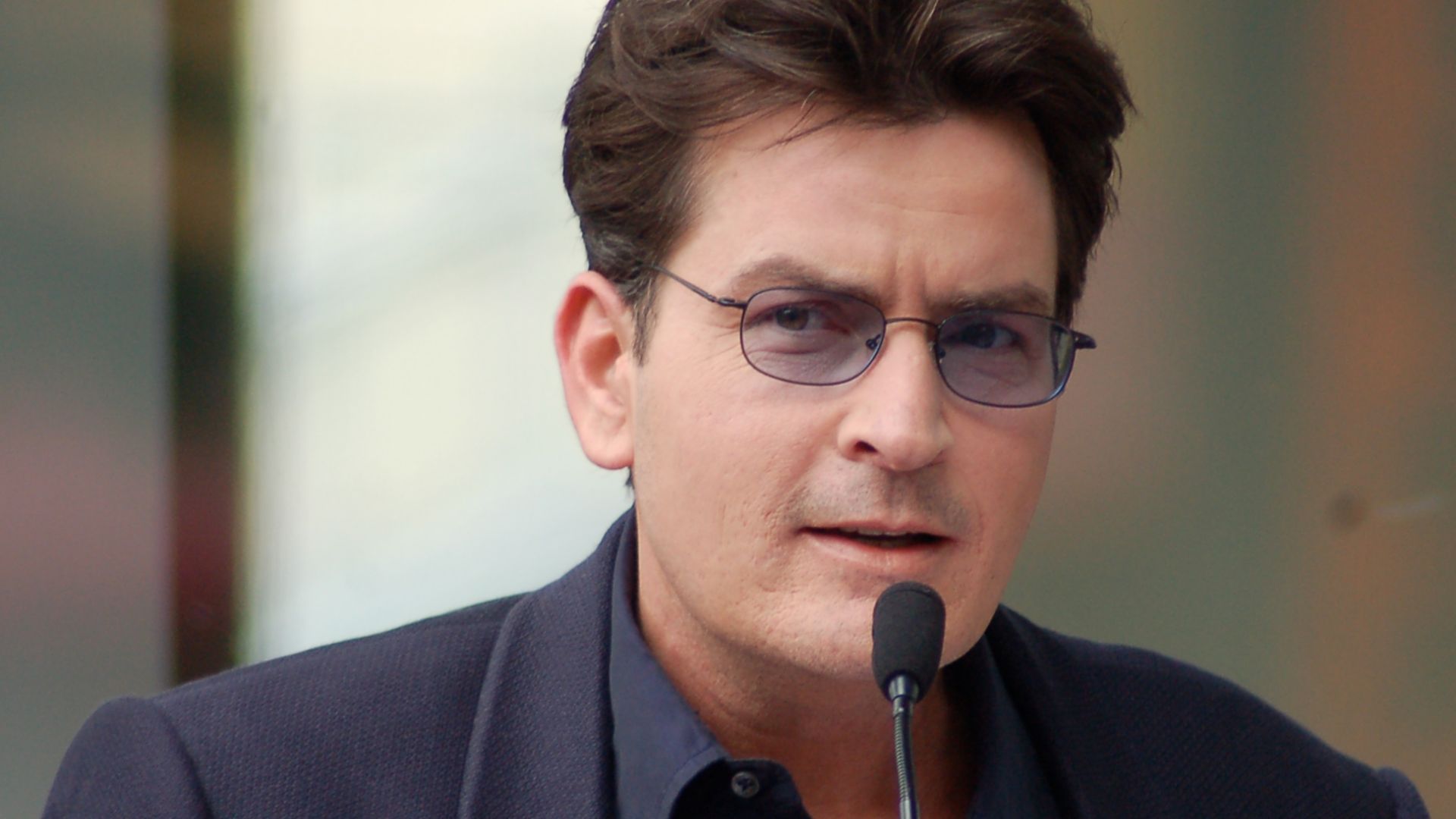
Charlie Sheen Talked Himself Out Of Television’s Biggest Sitcom
Charlie Sheen’s 2011 media blitz produced phrases like “tiger blood” and “Adonis DNA,” but the consequences were considerably less amusing for his career. During a series of interviews, Sheen went after Two and a Half Men creator Chuck Lorre and criticized CBS and Warner Bros. Television. Days later, Warner Bros. terminated his services on the enormously successful sitcom.
 Angela George at https://www.flickr.com/photos/sharongraphics/, Wikimedia Commons
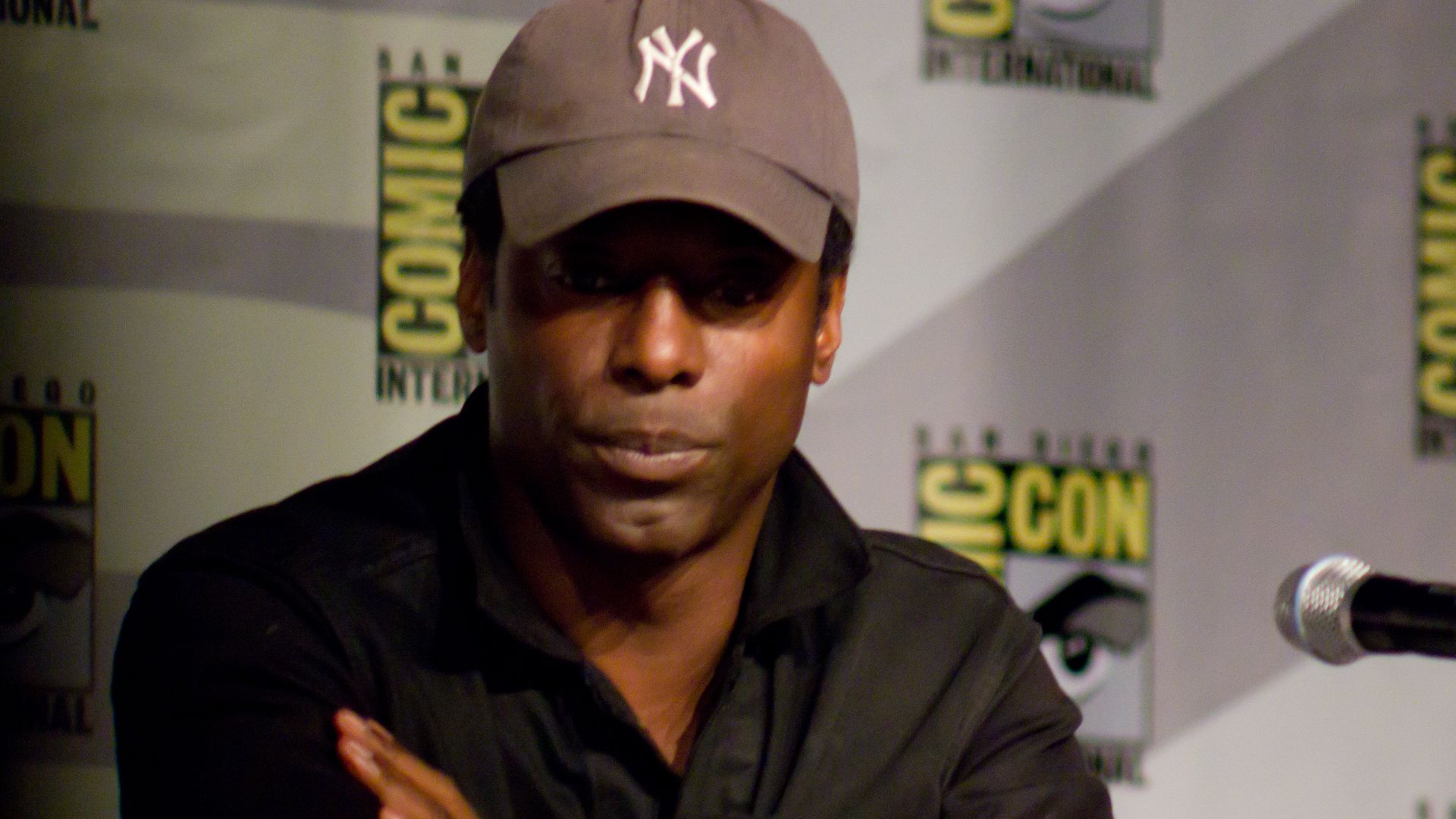
Isaiah Washington Made A Bad Situation Worse
Isaiah Washington was already facing scrutiny over reports that he had used discriminatory language during an argument on the Grey’s Anatomy set. At the 2007 Golden Globes, Washington repeated it while denying that he had directed it at co-star T.R. Knight. Washington apologized afterward, but ABC confirmed months later that his contract would not be renewed.
 vagueonthehow from Tadcaster, York, England, Wikimedia Commons
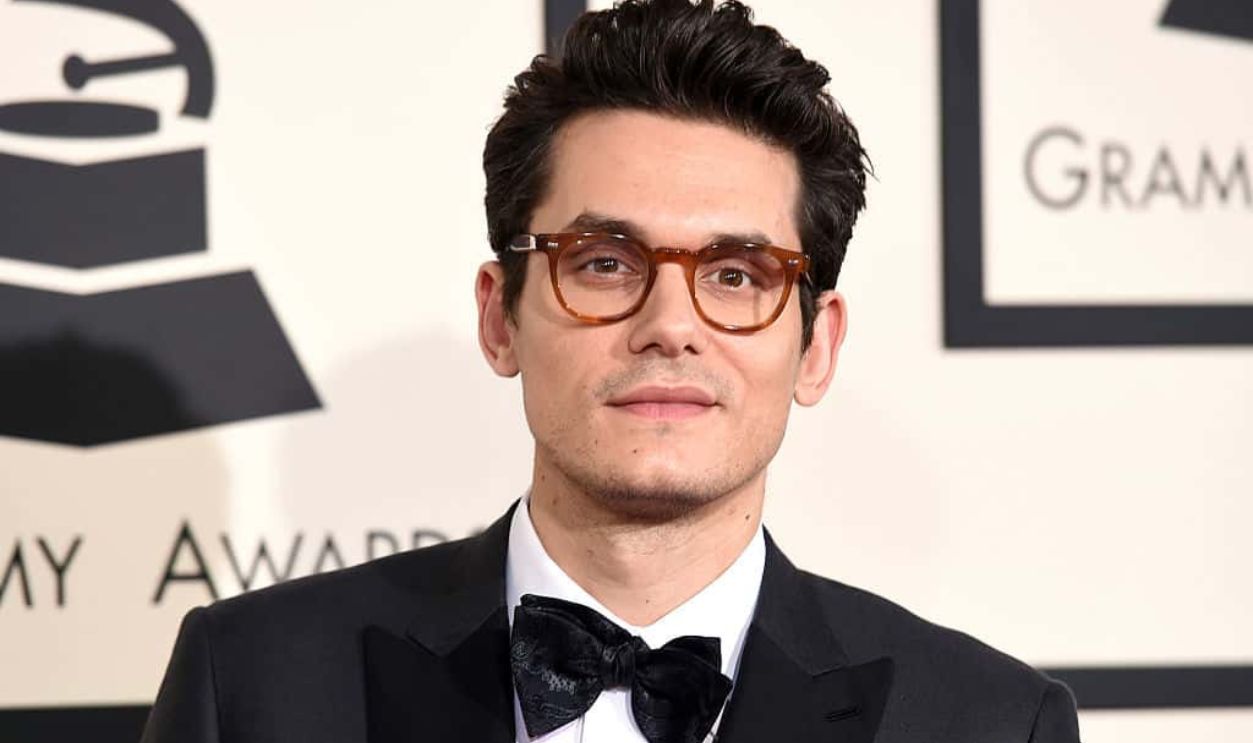
John Mayer’s Interview Became A Career Reset
John Mayer entered 2010 with a number-one album and years of hit singles behind him. Then came a remarkably candid interview in which he discussed former girlfriends, race, and his romantic preferences in language that generated immediate criticism. Mayer apologized publicly and told a concert audience he wanted to step away from the media spotlight and concentrate on playing guitar.
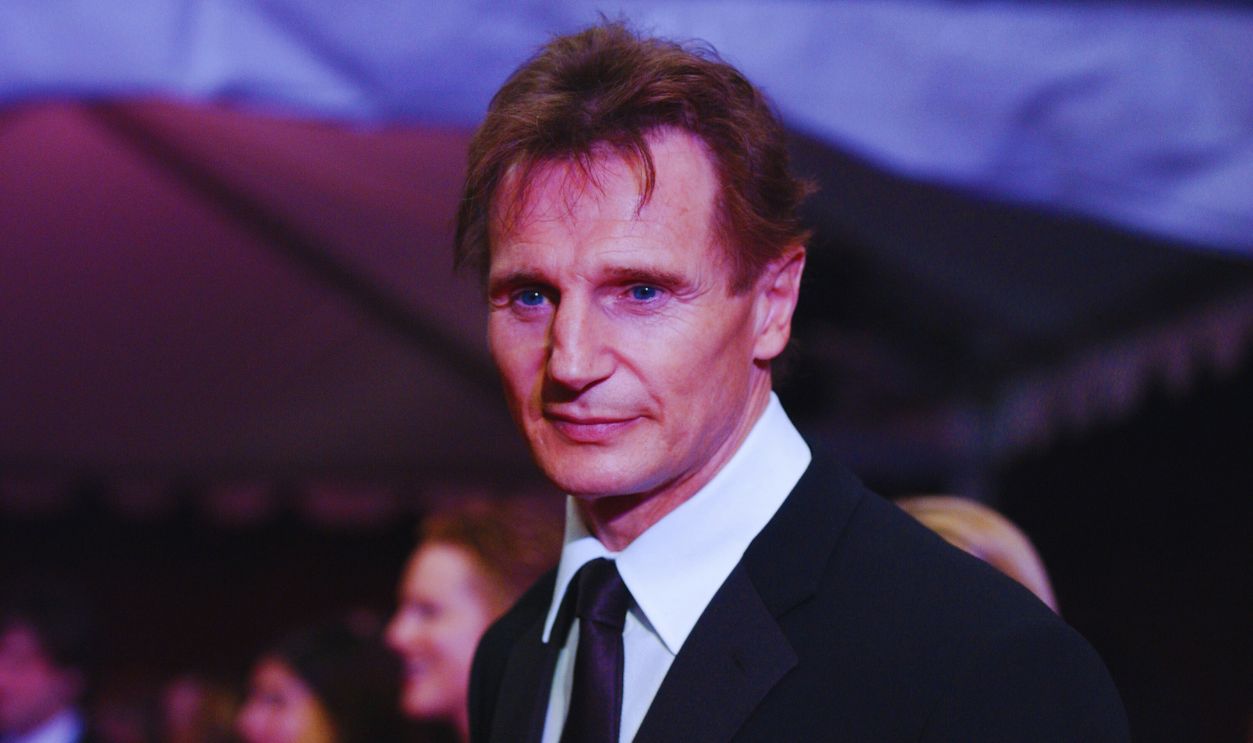
Liam Neeson Turned A Routine Junket Into A Firestorm
While promoting Cold Pursuit in 2019, Liam Neeson volunteered a disturbing story about having once sought revenge against a random Black man. The disclosure immediately overshadowed the movie. Neeson appeared on Good Morning America to explain himself, while the red-carpet portion of the film’s New York premiere was canceled.
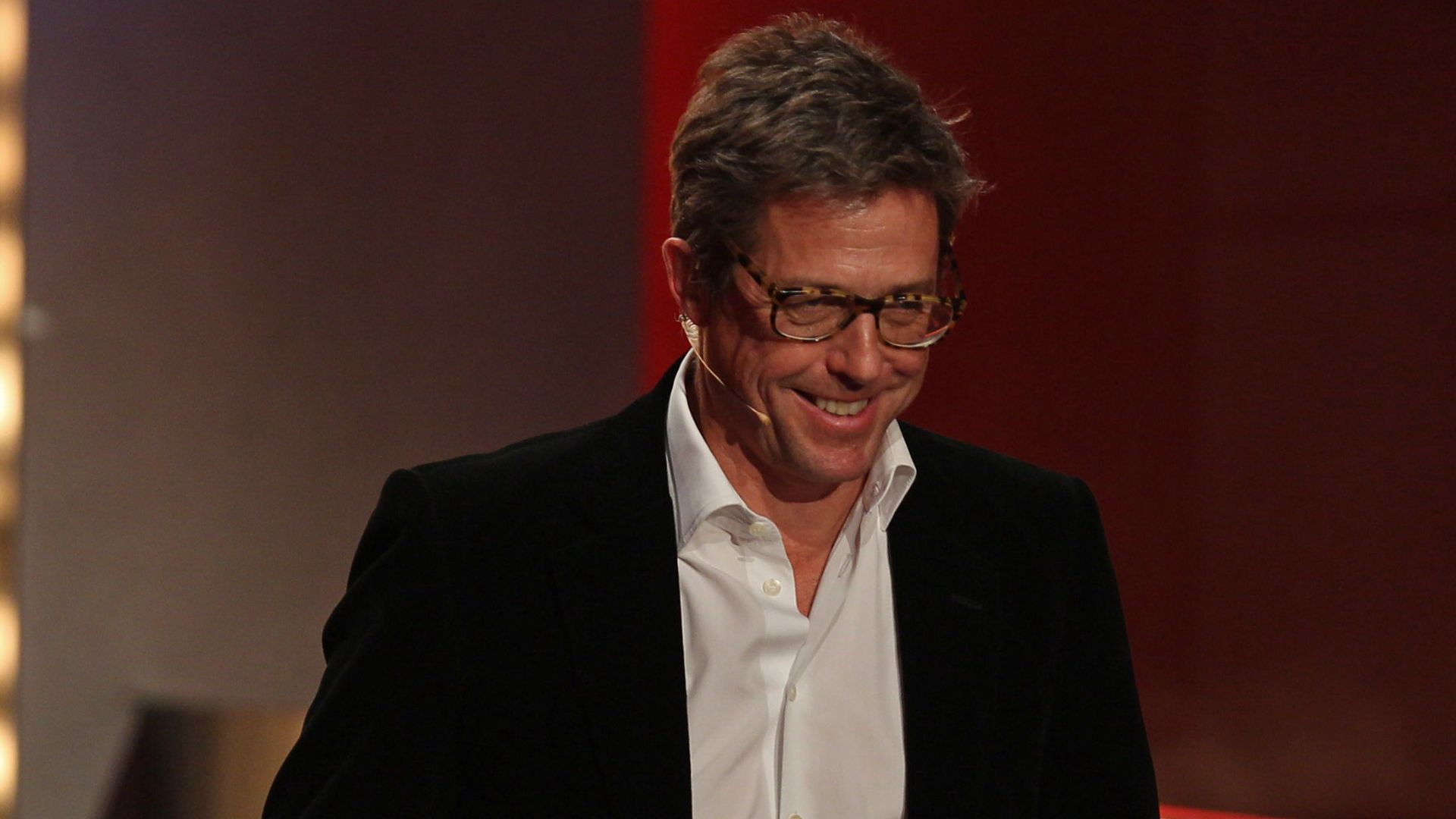
Hugh Grant Somehow Turned Disaster Into Charm
Not every dangerous interview ends badly. After Hugh Grant’s highly publicized 1995 arrest, he appeared on The Tonight Show, where Jay Leno immediately asked what he had been thinking. Grant did not dodge responsibility, simply acknowledging that he had done something wrong. The memorable appearance became an early example of a celebrity confronting a scandal directly rather than disappearing from public view.
Paula Deen Couldn’t Stop The Sponsors From Leaving
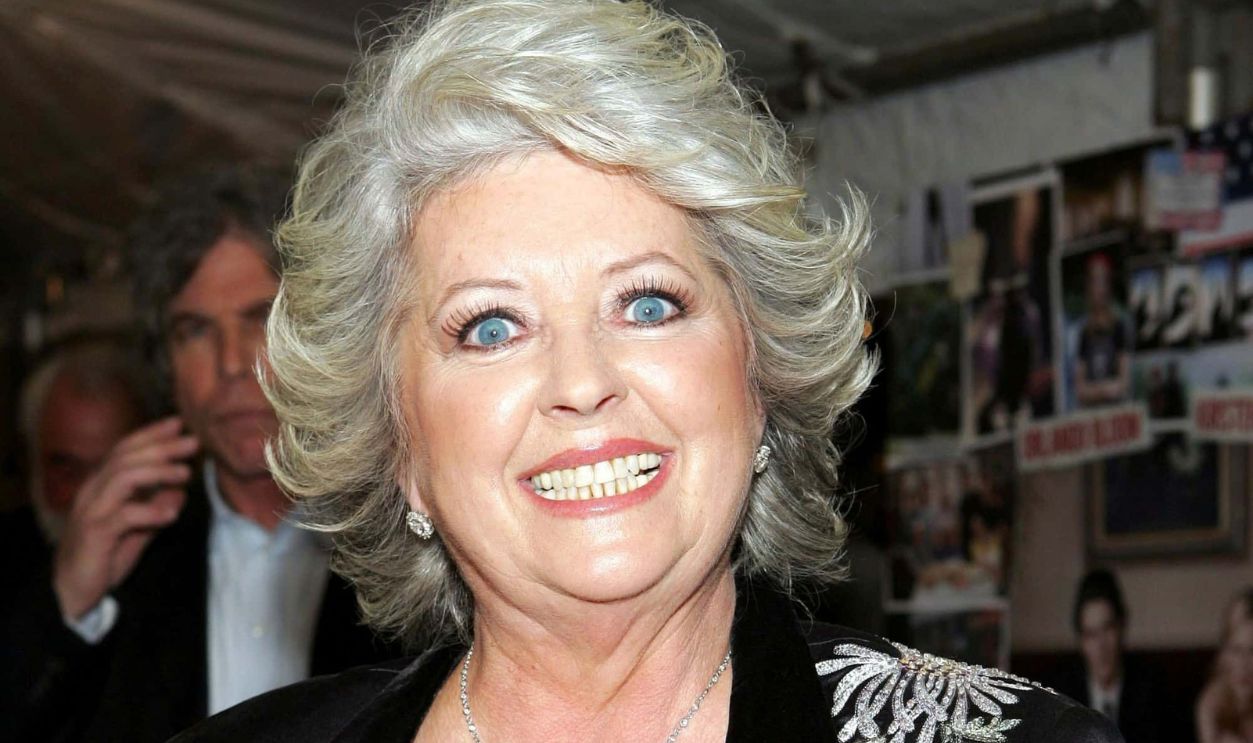
Paula Deen faced a rapidly expanding professional crisis in 2013 after testimony from a discrimination lawsuit revealed her past use of a prejudiced language. She initially skipped a scheduled Today interview, then appeared days later for an emotional conversation with Matt Lauer. The appearance failed to halt the fallout as Walmart, Caesars Entertainment, Target and other companies ended or reduced their relationships with her.
 Everett Collection, Shutterstock
Lars Von Trier Got Himself Banned From Cannes
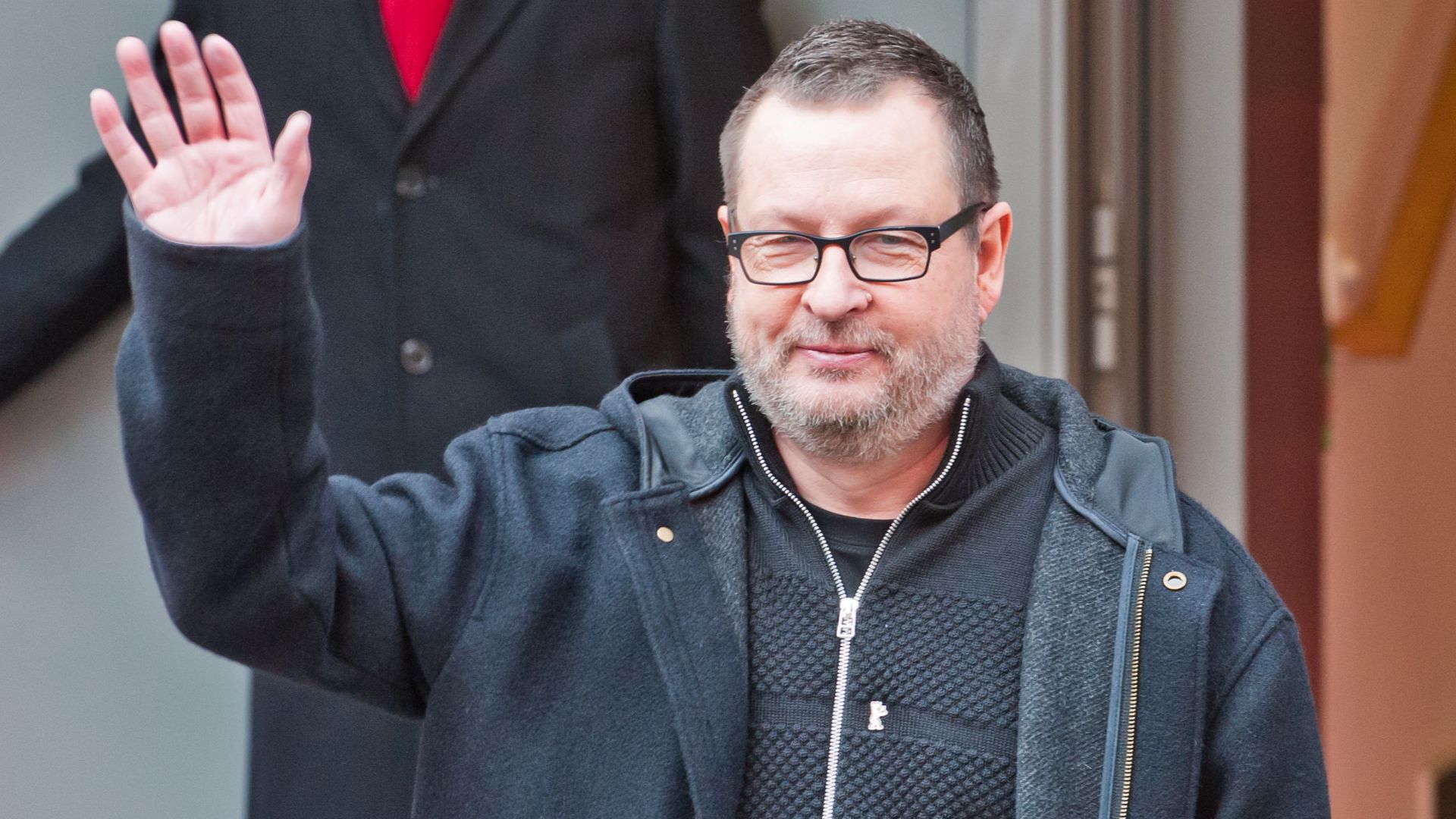
During the 2011 Cannes press conference for Melancholia, director Lars von Trier made a rambling series of comments involving the Fuhrer. The festival reacted with extraordinary speed. Its board held a meeting the following day and officially declared the acclaimed filmmaker persona non grata, turning what should have been a prestigious film launch into one of Cannes’ most notorious press conferences.
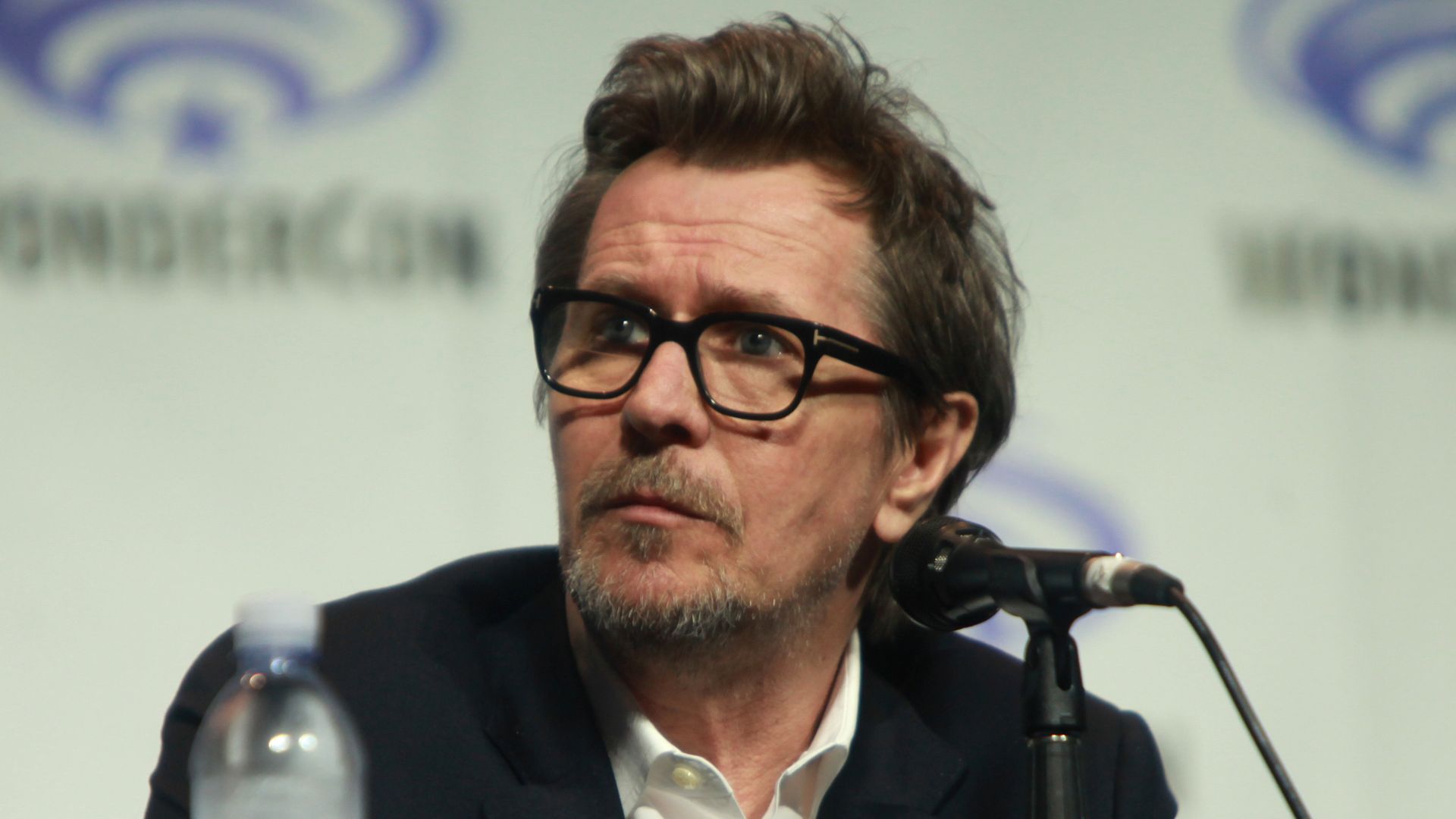
Gary Oldman Had To Begin Apologizing Almost Immediately
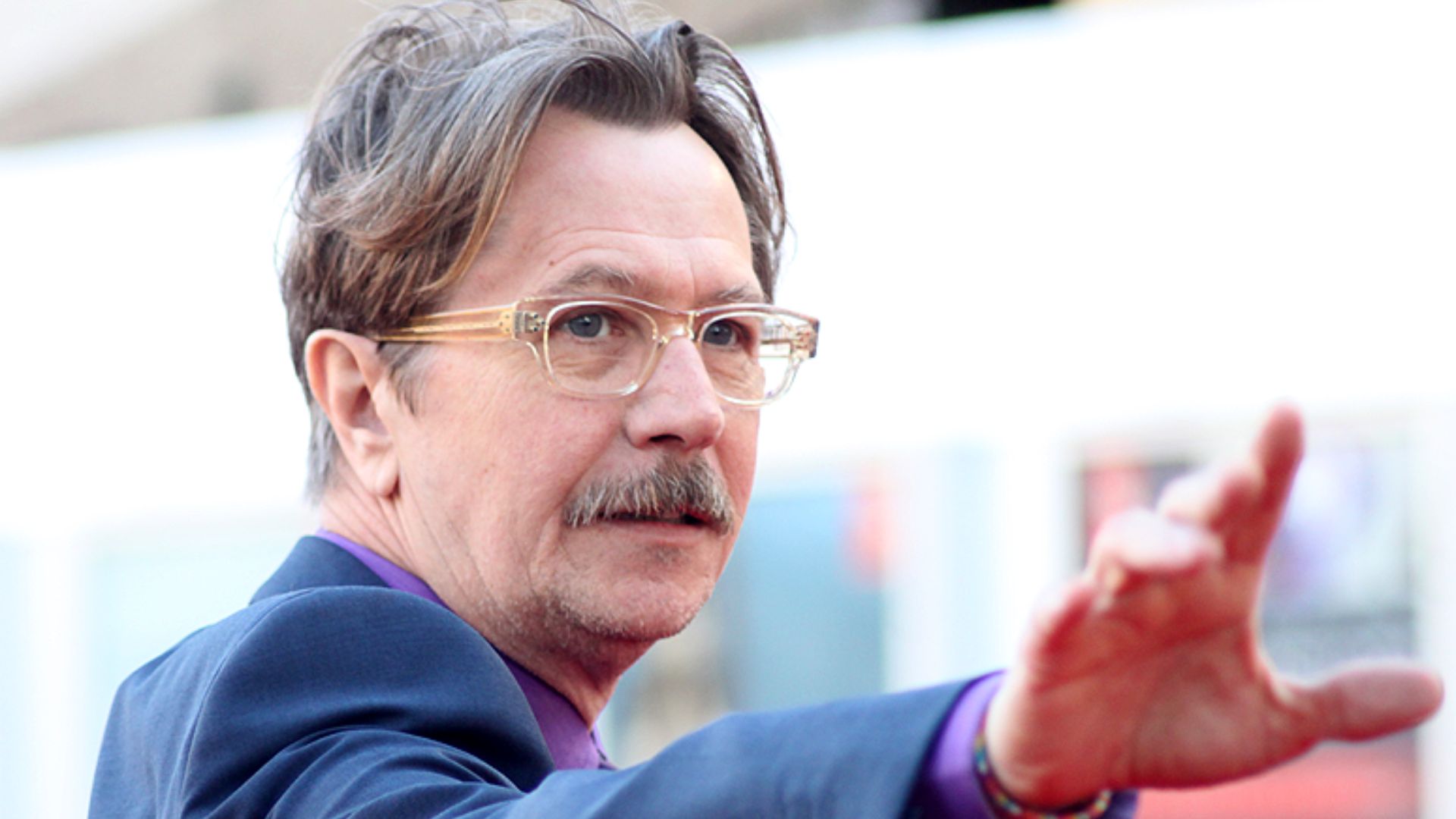
Gary Oldman’s 2014 interview included comments about political correctness and a defense of controversial remarks previously made by other celebrities. The response was immediate enough that Oldman issued a written apology and then appeared on Jimmy Kimmel Live! to apologize again. He described his own comments as poorly considered, insensitive and ill-informed.
 Sam from UK, Wikimedia Commons
Miles Teller Stopped Trusting Magazine Profiles
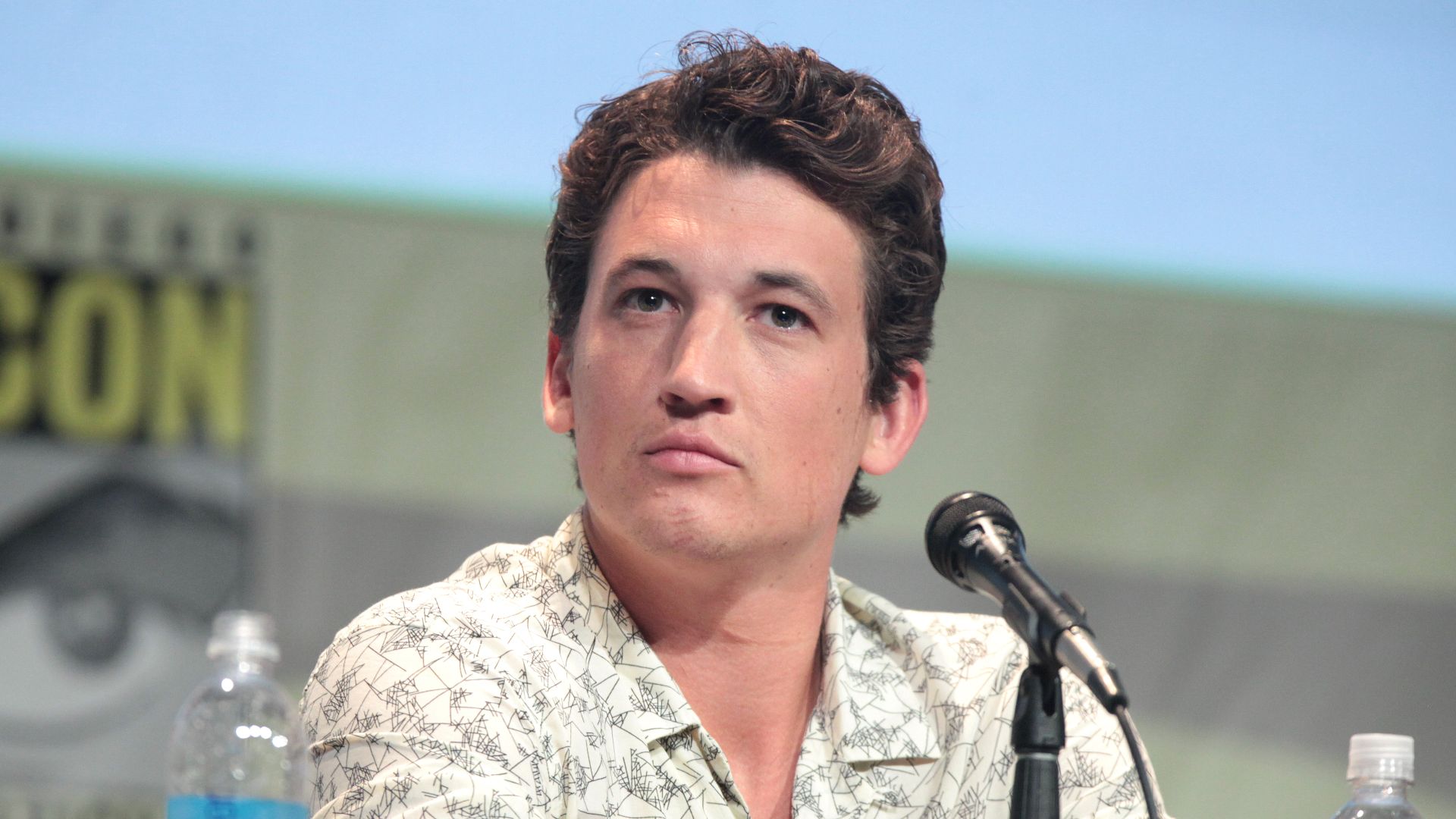
An Esquire profile of Miles Teller in 2015 famously opened by questioning whether the rising actor was unpleasant and repeatedly framed him in unflattering terms. Teller objected publicly at the time. More than a decade later, he said the experience felt like an offense and explained that it was why he largely stopped agreeing to traditional print profiles.
 Gage Skidmore from Peoria, AZ, United States of America, Wikimedia Commons
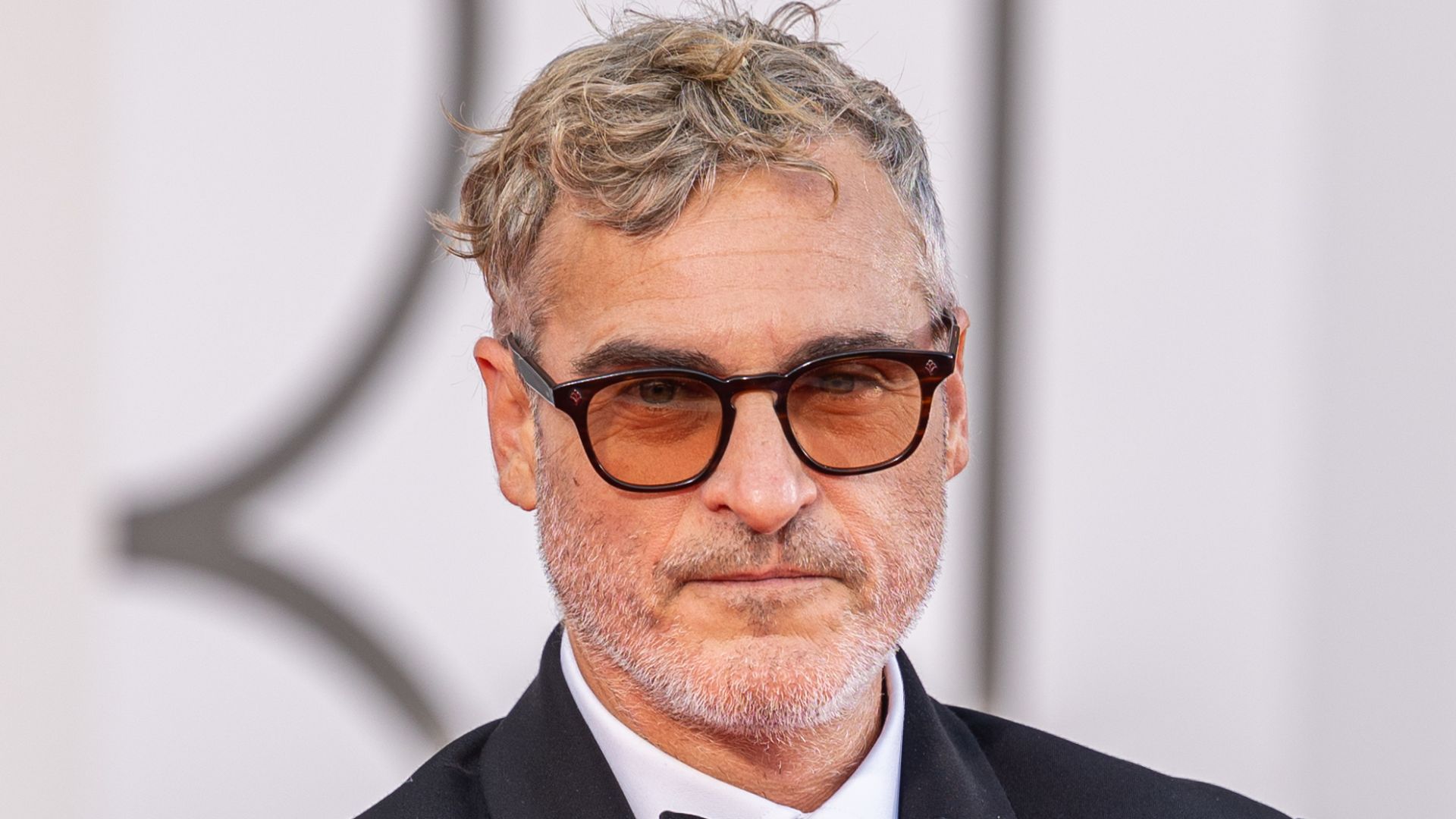
Joaquin Phoenix Convinced People He Had Lost The Plot
When Joaquin Phoenix appeared on Late Show with David Letterman in 2009, he was bearded, withdrawn, and supposedly abandoning acting to become a rapper. His strange answers immediately became entertainment news. The apparent career implosion was eventually revealed as part of I’m Still Here, the mockumentary Phoenix made with Casey Affleck, and Phoenix returned to Letterman in 2010 to explain the elaborate performance.
 Harald Krichel, Wikimedia Commons
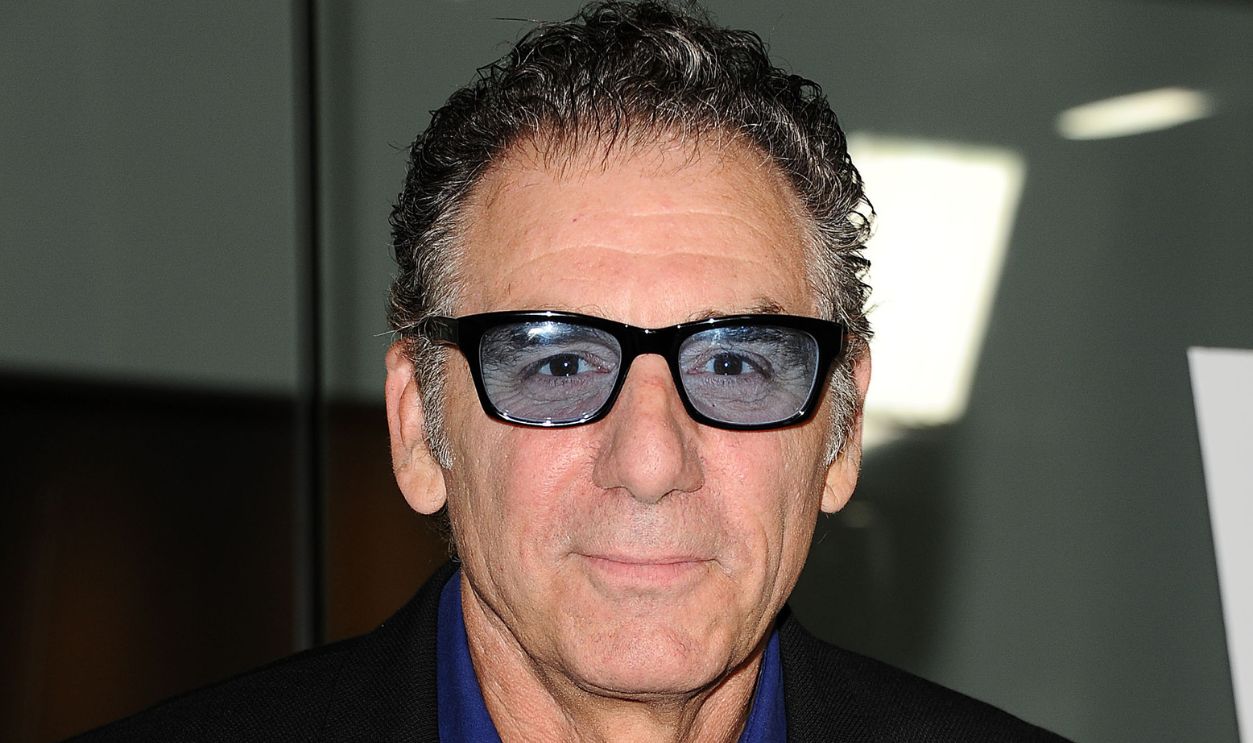
Michael Richards’ Letterman Appearance Became Damage Control
Michael Richards’ career crisis began when footage emerged of him directing prejudiced language at hecklers during a 2006 comedy-club performance. Within days, the former Seinfeld star appeared by satellite on David Letterman’s show and apologized while Jerry Seinfeld sat in the studio. The apology could not erase the original footage, and Richards subsequently spent years largely outside the entertainment spotlight.
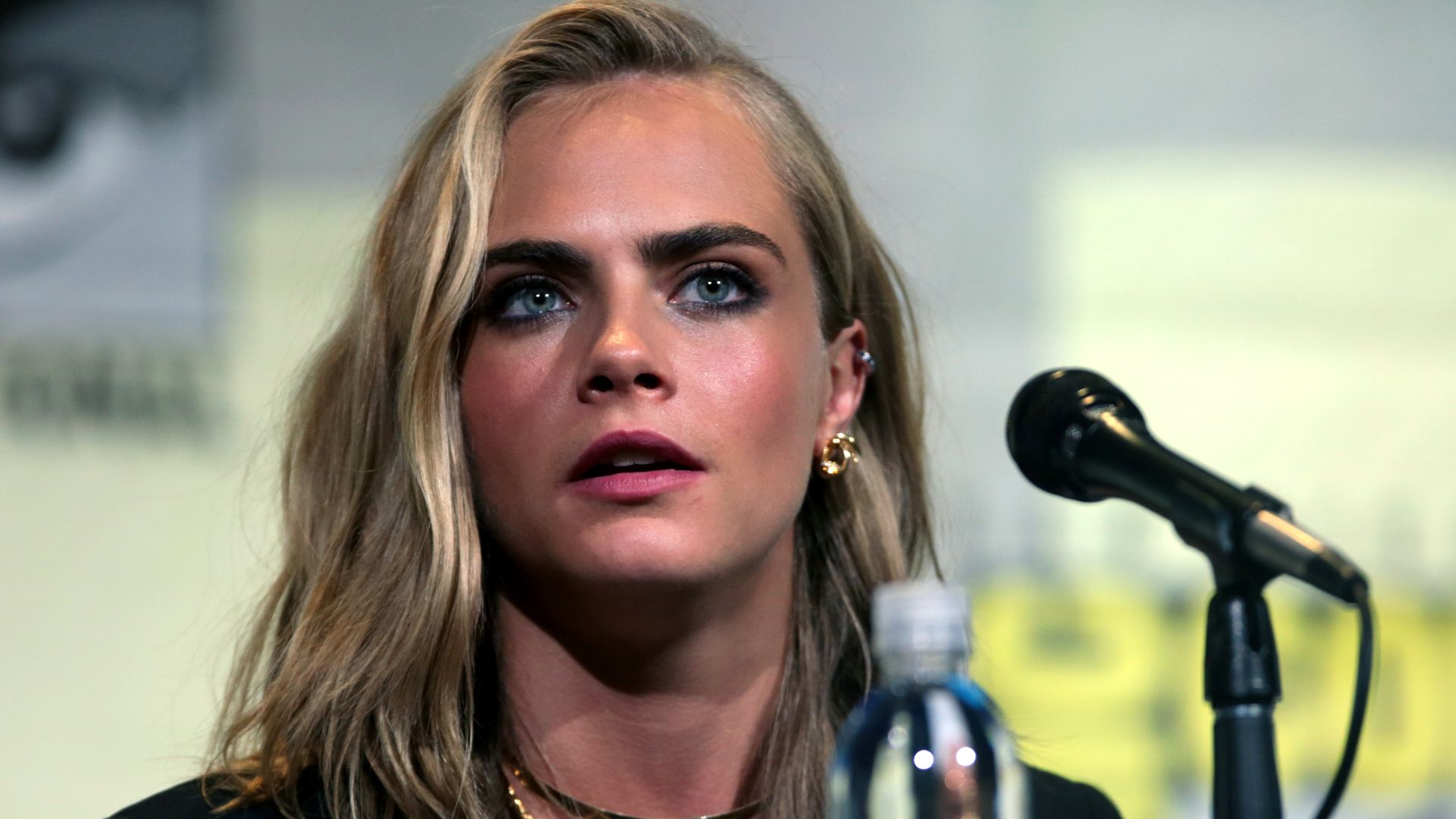
Cara Delevingne Learned How Fast A Junket Can Go Wrong
Cara Delevingne’s 2015 Paper Towns promotional tour produced an interview that quickly overshadowed the movie. Her sarcastic responses clashed with the hosts of Good Day Sacramento, one of whom questioned her attitude before the segment ended early. The uncomfortable exchange spread widely online, turning an ordinary morning-show appearance into a debate over Delevingne’s professionalism and the demands of promotional interviews.
 Gage Skidmore from Peoria, AZ, United States of America, Wikimedia Commons
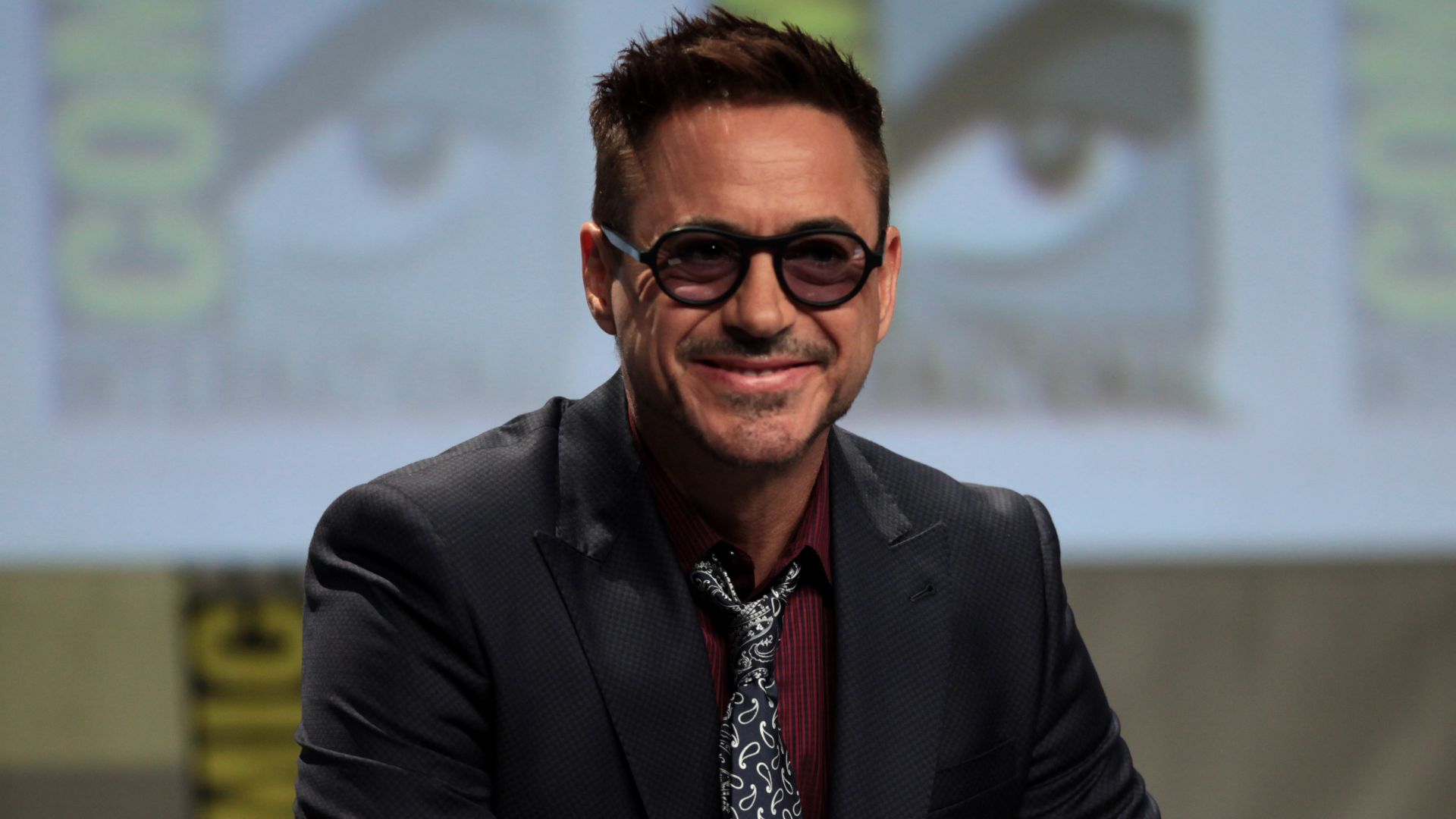
Robert Downey Jr. Simply Walked Away
Robert Downey Jr. was promoting Avengers: Age of Ultron in 2015 when a Channel 4 interview shifted from superhero questions toward his political views, lockup, addiction, and relationship with his father. Downey repeatedly questioned the direction of the conversation before removing his microphone and leaving. The viral encounter demonstrated that one of Hollywood’s biggest stars was now powerful enough to end an interview on his own terms.
 Gage Skidmore, Wikimedia Commons
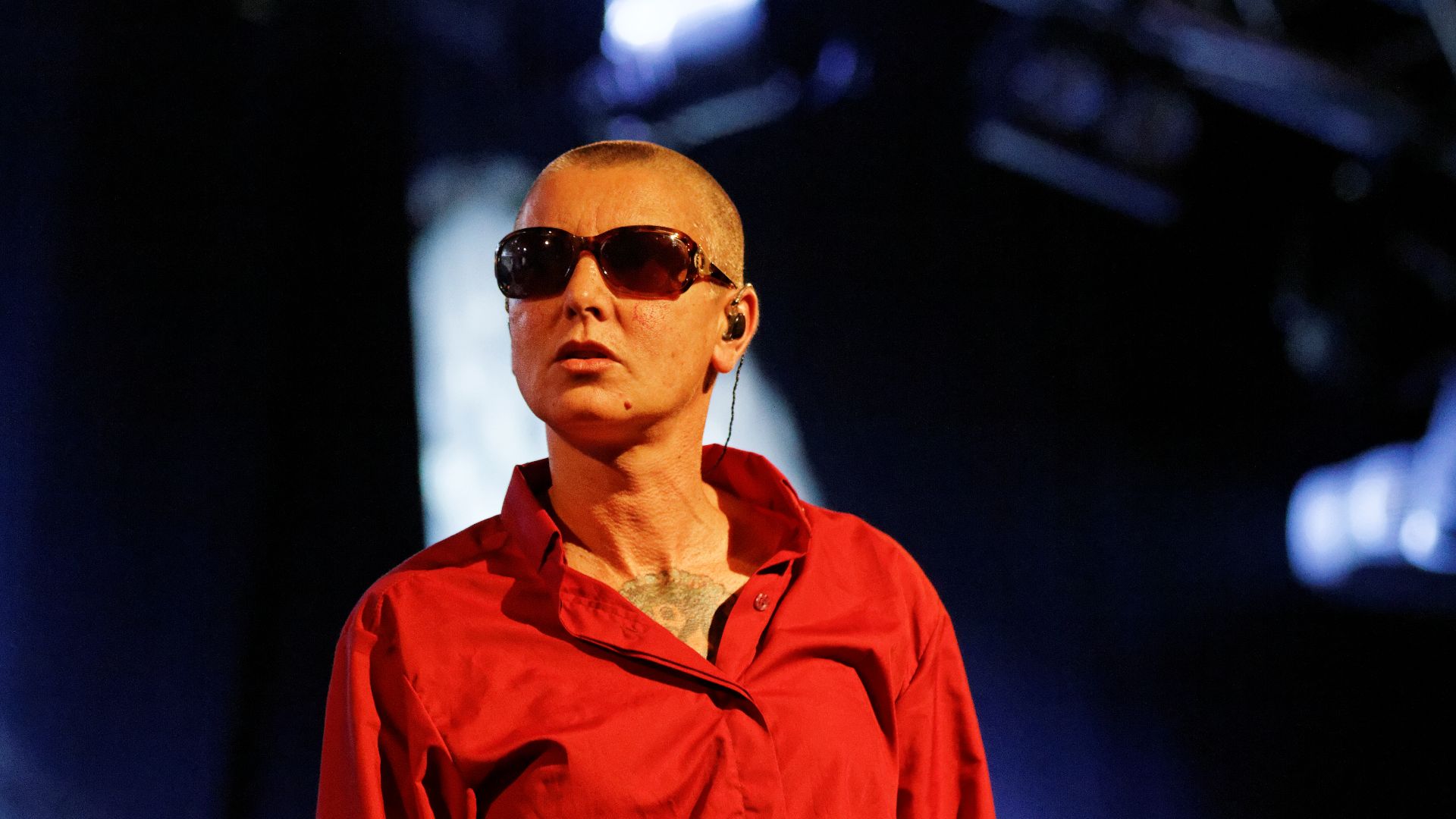
Sinéad O’Connor Turned Live Television Into A Point Of No Return
Sinéad O’Connor’s defining television controversy was technically a performance rather than a sit-down interview, but its career impact makes it impossible to ignore. During Saturday Night Live in 1992, she tore up a photograph of Pope John Paul II while protesting predatory behaviour within the Catholic Church. The backlash was immediate and followed O’Connor for decades, even as later reassessments reconsidered her protest.
 Thesupermat, Wikimedia Commons
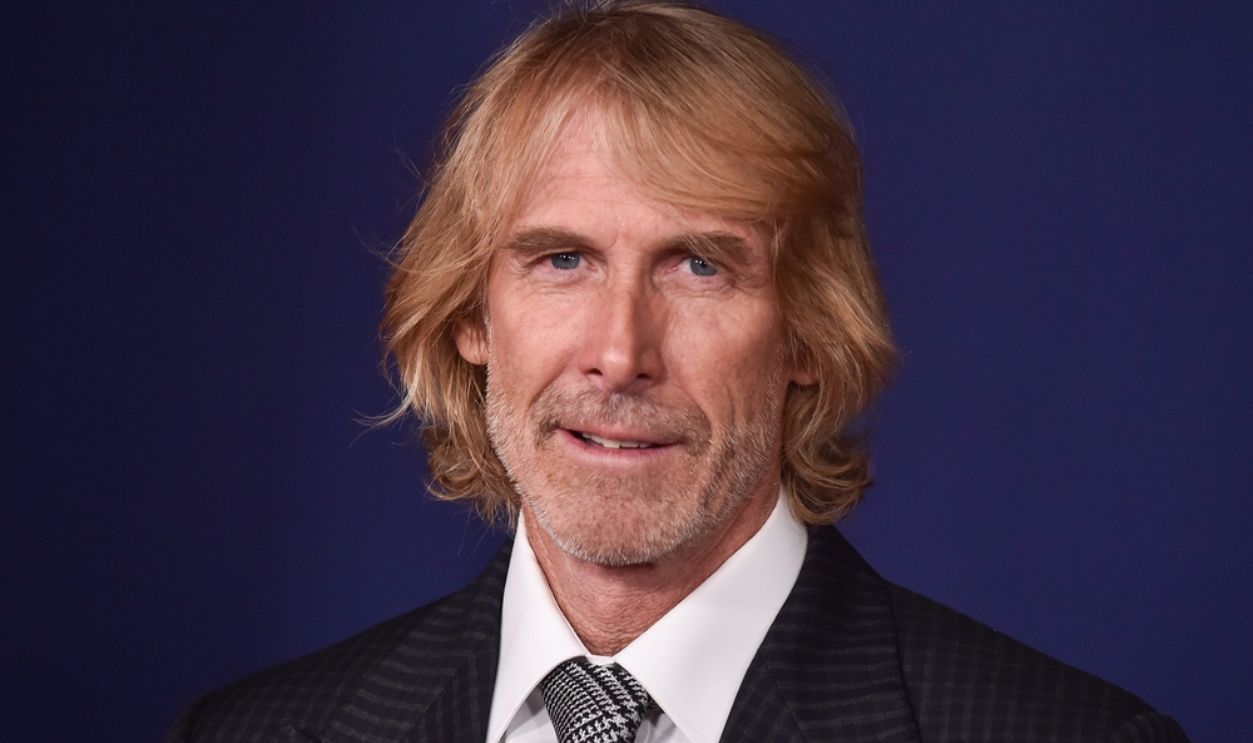
Michael Bay’s Comments Confirmed What Happened To Megan Fox
For years, Megan Fox’s disappearance from the third Transformers film was publicly murky. That changed when Michael Bay discussed the situation in 2011 and said Steven Spielberg had demanded Fox’s dismissal after her infamous comments about Bay. In effect, one interview caused the original rupture, while another interview later revealed just how consequential those words had been.
Sometimes One Conversation Really Is Enough
Hollywood careers rarely rise or collapse because of a single sentence alone. Yet interviews can expose existing tensions, transform private disputes into public ones, or create reputations that follow performers for years. In the most dramatic cases, the distance between a routine promotional conversation and a career-changing headline can be only a few minutes.
 Gage Skidmore from Peoria, AZ, United States of America, Wikimedia Commons
You May Also Like:
Carole Lombard, The Profane Angel Of Old Hollywood