He Was Everywhere.
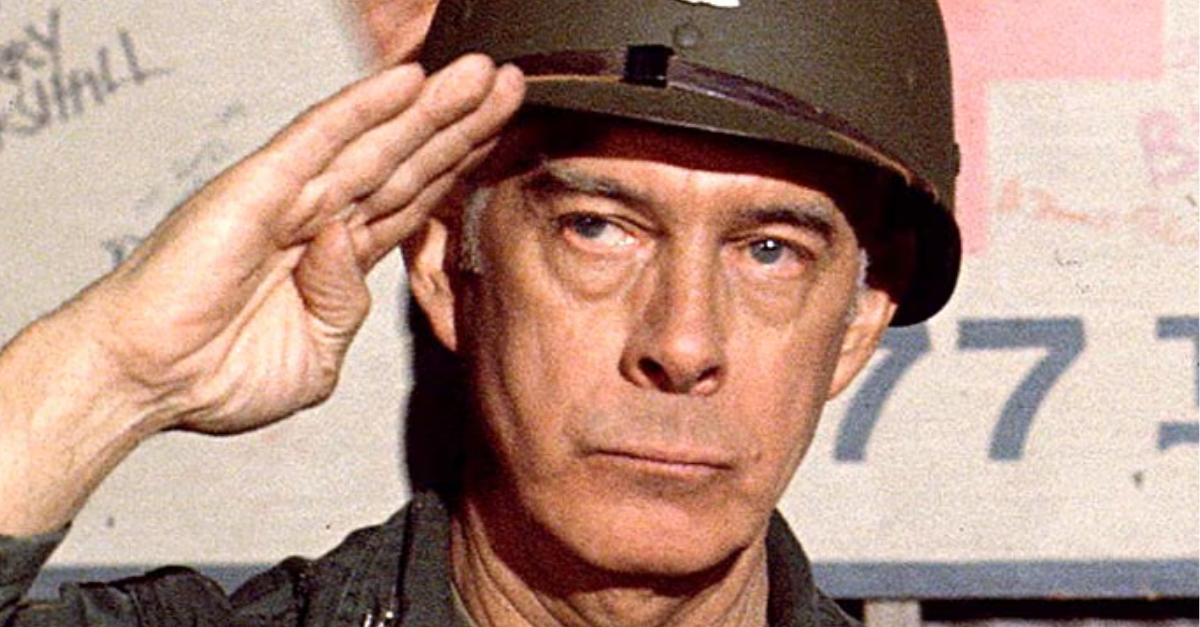
Decades before Harry Morgan became Colonel Sherman Potter on M*A*S*H, he had already built one of Hollywood’s most durable careers through Westerns, crime films, sitcoms, police dramas, and more than 100 movie appearances. Morgan rarely needed to be the biggest name on the marquee because directors learned that putting him in a scene almost always made that scene better.
He Originally Planned On Becoming A Lawyer
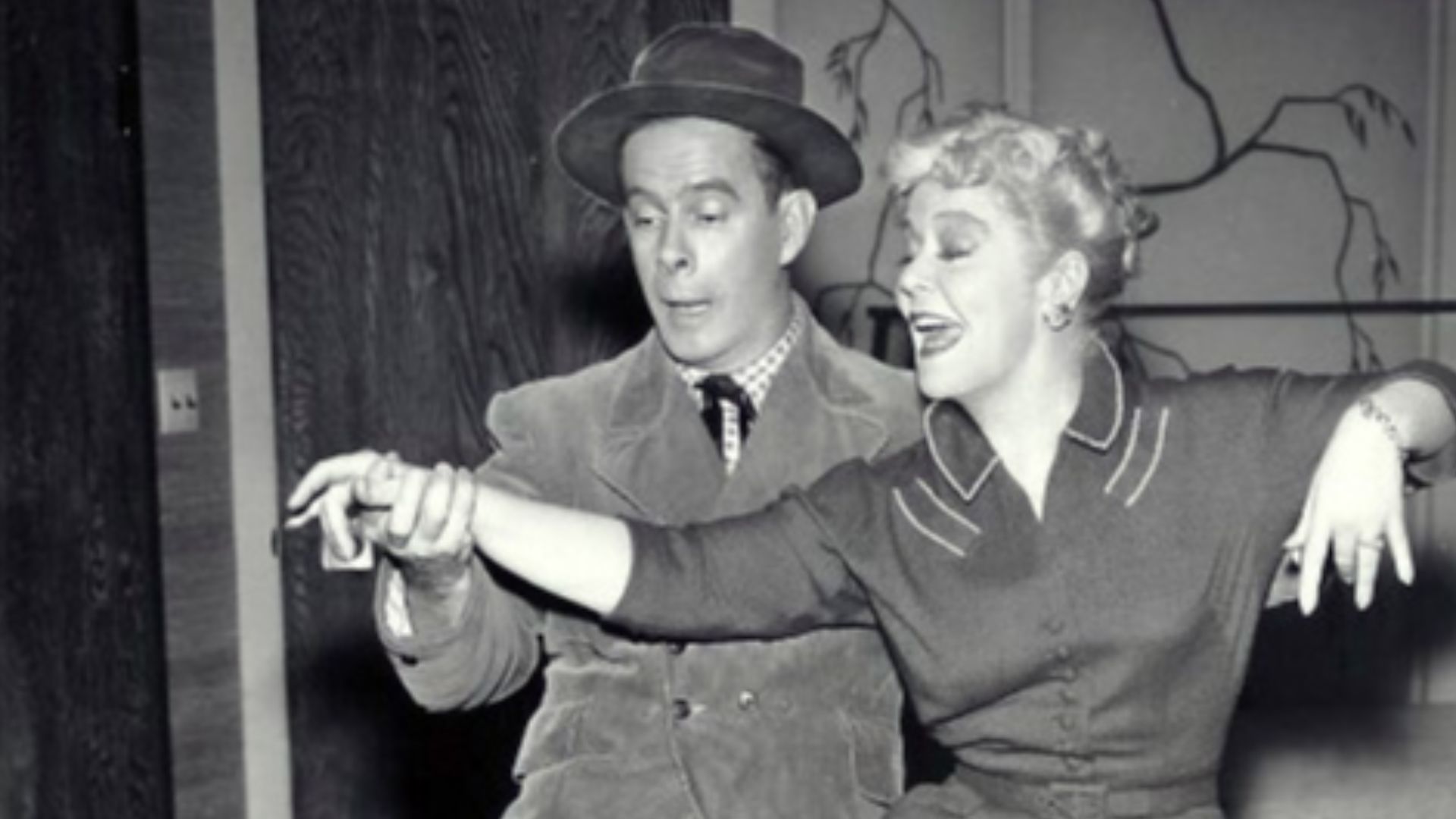
Morgan was born in Detroit in 1915 and grew up in Michigan before attending the University of Chicago. He initially studied with the idea of pursuing law, but acting gradually pulled him in another direction. Public speaking and theater gave the future television regular a new professional path long before Hollywood entered the picture.
 CBS Television, Wikimedia Commons
Broadway Gave Him Serious Training
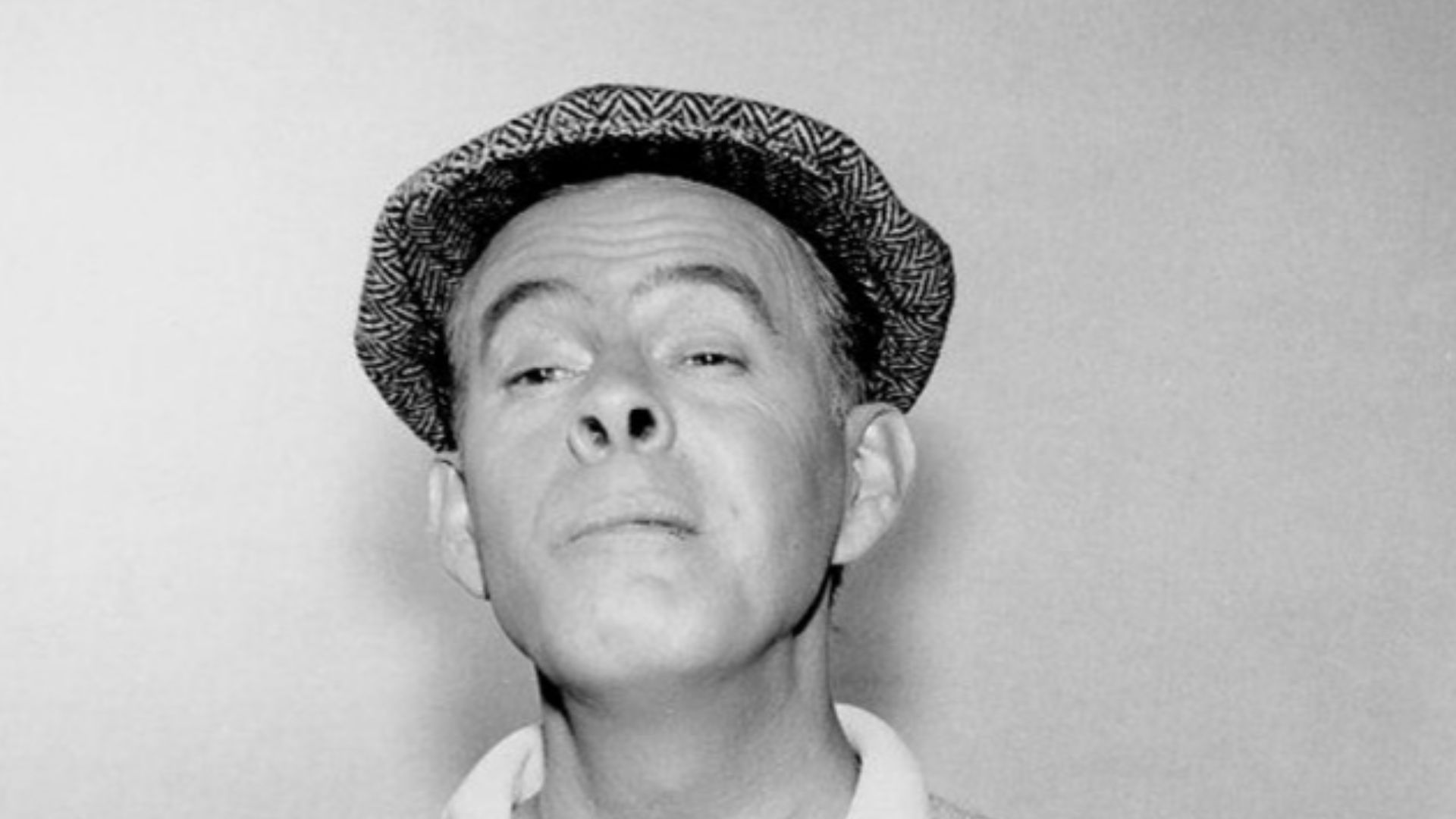
Morgan worked in summer stock and eventually joined New York’s theatrical world. He appeared in the original Broadway production of Clifford Odets’s Golden Boy in 1937, years before television existed as a mass entertainment business. The experience gave him a disciplined stage foundation that remained visible even when he was later playing understated supporting characters.
 Maury Foldare & Associates (publicity), Wikimedia Commons
Hollywood Signed Him In 1942
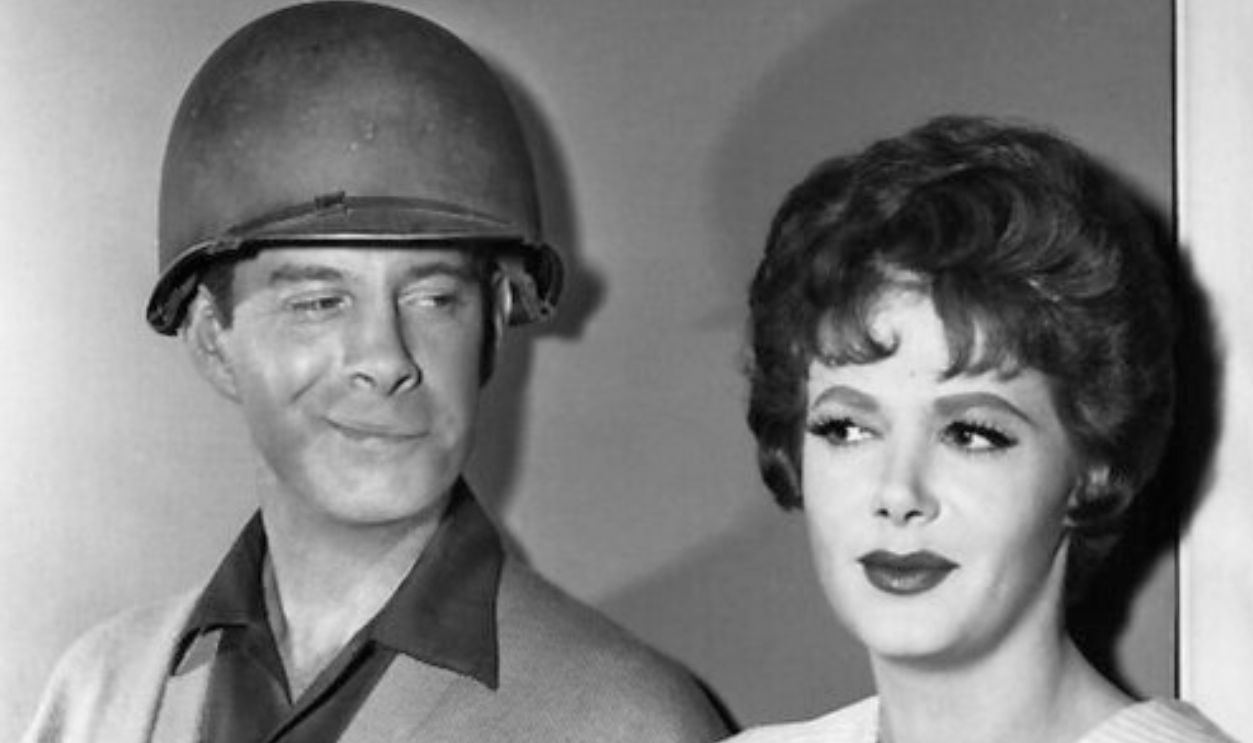
Morgan moved west and landed a contract with 20th Century Fox in 1942. At first, he was generally billed as Henry Morgan rather than the name television viewers would later recognize. His career quickly became less about conventional leading-man glamour and more about becoming the kind of character actor studios could use almost anywhere.
 CBS Television, Wikimedia Commons
The Ox-Bow Incident Put Him Beside Henry Fonda
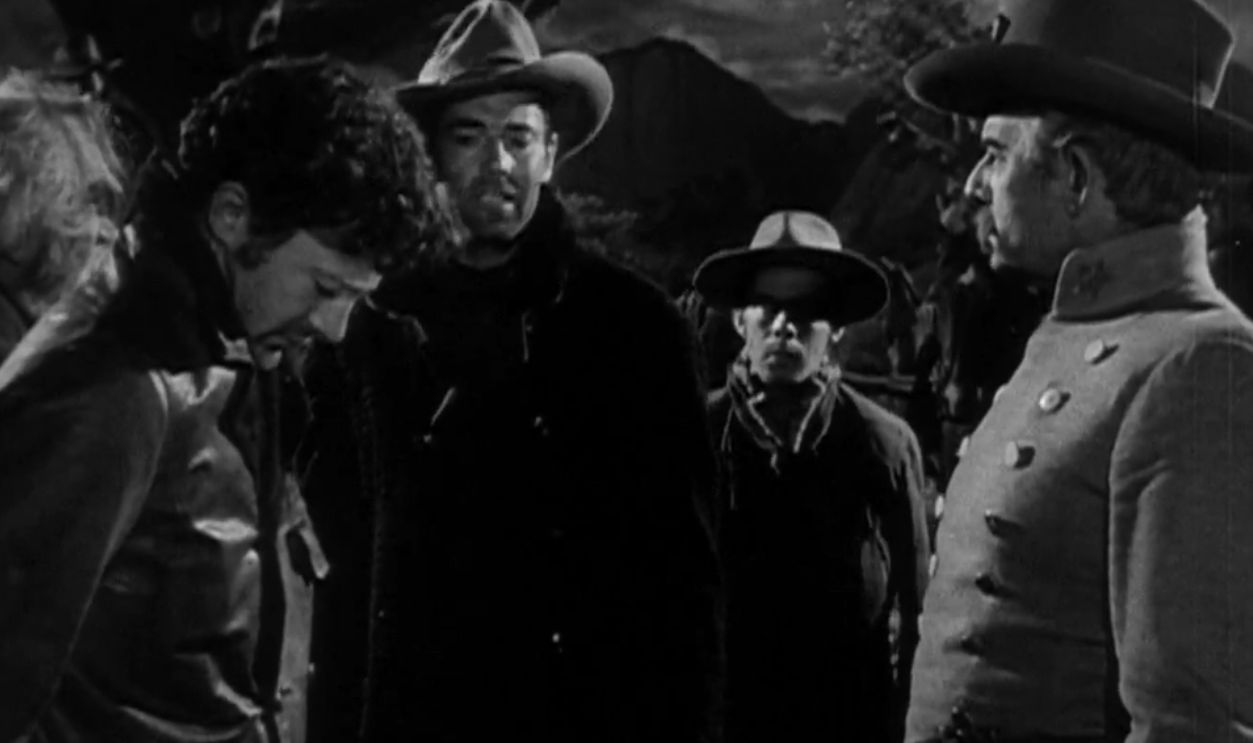
One of Morgan’s important early films was the 1943 Western The Ox-Bow Incident. He played Art Croft, the cautious companion of Henry Fonda’s Gil Carter in a grim story about mob justice. The role placed Morgan inside a respected drama and demonstrated how effectively he could support a major star without disappearing beside him.
 Screenshot from The Ox-Bow Incident, 20th Century Fox (1943)
Film Noir Made His Face Familiar
Morgan became a dependable presence in darker postwar films as well. His credits included The Big Clock and Strange Bargain, stories that allowed his naturally compact, watchful screen presence to work in worlds filled with suspicion and moral uncertainty. He was becoming the sort of actor audiences recognized even when they could not immediately remember his name.
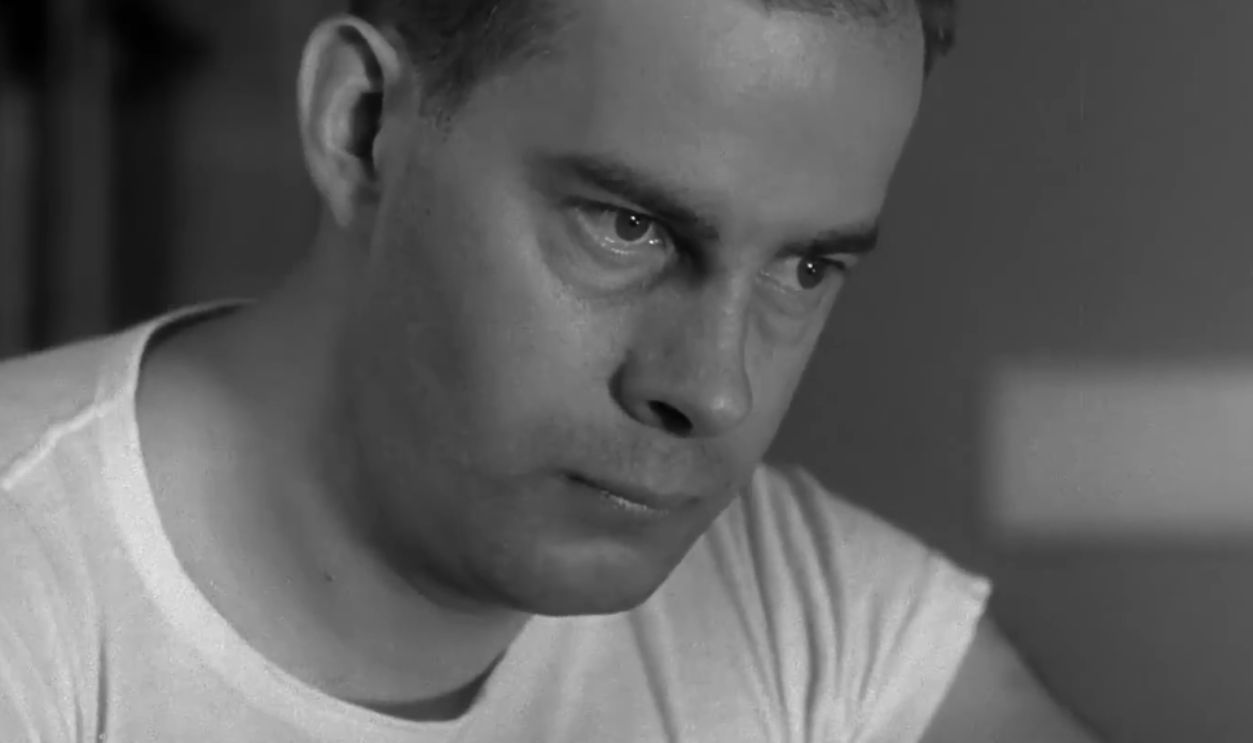 Screenshot from The Big Clock, Paramount Pictures (1948)
High Noon Used Him Perfectly
Morgan appeared opposite Gary Cooper in the 1952 classic High Noon. His character, Sam Fuller, was among the townspeople caught in the moral crisis surrounding Marshal Will Kane. It was another relatively small role inside an important film, exactly the kind of assignment Morgan repeatedly made feel larger than its screen time.
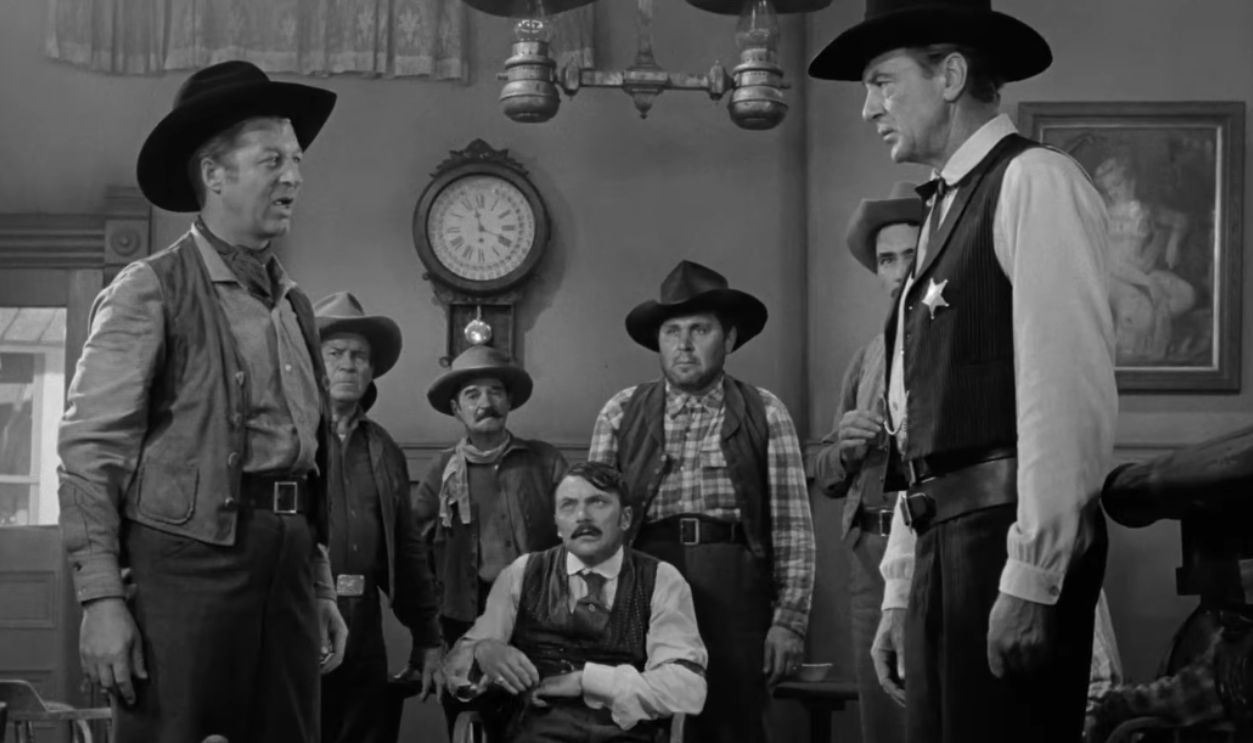 Screenshot from High Noon, United Artists (1952)
Jimmy Stewart Became A Frequent Costar
Morgan worked repeatedly with James Stewart during the 1950s. Their films included Bend of the River, The Glenn Miller Story, Strategic Air Command, and The Far Country. Appearing comfortably beside a star as distinctive as Stewart showed why filmmakers trusted Morgan as a supporting player who strengthened a story without competing with it.
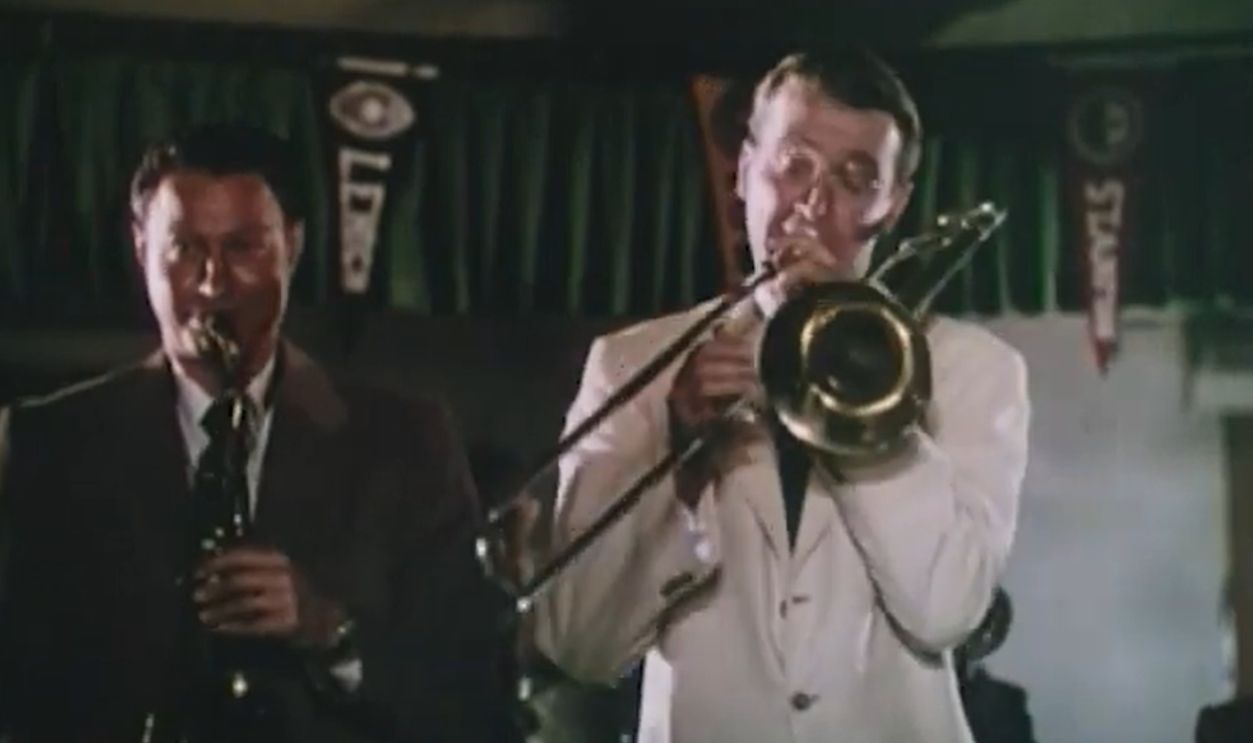 Screenshot from The Glenn Miller Story, Universal-International (1954)
The Glenn Miller Story Gave Him A Warm Showcase
In The Glenn Miller Story, Morgan played pianist Chummy MacGregor beside Stewart’s Glenn Miller. The real MacGregor served as a technical adviser on the film, adding an unusual connection between the dramatized character and the production. Morgan’s relaxed humor and dependable friendship gave the musical biography an emotional texture beyond its famous songs.
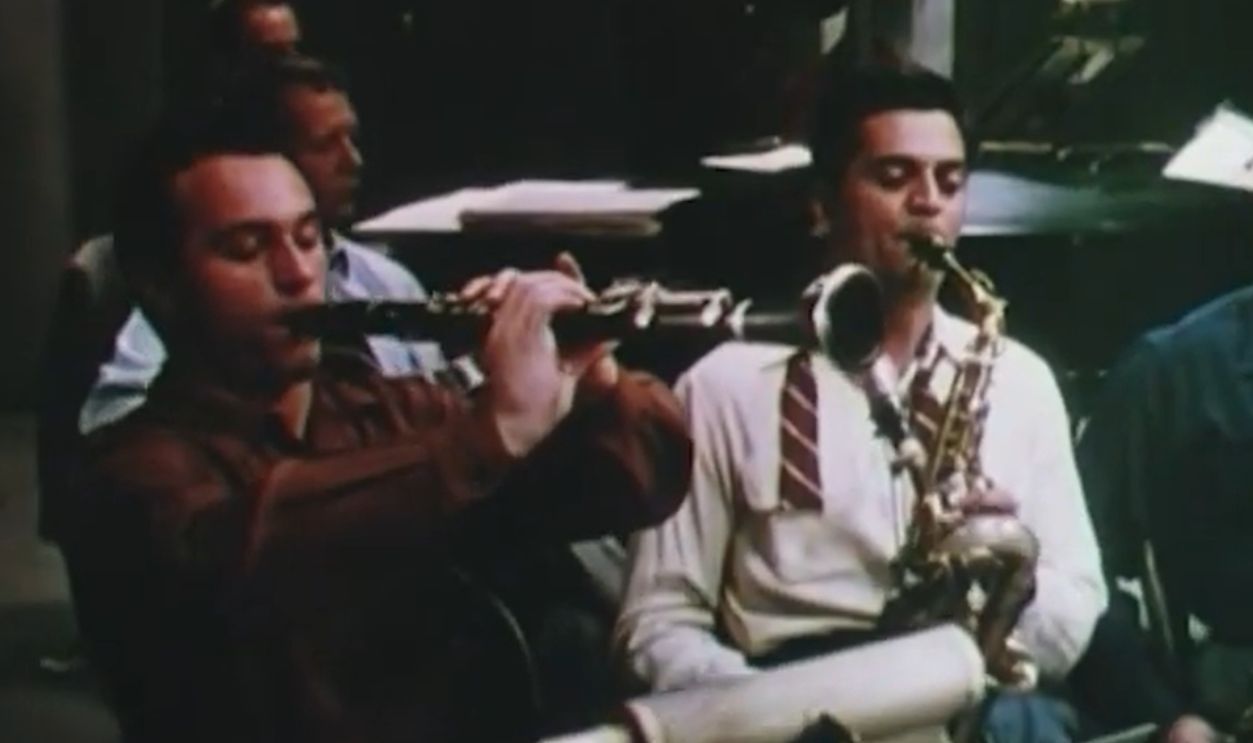 Screenshot from The Glenn Miller Story, Universal-International (1954)
More Than 100 Movies Built His Reputation
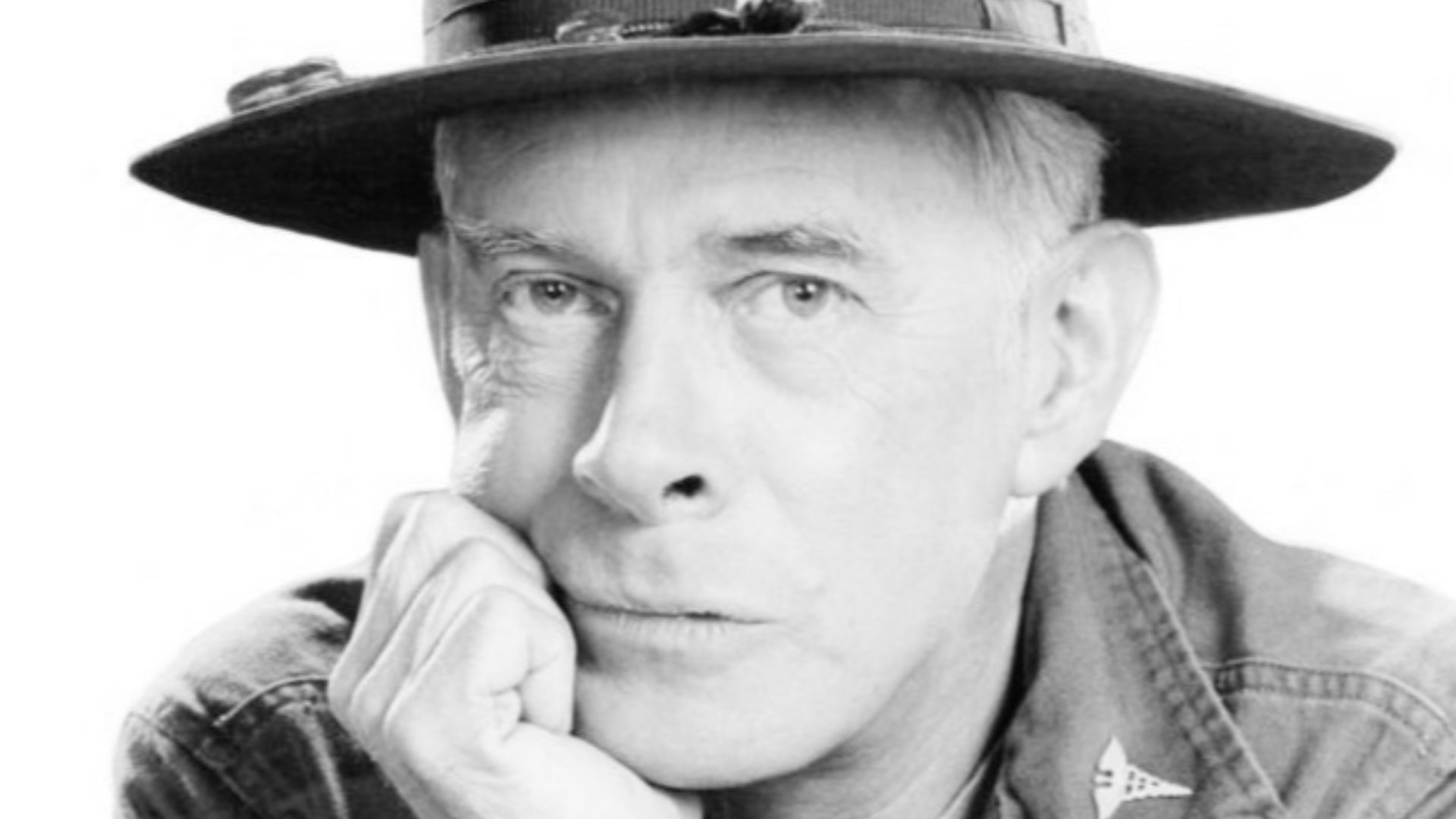
Morgan ultimately appeared in more than 100 films across his long career. Westerns, dramas, crime pictures, comedies, war stories, and Disney productions all found uses for his weathered face and dry delivery. By the time television became his primary home, he had already spent years proving that a supporting actor could be every bit as valuable as the star.
 CBS Television, Wikimedia Commons
Television Gave Him Something Movies Could Not
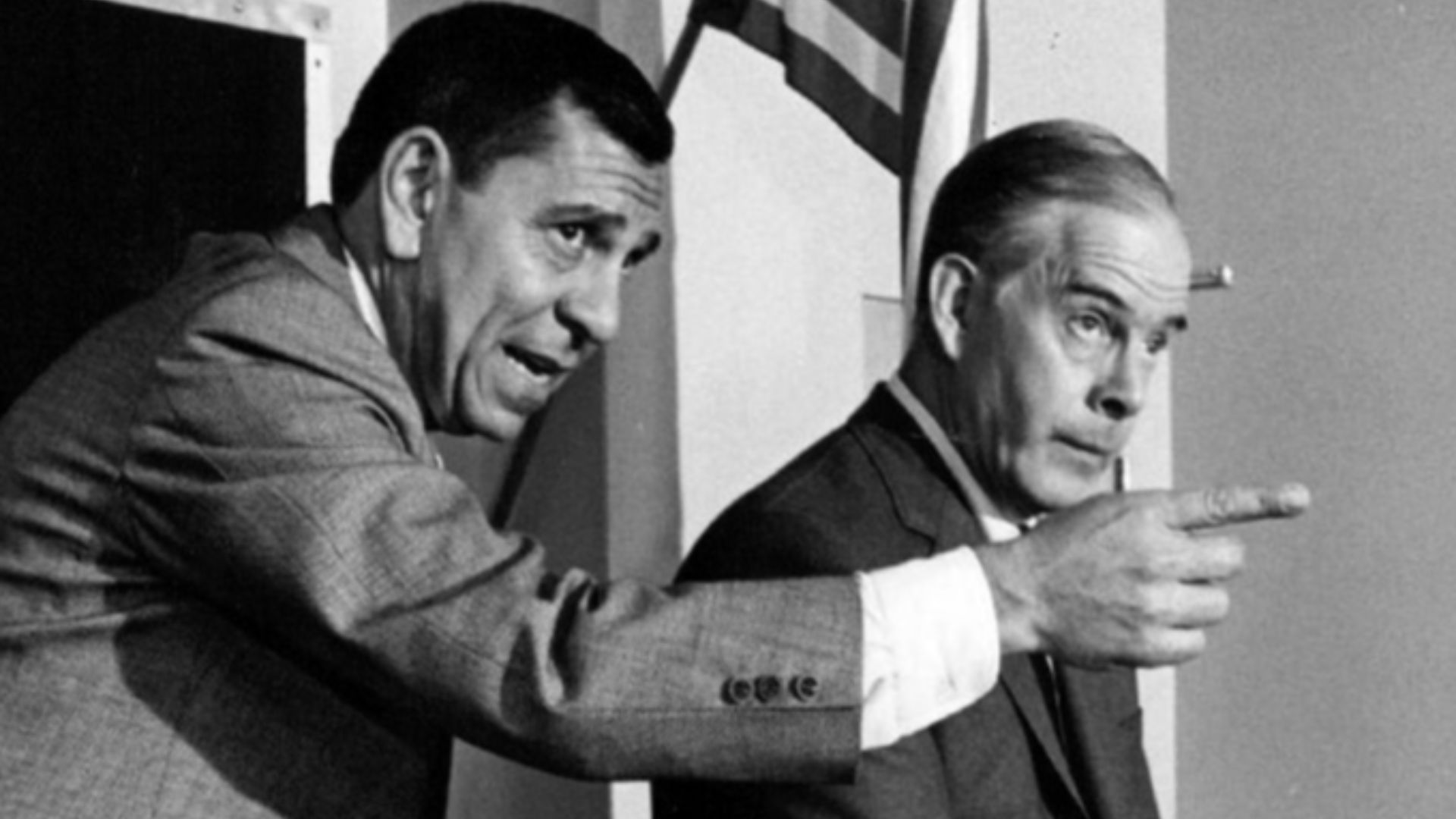
Movies usually brought Morgan in for one piece of a larger story. Television allowed audiences to spend weeks and eventually years with his characters. That repetition revealed another strength because Morgan could make apparently ordinary men interesting without demanding extravagant plots.
 NBC Television, Wikimedia Commons
December Bride Made Him A Sitcom Regular
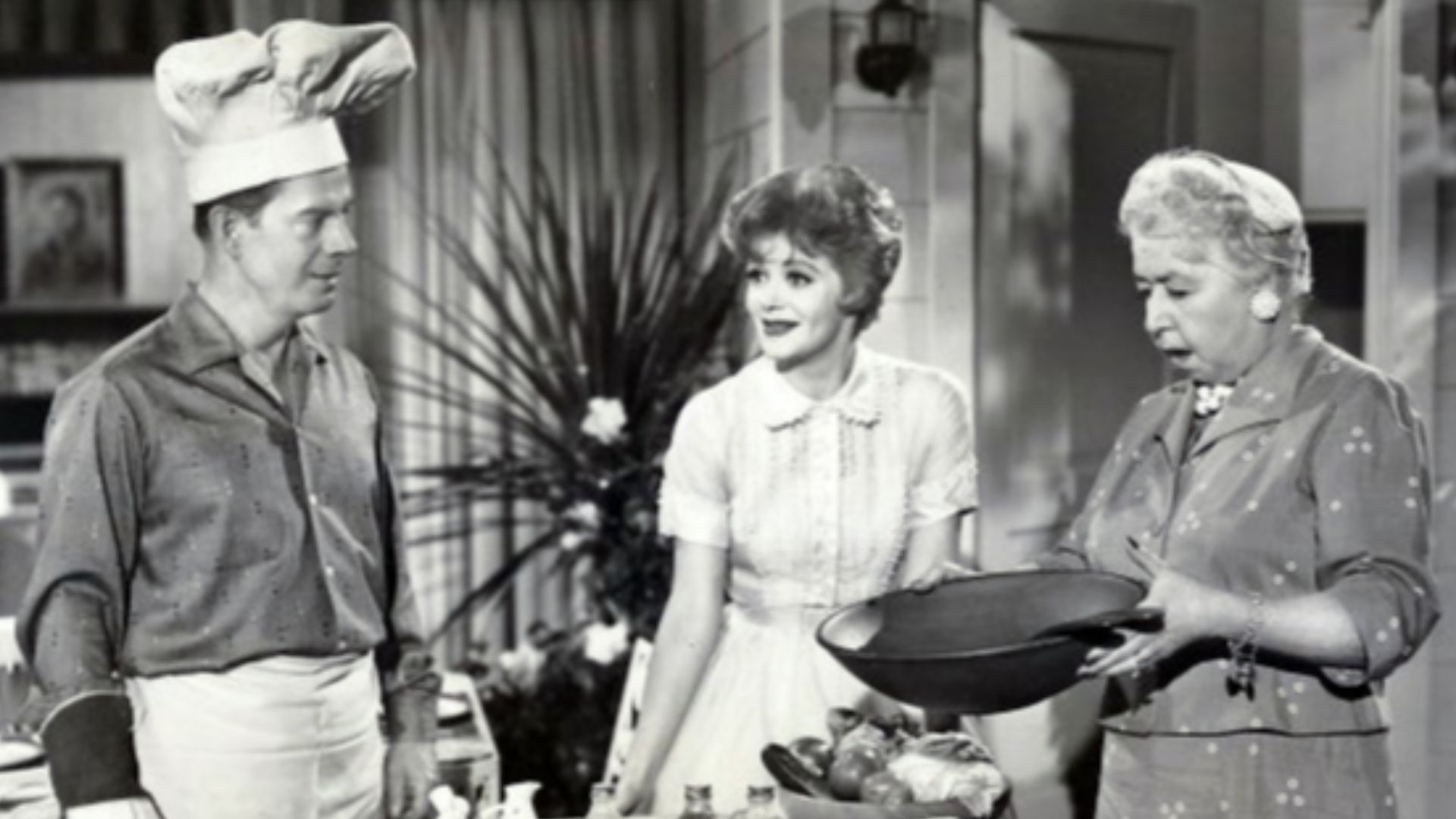
Morgan became a recurring fixture on the CBS comedy December Bride, which premiered in 1954. He played Pete Porter, an insurance agent who lived next door to the central family and regularly complained about his off-screen wife, Gladys. Morgan appeared throughout the program’s 111 episodes, giving television audiences years to become familiar with his comic rhythms.
 CBS Television, Wikimedia Commons
Pete Porter Turned Complaining Into A Character
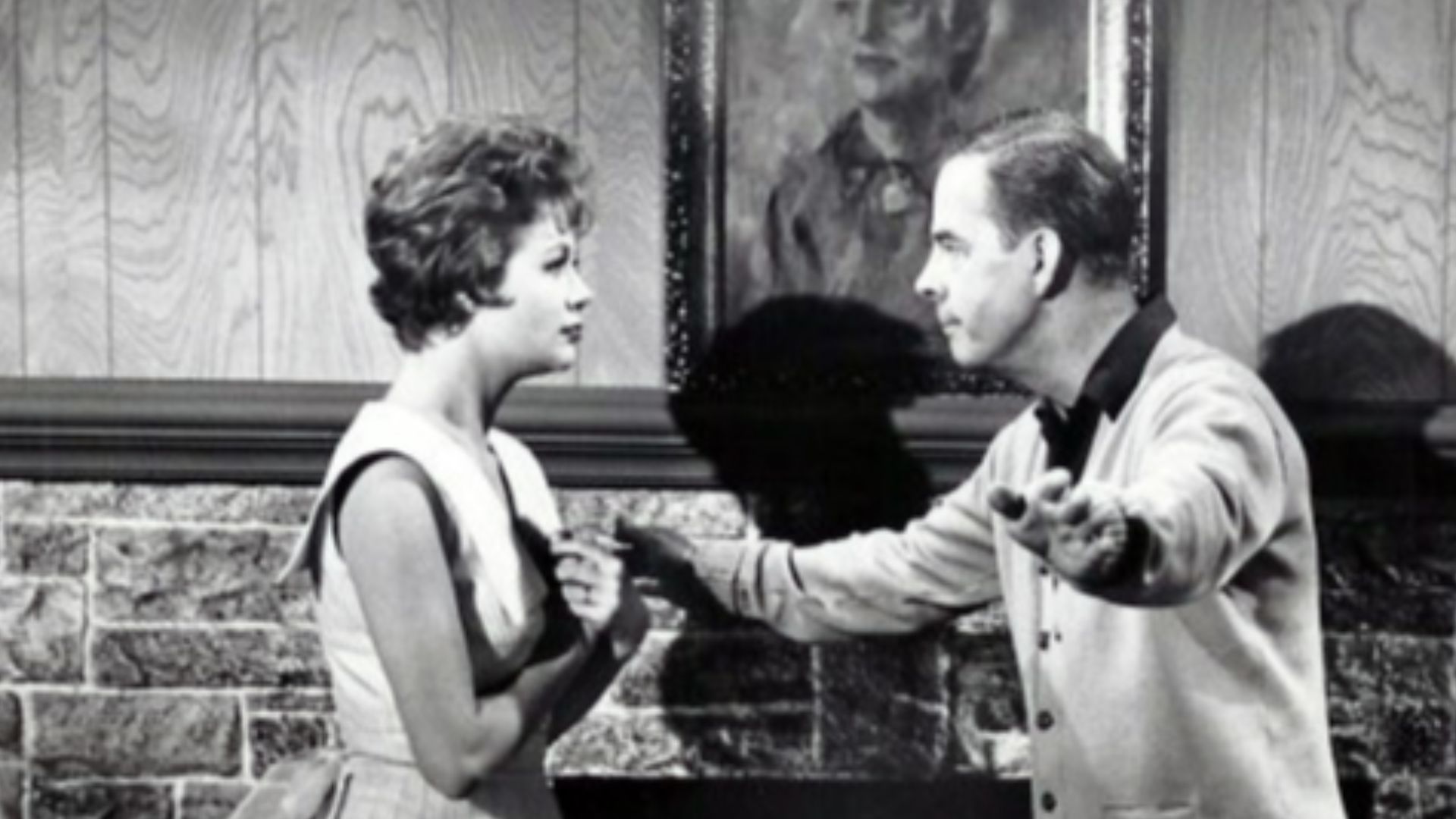
Pete was constantly describing the supposed frustrations of married life even though viewers initially never saw Gladys. Morgan could turn a complaint about home life into an entire comic personality through pauses, grumbling, and wounded dignity. The running joke became strong enough that CBS eventually decided the unseen wife deserved to step onto the screen.
 CBS Television, Wikimedia Commons
Pete And Gladys Gave Him The Lead
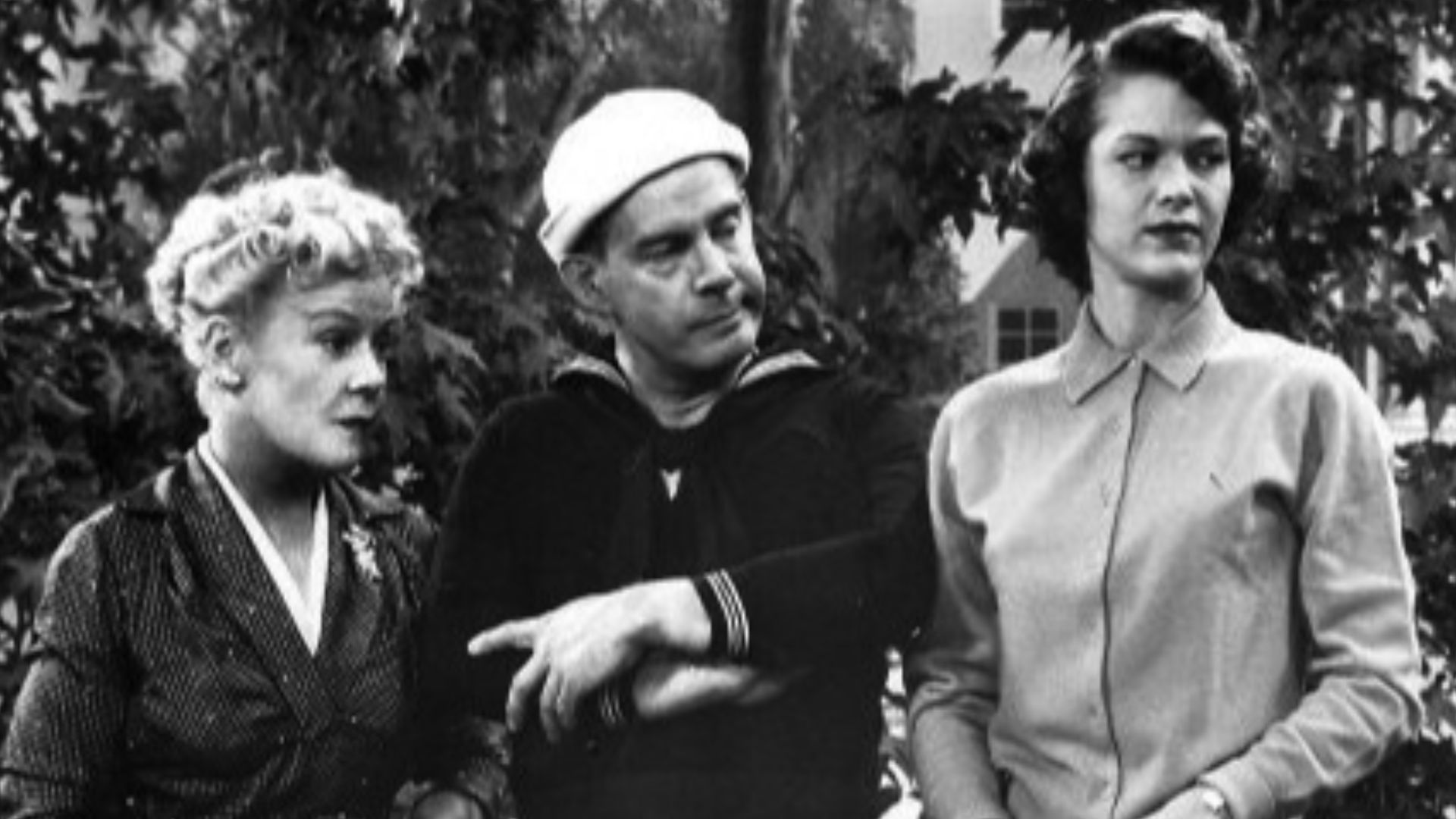
Morgan carried Pete Porter into the spinoff Pete and Gladys in 1960. Cara Williams finally played the previously unseen Gladys, transforming Pete’s one-sided marriage stories into a full domestic sitcom. The series lasted two seasons and proved that Morgan could move from supporting comic relief into the center of a television comedy.
 CBS Television, Wikimedia Commons
The Richard Boone Show Tested His Range
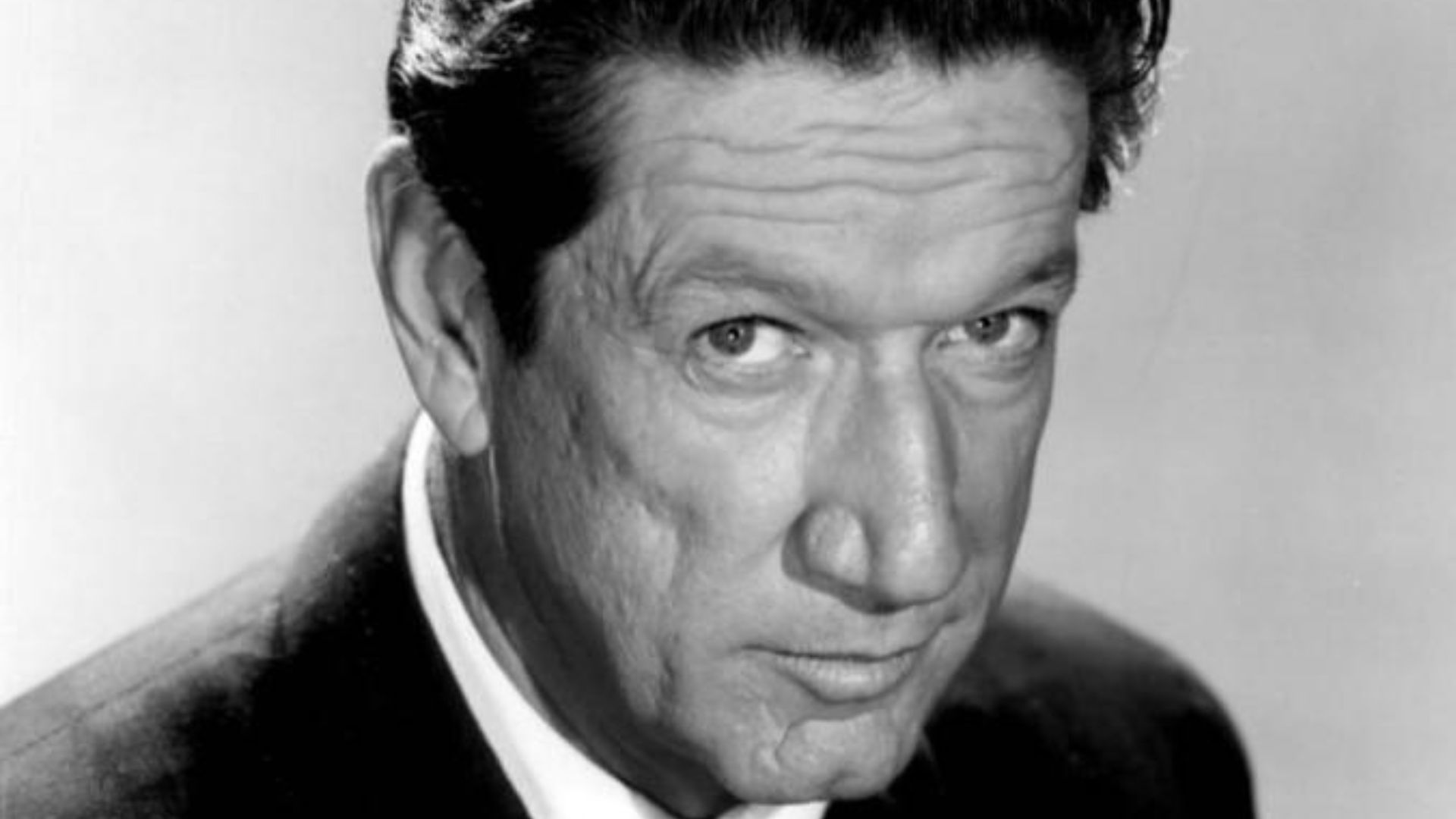
Morgan later became part of the repertory company on The Richard Boone Show. The anthology format allowed the same performers to take different parts from week to week rather than remaining locked into one recurring character. For an actor who had already spent years moving easily between genres, the structure was almost perfectly suited to his versatility.
 NBC Television, Wikimedia Commons
Kentucky Jones Put Him Back In A Regular Ensemble
Morgan joined Dennis Weaver on the NBC series Kentucky Jones. Weaver later remembered working with Morgan on the show in his Television Academy interview. Although the series was short-lived, it added another regular television assignment to a résumé already crowded with established programs.
 NBC Television, Wikimedia Commons
He Became Television’s Utility Player
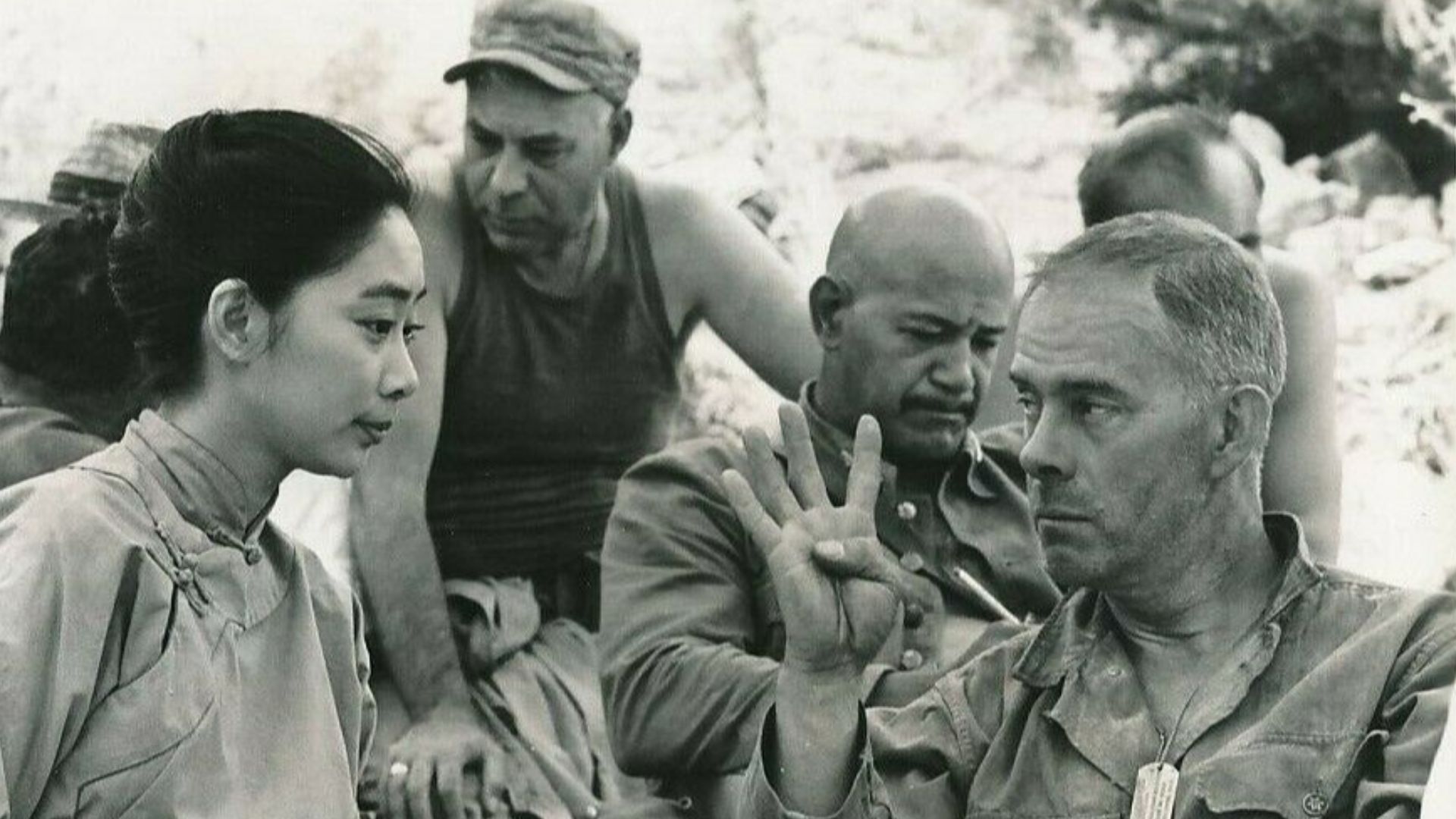
By the 1960s, Morgan could fit into comedy, Westerns, anthology dramas, police stories, and family programs without seeming misplaced. That flexibility explains why his career accumulated so many series even before M*A*S*H. Producers did not need to reinvent Harry Morgan because reliability itself had become his professional identity.
 Columbia Pictures Corp., Wikimedia Commons
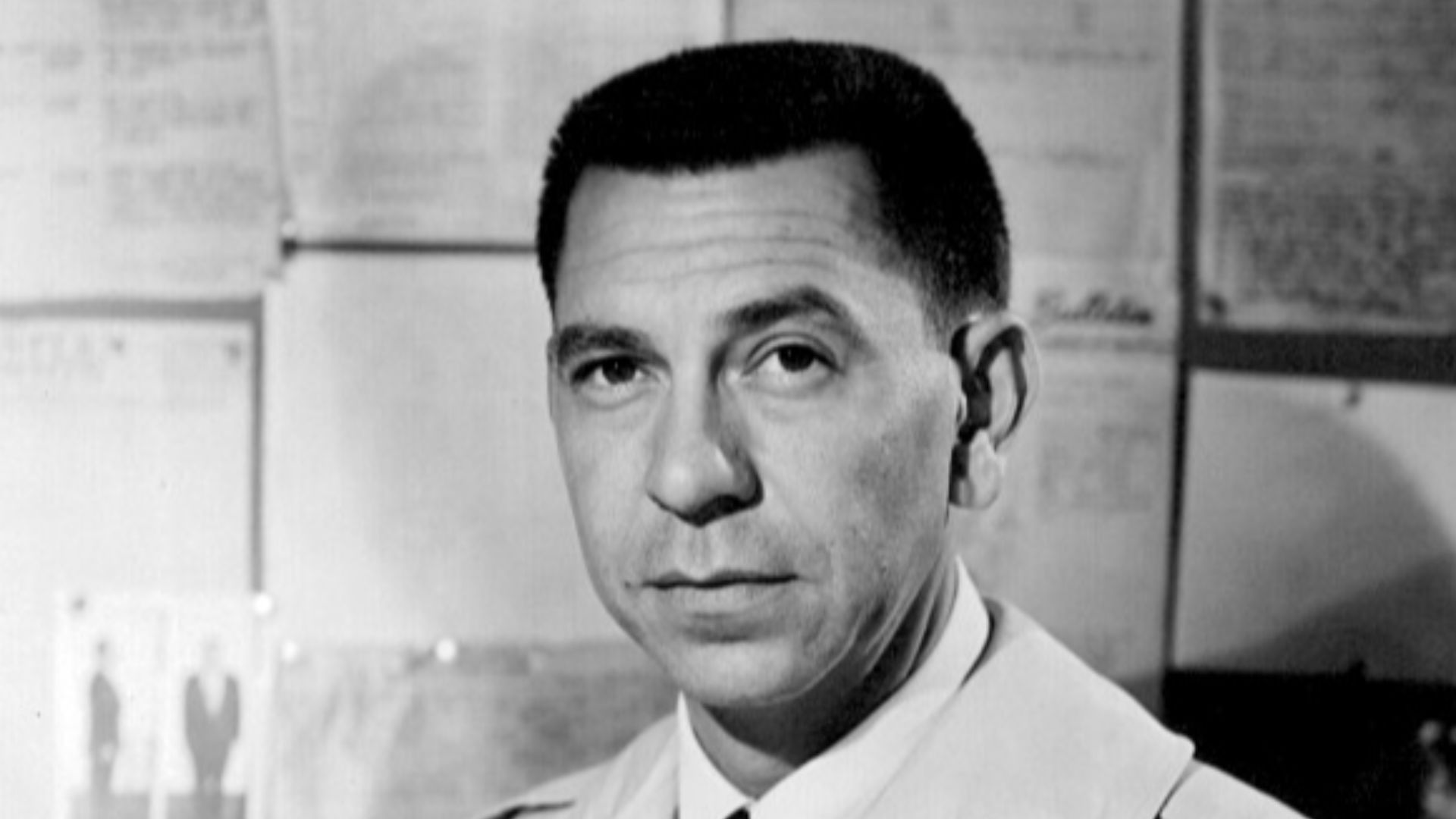
Jack Webb Already Knew What Morgan Could Do
Morgan’s association with Jack Webb extended beyond the television revival of Dragnet. The two had worked in films, and Morgan understood Webb’s unusually controlled approach to police drama before joining him as a weekly costar. That familiarity became important when Webb needed a new partner for Joe Friday.
 NBC Television, Wikimedia Commons
Bill Gannon Made Him A Prime-Time Fixture
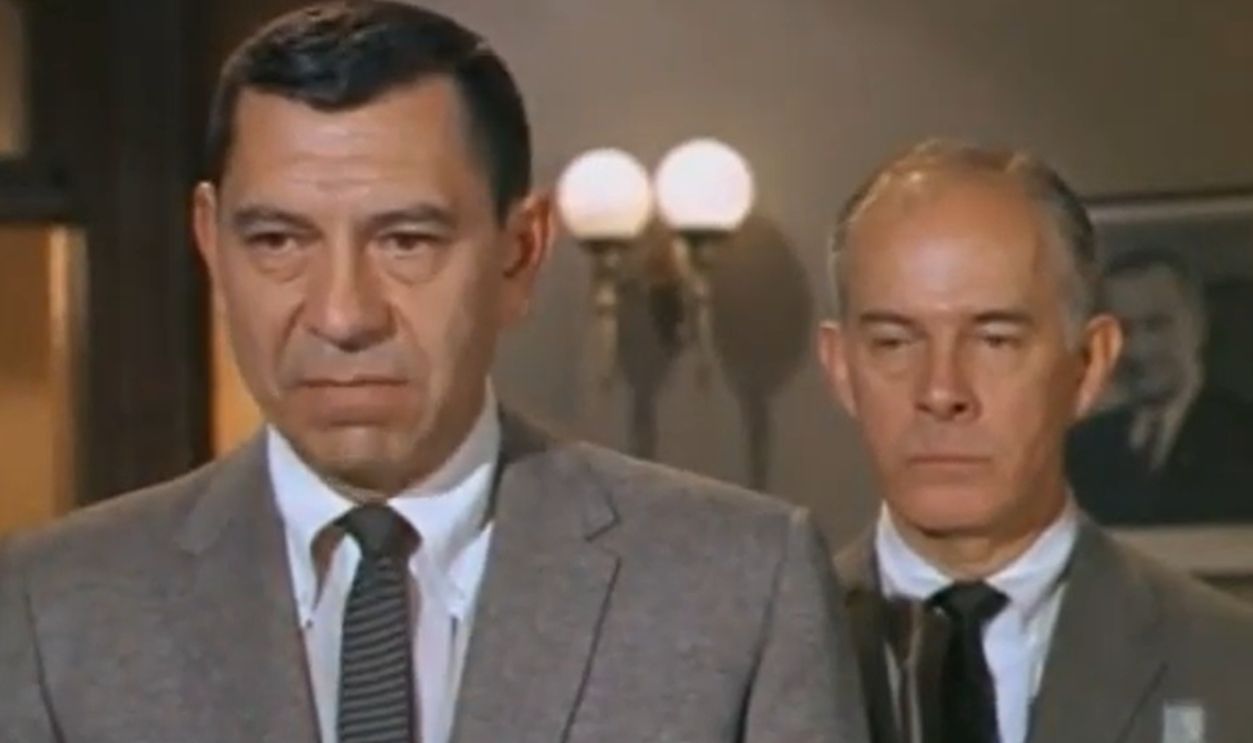
When Dragnet returned to NBC in 1967, Morgan joined Webb as Officer Bill Gannon. Friday remained the severe, businesslike center of the investigations, while Gannon gave the partnership a slightly more conversational human counterweight. Morgan stayed with the revival through its cancellation in 1970.
 Screenshot from Dragnet, NBC / Mark VII Limited (1951–1959)
Gannon Could Talk About Almost Anything
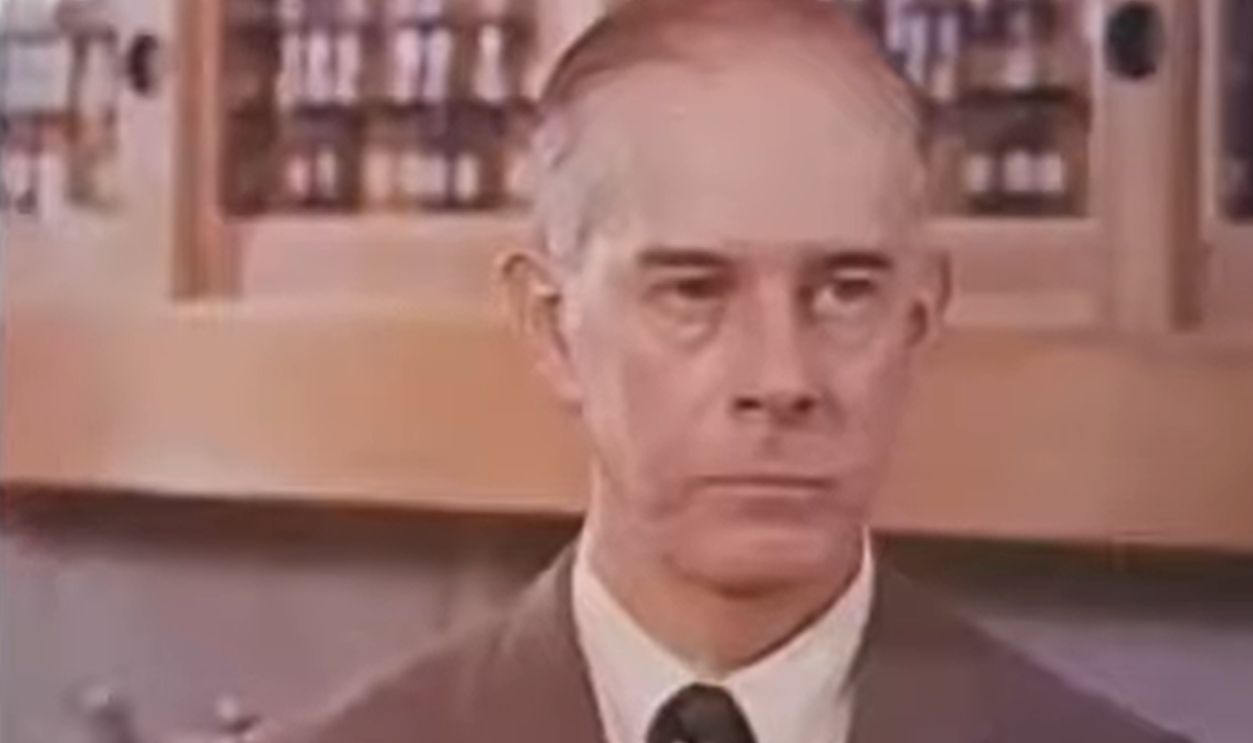
The revived Dragnet frequently contrasted Friday’s absolute concentration with Gannon’s tendency to discuss everyday concerns. The Television Academy describes Friday as becoming irritated by his partner’s chatter about mundane subjects. Morgan made those diversions useful because they suggested that a police officer could have a domestic personality waiting outside the case file.
 Screenshot from Dragnet, NBC / Mark VII Limited (1951–1959)
Jack Webb Ran An Extremely Controlled Set
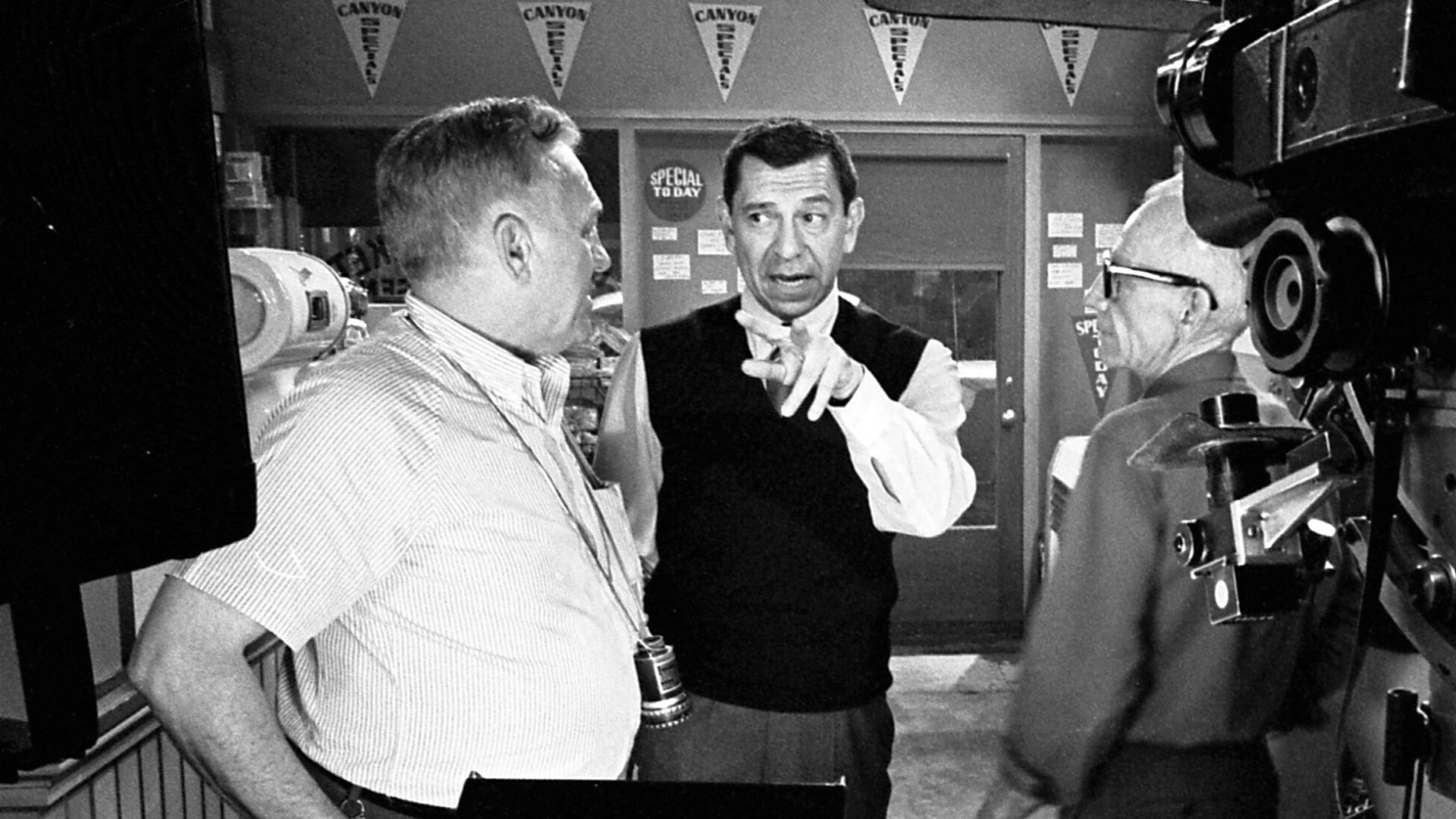
Morgan remembered Webb as a firm director with a precise approach to production. Dragnet relied heavily on its distinctive factual style, carefully structured dialogue, and teleprompters. Morgan adapted comfortably to that discipline, which required a very different performance rhythm from the loose domestic comedy of Pete and Gladys.
 Nelson Tiffany, Los Angeles Times, Wikimedia Commons
Four Years Of Dragnet Made Him Instantly Recognizable
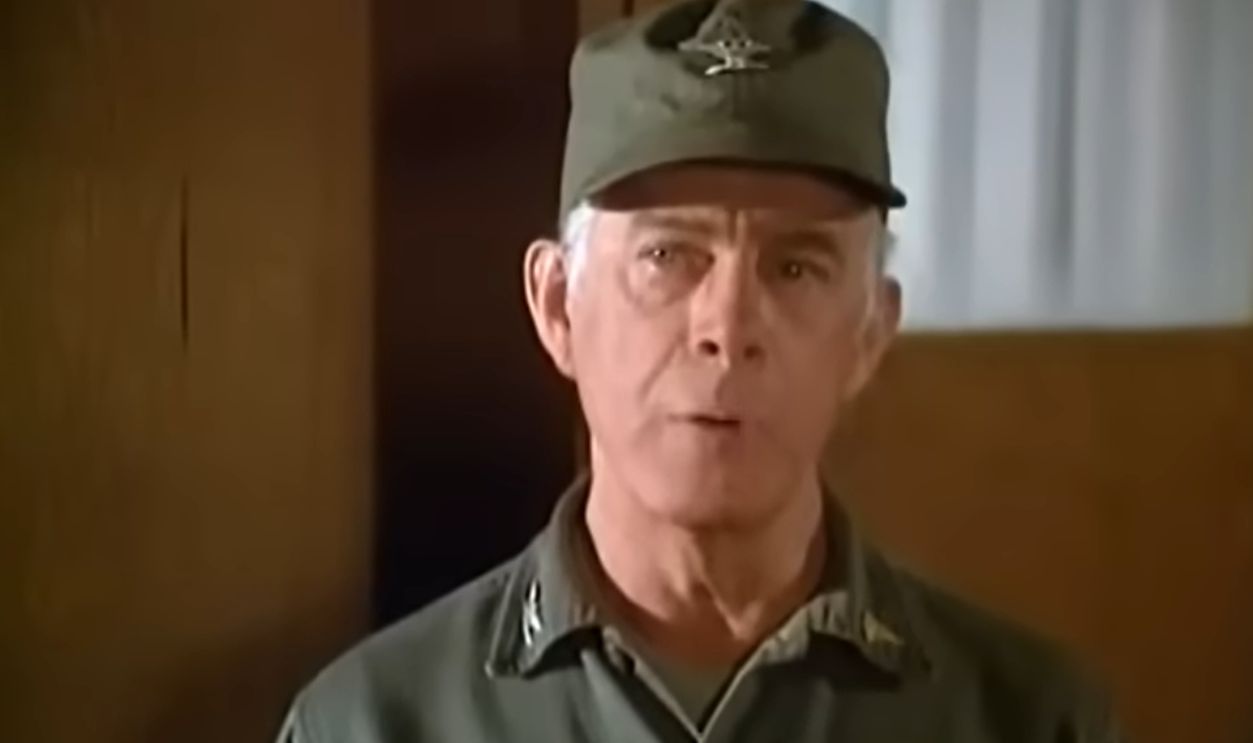
The second television incarnation of Dragnet ran from 1967 through 1970 with Morgan beside Webb. By then, he had already enjoyed recurring television visibility for more than a decade. To viewers who would later discover Colonel Potter, Morgan was not a new actor arriving on M*A*S*H but an old television acquaintance taking on another job.
 Screenshot from MASH*, 20th Century Fox Television (1972–1983)
He Kept Moving After Dragnet
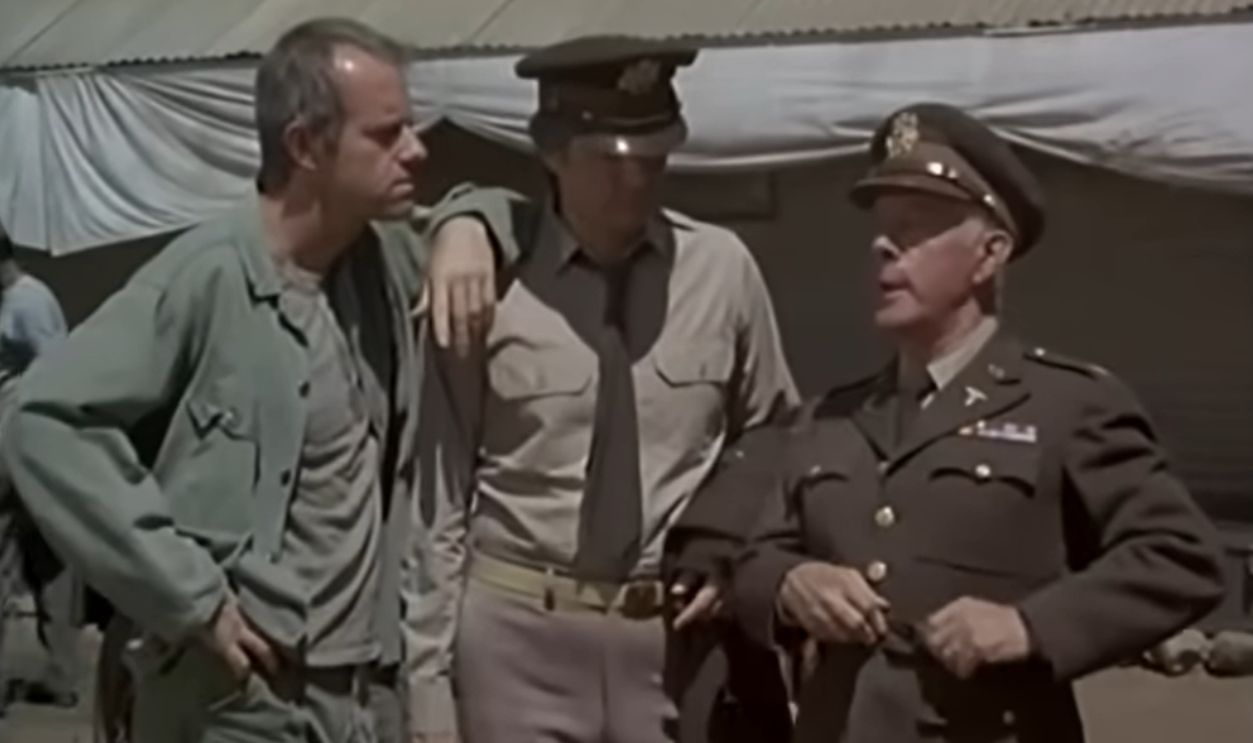
Morgan did not spend the early 1970s waiting for another defining role. His television credits included The D.A. and the Richard Boone Western mystery Hec Ramsey, among other projects. The Television Academy’s summary of his career reads almost like a tour through several generations of American television.
 Screenshot from MASH*, 20th Century Fox Television (1972–1983)
M*A*S*H Actually Used Him Before Colonel Potter
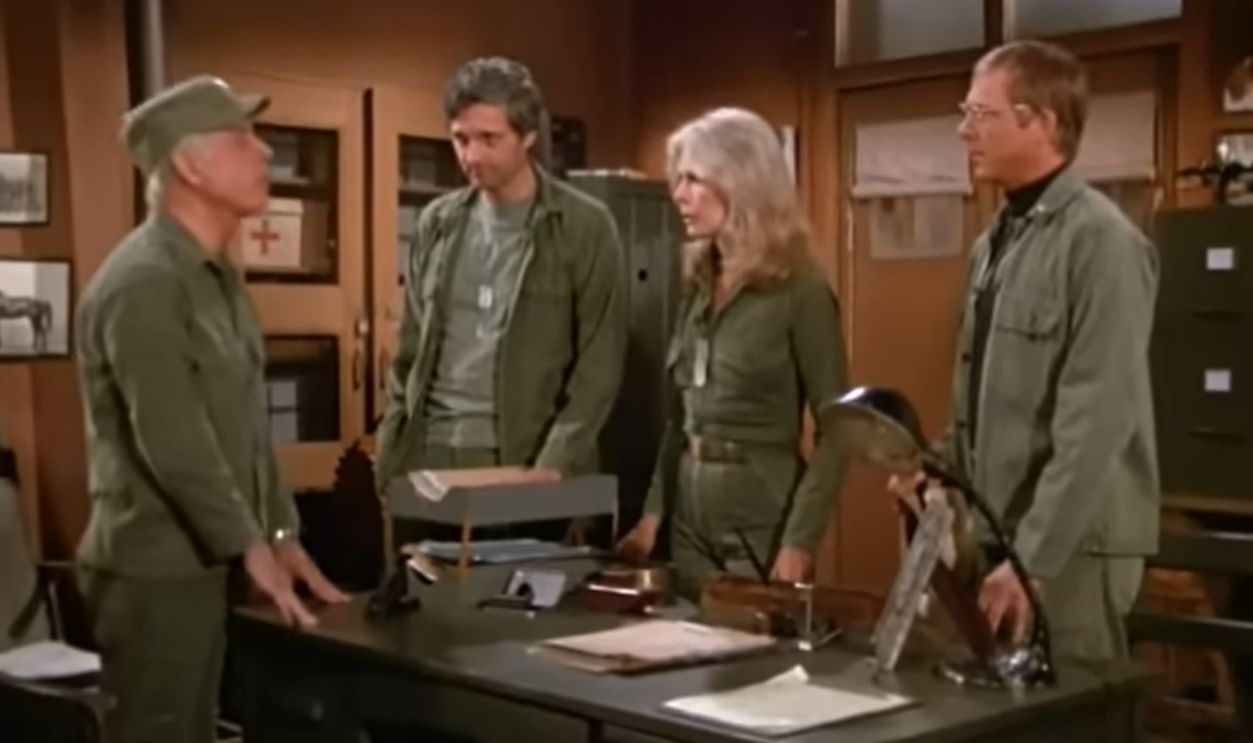
Morgan first visited M*A*S*H as Major General Bartford Hamilton Steele in the third-season episode “The General Flipped at Dawn.” Steele was an entirely different character from the sensible Sherman Potter, and Morgan played the unstable officer broadly for comedy. Television Academy production editor Stanford Tischler later discussed that guest appearance and Morgan’s discomfort with one offensive element written for the character.
 Screenshot from MASH*, 20th Century Fox Television (1972–1983)
The Guest Role Put Him On The Show’s Radar
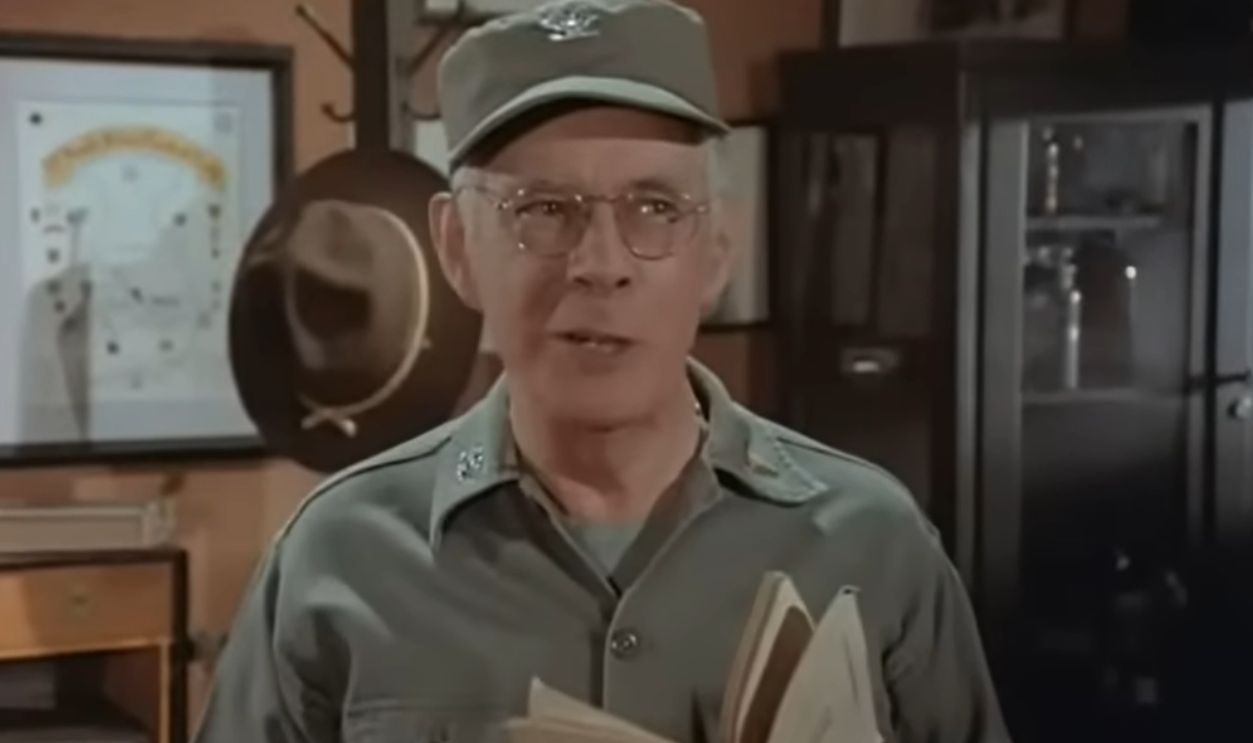
Morgan’s performance as General Steele demonstrated that he could enter the established M*A*S*H ensemble and immediately create memorable comedy. When McLean Stevenson left the series, the producers did not simply recast Henry Blake. They eventually brought Morgan back as a completely new commanding officer, Colonel Sherman T. Potter.
 Screenshot from MASH*, 20th Century Fox Television (1972–1983)
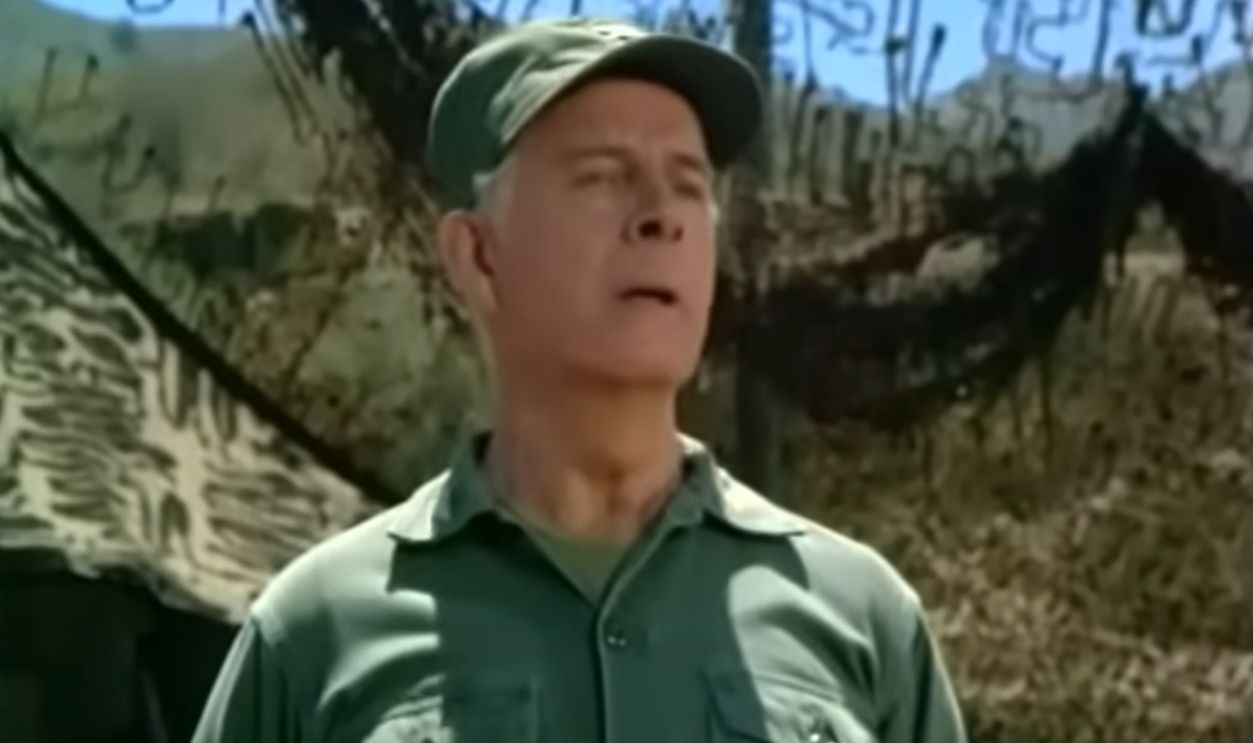
Potter Was Nothing Like Henry Blake
Henry Blake had been a civilian doctor pulled into military command, while Potter was a career Army officer who understood regulations and military culture. Morgan could therefore bring authority into the 4077th without destroying its comic energy. Potter knew how the Army operated, but he was experienced enough to recognize when common sense mattered more than bureaucracy.
 Screenshot from MASH*, 20th Century Fox Television (1972–1983)
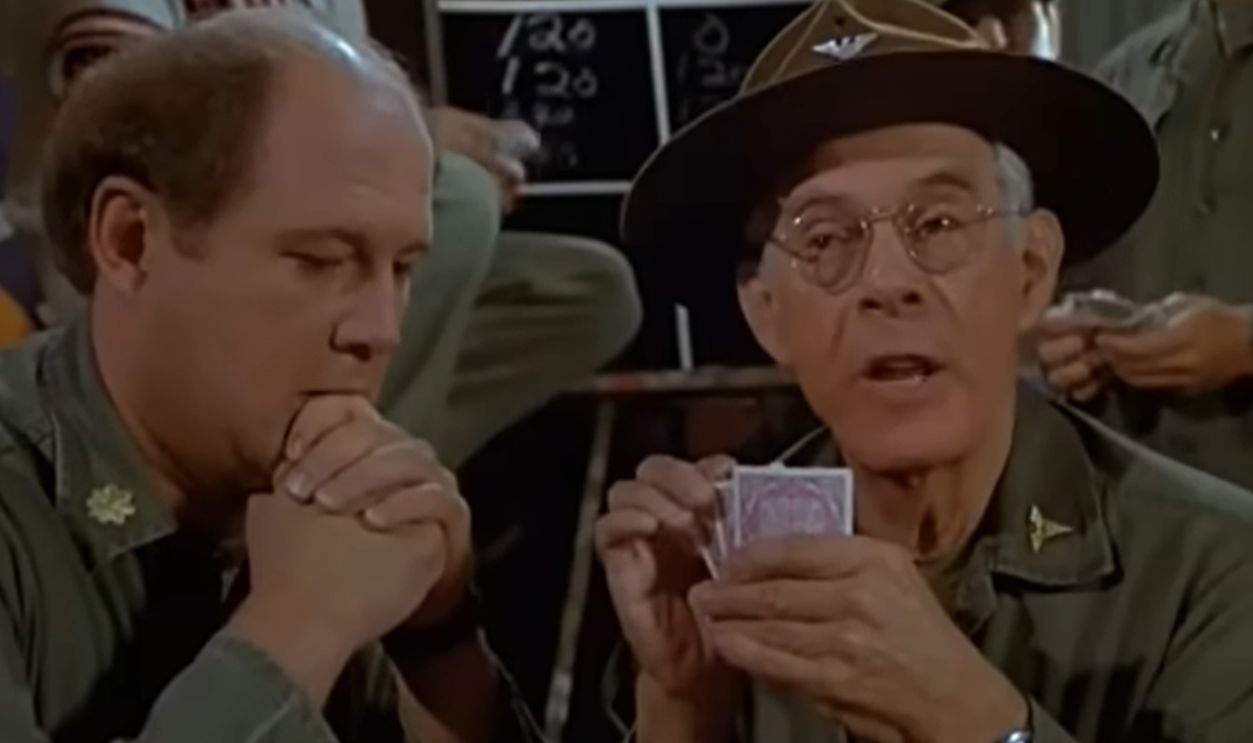
Decades Of Character Work Suddenly Came Together
Potter required almost every skill Morgan had spent his career developing. He needed the dramatic credibility of his film work, the timing of December Bride, the understated reactions of Dragnet, and the authority he had learned playing countless sheriffs, soldiers, and professionals. The role felt effortless partly because Morgan had spent roughly four decades preparing to make that kind of character believable.
 Screenshot from MASH*, 20th Century Fox Television (1972–1983)
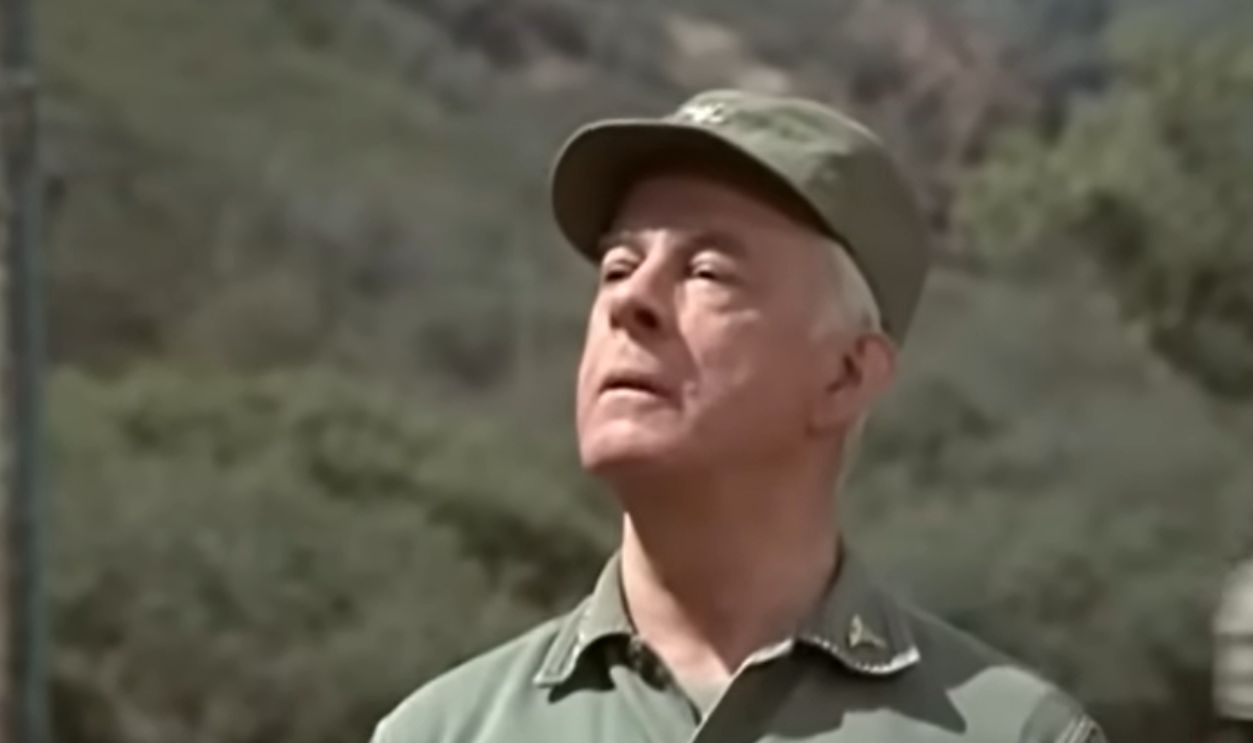
M*A*S*H Finally Gave Reliability An Emmy
Morgan won the 1980 Emmy for Outstanding Supporting Actor for his work on M*A*S*H. He also directed episodes of the series and received a directing nomination that same year. After decades of being the dependable performer beside somebody else’s name, Morgan had become one of television’s most beloved stars without sacrificing the character-actor instincts that got him there.
 Screenshot from MASH*, 20th Century Fox Television (1972–1983)
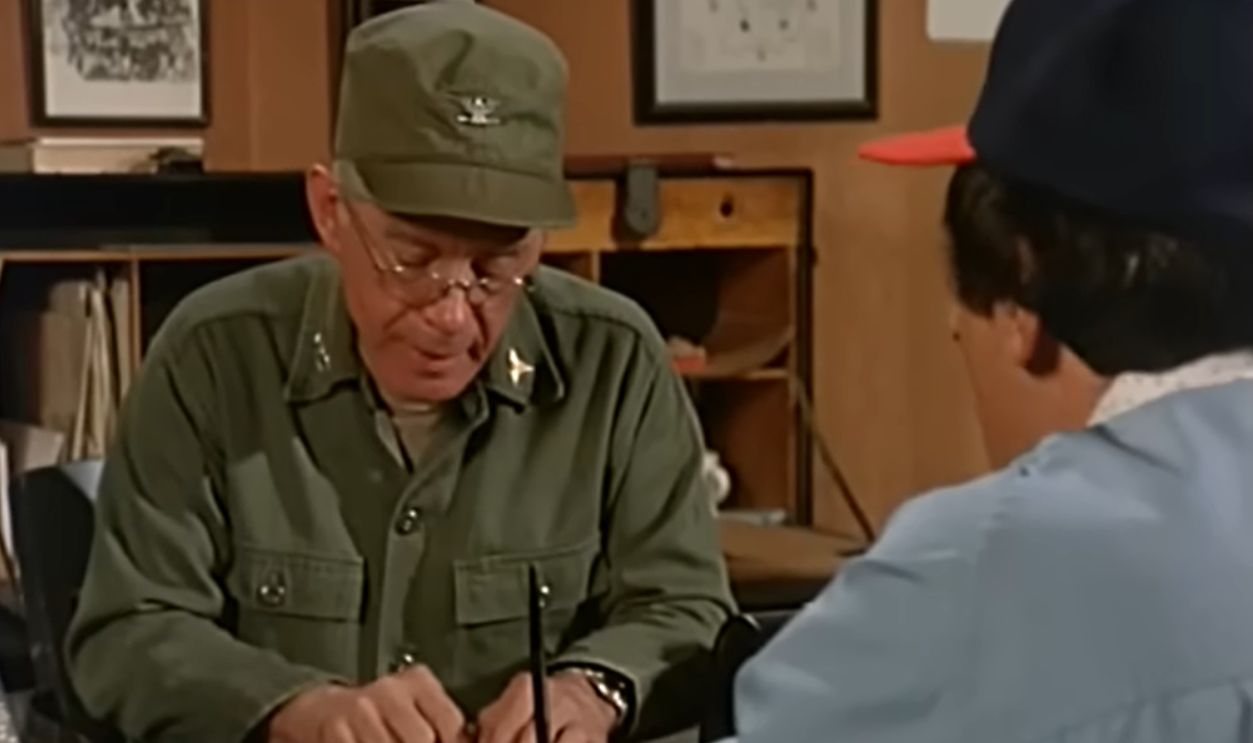
Colonel Potter Was The Culmination, Not The Beginning
Morgan later said that he loved playing Colonel Potter, and the role became the performance most closely attached to his name. Yet the authority audiences saw in Potter was built through Broadway, Fox films, Jimmy Stewart Westerns, sitcoms, anthology television, and four years beside Jack Webb. Harry Morgan became unforgettable on M*A*S*H because television had already spent decades teaching viewers that they could rely on him.
 Screenshot from MASH*, 20th Century Fox Television (1972–1983)
You May Also Like:
Yvonne De Carlo Left Hollywood Glamour Behind And Became Television’s Most Elegant Monster Mom
Redd Foxx Brought Nightclub Comedy To Primetime, And Sitcoms Were Never Quite The Same
David McCallum Became A 1960s Heartthrob, Then Found A Second Television Life Decades Later
Sources: 1, 2, 3, 4, 5, 6, 7, 8, 9, 10, 11, 12, 13, 14, 15, 16, 17, 18, 19