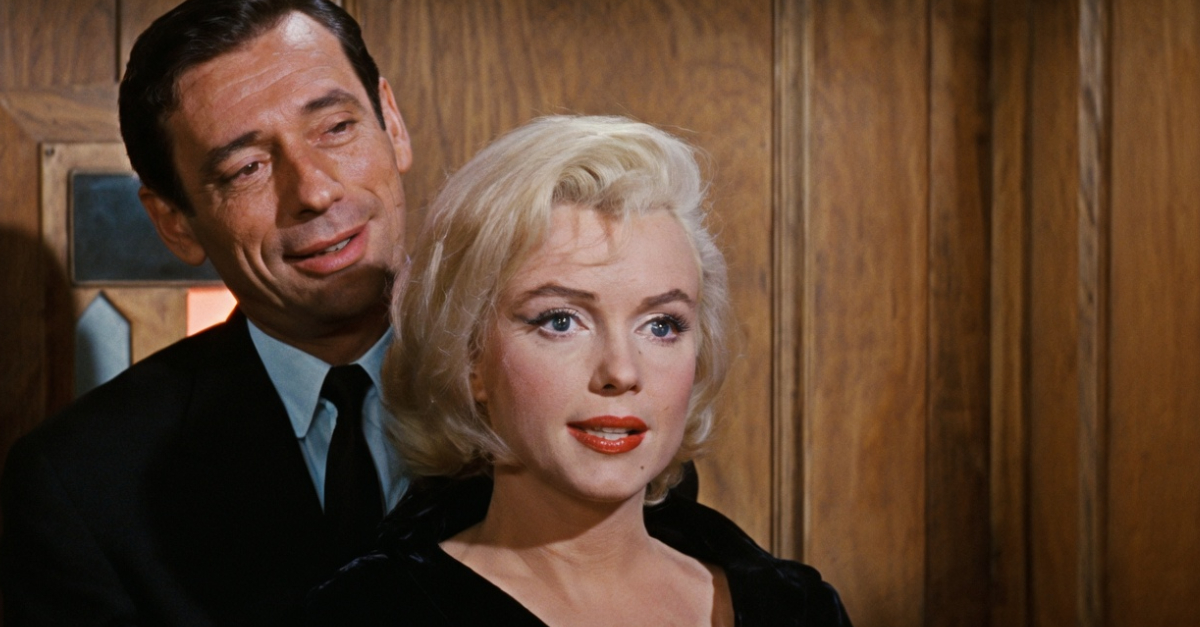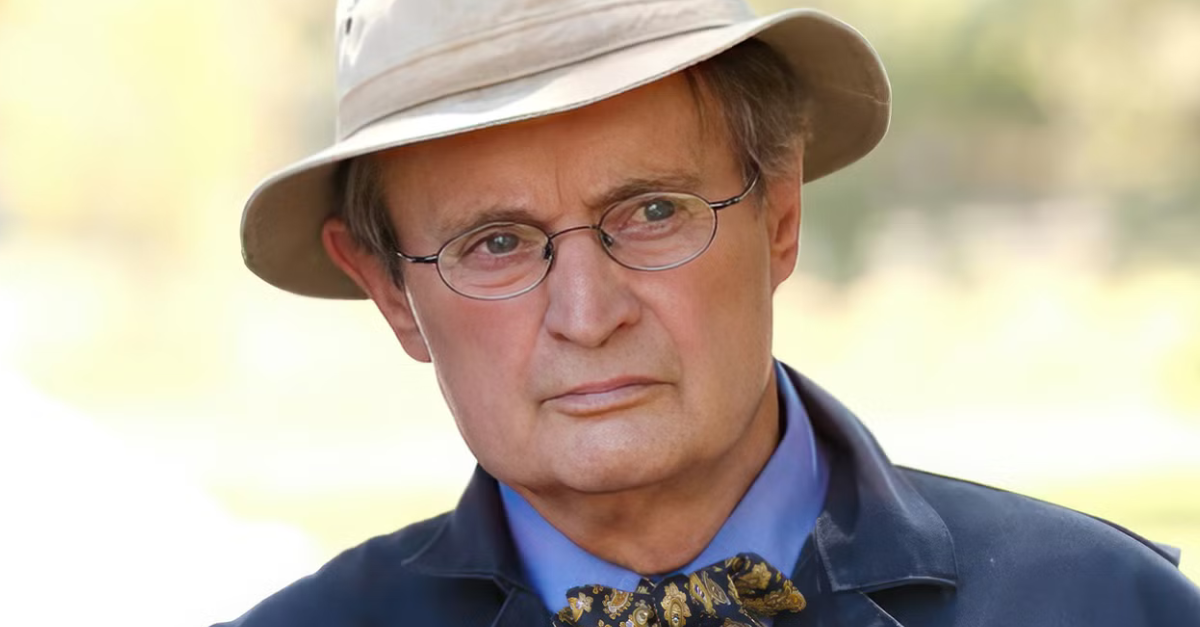
He Did It Twice.
David McCallum became an international sensation as the mysterious Illya Kuryakin, then spent decades proving he was far more than a relic of television’s spy craze. Nearly 40 years later, NCIS introduced his wit, intelligence, and unmistakable voice to an entirely new generation.
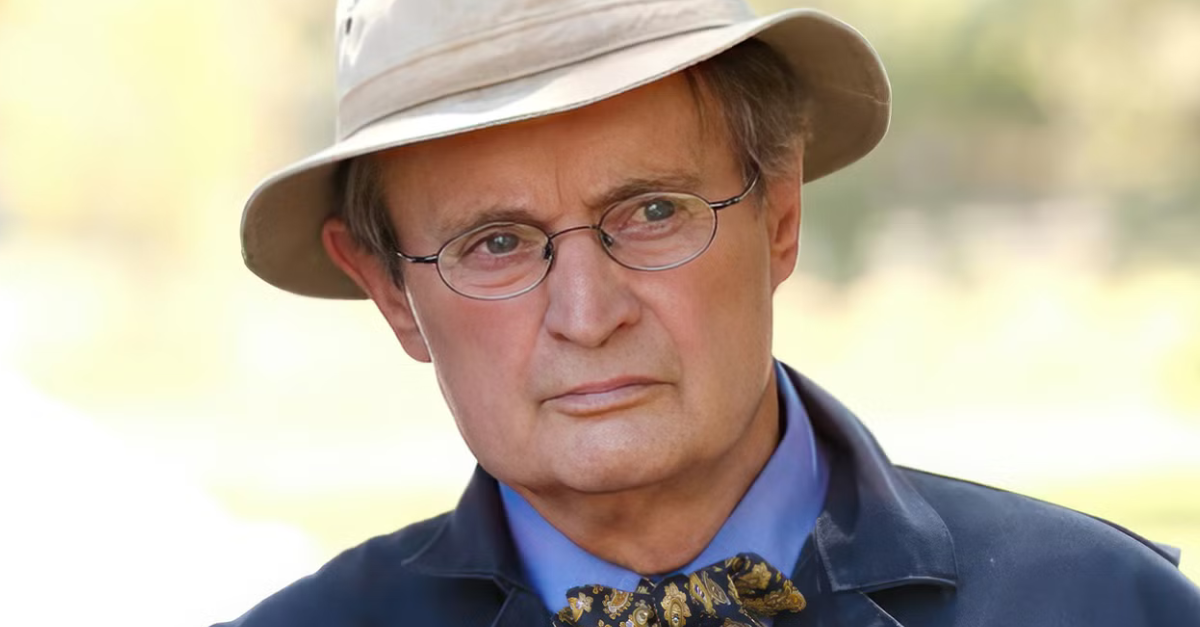 Michael Yarish CBS Photo Archive / Getty Images
Music Came Before Acting
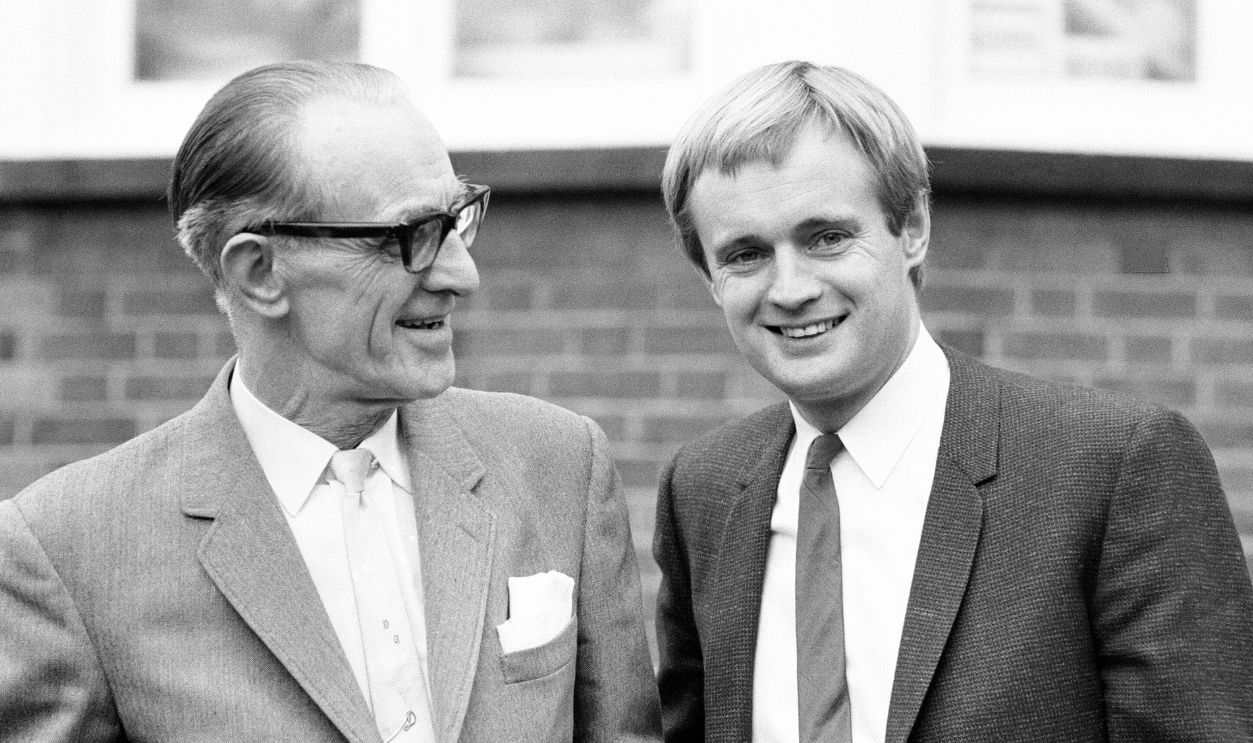
McCallum was born in Glasgow in 1933 to professional musicians David McCallum Sr. and Dorothy Dorman McCallum. His father became the leader of the London Philharmonic Orchestra, while his mother was a cellist. McCallum studied the oboe and initially appeared destined for a musical career. That early training later influenced everything from his precise vocal delivery to his unexpected recording career.
He Started Performing Remarkably Young
McCallum began performing voices for BBC radio while still a teenager. He later trained at the Royal Academy of Dramatic Art after completing military service. Those early experiences gave him a combination of vocal control, stage discipline, and professional confidence before movie audiences knew his face. His long career was already underway years before Hollywood discovered him.
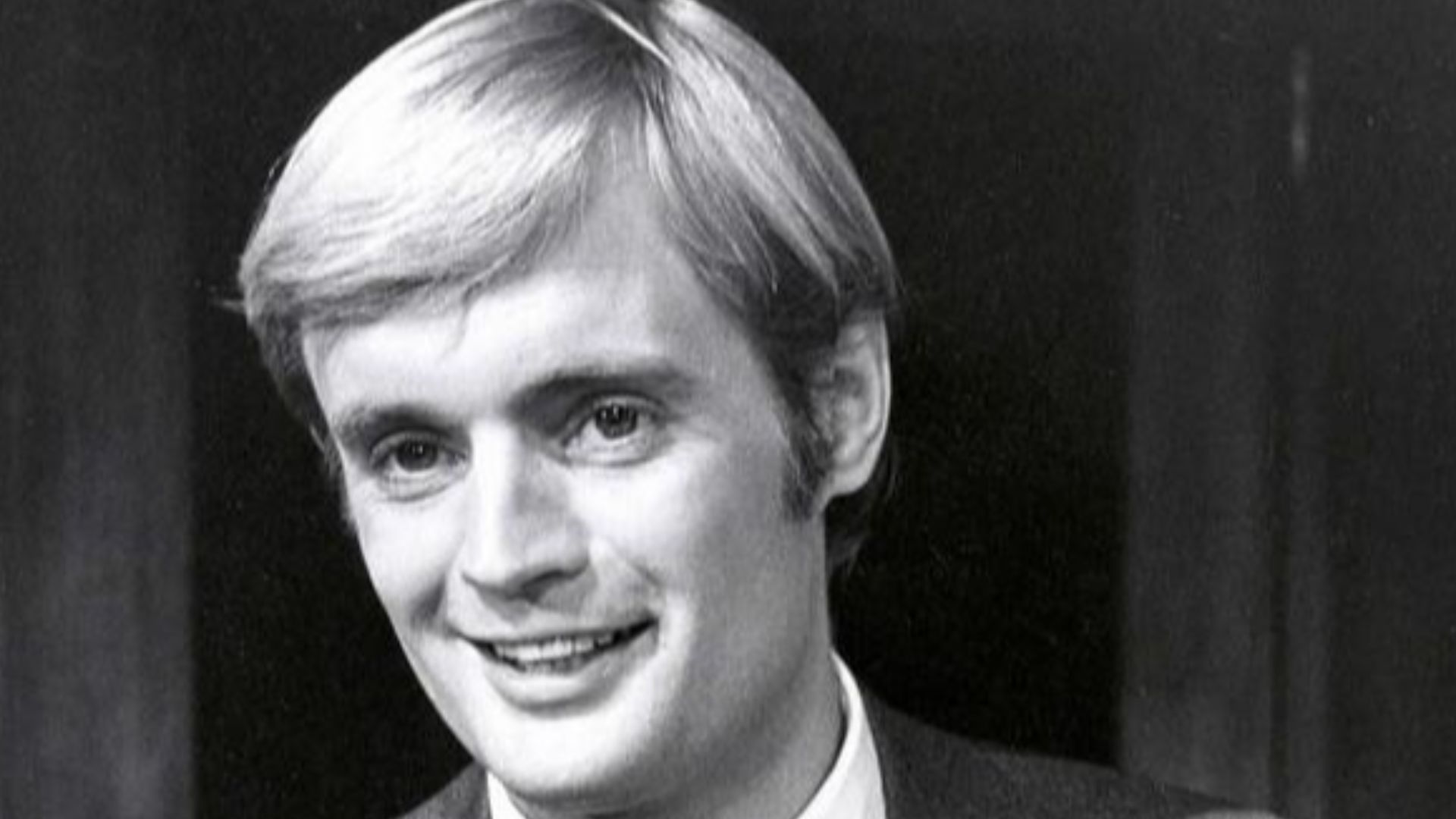 Photographer: Friedman-Abeles, New York City, Wikimedia Commons
Military Service Interrupted His Training
Like many young British men of his generation, McCallum completed national service before fully pursuing acting. He served with the Middlesex Regiment and spent time with the Royal West African Frontier Force. The experience exposed him to responsibility and unfamiliar environments at a formative age. He later brought an unusually composed bearing to soldiers, agents, scientists, and doctors.
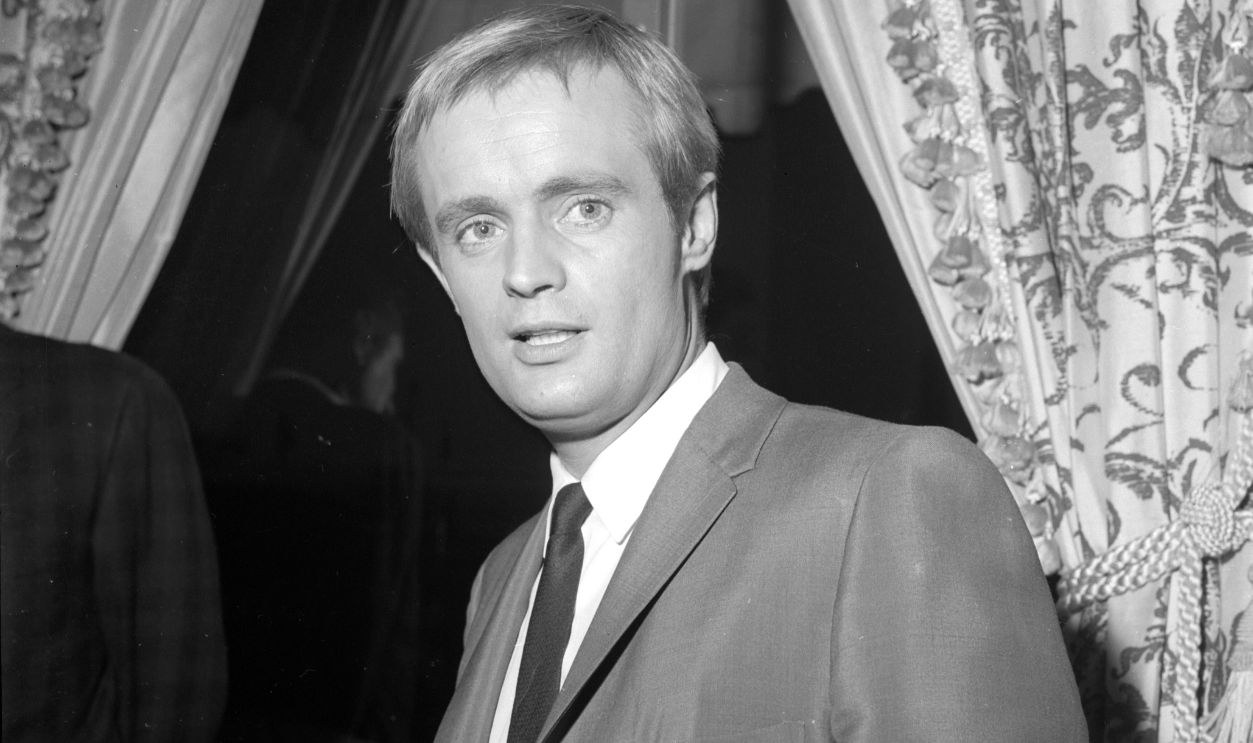 Michael Ochs Archives, Getty Images
British Films Gave Him His Start
McCallum worked steadily in British cinema during the late 1950s. His early credits included Robbery Under Arms, Violent Playground, and the Titanic drama A Night to Remember. These roles established him as a serious young actor rather than a personality manufactured for television. By the early 1960s, international productions were beginning to notice him.
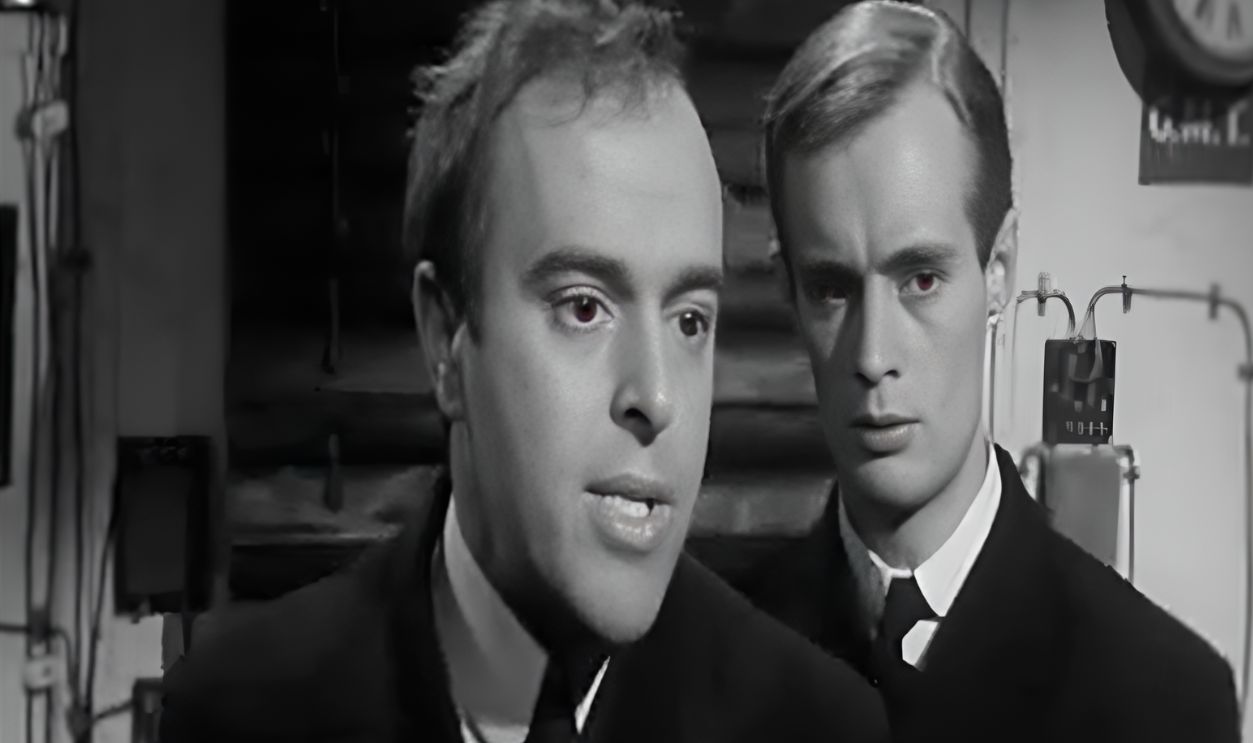 Screenshot from A Night to Remember, The Rank Organisation (1958), Modified
The Great Escape Raised His Profile
In The Great Escape, McCallum played Lieutenant Commander Eric Ashley-Pitt, one of the Allied prisoners plotting to escape a German camp. The 1963 film placed him inside a major international ensemble led by stars including Steve McQueen and Richard Attenborough. McCallum did not dominate the movie, but his controlled performance made him easy to remember. The role helped position him for the television opportunity that changed his life.
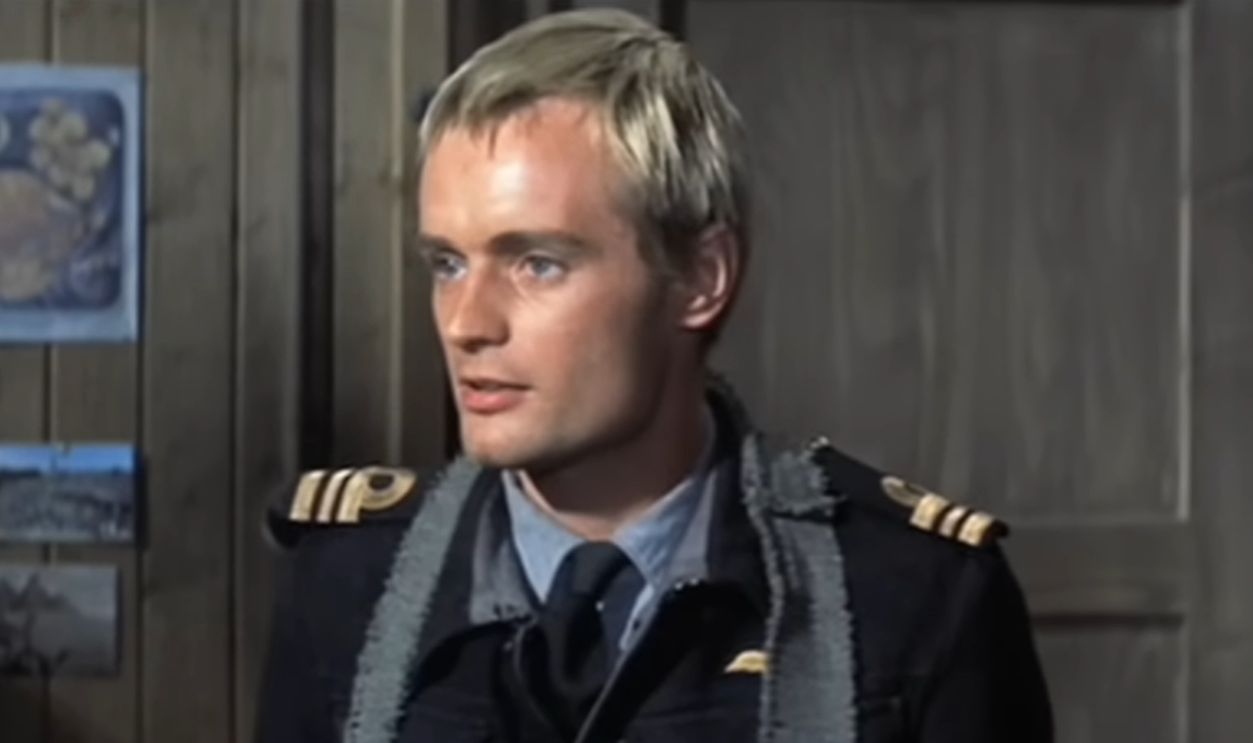 Screenshot from The Great Escape, United Artists (1963)
Illya Was Supposed To Be A Smaller Character
When The Man from U.N.C.L.E. began, Robert Vaughn’s Napoleon Solo was positioned as the principal hero. McCallum’s Illya Kuryakin was intended to be a supporting agent rather than an equal star. Audience enthusiasm quickly changed that arrangement. The quiet Russian became so popular that McCallum was elevated into the center of the series.
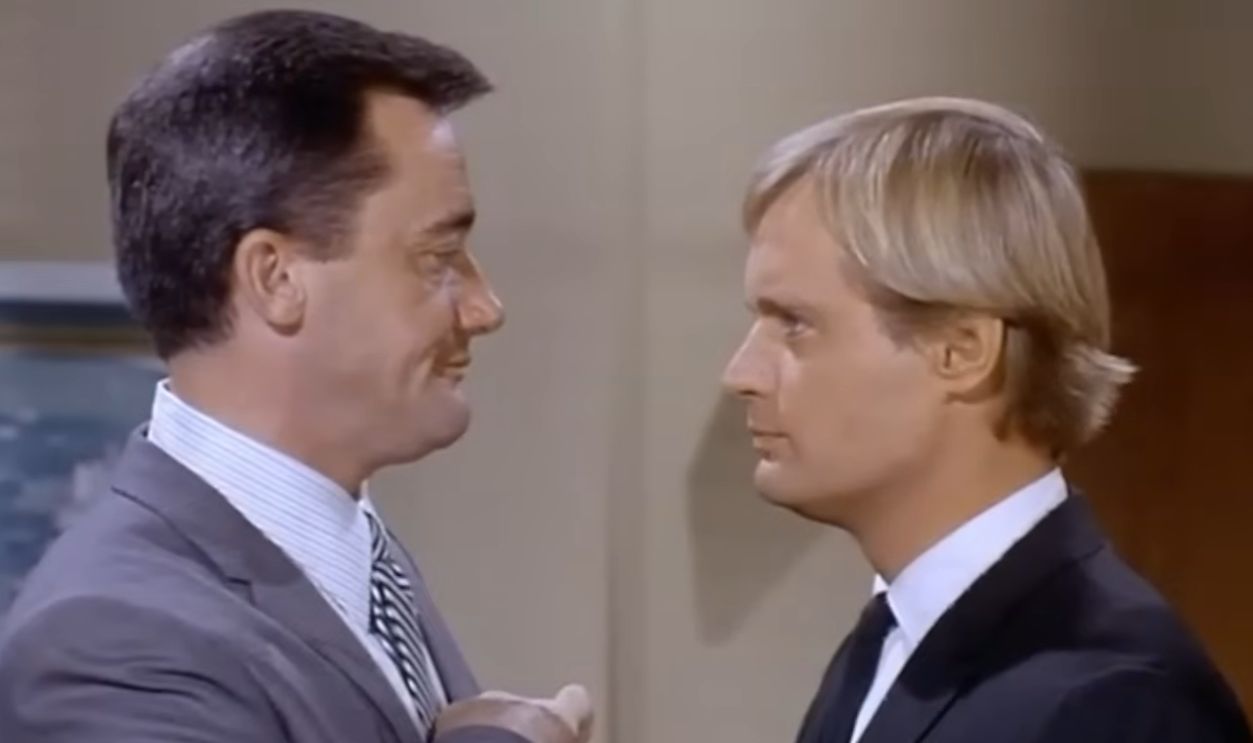 Screenshot from The Man from U.N.C.L.E., NBC (1964–1968)
Mystery Made Illya Irresistible
Illya revealed little about himself and rarely delivered long explanations about his past. McCallum played that secrecy as intelligence rather than emptiness. A slight smile or dry response suggested an entire private life that viewers could only imagine. The less Illya disclosed, the more fascinated the audience became.
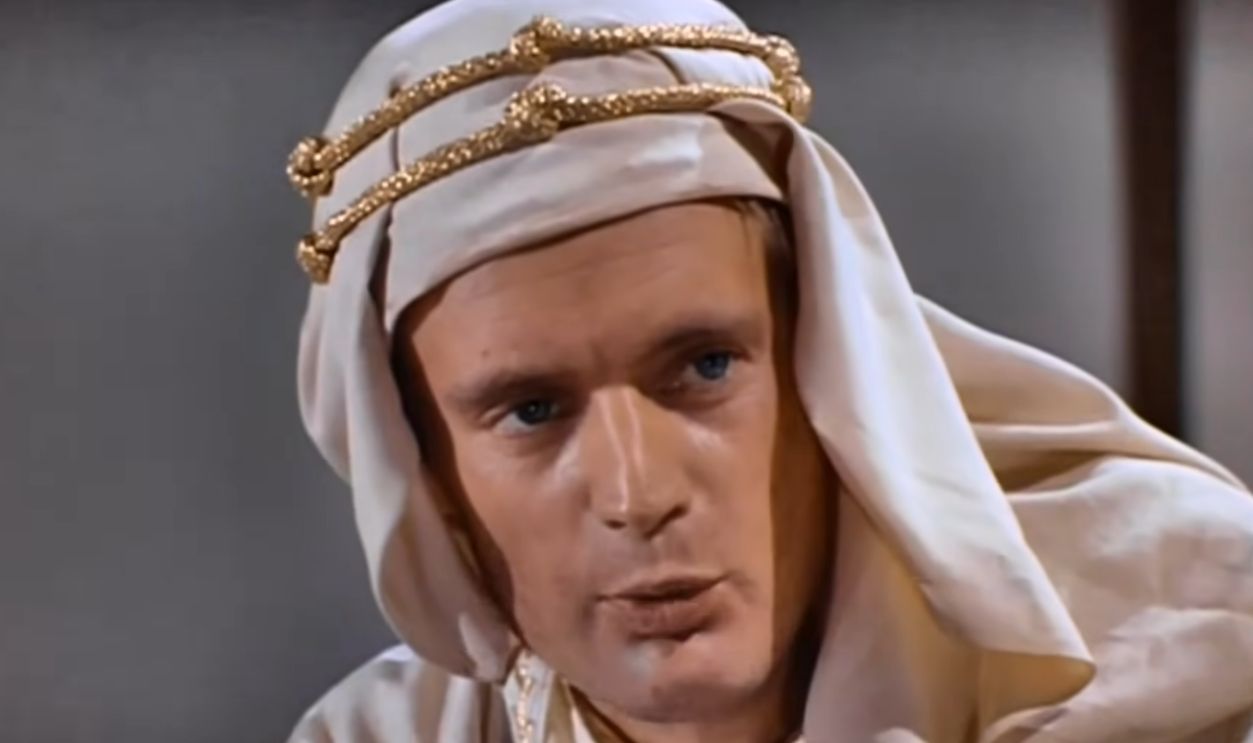 Screenshot from The Man from U.N.C.L.E., NBC (1964–1968)
His Look Became A Sensation
McCallum’s blond hair, black turtlenecks, and youthful appearance immediately distinguished him from conventional television spies. The British Film Institute described him as a 1960s pop-culture sensation whose appearance helped define Illya. Fans copied the hairstyle and collected photographs, magazines, and merchandise bearing his image. He looked less like an establishment agent than a member of a fashionable new band.
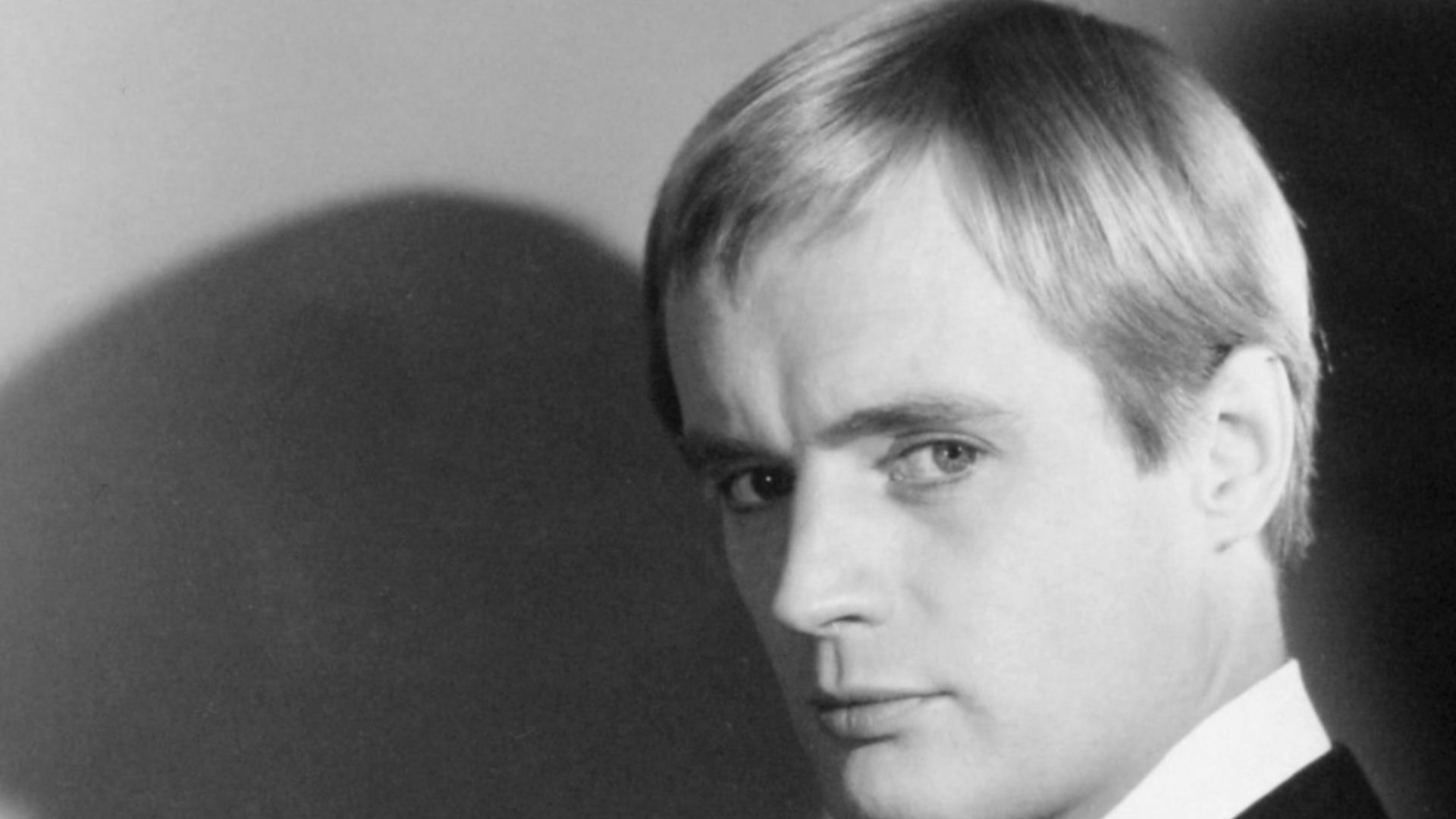 NBC Television, Wikimedia Commons
Beatlemania Helped Create Illya Mania
The Man from U.N.C.L.E. arrived while British music and fashion were transforming American popular culture. McCallum’s accent, haircut, and restrained attitude fit comfortably beside the era’s fascination with the Beatles and other British stars. Teenage viewers responded to him with an intensity rarely associated with a supporting television actor. The spy series had unexpectedly created a heartthrob.
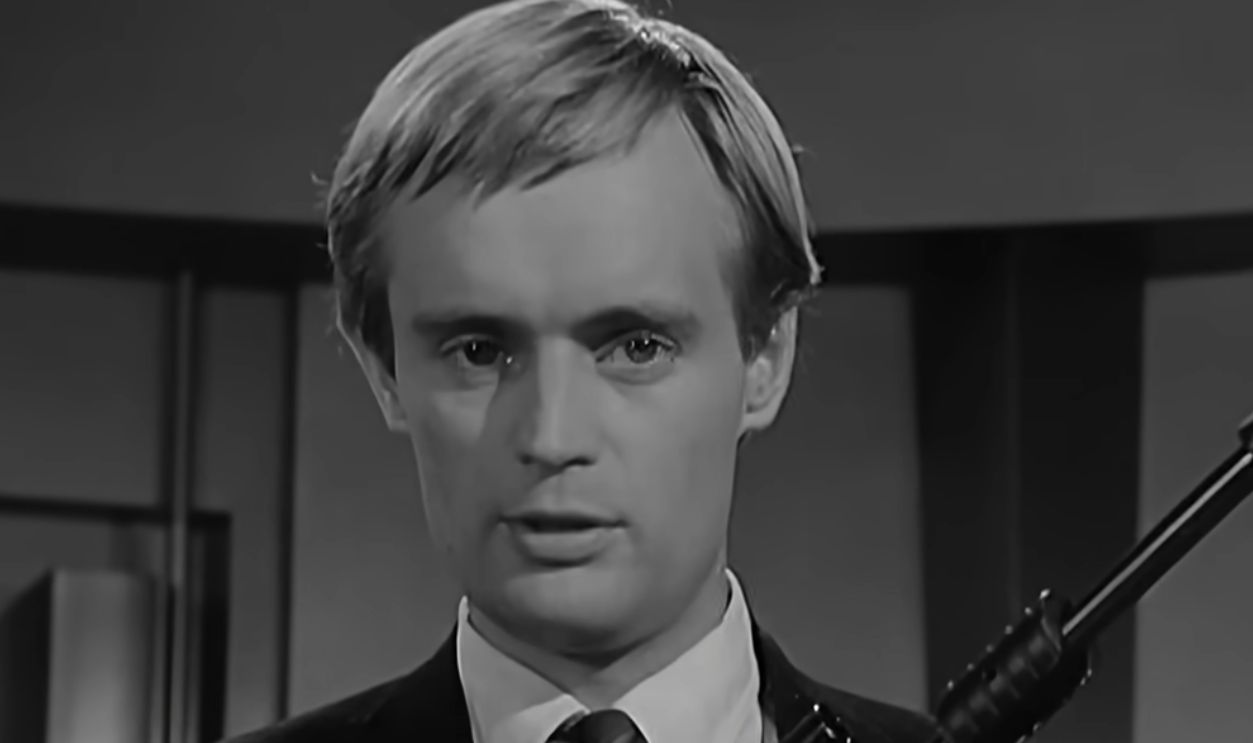 Screenshot from The Man from U.N.C.L.E., NBC (1964–1968)
Promotional Tours Became Chaotic
The series initially struggled in the ratings, but a schedule change and personal appearances by McCallum and Vaughn helped build enthusiasm. Television Academy histories describe large and excited crowds gathering during promotional trips. McCallum sometimes found the level of attention difficult to comprehend because it had arrived so suddenly. The quiet actor had become the center of scenes resembling rock-star hysteria.
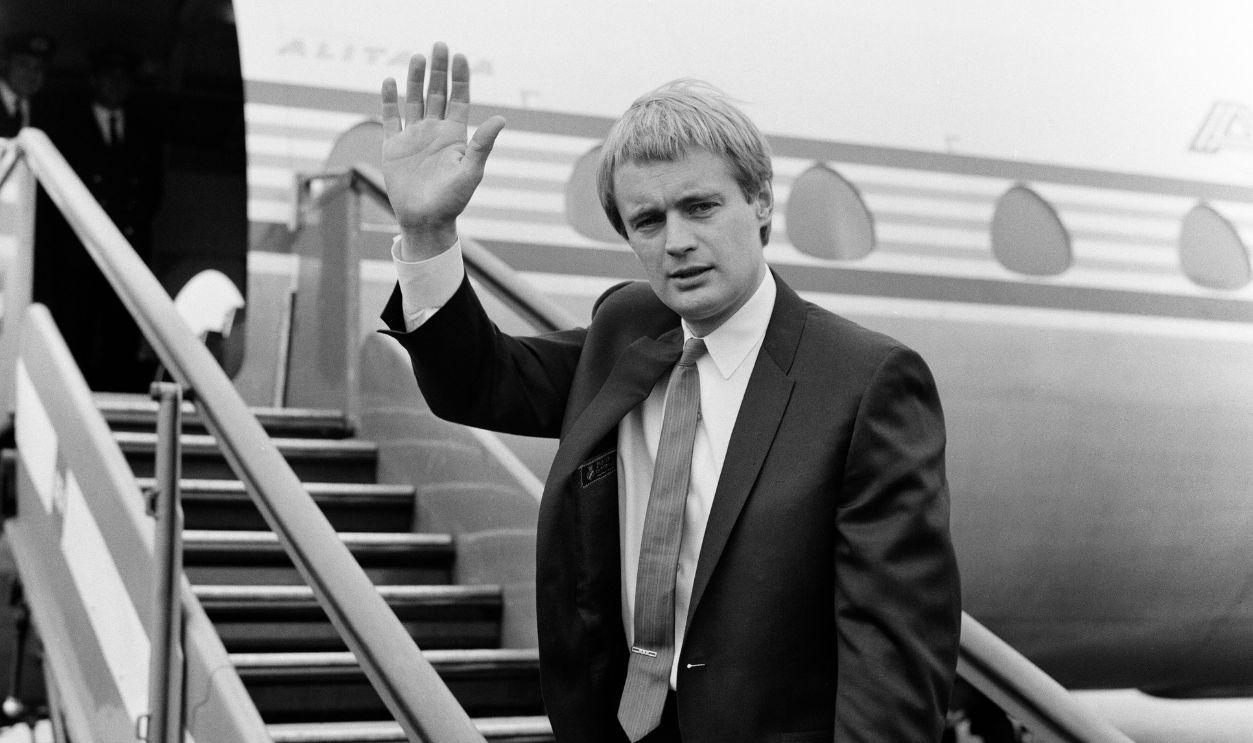
Illya Offered A Different Kind Of Masculinity
Napoleon Solo was charming, talkative, and openly flirtatious. Illya was leaner, quieter, more intellectual, and less eager to advertise his appeal. McCallum’s performance suggested that a male action hero could be formidable without constantly displaying aggression. That contrast helped make the partnership more interesting than two nearly identical spies.
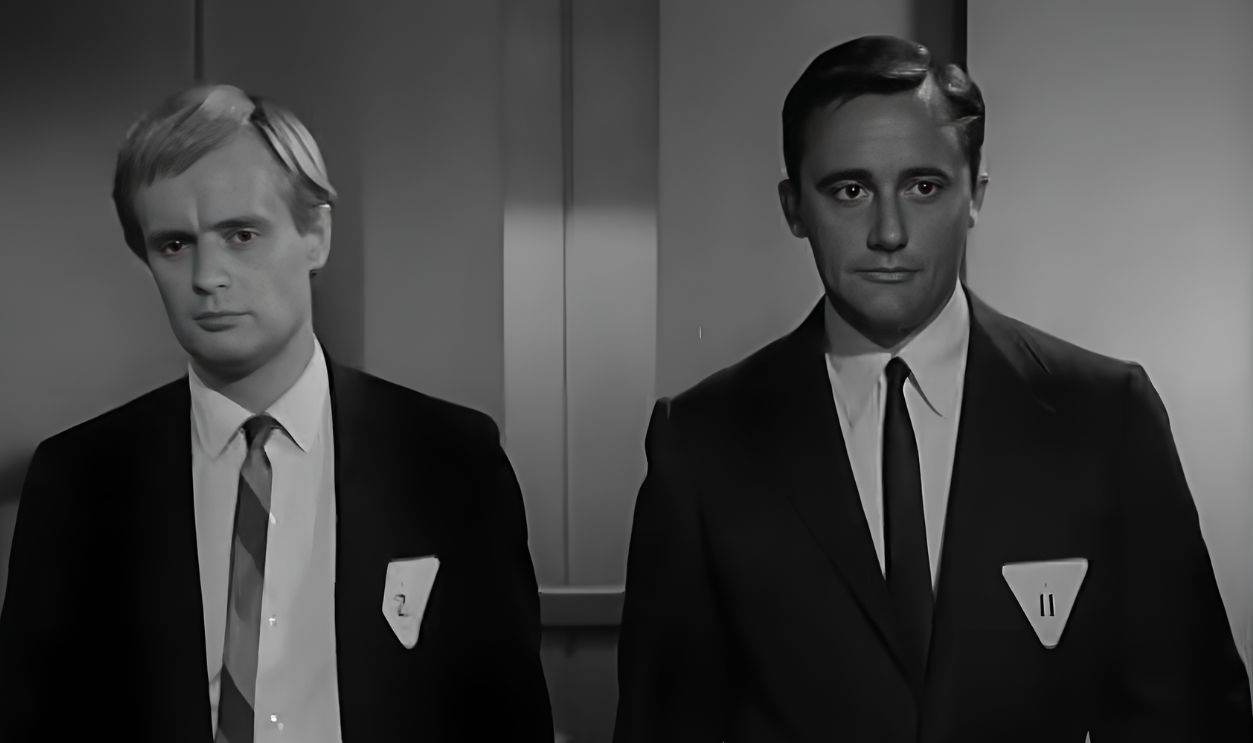 Screenshot from The Man from U.N.C.L.E., NBC (1964–1968), Modified
A Russian Hero Felt Surprisingly Modern
Illya was a Soviet agent working alongside an American during the Cold War. The series treated the partnership as practical and often affectionate rather than continuously suspicious. McCallum understood that the character’s nationality was important, but he avoided turning him into a broad caricature. Illya’s popularity demonstrated that American viewers could enthusiastically embrace a Russian television hero.
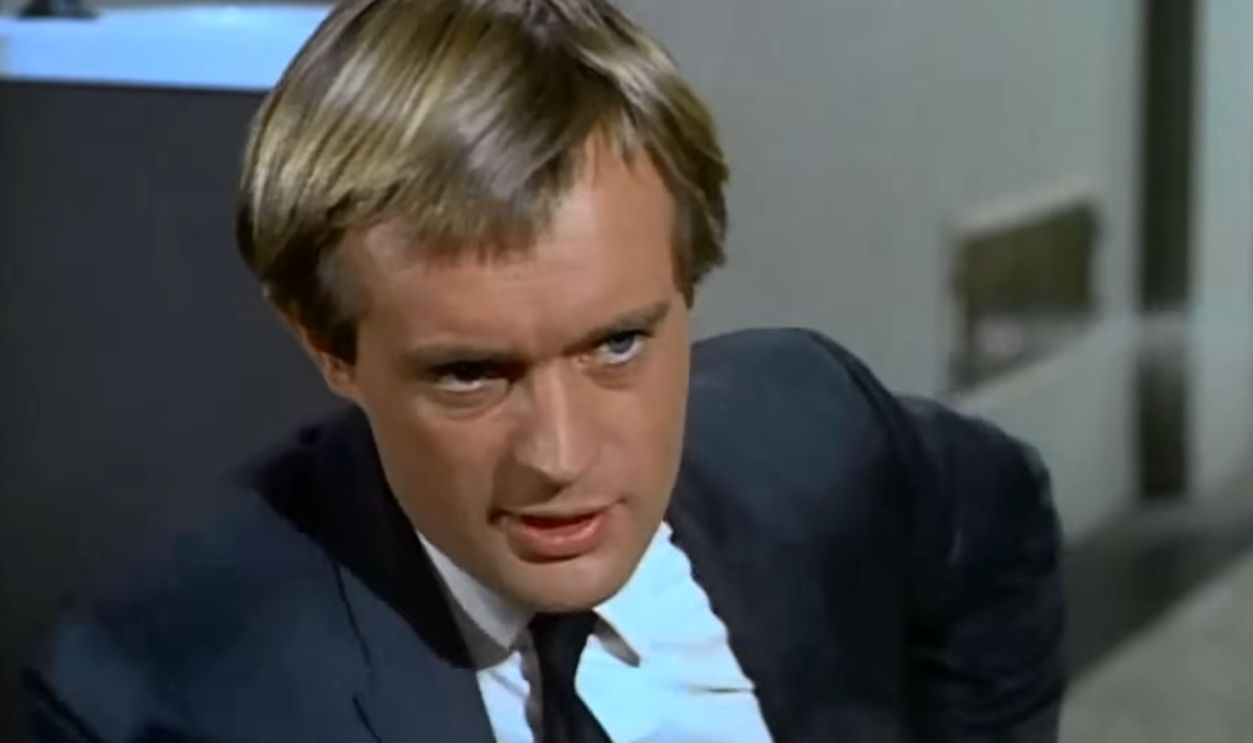 Screenshot from The Man from U.N.C.L.E., NBC (1964–1968)
He Carefully Built Illya’s Identity
McCallum gave considerable thought to Illya’s voice, clothing, behavior, and personal details. He discussed developing an accent that did not become an exaggerated imitation and choosing understated ways to suggest the agent’s background. Even a wedding ring worn by the character became part of the mystery surrounding him. McCallum created depth from details that many viewers barely consciously noticed.
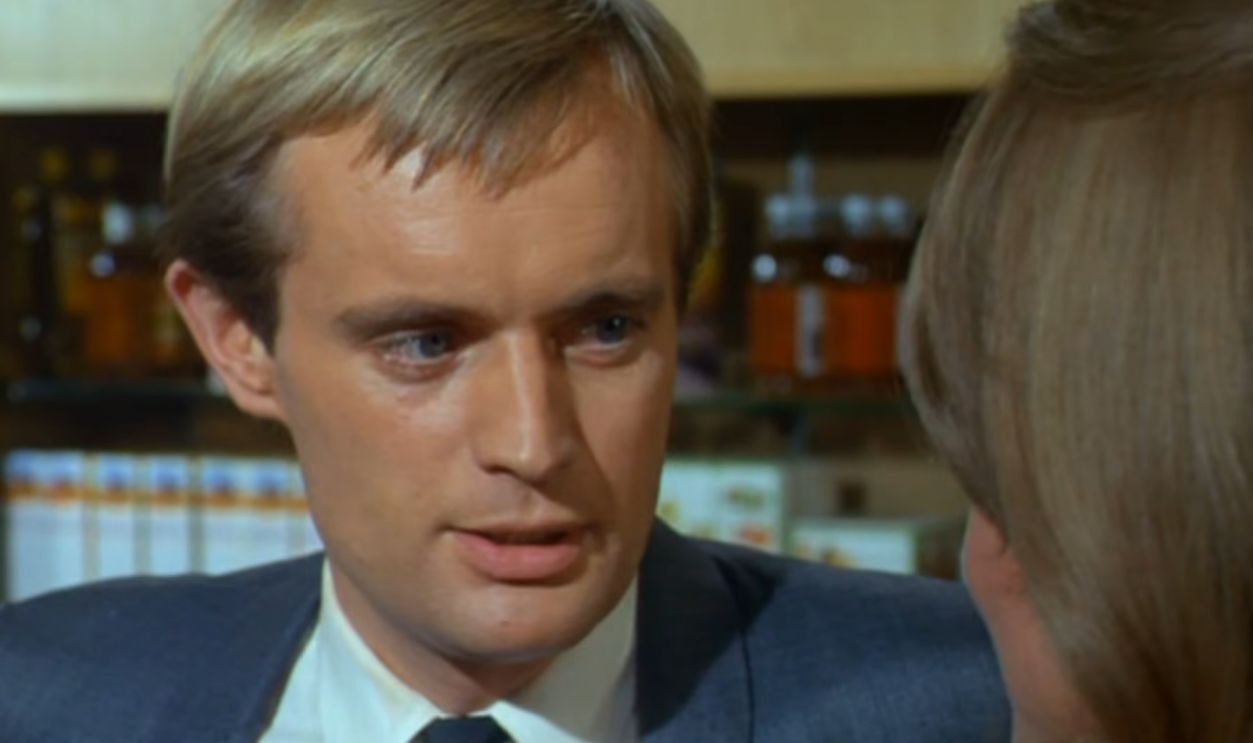 Screenshot from The Man from U.N.C.L.E., NBC (1964–1968)
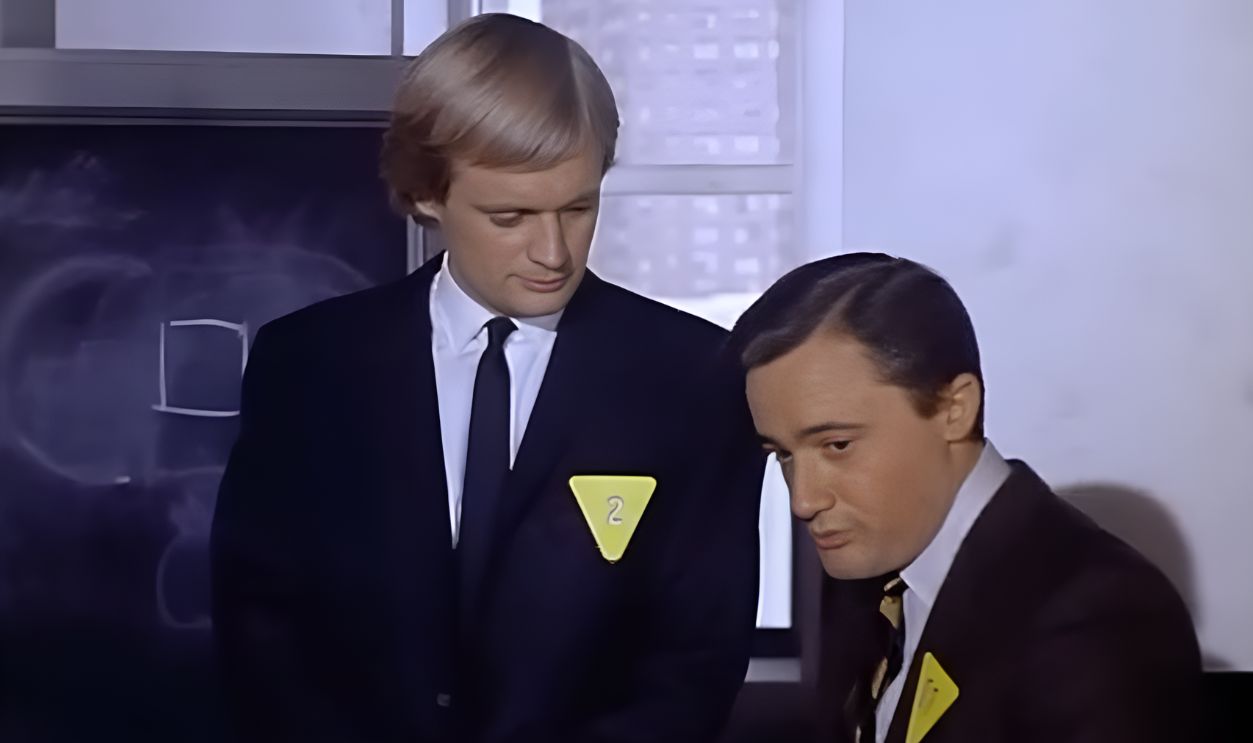
Emmy Voters Recognized The Performance
McCallum received Emmy nominations for The Man from U.N.C.L.E. in both 1965 and 1966. The recognition was notable because Illya had begun as a secondary character. His work was now being judged alongside the era’s established dramatic leads. The nominations confirmed that his success involved more than a fashionable haircut and an enthusiastic fan base.
 Screenshot from The Man from U.N.C.L.E., NBC (1964–1968), Modified
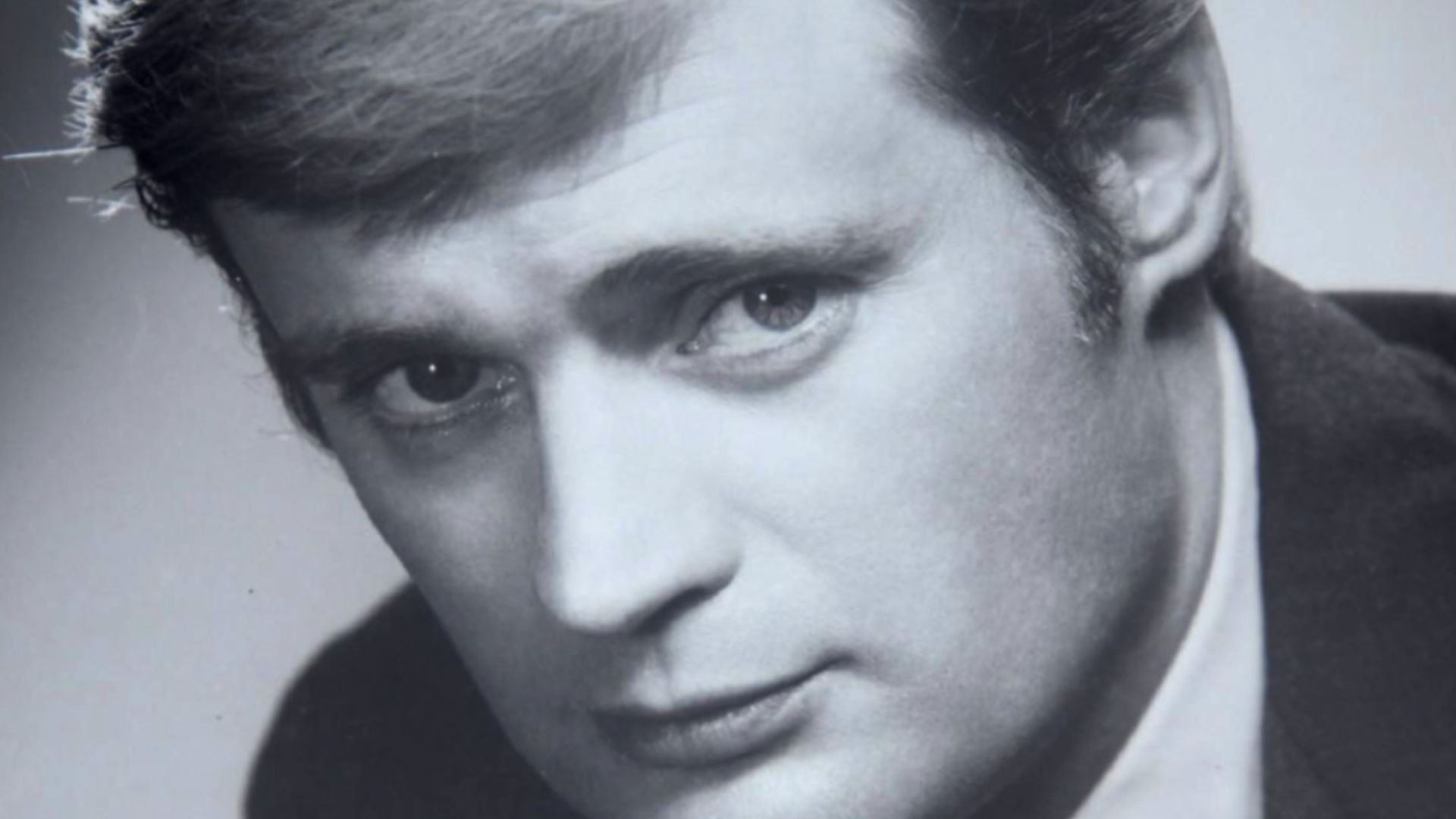
The Fame Had A Musical Side Effect
McCallum’s television popularity led Capitol Records to release several instrumental albums under his name. Rather than singing novelty songs, he drew upon his musical education and worked with producer and arranger David Axelrod. The recordings combined orchestral textures with contemporary rhythms and pop material. McCallum used his celebrity to return to the musical interests that had shaped his childhood.
 Photographer:Friedman-Abeles, New York., Wikimedia Commons
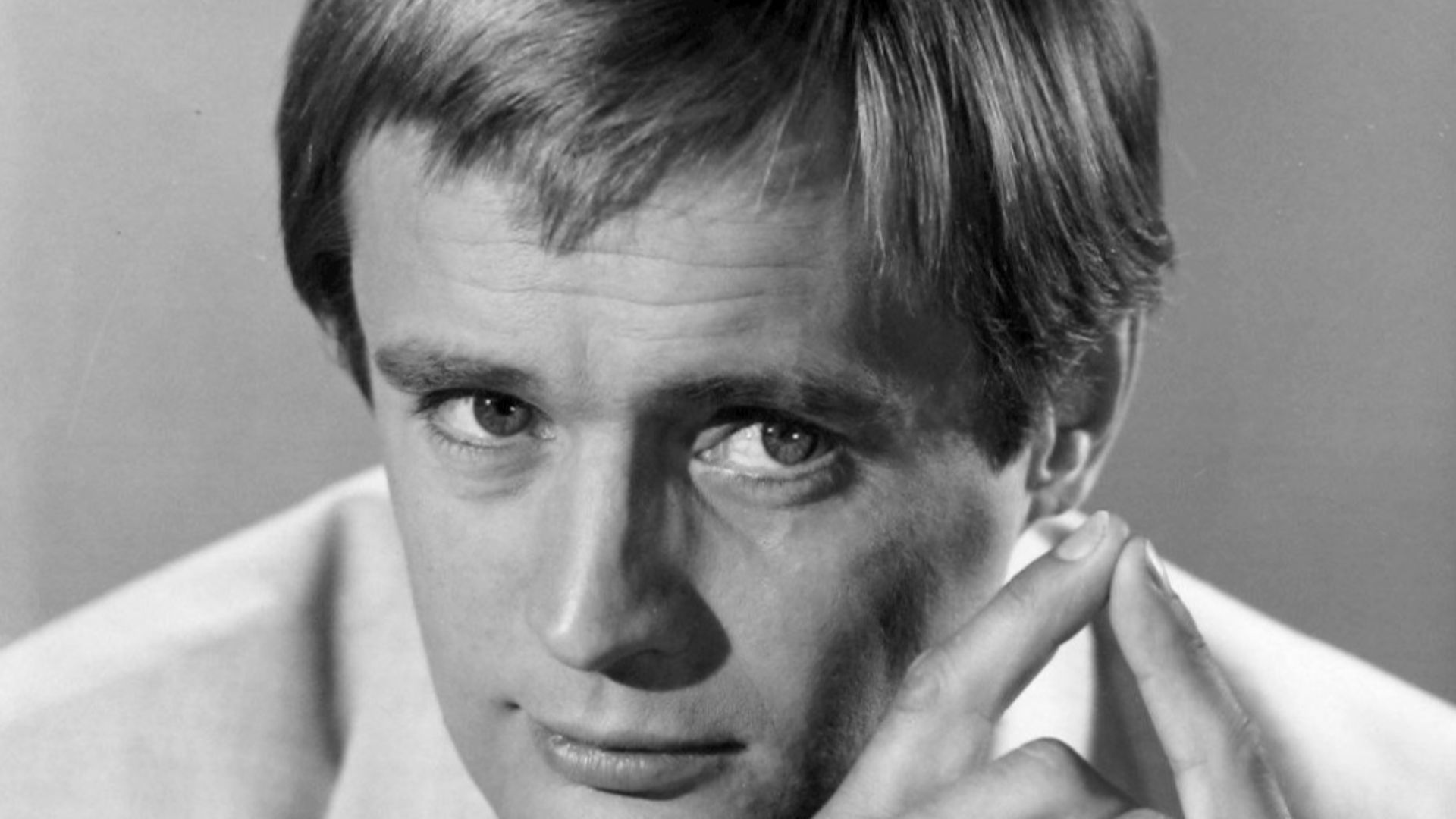
One Recording Found A Strange Second Life
A McCallum recording titled “The Edge” later became highly valuable to hip-hop producers. Dr. Dre sampled it prominently for “The Next Episode,” decades after the original instrumental was recorded. The track has also appeared in films, games, and numerous other recordings. McCallum therefore enjoyed an unlikely musical afterlife alongside his television comeback.
 NBC Television, Wikimedia Commons
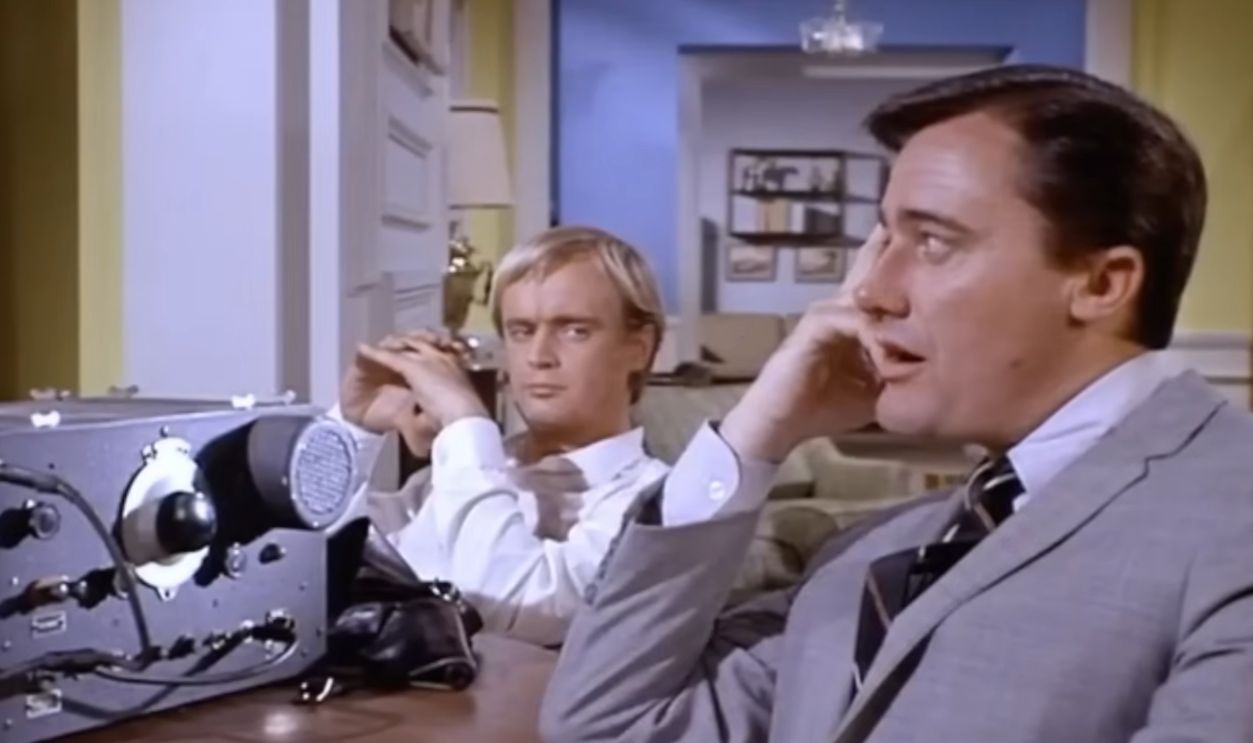
U.N.C.L.E. Ended Before The Fame Did
The Man from U.N.C.L.E. aired from 1964 until early 1968. Its tone became increasingly comic before shifting back toward more serious espionage, but the changes could not restore its earlier momentum. McCallum later recalled the cancellation and eventually returned for a 1983 reunion film. Illya remained attached to him long after the original series disappeared from primetime.
 Screenshot from The Man from U.N.C.L.E., NBC (1964–1968)
He Refused To Live On Nostalgia
After the spy series ended, McCallum moved to New York and continued working across theater, movies, and television. He did not spend the following decades endlessly recreating Illya for convention appearances and lightweight cameos. Instead, he pursued roles that were often more mature, unusual, or demanding. That decision kept him active even when his heartthrob era had passed.
![Title: David McCallum, Man from U.N.C.L.E.
Creator(s): Gotfryd, Bernard, photographer
Date Created/Published: [1982]
Medium: 1 photograph : color transparency ; 35mm (slide format)
Reproduction Number: LC-DIG-gtfy-02697 (digital file from original)
Rights](https://www.factinate.com/storage/app/media/theshot/2026/7/29/178533983865f8740eb7e1a11f49bc07cd15da81bdcbc0eb24.jpg) Gotfryd, Bernard, photographer, Wikimedia Commons
Gotfryd, Bernard, photographer, Wikimedia Commons
British Television Gave Him Stronger Roles
McCallum returned to British television for projects including the wartime drama Colditz. He later starred opposite Joanna Lumley in the science-fiction series Sapphire & Steel. These shows relied on intelligence, atmosphere, and quiet tension rather than the glamorous spy adventure that had made him famous. They proved that his restrained style worked well beyond Illya Kuryakin.
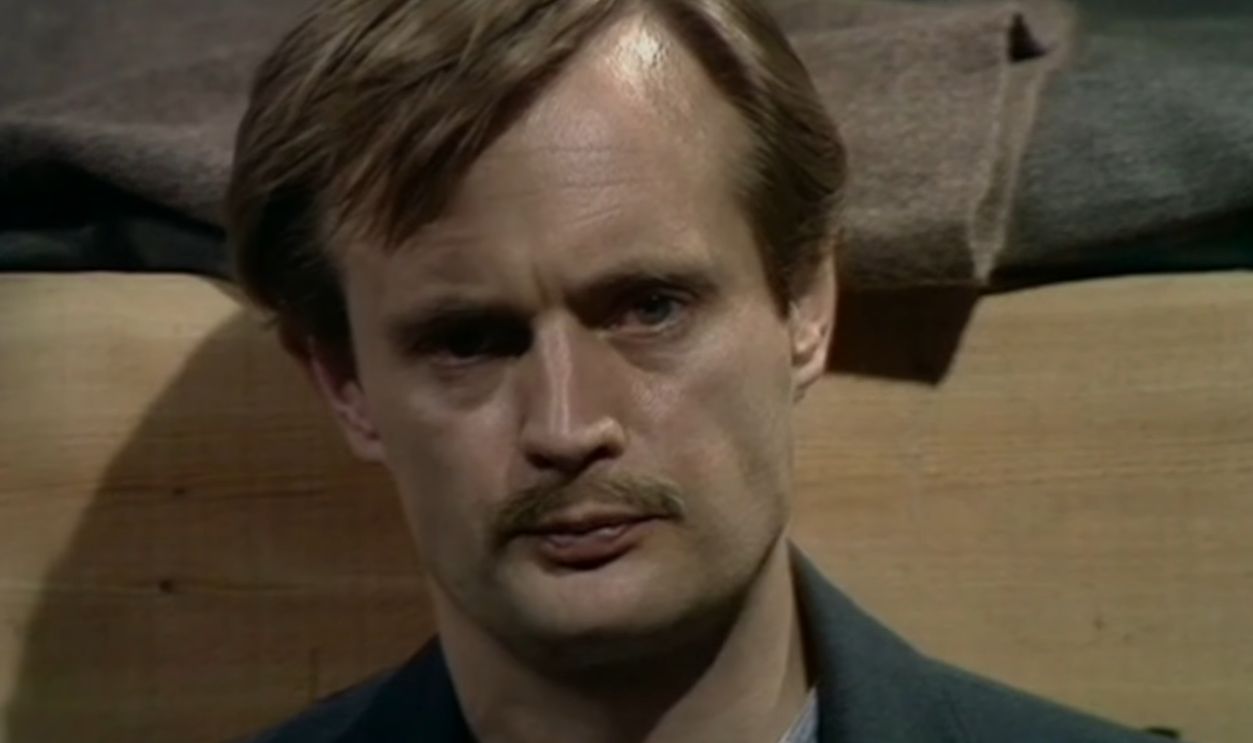 Screenshot from Colditz, BBC1 (1972–1974)
Sapphire And Steel Became A Cult Favorite
In Sapphire & Steel, McCallum played the enigmatic Steel, one of two mysterious beings sent to investigate disturbances in time. His controlled delivery and unreadable expression were ideally suited to the show’s unsettling stories. The role made use of the same mystery that had powered Illya while placing it in a darker context. It became one of McCallum’s most admired post-U.N.C.L.E. performances.
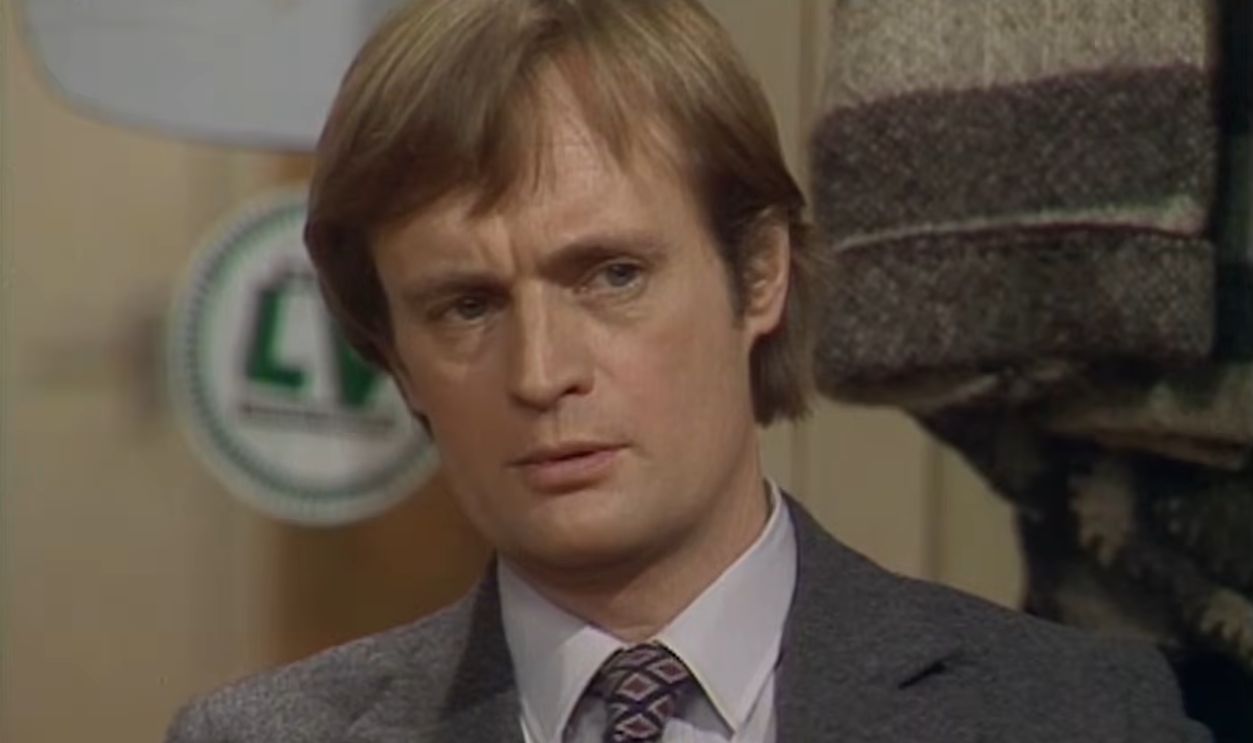 Screenshot from Sapphire & Steel, ITV (1979–1982)
Steady Work Replaced Superstar Hysteria
McCallum continued appearing in television dramas, miniseries, films, and stage productions through the 1980s and 1990s. The roles did not recreate the frenzy of his 1960s fame, but they demonstrated remarkable professional endurance. He gradually shifted from youthful leads to specialists, authority figures, and character parts. The career became quieter without ever truly stopping.
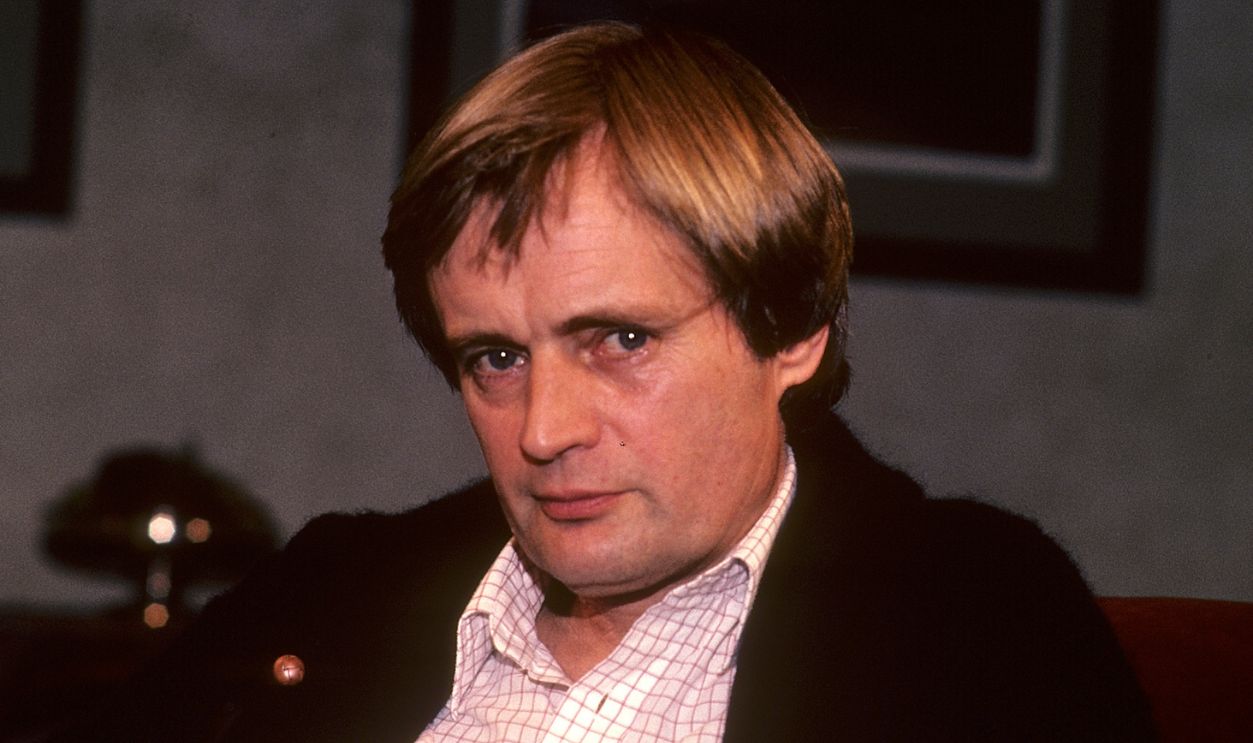
NCIS Arrived At Exactly The Right Time
McCallum was nearly 70 when he was cast as Dr. Donald “Ducky” Mallard in the episodes of JAG that introduced the future NCIS team. The new series premiered in 2003, almost four decades after The Man from U.N.C.L.E. began. Ducky was not designed to imitate Illya or exploit nostalgia. The part gave McCallum a completely different route back into weekly American television.
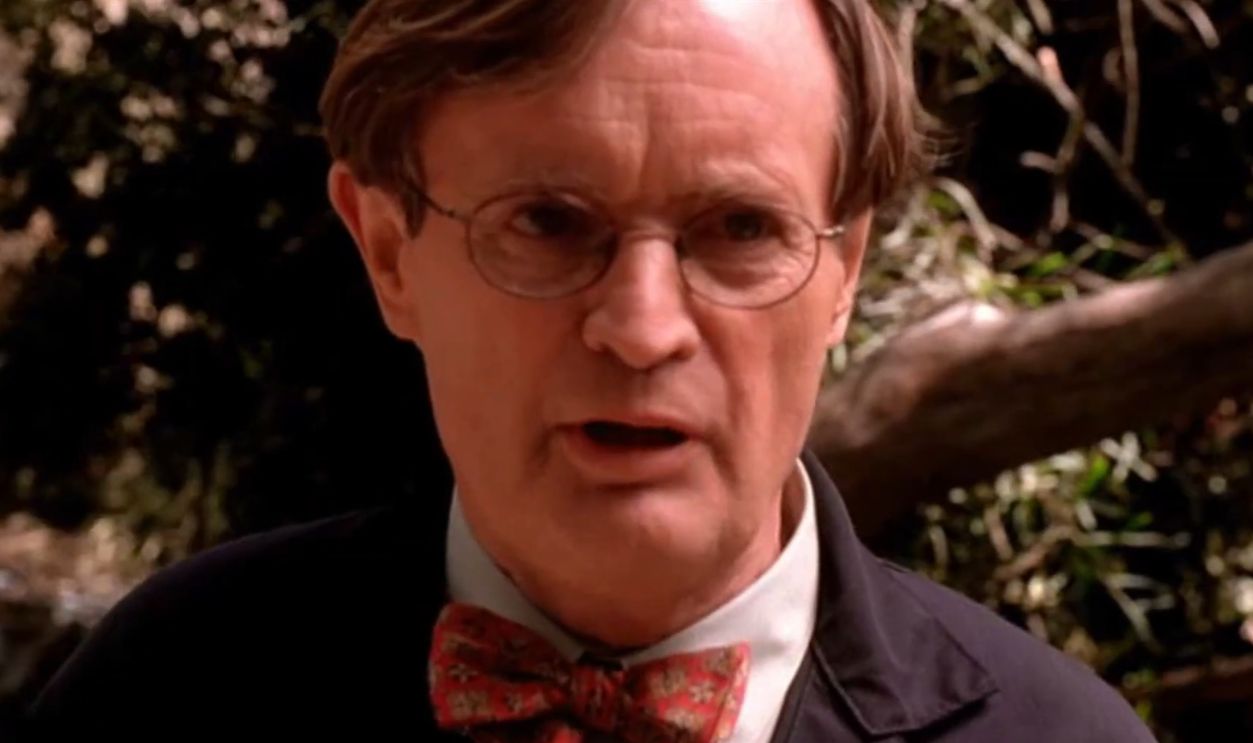 Screenshot from NCIS, CBS (2003–Present)
Ducky Turned Age Into An Advantage
Dr. Mallard was a medical examiner whose knowledge extended far beyond anatomy. He told long stories, remembered obscure historical details, and treated the dead with unusual gentleness. McCallum’s age made that intelligence and curiosity feel accumulated rather than artificially written. Instead of hiding the passing decades, NCIS made them essential to his appeal.
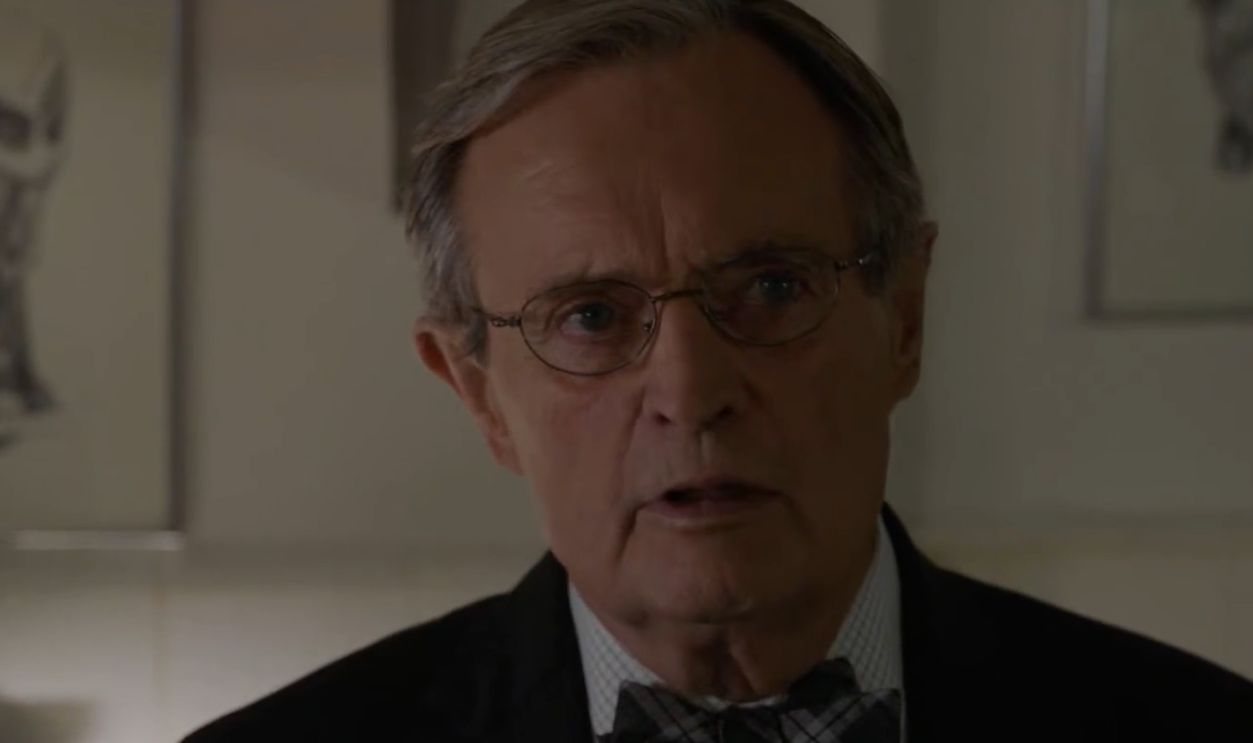 Screenshot from NCIS, CBS (2003–Present)
He Studied Real Forensic Medicine
McCallum approached the medical role with the same seriousness he had once brought to Illya’s accent and behavior. He studied pathology, attended autopsies, and learned enough forensic detail to impress the production’s advisers. Producer Donald Bellisario reportedly joked that McCallum had become knowledgeable enough to serve as a technical adviser. His preparation gave Ducky’s eccentricity a solid professional foundation.
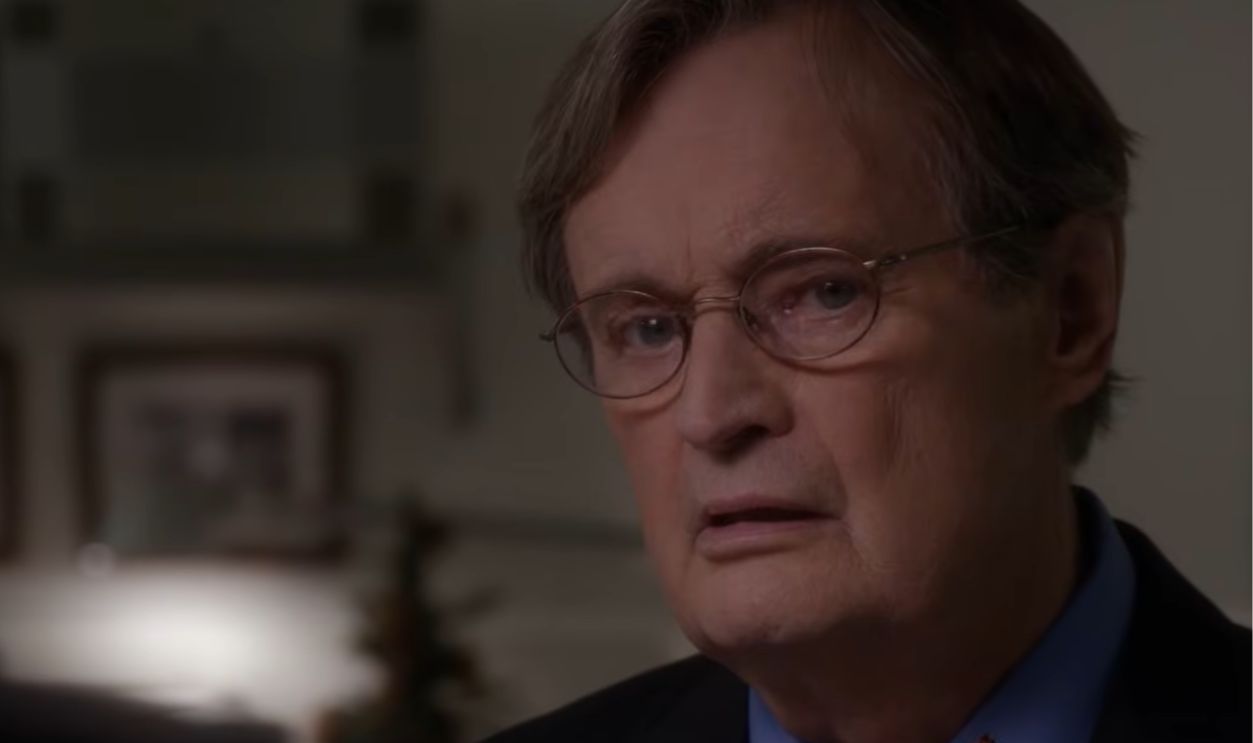 Screenshot from NCIS, CBS (2003–Present)
Ducky Balanced Science With Compassion
Many fictional medical examiners are written mainly to deliver gruesome facts. Ducky spoke to bodies, reflected on their lives, and reminded the investigators that every victim had been a person before becoming evidence. McCallum gave those scenes warmth without making them sentimental. The character became the moral memory of the team as well as its forensic expert.
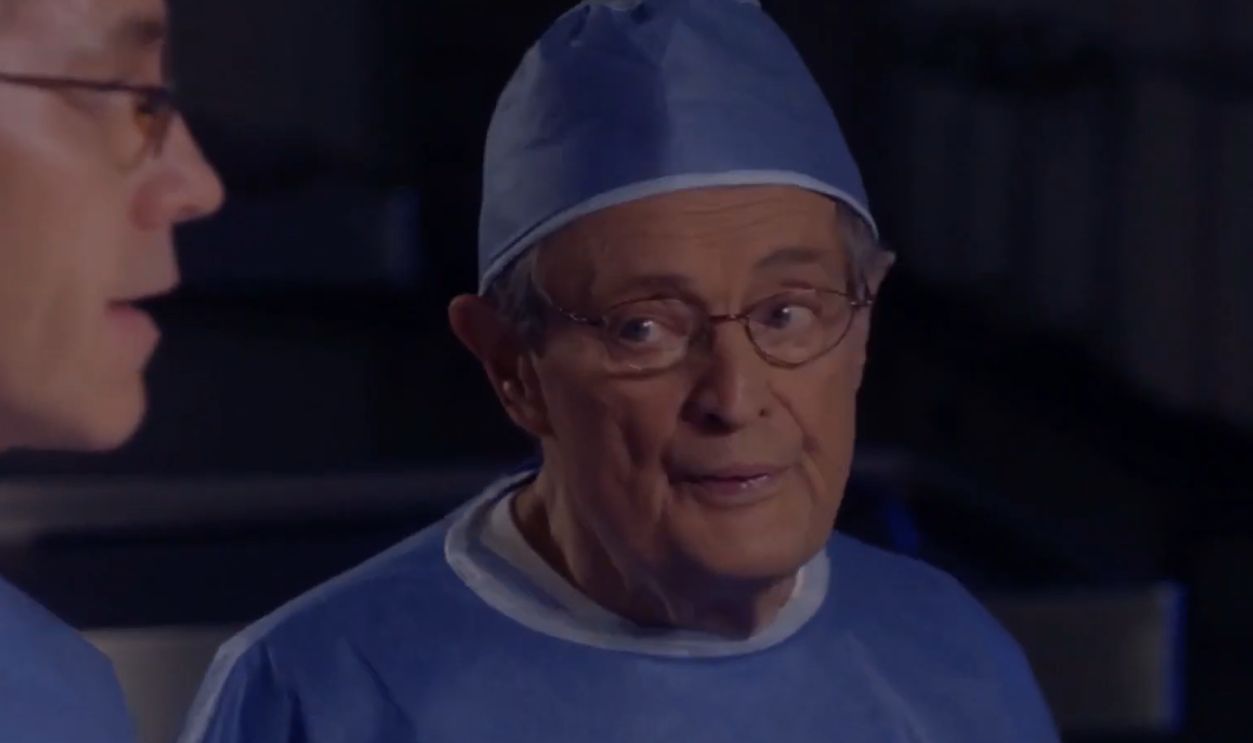 Screenshot from NCIS, CBS (2003–Present)
A New Generation Finally Learned His Name
Many NCIS viewers had never seen McCallum as Illya Kuryakin. To them, he was Ducky, the bow-tied doctor with endless stories and a gentle sense of humor. The series became one of television’s biggest international procedurals and kept McCallum visible for roughly two decades. His second success was not a nostalgic revival because it created an entirely new audience.
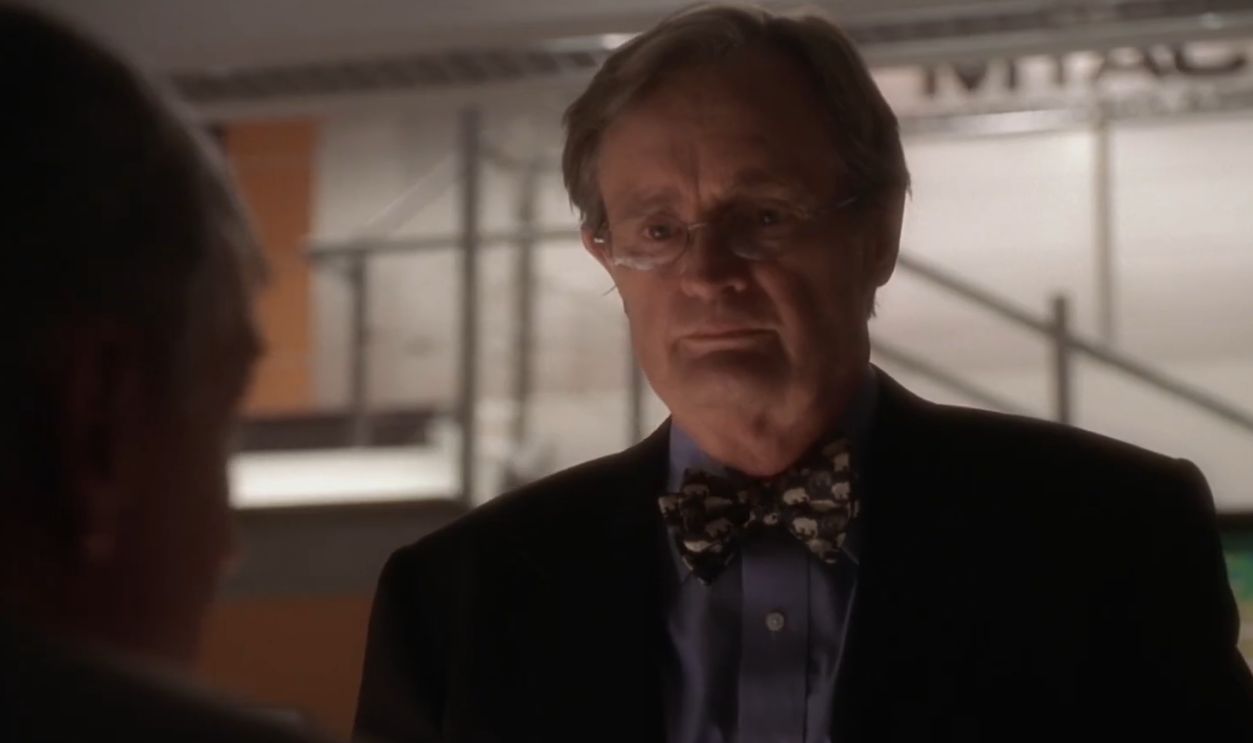 Screenshot from NCIS, CBS (2003–Present)
The Show Let Him Grow Older Naturally
McCallum’s workload decreased as he moved into his eighties, and Ducky eventually retired as chief medical examiner. The character remained connected to the team as the organization’s historian, allowing his experience to remain valuable without pretending he had not aged. McCallum continued making appearances rather than receiving an abrupt off-screen exit. The transition treated both actor and character with unusual respect.
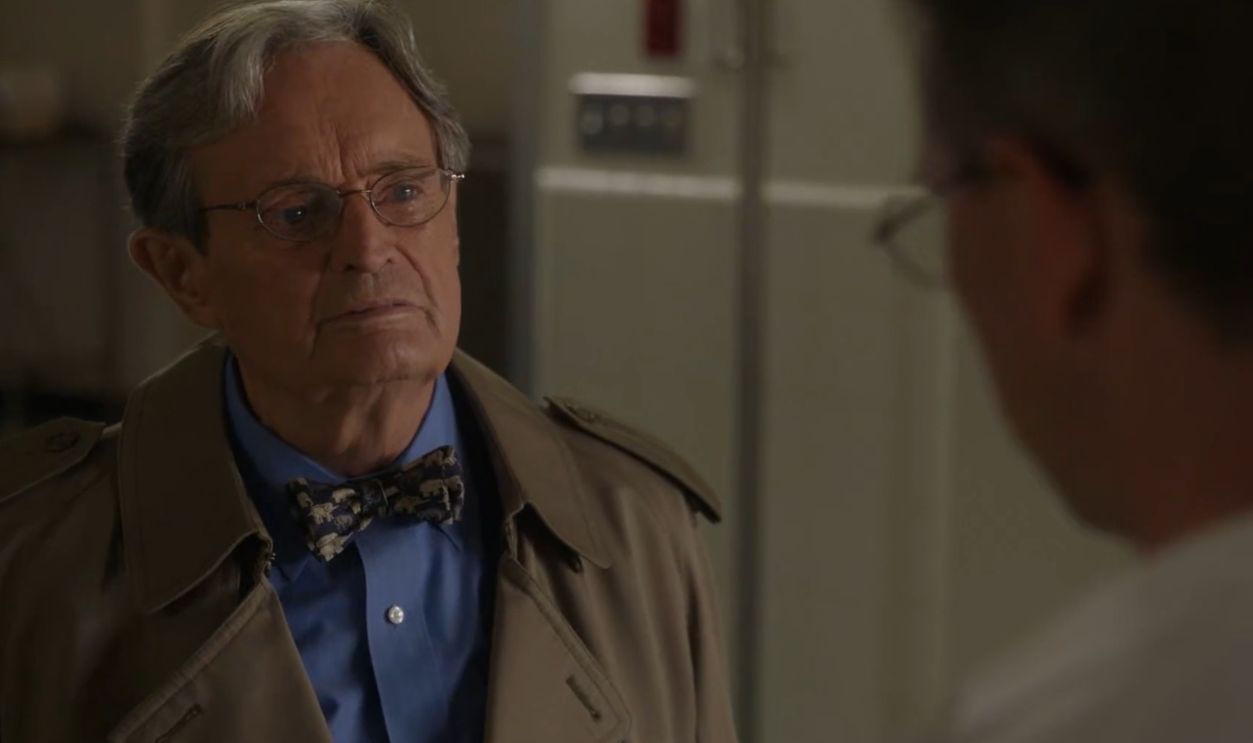 Screenshot from NCIS, CBS (2003–Present)
Two Generations Claimed Him As Their Own
McCallum died in 2023 at the age of 90 after a career stretching across more than seven decades. NCIS later honored Ducky and McCallum in the episode “The Stories We Leave Behind,” using memories and a final investigation to celebrate his influence. Older fans remembered the cool Russian agent who inspired screaming crowds, while younger fans mourned the compassionate doctor they had watched for years. Few television actors have been allowed to become beloved twice in such completely different ways.
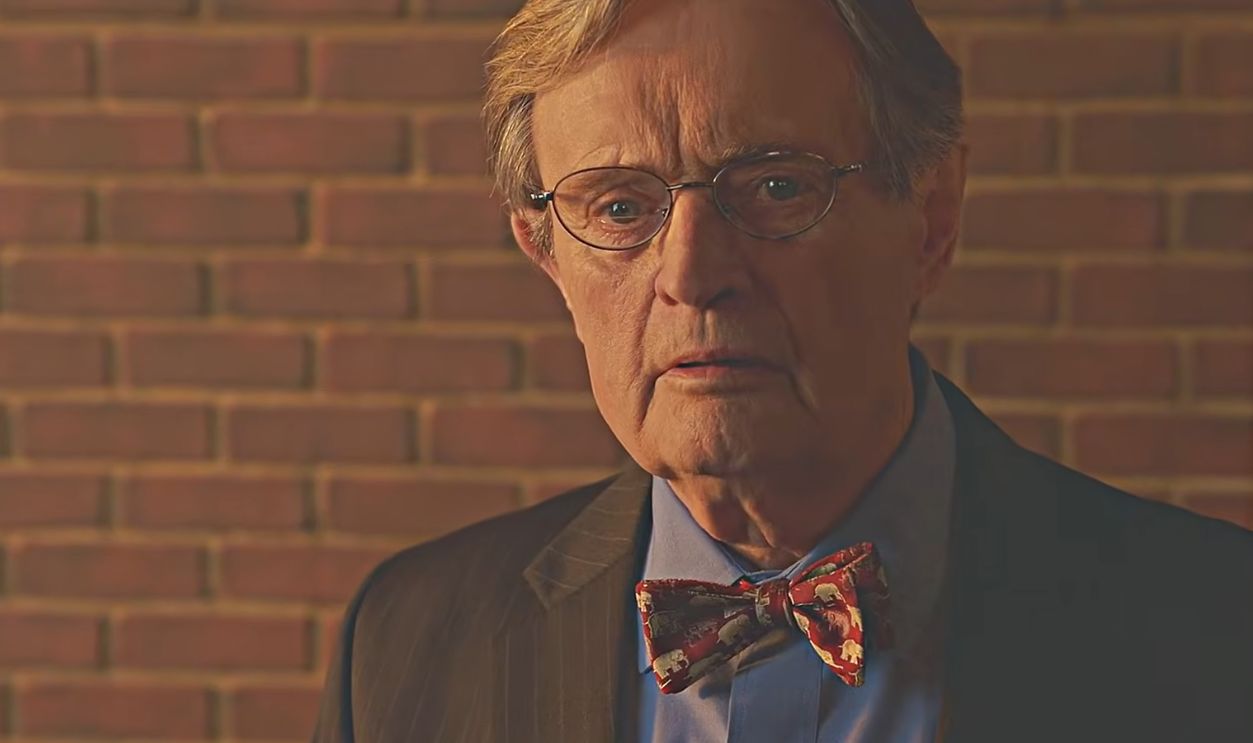 Screenshot from NCIS, CBS (2003–Present)
You May Also Like:
The Most Thrilling Spy Shows Of All Time
Celebrities We Didn't Know Were Spies