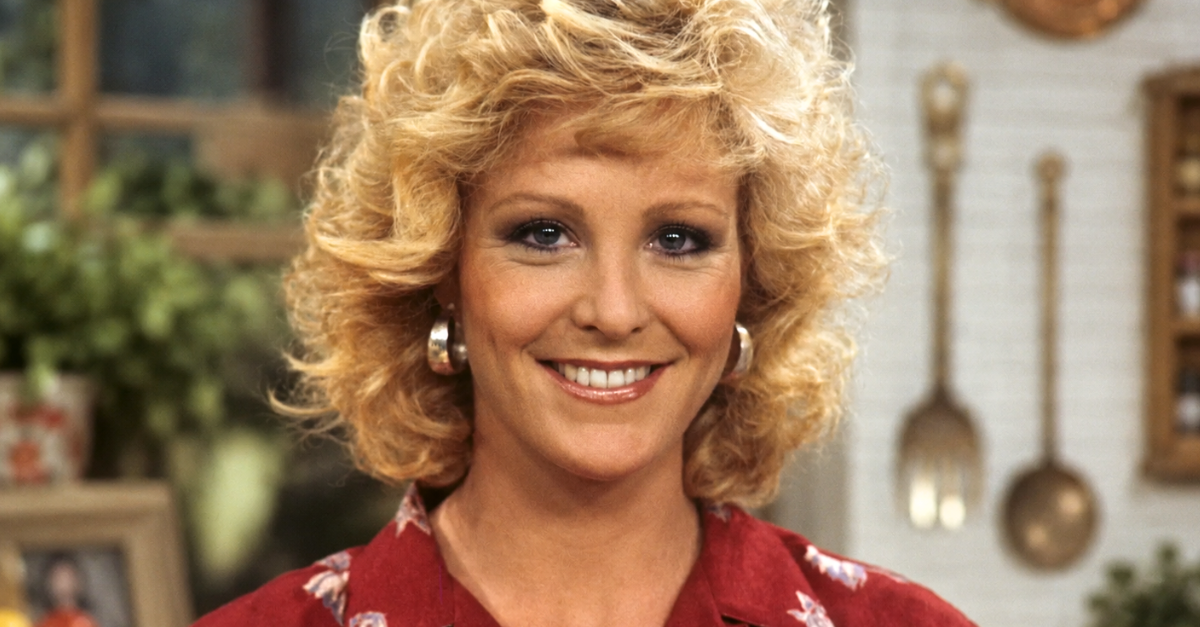
Growing Pains Looked Like A Warm Suburban Family Comedy.
Joanna Kerns made sure it rarely felt weightless. As Maggie Seaver, she brought enough to make the Seavers feel more like a family dealing with real pressures than a perfect television household.
 ABC Photo Archives / Getty Images
She Started Far From Sitcoms
Joanna Kerns was born Joanne Crussie DeVarona in San Francisco in 1953. Before acting became her career, she trained seriously in gymnastics and dance. Those early ambitions placed performance and discipline at the center of her life long before television audiences knew her as Maggie Seaver.
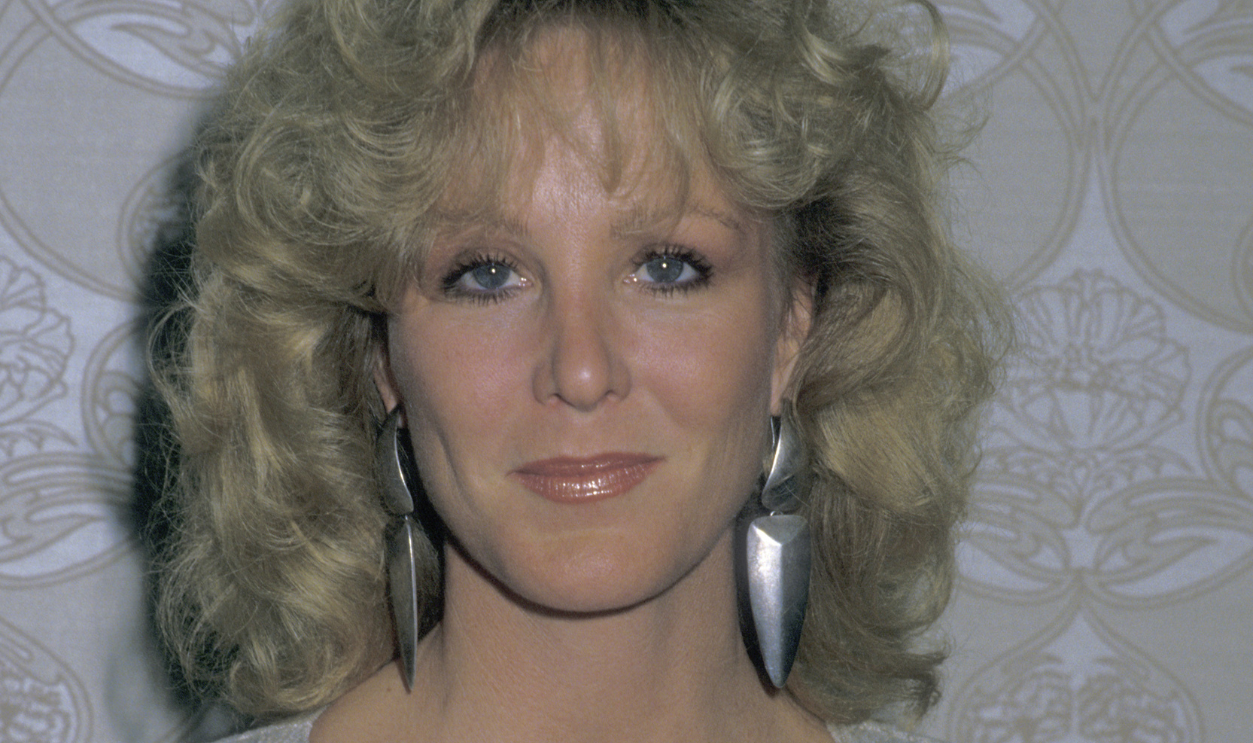 Ron Galella, Ltd., Getty Images
Her Family Was Already Athletic
Kerns grew up in a notably athletic household. Her sister Donna de Varona became an Olympic champion swimmer and later a prominent sports broadcaster. Joanna initially followed an athletic path of her own before redirecting her energy toward dance and performing.
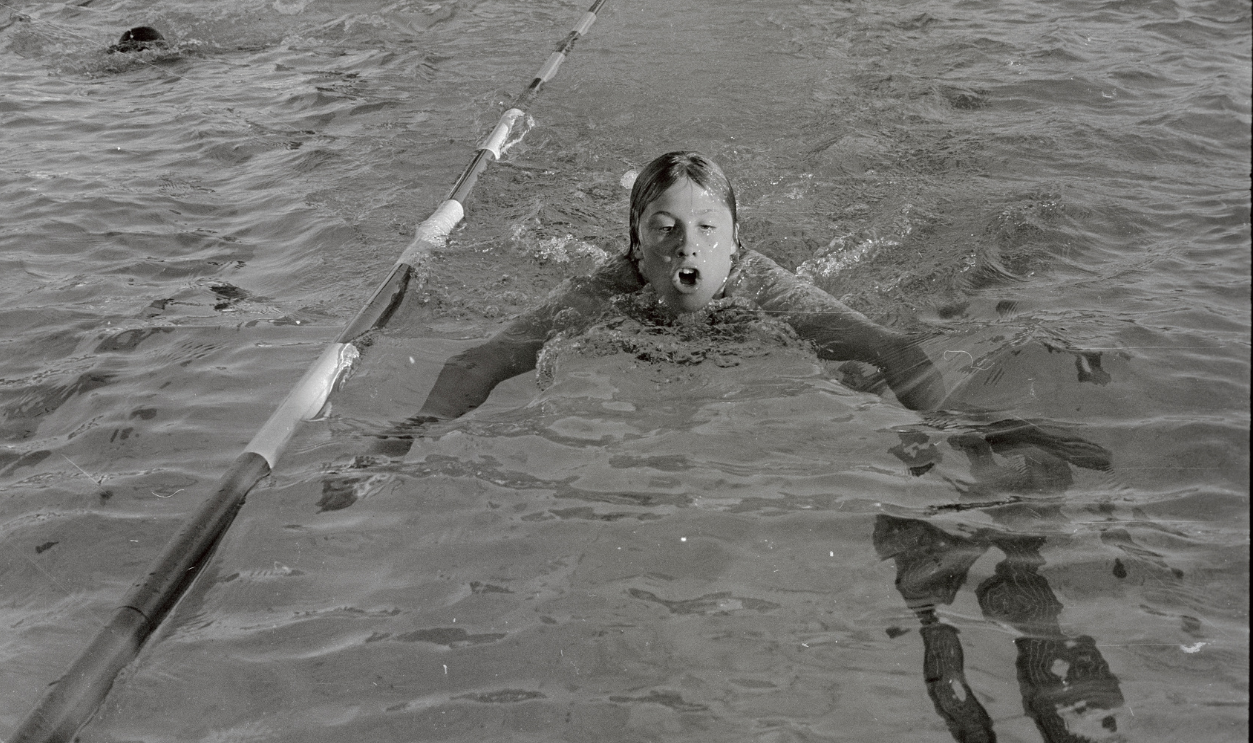
Dance Led Her Toward Acting
Kerns worked as a dancer before deciding that acting offered a longer professional future. She performed at Disneyland and toured in a production of Two Gentlemen of Verona. After moving to New York, she studied acting and began the difficult process of turning herself into a working performer.
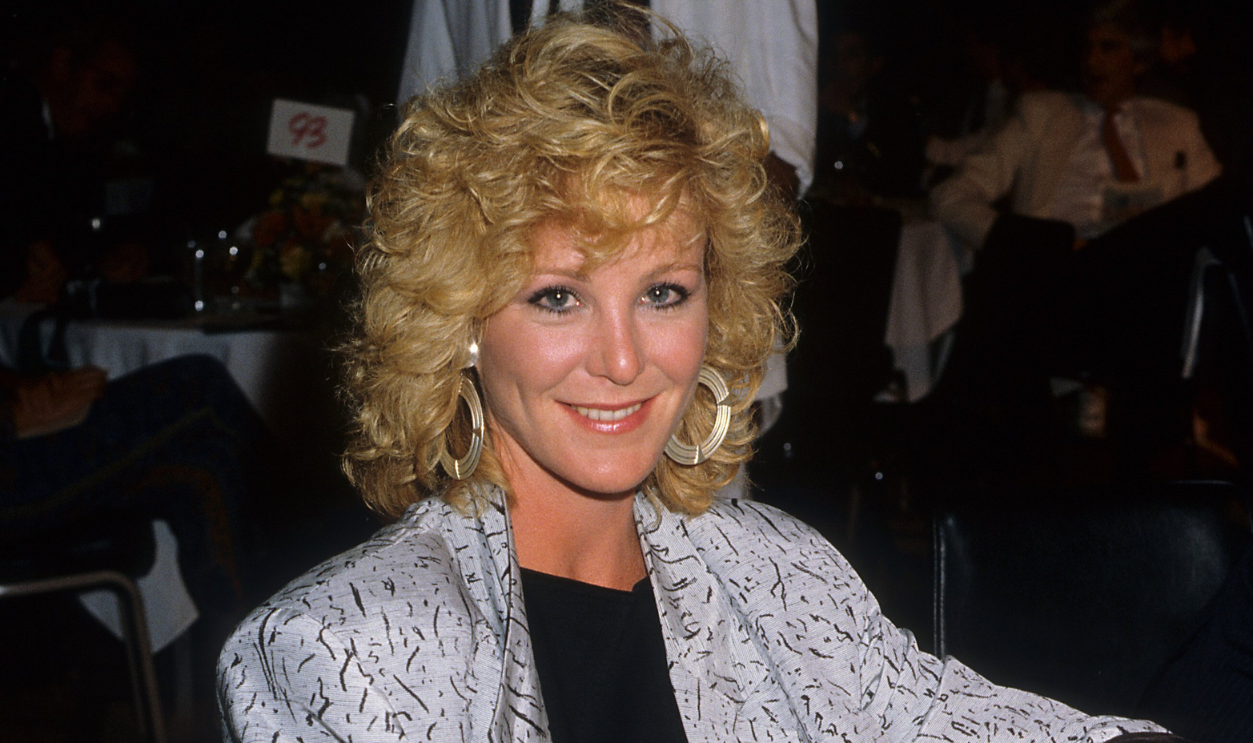 Donaldson Collection, Getty Images
Commercials Kept Her Going
Like many actors trying to establish themselves, Kerns took commercial work while pursuing larger opportunities. Biographical profiles note that she once had an unusually large number of national commercials running at the same time. The jobs paid the bills while giving her valuable experience in front of a camera.
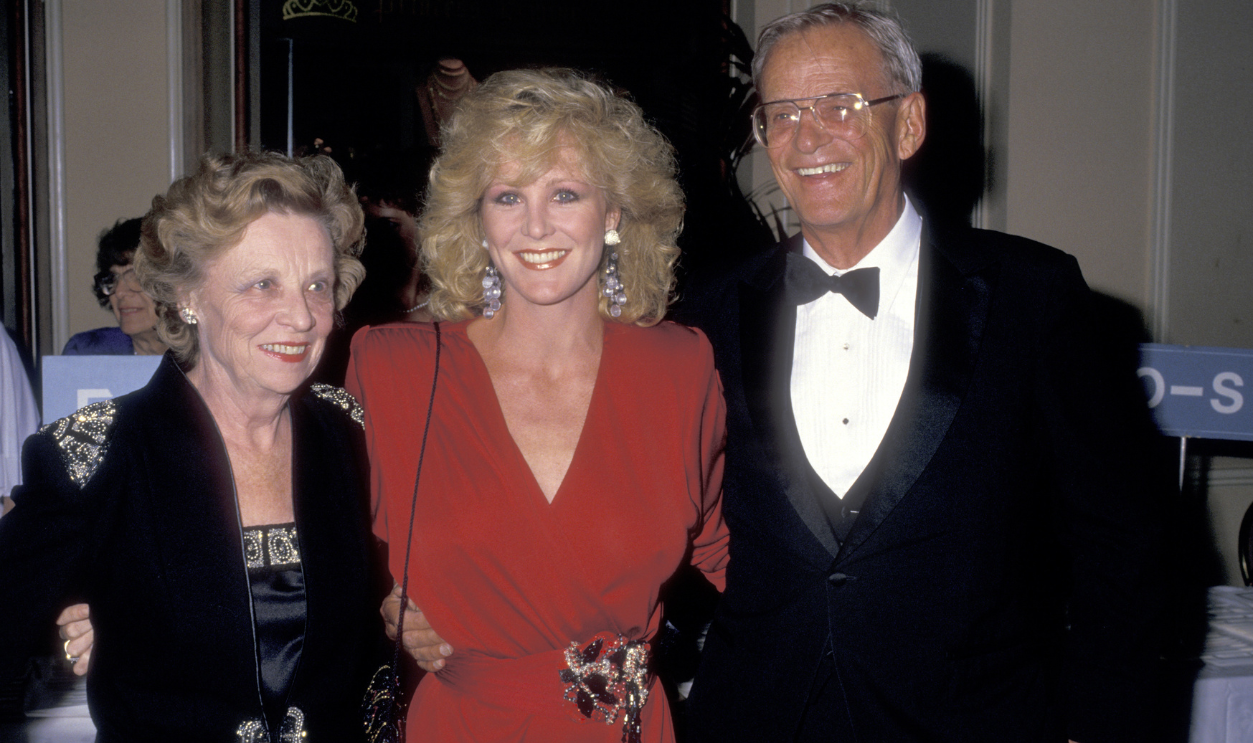 Ron Galella, Ltd., Getty Images
Television Slowly Opened Up
Kerns began accumulating television credits during the 1970s. She appeared in programs including Laverne & Shirley, The Love Boat, and Magnum, P.I. while also taking parts in television movies. Her career was progressing steadily, but the role that would define her was still several years away.
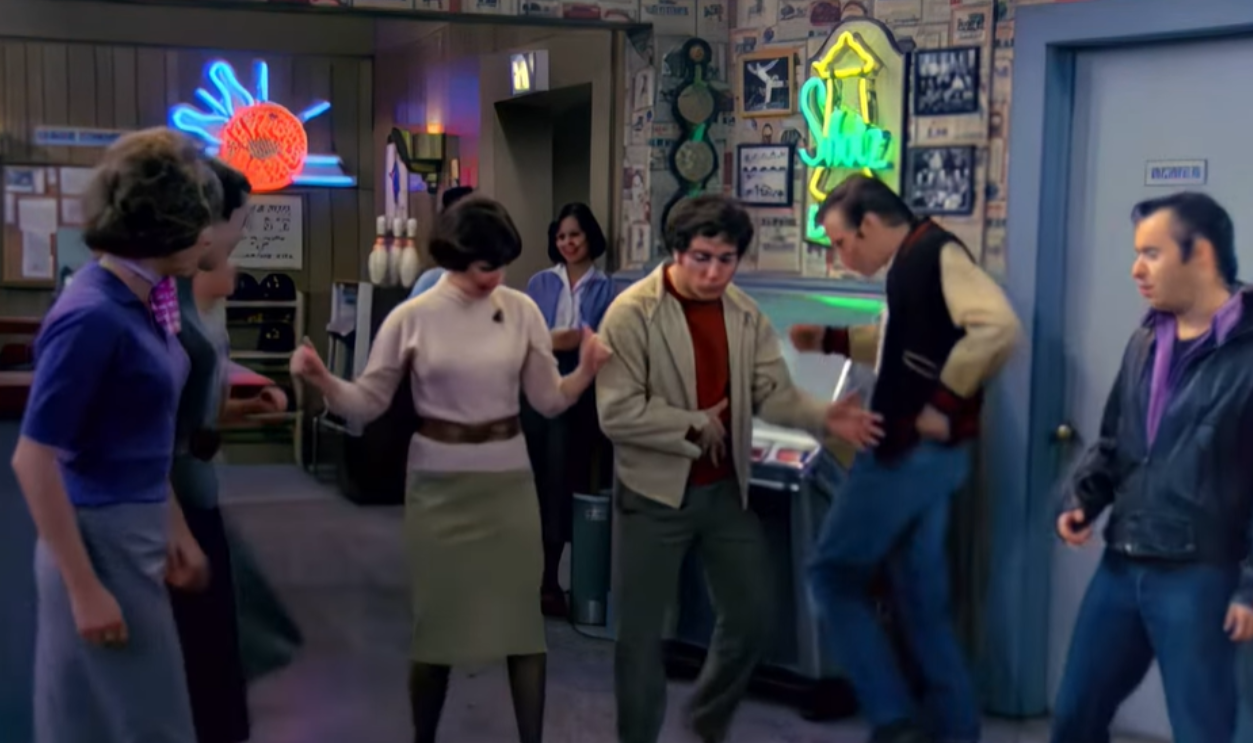 Screenshot from Laverne & Shirley, Paramount Television (1976–1983)
The Four Seasons Almost Got There First
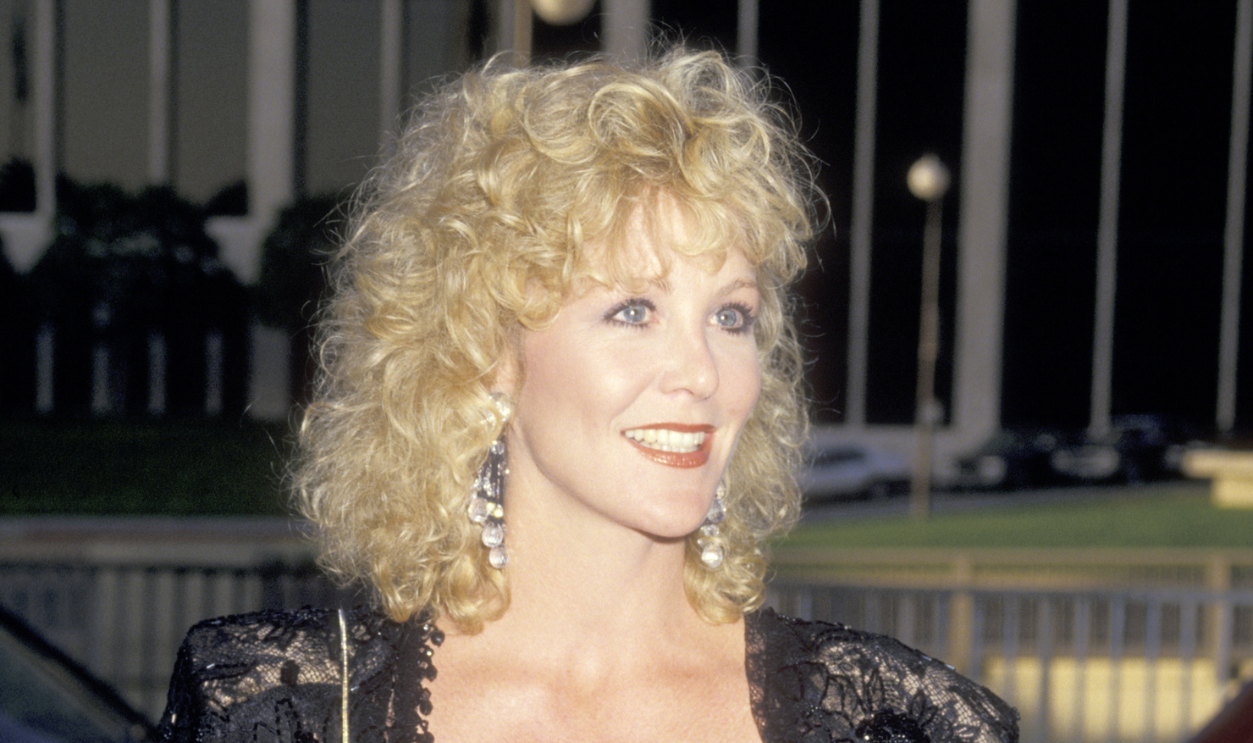
In 1984, Kerns became a series regular on CBS's television adaptation of The Four Seasons. She played Pat Devon, but the show did not last long. Its cancellation sent her back into auditions at exactly the moment another family comedy was being developed.
 Ron Galella, Ltd., Getty Images
Growing Pains Arrived At The Right Time
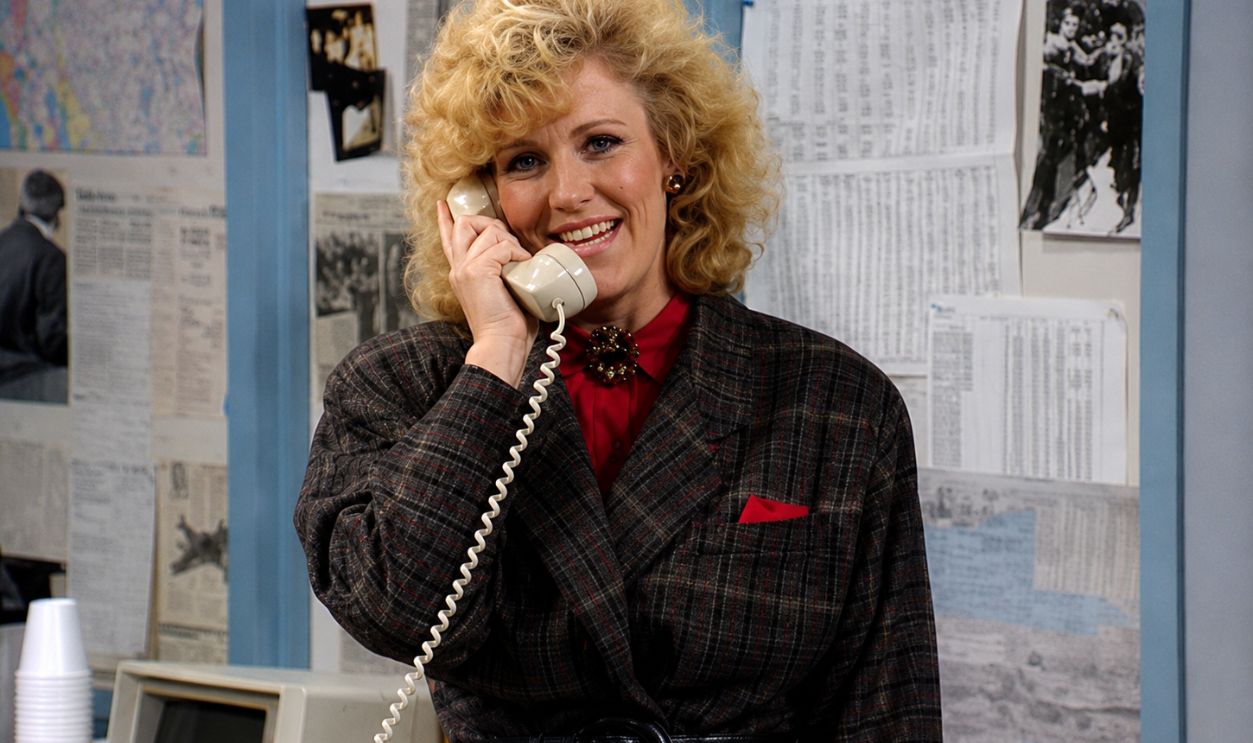
The following year, Kerns was cast as Maggie Seaver on ABC's Growing Pains. The premise began with Maggie returning to work as a newspaper reporter while her psychiatrist husband Jason moved his practice into the family home. That setup immediately made the Seavers different from many earlier television households.
 Screenshot from Growing Pains, ABC (1985–1992), Modified
Maggie Wasn't Just The Sitcom Mom
Maggie was a parent, but she was also a professional trying to reclaim a career outside the home. The pilot treated that decision as a major adjustment for the entire Seaver family rather than a decorative detail. Kerns therefore entered the series with a character whose responsibilities regularly pulled in competing directions.
 Universal History Archive, Getty Images
Jason Had To Adjust Too
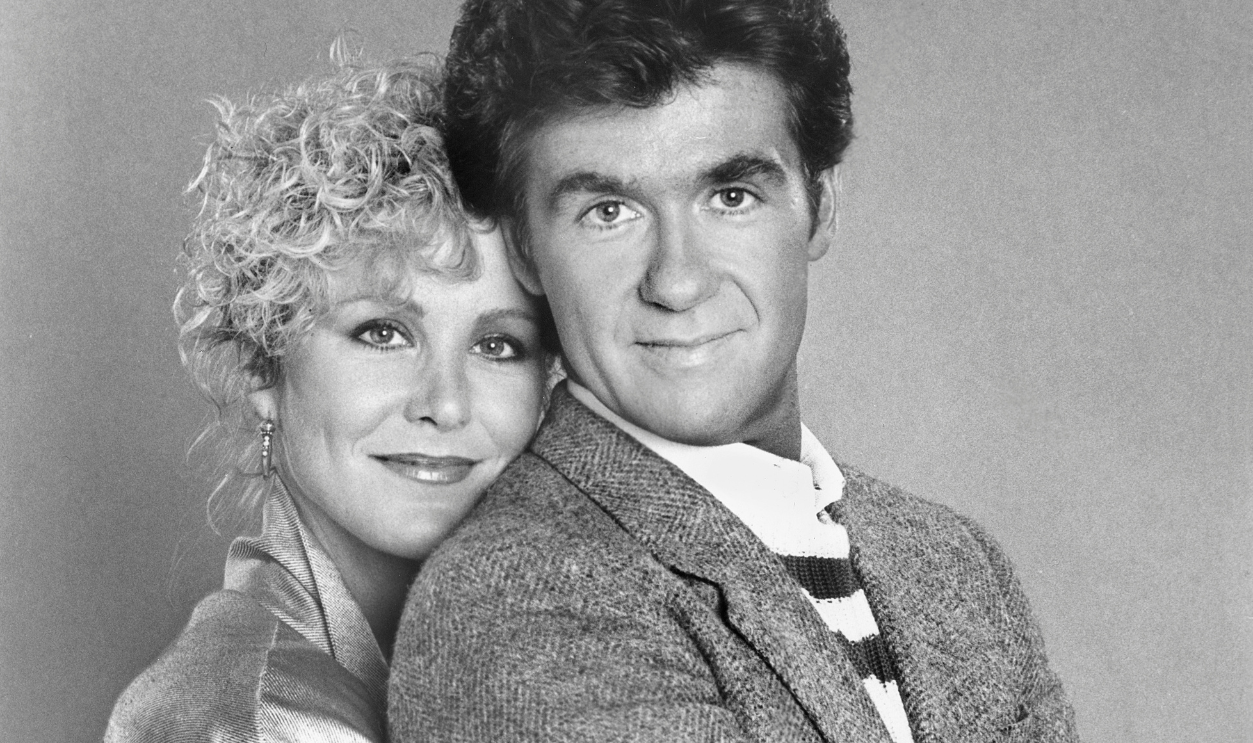
Alan Thicke's Jason Seaver changed his working life so Maggie could return to journalism. He began seeing patients at home while taking more responsibility for Mike, Carol, and Ben during the day. The arrangement gave the series a useful role reversal without turning either parent into a joke.
 Michael Buckner/TV, Getty Images
Kerns Wanted The Family To Feel Real
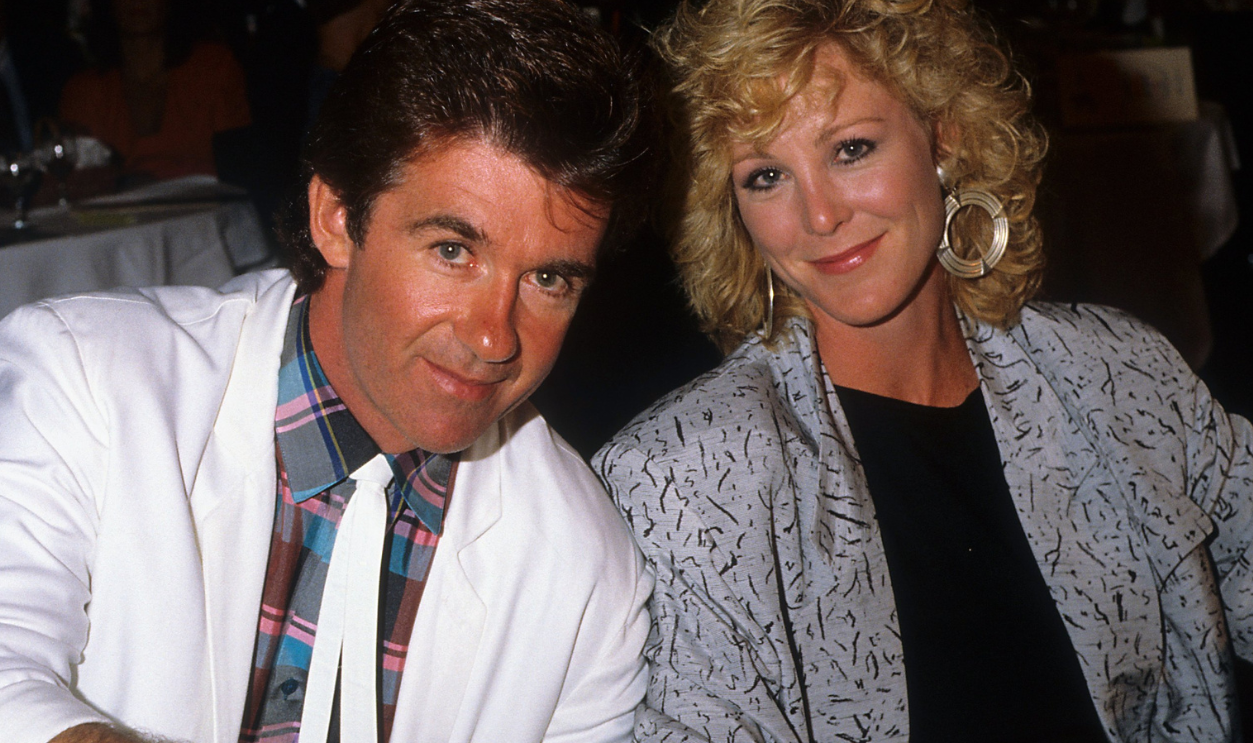
Kerns was unusually direct about what she thought separated Maggie from idealized television mothers of earlier decades. In a 1989 interview, she argued that old television families often presented mothers as impossibly polished figures with few believable anxieties. Maggie, by contrast, was allowed to worry about the world her children were actually growing up in.
 Donaldson Collection, Getty Images
She Said Mothers Couldn't Do Everything
That same interview captured one of the ideas Kerns brought to Maggie. She described her generation as trying to manage careers, parenting, marriages, and household expectations all at once. Rather than pretending this balancing act was effortless, Growing Pains frequently let Maggie feel pulled in several directions.
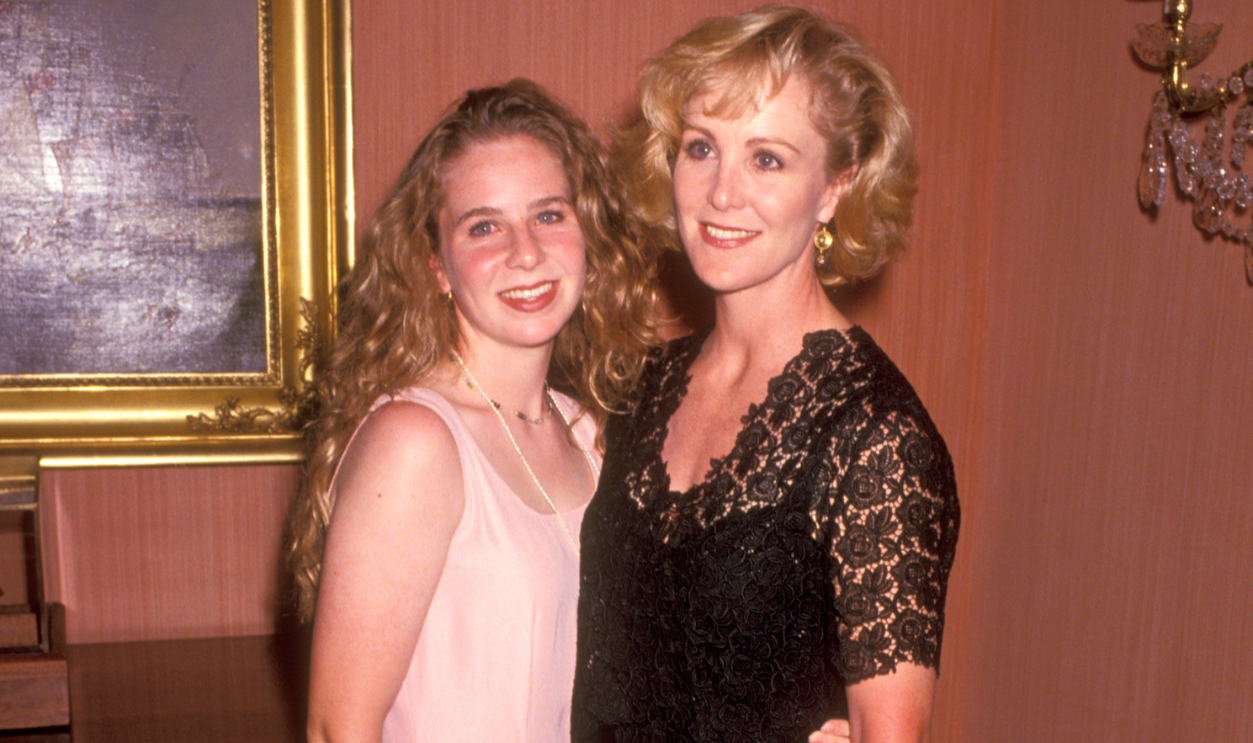
Superdad Put That Conflict On Screen
The first season episode "Superdad" directly addressed Maggie's fear that returning to work was separating her from her children. Jason's increased presence at home leaves Maggie feeling pushed to the edges of family life. It is a simple sitcom story, but one rooted in a recognizable anxiety for many working parents.
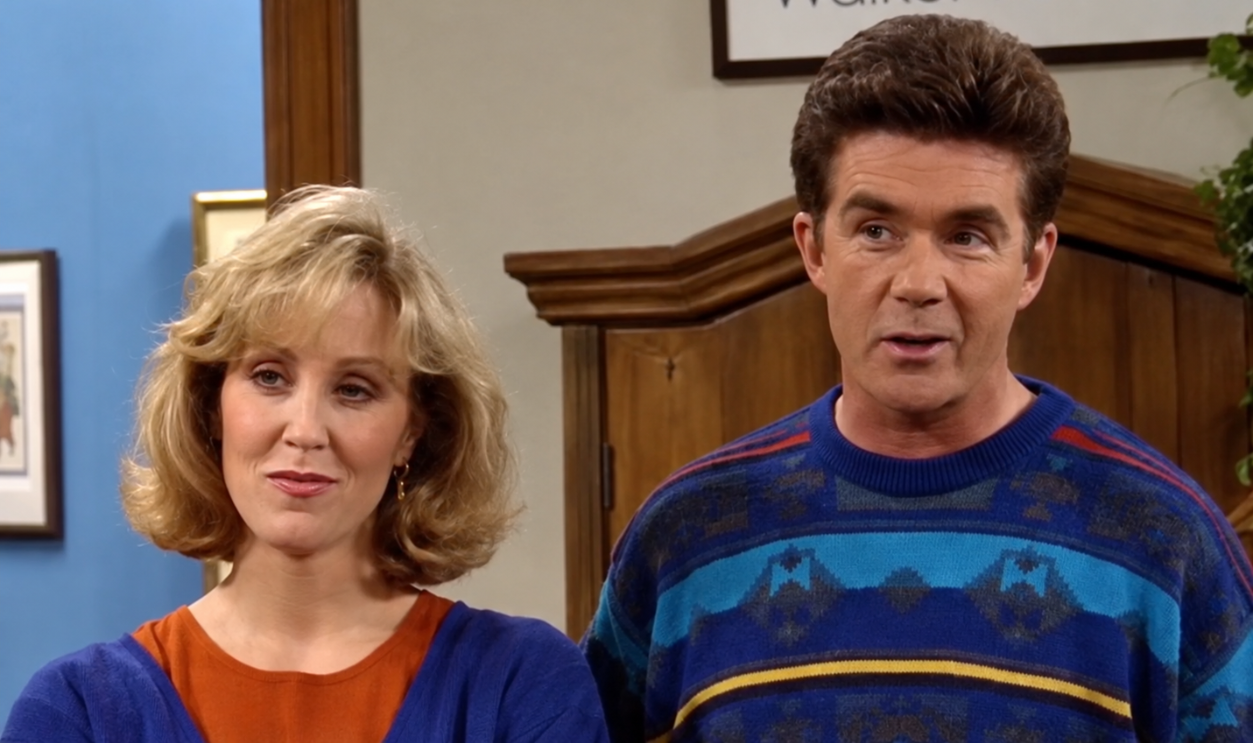 Screenshot from Growing Pains, ABC (1985–1992), Modified
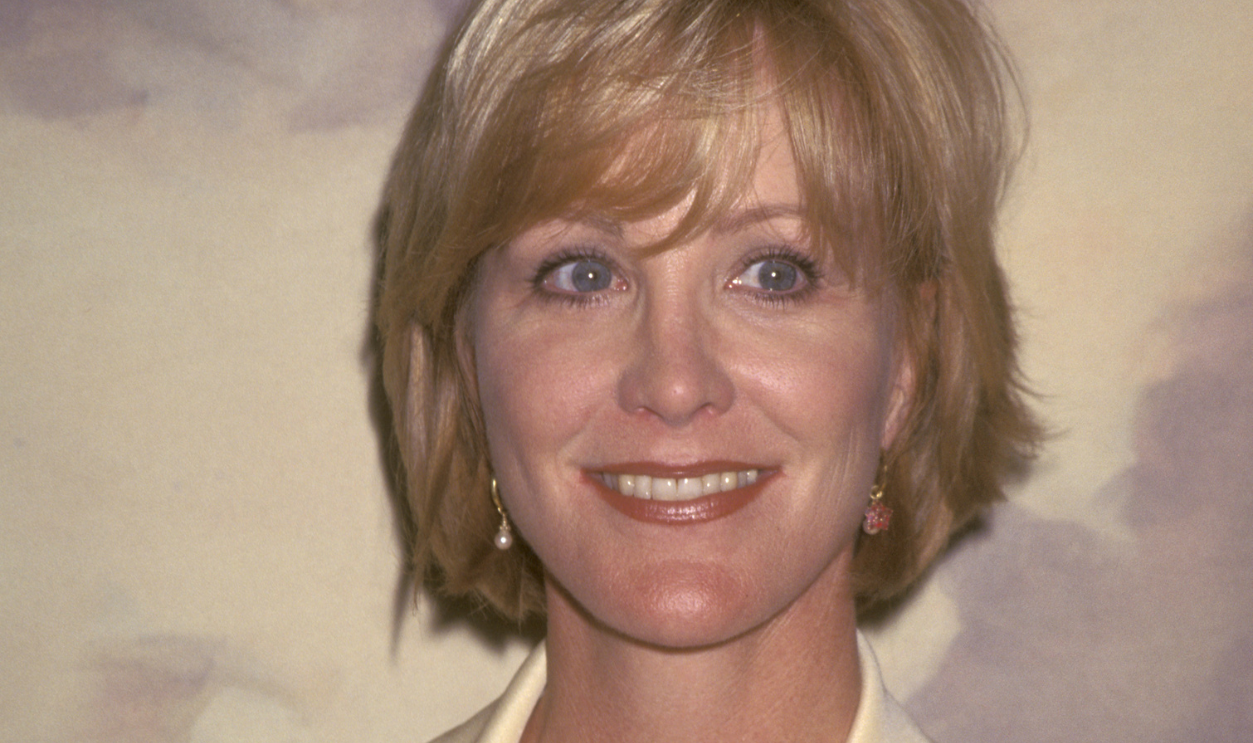
Her Career Wasn't Treated As Selfish
Importantly, the show did not ultimately present Maggie's job as a mistake she needed to correct. Journalism remained part of her identity even when work caused friction at home. Kerns helped make Maggie's ambition feel normal rather than something requiring constant apology.
 Ron Galella, Ltd., Getty Images
The Marriage Was Allowed To Get Messy
Jason and Maggie were affectionate, but the show did not write them as permanently harmonious. Early episodes explored jealousy, disagreements over parenting, work pressures, and differences in judgment. Kerns and Thicke made those arguments feel like conflicts between two people who still genuinely liked each other.
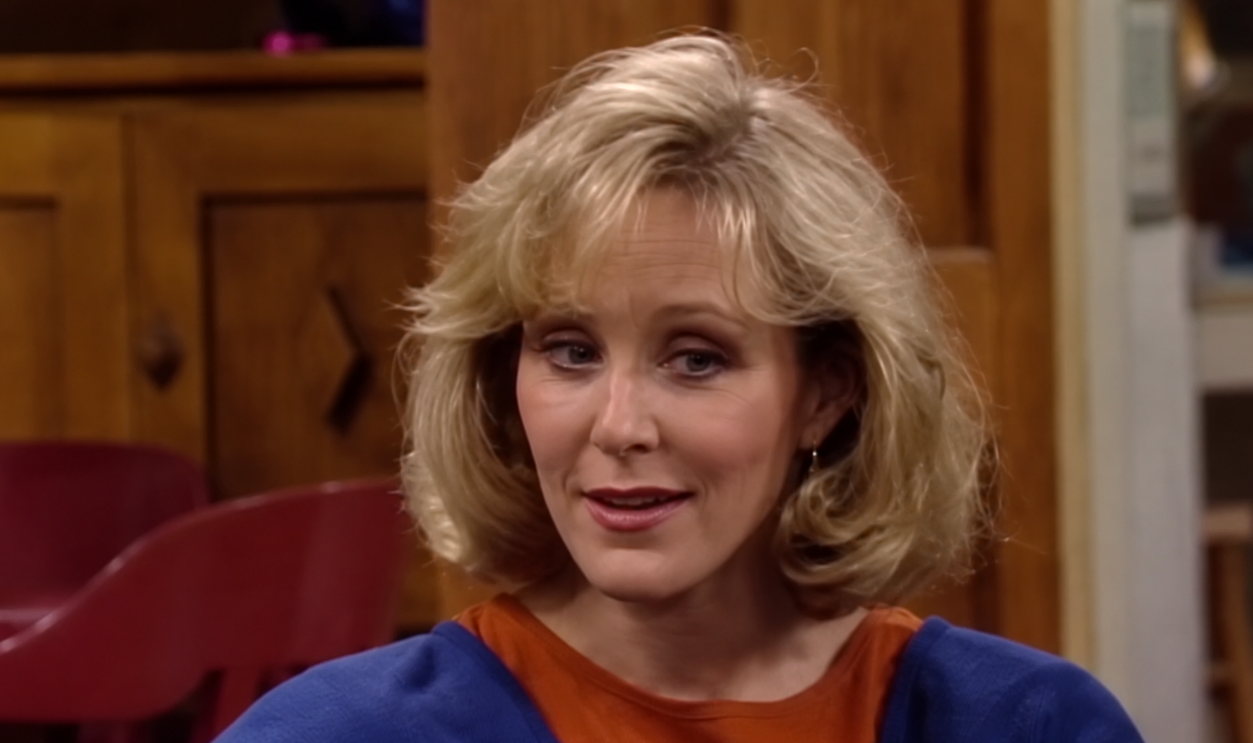 Screenshot from Growing Pains, ABC (1985–1992), Modified
Kerns And Thicke Had Useful Chemistry
The casting depended heavily on the relationship between Kerns and Alan Thicke. Their performances gave Jason and Maggie enough warmth that disagreements rarely threatened the basic credibility of the marriage. Even when the scripts pushed toward broad comedy, the actors usually brought the characters back to something recognizably domestic.
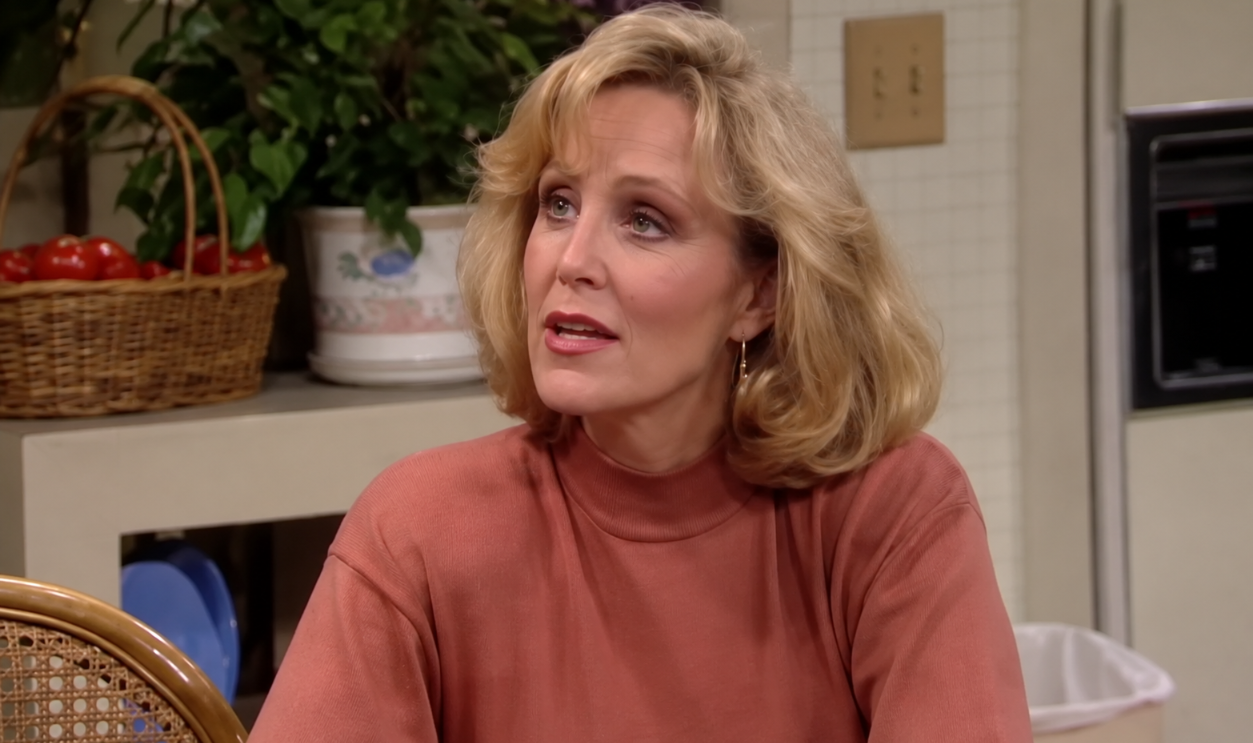 Screenshot from Growing Pains, ABC (1985–1992), Modified
The Kids Weren't Perfect Either
Mike was impulsive, Carol was highly competitive, and Ben often created trouble of his own. The Seaver children were not presented as miniature adults who learned one tidy lesson every week. Their mistakes gave Maggie and Jason problems that could not always be solved with a quick parental speech.
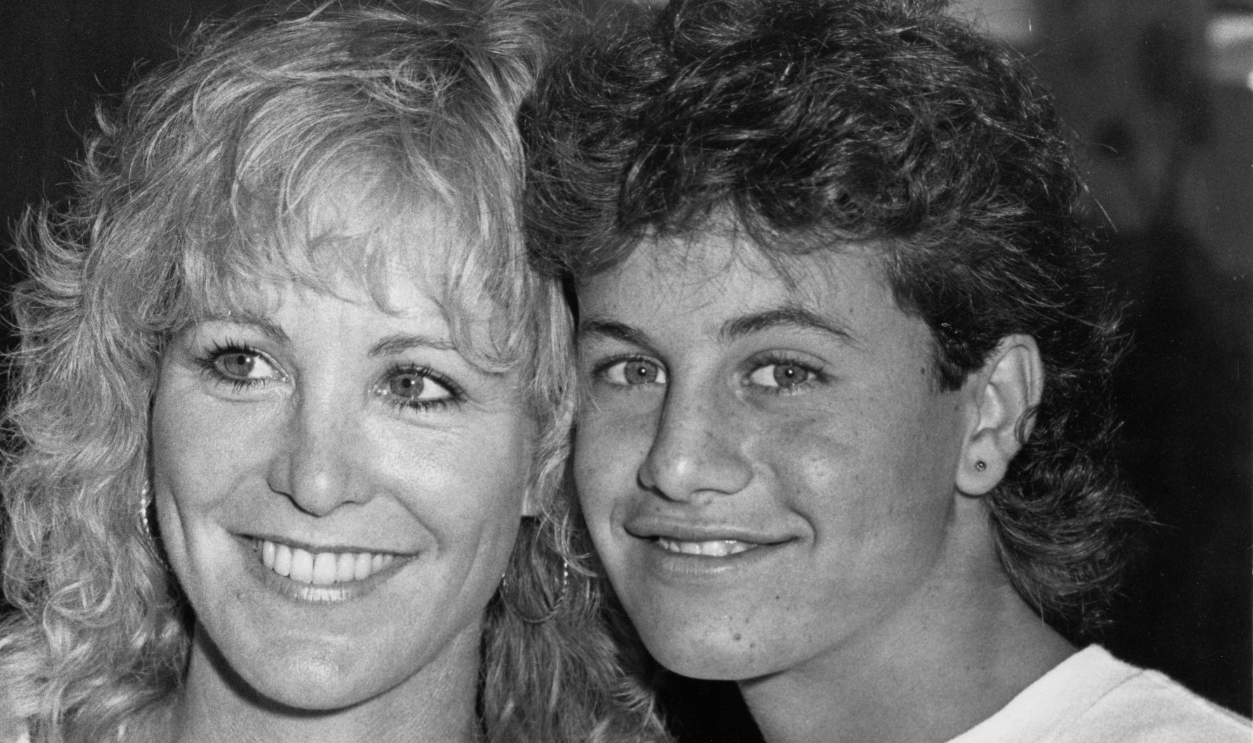
The Show Took Some Risks
As the series matured, its stories sometimes moved well beyond ordinary sitcom misunderstandings. Episodes dealt with serious accidents, intense peer pressure, family fears, and other difficult consequences of adolescence. Kerns believed those issues gave the parents more substance than television mothers and fathers had traditionally received.
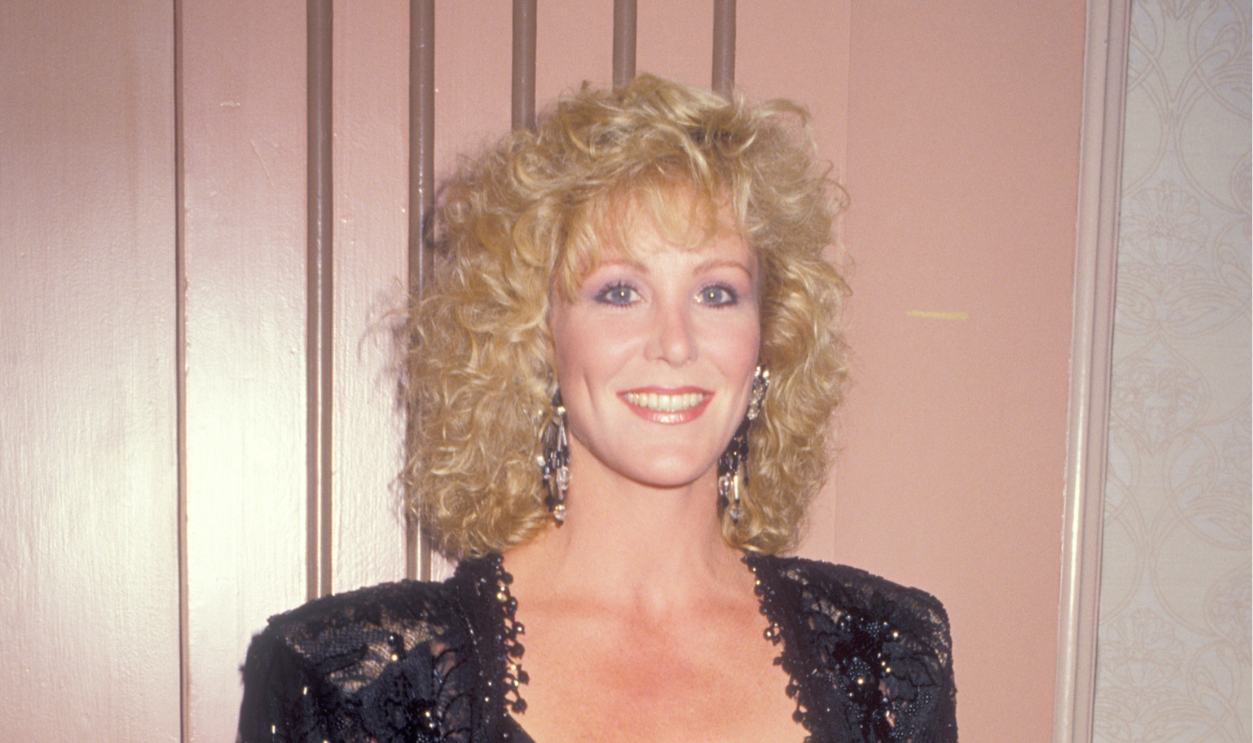
Maggie Was Allowed To Be Afraid
Kerns specifically said Maggie had genuine fears about what her children might encounter while growing up. That distinction mattered because Maggie's authority was not based on having every answer. She could be frightened, uncertain, or wrong while still remaining a strong parent.
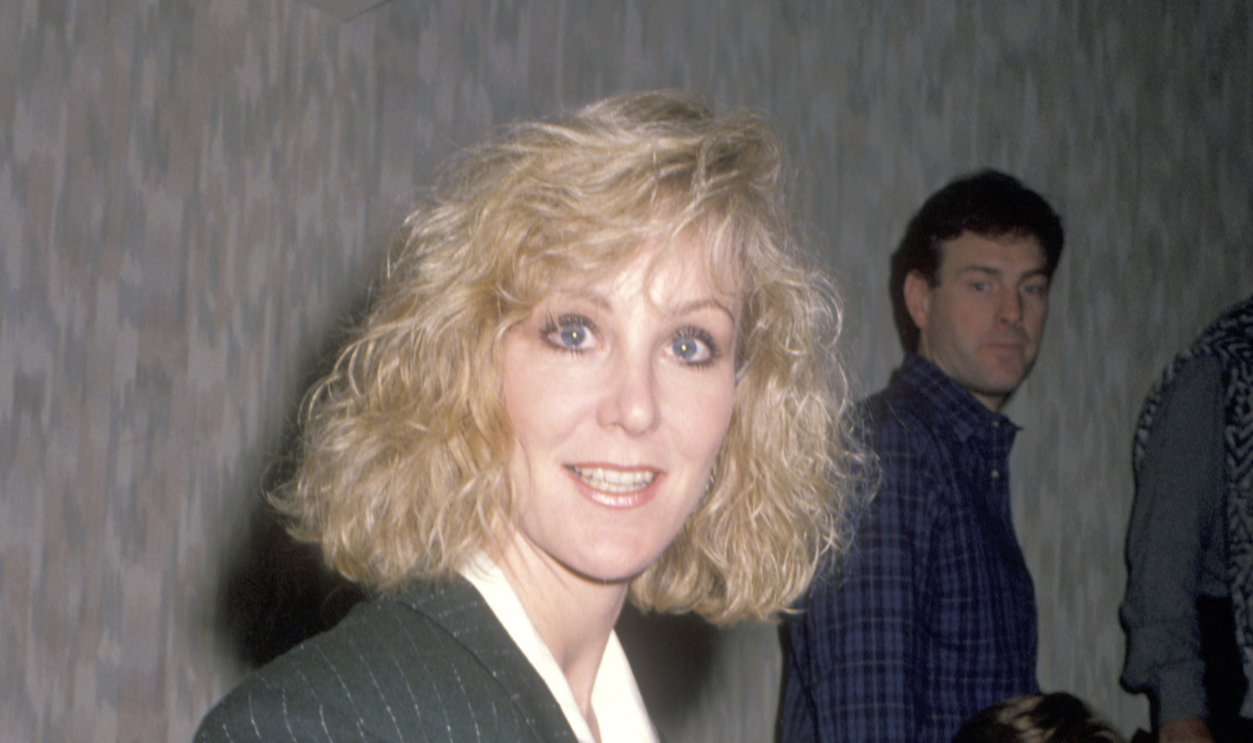 Ron Galella, Ltd. , Getty Images
One Story Hit Especially Hard
The 1989 episode "Second Chance" placed Carol in a painful situation after she sneaked out with an older boyfriend. A serious accident followed, forcing the Seavers to confront consequences far heavier than the average sitcom punishment. Stories like that helped explain why Kerns saw the show as more grounded than earlier family comedies.
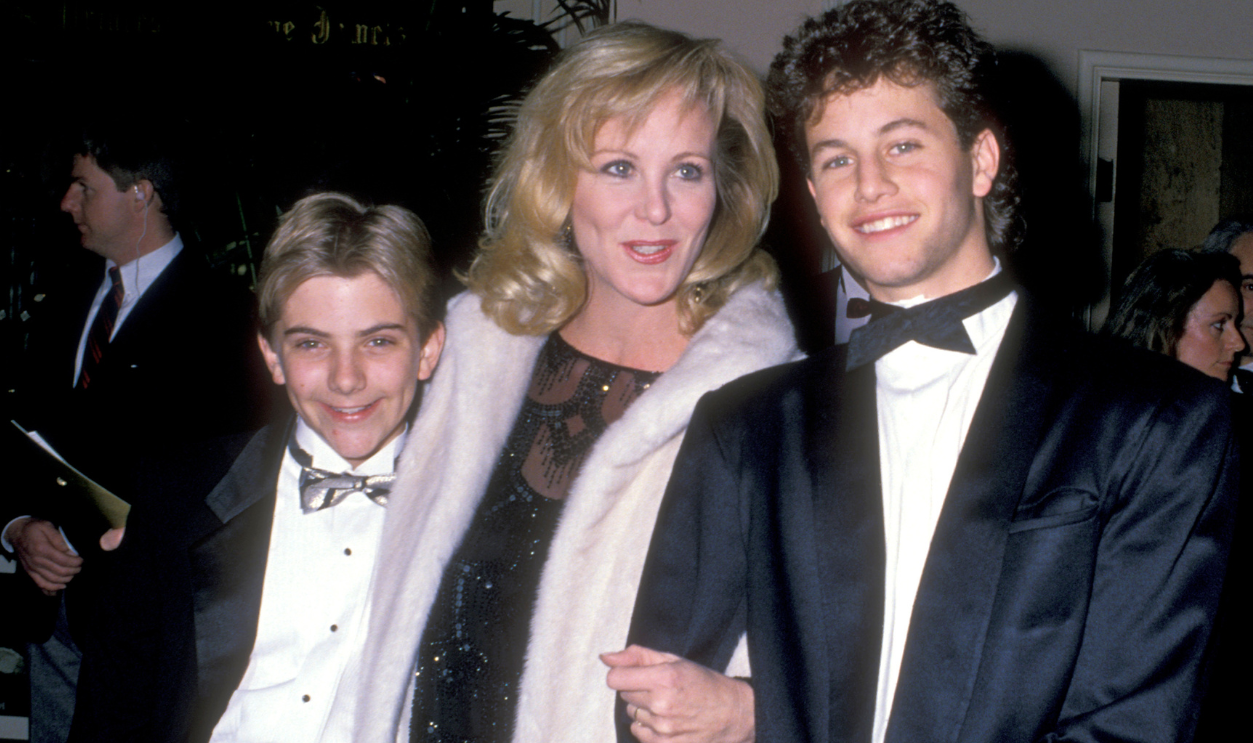
The Comedy Still Came First
None of this turned Growing Pains into a weekly drama. The series still relied heavily on jokes, sibling battles, awkward family moments, and Kirk Cameron's comic energy as Mike. What Kerns contributed was enough emotional weight underneath those jokes to make the family feel as though consequences might actually matter.
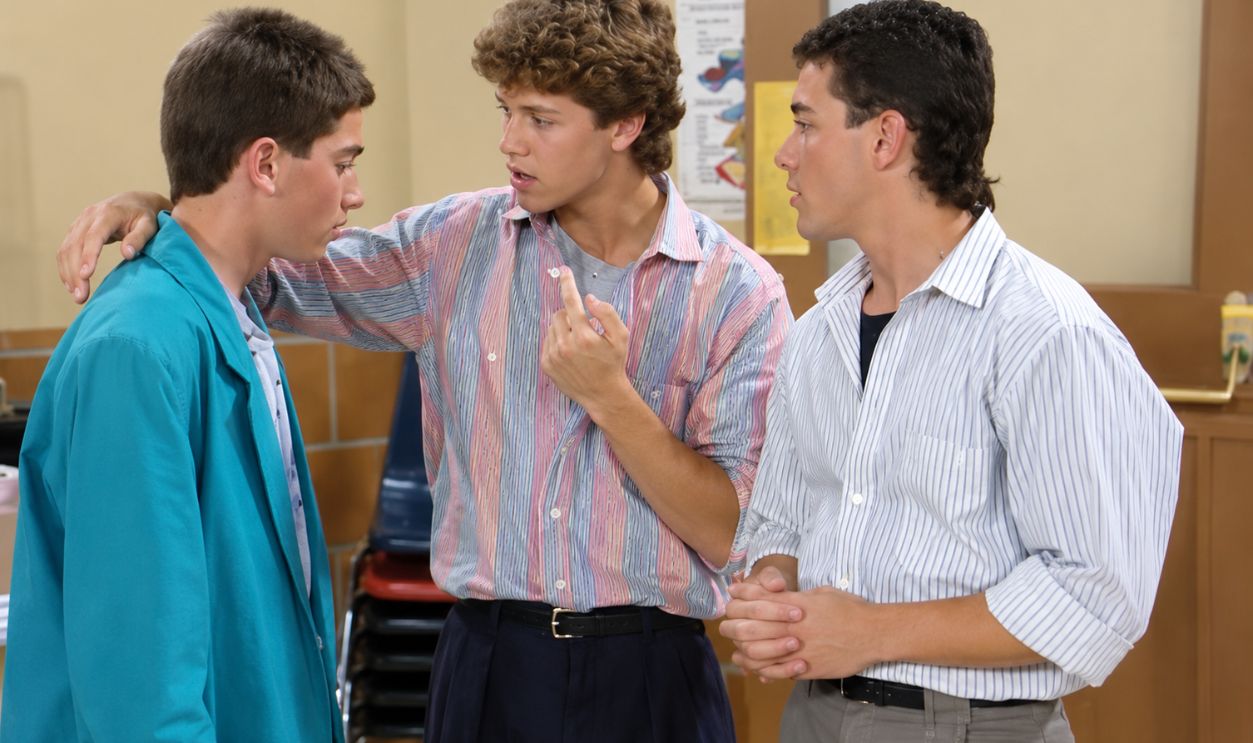 Screenshot from Growing Pains, ABC (1985–1992), Modified
Thirty Million People Were Watching
At its height, Growing Pains became a major mainstream hit. A 1989 Los Angeles Times feature estimated that roughly 30 million viewers were watching shows such as Growing Pains and Who's the Boss? each week. The Seavers had become one of television's defining families of the decade.
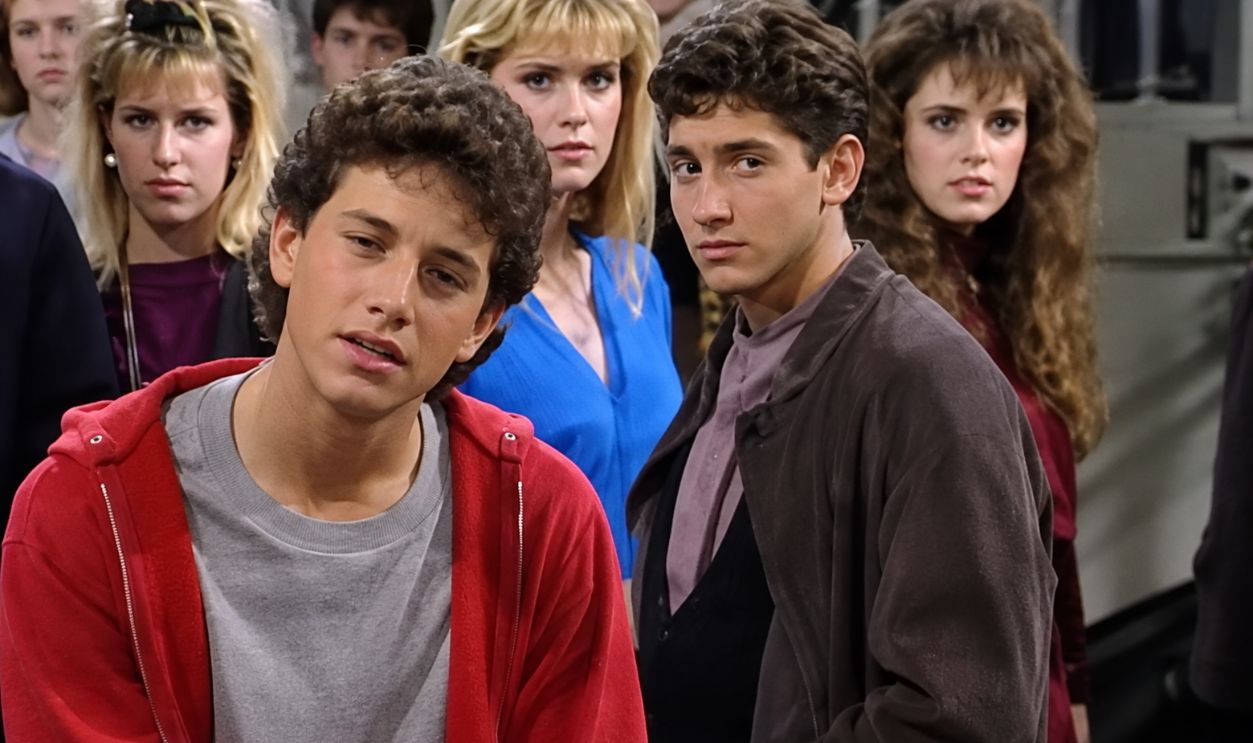 Screenshot from Growing Pains, ABC (1985–1992), Modified
Maggie Wasn't The Flashiest Character
Mike Seaver quickly became the breakout favorite among younger viewers, with Kirk Cameron developing into a major teen star. Maggie was never designed to compete for that kind of attention. Kerns instead gave the show something less obvious but just as important: an adult character who made the household's emotional rules believable.
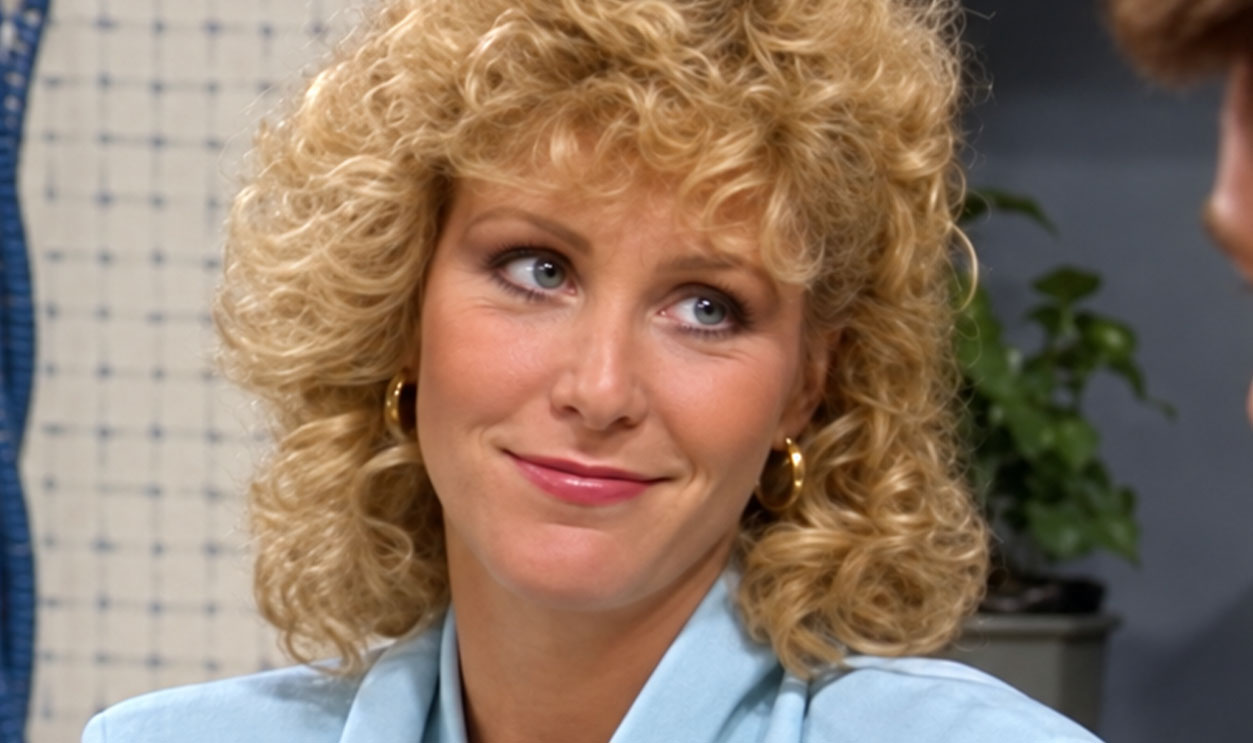 Screenshot from Growing Pains, ABC (1985–1992), Modified
Kerns Worked Beyond The Sitcom
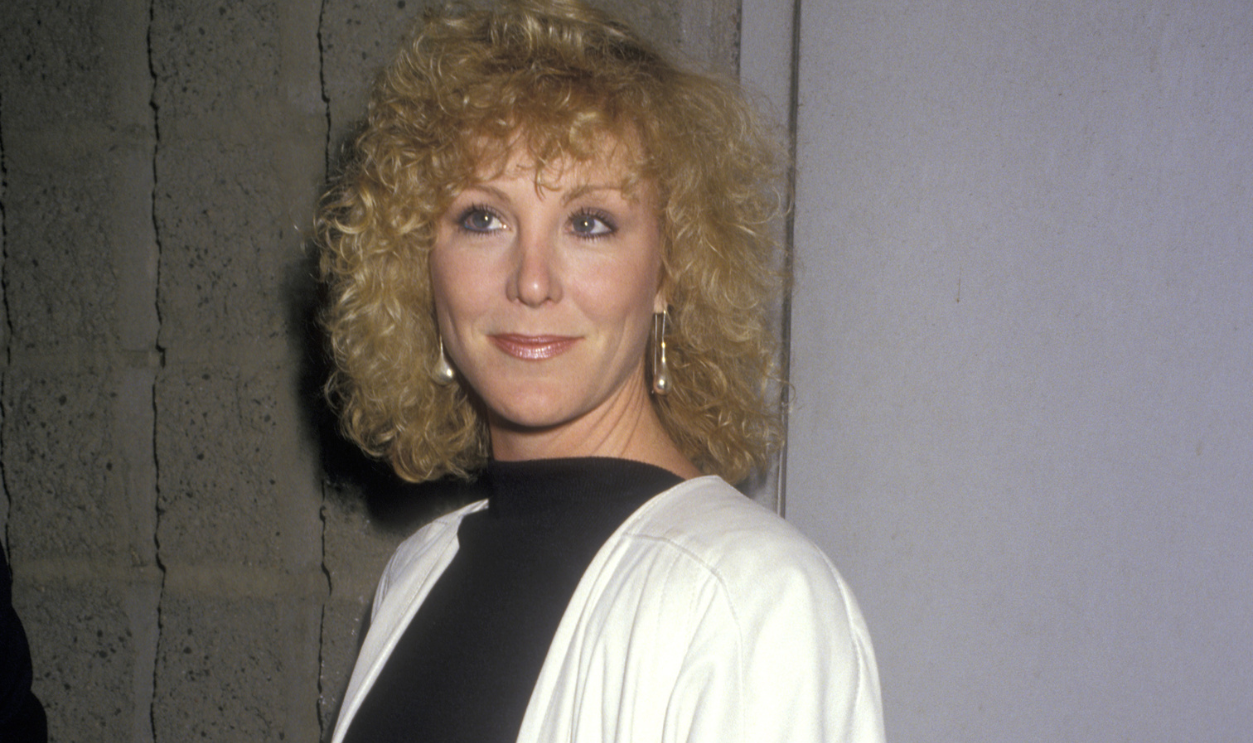
While Growing Pains was still running, Kerns took dramatic television roles that were considerably heavier than Maggie Seaver. She appeared in projects including The Preppie Murder, Blind Faith, and The Big One: The Great Los Angeles Earthquake. Those roles demonstrated that she was never interested in remaining only a sitcom mother.
 Ron Galella, Ltd., Getty Images
She Wanted Behind The Camera Too
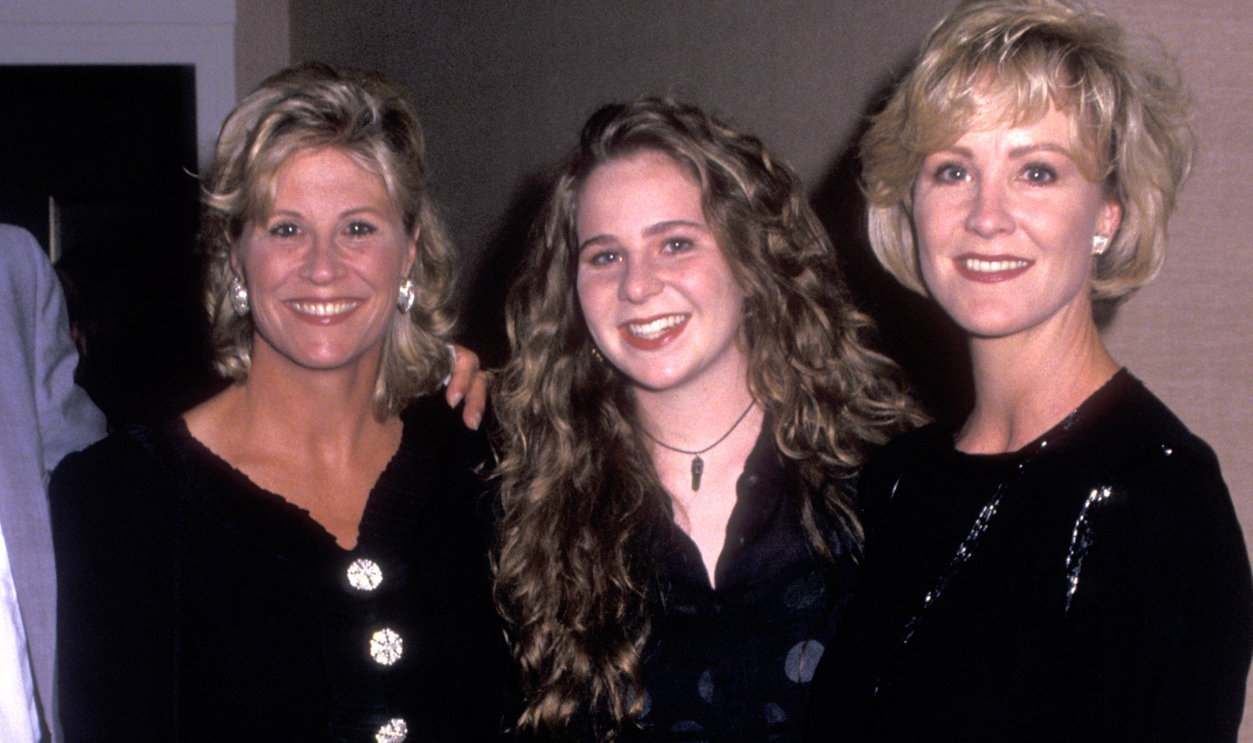
Kerns also became increasingly interested in directing. She later recalled repeatedly asking for the opportunity to direct Growing Pains while still starring on the series. Getting that chance became the first major step toward the career that would dominate much of her later professional life.
 Ron Galella, Ltd., Getty Images
Directing Changed Everything
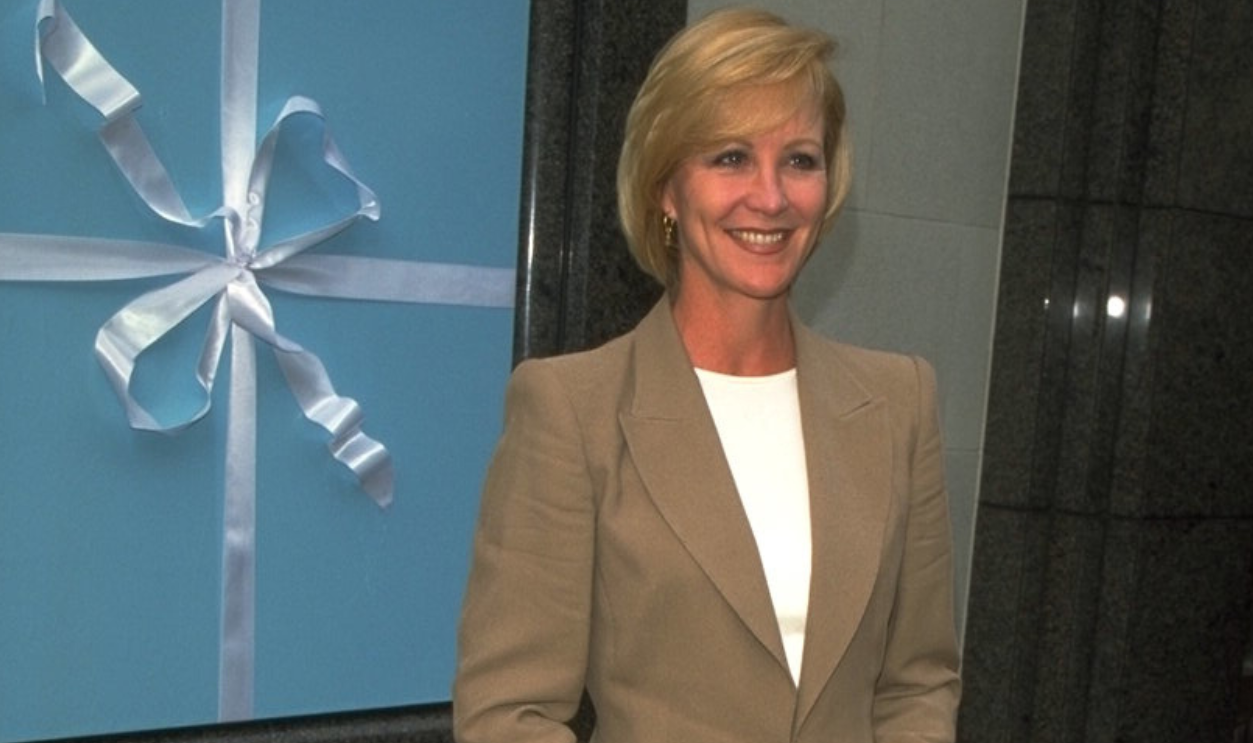
Kerns eventually directed episodes of Growing Pains, earning the professional credentials she needed to move further behind the camera. She later said the experience immediately appealed to her. Rather than simply waiting for acting offers after the sitcom ended, she began building an entirely new career.
The Final Season Was Difficult
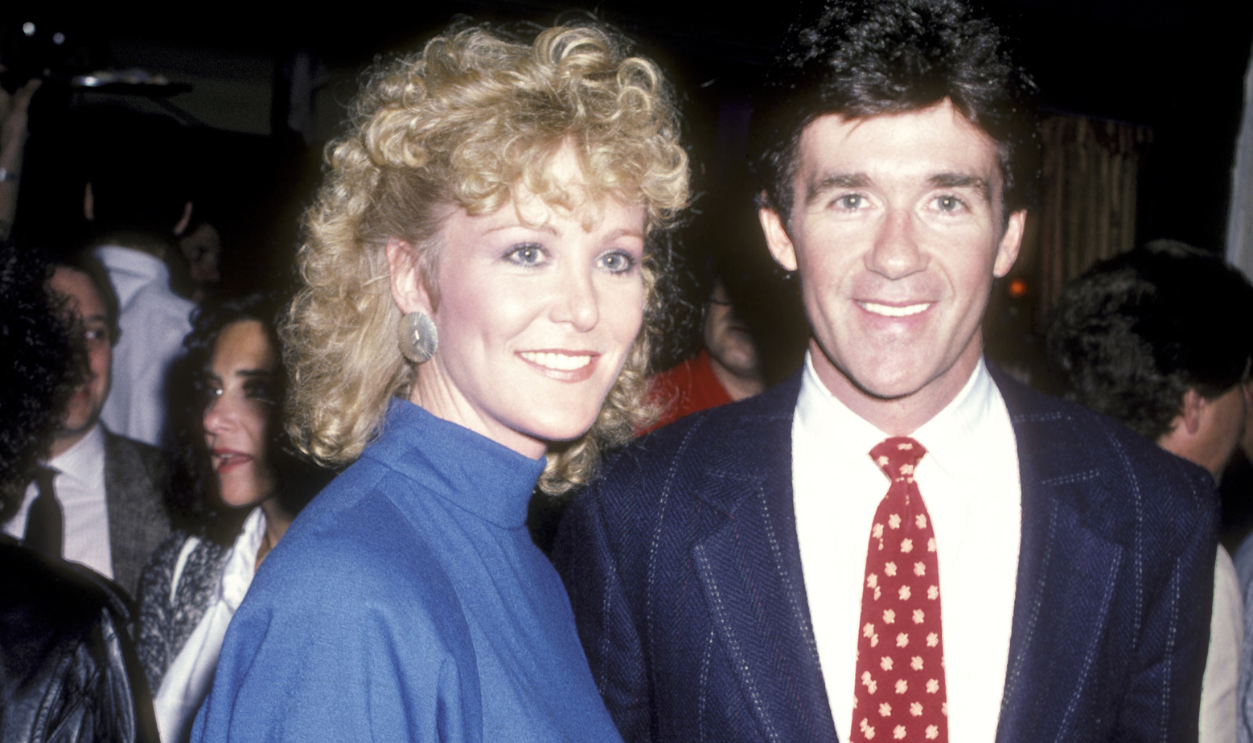
By the seventh season, Growing Pains was no longer operating with the same easy chemistry it had enjoyed earlier. Kerns later remembered sensing creative problems and feeling the reaction from the studio audience. The show that had once seemed capable of running indefinitely was clearly approaching its end.
 Ron Galella, Ltd., Getty Images
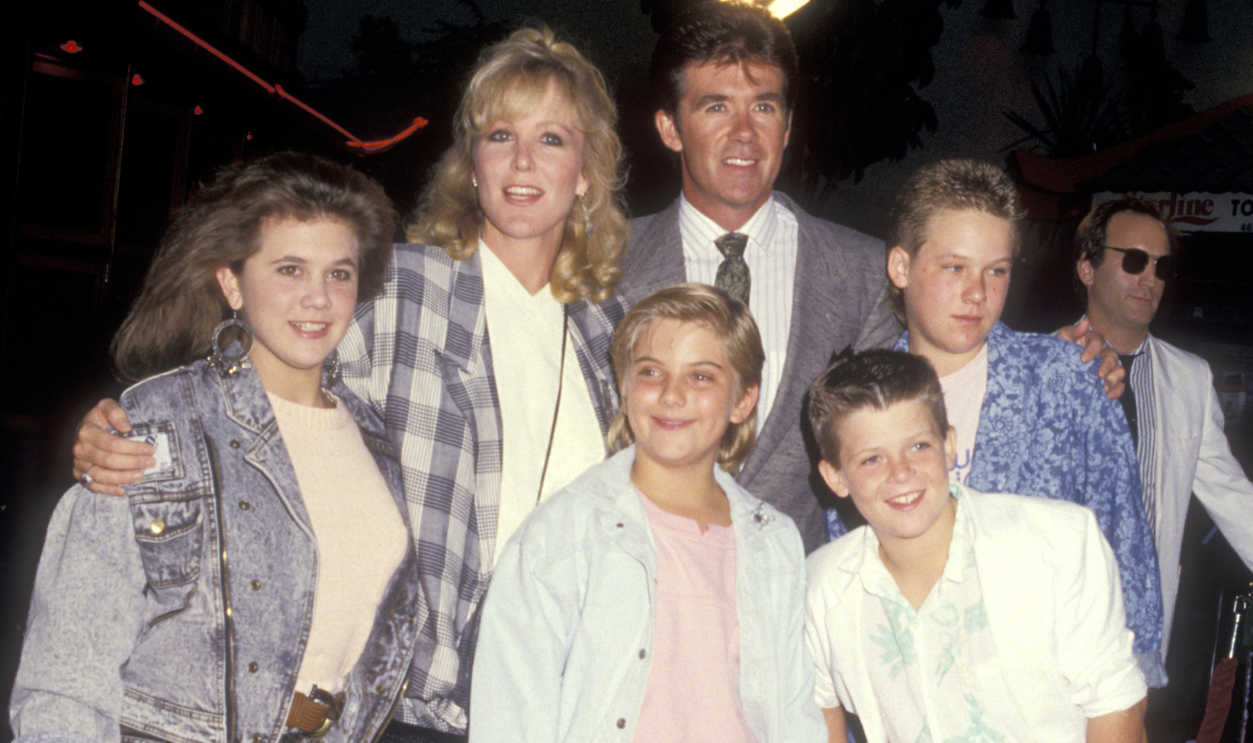
The Seavers Got A Proper Goodbye
ABC aired the final episode of Growing Pains on April 25, 1992. The series had produced 166 episodes across seven seasons, and the finale centered on Maggie receiving a career opportunity that could move the entire family to Washington. Even at the end, Maggie's professional ambitions remained central to the family story.
 Ron Galella, Ltd., Getty Images
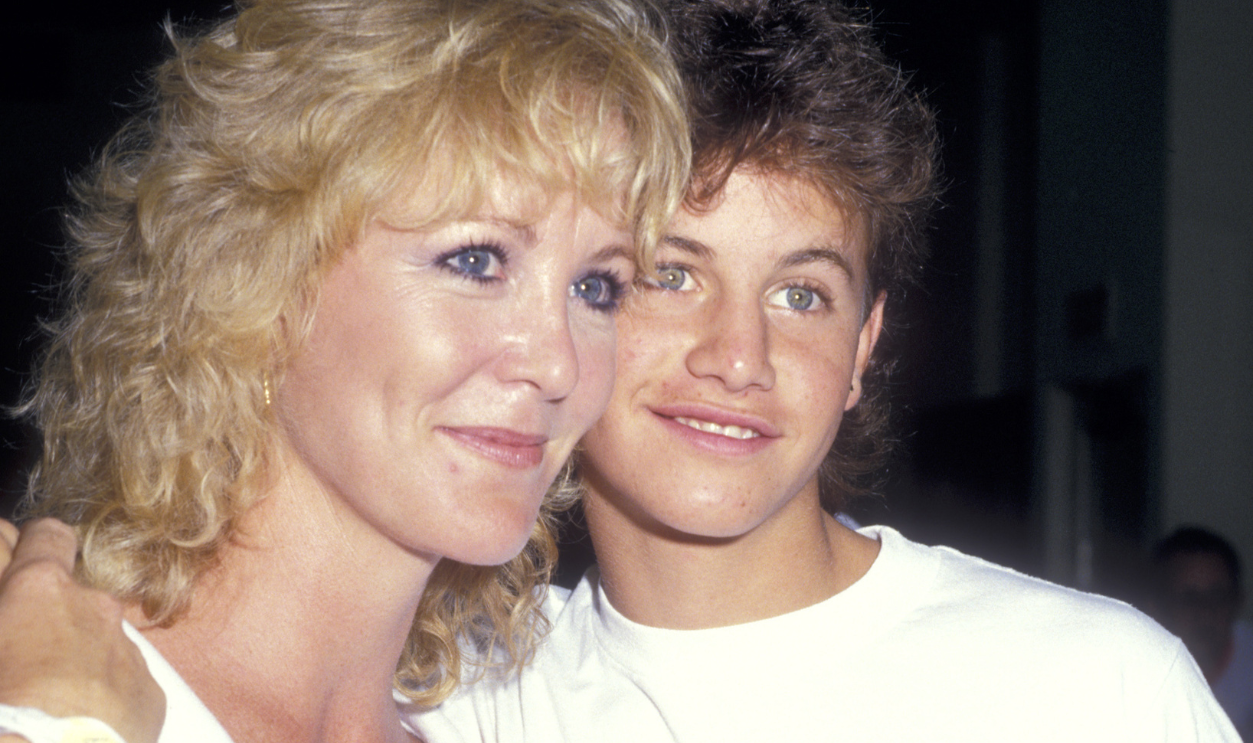
The Cast Didn't Simply Forget Each Other
Although the actors went in different directions afterward, several remained personally connected. Kerns, Thicke, Tracey Gold, and Jeremy Miller crossed paths socially in the years after the show. The family bond audiences had watched for seven seasons was not entirely manufactured for television.
 Ron Galella, Ltd., Getty Images
She Helped Tracey Gold Off Camera
Kerns' maternal role also extended beyond scripts in one important instance. Television Academy cinematographer George Spiro Dibie credited Kerns with recognizing that Tracey Gold needed help during a serious health crisis. It was a reminder that Kerns' concern for the younger cast was not confined to playing Maggie.
 Michael Ochs Archives, Getty Images
The Seavers Reunited Twice
The cast returned for The Growing Pains Movie in 2000. Another reunion followed with Growing Pains: Return of the Seavers in 2004, and Kerns directed the second film. By then, the actress who had once fought for a directing opportunity on the original sitcom was trusted to guide the entire reunion.
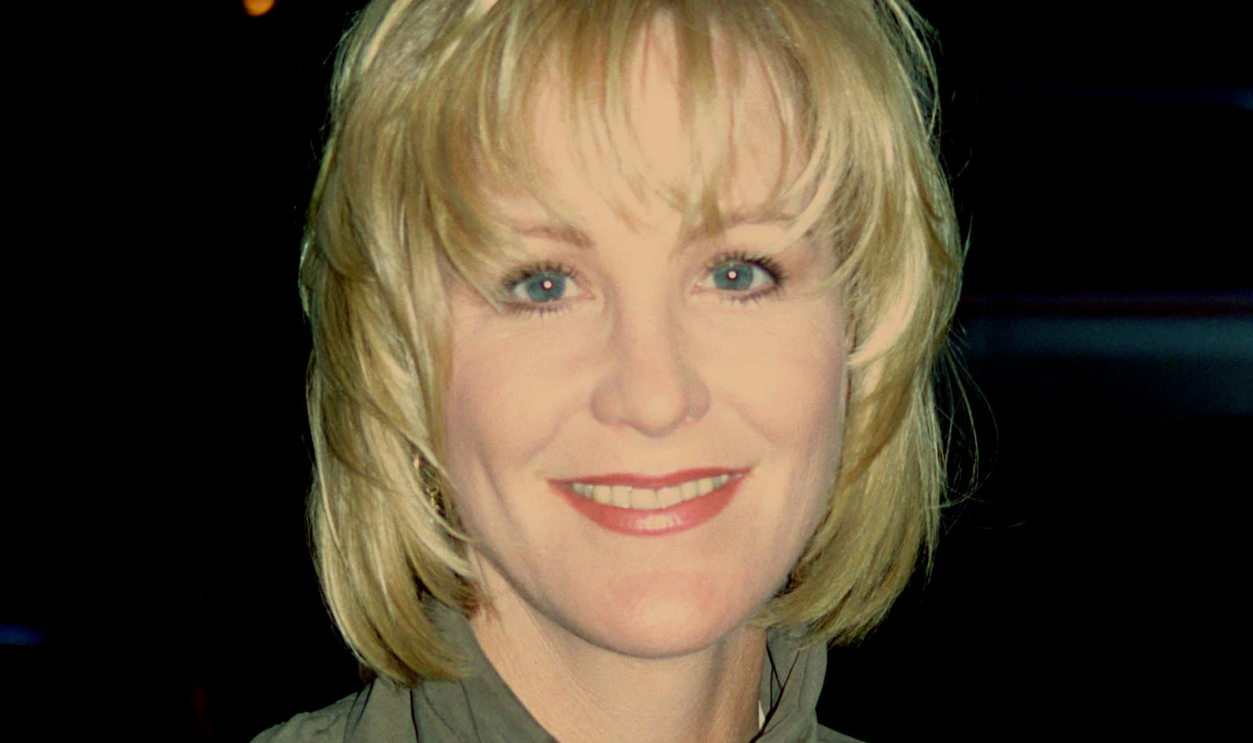
Directing Became Her Second Career
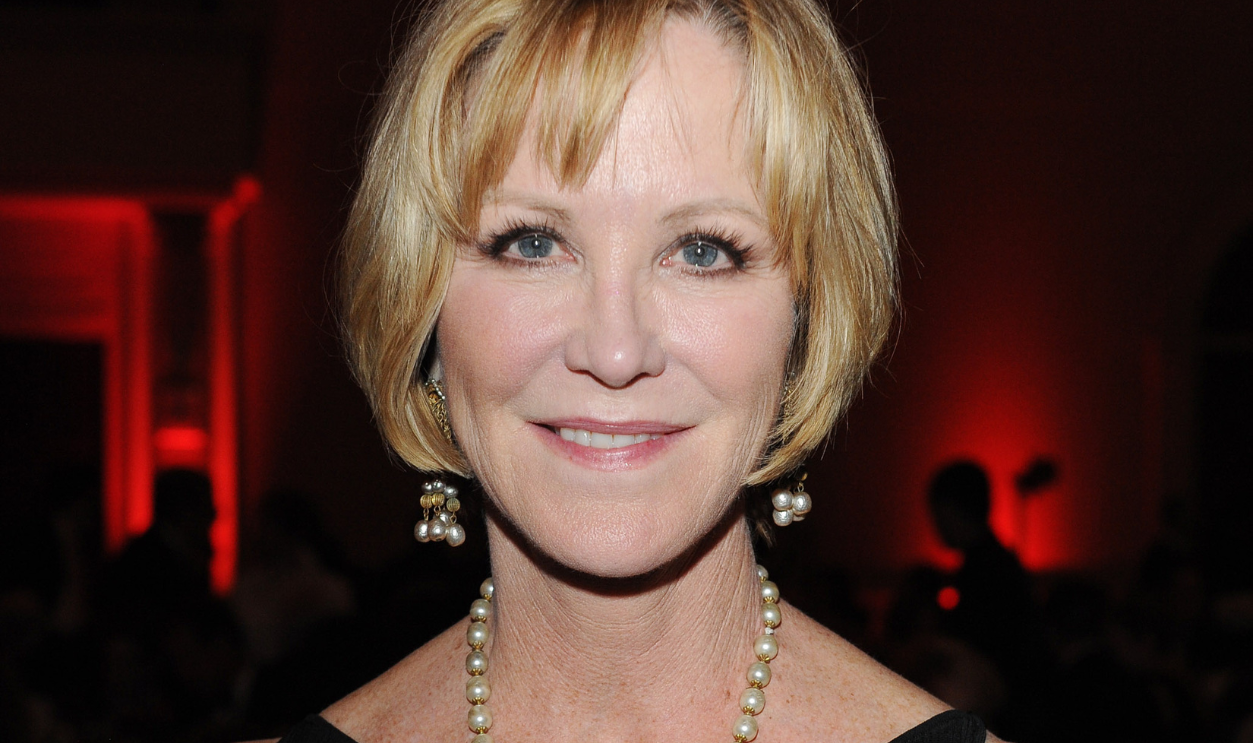
Kerns went on to direct dozens of television episodes across an enormous range of series. Her credits eventually included ER, Ally McBeal, Grey's Anatomy, Pretty Little Liars, Nashville, This Is Us, The Goldbergs, The Good Doctor, and many others. The scale of that career makes Maggie Seaver look less like Kerns' endpoint than the foundation for everything that followed.
Maggie Made The Show Feel Like A Family
Growing Pains certainly had the bright kitchens, punch lines, and tidy suburban surroundings expected of an 1980s sitcom. Joanna Kerns supplied something harder to manufacture: a mother who could love her children deeply while admitting that raising them was frightening, exhausting, and sometimes impossible to control. That honesty helped keep the Seavers grounded even when the sitcom machinery around them was at its broadest.
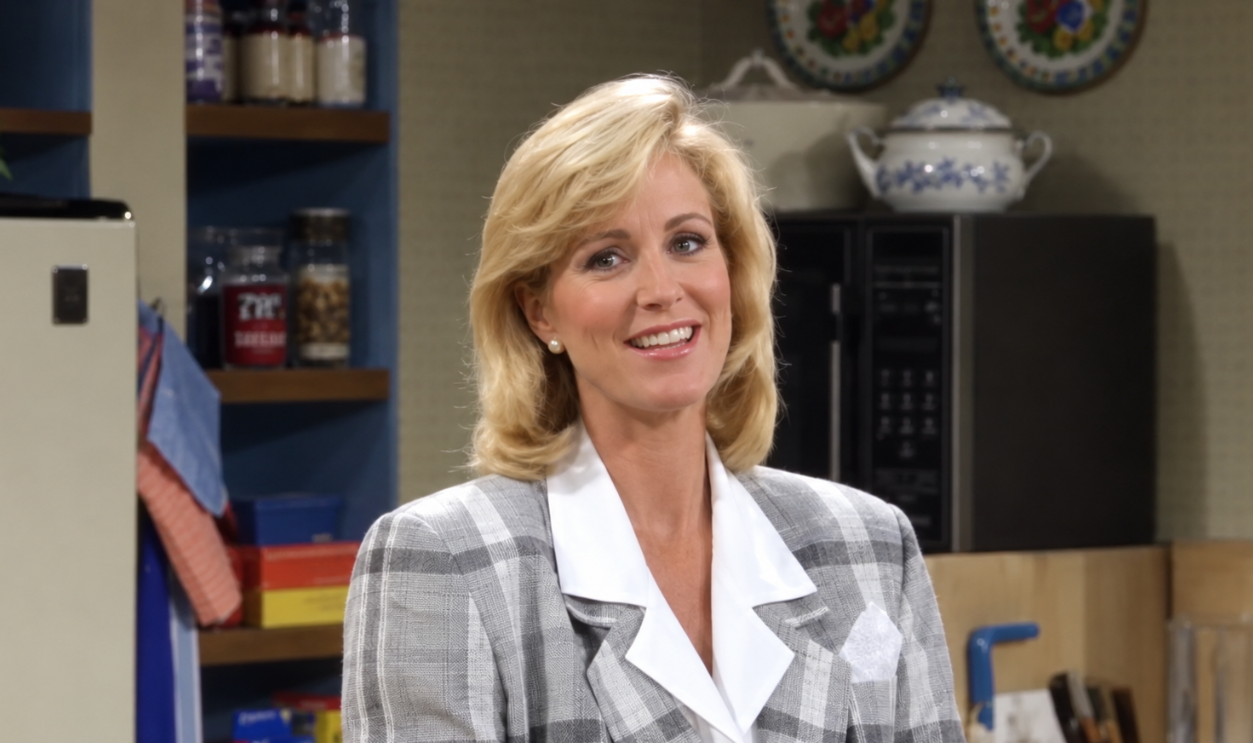 Screenshot from Growing Pains, ABC (1985–1992), Modified
You May Also Like:
Great 60s TV Shows That Were Canceled Way Too Soon—How Many Do You Remember?
Movies Where The Supporting Cast Outshined The Stars
Television Guest Stars Who Became Bigger Celebrities Than The Series' Main Cast
Sources: 1, 2, 3, 4, 5, 6, 7, 8, 9, 10, 11, 12, 13, 14, 15, 16, 17, 18, 19, 20, 21, 22, 23, 24, 25