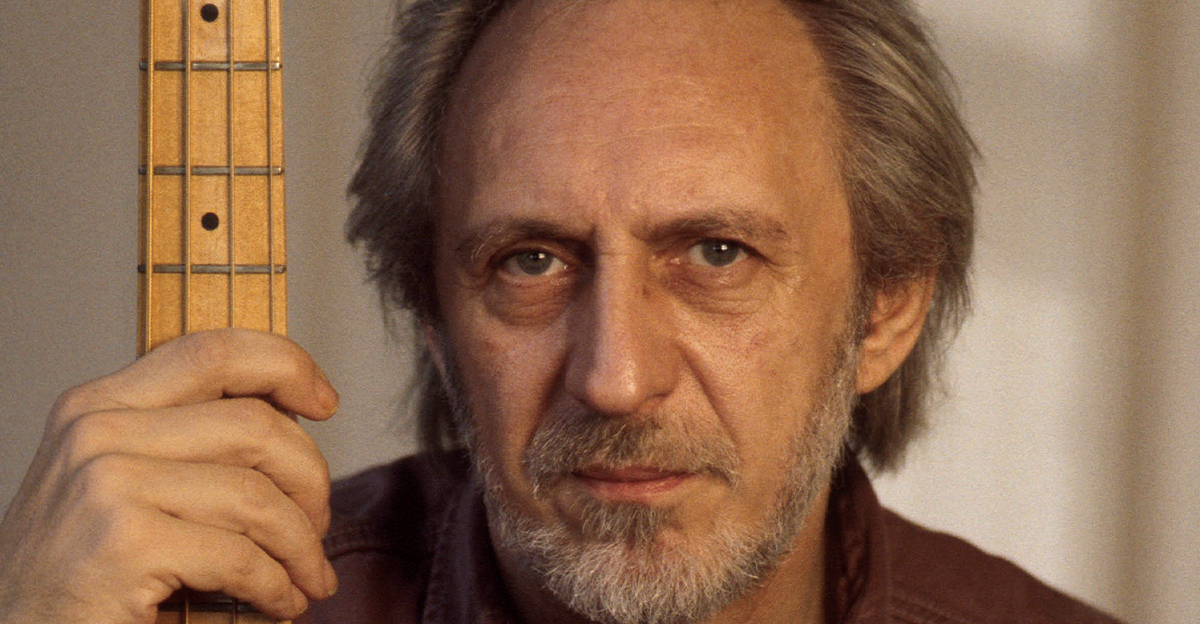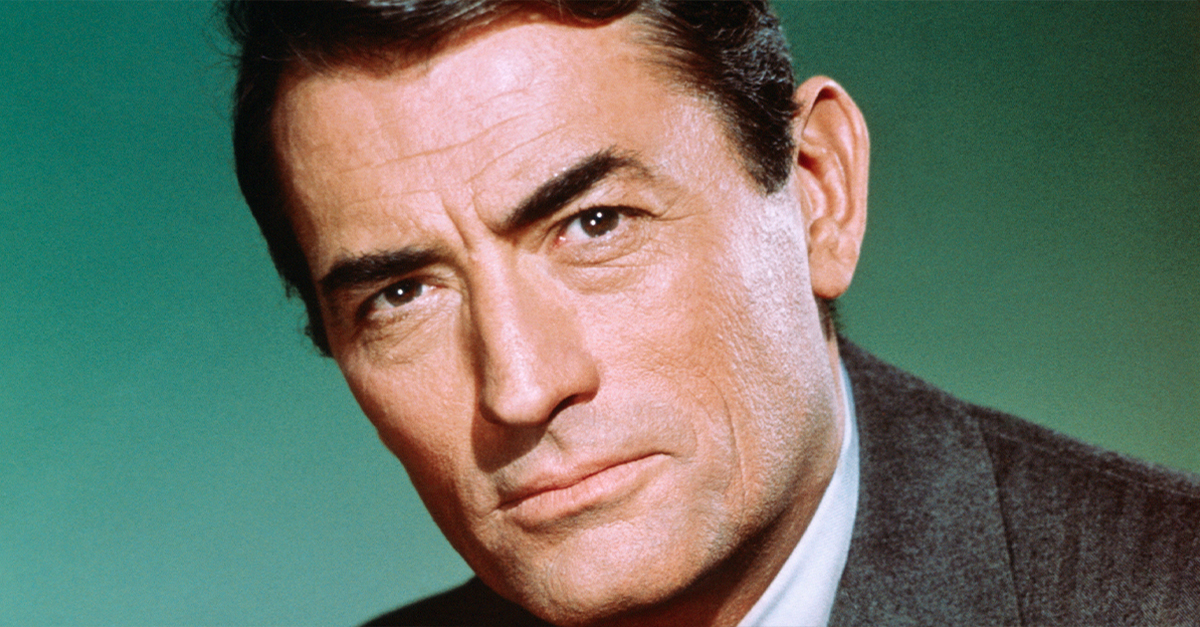
The Horror Began Before The Cameras Rolled
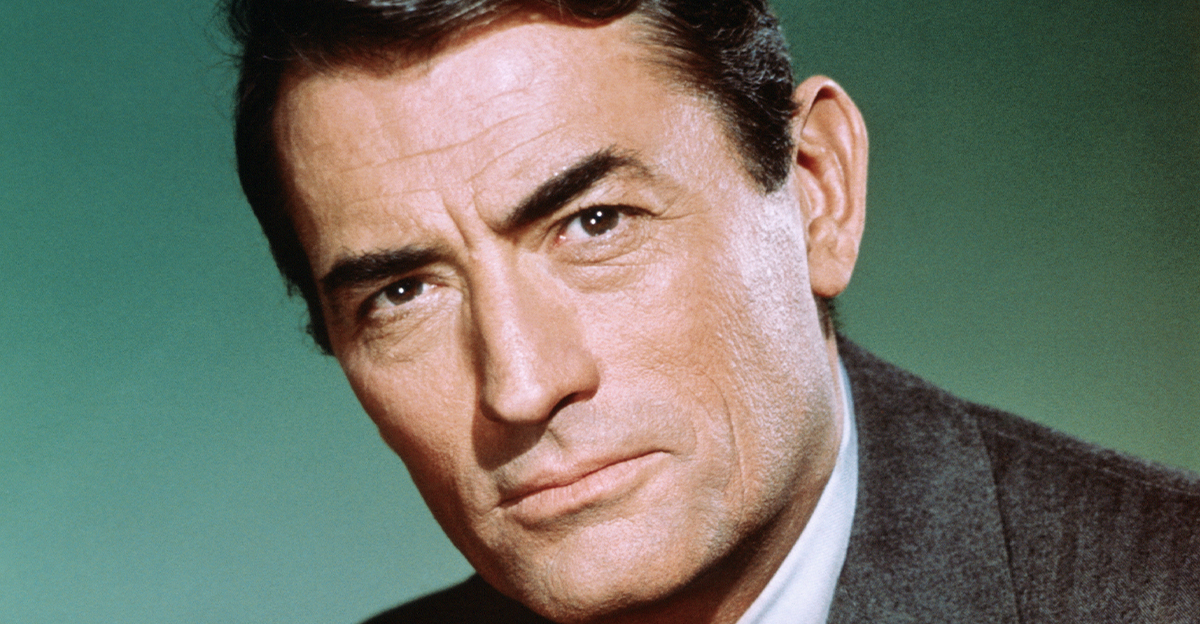
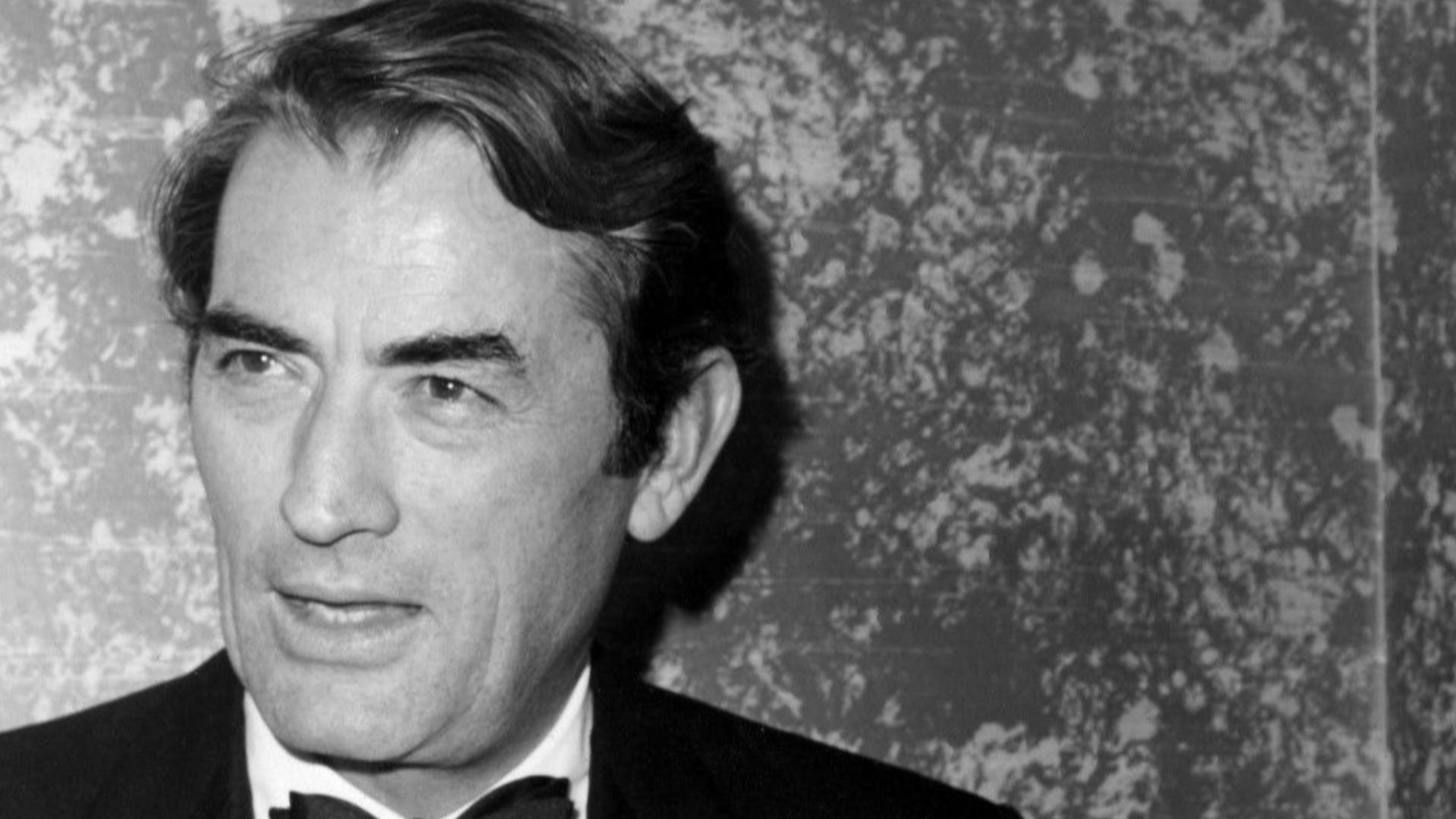
Gregory Peck’s performance in The Omen already carried a chilling premise: a father slowly realizing that the child in his home may represent something—or even be—unspeakably evil. But the role became even more haunting because Peck had recently suffered a real-life parental nightmare. His eldest son, Jonathan, had died only months before.
Jonathan Peck Was Gregory’s Firstborn Son
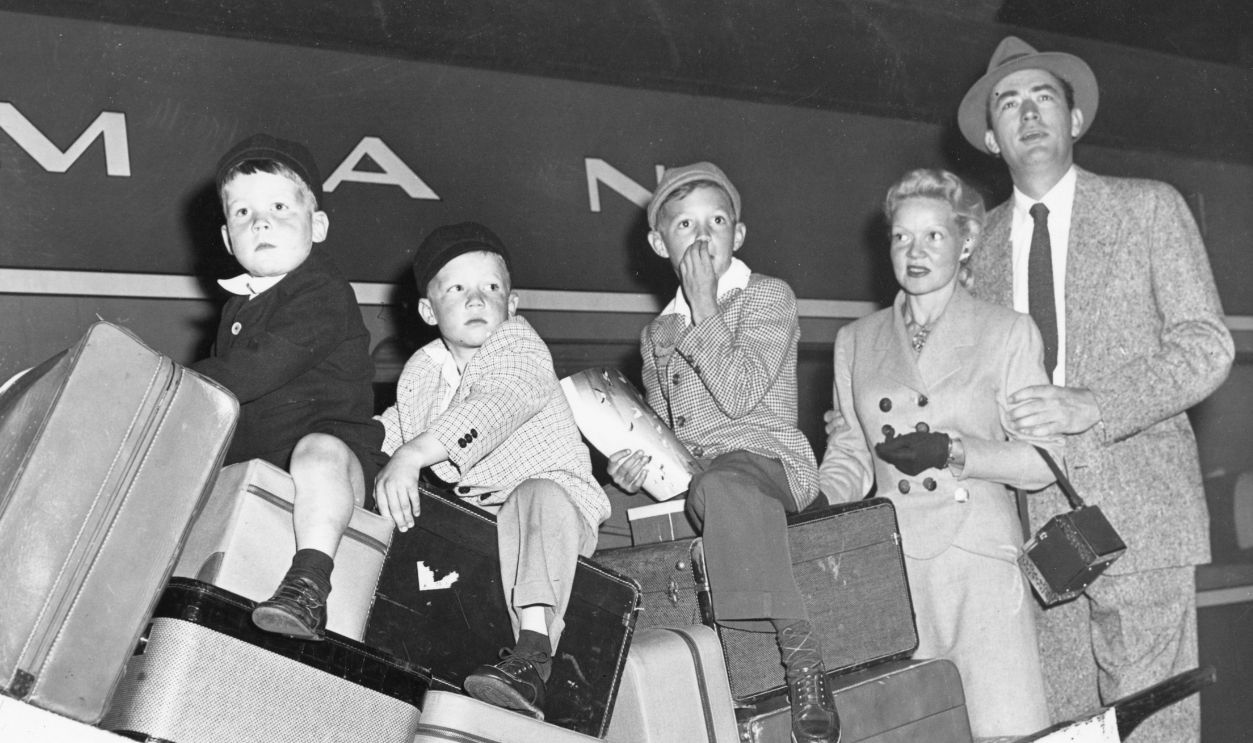
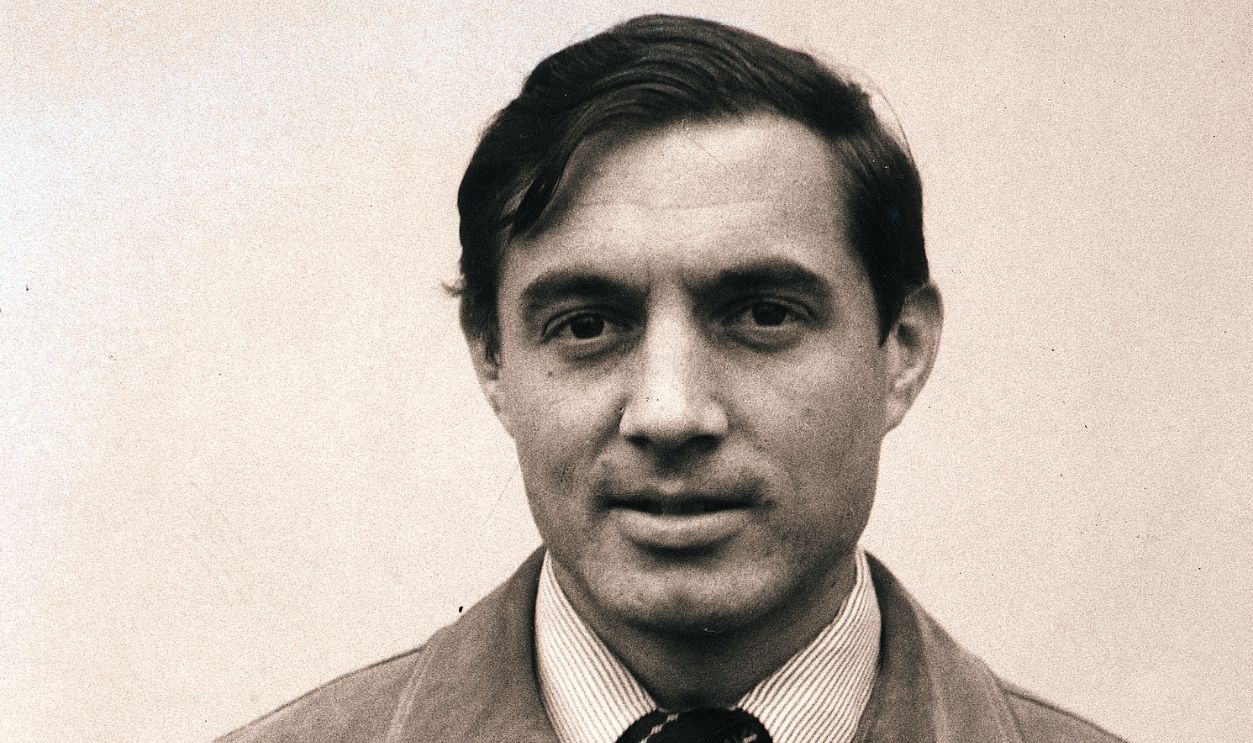
Jonathan Peck was born in 1944, during Gregory Peck’s first marriage to Greta Kukkonen. He was the eldest of Peck’s five children, and by adulthood, he had built his own life outside his father’s enormous Hollywood shadow. He became a journalist and worked in broadcasting in California.
He Was More Than A Famous Man’s Son
Jonathan had attended Occidental College, spent time in Tanzania, served in the Marine Corps Reserves, and worked in radio before becoming a local television correspondent in Santa Barbara. His death was not just a celebrity tragedy. It was the loss of a young man with his own ambitions.
Father And Son Were Reportedly Close
People who knew Jonathan described him and Gregory as close. A former colleague later said Jonathan and his father confided in each other regularly. That makes the loss even more painful to imagine. Peck was not only grieving a son from a distance. He was grieving someone deeply woven into his life.
The News Was Devastating
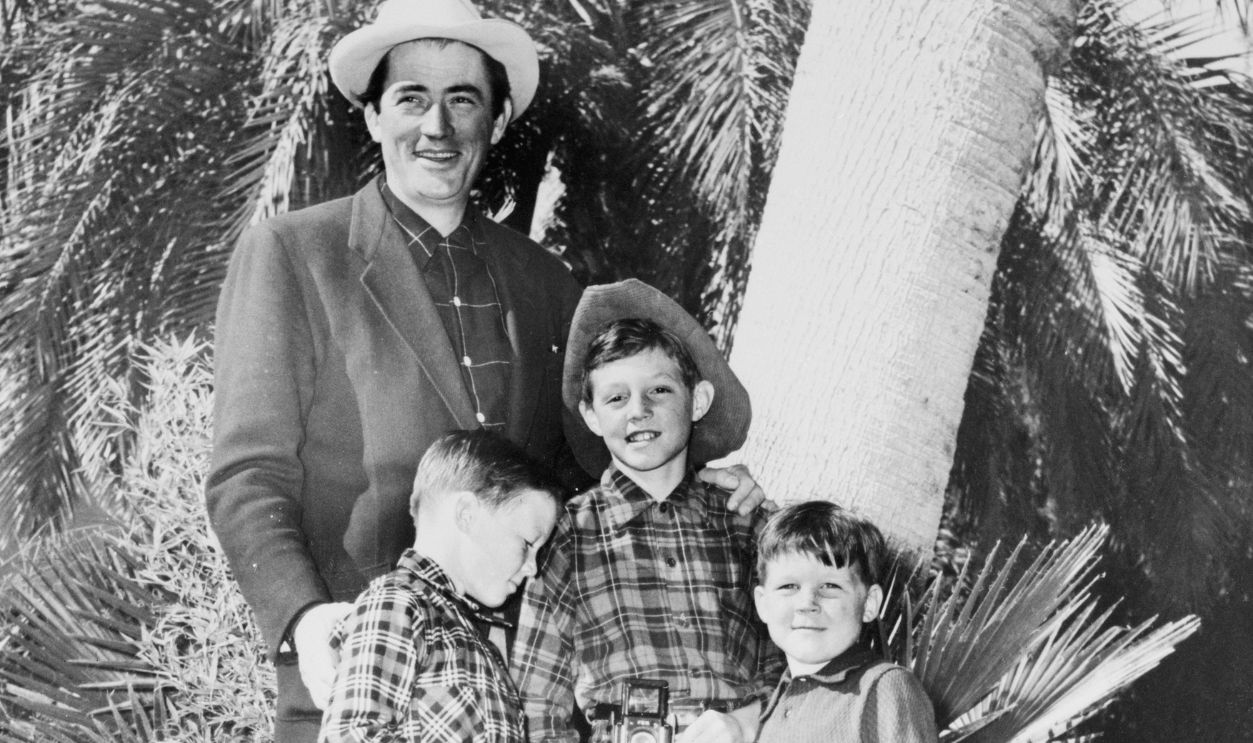
On June 26, 1975, Jonathan Peck was found dead in his Santa Barbara apartment. He was 30 years old, and tragically died by suicide: a self-inflicted shot to the head. For Gregory Peck, the loss was immediate, private, and almost impossible for the public to fully understand.

Peck Faced The Worst Kind Of Grief
No award, reputation, or public admiration could protect Peck from the shock of losing a child. He had spent decades playing men of moral steadiness and quiet strength. But this was not a role. It was a father receiving the kind of news that permanently divides life into before and after.
He Later Said You Never Get Over It
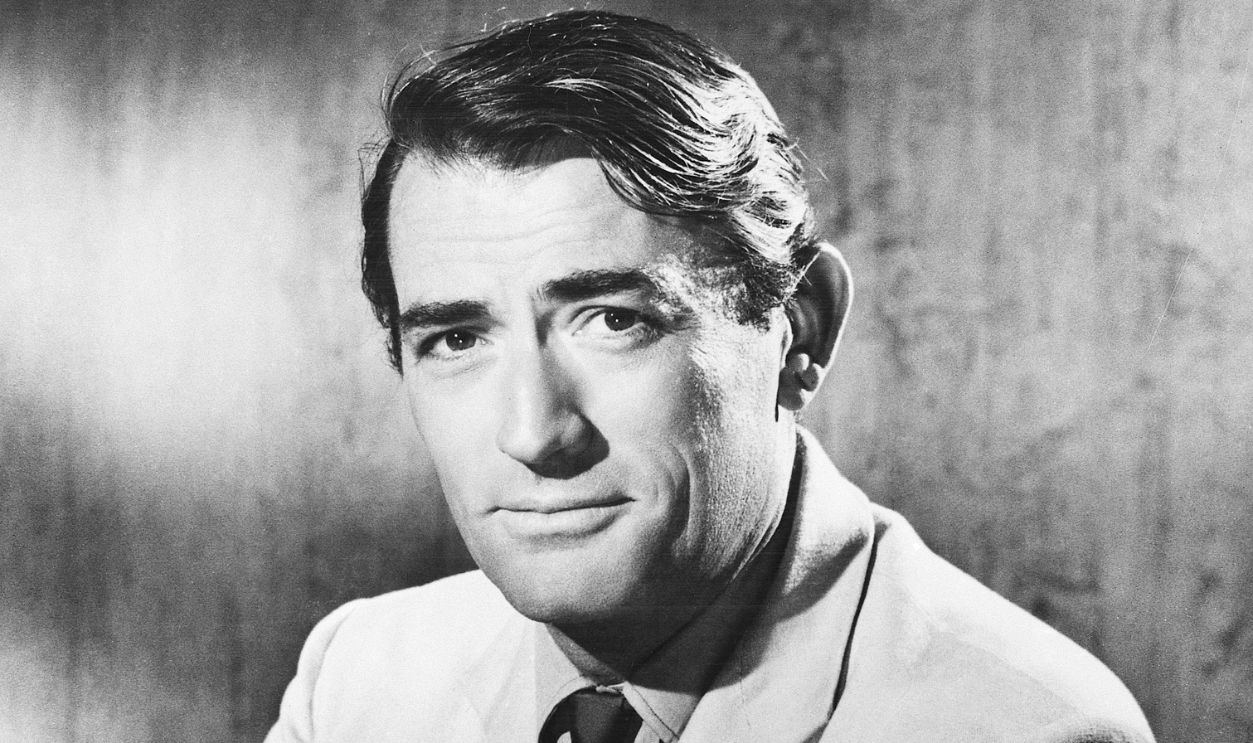
Years later, Peck spoke about Jonathan’s death with heartbreaking bluntness. He called it the most terrible thing that had ever happened to him and said, “You never get over a thing like that". It was a rare public glimpse of a wound he usually kept private.
Grief Did Not Turn Into Public Display
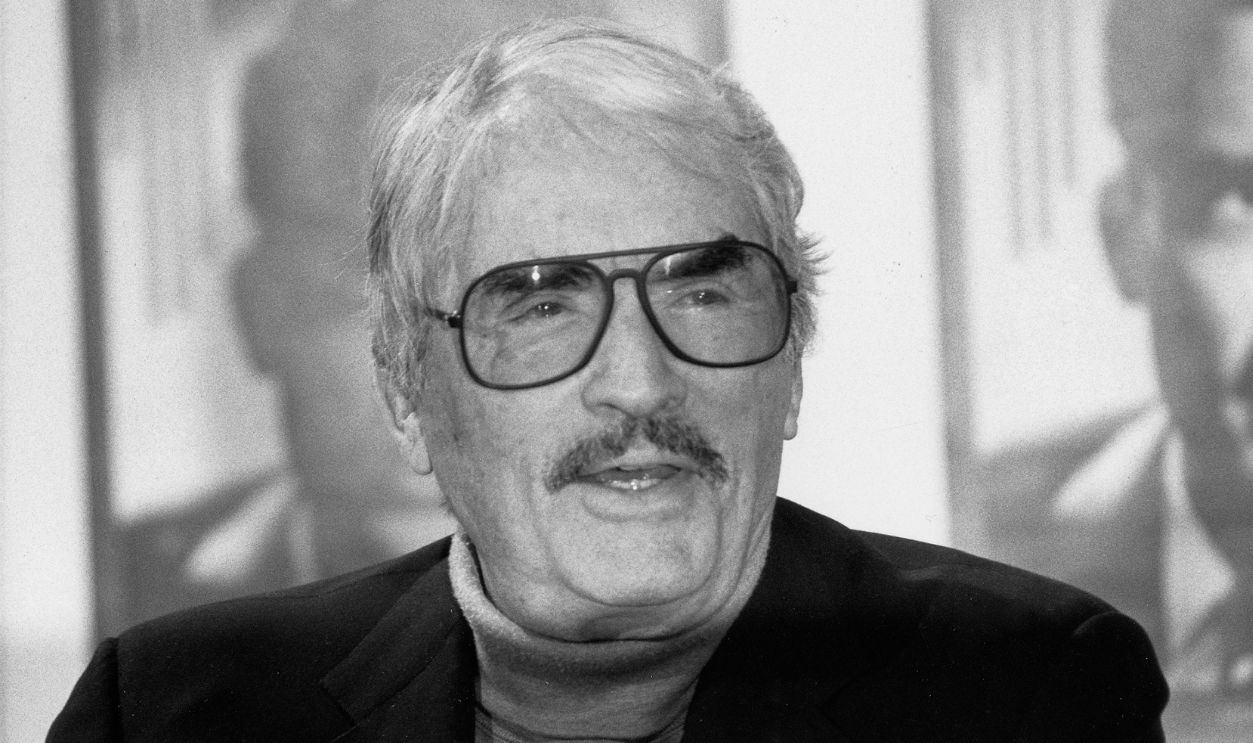
Peck was from a generation of actors who often carried suffering quietly. He did not build a public identity around Jonathan’s death or repeatedly revisit it for attention. Instead, the grief seemed to remain inside him, surfacing only in rare comments and in the emotional gravity he brought to later work.
 Unknown authorUnknown author, Wikimedia Commons
Then The Omen Came Into His Life
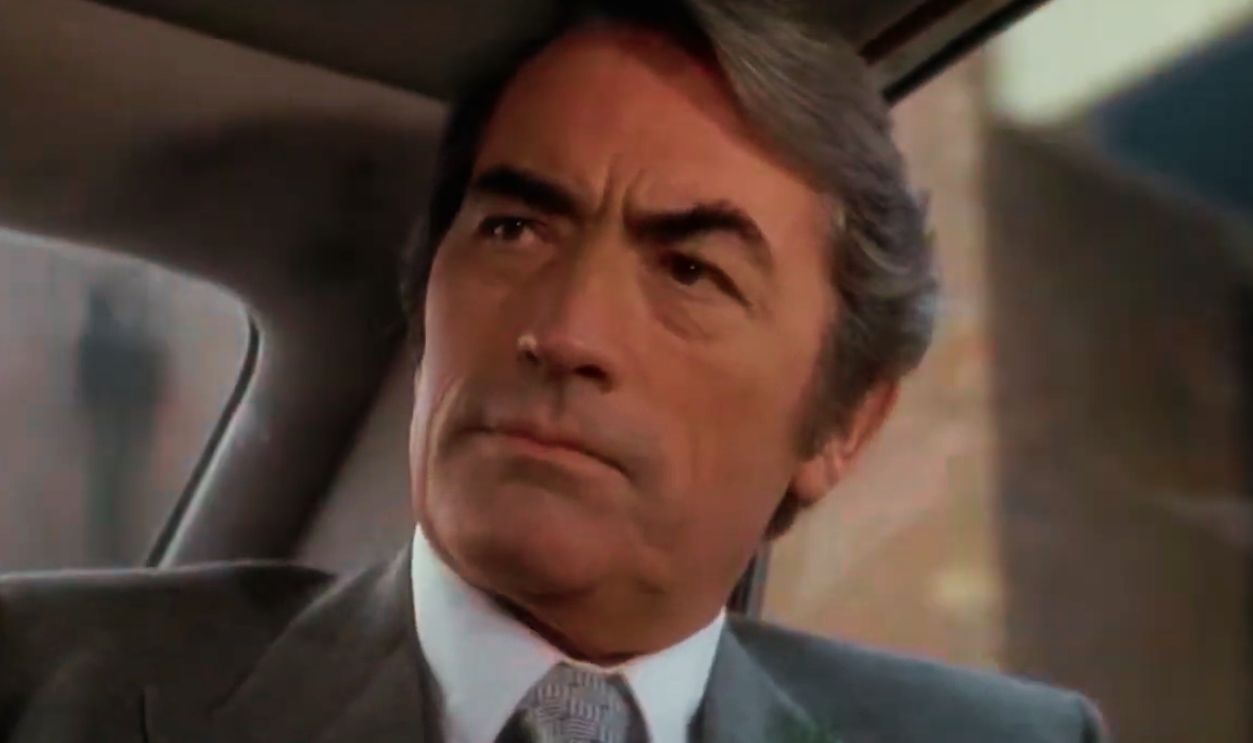
Only months after Jonathan’s death, Peck became attached to The Omen, a supernatural horror film directed by Richard Donner and written by David Seltzer. The story followed Robert Thorn, an American diplomat whose life is destroyed by a terrifying truth about the child he has raised as his son.
 Screenshot from The Omen, 20th Century Fox (1976)
The Script Was Almost Unthinkably Cruel
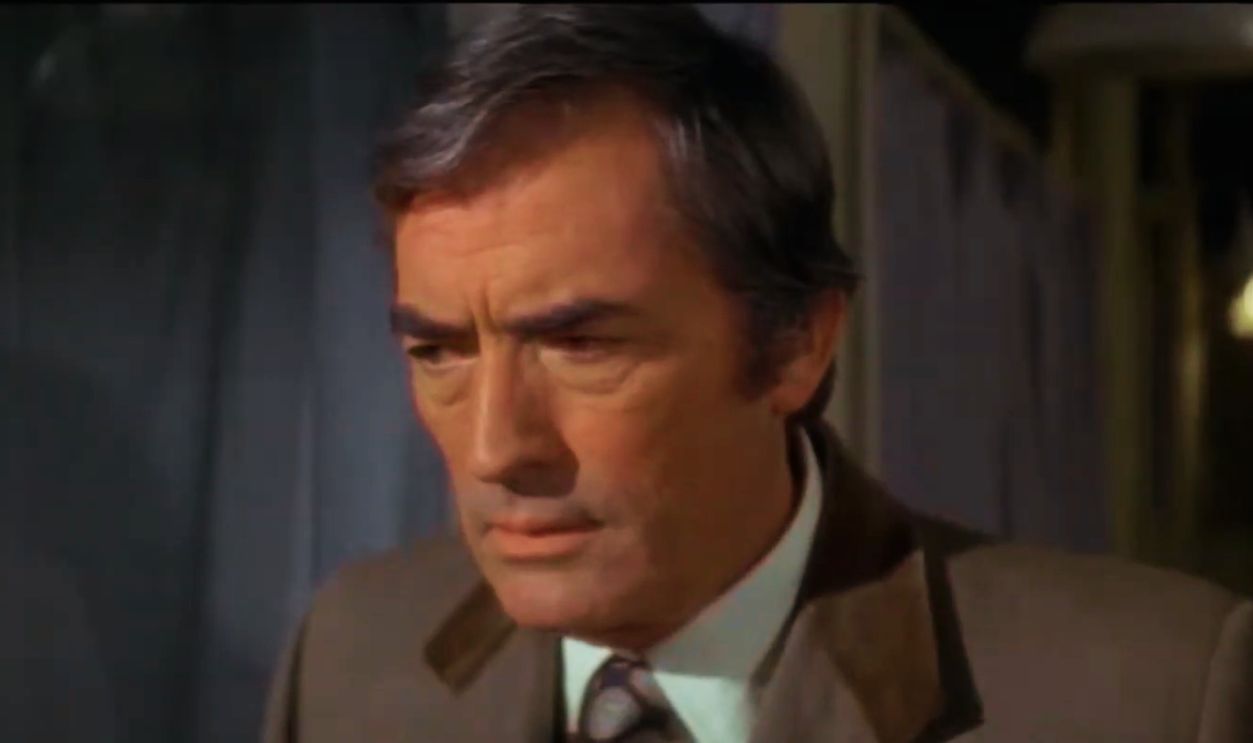
For any actor, The Omen was dark material. For Peck, it arrived after a personal tragedy involving his own son. The story deals with fatherhood, death, fear, guilt, and the unbearable possibility that a parent must confront horror inside his own family. That timing made the role almost unbearably loaded.
 Screenshot from The Omen, 20th Century Fox (1976)
Producers Reportedly Hesitated To Send It
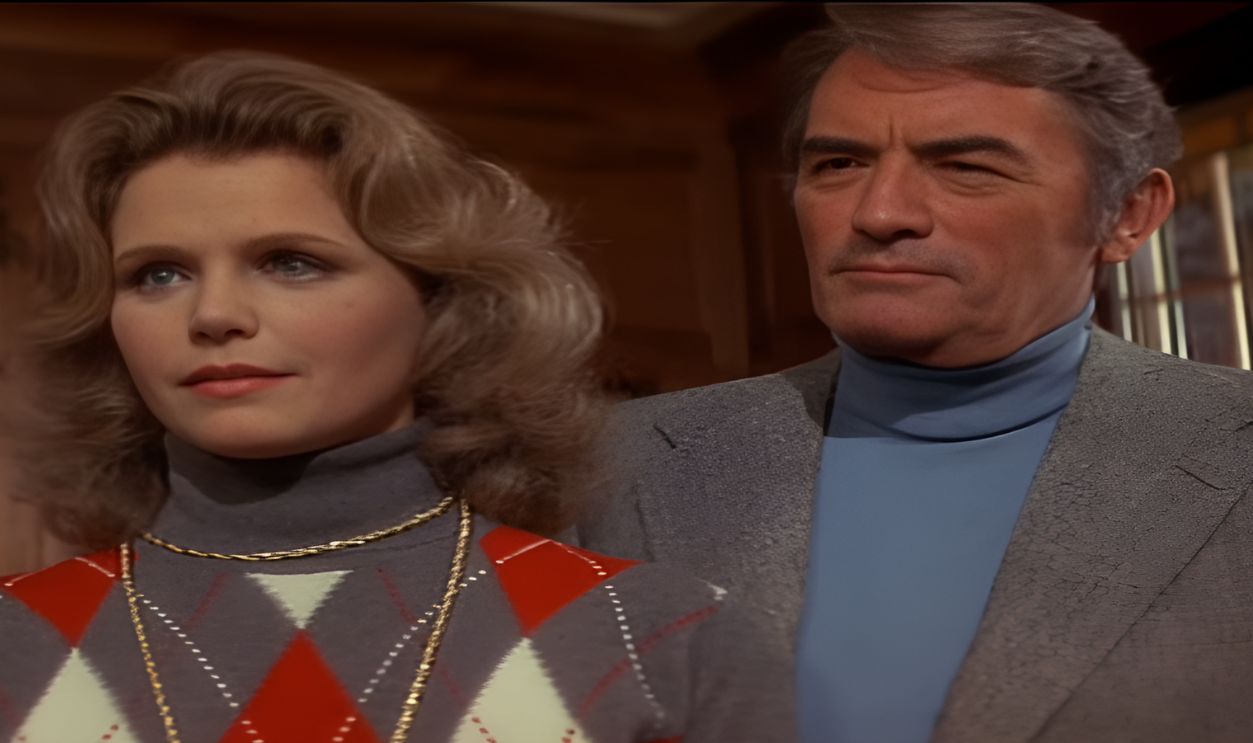
According to production lore, the filmmakers were hesitant about approaching Peck because the story involved a man whose child dies and because the original ending involved a father killing his son. Whether viewed as coincidence or cruelty, the material sat alarmingly close to the actor’s fresh grief.
 Screenshot from The Omen, 20th Century Fox (1976)
Peck Accepted The Role Anyway
Peck’s decision to take The Omen has always made the performance feel more complicated. He could have avoided a story so tangled in parental dread. Instead, he stepped into it. The result was not an exaggerated horror performance, but a controlled portrait of a father being emotionally destroyed.
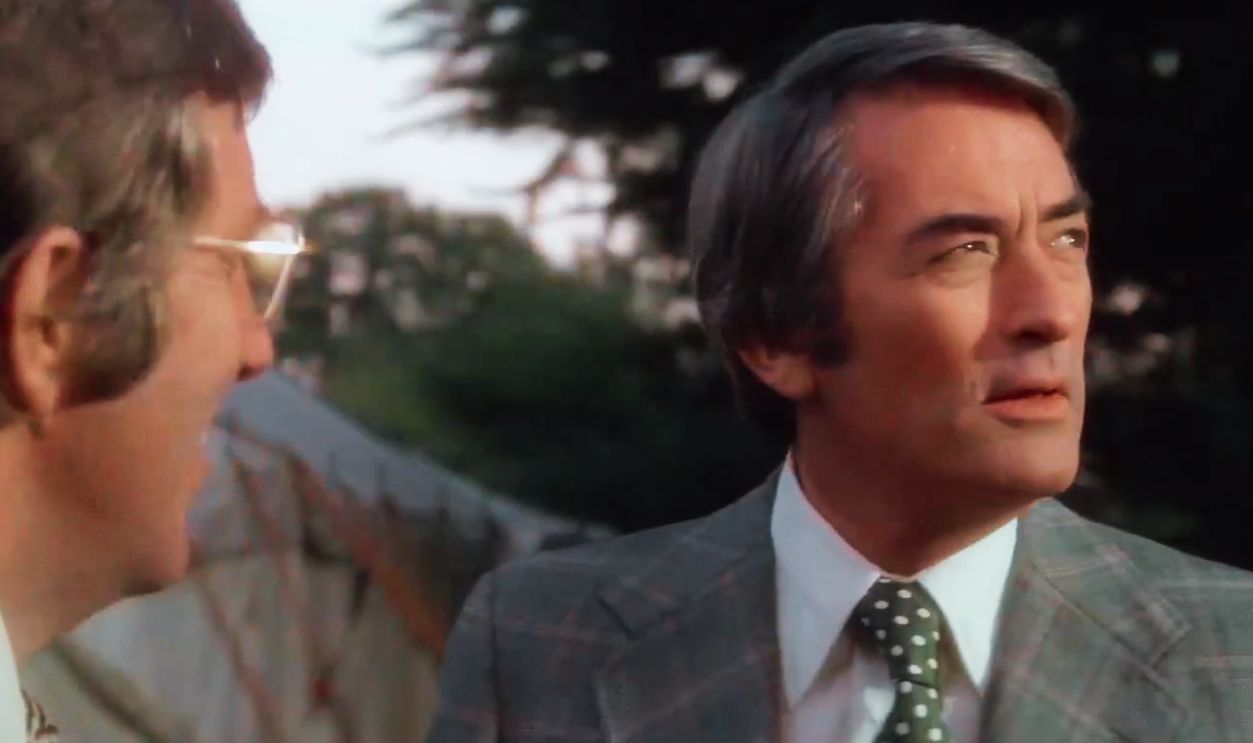 Screenshot from The Omen, 20th Century Fox (1976)
Robert Thorn Was A Father In Crisis
In the film, Peck plays Robert Thorn, a diplomat who secretly accepts another baby after being told his own newborn son has died. That decision, meant to spare his wife unbearable pain, becomes the first step into catastrophe. Thorn’s fatherhood begins with grief, secrecy, and guilt.
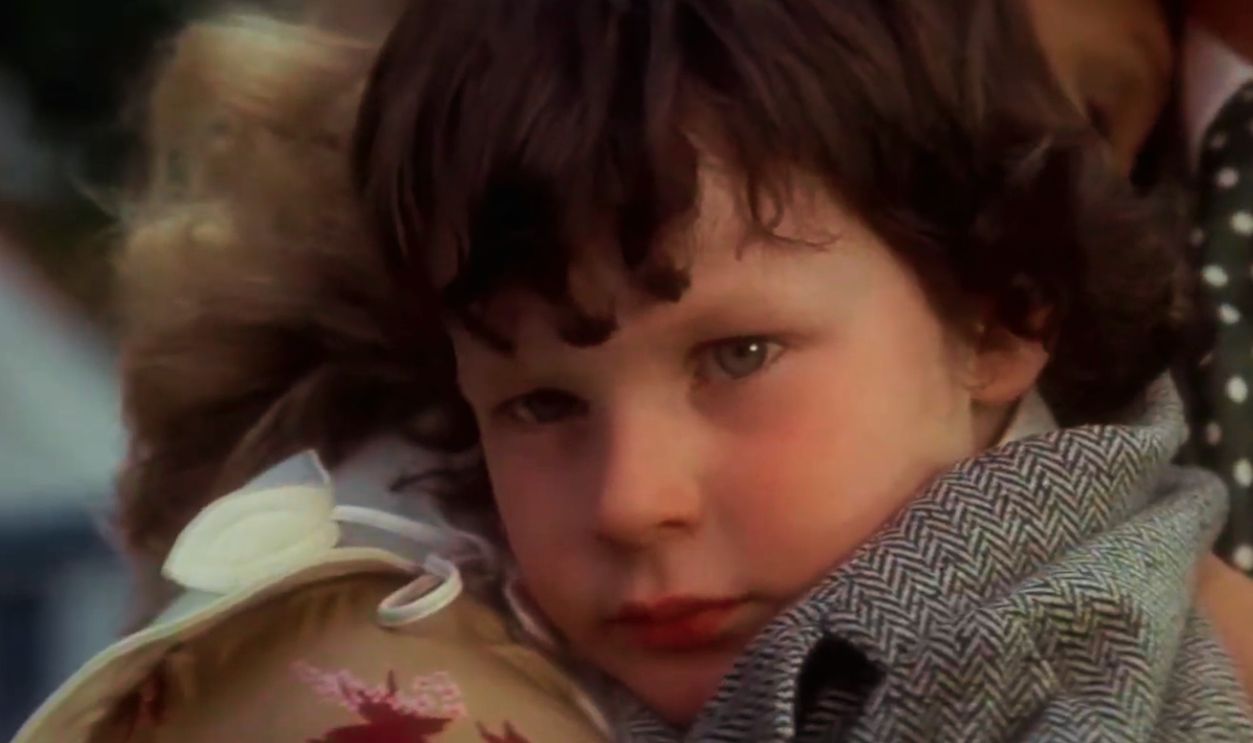 Screenshot from The Omen, 20th Century Fox (1976)
The Role Echoed A Terrible Emotional Reality
Peck was not playing Jonathan’s story, and The Omen was not about his real family. Still, the emotional overlap is difficult to ignore. He was portraying a father crushed by death and impossible choices only months after becoming a bereaved father himself.
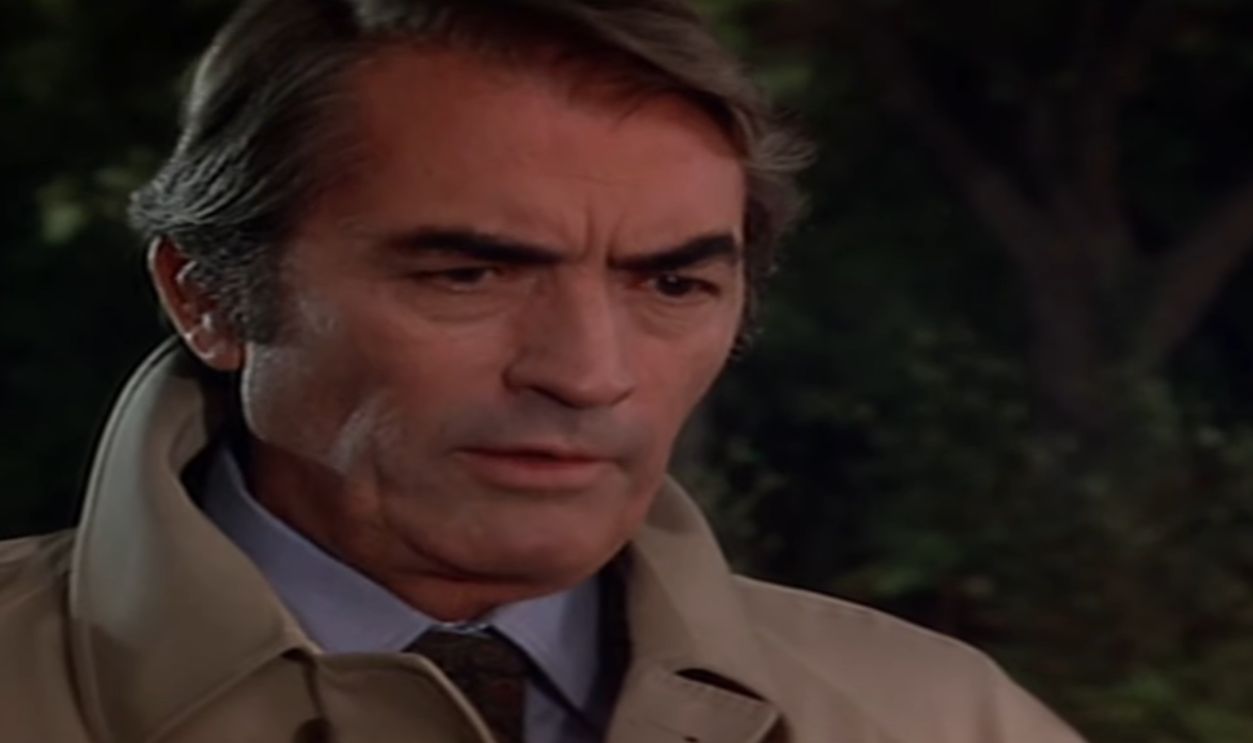 Screenshot from The Omen, 20th Century Fox (1976)
His Performance Feels Heavy With Restraint
Part of what makes Peck so effective in The Omen is how little he overplays. He does not turn Robert Thorn into a frantic horror cliché. Instead, he plays him as a controlled, rational man slowly losing his footing. That restraint makes the fear feel adult, moral, and deeply sad.
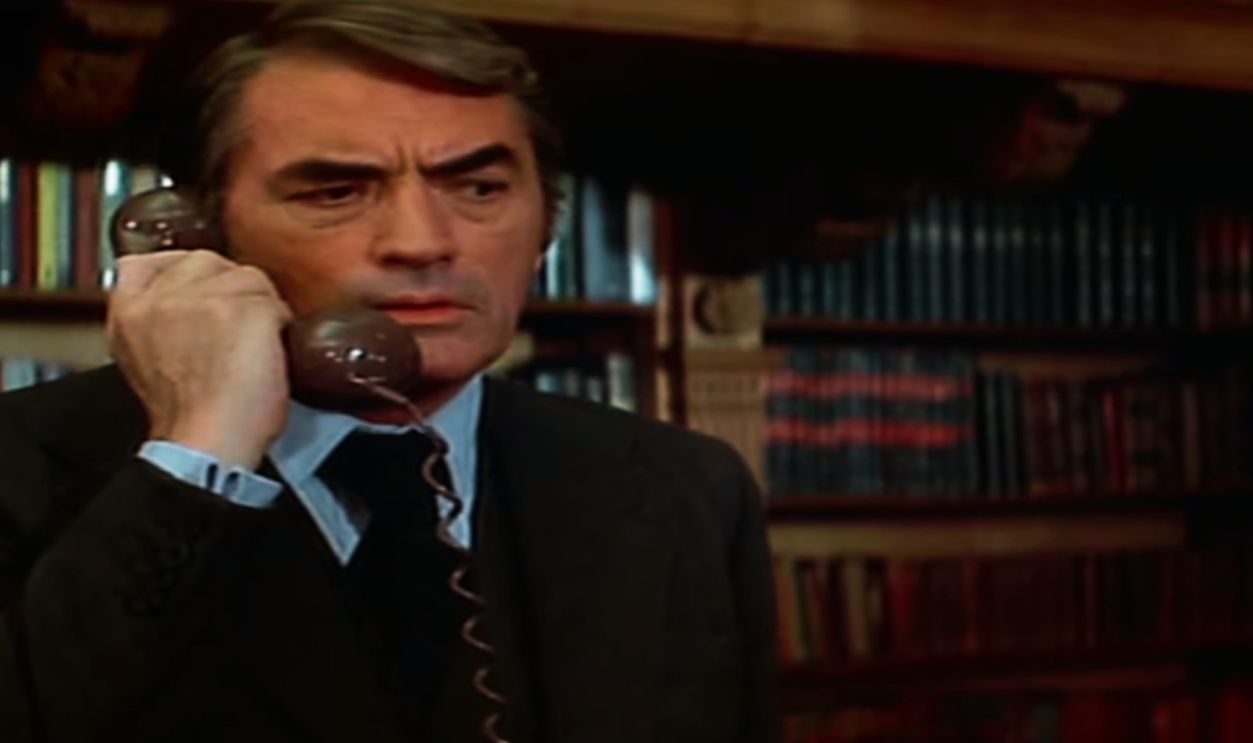 Screenshot from The Omen, 20th Century Fox (1976)
The Grief Gives The Film Another Shadow
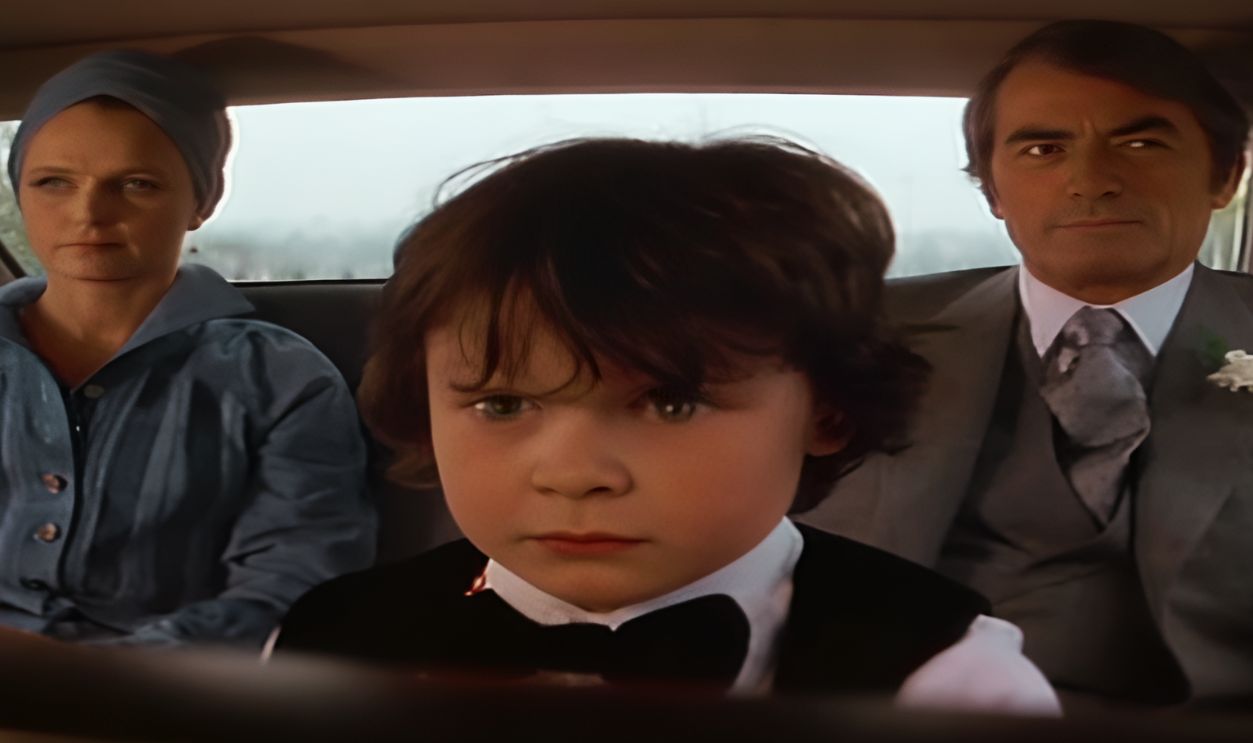
Knowing what Peck had recently endured changes how many viewers experience The Omen. Scenes of parental panic, guilt, denial, and dread carry an added heaviness. The film remains a supernatural thriller, but Peck’s presence brings it closer to real grief than the story might otherwise deserve.
 Screenshot from The Omen, 20th Century Fox (1976), Modified
Peck Had Built A Career On Moral Strength
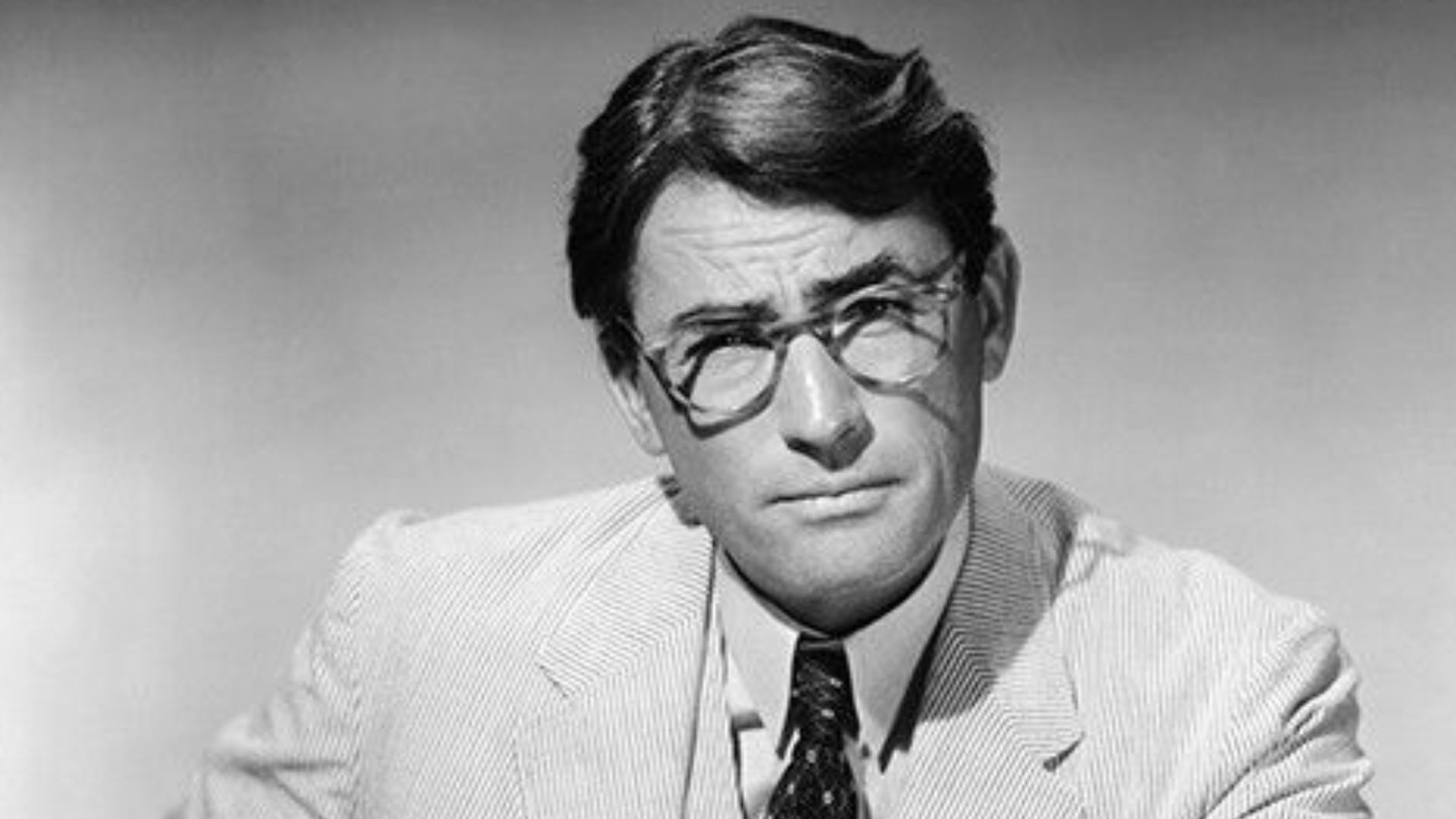
Before The Omen, Peck was already identified with roles of dignity and conscience, especially Atticus Finch in To Kill a Mockingbird. That image made his horror role striking. Audiences were used to trusting him. Watching that kind of man collapse under unbearable fear made the film more disturbing.
 Unknown authorUnknown author, distributed by: Universal Pictures, Wikimedia Commons
The Omen Used His Decency Against Him
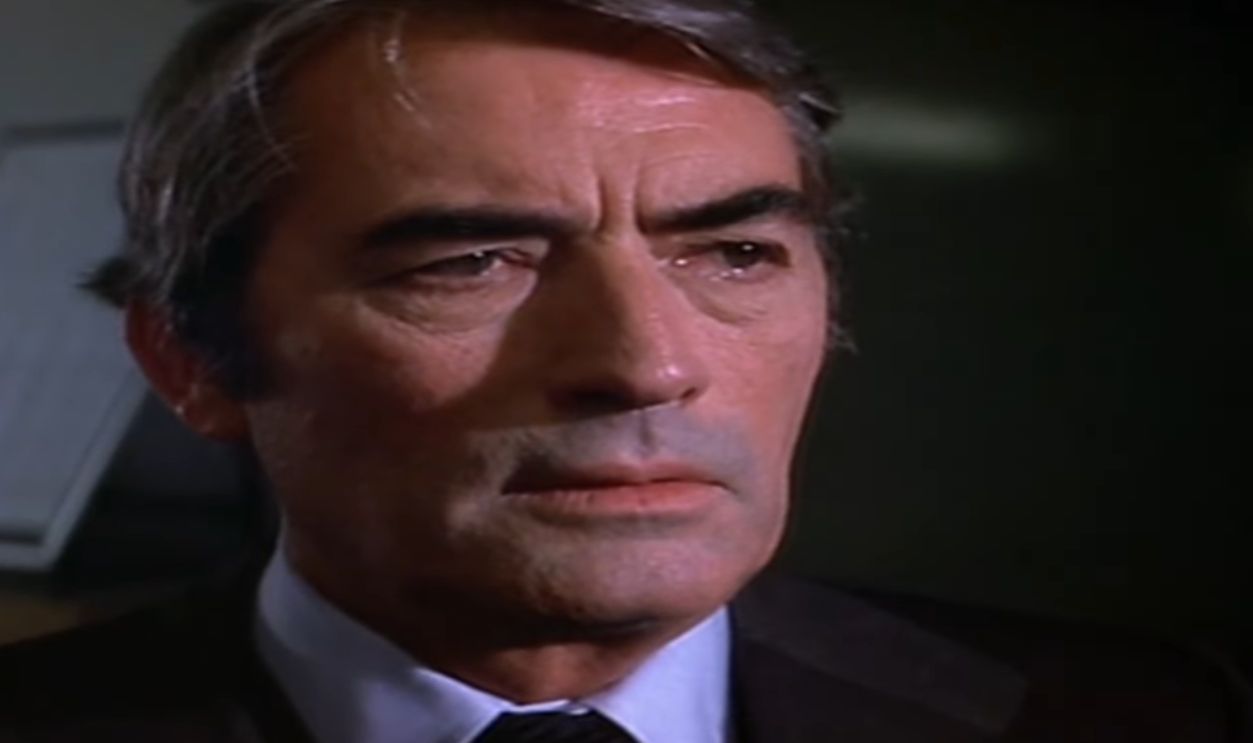
The film works partly because Peck seems so decent and grounded. Robert Thorn is not reckless or cruel in the usual horror-movie sense. He is a father trying to protect his family after making one disastrous choice. Peck’s grief-worn seriousness made that inner conflict feel painfully believable.
 Screenshot from The Omen, 20th Century Fox (1976)
He Was Grieving While Playing A Grieving Father
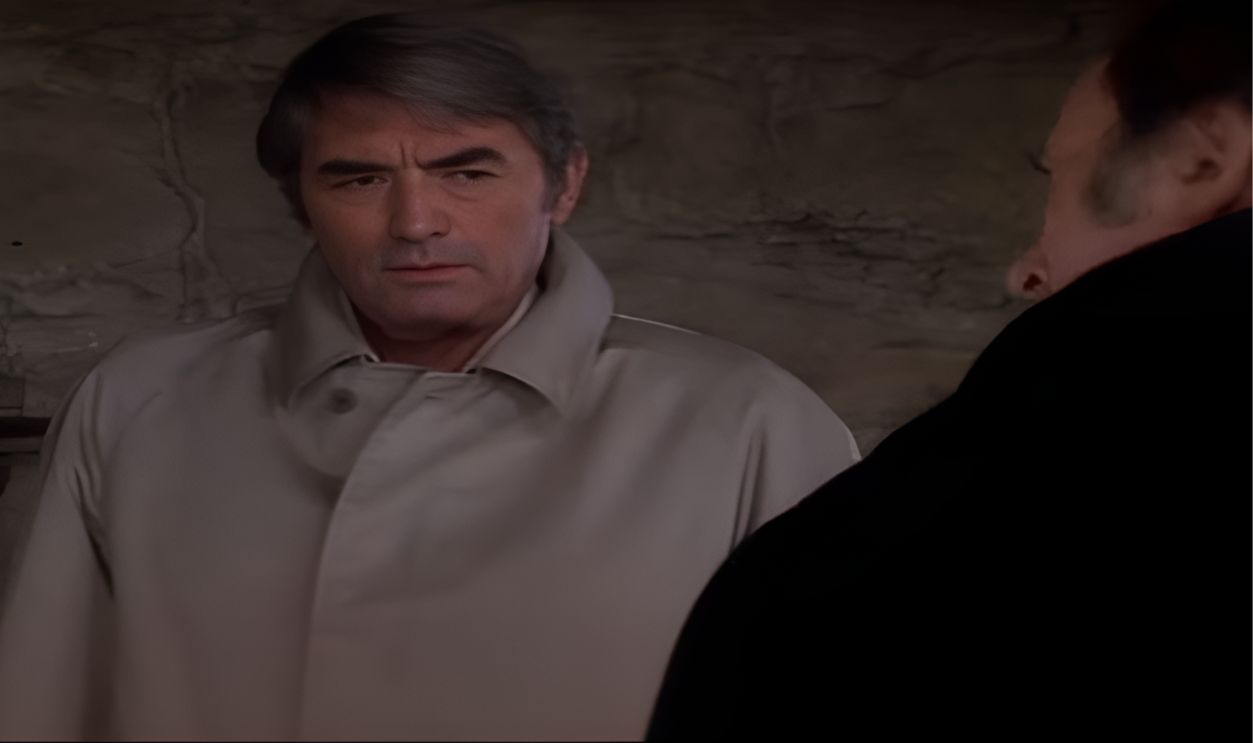
That is the haunting truth at the center of the story. Peck was performing a father’s terror while carrying a father’s real loss. There is no need to exaggerate the connection. The facts are painful enough. His son was gone, and he was standing before cameras inside a story about parental nightmare.
 Screenshot from The Omen, 20th Century Fox (1976), Modified
The Role Did Not Heal The Loss
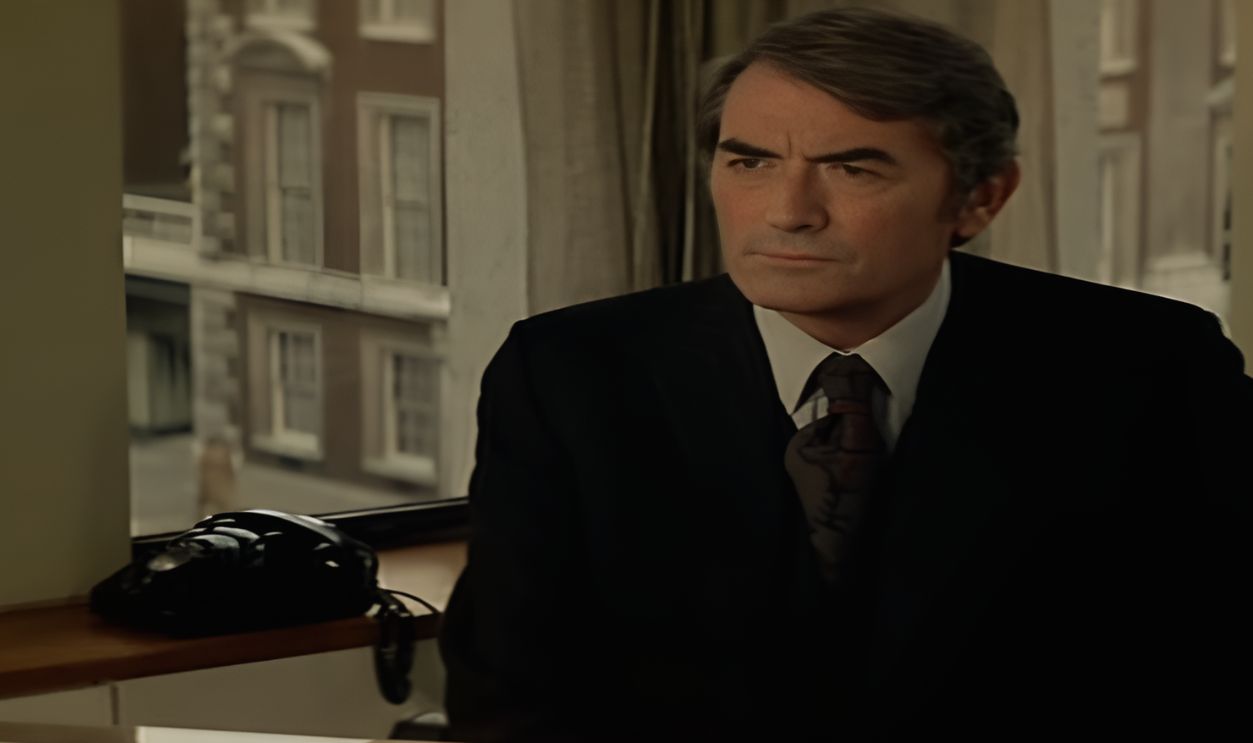
It would be too simple to say The Omen helped Peck “process” Jonathan’s death. Grief does not work that neatly, especially after the loss of a child. What the film did give him was work, structure, and a place to pour emotional weight, even if the pain remained beyond repair.
 Screenshot from The Omen, 20th Century Fox (1976)
Peck Continued To Carry Himself With Dignity
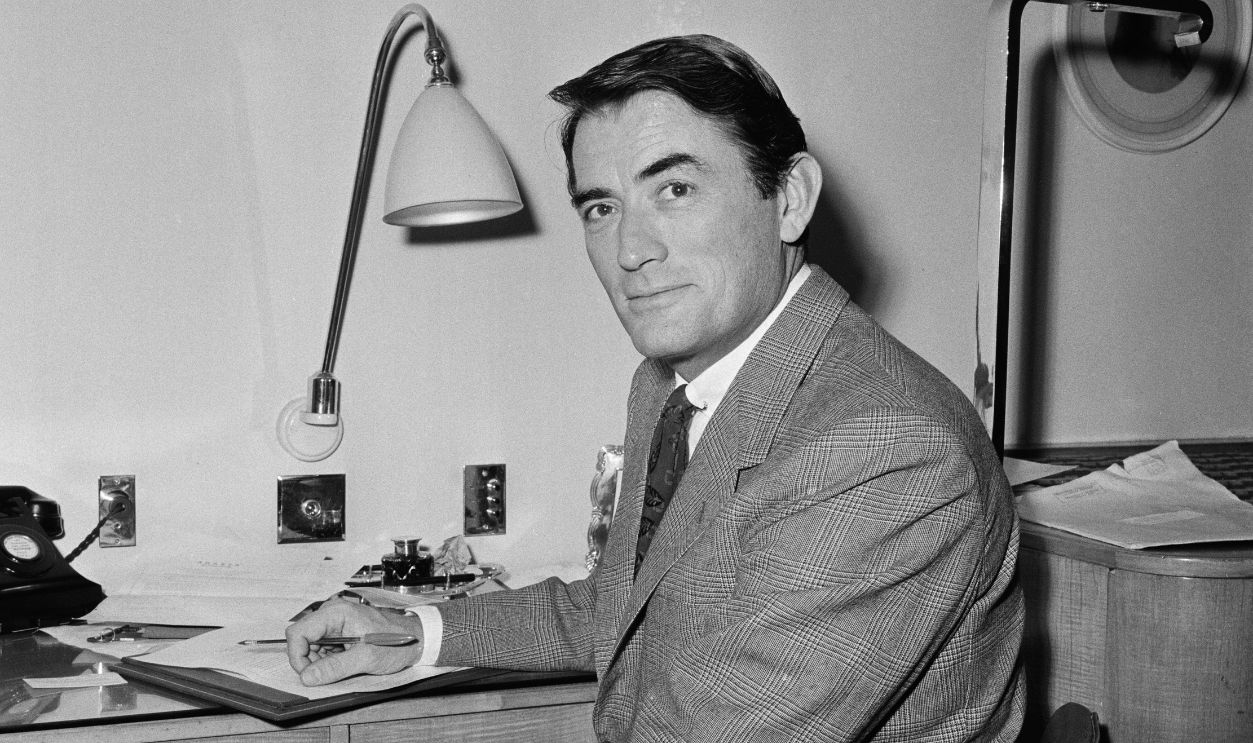
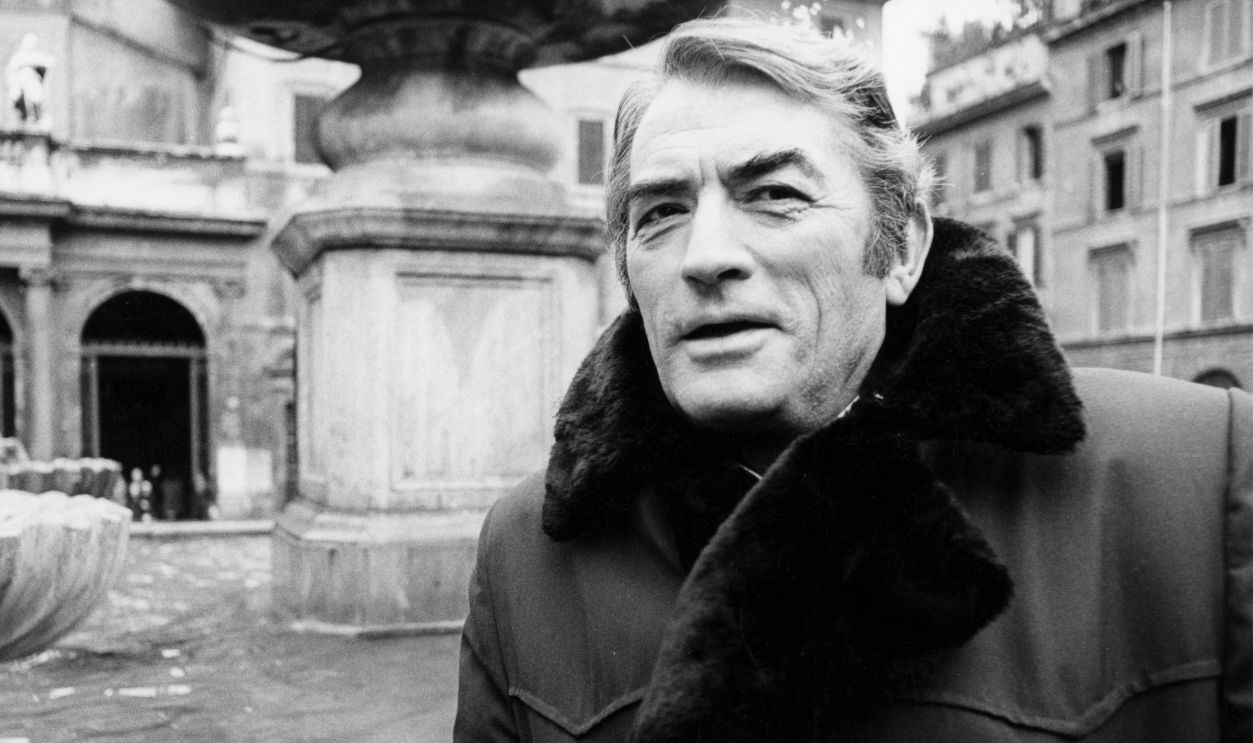
After Jonathan’s death, Peck continued acting and remained a respected public figure. But those who know the timeline can see a different layer in his later life. He was not simply the noble Hollywood icon. He was also a father who had endured a private devastation that never fully left him.
 Evening Standard, Getty Images
His Family Remembered His Strength
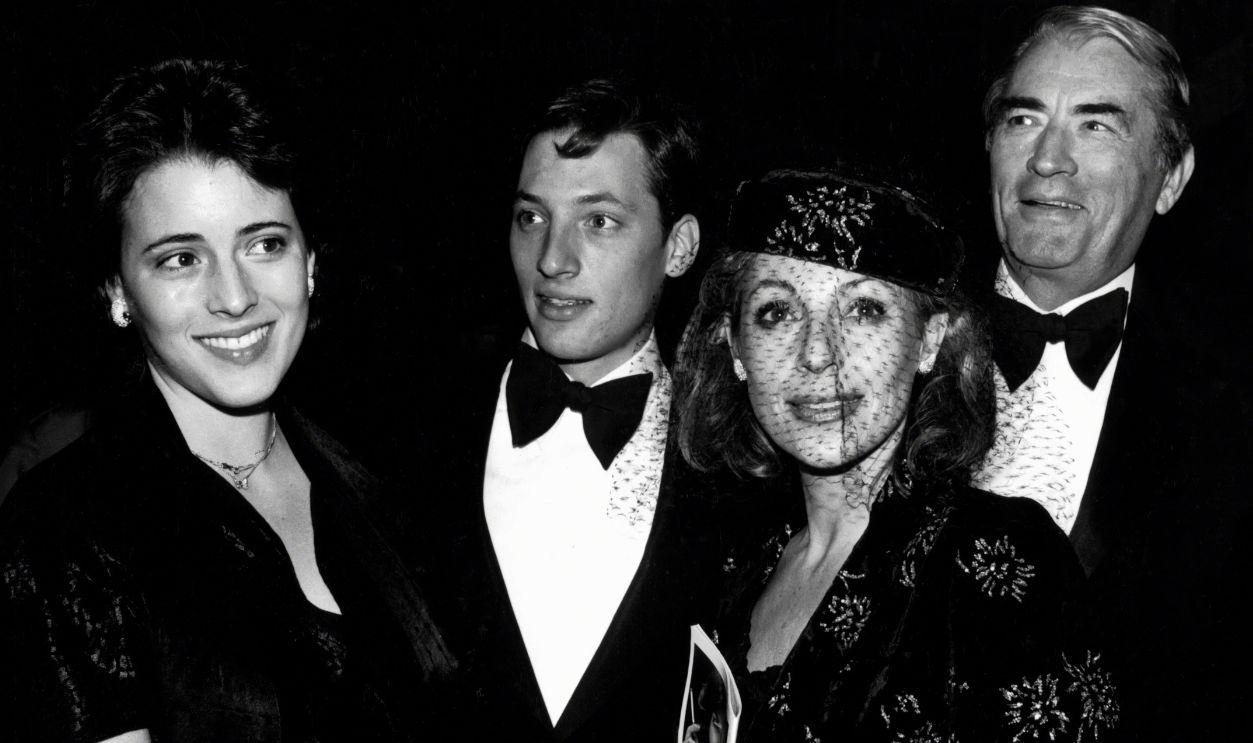
Peck’s children later described him as loving, supportive, and deeply principled. Anthony Peck said his father never let him down, while other family recollections emphasized the same steady presence audiences associated with Atticus Finch. That steadiness seems even more moving after Jonathan’s death.
The Tragedy Made The Performance Unforgettable
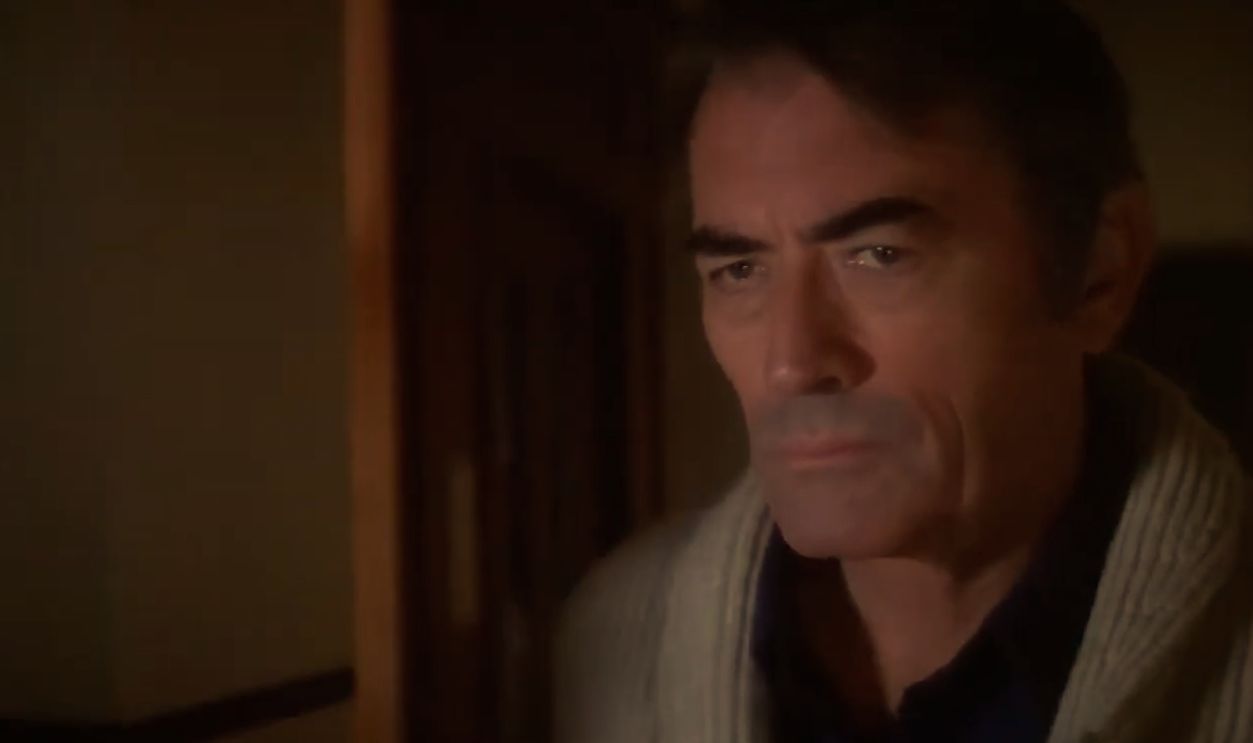
The Omen became a horror classic for many reasons, including Richard Donner’s direction, Jerry Goldsmith’s Oscar-winning score, and the film’s chilling premise. But Peck’s performance gave it dignity. His grief, whether spoken or unspoken, helped turn a shocking horror story into something sorrowful.
 Screenshot from The Omen, 20th Century Fox (1976)
Gregory Peck’s Backstory Makes The Omen Even Harder To Watch
Gregory Peck suffered every parent’s worst nightmare only months before entering one of the darkest fatherhood stories in horror cinema. Jonathan Peck’s death left a wound his father said he never got over. That knowledge makes The Omen feel different. Behind the terror was a real father carrying real grief.
You May Also Like:
Films That Get Better The Second Time You Watch
Movies That Weren’t Supposed To Be Scary—But Totally Are
How Nancy Kulp Became One Of The Sharpest Scene-Stealers On 1960s Television