Hollywood Could Never Script These Friendships
The movies gave these stars gunfights, romances, comedies, and impossible adventures. Away from the cameras, however, some of Golden Age Hollywood's closest friendships developed their own bizarre rules, legendary arguments, private jokes, and extraordinary acts of loyalty.
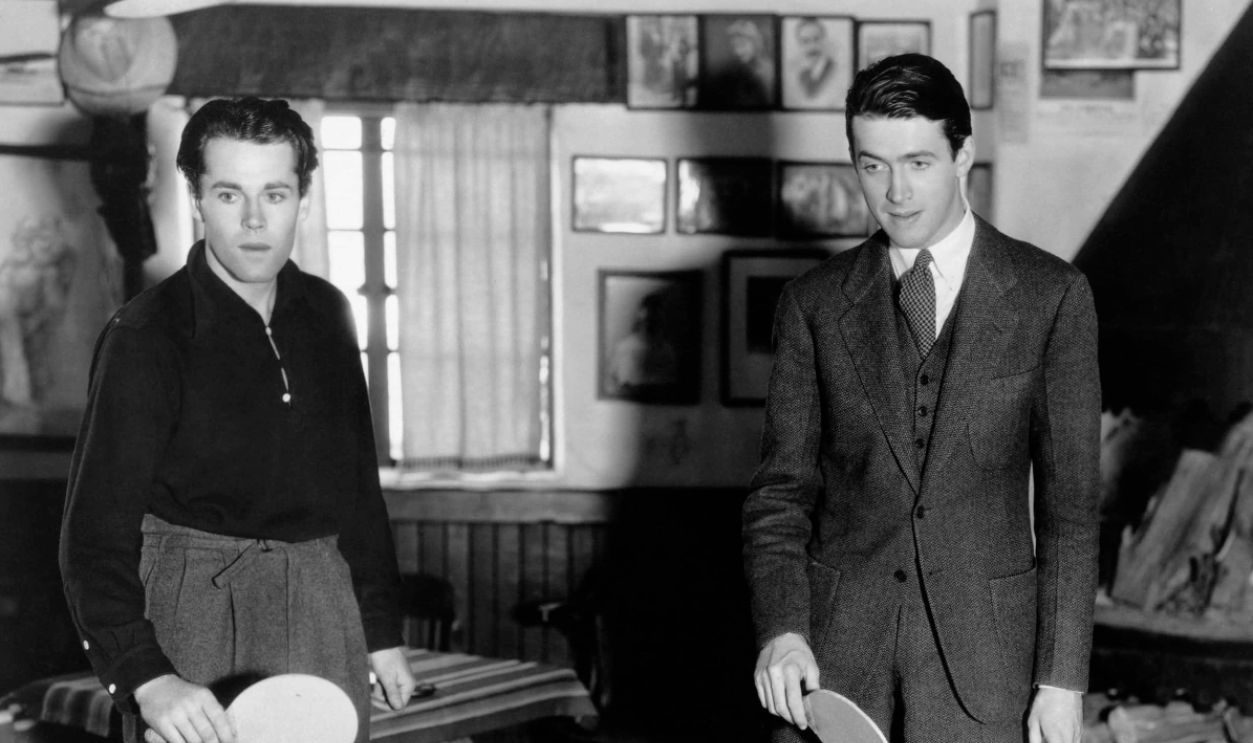
Jimmy Stewart And Henry Fonda Started As Roommates
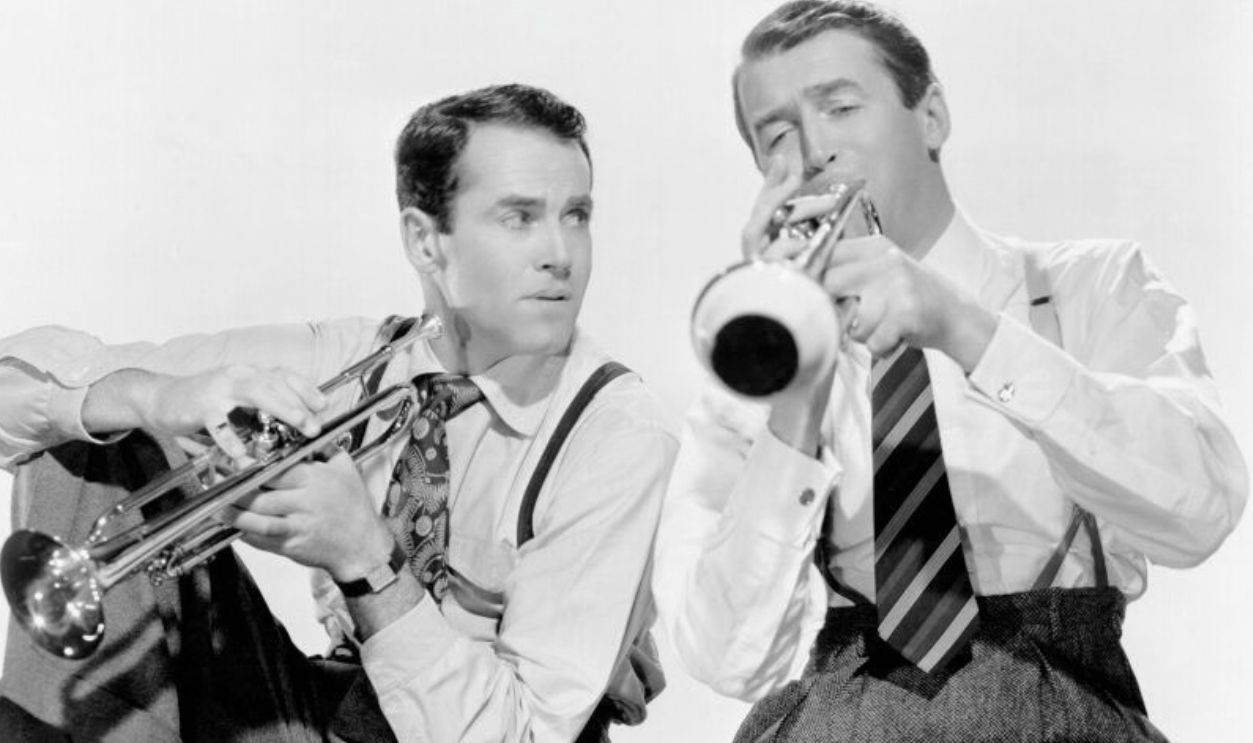
Before either became a Hollywood legend, James Stewart and Henry Fonda shared rooms while trying to establish acting careers in New York. Their friendship grew out of the small theatrical circle surrounding the University Players and followed them west when movies came calling. Stewart later counted Fonda among the closest friends of his life.
 John Springer Collection, Getty Images
Politics Almost Ended The Friendship Early
The strange part was how little the two men agreed politically. Stewart later recalled that an argument during their struggling New York years became so heated that the roommates actually started swinging at each other. They learned a lasting lesson from the fight and largely stopped discussing politics with each other afterward.
 Michael Ochs Archives, Getty Images
They Stayed Close Despite Being Opposites
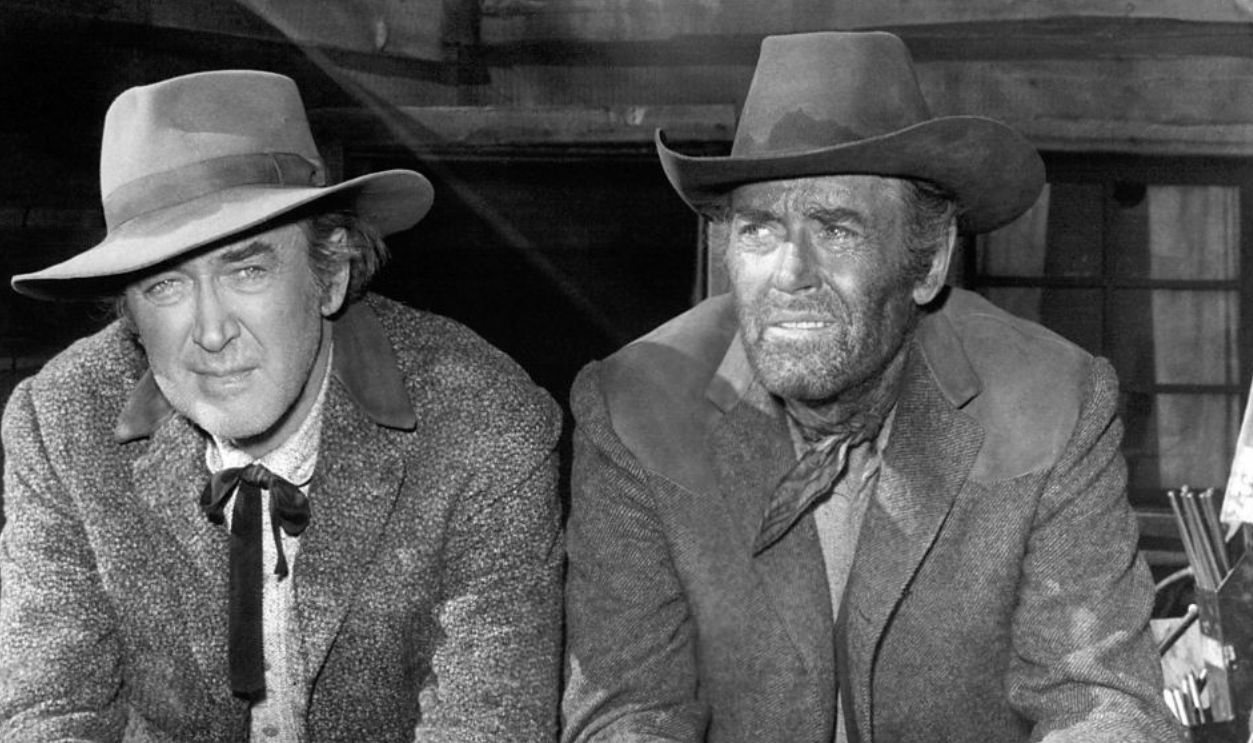
Fonda became known for liberal political views, while Stewart was a conservative Republican. Instead of allowing that divide to destroy the relationship, the pair deliberately protected the areas of friendship where they did agree. Decades later, Stewart still described Fonda as one of the friends who mattered most.
 Silver Screen Collection, Getty Images
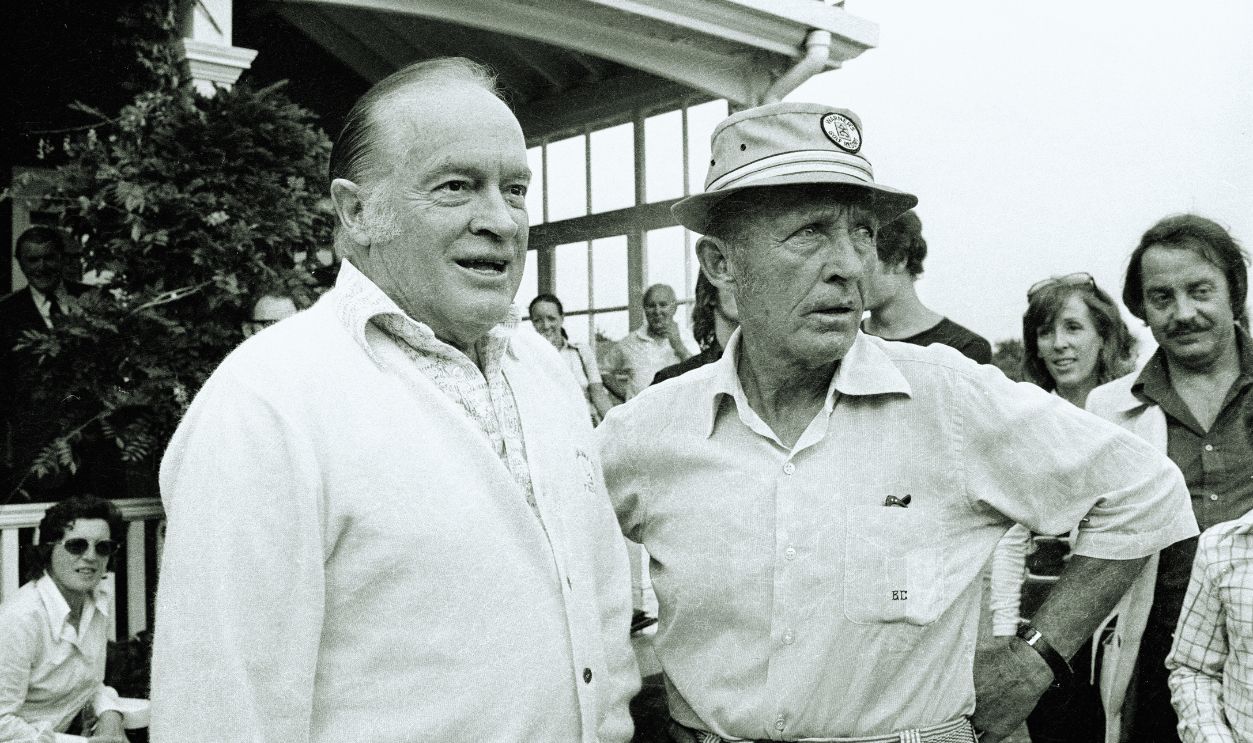
Bob Hope And Bing Crosby Turned Friendship Into Warfare
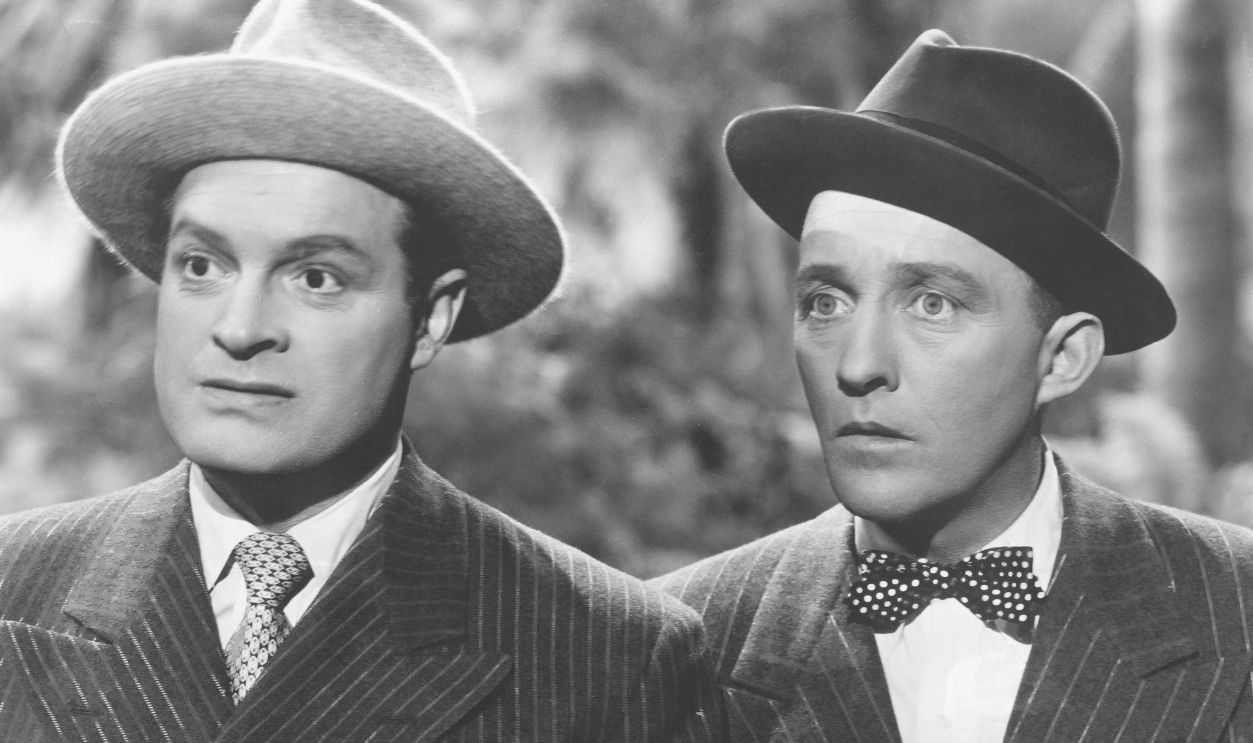
Bob Hope and Bing Crosby met through show business and soon discovered they shared an enthusiasm for golf and making audiences laugh. Their chemistry eventually powered seven enormously popular Road movies. Onscreen, Crosby usually played the smooth schemer while Hope became the unfortunate friend who paid for it.
The Insults Were Part Of The Friendship
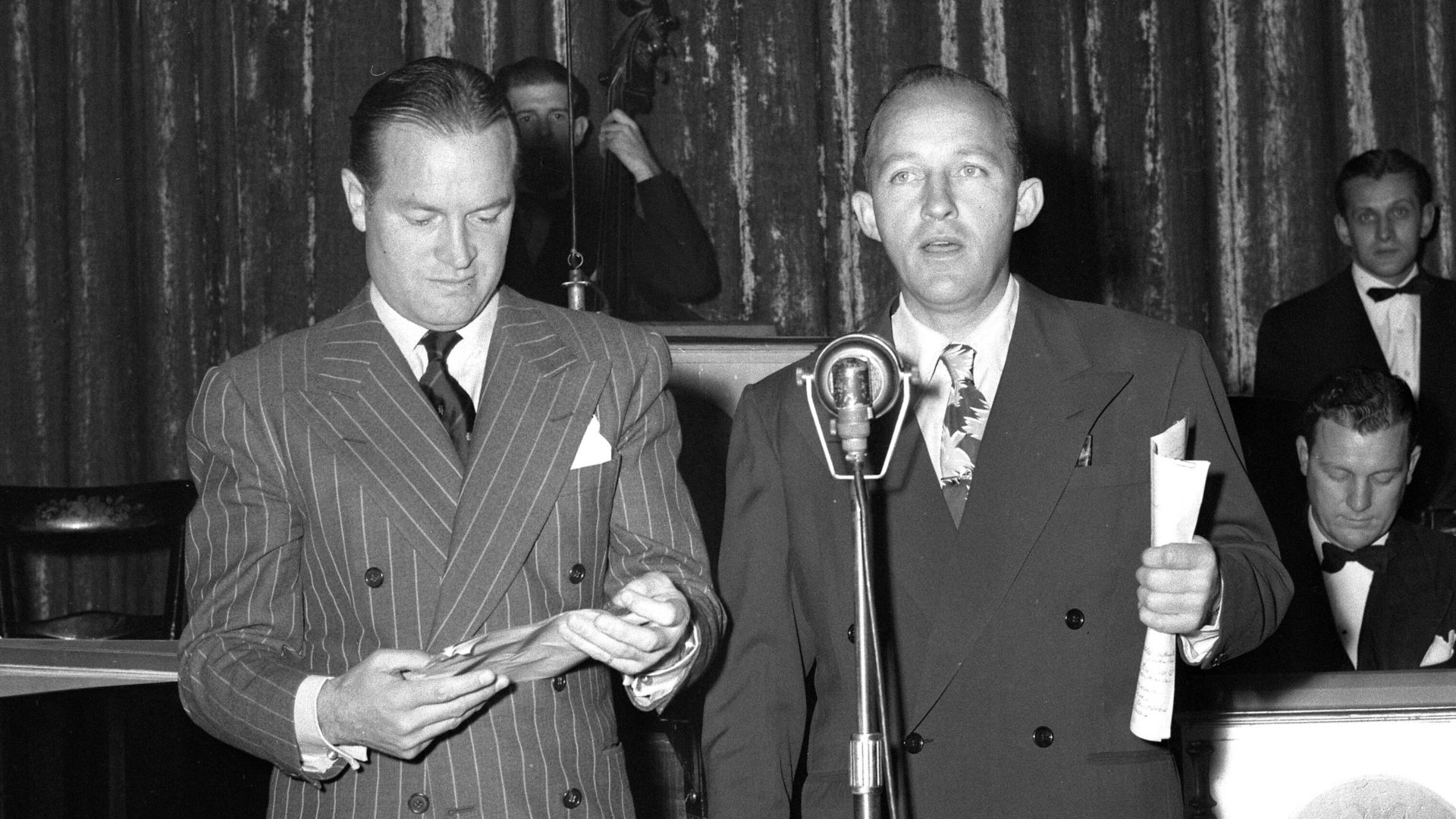
Their public relationship often sounded less like affection than an endless comedy feud. Crosby nicknamed Hope "Ski Snoot," while Hope routinely joked about Crosby's wealth and thriftiness. Behind the insults, the Los Angeles Times described their relationship as warm and lasting.
 Los Angeles Times, Wikimedia Commons
Hope Cancelled Work When Crosby Died
The teasing disappeared when Crosby died unexpectedly in 1977 after playing golf in Spain. Hope was devastated and did something extremely unusual for one of the hardest-working performers in entertainment: he cancelled an appearance. Beneath decades of competitive jokes had been one of Hollywood's most durable friendships.
Kirk Douglas And Burt Lancaster Loved To Fight
Kirk Douglas and Burt Lancaster first worked together in I Walk Alone and eventually made seven films across four decades. Douglas remembered the relationship with remarkable bluntness, saying they argued, fought, talked, and then made up. Lancaster jokingly agreed that Douglas was difficult, while adding that he would happily be the second person to say so.
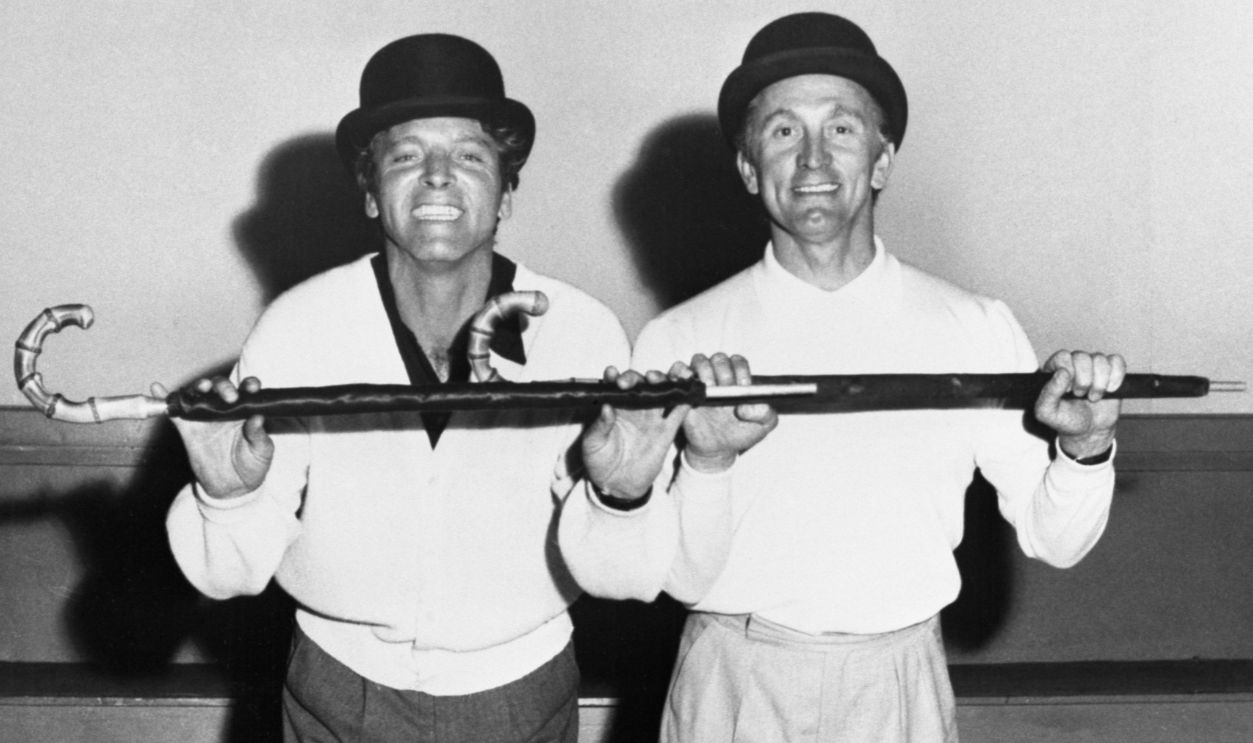
Competition Somehow Made Them Closer
Their movies frequently exploited the contrast between Lancaster's physical confidence and Douglas's aggressive intensity. Douglas later described their chemistry in Gunfight at the O.K. Corral as a strange affectionate relationship between opposing personalities. Away from film sets, the same combination produced arguments, jokes, performances together, and a friendship that lasted roughly half a century.
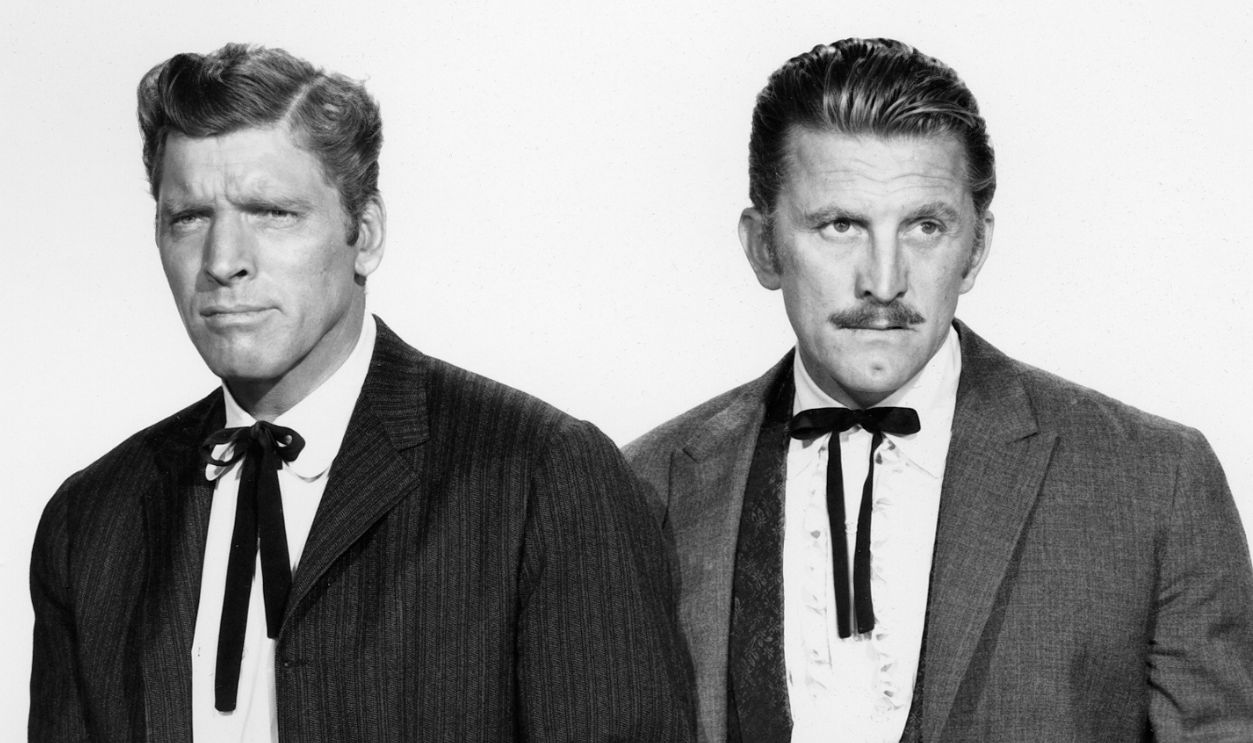 Silver Screen Collection, Getty Images
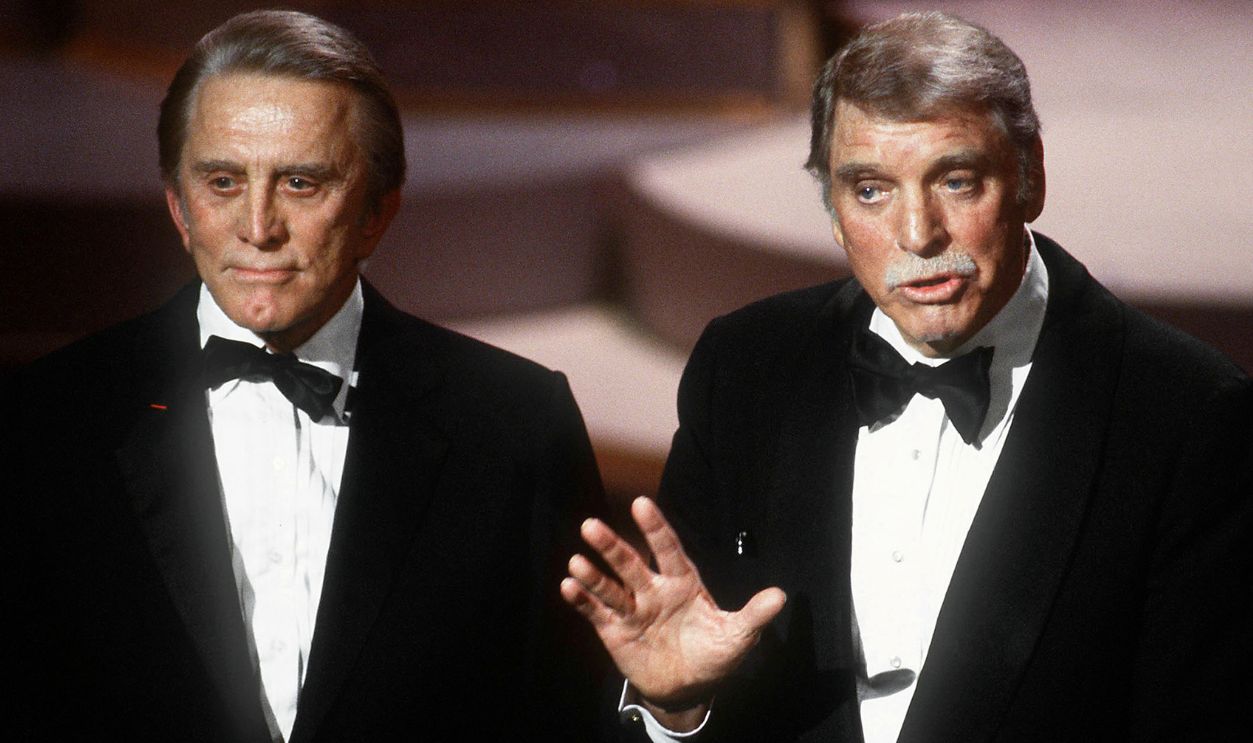
Douglas Couldn't Say Goodbye Properly
After Lancaster suffered a major stroke, Douglas said he was prevented from visiting his old friend because Lancaster's wife feared seeing him would be upsetting. Douglas remained hurt that he never got the farewell he wanted before Lancaster died in 1994. Years later, he still said he missed Lancaster precisely because they had fought so much.
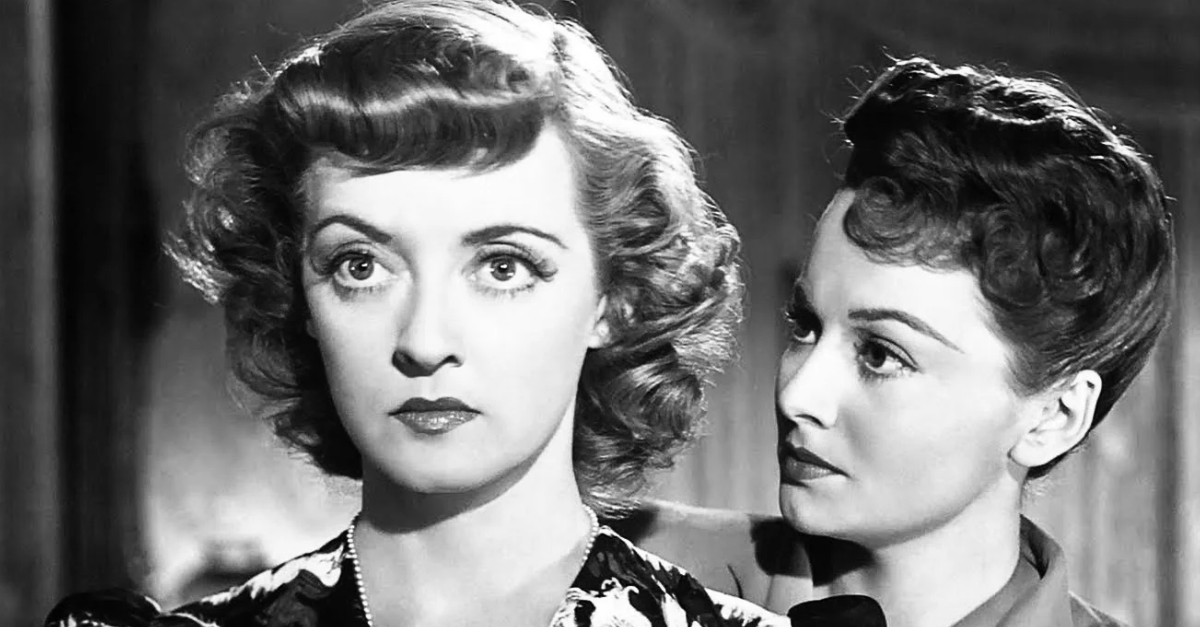
Bette Davis And Olivia De Havilland Actually Got Along
Bette Davis became famous for difficult Hollywood relationships, but Olivia de Havilland was a surprising exception. The actresses worked together in In This Our Life, where contemporary accounts describe genuine mutual respect between them. Their friendship survived careers built inside a studio system notorious for rivalry.
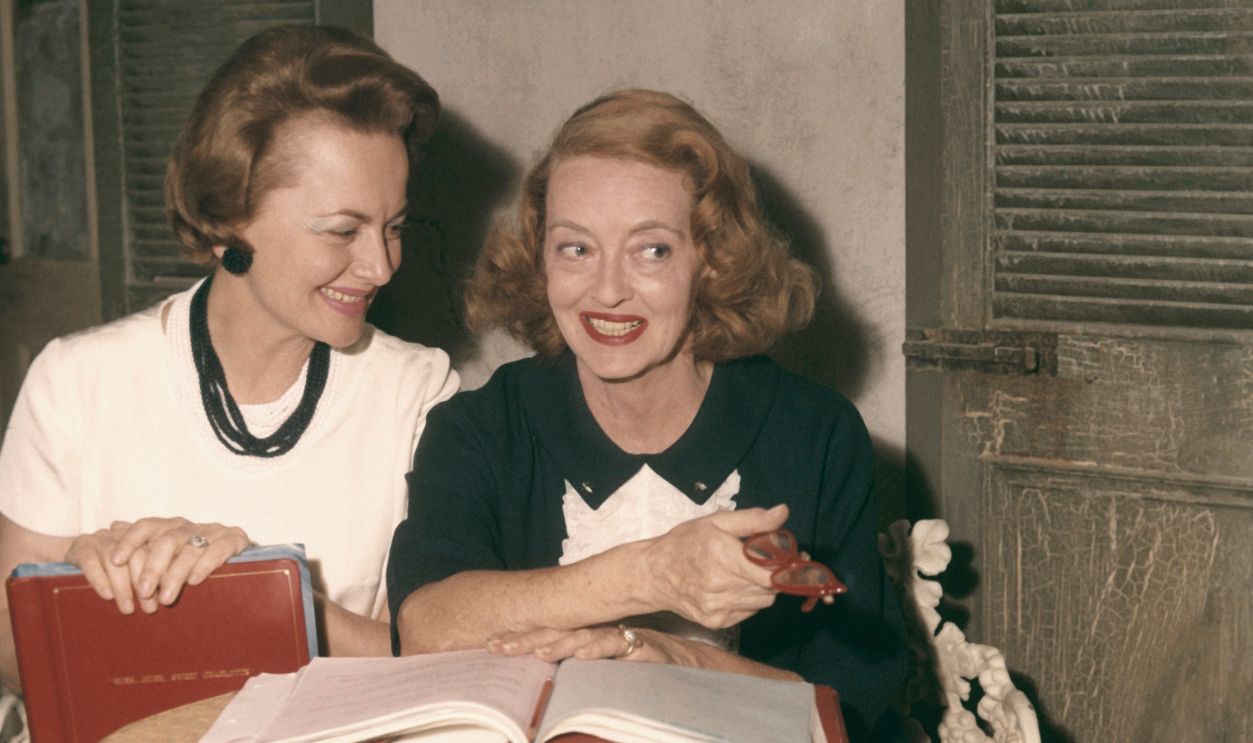
Davis Personally Wanted Olivia Back
Years later, Davis was preparing Hush...Hush, Sweet Charlotte when production trouble left the movie needing another major actress. Davis suggested her old friend de Havilland. Director Robert Aldrich traveled to Switzerland and persuaded the reluctant actress to join the troubled production.
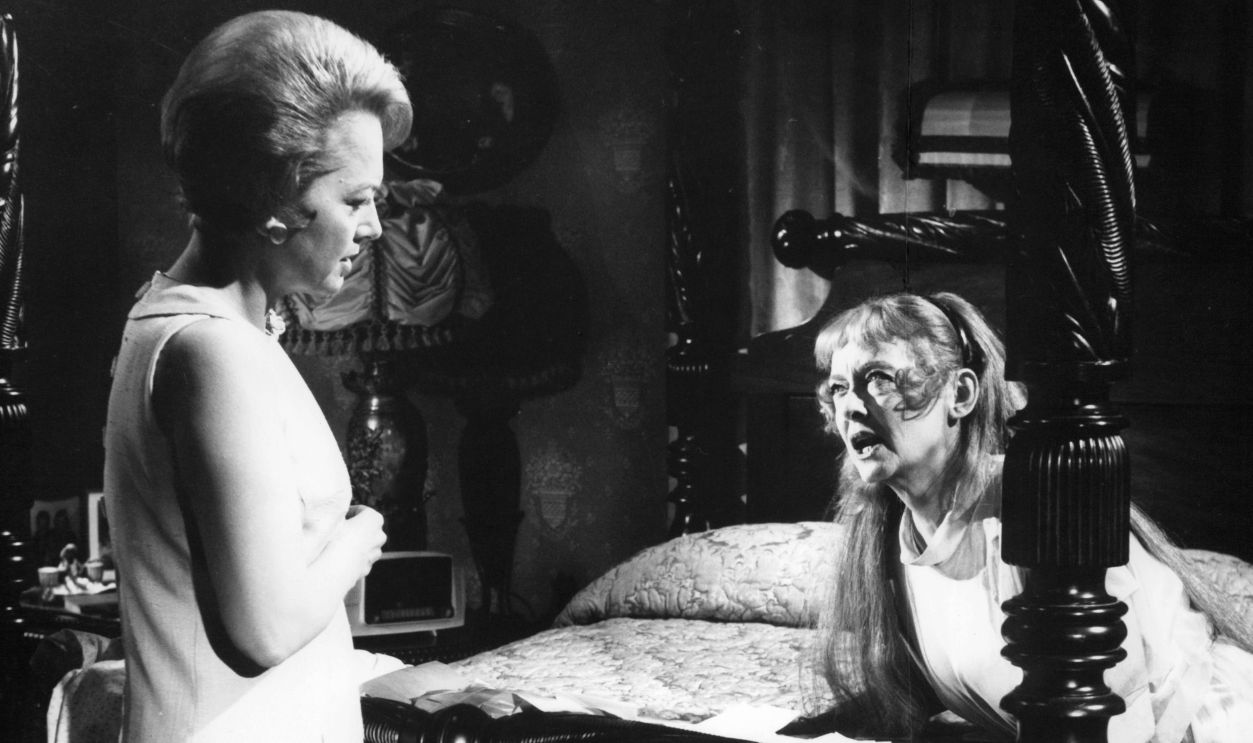
They Celebrated A Very Awkward Replacement
De Havilland had replaced Joan Crawford, whose famously difficult relationship with Davis had complicated the production. TCM recounts that Davis and de Havilland jokingly toasted the change with Coca-Cola, a pointed gag because Crawford had been closely associated with Pepsi through her late husband. Old Hollywood friendships apparently came with brand-specific victory celebrations.
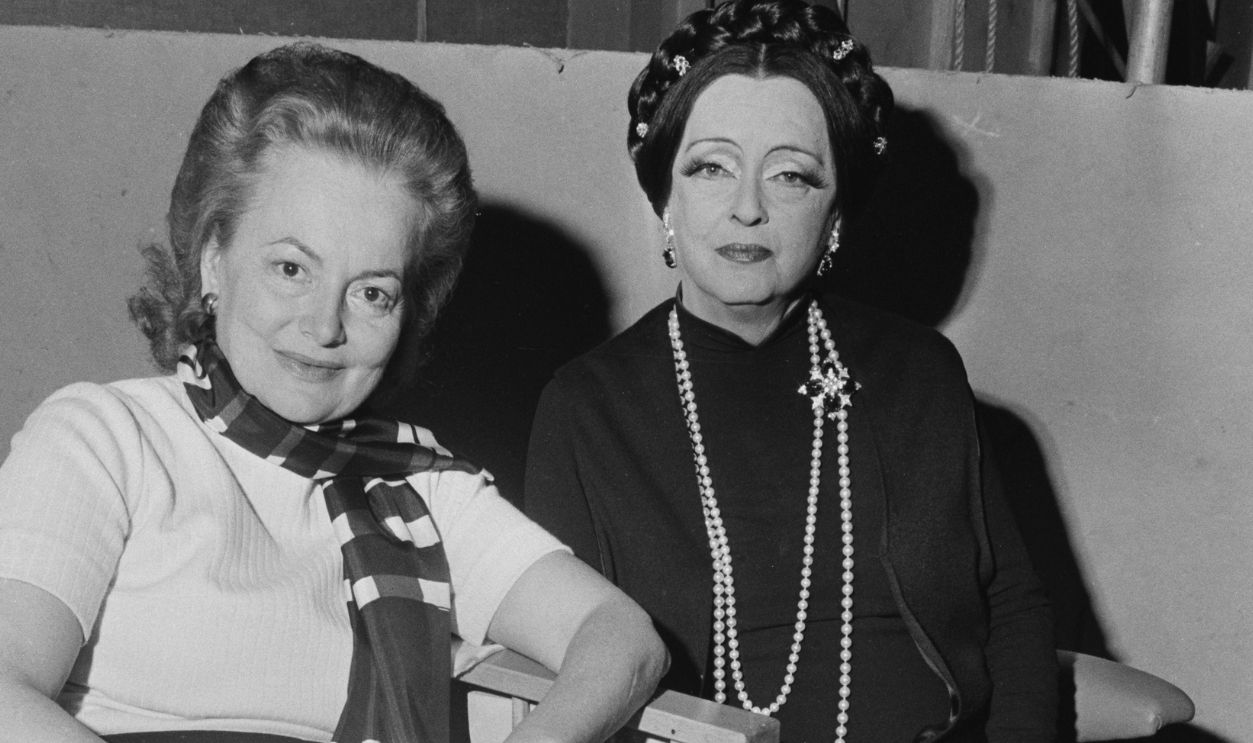 Evening Standard, Getty Images
Elizabeth Taylor Found A Kindred Spirit In Montgomery Clift
Elizabeth Taylor said working with Montgomery Clift on A Place in the Sun changed the way she thought about acting. Their connection continued away from the cameras and lasted until Clift's death in 1966. Taylor remembered him as extraordinarily generous and emotionally intense in his work.
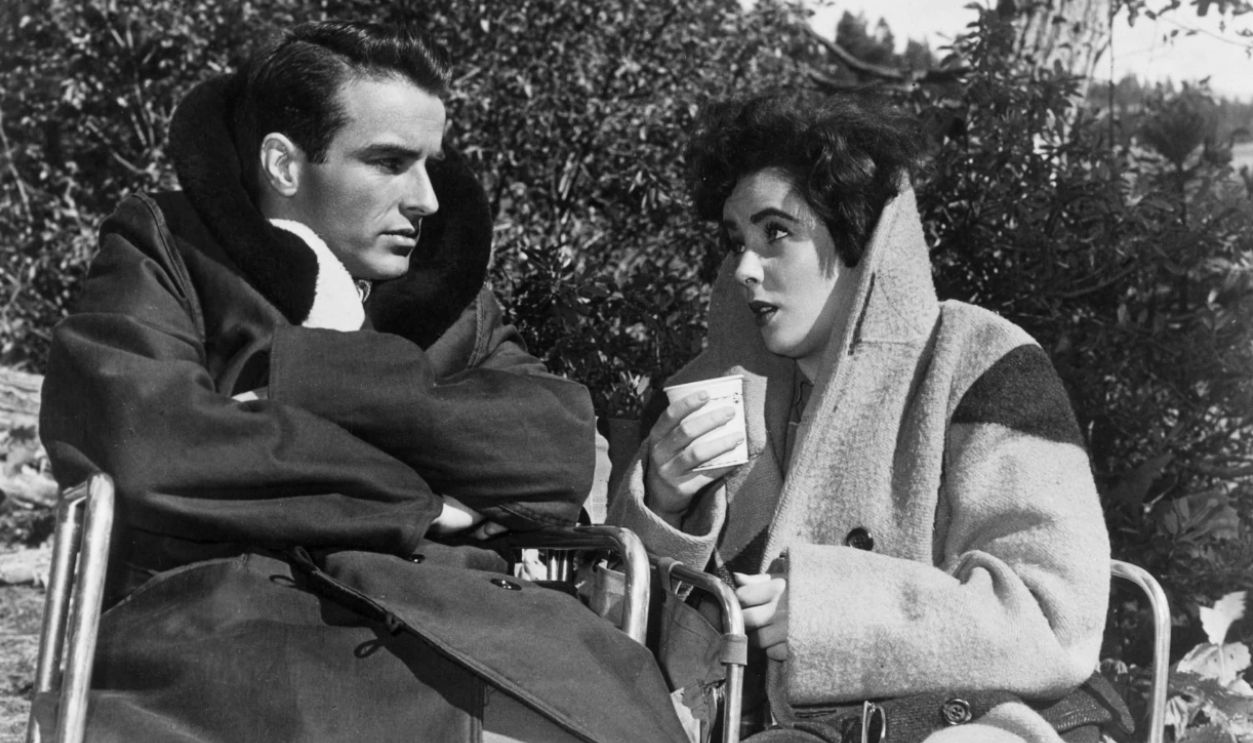
A Car Crash Turned Friendship Into A Rescue
In 1956, Clift was driving away from a gathering at Taylor's home when his car struck a utility pole. Taylor rushed to the scene after hearing what happened and stayed with her injured friend until medical help arrived. The accident left Clift requiring extensive reconstructive treatment.
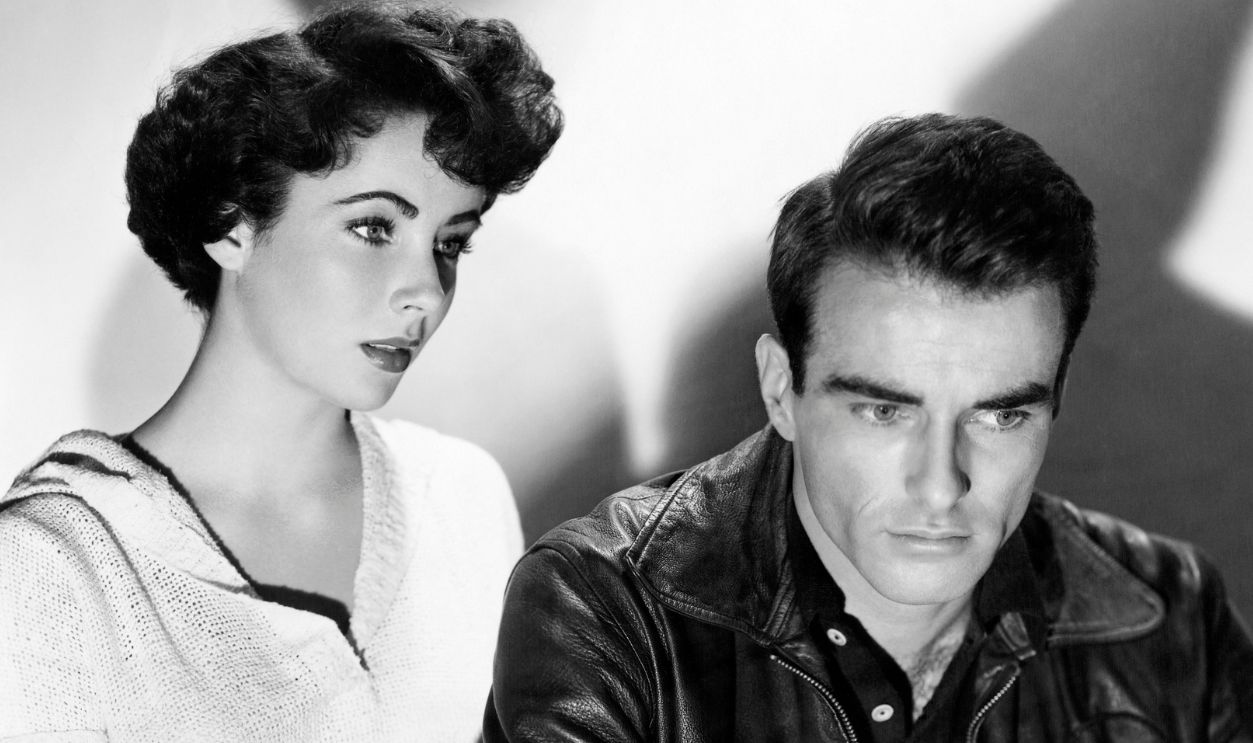 John Springer Collection, Getty Images
Taylor Never Forgot What He Meant To Her
The pair made several films together, including A Place in the Sun and Raintree County, and had planned another collaboration before Clift died. Decades later, Taylor could still describe the electricity she felt acting opposite him. Their friendship outlasted studio publicity, changing careers, and one of the most frightening nights either experienced in Hollywood.
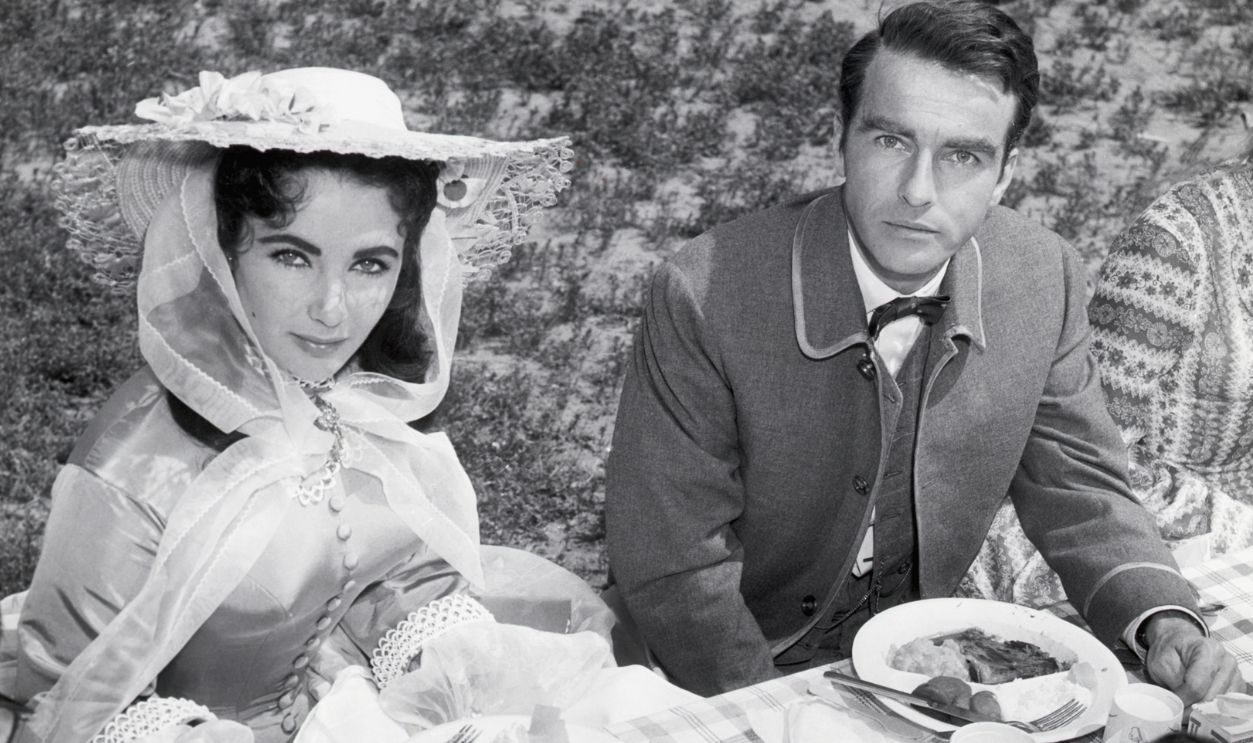
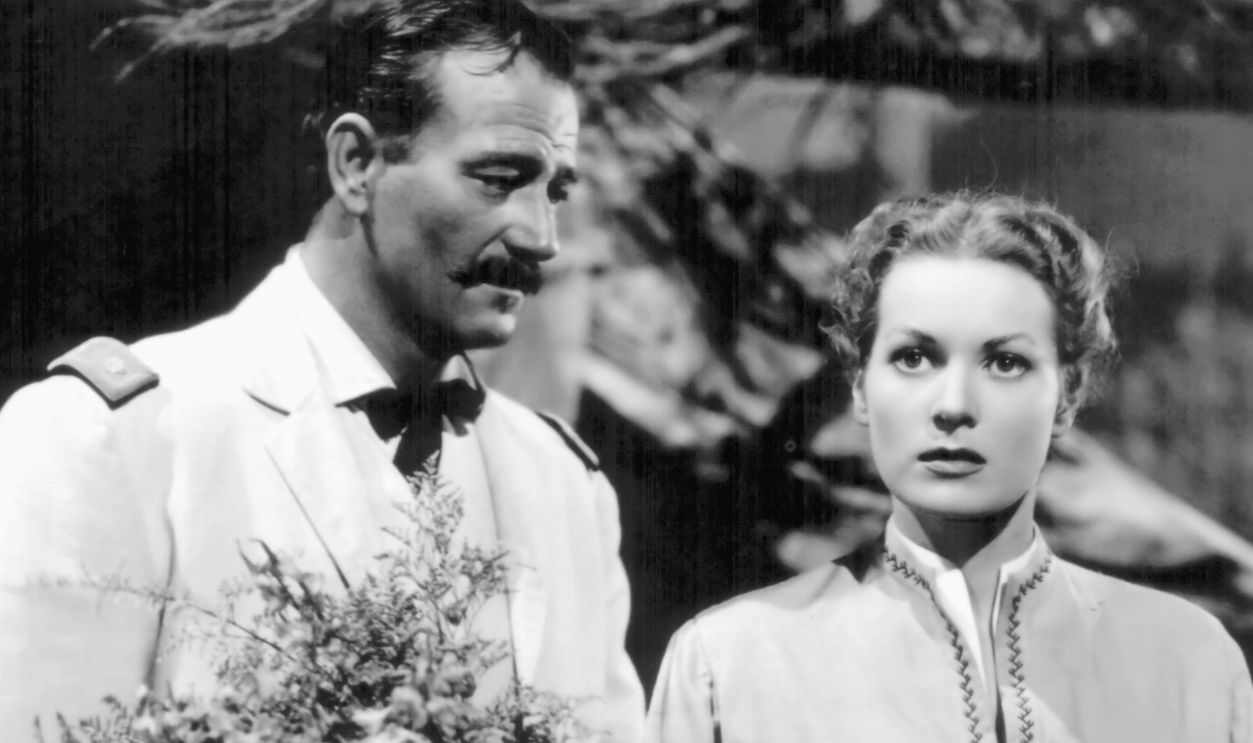
John Wayne Called Maureen O'Hara One Of The Guys
John Wayne and Maureen O'Hara created combustible screen chemistry in films such as Rio Grande and The Quiet Man. Offscreen, O'Hara said Wayne treated her less like a glamorous leading lady than a trusted friend. Wayne's memorable description of her was simply that she was "a great guy."
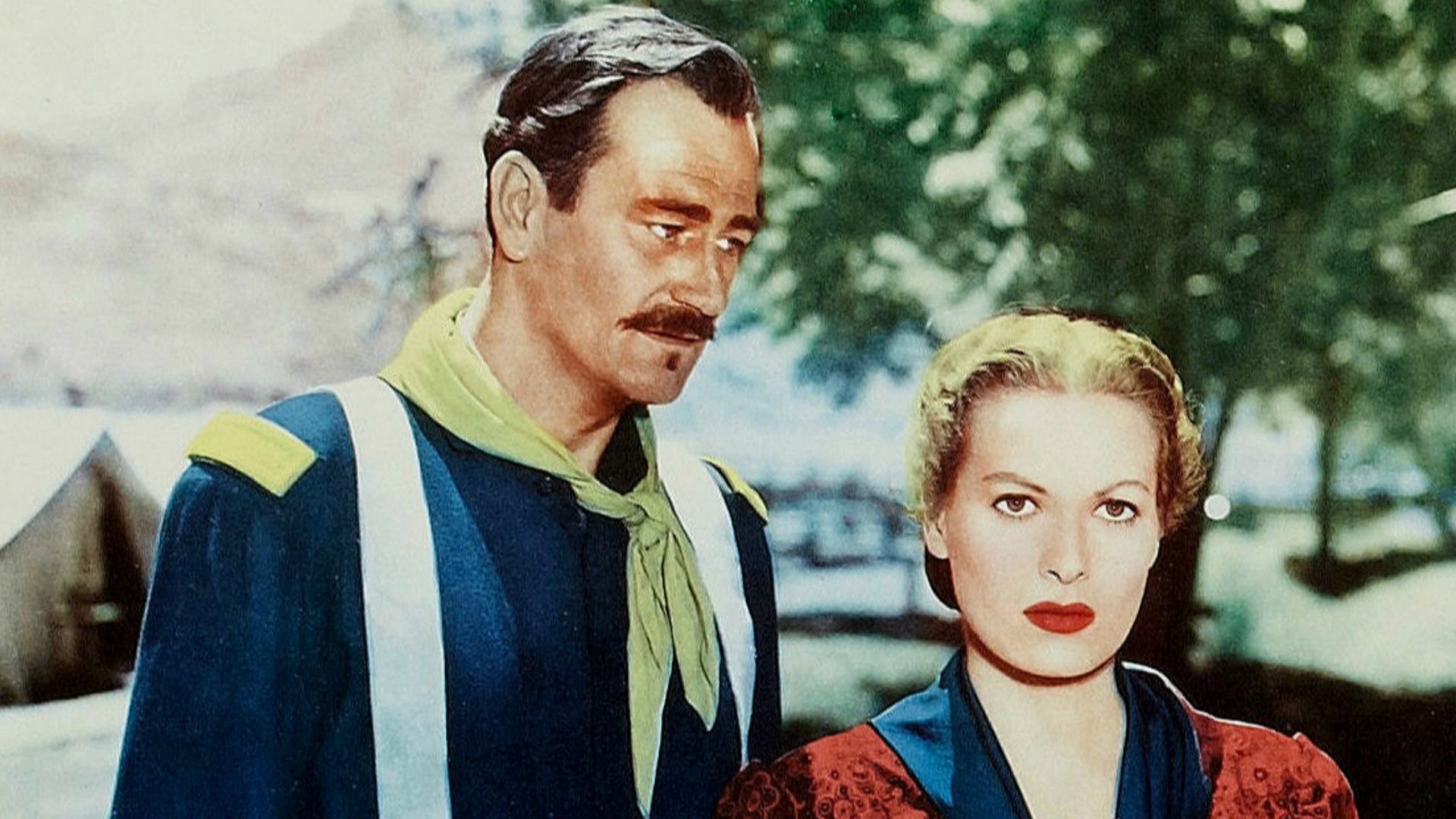 Republic Pictures, Wikimedia Commons
Wayne's Children Called Her Auntie Maureen
Their friendship expanded far beyond work. O'Hara said Wayne involved her in his family life and that his children came to call her Auntie Maureen. Wayne even brought his four children to Ireland during production of The Quiet Man, where they appeared briefly in the film.
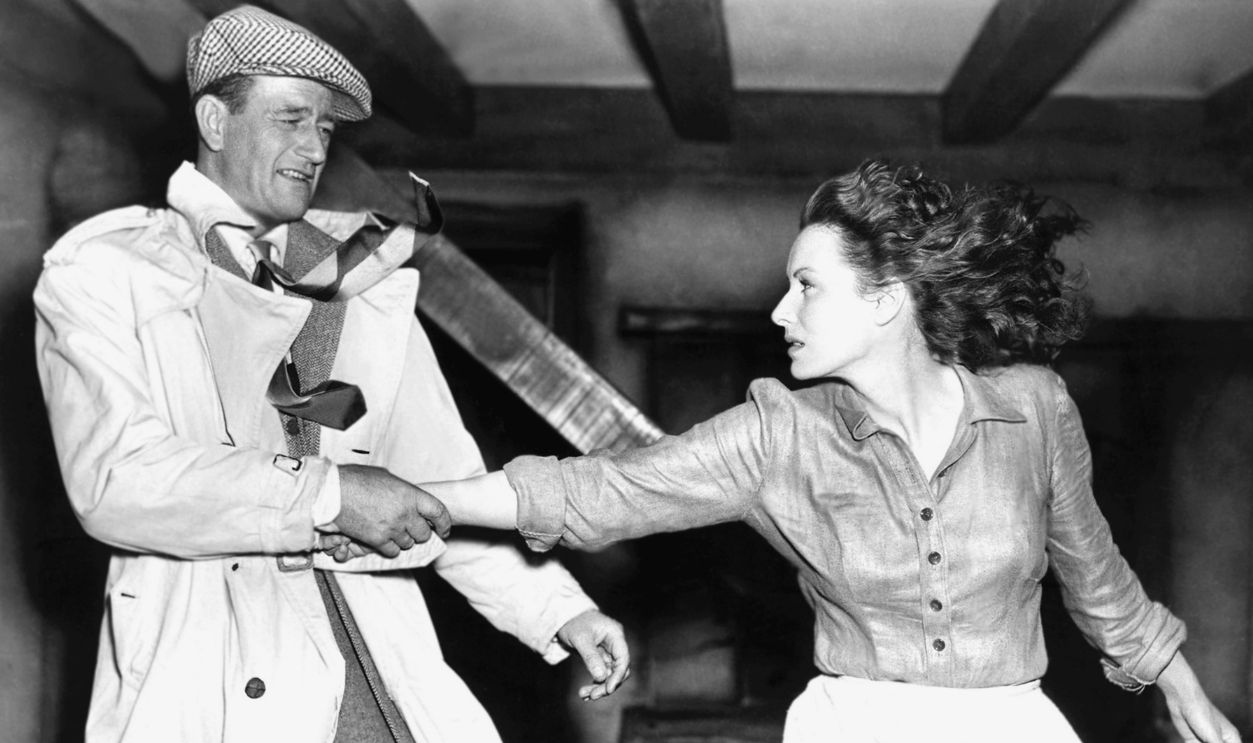 Sunset Boulevard, Getty Images
They Survived John Ford Together
Part of their bond came from dealing with director John Ford, whose demanding methods could infuriate both actors. O'Hara remembered that she and Wayne sometimes wanted to punch Ford, yet both respected him enough to return repeatedly. Their great cinematic partnership was therefore partly built on two friends surviving the same formidable director.
 Sunset Boulevard, Getty Images
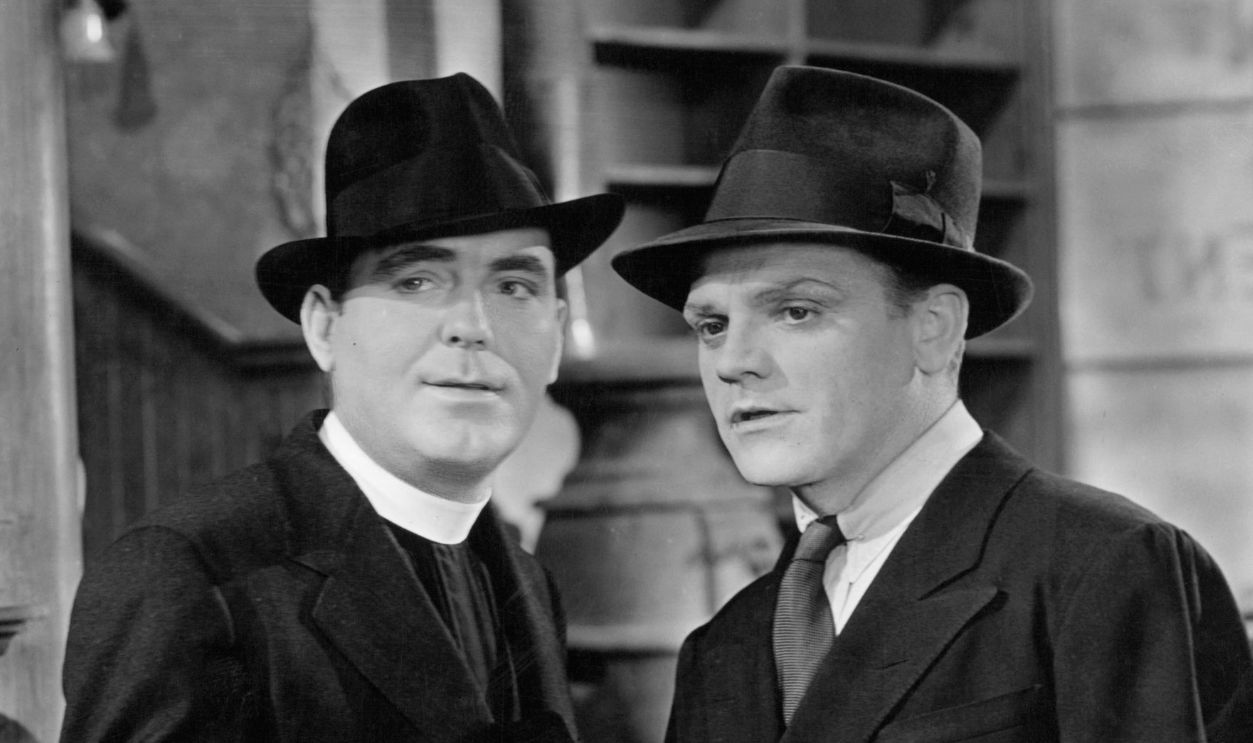
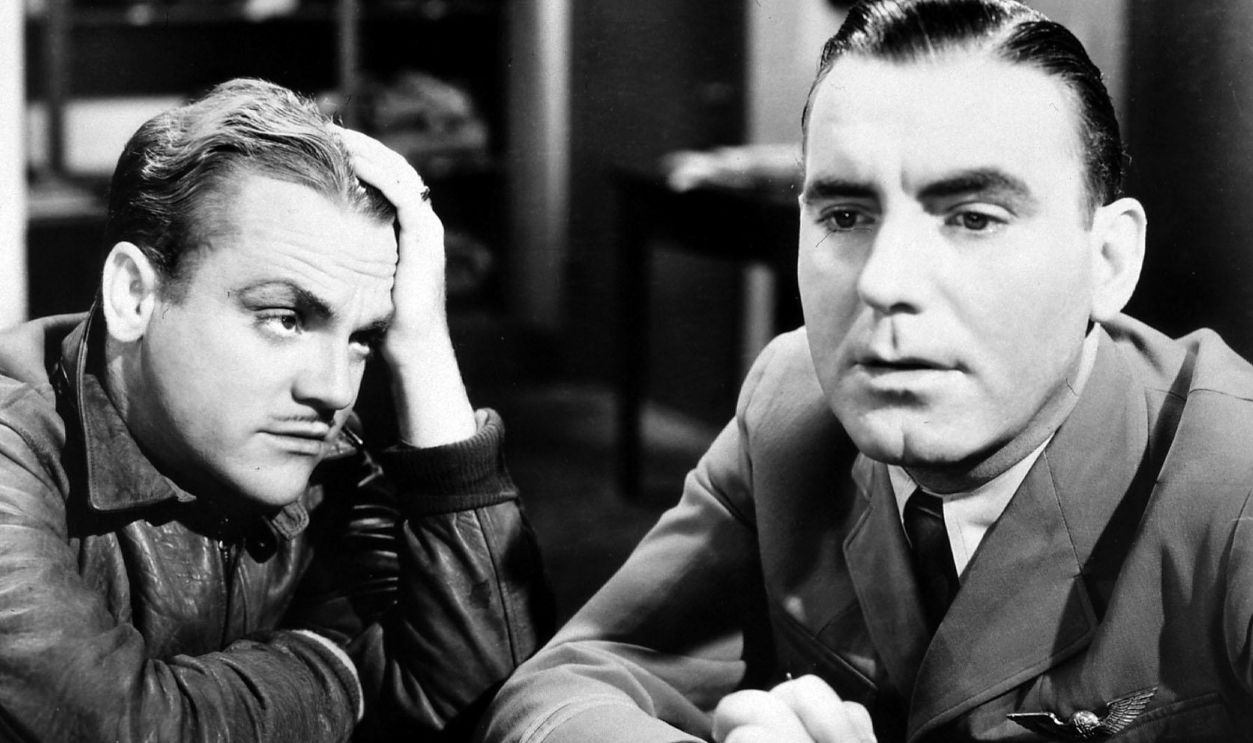
James Cagney And Pat O'Brien Created A Private Club
James Cagney and Pat O'Brien worked together nine times, including Angels with Dirty Faces and The Fighting 69th. The repeated collaborations grew into a close friendship away from the studio. Their social circle also included performers such as Spencer Tracy, Frank McHugh, Ralph Bellamy, and Frank Morgan.
Thursday Night Was Apparently Sacred
The group formed a regular gathering they called the Boys Club. According to TCM, the actors met for dinner every Thursday, turning some of Warner Bros.' most recognizable screen tough guys into members of what sounds like a remarkably organized supper club. The ritual lasted separately from whatever studio production happened to be occupying them.
Their Last Movie Closed The Circle
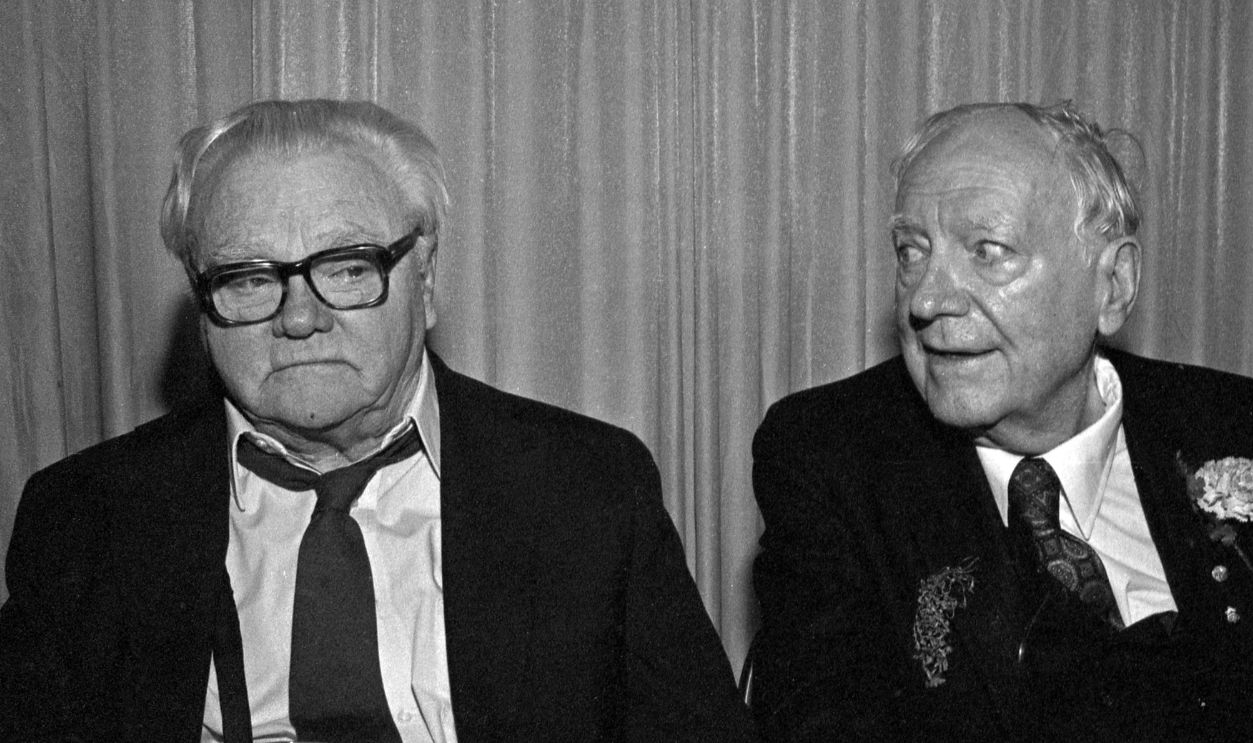
Cagney and O'Brien's movie partnership stretched across more than four decades. They reunited in Ragtime in 1981, which became Cagney's final feature and brought two old friends back onto the same screen. Few Hollywood partnerships managed to carry a friendship from the studio era almost to the end of both men's careers.
Jack Lemmon And Walter Matthau Became The Real Odd Couple
Jack Lemmon and Walter Matthau first made a movie together with Billy Wilder's The Fortune Cookie. Two years later, The Odd Couple turned their contrasting personalities into comedy gold. The partnership worked so well that they eventually appeared together repeatedly over three decades.
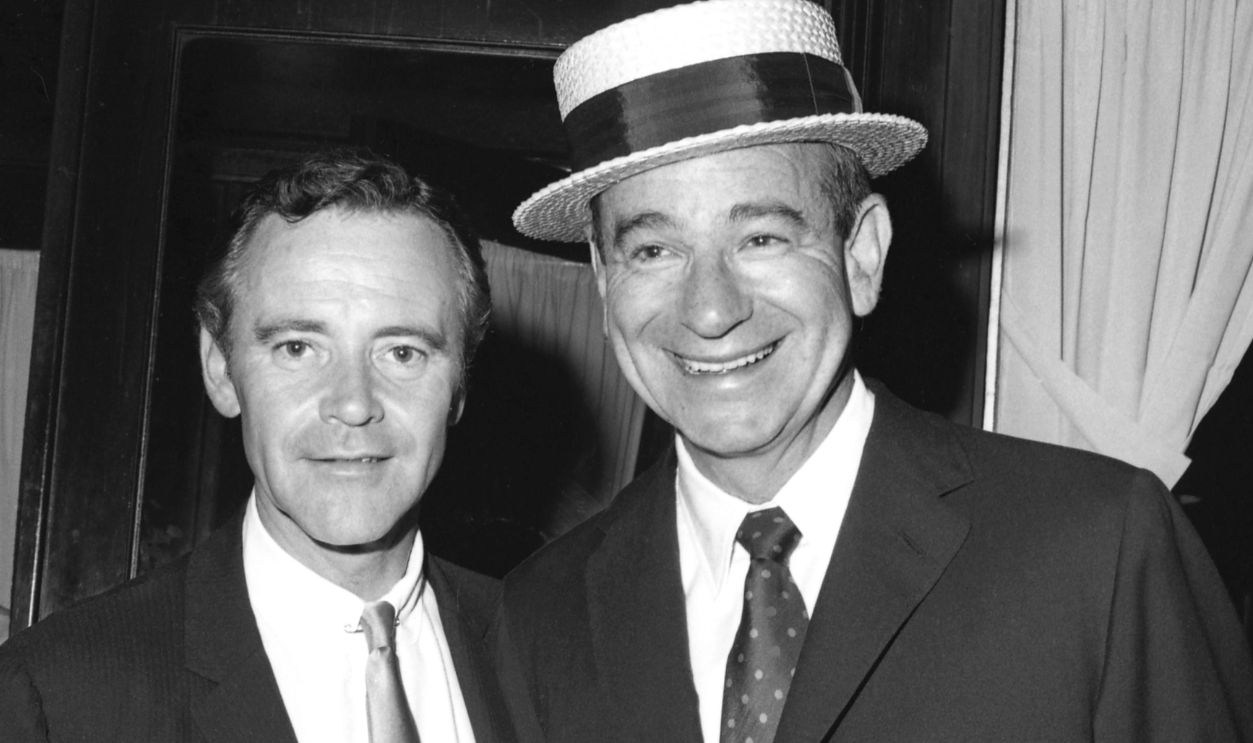 Silver Screen Collection, Getty Images
Their Rehearsals Barely Counted As Rehearsals
Lemmon said working with Matthau felt almost effortless because they instinctively understood what the other actor was doing. Sometimes they would run lines only briefly before deciding they had done enough preparation. Their offscreen comfort allowed them to make carefully constructed comedy look like two old men simply irritating each other naturally.
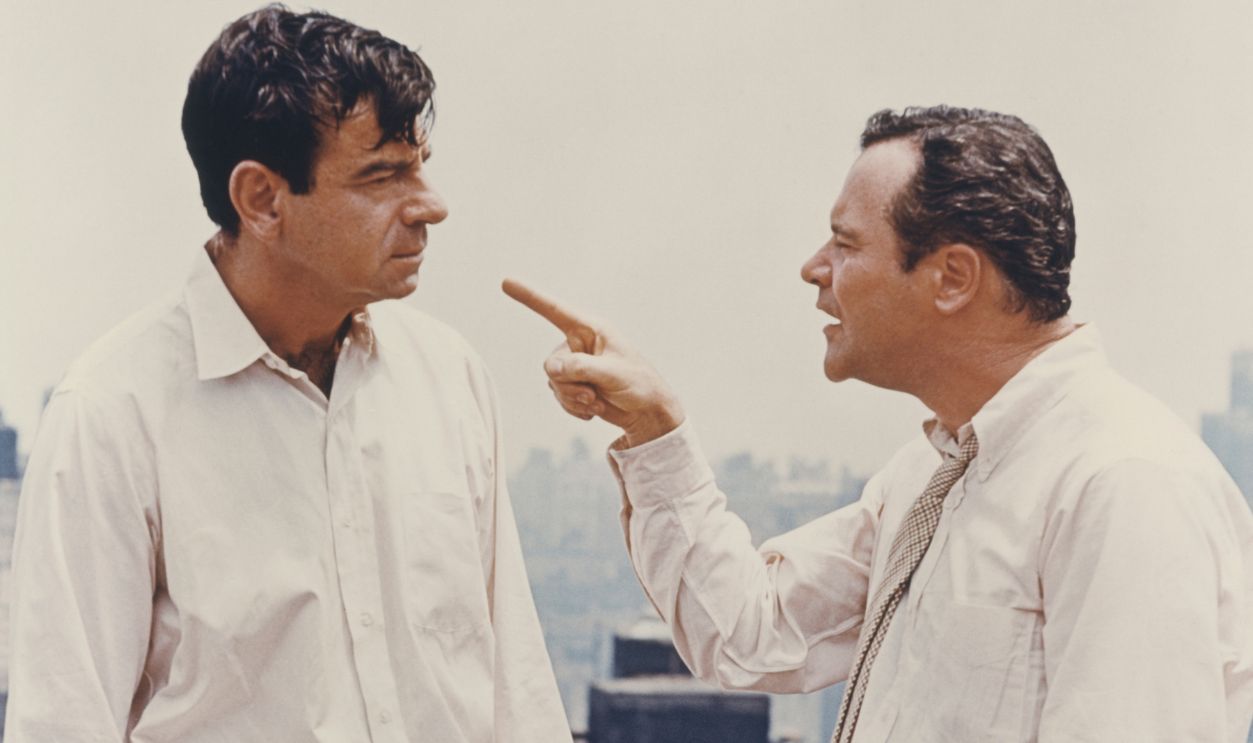
Matthau Even Helped Lemmon Survive A Flop
Lemmon once eagerly took Matthau to a preview of Alex & the Gypsy, only to watch members of the audience begin leaving early. The two friends sat together through the disaster as Lemmon slowly realized the movie was not working. Matthau's presence turned one of Lemmon's most uncomfortable professional nights into another story about their friendship.
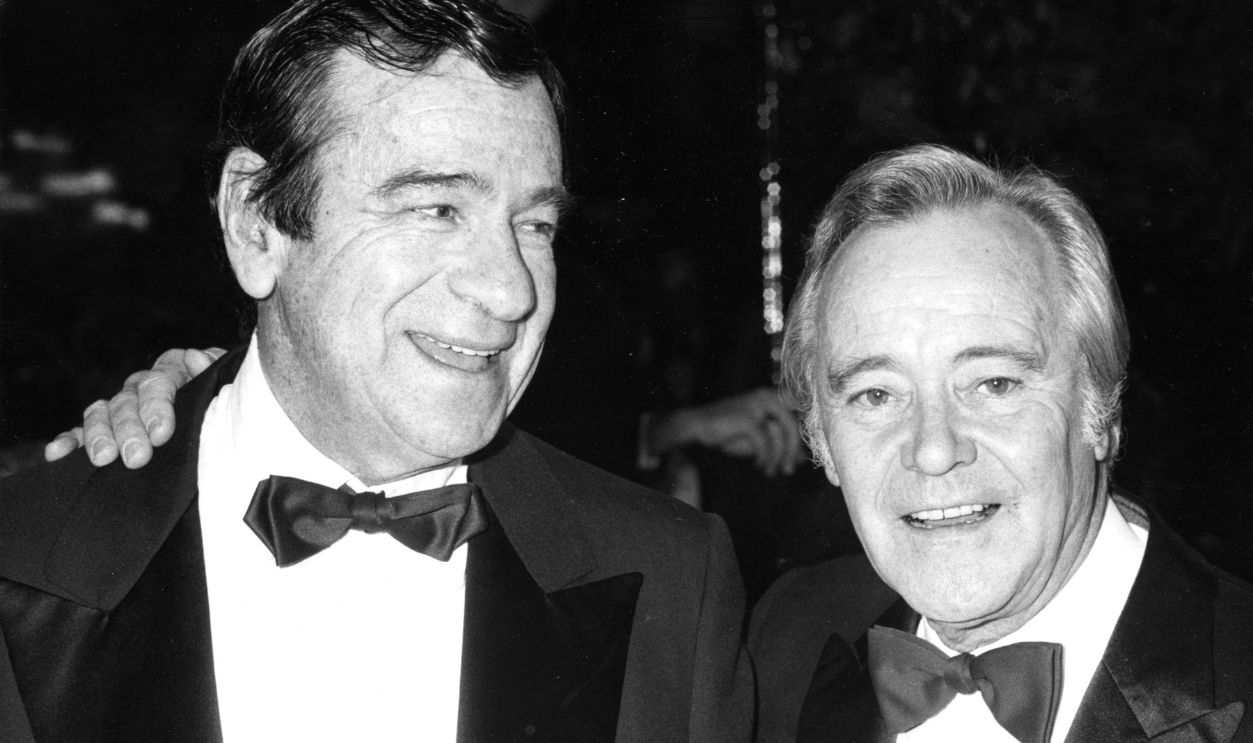
Gregory Peck Gave Audrey Hepburn His Billing
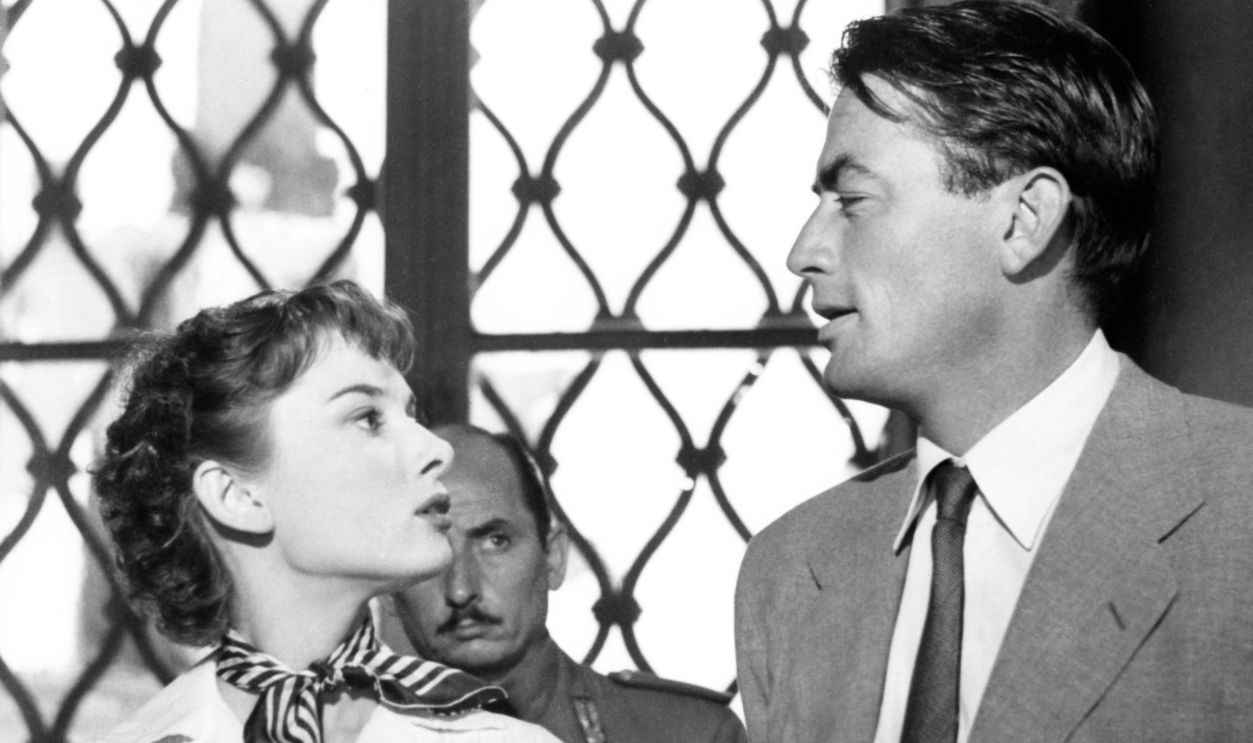
When Roman Holiday began, Gregory Peck was the established star and Audrey Hepburn was the newcomer. Peck quickly realized that audiences would leave the movie talking about Hepburn and insisted that Paramount place her name alongside his above the title. Hepburn went on to win the Academy Award.
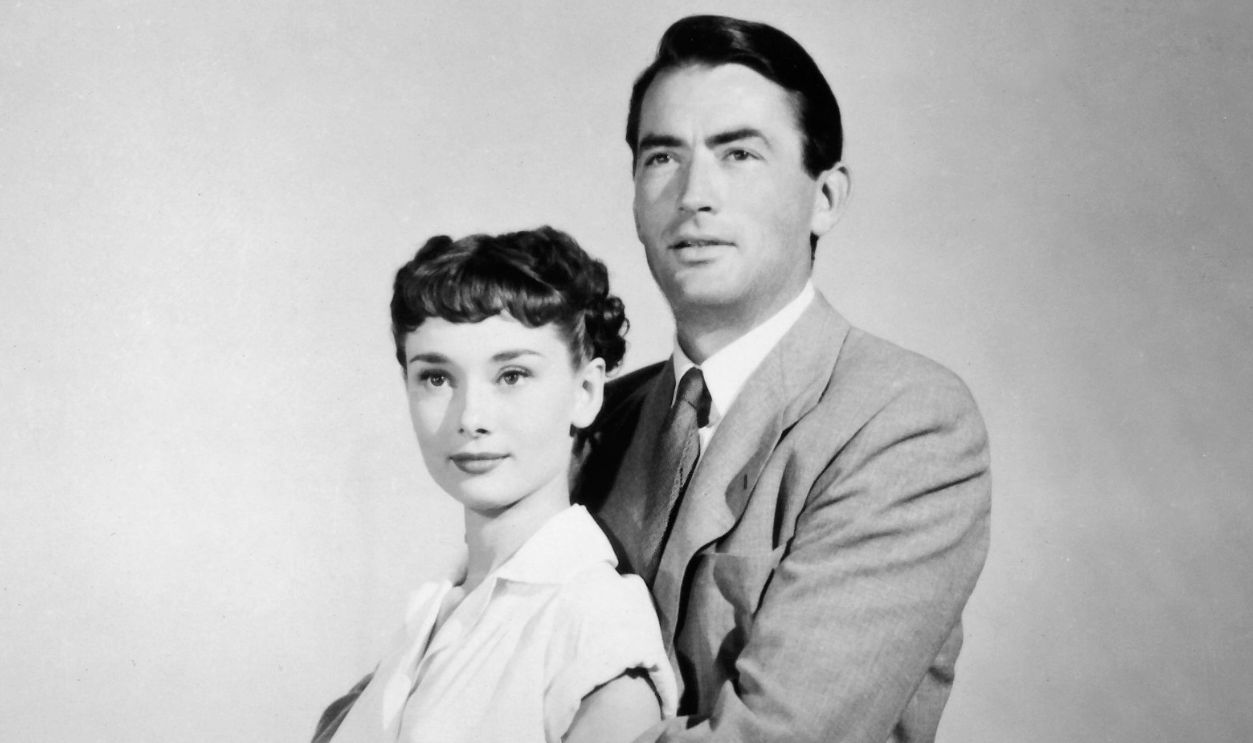 Silver Screen Collection, Getty Images
The Movie Set Became A Friendship
Peck later called Roman Holiday one of the happiest filmmaking experiences he ever had. TCM reports that he and Hepburn became close friends during the location shoot and remained so afterward. Their friendship is especially remarkable because the two never needed a string of sequels to keep the connection alive.
 Silver Screen Collection, Getty Images
They Only Needed One Movie
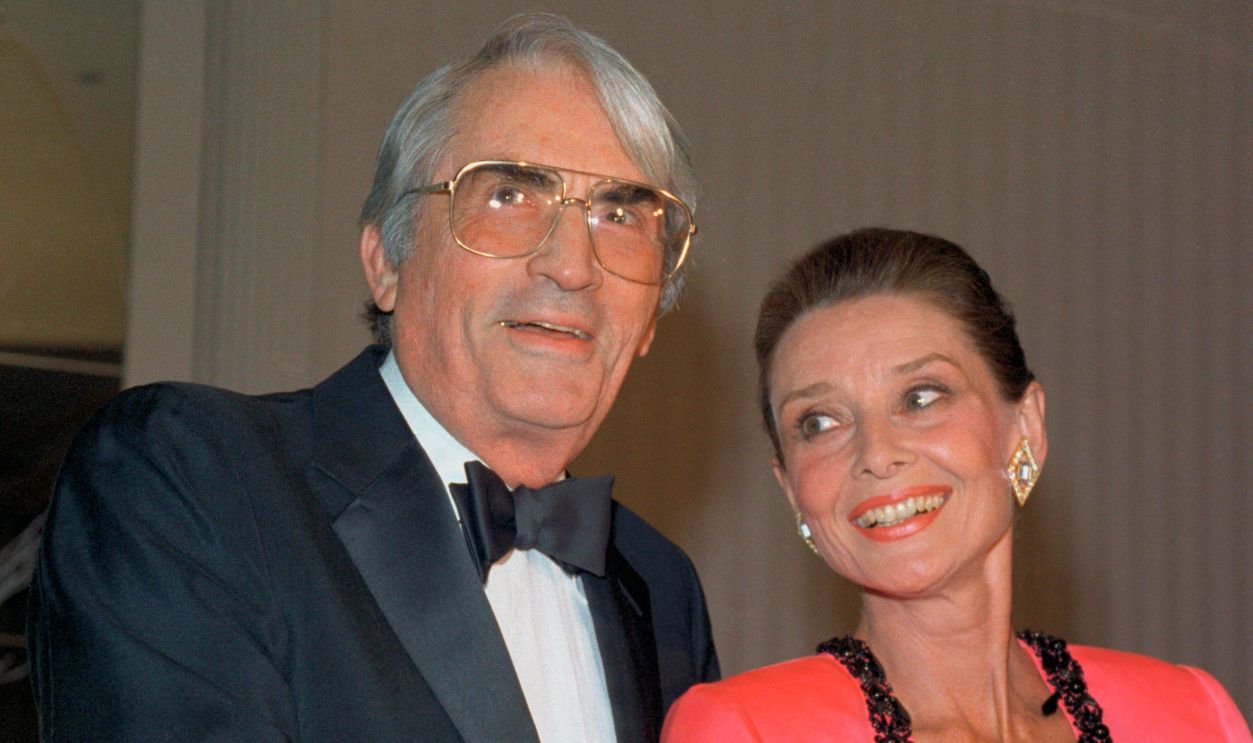
Peck and Hepburn made just one feature together, yet Roman Holiday permanently linked them in popular memory. Years later, Hepburn was among those honoring Peck when the American Film Institute celebrated his career, describing him warmly as a famous hero and gentleman. Some Hollywood partnerships needed ten movies to become legendary; theirs needed one Roman summer.
Cary Grant And Katharine Hepburn Played Before The Cameras Rolled
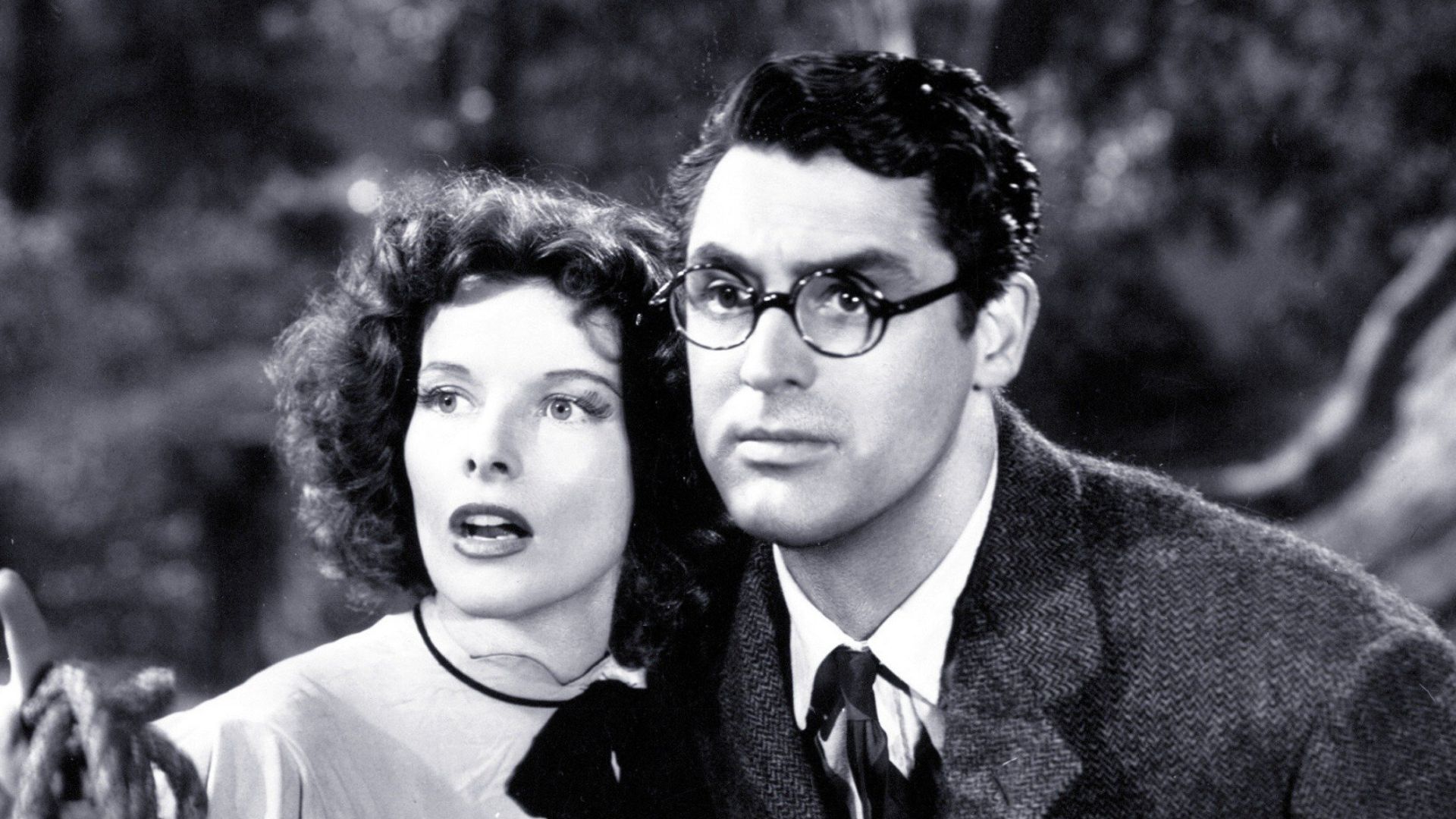
Cary Grant and Katharine Hepburn eventually made four movies together, including Bringing Up Baby, Holiday, and The Philadelphia Story. Their screen rapport could feel anarchic because both performers were unusually willing to look ridiculous. That looseness was not entirely invented for the camera.
 RKO Radio Pictures (work for hire), Wikimedia Commons
They Double-Dated Their Way Through Bringing Up Baby
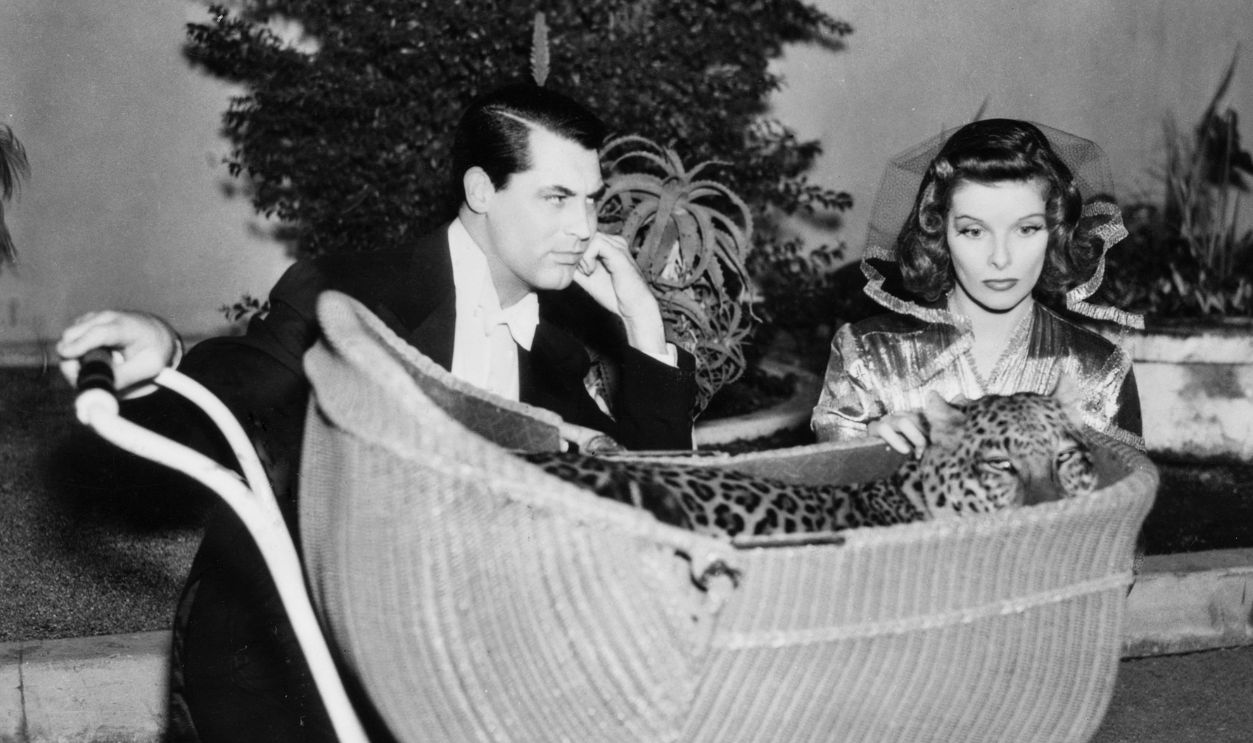
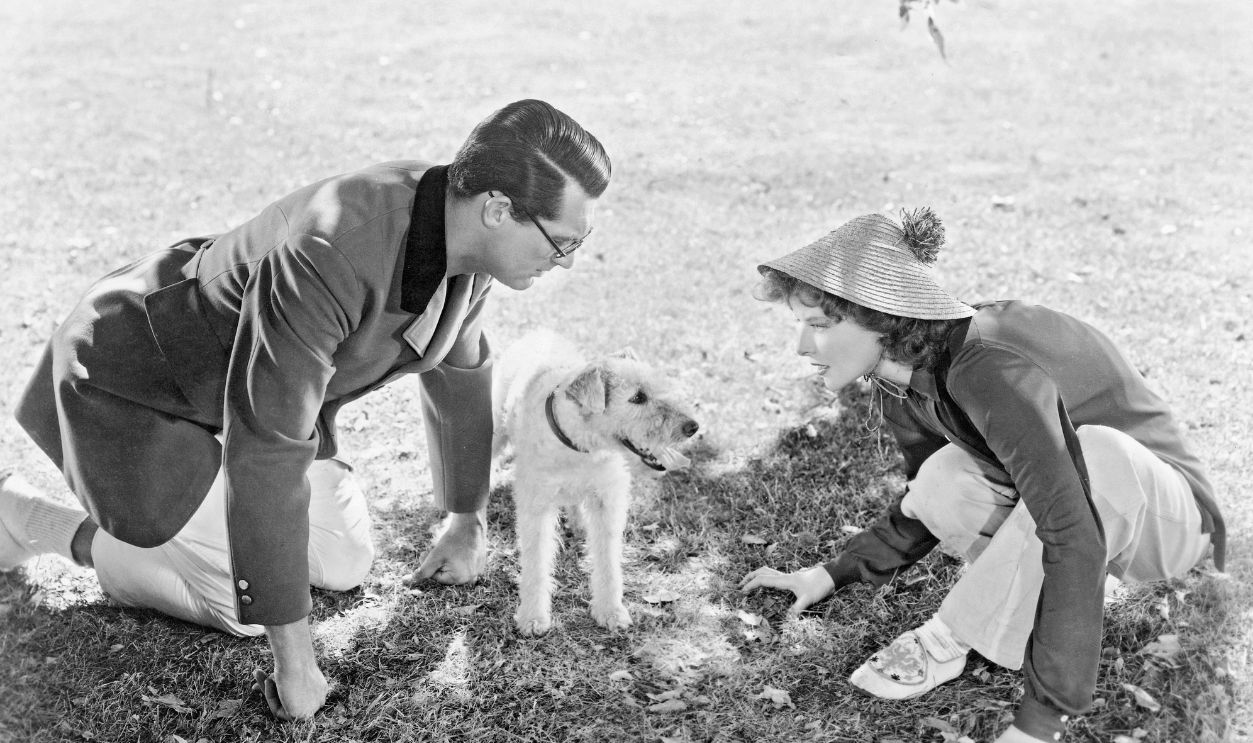
During Bringing Up Baby, Grant and Hepburn frequently socialized together away from work. TCM reports that they double-dated with their respective companions, Howard Hughes and Phyllis Brooks. The two actors also showed up early to the set and used the extra time to invent bits of physical comedy while waiting for director Howard Hawks.
 John Springer Collection, Getty Images
Their Friendship Literally Changed The Movie
Some of the comedy audiences remember was created during those waiting periods rather than simply handed to the actors in the script. One invented gag involved Grant trying to conceal the torn back of Hepburn's dress as the pair walked awkwardly together. Their offscreen playfulness therefore leaked directly into one of the most celebrated screwball comedies ever made.
 John Springer Collection, Getty Images
John Wayne And Ward Bond Took Friendship To Ridiculous Places
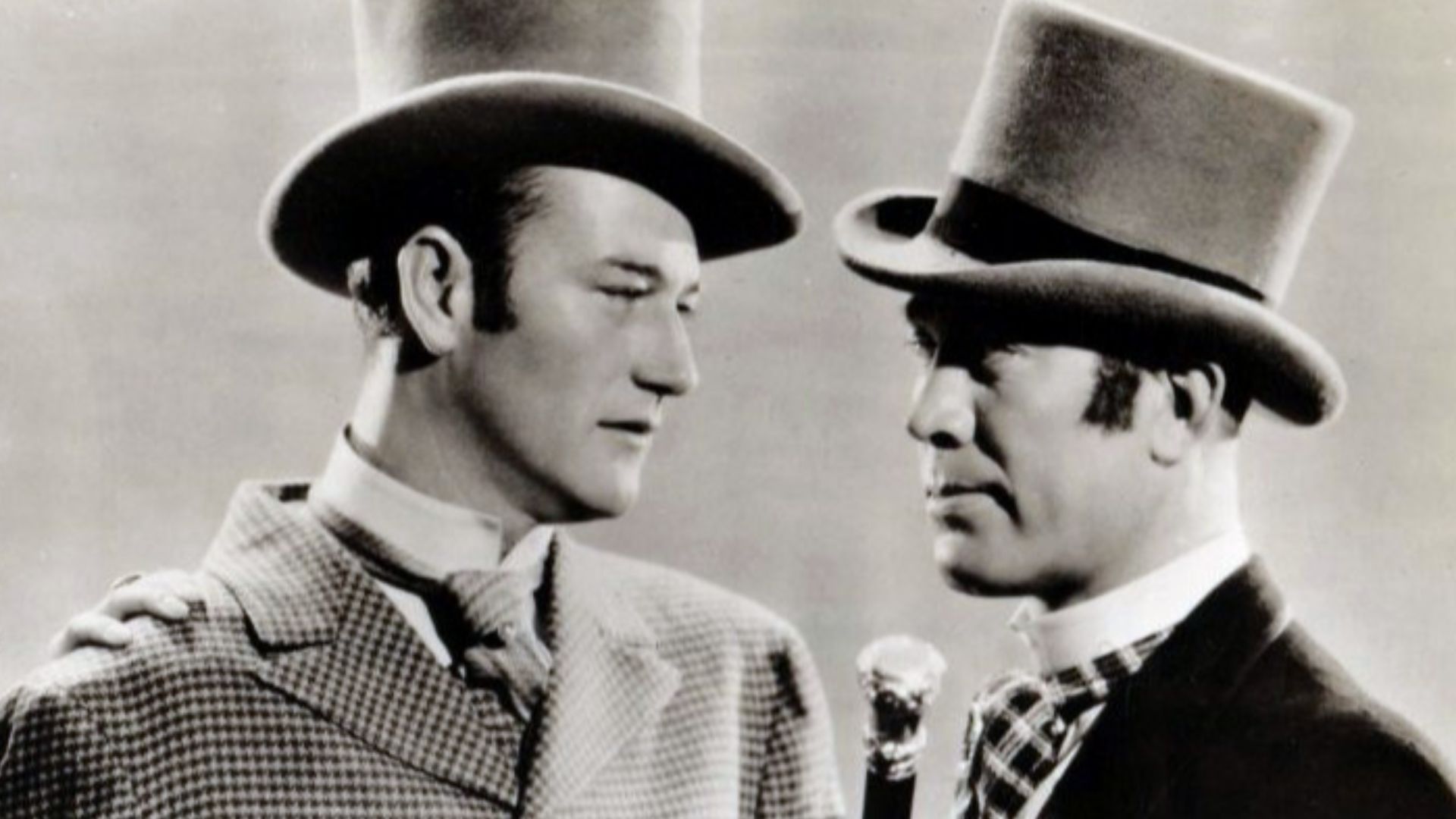
John Wayne and Ward Bond knew each other before either became a movie star. Both played football at the University of Southern California, and director John Ford discovered Bond around the same college circle. Bond eventually appeared in dozens of movies alongside his close friend Wayne.
Their Favorite Language Was Insult
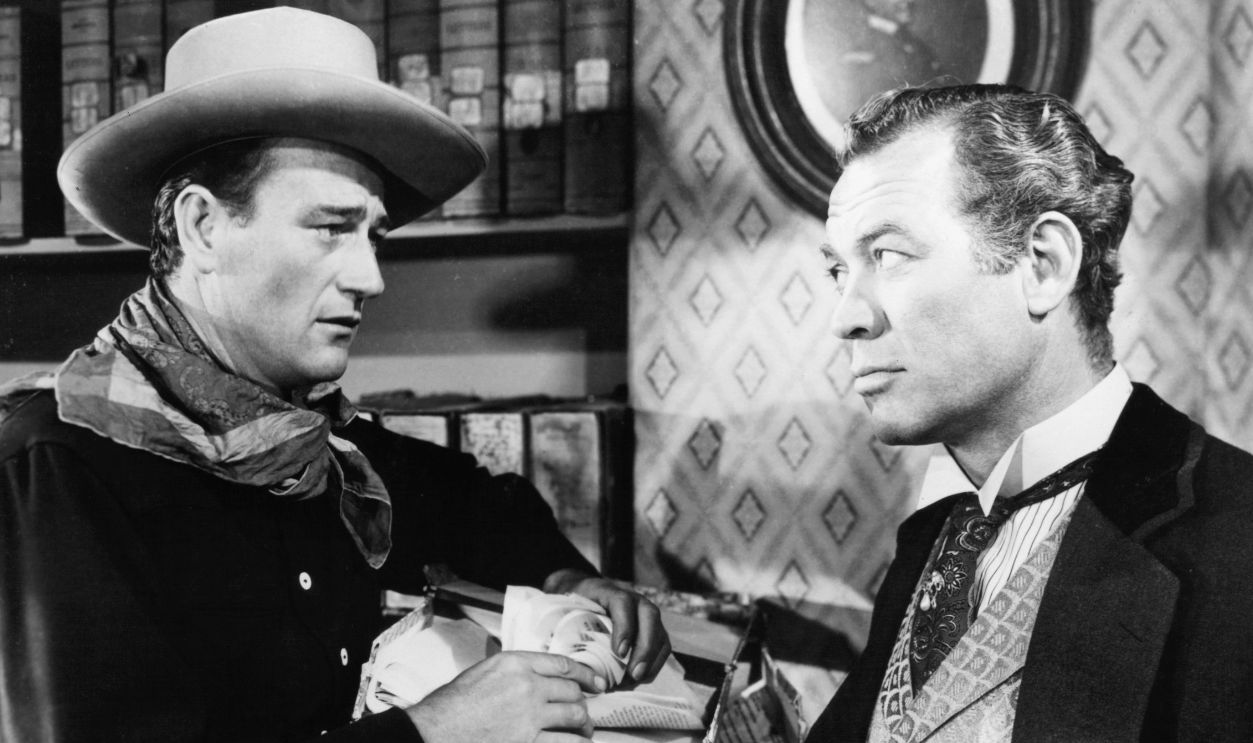
The friendship was not especially sentimental on the surface. During Ford productions, Wayne and the director relentlessly teased Bond about his size and his ambition to become a romantic leading man. Bond apparently gave as good as he got, creating a working environment where practical jokes and insults were signs that you belonged.
 unknown (Universal), Wikimedia Commons
Wayne Had One Last Joke Planned For Bond
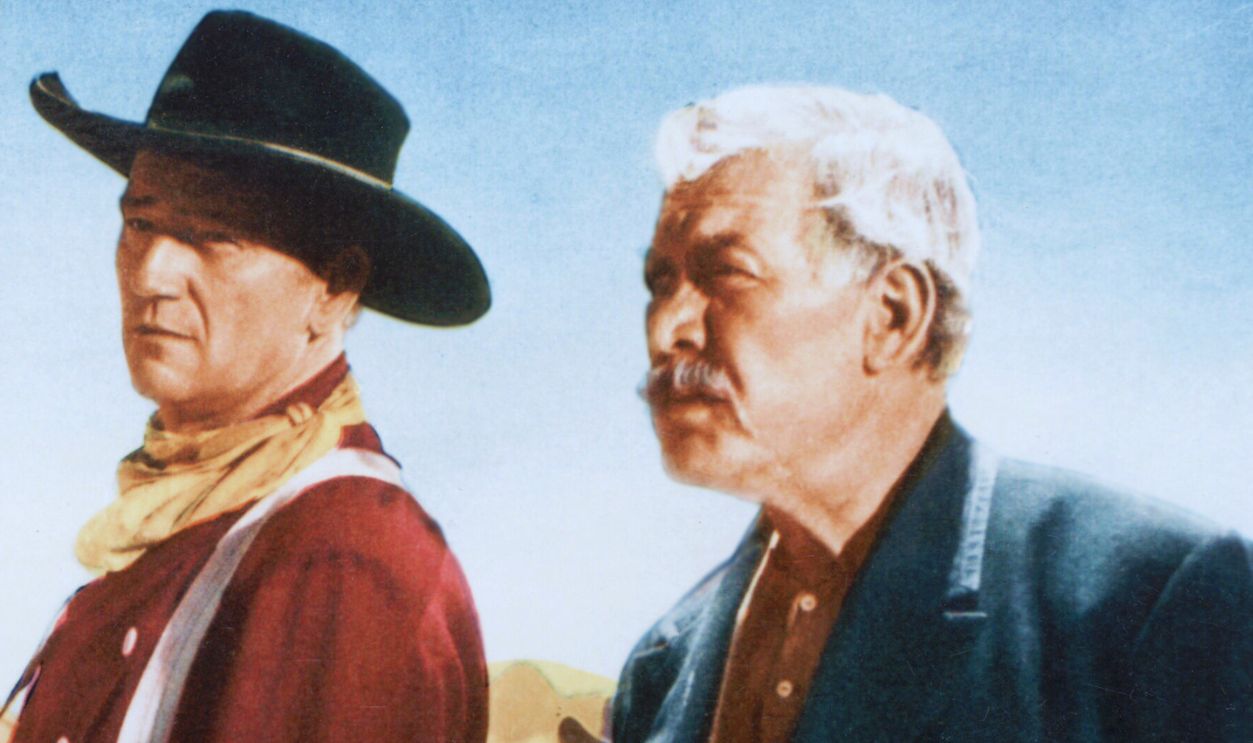
Bond died shortly before production began on Hatari!, leaving Wayne deeply saddened. TCM reports that Wayne had planned an elaborate joke involving a photograph comparing Bond's backside with a rhinoceros. The fact that Wayne had prepared something so absurd for a dear friend may be the most appropriate possible ending to one of Hollywood's roughest, strangest friendships.
 Silver Screen Collection, Getty Images
You May Also Like:
50-Year-Old Movies That We'd Still Rather See Than What They Put In Theaters Today
Sources: 1, 2, 3, 4, 5, 6, 7, 8, 9, 10, 11, 12, 13, 14, 15, 16, 17, 18, 19, 20, 21, 22, 23, 24, 25, 26, 27, 28, 29, 30