Sonny Corleone Had Nothing On Him
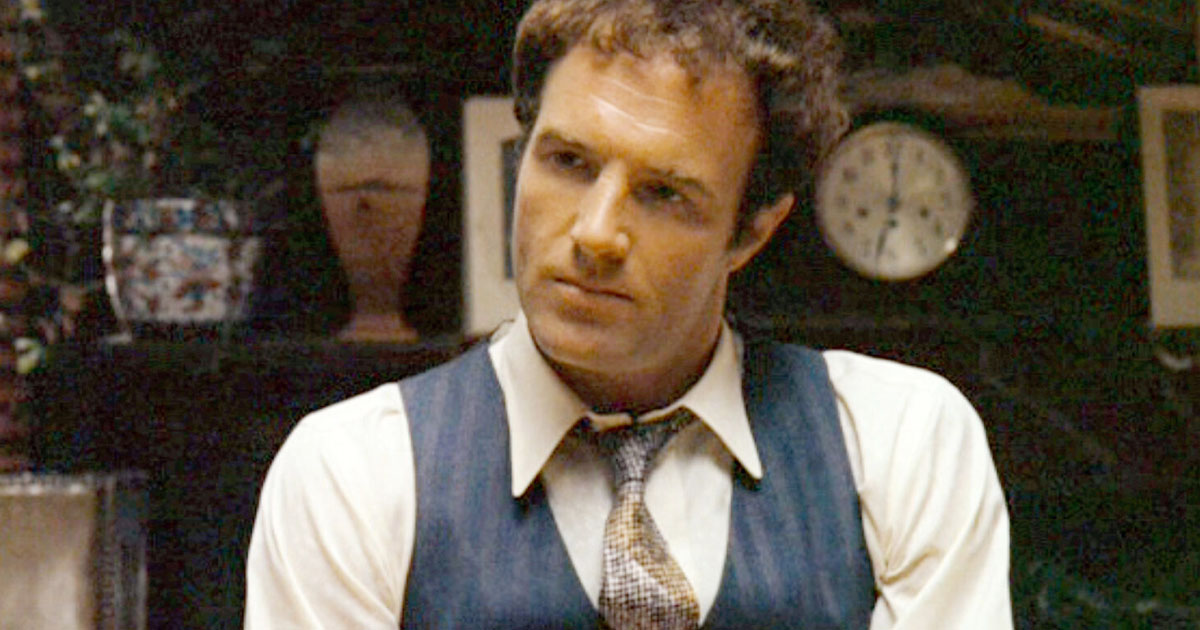
James Caan made Sonny Corleone look like a man who simply needed anger management and exact change. Off-screen, Caan accumulated four divorces, Mansion nights, mob friendships, substance battles, violent allegations, and enough headlines to make The Godfather resemble a workplace training video. Somehow, that was only Act One.
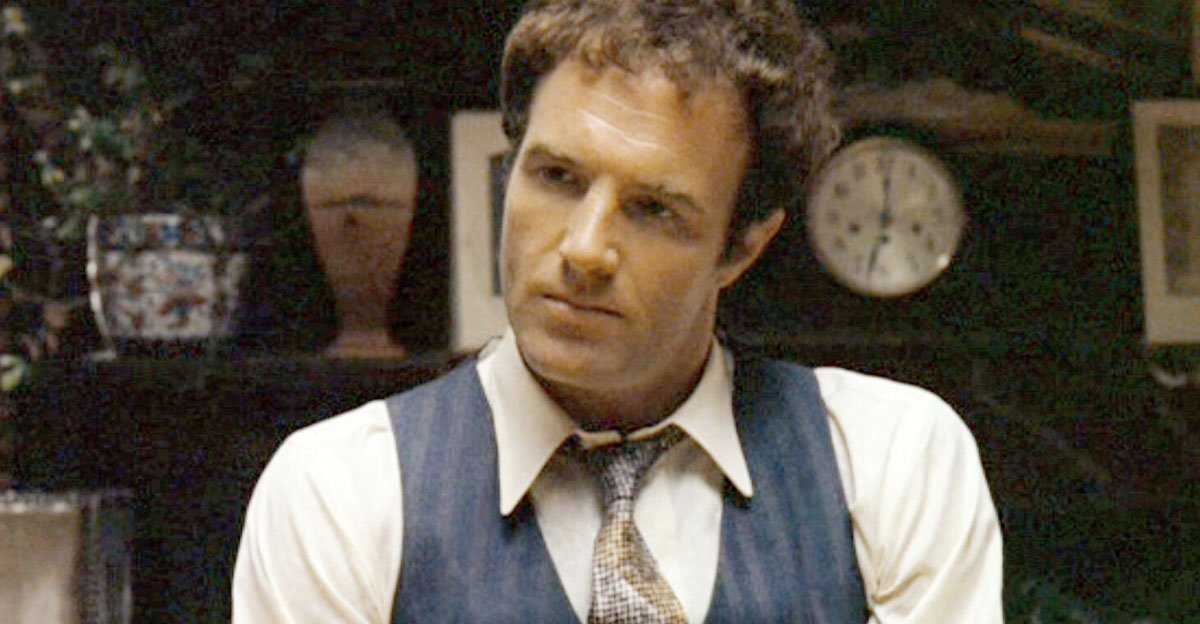 Paramount Pictures, The Godfather (1972)
He Came From A Tough Corner Of New York
James Edmund Caan was born in the Bronx on March 26, 1940, to Sophie and Arthur Caan, Jewish immigrants from Germany. His father worked as a butcher, but young James had little interest in spending his mornings hauling meat through New York’s freezing streets.
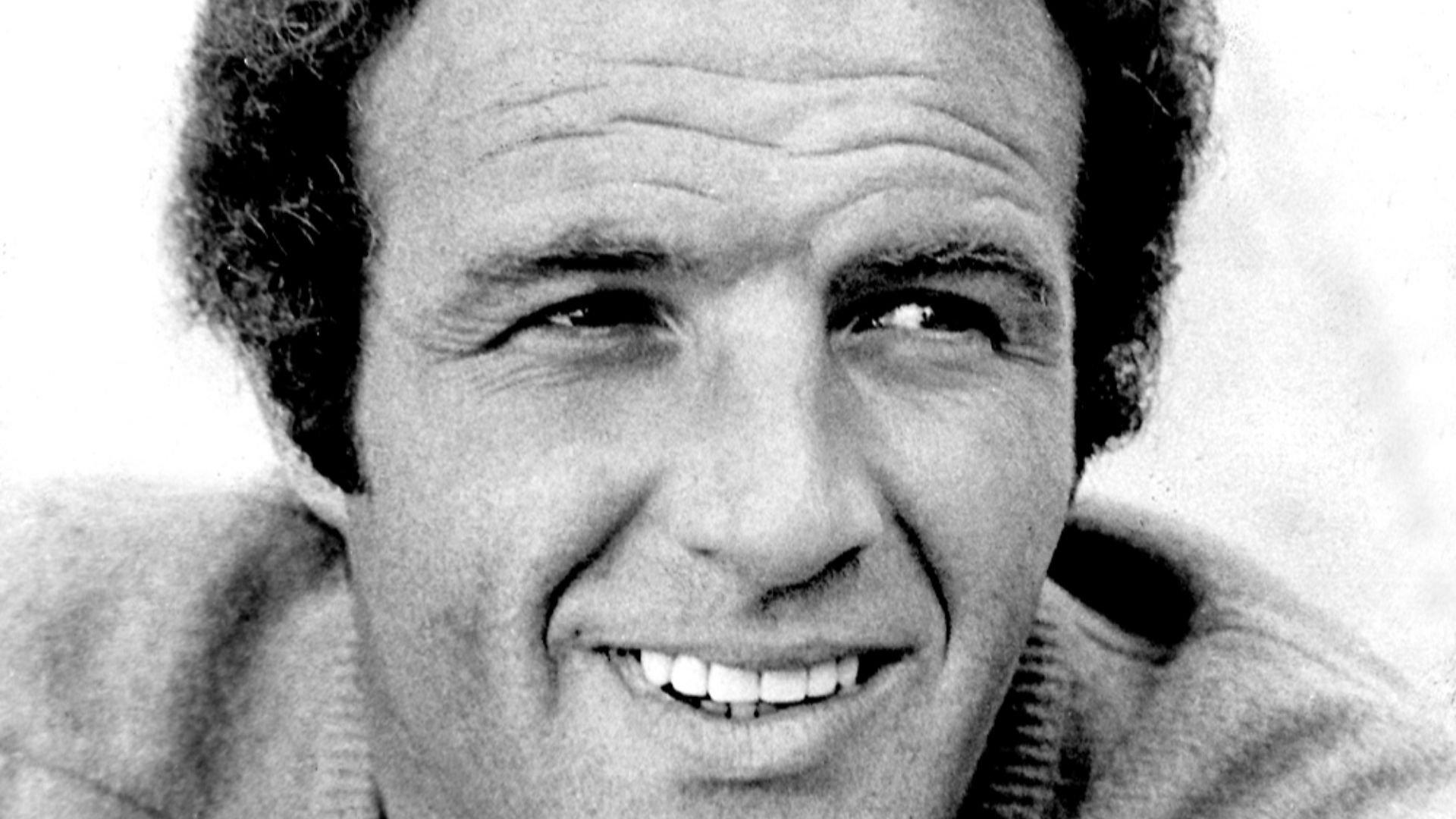
“Killer Caan” Started Fighting Early
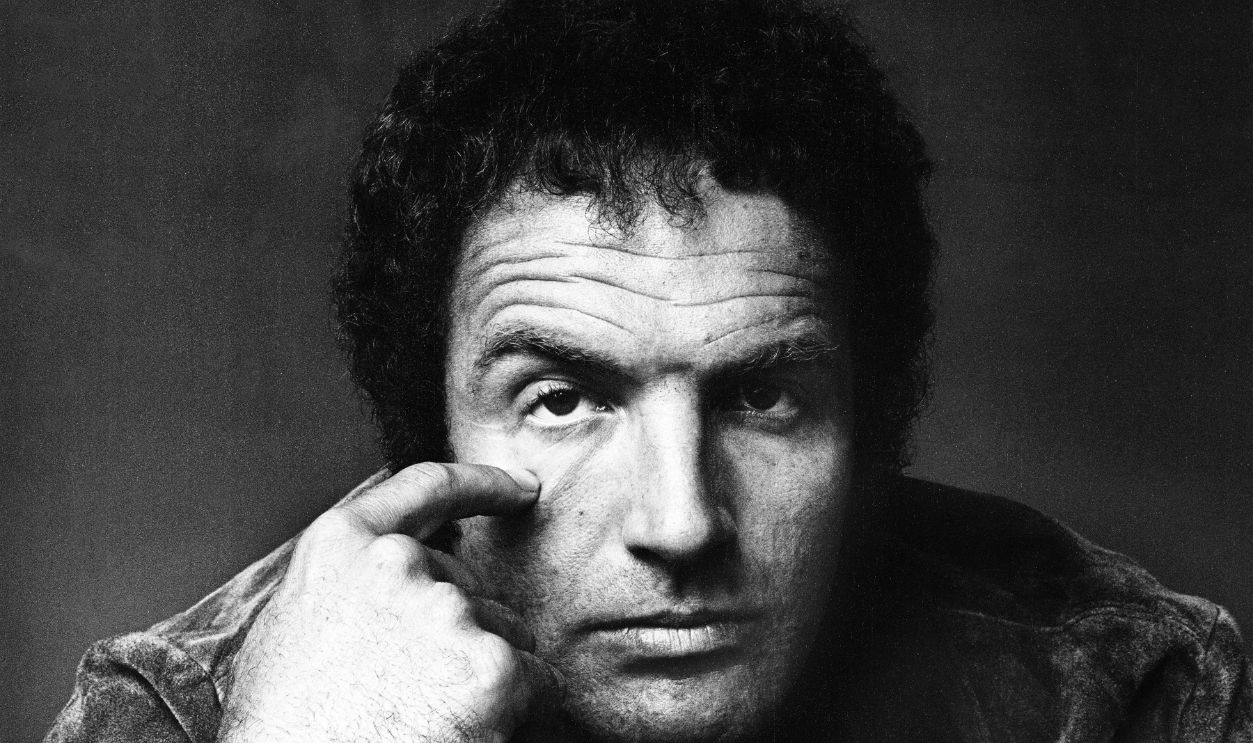
Raised in Sunnyside, Queens, Caan learned to defend himself with his fists. The wiry troublemaker earned the nickname “Killer Caan” and was expelled from several schools. He later joked that his teachers helped him graduate at 16 because they desperately wanted him gone.
College Did Not Tame Him
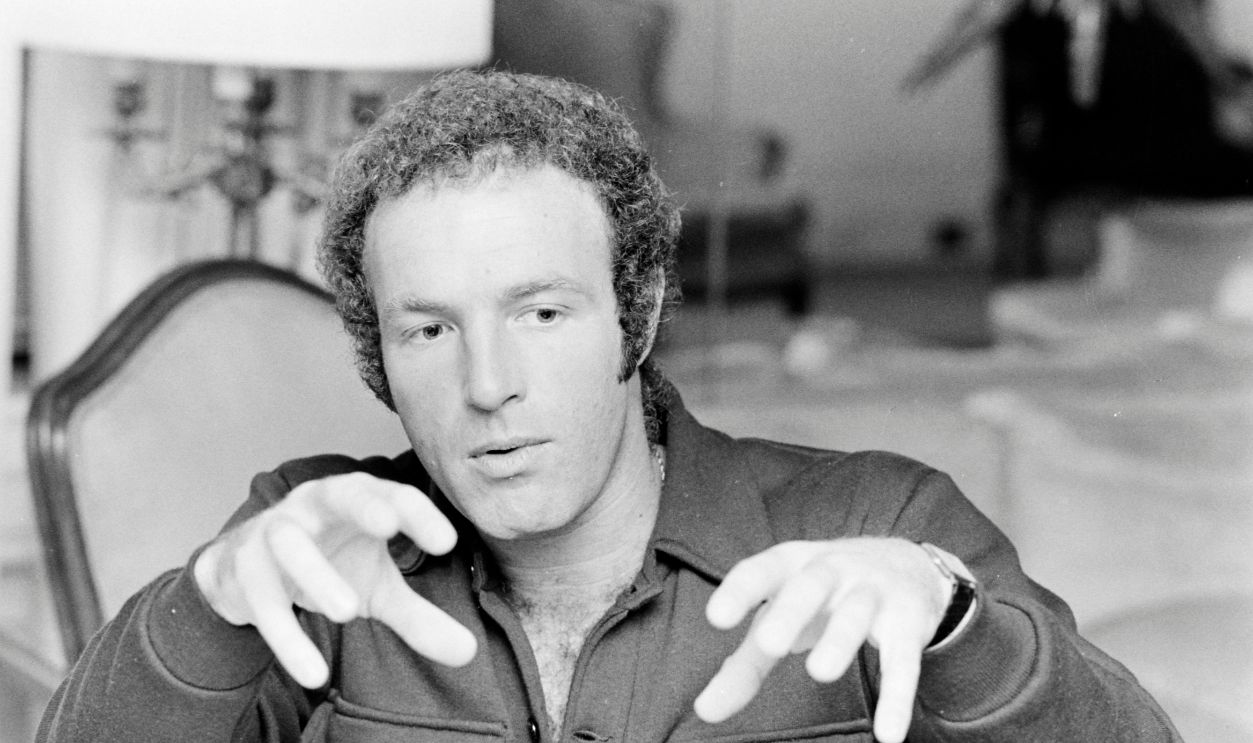
Caan attended Michigan State University hoping to play football, but described himself as little more than a “tackling dummy.” He later transferred to Hofstra, where an altercation with an ROTC superior reportedly helped end his college career. Academia had met James Caan—and academia needed a minute.
Acting Was Almost An Accident
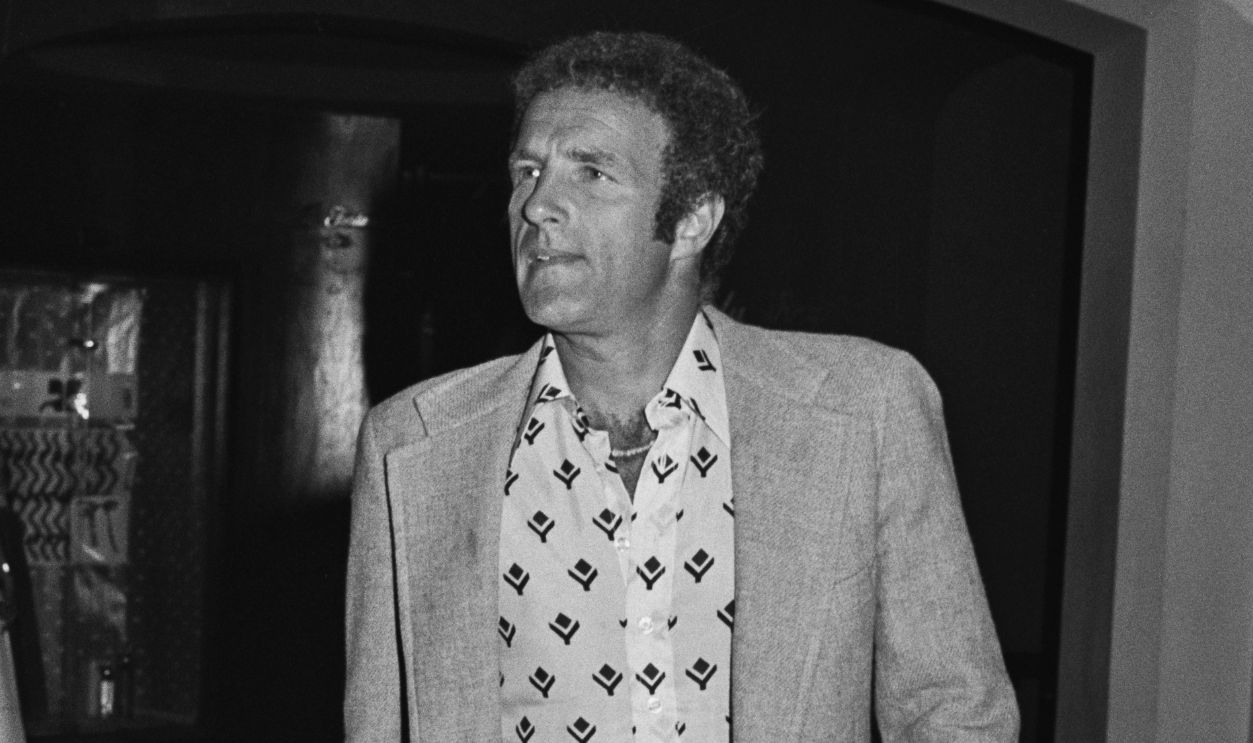
After working as a lifeguard, bouncer, and Catskills social director, Caan auditioned for Manhattan’s prestigious Neighborhood Playhouse. He studied under Sanford Meisner and discovered that all his restless energy could become something useful. Hollywood was about to receive Queens’ most charismatic headache.
 Michael Ochs Archives, Getty Images
He Became A Real-Life Action Figure
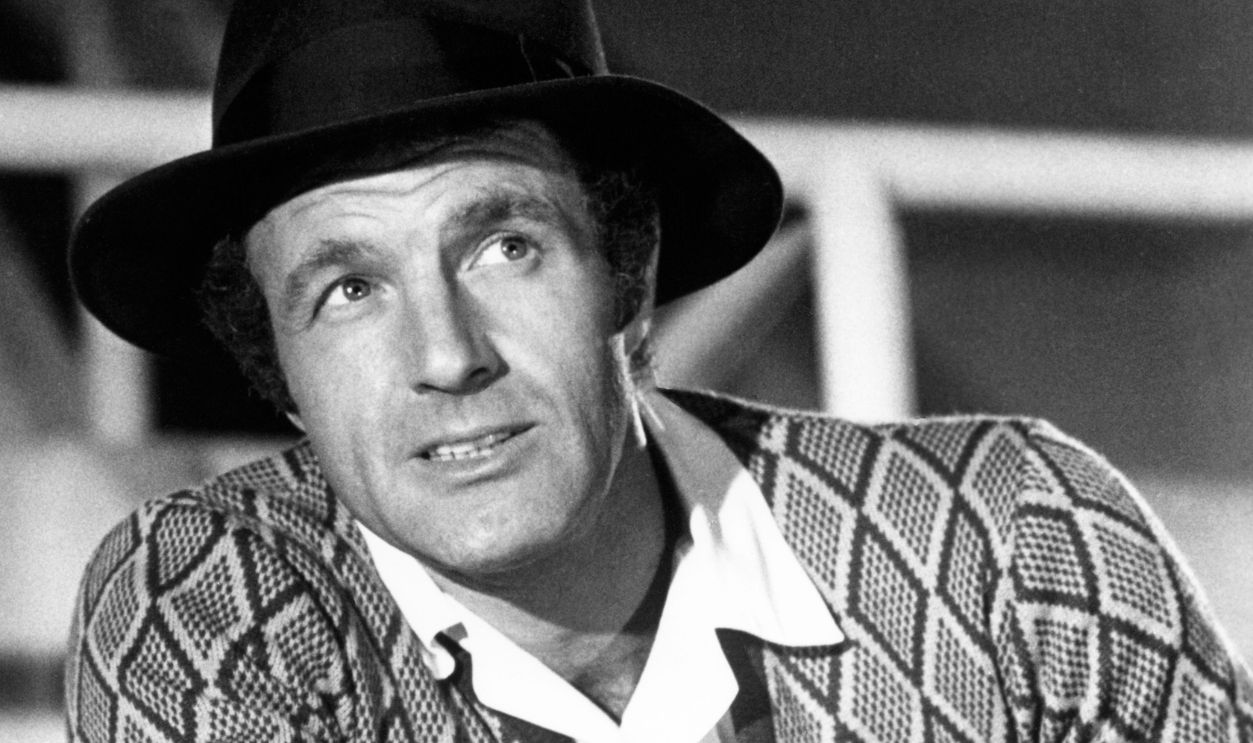
Caan earned a black belt in karate, raced powerboats, boxed, rode motorcycles, and competed on the professional rodeo circuit. He proudly called himself “the only Jewish cowboy from New York.” Studios eventually paid him to look dangerous, but he had already completed the extracurricular training.
 Silver Screen Collection, Getty Images
Hollywood Noticed The Coiled Energy
After television appearances, Caan played a vicious hoodlum in Lady in a Cage in 1964. Roles in El Dorado and Francis Ford Coppola’s The Rain People followed. His characters often seemed ready to explode, an impression Caan could create without moving much more than an eyebrow.
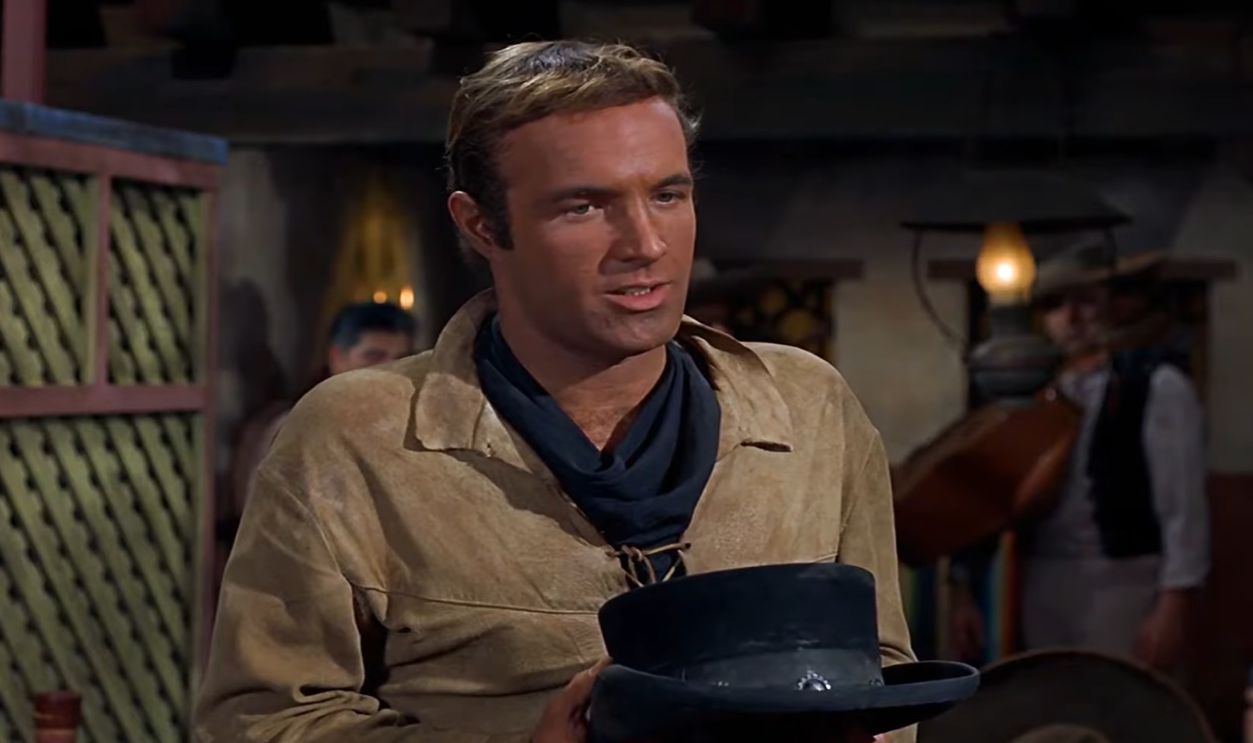 Screenshot from El Dorado, Paramount Pictures (1966)
Brian’s Song Revealed His Softer Side
Caan’s breakthrough arrived with the 1971 television film Brian’s Song. Playing Chicago Bears running back Brian Piccolo, he showed warmth, humor, and heartbreaking vulnerability. Approximately 55 million viewers watched, and Caan received an Emmy nomination. Then Coppola offered him a considerably louder family.
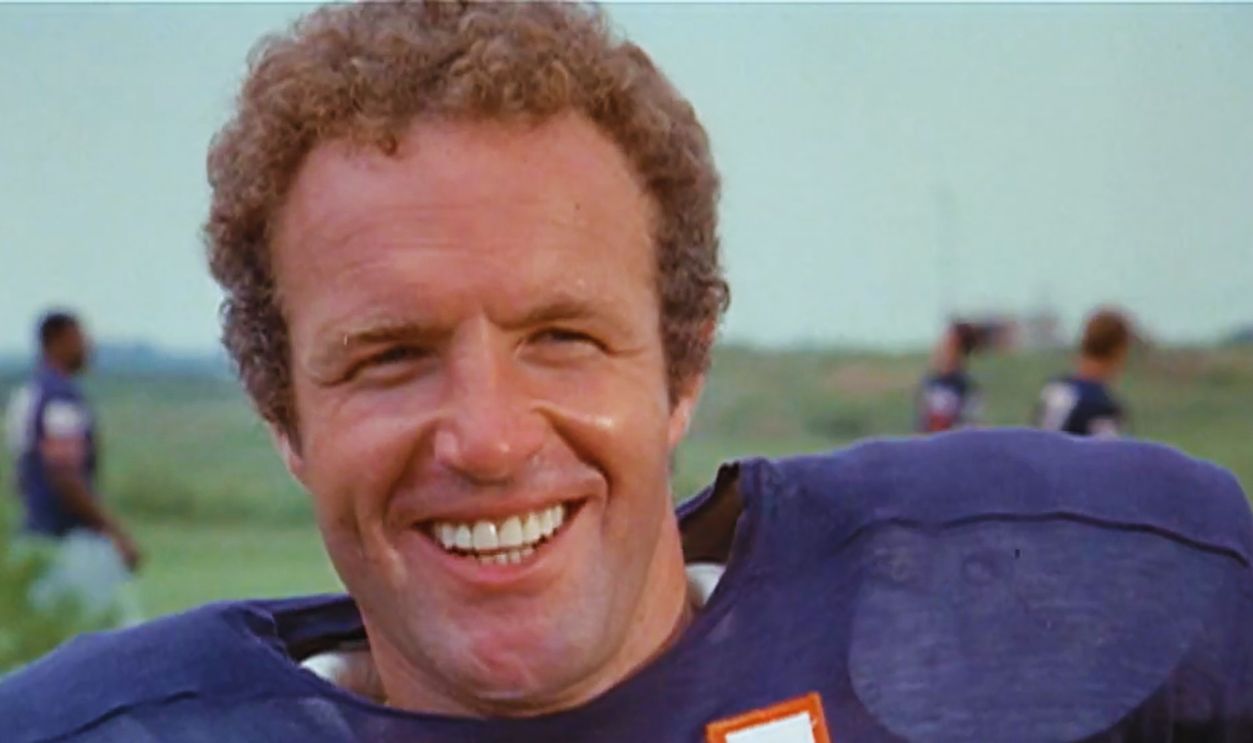 Screenshot from Brian's Song, ABC (1971)
Sonny Corleone Changed Everything
Released in 1972, The Godfather transformed Caan into a major star. As impulsive eldest son Sonny Corleone, he was swaggering, funny, frightening, and fiercely loyal. The performance earned him an Academy Award nomination—and permanently convinced strangers that he could probably have them fitted for cement shoes.
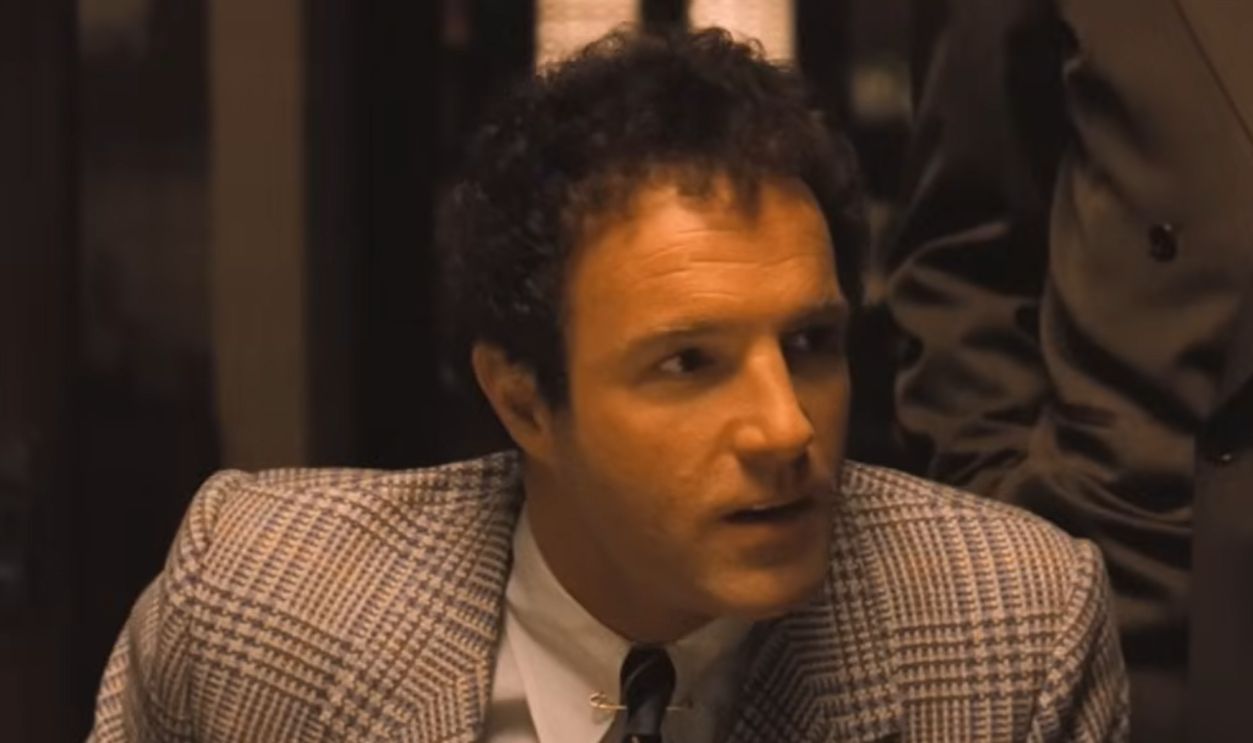 Screenshot from The Godfather Part II, Paramount Pictures (1974)
A Comedian Inspired Sonny
Caan drew inspiration for Sonny’s aggressive personality from insult comedian Don Rickles, whose specialty was verbally demolishing everyone nearby. Caan combined that sharp humor with his own Queens toughness. The result felt so convincing that audiences sometimes forgot Sonny was fictional—and Caan occasionally encouraged the confusion.
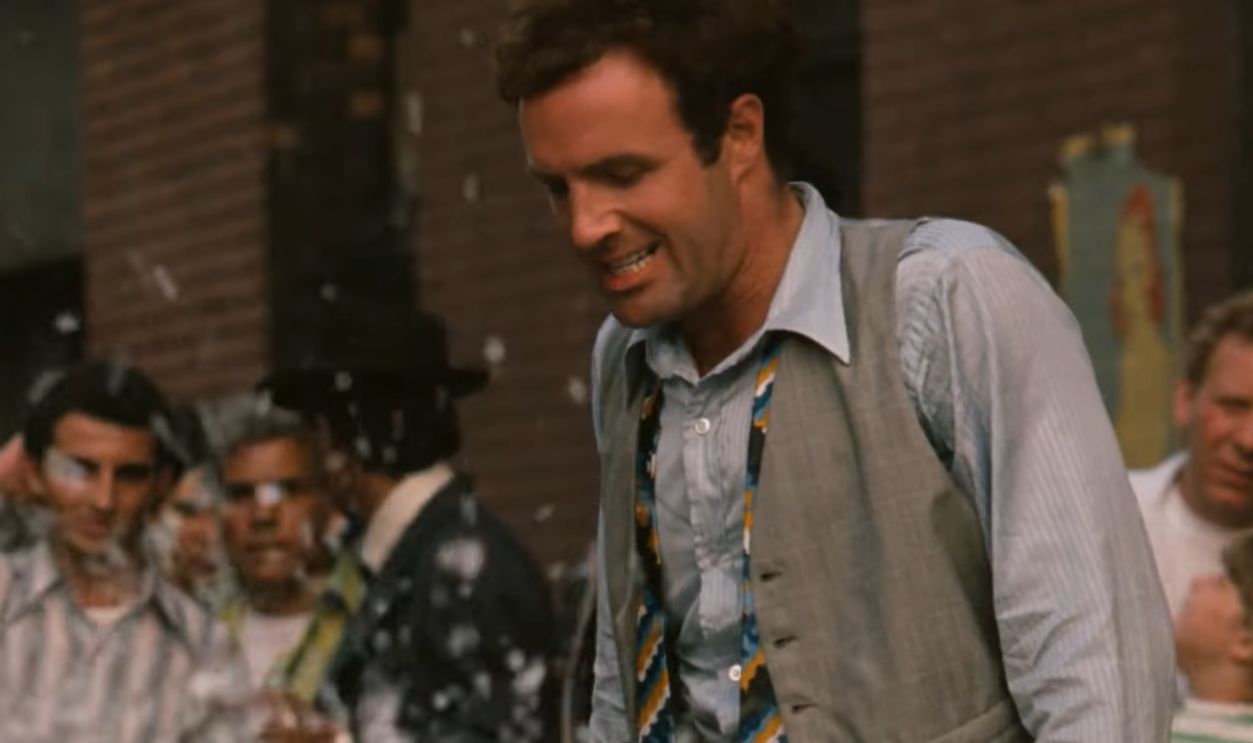 Screenshot from The Godfather, Paramount Pictures (1972)
He Improvised “Bada Bing”
During the scene in which Sonny explains how to eliminate an enemy, Caan spontaneously added “bada bing.” The phrase entered popular culture, later becoming the name of Tony Soprano’s club in The Sopranos. Caan did not merely play a mobster; he apparently contributed vocabulary.
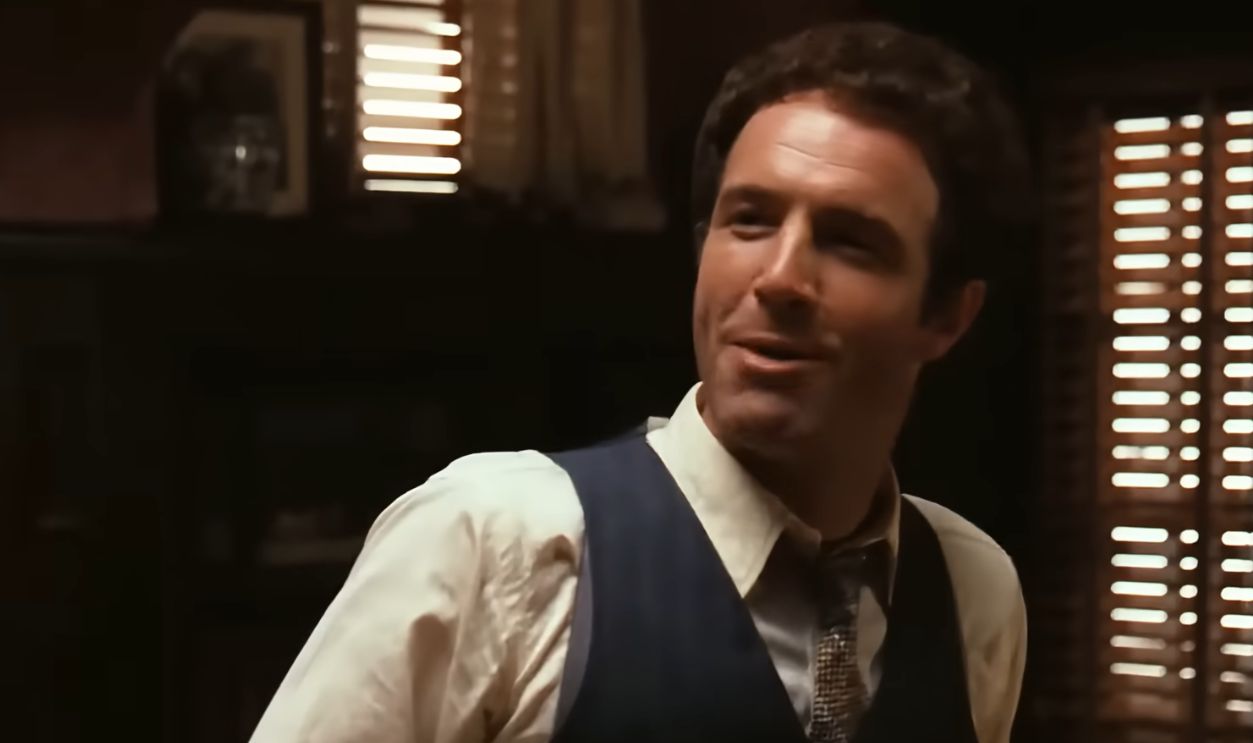 Screenshot from The Godfather, Paramount Pictures (1972)
His Famous Exit Was Brutal
For Sonny’s tollbooth ambush, technicians attached nearly 150 explosive squibs to Caan’s body. Filming took three days, and each blast felt like a punch. Caan joked that he agreed to the dangerous ordeal because there were women on set he wanted to impress. Naturally.
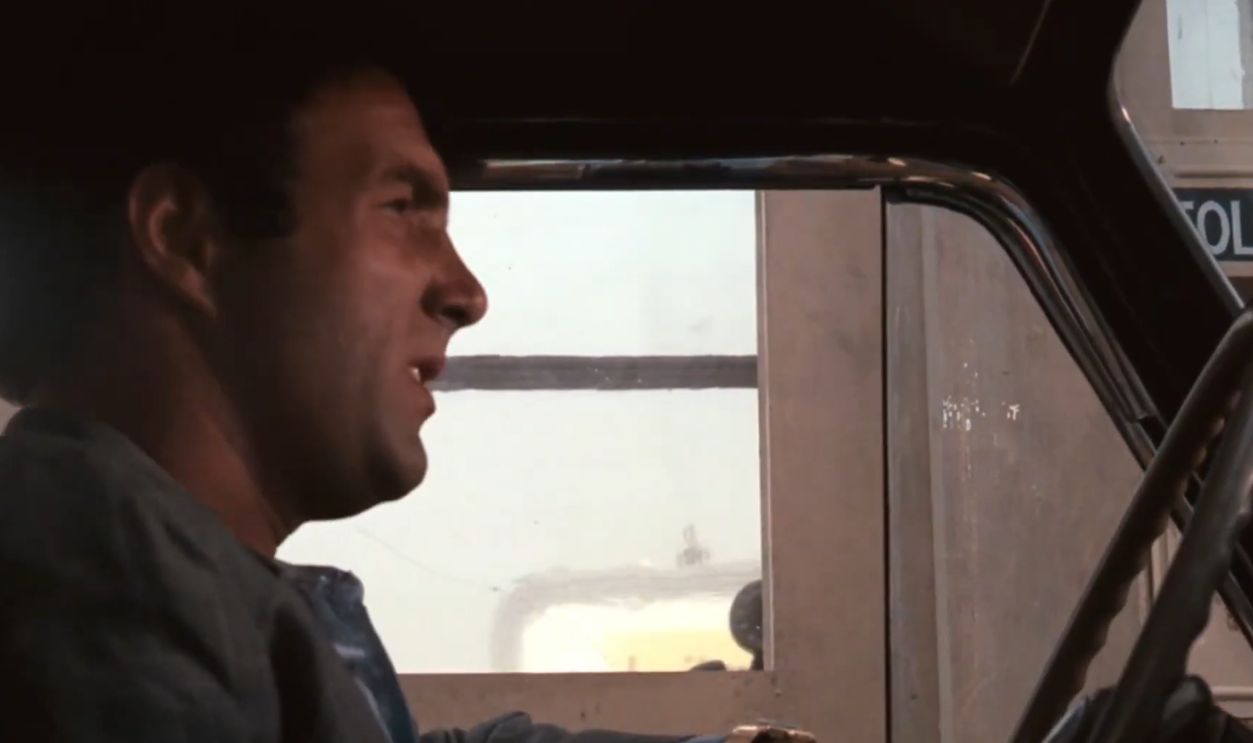 Screenshot from The Godfather, Paramount Pictures (1972)
Hollywood Wanted Sonny Forever
After The Godfather, Caan complained that scripts routinely arrived with several bodies appearing in the first ten pages. Producers saw Sonny wherever they looked. Caan wanted variety; Hollywood wanted him angry, armed, and standing near a suspiciously empty tollbooth.
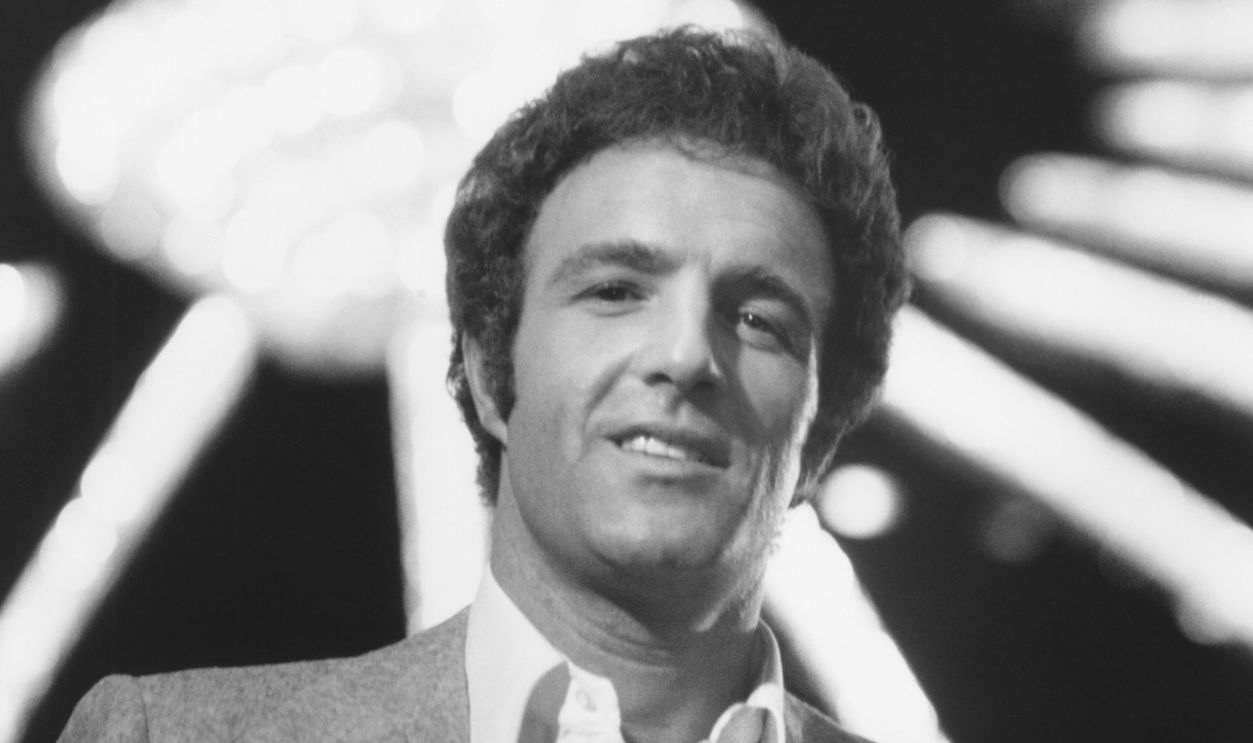
He Proved He Had Range
Caan resisted typecasting with Cinderella Liberty, Funny Lady, Rollerball, A Bridge Too Far, and Thief. He considered his controlled performance in Thief among his finest. Unfortunately, his determination to avoid predictable choices occasionally produced some spectacularly expensive regrets.
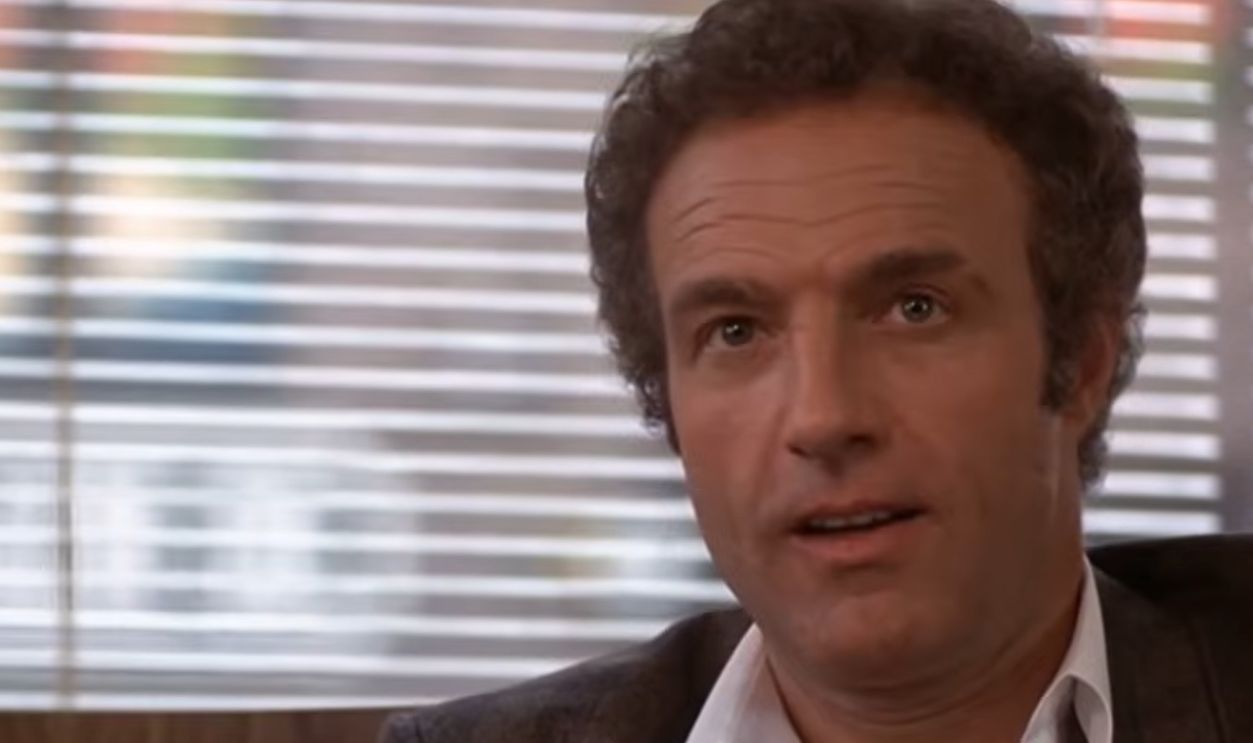 Screenshot from Thief, United Artists (1981)
He Rejected Several Classics
Caan turned down roles in One Flew Over the Cuckoo’s Nest, Kramer vs. Kramer, Apocalypse Now, and Superman. Coppola’s proposed 16-week Philippine shoot ended Caan’s interest in Apocalypse Now. Regarding Superman, he noted that Marlon Brando received millions without wearing the tights.
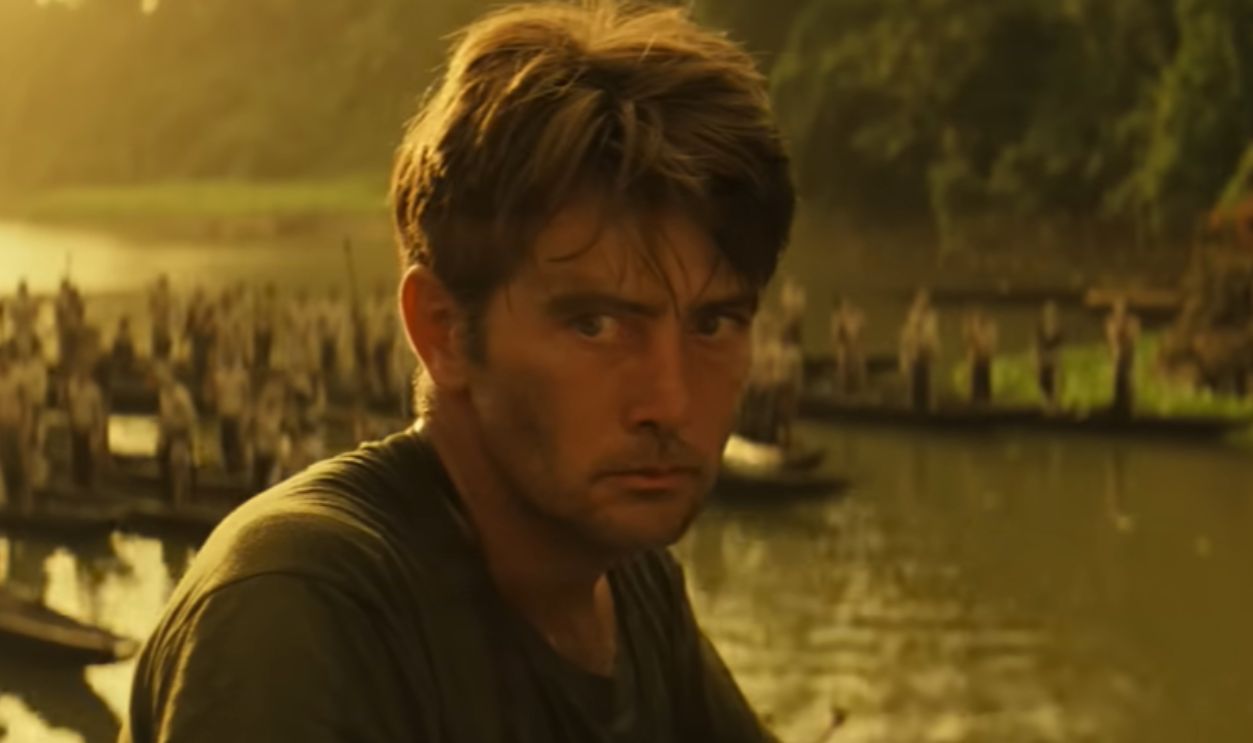 Screenshot from Apocalypse Now, United Artists (1979)
He Also Insulted The Wrong People
Caan openly criticized films, filmmakers, studios, and Hollywood’s growing obsession with spectacle. His candor was entertaining in interviews but less helpful during hiring meetings. By the early 1980s, disappointing projects and burned bridges were beginning to threaten the career he had fought to control.
![Collectie / Archief : Fotocollectie Anefo
Reportage / Serie : [ onbekend ]
Beschrijving : De filmacteur James Caan in Nederland voor opnamen van de film](https://www.factinate.com/storage/app/media/theshot/2026/8/18/1787053887f5faf1d70751519d26e71bb9aad491570ab98327.jpg)
The Mansion Became His Playground
Following romantic disappointment, Caan spent considerable time at Hugh Hefner’s Playboy Mansion. He later offered an uncomplicated explanation: there were plenty of beautiful women there, and he liked them. It was not exactly Shakespeare, but nobody ever accused James Caan of hiding the subtext.
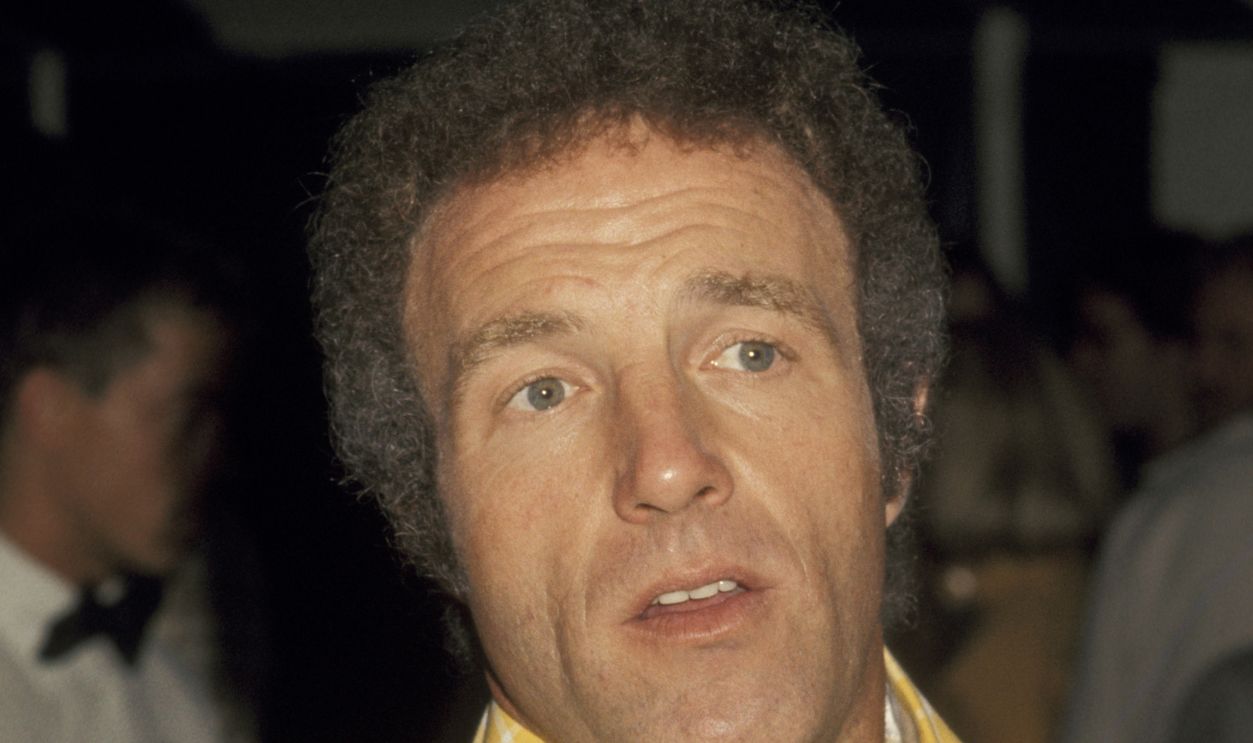
His Romantic Record Became Complicated
Caan married dancer Dee Jay Mathis in 1961; they had daughter Tara before divorcing in 1966. In 1976, he married model and actress Sheila Ryan. Their son Scott was born that year, but the marriage ended in 1977—barely enough time for the photographs to develop.
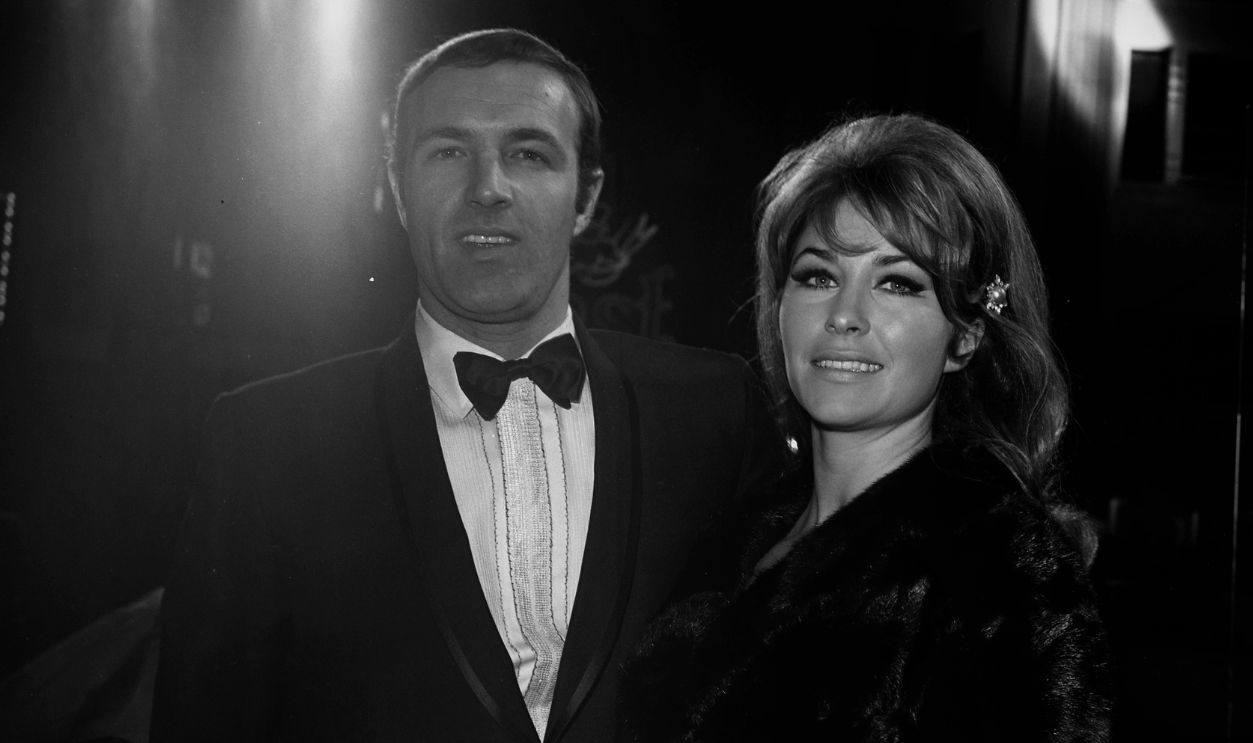 Michael Ochs Archives, Getty Images
Four Marriages Produced Five Children
Caan later married Ingrid Hajek in 1990, welcoming son Alexander before their 1994 divorce. He married Linda Stokes in 1995, and they had sons James Arthur and Jacob. When asked about the difference between physical attraction and love, Caan pointed to his four marriages and admitted he apparently did not know.
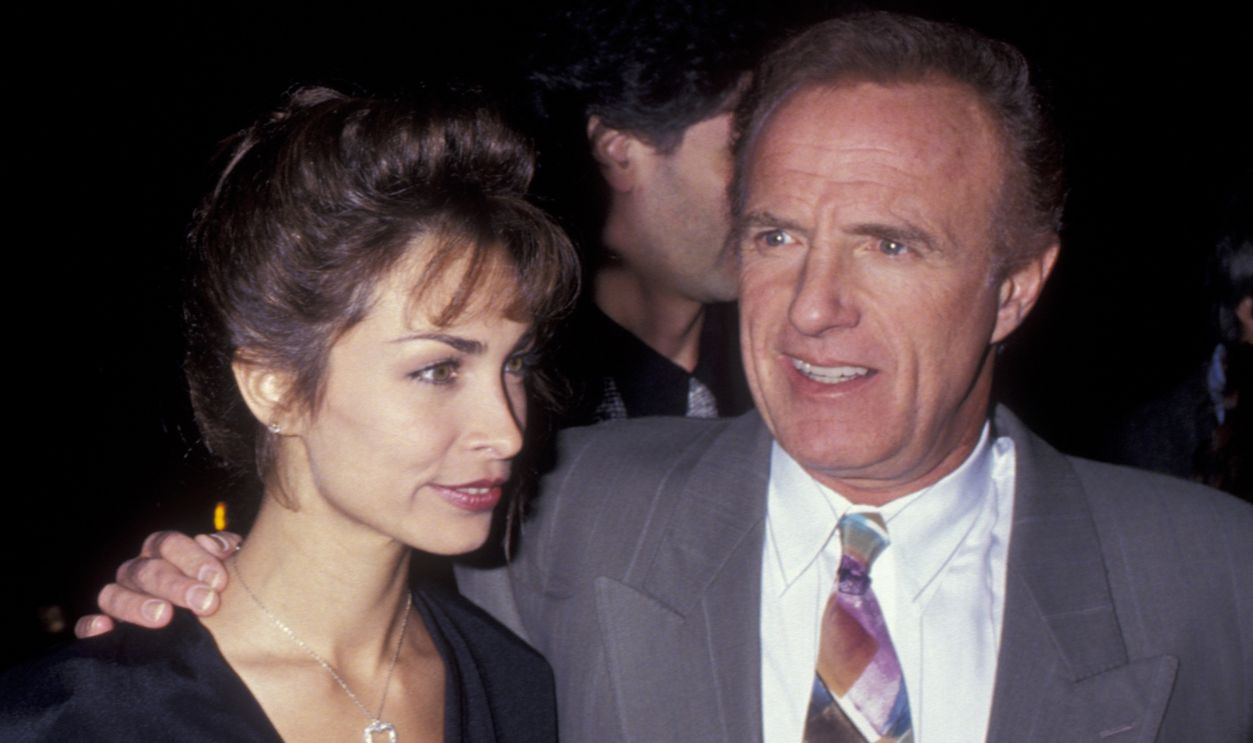 Ron Galella, Ltd., Getty Images
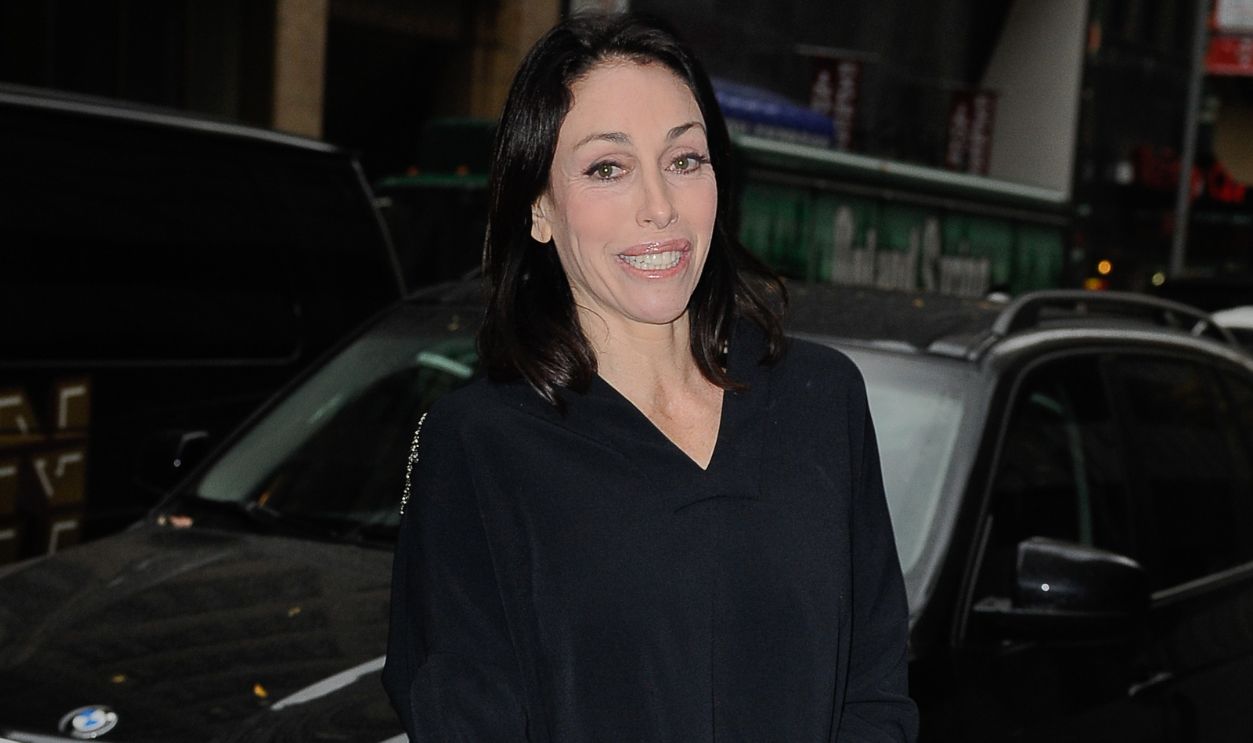
Heidi Fleiss Made A Startling Claim
In 1994, Hollywood madam Heidi Fleiss told Vanity Fair that she and Caan had carried on an affair in 1992, while he was filming Flesh and Bone in Texas. Caan denied any romantic involvement with her.
Scandals aside, tragedy wasn't far.
Then Grief Changed Him
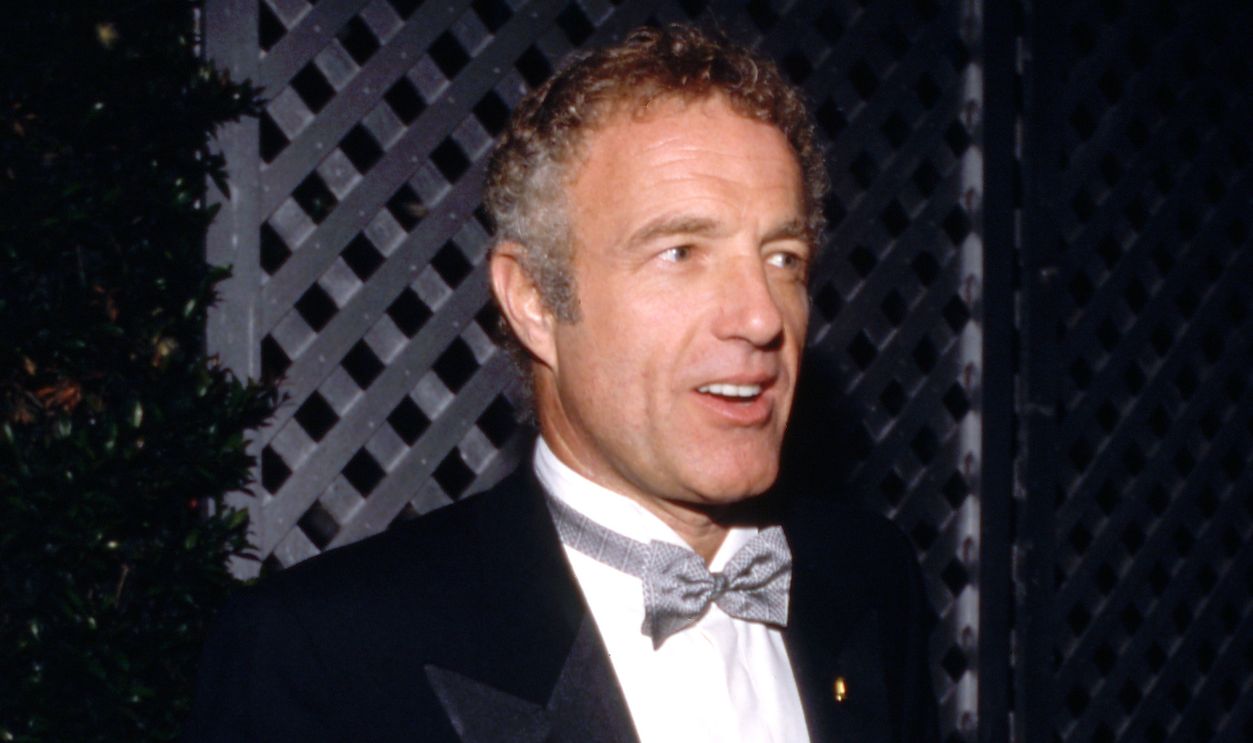
Caan’s younger sister Barbara died from leukemia in 1981 at only 38. He described her as his closest friend and said her loss devastated him. Suddenly, fame meant very little. He withdrew from acting just as Hollywood expected him to continue ruling the decade.
He Walked Away From The Screen
For much of the 1980s, Caan remained absent from major films. He spent six years coaching Scott’s Little League and soccer teams. It was an unexpectedly wholesome intermission—although his evenings reportedly remained far more Playboy Mansion than family-friendly sports comedy.
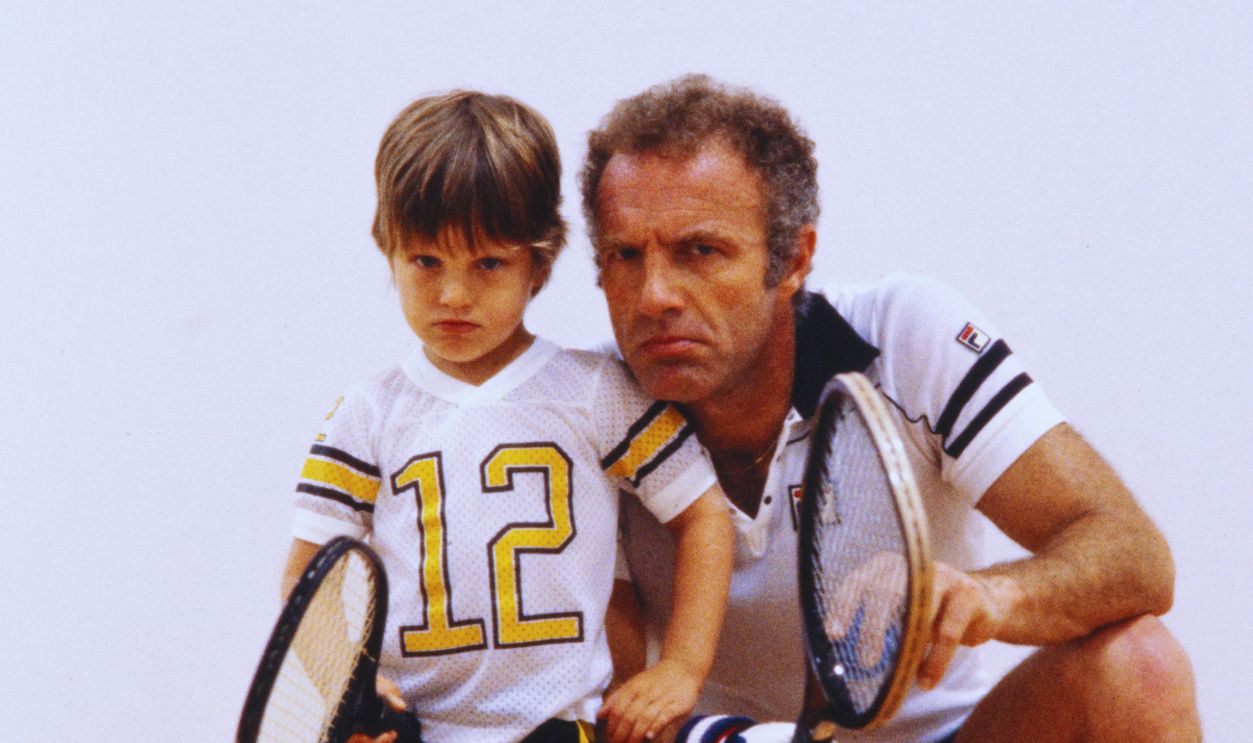
Days And Nights Told Different Stories
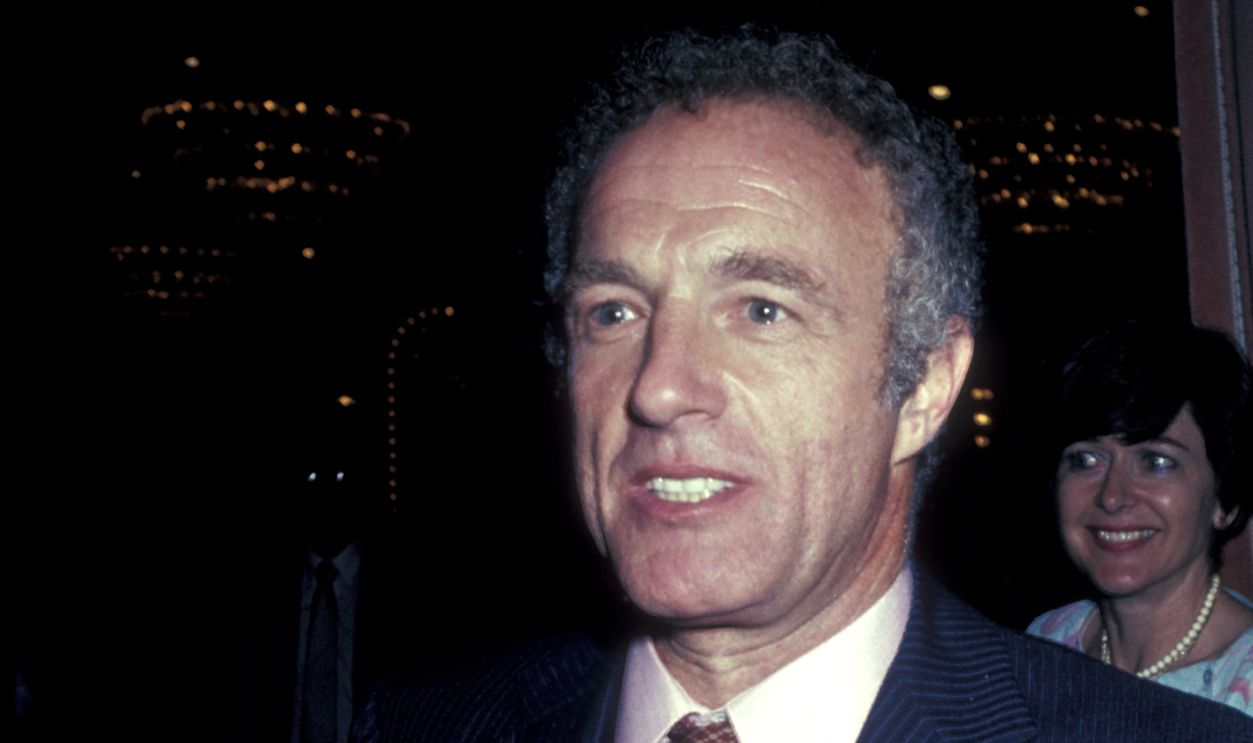
Caan later described coaching children during the day and dating exotic models at night. It was the sort of schedule only a 1970s movie star could present as normal. Beneath the jokes, however, isolation, grief, financial trouble, and increasingly dangerous habits were closing around him.
 Ron Galella, Ltd., Getty Images
The Party Scene Became A Trap
The Hollywood circuit came with flowing liquor, but Caan’s own public account centered on a particular white powder substance rather than booze. He traced the habit to parties, peer pressure, being single, and wanting to meet women. The legend required little embellishment; Caan supplied plenty himself.
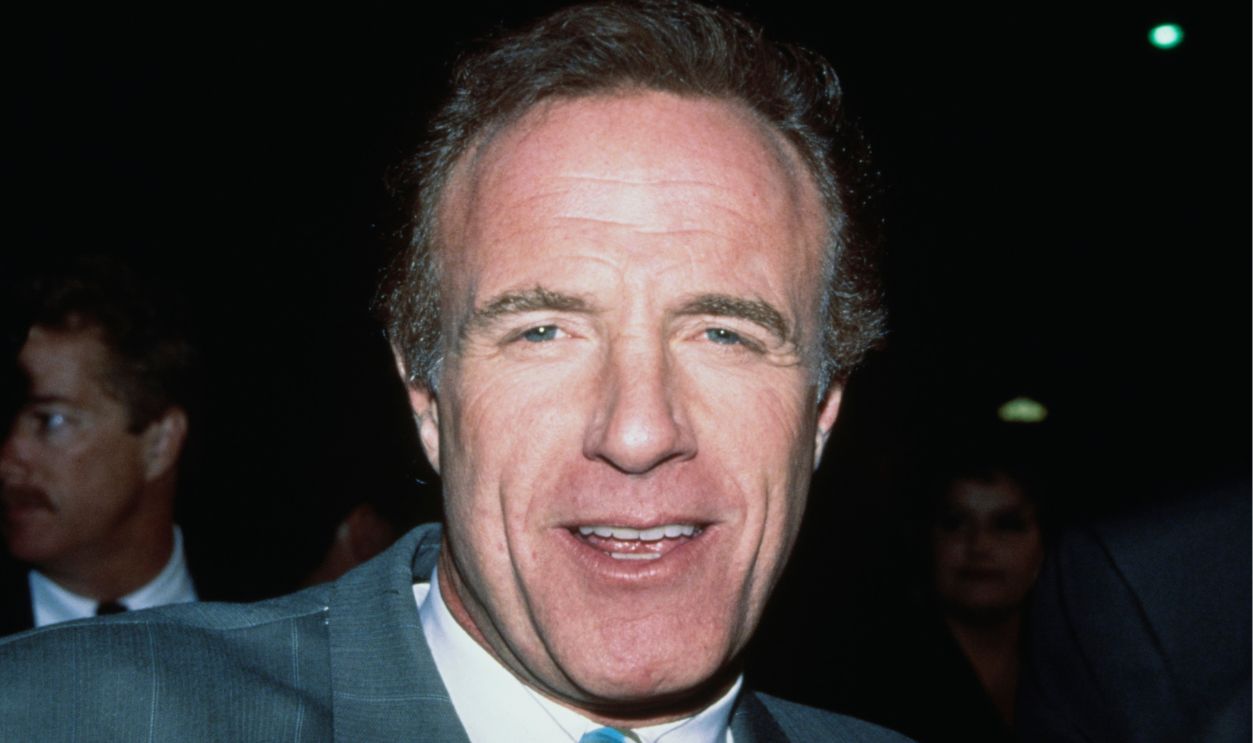
He Admitted He Was Losing Control
Caan later called his substance dependency self-destructive and acknowledged that he had hurt people. He said the habit “could’ve easily put me into the grave.” This was no mischievous Hollywood anecdote. Behind the swagger was a man increasingly aware that his lifestyle could end him.
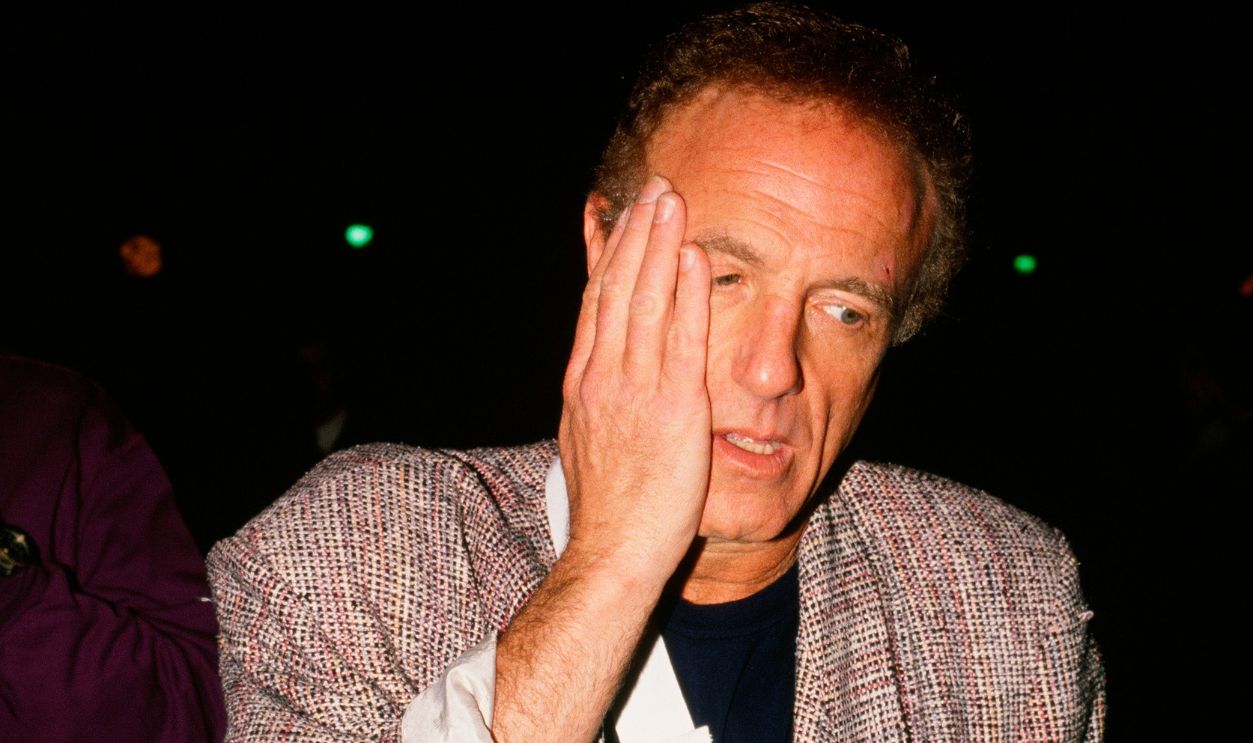
His Fortune Was Disappearing Too
While his judgment was clouded, Caan discovered that he owed hundreds of thousands of dollars in taxes. He lost his savings and his home, blaming poor business management while accepting that he had been too impaired to notice. Sonny Corleone would probably have requested a meeting.
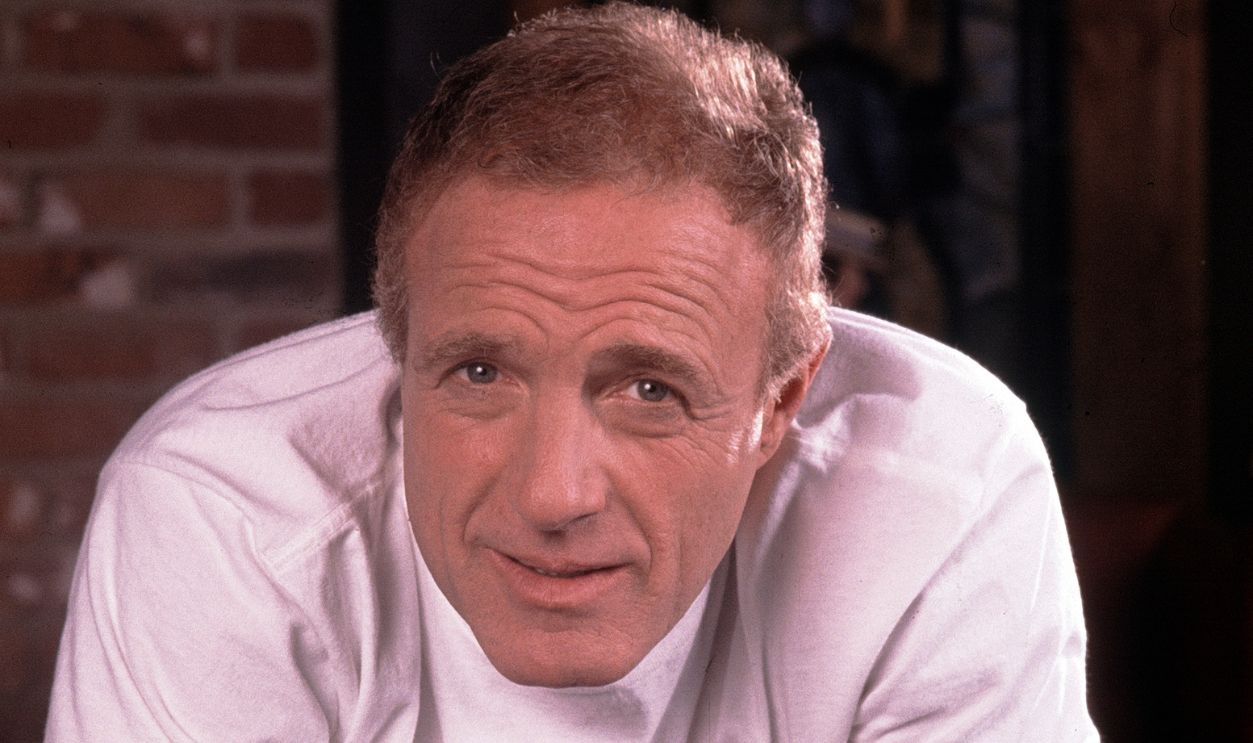
Scott Finally Saw Everything
Caan believed he had hidden his dependency from his teenage son. He was wrong. According to Caan, Scott once took a baseball bat and headed toward a supplier’s home, intending to confront him. The frightening episode forced Caan to recognize what his behavior was doing to his child.
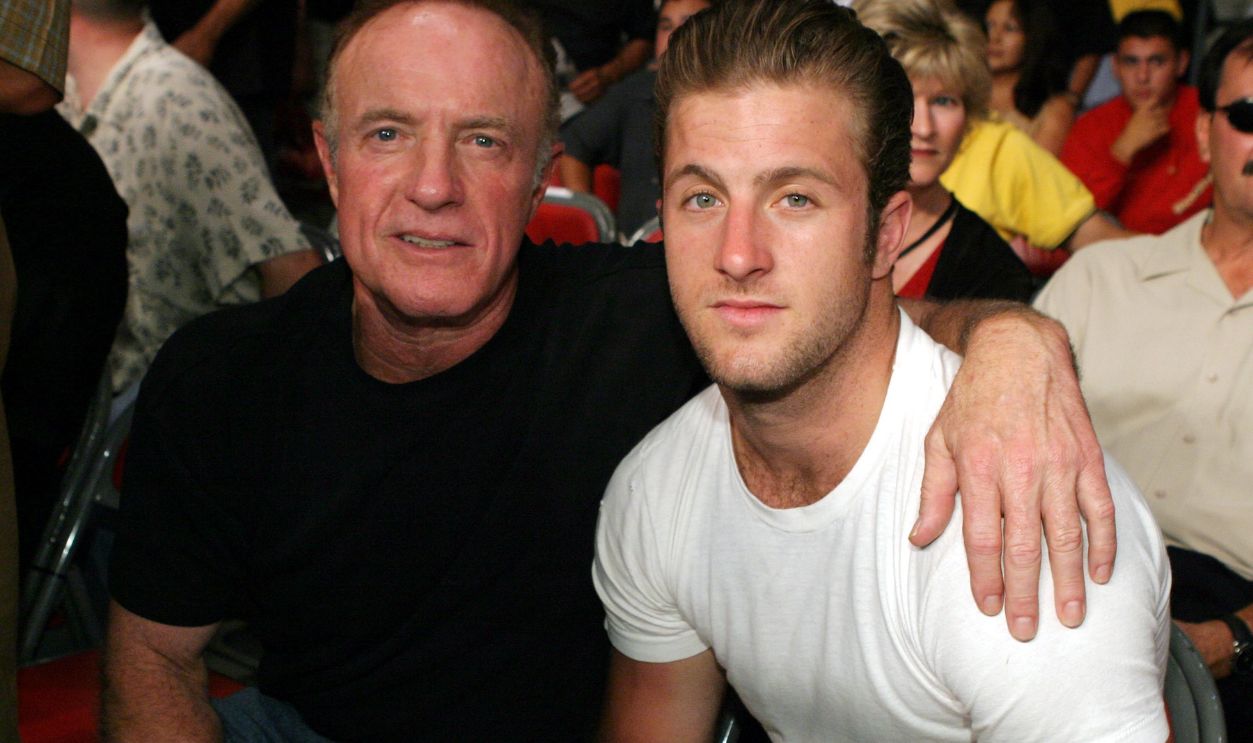 Christopher Polk, Getty Images
It Became His Wake-Up Call
Caan remembered crying because Scott knew the truth, yet feeling moved that his son cared so deeply. He realized he needed to become a responsible example. For a man famous for playing someone who acted first and reflected later, the reflection had finally arrived.
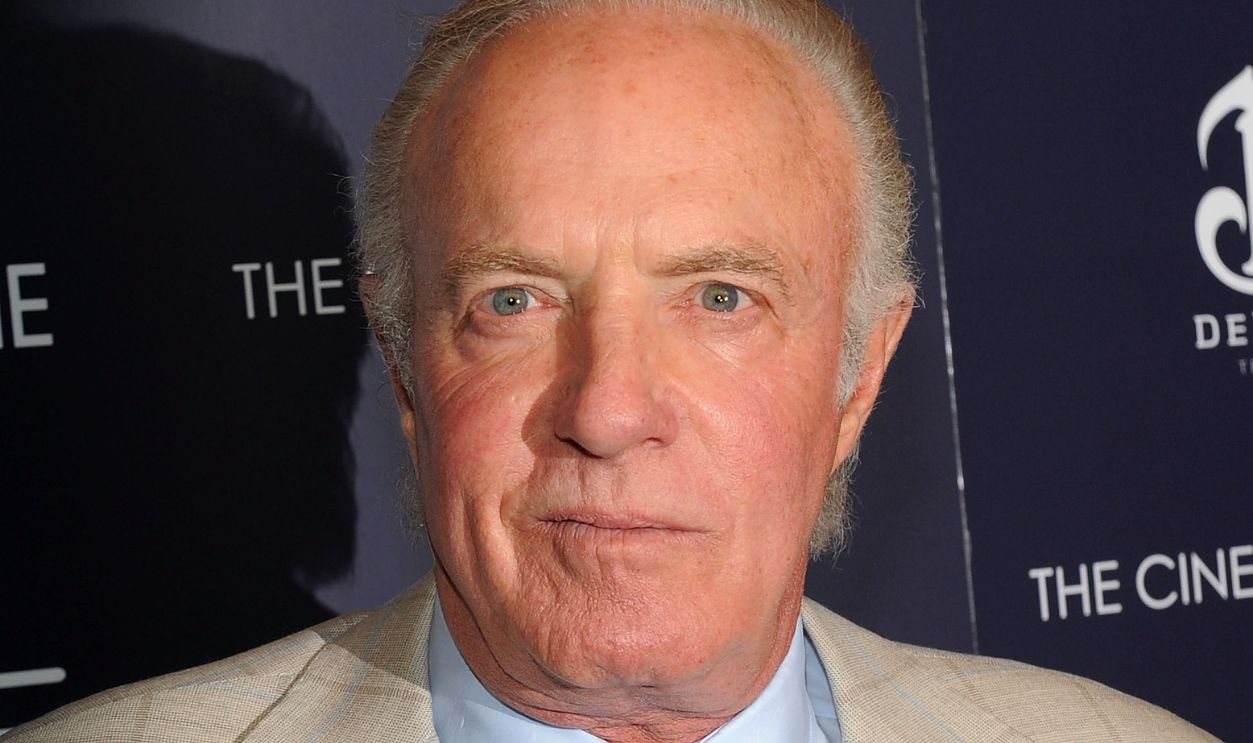
He Entered Treatment
Caan entered the Impact rehabilitation program and began confronting his dependency. He later insisted he had never even liked the powder, which raised the obvious question of why he tried so hard to become its world champion. Recovery allowed him to make amends and rebuild.
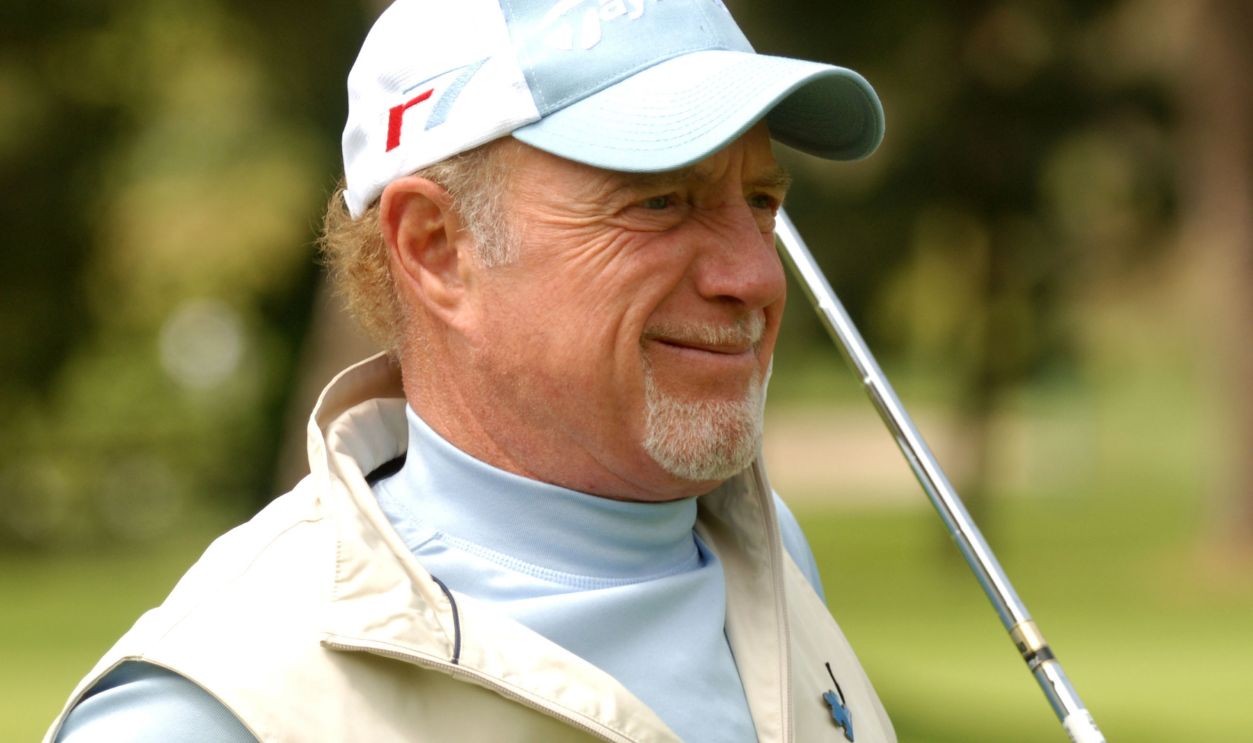
His Friends Helped Him Return
Francis Ford Coppola fought to cast Caan in Gardens of Stone in 1987. Rob Reiner later gave him the central role opposite Kathy Bates in Misery. Caan summed up their loyalty simply: “My real friends never quit on me.” His comeback had quietly begun.
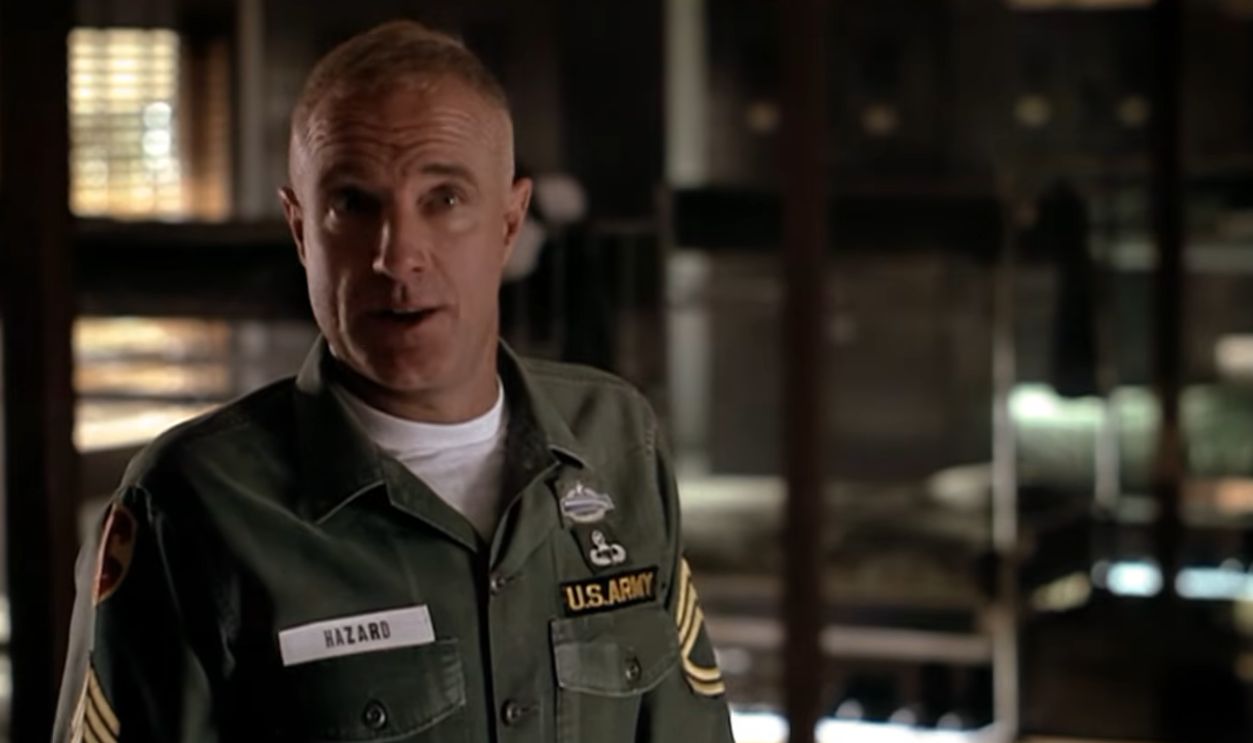 Screenshot from Gardens of Stone,Tri-Star Pictures (1987)
Misery Offered Perfect Irony
In Misery, the famously restless Caan played a captive writer confined to a bed for much of the film. He joked that Reiner had deliberately trapped “the most hyper guy in Hollywood.” The performance reminded audiences that Caan could create tension without throwing a single punch.
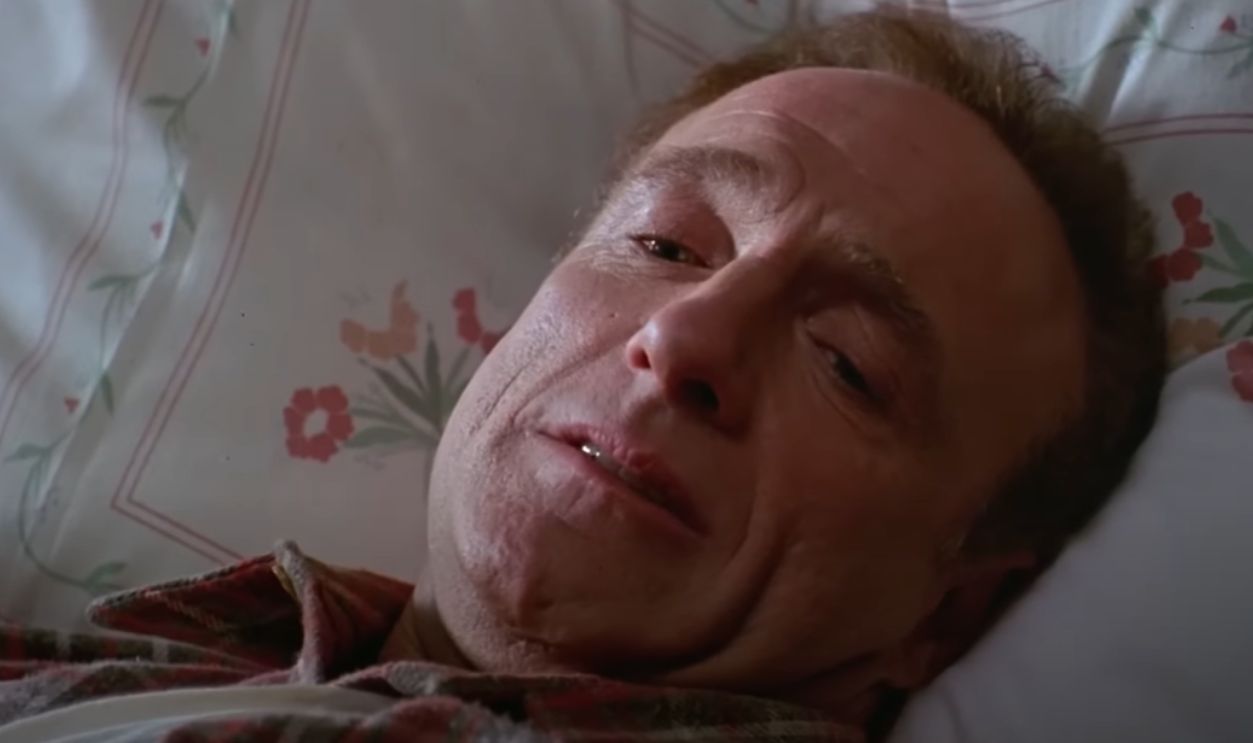 Screenshot from Misery, Columbia Pictures (1990)
A Tragic Fall Sparked Questions
In 1993, 25-year-old Mark Alan Schwartz fell while attempting to reach an eighth-floor Los Angeles apartment where Caan was staying. Investigators questioned Caan as a witness. He said he had been asleep and knew nothing about the fall until afterward.
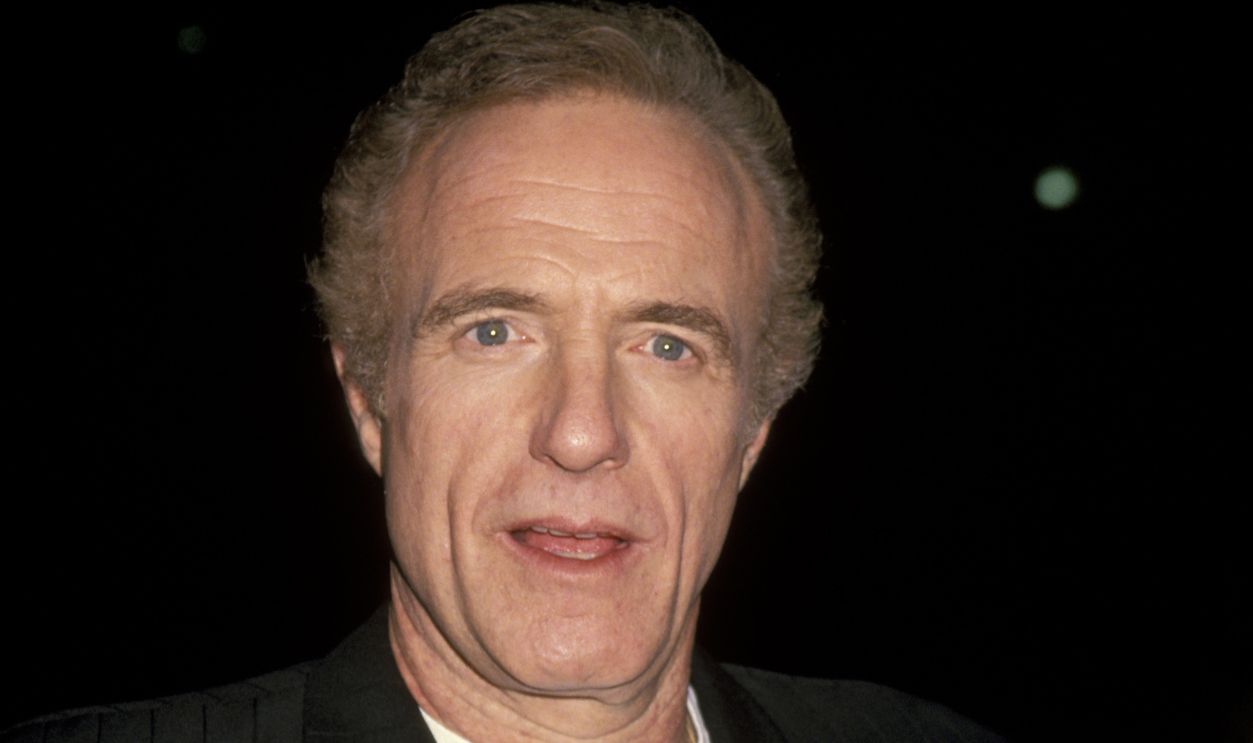
Officials Ruled It An Accident
Evidence indicated that Schwartz had tried unsuccessfully to wake Caan before climbing from a fire escape toward the balcony and losing his footing. An autopsy supported death from the fall. Caan was cleared of wrongdoing, though the tragedy remained apart of his story.
There's more.
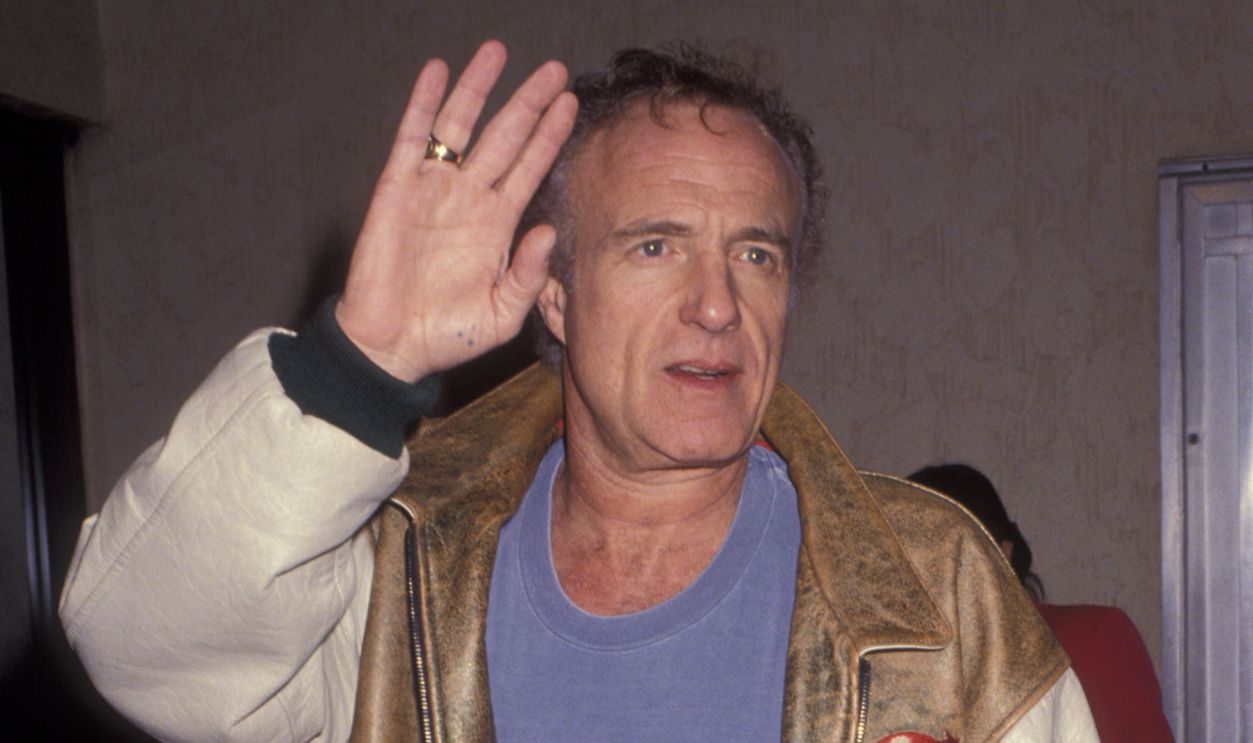 Ron Galella, Ltd., Getty Images
Another Incident Made Headlines
In 1994, authorities briefly detained and released Caan after a Los Angeles rap artist accused him of pulling a loaded firearm during a confrontation. The allegation produced ugly publicity, but it did not result in a conviction. Once again, Caan’s off-screen reputation seemed alarmingly Sonny-adjacent.
And we're not done yet.
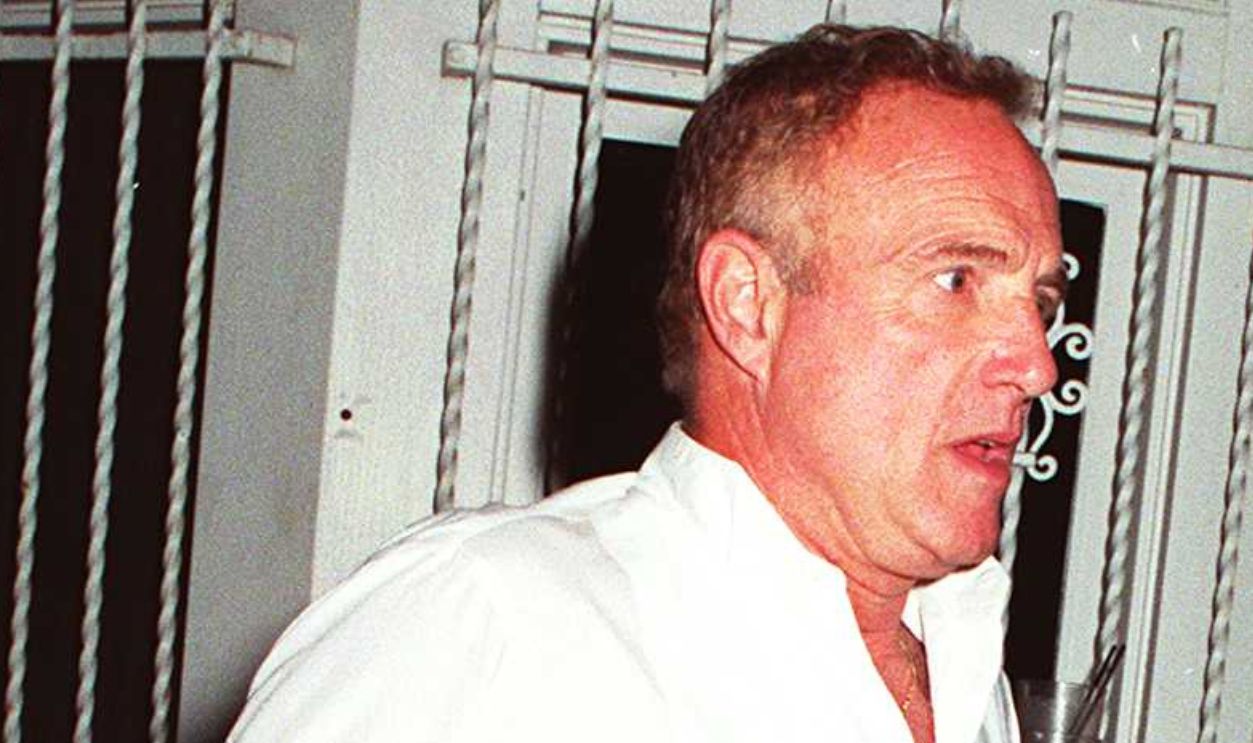
A Former Girlfriend Made Serious Allegations
Former girlfriend Leesa Rowland accused Caan of threatening and choking her during their turbulent relationship. She filed a civil battery case that reportedly ended in a large settlement. When it came to relationships, Caan knew how to pick 'em.
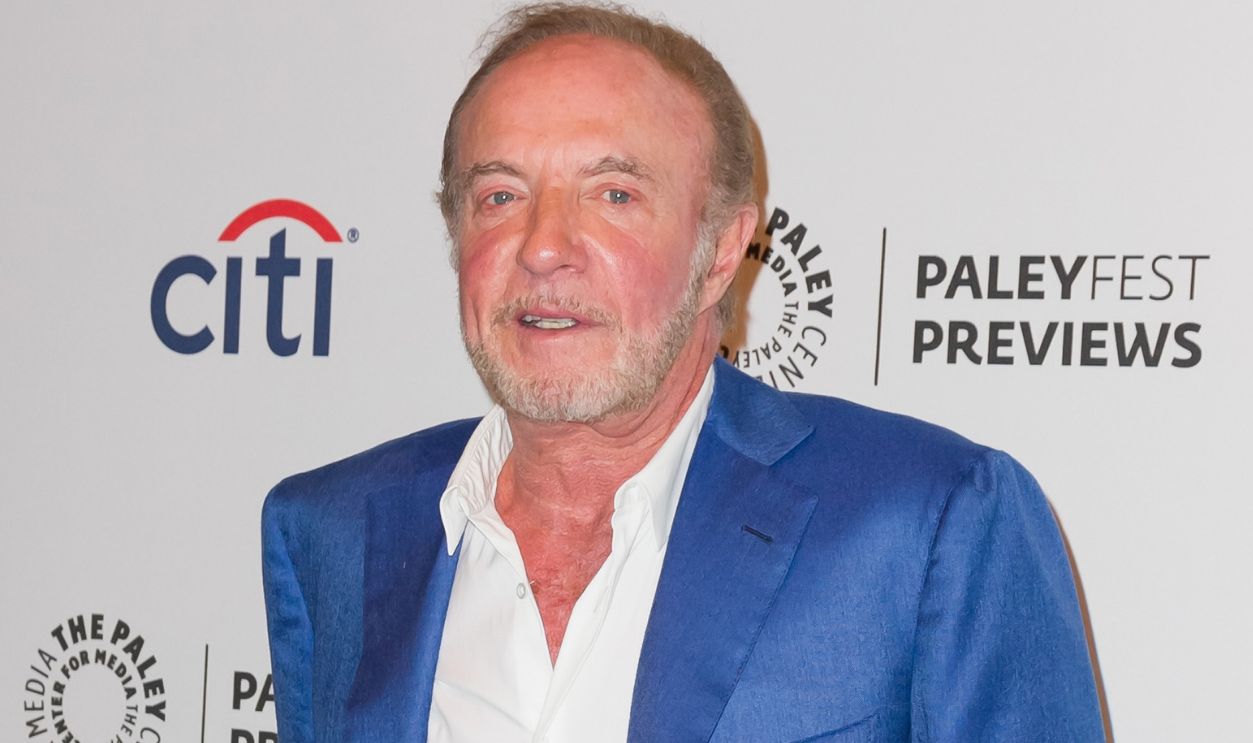
His Mob Friendships Were Real
Caan openly maintained friendships with reputed organized-crime figures, creating the rare situation in which The Godfather made an actor’s social circle seem less suspicious. These relationships were not proof that Caan participated in criminal activity, but they certainly kept gossip columnists from becoming bored.
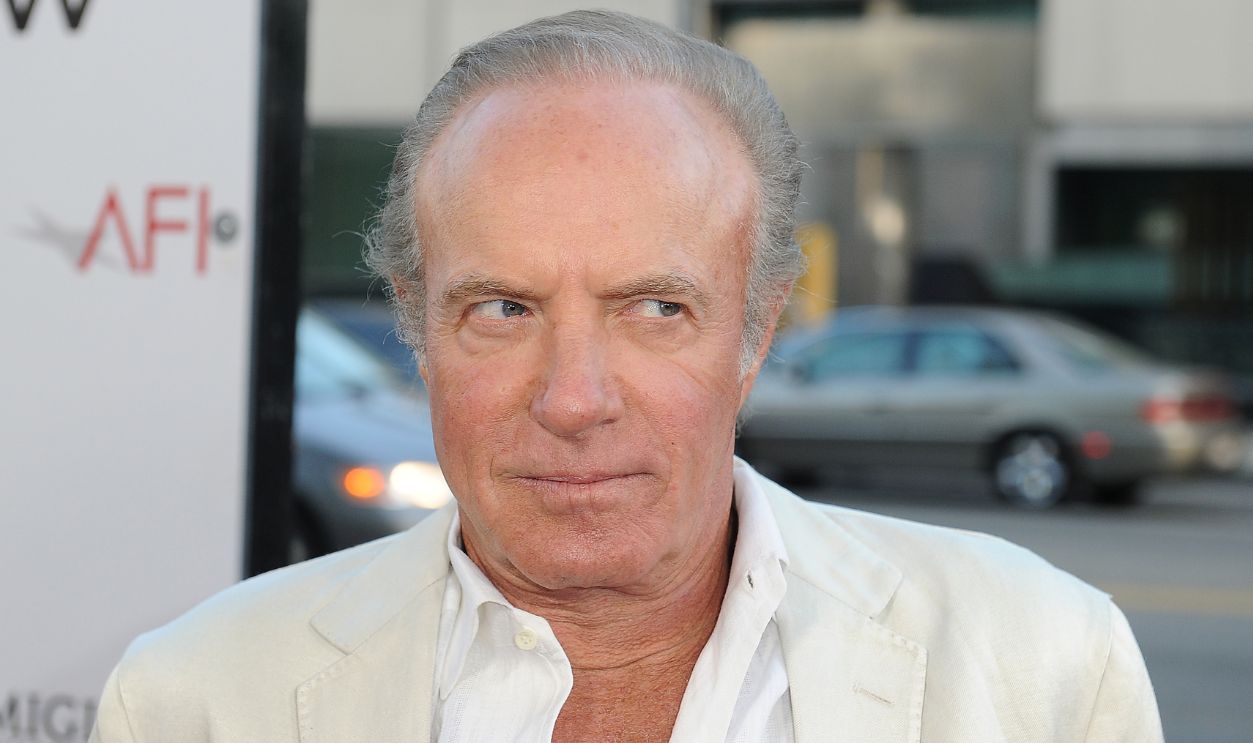
He Defended Andrew Russo
In 2011, Caan wrote to a federal court supporting reputed Colombo figure Andrew Russo, whom he had known for more than 35 years. Russo was Scott’s godfather. Caan offered property toward bail, explaining that their families were intertwined. Even Hollywood’s casting department could not have arranged that irony.
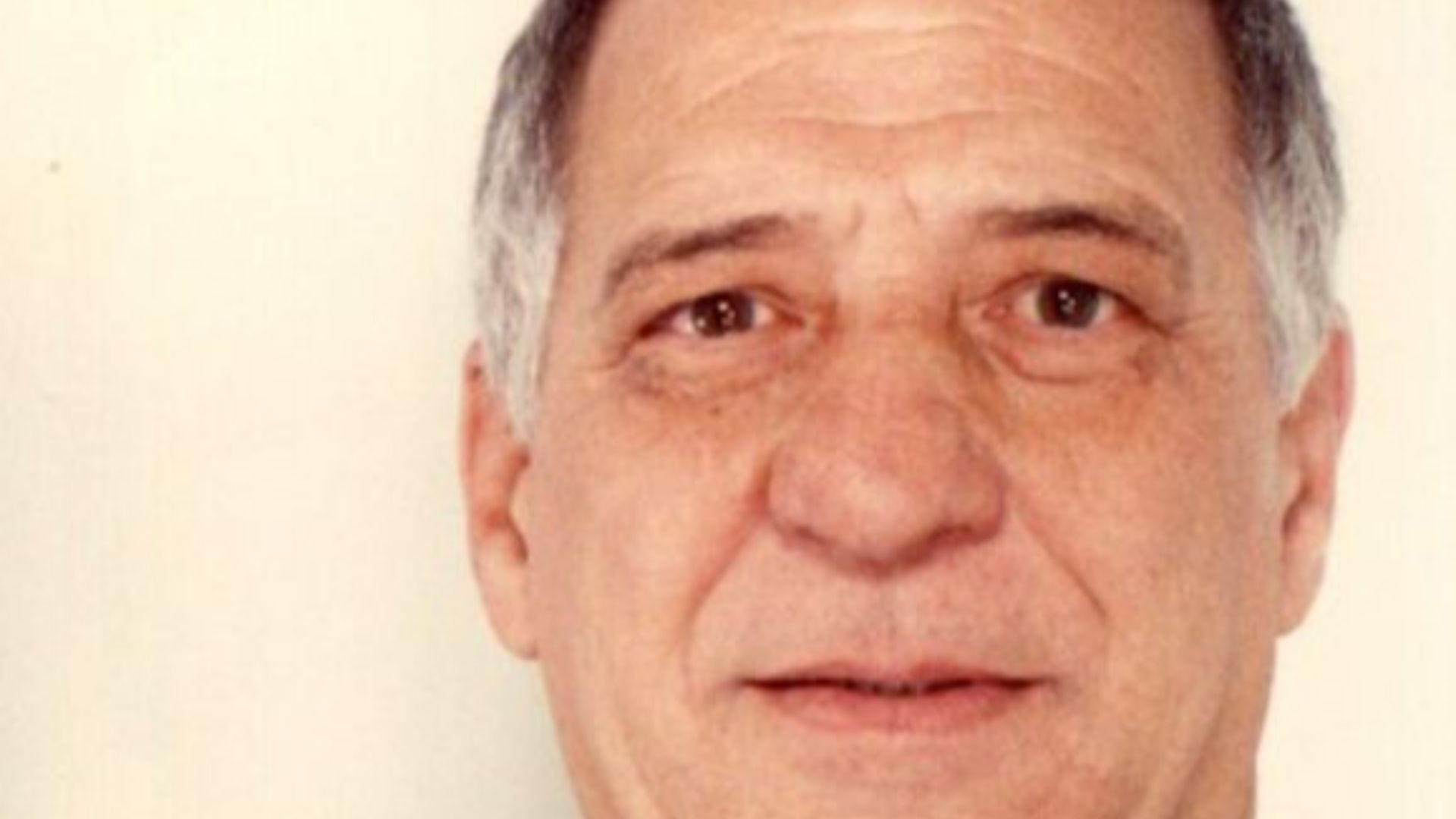 U.S. ATTORNEY'S OFFICE, EASTERN DISTRICT OF NEW YORK, Wikimedia Commons
His Final Divorce Dragged On
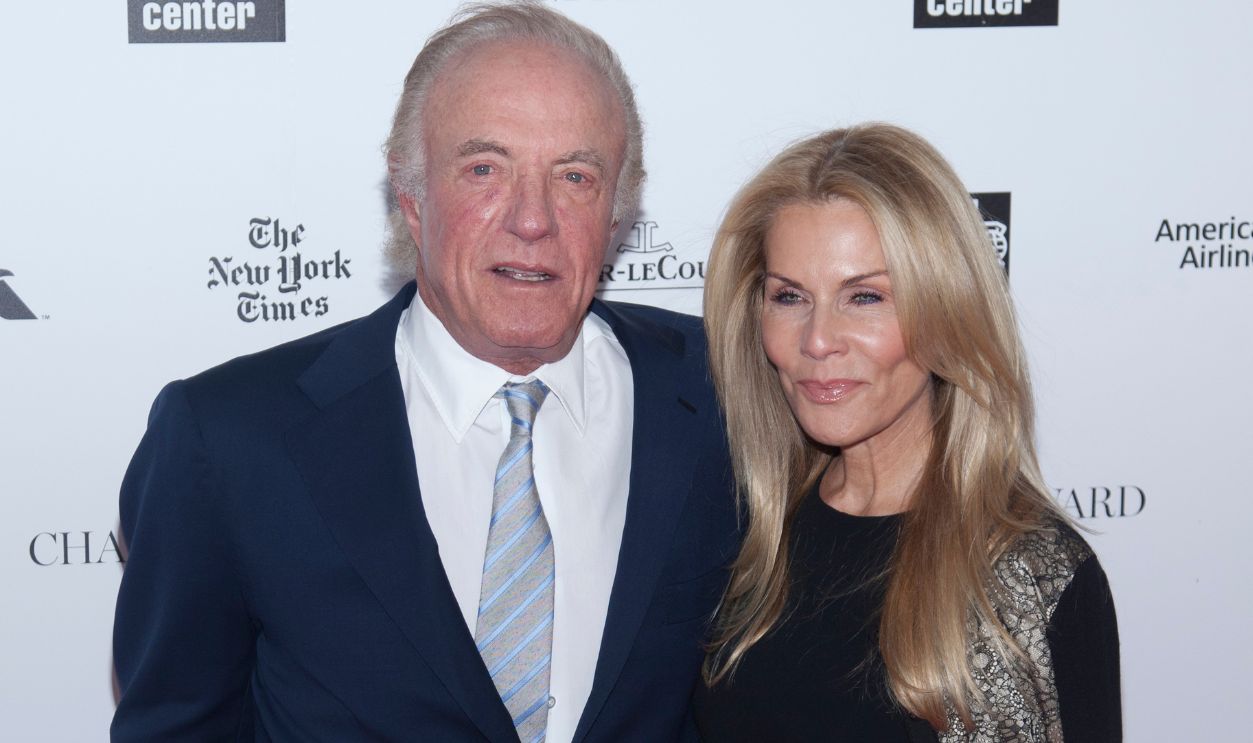
Caan’s marriage to Linda Stokes produced repeated divorce filings and prolonged arguments about finances and support. Their split was eventually finalized in 2017. By then, Caan’s marital history had lasted longer than several studio franchises—and contained nearly as many sequels nobody expected.
Audiences Welcomed Him Back
Caan found memorable later roles in Honeymoon in Vegas, Bottle Rocket, Mickey Blue Eyes, Elf, and the television series Las Vegas. Younger viewers knew him as Buddy’s irritable father in Elf, proving he could frighten organized criminals and Christmas enthusiasts with equal efficiency.
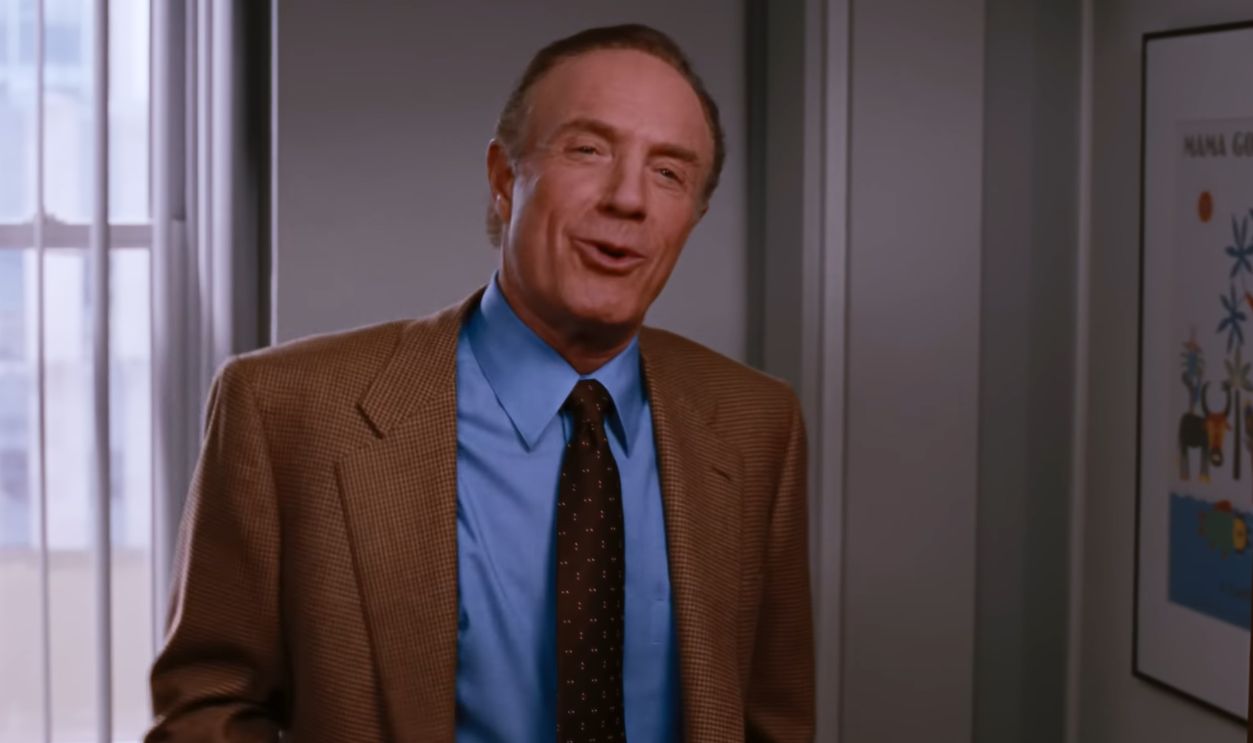 Screenshot from Elf, New Line Cinema (2003)
He Never Pretended To Be Innocent
Caan admitted his mistakes, dependency, damaged relationships, and reckless decisions. Still, he believed rumors exaggerated his behavior. “I wish I had done half the things people said I did,” he once joked. It was a denial delivered with just enough pride to sound almost like disappointment.
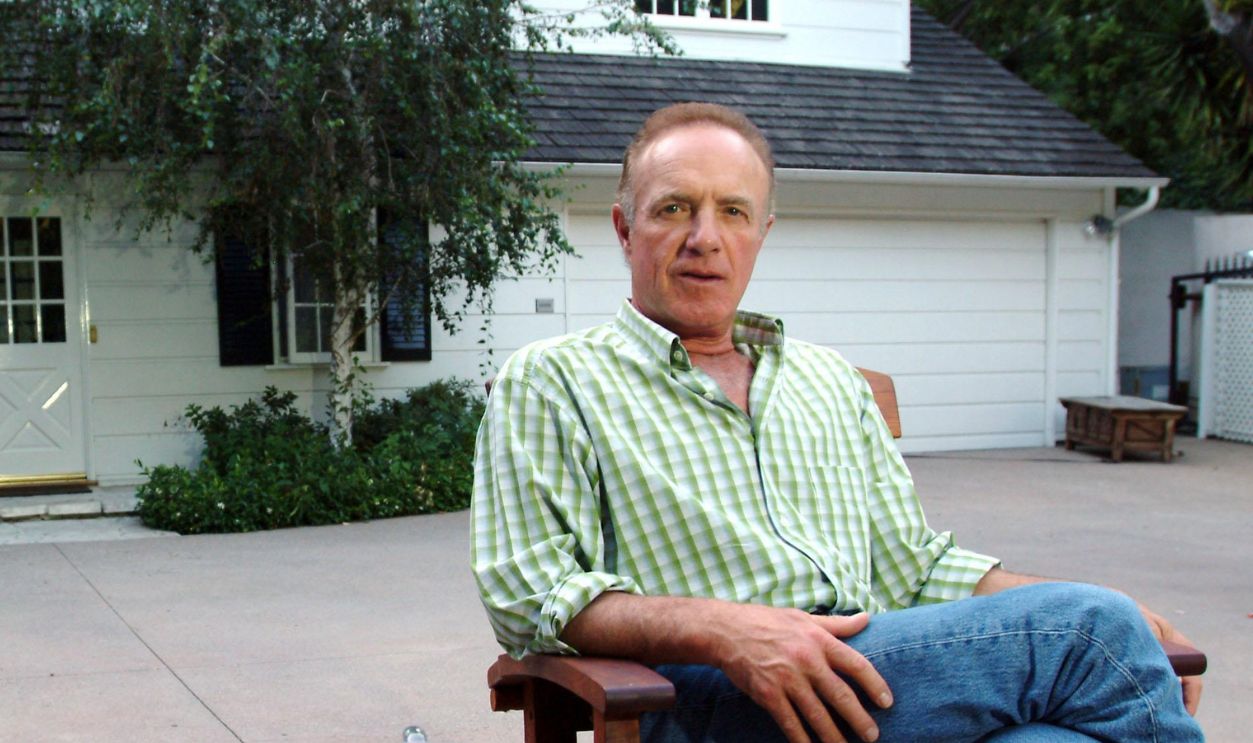
His Children Saw More Than The Scandals
Scott Caan acknowledged that their relationship had been dysfunctional, but also called his father a great parent who remained present despite his mistakes. They eventually worked together, and Scott said their final conversation left nothing important unsaid—a quiet resolution after decades of turbulence.
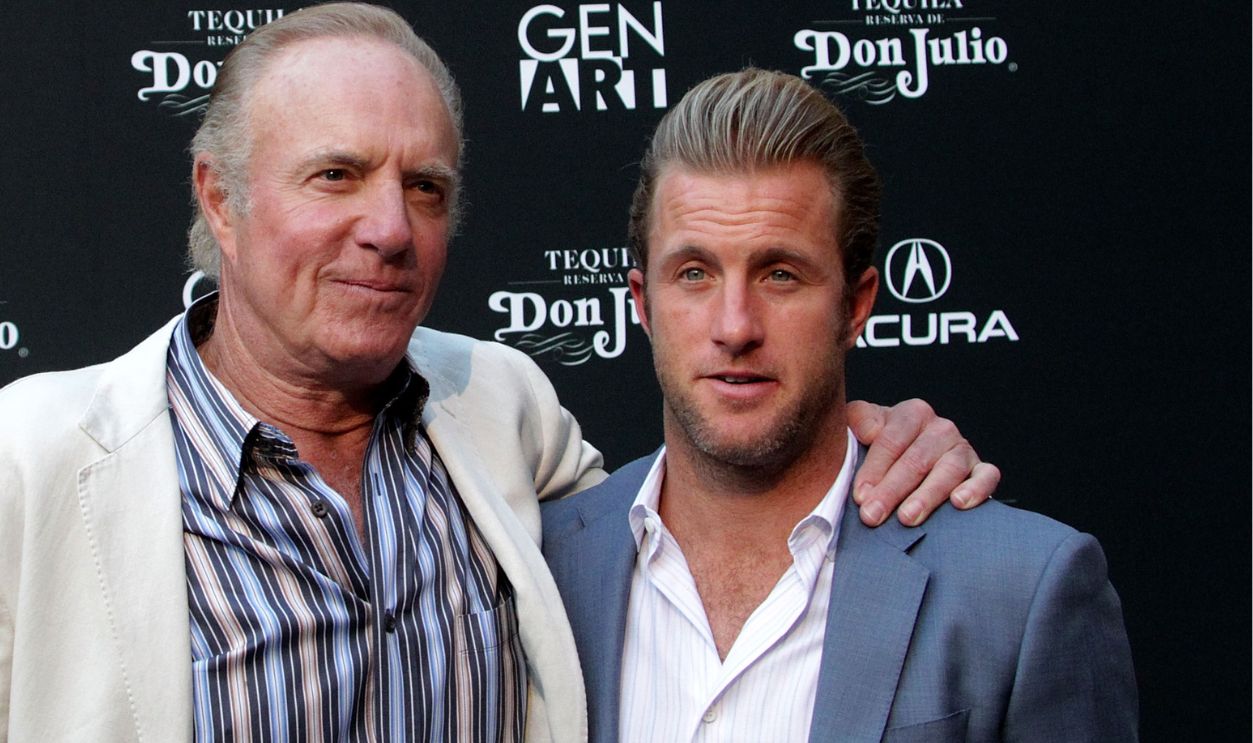 Frederick M. Brown, Getty Images
James Caan Made One Last Exit
Caan died at Ronald Reagan UCLA Medical Center in Los Angeles on July 6, 2022, aged 82. His death certificate cited a heart attack caused by coronary artery disease, with COPD and congestive heart failure contributing. The man who always seemed impossible to contain was finally still.
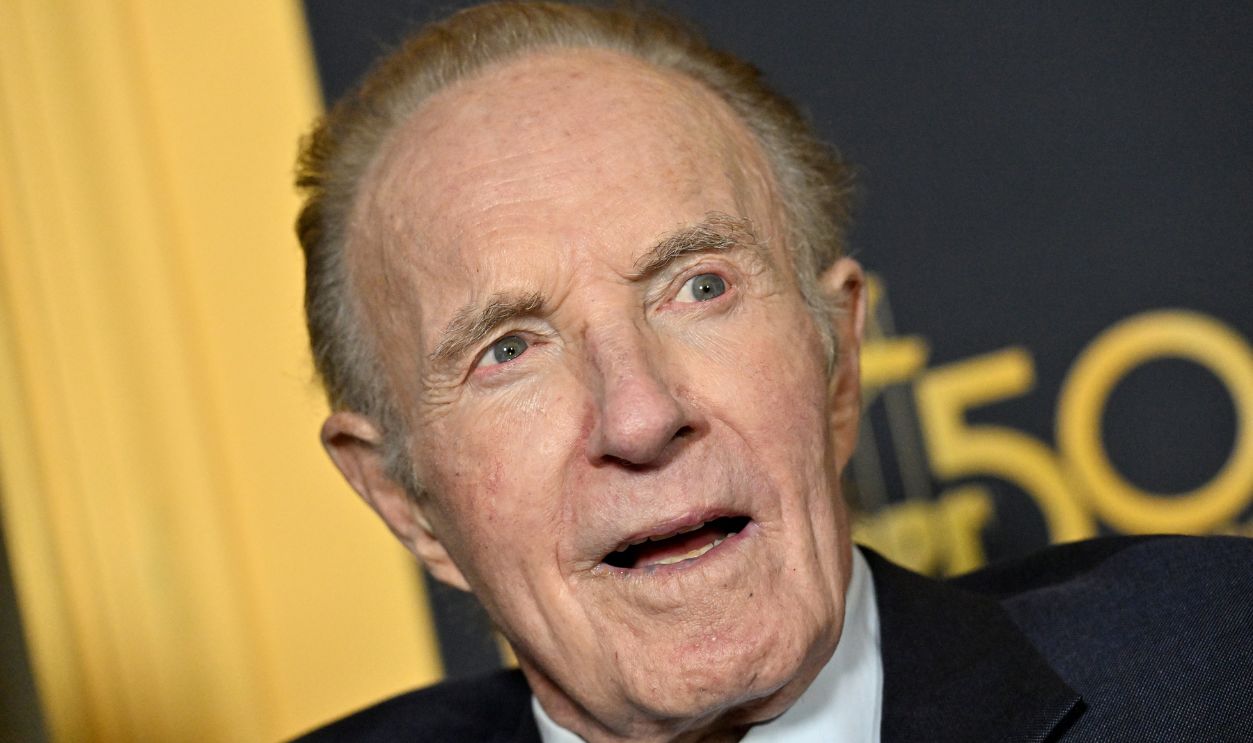 Axelle/Bauer-Griffin, Getty Images
He Was Always More Than Sonny
The scandals were real, the allegations were serious, and Caan never erased the harm caused during his worst years. Yet he recovered, rebuilt his career, loved his children, and delivered unforgettable performances for six decades. Sonny Corleone made him famous—but James Caan survived being James Caan.
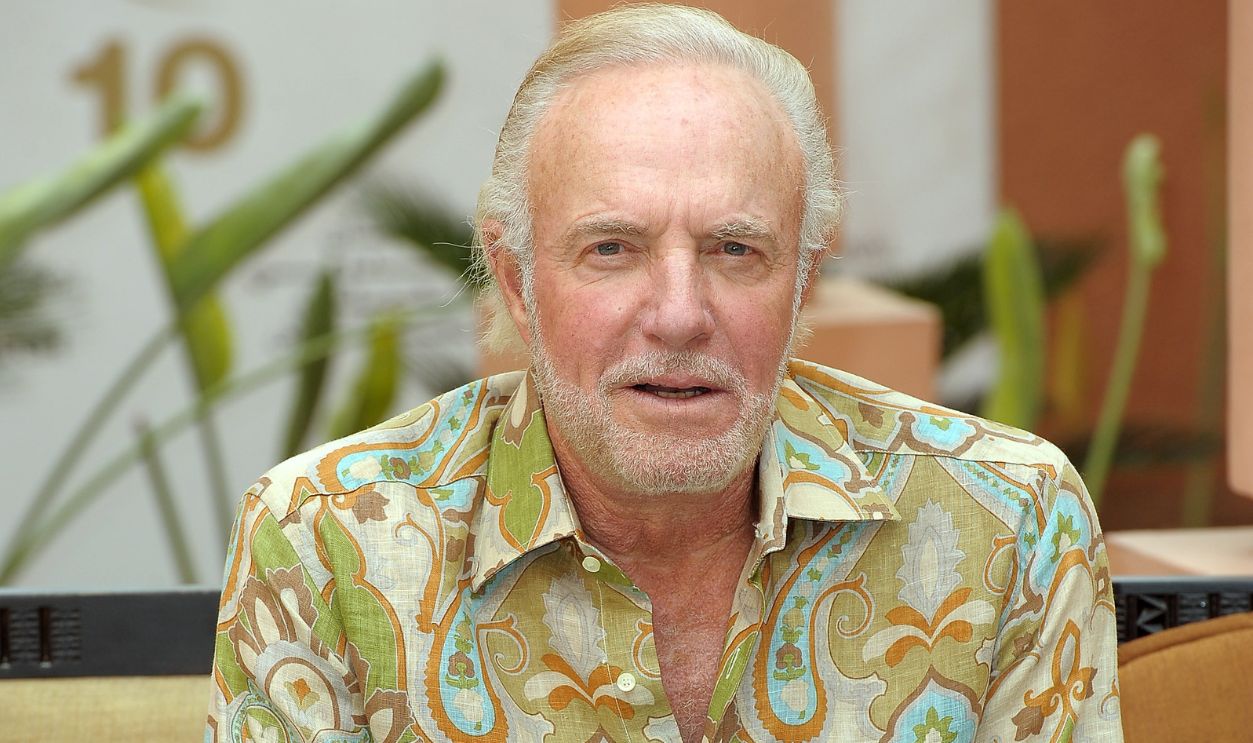 Dominique Charriau, Getty Images
You May Also Like:
While famous across America for his role as Uncle Jesse on The Dukes of Hazzard—Denver Pyle never truly lived like a Hollywood star.
Behind his wholesome television persona, Bob Crane led a double life that shocked even the darkest corners of Hollywood.