George Wendt Barely Had To Move
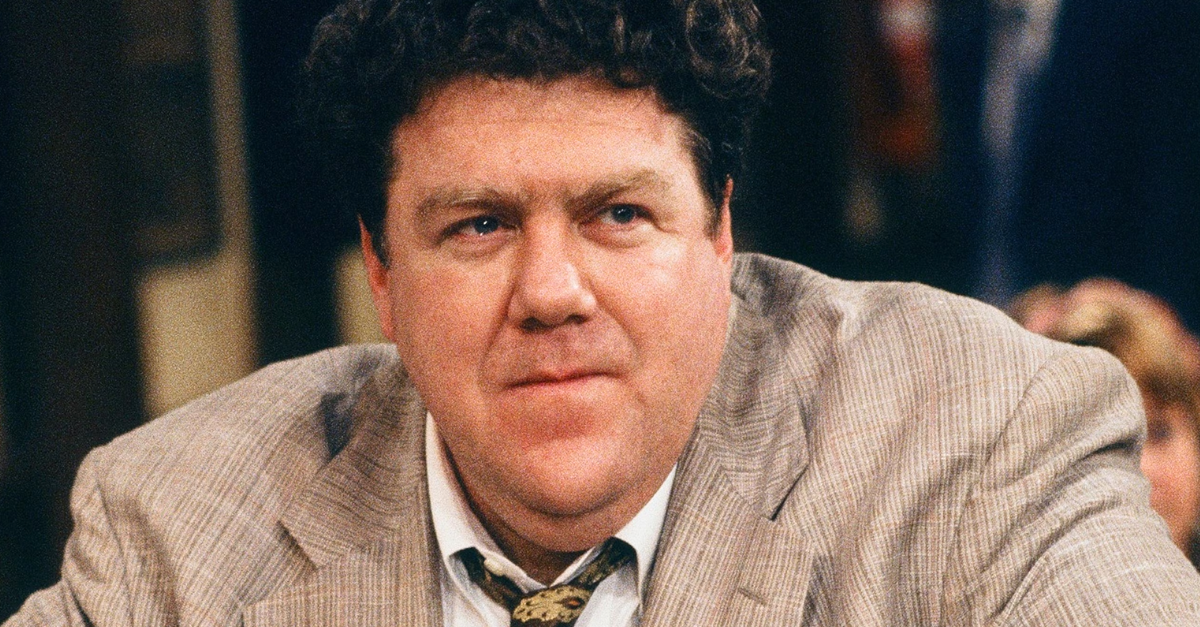
George Wendt made understatement look effortless, turning an ordinary bar regular into one of television comedy’s most recognizable characters.
 Paul Drinkwater/NBC / Getty Images
Chicago Made Him Funny
George Wendt was born in Chicago in 1948 and grew up on the city’s South Side. The city’s neighborhood humor and tavern culture would eventually seem perfectly suited to the man who became Norm Peterson. Long before Cheers, however, Wendt had no clear plan to become a professional actor.
Notre Dame Did Not Go Well
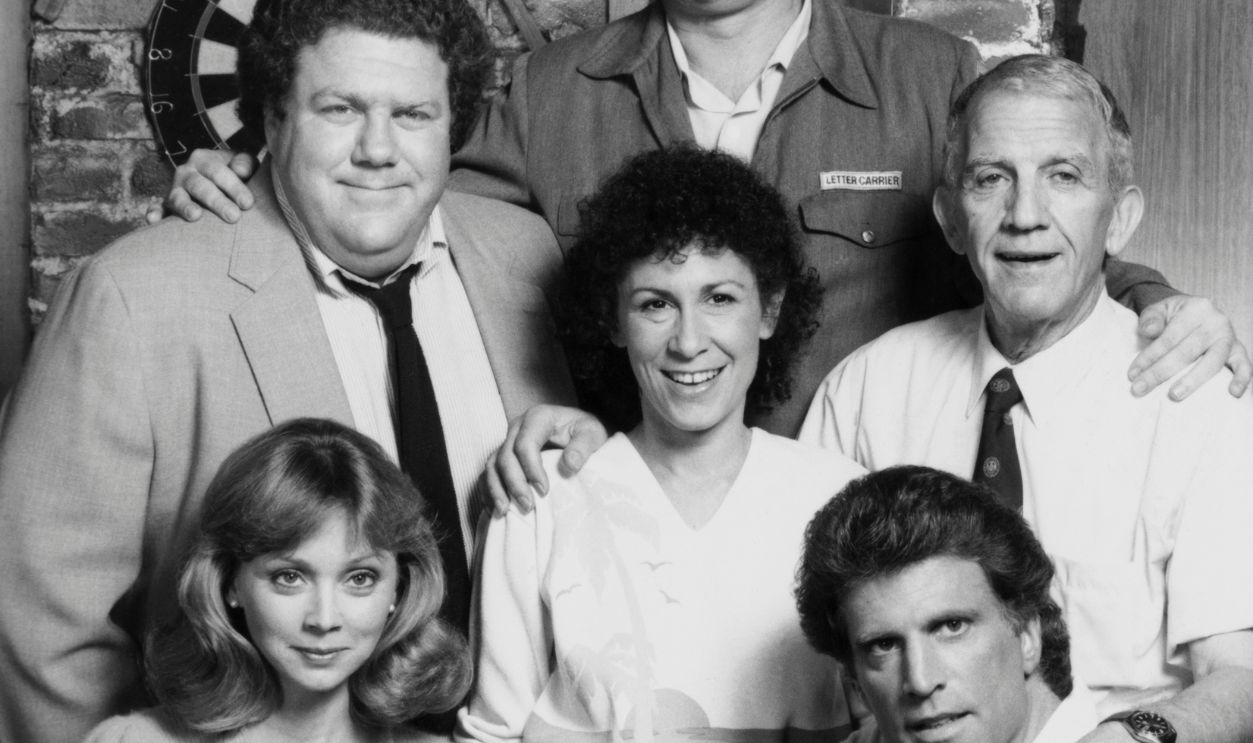
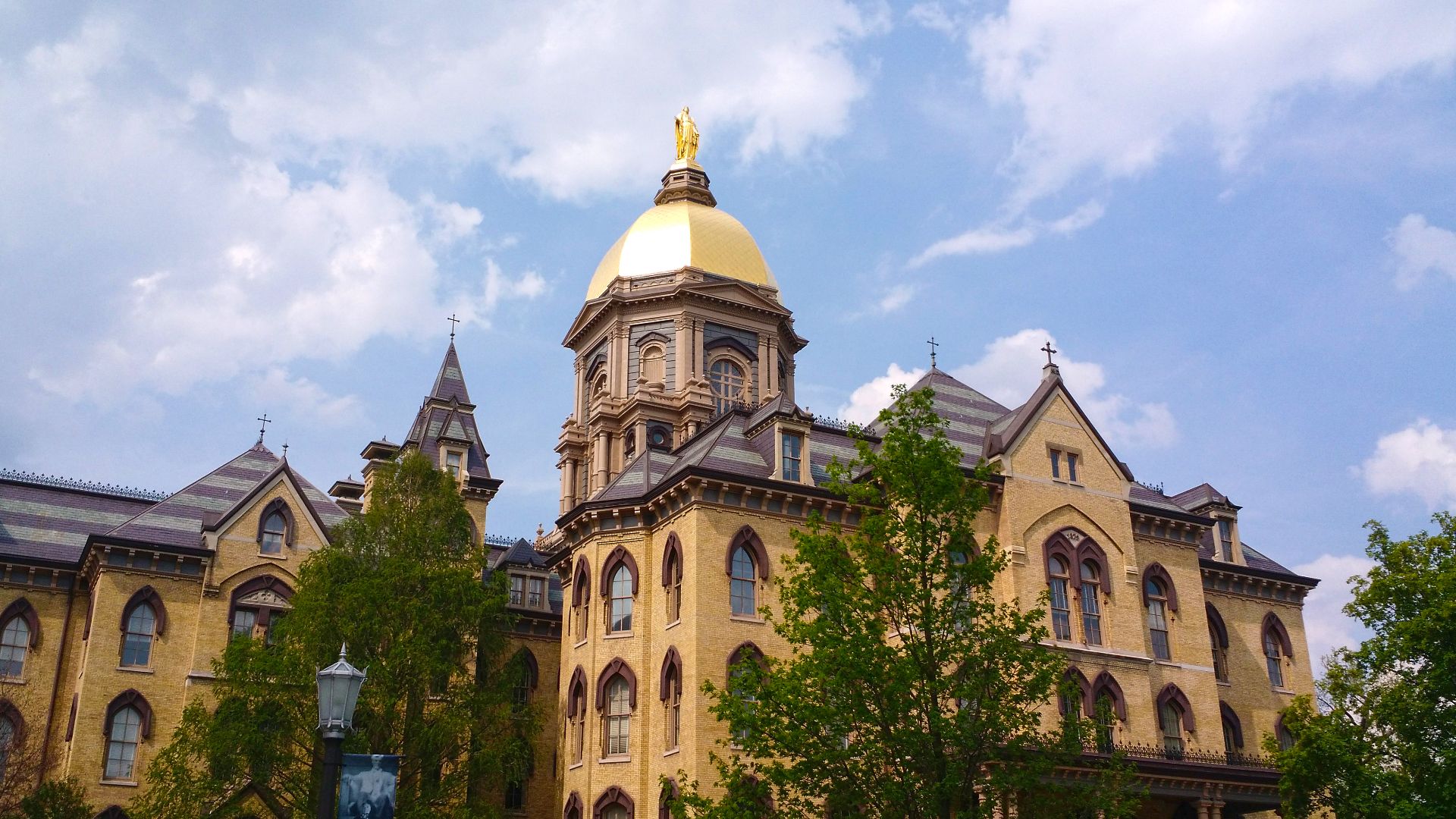
Wendt briefly attended the University of Notre Dame, but his academic career there ended spectacularly badly. The Second City’s own biography notes that he left with a 0.0 grade-point average after struggling to get to classes during a brutal winter. It hardly looked like the beginning of a six-time Emmy-nominated career.
 Matthew Rice, Wikimedia Commons
Show Business Started With A Broom
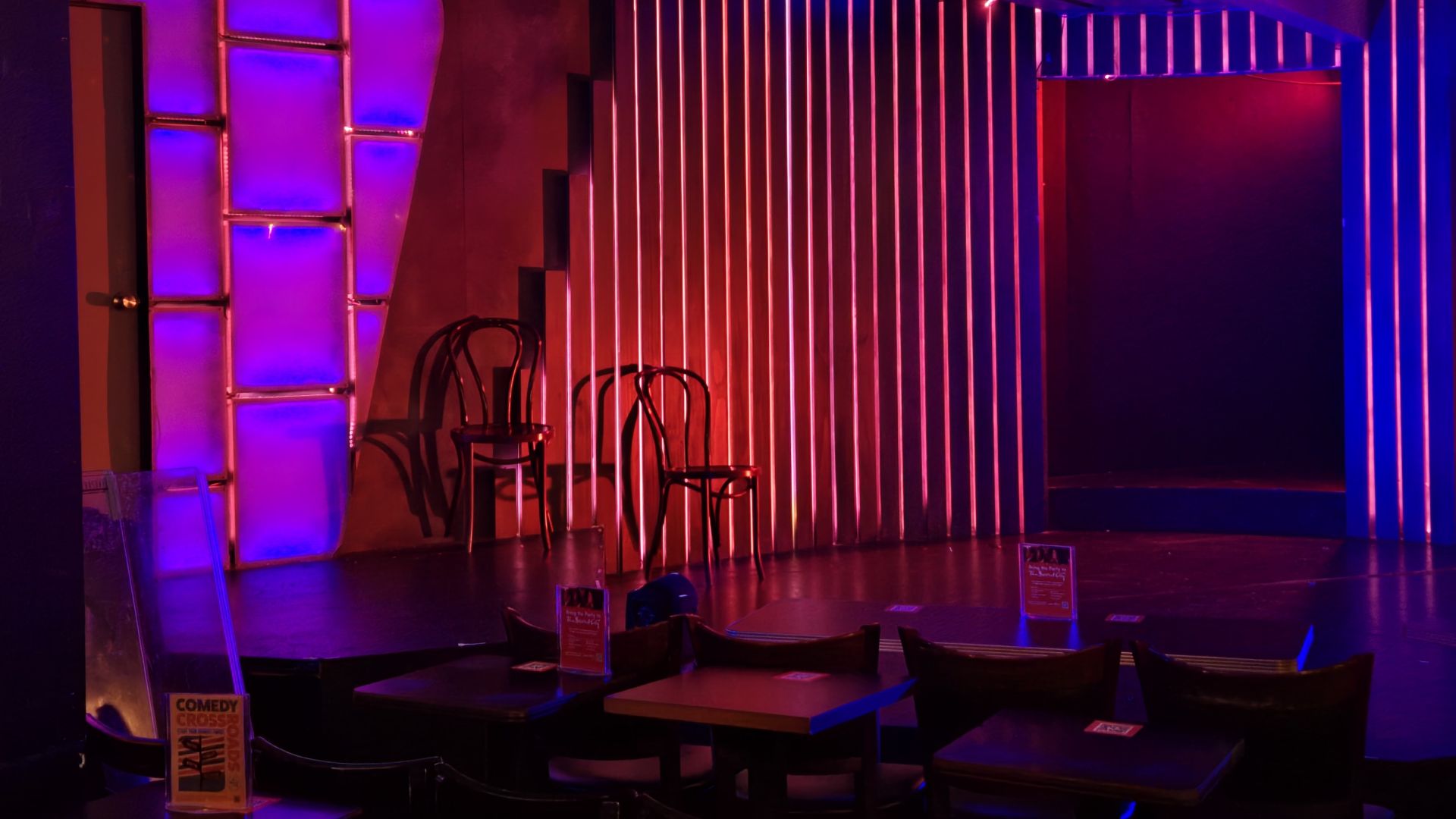
After returning to Chicago, Wendt found his way to The Second City. One of his first jobs there involved sweeping the theater floor before he began taking comedy workshops. Wendt later remembered that he had virtually no acting background, but something about improvisation immediately clicked.
Second City Taught Him To Trust Simplicity
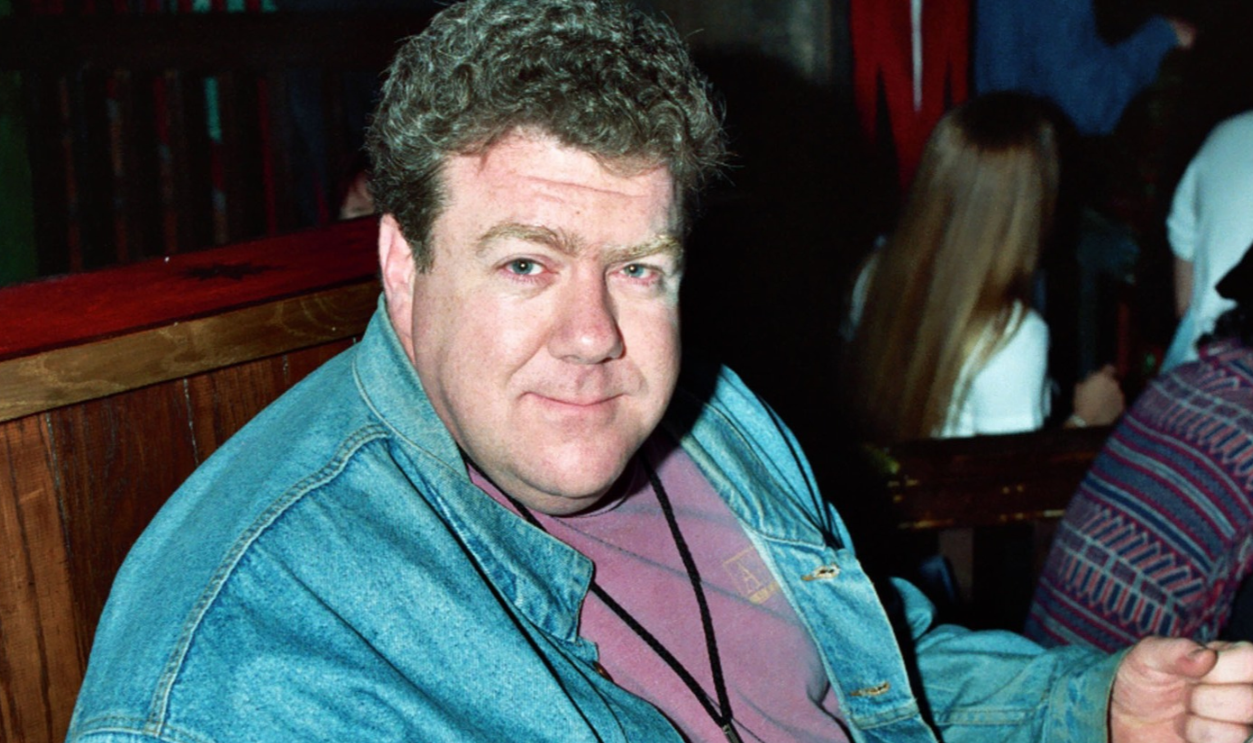
Wendt joined The Second City Touring Company before reaching the Mainstage in 1975. After being sent back on tour for more experience, he returned to the Mainstage in 1978 and stayed until leaving the company in 1980. That improvisational training taught him how much comedy could come from listening, reacting, and refusing to force a joke.
He Met His Future Wife There Too
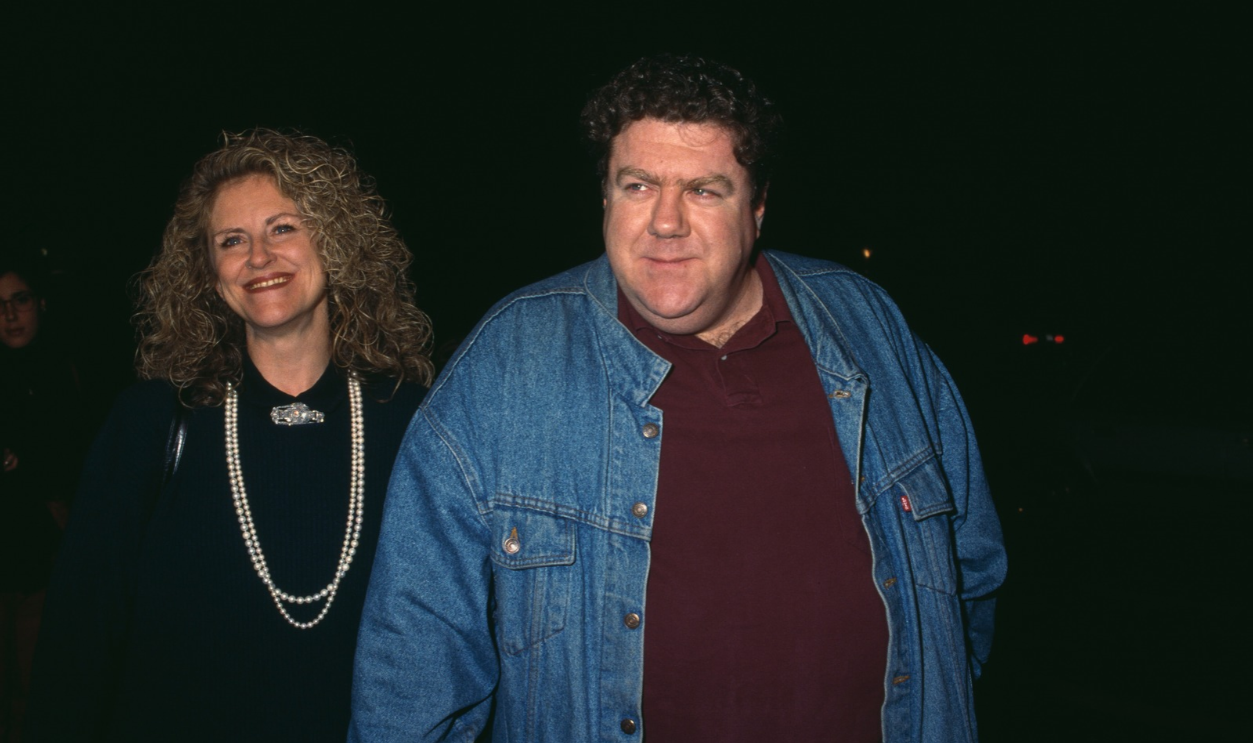
Second City also introduced Wendt to actress Bernadette Birkett. The couple married in 1978 and remained together for the rest of his life. Years later, Birkett would become quietly connected to Cheers itself through Norm’s famously elusive wife, Vera.
Television Started With Small Parts
After leaving Second City, Wendt began collecting minor television and film roles. His pre-Cheers credits included appearances on MASH*, Taxi, and Soap. He was working steadily enough, but nothing suggested that one supporting role was about to define him for generations.
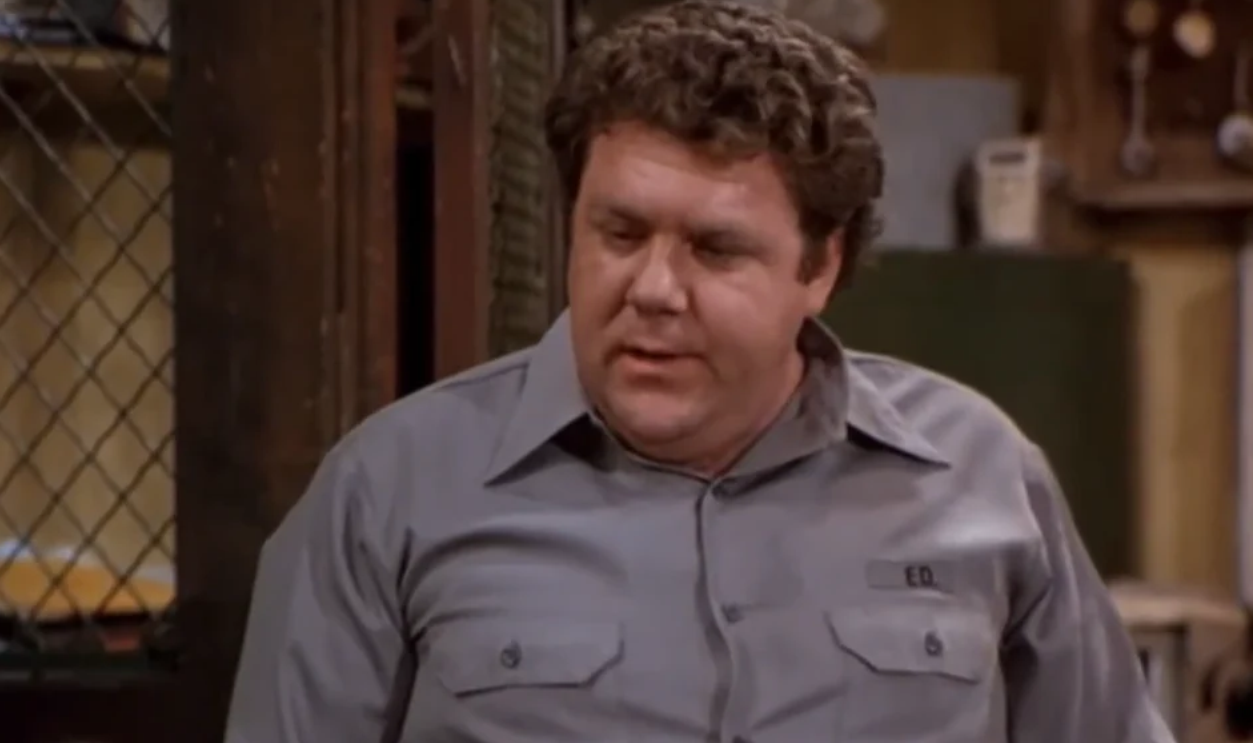 Screenshot from Taxi, Paramount Television (1978–1983)
His Cheers Audition Was Almost Nothing
Wendt originally heard that Cheers wanted him for an extremely small role. His agent explained that the character essentially had one word to say: “beer.” When Wendt arrived, however, the producers decided he was better suited to another character who would remain at the bar.
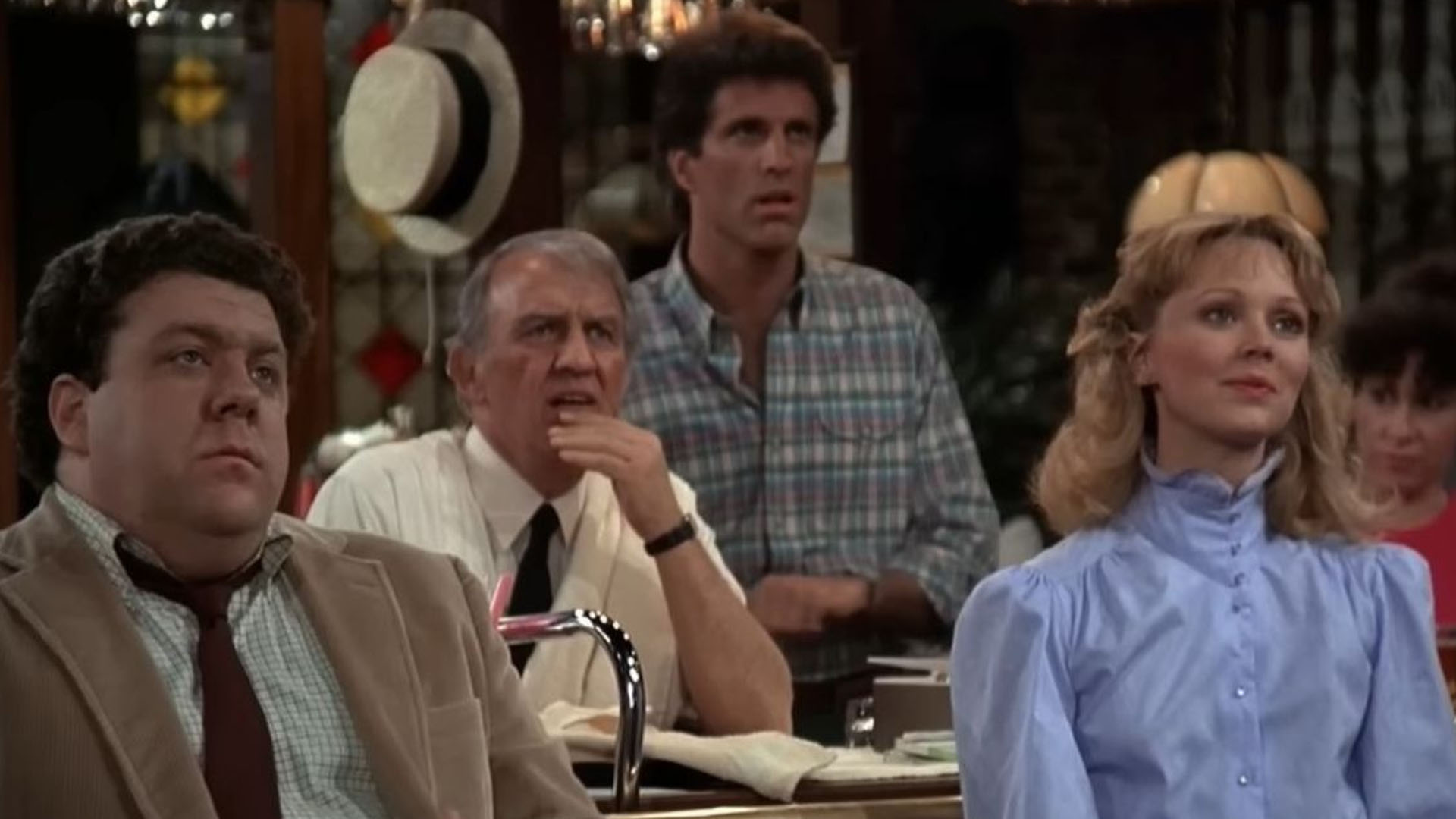 Screenshot from Cheers, Paramount Global (1982-1993)
One Word Became Eleven Seasons
The new character eventually became Norm Peterson. Co-creator Les Charles remembered drawing inspiration from a regular at a bar where he had once worked, a customer who always intended to have one drink and somehow stayed much longer. Wendt suddenly had a part that could grow rather than disappear after the pilot.
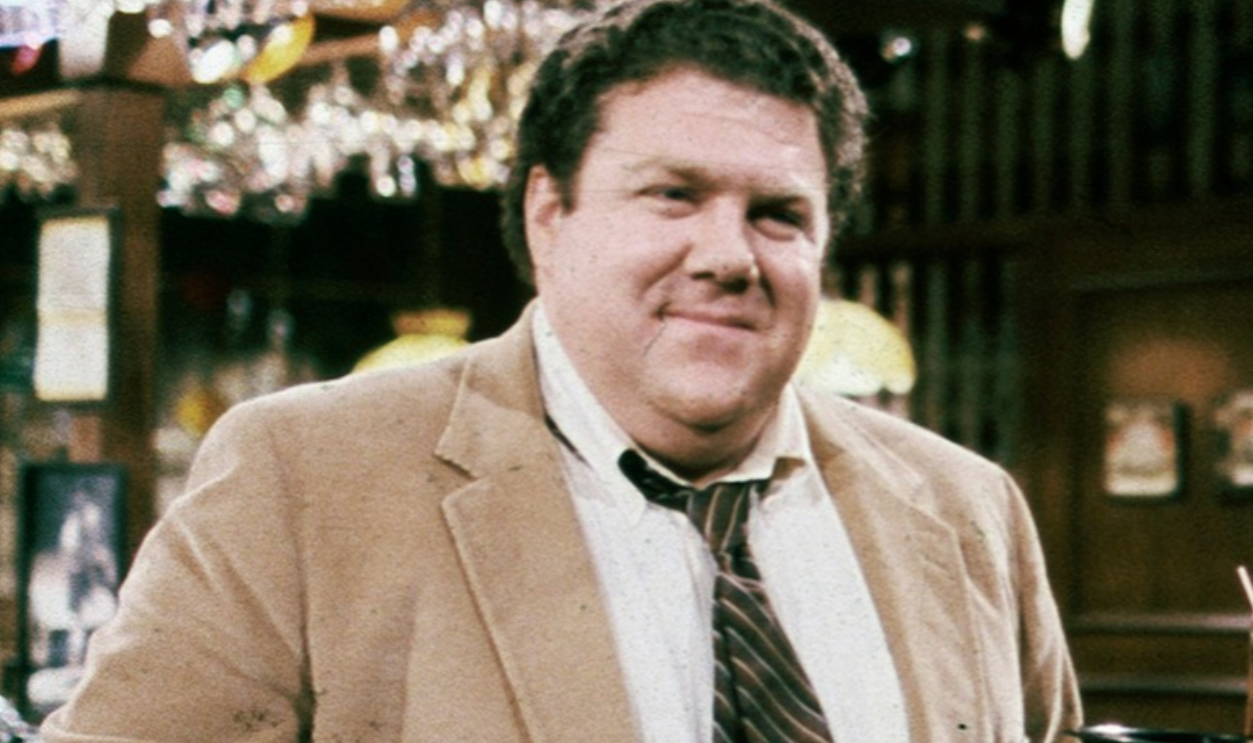
Even The Famous Greeting Had A Backstory
Norm’s entrance became one of television’s most reliable rituals. Wendt remembered that Nicholas Colasanto, who played Coach, had described a favorite New York bar where regulars were greeted by name when they walked inside. The writers adapted the idea, and the thunderous cry of “Norm!” became inseparable from the show.
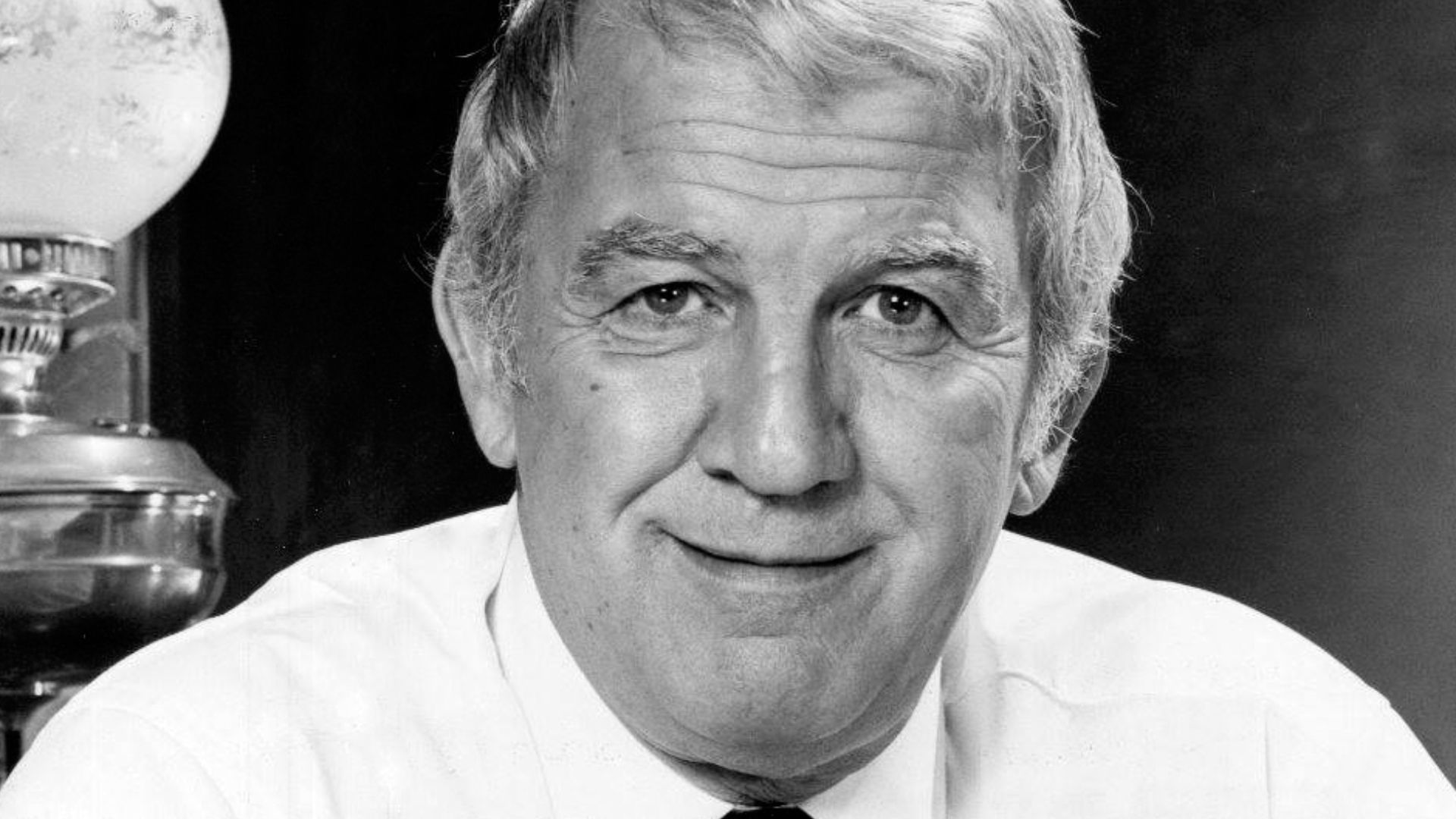 NBC Television, Wikimedia Commons
Cheers Nearly Died Before Norm Became Famous
Cheers premiered on NBC in September 1982 and initially struggled badly in the ratings. The show spent much of its first season near the bottom despite strong reviews. Norm’s eventual status as a television institution therefore grew out of a series that easily could have vanished before audiences truly discovered it.
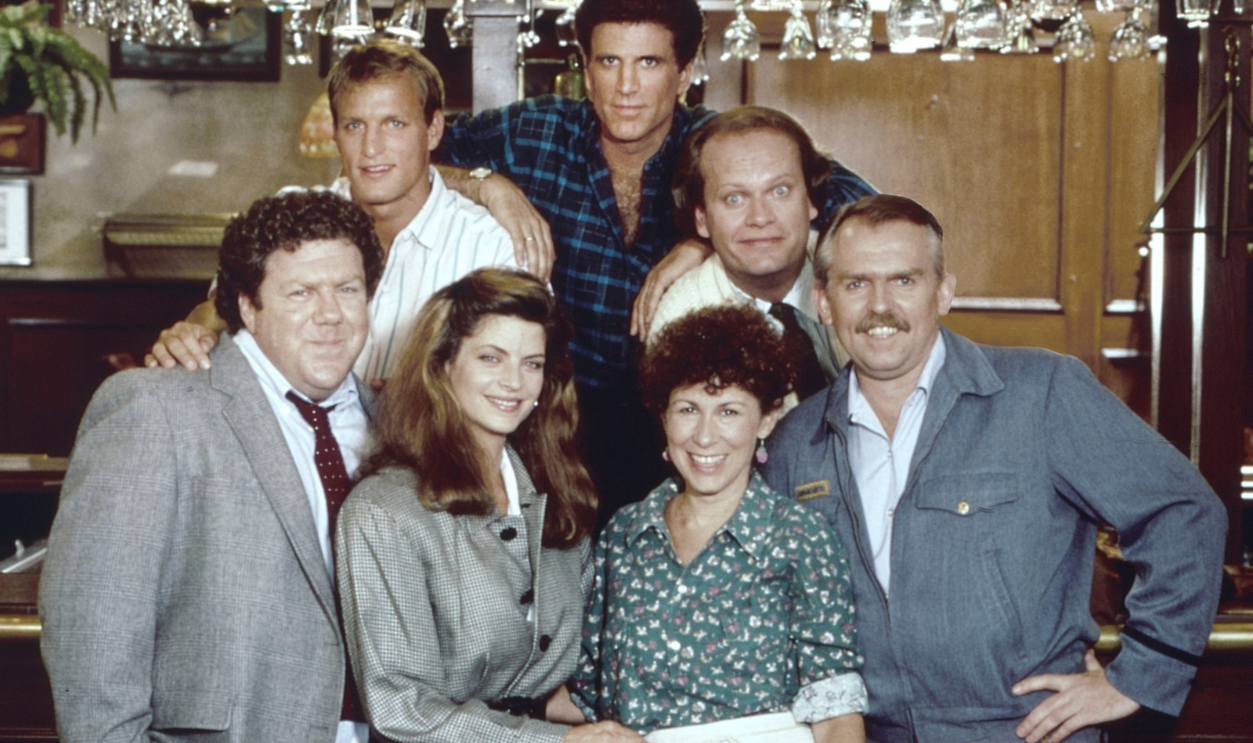
Wendt Understood That Less Was Funnier
Norm was not built around huge emotional speeches or elaborate physical comedy. Wendt often made the character funniest by looking tired, pausing briefly, and tossing away a line as though he barely cared whether anyone heard it. The Washington Post later argued that making Norm seem so effortlessly ordinary required considerably more craft than it appeared.
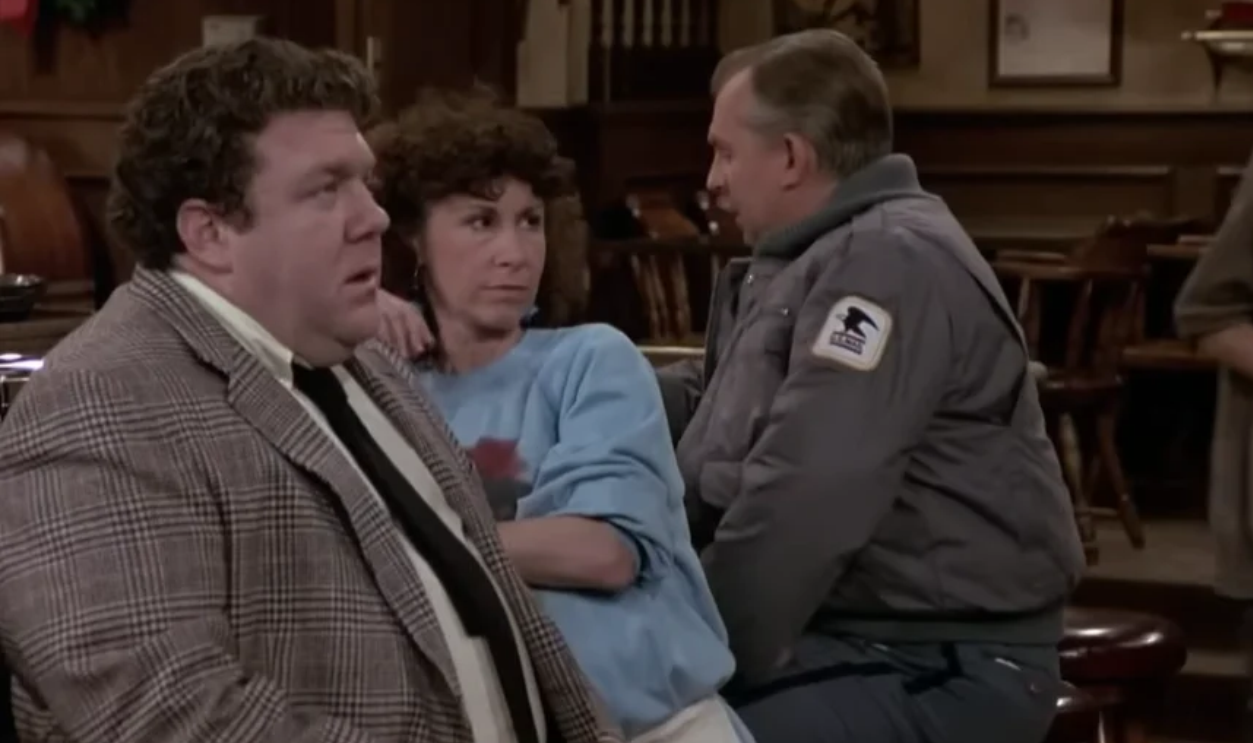 Screenshot from Cheers, Paramount (1982-1993)
The Entrance Joke Never Really Got Old
Nearly every Norm entrance followed the same basic pattern. He came through the door, everyone shouted his name, somebody asked how things were going, and Norm answered with a fresh complaint or self-deprecating observation. Repetition should have made the routine stale, but Wendt’s delivery made audiences anticipate it instead.
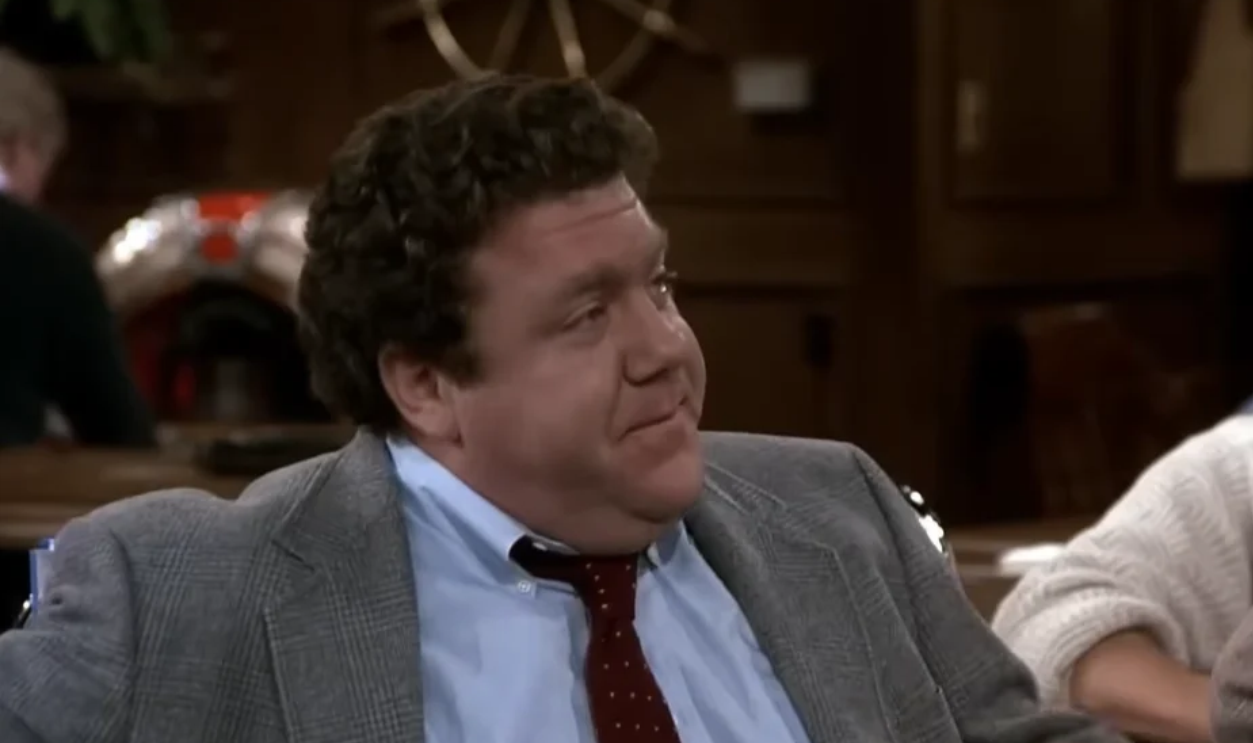 Screenshot from Cheers, Paramount (1982-1993)
Writers Discovered Norm Was Surprisingly Hard
Behind the scenes, keeping that simplicity fresh was challenging. Writer Phoef Sutton later remembered how difficult it became to invent another new joke whenever Norm entered the bar after years of variations. The character seemed effortless because the writers and Wendt worked hard to hide the machinery.
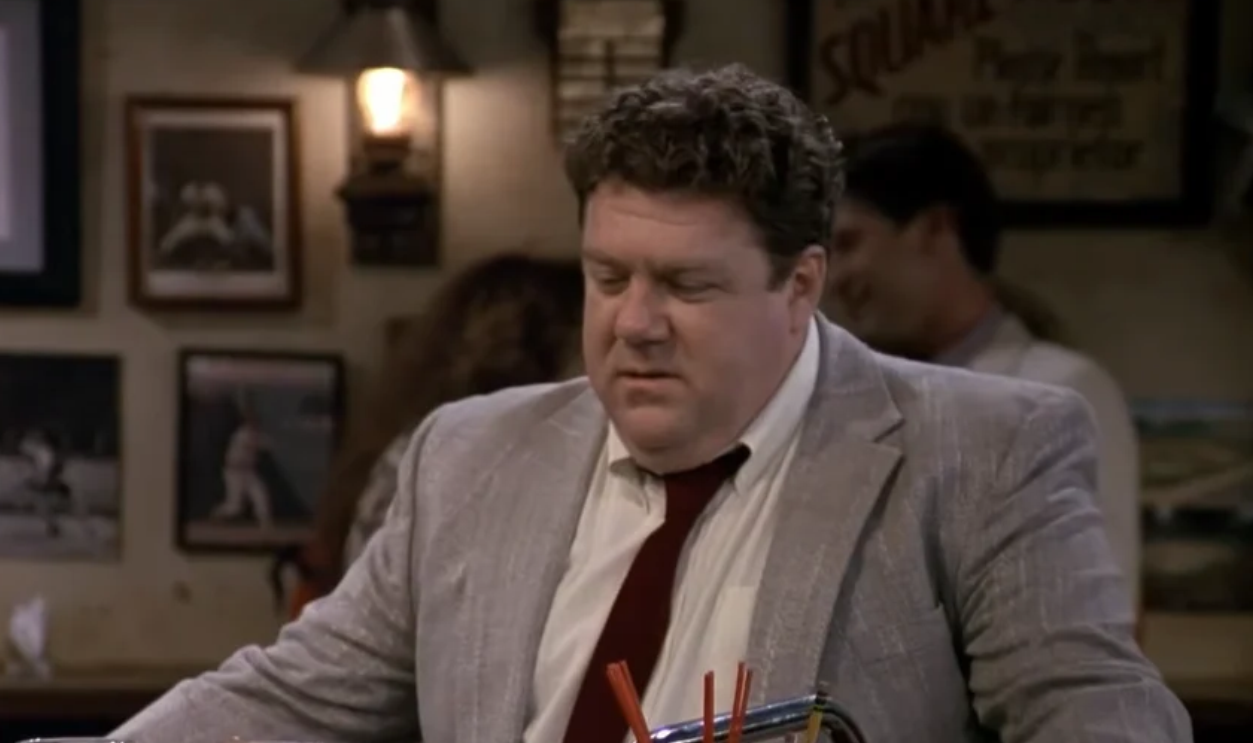 Screenshot from Cheers, Paramount (1982-1993)
Cliff Made The Barstool Better
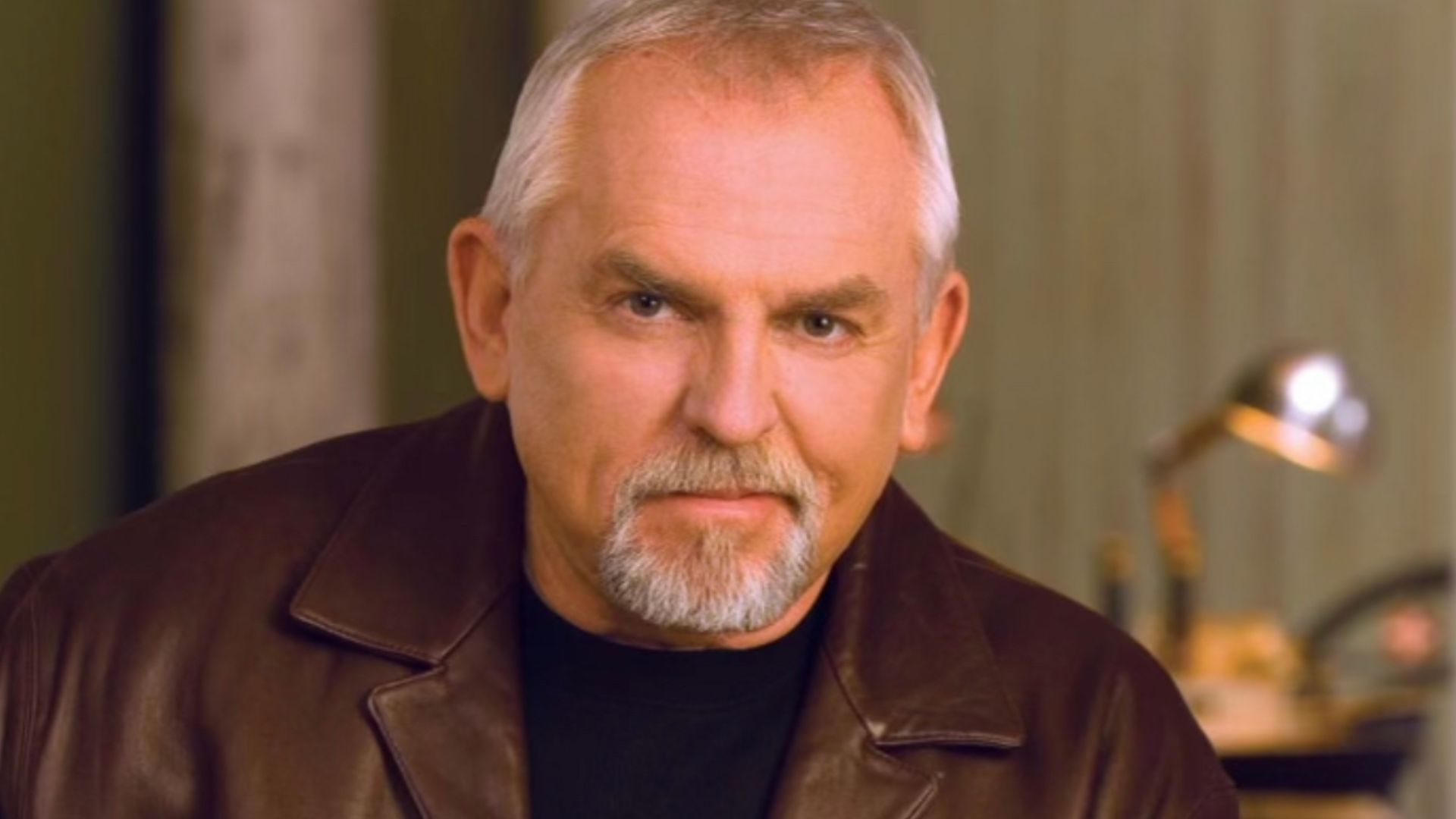
John Ratzenberger’s Cliff Clavin gave Norm the ideal bar companion. Cliff filled the air with questionable information while Norm reacted with skepticism, resignation, or a perfectly timed put-down. Together, Wendt and Ratzenberger created the feeling of two regulars who might have occupied the same stools long before viewers arrived.
 Author.KNovak, Wikimedia Commons
Vera Became Famous Without Showing Her Face
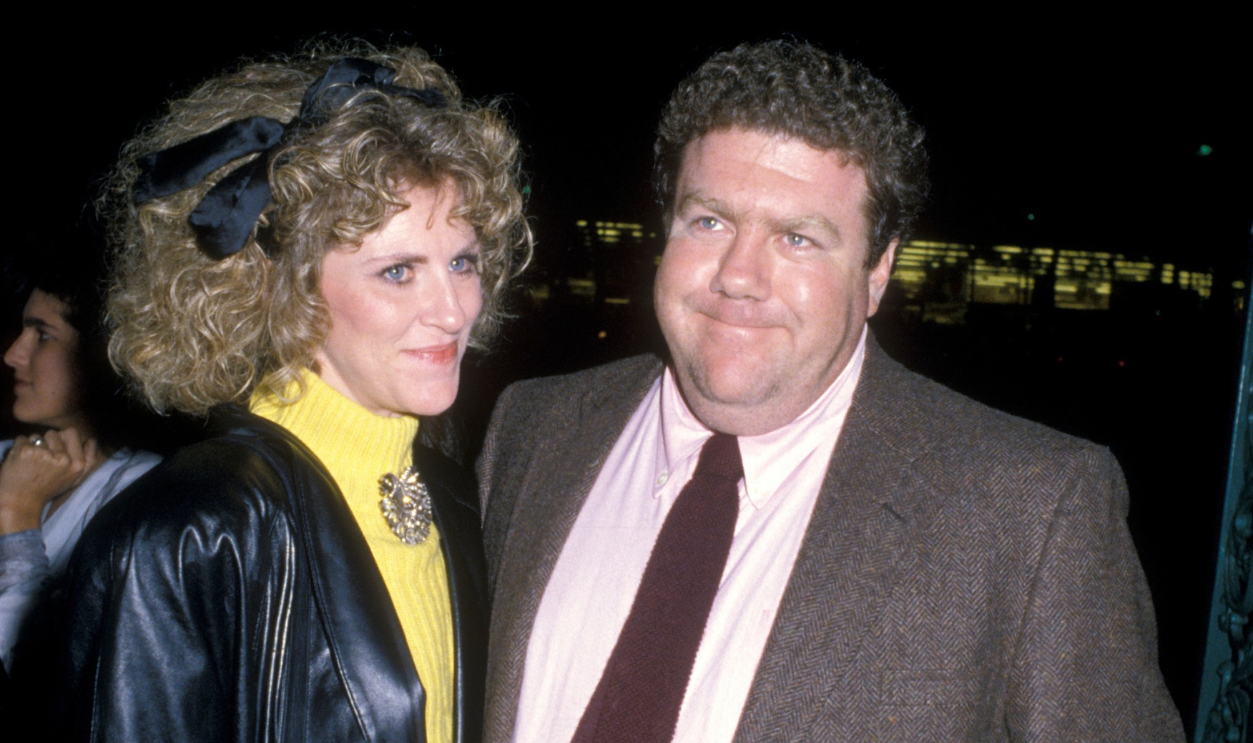
Norm’s wife, Vera, became another major running joke despite rarely appearing. She was discussed constantly, sometimes mockingly, yet moments when Norm spoke directly to her suggested far more affection than his barroom complaints admitted. The occasional appearances of Vera were handled by Bernadette Birkett, Wendt’s real-life wife, while keeping the character’s face hidden.
Norm Wasn't Actually A Happy Failure
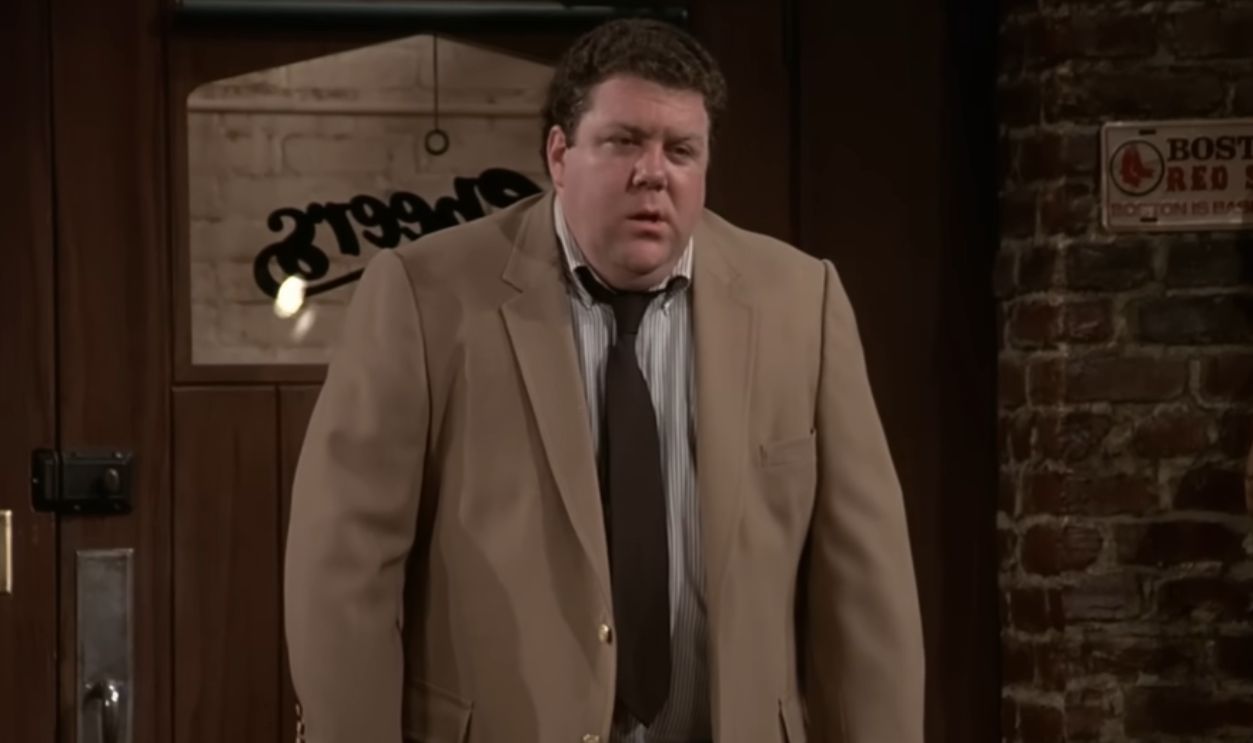
Norm’s humor often concealed professional frustration. He began the series as an accountant, struggled with employment, and frequently retreated to Cheers when the outside world disappointed him. That underlying insecurity gave Wendt something deeper to play beneath the jokes without requiring the character to explain himself.
 Screenshot from Cheers, Paramount (1982-1993)
Cheers Was Where Norm Won
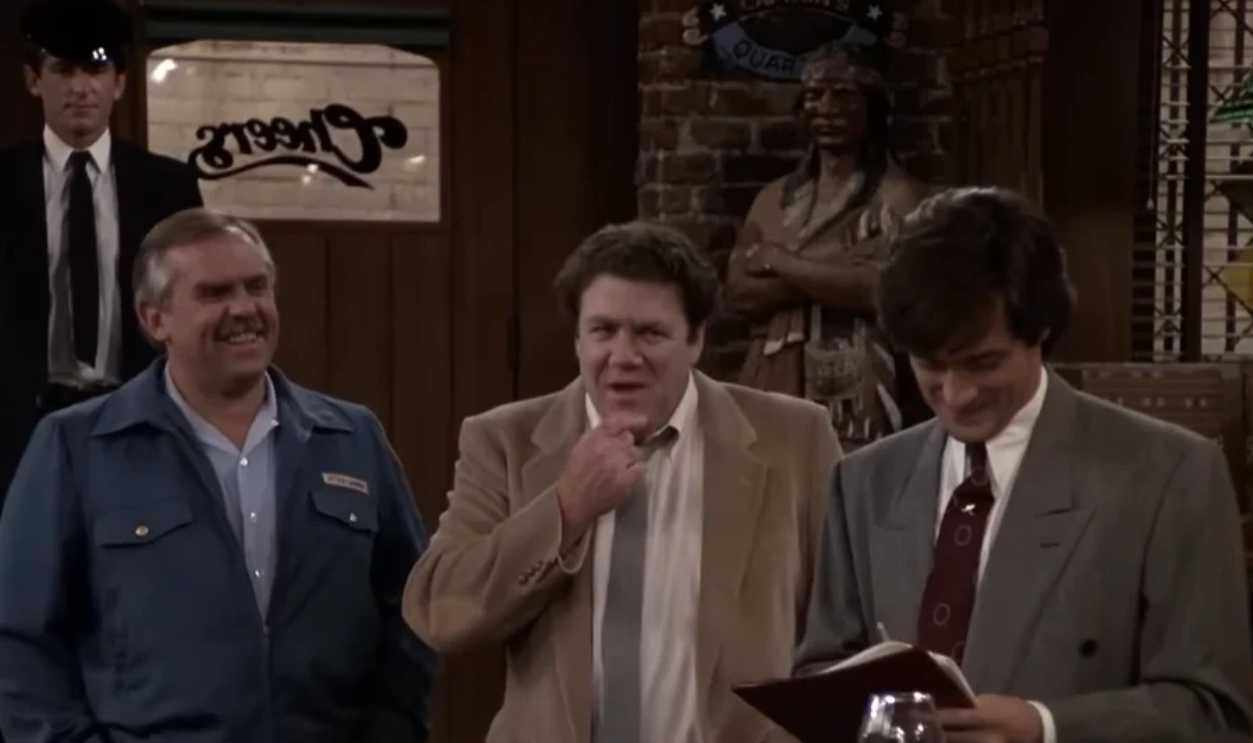
The outside world could make Norm feel unsuccessful, but walking into Cheers transformed him instantly. Everyone knew him, everyone welcomed him, and his usual seat seemed permanently reserved. The show’s famous promise that everybody knows your name arguably applied to nobody more completely than Norm Peterson.
 Screenshot from Cheers, Paramount (1982-1993)
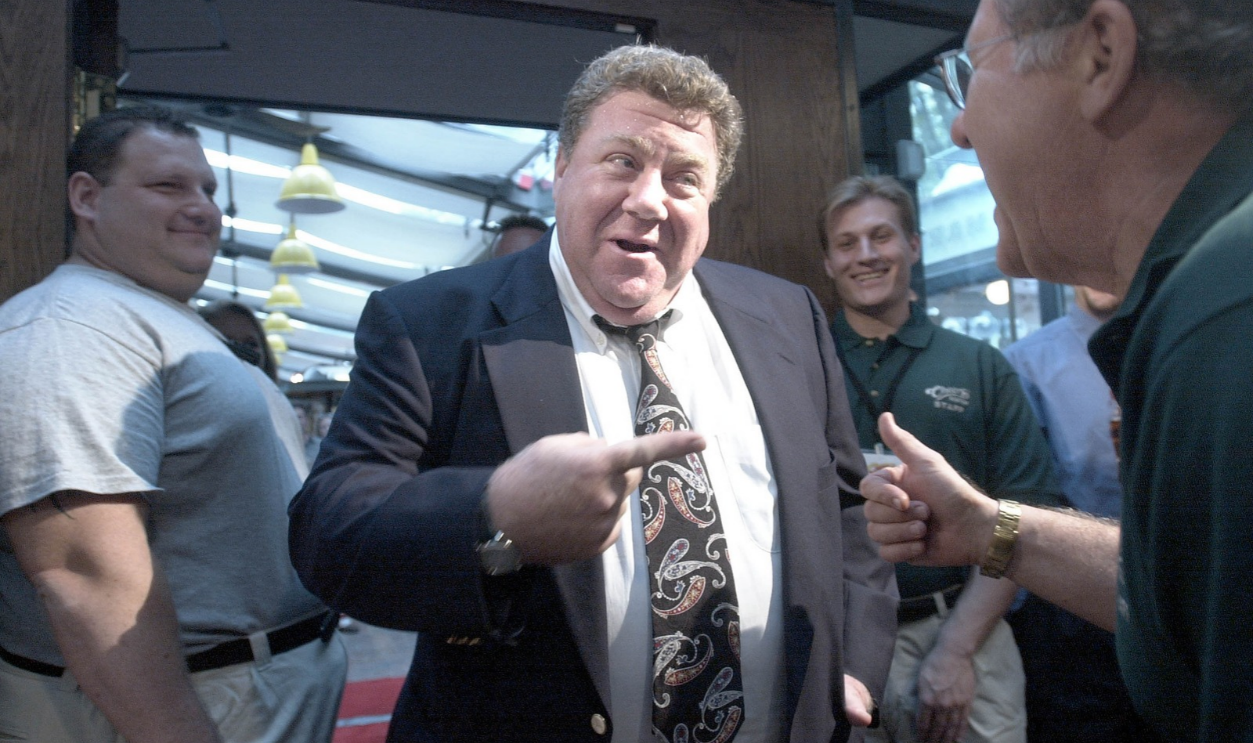
Wendt Never Missed An Episode
Wendt appeared throughout all 11 seasons of Cheers. The Second City credits him with appearances in all 275 episodes, placing him among the small core of performers who remained from the beginning through the finale. Norm’s consistency became part of the show’s architecture.
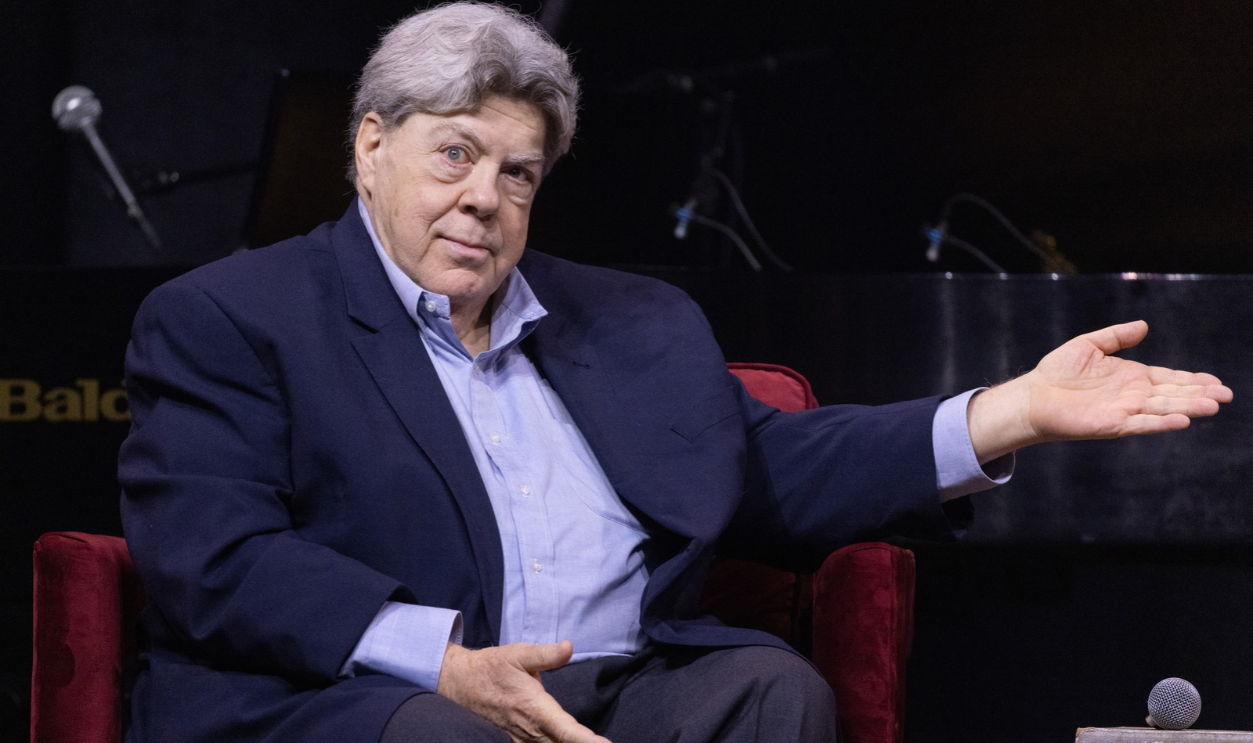
 Darren McCollester, Getty Images
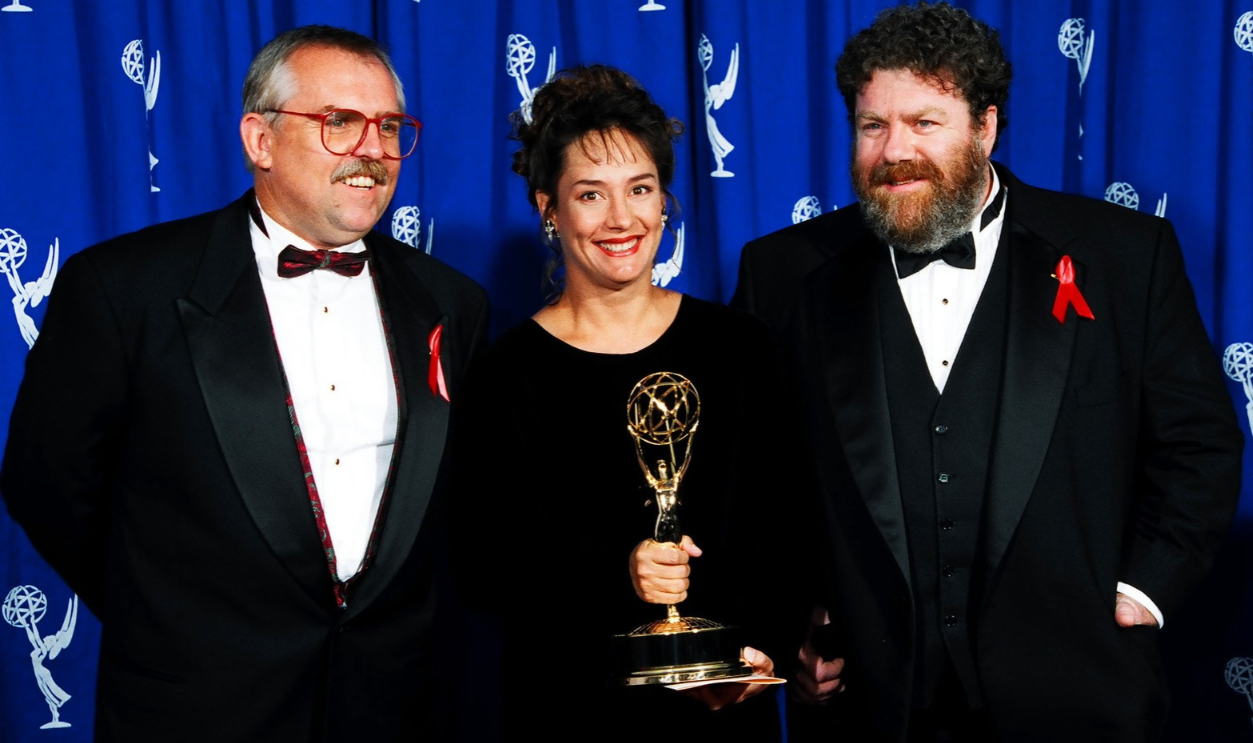
Emmy Voters Kept Noticing Him
Wendt received six consecutive Primetime Emmy nominations for Outstanding Supporting Actor in a Comedy Series between 1984 and 1989. That recognition is striking for a character whose entire appeal depended on looking as though he was barely trying. Wendt never needed to dominate an episode to make voters remember him.
Cheers Became Television Royalty
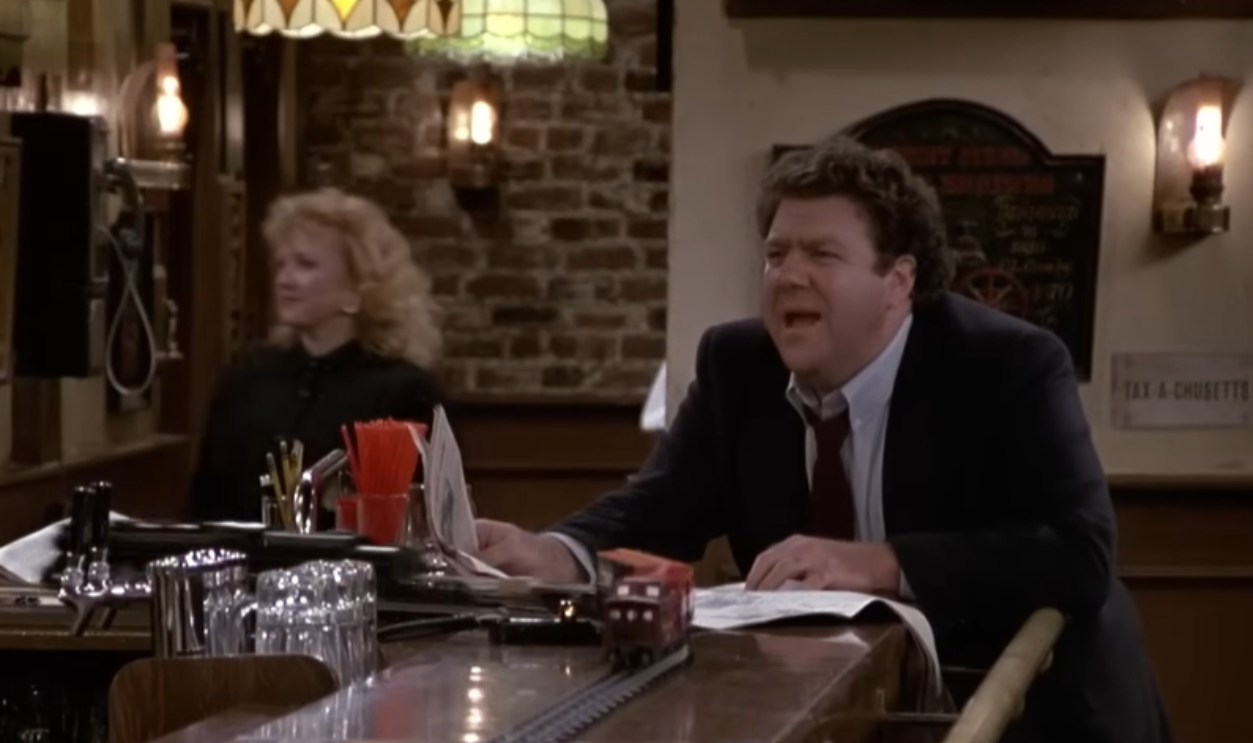
The struggling first-year sitcom ultimately became one of the most acclaimed comedies in television history. The Television Academy records an extraordinary awards history for the series, while Norm became one of its most immediately recognizable figures. Wendt had turned a supporting bar patron into part of the show’s identity.
 Screenshot from Cheers, Paramount (1982-1993)
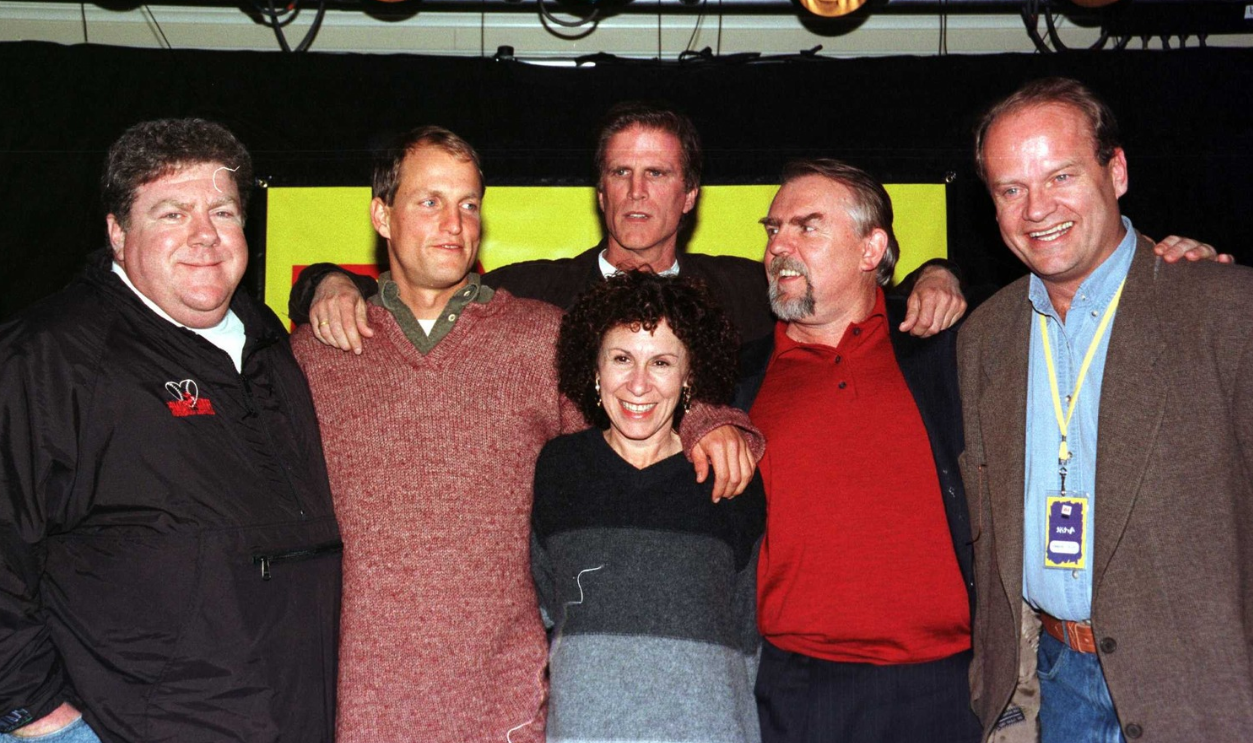
Even The Prop Drinks Became Work
Playing Norm meant repeatedly holding and drinking what appeared to be beer during long production days. Wendt later joked that the prop mixture eventually became unpleasant enough that he learned to watch the camera and only take convincing drinks when necessary. It was a small example of the technique hiding beneath his seemingly casual performance.
Saturday Night Live Found Another George Wendt
Wendt also became familiar to Saturday Night Live viewers through the recurring Chicago Superfans sketches. As Bob Swerski, he joined exaggerated Bears devotees whose devotion to “Da Bears” became another enduring piece of Chicago comedy. Robert Smigel later discussed Wendt’s contribution to the sketches in his Television Academy interview.
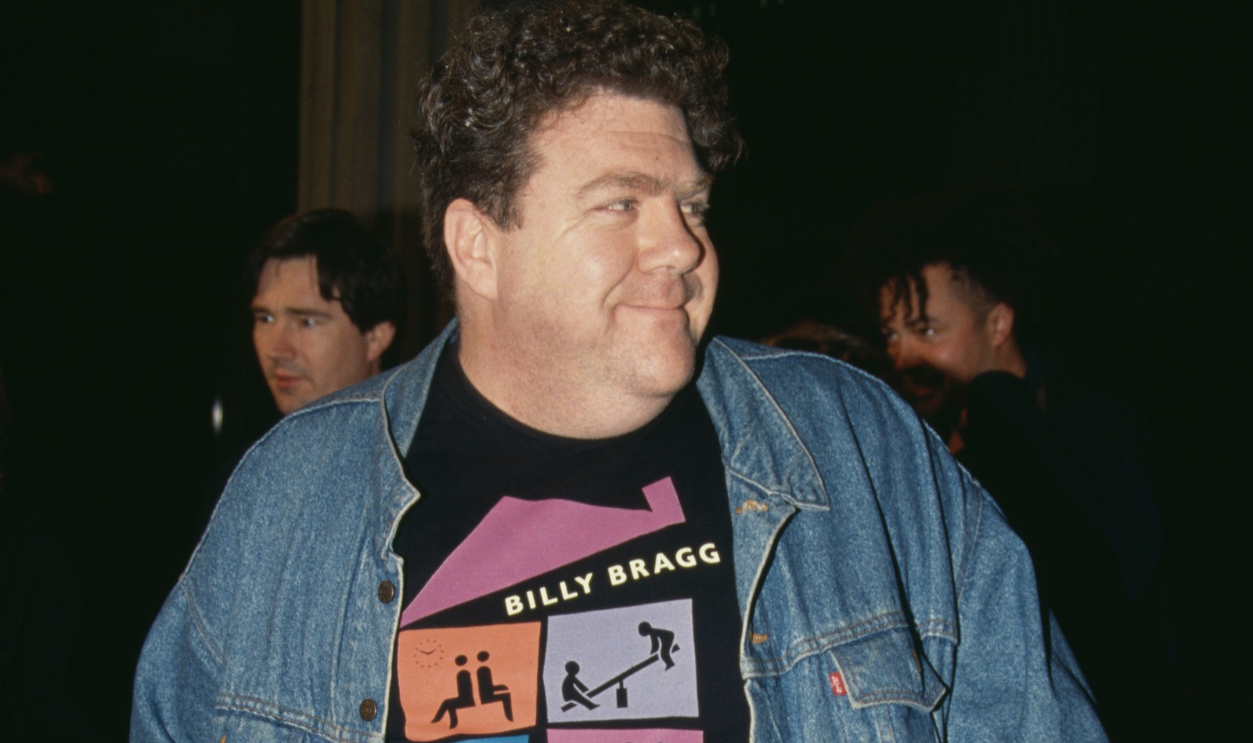
Movies Let Him Leave The Stool
Wendt maintained a film career while Cheers was running. His credits included Fletch and Gung Ho, and his growing fame meant people increasingly recognized him wherever he traveled. In a 1985 interview, he joked that being Norm often resulted in strangers buying him rounds even far from home.
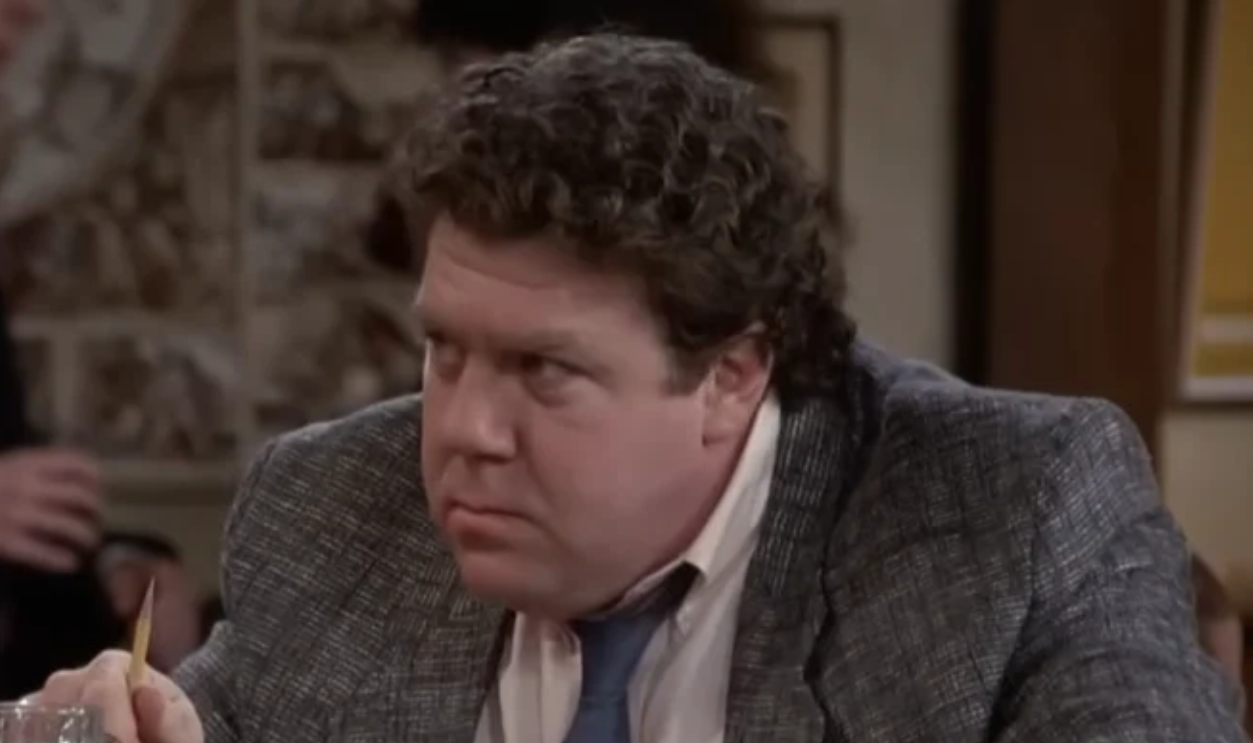 Screenshot from Cheers, Paramount (1982-1993)
Saying Goodbye Took Eleven Years
Cheers finally ended in 1993 after one of television’s great ensemble runs. Norm remained exactly where audiences expected him, part of the bar’s permanent social fabric until the final episode. Wendt had spent roughly a quarter of his life playing the character by the time the cameras stopped.
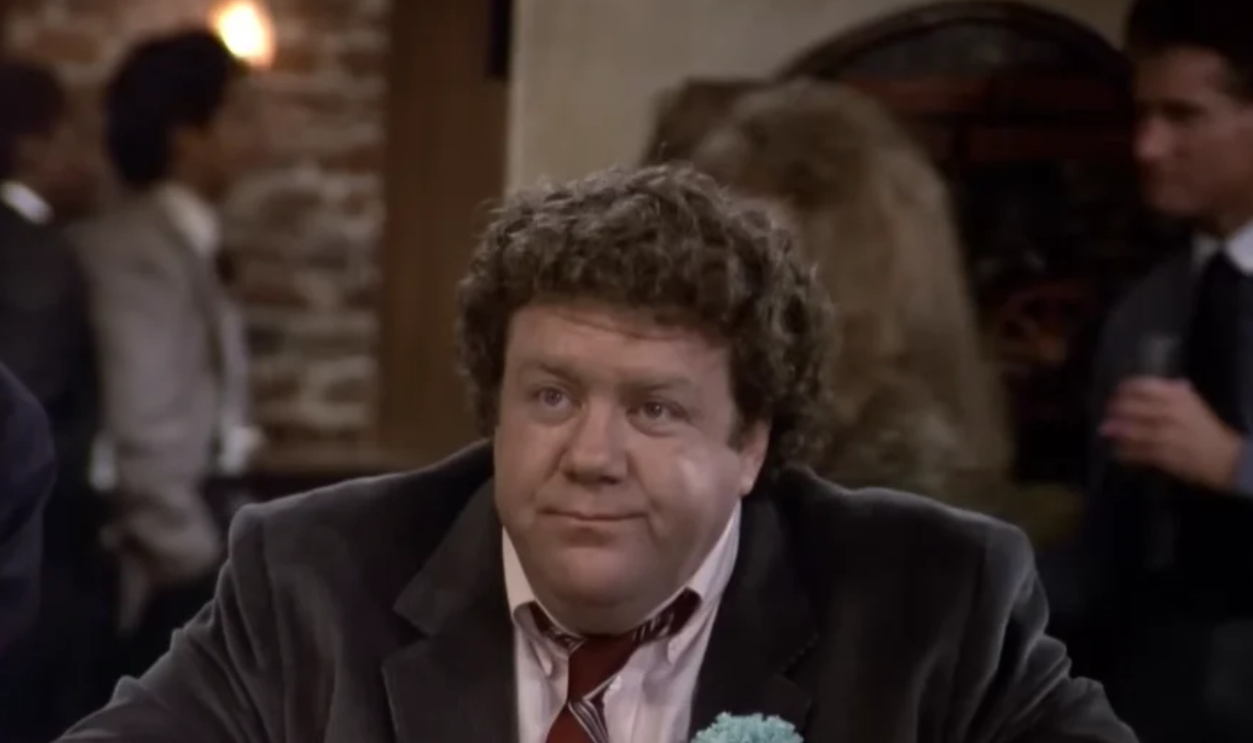 Screenshot from Cheers, Paramount (1982-1993)
He Wasn't Ready To Turn Norm Into A Franchise
After Cheers, there was serious discussion about building another series around Wendt. He later said that Paramount, NBC, and the Cheers creators floated several possibilities, including a Norm spinoff. Wendt declined because, after 11 seasons, he simply was not emotionally ready to jump immediately into another version of the same life.
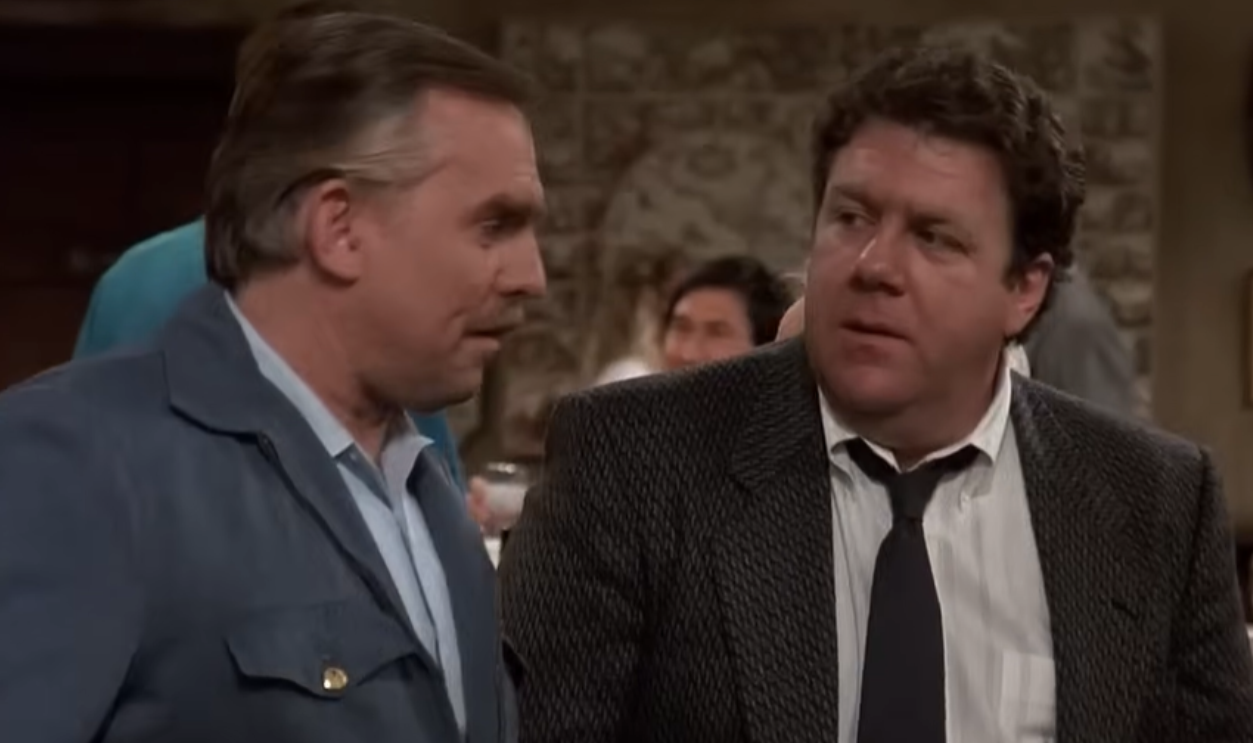 Screenshot from Cheers, Paramount (1982-1993)
His Own Sitcom Had A Rough Landing
Wendt eventually returned to weekly comedy with The George Wendt Show in 1995. The series cast him as one of two Wisconsin brothers who operated a garage and hosted a radio program about car repair. Critics were largely unimpressed, and the show disappeared quickly, reinforcing how unusual the Cheers ensemble chemistry had been.
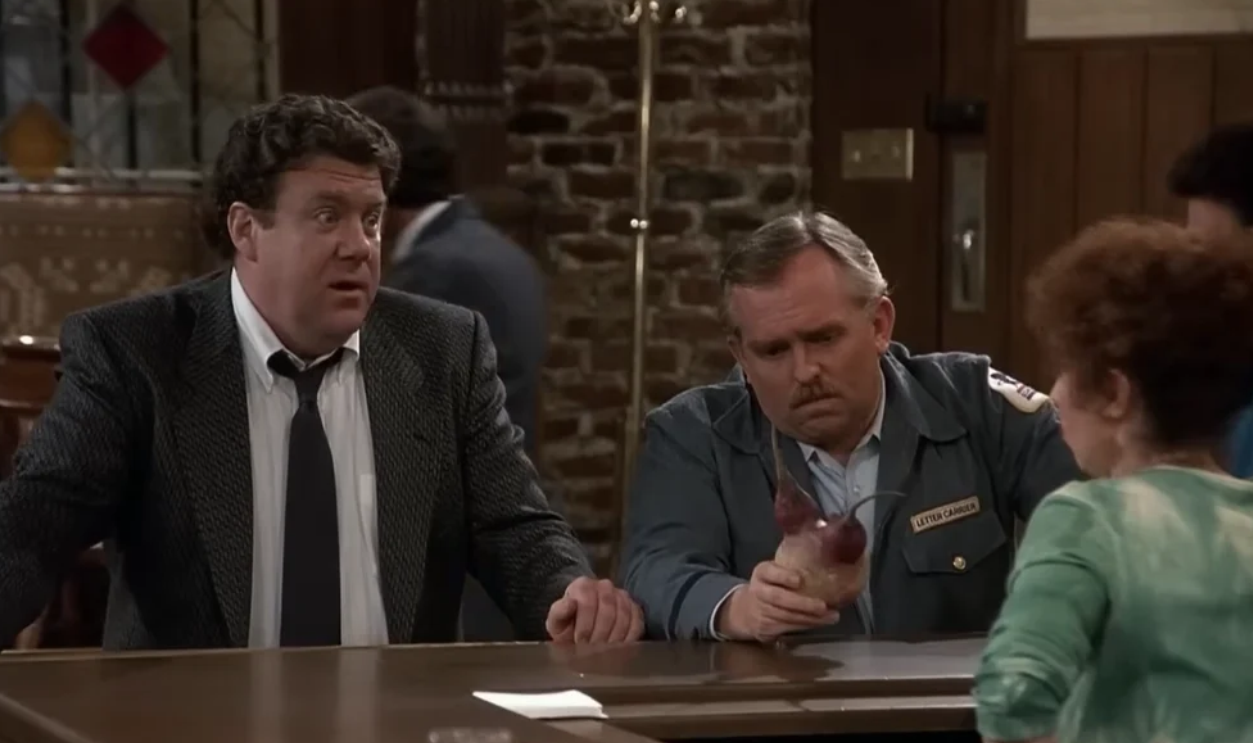 Screenshot from Cheers, Paramount (1982-1993)
The Stage Gave Him Another Home
Wendt found substantial work in theater after Cheers. His Broadway credits included Art, Hairspray, Elf, and Breakfast at Tiffany’s, while he also toured in Twelve Angry Men. Those roles demonstrated that the performer associated with one barstool was perfectly comfortable building characters in front of live audiences.
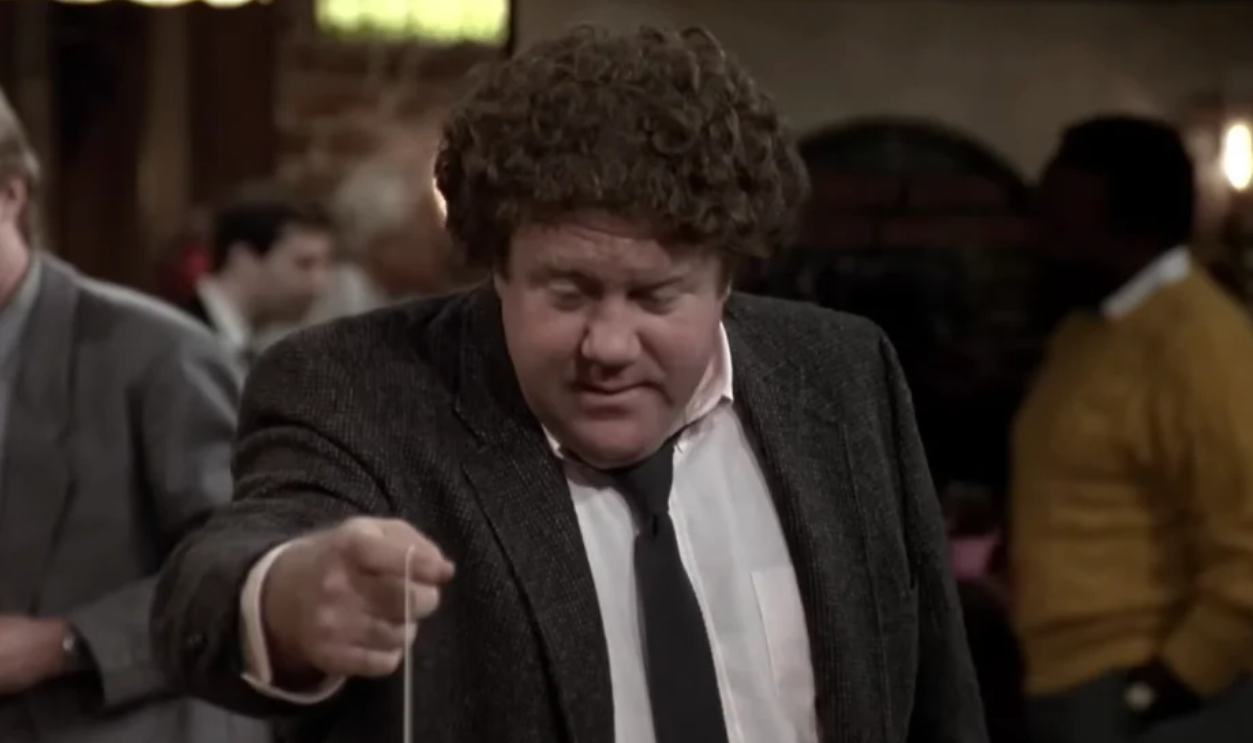 Screenshot from Cheers, Paramount (1982-1993)
He Eventually Wrote The Obvious Book
In 2009, Wendt published Drinking with George: A Barstool Professional’s Guide to Beer. The book knowingly leaned into the association that had followed him since Cheers. Rather than resent the joke, Wendt appeared happy to play along with an image that had given him an unusually affectionate connection with audiences.
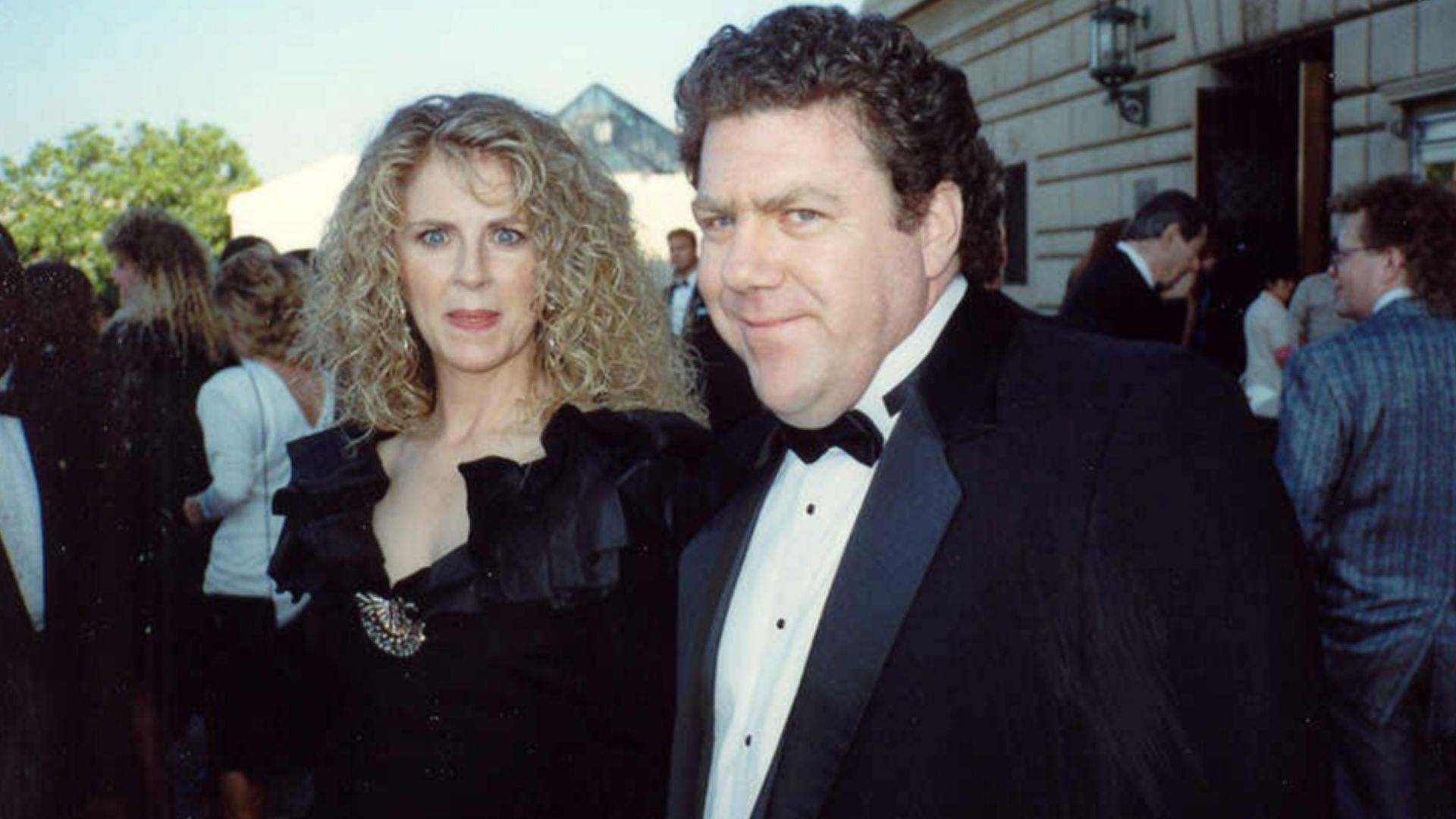
Norm Kept Wandering Back Into Television
Wendt never completely retired his most famous character. Norm later appeared elsewhere in the broader Cheers television world, and Wendt himself continued guest-starring on series including Frasier, Hot in Cleveland, and The Goldbergs. He seemed comfortable allowing Norm to remain part of his career without letting Norm become all of it.
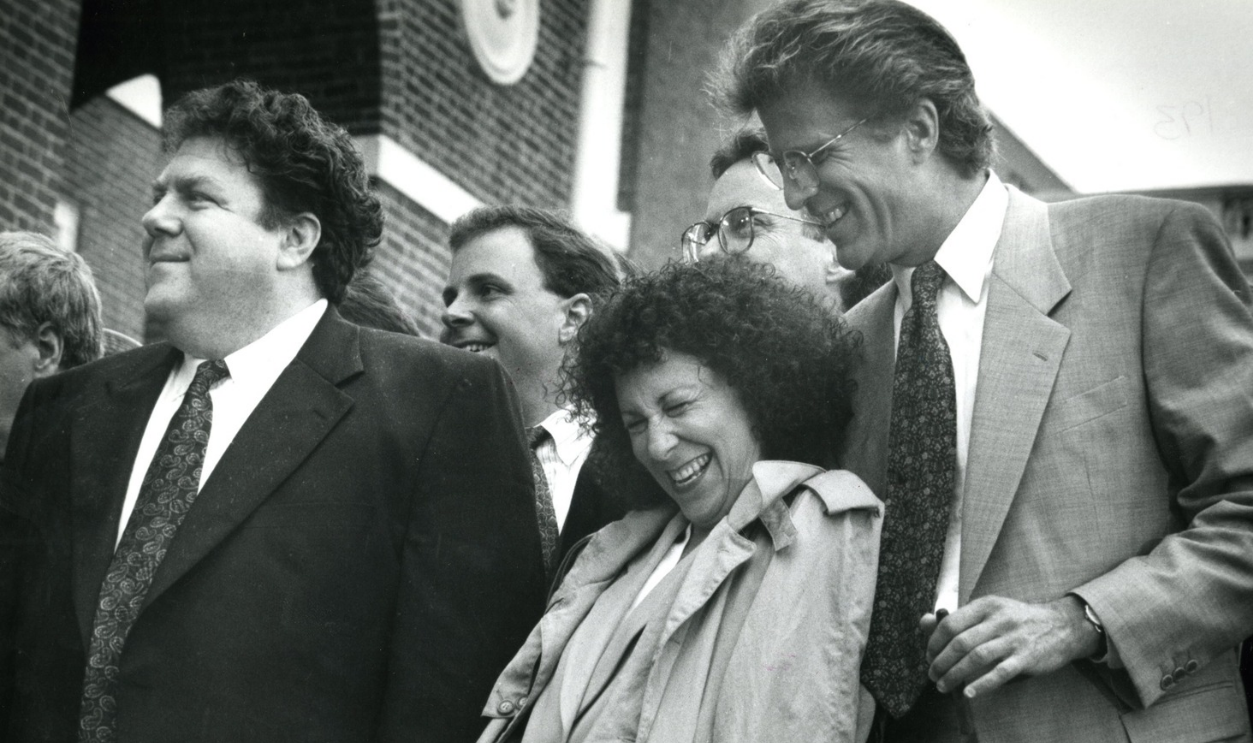
The Stool Became His Monument
George Wendt died at home on May 20, 2025, at age 76. Tributes repeatedly returned to the same image: Norm walking through the Cheers door, hearing his name shouted, and answering with another perfectly weary joke. Wendt never needed a dramatic monologue because his greatest trick was convincing millions of viewers that simply sitting down beside him would have been enough.
You May Also Like:
Facts About Classic TV Shows That Will Make You Nostalgic
The First TV Shows To Break Major Barriers
Does Anyone Remember These Television Shows? Anyone?
Sources: 1, 2, 3, 4, 5, 6, 7, 8, 9, 10, 11, 12, 13, 14, 15, 16, 17, 18, 19, 20, 21, 22, 23, 24, 25, 26, 27, 28