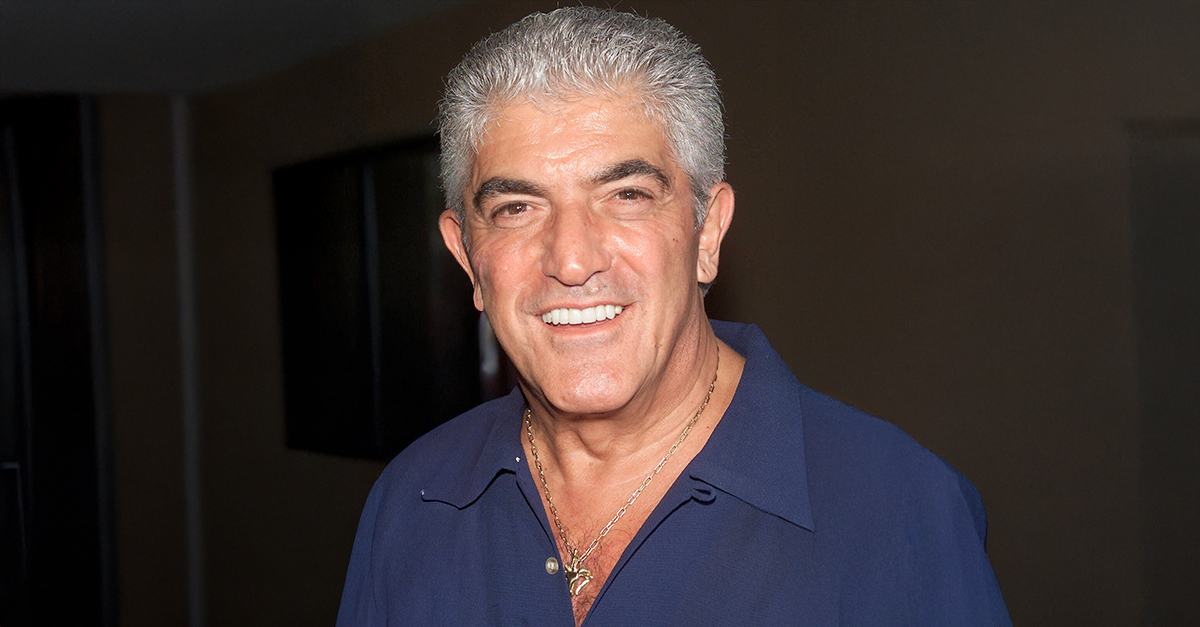
Unforgettable Character
Frank Vincent was best known for his acting roles as dangerous men in some of the most memorable films ever made. His path to success was a fascinating and surprising odyssey from the school of hard knocks straight through music, comedy, and years of supporting roles. It was a story of perseverance, talent, and making the most of his opportunities.
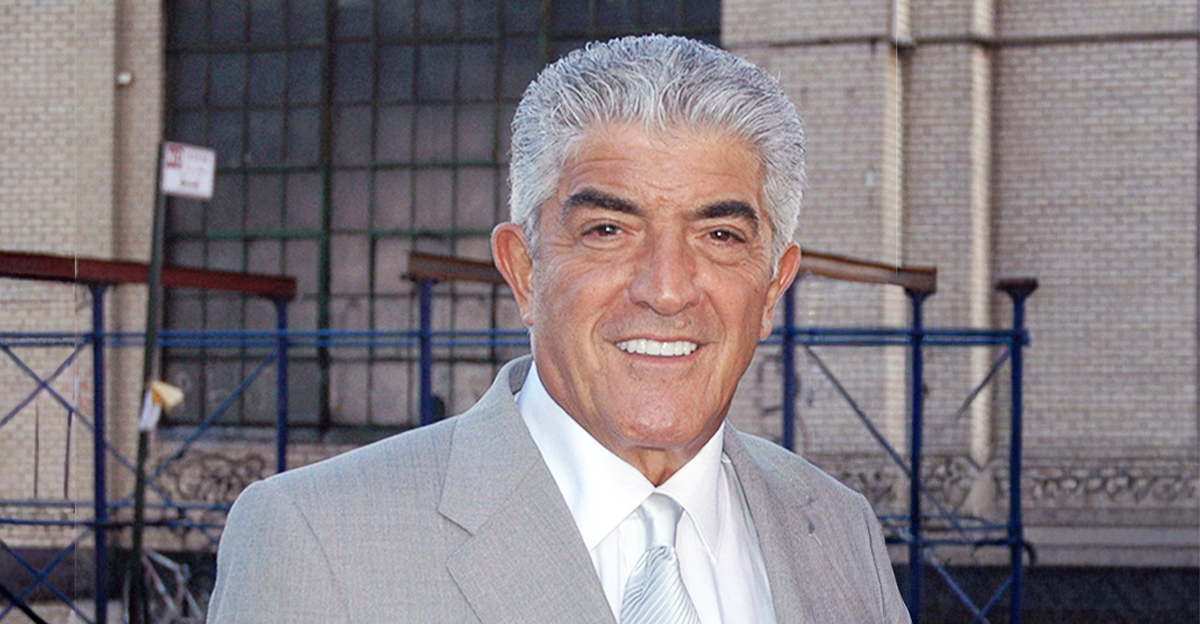 Bobby Bank/WireImage, Getty (modified))
Growing Up In New Jersey
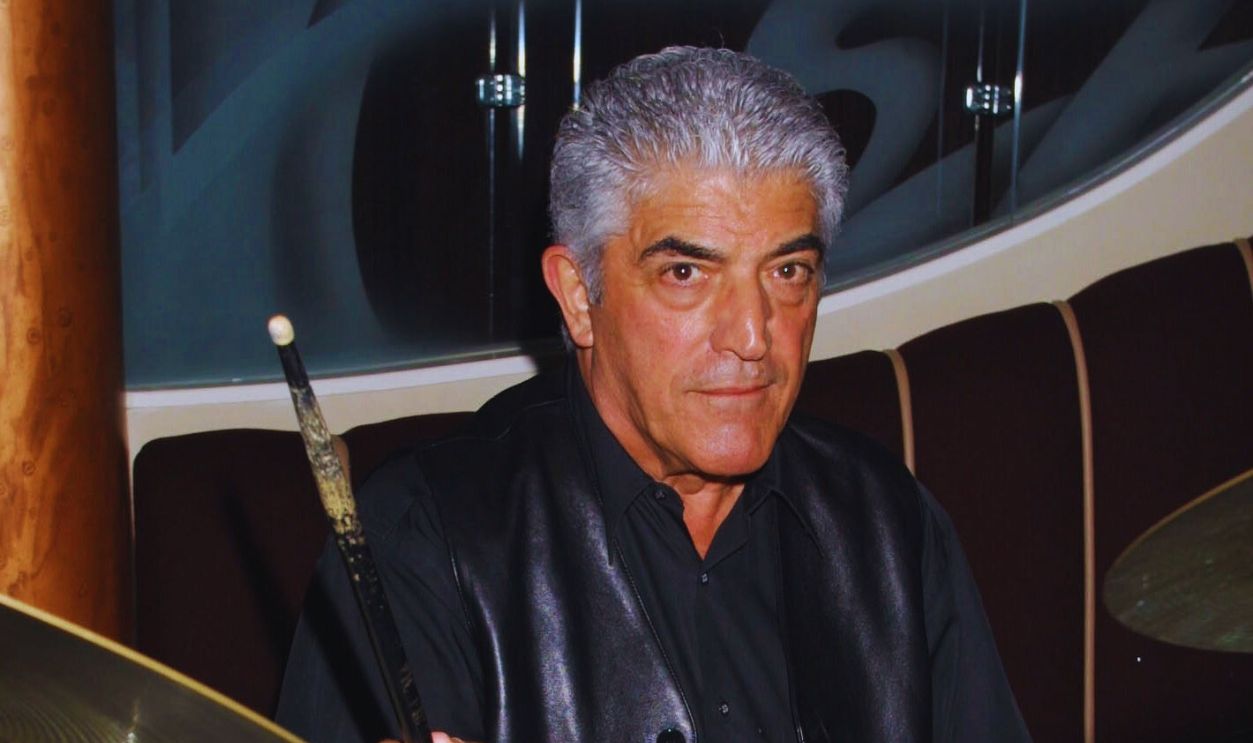
Born in 1937 in North Adams, Massachusetts, Vincent grew up in Jersey City, New Jersey in a blue collar Italian American household where music was a central family pursuit. Long before acting, he trained avidly as a jazz drummer. The discipline of rhythm and performance shaped his musical instincts and became a source of paid work before other options emerged.
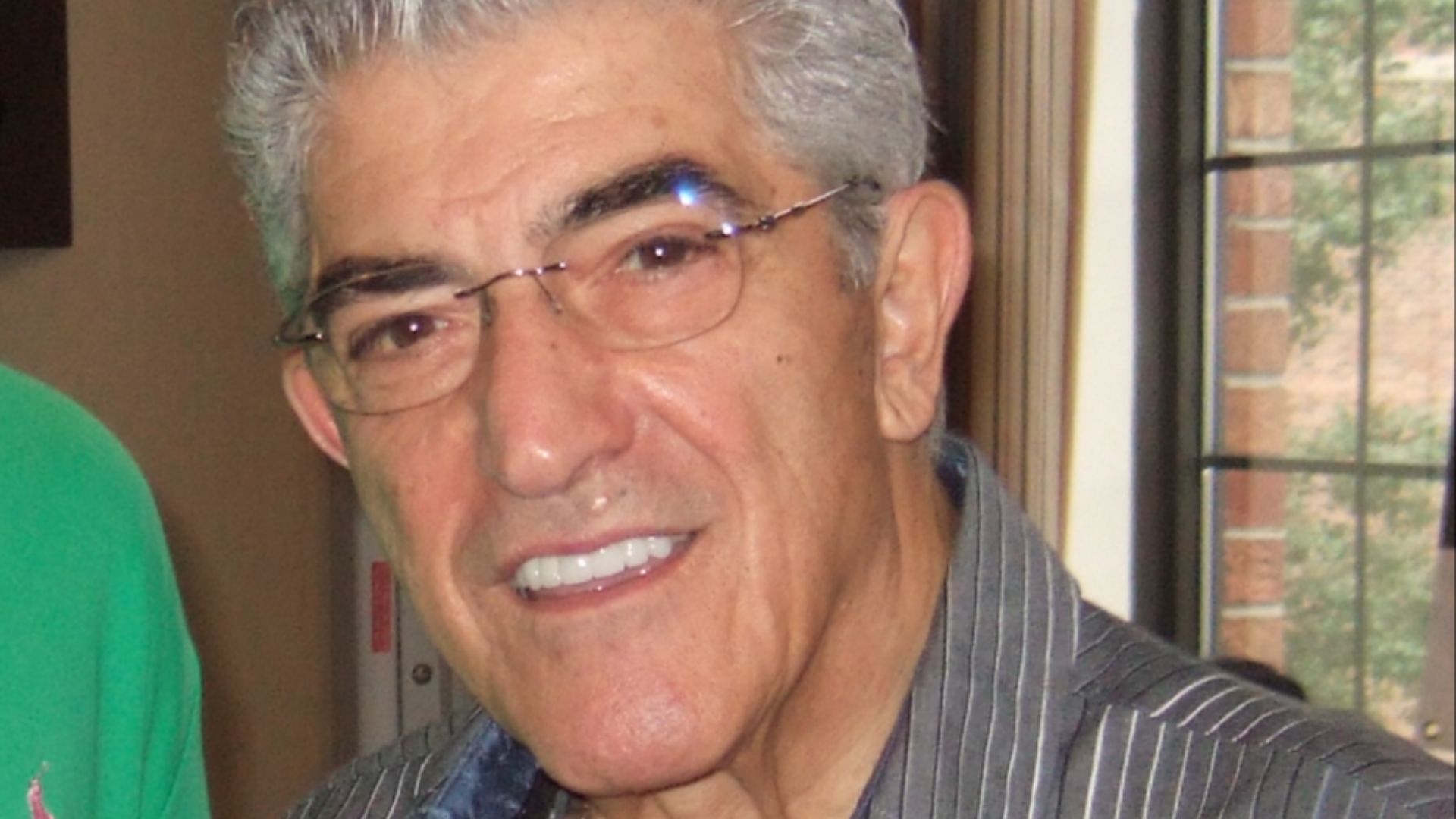 Rob DiCaterino, Wikimedia Commons
Working Jazz Instrumentalist
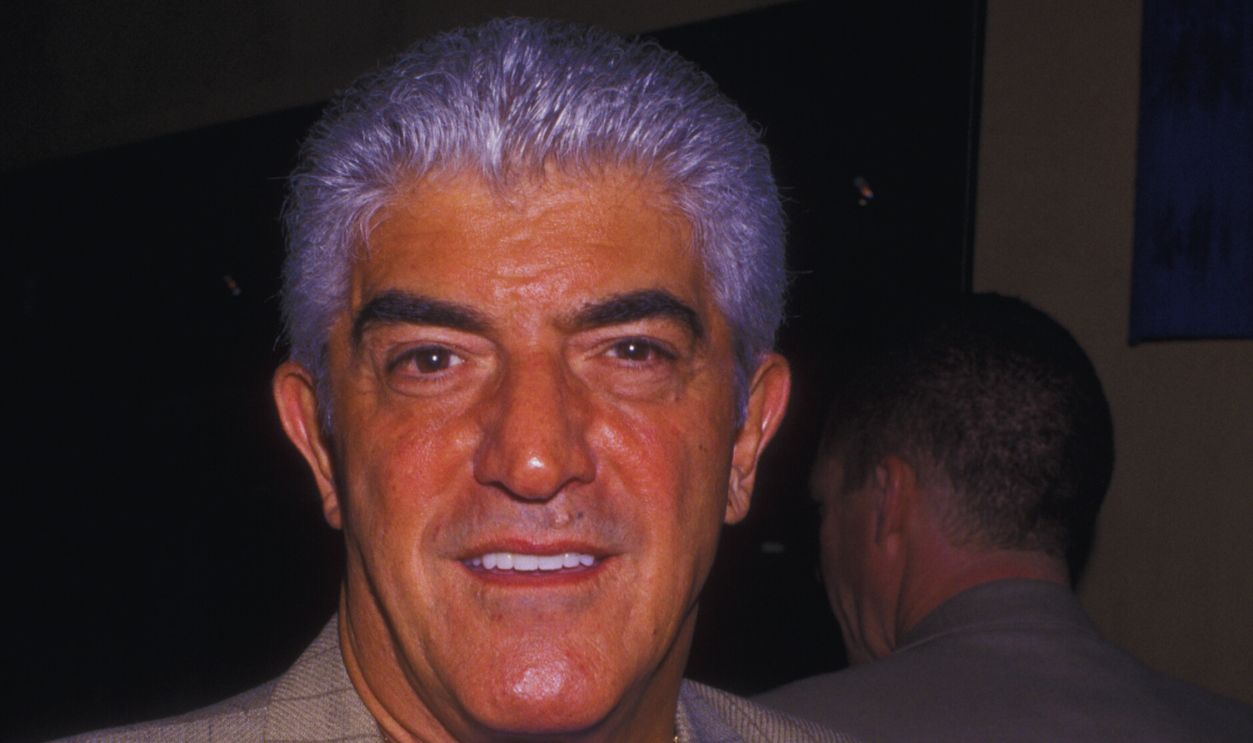
During the late 50s and 60s, Vincent worked steadily as a jazz musician, performing live and playing sessions. Music wasn’t a mere weekend hobby but a profession that brought him into clubs, studios, and touring bands. Playing jazz in those settings built his improvisation, timing, and audience response. These valuable skills came in handy when Vincent made his later transition to spoken performance.
 Ron Galella, Ltd., Getty Images
Studio Work And Industry Connections
Vincent’s reliability as a performing musician led to opportunities to do studio work supporting larger acts. The recording studios also gained him some acquaintance to the various comedians and other kinds of performers who passed through. One of these included a fellow New Jersey musician named Joe Pesci, who would soon change Vincent’s career path.
Teaming Up With Joe Pesci Onstage
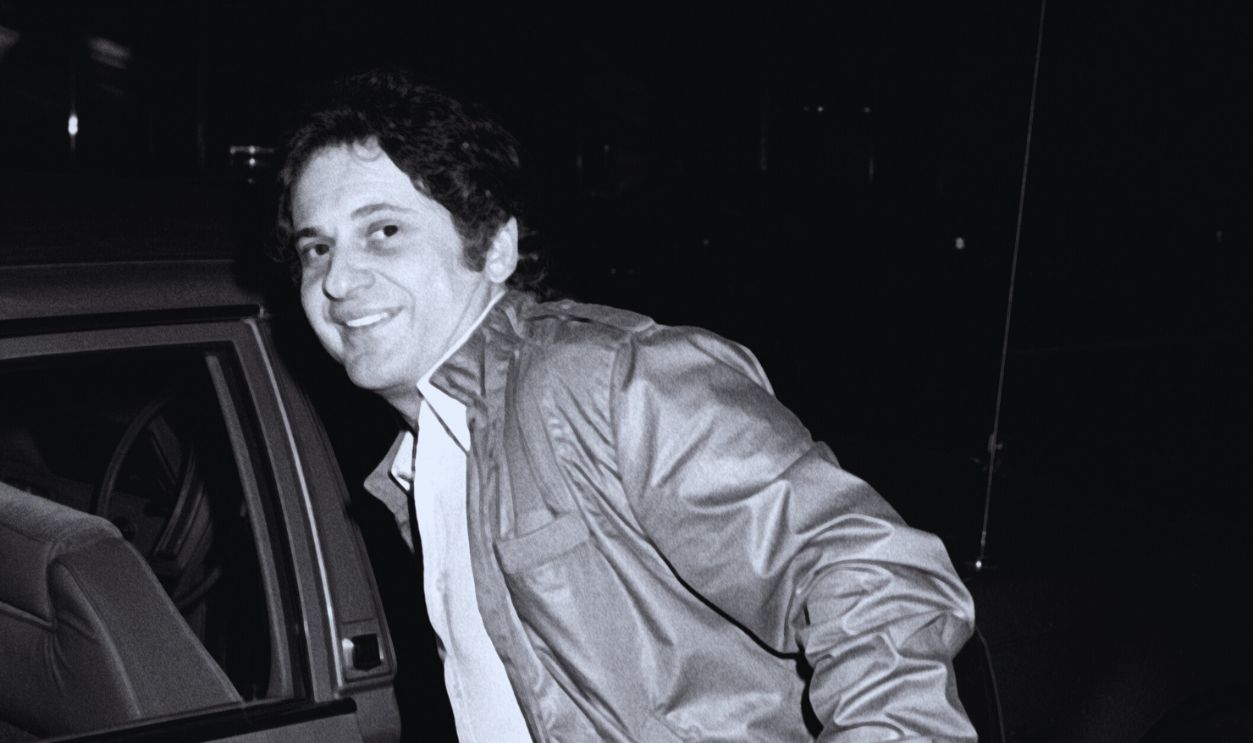
Vincent and Pesci began performing together in the early 70s in routines that blended music and comedy. Their act featured improvised insult routines that depended on a precise sense of comic timing. While Vincent dreamed of following the path of success blazed by his idol, Dean Martin, the duo never saw a breakthrough as comedians. But their chemistry together built the foundation for a more enduring on-screen partnership.
Lean Comedy Years
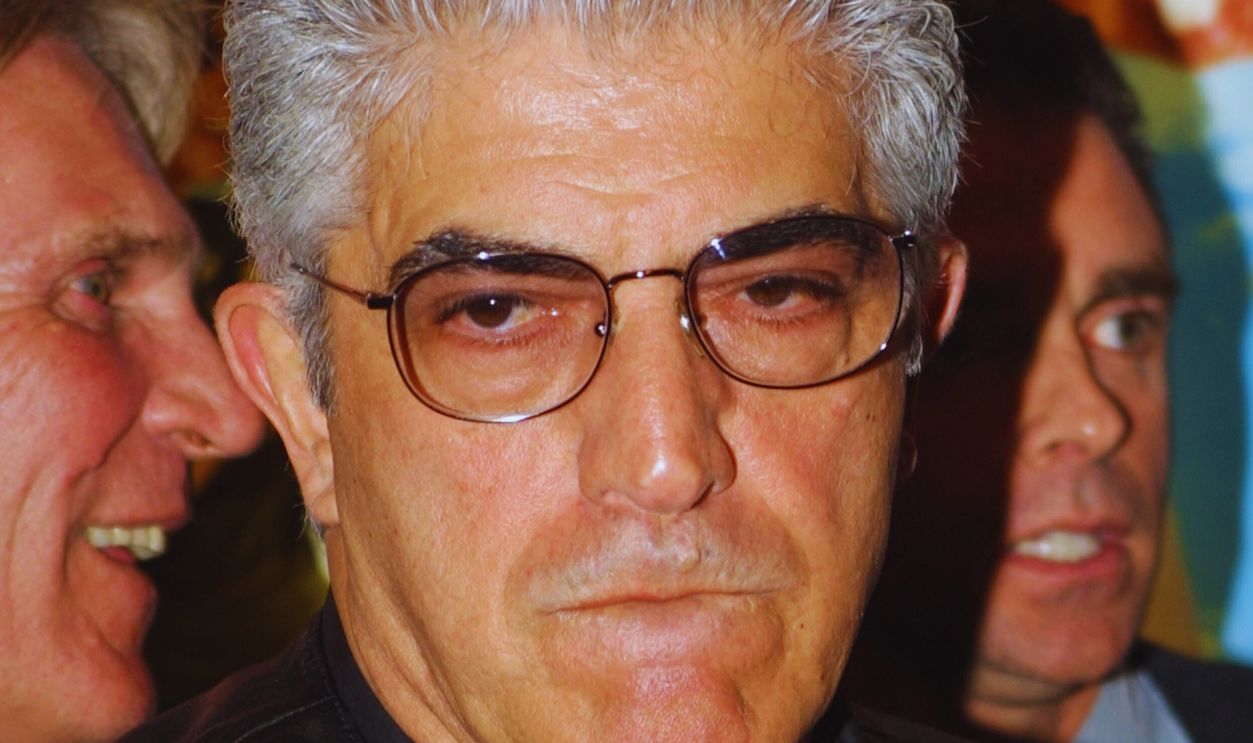
Vincent’s comedy act with Pesci struggled financially and never broke out of the regional club circuit in New Jersey. Vincent later described this period as difficult but also valuable. Playing small rooms with tough crowds and chasing unreliable bookings forced both men to think long and hard about the direction they were taking. Vincent and Pesci began to explore acting opportunities and it wasn’t long before they hit pay dirt.
First Film Role
In 1976, Frank Vincent made his first film appearance in The Death Collector, directed by Ralph DeVito. Vincent played an unglamorous street-level gangster and nightclub operator, grounding the film’s low-budget realism. His performance and that of Joe Pesci made a big impression on Robert De Niro, who later recommended both men for the 1981 Jake LaMotta biopic Raging Bull.
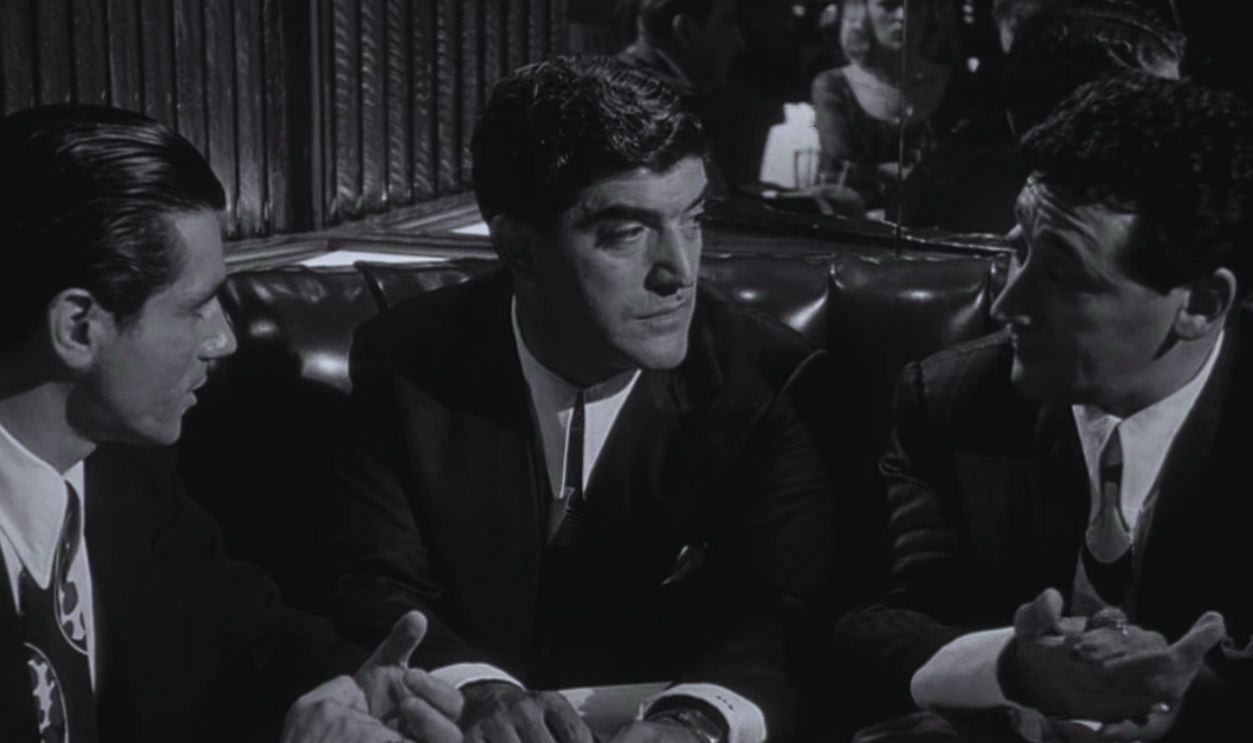 Screenshot from Raging Bull, United Artists (1980)
Follow-Up In Raging Bull
Vincent’s next role came in Raging Bull (1981), directed by Martin Scorsese. He played Salvy Batts, a mobster whose confrontation with Pesci’s character became one of the film’s most memorable sequences. Working on the critically acclaimed film introduced Vincent to Martin Scorsese’s working circle and famous cinematic discipline. The movie turned Scorsese’s career around, and Frank Vincent was off and running as an actor as well.
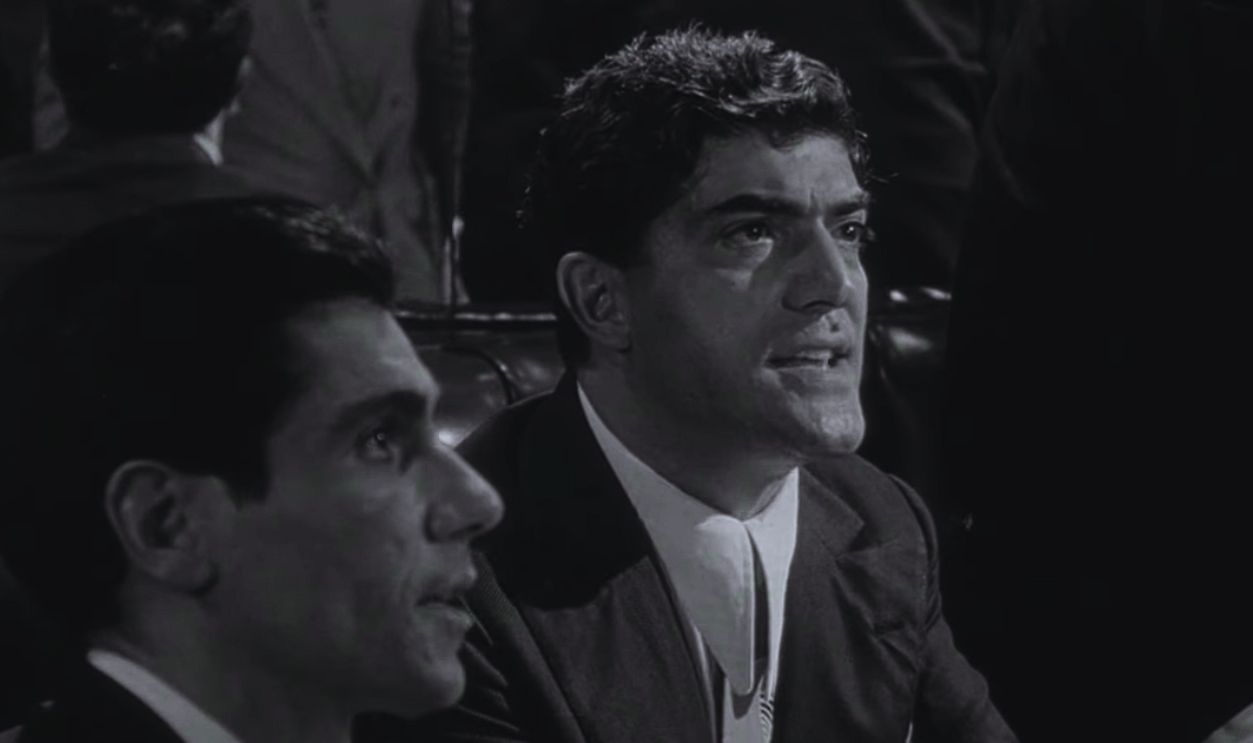 Screenshot from Raging Bull, United Artists (1980)
A Growing Supporting Career
Through the 80s, Vincent appeared in a steady stream of supporting roles. Some of his credits included roles in such films as Easy Money (1983); The Pope of Greenwich Village (1984); Wise Guys (1986); and Do the Right Thing (1989). These small but key parts steadily built his credibility. Casting directors knew Vincent as dependable, deliberate, and capable of handling volatile scenes. But the most volatile scenes were yet to come.
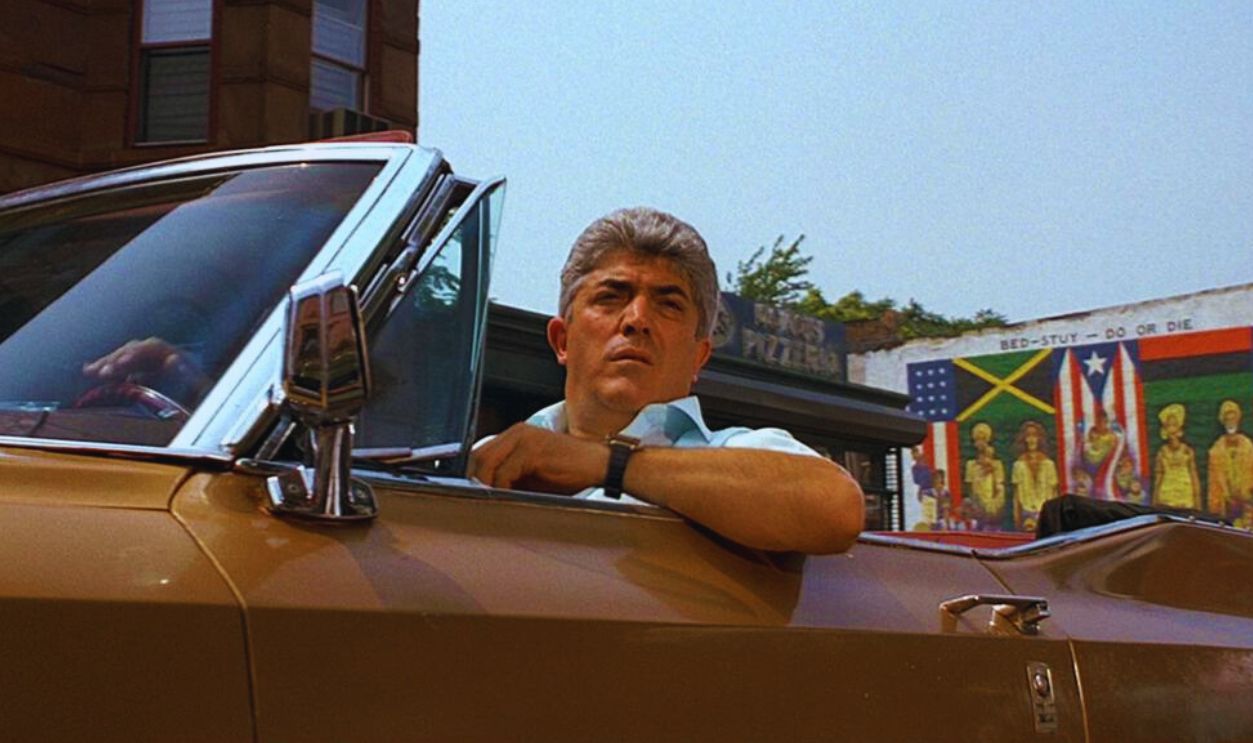 Screenshot from Do the Right Thing, Universal Pictures (1989)
Reuniting With Pesci In Goodfellas
Vincent reunited with Joe Pesci in the Scorsese masterpiece Goodfellas (1990), playing mobster Billy Batts. The role didn’t give him much screen time, but his scene was pivotal to the plot and culminated in one of the film’s most brutal moments. It was an utterly convincing portrayal of a man who thought he was untouchable, but carried his confidence one step too far.
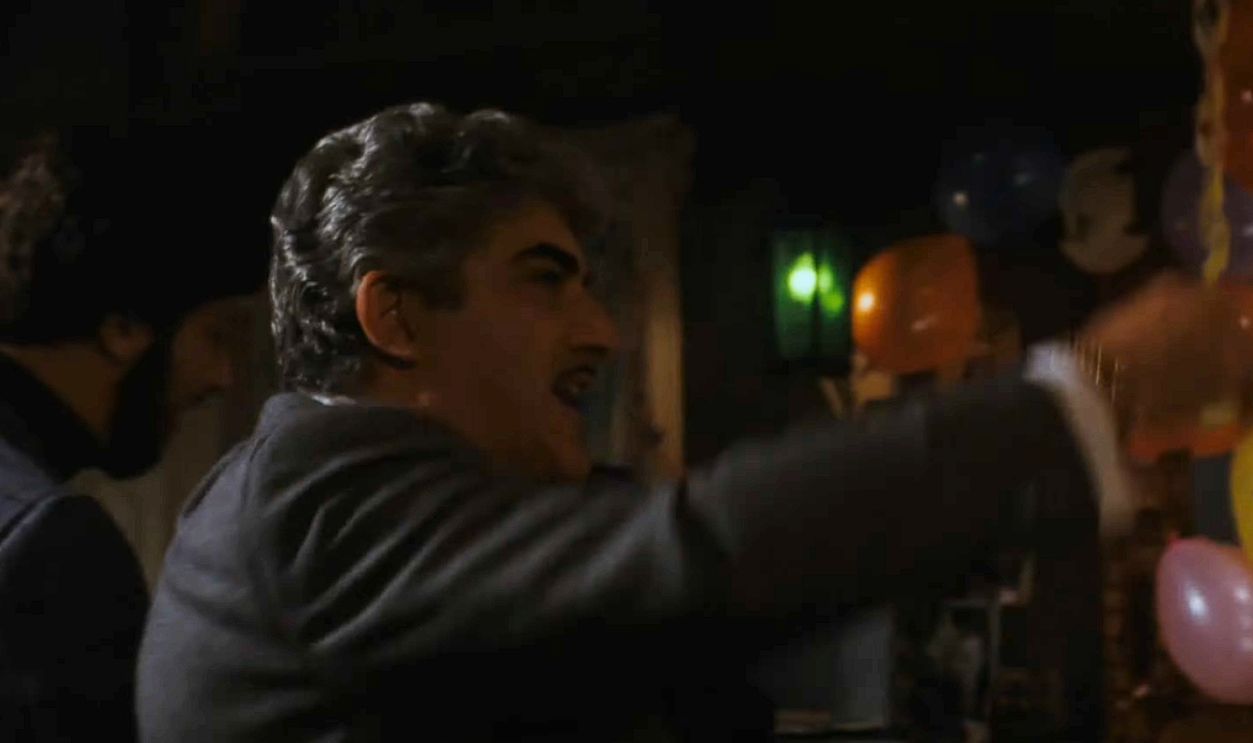 Screenshot from Goodfellas, Warner Bros. Pictures (1990)
An Instantly Recognizable Screen Type
Goodfellas fixed Vincent in audiences’ minds as a convincing mobster, a man not to be trifled with. While many performers resist this kind of typecasting, Vincent leaned into it, accepting its downsides while fully understanding his own effectiveness. It was his proven ability in these kinds of roles that set the stage for an even more substantial part just a few years later.
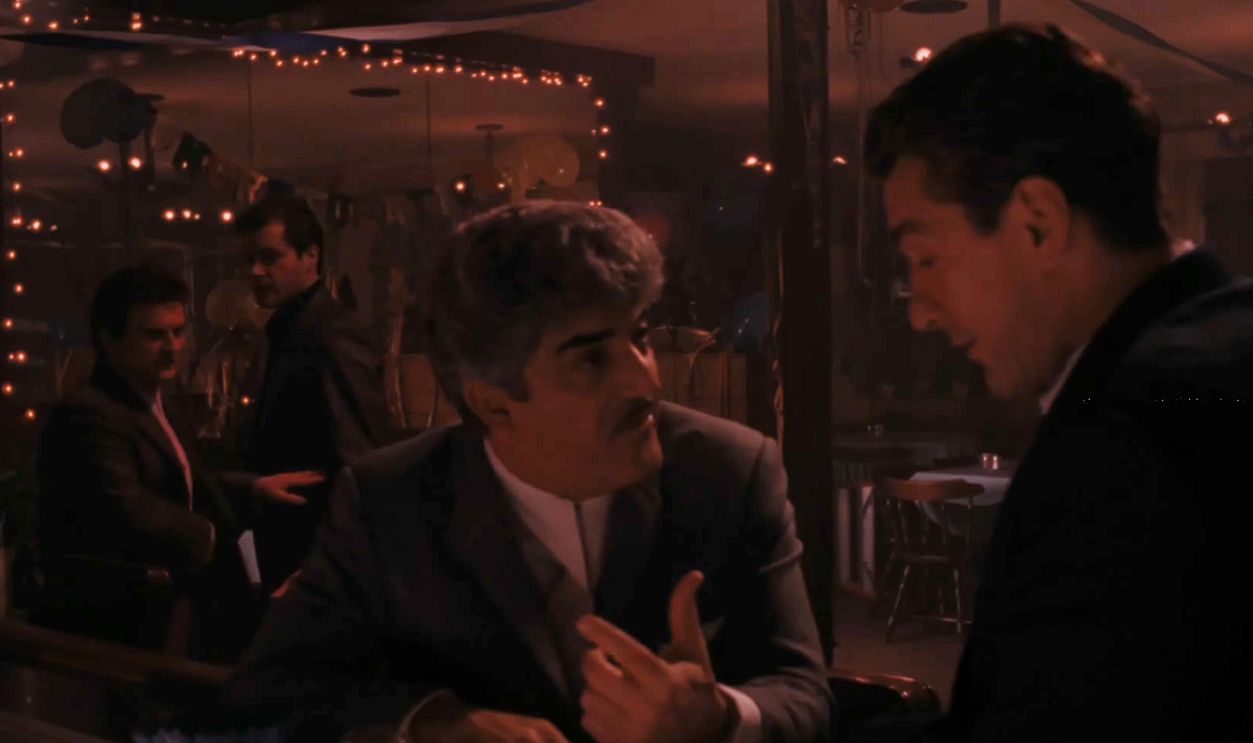 Screenshot from Goodfellas, Warner Bros. Pictures (1990)
A Key Presence In Casino
In Casino (1995), Vincent played Frank Marino opposite Pesci’s volatile Nicky Santoro. While Vincent is mostly a background character, he emerges in full force near the film’s devastating conclusion, marking one of the most shocking scenes in cinematic history, and one of the most analyzed as well. But Frank Vincent was already moving on to other promising roles.
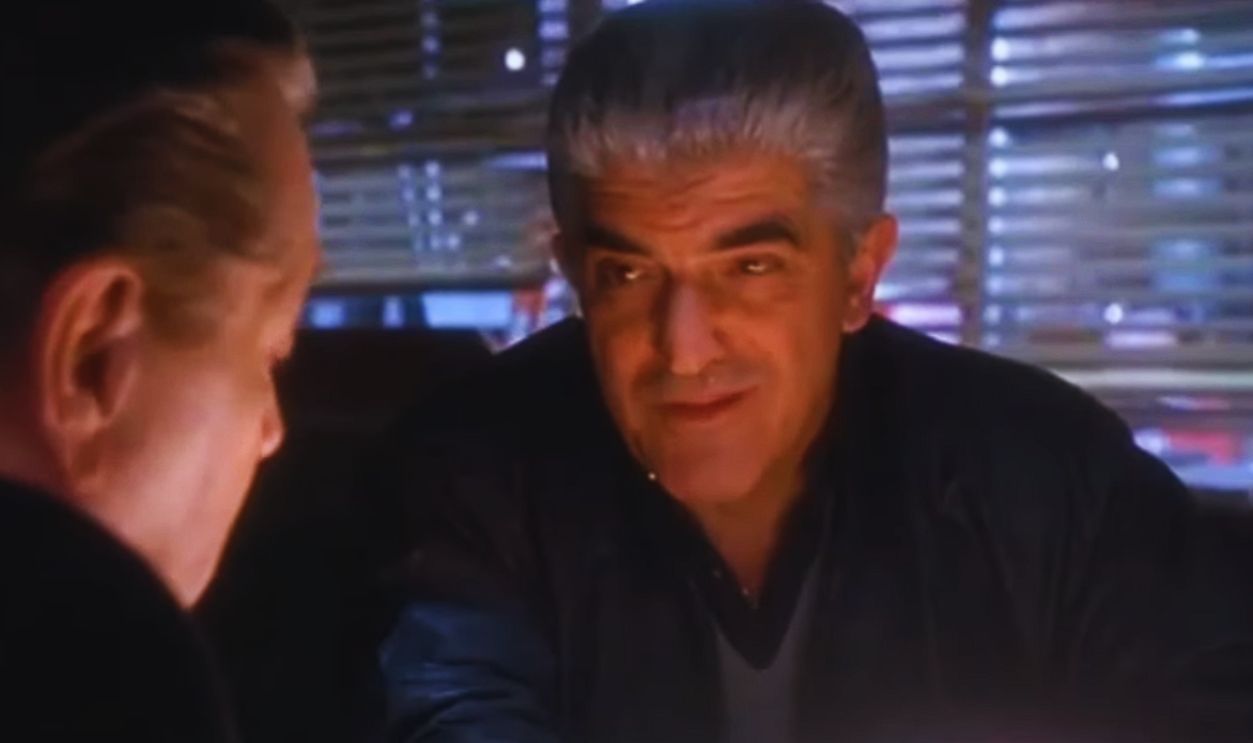 Screenshot from Casino, Universal Pictures (1995)
Beyond Feature Films
Alongside his movie work, Vincent appeared in guest roles on various TV crime shows in the 90s (Law & Order, NYPD Blue, etc.). He also took part in a music video by the hip hop artist Nas, “Street Dreams.” All of this extended his visibility beyond movie screens. These appearances kept him working during gaps between major roles. It also reinforced his image as a recognized authority figure audiences immediately recognized.
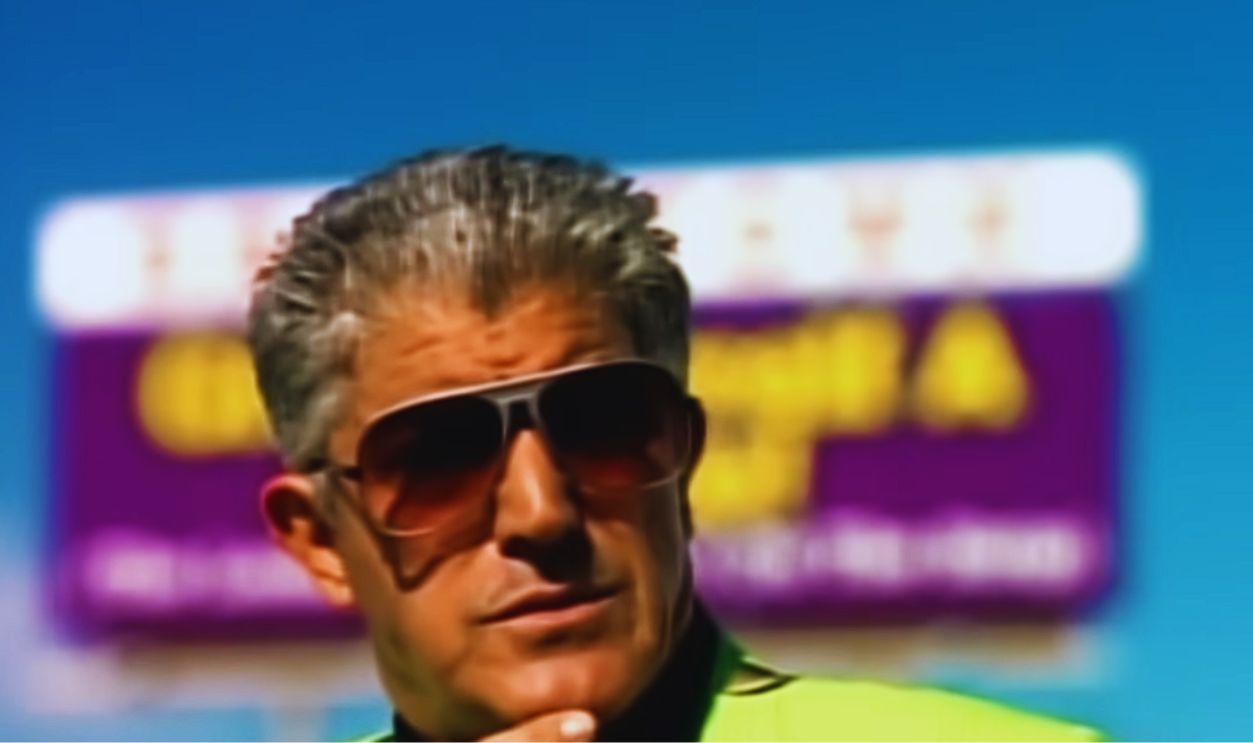 Screenshot from Nas – “Street Dreams”, Columbia Records / Sony Music Entertainment (1996)
Collaborating With Other Directors
Vincent worked with other notable directors. He appeared in Spike Lee’s Do the Right Thing (1989) and Jungle Fever (1993) in supporting roles that emphasized realism. He also appeared in Sydney Lumet’s Night Falls On Manhattan (1996). The collaborations showed that his casting wasn’t limited to Scorsese’s orbit and that his screen presence translated into different directorial styles and storytelling rhythms.
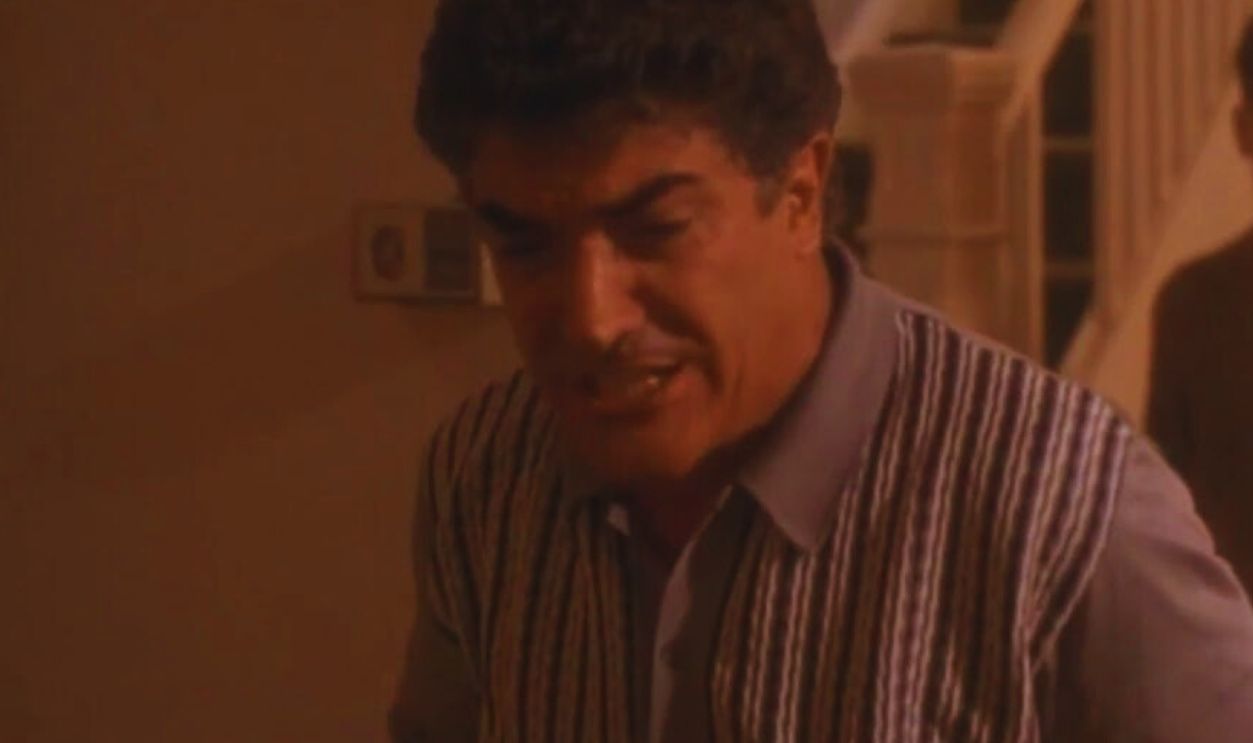 Screenshot from Jungle Fever, Universal Pictures (1993)
Special Honor
In 1999, Frank Vincent was honored with the Italian American Entertainer of the Year Award, given by the Italian Tribune, in recognition of his sustained run of strong film and television work during the decade. The award reflected how prominently he had come to represent Italian American characters in mainstream cinema.
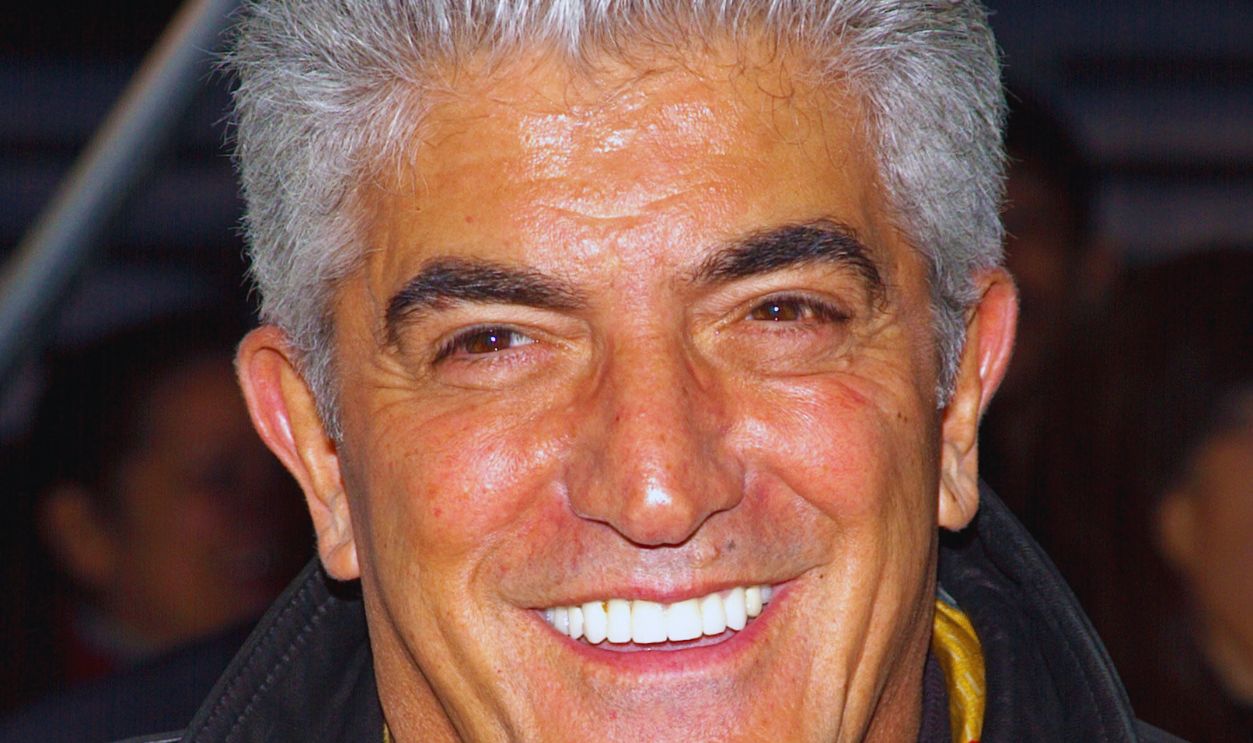
Exploring Voice Work In Video Games
In the late 90s and early 2000s, Vincent lent his voice to characters in the Grand Theft Auto video game series. Voice acting allowed him to emphasize his already convincing voice cadence and attitude without the imposing physical presence. The games also introduced him to a younger audience who were as yet unfamiliar with his film work.
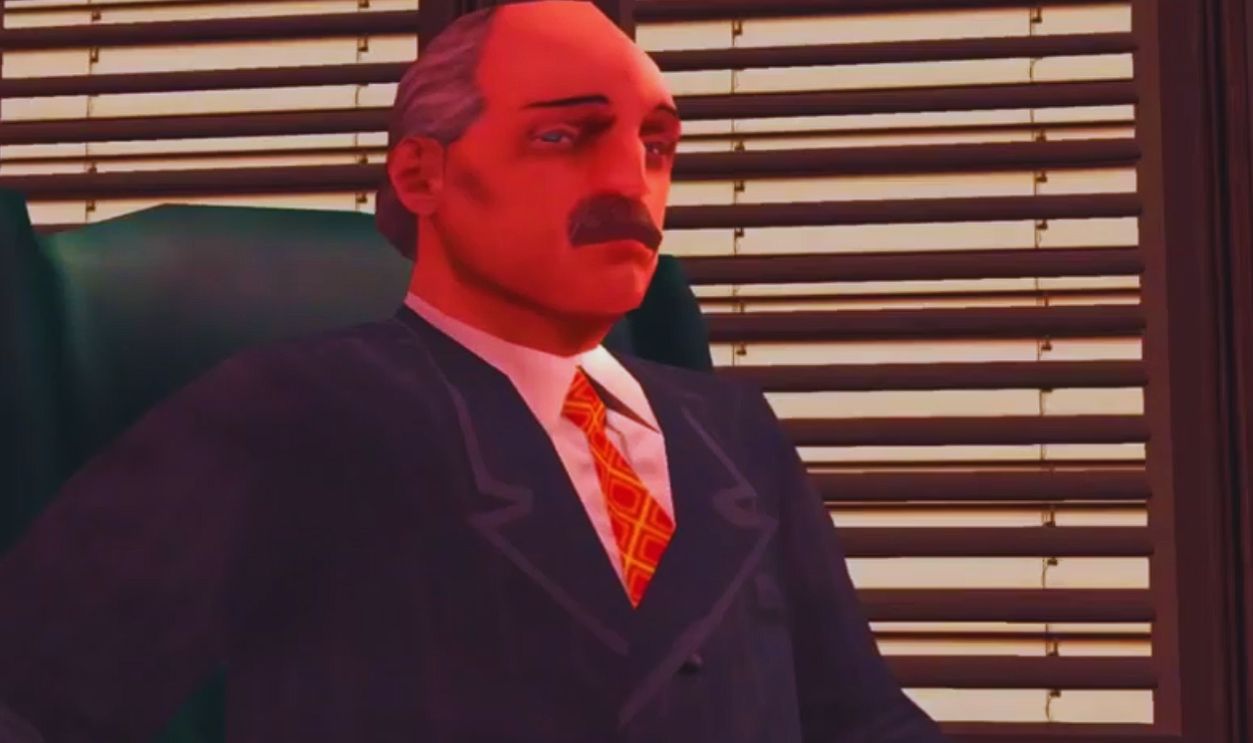 Screenshot from Grand Theft Auto III, Rockstar Games (2001)
Entering The World Of The Sopranos
Vincent joined the cast of The Sopranos (1999–2007) as Phil Leotardo during the show’s later seasons. The role expanded significantly over time, and the character evolved into one of the series’ central antagonists. Vincent’s slow-burn delivery suited the show’s emphasis on tension and moral stagnation.
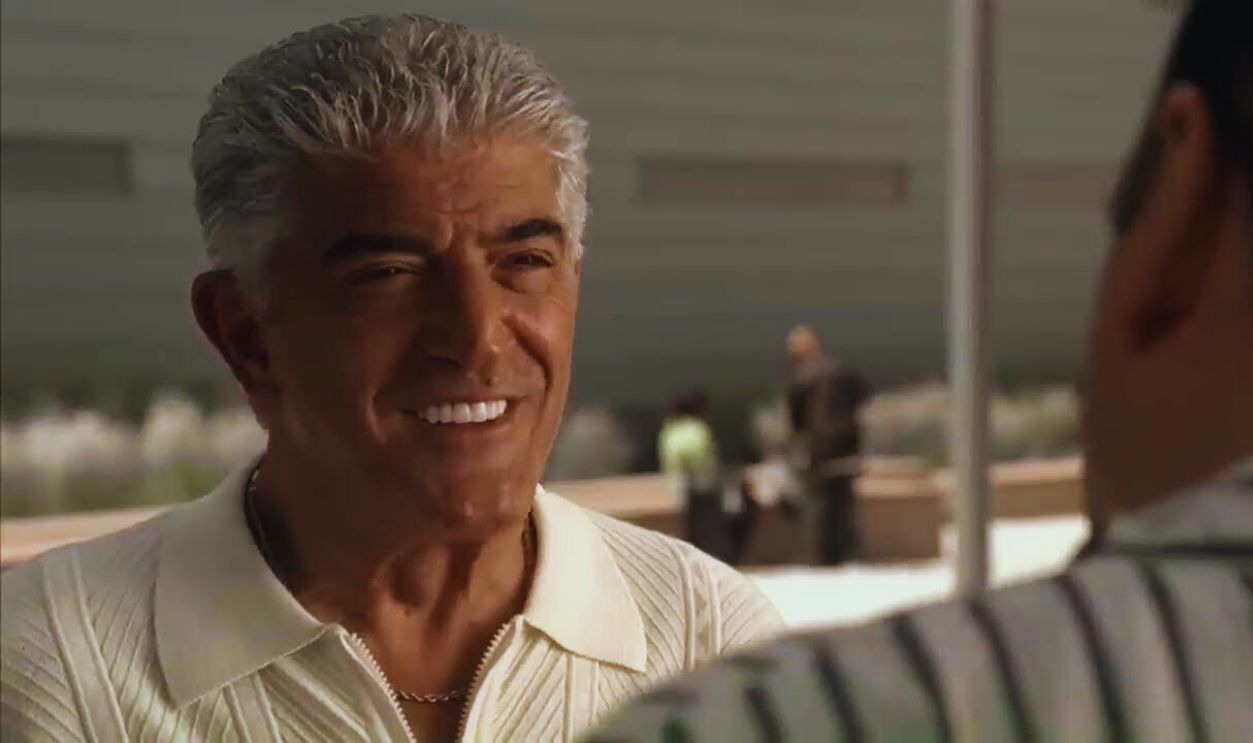 Screenshot from The Sopranos, HBO (1999–2007)
Crafting Phil Leotardo As His Character
As Phil Leotardo, Vincent finally had a chance to develop a character over a span of several years. He mixed the role’s inevitable brutality with a sense of grievance and formality. Again, he relied on his strengths: the commanding posture and blunt speech of an old school tough guy. The role became his most sustained television performance, placing him at the center of some of the series’ most important events.
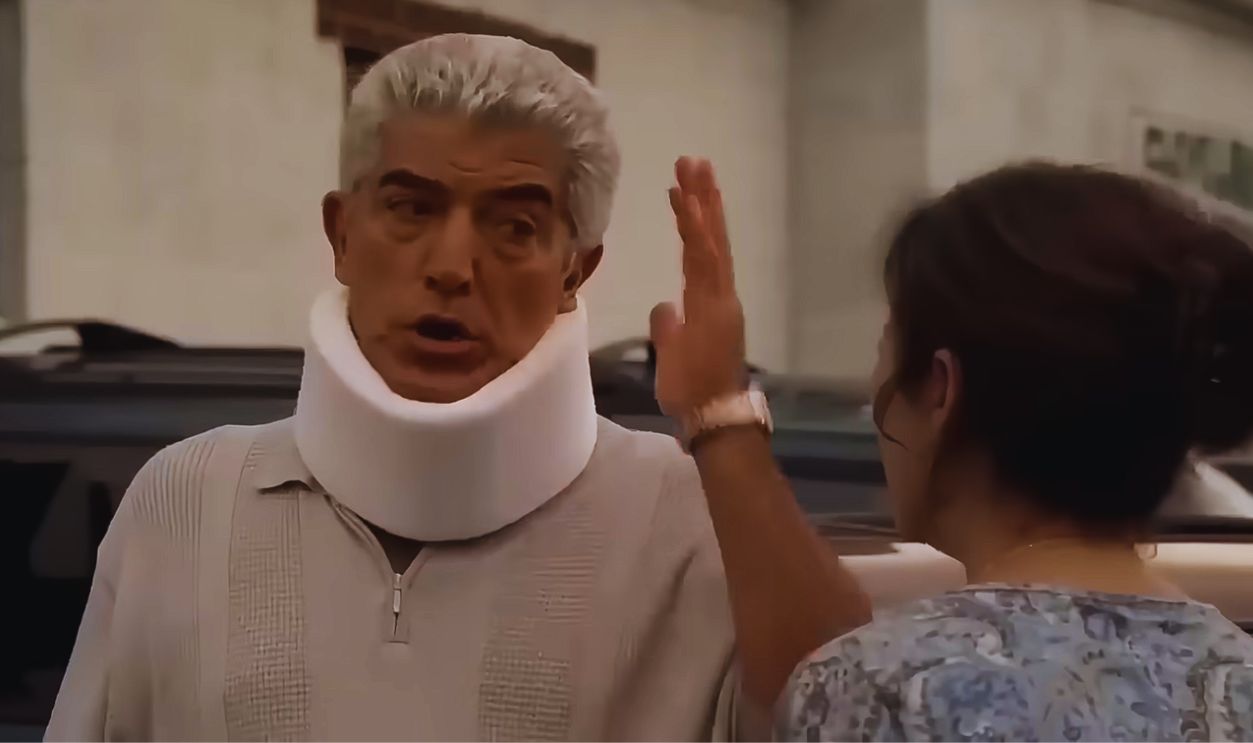 Screenshot from The Sopranos, HBO (1999–2007)
Adjusting His Birth Year For Perception
Throughout his career, Frank Vincent listed his birth year as 1939 instead of 1937, a small adjustment that he made to make him appear just a bit younger in an industry that is always so sensitive to the age of its performers. The discrepancy circulated widely before it was clarified later, although it need be said that it was simply a practical career choice and not an attempt to obscure his background.
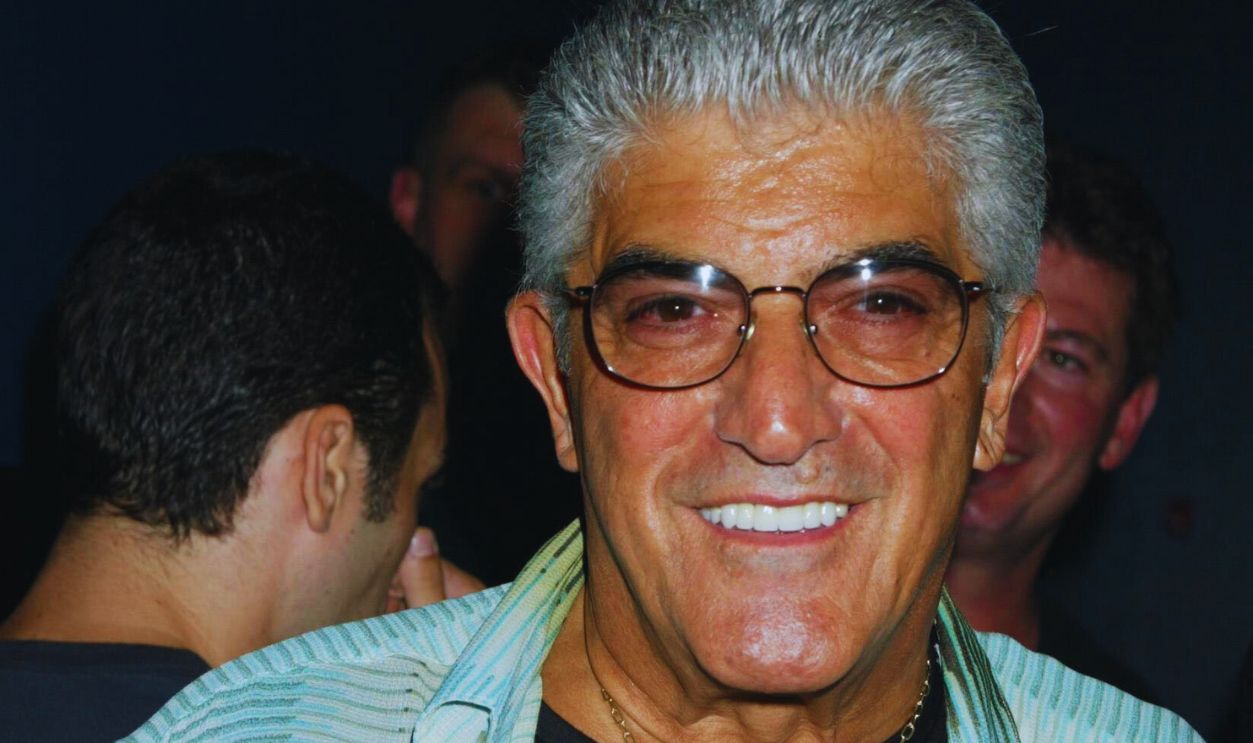
Invincible Hairline
A lot of viewers are under the wrong impression that Frank Vincent had to be wearing a wig for the role of Billy Batts in Goodfellas. It was in fact Vincent’s real hair; he was one of those rare fellows indeed whose hairline never receded a fraction of an inch, even well into his 70s.
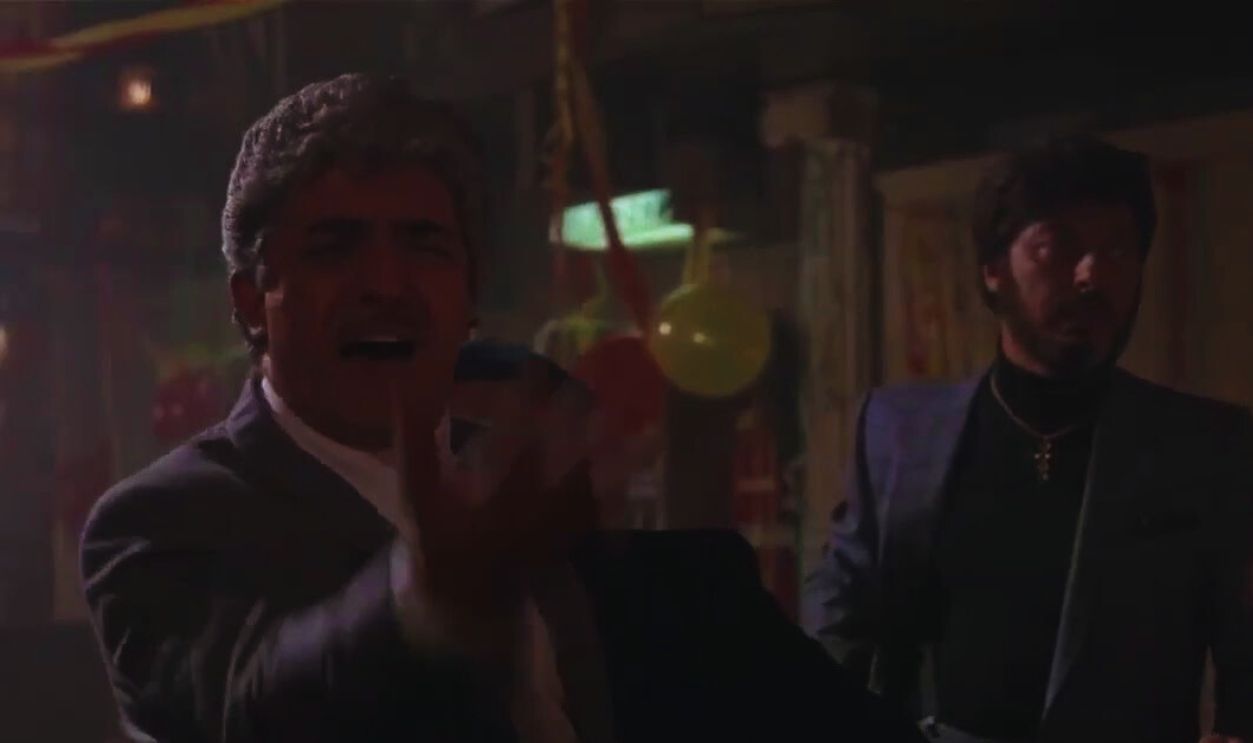 Screenshot from Goodfellas, Warner Bros. Pictures (1990)
Writing A Guy’s Guide To Being A Man’s Man
In 2006, Vincent published his book, A Guy’s Guide to Being a Man’s Man, blending humor, advice, and personal anecdotes to share his old school man-of-the-world outlook on life. The book reflected his public persona while also revealing a self-aware, playful perspective on masculinity shaped by his many decades of success and adversity as a performer.
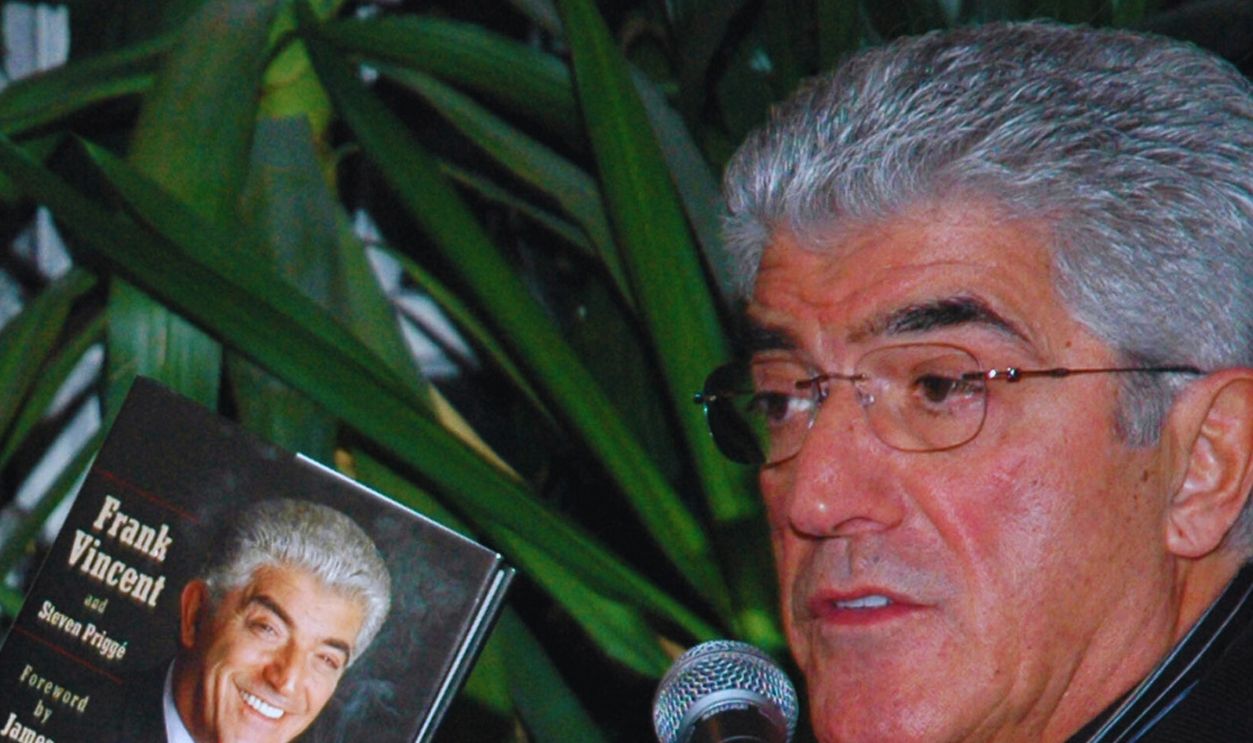
Staying Active In Later Years
Through the late 2000s and early 2010s, Vincent kept busy acting in films, television, and voice work. He attended fan conventions and interviews, often reflecting candidly on his career path. His continued presence emphasized the happiness and contentment of a successful guy who knew his role and did it exceptionally well.
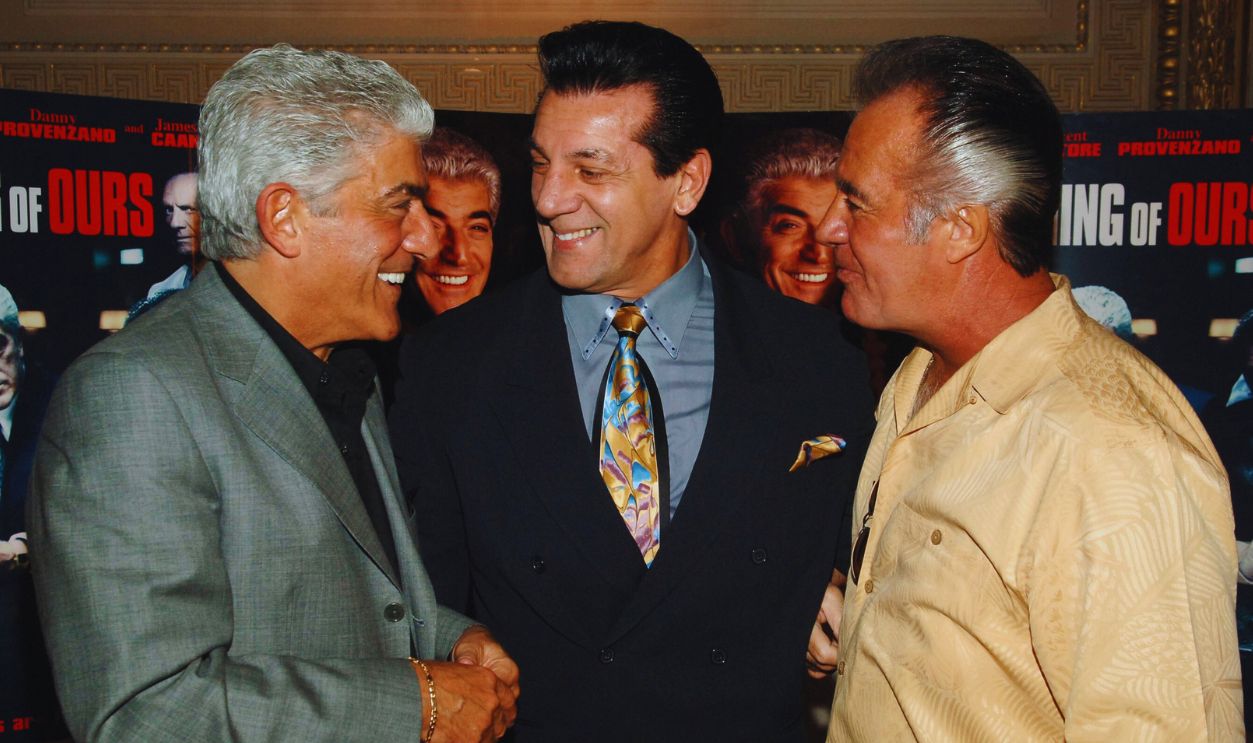
Health Issues And Last Projects
Vincent’s work slowed as health issues emerged, though he kept engaged with fans and collaborators. He made selected appearances and lent his voice to select animation and video game projects rather than maintaining constant output.
Death And Immediate Remembrance
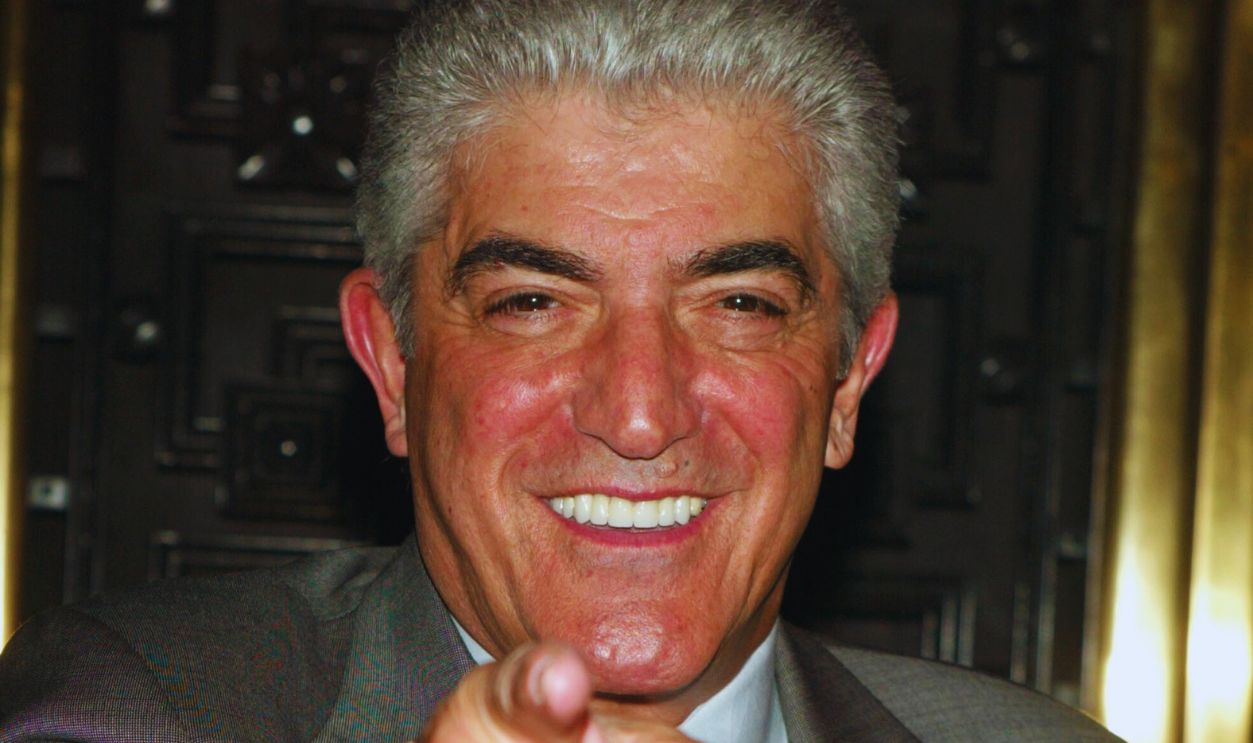
Frank Vincent died in 2017 at age 80 following complications from heart surgery in the aftermath of a heart attack. His passing brought tributes focused on the unforgettable nature of his performances and the qualities he brought to the table. Colleagues and audiences cited scenes, lines, and characters that had stayed with them across decades.
A Classic Supporting Actor
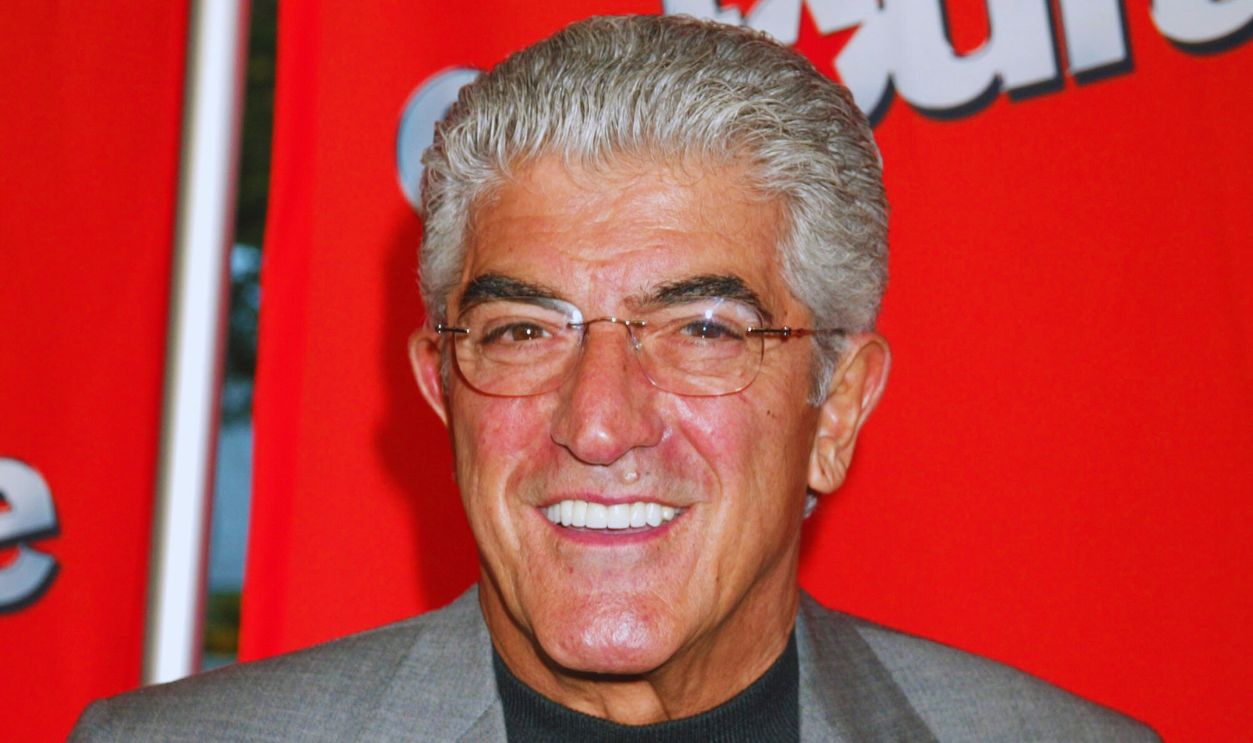
Frank Vincent’s career was a fascinating journey through music, comedy, and perfectly cast acting roles that rewarded his particular look and tough, unflinching attitude. All Frank Vincent’s hard work paid off; it proved that the right guy in the right role can create movie scenes that audiences will never forget.
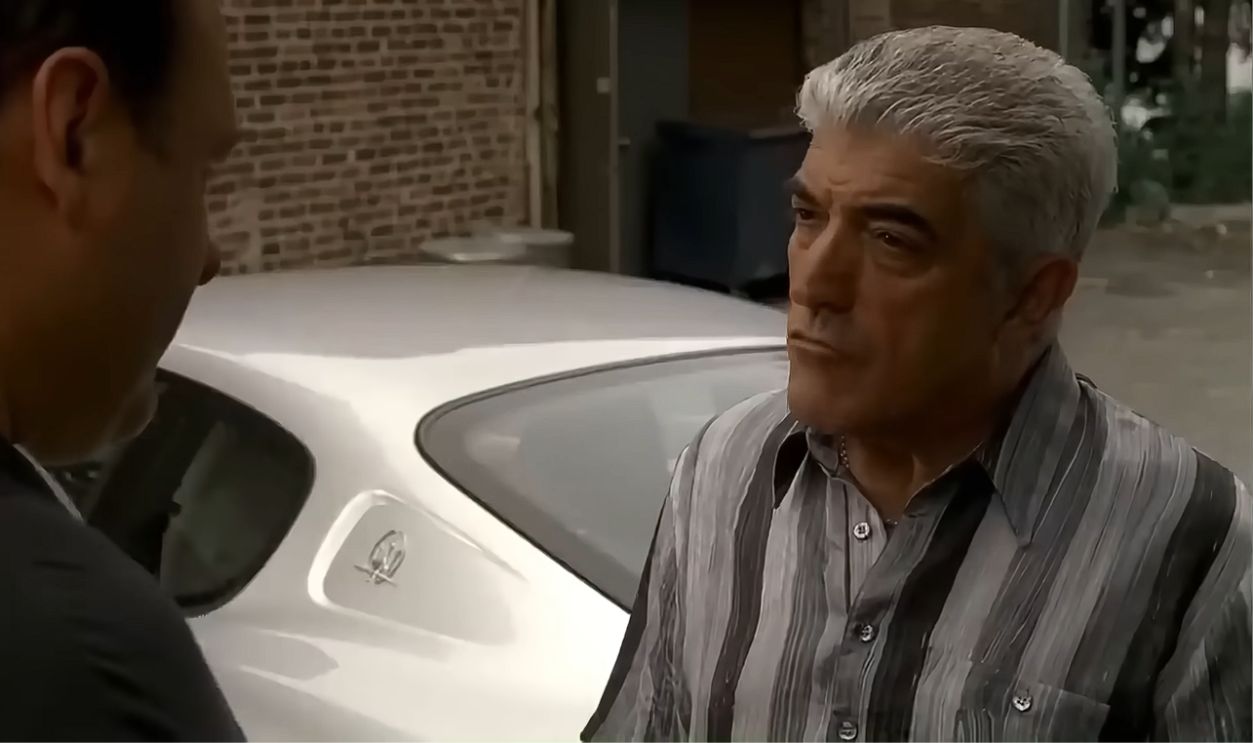 Screenshot from The Sopranos, HBO (1999–2007)
You May Also Like:
The Surprising Writing And Acting Career Of Chazz Palminteri
Hilarious Sopranos Quotes Because Everyone Forgets It's A Comedy