A Birthday Nobody Would Forget
Frank Sinatra’s temper was hardly a secret. But a birthday party for one of his closest friends should have been a reason to celebrate. Instead, that party became one of the darkest stories attached to Sinatra’s name. And the explanations afterward only made it worse.
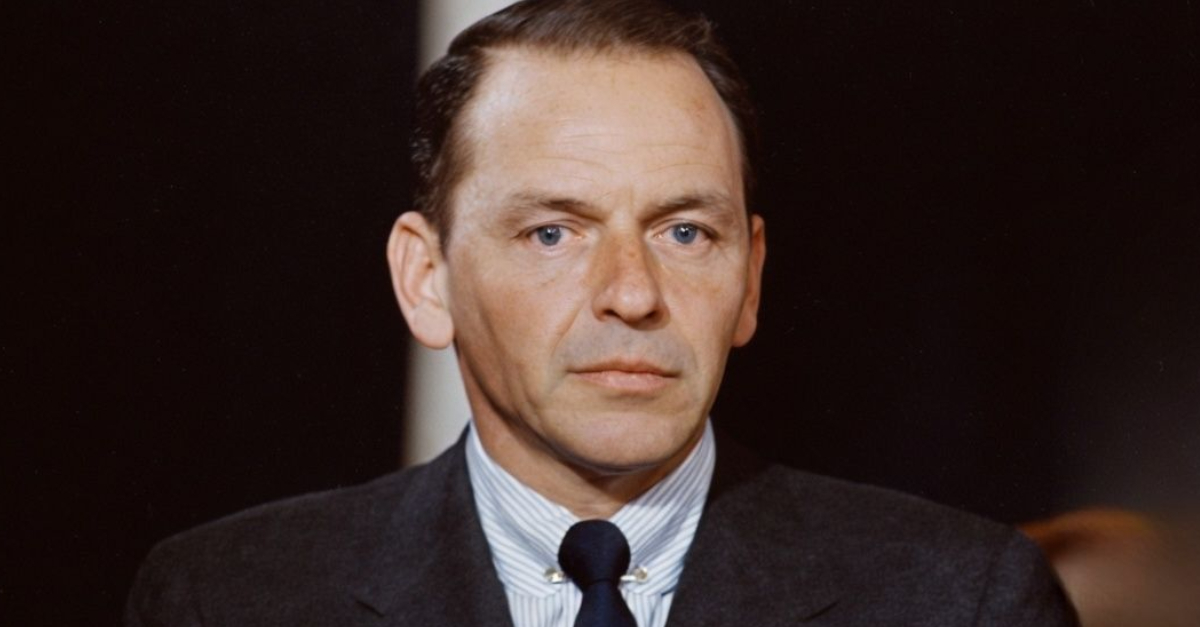
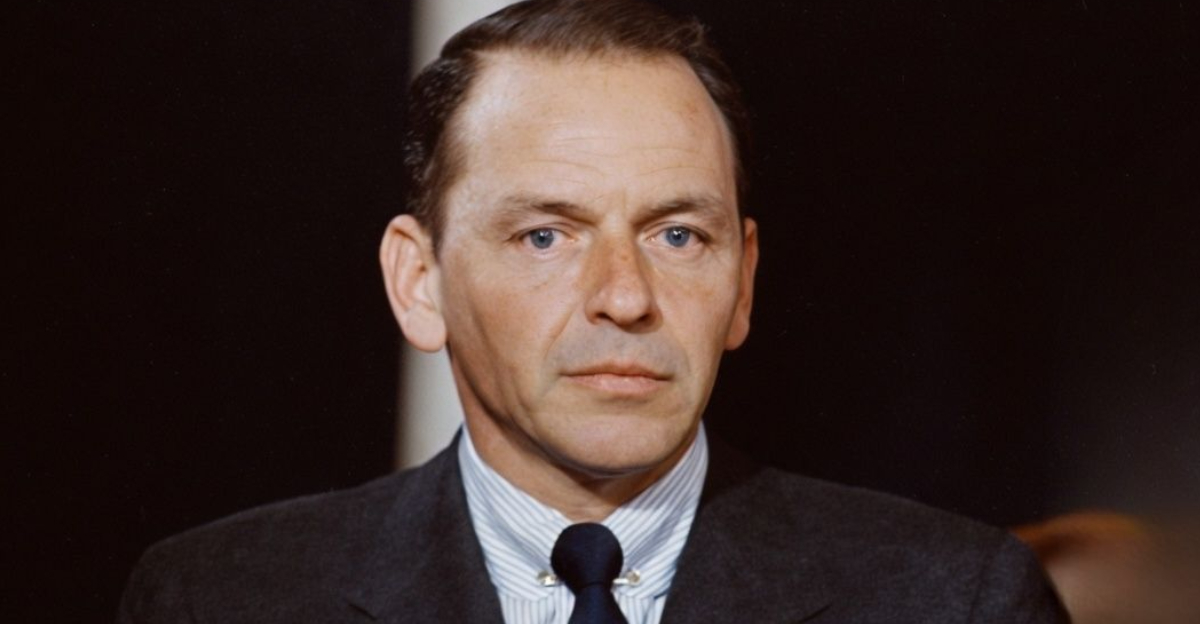 Michael Ochs Archives, Getty Images
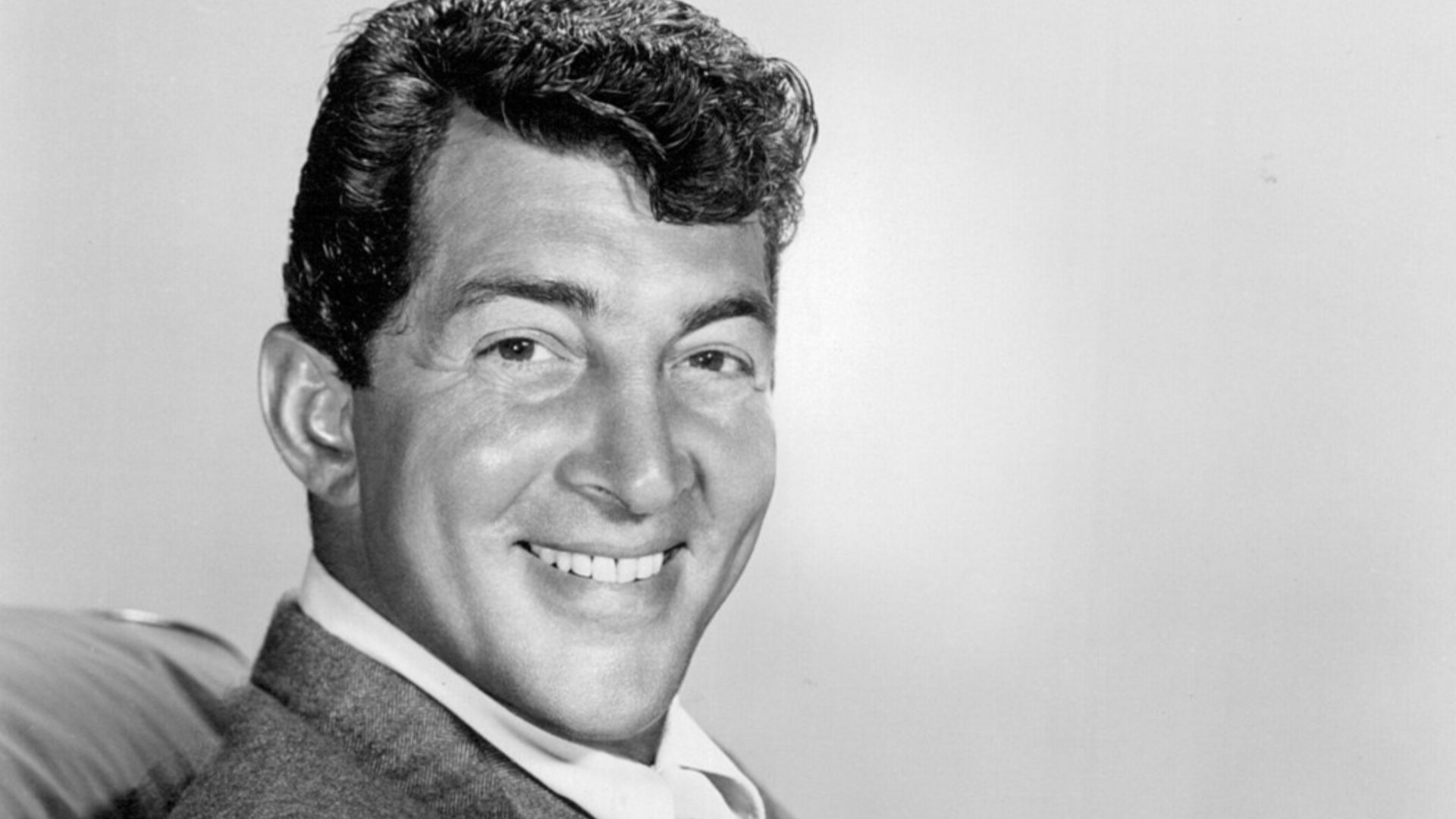
Dean Was Turning 49
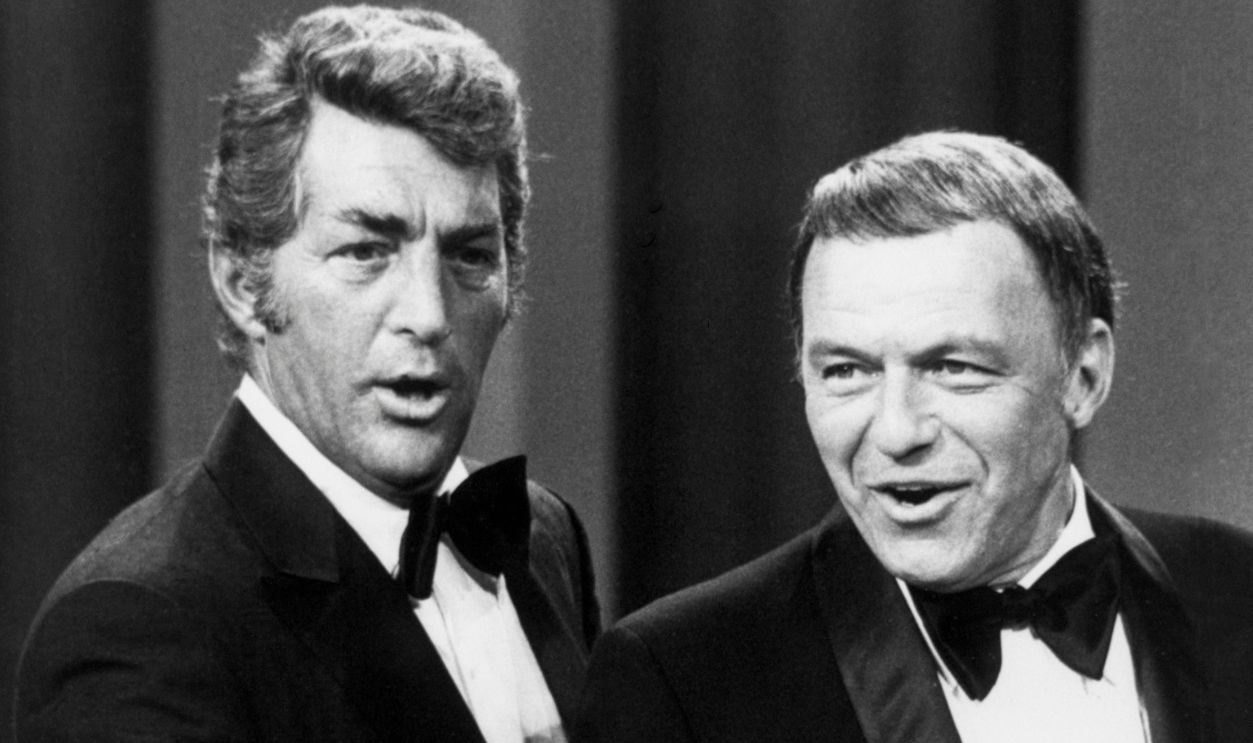
Dean Martin turned 49 on June 7, 1966, and celebrated into the early hours of June 8 at the Beverly Hills Hotel’s Polo Lounge. Sinatra joined him for drinks with friends. It should have been a good night for two men who had plenty to celebrate.
Frank Was Having A Good Year
At 50, Sinatra was still one of the biggest names in entertainment. “Strangers in the Night” would reach No. 1 that summer, proving he could still compete with the younger stars filling the charts. His career was going well, even if his behavior sometimes wasn’t.
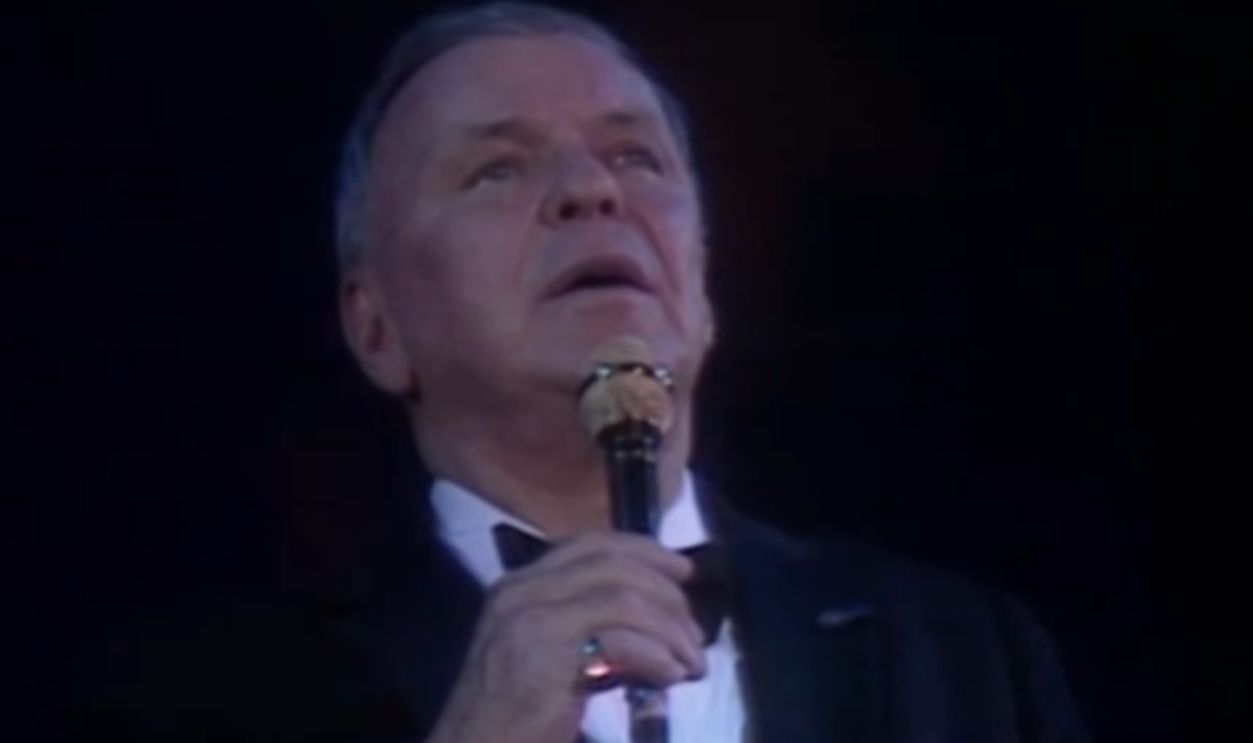 Screenshot from Strangers in the Night, Reprise Records (1966)
They Picked A Familiar Spot
The Polo Lounge was a regular gathering place for Hollywood’s wealthy and famous. People came to talk business, have drinks, and enjoy an evening among other people they recognized. Sinatra and Martin fit right in, and a birthday celebration there was hardly out of the ordinary.

The Party Was Making Itself Heard
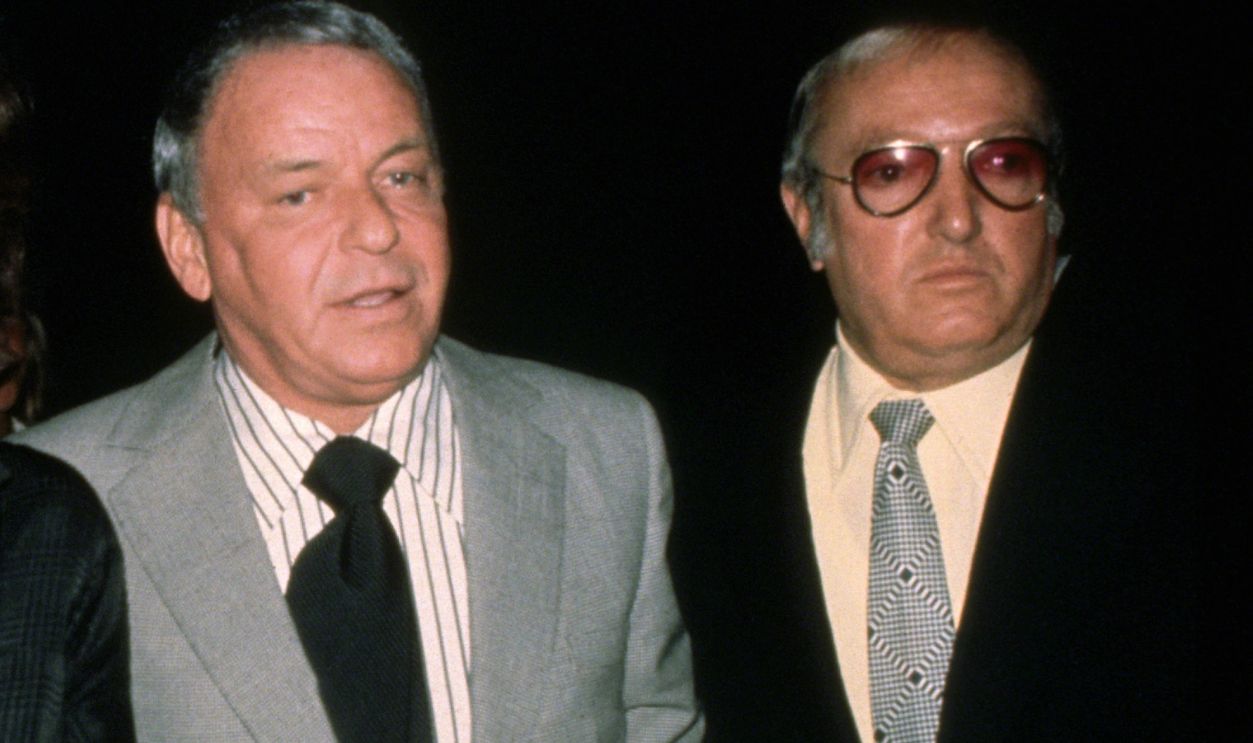
Actor Richard Conte and Sinatra’s close friend Jilly Rizzo were among those celebrating with Martin, along with several women. The conversation was loud, and the language apparently wasn’t suitable for everyone nearby. Eventually, a man at the next table decided to say something.
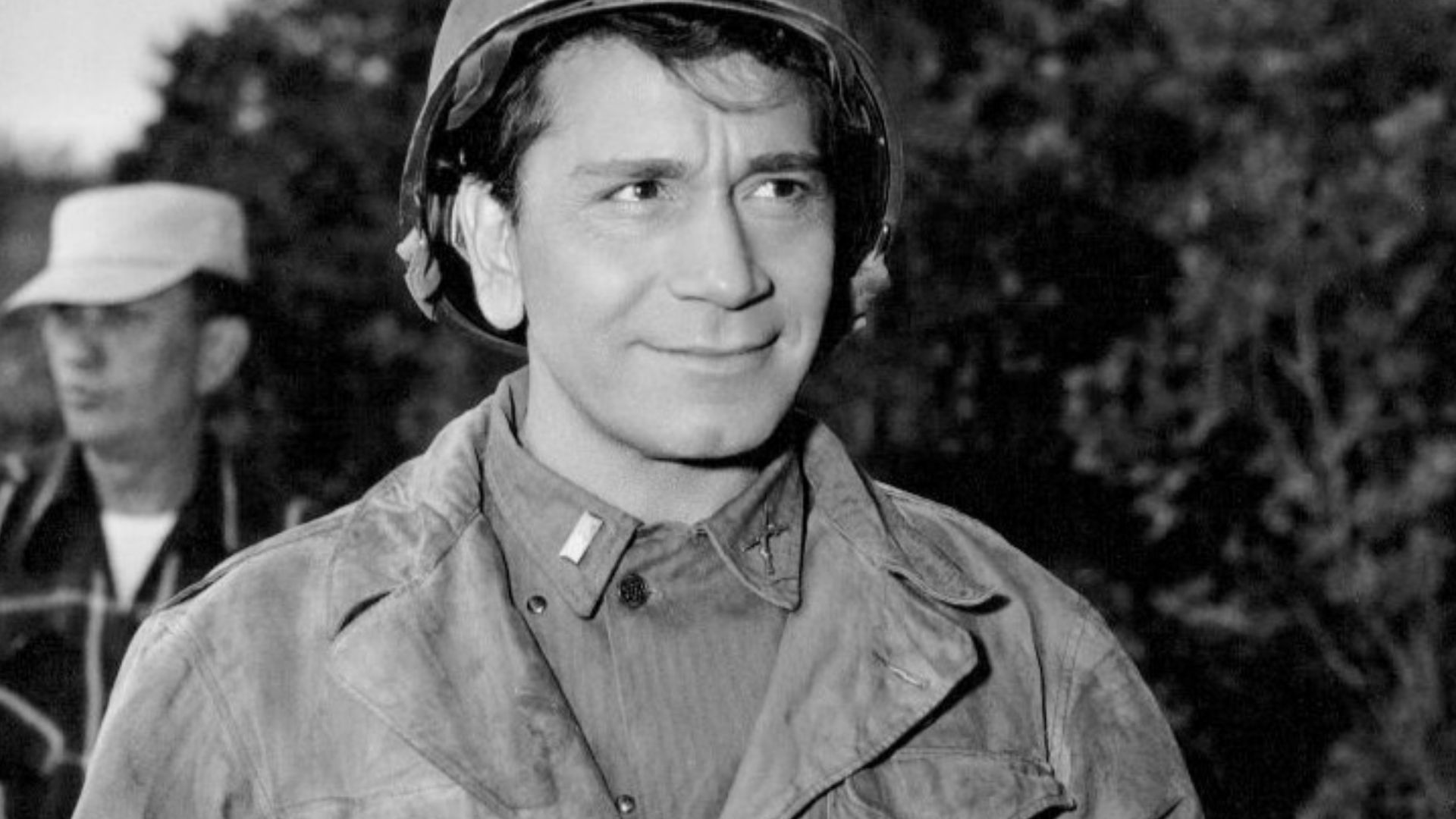 Warner Bros. Studio, Wikimedia Commons
The Neighboring Table Had A Problem
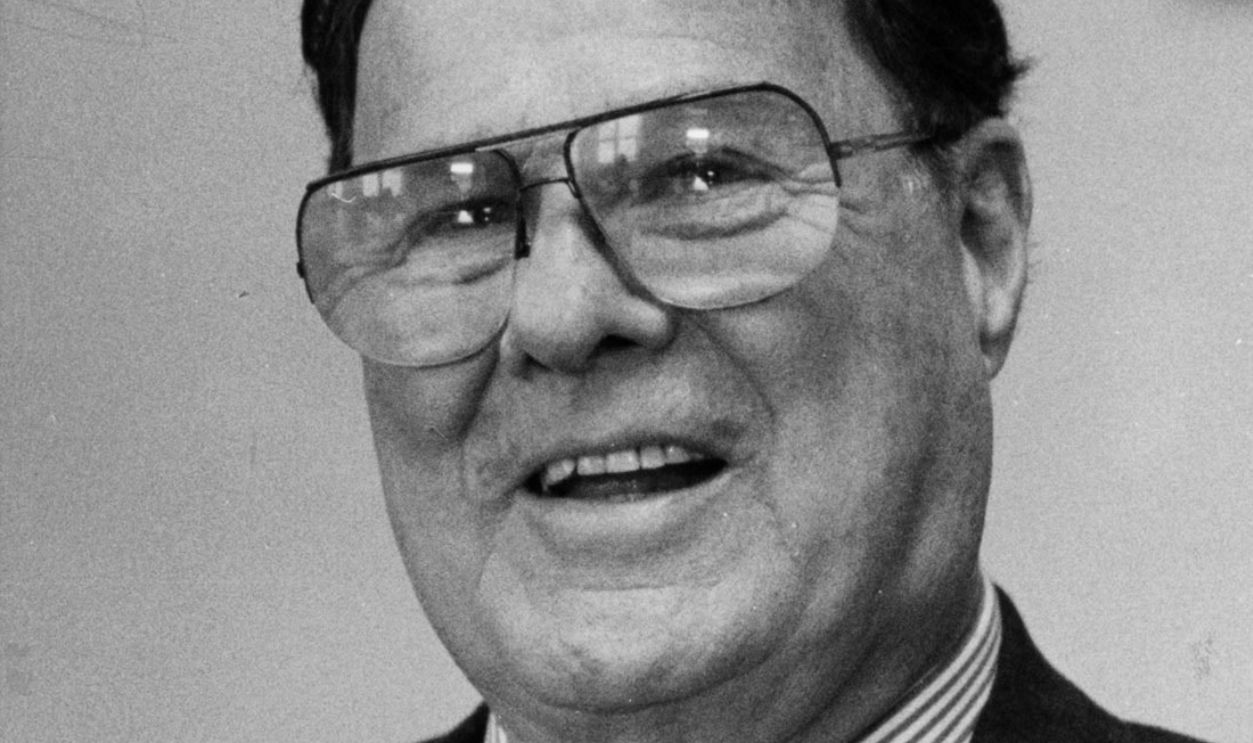
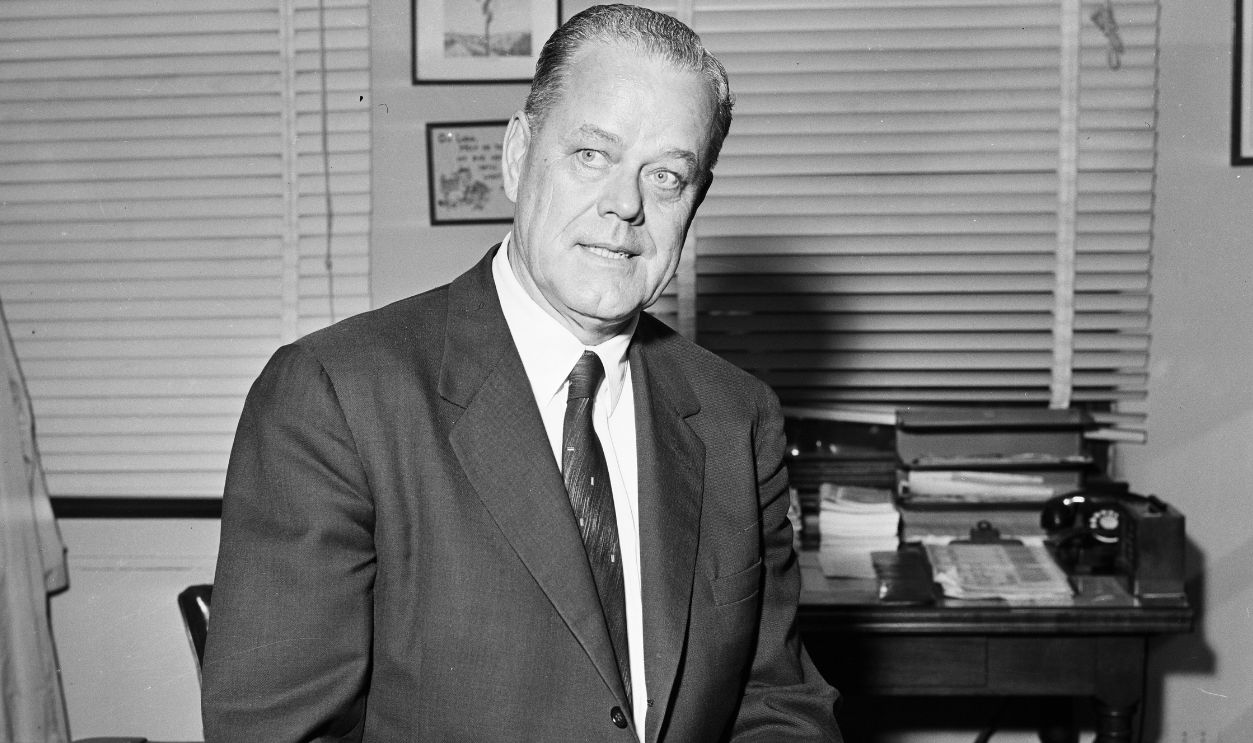
Frederick R. Weisman was a 54-year-old businessman and former president of Hunt Foods. He had come to the lounge for a drink, but Sinatra’s group was making that difficult to enjoy. Being seated beside two famous singers apparently wasn’t enough to make up for the noise.
Weisman Had Done Well For Himself
Weisman had built a successful business career and, with his wife Marcia, was becoming an important collector of modern and contemporary art. He wasn’t a celebrity, but he had money and connections of his own. This wasn’t a fan trying to get Sinatra’s attention.
He Was With A Friend
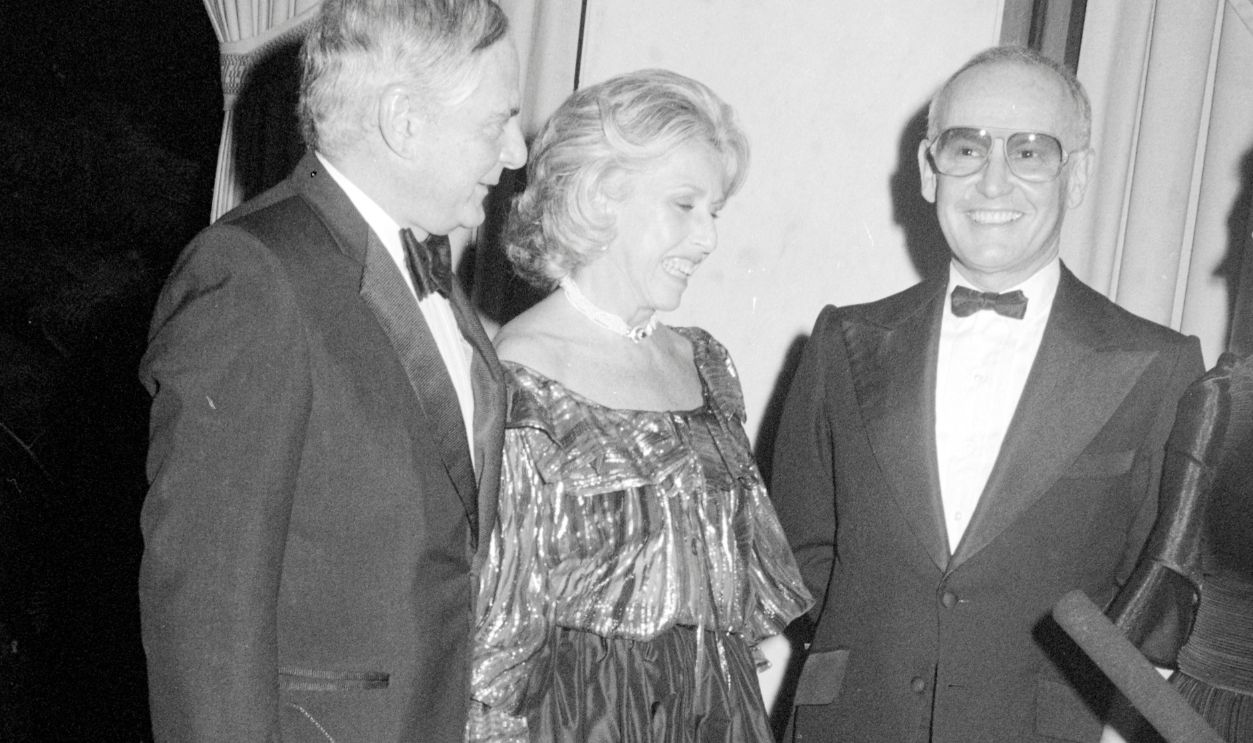
Weisman was accompanied by businessman Franklin H. Fox. Their children were preparing to marry, and the men had stopped for a nightcap after dinner. Fox would later describe the confrontation, becoming an important witness in a story whose details were disputed from the beginning.
 Star Tribune via Getty Images, Getty Images
He Asked Them To Keep It Down
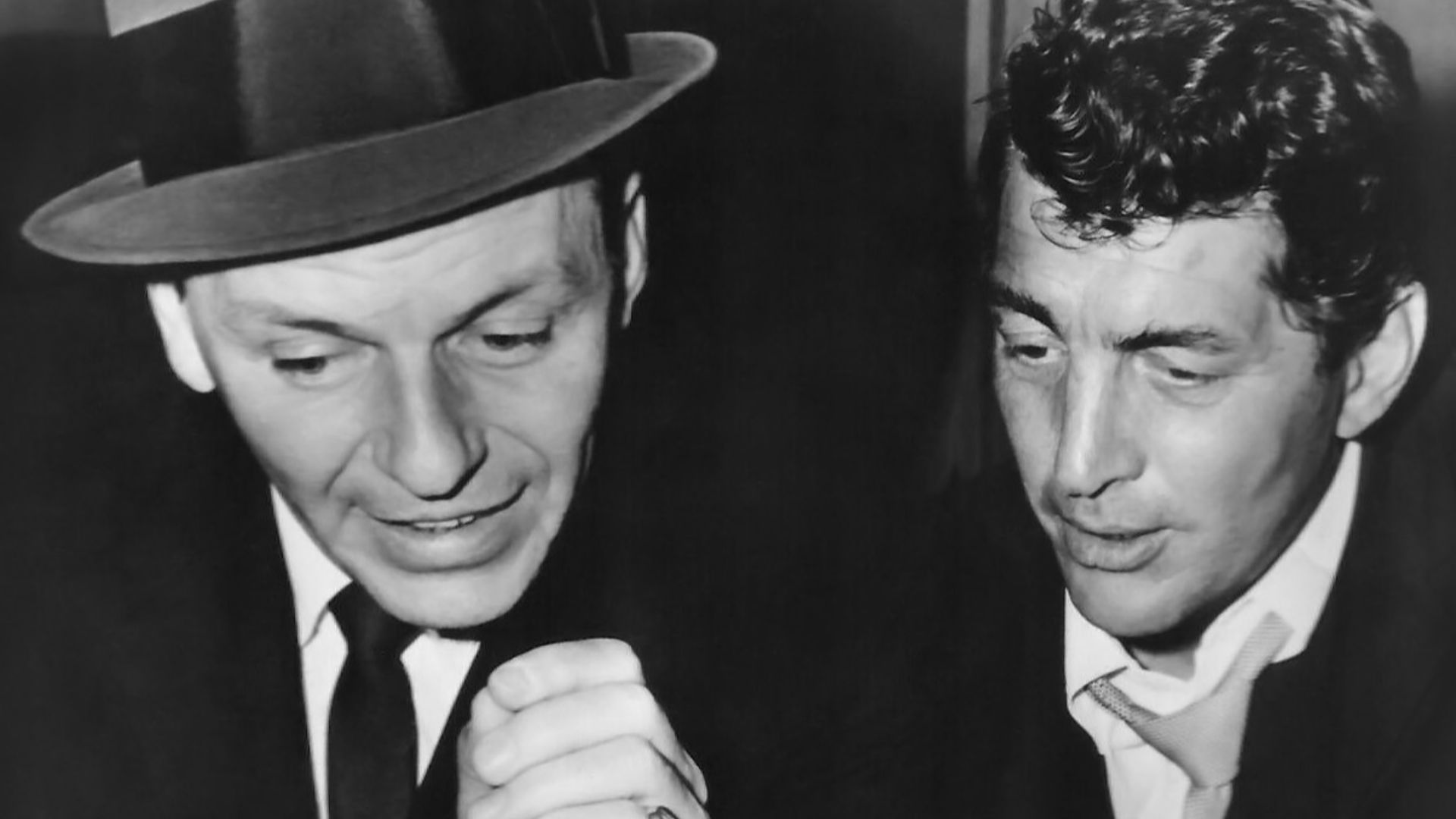
Weisman complained about the noise and, according to accounts of the evening, the language coming from the birthday party. Asking a neighboring table to quiet down wasn’t an outrageous request. Unfortunately, he was making that request to Frank Sinatra, and the exchange quickly became personal.
 Distributed by Warner Bros., photographer uncredited and unknown., Wikimedia Commons
The Conversation Got Uglier
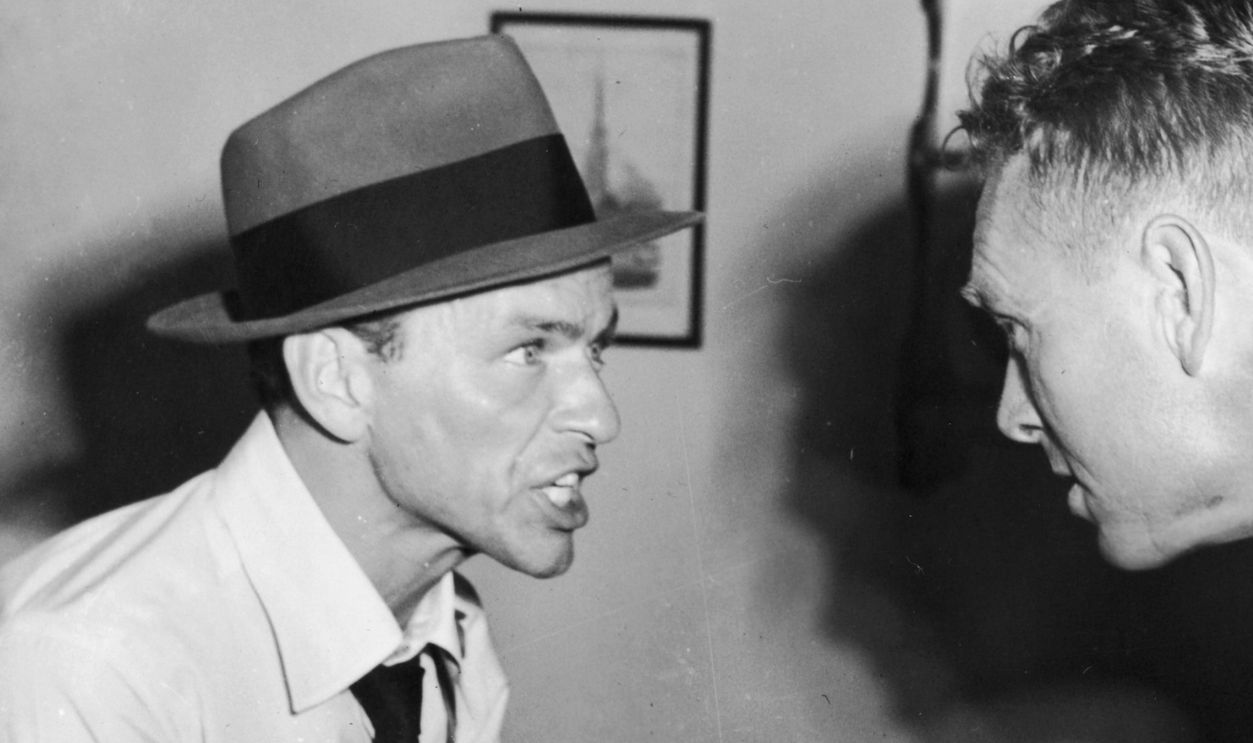
Later accounts accused Sinatra of responding with an antisemitic insult. Sinatra’s version portrayed Weisman as the one using abusive language. Whatever the exact words, neither man simply apologized and returned to his drink. The complaint had become an argument, and the argument was about to become physical.
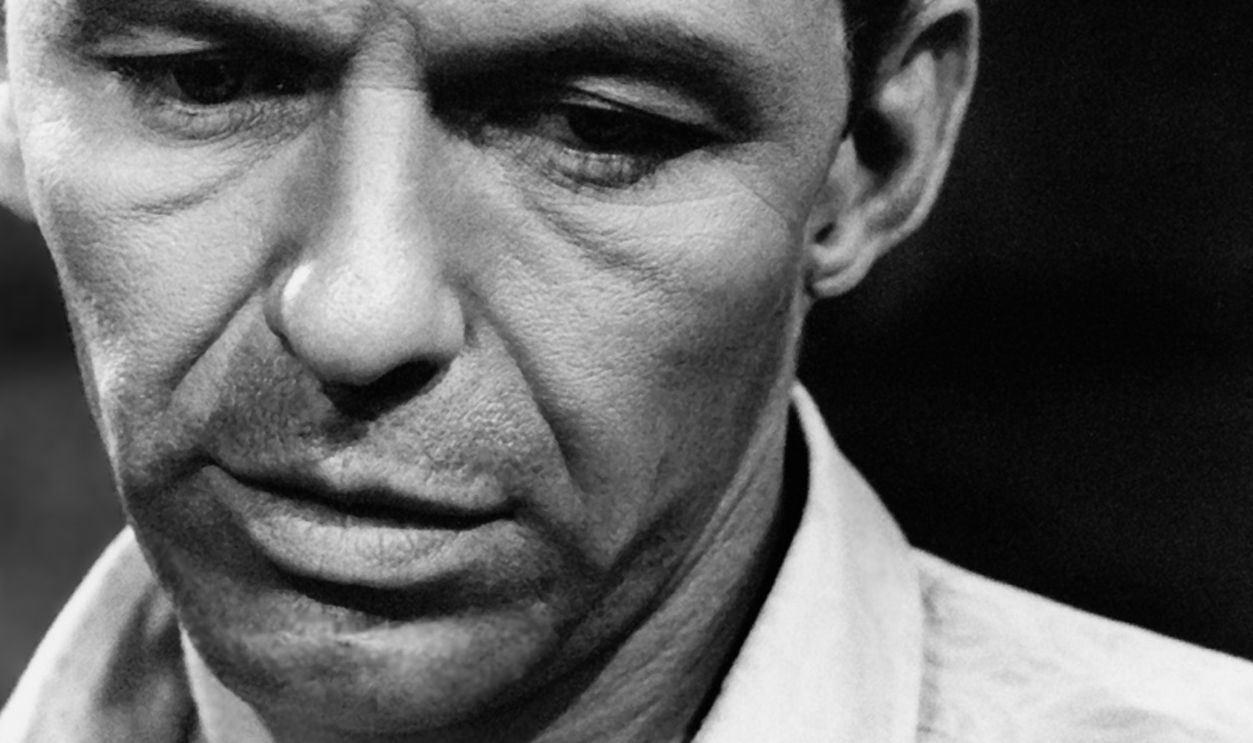
Frank Came Away With A Black Eye
Sinatra told detectives that Weisman struck him in the right eye. Hotel security guard Forrest Henry also reported seeing Weisman hit the singer. Sinatra came away with a black eye, but maintained that he hadn’t struck back. Weisman’s injury would be much more serious.
 Silver Screen Collection, Getty Images
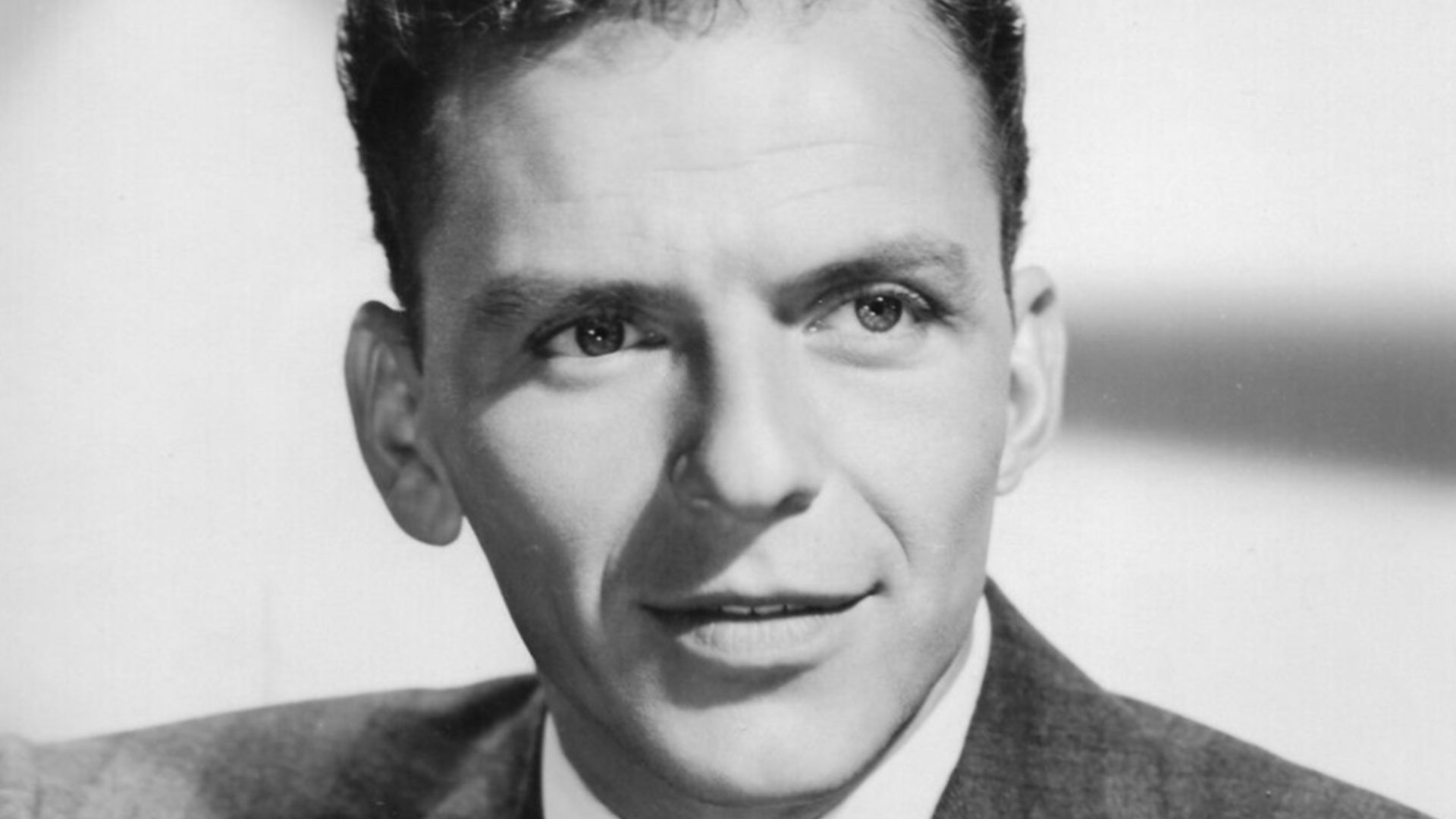
Frank Denied Hitting Him
TIME reported Sinatra’s explanation that “I defended myself, naturally,” alongside his insistence that “I at no time saw anyone hit him—and I certainly did not.” Those statements raised questions about what he meant by defending himself, but neither established that he had struck Weisman.
 Photograph taken by George Hurrell for Metro-Goldwyn-Mayer (MGM)., Wikimedia Commons
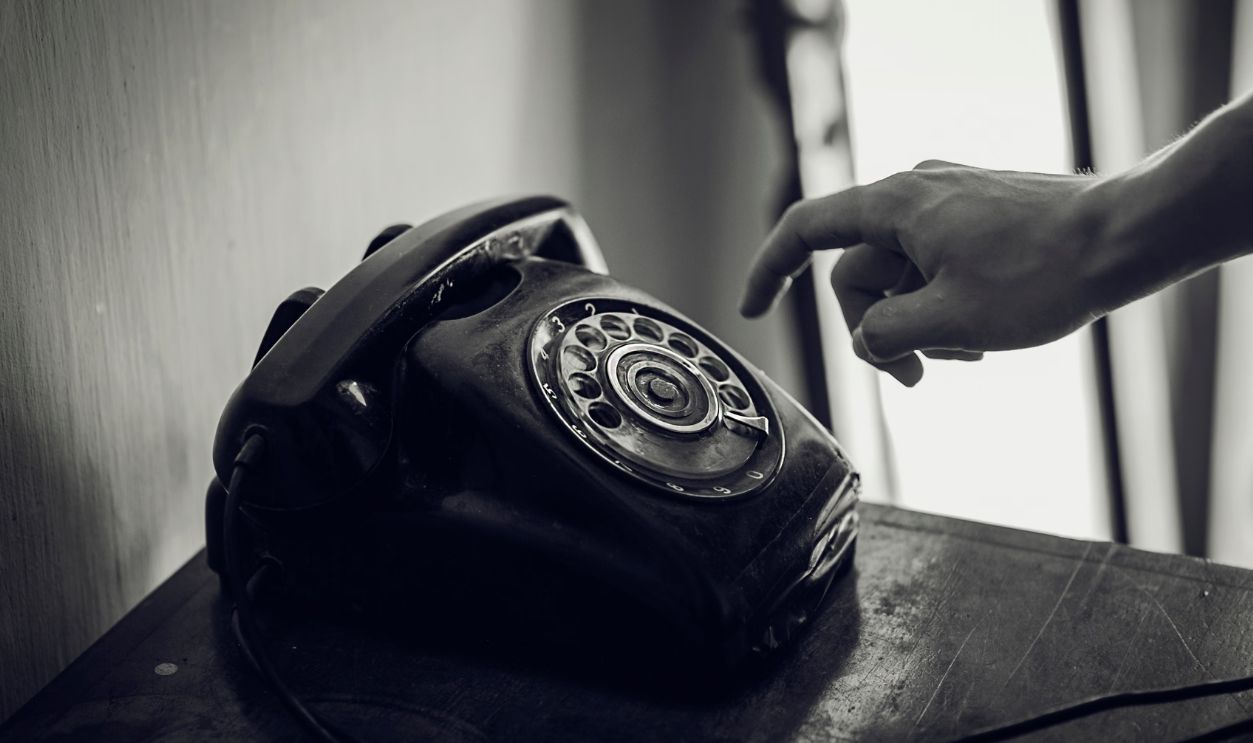
A Telephone Entered The Story
Some later accounts alleged that Sinatra struck Weisman with one of the lounge’s telephones. Another described him throwing it. Sinatra denied hitting him, and the telephone allegation was never established in a trial. It nevertheless became the detail most closely associated with that night.
Weisman Was Left On The Floor
By the end of the confrontation, Weisman was unconscious on the floor amid broken glass and other debris. Sinatra’s group left the lounge, while police summoned an ambulance for Weisman. Whatever had happened in those confused moments, the man who complained about the party needed medical help.
 Chris Wagner, Wikimedia Commons
Dean Told His Daughter About Frank
According to Scott Huver’s account in Beverly Hills Noir, Martin later told his daughter Deana, “Frank blew a fuse tonight.” He added, “He can’t let it go.” Martin’s birthday had been overtaken by another confrontation involving his friend, and this one was far from over.
 Deana MArtin, Wikimedia Commons
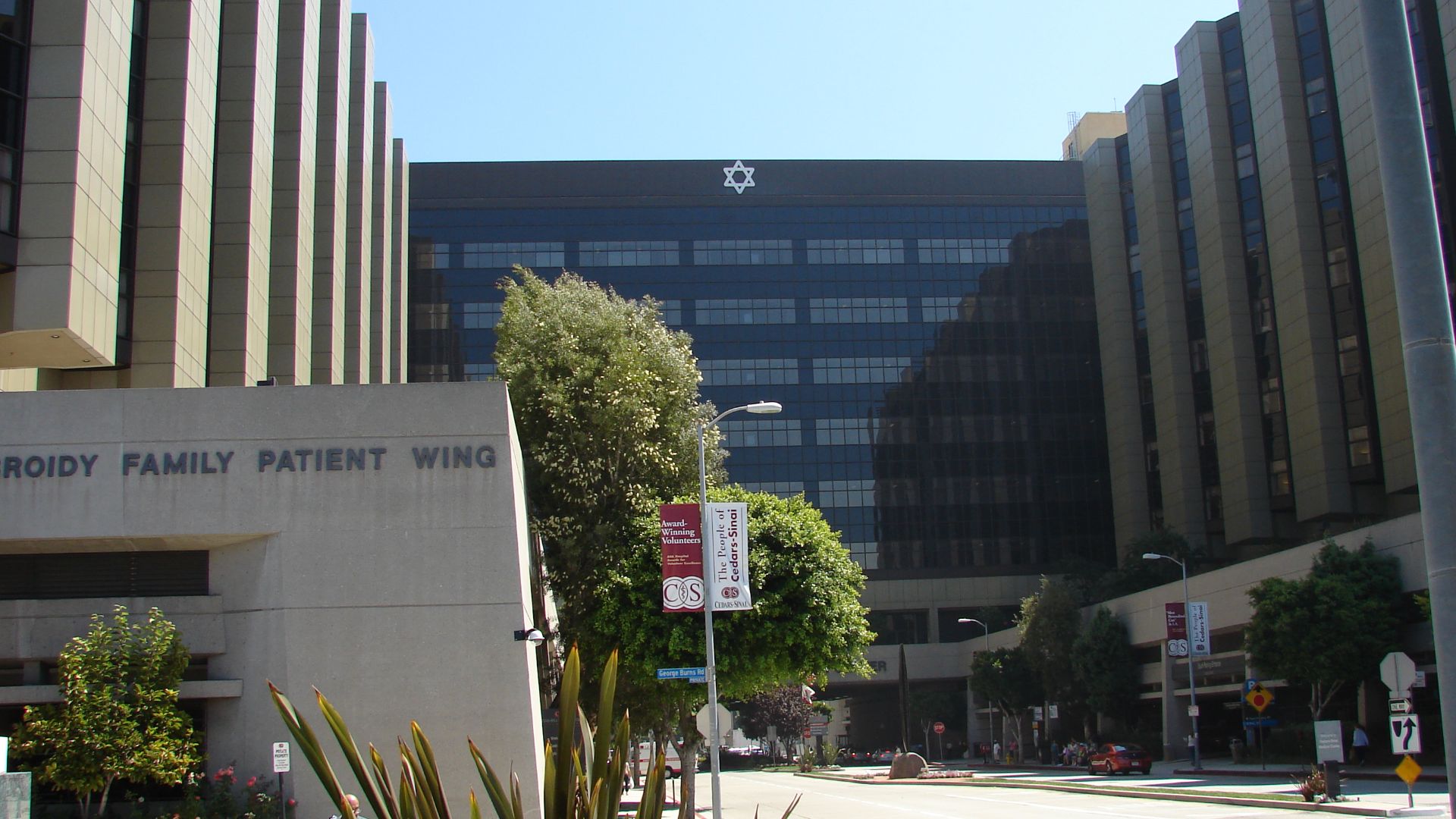
Weisman Was Initially Released
The ambulance took Weisman to the Beverly Hills first aid station, where he was treated and released. He returned home, and his family initially thought he was sleeping. When he failed to wake, they realized something was wrong and he was taken to Mount Sinai Hospital.
 Jorobeq at English Wikipedia, Wikimedia Commons
He Needed Brain Surgery
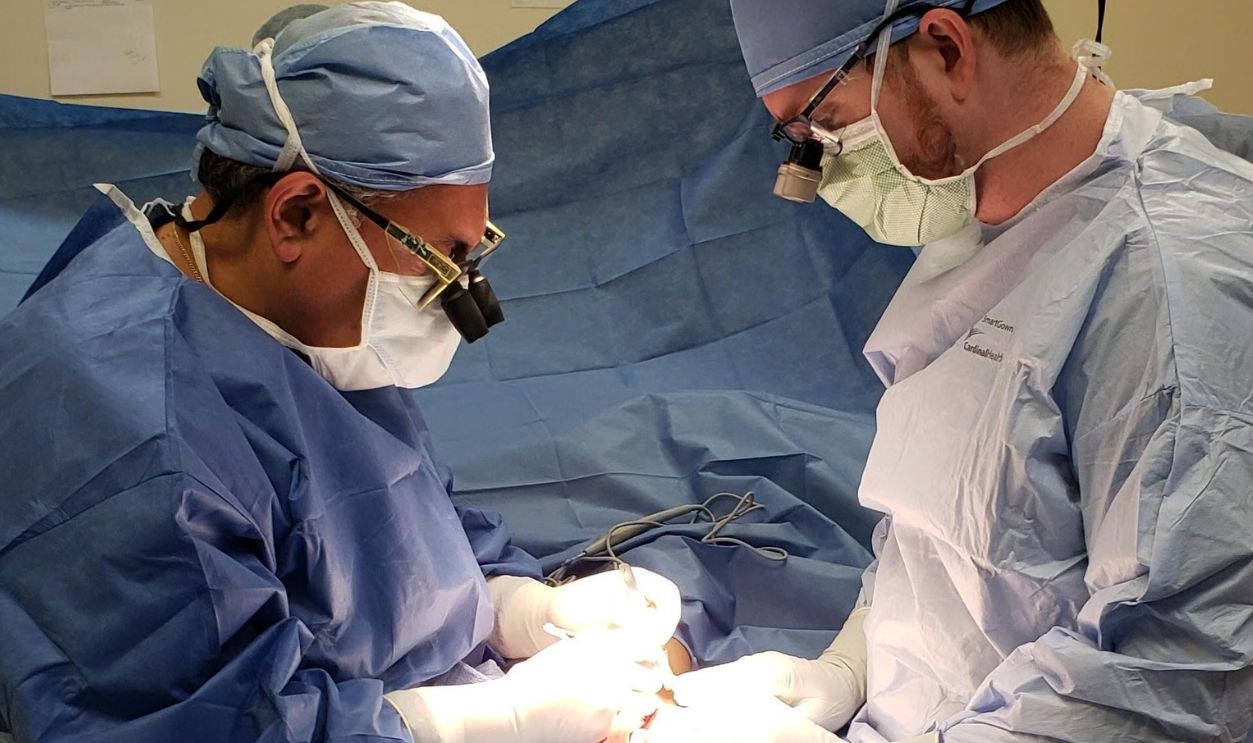
Weisman had suffered a fractured skull and underwent approximately two and a half hours of brain surgery. Contemporary reporting described him as still unconscious and in serious condition afterward. What began as a disagreement over a noisy table had become a medical emergency that threatened his life.
Police Had To Investigate Further
As the seriousness of Weisman’s condition became clear, Beverly Hills Police Chief Clinton Anderson ordered a fuller investigation. Detectives needed to establish whether someone had struck him or whether he had fallen. The witnesses could describe the argument, but explaining the injury was another matter.
 University of Southern California, Getty Images
Martin Said He Hadn’t Seen Anyone Hit Him
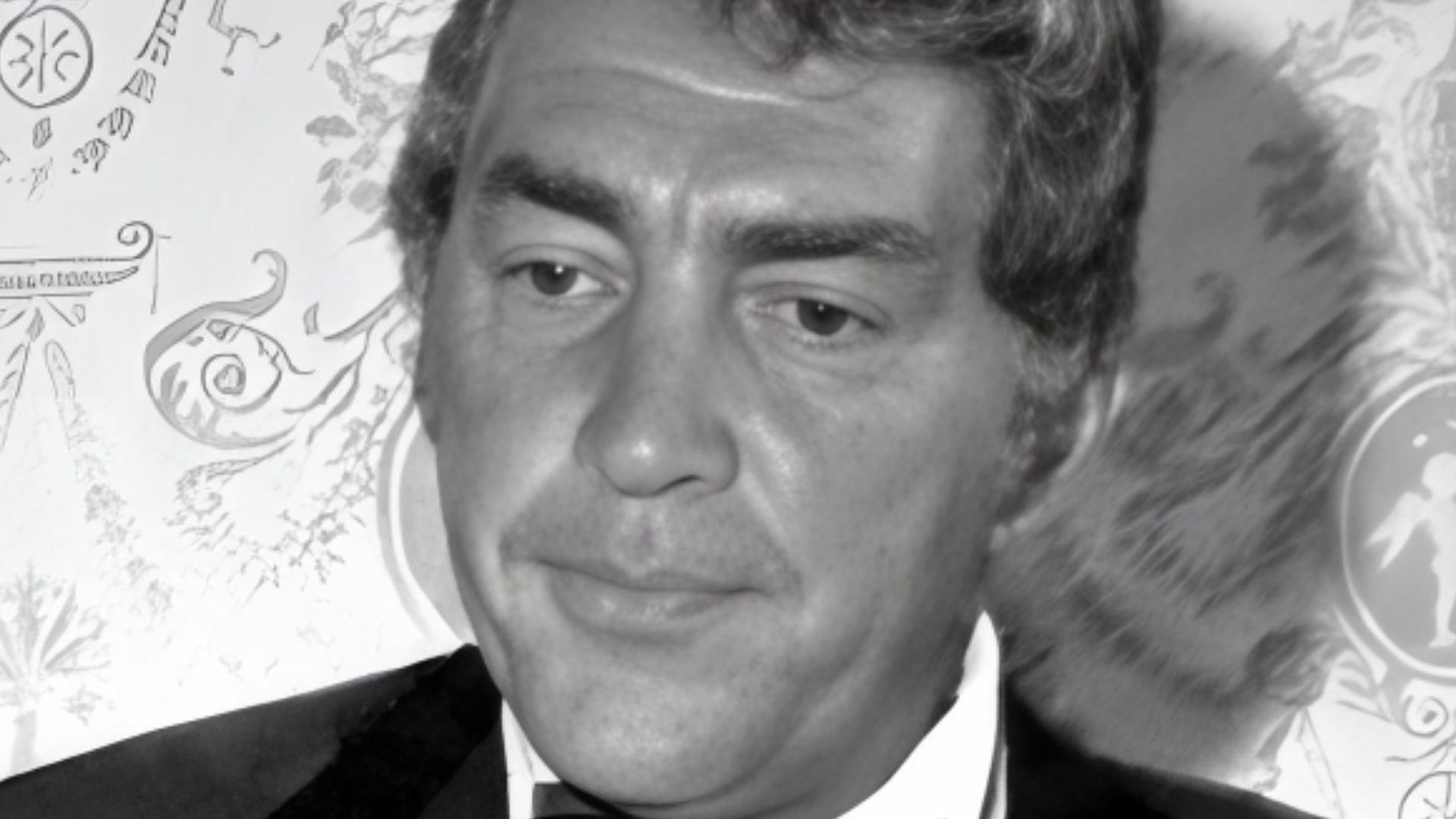
Martin told police he saw a man strike Sinatra before someone stepped between them. He later saw a man lying on the floor, but said he hadn’t seen anyone strike that man. His account supported part of Sinatra’s explanation without settling how Weisman had been injured.
 Los Angeles Times, Wikimedia Commons
The Story Became More Complicated
Huver reported Weisman’s memory loss after recovery. Separately, he recounted rumors implicating Rizzo and a publicist’s allegation of payments to keep witnesses’ accounts vague. The memory problems and the later allegations were different issues, although both made the story harder to untangle.
Weisman Reportedly Received Threats
According to The Legendary Estates of Beverly Hills, Weisman told friends he received threatening telephone calls and abandoned plans to pursue charges. The book links those calls to his decision to back down. That explanation remains an allegation, but it adds another disturbing element to the aftermath.
Prosecutors Closed The Case
The district attorney’s office ultimately declined to prosecute. A contemporary newspaper clipping preserved in Sinatra’s FBI files reported the office’s conclusion: “No prosecution is indicated and the case is closed.” There would be no trial establishing exactly how Weisman had received his injury.
Weisman Lived For Another 28 Years
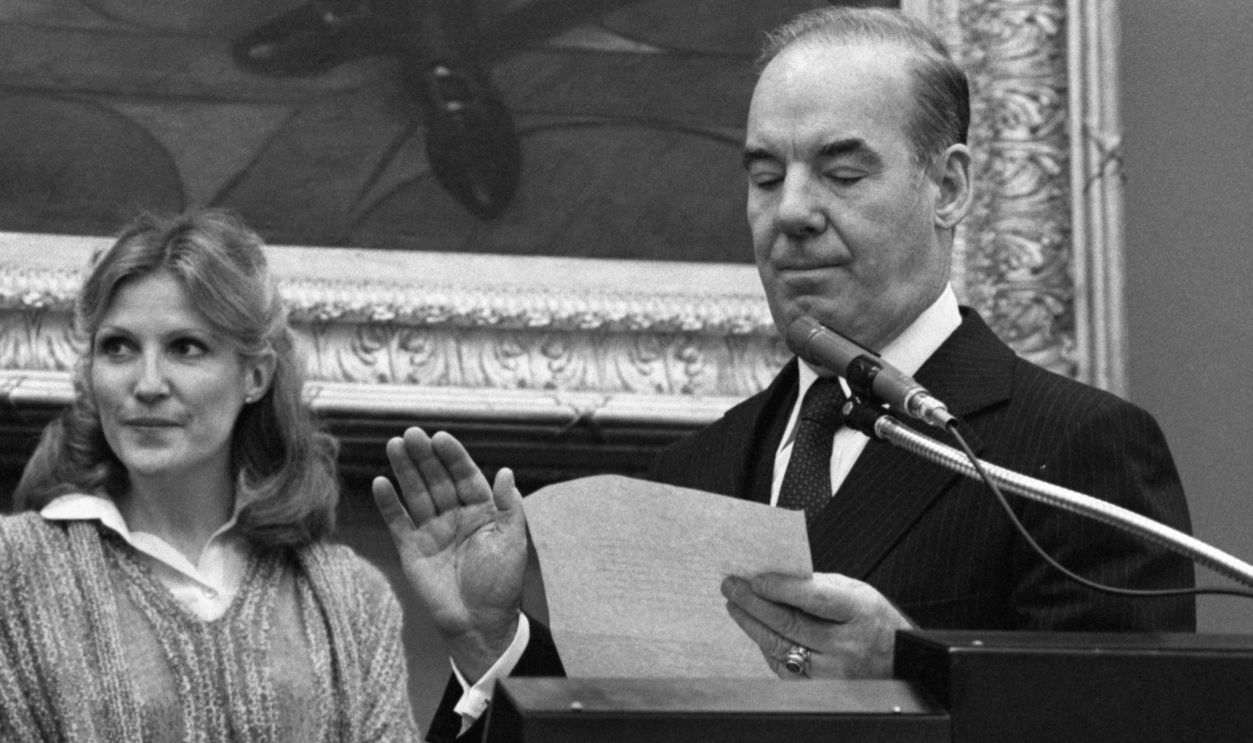
Weisman survived and continued building businesses, collecting art, and supporting cultural institutions. He established the Frederick R. Weisman Art Foundation and lived until 1994. The Sinatra confrontation became an infamous part of his story, but his business achievements and art collection gave people plenty of other reasons to remember him.
 Weismanfoundation, Wikimedia Commons
That Was More Than A Bad Temper
A man complained about a noisy table and ended up needing brain surgery. Sinatra denied causing the injury, and prosecutors closed the case without a trial. But calling this another story about Frank’s temper makes it sound a lot less serious than it was.
 William P. Gottlieb, Wikimedia Commons
You Might Also Like:
Henry Fonda’s Complicated Hollywood Friendships Were More Dramatic Than His Movies
Hollywood Stars Who Turned Down Career-Defining Roles—And Watched Someone Else Become Famous Instead