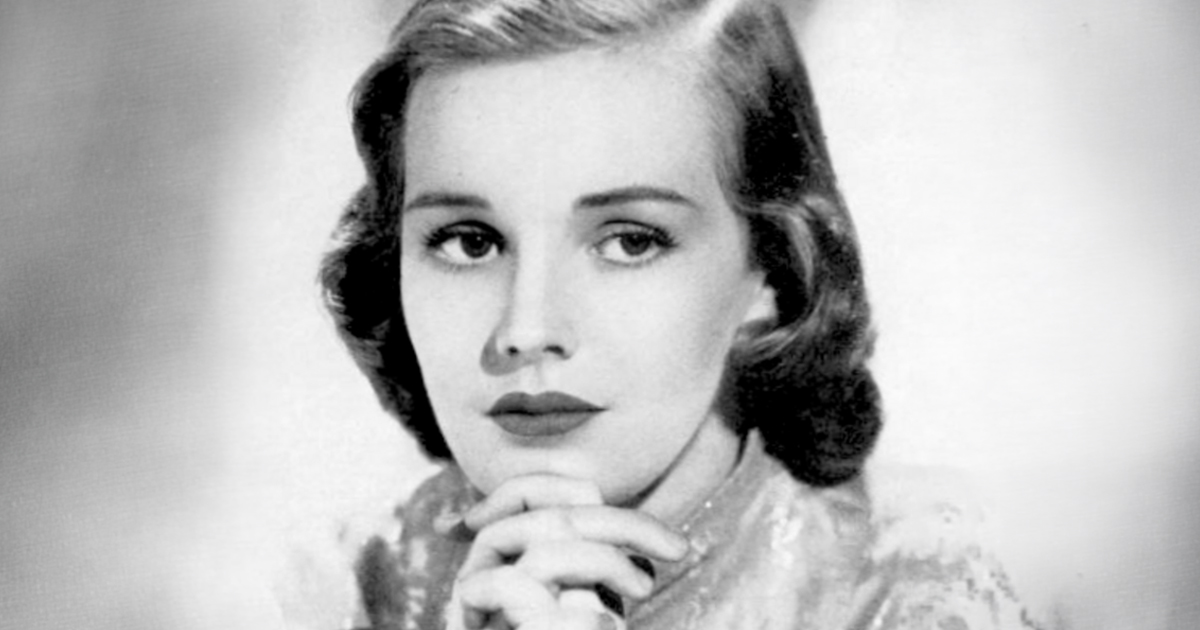
Frances Farmer Couldn't Be Silenced
Frances Farmer wasn’t fragile. She was bold, opinionated, and smarter than most of the people trying to manage her. That worked beautifully — until it didn’t.
By 1943, the same industry that once promoted her as a rising star would quietly watch as she was declared mentally ill and committed to a state hospital. But even this didn’t silence her.

The Girl Who Refused to Play Nice
Born September 19, 1913, in Seattle, Washington, Frances Elena Farmer grew up outspoken and intellectually curious. As a teenager, she won a writing contest with an essay titled “God Dies,” which questioned organized religion.
That headline alone followed her for years. She wasn’t trying to shock people. She just wasn’t afraid.
 manleyaudio, Wikimedia Commons
College, Communism, and Headlines
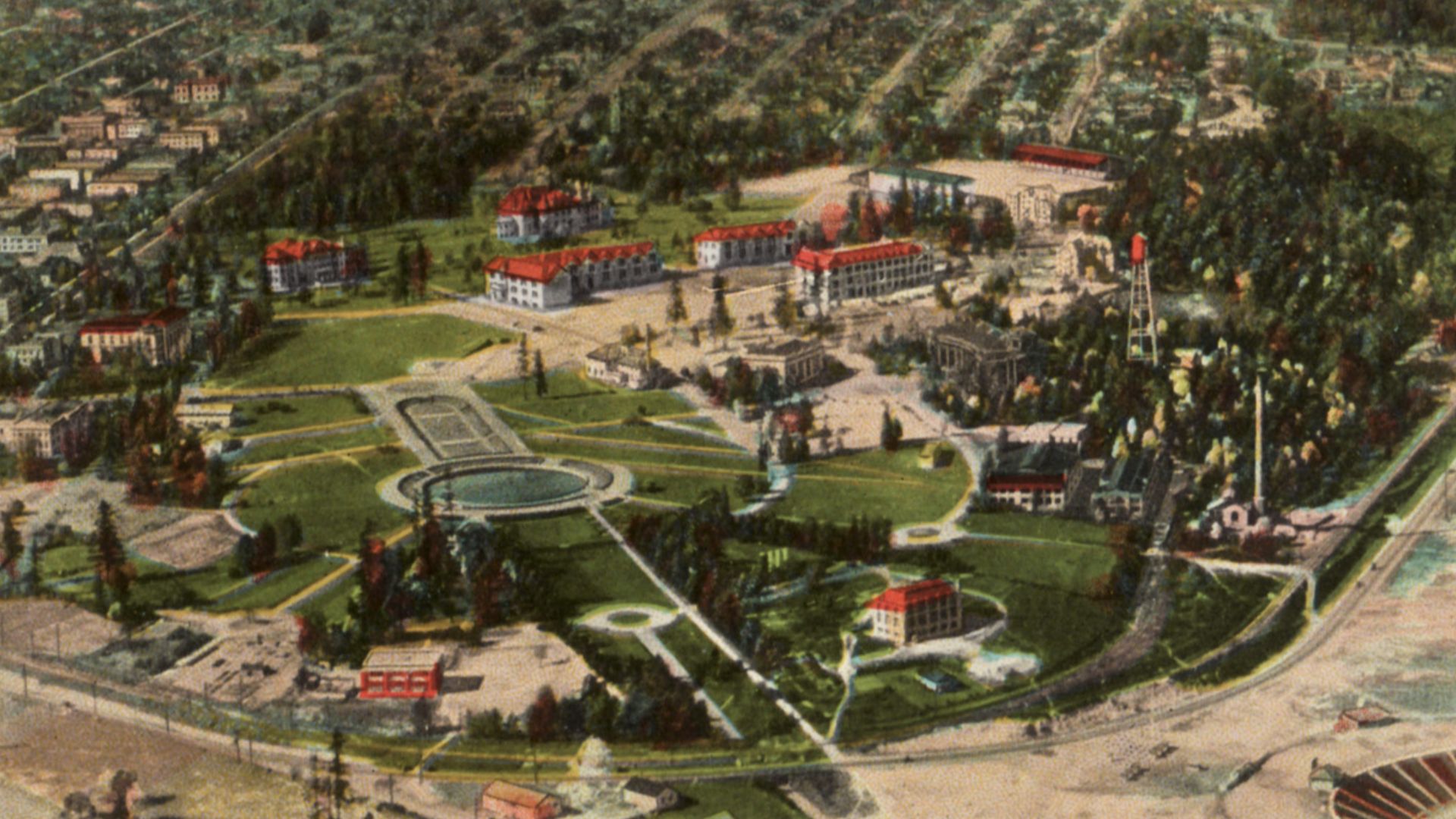
While studying journalism at the University of Washington, Farmer became involved in progressive political groups. In 1935, she traveled to the Soviet Union after winning a trip sponsored by a pro-Soviet newspaper.
In 1930s America, that was controversial. Some studios never forgot it.
 CP Johnston Co., Seattle, WA, Wikimedia Commons
Paramount Sees a Star
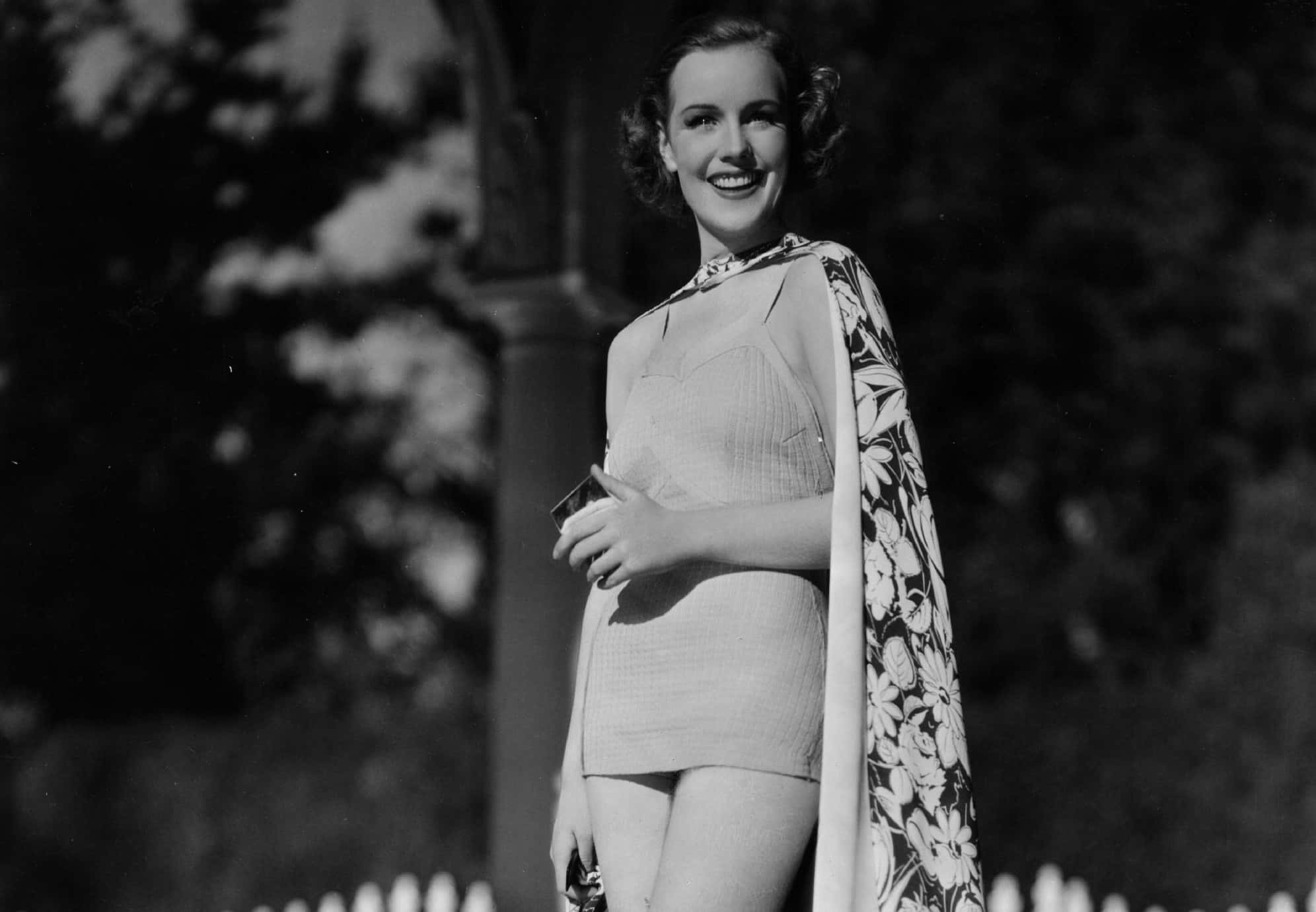
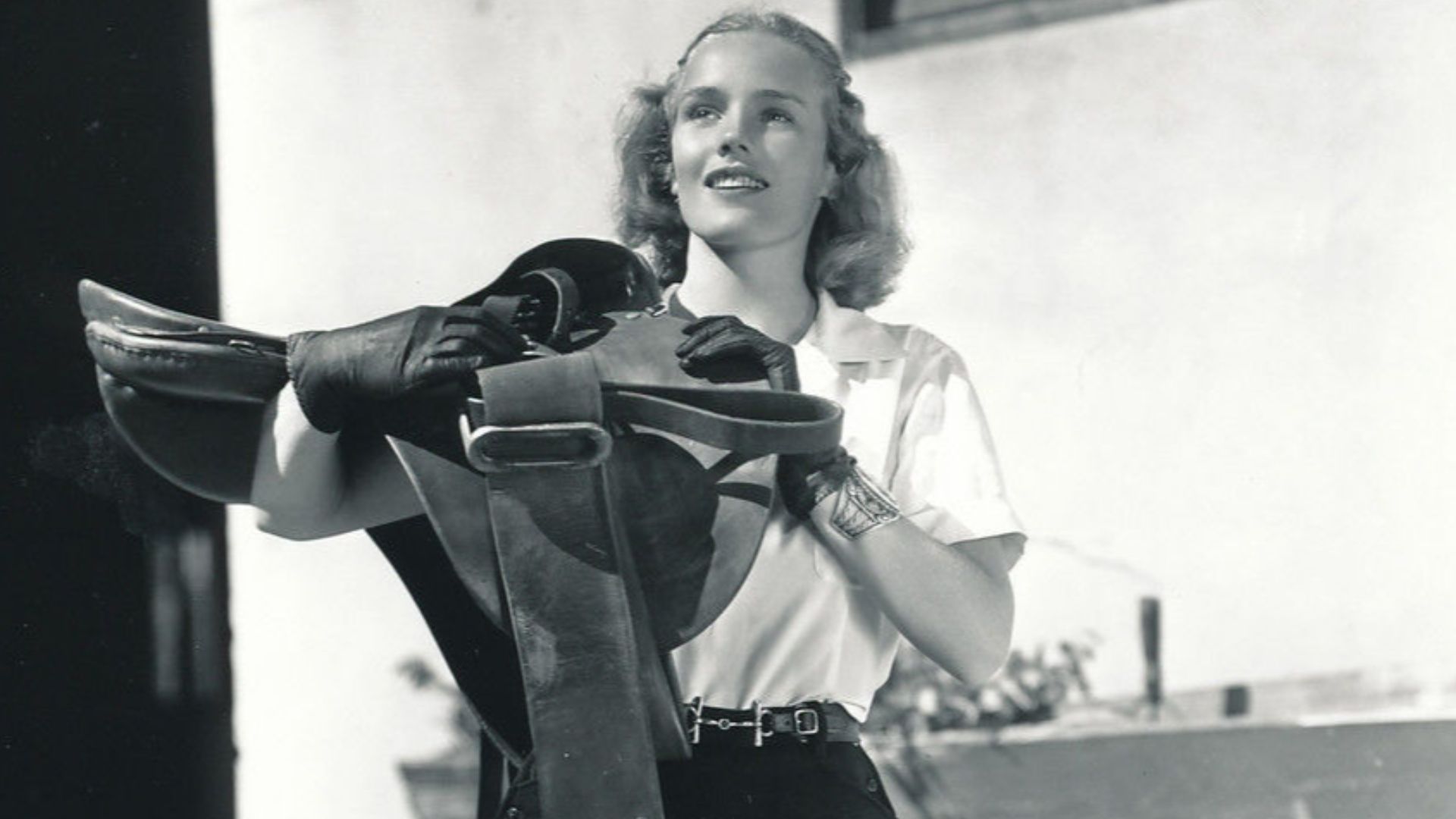
Farmer signed with Paramount Pictures in 1936. She had the look — strong jawline, piercing eyes, natural intensity. She starred in films like Too Many Parents (1936) and Rhythm on the Range (1936) alongside Bing Crosby.
But she didn’t love Hollywood. And Hollywood didn’t love that.
“I Was Not a Manufactured Doll”
Farmer openly resisted studio control. In later interviews, she said, “I was not a manufactured doll.” She disliked publicity stunts. She skipped events. She refused to pretend.
Studios wanted compliance. Frances wanted autonomy. That tension never eased.
The Broadway Escape
In 1937, she left Hollywood to work with the prestigious Group Theatre in New York — alongside Clifford Odets and Elia Kazan. She admired serious acting. But even there, she clashed with directors and co-stars.
Frances didn’t soften her opinions.
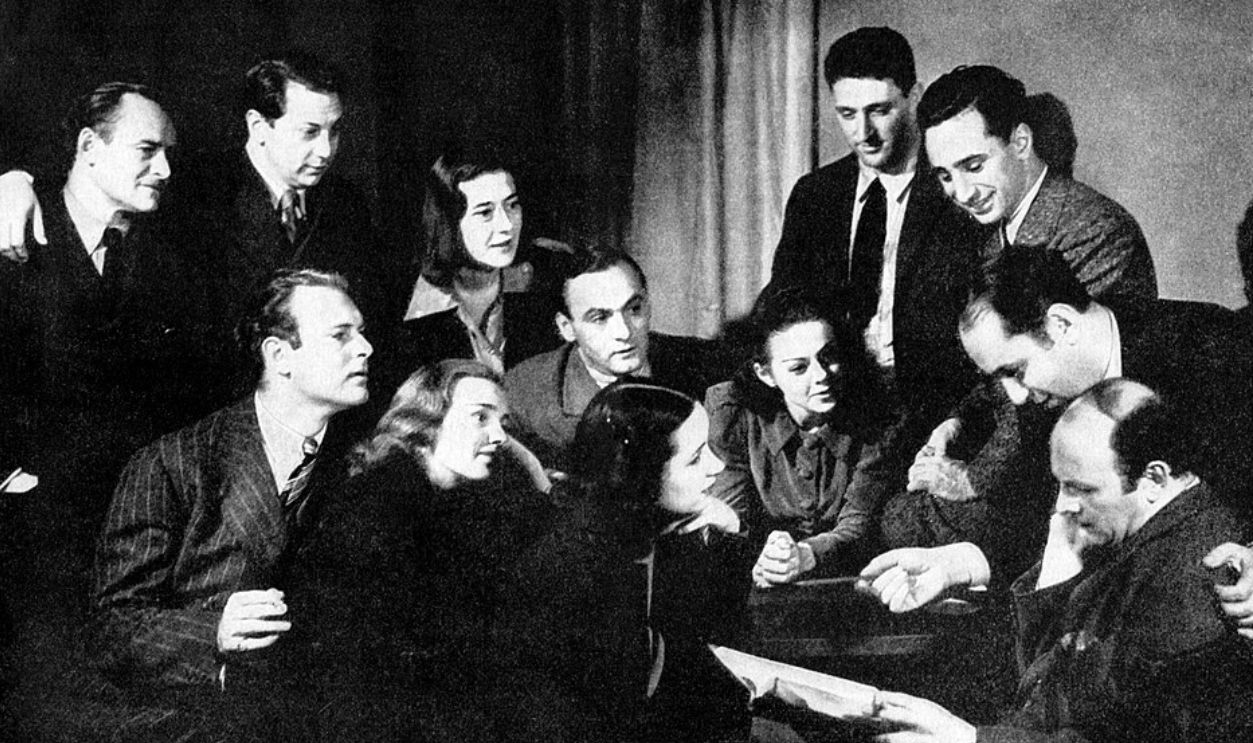 Theatre Magazine Company; photograph by Alfredo Valente, Wikimedia Commons
The Cracks Begin to Show
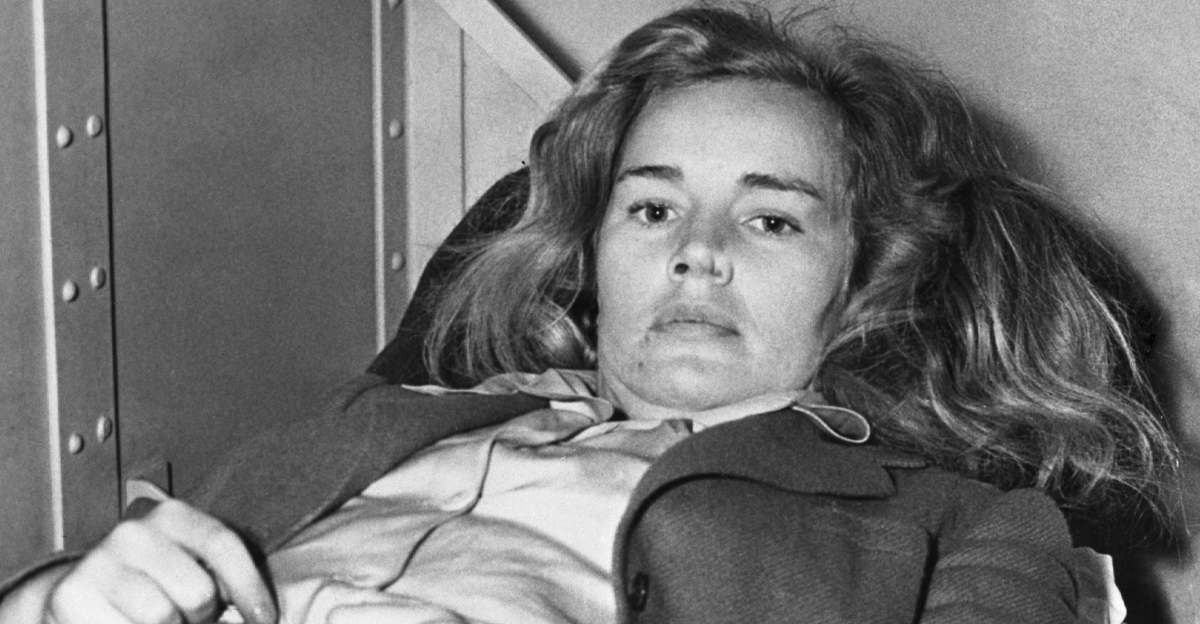
By the early 1940s, her behavior grew erratic. There were reports of heavy drinking, missed appearances, and emotional outbursts.
In 1942, she was arrested in Santa Monica for driving while drinking and violating wartime blackout regulations by driving with headlights on.
The court fined her $250…and she refused to pay.
A Courtroom Meltdown
In January 1943, Farmer appeared in court for probation violations. During the hearing, she lashed out at the judge, reportedly saying, “Have you ever had a broken heart?”
Newspapers described her as defiant and unstable. The headlines were merciless.
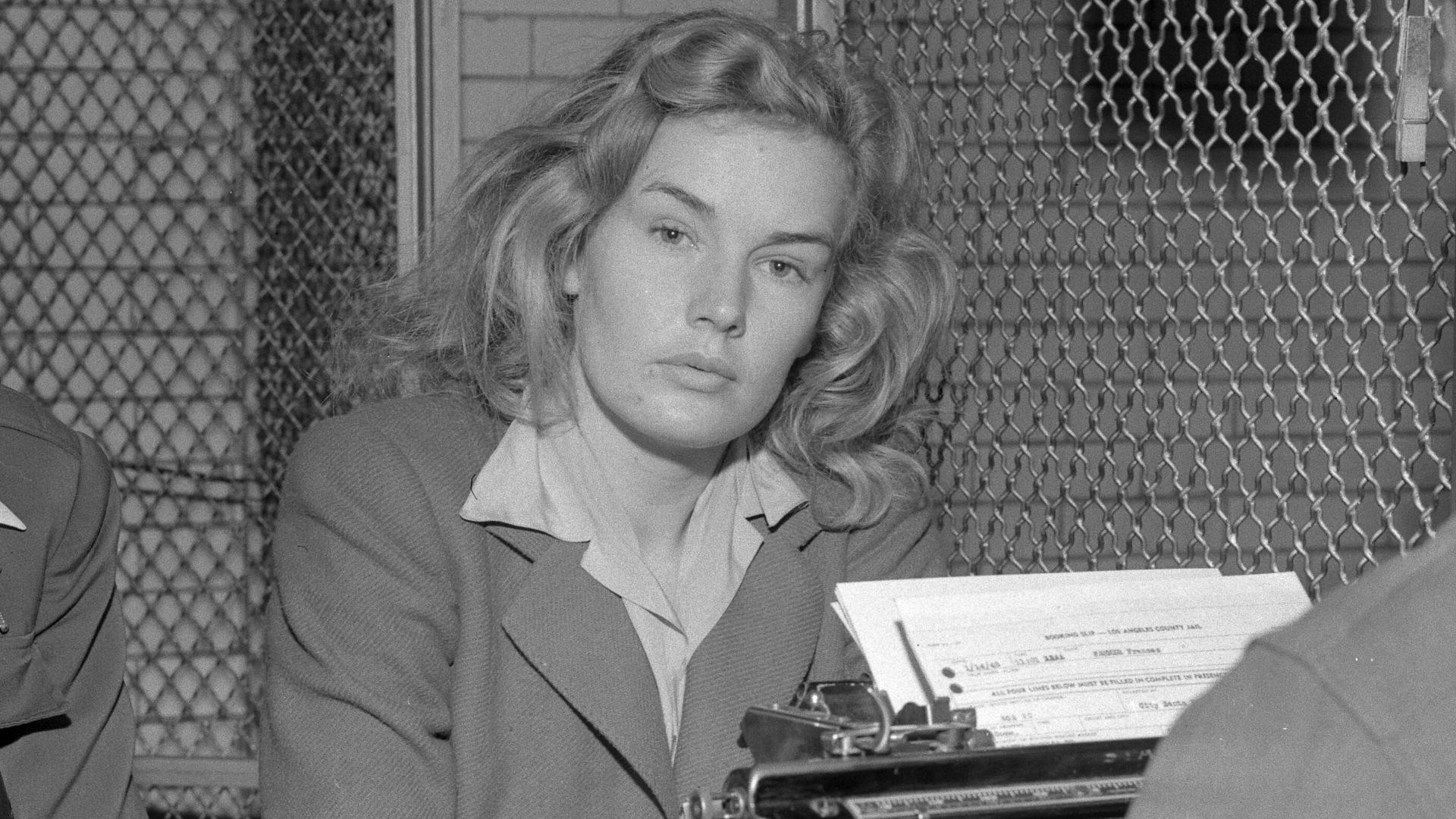 Los Angeles Times, Wikimedia Commons
The First Commitment
Shortly after, her mother, Lillian Farmer, filed papers to have her declared mentally incompetent. Frances was committed to the Psychopathic Ward of Los Angeles General Hospital in 1943.
It wasn’t voluntary. That detail matters.
 Tichnor Brothers, Publisher, Wikimedia Commons
A Daughter and Mother at War
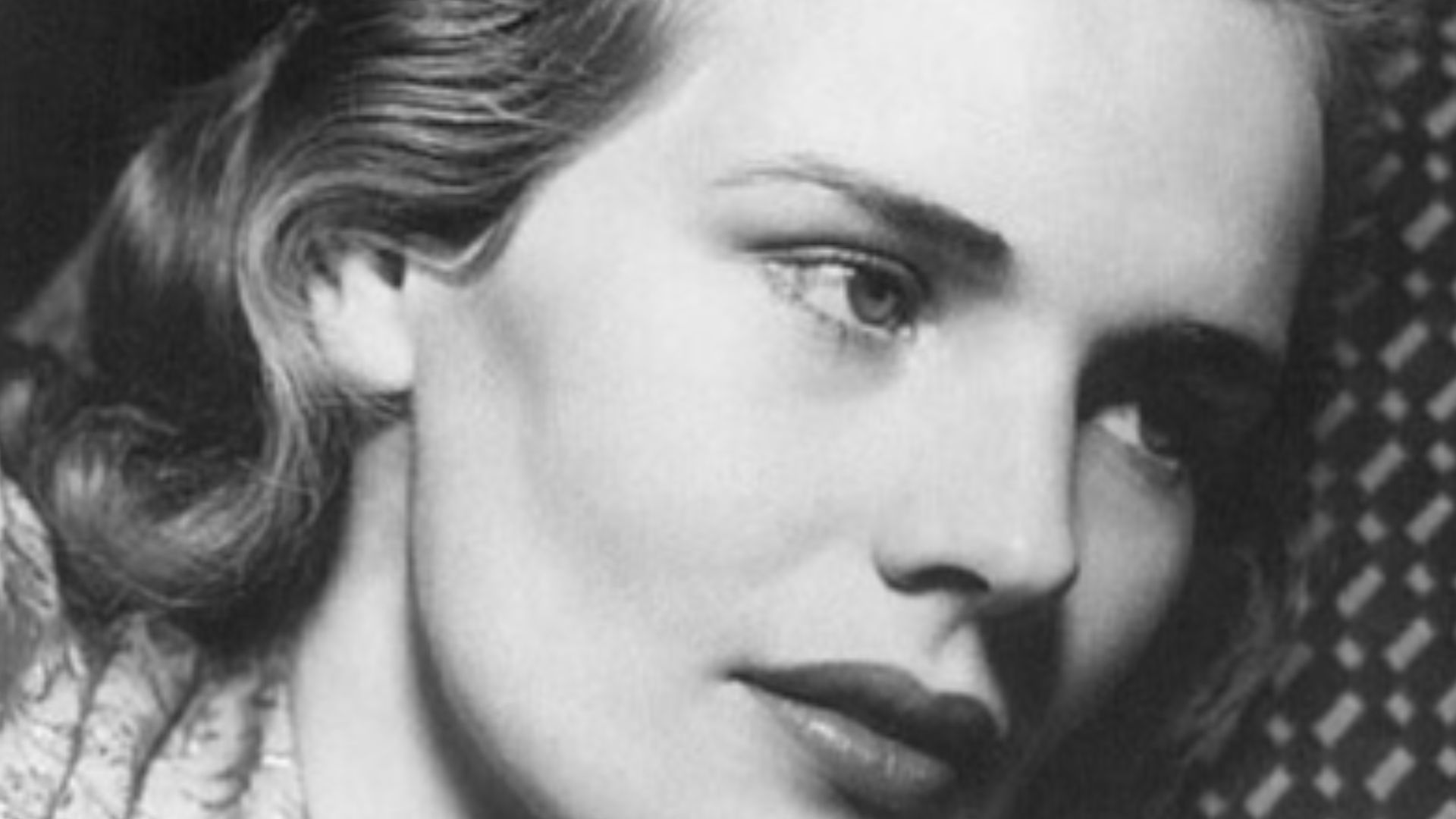
Frances later described her relationship with her mother as strained and controlling. In her memoir Will There Really Be a Morning?, she wrote, “My mother was my jailer.”
Historians debate how much influence Lillian had over the commitment.
But the family conflict was real.
 Unknown authorUnknown author, Wikimedia Commons
Transferred to Washington
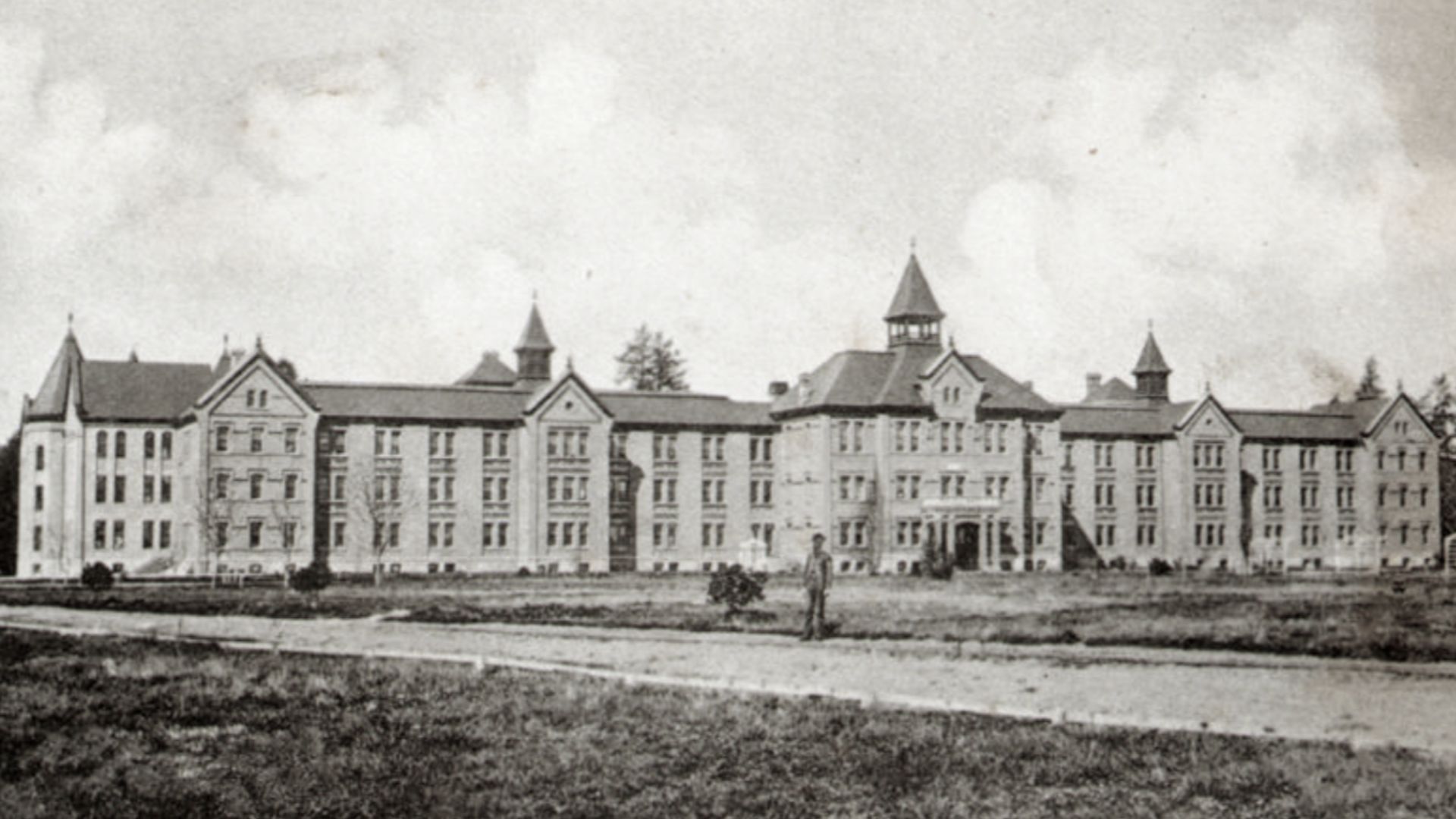
In mid-1943, Frances was transferred to Western State Hospital in Steilacoom, Washington, near her hometown. She was 29 years old.
Once inside, leaving would not be simple.
 Unknown authorUnknown author, Wikimedia Commons
Inside Western State
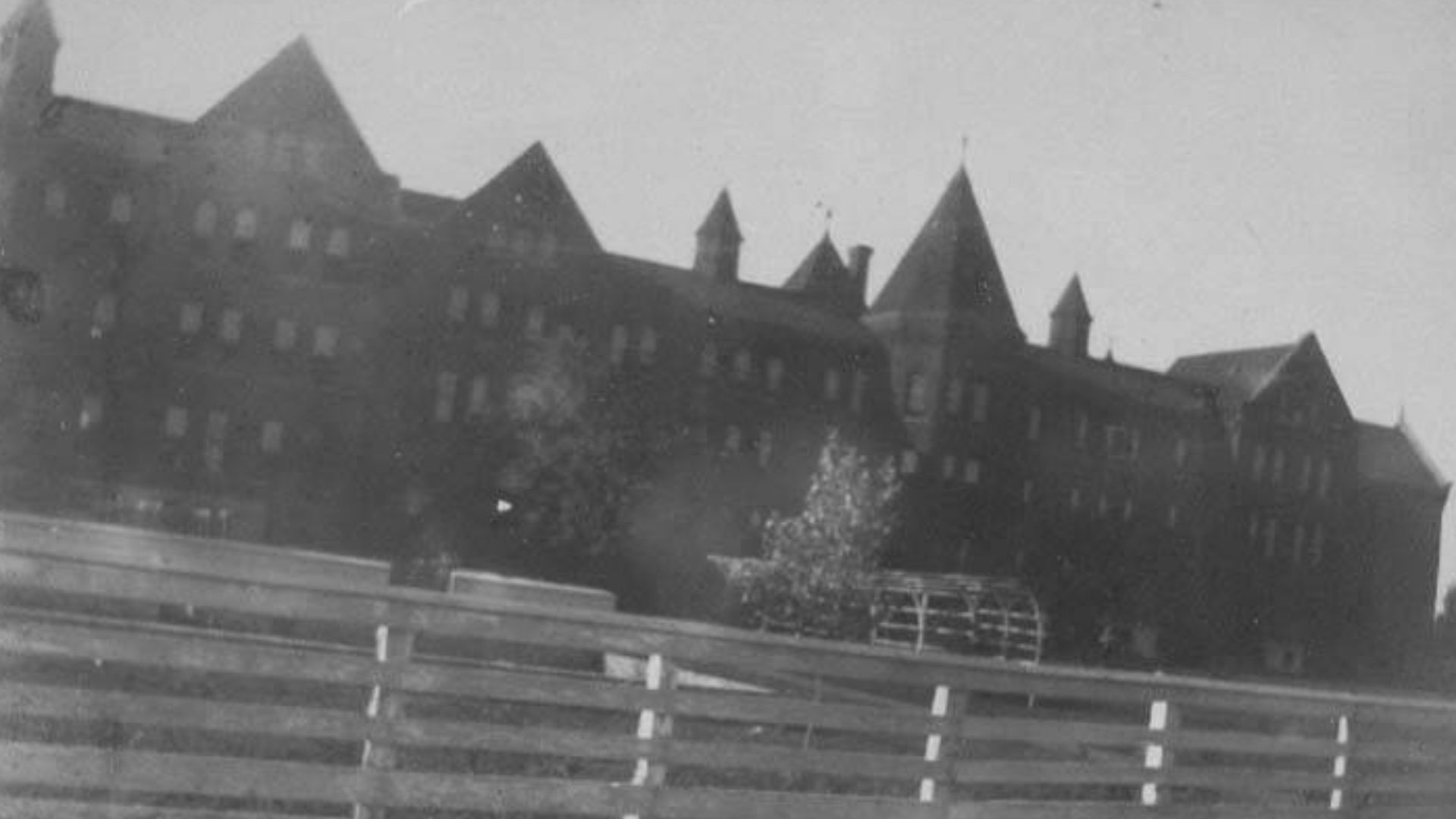
Records show Frances was diagnosed with “manic depressive psychosis,” the terminology used at the time. She received treatments common in the 1940s — including insulin shock therapy.
There is no verified medical record confirming that she received a lobotomy, despite decades of rumors.
 Unknown authorUnknown author, Wikimedia Commons
“I Was Treated Like an Animal”
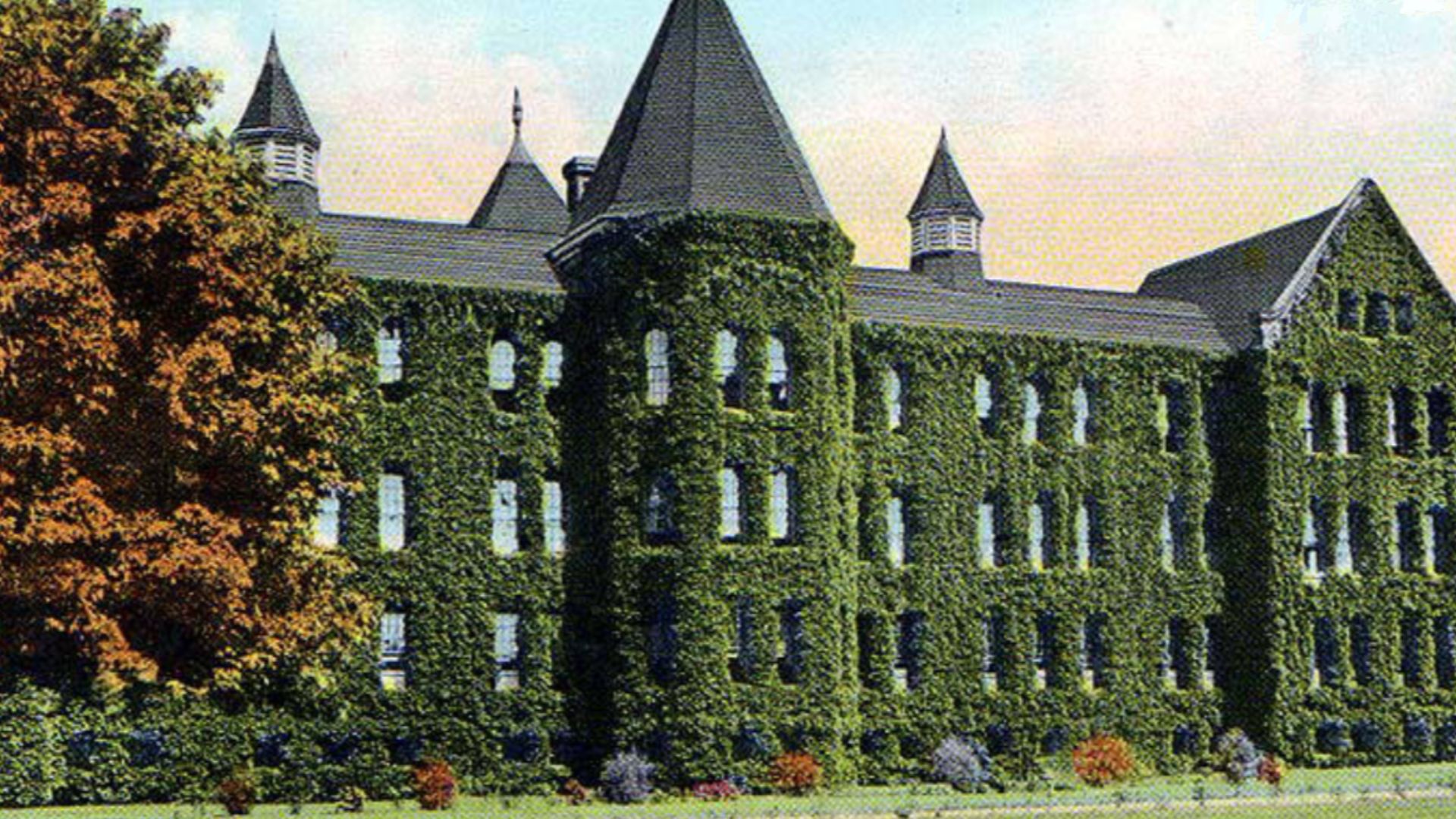
In her memoir, Farmer wrote of humiliating conditions, overcrowding, and restraint. “I was treated like an animal,” she claimed. Some accounts from hospital records describe her as combative. Others note periods of calm.
The truth likely sits somewhere complicated in between.
 Unknown authorUnknown author, Wikimedia Commons
Attempts at Release
Farmer was briefly released in 1944 into her parents’ custody but struggled to maintain stability. By 1945, she was recommitted to Western State Hospital.
Each attempt at freedom seemed to circle back.
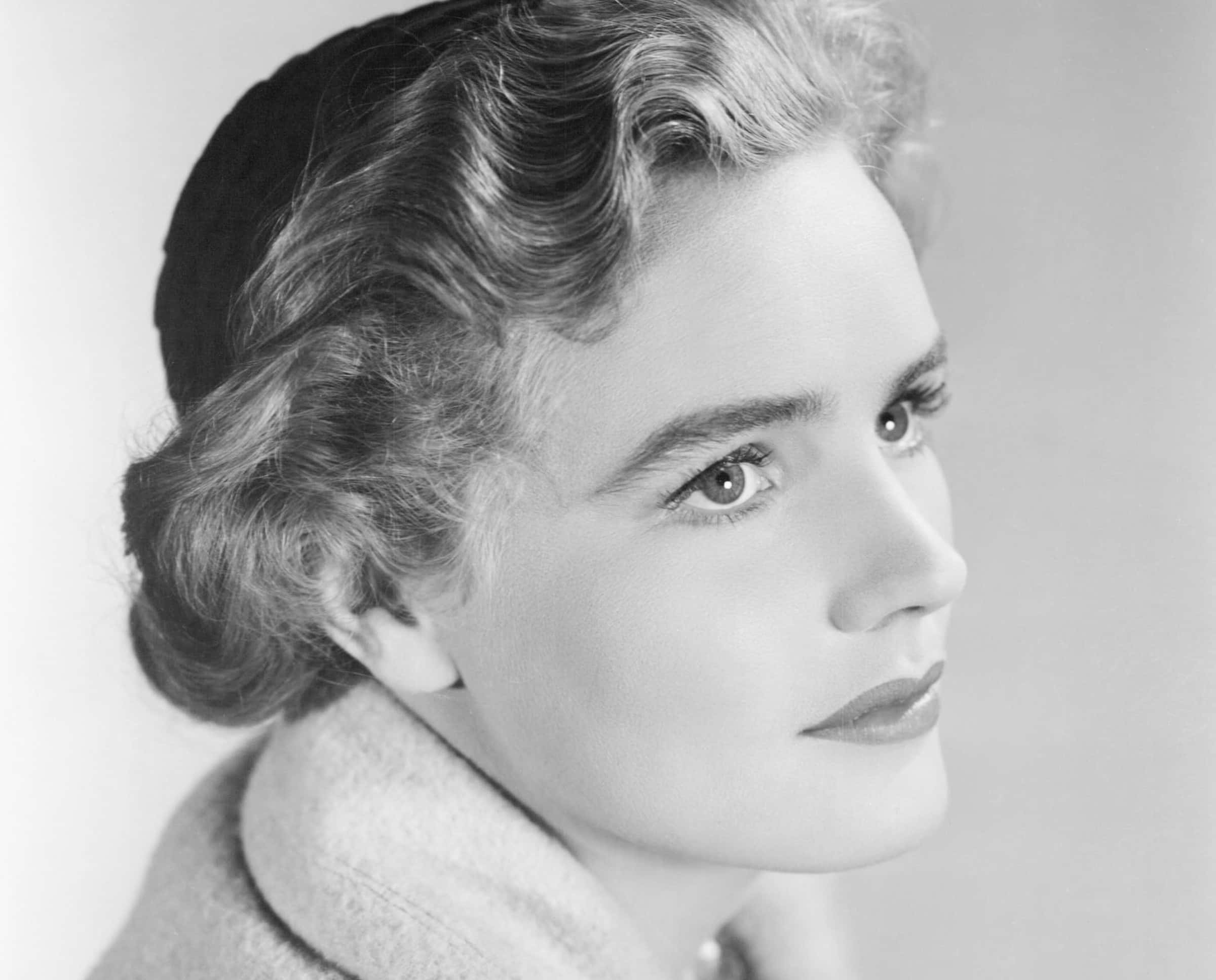 Silver Screen Collection, Getty Images
The Public Forgets Quickly
By the mid-1940s, Hollywood had moved on. Younger actresses filled the roles Farmer once fought for. Her film career stalled completely.
Outside the hospital walls, the industry barely mentioned her name.
 Michael Ochs Archives, Getty Images
A Legal Guardian
During her institutionalization, Frances was declared legally incompetent. Her mother maintained guardianship for years. That meant Frances had limited control over her finances or decisions.
Independence became a distant memory.
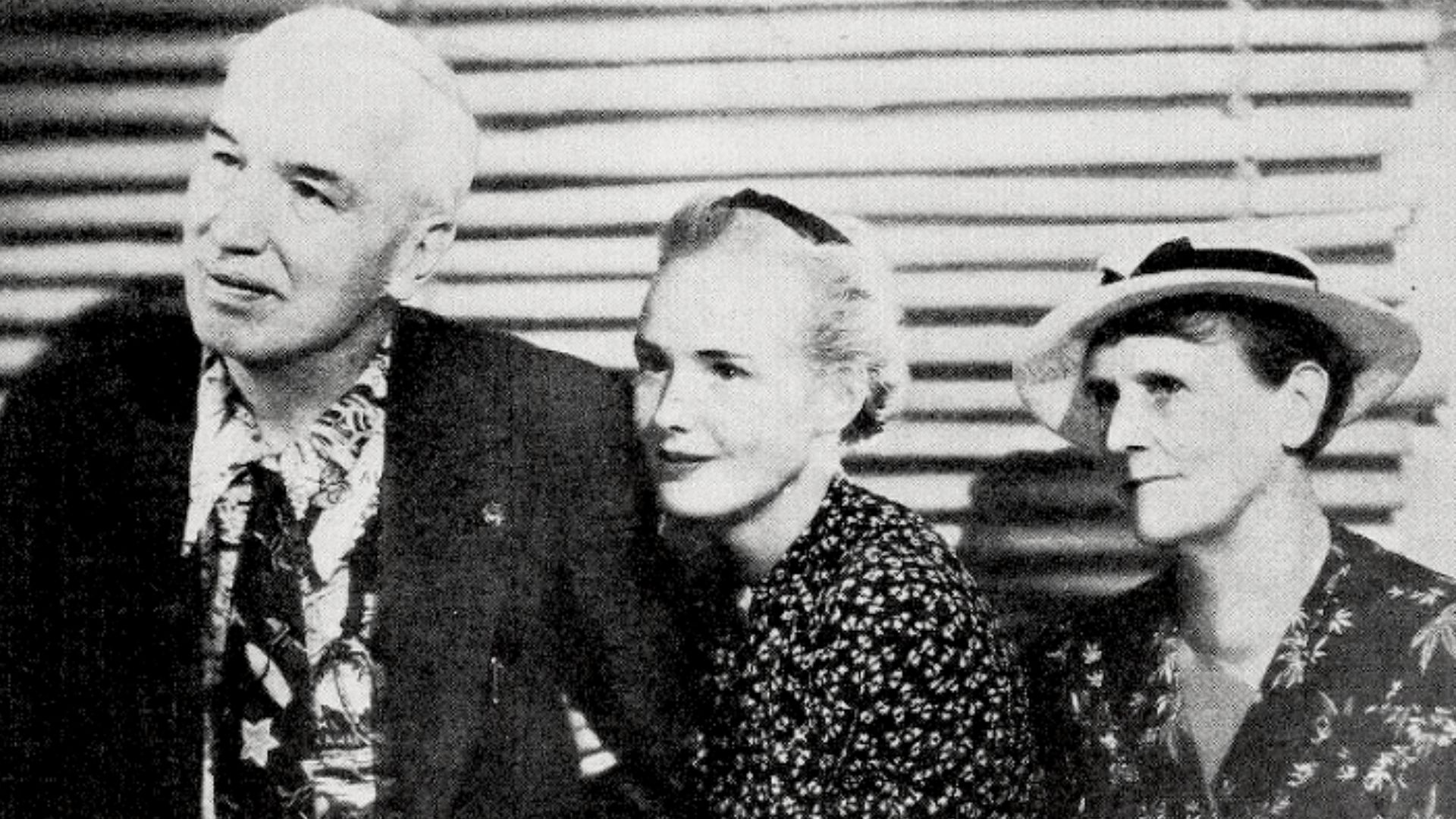 Unknown authorUnknown author, Wikimedia Commons
Finally Released
In 1950, after nearly five years in and out of institutions, Farmer was formally discharged from Western State Hospital. She was 36 years old.
But Hollywood was no longer waiting.
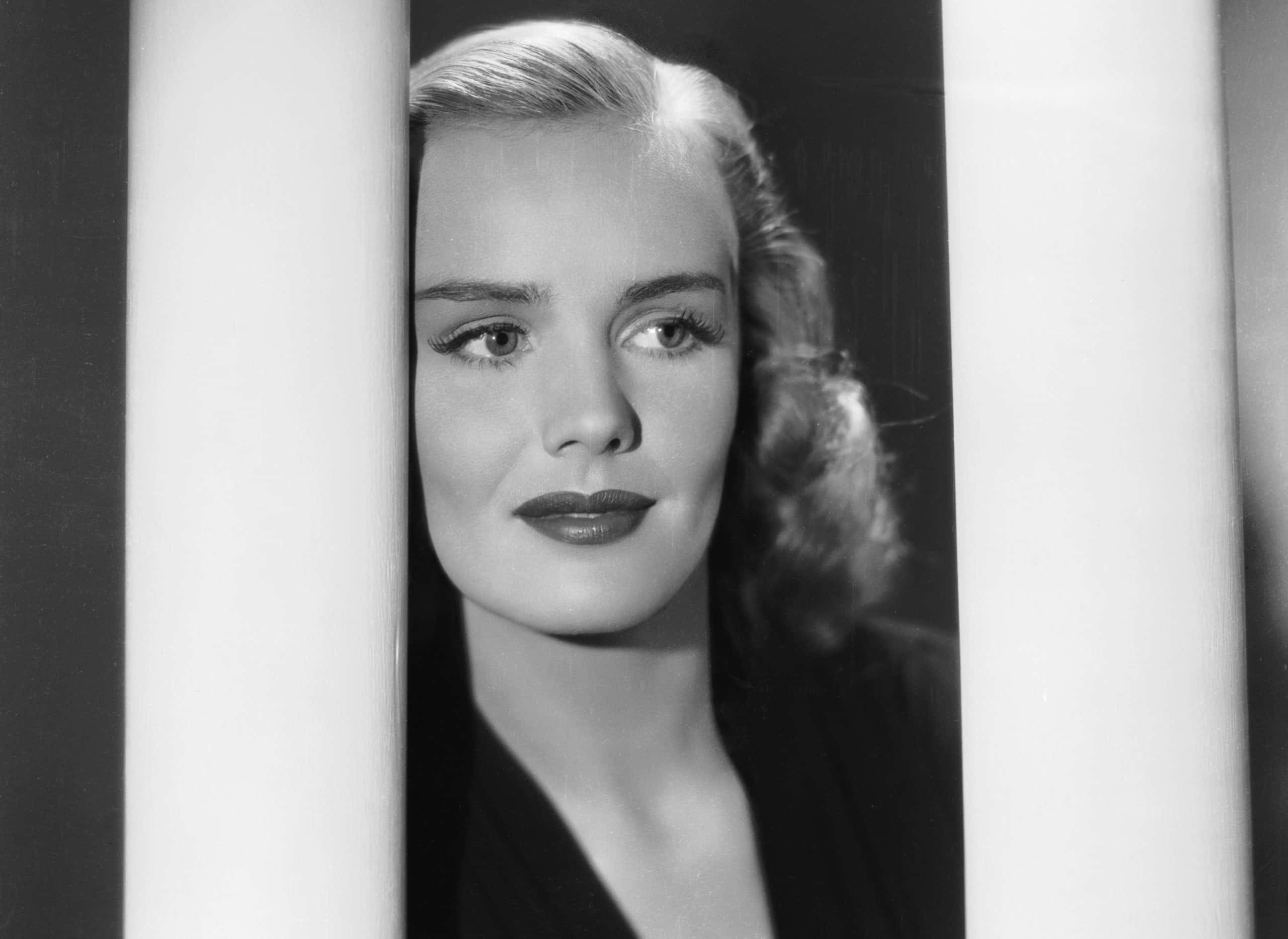 John Kobal Foundation, Getty Images
Life After Confinement
Frances worked various jobs — including as a laundry worker and hotel clerk — before slowly returning to television in the 1950s. She appeared on programs like This Is Your Life in 1958.
America watched, curious and slightly uncomfortable.
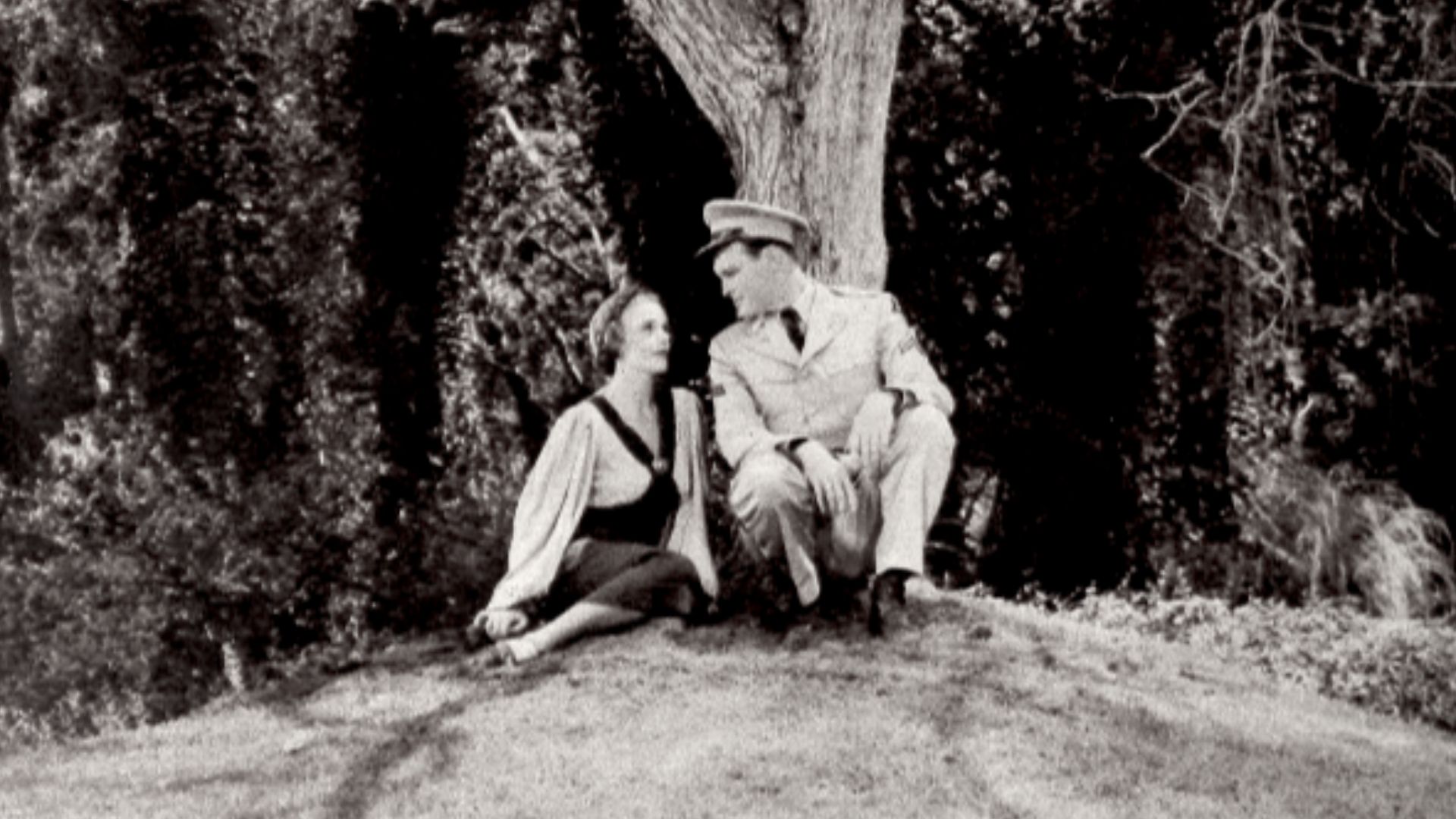 Unknown authorUnknown author, Wikimedia Commons
“There Was No Place for Me”
In later interviews, Farmer reflected on her fall from fame. She once said, “There was no place for me in Hollywood.”
She believed she had been punished for refusing to conform. Whether that’s fully true remains debated. But the resentment was genuine.
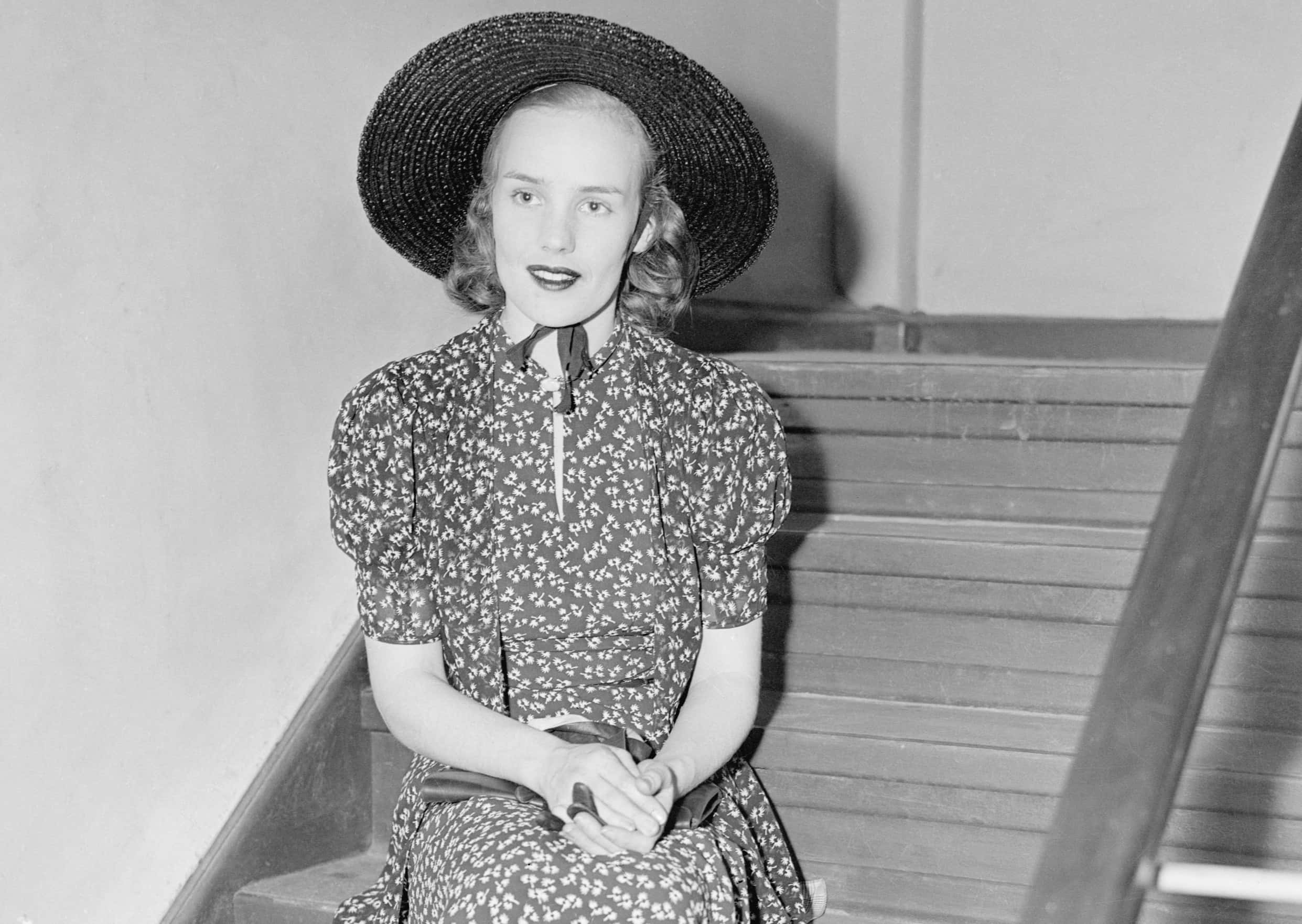
The Memoir
Her autobiography, Will There Really Be a Morning?, was published posthumously in 1972. The book painted a harrowing picture of her hospital years. Some scholars argue it was heavily edited and possibly embellished.
Still, it shaped her legacy.
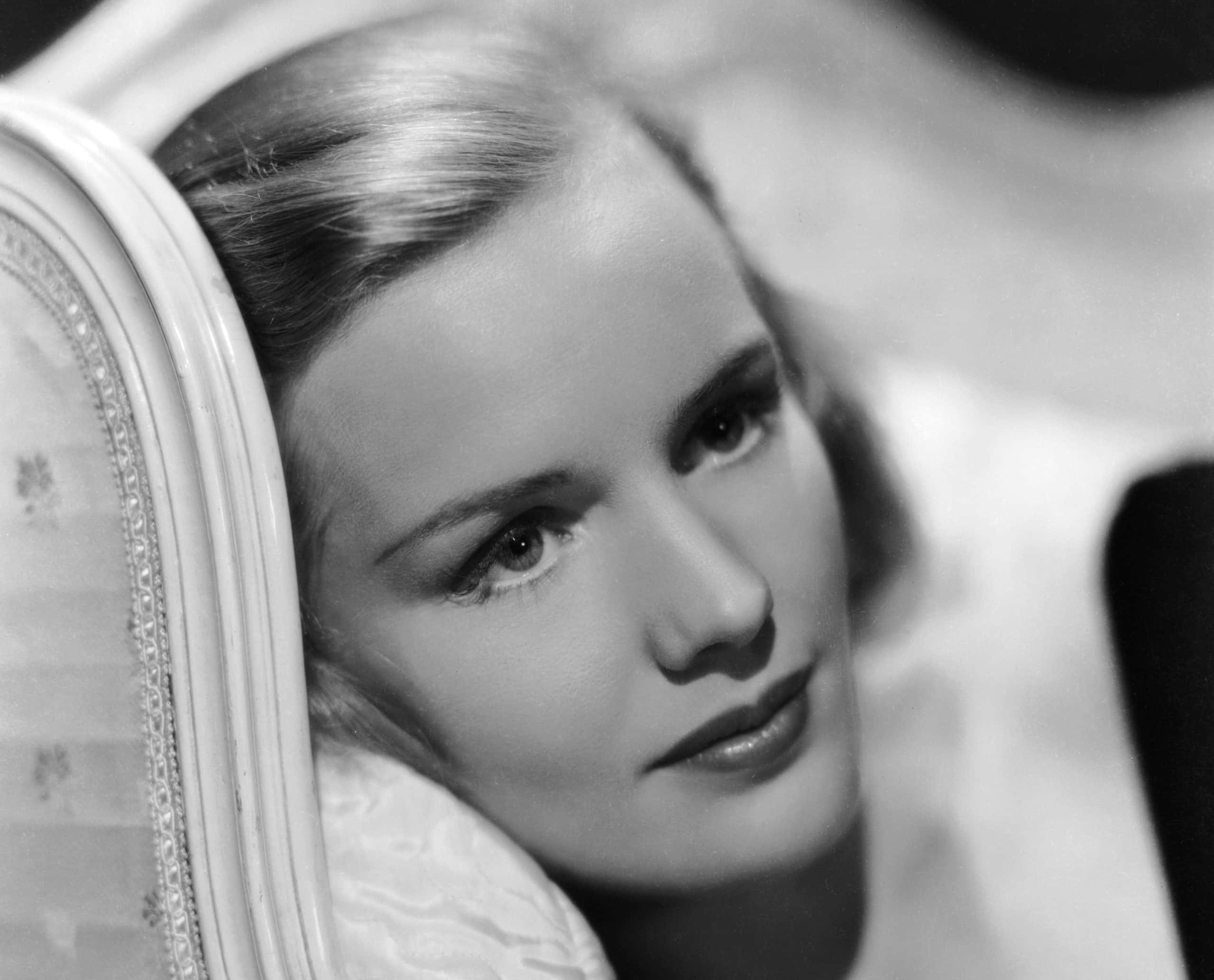 John Kobal Foundation, Getty Images
The Darker Rumors
In the 1980s, a biography titled Shadowland fueled sensational claims — including the unproven lobotomy story. Investigative journalists later found no medical evidence to support those claims.
Separating myth from fact became part of her story.
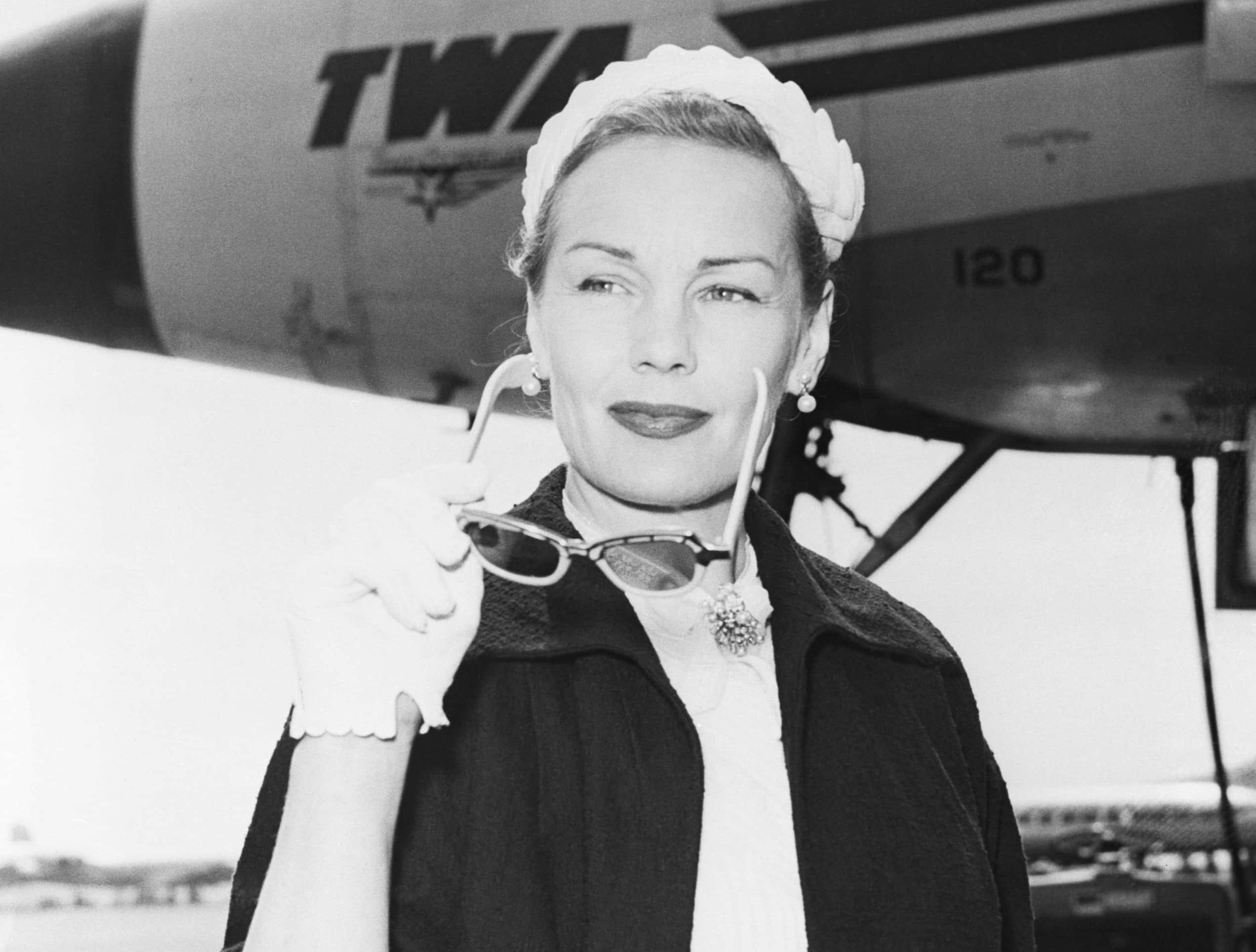
A Complicated Reality
Frances Farmer likely struggled with mental health challenges, substance misuse, and immense stress. She also lived in an era when institutionalization was common — especially for outspoken women.
Two truths can coexist: She was unwell. And she was mistreated.
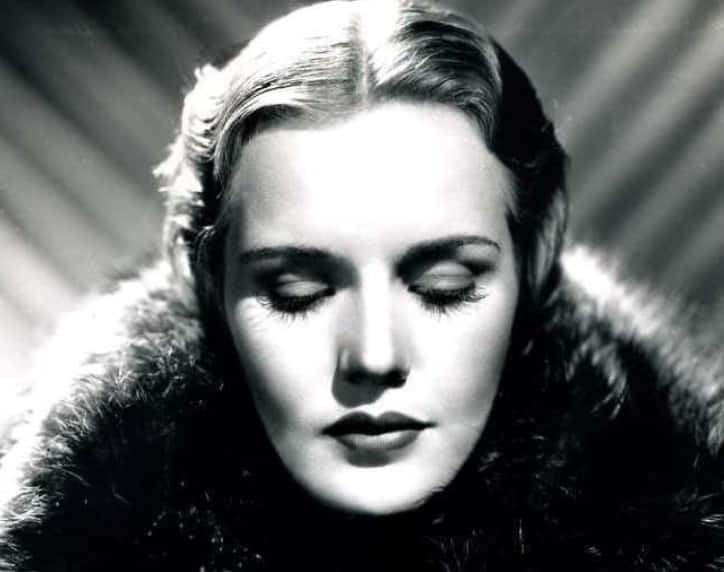
The Return to Television
In the 1960s, Farmer hosted a local television show in Indianapolis called Frances Farmer Presents. It wasn’t Hollywood glamor. But it was work. And it was hers.
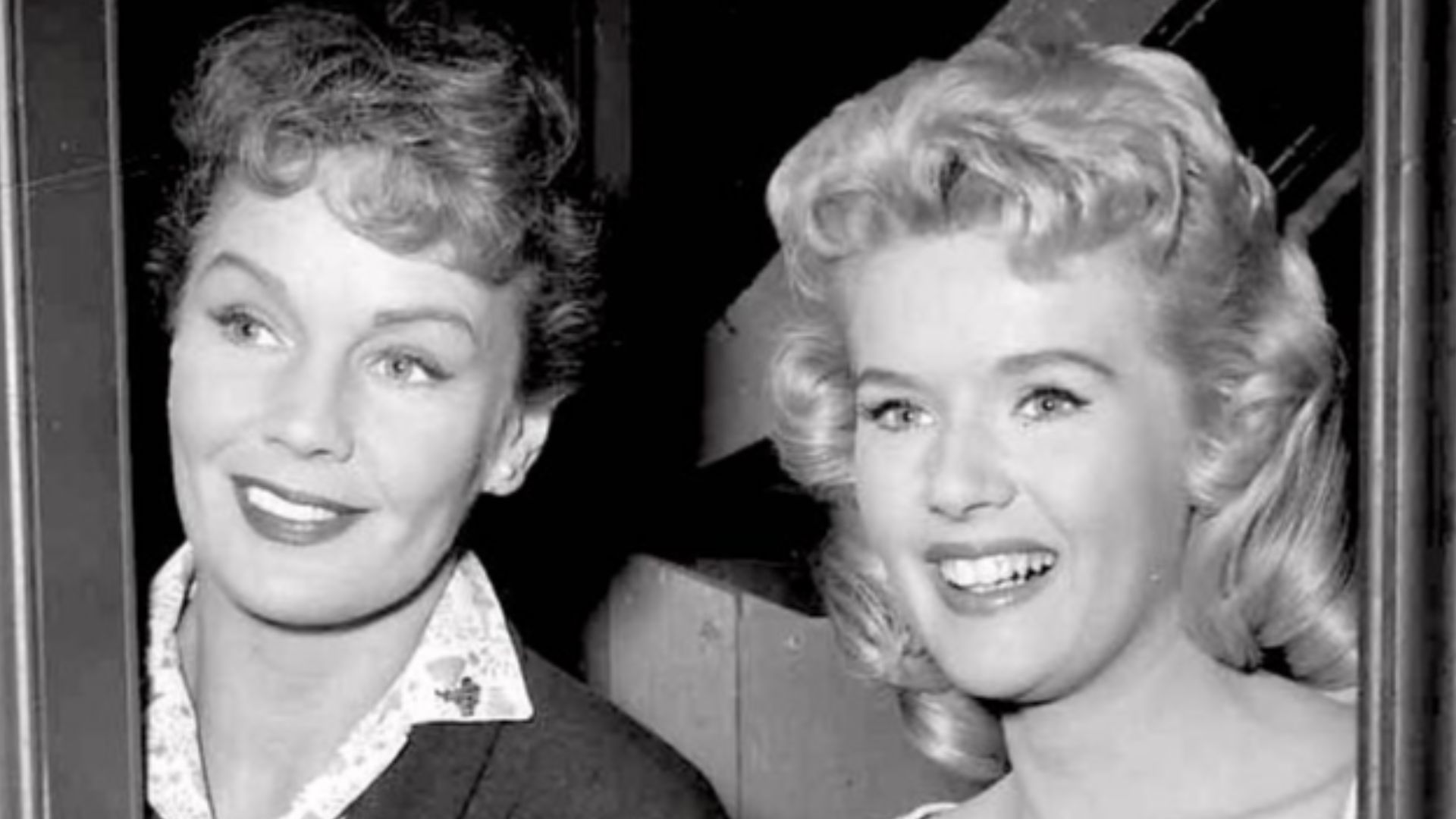 United Press, Wikimedia Commons
The Final Years
Frances Farmer died on August 1, 1970, in Indianapolis, Indiana, from esophageal cancer. She was 56. By then, she had long stepped away from the spotlight.
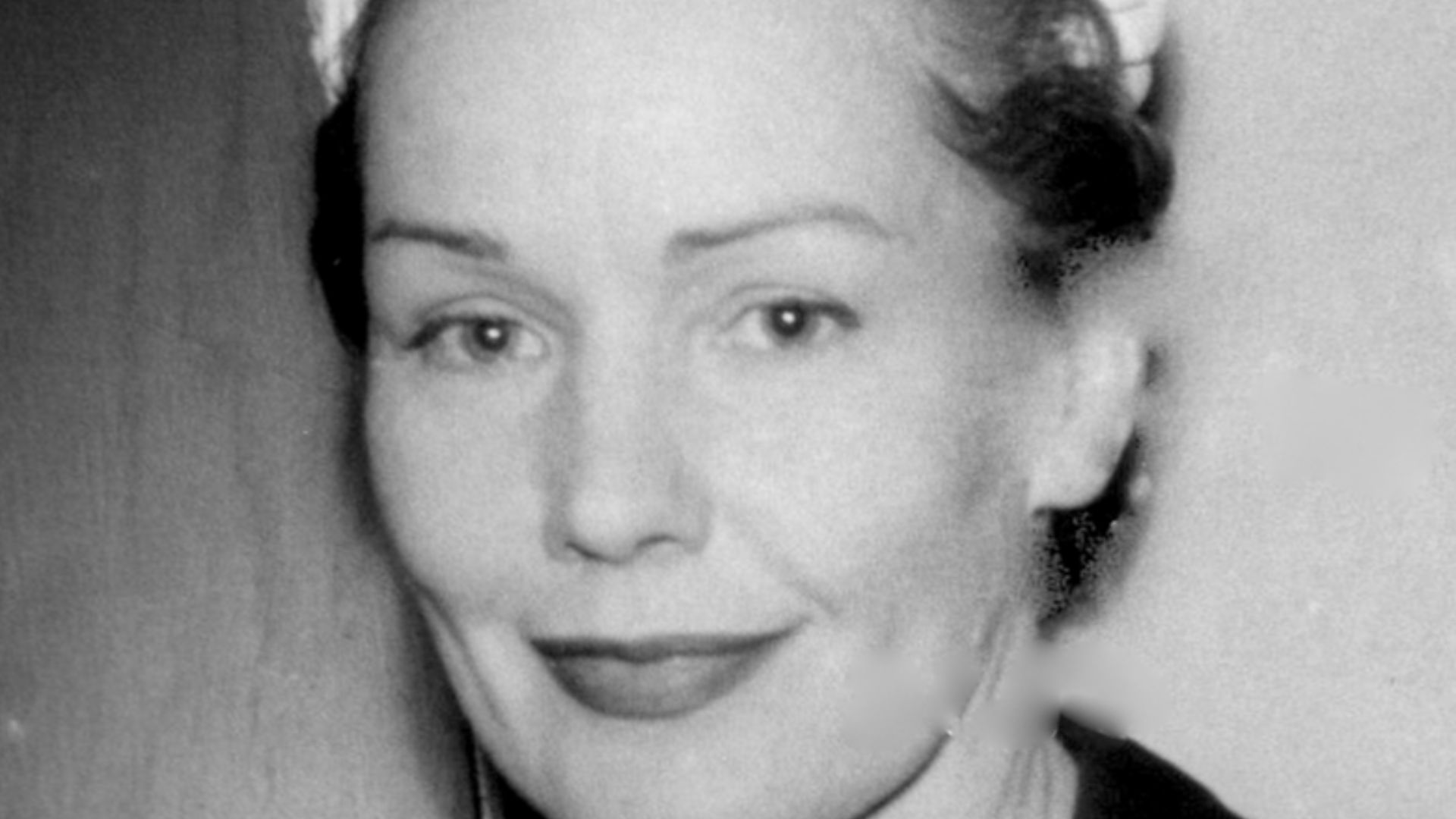 Unknown authorUnknown author, Wikimedia Commons
The Legacy That Lingers
Frances Farmer’s story remains one of Hollywood’s most debated cautionary tales.
Was she a victim of an oppressive system? Was she a troubled woman undone by addiction and conflict? Was she both?

The Woman Behind the Headlines
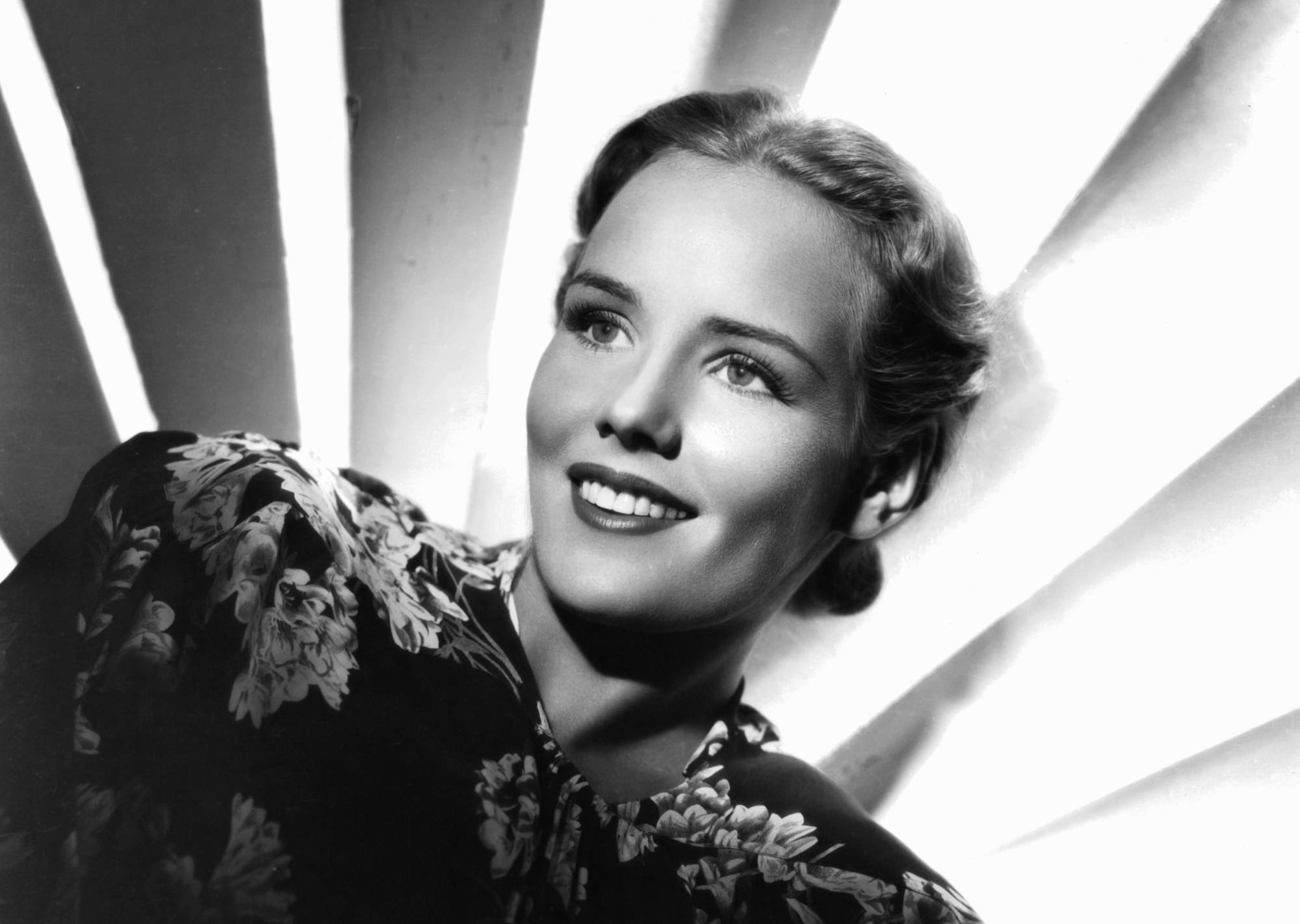
What’s undeniable is this: Frances Farmer was intelligent, talented, and unwilling to be reshaped into something she wasn’t.
In 1936, she could have played the game, but she didn’t. And that decision shaped everything that followed.
The Question That Still Echoes
Frances once wrote, “I knew I would be misunderstood.” Decades later, she still is.
Her story isn’t neat. It isn’t glamorous. It isn’t easily packaged. But it’s human. And that might be the most important part.
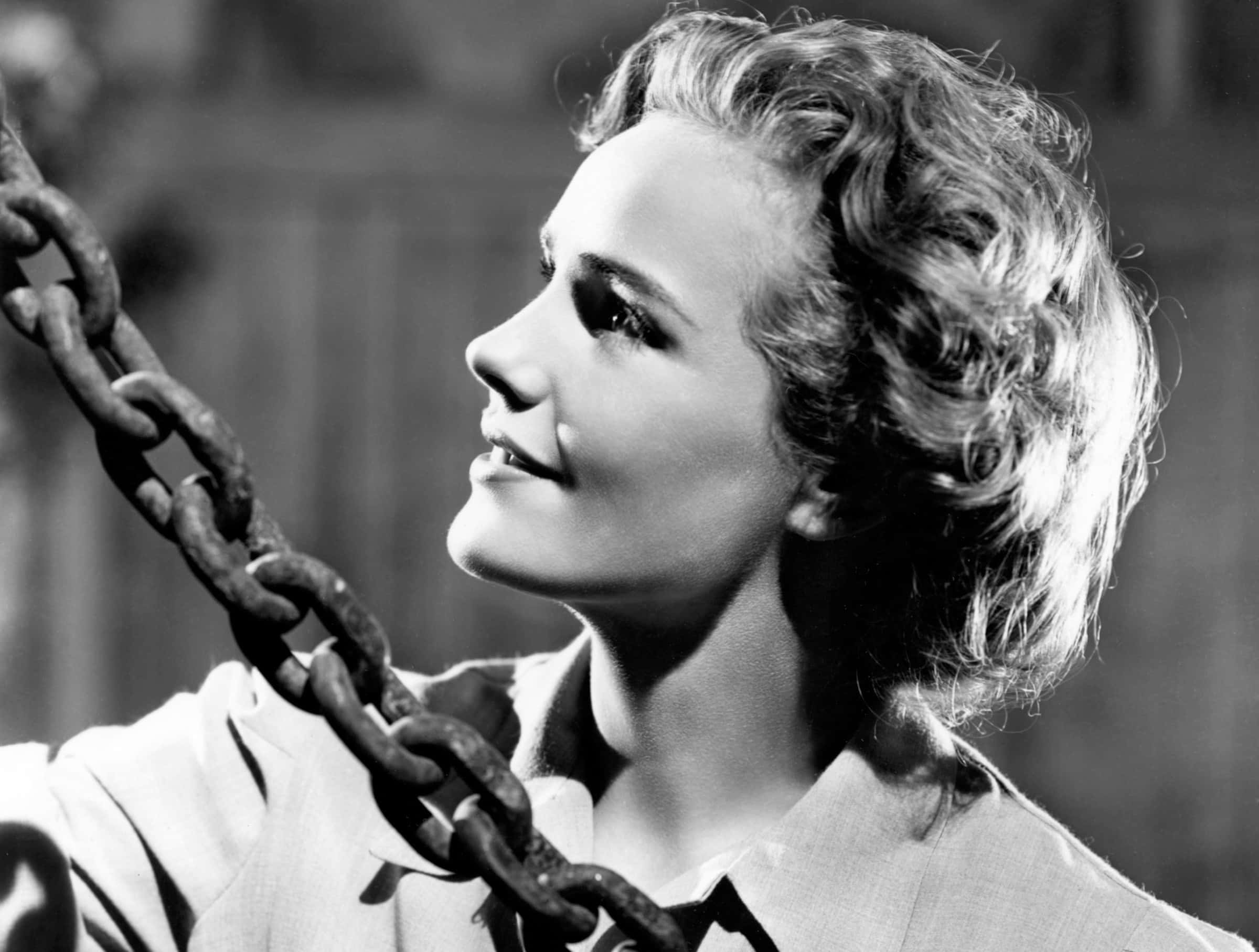 Silver Screen Collection, Getty Images
You May Also Like:
Natalie Wood’s death was one of Hollywood’s most enduring mysteries—until the captain of her yacht changed his story.